
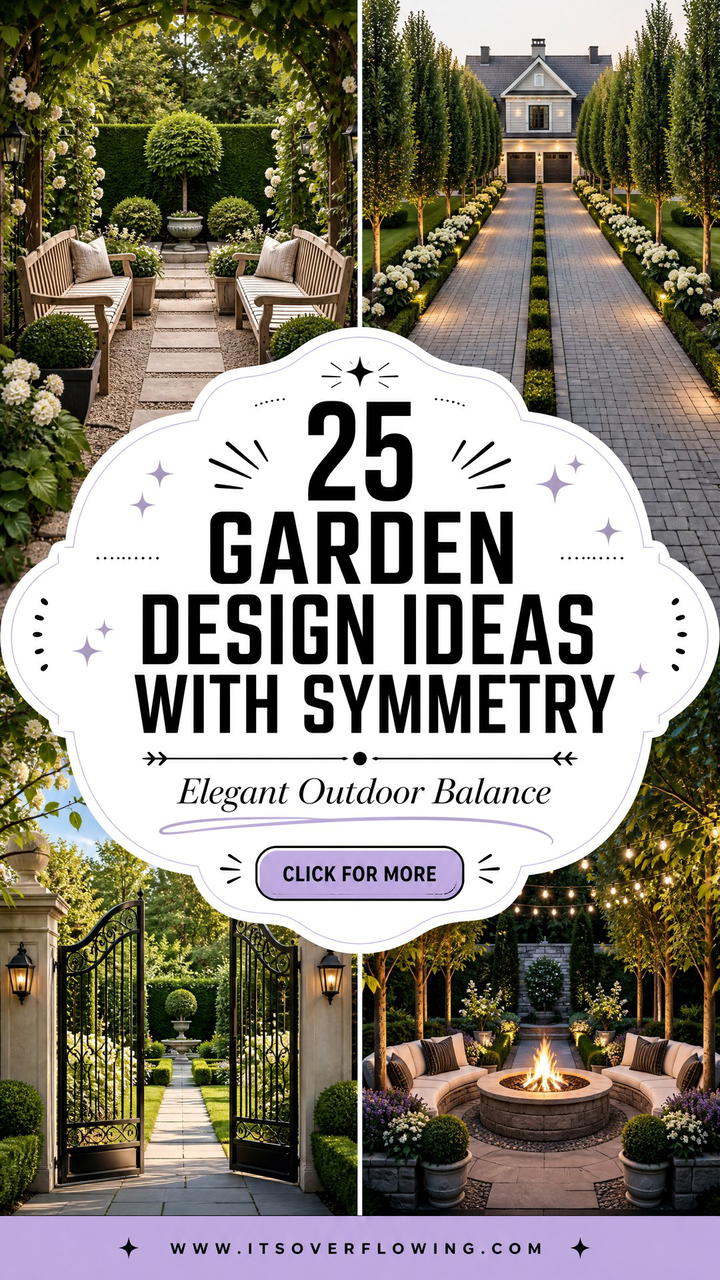
Creating a garden that feels balanced and orderly can completely transform your outdoor living experience. Symmetrical design is a timeless approach that brings a sense of peace and sophistication to any home exterior. When you step into a space that features mirrored elements and clean lines, your eyes naturally relax because the environment feels predictable and organized. This type of landscaping works exceptionally well for both small urban courtyards and sprawling country estates. By focusing on alignment and proportion, you can highlight architectural features of your house while providing a structured backdrop for nature to thrive. Let’s explore how symmetry can elevate your garden style and curb appeal.
1. Formal garden layout
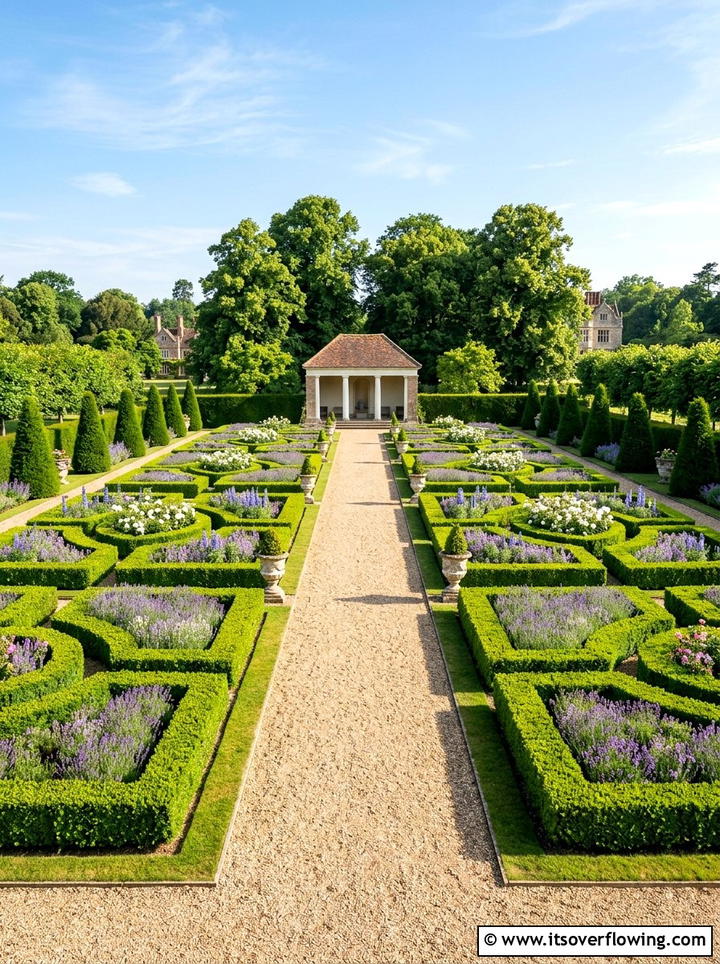
A formal garden layout relies heavily on a central axis to create a mirror effect that looks stunning from every angle. You can achieve this by dividing your yard into equal quadrants using gravel paths or low-cut hedges. Each section should feature identical plant selections and arrangements to maintain the visual balance. This structured approach makes even a small backyard feel much larger and more intentional. It provides a clear sense of direction for anyone walking through the space. Using evergreen plants ensures that the symmetrical bones of your garden remain visible throughout the year, even during the winter months. The result is a clean and sophisticated landscape.
2. Symmetrical flower beds
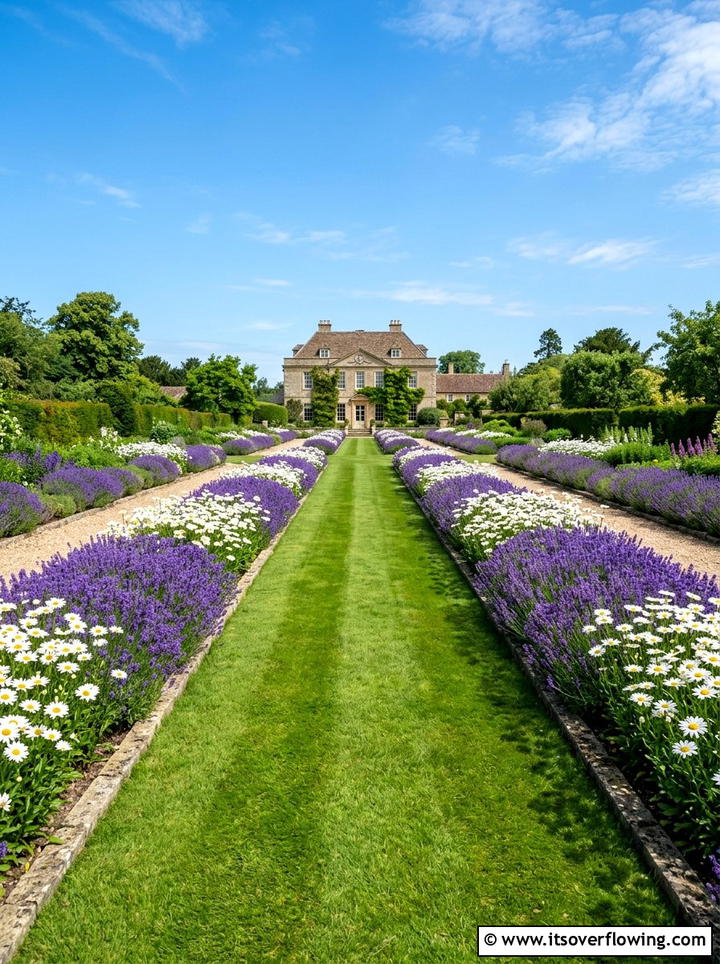
Symmetrical flower beds are a classic way to frame a lawn or a patio area with vibrant colors. To get this look right, you should plant the same species of flowers in the same order on both sides of a focal point. This creates a rhythmic pattern that guides the eye toward the center of your garden. You can use height to your advantage by placing taller perennials in the back and shorter annuals in the front. This layering technique adds depth while keeping the overall design perfectly balanced. Consistent watering and pruning are key to ensuring both sides grow at the same rate and stay beautiful.
3. Central garden path
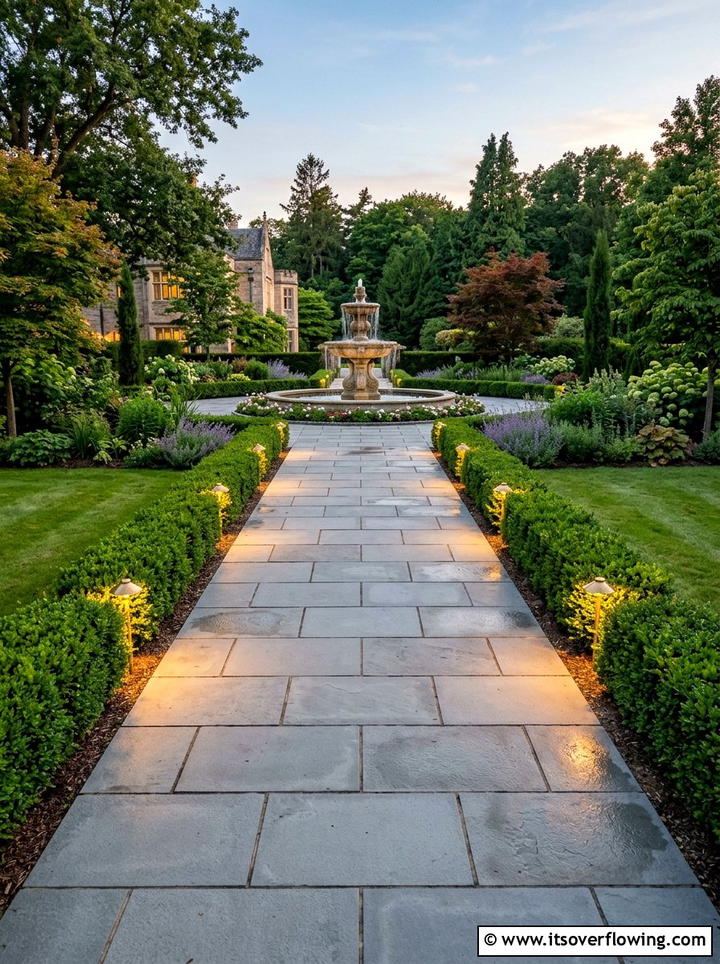
A central garden path acts as the primary spine of your landscape, drawing visitors toward a specific destination like a fountain or a seating area. When designing this feature, ensure the path is perfectly straight and centered within your outdoor space. You can use materials like flagstone, brick, or gravel to define the walkway. Flanking the path with identical shrubs or lighting fixtures reinforces the symmetrical theme. This layout creates a strong sense of order and makes the journey through your garden feel purposeful. It is a simple yet effective way to organize different zones in your backyard while maintaining a cohesive look.
4. Boxwood hedge border
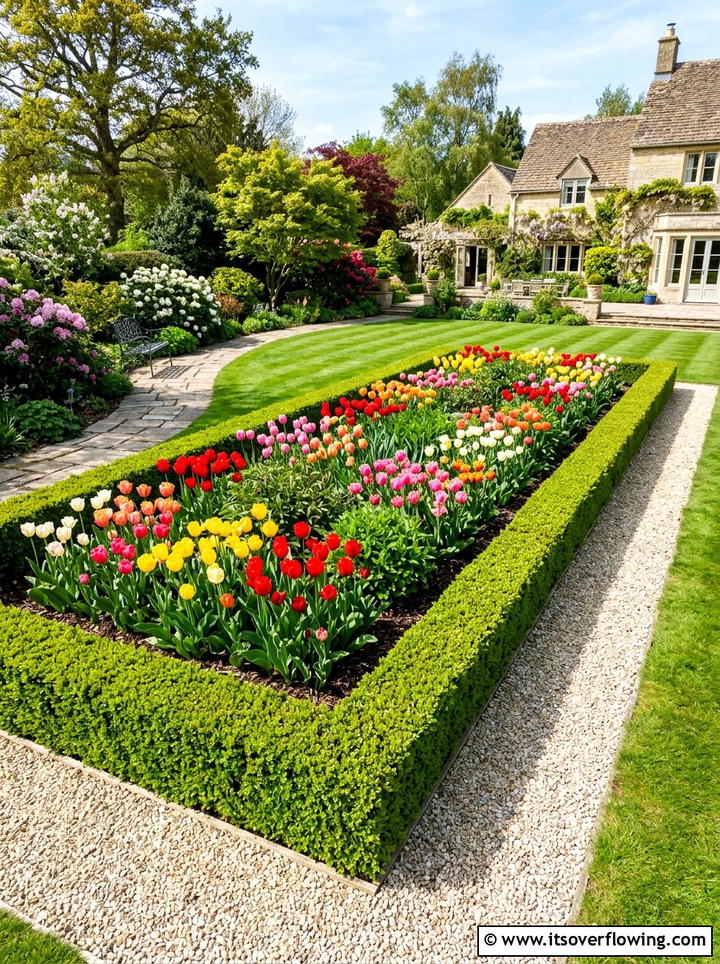
Using a boxwood hedge border is a fantastic way to define the edges of your symmetrical garden beds with precision. These hardy evergreens can be trimmed into sharp, geometric shapes that provide a permanent structure to your landscape. By placing identical hedges on either side of an entrance or a walkway, you create a mirror image that feels formal and neat. Boxwoods are versatile and can be kept at various heights depending on your privacy needs. They serve as a green frame for more colorful flowers, making the colors pop against the dark green foliage. Regular clipping is necessary to keep the symmetry perfect.
5. Twin potted plants entrance
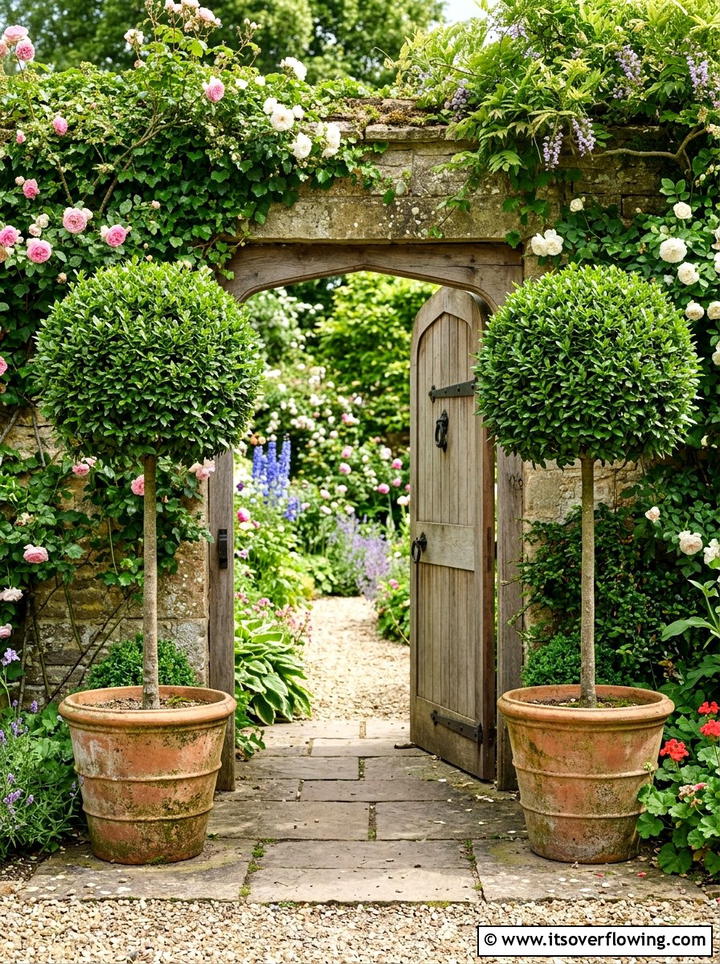
An easy way to introduce symmetry to your home is by placing twin potted plants at the entrance of your garden or porch. Choosing identical containers and matching plant species creates an instant sense of balance. You might choose tall, slender trees like Italian Cypress or bushy hydrangeas for a softer look. The key is to ensure the pots are placed at the exact same distance from the door or gate. This arrangement frames the entryway beautifully and welcomes guests with a touch of elegance. It is a flexible option that allows you to change the plants according to the season.
6. Mirror image patio
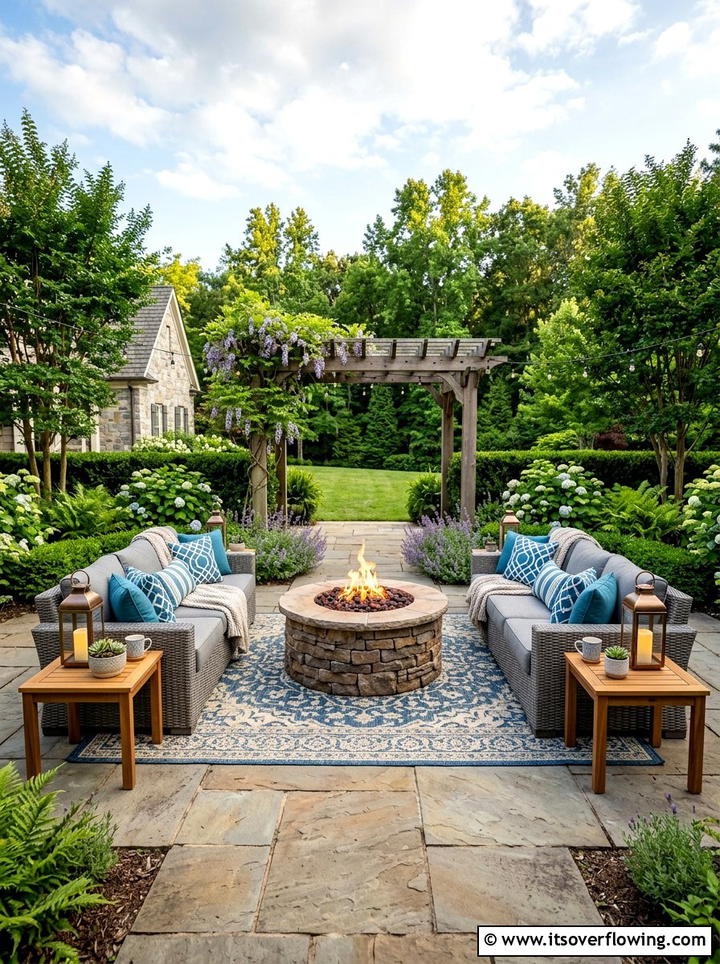
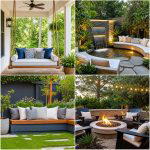
Creating a mirror image patio involves arranging your outdoor furniture and decor in a way that reflects across a central line. For example, you can place two identical sofas facing each other with a coffee table or a fire pit in the middle. This layout encourages conversation and makes the seating area feel more intimate and organized. You can further enhance the symmetry by placing matching outdoor rugs or planters on each side of the furniture set. Using consistent colors and materials helps the entire space feel unified. A balanced patio is perfect for hosting gatherings or relaxing in a tidy environment.
7. Symmetrical herb garden
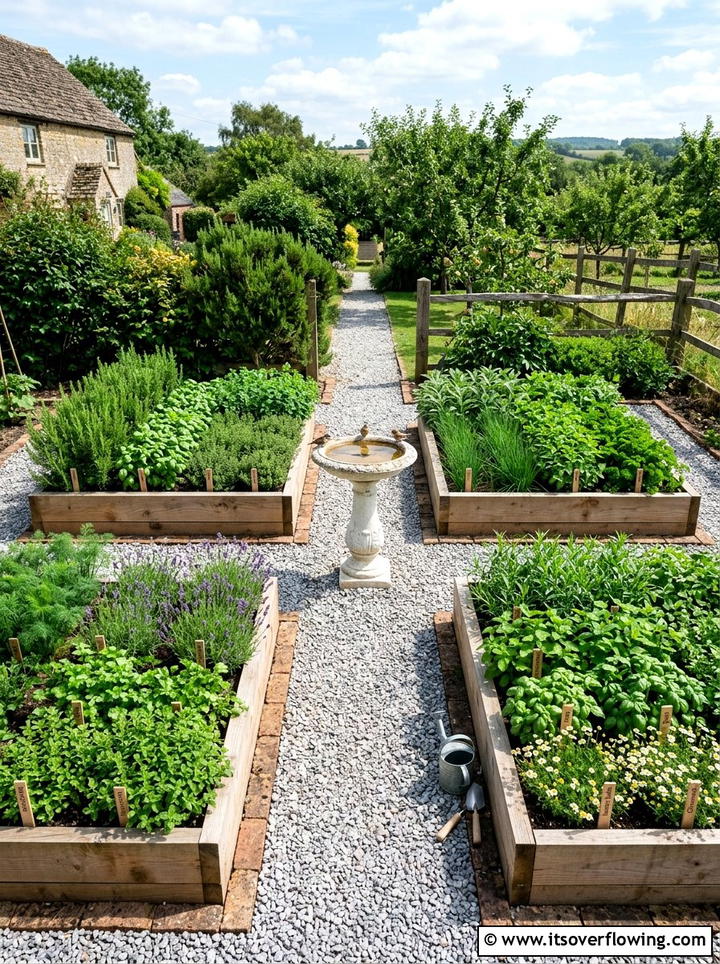
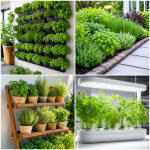
A symmetrical herb garden combines functionality with aesthetic appeal by organizing your edible plants into a structured grid. You can use raised wooden beds or stone borders to create equal-sized plots for different herbs like rosemary, thyme, and basil. Placing a sundial or a small birdbath in the center of the grid provides a lovely focal point. This organized approach makes it much easier to manage your crops and harvest what you need for cooking. The repeating textures and scents of the herbs create a sensory experience that feels both calm and productive. It is a great way to grow food.
8. Parterre garden layout
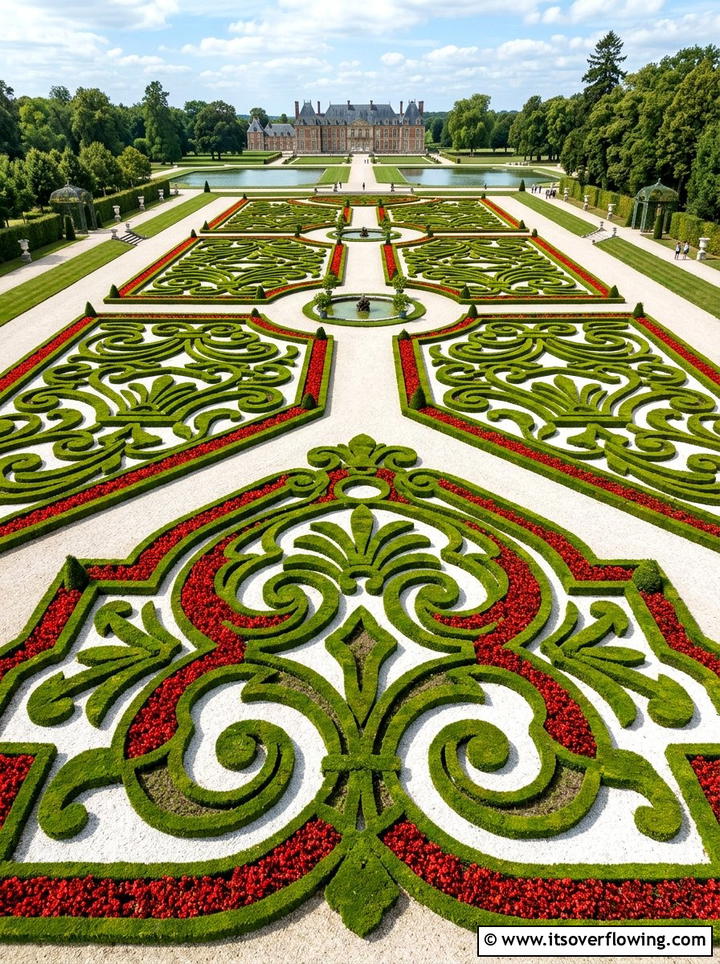
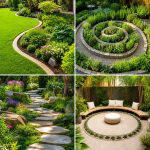
The parterre garden layout is a traditional French design that uses low hedges to create intricate, symmetrical patterns on the ground. These patterns are often filled with colorful flowers, gravel, or manicured turf. From an elevated view, like a balcony or a second-story window, the geometric beauty of a parterre is truly striking. This style requires careful planning and regular maintenance to keep the lines crisp and the plants healthy. It works best in flat areas where the patterns can be easily seen. A parterre adds a touch of historical grandeur to any modern backyard, making it feel like a private estate.
9. Matching garden benches
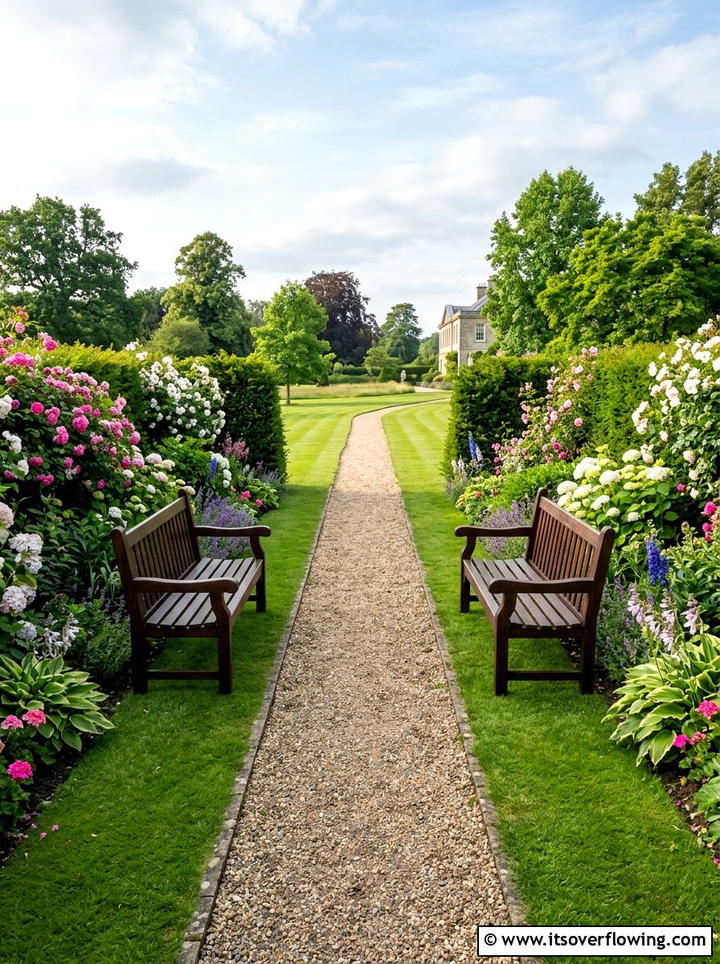
Placing matching garden benches in your yard is a simple way to create a balanced seating arrangement that looks inviting. You can position them facing each other across a lawn or place them on opposite sides of a large tree. This setup provides multiple places to sit while maintaining the visual weight of the garden. Choosing benches made from the same material, such as teak or wrought iron, ensures they blend seamlessly into the design. Adding identical outdoor cushions can further reinforce the symmetry and add comfort. It creates a peaceful spot where you can enjoy the view from two different perspectives.
10. Symmetrical water feature
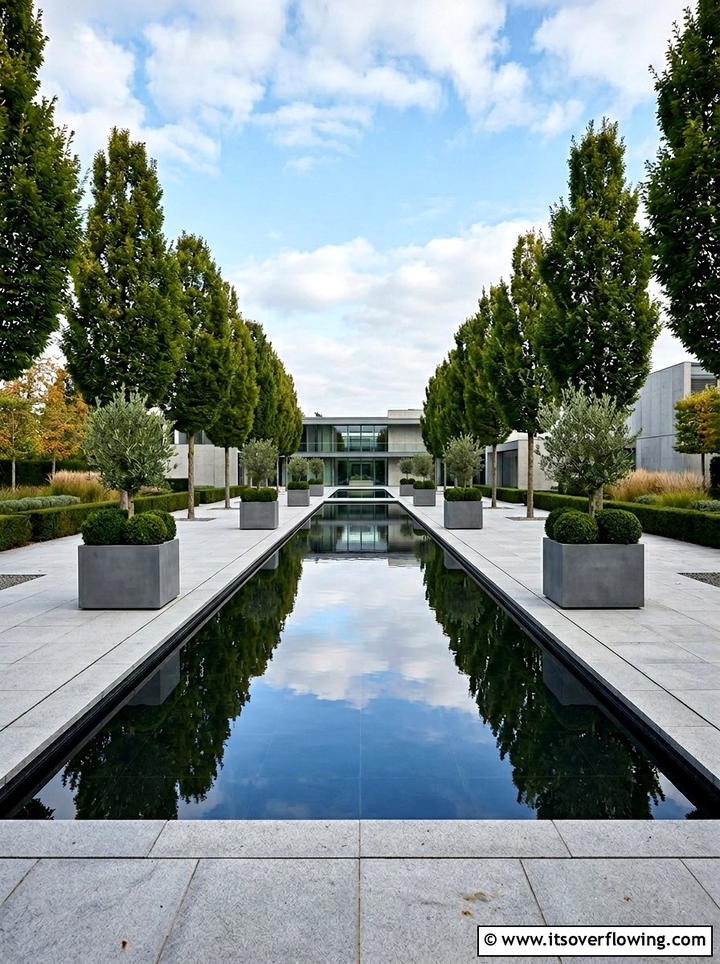
A symmetrical water feature, such as a rectangular pond or a tiered fountain, can serve as the ultimate focal point in a balanced garden. Position the water element directly in the center of a lawn or at the end of a main path to draw the eye. If you choose a pond, consider adding identical aquatic plants or stones around the perimeter. The reflection of the sky and surrounding greenery in the still water adds a layer of depth and tranquility. The sound of flowing water also provides a relaxing atmosphere. Symmetry in water design creates a sense of luxury and timeless elegance.
11. Dual rose arches
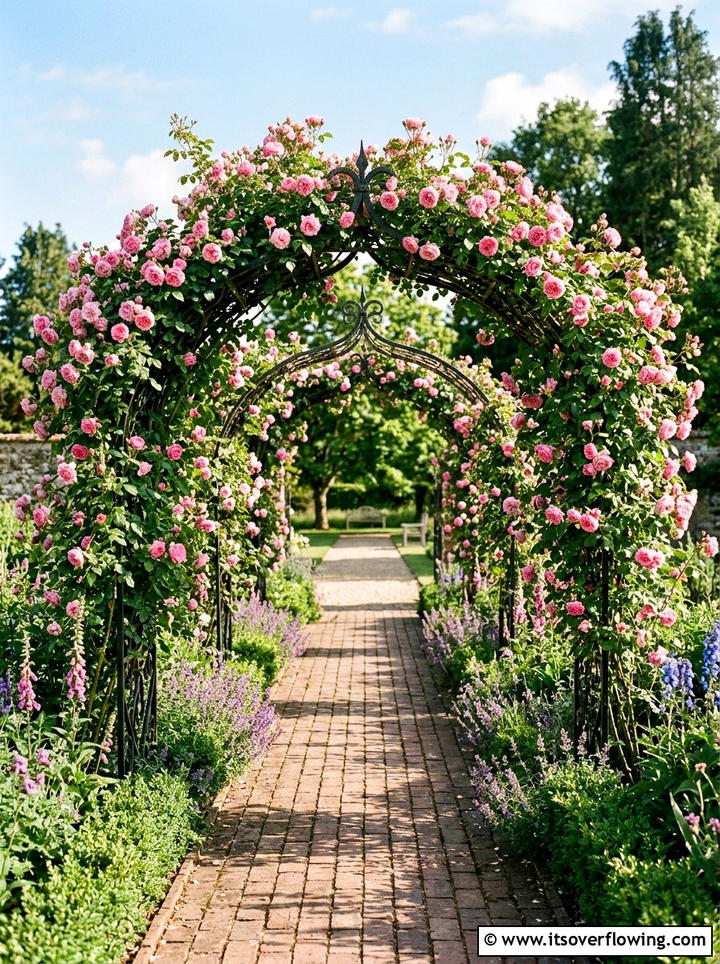
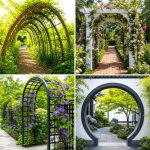
Installing dual rose arches over a pathway or an entrance creates a romantic and balanced look that is hard to beat. By placing two identical arches side by side or one after the other, you create a floral tunnel that feels magical. Climbing roses with matching colors should be planted at the base of each arch to ensure they grow evenly. This setup not only adds vertical interest to your garden but also provides a lovely scent as you walk through. The structured metal or wooden frames of the arches contrast beautifully with the soft, organic growth of the roses and green leaves.


12. Geometric lawn pattern
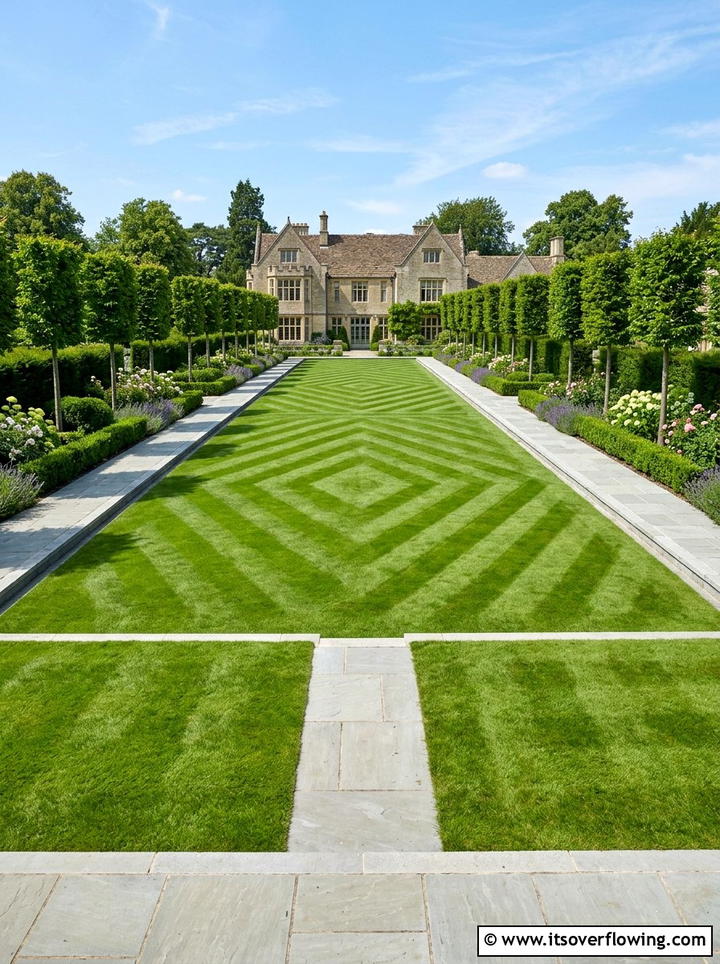
A geometric lawn pattern can turn a simple patch of grass into a work of art using symmetry. You can achieve this by mowing the grass in alternating directions to create stripes or diamonds. Another option is to frame the lawn with perfectly straight stone edges or low hedges to give it a crisp, rectangular shape. This clean look provides a calm base for the rest of your garden features to shine. A well-maintained lawn with sharp lines signals that the entire outdoor space is cared for with precision. It is a cost-effective way to introduce formal symmetry into your backyard.
13. Balanced perennial borders
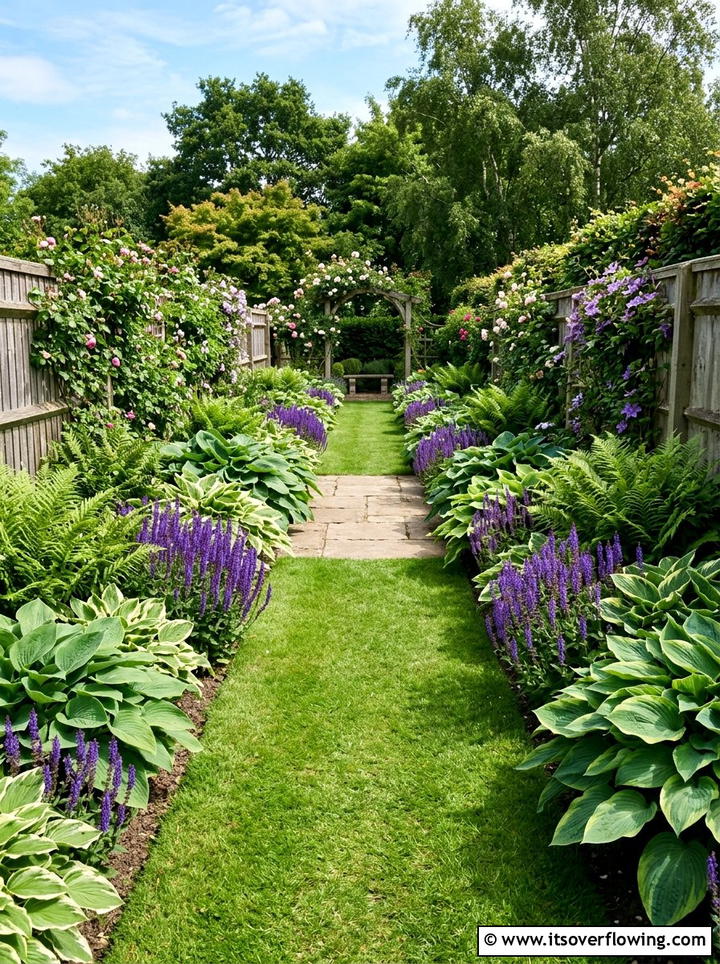
Balanced perennial borders involve planting the same varieties of long-lasting plants on both sides of a walkway or lawn. This creates a mirrored effect that changes beautifully throughout the seasons. You should select perennials that have similar growth habits and bloom times to keep the symmetry consistent. Using a mix of foliage textures, such as hostas and ferns, adds interest without disrupting the balance. These borders provide a lush, full look that frames the central area of your garden perfectly. Because perennials return every year, this design choice offers long-term beauty with less replanting effort than using annual flowers.
14. Symmetrical driveway landscaping
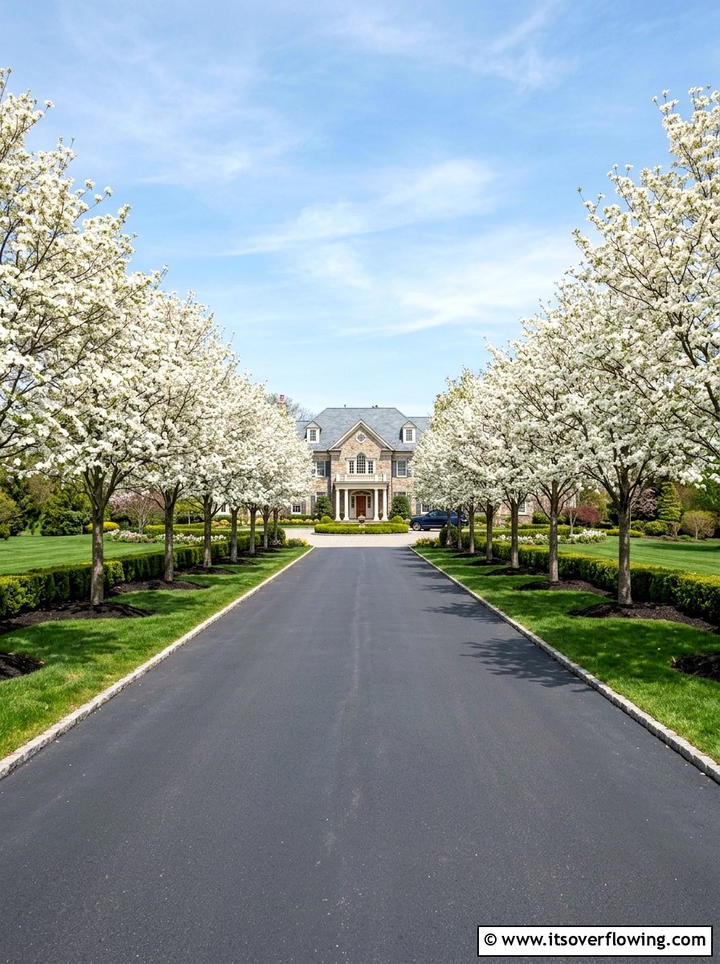
Symmetrical driveway landscaping creates a grand first impression for anyone arriving at your home. You can achieve this by planting identical rows of trees or shrubs along both sides of the pavement. Matching light posts or stone pillars at the entrance further enhance the formal feel. This structured approach guides the eye toward the house and makes the entire property look more cohesive. Choosing low-maintenance plants like lavender or boxwood ensures the driveway stays neat throughout the year. The repeated elements create a sense of rhythm and order that makes your home feel more welcoming and well-designed from the very first glance.
15. Double garden gates
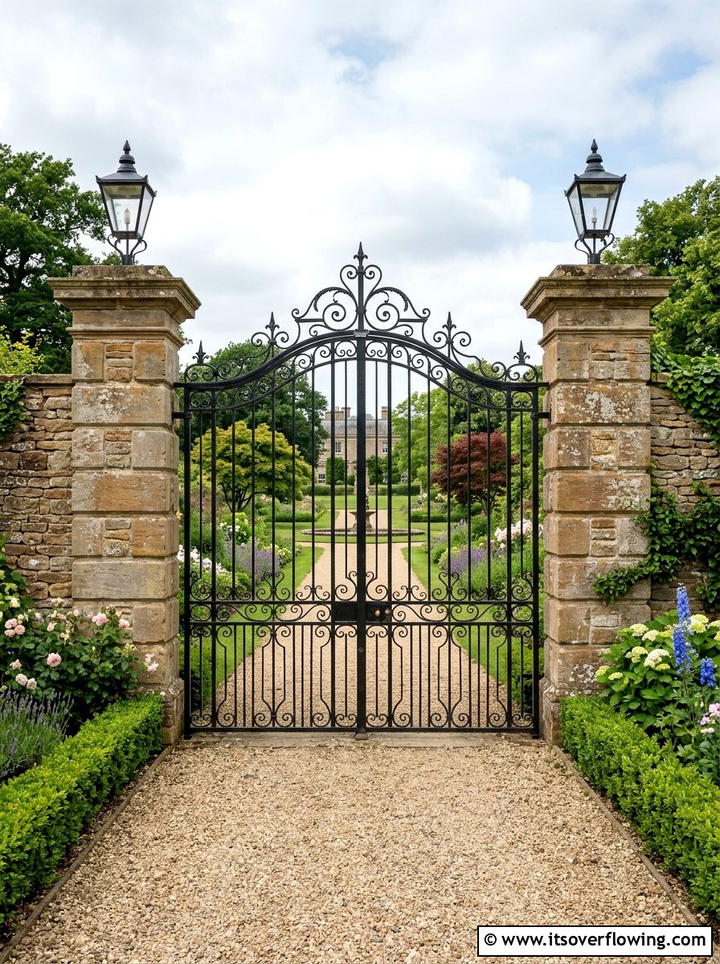
Using double garden gates instead of a single one can instantly add a sense of importance and symmetry to your garden entrance. These gates should be identical in design and size, meeting perfectly in the middle. Whether made of wood or ornamental iron, they provide a classic look that frames the view into your backyard. Placing matching stone lanterns or tall planters on either side of the gates reinforces the balanced theme. This setup feels more substantial and grand than a standard gate. It creates a clear threshold that signals you are entering a special, well-planned outdoor space that is very organized.
16. Centered gazebo layout
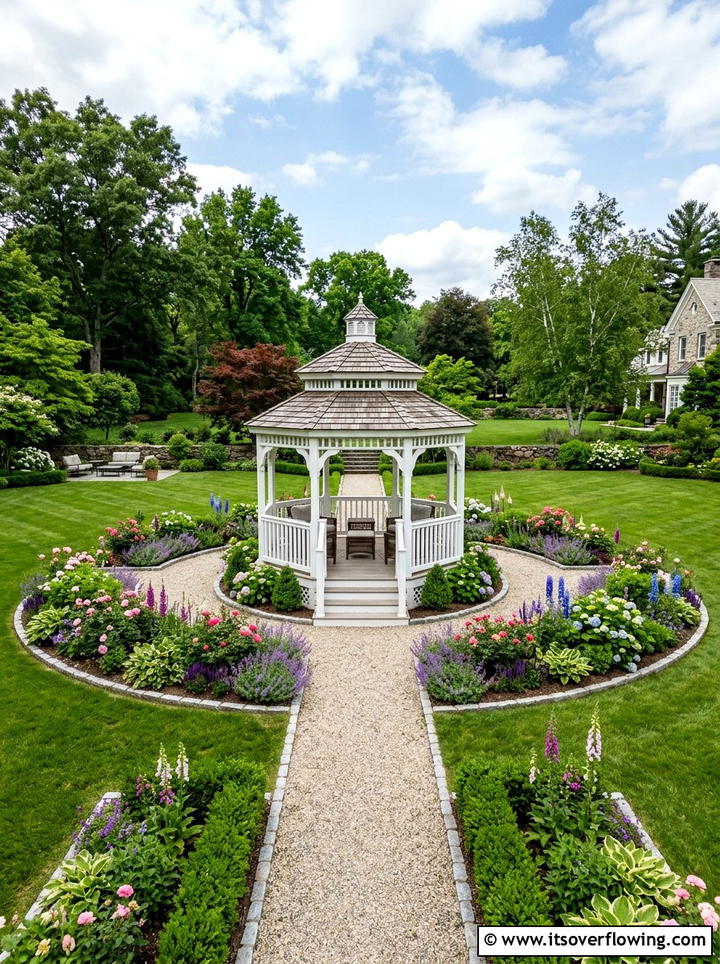
A centered gazebo layout places a beautiful garden structure right in the middle of your outdoor space, acting as a functional hub. You can surround the gazebo with symmetrical flower beds or gravel paths that radiate outwards like a star. This arrangement makes the gazebo the clear focal point of the entire yard. Inside, you can arrange furniture in a balanced way to create a comfortable retreat for relaxing or dining. Placing matching climbing plants on the gazebo pillars helps integrate the structure into the natural surroundings. This design approach creates a harmonious relationship between the built environment and the living garden.
17. Matching tree rows
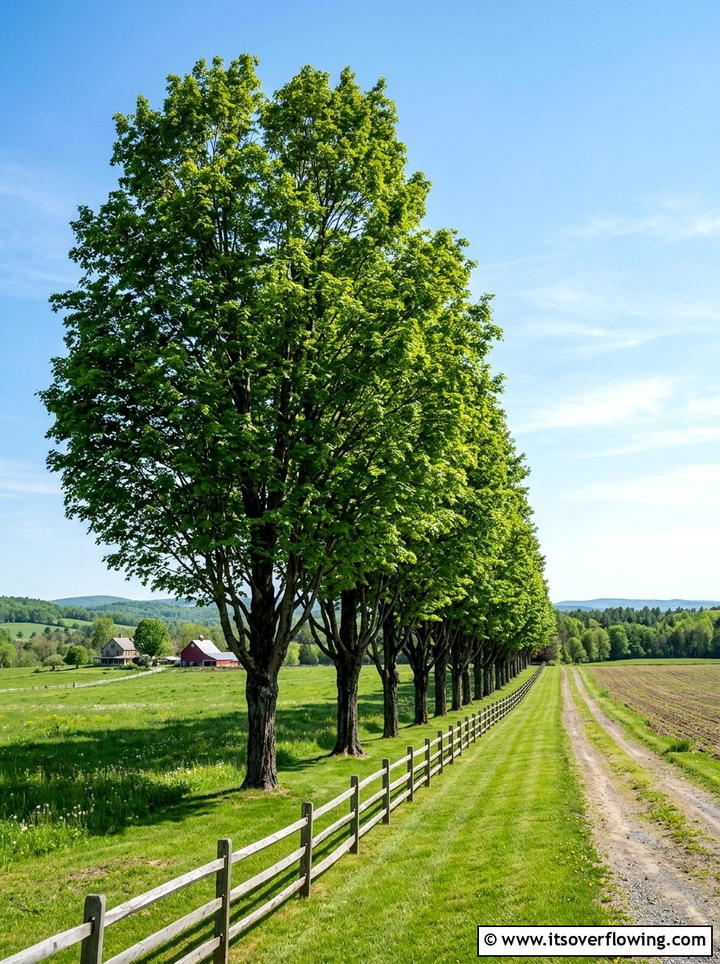
Planting matching tree rows is an excellent way to create a sense of scale and enclosure in a larger garden. You can line a long walkway or the perimeter of your property with the same species of trees, spaced evenly apart. This creates a rhythmic pattern of trunks and canopies that looks very intentional. Deciduous trees offer changing colors throughout the seasons, while evergreens provide a consistent green wall for privacy. The key to successful symmetry is ensuring the trees are pruned to a similar height and shape. This technique adds a vertical dimension to your landscape and feels quite majestic.
18. Symmetrical fire pit area
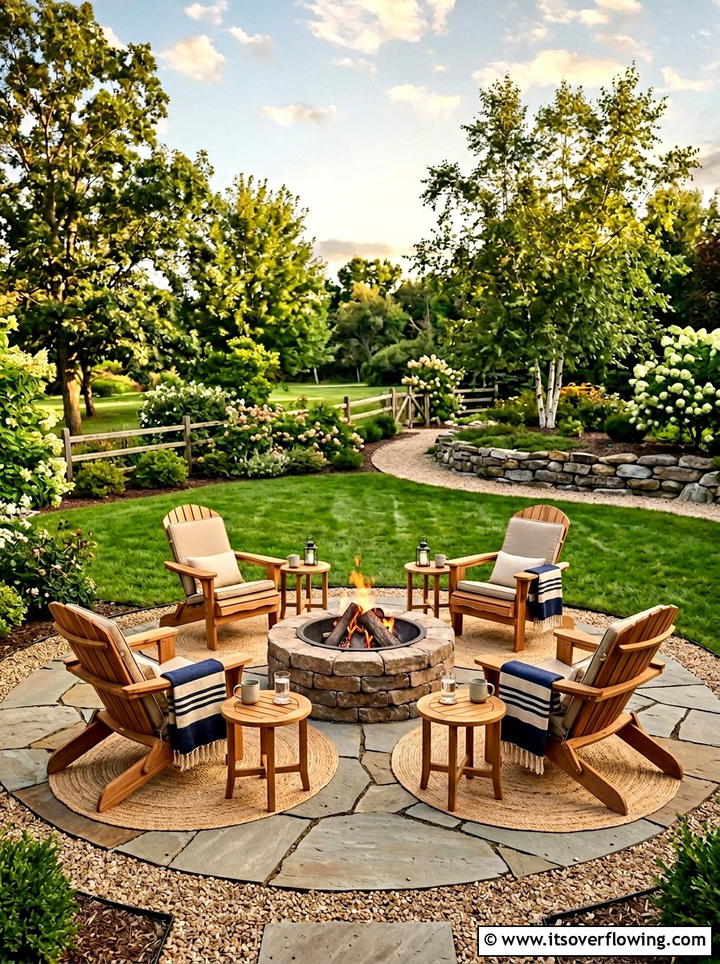
A symmetrical fire pit area is a cozy and organized spot for evening gatherings in your backyard. You can center a circular or square fire pit on a stone patio and surround it with identical chairs or built-in benches. Placing matching side tables or outdoor lanterns between the seats ensures that everyone has a place for their drinks or light. This balanced arrangement makes the space feel more inviting and ensures that the heat from the fire is distributed evenly to all guests. Using consistent materials, like matching stone for the pit and the patio, helps the area feel like a dedicated outdoor room.
19. Balanced trellis wall
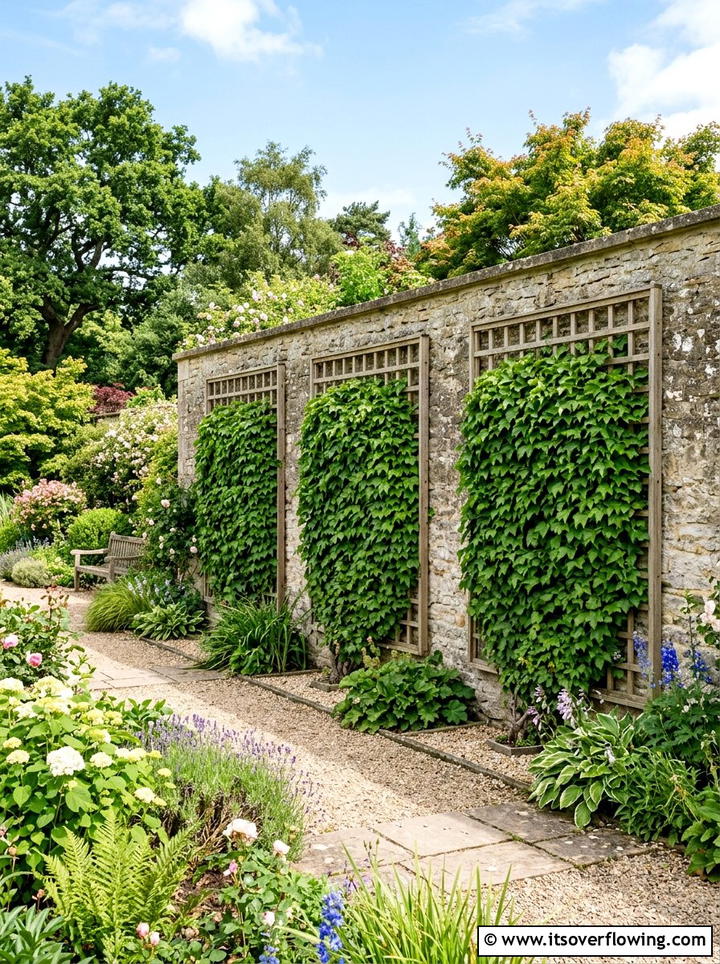
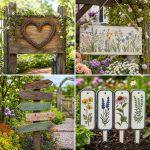
A balanced trellis wall can turn a plain fence or exterior wall into a symmetrical vertical garden. By installing two or four identical trellis panels side by side, you create a grid that is perfect for climbing plants like ivy or clematis. You should plant the same type of vine at the base of each panel so they grow at a similar rate. This adds a layer of greenery and texture to your vertical surfaces while maintaining a structured look. The repeating pattern of the trellis frames the plants and prevents them from looking messy or overgrown. It is an ideal solution for small spaces.
20. Symmetrical courtyard garden
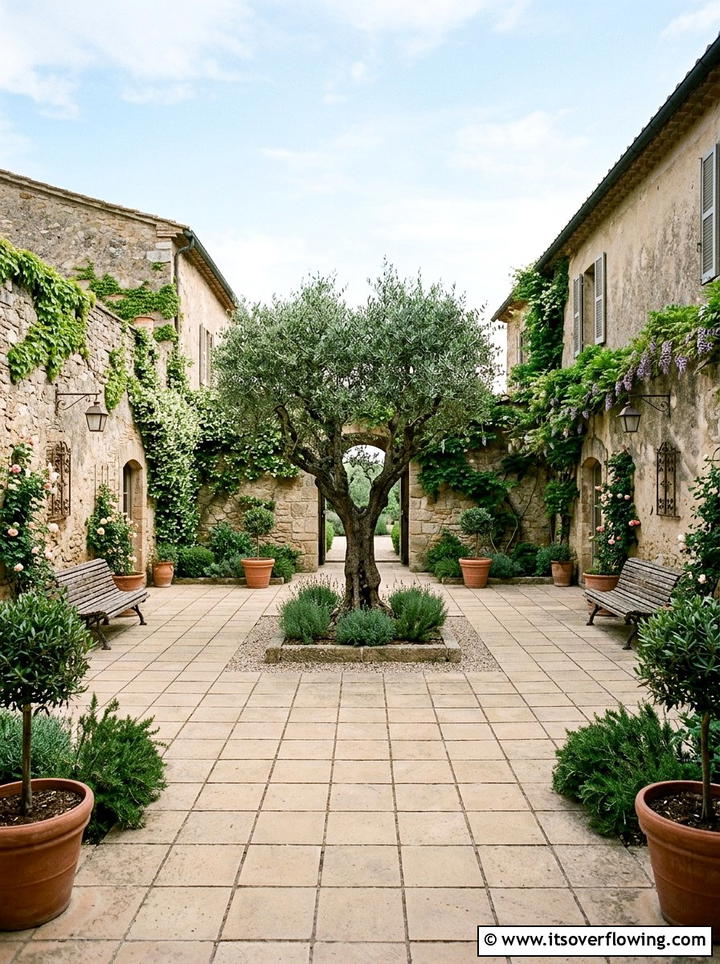
A symmetrical courtyard garden is often enclosed by walls or the house itself, creating an intimate outdoor room. You can design this space by placing a central feature, like a small tree or a sculpture, and mirroring the surrounding elements. For example, you might have four identical planting beds in each corner or matching paved areas for seating. This layout maximizes the limited space while making it feel very high-end and curated. Courtyards benefit from the sense of calm that symmetry provides, making them the perfect place for quiet reflection. Using a limited color palette further enhances the organized and peaceful feeling.
21. Mirror pond layout
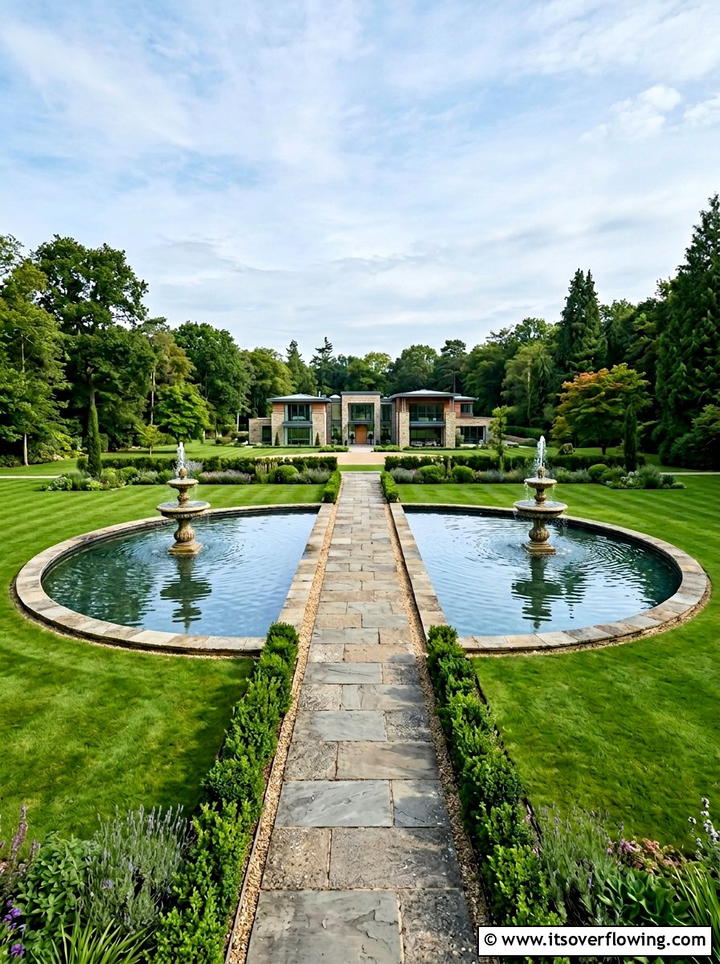
A mirror pond layout involves creating two identical bodies of water that sit opposite each other across a central path or lawn. This dramatic design choice doubles the visual impact of water in your garden and creates a stunning reflection of the landscape. You can keep the ponds simple with clean stone edges or add matching fountains to create a sense of movement. The symmetry makes the water feel like a core part of the garden’s architecture rather than just a natural addition. This setup works exceptionally well in modern or contemporary landscapes where clean lines and bold geometric shapes are the main focus.
22. Symmetrical kitchen garden
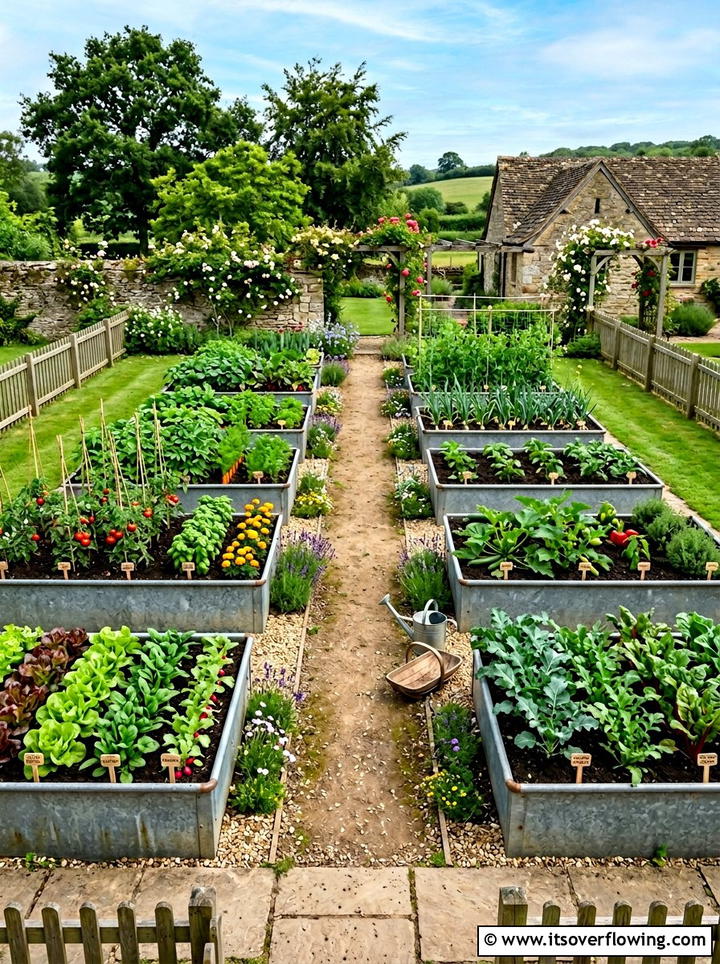
A symmetrical kitchen garden makes growing your own vegetables and fruits a beautiful part of your landscape. By using a grid of identical raised beds, you can organize your crops by type or color. For example, you might have matching beds of red lettuce on one side and green kale on the other. This structured approach makes it easy to rotate crops and manage soil health. Adding identical teepee trellises for climbing beans or peas in each bed adds vertical symmetry. A kitchen garden that is well-organized is not only more productive but also serves as a lovely visual feature in your yard.
23. Matching garden statues
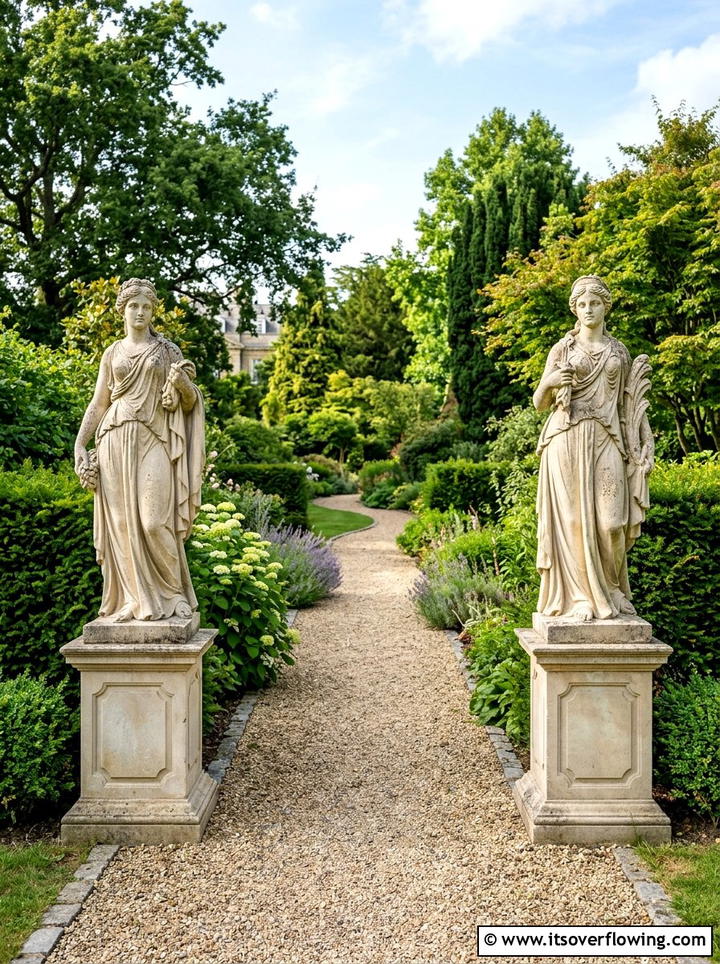
Placing matching garden statues can add a touch of personality and classical elegance to your symmetrical design. You can position two identical sculptures on either side of a doorway, a staircase, or at the end of a long vista. The statues act as anchors for the eyes and reinforce the balanced nature of the space. Whether you choose abstract modern pieces or traditional stone figures, they should be the same height and style. Placing them on identical pedestals can elevate them further and make them feel more prominent. This simple addition brings a sense of artistry and museum-like quality to your garden.
24. Balanced rock garden
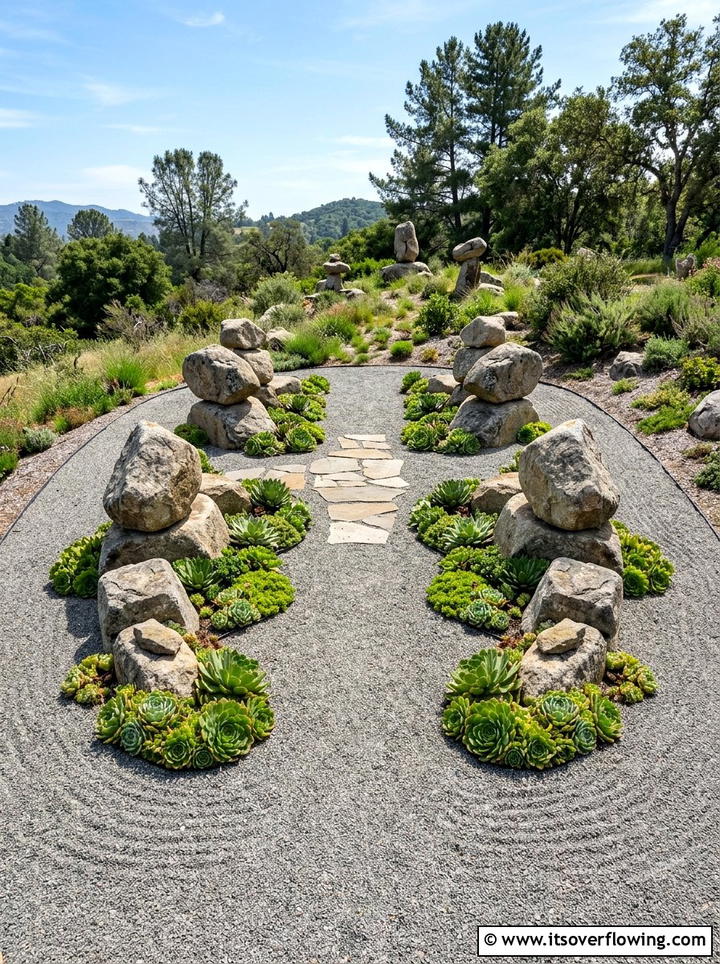
A balanced rock garden uses stones and boulders of similar sizes and shapes to create a structured yet natural-looking landscape. You can arrange the rocks in mirrored groups on a sloped area or around a dry creek bed. Planting the same types of low-growing alpine plants or succulents between the stones helps maintain the symmetrical feel. This style of garden is very low-maintenance and provides interesting textures and colors throughout the year. The key is to avoid making it look too random by carefully selecting and placing each stone. A balanced rock garden feels grounded and provides a very serene atmosphere.
25. Symmetrical vertical garden
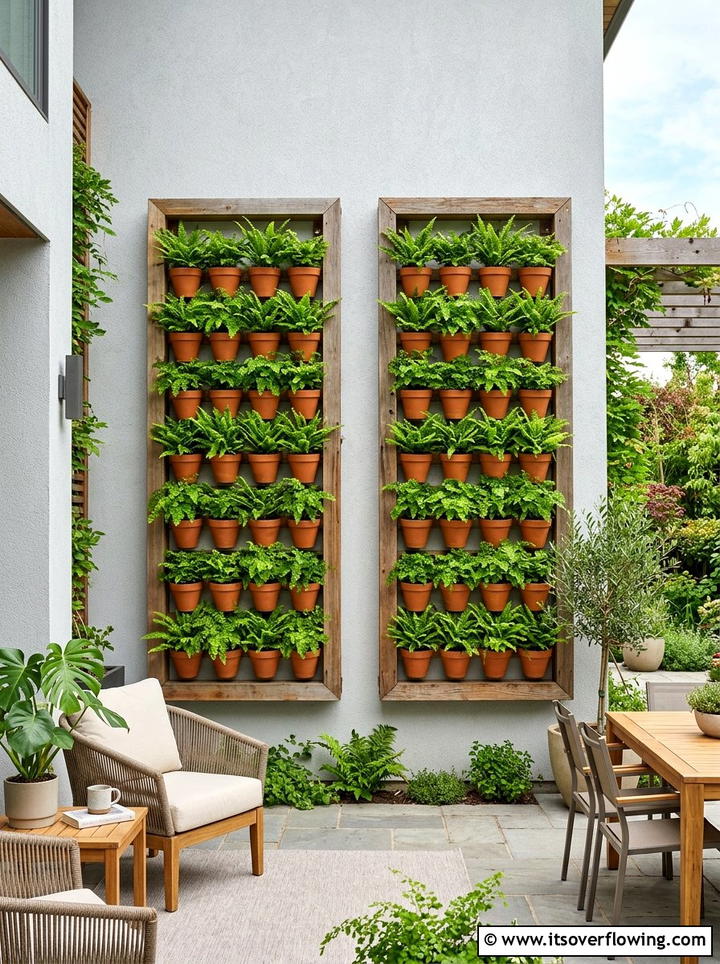
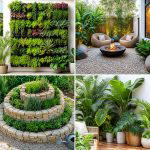
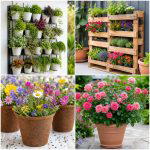
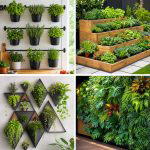
A symmetrical vertical garden is a smart way to use wall space to grow plants in a balanced arrangement. You can use identical wall-mounted planters or a series of matching shelves to hold your pots. Organizing the plants so that each side of the wall mirrors the other creates a green tapestry that is very pleasing to look at. This works well for herbs, ferns, or trailing flowers. Using the same type of containers and a consistent plant selection ensures the vertical garden feels like a single, cohesive unit. It is a great way to add a lot of greenery to a balcony or patio.
Conclusion:
Designing a garden with symmetry is one of the most effective ways to create a space that feels professional, peaceful, and permanently stylish. By repeating elements and maintaining a clear balance, you can turn any outdoor area into a structured retreat that complements your home’s architecture. Whether you choose a formal layout with boxwood hedges or a cozy seating area with matching benches, the sense of order will always make your garden feel more inviting. Remember that symmetry doesn’t have to be rigid; you can mix different textures and colors as long as the overall weight remains balanced. Happy gardening and enjoy your new outdoor sanctuary!

Related posts:
 25 garden design ideas for small yards: Big Style, Tiny Spaces
 25 garden design ideas with curves for Flowing Spaces Now
 25 creative garden ideas with outdoor dining spaces for Hosting
 25 creative garden ideas with outdoor reading spaces to Love
 25 Garden Ideas for Balconies to Maximize Small Outdoor Spaces
 25 garden ideas for kids: Playful, Safe Outdoor Spaces
 25 garden ideas for pets: Safe, Fun Outdoor Spaces
 25 Garden Ideas With Arbors for Charming Outdoor Spaces
 25 garden ideas with herbs for Fresh, Fragrant Outdoor Spaces
 25 Garden Design Ideas to Transform Your Outdoor Space
 25 Garden Design Ideas for Patios With Stylish Outdoor Charm
 25 garden design ideas with lighting plans: Bright Outdoor Style