
Herb gardens offer a unique blend of practical utility and breathtaking natural beauty that can transform any outdoor space into a fragrant sanctuary. Whether you are a seasoned chef looking for the freshest ingredients or a homeowner wanting to add texture and greenery to your landscape, incorporating herbs is a brilliant choice. These versatile plants thrive in various environments, from sprawling backyard plots to tiny urban balconies. Beyond their culinary uses, herbs provide incredible aromatic benefits and can even deter pests while attracting beneficial pollinators like bees and butterflies. Starting your own herb-focused project allows you to engage with nature daily while significantly elevating your home cooking with vibrant, homegrown flavors.
1. Herb Spiral
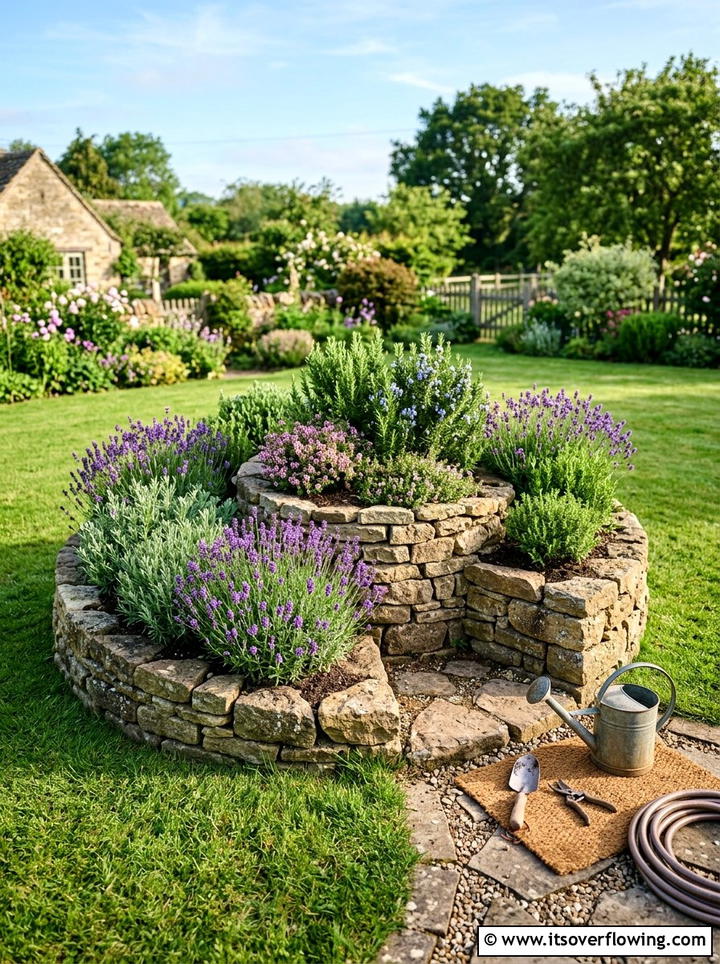
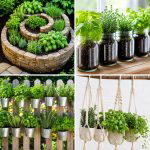
Imagine walking out to your backyard and seeing a stunning stone spiral rising from the earth, filled with fragrant greens. An herb spiral is a brilliant permaculture technique that allows you to grow various plants with different water needs in a single compact space. The top of the spiral is dry and sunny, making it the perfect home for Mediterranean favorites like rosemary and thyme. As the path winds downward, the soil stays moisture-rich, which is ideal for thirsty parsley or chives. This vertical approach not only saves space but also creates a beautiful focal point that draws the eye upward while making harvesting your favorite seasonings an absolute breeze.
2. Vertical Herb Wall
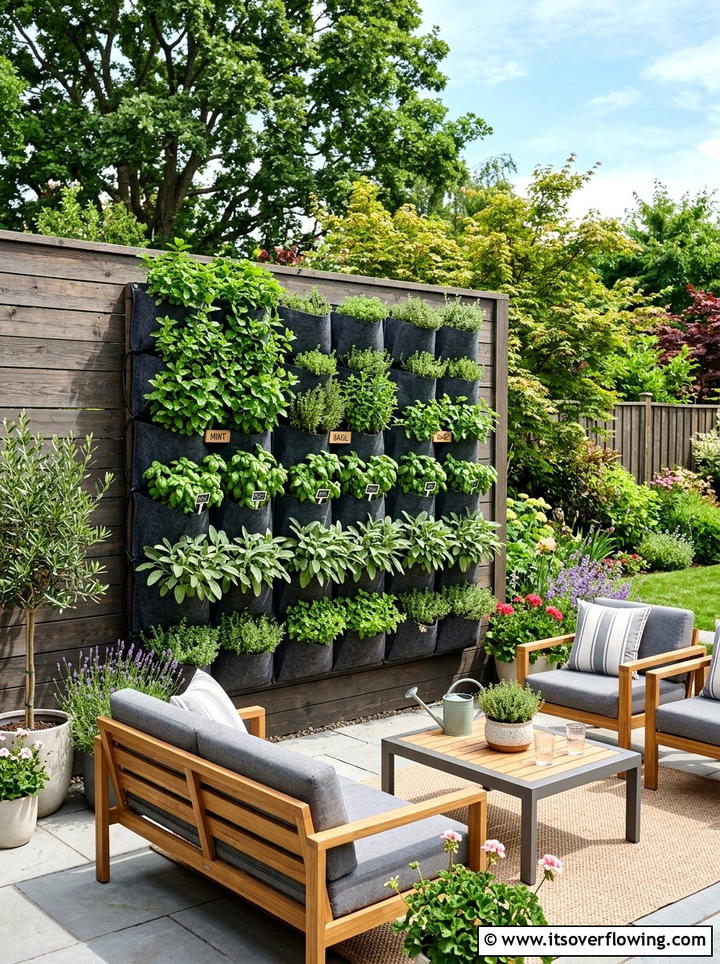
Have you ever looked at a blank exterior wall and wondered how to turn it into a lush, green masterpiece? A vertical herb wall is the perfect solution for homeowners with limited patio space who still want a massive harvest. By using felt pockets, wooden slats, or wall-mounted pots, you can create a living tapestry of rosemary, mint, and sage. This setup looks stunning against a modern fence or a rustic brick wall, providing a dramatic backdrop for outdoor gatherings. It also keeps your plants away from many ground-level pests, ensuring your culinary greens stay clean and healthy. Vertical gardening is a smart way to maximize every square inch.
3. Raised Bed Garden
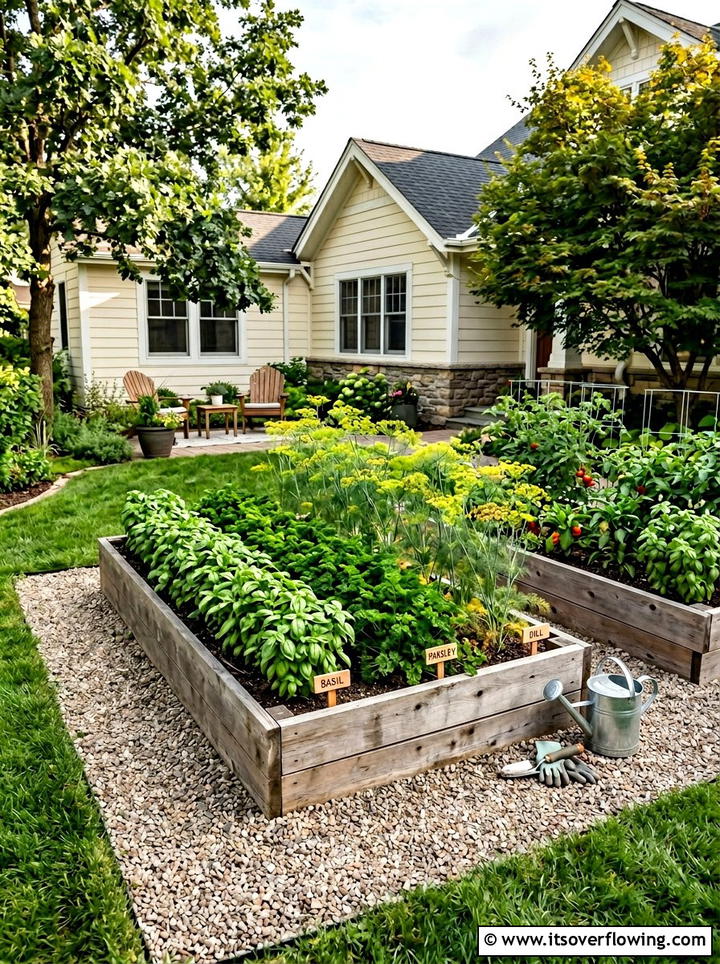
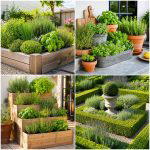
Raised beds are a favorite among backyard enthusiasts because they offer incredible control over soil quality and drainage for delicate plants. By building a cedar or stone frame, you can elevate your herbs to a height that makes maintenance much easier on your back and knees. These structured beds help keep invasive varieties, like peppermint, from spreading across your entire yard and taking over other flowers. You can organize your herbs into neat rows or decorative clusters, mixing tall dill with low-growing oregano for a layered look. The improved aeration in raised beds encourages deep root growth, leading to much larger and more flavorful harvests during summer.
4. Window Box Planter
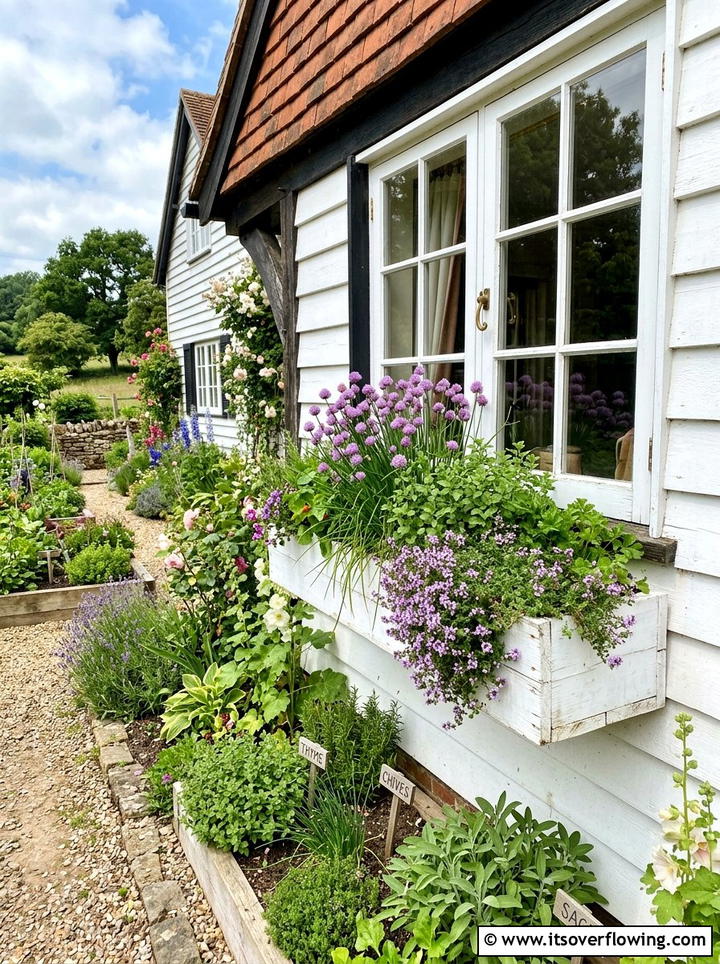
There is something incredibly charming about a window box overflowing with vibrant greens right outside your kitchen pane. This setup is perfect for those who want their most-used culinary herbs within arm ‘s reach while they are busy cooking indoors. You can plant a mix of trailing varieties like creeping thyme alongside upright plants like basil for a lush, full appearance. Window boxes also improve your home’ s curb appeal, adding a touch of soft texture to the hard lines of your siding or brickwork. Ensure the box has proper drainage and gets plenty of sunlight to keep your herbs thriving and looking their very best.
5. Container Herb Garden
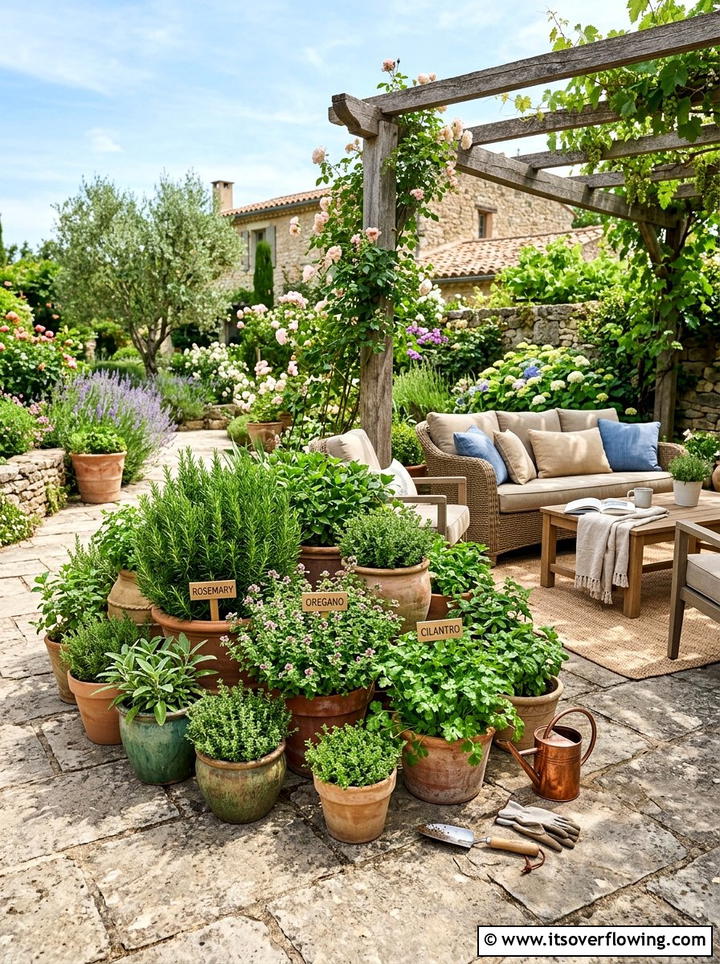
Growing herbs in containers is perhaps the most flexible way to start your gardening journey regardless of your home size. You can use a variety of vessels, from classic terracotta pots to modern ceramic jars, to match your personal style and decor. The beauty of containers lies in their portability, allowing you to move your plants into the sun or away from harsh winds as needed. Grouping pots of different heights creates visual interest on a patio or deck, turning a simple collection of plants into a curated display. This method is also excellent for controlling the soil moisture levels for each specific plant variety.
6. Herb Garden Border
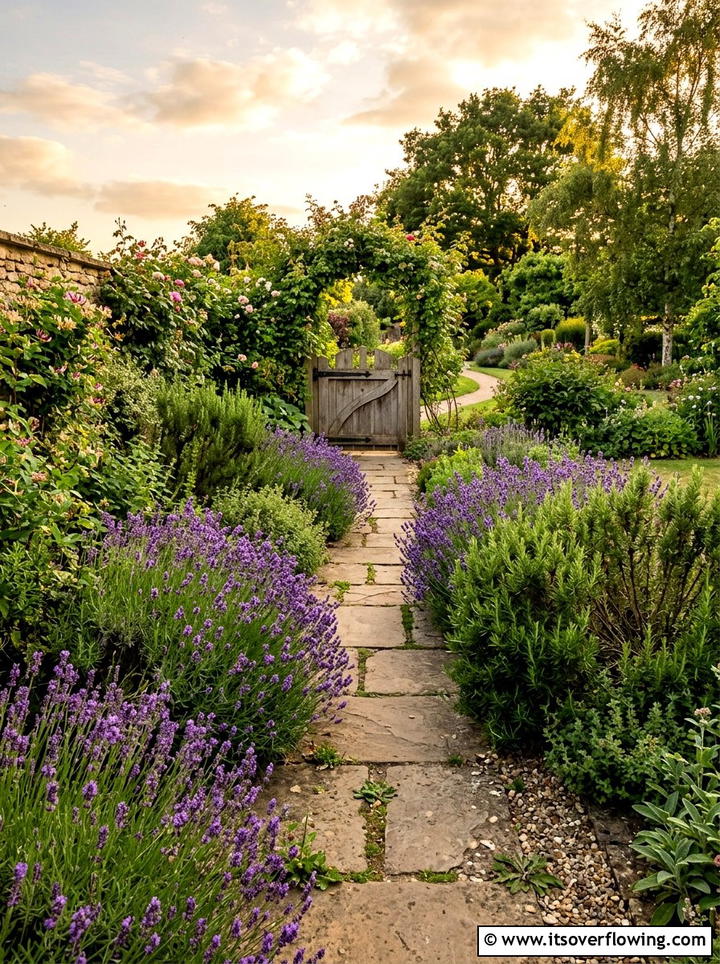
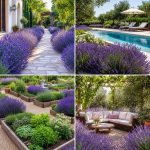
If you want to define the edges of your property or walkway, consider planting a lush herb garden border instead of traditional shrubs. Using aromatic plants like lavender, rosemary, or sage creates a sensory experience every time you walk by. The varied textures and colors of these herbs add depth to your landscape while providing a soft transition between your lawn and paved areas. This approach is highly functional, as it utilizes space that might otherwise be wasted or filled with decorative-only plants. A well-maintained border of herbs smells fantastic in the evening air and keeps your garden looking organized and intentionally designed.
7. Hanging Herb Basket
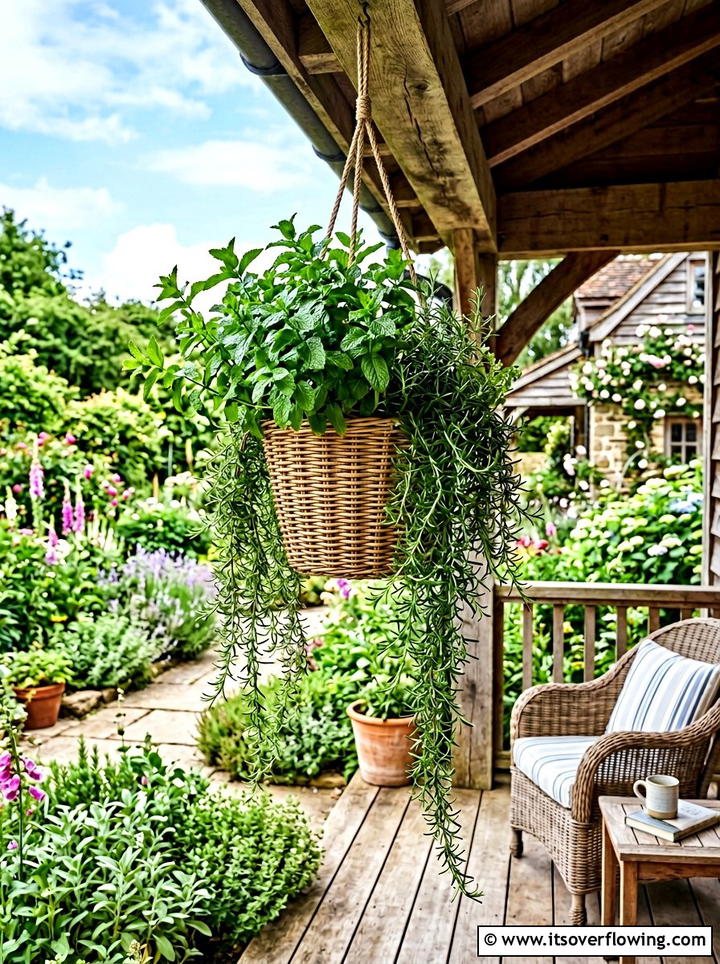
Hanging baskets are not just for colorful petunias; they are also a fantastic way to grow a variety of edible herbs. Suspended from a porch ceiling or a specialized garden hook, these baskets allow trailing herbs like prostrate rosemary or mint to cascade beautifully. This method keeps your plants safe from many ground-dwelling pests and makes harvesting as simple as reaching up. Hanging baskets are particularly useful for small patios or balconies where floor space is at a premium. Ensure you check the moisture levels frequently, as suspended containers tend to dry out faster than those sitting on the cool, shaded ground.

8. Pallet Herb Planter
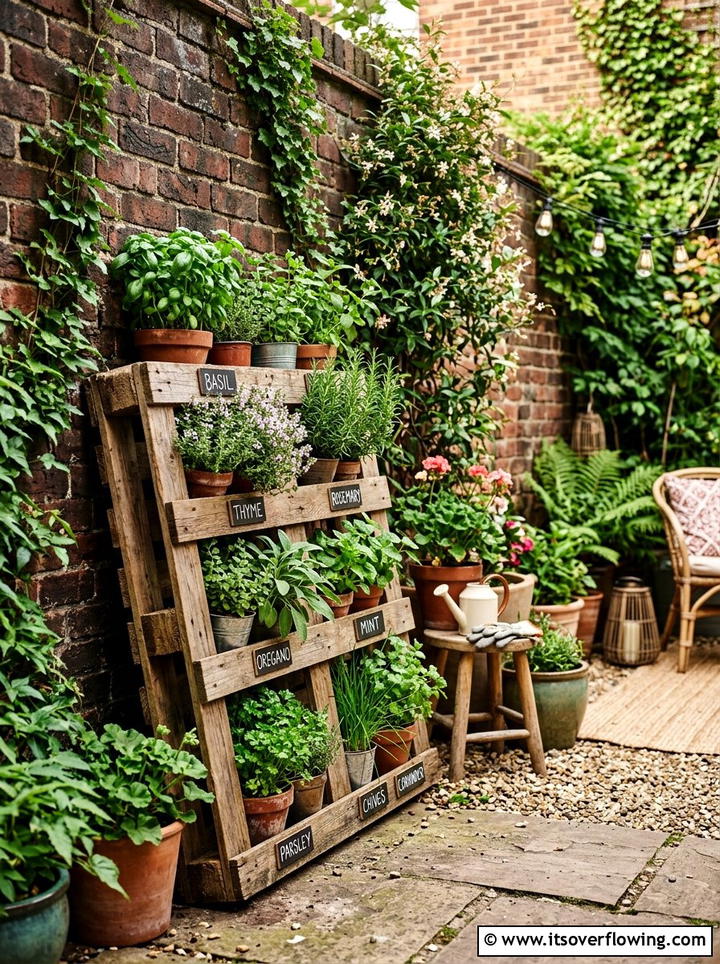
Upcycling an old wooden pallet into a herb planter is a popular and budget-friendly project for any DIY enthusiast. By securing landscape fabric to the back and bottom of the slats, you create horizontal pockets perfect for planting a wide variety of herbs. You can lean the pallet against a wall or mount it securely to create a rustic, farmhouse-style living wall. This design is excellent for keeping different herb varieties separated, preventing the more aggressive plants from crowding out the delicate ones. Painting or staining the wood allows you to customize the look to fit your specific outdoor aesthetic or garden theme.
9. Tiered Herb Stand
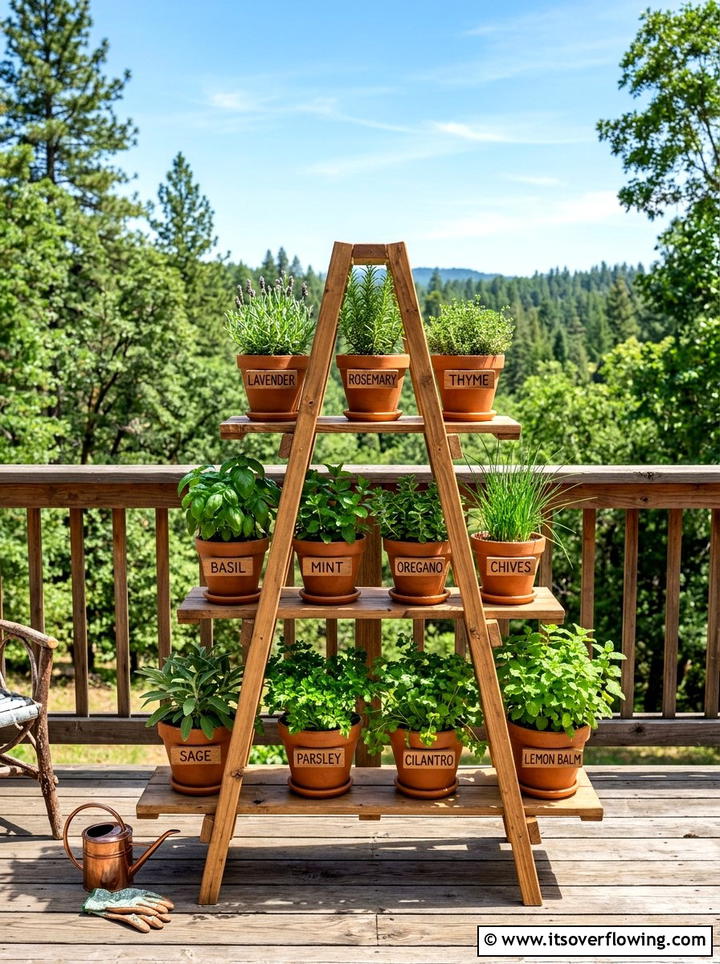
A tiered herb stand is a wonderful way to display your plant collection while saving significant floor space on a deck. These ladder-style structures feature multiple shelves that allow you to stack pots vertically, ensuring that every plant receives adequate sunlight. You can arrange your herbs by their light requirements, placing the sun-lovers at the top and the shade-tolerant varieties on the lower rungs. This organized approach makes it easy to keep track of your watering schedule and ensures that your garden remains tidy. Tiered stands come in various materials, including wood and metal, to suit any modern or traditional garden style.
10. Kitchen Garden Layout
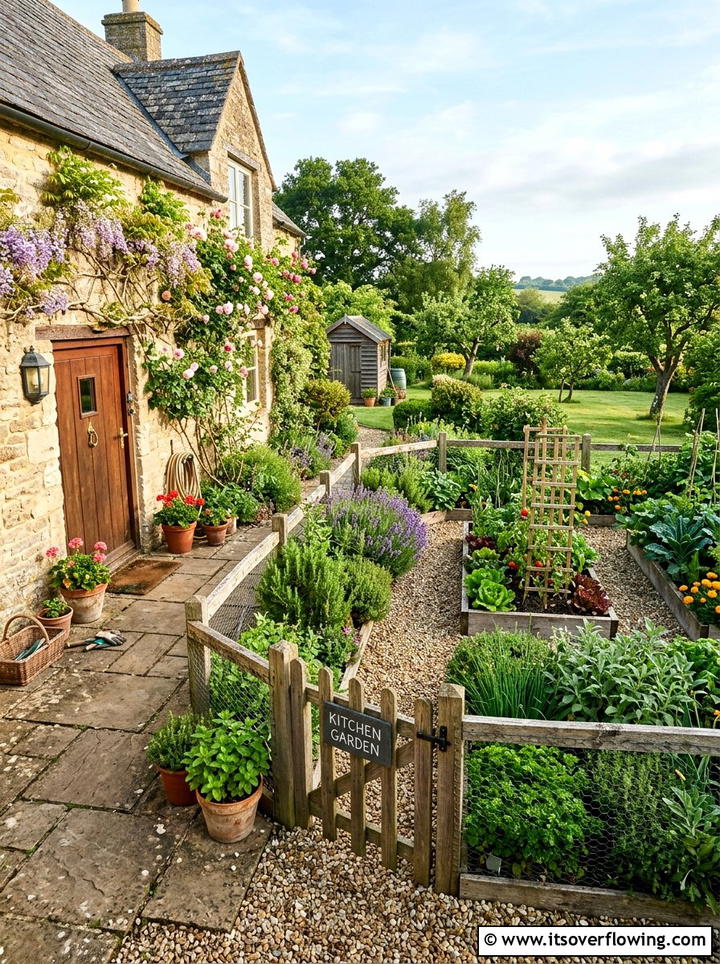
Locating your herb garden as close to your back door as possible is the ultimate way to ensure you actually use your harvest. A dedicated kitchen garden layout focuses on convenience, placing the most frequently used herbs in the easiest-to-reach spots. You might choose a simple grid pattern or a more decorative circular design to house your basil, parsley, and cilantro. By keeping these plants near the kitchen, you can quickly snip what you need while a pot is simmering on the stove. This proximity encourages daily interaction with your plants, helping you spot any issues like pests or dryness before they escalate.
11. Mediterranean Herb Patch
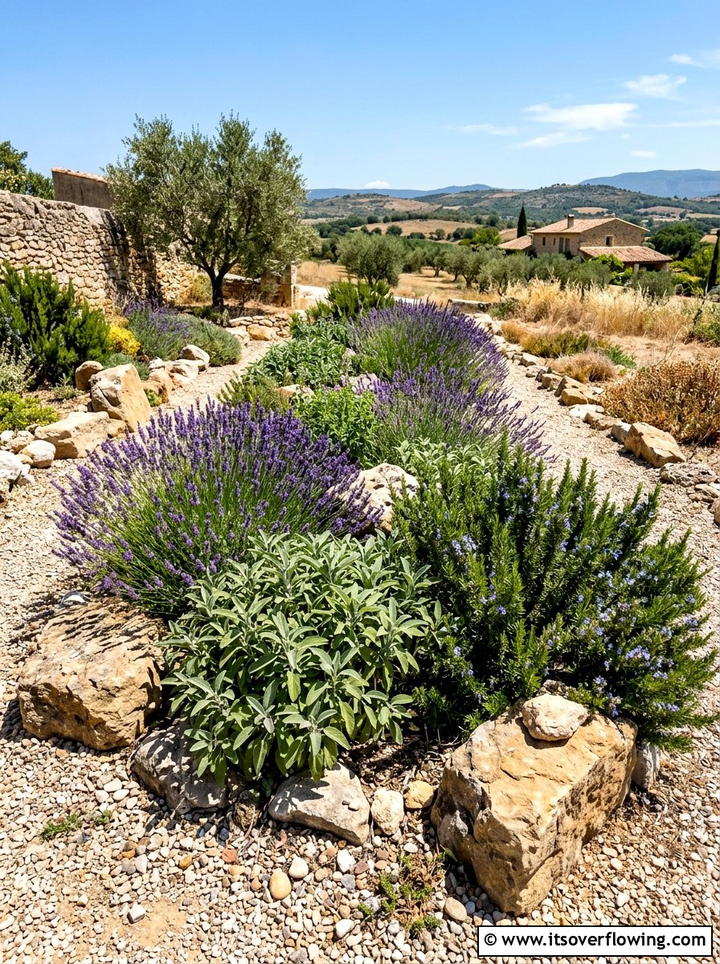
Create a slice of the sunny seaside in your backyard by designing a dedicated Mediterranean herb patch. This area should feature well-draining soil and plenty of direct sunlight to mimic the natural habitat of rosemary, oregano, and lavender. You can incorporate light-colored gravel and large stones to help reflect heat back onto the plants, which these varieties absolutely love. The silver and gray-green foliage of Mediterranean herbs adds a sophisticated, muted color palette to your garden that looks stunning year-round. These plants are generally drought-tolerant once established, making them a low-maintenance choice for busy homeowners looking for high-impact beauty and flavor.
12. Checkerboard Herb Patio
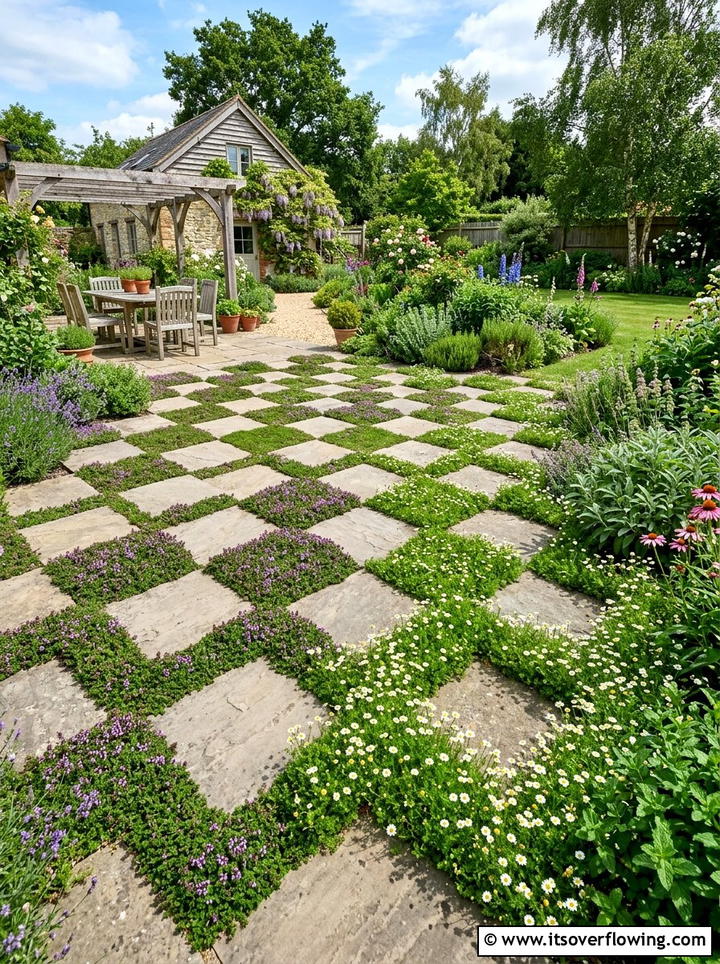
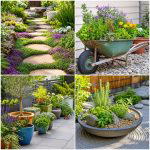
A checkerboard herb patio is a creative way to integrate greenery directly into your hardscaped outdoor living areas. By removing alternating pavers or stones, you create small pockets of earth where low-growing herbs can thrive. Thyme and chamomile are perfect choices for this design, as they can withstand light foot traffic and release a wonderful fragrance when stepped upon. This look provides a unique, geometric aesthetic that breaks up the monotony of large paved surfaces. It also helps with drainage by allowing rainwater to soak into the ground rather than running off the edge of your patio or your driveway.
13. Herb Knot Garden
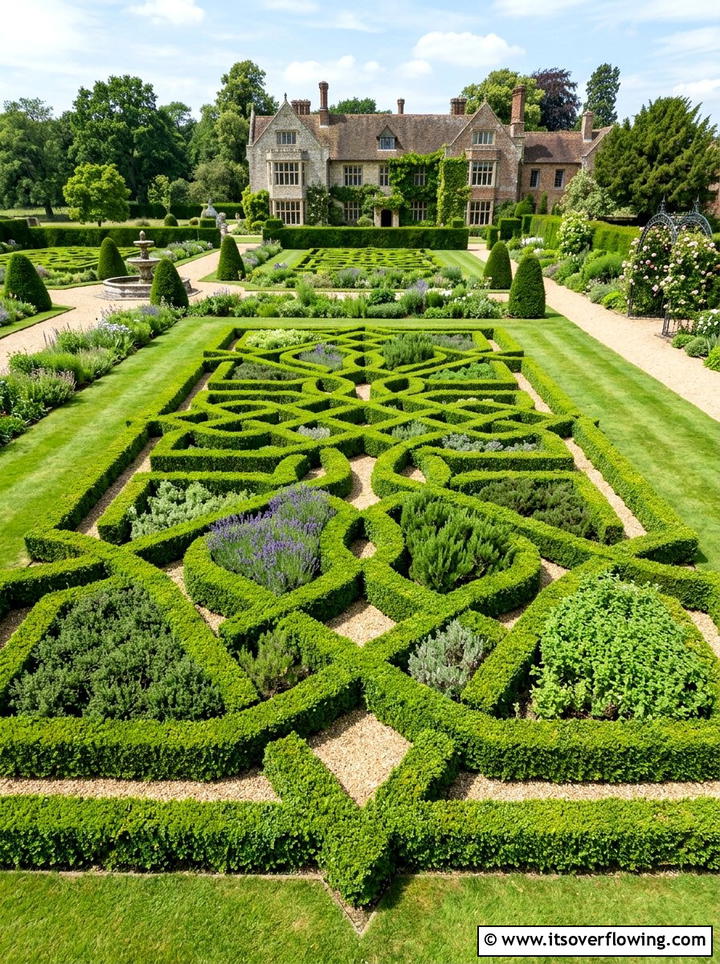
For a more formal and historic look, consider designing a classic herb knot garden in your backyard. This traditional style uses low-clipped hedges of herbs like boxwood or hyssop to create intricate, interlocking geometric patterns. Within the segments of the knot, you can plant different colored herbs to emphasize the design and create a vibrant tapestry of textures. While this style requires more regular maintenance and pruning, the result is a sophisticated and impressive garden feature that acts as a true work of art. Knot gardens work best in flat areas where the intricate patterns can be viewed and appreciated from above.
14. Wheelbarrow Herb Planter
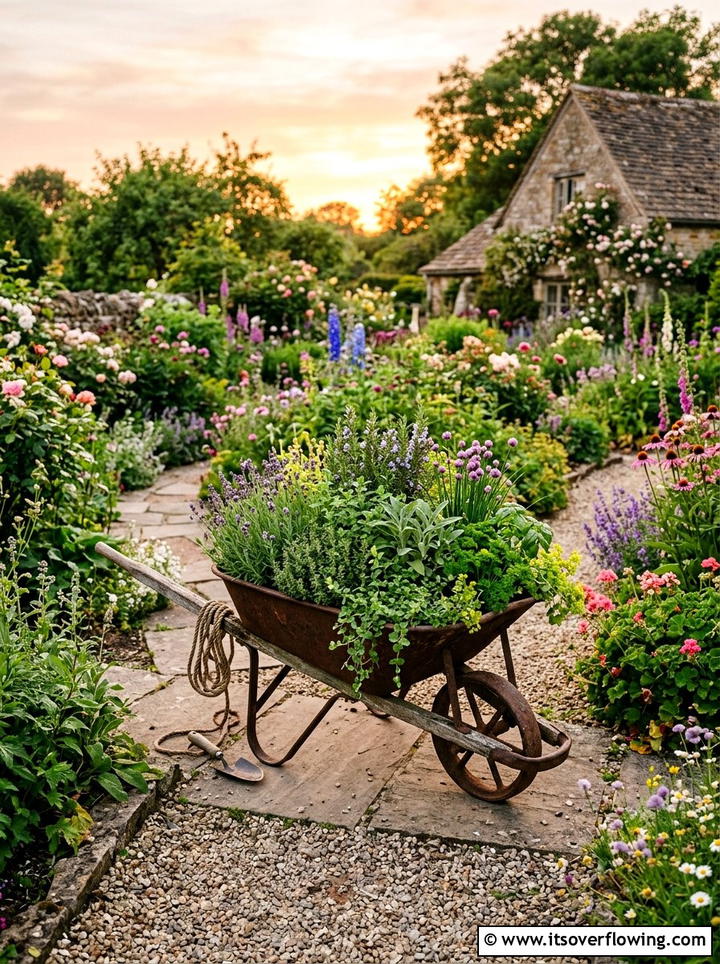
Repurposing an old metal or wooden wheelbarrow into a planter adds a whimsical and rustic touch to any garden space. Because it is naturally deep and wide, a wheelbarrow provides ample room for a diverse mix of herbs to grow together. You can move the wheelbarrow around your yard to follow the sun or to act as a mobile decoration for outdoor parties. Be sure to drill several drainage holes in the bottom to prevent water from pooling and causing root rot. This mobile garden is a great conversation starter and provides a charming, vintage feel that complements cottage-style homes and landscapes.
15. Indoor Mason Jar Garden
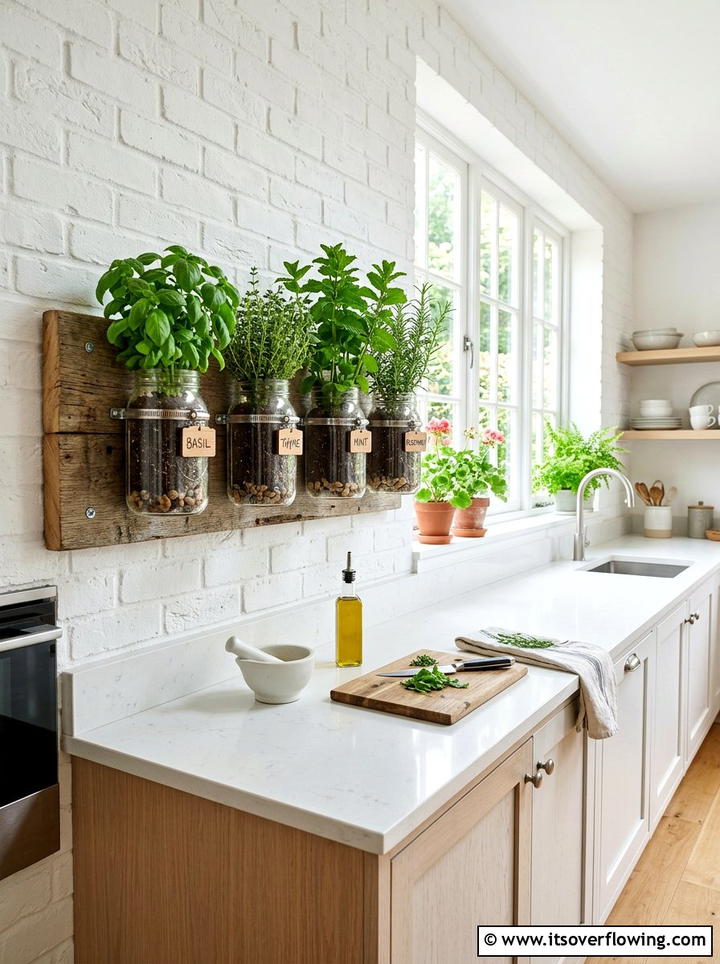
If you lack outdoor space or want to keep your gardening activities inside, an indoor mason jar garden is a stylish solution. By using clear glass jars filled with pebbles for drainage and high-quality potting soil, you can grow small herbs on your kitchen windowsill. This setup allows you to see the roots growing and adds a clean, farmhouse aesthetic to your interior decor. You can even mount the jars to a wooden board for a more permanent and organized wall display. This method is perfect for year-round growing, ensuring you have fresh basil or mint even during the coldest winter months.

16. Hydroponic Herb System
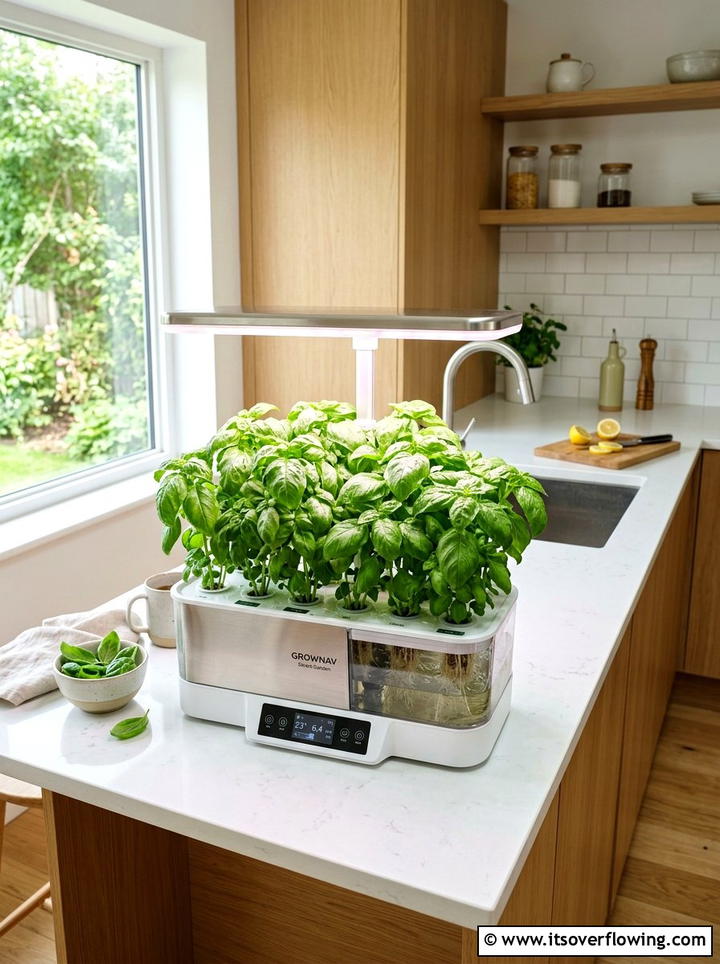
Modern technology has made it easier than ever to grow a massive amount of herbs indoors using a hydroponic system. These soil-free setups use nutrient-rich water and specialized LED grow lights to produce incredibly fast-growing and healthy plants. Hydroponic systems are perfect for urban dwellers or those with very little natural light in their homes. You can find compact countertop models that are virtually self-sufficient, automatically managing the light and water cycles for you. This clean and efficient way of gardening ensures you have a constant supply of fresh greens without the mess of traditional dirt or the worry of outdoor pests.
17. Rock Garden Herbs

Integrating herbs into a rock garden is a brilliant way to utilize sloped or rocky terrain where traditional plants might struggle to survive. Many herbs, such as creeping thyme and winter savory, naturally thrive in the crevices between large stones where the soil is well-drained. The rocks help to retain heat and provide a beautiful, natural backdrop for the varied textures of the herb foliage. This style of garden requires very little watering once the plants are established, making it an eco-friendly choice. The combination of rugged stone and soft greenery creates a timeless, alpine-inspired look that adds character to your property.
18. Rosemary Hedge Border
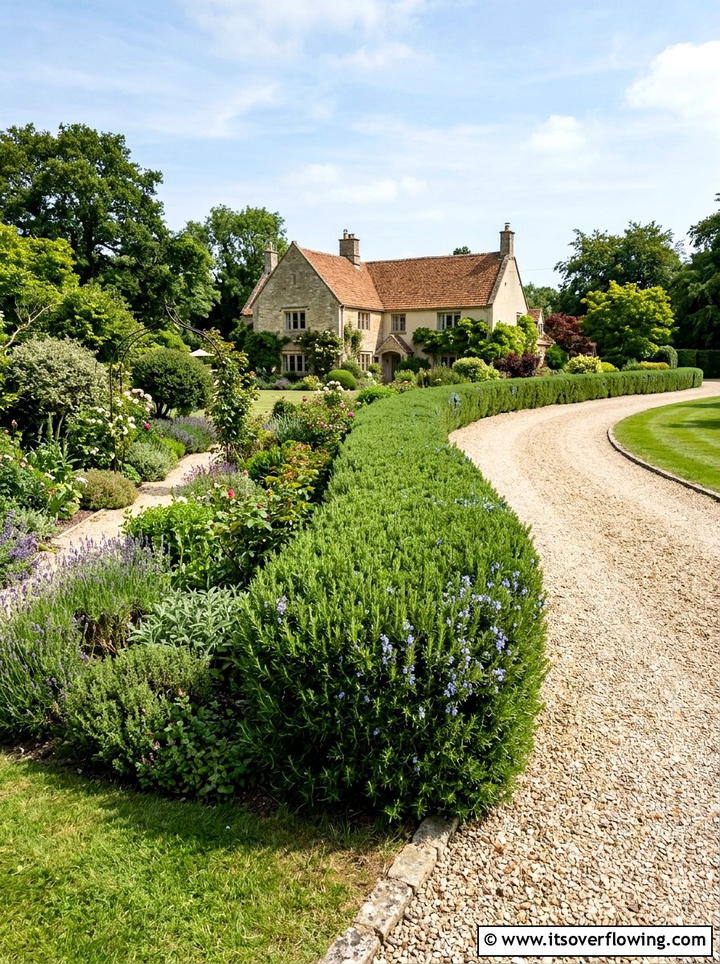
Rosemary is an incredibly sturdy and versatile plant that can be pruned into a fragrant, evergreen hedge. Using rosemary as a border for your garden beds or walkways provides a structural element that stays green and beautiful throughout every season. In the spring, the hedge will be covered in tiny blue flowers that attract bees and other beneficial insects to your yard. The dense growth of a rosemary hedge also acts as a natural barrier, helping to define different zones in your landscape. Best of all, you will have an almost endless supply of aromatic needles for roasting potatoes or seasoning grilled meats.
19. Gravel Herb Garden
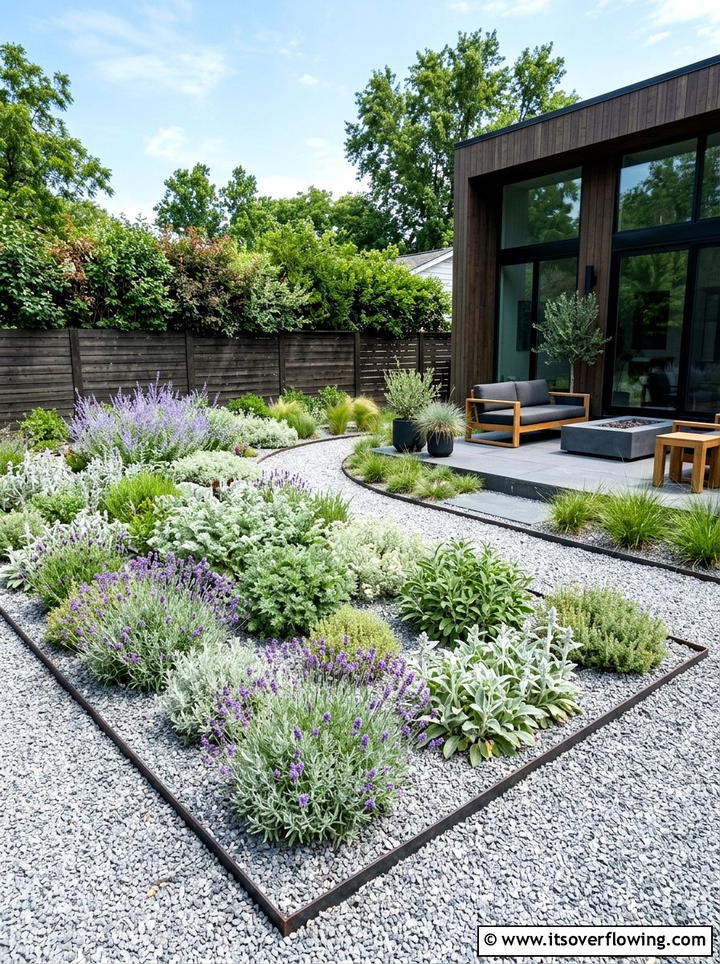
A gravel herb garden is a low-maintenance and stylish option that works particularly well in dry or drought-prone climates. By planting herbs directly through a layer of decorative gravel, you create a clean and modern look that highlights the individual form of each plant. The gravel acts as a mulch, keeping the roots cool and suppressing weed growth while allowing water to penetrate easily. Mediterranean herbs like sage and lavender look particularly striking against a backdrop of light-colored crushed stone. This design approach is perfect for creating a relaxed, courtyard feel that requires very little upkeep to remain looking pristine and intentional.
20. Greenhouse Herb Collection
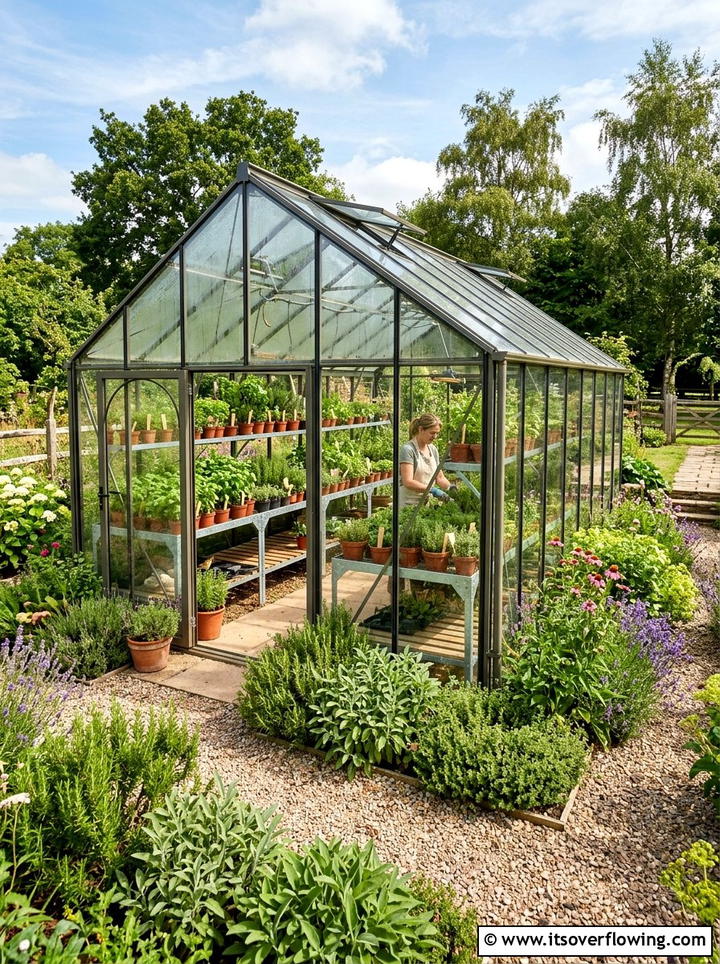
For the serious gardener, a dedicated greenhouse herb collection allows for the ultimate control over the growing environment. Inside a greenhouse, you can start your herbs much earlier in the spring and keep them producing well into the late autumn or winter. This sheltered space protects delicate plants from harsh winds, heavy rain, and common outdoor pests. You can organize your herbs on shelving units or in large floor pots, creating a lush, tropical-feeling sanctuary. A greenhouse also allows you to experiment with more exotic herb varieties that might not survive the typical outdoor conditions in your specific local climate zone.
21. Tea Herb Garden
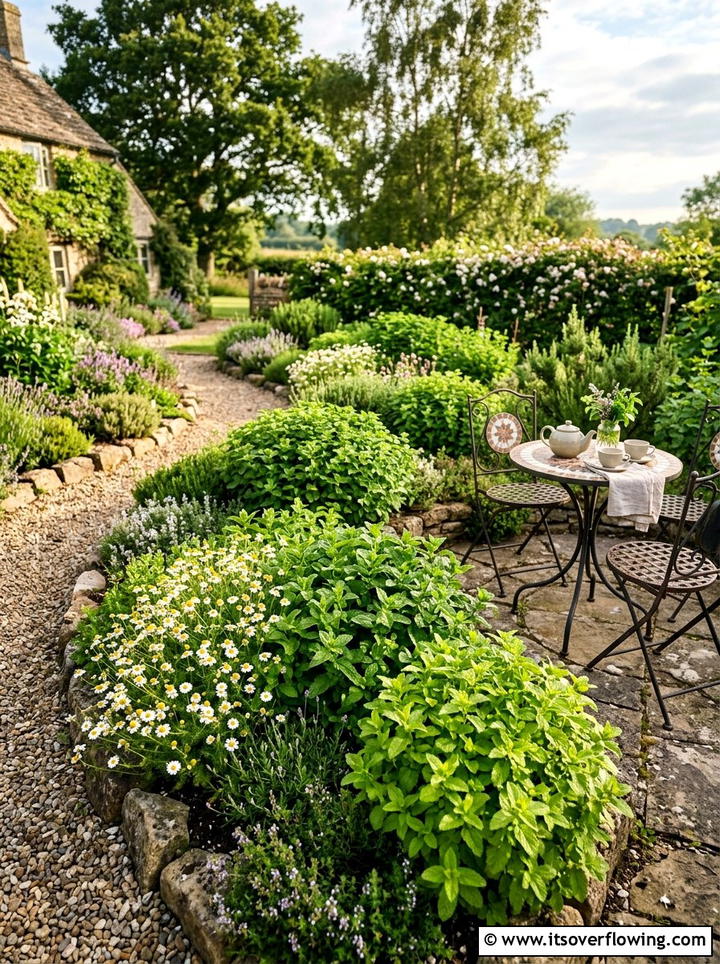
Designing a garden specifically for brewing your own fresh teas is a delightful and relaxing project for any homeowner. You can plant a variety of fragrant herbs like lemon balm, peppermint, chamomile, and chocolate mint to create custom blends. This type of garden focuses on sensory enjoyment, providing a space where you can harvest leaves for a soothing afternoon beverage. Tea herbs are often very easy to grow and can be tucked into small corners of your yard or grown in large, decorative containers. Stepping outside to pick fresh ingredients for a cup of tea adds a wonderful ritual to your daily routine.
22. Pollinator Herb Garden
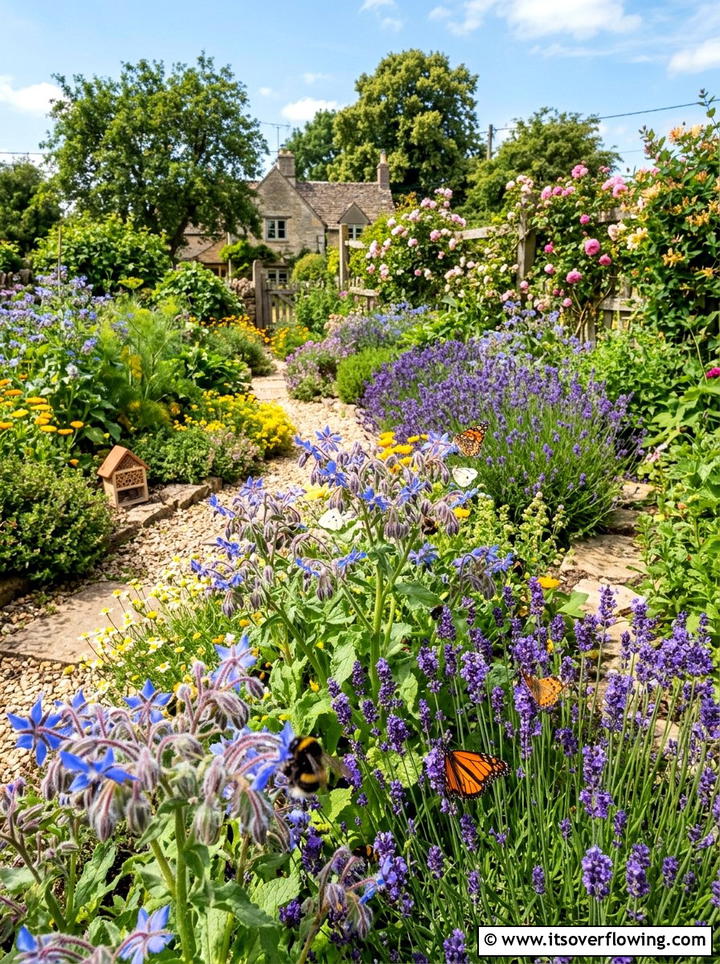
Herbs are some of the best plants you can grow to attract and support local wildlife like bees, butterflies, and hummingbirds. A pollinator-focused herb garden includes flowering varieties like borage, lavender, chives, and dill, which provide vital nectar and pollen. By allowing some of your herbs to go to flower, you create a vibrant and buzzing ecosystem right in your own backyard. This approach not only helps the environment but also improves the yields of any nearby vegetable crops you might be growing. Watching colorful butterflies dance around your fragrant herbs adds a sense of life and joy to your outdoor living space.
23. Culinary Herb Circle
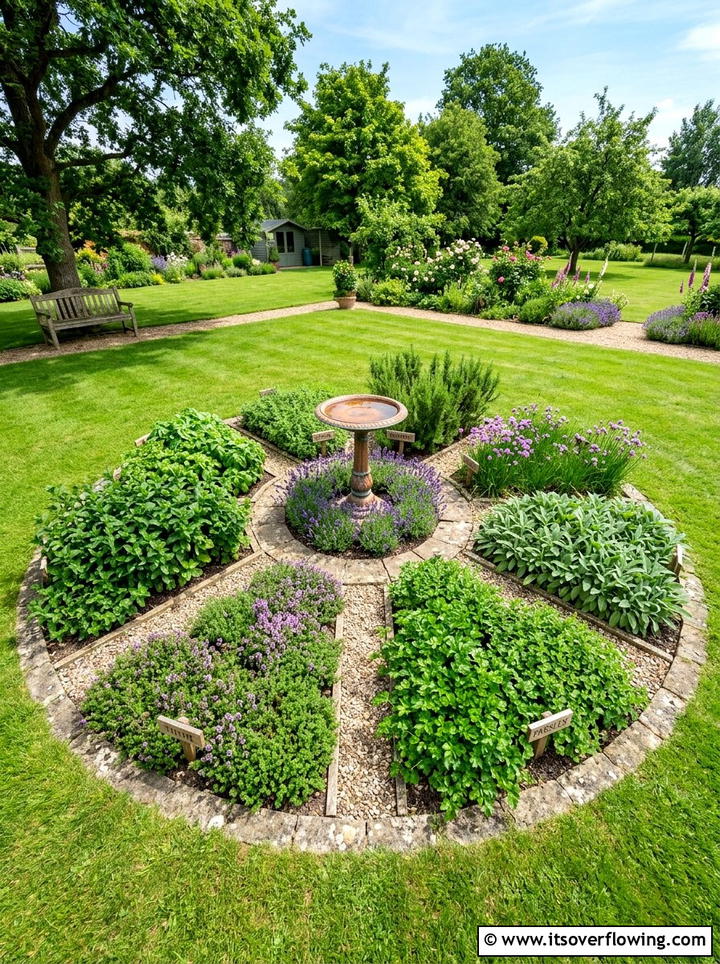
A culinary herb circle is a beautiful and functional design that creates a centralized hub for all your favorite cooking greens. You can divide the circle into wedges, like a pizza, with each section dedicated to a different herb variety or flavor profile. For example, one wedge could be for Italian herbs like oregano and basil, while another holds French favorites like tarragon and thyme. A central focal point, such as a sundial or a birdbath, can anchor the design and provide a sense of balance. This geometric layout is visually pleasing and makes it very easy to find exactly what you need.
24. Shade Herb Garden
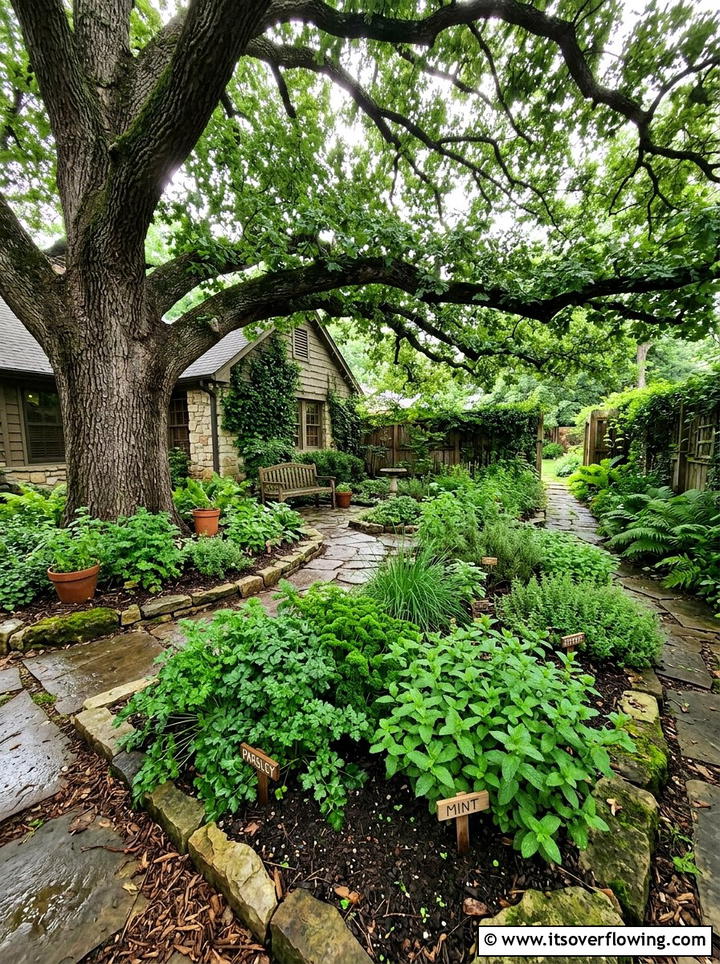
Many people mistakenly believe that you need full sun to grow a successful herb garden, but several varieties thrive in the shade. Designing a shade herb garden allows you to bring greenery to the cooler, dimmer parts of your yard under trees or near tall fences. Herbs like mint, chervil, parsley, and lemon balm are perfectly happy with just a few hours of indirect light each day. These plants often have lush, delicate foliage that adds a soft texture to the darker corners of your landscape. A shade-focused garden is a great way to utilize every part of your property effectively and creatively.
25. Mobile Herb Trolley
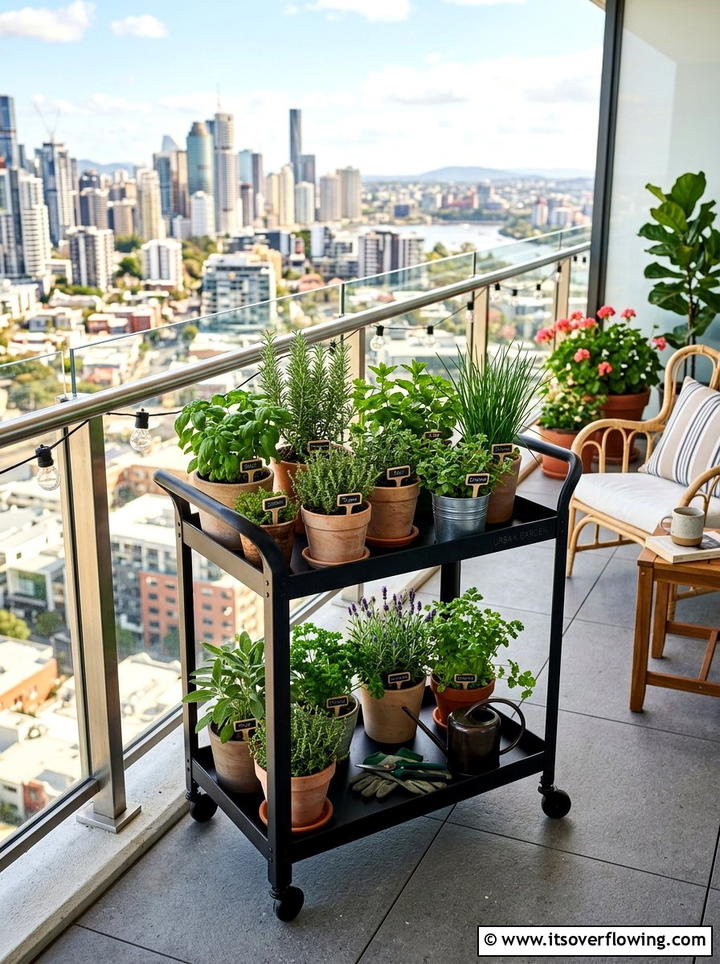
A mobile herb trolley is the perfect solution for urban dwellers with small balconies or homeowners who love to entertain outdoors. By using a tiered cart on wheels, you can create a portable garden that can be moved from the sun to the shade as needed. During a backyard barbecue, you can roll the trolley right over to the grill area, allowing guests to snip fresh herbs for their drinks or burgers. This flexible gardening method is stylish and practical, making it easy to bring your plants indoors if a sudden frost is predicted. It turns your herb collection into a functional piece of furniture.
Conclusion:
Creating a garden filled with aromatic herbs is one of the most rewarding projects any homeowner can undertake for their outdoor living space. These versatile plants do more than just provide fresh flavors for your kitchen; they bring texture, movement, and a delightful scent to your environment. By choosing the right layout and growing methods, you can turn a simple patch of dirt into a thriving ecosystem that supports local wildlife while feeding your family. Whether you prefer a structured formal look or a wild, cottage-style aesthetic, herbs offer endless possibilities for customization and creativity. Start small with a few pots or go big with a dedicated garden bed to enjoy the many benefits of gardening.
Related posts:
 25 Small Garden Ideas With Herbs for Fresh, Fragrant Spaces
 25 Garden Ideas With Lavender for a Fragrant Outdoor Escape
 25 creative garden ideas with medicinal herbs for Wellness
 25 Garden Design Ideas With Herbs and Flowers for Color
 25 Creative Garden Ideas for Patios: Fresh Outdoor Style
 25 garden ideas with moss art: Fresh Green Outdoor Style
 25 Garden Ideas With Planter Boxes for a Fresh Outdoor Look
 25 Small Garden Ideas With Edible Garden for Fresh Harvests
 25 Creative Garden Ideas With Salad Gardens for Fresh Harvests
 25 garden ideas for rainy climate: Fresh Wet-Weather Tips
 25 small garden ideas with vegetables for Fresh Home Harvests
 25 Garden Ideas With Hanging Planters For Fresh Style