
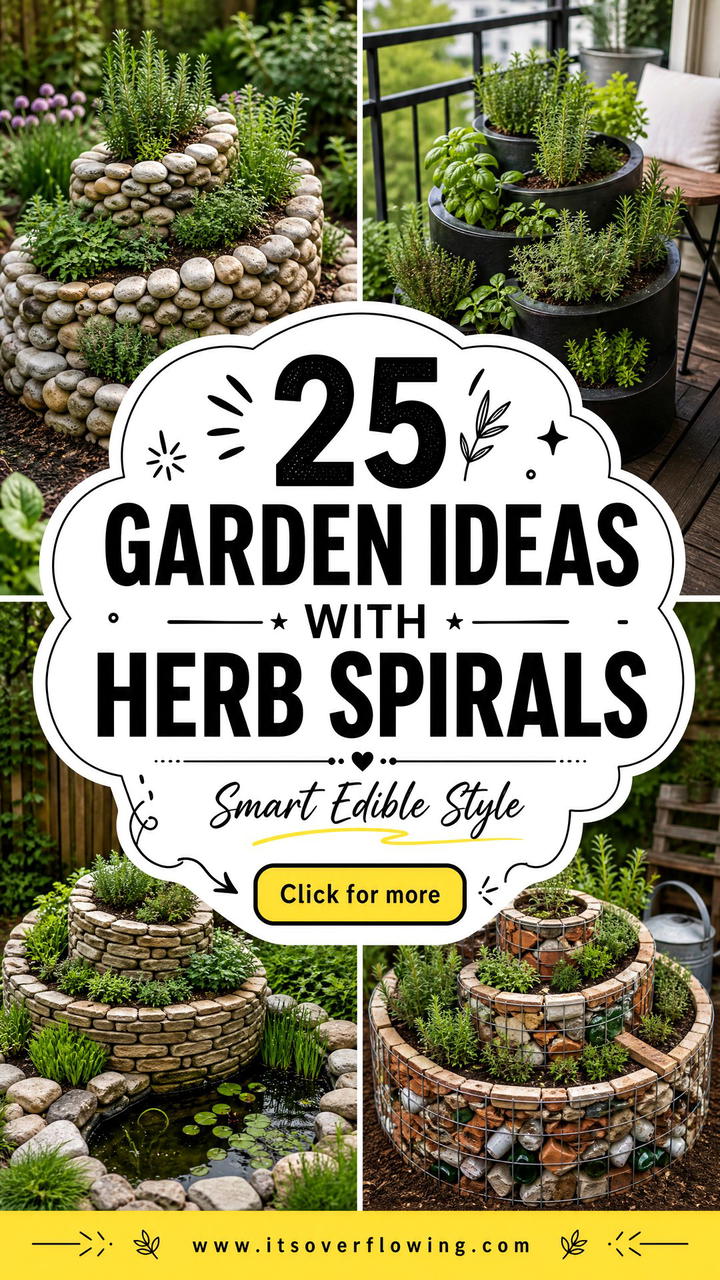
Starting a herb spiral garden is one of the most rewarding ways to transform your backyard into a functional masterpiece. These vertical structures do more than just look beautiful; they leverage permaculture principles to create unique microclimates for various plants. By building upward in a spiraling shape, you provide drainage for sun-loving Mediterranean herbs at the top while keeping moisture-loving varieties happy at the base. This approach maximizes your growing space, making it perfect for small urban yards or sprawling country estates alike. You will love how easy it is to harvest fresh basil, rosemary, and thyme just steps away from your kitchen door every single day.
1. Vertical stone herb spiral
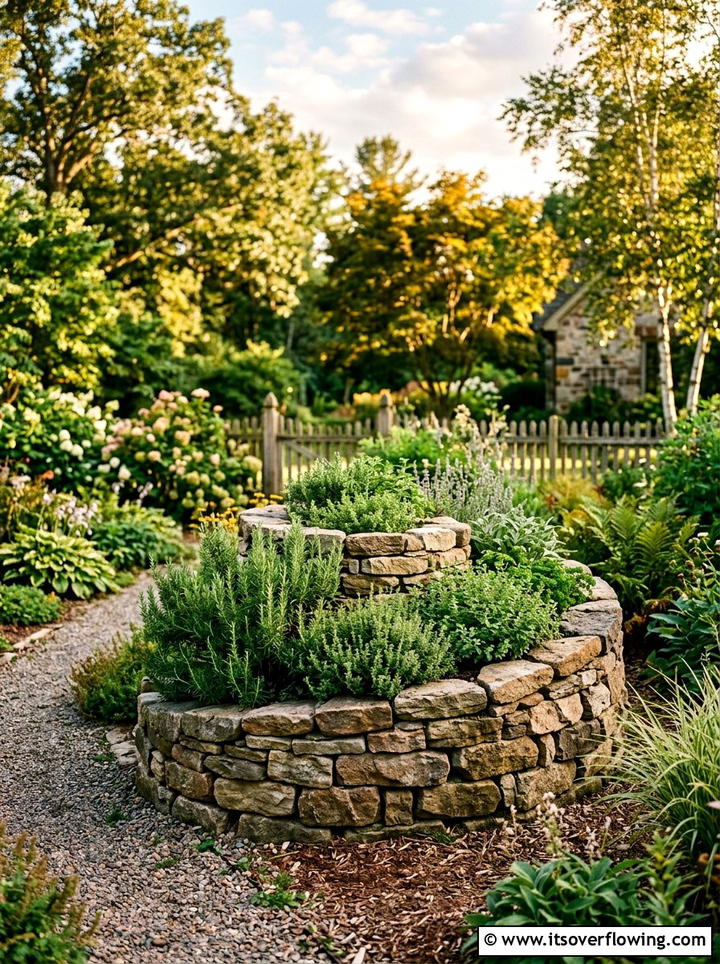
Building a tall structure using natural fieldstones creates a stunning focal point in any landscape. This vertical approach allows you to plant heat-loving rosemary and oregano at the very top where the drainage is fastest. As the spiral winds downward, the stones absorb heat during the day and release it slowly at night. This creates a stable temperature for more delicate herbs tucked into the crevices. You can use large, flat stones to ensure stability while stacking them to your desired height. The rugged texture of the stone provides a beautiful contrast against the soft green foliage of your favorite culinary herbs throughout the season.
2. Brick herb spiral garden
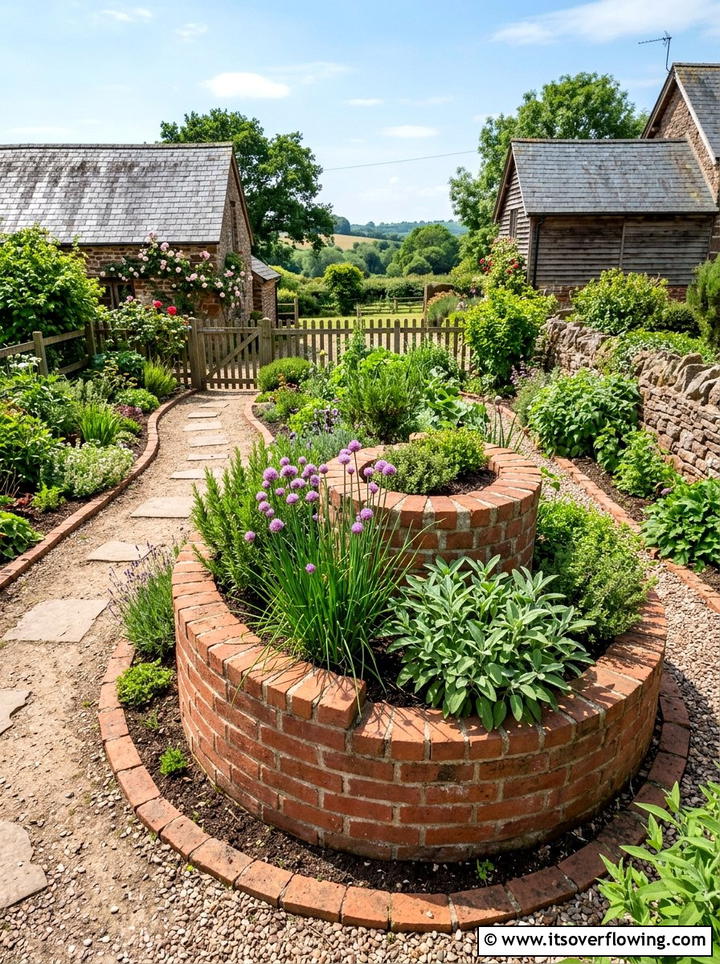
Using classic red bricks offers a timeless and organized look for your backyard herb project. Bricks are incredibly easy to stack and allow for precise geometric shapes that fit perfectly in formal garden settings. You can create a tight spiral that rises significantly, providing ample room for a wide variety of plants in a small footprint. The porous nature of brick helps regulate moisture levels, which is excellent for maintaining healthy soil conditions. This style works exceptionally well next to a brick patio or a traditional farmhouse. It feels intentional and sturdy, offering a permanent home for perennial herbs like sage, chives, and lavender for many years.
3. Small backyard herb spiral
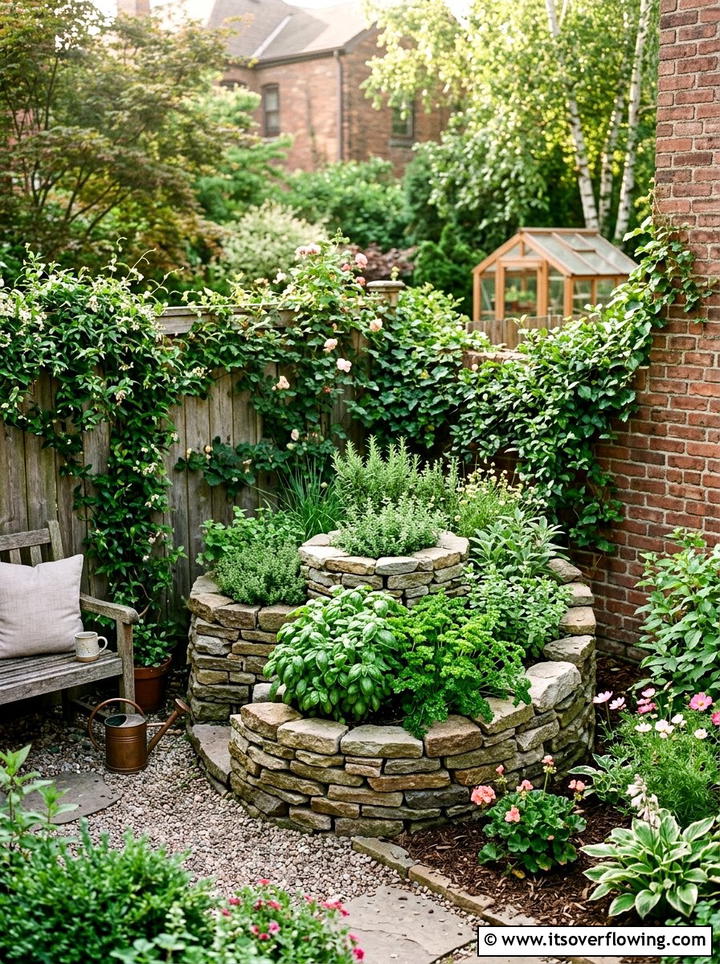
If you have limited space, a compact version of this gardening technique is the perfect solution for your needs. Even a small corner of your yard can host a productive herb spiral that yields enough produce for daily cooking. By focusing on height rather than width, you save precious ground space while still enjoying the benefits of tiered planting. These smaller structures are easier to maintain and require fewer materials to build, making them a great weekend project. You can tuck them into a sunny spot near the fence or beside a garden path. This setup ensures that your fresh ingredients are always within easy reach when you cook.
4. Modern metal herb spiral
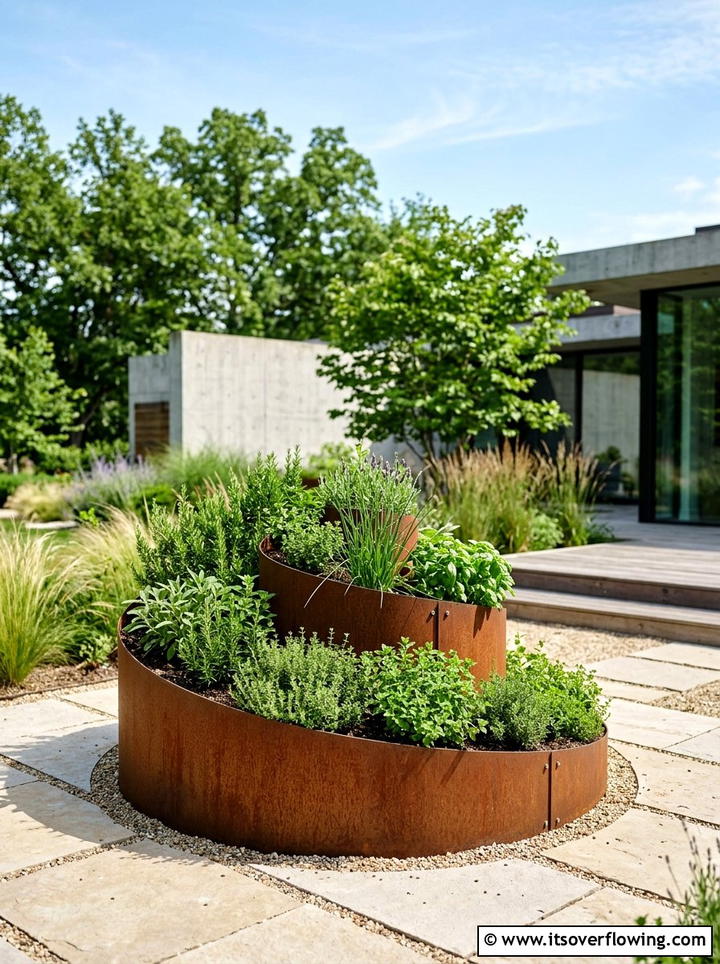
For those who prefer a contemporary aesthetic, a sleek metal spiral offers a clean and industrial vibe for the garden. Corten steel is a popular choice because it develops a beautiful rust-like patina over time that protects the metal. These prefabricated metal spirals are often easier to install than heavy stone versions and offer a very crisp silhouette. The thin walls of the metal allow for more planting space within the spiral itself compared to thick stone walls. This design looks fantastic in a modern minimalist landscape or an urban rooftop garden. It combines high-end style with the practical functionality of a high-yield vertical herb growing system.
5. Kitchen garden herb spiral
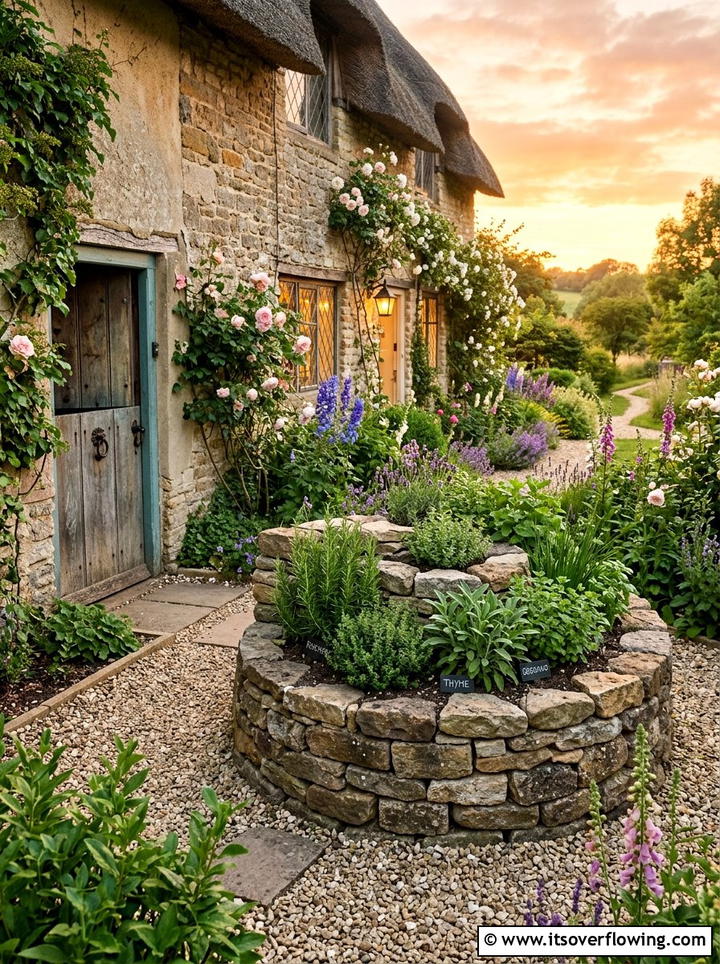
Positioning your spiral directly outside the kitchen door makes harvesting fresh ingredients incredibly convenient and fun for every home cook. Imagine stepping outside in your slippers to grab a handful of fresh cilantro or parsley while your dinner is simmering. This location ensures that the herbs are used frequently, which actually encourages the plants to grow back fuller and healthier. You can design the layout to include your most-used seasonings at eye level for quick access. This setup bridges the gap between your indoor culinary space and the outdoor natural world beautifully. It turns a simple garden feature into a vital part of your daily cooking routine and lifestyle.
6. Terraced herb spiral planter
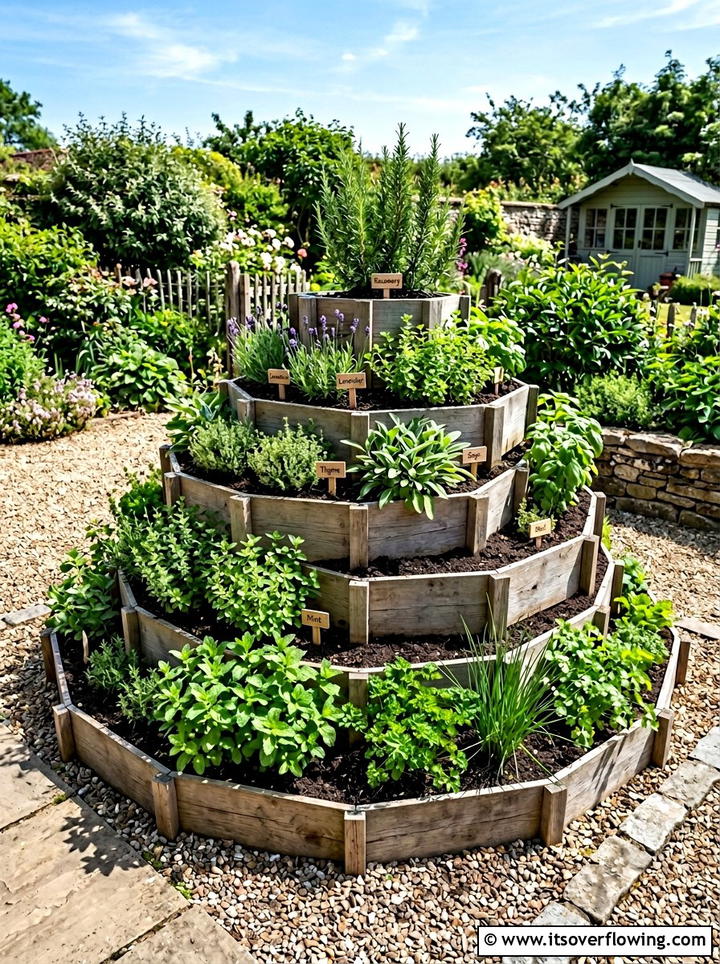
Creating distinct terraces within your spiral structure helps to separate different plant varieties based on their specific water requirements. This terraced design ensures that water flows naturally from the top to the bottom, hydrating each level appropriately. You can use timber or flat rocks to define these levels clearly, which adds a lot of visual depth to the garden. The highest terrace is ideal for drought-tolerant plants, while the lowest levels can support moisture-loving mint or lemon balm. This organization makes it very simple to manage your garden throughout the changing seasons. It provides a structured look that is both highly efficient and visually appealing to any visitor.
7. Sustainable permaculture herb spiral
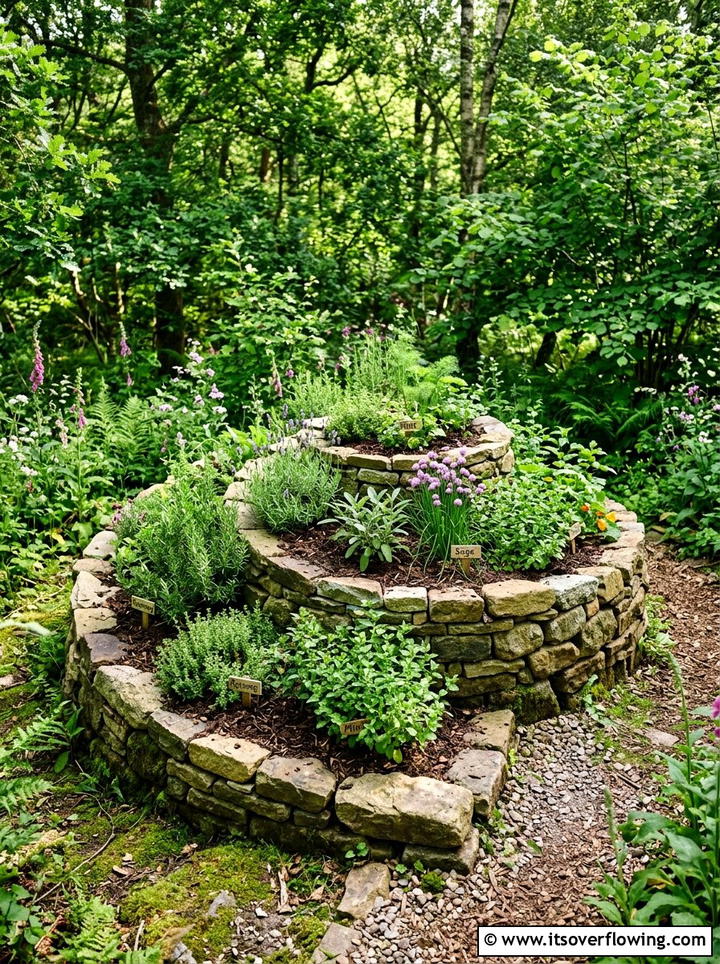
Embracing the core principles of permaculture means designing a garden that works in harmony with the local environment and climate. A sustainable spiral uses recycled materials and compost-rich soil to create a self-sustaining ecosystem for your plants. By observing how sun and wind hit your yard, you can orient the spiral to protect sensitive herbs. This method reduces the need for external fertilizers and minimizes water waste through smart drainage patterns. It is a brilliant way to grow a large amount of food in a very small area without harming the earth. This approach is perfect for eco-conscious gardeners who want to maximize their yield and minimize their environmental footprint.
8. Circular rock herb garden
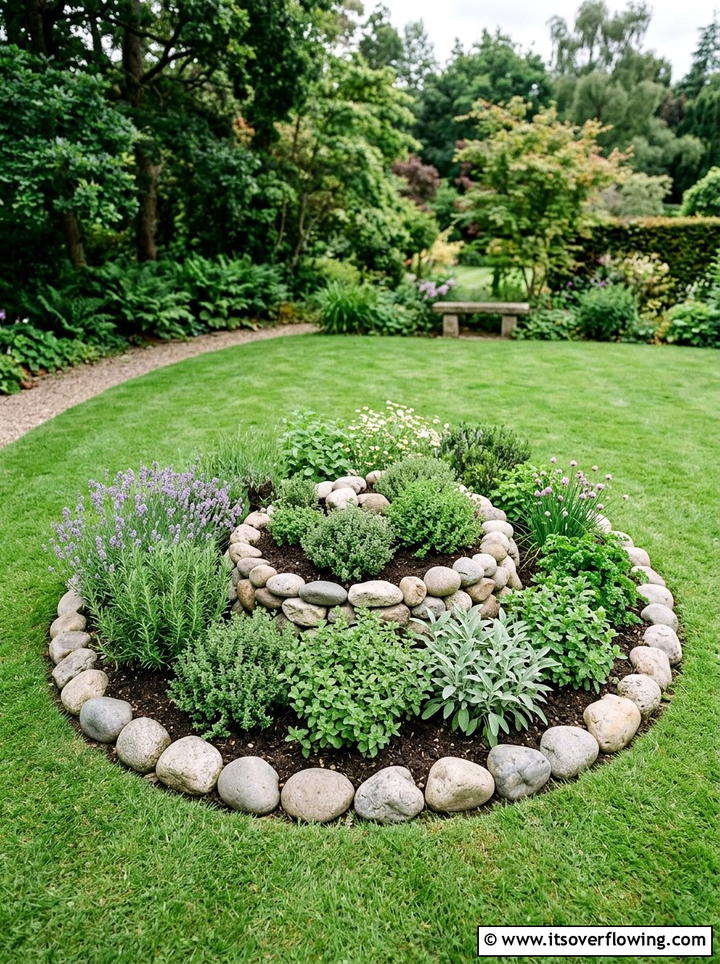
A perfectly circular layout provides a sense of balance and harmony that looks incredible from any angle in your yard. Using rounded river rocks or smooth boulders creates a soft, organic feel that blends seamlessly with the surrounding landscape. The circular shape is not just for looks; it allows you to access all your herbs easily from any side. You can walk around the entire structure to weed, prune, or harvest without ever stepping into the planting bed. This prevents soil compaction and keeps your plants healthy and thriving. It creates a serene and meditative spot in the garden that draws people in with its natural, flowing beauty.
9. Wooden herb spiral raised bed
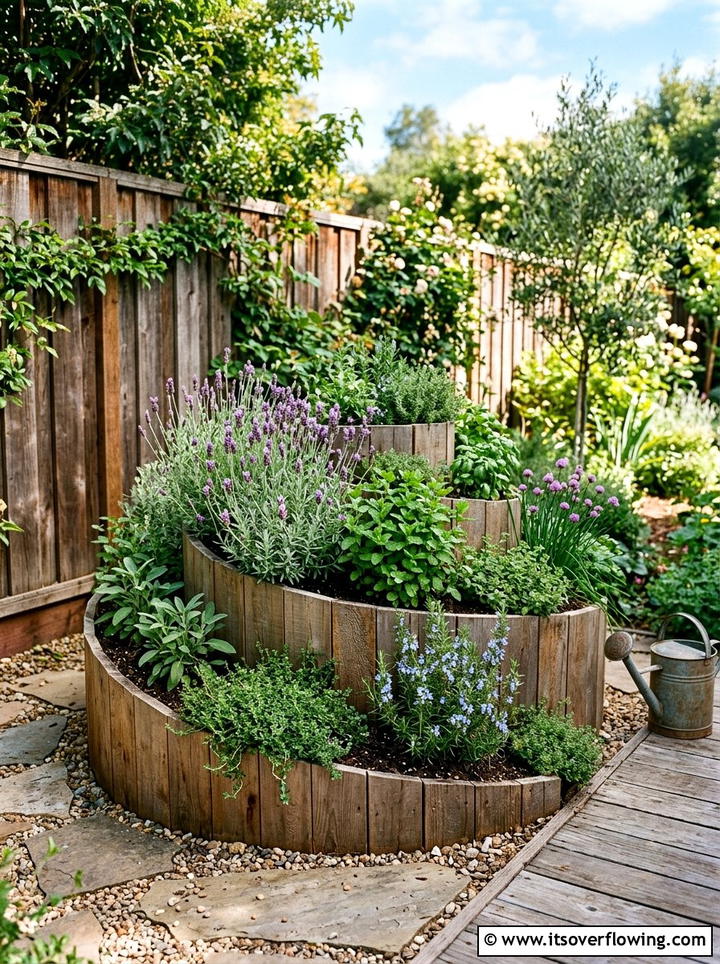
Constructing a spiral using cedar or redwood planks offers a warm and rustic appearance that complements traditional wooden decks and fences. Wood is a versatile material that is easy to cut and assemble into a spiraling upward ramp. These raised beds provide excellent drainage and protect your soil from being stepped on or washed away. The natural oils in cedar also help to repel certain pests, keeping your herbs safer without the need for chemicals. You can paint or stain the wood to match your existing outdoor furniture for a cohesive look. It is a sturdy and practical choice that brings a touch of craftsmanship to your vegetable patch.
10. Flagstone herb spiral walkway
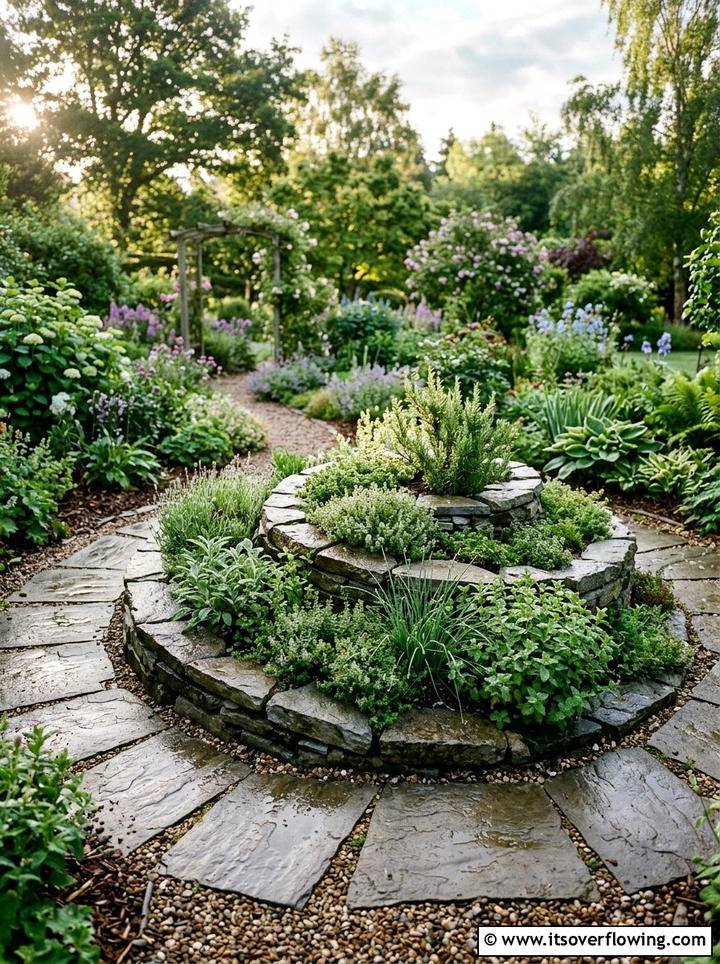
Integrating your herb spiral into a walkway using flat flagstones creates a beautiful transition between different areas of your outdoor space. You can use the same stones for the path and the spiral walls to create a unified and professional look. This design encourages people to stop and smell the herbs as they walk through the garden. The low profile of flagstones makes the spiral feel grounded and permanent, almost like a natural geological feature. You can plant creeping thyme between the stones at the base to add fragrance every time someone walks by. It turns a simple path into an immersive and aromatic journey through your backyard landscape.
11. Culinary herb spiral near patio
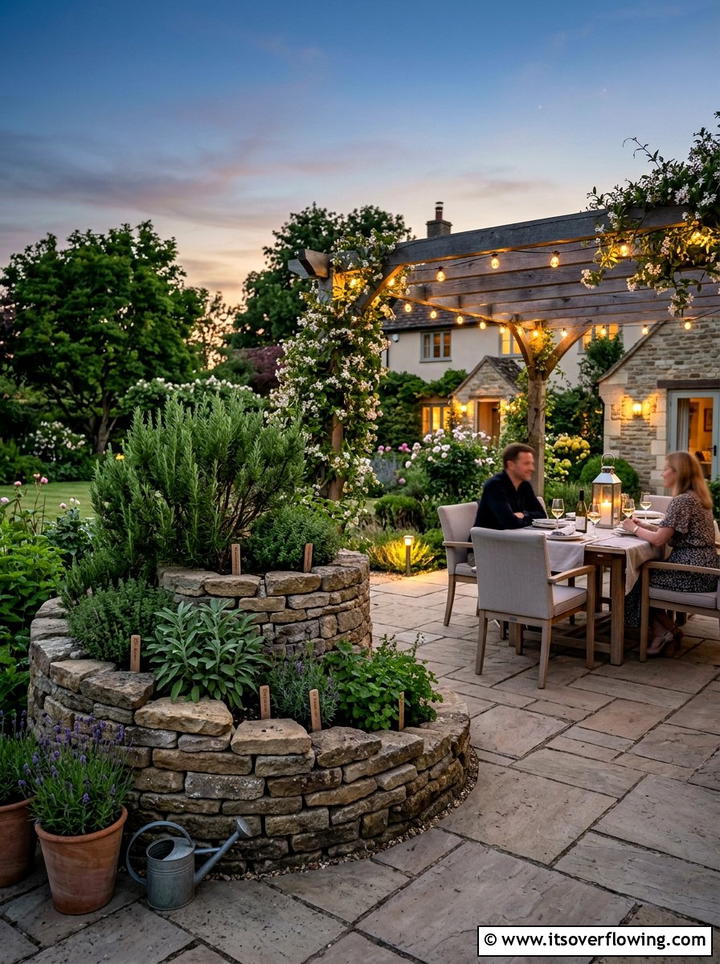
Placing a beautiful herb spiral right next to your outdoor dining or lounging area adds an incredible sensory layer to your patio. As you sit outside with friends, the scent of lavender and rosemary wafts through the air on a gentle breeze. It also provides a great conversation piece for guests who are interested in gardening or cooking. You can quickly pick fresh garnish for drinks or appetizers without leaving the party. This location makes the garden feel like a true extension of your living room. It combines the beauty of ornamental gardening with the practical benefits of growing your own food right where you relax and entertain.
12. Natural river rock herb spiral
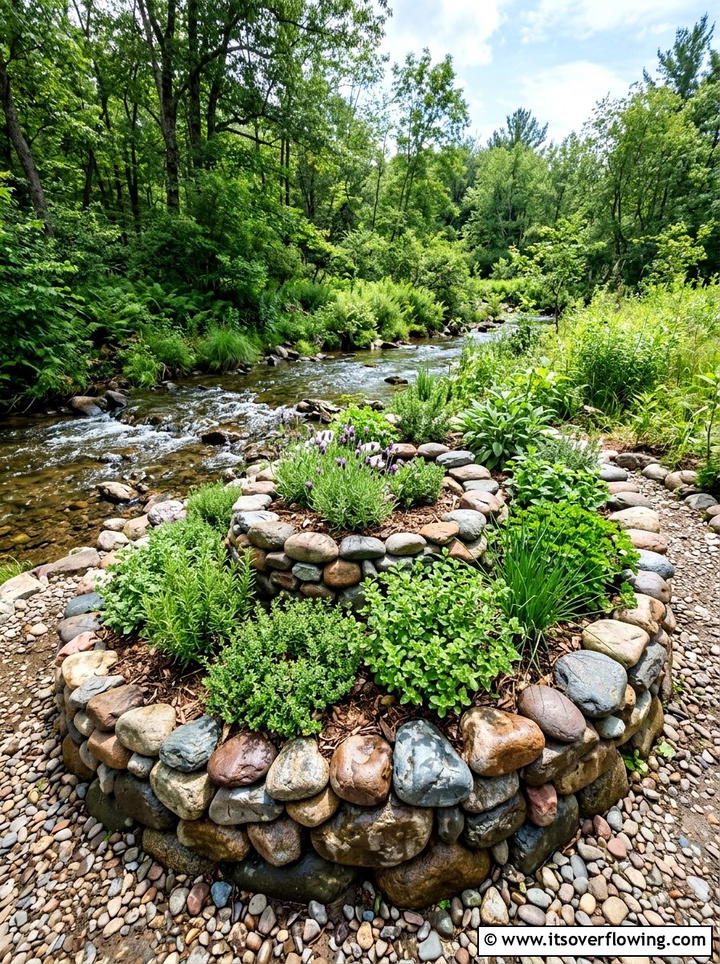
Using smooth river rocks of varying sizes gives your herb garden a very peaceful and watery aesthetic that is very soothing. These stones are naturally rounded by water, providing a soft look that contrasts beautifully with the sharp textures of some herb leaves. You can find these rocks in many colors, from grey and blue to tan and red, allowing for creative patterns. The gaps between the rocks provide perfect little pockets for succulents or small herbs to tuck into. This type of spiral looks especially stunning when placed near a real water feature or under the dappled shade of a large tree. It brings a touch of the wild riverbank to your home.
13. Compact balcony herb spiral
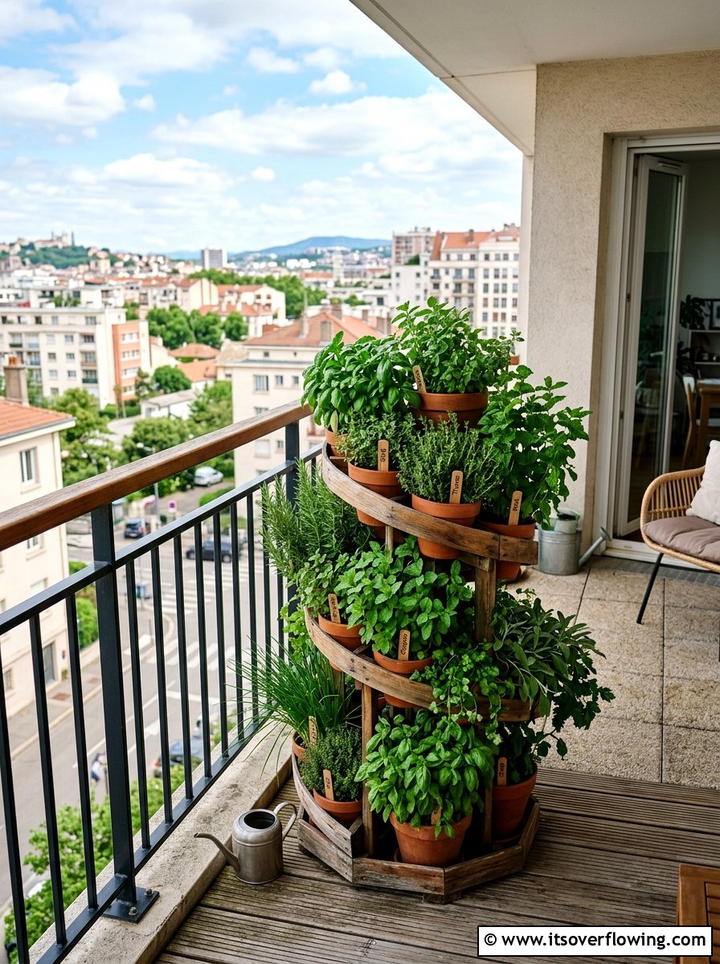
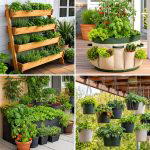
Even if you only have a small balcony, you can still enjoy the benefits of a spiraling garden by using a vertical container system. Many modern planters are designed to stack in a spiral fashion, allowing you to grow herbs upwards on a tiny footprint. This is the ultimate solution for apartment dwellers who want to harvest fresh ingredients for their meals. These lightweight structures can be moved around to catch the best sunlight throughout the day. You can grow basil, mint, and chives all in one single vertical unit. It transforms a boring concrete balcony into a lush and productive green space that smells amazing and provides fresh food.
14. Drought tolerant herb spiral
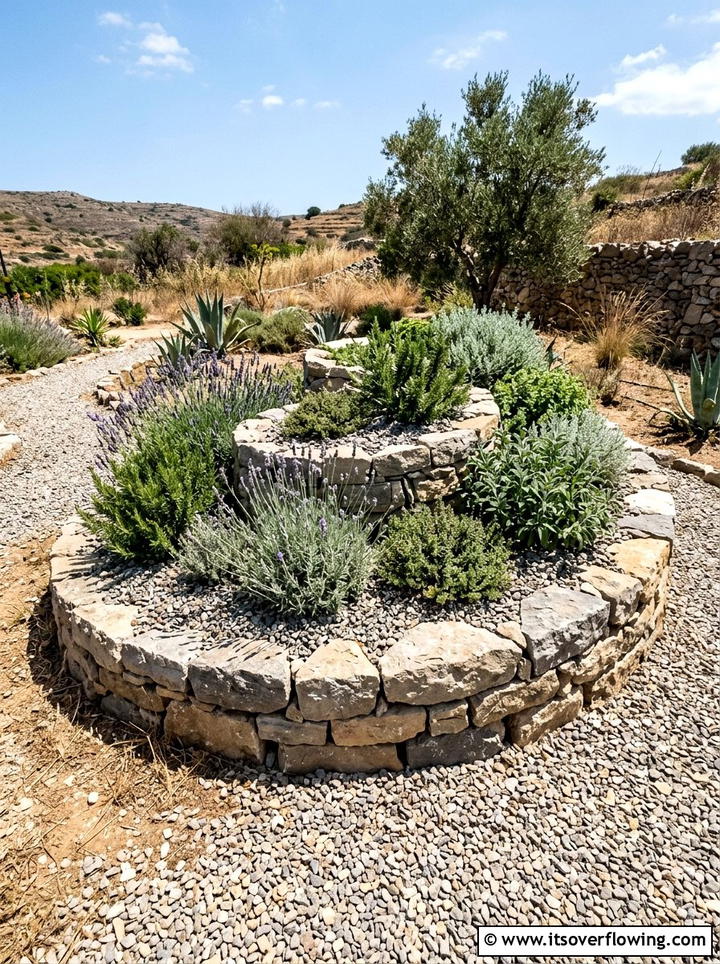
Designing a spiral specifically for Mediterranean herbs allows you to save water while maintaining a lush and productive garden space. Herbs like rosemary, sage, and thyme thrive in the well-drained soil found at the top of a spiral structure. These plants require very little extra watering once they are established, making them perfect for dry climates or busy gardeners. You can use gravel mulch between the plants to further reduce evaporation and keep the roots cool. This setup is both environmentally friendly and very low maintenance over the long term. It proves that you can have a beautiful and productive garden even with very limited water resources in your area.
15. Colorful flower herb spiral
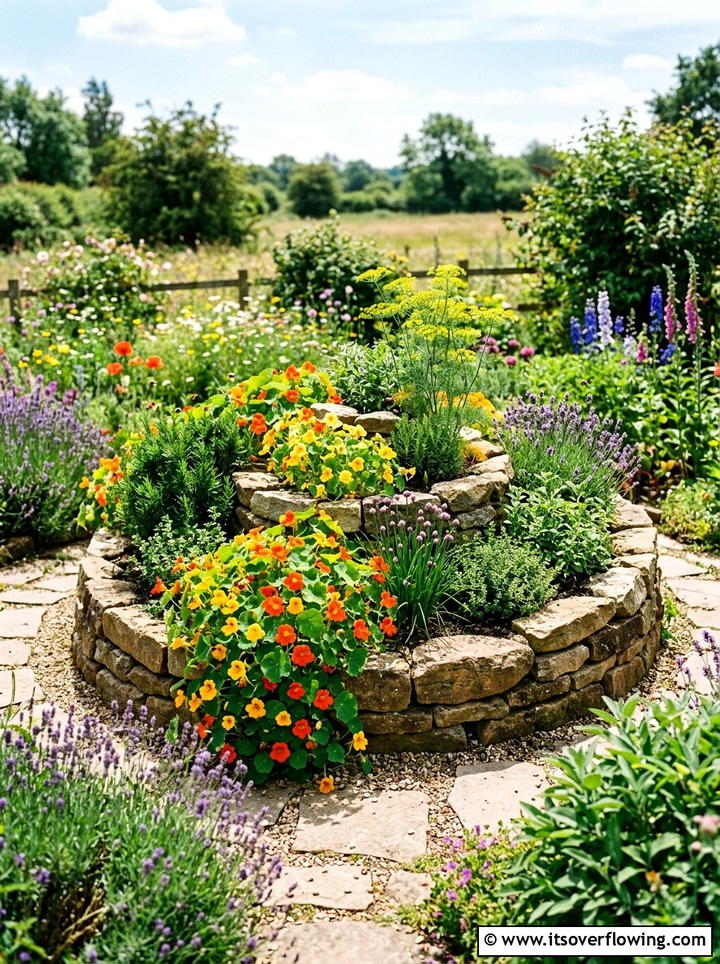
Adding edible flowers like nasturtiums, calendula, and pansies into your herb spiral creates a vibrant explosion of color in the landscape. These flowers are not just pretty to look at; they are also functional and can be used in salads or as garnishes. Mixing flowers with green herbs attracts beneficial pollinators like bees and butterflies to your garden beds. This helps improve the overall health of your plants and increases your harvest yields significantly. The bright oranges, yellows, and purples pop against the green foliage, making the spiral a true artistic statement. It turns a functional vegetable garden into a beautiful ornamental feature that brightens up your entire backyard every day.

16. Edible landscape herb spiral
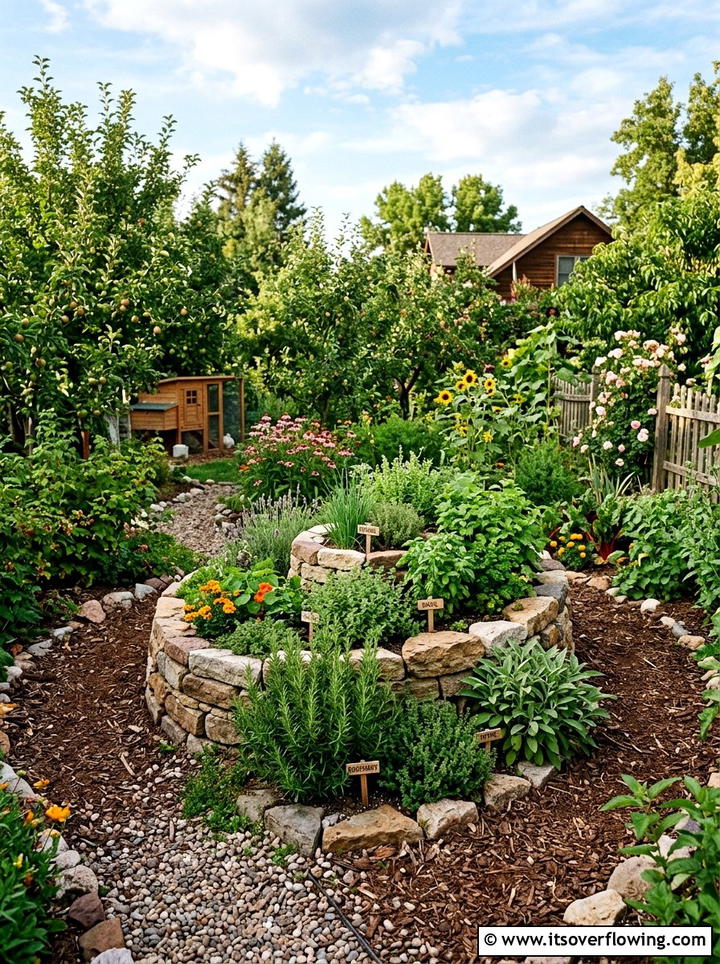
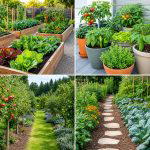
Integrating a spiral into your overall edible landscaping plan allows you to mix food production with your decorative garden elements seamlessly. You can surround the spiral with other fruiting plants or edible shrubs to create a diverse and productive ecosystem. This approach blurs the line between a traditional backyard and a farm, making your yard much more useful. The spiral serves as a vertical anchor that draws the eye upward and adds structural interest to the flat ground. By choosing herbs with different leaf textures and colors, you create a tapestry of foliage that looks great all year long. It is a smart way to maximize the utility of every square foot of land.
17. Decorative herb spiral centerpiece
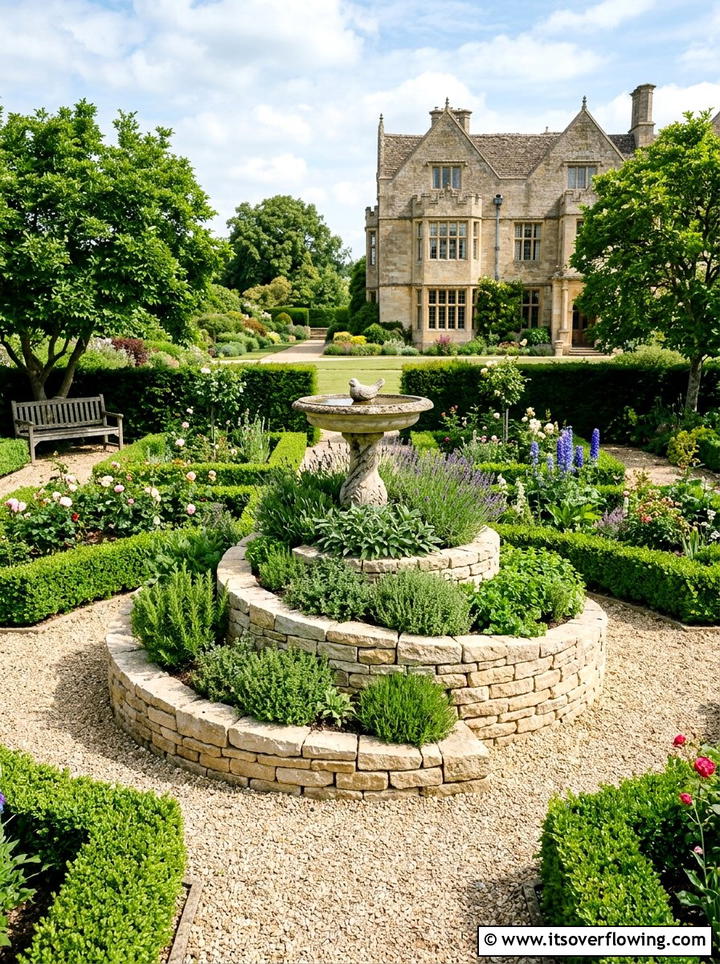
A tall and well-designed herb spiral can act as the main focal point or centerpiece of a large backyard garden. By placing it in the middle of a circular path or lawn, you create a sense of importance and order. You can use high-quality materials like cut limestone or decorative bricks to make it look like a piece of living sculpture. Adding a small birdbath or a solar light at the very top enhances its role as a decorative feature. This setup invites people to gather around and explore the different textures and scents of the herbs. It is a wonderful way to combine art with agriculture in your private outdoor sanctuary.
18. Functional herb spiral with pond
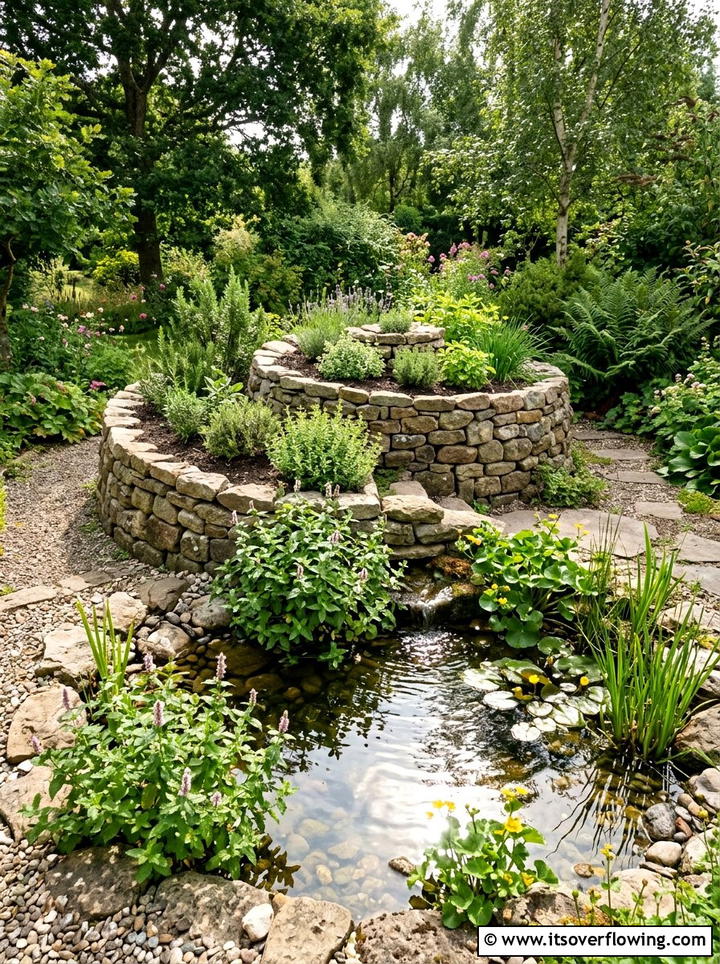
Placing a small pond or water basin at the base of your spiral creates a complete ecosystem that benefits both plants and wildlife. The water at the bottom provides extra humidity for moisture-loving plants like watercress or mint that grow in the lowest tier. It also attracts frogs and beneficial insects that help keep the pest population under control naturally. The sound of trickling water adds a relaxing auditory element to your garden space, making it even more peaceful. This design uses the natural flow of gravity to manage moisture levels perfectly from the dry top to the wet bottom. It is a highly efficient and beautiful way to utilize water in your landscape.
19. Multi level herb spiral
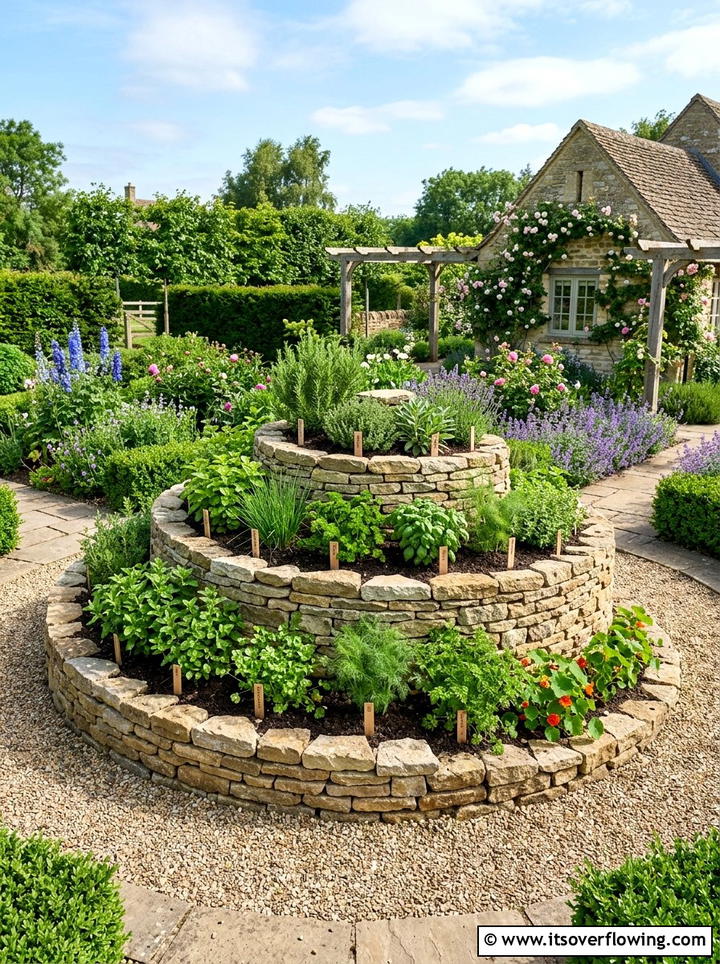
A multi-level spiral features several distinct tiers that allow for even more precise control over growing conditions and plant placement. By creating very clear steps, you can dedicate each level to a specific group of herbs with similar needs. This is particularly helpful if you want to grow a massive variety of seasonings in one single structure. The defined levels also make it much easier to organize your garden and keep track of different plant varieties. It creates a very architectural look that works well in both modern and traditional garden settings. You will appreciate the extra growing space and the clean, organized appearance this tiered approach provides for your backyard.

20. Recycled material herb spiral
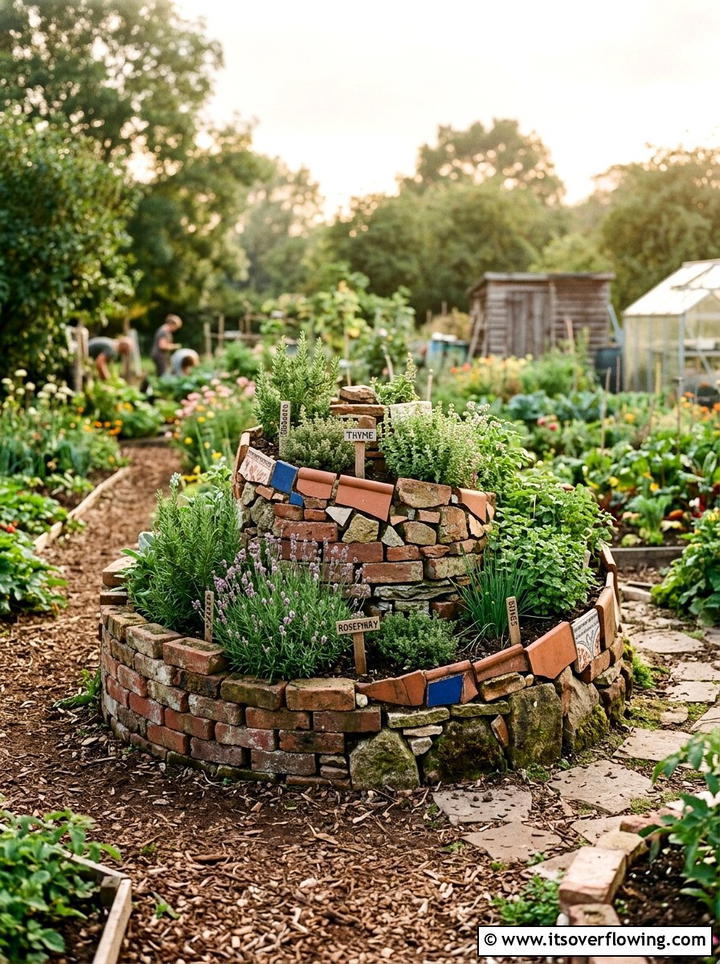
Building a spiral out of reclaimed materials like old roof tiles, broken concrete, or salvaged bricks is a great eco-friendly project. This approach gives a second life to items that might otherwise end up in a landfill, making it very sustainable. Each unique material adds its own texture and history to the garden, creating a one-of-a-kind look that reflects your personal style. You can get very creative with the patterns and colors by mixing different types of recycled stones or tiles together. This type of garden feels soulful and rustic, proving that you don’t need to spend a lot of money to create something beautiful. It is a wonderful way to practice earth-friendly gardening.
21. Low maintenance herb spiral
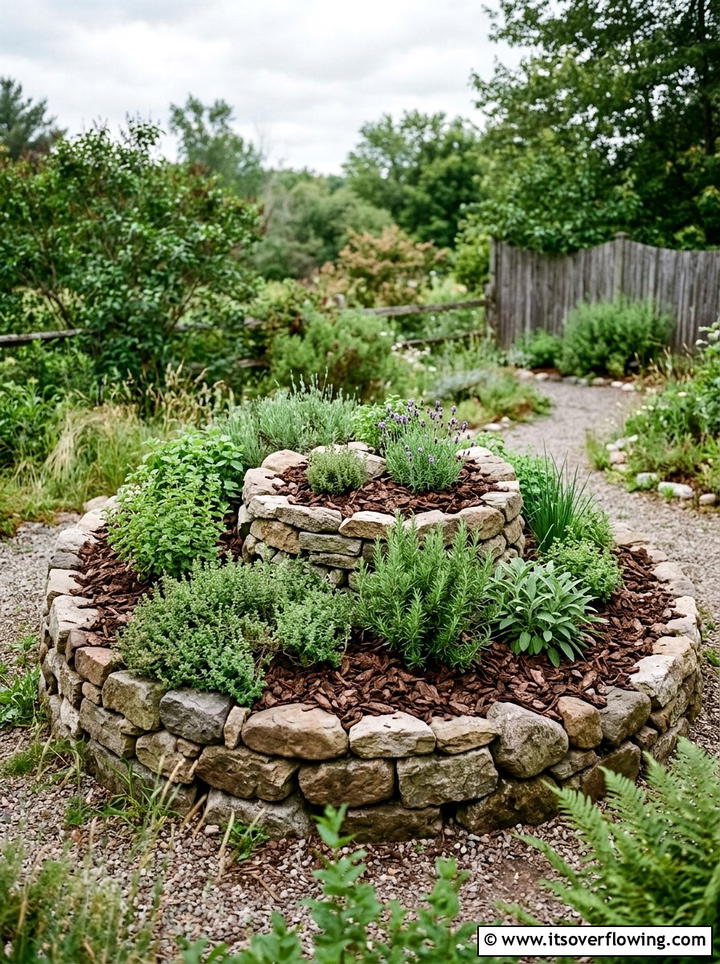
For the gardener who wants fresh flavor without spending hours working, a low-maintenance spiral is the ideal outdoor solution for you. By choosing hardy perennial herbs like oregano, thyme, and sage, you reduce the need for replanting each year. Using a thick layer of mulch and high-quality soil helps to suppress weeds and retain moisture effectively. The vertical design of the spiral also means you don’t have to bend over as much to harvest or prune. This saves your back and makes the gardening process much more enjoyable and accessible. It is a practical choice for busy families who still want to enjoy the luxury of home-grown herbs every day.
22. Sensory herb spiral garden
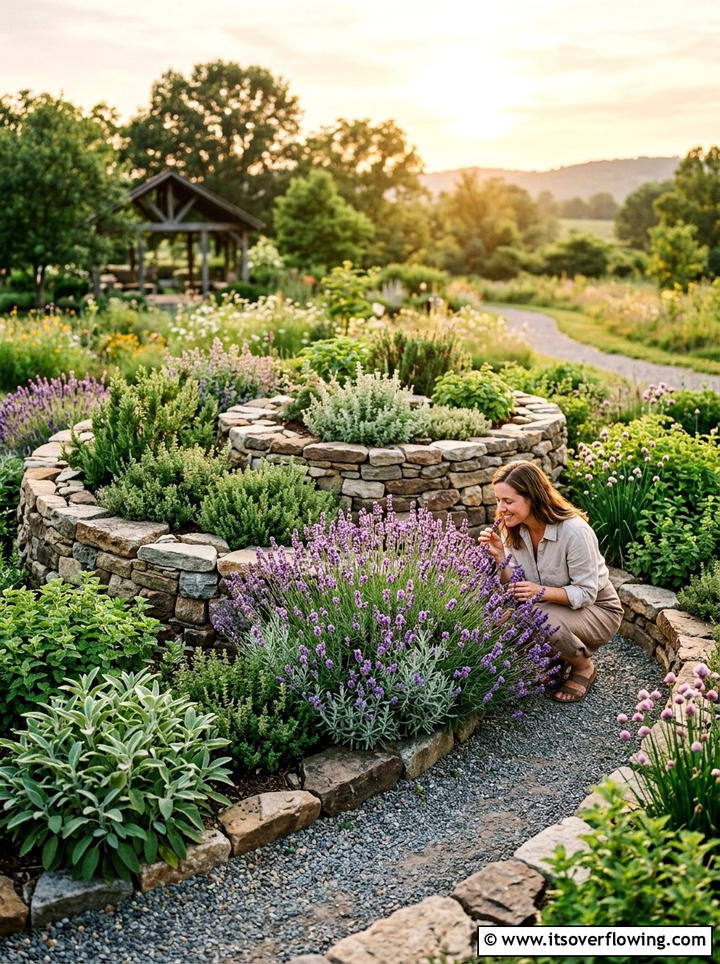
A sensory-focused garden encourages you to touch, smell, and taste everything as you move around the spiraling path. You can choose herbs specifically for their intense aromas, such as lemon verbena, chocolate mint, or spicy basil. Soft, fuzzy plants like lamb’s ear can be planted at the edges to provide a tactile experience for children and adults alike. This type of garden is incredibly therapeutic and provides a wonderful escape from the stress of everyday life. The circular motion of walking around the spiral is naturally calming and helps you feel more connected to nature. It is a gift for all your senses that transforms your backyard into a healing retreat.
23. Stepping stone herb spiral
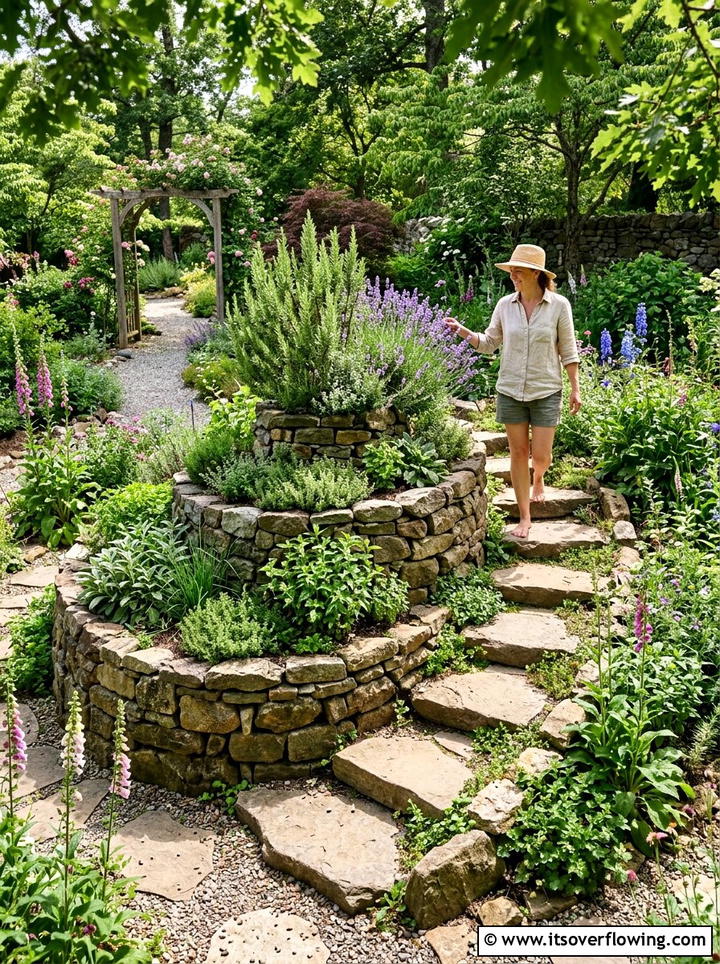
Incorporating large, flat stepping stones into the design of your spiral allows you to walk right into the middle of the garden. This makes it much easier to reach the plants at the very top or in the center without stretching. These stones can be part of the wall structure or placed as a path that leads up the side of the spiral. They add a rugged, adventurous feel to the structure that kids especially love to explore. By having stable footing, you can take your time inspecting your plants for pests or picking the perfect sprig of parsley. It combines functionality with a fun and interactive element for everyone.
24. Formal herb spiral layout
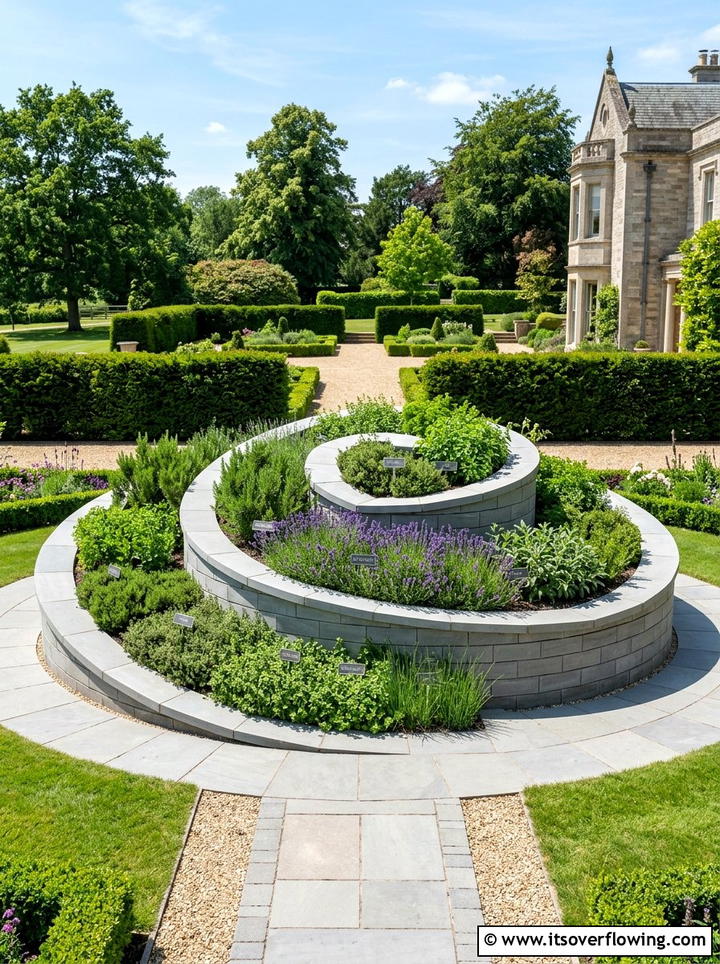
A formal spiral uses precise lines, symmetrical shapes, and high-end materials to create a very polished and sophisticated look. You might use cut stone or uniform pavers to build the walls, ensuring that every curve is perfectly executed. This style of garden looks best in the center of a manicured lawn or at the end of a long, straight path. It brings a sense of elegance and luxury to the vegetable garden, treating herbs with the same respect as ornamental flowers. The clean lines provide a striking contrast to the wild and bushy growth of the herbs themselves. It is a perfect choice for stately homes or very modern landscapes.
25. Wildflower herb spiral mix
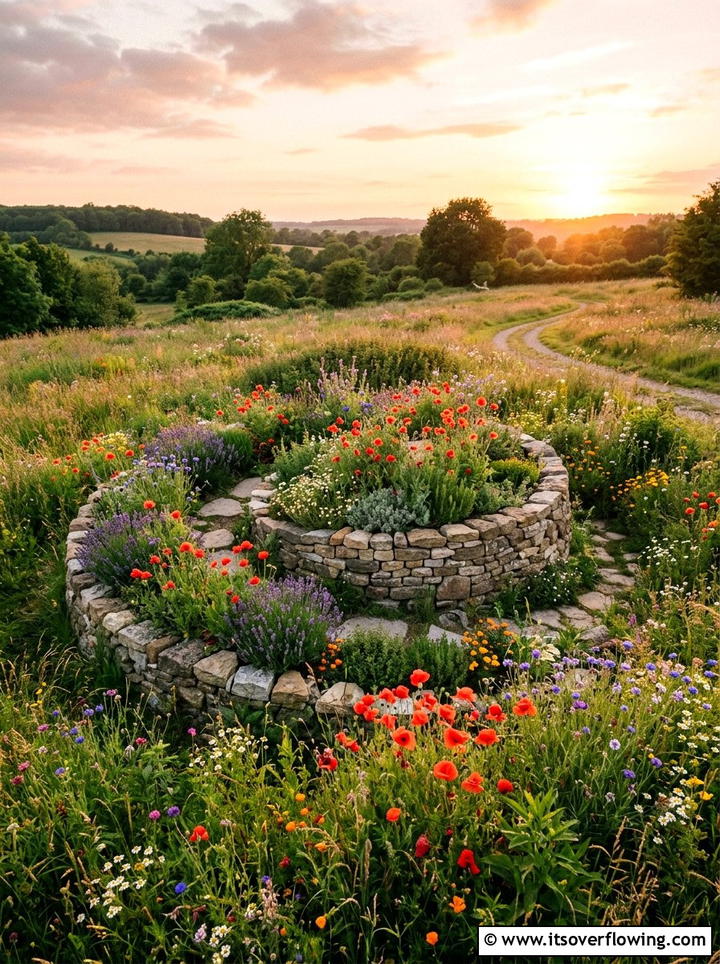
Blending native wildflowers with your culinary herbs creates a beautiful and wild-looking spiral that supports local biodiversity and looks stunning. The taller wildflowers can be planted at the center to provide height and shade for smaller herbs below. This mix creates a very naturalistic and cottage-style feel that is less structured but very charming. It provides a vital habitat for local bees, birds, and butterflies while still giving you plenty of fresh herbs for your kitchen. The changing colors of the wildflowers throughout the seasons ensure that the spiral always looks different and exciting. It is a joyful way to celebrate the beauty and diversity of the natural world in your yard.
Conclusion:
Building a herb spiral is a fantastic way to maximize your garden’s potential while adding a unique architectural element to your backyard. Whether you choose a modern metal design or a rustic stone structure, the benefits of tiered planting are undeniable for any home cook. These gardens save space, conserve water, and create healthy microclimates that allow a wide variety of herbs to thrive together. By following these ideas, you can create a beautiful focal point that provides fresh, aromatic ingredients for years to come. Start your spiraling garden journey today and enjoy the incredible flavors and scents of a home-grown herb collection right at your fingertips.

Related posts:
 25 Small Garden Ideas With Edible Garden for Fresh Harvests
 25 Creative Garden Ideas With Edible Flowers
 25 garden design ideas with edible plants: Beautiful Foodscapes
 25 Creative Garden Ideas for Corners: Smart Small-Space Tips
 25 Creative Garden Ideas for Narrow Spaces: Smart Layouts
 25 garden design ideas with low water plants: Smart Xeriscapes
 25 garden ideas for corner spaces: Smart Small-Yard Designs
 25 garden ideas for hot climate: Cool, Drought-Smart Yards
 25 Small Garden Ideas With Corner Planters for Smart Spaces
 25 small garden ideas with foldable seating for Smart Spaces
 25 Creative Garden Ideas With Spiral Herb Beds to Try Now
 25 Creative Garden Ideas With Espalier Trees for Style