
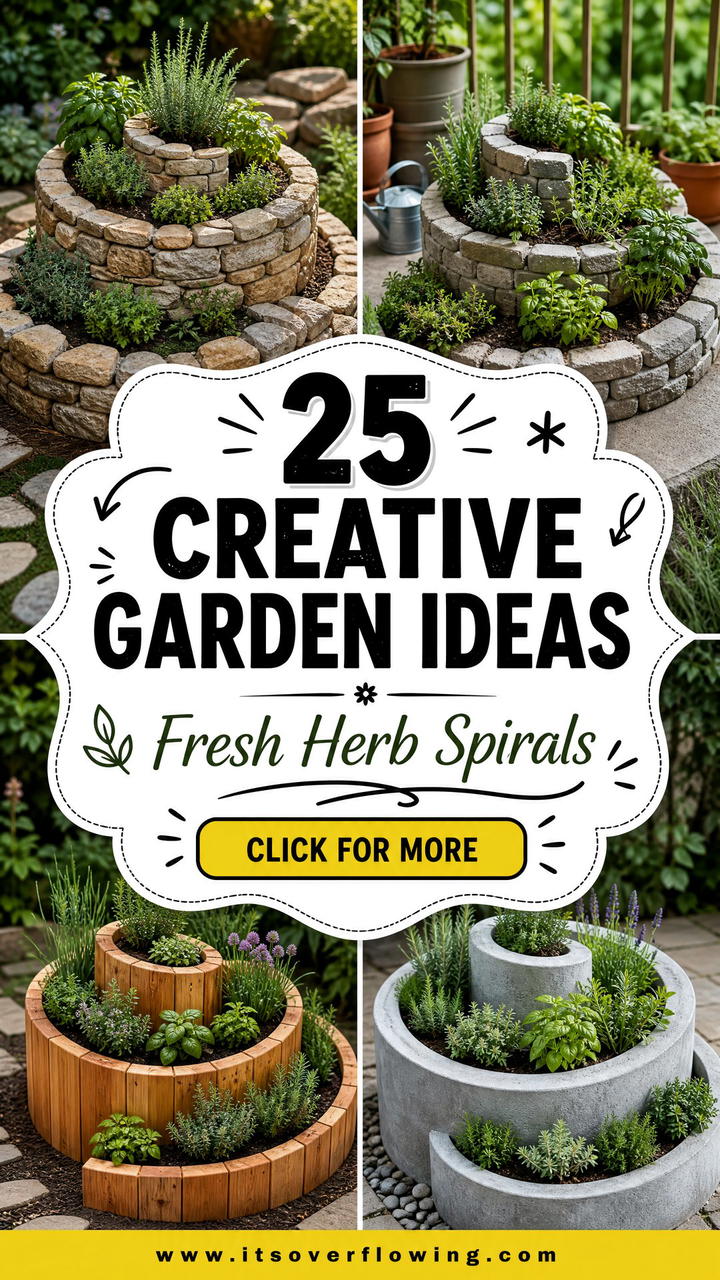
Creating a vibrant and productive garden often starts with finding clever ways to maximize your space while keeping things visually appealing. Spiral herb beds are a perfect solution for anyone looking to grow a variety of plants in a small footprint. This permaculture technique uses vertical space and creates several different microclimates within a single structure. By building upward in a spiral shape, you provide perfect conditions for sun-loving herbs at the top and moisture-loving plants at the bottom. This guide explores twenty-five creative ways to integrate these beautiful structures into your landscape. From rustic stone designs to sleek modern versions, you will find plenty of inspiration for your next project that combines utility with stunning outdoor aesthetics.
1. Stone Herb Spiral
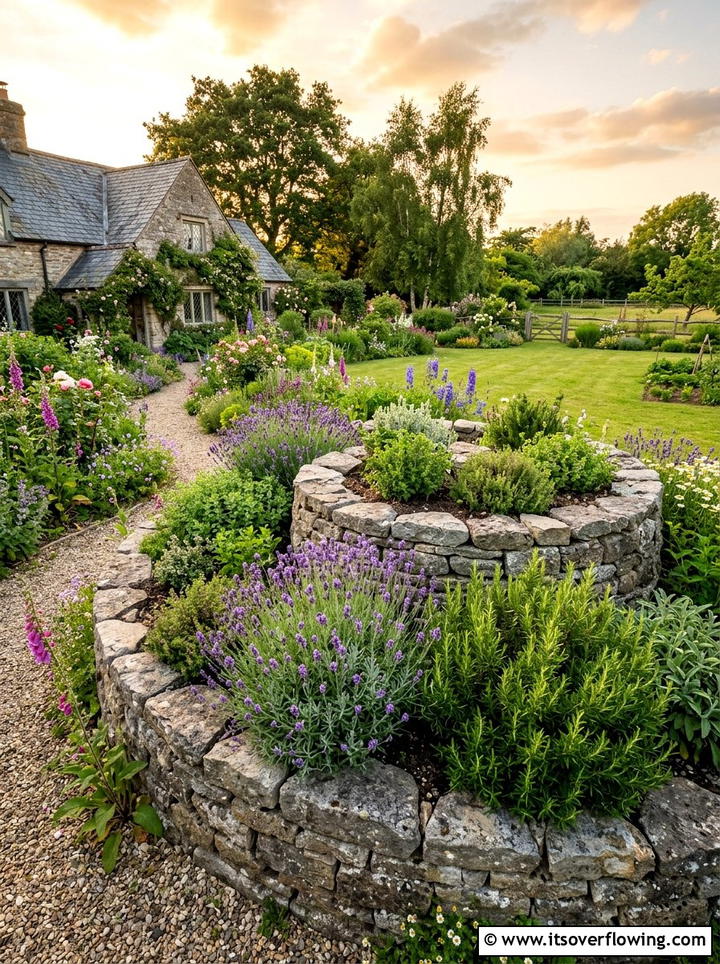
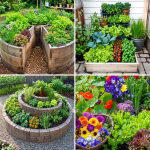
Natural fieldstones offer a timeless look that blends perfectly with any traditional or rustic landscape design. When you stack flat stones in a rising circular pattern, you create a sturdy structure that absorbs heat during the day and releases it at night. This thermal mass helps sensitive herbs like rosemary or basil stay warm even when the evening air turns chilly. The gaps between the stones provide small pockets where succulents or trailing thyme can nestle and grow, adding more texture to the display. This approach works best in a central spot where you can appreciate the craftsmanship of the masonry from all angles while picking fresh ingredients for dinner.
2. Brick Herb Spiral
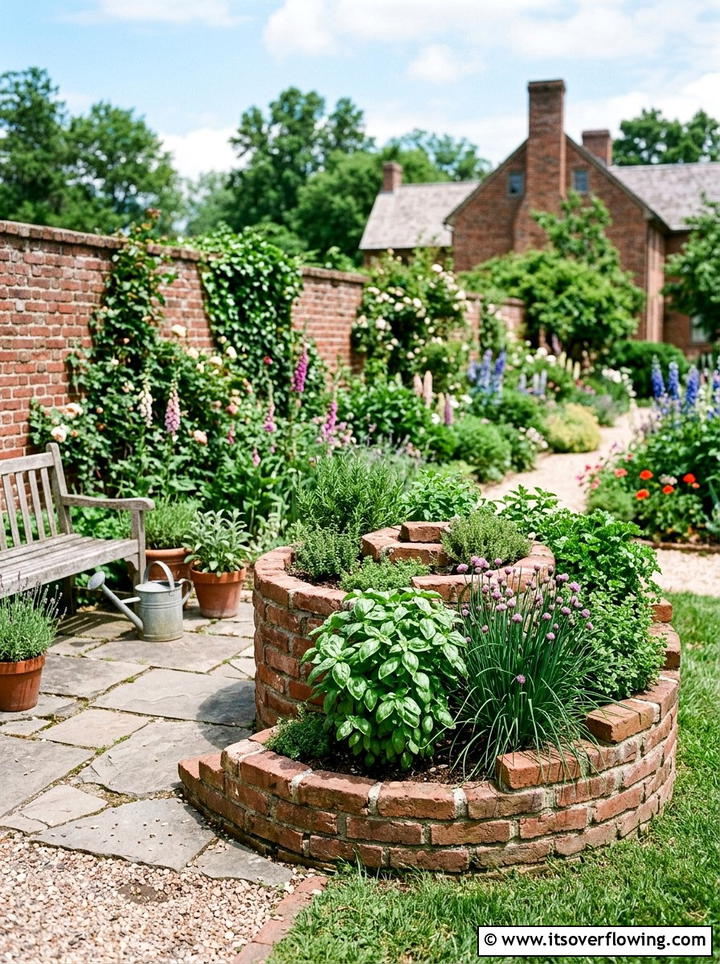
Using red bricks provides a structured and classic appearance that complements colonial or cottage style homes beautifully. You can use reclaimed bricks from old building projects to give your garden a sense of history and weathered charm. The uniform shape of the bricks makes it much easier to maintain a consistent slope as the spiral winds upward toward the center point. This design is particularly effective for keeping your herbs organized and preventing aggressive growers like mint from taking over the entire patch. A brick border also creates a clean edge against your lawn, making it easier to mow and maintain a tidy look throughout the growing season.
3. Permaculture Herb Spiral
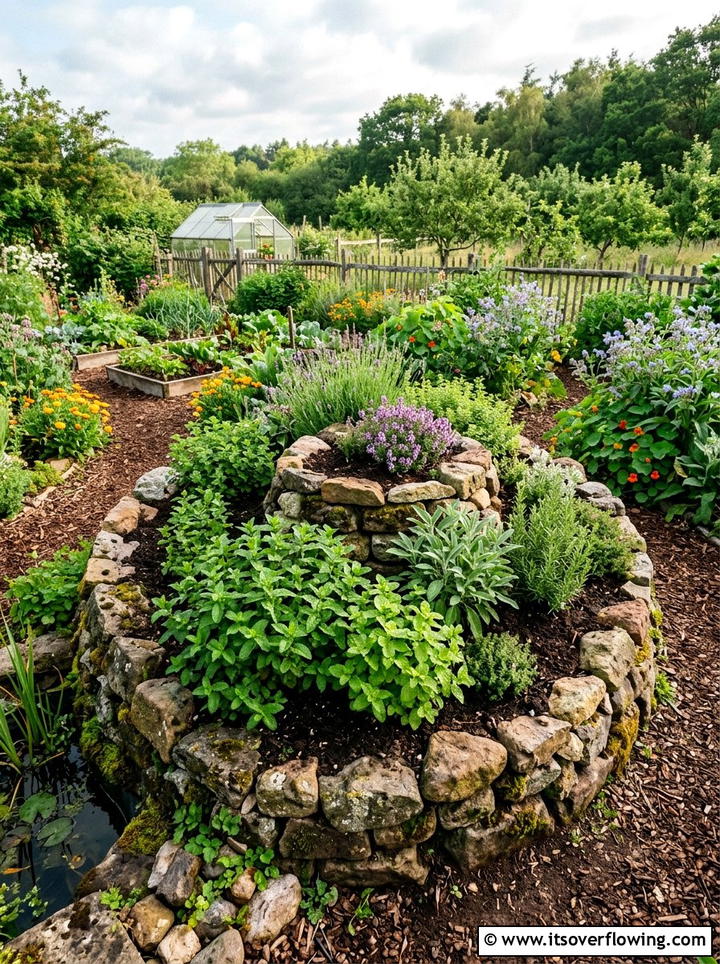
A permaculture herb spiral is a functional masterpiece that mimics natural ecosystems to help your plants thrive with minimal effort. This design uses a winding path that rises toward the center to create various zones of light and moisture. At the very top, the soil stays dry and drains quickly, making it the ideal spot for rosemary or thyme. As you move down the spiral, the soil becomes more moist and shaded, which is perfect for mint or parsley. This clever arrangement means you can grow a dozen different herbs in a tiny six-foot circle. It looks stunning as a focal point in any backyard or side lawn.
4. Backyard Herb Spiral
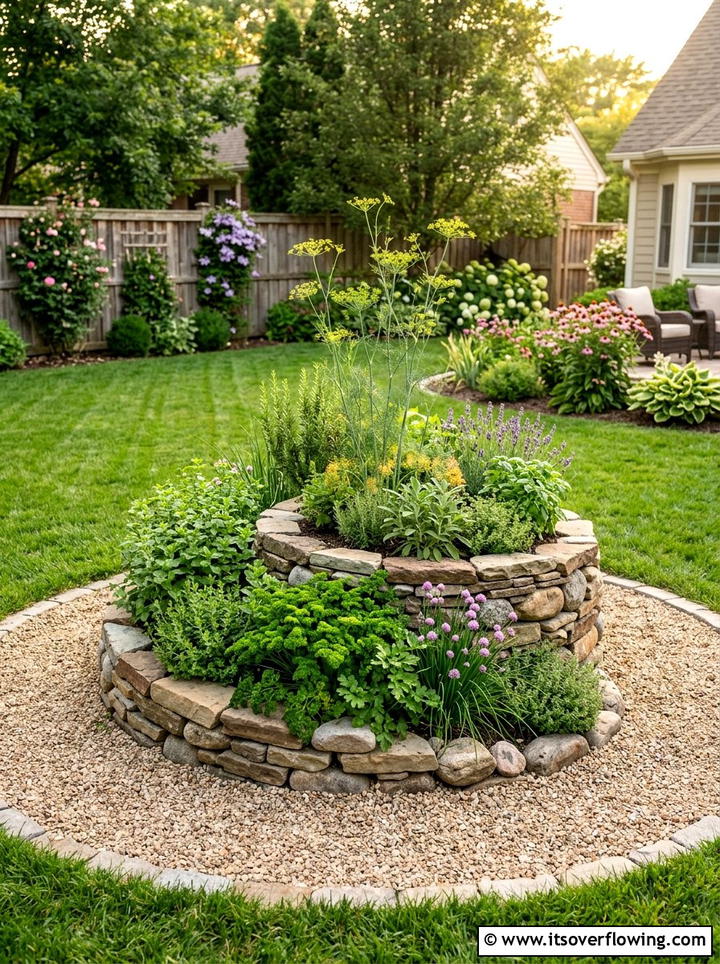
Transforming a neglected corner of your yard is easy when you install a circular growing station that emphasizes height over width. A backyard herb spiral allows you to consolidate your favorite edible plants into one convenient location that is easy to access and water. You might choose to surround the base with a small gravel path to keep your feet dry while harvesting during the early morning dew. This setup encourages you to spend more time outdoors interacting with your plants and enjoying the fragrant aromas of lavender and sage. It serves as both a practical food source and a decorative element that breaks up the flat green expanse.
5. Kitchen Herb Spiral
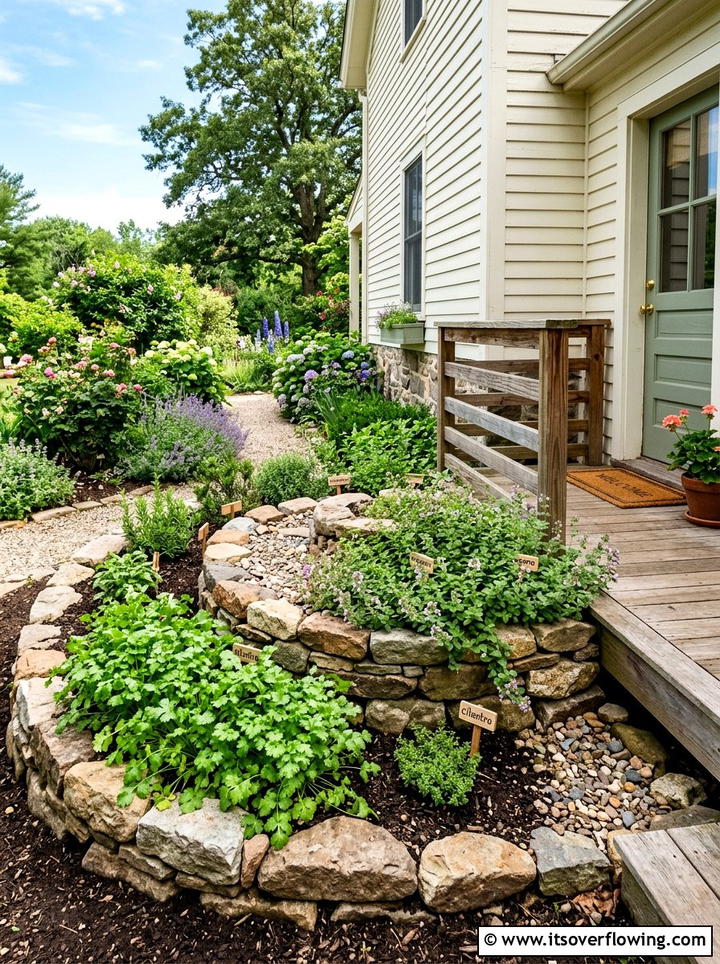
Placing a spiral bed right outside your back door ensures that fresh seasoning is always within a few short steps. A kitchen herb spiral is designed with convenience in mind, allowing the home cook to grab a handful of cilantro or chives without trekking across the yard. This close proximity means you are more likely to use your herbs frequently, leading to healthier and more productive plants. You can style this area with a few stepping stones and perhaps a small wooden bench for a cozy feel. The vertical nature of the spiral makes it easy to reach every plant without having to bend over too much.
6. DIY Herb Spiral
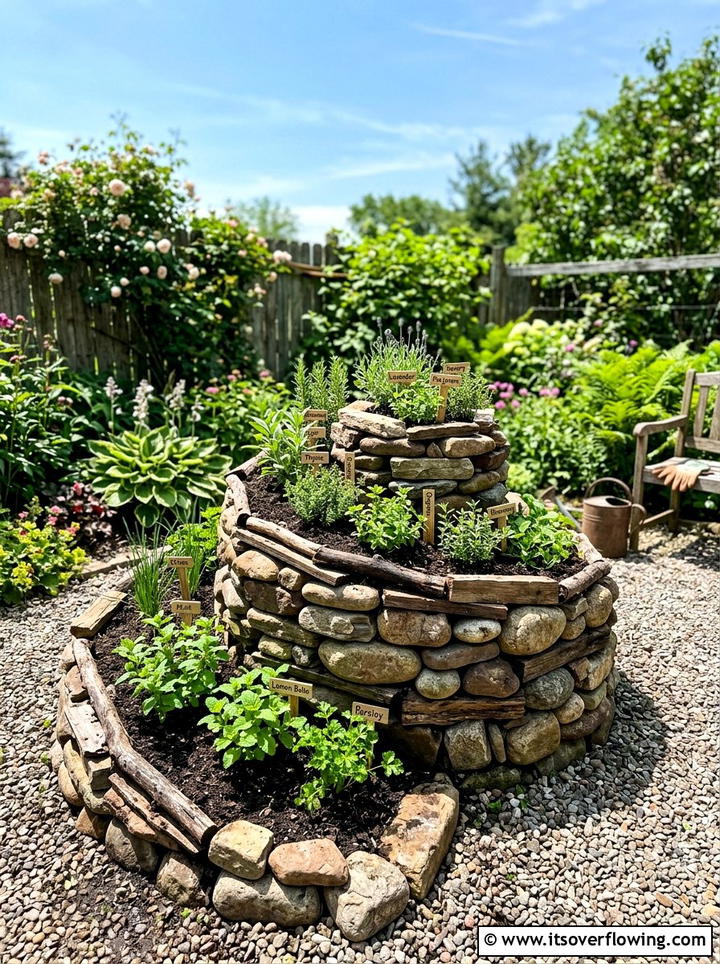
Building your own garden feature from scratch allows you to customize the size and materials to fit your specific budget and space. A DIY herb spiral can be made from almost anything, including leftover patio pavers, large river rocks, or even sturdy timber logs. The process of layering soil and compost inside the rising walls is a great way to learn about drainage and soil health. Most people find that they can complete this project in a single weekend with just a few basic tools. It provides a deep sense of satisfaction to watch your seedlings grow in a structure you built with your own two hands.
7. Rock Herb Spiral
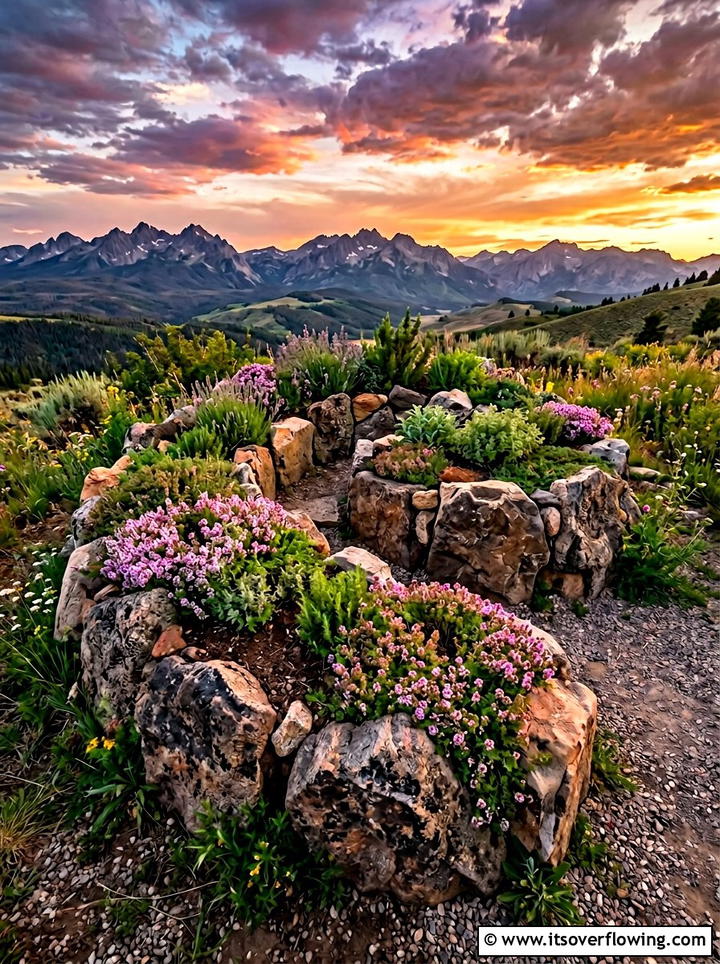
Jagged rocks and boulders create a dramatic and naturalistic look that fits well in a mountain or desert themed garden. A rock herb spiral uses the weight and irregular shapes of large stones to lock the structure in place without the need for mortar. This creates a very organic feel that looks like it has been part of the landscape for decades. The deep crevices between the rocks are excellent for moisture retention, which benefits the plants during the hottest summer months. You can plant drought-tolerant herbs at the peaks and place a small decorative basin at the bottom to catch any excess water runoff for a finished look.
8. Flagstone Herb Spiral
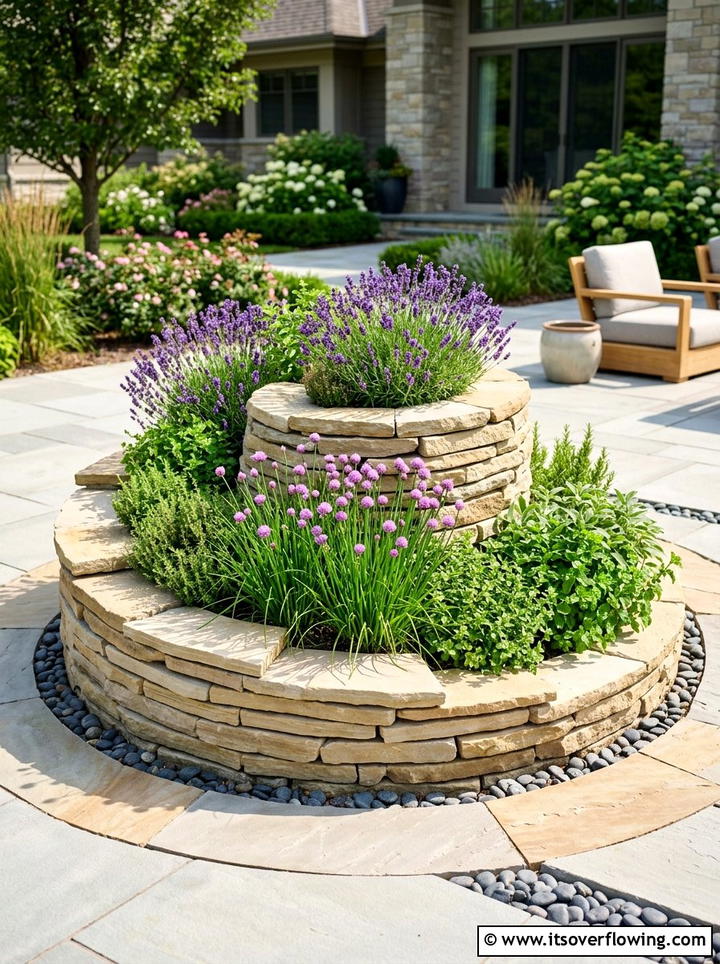
Flagstone offers a smooth and elegant finish that works well for homeowners who prefer a more polished and upscale garden aesthetic. These flat stones are easy to stack and provide a very stable base for a tall herb spiral that makes a bold statement. The neutral grey or tan tones of the flagstone allow the vibrant greens and purples of your herbs to truly stand out. This type of bed looks particularly striking when placed near a patio or outdoor dining area where guests can admire the geometric patterns. It creates a very clean and intentional look that enhances the overall value and appeal of your property.
9. Small Space Herb Spiral
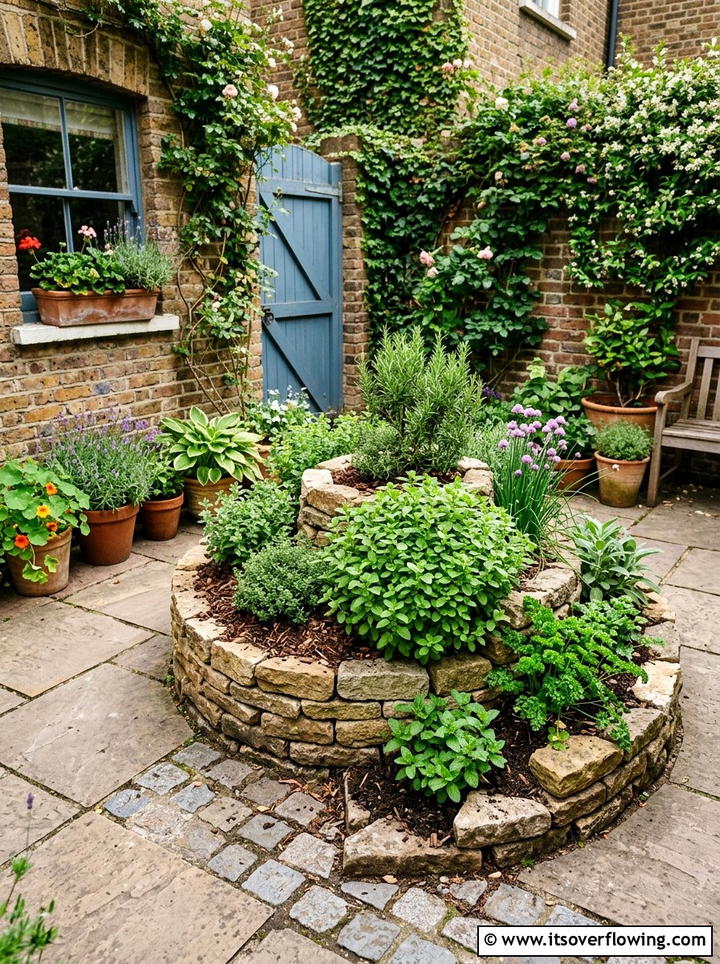
Do you have a tiny yard or a small patio area that needs a bit of greenery without taking up too much floor space? A small space herb spiral is the perfect solution because it utilizes vertical gardening techniques to maximize your harvest. By building a compact spiral that is only three or four feet wide, you can still grow a wide variety of herbs for your culinary needs. This design is highly efficient and can be tucked into a sun-drenched corner where other plants might struggle to grow. It proves that you do not need a massive estate to enjoy the benefits of a productive and beautiful garden.
10. Cedar Herb Spiral
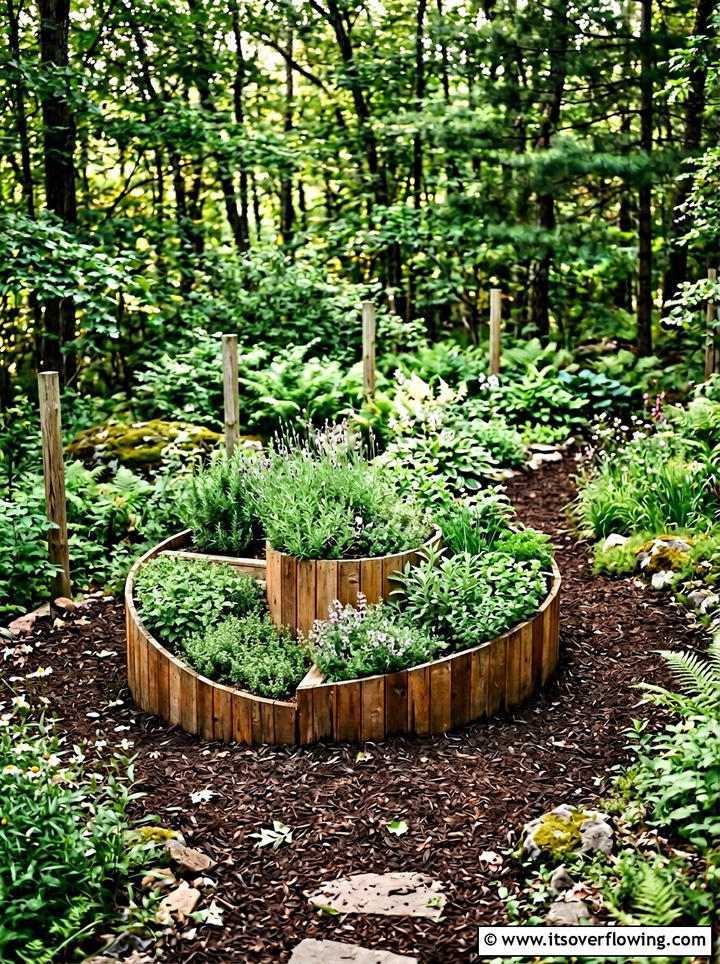
Wooden structures made from cedar are naturally resistant to rot and insects, making them a durable choice for outdoor garden beds. A cedar herb spiral features warm wood tones that age beautifully to a silvery grey over time if left untreated. You can build the spiral using short cedar stakes or flexible wooden planks that follow the circular contour of the bed. This material provides a softer look than stone or brick and integrates seamlessly into a woodland or farmhouse garden setting. The height of the cedar walls helps protect your tender herbs from pets or low-lying garden pests while keeping the soil contained and tidy.
11. Paver Herb Spiral
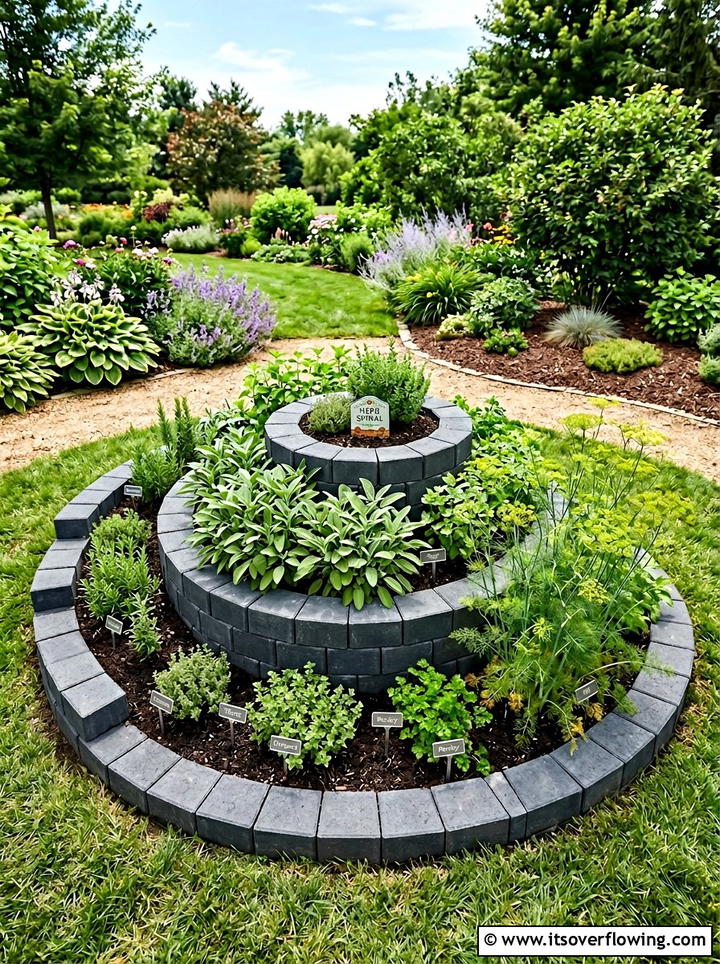
Using concrete patio pavers is a cost-effective and modern way to build a very uniform and stable herb garden. Paver herb spirals are easy to assemble because the blocks are designed to fit together tightly, creating a very professional finish. You can choose from various colors like charcoal, terra cotta, or sandy beige to match the existing hardscaping around your home. The clean lines of the pavers provide a nice contrast to the soft and flowing texture of herbs like dill or fennel. This style is perfect for a contemporary landscape where order and symmetry are the primary design goals for the outdoor living area.
12. Vertical Herb Spiral
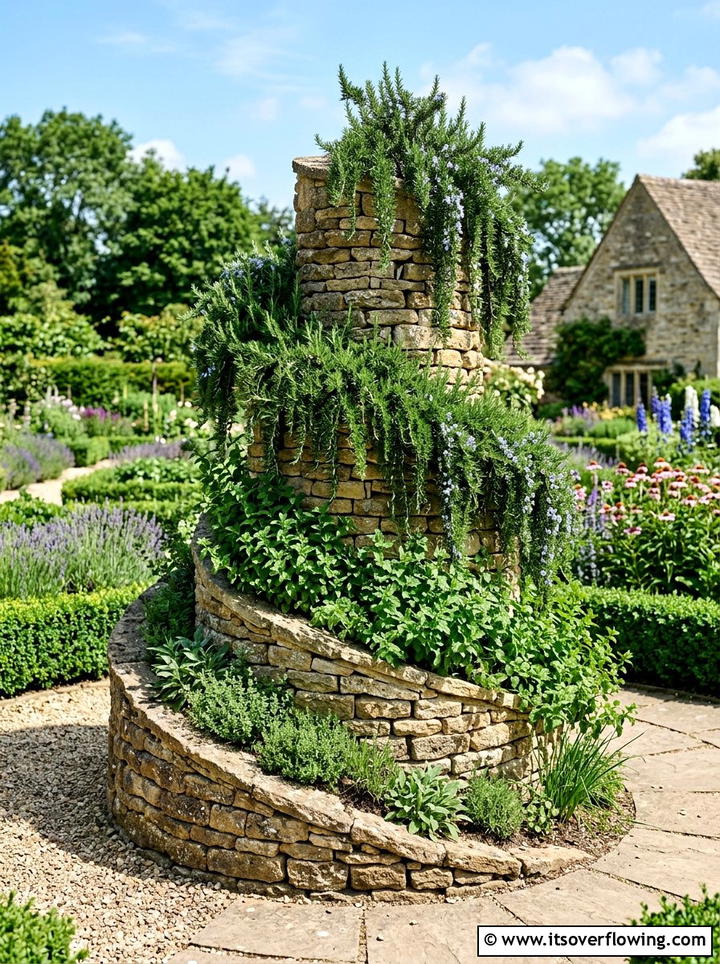
Focusing on height is a great way to create a striking visual element that acts as a piece of living sculpture. A vertical herb spiral draws the eye upward and can be built quite tall if you use a solid internal support or very heavy base materials. This design is excellent for people who want to avoid bending down, as most of the plants will be at waist or chest height. You can drape trailing plants like rosemary or creeping thyme over the edges to create a waterfall effect of greenery. It is a highly productive way to garden that makes the most of every square inch of your available sunshine.
13. Slate Herb Spiral
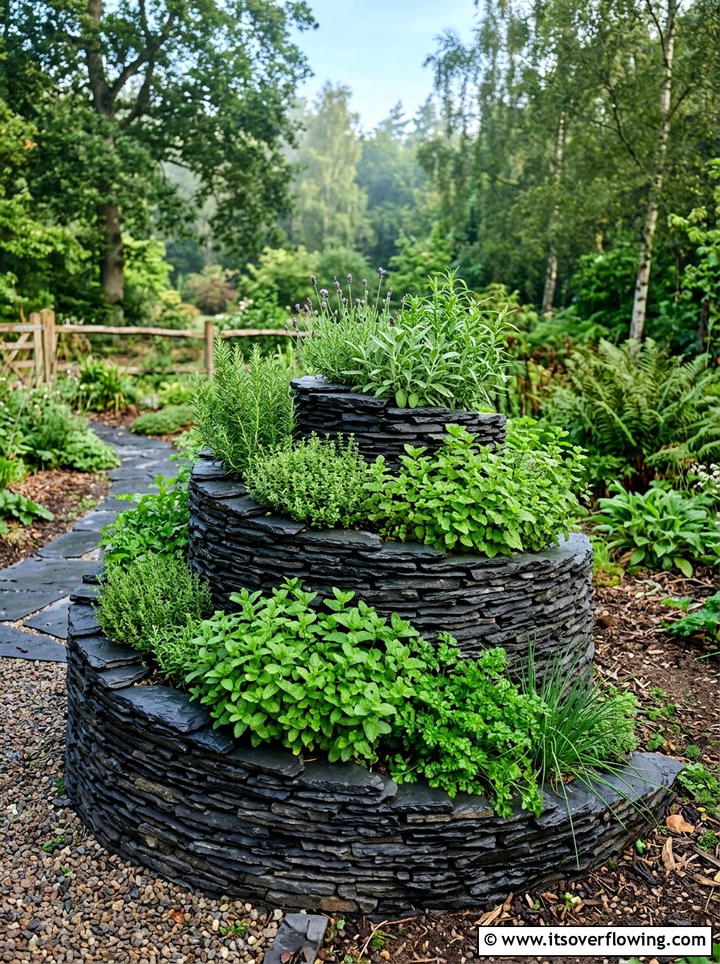
Slate provides a unique texture and a dark, sophisticated color palette that makes your garden look incredibly high-end and modern. When you use thin layers of slate to build a herb spiral, you create a beautiful stratified look that resembles natural rock formations. The dark color of the slate is excellent at absorbing heat, which can give your herbs a head start in the early spring months. This material is very durable and holds up well against harsh weather, ensuring your garden feature looks great for many years. It is a wonderful choice for a minimalist garden that prioritizes interesting materials and sharp, clean architectural lines.
14. Cobblestone Herb Spiral
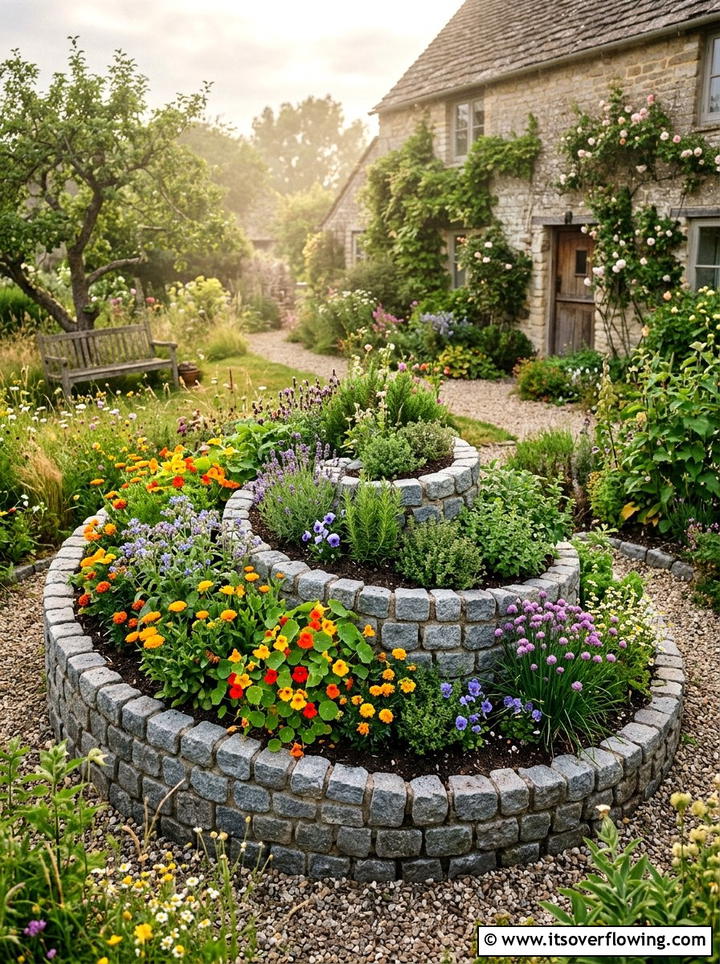
Rounded cobblestones give a garden an old-world European feel that is both charming and very inviting for visitors. A cobblestone herb spiral feels soft and organic, with the smooth curves of the stones echoing the circular shape of the bed. This style is very popular in cottage gardens where flowers and herbs are allowed to mingle freely in a bit of beautiful chaos. You can plant colorful edible flowers like nasturtiums or pansies alongside your herbs to add pops of color to the grey or brown stones. It creates a very tactile experience that encourages people to reach out and touch the different textures in your garden.
15. Log Herb Spiral
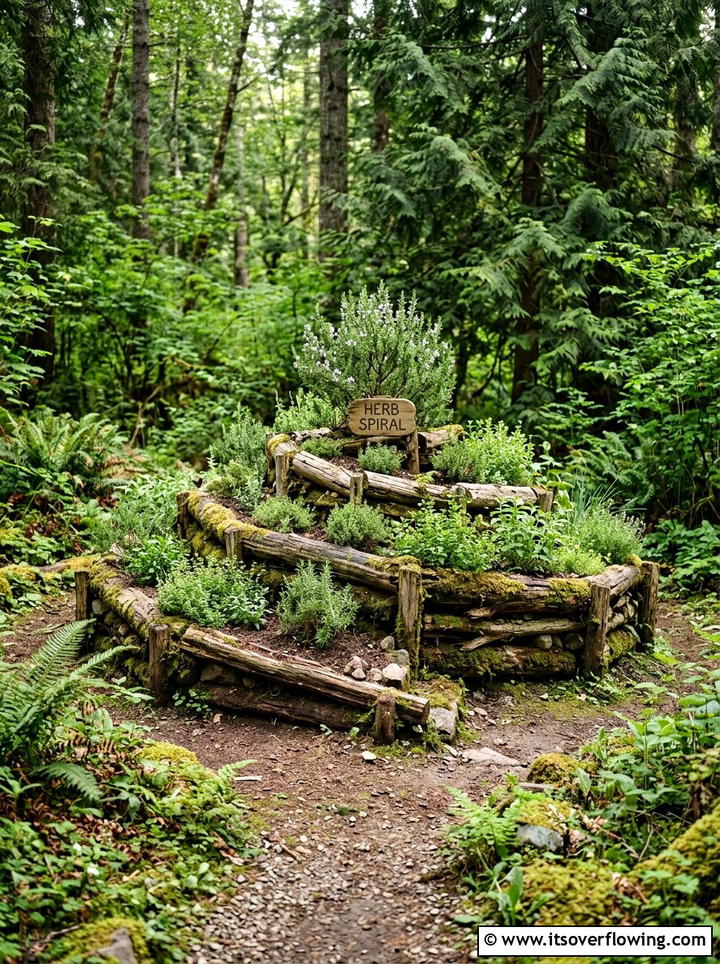
For a truly rustic and eco-friendly approach, you can use small logs or thick branches to form the walls of your herb bed. A log herb spiral is a great way to use fallen timber from your own property or a local forest management project. As the wood slowly breaks down over several years, it adds valuable organic matter back into the soil, feeding your herbs naturally. This design looks right at home in a permaculture garden or a backyard that borders a wooded area. It provides a very earthy and grounded feel that celebrates the natural cycle of growth and decay in the outdoor world.
16. Concrete Herb Spiral
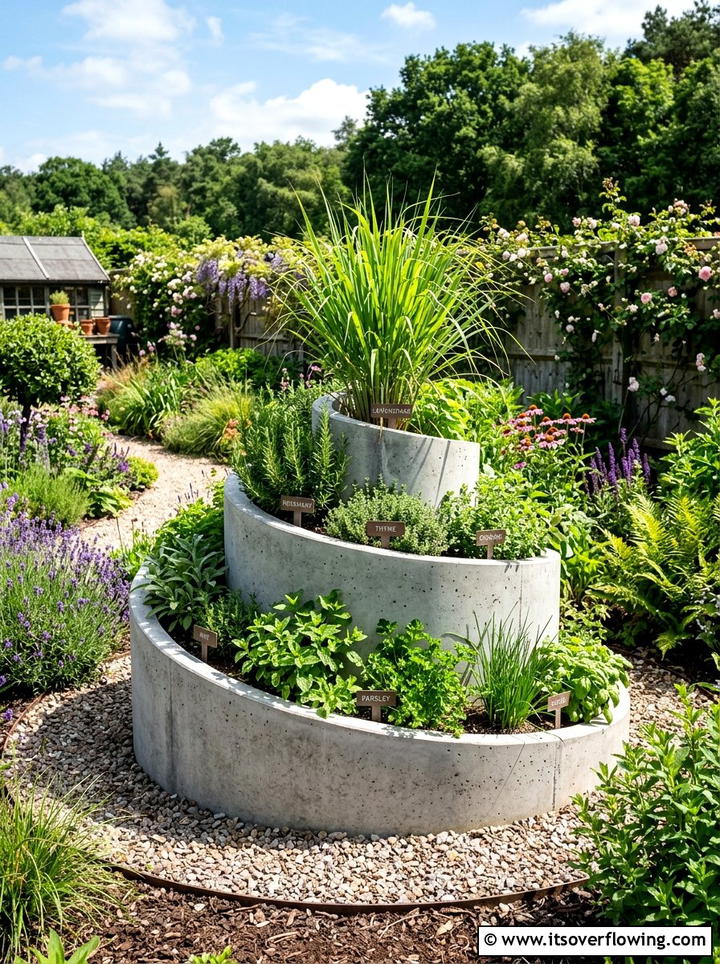
Modern landscapes often benefit from the industrial look of smooth concrete or pre-cast concrete blocks in the garden layout. A concrete herb spiral offers a very clean and minimalist aesthetic that focuses on the shape of the spiral rather than the texture of the material. You can even use concrete culvert pipes of different heights to create a tiered spiral effect that is both functional and very artistic. This material is incredibly heavy and stable, meaning your garden bed will stay perfectly in place regardless of the soil pressure or weather conditions. It is a bold choice for homeowners who want a unique and very low-maintenance garden feature.
17. Metal Herb Spiral
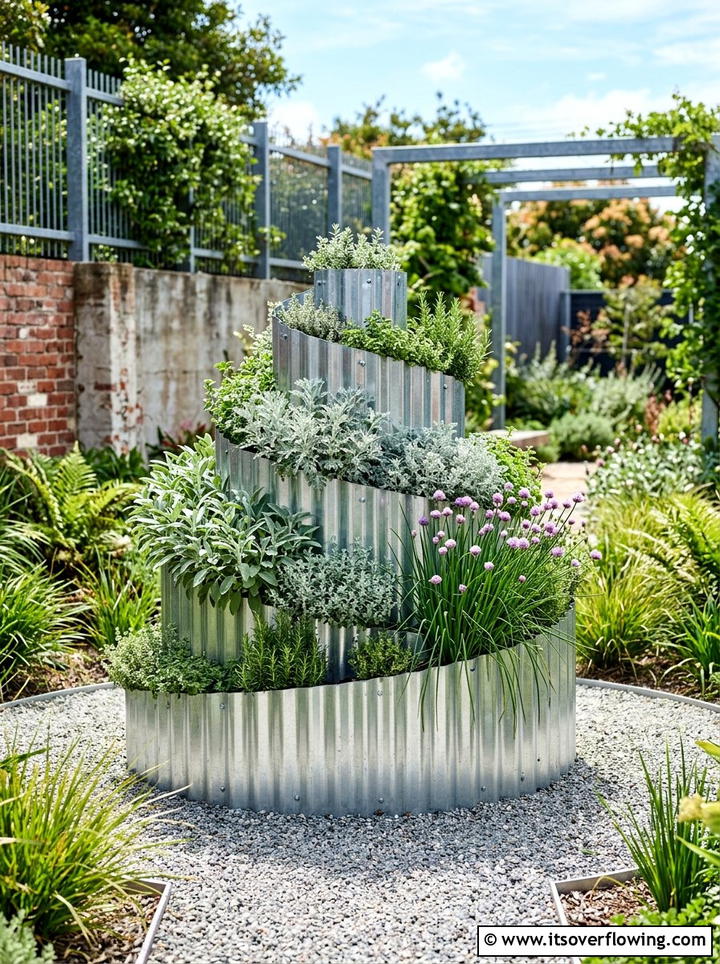
Corrugated metal or flexible steel edging can be used to create a sleek and shimmering herb garden that stands out. A metal herb spiral is very easy to install because the material is lightweight and can be bent into tight circles with minimal effort. The reflective surface of the metal adds a bit of light to shaded corners and creates a nice industrial contrast with the soft green leaves of your plants. This type of bed is very modern and works well in urban gardens or on rooftops where weight might be a consideration. It provides a very distinct and sharp edge that looks very intentional and designed.
18. Tiered Herb Spiral
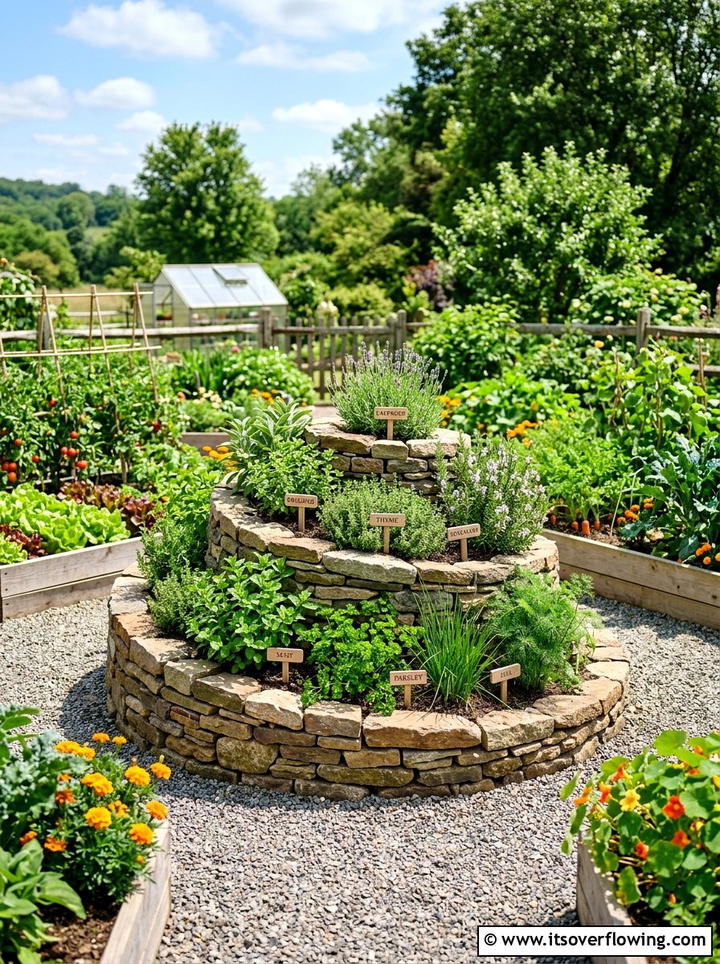
Instead of a smooth slope, you can create distinct levels within your structure to give each herb its own specific planting area. A tiered herb spiral uses small walls or dividers to create a staircase effect as the bed winds toward the center. This is very helpful for keeping different soil types separate, such as sandy soil for Mediterranean herbs and rich compost for leafy greens. Each tier can be built with a different height, allowing for a very dynamic and interesting visual profile. This organized approach makes it very simple to rotate your crops or change out seasonal plants without disturbing the entire garden bed.
19. Spiral Garden Bed
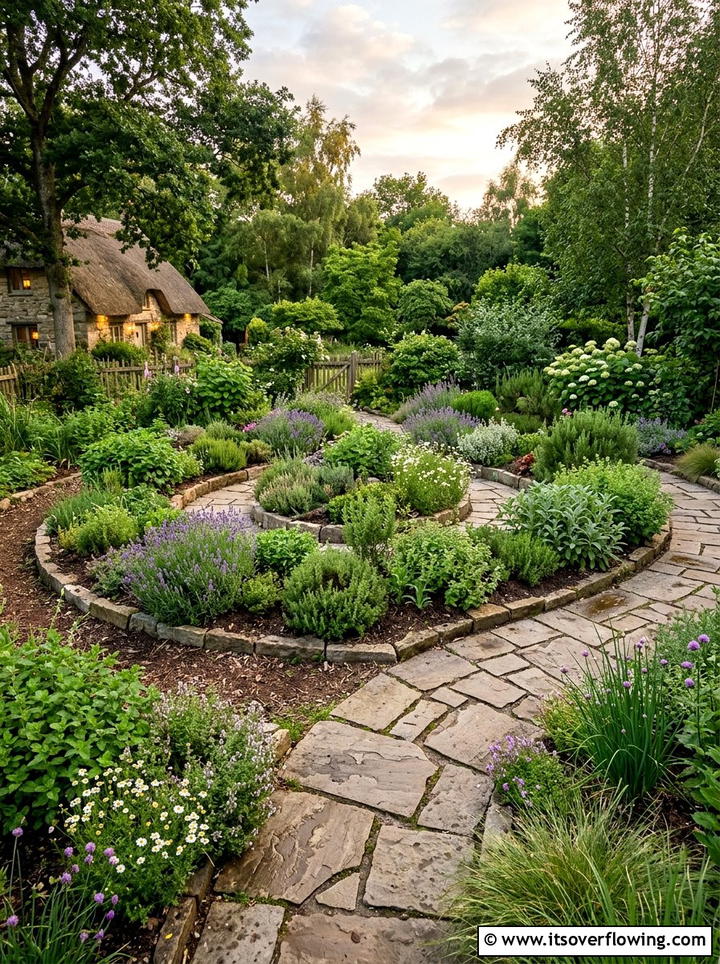
A spiral garden bed does not always have to be tall; it can also be a flat design that uses a winding path for easy access. This layout allows you to walk into the center of the garden without stepping on the soil and compacting the roots of your herbs. You can line the path with small stones or wood chips to create a clear trail for your feet. This design is very meditative and turns the act of gardening into a slow and peaceful journey through your favorite plants. It is a beautiful way to organize a larger herb patch while maintaining a sense of whimsy and creativity in the yard.
20. Outdoor Herb Spiral
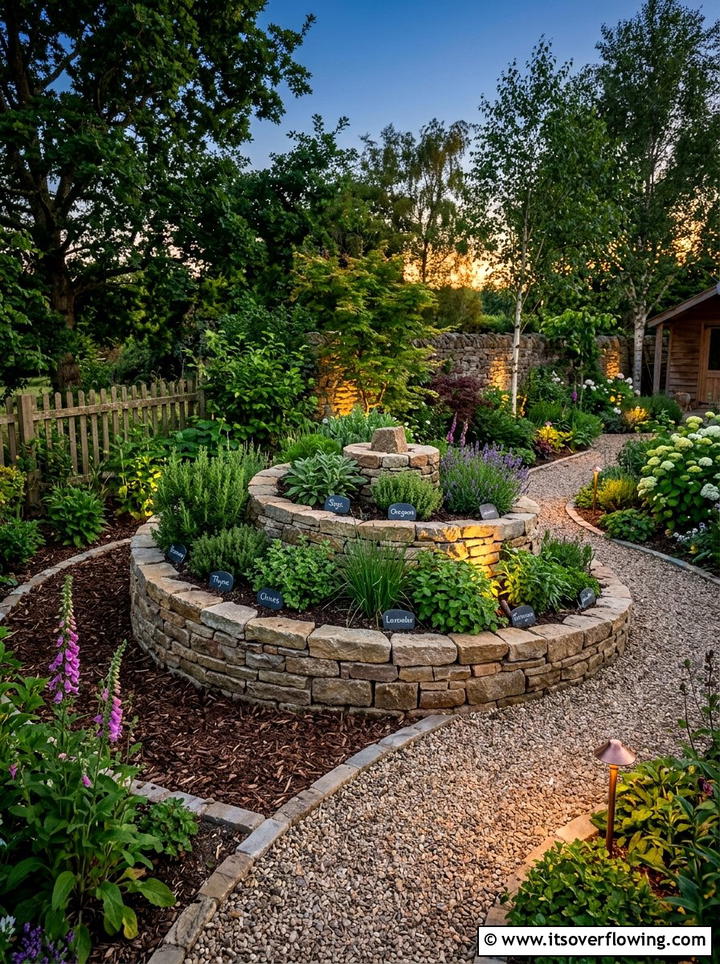
Building a feature that can withstand the elements while providing a year-round interest is key for a successful outdoor living space. An outdoor herb spiral should be positioned in a spot that receives at least six hours of sunlight to ensure your plants grow strong and flavorful. You can incorporate solar-powered lights around the base to illuminate the spiral at night, making it a beautiful focal point for evening gatherings. Using frost-resistant materials like fired brick or treated wood will help the structure survive the winter months. It becomes a permanent part of your landscape that provides value and beauty throughout every changing season of the year.
21. Edible Herb Spiral
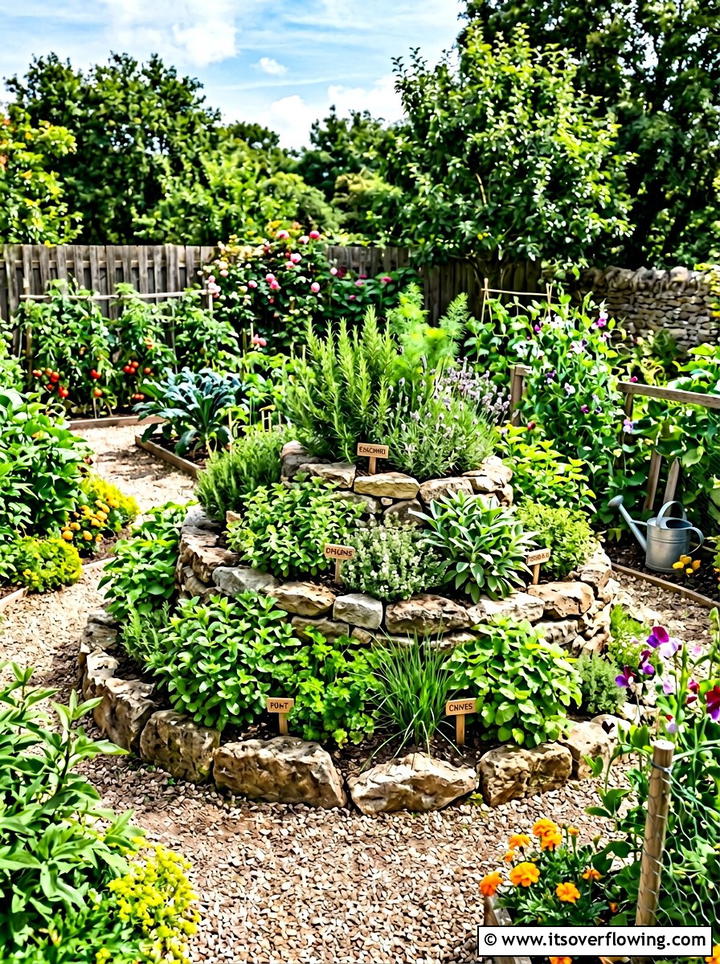
The primary goal of many gardeners is to produce as much food as possible in a small area, and this design excels at that. An edible herb spiral can hold a surprising amount of produce, including medicinal plants, culinary herbs, and even small berry bushes at the base. You can maximize your yield by planting densely and using every available inch of the vertical surface. This approach turns your garden into a literal grocery store that is just a few steps away from your kitchen. It is a very rewarding way to garden that promotes a healthy lifestyle and a deep connection to the food you eat every day.
22. Raised Herb Spiral
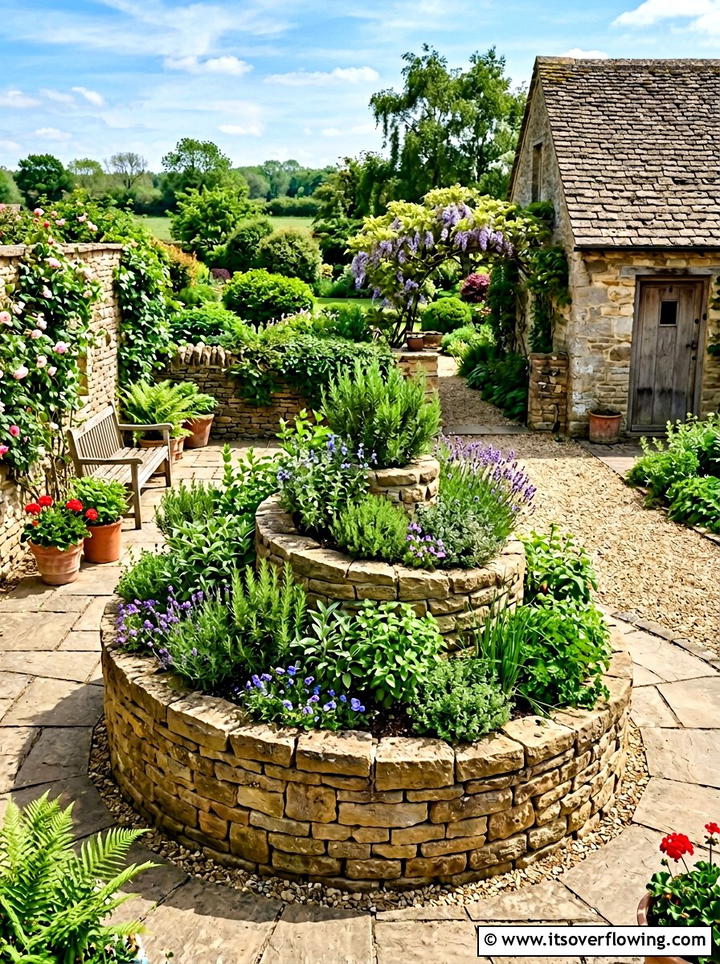
Raising your garden beds off the ground is a smart move for improving drainage and saving your back from unnecessary strain. A raised herb spiral brings the plants closer to your hands, making maintenance tasks like weeding and pruning much more enjoyable. The increased height also helps to keep out some common garden pests that might otherwise snack on your tender young herbs. You can fill the center of the raised bed with high-quality potting soil to give your plants the best possible start. This elevated design makes a significant visual impact and acts as a centerpiece that defines the rest of your garden layout.
23. Circular Herb Spiral
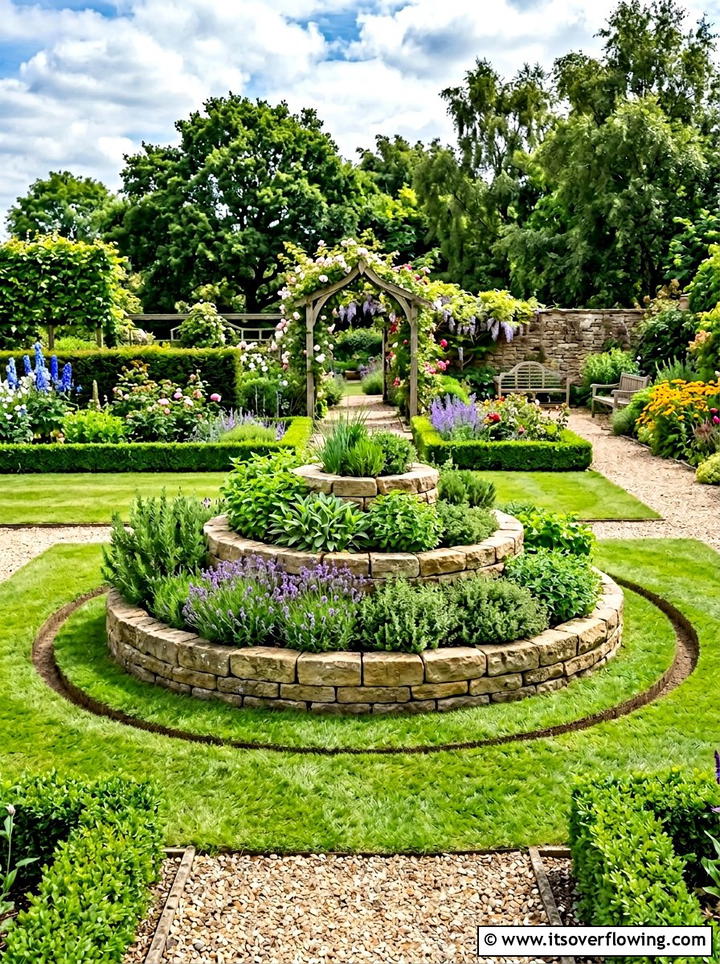
The circle is a symbol of harmony and completeness, making it a very popular shape for many different types of garden designs. A circular herb spiral draws the eye inward and creates a sense of focus and calm in the backyard. You can emphasize the round shape by using curved materials like rounded river stones or flexible garden edging. This geometry works well in the center of a lawn or as a transition between two different areas of the yard. The lack of sharp corners makes the garden feel more natural and flowing, which can help to create a more relaxing and peaceful outdoor environment for you.
24. Natural Herb Spiral
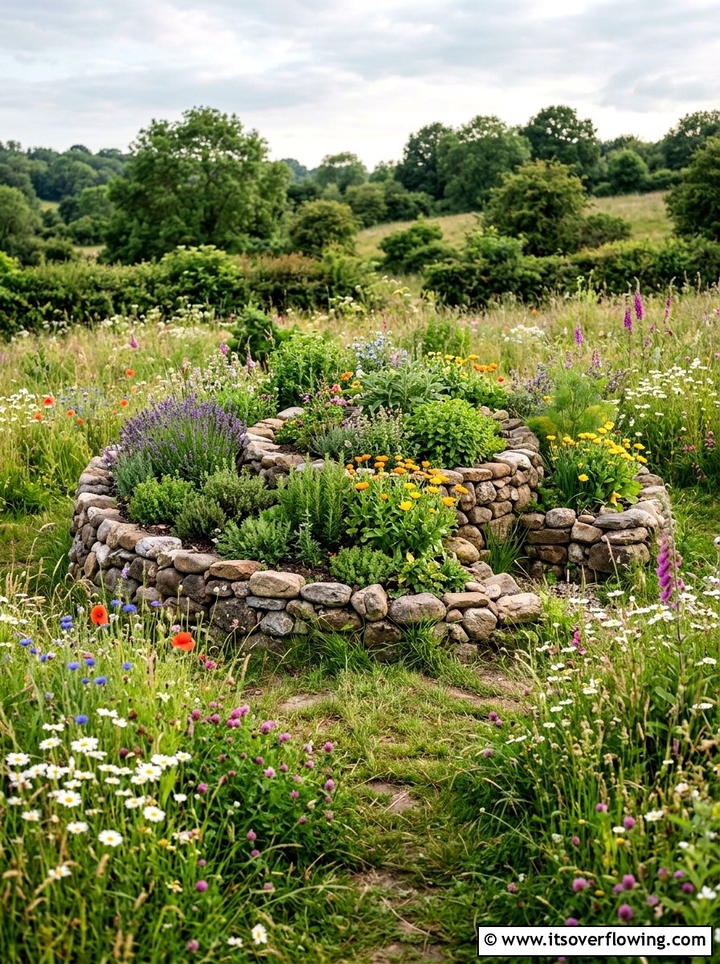
Using materials that are sourced directly from the earth without much processing helps your garden feel like a natural extension of the wild. A natural herb spiral might use dry-stacked limestone, mossy rocks, or even packed earth for a truly organic look. This style prioritizes the beauty of imperfection and allows the plants to grow in a way that feels unforced and free. You can let small wildflowers grow around the base to further blend the structure into the surrounding environment. It is a wonderful choice for those who want to support local biodiversity and create a habitat that feels welcoming to birds and beneficial insects.
25. Mediterranean Herb Spiral
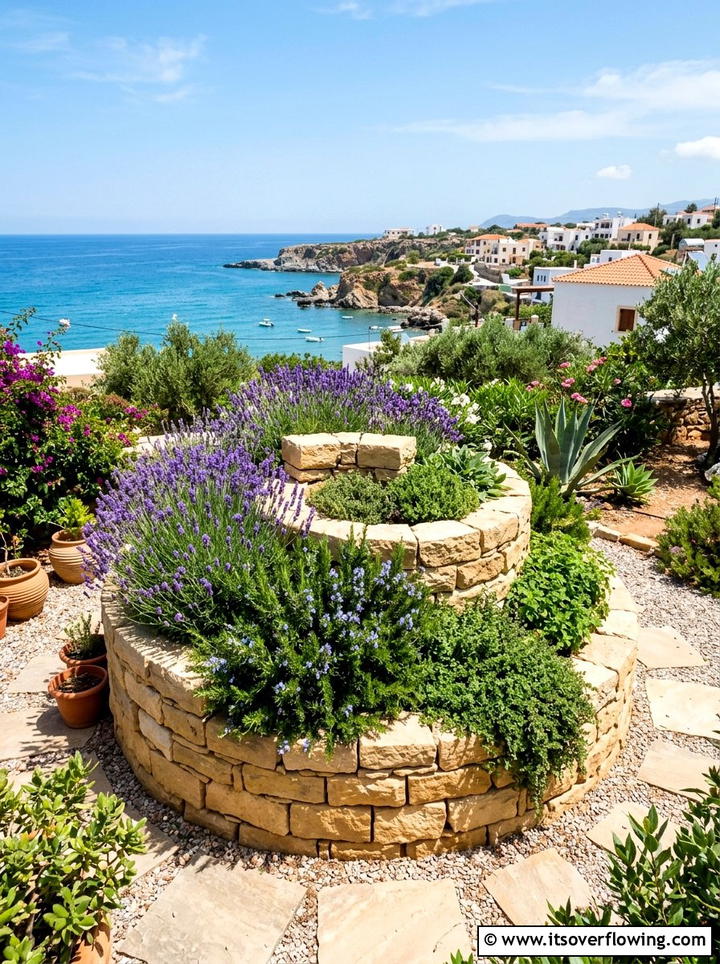
Many of our most popular culinary herbs come from the sunny and dry Mediterranean region, so building a bed that mimics that climate is a great idea. A Mediterranean herb spiral uses light-colored stones and well-draining soil to create a warm and dry environment. You can plant drought-tolerant favorites like lavender, oregano, and rosemary that love to bake in the hot summer sun. The spiral shape ensures that excess water drains away from the roots, preventing rot and helping these specific plants thrive. Adding a few terracotta pots nearby or a small olive tree can complete the look and transport you to a sunny coastal garden.
Conclusion:
Integrating a spiral herb bed into your outdoor space is a fantastic way to combine practical gardening with high-end landscape design. These versatile structures offer a unique solution for maximizing harvest yields while creating a visually stunning focal point in any backyard. Whether you prefer the rustic charm of natural stone or the clean lines of modern concrete, there is a spiral design that will perfectly complement your home. By utilizing vertical space and microclimates, you can enjoy a diverse range of fresh herbs all season long. We hope these twenty-five creative ideas have inspired you to start your own herb spiral project and transform your garden today.

Related posts:
 25 Creative Garden Ideas With Reclaimed Wood Beds to Try
 25 creative garden ideas with painted stepping stones to Try
 25 Creative Garden Ideas With Trellis Tunnel Designs to Try
 25 Creative Garden Ideas With Wall Mounted Planters to Try
 25 Creative Garden Ideas With Keyhole Garden Beds
 25 Creative Garden Ideas With Dry Creek Beds to Inspire
 25 Creative Garden Ideas With Geometric Beds
 25 Creative Garden Ideas With Pollinator Beds for More Blooms
 25 Garden Ideas With Weekend Projects to Try Now
 25 Garden Design Ideas With Raised Beds for Productive Style
 25 Garden Design Ideas With Succulent Beds for Low-Care Style
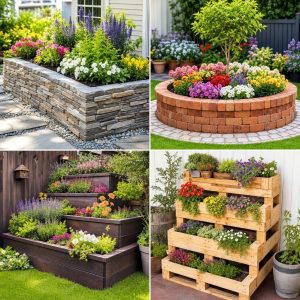 25 small garden ideas with raised beds for Productive Spaces