
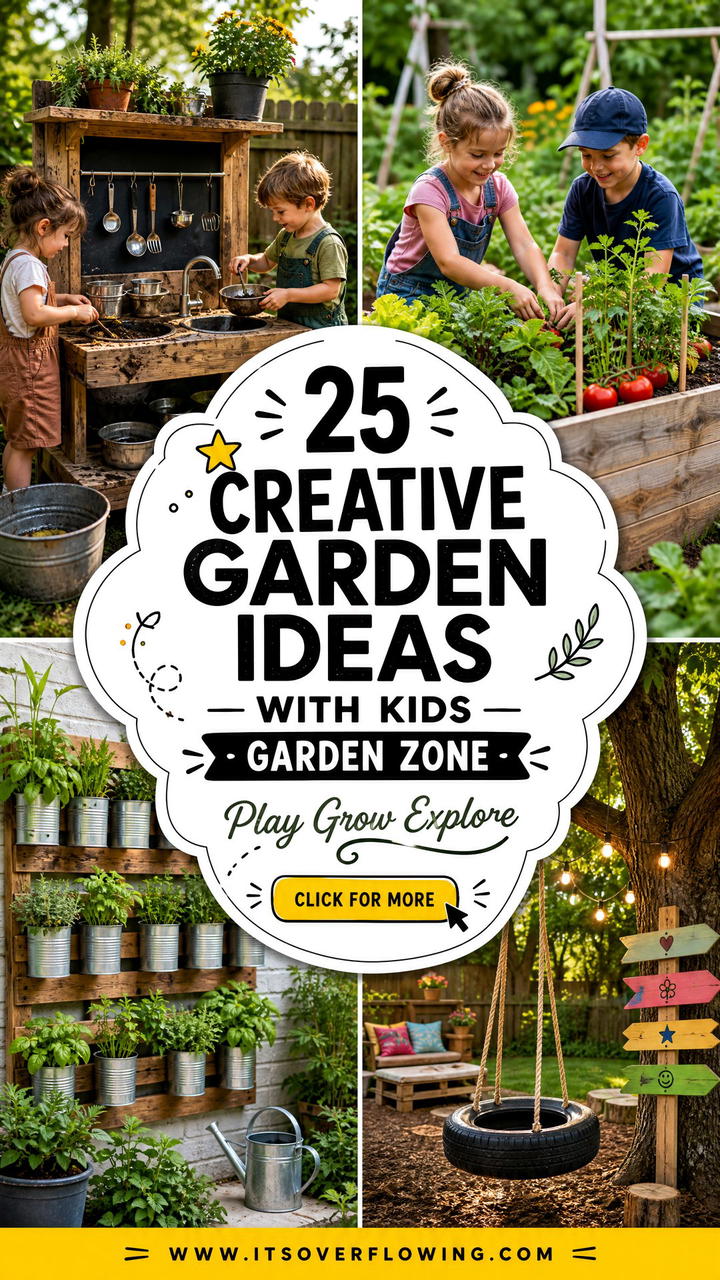
Gardening offers a magical way to connect children with nature while transforming your outdoor space into a functional masterpiece. Creating a dedicated kids garden zone allows little ones to explore, learn, and play in a safe environment. It balances aesthetics with practical play areas, ensuring the whole family enjoys the backyard. You can integrate educational elements like vegetable patches with fun zones like mud kitchens. This approach encourages physical activity and teaches responsibility through plant care. Whether you have a sprawling lawn or a tiny patio, these creative concepts will help you build a vibrant landscape. Let’s dive into various ways to make your garden a haven for growth and imagination for your children.
1. Backyard mud kitchen
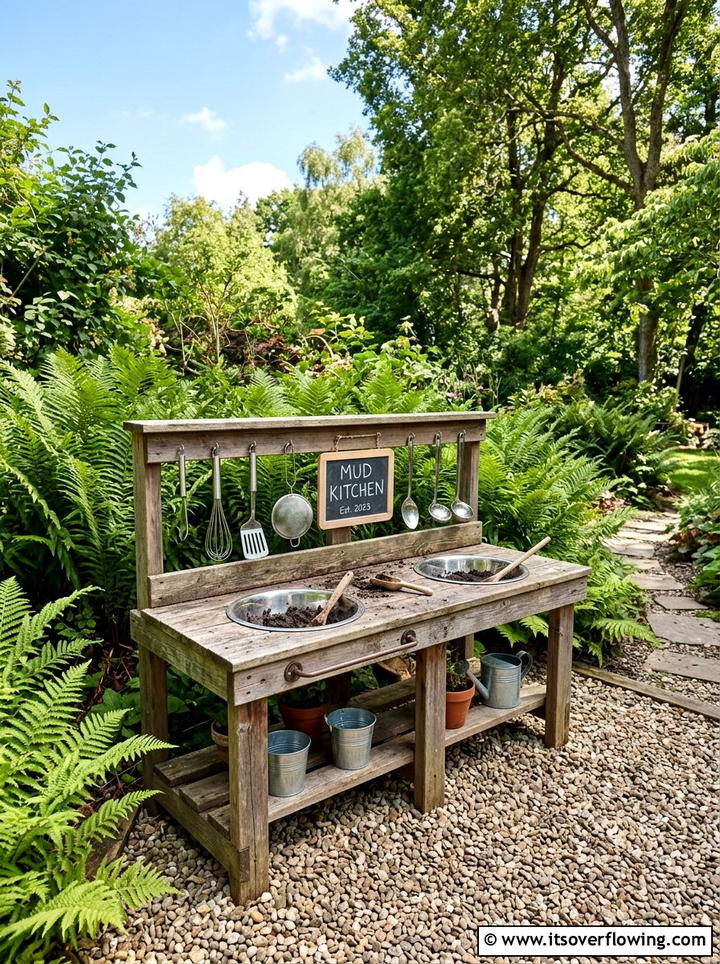
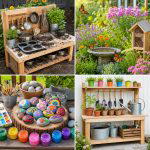
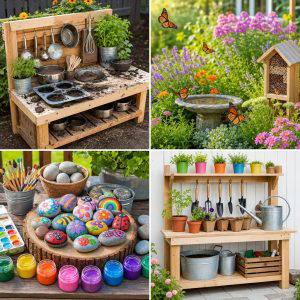
A dedicated mud kitchen is a fantastic addition to any family garden because it provides a messy, imaginative play space. This zone should be placed in a corner where cleanup is easy and the mess does not spread to main pathways. You can build a simple wooden counter with a sink basin and some old pots and pans. Kids love mixing soil and water to create mud pies, which enhances their fine motor skills. It acts as a focal point for sensory exploration without disrupting the more formal areas of your landscape. Surrounding this area with hardy plants ensures the space remains green and vibrant even with heavy daily use.
2. Garden sensory path
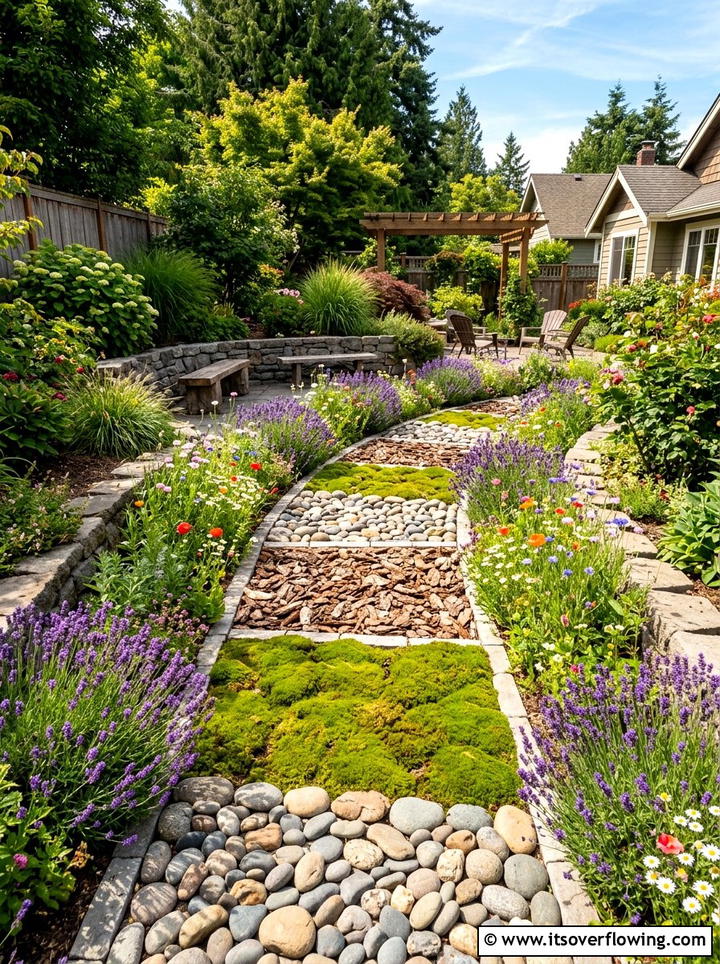
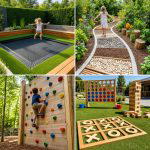
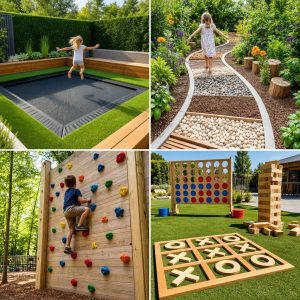
A sensory path is a wonderful way to introduce textures and physical sensations to your children through landscaping. This feature usually consists of different materials like smooth river stones, soft moss, rough bark, and rounded pebbles. Walking barefoot on these varied surfaces helps children develop their balance and tactile awareness in a fun way. You can edge the path with fragrant herbs like lavender or rosemary to add an olfactory layer to the experience. This design fits perfectly alongside a main garden walkway, making it an integrated part of your home’s outdoor aesthetic. It looks beautiful while serving as an interactive learning tool for young explorers.
3. Raised vegetable bed
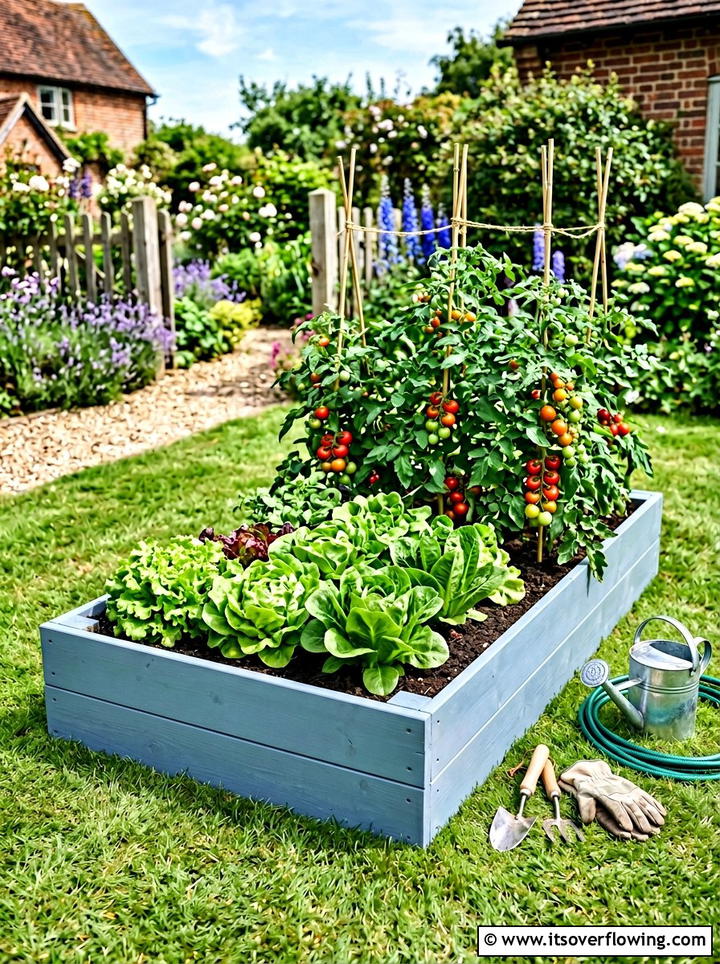
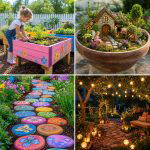
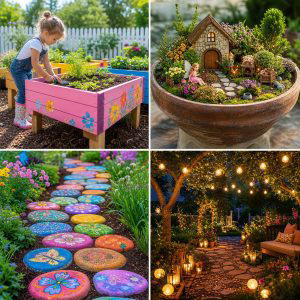
Creating a raised vegetable bed specifically for children gives them a sense of ownership over their gardening projects. These beds should be at a lower height so little hands can easily reach the middle without stepping on the soil. You can plant fast-growing crops like radishes, cherry tomatoes, and peas to keep their interest high throughout the season. Using colorful wooden planks for the bed frame makes the area look cheerful and clearly defined. It is a great way to teach kids about where their food comes from while providing a healthy outdoor activity. This functional design keeps the rest of your garden organized.
4. Vertical herb wall
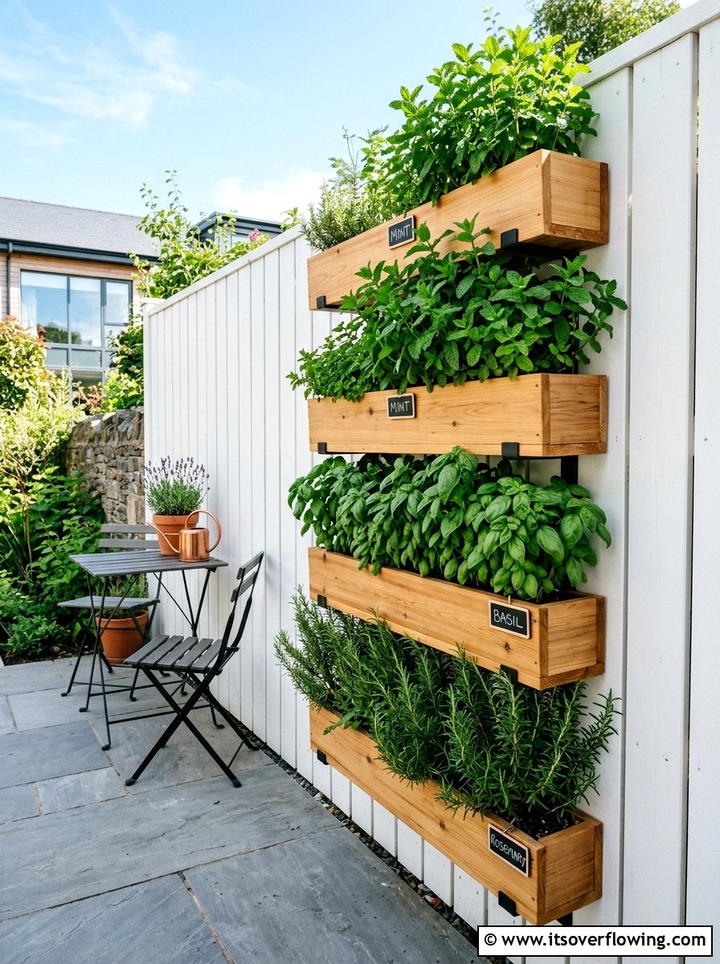
A vertical herb wall is an excellent solution for smaller gardens where ground space is at a premium. By mounting planters or wooden pallets on a fence, you can create a lush green backdrop that is also edible. Kids can help water the herbs and learn to identify different scents like mint, basil, and cilantro. This design keeps the plants away from pets and provides a neat, modern look for your patio or balcony. It adds a fresh aroma to your outdoor seating area while making harvesting easy for little chefs. This project is both a stylish decor element and a practical educational tool for families.
5. Fairy garden nook
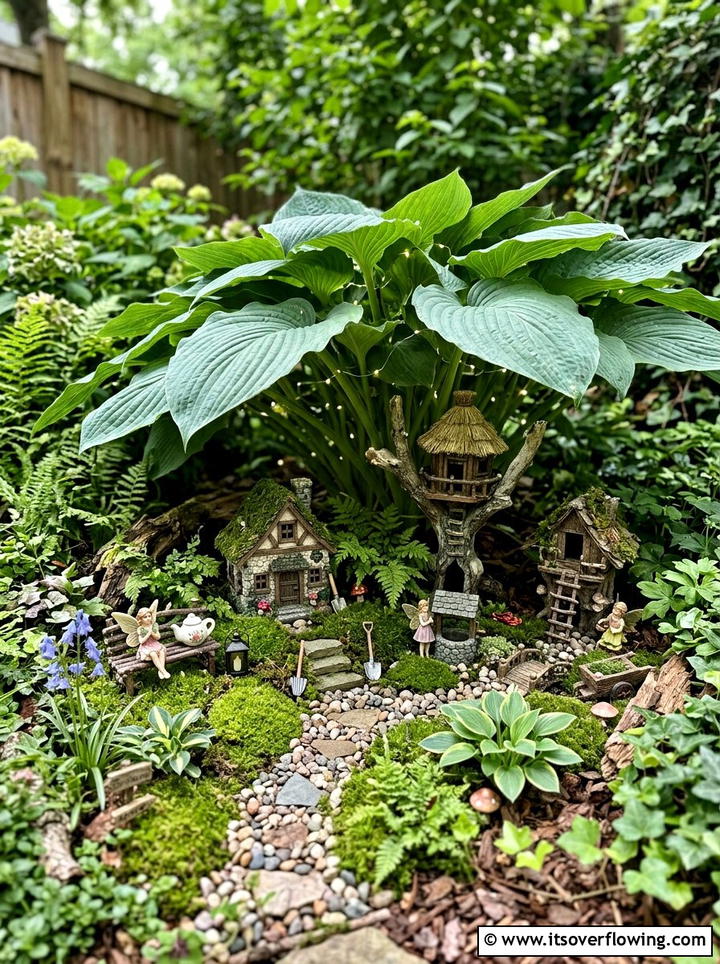
A fairy garden nook is a magical addition that sparks imagination and uses those shady corners of your backyard. You can tuck small miniature houses, tiny bridges, and pebble paths under the canopy of a large tree or shrub. Using low-light plants like ferns and moss creates an enchanting, woodland atmosphere that feels separate from the rest of the garden. Children can spend hours rearranging the tiny furniture and adding natural found objects like acorns or colorful stones. This quiet zone encourages gentle play and creative storytelling within a beautiful, lush setting. It transforms a neglected spot into a whimsical focal point for everyone.
6. Butterfly garden
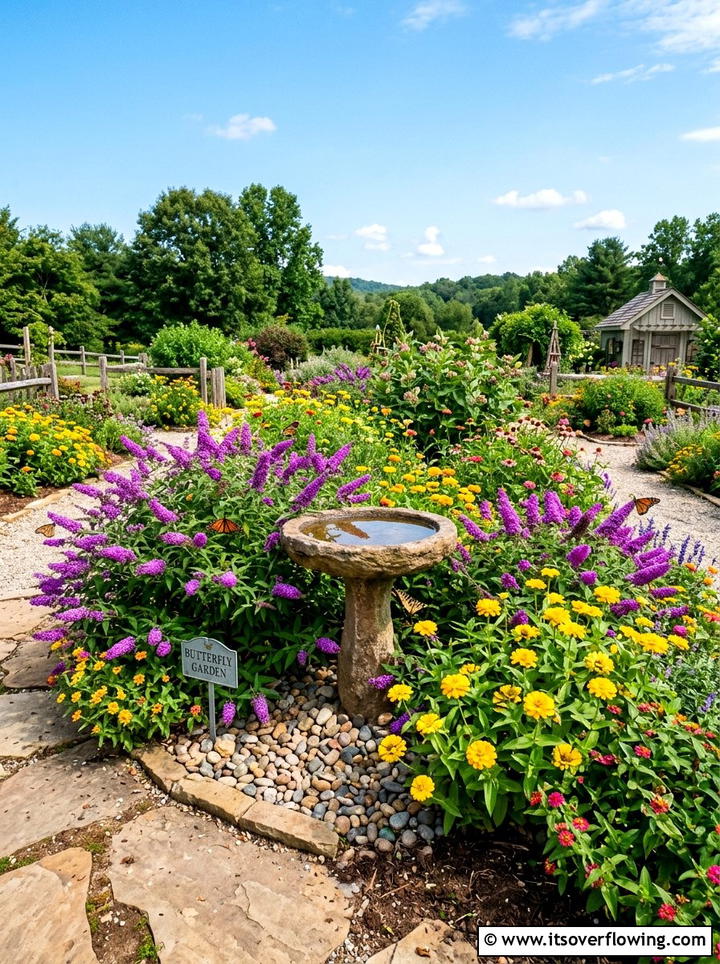
Designing a butterfly garden is a great way to attract colorful pollinators while teaching children about the life cycle of insects. You should include host plants like milkweed and nectar-rich flowers like buddleia or zinnias to provide food for various species. This area becomes a living classroom where kids can observe caterpillars turning into butterflies right in their own backyard. Adding a small stone birdbath or a shallow dish of water with pebbles helps butterflies stay hydrated safely. The bright colors of the blooms create a stunning visual display that enhances your home’s curb appeal. This eco-friendly design promotes biodiversity and provides endless entertainment.
7. Outdoor chalkboard wall
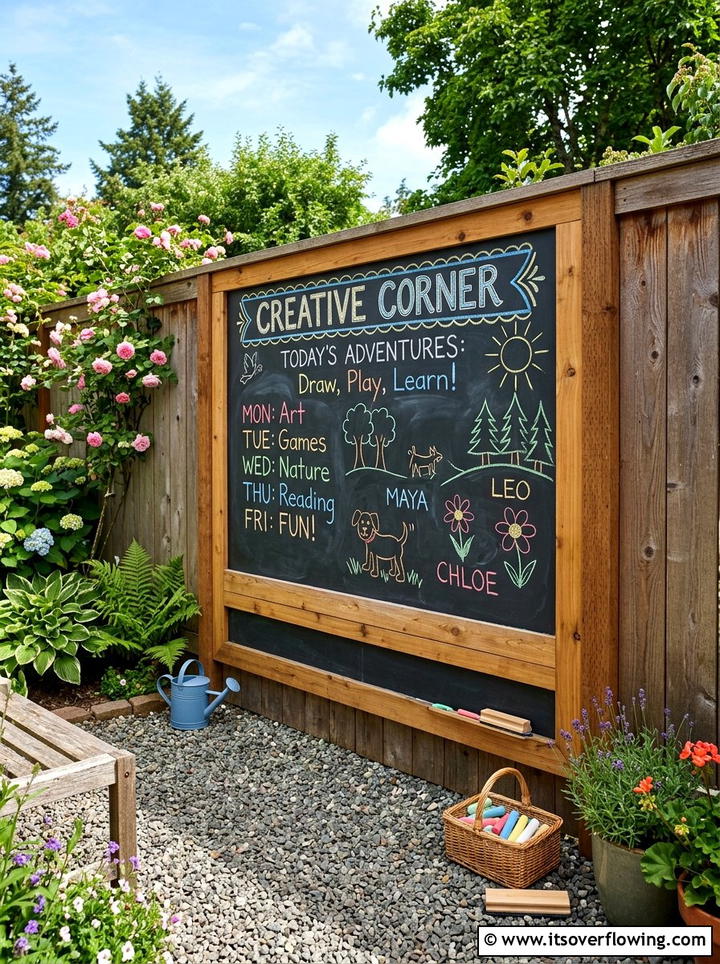
Installing an outdoor chalkboard wall provides a massive canvas for artistic expression without taking up much floor space. You can mount a large piece of weather-resistant slate or use chalkboard paint on a section of a wooden fence. This allows children to draw, practice writing, or keep score during garden games while enjoying the fresh air. It keeps the chalk dust outside and prevents messy drawings on your indoor walls or furniture. Surrounding the board with low-maintenance shrubs or gravel helps define the art zone and makes cleanup easy after a rain shower. This feature is a simple yet effective way to blend creativity.
8. Natural balance beam
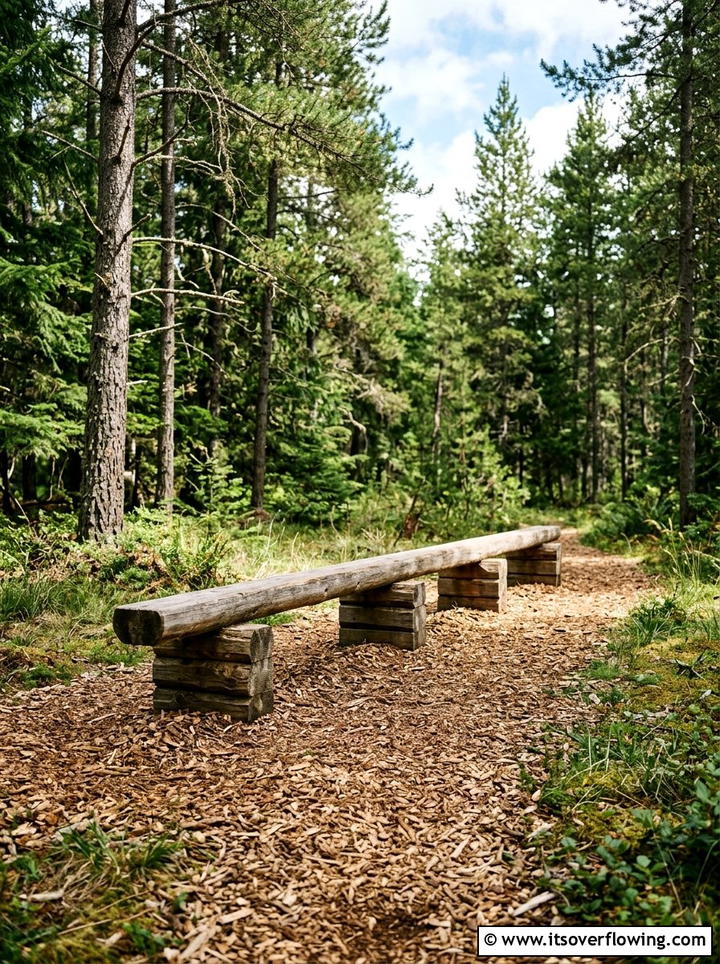
A natural wooden balance beam is a stylish and rustic way to incorporate physical play into your garden design. You can use a smoothed-down fallen log or a sturdy timber beam supported by low wooden blocks. This feature helps children develop their coordination and core strength while blending seamlessly with a woodland or cottage-style landscape. It looks much more attractive than plastic play equipment and can double as extra seating for adults during garden parties. Placing it over a bed of soft mulch or wood chips ensures safety while maintaining a natural, organic look. This simple structure encourages active play and fits into modern backyard layouts.
9. Sandbox with lid
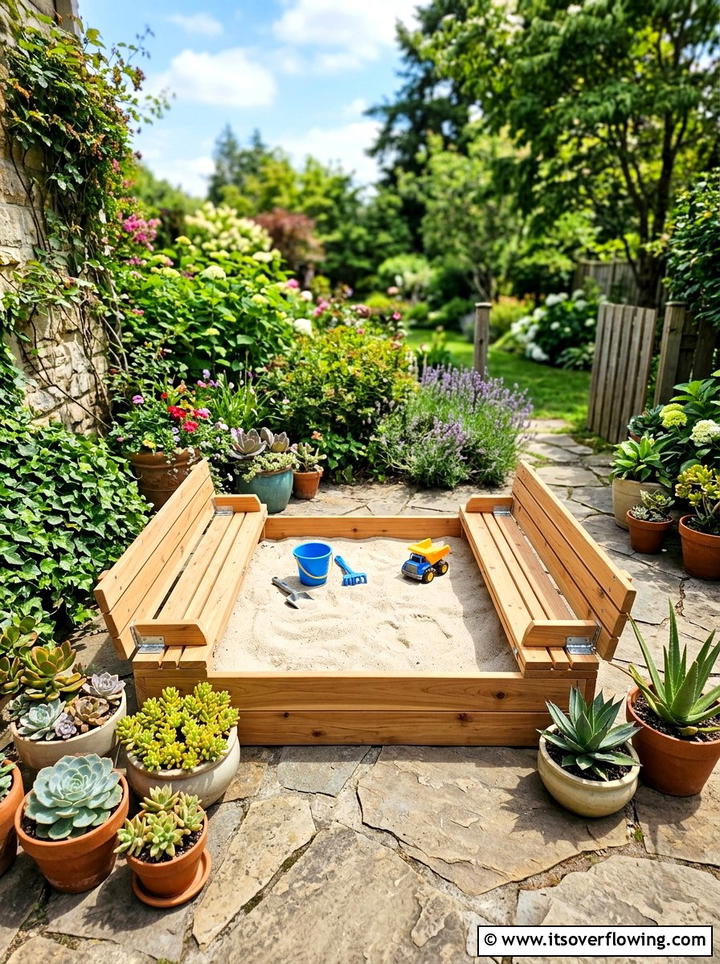
A sandbox with a sturdy wooden lid is a classic garden feature that provides hours of tactile play for younger kids. The lid is crucial for keeping the sand clean, dry, and free from neighborhood pets when it is not in use. You can design the lid to fold back into two benches, providing a comfortable place for kids to sit while they dig. This keeps the play area contained and looking neat within your overall garden design scheme. Surrounding the sandbox with a border of pavers or decking prevents sand from being tracked into the house. It is a timeless addition that fosters daily creativity.
10. Garden teepee hideout
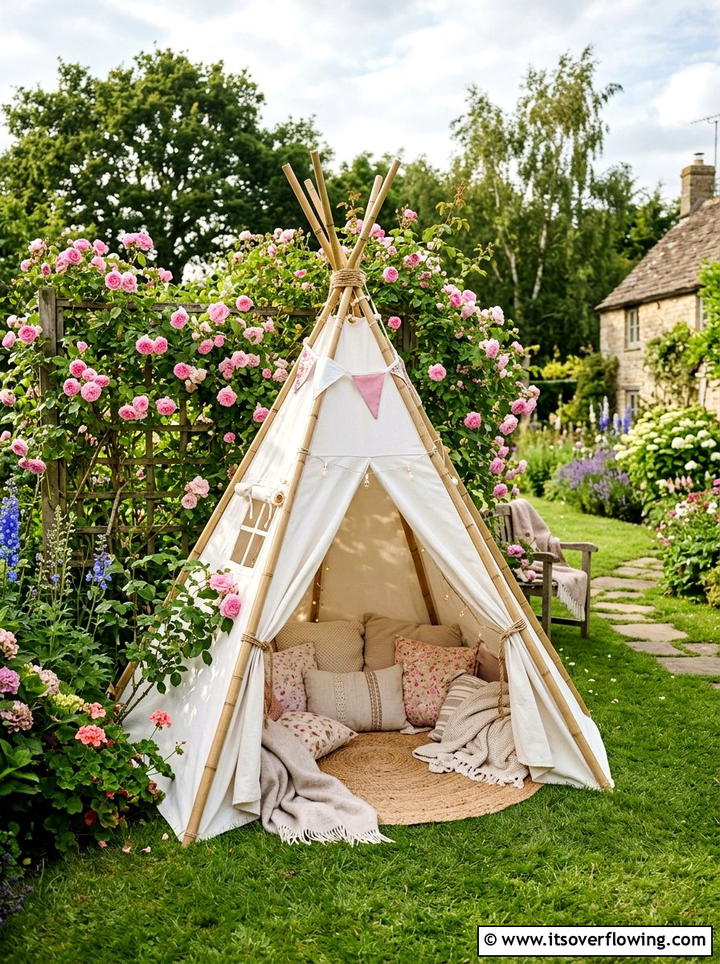
A garden teepee hideout offers a cozy, private space for children to read, play, or take a nap outdoors. You can construct the frame using bamboo poles or wooden stakes and cover it with weather-resistant fabric or climbing plants. Using vines like runner beans or morning glories creates a living teepee that grows more beautiful and shaded as the season progresses. Placing soft outdoor cushions and rugs inside makes it a comfortable sanctuary for quiet time away from screens. This structure adds vertical interest to your garden layout and serves as a charming focal point. It is a high-impact project that provides a magical retreat for children.
11. Bird feeder station
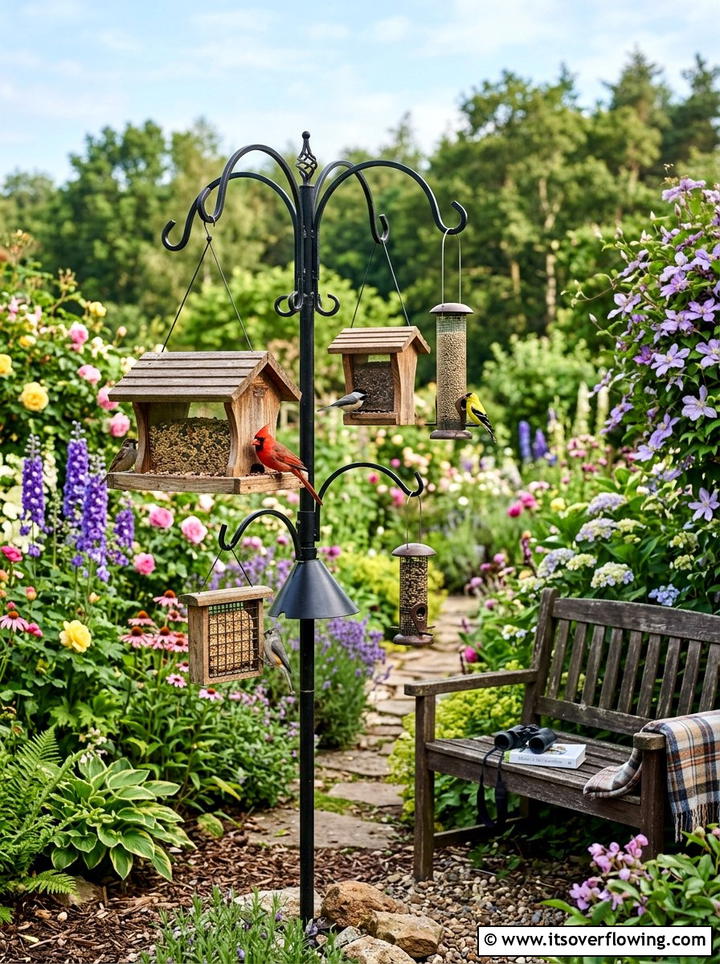
Setting up a bird feeder station is an easy way to bring wildlife closer to your home for educational observation. You can hang different types of feeders to attract a variety of local birds, from finches to woodpeckers. Giving children the responsibility of refilling the feeders helps them develop a sense of duty and care for nature. Placing a small bench or a pair of binoculars nearby encourages them to sit quietly and watch the birds interact. This station can be decorated with colorful birdhouses that add a whimsical touch to your garden beds. It creates a peaceful, engaging environment that teaches kids about local ecosystems.

12. Tree stump seating
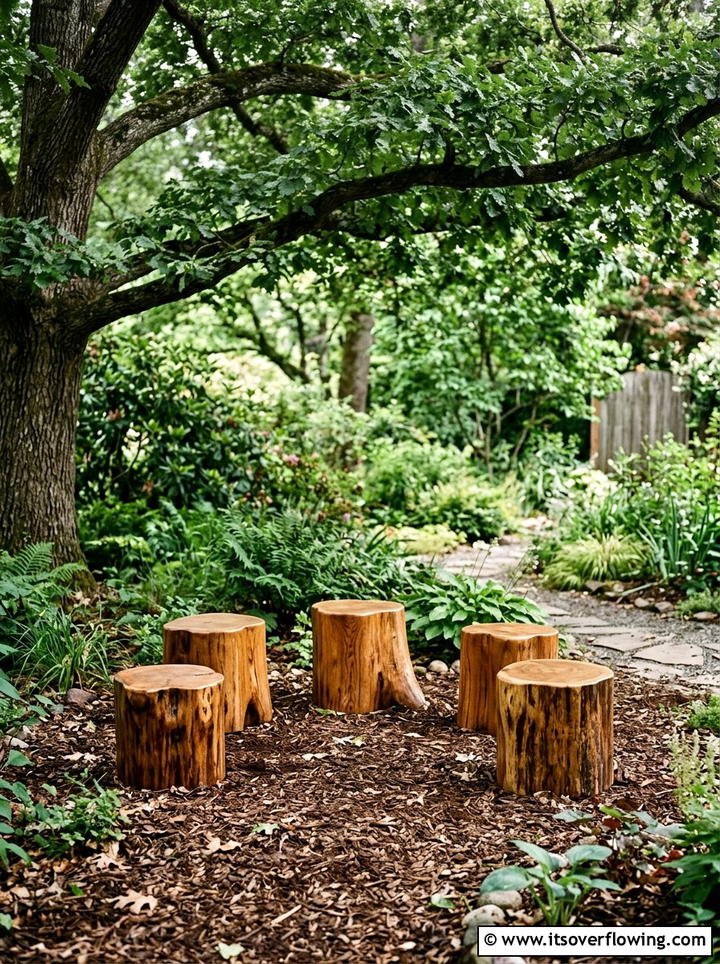
Tree stump seating provides a natural and budget-friendly way to create a gathering spot for children in the backyard. You can arrange several stumps of varying heights in a circle to form a rustic outdoor classroom or a storytelling circle. These stumps blend perfectly with a naturalistic garden design and provide a sturdy place for kids to rest or play. Sanding the tops smooth and applying a clear sealant prevents splinters while highlighting the beautiful wood grain. You can even paint the tops with bright colors or numbers to turn them into an interactive game. This setup is durable, weather-resistant, and adds a charming, organic feel.
13. Insect hotel
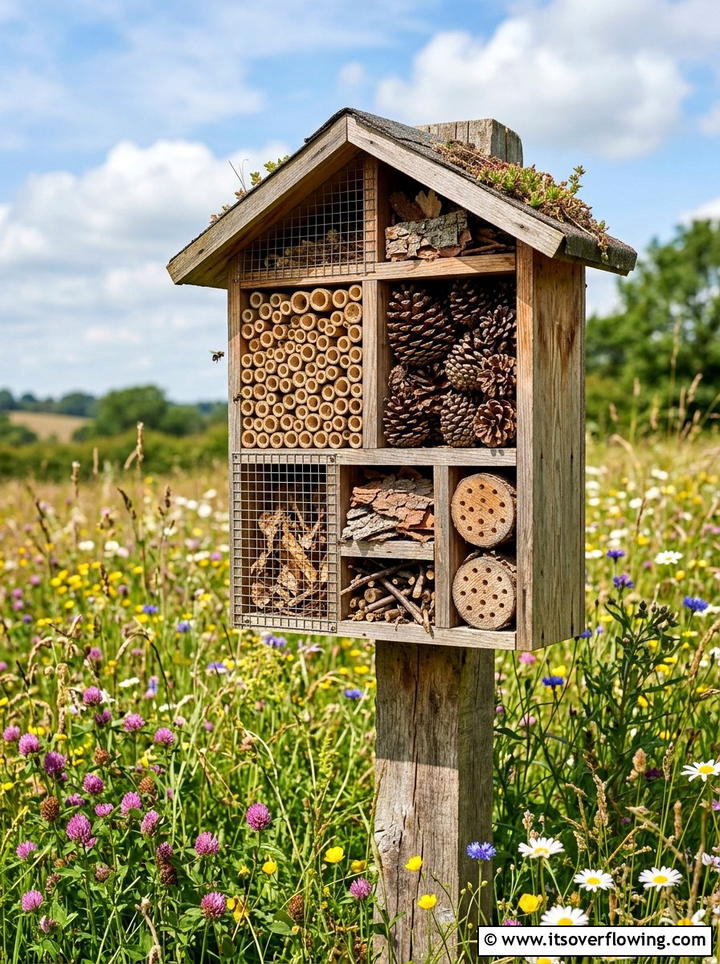
Building an insect hotel is a fantastic project that supports local biodiversity while providing a fascinating look at the bug world. You can use a wooden frame filled with natural materials like hollow bamboo, pinecones, dry leaves, and drilled logs. This structure offers a safe nesting site for solitary bees, ladybugs, and other beneficial insects that help your garden thrive. Kids will love checking the different rooms to see which tiny guests have moved in over the week. Placing it in a sunny, sheltered spot near flowering plants ensures it gets plenty of visitors. This educational feature looks like a piece of living art.
14. Water play table
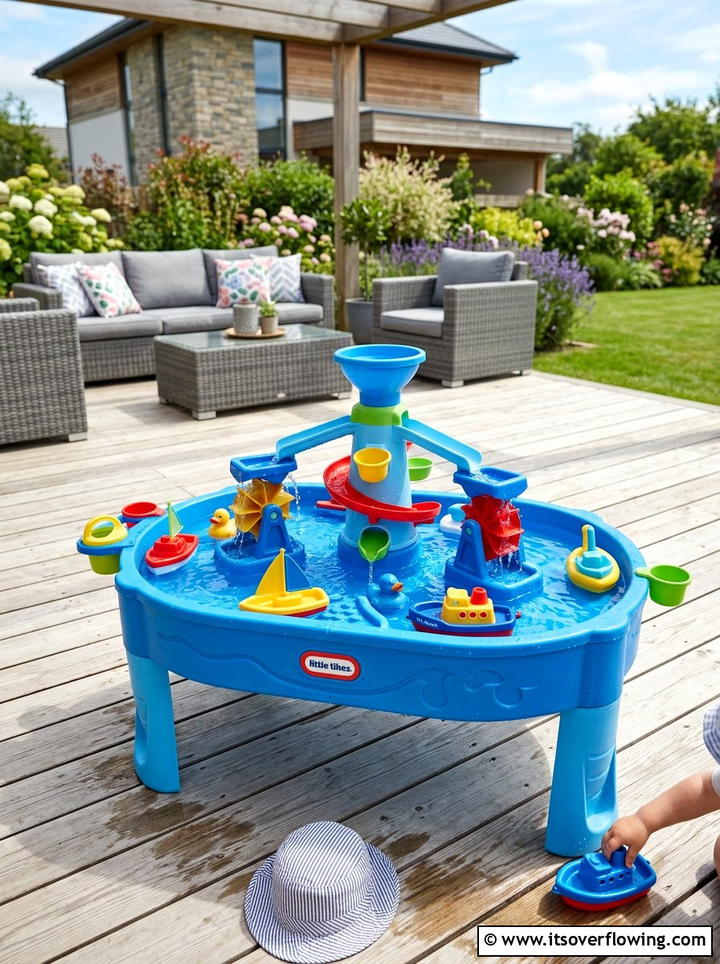
A water play table is a must-have for families with toddlers who love to splash and explore liquid dynamics. These tables are usually at the perfect height for small children to stand and play without getting completely soaked. You can add fun accessories like cups, funnels, and toy boats to keep them engaged for a long time. Placing the table on a deck or a gravel area prevents the grass from becoming a muddy mess during play sessions. It is an easy way to keep kids cool during hot summer days while they develop their hand-eye coordination. This portable feature can be moved around the garden easily.
15. Sunflower forest
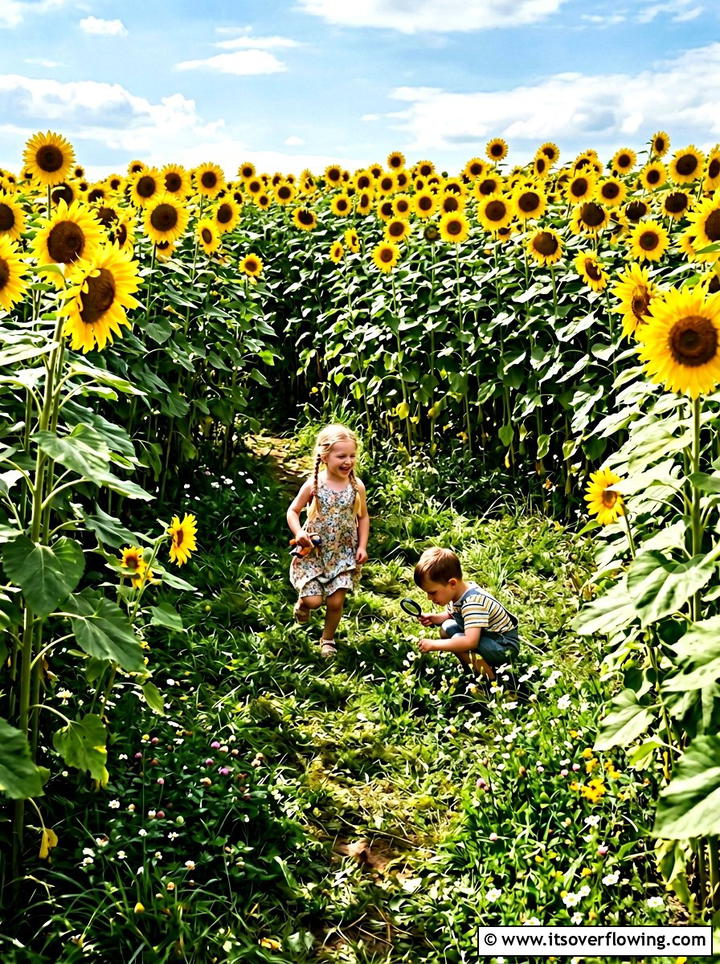
Planting a sunflower forest is a simple and spectacular way to create a natural play space for kids. By sowing giant sunflower seeds in a large circle or a square, you can grow a tall, living wall by mid-summer. Children will be amazed by how fast the plants grow, often reaching heights well above their own heads. The center of the patch becomes a secret hideout where they can play in the dappled sunlight. Once the flowers fade, the seeds can be harvested for snacks or left to feed the local birds. This project is high-impact, low-cost, and provides a stunning visual feature.

16. Kids potting bench
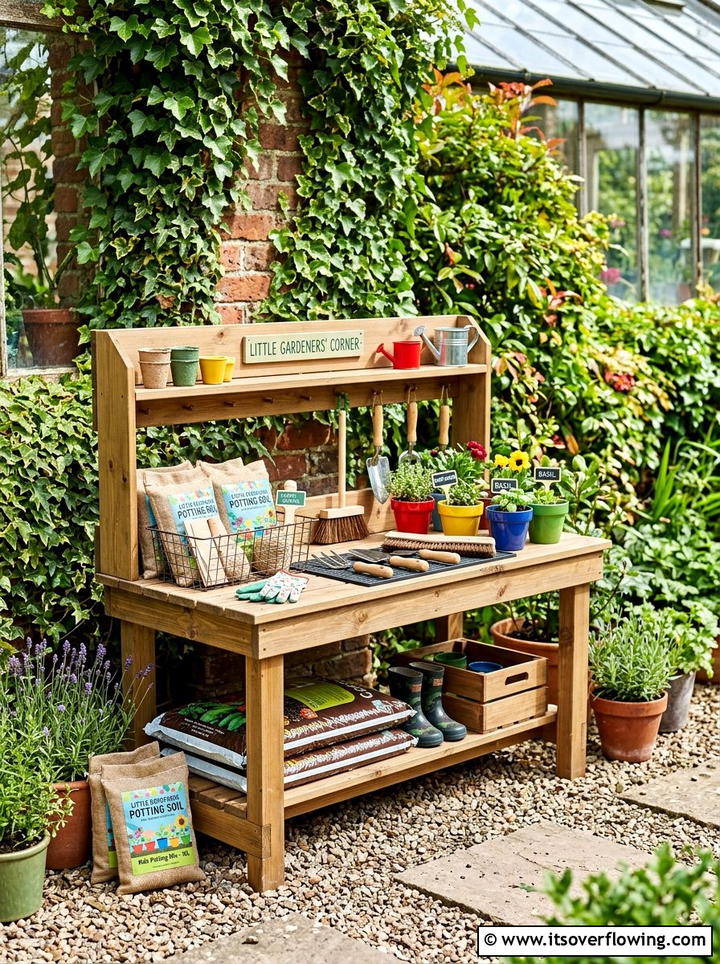
A kids potting bench station gives children their own space to get their hands dirty and learn about plant care. This smaller-scale workbench should be stocked with kid-sized trowels, colorful pots, and bags of potting soil. Having a dedicated area for planting helps contain the mess and keeps your main garden tools organized and safe. Children can use this spot to start seeds, transplant small flowers, or create their own container gardens. It fosters a sense of independence and encourages them to take pride in their growing projects. Placing the bench near a water source makes it easy for them to stay hydrated.
17. Rock painting station
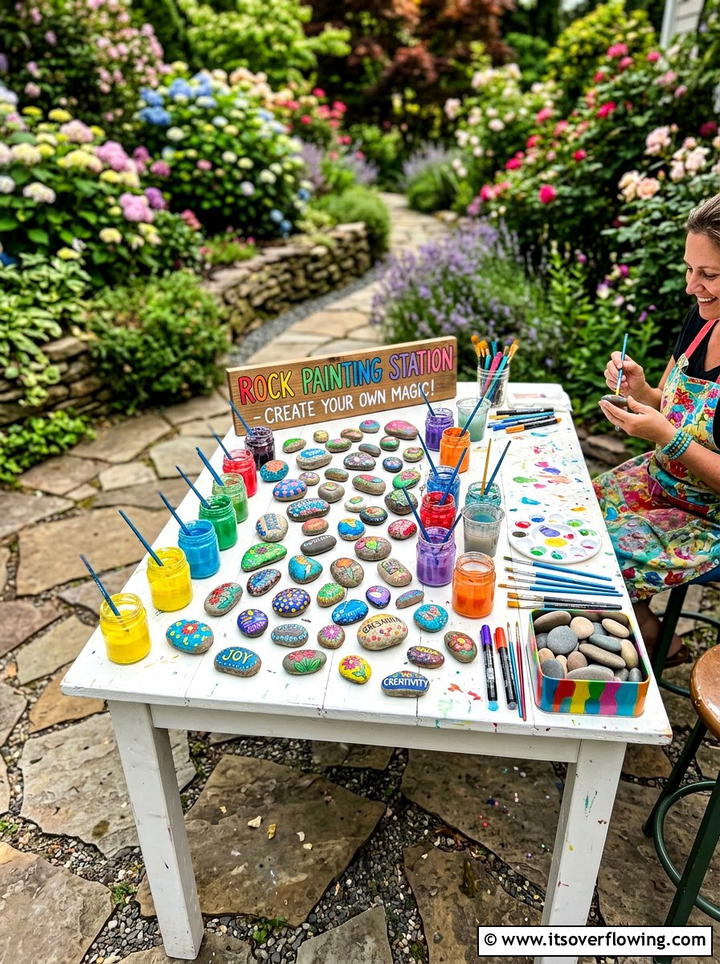
A garden rock painting station is a creative way to combine art with the natural beauty of your backyard. You can set up a small table with weather-resistant paints and a collection of smooth river stones for children to decorate. Once the paint is dry, the rocks can be used as garden markers, colorful path edges, or hidden treasures for others to find. This activity keeps kids busy outdoors and allows them to leave their personal mark on the family landscape. It is a great way to recycle natural materials into vibrant pieces of decor that can withstand the elements easily over time.
18. Living willow tunnel
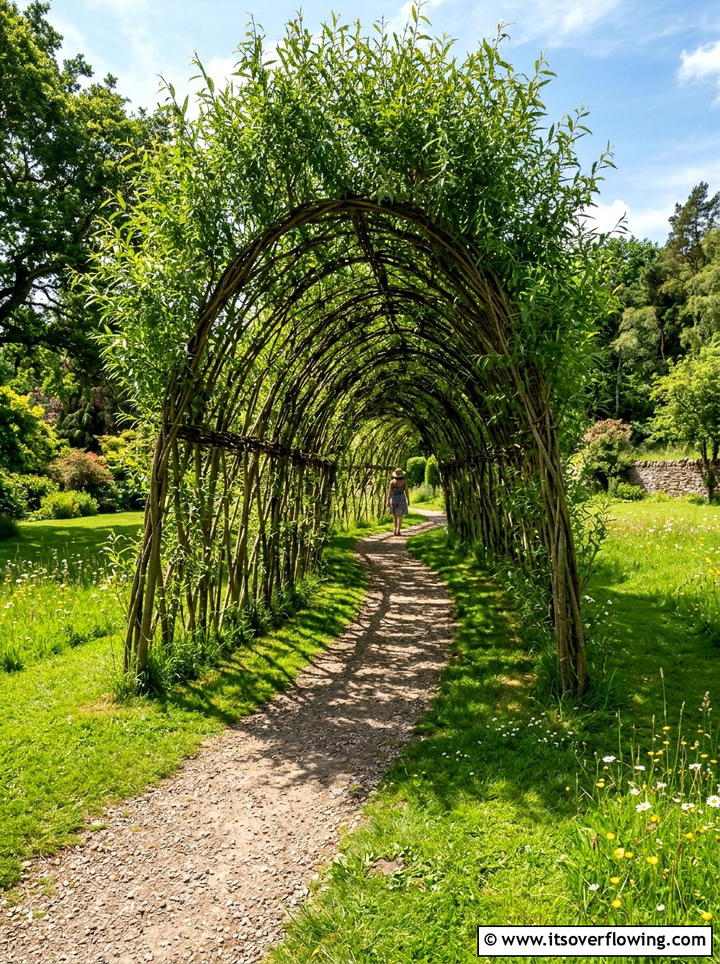
A living willow tunnel is a stunning architectural feature that doubles as an exciting play structure for children to explore. You can plant flexible willow rods in the ground and weave them together to form an arched walkway or a dome. Over time, the willow will root and grow leaves, creating a lush, green tunnel that feels like a secret passage. This project provides excellent shade during the summer and changes beautifully with the passing seasons in your backyard. It requires some annual pruning to maintain its shape, which can be a fun family gardening activity. This natural structure blends perfectly into a large lawn.
19. Tire swing area
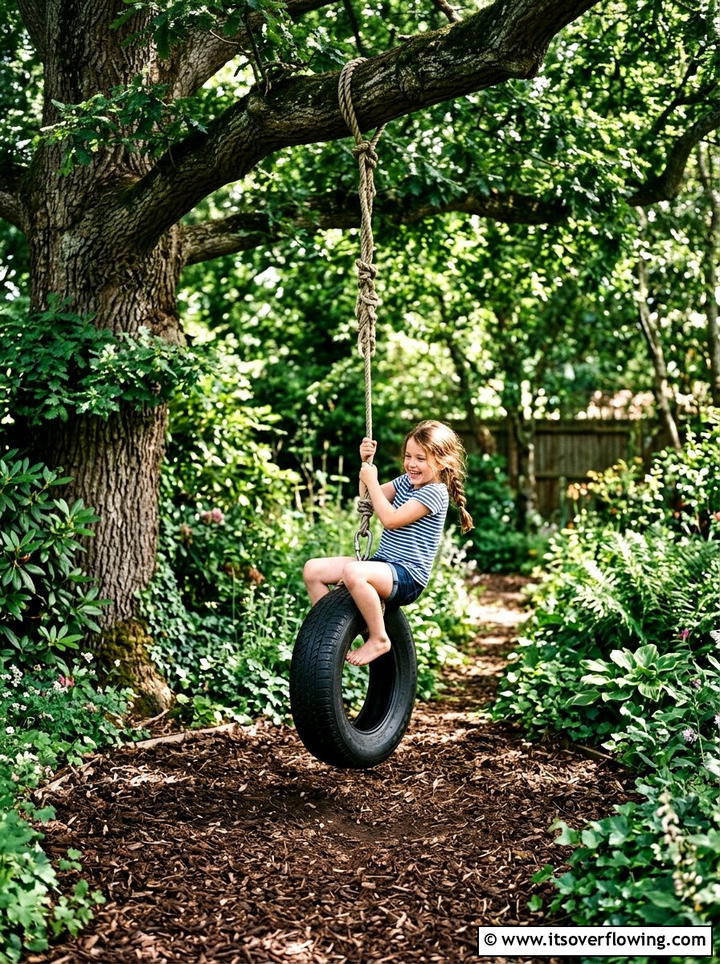
A tire swing is a classic garden staple that provides endless fun and a nostalgic touch to your outdoor space. You can hang a recycled tire horizontally or vertically from a sturdy, healthy tree limb using heavy-duty rope. This setup creates a dynamic play area that encourages physical activity and helps children develop their sense of balance. It is a sustainable way to repurpose old materials while creating a durable piece of play equipment that lasts for years. Placing the swing in a shaded area ensures that it remains cool and comfortable to use even on sunny afternoons. This simple addition transforms a backyard tree.
20. Outdoor reading corner
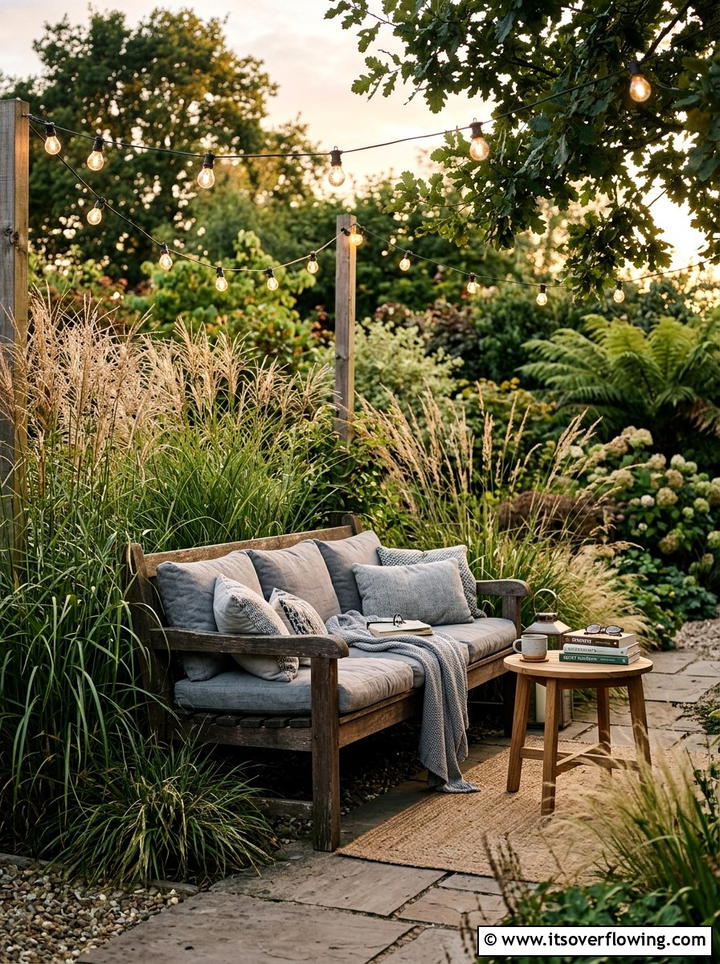
An outdoor reading corner provides a peaceful retreat where children can enjoy their favorite books surrounded by nature’s calming sounds. You can create this space using a small weather-proof bench or a group of oversized outdoor floor cushions. Surrounding the area with tall grasses or flowering shrubs creates a sense of enclosure and privacy away from louder play zones. Adding a small outdoor-rated lamp or string lights allows the reading sessions to continue as the sun begins to set. This quiet nook encourages a love for literacy while promoting relaxation and mental well-being in a fresh air environment. It is a sophisticated yet cozy addition.
21. Giant backyard checkers
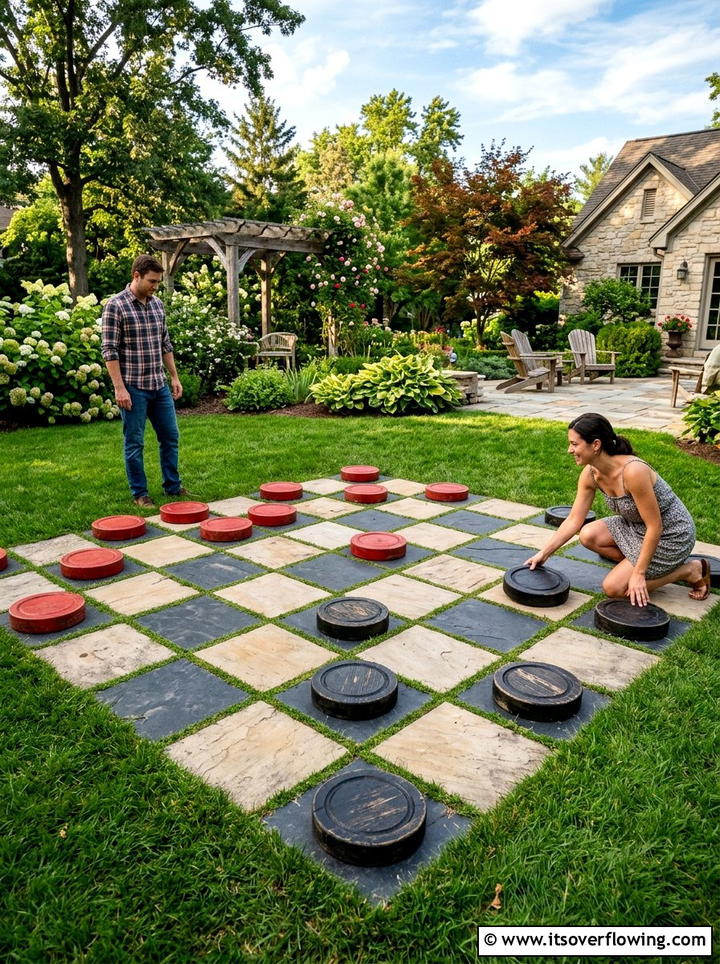
A giant backyard checkers board is a fun and interactive feature that brings classic tabletop games into the great outdoors. You can create the board using alternating colored pavers or by painting a grid onto a flat section of your patio. Large wooden discs or painted stones can serve as the game pieces, which are easy for children to handle. This feature serves as a permanent entertainment zone that encourages strategic thinking and social interaction among family members. It looks great as a decorative element even when not in use, adding a playful touch to your hardscaping. This project is durable and very low-maintenance.
22. Small fruit orchard
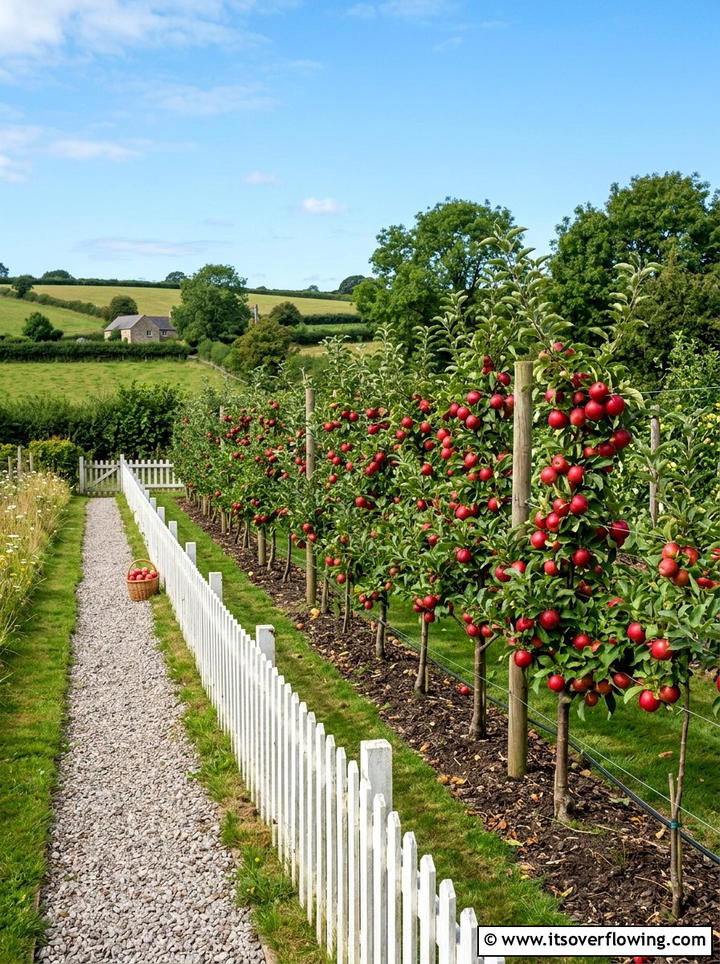
Planting a small fruit tree orchard is a rewarding way to teach children about food production and the changing seasons. Dwarf or columnar fruit trees are perfect for backyard spaces because they stay compact while producing delicious apples, pears, or cherries. Children can help with the annual harvest, which is a satisfying and educational experience that promotes healthy eating habits. The spring blossoms provide a beautiful visual display and attract beneficial pollinators like bees to your garden. This orchard adds structure and height to your landscape, creating a lush environment that provides both food and shade. It is a long-term investment for families.
23. Pizza garden
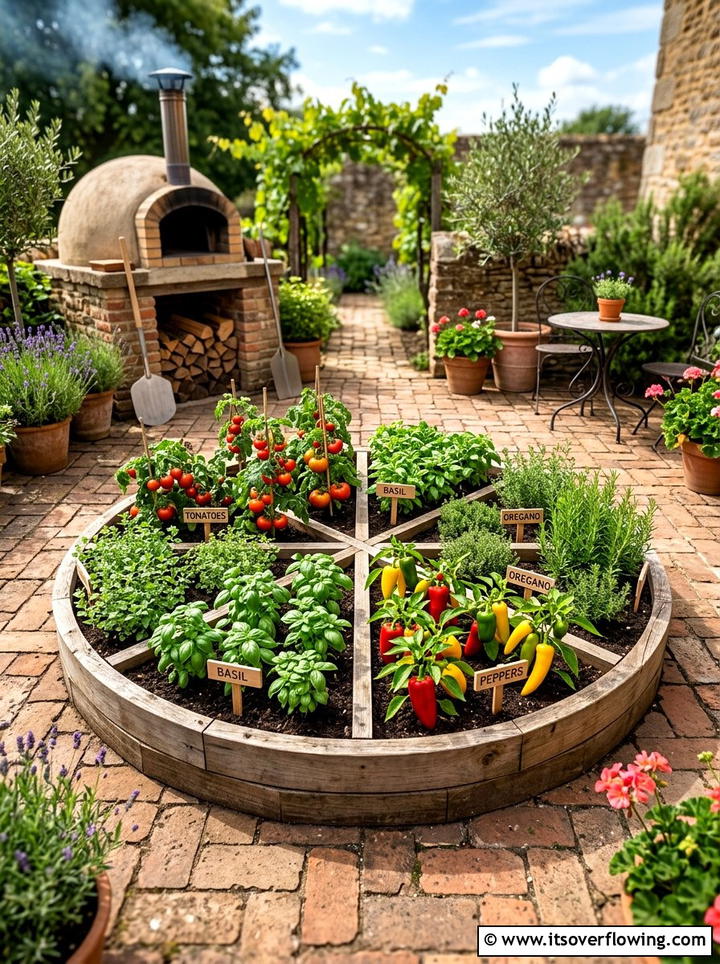
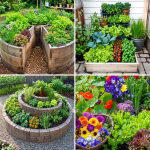
A pizza garden is a themed planting area that focuses on all the delicious ingredients needed for a homemade pizza. You can plant tomatoes, bell peppers, onions, and herbs like oregano and basil in a circular bed divided into slices. This fun layout makes gardening relatable for kids and gets them excited about cooking with fresh, homegrown produce. It is a fantastic way to introduce them to different plant varieties and their specific growth requirements throughout the season. The vibrant colors of the ripening vegetables and the aromatic herbs create a sensory delight for everyone. This creative concept turns a standard vegetable patch into an adventure.
24. Tropical jungle path
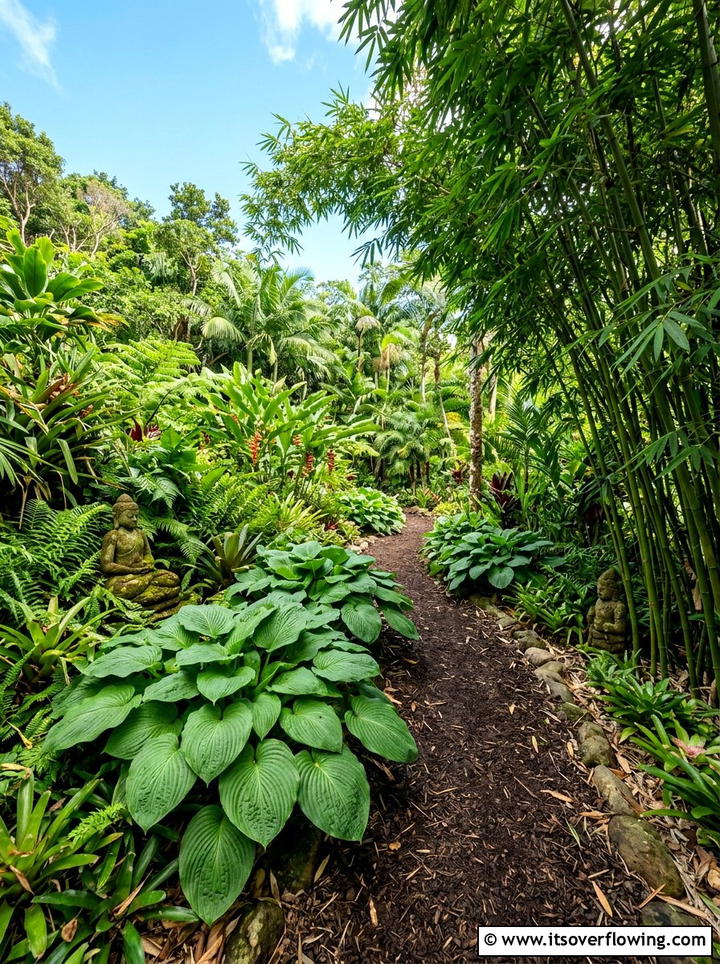
A tropical jungle garden path uses large-leaved plants and dense greenery to create an adventurous atmosphere for children to explore. You can use hardy plants with exotic looks, like hostas, fatsia japonica, and ornamental grasses, to mimic a rainforest feel. Narrow, winding pathways made of mulch or stepping stones lead kids through the jungle, sparking their sense of curiosity and adventure. Adding small toy dinosaurs or tropical bird figurines hidden among the leaves enhances the imaginative play experience for younger explorers. This design provides excellent shade and a cooling effect, making the garden feel like a lush escape. It is a high-texture, visually stunning way.
25. Stargazing deck
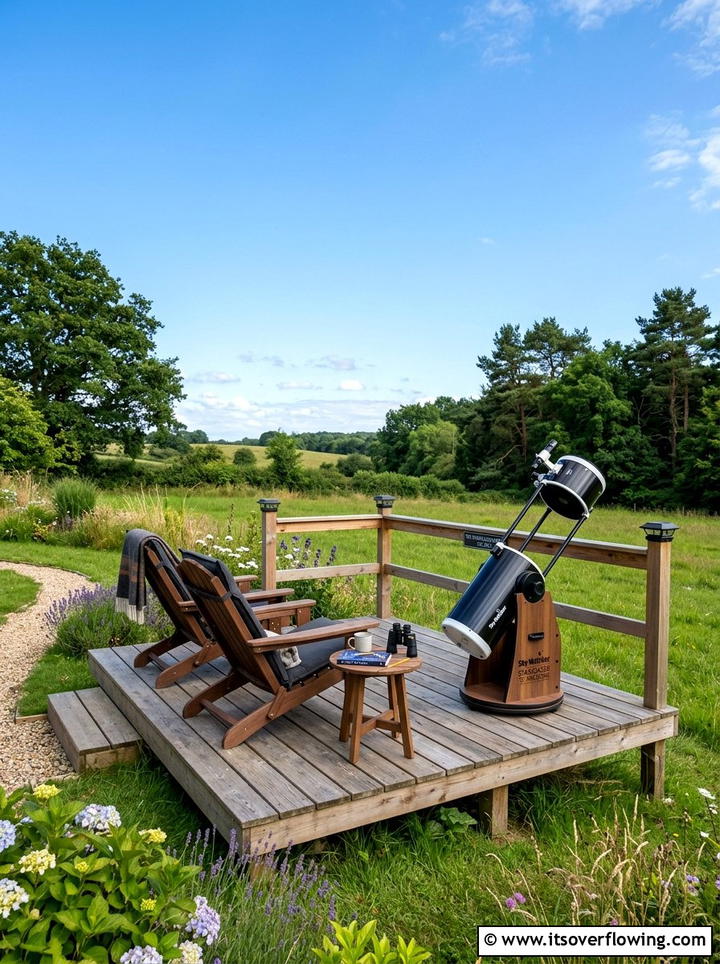
A stargazing deck is a unique garden feature that encourages children to look up and learn about the vast universe. You can build a small, low-profile wooden platform in a clear area of the garden away from tall trees or bright house lights. Placing comfortable reclining chairs or a large weather-resistant rug on the deck makes it the perfect spot for night-time observation. Keeping a telescope or a stargazing map nearby helps kids identify constellations and planets during clear nights. This space provides a calm and educational environment for family bonding after the sun goes down. It is a thoughtful addition that expands your space.
Conclusion:
Creating a garden that incorporates a dedicated kids garden zone is a beautiful way to foster a lifelong love for nature. These 25 ideas show that play areas do not have to be unsightly; they can be integrated seamlessly into a sophisticated landscape. By balancing fun elements like mud kitchens and willow tunnels with educational spots like vegetable patches, you create a space that nourishes both the body and mind. Your backyard becomes more than just a yard; it turns into a sanctuary for growth, creativity, and family connection. Investing time in these projects ensures that your children have a safe, engaging, and inspiring place to spend their childhood. Start small or go big, but always aim for a garden that delights everyone.
Related posts:
 25 Garden Design Ideas for Play Areas Kids Will Love
 25 garden ideas for kids: Playful, Safe Outdoor Spaces
 25 Small Garden Ideas With Kids Corner for Family Fun Outdoors
 25 Creative Garden Ideas With Hidden Garden Corners
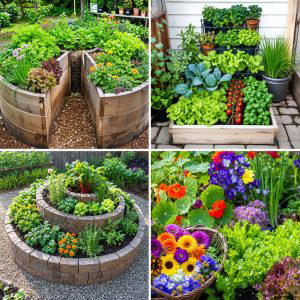 25 Creative Garden Ideas With Keyhole Garden Beds
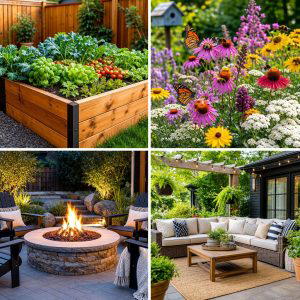 25 Creative Garden Ideas to Transform Any Outdoor Space Fast
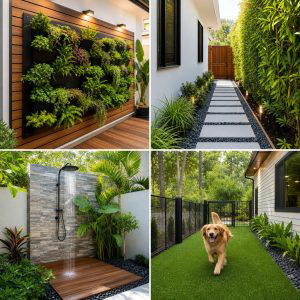 25 Creative Garden Ideas for Side Yards
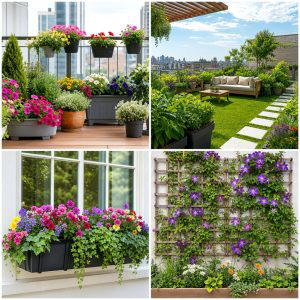 25 Creative Garden Ideas for Urban Homes
 25 Creative Garden Ideas With Espalier Trees for Style
 25 Creative Garden Ideas With Maximal Flower Color
 25 creative garden ideas with pergola vines for Shaded Beauty
 25 Creative Garden Ideas With Spiral Herb Beds to Try Now