
Creating a garden that appeals to children is one of the most rewarding home projects you can undertake. It provides a safe space for them to explore the wonders of nature while developing fine motor skills and creativity. A well-designed outdoor area encourages kids to put down their screens and enjoy the fresh air. By incorporating interactive elements like sensory plants or dedicated play zones, you turn a simple lawn into a magical adventure land. These projects do not have to be expensive or complicated to make a huge impact on your family life. Every corner of your yard holds the potential for learning, laughter, and lasting memories through every season.
1. Mud Kitchen
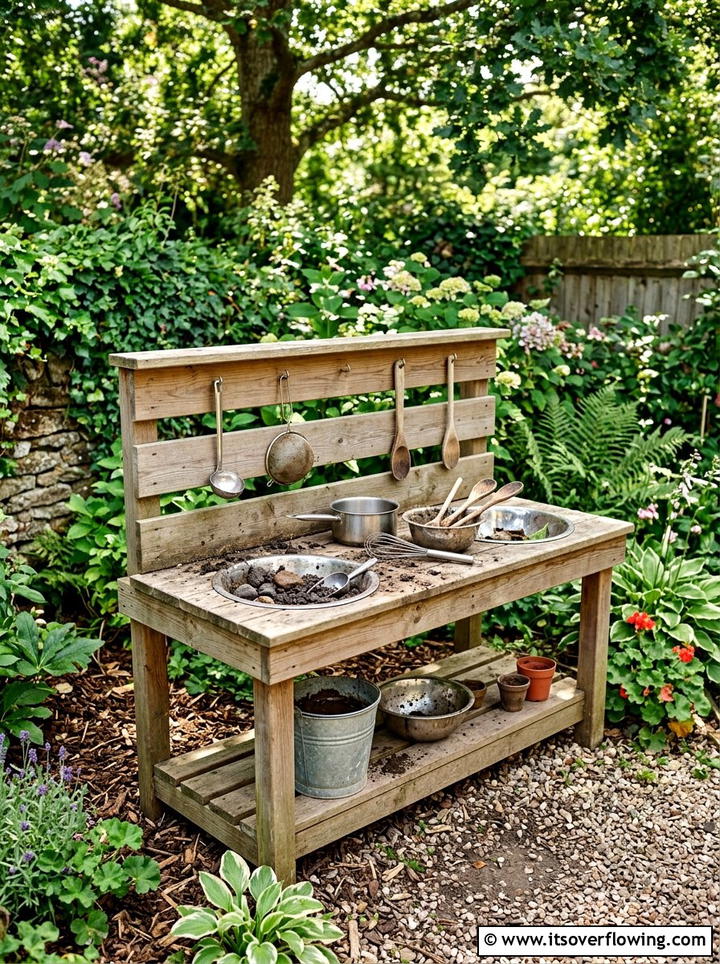
Transforming a quiet corner into a messy play zone is a great way to spark curiosity. A mud kitchen allows children to mix, pour, and pretend to cook using natural materials like dirt, water, and stones. You can build this using recycled wood pallets or an old potting bench. Add some stainless steel bowls, wooden spoons, and plastic measuring cups to complete the setup. This type of play helps kids develop their sensory skills while they learn about textures and consistency. It is a durable addition to any yard that stands up to all kinds of weather. Your children will spend hours creating mud pies and exploring their culinary imagination outdoors.
2. Sensory Garden
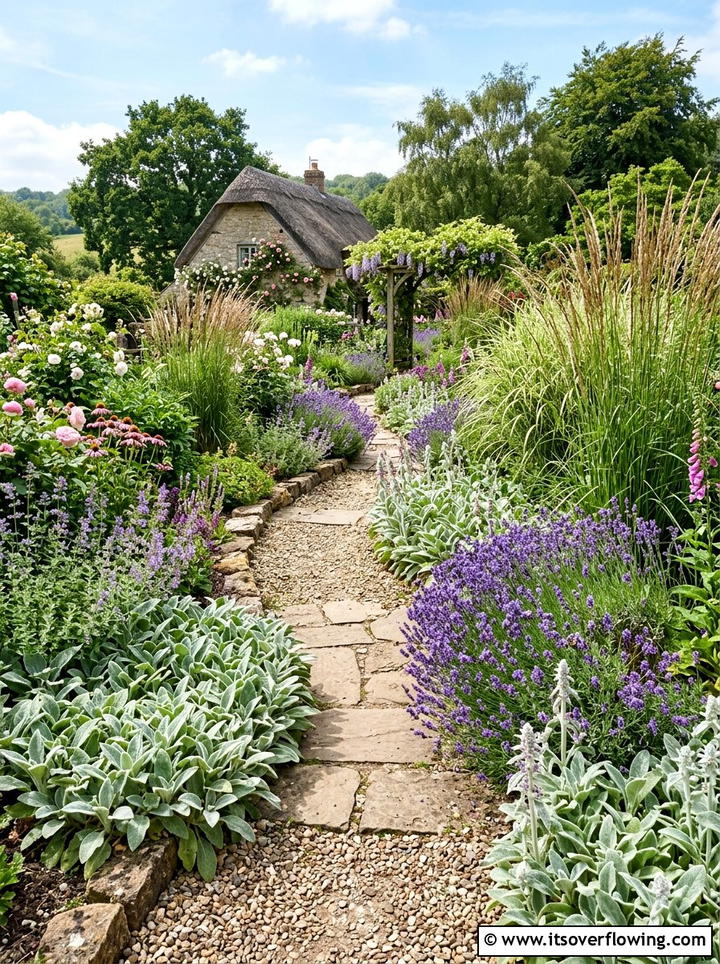
Have you ever wondered how to engage all five senses in your backyard? A sensory garden is specifically designed to stimulate touch, sight, sound, smell, and even taste. You should include plants with distinct textures, such as the soft leaves of lamb’s ear or the rough bark of a tree. Fragrant herbs like lavender and rosemary provide wonderful scents whenever someone brushes past them. To add sound, you can hang bamboo wind chimes or plant tall grasses that rustle in the breeze. Brightly colored flowers like sunflowers or marigolds catch the eye immediately. This setup provides a calming environment where kids can learn to observe and appreciate the natural world closely.
3. Vegetable Garden For Kids
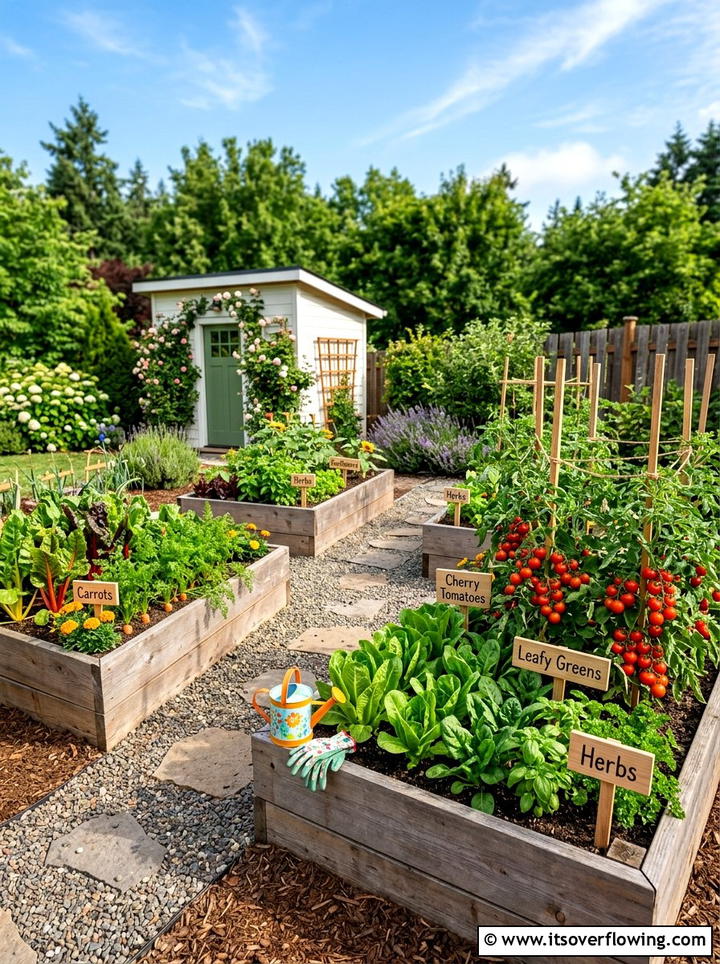
Growing food with your little ones creates a sense of accomplishment and teaches them where meals come from. Start with easy-to-grow crops like cherry tomatoes, sugar snap peas, and colorful carrots. Kids love to watch seeds sprout and grow into something they can actually eat. You can give them their own small raised bed or a few large pots to manage. Letting them choose what to plant makes them feel more invested in the process. Regular watering and weeding become fun chores when they can see the progress of their harvest. This activity also encourages healthier eating habits as they try the fresh vegetables they grew with their own hands.

4. Fairy Garden
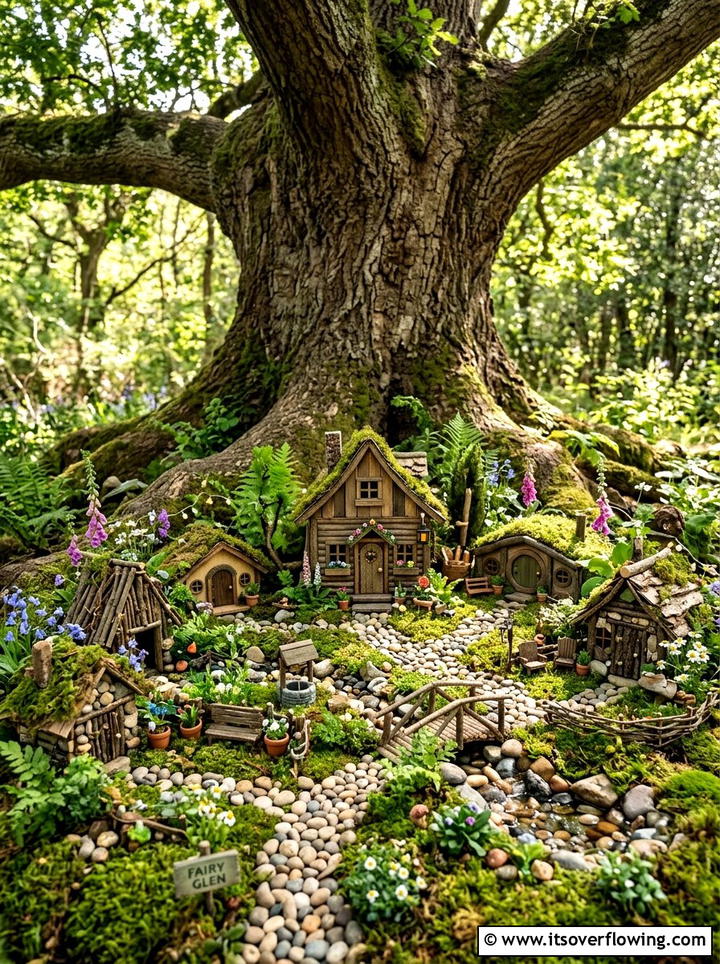
Tucked away under a shady tree or inside a large container, a fairy garden invites magical storytelling. You can use miniature houses, tiny bridge ornaments, and small pebbles to create a whimsical landscape. Low-growing plants like moss, thyme, or succulents make perfect “forests” for the imaginary inhabitants. Children enjoy rearranging the small accessories and adding found objects like acorns or feathers. This project encourages fine motor skills and creative thinking as they build their own tiny worlds. It is a wonderful way to use awkward spaces in the garden that are too small for larger plants. Watching their fairy world evolve over time brings a sense of wonder.
5. Outdoor Chalkboard
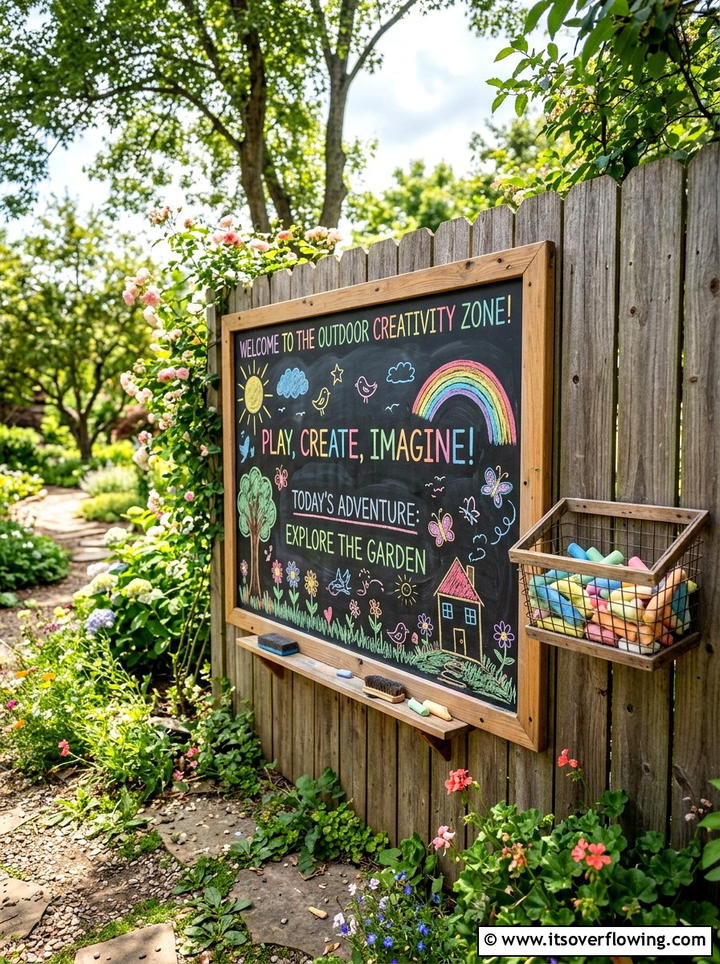
An outdoor chalkboard provides a dedicated space for artistic expression without making a mess inside the house. You can easily attach a large piece of weather-resistant plywood painted with chalkboard paint to a fence or wall. This allows children to draw large-scale murals or practice their writing in the fresh air. It is easy to clean with a simple garden hose, making it ready for a new masterpiece every day. Surrounding the area with a few stepping stones keeps feet dry while they work. Providing a bucket of colorful chalk encourages them to spend more time outdoors while developing their artistic talents. It is a simple yet very effective addition.
6. Butterfly Garden
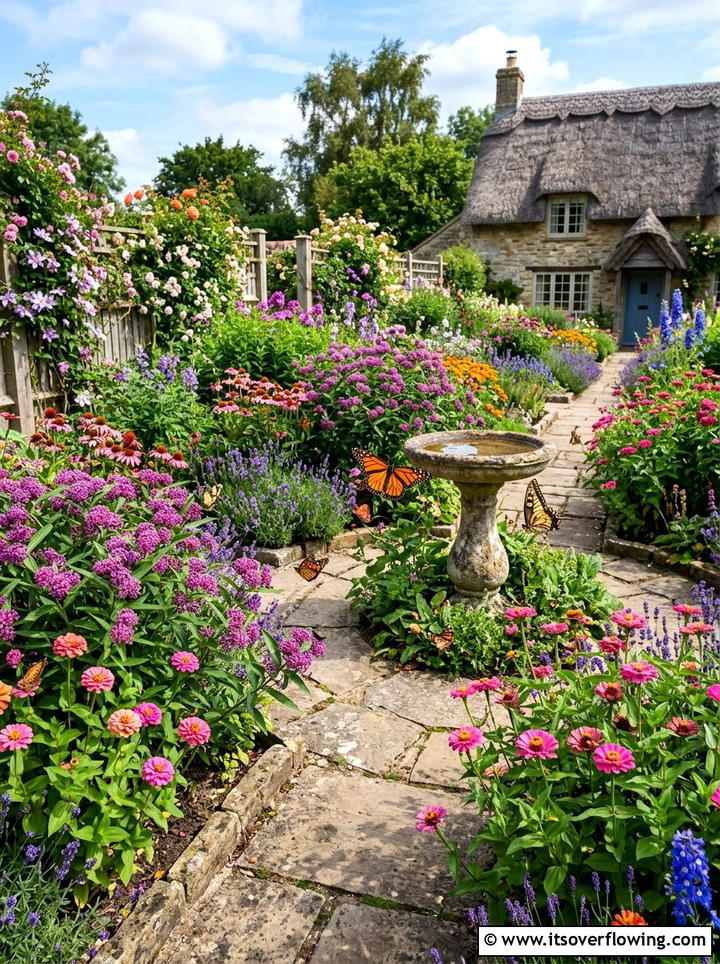
Attracting beautiful pollinators to your yard is both educational and visually stunning for children. You should plant nectar-rich flowers like milkweed, zinnias, and butterfly bush to invite these colorful insects. Watching the life cycle from caterpillar to butterfly provides a firsthand lesson in biology. You can add a small stone birdbath for butterflies to drink from and rest. Including different heights of plants creates a layered look that also provides shelter for the insects. Kids will love using a magnifying glass to inspect the different species that visit their garden. This project fosters a deep respect for wildlife and the environment while adding vibrant color to your outdoor space.
7. Garden Teepee
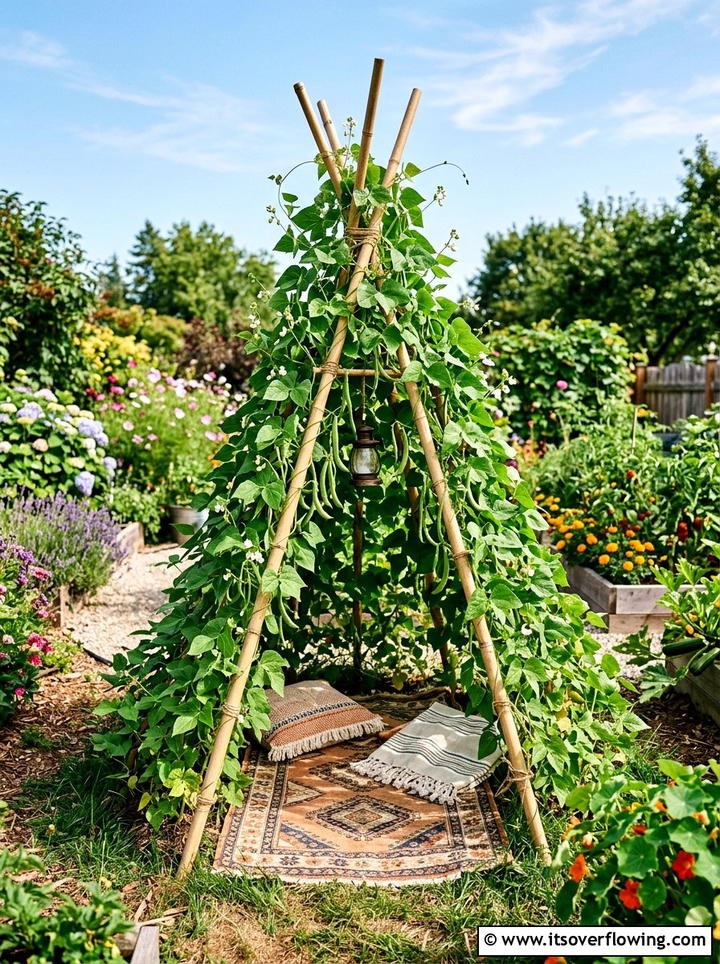
Creating a secret hideout using natural materials is a classic way to encourage imaginative play. You can build a simple frame using bamboo poles or sturdy branches tied together at the top. Planting climbing vines like runner beans or morning glories at the base will eventually cover the structure in lush greenery. This living tent provides a cool, shaded spot for reading or playing during the hot summer months. It blends seamlessly into the landscape and becomes a focal point for the backyard. Children feel a sense of ownership over their private nook. It is an eco-friendly alternative to plastic playhouses that changes beautifully as the plants grow and bloom.


8. Treehouse
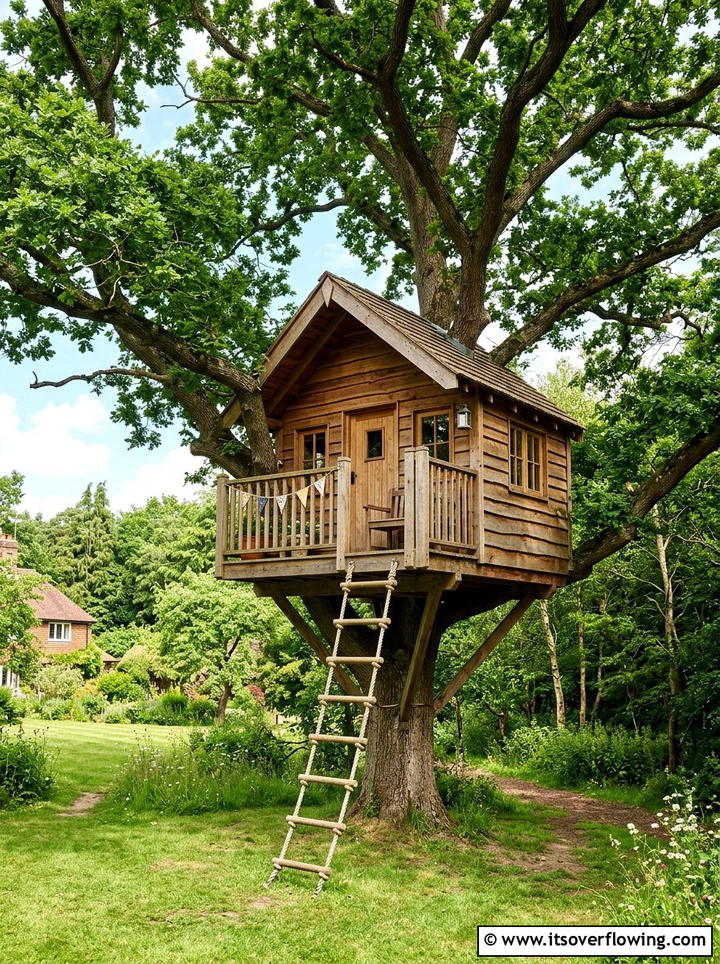
Nothing captures the essence of childhood adventure quite like a sturdy house built among the branches. If you have a mature, healthy tree, you can design a simple platform or a fully enclosed cabin. Safety is the top priority, so ensure the structure is well-supported and has secure railings. A treehouse offers a unique perspective of the garden and a sense of independence for older children. You can add fun features like a rope ladder, a bucket pulley system, or even a small slide. It becomes a central hub for games and a quiet place for kids to hang out with friends. This classic feature adds significant value to any family-friendly backyard.
9. Sandbox
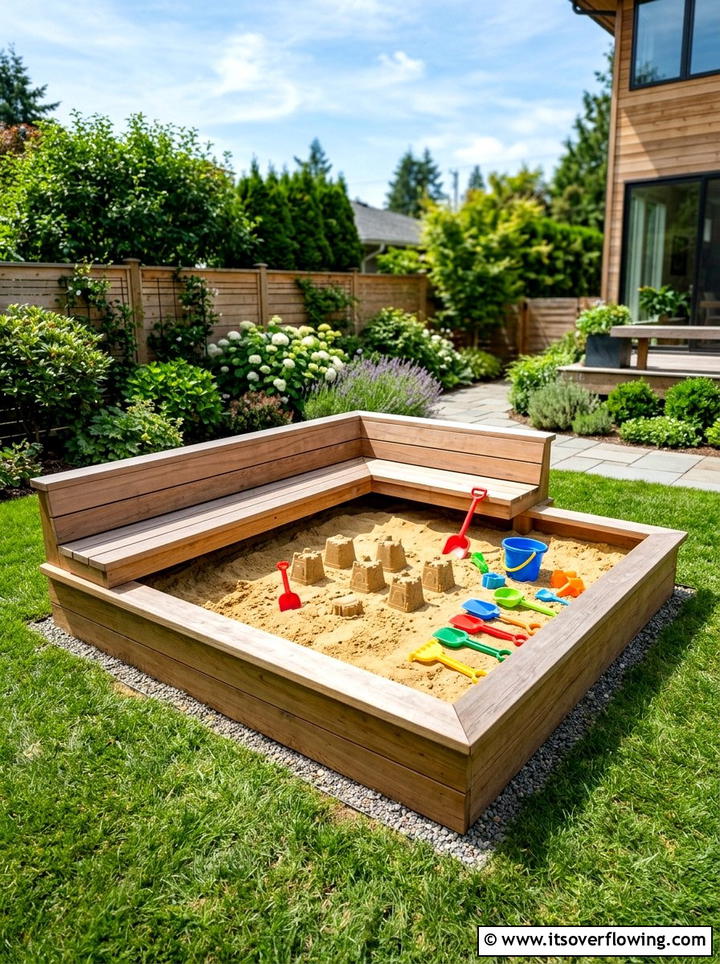
A well-placed sandbox is a timeless addition that provides hours of tactile entertainment for younger children. You can build a wooden frame with built-in seating ledges to keep kids comfortable while they dig and build. Using high-quality play sand ensures it is safe and easy to shape into sandcastles or roads. Adding a lid or cover is essential to keep the sand clean and dry when it is not being used. You can place the sandbox under a shade sail or a large umbrella to protect little ones from the sun. This simple feature encourages cooperative play and helps develop fine motor skills through digging, pouring, and molding activities.
10. Bug Hotel
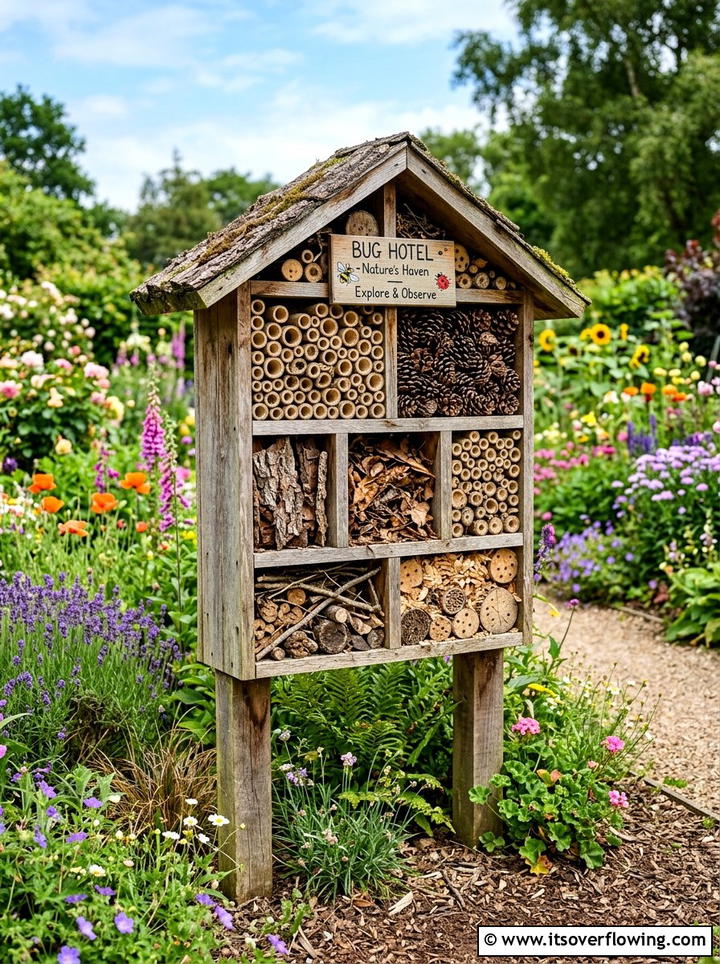
Building a sanctuary for beneficial insects is a fantastic way to teach kids about the backyard ecosystem. You can use a wooden frame and fill it with natural materials like hollow bamboo, pinecones, dry leaves, and bark. This structure provides a safe nesting site for solitary bees, ladybugs, and other helpful bugs. Placing it in a quiet, sunny spot will attract the most inhabitants for children to observe. Kids can help collect the materials from the garden, making it a fun scavenger hunt. It serves as a living laboratory where they can learn about the different roles insects play in pollination and pest control. It is both functional and educational.
11. Giant Garden Games
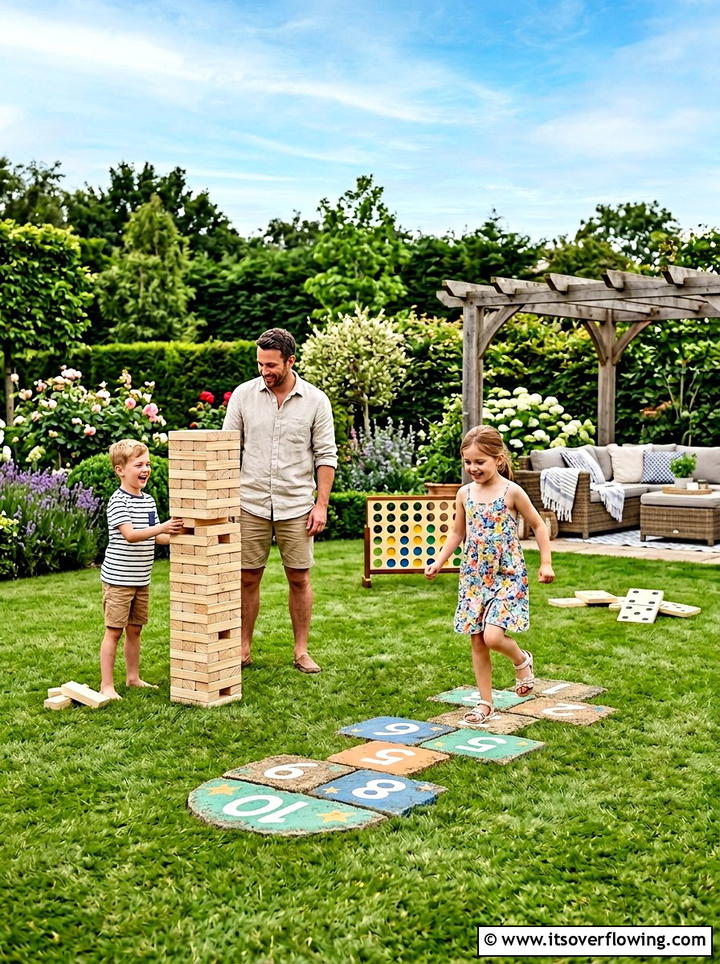
Transforming your lawn into a life-sized game board brings the whole family together for outdoor fun. You can paint large pavers to create a permanent tic-tac-toe grid or a giant hopscotch path. Wooden blocks can be used to make a jumbo-sized tumbling tower game that is perfect for grass. These activities encourage movement and friendly competition in the fresh air. Using bright, weather-resistant paints ensures the games stay vibrant through many seasons of play. It is a great way to utilize large open spaces that might otherwise go unused. These games are easy to store or can be left out as a permanent part of the landscape design for spontaneous play.

12. Sunflower Fort
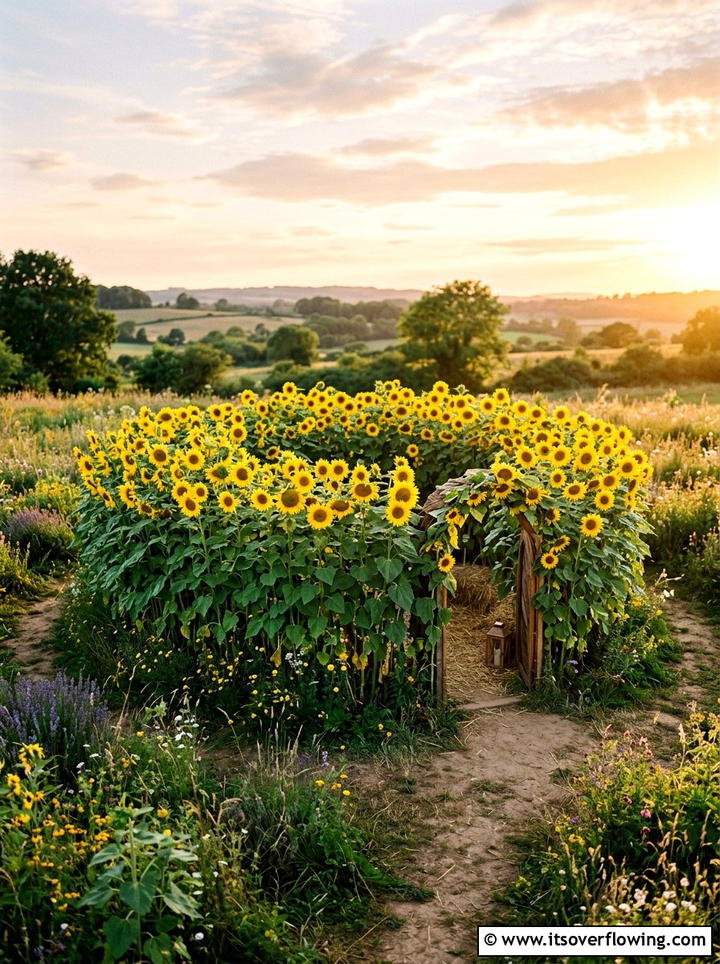
Imagine a room made entirely of towering yellow flowers that follow the sun. You can plant giant sunflower seeds in a large circle or square, leaving a small gap for an entrance. As the sunflowers grow tall, their thick stalks and broad leaves create a natural wall for a secret hideaway. This project is incredibly fast-growing, so children can see the results of their planting in just a few months. The bright flower heads attract birds and bees, adding even more life to the fort. It provides a magical and temporary play space that celebrates the height of summer. Kids will love measuring their growth against the tall, sturdy sunflower stalks.
13. Willow Tunnel
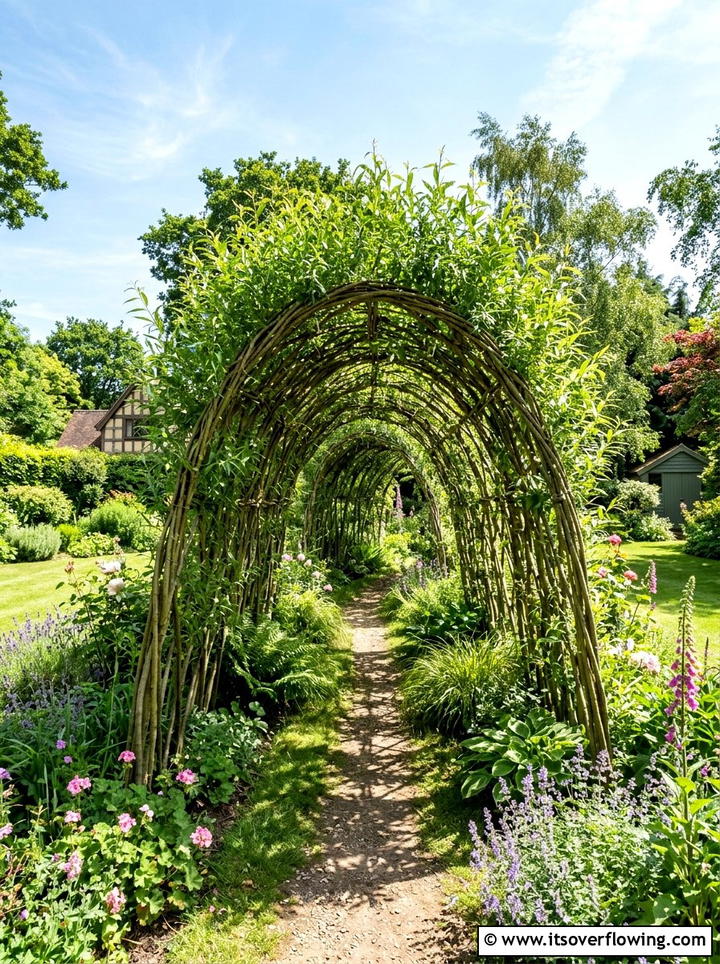
A willow tunnel is a beautiful architectural feature that provides an enchanting passageway through the garden. By planting flexible willow whips in two rows and weaving them together at the top, you create a living structure. Over time, the willow will root and grow leaves, forming a dense green canopy that kids love to run through. This is best planted in the winter or early spring when the whips are dormant. It adds a sense of movement and mystery to the garden layout. Children can use the tunnel as a backdrop for various games or as a shaded walkway. It requires occasional pruning to maintain its shape, making it a long-lasting garden feature.
14. Bird Feeding Station
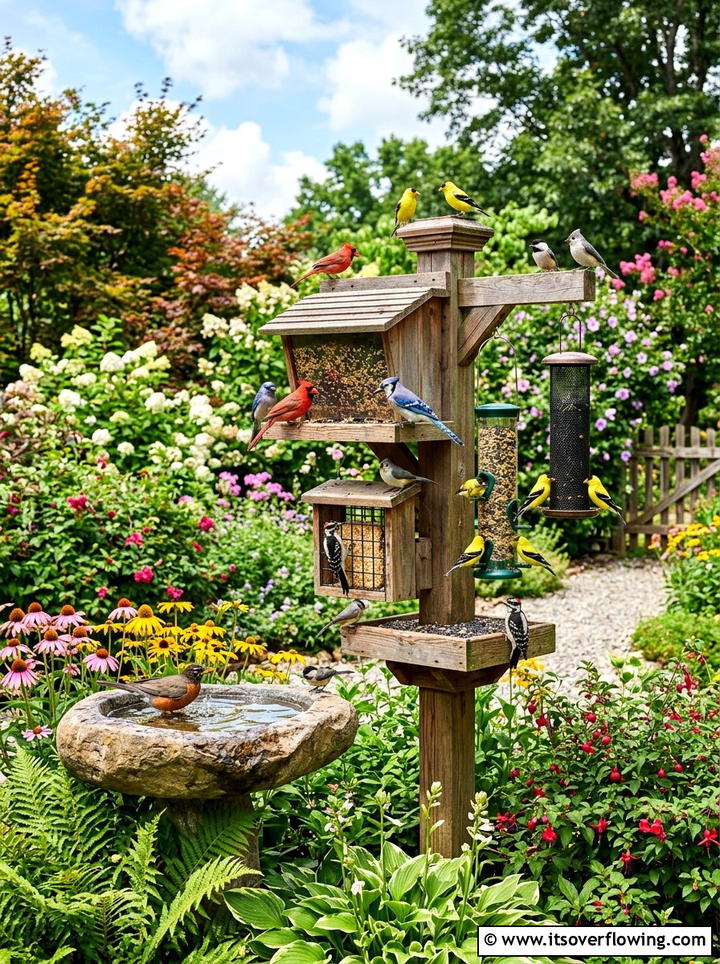
Encouraging birds to visit your yard provides endless entertainment and learning opportunities for children. You can set up a variety of feeders, including suet cages, seed hoppers, and nectar bottles for hummingbirds. Placing the station near a window allows kids to watch the birds from inside during colder months. Providing a clean water source, like a shallow birdbath, is also important for attracting different species. Children can help refill the feeders and learn to identify the various birds that frequent the garden. This project teaches responsibility and helps kids develop an appreciation for local wildlife. It creates a lively and bustling atmosphere that the whole family will enjoy observing together.
15. Rock Painting Station
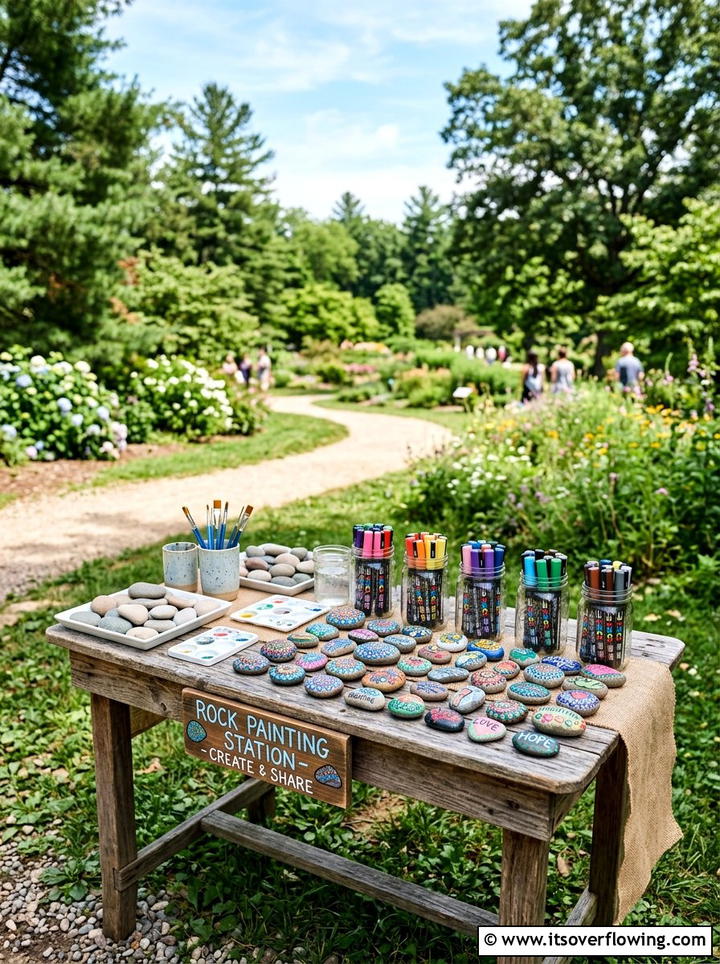
Setting up a dedicated area for stone art is a simple way to combine nature and creativity. You can provide a collection of smooth river stones and a set of waterproof acrylic paints or paint pens. A small table or a flat wooden stump serves as the perfect workbench for little artists. Kids can paint ladybugs, monsters, or inspirational messages to hide around the garden for others to find. This activity encourages them to look closely at the shapes and textures found in nature. The finished rocks add a personal and colorful touch to garden beds or paths. It is a low-cost project that can be enjoyed by children of all ages and skill levels.
16. Garden Stepping Stones
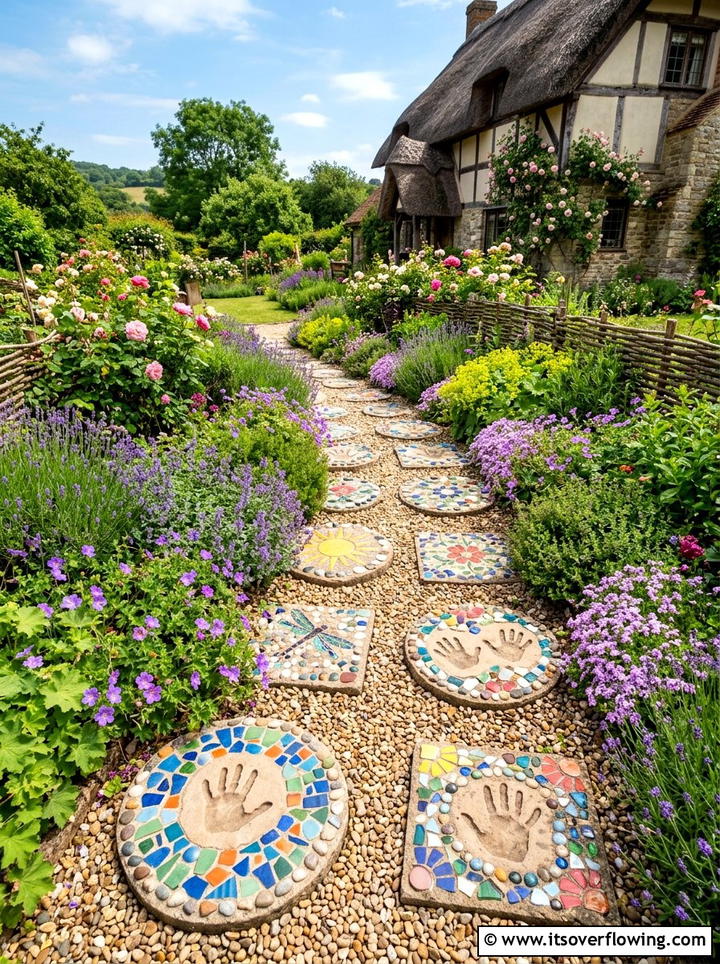
Designing a custom path made of decorated stepping stones adds charm and personality to any walkway. You can buy pre-made concrete stones and let kids decorate them with outdoor paint or glass mosaics. Alternatively, you can mix small batches of concrete and have children press their handprints or leaves into the wet surface. These stones can be used to lead to a secret garden or a play area. It makes navigating the garden more fun and helps define different zones within the backyard. This project creates a permanent record of your child’s growth and creativity that you can cherish for years. It is a functional art piece that enhances the overall garden design.
17. Water Play Station
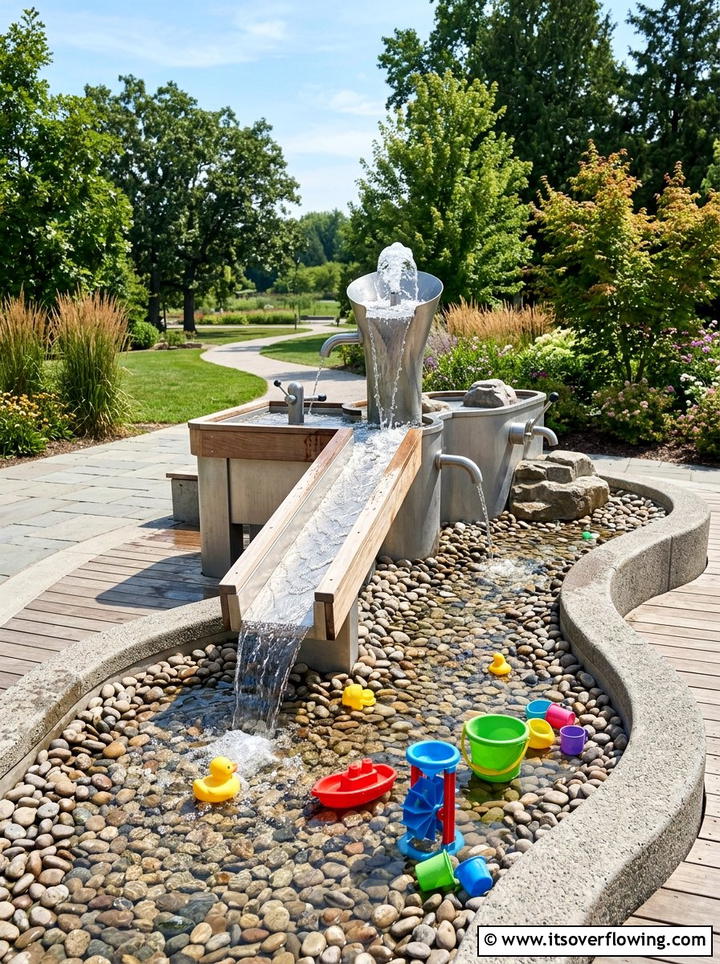
During the hot summer months, a dedicated water play area is a must-have for active kids. You can set up a sturdy water table with various pumps, funnels, and floating toys to keep them engaged. For a more permanent feature, consider a low-profile recirculating fountain where kids can safely touch the water. Adding a few large, smooth stones around the base provides a natural look and a place to sit. This type of play is excellent for cooling down while developing sensory and motor skills. Ensure the area has good drainage to prevent the grass from getting muddy. It becomes a popular gathering spot for playdates and cooling off on sunny afternoons.
18. Kids Potting Bench
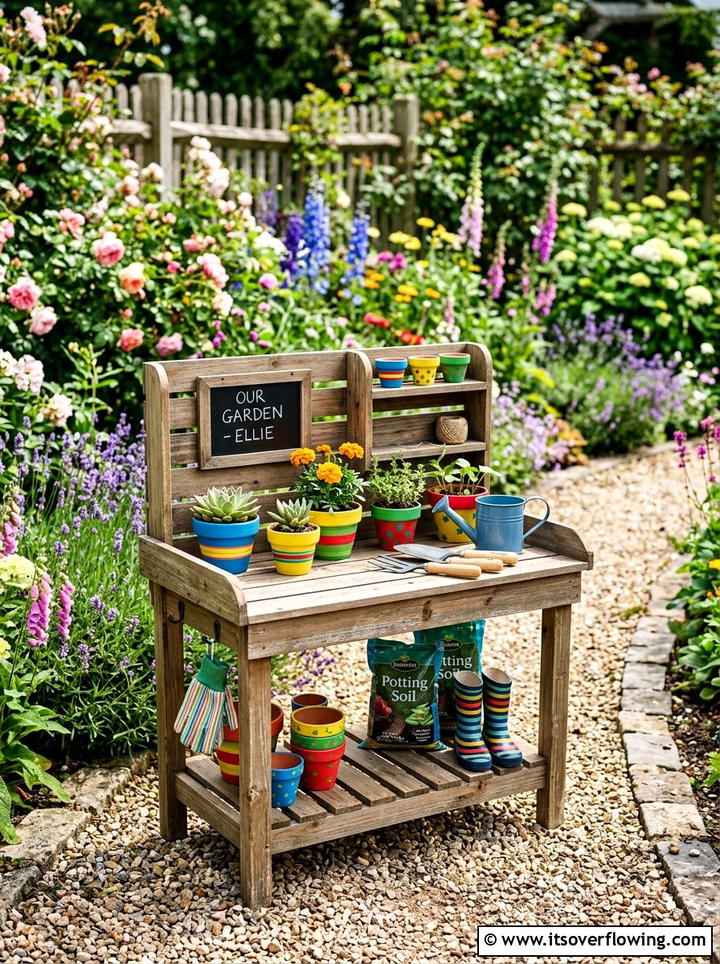
Giving children their own workspace encourages them to take gardening more seriously. A kid-sized potting bench provides a comfortable height for them to plant seeds, repot flowers, or organize their tools. You can equip the bench with small trowels, watering cans, and colorful pots. Having a dedicated spot for their supplies helps teach organization and responsibility. You can place the bench near the vegetable patch or flower beds for easy access. This setup makes them feel like real gardeners and gives them a sense of independence. It is a practical addition that keeps the mess contained in one area while fostering a love for plants and the environment.
19. Tire Swing
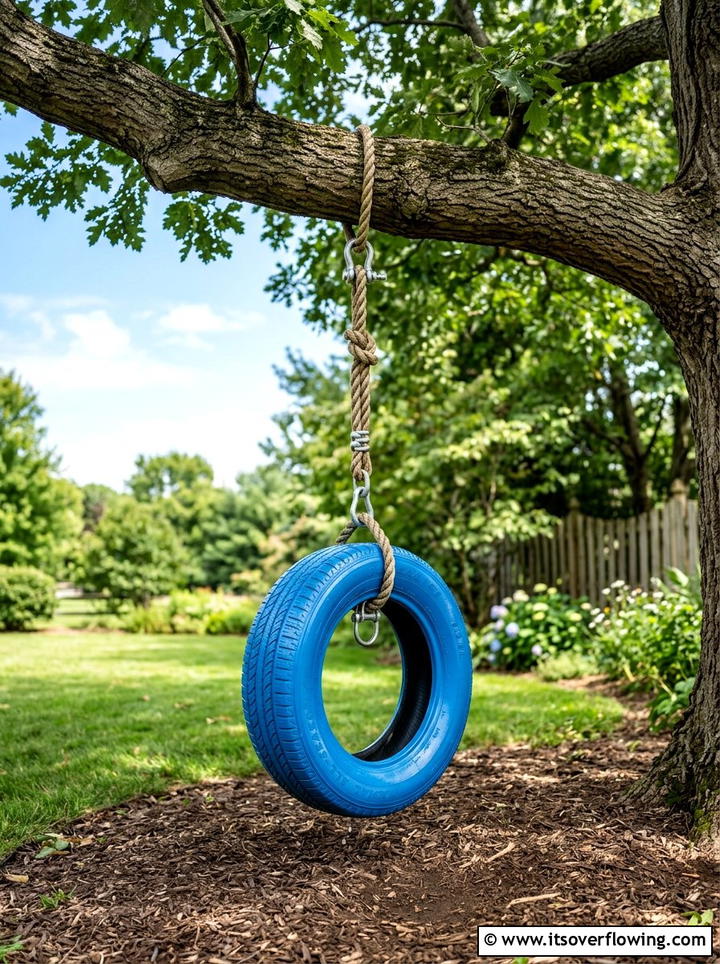
A classic tire swing hanging from a sturdy tree limb offers a nostalgic and fun way to play. You can use a recycled tire, thoroughly cleaned and painted in a bright color, to add a modern touch. Make sure to use heavy-duty rope or chain and a secure swivel attachment for safety. The swing can be hung vertically or horizontally, depending on your child’s preference. It provides a great way for kids to develop balance and coordination while enjoying the breeze. Placing it over a soft landing surface like grass or mulch is essential. This simple addition provides endless joy and becomes a favorite spot for burning off energy in the backyard.
20. Pallet Playhouse
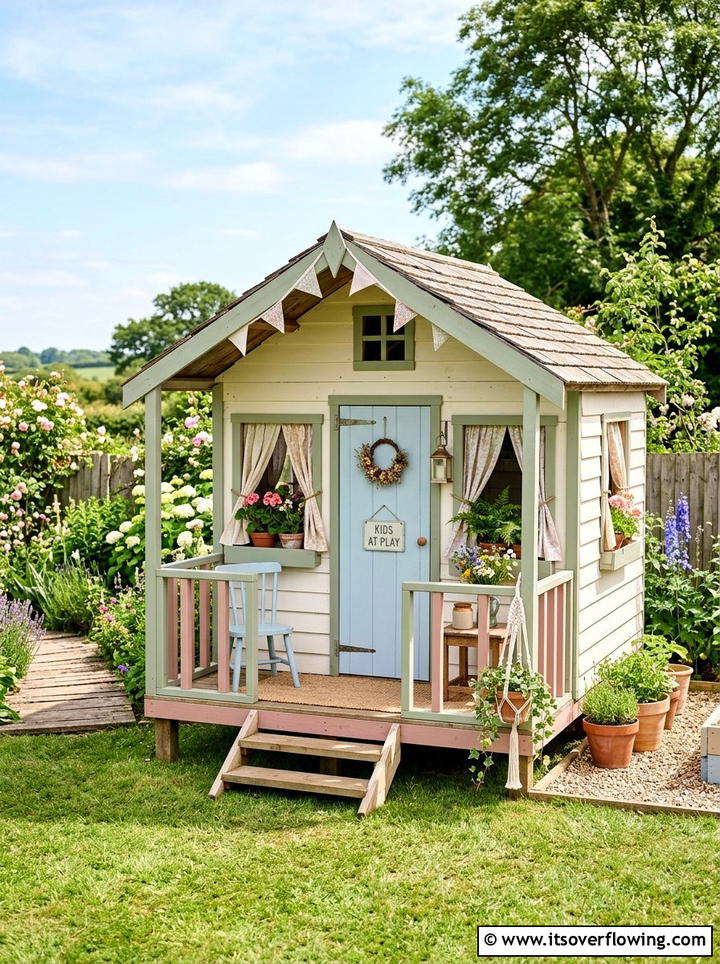
Building a small house out of recycled wooden pallets is an affordable and eco-friendly project. You can design a simple four-wall structure with a roof to create a cozy hideout for children. Painting the pallets in fun colors or adding outdoor curtains can make it feel more inviting. Inside, you can add a small rug and some cushions for a comfortable reading nook. This project is highly customizable and can be expanded as your children grow. It encourages imaginative play and provides a sense of privacy. Using pallets is a sustainable way to build a play structure that blends well with a rustic or natural garden aesthetic.
21. Outdoor Music Wall
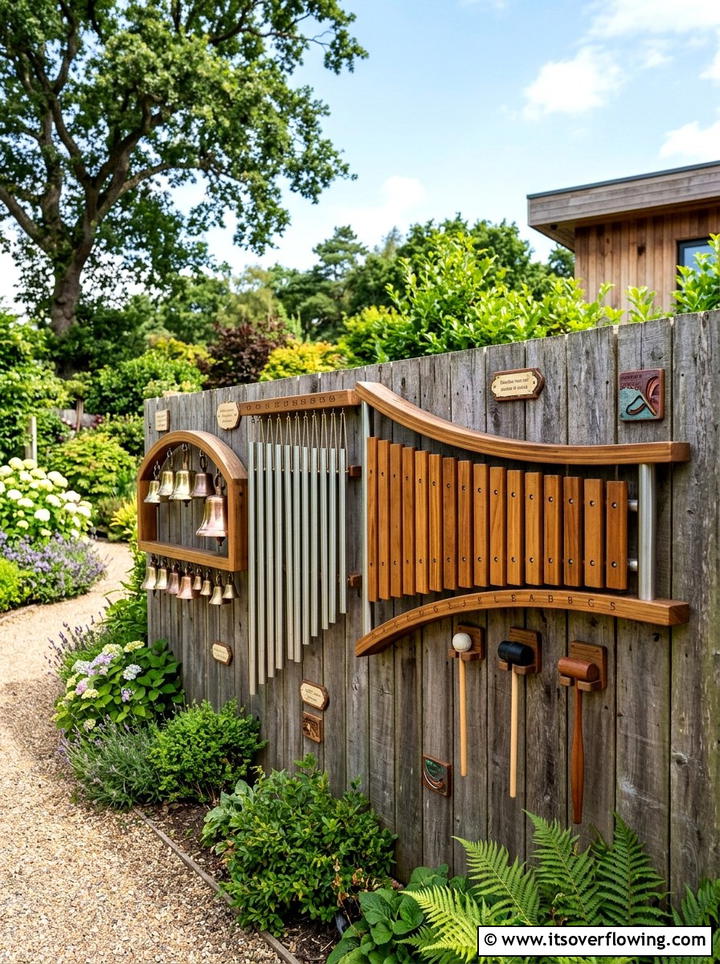
Creating a sensory experience through sound is easy with a custom-built music wall. You can attach various items like old metal pot lids, wooden spoons, PVC pipes, and bells to a wooden frame or fence. Providing mallets or sticks allows children to experiment with different tones and rhythms. This interactive feature encourages creative expression and auditory development in a fun, outdoor setting. It is best placed away from the house to allow for louder play without disturbance. Using recycled household items makes this an inexpensive and unique project. Your children will love conducting their own backyard concerts for family and friends while enjoying the fresh air and sunshine.
22. Garden Hammock
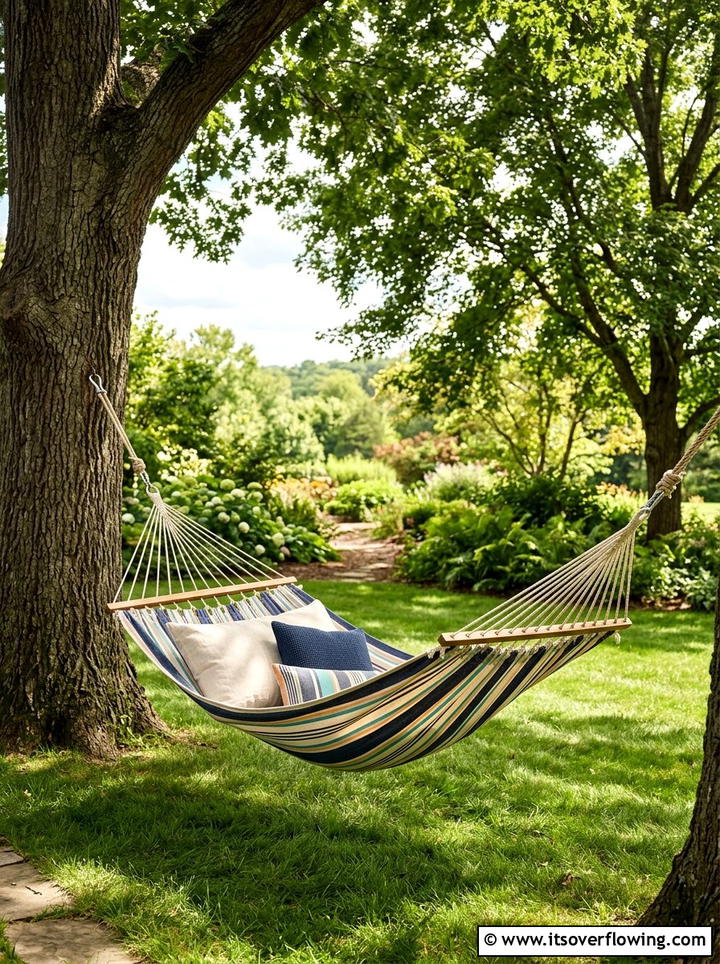
A garden hammock provides the perfect spot for relaxation and quiet time amidst the greenery. You can hang a colorful fabric or rope hammock between two sturdy trees or use a freestanding metal frame. This creates a cozy place for kids to read books, take a nap, or simply watch the clouds drift by. It adds a peaceful, resort-like feel to your backyard that the whole family can enjoy. Ensure the hammock is hung at a safe height for children to get in and out easily. Adding some weather-resistant pillows makes it even more comfortable. It is a simple way to encourage downtime and appreciation for the natural surroundings.
23. Gnome Garden
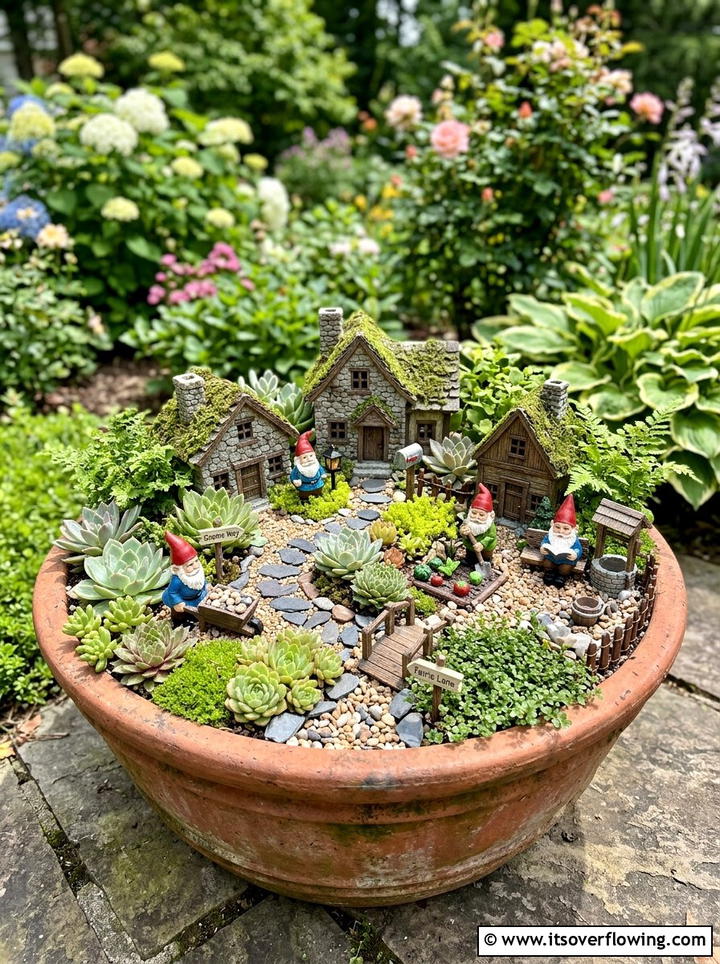
Similar to a fairy garden, a gnome garden focuses on creating a miniature village for woodland characters. You can use small terra cotta pots, flat stones, and moss to build tiny homes and pathways. Adding miniature gnome figurines, small bridges, and tiny garden tools brings the scene to life. This project works well in a shaded garden bed or a large planter on a patio. Children enjoy the storytelling aspect and can spend hours moving the characters around their little world. It is a great way to introduce kids to gardening on a small, manageable scale. The tiny details spark imagination and make every visit to the garden an adventure.
24. Outdoor Art Station
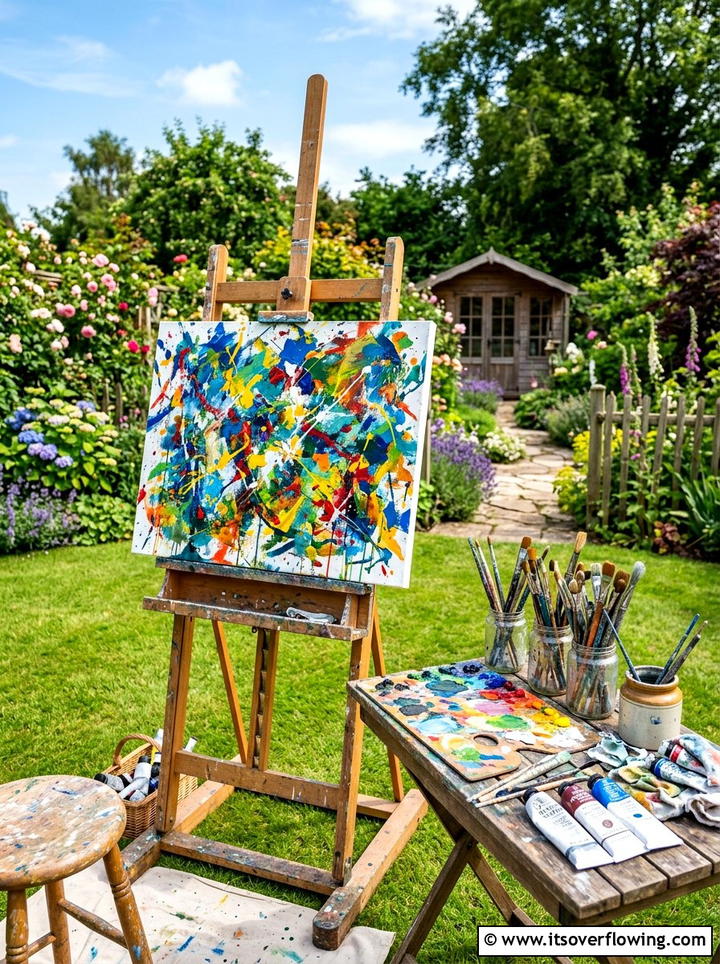
Setting up an outdoor art station allows for messy creative projects that are better suited for the backyard. You can install a sturdy easel or a large wooden table where kids can paint, sculpt with clay, or do crafts. Providing plenty of natural materials like leaves, twigs, and seeds encourages them to incorporate nature into their art. Having a dedicated space means they can leave their projects to dry without cluttering the house. Use weather-resistant storage bins to keep supplies organized and protected from the elements. This setup fosters a love for art and nature simultaneously. It is a wonderful way to spend a quiet afternoon together in the fresh air.
25. Climbing Wall For Kids
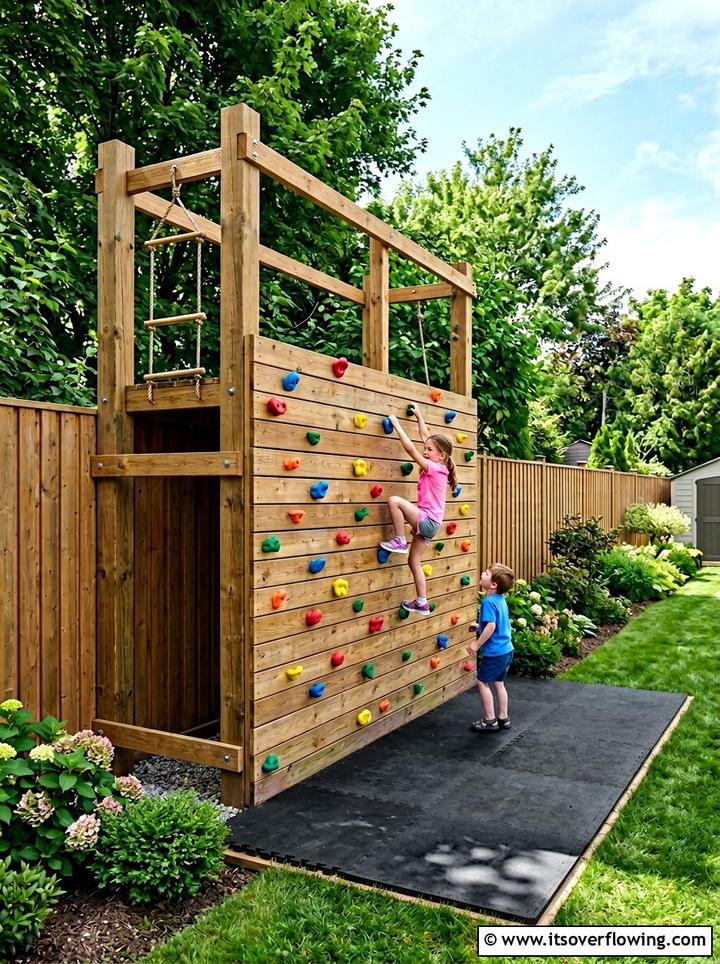
Installing a climbing wall on a sturdy fence or a dedicated wooden frame provides a great physical challenge. This feature helps kids build upper body strength and coordination right in their own backyard. You can use colorful climbing holds to create different paths with varying levels of difficulty. Make sure to place a thick layer of mulch or rubber mats at the base for safety. The wall can be painted to match the rest of your garden’s aesthetic or left natural for a rustic look. It is an excellent way to keep active children engaged while helping them develop confidence and problem-solving skills as they find their way to the top.
Conclusion:
Bringing these creative ideas to your backyard will transform how your family spends time outdoors. Each project offers a unique way for children to connect with nature and express their imagination. Whether you start small with a bird feeder or go big with a treehouse, the benefits for your child’s development are immense. A garden designed for kids is more than just a play area; it is a living classroom and a sanctuary for exploration. As the seasons change, these spaces will continue to provide joy and learning opportunities for years to come. Start building your dream kid-friendly garden today and watch your children’s curiosity truly bloom.

Related posts:
 25 garden ideas for pets: Safe, Fun Outdoor Spaces
 25 creative garden ideas with pet friendly plants for Safe Yards
 25 small garden ideas with pet friendly plants for Safe Style
 25 Creative Garden Ideas With Kids Garden Zone
 25 Garden Design Ideas for Play Areas Kids Will Love
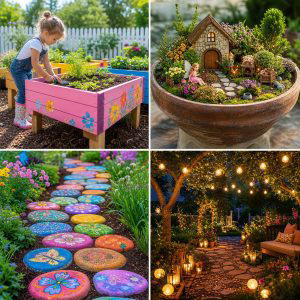 25 Small Garden Ideas With Kids Corner for Family Fun Outdoors
 25 creative garden ideas with outdoor dining spaces for Hosting
 25 creative garden ideas with outdoor reading spaces to Love
 25 Garden Design Ideas With Symmetry for Elegant Outdoor Spaces
 25 Garden Ideas for Balconies to Maximize Small Outdoor Spaces
 25 Garden Ideas With Arbors for Charming Outdoor Spaces
 25 garden ideas with herbs for Fresh, Fragrant Outdoor Spaces