
Creating a peaceful sanctuary in your backyard starts with understanding the core principles of Japanese design and mindfulness. A zen space isn’t just about aesthetics; it is about fostering a deep sense of tranquility and connection with nature through intentional layout and material choices. Many homeowners look for ways to escape the daily stresses of life by incorporating minimalist elements like sand, water, and stone. By focusing on balance and simplicity, you can transform even a small patio or a sprawling backyard into a meditative retreat. These concepts emphasize the beauty of imperfection and the importance of negative space in landscaping. Let’s explore how various textures, plant selections, and architectural features work together to build a harmonious environment for relaxation and reflection in your own home garden.
1. Japanese Rock Garden
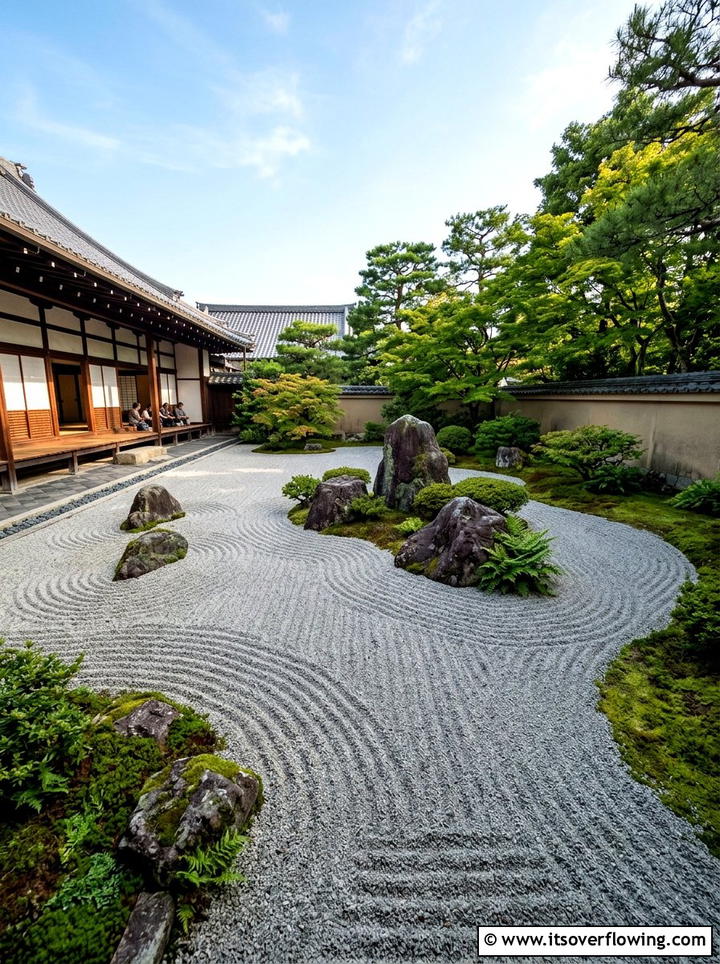
A traditional rock garden serves as the cornerstone of many zen landscapes, emphasizing the beauty of natural stone and minimalist placement. You can start by selecting several large, weathered boulders that represent mountains or islands within a larger sea of fine gravel. The arrangement should feel organic yet intentional, often following a triangular grouping pattern to create visual stability and peace. This style of landscaping requires very little maintenance once established, making it a perfect choice for those who prefer a clean, uncluttered outdoor environment. Surrounding these rocks with carefully raked sand helps to simulate the movement of water. This specific design encourages deep contemplation and serves as a striking focal point for any quiet corner of your property where you seek stillness.
2. Bamboo Privacy Screen
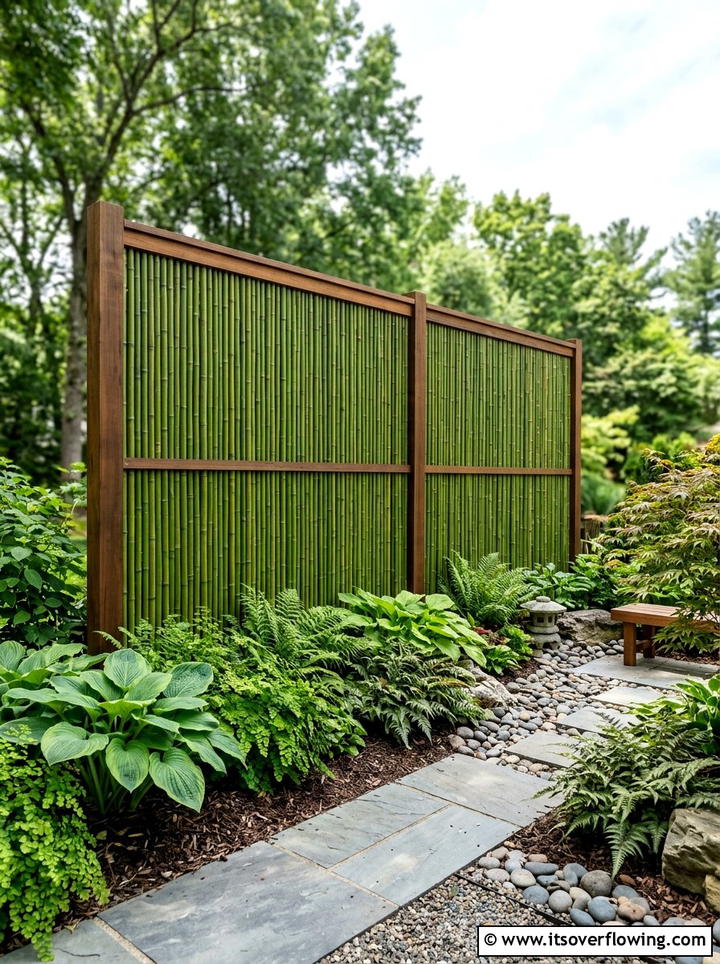
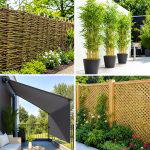
Privacy is essential when you are trying to cultivate a truly quiet and secluded atmosphere for your daily meditation or relaxation. Installing a tall bamboo screen provides an organic alternative to traditional wooden fences or cold concrete walls while adding a lovely texture. The vertical lines of the bamboo stalks draw the eye upward, creating a sense of height and enclosure without making the space feel cramped. You will appreciate the gentle rustling sound the leaves make when a soft breeze passes through the garden, adding a subtle auditory layer to your experience. These screens are excellent for blocking out noisy neighbors or unsightly views of the surrounding neighborhood. They also serve as a beautiful backdrop for shorter green plants or stone statues positioned in front of them for better contrast.
3. Sand Raking Pattern
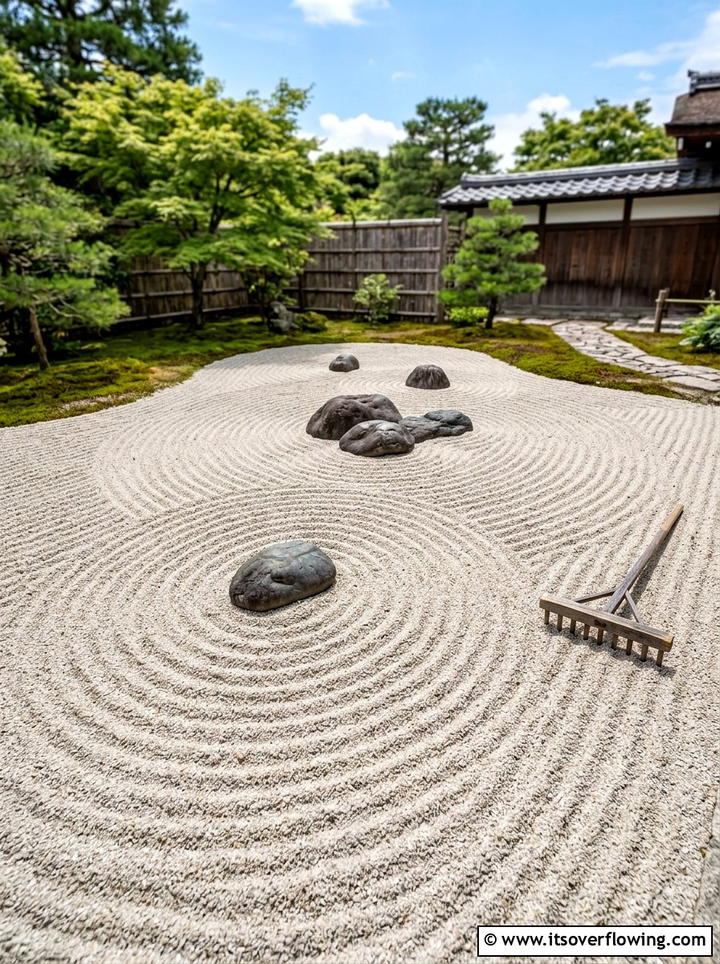
The act of raking sand into intricate patterns is a meditative practice that brings a sense of order and rhythm to your zen space. You should choose a fine, light-colored sand or crushed granite that holds its shape well even after a light rain or wind. Using a wooden rake, you can create circular ripples around stones or long straight lines that represent the flow of a calm river. This design element provides a dynamic quality to the garden, as the patterns can be changed whenever you feel the need for a fresh perspective. It requires a dedicated area where foot traffic is minimal to keep the designs crisp and clear for viewing. The visual simplicity of these patterns helps to clear the mind and focus your attention on the present moment.
4. Stone Water Basin
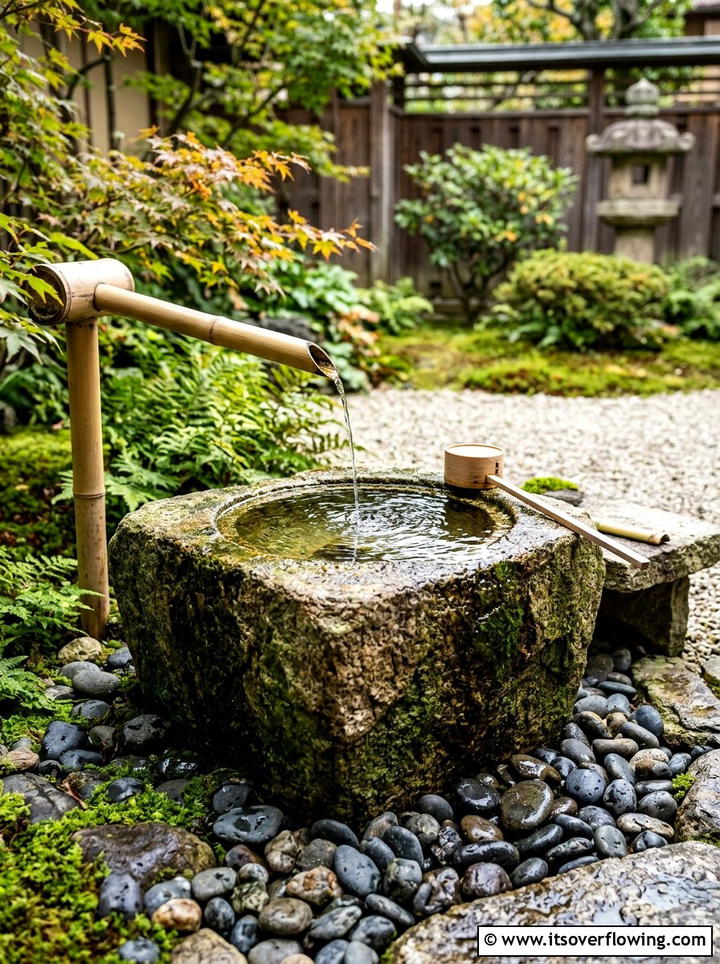
Incorporating a stone water basin, known as a tsukubai, introduces the soothing element of water into your garden in a subtle way. Traditionally used for ritual purification, these basins now serve as a beautiful centerpiece that attracts local birds and provides a soft reflecting surface. You can pair the basin with a simple bamboo spout that slowly drips water, creating a rhythmic and calming sound that masks distant traffic noise. Surround the base with smooth river stones or lush green moss to ground the feature and make it look like a natural part of the terrain. The presence of water brings a cooling effect to the air and adds a sense of life to the otherwise still landscape. This feature works beautifully in small courtyard spaces or near an entryway.
5. Moss Ground Cover
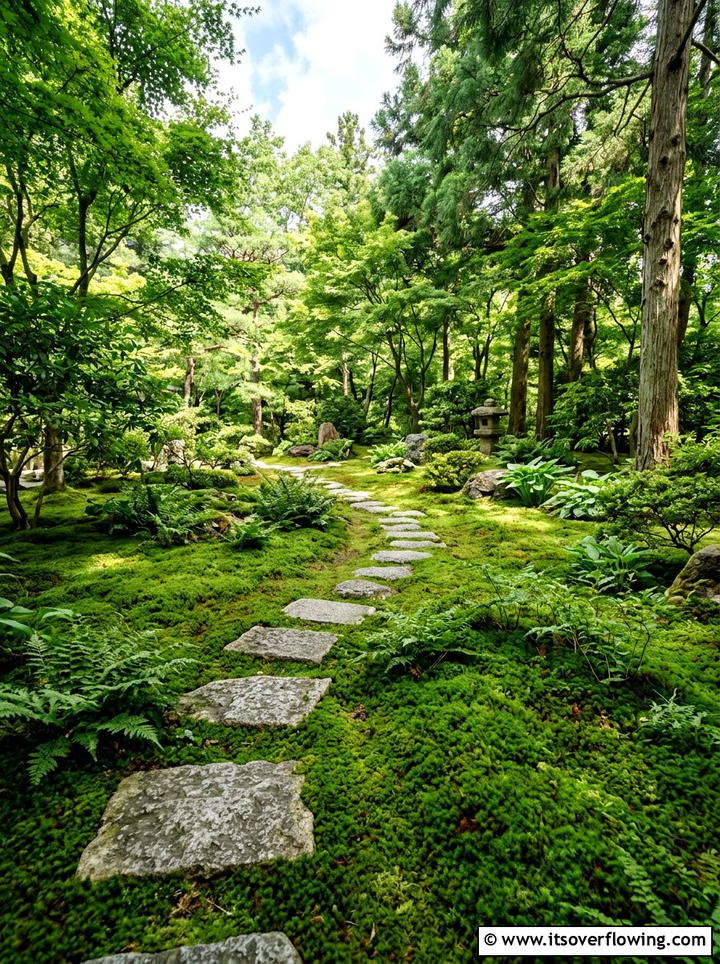
Using moss as a ground cover creates a lush, velvet-like carpet that feels incredibly soft underfoot and looks vibrant throughout the year. It thrives in shaded areas where traditional grass might struggle to grow, making it ideal for gardens with many overhanging trees or structures. The deep green color of the moss provides a stunning contrast against gray stones and light-colored sand, enhancing the overall color palette. You will find that moss requires consistent moisture but very little pruning, allowing it to maintain a natural and slightly wild appearance. This low-growing plant helps to soften the hard edges of rocks and pathways, contributing to a sense of ancient permanence in the landscape. It creates a tranquil atmosphere that feels like a hidden forest floor tucked away in your backyard.
6. Minimalist Garden Bench
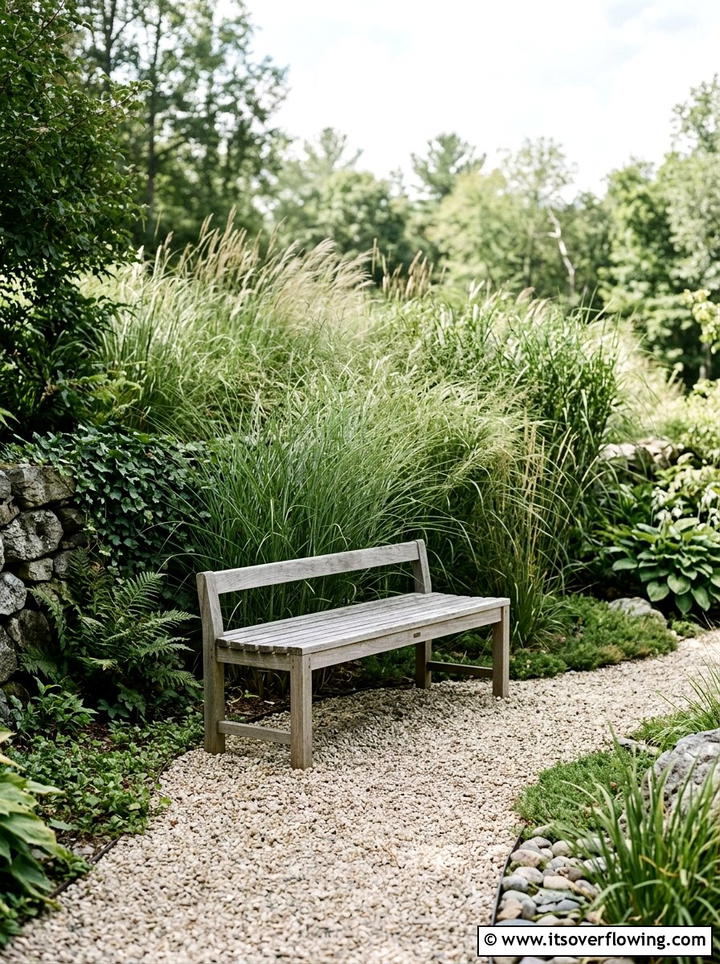
A simple garden bench offers a dedicated place to sit and soak in the beauty of your surroundings without any unnecessary distractions. Choose a bench made from natural materials like weathered wood or solid stone to ensure it blends seamlessly with the environment. The design should be clean and functional, avoiding ornate carvings or bright colors that might disrupt the peaceful vibe of the area. Placing the bench at the end of a path or overlooking a water feature invites you to pause and practice mindfulness for a few minutes each day. You want the seating to feel like a natural extension of the garden rather than an afterthought. This functional element encourages you to actually spend time in your outdoor sanctuary rather than just looking at it from inside.
7. Stepping Stone Path
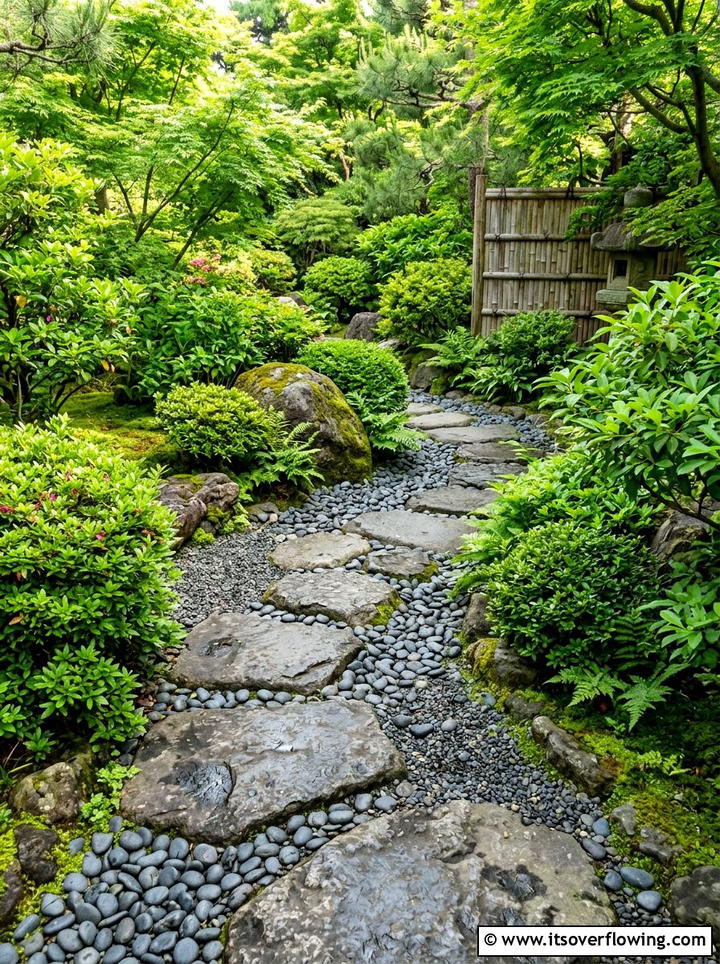
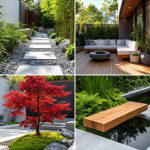
Creating a path with large, flat stepping stones guides visitors through the garden at a slow and deliberate pace, which is key for zen. Each stone should be placed with enough space between them to require a mindful step, encouraging the walker to pay attention to their movement. You can use irregular shapes for a more naturalistic look or uniform rectangular slabs for a modern, architectural feel that fits a contemporary home. Filling the gaps between the stones with small pebbles or creeping ground cover adds texture and prevents the path from looking too sterile. A winding path creates a sense of mystery, as it obscures what lies ahead and makes the garden feel larger than it actually is. It serves as both a practical walkway and a beautiful design feature.
8. Vertical Bamboo Fountain
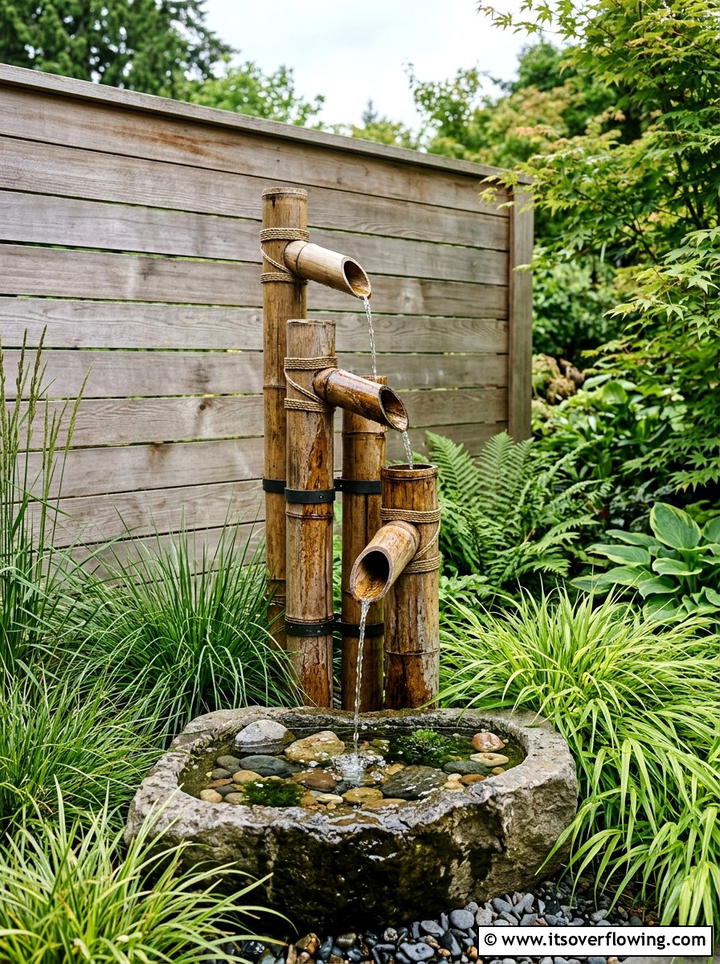
A vertical bamboo fountain provides a unique focal point while introducing the refreshing sound of moving water into your outdoor meditation zone. Unlike large waterfalls, these small fountains are discreet and fit perfectly into tight corners or against a privacy wall for a clean look. The bamboo pipes offer a warm, natural aesthetic that complements the surrounding greenery and stone elements found in a typical zen layout. You can easily find solar-powered versions that are simple to install and environmentally friendly, requiring no complex electrical wiring for the setup. The constant flow of water helps to circulate oxygen if you have a small pond nearby, keeping the ecosystem healthy. This feature brings a sense of movement and vitality to the space, ensuring it never feels stagnant or dull.
9. Dry Creek Bed
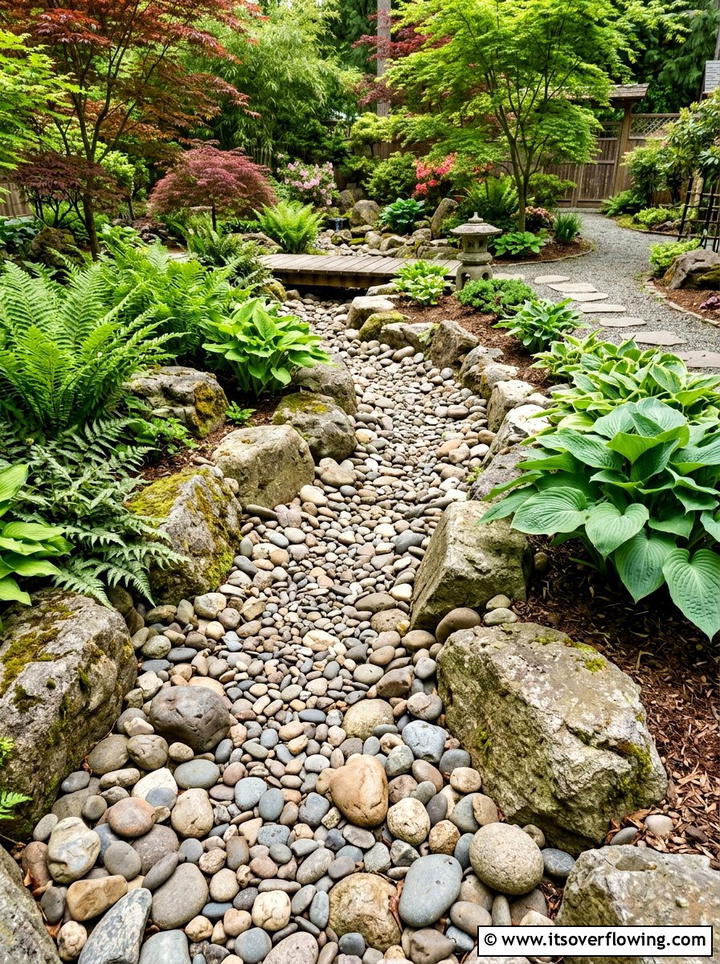
Designing a dry creek bed allows you to mimic the appearance of a winding stream without the maintenance required for an actual water feature. You can achieve this look by using a variety of smooth river rocks in different sizes to create a natural-looking flow through your yard. Larger boulders can be placed along the “banks” to provide structure and hold back the surrounding soil or mulch for a tidy appearance. During a rainstorm, the creek bed serves a functional purpose by directing excess water away from your home’s foundation and into the ground. When it is dry, the stones provide a beautiful textural element that contrasts with soft plants like ornamental grasses or ferns. This is an excellent solution for sloped areas where growing grass might be difficult.
10. Japanese Maple Tree
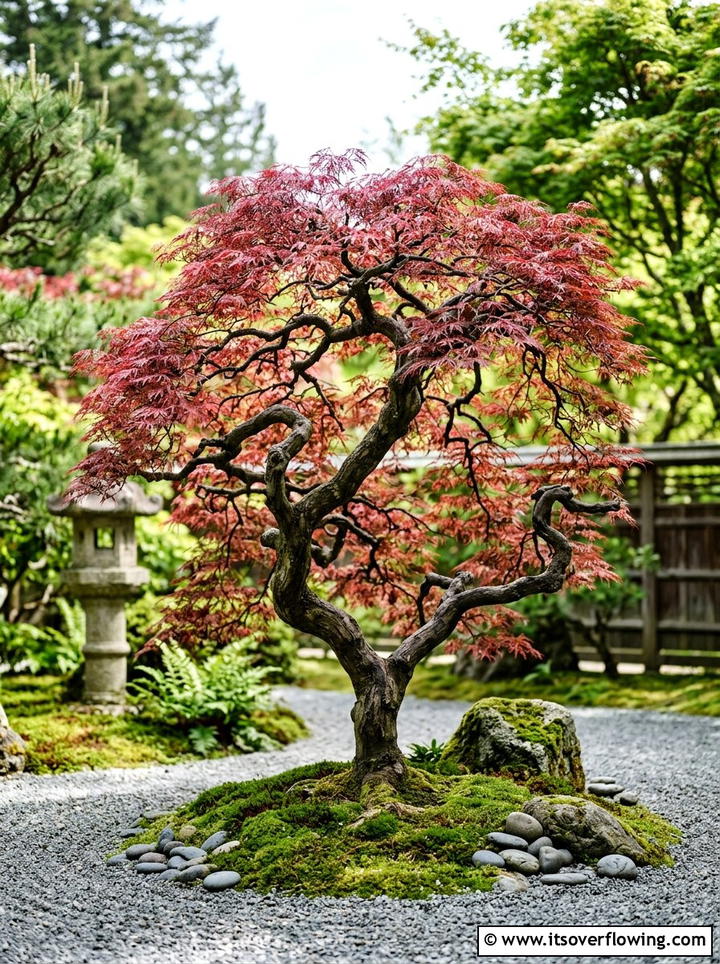
The Japanese Maple is a quintessential choice for any zen-inspired garden due to its elegant structure and stunning seasonal color changes in the fall. These trees often feature delicate, lace-like leaves that create a soft canopy, casting beautiful shadows across the ground or nearby stone walls. You can find varieties that stay quite small, making them suitable for containers on a patio or as a focal point in a tiny courtyard. Their sculptural branches look just as beautiful in the winter when the leaves are gone, providing year-round visual interest for your landscape. Planting a maple near a water basin or a large rock creates a classic scene that feels balanced and grounded in nature. It adds a touch of sophistication and grace that enhances the overall peacefulness of the space.
11. Zen Meditation Deck
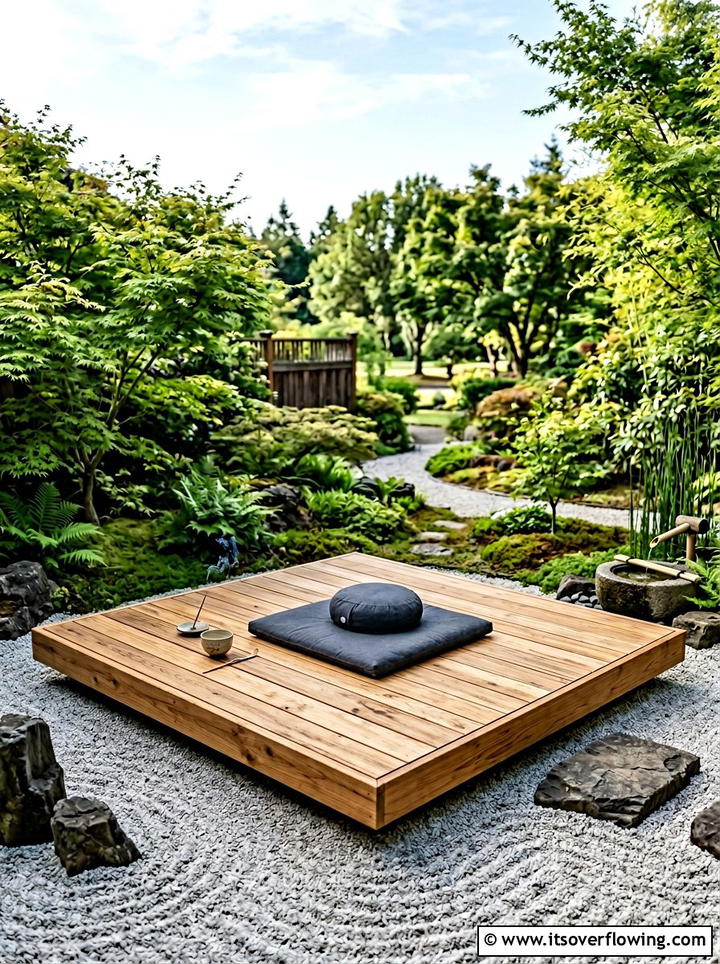
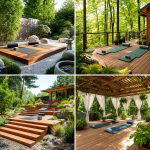
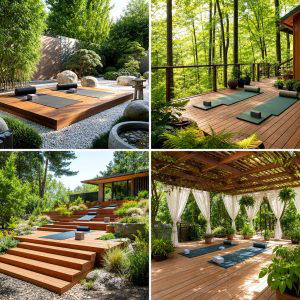
Building a low-profile wooden deck provides a clean and level surface where you can practice yoga or sit comfortably for morning meditation sessions. Using natural materials like cedar or redwood ensures the structure feels connected to the earth while offering durability against the various outdoor elements. The deck should be kept simple, with minimal furniture to maintain a sense of openness and freedom within the designated relaxation area. You might consider surrounding the deck with tall grasses or a small rock garden to create a sense of enclosure and privacy. Having a dedicated space for quiet reflection helps to reinforce the habit of taking time for yourself amidst a busy schedule. This structural addition acts as a bridge between your indoor living space and the natural beauty of the backyard garden.
12. Gravel Courtyard
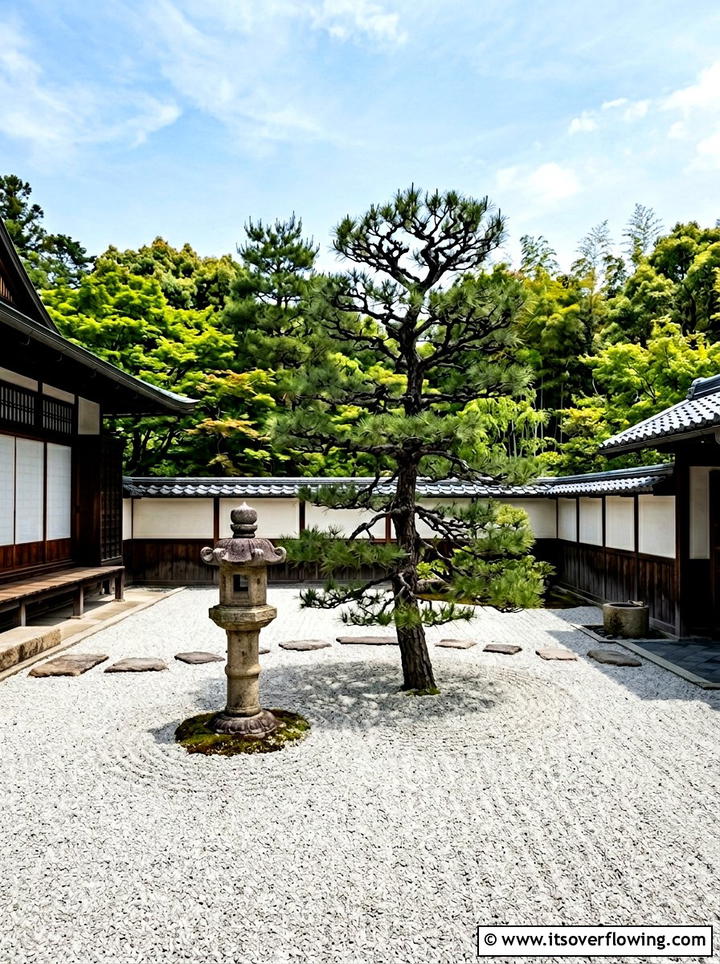
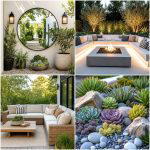
A gravel courtyard is a versatile and low-maintenance option for creating an expansive, open area that feels both modern and deeply traditional. The crunch of the gravel under your feet provides a sensory experience that grounds you in the moment as you walk across the space. You can choose from various colors and sizes of stone, ranging from bright white pebbles to dark charcoal chips, depending on your style. This type of flooring allows for excellent drainage and prevents mud from forming during the rainy seasons, keeping your garden looking tidy. To keep the courtyard from looking too bare, you can place a single specimen tree or a large stone lantern in the center. It serves as a flexible area for quiet contemplation or for hosting small, peaceful gatherings with your close friends.
13. Moon Gate Arch
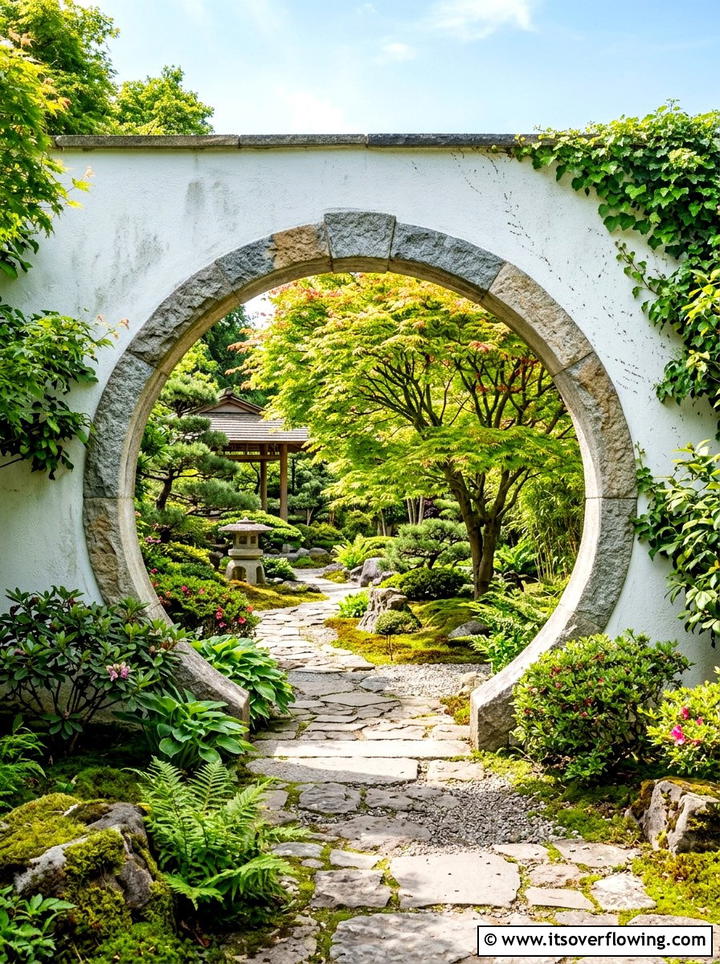
A moon gate is a traditional circular opening in a garden wall that serves as a symbolic entrance into a different realm of peace. This architectural feature creates a stunning visual frame for the landscape beyond, drawing the eye toward a specific tree, statue, or view. It breaks up the linear lines of a fence or wall, adding a sense of softness and flow to the overall garden design. You can construct a moon gate using stone, brick, or even wood, depending on the existing materials used throughout your property. Walking through the gate feels like a transition from the chaotic world into your private sanctuary, helping to shift your mindset immediately. It adds a touch of mystery and elegance that makes your zen space feel truly unique and thoughtfully designed for relaxation.
14. Outdoor Incense Burner
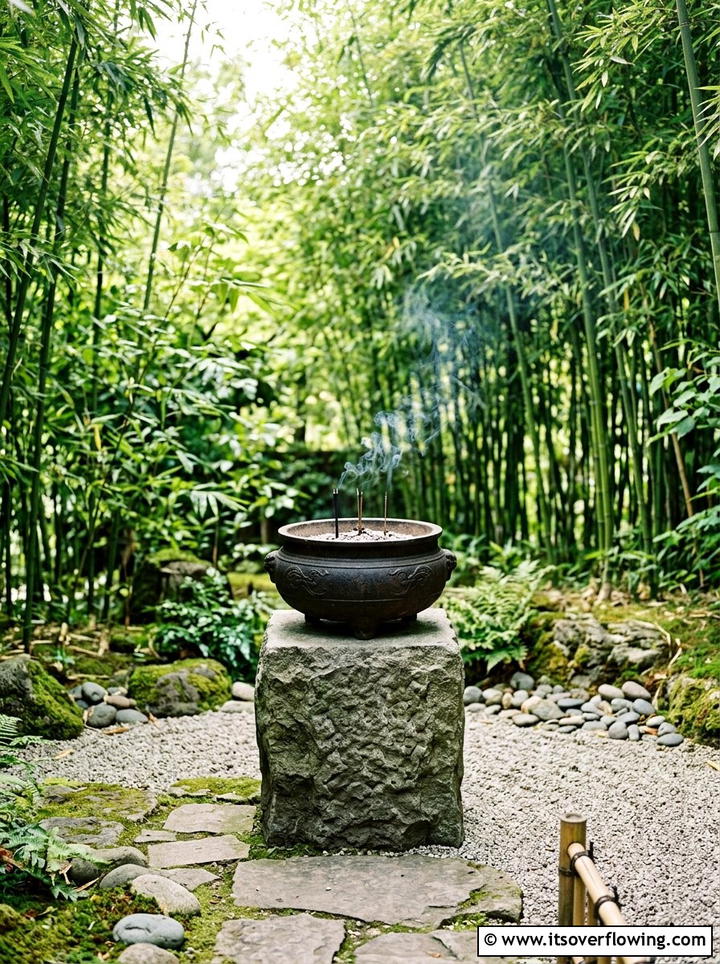
Adding an outdoor incense burner introduces a powerful sensory element that can help to deepen your state of relaxation during outdoor meditation sessions. Choose a burner made from heavy stone or cast iron that can withstand the wind and match the rustic aesthetic of the garden. The gentle scent of sandalwood or lavender wafting through the air creates a calming atmosphere that masks unpleasant odors from the street or city. You can place the burner on a small stone plinth or near your favorite seating area to ensure the fragrance is always close by. Watching the smoke curl upward into the air provides a visual focus that can help to quiet a busy or distracted mind. This simple addition transforms a regular garden into a multi-sensory retreat that engages the nose as well as the eyes.
15. Stone Lantern Lighting
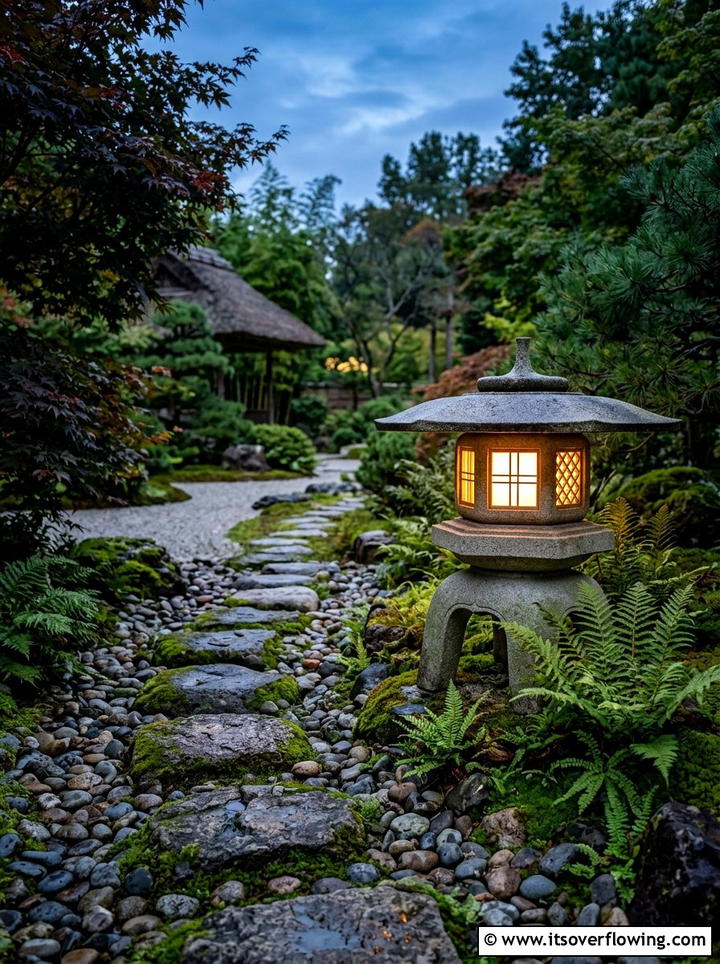
Traditional stone lanterns, or yukimi-gata, provide a soft and ambient glow that allows you to enjoy your zen garden even after the sun sets. These lanterns were historically used to guide visitors along paths, but now they serve as iconic decorative pieces that anchor the landscape. Instead of bright floodlights, use low-wattage bulbs or small candles inside the lanterns to create a subtle and mysterious lighting effect throughout the space. Placing a lantern near a water feature or at the bend of a path adds a sense of depth and highlights specific textures. The heavy stone construction ensures they are durable and will weather beautifully over time, gaining a patina that adds to their charm. They create a serene evening atmosphere that is perfect for late-night walks or quiet conversations under the stars.
16. Koi Fish Pond
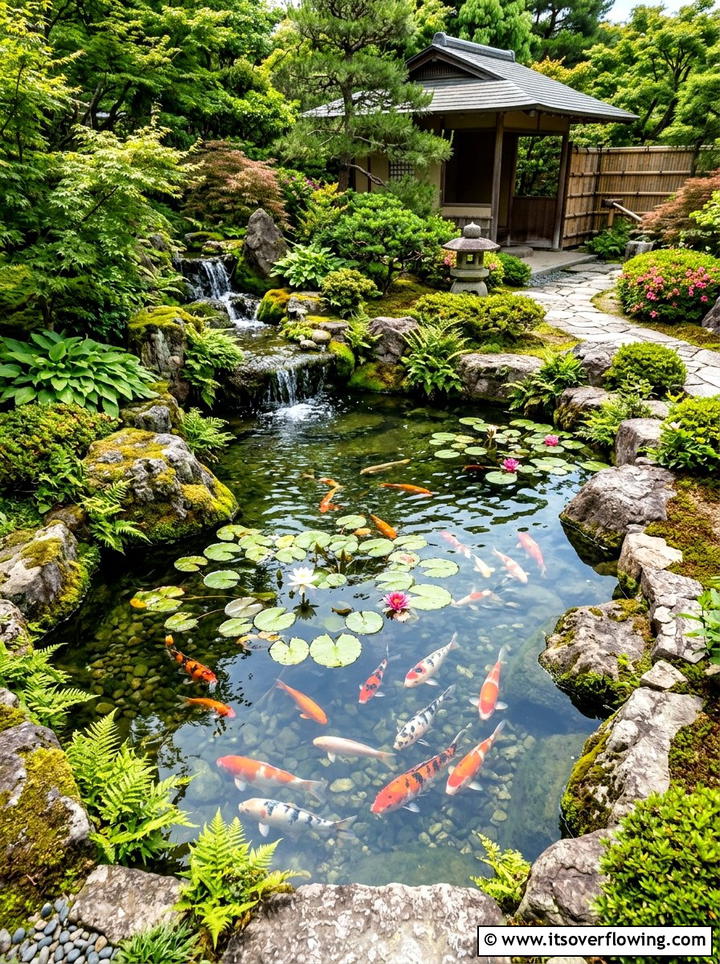
A koi pond brings life, color, and constant movement to a zen space, making it a dynamic centerpiece that changes throughout the day. The bright oranges and whites of the fish provide a beautiful contrast against the deep blues and greens of the water and surrounding plants. Listening to the gentle sound of the fish swimming and the water circulating helps to lower stress levels and promote a sense of calm. You should include plenty of aquatic plants like lilies or lotuses to provide shade for the fish and help keep the water clean naturally. Designing the pond with natural stone edges ensures it blends into the rest of the landscape without looking like a plastic insert. Caring for the fish can also become a mindful daily ritual that connects you more deeply with the environment.
17. Buddha Statue Garden
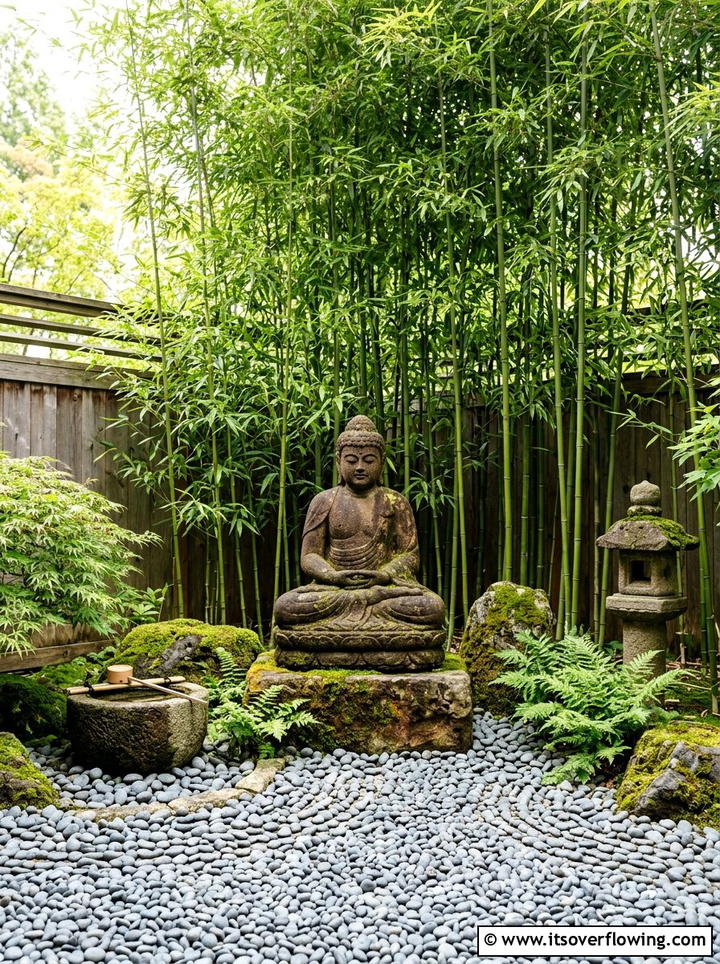
Placing a Buddha statue in a quiet corner of your garden serves as a powerful reminder to stay present and maintain an inner sense of peace. The statue should be positioned in a place where it feels like a natural part of the landscape, perhaps nestled among ferns or under a tree. You want to avoid making it look like a cluttered decoration, so choose one high-quality piece rather than several smaller, lower-quality items for the area. The calm expression of the statue can influence your own mood as you spend time nearby practicing deep breathing or quiet reflection. You might surround the base with smooth pebbles or a small offering plate to create a designated shrine-like space. This focal point adds a spiritual or philosophical dimension to your garden, making it feel more like a sacred sanctuary.
18. Wooden Bridge Path
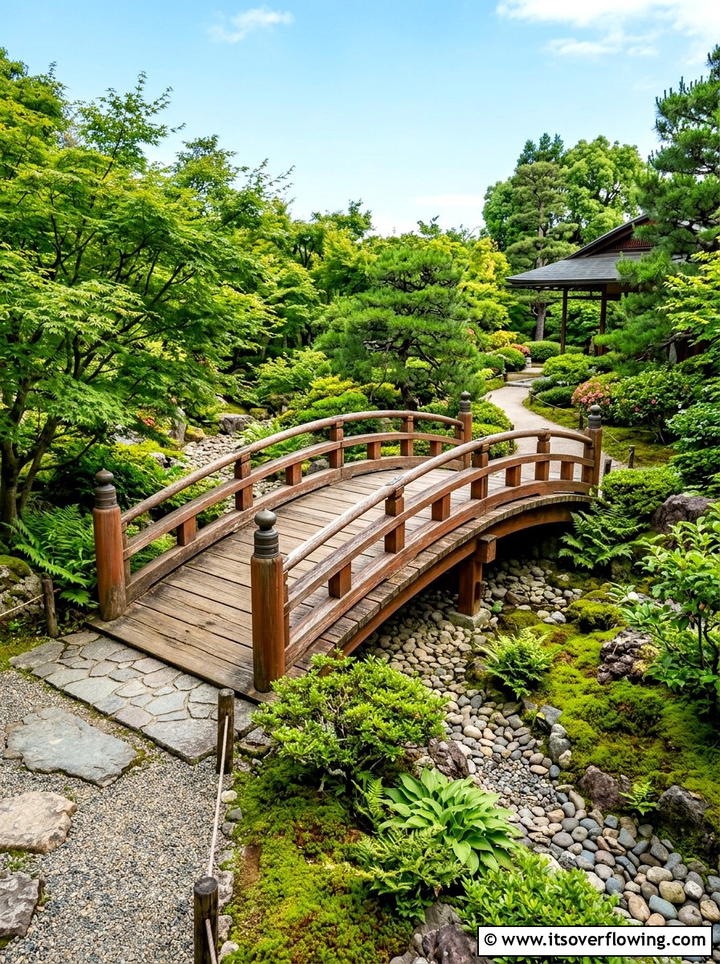
A small wooden bridge provides a charming way to cross over a dry creek bed or a shallow koi pond within your zen landscape. The slight arch of the bridge adds height and a new perspective to the garden, allowing you to view your plants from a different angle. You can leave the wood to weather naturally for a rustic look or stain it a deep red for a traditional Japanese aesthetic. The sound of your footsteps on the wooden planks creates a different auditory experience compared to walking on gravel or stone paths. It serves as a symbolic transition point, marking your journey from one part of the garden to another as you explore the space. A bridge adds a sense of structure and intention to the layout, making the garden feel more like a curated experience.
19. Symmetrical Fern Planting
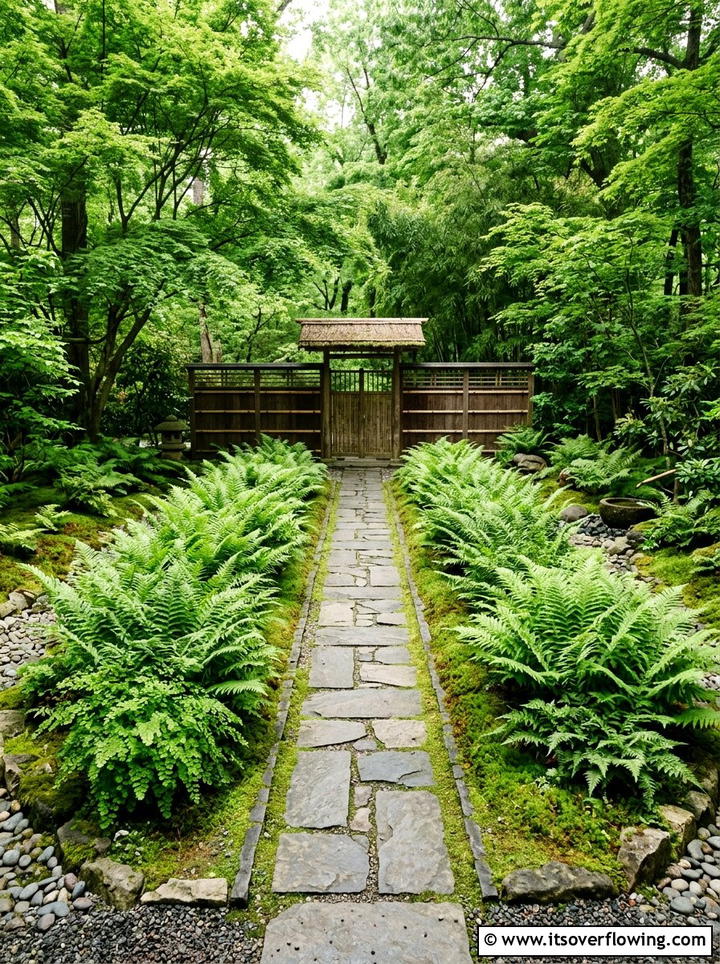
Ferns are excellent for creating a sense of lushness and prehistoric beauty in the shaded parts of your zen-inspired outdoor sanctuary. By planting them in a symmetrical or rhythmic pattern, you can create a sense of order and balance that is very soothing to the eye. Their delicate, feathery fronds move gently in the breeze, adding a soft and organic texture that contrasts well with hard stone surfaces. Ferns thrive in moist, cool conditions, making them the perfect companions for water features or mossy ground covers in your backyard. You can choose from many different varieties, such as the Japanese Painted Fern, which offers unique silver and purple hues for extra interest. This type of planting scheme creates a cool and refreshing atmosphere that is especially pleasant during the hot summer months.
20. White Pebble Border
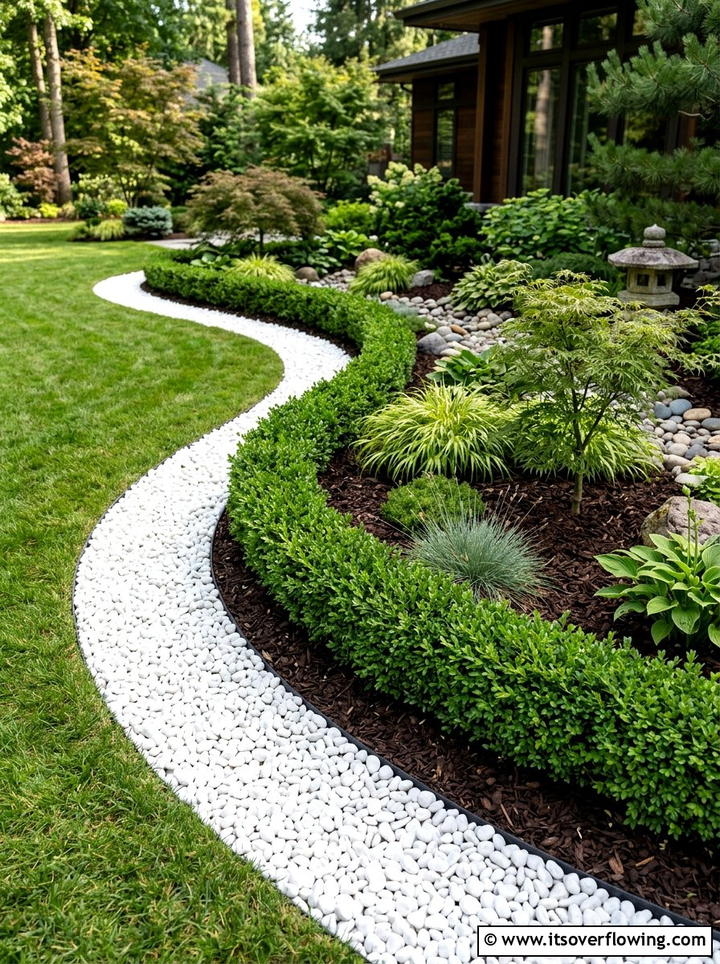
Using bright white pebbles to create a border around your garden beds or paths provides a crisp and clean finish that defines the space. The stark contrast between the white stones and the dark green foliage of your plants makes the entire garden pop with visual clarity. These pebbles also reflect sunlight, which can help to brighten up darker corners of a yard that don’t receive much direct light during the day. You should use a landscape fabric underneath the stones to prevent weeds from poking through and ruining the neat and tidy appearance of the border. This simple design choice helps to organize different zones within the garden, making the overall layout feel more intentional and well-maintained. It is a cost-effective way to add a touch of modern sophistication to any zen landscape design project.
21. Bamboo Wind Chime
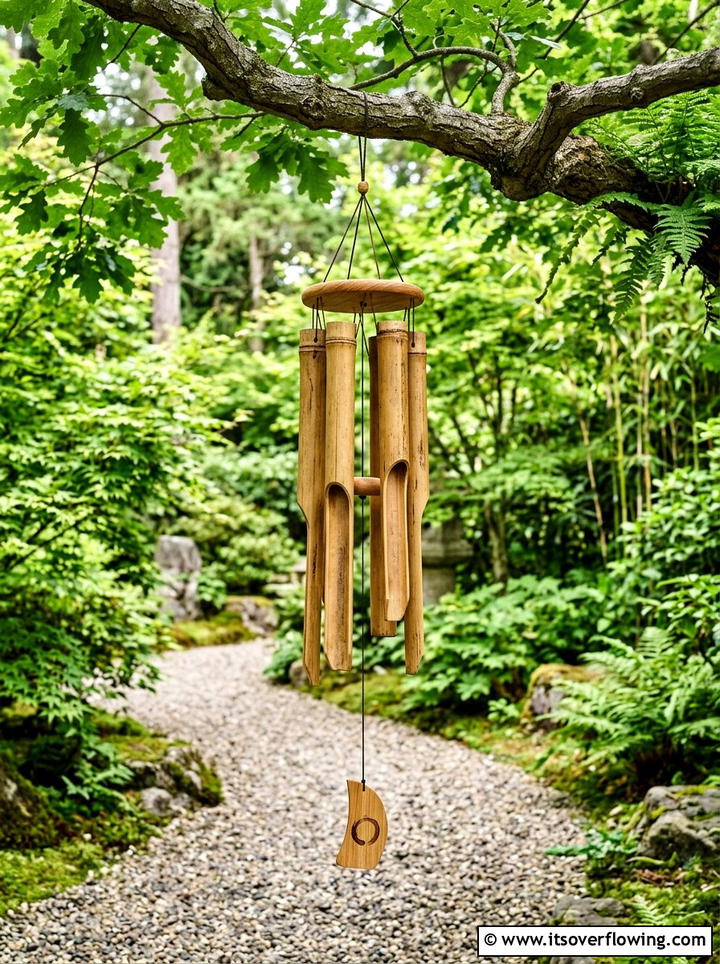
Bamboo wind chimes offer a deep, hollow sound that is much more relaxing and earthy than the high-pitched ringing of metal chimes. Hanging them from a tree branch or a pergola allows the wind to create a natural soundtrack for your outdoor meditation or reading sessions. The wooden tones blend perfectly with the other organic elements in a zen garden, such as wood decks and bamboo privacy screens for a cohesive look. You will find that the gentle clacking sound helps to draw your attention back to the present moment when your mind begins to wander. It also serves as a reminder of the invisible force of nature that is constantly moving around us in the garden. This small addition adds a layer of auditory beauty that enhances the overall sensory experience of your private sanctuary.
22. Low Profile Rockery
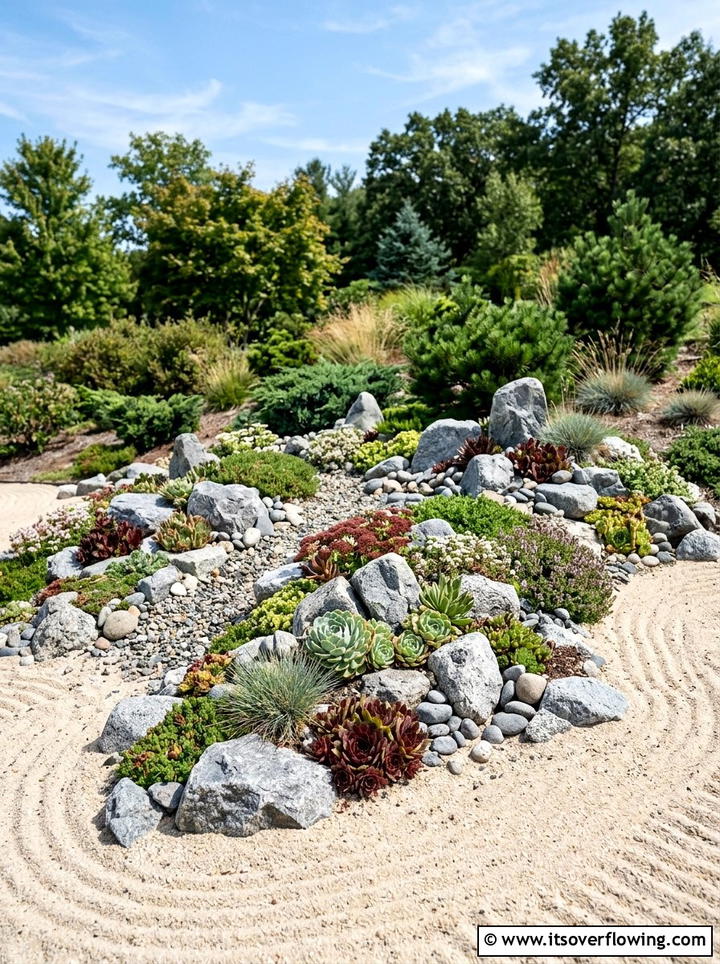
A low-profile rockery involves arranging small to medium stones in a way that looks like a natural rocky outcrop appearing from the ground. Unlike a tall rock garden, this design stays close to the earth, creating a grounded and stable feeling that is essential for a zen space. You can tuck small, drought-tolerant plants like succulents or alpines between the rocks to add tiny splashes of color and varied texture. This feature works particularly well in areas with poor soil where traditional flower beds might fail to thrive over time. The combination of hard stone and soft plant life represents the balance of yin and yang, which is a core concept in many Eastern philosophies. It provides a miniature landscape that you can appreciate up close while sitting on a nearby bench or meditation cushion.
23. Modern Pergola Shelter
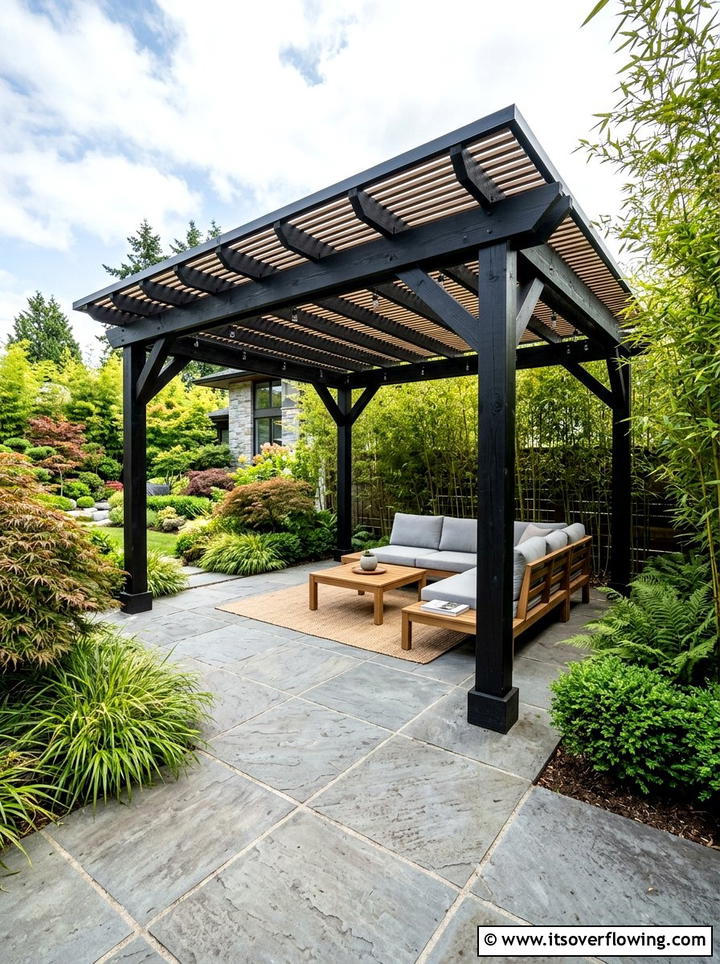
A modern pergola with clean lines and a simple design provides essential shade and a sense of structure to your outdoor relaxation area. You can leave the top open to see the sky or cover it with thin bamboo slats to create a beautiful dappled light effect on the ground below. This architectural element defines a specific zone for activities like dining, reading, or meditating, making the garden feel more functional and organized. Painting the pergola in a neutral color like black, charcoal, or natural wood helps it to blend into the landscape without being too bold. You might even grow climbing vines like jasmine or wisteria over the structure to add fragrance and a touch of soft greenery. It creates a comfortable “outdoor room” that protects you from the sun while keeping you connected to nature.
24. Minimalist Grass Lawn
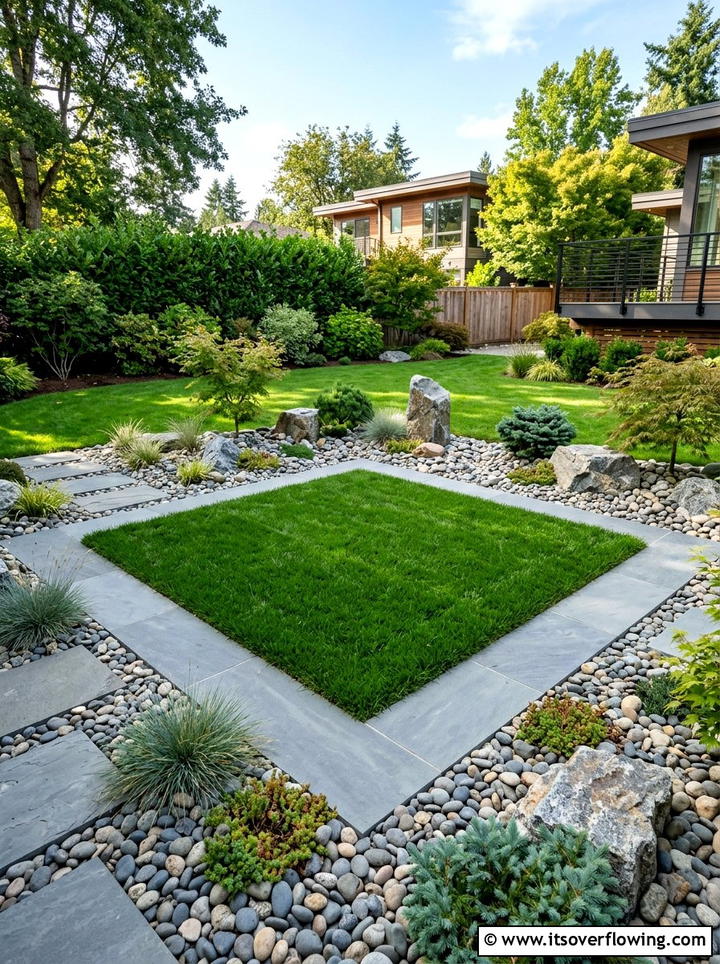
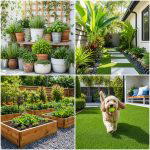
If you prefer the look of a lawn, keep it minimalist by creating a perfectly manicured, small rectangular or circular patch of bright green grass. This provides a soft area for walking barefoot or laying down a mat for yoga, adding a tactile element to your zen garden experience. Surround the grass with a hard border of stone or wood to keep the edges sharp and prevent the lawn from looking overgrown. A small, well-kept lawn acts as a peaceful “negative space” that allows the eye to rest between more complex features like rock gardens or ponds. It requires regular maintenance, but the visual payoff of a lush green carpet is well worth the effort for many homeowners. This feature brings a sense of freshness and vitality to the space, making it feel like a private oasis in the city.
25. Zen Tea House
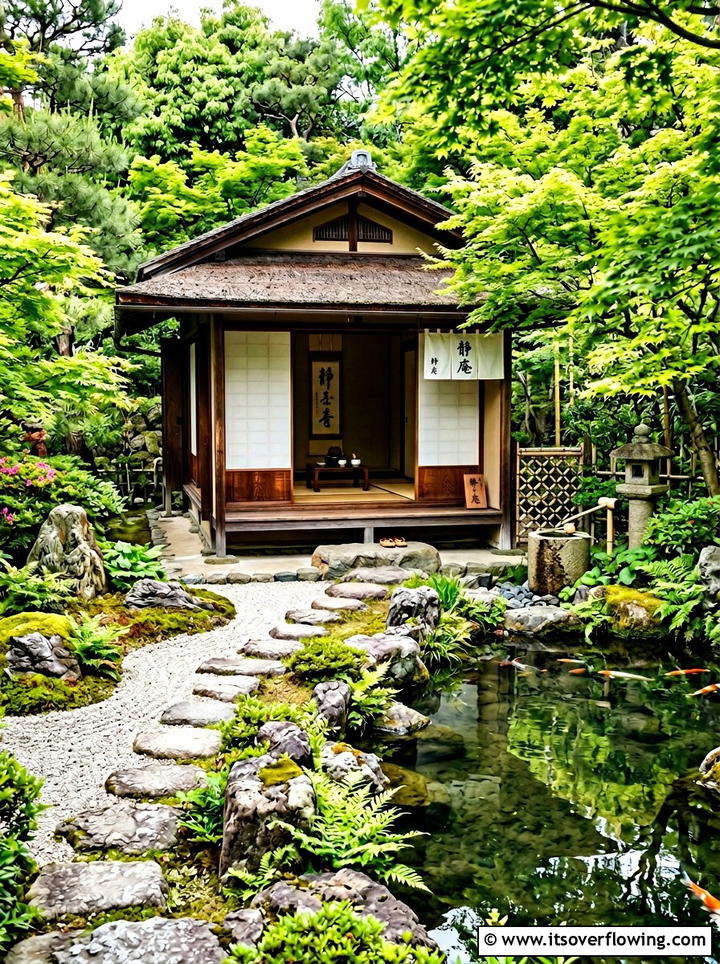
A small tea house or gazebo serves as the ultimate destination within your zen garden, offering a fully enclosed space for deep reflection or tea ceremonies. This structure should be built with natural materials and feature large windows or sliding doors that provide an unobstructed view of the surrounding landscape. Inside, keep the decor minimal with just a few cushions and a low table to maintain a sense of calm and focused energy. Having a separate building allows you to escape the noise of the main house and fully immerse yourself in the peace of the outdoors. It becomes a sanctuary for all seasons, providing warmth in the winter and a cool breeze in the summer when the doors are open. This final element completes the vision of a traditional Japanese-inspired garden designed for total mental and physical rejuvenation.
Conclusion:
Transforming your backyard into a zen sanctuary is a rewarding journey that encourages you to slow down and appreciate the simple beauty of nature. By incorporating elements like stone, water, and minimalist structures, you create a space that balances order with organic growth. Whether you choose a large-scale project like a koi pond or a simple addition like a bamboo wind chime, each feature contributes to a more peaceful environment. These garden ideas provide a framework for creating a personal retreat where you can escape the noise of modern life and reconnect with your inner self. Remember that the goal of a zen space is not perfection, but a harmonious blend of textures and sensations that foster tranquility. We hope these concepts inspire you to start your own landscape transformation today and enjoy the lasting benefits of a meditative garden.

Related posts:
 25 small garden ideas with zen style for Calm Outdoor Living
 25 Garden Design Ideas With Seating Zones for Relaxing Outdoors
 25 Garden Ideas With Bench Seating for Relaxing Outdoors
 25 Small Garden Ideas With Kids Corner for Family Fun Outdoors
 25 Small Garden Ideas With Minimalist Style for Calm Spaces
 25 Creative Garden Ideas With Tea Gardens for Calm Retreats
 25 Creative Garden Ideas With Yoga Decks for Calm Retreats
 25 garden ideas for peace and relaxation: Calm Yard Tips
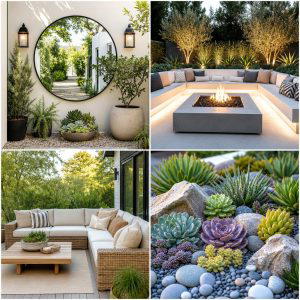 25 Garden Ideas for Courtyards to Create a Private Oasis
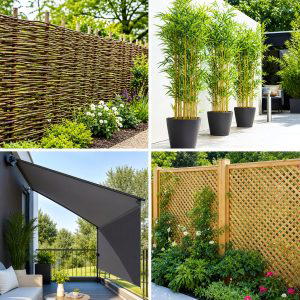 25 Garden Ideas for Privacy to Create a Secluded Oasis
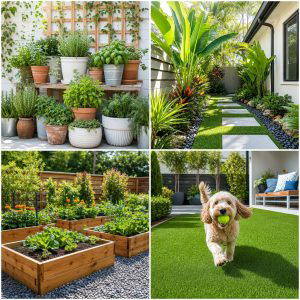 25 Small Garden Ideas for Side Yard Spaces That Shine
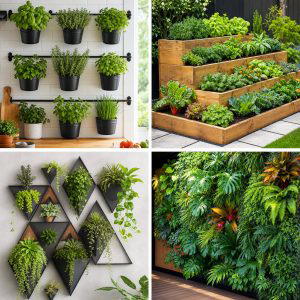 25 Garden Ideas With Vertical Gardens For Small Spaces