
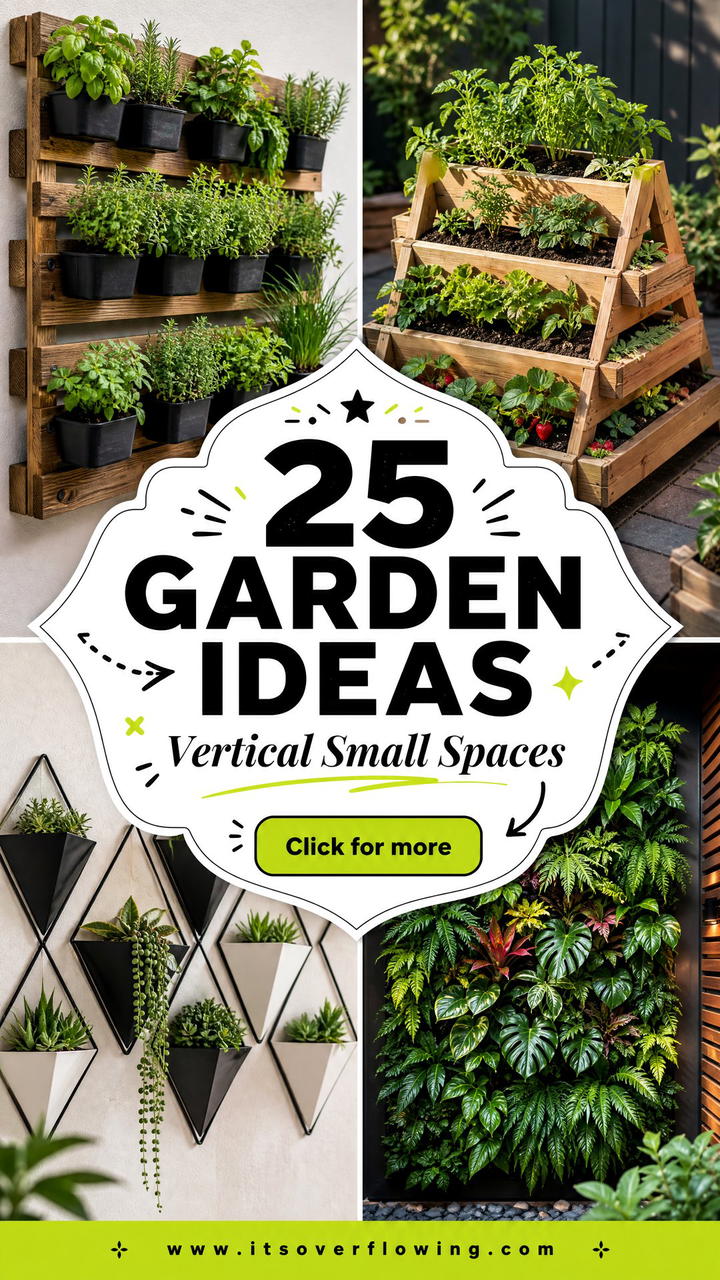
Vertical gardening is a revolutionary way to transform any small space into a lush, green paradise without sacrificing precious floor area. Whether you have a sprawling backyard or a tiny apartment balcony, going vertical allows you to maximize your planting potential while creating a stunning visual focal point. By utilizing walls, fences, and freestanding structures, you can grow a diverse array of flowers, herbs, and vegetables in a compact footprint. This approach not only enhances the aesthetic appeal of your home but also improves air quality and provides a sense of tranquility. Discover how these creative solutions can elevate your outdoor living experience and bring nature closer to your everyday life through smart, vertical arrangements.
1. Living Wall Outdoor
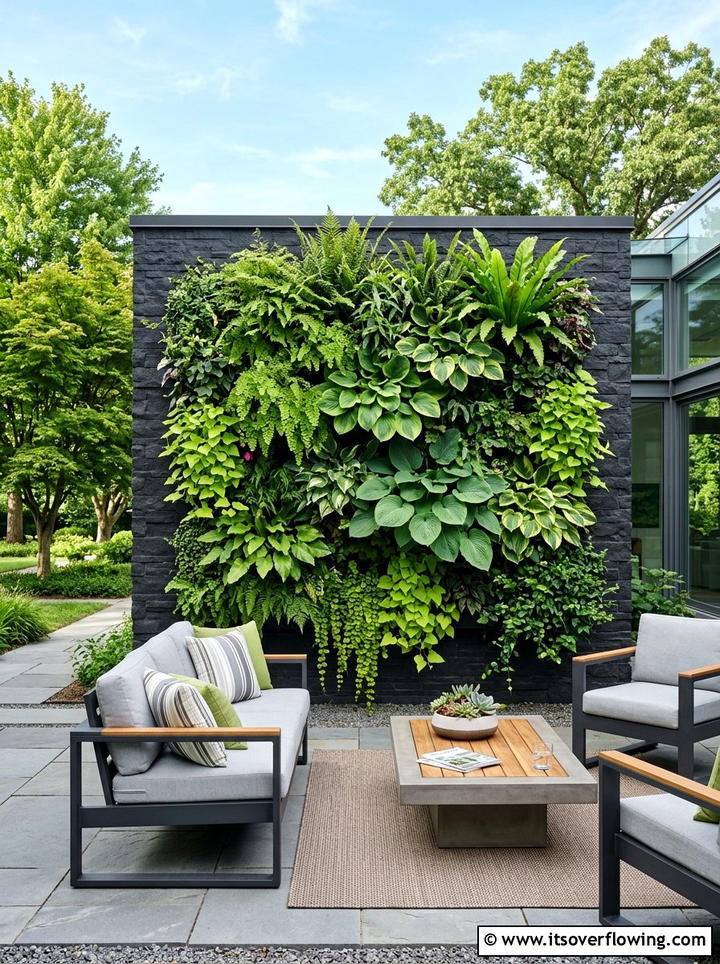
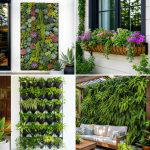
A living wall serves as a breathtaking centerpiece that brings a literal breath of fresh air to your outdoor seating area. These installations use a variety of plant species tucked into a specialized felt or pocket system that allows for consistent moisture and nutrient delivery. By choosing plants with different textures and shades of green, you can create a tapestry-like effect that changes with the seasons. It is essential to consider the sunlight exposure of your chosen wall to ensure that the selected greenery thrives in its specific environment. Maintenance usually involves a simple drip irrigation system that keeps the soil hydrated without much manual effort on your part.
2. Pallet Garden
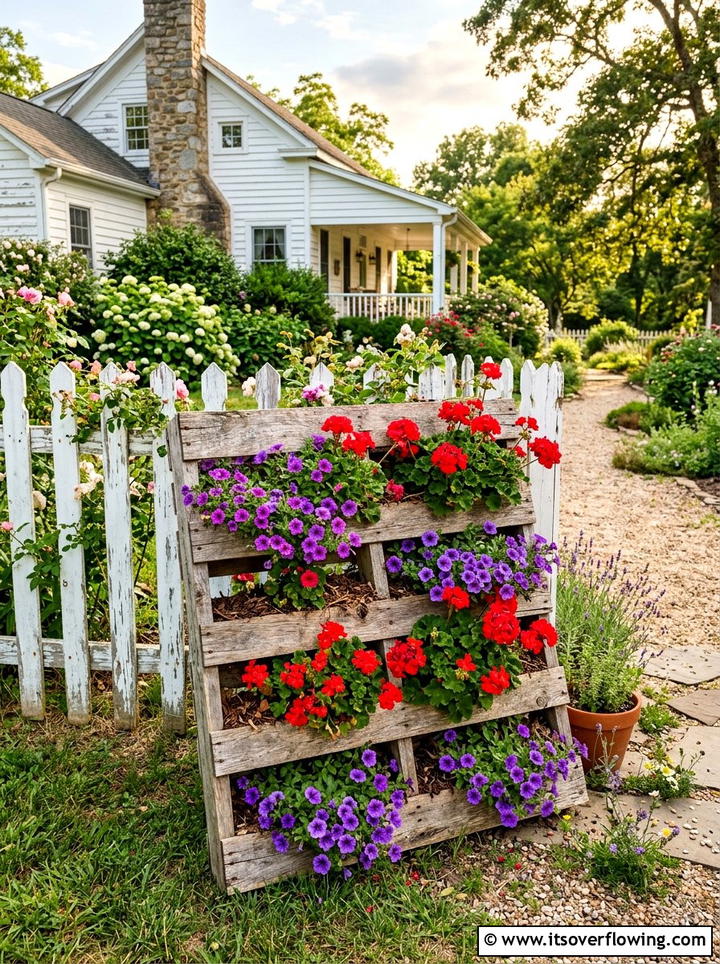
Have you ever looked at a discarded wooden pallet and seen a potential masterpiece for your backyard or patio? Transforming a wooden pallet into a vertical planter is an eco-friendly and budget-friendly project that yields impressive results for small-scale gardening. You can staple landscaping fabric to the back and bottom to hold the soil, then fill the slats with your favorite annuals or trailing vines. This rustic look fits perfectly in a farmhouse or bohemian setting, providing a structured yet organic feel to your garden. It is a fantastic way to recycle materials while creating a high-impact display of flowers or small leafy vegetables in any corner.
3. Balcony Vertical Planter
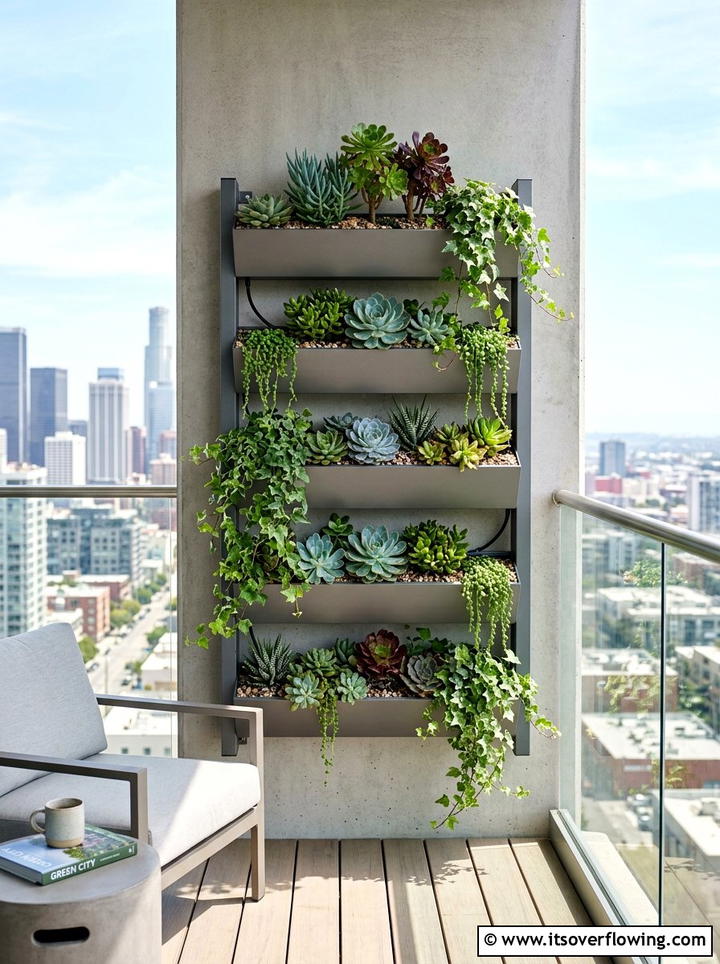
Living in an urban environment often means dealing with limited square footage, but a balcony vertical planter changes everything. These slim, upright units are designed to sit against a railing or wall, offering multiple tiers for various plant types. You can grow strawberries, petunias, or even small salad greens in these stacked containers without cluttering your walking path. The vertical orientation ensures that every plant gets its share of sunlight while creating a private, green screen from neighbors. Choosing lightweight materials like resin or treated wood makes these planters easy to move and maintain. They turn a cold concrete balcony into a refreshing, private oasis for morning coffee.
4. Kitchen Herb Wall
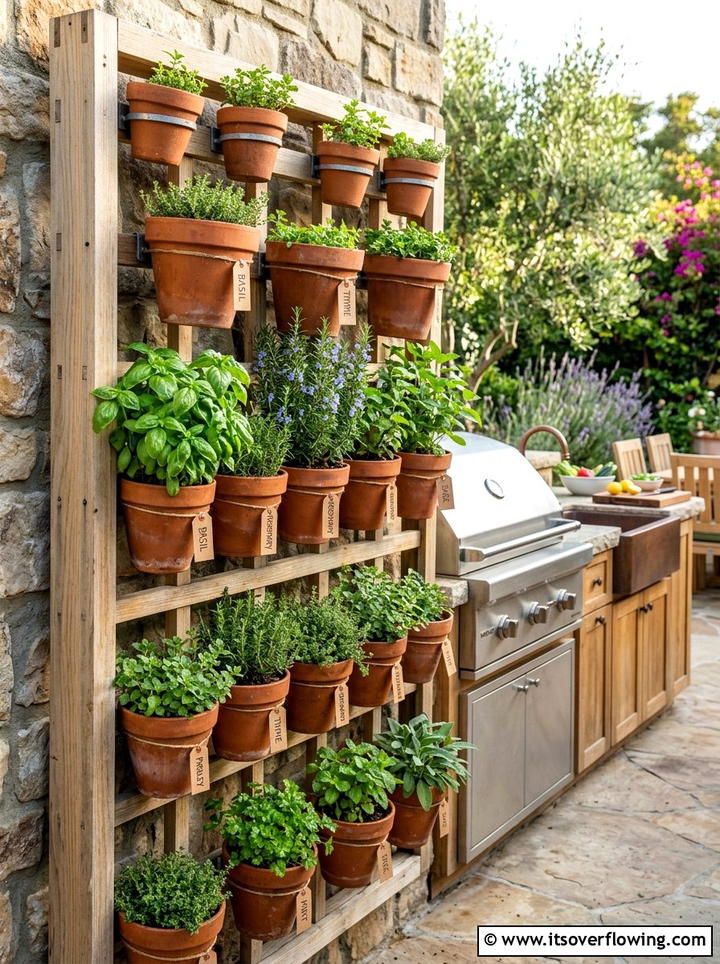
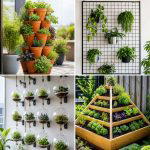
Imagine the convenience of reaching out to your patio wall to snip fresh basil or cilantro while you are cooking. A kitchen herb wall is both a functional culinary resource and a beautiful decorative feature for an outdoor dining area. By mounting small pots or a modular rail system on a sunny wall, you can keep your most-used herbs within arm’s reach. This setup prevents the herbs from taking up valuable counter space while ensuring they receive the natural light they need to flourish. Using labeled ceramic pots adds a touch of charm and organization, making your outdoor cooking space feel like a professional, gourmet garden.
5. Trellis For Climbing Plants
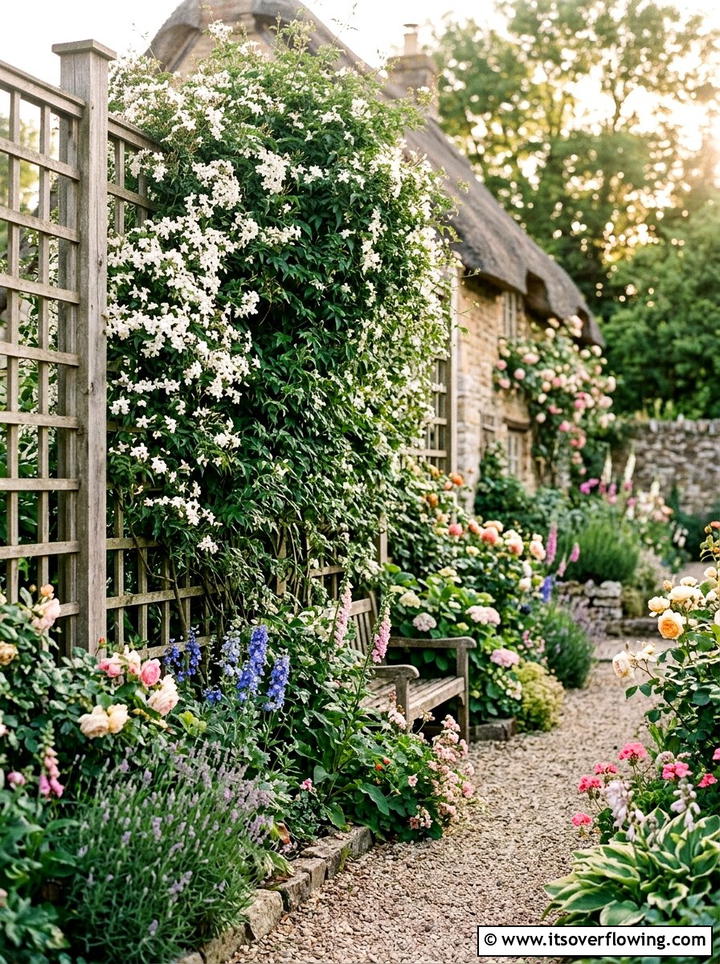
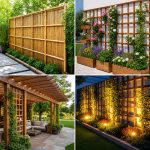
Using a trellis for climbing plants is a classic technique that adds height and architectural interest to any garden landscape. Whether made of wood, metal, or vinyl, a trellis provides the necessary support for vigorous climbers like clematis, jasmine, or climbing roses. As these plants grow upward, they create a dense wall of foliage and blooms that can hide unattractive fences or provide natural shade. This vertical growth strategy is perfect for creating “outdoor rooms” by defining boundaries without the heaviness of a solid wall. The result is a romantic, airy atmosphere that fills your garden with fragrance and color throughout the growing season.
6. Succulent Wall Frame
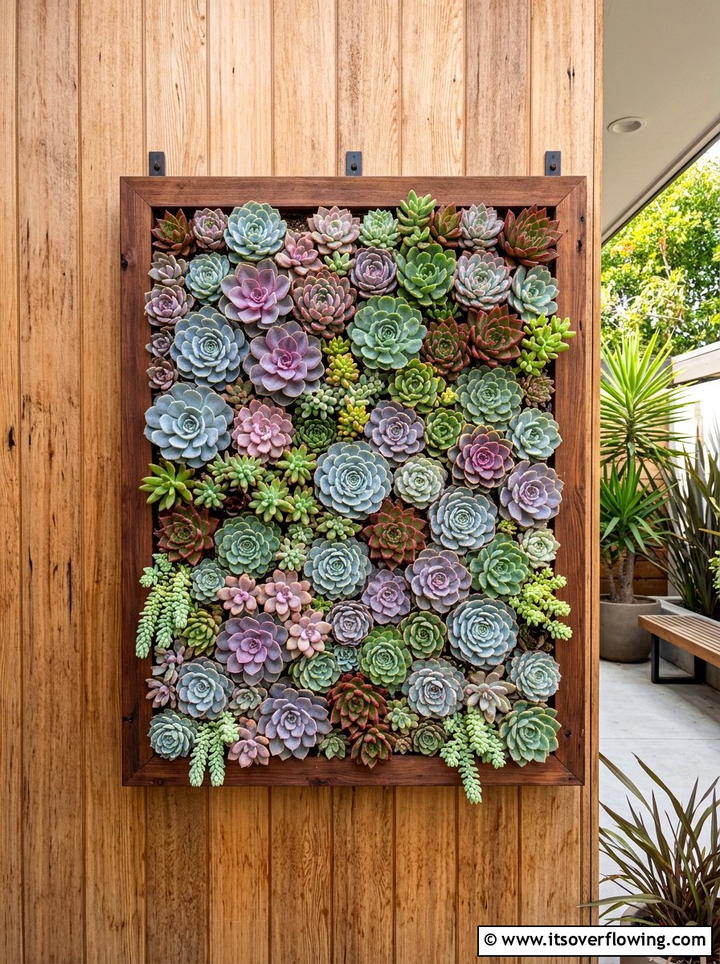
Succulent wall frames are a modern and artistic way to display low-maintenance plants that thrive in vertical arrangements. These shallow boxes are fitted with wire mesh to hold the soil and plants in place, allowing you to hang them like living paintings. Because succulents come in a vast array of shapes, colors, and sizes, you can create intricate patterns and gradients that look like a piece of high-end art. These frames are ideal for sunny spots where traditional plants might struggle with heat. They require very little water, making them a sustainable choice for busy homeowners who want maximum visual impact with very minimal maintenance.
7. Hanging Pocket Planter
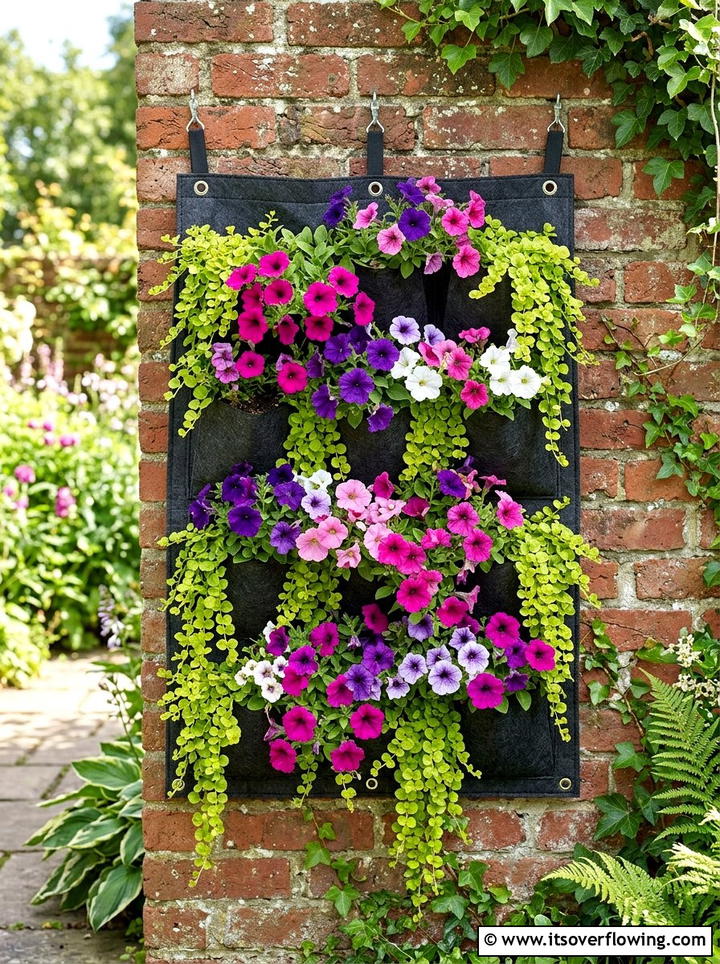
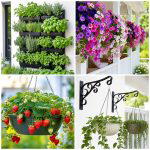
Hanging pocket planters offer a flexible and soft-sided solution for anyone looking to add a lush wall of greenery quickly. Usually made from heavy-duty felt or breathable fabric, these multi-pocket organizers allow for excellent drainage and aeration for plant roots. You can fill the pockets with a mix of trailing ivy, bright pansies, or ferns to create a dense, overflowing look that covers an entire wall. This lightweight system is easy to install on fences or masonry and can be moved around as needed. It is an affordable way to experiment with vertical gardening while creating a cooling effect on hot brick or wood surfaces.
8. Fence Hanging Pot
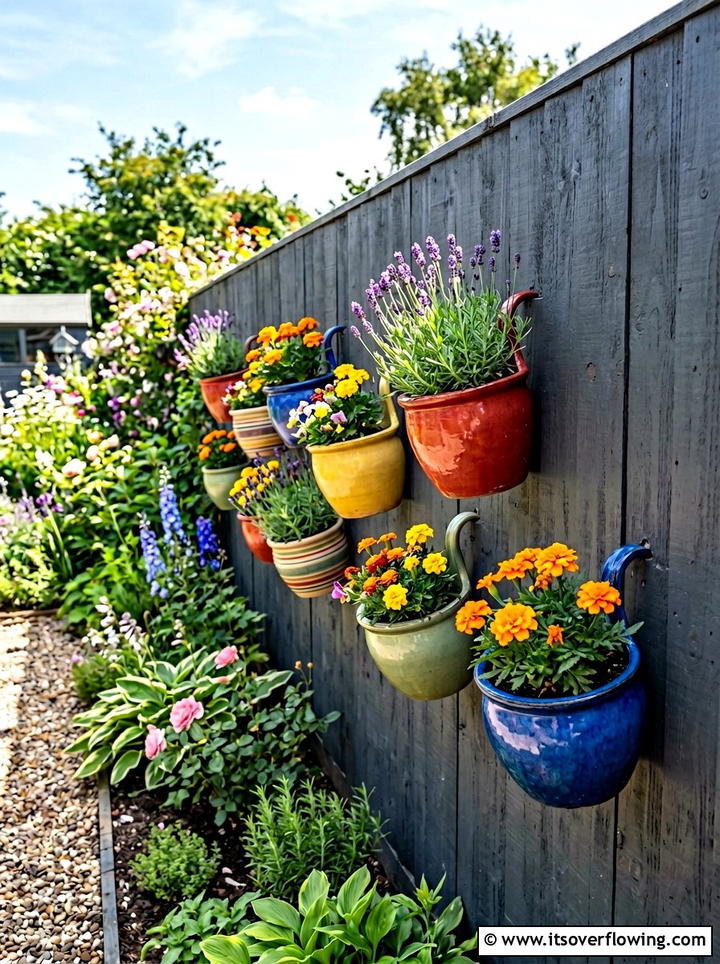
Transforming a plain wooden or metal fence into a vibrant gallery is easy with the use of fence hanging pots. These individual containers often come with integrated hooks that slip over the top of the fence rails, allowing for instant customization. You can stagger the pots at different heights to create a playful and dynamic visual rhythm across your yard. This method is particularly useful for adding pops of color at eye level, making the garden feel more immersive. By using pots in contrasting colors or sticking to a uniform palette, you can easily control the mood and style of your outdoor space.
9. Ladder Plant Stand
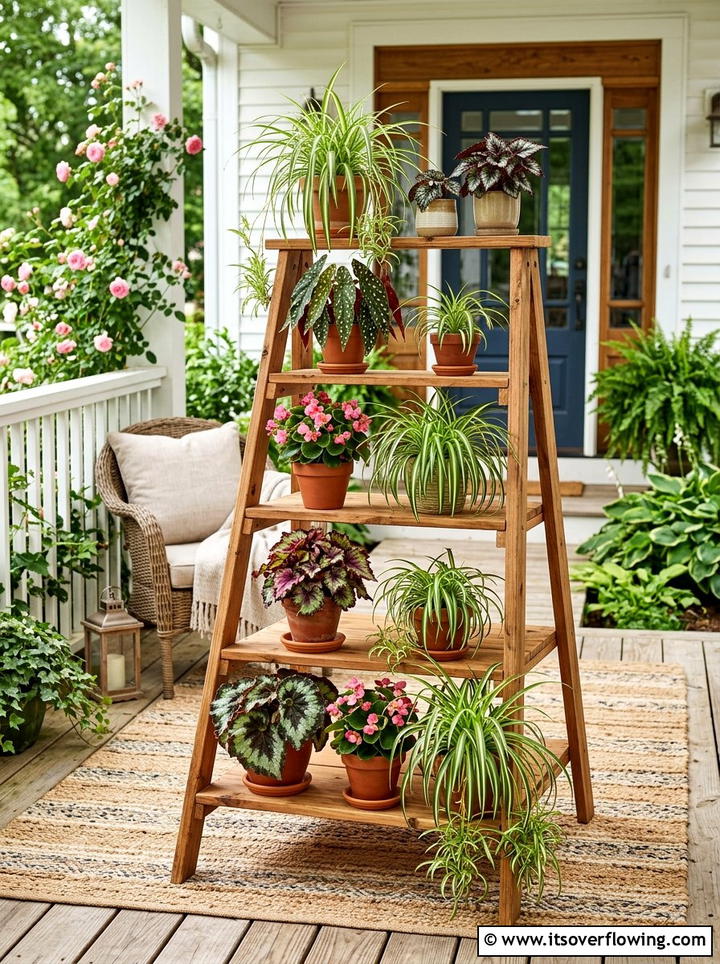
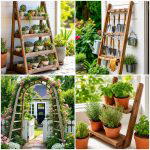
A ladder plant stand is a versatile and stylish way to organize your collection of potted plants in a vertical fashion. This freestanding structure features multiple rungs or shelves that allow you to display plants of varying sizes in a compact area. It is perfect for corners or beside a doorway where you want to add a welcoming touch of nature. The graduated levels ensure that plants on the bottom rungs still receive light, while trailing varieties can cascade beautifully from the top. You can choose a rustic wooden ladder for a cottage feel or a sleek metal version for a contemporary look.
10. Hydroponic Wall System
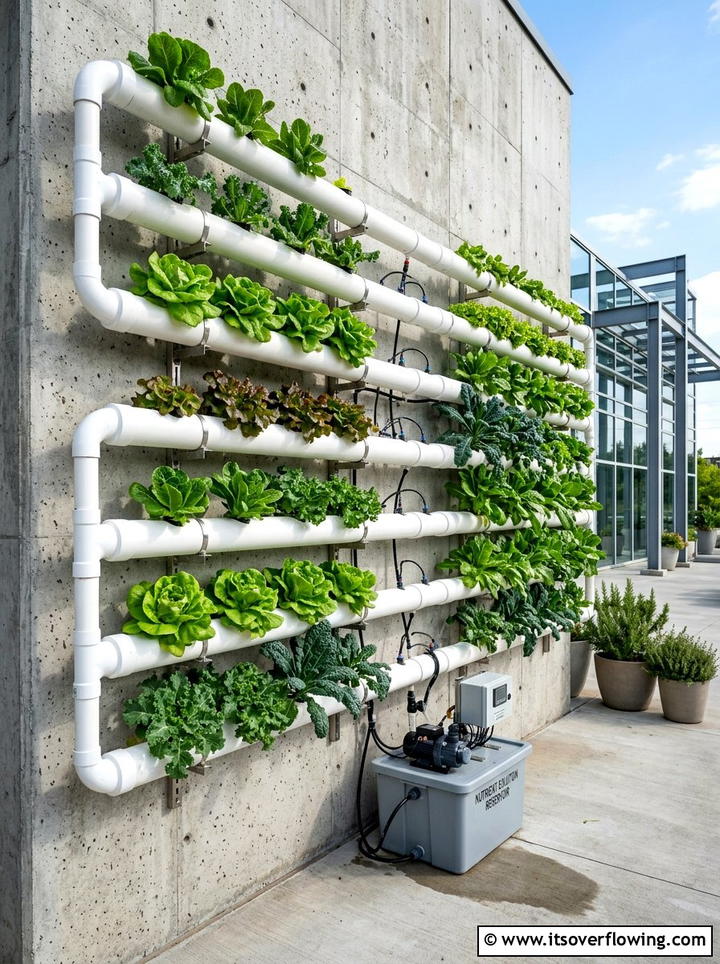
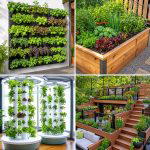
For the tech-savvy gardener, a hydroponic wall system offers a futuristic way to grow vegetables and greens without the need for soil. These vertical setups use nutrient-rich water circulated through pipes to feed the plants directly at the roots. This method often results in faster growth and higher yields, making it a great choice for sustainable home food production. Mounted on a wall, these systems look sleek and industrial, fitting perfectly into modern outdoor spaces. Because they are self-contained, they are incredibly clean and reduce the risk of soil-borne pests, providing a sophisticated solution for urban farmers wanting fresh produce.
11. Ivy Privacy Screen
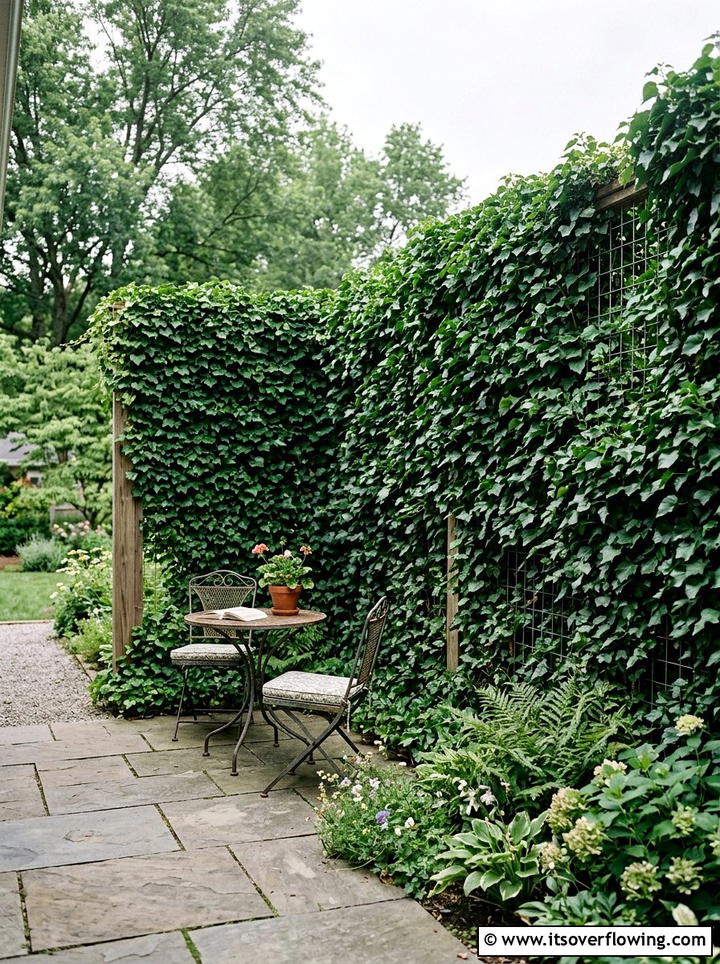
Creating an ivy privacy screen is an effective way to block unwanted views while adding a thick layer of greenery to your garden. By installing a simple wire grid or chain-link fence, you can encourage fast-growing ivy to climb and weave through the gaps. Over time, the ivy forms a solid, evergreen barrier that provides year-round privacy and noise reduction. This natural wall looks much softer and more inviting than a traditional wooden fence, blending seamlessly with the surrounding landscape. It creates a secluded, forest-like atmosphere that makes your backyard feel like a private sanctuary away from the hustle of the outside world.
12. Wooden Crate Wall
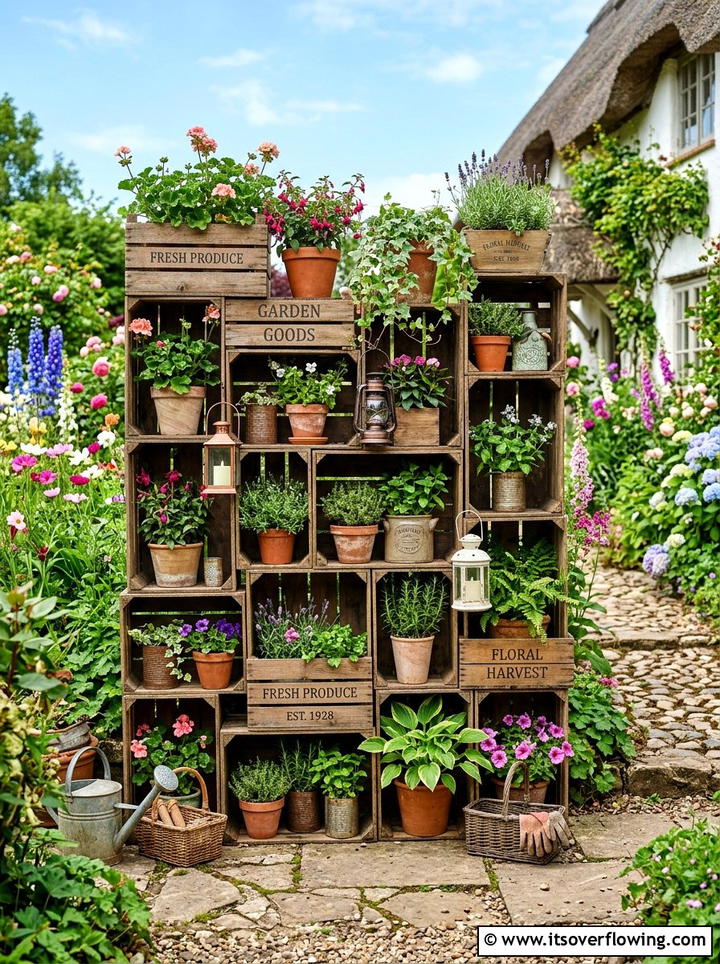
A wooden crate wall adds a charming, rustic dimension to your vertical garden by using stacked or mounted crates as deep shelving units. These sturdy boxes provide plenty of room for larger pots or even direct planting if lined with plastic and fabric. You can arrange the crates in a symmetrical grid for a clean look or an offset pattern for something more eclectic. This approach allows you to mix plants with decorative items like lanterns or small sculptures, creating a curated garden display. The depth of the crates also provides some shade for more sensitive plants, making it a functional and aesthetic choice.
13. Metal Grid Trellis
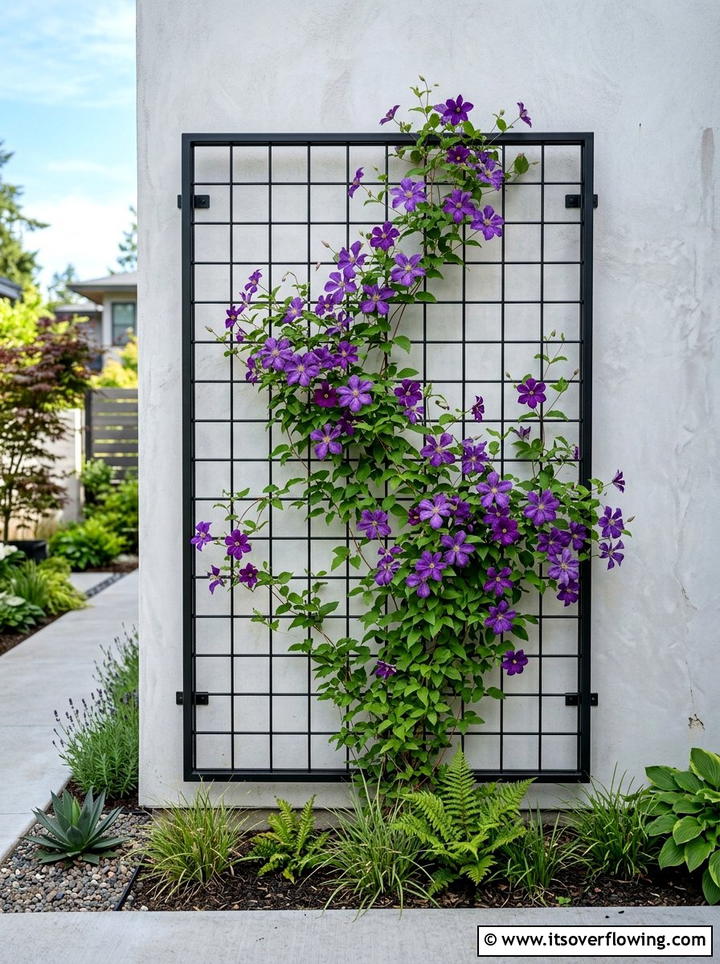
A metal grid trellis offers a minimalist and industrial aesthetic that supports climbing vines with a very clean, modern silhouette. These grids are often made from powder-coated steel or copper, providing a durable structure that withstands the elements while looking sophisticated. Because the lines are so thin, the focus remains entirely on the plants as they slowly cover the metal with leaves and flowers. This type of vertical support is excellent for contemporary gardens where you want to maintain a sense of openness. It works beautifully against a dark wall, where the green foliage can truly pop and create a striking contrast.
14. Tiered Garden Bed
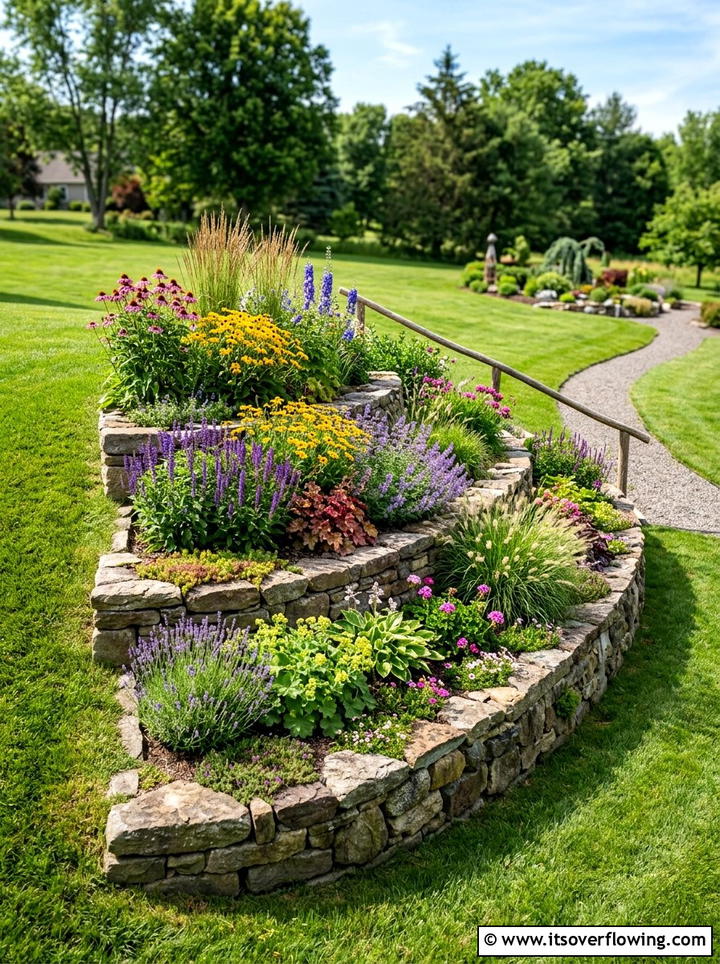
Tiered garden beds are an excellent way to introduce verticality to your landscaping while maintaining the structure of traditional gardening. These beds are designed like a set of stairs, with each level providing a separate planting area that prevents soil erosion. This design is particularly helpful for sloped yards, as it turns a difficult terrain into a functional and beautiful growing space. You can use the different levels to separate plant types, such as flowers on top and root vegetables on the bottom. The tiered effect adds depth and dimension to your garden, making it look professionally designed and well-organized for any viewer.
15. Rain Gutter Garden
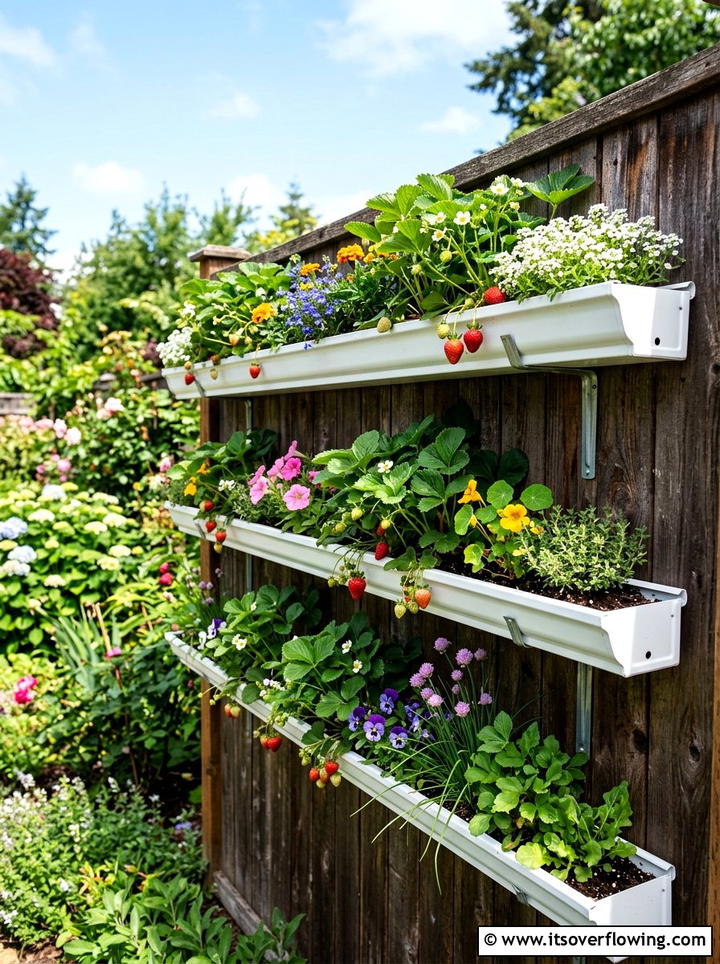
Mounting rain gutters on a fence or wall is a clever and space-saving way to create a series of long, shallow planters. These narrow channels are perfect for growing plants with shallow root systems, such as lettuce, spinach, or strawberries. By stacking several gutters vertically, you can create a high-yield vegetable garden in a space that is only a few inches deep. This setup is very lightweight and easy to install, making it a popular DIY project for small backyards. Proper drainage holes are essential to ensure the plants stay healthy, but once established, it provides a neat and tidy way to grow food.
16. Bamboo Vertical Planter
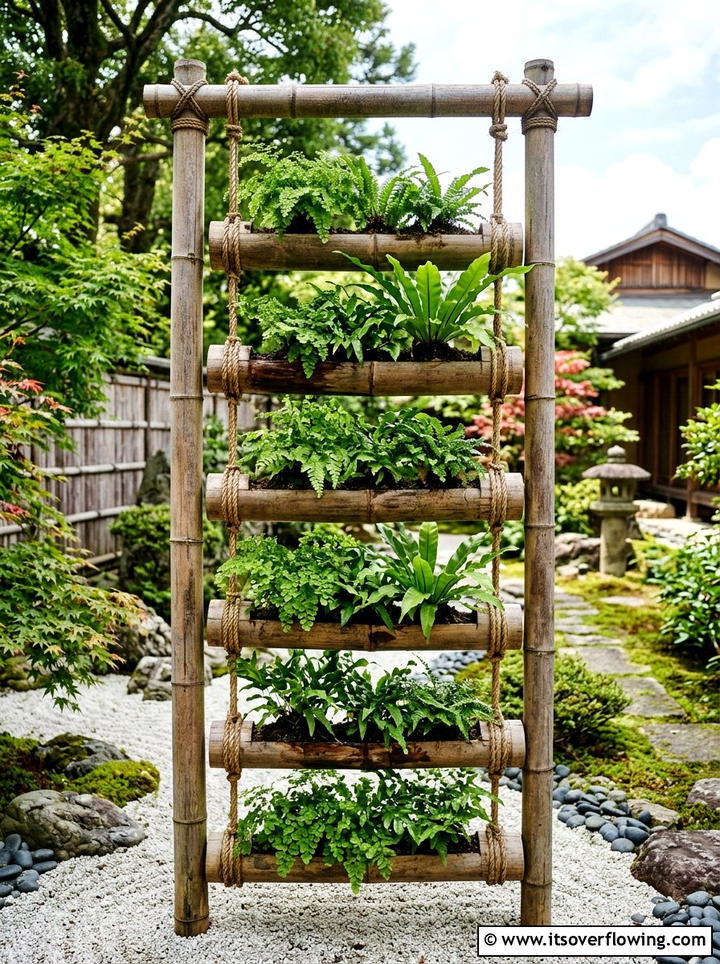
A bamboo vertical planter brings an organic and Zen-like quality to your outdoor space through the use of natural, sustainable materials. Large bamboo stalks can be cut into sections and hollowed out to create unique, horizontal planting troughs that are then hung vertically with sturdy twine. This look is perfect for tropical or Asian-inspired gardens where natural textures are a priority. The soft tan color of the bamboo complements the vibrant greens of ferns or orchids beautifully. It is a lightweight solution that adds a handcrafted feel to your walls, proving that vertical gardening can be both beautiful and environmentally conscious.
17. Concrete Block Planter
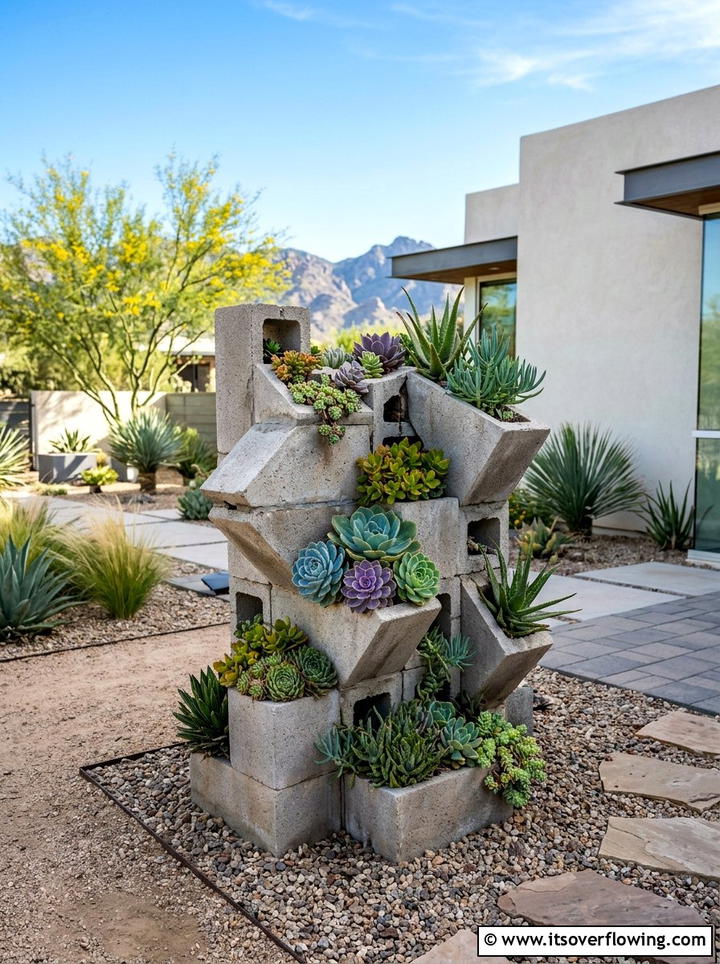
Using concrete blocks to create a vertical planter is a modern, architectural approach that is both incredibly durable and very inexpensive. By stacking the blocks in a staggered fashion, you create “pockets” where the hollow centers can be filled with soil and plants. This creates a geometric, sculptural wall that doubles as a functional garden and a structural boundary. You can paint the blocks to match your home’s exterior or leave them raw for an industrial-chic vibe. This method is particularly effective for succulents or small cacti, as the concrete provides excellent drainage and stays cool even in direct summer sunlight.
18. Moss Wall Art
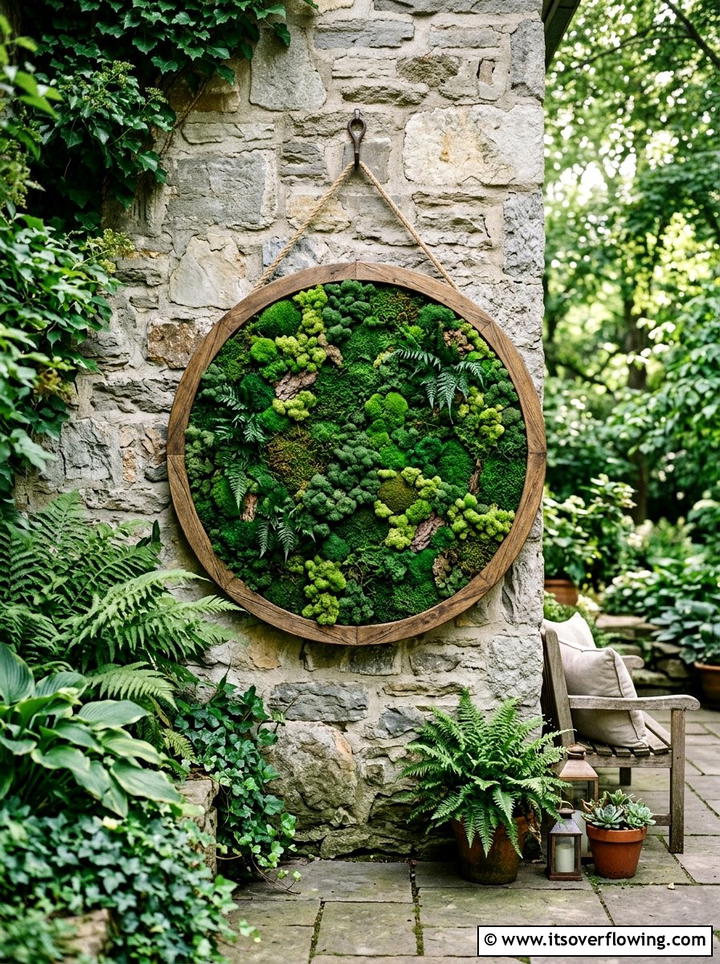
Moss wall art is a unique form of vertical gardening that focuses on texture and shade-loving plants to create a serene, forest-inspired display. These installations often use preserved or living mosses arranged in intricate patterns on a wooden backing. Because moss does not require deep soil, these “paintings” can be very thin and sleek, making them perfect for entryways or shaded patios. The deep green hues and soft, velvety texture of the moss provide a calming visual effect that requires very little maintenance besides occasional misting. It is a sophisticated way to bring the essence of a tranquil woodland into your modern outdoor living area.
19. Stackable Plant Tower
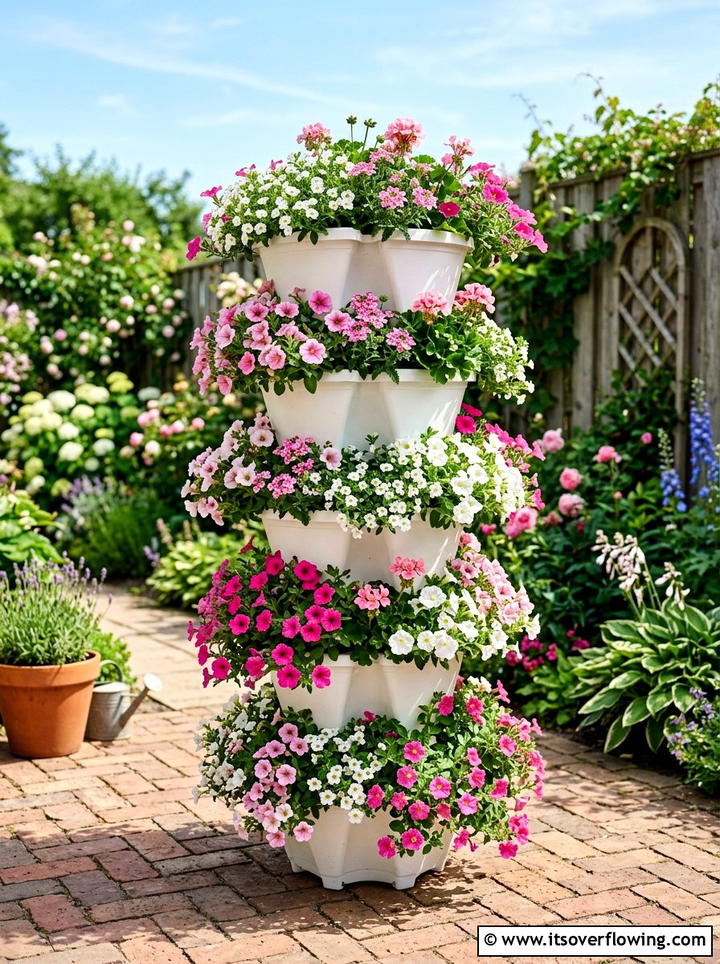
A stackable plant tower is a highly efficient way to grow a large number of plants in a footprint no larger than a standard flower pot. These modular units feature interlocking levels that allow water to flow from the top down to the bottom, ensuring even hydration. They are especially popular for growing strawberries or a variety of colorful annuals, as the plants spill out of the sides to create a column of flowers. Because they are freestanding, you can place them anywhere on a patio or deck. The tower design maximizes vertical space while making it easy to rotate the entire unit for equal sun exposure.
20. Wrought Iron Planter
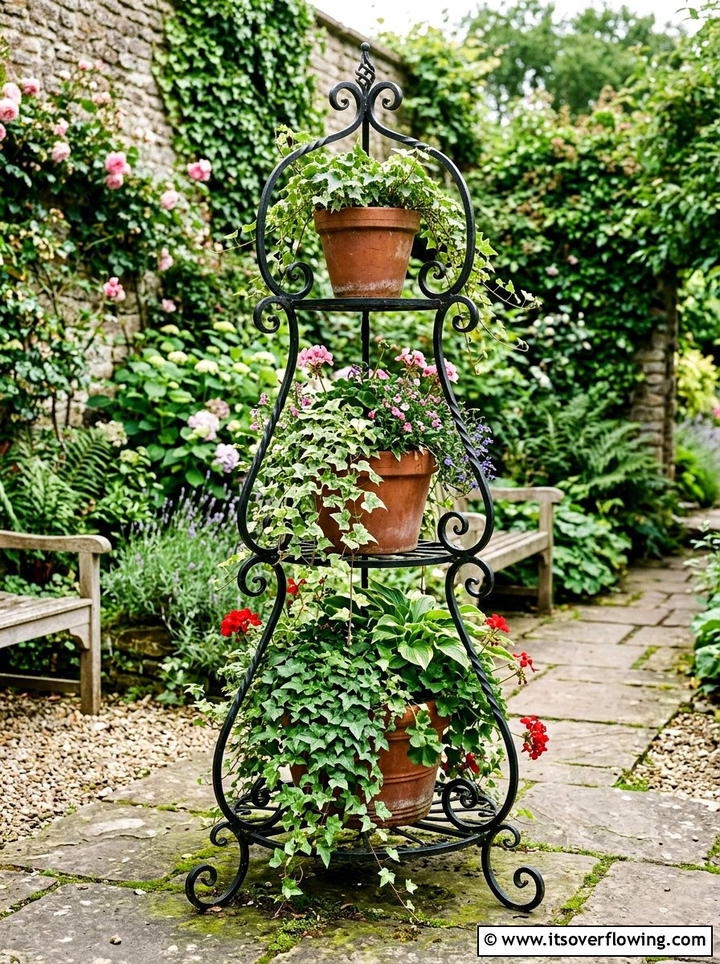
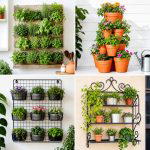
Wrought iron planters bring a touch of classic elegance and timelessness to any vertical garden setup. These sturdy metal structures often feature intricate scrollwork and multiple tiers, making them look like antique pieces of furniture for your garden. They are perfect for holding terra cotta pots filled with traditional favorites like geraniums or ivy. The heavy weight of the iron ensures stability even in windy conditions, while the open design allows for plenty of airflow around the plants. Placing a tall wrought iron stand against a brick wall creates a sophisticated, European-style courtyard look that feels both established and very well-maintained.
21. Geometric Wall Planter
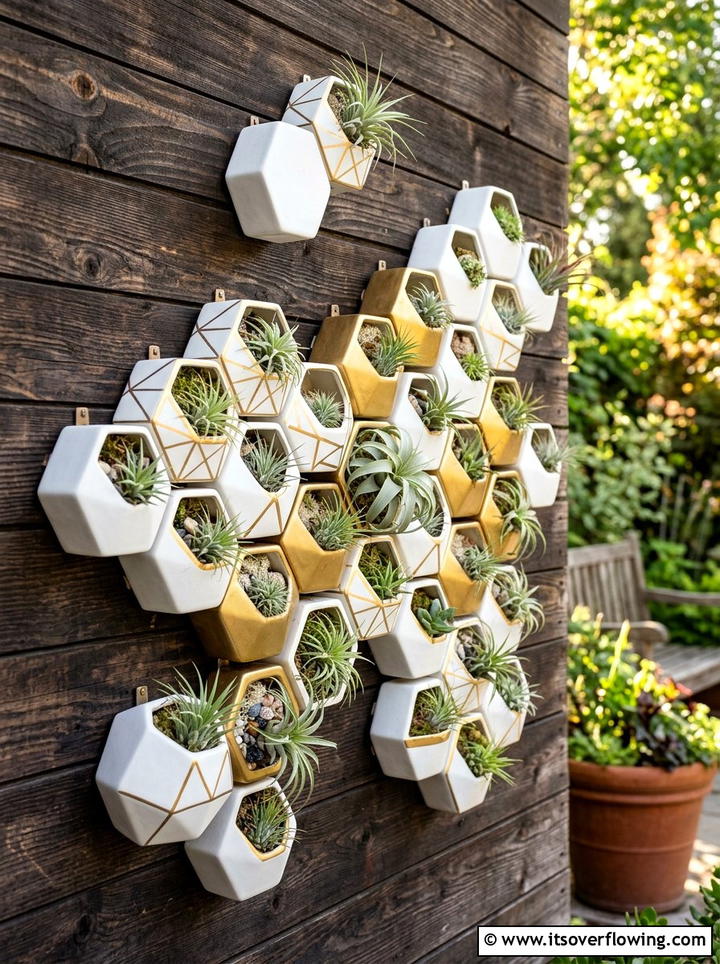
Geometric wall planters are the ultimate choice for a contemporary garden that values clean lines and artistic expression. These planters often come in shapes like hexagons, triangles, or diamonds and can be arranged in a cluster to create a custom wall installation. Made from materials like ceramic, metal, or wood, they act as modern vessels for small plants like air plants or succulents. By mixing and matching different shapes and sizes, you can turn a boring exterior wall into a dynamic, three-dimensional art gallery. This approach is perfect for small spaces where you want to make a big style statement without overwhelming the area.
22. Fruit Tree Espalier
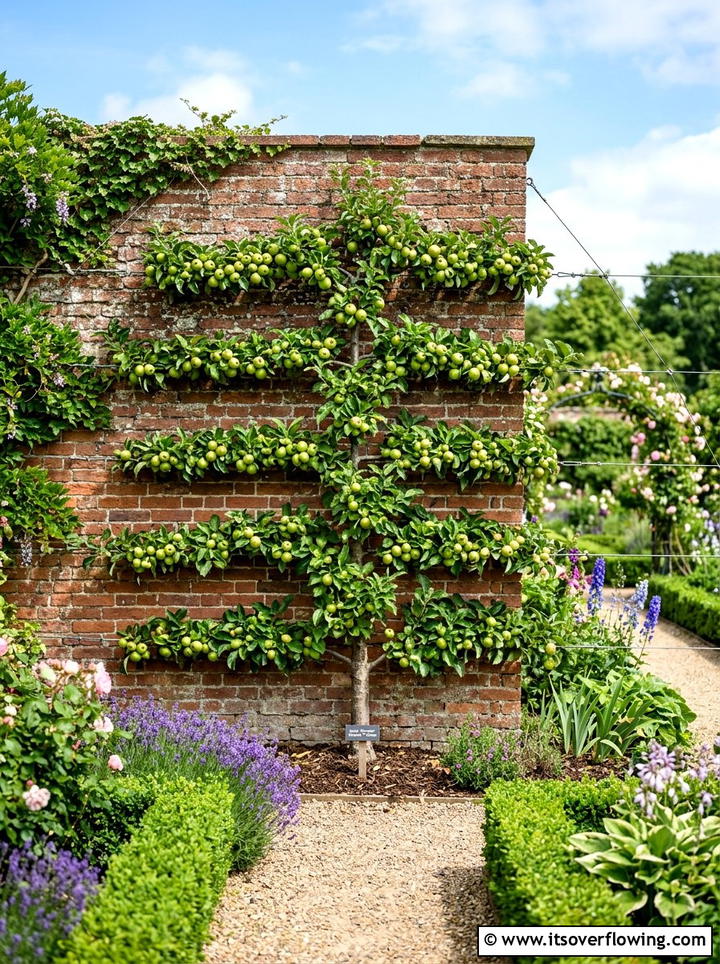
Espalier is an ancient horticultural technique where fruit trees are trained to grow flat against a wall or trellis in a specific pattern. This vertical method allows you to grow apples, pears, or citrus in very narrow spaces where a full-sized tree would never fit. The result is a stunning, formal look that showcases the structure of the branches and the beauty of the ripening fruit. Beyond its aesthetic appeal, espalier makes harvesting much easier and can even improve fruit quality by increasing sunlight exposure. It is a sophisticated way to combine food production with high-end landscape design for a truly impressive garden.
23. Tropical Green Wall
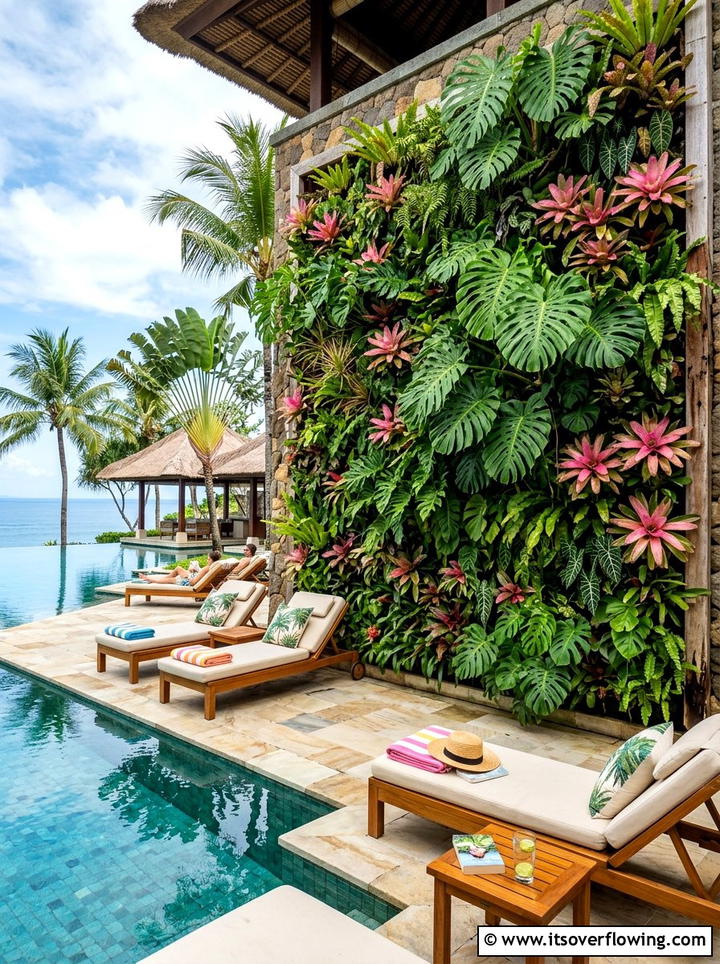
A tropical green wall uses large-leafed, vibrant plants to create a lush and exotic backdrop that feels like a hidden jungle retreat. By selecting plants like monstera, philodendrons, and colorful bromeliads, you can create a dense curtain of foliage that stays green throughout the warm months. This type of vertical garden is excellent for creating a sense of luxury and opulence in a poolside area or a covered patio. The variety of leaf shapes and the intense saturation of colors provide a rich, immersive experience. High humidity and indirect light are often best for these plants, making them ideal for specific microclimates.
24. Fern Wall For Shade
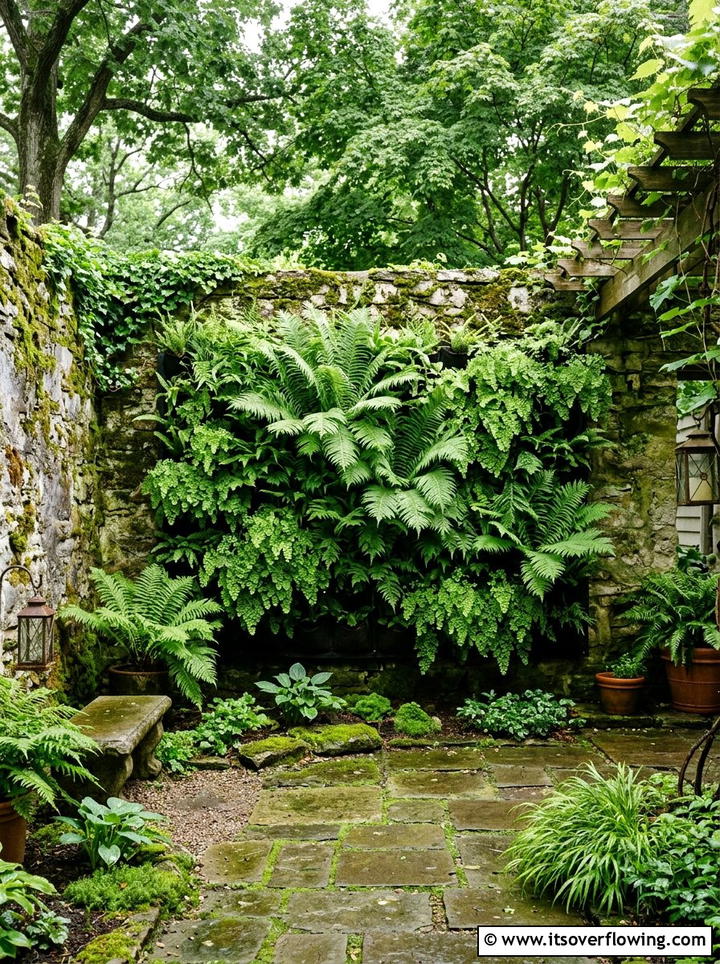
A fern wall is the perfect vertical solution for those damp, shaded corners of the garden where other plants might struggle to survive. Different varieties of ferns, from the delicate maidenhair to the robust Boston fern, offer a range of soft, feathery textures and shades of emerald. When mounted vertically, they create a cooling, lush effect that feels incredibly refreshing on a hot day. The natural tendency of ferns to thrive in vertical rock crevices makes them ideal for pocket planters or felt systems. This shade-loving installation brings life to the darker parts of your yard, turning them into a tranquil, green sanctuary.
25. Industrial Pipe Planter
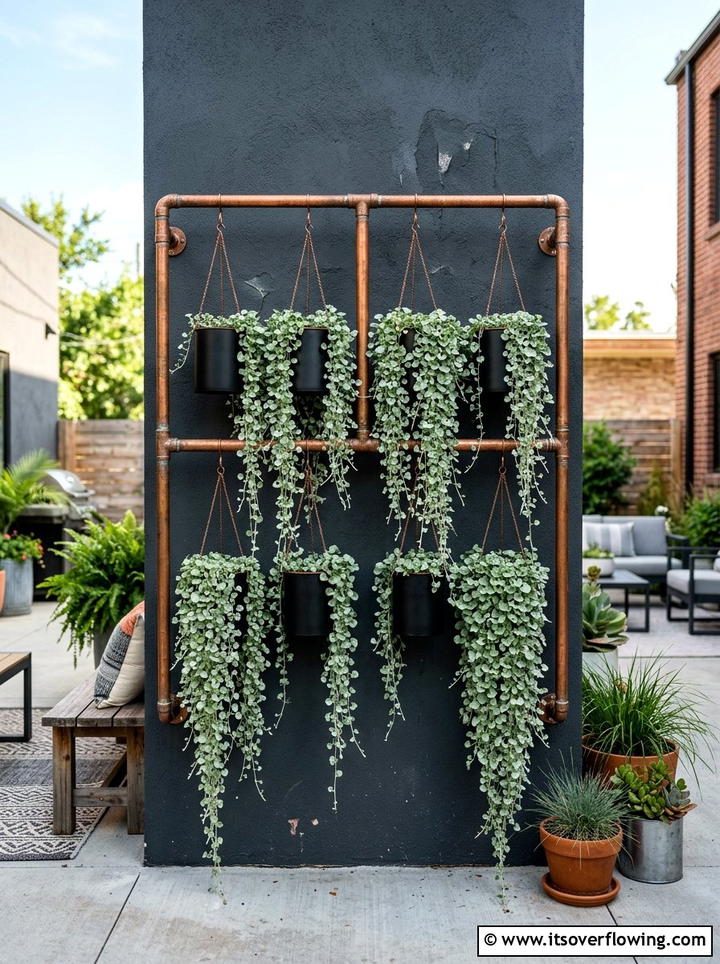
Industrial pipe planters offer a rugged and masculine aesthetic that works perfectly in modern, urban, or loft-style garden spaces. Using galvanized steel or copper pipes and fittings, you can construct a custom framework that holds pots or sections of pipe acting as planters. This DIY-friendly approach allows you to wrap the greenery around corners or climb high up a wall in a very structured way. The contrast between the hard metal and the soft, organic plants creates a striking visual balance. It is a durable and highly customizable system that adds a unique, handcrafted character to your vertical gardening efforts throughout the year.
Conclusion:
Embracing vertical gardening is a transformative choice that allows any homeowner to cultivate a vibrant and productive garden regardless of their available ground space. By moving your plants upward, you unlock new creative possibilities that enhance the architectural beauty of your home while fostering a closer connection to nature. From the rustic charm of pallet gardens to the sleek sophistication of hydroponic systems, there is a vertical solution for every style and budget. These ideas not only maximize your growing area but also improve the overall ambiance and value of your outdoor living spaces. Start your vertical journey today and watch your garden reach new, breathtaking heights.

Related posts:
 25 Garden Design Ideas With Vertical Gardens for Small Yards
 25 Garden Ideas With Vertical Planters for Small Spaces
 25 Creative Garden Ideas With Black and White Gardens
 25 Creative Garden Ideas With Chicken Coop Gardens
 25 Creative Garden Ideas With Fragrance Gardens
 25 Creative Garden Ideas With Mandala Gardens to Inspire
 25 creative garden ideas with moon gardens for Nighttime Glow
 25 creative garden ideas with rain gardens for Eco Yards
 25 Creative Garden Ideas With Salad Gardens for Fresh Harvests
 25 Creative Garden Ideas With Tea Gardens for Calm Retreats
 25 Garden Design Ideas for Cottage Gardens Full of Charm
 25 garden design ideas with gravel gardens: Modern Low-Care