
Creating a lush outdoor oasis often feels challenging when you are dealing with limited square footage or a small backyard. However, vertical planters offer a brilliant solution that transforms bare walls and empty fences into vibrant living tapestries of greenery. These elevated growing systems allow you to maximize every inch of your available space while adding a stunning architectural element to your home. Whether you want to grow fresh kitchen herbs or a colorful array of trailing flowers, vertical gardening makes it possible to cultivate a diverse range of plants in a compact footprint. It is truly the perfect way to enhance your curb appeal and bring nature closer to your daily living environment without cluttering the floor.
1. Vertical herb garden
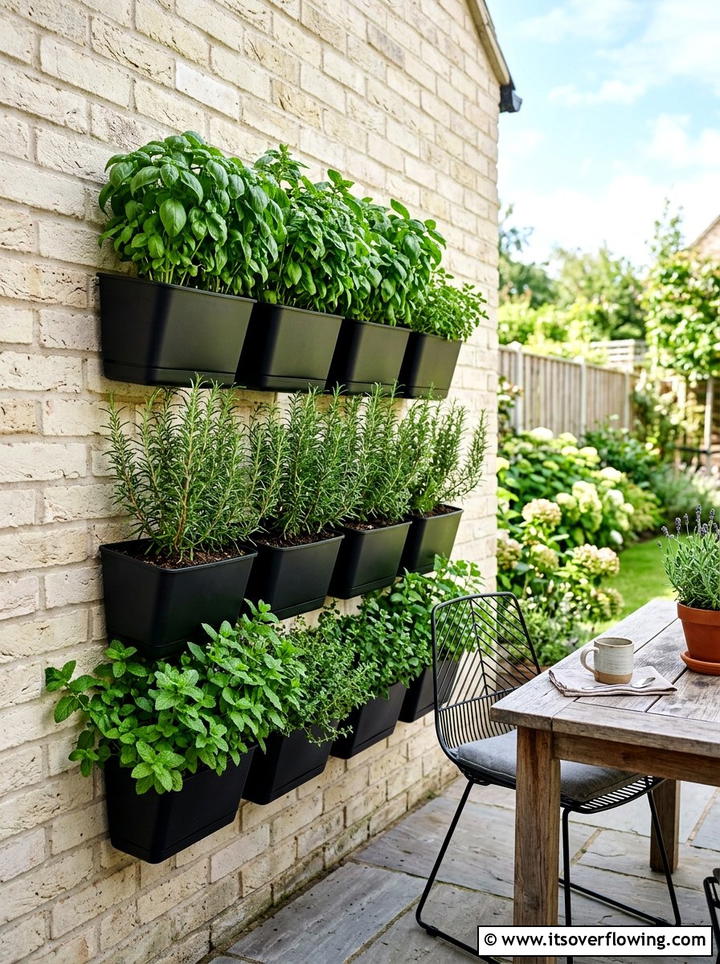
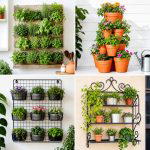
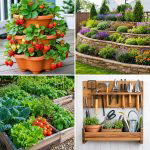
Imagine stepping outside to snip fresh basil and rosemary from a wall-mounted station right next to your kitchen door. A vertical herb garden is one of the most practical ways to utilize vertical space because it keeps your edible plants organized and easily accessible for cooking. You can use individual pots attached to a wooden frame or a specialized hydroponic system that provides constant nutrients. This setup ensures that your herbs receive plenty of sunlight and air circulation, which helps prevent common soil-borne diseases. It also protects your delicate greens from ground-level pests like rabbits or slugs, making your gardening experience much more enjoyable and productive throughout the entire growing season.
2. Succulent wall planter
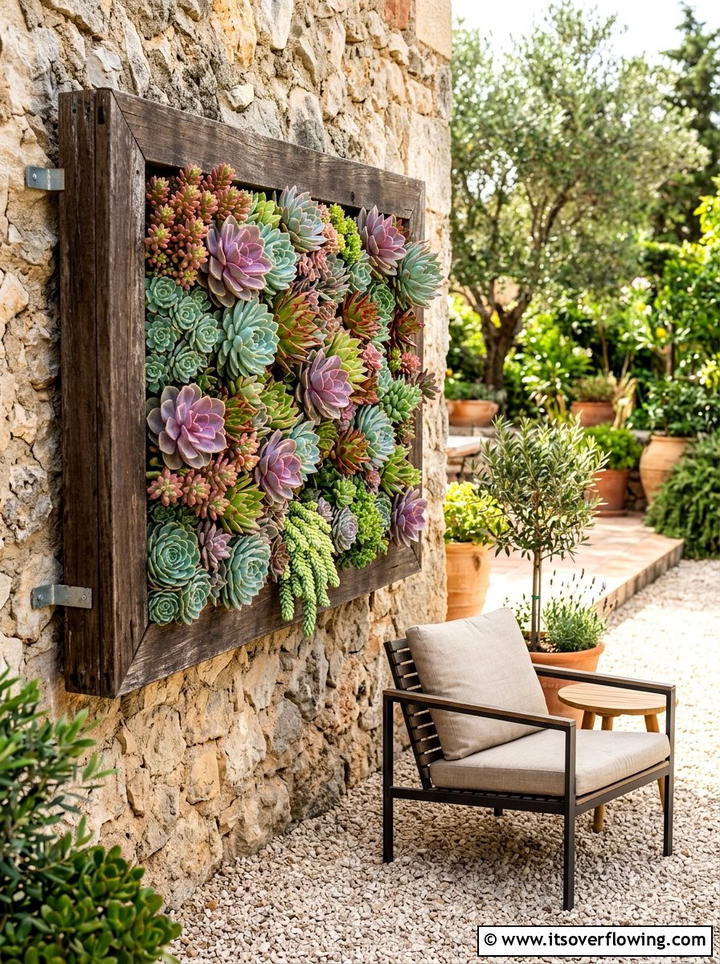
Have you ever considered turning a sunny exterior wall into a living piece of art? A succulent wall planter uses shallow frames packed with various types of echeveria, sedum, and hens-and-chicks to create a low-maintenance masterpiece. Because succulents have shallow root systems and require very little water, they are the ideal candidates for vertical arrangements that might dry out quickly. You can play with different colors and textures to create a geometric pattern or a flowing, natural look. This type of installation is perfect for busy homeowners who want a high-impact visual display without the need for daily watering or complex pruning, as these hardy plants thrive in tight spaces.
3. Pallet garden outdoor
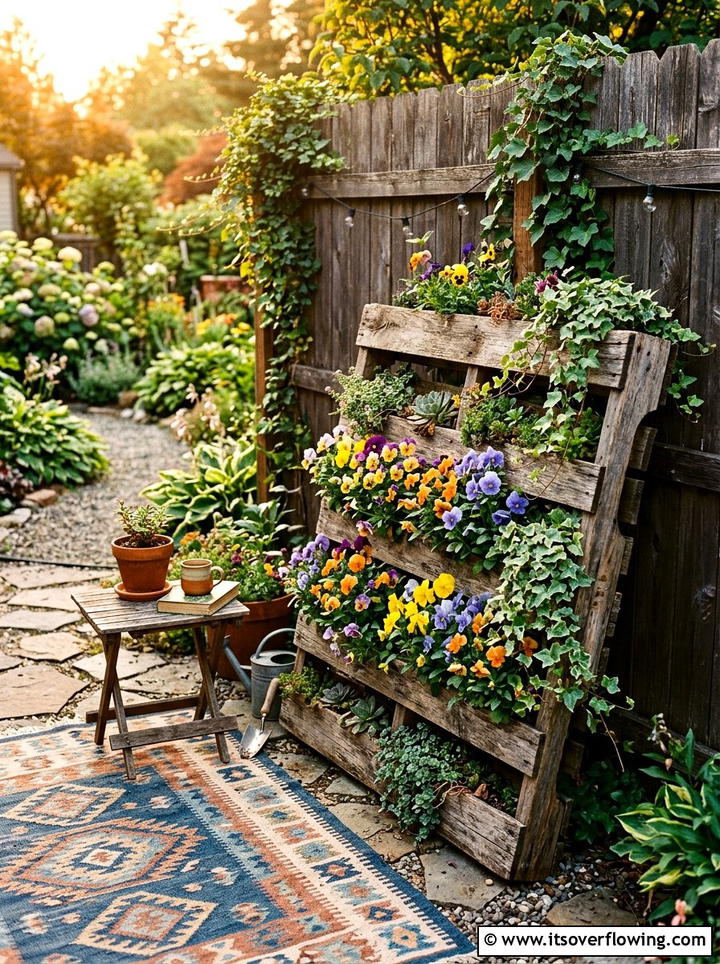
Do you have an old wooden pallet lying around that could be repurposed into something beautiful and functional? Upcycling a pallet into a vertical garden is a cost-effective way to add rustic charm to your patio or balcony. By adding landscape fabric to the back and bottom of the slats, you can create pockets for soil where small flowers or leafy greens can grow. This style of gardening works exceptionally well for strawberries or lettuce, as the fruit stays off the ground and away from dirt. Painting the wood in a bright color can also make the greenery pop, creating a customized look that matches your existing outdoor furniture perfectly.
4. Hanging basket display
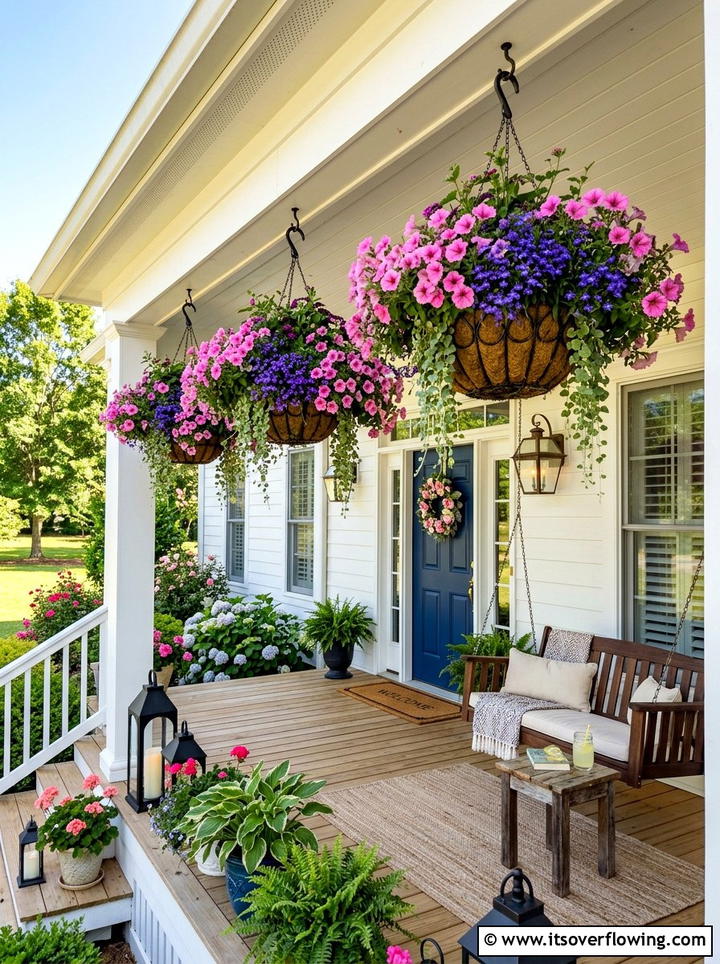
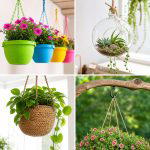
Are you looking for a way to add vertical interest to a porch or a sturdy tree branch? A hanging basket display allows you to layer different heights of blooming flowers like petunias, fuchsias, or lobelia. By using multiple hooks at varying levels, you create a sense of depth and abundance that draws the eye upward. This method is particularly effective for trailing plants that spill over the edges, creating a waterfall of color. To keep these baskets looking their best, ensure you use a high-quality potting mix that retains moisture, as hanging plants are more exposed to wind and can dry out faster than those in the ground.
5. Tiered ladder planter
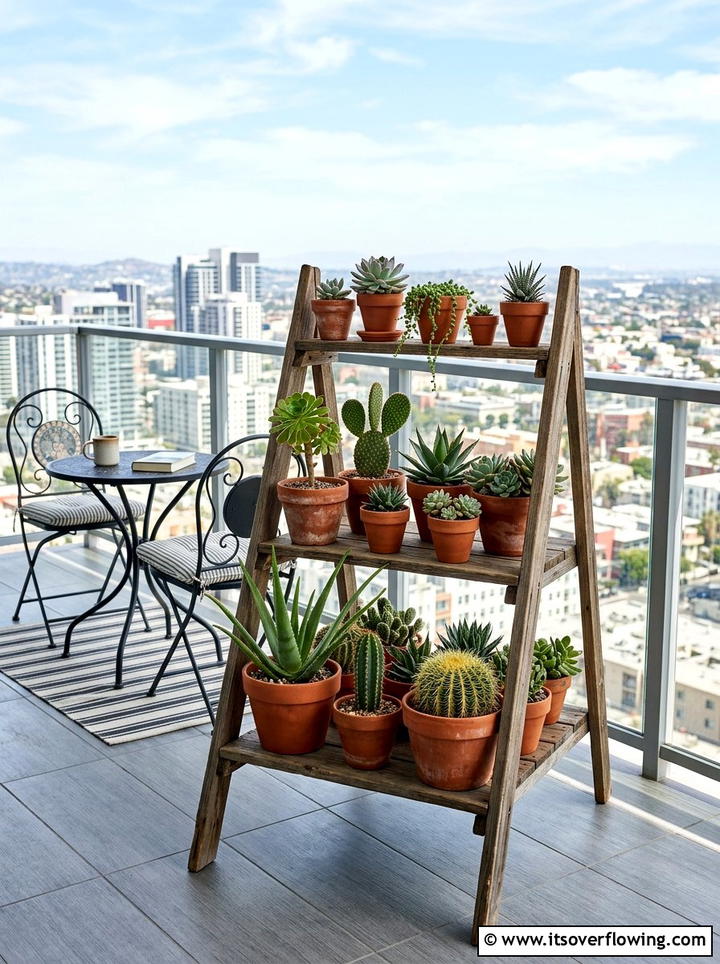
Would you like a flexible gardening solution that you can easily move around your deck or patio? A tiered ladder planter features several rows of shelving that hold individual pots, providing a structured yet casual look. This design is excellent for gardeners who want to grow a variety of plants with different light and water requirements in one central location. You can place sun-loving succulents on the top rungs while keeping shade-tolerant ferns on the bottom levels. The vertical orientation provides a clear view of every plant, making it simple to monitor their health while adding a stylish, furniture-like element to your outdoor living space.
6. Trellis for climbing flowers
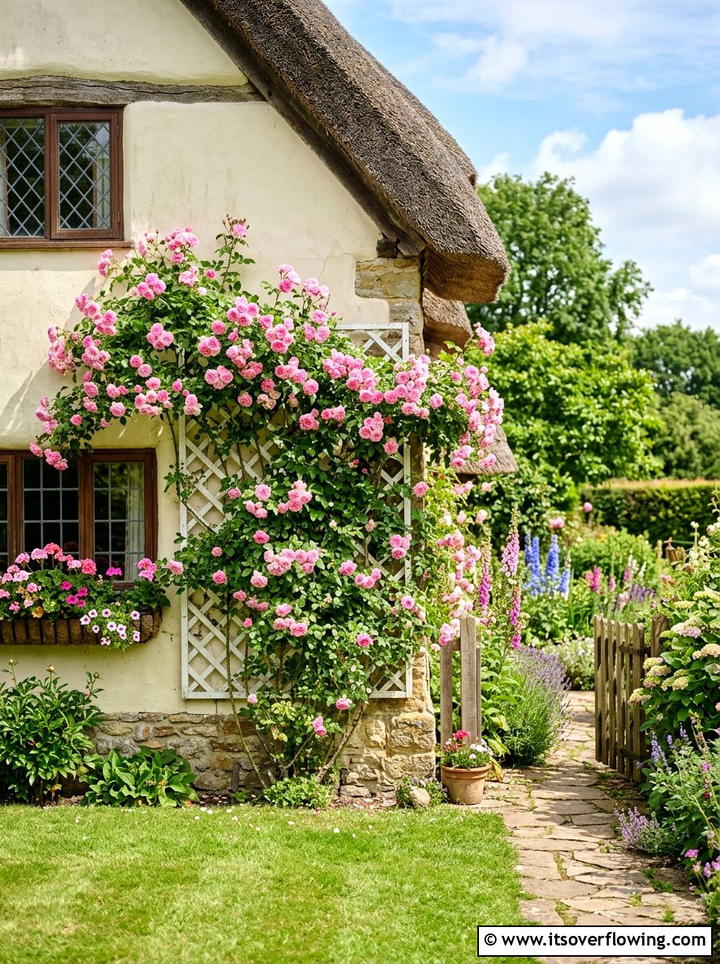
Can you picture a wall of fragrant jasmine or vibrant clematis climbing gracefully toward the sky? A trellis provides the necessary support for vining plants to grow vertically, creating a natural screen that offers both beauty and privacy. Whether you choose a classic wooden lattice or a modern metal grid, a trellis allows you to grow large volumes of foliage in a very narrow footprint. This is a fantastic way to soften the look of a harsh brick wall or a plain wooden fence. As the plants grow and weave through the structure, they create a dense canopy of leaves and blossoms that can even provide cooling shade.
7. Wall mounted pocket planter
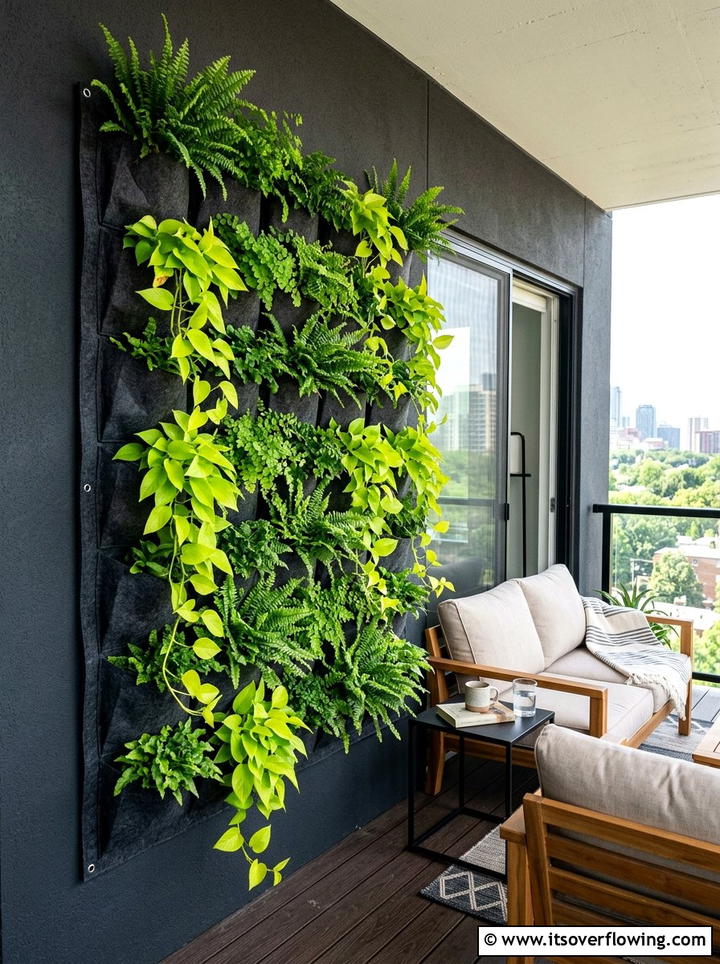
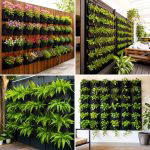
Is your balcony feeling a bit cramped but still in need of some refreshing greenery? Wall mounted pocket planters are made from breathable felt or durable plastic and can be easily attached to any vertical surface. These soft-sided containers allow roots to breathe and prevent overwatering by letting excess moisture seep through the material. You can create a full “living wall” effect by mounting several pocket systems side-by-side. This approach is ideal for growing leafy greens, small ferns, or colorful annuals. The lightweight nature of these planters makes them a favorite for renters or those who want to avoid heavy, permanent installations on their exterior walls.
8. Living fence privacy screen
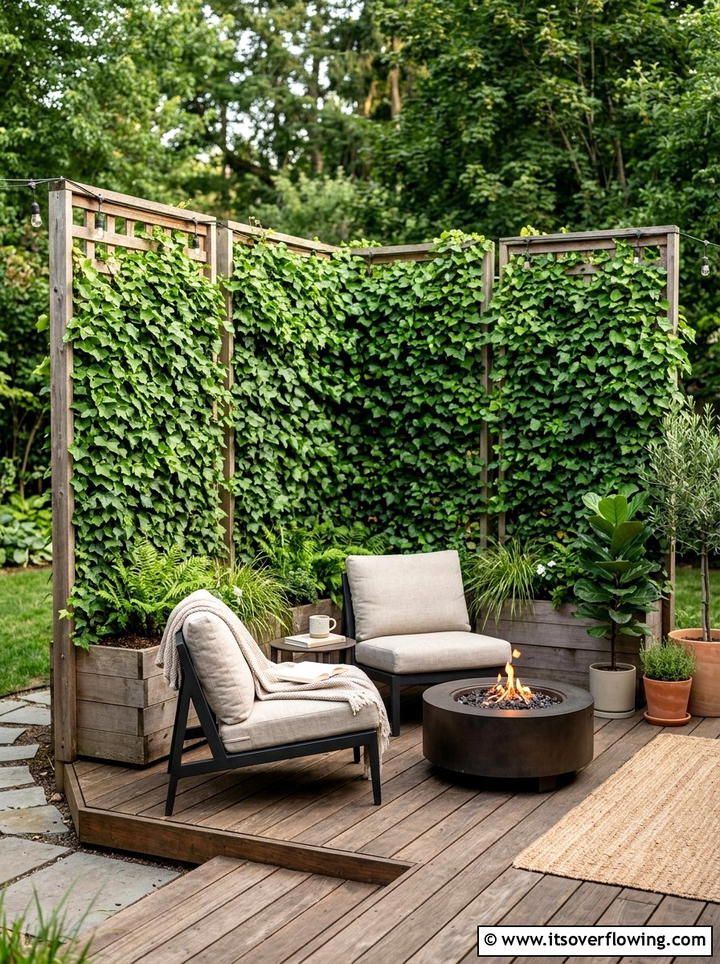
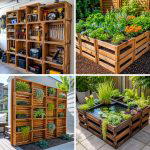
Do you need a way to block the view from neighboring houses while still enjoying a garden-like feel? A living fence privacy screen uses tall vertical structures filled with dense foliage to create a natural barrier. You can use a series of tall, narrow troughs with integrated trellises to grow evergreen climbers or tall grasses. This method provides a much more attractive alternative to traditional wood or vinyl fencing. Not only does it provide privacy, but it also acts as a sound buffer, making your outdoor area feel like a secluded retreat. The constant movement of the leaves adds a sense of life and tranquility to your yard.
9. Stacked terracotta pot tower
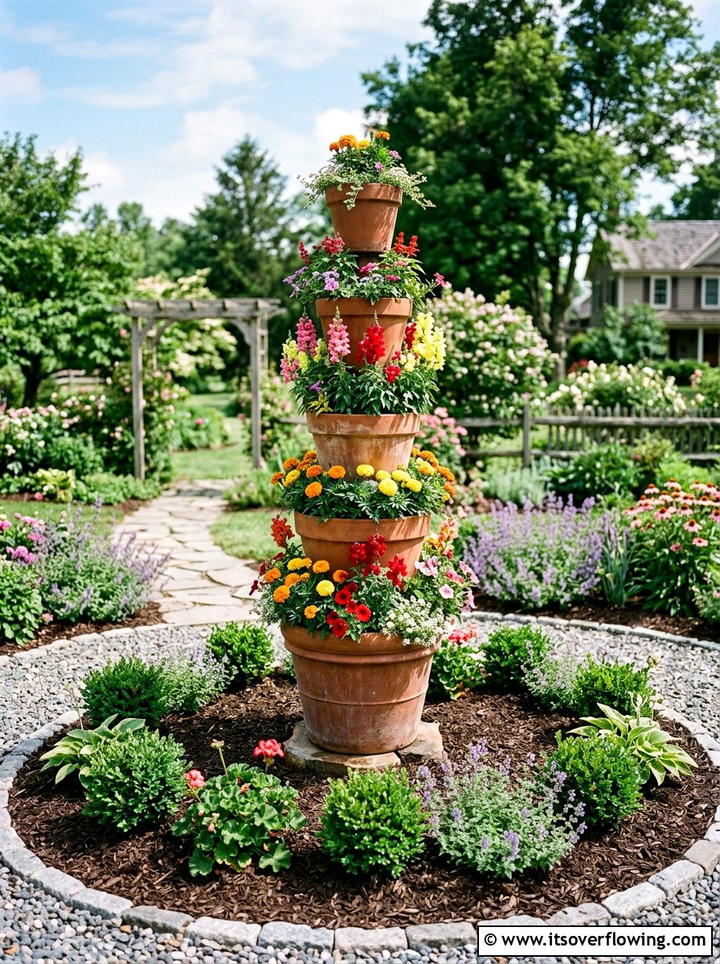
How about a whimsical and classic look that utilizes traditional materials in a brand-new way? A stacked terracotta pot tower involves threading several pots of decreasing sizes onto a central sturdy rod or dowel. This creates a spiraling effect where each level can be planted with different varieties of flowers or herbs. The porous nature of the clay pots is excellent for root health, as it allows for natural air exchange. This vertical setup is perfect for a corner of a patio or as a centerpiece in a flower bed. It is a fun project that adds height and character to your garden without requiring a large budget.
10. Copper pipe plant hanger
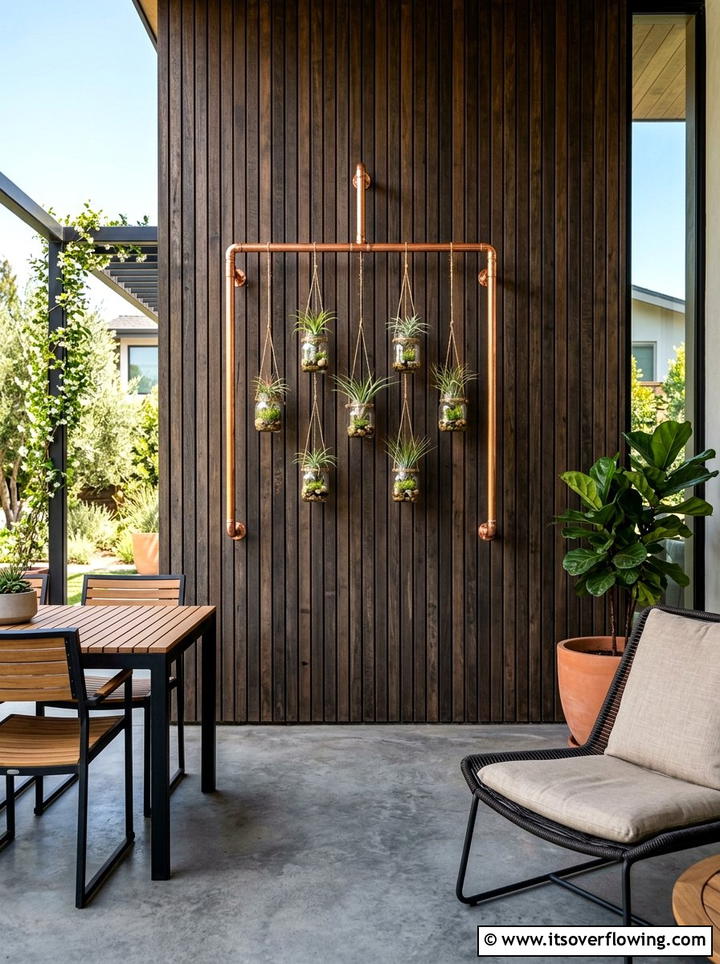
Are you a fan of industrial or modern aesthetics in your home and garden? A copper pipe plant hanger uses sleek metallic tubing to create a minimalist frame for suspended air plants or small potted greens. The warm glow of the copper contrasts beautifully with the deep green of the foliage, making it a sophisticated addition to a contemporary outdoor space. You can design custom shapes or simple horizontal bars to fit your specific wall area. Because copper is durable and weather-resistant, it will develop a beautiful patina over time, adding even more character to your vertical garden display while remaining strong and supportive for your plants.
11. Industrial wire mesh grid
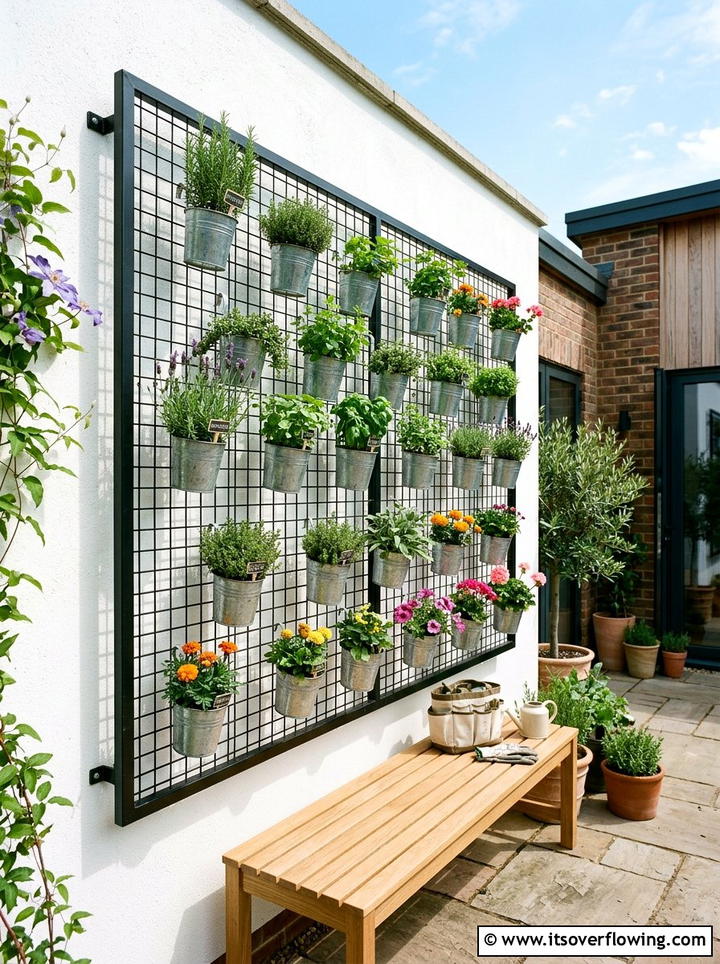
Looking for a versatile and modern way to organize your plant collection on a plain wall? An industrial wire mesh grid offers a clean, geometric background where you can clip on various pots and containers using simple hooks or wire. This system is incredibly flexible, allowing you to rearrange your plants as they grow or as the seasons change. It provides an airy, open feel that doesn’t overwhelm a small space. You can mix and match different pot styles, from galvanized metal buckets to colorful ceramic jars, to create a curated and eclectic look. It is a perfect solution for a contemporary patio or a workspace.
12. Floating wooden shelves garden
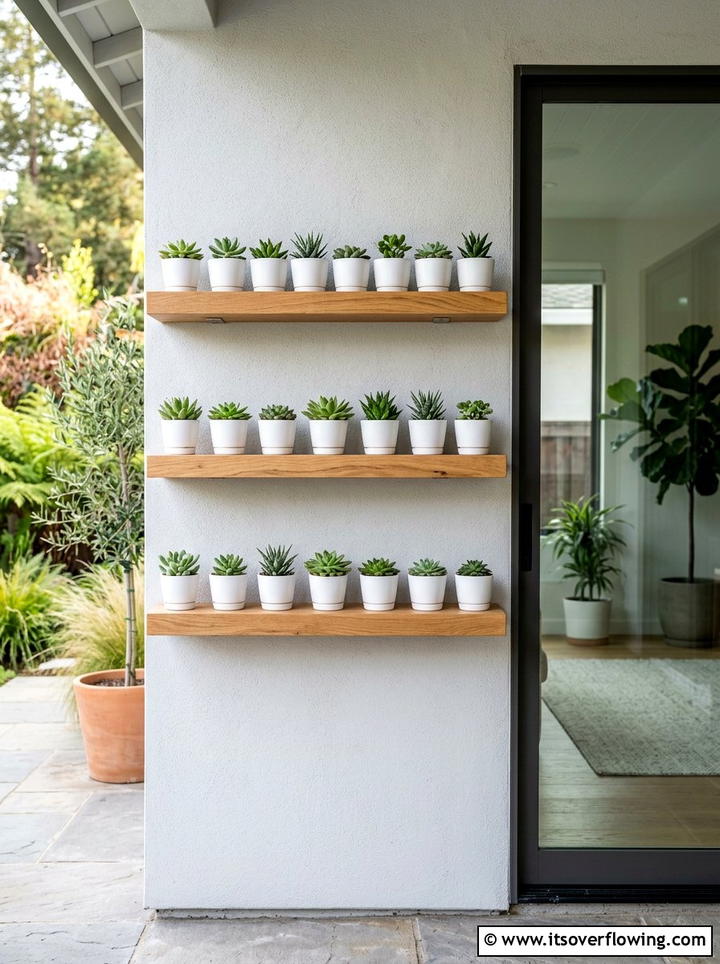
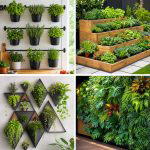
Can you imagine a series of sleek, floating wooden shelves holding a neat row of identical potted plants? This minimalist approach to vertical gardening creates a very organized and intentional look that mimics interior design trends. Using weather-treated timber ensures that the shelves can withstand rain and sun while providing a sturdy platform for your favorite botanicals. This setup is ideal for displaying a collection of rare cacti or uniform flowering plants like red geraniums. The clean lines of the shelves help define the space and can turn a boring exterior wall into a sophisticated focal point that looks great all year round.
13. Reclaimed window frame planter
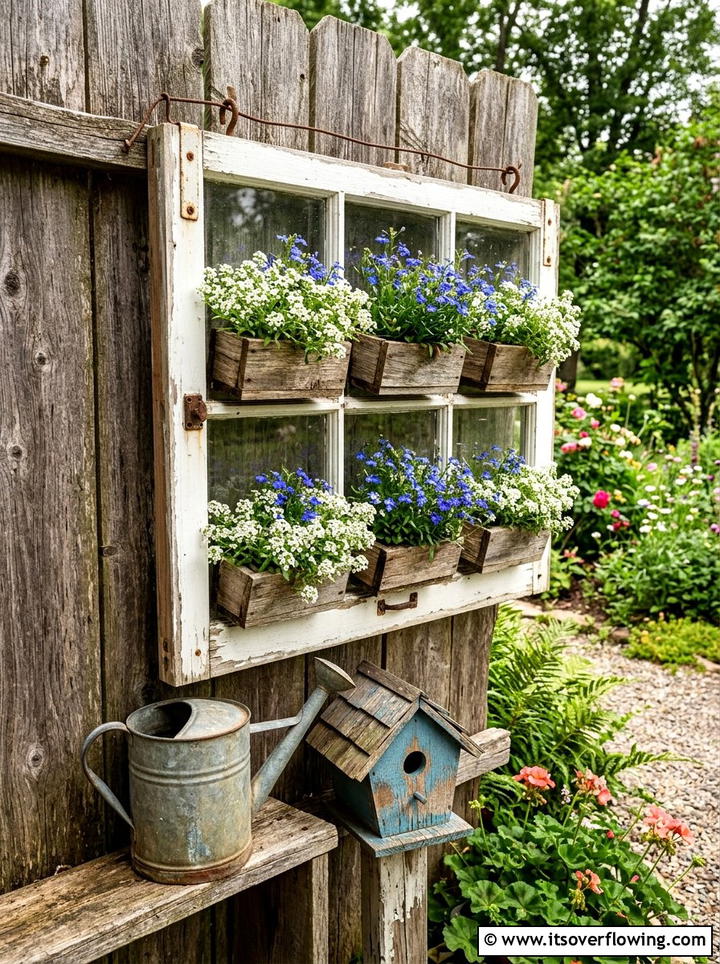
Do you love the look of vintage or farmhouse-style decor in your outdoor living areas? A reclaimed window frame can be easily converted into a vertical planter by adding small boxes or jars where the glass panes used to be. This unique structure adds a sense of history and charm to your garden while providing a creative way to display small plants. You can hang the frame on a fence or lean it against a wall for a casual, lived-in feel. It works beautifully with delicate plants like pansies or trailing ivy, creating a picturesque scene that looks like it belongs in a professional gardening magazine.
14. Over the door shoe organizer garden
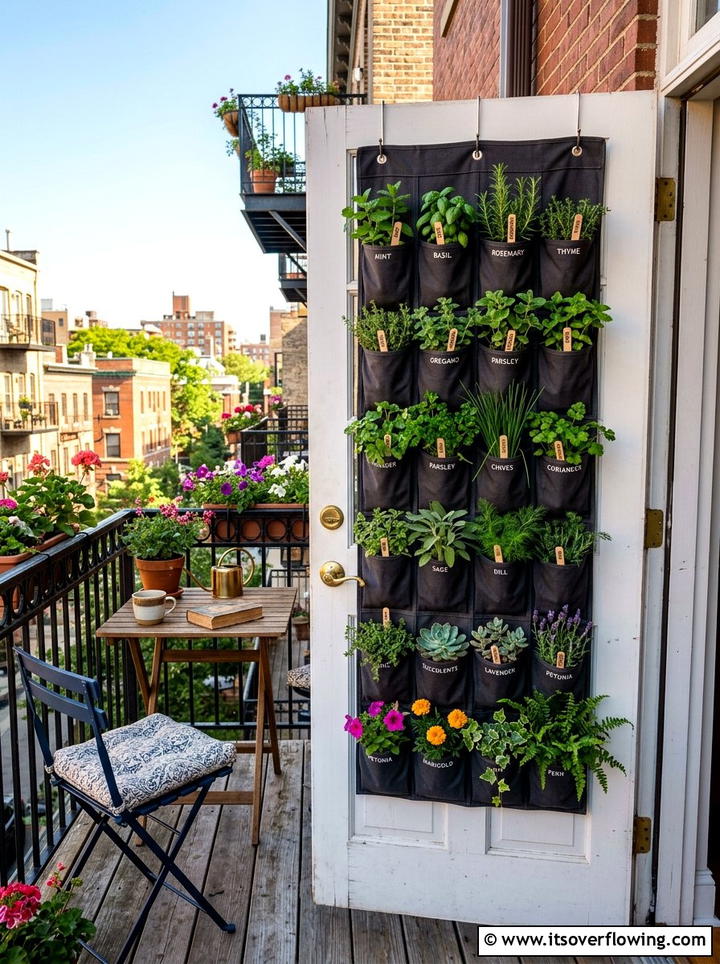
Are you searching for the most budget-friendly way to start a vertical garden on a tiny balcony? An over-the-door shoe organizer made of heavy-duty fabric or plastic can be repurposed into a multi-pocket planter in minutes. Each pocket serves as an individual container for soil and a single plant, making it easy to grow a large variety of species in one small area. This is an excellent project for teaching children about gardening because each child can have their own row of pockets to tend. Ensure you poke small drainage holes in the bottom of each pocket to keep the soil healthy and prevent root rot.
15. Gutter garden on fence
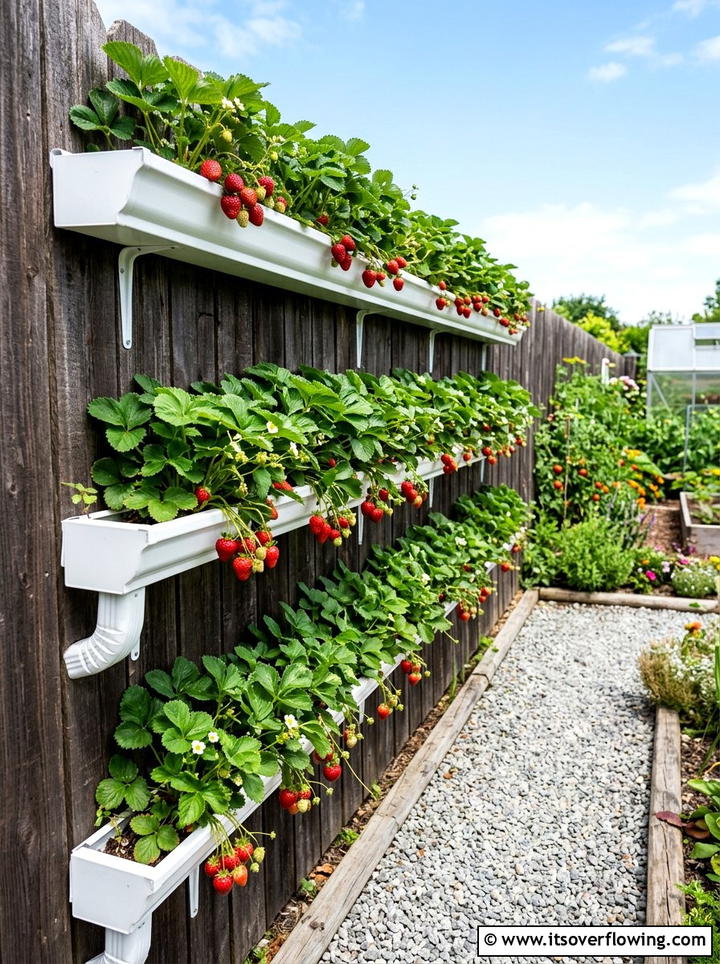
Did you know that standard household gutters can be transformed into long, narrow planting troughs for your fence? By mounting several rows of gutters horizontally one above the other, you create a sleek and modern vertical garden that is perfect for shallow-rooted plants. This method is particularly popular for growing strawberries, spinach, or lettuce, as it keeps the produce at a comfortable waist-high level for easy harvesting. The long, continuous lines of the gutters create a sense of order and can make a small yard feel longer. Adding end caps and proper drainage ensures that your plants stay healthy and the water flows correctly.
16. Bamboo stick plant support
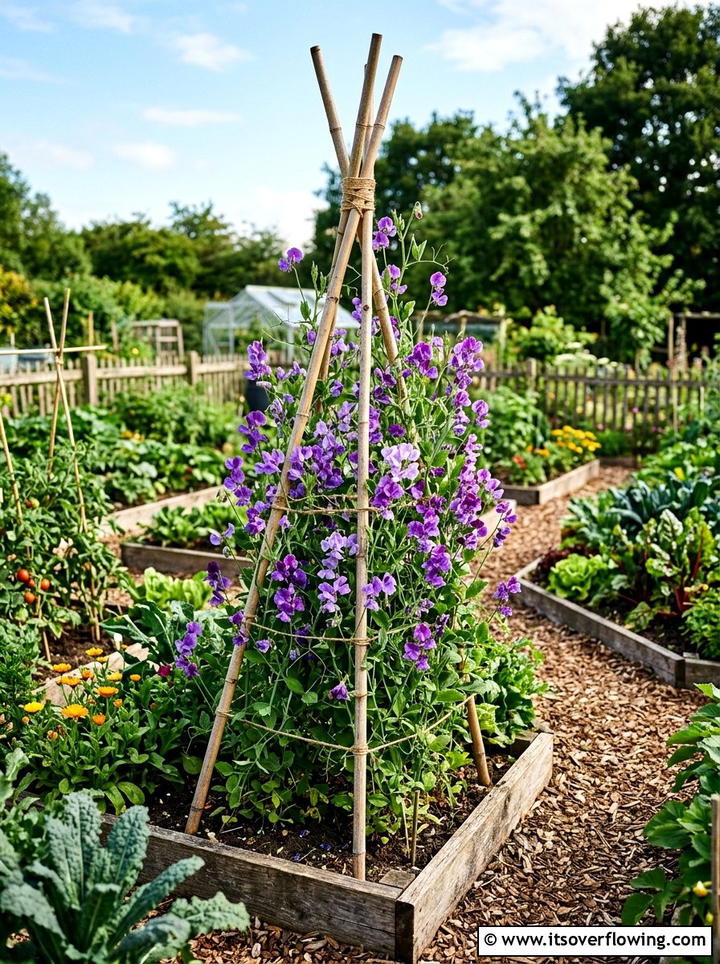
Would you like to incorporate natural, sustainable materials into your vertical gardening strategy? Bamboo sticks are incredibly strong and lightweight, making them perfect for building custom teepees or A-frame supports for climbing vegetables like peas and beans. This organic look fits perfectly into a traditional vegetable patch or a tropical-themed garden. Bamboo is also very affordable and can be easily tied together with twine to create various shapes and heights. As the plants grow upward, they create a lush green tent that adds visual interest and structure to the ground level while maximizing the vertical space available for food production in your backyard.
17. Modern metal wall boxes
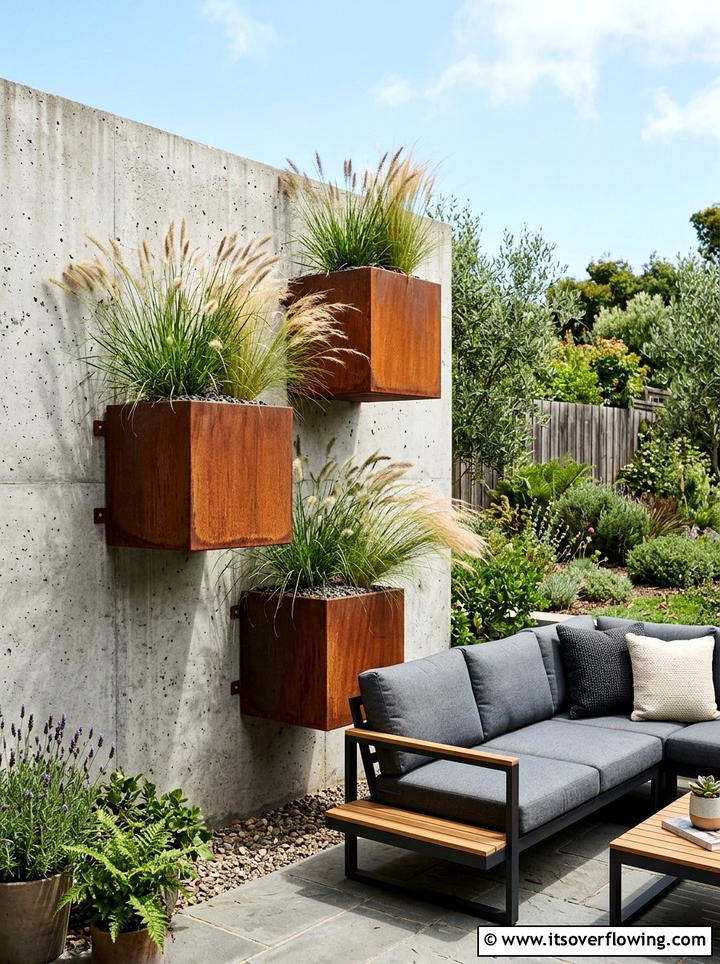
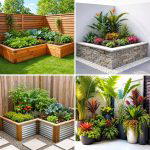
Are you looking to add a bold, architectural statement to your home’s exterior walls? Modern metal wall boxes, often made from powder-coated steel or aluminum, provide a clean and durable housing for your plants. These boxes come in various sizes and depths, allowing you to create a customized arrangement that looks like a professional installation. The solid metal construction offers a high-end feel that complements contemporary architecture and minimalist landscaping. When planted with architectural plants like ornamental grasses or structural succulents, these boxes create a high-contrast look that remains striking even during the winter months when other garden elements might be dormant or hidden.
18. Cedar wood slat wall
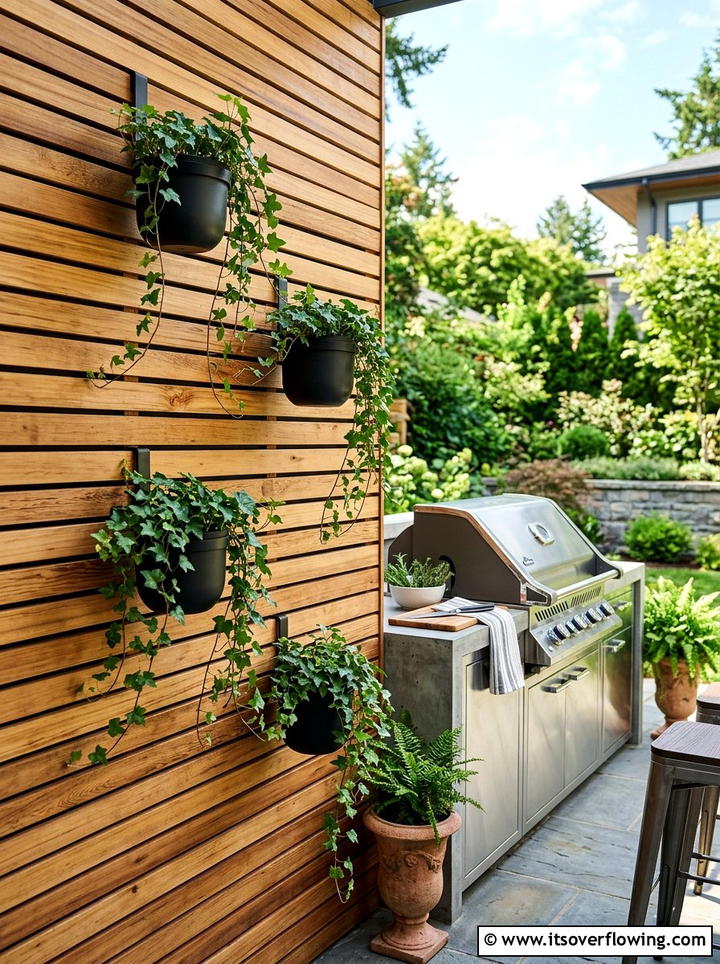
Do you want a warm and natural background for your vertical plant collection that also smells amazing? A cedar wood slat wall consists of horizontal boards with small gaps in between, allowing you to easily hook or screw in various types of planters. Cedar is naturally resistant to rot and insects, making it the perfect choice for permanent outdoor structures. The vertical lines of the slats provide a beautiful texture that enhances the organic shapes of the leaves. This setup is highly customizable, as you can add shelves, hooks, or even lighting fixtures to create a fully functional and decorative garden feature on your patio.
19. Hanging glass terrarium wall
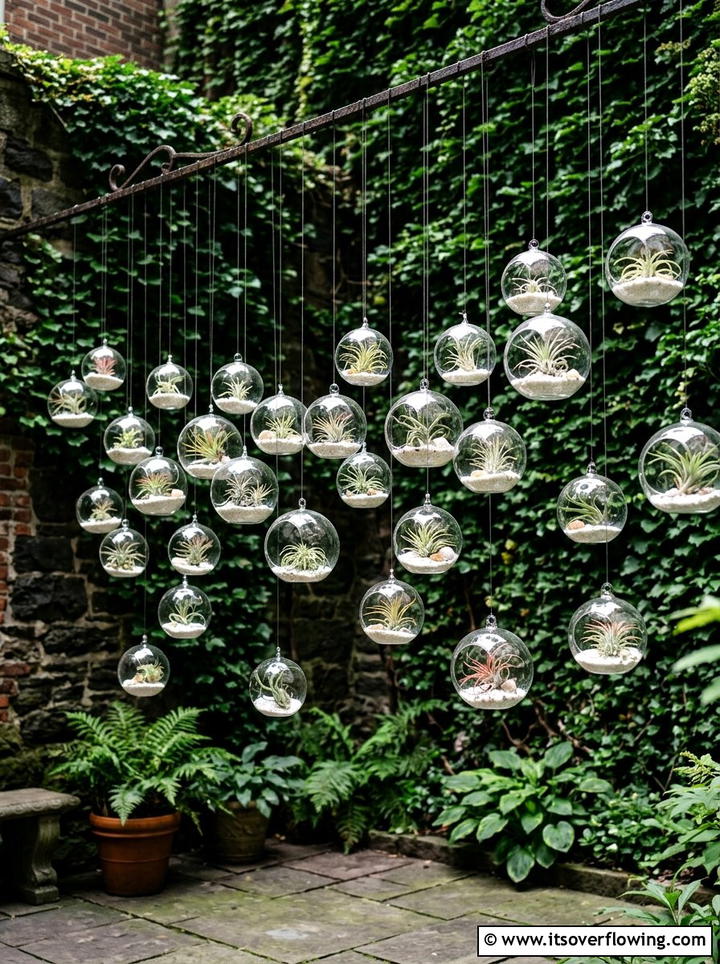
Can you imagine tiny, sparkling glass globes filled with delicate air plants or moss hanging against a dark wall? A hanging glass terrarium wall adds a touch of magic and elegance to a shaded patio or a covered balcony. These transparent containers allow you to see the entire plant, including the unique root structures of air plants that don’t require soil. By using thin fishing line or decorative chains, you can make the globes appear to float in mid-air. This ethereal look is perfect for small spaces where you want to add greenery without using heavy or bulky pots that might take up too much visual room.
20. Upcycled tin can garden
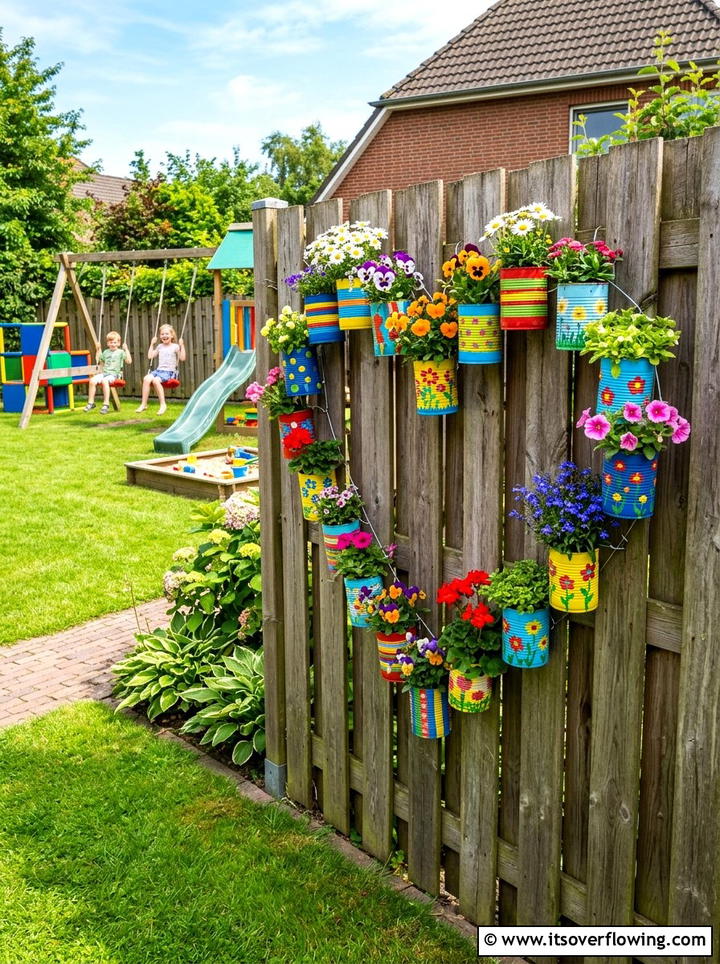
Are you looking for a fun and eco-friendly DIY project that the whole family can enjoy? An upcycled tin can garden involves cleaning out old food cans, painting them in vibrant colors, and mounting them to a wooden board or fence. This colorful and eclectic display is a great way to recycle household waste while creating a cheerful vertical garden for small flowers or herbs. You can punch holes in the sides of the cans for drainage and use simple screws to attach them in a playful pattern. It is an affordable way to add a pop of personality and color to a plain outdoor area.
21. Picket fence herb display
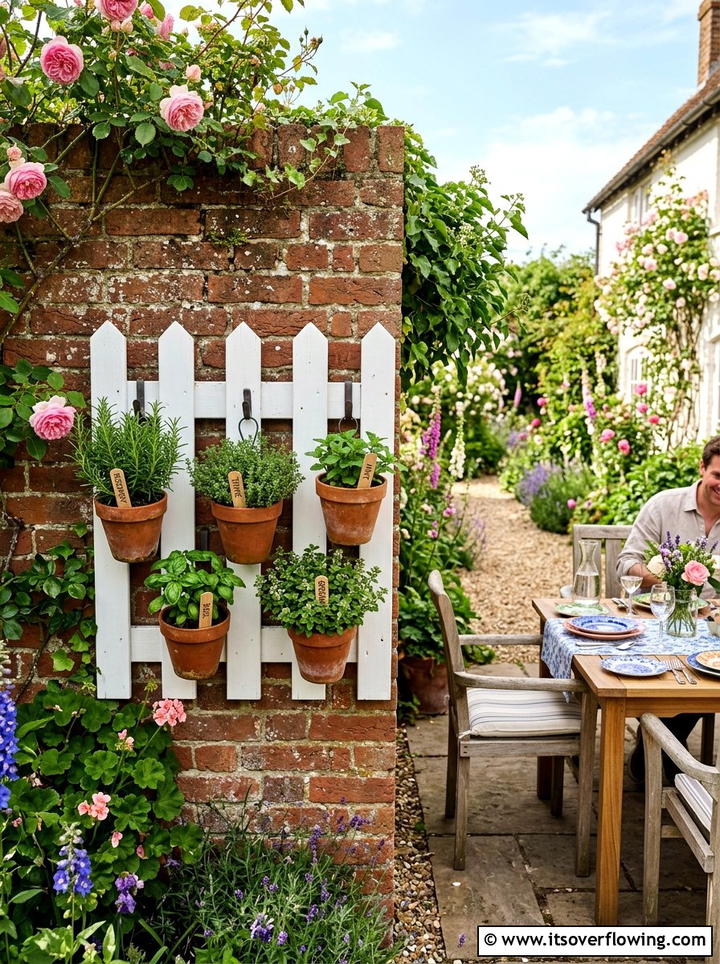
Do you want to bring a classic cottage-style charm to your outdoor cooking area? A small section of a picket fence can be mounted to a wall and used as a support for small terracotta pots filled with fresh herbs. The white slats of the fence provide a bright and clean backdrop that makes the green leaves look especially vibrant. This vertical setup keeps your favorite seasonings within arm’s reach while you are grilling or entertaining guests. It is a simple yet effective way to combine traditional garden elements with modern space-saving techniques, creating a cozy and inviting atmosphere in even the smallest of backyards.
22. Pyramid planter garden bed
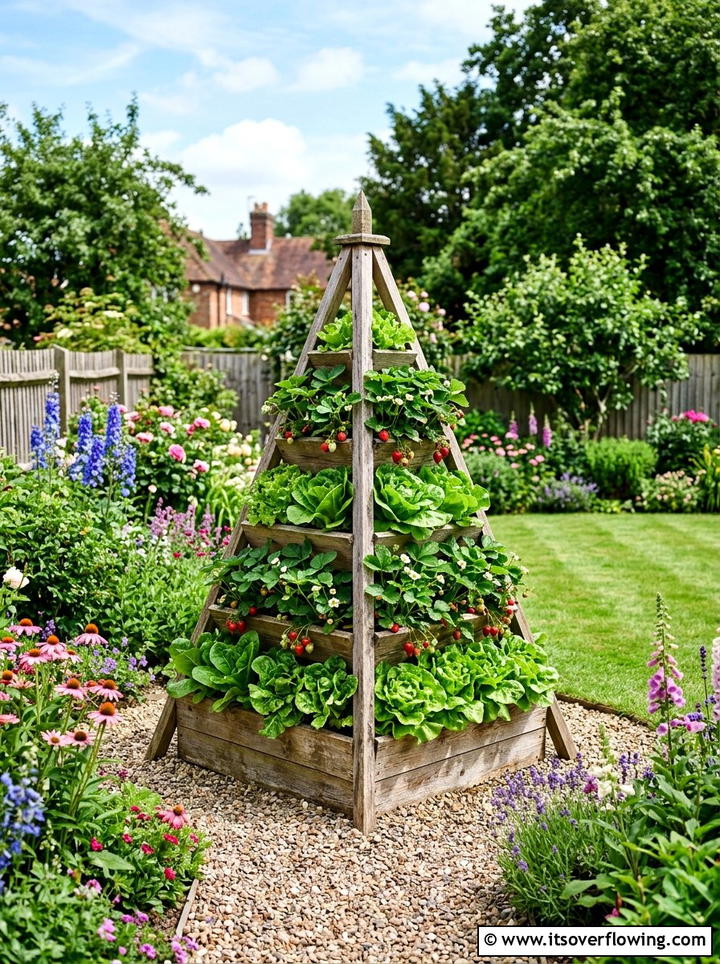
Would you like a vertical solution that sits on the ground but still maximizes upward growth? A pyramid planter features a wide base with several receding levels, creating a four-sided mountain of soil and plants. This design is exceptionally stable and allows for a massive amount of planting surface area in a relatively small footprint. It is perfect for a strawberry patch, as the berries can hang down the sides for easy picking without touching the dirt. The tiered structure also ensures that every plant receives adequate sunlight, regardless of which side of the pyramid it is planted on throughout the day.
23. Wrought iron plant stand
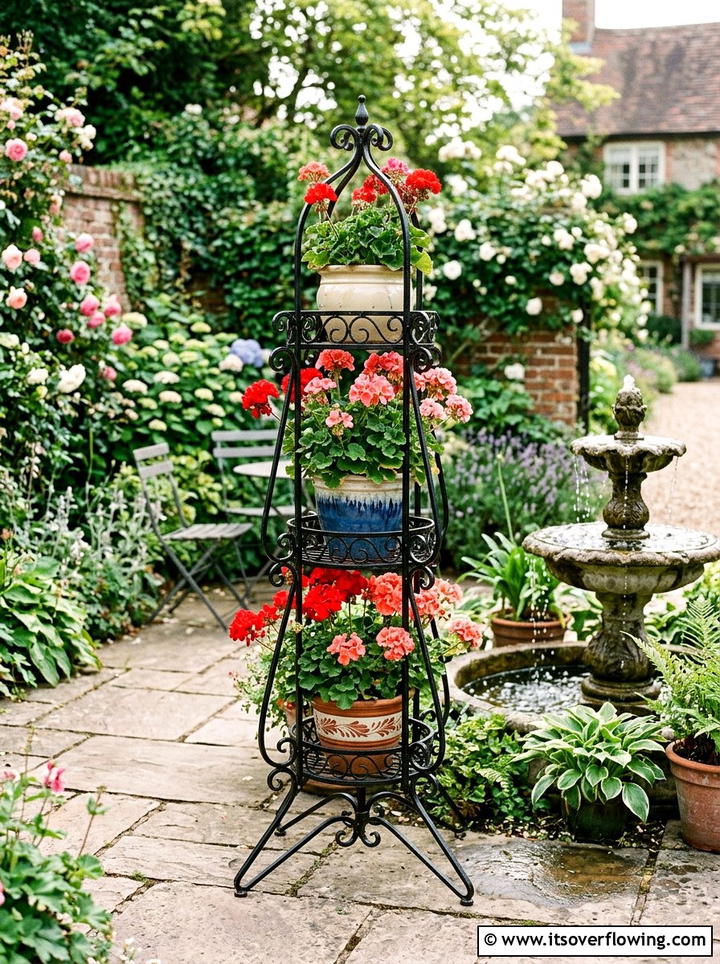
Are you a fan of timeless, elegant garden furniture that adds a sense of history to your yard? A tall, multi-tiered wrought iron plant stand can hold several large pots in a vertical arrangement, creating a stately column of greenery. The intricate metalwork adds a decorative element even before the plants have fully grown in. These stands are very sturdy and can support heavier pots that might be too much for wall-mounted systems. They are perfect for framing an entryway or adding height to a flat corner of a patio. The open design of the ironwork allows light and air to reach all the plants.
24. Cascading strawberry planter
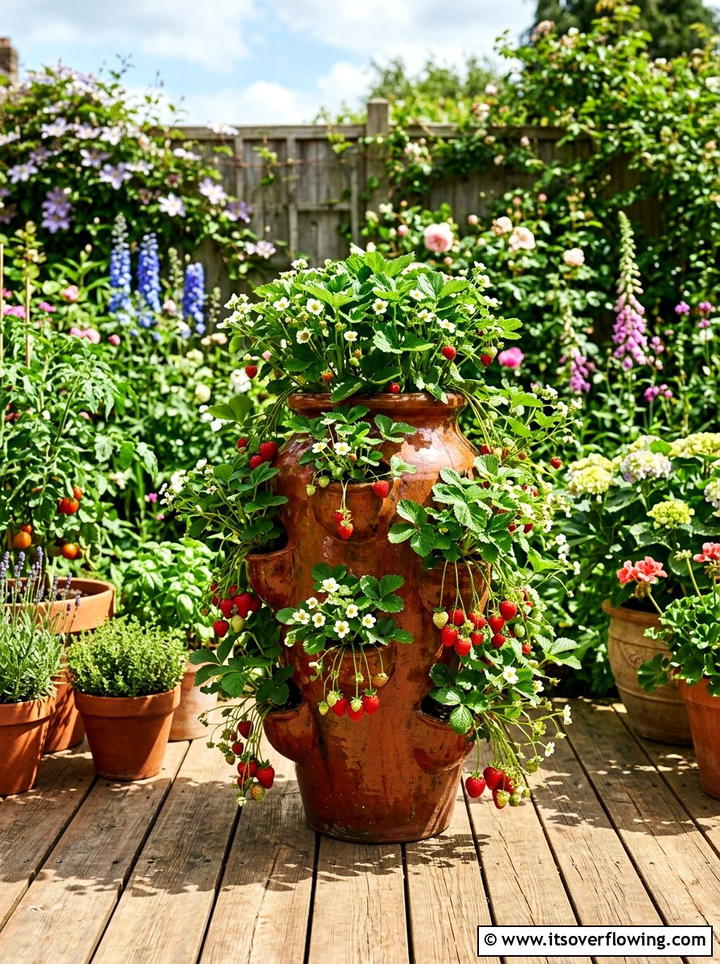
How would you like to harvest sweet, sun-ripened strawberries from a beautiful flowing tower of leaves? A cascading strawberry planter is specifically designed with multiple side openings that allow the plants to grow outward and downward. This prevents the fruit from resting on the soil, which reduces the risk of rot and keeps the berries clean for eating. These planters can be made from ceramic, plastic, or even fabric bags that hang from a sturdy hook. The sight of red berries peeking through lush green foliage is incredibly rewarding and adds a delicious and decorative touch to any sunny spot on your deck or balcony.
25. Concrete block vertical garden
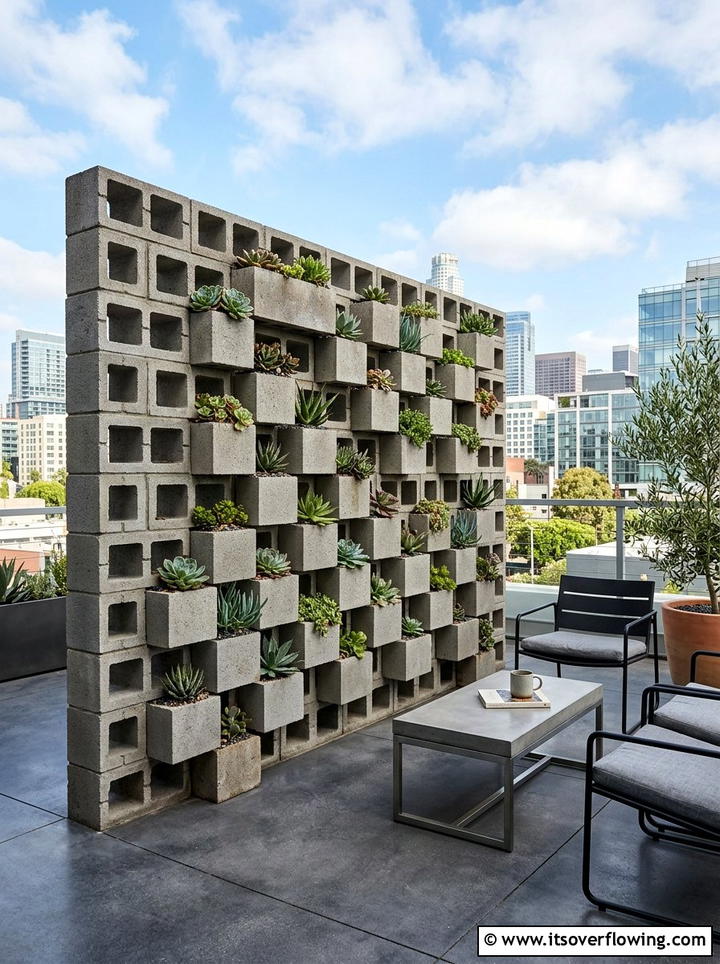
Do you want an industrial and ultra-sturdy gardening solution that you can build yourself in an afternoon? A concrete block vertical garden uses standard cinder blocks stacked in a staggered pattern to create built-in planting pockets. The heavy weight of the blocks ensures the structure is permanent and stable, while the neutral gray color provides a modern, urban aesthetic. You can paint the blocks or leave them natural for a more raw look. This method is excellent for drought-tolerant plants, as the concrete helps retain moisture in the soil pockets. It is a creative way to use common construction materials to build a unique and functional garden.
Conclusion:
Embracing vertical planters is a transformative way to approach outdoor design, especially when space is at a premium. By shifting your perspective from the ground to the walls, you unlock a world of creative possibilities that enhance both the beauty and functionality of your home. Whether you choose a sleek modern metal system or a rustic upcycled pallet, the key is to find a style that resonates with your personal aesthetic and matches your lifestyle. These vertical gardens not only provide fresh produce and stunning visuals but also contribute to a healthier environment by purifying the air and supporting local pollinators. Start small and watch your vertical oasis grow into a masterpiece.

Related posts:
 25 small garden ideas with vertical planters for Lush Walls
 25 creative garden ideas with pocket planters for Small Spaces
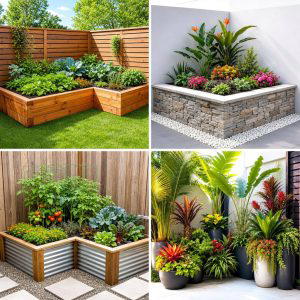 25 Small Garden Ideas With Corner Planters for Smart Spaces
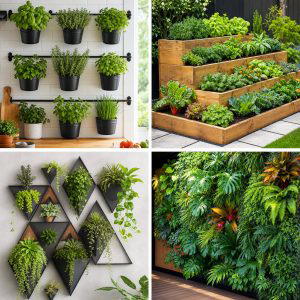 25 Garden Ideas With Vertical Gardens For Small Spaces
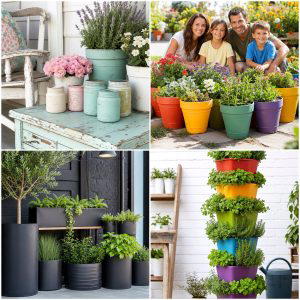 25 creative garden ideas with painted planters for Bold Color
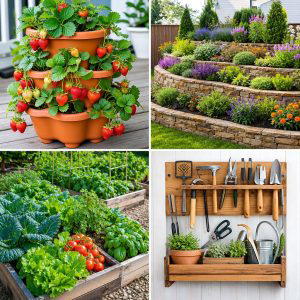 25 creative garden ideas with pallet planters for Rustic Charm
 25 Creative Garden Ideas With Unusual Planters to Inspire
 25 garden ideas with hypertufa planters for Rustic Style
 25 Garden Ideas With Old Crates for Rustic Planters and Decor
 25 Garden Ideas With Planters to Elevate Any Outdoor Space
 25 Creative Garden Ideas With Mosaic Planters to Brighten Pots
 25 Garden Ideas With Hanging Planters For Fresh Style