
Creating a beautiful outdoor space often requires thinking beyond the ground level to maximize your available square footage. Adding vertical elements like a trellis can completely transform the look and feel of your backyard or patio. These structures provide essential support for climbing plants while adding architectural interest to your landscape design. Whether you want to create a private sanctuary or a productive vegetable patch, trellises offer endless possibilities for customization. They help define different zones in your yard and can even hide unsightly features like old fences or utility boxes. By choosing the right materials and placement, you can develop a lush, multi-dimensional garden that feels both organized and enchanting for every season.
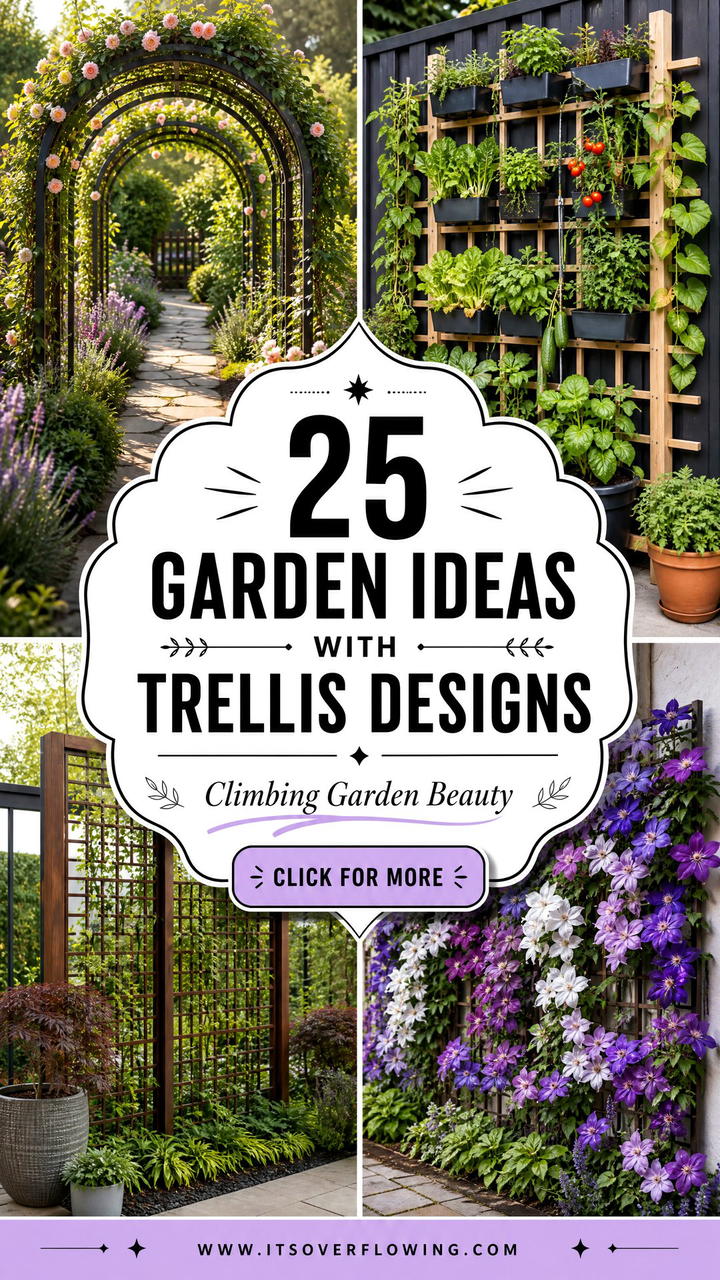
1. Arched garden path
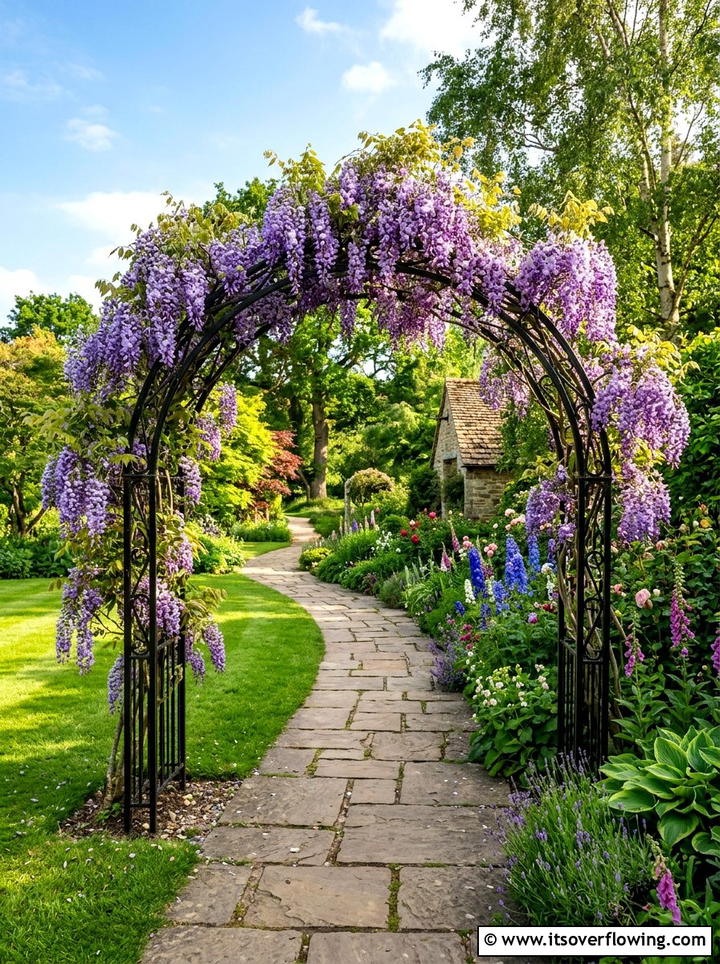
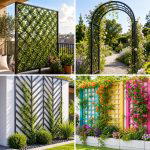
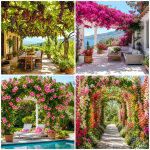
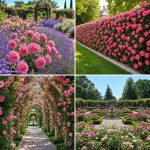
Walking through a lush green tunnel creates a sense of mystery and wonder in any backyard setting. An arched garden path using a sturdy trellis structure allows climbing plants to meet overhead, forming a natural canopy of leaves and blooms. You can use heavy-duty metal arches or traditional wooden frames to support vigorous vines like wisteria or fragrant jasmine. This design transforms a simple walkway into a romantic focal point that draws the eye forward. It provides cool shade during hot summer days while adding significant vertical interest to a flat landscape. The combination of structural height and soft greenery makes the entire garden feel more organized and professionally designed.
2. Climbing rose wall
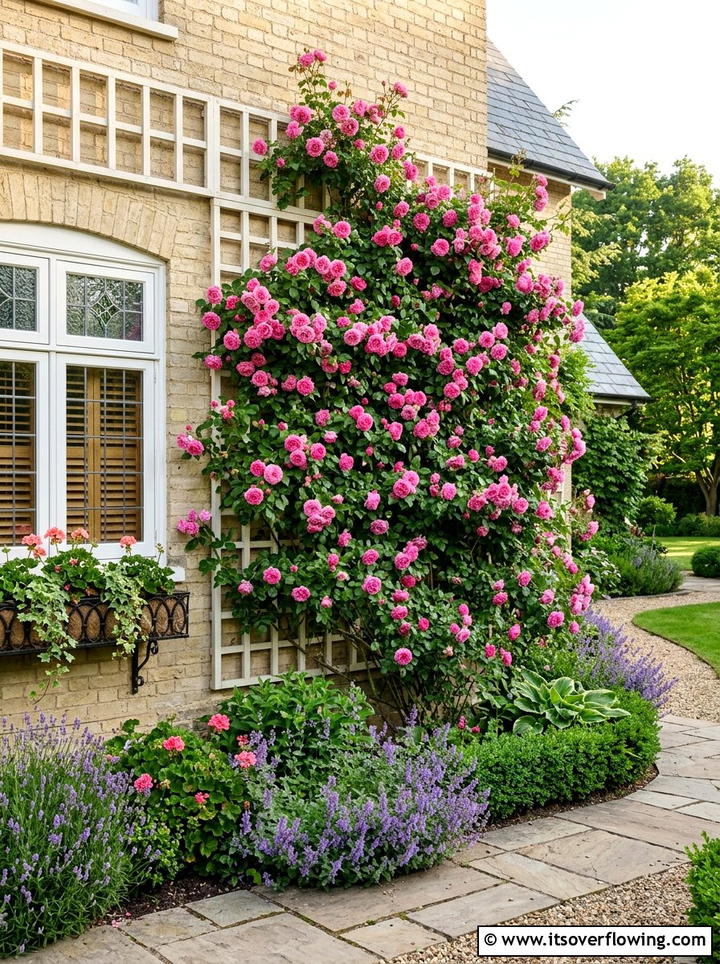
Transforming a bare exterior wall into a living tapestry of color and scent is a classic landscaping technique. A climbing rose wall relies on a secure trellis system attached directly to the side of your home or a sturdy fence. This setup encourages roses to grow upward rather than bushing out, saving valuable ground space in smaller yards. The visual impact of hundreds of blooms cascading down a wall is truly breathtaking and adds a high-end feel to your property. It requires regular pruning and tying, but the results are well worth the effort for the fragrance and beauty provided. This design creates a timeless and elegant atmosphere for any outdoor living area.
3. Vertical vegetable garden
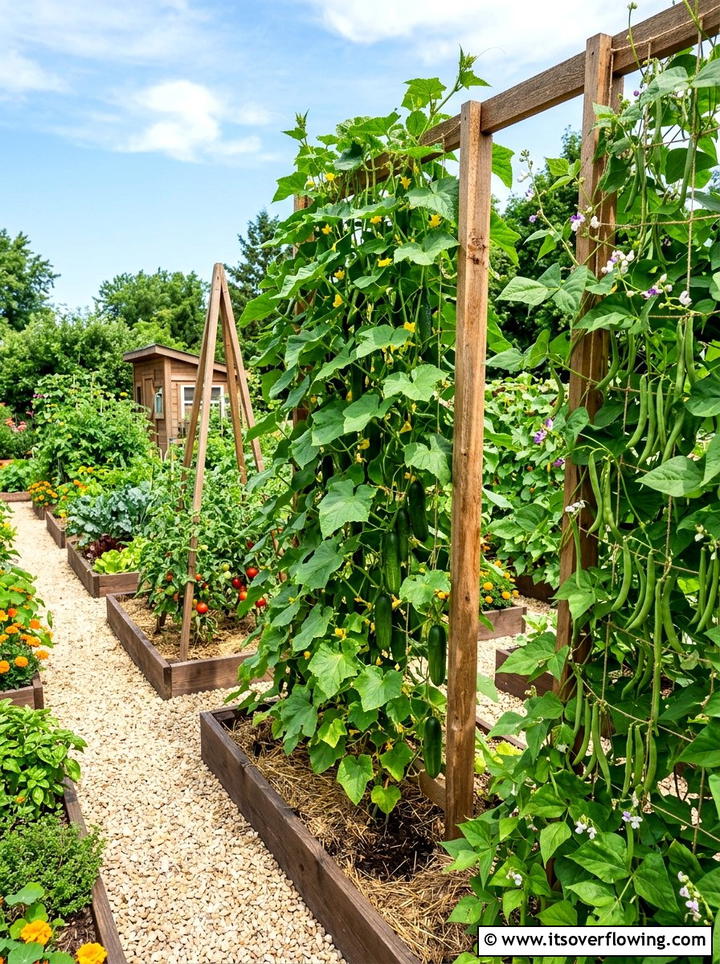
Growing food in a small space becomes much easier when you utilize a vertical vegetable garden layout. Using tall trellises for crops like cucumbers, pole beans, and peas keeps the produce off the ground and away from many common pests. This method improves air circulation around the plants, which helps prevent diseases like powdery mildew from taking hold. Harvesting is also much more comfortable because you can stand upright instead of bending over constantly. A well-organized vegetable trellis can look just as beautiful as an ornamental flower garden when the vines are full and healthy. It maximizes your yield per square foot while keeping your garden beds looking tidy and productive.
4. Privacy lattice screen
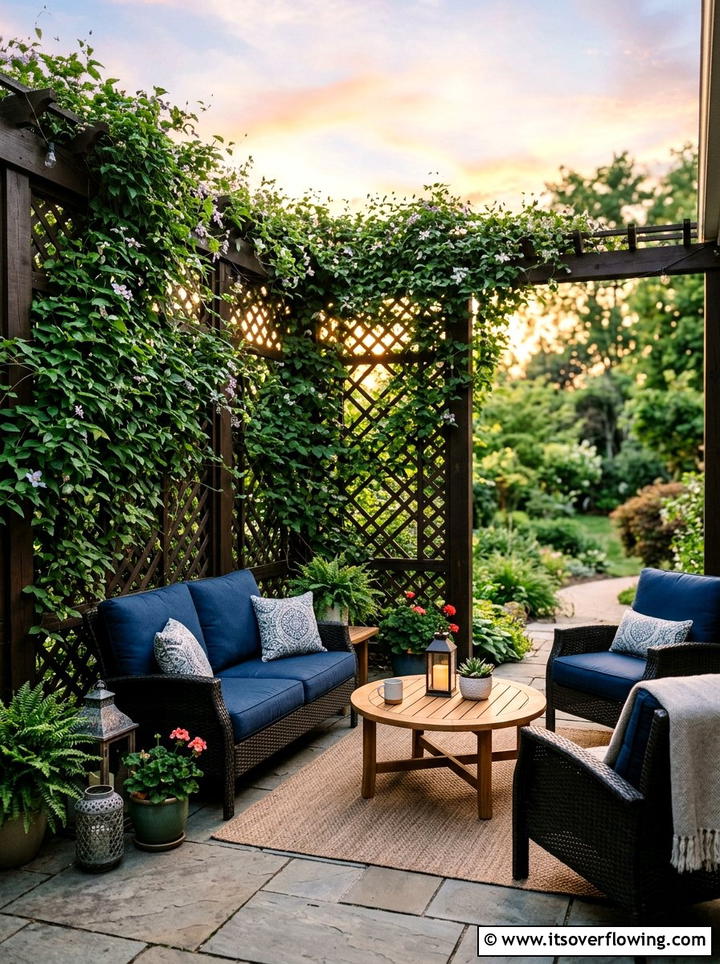
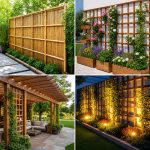
Creating a secluded retreat in your backyard is often a top priority for homeowners living in crowded neighborhoods. A privacy lattice screen serves as a functional and attractive barrier that blocks unwanted views without feeling like a solid wall. You can plant fast-growing vines like clematis or trumpet vine to fill in the gaps for a dense green shield. This design allows light and air to pass through while providing the intimacy you desire for outdoor dining or relaxation. The lattice pattern adds a decorative touch that looks great even before the plants have fully matured. It is a cost-effective way to enhance your privacy while adding significant character to your outdoor environment.
5. Garden obelisk centerpiece
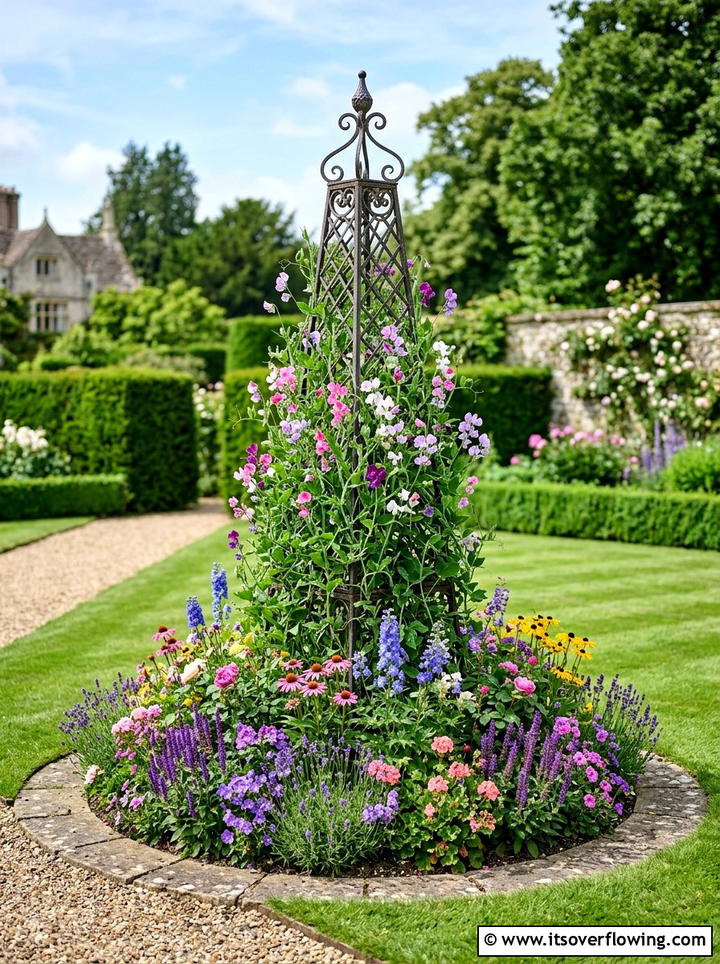
An upright garden obelisk serves as a striking architectural feature that adds height and sophistication to a flower bed. These pyramid-shaped structures act as the focal point of a circular or rectangular garden layout. You can grow delicate flowering vines like sweet peas or mandevilla around the frame to create a pillar of vibrant color. Placing an obelisk in the center of a bed breaks up the horizontal lines of lower-growing shrubs and perennials. This design works perfectly in formal gardens or cottage-style landscapes to provide structural balance. It is a versatile element that can be moved around easily to change the look of your garden throughout the different growing seasons.
6. Modern metal wall trellis
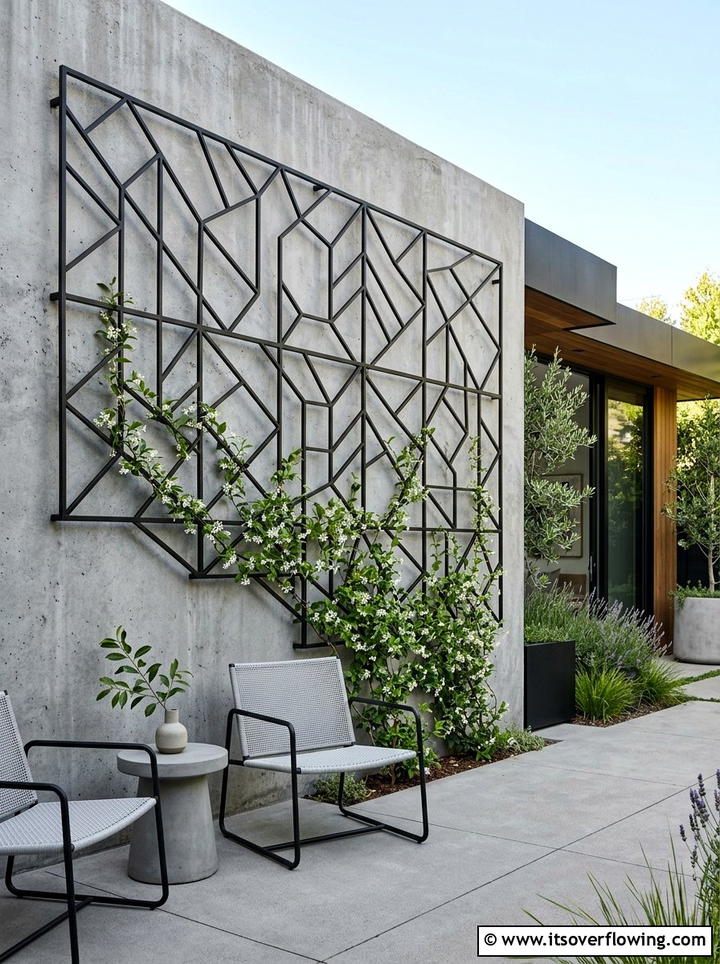
Incorporating sleek lines and durable materials is essential for a contemporary outdoor space. A modern metal wall trellis often features geometric patterns and minimalist frames made from steel or aluminum. This design looks stunning against a neutral-colored brick or concrete wall, providing a sharp contrast to organic plant shapes. You can grow architectural plants like ivy or star jasmine to accentuate the clean lines of the metalwork. This type of trellis is very low-maintenance and can withstand harsh weather conditions for many years without rotting. It adds an artistic, gallery-like feel to a patio or balcony while providing a sturdy support system for vertical growth in tight urban settings.
7. Wooden arbor entrance
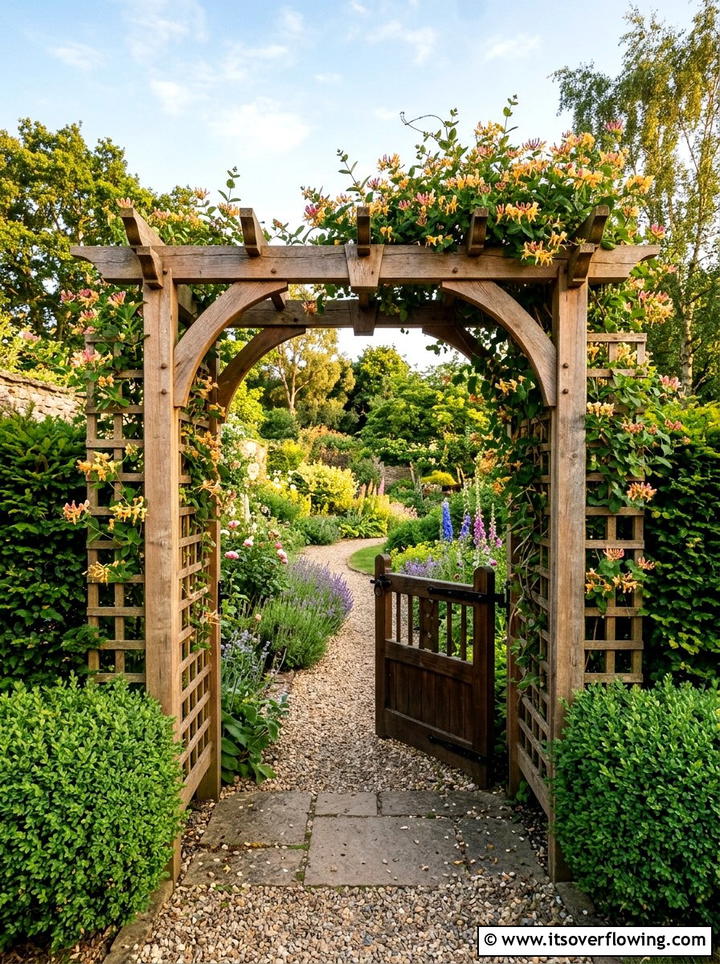
Marking the transition from one part of the yard to another can be done beautifully with a wooden arbor entrance. This structure typically features a trellis on both sides and across the top to create a framed doorway into your garden sanctuary. It looks especially inviting when covered in climbing hydrangeas or colorful morning glories. The natural wood finish complements the surrounding plants and creates a warm, rustic aesthetic that feels very welcoming. An arbor can be used to lead guests toward a hidden bench or a decorative water feature. This design adds a sense of permanence and classic charm to the landscape while providing a sturdy support for heavy woody vines.
8. Espalier fruit tree frame
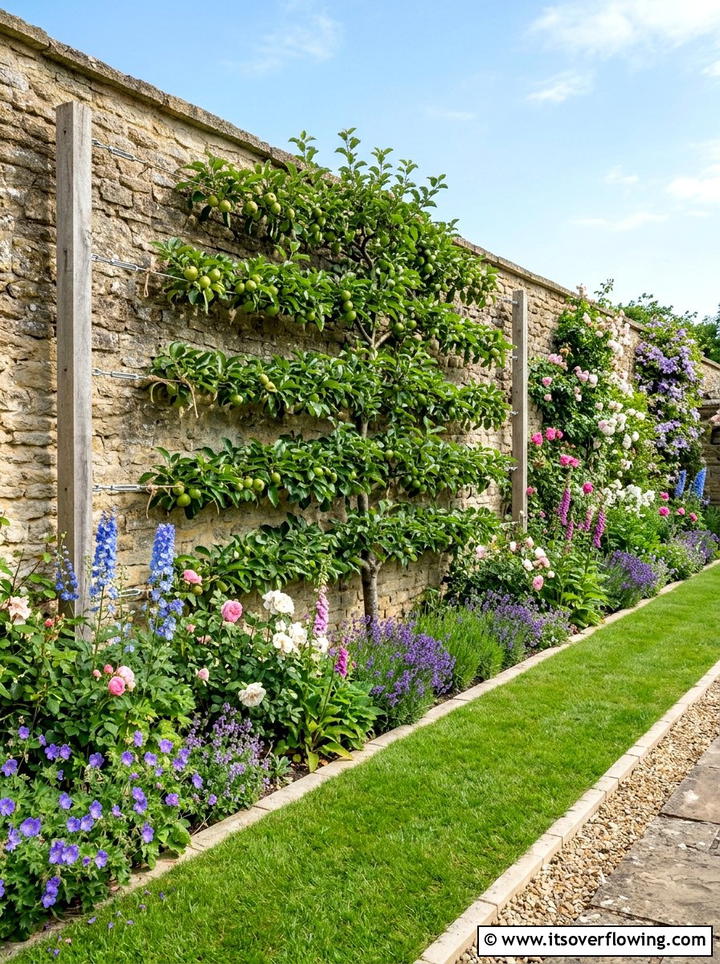
Growing fruit trees in a flat, two-dimensional shape is an ancient technique that remains popular for its space-saving benefits. An espalier fruit tree frame uses a series of horizontal trellis wires to train the branches of apples or pears against a wall. This method allows you to grow delicious fruit even if you only have a narrow strip of land available. The structured look of the trained branches creates a sophisticated and formal appearance that doubles as living art. It also makes harvesting the fruit much easier since everything is within arm’s reach. This design maximizes sun exposure for the fruit, often leading to better ripening and higher quality harvests in cooler climates.
9. Patio planter with trellis
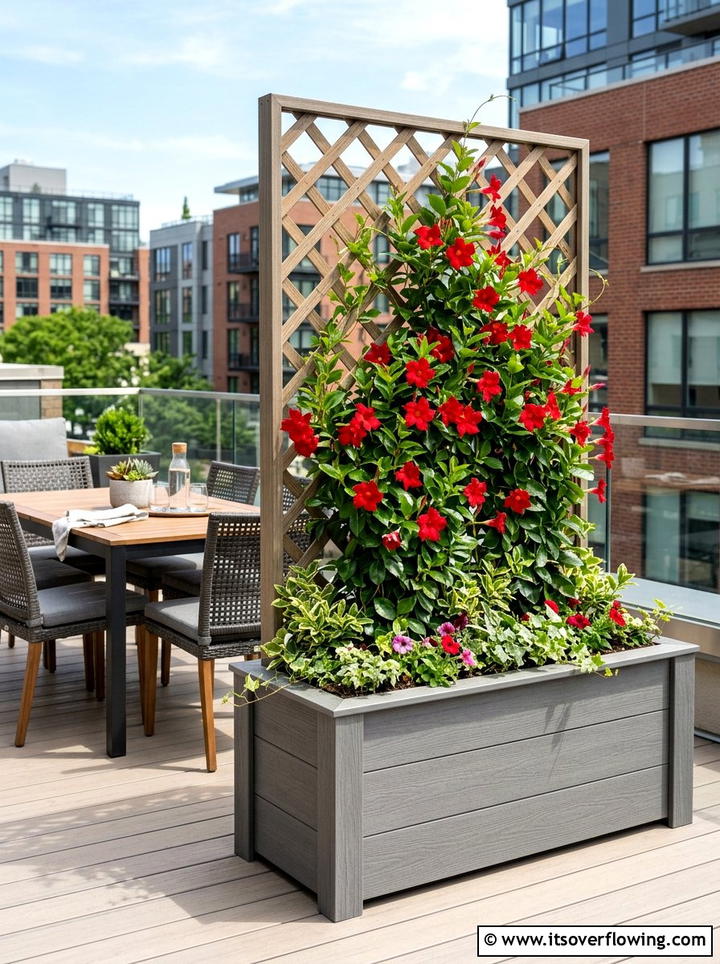
For those with limited ground space, a patio planter with an integrated trellis is a perfect solution for vertical gardening. This self-contained unit allows you to grow climbing flowers or vegetables directly on your deck or balcony. The planter box provides a stable base, while the attached trellis gives the plants a place to climb without needing wall anchors. You can use these units to create movable green walls that define different seating areas on your patio. Choosing a beautiful wood or high-quality composite material ensures the planter looks stylish even during the winter months. It is an excellent way to bring nature closer to your outdoor living furniture for a cozy feel.
10. Ivy covered fence panel
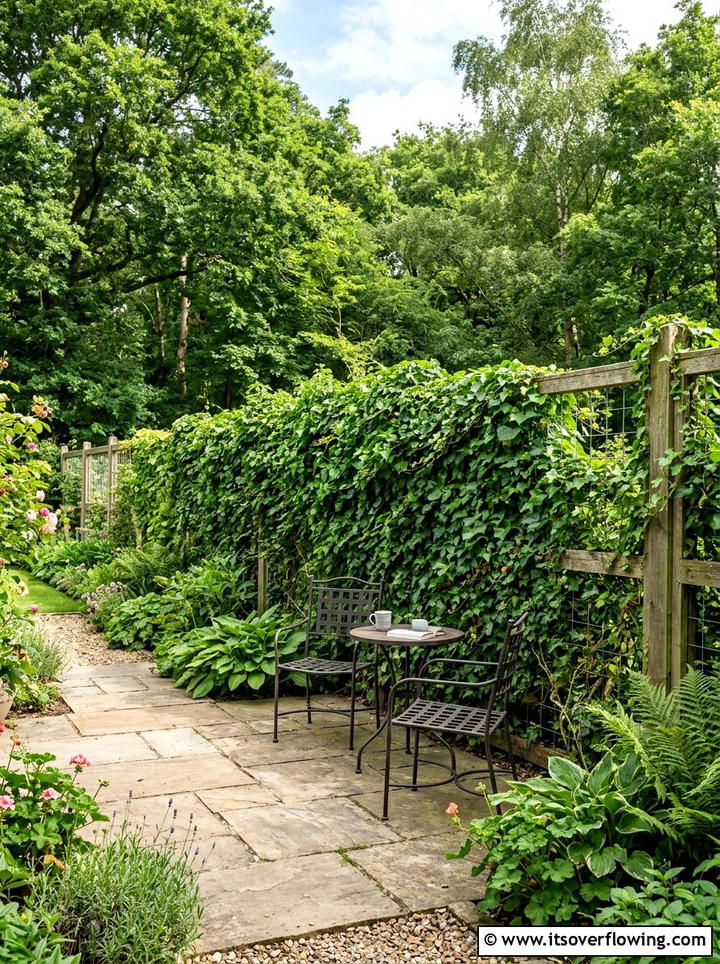
Softening the look of a plain wooden or chain-link fence can be achieved by installing an ivy covered fence panel. By attaching a simple wire or wooden trellis to the existing fence, you give climbing ivy a place to grip and spread. This creates a lush evergreen backdrop that stays vibrant throughout the entire year. The thick foliage helps to dampen neighborhood noise and provides a habitat for small birds and beneficial insects. This design is perfect for creating a deep green wall that makes small yards feel much larger and more like a secret garden. It requires occasional trimming to keep it in bounds, but the privacy and beauty it offers are unmatched.
11. Cattle panel archway
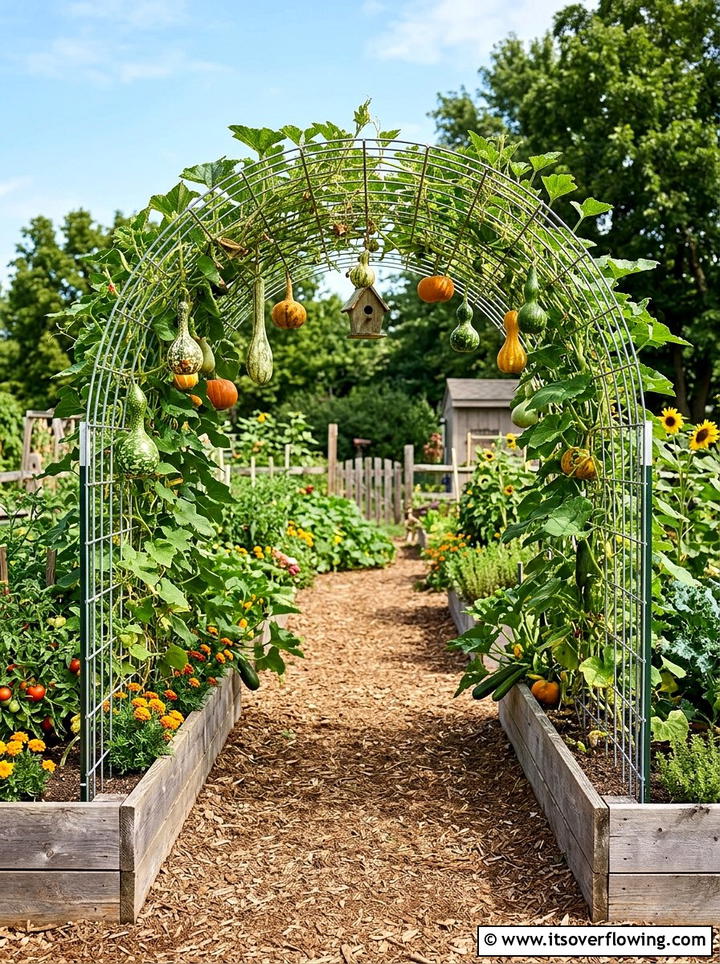
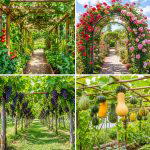
Using industrial materials in a creative way can lead to a very sturdy and affordable garden structure. A cattle panel archway is made from heavy-duty galvanized steel mesh that is bent into a tall curve between two garden beds. This design is incredibly strong, making it ideal for supporting heavy crops like pumpkins, squash, or large gourds. The wide grid of the panel allows for easy airflow and makes it simple to tuck vines through the wires as they grow. When the plants fully cover the arch, it creates a spectacular living tunnel that provides shade for shade-loving plants underneath. This functional design adds a unique, farm-inspired aesthetic to any backyard vegetable patch or flower garden.
12. Bamboo teepee support
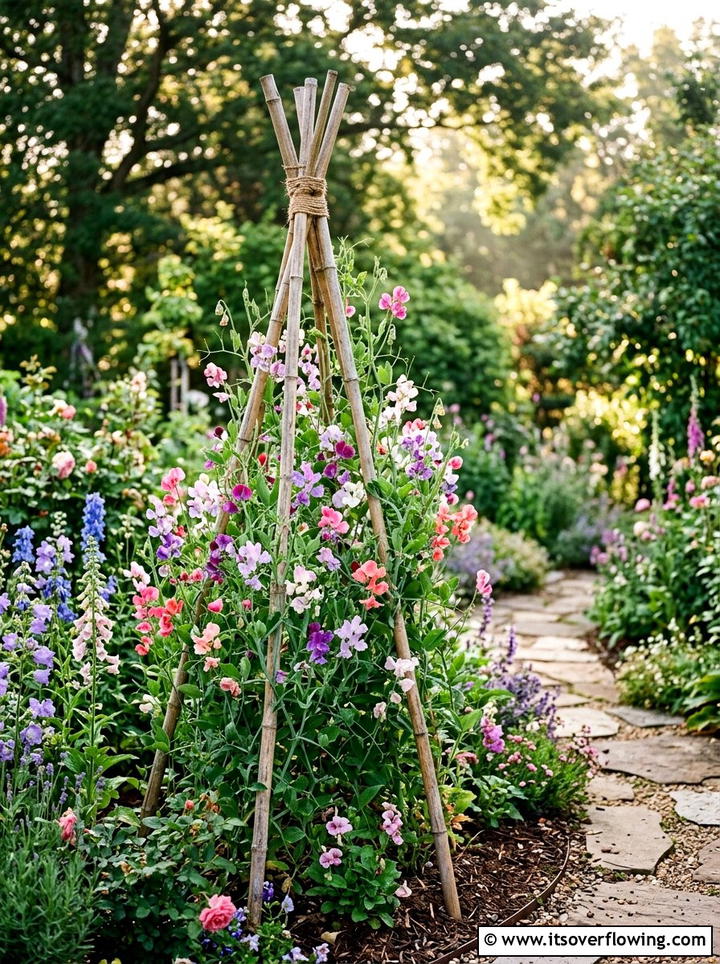
Creating a natural and organic look is easy with a bamboo teepee support structure for your climbing plants. This simple design involves tying several long bamboo poles together at the top to form a cone shape. It is a traditional choice for growing sweet peas, pole beans, or even colorful flowering vines like black-eyed Susan vine. The teepee adds a whimsical and rustic touch to the garden while remaining very budget-friendly and easy to assemble. Because bamboo is a sustainable material, it fits perfectly into an eco-friendly landscape design. These structures are also very lightweight, allowing you to move them around your garden beds each year to practice proper crop rotation.
13. Iron gate trellis
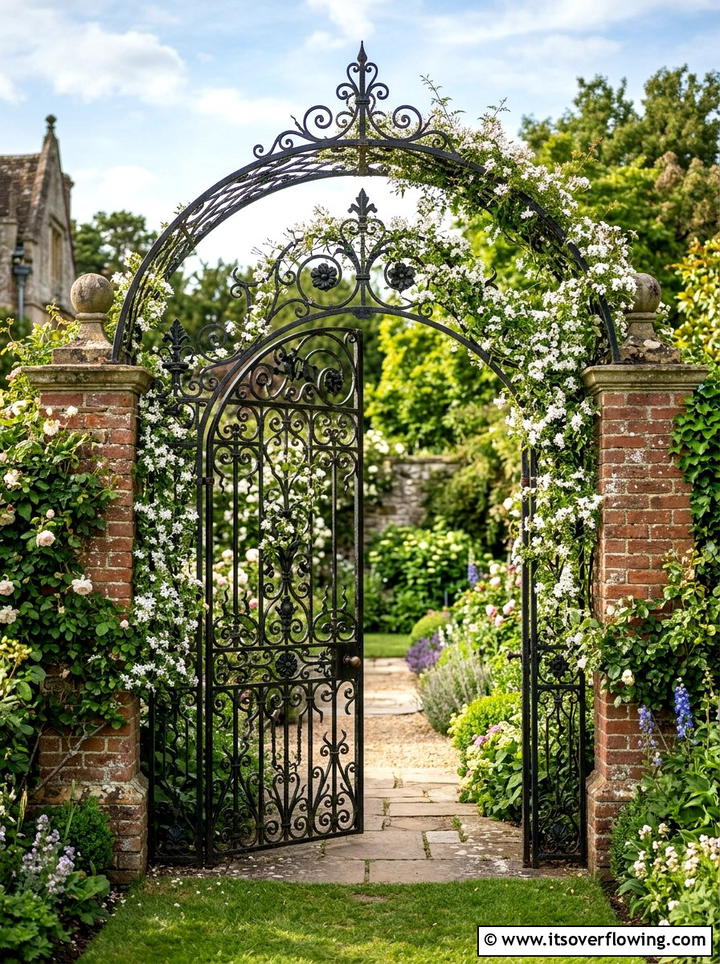
Combining security with floral beauty can be achieved through an iron gate trellis design. Many decorative metal gates feature intricate scrollwork that naturally provides excellent support for delicate climbing vines. As jasmine or clematis weaves through the bars, the gate becomes a living part of the landscape rather than just a barrier. This setup creates a stunning first impression for guests as they enter your property or move between garden rooms. The heavy iron material is durable and provides a classic, high-end look that complements traditional home styles. It turns a functional entrance into a romantic and scented portal that enhances the overall curb appeal of your house and surrounding garden area.
14. Corner garden lattice
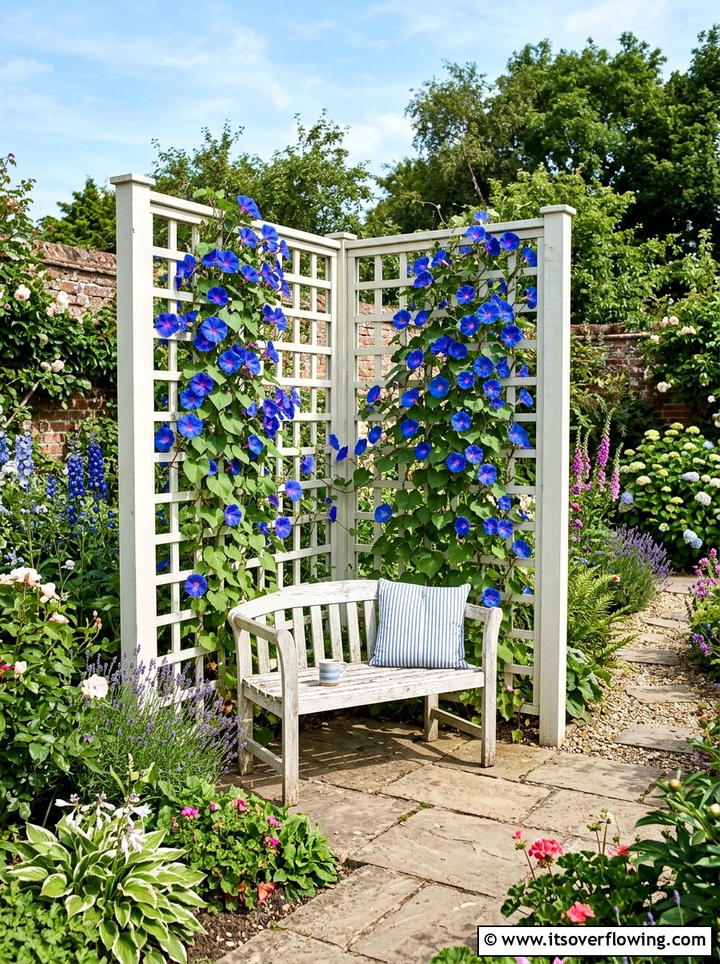
Utilizing every inch of your yard is possible when you install a corner garden lattice to fill awkward empty spaces. This design consists of two trellis panels joined at a right angle to fit perfectly into the corner of a fence or building. It creates a lush vertical accent in areas that are often neglected or difficult to plant with traditional shrubs. You can grow a mix of different climbing plants to create a textured and colorful display that draws the eye into the corner. This setup helps to soften sharp architectural lines and makes a small patio feel more enclosed and comfortable. It is a smart way to add a burst of greenery without taking up much floor space.
15. Hanging plant trellis
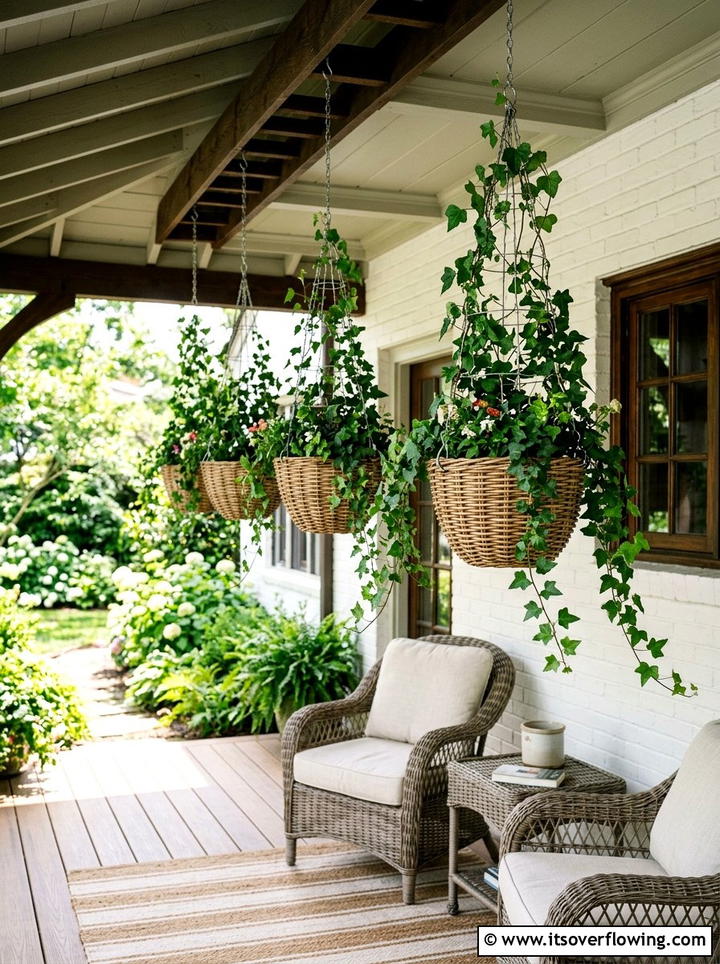
Elevating your container garden is possible by using a hanging plant trellis system on your porch or balcony. These small-scale structures fit inside a hanging basket or attach to the chains to give trailing plants a way to grow upward. This design is perfect for vines like hoya or ivy, creating a full and lush look that overflows with greenery. It adds visual weight to the upper levels of your outdoor space, making it feel more three-dimensional and interesting. Using these trellises allows you to enjoy beautiful blooms at eye level while you relax in your outdoor seating. It is a great way to maximize vertical space in very small urban environments or covered patios.
16. Window box lattice
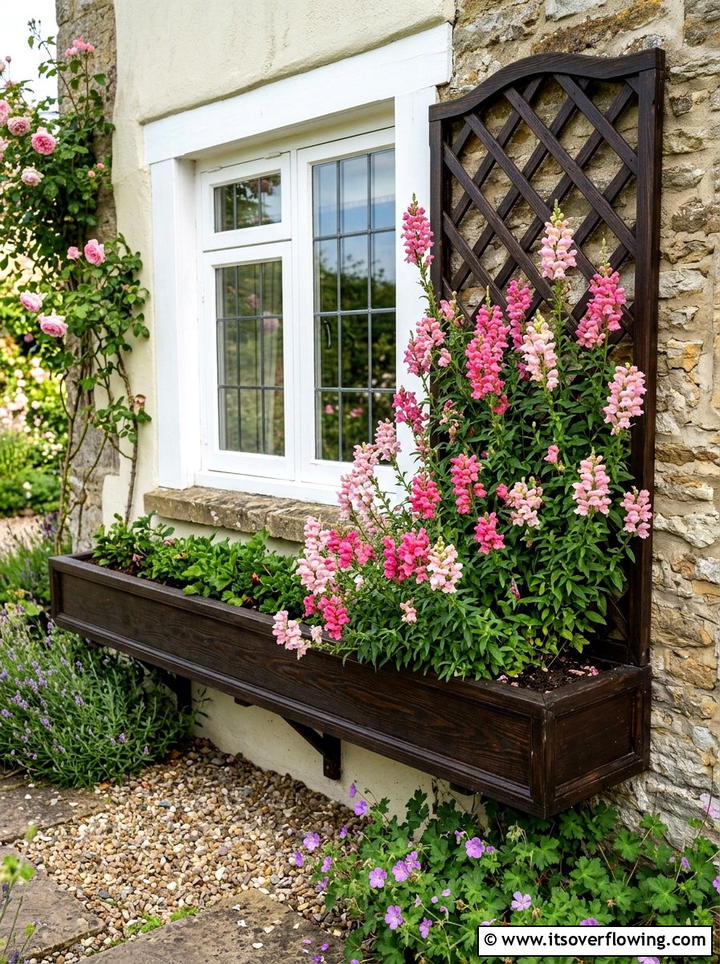
Enhancing the exterior of your home is easy when you add a window box lattice to your front or back windows. This design features a traditional flower box at the bottom with a decorative trellis panel extending upward toward the window frame. It allows you to grow climbing flowers that frame your view from the inside while adding charm to the outside. Plants like mandevilla or climbing snapdragons work beautifully in this setup, providing a constant display of color throughout the summer. The lattice provides enough structure to keep the vines organized and prevents them from sprawling across the siding. It is a simple way to boost your home’s curb appeal and bring nature closer to your living space.
17. Decorative garden panel
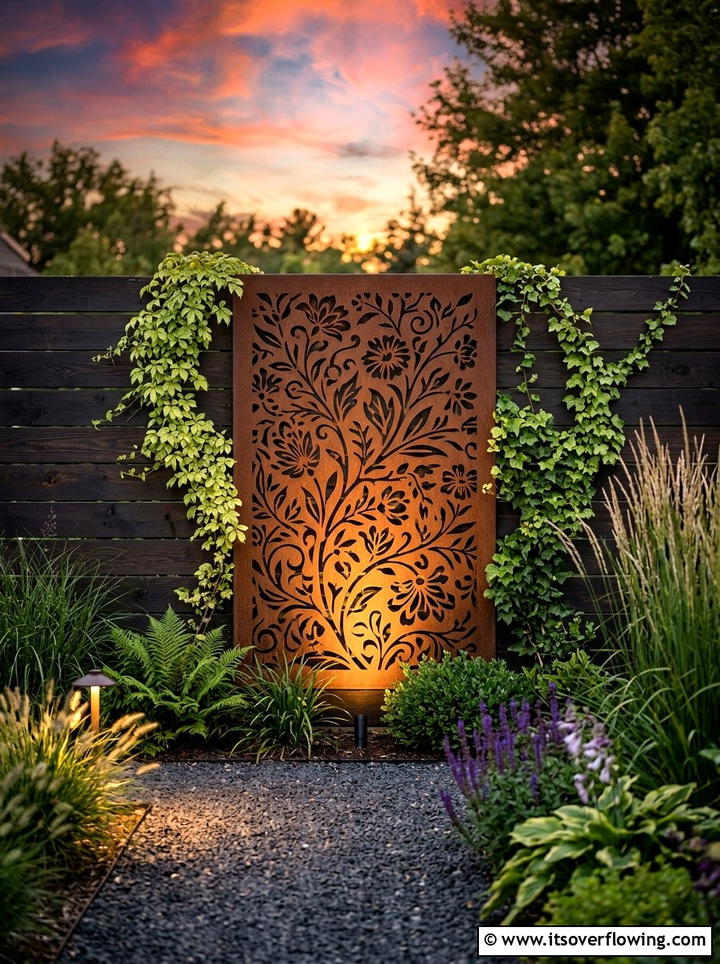
Using a trellis as a standalone piece of art can be done with a decorative garden panel placed strategically in the landscape. These panels often feature laser-cut designs or intricate woodwork that looks beautiful even without any plants growing on them. When placed in front of a plain wall or used to hide a compost pile, they add an instant layer of style and sophistication. You can choose a design that reflects the overall theme of your home, whether it is Mediterranean, modern, or traditional. During the growing season, a few light vines can be added to soften the edges while still letting the artistic pattern shine through. This design offers year-round visual interest and elegance.
18. Painted wooden trellis
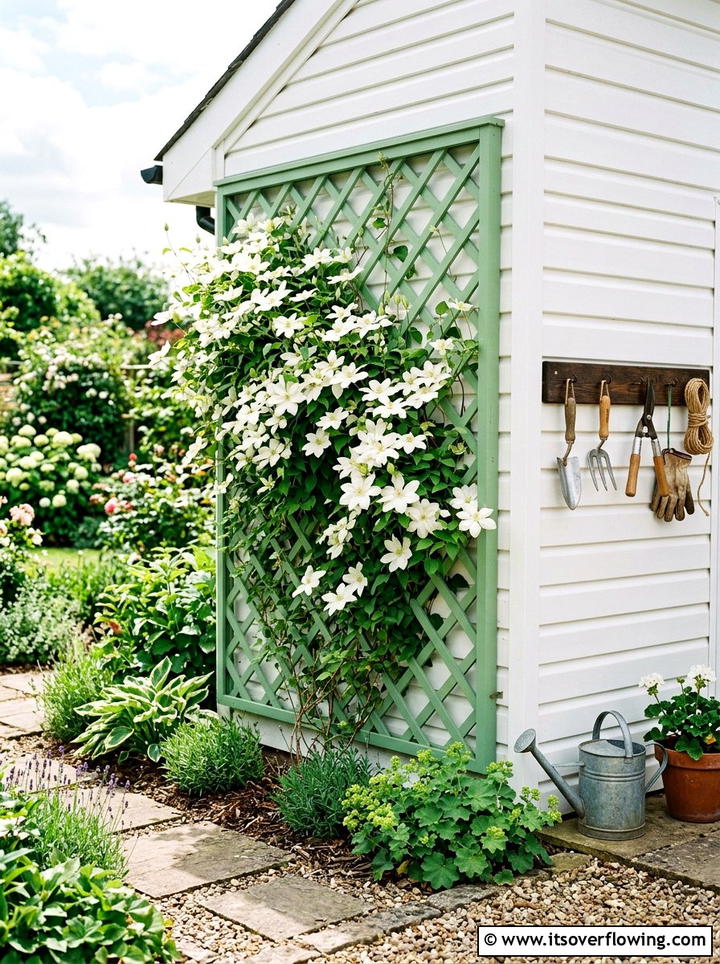
Adding a pop of color to your backyard is simple with a painted wooden trellis that complements your outdoor decor. Instead of leaving the wood natural, you can use weather-resistant paint in shades like sage green, deep navy, or classic white. This allows the structure to stand out as a bold design element even before the plants have fully covered it. A brightly colored trellis can brighten up a shady corner or provide a cheerful backdrop for white flowering vines. The paint also provides an extra layer of protection against moisture and sun damage, helping the wood last much longer. This customizable design is an easy way to express your personal style while providing essential plant support.
19. Freestanding garden screen
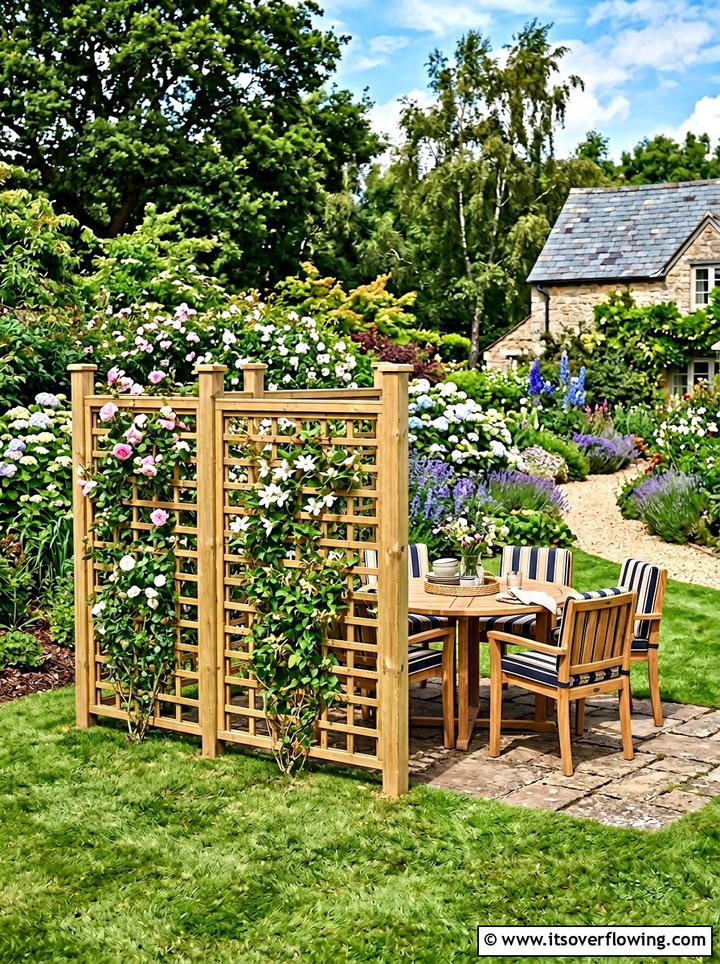
Dividing a large lawn into smaller, more intimate areas can be achieved with a series of freestanding garden screens. these structures do not need to be attached to a wall or fence, as they have their own stable feet or are sunk into the ground. They act as light and airy walls that can define an outdoor dining room or a quiet reading nook. By planting different varieties of vines on each screen, you can create a diverse and changing landscape throughout the yard. The screens provide a sense of structure and organization without the heavy feeling of a solid fence. This design is perfect for creating a sense of discovery as people move through the garden.
20. Clematis flower wall
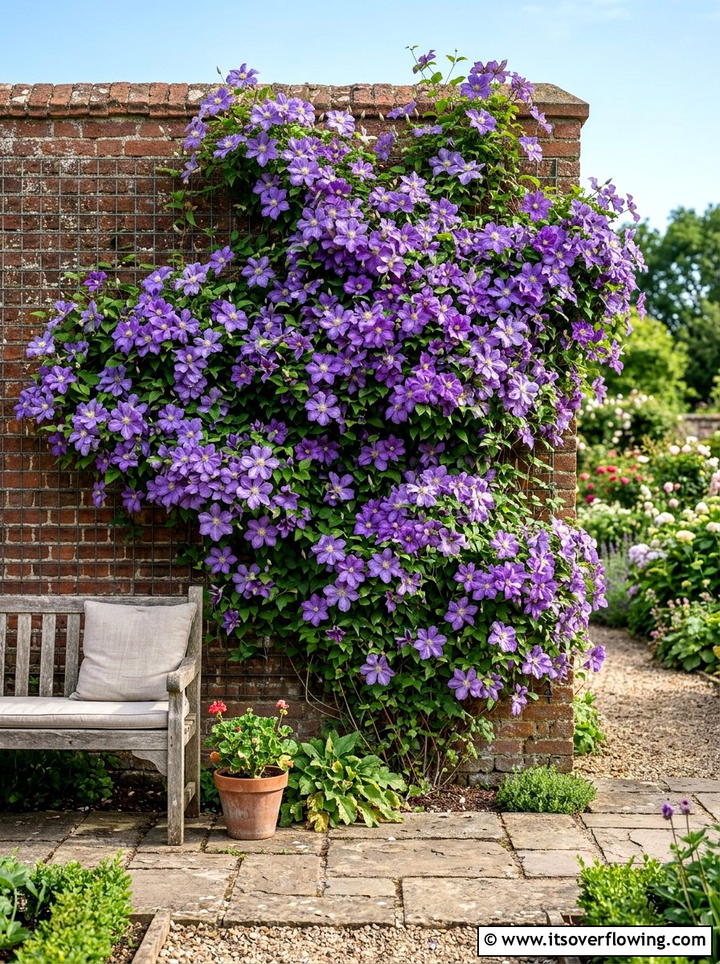
Focusing on one specific type of plant can create a high-impact look, such as a dedicated clematis flower wall. Clematis comes in many colors and bloom shapes, and using a wide trellis allows you to mix different varieties for a long blooming season. The fine stems of the clematis need a thin trellis, like wire mesh or light lattice, to climb effectively. When in full bloom, the wall becomes a solid sheet of purple, pink, or white flowers that looks absolutely stunning. This design is ideal for a focal point near a patio or along a main garden path. It provides a massive amount of floral beauty in a very narrow footprint, making it perfect for smaller suburban yards.
21. Cedar garden arbor
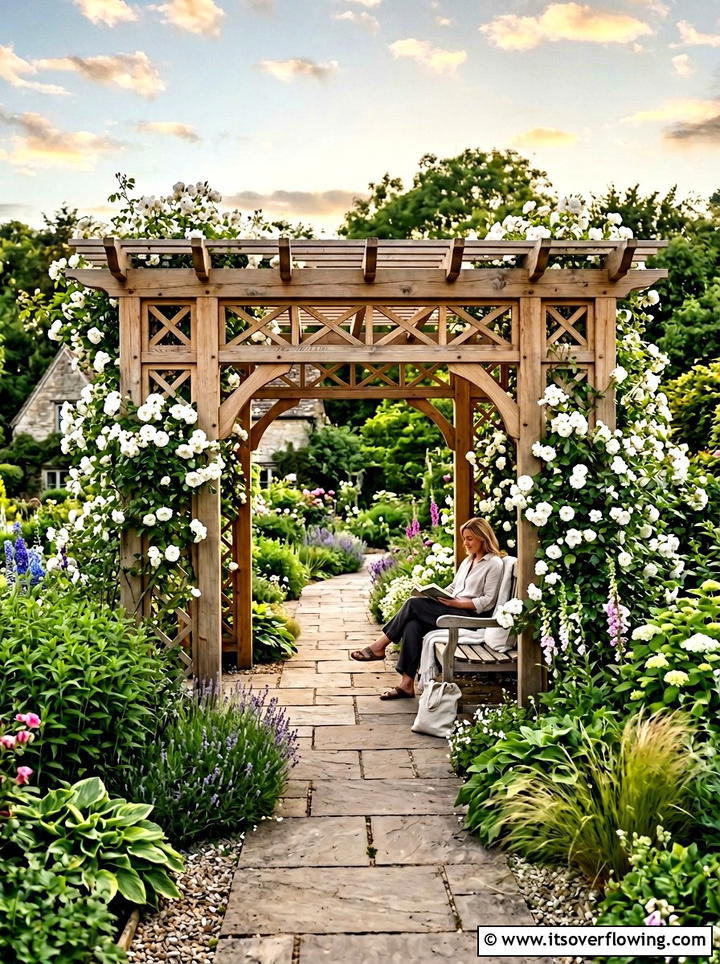
Investing in high-quality materials ensures your outdoor structures will stand the test of time, and a cedar garden arbor is a perfect choice. Cedar is naturally resistant to rot and insects, making it an ideal wood for the humid environment of a garden. A large arbor can span a wide walkway or even cover a small bench to create a sheltered seating area. The warm tones of the cedar wood look beautiful against the deep greens of climbing roses or wisteria. Over time, the wood will weather to a soft silvery gray, or it can be stained to maintain its original rich color. This design adds a sense of luxury and permanence to any well-planned landscape.
22. Wire grid trellis
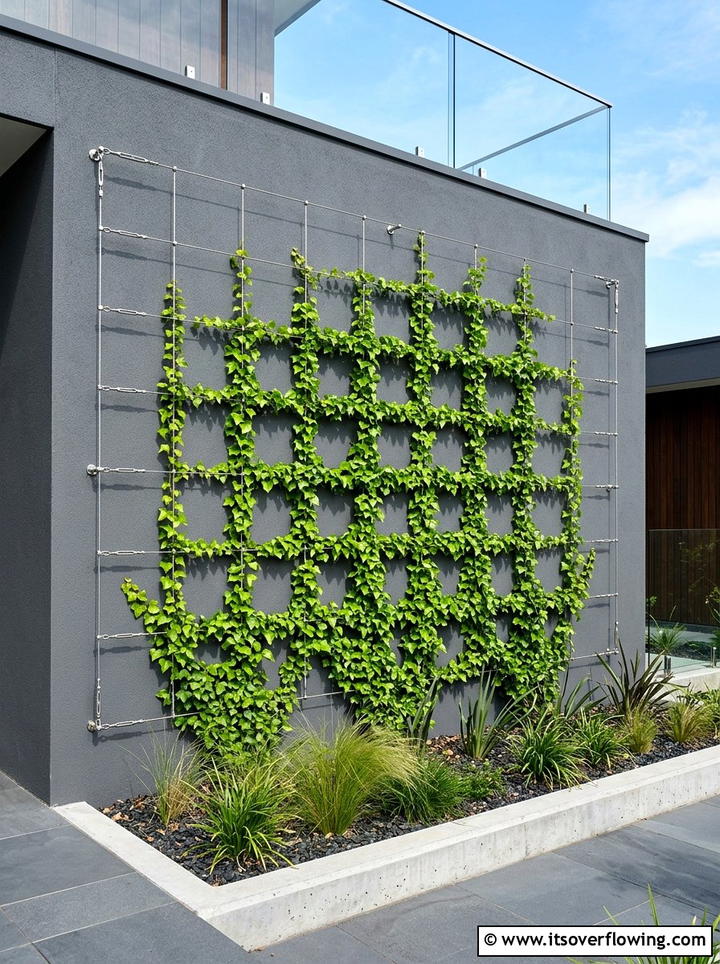
For a minimalist and almost invisible look, a wire grid trellis is an excellent option for modern homes. This system uses thin stainless steel cables or sturdy wire mesh attached to a wall with small spacers. It provides a very strong support for heavy vines while remaining subtle and unobtrusive to the eye. When the plants grow over the wire, they appear to be floating against the wall, creating a very clean and professional appearance. This design is particularly good for contemporary architecture where bulky wooden structures might look out of place. It is also very easy to clean and maintain, as the metal components will not rust or degrade over time in the outdoor elements.
23. Rustic branch trellis
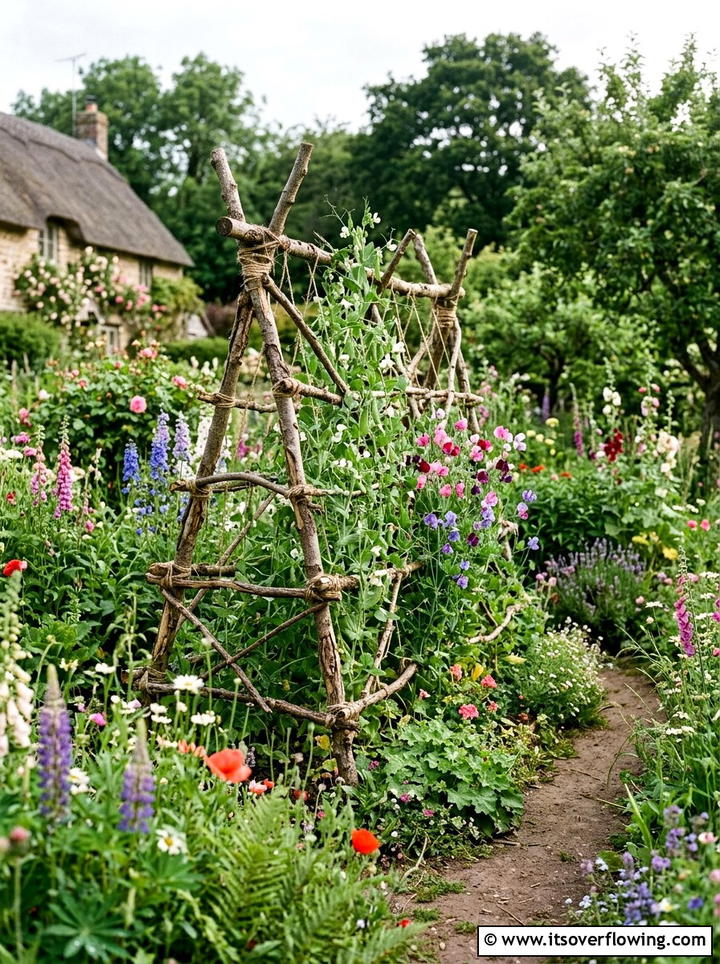
Creating a handmade and natural look is easy when you build a rustic branch trellis using materials found in your own backyard. By lashing together fallen branches or saplings with garden twine, you can create a one-of-a-kind support for your climbing plants. This design is perfect for a cottage garden or a wilder, more naturalistic landscape where straight lines and manufactured materials might feel too formal. It adds a charming, storybook quality to your garden beds and provides a sturdy home for peas or morning glories. Because it is made from organic materials, the trellis will eventually break down and can be composted, making it a very sustainable and low-waste gardening choice.
24. Tall garden privacy screen
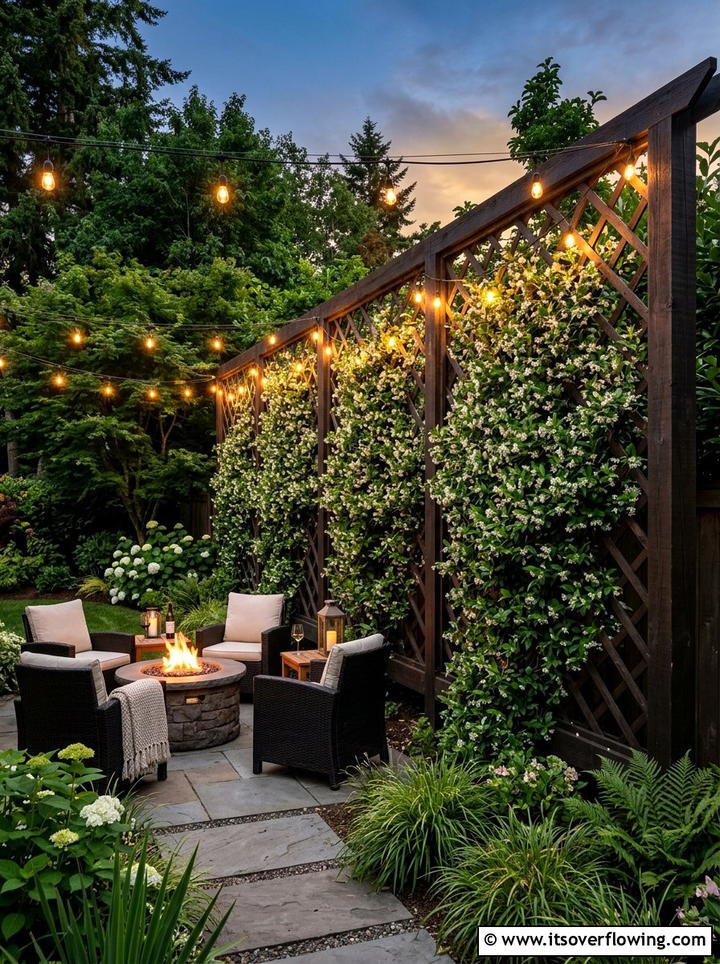
Blocking the view from a neighboring two-story house can be a challenge that a tall garden privacy screen solves effectively. By using extra-tall trellis panels that reach six to eight feet high, you can create a vertical shield that provides total seclusion. Planting fast-growing evergreen vines like star jasmine ensures that your privacy is maintained throughout the entire year. This design is much more attractive than a high solid fence and feels less restrictive because light can still filter through the leaves. It creates a cozy and sheltered atmosphere for your outdoor living space, making it feel like a true extension of your home. This setup is a practical and beautiful solution for urban living.
25. Contemporary metal screen
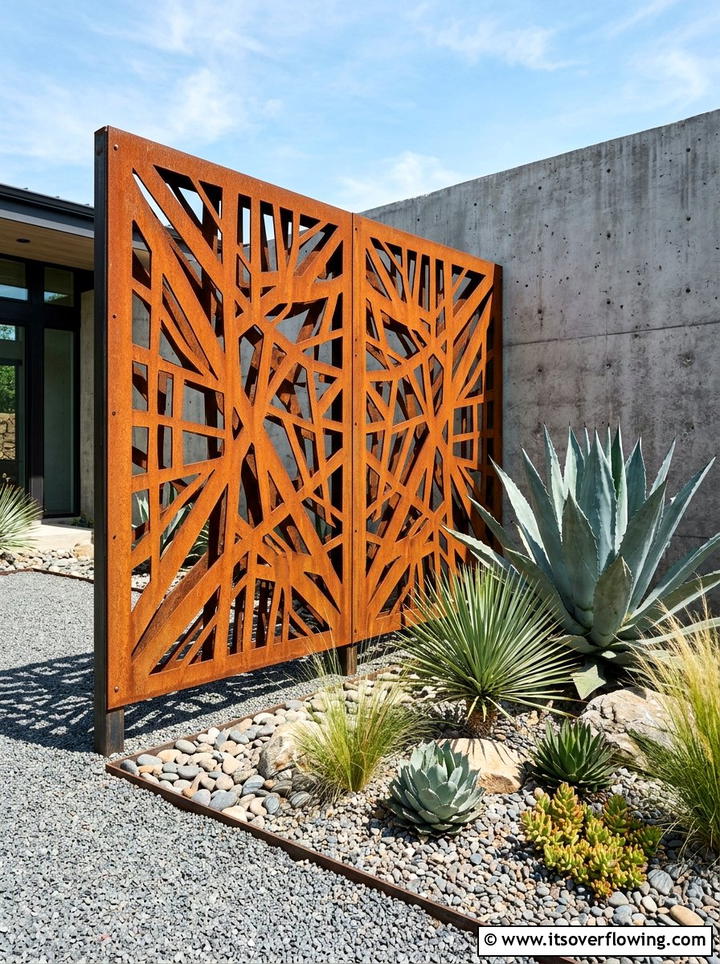
Adding a touch of industrial chic to your landscape is possible with a contemporary metal screen featuring abstract patterns. These screens are often made from weathered steel, which develops a beautiful rusty orange patina over time that looks stunning against green foliage. They can be used as standalone dividers or as backdrops for modern sculptures and minimalist plantings. The intricate cutouts provide unique shadow patterns on the ground when the sun shines through them, adding an extra layer of visual interest to your patio. This design works well in drought-tolerant or gravel gardens where a clean and low-maintenance aesthetic is desired. It is a bold statement piece that brings modern art into the outdoor world.
Conclusion:
Integrating a trellis into your garden design is a brilliant way to add depth, privacy, and productivity to your outdoor living space. From romantic rose-covered arches to functional vertical vegetable supports, these structures offer a perfect blend of form and function. They allow you to grow a wider variety of plants while keeping your landscape organized and visually appealing. By selecting the right style and material for your home, you can create a unique environment that reflects your personal taste and gardening goals. Whether you have a tiny balcony or a sprawling backyard, vertical gardening with trellises will elevate your space to new heights of beauty. Start planning your vertical journey today and watch as your garden flourishes in every dimension.

Related posts:
 25 Garden Design Ideas With Trellis Walls for Vertical Beauty
 25 small garden ideas with trellis to Maximize Beauty Fast
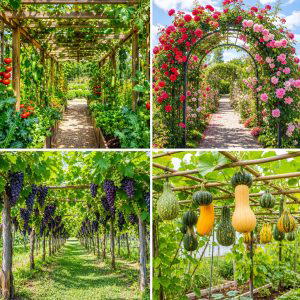 25 Creative Garden Ideas With Trellis Tunnel Designs to Try
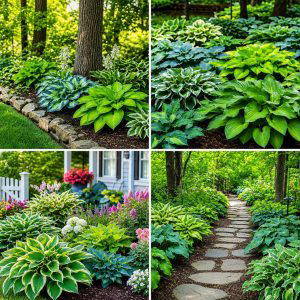 25 garden ideas with hostas for Lush Shade Garden Beauty
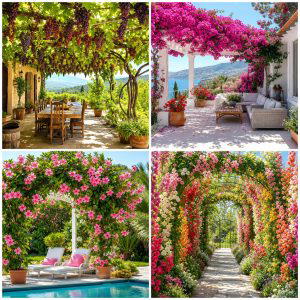 25 creative garden ideas with pergola vines for Shaded Beauty
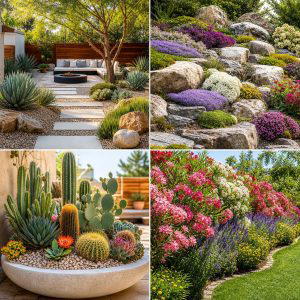 25 garden ideas for dry climate: Water-Wise Outdoor Beauty
 25 Garden Ideas for Small Spaces to Maximize Beauty
 25 Garden Ideas Low Maintenance for Easy Outdoor Beauty
 25 Garden Ideas With Evergreens for Year-Round Beauty
 25 garden ideas with fruit trees for Beauty and Harvests
 25 Garden Ideas With Roses for Romantic Outdoor Beauty
 25 Small Garden Ideas to Maximize Beauty in Tiny Spaces