
Creating a lush and vibrant outdoor space in an arid region might seem like a daunting challenge at first glance. However, embracing the unique beauty of a dry climate allows you to explore creative landscaping techniques that are both sustainable and stunning. By focusing on drought-tolerant plants, smart water management, and textured hardscaping, you can build a sanctuary that thrives with very little maintenance. These gardening strategies help conserve precious resources while providing a stylish backdrop for your home life. You will discover how to blend natural elements like stone and wood with resilient greenery to create a cohesive look. Let’s dive into these practical and inspiring ways to transform your sunny backyard into a drought-resistant masterpiece.
1. Xeriscape Backyard
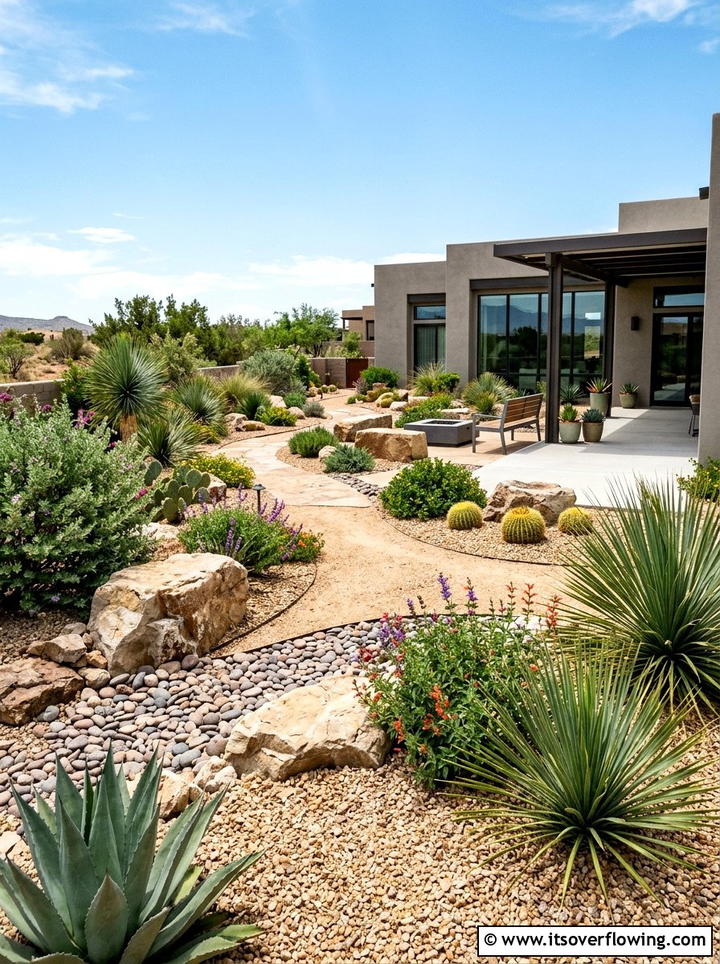
Does your outdoor space struggle to stay green during the hottest months of the year? Transforming your yard into a xeriscape sanctuary is a smart way to save water while maintaining a high-end look. This approach focuses on reducing or eliminating the need for supplemental irrigation by using plants that naturally thrive in dry conditions. You can use various textures of gravel and local stone to create visual interest across the ground. Combining large boulders with clusters of native shrubs creates a balanced and natural appearance. This method ensures your garden stays beautiful year-round without the stress of constant watering or high utility bills. It is the ultimate low-maintenance solution for modern homeowners.
2. Rock Garden
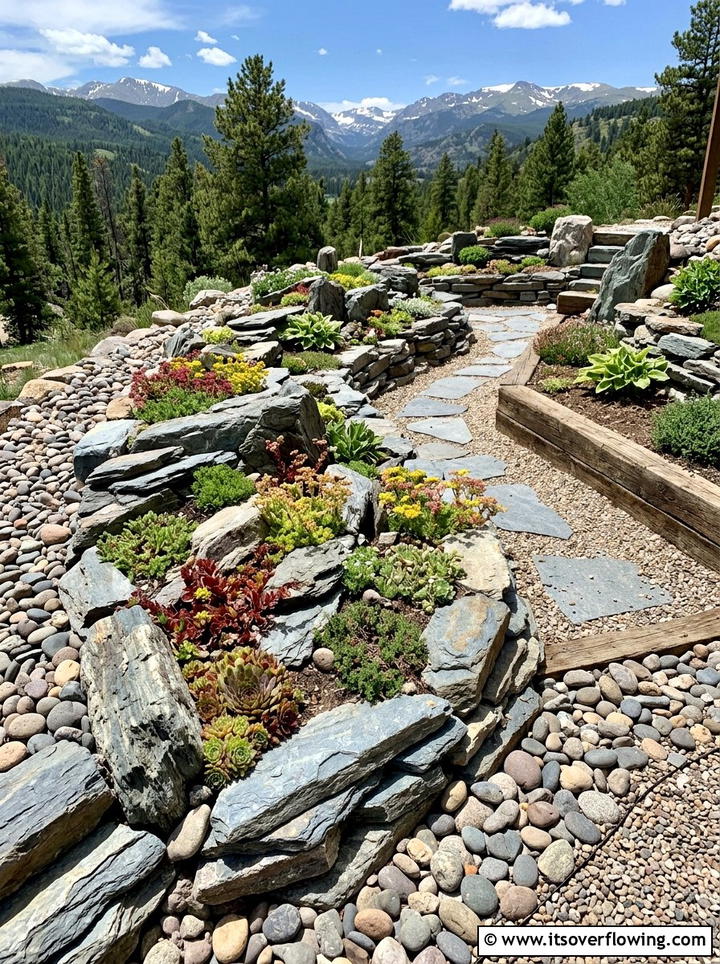
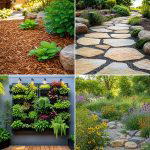
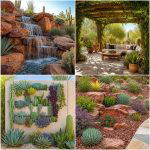
Have you ever considered using natural geological features to define your outdoor landscape? A rock garden is a fantastic way to introduce structure and height to a flat yard in a dry climate. By carefully placing different sizes of river rocks, slate, or limestone, you create a rugged and organic aesthetic. You can tuck small, hardy groundcovers or succulents into the crevices between the stones for a pop of color. These plants love the drainage provided by the rocky soil and thrive in the heat. This type of garden looks like a piece of art and requires almost no weeding or mowing. It provides a timeless look that complements many home styles.
3. Succulent Landscape
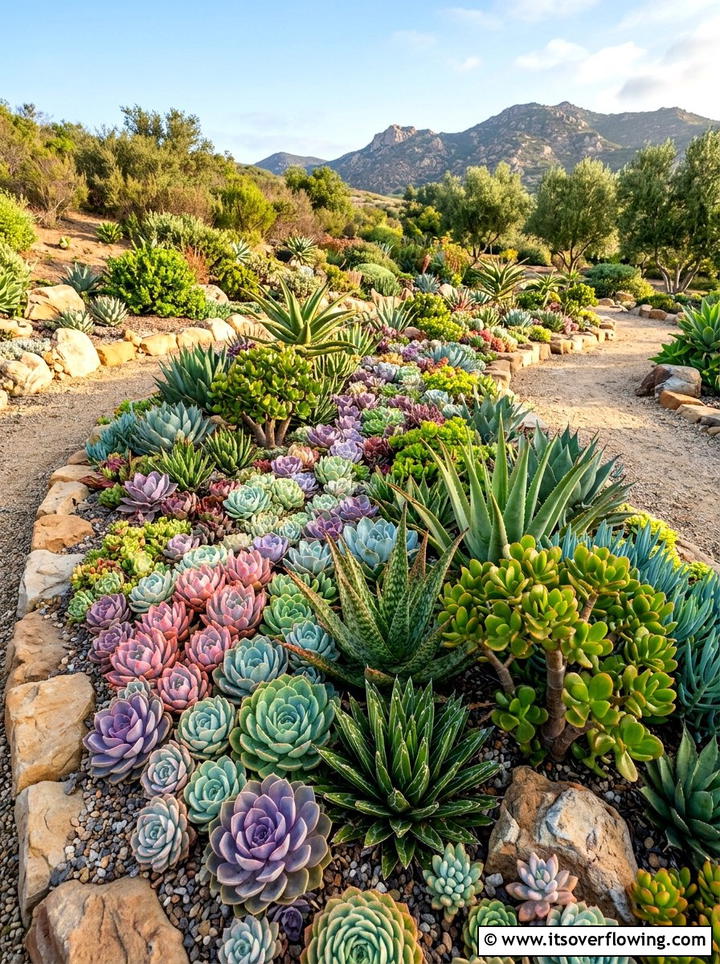
Walking through a garden filled with diverse succulents feels like stepping into a living gallery of unique shapes and vibrant colors. These plants are famous for their ability to store water in their thick leaves, making them perfect for arid regions. You can arrange different varieties like Echeveria, Aloe, and Jade to create a tapestry of textures across your soil. Using a mix of heights ensures the garden looks full and intentional rather than sparse. Many succulents also produce stunning flowers that attract local pollinators like hummingbirds. When planted in groups, they create a lush, carpet-like effect that covers the ground beautifully while requiring very minimal watering schedules.
4. Gravel Patio
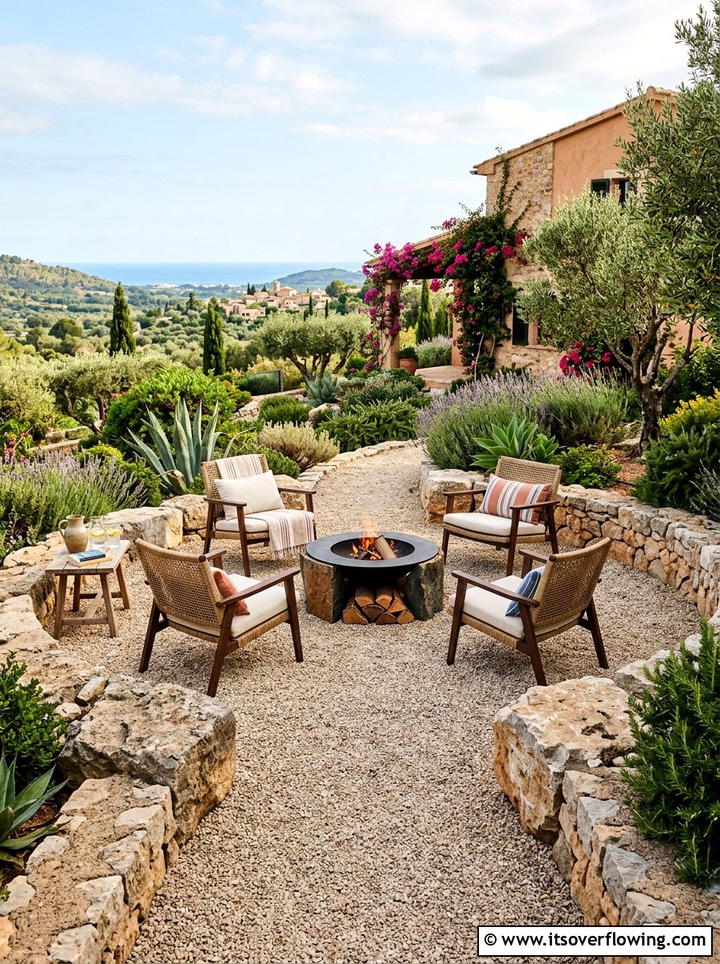
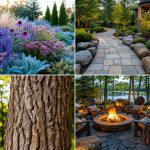
Replacing a traditional thirsty lawn with a clean and functional gravel patio can completely change how you use your backyard. Pea gravel or crushed stone provides a permeable surface that allows any rare rainfall to soak into the ground rather than running off. This area becomes the perfect spot for outdoor furniture, fire pits, or a simple dining set. You can edge the space with larger stones or timber to keep the gravel contained and tidy. Adding a few potted drought-tolerant plants around the perimeter brings life to the hardscape. It offers a relaxed, Mediterranean vibe that feels cozy and inviting for evening gatherings under the bright stars.
5. Mediterranean Courtyard
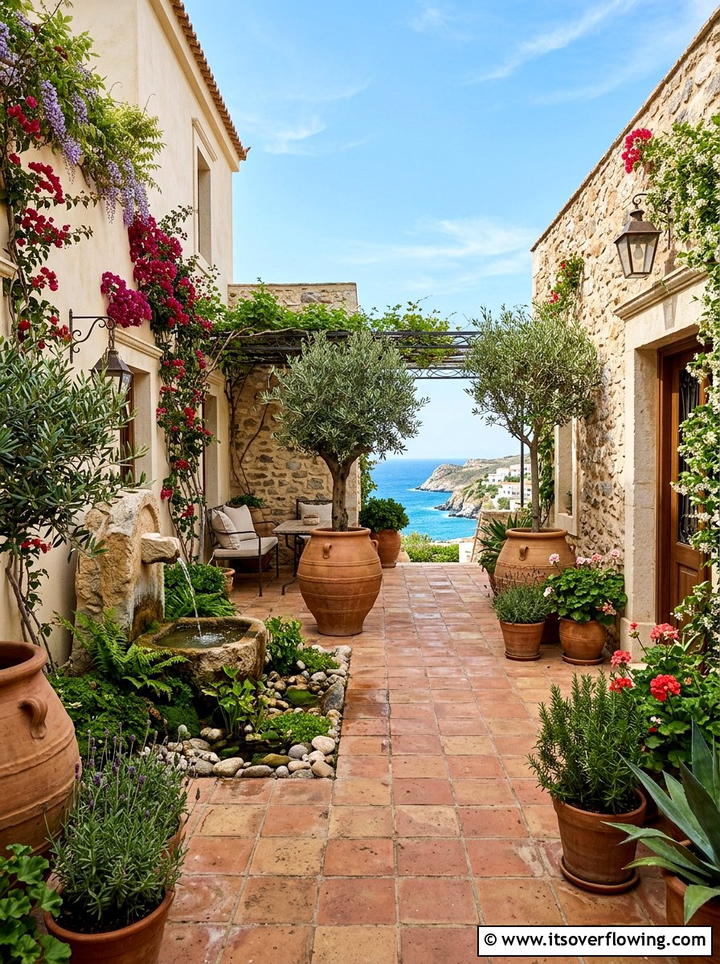
Imagine a sunny space that captures the effortless elegance of a coastal villa in Italy or Greece. A Mediterranean courtyard uses warm-toned tiles, terracotta pots, and heat-loving plants to create a sophisticated outdoor room. You can include elements like olive trees or rosemary bushes, which thrive in dry soil and provide a lovely fragrance. The use of light-colored stone reflects the sun and keeps the area feeling bright but cool. Adding a small, recirculating water feature can provide a cooling psychological effect without wasting significant water. This design focuses on creating a comfortable, shaded retreat where you can enjoy the warmth of the day in total peace.
6. Drought Tolerant Grass
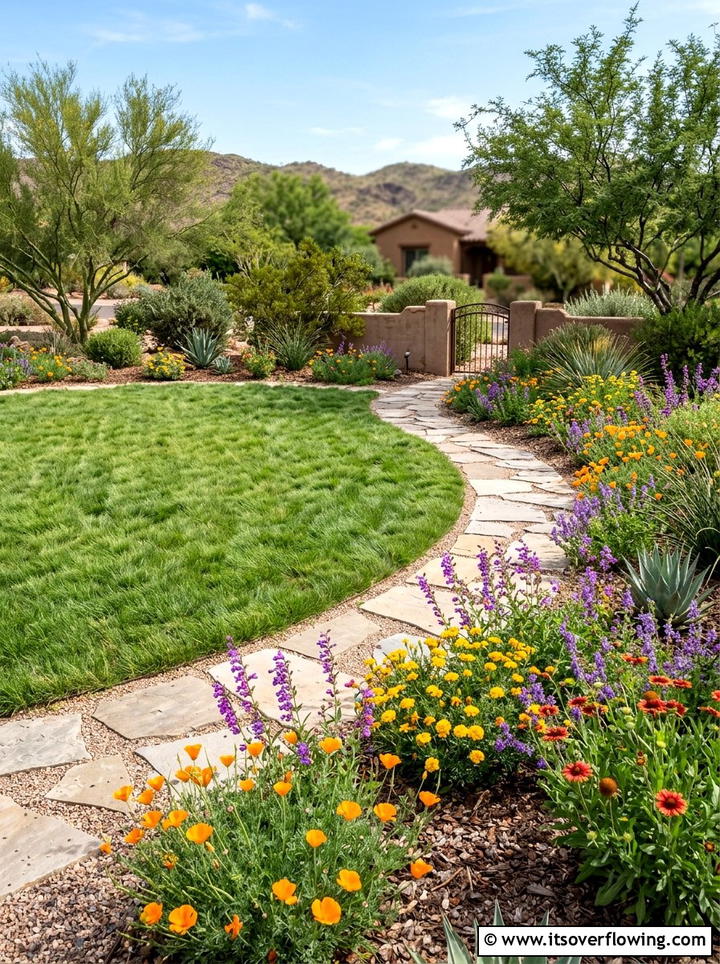
Are you looking for the look of a lawn without the massive water requirements of traditional turf? Many homeowners are switching to drought-tolerant grass species like Buffalo grass or Fine Fescue that require much less moisture to stay healthy. These grasses have deep root systems that help them survive long periods of heat and dry weather. They often have a softer, more natural look that sways beautifully in the breeze. You can leave them slightly longer for a meadow-like feel or mow them for a more structured appearance. This alternative allows you to keep a play area for pets or children while being environmentally responsible with your water usage.
7. Native Plant Border border
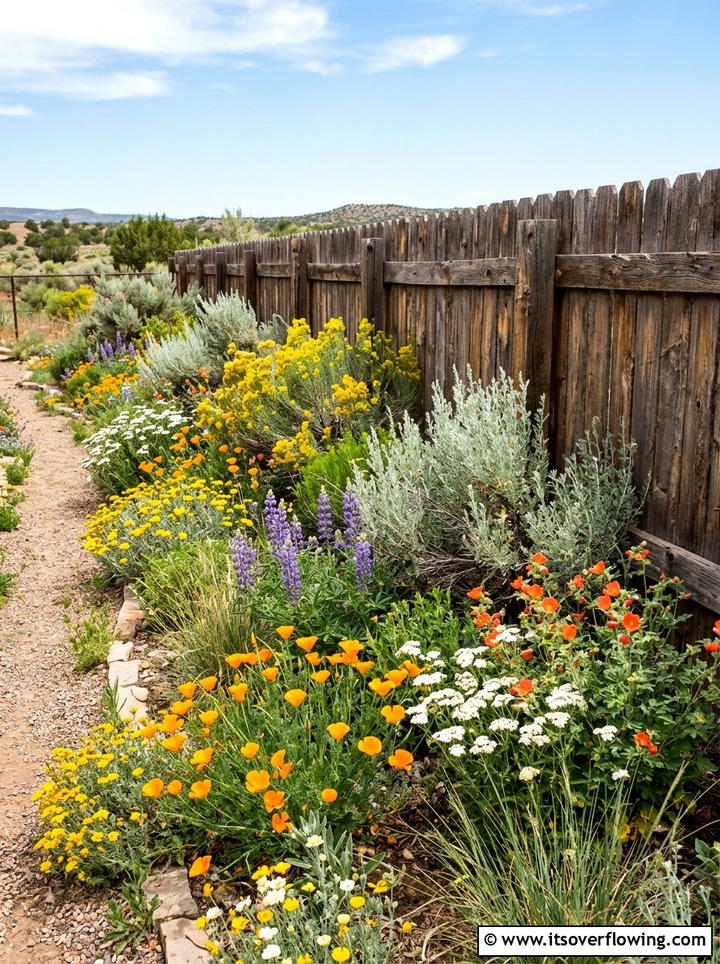
Selecting plants that are naturally found in your local environment is one of the most effective ways to ensure garden success. Native plants have spent centuries adapting to your specific soil and rainfall patterns, so they rarely need extra help to thrive. You can create a beautiful border along your fence or walkway using a variety of local wildflowers and shrubs. These plants provide essential habitats for local birds and butterflies, making your garden a hub for local wildlife. Because they are meant to be there, they often resist local pests and diseases much better than exotic species. It is a sustainable and educational way to landscape your home.
8. Lavender Field
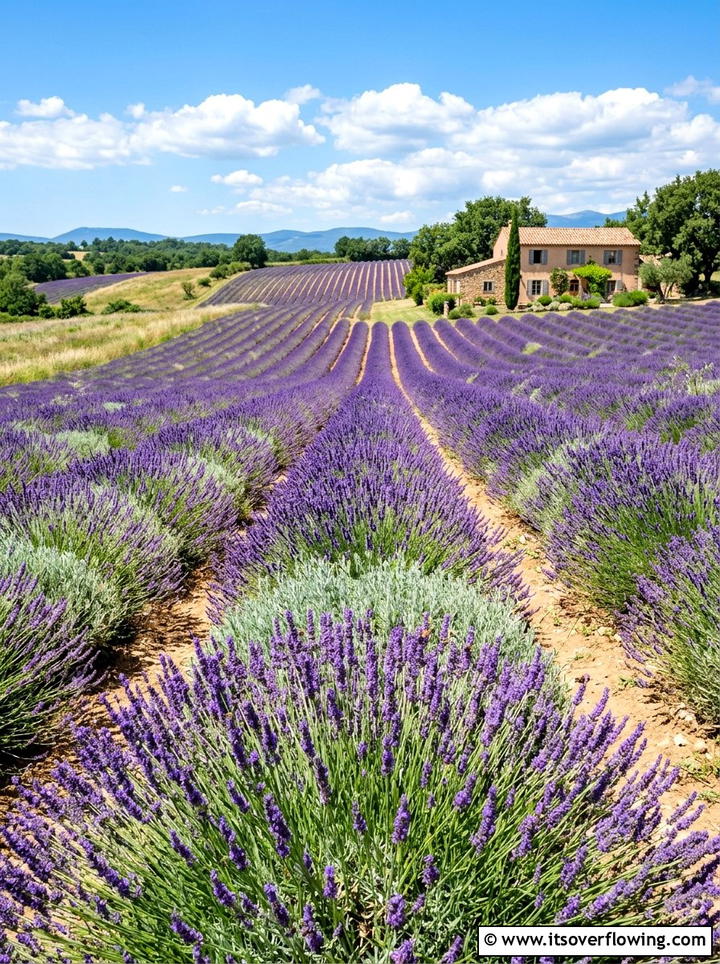
The sight and scent of a blooming lavender field are truly unmatched, and this plant happens to love hot, sunny spots with well-draining soil. Planting lavender in large drifts or long rows creates a powerful visual impact and fills the air with a relaxing aroma. These silvery-green shrubs are extremely hardy once they are established and require very little intervention. They attract bees and butterflies, adding movement and life to your garden throughout the summer months. You can use the dried flowers for home crafts or cooking, making this a functional garden choice. Lavender provides a soft, romantic texture that balances out harsher elements like stone or wood.
9. Agave Plant Garden
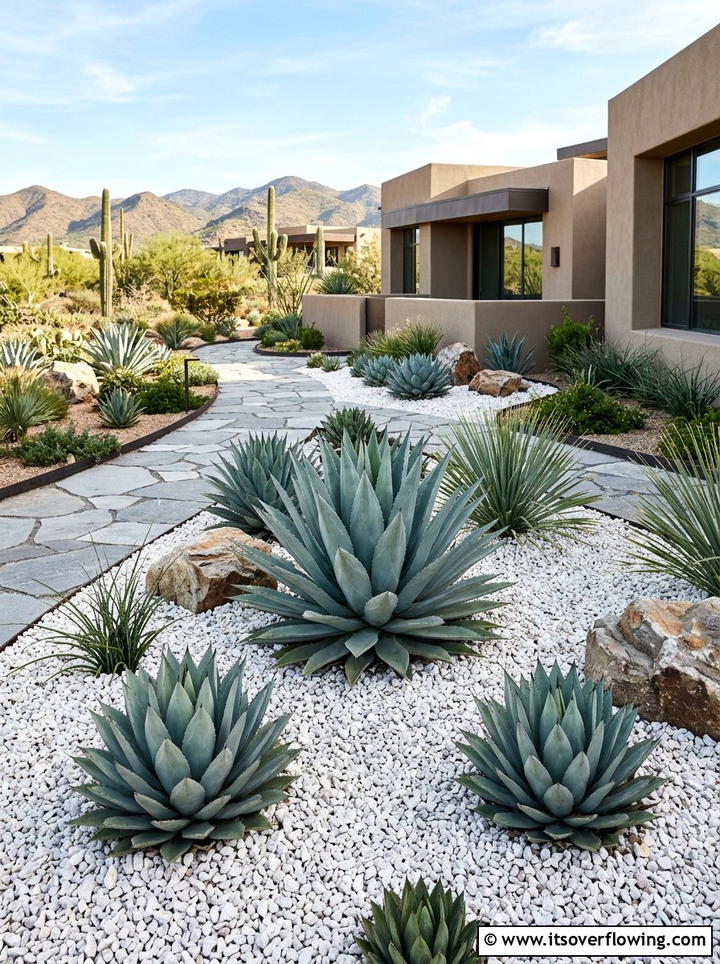
If you want to add a bold, architectural element to your landscape, the agave plant is an excellent candidate for dry climates. These striking plants feature thick, pointed leaves that form a perfect rosette shape, acting as a natural focal point. They come in many sizes and colors, from deep blue-green to variegated yellow and green. Agaves are incredibly tough and can withstand intense sun and prolonged periods of drought without losing their form. You can plant them individually in large pots or group them together in a dedicated bed for a dramatic effect. Their sharp lines look especially modern when paired with clean gravel and minimalist outdoor furniture.
10. Desert Modern Garden
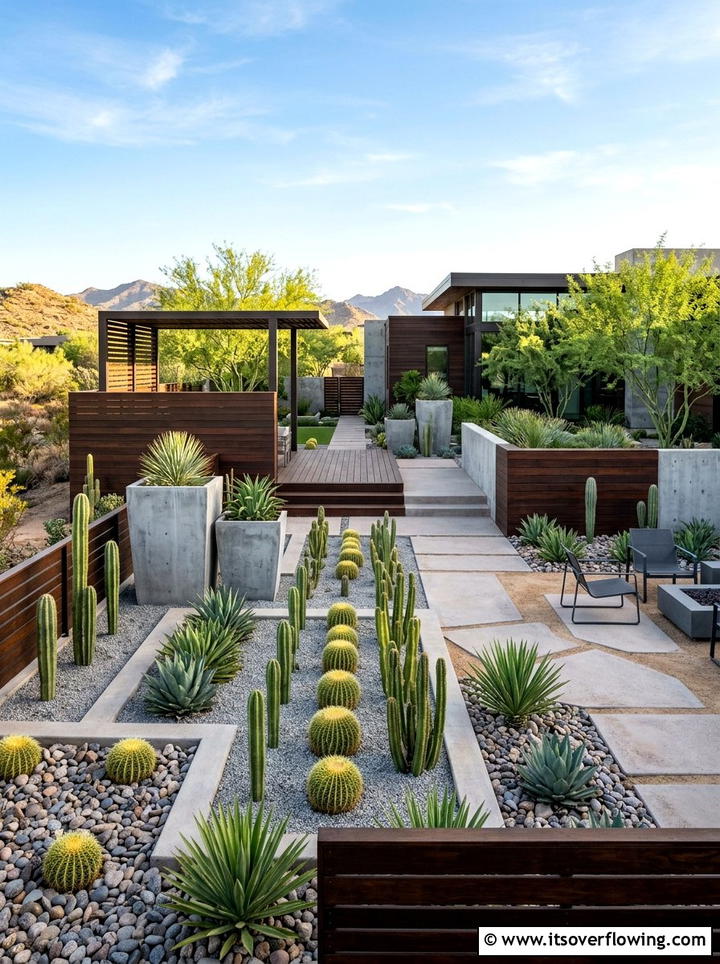
A desert modern garden combines the sleek lines of contemporary architecture with the raw beauty of arid-land vegetation. This style often uses materials like steel, concrete, and dark wood to create a structured environment that highlights the plants. You might see organized rows of cacti or succulents set against a smooth concrete wall or a metal planter. The focus is on simplicity and the play of shadows created by the desert sun. Using a limited color palette makes the green and silver tones of the plants stand out even more. It is a sophisticated way to landscape that feels both curated and deeply connected to the surrounding natural desert environment.
11. Ornamental Grass Bed
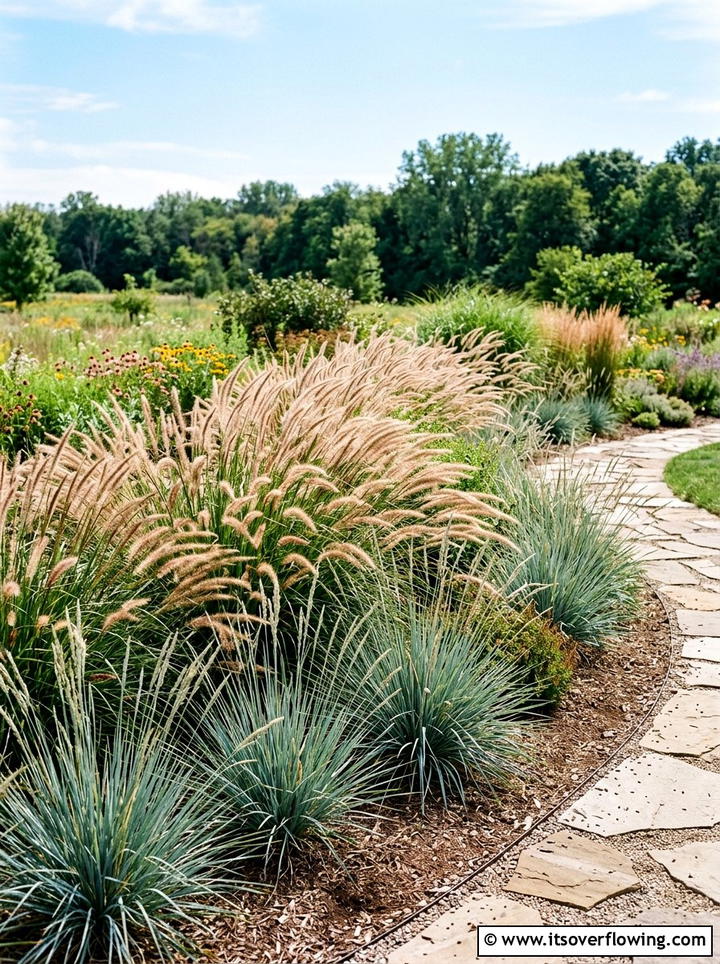
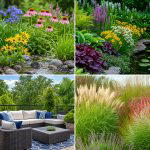
Ornamental grasses add a wonderful sense of movement and sound to a dry climate garden as they rustle in the wind. Many varieties, such as Blue Oat Grass or Fountain Grass, are highly resistant to heat and require very little water. These plants provide vertical interest and can be used to create soft privacy screens or backdrops for shorter plants. Their golden or tan seed heads often last through the winter, providing visual interest even during the dormant season. You can plant them in large clusters to mimic the look of a natural prairie or savanna. They are easy to maintain, usually only requiring a quick trim once a year.
12. Stone Retaining Wall
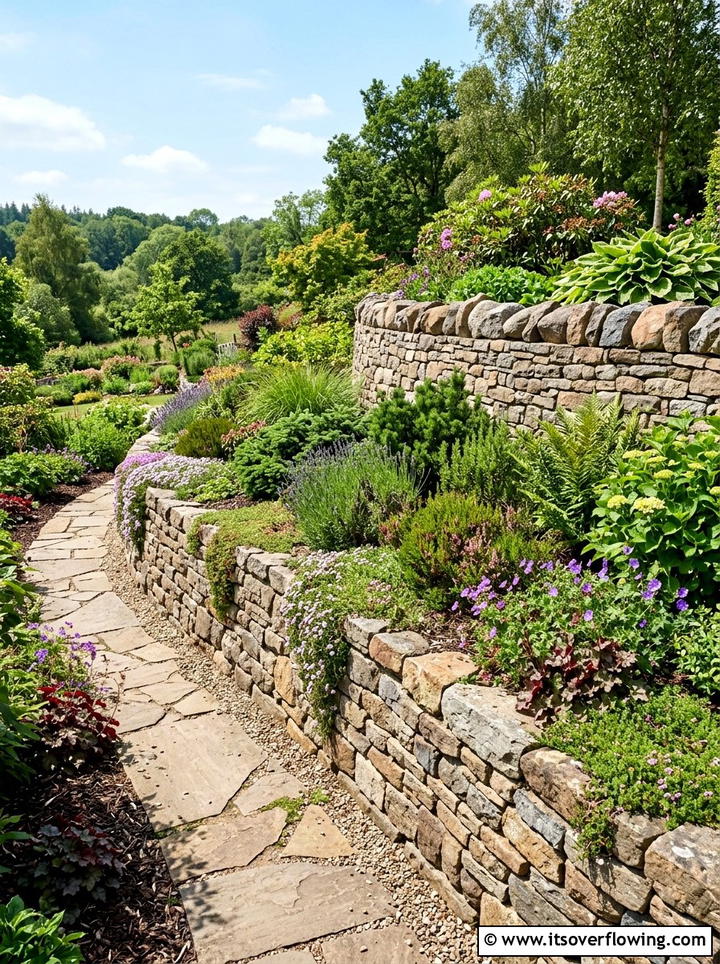
Dealing with a sloped yard in a dry area can be difficult, but a stone retaining wall offers a functional and beautiful solution. These walls help prevent soil erosion and create level tiers that are much easier to plant and maintain. You can use local fieldstone or stacked slate to build walls that look like they have always been part of the landscape. The flat areas created by the walls are perfect for planting low-water shrubs or creeping groundcovers that spill over the edges. Stone naturally holds the coolness of the earth, which can help protect plant roots from extreme surface heat. It adds a sense of permanence and craftsmanship.
13. Cacti Arrangement
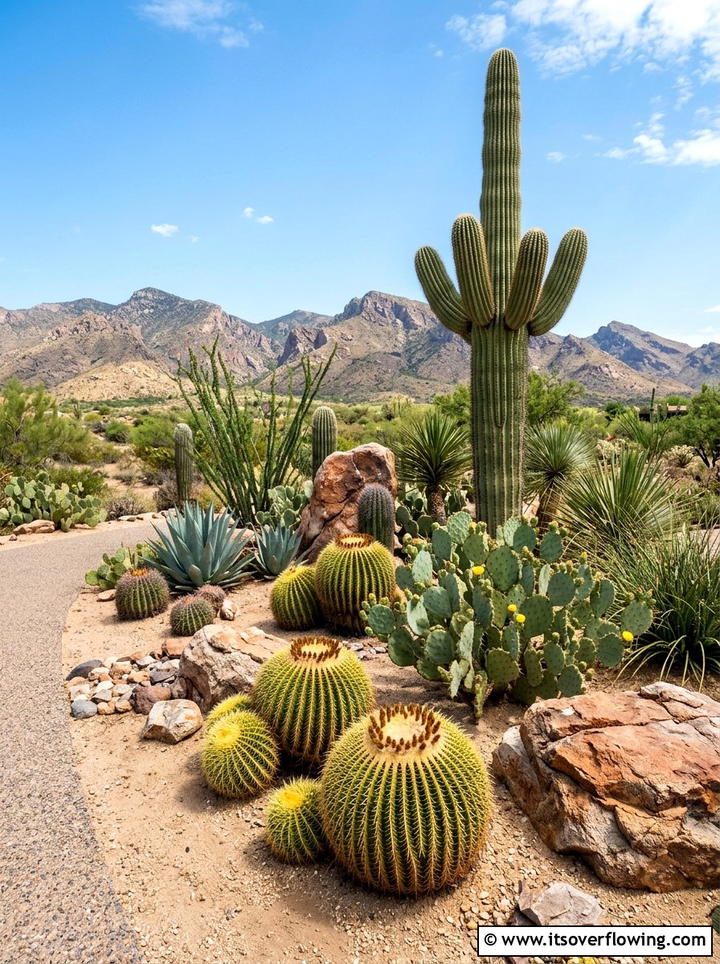
Cacti are the quintessential plants for dry regions, offering an incredible variety of shapes, sizes, and even colorful flowers. You can create a dedicated cactus bed by grouping different species like Prickly Pear, Barrel Cactus, and Saguaro. Mixing different heights and textures creates a desert-inspired landscape that looks like a natural ecosystem. These plants are built for survival and need almost no attention once they are planted in the right spot. To make the arrangement pop, you can use light-colored sand or gravel as a top dressing to contrast with the dark green or blue stems. It is a low-effort way to achieve a high-impact, exotic look in your backyard.
14. Mulch Flower Bed
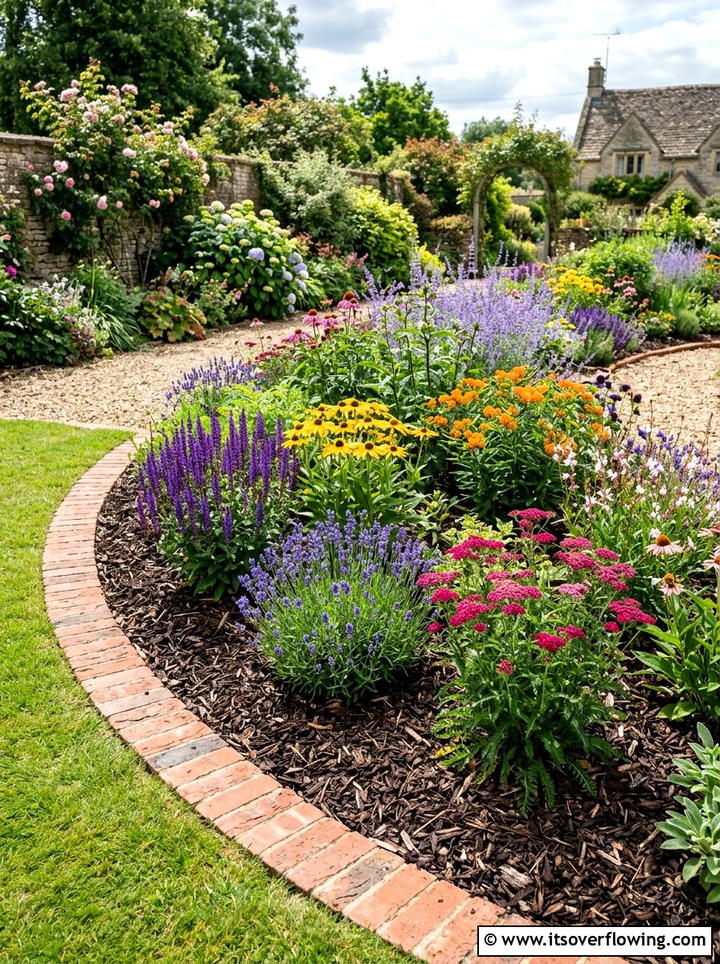
Using a thick layer of organic or inorganic mulch is one of the best secrets for keeping a dry garden healthy. Mulch helps to insulate the soil, keeping it cooler during the day and retaining whatever moisture is present for longer periods. In a dry climate, you might choose wood chips for a natural look or decorative stones for a more modern feel. This layer also prevents weeds from growing, which means your plants don’t have to compete for water and nutrients. A well-mulched flower bed looks finished and tidy, providing a clean backdrop for your favorite drought-tolerant blooms. It is a practical step that significantly improves plant survival rates.
15. Sage Brush Garden
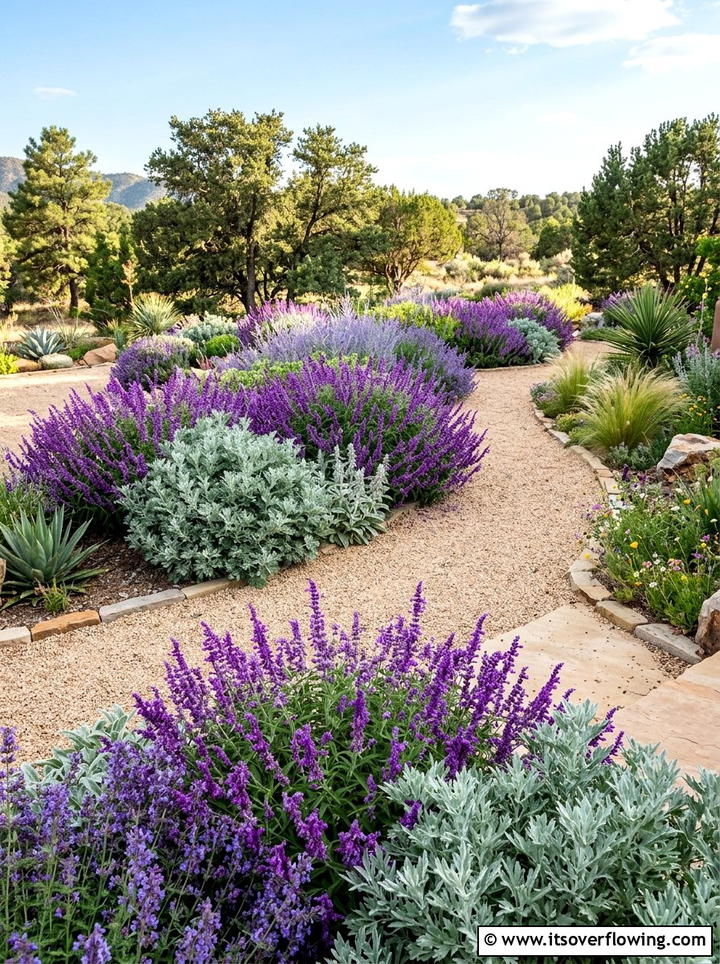
Sage and other salvias are fantastic choices for adding color and fragrance to a garden that receives plenty of sun. These plants are known for their beautiful spikes of purple, blue, or red flowers that bloom for long periods. Sage brush has a lovely silvery foliage that looks great even when the plant is not in full bloom. It is incredibly tough and can handle poor soil and very little water with ease. The aromatic leaves are often used in cooking or for their pleasant scent when brushed against. Planting sage in groups creates a soft, hazy look that fills in gaps and provides a lush appearance without the high water cost.
16. Paved Walkway
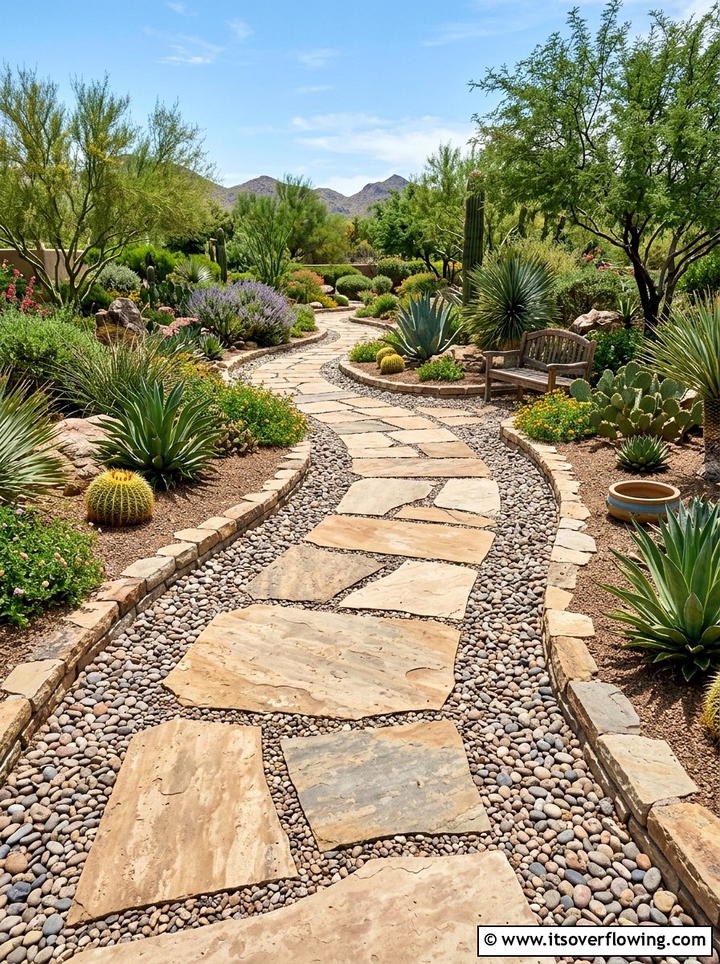
A clear and well-designed paved walkway can help define the different zones of your dry climate garden. Using materials like flagstone, pavers, or even simple concrete rounds creates a sturdy path that guides people through the space. You can leave small gaps between the stones and fill them with sand or tiny pebbles to allow for water drainage. This structure prevents people from stepping on delicate plants or compacting the soil. A walkway also adds a formal element to the garden, making the wilder, drought-tolerant plants look more intentional. It creates a sense of journey and exploration as you move from the patio to a shaded seating area or garden feature.
17. Shade Tree Canopy
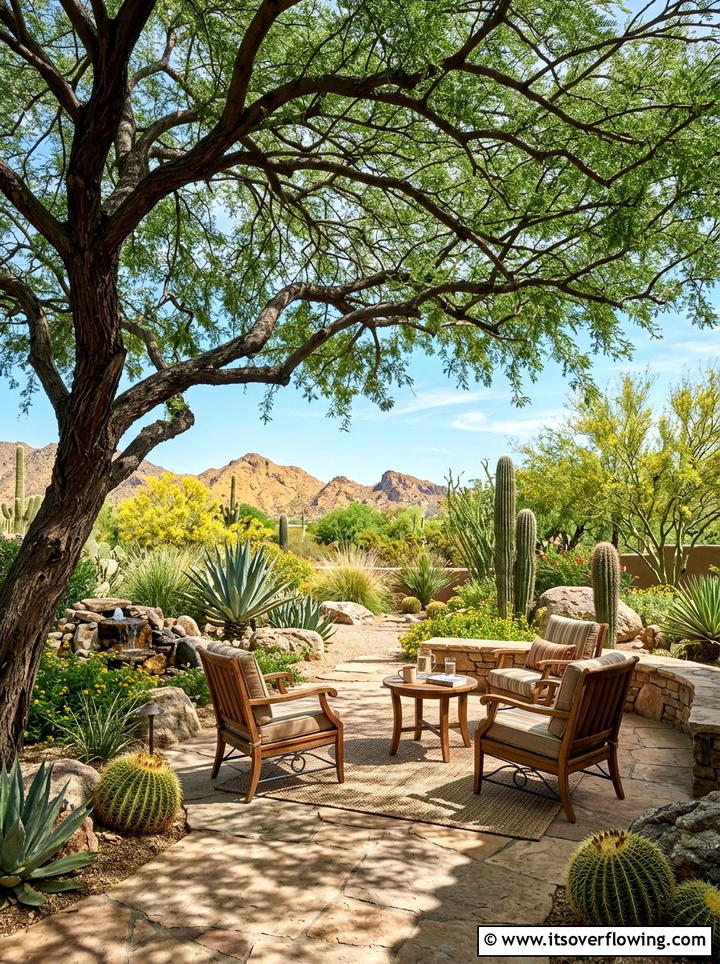
Providing shade is essential in a dry climate to protect both your home and your other plants from the intense midday sun. Choosing drought-tolerant trees like Mesquite, Palo Verde, or certain Oak varieties can create a cooling canopy over your yard. These trees are adapted to survive on minimal rainfall while providing a much-needed break from the heat. The dappled light that filters through their leaves creates a perfect microclimate for plants that might otherwise struggle in direct sun. Beyond their cooling benefits, these trees add significant vertical scale and a sense of maturity to your landscape. They become the “ceiling” of your outdoor room, making it feel more enclosed and comfortable.
18. Yucca Plant Bed
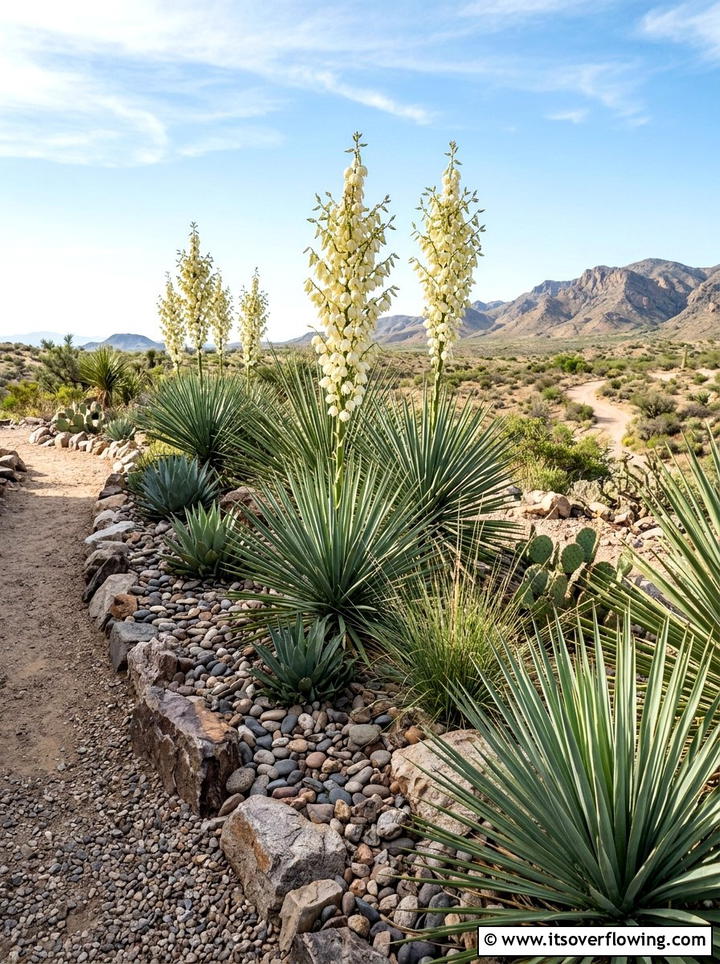
Yucca plants are striking evergreen perennials that bring a sense of the Southwest to any garden design. With their stiff, sword-like leaves and tall stalks of white bell-shaped flowers, they serve as excellent focal points. They are virtually indestructible once established, thriving in full sun and rocky or sandy soils. You can find varieties that range from small shrubs to large, tree-like structures, allowing you to fit them into any size space. Planting them in groups creates a dramatic, spiky texture that contrasts beautifully with softer grasses or rounded succulents. They are low-maintenance stars that maintain their green color and sharp silhouette throughout the entire year, regardless of the weather.
19. Artificial Turf Lawn
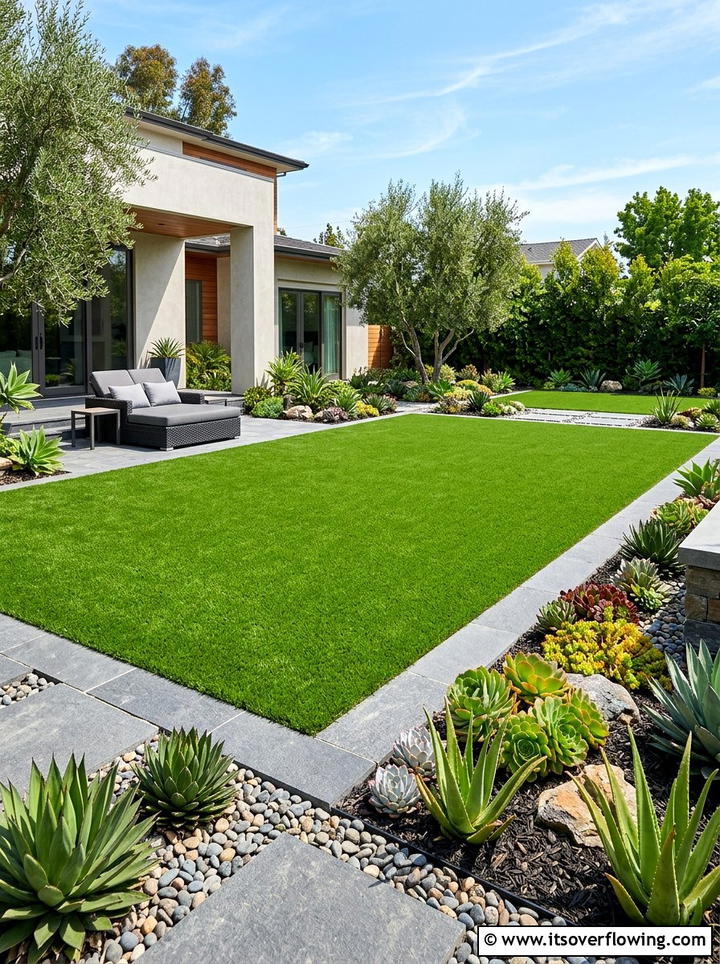
If you truly want the look of a perfectly manicured green lawn without using a single drop of water for irrigation, artificial turf is a popular choice. Modern synthetic grass looks incredibly realistic and provides a soft surface for activities and relaxation. It eliminates the need for mowing, fertilizing, and weeding, which saves you a lot of time and money in the long run. In a dry climate, this is an environmentally friendly way to have a “green” space that stays vibrant even during a drought. It works well for small courtyards or designated pet areas. Pairing artificial turf with natural stone borders creates a clean, contemporary look that stays pristine in any temperature.
20. Container Succulent Garden
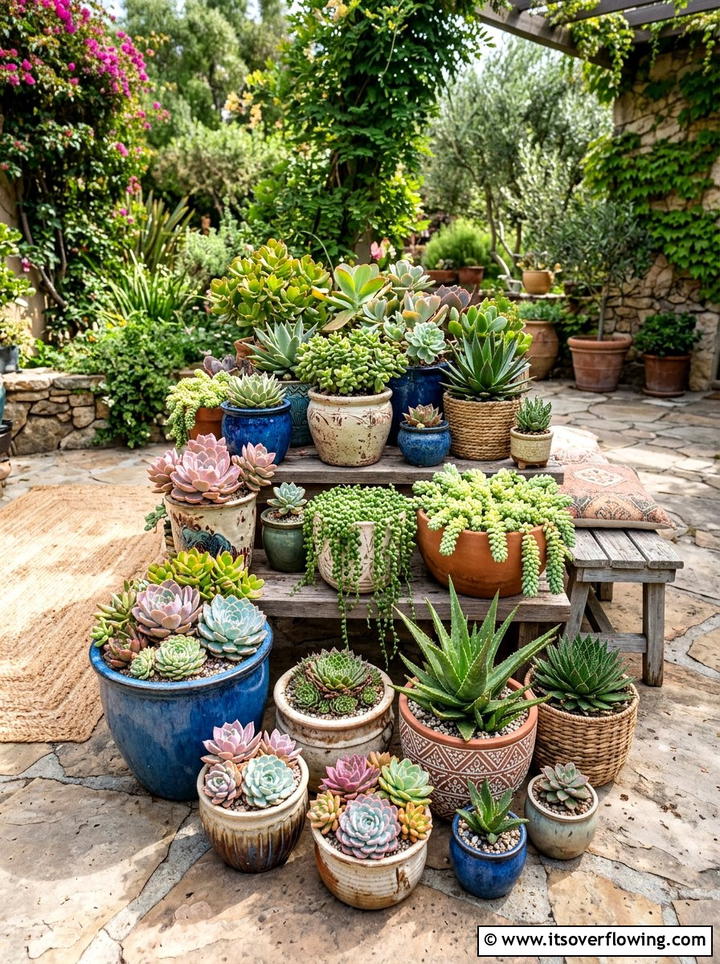
Container gardening is a wonderful way to experiment with dry climate plants if you have limited space or want to add accents to a patio. You can fill large terracotta or ceramic pots with specialized cactus soil and a variety of colorful succulents. This allows you to control the drainage and move the plants around to find the best sun exposure. Grouping several pots of different heights creates a lush, tiered effect that feels like a mini garden. Succulents in containers are very forgiving and can go a long time between waterings. It is a great way to add a touch of greenery to a balcony, porch, or even a sunny windowsill outdoors.
21. Bird Bath Feature
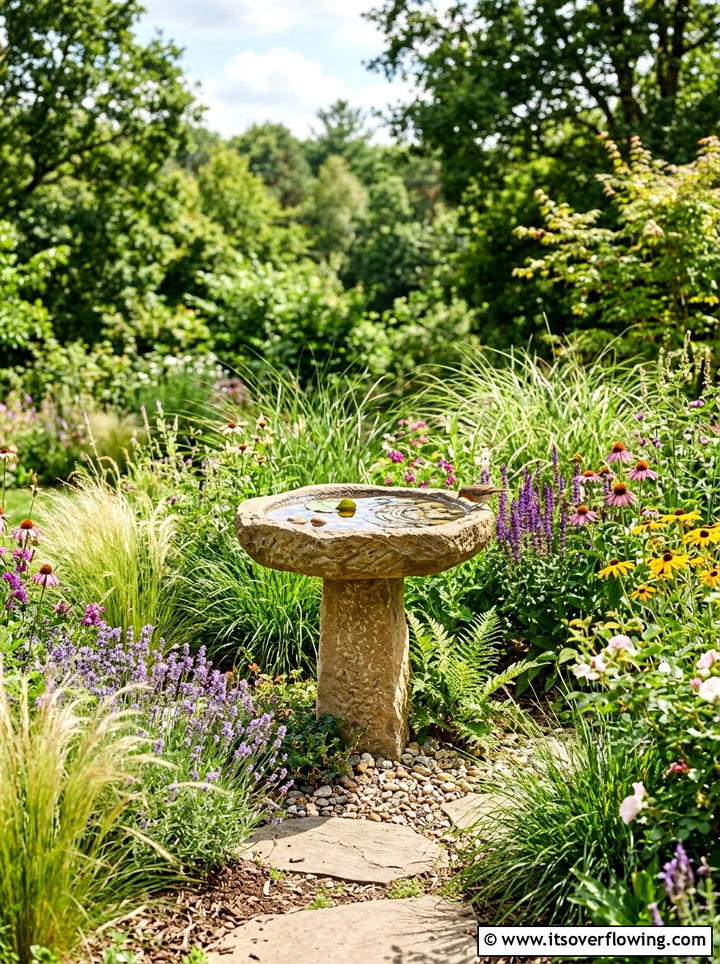
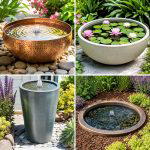
Even in a dry garden, adding a small element of water can make the space feel more alive and welcoming. A simple stone bird bath provides a vital water source for local birds and insects, which are often looking for moisture in arid climates. The sight and sound of birds visiting your garden add a joyful layer of nature to your home. You don’t need a massive fountain to make an impact; a shallow basin perched on a pedestal is often enough. Keeping the water clean and fresh ensures it remains a healthy spot for wildlife. This feature acts as a serene focal point that grounds the landscape and provides a sense of calm.
22. Pergola Sitting Area
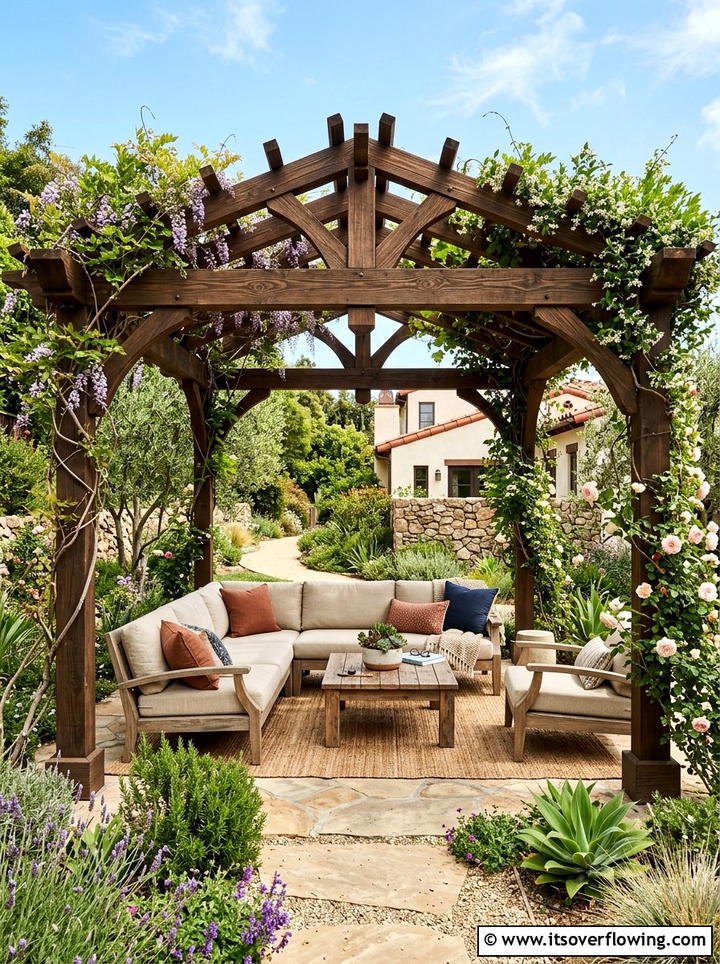
Building a pergola provides much-needed architectural shade while creating a defined spot for outdoor living and entertaining. In a dry climate, a pergola can be left open or covered with light fabric or drought-tolerant climbing vines to provide extra cooling. It becomes the heart of the garden, offering a place to sit and enjoy the beauty of your drought-resistant plants. You can place comfortable outdoor furniture underneath and perhaps some hanging lanterns for evening ambiance. The vertical posts and horizontal beams add a sense of structure and height to the backyard. It bridges the gap between the interior of your home and the natural elements of the outdoor landscape.
23. Raised Planter Box
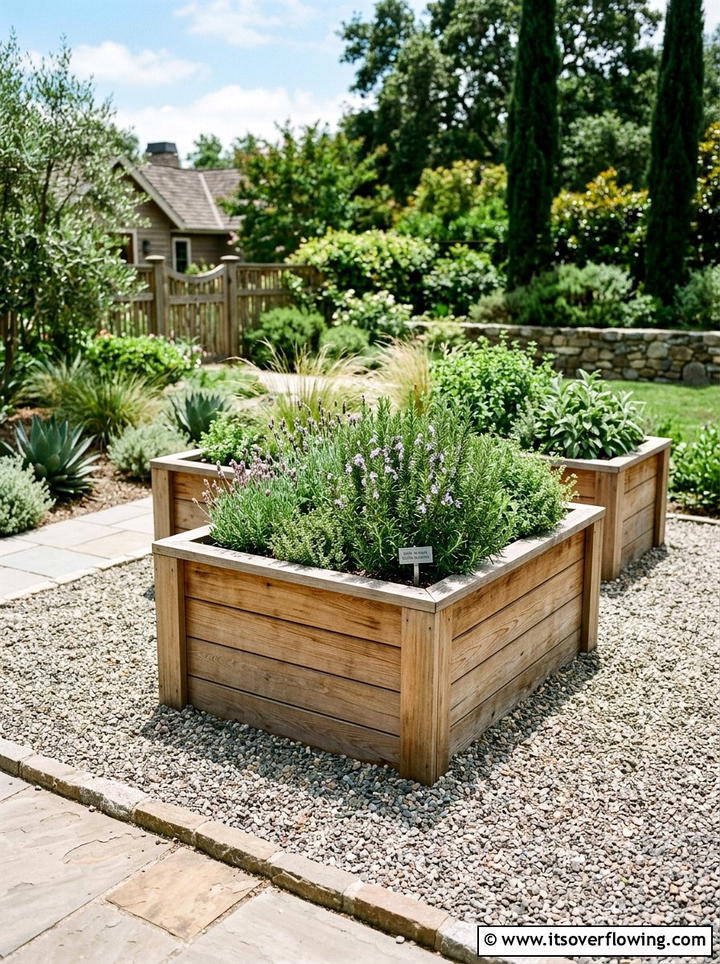
Raised planter boxes are excellent for dry climates because they allow you to create the perfect soil environment for specific plants. You can build these boxes from wood, stone, or metal to match the style of your home. They provide great drainage and keep the plants slightly elevated, which can make maintenance tasks like pruning much easier on your back. Filling them with drought-tolerant herbs like rosemary, thyme, or oregano gives you a functional and fragrant kitchen garden. Because the soil is contained, it is easier to keep it cool and moist compared to the surrounding parched earth. They add a clean, organized look to any backyard layout or patio.
24. Flowering Shrub Border
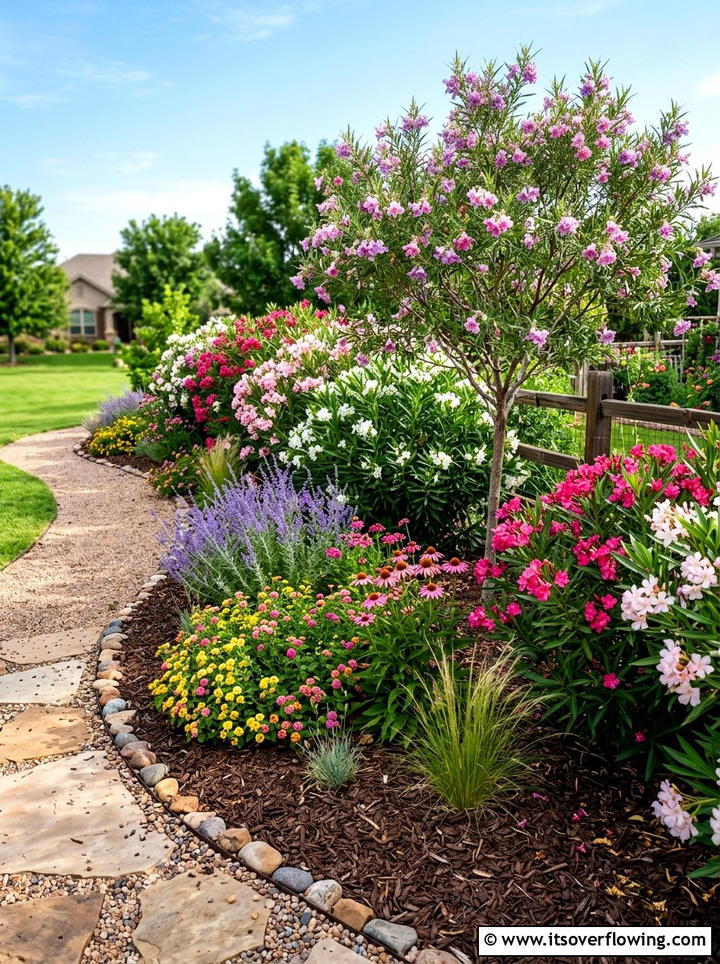
Adding flowering shrubs that can handle the heat is a great way to bring seasonal color to your dry climate landscape. Plants like Oleander, Bird of Paradise, or Desert Willow produce stunning blooms while being extremely tough and water-wise. You can use these shrubs to create a colorful privacy hedge or a soft border along the edges of your property. Their vibrant flowers contrast beautifully against the earthy tones of sand, gravel, and stone. Many of these shrubs have deep green or silver foliage that looks attractive even when they are not in bloom. They provide structure and a sense of lushness that makes a dry garden feel like a tropical oasis.
25. Decorative Boulder Landscape
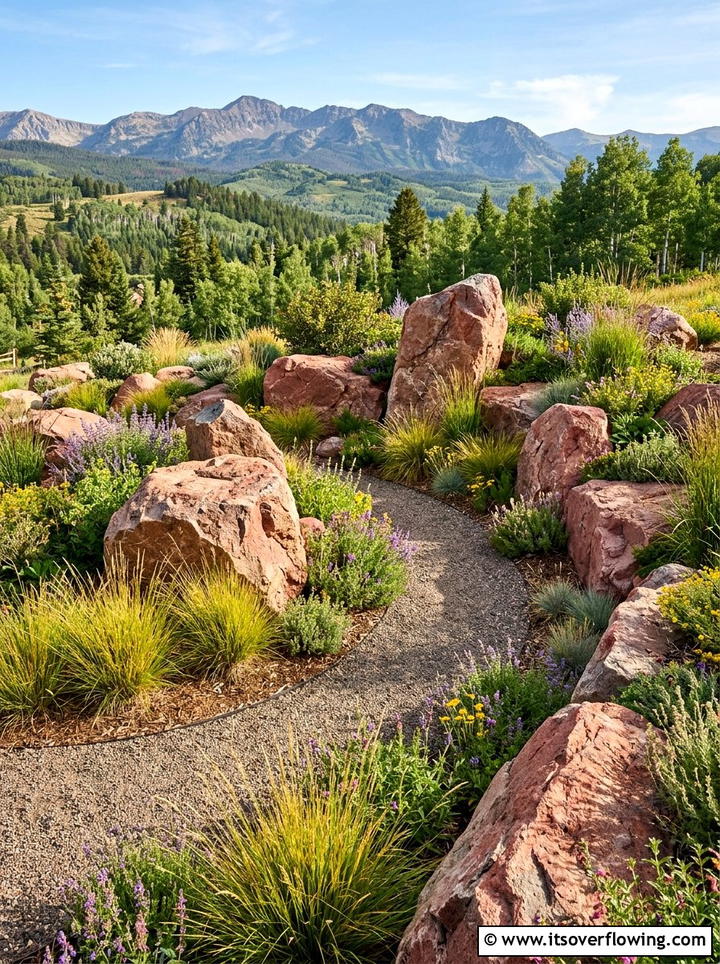
Large decorative boulders can act as the “anchors” of your garden design, providing a sense of age and stability. By half-burying a few massive rocks throughout your yard, you mimic the look of a natural desert outcropping. These boulders create interesting shadows and provide a backdrop for smaller plants to lean against. They require zero maintenance and will look exactly the same for decades, making them a very cost-effective landscaping choice. You can find boulders in various colors like red, grey, or tan to match your local soil. Surrounding these large stones with different sizes of gravel and native grasses creates a professionally designed and deeply textured outdoor space that looks incredible.
Conclusion:
Building a garden in a dry climate is an opportunity to celebrate the resilient beauty of nature while practicing environmental stewardship. By moving away from water-intensive lawns and embracing the textures of stone, succulents, and native species, you create a space that is both sustainable and stylish. These ideas show that a lack of rain doesn’t mean a lack of life or color in your backyard. Instead, it invites a unique aesthetic that is perfectly suited to the warm, sunny environment you call home. Whether you choose a modern cactus arrangement or a fragrant lavender field, your garden will provide a peaceful and low-maintenance retreat for years. Take the first step today and watch your arid landscape transform into a thriving, water-wise masterpiece that everyone will admire.

Related posts:
 25 Garden Ideas for Cold Climate Yards That Thrive Beautifully
 25 garden ideas for hot climate: Cool, Drought-Smart Yards
 25 garden ideas for rainy climate: Fresh Wet-Weather Tips
 25 Garden Ideas Low Maintenance for Easy Outdoor Beauty
 25 Garden Ideas With Roses for Romantic Outdoor Beauty
 25 Creative Garden Ideas With Dry Creek Beds to Inspire
 25 garden design ideas with dry creek beds: Natural Drainage
 25 garden ideas with hostas for Lush Shade Garden Beauty
 25 creative garden ideas with pergola vines for Shaded Beauty
 25 garden ideas with fruit trees for Beauty and Harvests
 25 Small Garden Ideas to Maximize Beauty in Tiny Spaces
 25 small garden ideas with trellis to Maximize Beauty Fast