
Transforming your outdoor space into a lush, edible sanctuary is more than just a hobby; it is a lifestyle shift that brings nature right to your doorstep. Integrating fruit trees into your garden design offers a unique blend of seasonal beauty, fragrant blossoms, and the rewarding harvest of homegrown produce. Whether you have a sprawling backyard or a compact urban balcony, there are countless ways to incorporate these versatile plants into your landscape effectively. By choosing the right varieties and placement, you can create a stunning visual focal point that also serves as a functional food source for your family throughout the year. These trees provide structure, shade, and a sense of permanence to any garden setting.
1. Espalier apple tree wall
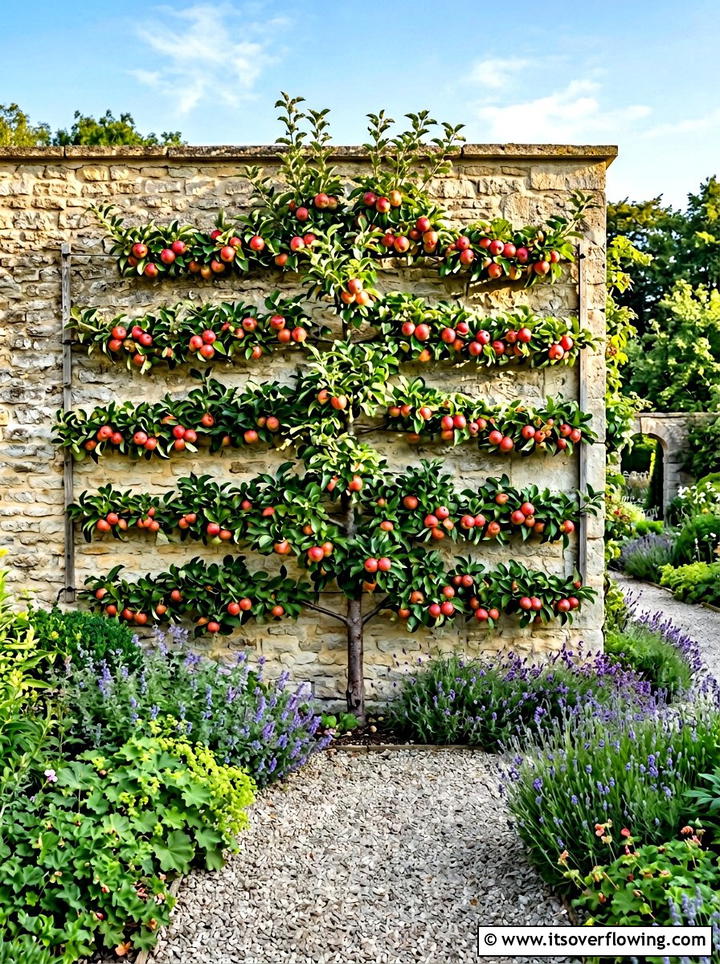
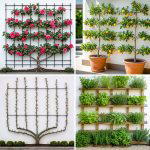
Can you imagine walking along a stone wall covered in perfectly symmetrical branches laden with ripening apples? This ancient technique of training trees to grow flat against a vertical surface is the ultimate space-saver for modern landscapes. It allows you to grow high-quality fruit even in narrow side yards or against a garage wall where space is limited. The architectural look of the branches provides visual interest during the winter months when the leaves have fallen. During the spring, the wall becomes a vertical tapestry of white and pink blossoms. Proper pruning is essential to maintain the shape, but the reward is a beautiful and highly productive garden feature.
2. Dwarf citrus tree in pots
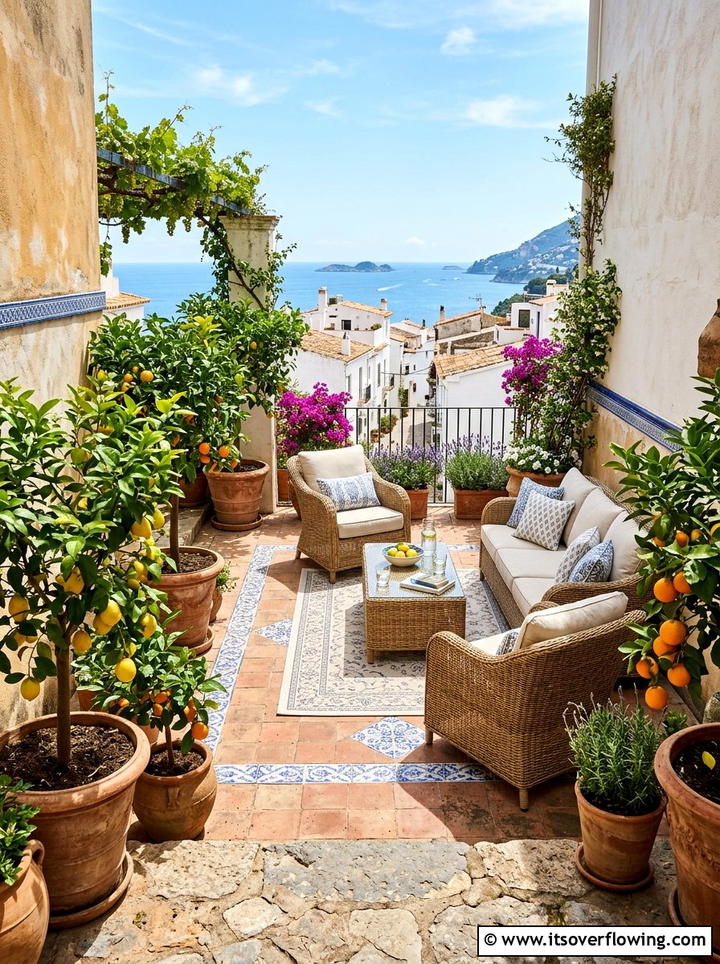
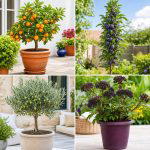
Have you ever wanted the scent of fresh orange blossoms drifting through your patio during a warm summer evening? Growing dwarf citrus varieties in decorative containers is a fantastic way to bring a Mediterranean feel to any outdoor living space. These compact trees are perfect for patios, decks, or even sunny balconies where ground space is unavailable. Because they are in pots, you have the flexibility to move them around to follow the sun or bring them indoors during harsh winter months. Using high-quality terracotta or glazed ceramic pots adds an extra layer of style to your garden while providing the drainage these trees need.
3. Backyard mini orchard layout
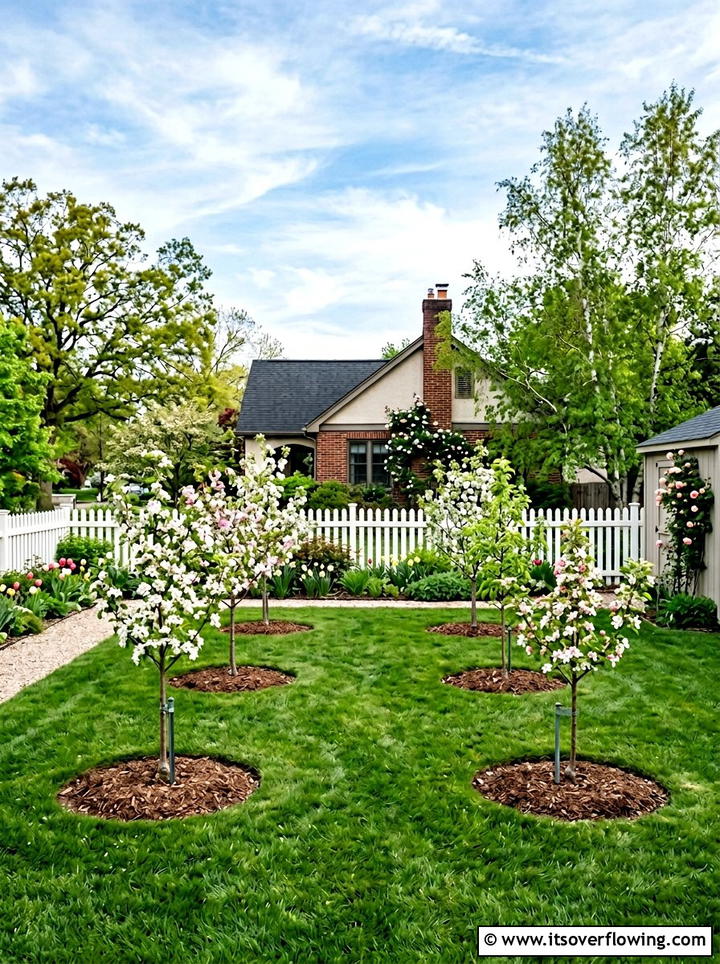
What if you could turn a portion of your lawn into a dedicated space for multiple fruit varieties? Creating a mini orchard involves planting several semi-dwarf trees in a grid or a loose cluster to maximize harvest diversity. This setup works beautifully in the corner of a backyard, providing a sense of abundance and a natural canopy. You can underplant the trees with wildflowers or clover to attract pollinators and improve soil health. Choosing trees with different ripening times ensures that you have fresh fruit from early summer through late autumn. This layout creates a charming, rustic atmosphere that makes your backyard feel like a countryside retreat.
4. Fruit tree privacy screen
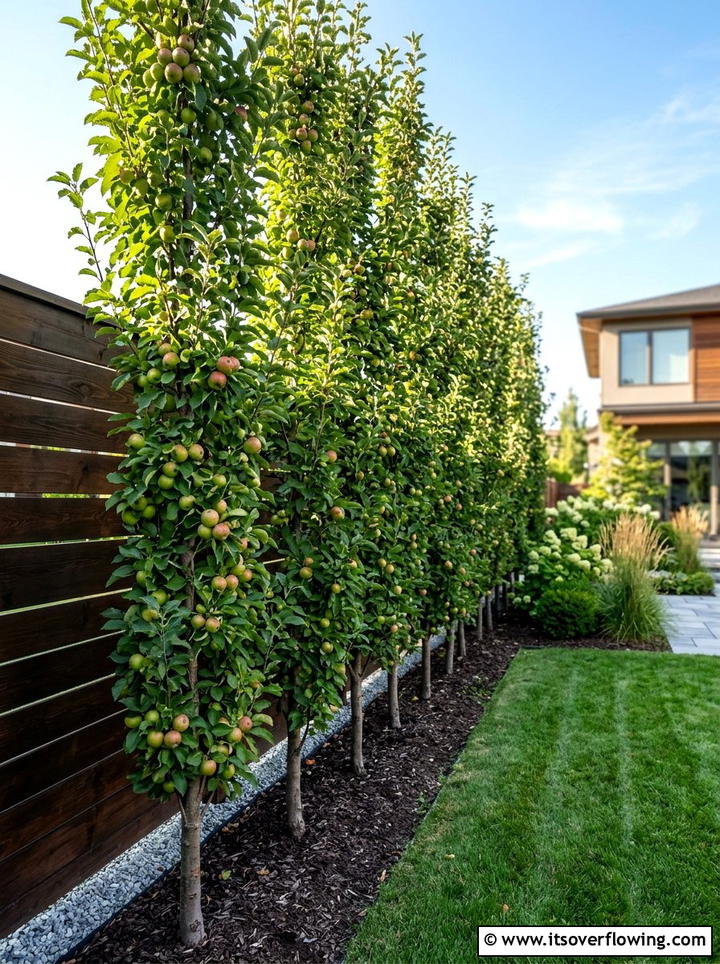
Are you looking for a natural way to block out neighbors while adding value to your property? Planting a row of upright, columnar fruit trees creates a living fence that is both functional and beautiful. Unlike traditional evergreen hedges, these trees offer changing seasonal interest with spring flowers and colorful autumn fruit. Columnar apples are particularly well-suited for this purpose because they grow narrow and tall without requiring extensive pruning. This approach provides the privacy you crave while rewarding you with baskets of fresh fruit. It is a smart, edible alternative to standard fencing that softens the edges of your property with vibrant greenery.
5. Raised bed fruit garden
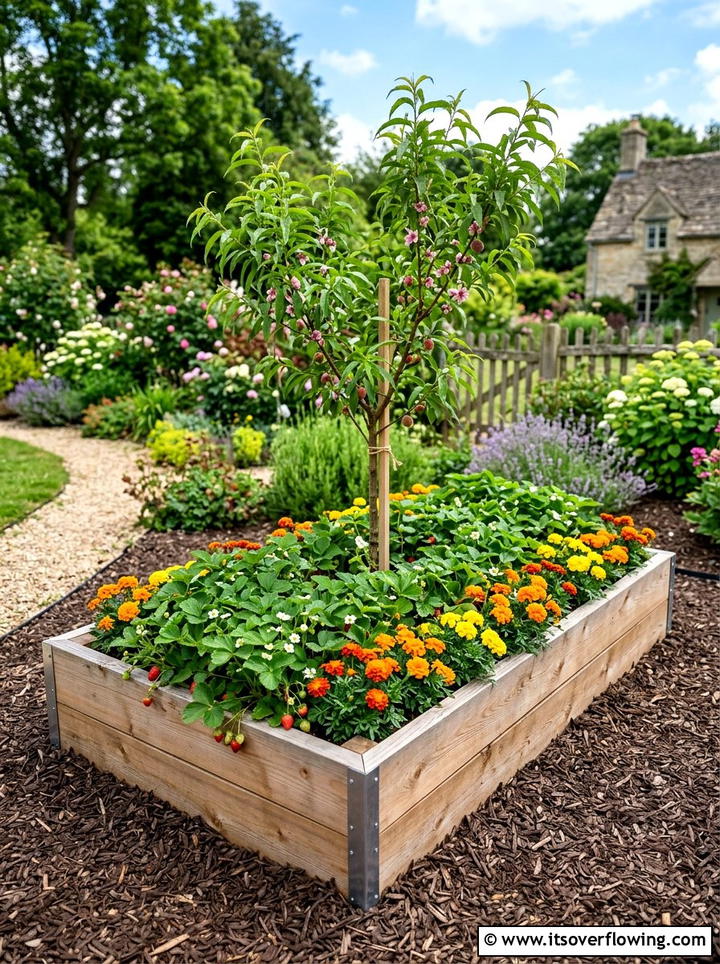
Does your backyard have poor soil quality or drainage issues that make traditional planting difficult? Using large, sturdy raised beds allows you to control the soil environment perfectly for your fruit trees. This method is particularly effective for stone fruits like peaches or plums that require excellent drainage to thrive. You can build the beds from cedar or stone to match your existing garden aesthetic and create a clean, organized look. Surrounding the base of the trees with organic mulch helps retain moisture and keeps the roots cool. Raised beds also make harvesting and pruning much easier on your back by bringing the plants higher.
6. Potted lemon tree patio
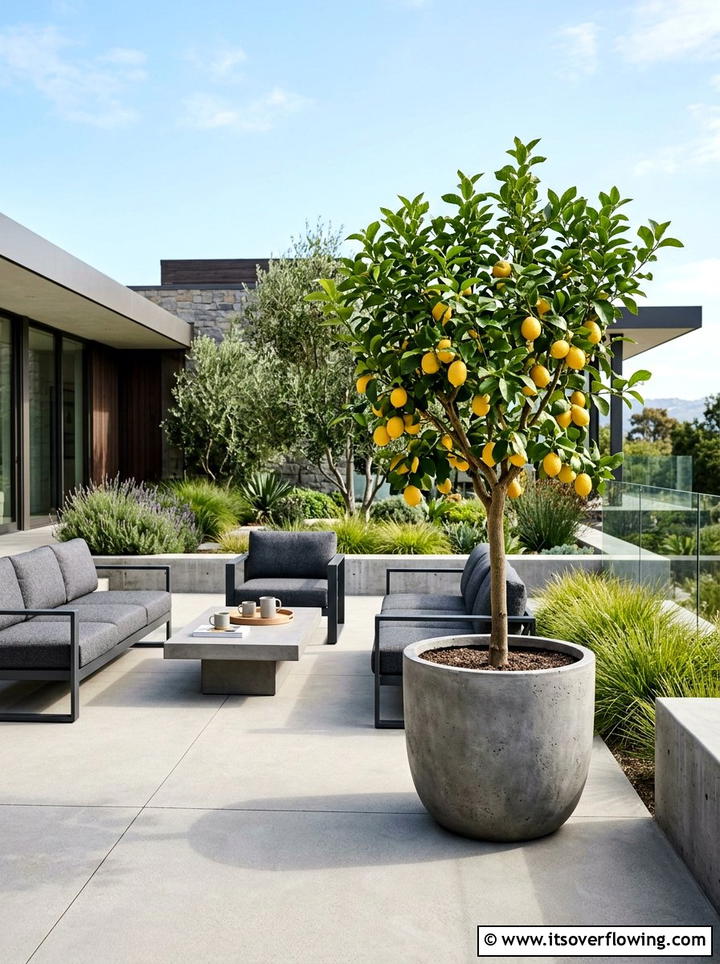
Imagine sitting on your terrace surrounded by the bright yellow glow of ripening lemons and deep green foliage. A patio dedicated to lemon trees creates a refreshing and upscale environment that feels like a coastal villa. These trees thrive in large containers and can be styled with modern outdoor furniture to create a cohesive look. The glossy leaves provide a lush backdrop for summer gatherings, while the citrus scent acts as a natural aromatherapy. Adding a layer of pebbles or decorative moss on top of the soil can enhance the visual appeal of the pots. It is a simple yet sophisticated way to garden.
7. Fruit tree archway path
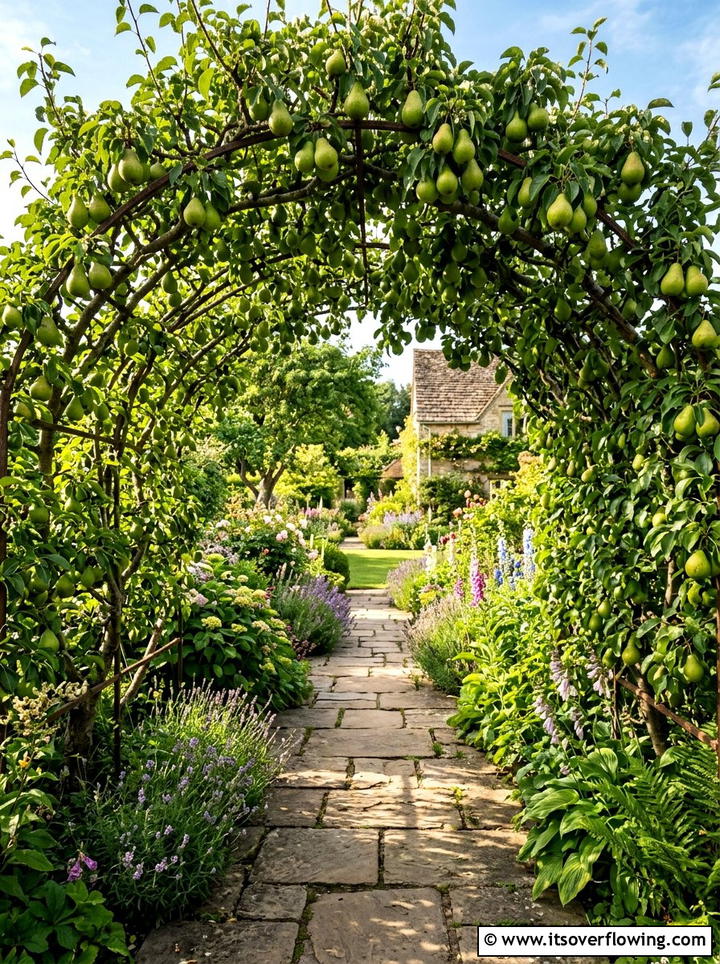
How would it feel to walk through a tunnel of ripening pears or grapes every time you enter your garden? Creating a living archway using flexible fruit tree branches is a magical way to define a garden path or entrance. You can use a metal or wooden arbor as a guide for young trees, slowly training them to meet in the middle. This vertical interest adds height to your landscape and creates a sense of mystery and exploration. As the fruit hangs down from the canopy, it becomes incredibly easy to reach and pick. This design turns a simple walkway into a breathtaking highlight of your home.
8. Pear tree trellis
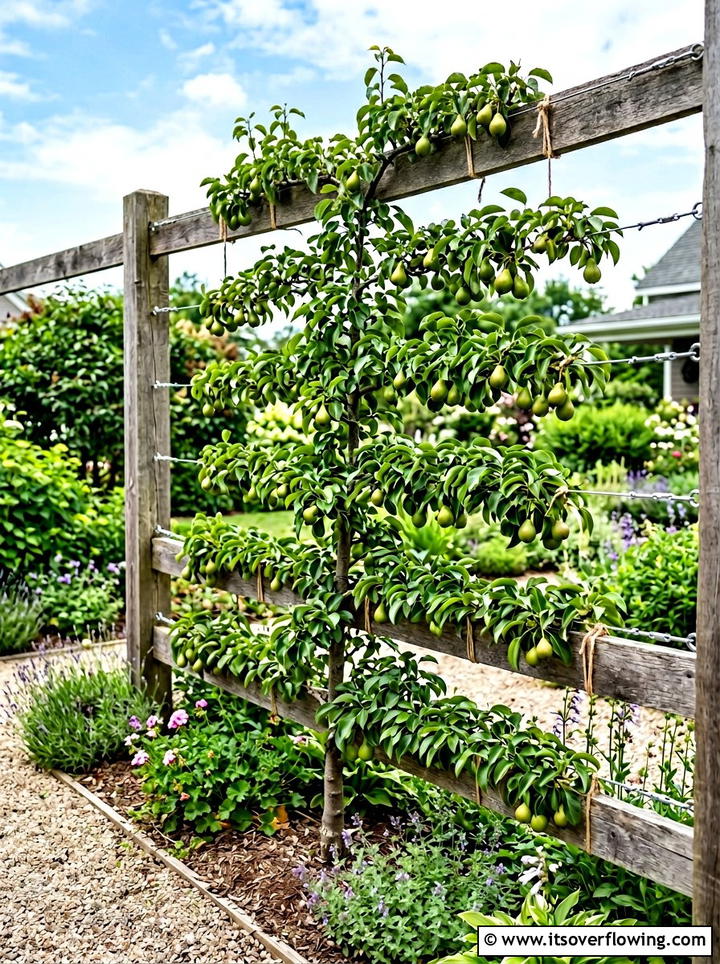
Vertical gardening is the best solution for homeowners who want to maximize their harvest in a small footprint. A pear tree trellis involves training the branches along horizontal wires, creating a flat screen of foliage and fruit. This method is excellent for dividing different zones in your garden, such as separating a vegetable patch from a seating area. The open structure of the trellis ensures that every piece of fruit receives plenty of sunlight and airflow, which reduces the risk of disease. Pears are particularly well-suited for this because their branches are sturdy yet adaptable. It creates a very neat and professional appearance.
9. Modern fruit tree landscaping
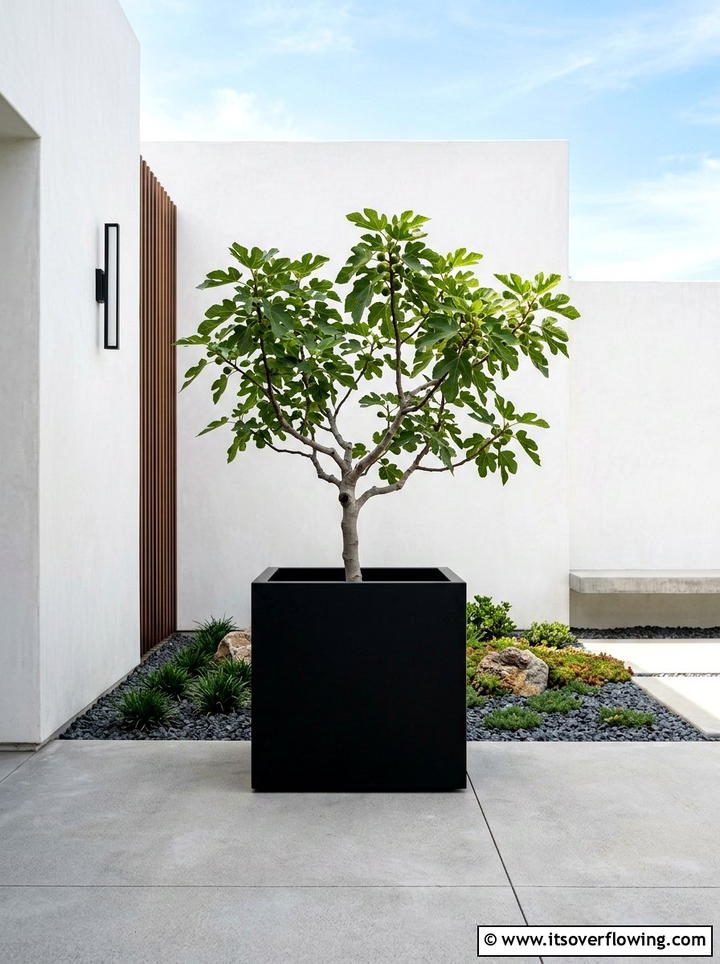
Do you prefer a clean, minimalist look with sharp lines and high-contrast materials? Modern landscaping often uses fruit trees as sculptural elements rather than just food sources. Imagine a single, perfectly pruned multi-trunk fig tree set against a dark charcoal wall or a bed of white river stones. This approach treats the tree as a piece of living art, emphasizing its unique bark texture and leaf shape. Using sleek, geometric planters or hidden edging creates a polished finish that complements contemporary architecture. This style proves that edible gardening can be incredibly chic and sophisticated while still being productive for the modern homeowner.
10. Small backyard fruit forest
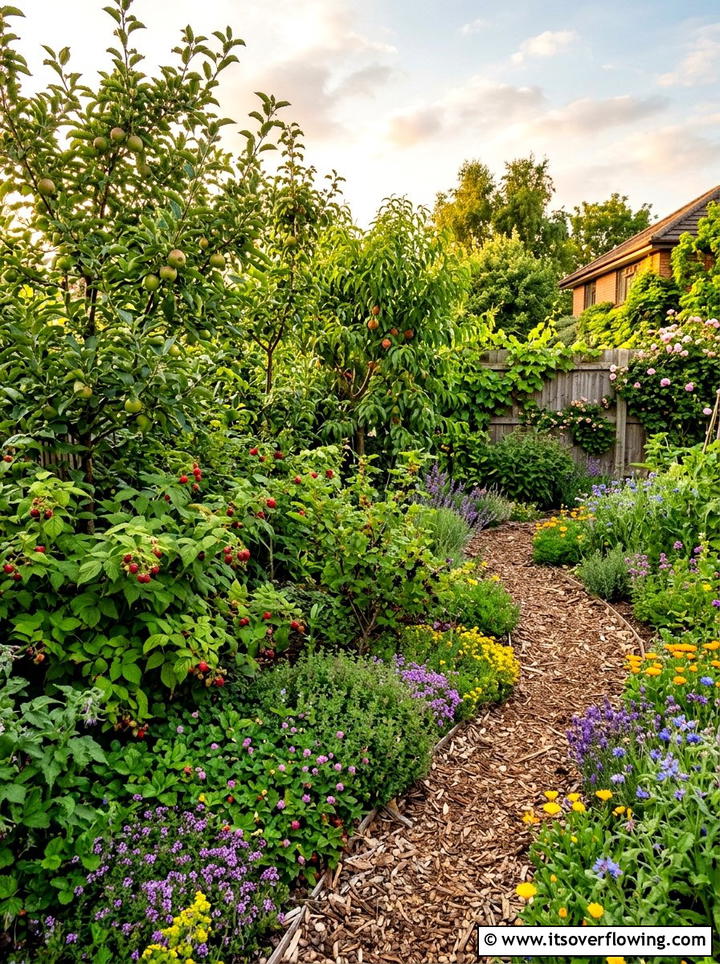
Could you imagine a dense, layered ecosystem in your own backyard that mimics a natural woodland? A small fruit forest uses permaculture principles to stack different heights of plants, with fruit trees forming the overstory. Beneath the trees, you can plant berry bushes, perennial herbs, and groundcovers to create a self-sustaining food system. This method maximizes every square inch of your soil and creates a habitat for beneficial insects and birds. Even in a tiny yard, you can plant two or three varieties to create a lush, wild look that feels much larger than it actually is. It is a sustainable and rewarding approach.
11. Fig tree corner garden
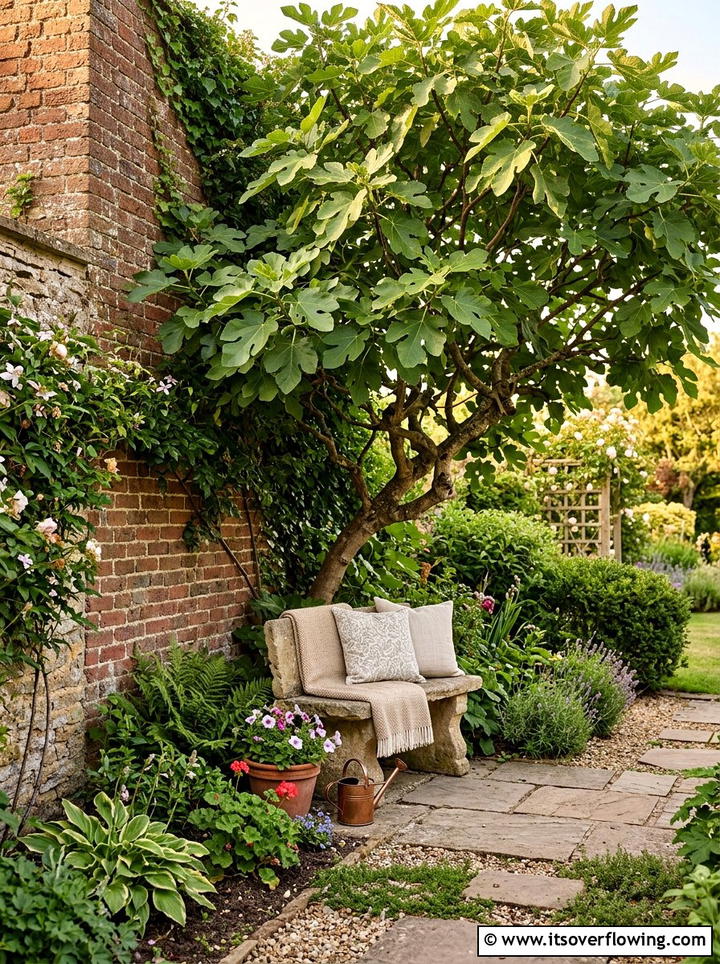
Is there a sunny, sheltered corner in your yard that feels empty or underutilized? A fig tree is the perfect candidate for a cozy corner spot because of its dramatic, oversized leaves and spreading habit. Fig trees love the heat reflected off walls, making them ideal for those tucked-away spaces near the house or a fence. You can create a small seating area beneath the broad leaves to enjoy a shaded retreat during the hot summer months. Surrounding the base with drought-tolerant Mediterranean herbs like rosemary or lavender completes the look. This simple addition transforms a neglected corner into a Mediterranean-inspired sanctuary for relaxation.
12. Cherry tree flower border
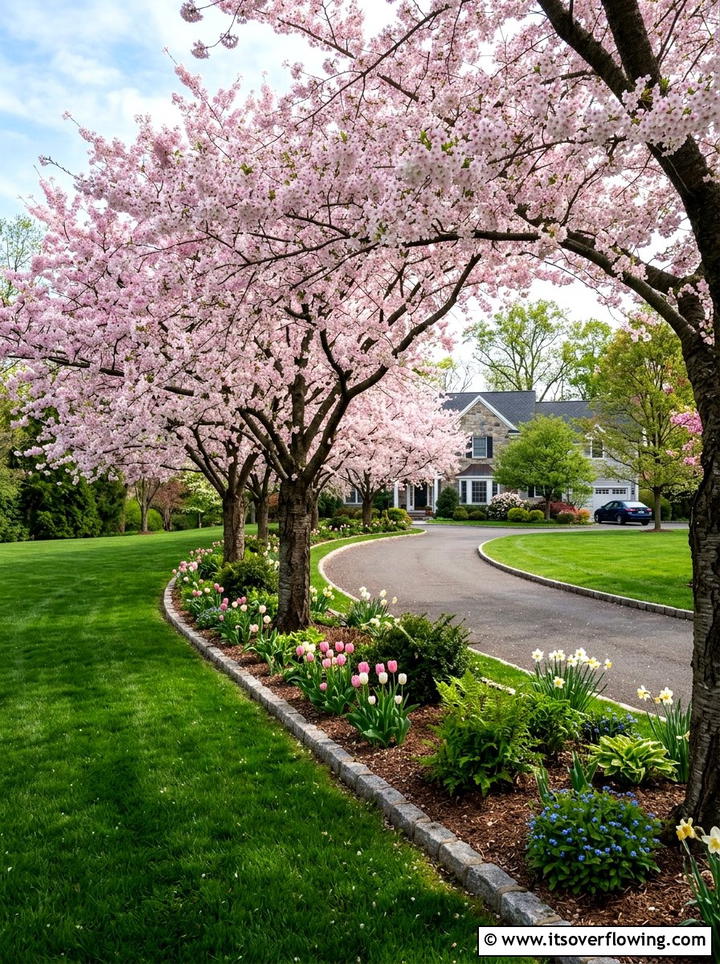
Why settle for ordinary flowering shrubs when you can have a border that offers both stunning blossoms and delicious fruit? Planting a row of cherry trees along a garden boundary creates a spectacular display of pink or white flowers in early spring. Once the flowers fade, the trees provide a dense green screen followed by bright red clusters of cherries. This dual-purpose border adds significant curb appeal to your home and attracts songbirds to your garden. You can underplant the trees with spring bulbs like daffodils to create a layered blooming effect. It is a classic choice that never fails to impress visitors.
13. Multi graft fruit tree
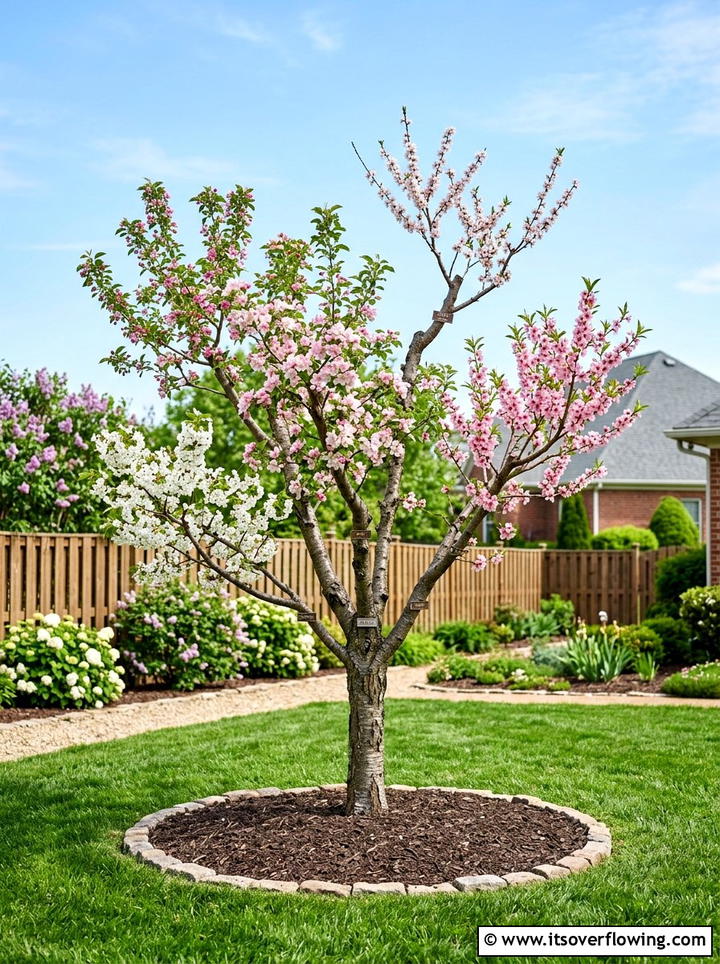
Have you ever wished you could grow apples, pears, and plums but only had room for one single tree? A multi-graft tree, often called a “fruit salad tree, ” features several different varieties grafted onto a single rootstock. This is an engineering marvel that allows you to harvest different types of fruit from the same trunk throughout the season. It is a conversation starter that is perfect for small urban gardens or hobbyists with limited space. Each branch may produce a different color or flavor of fruit, making the harvest process exciting and diverse. This innovative approach solves the problem of space while maximizing your variety.
14. Columnar apple tree row
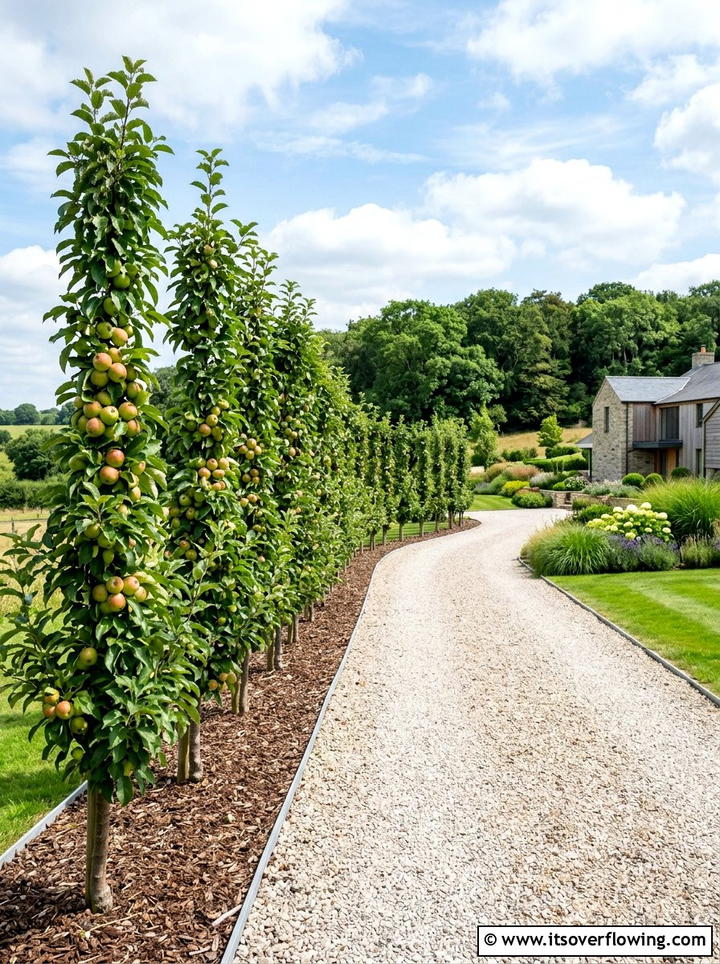
Are you looking for a way to add vertical structure to your garden without the wide canopy of traditional trees? Columnar apple trees grow straight up like pillars, reaching heights of eight to ten feet while staying only two feet wide. They are specifically bred to produce fruit on short spurs along the main trunk, making them incredibly space-efficient. You can plant them in a neat row along a driveway or use them to flank a garden gate for a formal look. Their unique growth habit means they require almost no pruning compared to standard trees. They are the perfect solution for modern, narrow garden spaces.
15. Low maintenance fruit garden
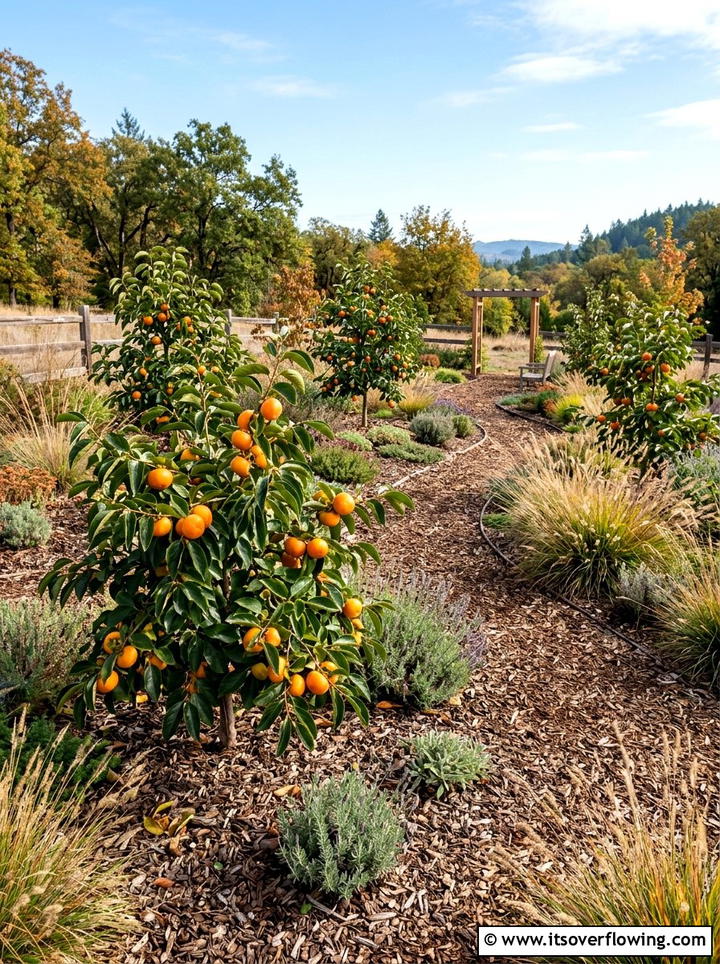
Does the idea of constant pruning and spraying hold you back from starting your own home orchard? A low-maintenance fruit garden focuses on disease-resistant varieties and hardy species like persimmons or pawpaws that require very little intervention. By choosing trees that are well-adapted to your local climate and soil, you can reduce the need for fertilizers and pesticides. Mulching heavily with wood chips helps suppress weeds and retain moisture, further cutting down on your weekly chores. This approach allows you to enjoy the “set it and forget it” lifestyle while still benefiting from a seasonal harvest of fresh, organic fruit.
16. Permaculture food forest design
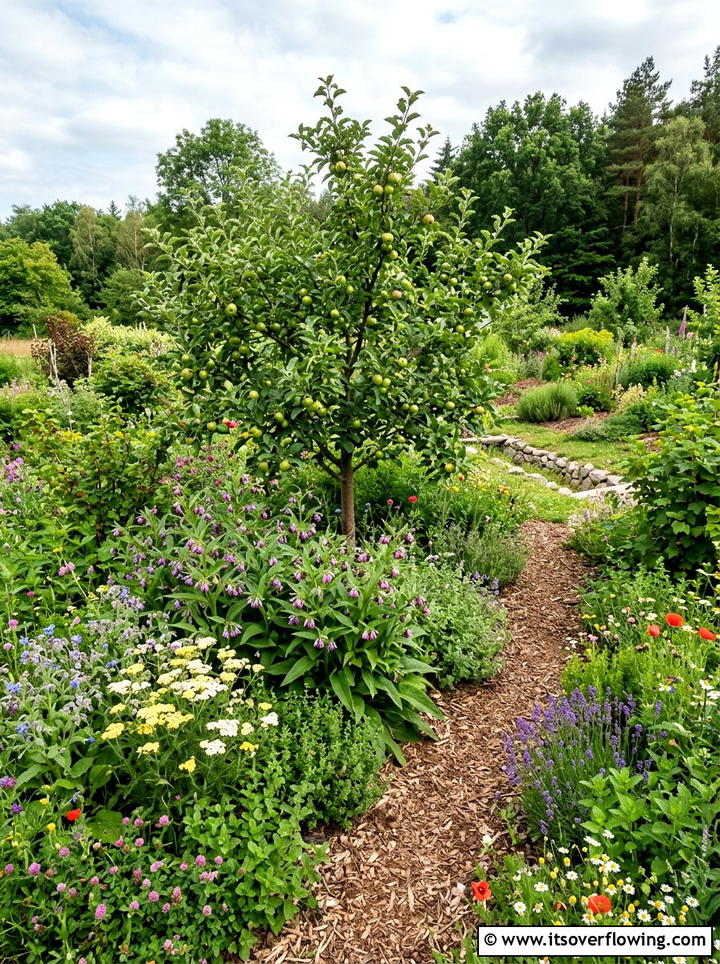
What if your garden could function like a natural forest while providing all the food your family needs? Permaculture design focuses on creating a harmonious system where fruit trees are the central anchors of the landscape. By integrating nitrogen-fixing plants and pollinator-friendly flowers around your trees, you create a self-fertilizing environment. This method encourages biodiversity and builds healthy soil over time without the use of harsh chemicals. A food forest looks beautiful in a wild, natural way and provides a constant supply of fruits, nuts, and herbs. It is an environmentally conscious way to garden that pays off for many years to come.
17. Peach tree sunny spot
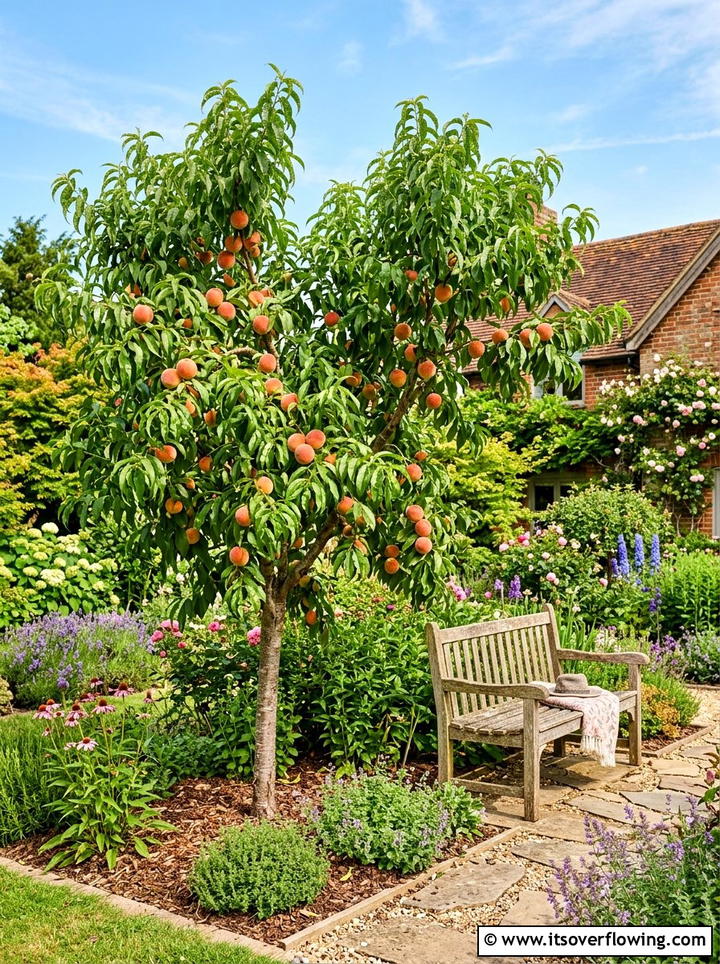
Is there a part of your garden that gets intense, direct sunlight for most of the day? Peach trees thrive in high-heat environments and require plenty of sun to develop their sweet, juicy flavors. Planting a peach tree in a prominent sunny spot ensures a bountiful harvest and provides a beautiful focal point with its delicate pink spring blossoms. You can style the area with a rustic wooden bench or a gravel path to create a warm, inviting atmosphere. The vibrant orange and red hues of the ripening fruit add a splash of color to your summer landscape. It is a rewarding and classic garden choice.
18. Apricot tree wall training
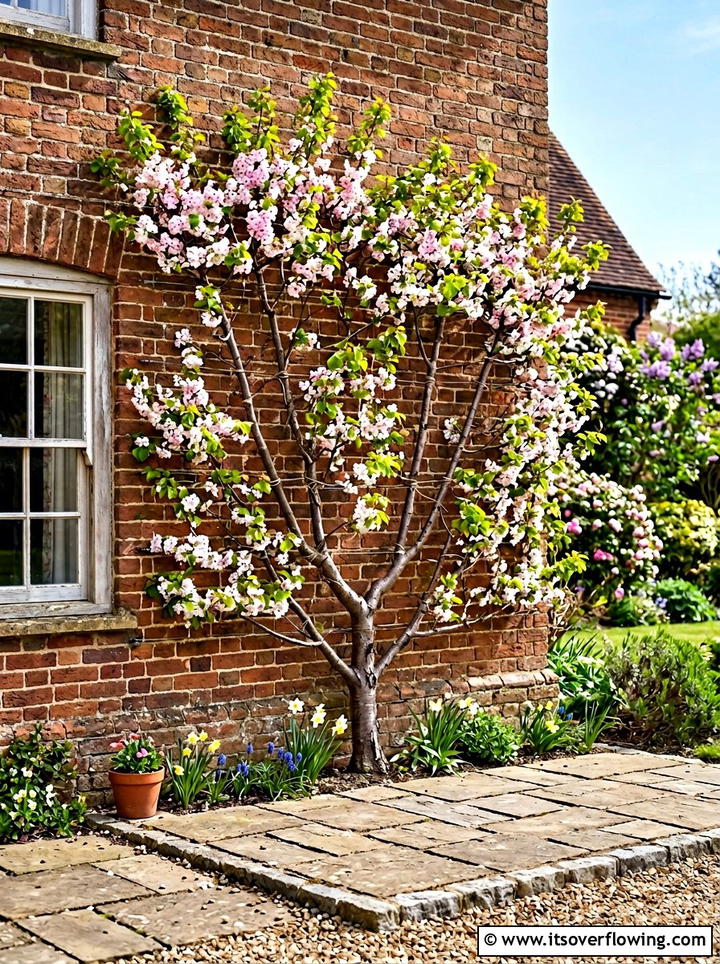
Have you considered using your south-facing house wall as a giant heater for your fruit trees? Apricot trees are often the first to bloom in the spring, making them vulnerable to late frosts. By training them against a warm wall, you provide the extra protection they need to ensure a successful harvest. This method, similar to espalier but more fan-shaped, creates a stunning visual display of fruit and foliage against your home’s exterior. The warmth from the wall also helps the fruit ripen faster and develop a higher sugar content. It is a clever way to use your home’s architecture for gardening success.
19. Dwarf plum tree container
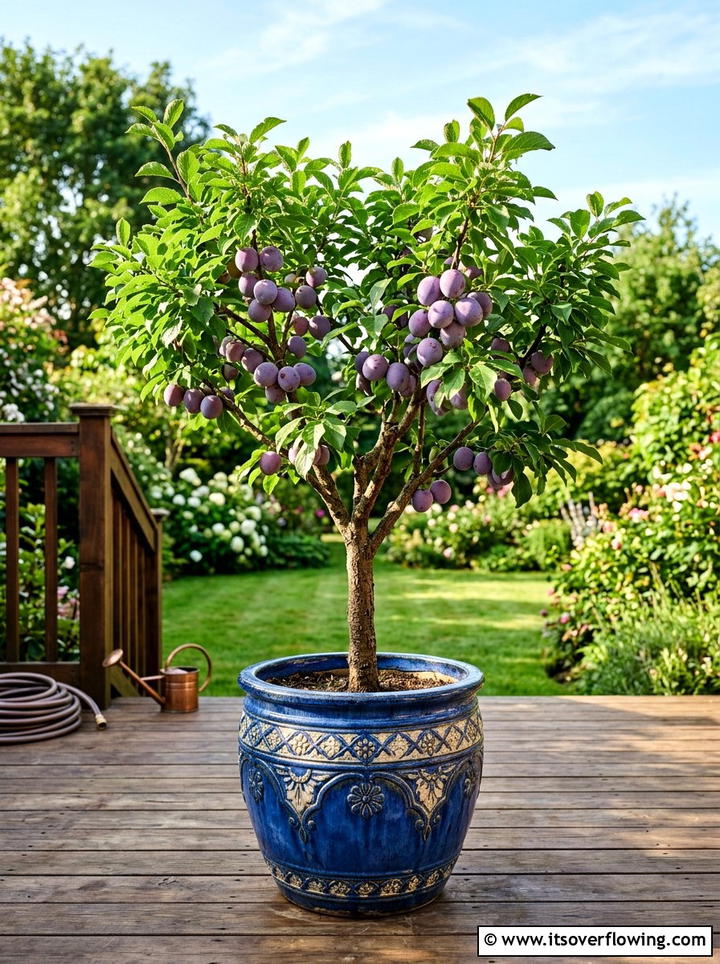
Can you imagine picking sweet, sun-warmed plums right from your balcony or small terrace? Dwarf plum trees are specifically bred to stay small while still producing full-sized, delicious fruit. When planted in a large, stylish container, they become a portable orchard that can fit into the smallest of outdoor spaces. These trees have a lovely, rounded growth habit that looks great even when they are not in fruit. Using a high-quality potting mix and consistent watering will keep your tree healthy and productive for years. This is a great way for apartment dwellers to experience the joy of growing their own stone fruit.
20. Herb and fruit garden combo
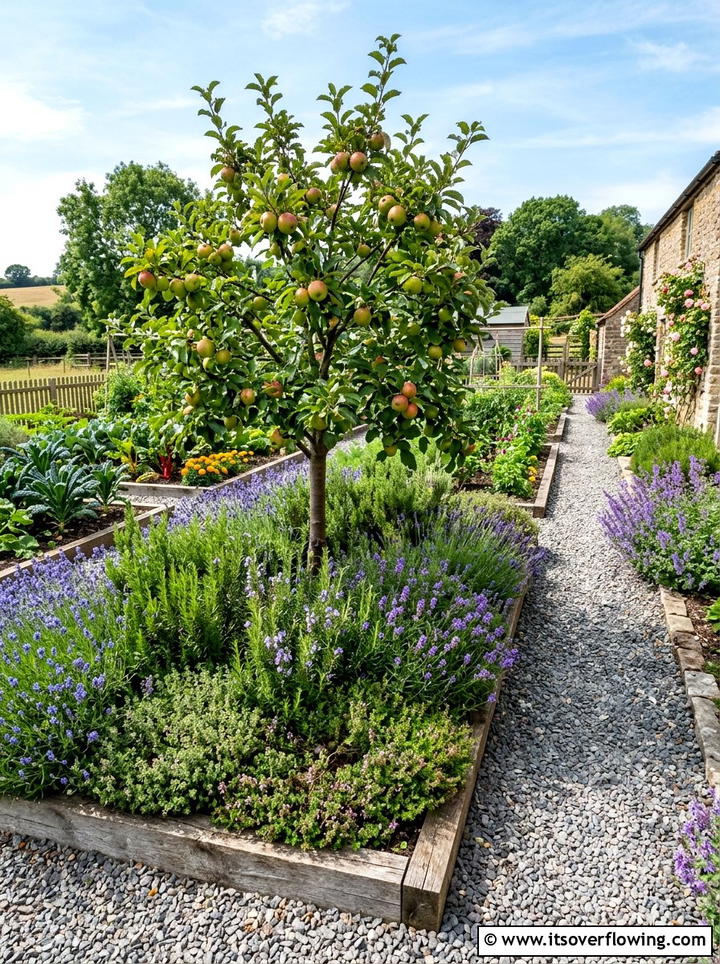
Why not combine your favorite culinary elements into one beautiful and functional garden bed? Planting low-growing herbs like thyme, oregano, and sage around the base of your fruit trees creates a multi-layered edible landscape. This combination is not only practical for cooking but also beneficial for the trees, as many herbs help deter pests and attract pollinators. The different textures and colors of the herbs contrast beautifully with the bark and leaves of the fruit trees. This setup works perfectly in a kitchen garden located close to the back door for easy access. It is the ultimate convenience for any home chef.
21. Mediterranean style fruit garden
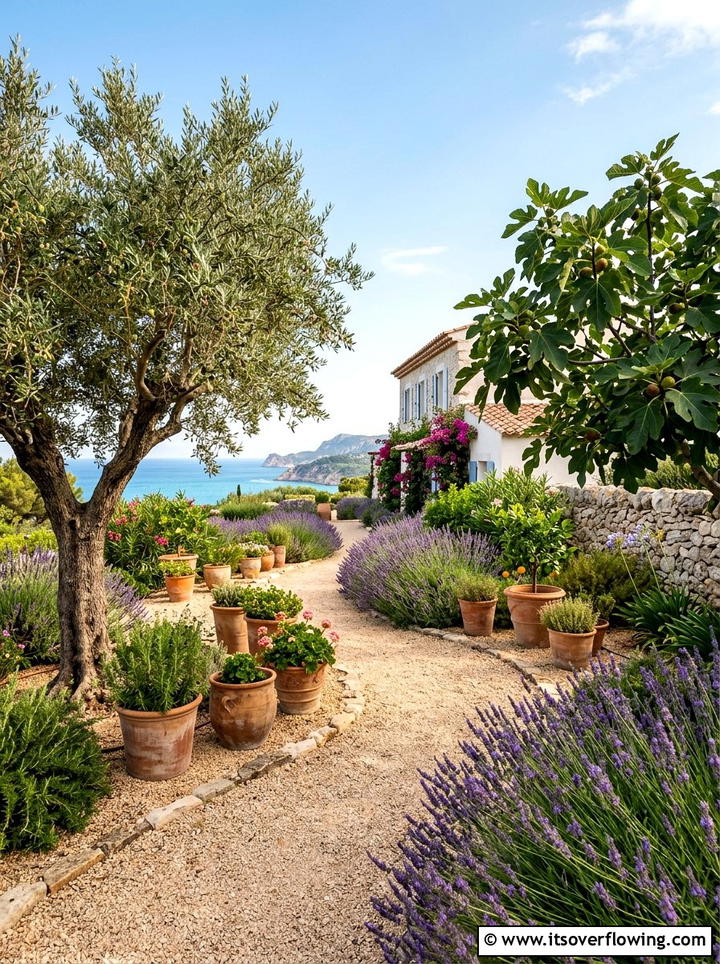
Do you want to recreate the feeling of a sun-drenched Italian or Greek hillside in your own backyard? A Mediterranean-style fruit garden utilizes olive trees, figs, and citrus planted in terracotta pots or gravel beds. Incorporating stone pathways, wrought iron furniture, and lavender accents enhances the European aesthetic. This style of gardening is often very water-wise and relies on heat-loving plants that thrive in well-drained soil. The silver-green foliage of olive trees provides a sophisticated contrast to the bright colors of citrus fruit. It is a timeless and elegant approach that brings a vacation-like atmosphere to your home every single day.
22. Edible hedge with fruit trees
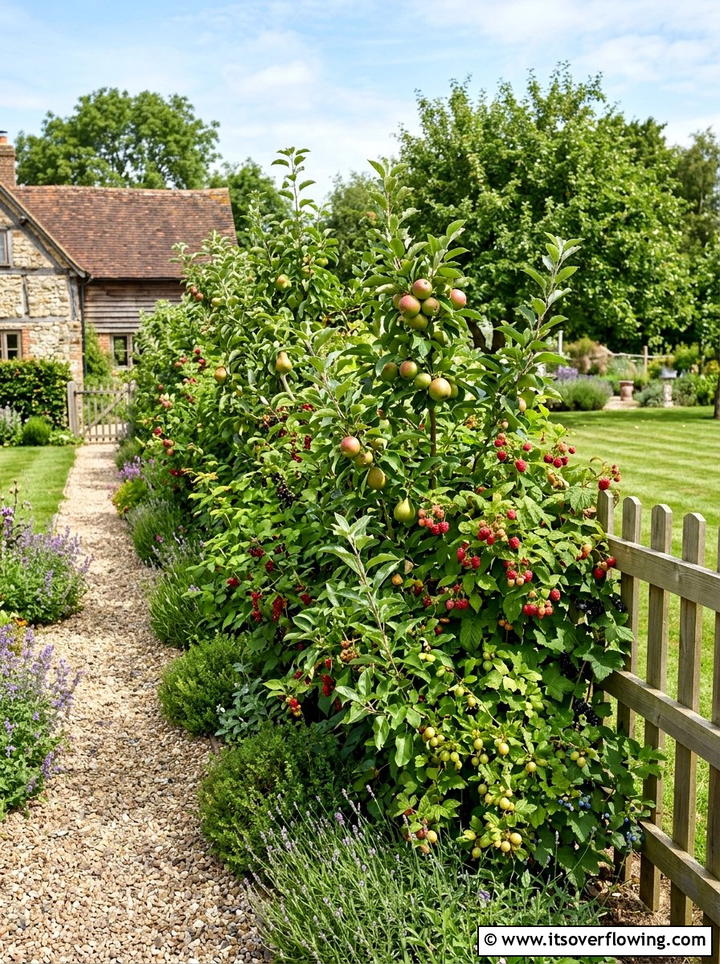
Are you tired of looking at a boring privet or boxwood hedge that offers nothing but green leaves? An edible hedge, or “fedge, ” combines various fruit-bearing shrubs and small trees to create a productive boundary for your property. You can mix blueberries, currants, and dwarf fruit trees to create a dense, textured screen that changes with the seasons. This approach provides food for both your family and local wildlife while serving its primary purpose of privacy and security. It is a much more interesting and sustainable alternative to traditional landscaping. Plus, the harvest is much easier when the fruit is at eye level.
23. Tropical fruit tree backyard
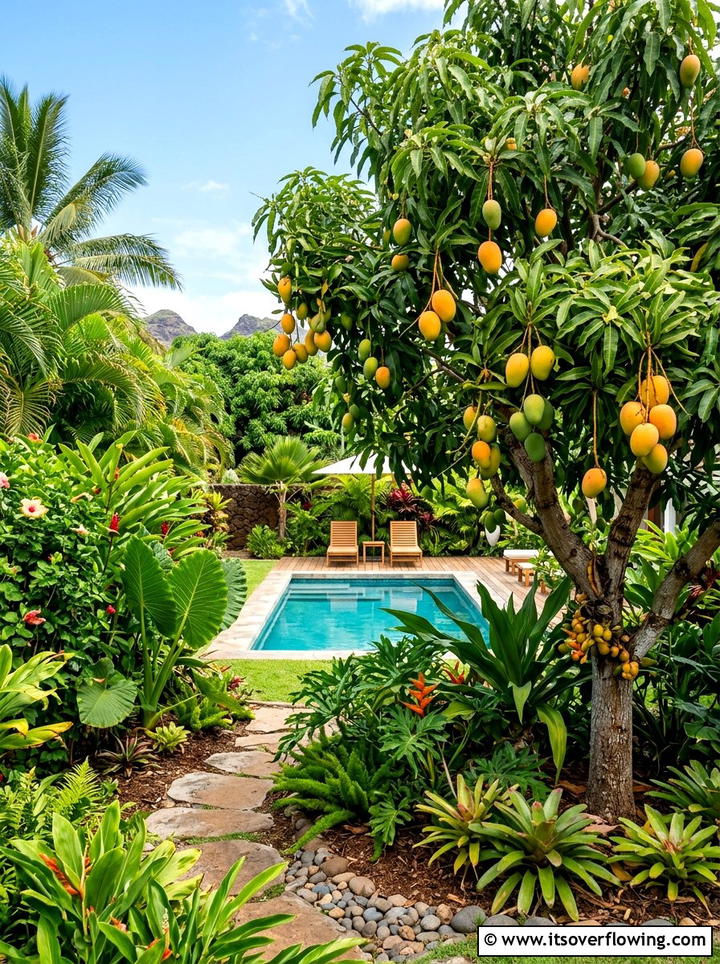
Have you ever dreamed of having a tropical oasis filled with exotic flavors like mangoes, papayas, or loquats? If you live in a warmer climate, you can turn your backyard into a lush jungle paradise by planting tropical fruit trees. These trees often have large, dramatic leaves and unusual flowers that add a bold architectural element to your landscape. Using layers of mulch and organic compost will help mimic the nutrient-rich floor of a rainforest. Styling the area with bamboo accents and colorful outdoor cushions can complete the tropical vibe. It is a unique way to make your garden stand out from the neighborhood.
24. Urban balcony fruit garden
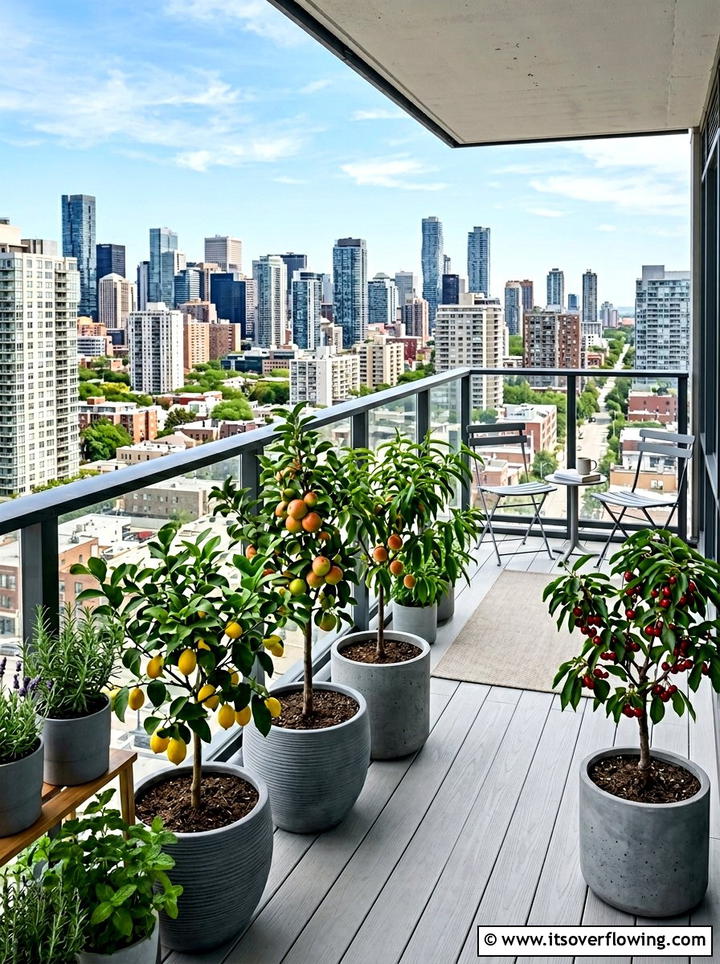
Is it possible to have an orchard when you live several stories above the ground? An urban balcony fruit garden proves that with the right containers and dwarf varieties, anyone can be a fruit grower. By utilizing vertical space with shelving and hanging baskets, you can fit a surprising number of plants into a small area. Dwarf apples, citrus, and even strawberries can thrive on a sunny balcony if they are given regular water and nutrients. The greenery helps soften the hard lines of city architecture and provides a private, natural escape from the hustle and bustle. It is gardening at its most creative.
25. Seasonal fruit tree landscape
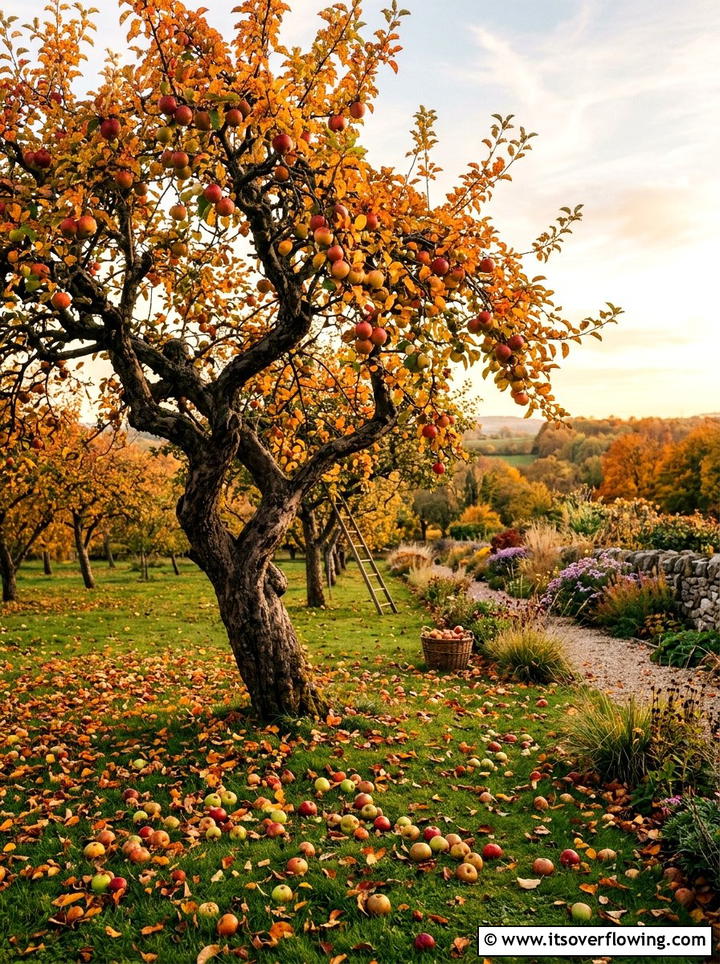
How can you ensure your garden looks beautiful every month of the year? A seasonal fruit tree landscape involves selecting a variety of trees that offer interest in every season. You might choose a cherry for spring blossoms, a peach for summer fruit, a persimmon for vibrant autumn foliage, and a gnarled apple tree for winter structure. This thoughtful planning ensures that there is always something to admire in your outdoor space. Interplanting with seasonal flowers and shrubs further enhances the year-round appeal. This holistic approach to garden design makes your property a dynamic and ever-changing work of art that provides constant joy.
Conclusion:
Building a garden with fruit trees is a deeply rewarding endeavor that combines aesthetic beauty with practical sustainability. From the architectural elegance of espaliered walls to the compact convenience of container-grown citrus, there is a fruit tree solution for every size of yard. By integrating these edible plants into your landscape, you create a space that nourishes both the body and the soul. The seasonal cycle of blossoms, growth, and harvest provides a wonderful connection to nature that is often missing in modern life. As your trees mature, they will become cherished features of your home, providing shade, beauty, and delicious harvests for many years.

Related posts:
 25 creative garden ideas with patio fruit trees for Fresh Harvests
 25 Small Garden Ideas With Edible Garden for Fresh Harvests
 25 Creative Garden Ideas With Salad Gardens for Fresh Harvests
 25 small garden ideas with vegetables for Fresh Home Harvests
 25 garden ideas with hostas for Lush Shade Garden Beauty
 25 Creative Garden Ideas With Espalier Trees for Style
 25 Small Garden Ideas With Dwarf Trees for Big Small-Yard Impact
 25 creative garden ideas with pergola vines for Shaded Beauty
 25 Garden Design Ideas With Trellis Walls for Vertical Beauty
 25 Garden Ideas With Roses for Romantic Outdoor Beauty
 25 Small Garden Ideas to Maximize Beauty in Tiny Spaces
 25 small garden ideas with trellis to Maximize Beauty Fast