
Transforming your outdoor space with year-round greenery is one of the smartest investments a homeowner can make for their property. Evergreens provide a consistent structural backbone that remains vibrant even during the coldest winter months when deciduous plants lose their leaves. These versatile plants come in various shapes, sizes, and textures, ranging from towering pines to low-creeping ground covers. By incorporating these resilient species into your landscape, you create a permanent sanctuary that offers privacy, texture, and color throughout the changing seasons. Whether you are looking for formal hedges or a wild woodland feel, evergreens serve as the perfect foundation for a timeless and professional garden layout that always looks polished and complete.
1. Privacy Screen Evergreens
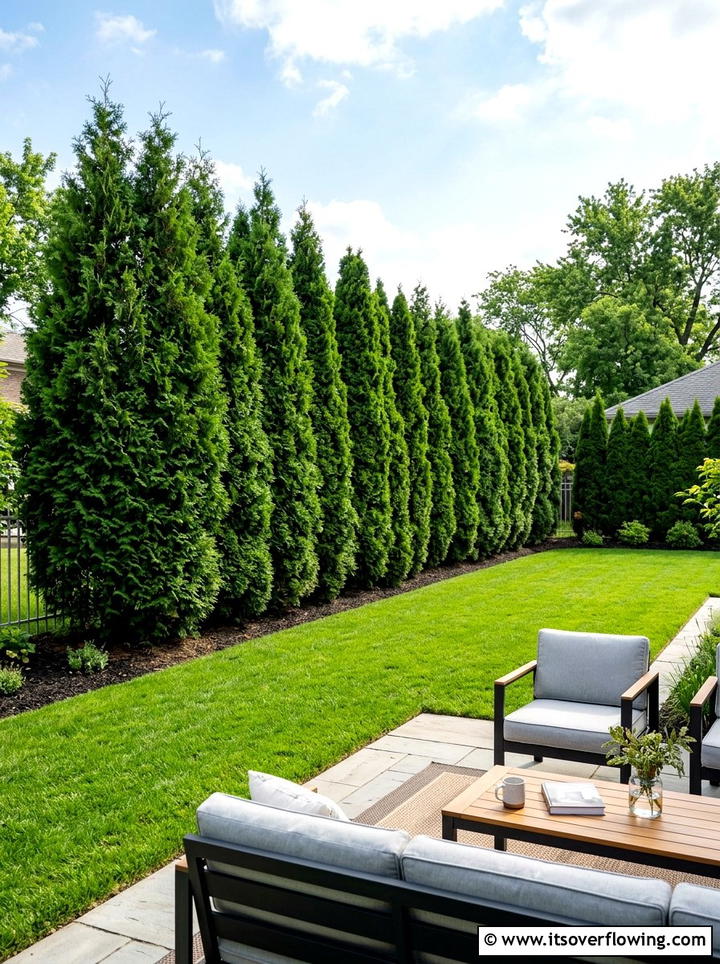
Creating a natural barrier with tall trees is a fantastic way to secure your backyard without installing a traditional wooden fence. Many homeowners choose fast-growing species like Arborvitae or Leyland Cypress to build a dense wall of foliage that blocks unwanted views from neighbors. These living walls not only provide seclusion but also act as a natural windbreak and noise dampener for a peaceful environment. When planning this layout, ensure you space the trees correctly so they have enough room to breathe and expand as they mature. This functional design choice adds significant value to your home while keeping the perimeter looking lush and green all year long.
2. Evergreen Boxwood Hedge
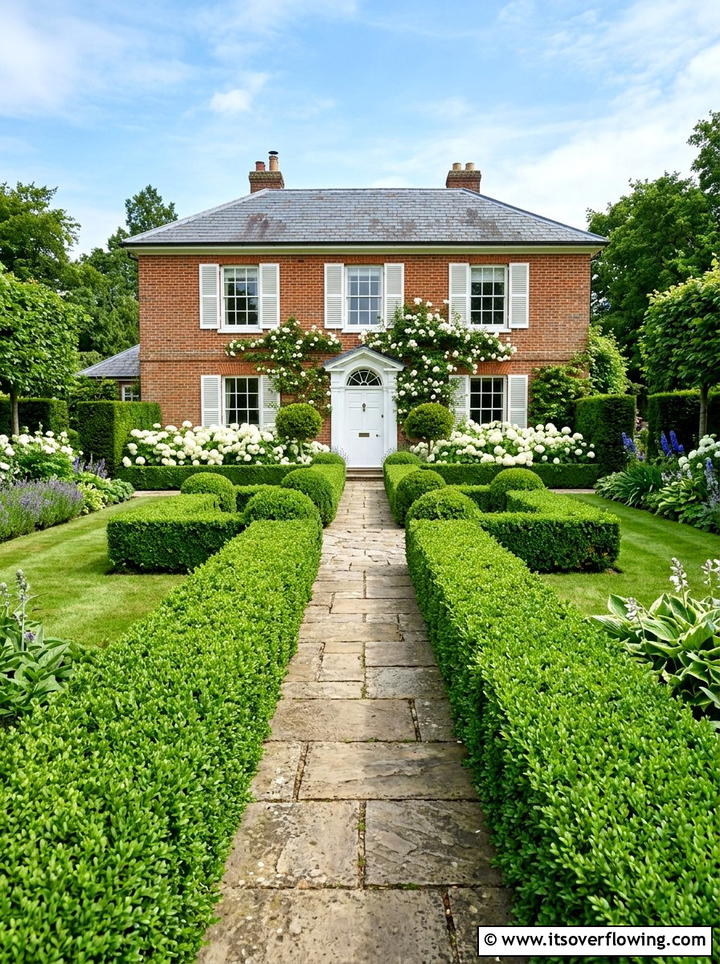
Boxwoods are the gold standard for adding structure and formal elegance to any residential landscape or entryway garden bed. These shrubs are incredibly versatile because they can be trimmed into sharp geometric shapes or left to grow in soft, rounded mounds. Placing them along a walkway creates a clean boundary that directs traffic and highlights the architectural lines of your house. They also work beautifully as a backdrop for colorful perennials, providing a deep green contrast that makes flowers pop during the spring and summer. Because they keep their leaves through the winter, your garden will never look barren or neglected during the off-season months.
3. Dwarf Conifer Garden
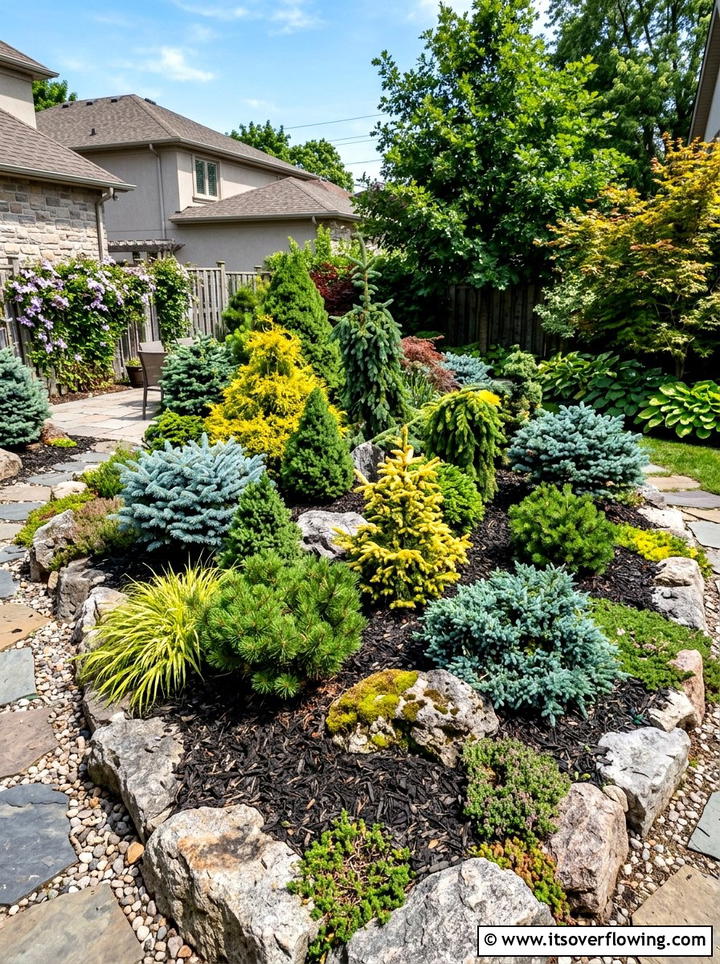
If you have a smaller yard or limited planting space, using dwarf conifers allows you to enjoy variety without overcrowding the area. These miniature trees grow slowly and maintain a compact size, making them ideal for rock gardens or foundation plantings near the porch. You can find these small wonders in various shades of blue, gold, and deep emerald to create a diverse visual palette. Combining different textures, such as needle-like foliage with scaly leaves, adds a layer of sophistication to the overall composition. They require very little pruning, which makes them a low-maintenance choice for busy gardeners who still want a high-end look.


4. Front Yard Evergreen Landscaping
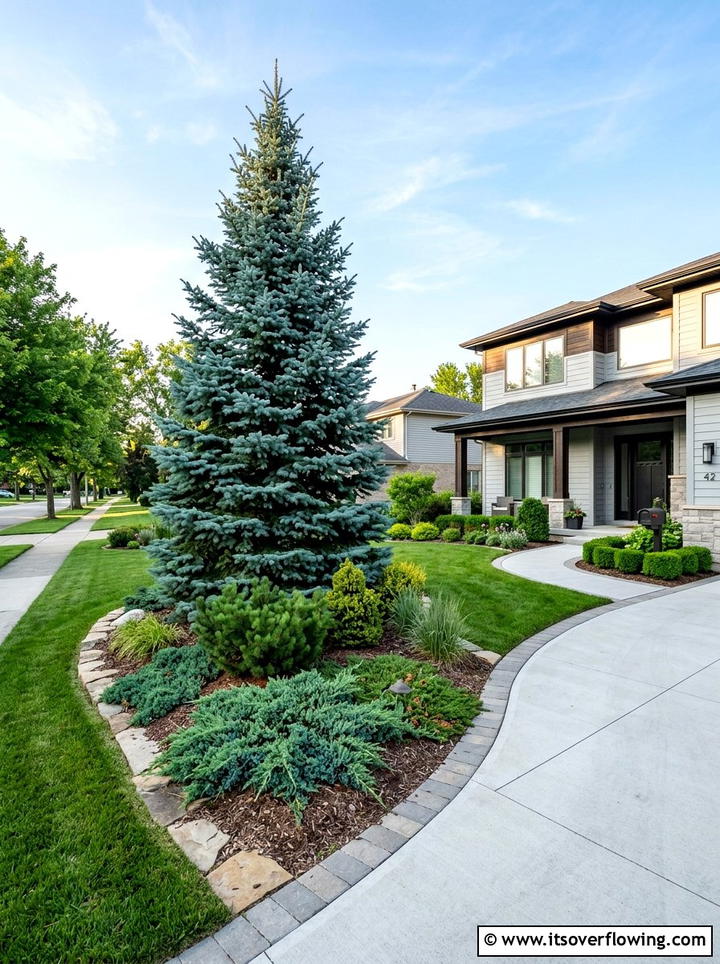
The curb appeal of your home relies heavily on the plants you choose for the front yard’s main visibility areas. Using a mix of upright evergreens and spreading shrubs ensures that your house looks inviting and well-cared-for in every single season. You might consider placing a tall conical spruce as a focal point near the corner of the house to balance the architecture. Softening the hard edges of your driveway or sidewalk with low-growing evergreens creates a seamless transition between the street and your private living space. This strategic placement ensures that the landscape remains full and vibrant even when the rest of the neighborhood turns brown.
5. Evergreen Ground Cover Plants
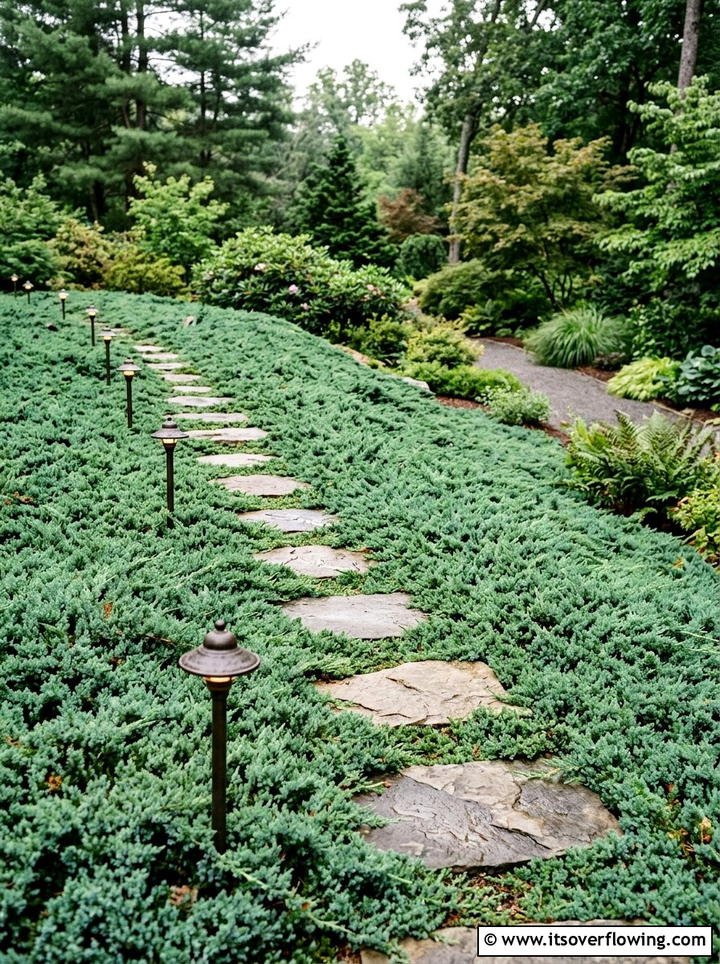
Filling in the gaps between larger shrubs with spreading evergreen ground covers is an excellent way to prevent weed growth naturally. Plants like creeping juniper or pachysandra provide a thick carpet of green that thrives even in difficult soil conditions or sloped areas. These hardy plants are perfect for stabilizing soil and preventing erosion while adding a lush texture to the lowest level of your garden. Instead of using traditional mulch, which needs replacing every year, these living covers grow more beautiful as they establish their presence. They offer a cohesive look that ties the various elements of your outdoor space together into one unified, professional landscape.
6. Modern Topiary Garden
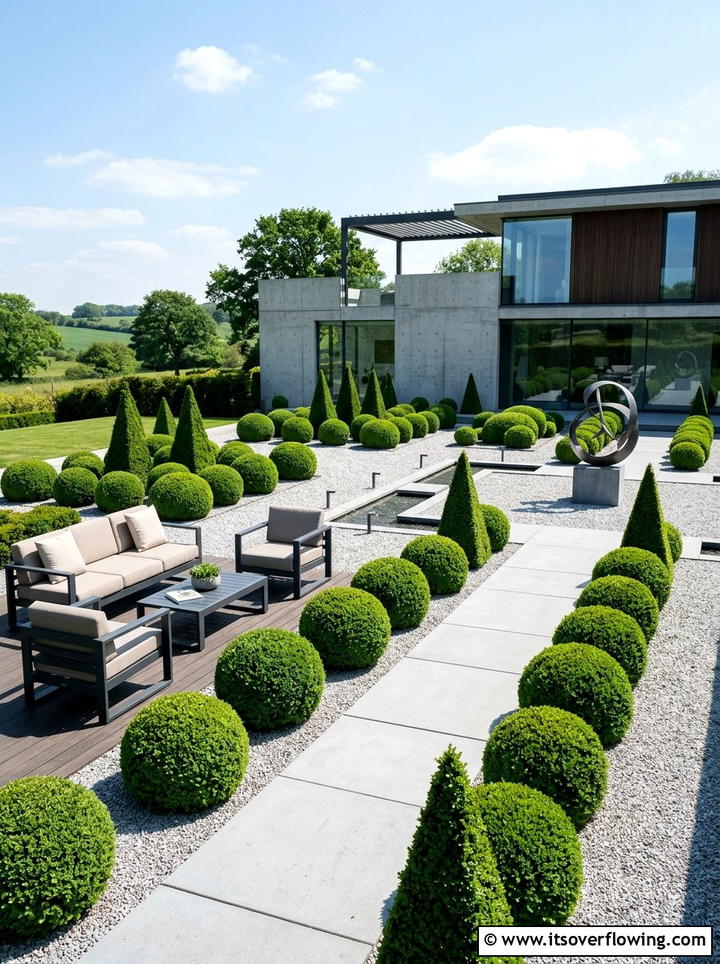
Sculpting your plants into artistic shapes adds a sense of whimsy and high-end design to a modern or contemporary backyard. Topiary art often uses yew or boxwood because their dense growth habit responds exceptionally well to frequent shearing and shaping techniques. You can create spheres, cones, or even more complex spirals to serve as living statues that draw the eye toward specific garden features. These sculpted elements work best when placed symmetrically or at the ends of a path to provide a sense of order and rhythm. This style of gardening requires a bit more maintenance but the visual payoff is a sophisticated and highly curated outdoor environment.
7. Winter Interest Garden
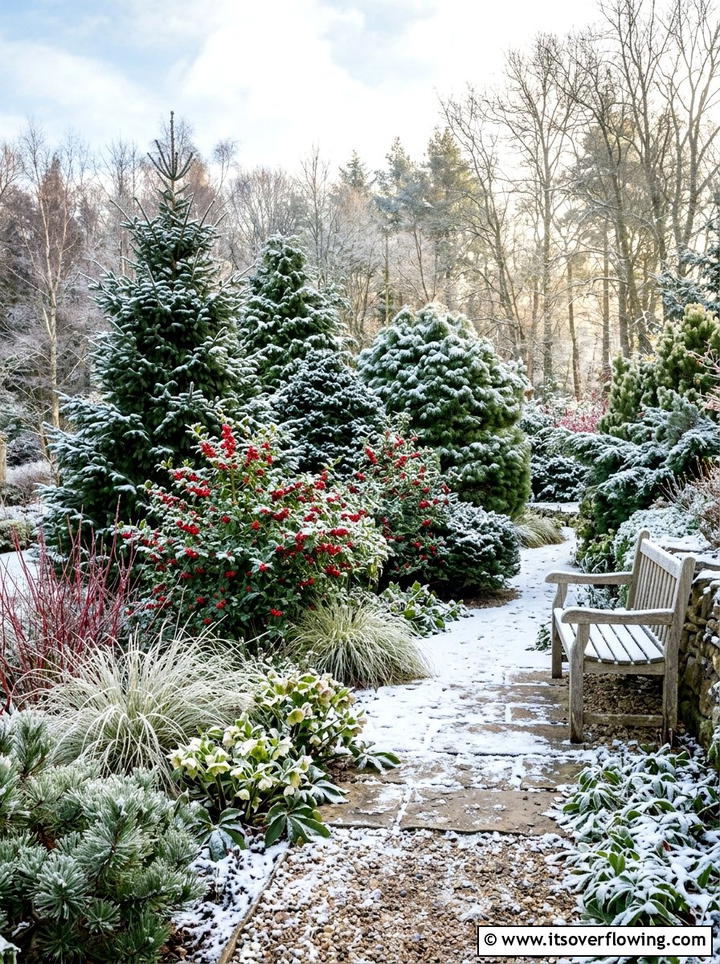
Designing your outdoor space with the coldest months in mind ensures that your view from the window remains beautiful all year. Evergreens with unique textures or colorful berries, like certain types of holly, provide essential visual interest when the flowers have faded. The contrast of dark green needles against white snow creates a striking scene that feels cozy and intentional rather than desolate. Including varieties with different shades of foliage, such as silvery-blue or golden-tipped branches, adds depth and warmth to the landscape. A well-planned winter garden provides a habitat for local birds, bringing life and movement to your yard during the quietest times of the year.
8. Tall Cedar Tree Border
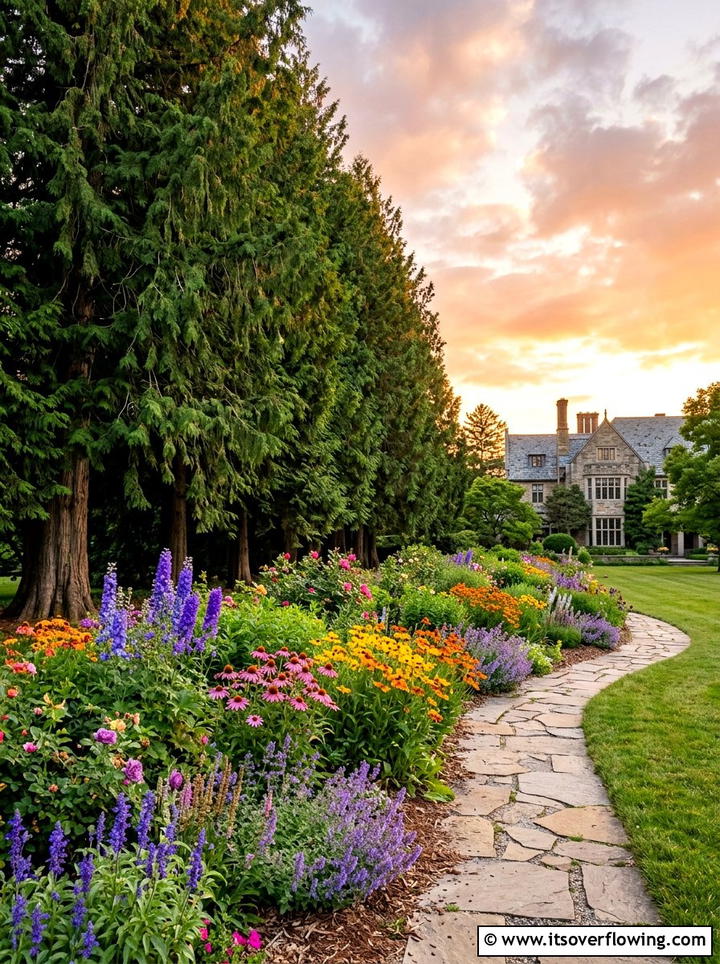
Western Red Cedars are excellent choices for creating a grand, towering border that offers unmatched scale and a sense of permanence. These majestic trees grow quite tall and provide a soft, feathery texture that looks beautiful when swaying gently in the breeze. Using them as a back row in a layered garden bed allows you to plant smaller flowering shrubs in front of them for contrast. They are especially useful for blocking out tall neighboring buildings or providing shade in large, open yards that feel too exposed. The natural scent of cedar also adds a pleasant sensory layer to your garden, making the entire outdoor experience more immersive.
9. Potted Evergreen Trees
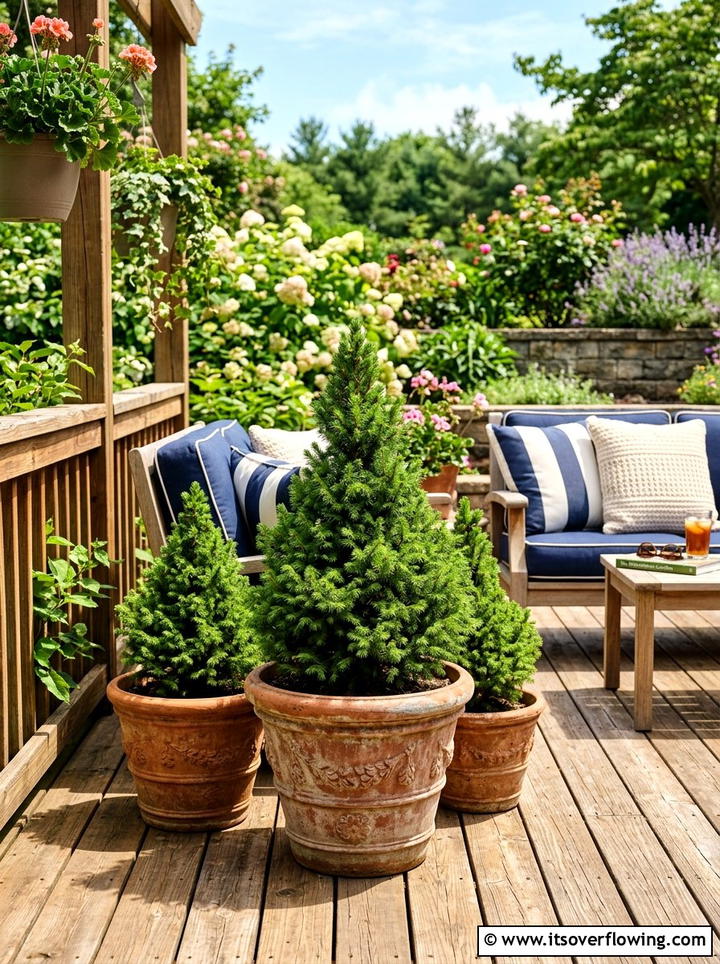
You do not need a massive plot of land to enjoy the beauty of evergreens when you utilize large decorative containers. Placing potted evergreens on a patio, balcony, or along a deck creates a portable garden that you can rearrange as your needs change. This approach is perfect for adding greenery to hardscaped areas where digging into the ground is not an option for the homeowner. Choose sturdy pots that can withstand freezing temperatures and pair them with slow-growing varieties like Alberta Spruce or Japanese Holly. Container gardening allows you to control the soil quality and drainage perfectly, ensuring your evergreens stay healthy and vibrant throughout the entire calendar year.
10. Mixed Shrub Border
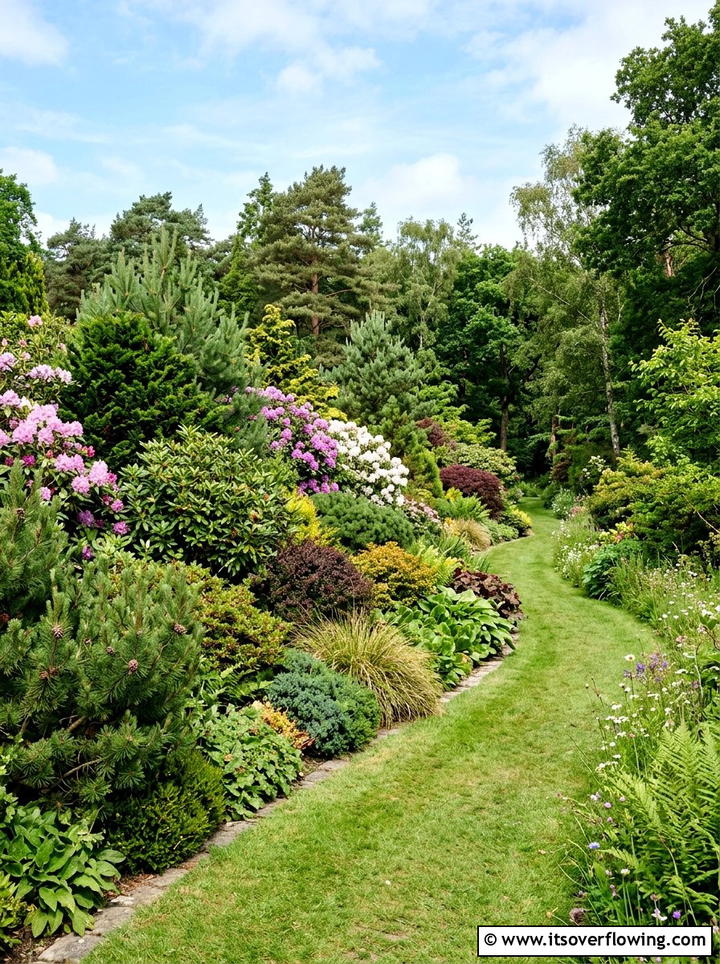
Combining various types of evergreen shrubs creates a diverse and resilient border that offers far more visual interest than a single species. By mixing different heights, colors, and leaf shapes, you build a complex ecosystem that looks natural and professionally designed rather than stiff. You might pair broad-leafed rhododendrons with fine-needled pines to create a stunning contrast in foliage density and light reflection. This layered approach also provides better protection for wildlife and makes the garden feel more established and mature. A mixed border is very forgiving, as it allows you to tuck in new plants easily without disrupting the overall aesthetic or flow of the landscape.
11. Japanese Garden Evergreens
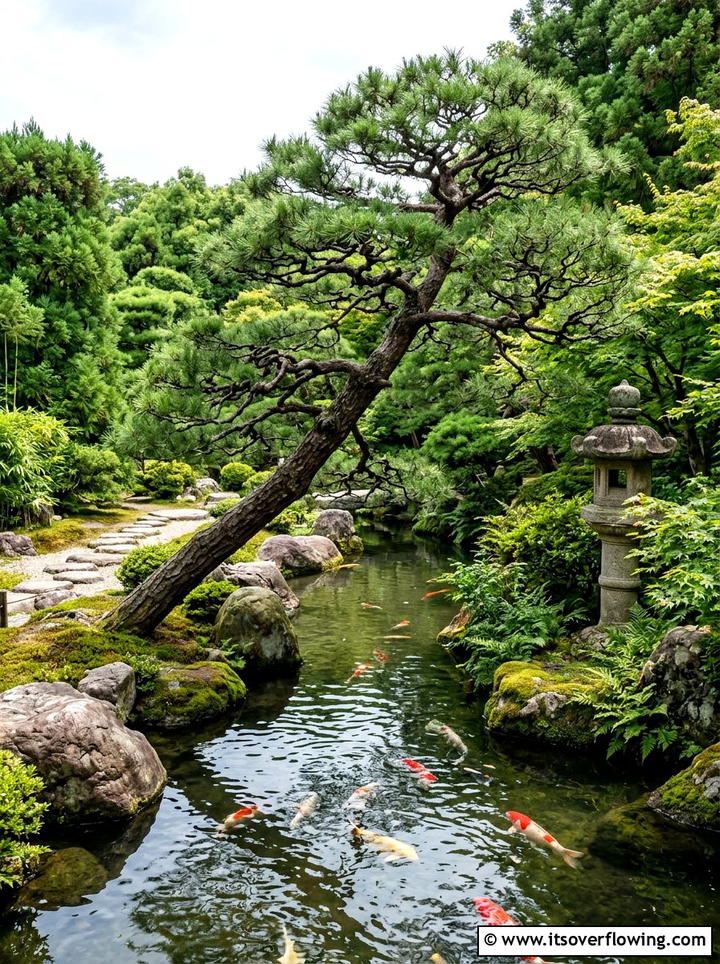
Inspiration from traditional Japanese landscapes often involves the careful placement of evergreens to represent timelessness and the enduring spirit of nature. Using pruned pines or low-growing junipers around water features or stone lanterns creates a peaceful and meditative atmosphere in your own backyard. These plants are often shaped to look wind-swept or ancient, adding a layer of storytelling to the physical space you inhabit. Incorporating evergreens with fine textures helps to soften the look of large boulders and gravel paths common in this design style. The result is a balanced, harmonious environment that feels like a private retreat away from the stresses of daily life and the modern world.
12. Low Maintenance Garden Beds
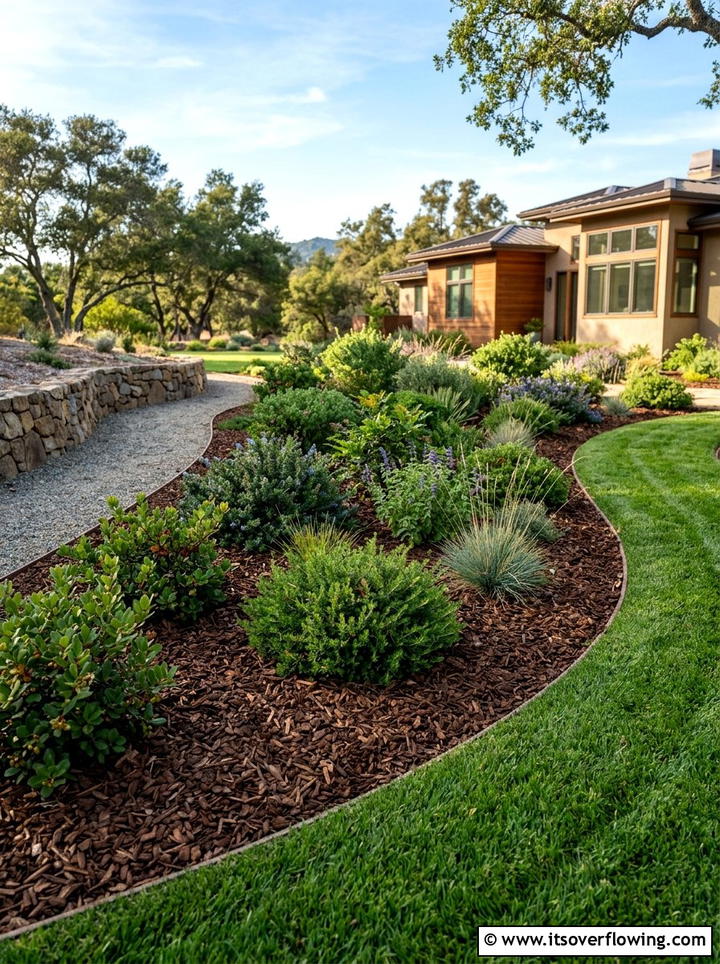
One of the greatest benefits of using evergreens is their ability to look fantastic with very little intervention from the gardener. Once established, many evergreen varieties require minimal watering and only occasional pruning to maintain their desired shape and overall health. Choosing native species ensures that the plants are already adapted to your local climate and soil conditions, reducing the need for chemical fertilizers. By covering your garden beds with these hardy plants, you significantly reduce the amount of time spent weeding and mulching each spring season. This makes them the perfect choice for busy individuals who want a beautiful, professional-looking yard without spending every weekend doing heavy labor.
13. Backyard Privacy Fence Plants
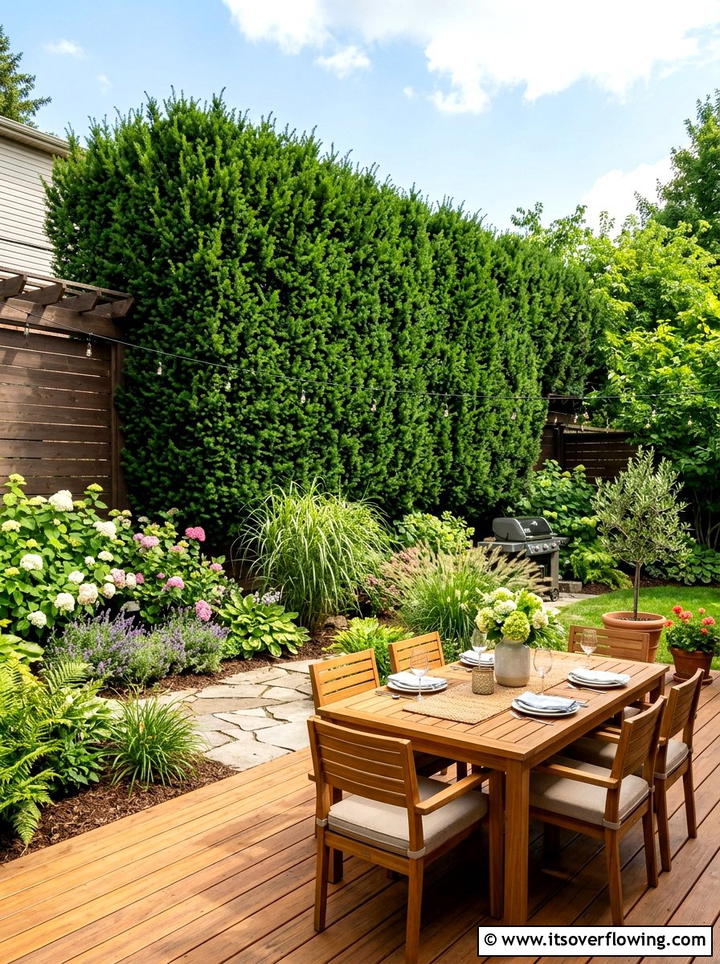
When a wooden fence feels too cold or industrial, using a line of dense evergreens provides a much softer and more inviting boundary. Species like Hicks Yew are perfect for this purpose because they grow tall and narrow, fitting perfectly into tight spaces along property lines. These plants can be sheared into a very tight, formal wall that mimics the look of a structural fence while providing fresh oxygen. Unlike man-made materials, a living fence changes slightly with the light and wind, adding a dynamic quality to the perimeter of your yard. It creates a secluded “outdoor room” feeling that makes your backyard feel like a private, cozy sanctuary.
14. Rock Garden With Evergreens
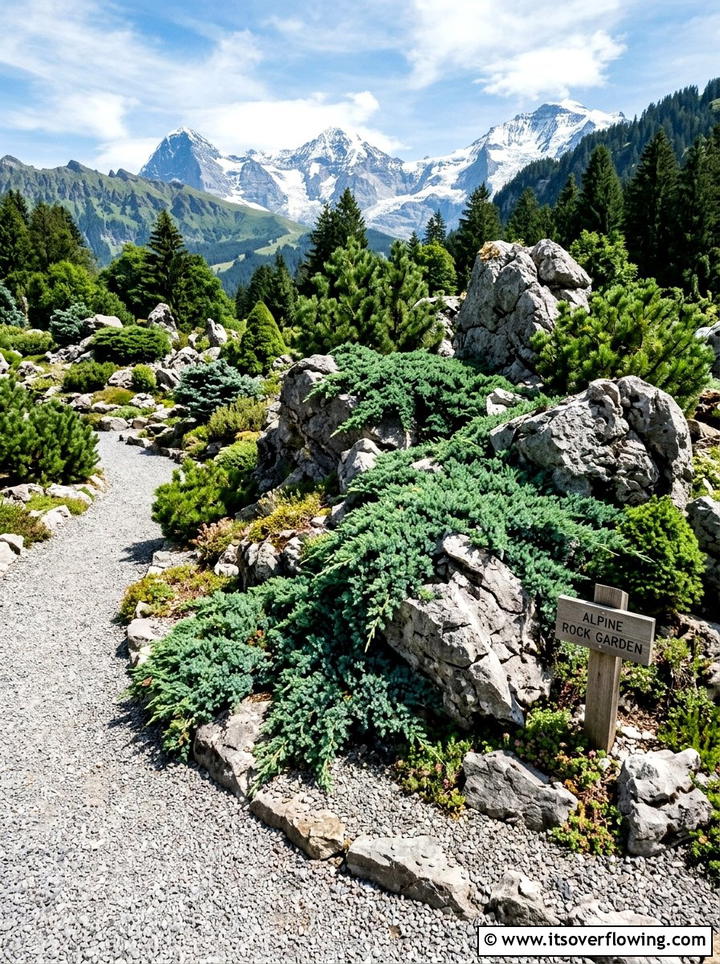
Integrating evergreens into a rock garden adds a necessary touch of life to the rugged beauty of stones and gravel. Creeping varieties that spill over the edges of boulders create a beautiful contrast between the hard mineral surfaces and the soft, organic foliage. Dwarf pines or prostrate junipers are excellent choices because they stay low to the ground and do not hide the beautiful natural stone features. This type of garden is exceptionally hardy and can often survive in areas with poor soil or intense sun exposure where other plants might fail. The combination of textures creates a rugged, alpine-inspired look that remains visually interesting even during the harshest winter weather.
15. Blue Spruce Focal Point
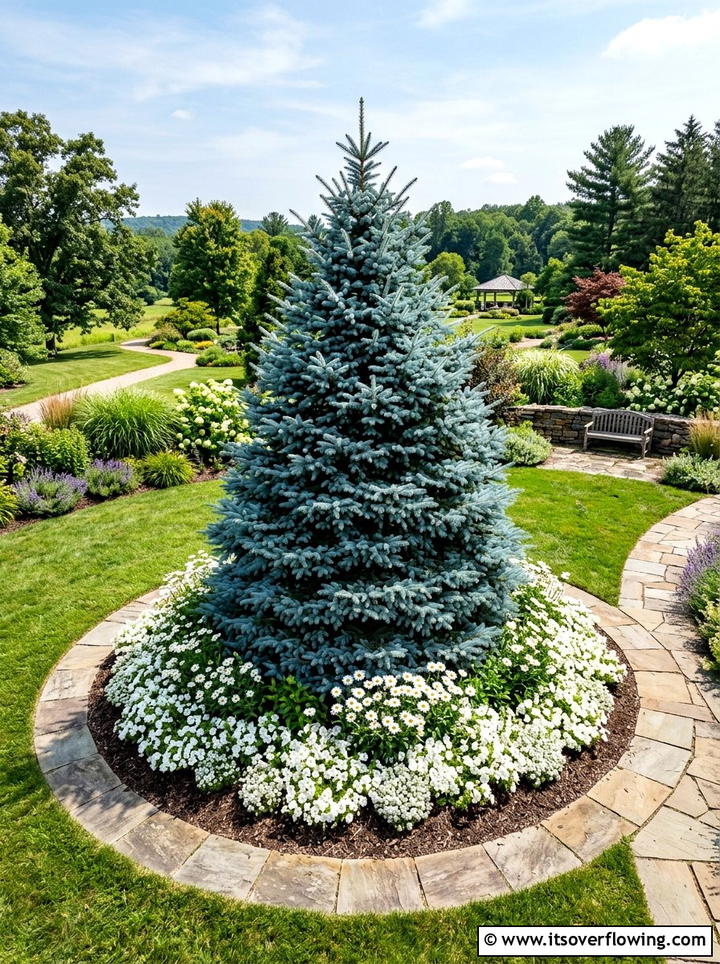
A single, well-placed Colorado Blue Spruce can serve as a stunning centerpiece that anchors the entire design of a large front or back lawn. The unique silvery-blue hue of the needles provides a dramatic departure from the standard shades of green found in most common garden plants. Because of its strong pyramidal shape and dense branches, it commands attention and gives the landscape a sense of architectural structure and weight. You can surround the base with low-growing white flowers or silver foliage plants to enhance the cool tones of the tree’s needles. This magnificent evergreen grows larger every year, becoming a landmark feature of your property that truly stands out.
16. Narrow Space Evergreens
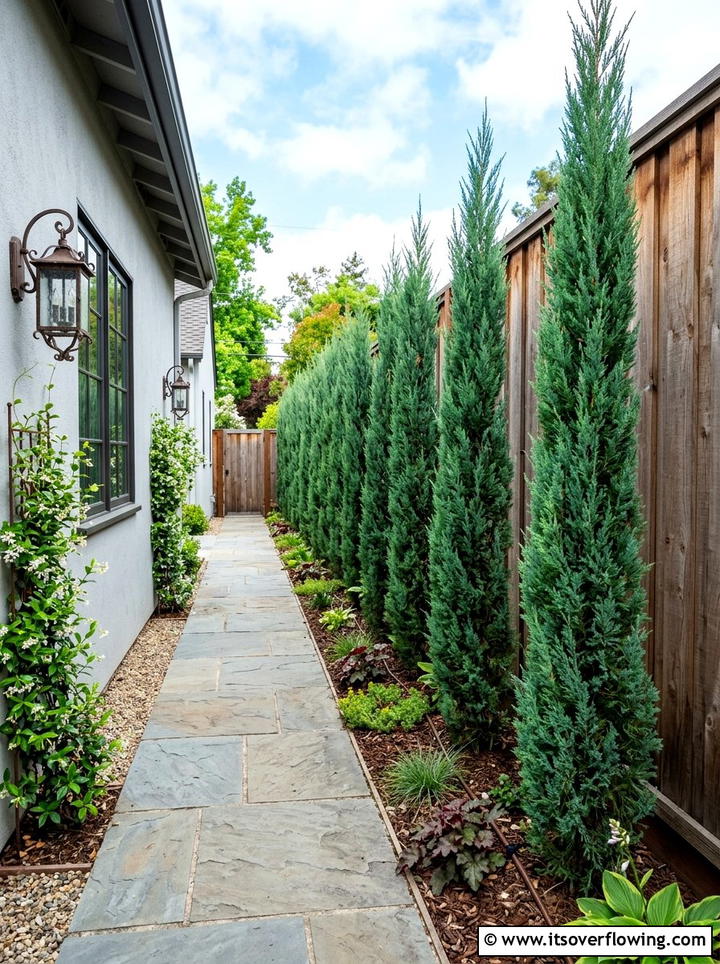
Finding the right plants for skinny side yards or tight spots between buildings can be a challenge for many urban homeowners today. Columnar evergreens, such as the ‘Skyrocket’ Juniper or ‘Italian Cypress’ , are designed by nature to grow tall and thin without spreading out wide. These architectural plants allow you to add vertical greenery to areas where a traditional round shrub would simply block the pathway or the view. They are excellent for framing doorways or hiding utility boxes while taking up very little horizontal real estate in your garden layout. This makes them an essential tool for maximizing small outdoor spaces while still maintaining a lush and green aesthetic.
17. Shade Loving Evergreens
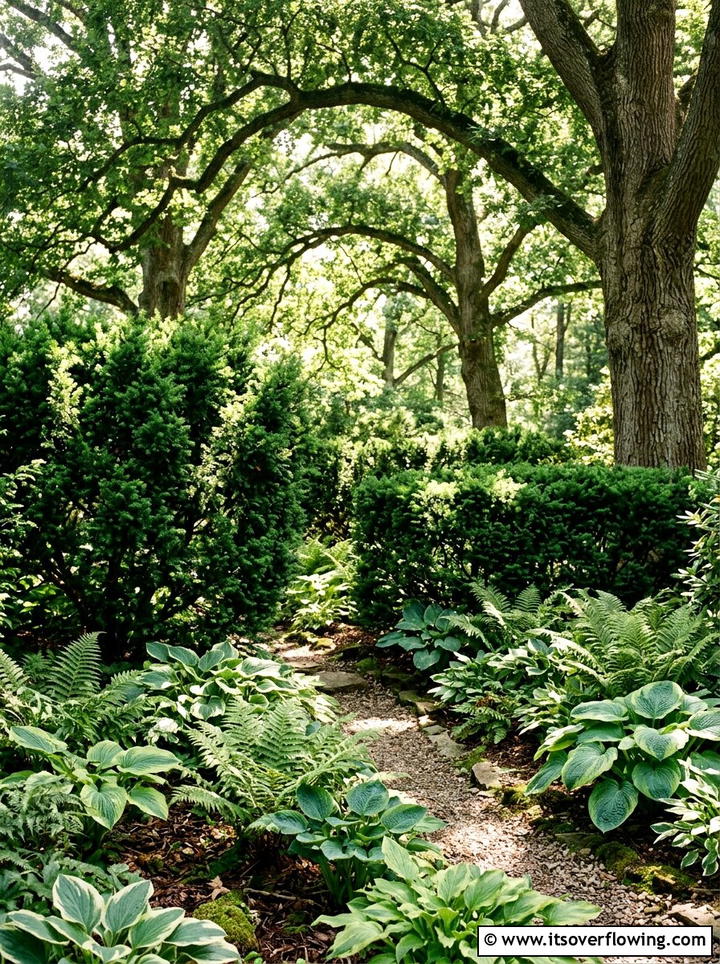
Many people mistakenly believe that evergreens only thrive in full sun, but several varieties actually prefer the cooler, dimmer areas of the yard. Japanese Yews and certain types of Holly are famous for their ability to maintain deep green foliage even under the canopy of large deciduous trees. These shade-tolerant plants are perfect for brightening up dark corners of the garden or planting along the north side of your house. They provide a consistent backdrop for shade-loving flowers like hostas or ferns, creating a lush woodland feel that remains green all year. Utilizing these plants ensures that every square inch of your property is filled with life and vibrant color.
18. Drought Tolerant Evergreens
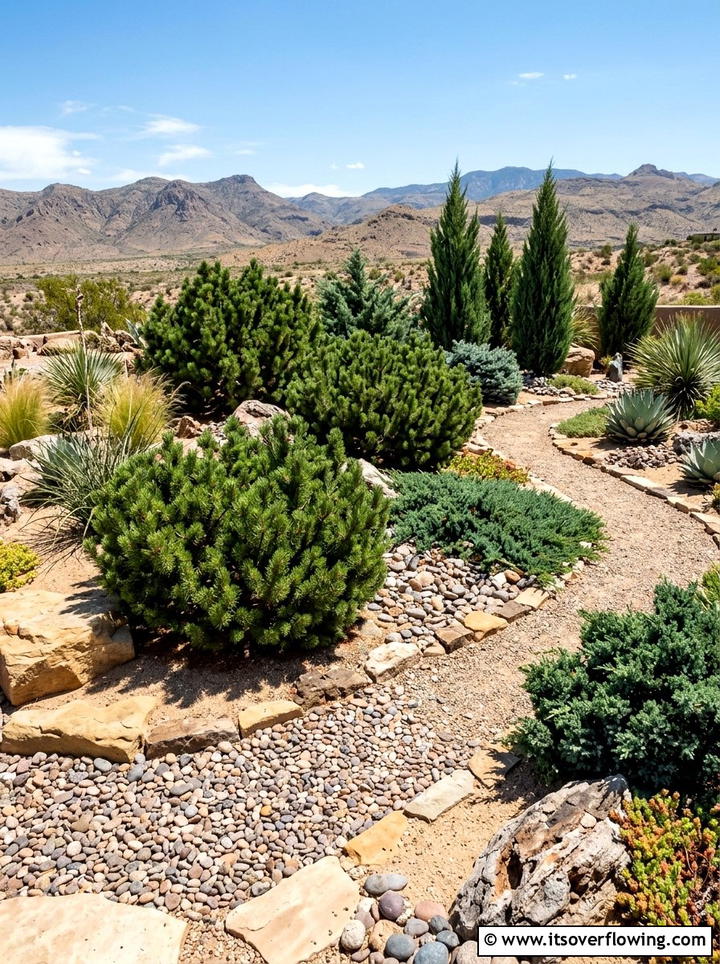
In regions where water conservation is a priority, choosing evergreens that can survive long periods of dry weather is a very practical decision. Many types of Juniper and Pine have evolved to store moisture and resist the drying effects of wind and intense summer heat. Once these plants have established a deep root system, they require very little supplemental watering to stay healthy and looking their absolute best. This makes them ideal for xeriscaping projects or for parts of the garden that are difficult to reach with a hose or irrigation system. You can enjoy a green landscape that is environmentally responsible and easy to maintain throughout the hot summer.
19. Retaining Wall Evergreen Planting
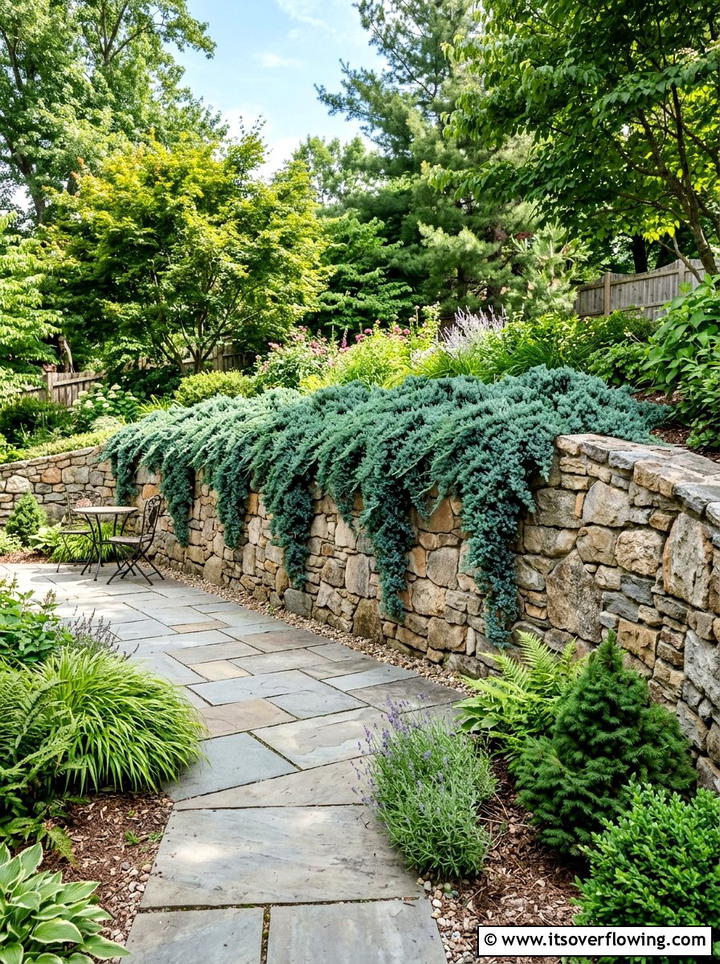
Softening the look of a concrete or stone retaining wall is easily achieved by planting evergreens along the top or bottom edges. Trailing varieties like ‘Blue Star’ Juniper can be planted at the top so they cascade down over the wall like a flowing green waterfall. This breaks up the harsh horizontal lines of the masonry and helps the structure blend more naturally into the surrounding landscape environment. Alternatively, planting a row of uniform shrubs at the base of the wall can hide the foundation and create a more finished, professional look. This approach turns a purely functional structural element into a beautiful, multi-dimensional feature of your overall garden design.
20. Curved Garden Path Borders
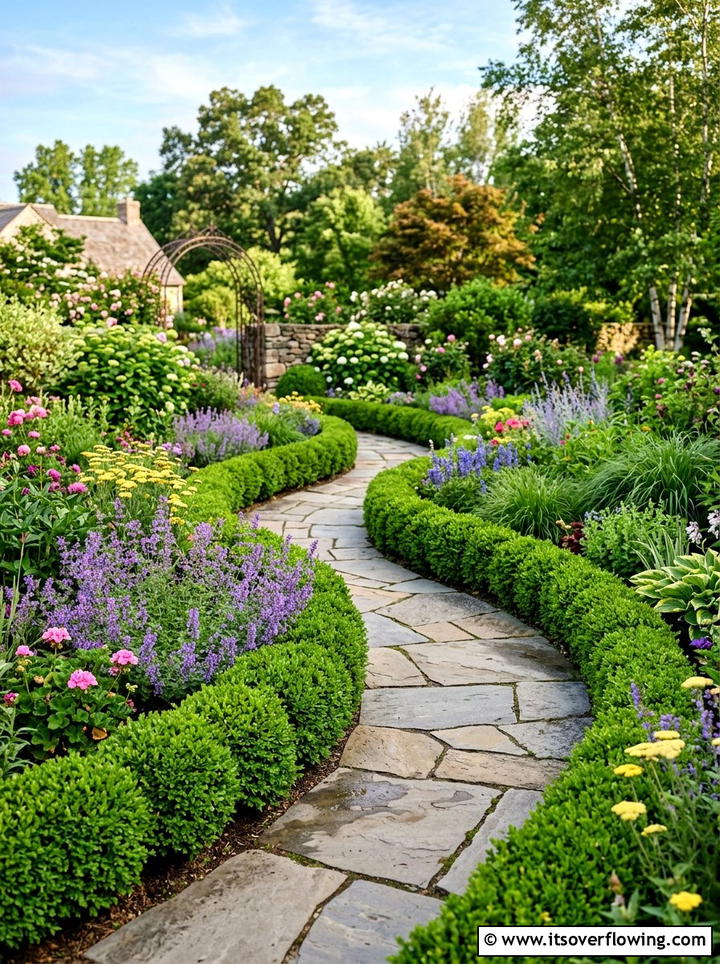
Installing a winding walkway through your garden is much more effective when you use evergreens to define the curves and edges. Following the bend of a path with low-growing boxwoods or mounded grasses creates a sense of mystery and encourages exploration throughout the space. Because these plants are evergreen, the “bones” of your garden path remain visible and structured even when the snow falls in winter. This clear definition prevents the garden from looking messy or overgrown, providing a polished look that guides visitors through your outdoor sanctuary. The repetition of green shapes along the path creates a rhythmic visual flow that is very pleasing to the eye.
21. Formal Garden Symmetry
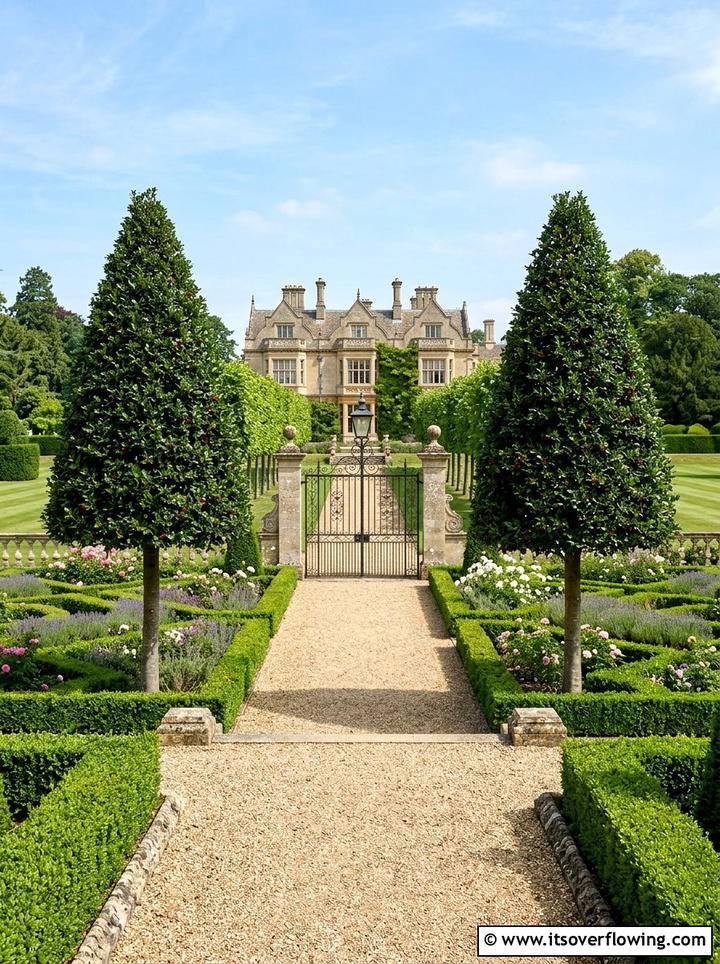
For homeowners who love a clean and organized look, using evergreens to create perfect symmetry is a classic and sophisticated design technique. Placing identical conical trees on either side of a gate or entryway creates a balanced frame that feels very intentional and high-end. Symmetrical layouts are common in European-style gardens and provide a sense of calm and order that contrasts with the chaos of nature. You can use clipped hedges to create “rooms” within your yard, each with its own focal point and perfectly matched botanical elements. This structured approach ensures that your garden always looks magazine-ready and reflects a high level of care and professional landscaping.
22. Bird Friendly Evergreen Habitat
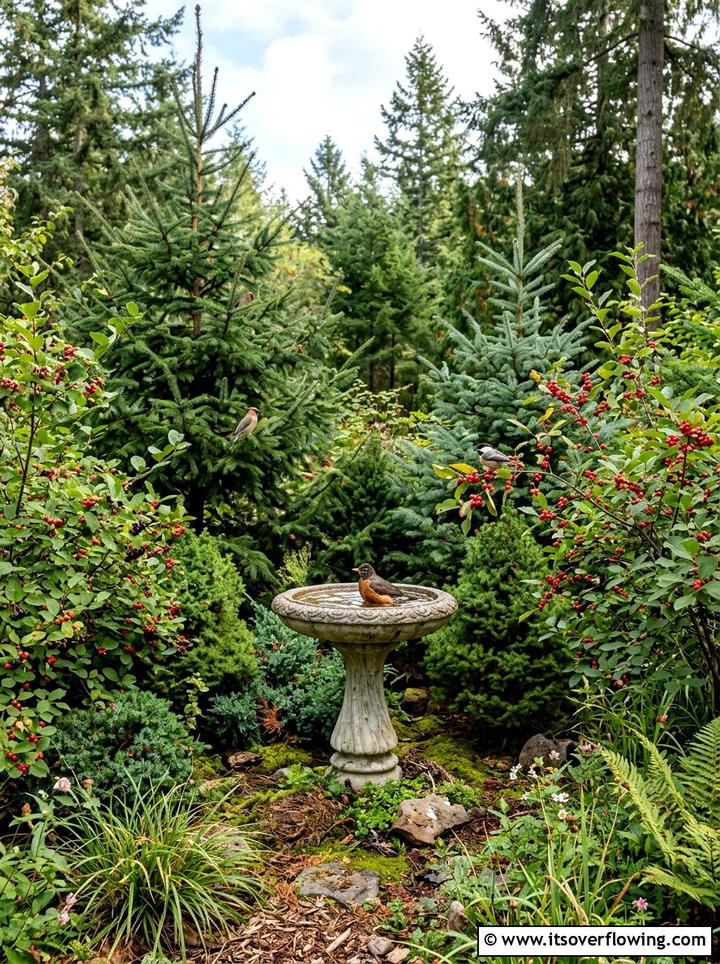
Evergreens play a vital role in supporting local wildlife by providing shelter and food sources during the coldest and harshest months of the year. The dense needles of spruce and cedar offer a safe place for birds to hide from predators and find protection from freezing winds. Many evergreen shrubs also produce berries that serve as an important energy source for feathered friends when other food is scarce. By planting a variety of these trees, you turn your backyard into a bustling sanctuary for nature, bringing life and song to your home. Watching birds interact with the greenery adds a dynamic and joyful element to your daily garden experience.
23. Stepping Stone Garden Greenery
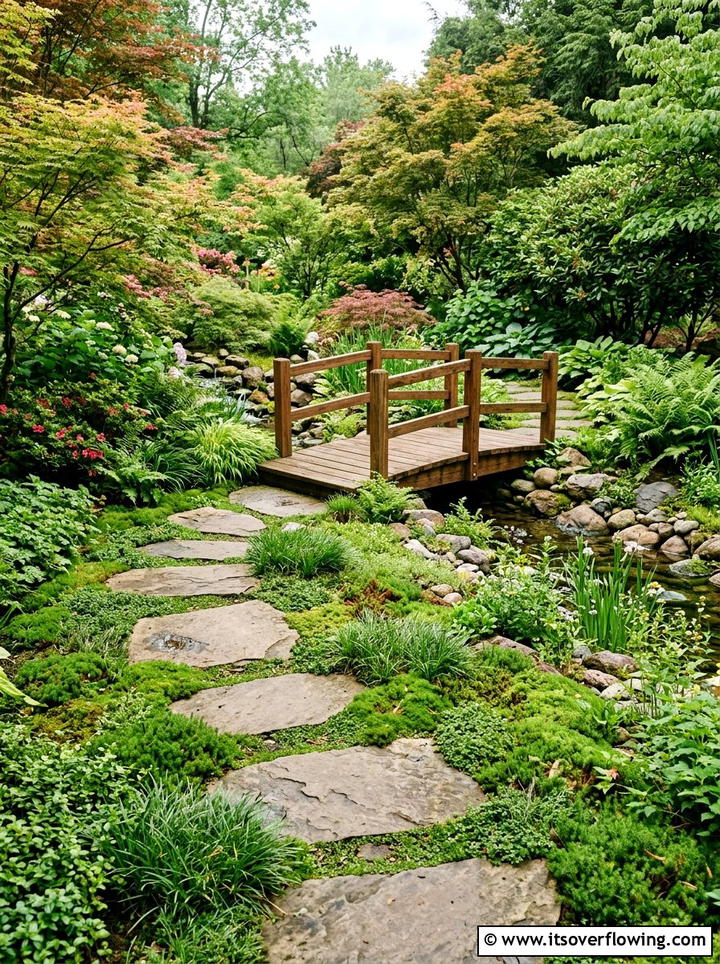
Placing small, hardy evergreens between large stepping stones can transform a simple functional path into a beautiful and lush botanical journey through the yard. Tiny varieties of dwarf Mondo grass or creeping thyme are perfect for filling the gaps while handling occasional foot traffic from people walking by. These plants stay green year-round, ensuring that your walkway never looks muddy or empty even during the rainy spring or the cold winter seasons. This detail adds a layer of professional craftsmanship to your landscape, making it feel like a high-end estate rather than just a basic suburban backyard. The soft texture of the plants contrasts beautifully with the hard surface of the stones.
24. Multi Leveled Garden Planting
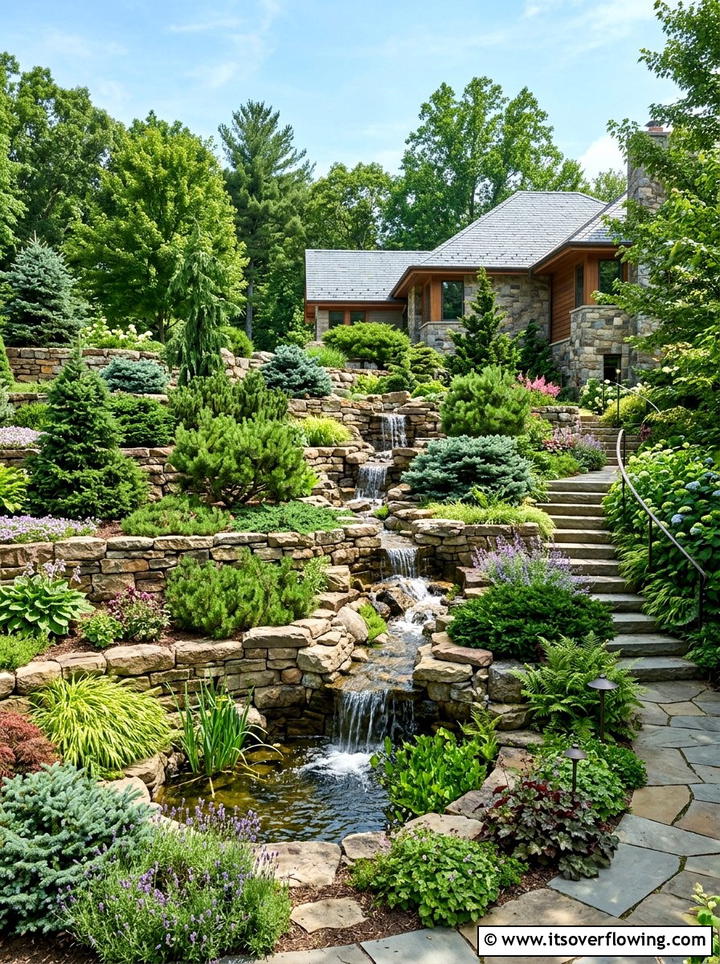
If your yard has different elevations, evergreens are the perfect tools to bridge the gap between various levels for a cohesive look. You can use tall trees on the upper level to provide a backdrop and smaller shrubs on the lower levels to create depth. This layered approach draws the eye upward and makes a small space feel much larger and more complex than it actually is. Using different shades of green at each level helps to define the various zones of your garden and adds significant visual interest. This technique creates a rich, three-dimensional landscape that feels fully integrated with the natural topography of your property and the surrounding area.
25. Coastal Garden Evergreens
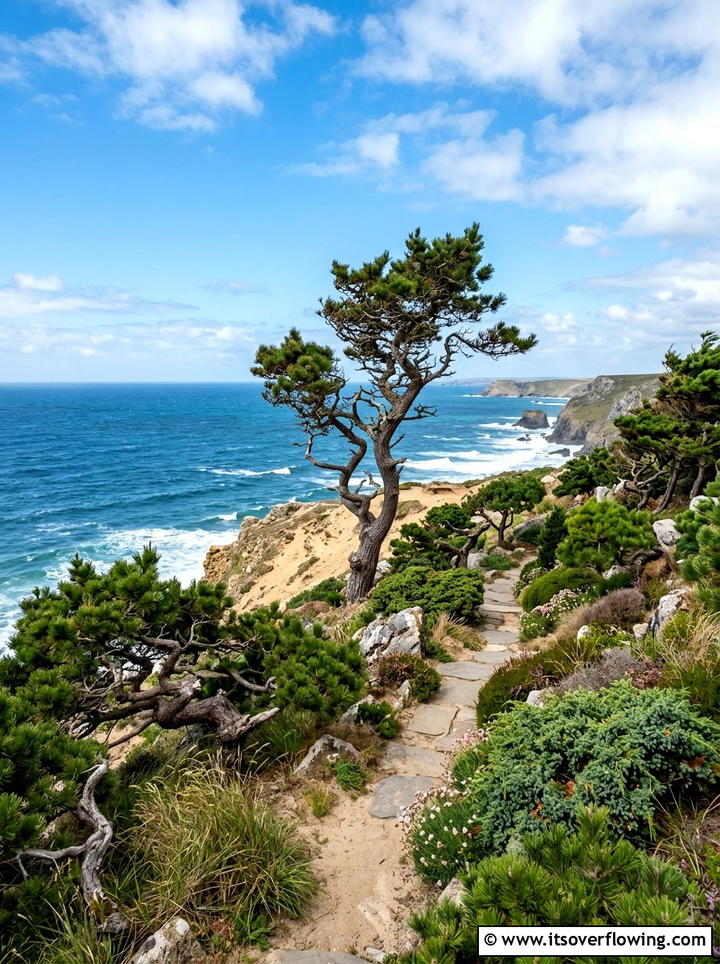
Living near the ocean presents unique challenges like salt spray and high winds, but many evergreens are tough enough to handle these conditions beautifully. Salt-tolerant species like Mugo Pine or certain types of Juniper thrive in sandy soil and coastal air where other plants might struggle to survive. These hardy evergreens provide a much-needed windbreak for more delicate plants while maintaining their vibrant color against the blue backdrop of the sea. Their rugged textures and twisted branch patterns often look even more beautiful when shaped by the constant coastal breezes over many years. This makes them an essential choice for creating a lush, resilient garden in a challenging seaside environment or windy location.
Conclusion:
Integrating evergreens into your landscape is a timeless way to ensure your property looks beautiful, professional, and full of life every day of the year. From providing essential privacy to creating artistic focal points, these versatile plants offer endless possibilities for both small backyards and expansive estates alike. By choosing a mix of textures, heights, and shades of green, you can build a garden that feels established, structured, and deeply connected to nature. Whether you prefer the formal look of clipped hedges or the rugged beauty of a rock garden, evergreens provide the perfect foundation. Start planning your year-round sanctuary today and enjoy the lasting benefits of a vibrant, evergreen outdoor space.

Related posts:
 25 Small Garden Ideas for Year Round Color and Lasting Beauty
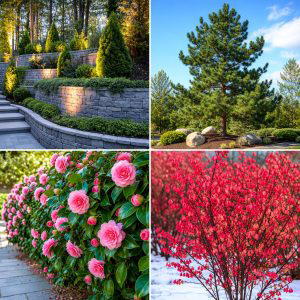 25 garden design ideas with evergreen structure: Year-Round
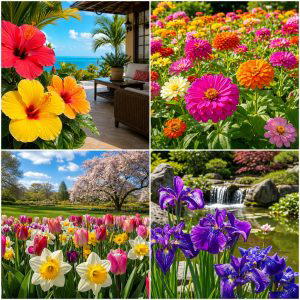 25 Garden Design Ideas With Seasonal Flowers for Year-Round Color
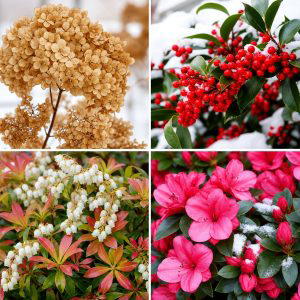 25 Garden Ideas for Year Round Color in Every Season
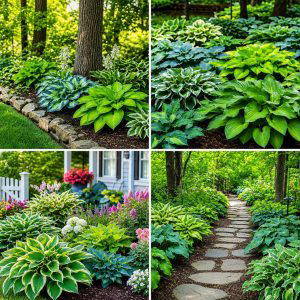 25 garden ideas with hostas for Lush Shade Garden Beauty
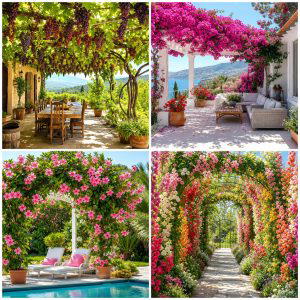 25 creative garden ideas with pergola vines for Shaded Beauty
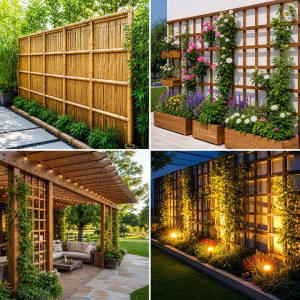 25 Garden Design Ideas With Trellis Walls for Vertical Beauty
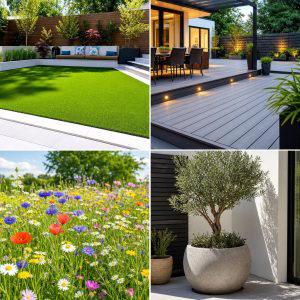 25 Garden Ideas Low Maintenance for Easy Outdoor Beauty
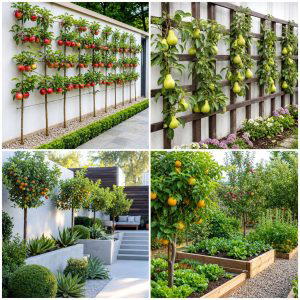 25 garden ideas with fruit trees for Beauty and Harvests
 25 Garden Ideas With Roses for Romantic Outdoor Beauty
 25 Small Garden Ideas to Maximize Beauty in Tiny Spaces
 25 small garden ideas with trellis to Maximize Beauty Fast