
Creating a vibrant outdoor space that looks stunning throughout every season might seem like a daunting task when you are working with a limited footprint. However, a small garden offers a unique opportunity to curate a dense and impactful display of colors that shifts beautifully from the bright greens of spring to the fiery hues of autumn. By carefully selecting a mix of evergreens, seasonal perennials, and architectural plants, you can ensure your backyard never looks dull or dormant. This guide explores creative ways to maximize every inch of your space with plants that provide constant visual interest and joy year round.
1. Evergreen shrubs for small gardens
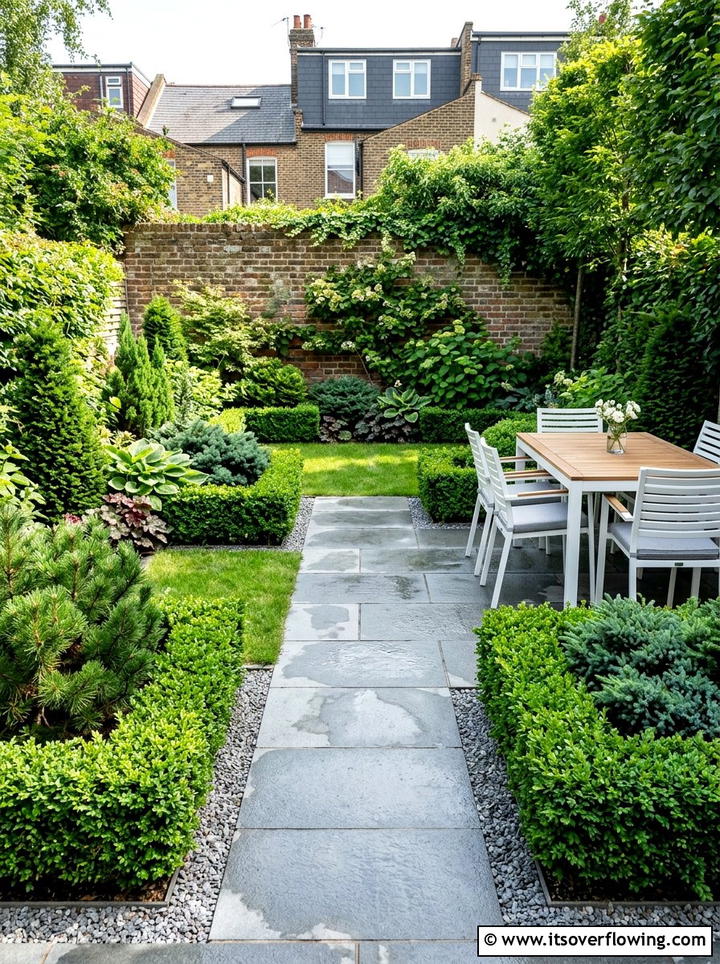
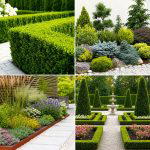
Does your garden feel a bit empty once the summer flowers fade away? Integrating evergreen shrubs is the most effective way to maintain a structural backbone that stays green and lush even during the coldest months of the year. Plants like Boxwood or dwarf conifers provide a steady green backdrop that makes other seasonal colors pop. You can shape these shrubs into neat mounds or low hedges to define different areas within your small space. Their consistent texture ensures that the garden always looks cared for and established, providing a sense of permanence that anchors your entire outdoor design through every season.
2. Winter flowering heathers
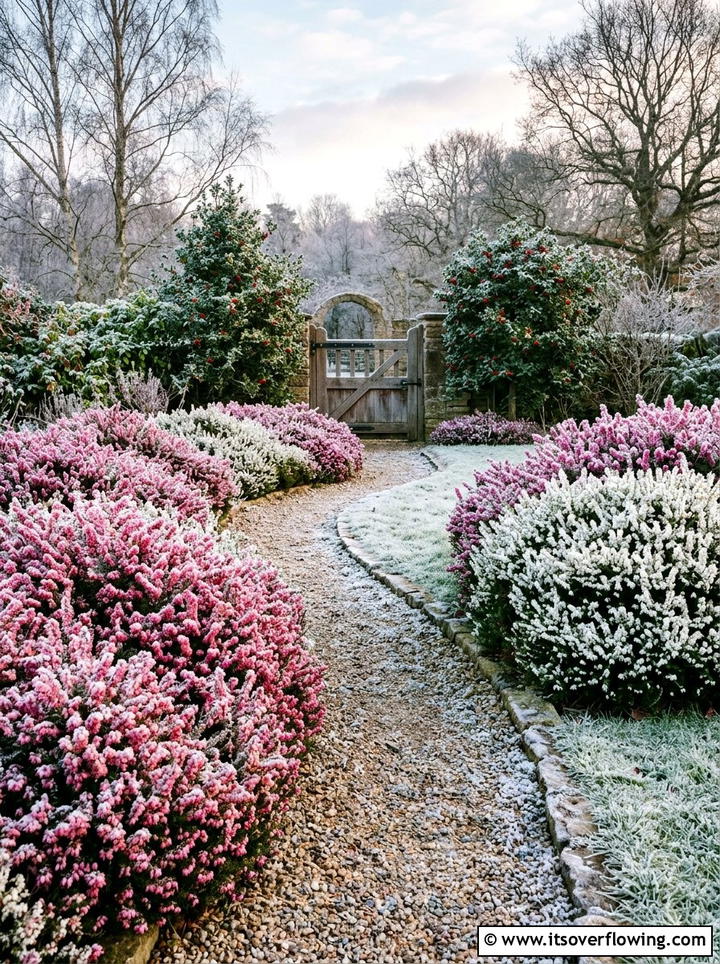
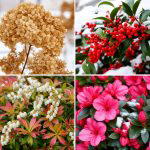
Have you ever walked through a garden in the middle of February and seen a bright splash of pink or white? Winter flowering heathers are incredibly resilient plants that bring much-needed color to your garden when most other species are resting. These low-growing beauties thrive in containers or along the edges of small pathways, offering a carpet of tiny bell-shaped blooms. They are perfect for small spaces because they do not spread aggressively but provide dense color coverage. Pairing them with silver-foliaged plants creates a sophisticated winter palette that withstands frost and adds life to your outdoor area during chilly mornings.
3. Ornamental grasses with winter interest
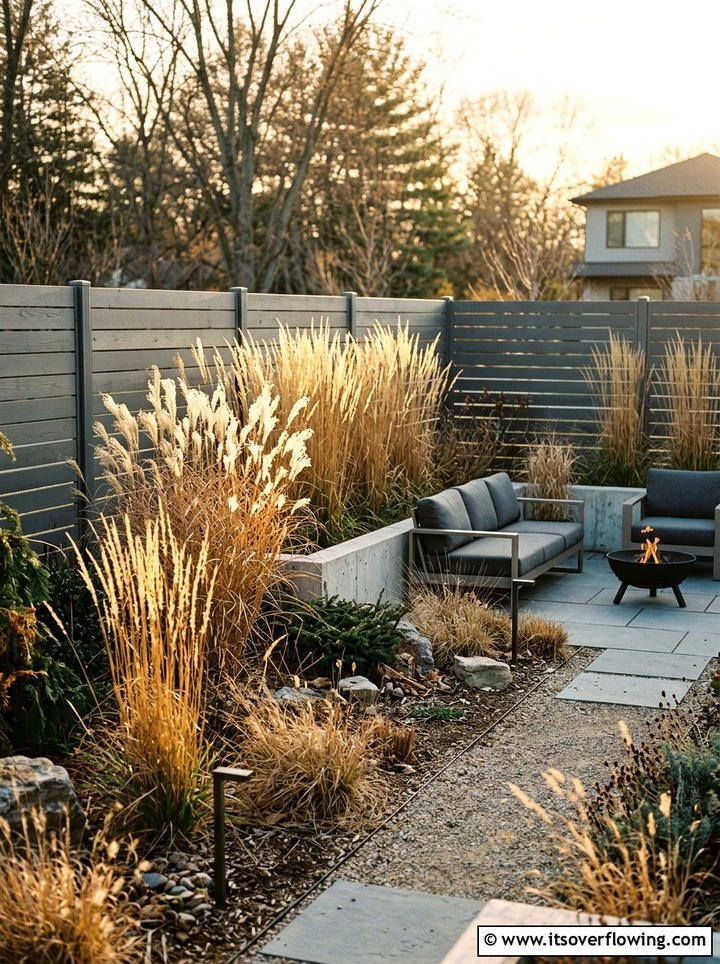
What happens to your garden texture when the vibrant summer perennials finally die back? Ornamental grasses like Miscanthus or Pennisetum offer a wonderful solution by providing movement and architectural interest well into the winter months. Their feathery plumes catch the light and frost beautifully, while their tan or golden stems provide a neutral yet warm backdrop for other plants. Because they grow vertically, they are excellent for narrow garden borders or modern containers. Even when the colors are muted, the structural presence of these grasses keeps your small garden looking full and thoughtfully designed during the transition between the seasons.
4. Spring flower bulbs in pots
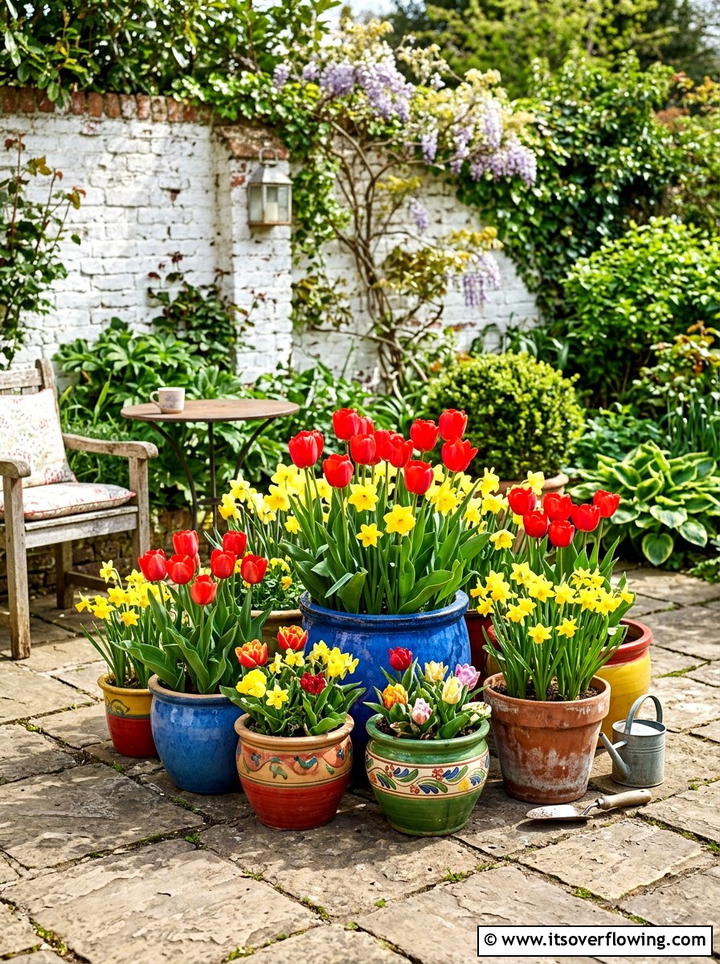
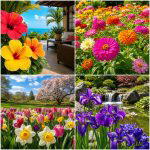
Are you looking for a way to welcome the first signs of warmth with an explosion of bright color? Planting spring bulbs like tulips, daffodils, and crocuses in large pots is a brilliant strategy for small gardens where ground space is limited. By layering different types of bulbs in a single container, a technique often called a bulb lasagna, you can enjoy a continuous succession of blooms from late winter through late spring. This approach allows you to move the pots around to focal points like entryways or patios, ensuring that the most vibrant colors are always right where you can see them.
5. Colorful foliage plants for shade
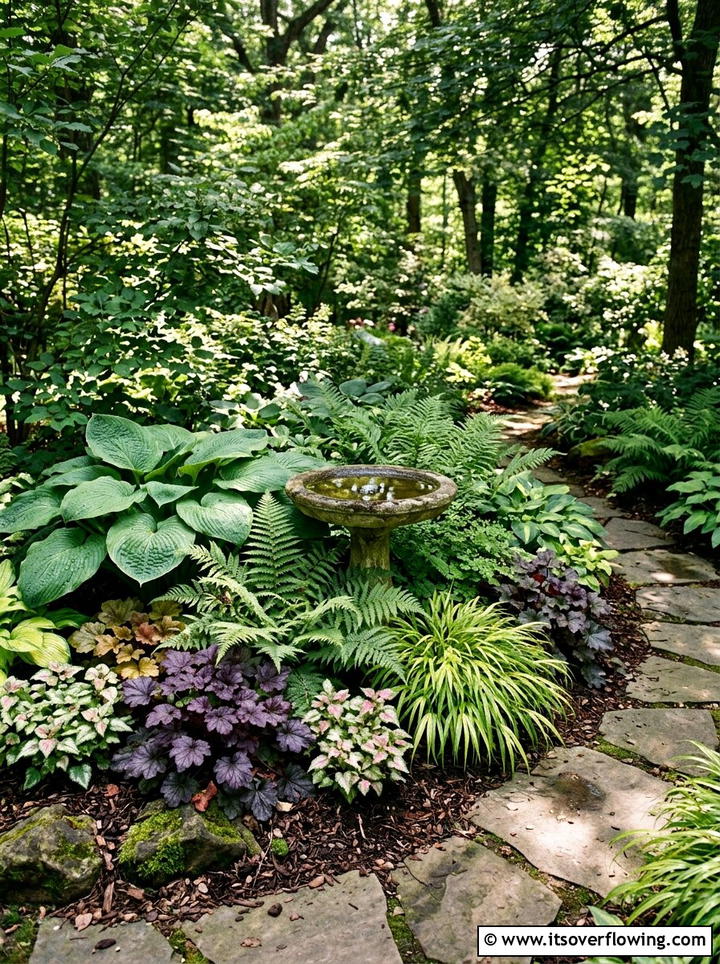
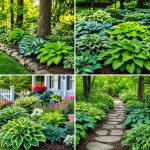
Can a shaded corner of your small garden still look bright and inviting without direct sunlight? Many gardeners overlook the power of foliage, but plants like Hostas and Ferns offer an incredible variety of greens, blues, and chartreuse tones. These plants rely on leaf color and texture rather than flowers to create visual impact. By mixing different leaf shapes, you can create a lush, tropical-looking sanctuary that remains vibrant all summer long. In a small garden, these plants fill gaps and soften hard edges, making the space feel larger and more cohesive while providing a cool, serene atmosphere for your summer afternoons.
6. Dwarf fruit trees for blossom
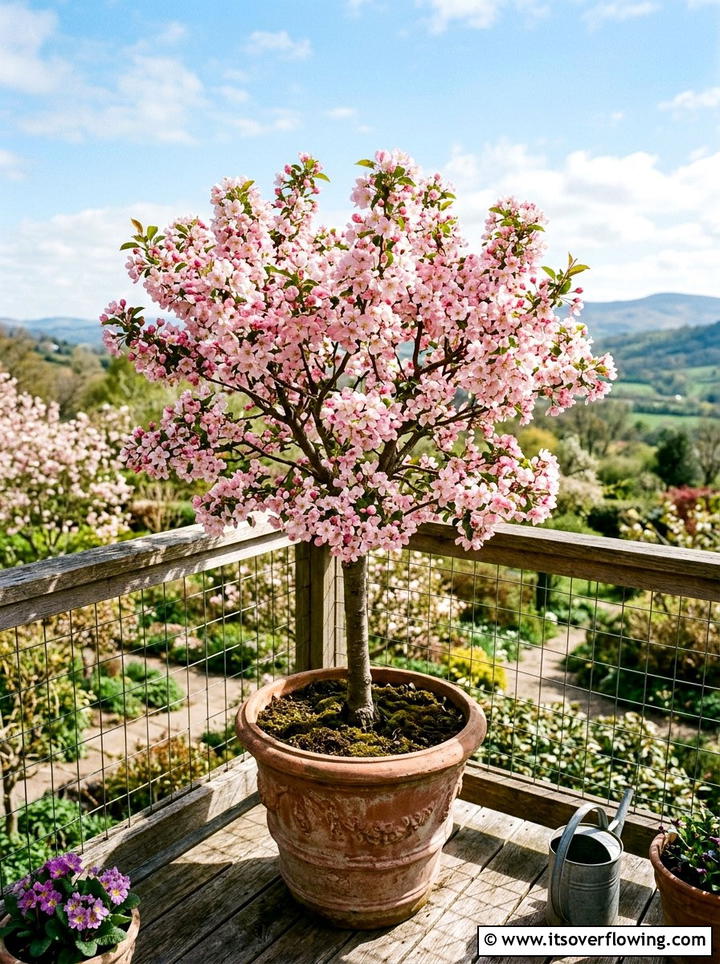
Would you like to enjoy beautiful flowers and fresh fruit even if you only have a tiny patio? Dwarf fruit trees are specifically bred to remain compact while still producing a stunning display of blossoms in the spring. From the soft pinks of apple trees to the bright whites of cherry blossoms, these trees add a romantic layer of vertical interest to your garden design. As the seasons progress, the changing colors of the developing fruit provide a secondary visual delight. These trees work perfectly in large ceramic pots, making them versatile additions that bring both beauty and utility to a small urban garden.
7. Climbing plants for vertical color
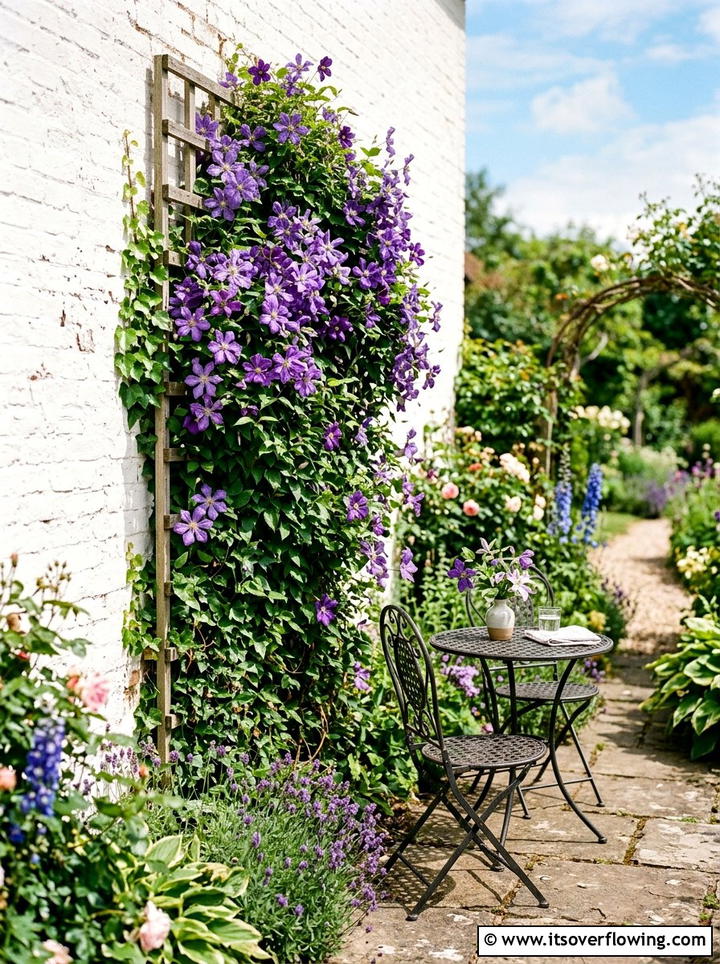
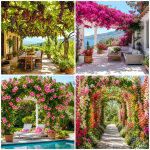
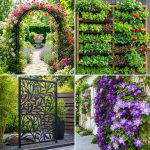
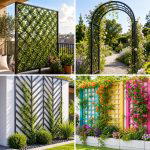
Why limit your garden design to the ground when you can use your walls and fences to display color? Climbing plants like Honeysuckle or Star Jasmine are perfect for small gardens because they grow upwards, leaving precious floor space for furniture or other pots. These climbers often produce highly scented flowers that fill your outdoor area with fragrance during the summer months. In the autumn, some varieties offer changing leaf colors that add another layer of visual interest. Using a trellis or a simple wire system, you can transform a plain vertical surface into a living wall of vibrant greens and blooms.
8. Perennial borders for summer blooms
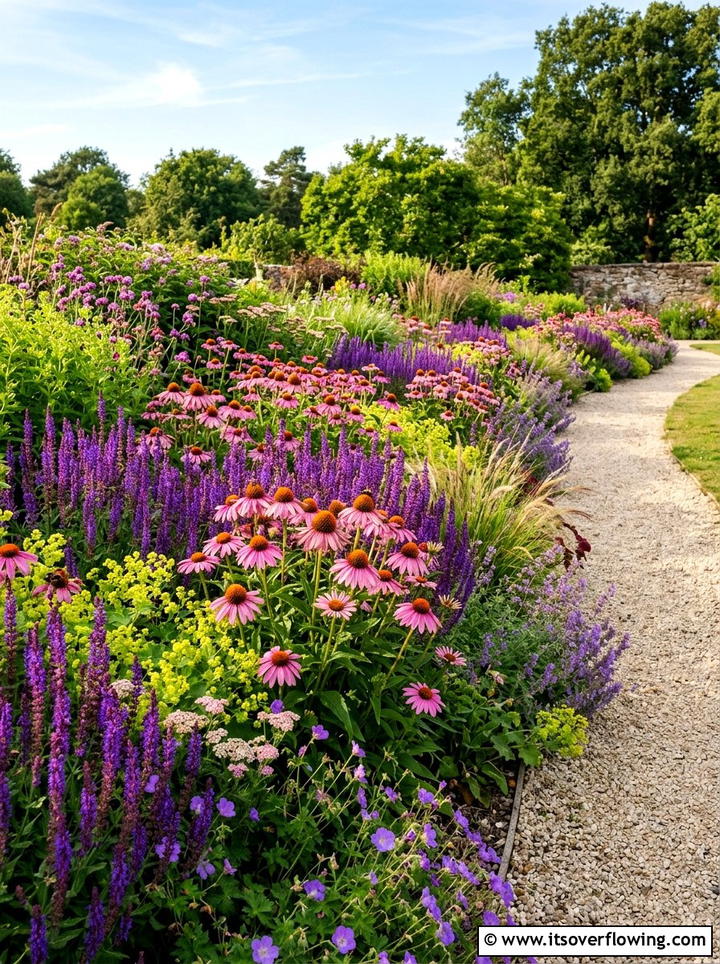
Is there anything more classic than a garden border filled with a variety of long-blooming perennials? In a small garden, choosing perennials like Salvia, Echinacea, and Phlox ensures that your borders remain packed with color from early summer until the first frost. These plants return year after year, getting better with age and providing a reliable source of nectar for local pollinators. By selecting plants with varying heights and bloom times, you can create a layered effect that looks professional and full. This approach maximizes the visual density of your garden, making it feel like a lush and thriving private escape.
9. Bright containers for patios
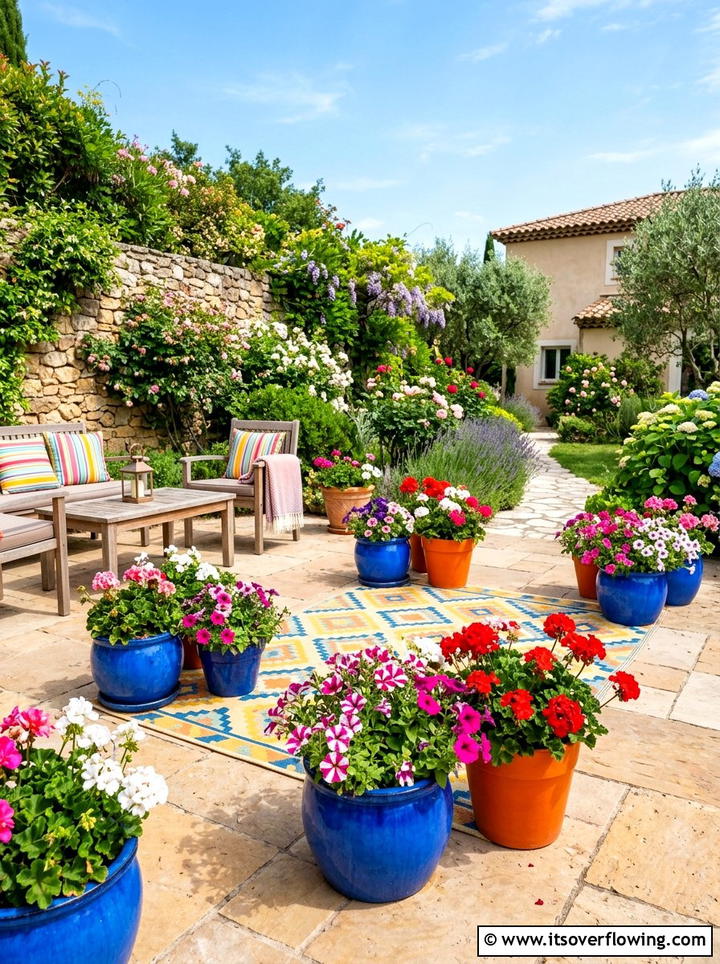
Do you want the flexibility to change your garden look whenever the mood strikes you? Using brightly colored containers is a fast and effective way to inject personality and seasonal color into a small patio or balcony. You can fill these pots with seasonal annuals like Petunias in the summer or Pansies in the autumn to keep the look fresh. The pots themselves act as permanent decorative elements, providing a pop of color even when the plants inside are between bloom cycles. Grouping containers of different sizes creates a tiered effect that adds depth and visual complexity to your outdoor seating area.
10. Late summer flowering perennials
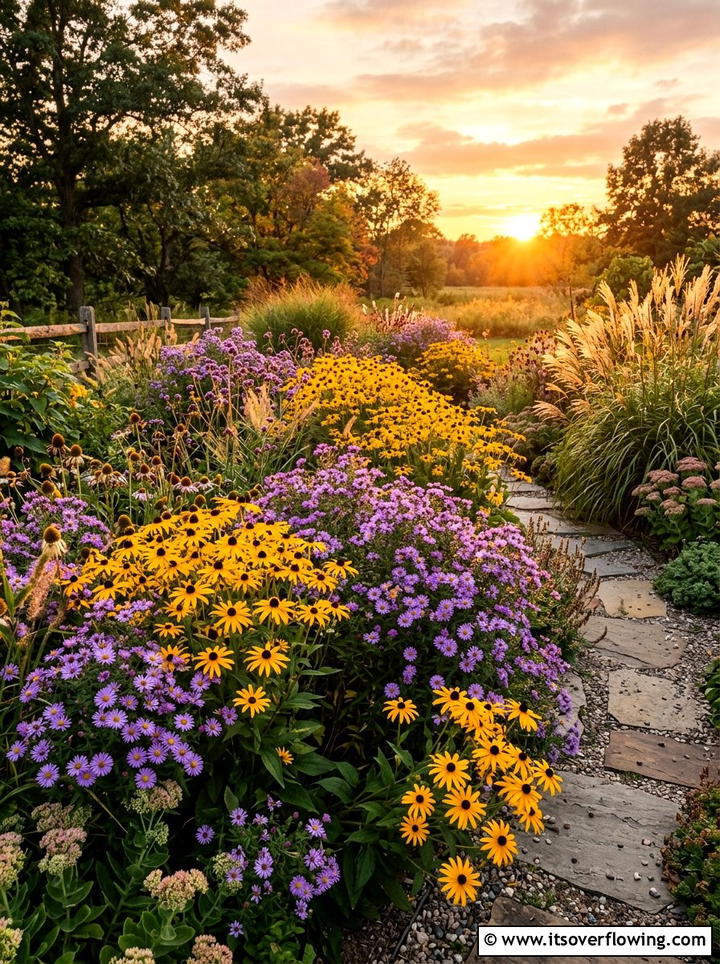
What do you do when the early summer flowers start to fade and the garden begins to look a bit tired? Late summer perennials such as Rudbeckia and Asters are essential for keeping the energy high as the season begins to turn. These plants offer bold yellows, deep purples, and rich oranges that reflect the changing light of the late afternoon sun. They are incredibly hardy and provide a vital food source for bees before the winter sets in. Incorporating these into your small garden design ensures there is no “gap” in color, keeping your outdoor space looking vibrant and intentional until November.
11. Autumn leaf color for small spaces
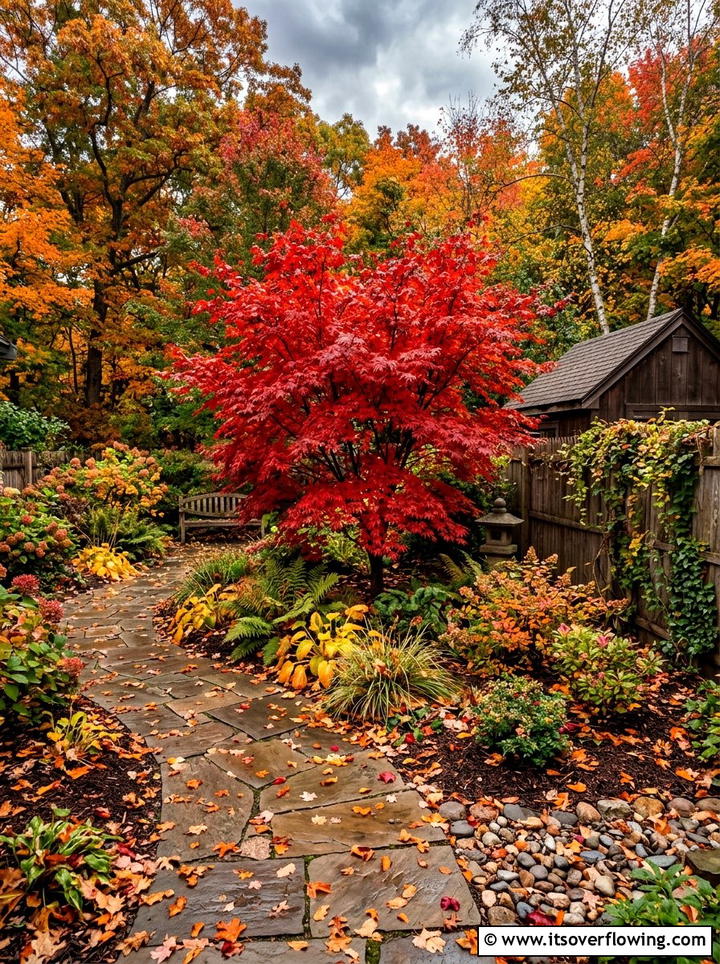
How can you capture the breathtaking beauty of autumn within the confines of a modest backyard? Selecting small trees or shrubs known for their dramatic fall foliage, such as Japanese Maples or Oakleaf Hydrangeas, can turn your garden into a fiery masterpiece. As the temperatures drop, these plants transition into brilliant shades of crimson, orange, and gold. Because many of these species are slow-growing and compact, they fit perfectly into corners or as central focal points in a small garden. This seasonal shift adds a sense of drama and celebration to the end of the traditional growing season.
12. Berried shrubs for winter interest
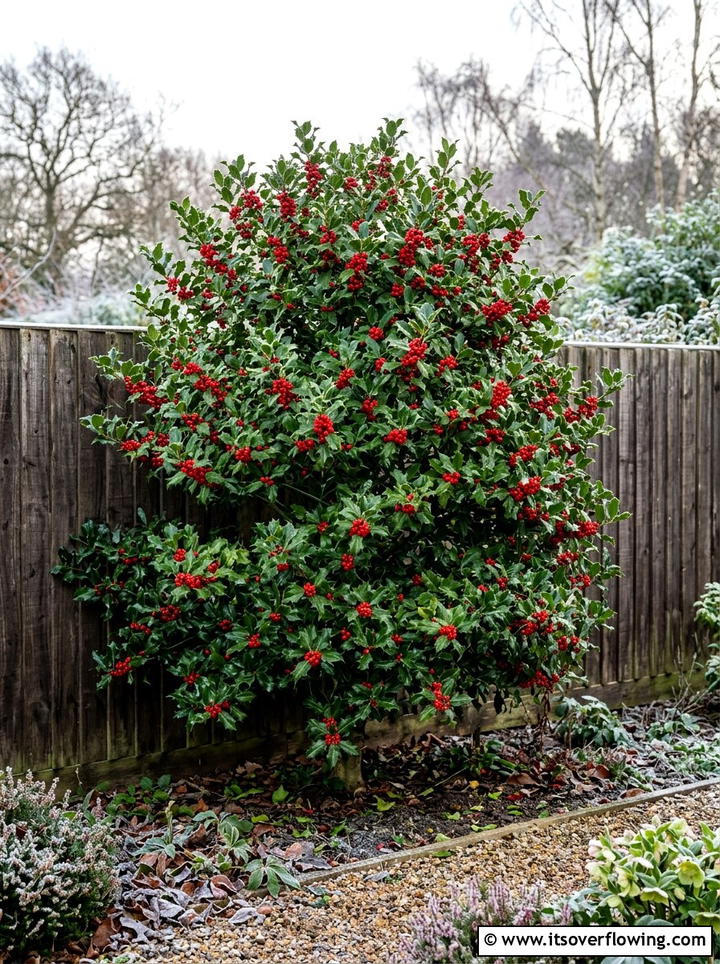
Are you searching for a way to keep your garden looking lively and attractive during the bleakest parts of January? Shrubs that produce bright berries, such as Holly or Pyracantha, provide pops of red, orange, and yellow that stand out beautifully against dark winter stems. These berries not only add visual interest but also attract colorful birds to your garden, bringing movement and life to the space. Many of these shrubs can be trained against a fence or wall, making them ideal for small gardens where every square inch counts. They offer a festive and natural decoration for your outdoor environment.
13. Ground cover plants with flowers
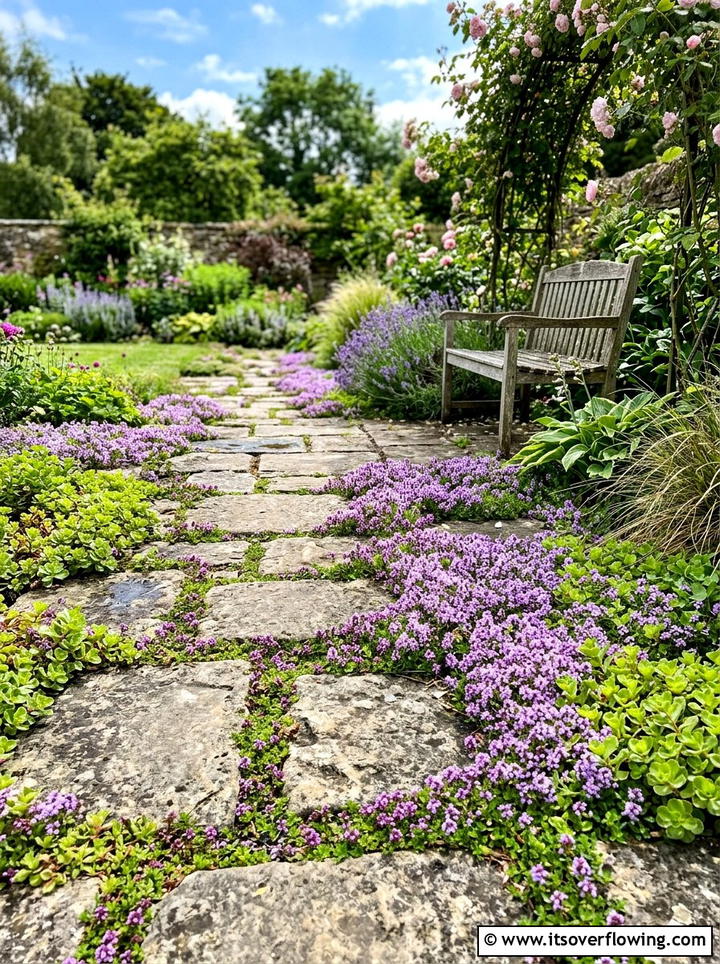
Can you turn the bare soil beneath your larger plants into a colorful and maintenance-free carpet? Flowering ground covers like Creeping Thyme or Sedum are fantastic for filling in the gaps and suppressing weeds in a small garden. These low-growing plants spread across the ground, offering tiny blooms and interesting textures that change throughout the year. In the summer, they provide a sea of color, while in the winter, their foliage often takes on deeper, bronze tones. Using ground covers ensures that every level of your garden is contributing to the overall color scheme, making the space feel lush and fully realized.
14. Scented plants for all seasons
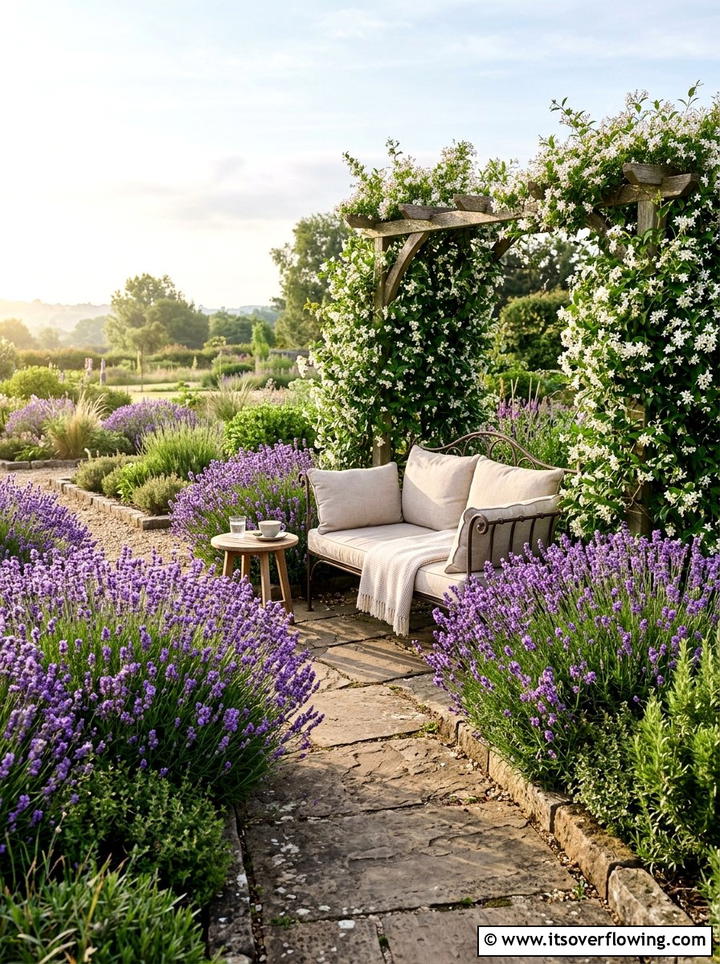
Why focus only on what you can see when you can also design your small garden for the sense of smell? Incorporating plants with fragrant flowers or foliage, such as Sarcococca for winter scent or Lavender for summer aroma, adds a whole new dimension to your space. Many scented plants also have beautiful colors that enhance the visual appeal of your garden. By placing these plants near seating areas or doorways, you can enjoy their perfume every time you step outside. This sensory approach makes a small garden feel much more immersive and luxurious, regardless of its actual physical dimensions.
15. Window boxes with seasonal bedding
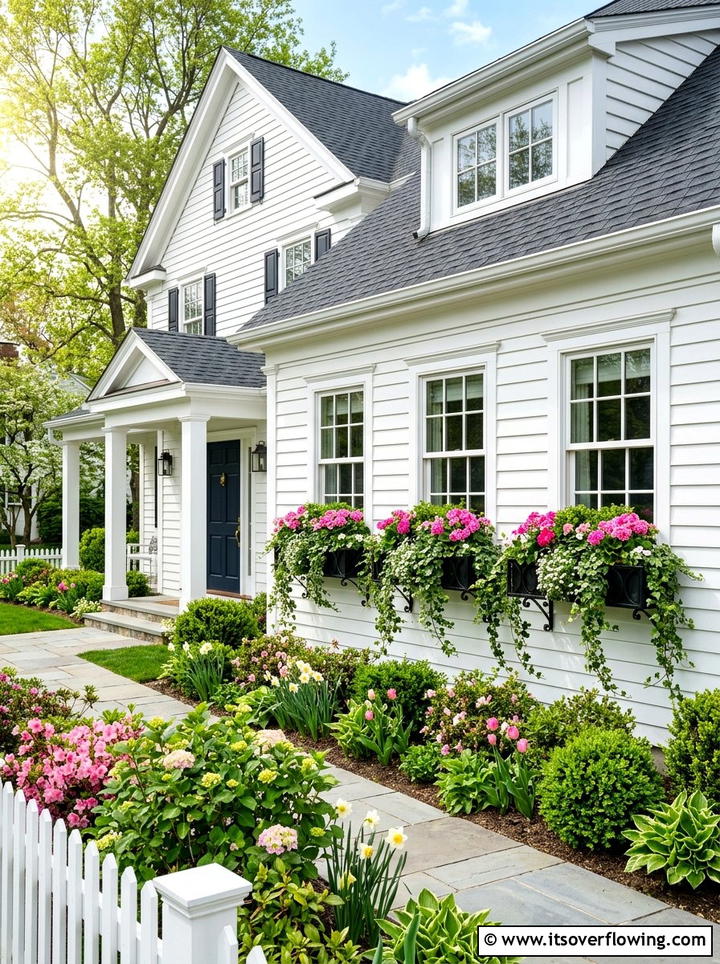
Do you have limited floor space but still want to surround your home with beautiful flowers? Window boxes are a classic solution that brings seasonal color right up to your eye level and enhances your home’s curb appeal. You can easily swap out the plants in your window boxes to match the time of year, using Primroses in the spring and Cyclamen in the autumn. This allows for constant experimentation with different color combinations and plant varieties. Because they are elevated, window boxes draw the eye upward, making a small garden area feel more expansive and integrated with the architecture of the house.
16. Colored stems for winter gardens
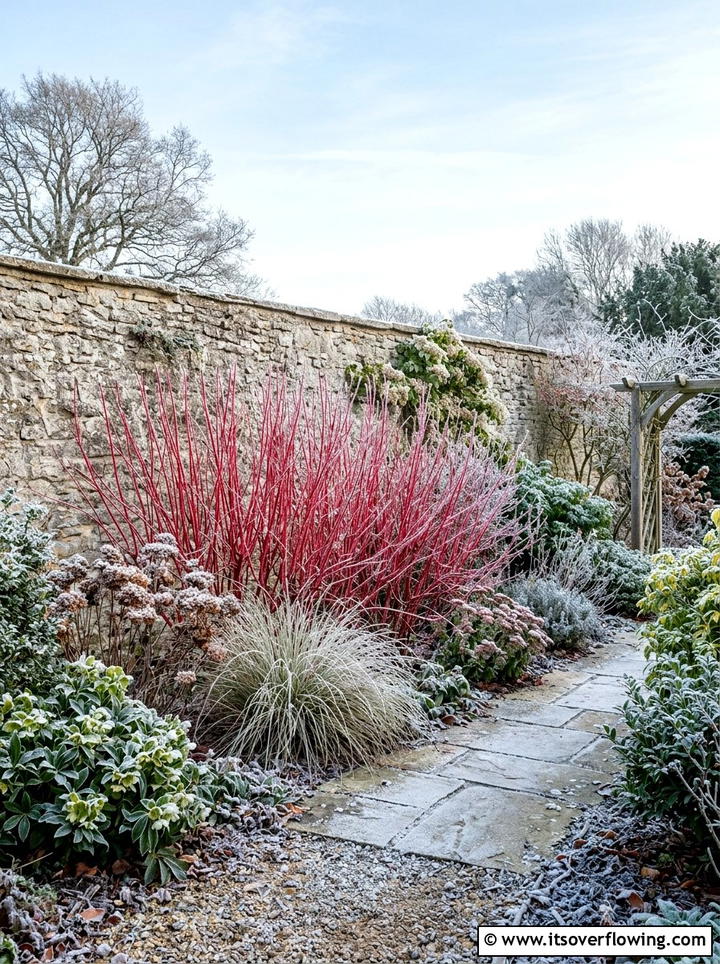
What if the stems of your plants were just as colorful as the flowers they produce? Some varieties of Dogwood and Willow are prized for their brilliantly colored bark, ranging from bright red to neon yellow. In a small garden, these plants are best viewed during the winter when their leaves have fallen away, revealing the striking structure of the bare branches. They look particularly impressive when planted in groups or against a light-colored fence. This unique form of color ensures that your garden remains a visual highlight even when there isn’t a single green leaf or flower in sight.
17. Mediterranean plants for gravel gardens
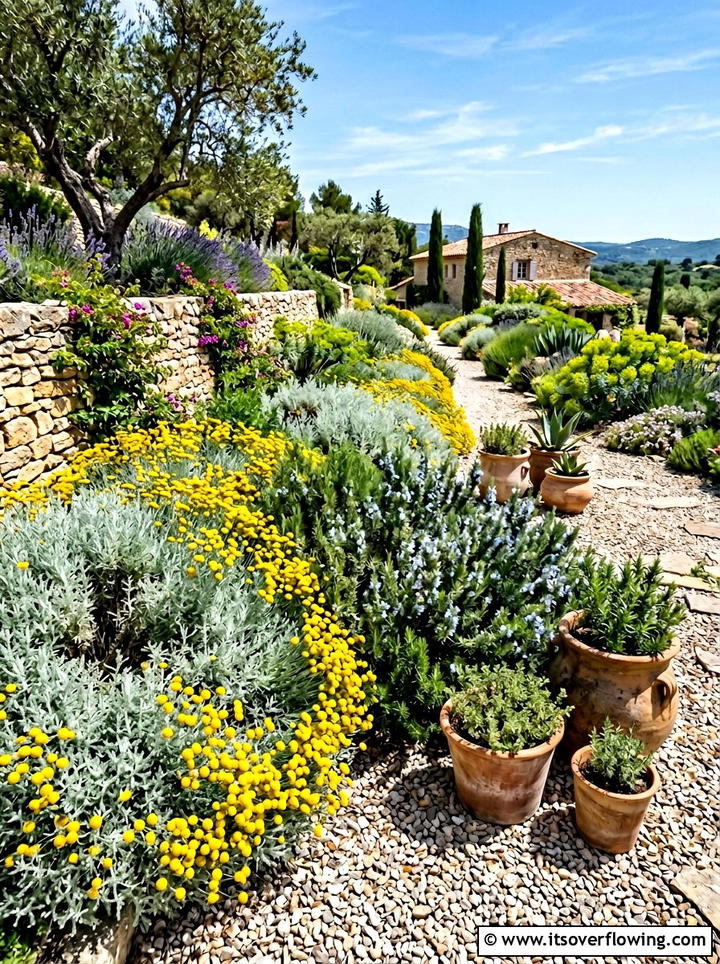
Are you looking for a low-maintenance way to bring a sunny, coastal vibe to your small outdoor space? Mediterranean plants like Rosemary, Cistus, and Santolina thrive in sunny spots with well-drained soil, making them perfect for gravel-style gardens. These plants often have silver or gray-green foliage that stays consistent throughout the year, paired with vibrant purple or yellow flowers in the summer. Their drought-tolerant nature means they stay looking healthy even during hot dry spells. This style of gardening is excellent for small spaces because it feels open and airy, using color and texture to create a relaxed, vacation-like atmosphere.
18. Hanging baskets for vertical interest
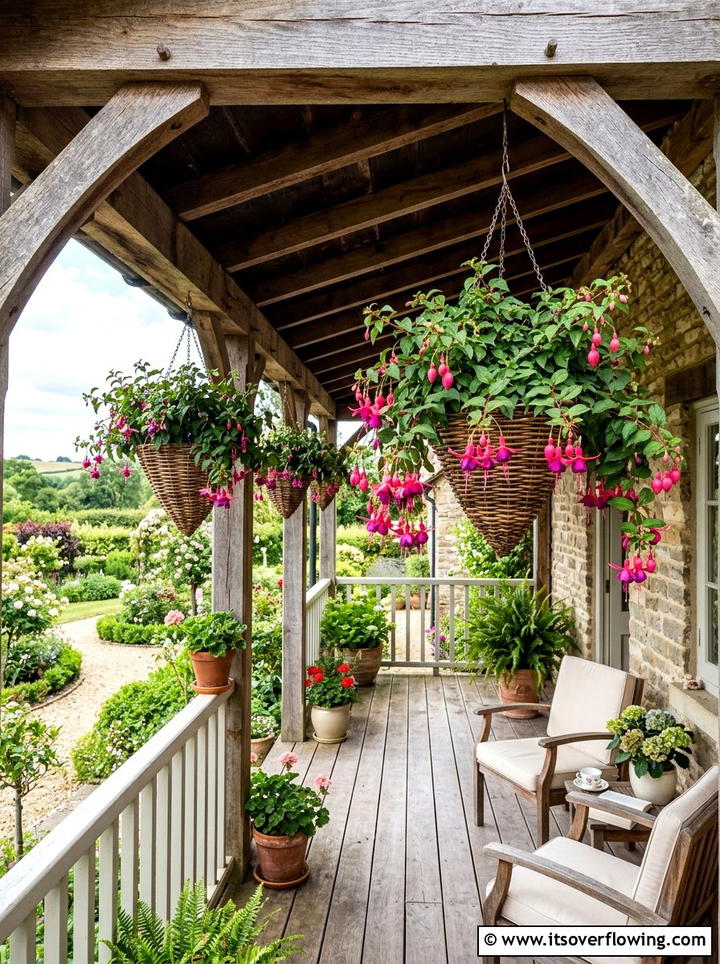
How can you add a burst of color to a small porch or balcony without taking up any precious floor area? Hanging baskets allow you to grow a variety of trailing plants like Fuchsias, Lobelia, and Ivy that spill over the edges in a waterfall of color. These baskets are easy to maintain and can be moved around to catch the best light. By choosing a mix of flowering and foliage plants, you can create a lush, three-dimensional display that frames your outdoor space beautifully. They are an essential tool for any small garden enthusiast looking to maximize their available growing space.
19. Heuchera varieties for mixed foliage
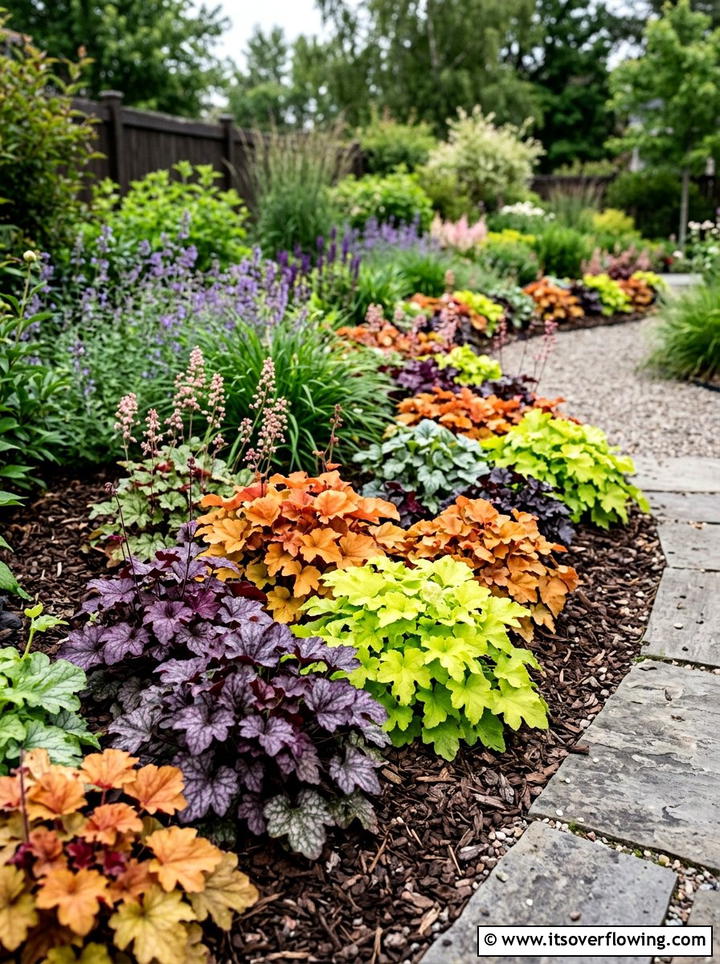
Is it possible to have a rainbow of colors in your garden using only the leaves of your plants? Heucheras, also known as Coral Bells, are incredible perennials that come in shades of deep purple, lime green, burnt orange, and even silver. These plants are perfect for small gardens because they stay in neat, compact mounds and offer year-round foliage in many climates. By mixing different varieties together, you can create a stunning patchwork of color that requires very little maintenance. Their versatile nature makes them ideal for borders, containers, or as a vibrant edging along a garden path.
20. Hellebores for winter and spring
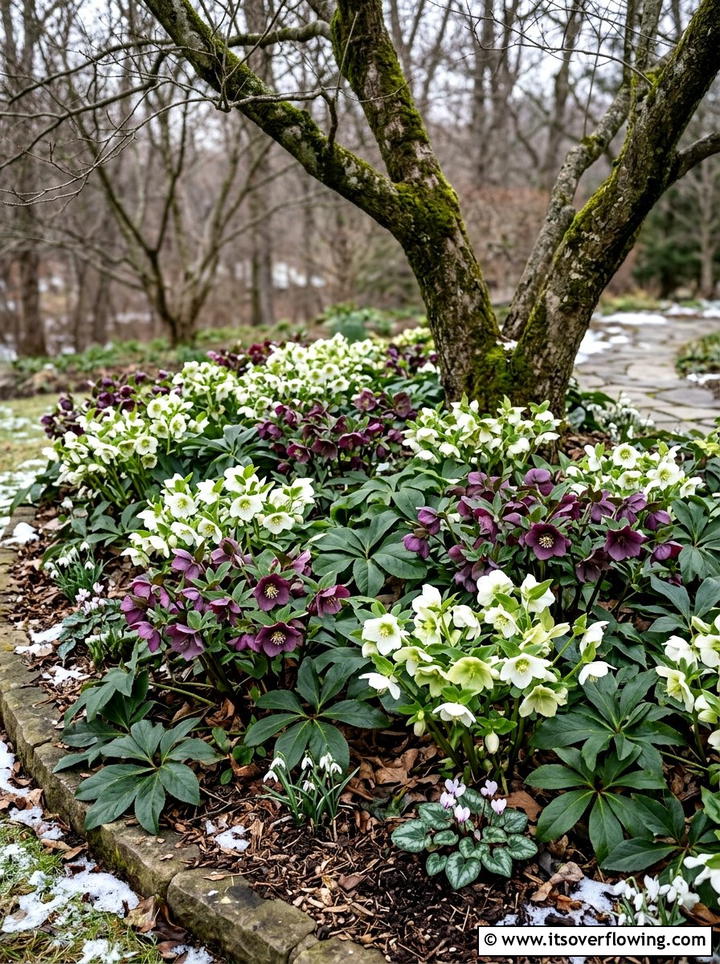
Would you like to see delicate, nodding flowers blooming in your garden while the ground is still covered in frost? Hellebores, often called Lenten Roses, are the stars of the late winter garden, offering shades of dusty pink, deep burgundy, and soft green. These plants have leathery, evergreen leaves that provide texture throughout the entire year. They thrive in the dappled shade of small trees or shrubs, making them perfect for filling underused corners. Their long-lasting blooms provide a sophisticated and gentle transition into the brighter colors of spring, ensuring your garden journey starts early and stays beautiful.
21. Lavender for summer scent and color
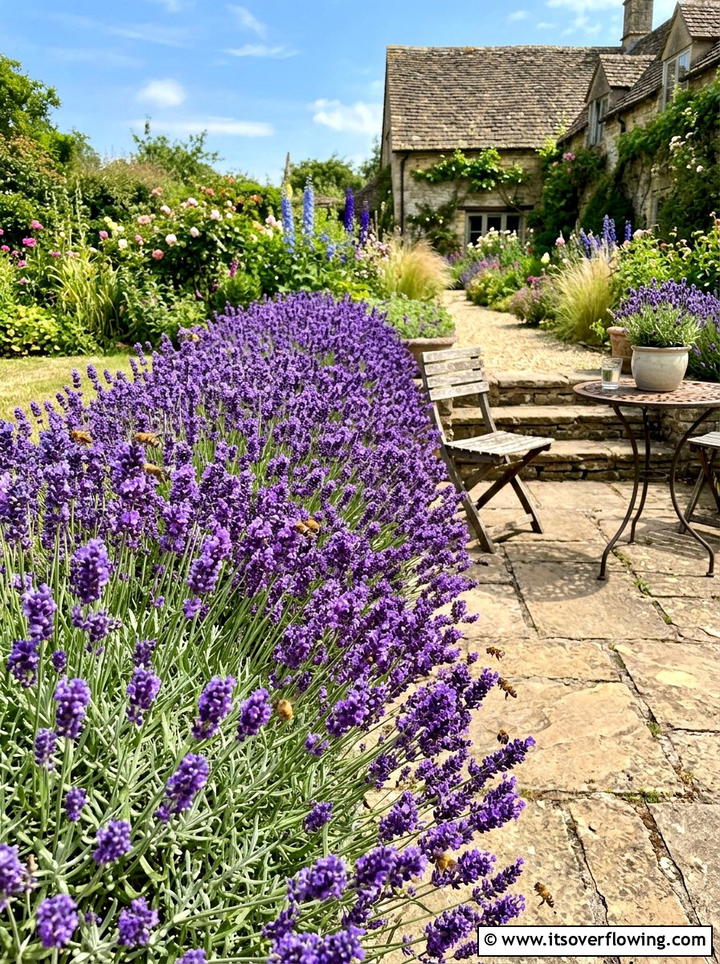
Can you imagine a small garden that smells as good as it looks during the height of the summer heat? Lavender is a must-have for any small garden, offering iconic purple spikes and silver-green foliage that remains attractive year round. These plants are incredibly hardy and love a sunny spot, making them perfect for edging a patio or filling a small raised bed. The buzzing of bees attracted to the flowers adds a sense of life and activity to your space. Even after the flowers fade, the fragrant leaves continue to provide a structural and aromatic presence in your garden.
22. Hydrangeas for long lasting blooms
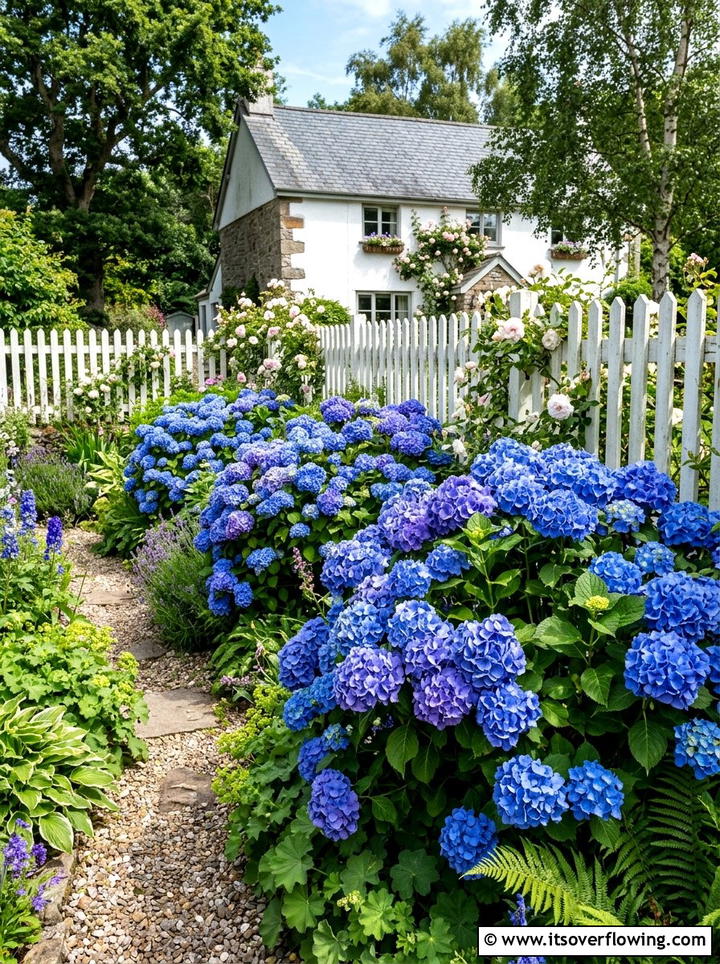
Do you want a plant that provides massive impact and changes color as the season progresses? Hydrangeas are famous for their large, mophead or lacecap flowers that bloom in shades of blue, pink, and white throughout the summer. As autumn approaches, many varieties see their flowers fade into beautiful vintage tones of dried burgundy and green. These shrubs can be kept compact with proper pruning, making them suitable for small borders or large pots. Their broad leaves and dramatic flowers create a sense of abundance and lushness, turning a small garden into a romantic and colorful retreat for many months.
23. Camellias for early spring color
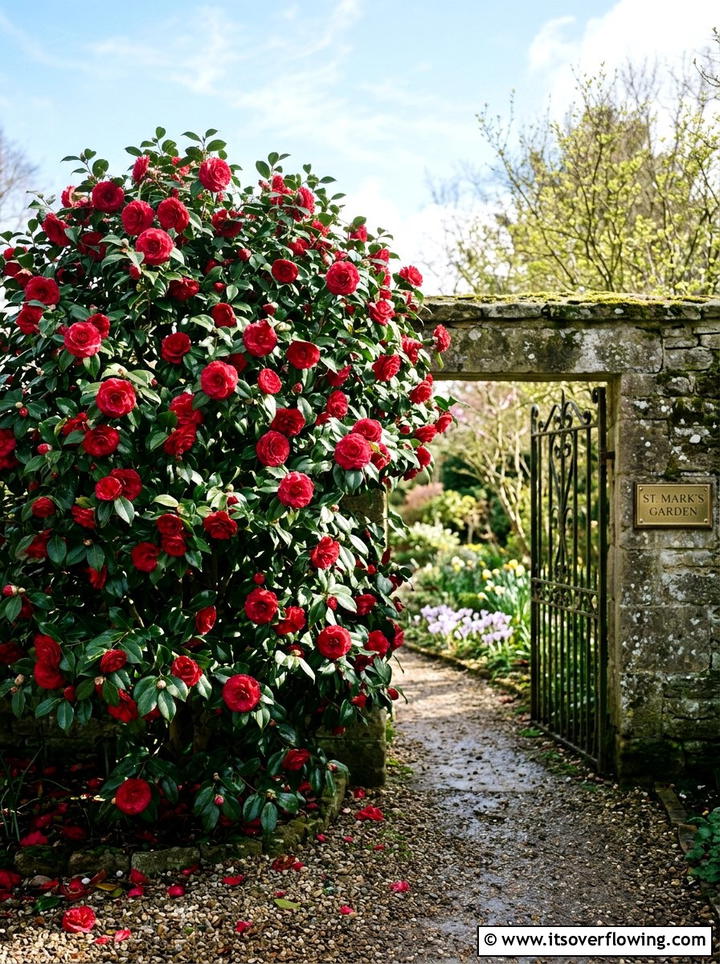
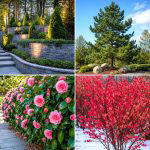
How can you bring a touch of elegance and bold color to your garden before the rest of the neighborhood has woken up? Camellias are stunning evergreen shrubs that produce large, rose-like flowers in the late winter and early spring. Their glossy, dark green leaves provide a high-end look throughout the year, serving as a perfect backdrop for other plants. In a small garden, a single well-placed Camellia can act as a breathtaking focal point. Because they are slow-growing, they are easy to manage in a small space, providing a burst of luxury and vibrant color when you need it most.
24. Clematis for different seasons
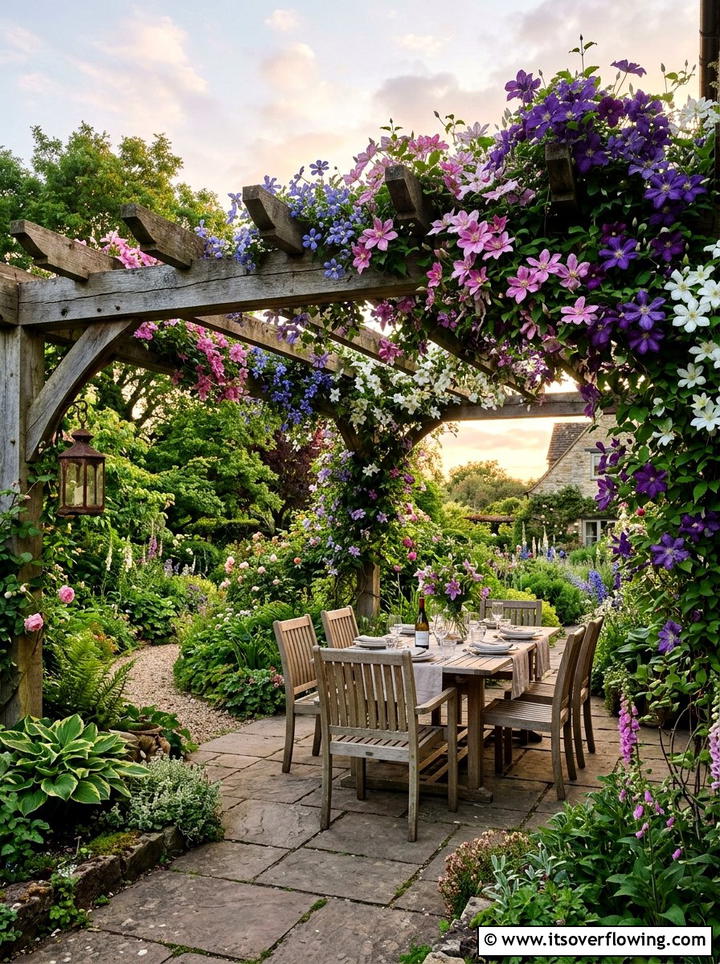
Why settle for one season of climbing flowers when you can have color throughout the year with different varieties? By choosing a mix of early-blooming, mid-summer, and late-autumn Clematis, you can have beautiful vines growing up your vertical supports for many months. Some varieties even offer decorative seed heads that look like silvery pom-poms in the winter. These plants are ideal for small gardens because they have a small footprint but a large visual impact. They can be grown through other shrubs or up a simple obelisk, adding layers of color and texture to your vertical garden design.
25. Raised beds with colorful planting
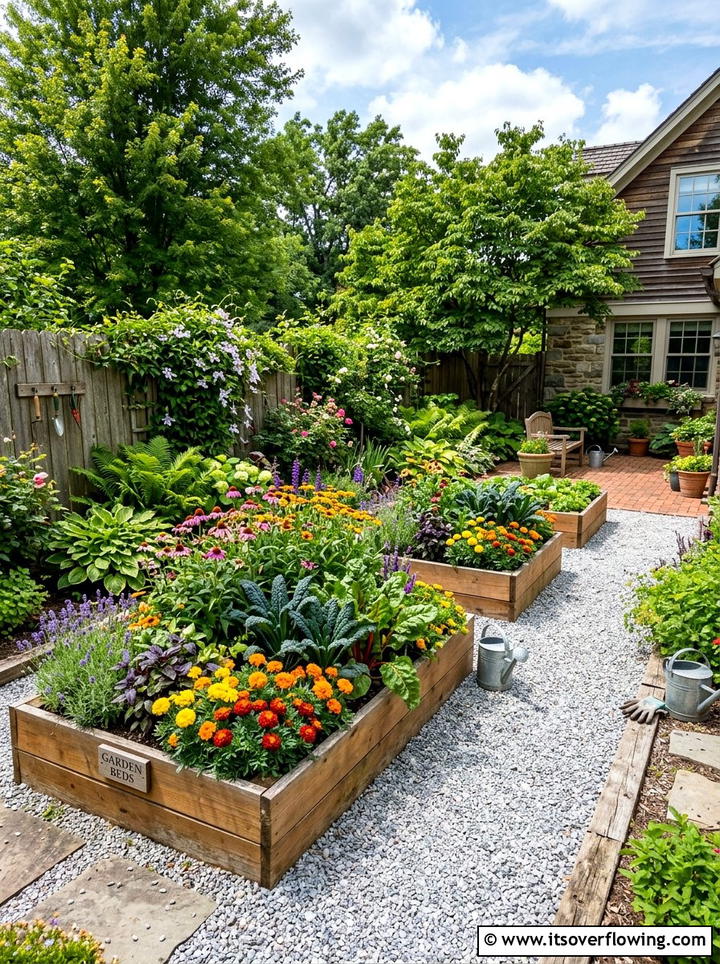
Are you looking for a way to organize your small garden while maximizing the health and color of your plants? Raised beds provide a structured environment where you can control the soil quality, allowing for a denser and more vibrant planting scheme. You can mix vegetables, herbs, and flowering perennials together to create a productive and beautiful display. The height of the beds brings the plants closer to eye level, making it easier to appreciate the details of the blooms and foliage. This organized approach ensures that every part of your small garden is utilized to its full, colorful potential.
Conclusion:
Designing a small garden for year-round color is a rewarding journey that transforms a modest outdoor area into a dynamic and living work of art. By focusing on a strategic mix of evergreens for structure, seasonal perennials for bursts of energy, and clever vertical elements, you can ensure that your space remains inviting regardless of the weather. Small gardens allow for a level of detail and intimacy that larger landscapes often lack, making every plant choice significant. As you watch your garden evolve through the cycles of the year, you will find that a well-planned space provides a constant source of inspiration, relaxation, and natural beauty.

Related posts:
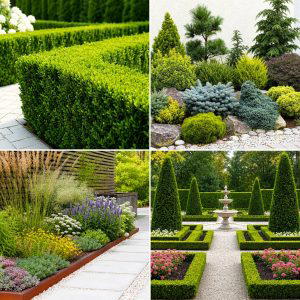 25 Garden Ideas With Evergreens for Year-Round Beauty
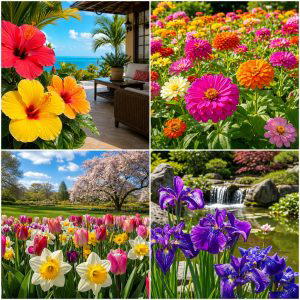 25 Garden Design Ideas With Seasonal Flowers for Year-Round Color
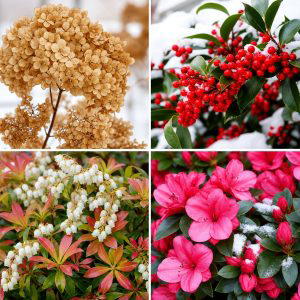 25 Garden Ideas for Year Round Color in Every Season
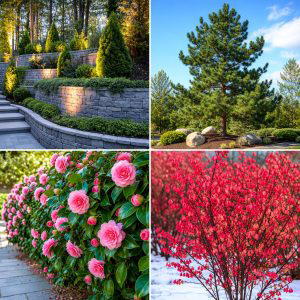 25 garden design ideas with evergreen structure: Year-Round
 25 garden ideas with hostas for Lush Shade Garden Beauty
 25 creative garden ideas with pergola vines for Shaded Beauty
 25 Garden Design Ideas With Trellis Walls for Vertical Beauty
 25 Garden Ideas Low Maintenance for Easy Outdoor Beauty
 25 Garden Ideas With Roses for Romantic Outdoor Beauty
 25 Garden Ideas With Trellis Designs for Climbing Beauty
 25 Small Garden Ideas to Maximize Beauty in Tiny Spaces
 25 small garden ideas with trellis to Maximize Beauty Fast