
Do you dream of a lush outdoor oasis but find your high-floor space is constantly battered by strong gusts? Designing a garden for a windy balcony requires a thoughtful strategy to protect your plants and keep your decor from flying away. Many people struggle with broken stems or toppled pots, but the right setup can turn a breezy area into a serene retreat. By selecting the right containers and choosing resilient plant species, you can create a thriving ecosystem that withstands the elements beautifully. This guide explores creative solutions ranging from heavy-duty planters to smart wind-shielding techniques. Let us help you master the art of gardening in exposed environments with these practical and stylish ideas.
1. Windbreak Screen For Balcony
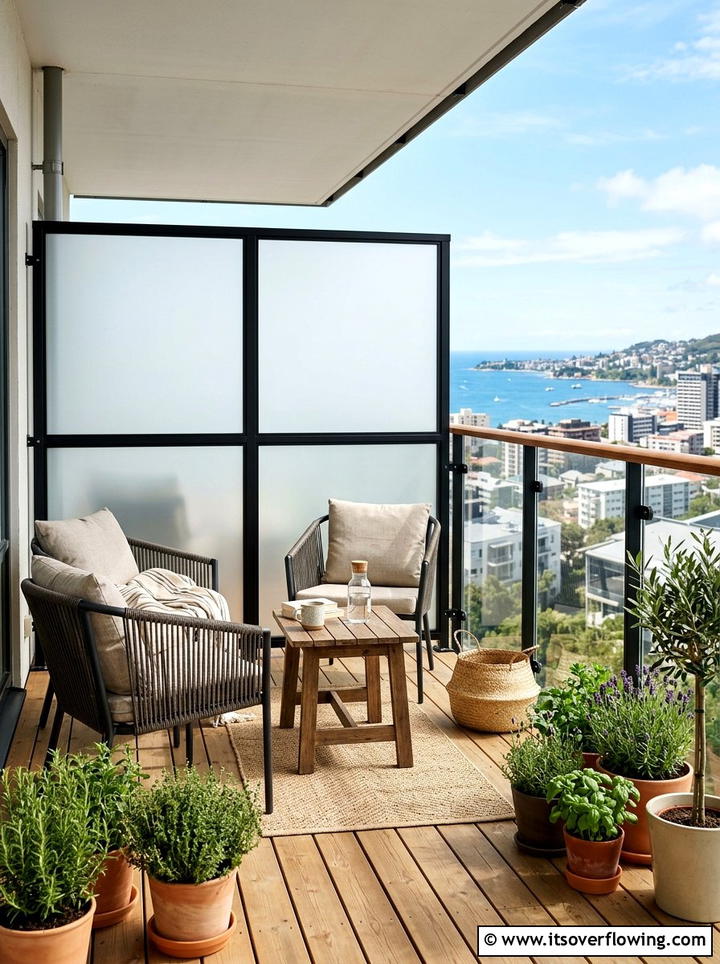
Transforming a gusty outdoor space starts with installing a sturdy windbreak screen for your balcony. This design approach creates a protected microclimate where more delicate plants can finally thrive without being battered by the air. You can choose from stylish wood slats, frosted glass panels, or durable plexiglass to block the strongest gusts while still letting light through. Position these screens along the most exposed side of your railing to act as a primary defense. This setup allows you to create a cozy seating nook that feels much warmer and quieter than before. By integrating a screen into your overall layout, you build a functional backbone for the rest of your garden decorations.
2. Heavy Planters For High Winds
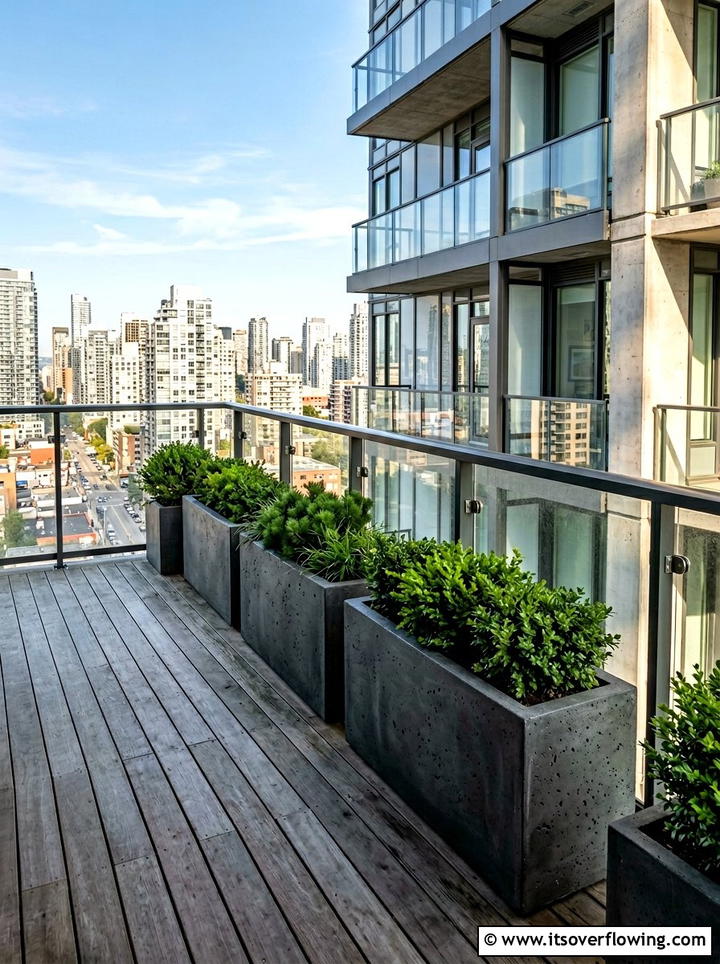
Selecting the right containers is vital when you are dealing with powerful air currents that could easily tip over lightweight pots. Using heavy planters for high winds ensures your garden stays exactly where you put it, even during a storm. Materials like thick concrete, heavy ceramic, or cast stone provide the necessary ballast to remain upright. These substantial pots also offer better insulation for plant roots against temperature fluctuations caused by the wind. When you arrange these large vessels, they create a sense of permanence and architectural structure on your balcony. Combining different heights of these heavy containers adds visual interest while keeping your entire garden scheme safely anchored to the ground.
3. Potted Ornamental Grasses
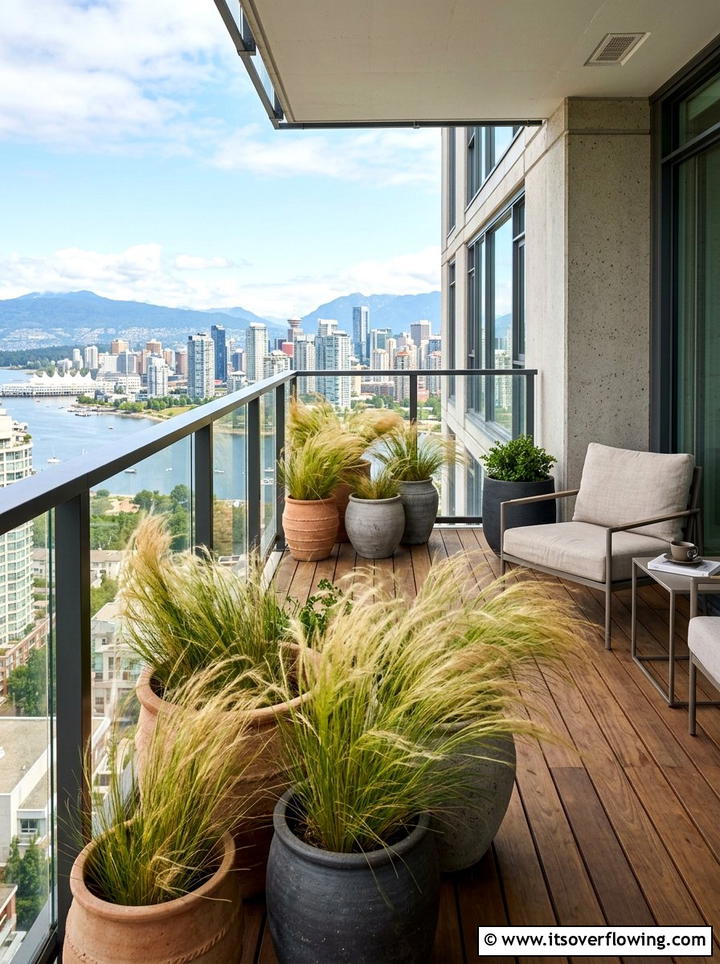
Are you looking for plants that actually look better when the breeze picks up? Incorporating potted ornamental grasses into your design adds a dynamic, dancing movement that celebrates the wind rather than fighting it. Species like Mexican Feather Grass or Blue Fescue are remarkably resilient and rarely suffer from broken stems. These grasses create a soft, rustling sound that helps mask city noise and enhances the relaxing atmosphere of your outdoor room. Their narrow leaves allow air to pass through easily, which reduces the physical pressure on the pots. Pairing these wispy textures with solid furniture creates a balanced, modern look that thrives in exposed conditions all year round.


4. Low Profile Balcony Plants
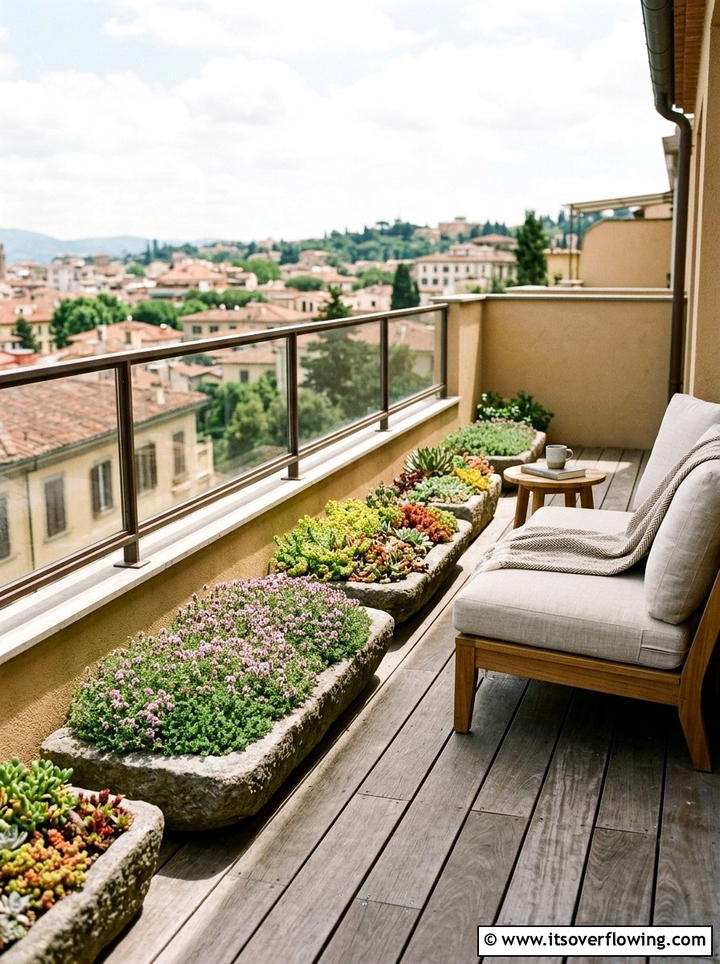
Focusing on low profile balcony plants is a smart way to minimize wind damage while maintaining a lush, green environment. Staying close to the floor level keeps your greenery out of the strongest air currents that whip over the railings. You can use sprawling groundcovers, creeping herbs, or mounded perennials to fill your space with life and color. This design strategy emphasizes a horizontal layout that feels grounded and secure even on the highest apartment floors. By keeping the height consistent and low, you ensure that nothing catches the wind like a sail. This approach creates a carpet-like effect of foliage that looks sophisticated and requires very little physical staking.
5. Trellis For Climbing Plants
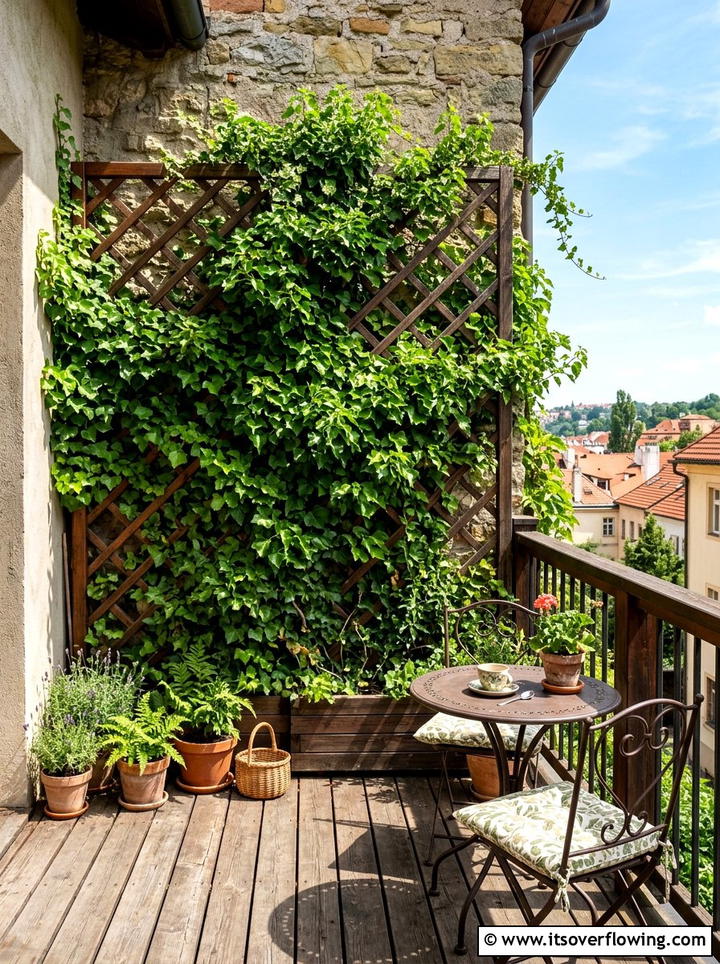
Adding a trellis for climbing plants is an excellent way to create a living wall that filters the wind gently. Instead of a solid barrier that might catch the air, a lattice structure allows some breeze to pass through while breaking its force. You can grow hardy vines like ivy or jasmine that wrap their tendrils tightly around the support for maximum stability. This design adds vertical interest and privacy without the risk of large, heavy trees blowing over. The combination of wood or metal frames with dense foliage creates a beautiful, textured backdrop for your patio furniture. It effectively softens the edges of your balcony while providing a sturdy anchor point.
6. Succulent Balcony Garden
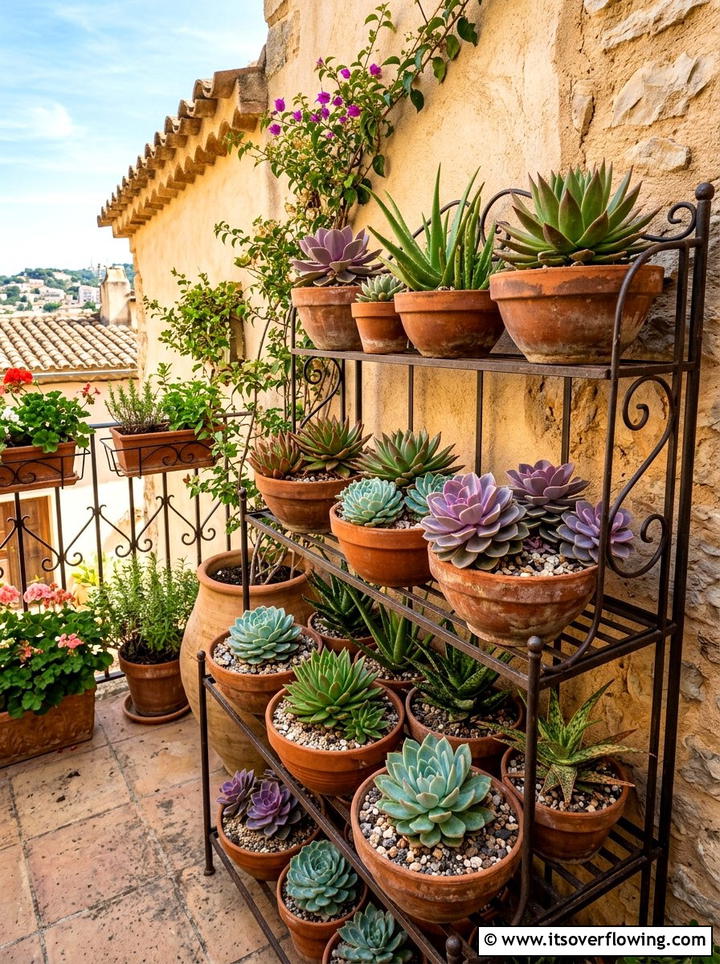
Have you considered that the best plants for windy spots are often the ones that store their own water? A succulent balcony garden is a perfect choice because these plants have thick, fleshy leaves that are incredibly aerodynamic and tough. Their low growth habit and heavy moisture content make them less likely to be tossed around by sudden gusts. You can arrange various shapes and colors in shallow, heavy troughs to create a stunning desert-inspired landscape. These plants also handle the drying effect of constant wind much better than thin-leaved varieties. This style of garden looks modern and clean, offering a high-impact visual with very low maintenance requirements for busy urban dwellers.
7. Artificial Hedge Privacy Screen
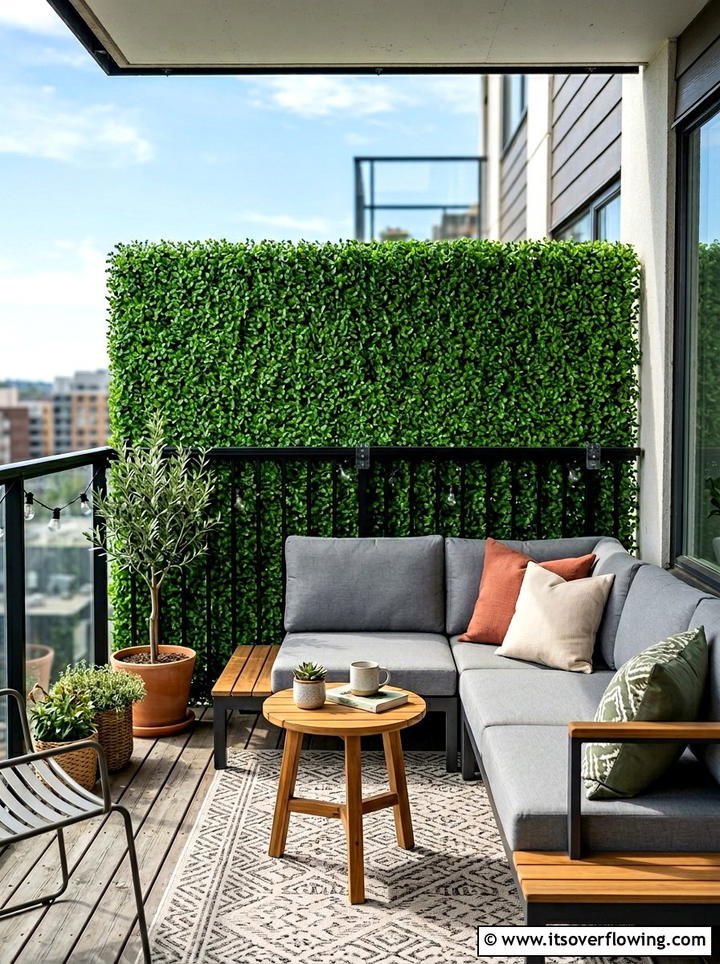
If you want an instant green wall that never wilts or loses leaves in a gale, an artificial hedge privacy screen is ideal. These synthetic panels are designed to look remarkably realistic while offering a complete block against prying eyes and harsh winds. They are typically mounted on sturdy frames that can be bolted directly to the balcony structure for ultimate safety. This design choice provides a consistent, evergreen look regardless of the season or the intensity of the weather. You can use these hedges as a backdrop for real, hardier plants to create a layered and deep garden feel. It is a practical solution for those who want maximum greenery with zero risk.

8. Vertical Wall Garden With Felt Pockets
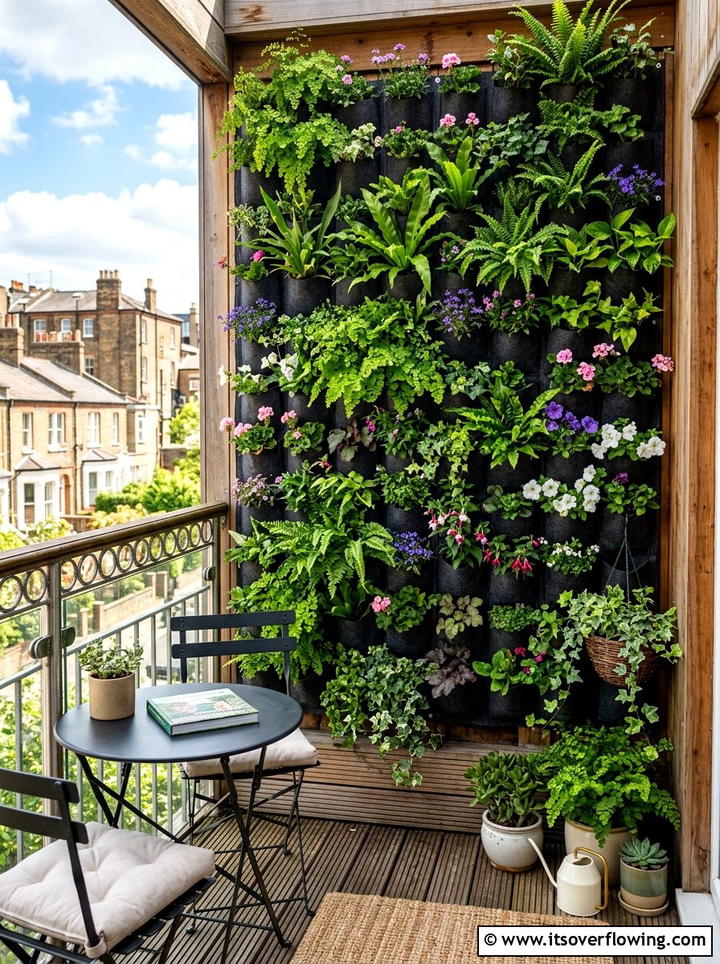
Utilizing a vertical wall garden with felt pockets allows you to cover your walls in greenery while keeping everything securely attached. This system mounts directly to the building surface, which means the wind cannot get behind the plants to blow them away. The soft pockets hold soil and roots firmly, creating a lush tapestry of foliage that stays in place during high winds. You can fill these pockets with herbs, ferns, or small flowering plants to create a stunning focal point. This vertical approach saves valuable floor space on small balconies while adding a significant amount of biomass. It turns a bare wall into a living, breathing part of your home interior style.
9. Bamboo Screening For Wind
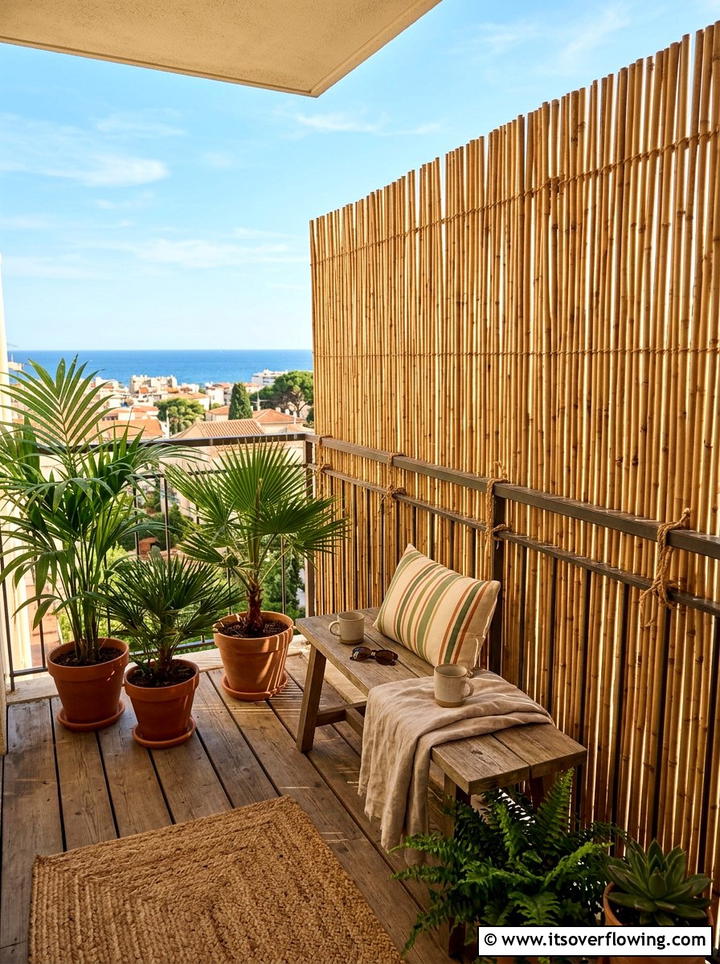
Using bamboo screening for wind is a classic and aesthetically pleasing way to filter the air while adding a tropical vibe. The natural gaps between the bamboo poles allow air to pass through at a reduced speed, preventing the screen from acting like a sail. This material is surprisingly strong and flexible, making it ideal for exposed locations where rigid structures might fail. You can easily zip-tie or wire these rolls to your existing railing for a quick and effective transformation. The tan tones of the bamboo complement natural wood furniture and green plants beautifully. It creates a serene, Zen-like atmosphere that feels private and well-protected from the surrounding urban environment.
10. Metal Planter Boxes
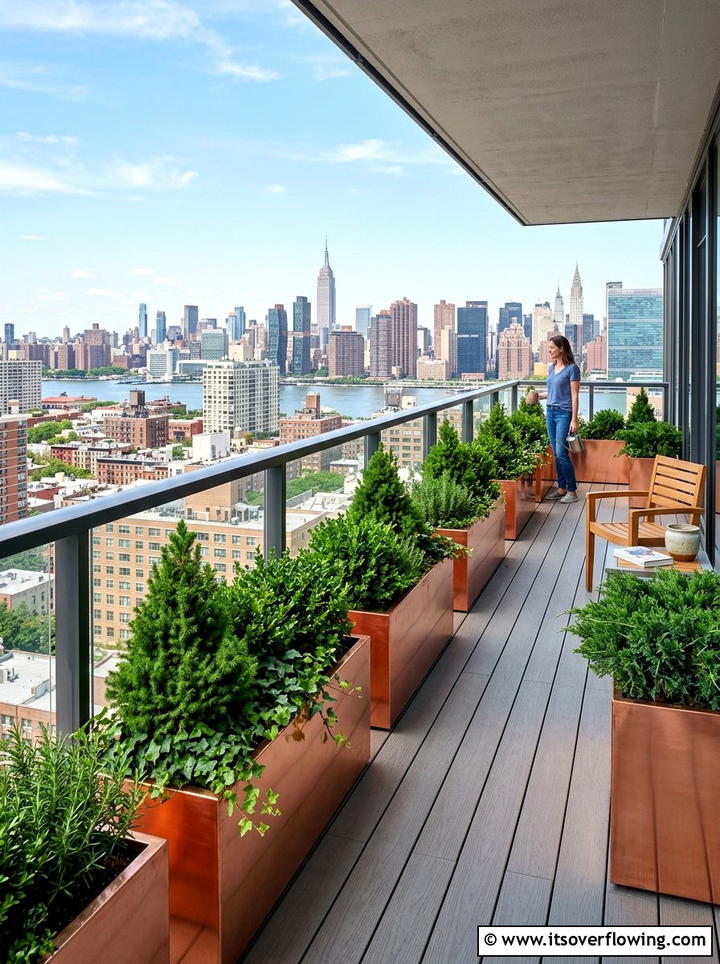
Investing in custom metal planter boxes can provide a sleek, modern aesthetic while offering incredible durability against the elements. These containers are often heavy enough to stay put on their own, especially when filled with damp soil and rocks. Aluminum or galvanized steel options won’t crack or shatter if they happen to shift during extreme weather events. The clean lines of metal boxes fit perfectly with contemporary balcony designs and provide a sharp contrast to organic plant shapes. You can choose deep boxes to accommodate larger shrubs that act as natural windbreaks. This design choice is both functional and high-end, ensuring your garden remains intact for many years of outdoor enjoyment.
11. Herb Garden In Heavy Ceramic Pots
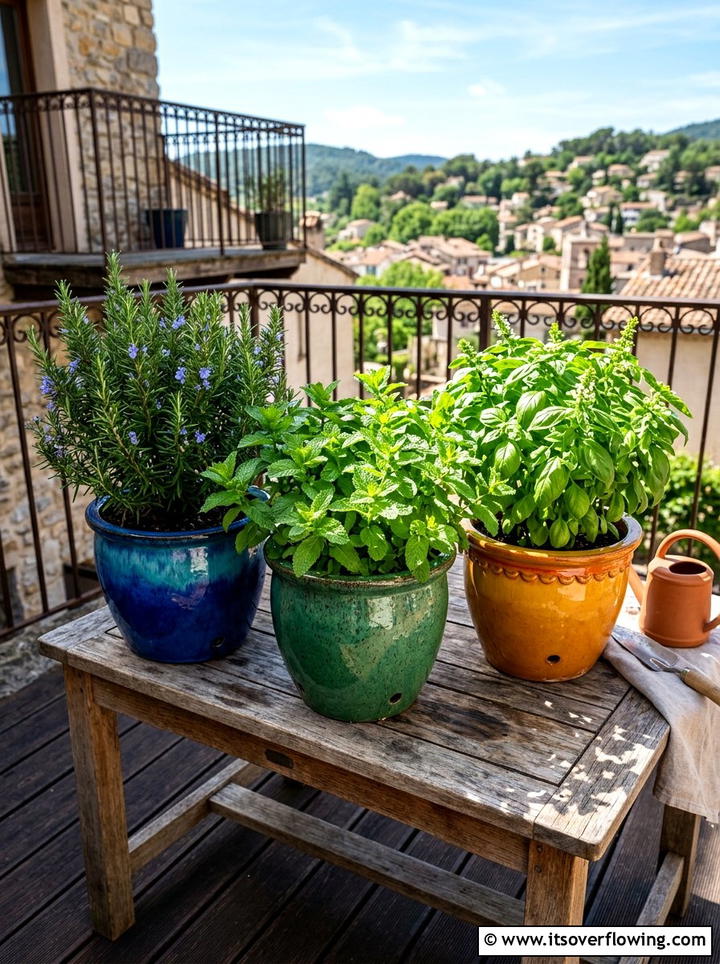
Growing a herb garden in heavy ceramic pots is a wonderful way to combine culinary utility with wind-resistant design. Herbs like rosemary, thyme, and oregano have small, tough leaves that are not easily damaged by strong breezes. By placing them in thick-walled ceramic containers, you ensure the pots remain stable on your outdoor tables or ledges. The weight of the ceramic prevents the soil from drying out too quickly, which is a common problem in windy areas. This setup allows you to keep your favorite cooking ingredients within arm’s reach while adding a fragrant dimension to your balcony. The various glazes on the pots can add pops of color to your space.
12. Glass Balcony Railing Garden
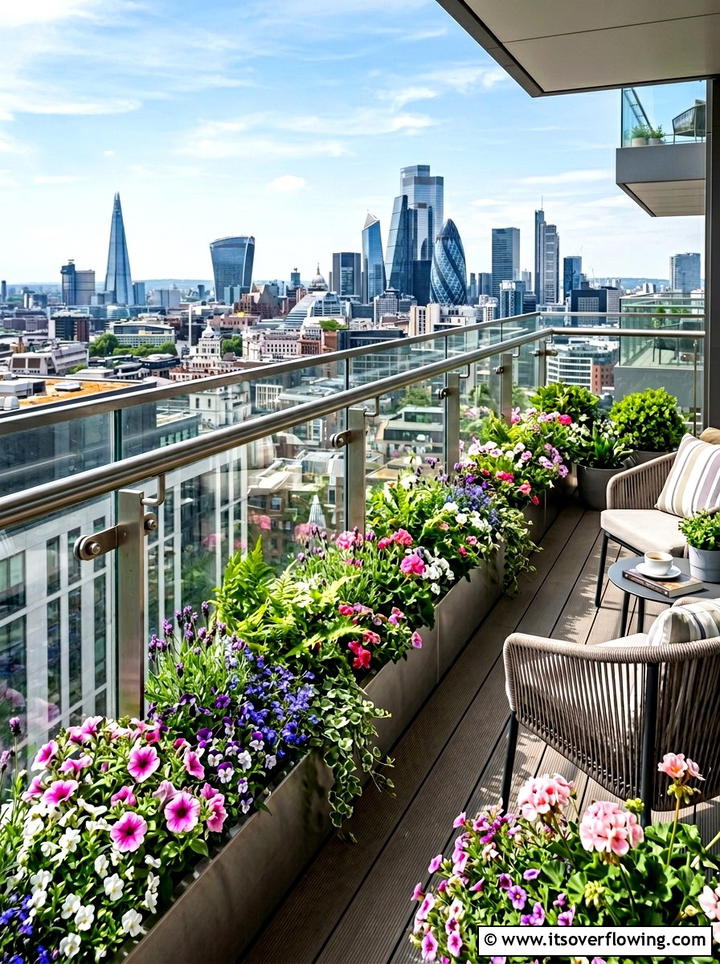
A glass balcony railing garden offers the ultimate protection for your plants while maintaining an unobstructed view of the horizon. If your balcony already features glass panels, you can position your plants directly behind them to shield them from the wind completely. This creates a greenhouse-like effect where even the most sensitive flowers can bloom without being shredded by the air. You can arrange your furniture and pots to take advantage of this clear shield, making the space feel like an outdoor sunroom. This design is perfect for those who want to see their city skyline while surrounded by a lush, protected jungle. It merges modern architecture with soft, natural elements flawlessly.
13. Dwarf Trees For Pots
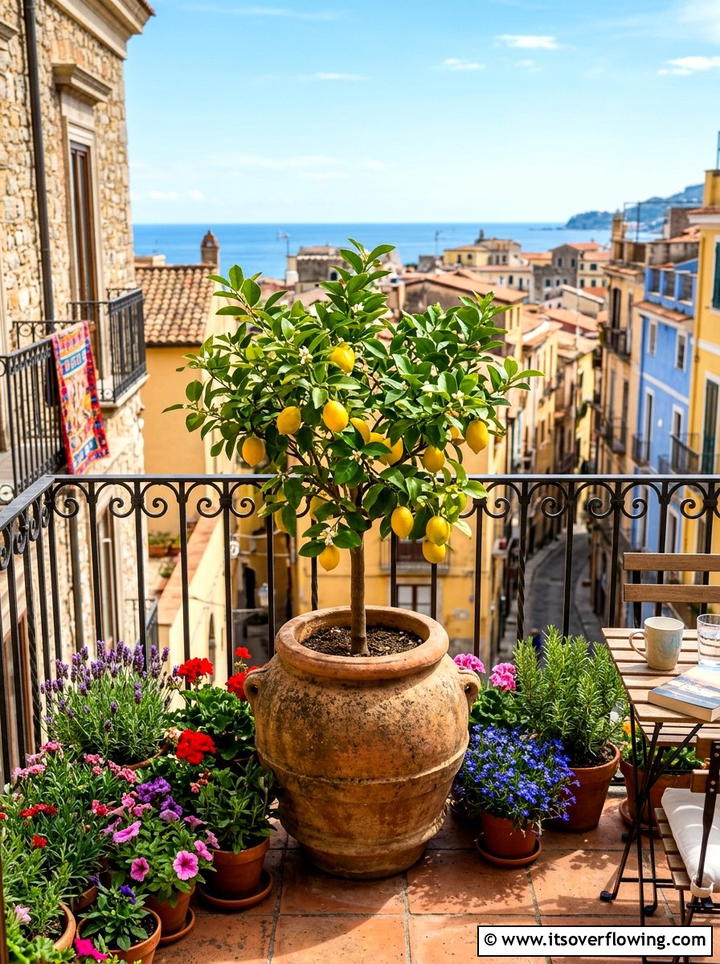
Can you actually grow trees on a windy balcony without them blowing over? Choosing dwarf trees for pots is the secret to adding height and structure safely in high-wind zones. These varieties are bred to stay small and compact, which means they have a much lower center of gravity than standard trees. Species like dwarf citrus, Japanese maples, or miniature conifers work beautifully when planted in extra-heavy, wide-based containers. The thick trunks and sturdy branches of these trees can withstand gusts much better than tall, thin saplings. This design idea adds a sense of maturity and scale to your small garden, making it feel like a true backyard oasis.
14. Trailing Plants For Windy Balconies
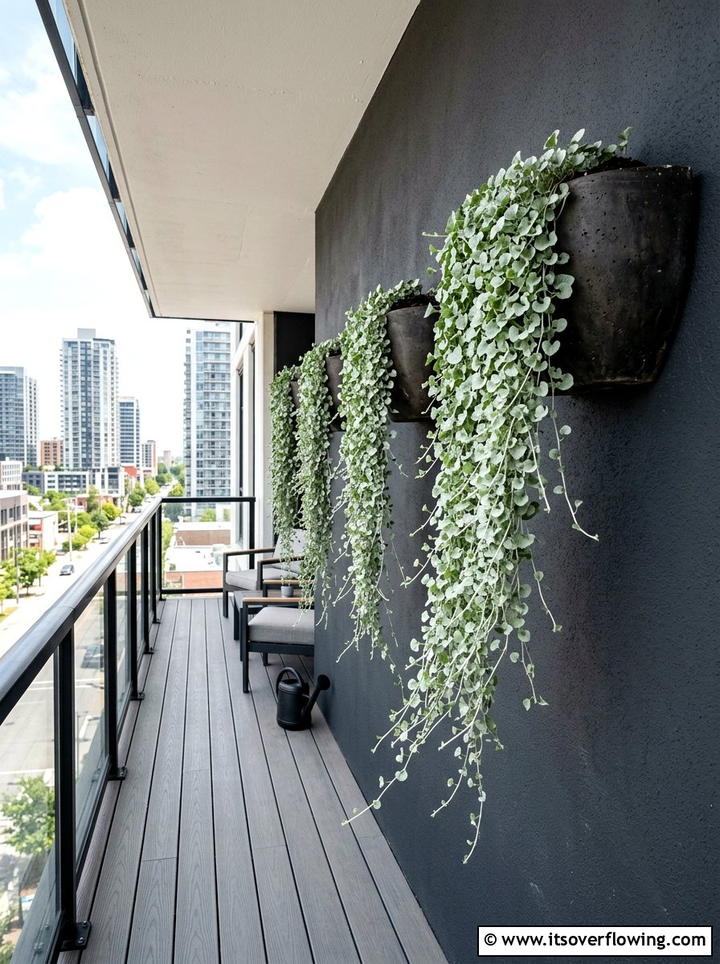
Selecting the right trailing plants for windy balconies can create a beautiful cascading effect that softens the edges of your containers. Varieties like silver falls dichondra or creeping jenny have flexible stems that flow with the wind rather than snapping under pressure. These plants hug the sides of your pots, providing a layer of protection for the soil and roots underneath. When the wind blows, these trailers create a soft, wave-like motion that adds a sense of life to the balcony. They are perfect for filling in the gaps around larger, more upright plants. This design strategy ensures every inch of your pots is covered in resilient, attractive green foliage.
15. Weighted Furniture For Small Space
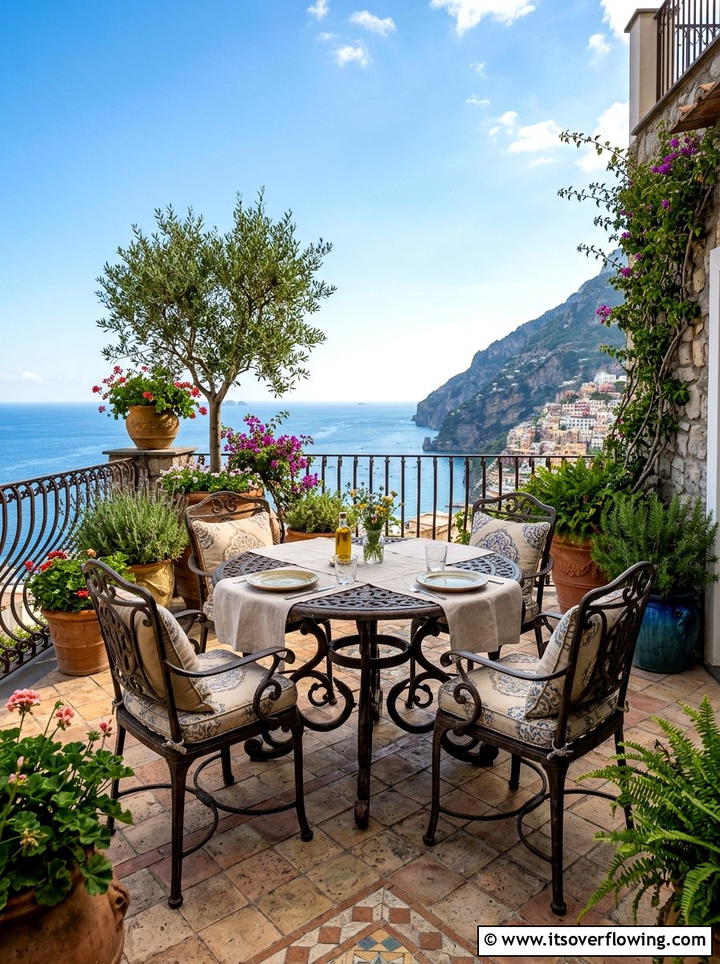
When the wind picks up, the last thing you want is your chairs blowing into your glass sliding doors. Opting for weighted furniture for a small space ensures that your seating area remains safe and stationary regardless of the weather. Look for pieces made from wrought iron, heavy teak, or dense recycled plastics that have a natural heft to them. You can also find modern designs that allow you to fill the base with water or sand for extra stability. This approach allows you to leave your furniture out year-round without worrying about it moving. Combining sturdy furniture with heavy planters creates a cohesive and permanent feel for your outdoor living area.

16. Perennial Plants For Wind
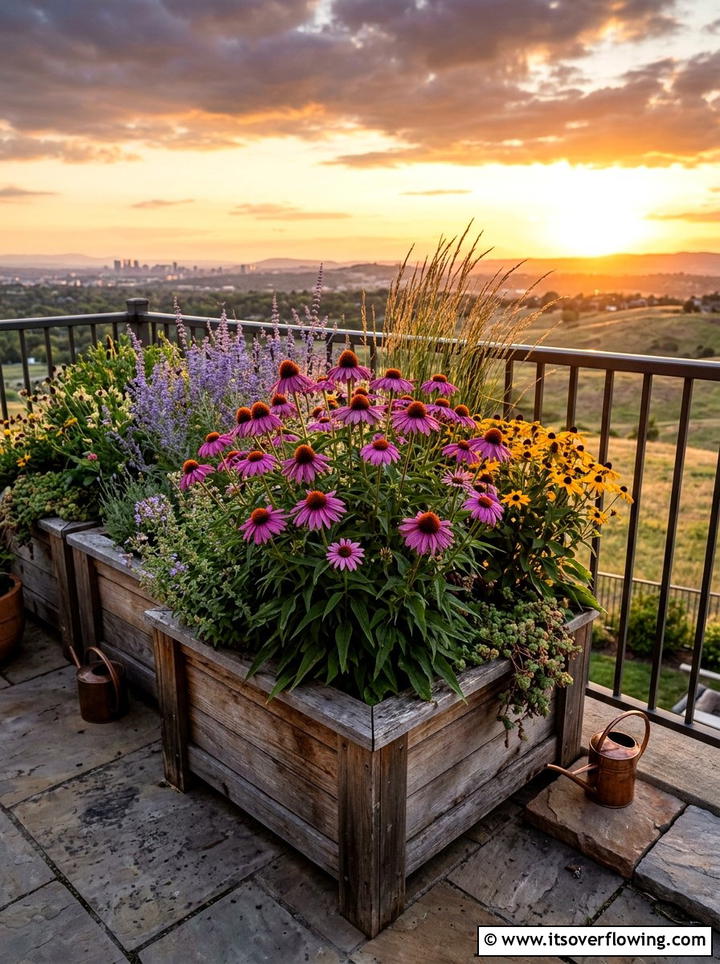
Using perennial plants for wind is a sustainable way to build a garden that gets stronger and more established every single year. Many perennials have evolved to survive in exposed prairies or coastal cliffs, making them naturally equipped for balcony life. Plants like coneflowers, sedum, and daylilies have sturdy root systems and flexible stems that can handle a beating. Once these plants are established in large pots, they provide a reliable source of color and texture through the seasons. This design focuses on long-term growth and resilience, reducing the need to replace damaged annuals every few weeks. It creates a mature garden look that feels deeply rooted in its environment.
17. Balcony Railing Planters With Secure Clips
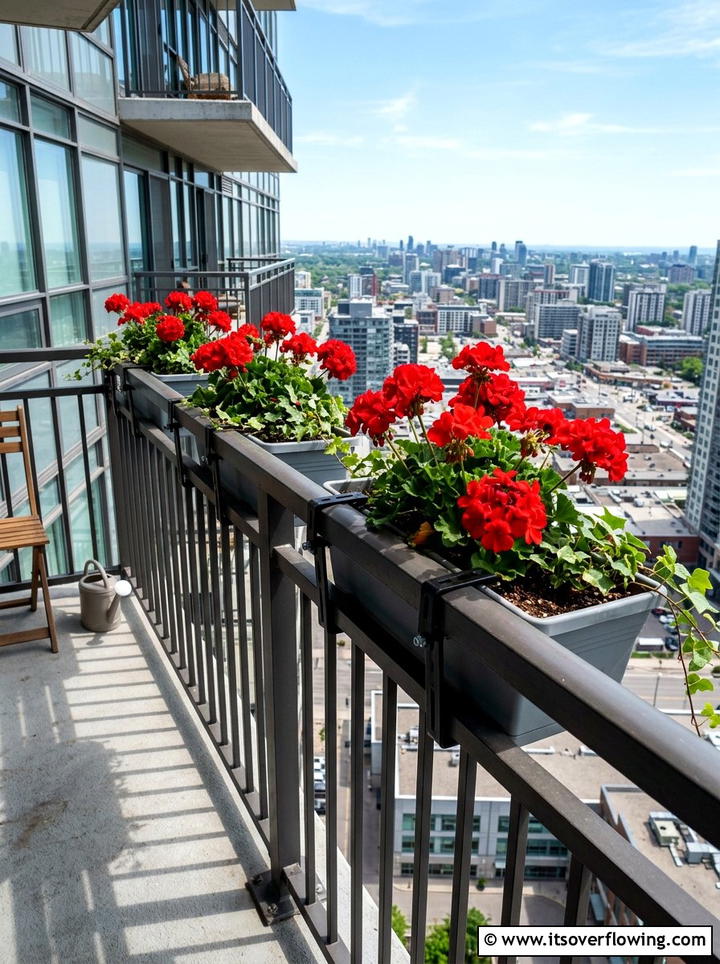
Are you worried about pots falling from your railing during a storm? Using balcony railing planters with secure clips provides the peace of mind you need for high-altitude gardening. These specialized containers feature heavy-duty brackets or locking mechanisms that keep them firmly attached to the metal bars of your balcony. This allows you to utilize the perimeter of your space for flowers without any risk of them blowing off. You can fill these with low-growing blooms like pansies or petunias that stay close to the container. This design maximizes your floor space and brings the garden up to eye level, creating a colorful frame for your outdoor view.
18. Stone Mulch For Pots
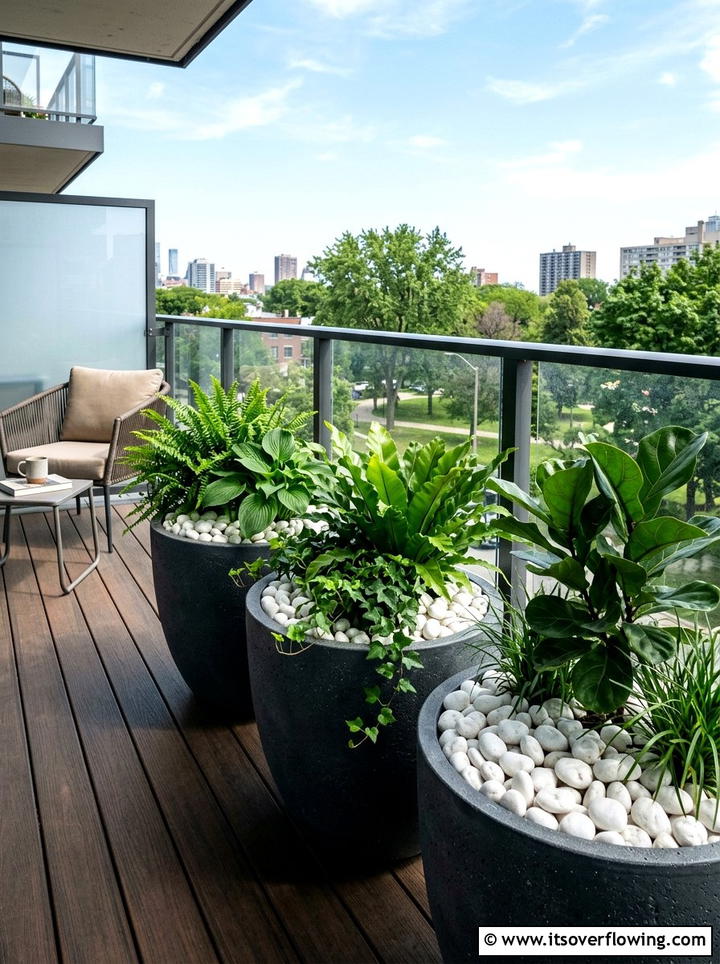
Adding stone mulch for pots is a simple yet highly effective trick to keep your soil from blowing away in high winds. Constant air movement can quickly strip the top layer of dry soil from your containers, leaving roots exposed and messy. By covering the soil surface with heavy pebbles, river rocks, or crushed slate, you create a protective “armor” for your plants. This weight also helps keep the entire pot more stable and prevents water from evaporating too quickly. From a design perspective, stone mulch provides a clean, finished look that complements modern or Zen garden styles. It is a practical detail that significantly improves the health of your balcony plants.
19. Folding Furniture For High Floors
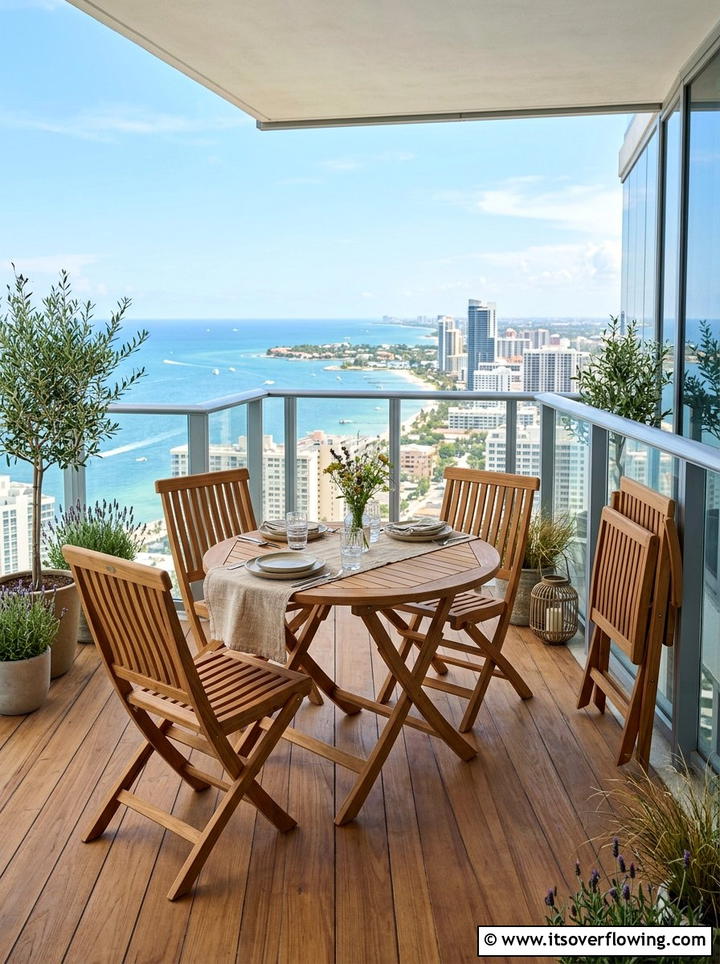
For those living on exceptionally high floors where extreme gusts are common, folding furniture for high floors is the most practical choice. This design allows you to quickly collapse your chairs and tables and bring them inside or lean them against a wall when a storm is predicted. Look for high-quality metal or wood folding sets that feel substantial but remain easy to maneuver. This flexibility ensures your balcony remains a safe environment even when you are not there to monitor the weather. You can easily set up your garden seating whenever the conditions are perfect for a cup of coffee. This strategy prioritizes safety without sacrificing the comfort of your outdoor space.
20. Raised Garden Bed On Wheels
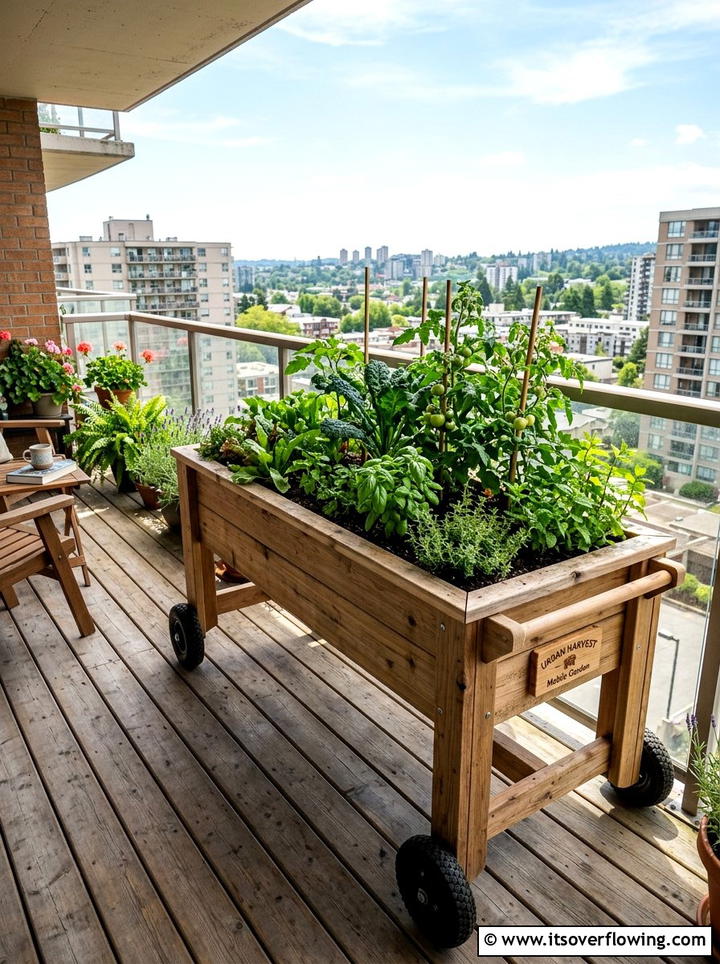
A raised garden bed on wheels offers a versatile solution for managing wind exposure throughout the day. You can move your entire garden into a protected corner when the wind picks up and roll it back out for sun when it calms down. These beds are often large enough to be quite heavy when filled with soil, providing excellent stability. Choosing a model with locking casters is essential to ensure it stays in place once you have found the perfect spot. This design allows you to experiment with different layouts until you find the most sheltered configuration for your balcony. It turns your garden into a mobile, adaptable feature of your home.
21. Potted Lavender For Breeze
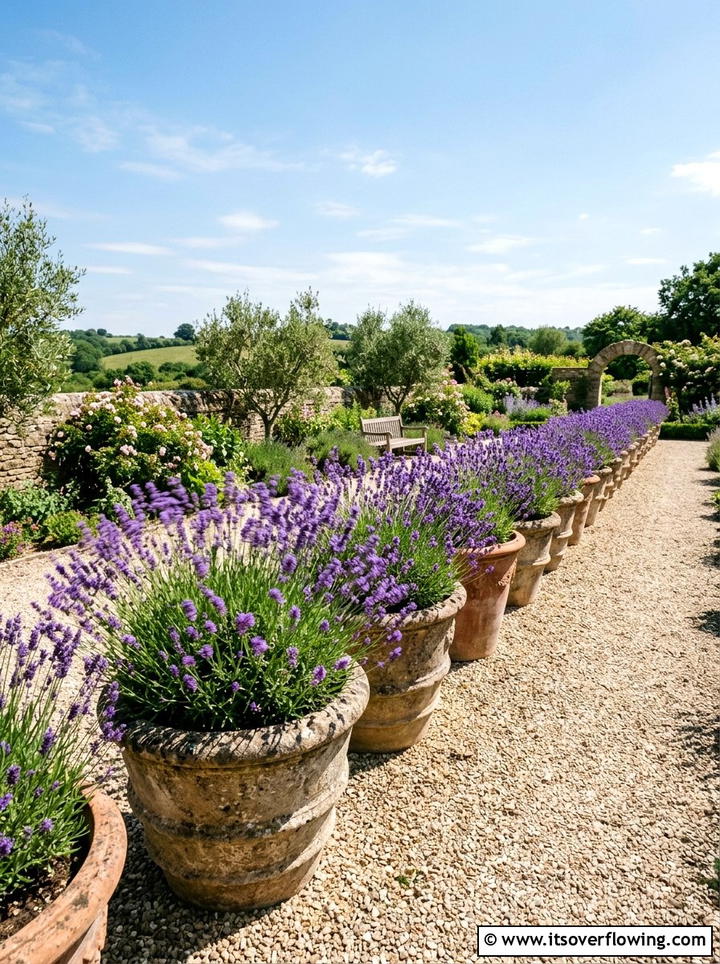
Potted lavender for the breeze is a fantastic choice because this hardy Mediterranean shrub actually thrives in well-ventilated areas. The woody stems and small, narrow leaves are built to withstand wind without breaking or wilting. When the air moves through the lavender, it releases a calming scent that can make your entire balcony smell like a spa. You can plant several pots of lavender in a row to create a low, fragrant hedge that acts as a gentle wind filter. This design adds a touch of French country style to your urban space while providing a splash of purple color. It is a tough, beautiful plant that loves the sun and air.
22. Evergreen Shrubs For Balcony
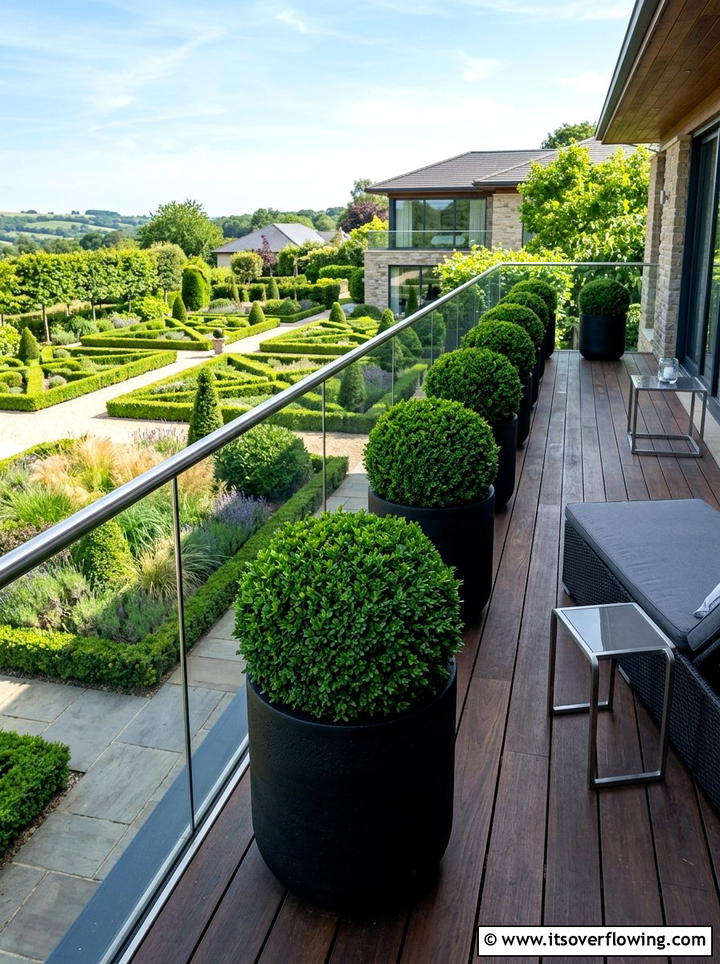
Incorporate evergreen shrubs for your balcony to ensure your garden looks lush and full even during the winter months. Many evergreens, such as boxwood or certain types of holly, have dense foliage that acts as a natural windbreak. These plants are incredibly sturdy and can serve as the permanent “bones” of your garden design. You can prune them into structured shapes for a formal look or let them grow naturally for a more relaxed feel. Because they don’t lose their leaves, they provide year-round privacy and protection for smaller, more delicate plants. This approach creates a sense of luxury and permanence that enhances your overall home aesthetic beautifully.
23. Hanging Baskets With Heavy Liners
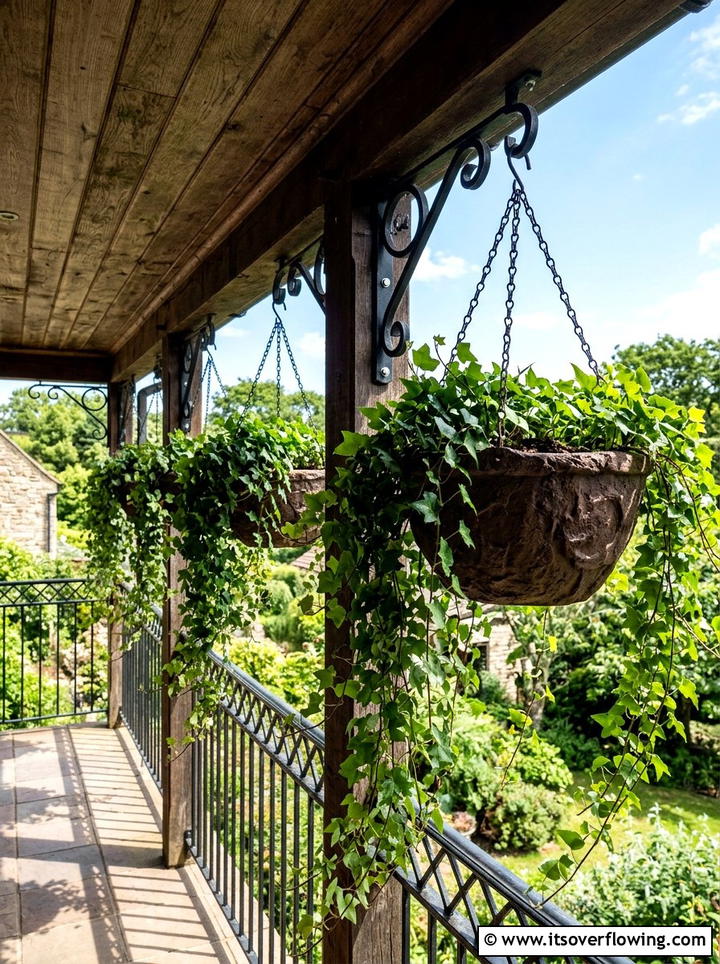
Traditional hanging baskets can be dangerous on a windy balcony, but hanging baskets with heavy liners offer a much safer alternative. By using solid, heavy-duty containers instead of lightweight wire ones, you add the mass needed to keep them from swinging wildly. You can also use shorter, thicker chains or even rigid mounting brackets to secure them directly to the wall or ceiling. Filling these baskets with trailing succulents or hardy ivy creates a beautiful overhead canopy of green. This design utilizes the vertical space of your balcony, drawing the eye upward and making the area feel larger. It is a great way to add lushness without cluttering the floor.
24. Modern Lattice Wind Shield
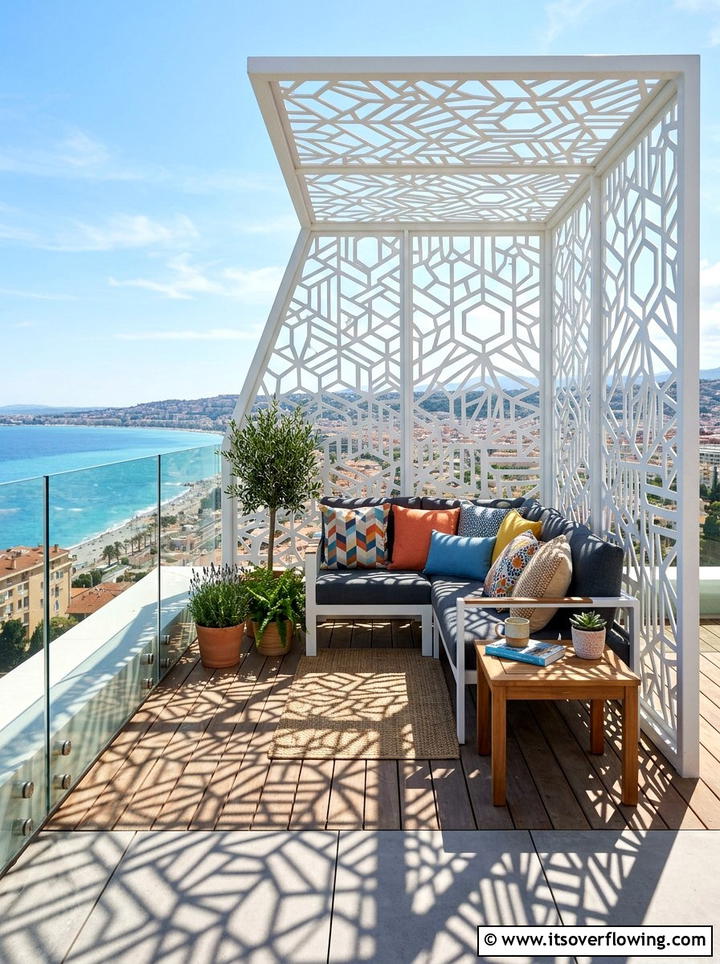
Installing a modern lattice wind shield is a stylish way to protect your plants while maintaining an architectural feel. These panels feature geometric patterns that are more sophisticated than standard garden lattice, making them perfect for contemporary apartments. The openwork design breaks the force of the wind into smaller, harmless drafts while allowing plenty of light to reach your greenery. You can paint these panels to match your interior decor or leave them in a natural wood finish for warmth. This shield provides a perfect backdrop for hanging small pots or training light vines. It is a functional piece of art that solves your wind problem with elegance and modern flair.
25. Concrete Planters For Modern Balcony
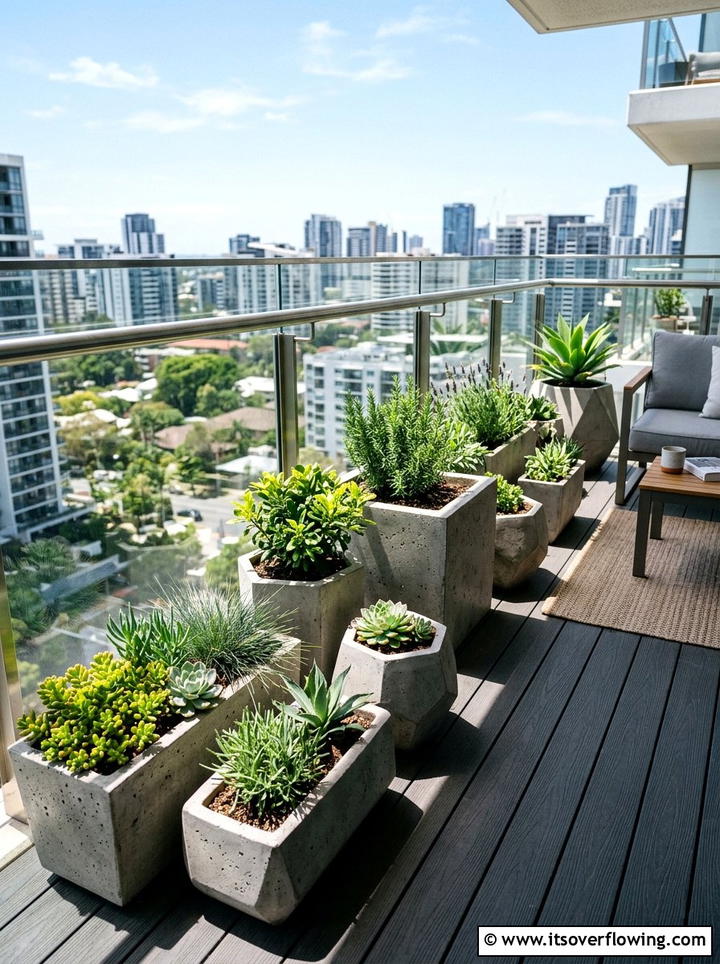
Nothing says stability quite like concrete planters for a modern balcony design. These containers are the ultimate solution for windy areas because their sheer weight makes them virtually impossible to move by air alone. They come in various minimalist shapes, from long troughs to tall cylinders, allowing you to create a high-end look. The neutral gray of the concrete highlights the vibrant green of your plants and the colors of your outdoor cushions. You can use large concrete troughs as a perimeter wall to define your space and create a sheltered interior zone. This design choice is incredibly durable and will look stunning for decades, regardless of the weather conditions it faces.
Conclusion:
Creating a thriving garden on a windy balcony is entirely possible with the right planning and selection of materials. By prioritizing heavy containers, wind-resistant plants, and smart screening solutions, you can transform a difficult outdoor space into a beautiful sanctuary. Remember that the best designs work with nature rather than against it, using the breeze to move grasses or carry scents. Your balcony should feel like a safe, anchored extension of your home where you can relax without worry. We hope these twenty-five ideas inspire you to start building your own gust-proof oasis today. With a little effort, your high-floor garden will become the envy of the entire neighborhood.

Related posts:
 25 Garden Ideas for Windy Areas That Look Stunning
 25 Creative Garden Ideas for Balconies You’ll Love
 25 Garden Ideas for Balconies to Maximize Small Outdoor Spaces
 25 Creative Garden Ideas for Rooftops: Stylish Urban Tips
 25 Garden Design Ideas for Patios With Stylish Outdoor Charm
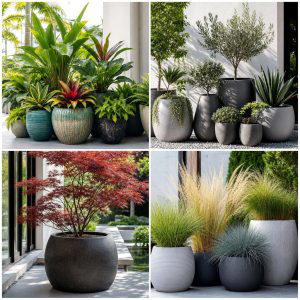 25 garden design ideas with container clusters: Stylish Pots
 25 Garden Design Ideas With Terraces for Stylish Sloped Yards
 25 Garden Ideas With Decorative Stakes for Stylish Accents
 25 garden ideas with edging for Clean, Stylish Landscapes
 25 Garden Ideas With Pots for Stylish Small Spaces and Patios
 25 Small Garden Ideas for Townhouses With Stylish Appeal
 25 small garden ideas with pavers for Stylish Compact Yards