
Creating a beautiful outdoor space often starts with defining the boundaries between your lush lawn and vibrant flower beds. Garden edging serves as the perfect finishing touch that transforms a messy yard into a professional landscape. By using different materials, you can establish a clean visual line that prevents grass from creeping into your soil and keeps mulch from washing away during heavy rain. Whether you prefer the rustic charm of natural stone or the sleek look of modern metal, choosing the right edging depends on your home’s architecture. This guide explores many ways to elevate your yard while adding significant value and curb appeal to your property this season.
1. Brick garden border
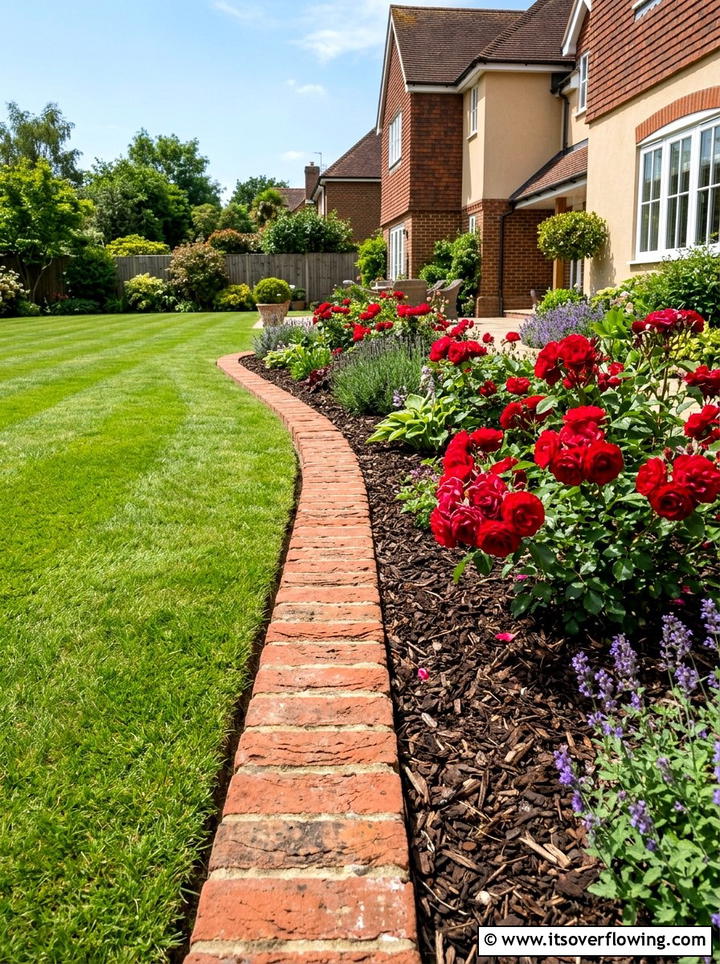
Have you ever noticed how a simple row of red bricks can instantly ground a sprawling garden design? Using bricks as a border provides a classic and timeless look that complements both traditional and modern homes. You can lay them flat for a subtle mowing strip or set them at an angle for a jagged, decorative sawtooth pattern. This approach works exceptionally well around circular flower beds or long, winding pathways. The durability of kiln-fired clay ensures your garden boundaries remain intact for decades without rotting or losing color. By pairing these bricks with dark mulch and colorful perennials, you create a high-contrast look that defines every section of your outdoor living area.
2. Natural stone edging
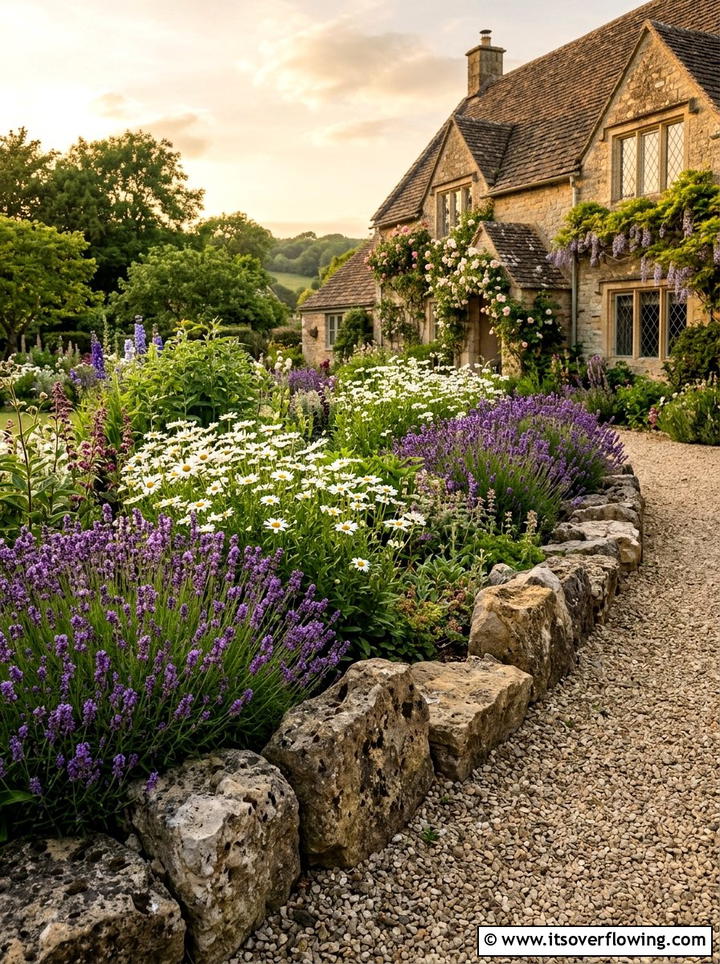
Imagine walking through a cottage garden where the soil is neatly contained by large, weathered limestone chunks. Natural stone edging offers an organic feel that blends seamlessly with the surrounding environment and local plants. Since stones come in various shapes and sizes, you can create a rugged, stacked wall or a low-profile boundary. This material is excellent for gardens on a slope because it provides natural drainage and prevents soil erosion during storms. It looks particularly stunning when moss begins to grow in the crevices, adding an aged character to the landscape. Pairing these stones with native wildflowers creates a wild yet structured look that attracts birds and local butterflies.
3. Metal landscape edging
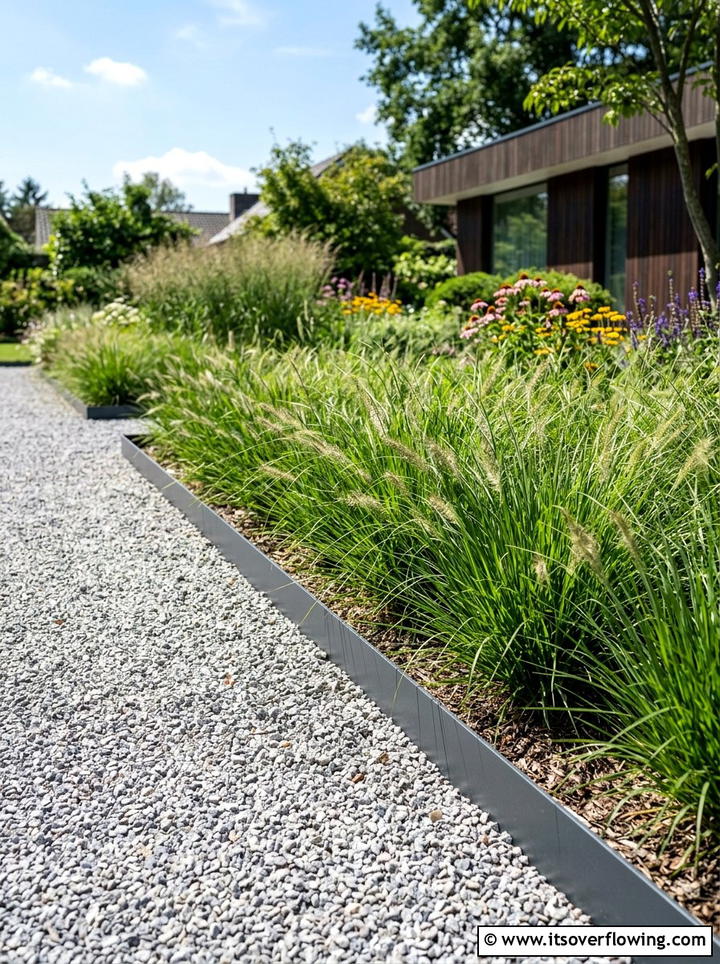
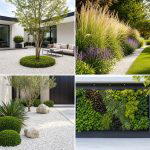
Modern homes often benefit from the sharp, crisp lines that only high-quality metal landscape edging can provide to a yard. This thin material is perfect for creating perfectly straight lines or tight curves that hold their shape over time. Most metal options are made from aluminum or steel, which resist rust and withstand the pressure of heavy lawnmowers. Because it is so discreet, it allows the beauty of your plants and lawn to take center stage without visual interruption. You can install it flush with the ground to create an invisible barrier that keeps invasive grass roots from migrating. It is a favorite for minimalist designs featuring ornamental grasses and gravel mulch.
4. Wood log border
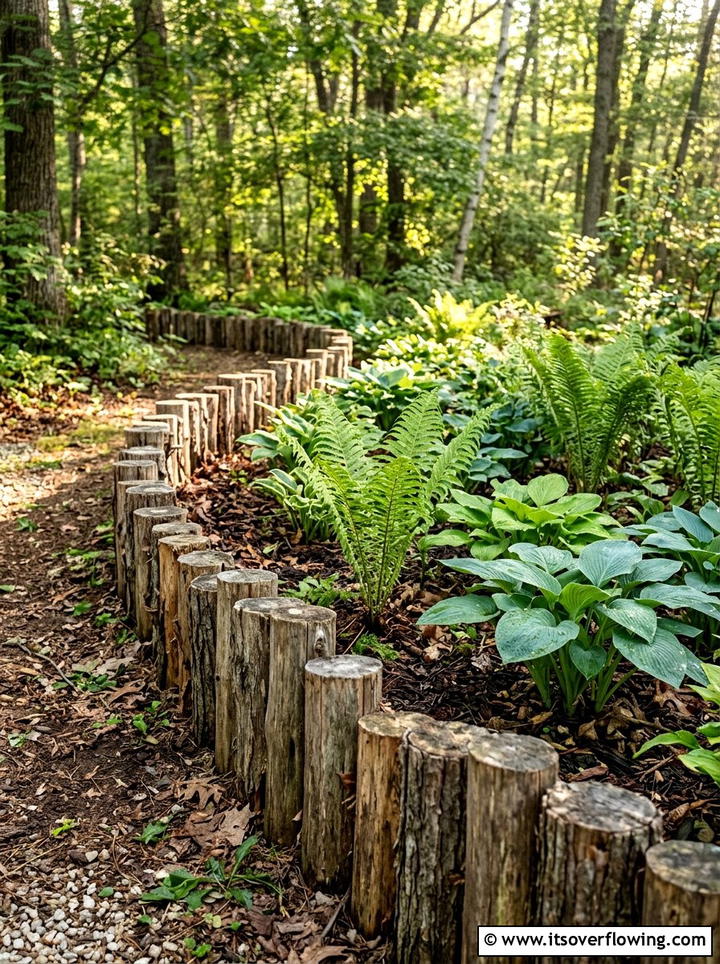
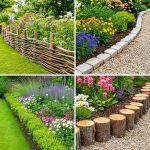
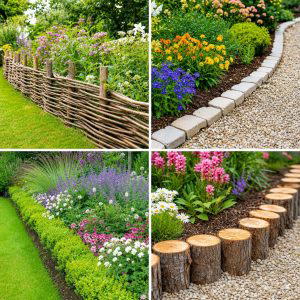
Do you want to bring a cozy, woodland atmosphere to your backyard without spending a fortune on expensive masonry? Short cedar or pine logs placed vertically in the ground create a charming, rustic border that looks wonderful in natural settings. This design is highly effective for raised garden beds or vegetable patches where you need a bit of height. To ensure longevity, it is best to use pressure-treated wood or rot-resistant species like redwood. The varying heights of the logs can add a whimsical, playful touch to the garden’s perimeter. Surrounding these logs with bark chips and shade-loving ferns enhances the forest-like aesthetic that many homeowners find incredibly relaxing.
5. Concrete mow strip
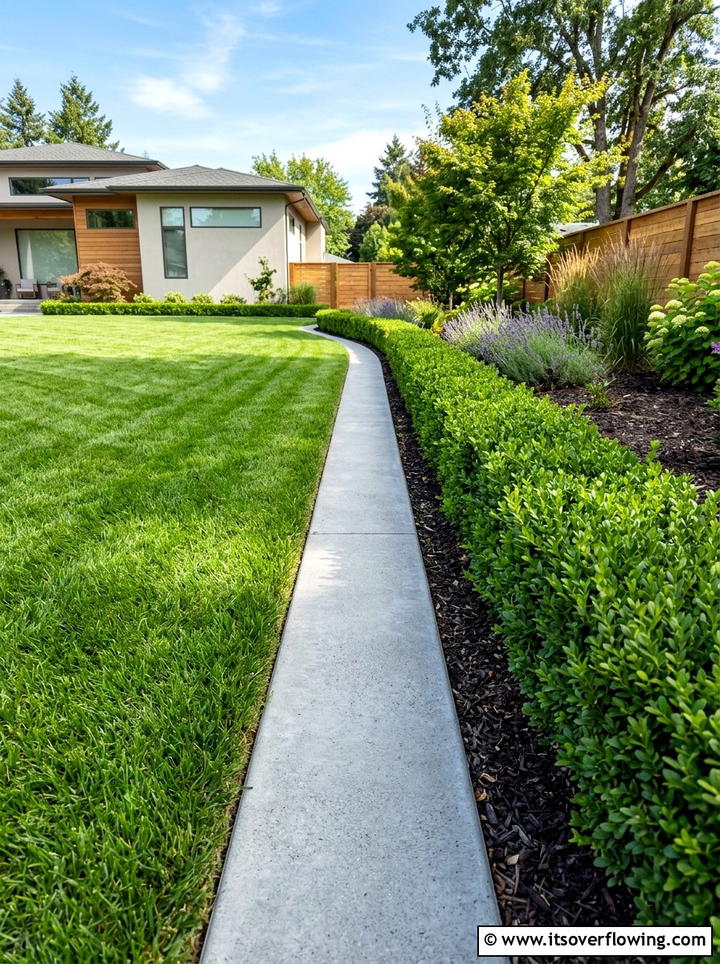
Maintenance becomes much simpler when you install a solid concrete mow strip around the perimeter of your primary lawn area. This flat, wide border allows one wheel of your lawnmower to ride along the surface, eliminating the need for string trimming. You can choose a poured-in-place design for a smooth finish or use pre-cast concrete blocks for a more modular appearance. Concrete is incredibly versatile and can be stained or stamped to mimic the look of more expensive stone or brick. It provides a permanent, heavy-duty solution that will not shift or heave during the changing seasons. This clean look is perfect for contemporary suburban yards with manicured turf.
6. Plastic garden border
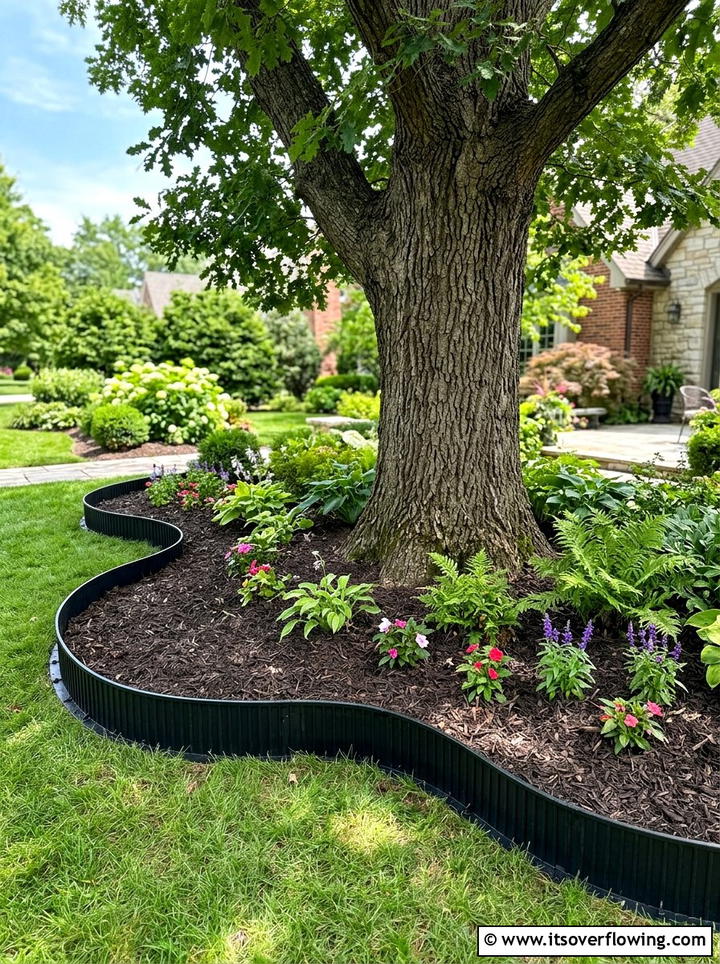
Are you looking for an affordable and easy-to-install solution that keeps your flower beds looking neat throughout the entire year? Plastic garden edging is a versatile choice that comes in many different colors and styles, including designs that mimic wood or stone. Modern recycled plastic options are incredibly durable and resist fading from the sun’s harsh rays. Because the material is flexible, it is ideal for creating curved borders around trees or wavy garden beds. The scalloped or pounded-in varieties require very little digging, making them a popular choice for quick weekend DIY projects. It provides a clean transition between different landscaping materials like wood chips, rocks, or green grass.
7. Gabion garden wall
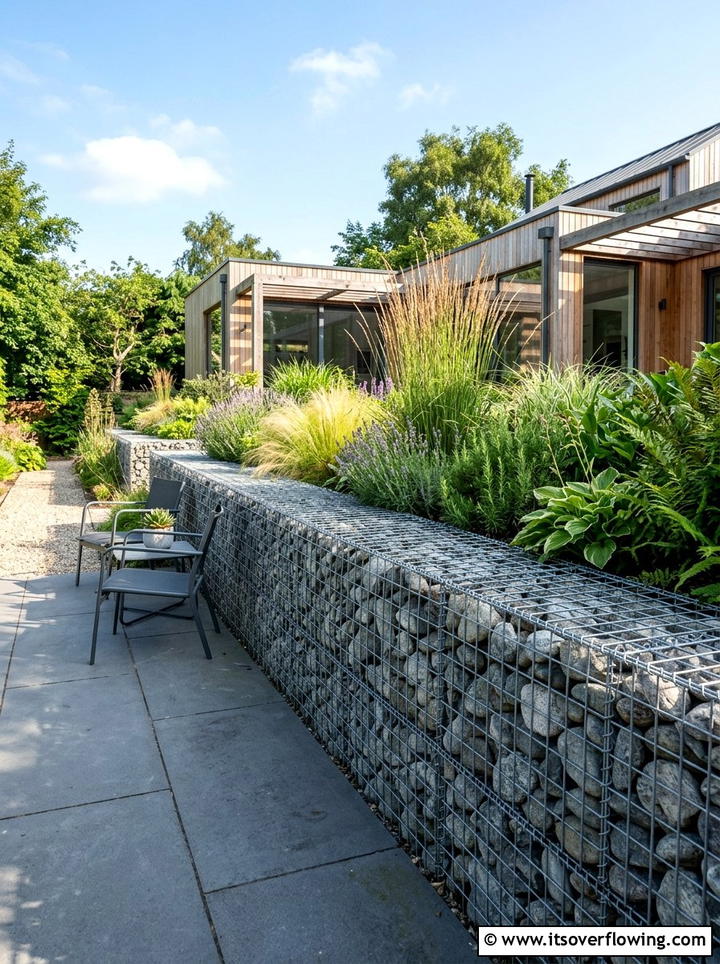
Industrial style meets natural beauty when you incorporate a gabion wall as a structural edging for your garden or patio. These wire cages are filled with decorative stones, rocks, or even recycled glass to create a thick, sturdy boundary. Gabions are excellent for leveling uneven terrain or creating a dramatic backdrop for a modern seating area. The heavy weight of the stones ensures the wall stays in place without the need for deep foundations or mortar. Because the structure is porous, it allows water to flow through easily, preventing drainage issues in your yard. Planting trailing vines over the top of the cage softens the look and adds lush greenery.

8. Woven wattle edging
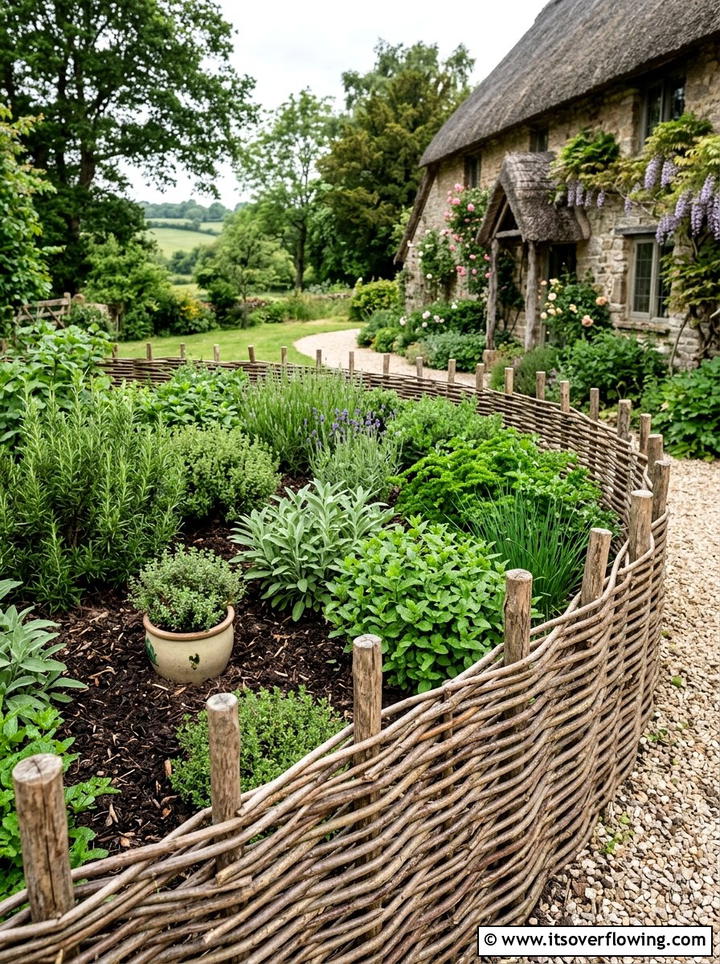
Centuries-old techniques come to life when you use woven wattle edging to define the borders of your vegetable or herb garden. This traditional method involves weaving flexible branches, such as willow or hazel, between upright wooden stakes driven into the soil. It creates a low, rustic fence that provides excellent ventilation and a handcrafted look that feels very personal. Wattle is perfect for organic gardeners who want to use natural materials that will eventually decompose and return to the earth. The texture of the woven branches provides a beautiful contrast against soft green foliage and bright blooming flowers. It adds an authentic, old-world charm to any traditional country cottage or farmhouse garden.
9. Cobblestone garden border
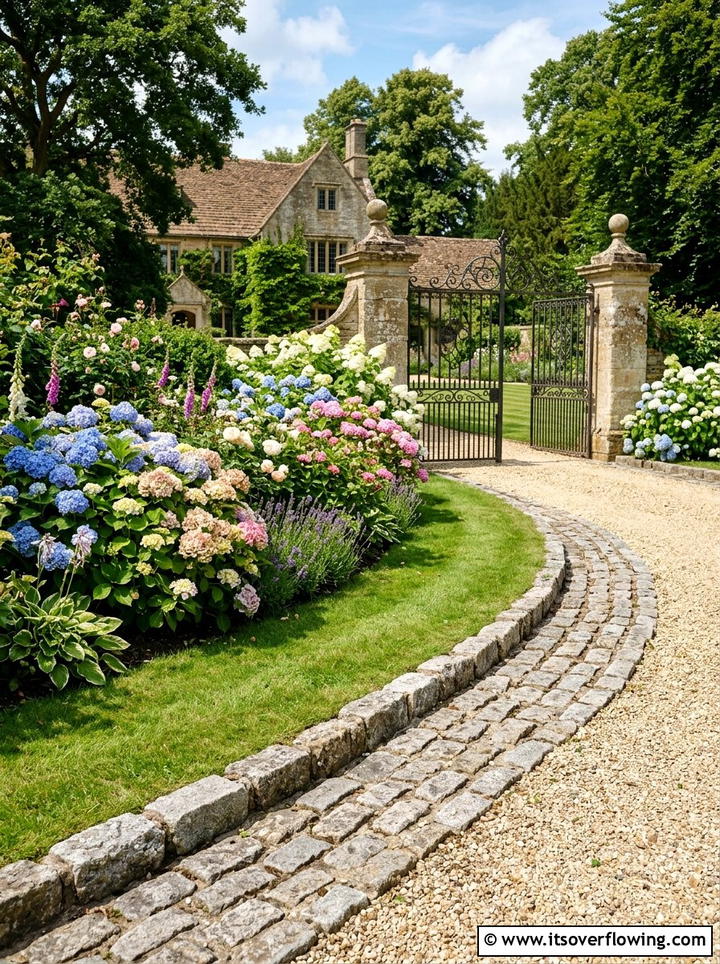
Walking past a garden edged with authentic cobblestones feels like stepping back onto a historic street in an ancient European city. These thick, rounded stones offer a heavy and substantial look that anchors large flower beds and prevents soil from spilling onto walkways. Cobblestones are typically made from granite or basalt, making them incredibly tough and resistant to cracking or weather damage. You can set them in a bed of sand or mortar them together for a more permanent and finished appearance. The grey and charcoal tones of the stone provide a neutral palette that makes vibrant roses or hydrangeas pop. This edging style is ideal for grand estates or traditional suburban landscapes.
10. Recycled bottle edging
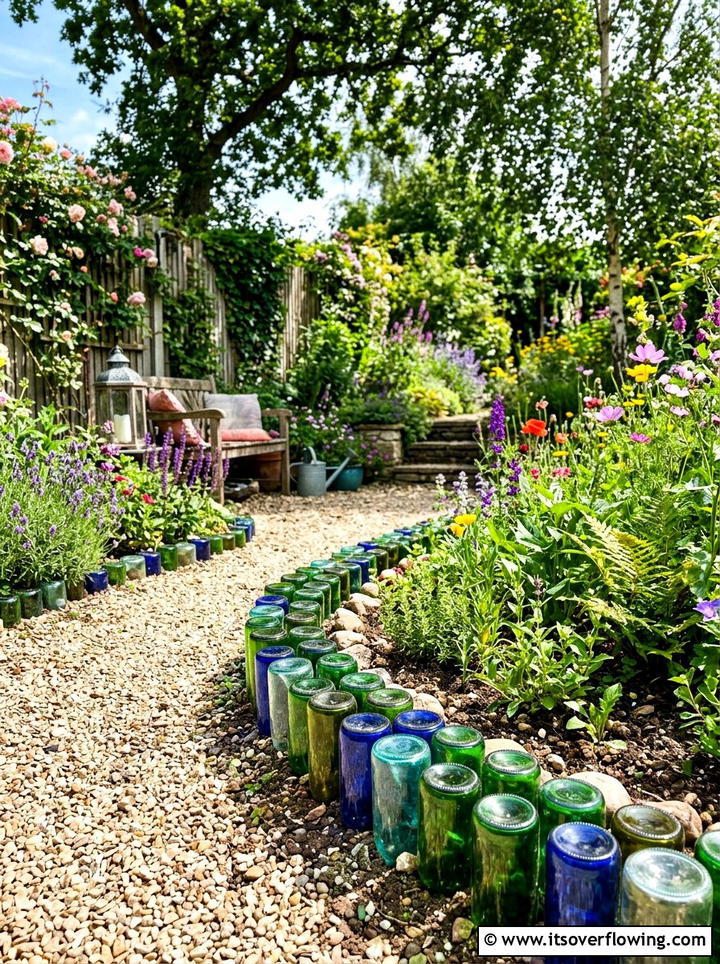
Sustainability and creativity go hand in hand when you choose to use glass bottles as a unique and colorful garden border. By burying the necks of empty bottles upside down in the soil, you create a shimmering, translucent edge. This whimsical approach is a great way to recycle materials while adding a splash of unexpected color to your landscape. When the sun hits the glass, it creates beautiful light reflections that dance across your plants and pathways. You can arrange the bottles by color to create a rainbow effect or use all green glass for a more subtle look. This quirky design is a fantastic conversation starter for any eclectic or boho-style garden space.
11. Buxus hedge border
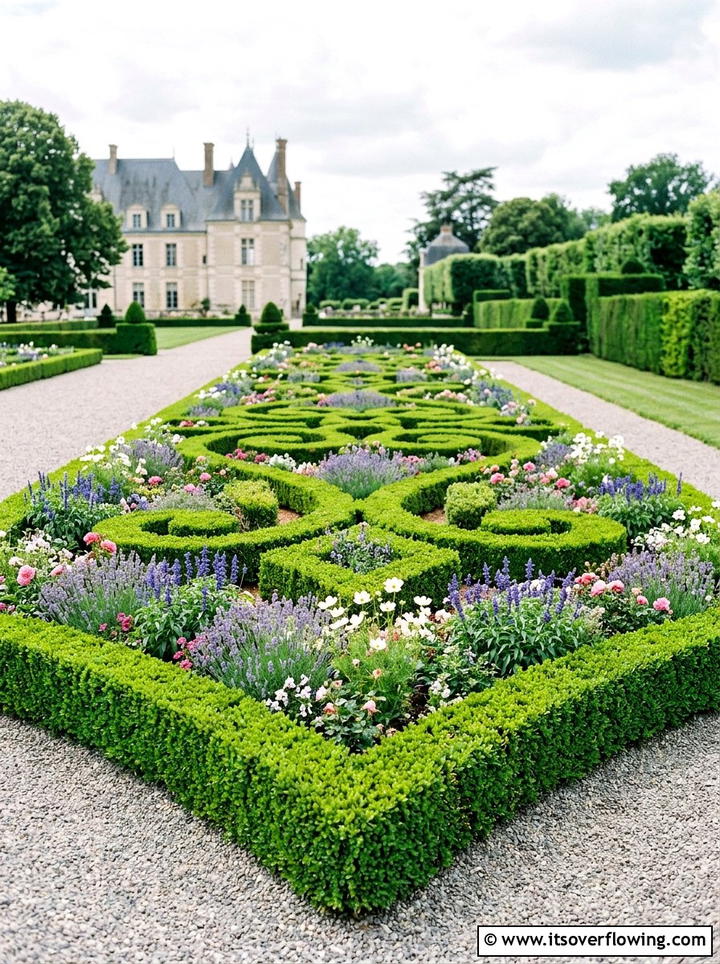
Soft, living borders created from neatly trimmed Buxus shrubs provide a formal and sophisticated look that never goes out of style. These evergreen plants can be pruned into tight, rectangular shapes to create a structured “low wall” around your flower beds. This technique, often seen in French parterre gardens, helps to organize large spaces and defines different functional zones within the yard. While it requires regular shearing to maintain its shape, the year-round green foliage provides constant visual interest even in winter. The dark green leaves create a perfect frame for colorful perennials like lavender or white lilies. It is the ultimate choice for homeowners seeking a polished, high-end landscape appearance.
12. Gravel path edging
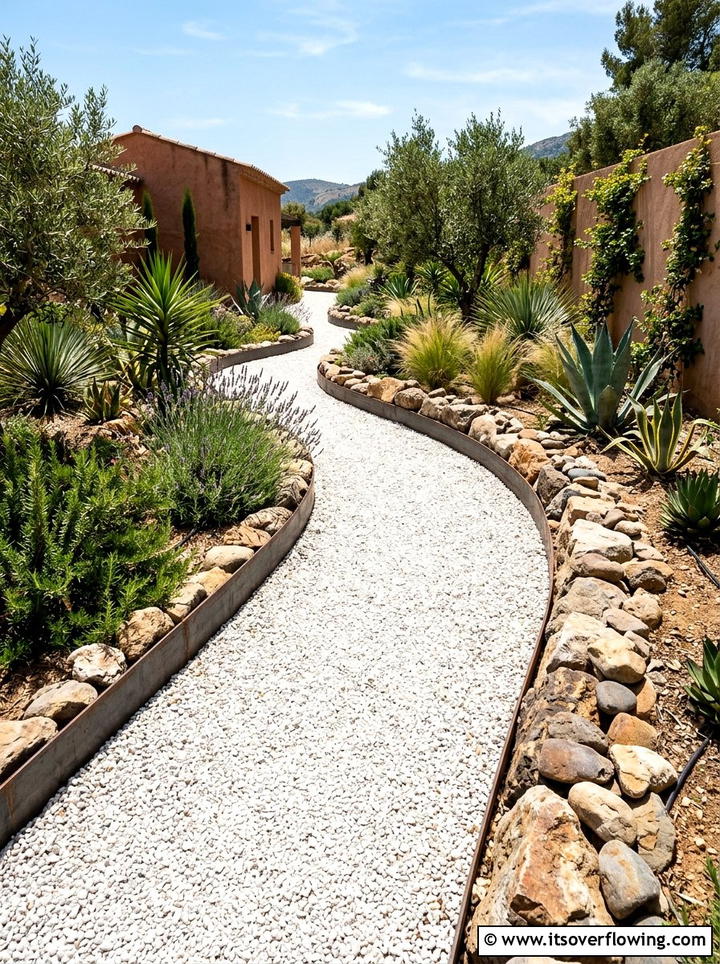
Designing a functional walkway often requires a sturdy edge to keep loose gravel from scattering across your lawn or into your soil. A combination of metal strips and larger river rocks can hold the small stones in place while providing a clear transition. This setup is particularly useful for Mediterranean or xeriscape designs where water conservation and low maintenance are the primary goals. The edging ensures that the path remains comfortable to walk on and visually distinct from the surrounding planting areas. You can use contrasting colors, such as black metal edging with white gravel, to create a bold and modern look. It keeps the entire garden looking tidy and intentionally designed.
13. Terraced garden wall
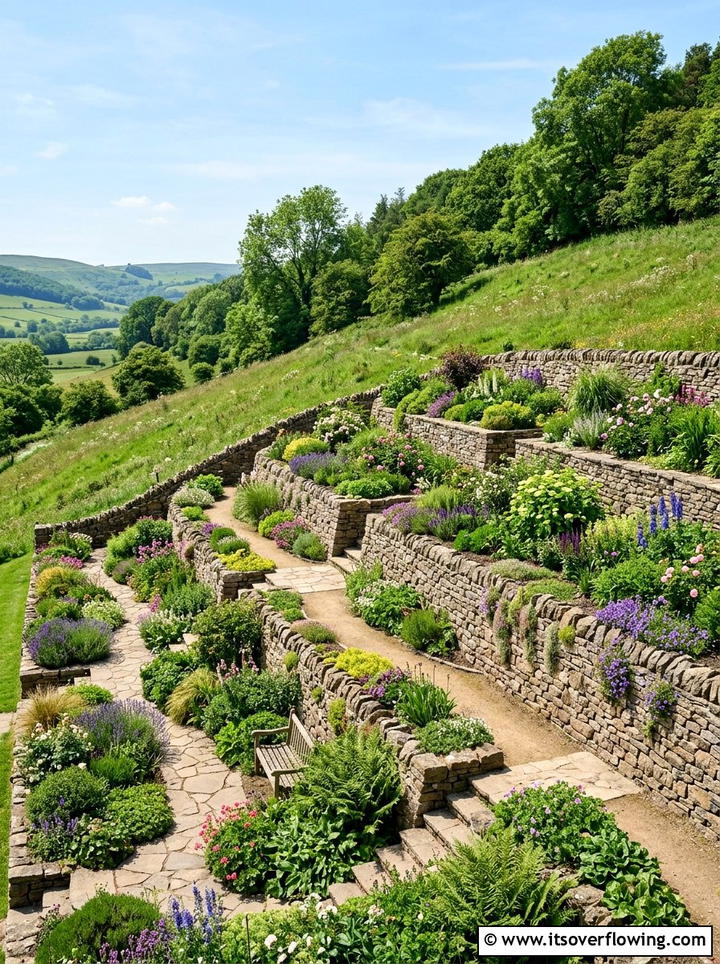
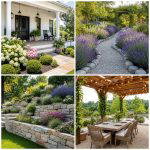
Sloped yards can be difficult to manage, but a terraced garden wall provides a series of level planting areas with distinct edging. Using timber beams or stone blocks, you can create a staircase effect that stops soil erosion and allows for diverse plant life. Each level acts as its own garden bed, allowing you to separate different plant species based on their sun and water needs. The vertical faces of the terraces become a major design feature, adding depth and architectural interest to your backyard. This approach maximizes your usable space and creates a dramatic visual impact when viewed from the house. It is a smart solution for turning a hill into a masterpiece.
14. Railroad tie border
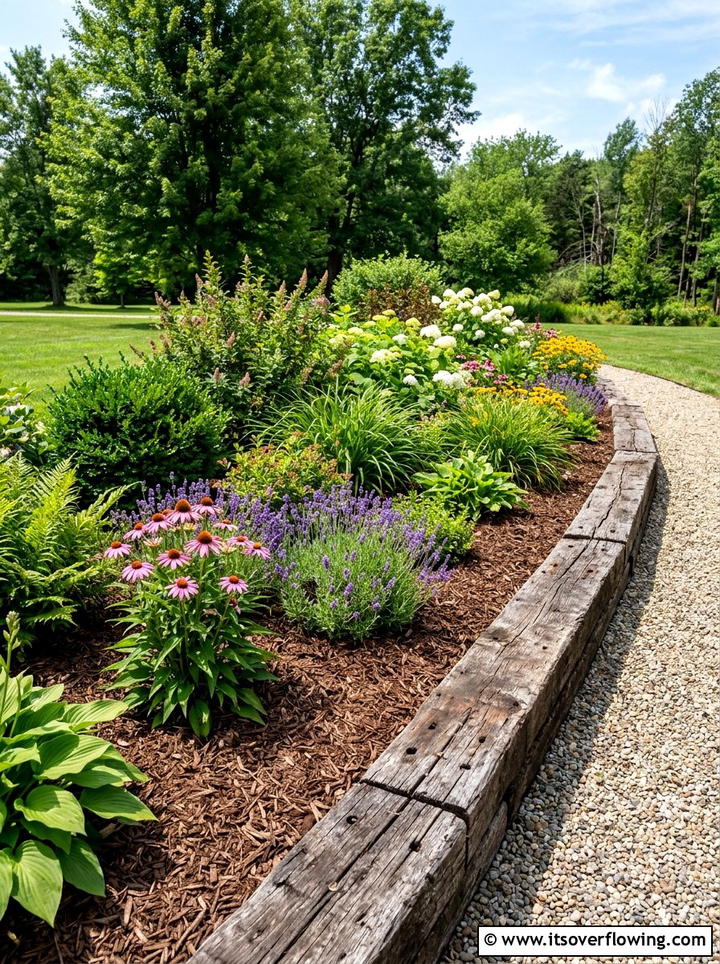
Do you need a heavy-duty border that can withstand the elements while providing a rustic, rugged look to your large landscape? Reclaimed railroad ties or thick landscape timbers are excellent for creating chunky, straight borders around large trees or property lines. These massive wooden beams provide a sense of scale and permanence that smaller edging materials simply cannot match. Because they are so heavy, they typically stay in place with minimal anchoring, making the installation process relatively straightforward. The dark, weathered wood looks fantastic when paired with bright green lawns or light-colored stone mulch. This style is particularly popular in large rural properties or gardens with a more masculine, industrial aesthetic.
15. Scalloped garden edging
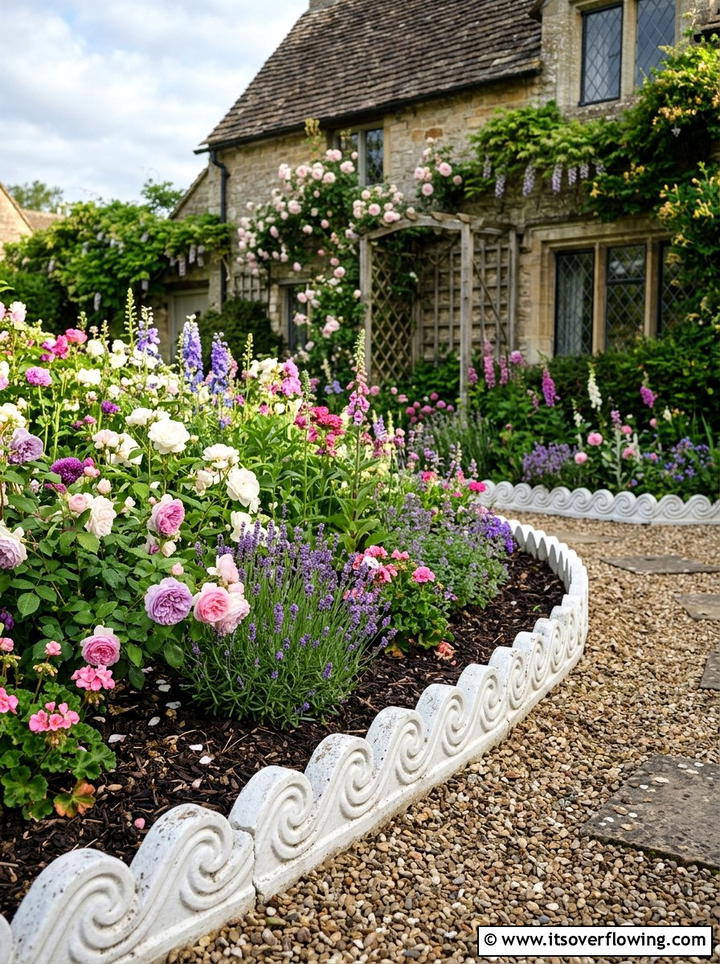
Traditional gardens often feature scalloped concrete or ceramic edging that adds a gentle, decorative curve to the perimeter of a lawn. Each piece features a rounded top that creates a repetitive, wave-like pattern when installed in a long, continuous line. This classic look is perfect for framing flower beds filled with soft, romantic blooms like peonies or climbing roses. Because the pieces are interlocking, they are easy to install and can follow the natural curves of your landscape design. You can find these in various colors, from earthy terracotta to clean white or modern grey. It is an affordable way to add a bit of vintage charm and architectural detail to your yard.
16. River rock border
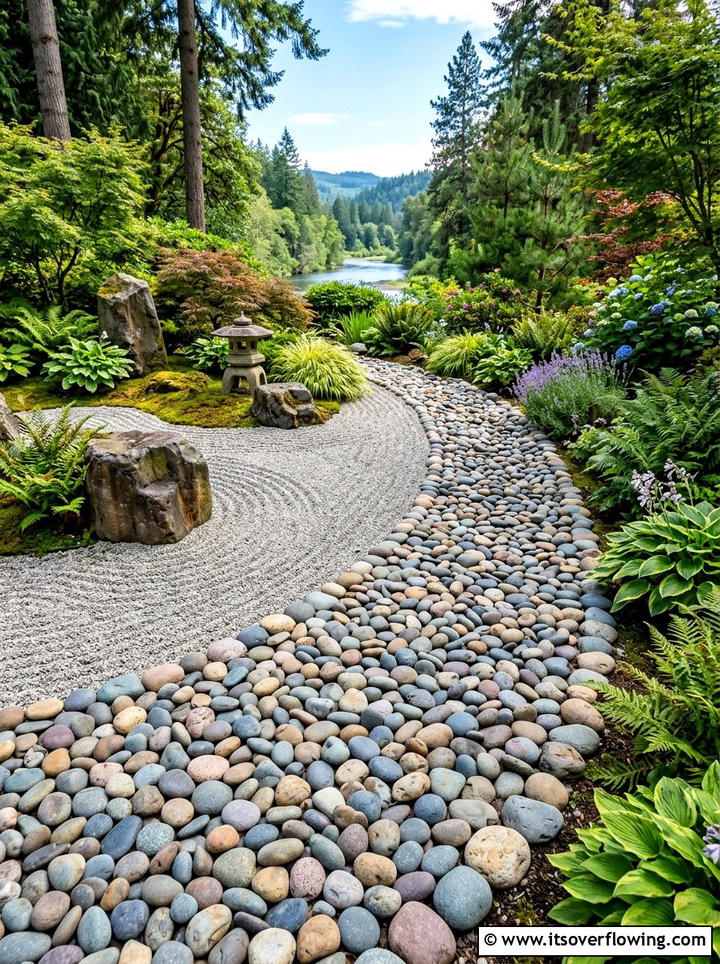
Large, smooth river rocks placed in a wide band create a natural and relaxing border that mimics the look of a dried creek bed. This edging style is perfect for gardens that feature water elements or for homeowners who want a low-maintenance landscape. The various shades of tan, grey, and blue in the rocks add a subtle texture that complements almost any plant variety. To keep the rocks from sinking into the soil, it is best to lay down a layer of landscape fabric before positioning the stones. This design looks particularly beautiful when paired with ornamental grasses or Japanese maple trees. It provides a peaceful, zen-like atmosphere that makes any outdoor space feel more serene.
17. Corten steel edging
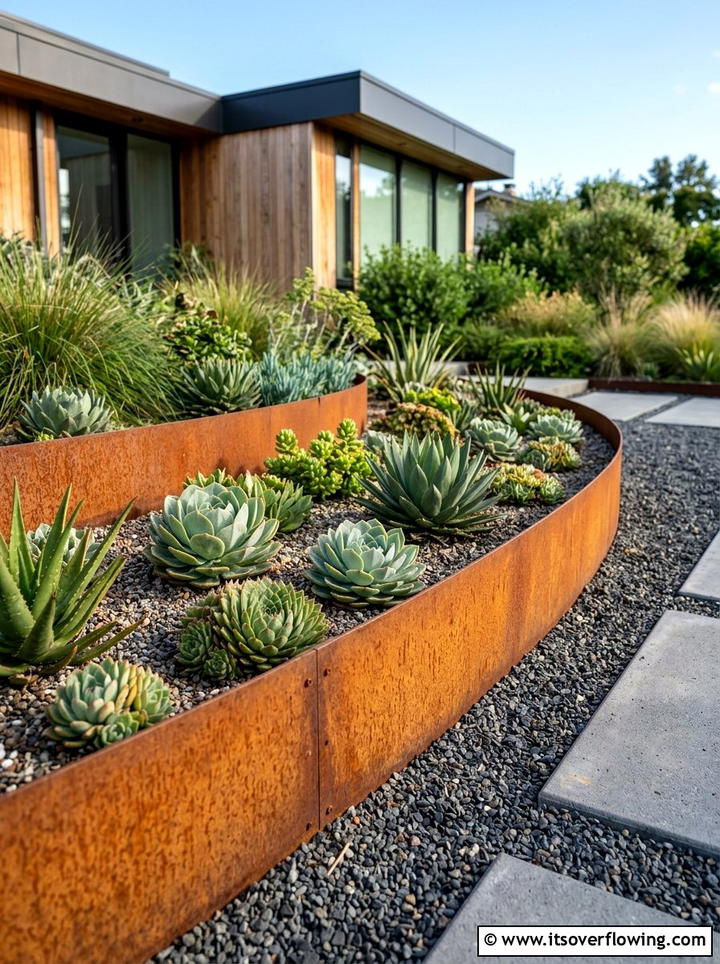
If you love the look of industrial chic, Corten steel edging is a fantastic choice that develops a beautiful rusty patina over time. This specialized steel is designed to weather naturally, forming a protective layer that prevents further corrosion while looking incredibly stylish. The deep orange and brown tones of the weathered metal provide a striking contrast against bright green foliage and dark soil. Because it is thin yet strong, it can be used to create sharp angles or flowing curves that define modern garden beds. It is a favorite among landscape architects for its durability and its ability to blend into both desert and lush forest environments. It adds a sophisticated, artistic edge.
18. Flagstone garden border
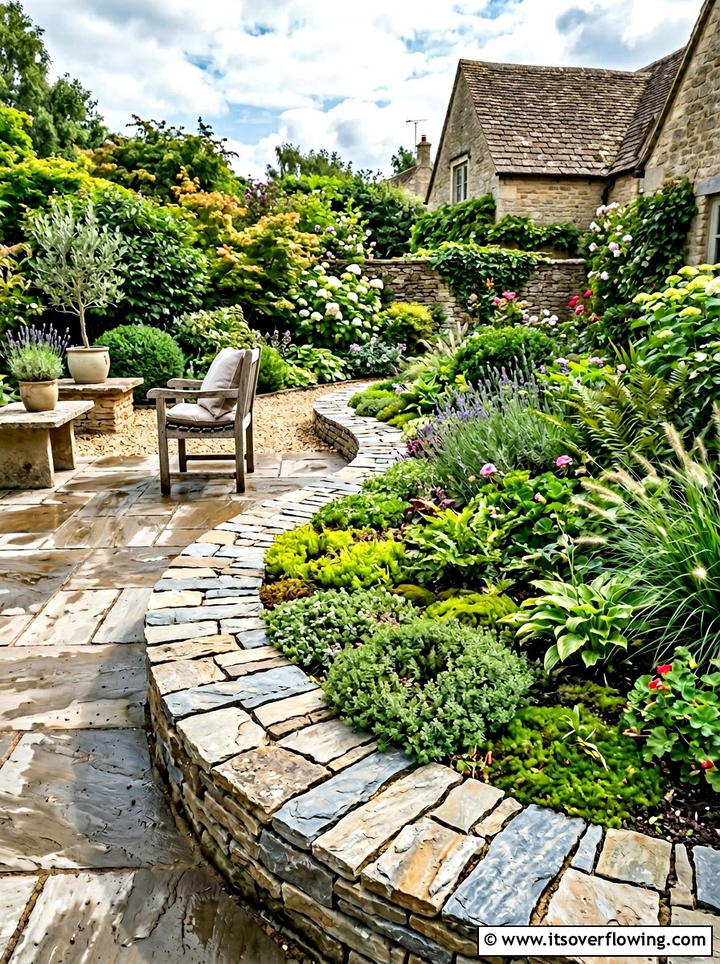
Flat flagstones laid horizontally or set on their edges provide a rustic and high-quality border that feels very grounded and permanent. This material is often used to match flagstone patios or walkways, creating a cohesive and unified look throughout the entire backyard. Because each stone is unique in shape and color, the resulting border has a handcrafted, artisanal quality that sets it apart from factory-made products. You can fill the gaps between the stones with small pebbles or creeping groundcovers like thyme for a more lived-in appearance. This edging style is exceptionally durable and can withstand extreme temperature changes without cracking. It is a beautiful investment for any long-term landscape plan.
19. Rope garden edging
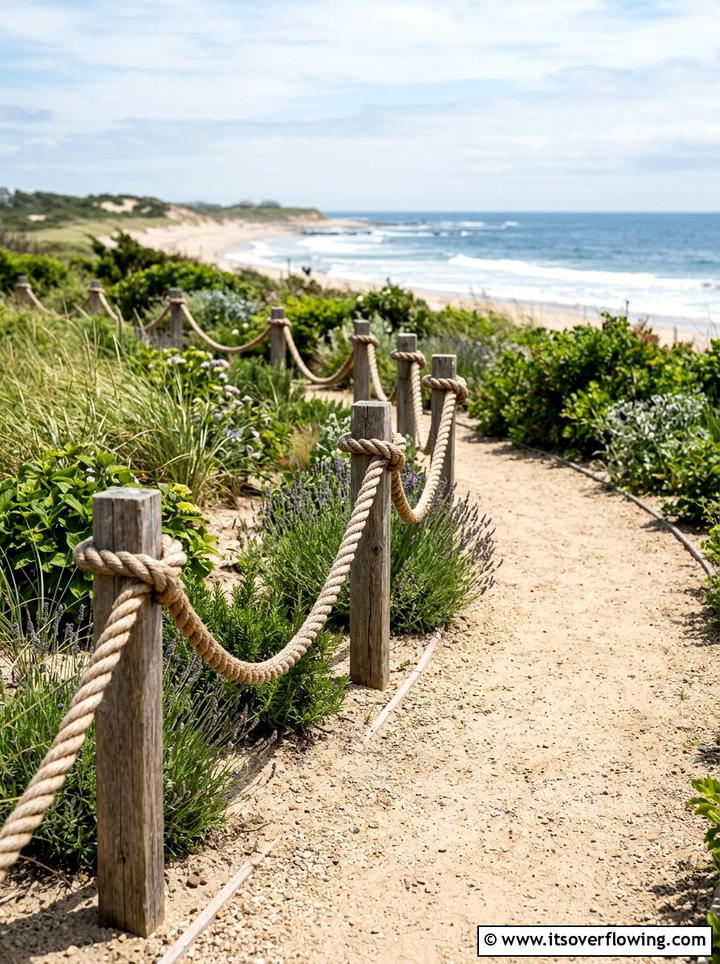
Coastal and nautical-themed gardens can be perfectly finished with a heavy-duty rope border that adds a touch of seaside charm. Thick manila or synthetic hemp rope is draped between low wooden posts to create a soft, swaying boundary for pathways or garden beds. This design is less about containing soil and more about providing a visual guide and a decorative element. It works wonderfully in sandy gardens with dune grasses or near a backyard pool or pond area. To ensure the rope lasts, it is important to choose a weather-resistant material that won’t rot when exposed to humidity. This unique edging choice brings a relaxed, vacation-like vibe to any suburban or coastal home.
20. Bamboo garden border
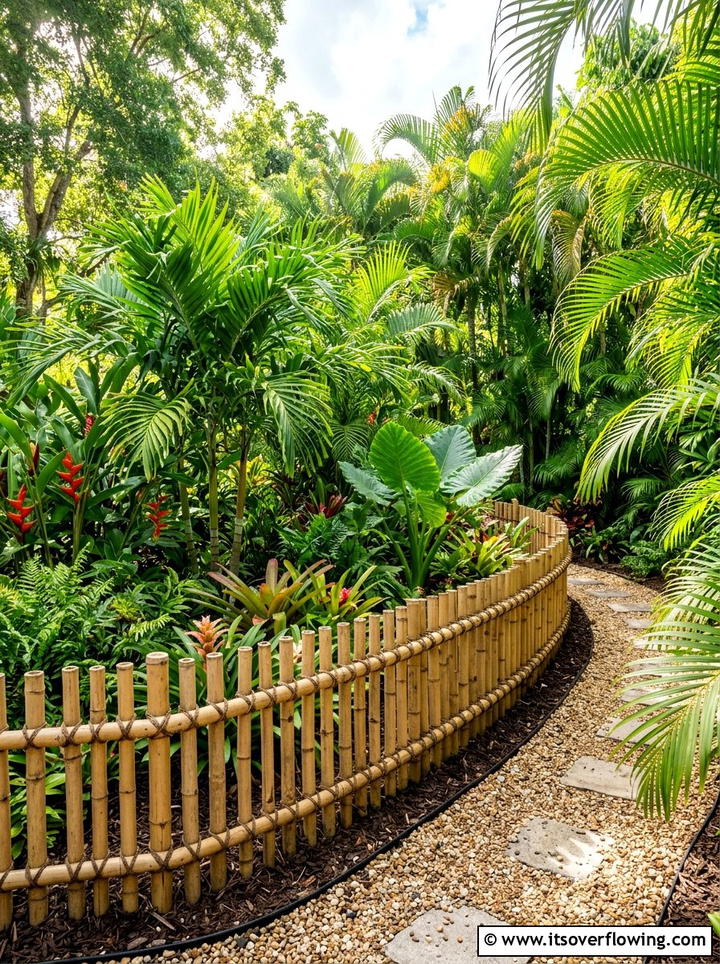
Tropical and Asian-inspired gardens often use bamboo edging to create a light, airy, and eco-friendly boundary around exotic plant collections. Short sections of bamboo poles can be tied together or purchased in pre-made rolls that are easy to install along curved paths. The vertical lines of the bamboo add height and texture, making the garden feel more enclosed and private. Bamboo is a sustainable material that grows quickly, making it a great choice for environmentally conscious homeowners. It looks stunning when paired with large-leafed plants like hostas or palms. While it may require replacement every few years, its unique aesthetic and natural beauty make it a highly desirable option for many people.
21. Decorative metal fence
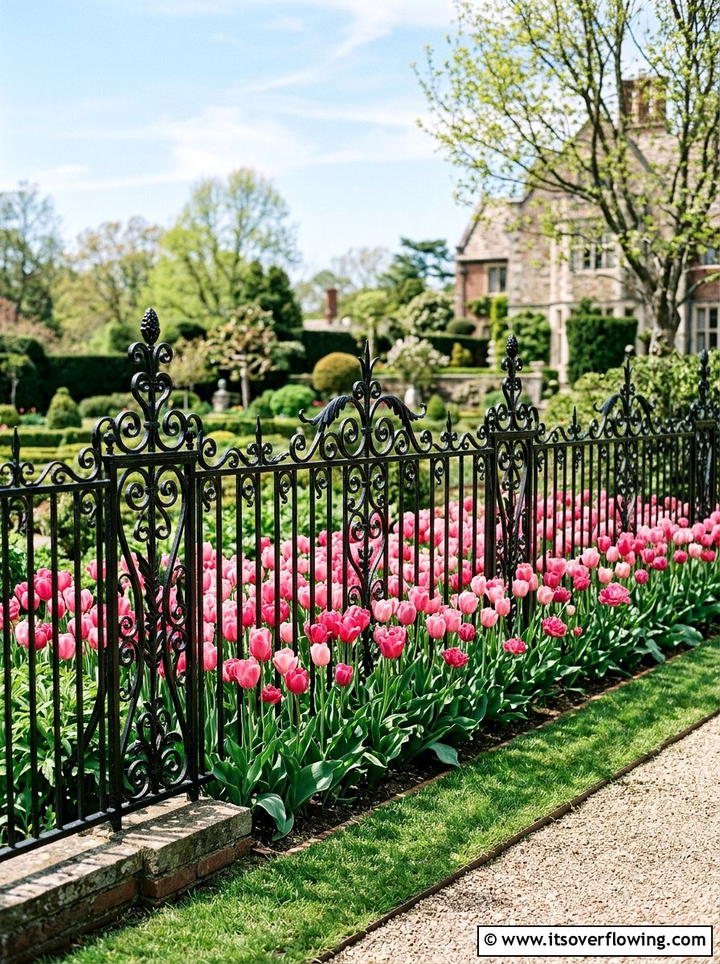
Small, decorative metal fences provide a classic and elegant way to protect your delicate flowers from being stepped on by pets or children. These pre-fabricated panels often feature ornate scrolls, fleur-de-lis, or simple gothic arches that add a touch of formality to the yard. Because they are made of wrought iron or powder-coated steel, they are incredibly strong and resistant to the elements. You can easily push the stakes into the ground, allowing you to move the border as your garden grows and changes. This type of edging is perfect for framing a rose garden or a neat row of tulips. It adds a vertical element that draws the eye upward and provides structural interest.
22. Slate stone edging
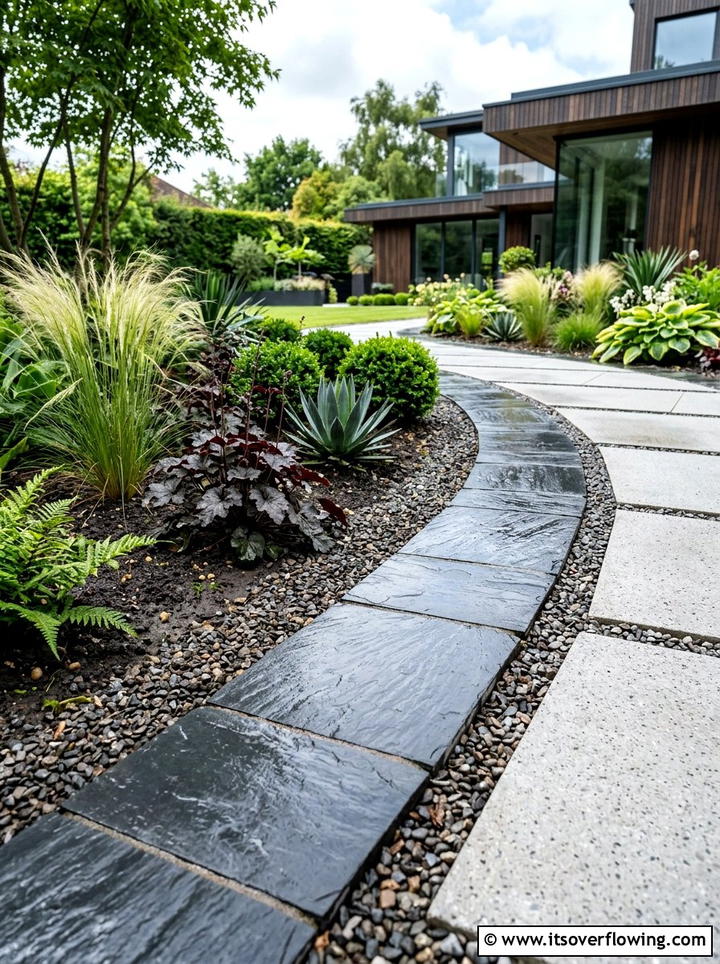
The dark, moody tones of natural slate provide a contemporary and sophisticated border that looks particularly striking in wet climates. When it rains, the slate takes on a deep, glossy appearance that makes the colors of your garden plants look more vivid. You can use large slate tiles set into the ground or smaller, stacked pieces to create a low-profile wall. The flat surface of the stone makes it an excellent choice for a clean mowing strip that keeps the lawn looking sharp. Slate is very durable and holds up well against foot traffic and garden tools. It is an excellent choice for modern landscapes that prioritize clean lines and a cool, neutral color palette.
23. Pressure treated timber
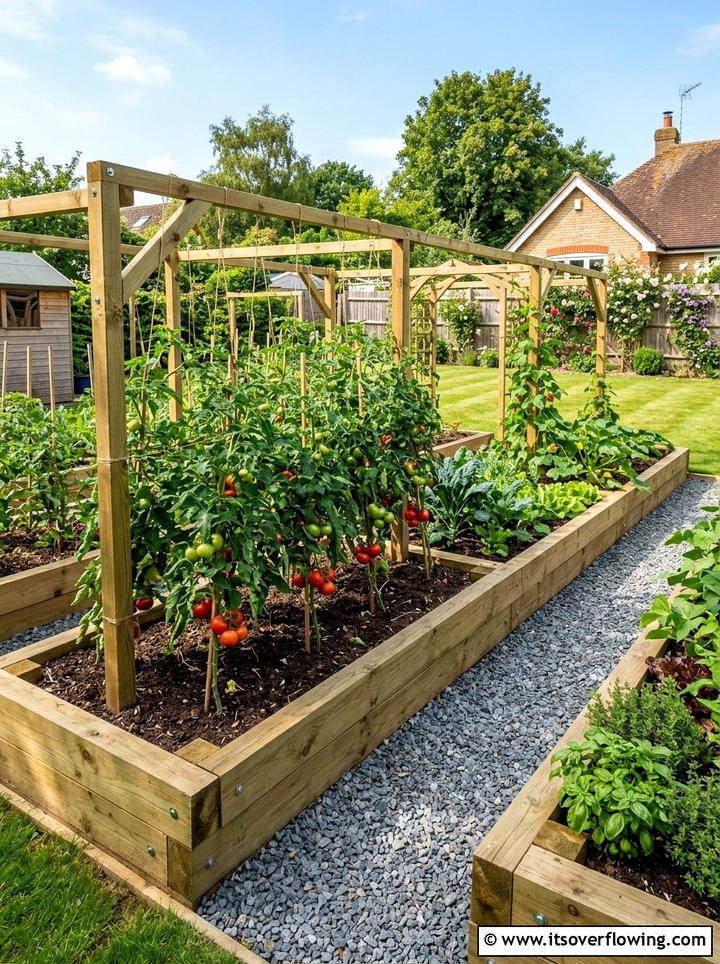
Standard pressure-treated timbers are a practical and cost-effective way to create long, straight borders for large vegetable gardens or flower beds. These timbers are treated with chemicals to resist rot, decay, and insect damage, ensuring they remain structurally sound for many years. You can stack them to create raised beds or lay them flat for a simple, low-profile edge. This material is very easy to work with using standard woodworking tools, making it a favorite for DIY landscape projects. The light green or brown color of the wood eventually weathers to a soft grey, which blends in naturally with the surrounding soil and mulch. It provides a sturdy and dependable framework.
24. Terracotta tile border
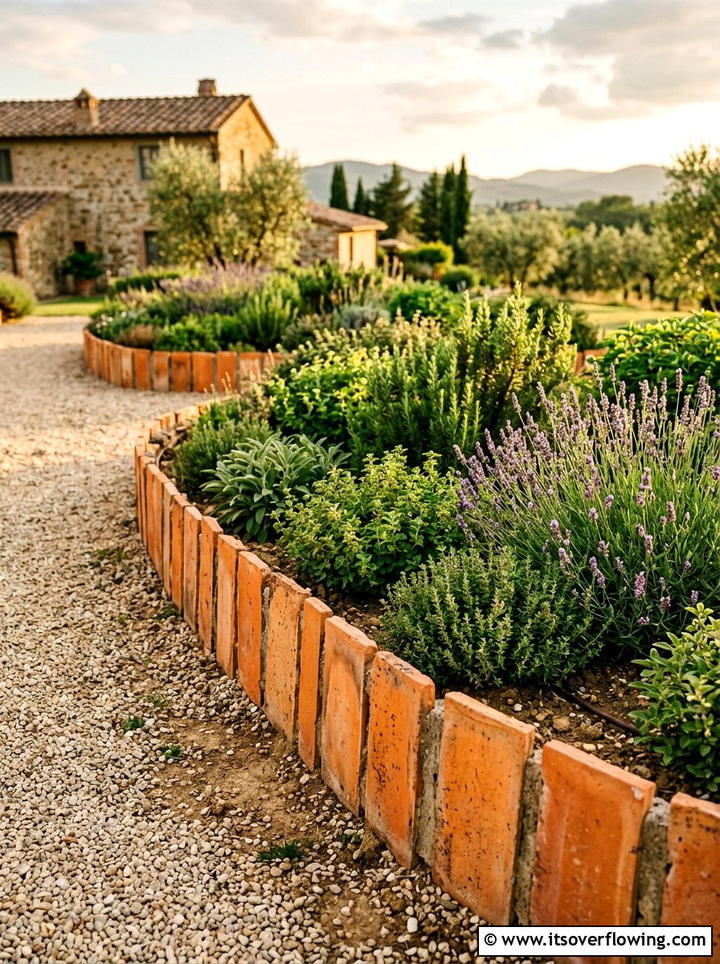
Bring a touch of the Mediterranean to your backyard by using terracotta tiles or reclaimed roofing tiles as a decorative garden border. The warm, earthy orange tones of the clay provide a beautiful contrast against green grass and blue-toned succulents. You can set the tiles vertically in a shallow trench to create a thin, elegant line that defines your planting areas. This style is perfect for herb gardens or small courtyard spaces where detail and color are more important than heavy-duty containment. Because terracotta is porous, it ages beautifully, often developing a light patina or moss growth over time. It is a creative way to use traditional building materials in a fresh and unexpected way.
25. Rubber garden edging
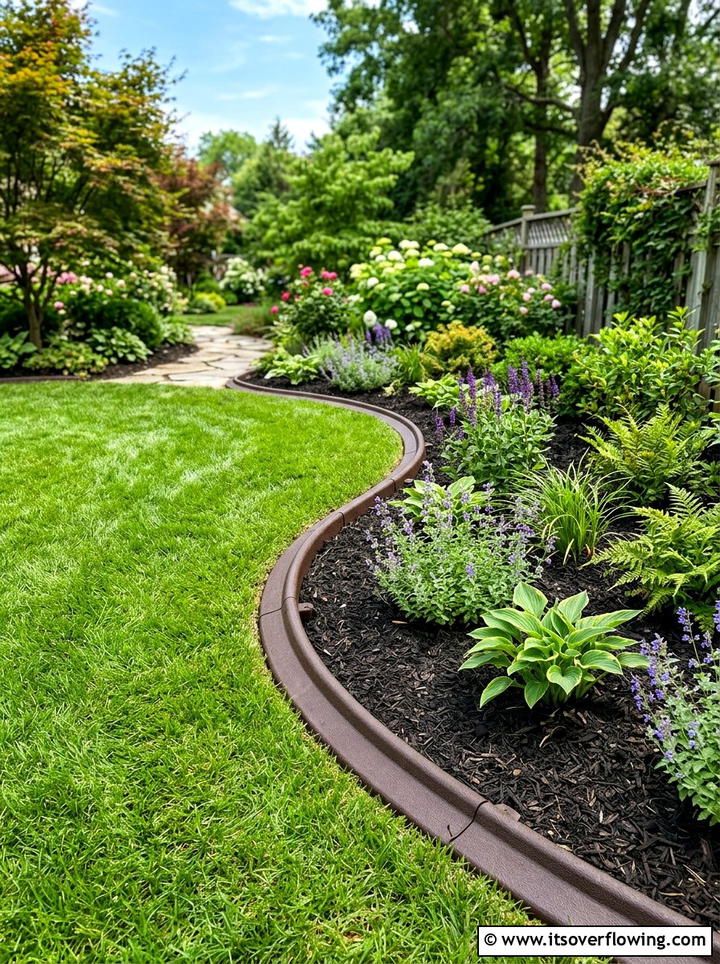
Are you looking for a modern, eco-friendly solution that is incredibly flexible and almost indestructible in any weather condition? Rubber garden edging is often made from recycled tires, making it a sustainable choice that keeps waste out of landfills. It is soft to the touch and safe for children and pets, yet it is tough enough to withstand a weed whacker. Because it is so flexible, you can create intricate, serpentine curves that are difficult to achieve with stone or wood. It is available in various colors, including brown, black, and red, to match your choice of mulch. This material is easy to install with simple landscape spikes and requires virtually no maintenance.
Conclusion:
Selecting the perfect edging is a vital step in achieving a polished and well-maintained garden that lasts all year. Throughout this exploration, we have seen how materials like stone, metal, and wood each offer unique benefits for different landscape styles. Proper installation ensures your borders remain functional by keeping unwanted weeds out of your precious flower beds and defining your walking paths clearly. As you plan your next landscaping project, consider the maintenance requirements and the overall aesthetic you want to project to your neighbors. A thoughtfully edged garden not only looks stunning but also makes routine yard work much easier for every homeowner to manage.

Related posts:
 25 Garden Design Ideas for Farmhouse Landscapes With Rustic Charm
 25 Garden Design Ideas for Modern Landscapes With Sleek Style
 25 garden ideas with garden edging for Polished Borders
 25 garden ideas for minimalist style: Clean Outdoor Looks
 25 Creative Garden Ideas for Rooftops: Stylish Urban Tips
 25 Garden Design Ideas for Patios With Stylish Outdoor Charm
 25 garden design ideas with container clusters: Stylish Pots
 25 Garden Design Ideas With Terraces for Stylish Sloped Yards
 25 Garden Ideas With Decorative Stakes for Stylish Accents
 25 Small Garden Ideas for Townhouses With Stylish Appeal
 25 Small Garden Ideas for Windy Balconies That Stay Stylish
 25 small garden ideas with pavers for Stylish Compact Yards