
Starting a fairy garden is one of the most rewarding ways to add a touch of magic and whimsy to your outdoor living space. These miniature landscapes offer a unique creative outlet for gardeners of all ages and skill levels. Whether you have a sprawling backyard or a tiny balcony, you can create a small-scale world that captures the imagination. Fairy gardens combine tiny plants, miniature structures, and natural elements like stones and twigs to tell a story. This guide explores various ways to integrate these enchanting displays into your existing landscape. You will find inspiration for different styles, from rustic woodland setups to modern succulent arrangements. Each idea focuses on creating a cohesive and inviting environment that feels like a hidden sanctuary. By carefully selecting your plants and decor, you can build a living art piece that brings joy and wonder to everyone who visits your beautiful garden.
1. Succulent Fairy Garden
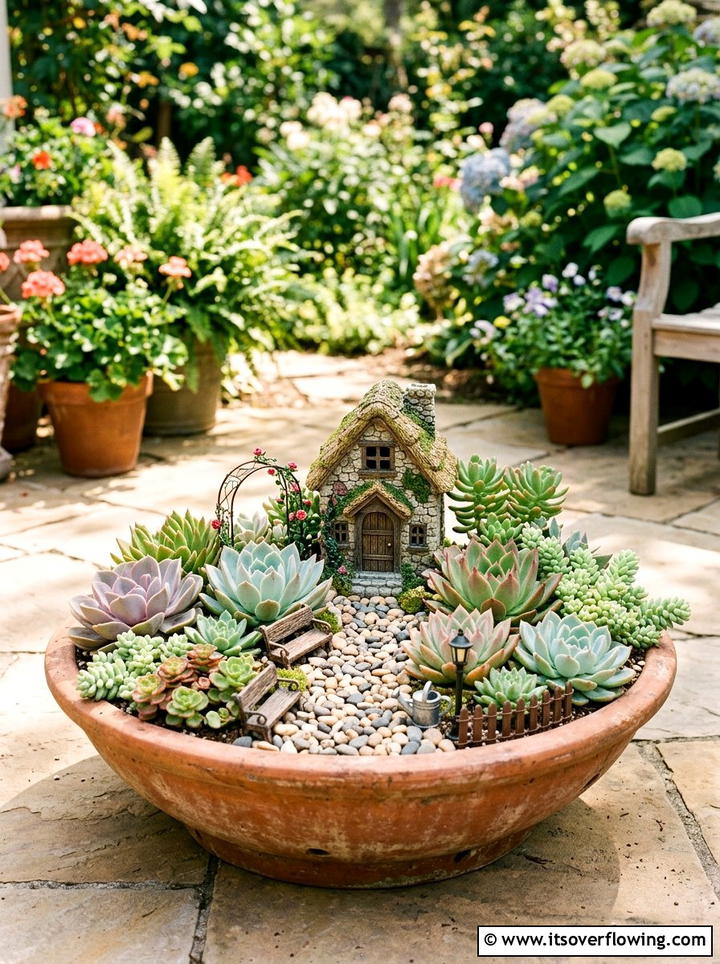
Creating a succulent fairy garden is a perfect choice for those who want a low-maintenance yet visually stunning miniature landscape. Succulents come in a wide variety of shapes, colors, and textures that mimic larger desert environments. You can arrange species like Echeveria and Sedum to create a diverse ecosystem within a shallow pot. Adding tiny pebble paths and a small resin cottage makes the space feel inhabited and lively. These hardy plants require very little water, making them ideal for sunny spots on a patio or porch. The combination of fleshy leaves and delicate fairy accessories creates a charming contrast. This setup allows you to enjoy a lush green space without the constant need for pruning. It is a great way to showcase plants while telling a whimsical story through creative decor choices.
2. Tree Stump Fairy House
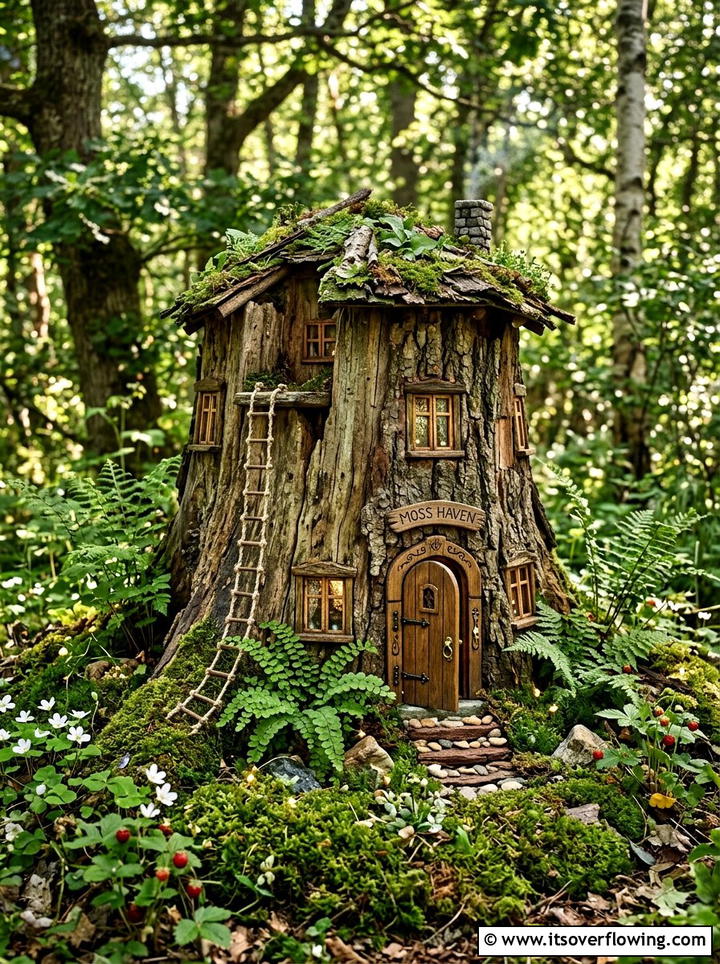
Transforming an old tree stump into a fairy house is an excellent way to repurpose natural garden elements. Instead of removing the stump, you can hollow out small sections to create windows and doors. Using moss, bark, and twigs helps the miniature dwelling blend seamlessly into the environment. You can plant small ferns or creeping thyme around the base to give it a lived-in, woodland feel. Adding a tiny ladder made of sticks or a small lantern hanging from a nearby branch enhances the magical atmosphere. This approach creates a focal point that feels organic and rooted in nature. It turns a potential eyesore into a delightful surprise for guests wandering through your yard. The natural texture of the wood provides a perfect backdrop for a variety of miniature garden accessories and tiny mythical inhabitants.
3. Broken Pot Fairy Garden
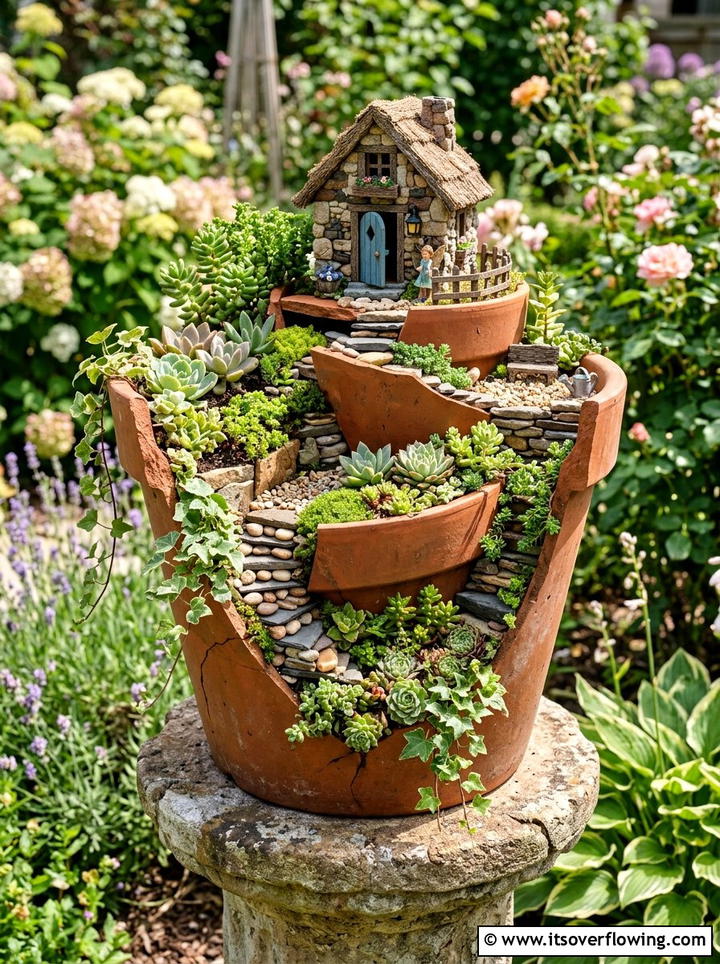
A broken ceramic pot can be the foundation for a stunning multi-level fairy garden. Instead of throwing away cracked planters, you can stack the shards to create terraces and winding staircases. This vertical design allows you to use different types of small plants on each level, such as moss on the bottom and tiny flowering herbs on the top. Filling the gaps with soil and small stones keeps the structure stable and visually interesting. You can place a tiny fairy house at the very peak to act as the main focal point. This creative recycling project adds a sense of history and ancient ruins to your garden space. The layered look provides plenty of nooks and crannies for adding small details like miniature garden tools or tiny birdhouses. It is a functional and beautiful way to practice sustainable gardening and artistic expression.


4. Fairy Garden Birdbath
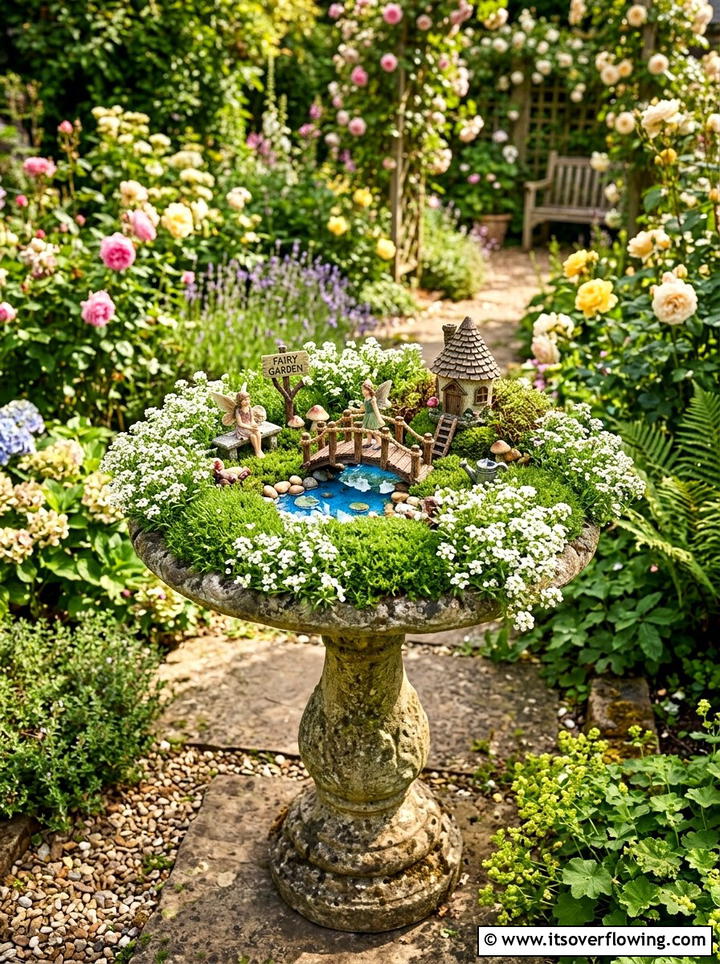
Repurposing a birdbath into a fairy garden is a fantastic way to elevate your miniature landscape to eye level. Since birdbaths are usually raised on a pedestal, they provide a clear view of all the tiny details you include. You can fill the basin with a layer of gravel for drainage, followed by high-quality potting soil. Low-growing plants like Irish moss or dwarf Mondo grass work perfectly to create a soft, green carpet for your fairy scene. Adding a small pond made from a blue glass cabochon or a tiny mirror creates the illusion of water. This setup is perfect for small patios or balconies where ground space is limited. The circular shape of the birdbath encourages a symmetrical and balanced design. It also keeps the delicate fairy accessories safe from ground-dwelling pets or heavy foot traffic, ensuring your display remains pristine and beautiful.
5. Miniature Stone Garden
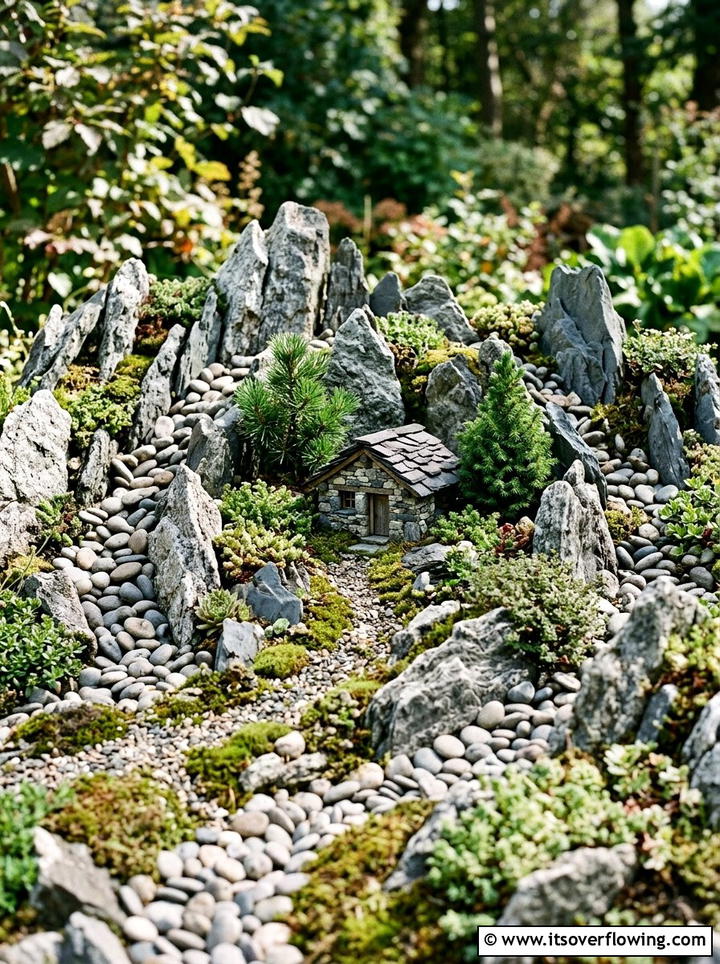
A miniature stone garden focuses on using various rocks and pebbles to create a rugged, alpine-inspired fairy landscape. You can use large, jagged stones to represent mountains and smaller river rocks for dry creek beds. This style pairs beautifully with tiny evergreens or slow-growing conifers that look like ancient trees in a small scale. Placing a tiny stone hut or a slate-roofed cottage among the rocks adds to the rustic charm. This type of garden is very durable and holds up well against different weather conditions. You can use light-colored sand to create paths that stand out against the darker stones. The neutral color palette of the rocks allows the greenery of the plants to pop. It creates a serene and grounded atmosphere that feels like a slice of a mountain range tucked away in a corner of your yard or patio.
6. Fairy Garden Bridge
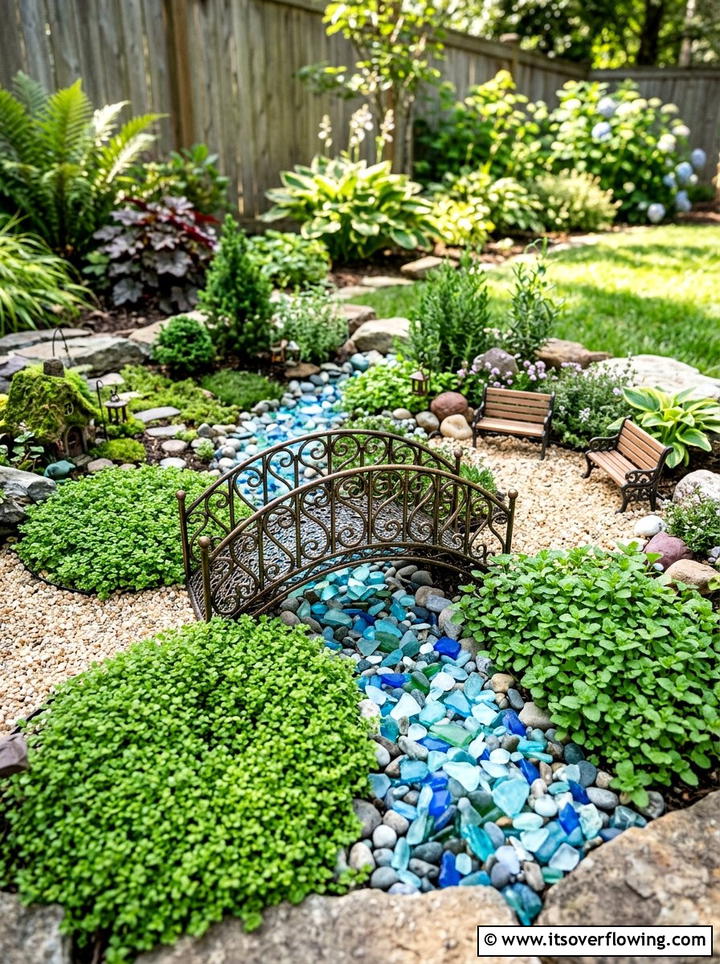
Incorporating a bridge into your fairy garden adds a sense of movement and architectural interest to the miniature scene. You can place a small wooden or stone bridge over a patch of blue pebbles that represent a flowing stream. This simple addition connects different areas of your garden, making the space feel larger and more complex. Surrounding the bridge with soft plants like baby’s tears or miniature mint gives it a lush, overgrown appearance. You can place tiny benches on either side of the bridge to create a peaceful resting spot for imaginary fairies. This design element encourages the eye to travel across the entire landscape, discovering hidden details along the way. Whether the bridge is made of twigs or ornate metal, it serves as a charming focal point that ties the various elements of your fairy garden together into a cohesive and magical story.
7. Teacup Fairy Garden
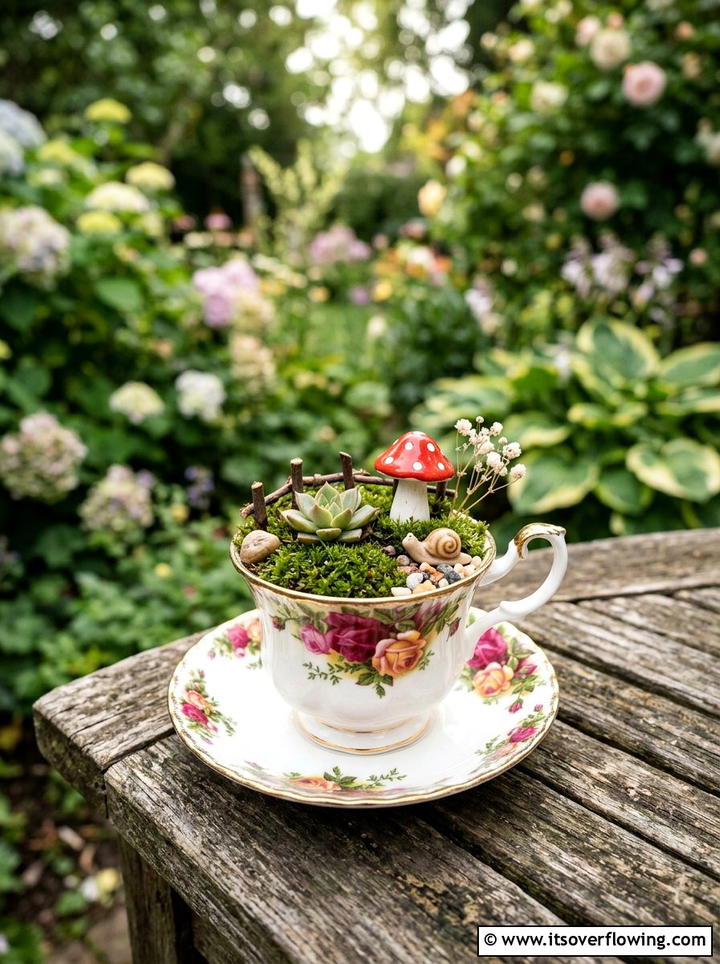
A teacup fairy garden is an adorable and compact way to bring miniature magic indoors or onto a small cafe table. Using a vintage teacup and saucer provides a delicate and whimsical base for a tiny scene. Because the space is so limited, you only need one or two very small plants, like a tiny succulent or a sprig of moss. You can add a single fairy figurine or a miniature mushroom to complete the look. This tiny garden makes a wonderful gift or a charming centerpiece for a garden party. The portability of the teacup allows you to move your fairy garden wherever you need a bit of extra cheer. It is a great project for beginners who want to try their hand at miniature gardening without a large commitment. Despite its small size, a teacup garden can hold an incredible amount of detail and personality.

8. Moss Fairy Garden
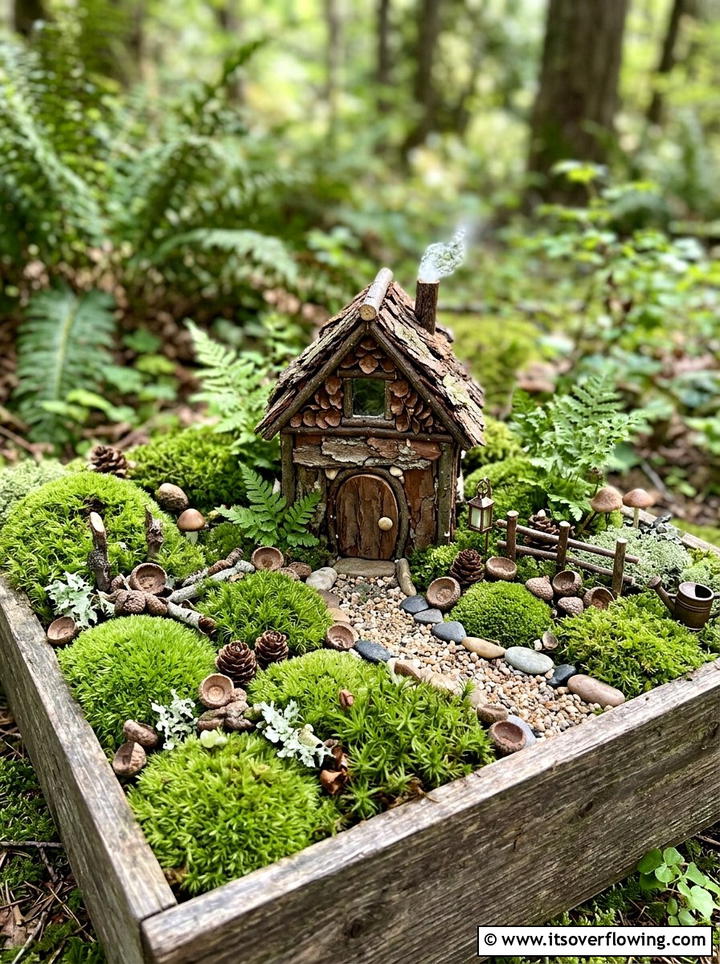
Using moss as the primary ground cover creates a soft, lush, and ancient feel in your fairy garden. Moss thrives in shady, damp areas, making it perfect for a garden tucked under a large tree or in a north-facing corner. You can mix different types of moss, such as sheet moss and cushion moss, to create variety in texture and height. This green carpet provides a perfect base for tiny woodland accessories like acorn caps or small pinecones. A rustic cottage made of bark looks especially enchanting when surrounded by a sea of deep green moss. This style of garden requires consistent moisture but offers a high reward with its velvety appearance and tranquil vibe. It feels like a secret, untouched part of a deep forest where fairies would naturally hide. The simplicity of the moss allows the smaller, colorful fairy accessories to stand out and catch the eye.
9. Fairy Garden Under Tree
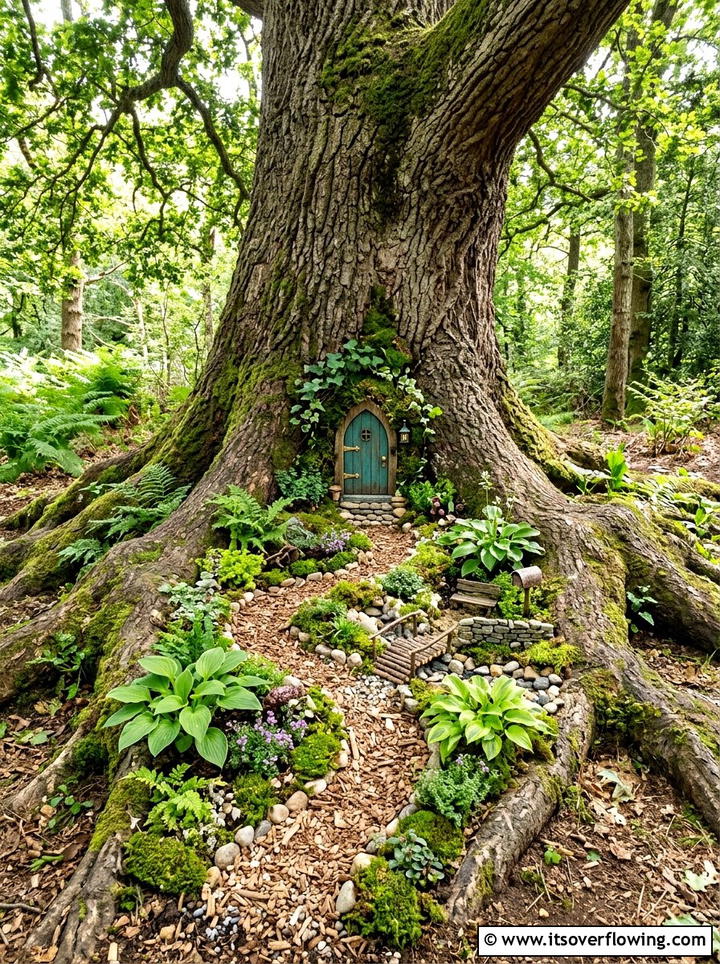
The base of a large tree is a natural and sheltered location for an expansive fairy garden. The roots of the tree can provide interesting topographical features, like natural hills and valleys for your miniature world. You can nestle a fairy door against the trunk to create the illusion that the tree itself is a magical dwelling. Using shade-loving plants like hostas or ferns in the surrounding area helps the fairy garden feel integrated with the larger landscape. You can use wood chips or pine needles to create natural paths that wind between the roots. This location often stays cooler in the summer, which is beneficial for both the plants and the longevity of your fairy accessories. Building the garden at the foot of a tree adds a sense of mystery and discovery for anyone walking through your yard. It turns a quiet spot into a place of wonder.
10. Herb Fairy Garden
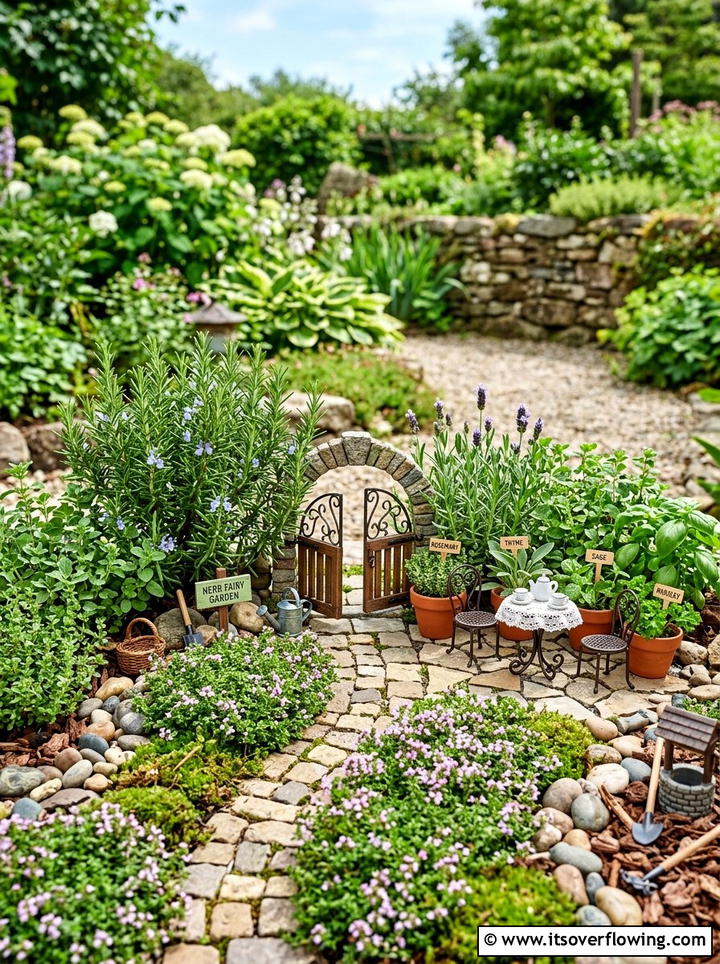
An herb fairy garden combines the beauty of miniature design with the functionality of a kitchen garden. Many herbs, such as creeping thyme, rosemary, and oregano, have small leaves that fit the scale of a fairy world perfectly. You can arrange these edible plants around tiny garden gates and miniature bistro sets to create a charming “kitchen garden” for your fairies. This setup not only looks beautiful but also provides fresh scents every time you brush against the plants. Placing this garden near your back door or on a sunny windowsill makes it easy to harvest a few sprigs for cooking. The woody stems of older rosemary plants can even look like miniature trees, adding structure to the scene. This approach is a great way to engage children with gardening and cooking while fostering their imagination. It is a practical and delightful addition to any home garden or patio.
11. Fairy Garden Solar Lights
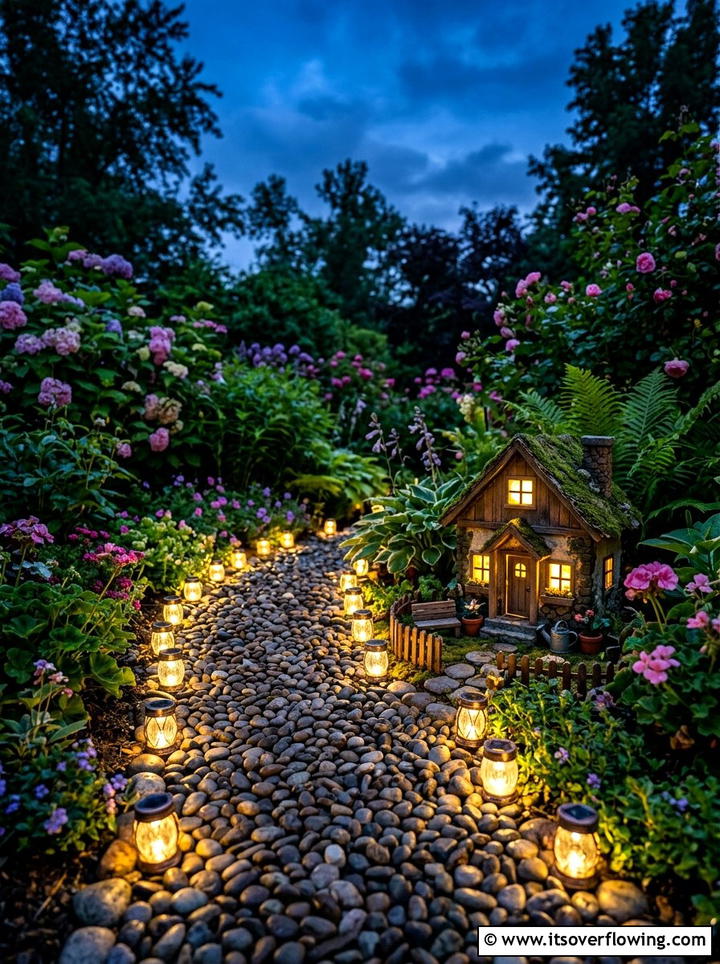
Adding solar lights to your fairy garden ensures that the magic continues long after the sun goes down. You can find tiny solar-powered lanterns, glowing mushrooms, or even string lights designed for miniature scales. These lights can be placed along paths or hidden inside a fairy house to create a warm, inviting glow. During the day, the small solar panels soak up energy, and at night, they illuminate the intricate details of your design. This creates a completely different atmosphere, making the garden feel like a bustling fairy village at twilight. Lighting also highlights the textures of the plants and stones, adding depth and shadows to the landscape. It is a practical way to add visual interest to your outdoor space at night without needing complex electrical wiring. The soft illumination provides a sense of safety and enchantment, drawing people in to look closer at the tiny world.
12. Wheelbarrow Fairy Garden
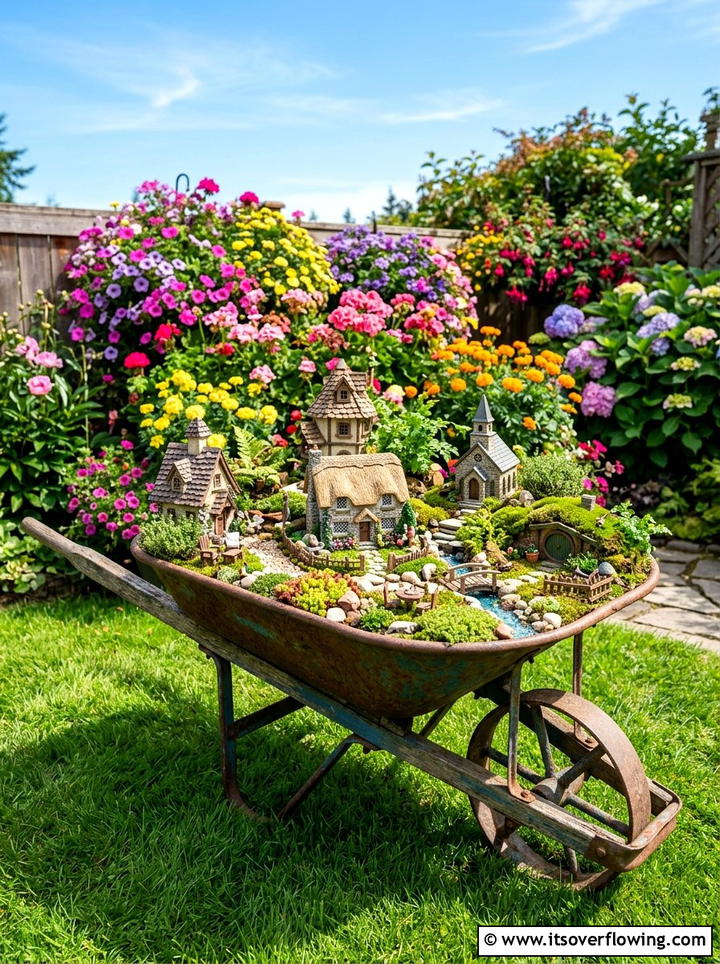
An old wheelbarrow serves as a deep and spacious container for a large-scale fairy garden. The height of the wheelbarrow makes it easy to work on and view without having to bend over to the ground. You can create different zones within the wheelbarrow, such as a residential area with cottages and a rural area with miniature livestock. Because of its depth, you can plant larger varieties of flowers or even small shrubs to provide height and structure. The metal or wood of the wheelbarrow adds a vintage, rustic feel to the entire display. You can even move the wheelbarrow around your yard to follow the sun or to change up your garden layout. This mobile garden becomes a conversation piece that can be decorated seasonally. It offers plenty of room for elaborate storytelling and multiple focal points, making it a favorite for dedicated miniature gardening enthusiasts.
13. Fairy Garden For Children
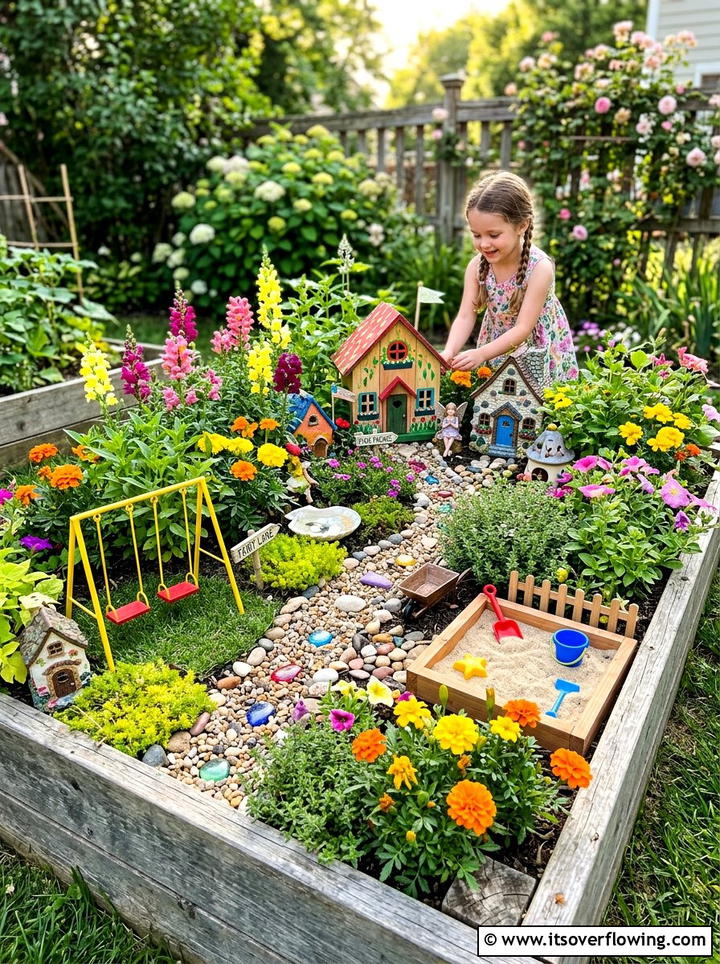
Designing a fairy garden specifically for children involves using sturdy materials and bright, engaging colors. You can include interactive elements like a tiny sandbox, a miniature swing set, or a small pond where they can “water” the fairies. Using non-toxic plants like snapdragons or marigolds adds a splash of color and is safe for little hands. This project is a wonderful way to teach children about plant care, biology, and the cycles of nature. You can encourage them to find natural items like flat stones or interesting twigs to add to the garden. The goal is to create a space where they feel free to move the fairies around and tell their own stories. This hands-on approach fosters creativity and a love for the outdoors. A kid-friendly fairy garden can be a constantly evolving art project that grows and changes alongside the child’s imagination and gardening skills.
14. Log Cabin Fairy House
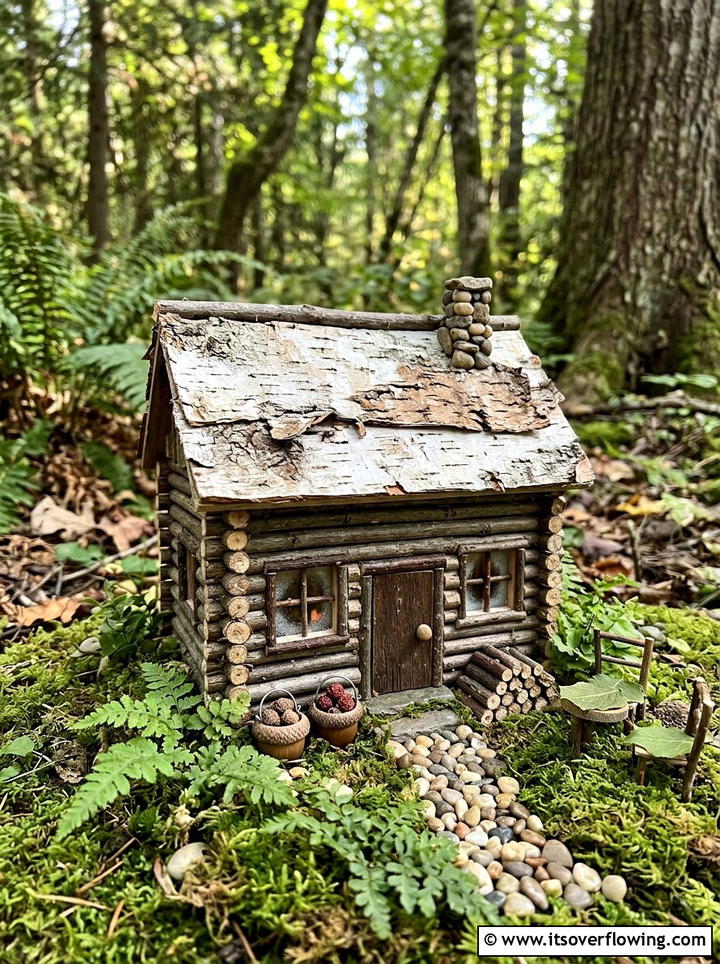
A log cabin fairy house brings a rugged, frontier aesthetic to your miniature garden. You can build these small structures using dry twigs, cinnamon sticks, or small pieces of driftwood glued together. Adding a roof made of pinecone scales or birch bark enhances the natural, handmade look. This type of house looks best when surrounded by tiny “pines” made from rosemary or small spruce saplings. You can create a small woodpile out of tiny sticks to place next to the cabin for added realism. This design choice works well in a woodland-themed garden or near a rustic fire pit area. The warm tones of the wood and the textured surfaces provide a cozy and inviting feel. It suggests a simple, quiet life for the fairies who might live there. This project allows for a high level of customization, as you can build porches, balconies, and even tiny chimneys for your cabin.
15. Fairy Garden Stone Path
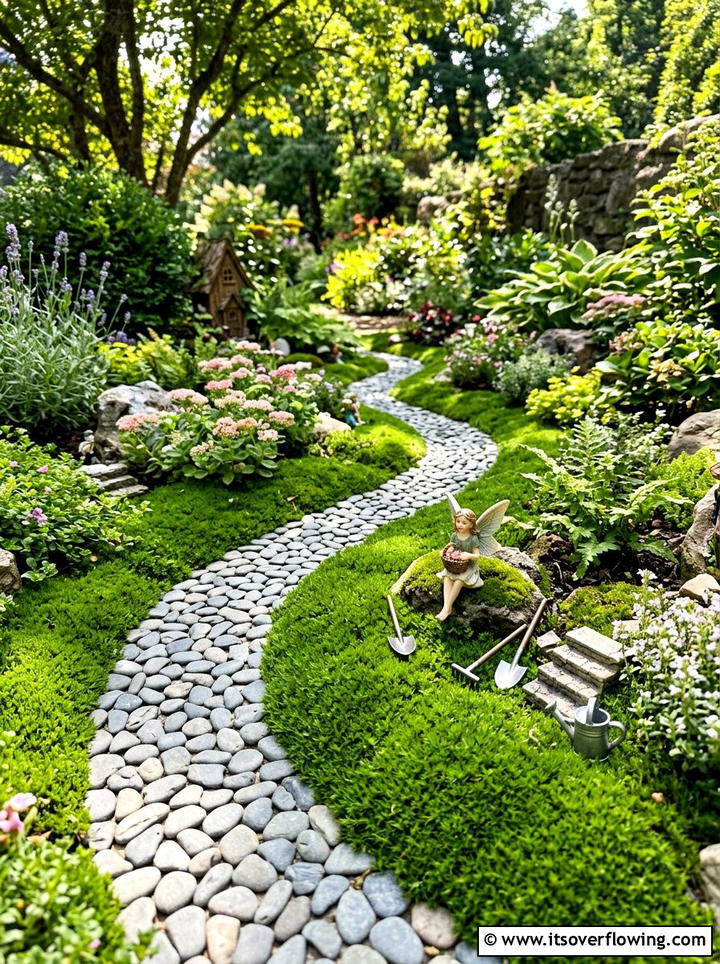
A well-defined stone path is essential for creating structure and a sense of purpose in a fairy garden. You can use flat river pebbles, slate chips, or even colorful sea glass to create a walkway that leads from the garden gate to the fairy house. Laying the stones in a winding pattern makes the garden feel more natural and expansive. You can plant low-growing ground covers like creeping jenny or Irish moss between the stones to soften the edges. This path serves as a visual guide, drawing the viewer’s eye through the different sections of the miniature landscape. It also provides a stable surface for placing tiny figurines or furniture. A path adds a sense of realism, suggesting that the inhabitants of the garden frequently travel across their tiny domain. Whether the path is neat and tidy or slightly overgrown, it is a key element in successful miniature garden design and storytelling.

16. Fairy Garden Beach Theme
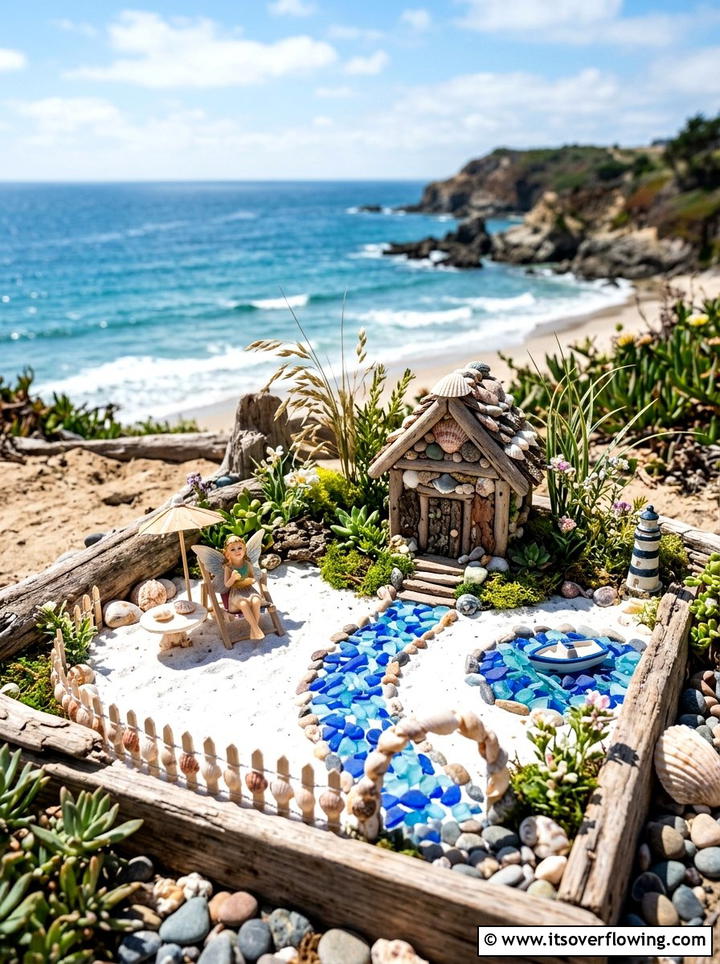
A beach-themed fairy garden offers a refreshing and sunny take on the traditional woodland style. You can use fine white sand to create a miniature shoreline and blue glass beads to represent the ocean. Adding tiny seashells, a miniature lighthouse, and a small Adirondack chair creates a relaxing seaside atmosphere. For plants, you can use succulents that look like sea creatures or air plants that mimic the appearance of seagrass. This theme is perfect for a bright sunroom or a patio near a pool. You can even add a tiny surfboard or a miniature beach umbrella for a playful touch. The light colors and airy feel of a beach garden make it a great choice for modern decor. It brings a sense of vacation and tranquility to your home, reminding you of the beauty of the coast. This style is easy to maintain and offers a unique aesthetic that stands out from more traditional green gardens.
17. Hanging Fairy Garden Basket
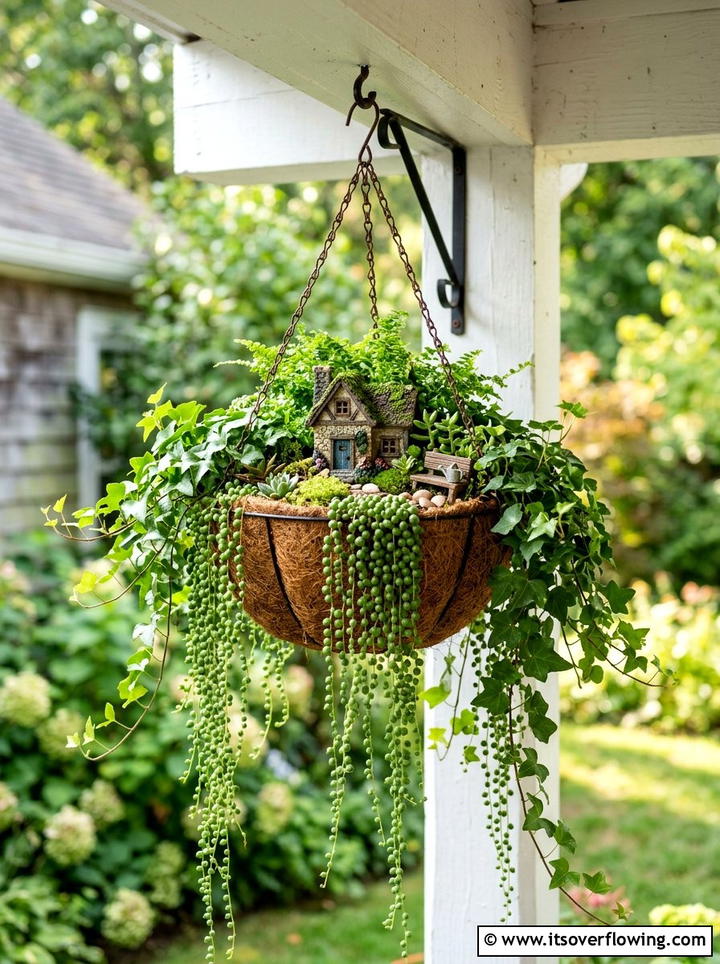
A hanging basket fairy garden is a creative way to use vertical space and add a touch of magic at eye level. By using a standard wire or coco-fiber hanging basket, you can create a suspended world that dangles from a porch or a tree branch. You can plant trailing vines like ivy or string of pearls around the edges to drape down and frame the scene. In the center, you can place a tiny cottage and a small garden set. This elevated position keeps the fairy garden away from pests and provides a unique perspective for viewers. Because it is hanging, you can even add details to the bottom of the basket, like hanging crystals or small chimes. This setup is ideal for those with limited ground space who still want to enjoy the whimsy of a fairy garden. It creates a floating sanctuary that feels light, airy, and truly enchanting to all who see it.
18. Fairy Garden Mailbox
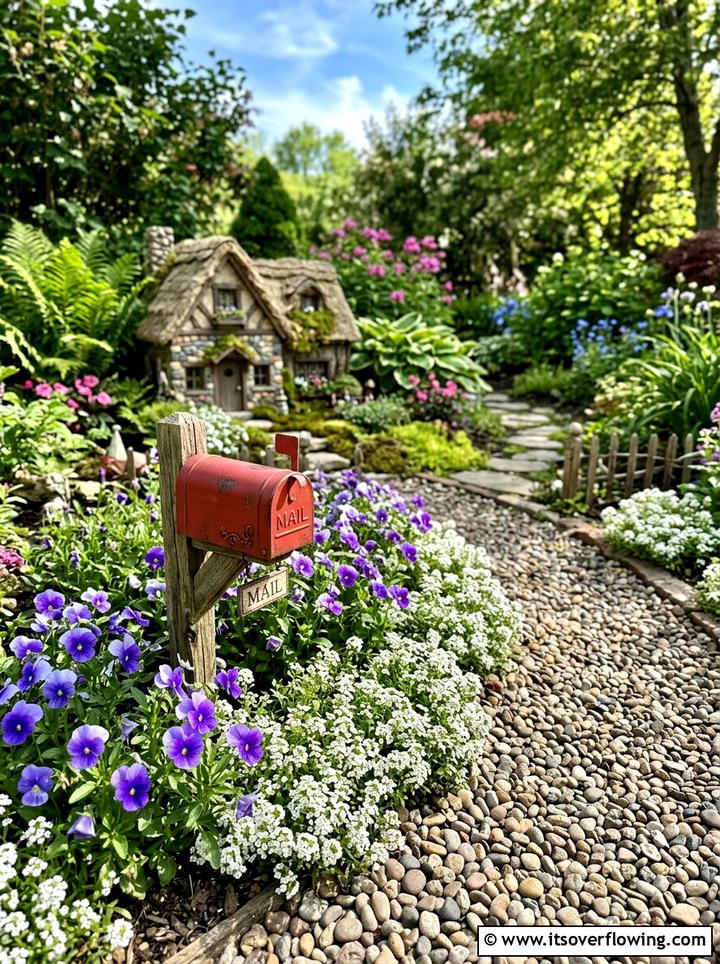
Installing a tiny mailbox in your fairy garden adds a delightful and interactive element to the scene. You can buy a miniature metal mailbox or craft one from wood and paint it a bright, cheerful color. Placing it at the start of a garden path suggests that the fairies receive letters and news from the outside world. You can even leave tiny, hand-written notes inside the mailbox for children to find, making the magic feel real. Surrounding the mailbox with small flowering plants like violas or pansies makes it look like a charming rural postal stop. This small detail adds a layer of narrative and personality to your garden. It encourages people to look closer and interact with the display. A mailbox is a simple addition that carries a lot of weight in terms of storytelling and charm. It helps to ground the magical elements in a relatable, everyday context.
19. Edible Fairy Garden
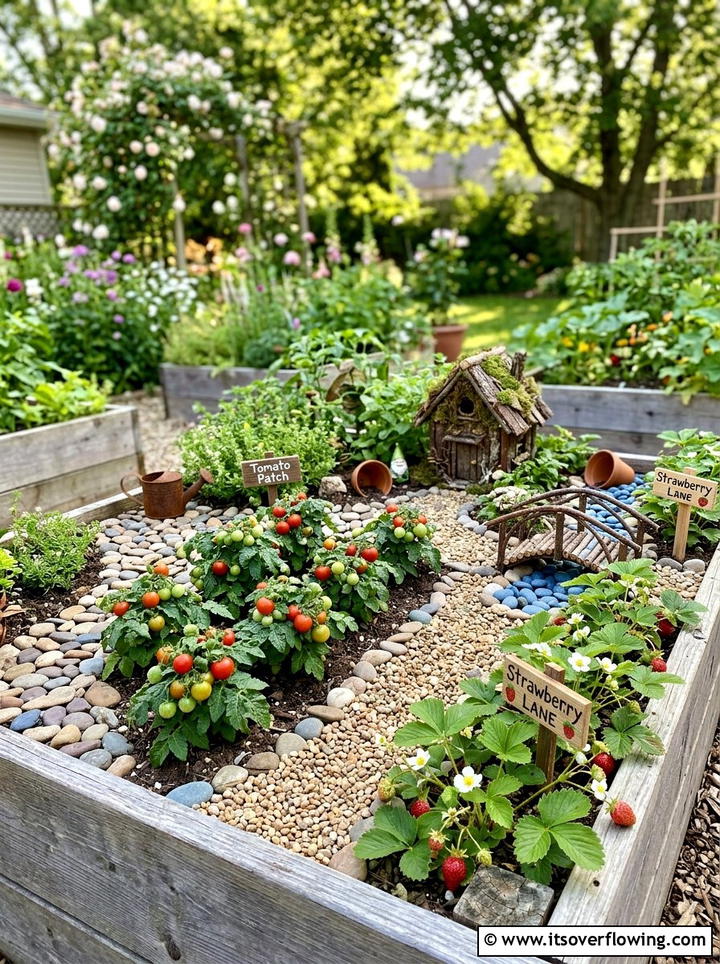
An edible fairy garden uses small fruit and vegetable plants to create a productive and magical landscape. You can use dwarf varieties of cherry tomatoes, tiny peppers, or even alpine strawberries that produce small, sweet fruits. These plants offer a variety of colors and textures that fit perfectly into a miniature world. You can design the garden to look like a tiny farm, with rows of “crops” and a small picket fence. Adding a miniature wheelbarrow or a tiny watering can emphasizes the agricultural theme. This garden is both beautiful to look at and functional, providing a small harvest for you to enjoy. It is a great way to teach people that even the smallest spaces can be used for growing food. The combination of productive gardening and imaginative design makes this a unique and rewarding project. It turns a standard vegetable patch into a whimsical and engaging landscape for all ages.
20. Fairy Garden Waterfall
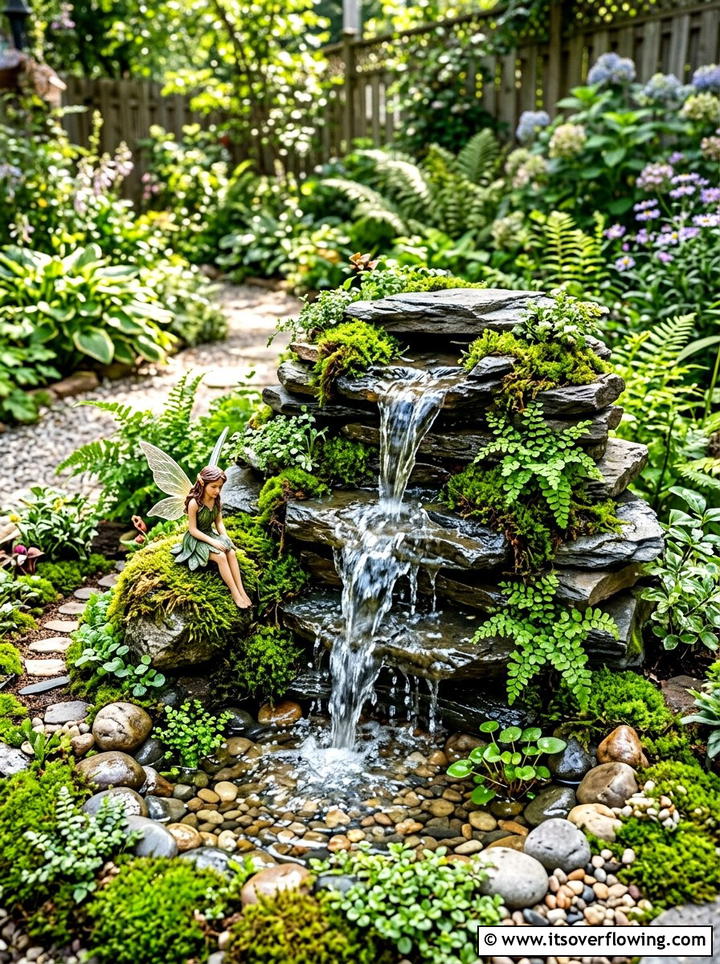
A fairy garden waterfall provides a dynamic and soothing element to your miniature landscape. You can create a faux waterfall using blue resin, or if you are feeling ambitious, a small pump can provide actual running water. Using stacked flat stones to create the vertical drop gives the water a place to cascade into a tiny pond below. Surrounding the waterfall with lush moss and water-loving plants like miniature ferns enhances the tropical or woodland feel. The sound of trickling water adds a sensory layer to the garden, making it even more relaxing. You can place a tiny fairy figure near the edge of the pond as if they are enjoying the cool mist. This feature serves as a dramatic focal point that anchors the entire design. It brings a sense of life and energy to the garden, making the miniature world feel vibrant and constantly in motion.
21. Fairy Garden Pine Trees
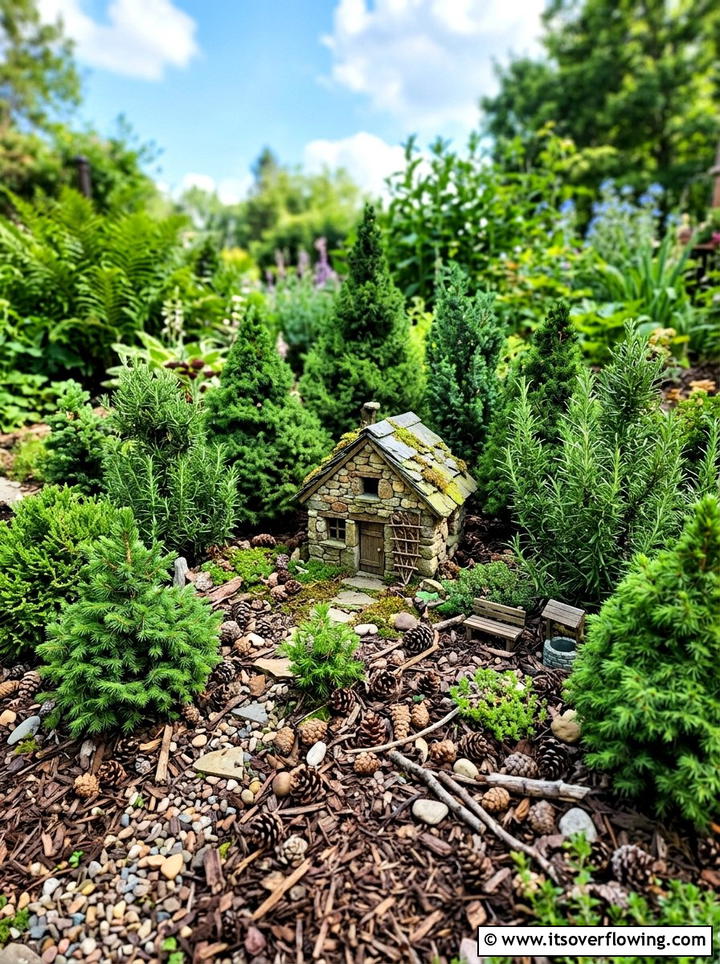
Incorporating miniature pine trees gives your fairy garden a timeless, alpine, or forest aesthetic. You can use dwarf conifers like Alberta Spruce or even trimmed rosemary bushes to mimic the look of towering evergreens. These plants provide year-round green color and a strong structural presence in your miniature world. Placing a small log cabin or a rustic stone hut among the “pines” creates a cozy, secluded mountain retreat. You can use brown mulch or pine needles to cover the ground, adding to the authentic forest floor appearance. These tiny trees offer great places to hang miniature swings or lanterns. They also provide shade for other small plants and fairy figurines. The scale of the trees helps to define the overall size of the garden, making the fairies seem even smaller and more magical. This style is perfect for those who love a classic, natural look that feels sturdy and well-established.
22. Fairy Garden Wagon
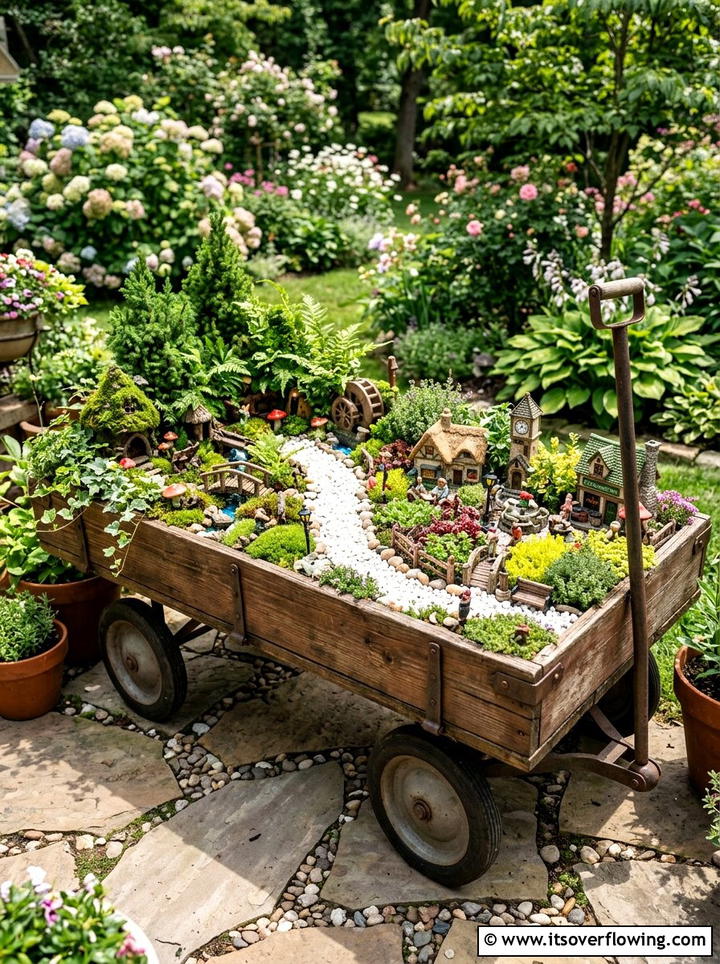
A vintage radio flyer or a wooden garden wagon makes for an excellent, mobile fairy garden container. The large surface area of a wagon allows for multiple scenes to be created within one space. You can have a residential area at one end and a park or forest at the other, connected by a long, winding path. The wheels of the wagon add a nostalgic and charming touch to the overall design. Because it is on wheels, you can easily move the entire garden into the shade or protect it from heavy rain. Filling the wagon with a variety of textures, from soft moss to crunchy gravel, makes the landscape more interesting. You can even decorate the handle of the wagon with ribbons or fairy lights to tie the look together. This large-scale project is perfect for families or hobbyists who want to create a detailed and expansive miniature world that is also easy to manage.
23. Fairy Garden Fence
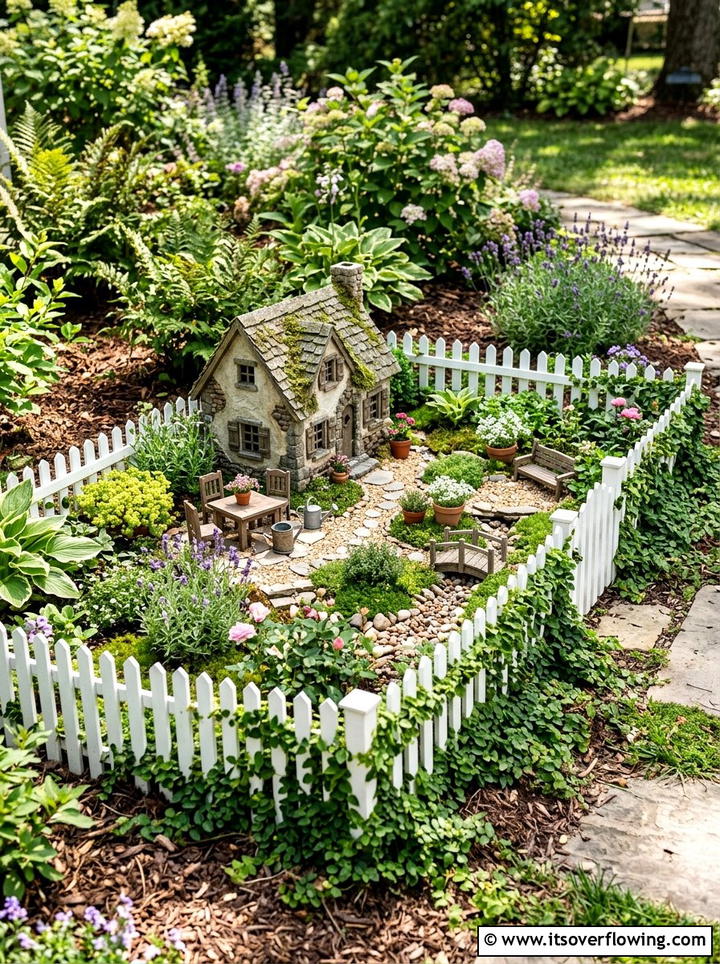
Adding a fence to your fairy garden helps to define the boundaries of the space and adds a sense of order. You can use tiny white picket fences for a cottage garden look or rustic twig fences for a woodland theme. Fencing can be used to enclose a small “yard” around a fairy house or to line a path. This architectural detail makes the miniature world feel more organized and inhabited. You can grow tiny climbing plants like creeping fig or small-leafed ivy along the fence to make it look established and weathered. A gate that actually opens and closes adds an interactive and charming touch. Fencing also helps to keep different types of plants or ground covers separated, preventing them from merging too quickly. It is a simple yet effective way to add structure and realism to your fairy garden, making it look like a carefully planned and maintained miniature estate.
24. Bonsai Fairy Garden
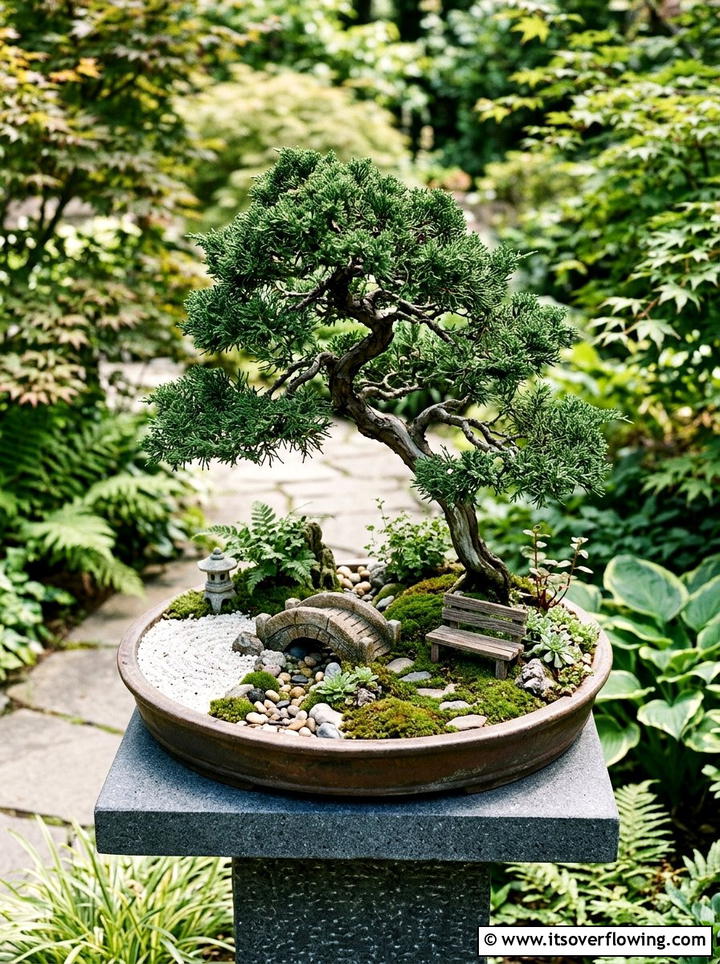
A bonsai tree can serve as the majestic centerpiece of a sophisticated and artistic fairy garden. The twisted trunks and delicate leaves of a bonsai create the perfect scale for a miniature landscape. You can place a small, traditional Japanese-style hut or a simple stone bench beneath the branches to create a peaceful scene. Using fine gravel or sand around the base of the tree allows you to create Zen-like patterns that enhance the tranquil vibe. This type of fairy garden requires a bit more care, as bonsai trees have specific watering and pruning needs. However, the result is a stunning living sculpture that feels both ancient and magical. The combination of the carefully shaped tree and the tiny fairy accessories creates a beautiful balance between nature and art. It is an elegant way to practice the art of bonsai while adding a playful, imaginative twist to your plant collection.
25. Fairy Garden Furniture
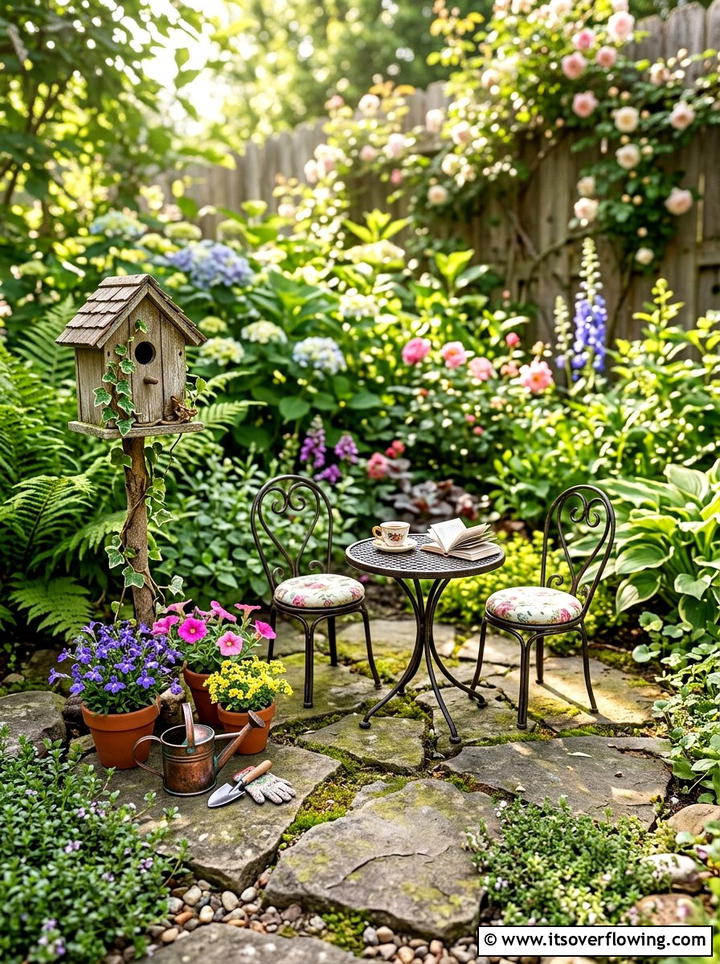
Choosing the right furniture is key to making your fairy garden feel like a real home for its tiny inhabitants. You can find or make miniature benches, chairs, tables, and even tiny birdbaths or garden tools. Placing a small bistro set on a pebble patio creates an inviting spot for a fairy tea party. Using materials like wire, wood, or resin ensures that the furniture stands up to the outdoor elements. You can add tiny cushions made from colorful fabric scraps to add a pop of color and comfort. Arranging the furniture in a logical way, such as placing a bench near a viewpoint or a table near a house, helps to tell a story. These small details are what truly bring a fairy garden to life, making it look like a functional and cherished space. It invites viewers to imagine the tiny lives of the fairies who might use these miniature items every day.
Conclusion:
Creating a fairy garden is an enchanting journey that blends the art of gardening with the joy of storytelling. These 25 ideas demonstrate that there are no limits to the ways you can incorporate miniature magic into your home and outdoor spaces. Whether you prefer the rugged look of a stone garden or the delicate charm of a teacup display, each project offers a unique way to express your creativity. By focusing on scale, texture, and narrative, you can build a small world that captivates the hearts of both children and adults. These gardens serve as a reminder to appreciate the small details in nature and to find wonder in the everyday. As your plants grow and your miniature scenes evolve, your fairy garden will become a cherished part of your landscape. We hope these suggestions inspire you to start your own magical gardening adventure today and bring a little more whimsy into your beautiful life.

Related posts:
 25 garden ideas with lights for Magical Outdoor Evenings
 25 Garden Design Ideas for Cottage Gardens Full of Charm
 25 Garden Ideas With Bottle Lights for Magical Evenings
 25 Garden Ideas With Pathway Lights for Magical Evenings
 25 Garden Ideas With String Lights for Magical Evenings
 25 Small Garden Ideas With Lighting for Magical Evenings
 25 Creative Garden Ideas With Chicken Coop Gardens
 25 Creative Garden Ideas With Mandala Gardens to Inspire
 25 creative garden ideas with moon gardens for Nighttime Glow
 25 Creative Garden Ideas With Salad Gardens for Fresh Harvests
 25 Garden Design Ideas With Vertical Gardens for Small Yards
 25 Garden Ideas With Vertical Gardens For Small Spaces