
Growing your own fresh greens is a rewarding experience that combines the beauty of landscape design with the practical benefits of sustainable living. Creating a salad garden allows you to enjoy a continuous harvest of crisp lettuce, peppery arugula, and vibrant herbs right from your backyard or balcony. These edible spaces serve as more than just a source of food; they act as stunning focal points that enhance the overall aesthetic of your outdoor living area. By integrating different textures and shades of green, you can build an environment that is both functional and visually captivating. This guide explores various creative ways to organize your planting zones effectively for a bountiful and beautiful season.
1. Vertical Salad Wall
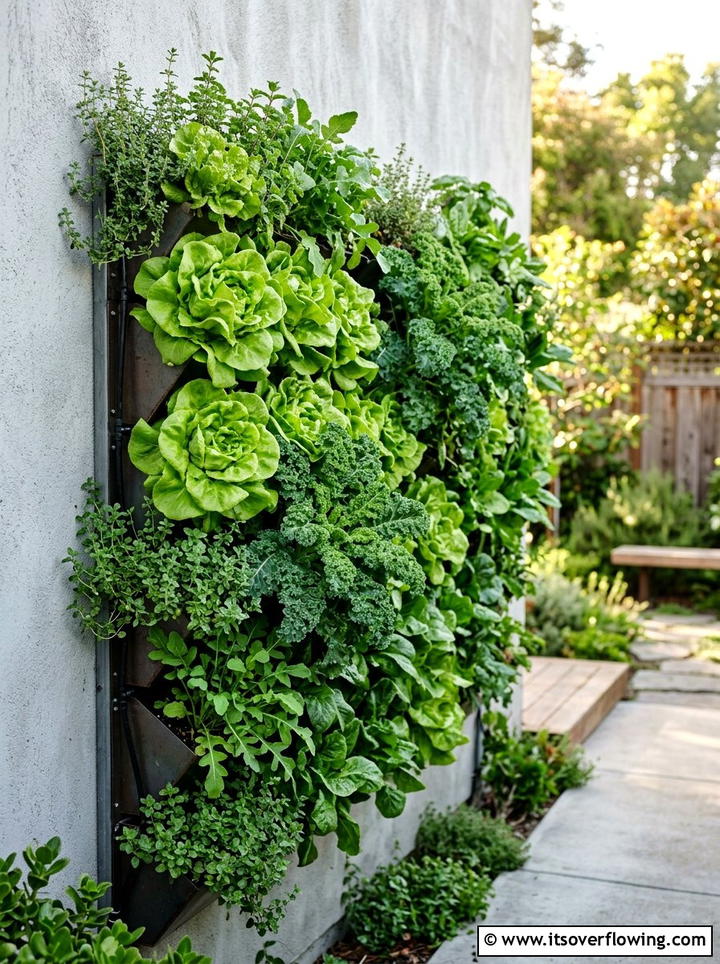
Imagine a lush living wall where vibrant greens spill over the edges of sleek, modern planters attached to a sturdy exterior surface. This vertical setup transforms any bare wall into a functional and beautiful focal point for your patio. You can arrange different varieties of lettuce, kale, and spinach in a gradient of colors from deep purple to bright lime green. This approach maximizes space in small yards while keeping your harvest away from ground-dwelling pests. The installation typically uses a moisture-resistant backing to protect your home. It creates a stunning backdrop for outdoor dining areas. Having your ingredients within arm’s reach makes every meal feel incredibly special and fresh.
2. Raised Cedar Garden Bed
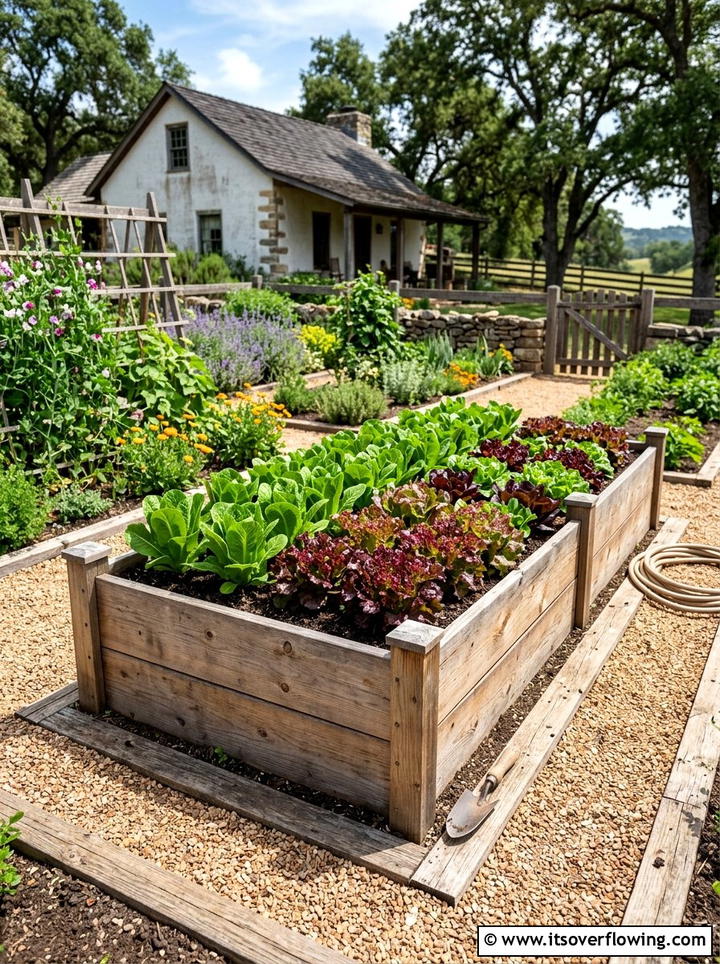
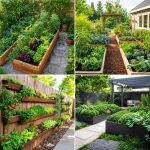
A raised cedar garden bed offers a clean and organized way to grow your favorite salad ingredients in any backyard. These structures are often built at a comfortable height to reduce back strain during planting and harvesting. The natural wood grain of the cedar provides a warm, rustic look that complements traditional and contemporary landscapes alike. You can fill these beds with high-quality organic soil to ensure your greens grow quickly and healthily. Surrounding the beds with crushed gravel or wood chips creates a tidy appearance and prevents mud from splashing onto your produce. It becomes a dedicated zone for culinary excellence right outside your back door.
3. Tiered Herb Planter
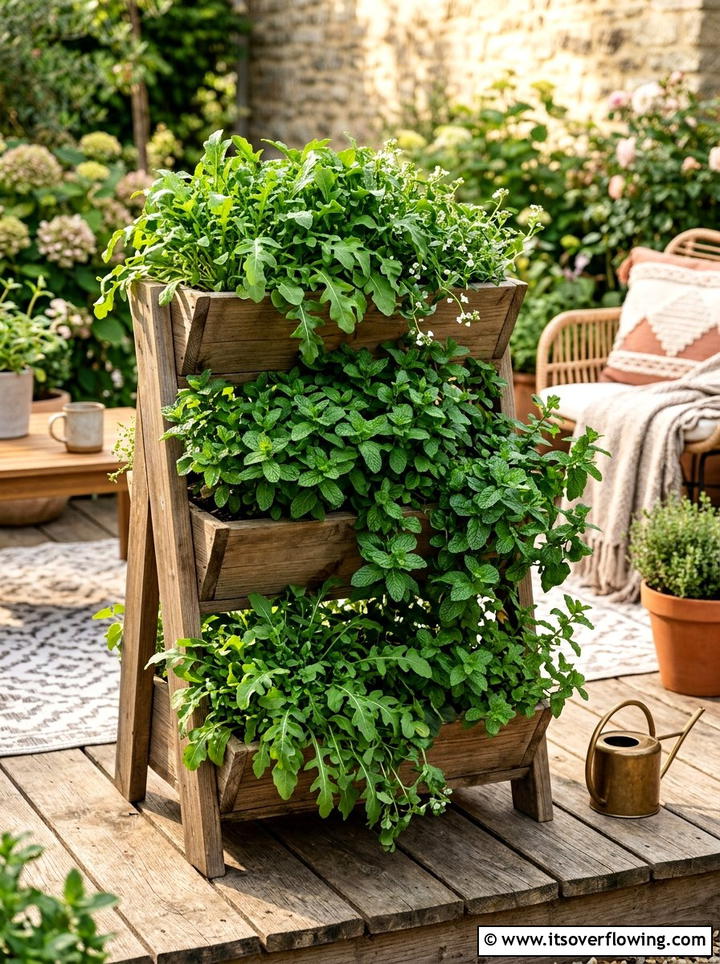
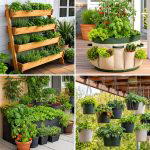
Do you want a compact solution that packs a lot of variety into a small footprint? A tiered herb and salad planter utilizes multiple levels to separate different species based on their sunlight and water needs. These wooden or stone structures look fantastic when placed near a kitchen entrance for quick access while cooking. You might plant taller greens like Swiss chard at the top and trailing herbs at the bottom for a balanced look. The cascading effect of the foliage creates a fountain-like appearance that draws the eye upward. This design is perfect for adding vertical interest to a flat deck or a concrete patio space.
4. Kitchen Garden Window Box
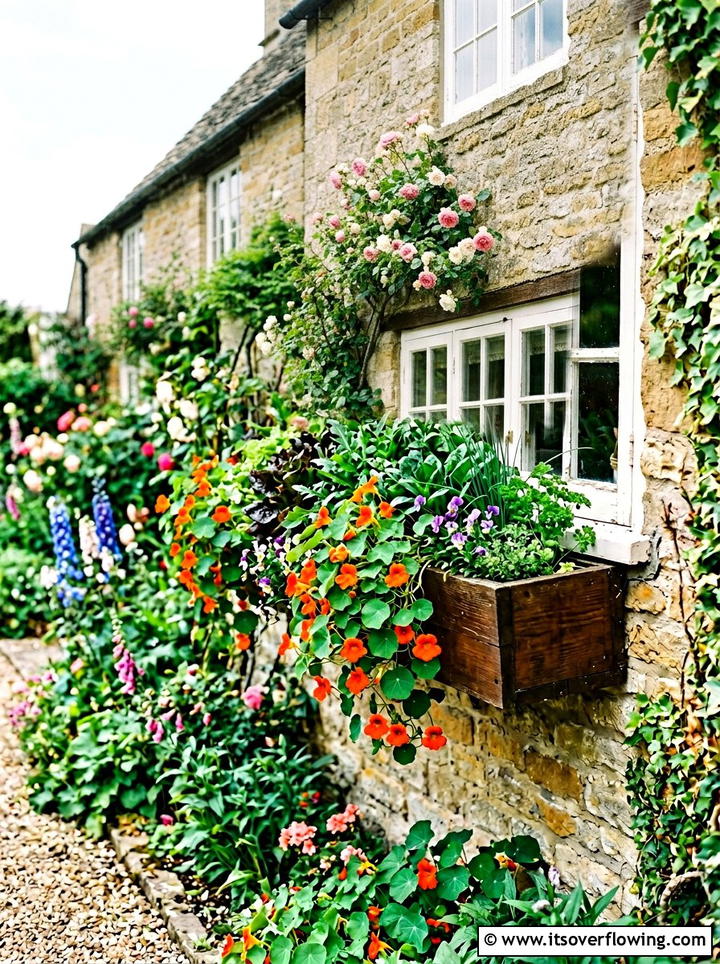
Installing a window box specifically for salad greens brings the garden directly to your view from inside the house. These long, narrow containers are perfect for cut-and-come-again varieties of lettuce that don’t require deep soil. You can mix in edible flowers like pansies or nasturtiums to add a splash of color among the various shades of green foliage. The proximity to the house makes it easy to monitor moisture levels and harvest a quick bowl of greens for lunch. Window boxes work exceptionally well for urban dwellers with limited outdoor space. They provide a charming, cottage-style look to the exterior architecture while remaining highly productive.
5. Hydroponic Tower System
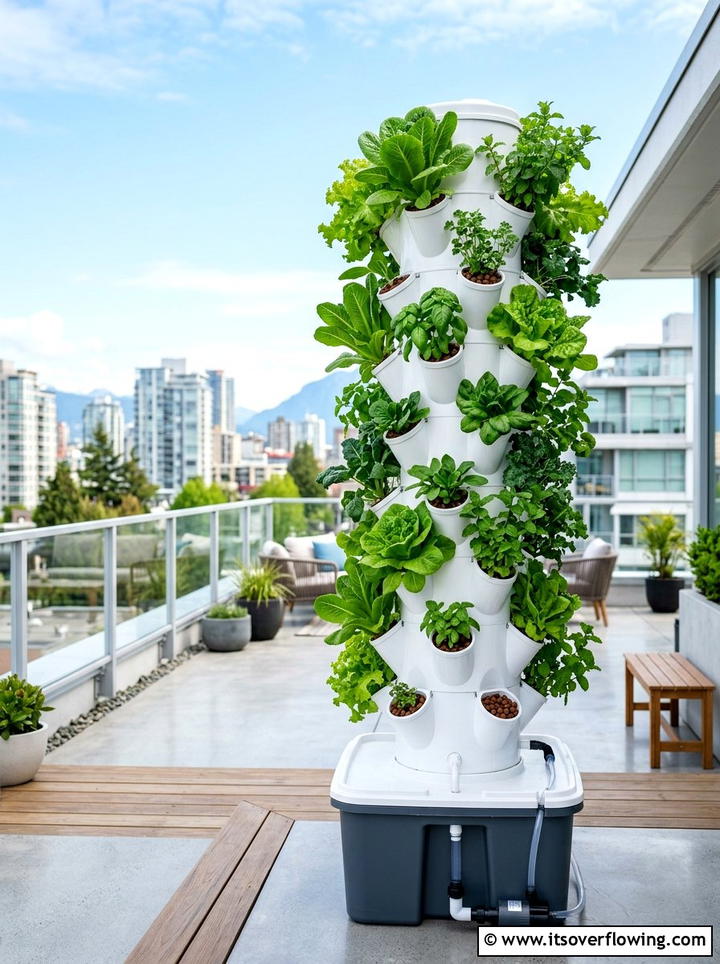
Are you looking for a futuristic and highly efficient way to grow greens without using traditional soil? A hydroponic tower system uses a nutrient-rich water solution to feed plants as they grow vertically in stacked pockets. These sleek white towers look incredibly modern on a sunny deck or even inside a bright sunroom. Because the water is recycled within the system, it uses significantly less liquid than traditional gardening methods. The plants often grow much faster, allowing for a constant rotation of fresh salad crops throughout the year. It provides a clean, soil-free aesthetic that appeals to those who prefer a more high-tech and minimalist gardening approach.
6. Vegetable Garden Enclosure
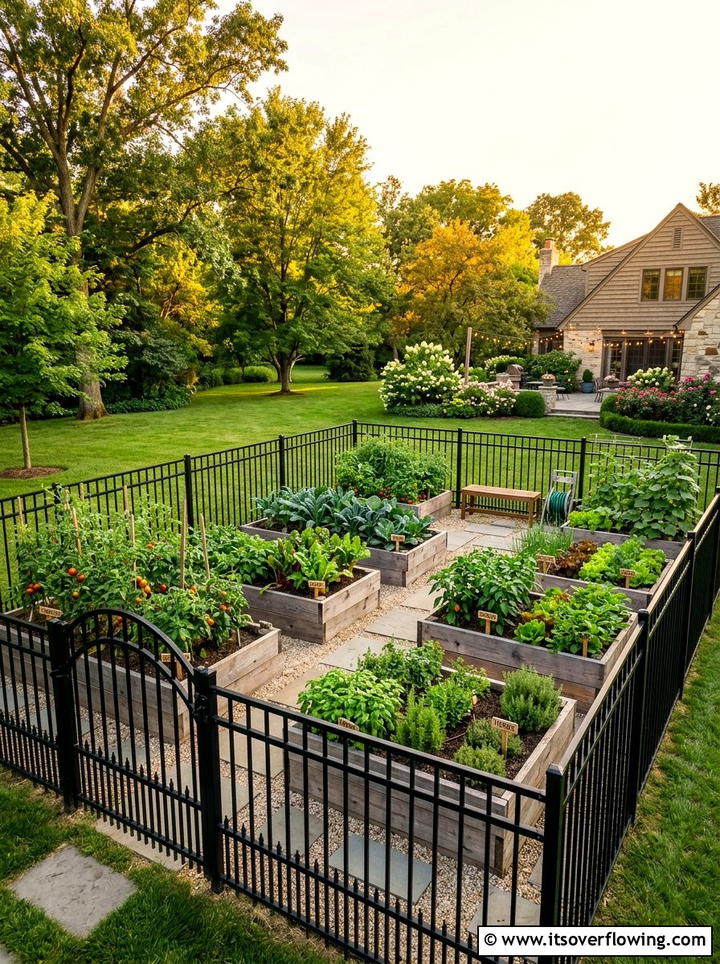
A fenced vegetable garden enclosure creates a protected sanctuary for your delicate salad greens and larger vegetable crops. Using black decorative wire or classic wooden pickets, you can define the space while keeping curious neighborhood animals away from your harvest. Inside the enclosure, you might include a mix of raised beds and narrow paths made of stepping stones or mulch. This layout creates a “room” within your garden that feels private and purposeful. Adding an ornamental gate provides a welcoming entrance to your personal grocery store. It is an excellent way to organize a larger backyard while ensuring the edible plants remain the stars of the show.
7. Potted Patio Garden
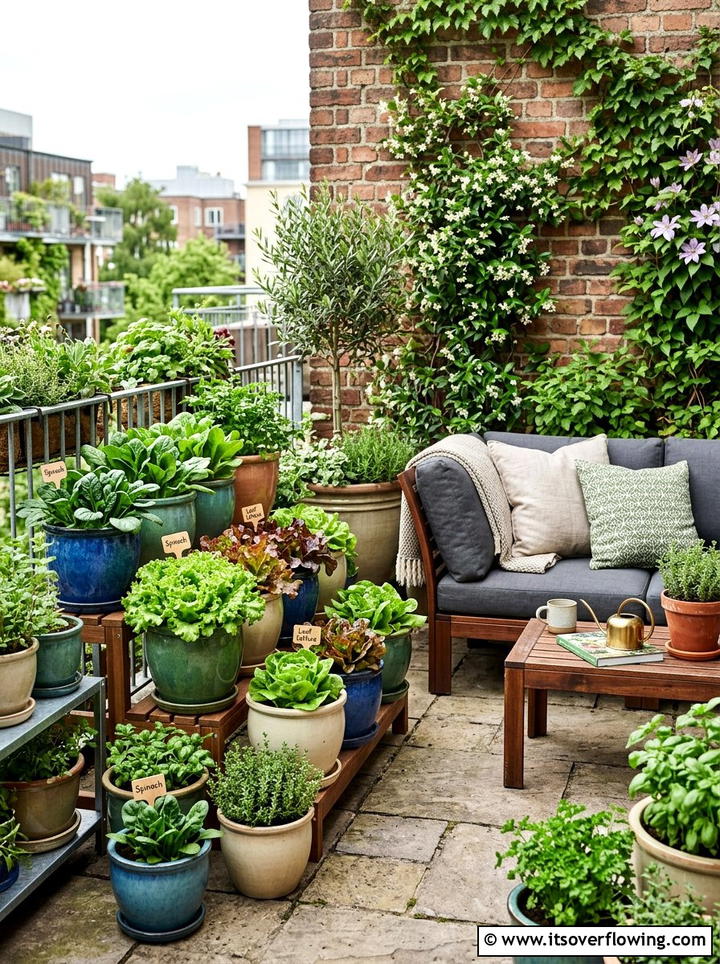
Using a collection of decorative pots is perhaps the most flexible way to start a salad garden on any hard surface. You can choose containers in varying sizes, colors, and materials like terracotta, glazed ceramic, or lightweight resin to match your outdoor furniture. Grouping the pots together creates a lush, jungle-like atmosphere on your patio or balcony. This method allows you to move individual plants to follow the sun or protect them from harsh weather conditions. It is easy to swap out finished crops for new seedlings, keeping the display looking full and vibrant all season long. Container gardening is accessible for everyone regardless of their yard size.
8. Checkerboard Salad Patch
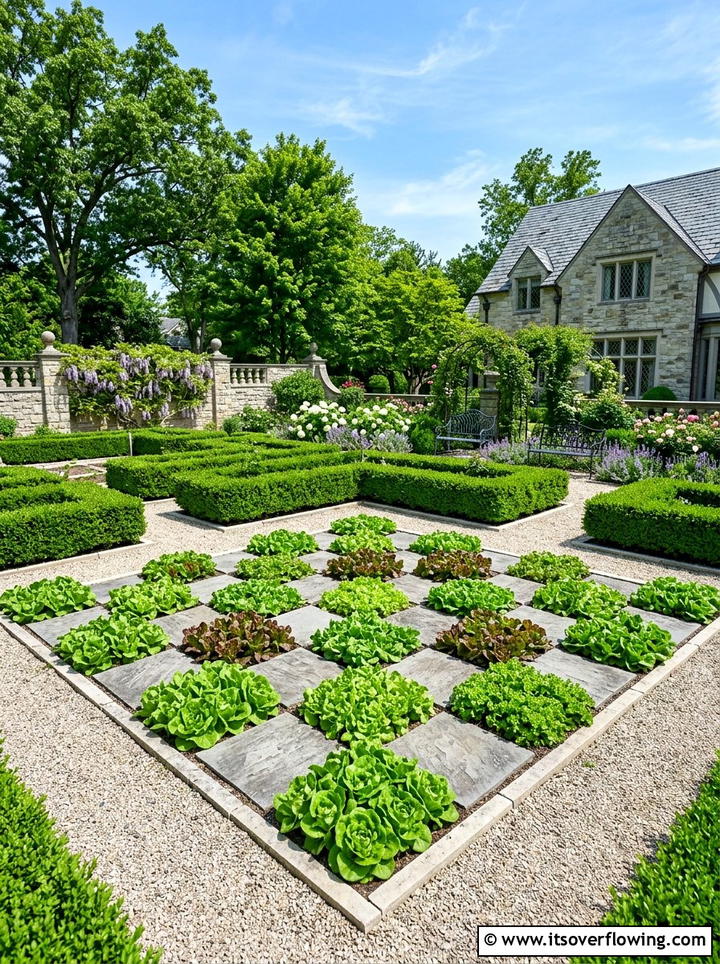
A checkerboard salad patch is a creative landscaping technique where you alternate square planting zones with square pavers or different colored mulch. This geometric design looks like a living piece of art and is particularly effective in formal garden settings. You can plant different varieties of loose-leaf lettuce in every other square to create a rhythmic pattern of textures and colors. The pavers provide stable footing for harvesting without compacting the soil where the roots are growing. This organized layout prevents the garden from looking overgrown or messy. It is a fantastic conversation starter that proves edible landscaping can be just as sophisticated as ornamental flower beds.
9. Modern Metal Planter
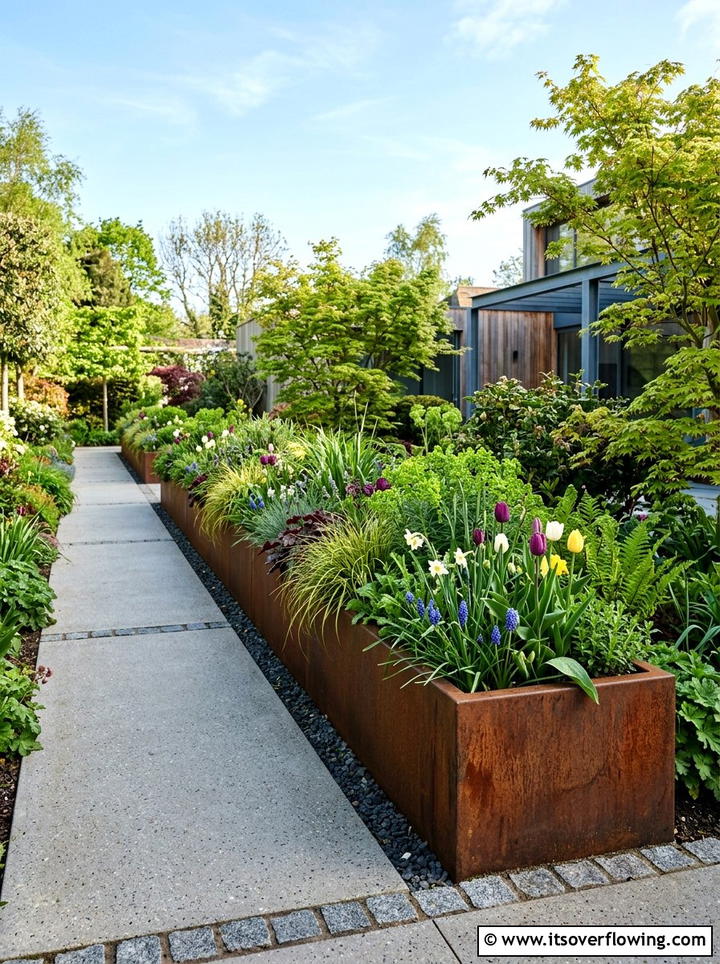
Sleek metal planters made of powder-coated steel or weathering Corten steel bring an industrial-chic vibe to your edible garden. These durable containers offer clean lines and sharp angles that look beautiful in a modern landscape design. The dark tones of the metal provide a striking contrast against the bright greens and reds of various salad leaves. Metal planters are often long and trough-like, making them ideal for lining a walkway or defining the edge of a seating area. They are built to last for many years and develop a beautiful patina over time. Using these containers elevates the status of simple vegetables to high-end design elements.
10. Edible Garden Border
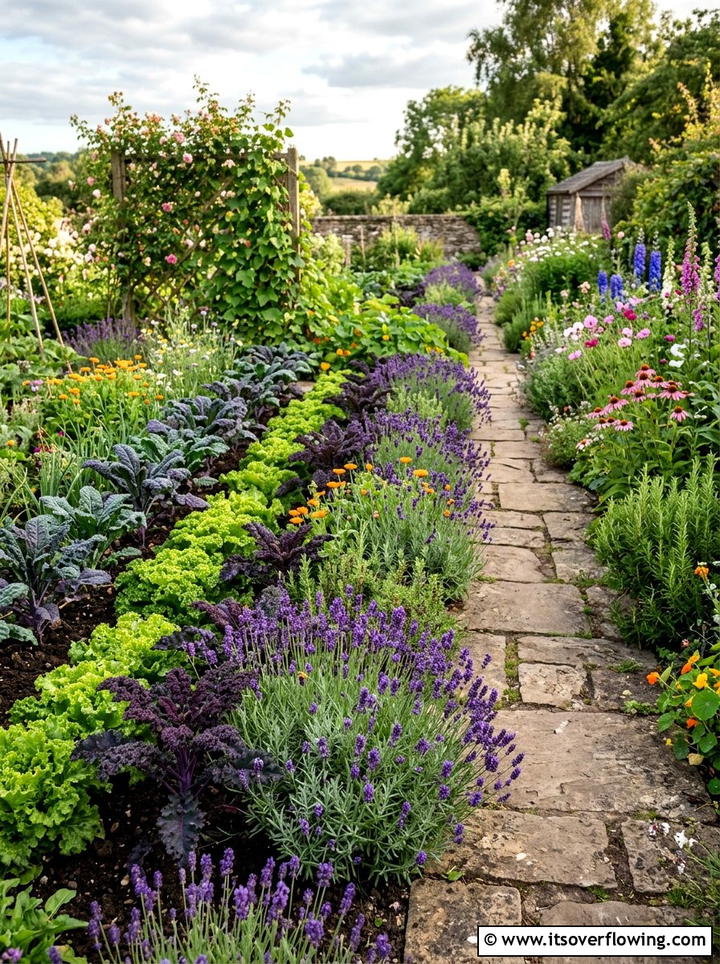
Why separate your vegetables from your flowers when you can integrate them into an edible garden border? You can use frilly lettuces, colorful kales, and aromatic herbs as edging plants along your existing flower beds or walkways. The diverse shapes of salad greens provide excellent ground cover and texture that complements traditional perennials and shrubs. This approach maximizes your growing space by utilizing the margins of your yard that might otherwise be empty. It also encourages beneficial insects to visit your garden, helping with pollination and natural pest control. An edible border is a practical way to weave food production into the very fabric of your landscape.
11. Greenhouse Vegetable Station
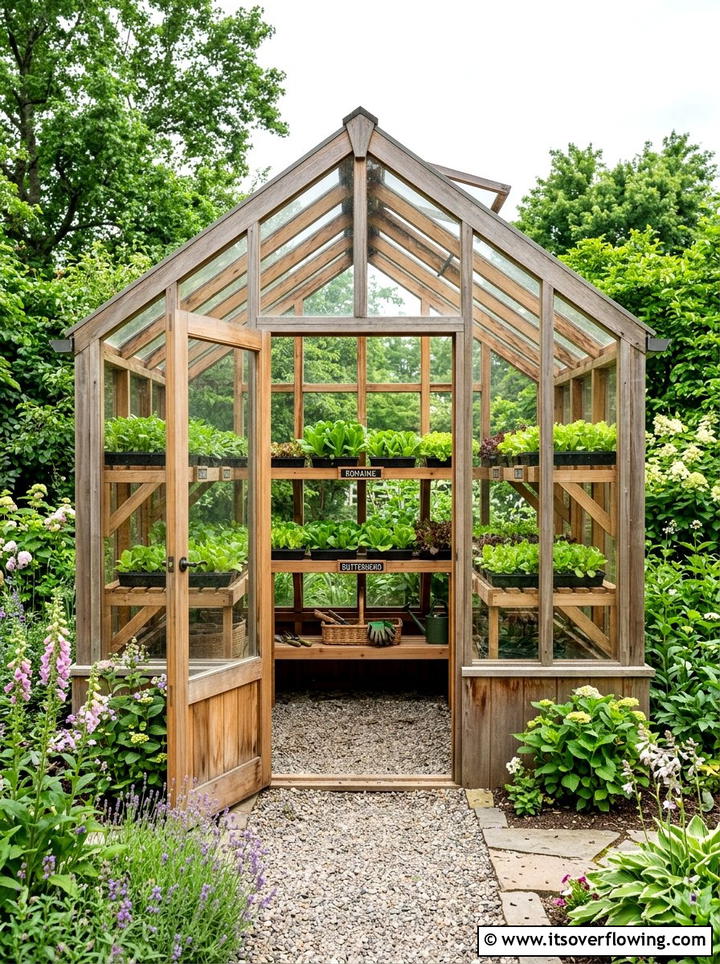
A small greenhouse or cold frame acts as a dedicated station for starting and protecting your salad crops throughout the year. These glass or polycarbonate structures trap heat, allowing you to harvest fresh greens even when the temperatures outside begin to drop. Inside, you can set up shelves for seed trays and larger benches for mature plants in containers. The organized interior keeps all your gardening tools and supplies in one convenient location. A greenhouse adds a professional and architectural element to your backyard while significantly extending your growing season. It is the ultimate luxury for anyone who wants a consistent supply of home-grown salad ingredients.
12. Hanging Salad Basket
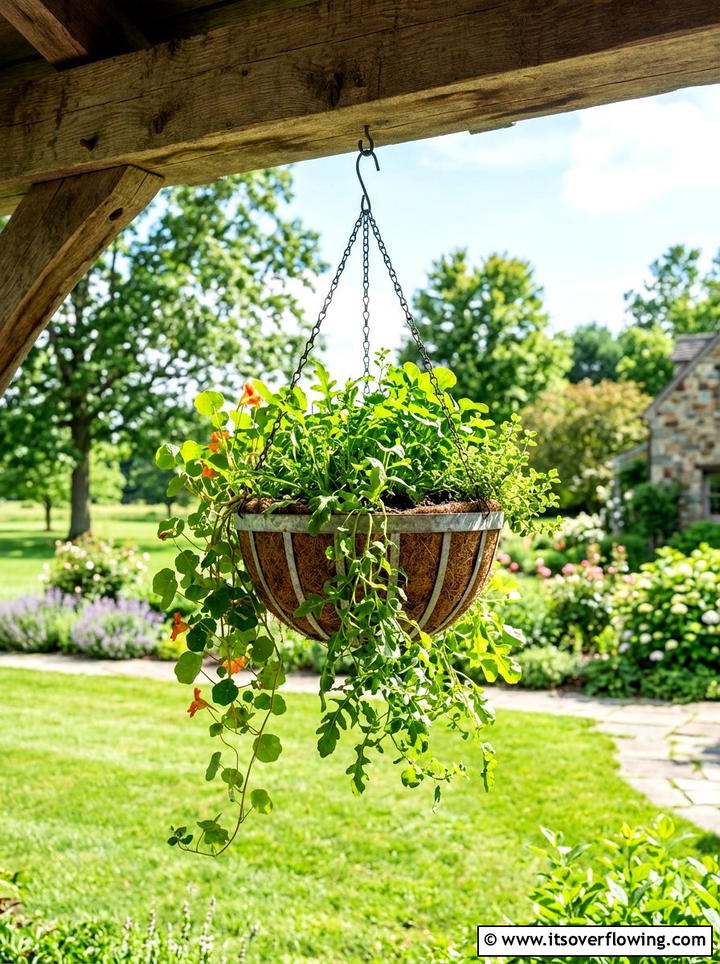
Hanging baskets are not just for petunias; they are also perfect for growing various types of trailing greens and small herbs. You can hang these baskets from porch eaves, shepherd’s hooks, or sturdy tree branches to add vertical greenery at eye level. This method is particularly useful for keeping your plants away from ground pests like slugs or rabbits. Varieties such as “Tom Thumb” lettuce or spicy globe basil thrive in the well-draining environment of a hanging planter. As the plants grow, they create a beautiful orb of foliage that adds a soft, organic touch to your outdoor living spaces. They are easy to water and maintain.
13. Backyard Kitchen Garden
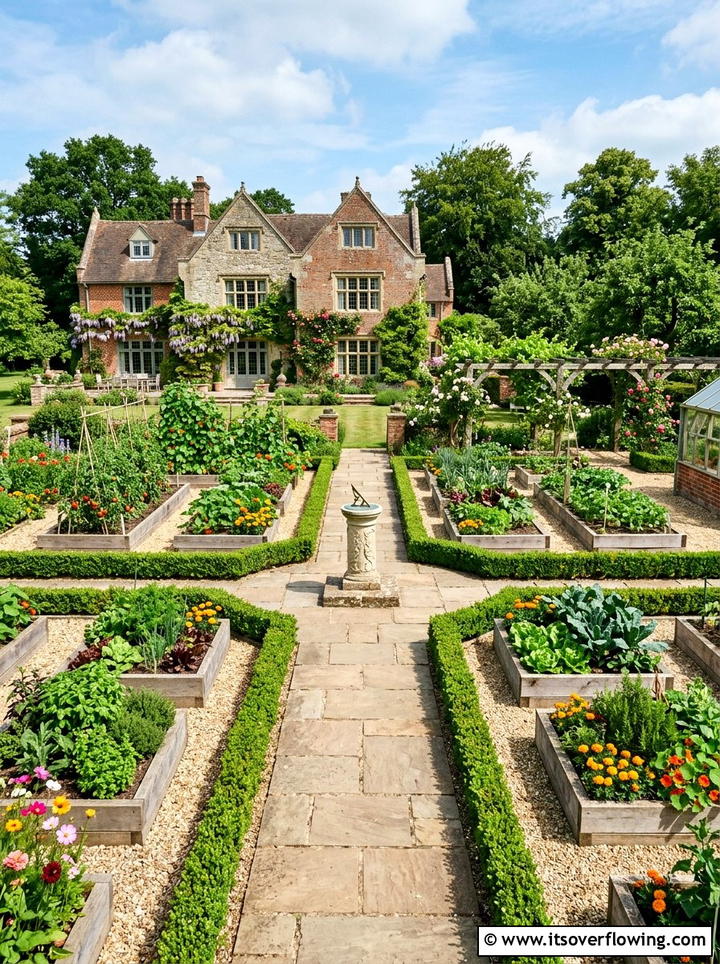
A traditional kitchen garden, or potager, is a large, structured area designed specifically for feeding a household with fresh produce. These gardens often feature a central focal point like a birdbath or a sundial, with symmetrical beds radiating outward. You can mix rows of salad greens with taller vegetables like peas on trellises to create depth and visual interest. Using gravel paths between the beds ensures that the garden remains accessible and clean even after a heavy rain. This type of garden is meant to be beautiful and productive, blending various colors and textures into a cohesive landscape. It encourages a lifestyle centered around fresh, healthy food.
14. Tiered Wooden Planter
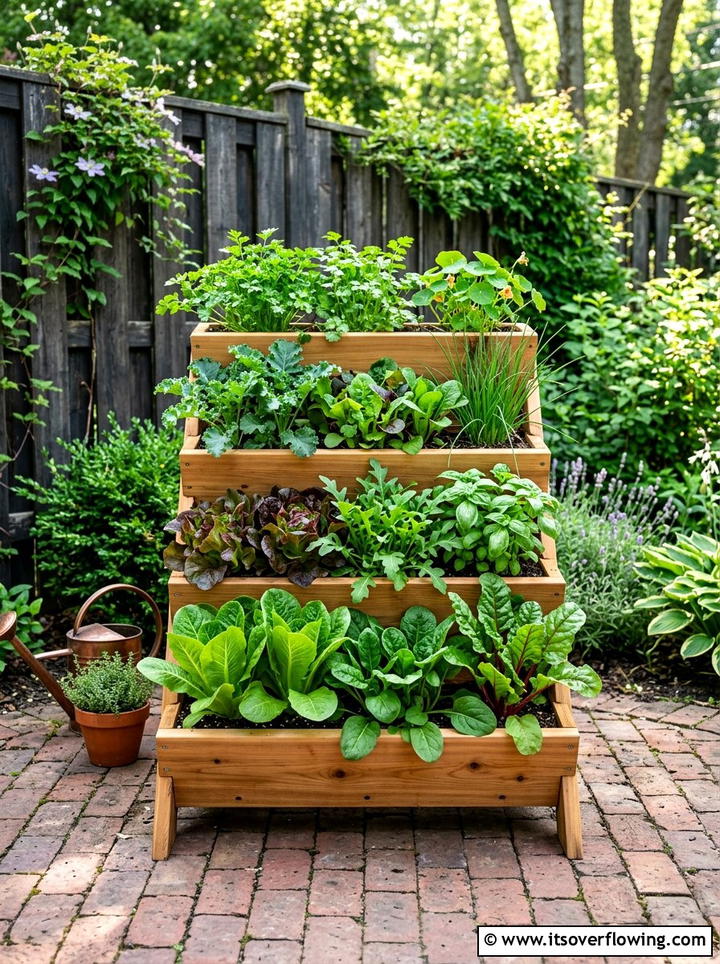
A tiered wooden planter provides a sturdy and attractive way to grow several types of salad greens in a single compact unit. These planters are often designed with three or four levels that step back like stairs, offering excellent drainage and sunlight for every plant. You can build these from cedar or redwood to ensure they resist rot and last for many seasons. The structured look of the tiers helps organize different crops, such as putting spicy radishes on one level and sweet butterhead lettuce on another. Placing this planter against a fence or wall creates a lush wall of food that feels intentional and well-designed.
15. Spiral Salad Bed
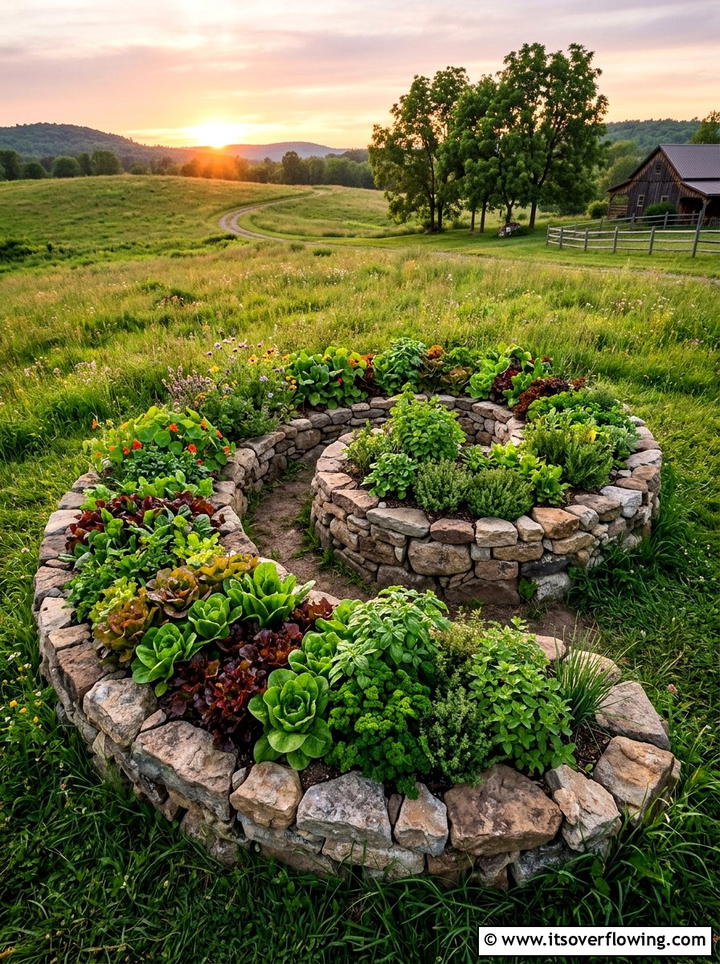
A garden spiral is a unique three-dimensional planting bed that creates different microclimates within a very small area. By building a spiraling mound of stones or bricks, you can plant moisture-loving greens at the bottom and drought-tolerant herbs at the sun-drenched top. This architectural feature adds a whimsical and artistic touch to any backyard landscape. The height of the spiral makes it easier to harvest without bending over too far. It is an efficient way to use vertical space while creating a stunning visual element that looks like a natural rock formation covered in edible life. The spiral design naturally draws the eye and invites exploration.
16. Concrete Planter Garden
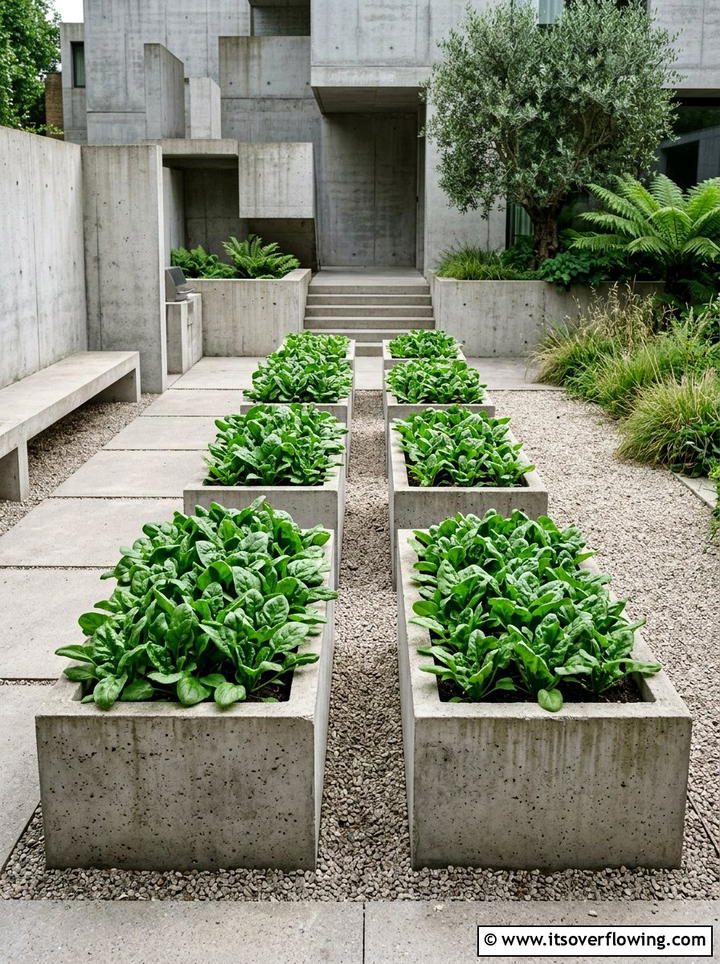
Large concrete planters offer a heavy, permanent, and modern aesthetic for growing salad greens in an urban or minimalist setting. The neutral gray tones of the concrete make the vibrant greens of the foliage pop, creating a sophisticated and clean appearance. These containers are excellent for maintaining a consistent soil temperature, which helps prevent lettuce from bolting in the heat of the summer. You can arrange several rectangular concrete troughs to form a low wall or a boundary for a patio seating area. Their minimalist design ensures that the focus remains on the beauty and texture of the plants themselves. They are incredibly durable and weather-resistant.
17. Rooftop Vegetable Garden
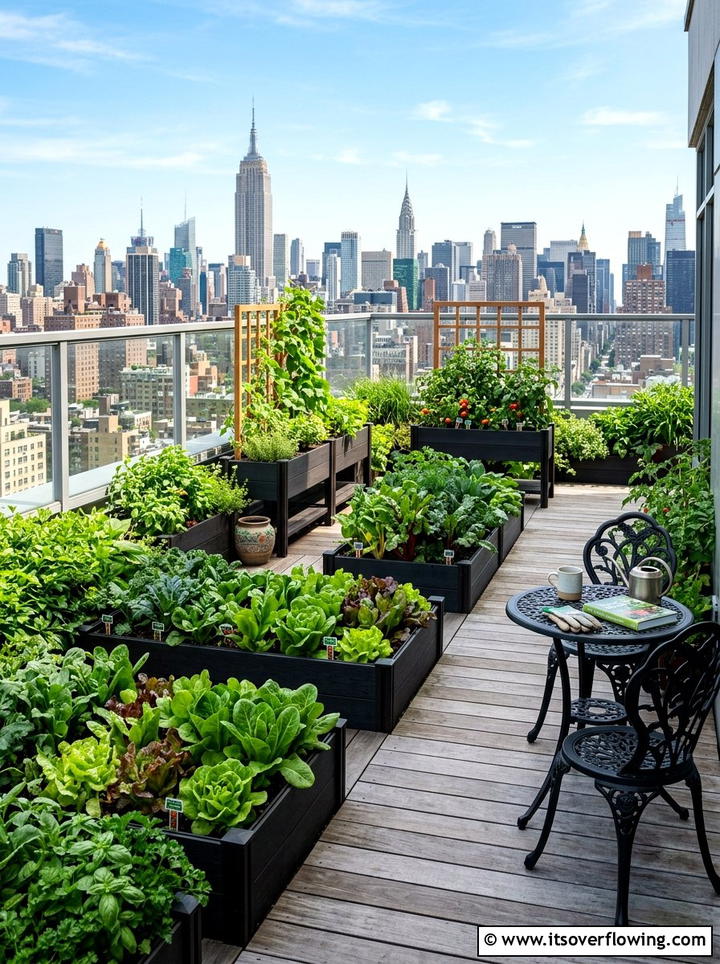
Transforming an underutilized rooftop into a productive vegetable garden is a smart way to embrace urban agriculture. Using lightweight containers and specialized growing media, you can create a lush oasis high above the city streets. Salad greens are perfect for rooftops because they have shallow root systems and can handle the breezy conditions found at higher elevations. You might include comfortable seating and a small table to enjoy your home-grown meals with a view. This setup not only provides fresh food but also helps cool the building and provides a habitat for urban pollinators. It turns a harsh environment into a serene and functional getaway.
18. Trellis With Climbing Greens
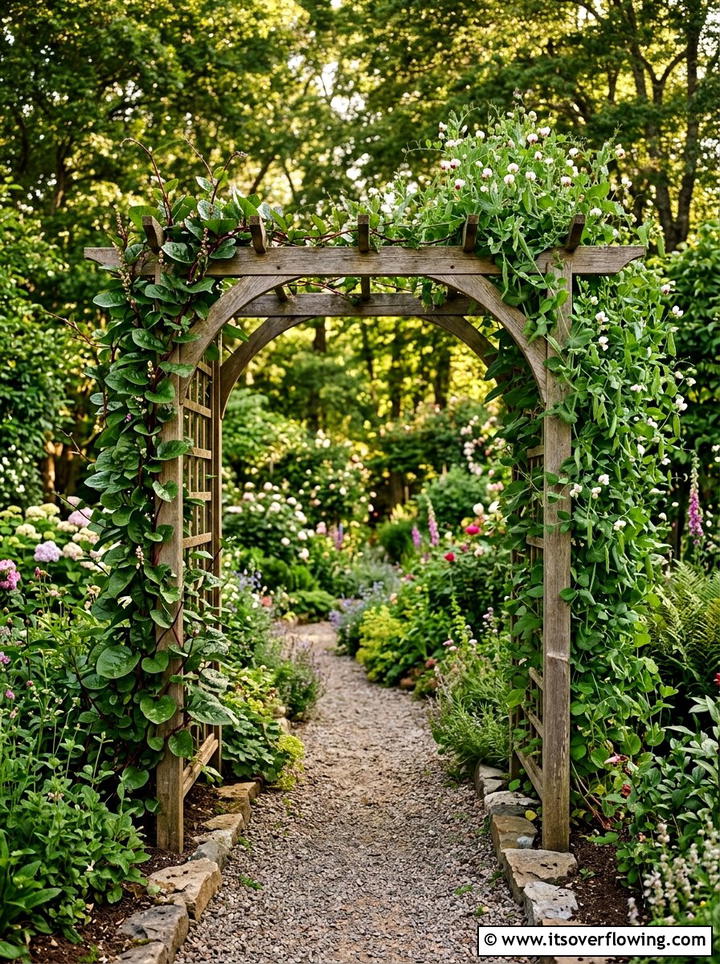
While most people think of lettuce as a low-growing crop, integrating a trellis allows you to grow climbing varieties of edible plants. You can use a sturdy wooden or metal arbor to support climbing peas, Malabar spinach, or even small cucumbers that serve as salad toppings. Planting these around the base of the trellis creates a vertical canopy of food that provides shade for lower-growing, heat-sensitive greens. This multi-layered approach maximizes the productivity of a small footprint while adding height and architectural interest to the garden. Walking under a lush green archway filled with hanging produce is a truly magical and immersive garden experience.
19. Multi Level Deck Garden
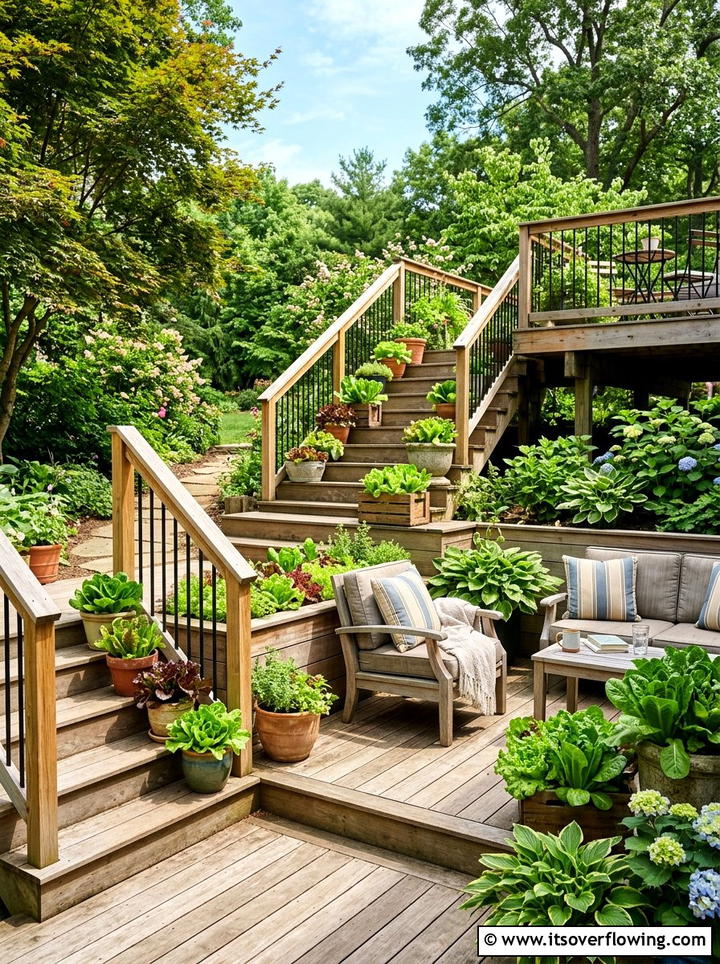
A multi-level deck offers various heights and platforms that are perfect for displaying a diverse collection of salad garden containers. You can use the built-in railings to hang planter boxes or place large pots on the different steps and landings. This arrangement creates a sense of being surrounded by nature while you relax or entertain outdoors. Using a mix of materials like wood, metal, and ceramic for the pots adds visual variety and personality to the space. The different levels also allow you to place sun-loving plants on the top deck and shade-tolerant varieties on the lower, more protected areas. It is a highly functional layout.
20. Galvanized Stock Tank Planter
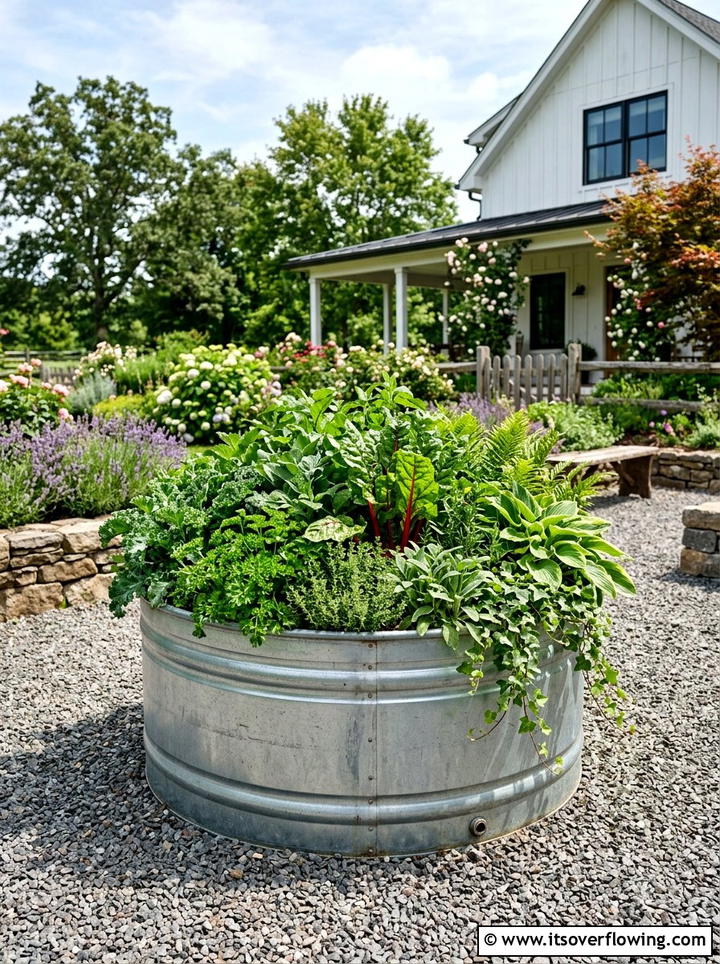
Galvanized stock tanks have become a popular choice for large-scale container gardening due to their durability and rustic-industrial style. These deep metal tubs provide ample room for a wide variety of salad greens and root vegetables to grow together. Because they are large, they hold a significant amount of soil, which helps retain moisture during hot summer days. You can arrange several tanks in a row to create a substantial garden area on a patio or in a gravel yard. The shiny metal surface reflects light and looks great against dark mulch or green grass. They are a practical, long-lasting solution for anyone wanting a big garden.
21. Cottage Style Garden Border
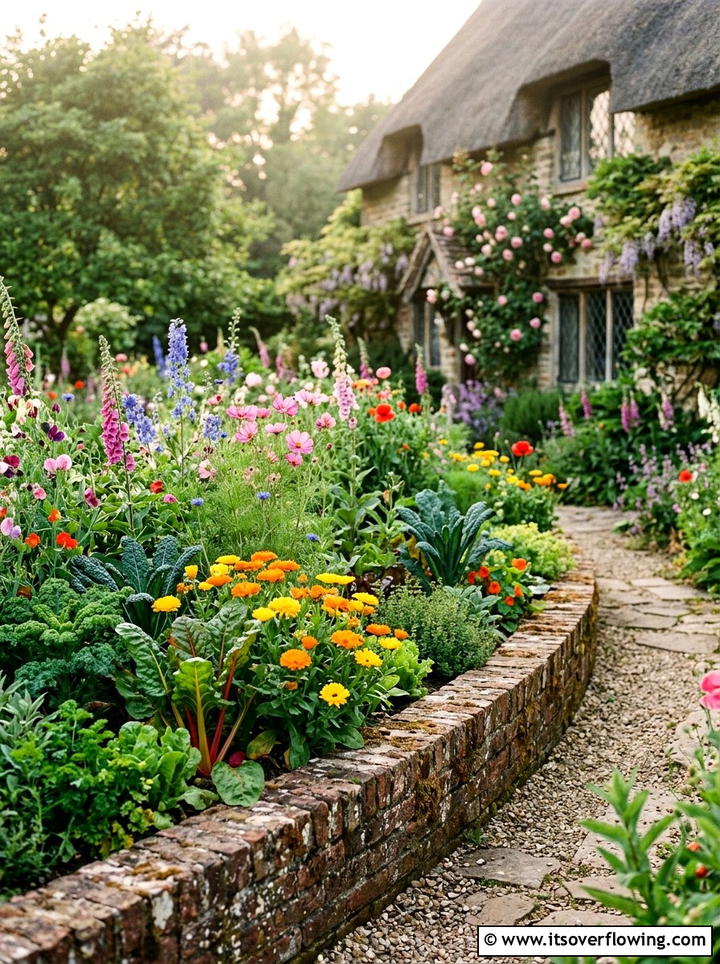
A cottage-style garden is characterized by its informal, dense planting and charming, slightly overgrown appearance. You can achieve this look by mixing salad greens with traditional flowering plants like marigolds, lavender, and chamomile. The goal is to create a tapestry of colors and textures that feels natural and romantic. Using old-fashioned materials like woven willow edging or weathered bricks adds to the vintage aesthetic. This type of garden is wonderful for attracting butterflies and bees, which helps your vegetables thrive. It is a relaxed and low-pressure way to grow food that prioritizes beauty and biodiversity alongside productivity. It feels like a hidden, secret garden space.
22. Self Watering Planter Box
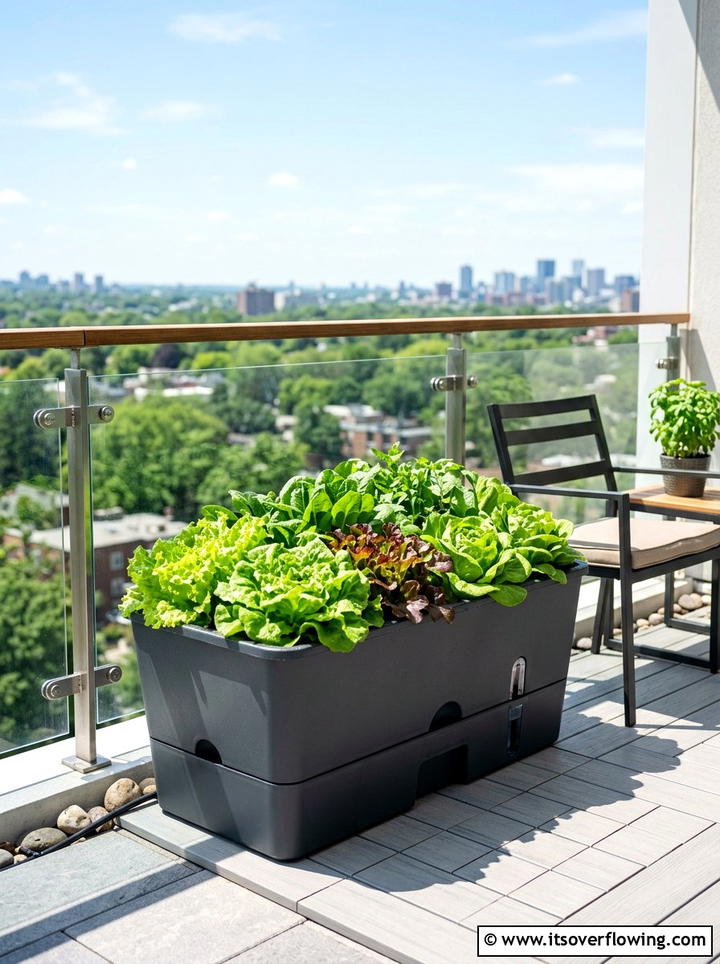
Self-watering planter boxes are a game-changer for busy gardeners who want to ensure their salad greens stay hydrated and healthy. These containers feature a built-in reservoir at the bottom that provides a consistent supply of moisture to the roots through a wicking system. This prevents the soil from drying out too quickly, which is essential for keeping lettuce crisp and preventing it from becoming bitter. These boxes are often sleek and modern, fitting perfectly on a contemporary balcony or deck. They take the guesswork out of watering and allow you to go away for a weekend without worrying about your garden. It is a smart and convenient solution.
23. Urban Balcony Salad Garden
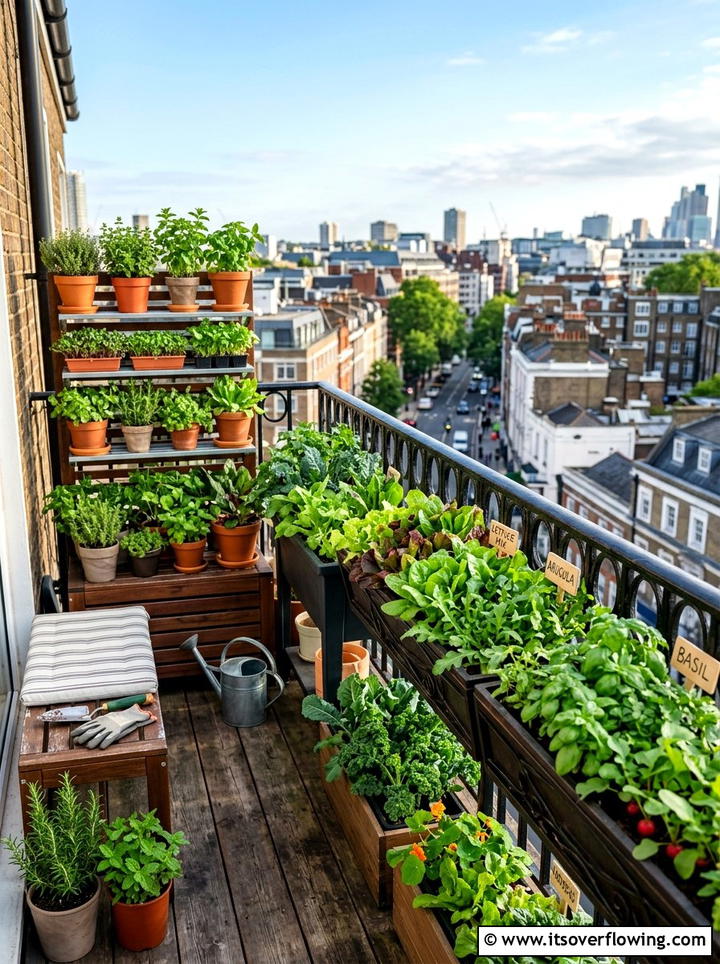
Even the smallest urban balcony can be turned into a productive salad garden with the right approach. By utilizing railing planters, vertical shelving, and wall-mounted pots, you can grow a surprising amount of food in a very tiny space. The key is to select compact varieties of greens that thrive in containers. You can create a cozy outdoor nook by surrounding a small bistro set with lush, edible foliage. This provides a private, green escape from the surrounding city noise while supplying you with fresh ingredients for every meal. It is a testament to the fact that you do not need a large backyard to be a gardener.
24. Mobile Garden Cart
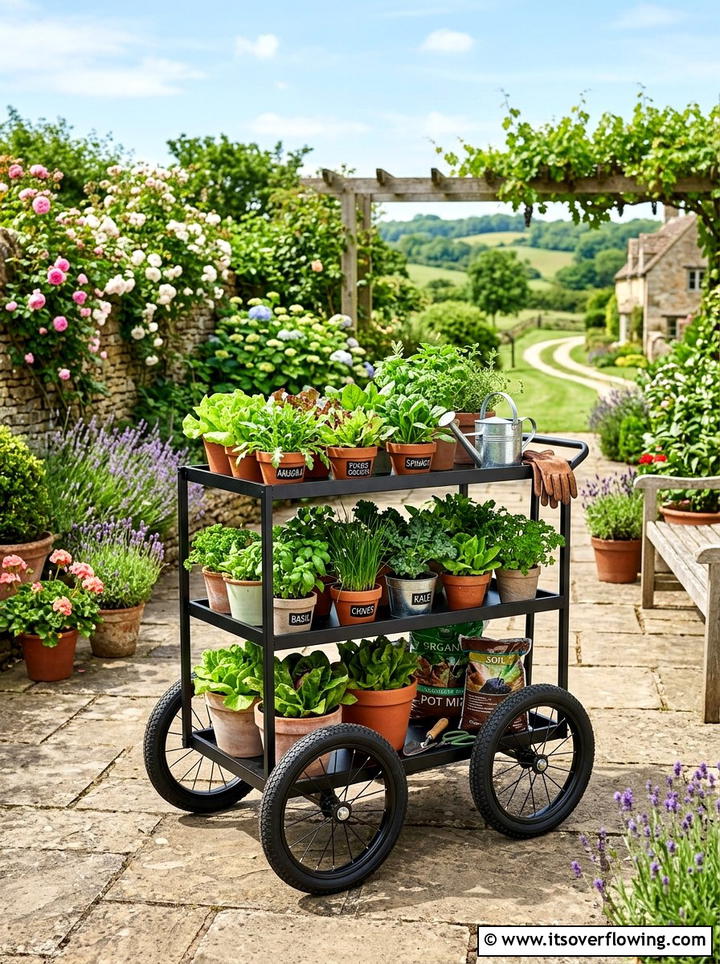
A mobile garden cart is a creative and practical solution for those who need to move their plants to find the best sunlight. These carts typically feature wheels and multiple shelves, allowing you to organize your salad greens by type or growth stage. You can roll the cart into the shade during the hottest part of the day to prevent your delicate greens from wilting. This is particularly useful for apartment dwellers who may have shifting sun patterns on their balconies. The cart also serves as a handy workstation for planting and harvesting. It keeps all your gardening efforts mobile, organized, and easily accessible whenever you need them.
25. Terraced Hillside Salad Garden
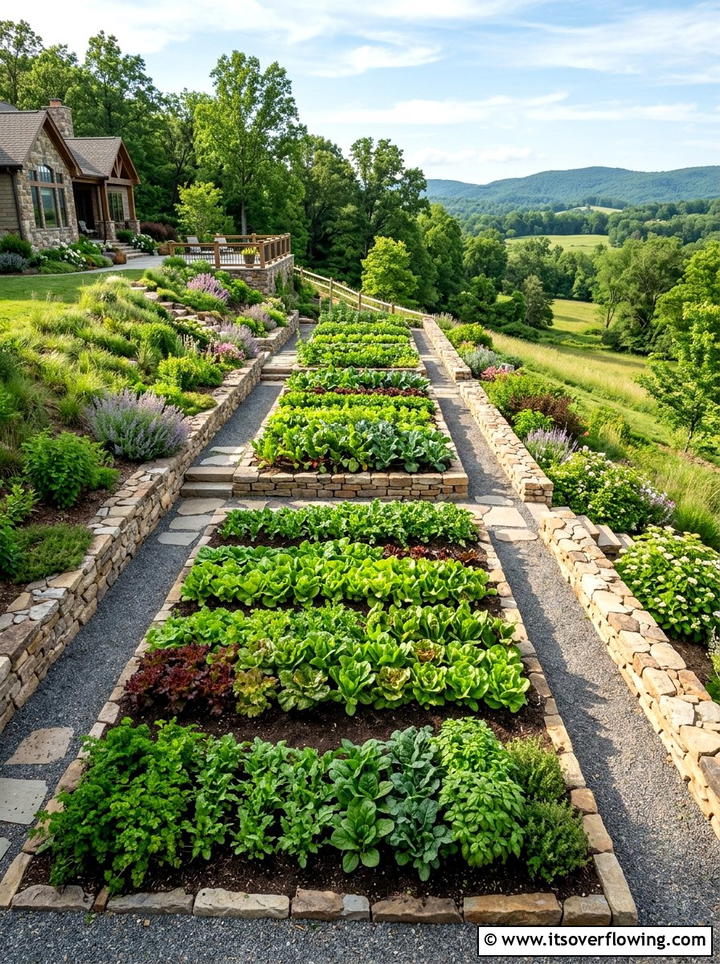
If you have a sloped yard, creating a terraced hillside garden is a brilliant way to turn a challenging landscape into a productive masterpiece. By building low retaining walls from stone or timber, you can create flat “steps” that are perfect for planting rows of salad greens. This prevents soil erosion and allows water to soak in rather than running off the slope. The different levels provide a stunning visual effect as you look up or down the hillside. Each terrace can be dedicated to a different type of crop, creating a beautiful and organized edible landscape. It transforms a difficult hill into a highlight of your property.
Conclusion:
Building a salad garden is an enriching journey that brings the freshness of nature directly to your plate while enhancing your home’s exterior. Whether you choose a high-tech hydroponic system, a rustic cedar raised bed, or a charming cottage border, the key is to design a space that reflects your personal style. These twenty-five ideas demonstrate that edible gardening is versatile enough for any environment, from sprawling backyards to tiny urban balconies. By focusing on both aesthetics and function, you can create a vibrant outdoor sanctuary that provides peace, beauty, and a continuous harvest of healthy greens throughout the growing season.

Related posts:
 25 creative garden ideas with patio fruit trees for Fresh Harvests
 25 Small Garden Ideas With Edible Garden for Fresh Harvests
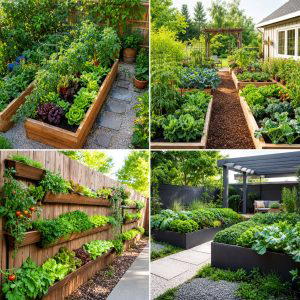 25 small garden ideas with vegetables for Fresh Home Harvests
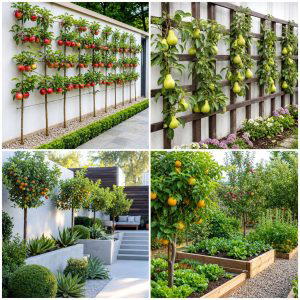 25 garden ideas with fruit trees for Beauty and Harvests
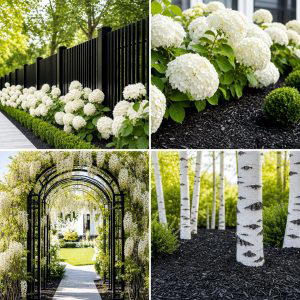 25 Creative Garden Ideas With Black and White Gardens
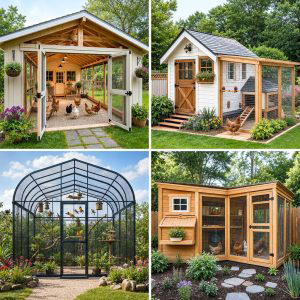 25 Creative Garden Ideas With Chicken Coop Gardens
 25 Creative Garden Ideas With Fragrance Gardens
 25 Creative Garden Ideas With Mandala Gardens to Inspire
 25 creative garden ideas with moon gardens for Nighttime Glow
 25 creative garden ideas with rain gardens for Eco Yards
 25 Creative Garden Ideas With Tea Gardens for Calm Retreats
 25 Creative Garden Ideas With White Flower Gardens You’ll Love