
Growing your own food does not require a massive backyard or a sprawling orchard when you have the magic of patio fruit trees at your fingertips. These compact, often dwarf-sized varieties are specifically bred to thrive in containers, making them a perfect addition to any balcony, terrace, or small paved area. Imagine stepping outside your door to pluck a sun-warmed peach or a zesty lemon for your morning water without ever leaving your home. Beyond the incredible harvest, these trees provide lush greenery, fragrant blossoms, and a sense of accomplishment that standard ornamental plants simply cannot match. It is truly about blending functionality with high-end garden aesthetics in a manageable way.
1. Dwarf Meyer Lemon Tree
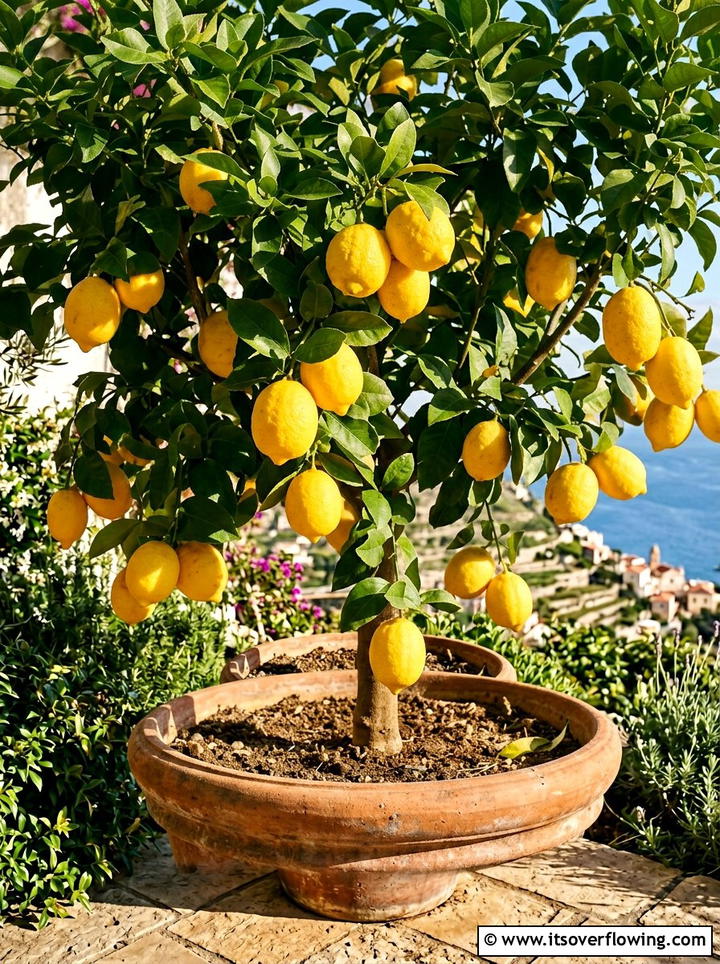
Growing a dwarf Meyer lemon tree is perhaps the most rewarding way to start your edible patio journey. These trees are prized for their thinner skin and sweeter juice compared to standard grocery store lemons, making them a culinary favorite for many home cooks. Because they are a dwarf variety, they stay quite manageable in a large terracotta or ceramic pot while still producing an abundance of bright yellow fruit. You should place them in the sunniest spot on your patio to ensure they get at least eight hours of direct light. The fragrant white blossoms will fill your entire outdoor seating area with a heavenly citrus scent during the blooming season.
2. Columnar Apple Tree
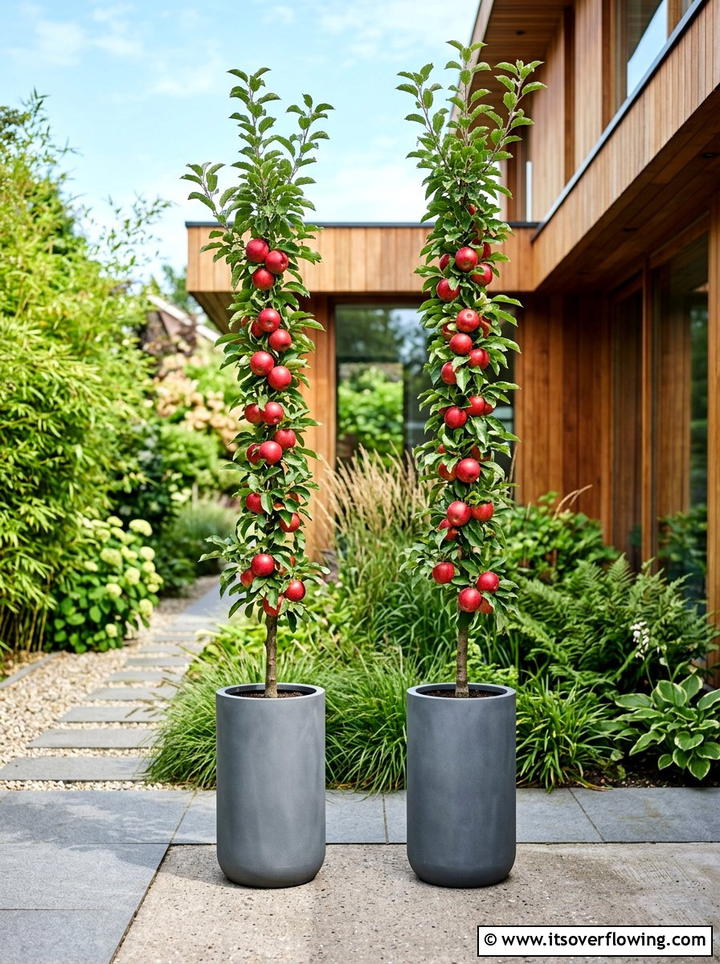
A columnar apple tree is the perfect solution for tight spaces because it grows straight up like a pillar without spreading wide branches. This unique growth habit allows you to tuck fruit production into narrow corners or line them up along a patio fence for a living wall effect. Despite their slim profile, these trees produce full-sized, crunchy apples that are just as delicious as those from a traditional orchard. They look incredibly architectural and modern when planted in sleek, tall planters that mimic their vertical shape. Since they take up so little horizontal space, you can easily fit two different varieties to assist with cross-pollination.
3. Potted Fig Tree
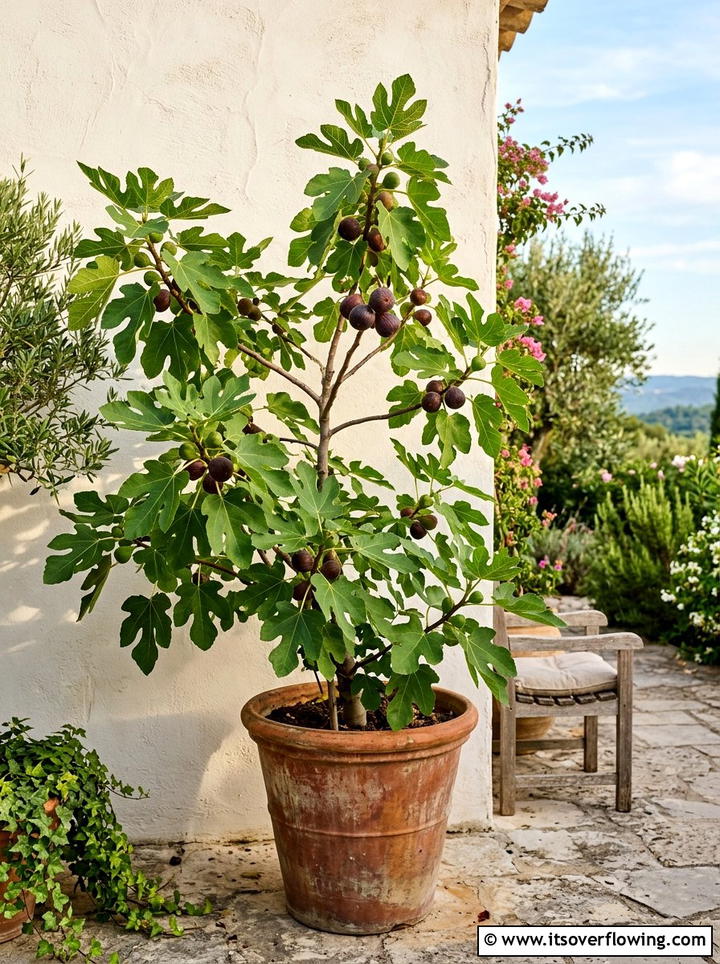
Integrating a potted fig tree into your patio layout adds an instant Mediterranean vibe with its large, lobed leaves and structural wooden branches. Figs actually enjoy having their roots slightly constricted, which makes them one of the most successful fruit trees to grow in a large container. You can choose varieties like Brown Turkey or Chicago Hardy, which are known for their resilience and heavy cropping in smaller sizes. These trees look stunning when placed against a light-colored wall where their dark foliage and deep purple fruit can really pop. During the winter months, these deciduous trees reveal a beautiful silvery bark that adds winter interest.
4. Espalier Fruit Tree
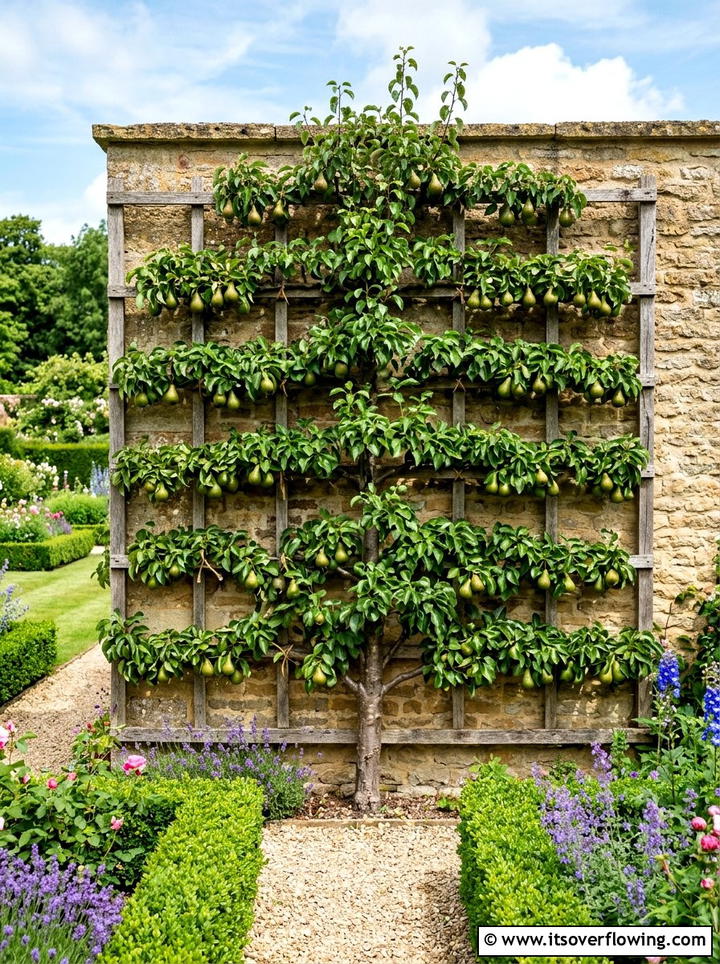
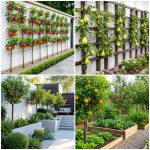
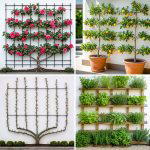
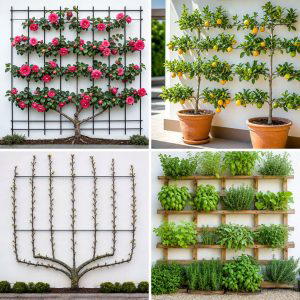
The technique of growing an espalier fruit tree involves training the branches to grow flat against a wall or a wooden trellis frame. This is a brilliant way to incorporate fruit production into a small patio without sacrificing any floor space at all. Apples and pears are the most common candidates for this method, creating a formal and highly decorative look that feels like a piece of living art. By keeping the tree flat, you ensure every fruit gets maximum sunlight, which often leads to a much sweeter and earlier harvest. It requires some light pruning to maintain the shape, but the visual payoff is absolutely spectacular.
5. Dwarf Peach Tree
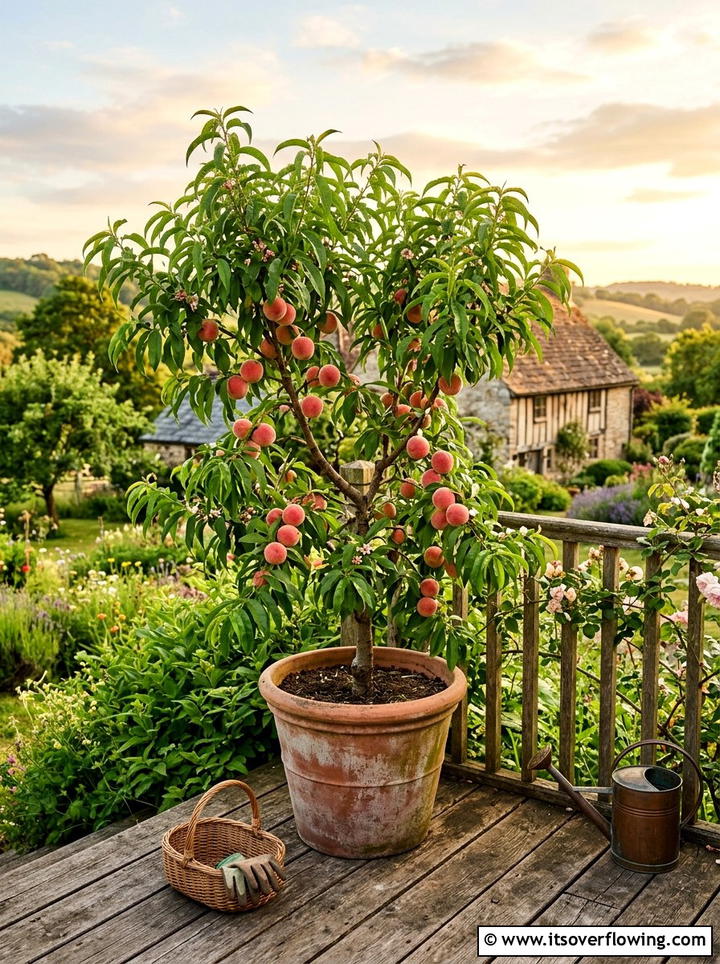
Choosing a dwarf peach tree allows you to enjoy the luxury of fuzzy, sweet fruit even if you only have a tiny apartment balcony. Many of these varieties, such as the Bonanza peach, are genetic dwarfs that naturally stay under five feet tall without needing heavy pruning. They feature dense, dark green foliage that provides a lovely screen for privacy when grouped together on a patio. In the springtime, you will be treated to a spectacular display of bright pink blossoms that rival any ornamental flowering tree. The fruit hangs low and is easy to pick, making it a fun interactive element for kids.
6. Patio Cherry Tree
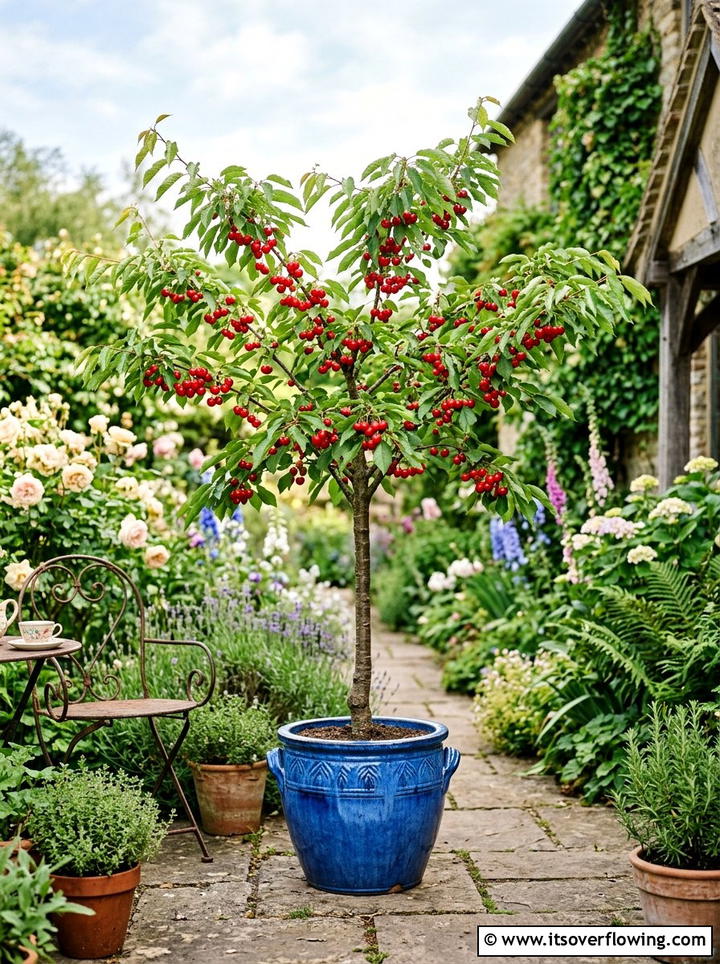
A patio cherry tree brings a soft, romantic feel to your outdoor space with its delicate clusters of white or pink spring flowers. Self-fertile dwarf varieties like Stella are ideal for containers because you only need one tree to get a successful harvest of sweet, dark red cherries. These trees prefer a sheltered spot on the patio where the wind won’t damage the blossoms or knock the ripening fruit off the branches. Watching the cherries turn from pale green to deep mahogany is a slow and satisfying process that marks the height of the summer season. Using a bird net is often helpful for protecting your harvest.
7. Potted Blueberry Bush
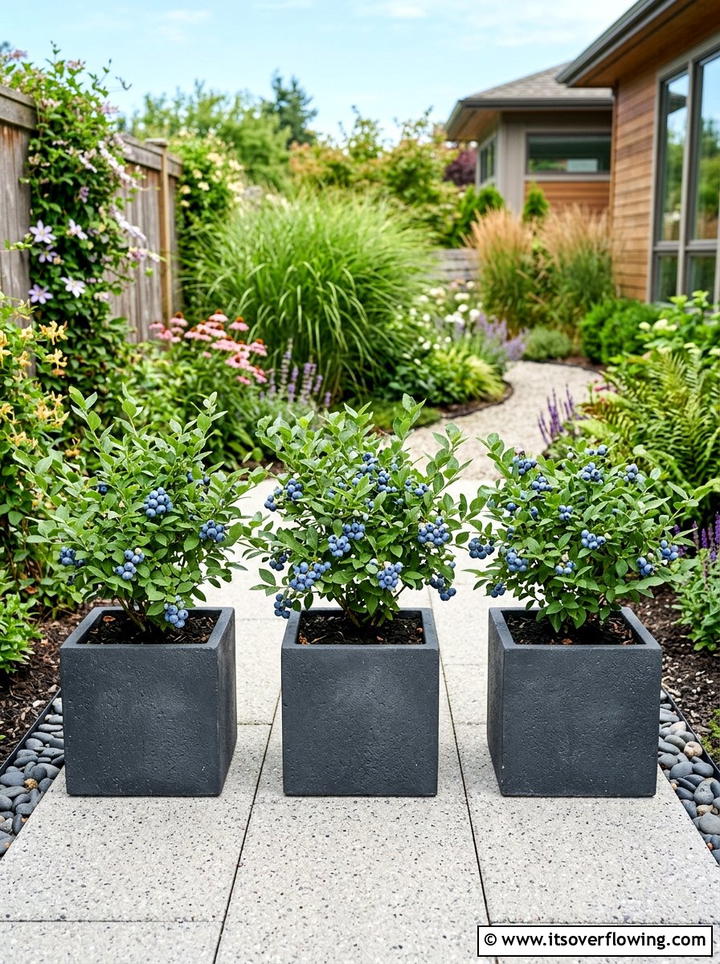
While technically a shrub, a potted blueberry bush can be trained into a small tree-like form and offers incredible multi-seasonal beauty for your patio. Blueberries require acidic soil, which is much easier to manage and maintain in a container than it is in the ground. They produce dainty bell-shaped flowers in the spring, dusty blue berries in the summer, and stunning fiery red foliage in the fall. You should look for “top hat” or “low bush” varieties that are specifically designed for small pots. Placing a few of these in a row creates a productive and colorful hedge that defines the edge of your seating area.
8. Dwarf Pomegranate Tree
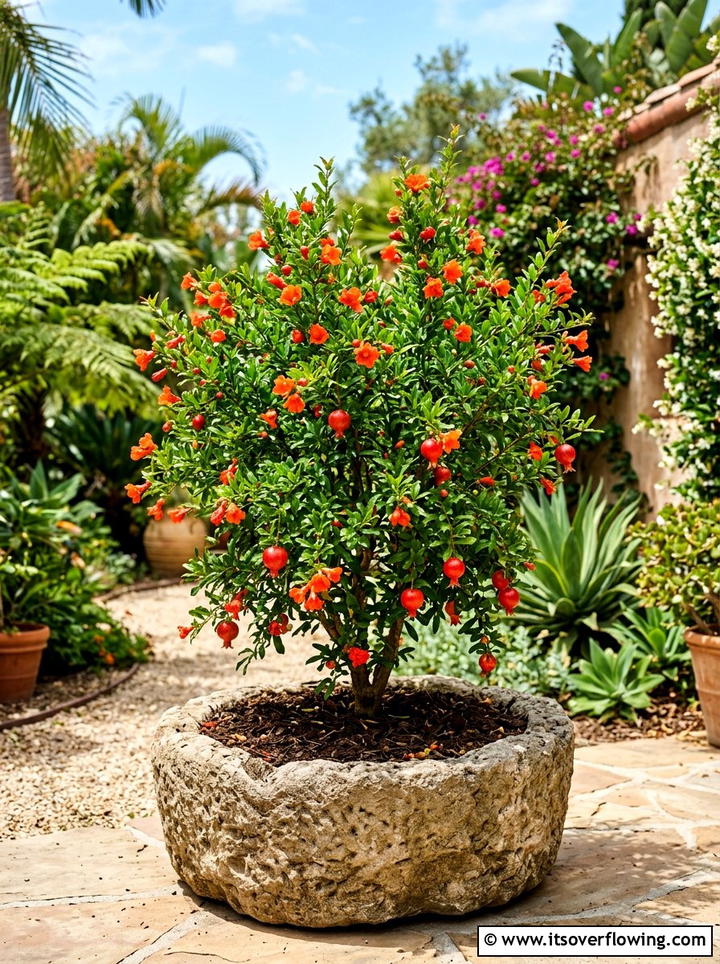
The dwarf pomegranate tree is a tough and resilient option that thrives in hot, sunny patio environments where other plants might struggle with the heat. These trees are famous for their stunning orange-red trumpet-shaped flowers that attract hummingbirds from all over the neighborhood. The fruit itself is ornamental, hanging like little red lanterns among the small, glossy leaves as the season progresses into the autumn. While the fruit on dwarf varieties is smaller than commercial types, it is still edible and packed with those iconic tart seeds. They are very drought-tolerant, making them a great choice for low-maintenance gardeners who want a tropical look.
9. Calamondin Orange Tree
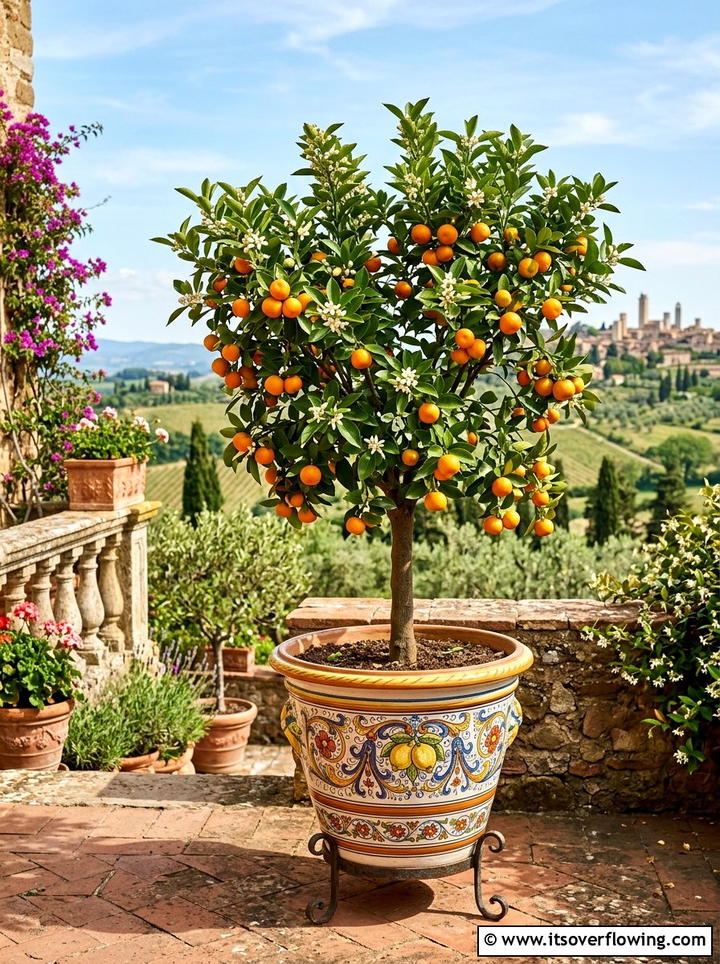
The Calamondin orange tree is a cross between a mandarin and a kumquat, resulting in a prolific producer of small, sour, and very fragrant citrus. This tree is incredibly popular for patios because it is much more cold-tolerant than other citrus and can even be moved indoors during winter. The fruit is small and bright orange, contrasting beautifully against the dense, shiny evergreen foliage throughout most of the year. Because it often has flowers and fruit at the same time, the visual interest and scent are constant. These oranges are perfect for making marmalade or using as a zesty addition to summer cocktails and iced teas.
10. Apricot Patio Tree
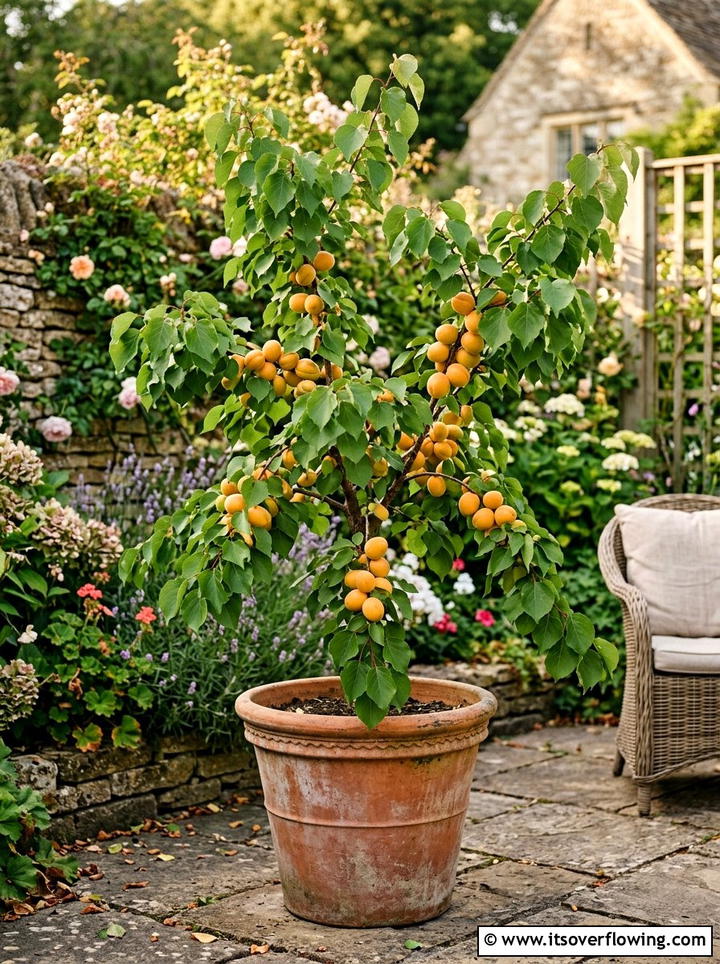
An apricot patio tree offers a sophisticated look with its heart-shaped leaves and beautiful golden-orange fruit that feels like velvet to the touch. Dwarf apricots are grafted onto special rootstocks to keep them small, ensuring they don’t outgrow their containers while still providing high yields. They need a spot that is protected from late spring frosts, which can sometimes damage the early-season blossoms. On a patio, you can easily cover them or move them closer to the house for warmth when the temperature drops unexpectedly. The taste of a tree-ripened apricot is vastly superior to anything you can find at a typical grocery store.
11. Potted Kumquat Tree
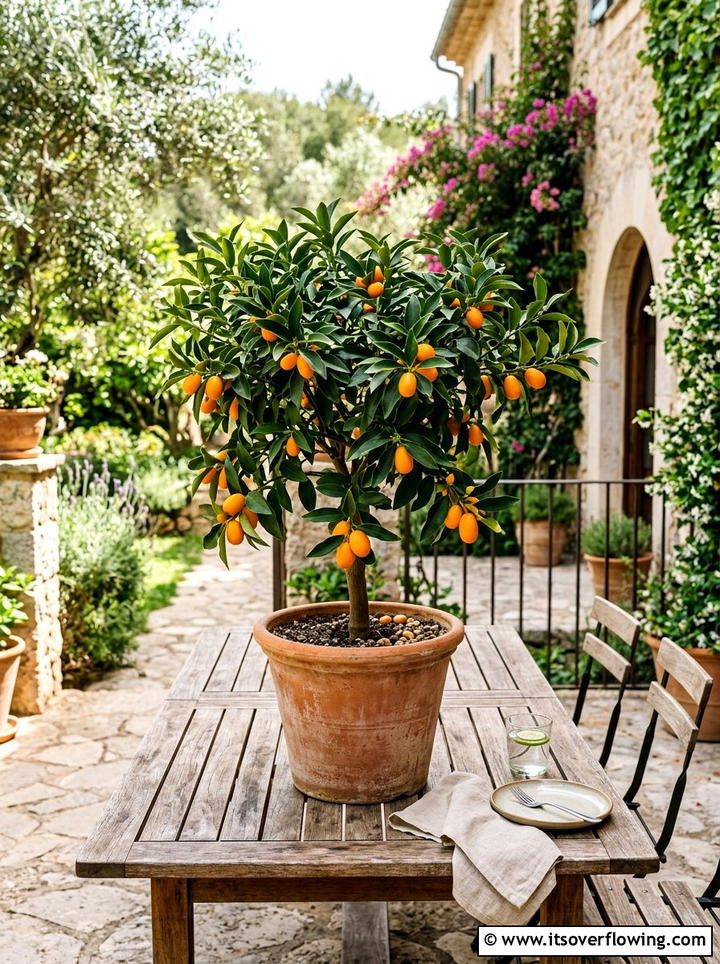
The potted kumquat tree is a tiny powerhouse of fruit production that looks like a miniature orange tree straight out of a fairy tale. Unlike other citrus, you eat the entire kumquat, skin and all, which provides a unique burst of sweet and sour flavors simultaneously. These trees have a very neat and compact growth habit, making them look very formal and tidy in a pair of matching decorative pots. They are quite hardy and can handle slightly cooler temperatures than a traditional lemon or lime tree. Their small size makes them perfect for placing on top of a patio table as a living, edible centerpiece.

12. Dwarf Pear Tree
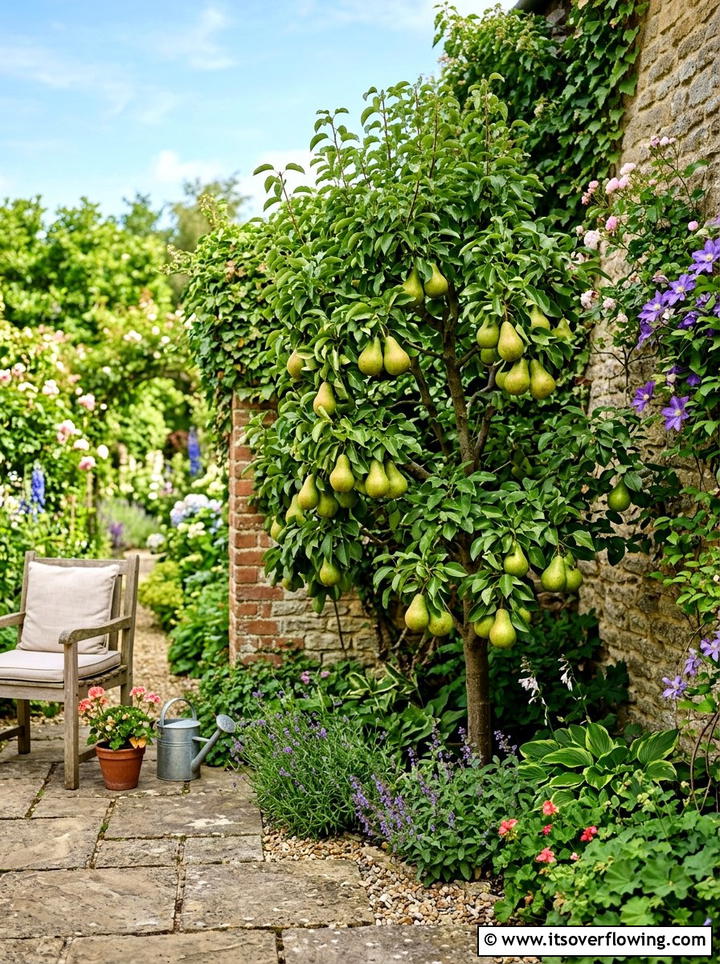
A dwarf pear tree brings a classic, traditional orchard feeling to even the most modern and minimalist patio designs. Varieties like Conference or Garden Pearl are excellent for containers because they stay small but still produce large, juicy pears with a buttery texture. These trees often have a beautiful upright habit that works well when placed in the corners of a square patio to soften the hard lines. Pears bloom a bit later than other fruit trees, which often helps them avoid the danger of early frosts. The dark, glossy leaves turn a lovely shade of yellow or purple when the autumn weather arrives.
13. Multi Grafted Fruit Tree
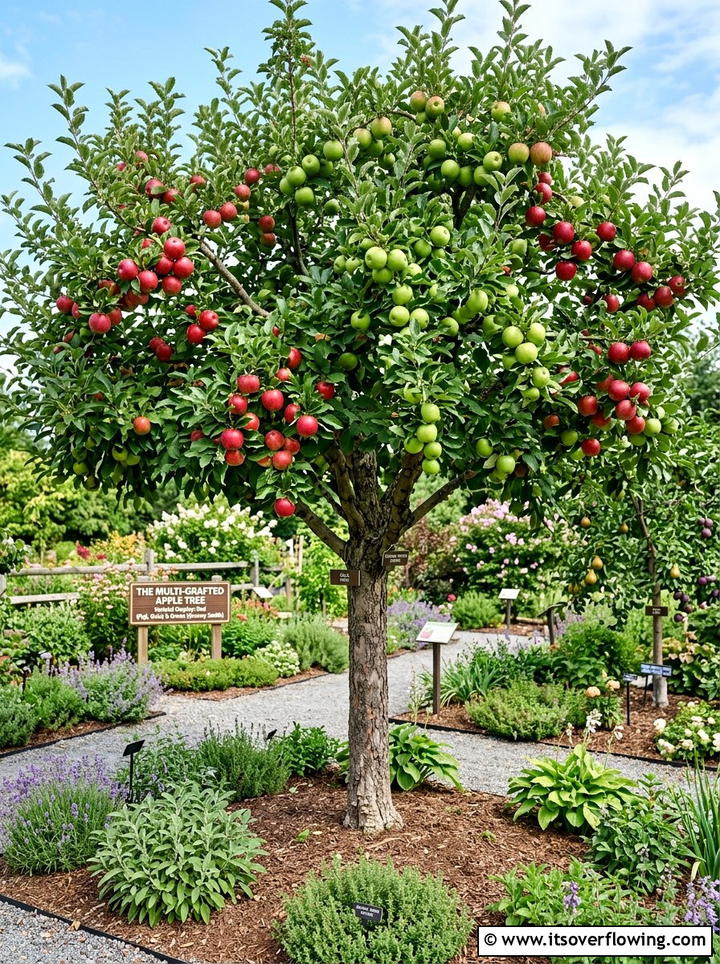
A multi grafted fruit tree is the ultimate space-saver because it features two or three different varieties of fruit on a single trunk. You might find a tree that grows both red and green apples, or perhaps several different types of stone fruits like plums and peaches together. This is achieved through a specialized grafting process, and it ensures that you get a diverse harvest and built-in pollination from just one pot. It is a fascinating conversation piece for guests who will be amazed to see different fruits hanging from the same branches. This is perfect for the small patio gardener who wants variety.
14. Columnar Plum Tree
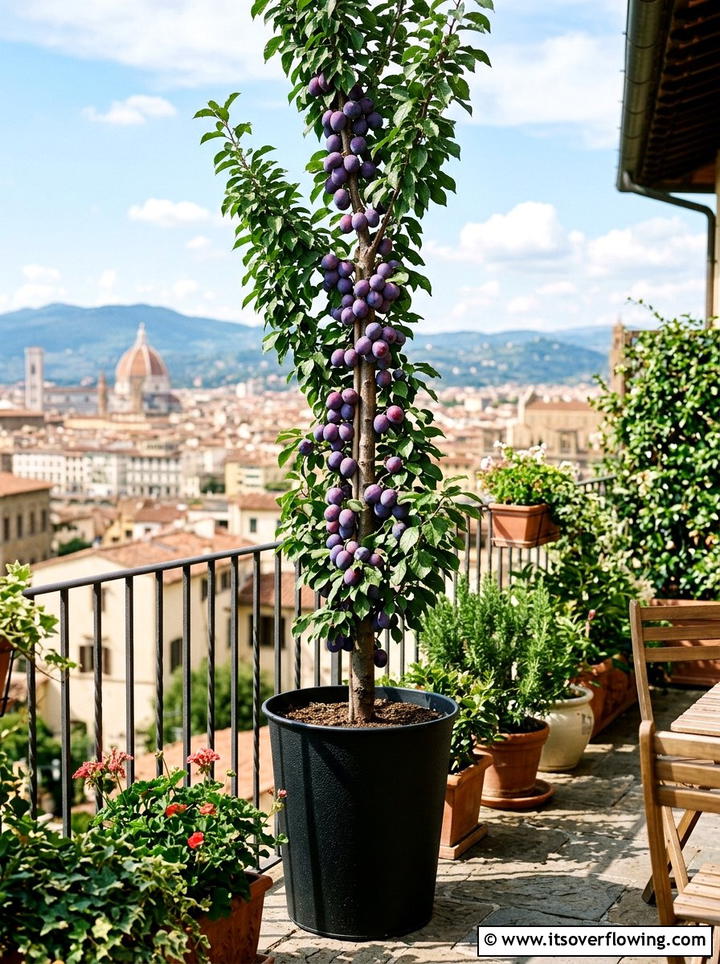
Much like its apple counterpart, the columnar plum tree grows in a very narrow, vertical fashion that is ideal for urban patio gardening. This tree produces clusters of juicy plums right against the main trunk, which makes the harvesting process incredibly easy and satisfying. The foliage is typically a rich, deep green, though some varieties offer purple leaves that add a great color contrast to your garden. Because they grow upwards rather than outwards, they don’t shade out other plants nearby, allowing you to under-plant the container with herbs or flowering annuals. They are perfect for creating a narrow fruiting screen.
15. Patio Nectarine Tree
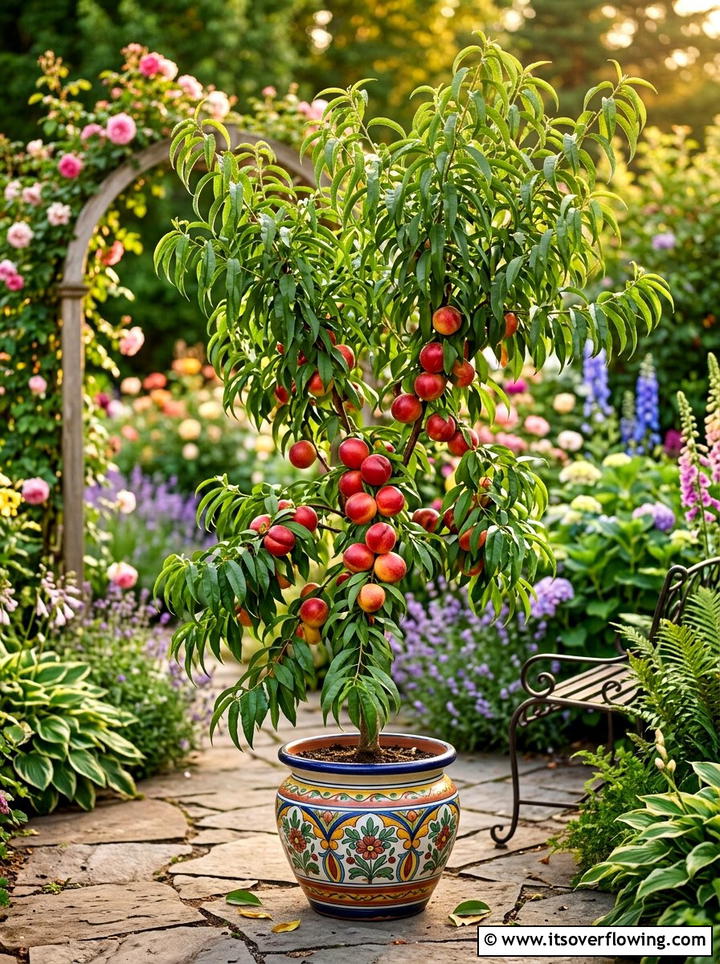
The patio nectarine tree is essentially a smooth-skinned version of the peach, offering the same sweet flavor without the fuzzy exterior. Dwarf nectarines are exceptionally beautiful when in bloom, covered in saturated pink flowers that create a cloud of color on your patio. The fruits are often highly colored and look like bright jewels nestled among the long, slender leaves of the tree. They require very little pruning and stay naturally compact, usually reaching a maximum height of about four or five feet. Keeping them in a pot allows you to control the soil quality and moisture levels perfectly for the best fruit.
16. Dwarf Olive Tree
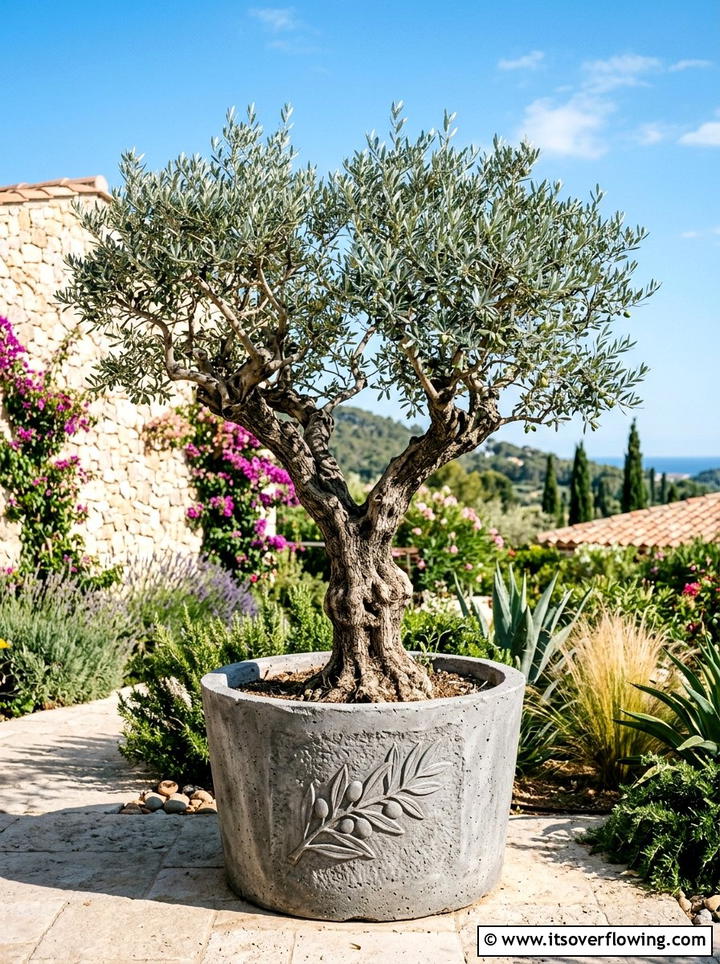
A dwarf olive tree adds an air of timeless elegance and a silvery-blue color palette to your patio design. While not everyone lives in a climate where olives will fully ripen, the tree itself is highly valued for its ornamental beauty and Mediterranean soul. They are extremely long-lived and become more characterful and gnarled as they age, even when kept in a large container. Olives are very drought-resistant and can handle the reflective heat of a stone or concrete patio with ease. They look best when planted in minimalist stone basins or contemporary grey pots to highlight their unique leaf color and structure.
17. Potted Lime Tree
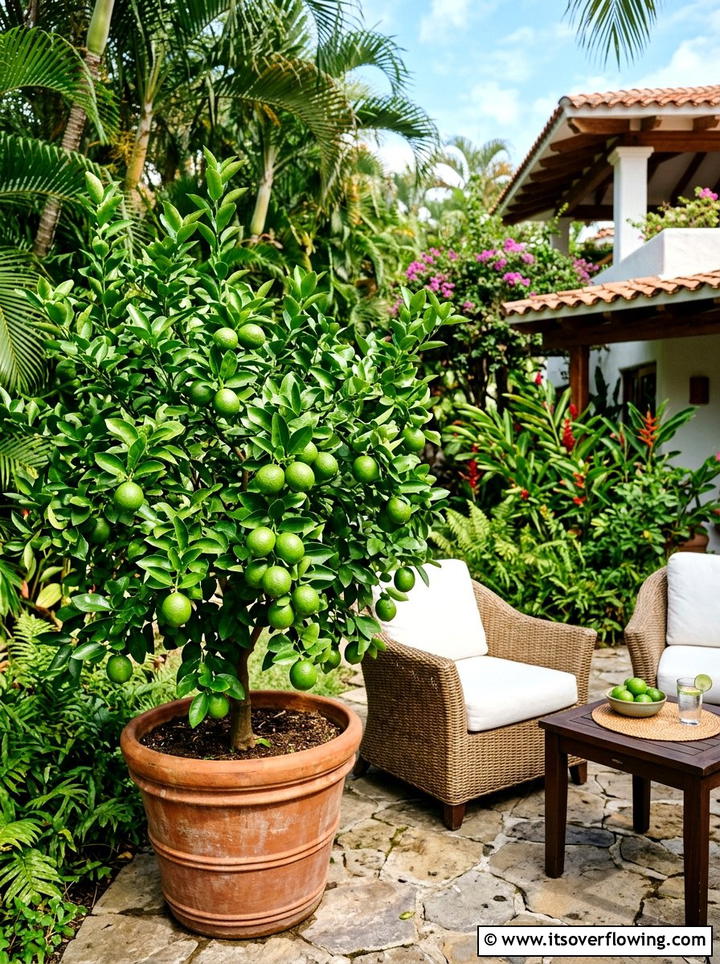
The potted lime tree is a staple for any patio owner who enjoys outdoor entertaining and fresh, zesty flavors in their cooking. Varieties like the Persian lime or the smaller, more fragrant Key lime are excellent choices for container growing in sunny locations. Limes generally need a bit more heat than lemons to produce the best fruit, so a south-facing patio is the ideal spot for them. The dark green fruit can be hard to spot among the leaves at first, but the incredible citrus fragrance of the crushed leaves is unmistakable. They provide a lush, tropical feel that makes any patio feel like a vacation.
18. Dwarf Mulberry Tree
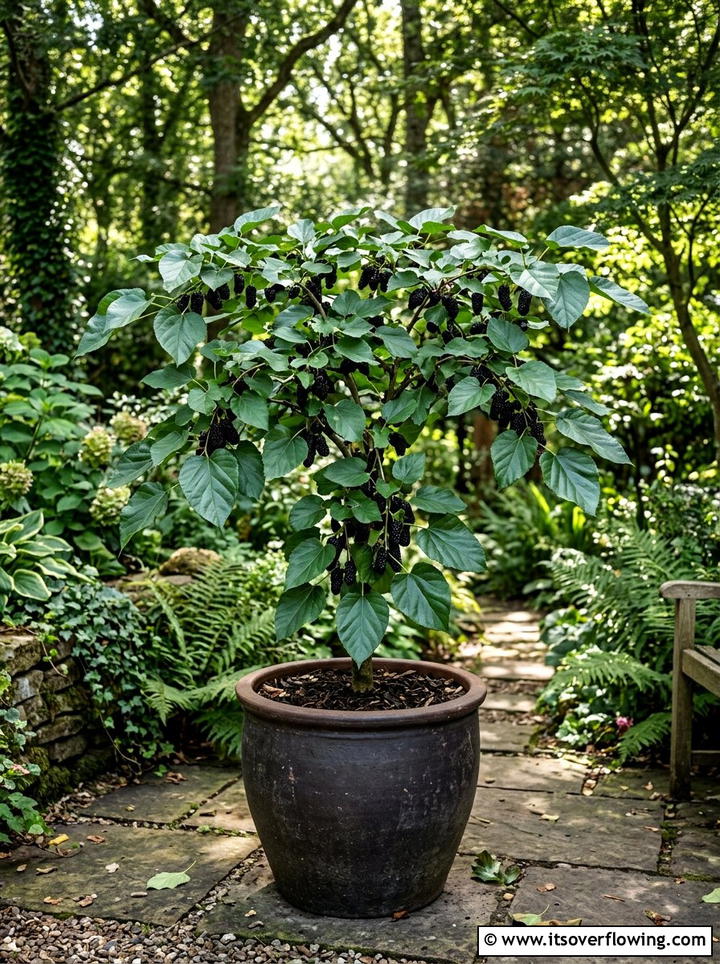
Most people think of mulberries as massive trees that take over a yard, but a dwarf mulberry tree is a compact wonder. Varieties like “Issai” are specifically bred to stay small and can even produce fruit in their very first year of growth. The fruit looks like a long, dark blackberry and is incredibly sweet, though it is very delicate and best eaten right off the branch. Because the berries can stain, it is best to place this pot on a patio surface that can be easily hosed down or on a darker stone. The large, heart-shaped leaves provide excellent shade and a lush, green backdrop.
19. Starfruit Container Tree
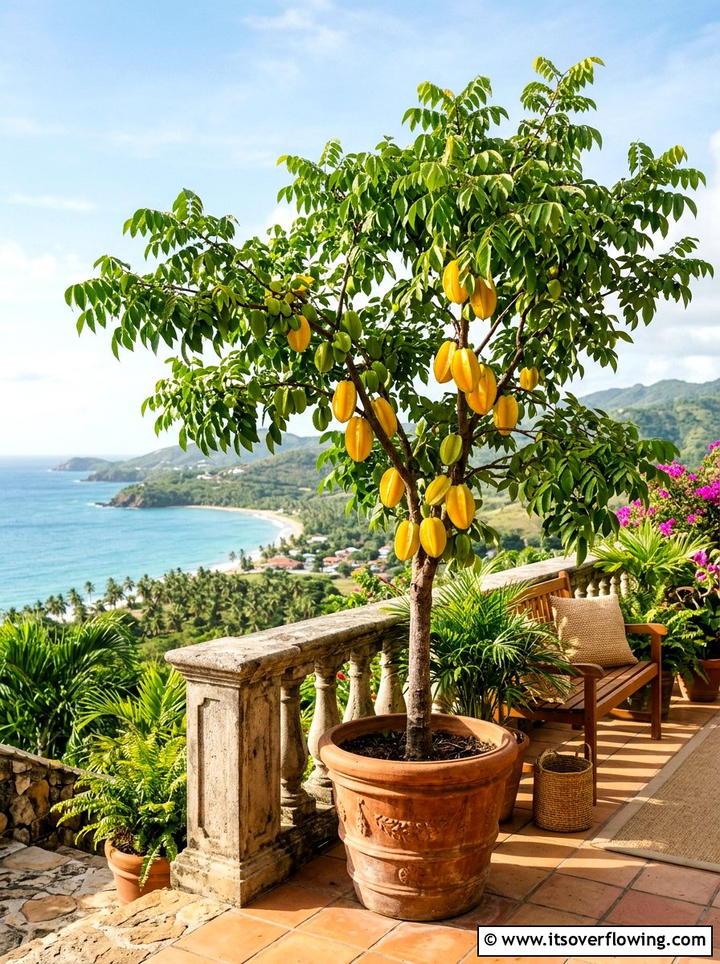
If you live in a warmer climate, a starfruit container tree is a stunning exotic addition that will surely impress your neighbors. Also known as Carambola, these trees have beautiful feathery foliage that folds up at night or when touched, adding an interactive element to your patio. The fruit is bright yellow and has a distinct star shape when sliced horizontally, making it a beautiful garnish for salads and drinks. They prefer a humid environment and plenty of sun, so they thrive on a sheltered patio that traps heat. Their unique appearance brings a truly tropical and adventurous vibe to your outdoor living space.
20. Patio Persimmon Tree
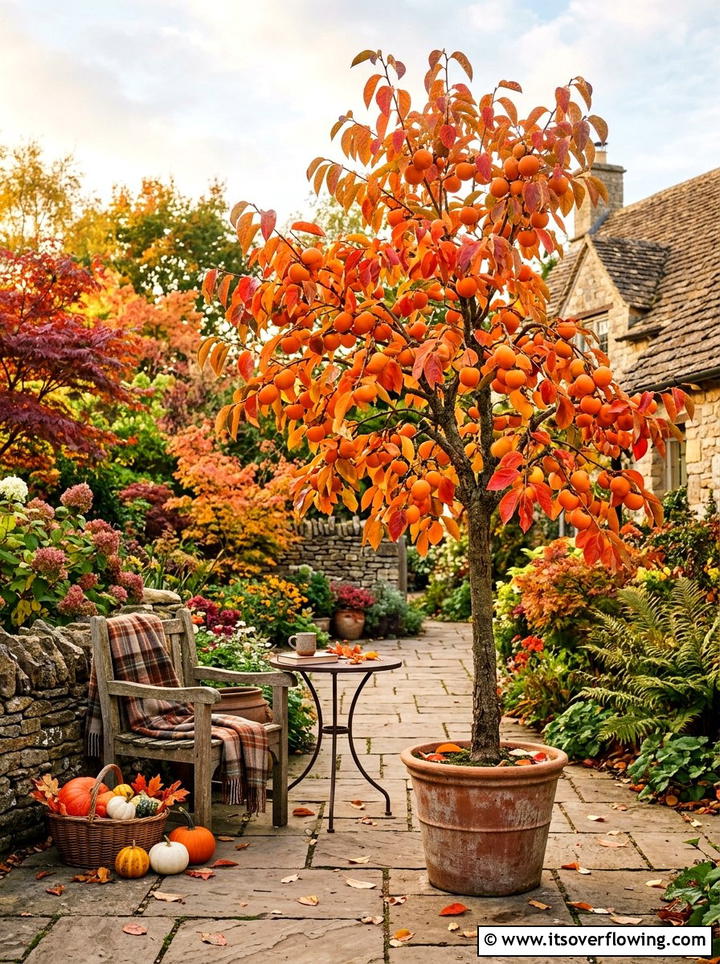
A patio persimmon tree is a showstopper in the late autumn when its leaves turn brilliant shades of orange and red. Even after the leaves fall, the bright orange fruit often remains on the branches like festive ornaments, providing a stunning visual during the cooler months. Dwarf varieties like “Izu” are self-fertile and stay small enough for large containers while producing full-sized, sweet fruit. Persimmons are generally very pest-resistant and easy to care for, making them a great choice for beginner fruit growers. The architectural shape of the tree and the vibrant fruit colors offer unmatched late-season beauty for any patio.
21. Dwarf Loquat Tree
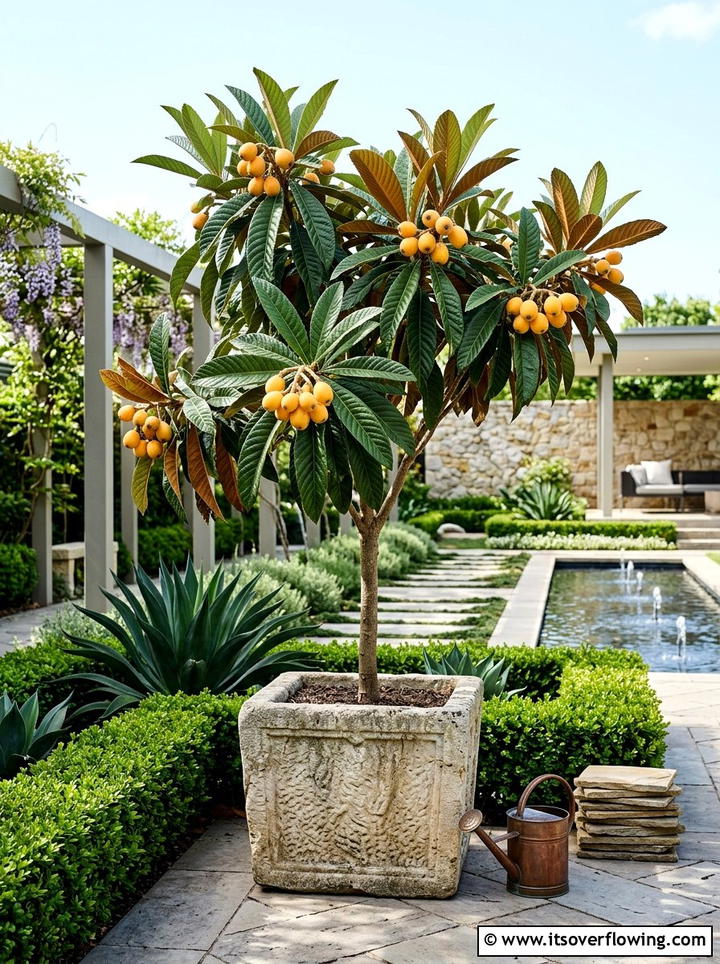
The dwarf loquat tree features large, stiff, and deeply veined evergreen leaves that give it a bold, architectural presence on a patio. It produces clusters of small, apricot-colored fruit that have a unique tropical flavor reminiscent of a mix between peach and citrus. Unlike many other fruit trees, loquats bloom in the late autumn or early winter, filling the cool air with a sweet, almond-like fragrance. They are very easy to grow and can handle a variety of light conditions, though they fruit best in full sun. Their prehistoric, tropical look makes them a fantastic focal point in a large, decorative outdoor planter.
22. Goji Berry Bush
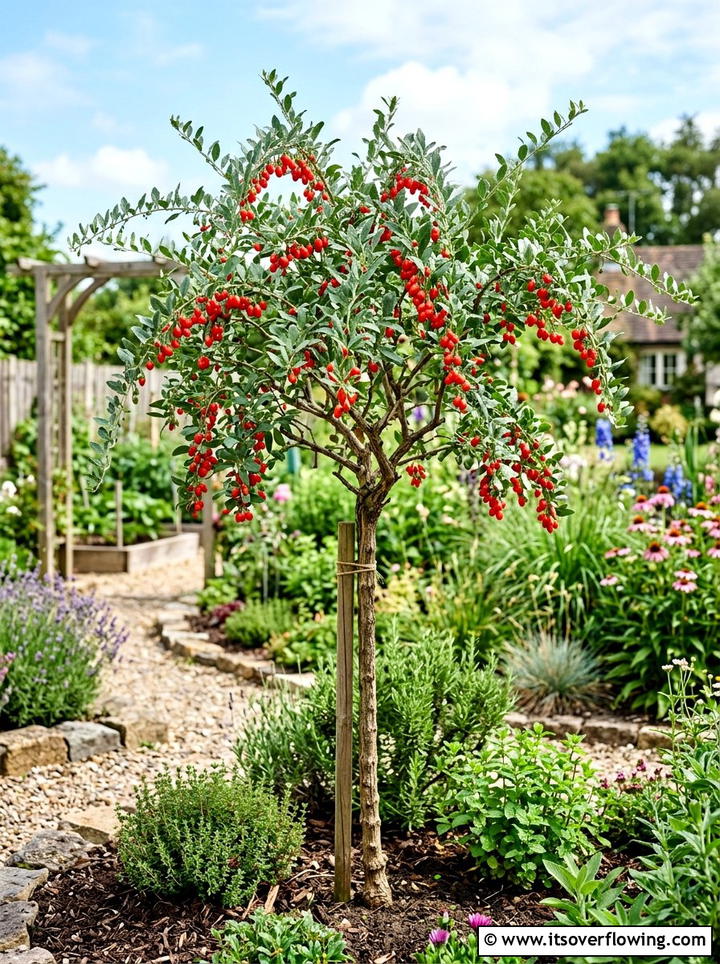
Growing a goji berry bush on your patio allows you to harvest these nutrient-dense “superfoods” right at home without needing a lot of space. While they are naturally sprawling shrubs, they can be easily staked and pruned into a small tree form to fit better on a patio. They produce small purple flowers followed by bright red, elongated berries that look beautiful against the grey-green foliage. Goji berries are incredibly hardy and can tolerate both heat and cold, making them a very versatile choice for various climates. They are quite drought-tolerant once established, which is a great benefit for container gardening in the summer.
23. Potted Elderberry Tree
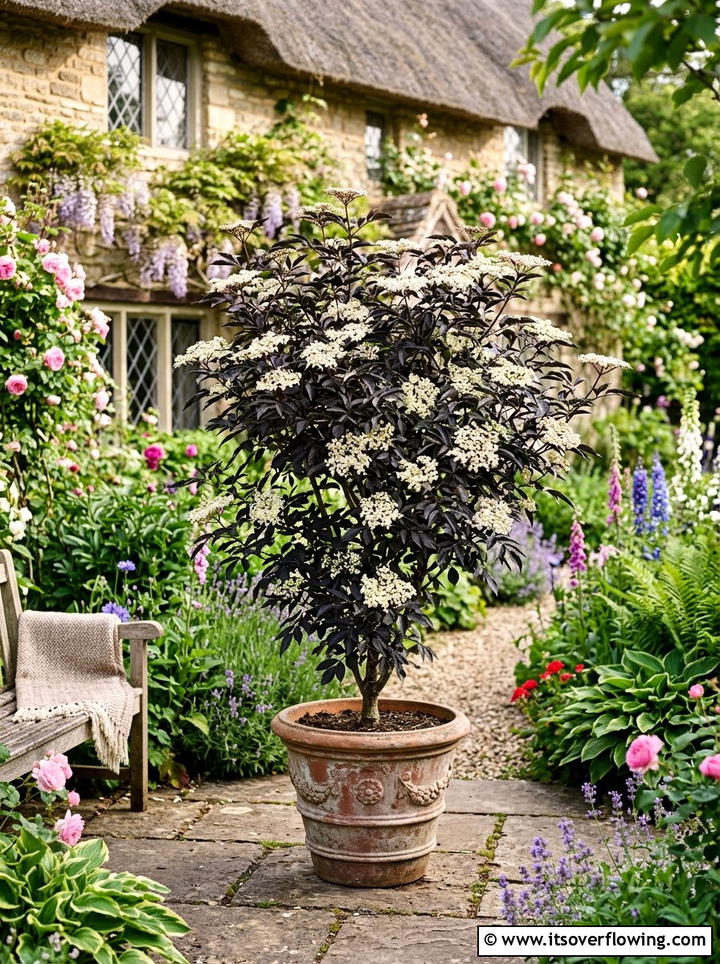
A potted elderberry tree provides a whimsical, cottage-garden feel with its fine-textured foliage and massive clusters of tiny white flowers. The flowers can be harvested to make syrup or cordials, or left on the tree to turn into deep purple berries for jams and wines. There are ornamental varieties with dark purple or near-black foliage that look absolutely stunning in a silver or white container. Elderberries are very vigorous growers, so keeping them in a pot is actually a smart way to manage their size and keep them from spreading. They attract a wide variety of pollinators, bringing life and movement to your patio.
24. Dwarf Quince Tree
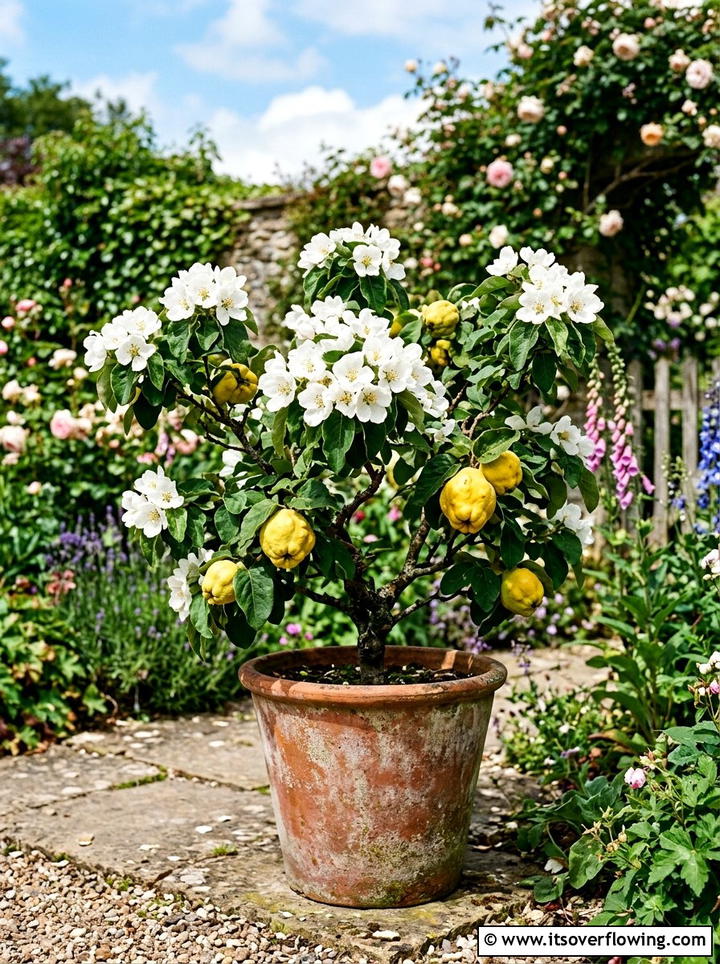
The dwarf quince tree is an old-fashioned favorite that is making a huge comeback in modern edible landscapes and patio designs. It produces large, knobby yellow fruit that is incredibly fragrant and can perfume an entire room when brought indoors. The spring flowers are large, cup-shaped, and usually a soft white or pale pink, looking very elegant against the dark wood. Quince fruit is typically cooked rather than eaten raw, making it a delight for home chefs who love making unique preserves or tarts. The tree itself has a somewhat twisted and artistic growth habit that adds a lot of character to a container.
25. Patio Pawpaw Tree
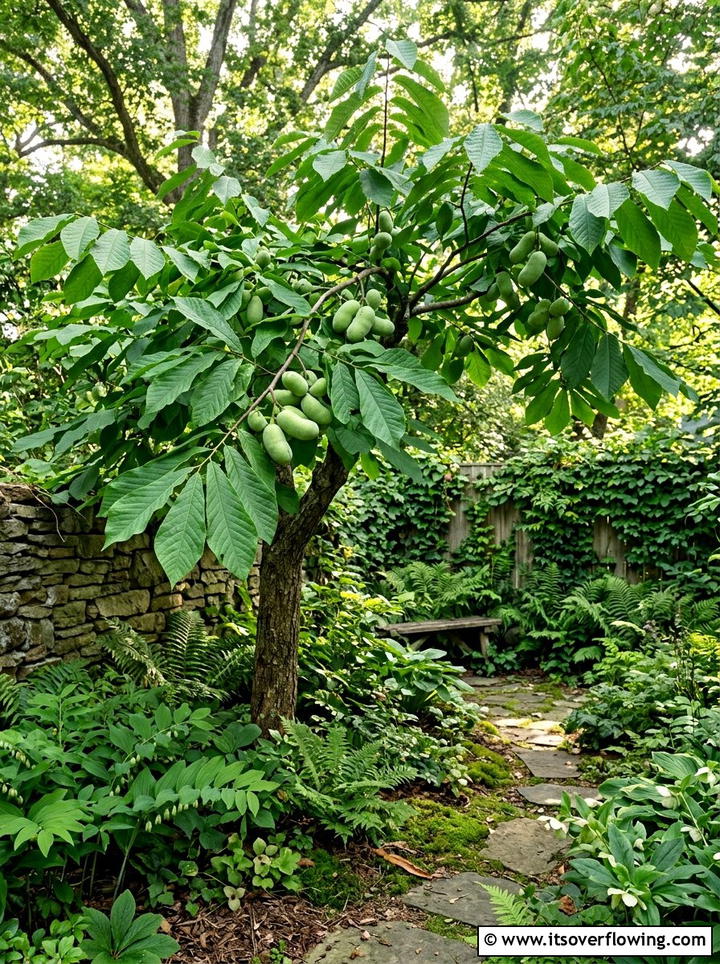
The patio pawpaw tree is a unique choice for those looking to grow something a bit different and native to North America. While standard pawpaws are medium trees, grafting them onto certain rootstocks can keep them manageable for large patio containers in shaded or semi-shaded areas. They have very large, tropical-looking leaves and produce fruit that tastes like a custard-like blend of banana and mango. The maroon-colored flowers are very unusual and appear in early spring before the leaves emerge. It is a great conversation starter for any patio gardener who wants to explore native edible plants while maintaining a lush, jungle-like aesthetic.
Conclusion:
Investing in patio fruit trees is one of the most fulfilling ways to transform your outdoor living space into a productive sanctuary. These trees offer a rare combination of structural beauty, seasonal changes, and the literal fruits of your labor right at your doorstep. By choosing dwarf varieties and the right containers, you can enjoy a diverse harvest regardless of your garden’s actual square footage. Remember to provide consistent watering and high-quality organic fertilizer to keep your trees healthy and productive within their pots. Once you experience the joy of harvesting your own patio-grown fruit, you will never look at a standard ornamental plant the same way again.

Related posts:
 25 garden ideas with fruit trees for Beauty and Harvests
 25 Creative Garden Ideas With Salad Gardens for Fresh Harvests
 25 Small Garden Ideas With Edible Garden for Fresh Harvests
 25 small garden ideas with vegetables for Fresh Home Harvests
 25 Creative Garden Ideas With Espalier Trees for Style
 25 Creative Garden Ideas for Patios: Fresh Outdoor Style
 25 Small Garden Ideas With Dwarf Trees for Big Small-Yard Impact
 25 garden ideas for rainy climate: Fresh Wet-Weather Tips
 25 garden ideas with moss art: Fresh Green Outdoor Style
 25 Garden Ideas With Planter Boxes for a Fresh Outdoor Look
 25 Small Garden Ideas With Herbs for Fresh, Fragrant Spaces
 25 Garden Ideas With Hanging Planters For Fresh Style