
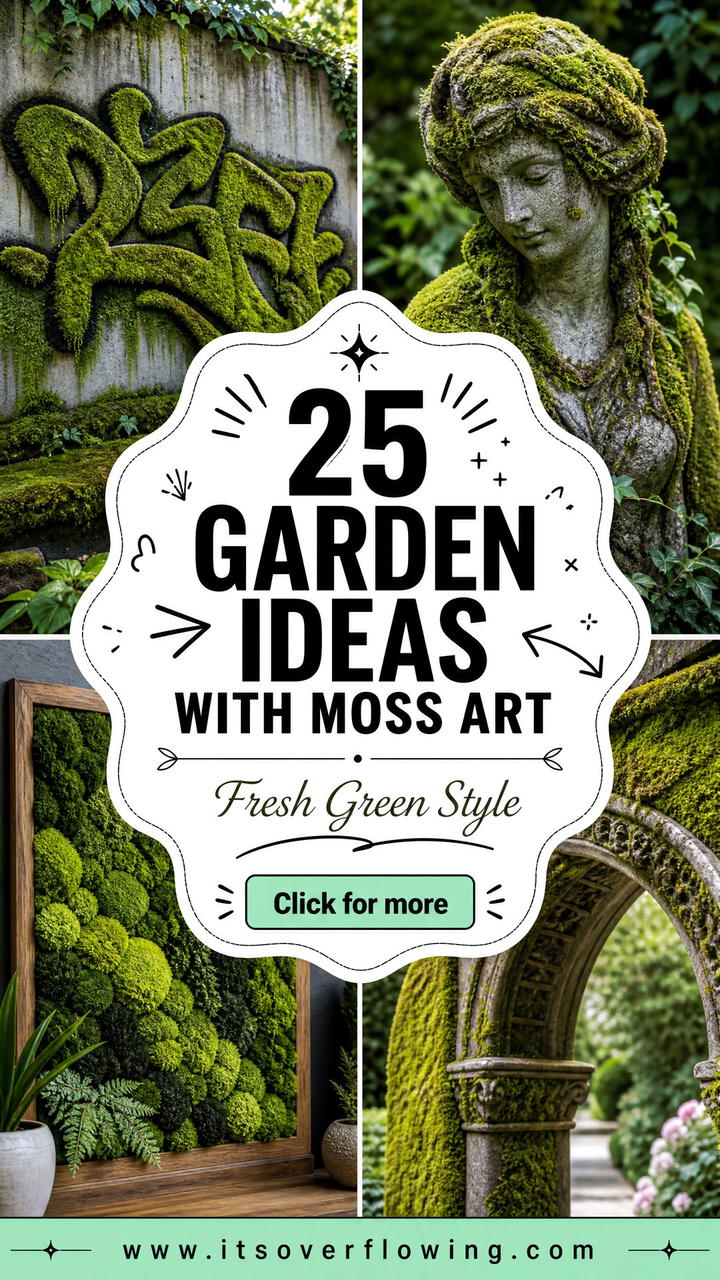
Gardeners everywhere are looking for fresh ways to bring a touch of magical greenery into their outdoor spaces without the high maintenance of traditional flowering plants. Moss art has emerged as a perfect solution for those who crave a lush, woodland aesthetic that feels both ancient and modern at the same time. This living medium allows you to paint with texture and various shades of emerald, chartreuse, and deep forest green. Whether you are working with a tiny balcony or a sprawling backyard, these moss-focused concepts provide a unique way to personalize your sanctuary. Let’s explore how this versatile plant can turn your ordinary garden into a viral-worthy masterpiece of organic texture and style.
1. Vertical moss wall
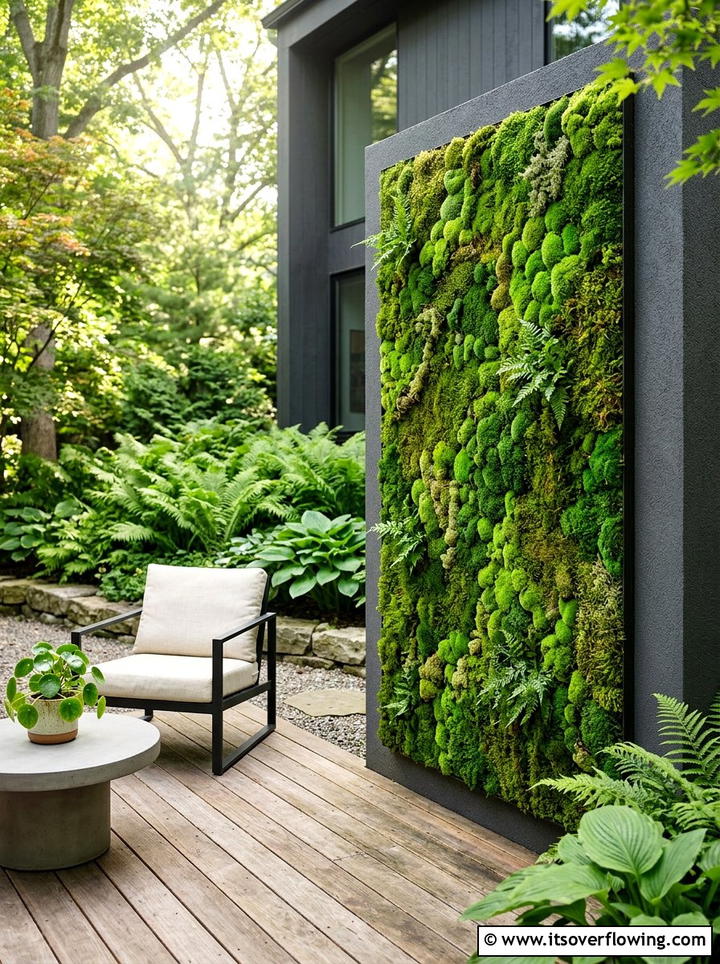
Imagine walking into a backyard where a cold, grey concrete wall has been completely transformed into a vibrant tapestry of living velvet. A vertical moss wall acts as a stunning focal point that brings immediate life to any dull vertical surface in your garden. You can use a variety of species like sheet moss or cushion moss to create depth and contrast. This setup works beautifully in shaded areas where other plants might struggle to thrive. It requires very little soil and can be misted easily to maintain its brilliant color. The result is a cooling, natural insulation that makes your entire outdoor seating area feel much more intimate and grounded.
2. Moss garden frame
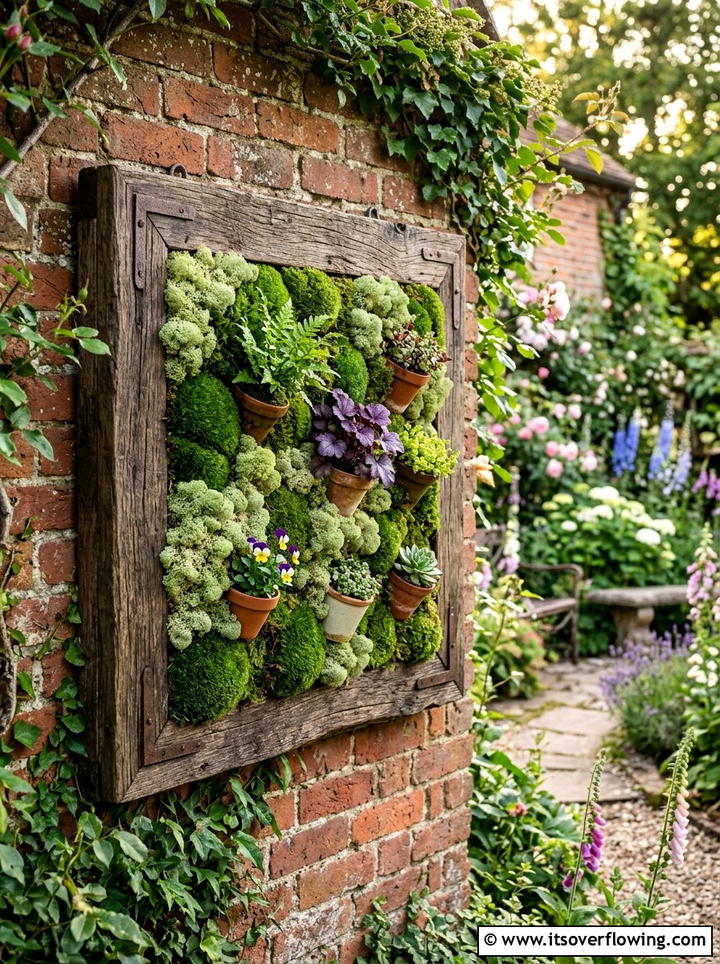
How would your garden look if you treated nature like a curated gallery piece? A moss garden frame is a creative way to display different textures of bryophytes as if they were fine art. You can build simple wooden frames and pack them with preserved or living moss in varying heights and colors. These frames look incredible when hung on a wooden fence or propped against a brick wall. They offer a sophisticated, biophilic touch that bridges the gap between interior decor and outdoor landscaping. By mixing in bits of lichen or bark, you create a three-dimensional landscape that captures the eye and starts conversations.
3. Living moss graffiti
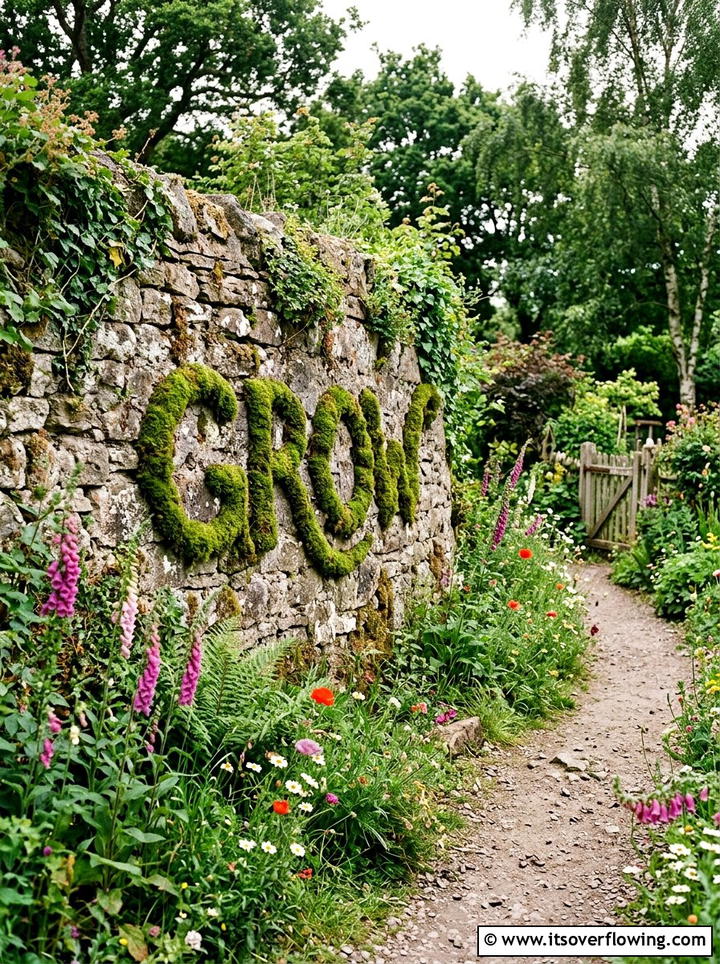
Have you ever seen a garden wall that seems to speak to you through its greenery? Living moss graffiti is an eco-friendly way to add words, quotes, or intricate patterns directly onto porous surfaces like brick or stone. This is achieved by mixing moss with yogurt or buttermilk and painting it onto the wall. Over time, the moss grows into the shape you have painted, creating a soft, fuzzy mural that is completely organic. It is a fantastic way to personalize your garden with a secret message or a custom logo. This style of garden art is temporary but remarkably impactful for any modern landscape.
4. Moss covered stone statue
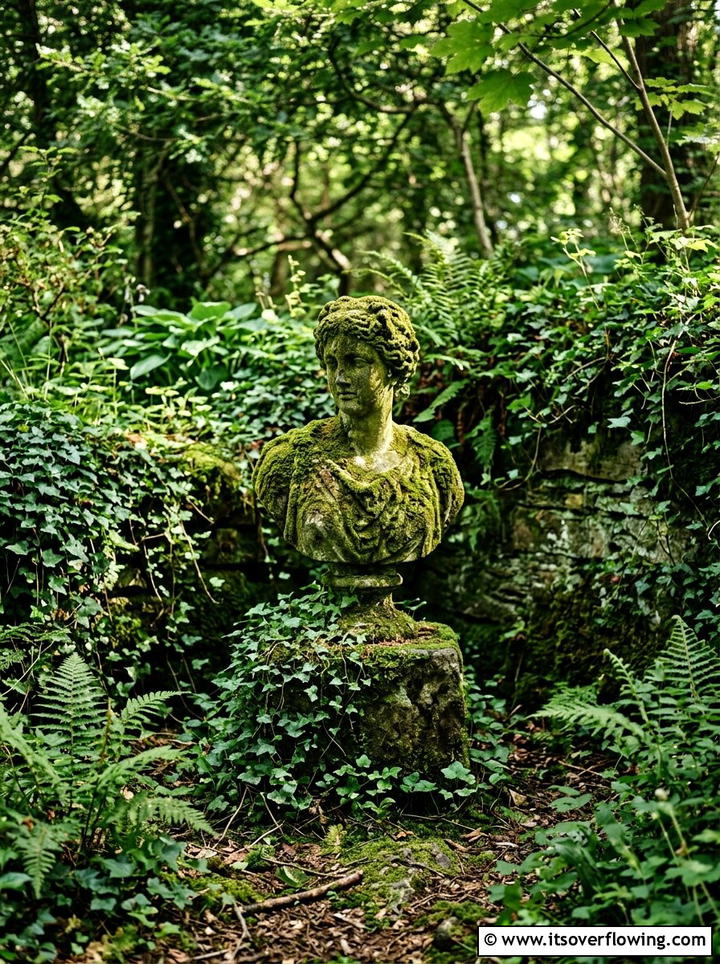
There is something deeply romantic and ancient about a stone statue that is slowly being reclaimed by nature. You can intentionally speed up this process by encouraging moss to grow over your garden sculptures. This technique softens the hard lines of a concrete or stone figure, giving it a weathered, timeless look. Whether it is a classical bust or a modern abstract shape, the moss adds a layer of soft texture that changes with the moisture in the air. This look fits perfectly in a cottage-style garden or a quiet, shaded nook where you want to evoke a sense of mystery and old-world charm.
5. Geometric moss mural
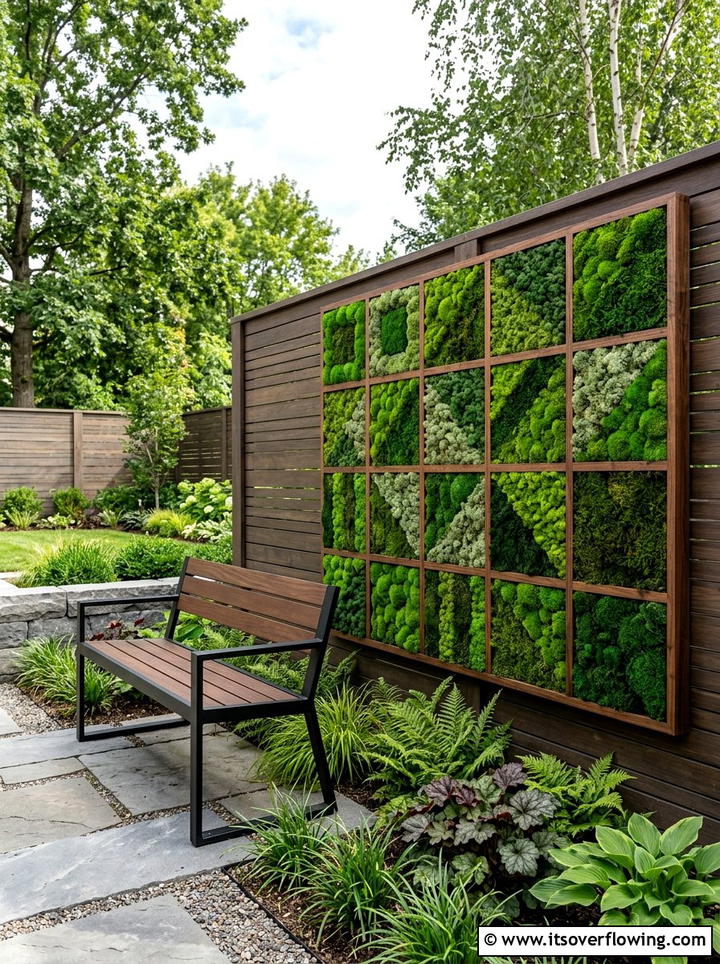
Can you imagine a garden fence that looks like a modern art installation? A geometric moss mural uses crisp lines and bold shapes to create a structured look using natural materials. By building a wooden grid or using metal spacers, you can fill specific sections with different types of moss to create a mosaic effect. This contrast between the wild, fuzzy texture of the moss and the sharp geometric lines creates a visually striking balance. It is a brilliant way to add a contemporary touch to a traditional garden space. This design works particularly well as a backdrop for a minimalist outdoor dining or lounge area.
6. Moss walkway border
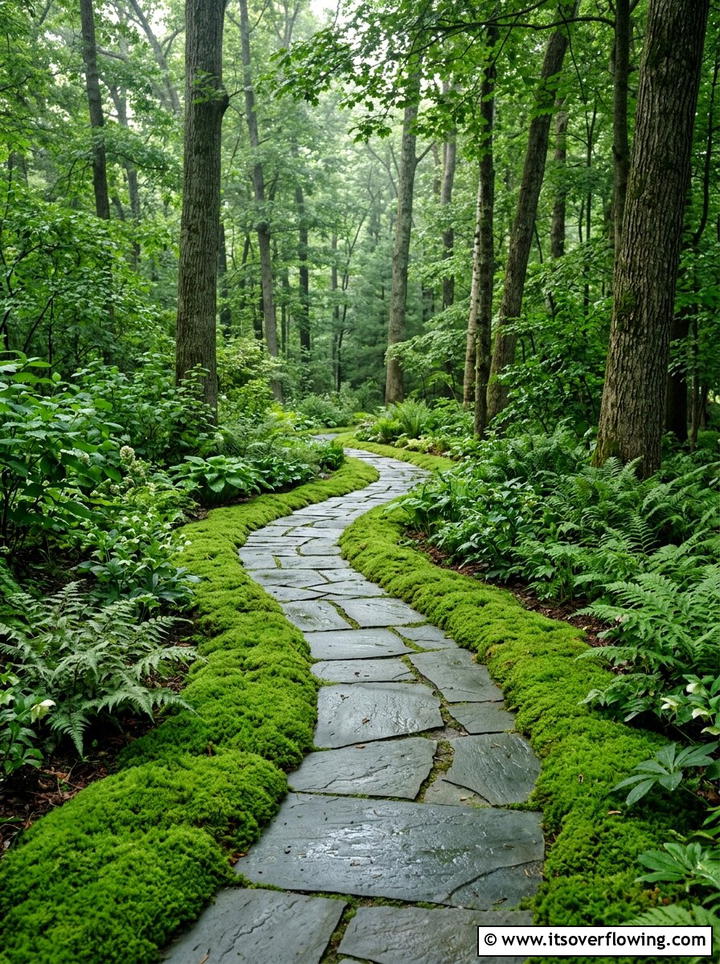
Walking through a garden should be a sensory experience that starts right at your feet. A moss walkway border provides a soft, emerald-green cushion along the edges of your stone or gravel paths. Unlike traditional grass borders, moss stays low to the ground and does not require frequent mowing or trimming. It thrives in the damp, shaded margins of a path where other plants might get stepped on and die. The deep green of the moss provides a beautiful contrast to grey slate or tan gravel. This simple addition makes any garden path feel like a journey through a lush, enchanted forest or woodland.
7. Preserved moss panel
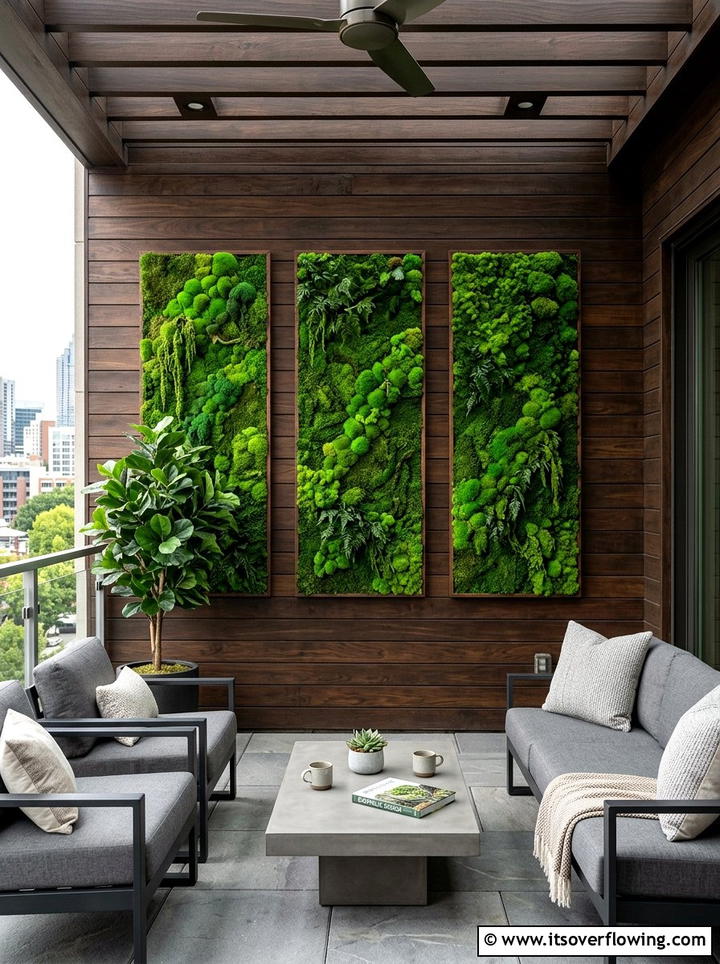
If you want the look of a green wall without any of the watering or maintenance, a preserved moss panel is your best option. These panels use moss that has been treated to keep its color and soft texture forever. They are perfect for covered patios or outdoor rooms where direct sunlight might be too harsh for living moss. You can arrange these panels in a variety of patterns to create a seamless wall of green. Because the moss is no longer growing, it stays exactly as you styled it on day one. This makes it a very popular choice for high-end, modern garden designs.
8. Moss tree trunk art
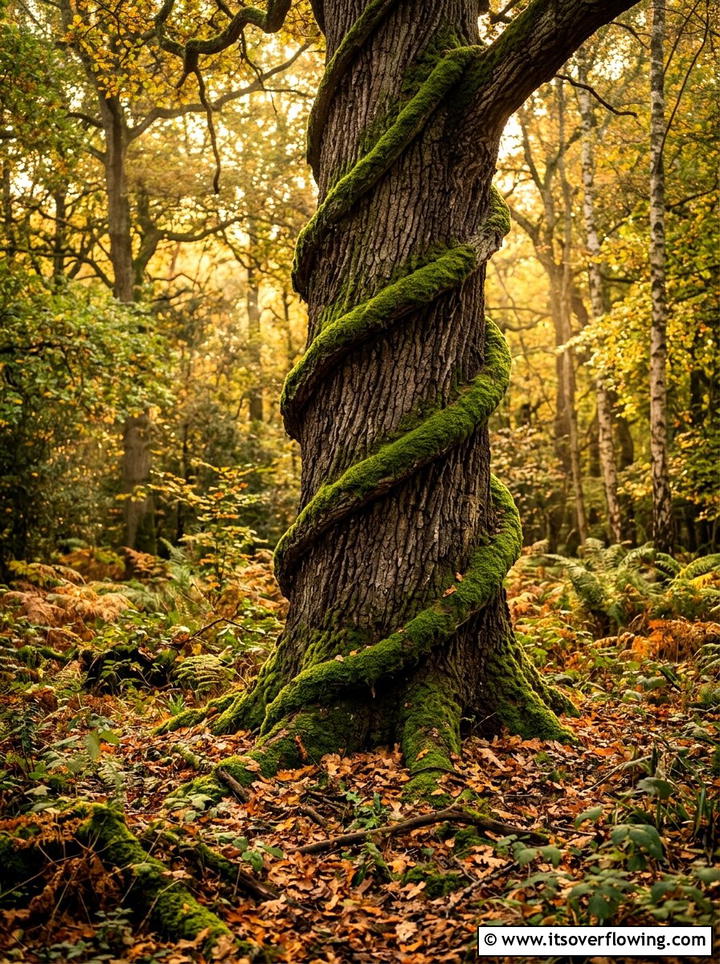
Why leave the trunks of your trees bare when they can be used as a natural canvas? Moss tree trunk art involves encouraging moss to grow in specific patterns or spirals around the base and up the sides of your established trees. This adds an extra layer of visual interest to your vertical landscape. It works best on trees with rough bark that can hold moisture well. You can create swirling designs that look like they belong in a fairytale. This method is completely harmless to the tree and provides a tiny habitat for beneficial insects. It makes your backyard feel like an ancient forest.
9. Framed moss map
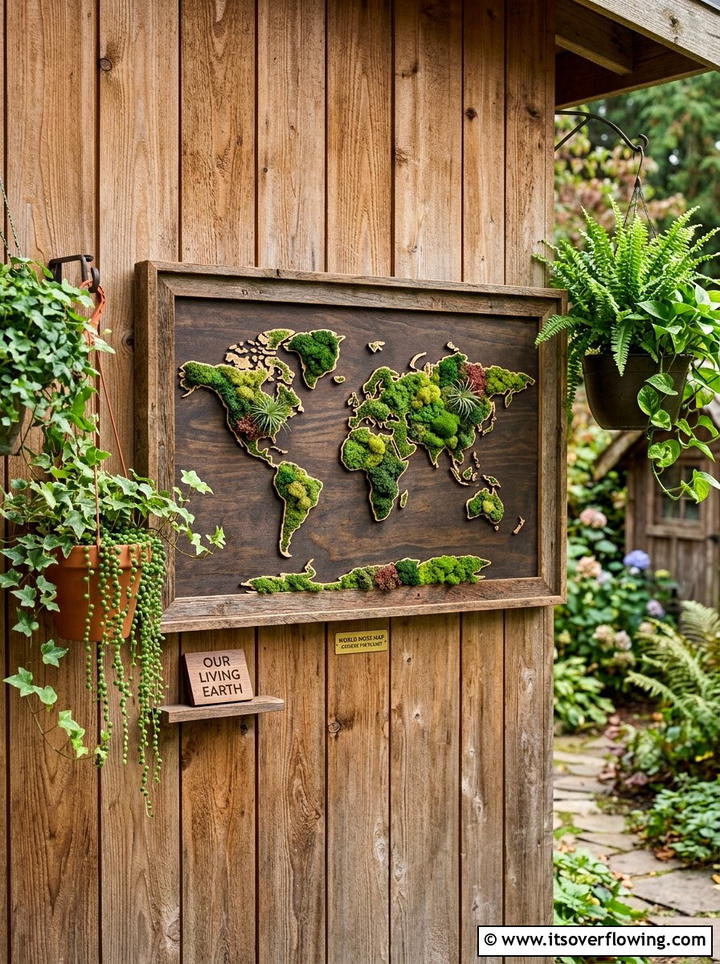
A framed moss map is a unique way to celebrate a favorite location or your own property lines using natural materials. By cutting out a plywood base in the shape of a country, state, or even a fictional world, you can fill the interior with various shades of moss. Using different species allows you to represent varying terrain or elevations. This piece of art can be hung on an exterior wall or placed on an easel in a sheltered garden spot. It combines the precision of cartography with the wild beauty of nature. This project is a wonderful conversation starter for guests during outdoor gatherings.
10. Moss lettering garden sign
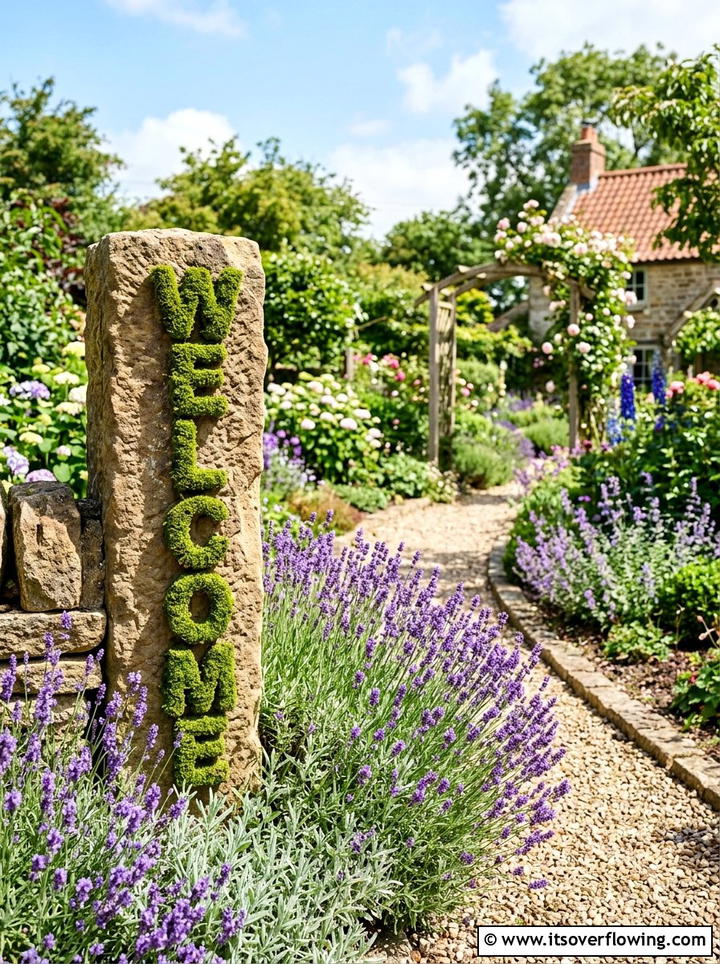
Personalize your garden entrance with a moss lettering garden sign that feels like it grew right out of the earth. Instead of using plastic or metal signs, you can craft large wooden letters and inlay them with lush green moss. This is a beautiful way to display your family name or a welcoming word like “relax” or “grow. ” The moss adds a soft, tactile element that invites people to touch and feel the sign. It blends perfectly with the surrounding foliage, making your signage feel like an integrated part of the landscape rather than an after-thought. It is both functional and incredibly stylish.
11. Moss container garden
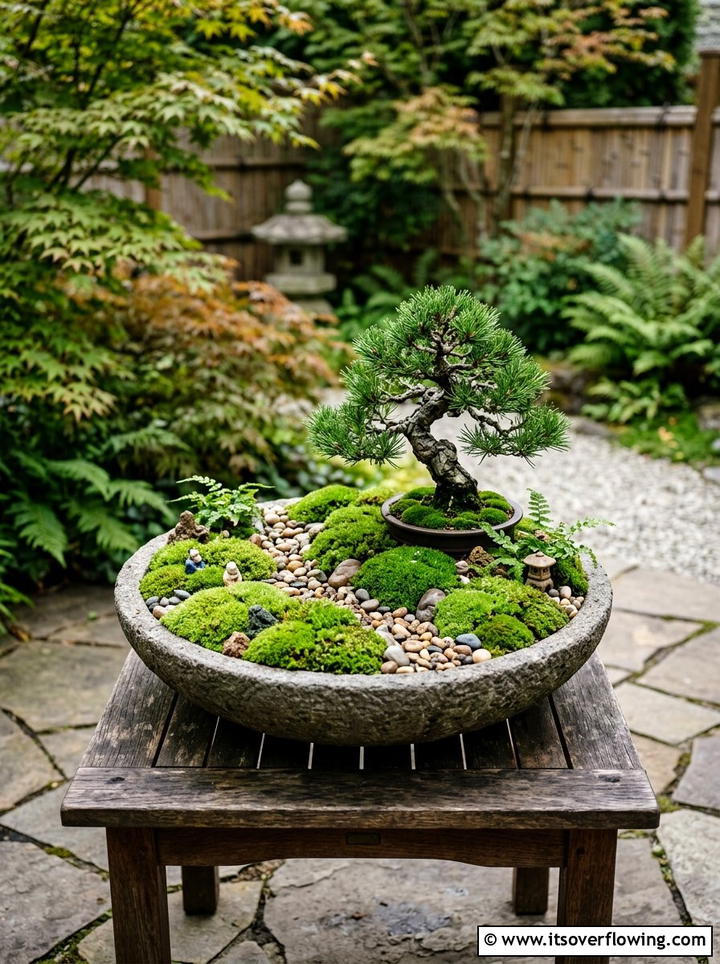
You do not need a large yard to enjoy the beauty of moss art when you can create a moss container garden. Using shallow bowls, ceramic troughs, or even recycled wooden crates, you can arrange different varieties of moss into a miniature landscape. Adding small stones, pieces of driftwood, or tiny figurines can turn these containers into enchanting fairy gardens or zen-like retreats. These portable gardens are perfect for tabletops, windowsills, or balcony railings. Because moss has very shallow roots, it can thrive in containers that are too small for other plants. It is the ultimate low-maintenance greenery for compact spaces.
12. Moss fountain accent
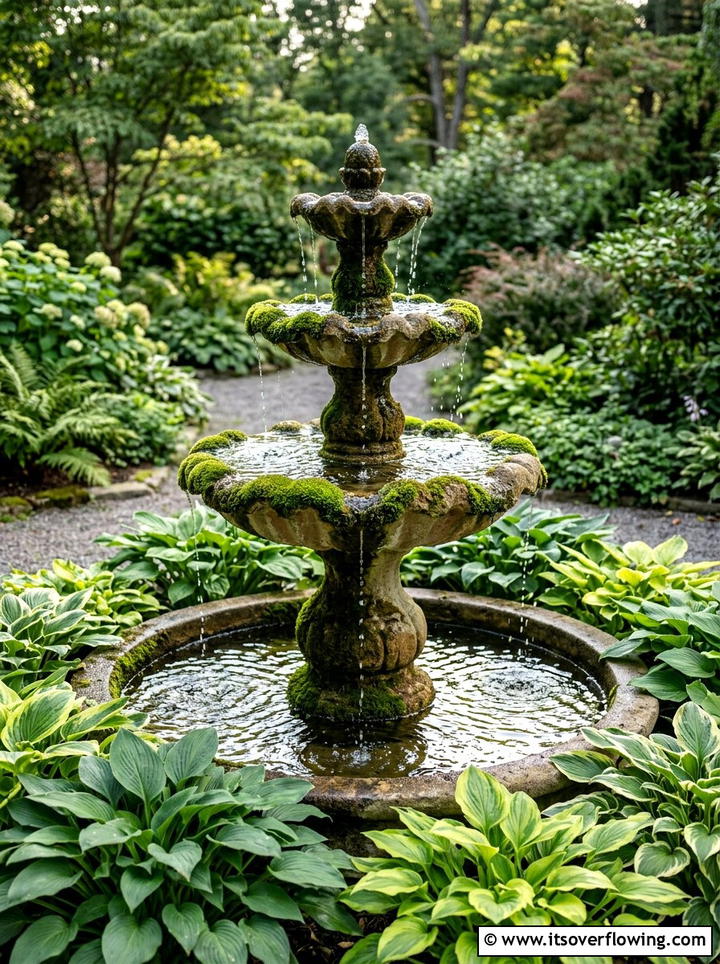
Water and moss are natural companions that create a serene and cooling atmosphere in any garden setting. A moss fountain accent involves placing moss around the edges or even on the tiers of a stone water feature. The constant moisture from the splashing water keeps the moss incredibly vibrant and healthy. As the moss grows, it softens the sound of the water and gives the fountain an aged, natural appearance. This combination of trickling water and lush green textures is perfect for a meditation corner. It creates a tranquil focal point that attracts birds and helps to humidify the local air around your patio.
13. Textured moss tapestry
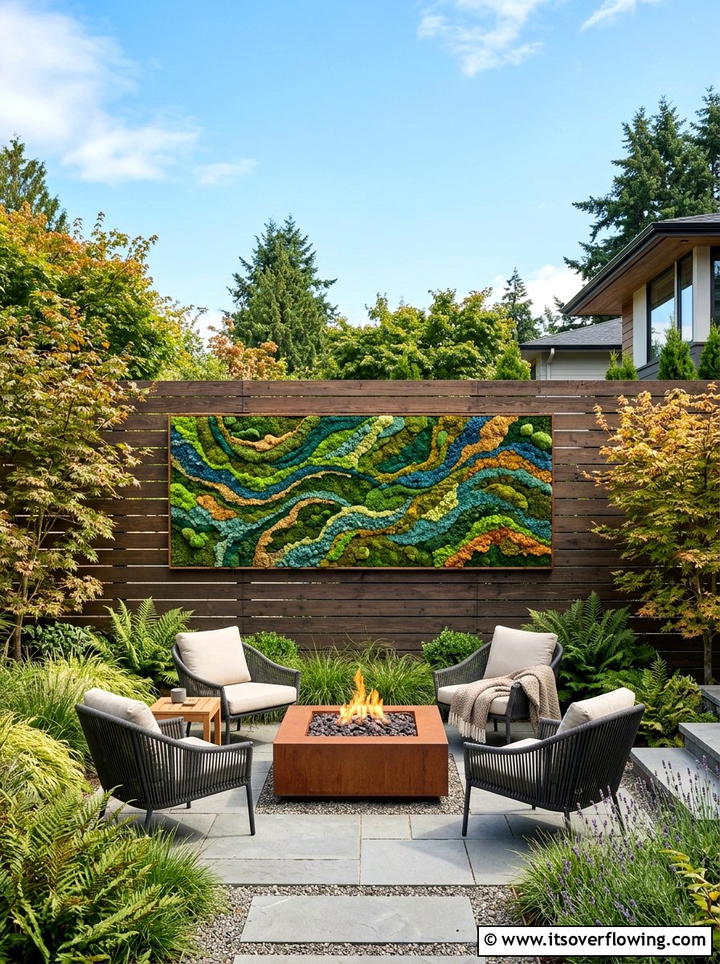
A textured moss tapestry is a large-scale art piece that uses the different heights and colors of moss to mimic a woven fabric. By layering reindeer moss, sheet moss, and mood moss, you can create a piece that looks like a topographical map or an abstract painting. These tapestries are often mounted on large outdoor panels and can cover entire sections of a fence. The variety of textures creates shadows and highlights that change as the sun moves across the sky. It is a sophisticated way to add “movement” to a static wall. This design is highly popular in luxury biophilic garden spaces today.
14. Moss fairy garden house
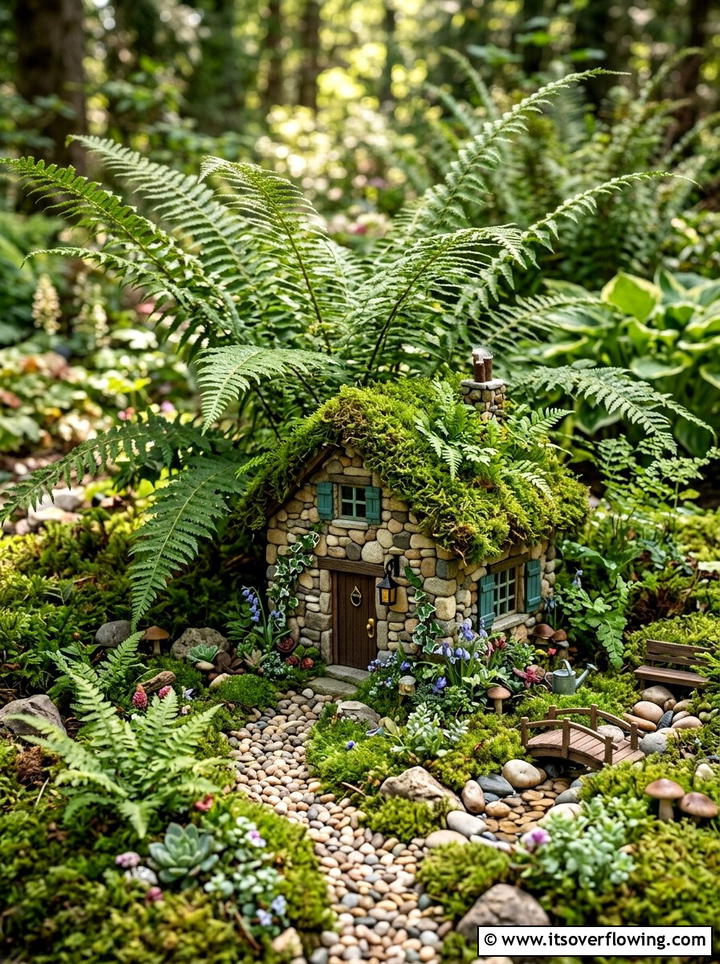
Creating a moss fairy garden house is a delightful project that adds a touch of whimsy to any shaded corner. You can cover the roof and walls of a small birdhouse or a hand-built structure with different types of moss to make it look like a hidden woodland dwelling. Use tiny pebbles for a chimney and twigs for a fence to complete the scene. This type of moss art is perfect for engaging children in the garden or simply adding a playful element to your landscape. The moss acts as natural insulation for the structure, keeping it cool and looking like it belongs to nature.
15. Spiral moss pattern
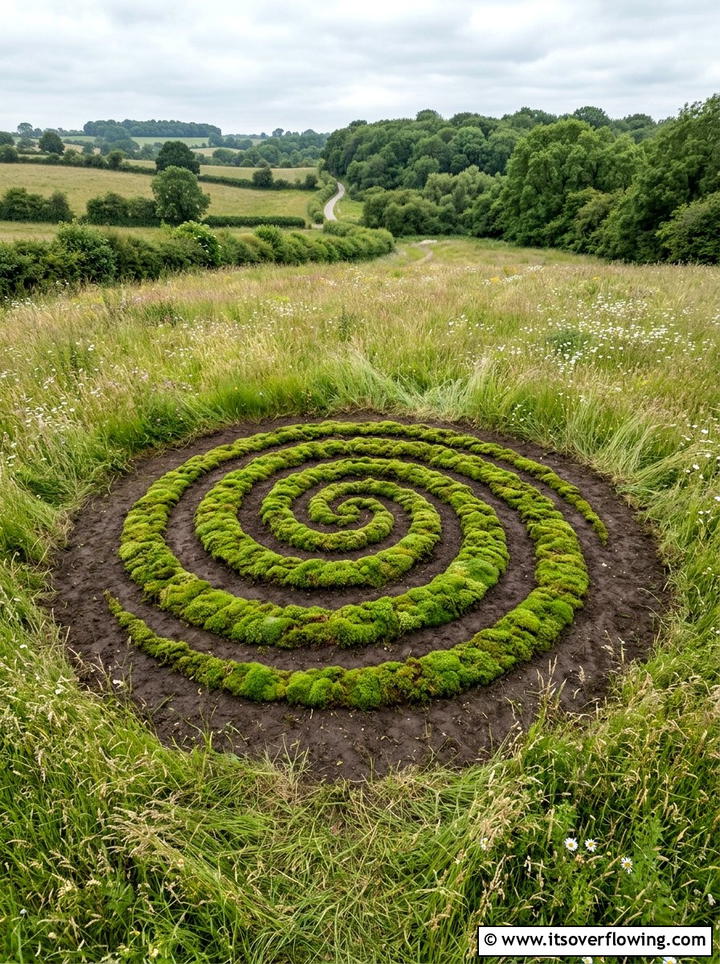
A spiral moss pattern on the ground can transform a flat area of your yard into a mesmerizing land art installation. By clearing a circular path and planting moss in a tight spiral, you create a visual rhythm that draws the eye toward the center. This design can be used as a small walking labyrinth or simply as a decorative ground cover. The contrast between the soft green moss and the surrounding soil or mulch makes the spiral pop. It is an ancient symbol that feels very grounding and peaceful. This idea works best in a quiet area intended for reflection or yoga.
16. Moss terrace wall
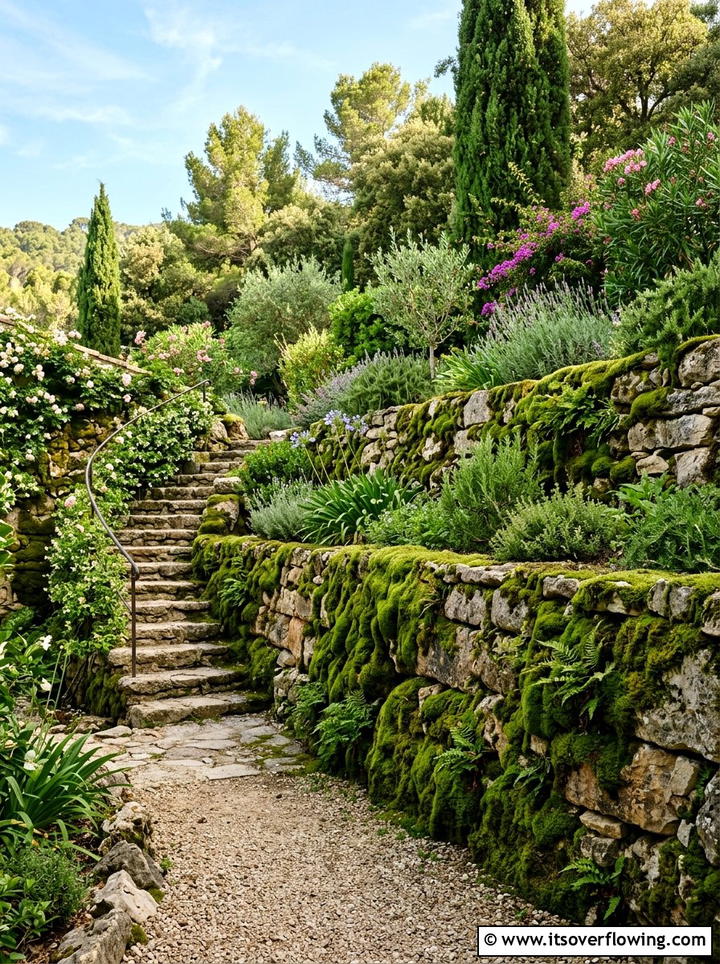
If your garden has multiple levels, a moss terrace wall can help blend the structural elements with the natural environment. Instead of leaving the vertical faces of your retaining walls as bare stone or wood, you can tuck moss into the crevices. Over time, the moss will spill over the edges, creating a waterfall of green that softens the hard transition between levels. This is particularly effective for stone walls where the moss can find natural grip. It helps to cool the stone during hot summer days and adds a lush, aged feel to your tiered garden. It is both functional and beautiful.
17. Mixed moss succulent frame
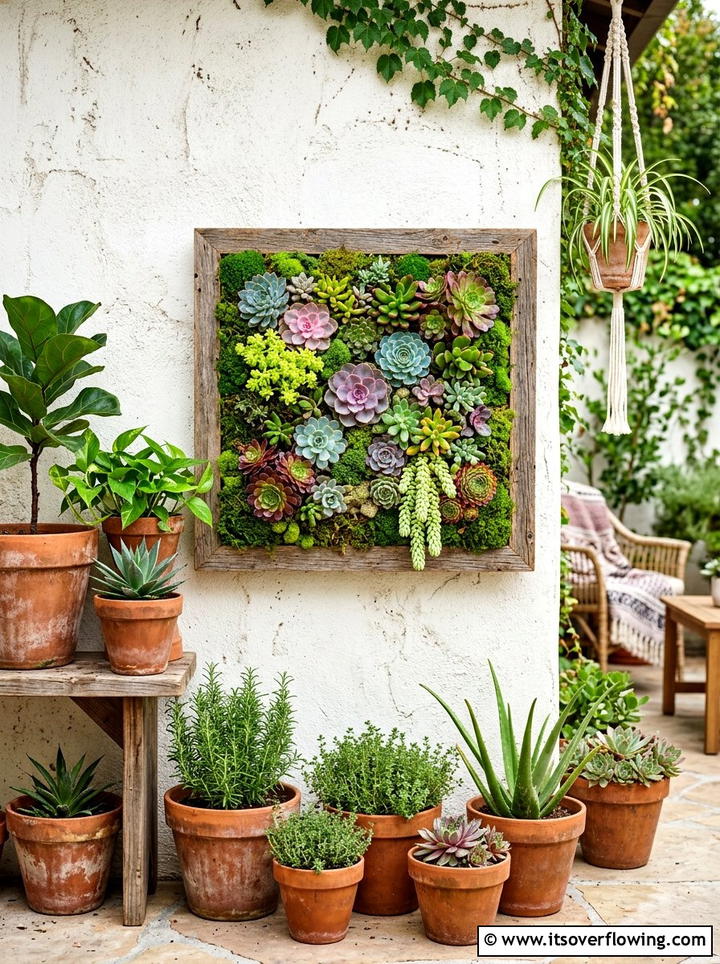
Combining the soft, moisture-loving texture of moss with the structural, fleshy leaves of succulents creates a stunning mixed moss succulent frame. In this design, moss acts as a living backdrop that holds moisture for the succulents while filling in the gaps between them. The result is a vibrant, colorful wall hanging that looks like a vertical garden arrangement. You can play with different colors of succulents, like purples and reds, against the deep green moss. This frame is perfect for a bright but indirect light spot on a porch. It offers a rich variety of textures that stay interesting throughout the entire year.
18. Moss clock outdoor
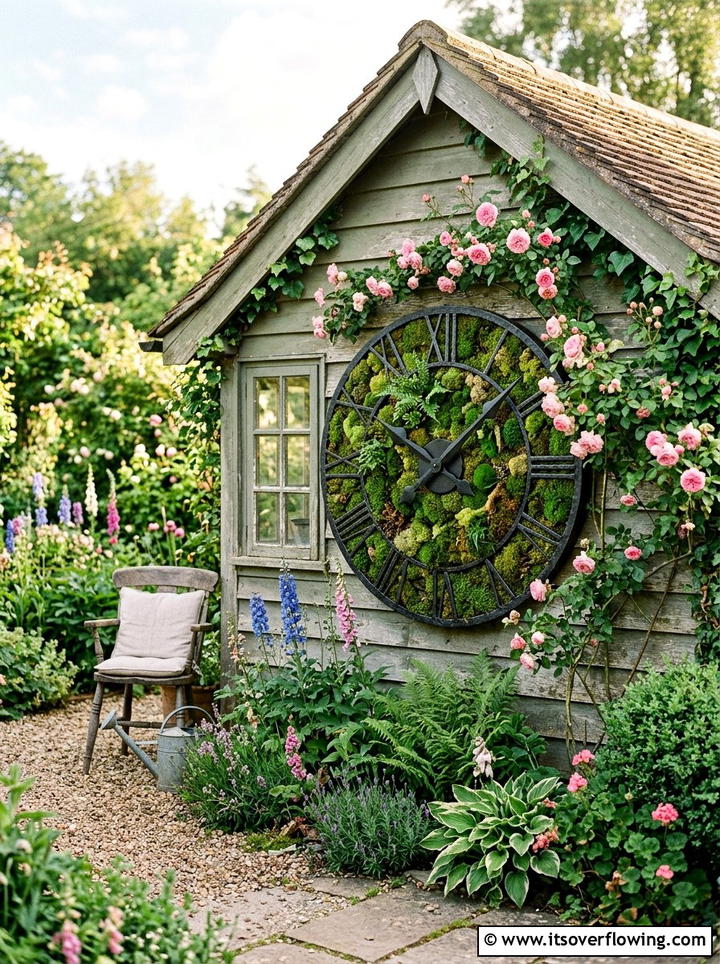
An outdoor moss clock is a functional piece of art that brings a touch of “slow time” to your garden. You can use a large wooden disc as the clock face and fill the numbers or the background with different shades of moss. Even if you do not include a moving mechanism, the visual of a clock made of plants is a powerful metaphor for nature’s pace. This piece looks wonderful hanging on a garden shed or a sturdy fence. It reminds you to put down your phone and enjoy the present moment. The organic texture makes it a much more relaxing feature than a standard clock.
19. Moss stepping stone
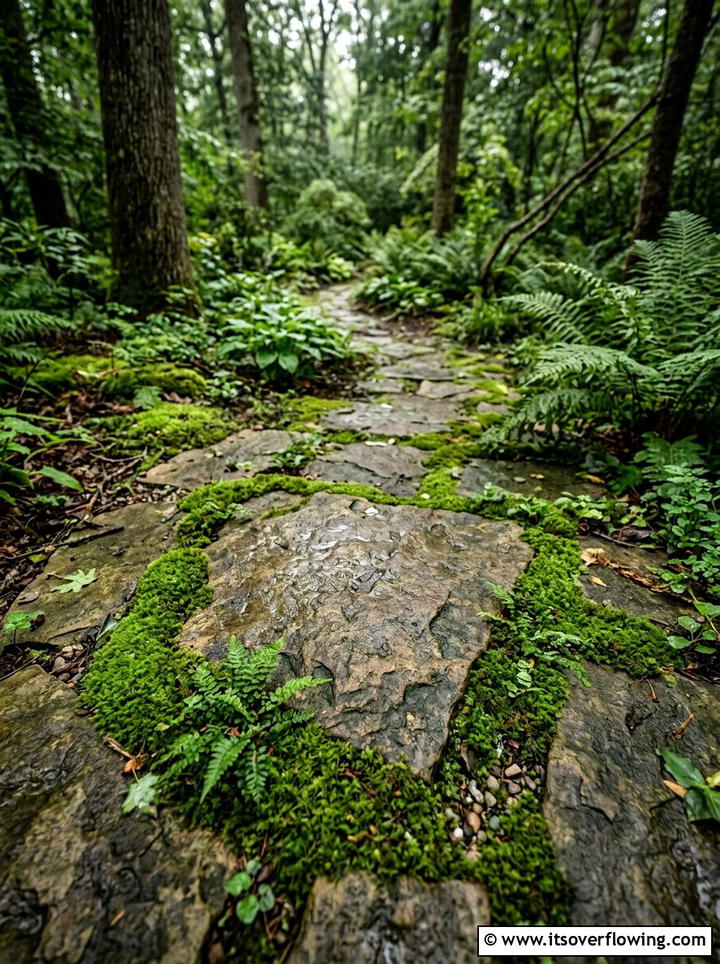
Turning your garden path into a magical journey is easy when you incorporate a moss stepping stone design. You can cast concrete stones with a recessed center that allows you to plant a cushion of moss inside. This way, you get the stability of a stone path with the soft, green beauty of moss in the middle. Alternatively, you can encourage moss to grow in the wide gaps between irregular flagstones. This creates a patchwork effect that looks very natural and established. It is a great way to handle areas that stay too wet for grass but need a stable surface for walking.
20. Moss birdbath decoration
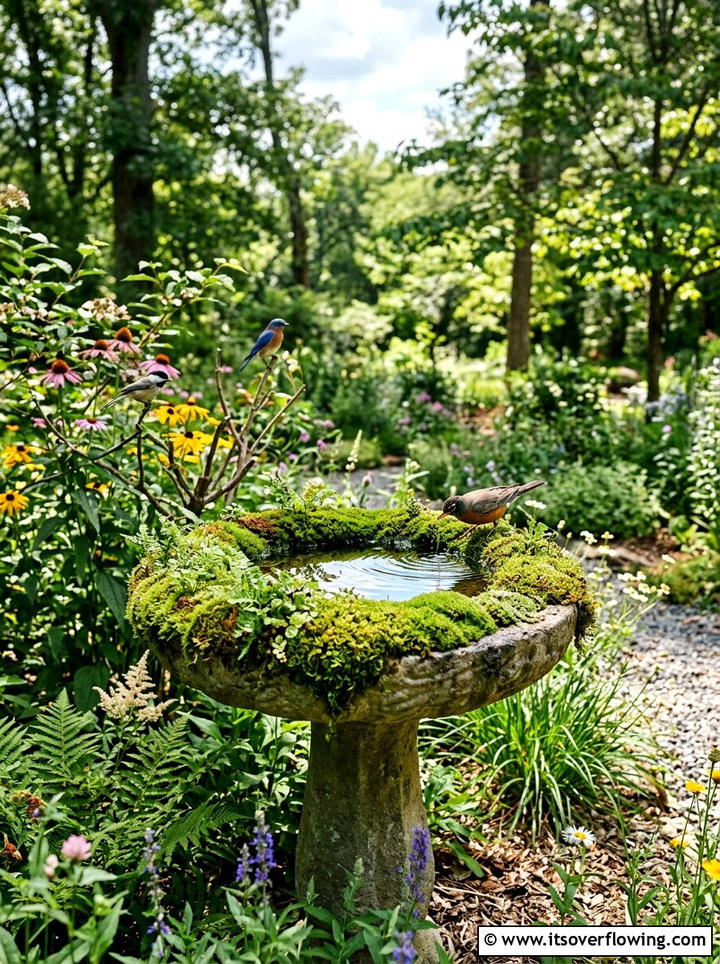
A moss birdbath decoration can turn a simple garden feature into a lush oasis for local wildlife. By lining the outer rim and the base of a birdbath with moss, you create a soft landing spot for birds and butterflies. The moss absorbs excess water and stays cool, providing a refreshing micro-environment. This also helps the birdbath blend into its surroundings, making it look like a natural spring emerging from the ground. It is a small detail that makes a huge difference in the overall aesthetic of your garden. Birds will appreciate the natural texture, and you will love the vibrant, green look.
21. Moss furniture covering
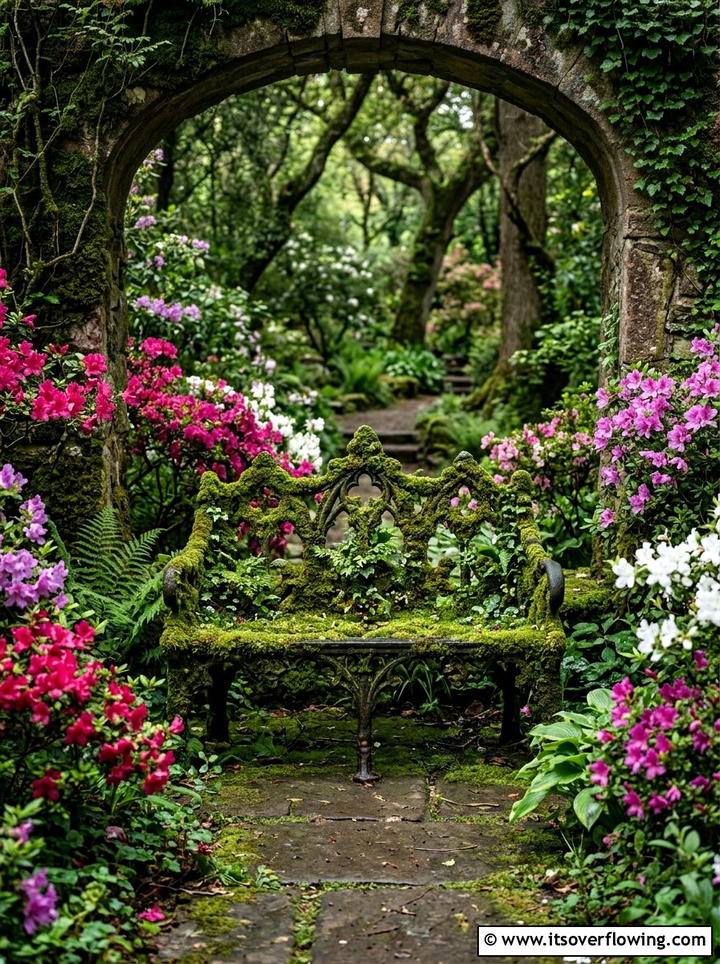
Have you ever seen a chair that looks like it grew out of the earth? Moss furniture covering is a bold design choice where you wrap an old, weather-worn garden bench or chair in moss mats. This creates a sculptural piece of furniture that is purely for decoration rather than sitting. It acts as a stunning focal point in a hidden garden room or at the end of a path. The moss completely hides the original material, leaving only the organic form behind. This is a very popular trend for garden shows and high-concept landscape design because it challenges our view of functional objects.
22. Abstract moss canvas
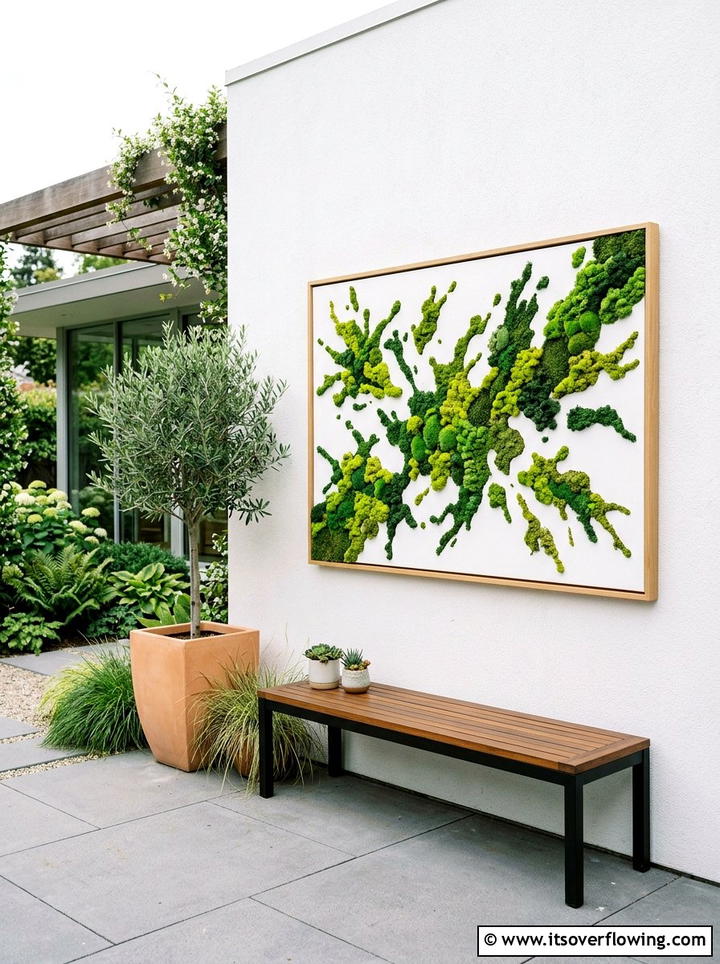
An abstract moss canvas allows you to express your creativity by using different moss species as your paint. You can take a large waterproof board and glue clumps of moss in swirling, jagged, or flowing patterns. By using varying shades — from light neon green to dark hunter green — you create a sense of depth and movement. This type of art is perfect for adding a sophisticated, modern touch to a garden wall without needing a full vertical garden system. It is lightweight and can be moved around to different spots in your garden. It is a true testament to the versatility of this tiny plant.
23. Moss zen garden feature
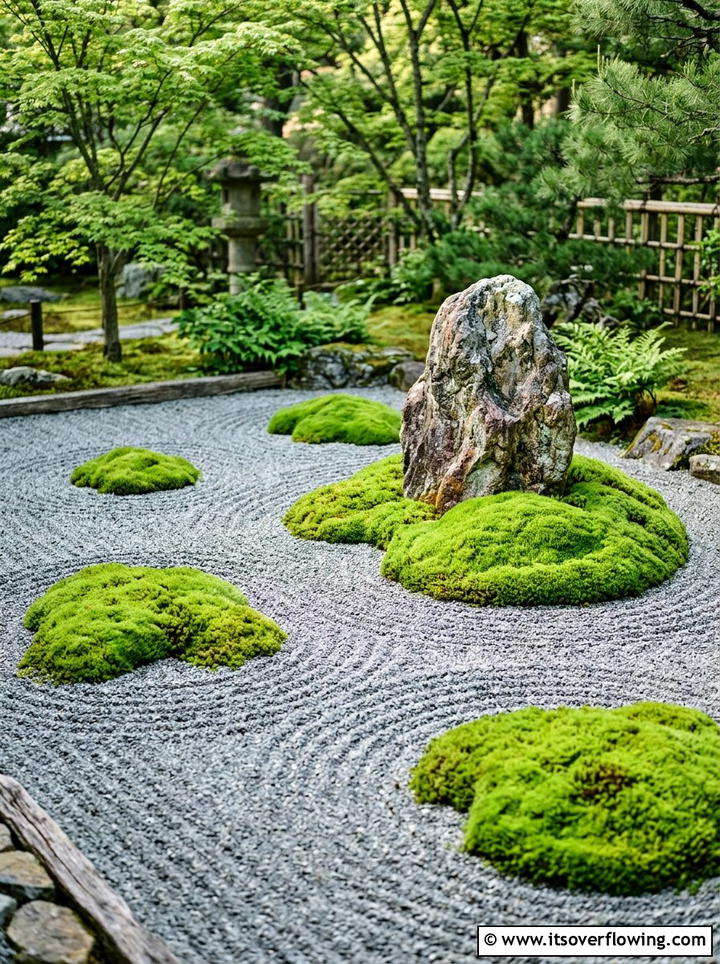
A moss zen garden feature focuses on simplicity, balance, and tranquility within your outdoor space. Instead of a traditional sand garden, you can use mounds of cushion moss to represent islands or mountains within a sea of fine gravel. The soft, rounded shapes of the moss provide a calming contrast to the raked lines in the stone. This design is perfect for small, enclosed courtyards where you want to create a space for quiet contemplation. The minimal color palette of green and grey helps to lower stress and clear the mind. It is a timeless look that never goes out of style.
24. Moss rockery display
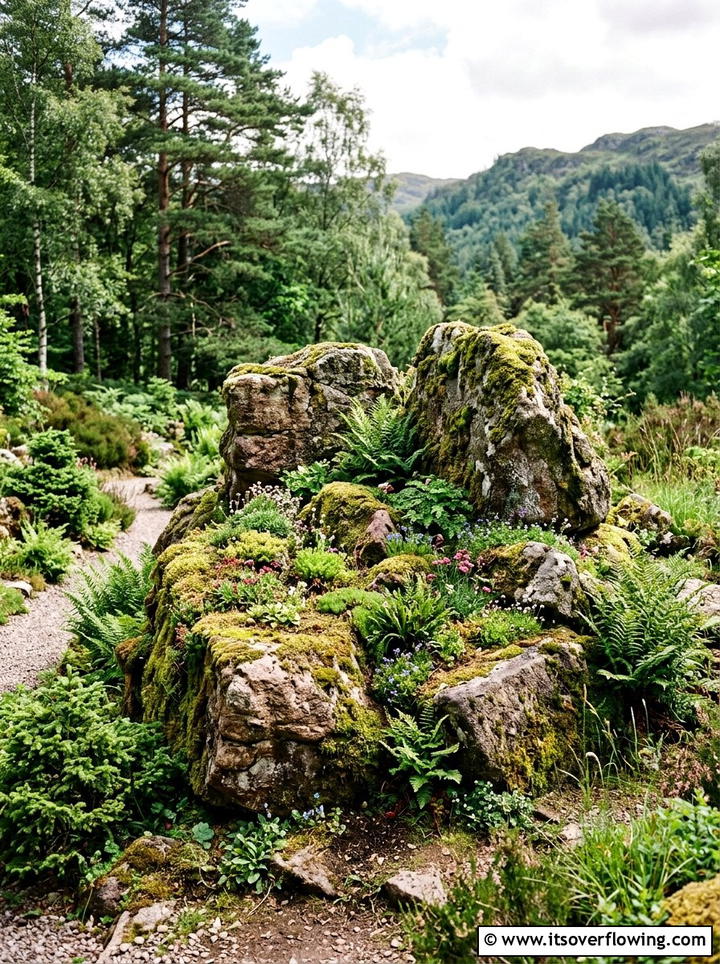
A moss rockery display uses large, interesting boulders as the foundation for a miniature mountain landscape. By planting moss in the natural hollows and cracks of the rocks, you create a rugged, high-altitude look right in your backyard. This is an excellent way to use rocks that might otherwise look plain or out of place. The moss helps to “anchor” the stones into the soil, making them look like they have been there for centuries. You can add small alpine plants or ferns to complete the scene. This display works beautifully in a front yard or as a corner feature in the back.
25. Moss archway detail
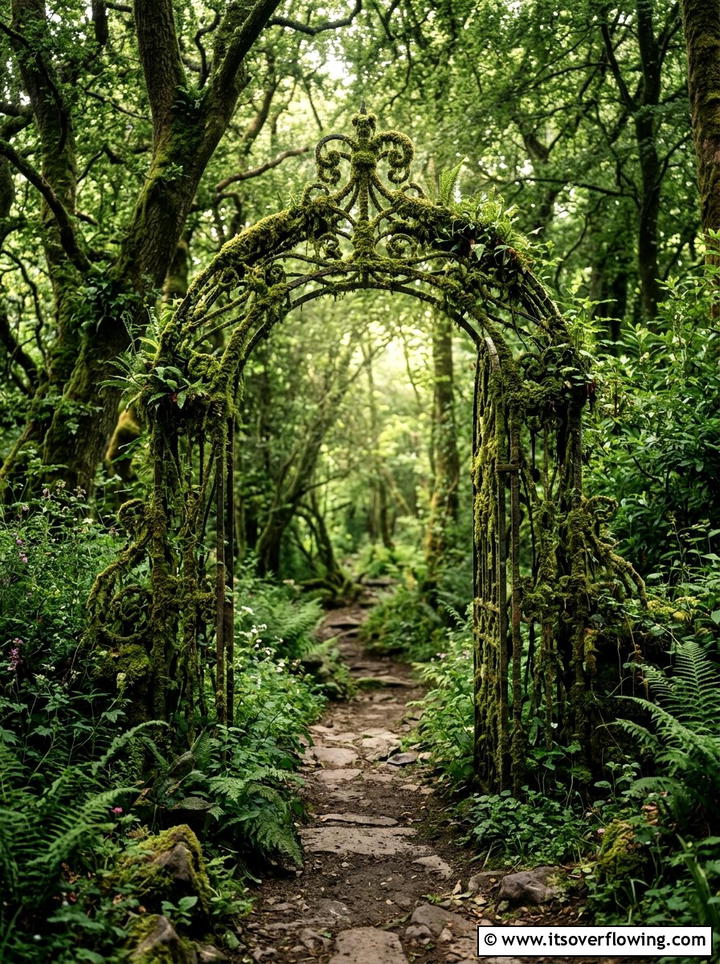
A garden archway covered in moss creates a transition that feels like entering a secret forest realm. This feature works best on a sturdy metal or wooden frame placed at the entrance of a shaded path. You can encourage moss to grow over the structure by using a moss slurry or attaching pre-grown mats. As the moss thickens, it softens the hard lines of the architecture and creates a lush, green tunnel. This design is particularly effective in cool, damp climates where moss naturally thrives. It provides a sensory experience as you walk through, feeling the cool air and seeing the intricate patterns overhead.
Conclusion:
Incorporating moss into your garden is more than just a design choice; it is a way to embrace the quiet beauty of nature’s simplest elements. These twenty-five concepts show that you do not need a massive budget or a professional landscaper to create a stunning, viral-worthy outdoor space. Moss art is resilient, tactile, and incredibly rewarding for those who appreciate the slower side of gardening. By choosing the right locations and styles for your home, you can build a sanctuary that feels timeless and deeply connected to the earth. We hope these suggestions inspire you to start your own moss-covered journey in your garden today.

Related posts:
 25 Creative Garden Ideas for Patios: Fresh Outdoor Style
 25 Garden Ideas With Hanging Planters For Fresh Style
 25 garden ideas with herbs for Fresh, Fragrant Outdoor Spaces
 25 Garden Ideas With Planter Boxes for a Fresh Outdoor Look
 25 Small Garden Ideas With Edible Garden for Fresh Harvests
 25 creative garden ideas with patio fruit trees for Fresh Harvests
 25 Creative Garden Ideas With Salad Gardens for Fresh Harvests
 25 garden ideas for rainy climate: Fresh Wet-Weather Tips
 25 Small Garden Ideas With Herbs for Fresh, Fragrant Spaces
 25 small garden ideas with vegetables for Fresh Home Harvests
 25 Small Garden Ideas on a Budget for Beautiful Outdoor Style
 25 small garden ideas with zen style for Calm Outdoor Living