
Creating a lush sanctuary that also feeds your soul and your stomach is a rewarding journey for any homeowner. Even if you only have a tiny balcony or a compact backyard, you can still enjoy the immense benefits of growing your own fresh produce. Integrating edible plants into your small garden design combines practical functionality with natural beauty, turning every square inch into a productive paradise. This approach allows you to control exactly what goes into your food while enhancing the visual appeal of your outdoor living area. By focusing on clever layouts and vertical solutions, you can transform a limited space into a bountiful harvest zone that feels both organized and inviting for daily relaxation.
1. Vertical Vegetable Garden
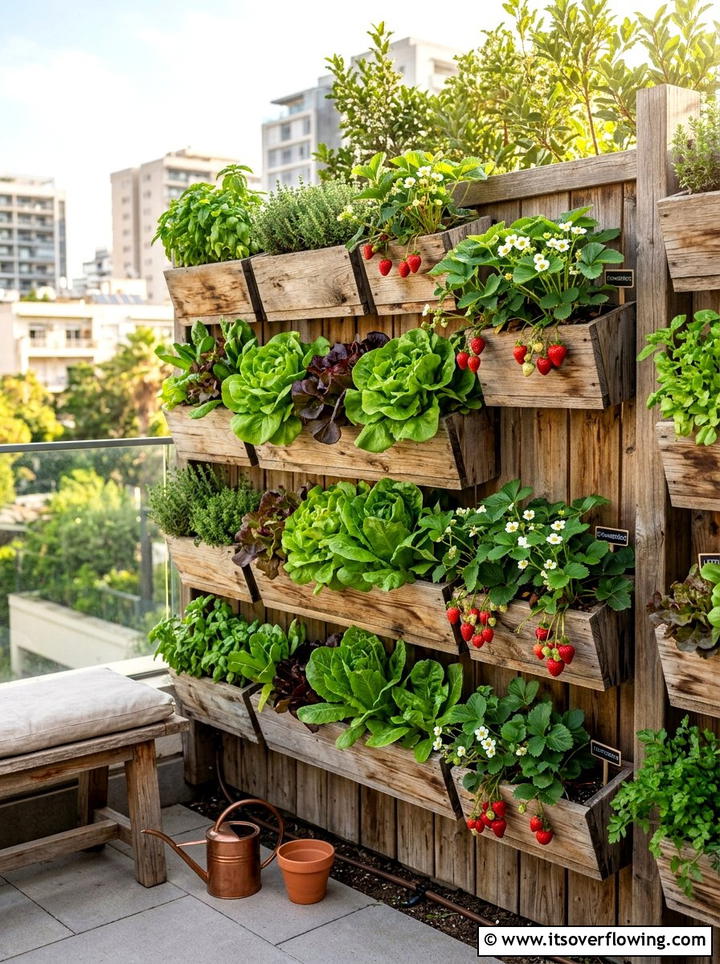
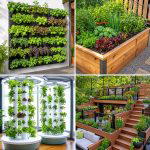
Have you ever looked at a blank exterior wall and wondered how much food you could actually grow in that unused space? Vertical gardening is the ultimate solution for small environments where ground area is a luxury you simply cannot afford to waste. By utilizing wall-mounted pockets or wooden pallet structures, you can stack rows of leafy greens, strawberries, and trailing herbs in a beautiful display. This method keeps your edible plants away from many ground-level pests while creating a stunning living wall that doubles as a fresh organic grocery store. It is important to ensure your vertical setup has proper drainage so water flows naturally from the top to the bottom layers.
2. Raised Bed Kitchen Garden
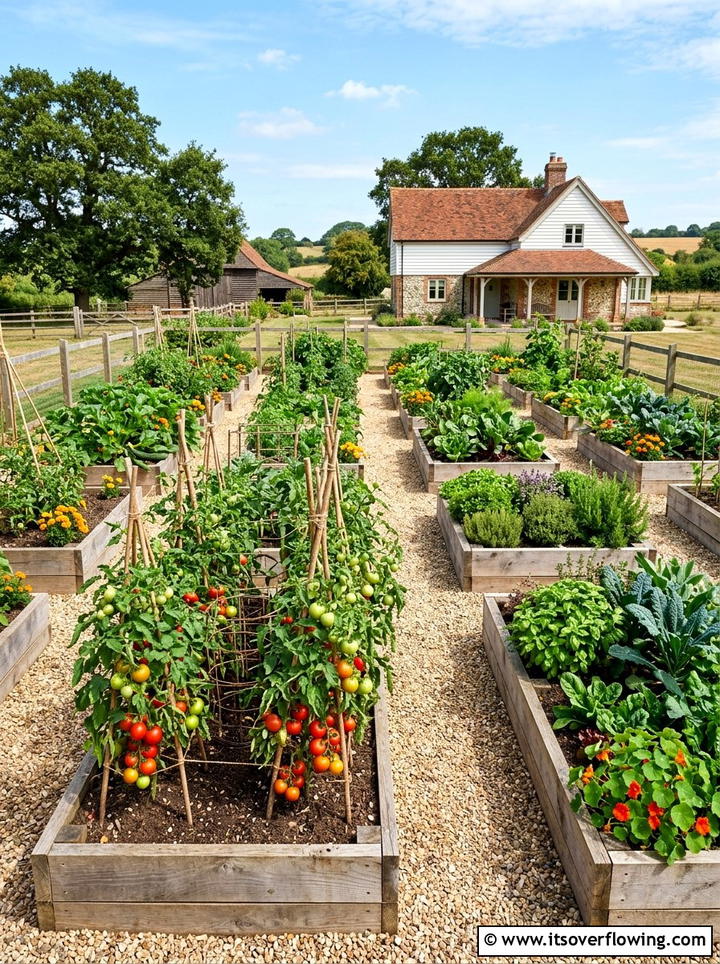
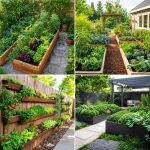
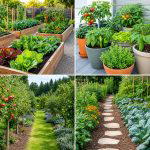
Is there anything more satisfying than walking out to a neatly organized wooden box filled with vibrant tomatoes and crisp peppers? Raised beds are perfect for small backyards because they allow you to control the soil quality and prevent compaction from foot traffic. You can build these beds to a comfortable height, which makes tending to your vegetables much easier on your back and knees. These structured plots also help keep weeds at bay and provide better drainage during heavy rain seasons. By arranging several small beds in a geometric pattern, you create a professional landscape look that provides a high yield of fresh produce within a very small footprint.
3. Balcony Herb Garden
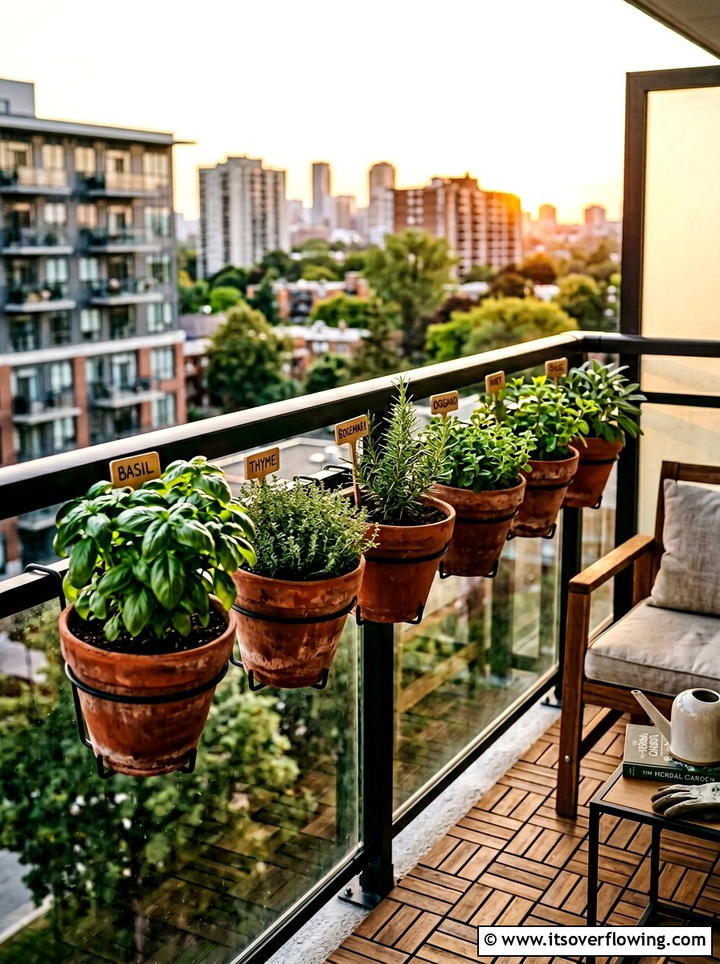
Do you love the convenience of reaching out your window to grab fresh basil or rosemary for your evening meal? A balcony herb garden is a fantastic way to utilize small apartment spaces or narrow porches for culinary purposes. Using a variety of terracotta pots or sleek modern planters, you can grow a wide range of aromatic herbs that thrive in sunny spots. Railing planters are particularly effective for maximizing space because they sit securely on the edge of your balcony. This setup not only provides fresh ingredients for your cooking but also releases wonderful scents that make your outdoor seating area feel much more refreshing and vibrant.
4. Container Vegetable Garden
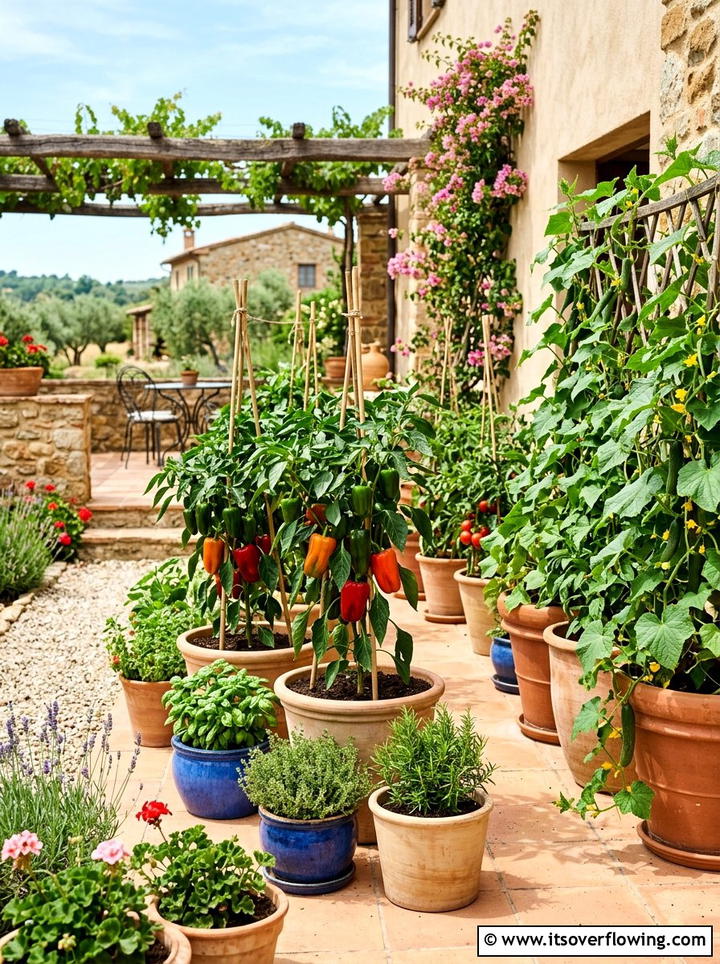
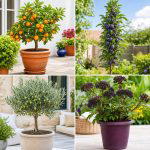
Can you imagine growing a full harvest of cucumbers and eggplants using only a few large pots on your patio? Container gardening offers incredible flexibility for homeowners who want an edible garden without committing to permanent landscaping or digging up the yard. You can move your pots throughout the day to follow the sunlight, ensuring your plants get the maximum energy they need to grow. Many vegetable varieties are specifically bred for containers, meaning they stay compact while still producing plenty of fruit. Using colorful ceramic pots or rustic wooden barrels can also add a decorative element to your garden, making the edible components look like intentional pieces of art.
5. Tiered Edible Planter
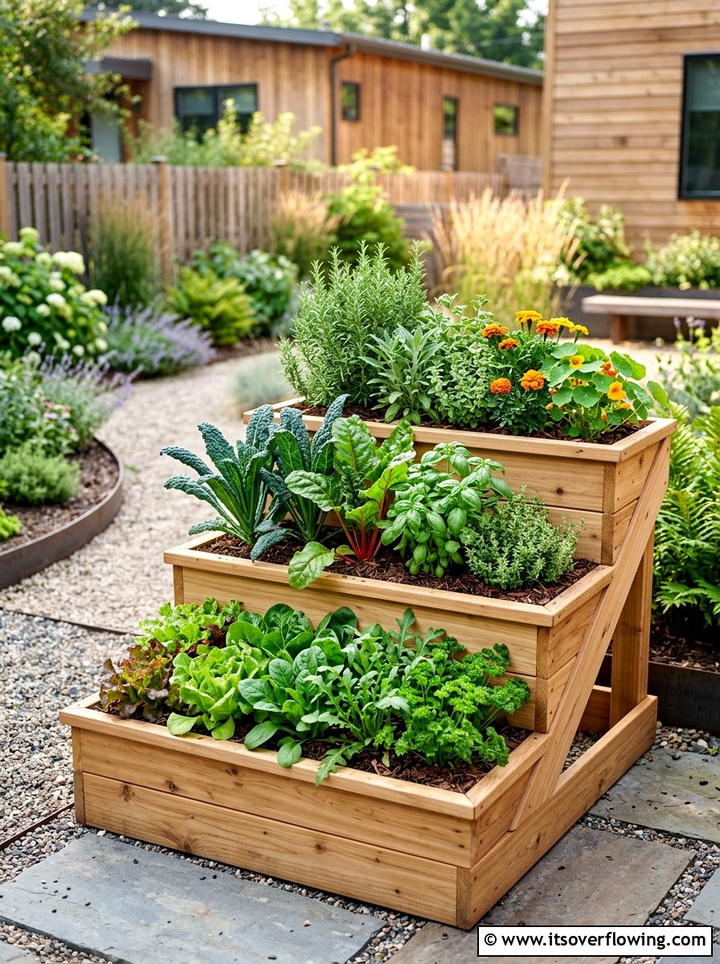
Have you considered how a multi-level planter could solve your space issues while creating a striking focal point in your yard? Tiered planters use a staircase design to provide different levels for planting, which is perfect for grouping vegetables with similar light requirements together. This vertical arrangement allows you to grow much more in a single spot than a flat bed would ever permit. You can plant heavier vegetables at the bottom and lighter herbs or flowers at the top to create a balanced look. The staggered heights make harvesting easier and ensure that every plant gets its fair share of sunshine and air circulation throughout the growing season.
6. Potted Fruit Tree
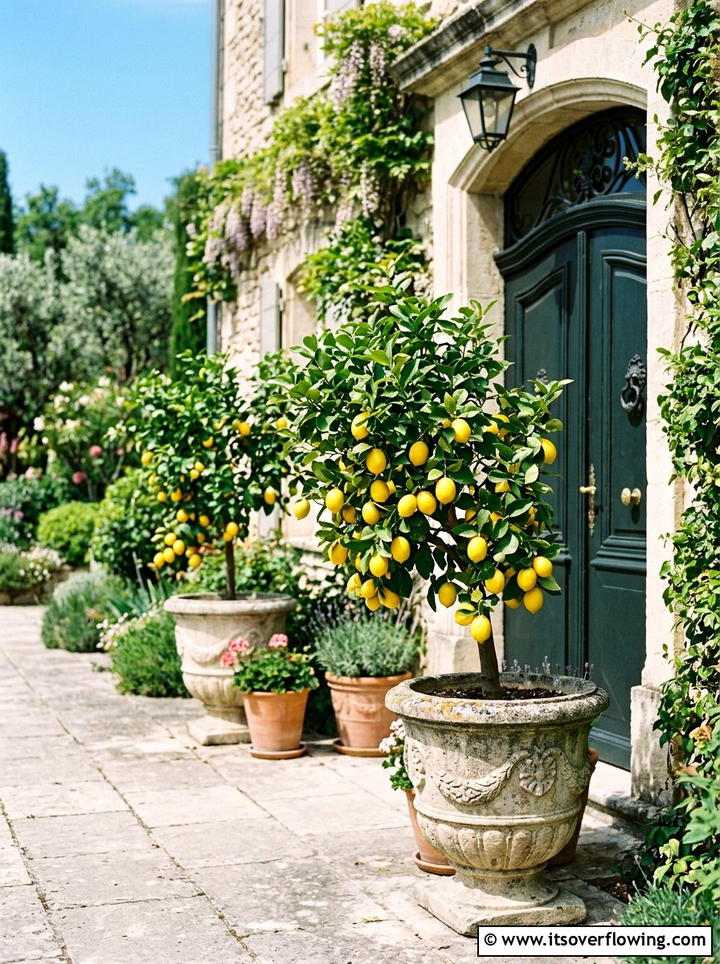
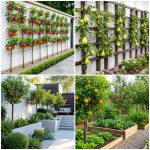
Did you know that you can actually grow delicious citrus, apples, or peaches even if you don ‘t have a massive orchard? Dwarf fruit trees are specifically designed to live in large pots, making them ideal candidates for small patios or sunny garden corners. These trees provide beautiful spring blossoms and lush green foliage before they eventually offer a bounty of homegrown fruit for your family. Positioning a pair of potted fruit trees near your entryway adds an elegant, symmetrical look to your home’ s exterior. Since they are in pots, you can protect them more easily during harsh winter months by moving them to a more sheltered location if necessary.
7. Window Box Salad Garden
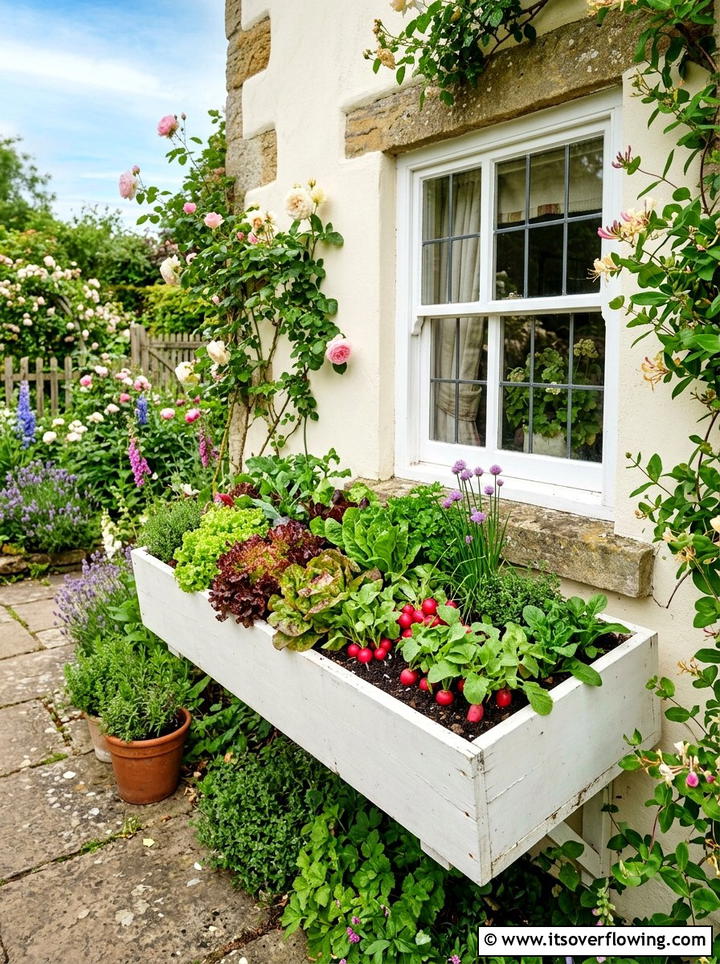
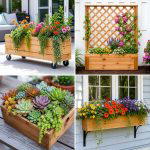
Is there a better way to brighten up your home’s exterior than with a lush window box filled with edible greens? Window boxes are not just for flowers; they are perfect for growing loose-leaf lettuce, spinach, and radishes right outside your kitchen window. This placement makes it incredibly easy to harvest a fresh salad just minutes before you sit down to eat your dinner. These shallow planters fit perfectly on narrow ledges or can be bolted directly to the side of your house. Choosing a mix of purple and green lettuces creates a beautiful visual texture that rivals traditional ornamental plants while providing nutritious food for your household.
8. Escalier Herb Garden
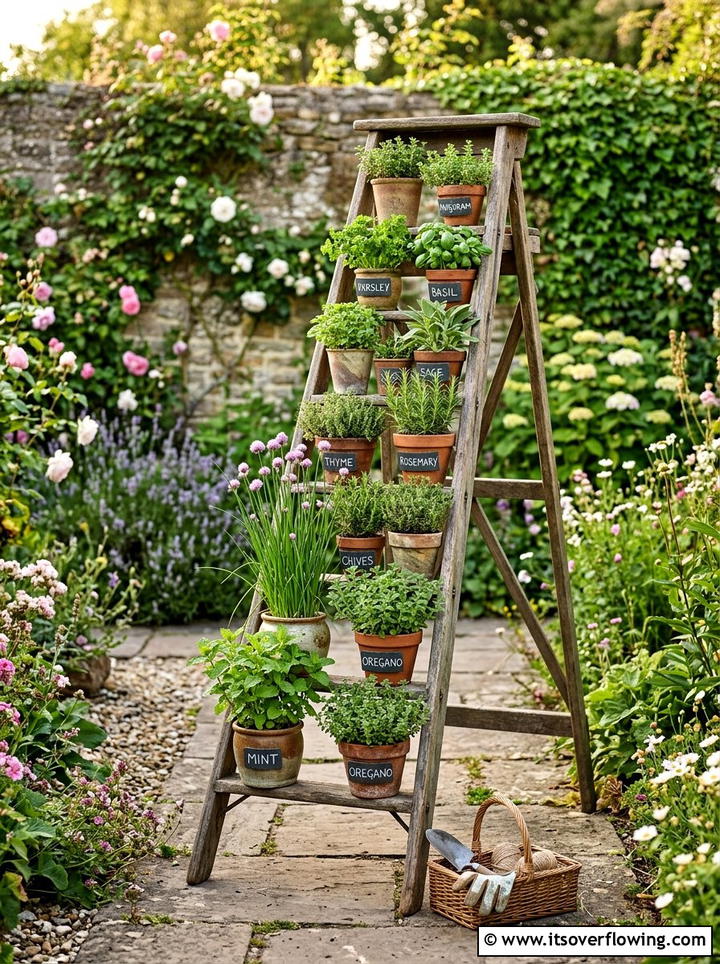
Would you like to turn a simple wooden ladder into a productive and stylish herb display for your small outdoor space? An escalier garden uses a step-ladder structure to hold multiple small pots, creating a beautiful cascading effect of greenery and fragrant leaves. This design is highly efficient because it uses vertical height rather than taking up valuable floor space on your deck or patio. You can easily categorize your herbs by placing mint on one level and thyme or oregano on another. This rustic approach adds a charming farmhouse aesthetic to your garden while keeping all your favorite culinary ingredients organized and very easy to access.
9. Trellis Vegetable Wall
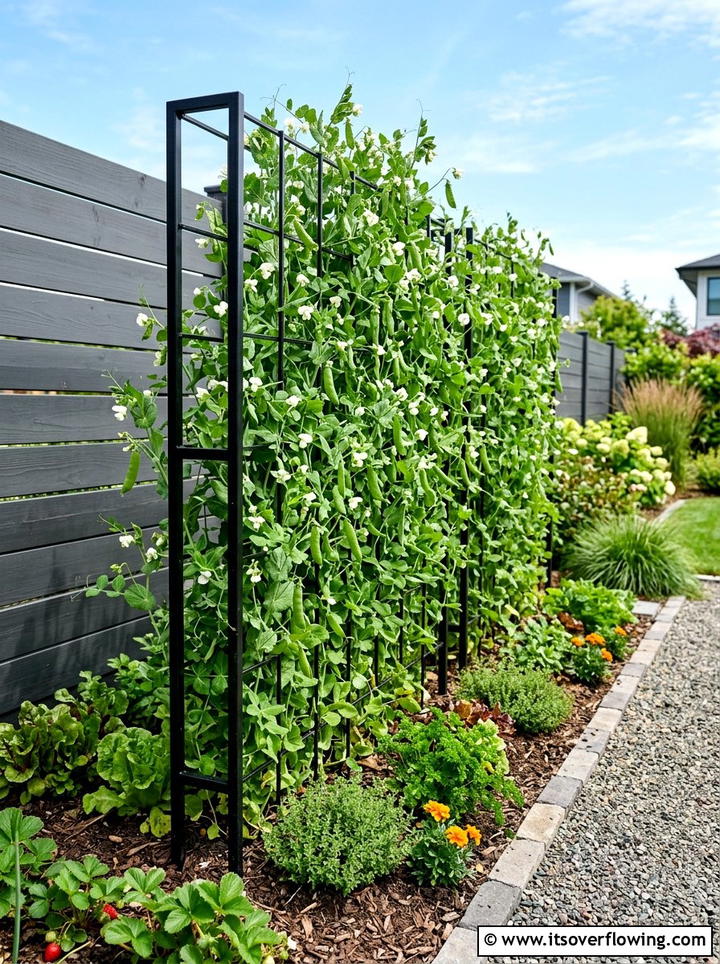
Why let your climbing vegetables crawl along the ground when they could be reaching for the sky on a beautiful trellis? Using a trellis system for peas, beans, and small squash varieties is a brilliant way to save space in a compact garden area. Not only does this keep the produce off the dirt, but it also creates a lush green screen that can provide privacy from your neighbors. A sturdy wooden or metal trellis adds an architectural element to your garden, making it look much more designed and professional. This vertical growth habit improves air circulation around the plants, which helps to prevent common diseases and rot.
10. Small Backyard Orchard
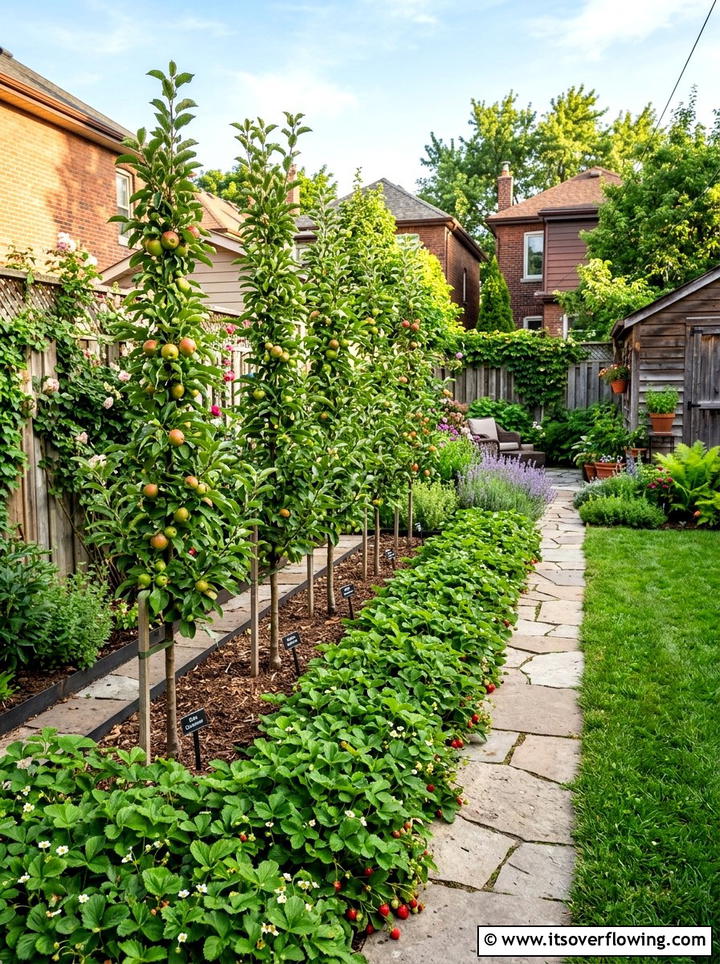
Can you really fit a variety of fruit-bearing plants into a tiny backyard without it feeling cluttered or overwhelmed? By using columnar fruit trees and compact berry bushes, you can create a miniature orchard that fits perfectly along a fence line or walkway. These specialized trees grow straight up like pillars rather than spreading wide, allowing you to plant several different varieties in a very small area. Combining these with low-growing strawberry plants as a ground cover creates a multi-layered edible landscape. This dense planting technique maximizes your harvest while ensuring the garden remains tidy and easy to navigate throughout the busy summer and fall seasons.
11. Edible Flower Border
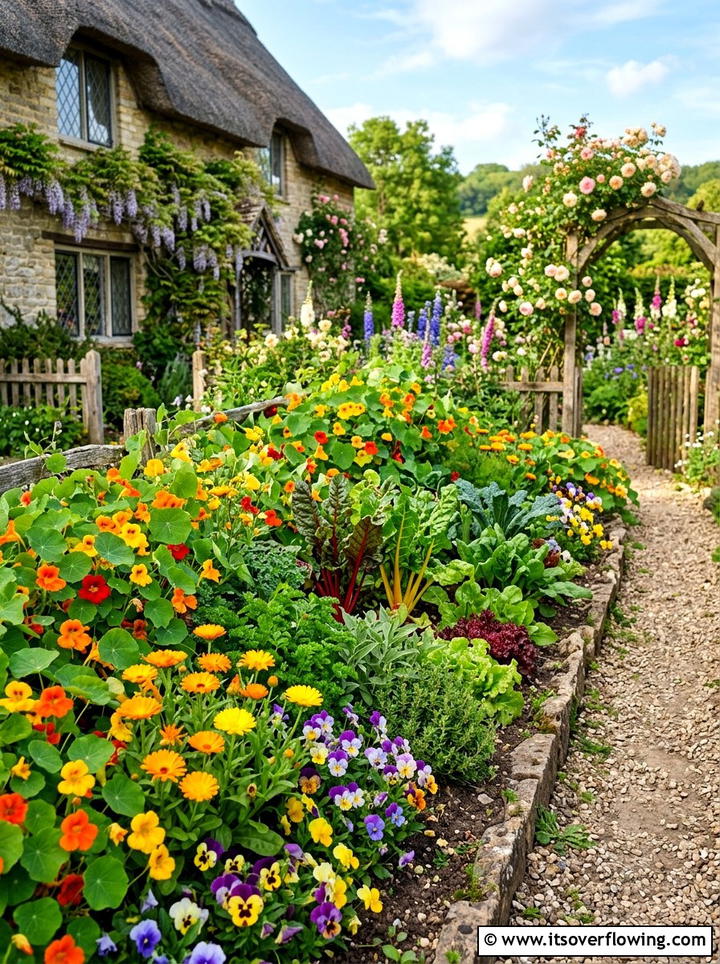
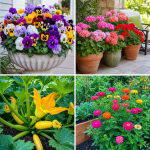
Have you ever thought about how beautiful your garden would look if your decorative flowers were also completely safe to eat? An edible flower border combines traditional landscaping with culinary utility by using plants like nasturtiums, pansies, and calendula along the edges of your beds. these flowers add a pop of bright color to your garden while providing unique flavors and garnishes for your summer salads and desserts. Integrating these blooms with your vegetables helps to attract beneficial pollinators like bees and butterflies to your yard. This dual-purpose approach ensures that every inch of your garden is working hard to provide both beauty and fresh food.

12. Square Foot Garden
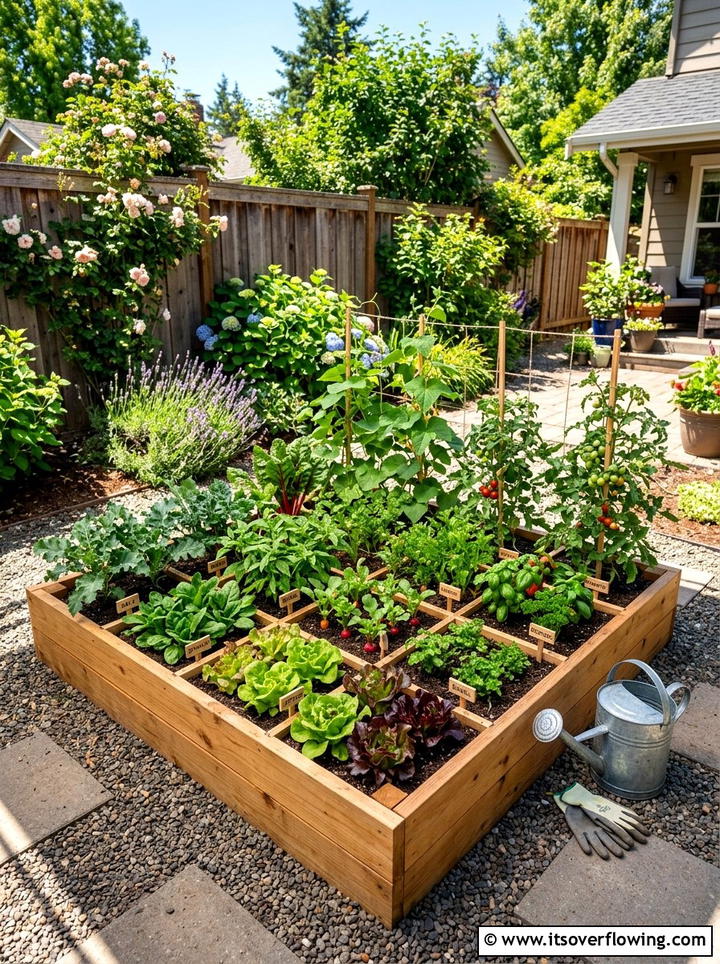
How can you get the absolute maximum amount of produce out of a tiny four-by-four foot garden bed in your yard? Square foot gardening is a highly organized method that divides a raised bed into small sections, each dedicated to a different plant. This intensive planting technique eliminates wasted space and ensures that you are growing exactly what you need without any unnecessary overcrowding. It is a perfect system for beginners because it provides a clear roadmap for where to plant each seed or seedling. By rotating crops within these squares, you can maintain soil health and enjoy a continuous harvest of various vegetables all through the year.
13. Portable Vegetable Garden
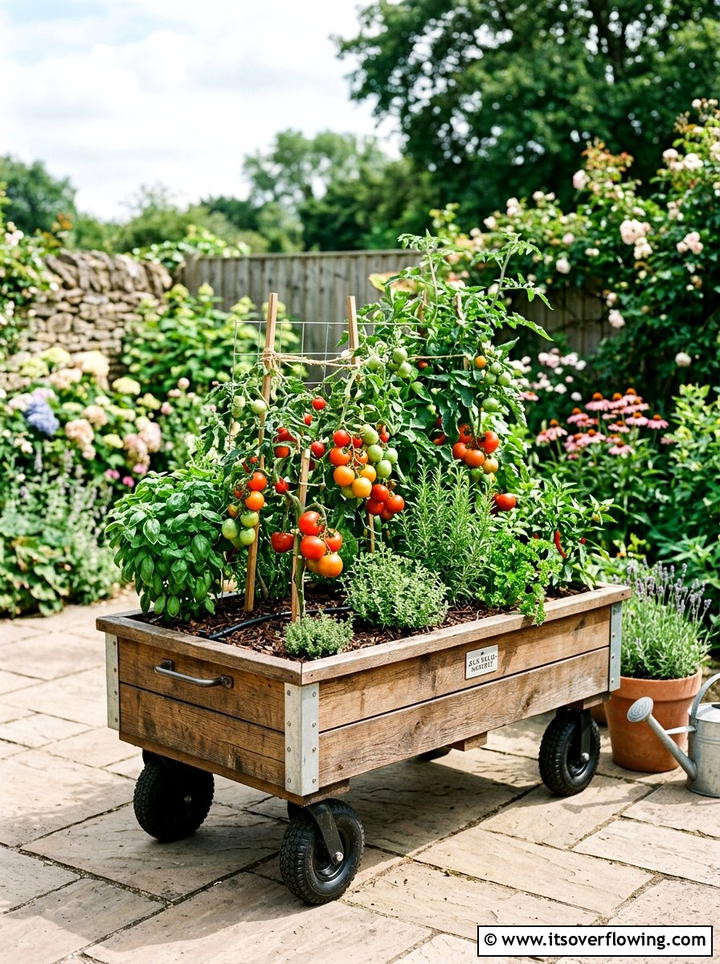
What if you could move your entire garden to a different spot whenever you needed to change your outdoor layout? Portable vegetable gardens use planters with wheels or lightweight troughs that can be easily repositioned across your patio or deck surfaces. This is incredibly useful for renters who want to take their garden with them or for homeowners who need to clear space for entertaining. You can chase the sun during the spring or move your plants into the shade during the hottest part of the summer. This flexibility ensures your edible plants always have the best environment to thrive while keeping your small space versatile and functional.
14. Hydroponic Garden System
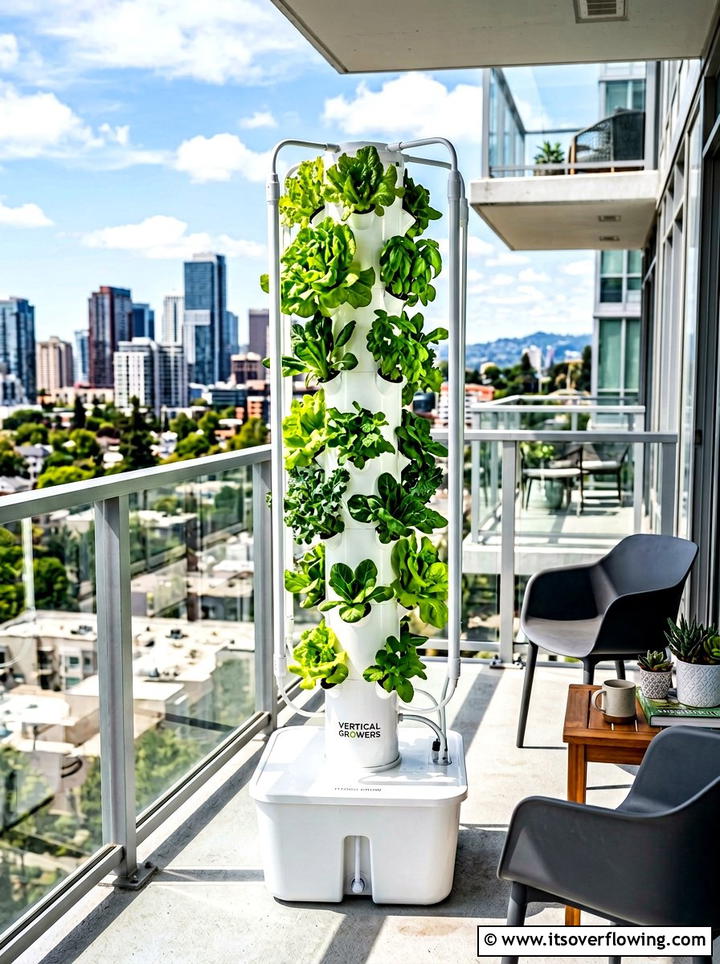
Are you interested in a high-tech way to grow food in a small space without using any traditional soil at all? Compact hydroponic systems are becoming increasingly popular for small gardens and balconies because they use nutrient-rich water to feed the plants. These systems are often designed vertically, allowing you to grow dozens of plants in a space no larger than a standard chair. Because the plants receive a constant supply of nutrients, they often grow much faster and produce larger yields than soil-grown varieties. This clean and modern approach to gardening is perfect for urban environments where finding quality garden soil can be a difficult task.
15. Miniature Herb Spiral
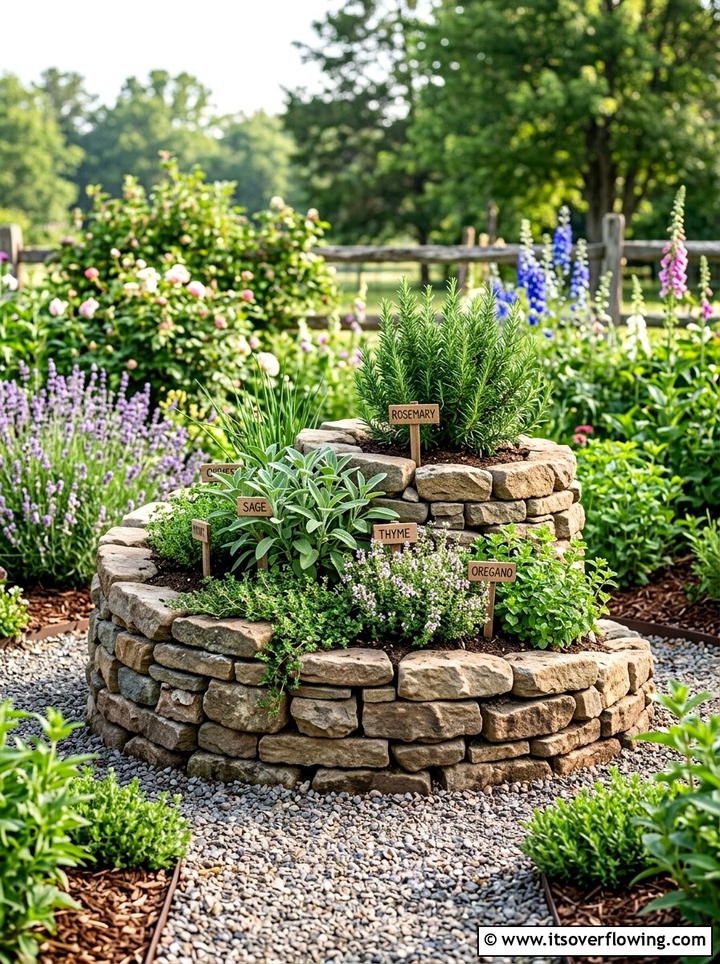
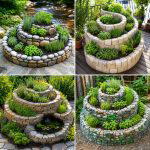
Have you ever seen a garden feature that combines ancient design principles with modern efficiency in such a compact way? A herb spiral is a circular, upward-winding structure that creates several different microclimates within a very small diameter of your garden. The top of the spiral is dry and sunny, which is perfect for rosemary and sage, while the bottom stays moist and cool for mint and parsley. This architectural feature adds a unique visual element to your backyard and allows you to grow a huge variety of herbs in one place. It is a highly productive use of space that looks like a beautiful stone or brick sculpture.
16. Patio Veggie Garden
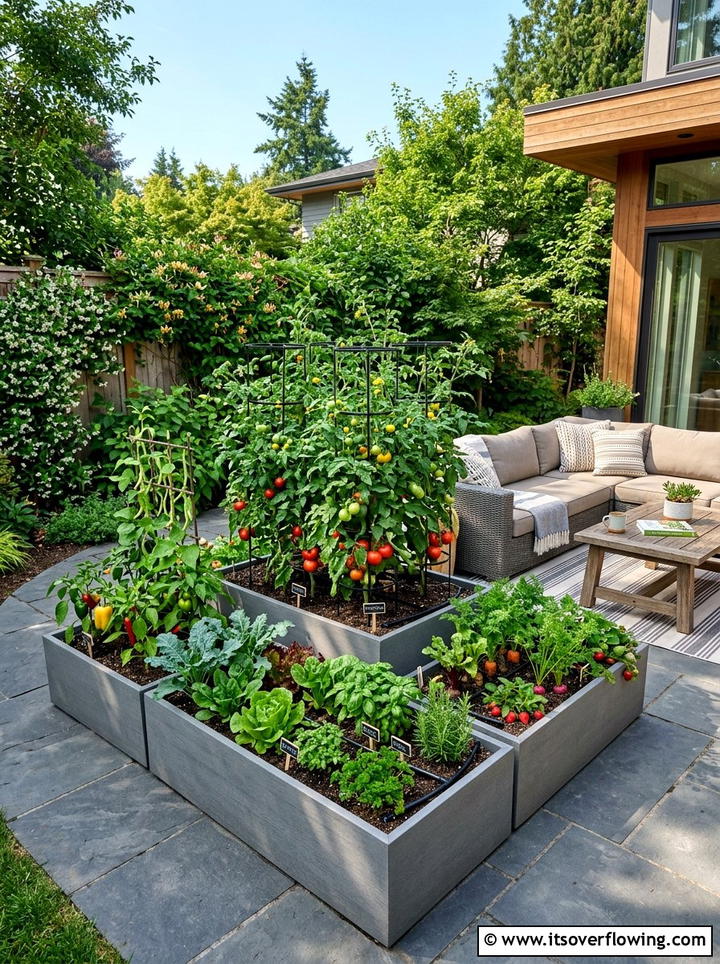
Do you want to turn your concrete patio into a lush and productive oasis without having to dig up any of the ground? A patio veggie garden uses a series of coordinated planters and troughs to create a green boundary around your outdoor seating area. You can use large rectangular containers to grow tall tomatoes and peppers, which also act as a natural privacy screen for your lounge chairs. This design integrates your food production directly into your living space, making it easy to tend to your plants while you enjoy your morning coffee. Using matching containers ensures the garden looks cohesive and stylish rather than just a collection of random pots.
17. Wall Mounted Planter
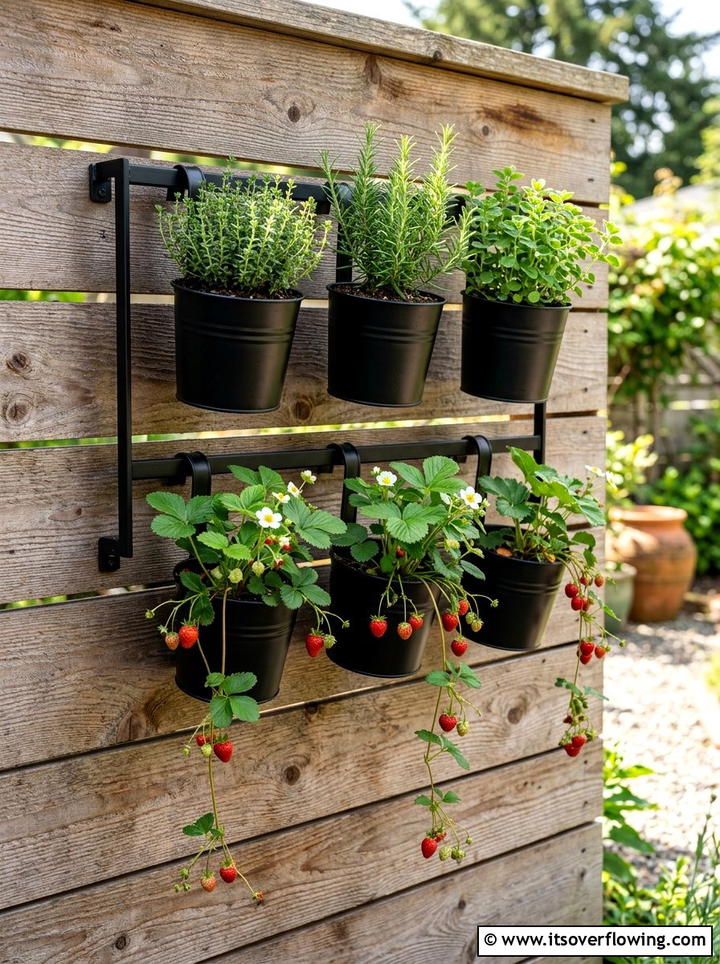
How can you use your exterior walls to grow food without installing a massive and heavy vertical garden structure? Individual wall-mounted planters are a great way to add small pockets of edible plants to your porch, garage, or garden shed walls. You can arrange these pots in a decorative pattern or a straight line to create a modern and minimalist look for your home. These small containers are perfect for individual herb plants or compact strawberries that will trail beautifully over the edges. Because they are mounted at eye level, they are very easy to water and monitor for any signs of pests or disease throughout the growing season.
18. Galvanized Tub Garden
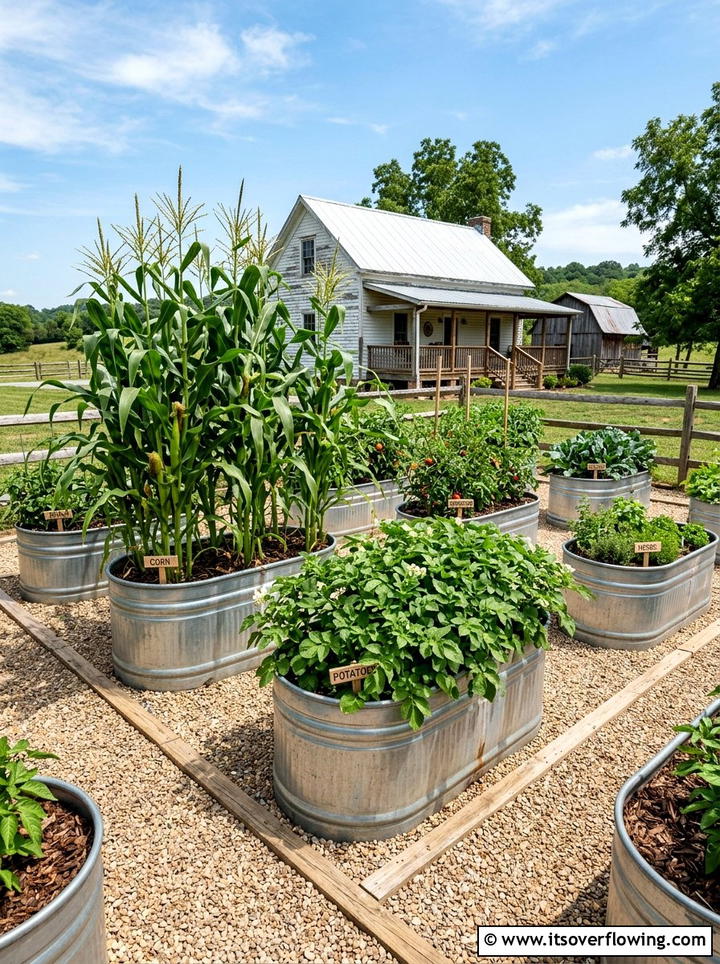
Are you looking for a rustic and durable way to grow your vegetables that adds a touch of farmhouse charm to your yard? Galvanized steel tubs are incredibly popular for small gardens because they are deep enough for root vegetables like carrots and potatoes. These sturdy containers last for many years and provide a unique metallic texture that contrasts beautifully with the soft green leaves of your plants. You can group several tubs of different sizes together to create a tiered garden effect on a small patch of grass or gravel. Just make sure to drill plenty of drainage holes in the bottom to keep your edible plants healthy and happy.
19. Mixed Vegetable Flower Bed
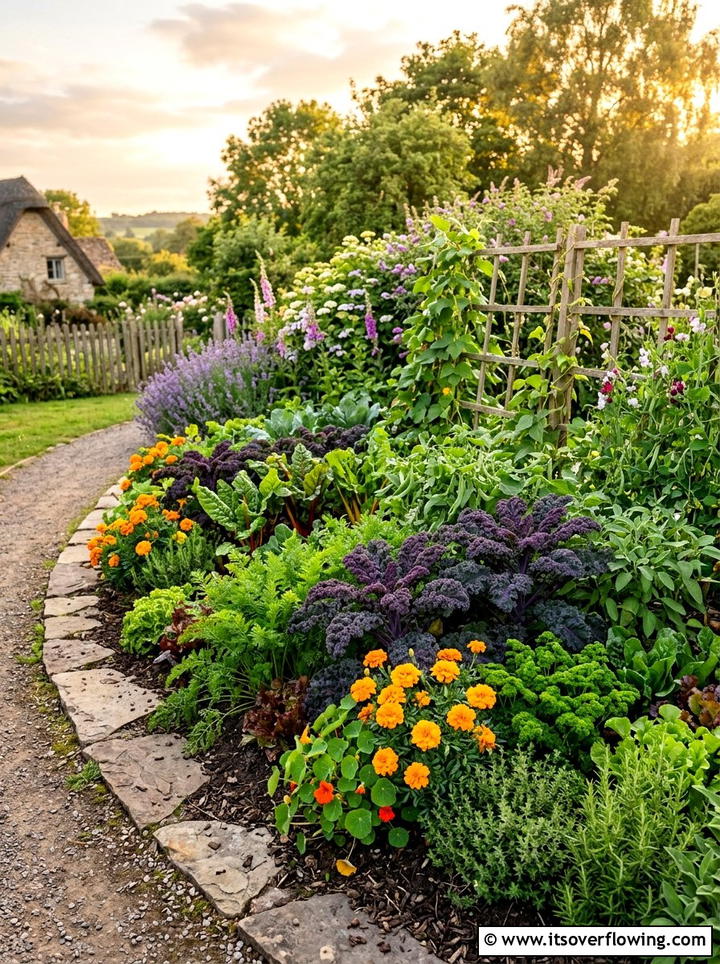
Why should you have to choose between a beautiful flower garden and a productive vegetable patch in your small yard? A mixed bed combines ornamental flowers with edible crops to create a cottage-style garden that is both stunning and highly functional for your kitchen. You can plant kale with its textured purple leaves alongside bright marigolds, or use swiss chard with its colorful stems as a focal point. This method, often called edible landscaping, makes the most of every inch by filling gaps that would otherwise be empty. The variety of plants also helps to deter pests and encourages a healthy ecosystem right in your own backyard.
20. Climbing Bean Archway
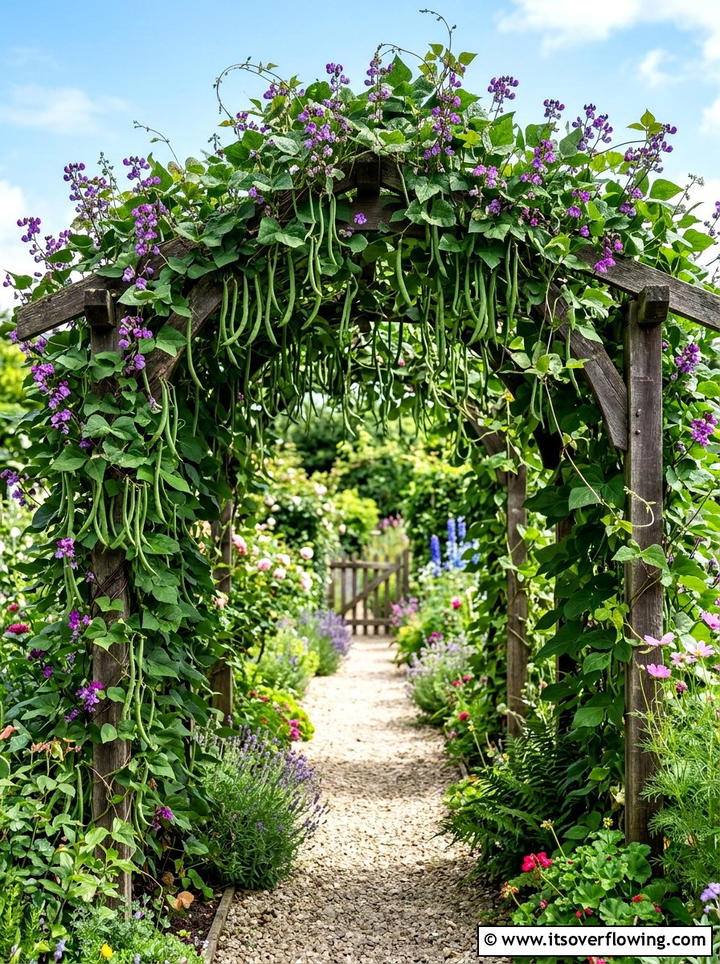
Can you imagine walking through a beautiful living tunnel draped with long green beans and vibrant purple flowers in your garden? An archway or arbor placed over a small garden path provides a fantastic structure for climbing vegetables like pole beans and runner beans. This design uses vertical space that is normally empty, allowing you to walk underneath your harvest while the plants grow overhead. It creates a sense of whimsy and enchantment in even the smallest of outdoor spaces. During the height of summer, the dense foliage provides a cool, shaded spot in the garden while the hanging beans are incredibly easy to reach for picking.
21. Compact Berry Garden
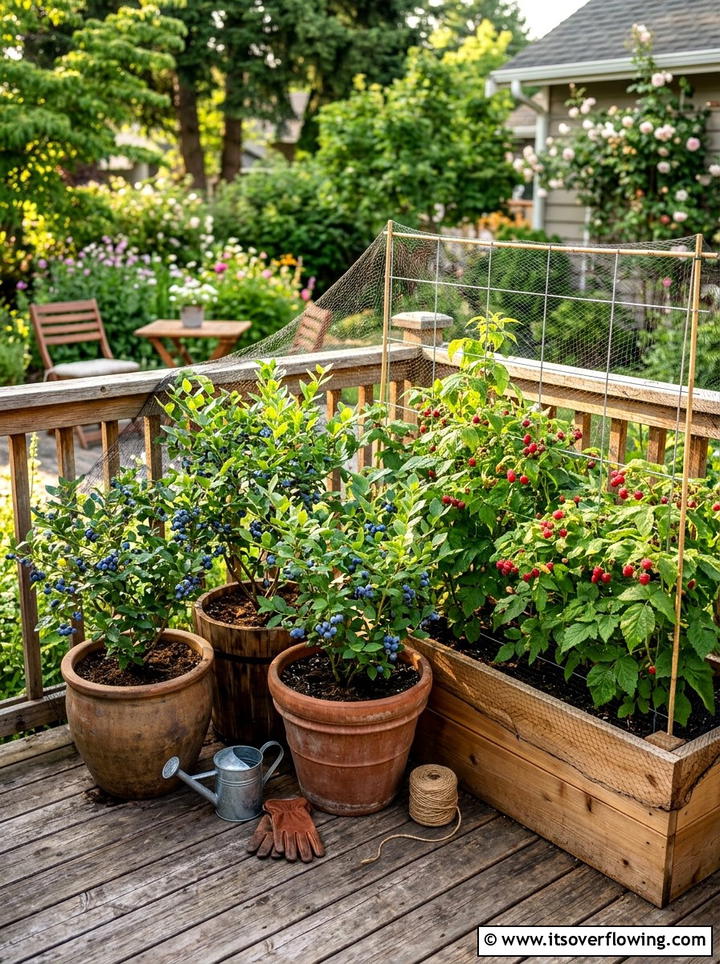
Do you dream of picking fresh blueberries or raspberries right in your own backyard without needing rows and rows of bushes? Many modern berry varieties are bred to stay very small and compact, making them perfect for large pots or small garden borders. These bushes offer beautiful white flowers in the spring followed by delicious fruit that kids and adults alike will love to snack on. Because they are contained in a small area, you can easily cover them with netting to protect your harvest from hungry birds. A compact berry garden adds a permanent and perennial element to your edible space that will produce food for many years.
22. Shadow Box Garden
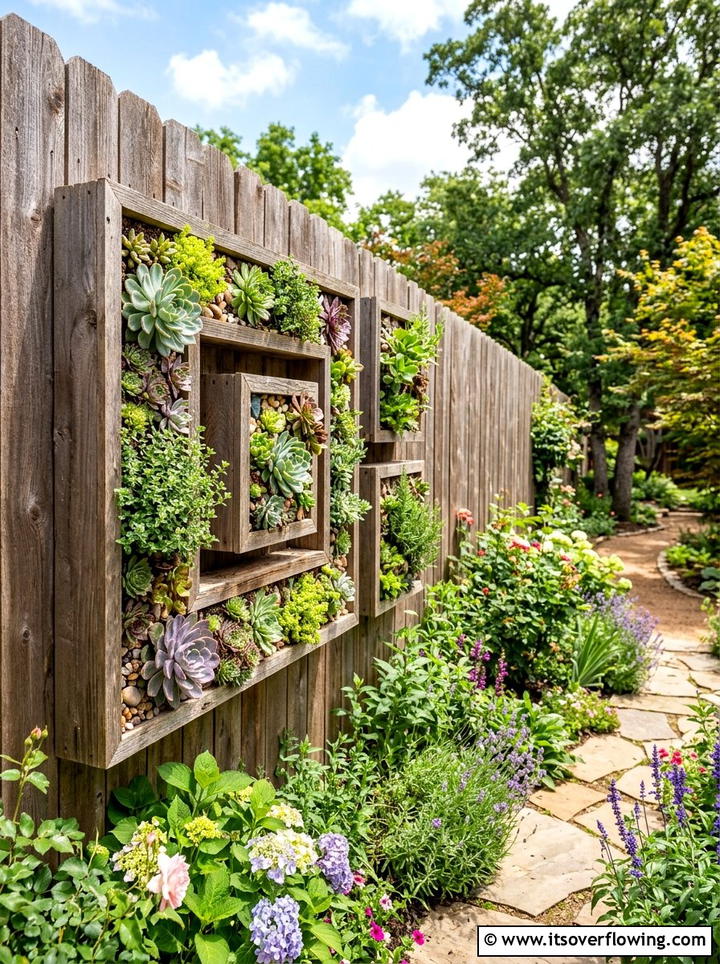
Have you ever thought about using deep wooden frames mounted on your garden fence to create a series of living pictures? Shadow box gardens are essentially deep frames filled with soil and planted with shallow-rooted crops like lettuce, herbs, or succulents. This creative approach turns your fence into a gallery of edible art that takes up absolutely no ground space at all. You can paint the frames in bright colors to add a playful touch or leave them natural for a modern look. This setup is perfect for very narrow side yards where there is only enough room to walk, as the garden sits flat against the existing vertical boundary.
23. Kitchen Garden Greenhouse
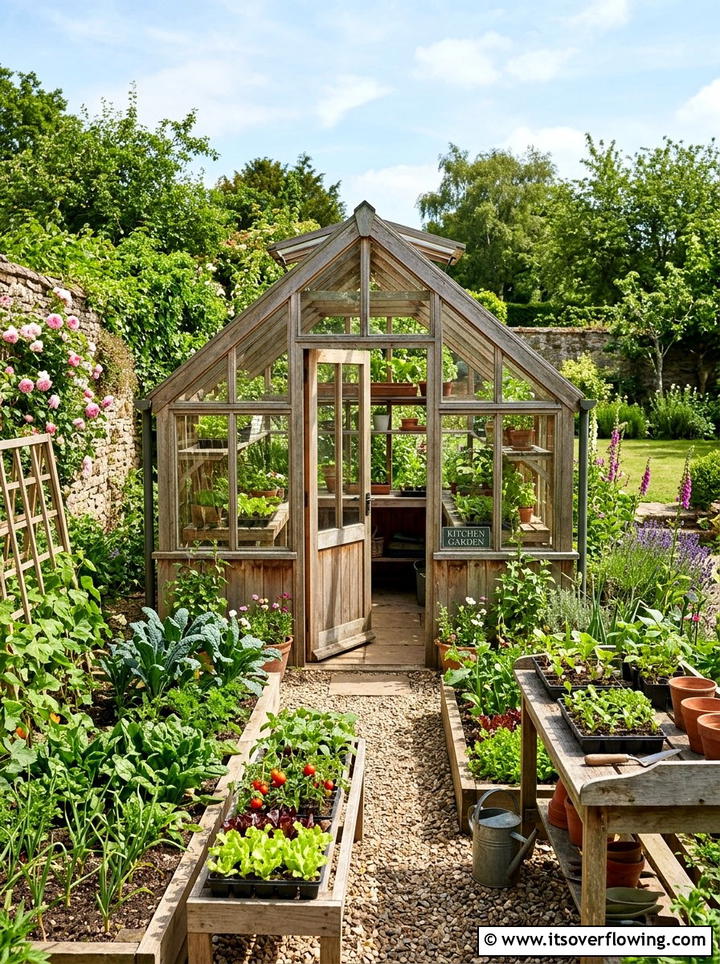
Would you like to extend your growing season and protect your delicate edible plants from the wind and cold in a small yard? A mini greenhouse or a cold frame provides a sheltered environment that allows you to start seeds earlier in the spring and harvest later in the fall. These compact structures can fit against a sunny wall or sit on top of a raised garden bed to keep the warmth trapped inside. A small greenhouse also protects your vegetables from heavy rain and certain pests that might otherwise destroy your hard work. It adds a professional touch to your garden and ensures a more consistent supply of fresh food for your table.
24. Ladder Planter Garden
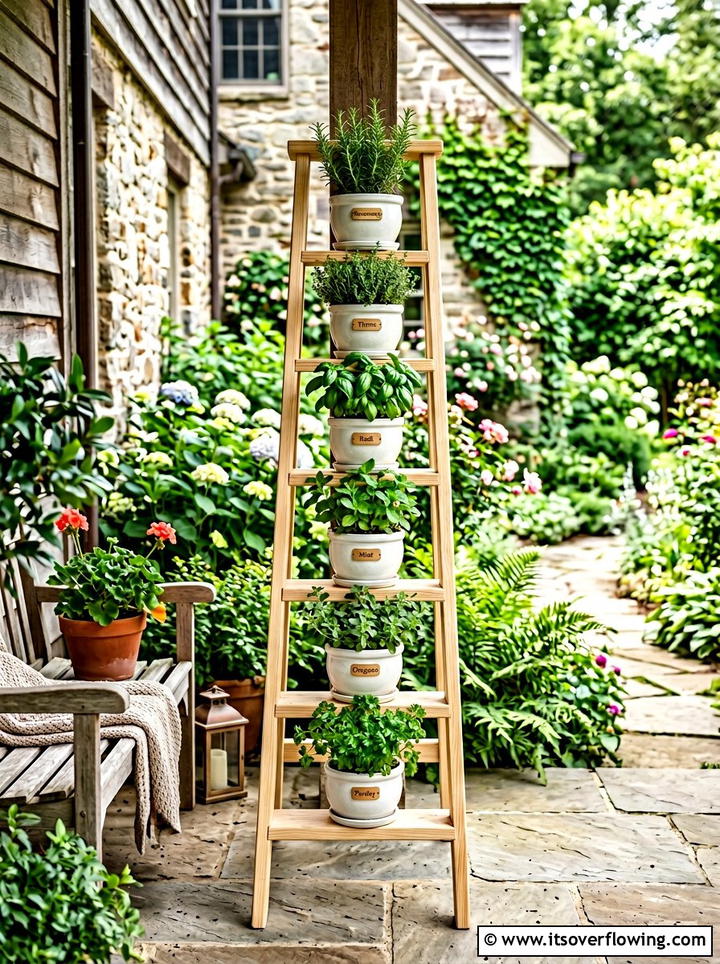
How can you create a stylish and organized garden display using an old wooden ladder leaned up against your house? A ladder planter uses the rungs to support various sizes of pots and troughs, creating a beautiful vertical arrangement that is perfect for small patios. This design allows you to grow a wide variety of different edible plants in a very small horizontal footprint. You can put the most sun-loving vegetables at the very top and those that prefer a bit of shade on the lower rungs. This rustic and charming setup is highly functional and can be easily moved or tucked into a corner when you need more space.
25. Suspended Pot Garden
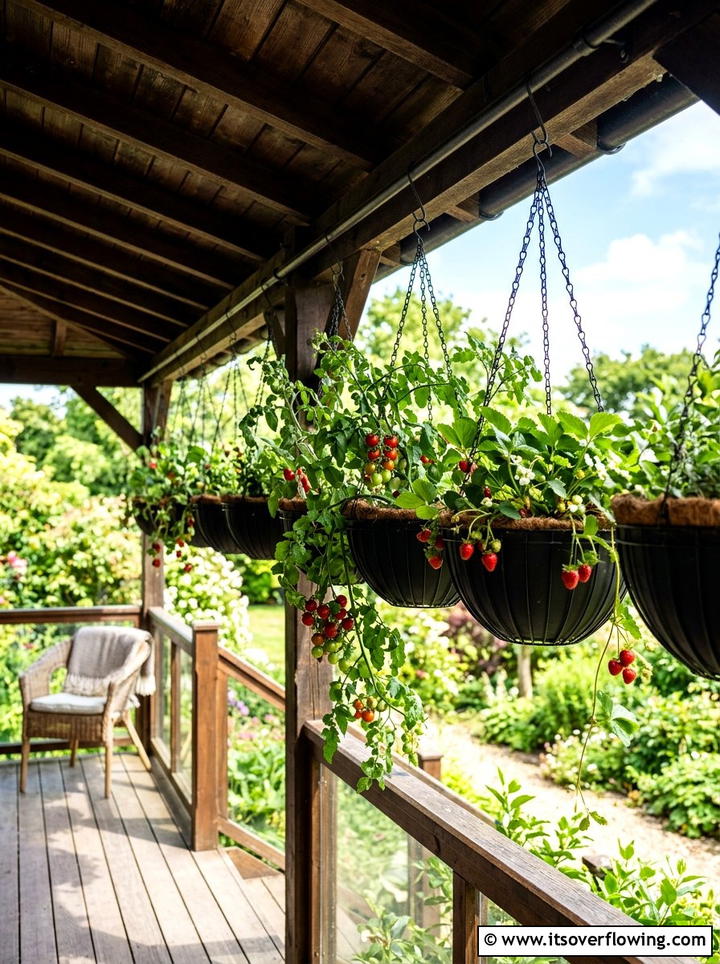
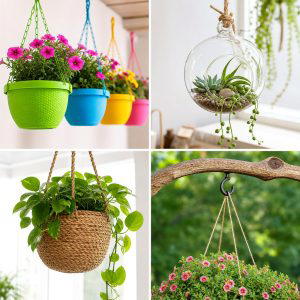
How do you make the most of your overhead space when the ground and walls are already occupied by other plants? Suspended pot gardens offer a clever way to grow edible crops like trailing cherry tomatoes, strawberries, and various aromatic herbs in mid-air. These hanging vessels add a beautiful vertical dimension to your porch or balcony while keeping delicate produce away from crawling insects. You can choose decorative macramé hangers or sleek modern pots to match your outdoor aesthetic. Just remember that hanging pots can dry out faster than ground beds, so regular watering is key to keeping your high-altitude edible garden thriving and productive throughout the entire summer season.
Conclusion:
Building a small edible garden is one of the most fulfilling ways to enhance your home while embracing a more sustainable and healthy lifestyle. By utilizing vertical spaces, choosing compact plant varieties, and thinking creatively about containers, you can turn even the tiniest outdoor area into a productive landscape. Whether you are harvesting herbs from a window box or picking fruit from a potted tree, the connection to your food and nature is truly invaluable. These design ideas prove that you do not need a massive estate to enjoy the beauty and bounty of a garden. Start small, stay consistent, and enjoy the wonderful journey of growing your own fresh produce right at home.

Related posts:
 25 creative garden ideas with patio fruit trees for Fresh Harvests
 25 Creative Garden Ideas With Salad Gardens for Fresh Harvests
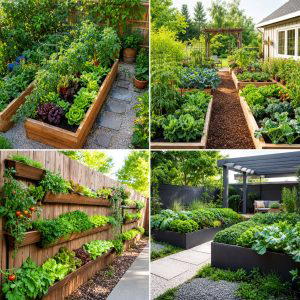 25 small garden ideas with vegetables for Fresh Home Harvests
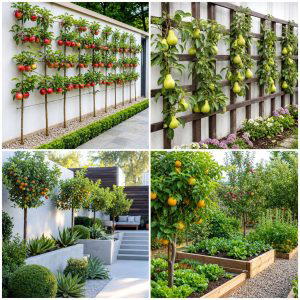 25 garden ideas with fruit trees for Beauty and Harvests
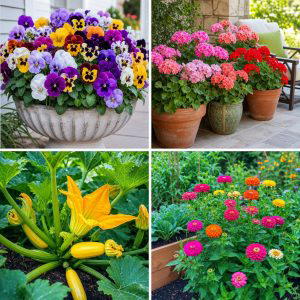 25 Creative Garden Ideas With Edible Flowers
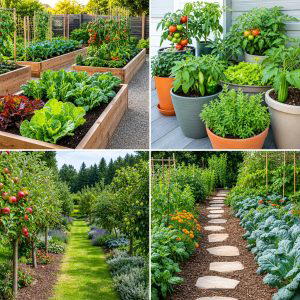 25 garden design ideas with edible plants: Beautiful Foodscapes
 25 garden ideas with herb spirals for Smart Edible Style
 25 Creative Garden Ideas for Patios: Fresh Outdoor Style
 25 garden ideas for rainy climate: Fresh Wet-Weather Tips
 25 garden ideas with moss art: Fresh Green Outdoor Style
 25 Garden Ideas With Planter Boxes for a Fresh Outdoor Look
 25 Garden Ideas With Hanging Planters For Fresh Style