
Living in a region with high rainfall can feel like a constant struggle for many gardeners trying to maintain a beautiful outdoor space. Excessive moisture often leads to muddy paths, root rot, and standing water that ruins the overall aesthetic of your yard. However, a rainy climate actually offers a unique opportunity to create a lush, vibrant sanctuary that thrives on natural irrigation. By selecting the right plant species and implementing smart drainage solutions, you can transform a soggy backyard into a stunning landscape. This guide explores creative ways to work with nature rather than fighting against it. You will learn how to manage heavy downpours while keeping your garden functional and visually appealing throughout the entire year.

1. Rain garden plants
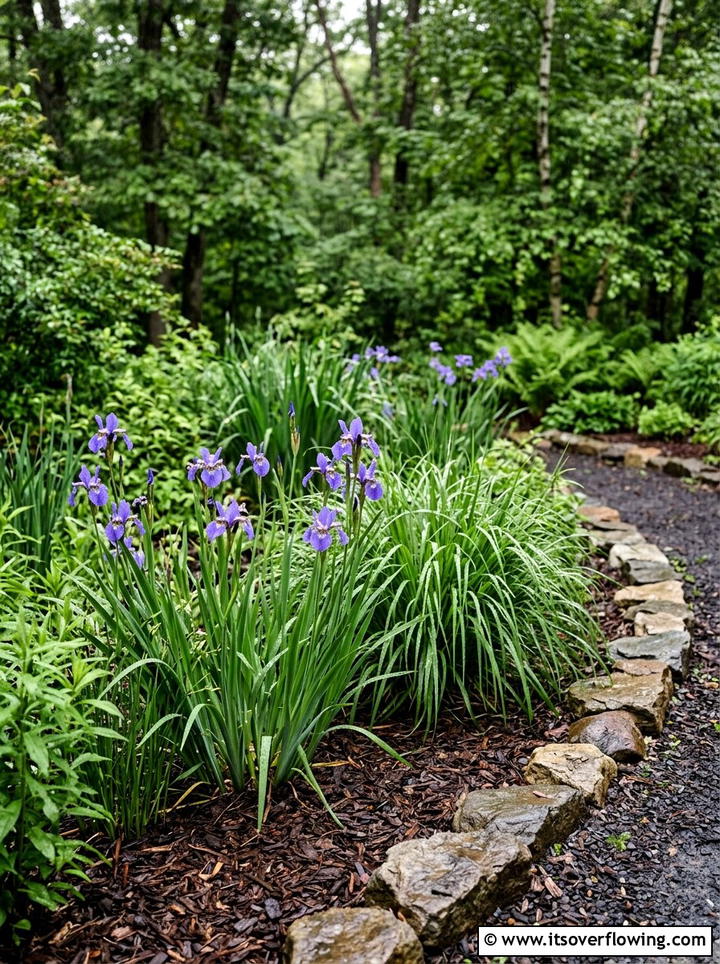
Do you struggle with low spots in your yard that stay wet for days after a storm? Creating a dedicated area for moisture-loving plants is a brilliant way to manage excess runoff while adding natural beauty. These specialized zones use deep-rooted plants to absorb water and filter pollutants before they reach the groundwater. Look for species like Blue Flag Iris, Swamp Milkweed, or various sedges that naturally thrive in soggy conditions. These plants not only tolerate wet feet but actually prefer the extra hydration. A well-planned rain garden reduces erosion and provides a vital habitat for local pollinators. It turns a potential problem area into a flourishing focal point for your outdoor living space.
2. Permeable paving stones
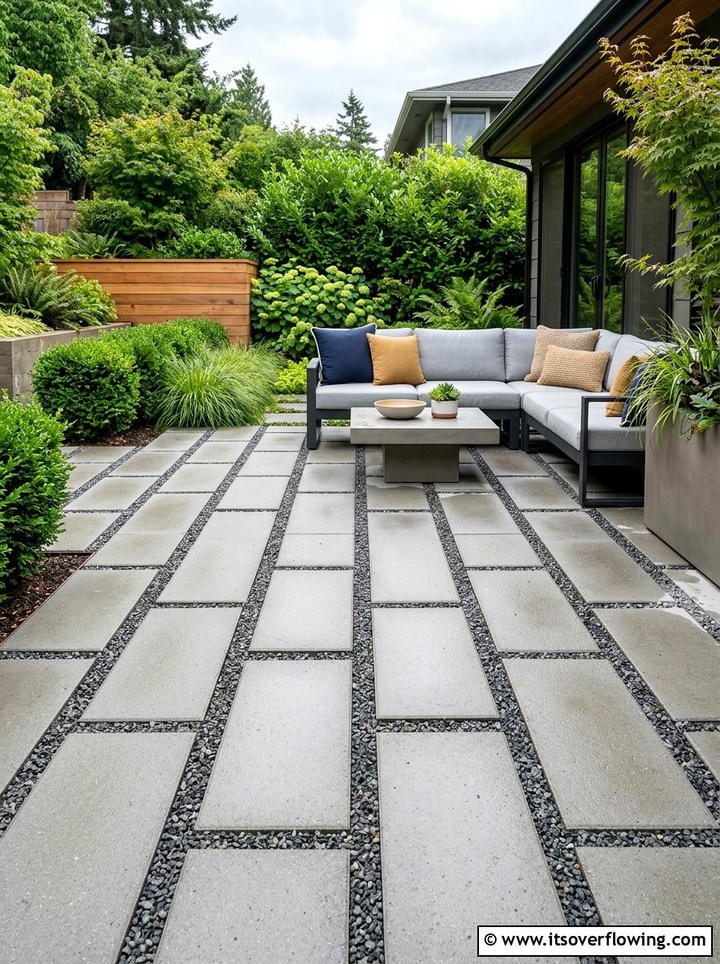
Walking through a soaked backyard often results in muddy shoes and damaged turf. Permeable paving stones offer a stylish and practical solution by allowing rainwater to seep directly into the ground through the gaps between blocks. Unlike solid concrete, these pavers prevent large puddles from forming on your patio or driveway. You can fill the joints with fine gravel or specialized sand to ensure maximum drainage efficiency. This setup helps recharge the local water table and keeps your outdoor surfaces dry and safe for walking. Choosing textured stones also adds a sophisticated architectural element to your garden. It is a long-lasting investment that combines modern aesthetics with high-performance environmental functionality.
3. French drain installation
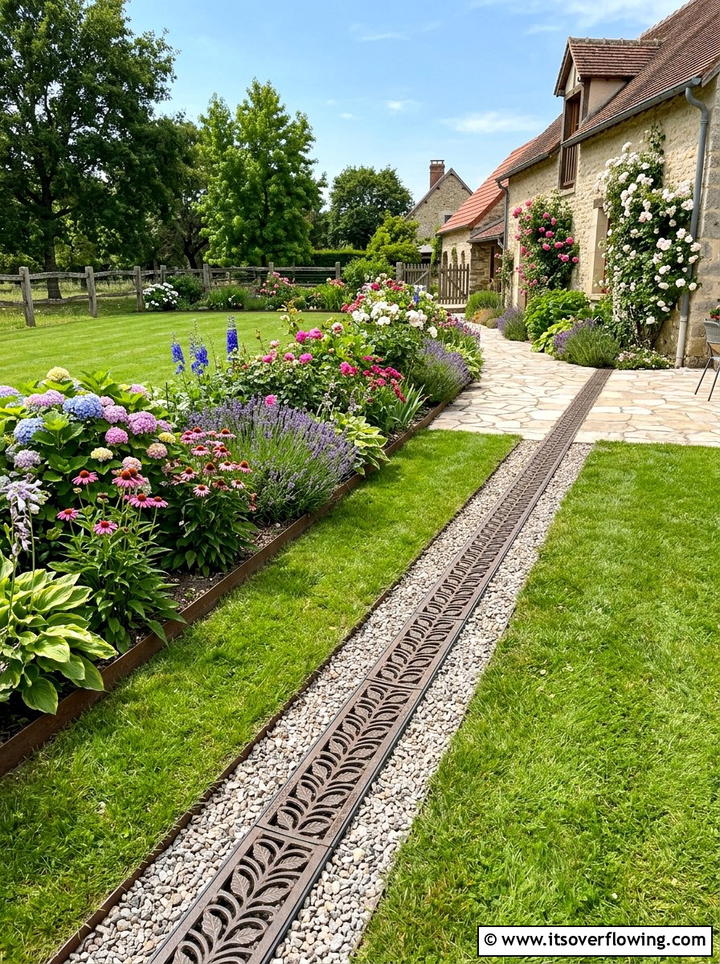
Heavy rainfall can quickly overwhelm your soil and cause water to pool against your home foundation. Installing a French drain is an effective way to redirect this excess moisture away from critical areas. This system consists of a slightly sloped trench filled with round gravel and a perforated pipe. As the rain falls, water flows into the trench and is carried safely to a lower exit point or a dry well. While it requires some initial digging, the benefits for your landscape are immense. You will notice fewer soggy patches and a much healthier lawn overall. This hidden drainage solution works quietly behind the scenes to protect your property from potential water damage.

4. Raised garden bed
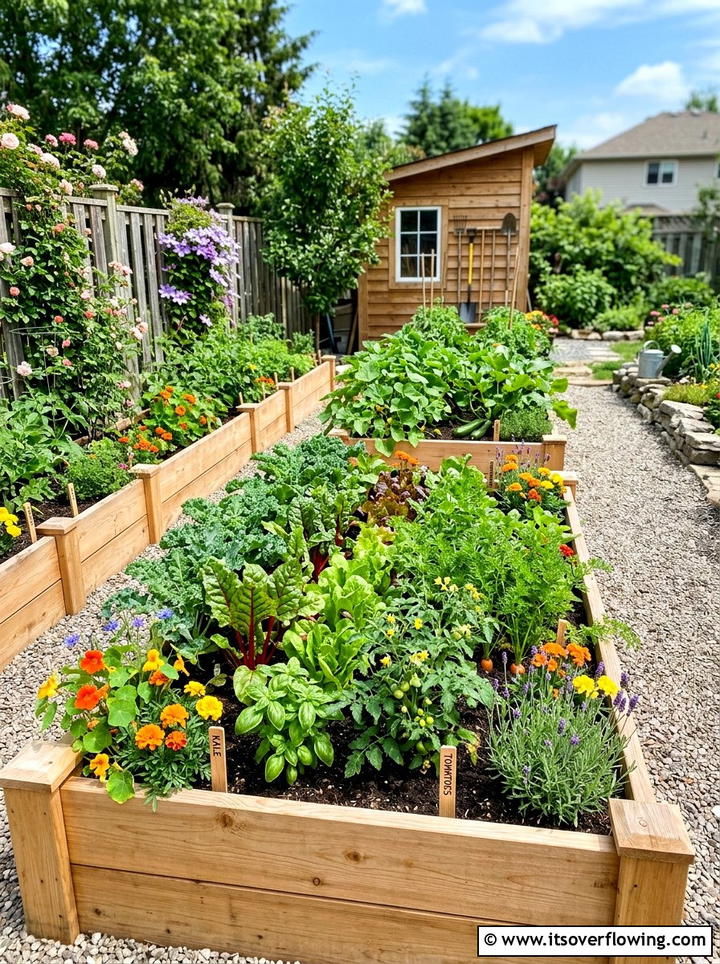
Growing vegetables or delicate flowers in a rainy climate can be difficult due to soil compaction and poor aeration. Raised garden beds provide the perfect solution by elevating your plants above the saturated ground level. This setup allows you to control the soil quality and ensures that excess water drains away from the root systems much faster. You can build these beds using rot-resistant cedar, composite wood, or even stacked stone to match your garden style. Better drainage leads to warmer soil temperatures in the spring, which gives your plants a significant head start. Elevated gardening also makes maintenance easier on your back while creating a structured, organized look for your backyard.
5. Gravel path landscape
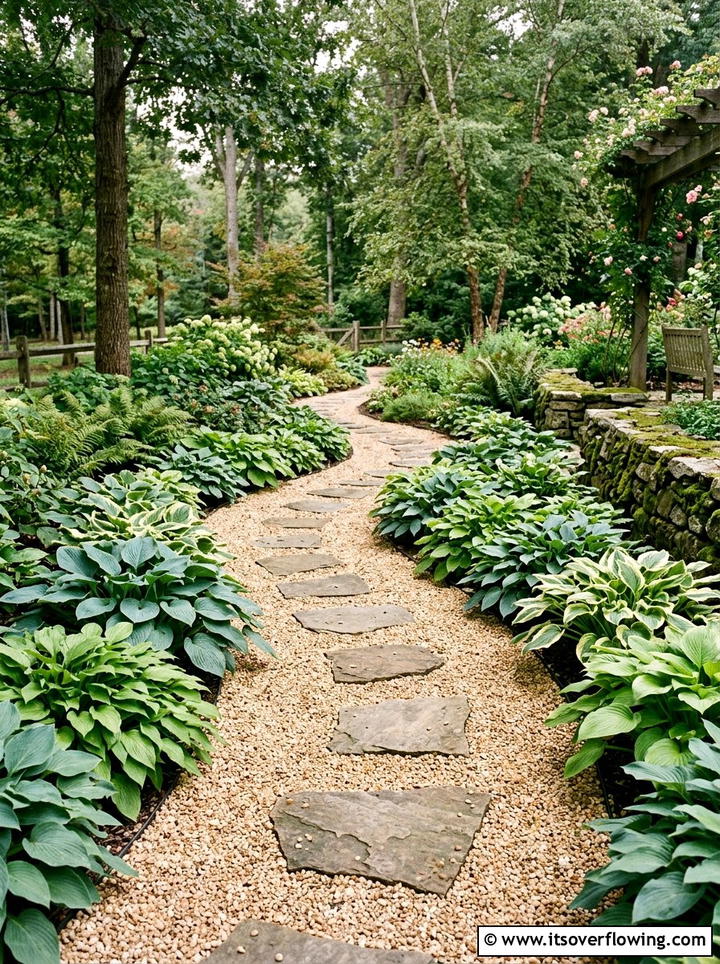
Traditional grass paths often become slippery and muddy during the rainy season, making garden chores a difficult task. Replacing these worn-out trails with gravel paths creates a durable, all-weather surface that stays firm underfoot. Gravel is an excellent choice for drainage because it allows water to pass through instantly rather than running off the surface. You should use a layer of landscape fabric underneath to prevent weeds from popping up through the stones. Crushed granite or pea gravel comes in various colors to complement your home exterior. These paths add a satisfying crunching sound and a clean, rustic look to any garden layout. They are low-maintenance and highly effective for wet regions.
6. Moisture loving perennials
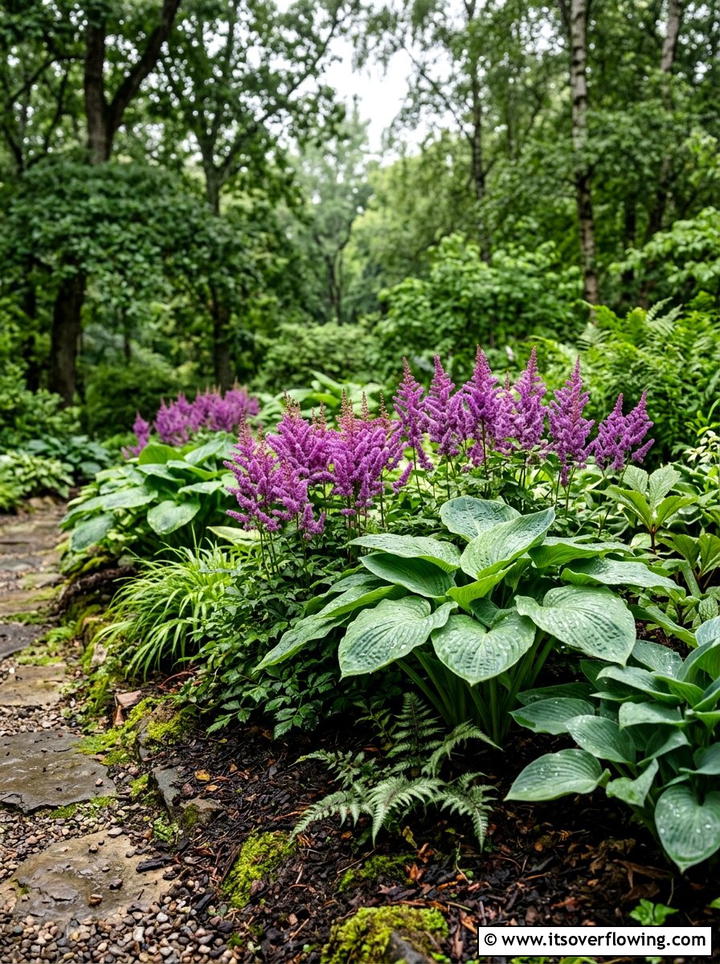
Selecting the right plants is the most important step for gardening in a region that sees frequent downpours. Moisture-loving perennials are specifically adapted to survive in soil that remains damp for extended periods. Hostas are a classic choice, offering lush green foliage and beautiful textures that thrive in shaded, wet corners. Astilbe provides colorful, feathery plumes that love a good soaking, while Rodgersia adds a dramatic, bold presence to your borders. These plants help stabilize the soil with their root systems, preventing erosion during heavy storms. By choosing species that naturally enjoy high humidity, you reduce the risk of plant loss and create a self-sustaining, vibrant garden ecosystem that loves the rain.
7. Covered patio area
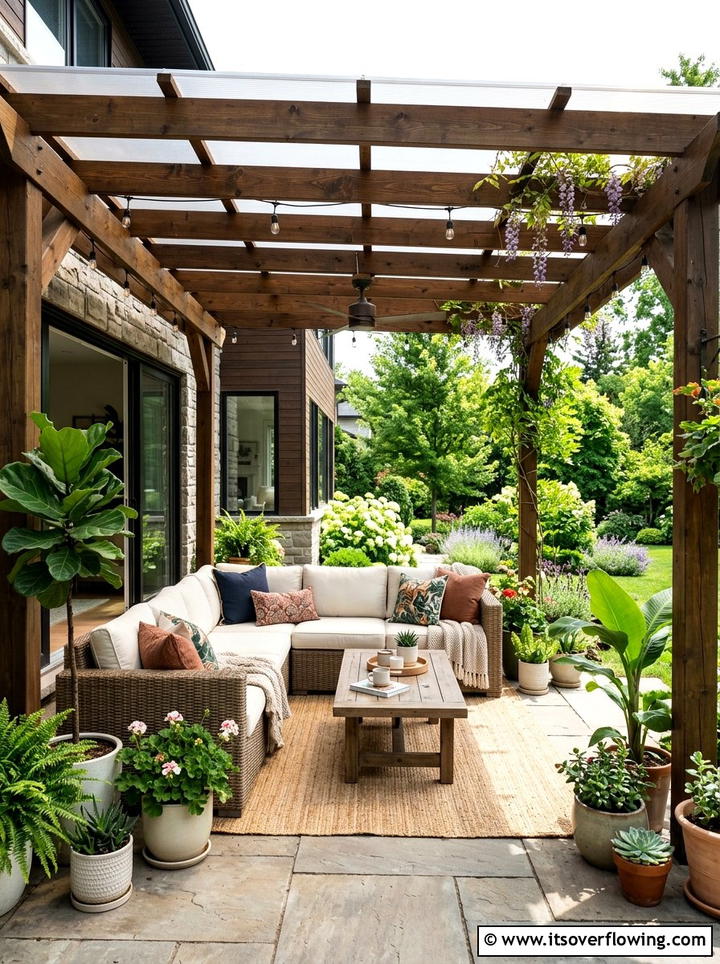
Even if it is pouring outside, you should still be able to enjoy the fresh air of your garden. A covered patio area provides a dry retreat where you can relax with a book or entertain guests regardless of the weather. You might consider a permanent wooden pavilion, a modern pergola with a retractable roof, or a stylish metal gazebo. Adding comfortable outdoor seating and waterproof rugs makes the space feel like a true extension of your home. This structure protects your furniture from moisture damage and prevents the growth of mildew. It transforms your backyard into a multi-seasonal destination. Having a dry spot to watch the rain fall adds a peaceful dimension to your outdoor lifestyle.
8. Bog garden layout
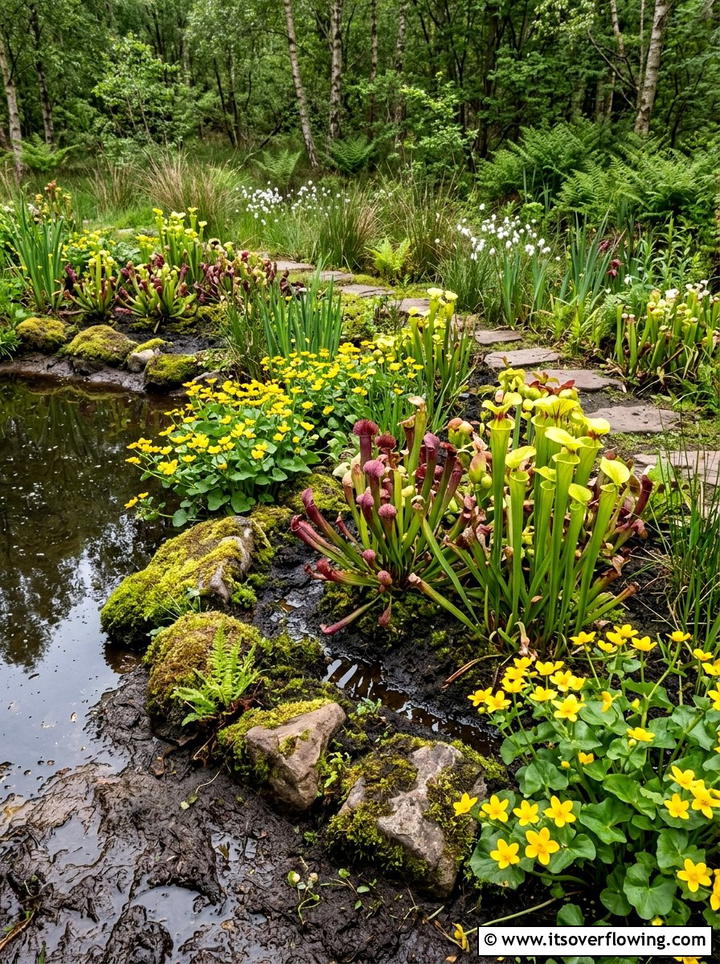
What if you embraced the wettest part of your yard instead of trying to dry it out? A bog garden is a specialized landscape feature designed to stay permanently damp, mimicking a natural wetland environment. You can create one by lining a shallow pit with a pond liner and punching a few holes for very slow drainage. Fill it with a mix of peat and sand to host unique plants like Pitcher Plants, Marsh Marigolds, or Calla Lilies. These areas become incredible hotspots for biodiversity, attracting frogs and interesting insects. A bog garden adds a touch of wild, natural beauty to your property. It is a creative way to turn a “problem” swamp into a beautiful feature.
9. Moss garden ground cover
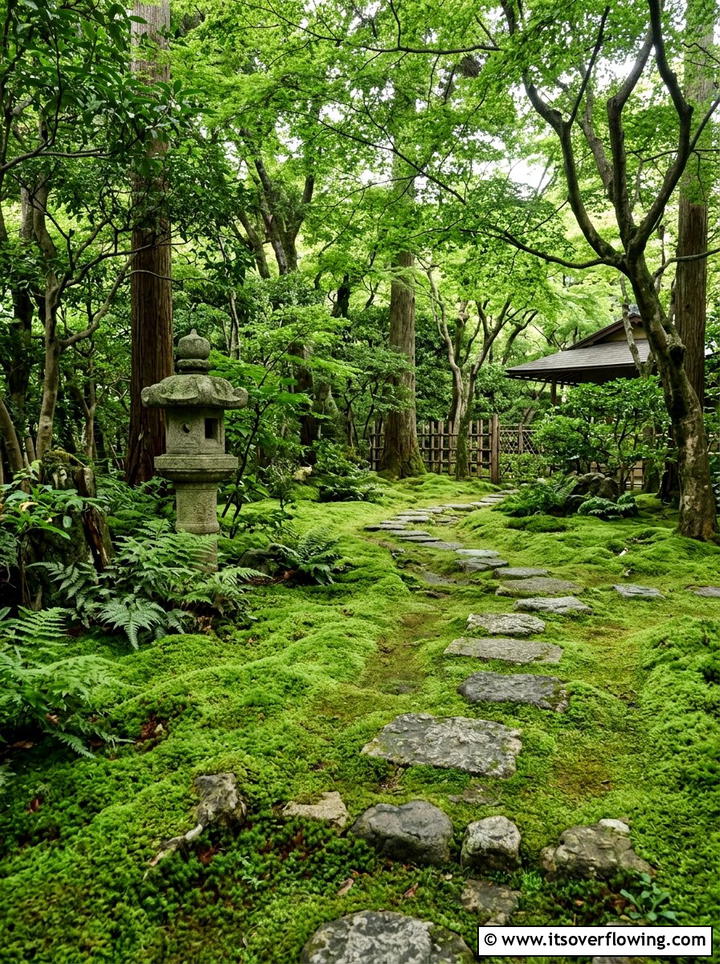
In areas where grass refuses to grow due to constant moisture and deep shade, moss can be a stunning alternative. A moss garden creates a soft, velvety green carpet that feels magical and serene under the trees. Moss naturally thrives in damp environments and requires very little maintenance once it is established. It does not need mowing, fertilizing, or pesticides, making it an eco-friendly choice for rainy climates. You can encourage growth by keeping the soil acidic and consistently moist. The deep green hues of moss look particularly beautiful when paired with stone lanterns or fern borders. It brings a sense of ancient, quiet beauty to your landscape that traditional lawns simply cannot match.
10. Dry creek bed
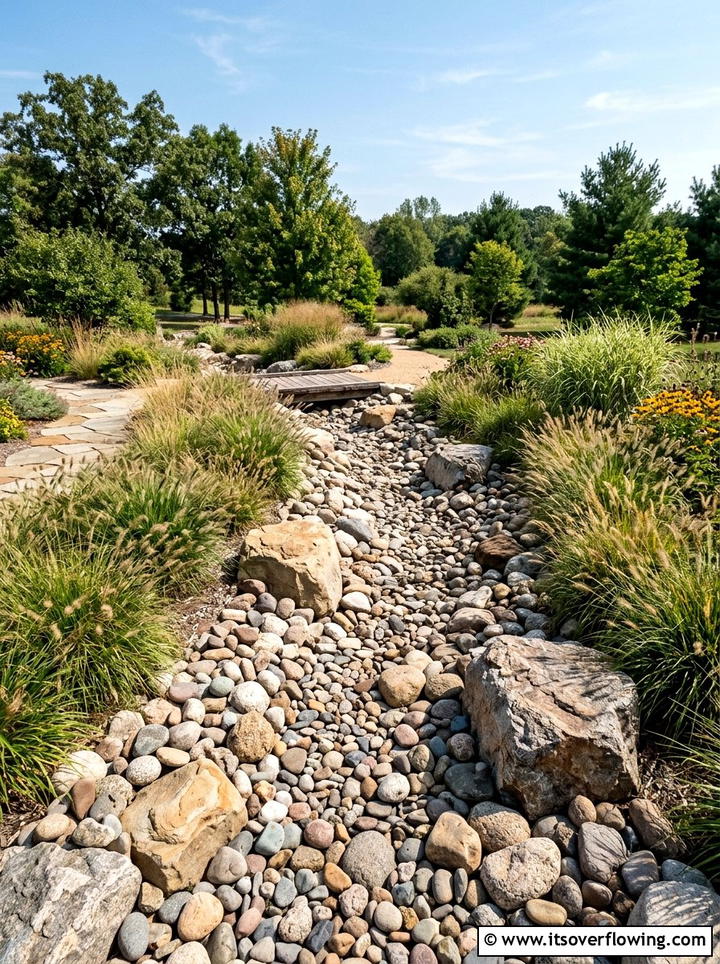
A dry creek bed is both a functional drainage tool and a beautiful landscape feature that mimics a natural stream. During heavy rain, the rocky channel safely directs water away from your home and prevents soil erosion across the lawn. When the weather is dry, the stones provide a lovely textural element that adds visual interest to your yard. You should use a mix of large boulders, medium river rocks, and small pebbles to create a realistic look. Curving the path of the creek makes it appear more organic and helps slow down the speed of rushing water. This design choice is perfect for managing runoff while creating a professional, landscaped appearance in any backyard.
11. Native ferns landscape
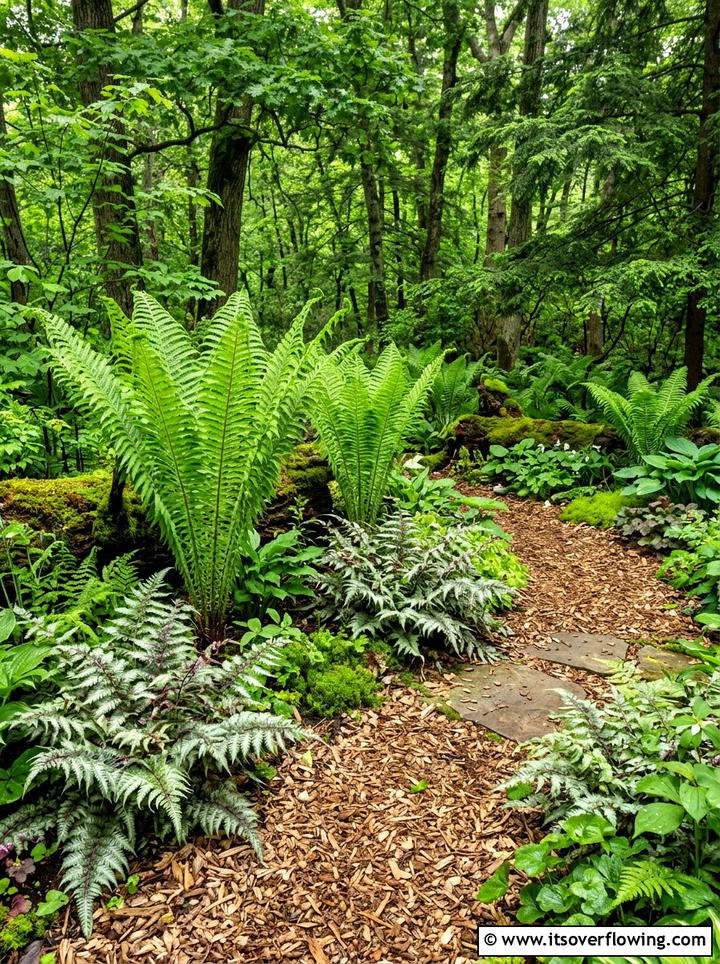
Ferns are some of the most resilient and beautiful plants for gardens that receive a lot of rainfall and shade. Many native fern species are perfectly adapted to damp woodlands and will thrive in your garden with minimal effort. Ostrich ferns offer tall, vase-shaped fronds that create a lush backdrop, while Painted ferns add a touch of silver and purple to the ground. These plants are excellent for filling in gaps under large trees where other plants might struggle with wet feet. Their delicate textures provide a wonderful contrast to broad-leaved plants. Ferns help maintain soil structure and bring a refreshing, forest-like atmosphere to your outdoor space. They are truly the stars of a wet garden.
12. Container gardening drainage
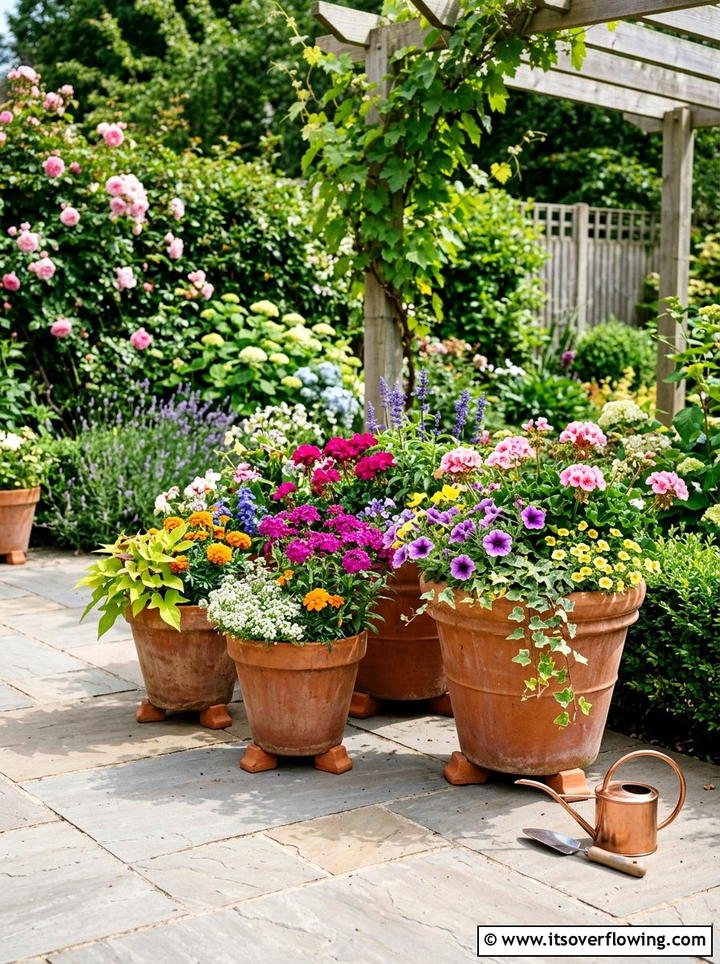
If your ground soil is too heavy or saturated, container gardening allows you to grow almost anything with perfect control. The key to success in a rainy climate is ensuring your pots have excellent drainage holes to prevent waterlogged roots. You should use a high-quality, lightweight potting mix that includes perlite or vermiculite to improve airflow. Placing your containers on “pot feet” or bricks keeps them off the ground and allows water to escape freely from the bottom. This prevents the pots from sitting in stagnant puddles, which could lead to fungal diseases. You can easily move your containers to sunnier spots or under a porch during particularly intense storms to protect your favorite delicate blooms.
13. Sloped garden drainage
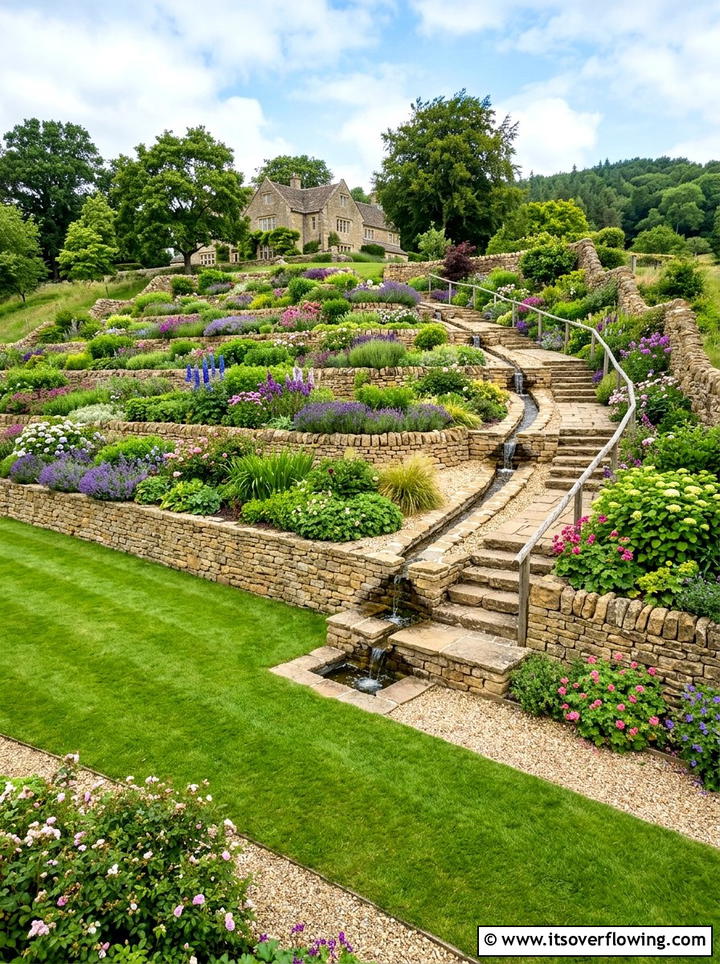
Gardening on a hillside presents unique challenges when heavy rain causes water to rush down and wash away your topsoil. Building terraces or retaining walls is a highly effective way to slow down the water and create flat planting areas. Each level of the terrace acts as a mini-garden that absorbs moisture before it can reach the bottom of the slope. You can use stone, timber, or concrete blocks to create these tiers, adding a majestic, structured look to your landscape. Planting the slopes with deep-rooted groundcovers also helps hold the earth in place. This approach turns a difficult, eroding hill into a series of beautiful, functional garden rooms that handle rain with ease.
14. Garden greenhouse
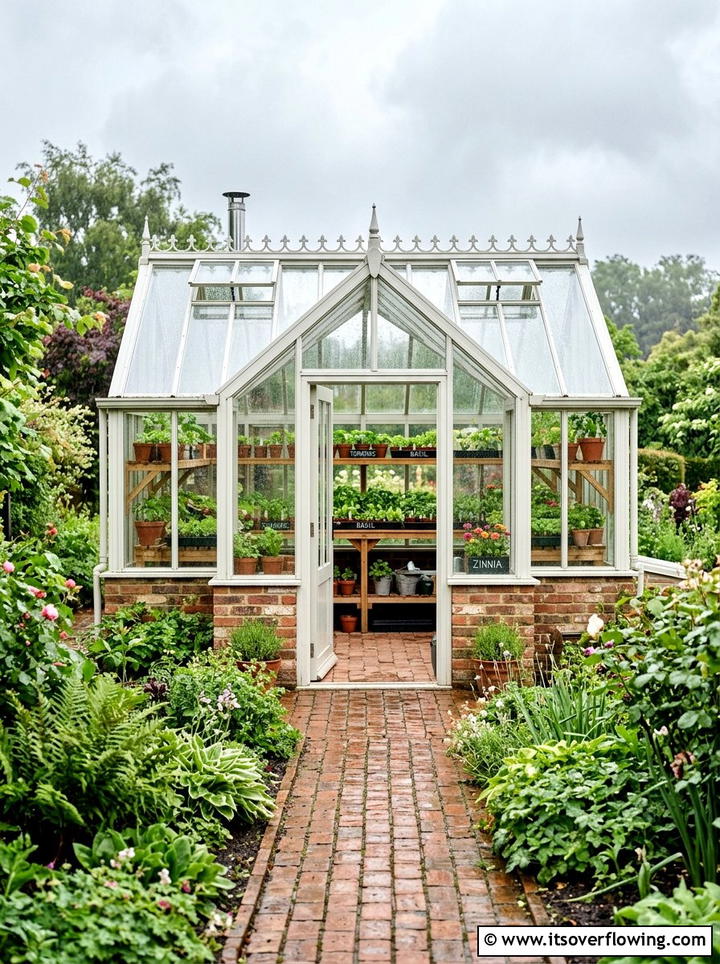
A garden greenhouse is the ultimate sanctuary for plants that need a break from constant rain and high humidity. This structure allows you to grow sensitive flowers, herbs, and vegetables that would otherwise rot in a saturated outdoor bed. By controlling the environment, you can extend your growing season and protect your seedlings from heavy downpours. Greenhouses come in many styles, from classic glass structures to affordable polycarbonate models. Inside, you can set up shelving and potting benches to stay productive even on the gloomiest days. It provides a warm, dry place for you to enjoy your hobby throughout the year. A greenhouse adds significant value and versatility to any rainy-climate property.
15. Vertical garden wall
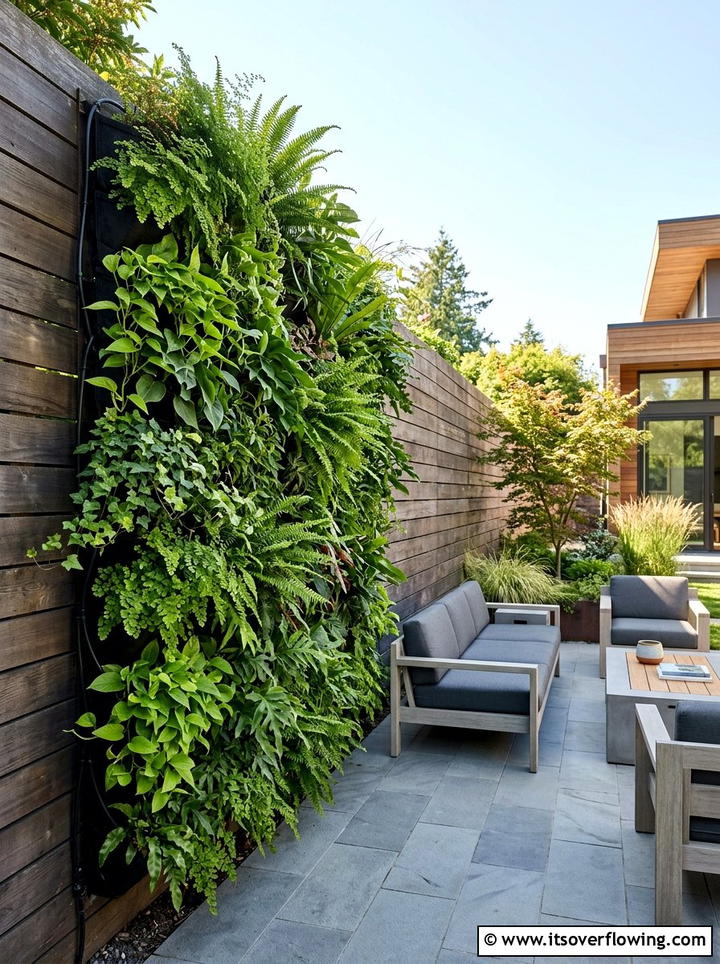
When the ground is too wet to work with, why not take your garden upward? A vertical garden wall is a space-saving solution that keeps your plants elevated and away from the soggy soil. These walls can be built using pockets, wooden crates, or specialized modular systems attached to a fence or exterior wall. Because they are vertical, gravity naturally helps with drainage, ensuring that water flows through the system rather than sitting around the roots. You can plant a variety of trailing vines, ferns, and moisture-loving succulents to create a living tapestry. This feature adds a modern, artistic touch to your patio and keeps your plants healthy and well-ventilated during the wettest months.
16. River rock landscaping
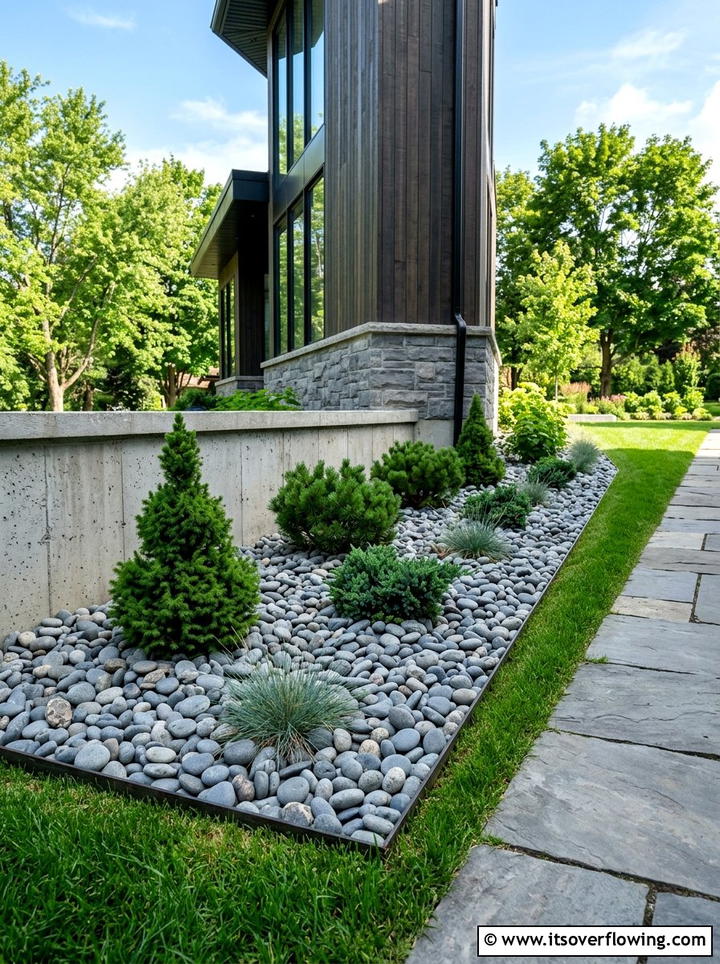
Using river rocks in your landscaping is a practical way to manage water while adding a clean, polished look to your garden. Large, smooth stones are perfect for edging flower beds or creating decorative borders that won’t wash away in a storm. Unlike wood mulch, rocks do not rot or float away when the garden floods. They stay in place and provide a stable surface that helps dissipate the energy of falling rain. You can choose different sizes and colors to create a custom look that complements your home’s architecture. River rocks also help suppress weeds and maintain a consistent soil temperature. They are a durable and stylish choice for any homeowner facing frequent rain.
17. Decorative rain chain
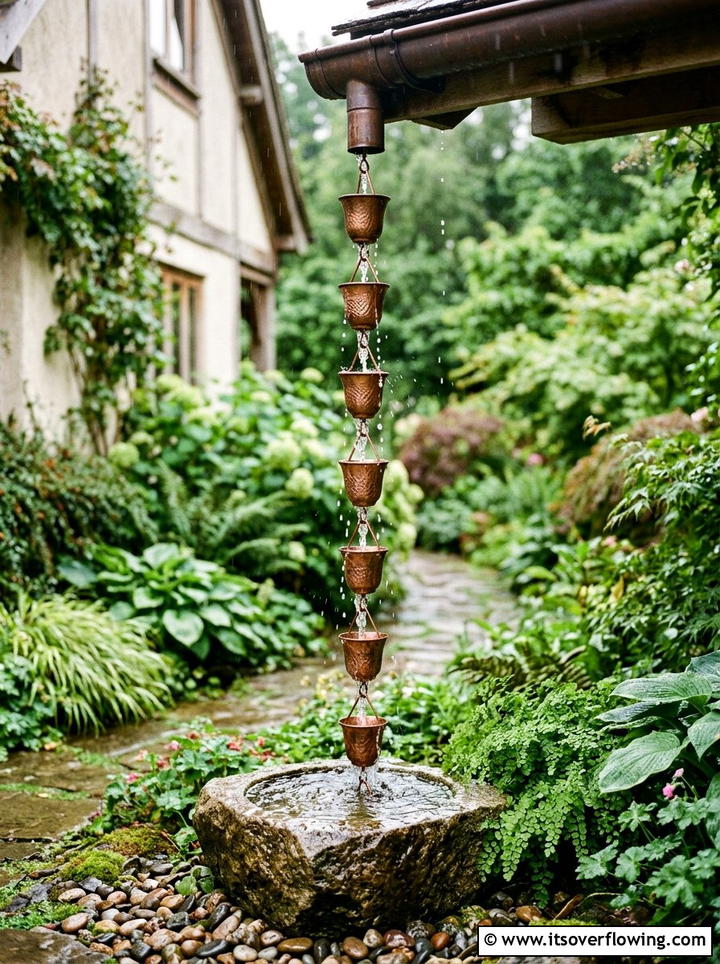
Instead of using traditional plastic downspouts, you can install decorative rain chains to turn a heavy downpour into a beautiful water feature. These chains guide water from your gutters down to the ground in a series of elegant cups or links. As the water flows, it creates a soothing, tinkling sound that adds a peaceful ambiance to your garden. You can place a large decorative pot or a bed of river stones at the bottom to catch the runoff and prevent splashing. Rain chains are available in materials like copper, brass, and stainless steel, which develop a beautiful patina over time. They are a simple yet sophisticated way to celebrate the rain in your garden.
18. Water butt system
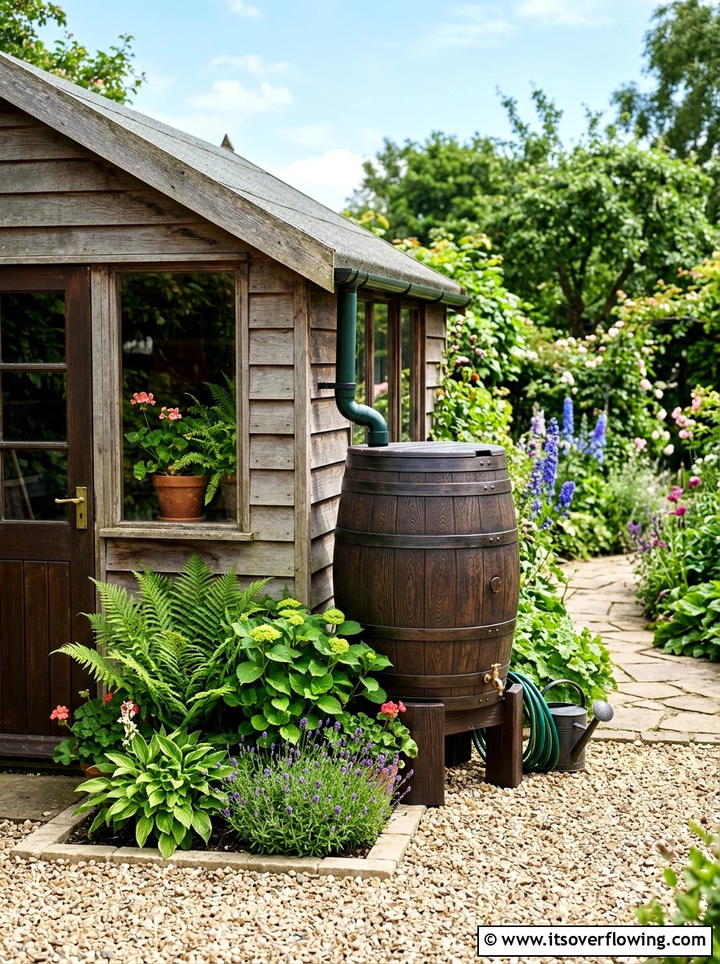
Rainwater is a precious resource that you can easily collect and store for later use during drier periods. Installing a water butt system under your downspouts allows you to harvest hundreds of gallons of free, soft water for your plants. Most systems feature a tap at the bottom, making it easy to fill a watering can or attach a hose. Modern water butts come in many attractive styles, including designs that look like terracotta urns or sleek wooden barrels. By collecting runoff, you also reduce the amount of water flooding your garden beds during a heavy storm. It is an environmentally friendly practice that saves money and ensures your garden stays hydrated with natural water.
19. Willow tree planting
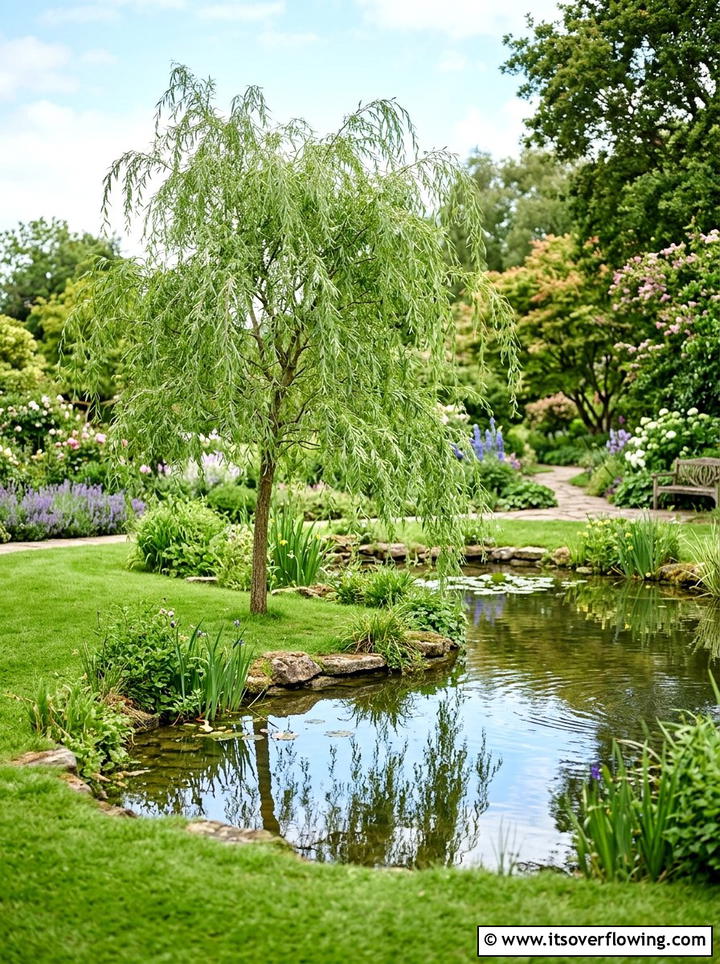
Willow trees are famous for their love of water and their ability to thrive in very wet soil conditions. Planting a willow near a pond or in a naturally swampy area of your yard can help manage excess moisture through a process called transpiration. Their extensive root systems are excellent for stabilizing soil and preventing erosion along creek banks or slopes. Weeping willows provide a romantic, graceful silhouette that looks stunning when reflected in water. There are also smaller varieties like the Dappled Willow that offer colorful foliage for smaller suburban gardens. These trees are fast-growing and add a sense of maturity and structure to your landscape while providing a home for local birds.

20. All weather furniture
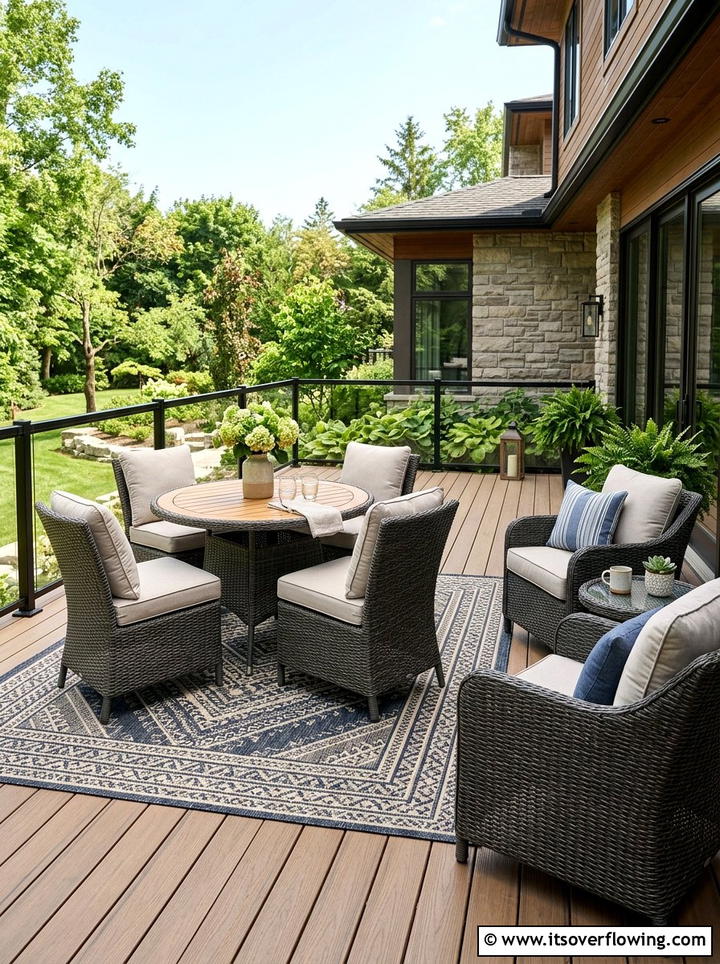
If you live in a rainy climate, investing in high-quality, all-weather furniture is essential for a functional outdoor space. Materials like powder-coated aluminum, high-density polyethylene (HDPE) resin, and teak are designed to withstand constant moisture without rusting or rotting. Look for cushions made from specialized outdoor fabrics that are water-resistant and quick-drying to prevent mold growth. Choosing furniture with slatted designs allows rainwater to drain off the surfaces quickly instead of pooling. Having durable seating ensures that you can use your garden as soon as the sun comes out without waiting days for things to dry. High-quality outdoor furniture keeps your garden looking stylish and ready for relaxation throughout every season.
21. Cedar wood decking
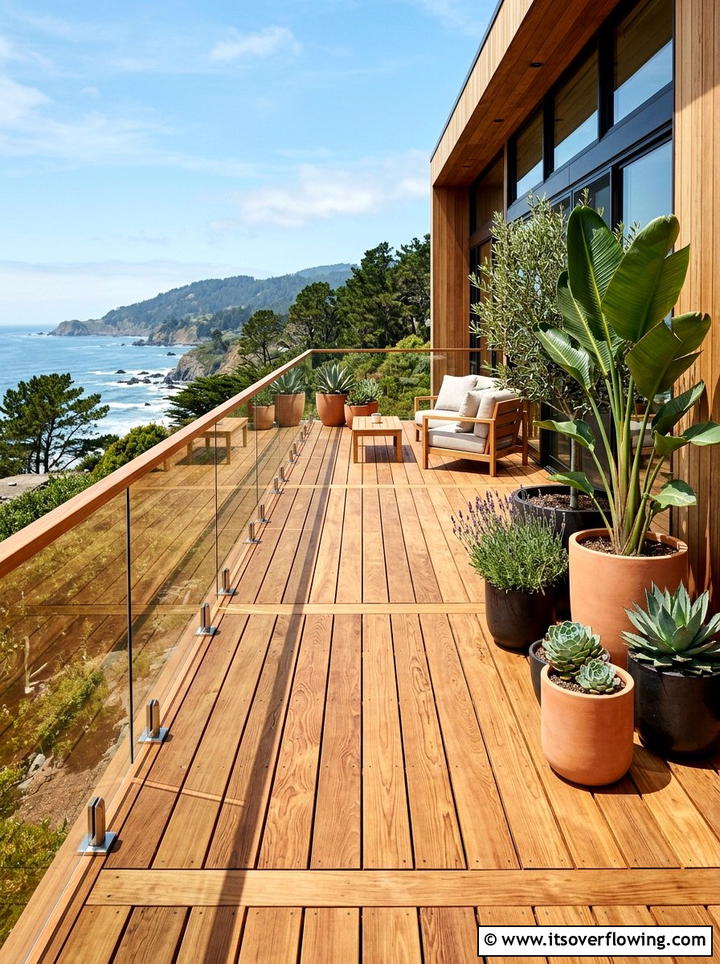
Cedar is one of the best natural materials for building garden decks in rainy regions because of its inherent resistance to decay. The natural oils in cedar wood act as a preservative, protecting it from moisture, insects, and fungal growth. A well-constructed cedar deck provides a high, dry platform for outdoor living that stays beautiful for many years with minimal maintenance. It has a warm, inviting color that eventually weathers to a sophisticated silvery gray if left untreated. To ensure longevity, you should apply a water-repellent sealer every few years to maintain its structural integrity. Cedar decking adds a touch of luxury and a solid foundation for your outdoor furniture and potted plants.
22. Ornamental grass moisture
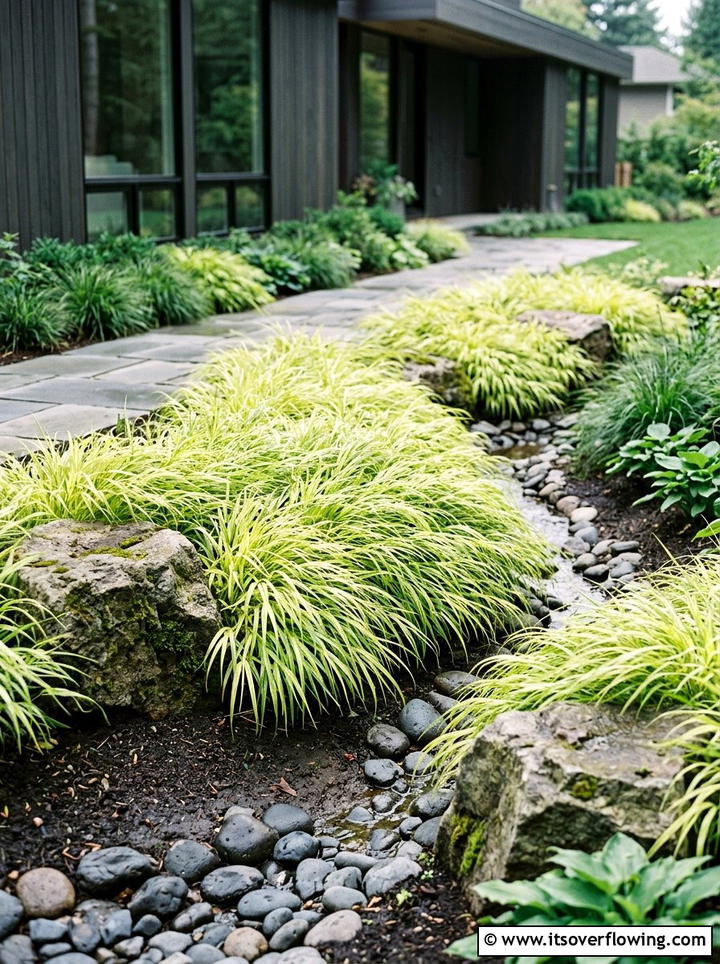
Ornamental grasses add movement, texture, and a sense of wild beauty to a rainy-climate garden. Many varieties, such as Japanese Forest Grass or Sweet Flag, are perfectly suited for damp, shady areas where other plants might fail. These grasses create soft mounds of foliage that sway gracefully in the breeze, adding a dynamic element to your landscape. They are also excellent for providing winter interest, as their dried stalks often remain standing through the colder months. Ornamental grasses help absorb surface water and their dense root systems protect the soil from being washed away. They are low-maintenance and versatile, working well in borders, near water features, or as part of a contemporary design.
23. Hydrangea garden layout
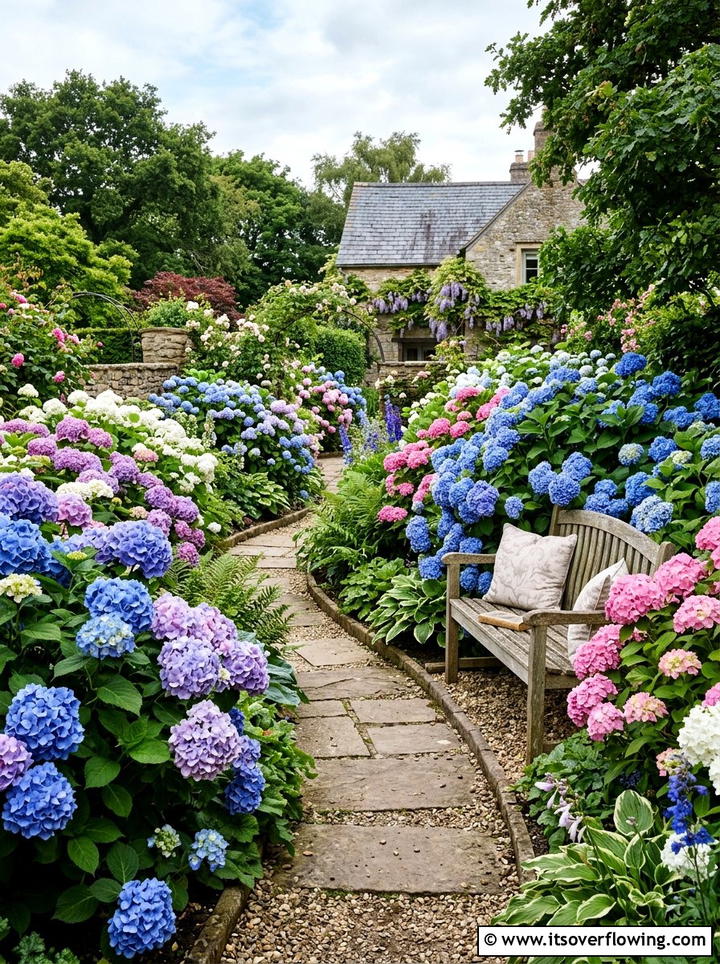
Hydrangeas are the quintessential shrubs for rainy climates because they absolutely thrive on consistent moisture and cooler temperatures. Their massive, colorful flower heads create a stunning visual impact in the mid-to-late summer, ranging from deep blues to vibrant pinks. You can plant them in large clusters to create a lush, flowering hedge or use them as specimen plants in a mixed border. These shrubs prefer soil that stays damp but is well-drained to avoid root rot. Adding a layer of organic mulch around the base helps retain moisture while keeping the roots cool. Hydrangeas bring a classic, cottage-garden charm to your backyard and reward you with an abundance of blooms every single year.
24. Japanese maple tree
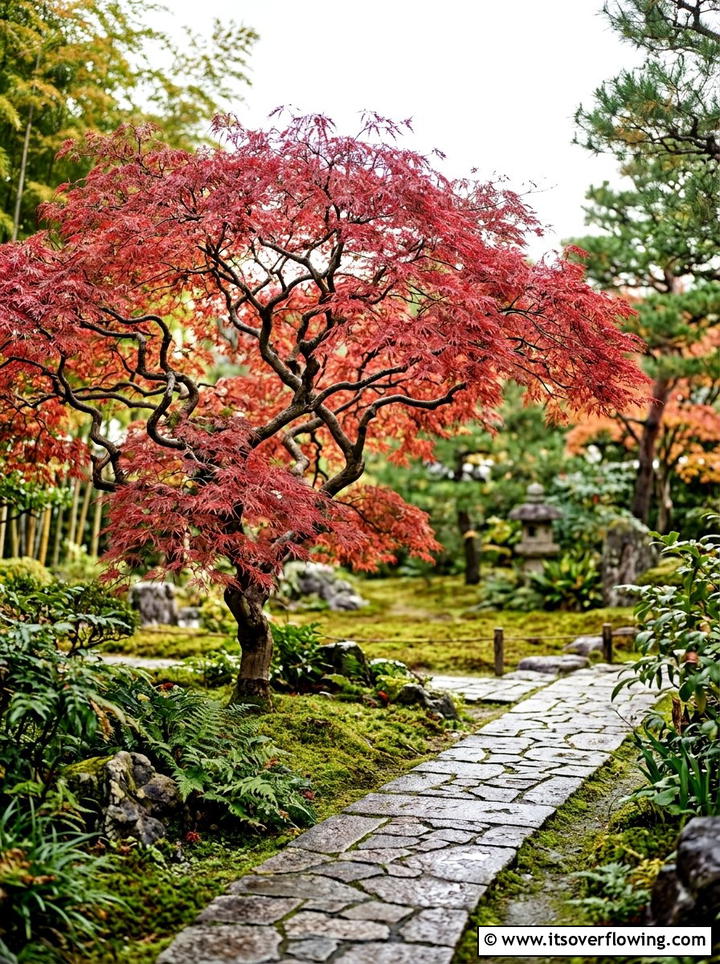
The Japanese maple is a prize addition to any garden, offering intricate leaf shapes and spectacular autumn colors. These trees generally prefer consistent moisture and humid air, making them ideal for regions that see frequent rainfall. They grow best in slightly acidic soil that is rich in organic matter and provides good drainage. Because they come in many sizes and growth habits, you can find a variety that fits perfectly in a small corner or as a central focal point. Their delicate foliage looks especially beautiful when covered in raindrops. A Japanese maple adds a sense of artistry and tranquility to your garden, creating a sophisticated atmosphere that changes beautifully with the passing seasons.
25. Outdoor lighting waterproof
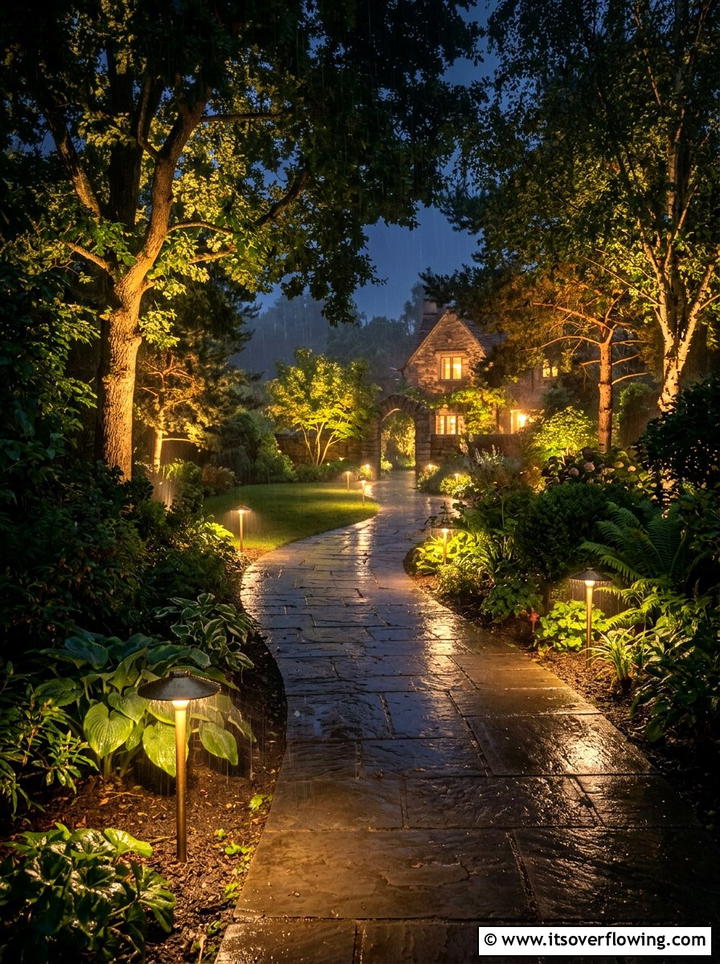
Proper outdoor lighting allows you to enjoy the moody beauty of your rainy garden even after the sun goes down. It is crucial to choose fixtures with a high IP rating, which indicates they are fully waterproof and safe for wet conditions. Path lights, spotlights for trees, and elegant string lights can transform a dark, wet backyard into a glowing, magical retreat. Use warm LED bulbs to create a cozy atmosphere that cuts through the gray mist of a rainy evening. Positioning lights to highlight the texture of wet stones or the shimmer of falling water adds a dramatic effect to your landscape. Good lighting also ensures safety by illuminating slippery paths and steps for your guests.
Conclusion:
Designing a garden for a rainy climate is about embracing the moisture and using it to create a lush, thriving environment. Instead of fighting against the elements, you can implement smart drainage solutions and select plants that naturally love the damp. From permeable pavers and French drains to moisture-loving ferns and stunning hydrangeas, there are endless ways to make your backyard functional and beautiful. A well-planned wet-weather garden remains vibrant even on the cloudiest days, offering a peaceful sanctuary for you and local wildlife. By following these ideas, you can stop worrying about the mud and start enjoying the unique, refreshing beauty that only a rainy-climate garden can provide.
Related posts:
 25 Garden Ideas for Cold Climate Yards That Thrive Beautifully
 25 garden ideas for dry climate: Water-Wise Outdoor Beauty
 25 garden ideas for hot climate: Cool, Drought-Smart Yards
 25 Creative Garden Ideas for Fall Color: Vibrant Seasonal Tips
 25 Creative Garden Ideas for Corners: Smart Small-Space Tips
 25 Creative Garden Ideas for Porches: Cozy Entryway Tips
 25 Creative Garden Ideas for Rooftops: Stylish Urban Tips
 25 creative garden ideas with low maintenance design Tips
 25 Creative Garden Ideas With Sustainable Landscaping Tips
 25 garden ideas for family gatherings: Welcoming Yard Tips
 25 garden ideas for hummingbirds: Nectar-Rich Yard Tips
 25 garden ideas with low cost materials: Budget Yard Tips