
Creating a beautiful outdoor space does not have to mean spending every weekend pulling weeds or mowing the lawn. Many homeowners are now looking for ways to enjoy their yards without the constant stress of heavy maintenance and high water bills. Low maintenance garden concepts focus on smart planning, durable materials, and choosing plants that naturally thrive in your specific climate. By shifting your focus toward sustainable choices and permanent structures, you can create a stunning backyard retreat that stays looking fresh all year long with minimal effort. This guide explores various creative ways to simplify your landscaping while still achieving a high-end, inviting, and professional look for your home exterior.
1. Gravel garden
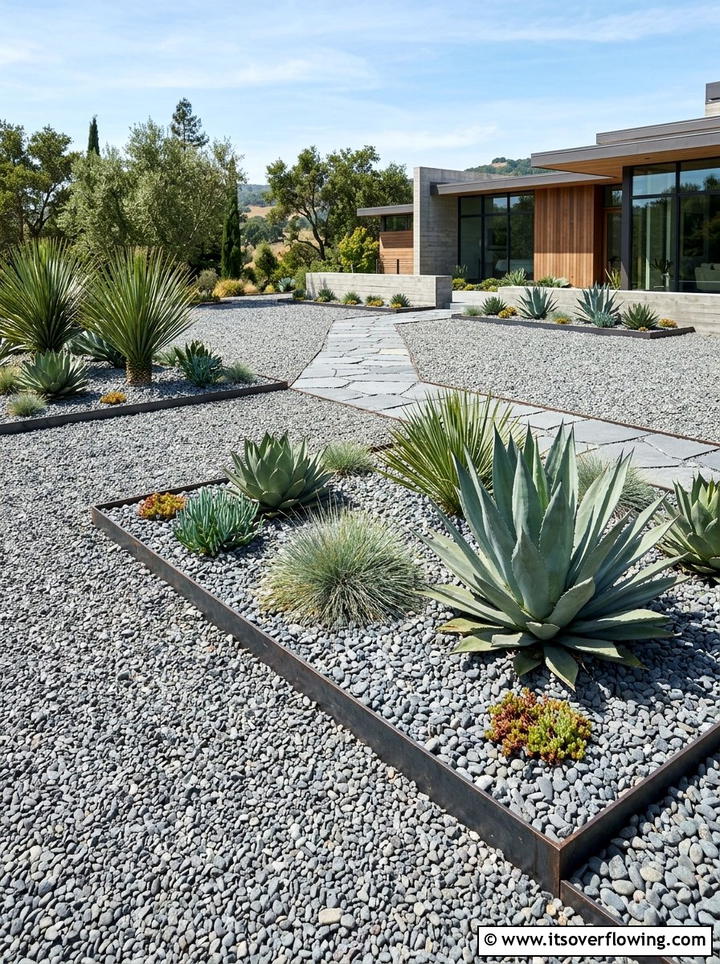
A gravel garden is one of the most effective ways to reduce yard work while adding a modern touch to your landscape. This style replaces traditional thirsty grass with various sizes and colors of crushed stone or pea gravel. It provides excellent drainage and prevents the growth of stubborn weeds when paired with a high-quality landscape fabric underneath. You can tuck a few drought-tolerant plants into the gravel to add life and texture without increasing your chores. This approach works perfectly for side yards or small seating areas where grass struggles to grow. It offers a clean, architectural look that stays tidy regardless of the season or local weather conditions.
2. Native plant landscaping
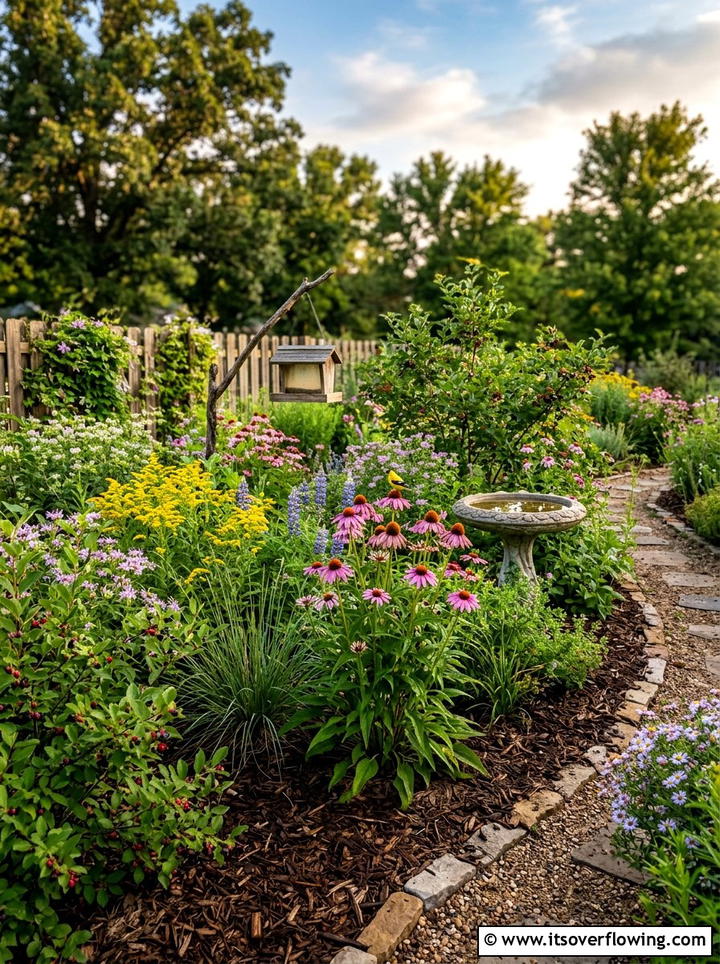
Using plants that are naturally from your local area is a brilliant way to save time and money. These species have already adapted to your local soil types and rainfall patterns over thousands of years. This means they generally require much less supplemental watering once they are fully established in your soil. Native plants also tend to be more resistant to local pests and common diseases compared to exotic varieties. By filling your garden beds with these hardy choices, you spend less time fertilizing and spraying for bugs. Your garden will also become a natural haven for local birds and butterflies, which adds lovely movement to your yard.
3. Artificial grass lawn
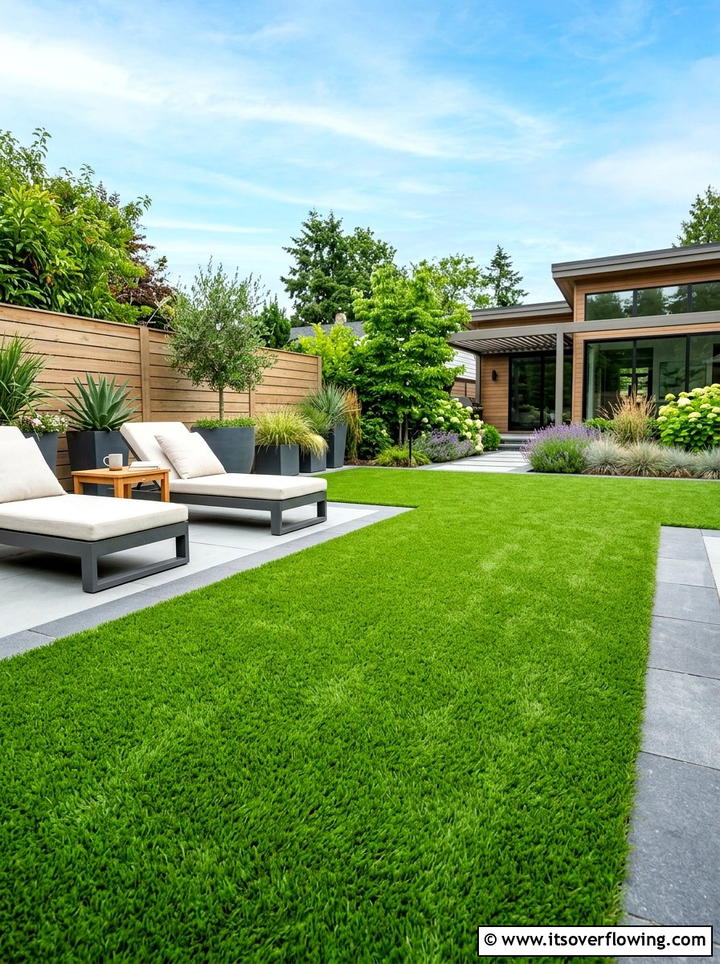
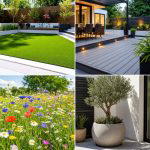
If you love the look of a perfectly green lawn but hate the constant mowing and watering, artificial turf is a fantastic solution. Modern synthetic grass looks incredibly realistic and feels soft underfoot, making it perfect for families and pets. It requires no mowing, no fertilizing, and absolutely no irrigation to stay vibrant throughout the hot summer months. You simply need to brush it occasionally or rinse off dust to keep it looking brand new. This option is especially helpful in shaded areas where real grass often turns patchy or brown. It provides a consistent, lush green backdrop for your entire backyard without any of the traditional lawn care.
4. Raised garden beds
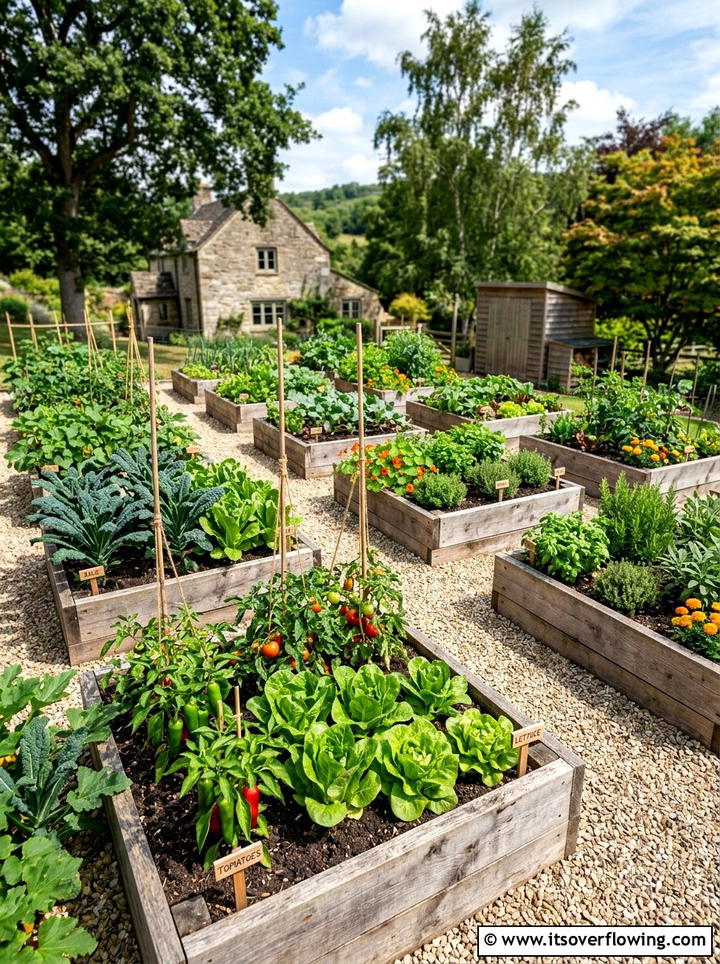
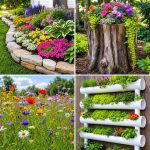
Raised beds are a wonderful way to control your soil quality and limit the physical strain of gardening tasks. By lifting your planting area off the ground, you create a clear boundary that prevents grass and weeds from creeping into your flowers. These structures can be built from durable wood, stone, or metal to match your home style perfectly. Because the soil in raised beds stays looser and drains better, your plants often grow faster and healthier with less intervention. You can also install a simple irrigation system inside the beds to automate your watering. This setup makes gardening much more accessible and keeps everything looking organized.
5. Perennial flower border
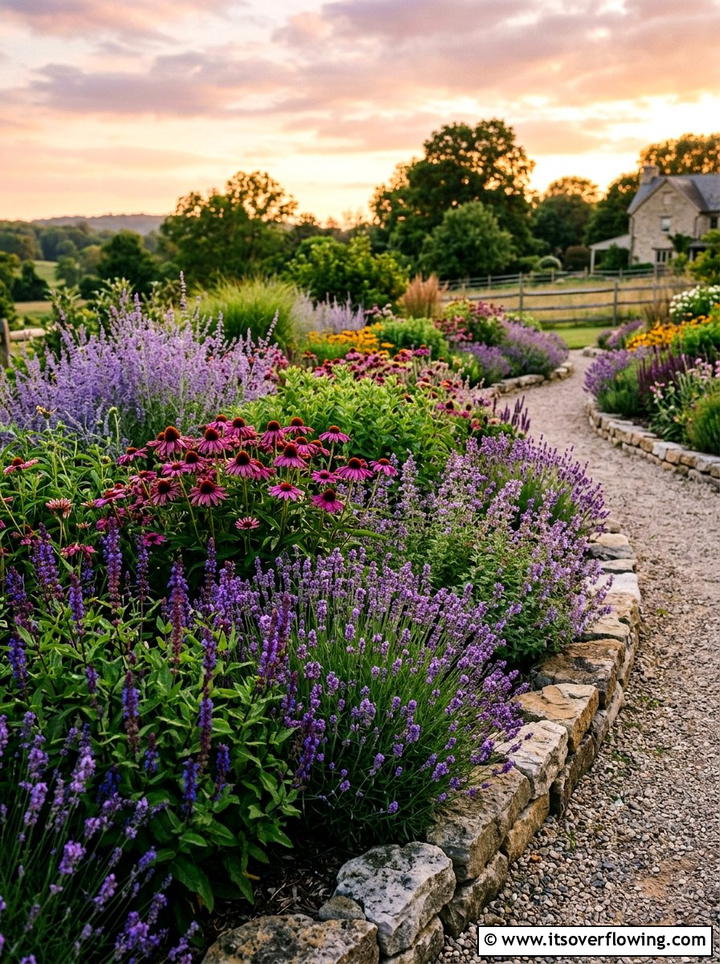
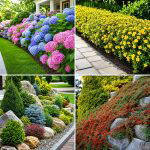
Planting perennials is a smart long-term investment for any homeowner who wants a colorful yard without replanting every single spring. Unlike annuals that die off after one season, perennials come back every year, often growing larger and more beautiful over time. You can choose varieties like lavender, coneflowers, or hostas that require very little pruning or specialized care. By selecting a mix of plants that bloom at different times, you can ensure your garden has visual interest from spring through autumn. Once these plants are established, their root systems become very strong, which helps them survive periods of dry weather without much extra help from you.
6. Succulent garden
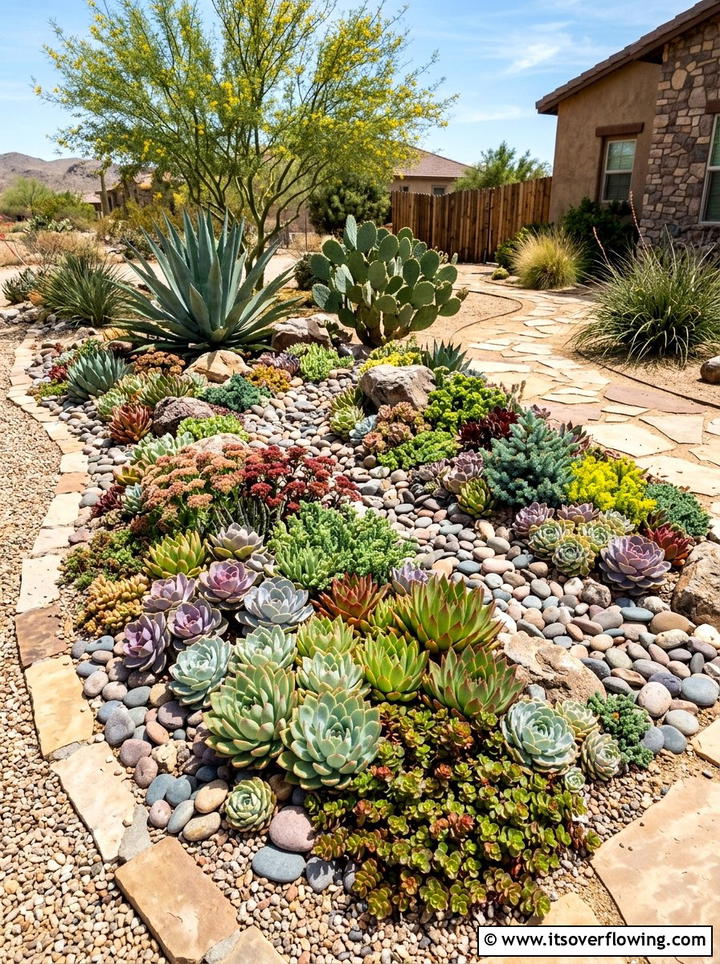
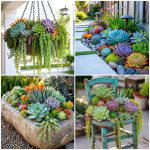
Succulents are the ultimate choice for a low-water lifestyle because they store moisture in their thick, fleshy leaves. These plants come in a stunning array of shapes, sizes, and vibrant colors, ranging from deep purples to bright teals. Creating a dedicated area for succulents allows you to play with different textures without worrying about frequent wilting or high water demands. They look especially striking when arranged in groups with different heights and contrasting colors. Because they grow slowly, you rarely need to worry about them outgrowing their space or needing heavy pruning. They are perfect for sunny spots where other more delicate plants might struggle to survive the heat.
7. Rock garden landscaping
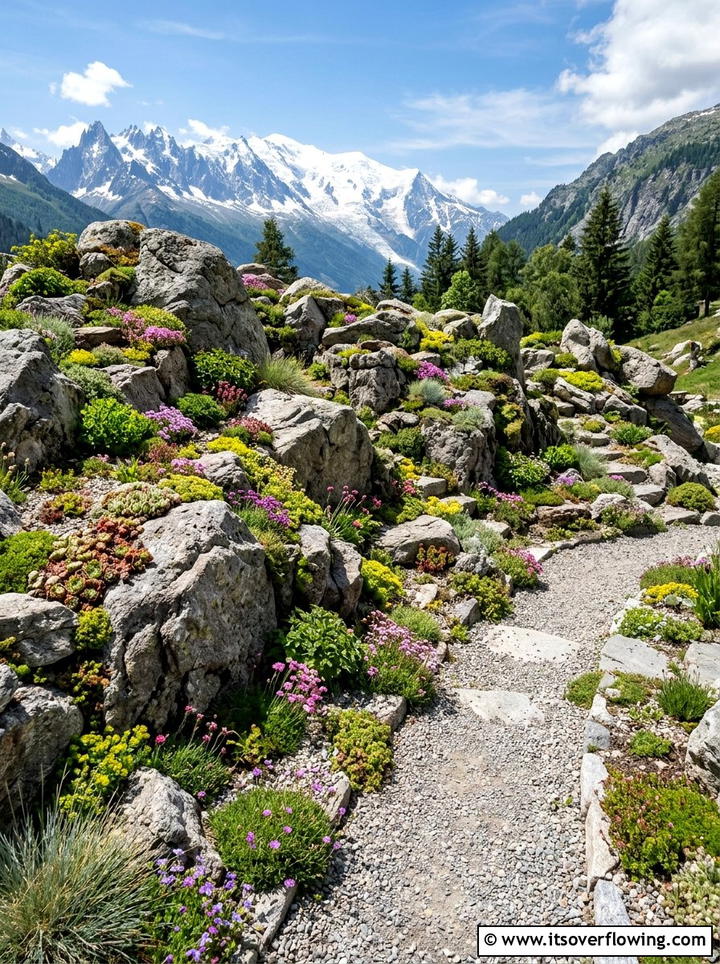
Incorporating large boulders and smaller stones into your garden creates a permanent structure that never needs watering or trimming. Rock gardens offer a rugged, natural beauty that mimics mountain landscapes or desert environments. You can place large feature rocks as focal points and surround them with smaller river stones or decorative pebbles. This design is excellent for sloped areas where mowing grass would be difficult or dangerous for a homeowner. Small alpine plants or hardy ground covers can be tucked into the crevices between the rocks for a pop of color. It is a very durable landscape choice that looks better as the stones weather and age naturally.
8. Automated drip irrigation
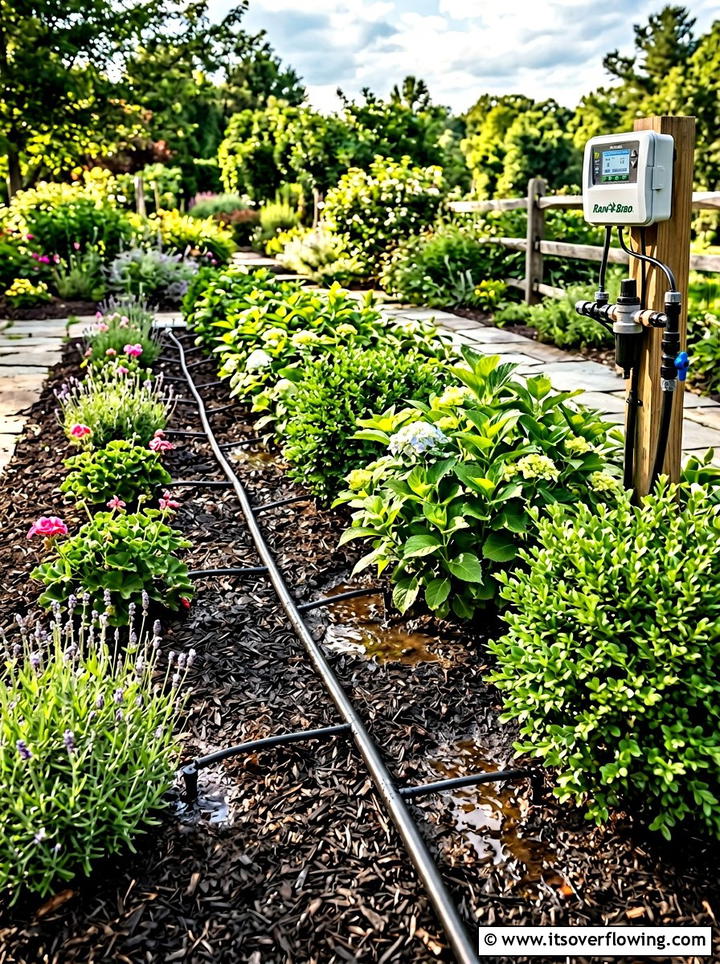
Installing an automated drip irrigation system is perhaps the best way to save time on daily garden chores. Unlike traditional sprinklers that waste water through evaporation, drip lines deliver moisture directly to the base of each plant. This keeps the foliage dry, which helps prevent many common fungal diseases and leaf rot. You can set the system on a simple timer so your garden gets watered even when you are away on vacation. It ensures that your plants receive a consistent amount of hydration without you ever having to lift a heavy garden hose. This technology is incredibly efficient and helps your low maintenance plants truly thrive.
9. Mulched flower beds
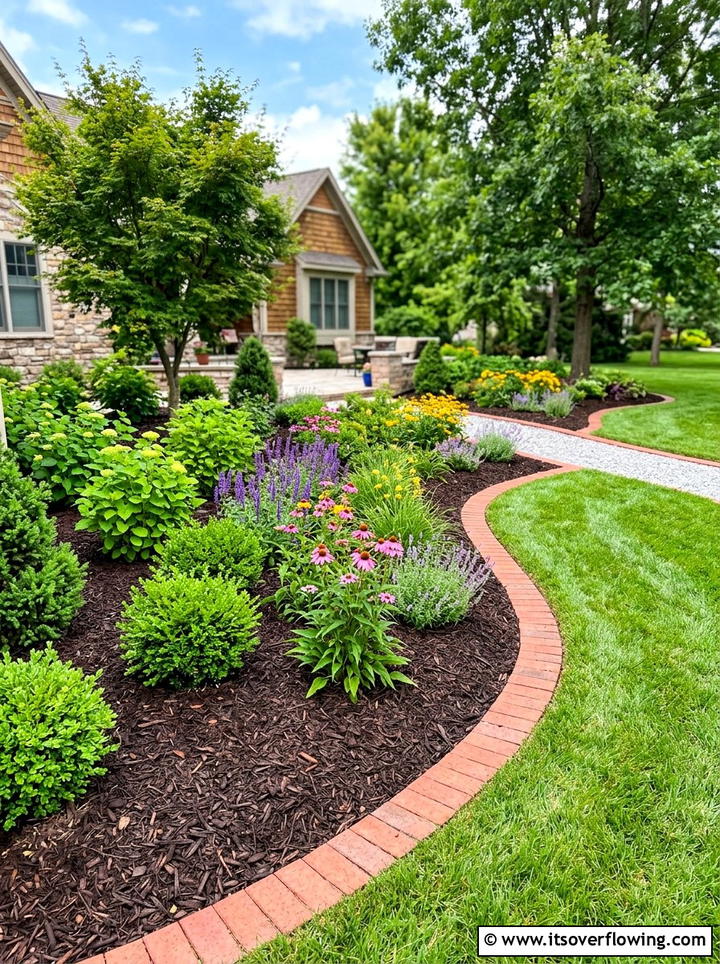
Applying a thick layer of organic mulch is a simple secret for maintaining a healthy garden with very little work. Mulch acts as a protective blanket for your soil, keeping it cool and moist even during the hottest days. It also does an incredible job of smothering weed seeds before they can ever take root and grow. As organic mulch like wood chips or bark breaks down, it slowly adds valuable nutrients back into your garden soil. This reduces the need for chemical fertilizers and improves the overall health of your plants. A fresh layer of mulch also gives your garden beds a clean, professional, and finished appearance.
10. Paved patio area
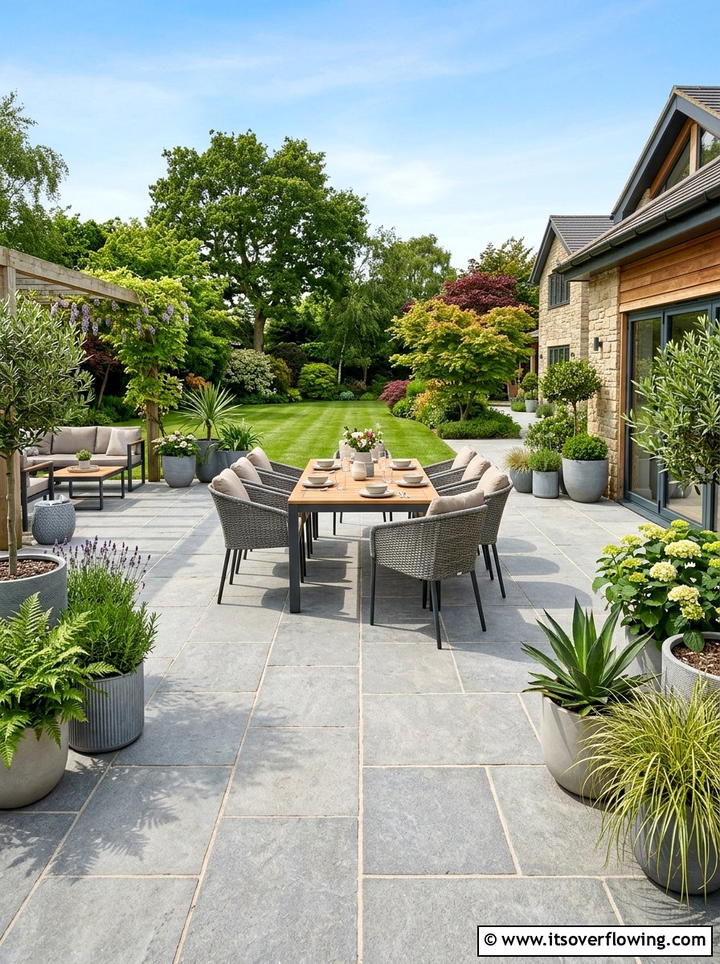
Replacing a portion of your lawn with a paved patio is a great way to increase your living space while decreasing yard work. Whether you use concrete pavers, natural flagstone, or brick, a patio provides a solid surface for dining and relaxing. Once the stones are properly installed and the joints are sealed, you have a permanent area that requires nothing more than an occasional sweep. This eliminates a large section of grass that would otherwise need weekly mowing and seasonal fertilizing. You can decorate the space with comfortable outdoor furniture and a few large pots to maintain a lush feel without the high maintenance of a lawn.
11. Evergreen shrub border
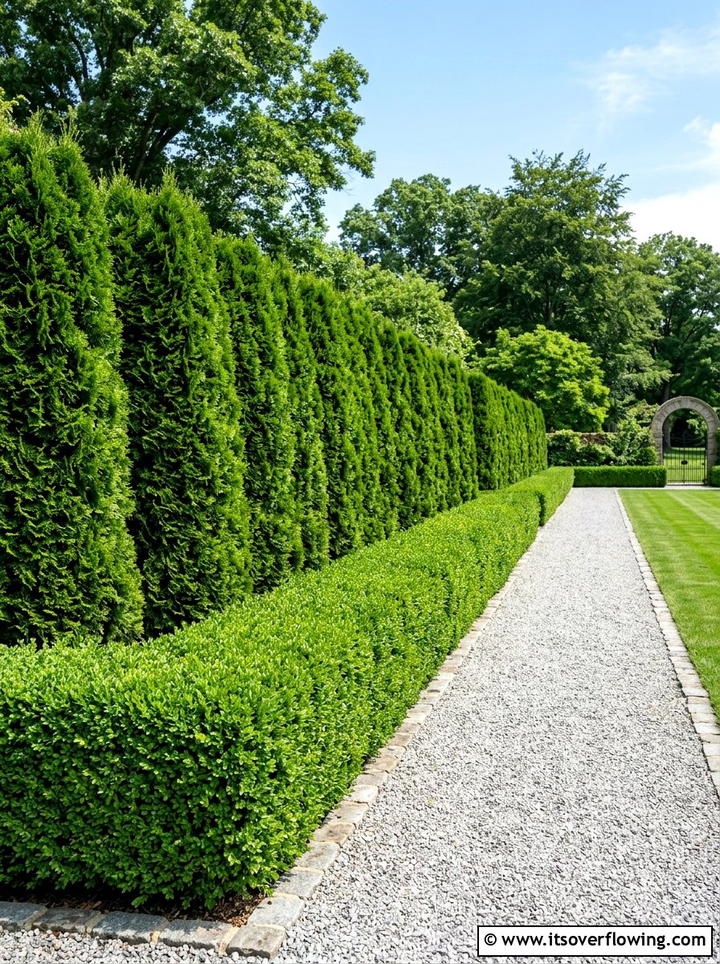
Evergreen shrubs provide a consistent green structure to your yard that stays beautiful throughout the entire year. Unlike deciduous plants that drop their leaves in the fall, evergreens maintain their foliage even during the cold winter months. Many varieties grow in a very neat and tidy shape, requiring only minimal pruning once a year to look their best. They are excellent for creating natural privacy screens or defining the boundaries of your property without the need for a fence. Choosing slow-growing species ensures that your garden remains manageable for many years. These plants are the backbone of a successful low maintenance landscape because they provide year-round visual value.
12. Wildflower meadow garden
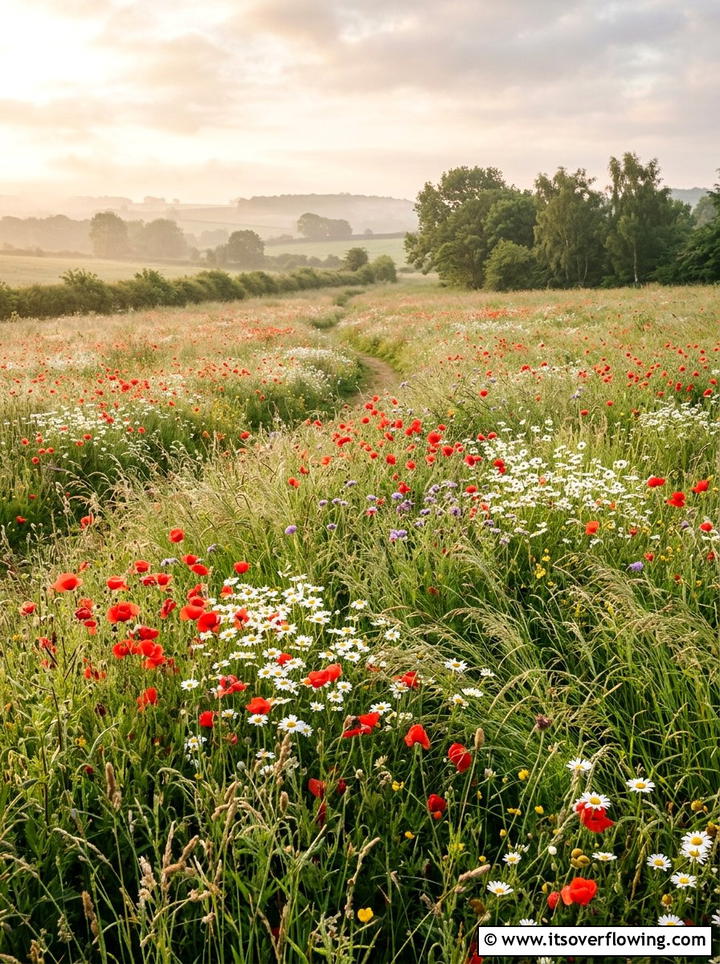
Turning a section of your yard into a wildflower meadow is a creative way to embrace a more relaxed and natural aesthetic. Instead of fighting to keep a lawn perfectly manicured, you allow a mix of native flowers and grasses to grow freely. This type of garden only needs to be mowed once or twice a year, usually in the late autumn after the flowers have dropped their seeds. Wildflowers are incredibly hardy and can thrive in poor soil conditions with very little water or fertilizer. They provide a changing display of colors and textures that looks different every month. This approach is perfect for larger properties or back corners.
13. Container garden arrangement
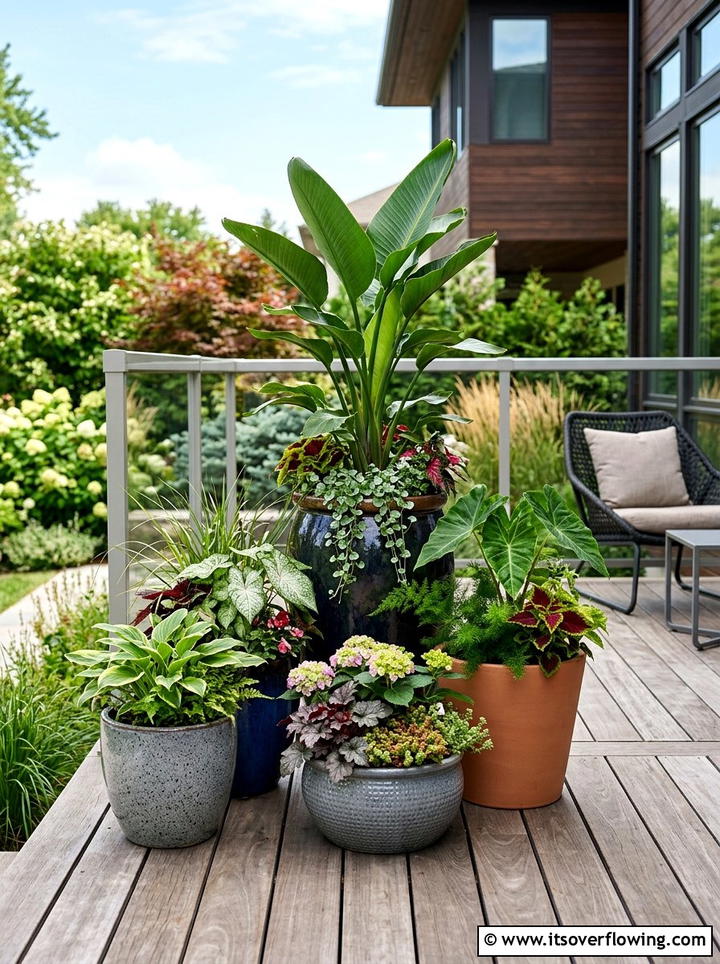
Using large pots and containers allows you to enjoy gardening on a much smaller and more manageable scale. You can place these containers on your porch, deck, or even directly in your garden beds to add height and interest. Container gardening makes it easy to control the soil quality and drainage for each specific plant you choose to grow. If a plant starts to struggle or needs more sun, you can simply move the pot to a better location. It also keeps plants contained so they do not spread aggressively throughout your yard. This method is ideal for people who want a garden but have very limited time or physical mobility.
14. Vertical wall garden
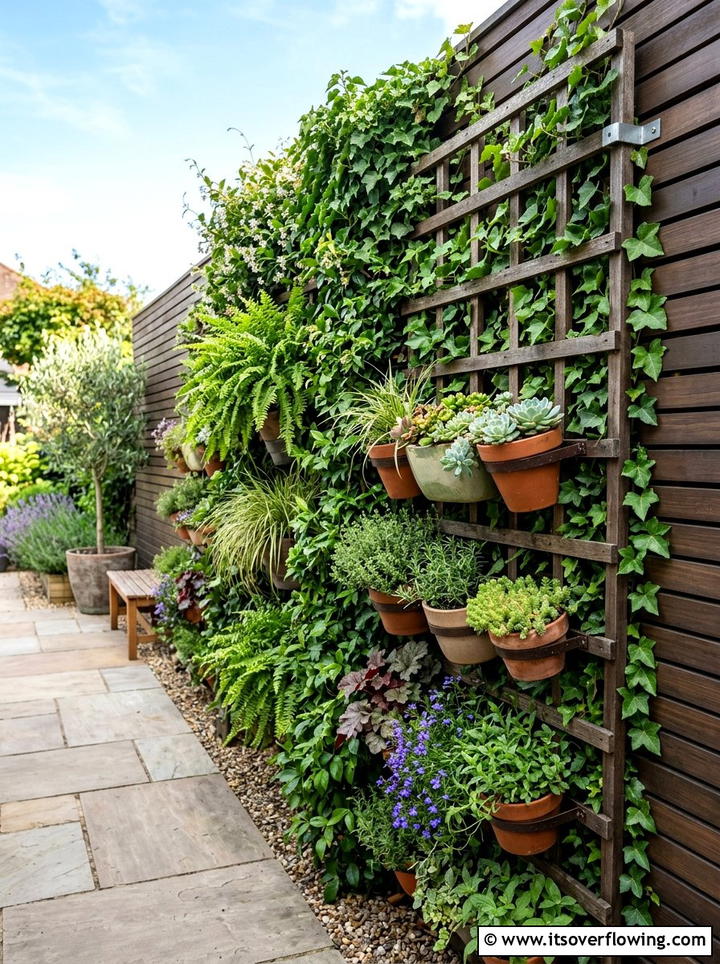
A vertical wall garden is a brilliant solution for adding greenery to a small space without taking up any precious floor area. You can use specialized wall planters, trellises, or even repurposed pallets to hold your favorite plants. This design keeps your garden at eye level, making it much easier to inspect for pests or perform light pruning without bending over. It also covers up plain fences or boring exterior walls with a lush tapestry of living plants. Many vertical systems include built-in watering reservoirs that simplify the care process. This is a very modern and stylish way to create a high-impact garden that stays very easy to manage.
15. Drought tolerant backyard
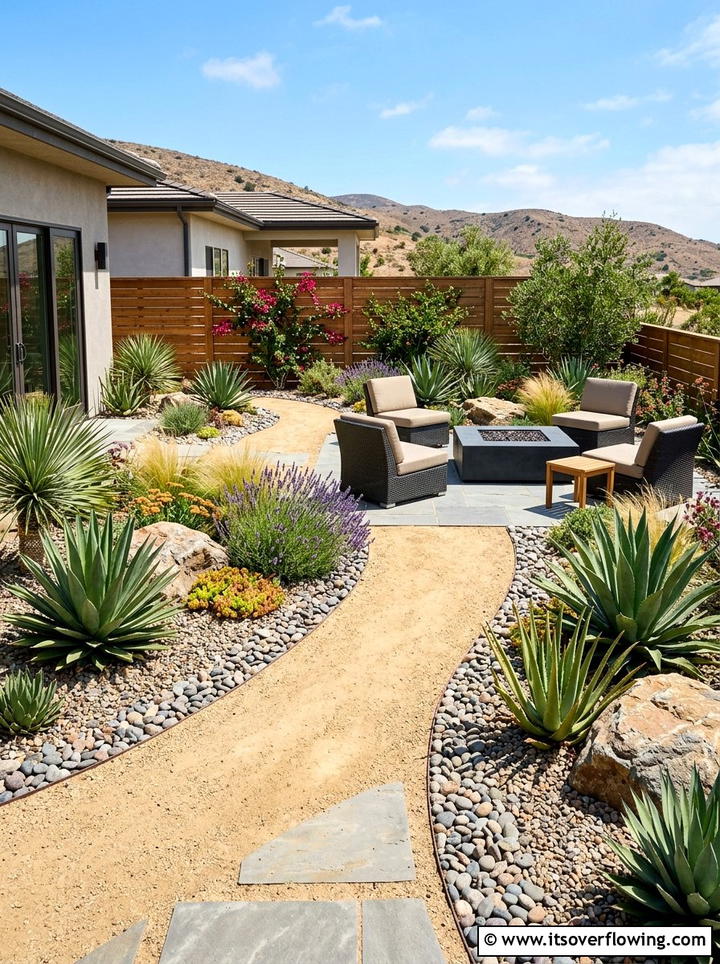
Designing a backyard that focuses on drought-tolerant plants is a sustainable choice that significantly reduces your monthly water bill. These plants are specifically chosen for their ability to thrive with very little rainfall once their roots are established in the ground. You can use a mix of hardy shrubs, ornamental grasses, and specialized flowering plants to create a diverse and interesting landscape. This type of garden often uses smart design elements like dry creek beds or decorative gravel to fill in the gaps between the plants. It looks beautiful even during the hottest parts of the summer when traditional gardens might start to look brown or wilted.
16. Composite deck area
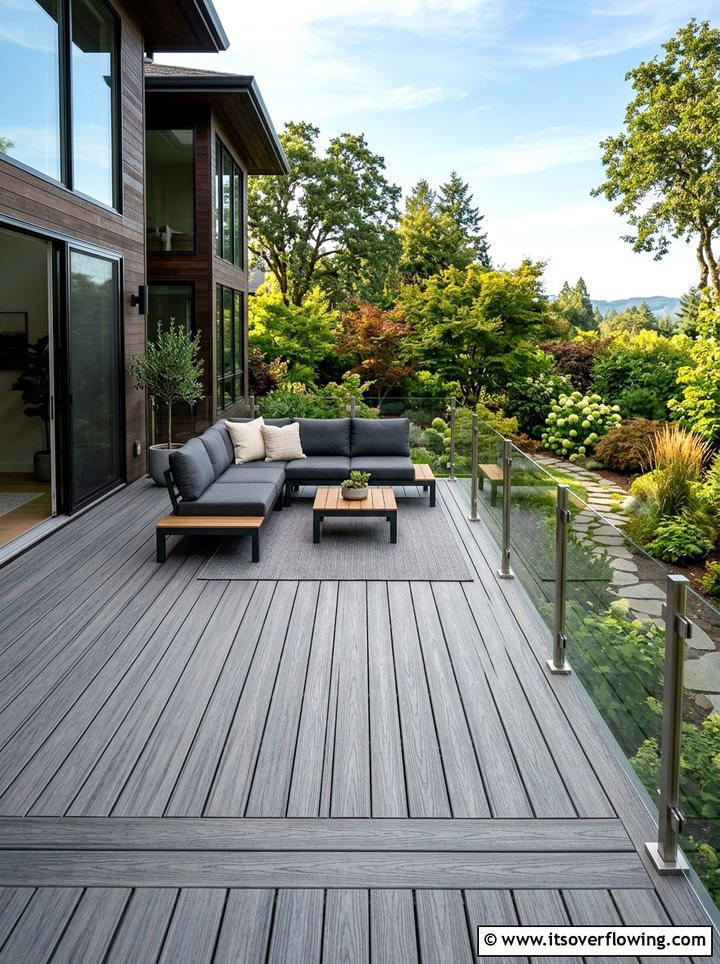
A composite deck is a fantastic low maintenance alternative to traditional wood decking that requires constant staining and sealing. Composite materials are made from a blend of wood fibers and recycled plastic, making them incredibly durable and weather-resistant. They do not rot, warp, or splinter, and they never need to be painted to keep their beautiful color. You simply need to wash the surface with soap and water occasionally to remove any dirt or debris. This provides a clean and stable foundation for your outdoor furniture and entertaining needs. It is an excellent investment for homeowners who want a high-end look without the endless cycle of deck repairs.
17. Slow growing ground cover
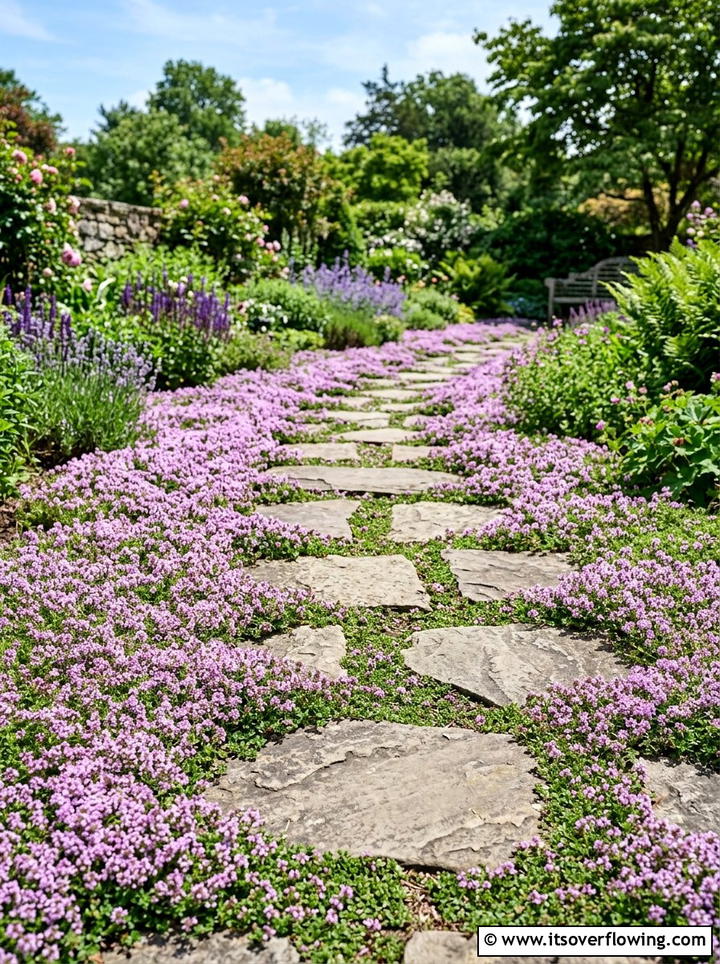
Replacing grass with slow-growing ground cover plants is a smart way to fill in empty spaces without the need for mowing. Options like creeping thyme, mondo grass, or sedum spread slowly across the ground to create a thick, living carpet. These plants generally stay very low to the soil, so they never need to be trimmed or edged like a standard lawn. Many ground covers also produce small, charming flowers that add a layer of color and fragrance to your yard. They are excellent for filling in gaps between stepping stones or covering awkward slopes where grass is difficult to maintain. They stay green and lush with very little effort.
18. Ornamental grass planting
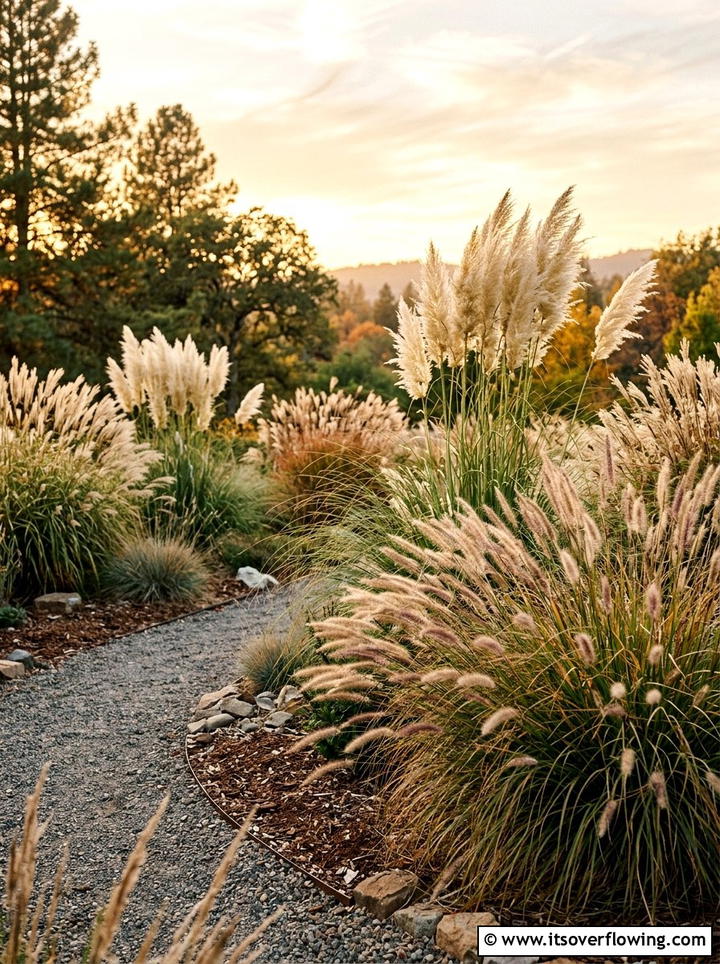
Ornamental grasses add wonderful movement, sound, and texture to any garden with almost zero maintenance required from the homeowner. These plants come in many different sizes, from tiny tufts to large, dramatic plumes that sway gently in the breeze. Most ornamental grasses are highly resistant to pests and can tolerate a wide range of soil and light conditions. You only need to cut them back once a year in the early spring to make room for new growth to emerge. They look fantastic when planted in large groups or used as a soft background for other flowering perennials. Their golden colors provide great visual interest during the winter months.
19. Stone walkway path
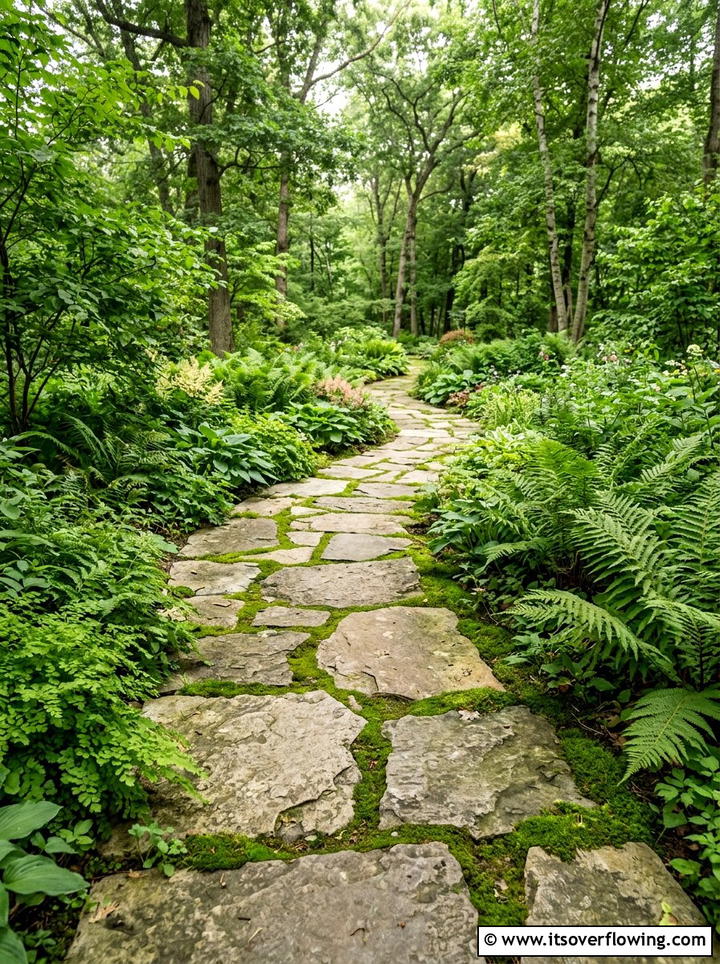
A stone walkway is a functional and beautiful addition to any garden that helps direct foot traffic away from your plants. By using large flat stones or pavers, you create a permanent path that requires no mowing or watering to stay clear. This prevents people from trampling your delicate flowers or compacting the soil in your garden beds. You can fill the gaps between the stones with moss or small gravel for a very natural and timeless appearance. A well-designed path also adds a sense of structure and flow to your backyard landscape. It is a durable feature that remains attractive for many decades with very little maintenance.
20. Xeriscape front yard
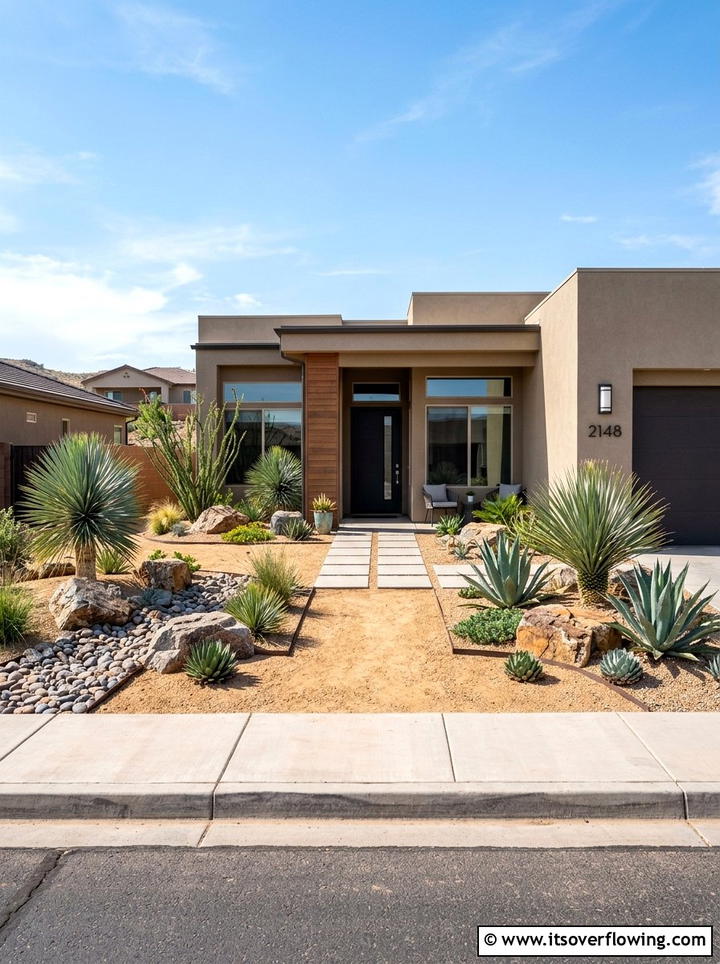
Xeriscaping is a specific landscaping philosophy that aims to eliminate the need for supplemental irrigation by using smart design. This approach involves grouping plants with similar water needs together to ensure every drop of water is used efficiently. It often features a mix of decorative rocks, mulch, and hardy plants that are perfectly suited to the local climate. A xeriscaped front yard looks modern, clean, and intentional while requiring a fraction of the work of a traditional lawn. It is an environmentally friendly choice that saves significant amounts of water and time. This style is becoming increasingly popular in regions where water conservation is a top priority for residents.
21. Modern courtyard garden
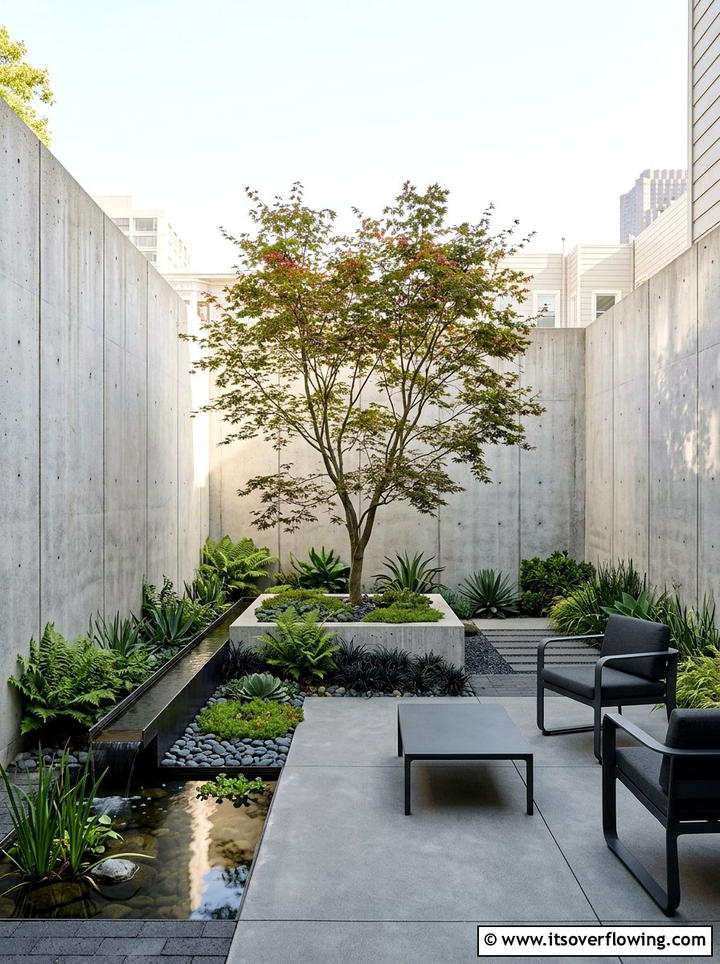
A courtyard garden offers a sheltered and private outdoor space that focuses more on hardscaping than traditional greenery. By using walls, fences, and high-quality flooring, you create an outdoor room that feels like an extension of your home. You can add a few carefully chosen architectural plants in large pots or small built-in planters to provide a touch of nature. This setup minimizes the amount of soil and weeds you have to manage on a regular basis. Courtyards are perfect for relaxing and entertaining because they feel cozy and contained. The limited planting areas mean you can spend your time enjoying the space rather than constantly working in it.
22. Shady woodland garden
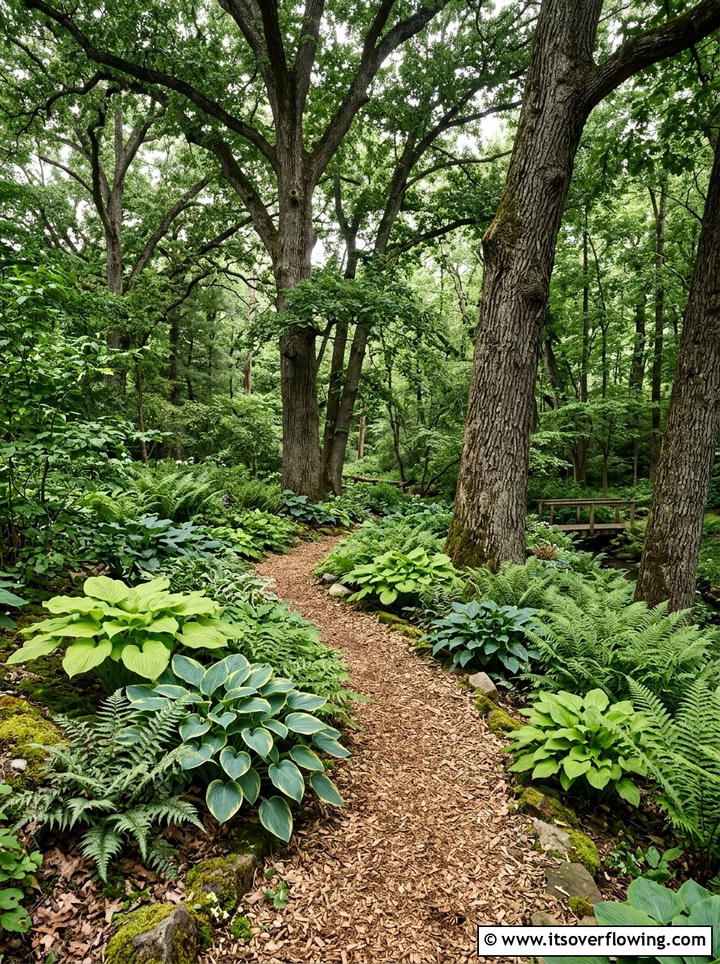
If your yard is covered in trees, a shady woodland garden is a much easier option than trying to grow grass in the dark. You can use shade-loving plants like ferns, hostas, and bleeding hearts that naturally thrive in low-light environments. These plants often have beautiful foliage in various shades of green, silver, and variegated patterns. A woodland garden usually features a thick layer of leaf litter or natural mulch, which helps keep the soil moist and reduces the need for weeding. This style of gardening embraces the natural shadows of your yard to create a cool and peaceful retreat that requires very little intervention from you.
23. Low water lawn alternative
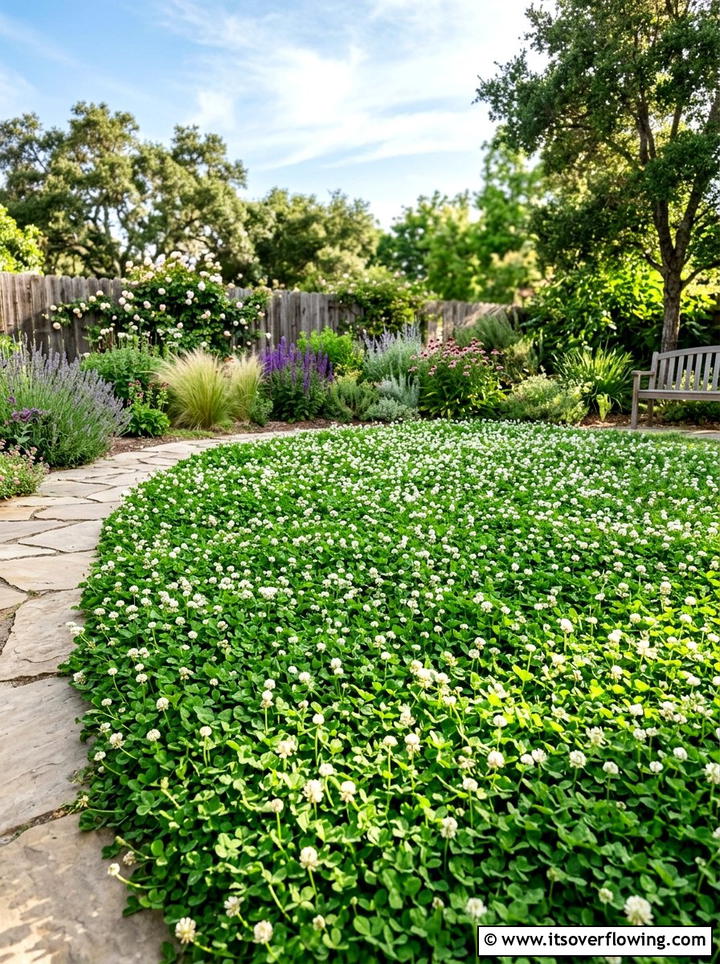
For those who still want a soft area for children or pets but hate the maintenance of grass, several low-water alternatives exist. Plants like clover or ruschia can create a green, walkable surface that requires much less water and no mowing. Clover stays green even in the middle of a drought and actually pulls nitrogen from the air to fertilize the soil naturally. These alternatives often stay low to the ground and are very resistant to foot traffic and pet waste. Using a lawn alternative allows you to keep that classic backyard look while significantly reducing your chores and your environmental impact. It is a very practical choice.
24. Minimalist garden layout
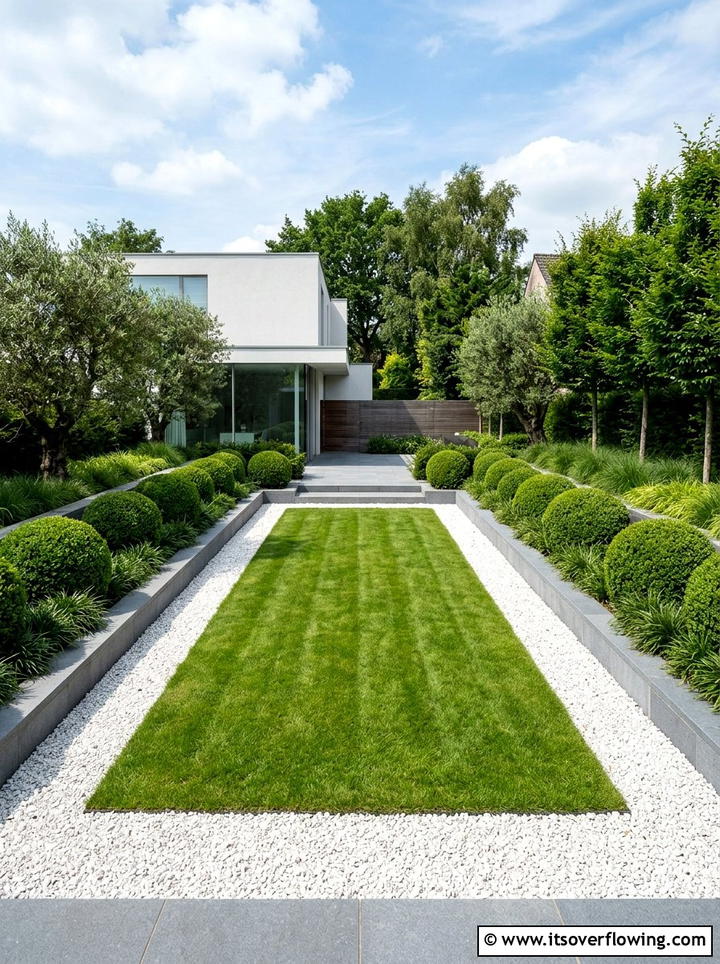
A minimalist garden focuses on simple lines, a limited color palette, and a few high-impact plants to create a sophisticated look. This style avoids cluttered beds and high-maintenance flowers in favor of clean architectural features and open spaces. By having fewer plants, you naturally have less pruning, deadheading, and weeding to do throughout the year. Minimalist gardens often use high-quality materials like concrete, steel, and timber to provide visual interest and structure. This design approach creates a very calm and orderly environment that is incredibly easy to keep looking tidy. It is the perfect choice for homeowners who appreciate a very clean and contemporary aesthetic for their property.
25. Self watering pots
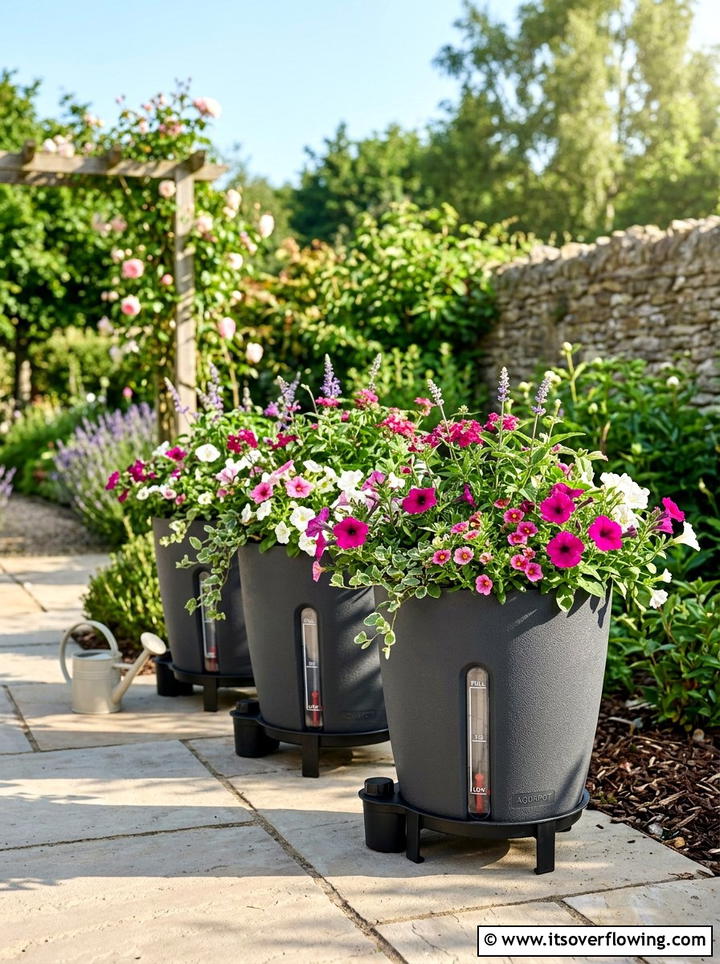
Self-watering pots are a game-changer for anyone who loves container gardening but struggles to keep up with daily watering. These innovative planters feature a built-in reservoir at the bottom that holds a supply of water for the plants to use as needed. A wicking system pulls moisture up into the soil, ensuring that your plants stay perfectly hydrated without being overwatered. This means you may only need to fill the reservoir once a week rather than watering every single day. These pots are perfect for busy people or for keeping your plants healthy while you are away from home. They take the guesswork out of plant care and ensure success.
Conclusion:
Transitioning to a low maintenance garden is one of the best decisions a homeowner can make for their long-term happiness and property value. By implementing these creative ideas, you can significantly reduce the amount of time and money spent on yard upkeep while still enjoying a stunning outdoor environment. From choosing native species to installing durable hardscaping, each of these strategies helps create a more sustainable and manageable backyard. You deserve a space that offers relaxation and beauty without the constant burden of heavy chores. Start by making small changes today, and soon you will have a garden that looks professional and feels like a true sanctuary for your family.

Related posts:
 25 garden design ideas with low maintenance shrubs: Easy Looks
 25 garden ideas with low cost materials: Budget Yard Tips
 25 Garden Ideas Low Maintenance for Easy Outdoor Beauty
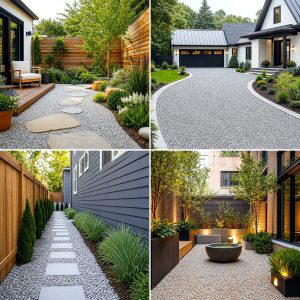 25 Garden Ideas With Gravel for Low-Maintenance Outdoor Style
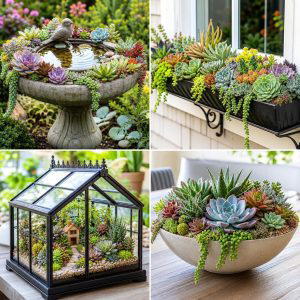 25 Garden Ideas With Succulents for Low-Maintenance Style
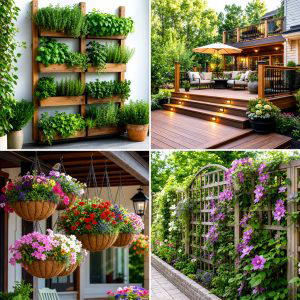 25 Small Garden Ideas With Low Maintenance Plants You’ll Love
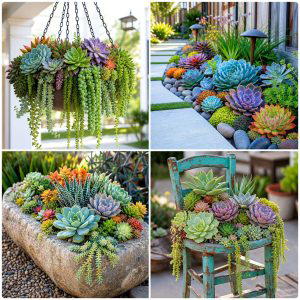 25 small garden ideas with succulents for Low-Maintenance Style
 25 Creative Garden Ideas for Fall Color: Vibrant Seasonal Tips
 25 Creative Garden Ideas for Corners: Smart Small-Space Tips
 25 Creative Garden Ideas for Porches: Cozy Entryway Tips
 25 Creative Garden Ideas for Rooftops: Stylish Urban Tips
 25 Creative Garden Ideas With Sustainable Landscaping Tips