
Creating a beautiful outdoor space does not require a massive monthly water bill or constant maintenance under the scorching sun. Many homeowners are now turning toward sustainable landscaping that prioritizes drought-tolerant species and clever design layouts. These low-water gardens, often referred to as xeriscaping, offer a stunning variety of textures and colors that can transform any boring backyard into a lush sanctuary. By choosing the right plants and materials, you can build an environment that thrives naturally in your local climate while saving precious resources. This guide explores creative ways to blend aesthetics with environmental responsibility, ensuring your garden remains vibrant throughout every season without needing constant irrigation.
1. Modern Xeriscape Backyard
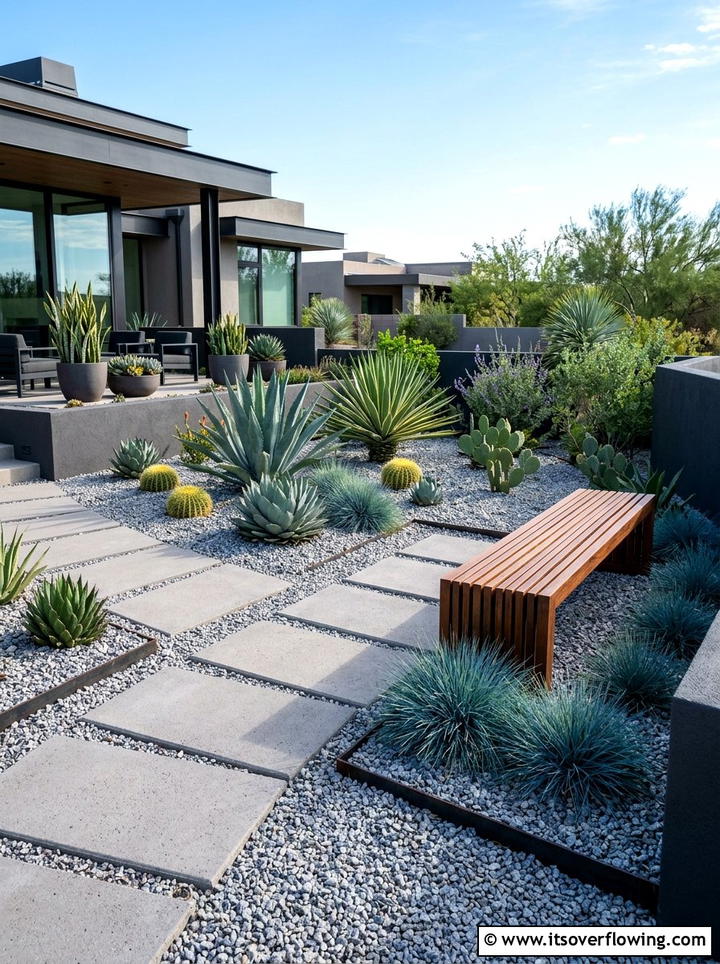
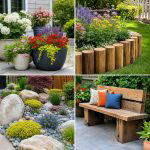
A modern xeriscape backyard focuses on clean lines and a structured layout that minimizes the need for supplemental watering. Instead of a thirsty lawn, you can use various sizes of crushed stone or decomposed granite to create a sophisticated, neutral base for your plants. Integrating architectural elements like concrete pavers or sleek wooden benches helps define the space while providing a contemporary feel. Choose plants like agave, yuccas, and ornamental grasses that offer bold shapes and interesting silhouettes against the minimalist background. This approach not only looks incredibly high-end but also reduces your outdoor chores significantly. It is a perfect solution for busy homeowners who want a stylish, eco-friendly retreat.
2. Desert Landscape With Rocks
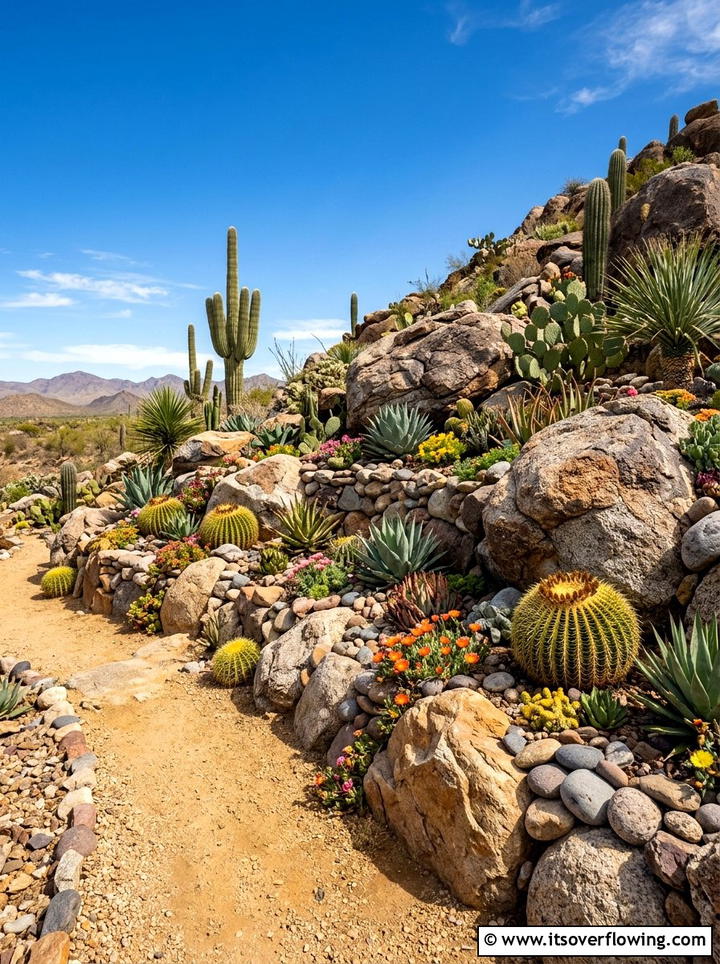
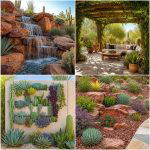
A desert landscape with rocks emphasizes the natural beauty of arid environments by using boulders and river stones as major focal points. You can arrange large stones to mimic natural rock formations, creating depth and visual interest in a flat yard. Nestling hardy cacti and succulents between the rocks adds splashes of green and unique textures without requiring much hydration. This type of design works best when you use varying sizes of gravel to fill in the gaps, which helps suppress weeds and retain soil moisture. The result is a rugged yet refined look that feels grounded in nature. It provides a peaceful, low-maintenance atmosphere that celebrates the raw elegance of the desert.
3. Mediterranean Courtyard Garden
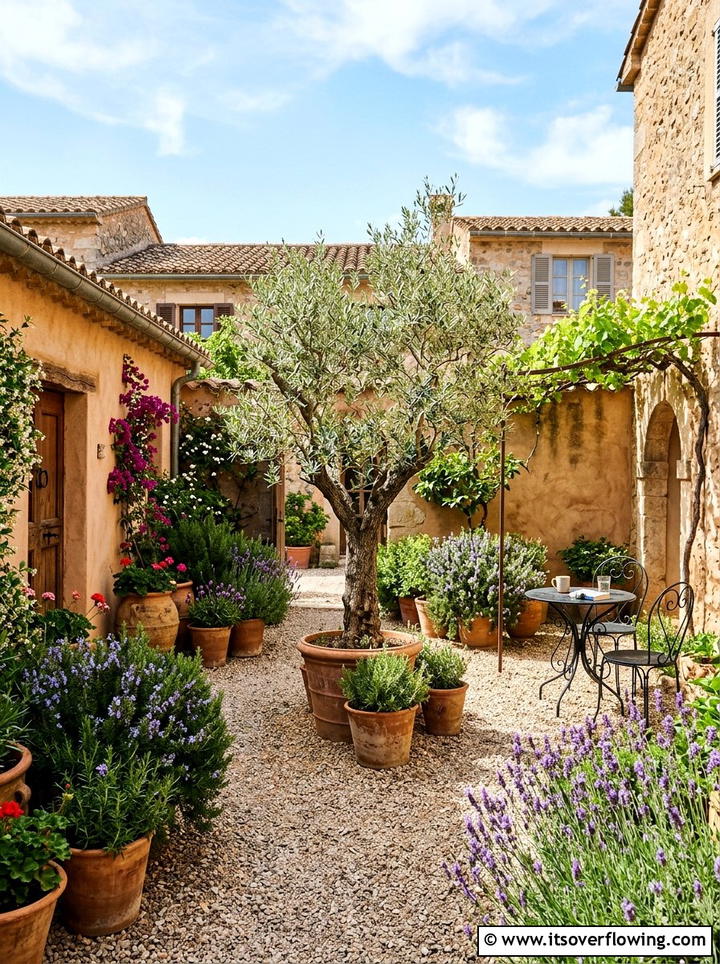
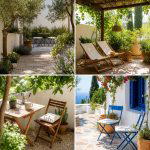
A Mediterranean courtyard garden brings a touch of coastal Europe to your home using terracotta pots and heat-loving plants. Olive trees, rosemary, and bougainvillea are excellent choices because they thrive in sunny spots with very little water once established. You can enhance the ambiance by installing a gravel floor or clay tiles, which reflect heat and add to the old-world charm. Adding a simple wrought-iron bistro set creates a perfect spot for morning coffee surrounded by fragrant herbs. This design style is all about creating a cozy, sun-drenched escape that feels both private and inviting. It is an ideal way to turn a small patio into a lush, water-wise destination.
4. Drought Tolerant Front Yard
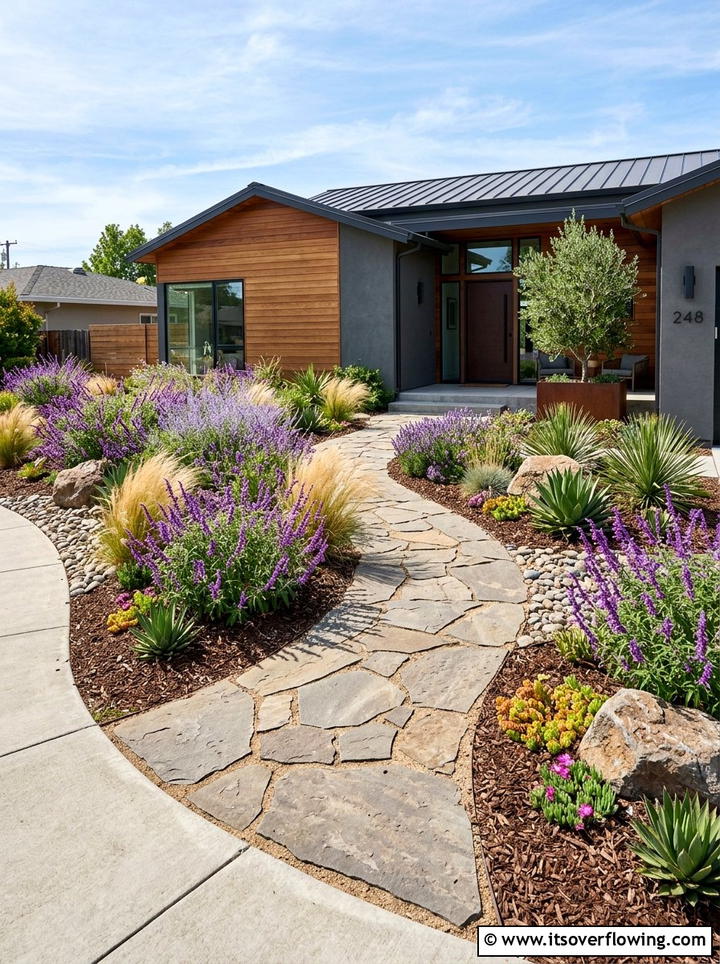
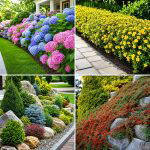
Transforming your home’s entrance with a drought tolerant front yard is a smart way to boost curb appeal while saving money. By replacing traditional grass with a mix of mulch, gravel, and native perennials, you create a dynamic landscape that changes with the seasons. Consider planting purple coneflowers, sage, and Russian sage to add height and vibrant color to the area. Using large flagstones for a walkway adds a sense of structure and guides guests toward your front door beautifully. This type of garden requires very little pruning and almost no mowing, making it a functional choice for any homeowner. Your house will stand out in the neighborhood for its unique and sustainable style.
5. Native Grass Meadow
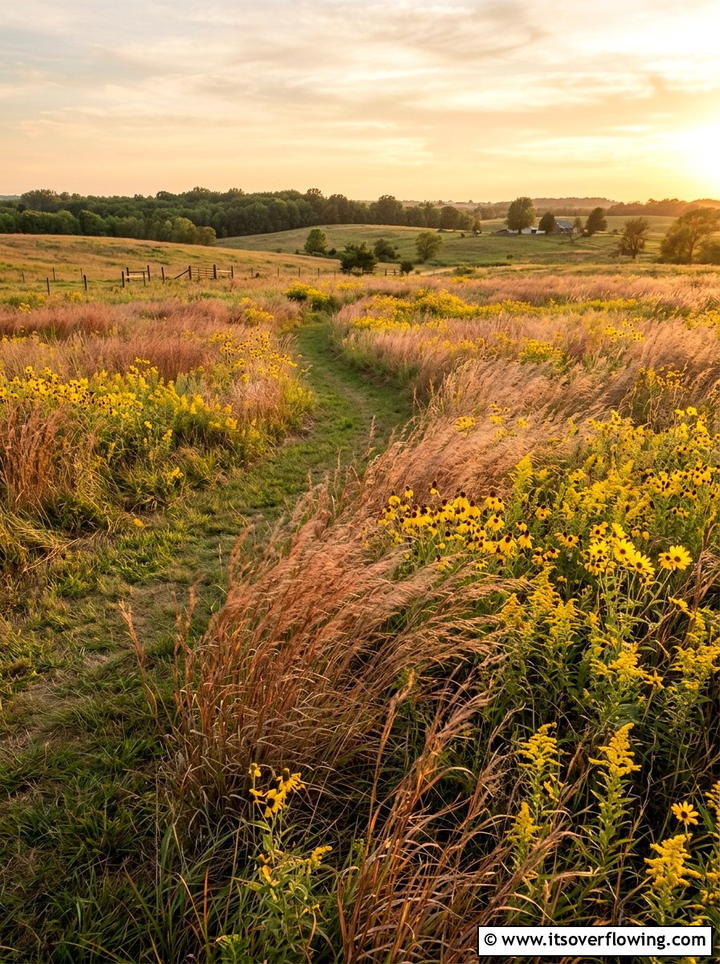
A native grass meadow offers a soft, flowing aesthetic that looks beautiful as the wind ripples through the long blades. Instead of a manicured turf, use species like blue grama, buffalo grass, or little bluestem to create a naturalistic field. These grasses have deep root systems that allow them to survive long dry spells without turning brown or dying. You can sprinkle in some local wildflowers to add pops of color and support local pollinators like bees and butterflies. This design requires very little intervention once the plants take hold in the soil. It creates a relaxing, meadow-like vibe that makes your backyard feel like a vast, open prairie.
6. Gravel Path Landscaping
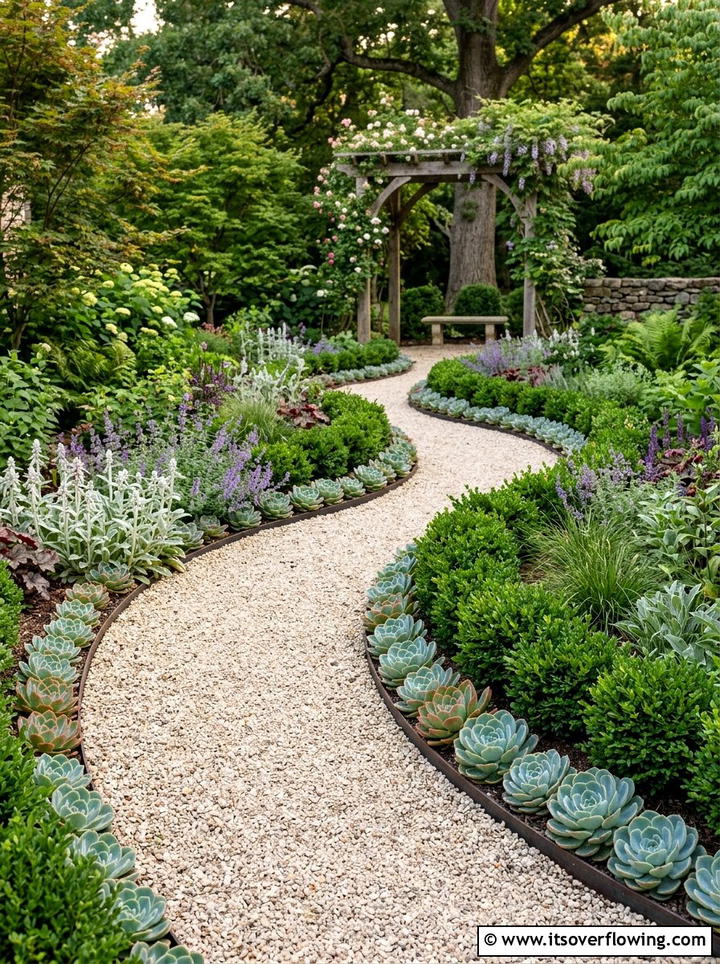
Gravel path landscaping is an excellent way to organize your garden while ensuring excellent drainage and water conservation. By winding a pea gravel or crushed stone path through your planting beds, you create a clear journey for the eye to follow. You can line the edges with low-growing succulents or tufts of fescue to soften the hard edges of the stone. This design helps prevent soil erosion and keeps the ground cool, which is beneficial for the plants nearby. It is a cost-effective method to add professional structure to your outdoor space without a massive construction project. The crunch of gravel underfoot also adds a pleasant sensory element to your daily garden walks.
7. Succulent Rock Garden
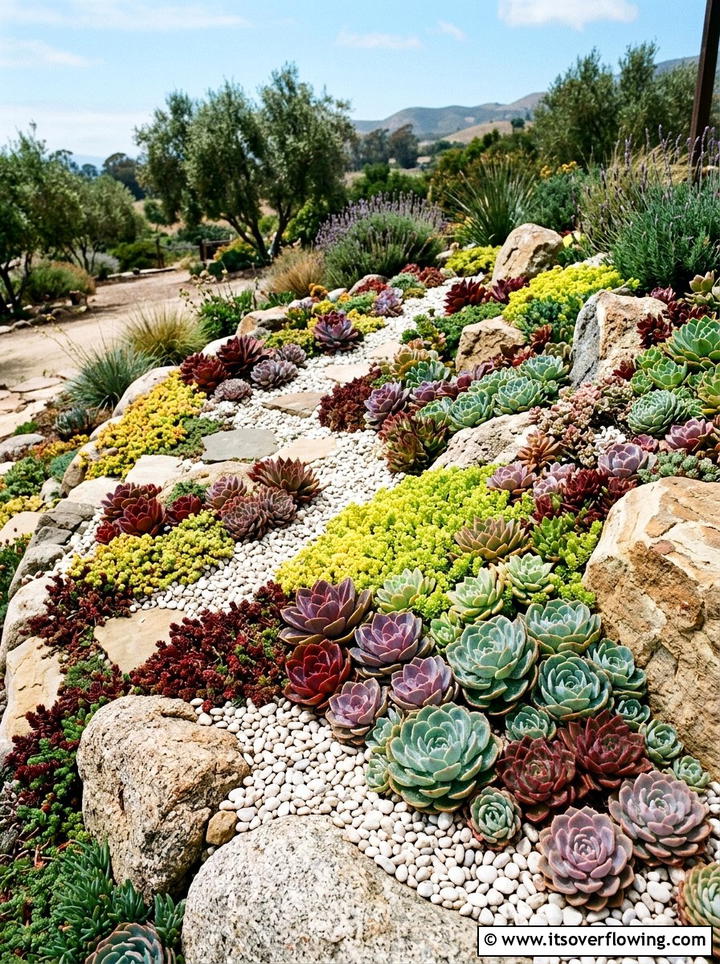
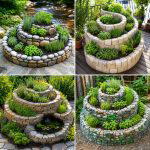
A succulent rock garden is a miniature landscape that showcases the incredible diversity of fleshy, water-storing plants. By using a slope or a raised mound of soil mixed with sand, you ensure the perfect drainage these plants need to thrive. Grouping different species like echeveria, sedum, and hen-and-chicks together creates a tapestry of colors ranging from lime green to deep burgundy. Use small pebbles and larger accent stones to fill the spaces between the plants, giving it a finished, professional look. This type of garden is exceptionally hardy and can withstand intense heat with almost no help. It looks like a living piece of art that requires very little effort to maintain.
8. Dry Creek Bed Landscaping
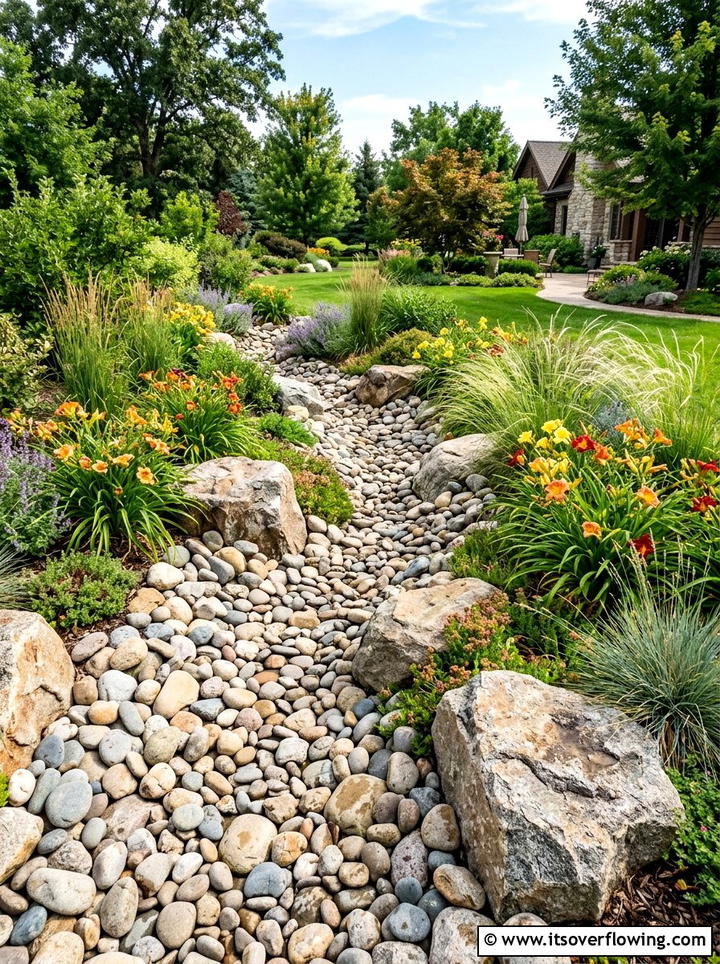
Dry creek bed landscaping is a functional and decorative feature that mimics the look of a natural waterway without using any actual water. You can use a mix of smooth river rocks and larger boulders to “carve” a path through your yard. This feature is particularly useful for managing heavy rainfall runoff, as it directs water away from your home’s foundation. Surround the edges of the “stream” with drought-resistant plants like ornamental grasses or daylilies to create a lush, riparian look. Even when it is dry, the stones provide a beautiful texture that breaks up the greenery in your garden. It adds a sense of movement and tranquility to any outdoor setting.
9. Modern Minimalist Garden
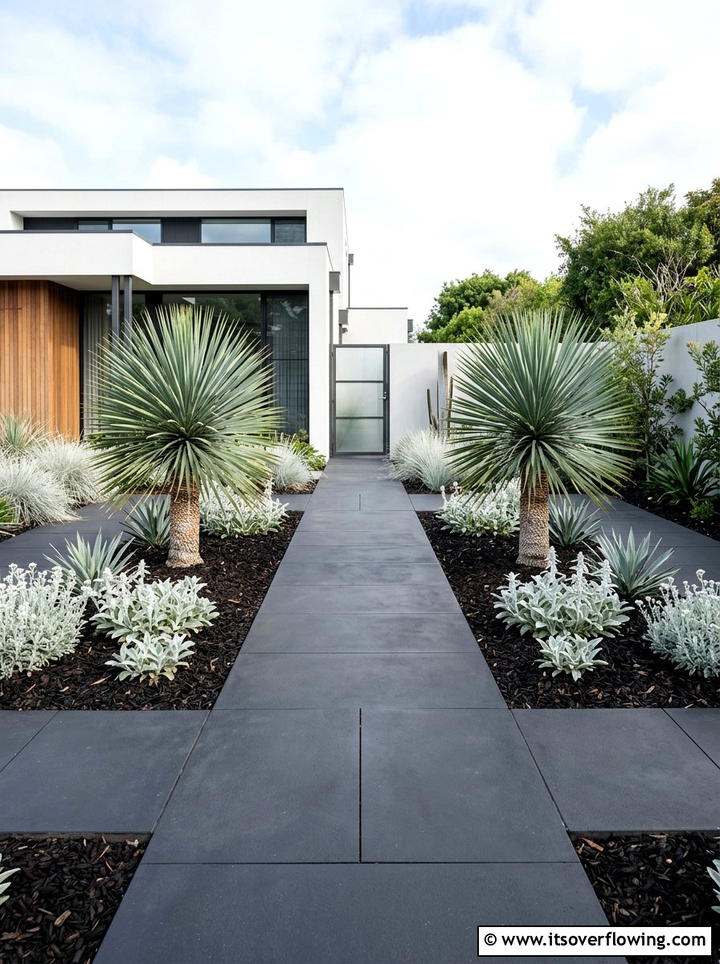
A modern minimalist garden relies on a limited palette of plants and materials to create a clean, high-impact outdoor room. You might choose just two or three types of low-water plants, such as architectural yuccas and silver-toned licorice plants. Using large-format concrete tiles and dark charcoal mulch provides a sharp contrast that makes the greenery stand out. This design philosophy emphasizes quality over quantity, focusing on the shape and form of each individual element in the space. It is a great way to make a small backyard feel much larger and more organized. Minimalist gardens are perfect for those who appreciate a calm, clutter-free environment that is easy to keep tidy.
10. Lavender Field Small Backyard
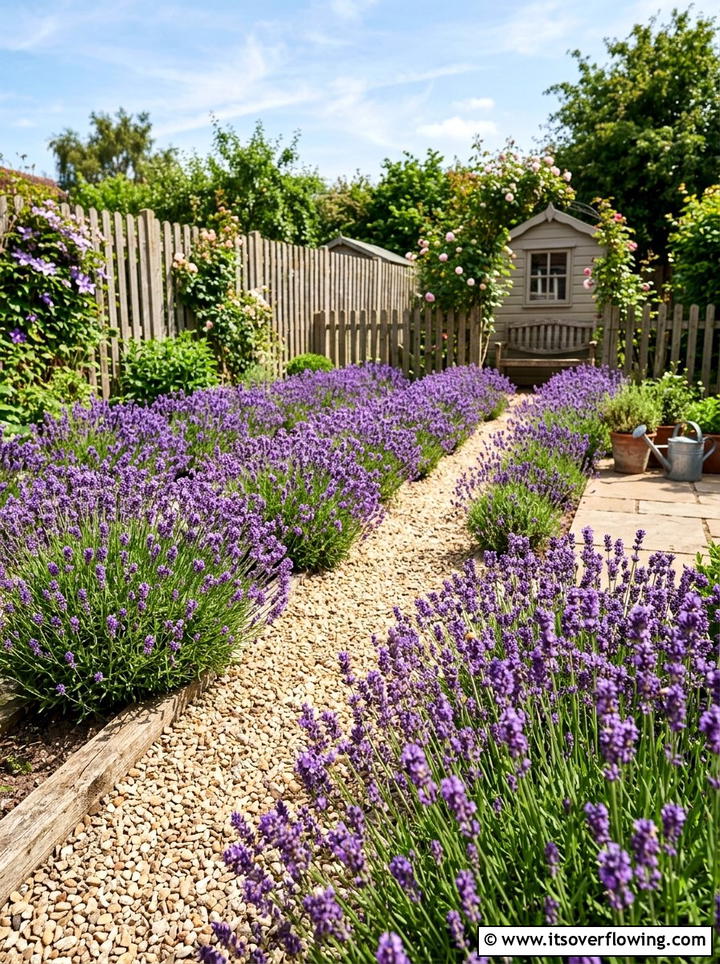
Creating a lavender field in a small backyard fills the air with a relaxing scent while requiring very little water. Lavender thrives in poor, rocky soil and loves the sun, making it the ultimate low-maintenance flowering plant. You can plant several rows of the same variety to create a mass-planting effect that looks like a purple haze in the summer. This approach attracts beneficial insects and provides plenty of material for home-dried bouquets or sachets. Pair the lavender with a simple gravel groundcover to keep the roots dry and prevent rot during rainy periods. It turns a simple backyard into a sensory retreat that feels like a trip to the French countryside.
11. California Native Plants Garden
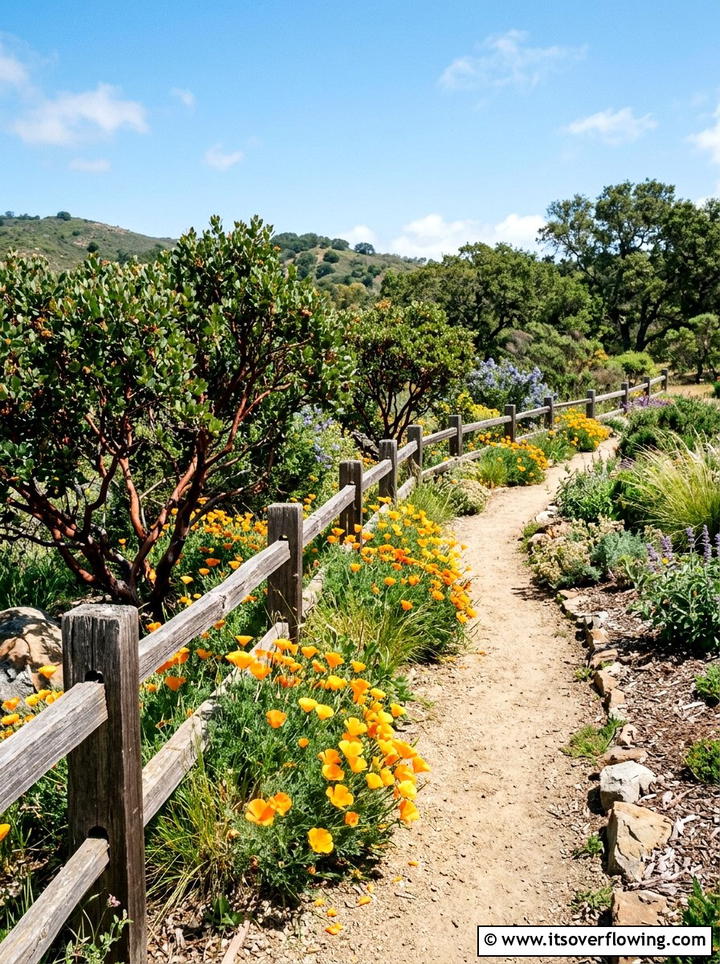
A California native plants garden celebrates the unique flora of the West Coast, which is naturally adapted to long, dry summers. Species like manzanita, ceanothus, and California poppies provide a stunning array of textures and seasonal blooms. These plants are incredibly resilient and provide essential habitat for local birds and beneficial insects in your area. You can design the space with rustic wooden fences and decomposed granite paths to complement the natural look of the foliage. Because these plants are in their home environment, they require very little fertilizer or pest control once they are established. It is a sustainable way to garden that truly honors the local landscape and its natural cycles.
12. Stone Patio With Potted Succulents
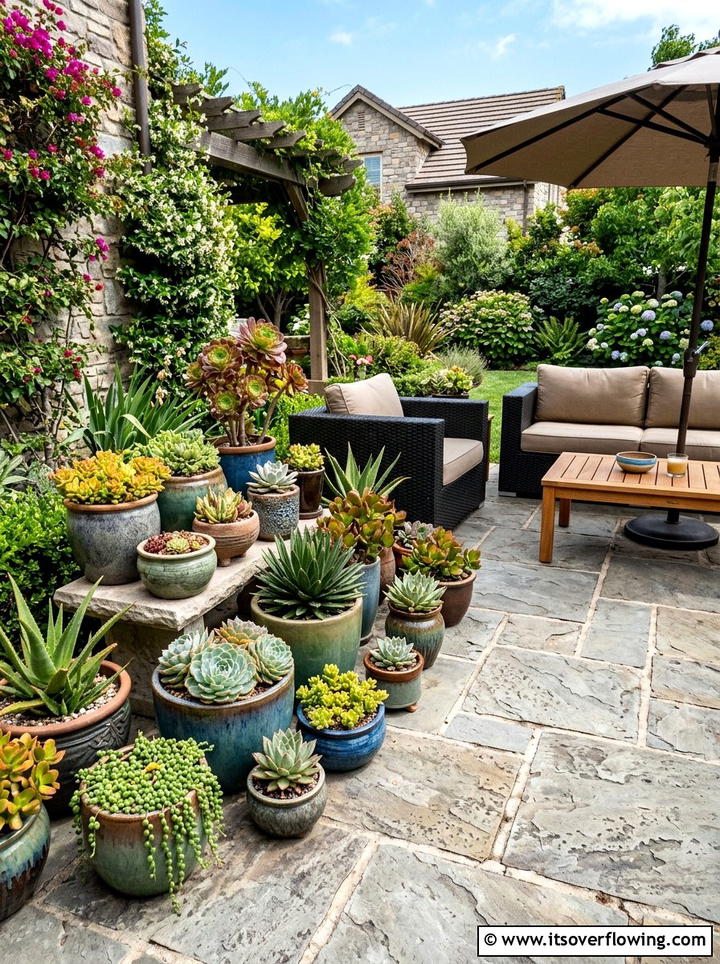
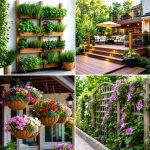
A stone patio with potted succulents is a versatile design that works well for renters or those with limited ground space. By using large pots of varying heights, you can create a vertical garden effect on a hardscape surface. Succulents are perfect for containers because they do not mind being slightly root-bound and can go weeks without a drink. You can arrange the pots in clusters to create focal points or line them up for a more formal, structured appearance. This setup allows you to move the plants around to catch the best light or change the look of your patio. It combines the functionality of an outdoor living room with the beauty of nature.
13. Low Maintenance Front Yard Curb Appeal
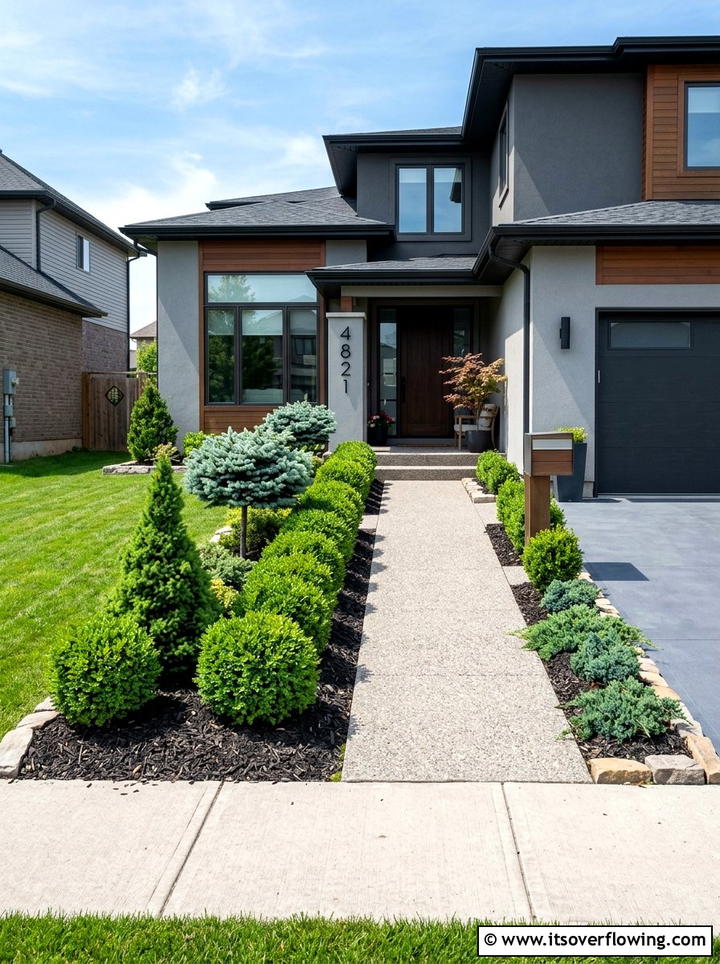
Focusing on low maintenance front yard curb appeal means choosing hardy evergreens and structural elements that look good year-round. You can use boxwood hedges or dwarf conifers to provide a green framework that never needs much water. Filling the remaining space with wood mulch or decorative stones keeps the area looking clean and prevents weeds from taking over. Adding a high-quality mailbox or a modern house number sign finishes the look with a professional touch. This design ensures that your home always looks welcoming, even if you do not have time for weekend gardening. It is a smart investment that saves time while keeping your property value high and attractive.
14. Ornamental Grass Landscape
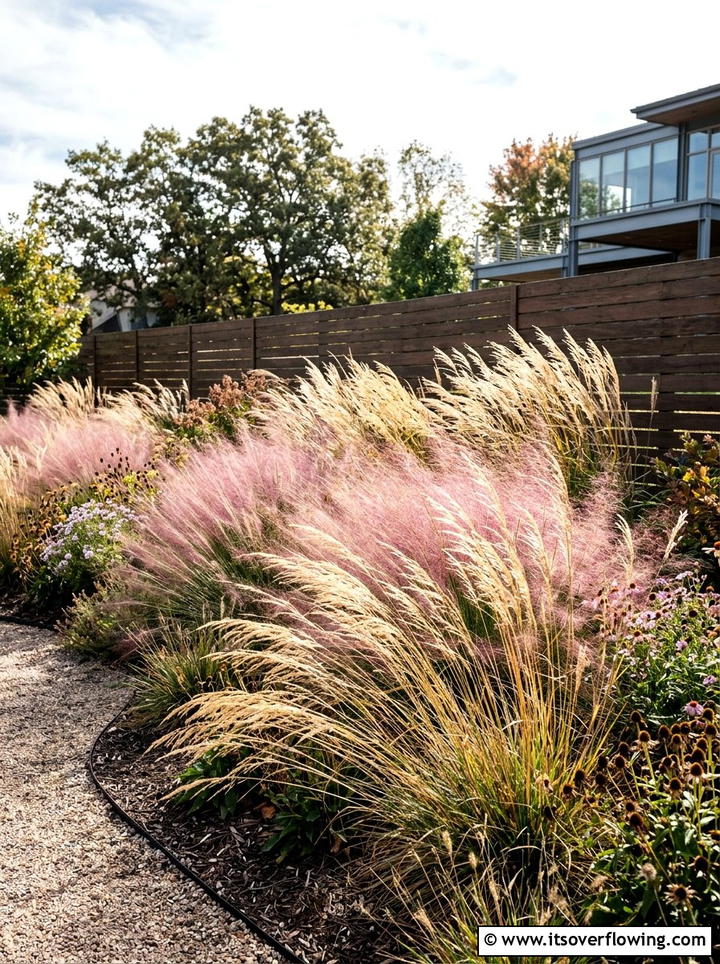
An ornamental grass landscape uses various heights and colors of grasses to create a soft, textured environment that moves with the breeze. Tall species like Muhly grass or Switchgrass can act as natural privacy screens or backdrops for shorter plants. These grasses are famous for being drought-tolerant and can survive in many different soil types without any issues. In the fall, many varieties turn golden or bronze, providing visual interest long after other garden plants have faded away. You can plant them in large drifts for a bold statement or use them as individual accents in a mixed border. They are easy to care for and only require a single cut-back each year.
15. Vertical Succulent Garden Wall
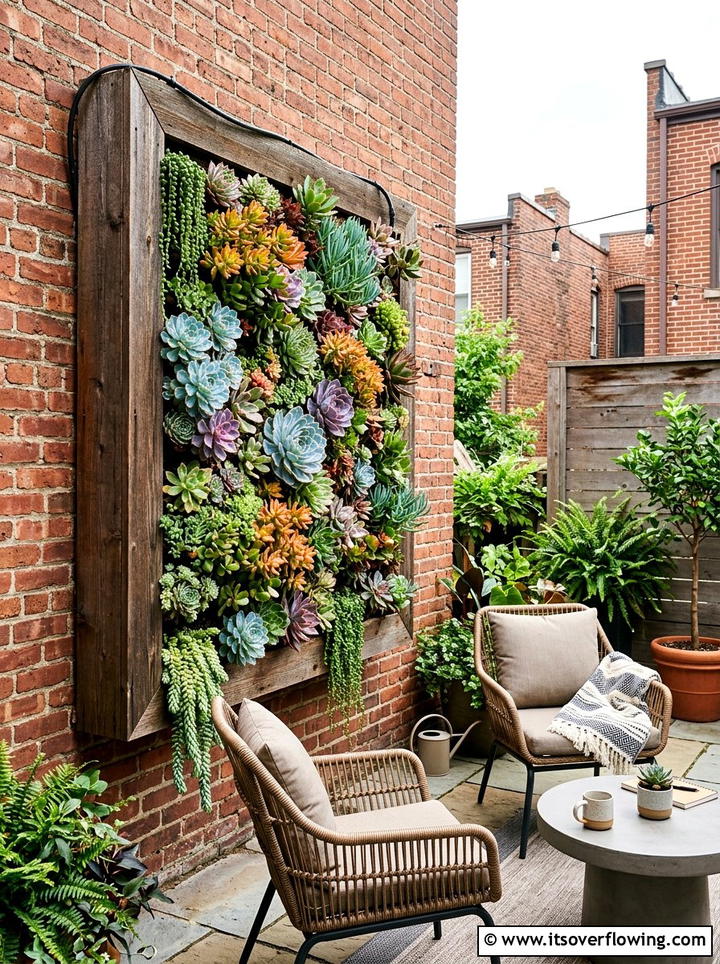
A vertical succulent garden wall is a brilliant solution for small spaces where ground area is at a premium. You can use a wooden pallet or a specialized planting frame to hold a variety of colorful succulents in place. This living wall acts as a piece of outdoor art that brings life to a bare fence or a dull brick wall. Because succulents store water in their leaves, they can handle the faster drying times associated with vertical containers. Drip irrigation can be hidden behind the frame to make watering even easier and more efficient. It is a stunning conversation piece that adds a lush, modern feel to any balcony, patio, or small urban courtyard.
16. Southwestern Ranch Landscaping
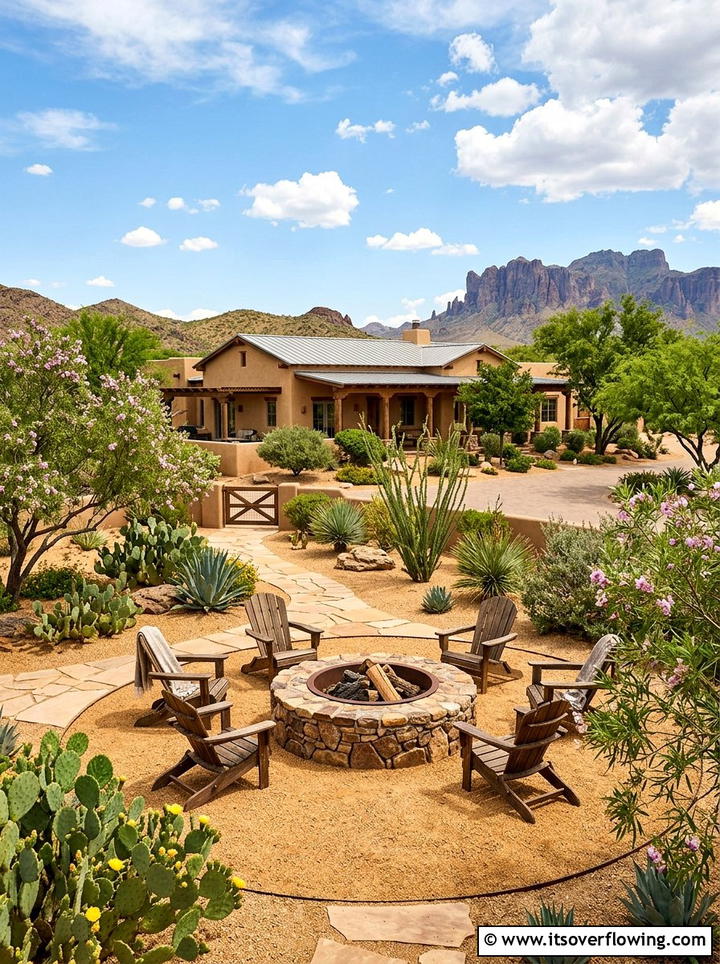
Southwestern ranch landscaping embraces a warm, earthy palette and rugged materials that reflect the heritage of the American West. Use a combination of sand-colored gravel, weathered wood, and native desert plants like prickly pear or desert willow. This style often includes a central seating area with a rustic stone fire pit for cool desert evenings. Large clay pots can be used to hold colorful annuals that only need a small amount of targeted watering. The overall vibe is relaxed and authentic, making it a great choice for larger properties or ranch-style homes. It creates a seamless connection between the built environment and the vast, beautiful landscape that surrounds it.
17. Tropical Look With Low Water Plants
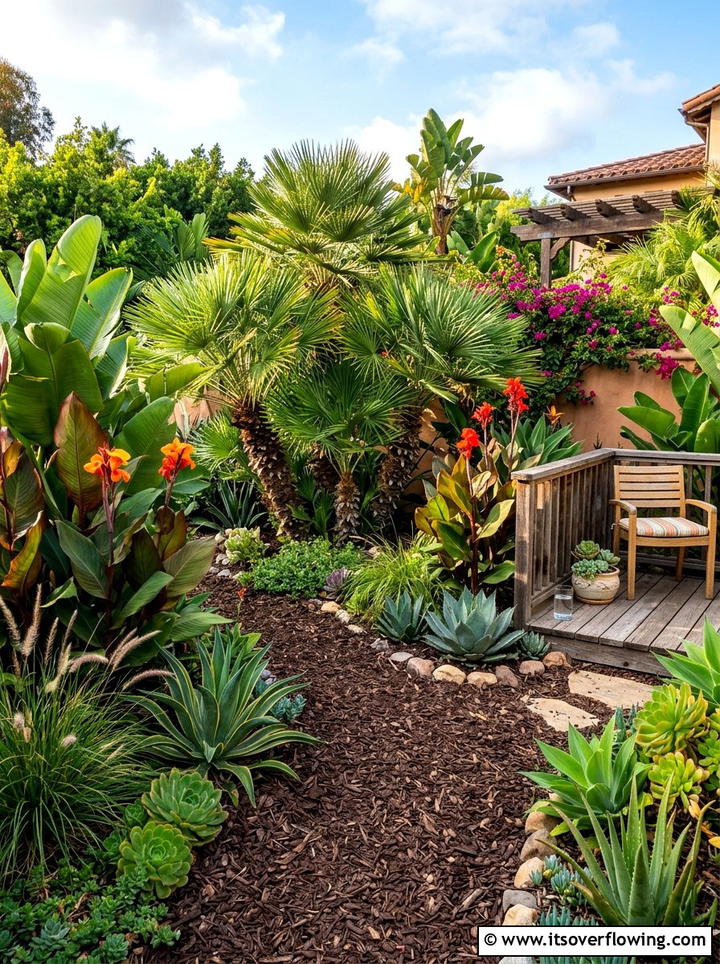
Achieving a tropical look with low water plants is possible if you choose species with large, bold foliage that are surprisingly hardy. Palms like the Mediterranean Fan Palm or the Sago Palm provide that classic island feel without the high water needs of a rainforest. You can also use Canna lilies or certain types of Hibiscus that are adapted to drier conditions once their roots are deep. Adding a layer of dark brown mulch helps mimic the look of a forest floor while keeping the soil cool. This design allows you to enjoy a lush, exotic atmosphere even in a climate that is prone to droughts. It is like having a permanent vacation spot in your backyard.
18. Urban Rooftop Garden Drought Tolerant
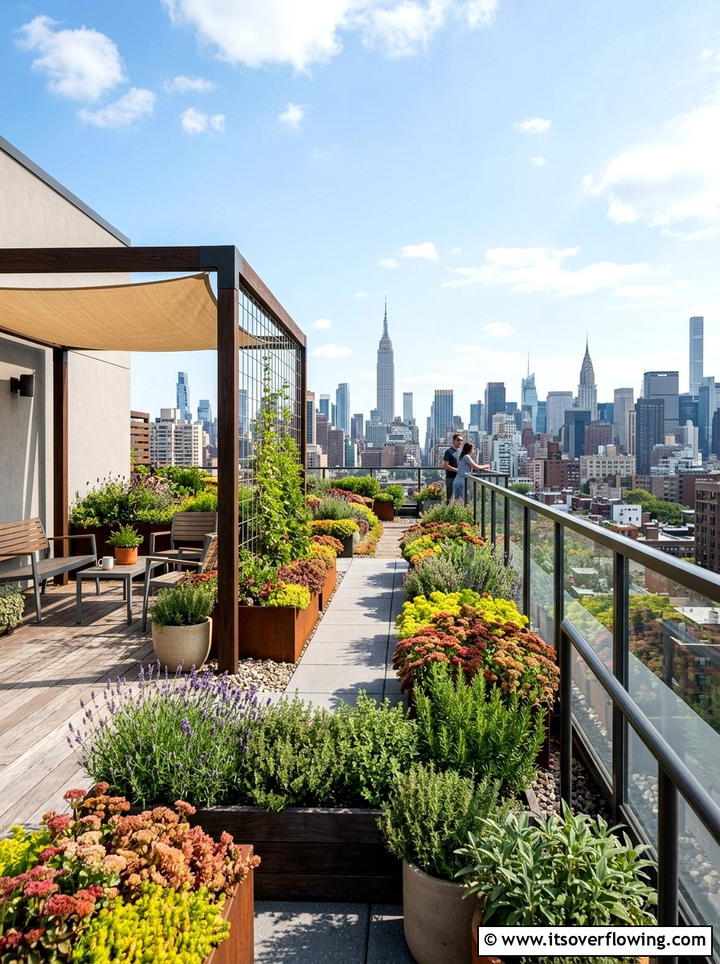
An urban rooftop garden requires drought tolerant plants because rooftop environments are often windy and extremely hot. Succulents, sedums, and hardy herbs like thyme and oregano are excellent choices for these elevated conditions. Using lightweight containers and high-quality potting mix ensures the plants get the nutrients they need without adding too much weight. You can install a simple shade structure or use tall grasses to provide a bit of wind protection for the smaller plants. This type of garden turns an unused concrete space into a private green oasis high above the city streets. It is a peaceful escape that provides a beautiful view and a breath of fresh air.
19. Zen Garden With Drought Resistant Plants
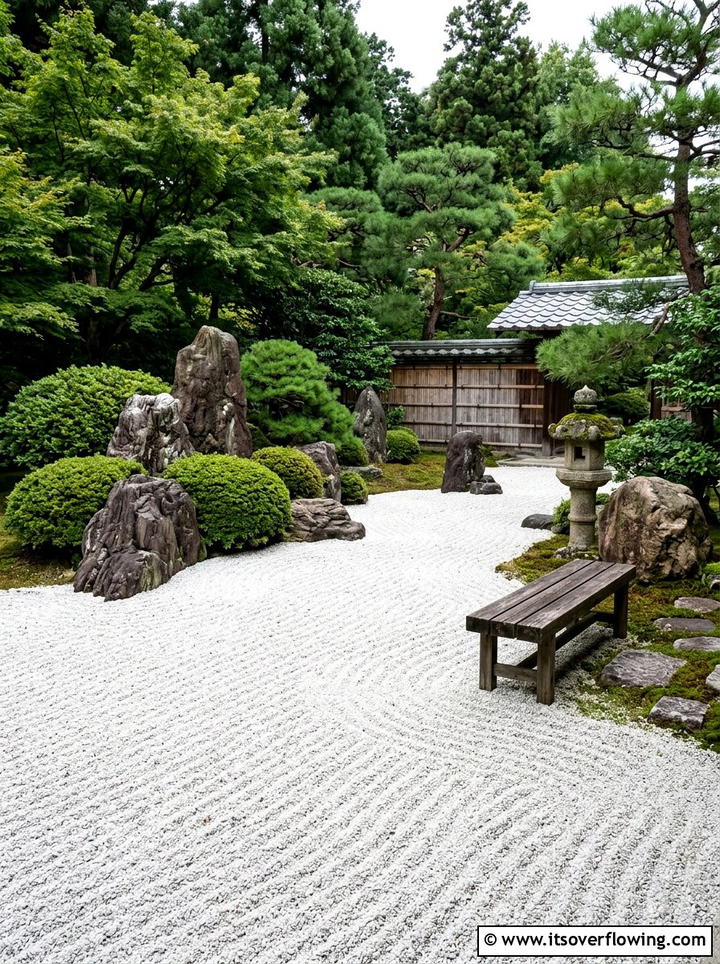
A Zen garden with drought resistant plants creates a meditative space focused on simplicity, balance, and natural harmony. Use raked sand or fine gravel to represent water, and carefully place a few large stones to symbolize mountains or islands. You can incorporate a few slow-growing evergreens or mounded shrubs like Japanese Holly to add structure without requiring constant pruning. A simple wooden bench or a small stone lantern completes the peaceful aesthetic of the space. This design is perfect for those looking for a low-stimulus environment where they can relax and reflect. It requires very little physical labor to maintain, as the focus is on the permanent, non-living elements of the garden.
20. Raised Bed Garden With Low Water Herbs
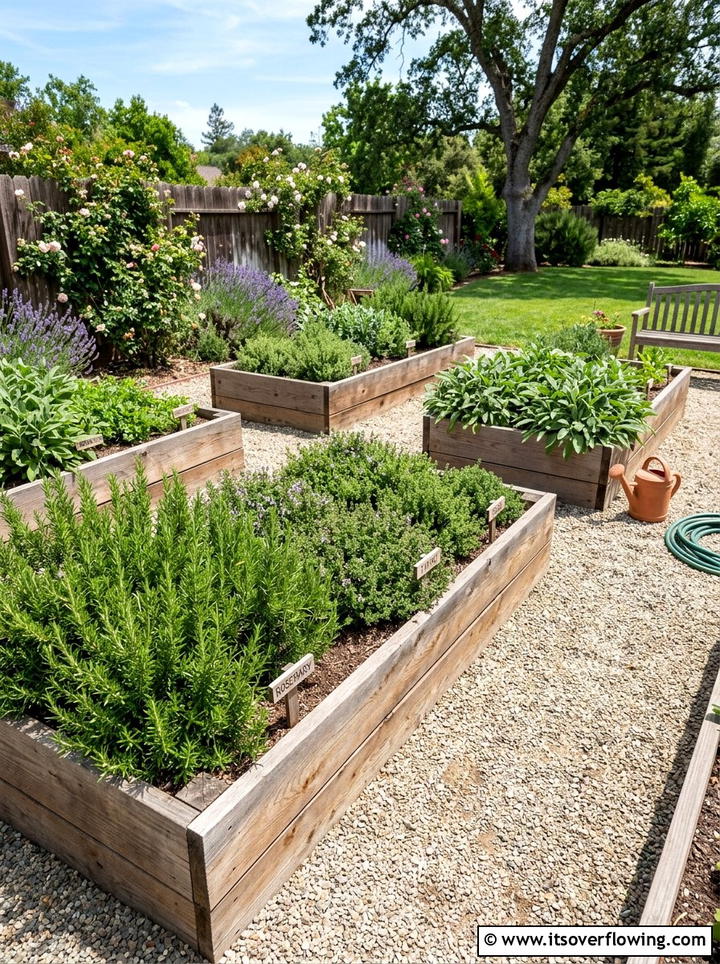
A raised bed garden with low water herbs is a productive and organized way to grow your own seasonings while conserving water. Many culinary herbs like rosemary, sage, thyme, and oregano are native to dry regions and hate being overwatered. By grouping these plants together in a raised bed, you can provide the excellent drainage they need to stay healthy. The height of the beds also makes harvesting much easier on your back and helps keep pests away. You can use cedar wood or galvanized steel for the beds to create a modern, clean look in your backyard. It is a functional design that yields delicious results with a very small environmental footprint.
21. Wildflower Garden For Pollinators
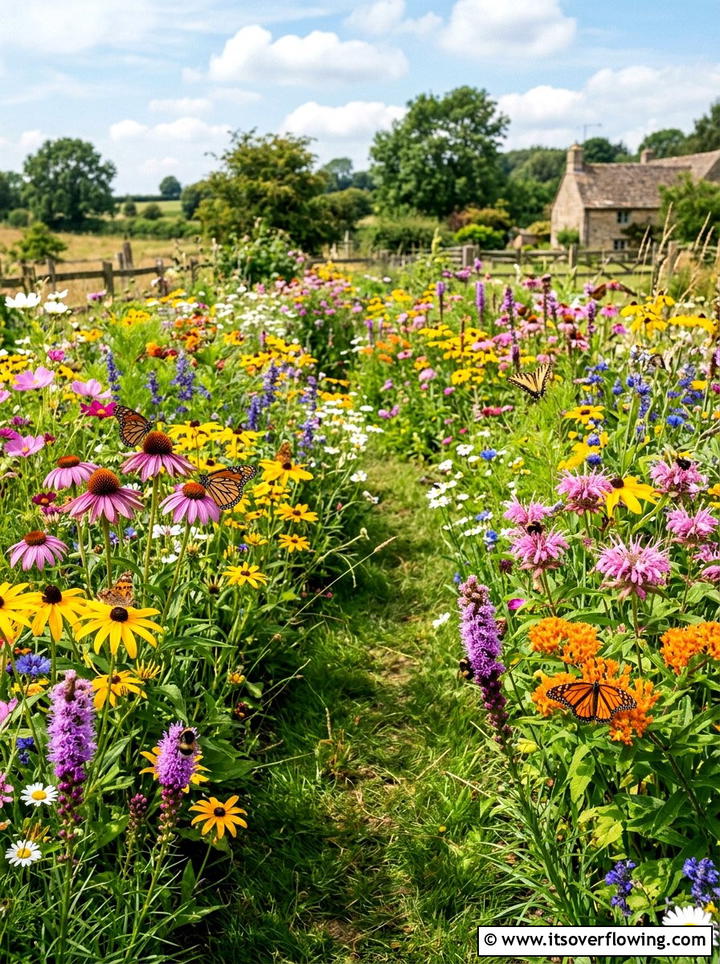
A wildflower garden for pollinators is a beautiful, chaotic burst of color that requires almost no effort after the initial planting. By sowing a mix of native wildflower seeds, you create a diverse habitat that supports local bees, birds, and butterflies. These plants are genetically programmed to survive on whatever rainfall your region naturally provides throughout the year. As the flowers die back, they drop seeds that will sprout again the following spring, creating a self-sustaining ecosystem. You can mow a simple path through the flowers to allow for easy walking without disturbing the delicate blooms. It is a wonderful way to bring life and movement into a previously dull or empty part of your yard.
22. Shaded Low Water Garden
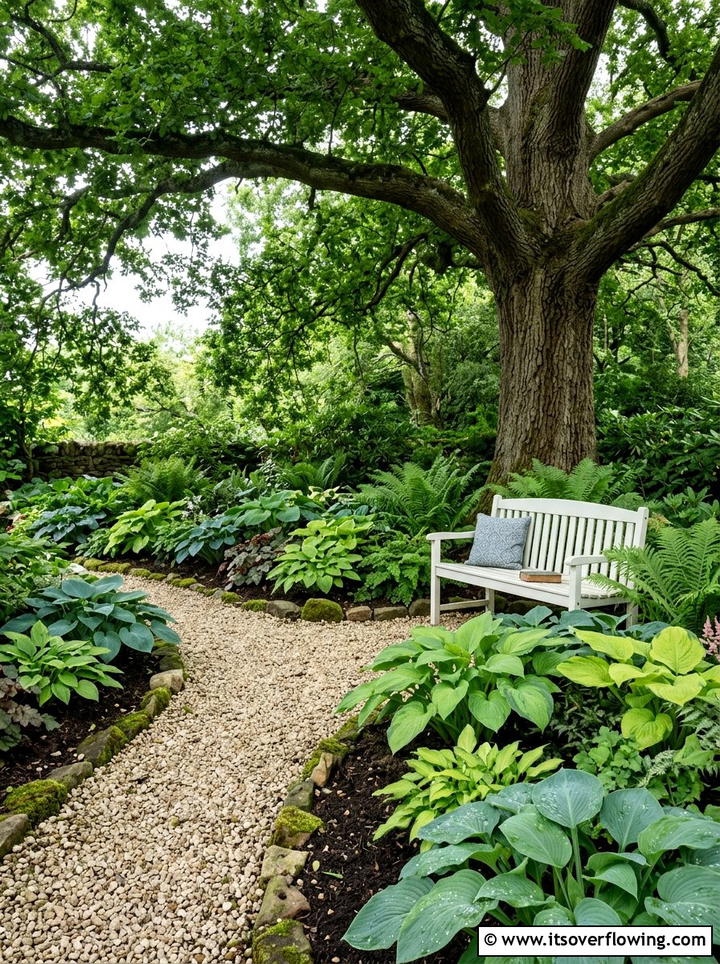
A shaded low water garden can be tricky, but many plants like hostas, ferns, and coral bells can thrive with minimal light and moisture. Focus on using different shades of green and varied leaf textures to create visual interest where bright flowers might not grow. Adding a layer of high-quality compost or leaf mulch helps retain every drop of moisture in the soil for the plants. You can use light-colored stones or white-painted furniture to brighten up the darker corners of the space. This design turns a forgotten area under a large tree or next to a tall building into a cool, refreshing retreat. It is a quiet sanctuary that feels much cooler during the hot summer months.
23. Stepping Stones With Creeping Thyme
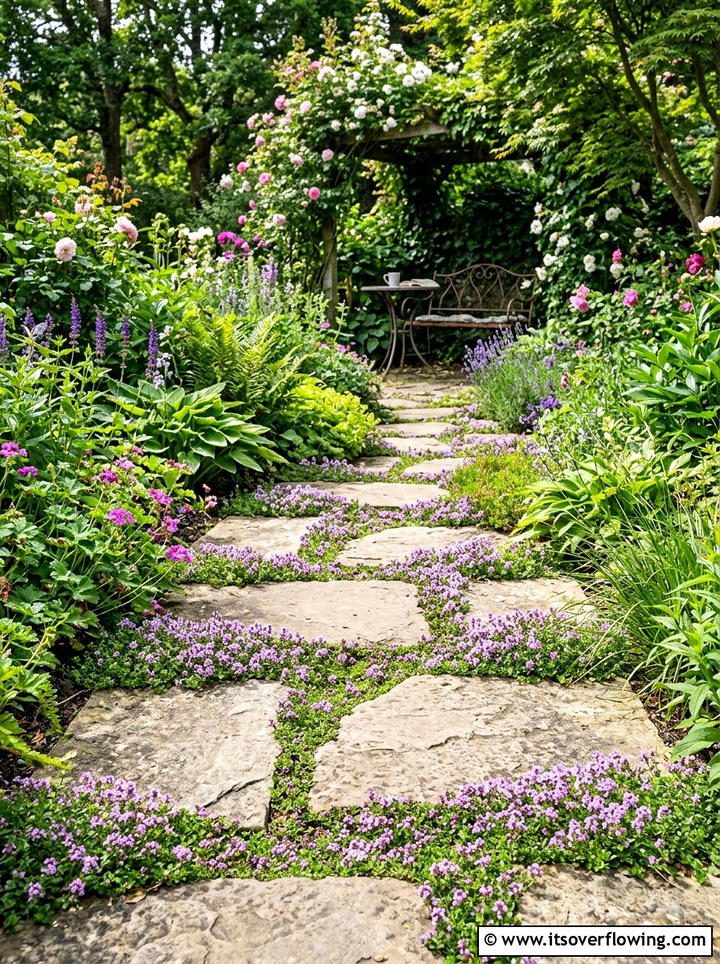
Using stepping stones with creeping thyme is a charming way to create a path that is both functional and fragrant. Creeping thyme is a very low-growing, drought-tolerant groundcover that can handle light foot traffic and releases a pleasant scent when stepped on. By placing large flagstones a few inches apart, you allow the thyme to fill in the gaps, creating a lush green carpet look. This setup eliminates the need for mowing and uses far less water than a traditional grass lawn would require. The small purple flowers that bloom in the summer add a delicate touch of color to the walkway. It is a fairy-tale aesthetic that is also incredibly practical and eco-friendly.
24. Modern Fire Pit With Gravel Surround
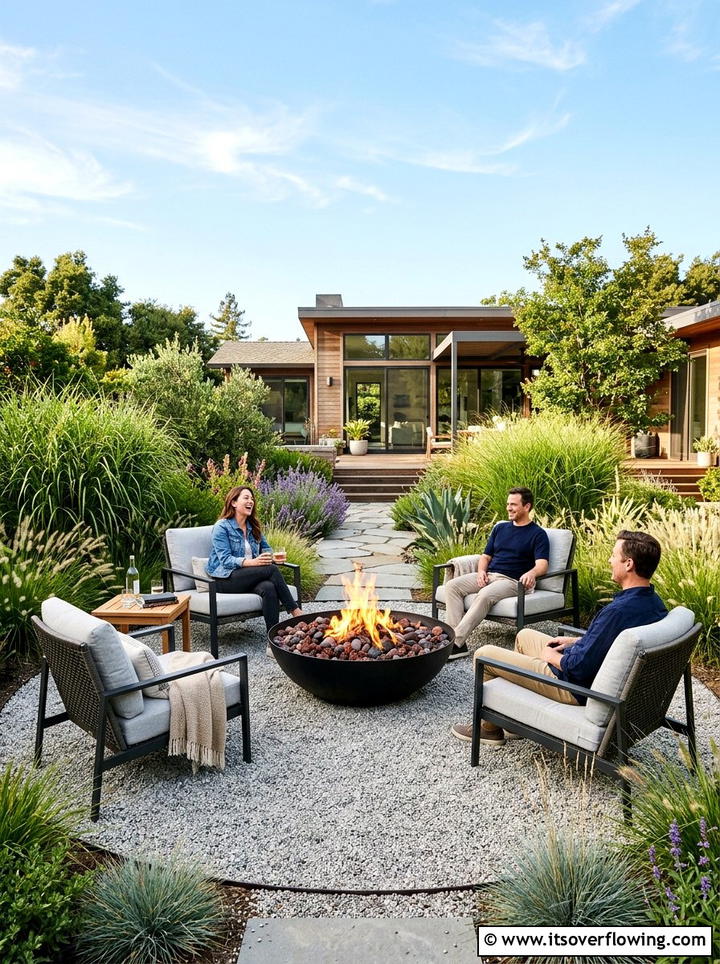
A modern fire pit with a gravel surround is the ultimate entertaining space for a water-wise home. Instead of surrounding your fire feature with wood decking or grass, use a wide radius of pea gravel or crushed granite. This material is fire-safe, provides a stable surface for chairs, and allows rainwater to soak directly into the ground. You can plant sculptural succulents or tall grasses around the perimeter to provide a sense of enclosure and privacy. This design is perfect for evening gatherings, providing a cozy atmosphere without the maintenance of a lawn. It looks sleek and professional, acting as a functional extension of your indoor living space into the great outdoors.
25. Coastal Garden Low Water Plants
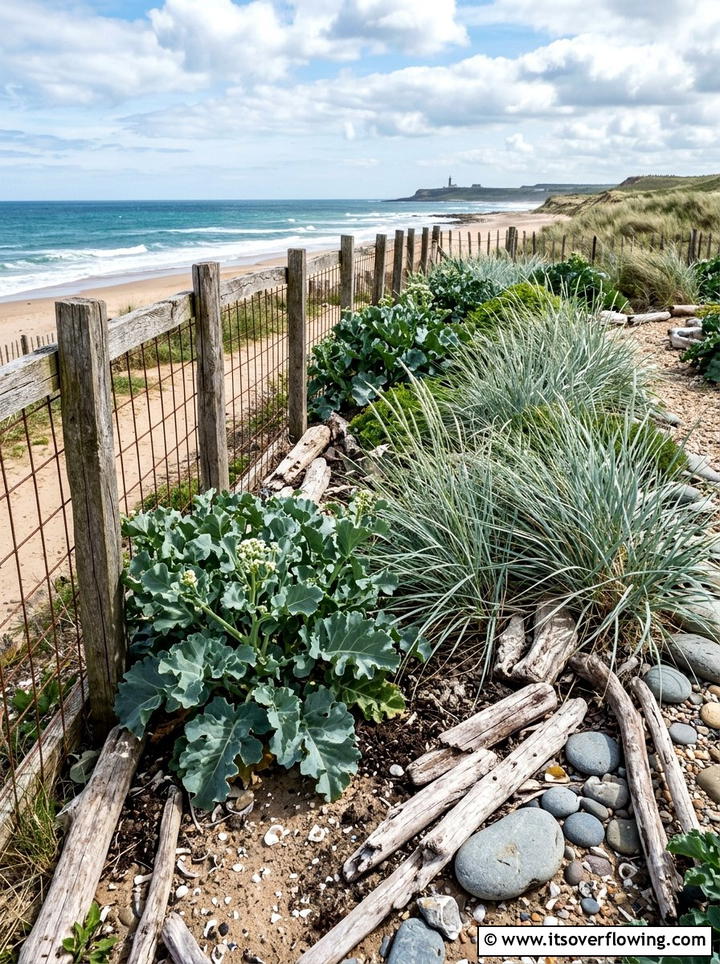
A coastal garden with low water plants uses salt-tolerant and wind-resistant species that can handle the harsh conditions of the seaside. Sea kale, shore juniper, and various types of ornamental grasses are perfect for creating a rugged, beachy look. Incorporating weathered driftwood and smooth gray stones helps ground the design in its natural environment. These plants often have silver or blue-toned foliage, which looks stunning against the backdrop of the ocean or a clear blue sky. This type of landscape requires very little care once the plants are rooted, as they are used to surviving in sandy, nutrient-poor soil. It is a beautiful way to celebrate the wild and untamed spirit of the coast.
Conclusion:
Building a garden that respects the environment while looking spectacular is a rewarding journey for any homeowner. By choosing low-water plants and incorporating creative hardscaping, you can create a diverse outdoor space that reflects your personal style. Whether you prefer the clean lines of a modern minimalist layout or the wild charm of a native wildflower meadow, the options are truly endless. Sustainable gardening reduces your workload, lowers your utility bills, and provides a crucial habitat for local wildlife in your neighborhood. Embrace these drought-tolerant ideas to ensure your backyard remains a lush, inviting sanctuary for many years to come, regardless of the changing weather patterns.

Related posts:
 25 Small Garden Ideas With Low Maintenance Plants You’ll Love
 25 Garden Ideas for Desert Style With Stunning Low-Water Looks
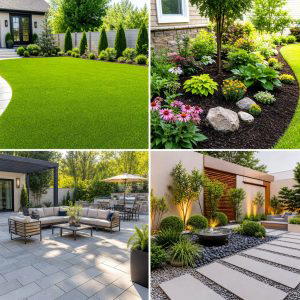 25 creative garden ideas with low maintenance design Tips
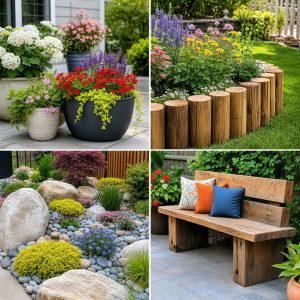 25 Garden Design Ideas for Low Budget Projects That Look Expensive
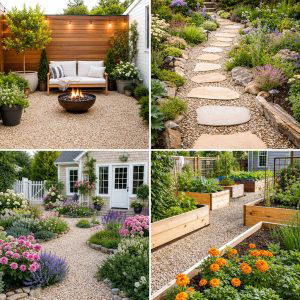 25 garden design ideas with gravel gardens: Modern Low-Care
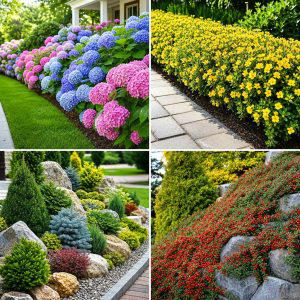 25 garden design ideas with low maintenance shrubs: Easy Looks
 25 Garden Design Ideas With Succulent Beds for Low-Care Style
 25 garden design ideas with drought tolerant plants: Easy Looks
 25 garden design ideas with edible plants: Beautiful Foodscapes
 25 garden design ideas with monochrome plants: Chic Planting
 25 Garden Design Ideas With Woodland Plants for Lush Shade
 25 Garden Design Ideas With Water Features for Serenity