
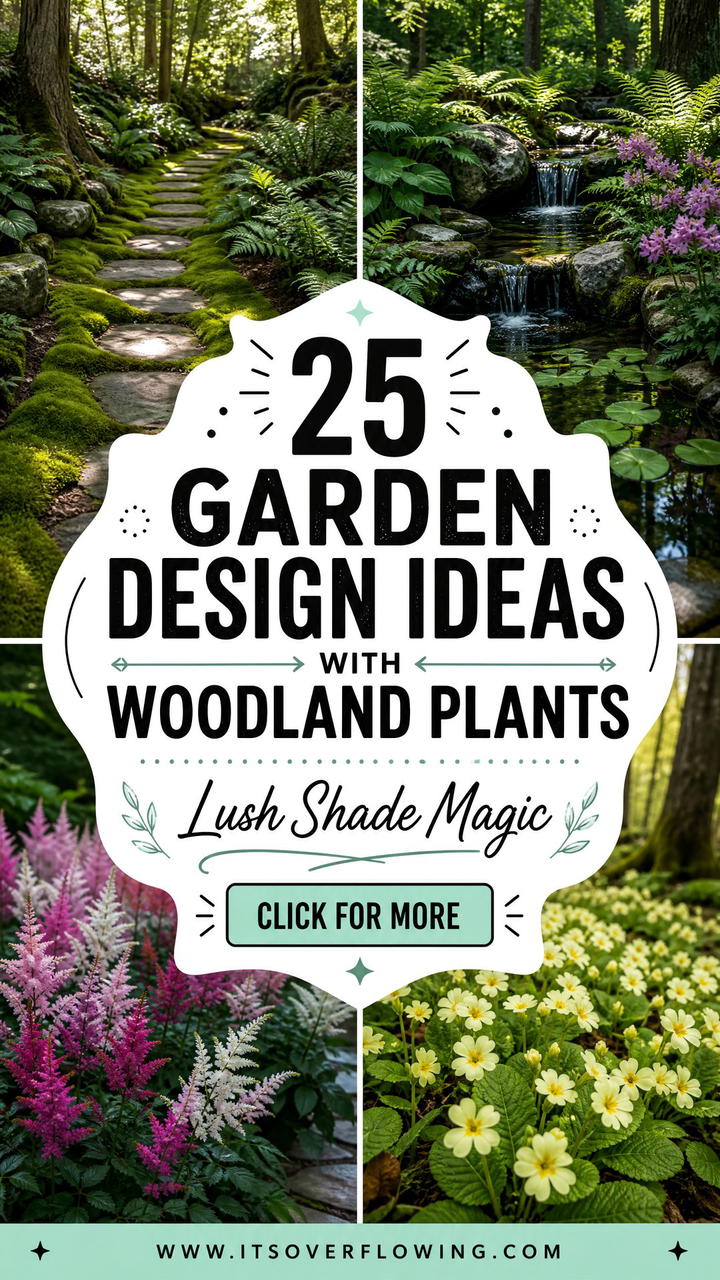
Creating a woodland garden transforms any shady corner into a peaceful sanctuary filled with soft textures and earthy scents. These spaces mimic the natural layers of a forest, using a mix of canopy trees, mid-story shrubs, and delicate groundcovers to create a lush, immersive environment. Woodland plants are uniquely adapted to lower light levels, often featuring striking foliage and subtle, elegant blooms that thrive where sun-loving plants might struggle. By focusing on organic shapes and natural materials like decaying logs or mossy stones, you can build a garden that feels both ancient and refreshing. This approach not only enhances your landscape’s beauty but also supports local wildlife by providing essential habitats.
1. Native Shade Garden
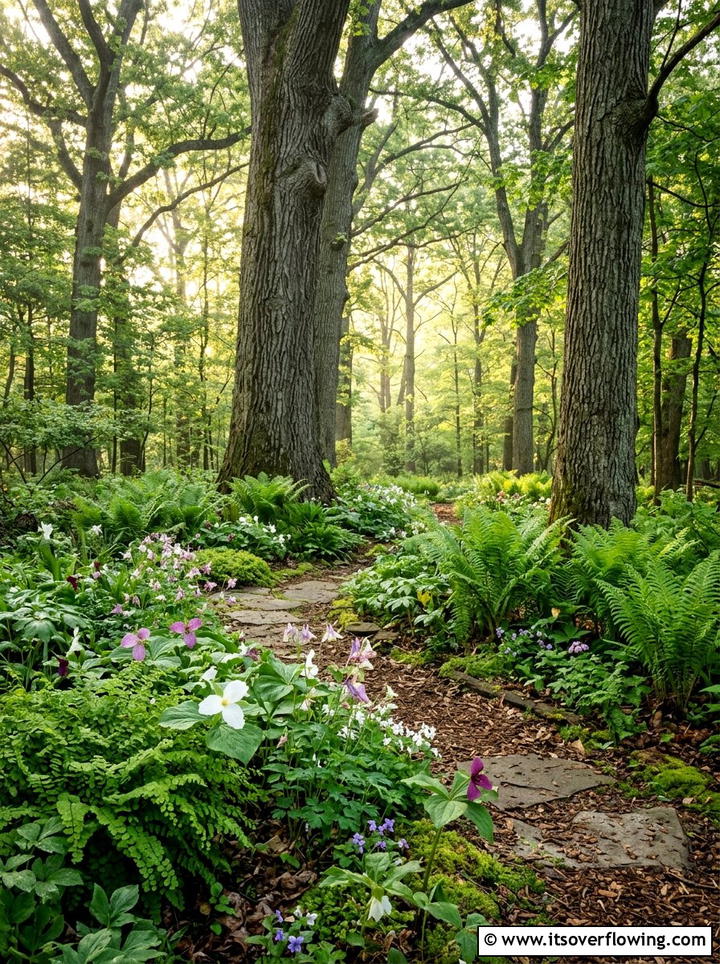
Building a native shade garden allows you to celebrate the plants that naturally belong in your local environment. This design focuses on a diverse mix of indigenous species that have evolved to thrive under the dappled light of tall canopy trees. You can layer low-growing wildflowers with mid-sized shrubs to create a sense of depth and complexity within the space. Using native plants also means your garden will require less maintenance once established, as these species are well-adapted to the local soil and climate conditions. The result is a vibrant, self-sustaining ecosystem that attracts pollinators like bees and butterflies while offering a cool, quiet retreat during the hot summer months.
2. Fern Garden
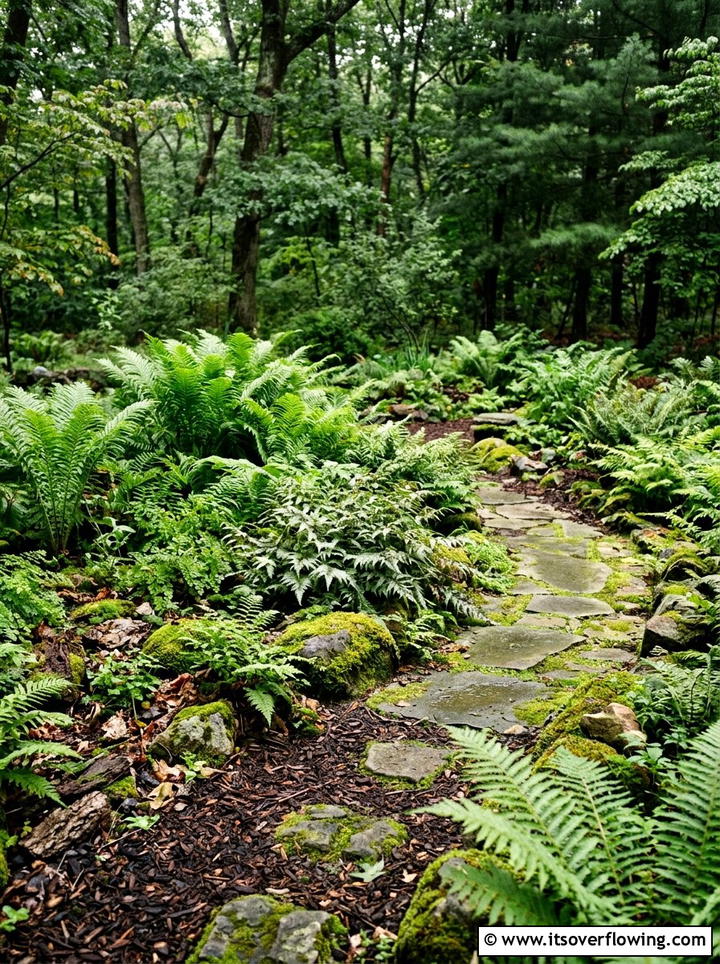
Imagine a lush corner of your yard filled with the intricate, feathery fronds of various fern species. A dedicated fern garden creates a prehistoric and timeless feel, using different heights and textures to keep the visual interest high. You can mix upright species like ostrich ferns with lower, spreading types like maidenhair ferns to cover the ground effectively. These plants love moisture and organic matter, so incorporating plenty of compost or leaf mold into the soil is essential for their growth. The various shades of green, ranging from pale lime to deep forest emerald, provide a soothing color palette that calms the mind and invites deep relaxation.
3. Moss Garden Path
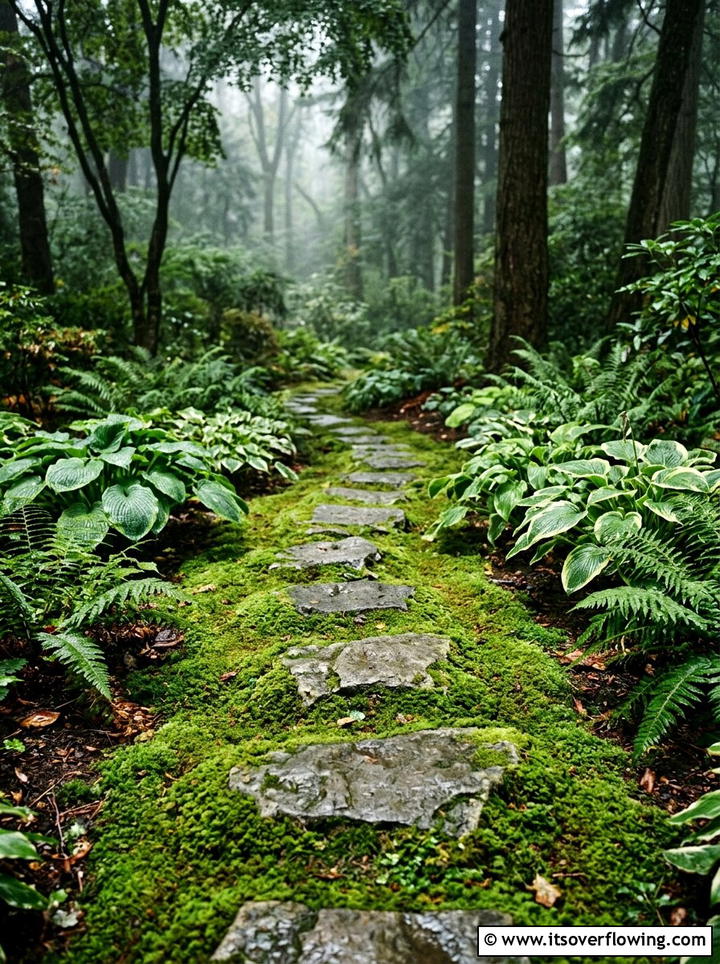
A moss garden path offers a soft, velvety texture underfoot that makes your outdoor space feel like a hidden fairy tale. Instead of using hard pavers, you can encourage various types of moss to grow over stones or directly on the soil to form a living carpet. This design works best in areas with consistent moisture and deep shade where grass usually fails to grow. The vibrant green mounds of moss contrast beautifully against dark soil or gray stones, creating a highly tactile and visually striking landscape feature. Walking along such a path feels gentle and quiet, further enhancing the peaceful atmosphere that a woodland-themed garden naturally provides.
4. Hellebore Garden
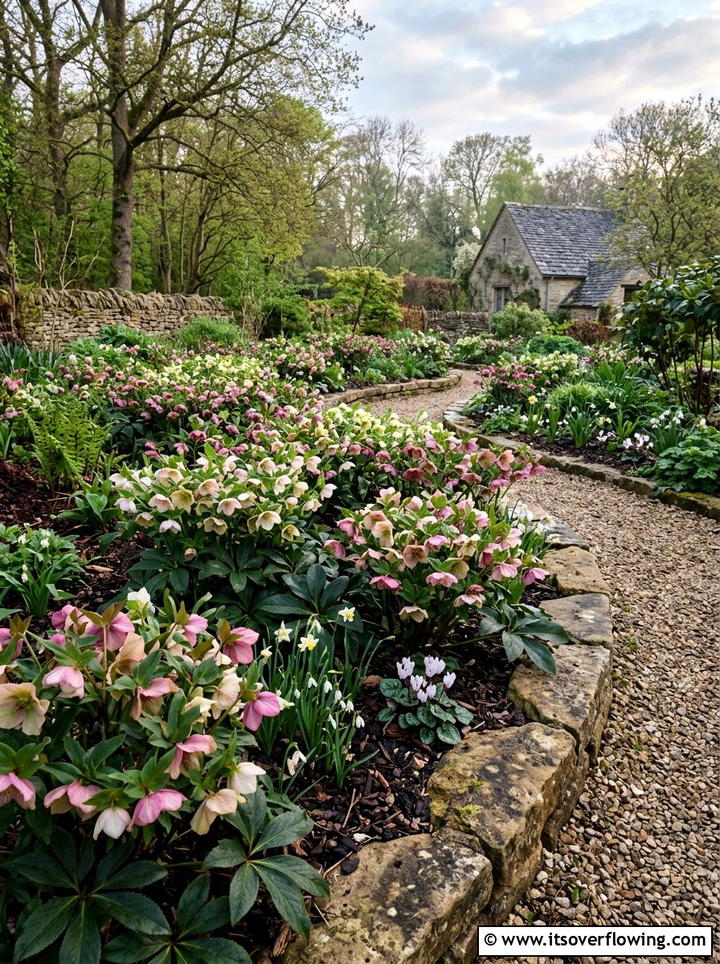
Hellebores are the stars of the early spring woodland, offering elegant, nodding flowers when the rest of the garden is still dormant. This design focuses on grouping different varieties of hellebores to create a dense, evergreen groundcover that looks good year-round. Their leathery leaves provide a sturdy backdrop for the delicate blooms, which come in shades of white, pink, purple, and even deep green. Because they are quite hardy and deer-resistant, they are a practical choice for many suburban landscapes. Planting them on a slight slope or in raised beds helps you appreciate their downward-facing flowers more easily while ensuring they have the excellent drainage they crave.
5. Shady Wildflower Garden
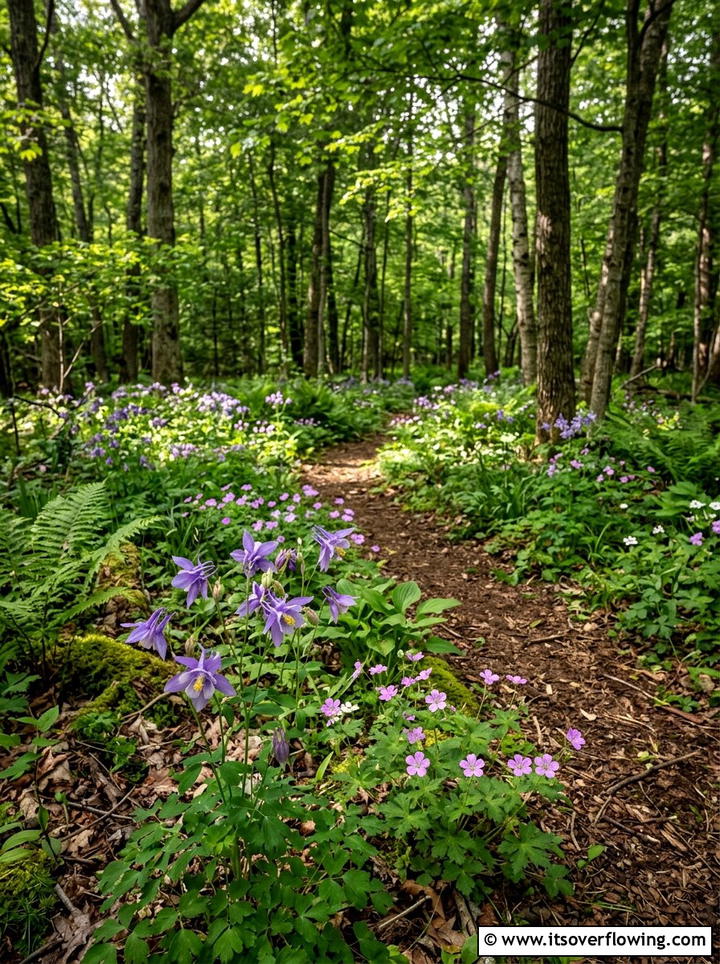
Creating a shady wildflower garden brings a sense of untamed beauty to your backyard by mimicking a natural forest clearing. This approach involves planting a variety of shade-loving wildflowers like columbine, violets, and wild geraniums in informal drifts. The goal is to let the plants mingle and spread naturally over time, creating a rich tapestry of colors and forms. These flowers provide vital nectar for early-season insects and add a delicate charm to the darker areas of your property. By leaving some fallen leaves on the ground, you provide the perfect mulch and winter protection for these beautiful native species to thrive and return every spring.
6. Hosta Garden
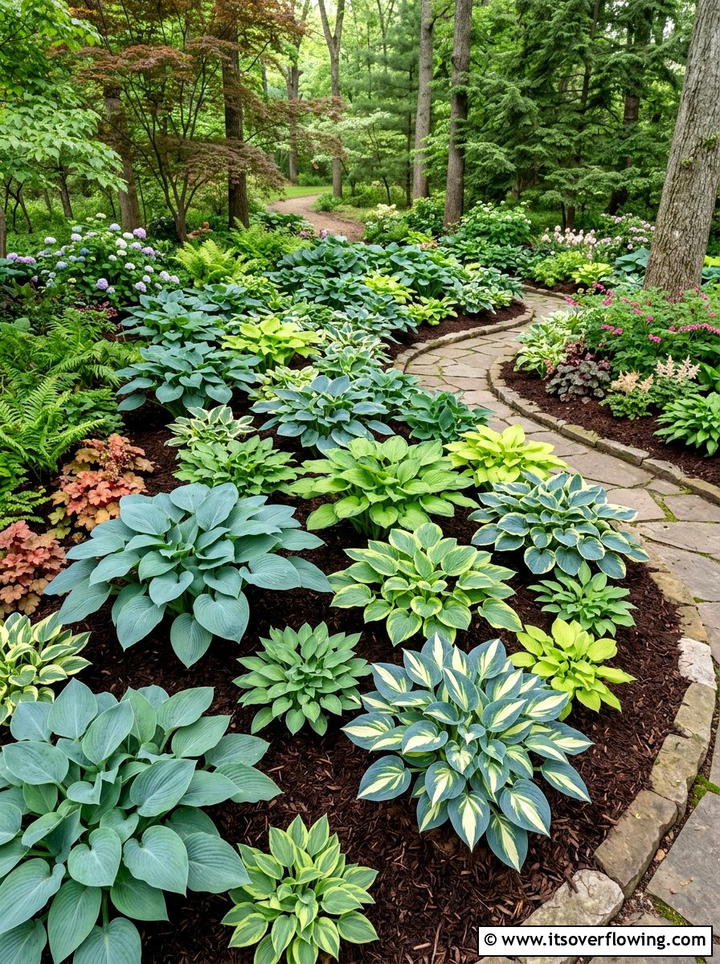
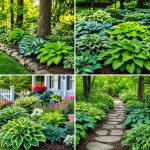
Hostas are famous for their incredibly diverse foliage, making them a staple for any serious shade-focused landscape project. This garden design uses different hosta cultivars to create a play on scale, color, and leaf texture without relying on bright floral displays. From giant, blue-leaved varieties to tiny, variegated miniatures, the options are nearly endless for creating a visually rich and layered look. Hostas are very reliable and easy to grow, provided they receive enough water during the dry spells of summer. Their broad leaves effectively shade out weeds, making this a low-maintenance option that provides a lush, tropical appearance even in much cooler, temperate climates.
7. Stumpery Garden
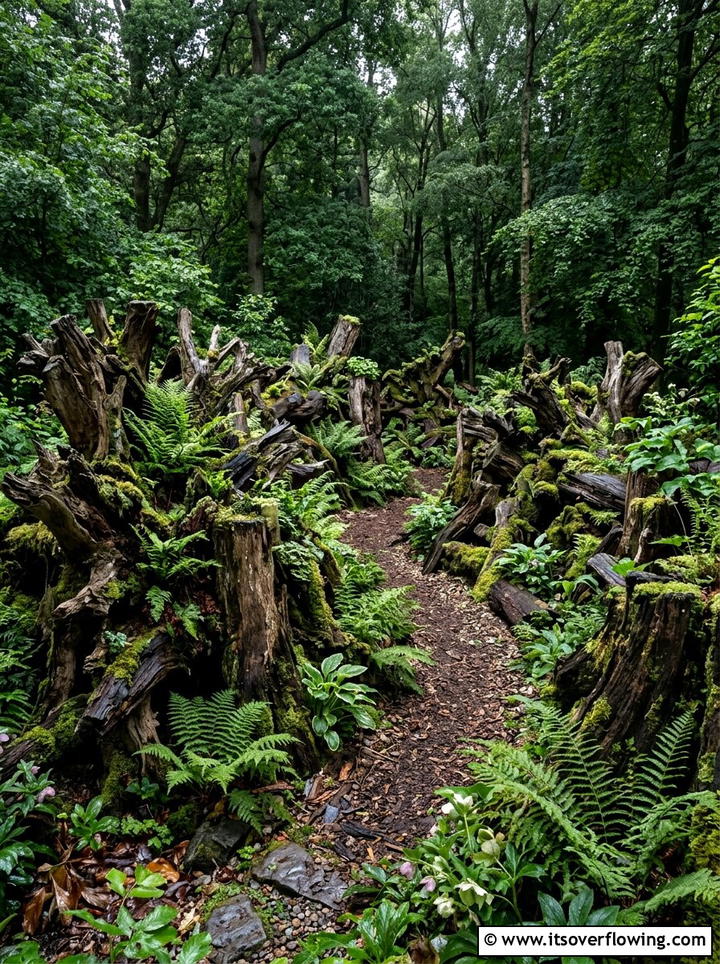
A stumpery garden uses upturned tree stumps, logs, and pieces of bark to create a unique architectural framework for woodland plants. This Victorian-inspired design is perfect for growing ferns, mosses, and lichens that naturally cling to decaying wood in the wild. The nooks and crannies of the stumps provide excellent microclimates for delicate species to take hold and flourish. Beyond its artistic appeal, a stumpery provides a massive boost to local biodiversity by offering shelter for beetles, frogs, and other beneficial garden creatures. It is a fantastic way to recycle garden waste into a stunning focal point that adds a sense of history and mystery.
8. Wild Ginger Groundcover
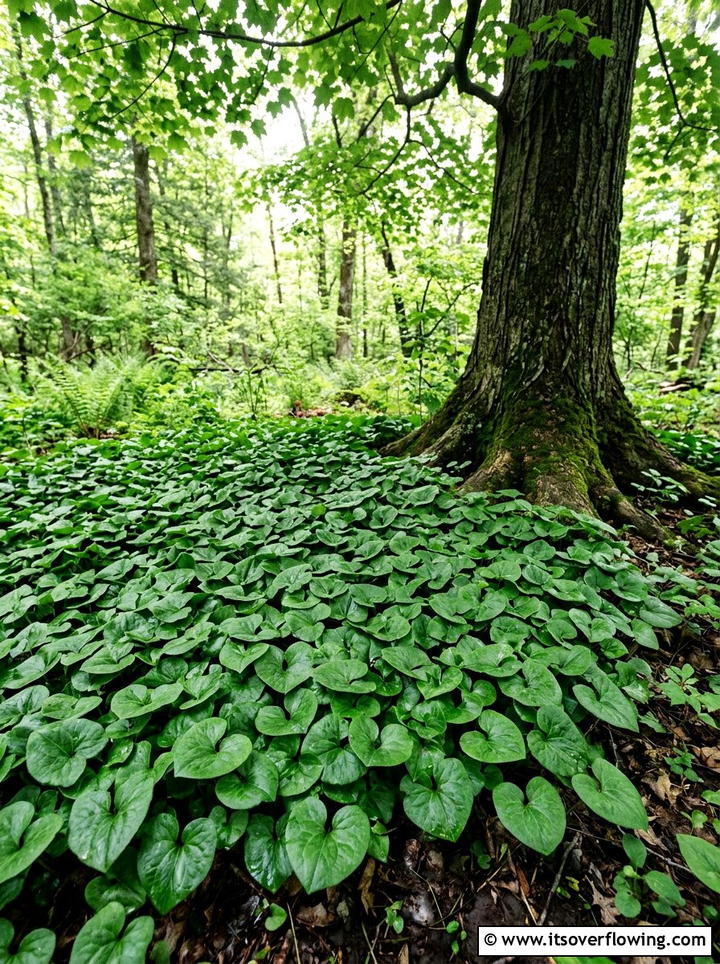
Using wild ginger as a groundcover is a brilliant way to create a dense, glossy green carpet in the deepest shade. This plant features heart-shaped leaves that overlap beautifully, creating a uniform look that hides bare soil and suppresses most common weeds. While the flowers are small and hidden beneath the foliage, the texture of the leaves themselves is enough to carry the design. Wild ginger spreads slowly but surely via underground rhizomes, making it a dependable choice for stabilizing soil on gentle slopes. It pairs wonderfully with taller woodland plants, providing a clean and consistent base that allows the more vertical elements of the garden to shine.
9. Bluebell Garden
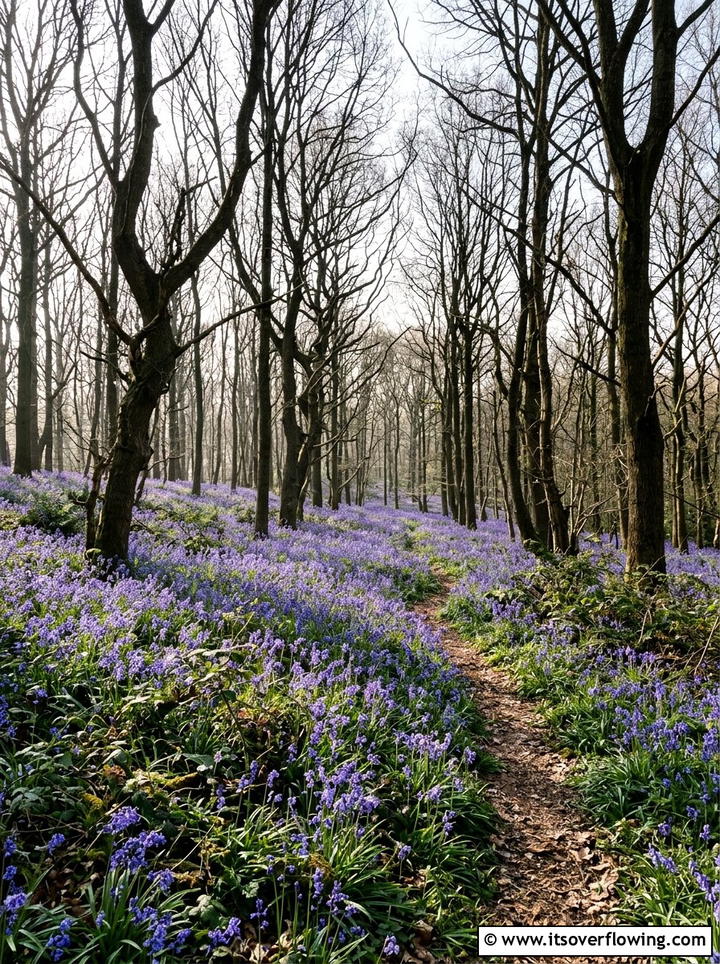
Nothing captures the magic of spring quite like a drift of bluebells swaying gently under the budding branches of deciduous trees. This design focuses on naturalizing bulbs across a wide area to create a sea of vibrant violet-blue color. Bluebells are perfect for planting under large trees where many other plants might struggle with the dense shade and root competition. Once the flowers fade, the foliage provides a natural mulch before disappearing entirely during the summer months. This ephemeral display is a highlight of the gardening year, offering a fleeting but unforgettable moment of beauty that transforms your landscape into a classic, storybook woodland setting.
10. Foxglove Garden
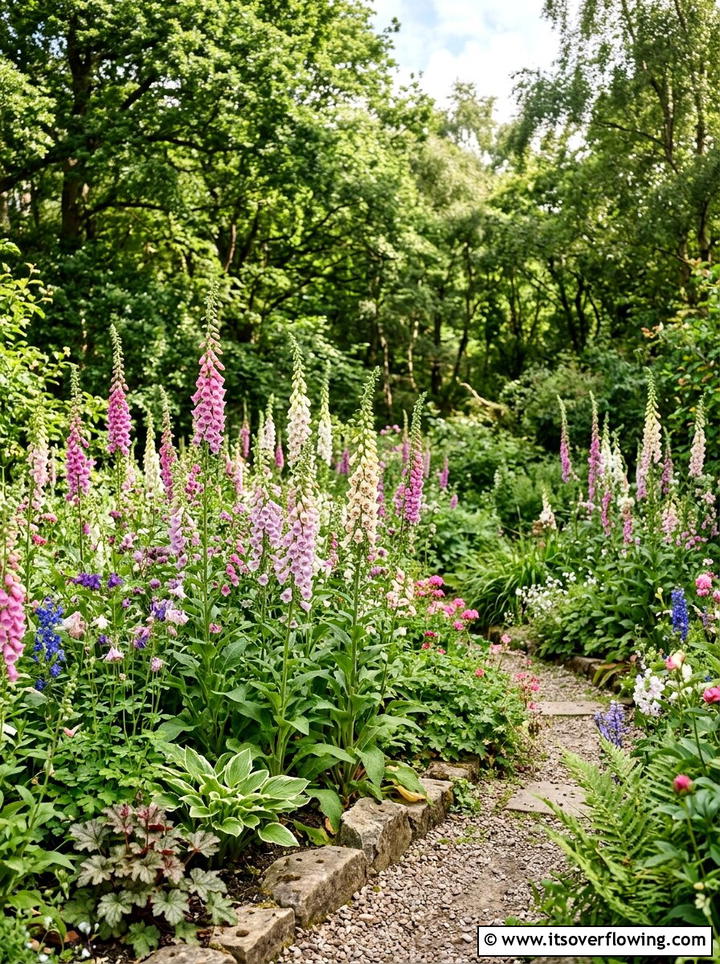
Foxgloves bring a sense of vertical drama and cottage-style charm to the edges of a woodland or shady border. These tall, spire-like flowers are loved by bumblebees and provide a striking contrast to the low-growing mounds of ferns and hostas. Because they are typically biennials or short-lived perennials, they often self-seed and move around the garden, appearing in new and unexpected spots each year. This natural movement adds to the informal, wild feel of a woodland space. Their spotted, bell-shaped blooms come in a range of pastel colors, from creamy white to deep rose, adding much-needed height and light to the darker garden corners.
11. Japanese Maple Garden
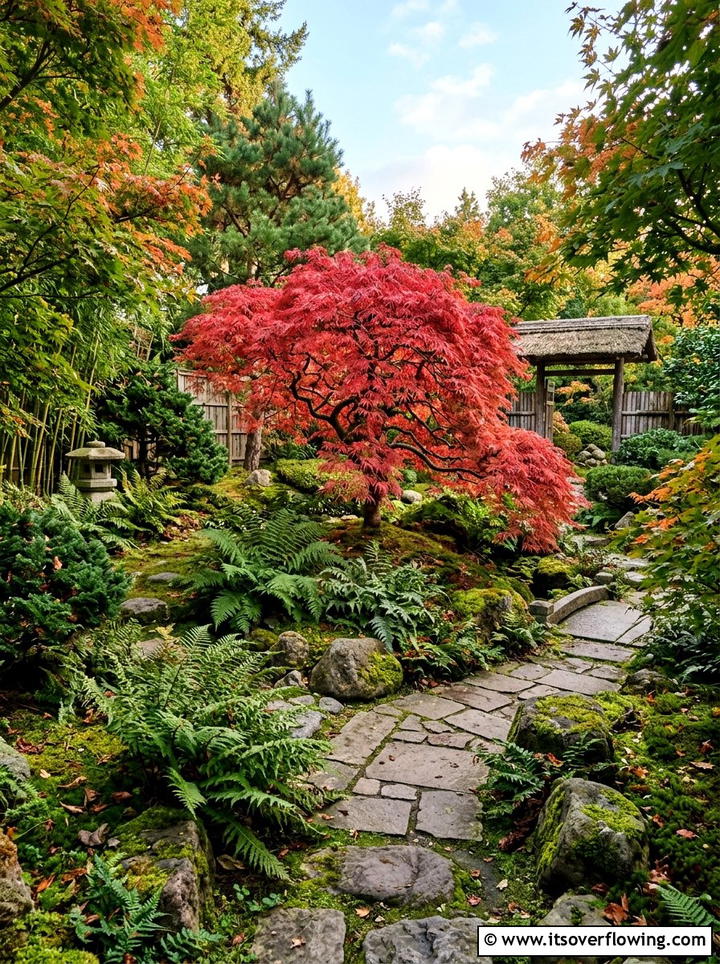
A Japanese maple garden serves as a sophisticated focal point, offering exquisite leaf shapes and breathtaking seasonal color shifts. These small, graceful trees are ideal for woodland settings because they naturally prefer some protection from the harsh, direct midday sun. You can plant them as specimen trees or group them together to create a multi-layered canopy effect with varying heights. Their delicate, lacy foliage creates beautiful shadows on the ground below, where you can plant low-maintenance shade perennials. In the autumn, their leaves turn brilliant shades of red, orange, and gold, providing a final, spectacular burst of color before the quiet winter months arrive.
12. Hydrangea Shade Garden
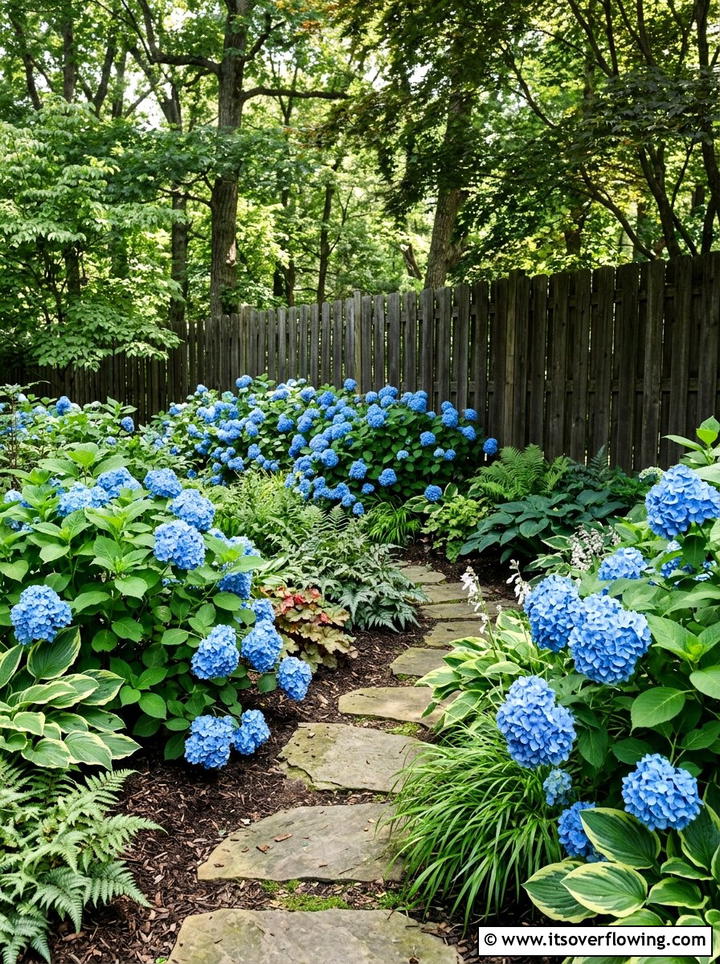
Hydrangeas are a classic choice for woodland borders, offering large, showy flower heads that thrive in the cool, moist conditions of the shade. This design uses different species like mophead, lacecap, or climbing hydrangeas to provide varying textures and blooming times throughout the summer. Their lush green foliage fills out the mid-story of the garden, bridging the gap between tall trees and low groundcovers. Because they come in a wide range of sizes, you can find a hydrangea that fits perfectly into any space. Their long-lasting flowers can even be dried for indoor arrangements, extending the enjoyment of your beautiful woodland garden well into the winter.
13. Trillium Garden
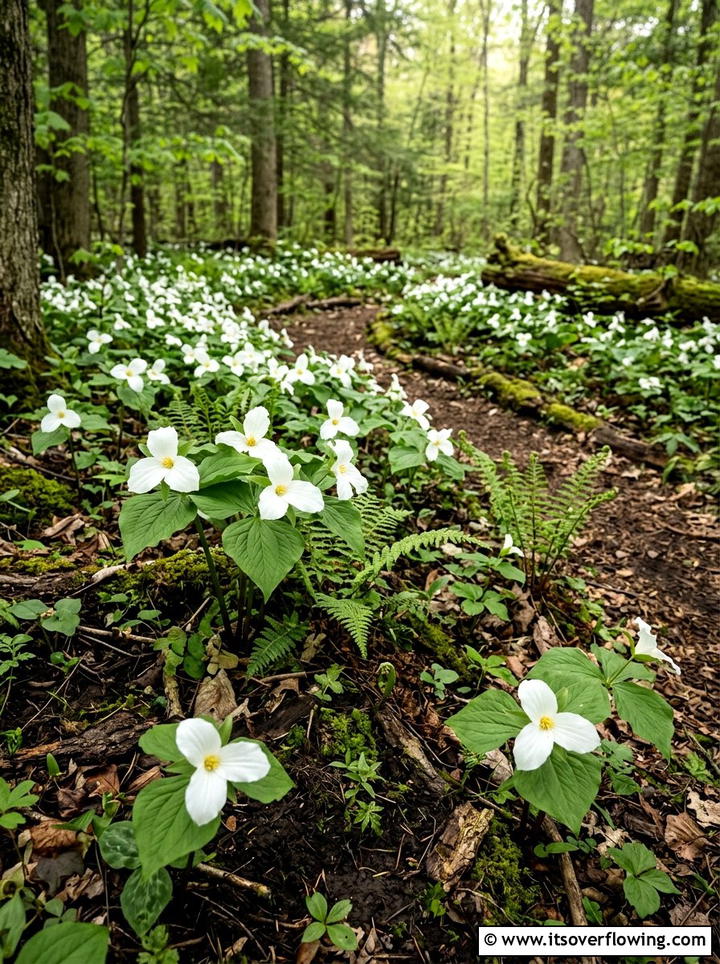
Trilliums are iconic woodland plants known for their unique three-petaled flowers and three-leaf clusters that emerge early in the spring. This garden design focuses on creating the specific soil conditions — rich, moist, and loamy — that these delicate forest natives need to thrive. Because trilliums can be slow to grow from seed, starting with established plants is often the best way to see immediate results in your landscape. They look best when planted in small, natural-looking clumps near a garden path where their intricate details can be easily admired. Their presence signals a healthy, mature woodland environment and brings a rare, refined beauty to any shady garden space.
14. Bleeding Heart Garden
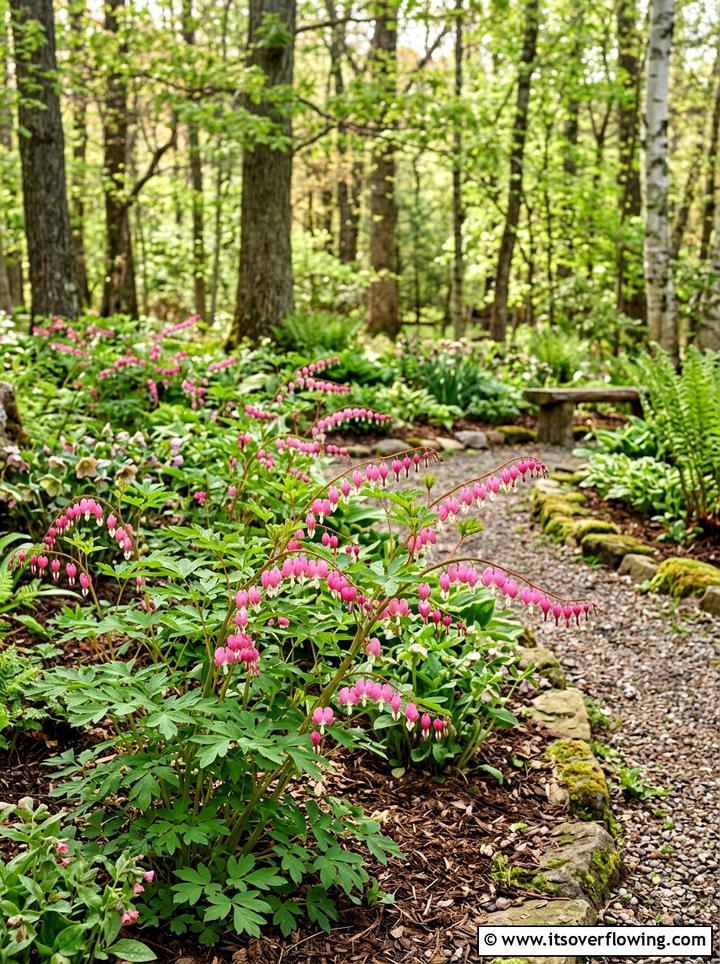
Bleeding hearts are beloved for their distinctive, heart-shaped flowers that hang gracefully from arching stems in the spring. This design uses their soft, fern-like foliage to add a layer of delicate texture to the garden before the heat of summer arrives. They pair exceptionally well with other woodland favorites like ferns and hostas, which can fill the space once the bleeding hearts go dormant. Whether you choose the traditional pink and white variety or the striking solid white version, they always draw the eye with their unique form. Their presence adds a romantic, old-fashioned feel to the garden that is hard to replicate with any other plant species.
15. Woodland Rock Garden
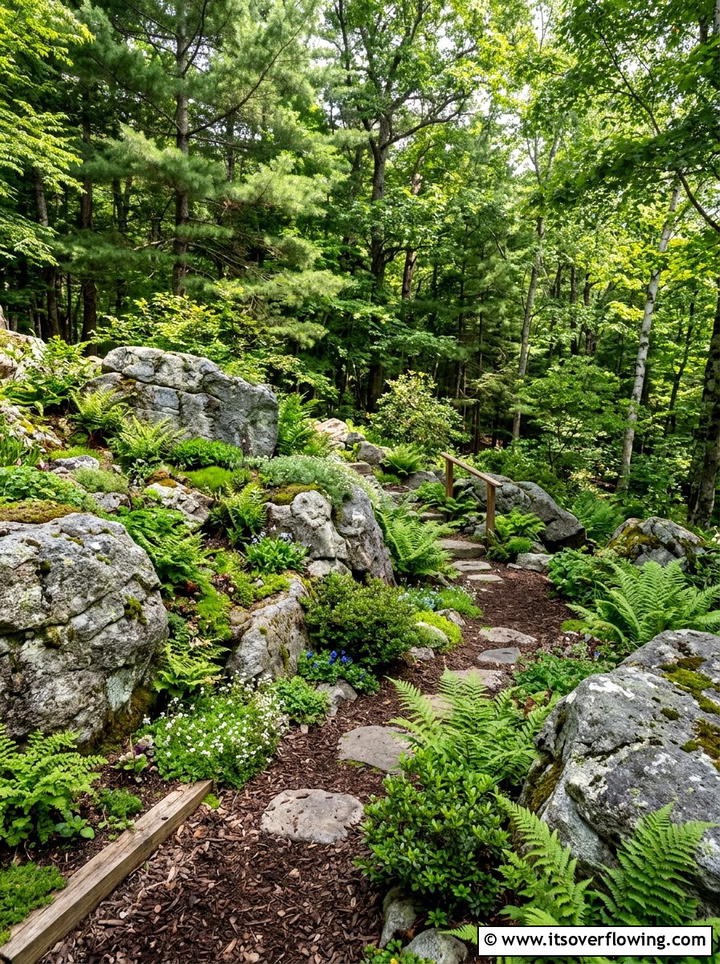
A woodland rock garden combines the rugged beauty of natural stone with the soft, delicate textures of shade-loving alpine and forest plants. This design uses large boulders and smaller stones to create crevices and elevated planting pockets that ensure excellent drainage. You can tuck small ferns, saxifrages, and tiny primroses into the gaps between the rocks to create a miniature landscape that feels like a mountain forest. The stones also help to retain moisture in the soil and provide a cool root run for the plants. This approach adds a strong structural element to the garden that remains visually interesting even during the dormant winter season.
16. Shady Shrub Border
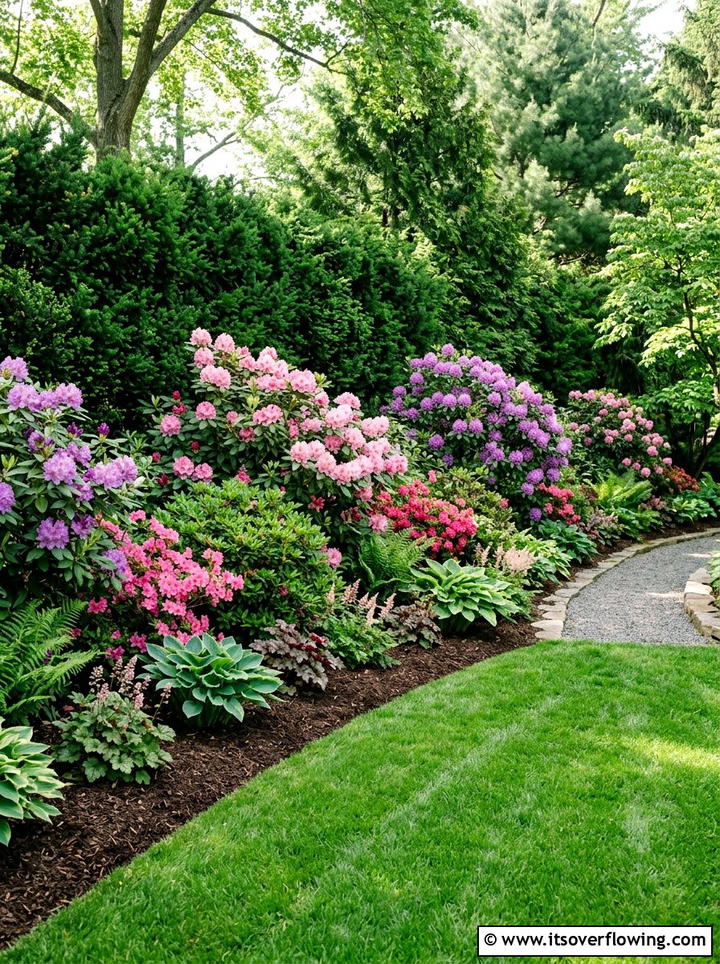
Developing a shady shrub border provides privacy and a strong structural backbone for your woodland garden throughout the entire year. This design utilizes a variety of shade-tolerant shrubs like azaleas, rhododendrons, and mountain laurels to create a dense, flowering screen. These plants offer spectacular floral displays in the spring and maintain their lush, green presence even when they are not in bloom. By mixing evergreen and deciduous shrubs, you ensure that your garden always has some visual weight and interest. This border also acts as a natural windbreak and provides essential nesting sites for birds, making your backyard a true sanctuary for local wildlife.
17. Shade Grass Garden
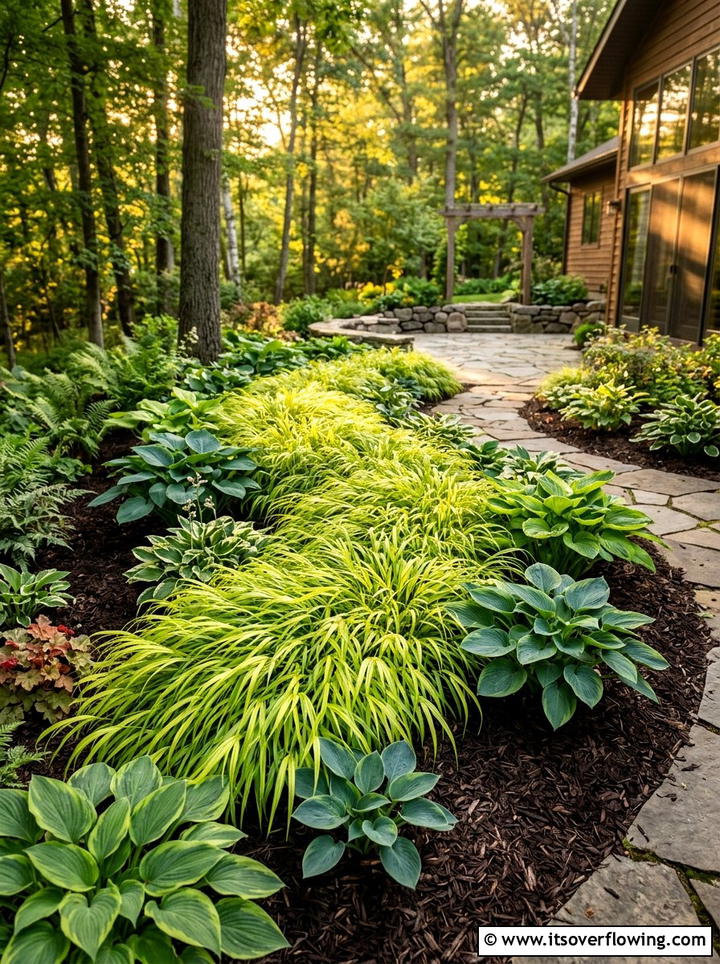
While many grasses prefer full sun, a shade grass garden uses specific varieties that have evolved to flourish in lower light conditions. Ornamental grasses like Hakone grass or northern sea oats add a soft, flowing movement to the woodland floor that traditional perennials cannot provide. The golden or variegated blades of these grasses can literally light up a dark corner, catching whatever dappled sunlight manages to reach the ground. They are excellent for adding a modern touch to a naturalistic design and provide beautiful winter interest with their dried seed heads. Their rustling sound in the wind adds another sensory layer to your peaceful garden retreat.
18. Woodland Water Garden
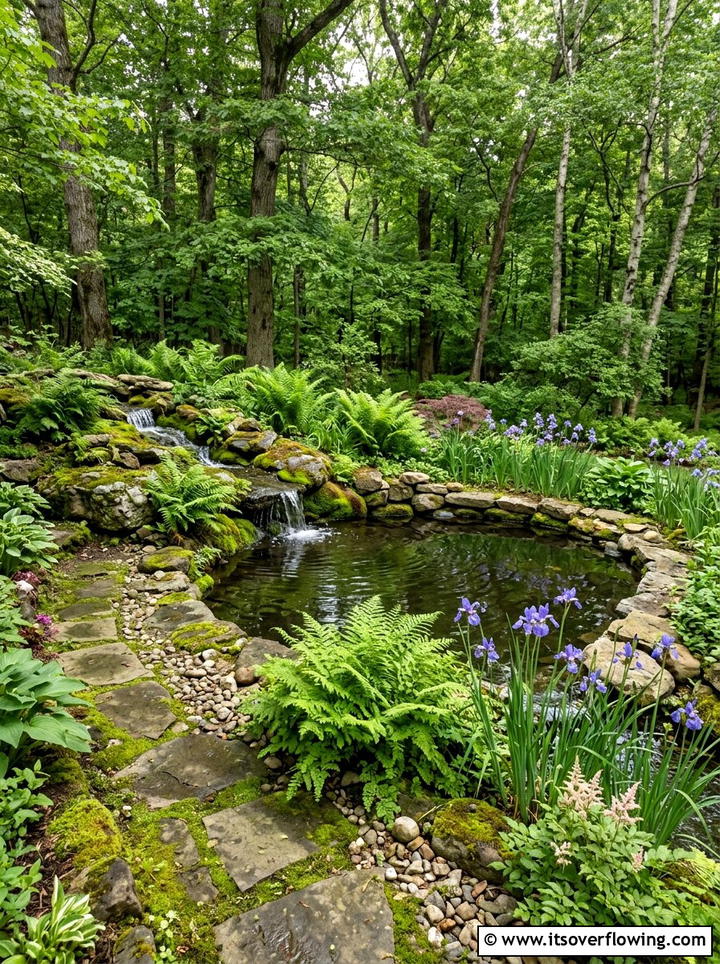
A woodland water garden brings the soothing sound of trickling water into your shady landscape, creating a focal point for both people and wildlife. This design might include a small pond, a disappearing waterfall, or a simple stone birdbath surrounded by moisture-loving plants. Species like marsh marigolds and water iris thrive along the damp edges, while ferns and mosses grow happily on the nearby wet stones. The reflection of the trees in the still water adds a sense of depth and tranquility to the entire space. It also provides a vital drinking and bathing spot for birds, making your garden a lively and engaging environment.
19. Fern And Log Garden
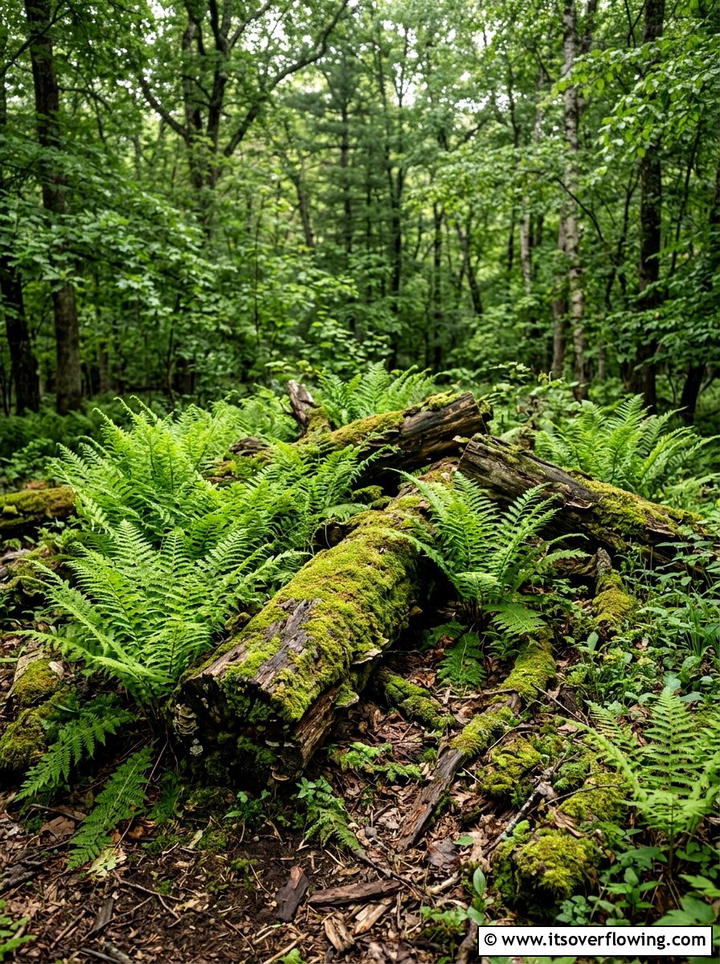
The fern and log garden design emphasizes the natural relationship between decaying wood and lush greenery found on the forest floor. By strategically placing fallen logs or large branches among your fern plantings, you create an instant sense of age and authenticity. As the wood slowly breaks down, it enriches the soil and provides a perfect nursery for mosses and small woodland flowers. This approach is highly sustainable and mimics the natural nutrient cycle of a real forest. The contrast between the dark, rugged texture of the wood and the bright, delicate fronds of the ferns creates a stunning visual balance that feels completely effortless.
20. Pine Mulch Path
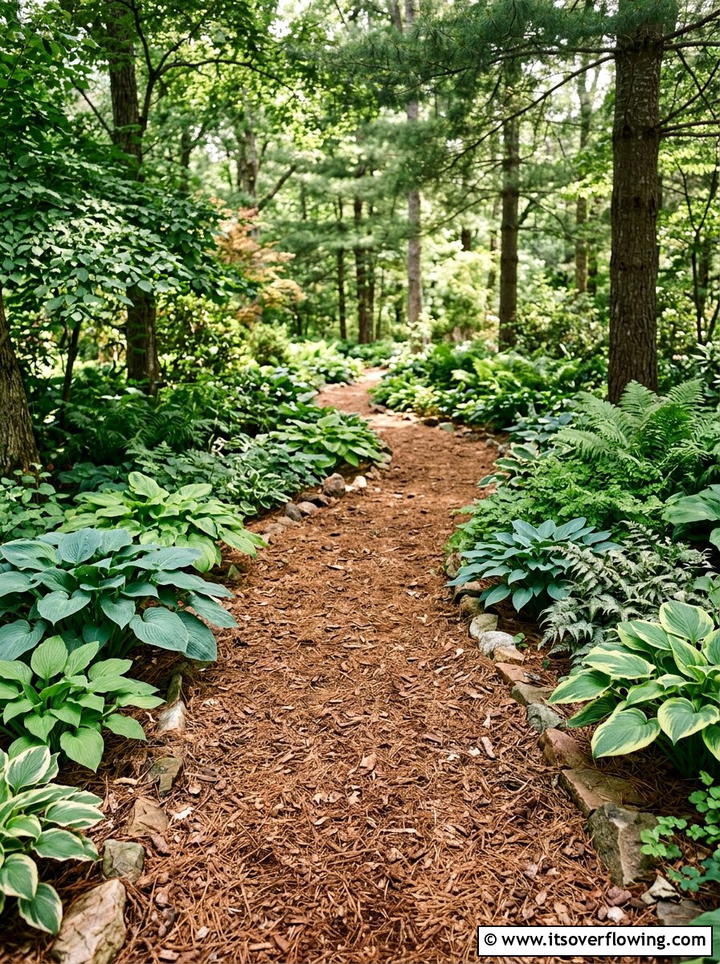
Using pine needles or pine bark to create a pine mulch path is a practical and aesthetic way to navigate through your woodland garden. This natural material creates a soft, springy walking surface that blends perfectly with the surrounding environment and smells wonderful after a rain shower. Pine mulch also helps to acidify the soil as it breaks down, which is highly beneficial for many woodland plants like azaleas and blueberries. The reddish-brown color of the mulch provides a warm contrast to the various shades of green foliage in the garden. These paths are easy to install and maintain, requiring only an occasional top-up to keep them looking fresh.
21. Woodland Bench Garden
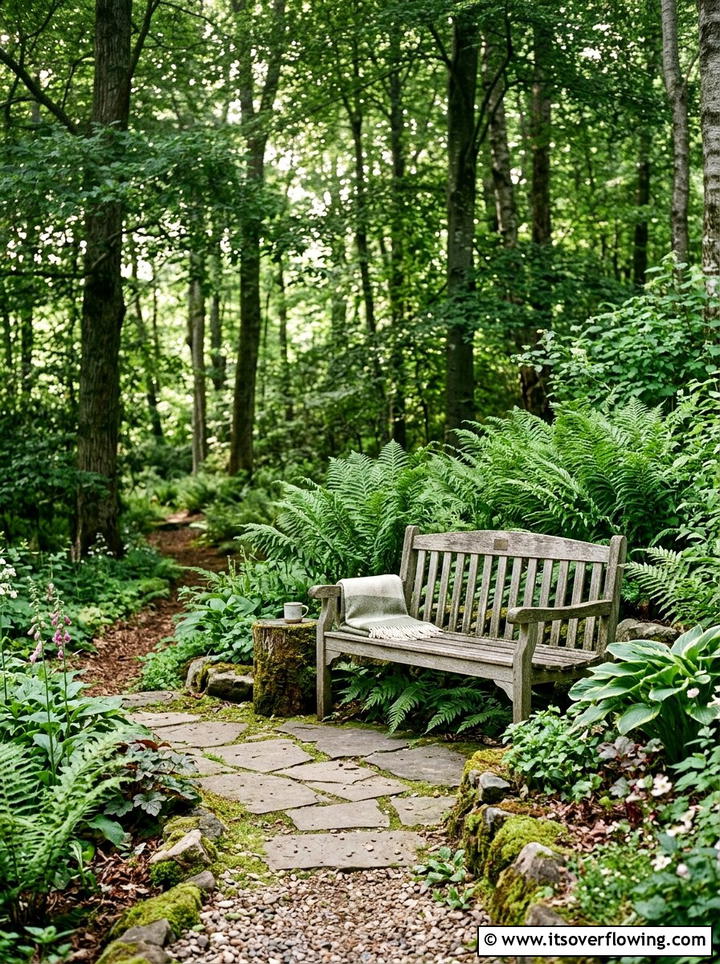
A woodland bench garden is designed around a quiet seating area where you can sit and fully immerse yourself in nature. This design places a simple wooden or stone bench in a secluded spot, surrounded by tall ferns and fragrant flowers. By creating a sense of enclosure with plants, you make the seating area feel like a private room within the larger garden. This is the perfect place for reading, meditating, or simply observing the birds and insects that visit your woodland sanctuary. Strategically placing the bench to face a specific view or a beautiful tree ensures that you have a rewarding experience every time you sit down.
22. Coral Bell Garden
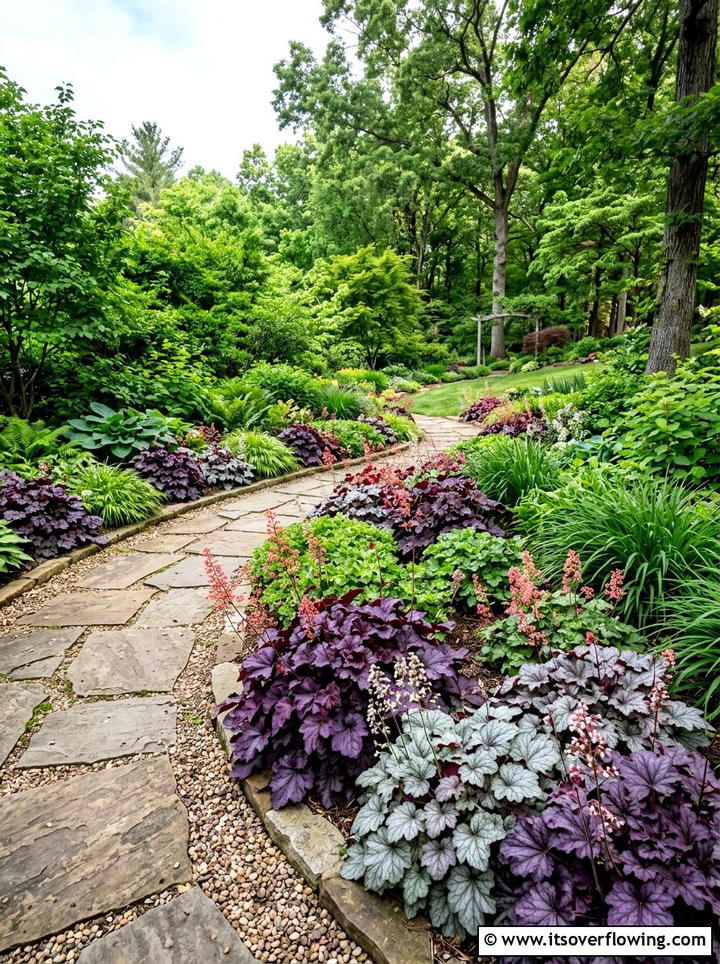
Coral bells are prized for their incredibly colorful foliage, which can range from deep purple and silver to bright lime and peach. This design uses coral bells as a versatile edging plant or groundcover to inject year-round color into the shady parts of your yard. Their mounding habit creates a neat and tidy look that works well along paths or at the front of a border. In the summer, they send up delicate wands of tiny flowers that attract hummingbirds and add a touch of whimsy. Because they are semi-evergreen in many climates, they provide important visual interest during the transition periods of the gardening year.
23. Astilbe Garden
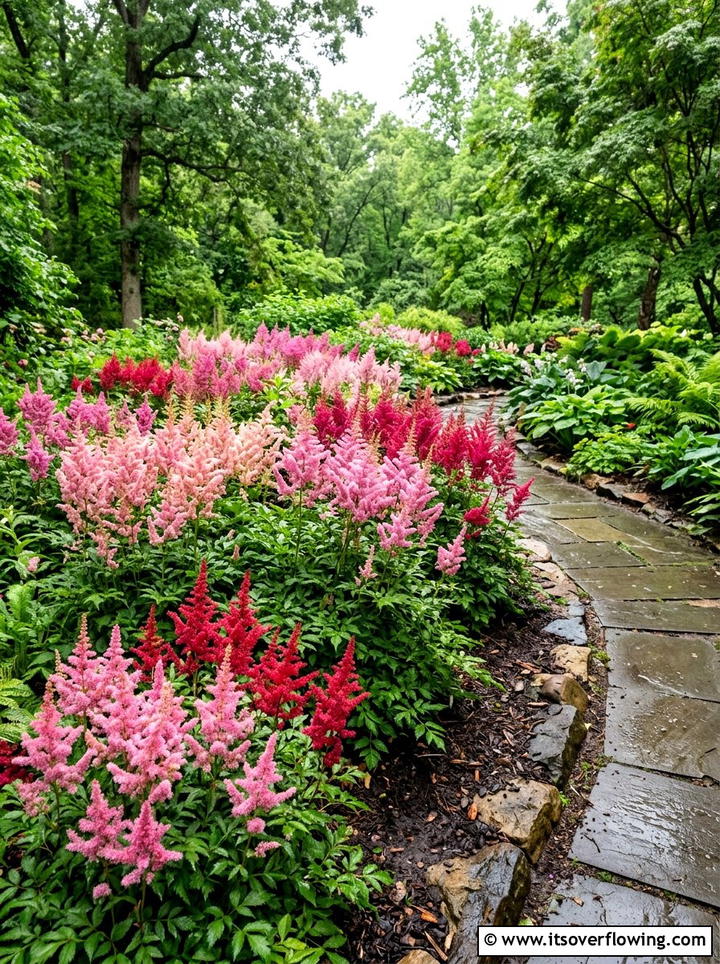
Astilbes are the perfect plants for adding vertical plumes of soft color to a damp, shady woodland border. This design focuses on grouping different varieties of astilbe to create a cloud-like effect of flowers in shades of white, pink, and red. Their fern-like foliage is attractive even when the plants are not in bloom, providing a dense and textured groundcover. They thrive in soil that stays consistently moist, making them an ideal choice for areas near water features or at the bottom of a slope. The tall flower spikes stand out beautifully against the darker green leaves of other woodland plants, creating a vibrant and energetic display.
24. Woodland Bulb Garden
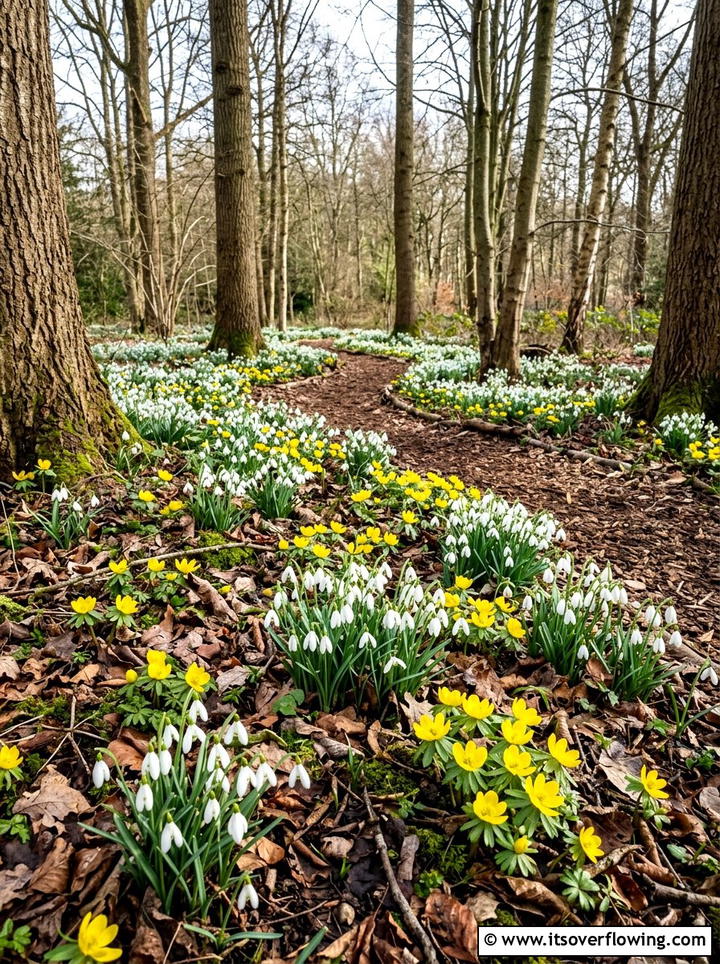
A woodland bulb garden ensures that your landscape is the first to wake up in the spring with a carpet of early blooms. This design involves planting large quantities of minor bulbs like snowdrops, winter aconites, and wood anemones beneath deciduous trees. These plants complete their entire life cycle before the trees fully leaf out, taking advantage of the early season sunlight. By planting in natural-looking drifts rather than straight rows, you can create a spectacular display that looks like it has been there for decades. These bulbs are generally very low-maintenance and will slowly spread on their own, becoming more beautiful and impressive every year.
25. Primrose Garden
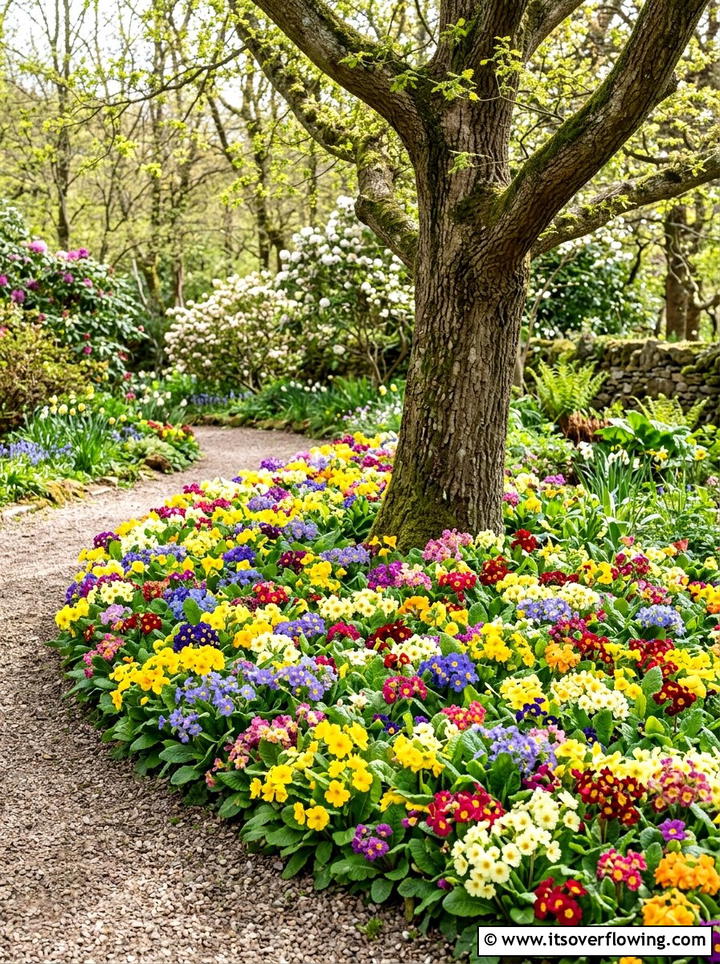
Primroses are the perfect choice for adding a splash of early season color to your shady woodland beds. These low-growing perennials thrive in damp, cool conditions and come in a staggering variety of bright hues and patterns. When planted in large drifts, they create a stunning visual impact that signals the arrival of spring long before other plants begin to wake up. They tuck perfectly around the base of trees or along the edges of garden paths, providing a cheerful welcome to any visitor. Because they are relatively easy to maintain, primroses are an excellent option for gardeners who want high-impact beauty without needing constant specialized care or attention.
Conclusion:
Building a woodland garden is a rewarding journey that allows you to work in harmony with the natural conditions of your landscape. By selecting plants that thrive in the shade and layering them to mimic a forest’s structure, you create a space that is both beautiful and ecologically sound. These gardens offer a unique sense of peace and permanence that is hard to find in more formal or sun-drenched designs. As your garden matures, it will become a thriving ecosystem that provides joy and relaxation for many years to come. Remember to observe your space throughout the seasons and enjoy the subtle changes that make a woodland garden truly special.

Related posts:
 25 garden ideas with hostas for Lush Shade Garden Beauty
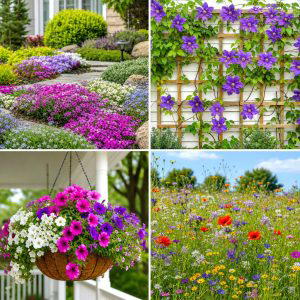 25 Small Garden Ideas With Layered Plants for Lush Depth
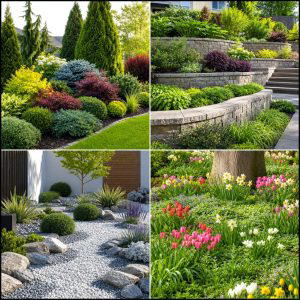 25 garden design ideas with layering for Lush Depth at Home
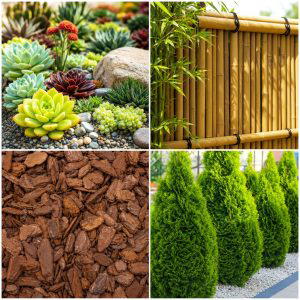 25 Garden Design Ideas With Texture for a Lush Yard Look
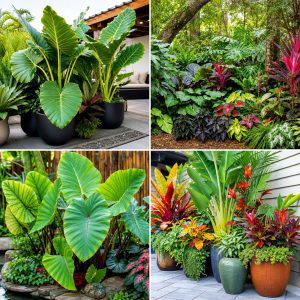 25 Garden Design Ideas With Tropical Foliage for Lush Style
 25 Garden Design Ideas With Pergola and Vines for Shade
 25 garden design ideas with drought tolerant plants: Easy Looks
 25 garden design ideas with edible plants: Beautiful Foodscapes
 25 garden design ideas with low water plants: Smart Xeriscapes
 25 garden design ideas with monochrome plants: Chic Planting
 25 Creative Garden Ideas With Tropical Foliage for Lush Yards
 25 small garden ideas with vertical planters for Lush Walls