
Creating a small garden that supports local wildlife is one of the most rewarding projects any homeowner can undertake. Even if you only have a tiny balcony, a compact patio, or a narrow side yard, you can transform that space into a thriving sanctuary for bees, butterflies, and hummingbirds. By selecting the right pollinator plants, you are not just adding beauty to your home, but you are also contributing to the local ecosystem’s health. These gardens offer a peaceful escape for you while providing essential food and habitat for important insects that help our planet thrive. Designing these spaces requires a thoughtful approach to layout and plant selection to maximize every square inch effectively.
1. Vertical pollinator garden
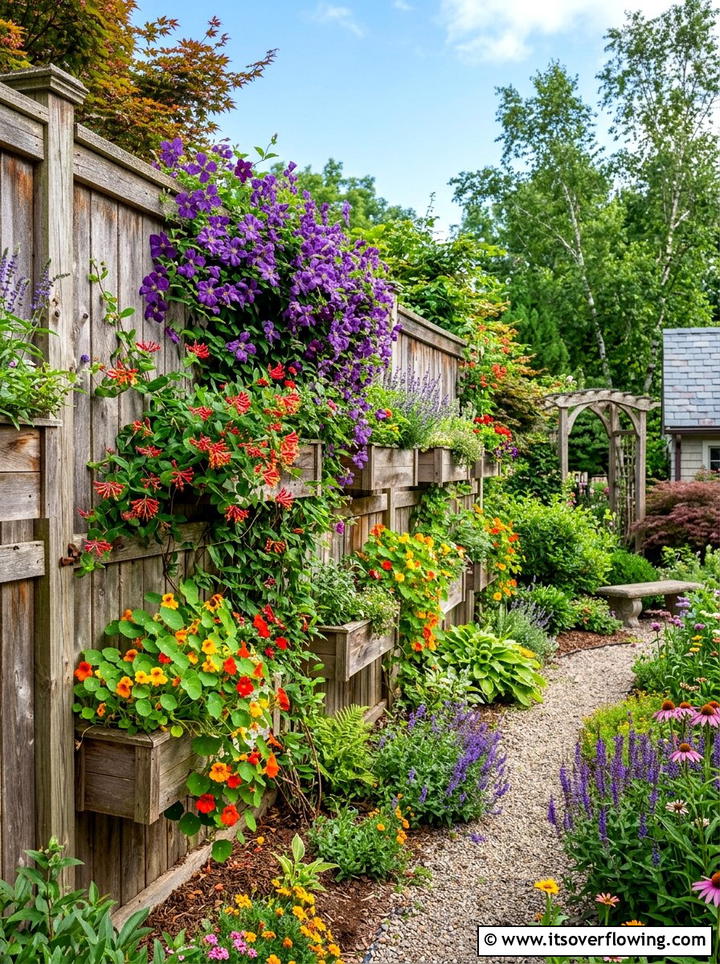
Vertical gardens are perfect for urban environments where floor space is a premium. You can use wall-mounted planters, trellises, or hanging pockets to grow climbing plants like honeysuckle or clematis. These plants provide nectar for hummingbirds and bees while creating a lush green backdrop. Incorporating tiered shelving allows you to stack smaller pots of lavender and coreopsis. This vertical approach ensures that your outdoor area feels much larger and more vibrant. It turns a plain brick wall or a wooden fence into a living, breathing piece of art that invites nature right to your doorstep. You will enjoy the movement and color this design brings to your vertical surfaces.
2. Butterfly window box
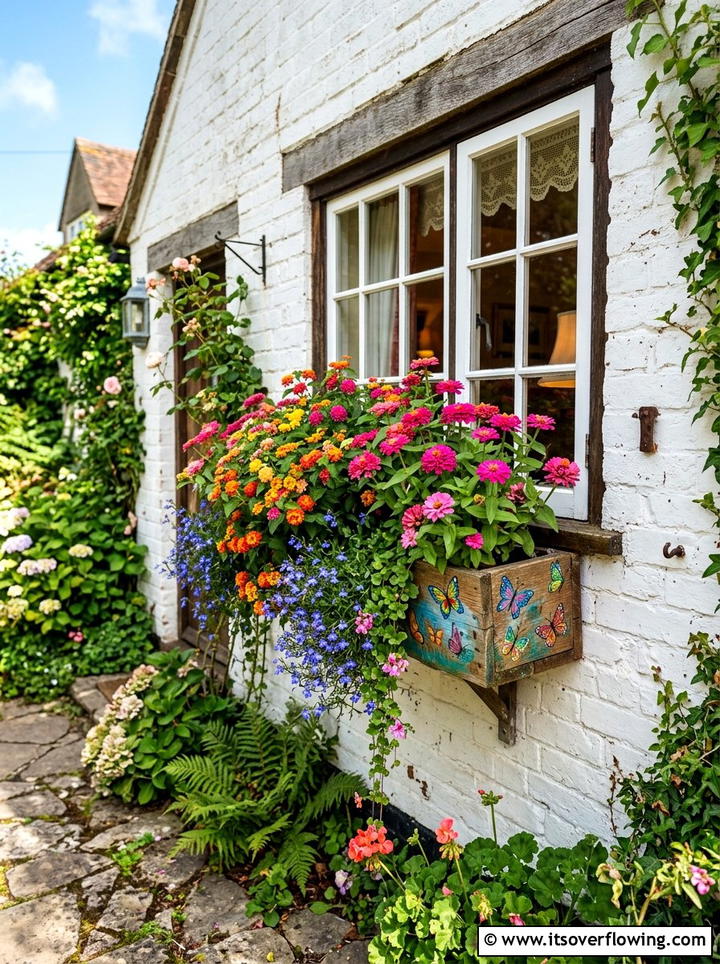
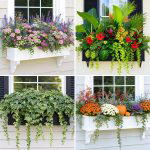
Window boxes are an excellent way to bring nature closer to your home without needing a yard. You should choose a sunny spot and fill the box with nectar-rich flowers like lantana, zinnias, and pentas. These plants are compact and bloom throughout the summer, providing a consistent food source. Adding some trailing lobelia can soften the edges and add a touch of blue that bees absolutely love. It is important to keep the soil moist, as window boxes tend to dry out faster than ground soil. This simple addition elevates your home’s curb appeal while supporting vital insect populations. It makes your daily view much more lively and interesting.
3. Native wildflower garden bed
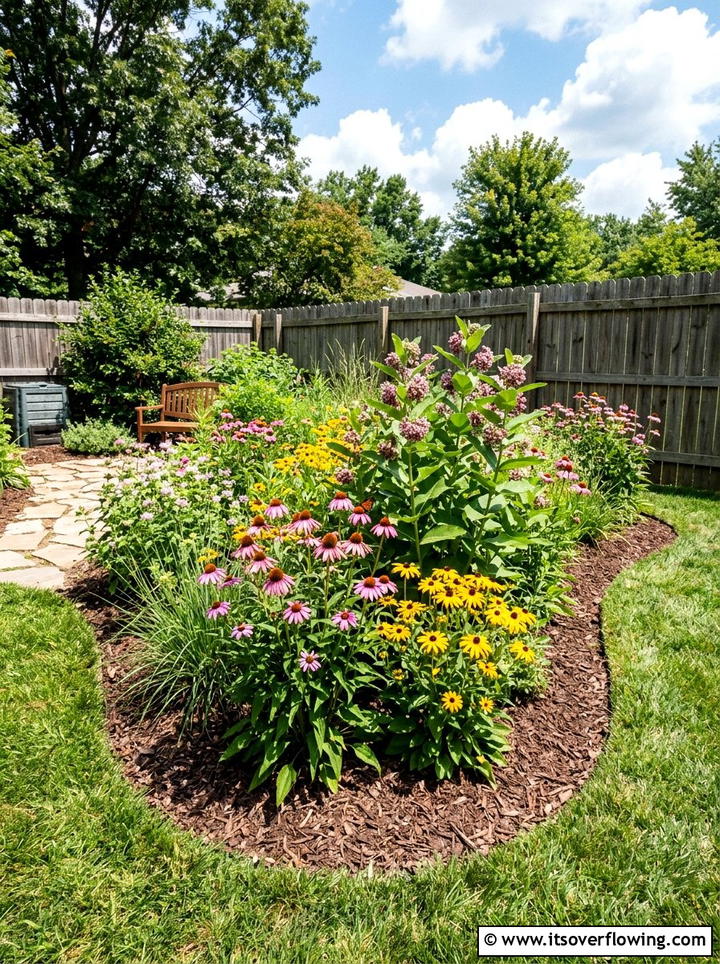
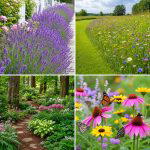
Native wildflowers are the backbone of any successful pollinator-friendly space because they have evolved alongside local wildlife. By dedicating a small corner of your yard to species like milkweed, coneflowers, and black-eyed Susans, you create a robust habitat. These plants are naturally hardy and require less water and fertilizer than exotic varieties. They provide essential host plants for butterfly larvae and high-quality nectar for adult insects. A native patch looks naturally beautiful and changes with the seasons, offering visual interest and ecological value. This approach celebrates the local landscape while making your garden a hub for biodiversity and natural beauty. It is a sustainable choice.
4. Bee friendly herb garden
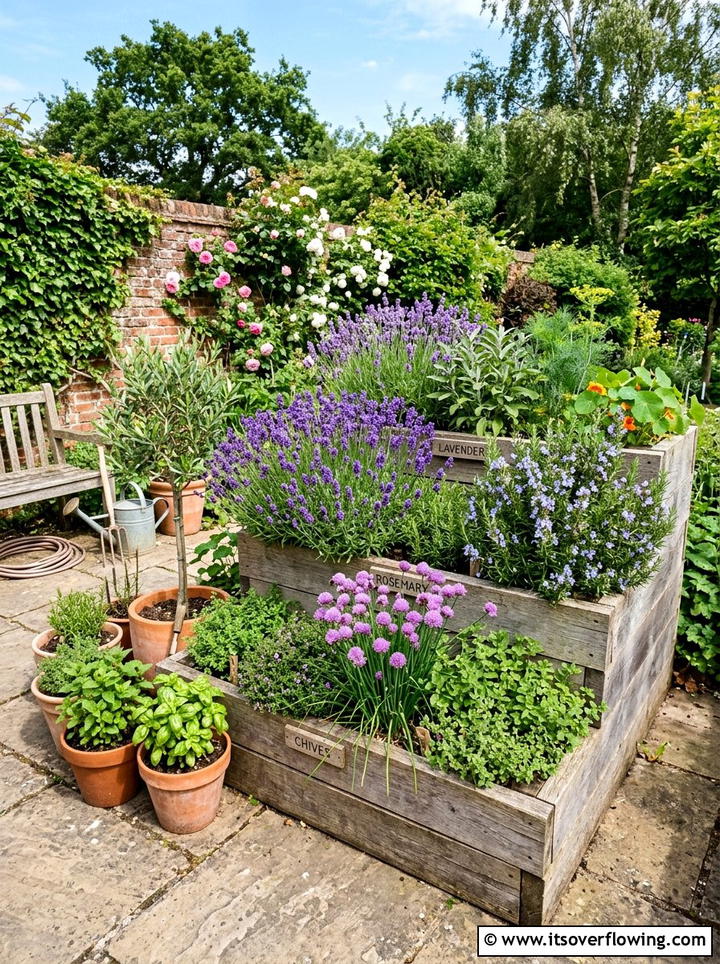
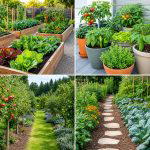
Combining utility with beauty is a smart way to manage a small outdoor area. Many common kitchen herbs are actually powerhouses for attracting bees if you let them flower. Thyme, rosemary, oregano, and mint produce tiny, nectar-rich blossoms that honeybees find irresistible. You can plant these in a compact raised bed or grouped containers near your kitchen door for easy access. Not only do you get fresh ingredients for your cooking, but you also create a buzzing micro-habitat. Sage and chives are also excellent choices that offer beautiful purple flowers. This dual-purpose garden maximizes your space and ensures that your backyard serves both your needs and pollinators.
5. Small pollinator patio
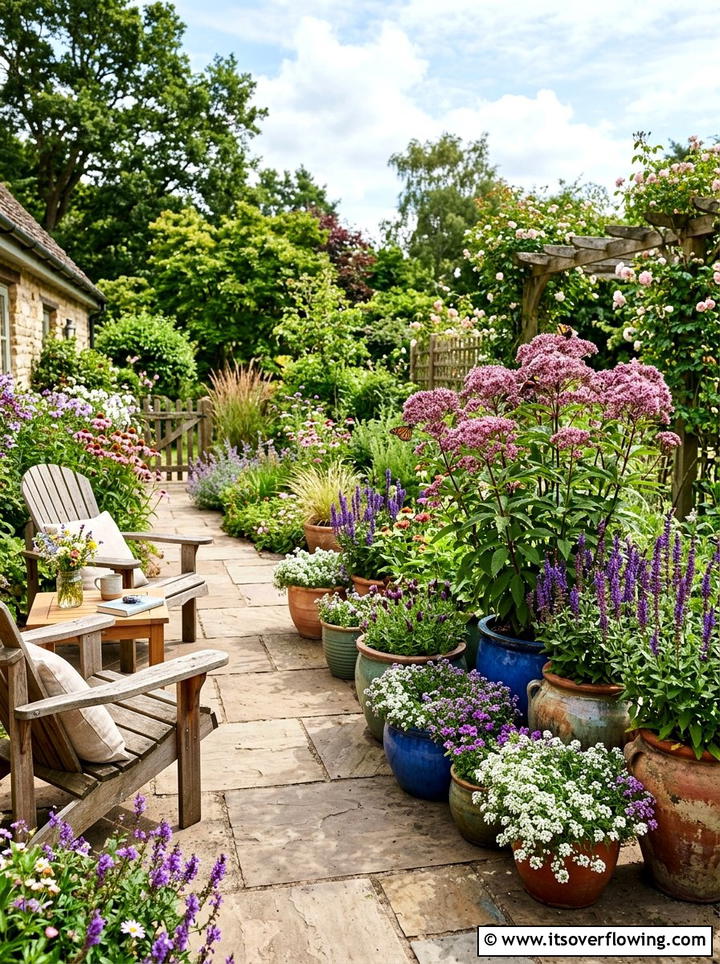
Transforming a concrete slab into a lush oasis is easier than you might think. Using various sizes of ceramic pots and planters can turn a sterile patio into a welcoming sanctuary for wildlife. You can arrange the pots in clusters to create a layered effect, mimicking a natural meadow. Use tall plants like Joe Pye weed in the back and shorter flowers like sweet alyssum in the front. This arrangement provides cover and food for different types of insects at various heights. Adding a small stone birdbath filled with pebbles allows bees to drink safely without drowning. This setup makes your patio a functional space for humans and nature.
6. Pollinator garden pathway
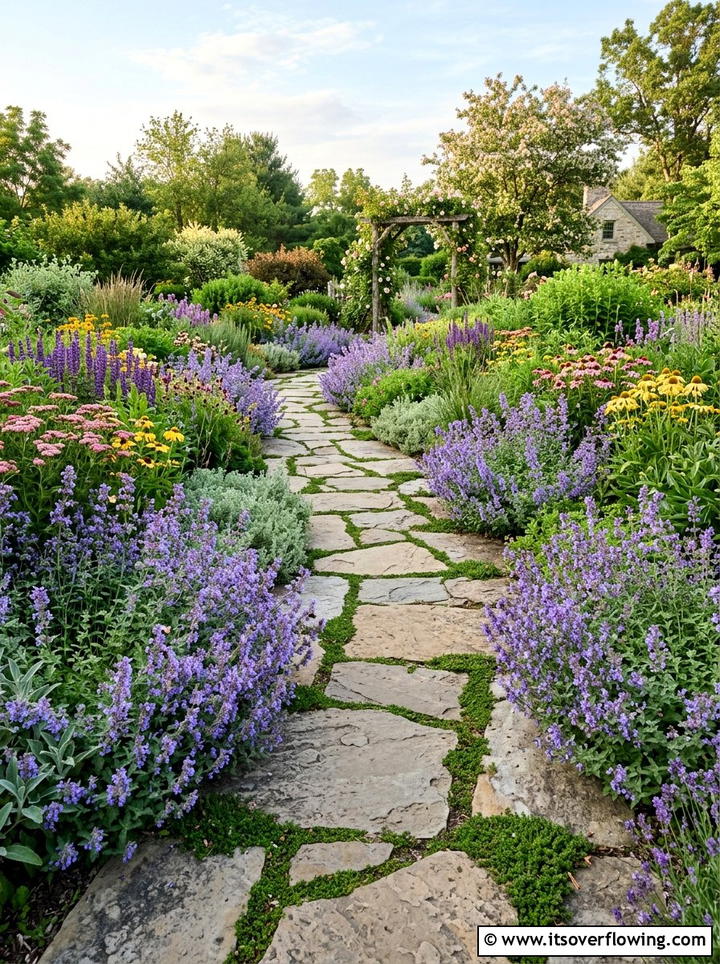
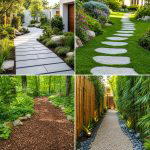
Walking through a garden should be an immersive experience that engages all your senses. You can line a narrow garden path with low-growing pollinator plants like creeping thyme or sedum. These plants can withstand occasional foot traffic and release a pleasant aroma when stepped on. Between the stepping stones, these hardy groundcovers fill the gaps and prevent weeds from taking hold. Along the edges, taller perennials like Russian sage or catmint add movement and color. This design guides visitors through the space while providing a long corridor of forage for bees and butterflies. It turns a functional walkway into a vital part of your garden’s living ecosystem.
7. Compact butterfly bush border
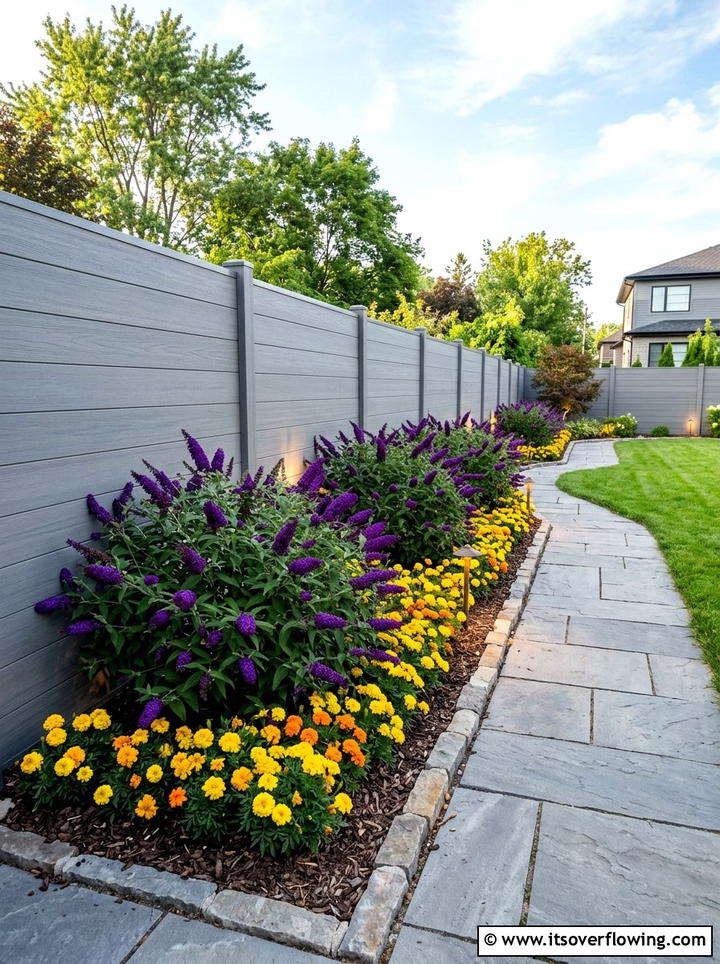
Small gardens benefit greatly from plants that pack a big punch in terms of color and wildlife attraction. While traditional butterfly bushes can get quite large, dwarf varieties are now available that fit perfectly into tight spaces. These compact shrubs produce long spikes of fragrant flowers that act like magnets for butterflies. Planting them along a fence or garden border creates a structured look while offering a massive amount of nectar. You can surround the base with low-growing annuals like marigolds to add even more diversity. These bushes are easy to maintain and provide a focal point. Their long blooming season ensures your small space remains active.
8. Pollinator friendly rock garden
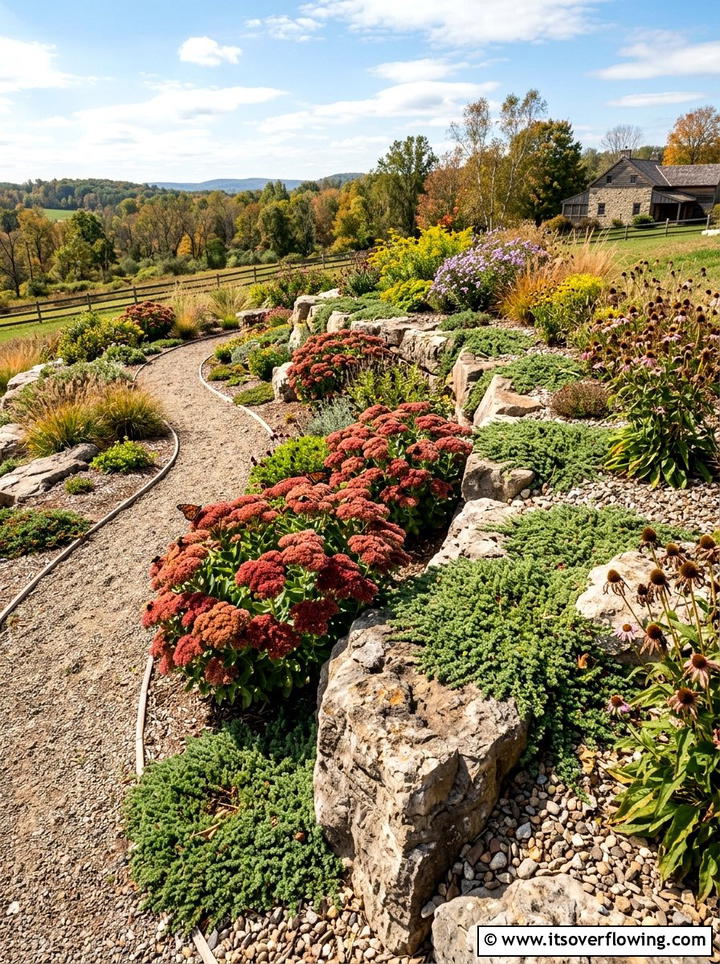
If you have a sloped or rocky area, you can turn it into a unique habitat for specialized insects. Rock gardens are ideal for drought-tolerant pollinator plants that prefer excellent drainage. Succulents like autumn joy sedum and alpine flowers like rock cress thrive in these conditions. The stones themselves absorb heat during the day, which butterflies use to warm their wings in the morning. This creates a microclimate that supports a different variety of life compared to a standard garden bed. You can tuck small clumps of wild strawberry between the rocks for ground cover. This rugged design adds texture to your landscape while supporting the local environment.
9. Hummingbird garden trellis
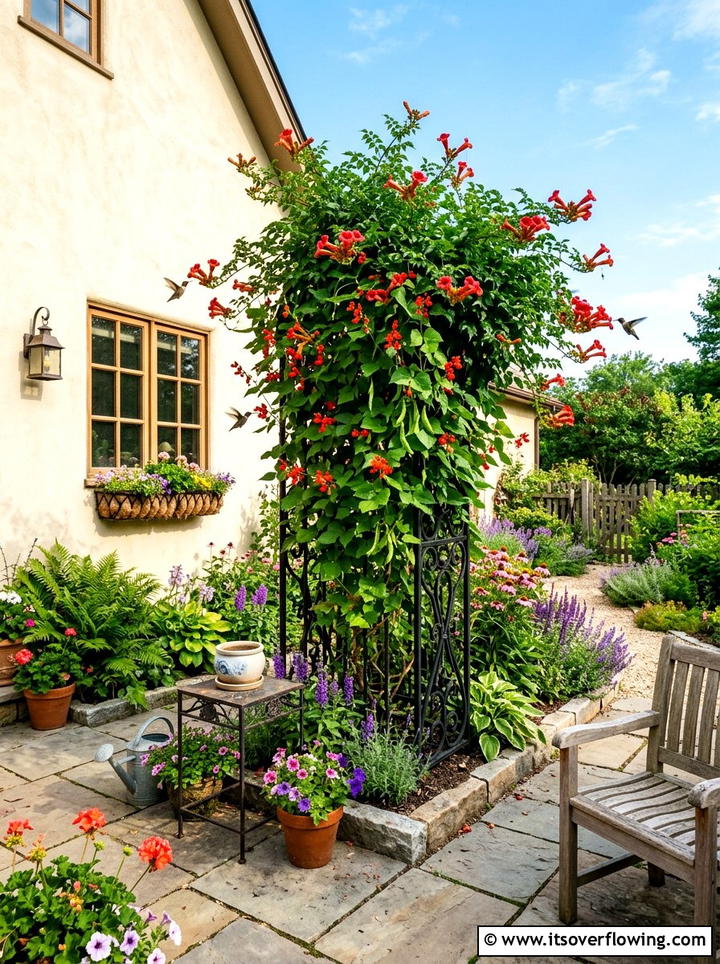
Watching a hummingbird hover near a flower is a truly magical experience for any gardener. To attract these tiny birds to a small space, you should utilize vertical structures like trellises. Trumpet vine or scarlet runner beans are fantastic choices that produce the bright, tubular flowers hummingbirds adore. These climbers take up very little ground space but provide a significant amount of forage high above the garden floor. You can place a trellis against a sunny wall or use it as a privacy screen. The vibrant red and orange hues of these flowers add a dramatic splash of color. This vertical element makes your garden more dynamic.
10. Pollinator container garden
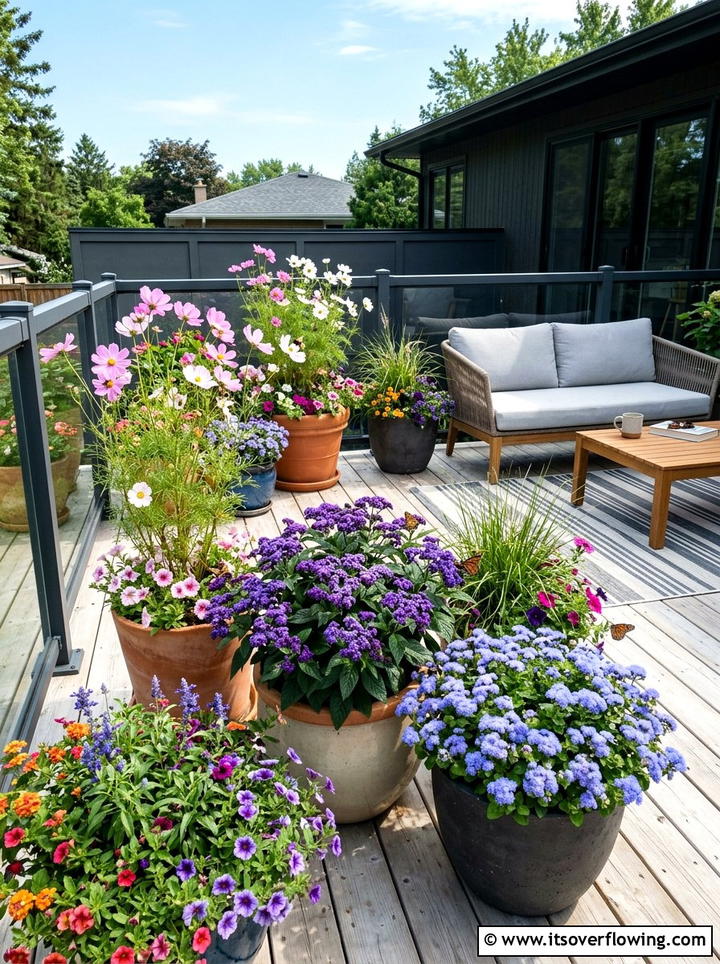
You do not need a large plot of land to make a significant impact on your local ecosystem. Container gardening allows you to grow a wide variety of pollinator plants on a porch, deck, or even wide stairs. By mixing different species like cosmos, heliotrope, and ageratum in large pots, you can create miniature meadows. These containers can be moved around to follow the sun, ensuring your plants stay healthy and productive. Using organic potting soil and avoiding pesticides is crucial for keeping the visiting insects safe. You can experiment with different color palettes to match your home’s exterior. This flexible approach is perfect for urban renters.
11. Narrow side yard garden
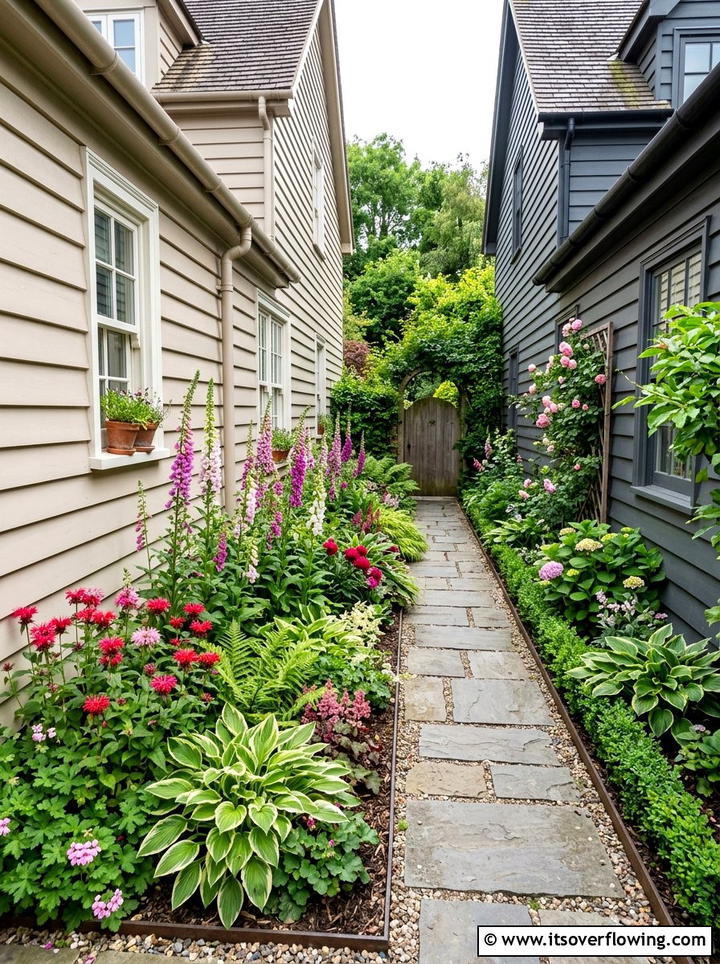
That often-ignored strip of land along the side of your house can become a thriving corridor for wildlife. Many homeowners struggle with narrow side yards, but these spaces are perfect for a linear pollinator garden. You can plant rows of tall, thin perennials like foxgloves or hollyhocks against the house wall. In front of those, add medium-height plants such as purple coneflower and bee balm. This layered effect maximizes the available space and provides shelter for insects. Adding a layer of organic mulch helps retain moisture and keeps the roots cool. This transformation turns a wasted space into a beautiful, functional garden that enhances your home’s value.
12. Bee friendly balcony garden
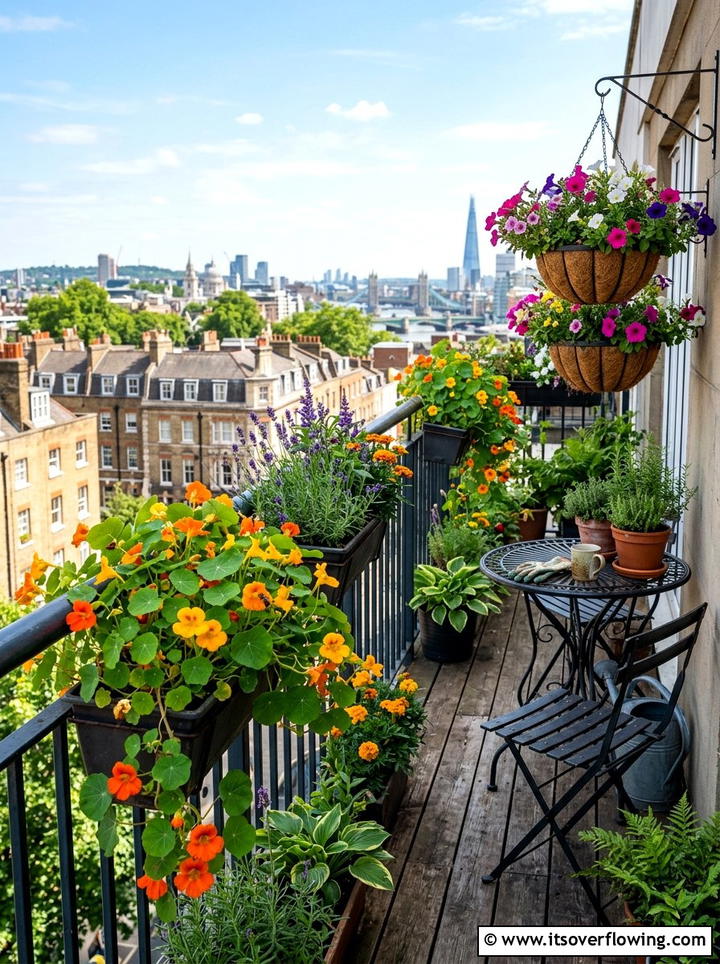
Living in an apartment should not stop you from enjoying the beauty of a pollinator-filled garden. A balcony offers a unique opportunity to provide food for bees high above the city streets. You can use railing planters and hanging baskets to grow flowers like nasturtiums and petunias. These plants are easy to care for and provide a splash of color that brightens your outdoor seating area. It is important to choose wind-resistant plants and secure your pots properly to prevent accidents. Adding a small dish with wet sand can help bees collect minerals. This compact garden becomes a vital stepping stone for pollinators in urban landscapes.
13. Pollinator garden raised bed
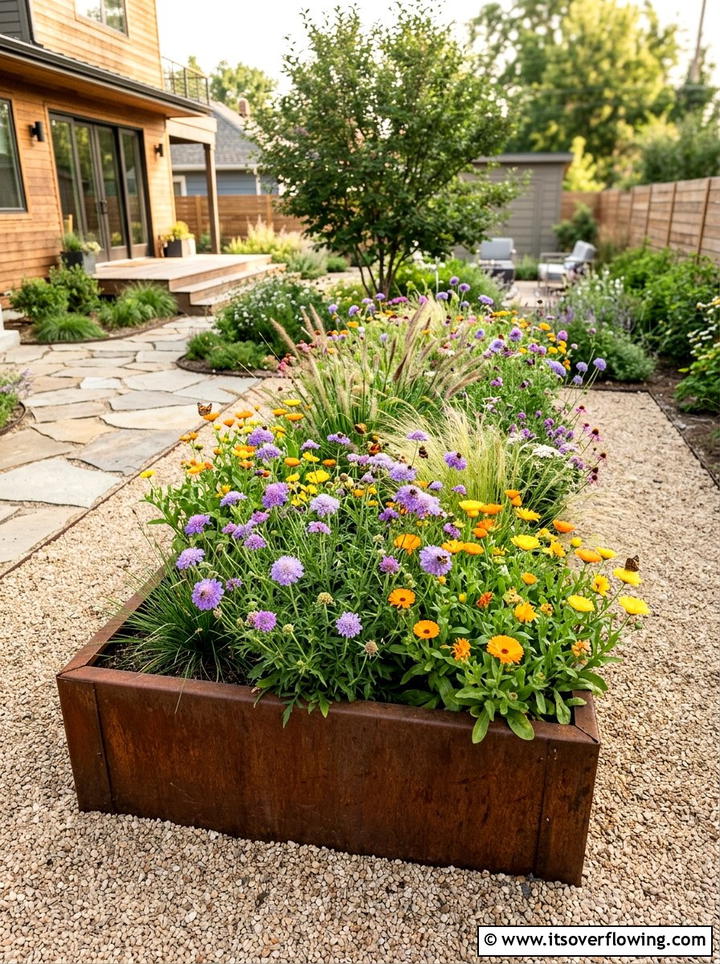
Raised beds offer better drainage and warmer soil, making them ideal for growing a wide range of flowers. Building a small raised bed allows you to control the soil quality and create the perfect environment for pollinator plants. You can fill the bed with a mix of perennials and annuals, such as scabiosa and calendula. This structured look keeps your garden organized and makes it easier to manage weeds. The height of the bed also brings the flowers closer to eye level for observation. Including a few clumps of ornamental grasses provides nesting material and shelter. This design combines functionality with aesthetic appeal for any yard.
14. Fragrant pollinator garden
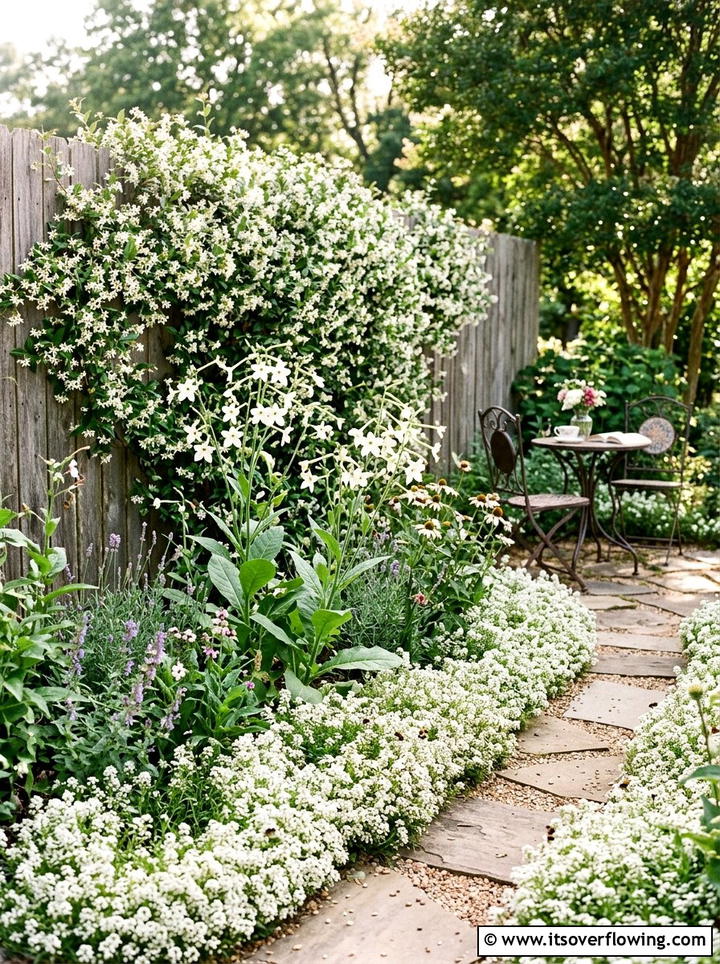
A garden that smells as good as it looks adds another layer of enjoyment to your outdoor experience. Many plants that attract pollinators are also highly fragrant, such as sweet alyssum, stocks, and jasmine. Planting these near your seating areas allows you to enjoy their scent while watching bees and butterflies at work. Evening-blooming plants like flowering tobacco or moonflowers can even attract nocturnal pollinators like moths. This sensory-rich garden creates a relaxing atmosphere where you can unwind after a long day. Combining different scents ensures that your garden is attractive at all hours. By choosing fragrant varieties, you create a more immersive and pleasant environment.
15. Shady pollinator garden
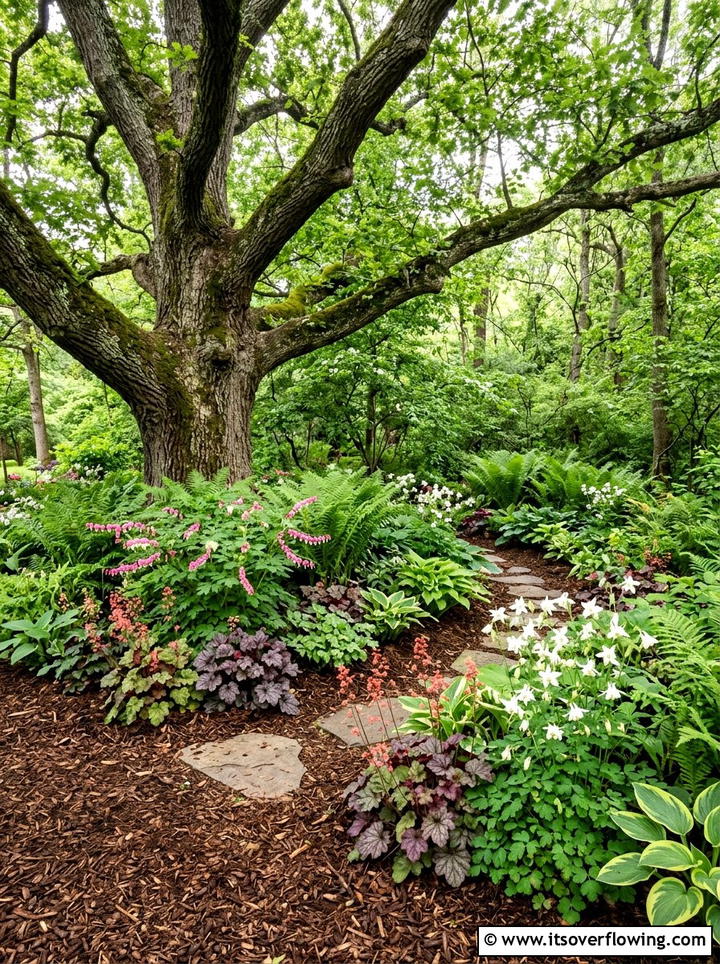
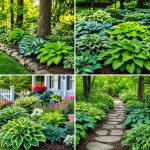
Even if your yard is mostly shaded by trees or buildings, you can still support local pollinators. Many woodland plants have evolved to bloom in lower light conditions and provide essential food for bees. Species like bleeding hearts, coral bells, and columbine are excellent choices for a shady spot. These plants often have unique foliage textures that add visual interest even when they are not in bloom. You can incorporate ferns to provide cool, damp hiding spots for small insects. Using light-colored flowers like white foamflower can help brighten up the darker corners. This design proves that you do not need full sun for habitat.
16. Pollinator garden birdbath
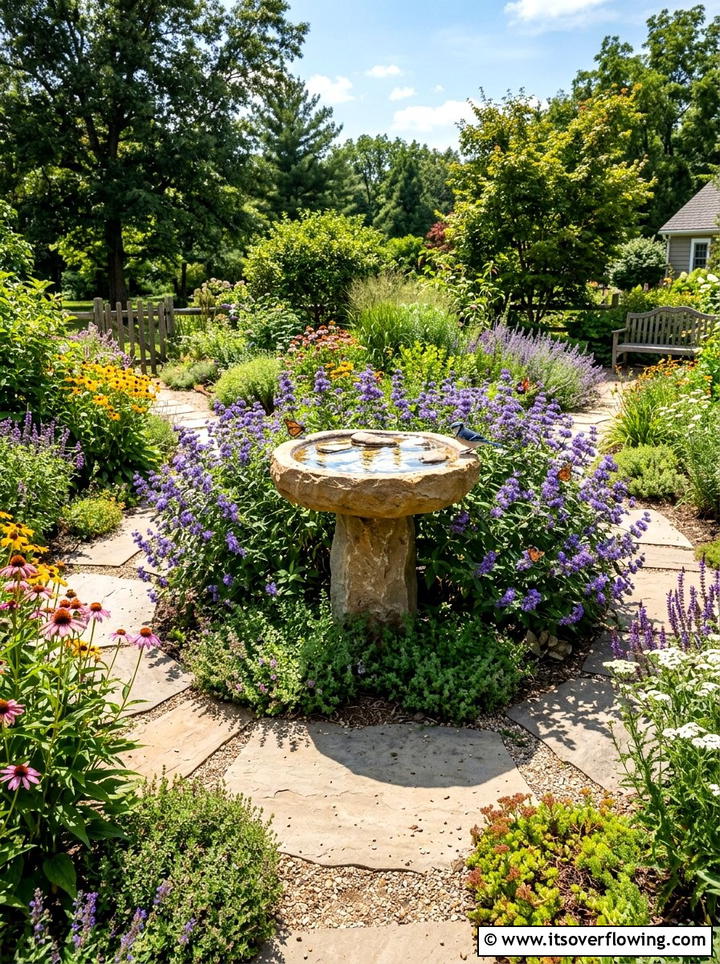
Water is a critical component of any wildlife habitat, yet it is often overlooked in garden design. Integrating a birdbath or a small water feature into your pollinator garden provides essential hydration for all types of visitors. To make it safe for bees and butterflies, you should place flat stones in the water so they can land safely. Placing the water feature near nectar-rich flowers like bluebeard or aster makes it easier for insects to find. A gently bubbling fountain can also attract hummingbirds who enjoy bathing in the mist. Keeping the water clean and fresh ensures that your garden remains a healthy and inviting place.
17. Edible pollinator garden
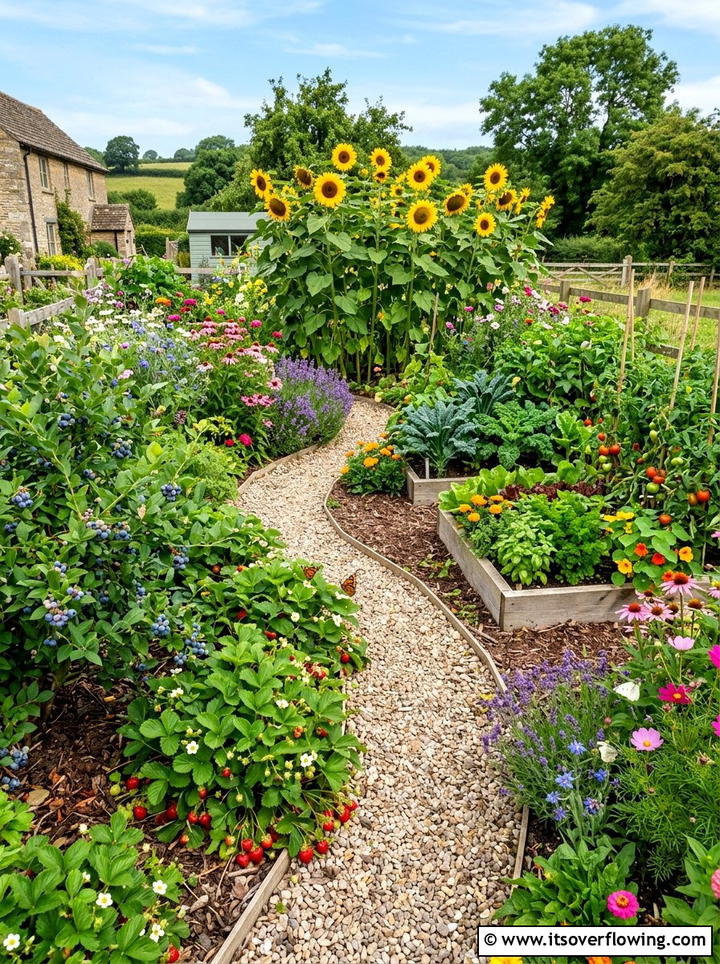
Growing your own food and supporting wildlife do not have to be separate goals for your small yard. Many fruit-bearing plants, such as blueberries and strawberries, require pollinators to produce a harvest. By interplanting these with flowers like sunflowers or borage, you ensure that bees are always present for fertilization. This creates a highly productive ecosystem where you can enjoy fresh berries while the insects get plenty of nectar. Even small fruit trees like dwarf apples can be included in a compact space if grown in large containers. This holistic approach to gardening maximizes the utility of your land while nourishing your local insect population.
18. Lavender pollinator garden
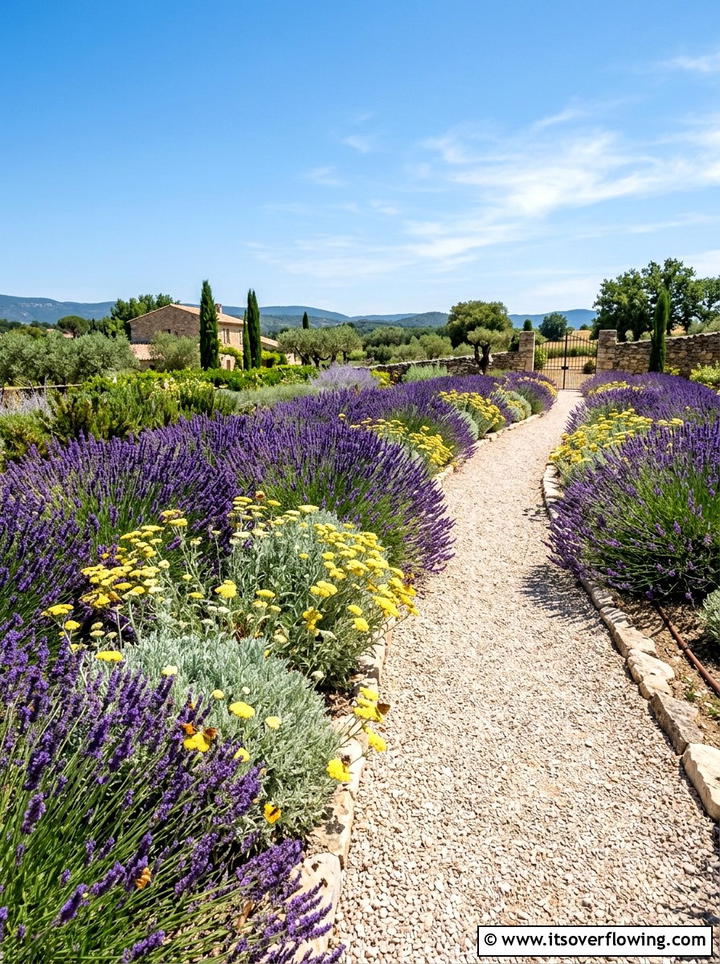
Lavender is a classic choice for any garden due to its incredible scent and hardy nature. This plant is a favorite for honeybees and bumblebees, who are drawn to its purple spikes and rich nectar. In a small garden, you can plant lavender along a sunny walkway or in a dedicated Mediterranean-style bed. It requires very little water once established and thrives in poor soil with good drainage. You can pair it with other drought-tolerant plants like yarrow or sea holly for a textured, silvery-green look. The dried flowers can also be used for crafts or cooking. This low-maintenance plant provides beauty and support effortlessly.
19. Late season pollinator garden
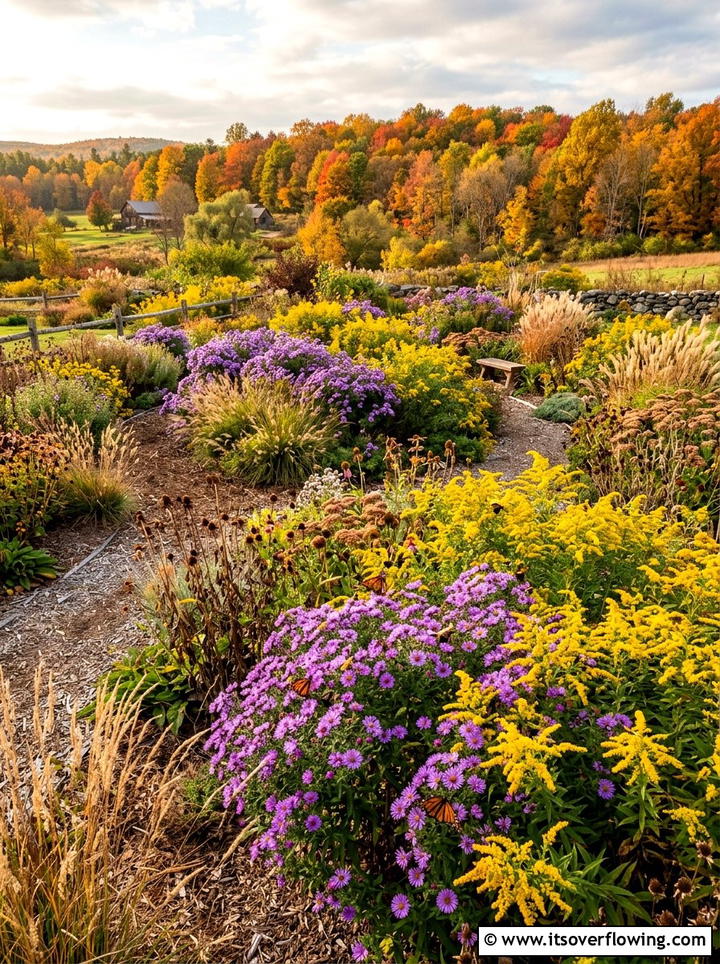
Most gardeners focus on spring and summer, but pollinators also need food as they prepare for winter. Including plants that bloom in late summer and autumn, such as asters and goldenrod, is vital for migrating butterflies. These flowers provide a high-energy food source when many other plants have already finished blooming. In a small space, you can tuck these into existing beds to extend the garden’s season of interest. The bright yellows and deep purples of fall flowers create a stunning display against changing leaves. Providing this late-season nectar ensures that insects have the fuel they need to survive or travel long distances.
20. Pollinator garden privacy screen
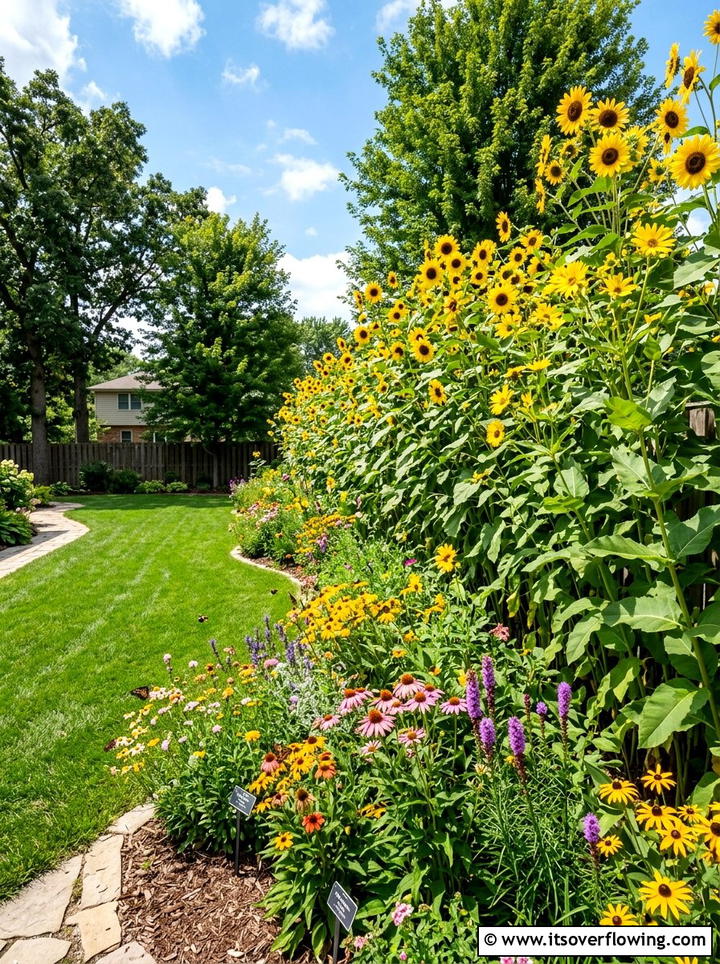
You can create a sense of seclusion in your yard while also providing a massive food source for bees. Fast-growing tall perennials or climbing vines can serve as a natural privacy screen in small outdoor areas. Sunflowers, Joe Pye weed, and cup plants grow tall enough to block views while producing hundreds of individual flowers. You can plant these in a dense row along your property line to create a living wall. Not only does this provide privacy, but it also creates a vertical habitat for many different insect species. The dense foliage can also offer nesting sites for birds who visit the garden.
21. Monochromatic pollinator garden
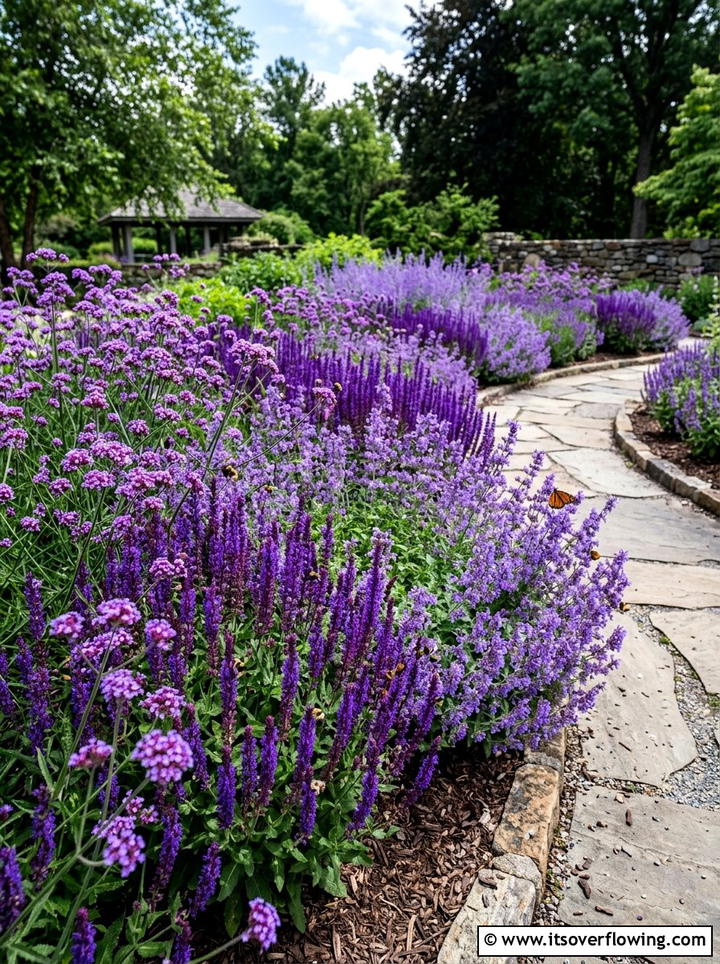
Choosing a single color theme can make a small garden feel more cohesive and intentionally designed. A “white garden” using flowers like Shasta daisies and sweet alyssum looks elegant and stands out in the twilight. Many white flowers are highly attractive to moths and other nocturnal pollinators. Alternatively, a “purple garden” with salvia, catmint, and verbena creates a vibrant look that bees find particularly appealing. Sticking to one color palette helps prevent a small space from looking cluttered or overwhelming. You can use different shades and textures of the same color to add depth. This sophisticated approach shows you can be stylish and ecological.
22. Pollinator garden fairy house
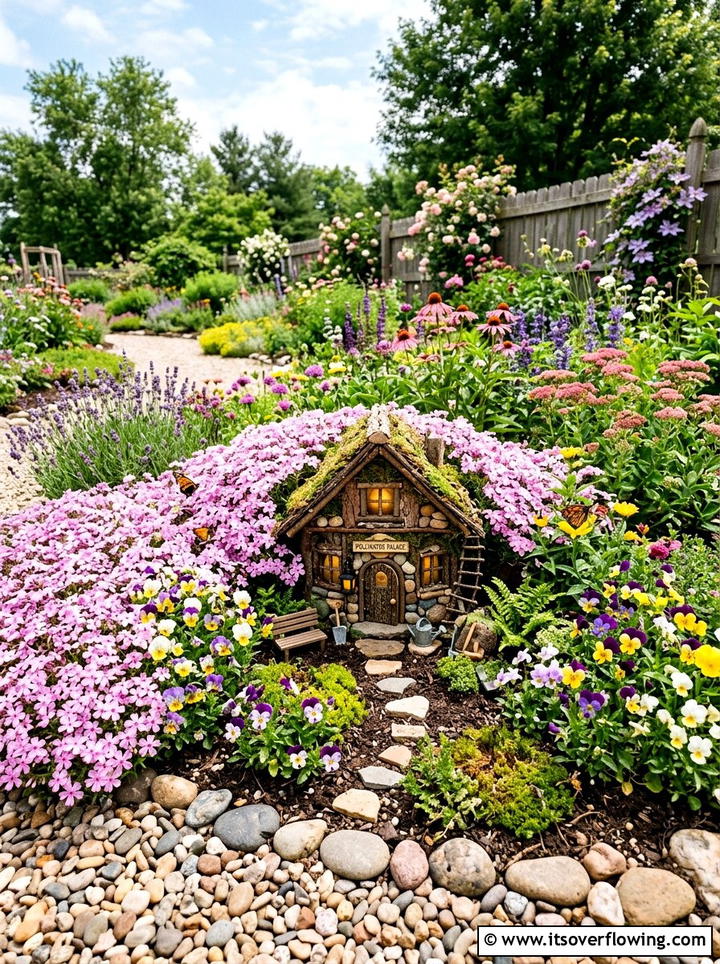
Adding a touch of whimsy to your garden can make it a fun project for children and adults alike. You can incorporate small decorative elements like fairy houses or miniature gnome homes among your pollinator plants. Tucking these into a bed of low-growing flowers like pansies or creeping phlox creates a charming, hidden world. While the houses are for decoration, they can be surrounded by real habitat features like hollow stems. These provide nesting spots for solitary bees, making the area truly functional for wildlife. This playful approach encourages people to look closer at the plants and the insects that visit them every day.
23. Small wildflower meadow
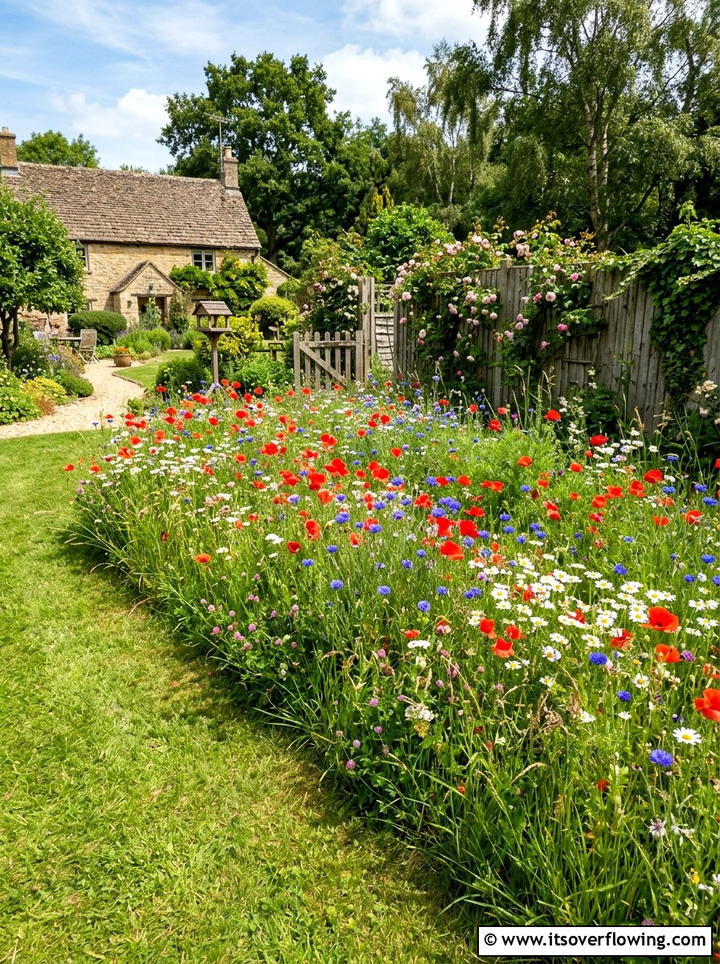
You do not need an entire field to enjoy the casual beauty of a wildflower meadow. By using a wildflower seed mix designed for your specific region, you can create a miniature meadow in a small patch of soil. This style of gardening is very naturalistic and requires minimal mowing or tidying. You will see a rotating cast of flowers throughout the season, attracting a wide variety of butterflies and bees. It is important to remove any existing grass before sowing your seeds to give the wildflowers a chance. This type of garden provides a rich tapestry of colors and textures that changes every week.
24. Succulent pollinator garden
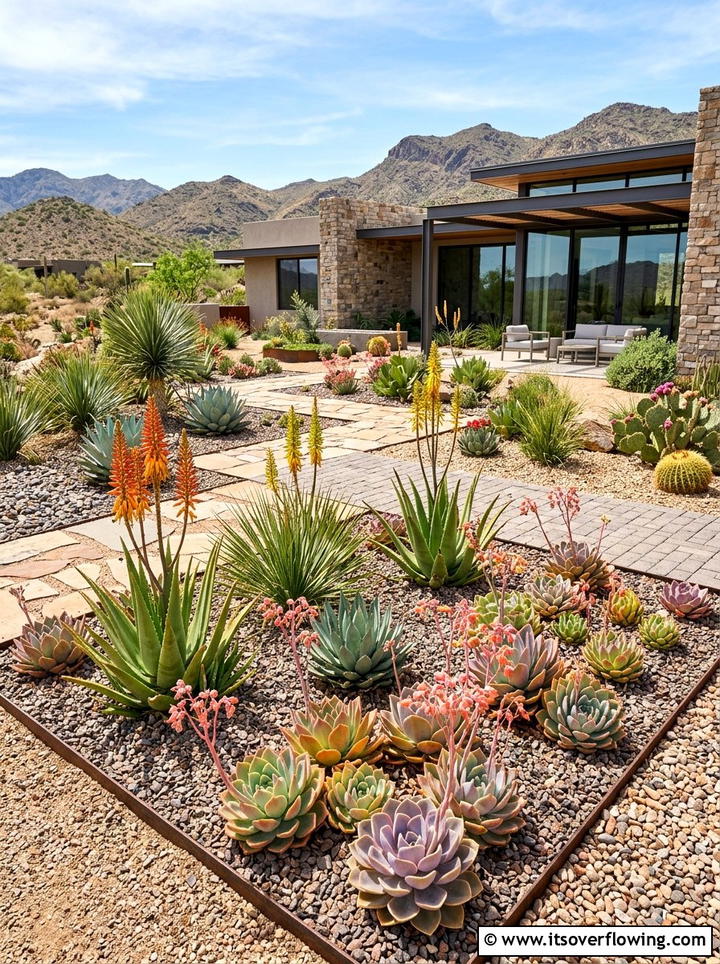
If you live in a dry climate or have a very sunny spot, succulents are an excellent choice. Many people do not realize that succulents like echeveria and aloe produce beautiful flowers that attract hummingbirds and bees. These plants store water in their leaves, making them incredibly resilient to heat and neglect. You can arrange them in a small rockery or in modern, geometric planters for a clean look. The architectural shapes of succulents provide a contemporary feel to your garden design. When they do bloom, their nectar-rich stalks become a popular destination. This style of garden is perfect for busy homeowners today.
25. Pollinator garden bench
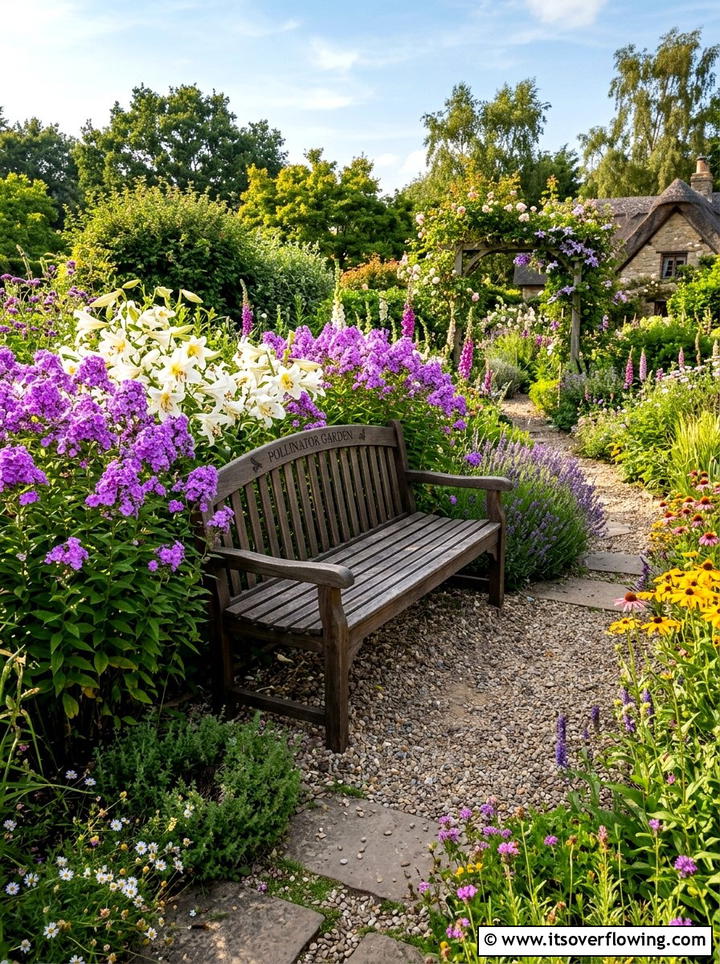
Creating a place where you can sit and observe the life in your garden is essential for your enjoyment. You can position a small garden bench or a pair of chairs in the center of your pollinator plants. Surround the seating area with tall, fragrant flowers like lilies or phlox to create an immersive experience. This allows you to witness the intricate dance of bees and butterflies from just a few feet away. Being close to nature has been shown to reduce stress and improve mental well-being. By designing your garden around a seating area, you make the wildlife the main attraction of your small space.
Conclusion:
Building a small garden with pollinator plants is a wonderful way to give back to the environment while enhancing your home’s beauty. Throughout this guide, we have explored twenty-five diverse ways to incorporate nectar-rich flowers and habitats into even the most limited spaces. Whether you choose a vertical wall, a window box, or a simple container, your efforts will make a real difference for local bees and butterflies. These gardens require little space but offer immense rewards in terms of visual appeal and ecological impact. By choosing native plants and providing water, you create a sanctuary that thrives year after year. We hope these ideas inspire you to start your own pollinator project and enjoy the vibrant life it brings to your doorstep.

Related posts:
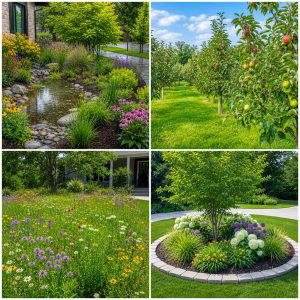 25 Creative Garden Ideas With Pollinator Beds for More Blooms
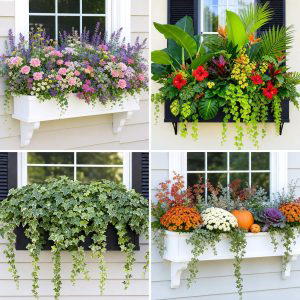 25 Garden Ideas With Window Boxes for Beautiful Blooms
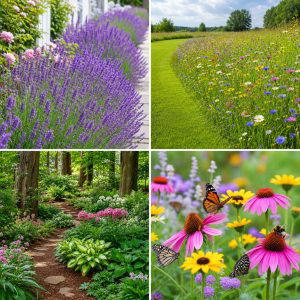 25 Garden Ideas for Bees to Grow a Pollinator Paradise
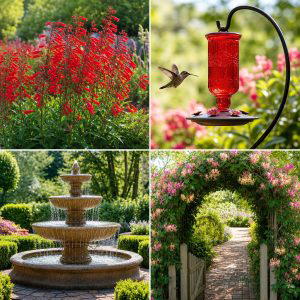 25 Creative Garden Ideas With Hummingbird Plants
 25 creative garden ideas with pet friendly plants for Safe Yards
 25 Creative Garden Ideas With Sculptural Plants for Drama
 25 garden design ideas with edible plants: Beautiful Foodscapes
 25 garden design ideas with monochrome plants: Chic Planting
 25 Garden Design Ideas With Woodland Plants for Lush Shade
 25 Small Garden Ideas With Layered Plants for Lush Depth
 25 Small Garden Ideas With Low Maintenance Plants You’ll Love
 25 small garden ideas with pet friendly plants for Safe Style