
Creating a bee-friendly sanctuary in your backyard is one of the most rewarding projects any homeowner can undertake today. Not only do you get to enjoy a vibrant, buzzing environment filled with life, but you also play a crucial role in supporting local ecosystems and biodiversity. Bees are essential pollinators that help our food crops and wildflowers thrive, yet they face many challenges in modern urban landscapes. By choosing the right plants, providing nesting sites, and offering clean water, you can transform your outdoor space into a thriving haven. This guide explores creative ways to invite these tiny workers into your garden through thoughtful planning and sustainable practices.
1. Wildflower Meadow
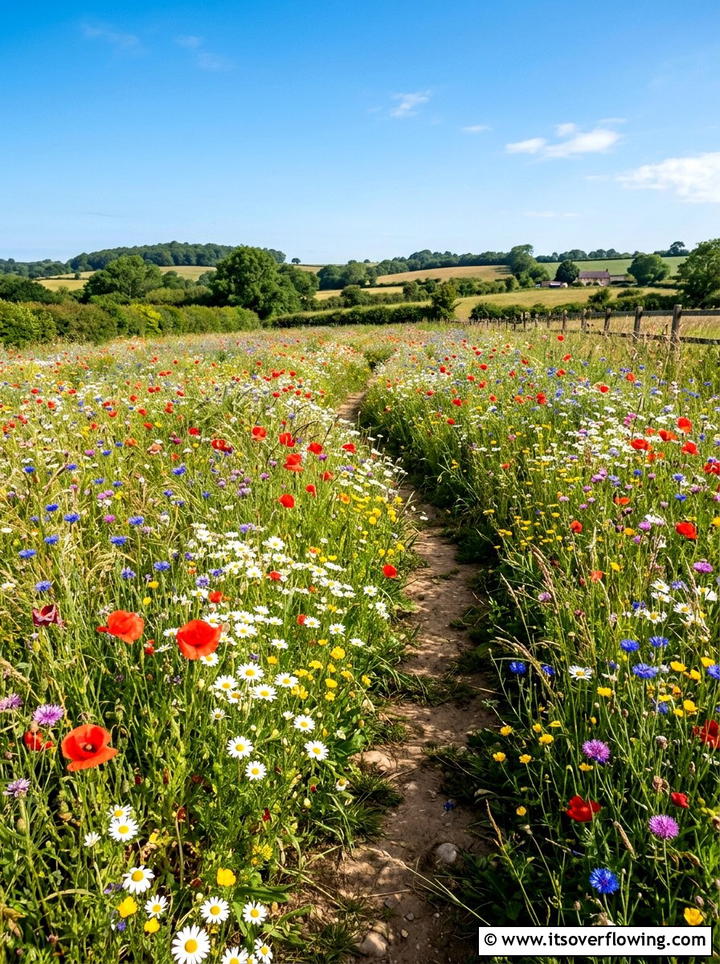
Have you ever dreamed of a backyard that looks like a colorful, untamed field stretching toward the horizon? A wildflower meadow is a perfect solution for attracting a diverse range of bee species while reducing your weekly lawn maintenance chores. These areas are typically filled with native annuals and perennials that provide a consistent source of nectar and pollen throughout the growing season. By letting a portion of your lawn go wild, you create a natural habitat that supports local biodiversity. Bees are particularly drawn to the variety of shapes and colors found in a mixed meadow, making it a busy hub of activity during the warm summer months.
2. Lavender Border
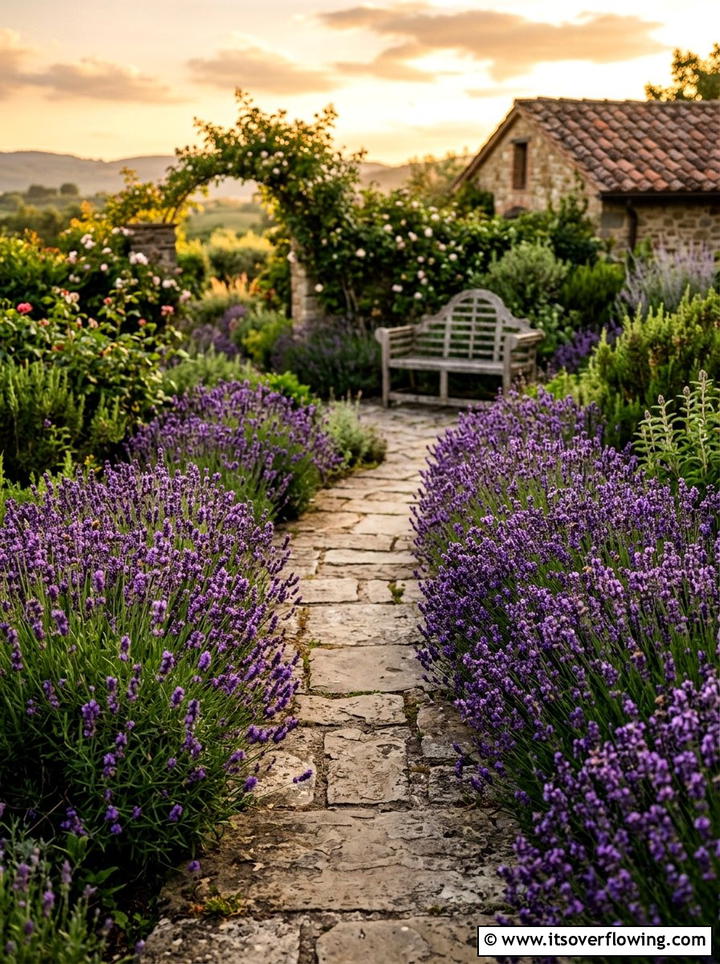
Imagine walking down a path lined with fragrant, purple blooms that hum with the gentle sound of happy bees. Lavender is one of the most popular plants for any pollinator-focused landscape because it is exceptionally rich in nectar and blooms for a long period. This hardy perennial thrives in sunny spots with well-draining soil, making it a low-maintenance choice for busy gardeners. The structured look of a lavender border adds a touch of Mediterranean elegance to your home while providing a reliable food source. Bees are highly attracted to the vibrant violet color and the accessible flowers that make gathering pollen very easy for them.
3. Bee Hotel
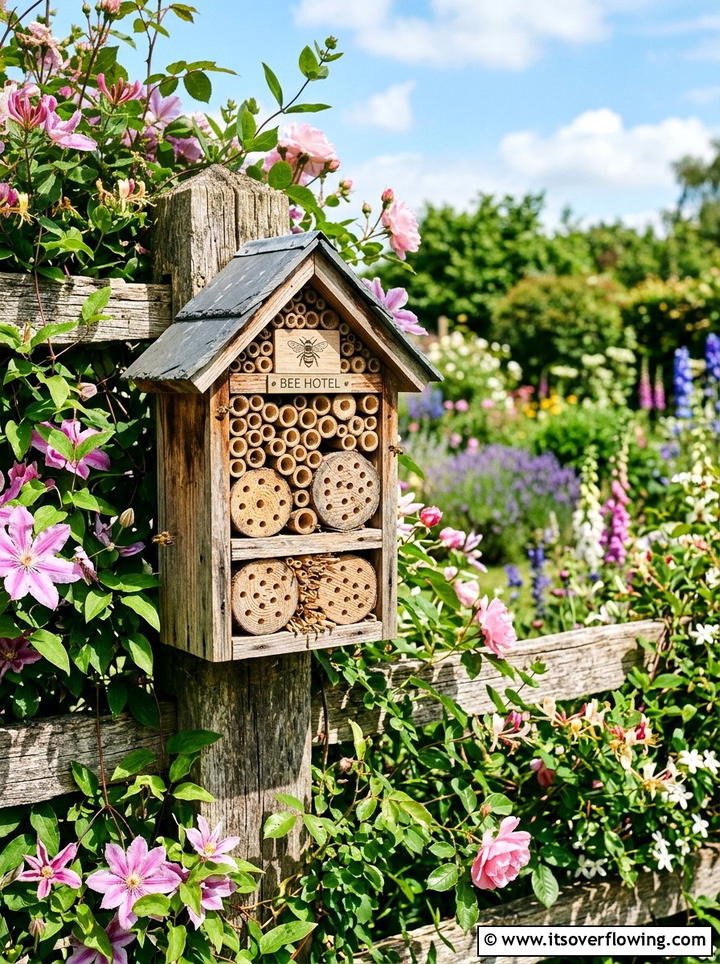
Providing a safe place for solitary bees to nest is just as important as giving them plenty of flowers to visit. A bee hotel is a structured sanctuary made from natural materials like hollow bamboo reeds, drilled wood blocks, and dry straw. Unlike honeybees, solitary bees do not live in hives, so they look for small cavities to lay their eggs and protect them from predators. Placing a well-crafted hotel in a sunny, south-facing spot helps these essential pollinators thrive in your backyard. It serves as both a functional habitat and a charming rustic focal point that teaches children about the importance of protecting our tiny garden friends.
4. Native Plant Garden
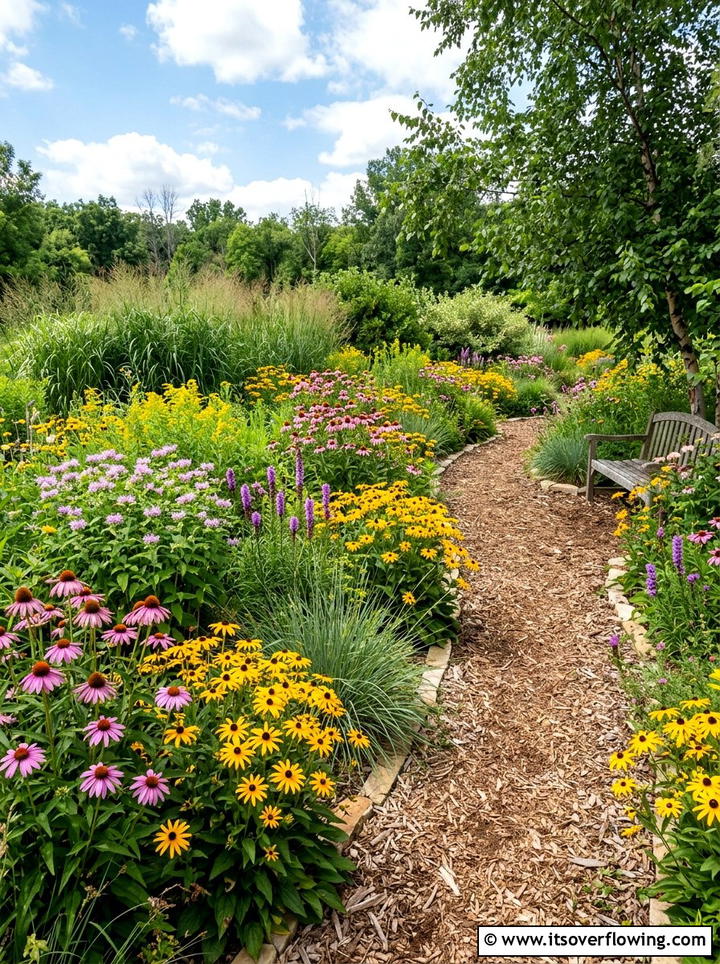
Are you looking for a way to garden that is both environmentally responsible and perfectly suited to your local climate? A native plant garden uses species that naturally occur in your region, which means they have evolved alongside local bee populations. These plants often require less water and fewer fertilizers because they are already adapted to the local soil conditions and weather patterns. By choosing indigenous flowers, you offer the specific types of pollen and nectar that local bees need most to survive and reproduce. This approach creates a balanced ecosystem where your garden becomes a vital link in the local wildlife corridor for many different species.
5. Herb Garden
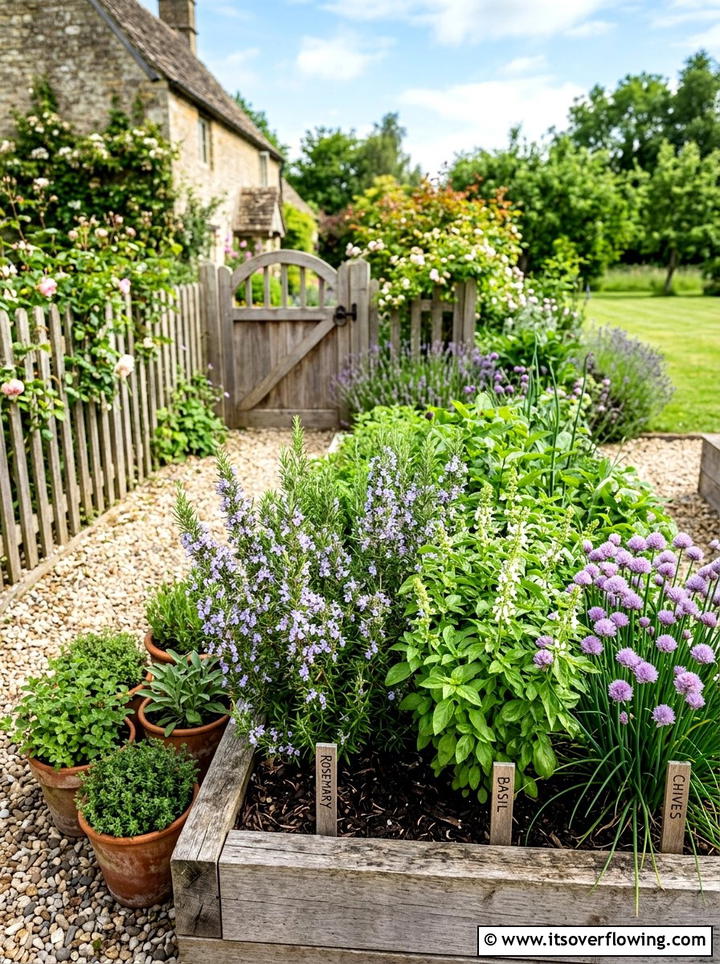
Can you imagine a garden that provides fresh flavors for your kitchen while serving as a banquet for local pollinators? Growing a dedicated herb garden is a fantastic way to support bees, especially if you let some of the plants go to flower. Herbs like rosemary, thyme, oregano, and chives produce tiny, nectar-rich blossoms that bees absolutely adore once the harvest season peaks. These plants are often very easy to grow in pots or small raised beds, making them accessible for even the smallest outdoor spaces. The aromatic foliage and beautiful flowers create a sensory experience that benefits both the gardener and the busy bees visiting daily.
6. Sunflower Patch
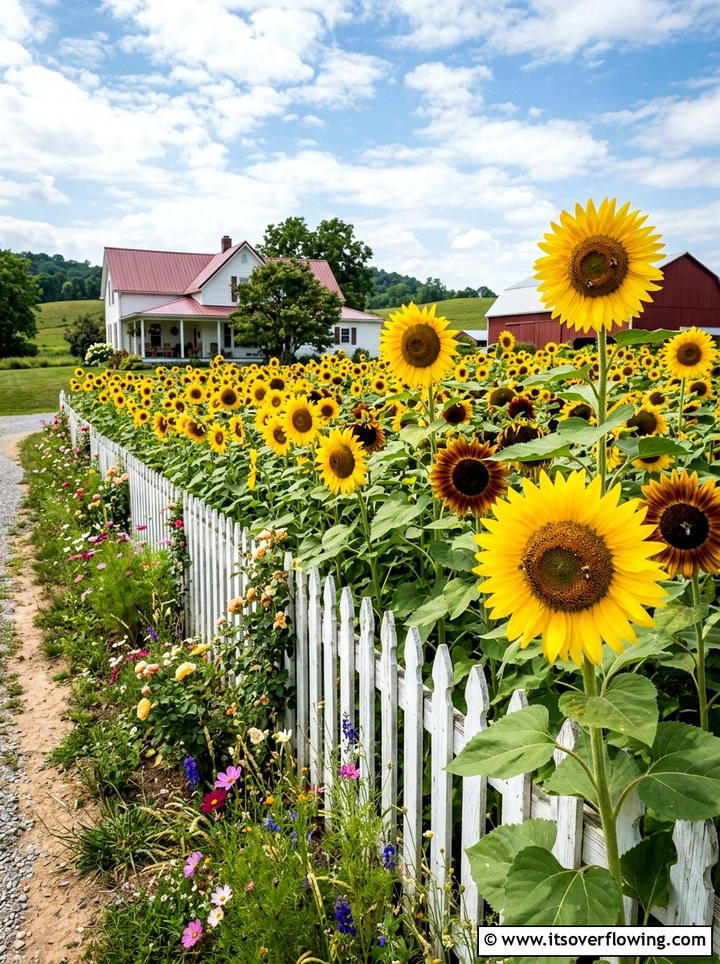
Giant sunflowers are iconic symbols of summer that bring a sense of joy and towering height to any backyard landscape. These impressive plants are not just beautiful to look at; they are also massive producers of pollen and nectar for various bee species. The large, flat centers of the flowers provide an easy landing pad for bees to rest and forage efficiently during the day. Planting a variety of heights and colors can create a stunning visual screen along a fence or at the back of a flower bed. Once the flowers fade, the seeds provide a secondary food source for birds, completing the circle of life.
7. Shallow Water Basin
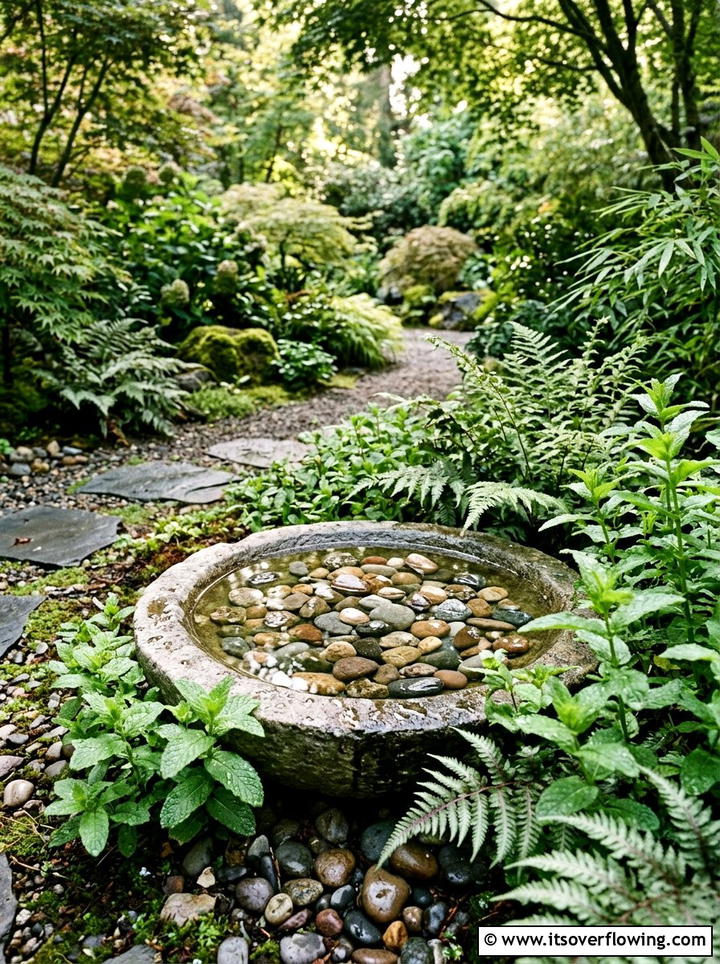
Every living creature needs a reliable source of hydration, and bees are no exception, especially during the hot summer months. A shallow water basin filled with clean water and decorative landing stones allows bees to drink safely without the risk of drowning. You can create a beautiful water feature using a ceramic birdbath or a simple stone bowl tucked among your flowers. Adding pebbles or moss gives the bees a sturdy place to perch while they sip, making the water easily accessible. This small addition to your landscape ensures that bees can stay hydrated while they work hard to pollinate your beautiful garden plants.
8. Clover Lawn
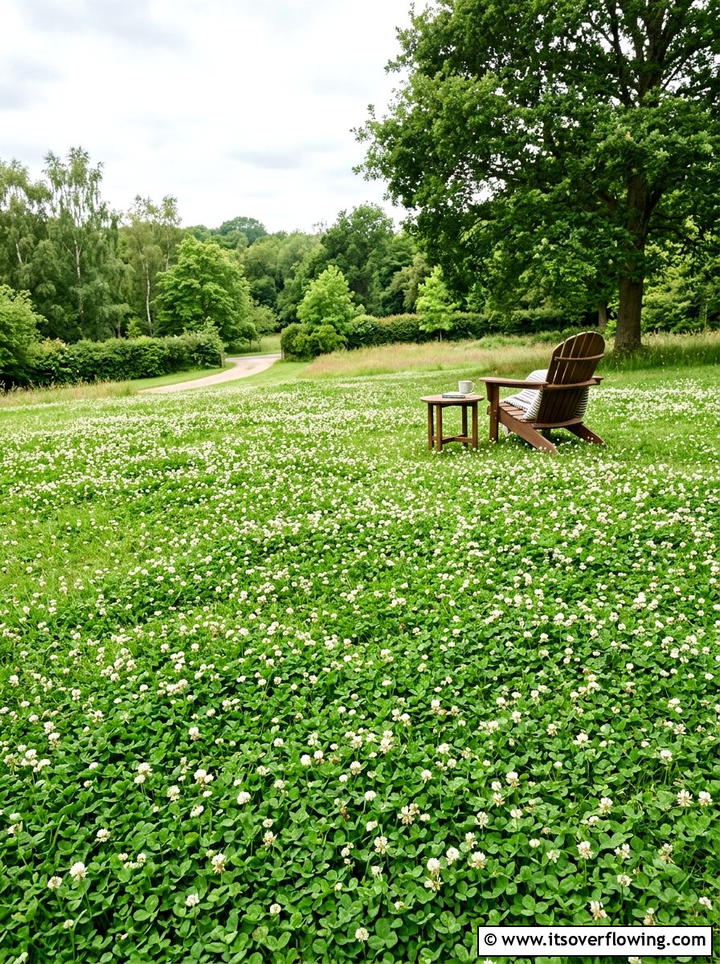
Traditional grass lawns often require a lot of chemicals and water, but a clover lawn offers a sustainable and bee-friendly alternative. Clover is a nitrogen-fixing plant that stays green even during dry spells, and its small white or pink flowers are a favorite food source. Replacing even a portion of your turf with clover creates a soft, walkable surface that hums with life throughout the spring and summer. It requires much less mowing than standard grass, which saves you time and reduces your carbon footprint. This simple change transforms a sterile green space into a productive foraging ground for honeybees and bumblebees alike.
9. Perennial Flower Bed
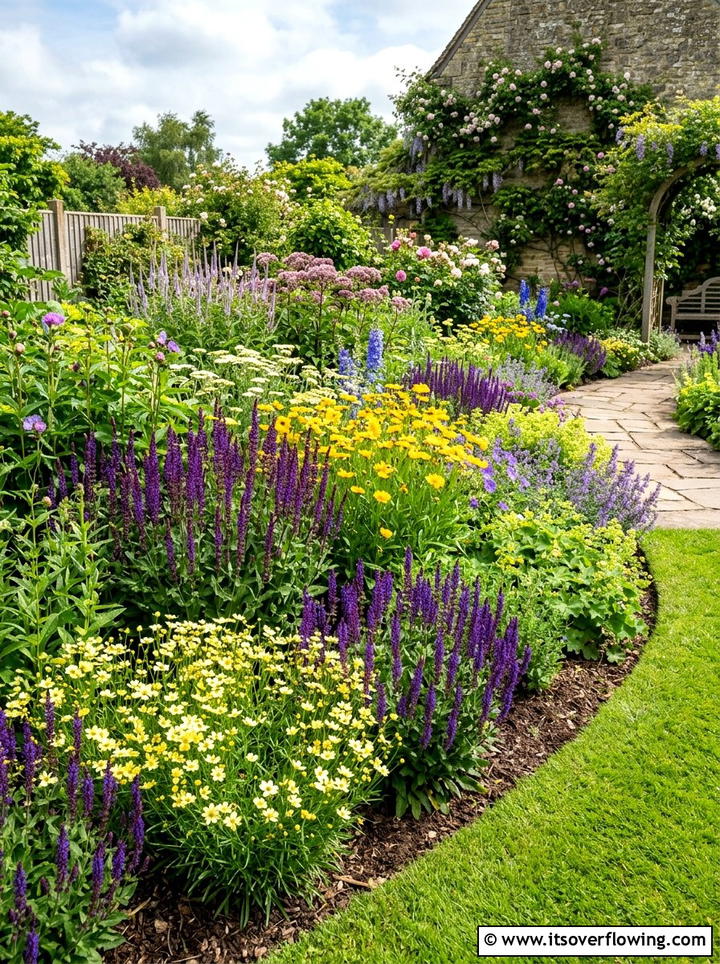
A well-planned perennial flower bed provides a reliable and returning source of food for bees year after year without replanting. By selecting a mix of plants that bloom at different times, you can ensure there is always something for the bees to eat. Popular choices like coneflowers, black-eyed Susans, and bee balm are hardy, beautiful, and highly attractive to a wide variety of pollinators. These beds look better as they mature, filling in gaps and creating a dense tapestry of color and texture in your yard. The deep roots of perennials also help improve soil health, making your entire garden more resilient and sustainable.
10. Cottage Garden
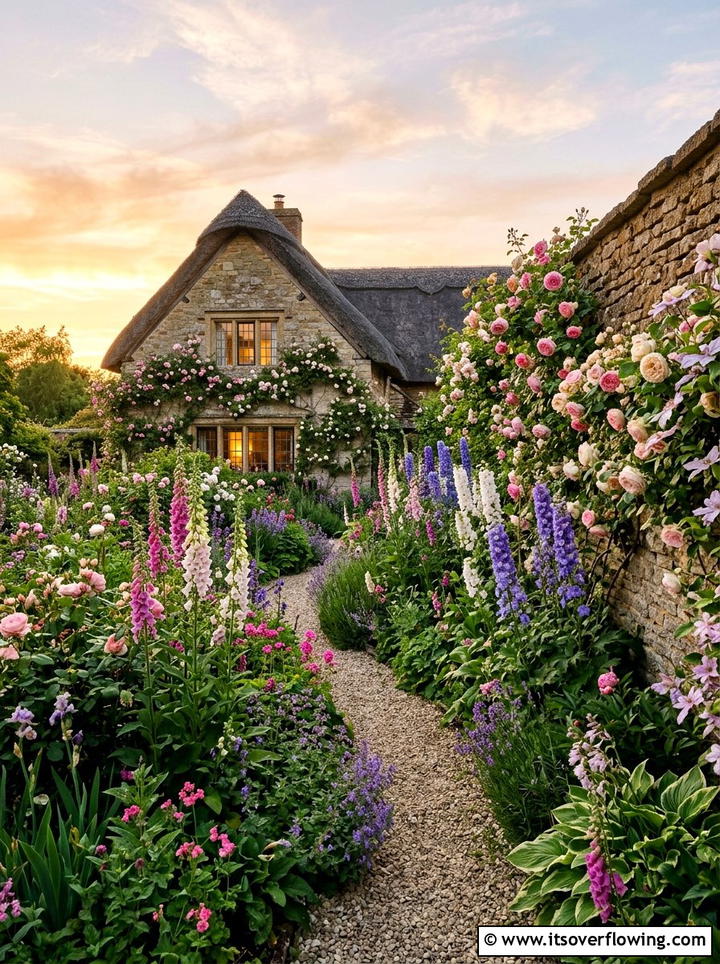
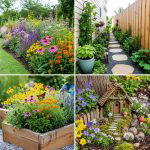
The whimsical and crowded look of a classic cottage garden is actually a paradise for bees looking for a diverse diet. This style uses a dense planting technique that mixes tall foxgloves, sprawling catmint, and climbing roses in a beautiful, organized chaos. Because the plants are packed closely together, bees can move quickly from one flower to the next, conserving energy as they forage. The variety of bloom shapes, from bell-like flowers to flat daisies, caters to different bee species with varying tongue lengths. A cottage garden feels romantic and timeless while providing an abundance of resources for every type of pollinator in your neighborhood.
11. Butterfly Bush
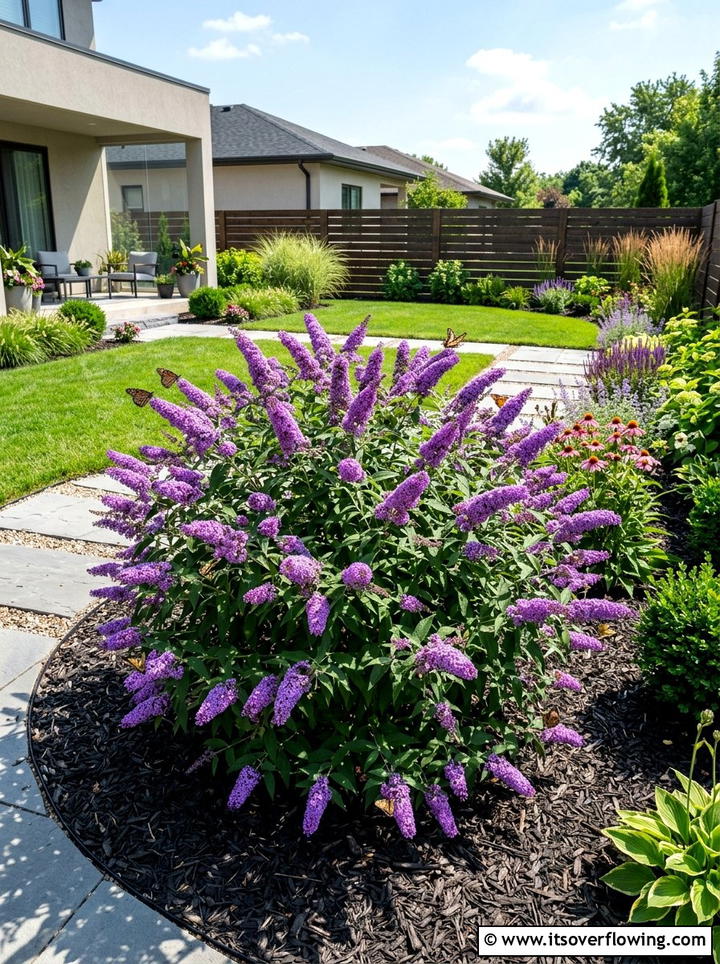
Despite its common name, the butterfly bush is a magnet for bees and other nectar-loving insects due to its honey-scented flower spikes. These fast-growing shrubs produce long clusters of tiny blossoms in shades of purple, pink, and white that last throughout the late summer. The intense fragrance can be smelled from across the yard, acting as a natural beacon for bees searching for a meal. While they are vigorous growers, modern sterile varieties are available to prevent them from becoming invasive in certain regions. Planting one of these shrubs near a patio allows you to enjoy the constant movement of pollinators from a comfortable distance.
12. Fruit Tree Orchard
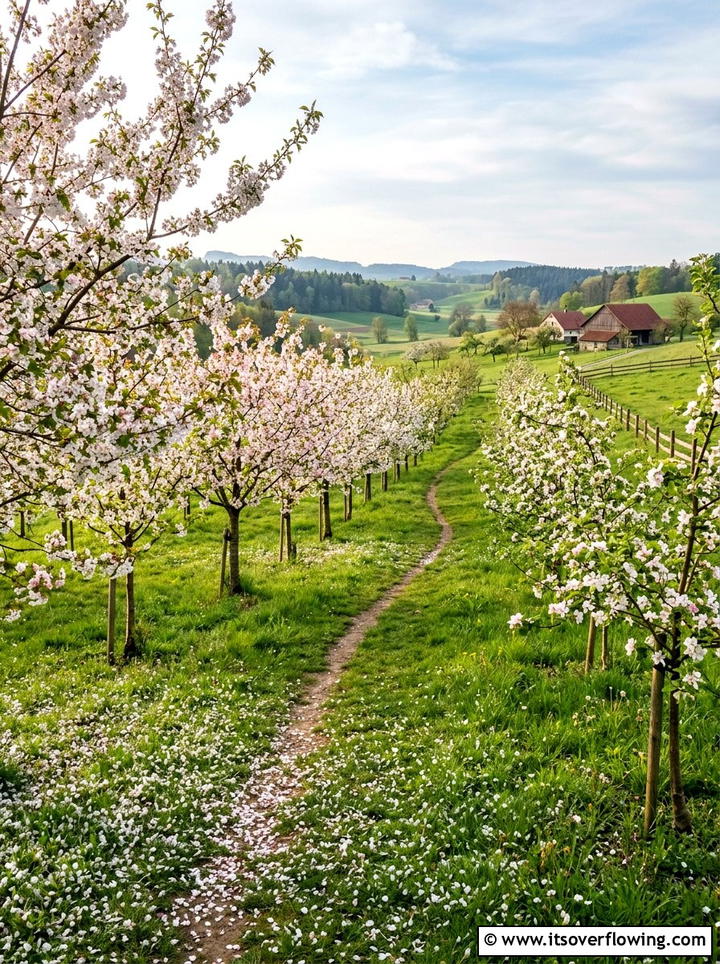
Have you ever considered that your future harvest of apples, cherries, or pears depends entirely on the hard work of bees? Planting even a few fruit trees creates a massive burst of blossoms in the early spring when food sources can be scarce. These flowering trees provide an essential early-season feast that helps bee colonies build up their strength after the long winter months. The beautiful clouds of white and pink petals also add a stunning aesthetic to your spring landscape before the green leaves emerge. In return for the nectar, the bees ensure your trees are properly pollinated, leading to a bounty of fresh fruit.
13. Vertical Garden
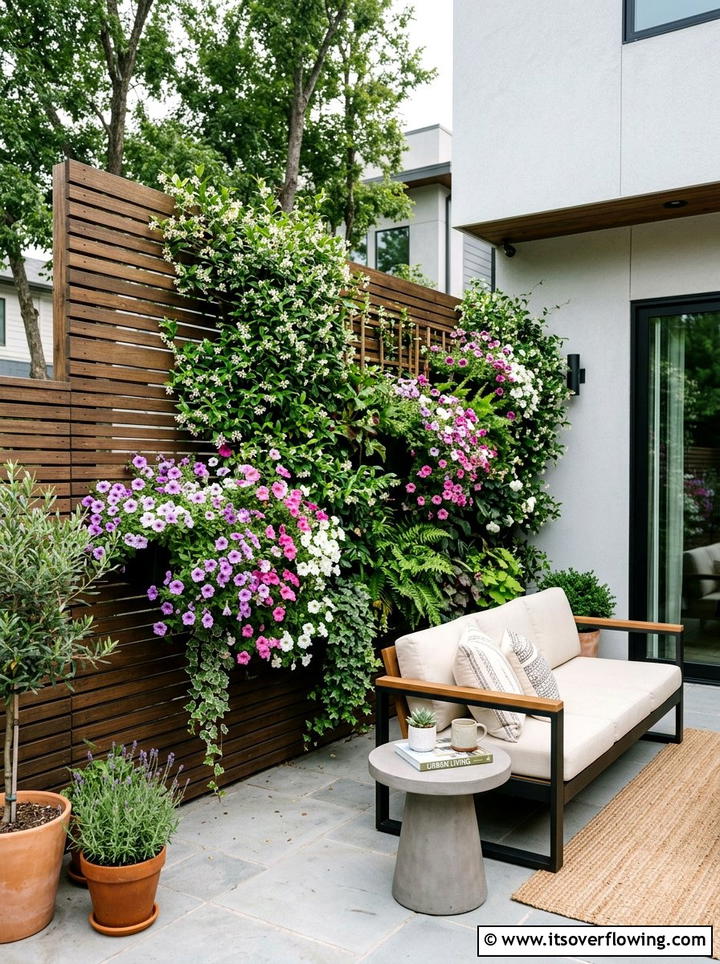
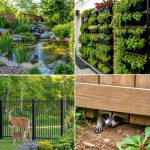
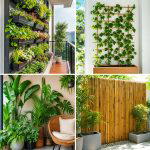
If you have a small backyard or just a balcony, a vertical garden allows you to support bees without taking up floor space. Using wall-mounted planters, trellises, or hanging baskets, you can grow a variety of flowering vines and trailing plants that attract pollinators. Clematis, jasmine, and climbing nasturtiums are excellent choices that provide vertical interest and plenty of nectar-rich blooms for bees to enjoy. This approach maximizes your growing area and brings the beauty of nature up to eye level, creating a lush green wall. Even in an urban environment, a vertical garden can serve as a vital stepping stone for traveling bees.
14. Shade Garden
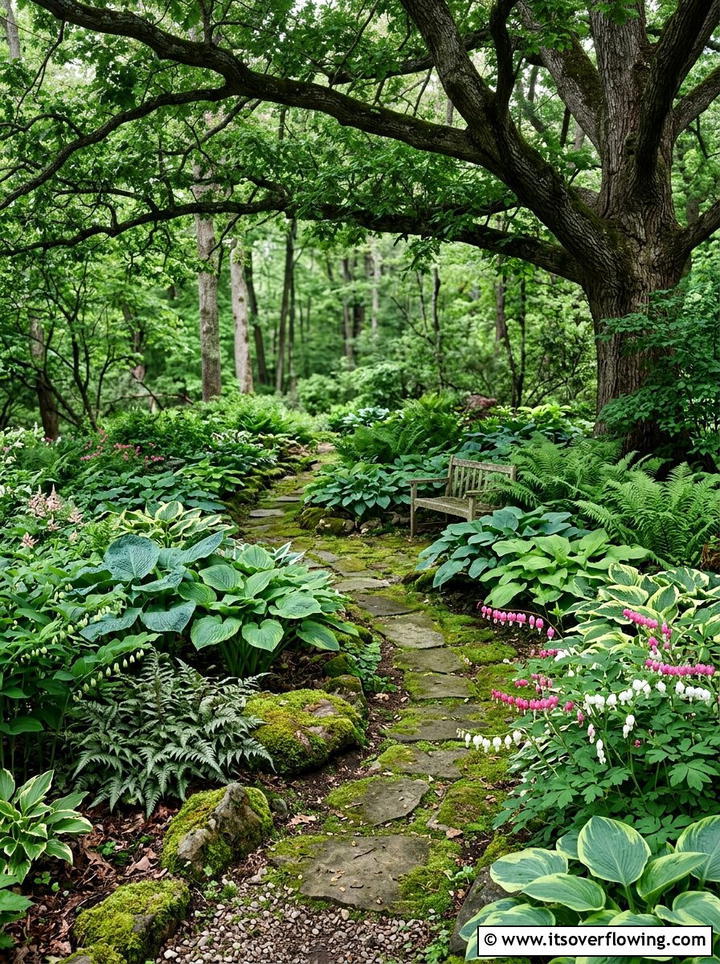
Many people assume that a bee-friendly garden must be in full sun, but there are many shade-loving plants that pollinators adore. If you have a wooded corner or a north-facing wall, you can plant hostas, bleeding hearts, and astilbe to create a cool sanctuary. These plants produce delicate flowers that offer nourishment to bees that prefer foraging in the cooler, protected areas of your landscape. A shade garden adds a sense of tranquility and lushness to your property while ensuring that no part of your yard is wasted. It provides a diverse habitat that supports a wider range of insect life throughout the day.
15. Hedgerow
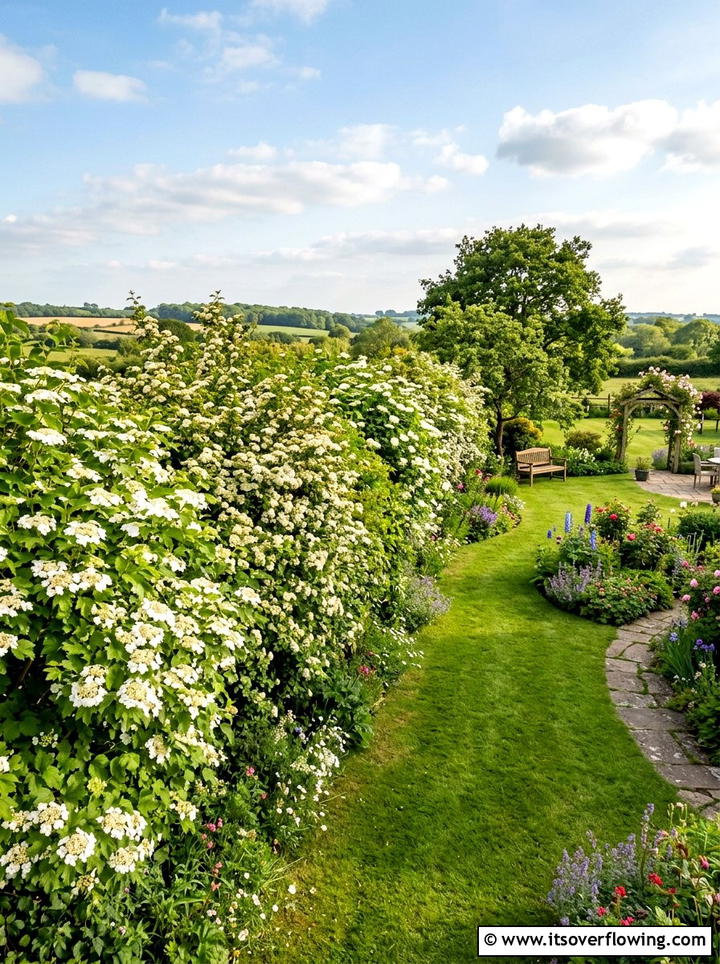
A natural hedgerow made of flowering shrubs like hawthorn, privet, or viburnum offers both privacy for you and a home for bees. These dense plantings act as windbreaks, creating a calm microclimate where bees can forage more easily without battling strong gusts of wind. The thick branches also provide excellent nesting sites and protection from predators for various wildlife species throughout the year. Many hedgerow plants produce berries in the fall, which supports birds after the blooming season has ended for the bees. It is a multi-functional landscape feature that adds structure, security, and significant ecological value to any large or medium-sized backyard.
16. Rock Garden
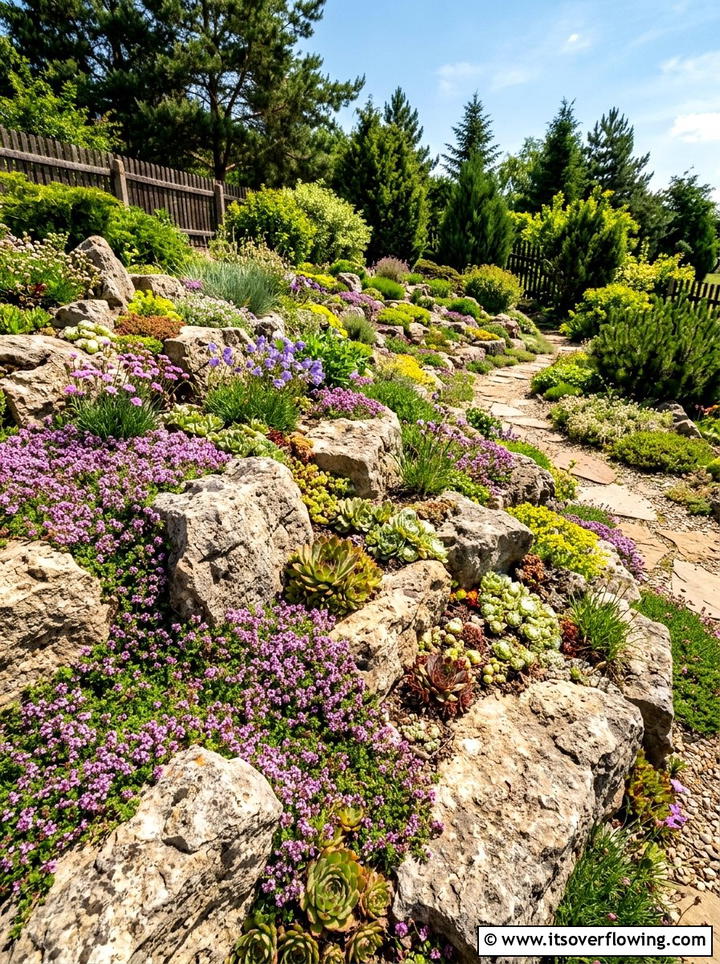
A rock garden combines rugged stones with low-growing, drought-tolerant plants like stonecrop, thrift, and creeping thyme to create a unique habitat. These spaces are excellent for bees because the rocks soak up the sun’s heat, providing a warm environment where insects can regulate their body temperature. The small, often overlooked flowers of alpine plants are surprisingly rich in nectar and provide a different food source than traditional garden blooms. This type of garden is perfect for sloped areas or spots with poor soil where other plants might struggle to survive. It offers a low-profile, high-impact aesthetic that adds texture and interest to your outdoor space.
17. Vegetable Patch
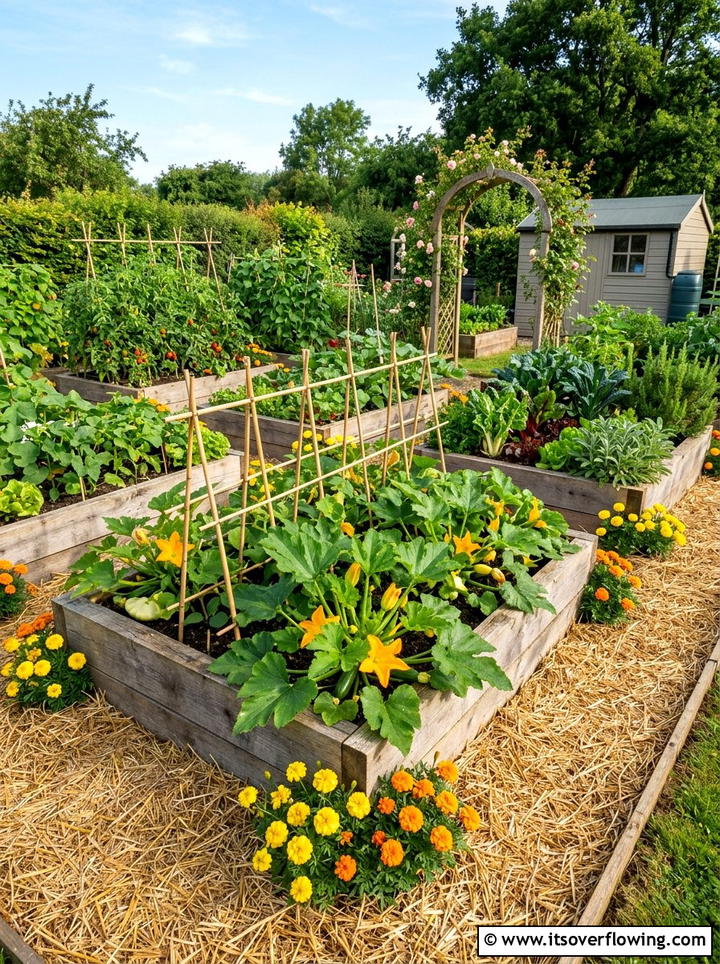
Growing your own food is a wonderful way to connect with nature, and bees are your most important partners in the process. Vegetables like squash, cucumbers, tomatoes, and beans all produce flowers that require pollination to develop into the produce we love to eat. By integrating flowering companions like marigolds or zinnias into your vegetable rows, you can draw even more bees to your crops. This creates a healthy, productive environment where the bees are fed and your kitchen is stocked with fresh, organic vegetables. A buzzing vegetable patch is a sign of a successful and balanced garden that provides for both humans and nature.
18. Window Box
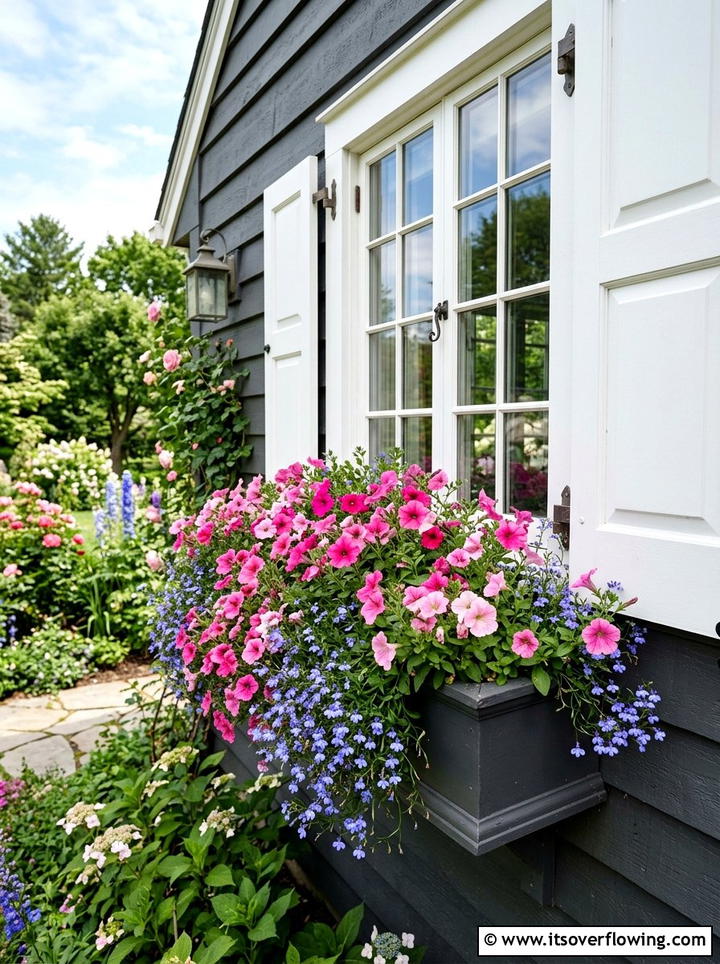
You don’t need a massive estate to help save the bees when a simple window box can make a real difference. Filling a container with petunias, fuchsia, and lobelia creates a colorful display that bees can easily find as they fly through residential areas. Window boxes are easy to maintain and can be changed seasonally to provide a constant supply of fresh flowers from spring through fall. They bring the beauty of the garden right to your window, allowing you to watch the fascinating behavior of visiting bees up close. This small-scale gardening effort contributes to the larger network of pollinator-friendly spaces within your local community.
19. Gravel Garden
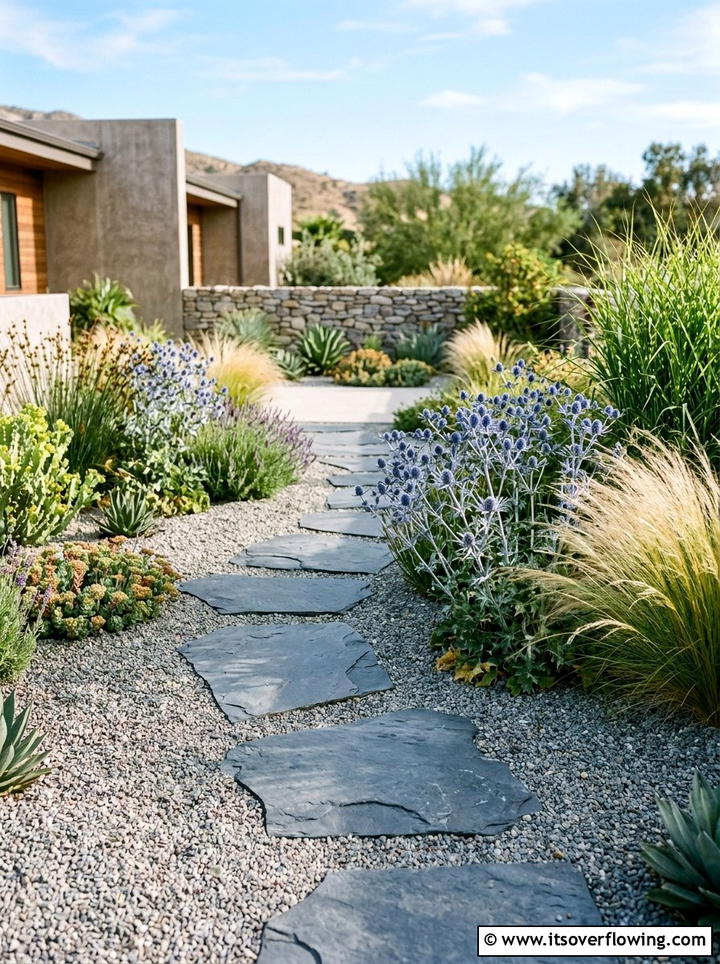
A gravel garden is a modern, low-water landscaping choice that can be surprisingly beneficial for bees when planted with the right species. Using a mulch of small stones helps retain moisture in the soil while providing a clean, hot surface that many Mediterranean plants love. Sea holly, yarrow, and globe thistle thrive in these conditions and produce striking flowers that are absolute magnets for various types of bees. The contrast between the rugged gravel and the soft foliage creates a contemporary look that is very popular in modern home design. It is an environmentally friendly option that reduces water waste while still supporting local wildlife.
20. Meadow Strip
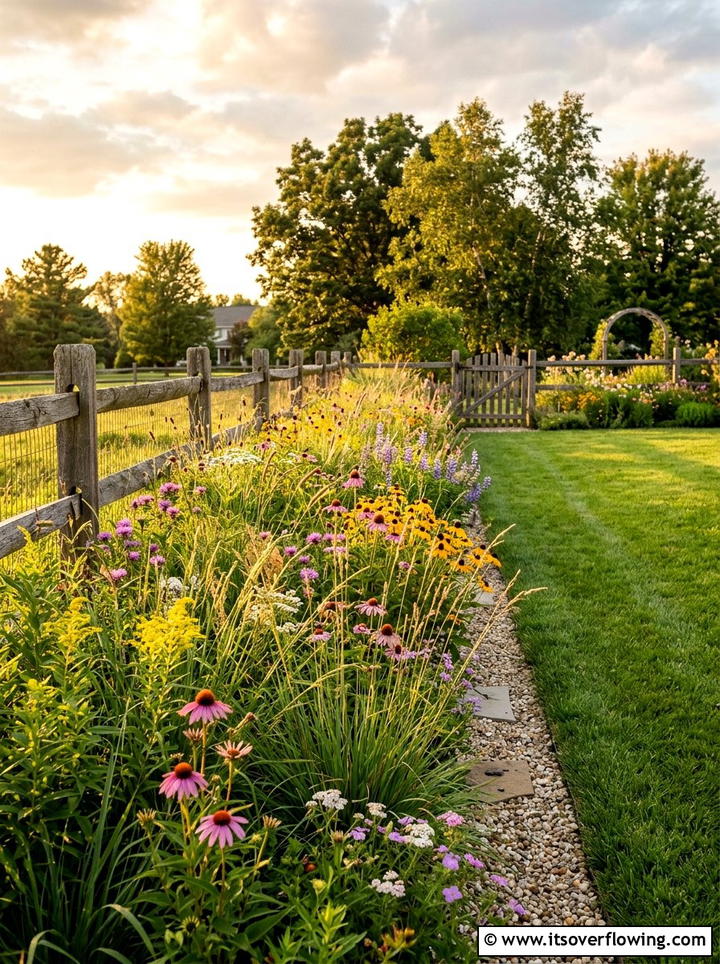
If you aren’t ready to commit to a full meadow, a small meadow strip along a fence or driveway is a great compromise. This narrow band of tall grasses and wildflowers provides a safe corridor for bees to travel through your property while they search for food. It breaks up the monotony of a traditional lawn and adds a touch of natural beauty to the edges of your landscape. These strips are easy to establish with a simple seed mix and require very little intervention once they are growing well. Even a small area of wild growth can significantly increase the number of pollinators visiting your garden daily.
21. Prairie Garden
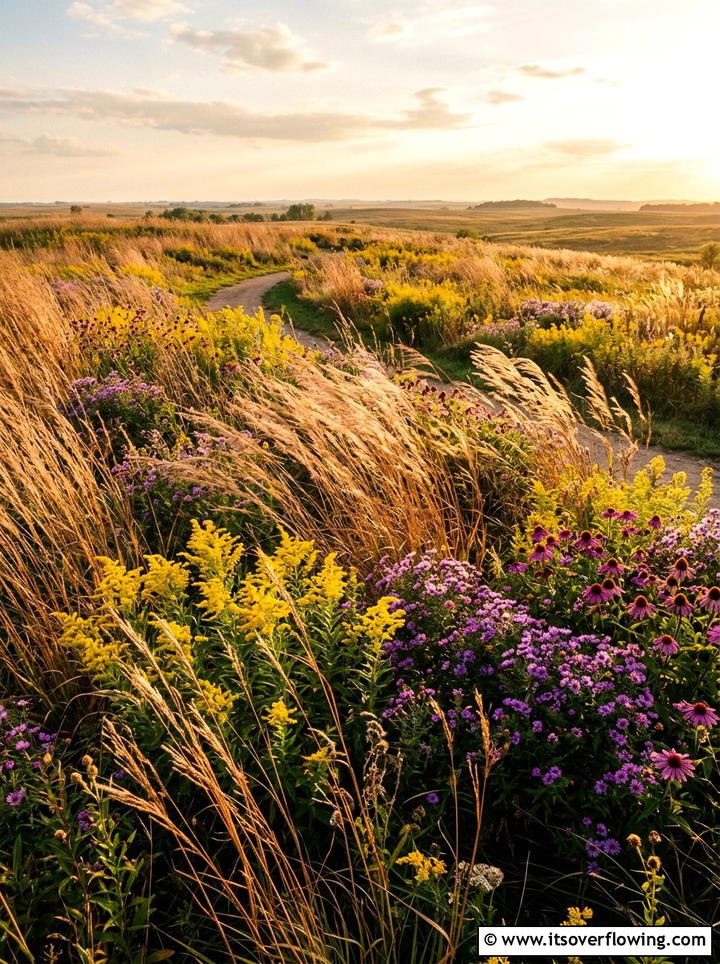
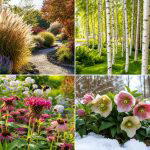
A prairie garden focuses on tall ornamental grasses and sturdy late-season bloomers like asters and goldenrod to create a resilient landscape. These plants are built to withstand heat and drought, making them perfect for gardeners looking for a sustainable and hardy outdoor space. The dense structure of the grasses provides essential overwintering habitat for bees, where they can stay warm and dry during the coldest months. In the late summer and fall, the bright yellows and deep purples of prairie flowers provide a final, vital feast before winter sets in. This style of gardening celebrates the natural beauty of the open plains in your own backyard.
22. Woodland Garden
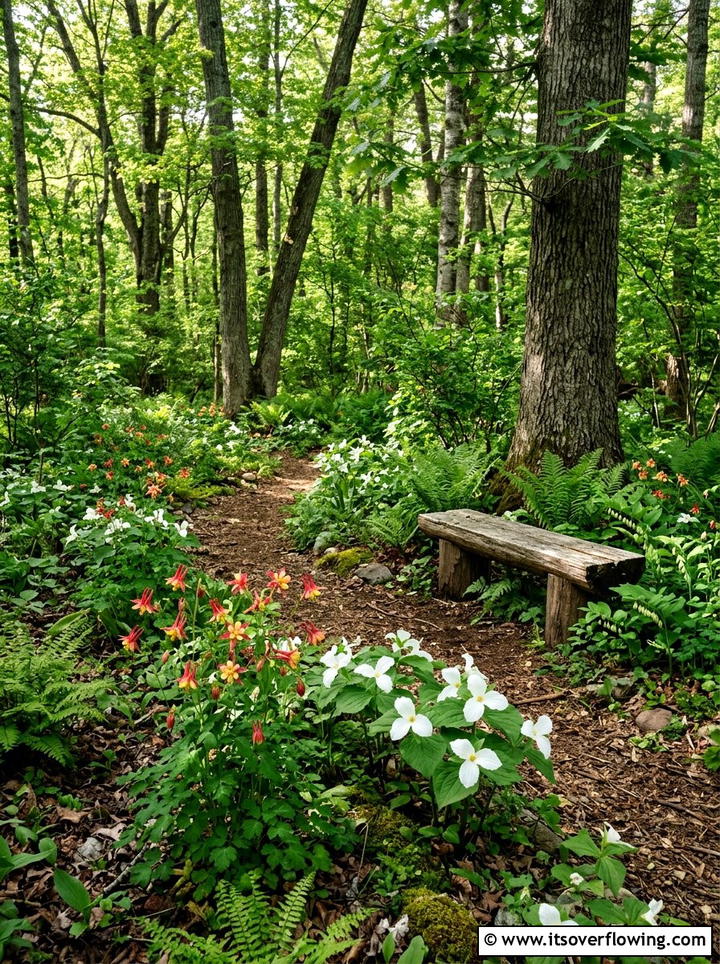
Under the canopy of large trees, a woodland garden offers a peaceful and shaded retreat that is filled with early spring ephemeral flowers. Plants like wild columbine, trillium, and wood anemone bloom before the trees fully leaf out, providing a critical food source for early-emerging bees. The leaf litter on the ground is also a valuable resource, as many bee species use it for nesting and protection during their dormant phases. Creating a woodland garden helps mimic the natural forest floor, adding layers of biodiversity to your property. It is a magical, quiet space that feels like a hidden forest glade right behind your suburban home.
23. Pollinator Patch
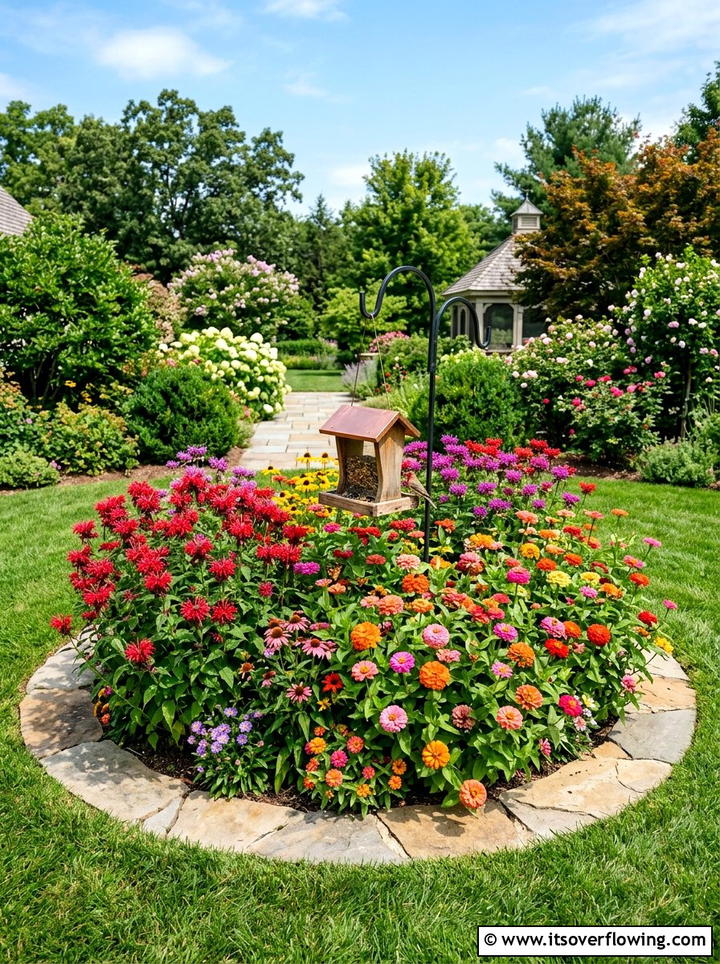
A dedicated pollinator patch is a small, intensive garden area specifically designed to provide the highest quality food and habitat for bees. By grouping large clusters of the same flower type together, you make it much easier for bees to find and harvest nectar quickly. This efficiency is key for busy foragers who need to collect as much as possible to sustain their colonies or offspring. You can fill this patch with a variety of flower shapes and colors to cater to the widest possible range of bee species. It serves as a concentrated “gas station” for pollinators, ensuring they always have a reliable place to refuel.
24. Bog Garden
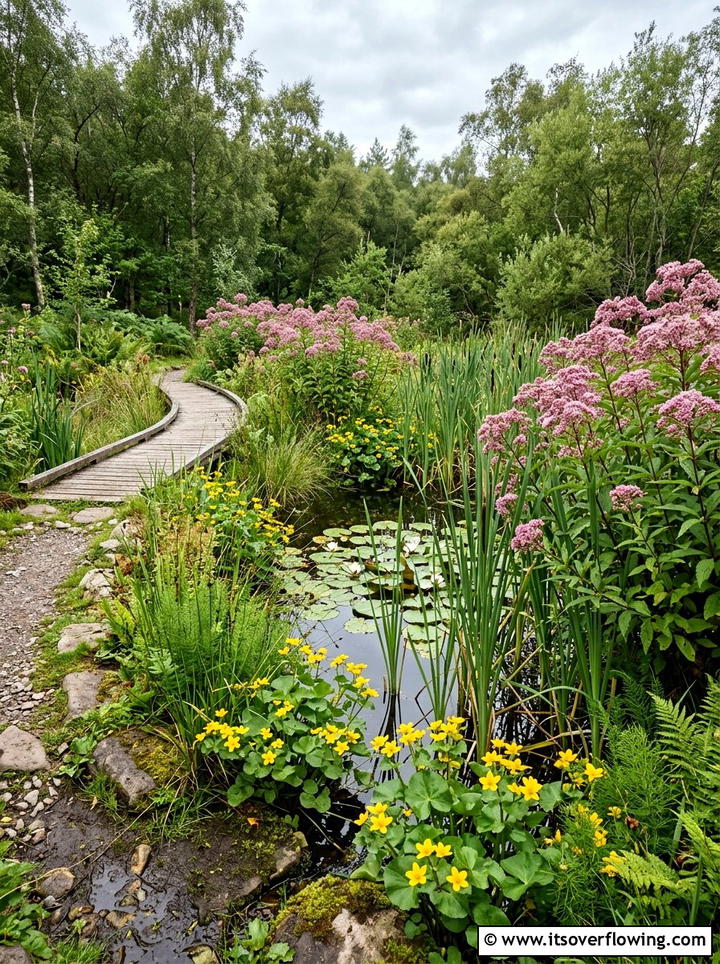
If you have a naturally damp spot in your yard, a bog garden is a unique way to support moisture-loving plants and the bees that visit them. Plants like marsh marigold, joe-pye weed, and cardinal flower thrive in wet soil and produce spectacular blooms that are very attractive to pollinators. The damp earth also provides mud, which some bee species, like mason bees, use as a building material for their nests. A bog garden adds a different dimension to your landscape, featuring lush greenery and vibrant colors that you won’t find in drier areas. It turns a potential problem spot into a thriving and beautiful ecological asset.
25. Rose Garden
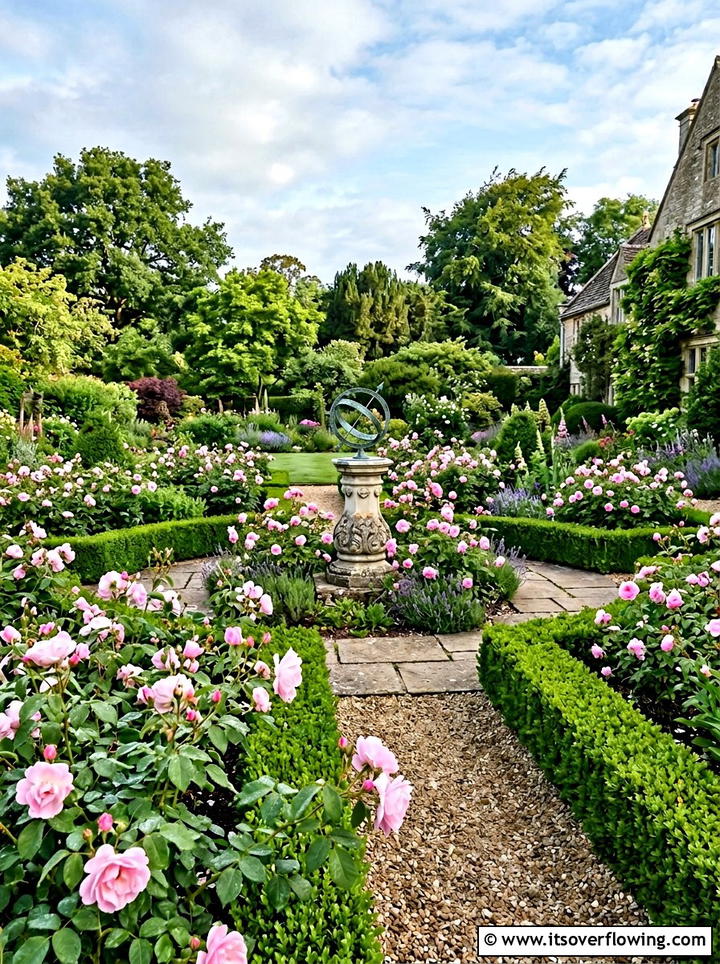
While many modern roses are bred for looks over nectar, choosing old-fashioned or single-petal varieties can create a stunning and bee-friendly rose garden. These traditional roses have open centers that allow bees to easily reach the pollen-rich stamens located in the middle of the flower. The intoxicating scent and classic beauty of a rose garden are unmatched, providing a romantic and elegant feel to any backyard design. By selecting disease-resistant varieties, you can maintain a healthy garden without the need for harsh chemicals that could harm the very bees you are trying to attract. It is a timeless choice that benefits both the gardener and the environment.
Conclusion:
Building a garden specifically designed for bees is a powerful way to make a positive impact on the environment right from your own home. Throughout this guide, we have explored twenty-five diverse ways to incorporate nectar-rich plants, nesting sites, and water sources into your outdoor landscape. Whether you have a sprawling backyard or a tiny balcony, there is always room to provide a helping hand to these essential pollinators. By choosing native species and avoiding harmful pesticides, you create a safe and sustainable sanctuary where nature can truly flourish. Your garden will not only look beautiful but will also hum with the vibrant energy of a healthy, buzzing ecosystem.

Related posts:
 25 Garden Ideas for Wildlife to Attract Birds and Bees
 25 Garden Ideas for Apartments to Grow Green in Any Space
 25 Garden Ideas for Clay Soil That Grow Strong and Beautiful
 25 Creative Garden Ideas With Pollinator Beds for More Blooms
 25 Small Garden Ideas With Pollinator Plants for More Blooms
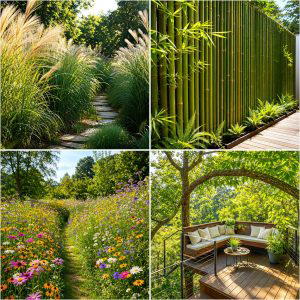 25 Creative Garden Ideas With Hidden Garden Corners
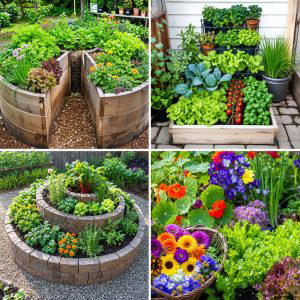 25 Creative Garden Ideas With Keyhole Garden Beds
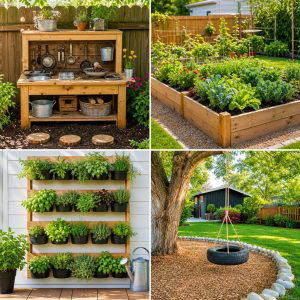 25 Creative Garden Ideas With Kids Garden Zone
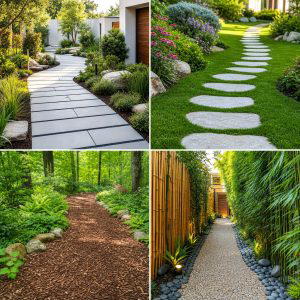 25 Garden Design Ideas With Pathways for Beautiful Garden Flow
 25 garden ideas with garden edging for Polished Borders
 25 garden ideas with garden signs for Charming Outdoor Decor
 25 Small Garden Ideas With Edible Garden for Fresh Harvests