
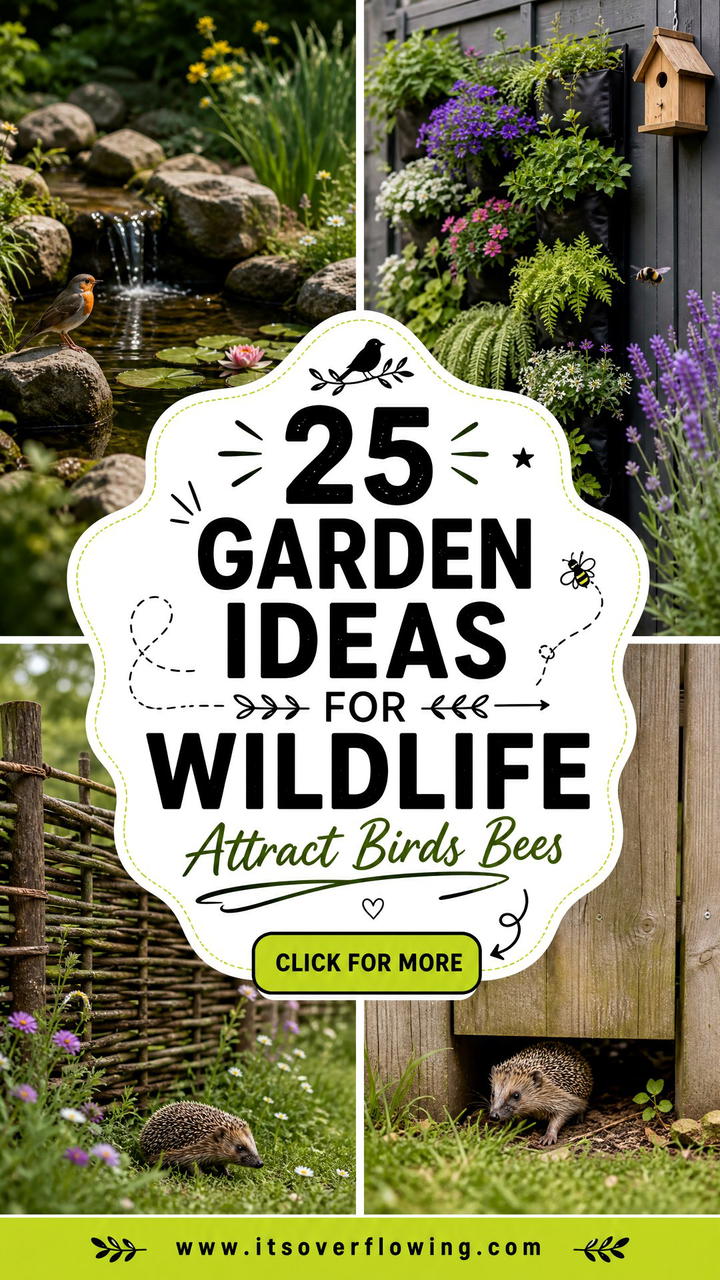
Creating a sanctuary for local nature in your own backyard is one of the most rewarding projects a homeowner can undertake. By choosing to prioritize wildlife, you transform a standard outdoor space into a living, breathing ecosystem that supports birds, bees, butterflies, and small mammals. This approach to gardening is not just about aesthetics; it is about providing essential resources like food, water, and shelter that are often lost to urban development. Watching a hummingbird visit a flower or seeing a hedgehog scurry through the leaves brings a sense of peace and connection to the natural world. These simple changes make a huge difference for our environment and local biodiversity.
1. Wildlife Pond
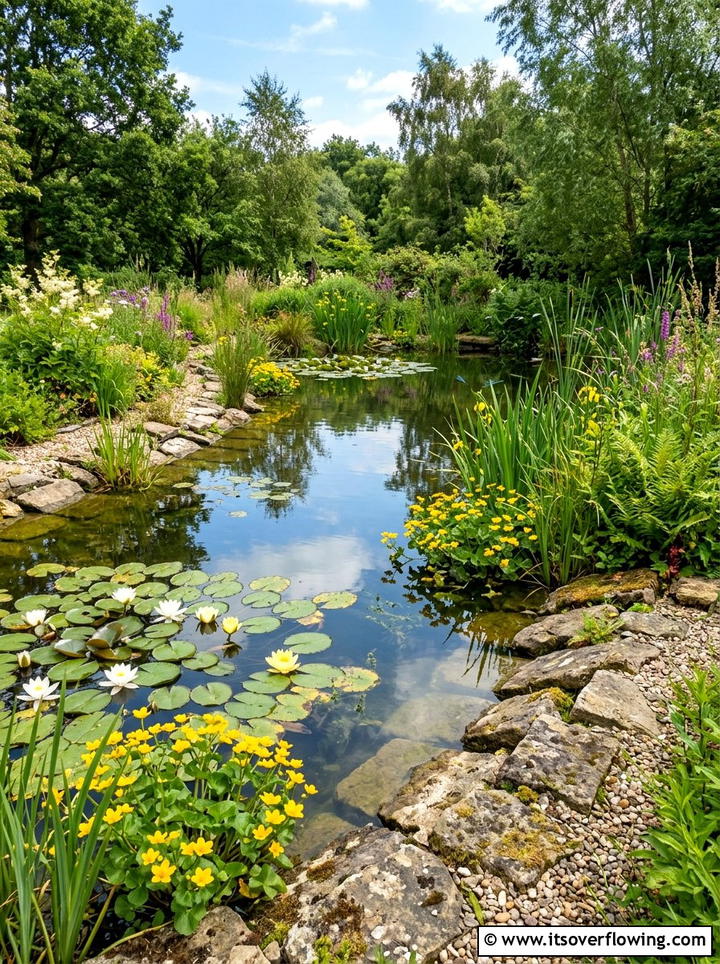
Installing a wildlife pond is one of the most effective ways to invite a variety of creatures into your backyard space. Water is a vital resource for survival, and a permanent pond provides a home for frogs, toads, and newts. When you design your pond, make sure to include sloping sides or a shallow beach area so that small mammals and birds can drink safely without falling in. You can add native aquatic plants like water lilies or marsh marigolds to provide oxygen and cover for underwater life. A well-balanced pond creates a self-sustaining ecosystem that attracts dragonflies and damselflies, adding movement and beauty to your landscape throughout the year.
2. Bird Bath
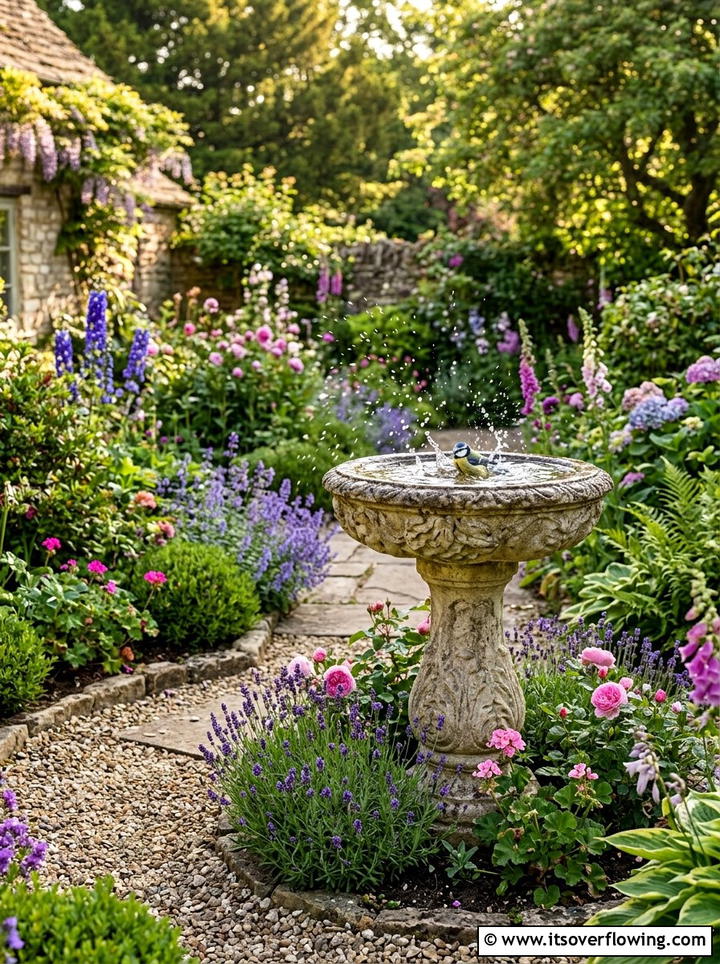
A bird bath is a simple addition that makes a significant impact on the health of your local bird population. Providing a clean and reliable source of water allows birds to drink and bathe, which is essential for keeping their feathers in good condition for flight. You should place the bath in an open area so birds can see predators approaching, but keep it near some shrubs for a quick escape. Remember to change the water regularly to prevent the spread of diseases and keep it fresh for your visitors. A stone or ceramic pedestal bath adds a classic decorative touch to your outdoor garden design while serving a practical purpose.
3. Wildflower Meadow
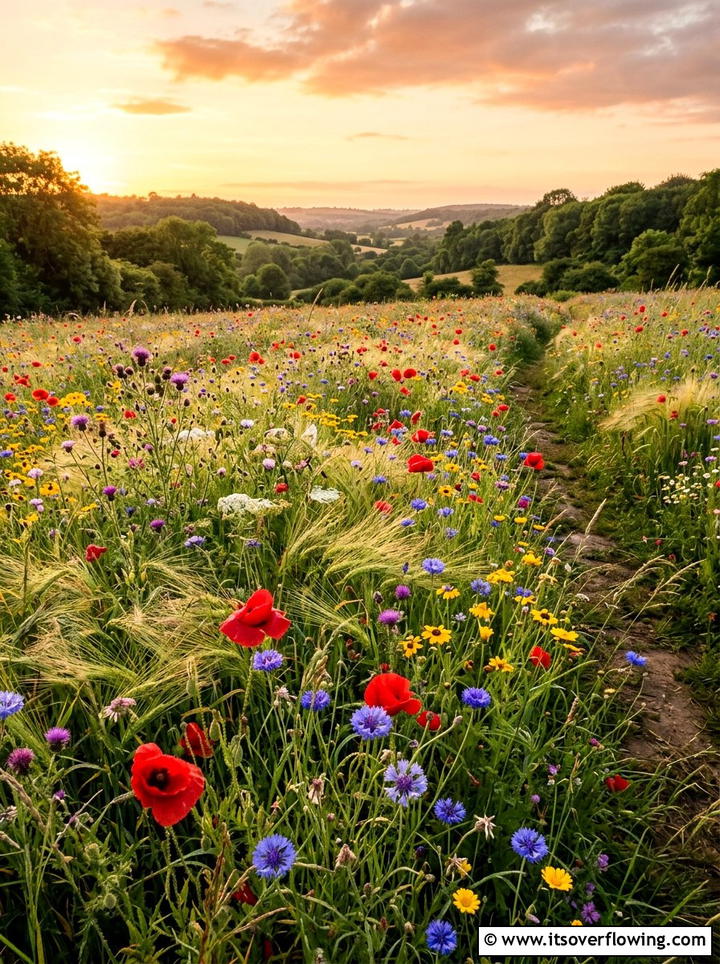
Turning a portion of your lawn into a wildflower meadow is a fantastic way to support declining bee and butterfly populations. Unlike traditional grass lawns, a meadow is filled with various colors and textures that provide a rich source of nectar and pollen. You can start by clearing a patch of soil and sowing a mix of native wildflower seeds that are suited to your local climate. Once established, these flowers require very little maintenance and only need to be mown once or twice a year. The result is a vibrant, buzzing landscape that changes with the seasons and offers a beautiful, natural aesthetic for your backyard.
4. Hedgehog House
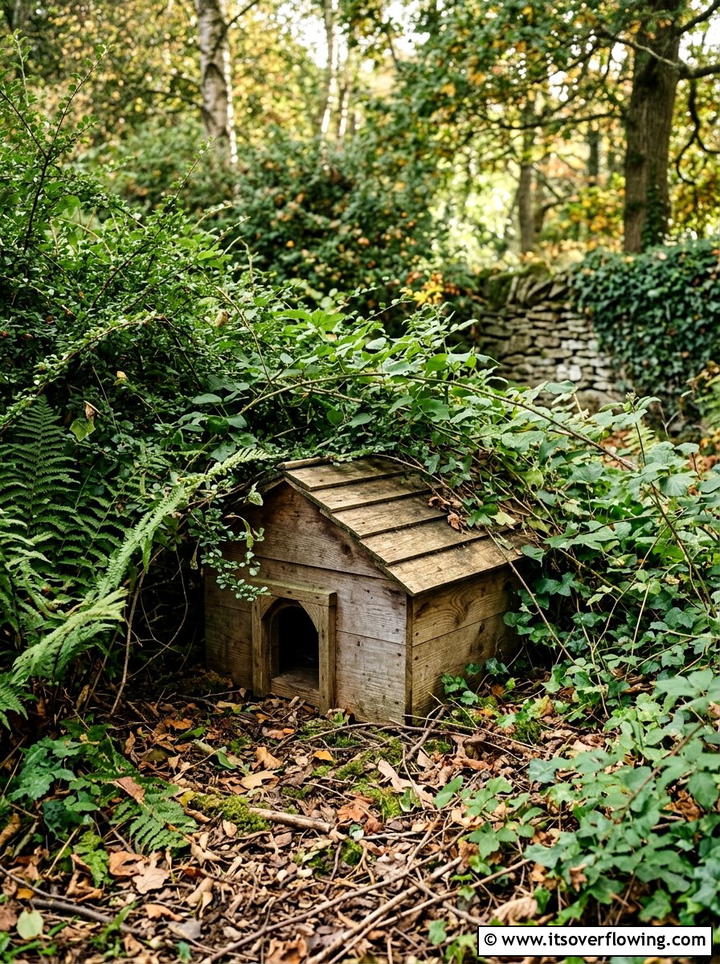
Creating a safe space for hedgehogs is crucial for their survival, especially during the cold winter months when they need to hibernate. A hedgehog house provides a secure, dry, and insulated environment where these nocturnal visitors can sleep and raise their young away from predators. You can buy a pre-made house or build one yourself using untreated wood and a waterproof roof. Place the house in a quiet, undisturbed corner of the garden under some thick bushes or a pile of logs. Covering the entrance with leaves or dry grass helps it blend into the surroundings. This small addition helps protect these charming creatures from harsh weather.
5. Log Pile
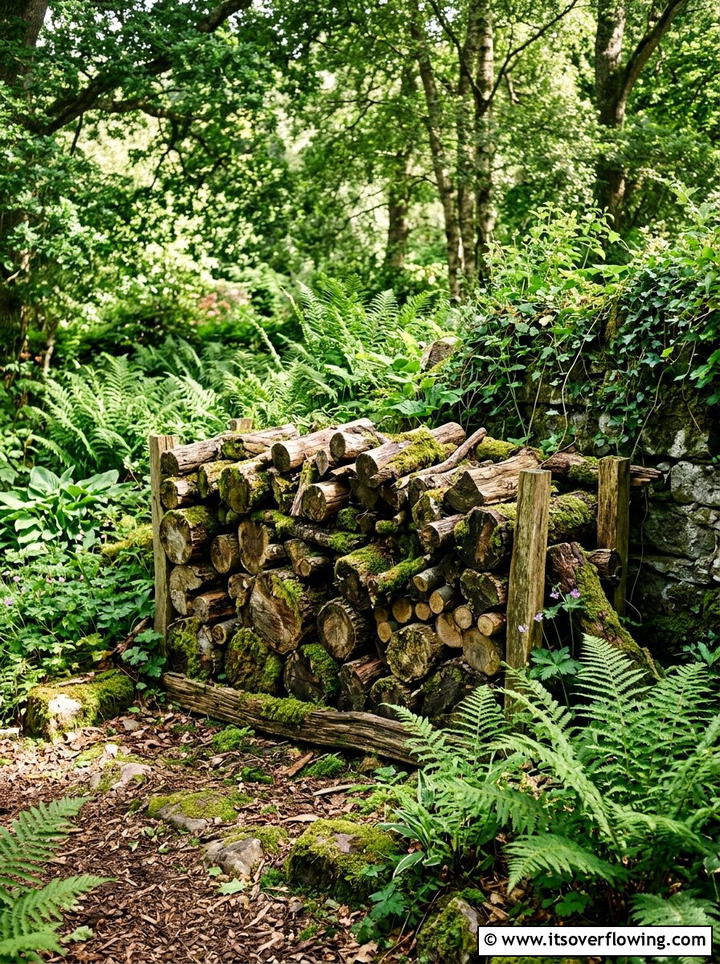
A simple log pile is a fantastic way to provide a home for beetles, centipedes, and other beneficial insects. Decaying wood is a vital part of a healthy ecosystem, as it provides food and shelter for many different species. You can use logs from fallen trees or old branches and stack them in a shady, damp spot in your yard. As the wood slowly breaks down over the years, it will also support various types of fungi and moss. This micro-habitat attracts birds and small mammals who come to feed on the insects living within the wood. It is an easy, low-cost way to boost biodiversity.
6. Insect Hotel
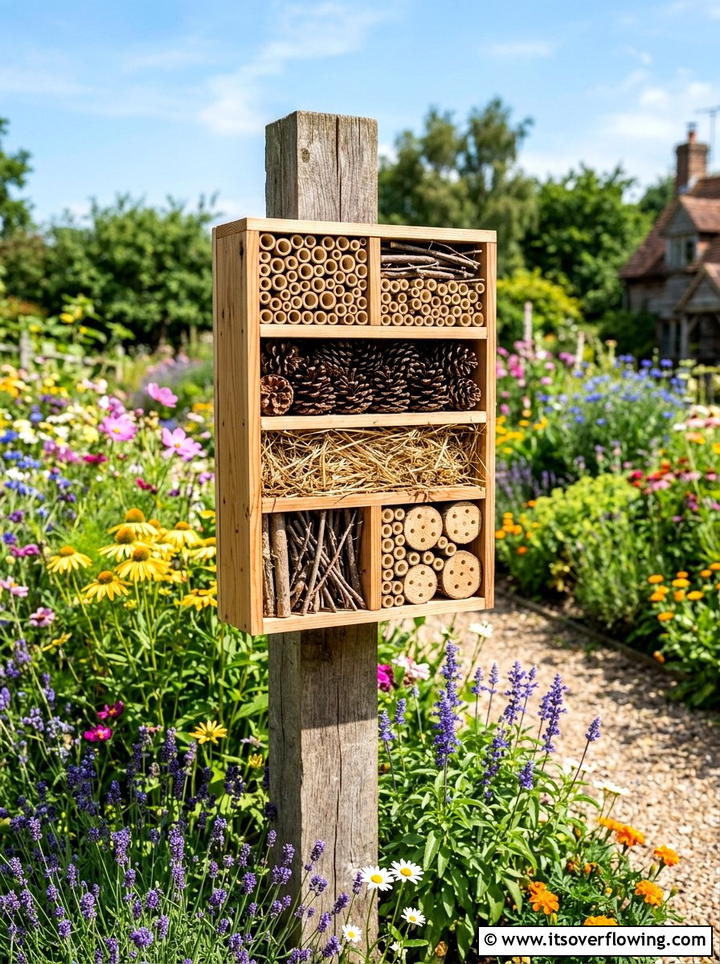
Building an insect hotel is a fun and educational project that provides nesting sites for solitary bees and other helpful bugs. These structures are usually made from natural materials like hollow bamboo tubes, pinecones, and dry straw packed into a wooden frame. Solitary bees are incredibly efficient pollinators and do not live in colonies, so they rely on these small cavities to lay their eggs. Place your insect hotel in a sunny, sheltered spot about four feet off the ground to keep it dry. By providing a home for these insects, you ensure that your garden plants and flowers will continue to thrive and bloom beautifully.
7. Native Plant Garden
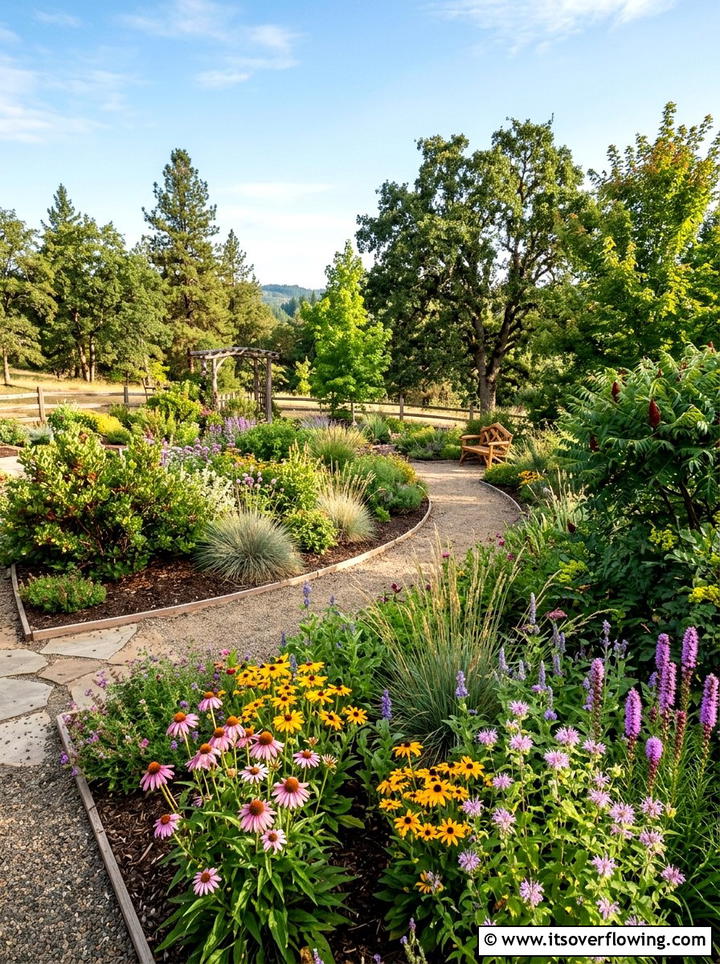
Choosing native plants is one of the best things you can do to support your local environment and its wildlife. Native species have evolved alongside local insects and birds, meaning they provide the exact type of food and shelter that these creatures need to survive. These plants are also much better adapted to your local soil and weather conditions, making them easier to care for than exotic varieties. You can find a wide range of native flowers, shrubs, and trees that offer stunning colors and interesting textures. A garden filled with native flora creates a resilient and sustainable habitat that flourishes with minimal human intervention.
8. Pollinator Garden
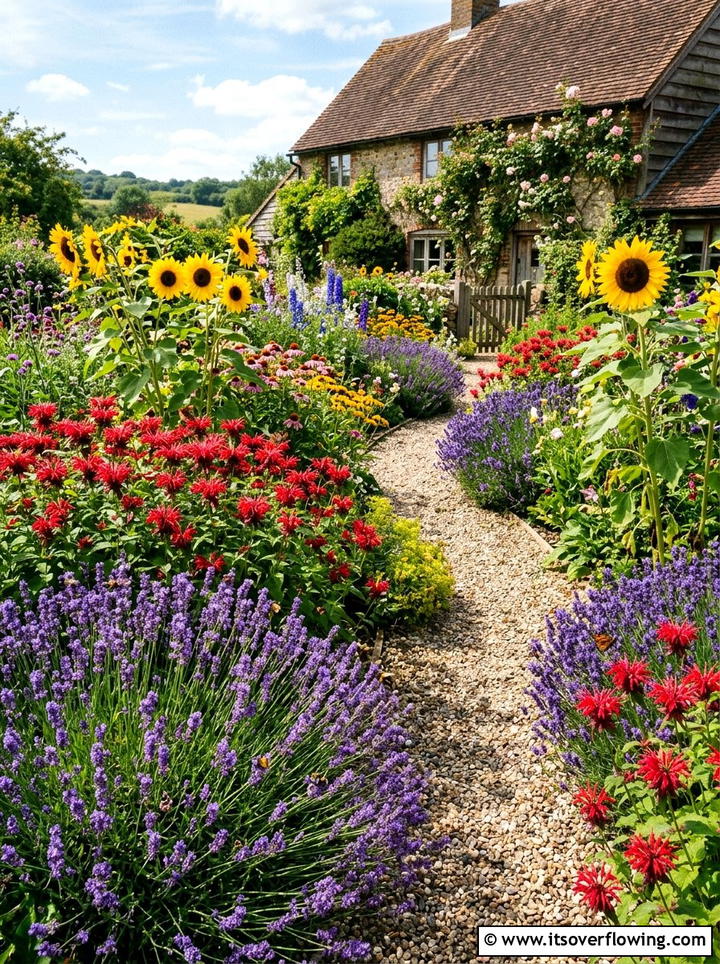
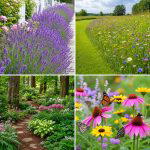
A pollinator garden focuses specifically on providing nectar and pollen for bees, butterflies, and hummingbirds throughout the growing season. To attract the widest variety of pollinators, you should plant a mix of flowers that bloom at different times from early spring to late autumn. Grouping plants together in large clusters makes it easier for insects to find them and forage efficiently. Avoid using chemical pesticides, as these can be very harmful to the very creatures you are trying to help. By creating a chemical-free haven, you will enjoy a garden full of life and color while helping to protect essential pollinating species.
9. Berry Bush
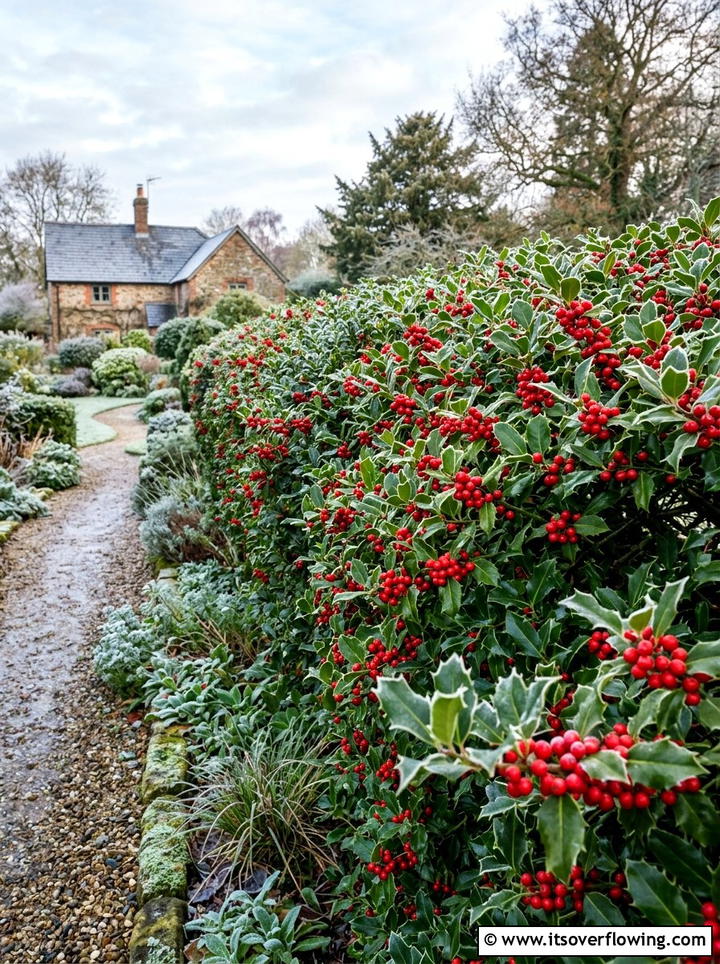
Planting bushes that produce berries is an excellent way to provide a natural food source for birds during the autumn and winter. Species like holly, hawthorn, and elderberry are not only beautiful but also offer high-energy snacks for feathered visitors when other food is scarce. These thick, thorny shrubs also provide excellent nesting sites and protection from predators like hawks or cats. You can use berry-bearing bushes to create a living hedge along your property line, adding privacy and structural interest to your landscape. The bright berries provide a splash of color against the winter backdrop, making your garden look attractive all year.
10. Vertical Garden
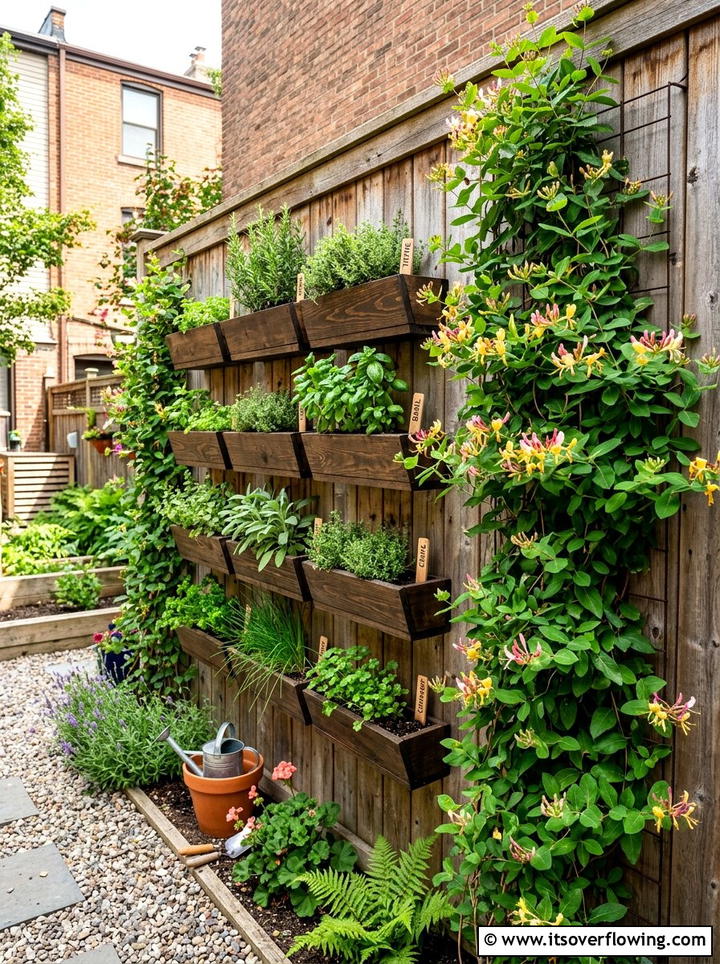
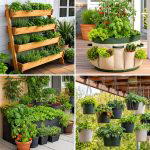
Vertical gardening is a smart solution for bringing more wildlife into small urban spaces or balconies. By using walls, fences, and trellises to grow climbing plants, you increase the amount of green space available for insects and birds. Ivy, clematis, and honeysuckle are great choices that provide thick cover for nesting and late-season nectar for bees. You can also install wall-mounted planters filled with herbs or flowering annuals to create a lush, living wall. Vertical gardens help to cool the air and reduce noise, making your outdoor area more pleasant. They transform plain structures into vibrant habitats that support a wide range of tiny creatures.
11. Bat Box
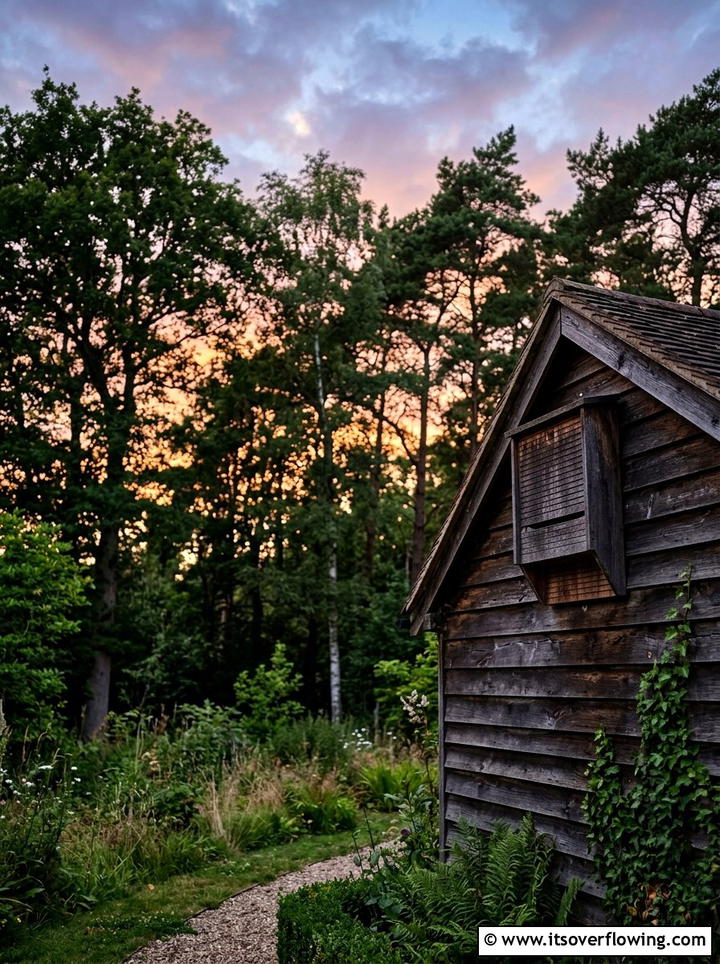
Installing a bat box on your property is a great way to help these fascinating nocturnal mammals find a safe place to roost. Bats play a vital role in the environment by eating huge quantities of insects, including mosquitoes and garden pests. A bat box should be placed at least ten to fifteen feet high on a building or a sturdy pole, facing a sunny direction to keep the interior warm. It should be located away from bright artificial lights to ensure the bats feel safe when emerging at dusk. Providing a roosting site helps bat populations recover while offering you natural, chemical-free pest control.
12. Compost Heap
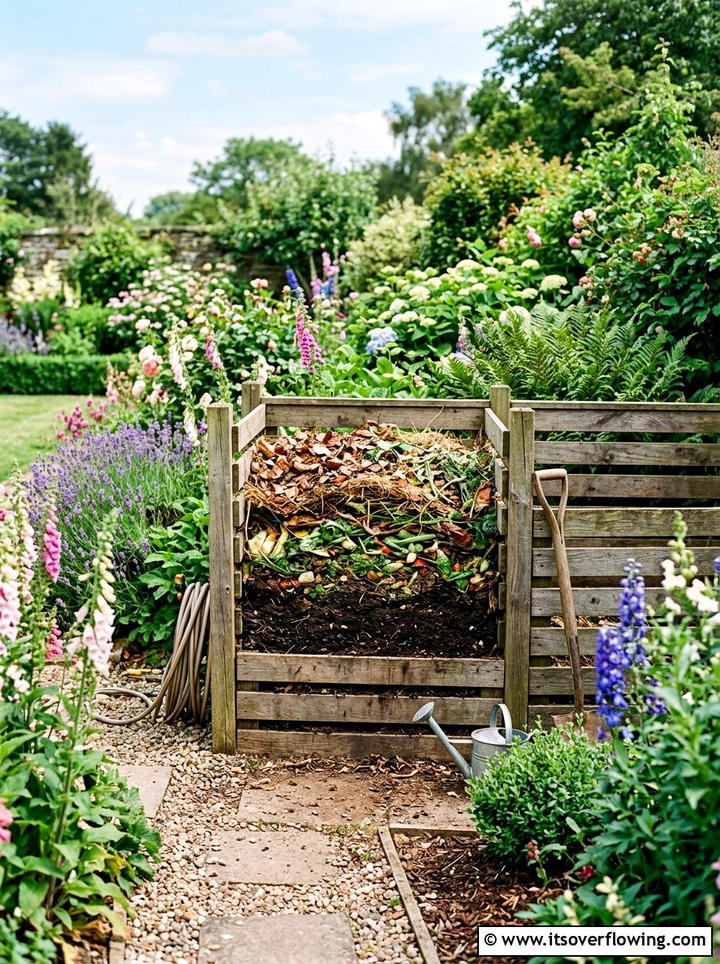
Starting a compost heap is a double win for your garden and the local wildlife that lives within it. Composting organic waste like vegetable scraps and grass clippings creates nutrient-rich soil that helps your plants grow strong and healthy. The heat and moisture produced during the decomposition process also attract a wide variety of worms, slugs, and insects. These, in turn, provide a feast for birds, frogs, and hedgehogs who visit your garden looking for food. An open compost pile or a wooden bin allows small creatures to crawl in and out easily. It is a simple way to recycle nutrients and support life.
13. Rock Pile
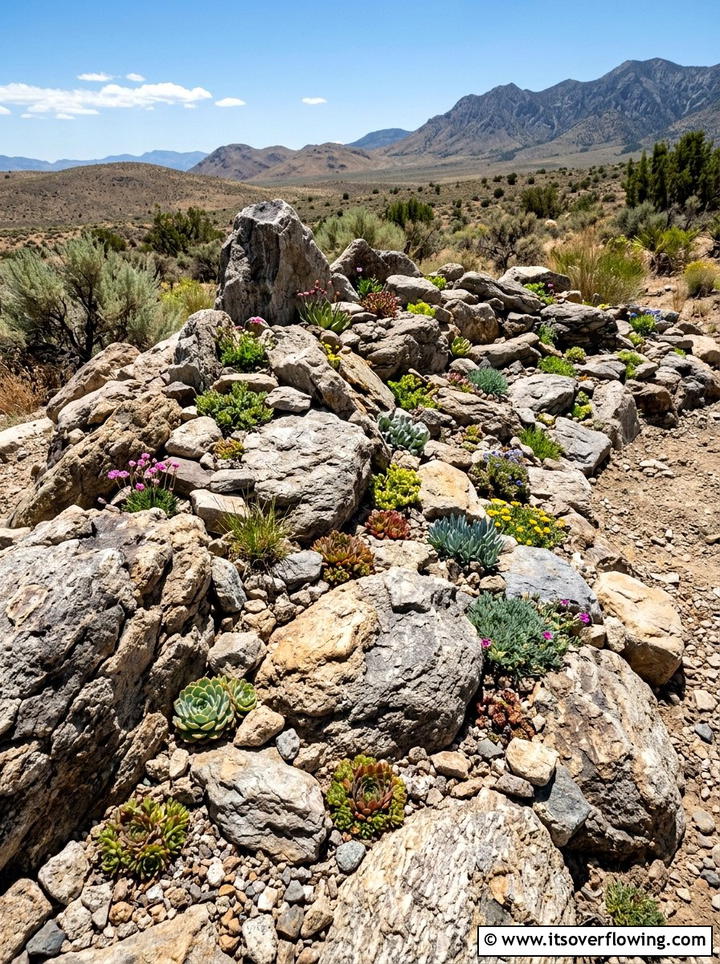
Building a rock pile is an easy way to create a warm habitat for reptiles and beneficial insects in your garden. Rocks absorb heat from the sun during the day and release it slowly at night, providing a perfect basking spot for lizards. You can arrange different sizes of stones and pebbles in a sunny, quiet corner of your yard to create various crevices and hiding spots. These gaps offer protection from predators and shelter from harsh weather conditions. To make it look more natural, you can plant small alpines or succulents around the edges. This simple structure adds texture to your landscaping while supporting biodiversity.
14. Wildlife Fencing
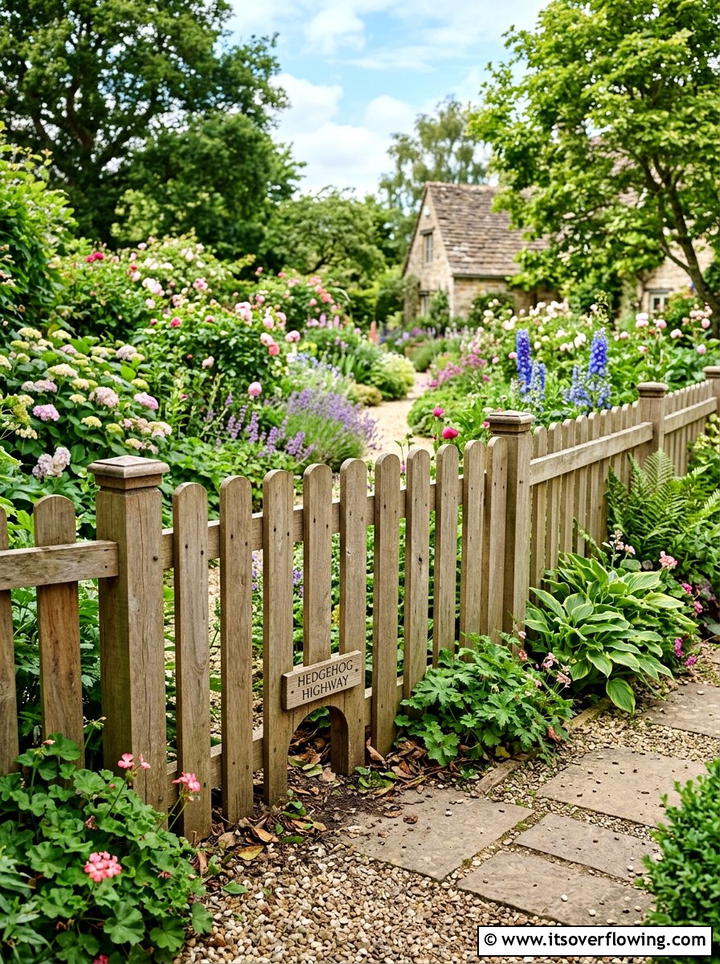
Traditional solid fencing can act as a barrier for many small animals trying to move through the neighborhood to find food. By choosing wildlife-friendly fencing, you allow creatures like hedgehogs and frogs to pass through your garden safely. You can install fences with small gaps at the bottom or cut “hedgehog highways” into existing wooden panels. Another great option is to plant a mixed hedge instead of using a hard fence, which provides food and nesting space. Creating a connected network of gardens helps wildlife thrive in suburban areas. It ensures that animals can travel easily between different habitats without being trapped or blocked.
15. Clover Lawn
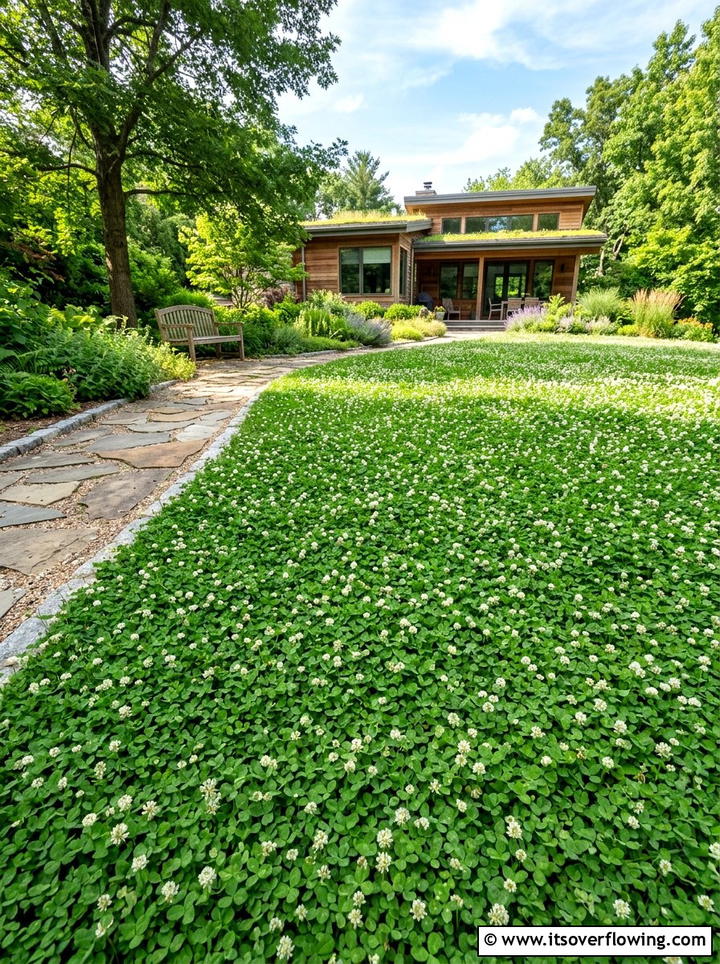
Replacing some or all of your traditional grass lawn with clover is a wonderful way to create a more eco-friendly outdoor space. Clover is a hardy plant that stays green even during dry summer months and requires much less water than standard grass. It also produces small flowers that are a favorite food source for honeybees and bumblebees. Clover is a nitrogen-fixing plant, meaning it naturally improves the quality of your soil without the need for chemical fertilizers. A clover lawn feels soft underfoot and can withstand heavy foot traffic, making it a practical and beautiful alternative for a modern, wildlife-friendly backyard design.
16. Nectar Rich Flowers
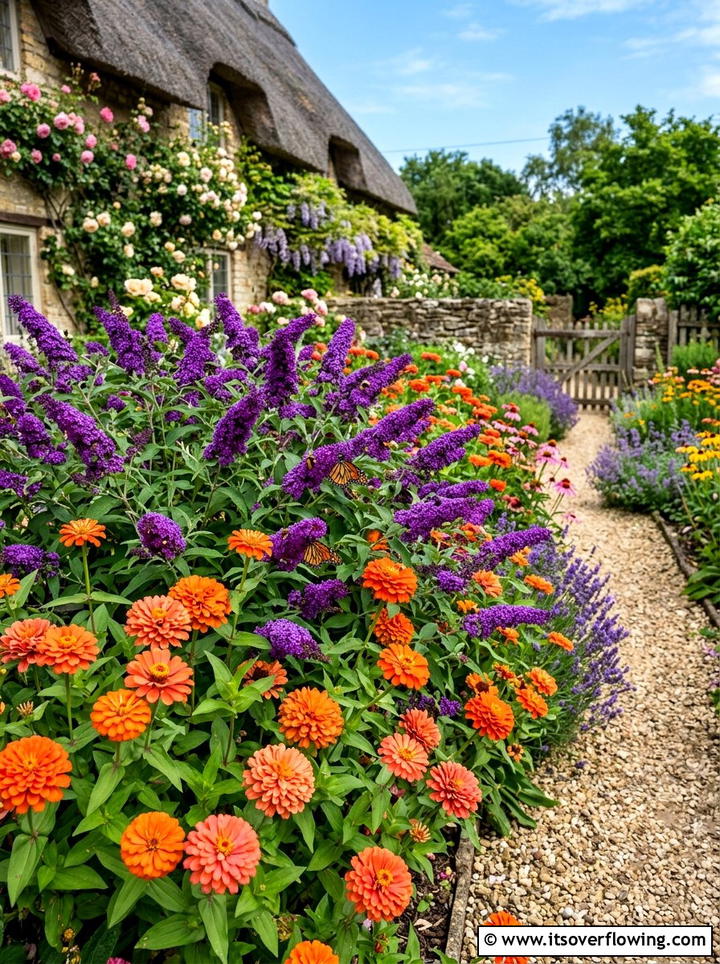
Focusing on nectar-rich flowers ensures that your garden is a top destination for hungry bees and butterflies. Flowers like lavender, sunflowers, and butterfly bush are famous for their high nectar content and attractive scents. It is helpful to choose a variety of flower shapes, such as tubular flowers for long-tongued insects and flat, open blooms for beetles and butterflies. Planting these flowers in sunny spots where insects like to bask will maximize their effectiveness. By providing a reliable food source, you will be rewarded with a garden that is full of movement and life. These blooms also provide a stunning visual display for you.
17. Fruit Tree
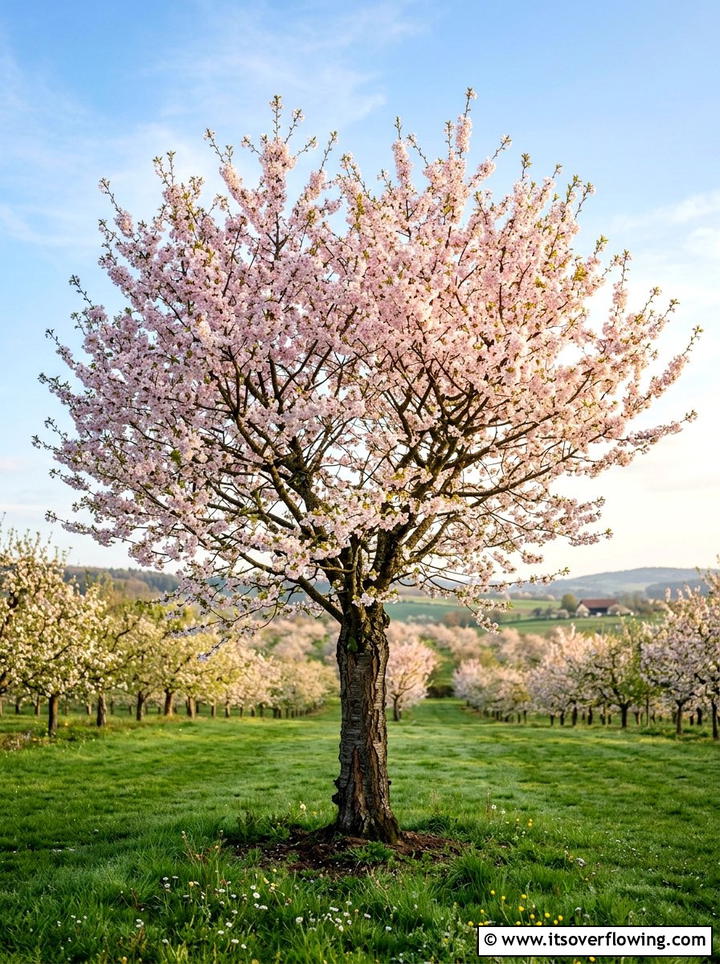
Adding a fruit tree to your garden provides multiple benefits for both you and the local wildlife throughout the seasons. In the spring, the blossoms offer a massive source of nectar and pollen for early-emerging bees and other insects. During the summer and autumn, any fallen or unpicked fruit becomes a valuable food source for birds and butterflies. Fruit trees also offer sturdy branches for birds to build their nests and find shelter from the rain. Whether you choose an apple, pear, or cherry tree, you will be creating a long-lasting habitat. Even a dwarf variety in a large pot can make a significant difference.
18. Bog Garden
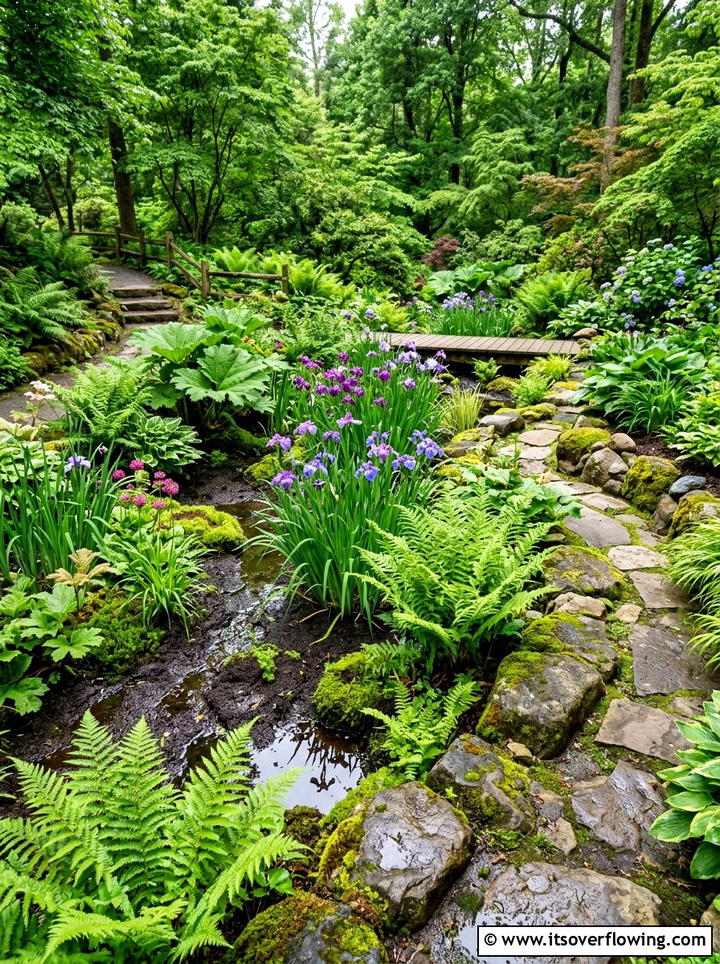
A bog garden is a specialized habitat for moisture-loving plants and animals that thrives in permanently damp soil. This type of garden is perfect for low-lying areas of your yard where water naturally collects after a heavy rain. You can grow unique plants like marsh marigolds, iris, and ferns that add a lush, tropical feel to your landscape. These damp environments are incredibly attractive to frogs, toads, and various insects that prefer cool, moist conditions. A bog garden provides a different ecological niche compared to a pond, further increasing the variety of life in your backyard. It is an easy way to manage wet spots beautifully.
19. Wild Patch
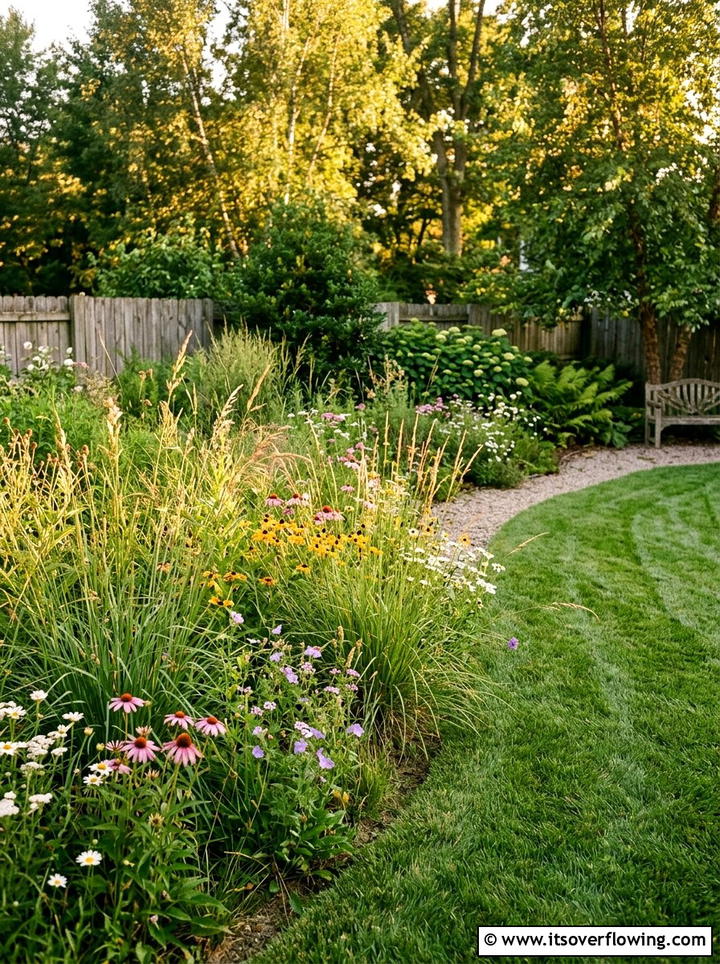
One of the easiest ways to help wildlife is to simply do less gardening in a small area of your yard. Letting a “wild patch” grow naturally allows native grasses and common plants like dandelions and nettles to flourish. These plants are essential food sources for the caterpillars of many beautiful butterfly species. Long grass also provides a safe hiding place for small mammals and ground-nesting insects away from the lawnmower. You can tuck this wild area behind a shed or in a quiet corner so it does not interfere with your more formal garden spaces. It is a cost-effective way to support nature.

20. Water Feature
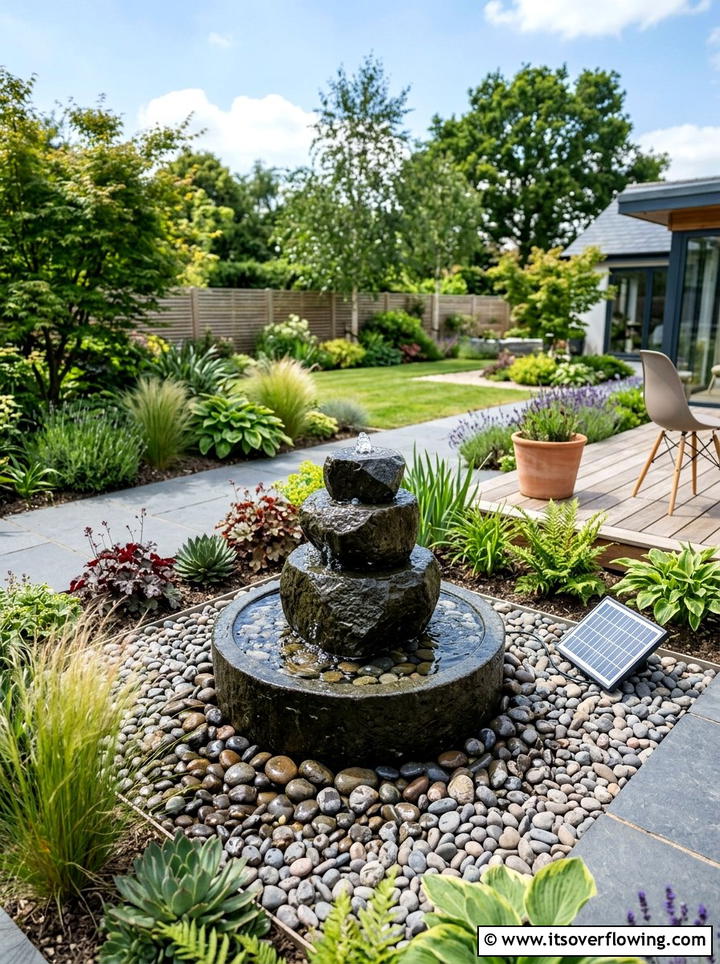
Even if you do not have space for a full pond, a small water feature can still attract plenty of thirsty visitors. A simple solar-powered fountain or a bubbling rock provides the sound of moving water, which birds find very attractive from a distance. The movement keeps the water oxygenated and prevents mosquitoes from laying eggs, making it a low-maintenance choice. Small birds will often stop by for a quick drink or a splash in the shallow ripples. You can place the feature on a patio or deck to enjoy the relaxing sound while watching the wildlife. It adds a sense of calm to any outdoor space.
21. Container Garden For Bees
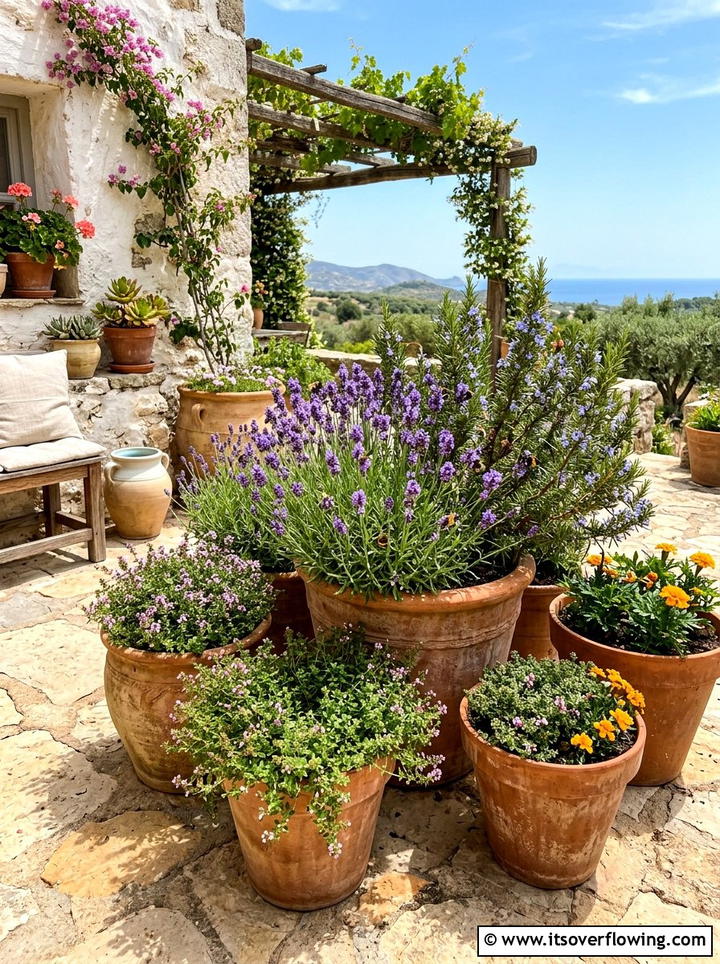
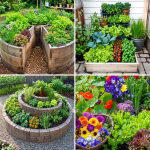
You do not need a large backyard to help save the bees; a few well-placed containers can make a big difference. Growing herbs like rosemary, thyme, and oregano in pots on a sunny patio provides a feast for pollinators while giving you fresh ingredients for cooking. You can also fill large planters with bright annuals like zinnias or marigolds to create a colorful focal point. Make sure your containers have good drainage and are watered regularly to keep the plants healthy and producing plenty of nectar. This approach is perfect for renters or those with limited outdoor space who still want to support local biodiversity.
22. Butterfly Garden
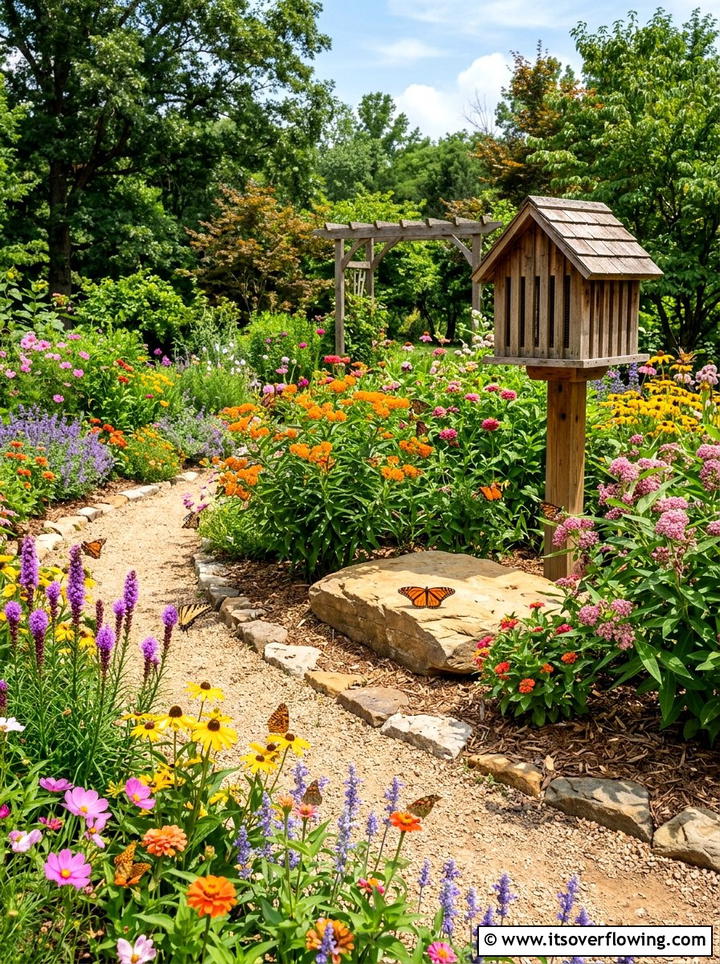
A butterfly garden is designed to support these beautiful insects at every stage of their fascinating life cycle. This means planting host plants like milkweed for caterpillars to eat, as well as nectar plants for the adult butterflies. Choosing a sunny, wind-sheltered spot is important, as butterflies need warmth to fly and prefer to feed in calm conditions. Including a few flat stones for them to bask on will make your garden even more inviting. Watching a butterfly emerge from its chrysalis or flutter among the flowers is a magical experience for adults and children alike. It brings a sense of wonder to your backyard.
23. Ivy Wall
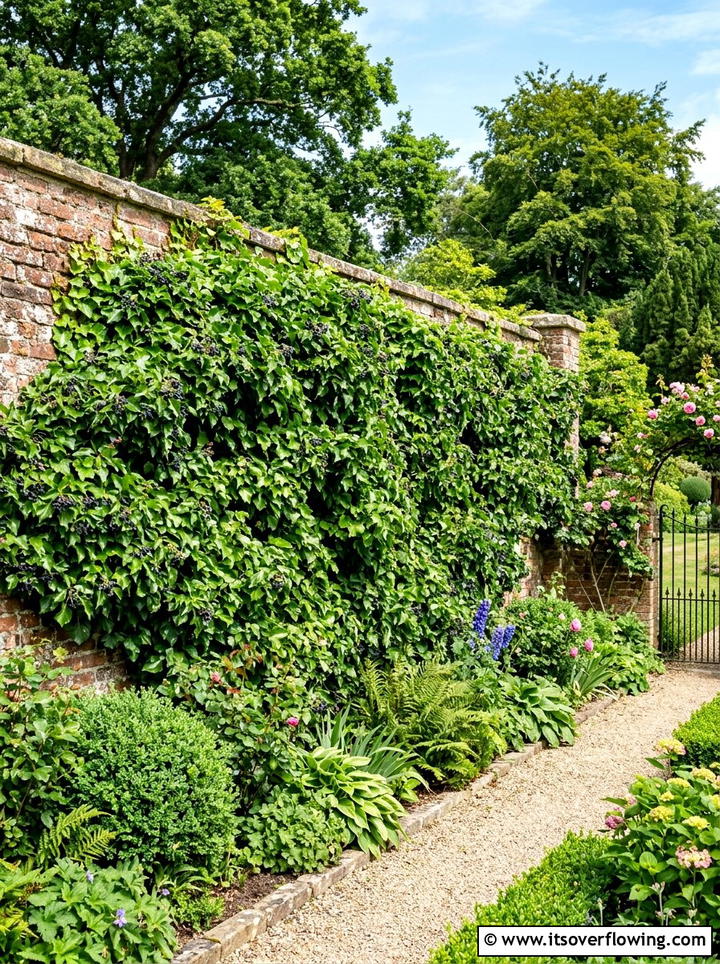
Allowing ivy to grow on a wall or fence provides an incredible year-round habitat for a wide range of garden wildlife. Ivy is evergreen, meaning it offers thick shelter for birds to nest in and insects to hide during the cold winter months. It also produces flowers late in the autumn when most other nectar sources have disappeared, providing a vital late-season meal for bees. In the winter, its dark berries are a favorite food for blackbirds and thrushes. While some people worry about ivy damaging structures, it is generally safe on sound masonry and provides an attractive, natural green screen that softens hard garden edges.
24. Gap Under Fence
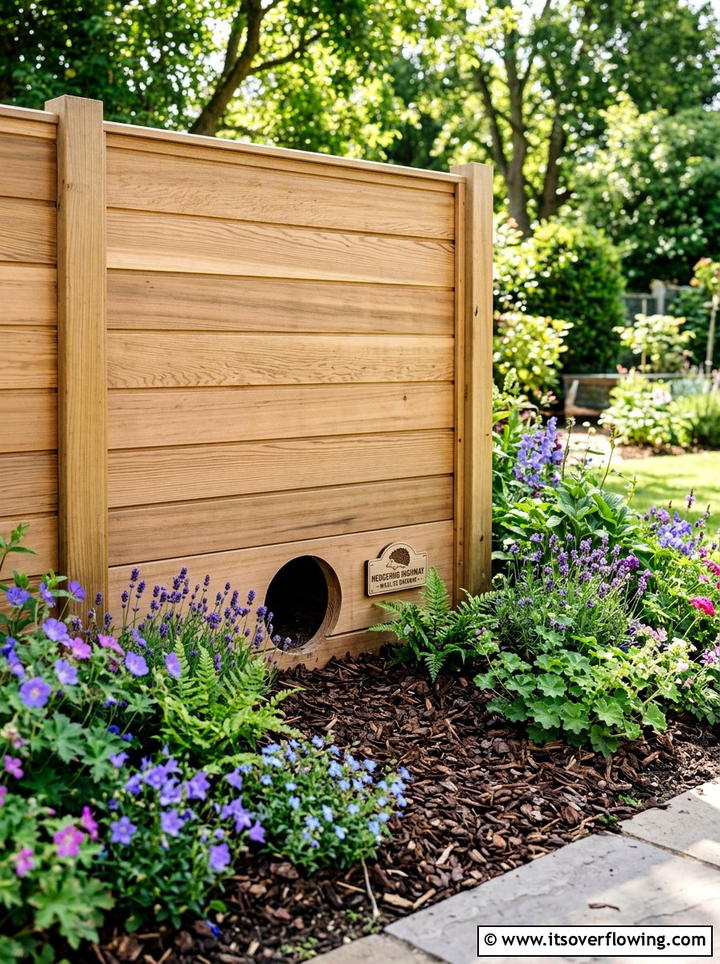
Small changes to your garden boundaries can have a massive impact on the movement of local wildlife through the neighborhood. By leaving a small gap or hole at the bottom of your garden fence, you create a “wildlife corridor” for animals. Hedgehogs, for example, need to travel long distances every night to find enough food and potential mates. A gap of about five inches is enough for them to pass through while keeping most pets safely inside. You can even buy decorative “hedgehog hole” plates to make the gap look like a deliberate design feature. Connecting gardens together creates a much larger and safer habitat for everyone.
25. Night Scented Flowers
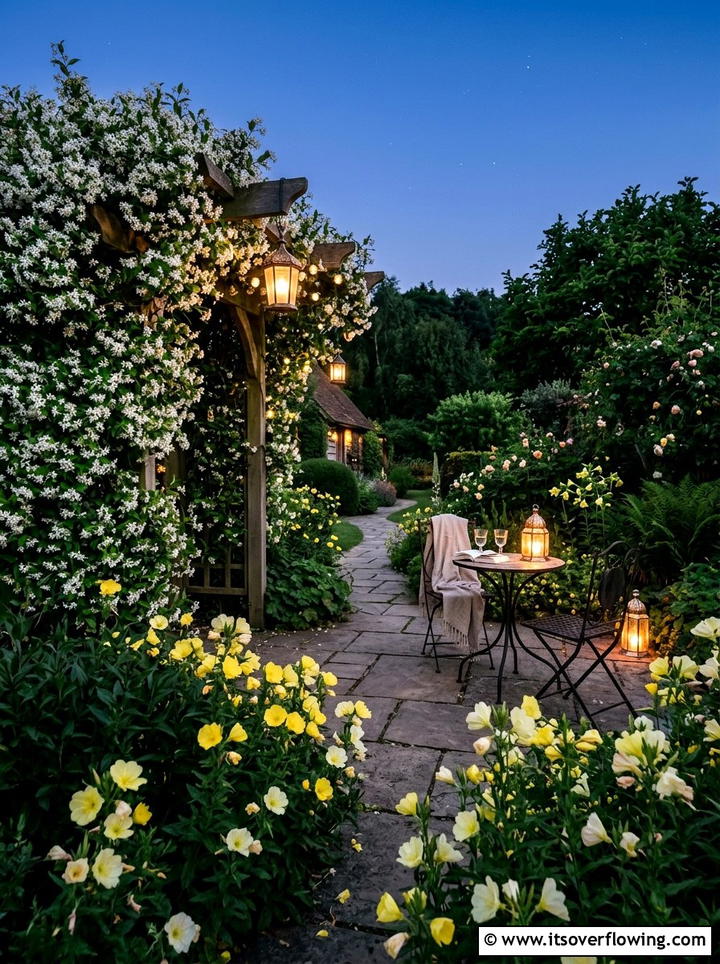
Planting flowers that release their fragrance at night is a wonderful way to support nocturnal pollinators like moths. Many people overlook moths, but they are essential pollinators that work while we are asleep. Plants like evening primrose, jasmine, and honeysuckle become incredibly fragrant after sunset, attracting moths from far and wide. These white or pale-colored flowers are also easier for nocturnal insects to see in the moonlight. Adding these plants to your garden creates a magical atmosphere for evening strolls or relaxing on the patio. It ensures your garden is supporting wildlife twenty-four hours a day, providing beauty and scent long after the sun goes down.
Conclusion:
Transforming your garden into a wildlife haven is a journey that benefits the environment and your own well-being. Each of these ideas, from building a simple log pile to installing a vibrant wildlife pond, contributes to a larger network of habitats. As you implement these changes, you will notice an increase in the variety of birds, insects, and mammals that call your backyard home. This connection to nature provides endless opportunities for observation, learning, and relaxation right outside your door. By creating a space where nature can thrive, you are playing a vital role in preserving biodiversity for future generations. Enjoy the beauty of your living garden.

Related posts:
 25 Garden Ideas for Bees to Grow a Pollinator Paradise
 25 Creative Garden Ideas With Hidden Garden Corners
 25 Creative Garden Ideas With Keyhole Garden Beds
 25 Creative Garden Ideas With Kids Garden Zone
 25 Garden Design Ideas With Pathways for Beautiful Garden Flow
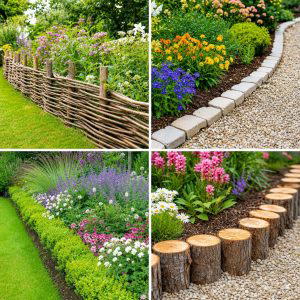 25 garden ideas with garden edging for Polished Borders
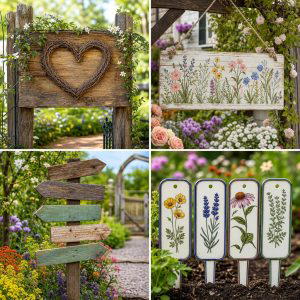 25 garden ideas with garden signs for Charming Outdoor Decor
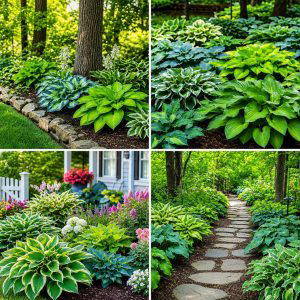 25 garden ideas with hostas for Lush Shade Garden Beauty
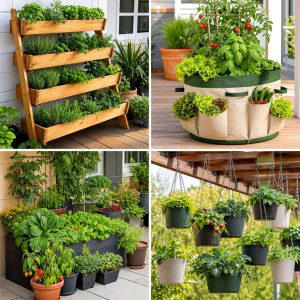 25 Small Garden Ideas With Edible Garden for Fresh Harvests
 25 Amazing Garden Ideas To Transform Your Outdoor Space
 25 Creative Garden Ideas to Transform Any Outdoor Space Fast
 25 Creative Garden Ideas for Urban Homes