
Transforming a sloped or lumpy backyard into a functional paradise might seem like a daunting challenge at first, but uneven ground actually offers some of the most exciting design opportunities for any homeowner. Instead of fighting the natural contours of your land, you can embrace the various elevations to create depth, interest, and distinct outdoor rooms that a flat lot simply cannot provide. Whether you are dealing with a gentle roll or a steep hillside, the key is to use structural elements that provide stability while enhancing the aesthetic appeal of your landscape. With the right approach to grading, planting, and hardscaping, you can turn those tricky inclines into the most captivating features of your entire property.
1. Terraced Retaining Wall
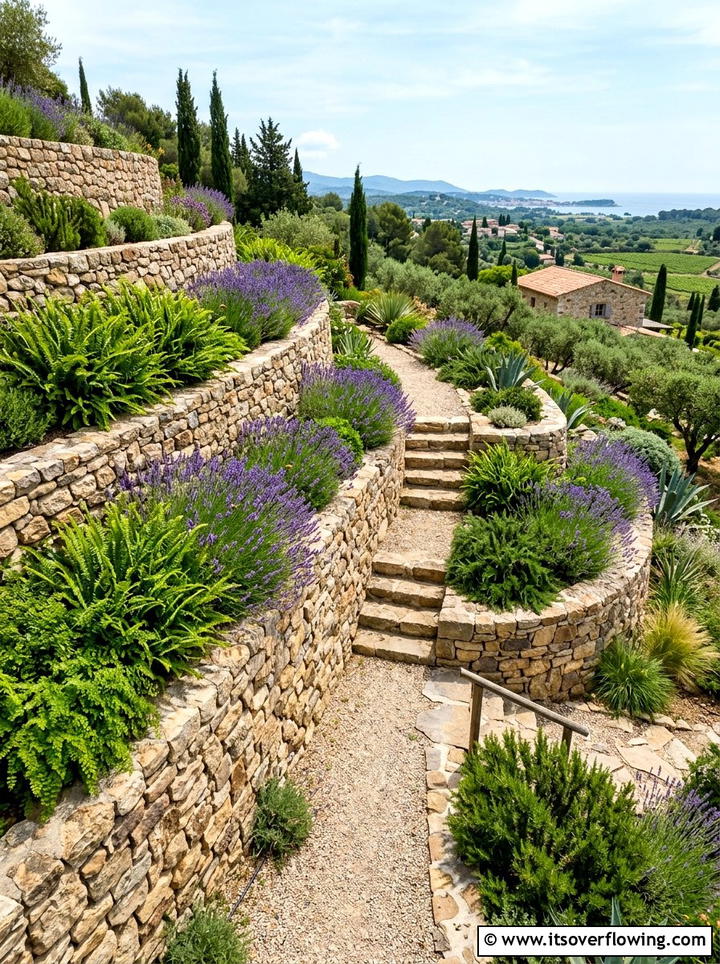
Terraced retaining walls are a classic solution for any homeowner dealing with a significant slope in their backyard. By carving out flat levels, you can effectively turn a steep hill into a series of usable planting zones or seating areas. These structures work by holding back soil, preventing erosion while creating a striking architectural look. You can use materials like timber, natural stone, or concrete blocks to match your home style. It is essential to ensure proper drainage behind the walls to prevent water buildup. This approach maximizes your outdoor space, providing multiple tiers for colorful perennials, shrubs, or even a small vegetable patch on what was once unusable ground.
2. Natural Stone Steps
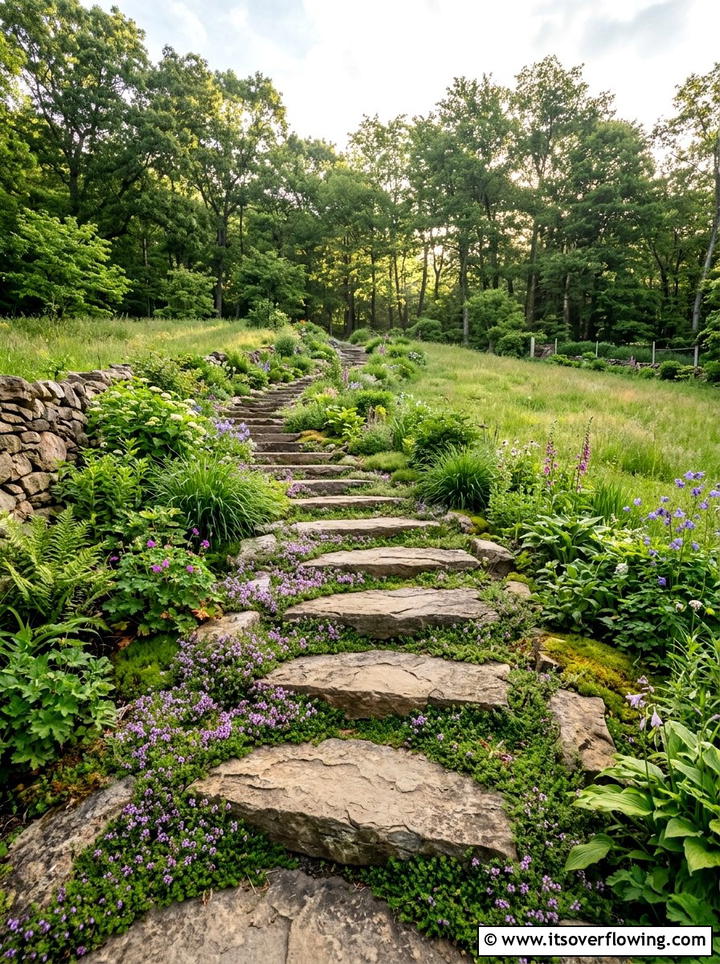
Natural stone steps provide a functional and beautiful way to navigate different elevations in an uneven garden. Unlike perfectly uniform concrete stairs, large slabs of fieldstone or flagstone blend seamlessly into the environment, looking as though they have always been part of the landscape. These steps should be wide and deep enough to feel safe and inviting, encouraging guests to explore the higher or lower reaches of your yard. You can plant low-growing ground covers like creeping thyme or moss between the stones to soften the edges. This design choice adds a rugged, organic feel that works perfectly in woodland or cottage-style gardens where texture is highly valued.
3. Multi Level Deck
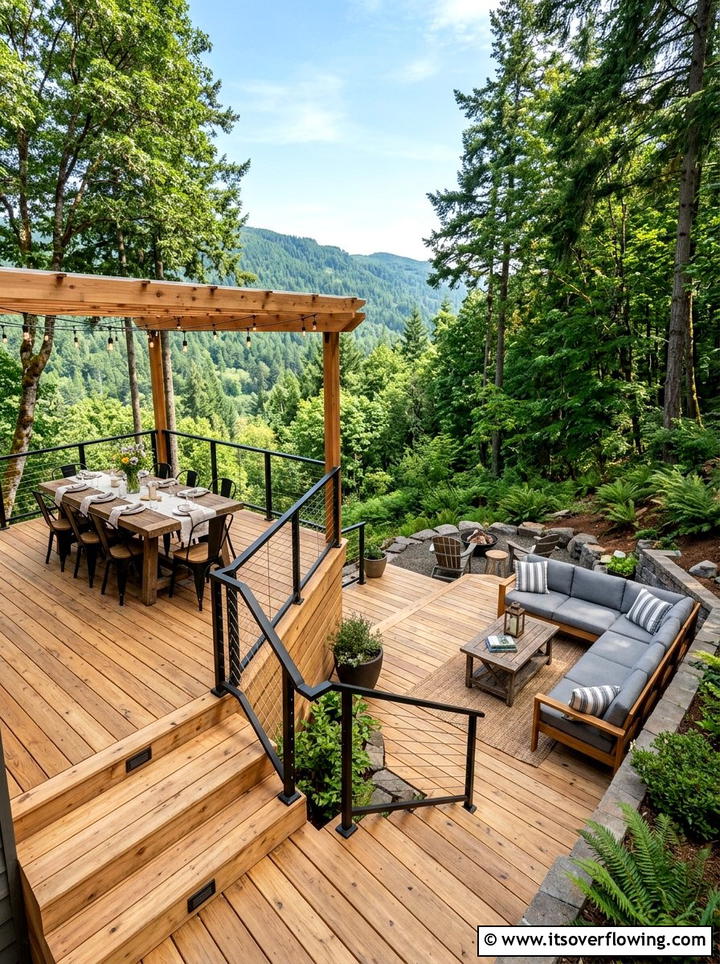
Building a multi level deck is a brilliant way to handle uneven ground without the need for extensive excavation or soil moving. By constructing several wooden platforms at different heights, you create separate zones for dining, lounging, and sunbathing. This vertical layout makes a small or sloped yard feel much larger and more organized. Each level can be connected by wide stairs that double as extra seating during large gatherings. Using high-quality composite or pressure-treated wood ensures durability against the elements. A tiered deck also provides a great vantage point, allowing you to look down over your garden and enjoy the various perspectives of your outdoor living area.


4. Rock Garden Slope
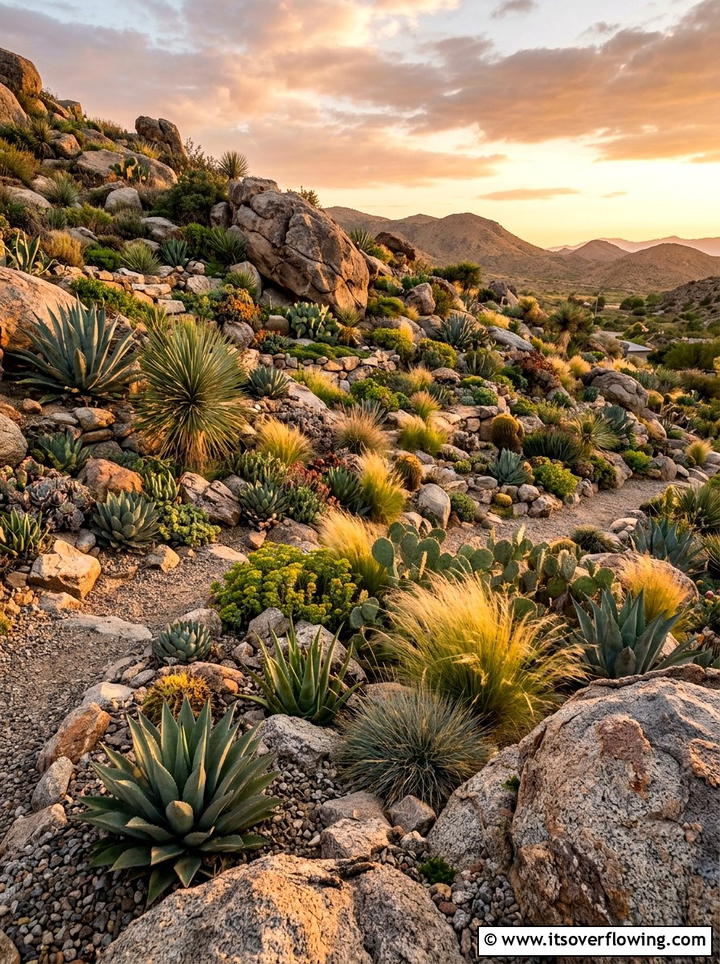
A rock garden slope is an excellent low-maintenance option for areas where the ground is too steep for traditional lawn or flower beds. By strategically placing large boulders and smaller river rocks, you can anchor the soil and create a stable environment for hardy plants. Succulents, alpine flowers, and ornamental grasses thrive in these well-draining conditions and look stunning nestled among the stones. The variation in rock sizes and colors adds a rugged, natural beauty that mimics a mountainside. This design not only solves the problem of mowing on a hill but also provides a year-round visual interest that requires very little water or upkeep once established.
5. Wildflower Hillside
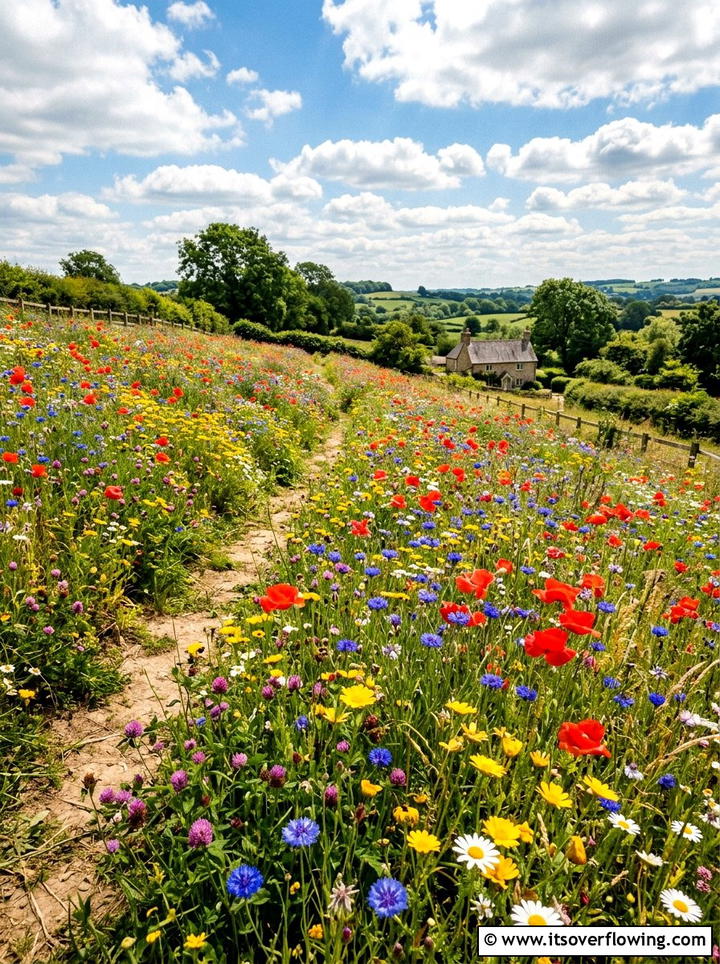
Turning a difficult slope into a wildflower hillside is a sustainable and visually breathtaking way to manage uneven terrain. Instead of struggling to keep grass green on an incline, you can sow a mix of native seeds that will naturally colonize the space. Wildflowers have deep root systems that help stabilize the soil and prevent runoff during heavy rains. This approach creates a vibrant, ever-changing carpet of color that attracts pollinators like bees, butterflies, and birds to your garden. It is a perfect solution for a more relaxed, meadow-like aesthetic. Once the flowers are established, they require minimal intervention, allowing you to enjoy a wild and beautiful landscape effortlessly.
6. Gabion Basket Wall
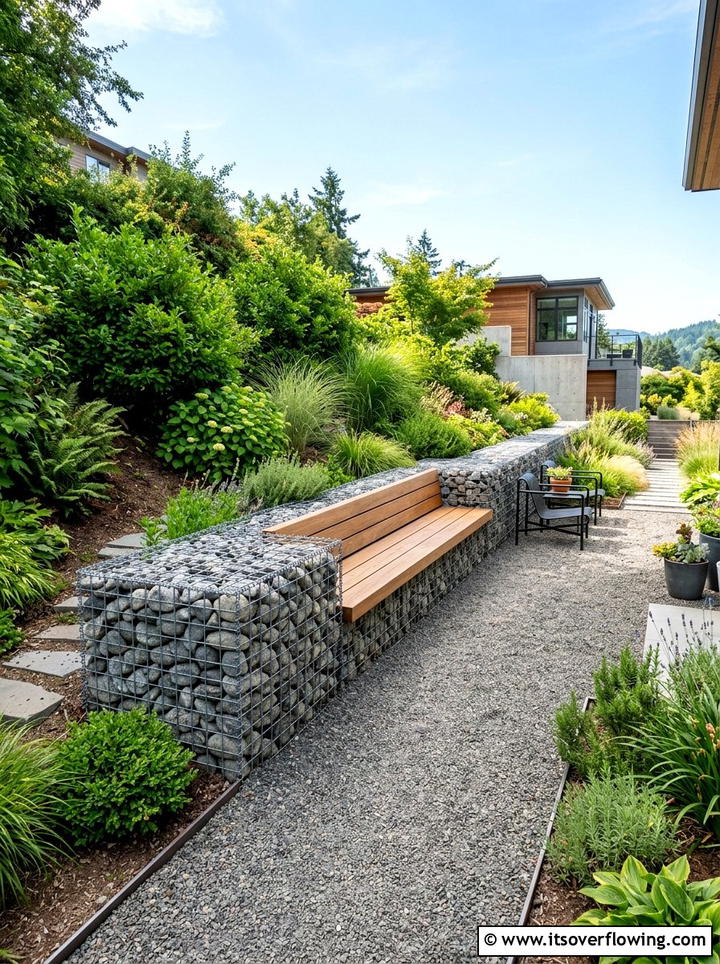
Gabion basket walls offer a modern and industrial way to handle grade changes in a garden while providing incredible structural strength. These wire cages are filled with rocks, stones, or even recycled bricks to create a heavy, permeable barrier. Because they allow water to flow through them freely, they are excellent for managing drainage issues on sloped sites. The texture of the stones inside the cages creates a unique visual pattern that looks great in contemporary landscapes. You can even top a low gabion wall with wooden planks to create a built-in bench. They are durable, easy to install, and provide a very sturdy foundation for any hilly backyard area.
7. Tiered Raised Bed
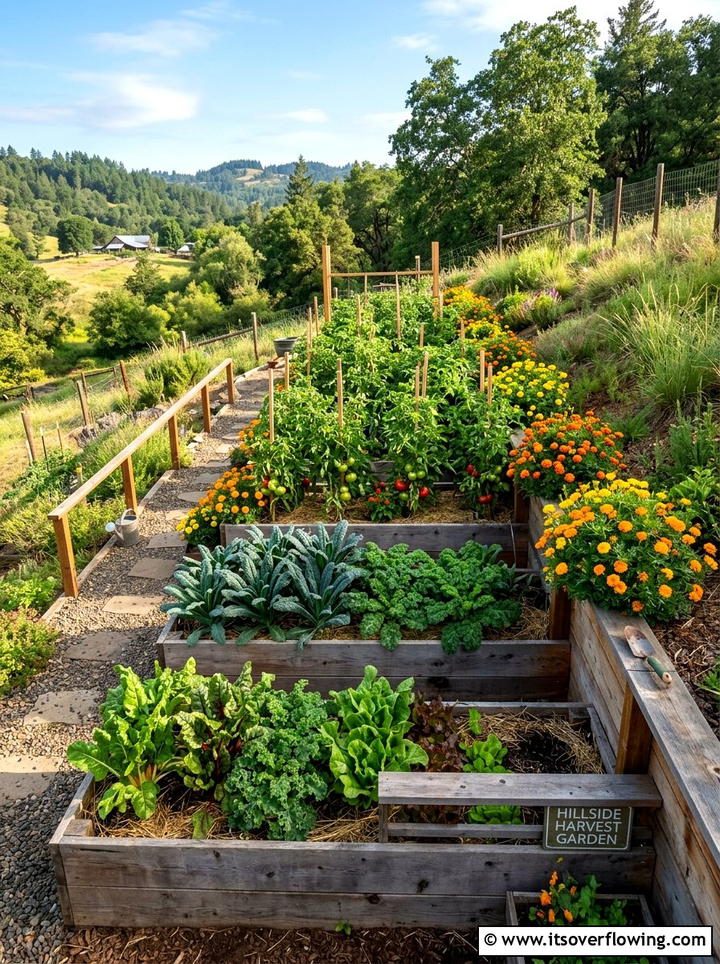
Tiered raised beds are perfect for gardeners who want to grow vegetables or flowers on a slope without bending over too far. By stacking wooden or stone boxes up the side of a hill, you create flat, manageable planting surfaces that are easy to access. This method allows you to control the soil quality perfectly, which is often difficult on uneven ground where the natural soil might be thin or rocky. The vertical arrangement ensures that every plant gets plenty of sunlight and air circulation. It also creates a very organized and tidy look, turning a messy incline into a productive and beautiful garden feature that provides a bounty of harvests.

8. Sunken Fire Pit
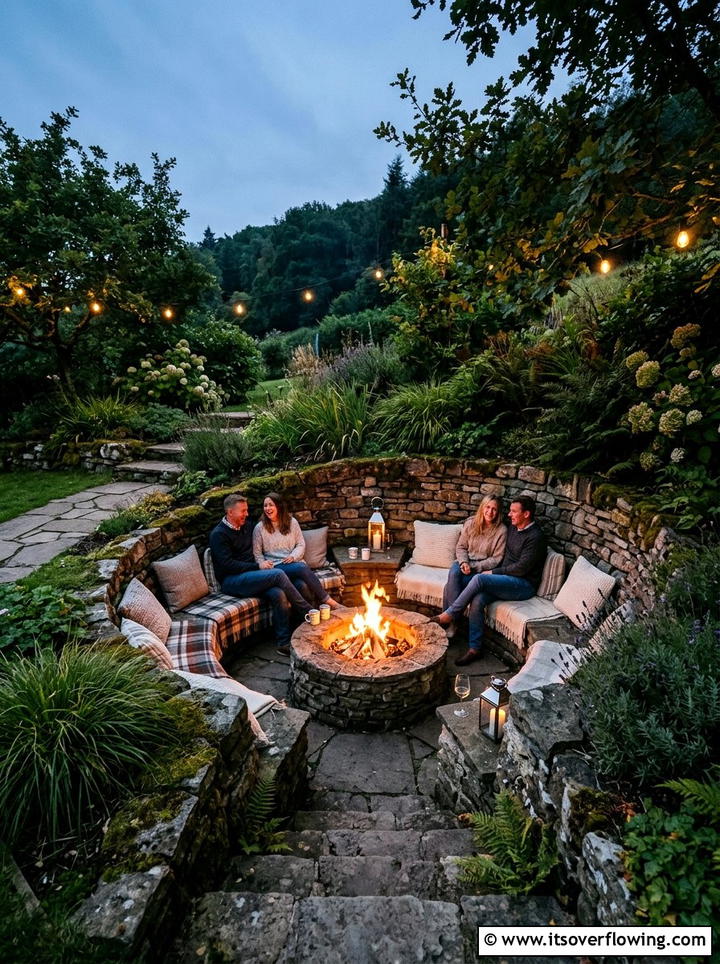
Creating a sunken fire pit is a clever way to use a natural depression or a carved-out section of a slope. By nestling the seating area into the ground, you create an intimate and sheltered spot that feels protected from the wind. You can use the surrounding higher ground to build integrated stone or wood benches that follow the curve of the pit. This design makes the fire feature feel like a hidden gem within the landscape. Using gravel or pavers for the floor ensures a level surface for chairs and safe foot traffic. The result is a cozy, atmospheric gathering space that makes the most of the garden’s natural topographical variations.
9. Sloping Gravel Path
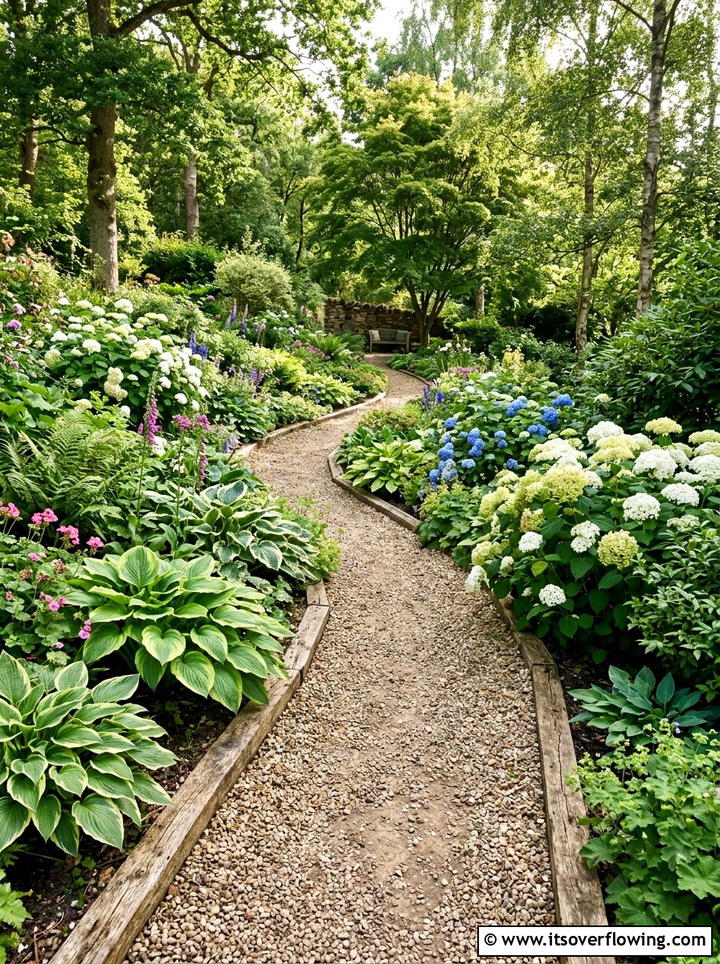
A sloping gravel path is a cost-effective and flexible way to create a walkway across uneven terrain. Unlike solid concrete or pavers, gravel can easily follow the natural curves and dips of the ground. To prevent the stones from migrating downhill, you can install hidden edging or small wooden “checks” that act as mini-steps. Gravel provides excellent drainage, which is crucial on sloped land where water tends to pool. The crunch of the stones underfoot adds a pleasant sensory element to your garden walks. You can choose from various colors and sizes of gravel to complement your overall design, creating a path that feels both casual and intentional.
10. Hillside Water Feature
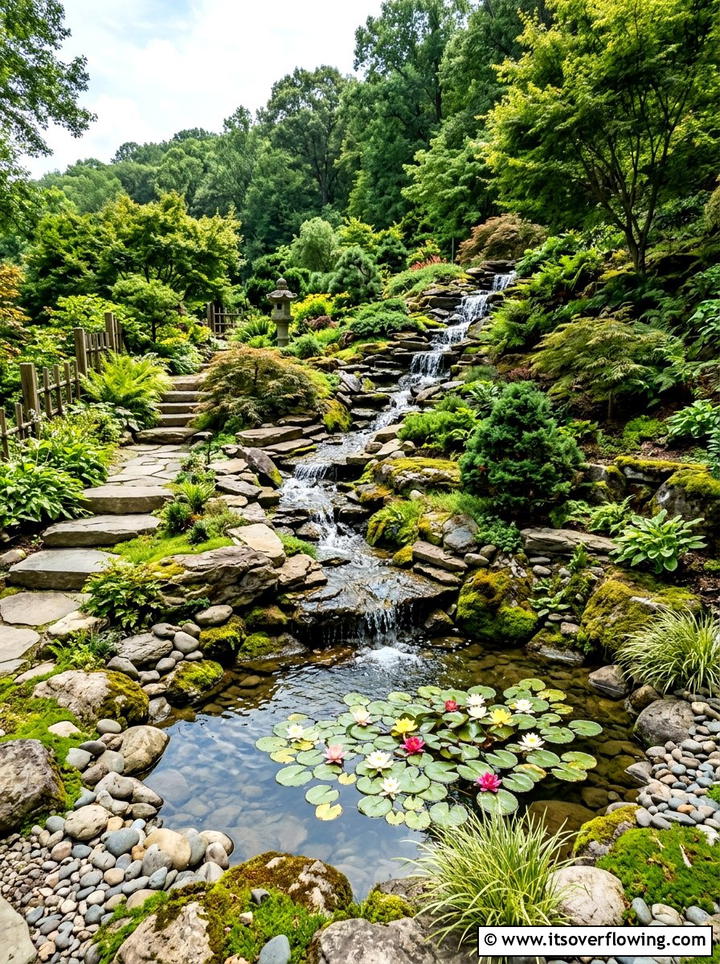
Installing a hillside water feature, such as a cascading stream or a series of small waterfalls, utilizes the natural gravity of uneven ground. Water naturally flows downward, so a slope provides the perfect foundation for a dynamic and soothing aquatic display. You can use pond liners hidden under rocks and pebbles to direct the flow into a basin at the bottom. The sound of running water adds a peaceful ambiance to the garden and can help mask noise from neighbors or nearby streets. This type of feature becomes an instant focal point, drawing the eye upward and making the elevation change feel like a deliberate and luxurious part of the garden design.
11. Ground Cover Slope
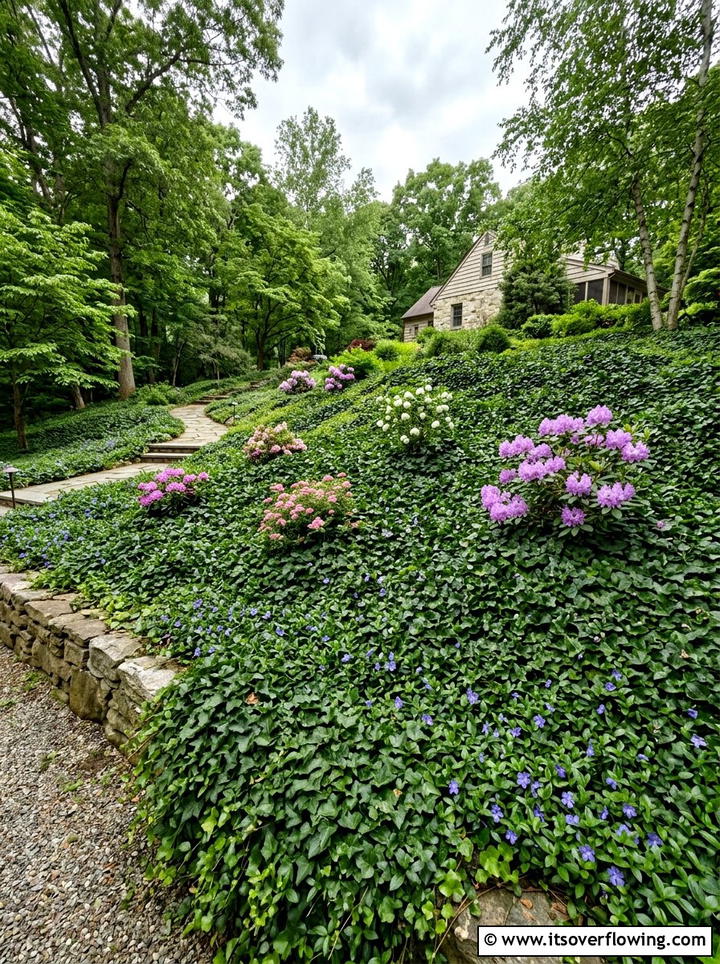
Using ground cover plants on a slope is a smart way to replace grass and reduce the need for difficult mowing on inclines. Low-growing, spreading plants like ivy, periwinkle, or creeping juniper create a thick green blanket that holds the soil in place. These plants are typically very hardy and can thrive in areas where other flowers might struggle with drainage or sun exposure. A carpet of green softens the look of the landscape and provides a consistent texture that ties different parts of the garden together. Over time, the ground cover will fill in any gaps, creating a lush and low-maintenance solution for those hard-to-reach parts of an uneven yard.
12. Log Retaining Wall
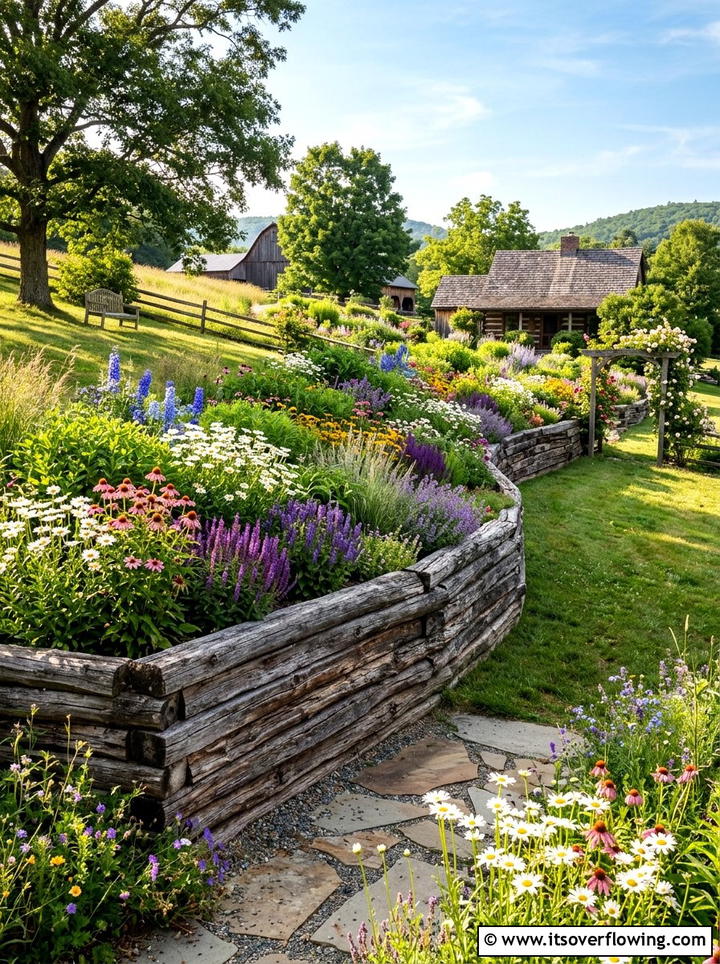
A log retaining wall provides a rustic and naturalistic look that fits perfectly into woodland or farmhouse-style gardens. Using pressure-treated logs or rot-resistant hardwoods like cedar, you can build low walls to create small terraces on a gentle slope. This material is often more affordable than stone and can be easier for a DIY enthusiast to work with. The horizontal lines of the logs contrast beautifully with vertical plantings, adding a sense of structure to the garden. As the wood ages and weathers, it blends into the surrounding soil and foliage. This is a great way to add functional levels to your yard while maintaining a very organic and earthy aesthetic.
13. Zig Zag Walkway
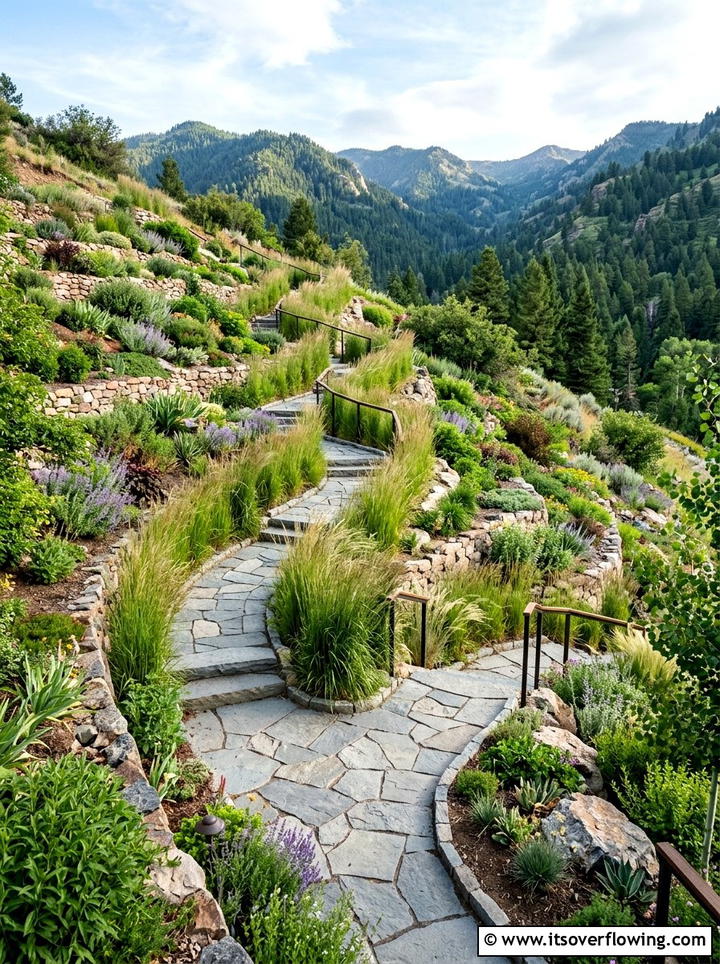
A zig zag walkway, also known as a switchback path, is a practical and stylish way to traverse a steep slope without it feeling too strenuous. By moving back and forth across the face of the hill, you reduce the steepness of the climb, making the path safer and more accessible for everyone. This design creates a journey through the garden, allowing you to view different planting beds from various angles as you ascend or descend. You can use materials like flagstone, wood mulch, or brick for the path surface. Planting tall grasses or shrubs at the turns adds a sense of mystery and discovery to the walk, making the slope feel like an adventure.
14. Sloped Lawn Terrace
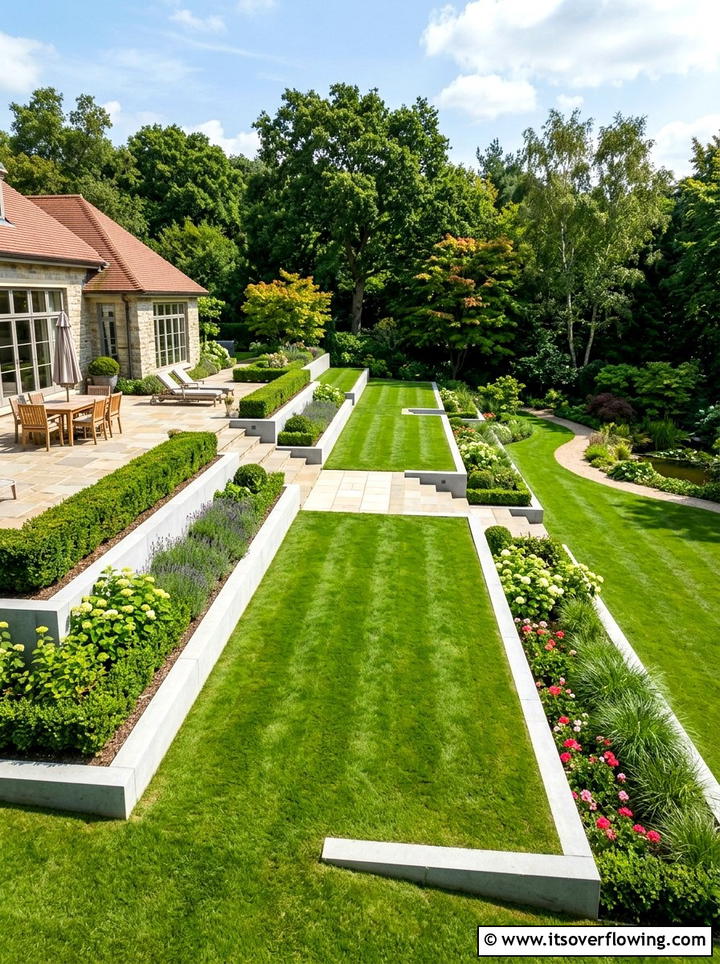
If you love the look of a green lawn but have a hill, a sloped lawn terrace is the perfect compromise. By creating a series of wide, flat grass platforms separated by low retaining walls, you can have the best of both worlds. This allows for flat areas where children can play or where you can place a garden bench, while the walls manage the overall grade. It prevents the soil from washing away and makes mowing much easier since you are dealing with flat surfaces. The clean lines of the green turf against the stone or wood walls create a very tidy, formal look that adds significant curb appeal to any property.
15. Boulder Outcropping
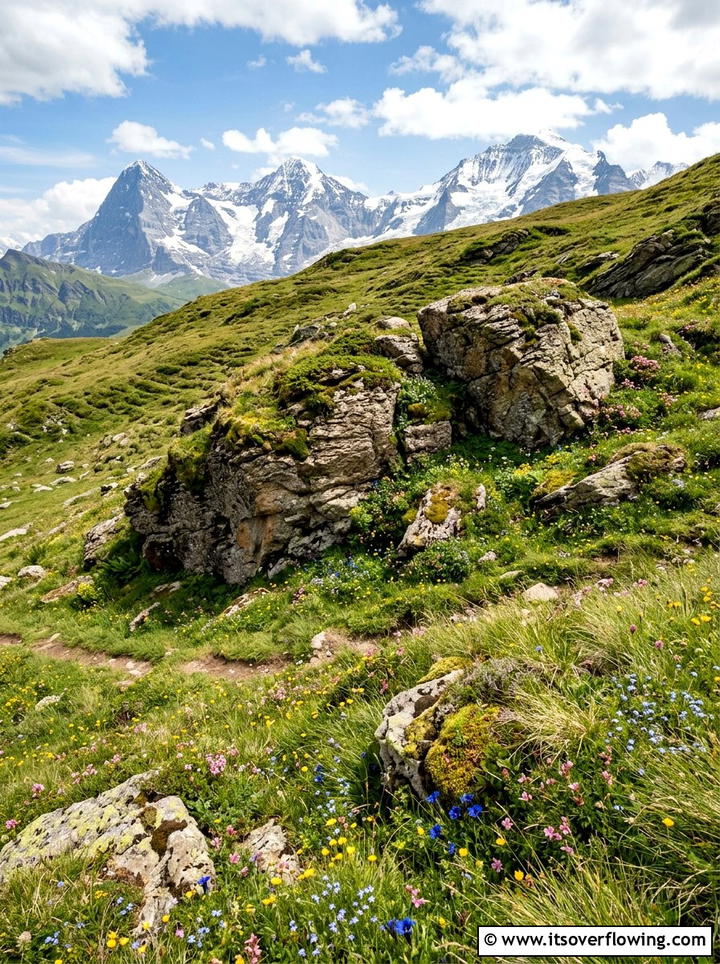
Incorporating boulder outcroppings is a wonderful way to mimic the natural look of a rocky hillside while providing structural support for uneven ground. By partially burying large, heavy rocks into the slope, you create the illusion that they are part of the underlying bedrock. These boulders act as natural anchors, helping to hold the soil in place and prevent erosion during storms. You can plant ornamental grasses or sprawling flowers around the base of the rocks to soften their appearance. This design adds a sense of permanence and grandeur to the garden, making a simple slope look like a carefully curated piece of natural art that has existed for centuries.
16. Hillside Seating Area
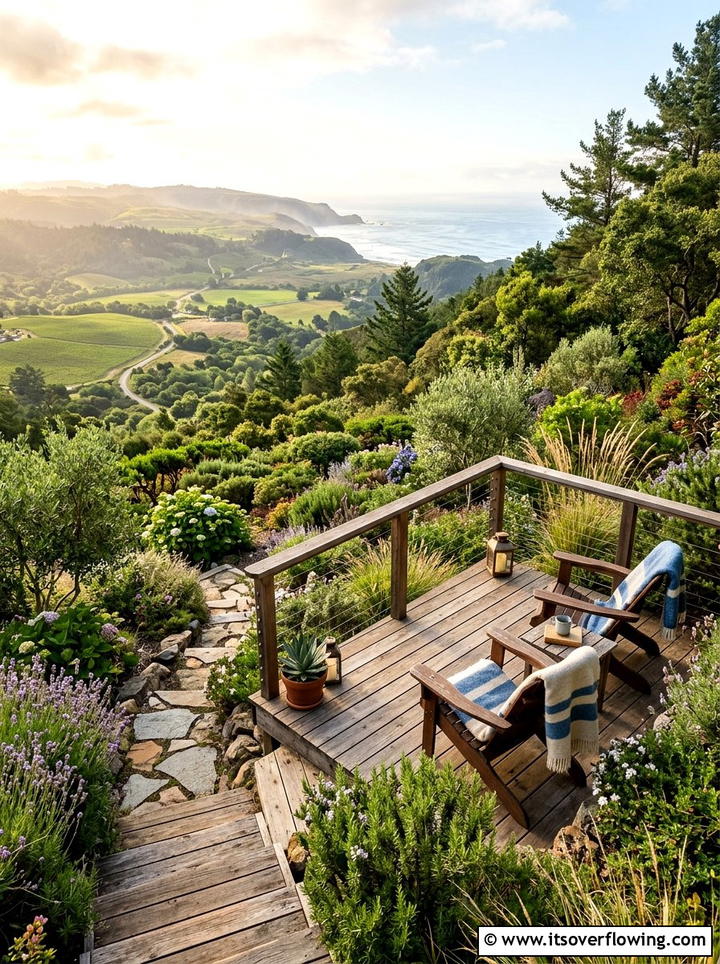
A hillside seating area takes advantage of a higher elevation to provide a private retreat with a view. By leveling off a small section of the slope and installing a patio or a small deck, you create a destination within your garden. This spot can be tucked away among trees or shrubs for a secluded feel, or positioned to overlook the rest of the yard. Adding a small table and a few comfortable chairs transforms a once-useless incline into a favorite spot for morning coffee or evening relaxation. Using natural materials like wood or stone for the flooring helps the seating area feel integrated into the surrounding landscape rather than just perched on top.
17. Concrete Sleeper Wall
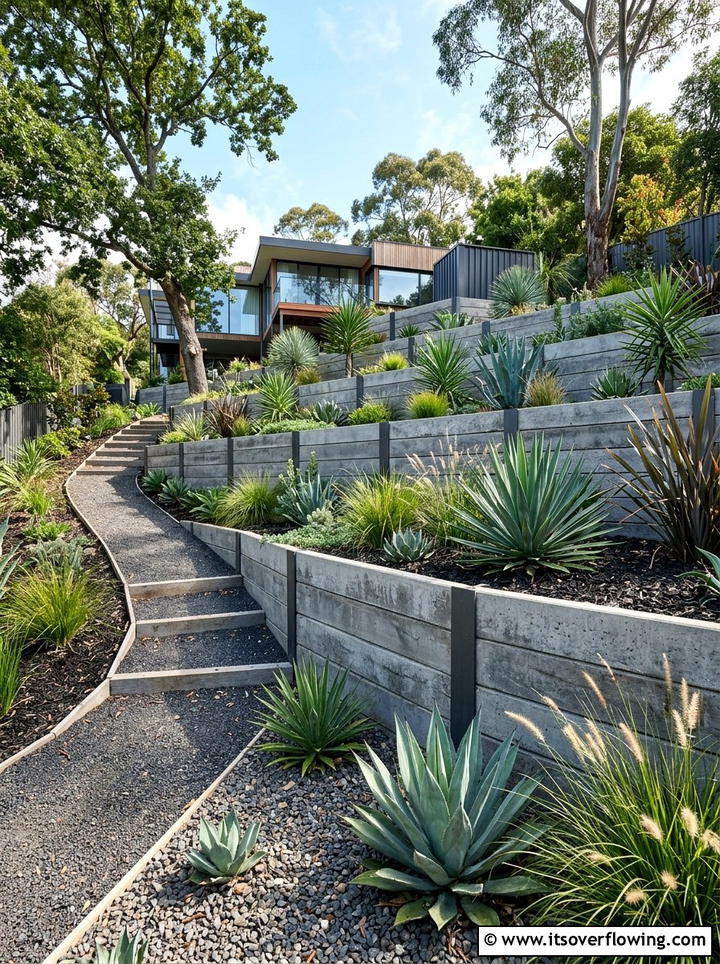
Concrete sleeper walls offer a very durable and modern-looking solution for managing steep changes in garden levels. These sleepers are designed to look like wood but are made of reinforced concrete, meaning they will never rot, warp, or be attacked by termites. They provide a very clean and industrial aesthetic that works well with minimalist or contemporary home designs. The strength of concrete allows for higher retaining walls, which can be necessary for very steep grades. You can find them in various textures and colors to suit your taste. These walls create sharp, defined borders that make the different levels of your garden look incredibly organized and professional while requiring virtually no maintenance.
18. Tiered Herb Garden
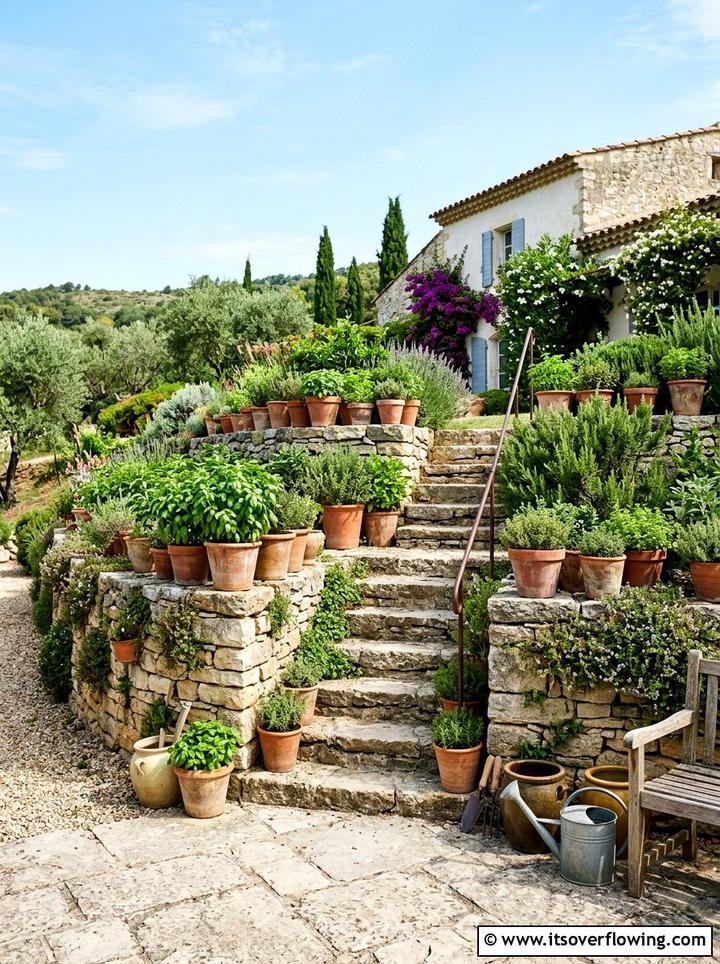
A tiered herb garden is a functional and fragrant way to utilize a small slope near your kitchen or back door. By building narrow, stepped planters, you can grow a variety of herbs like rosemary, thyme, and mint in a compact space. Each tier can have different soil conditions or moisture levels to suit the specific needs of each plant. This vertical arrangement makes harvesting very easy, as the herbs are raised to a comfortable reaching height. The varying textures and shades of green from the herbs create a beautiful tapestry up the side of the hill. It is a sensory delight that provides both beauty and fresh ingredients for your home cooking.
19. Sloping Flower Border
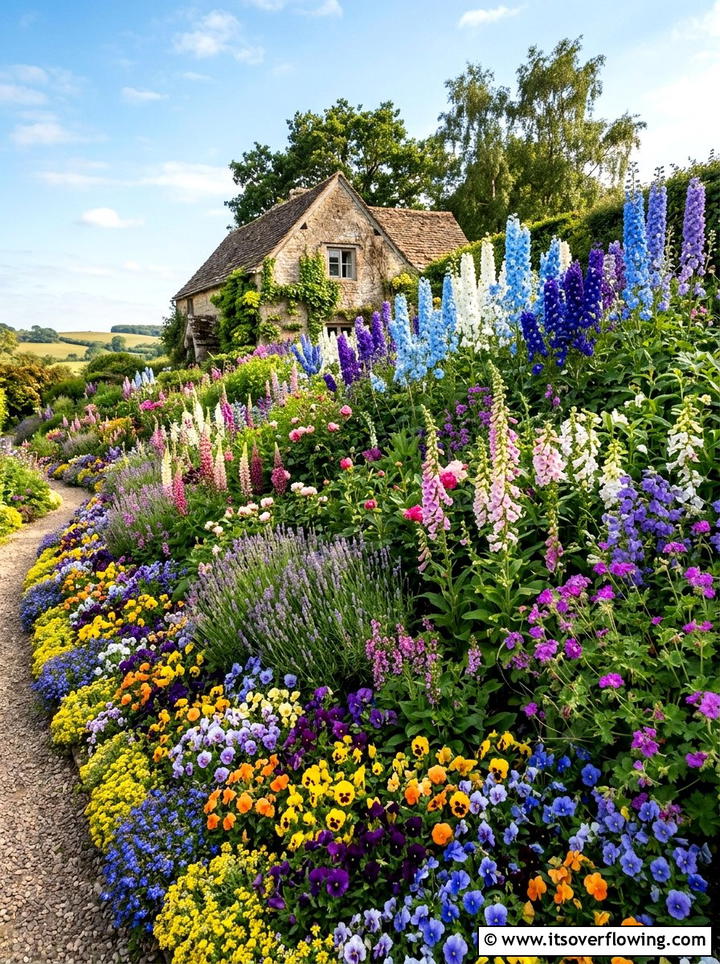
A sloping flower border allows you to showcase a wide variety of plants in a way that is easily visible from a distance. Because the ground is angled, the plants in the back aren’t hidden by those in the front, creating a natural stadium seating effect for your flowers. You can layer taller perennials at the top of the slope and shorter annuals or ground covers at the bottom. This creates a lush wall of color and texture that can be seen from the house or the bottom of the yard. Using a mix of evergreens and deciduous plants ensures that the slope remains interesting even during the winter months when many flowers have faded.

20. Dry Creek Bed
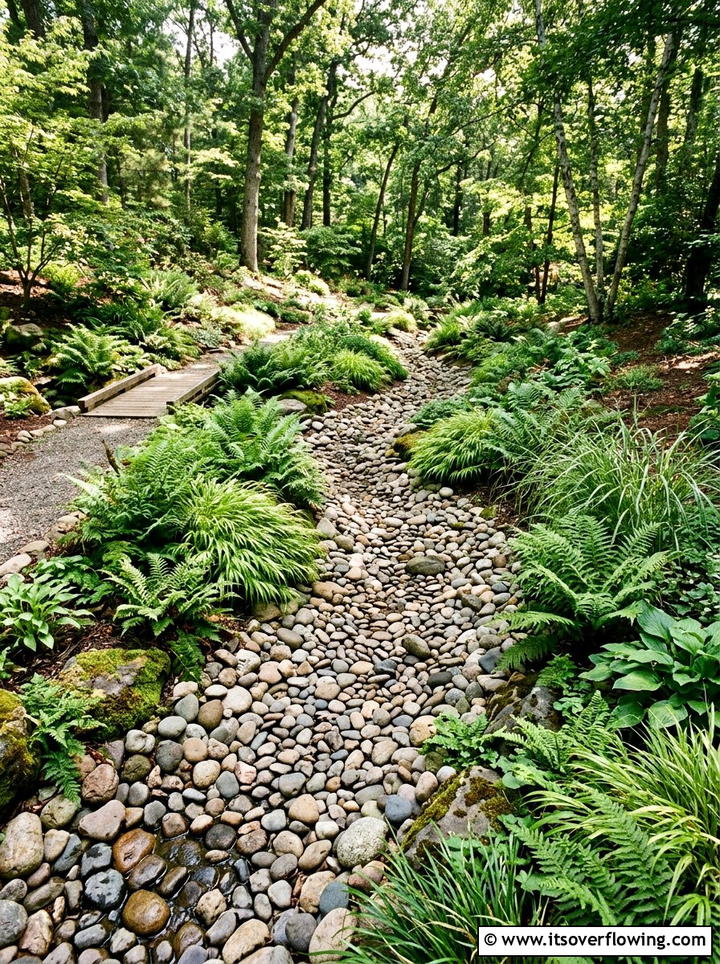
A dry creek bed is a functional and decorative landscape feature designed to manage water runoff on uneven ground. By creating a winding path of river rocks and pebbles through a natural drainage area, you can direct rainwater away from your home or delicate garden beds. During dry weather, the creek bed looks like a beautiful, parched waterway that adds a sense of movement to the landscape. You can plant moisture-loving plants like ferns or hostas along the edges to enhance the look. This design solves the problem of soggy patches and soil erosion while providing a stunning, low-maintenance focal point that mimics a natural mountain stream or forest floor.
21. Elevated Viewing Platform
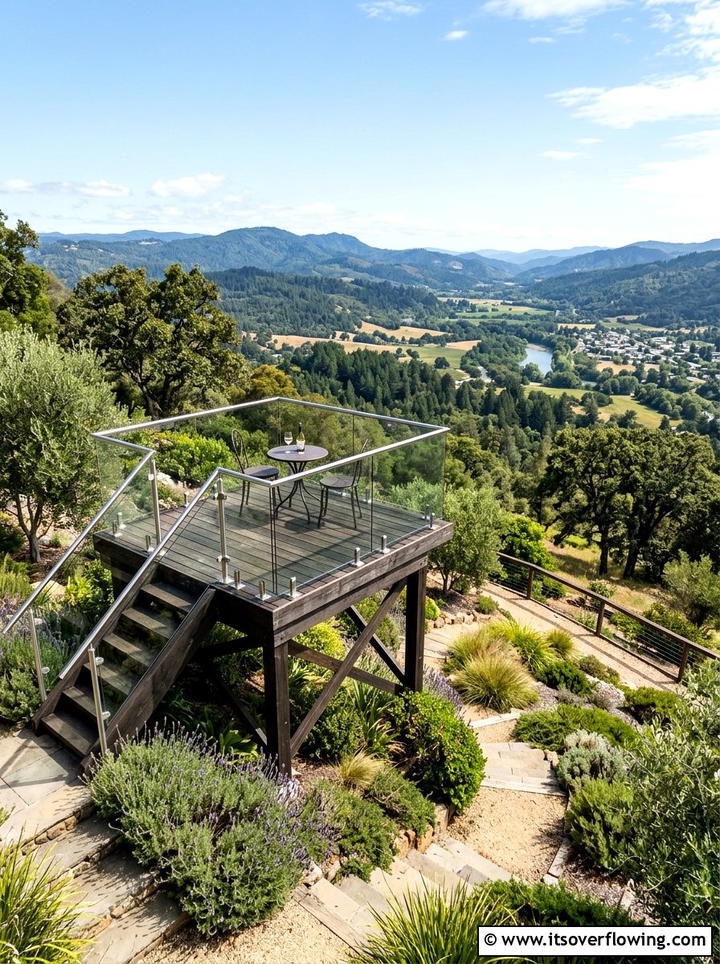
Building an elevated viewing platform is a fantastic way to capitalize on the height offered by a sloped garden. By constructing a simple wooden or metal structure at the highest point of your land, you create a dedicated spot to enjoy the surrounding scenery. This platform can be small, just big enough for a couple of chairs, or larger for entertaining guests. It provides a unique perspective of your own garden and the horizon beyond. The space underneath the platform can be used for hidden storage or planted with shade-tolerant species. This design adds a dramatic architectural element to your yard while giving you a sense of being on top of the world.
22. Paving Stone Terrace
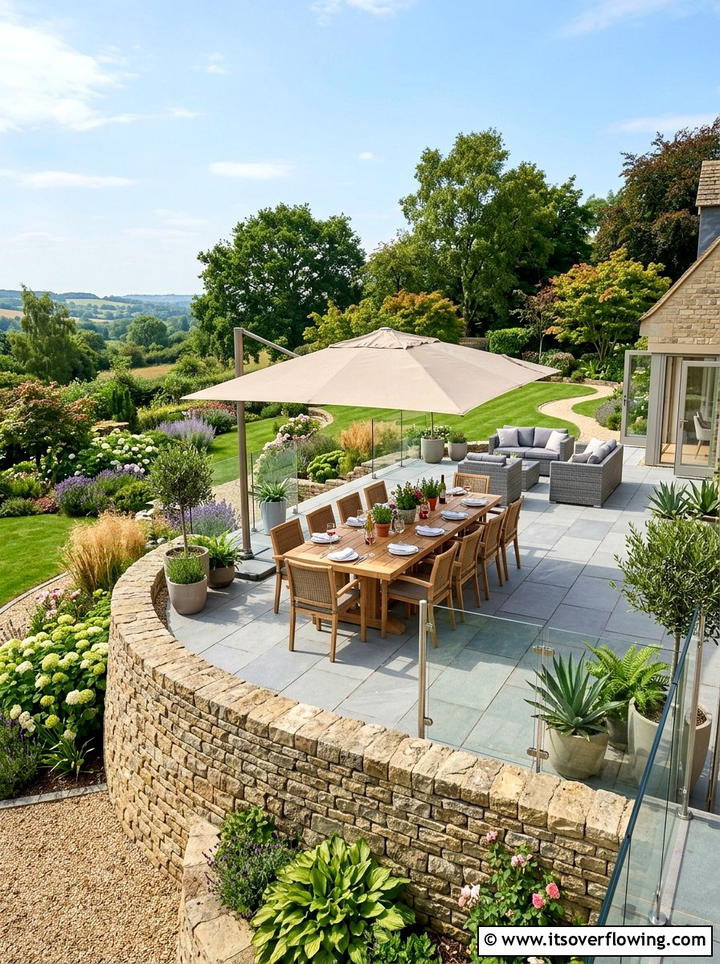
A paving stone terrace creates a flat, durable surface for outdoor living on what was once a slanted piece of land. By using high-quality pavers, you can build a stable patio that is perfect for heavy outdoor furniture, grills, or even a hot tub. The installation involves excavating a flat area and building a retaining wall to support the uphill side. Paving stones come in an endless array of colors and patterns, allowing you to customize the look to fit your personal style. This formal area provides a stark, clean contrast to the softer, more organic parts of your garden, making the entire backyard feel balanced, intentional, and perfectly suited for entertaining.
23. Hillside Fruit Orchard
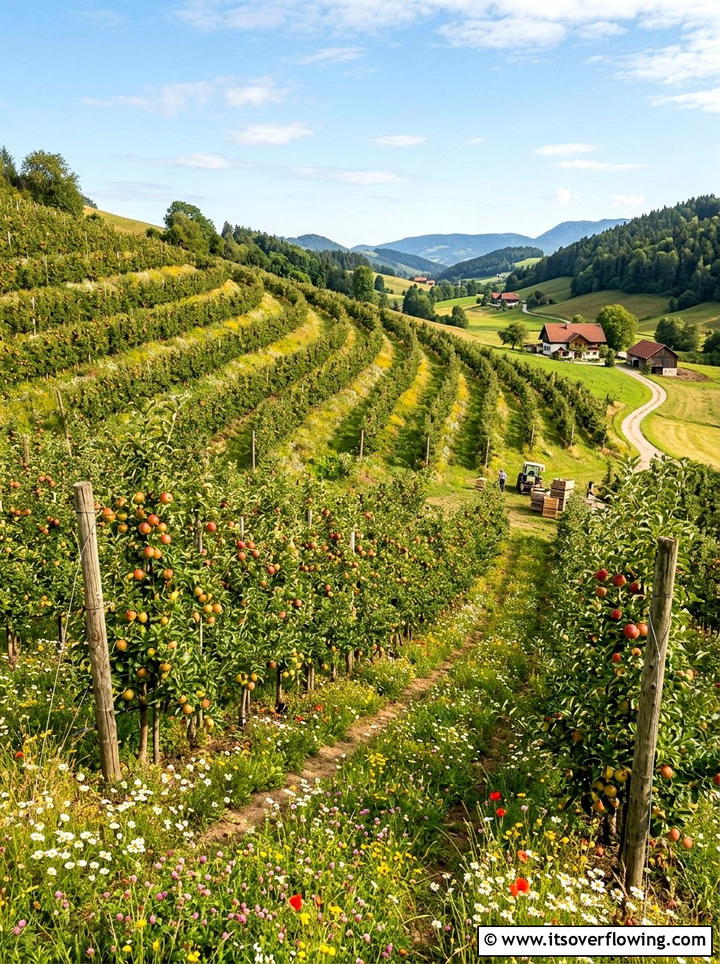
Planting a hillside fruit orchard is a productive way to use a sunny, sloped area where a traditional lawn might struggle. Fruit trees like apples, pears, and cherries often appreciate the excellent drainage provided by an incline. By spacing the trees along the contour of the hill, you create a beautiful tiered effect that looks stunning when the trees are in bloom. You can underplant the trees with clover or wildflowers to support pollinators and manage the soil between the trees. This design turns a difficult piece of land into a source of fresh, organic food for your family, while the trees themselves help to anchor the soil with their extensive root systems.
24. Sloping Rockery Waterfall
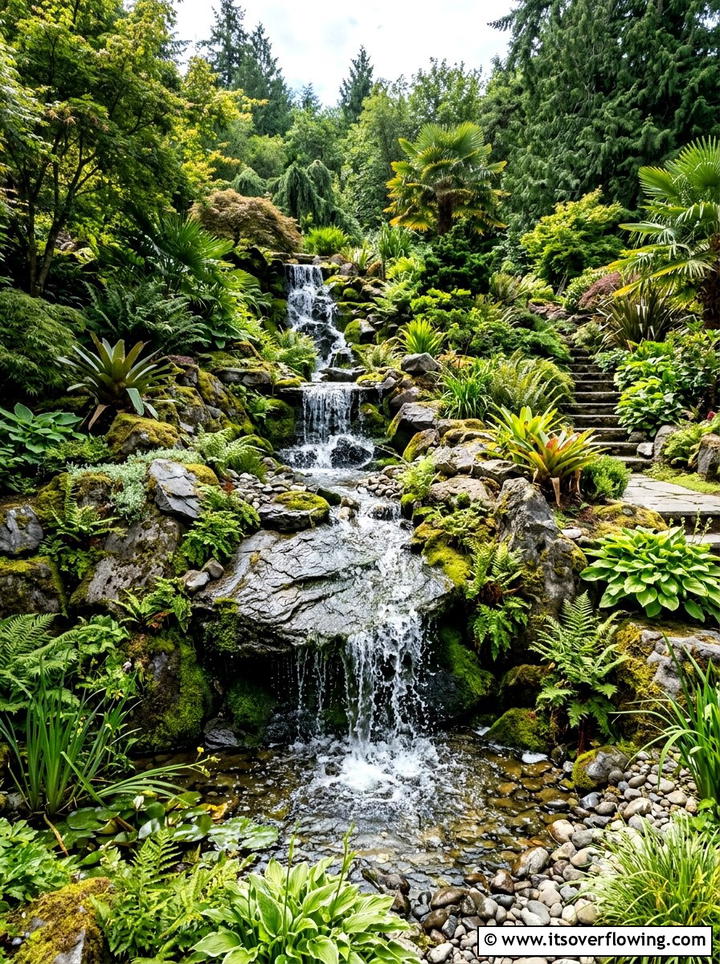
A sloping rockery waterfall combines the stability of a rock garden with the dynamic movement of a water feature. By arranging large stones in a cascading fashion down a hill, you create a series of small drops for water to tumble over. This setup is incredibly efficient for cooling the air and adding humidity to the garden during hot summer days. The rocks provide a sturdy framework that prevents the slope from shifting, while the water adds a layer of sound and life to the space. You can nestle aquatic plants and moss into the crevices between the rocks to create a lush, grotto-like environment that feels like a hidden sanctuary in your backyard.
25. Built In Bench Seating
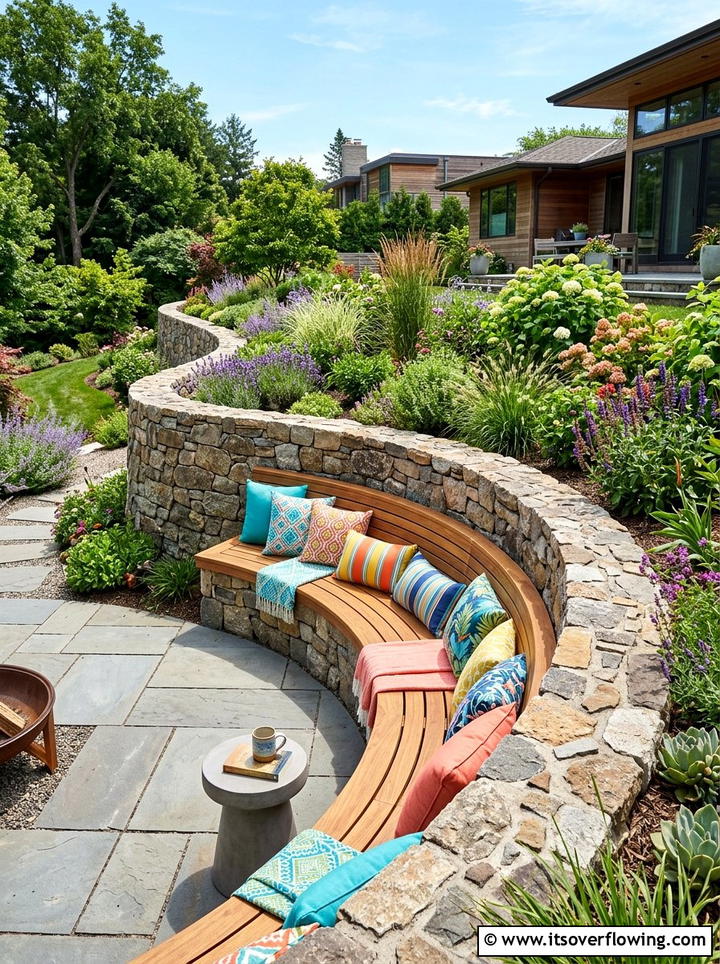
Built-in bench seating can be integrated directly into a retaining wall or a leveled-off section of a slope. This is a smart way to add functionality to the structure that is already holding back the soil. By using materials like wood, stone, or polished concrete, you can create a permanent place to sit that doesn ‘t take up extra floor space on a patio or deck. These benches follow the curve of the land, making them feel like a natural part of the garden’ s architecture. Adding some outdoor cushions makes the space comfortable for long afternoons spent outdoors. It is an excellent space-saving solution that turns a structural necessity into a stylish and inviting social hub.
Conclusion:
Designing for uneven ground requires a shift in perspective, moving from seeing a slope as a problem to viewing it as a multi-dimensional canvas. By incorporating elements like terraced walls, strategic pathways, and diverse planting schemes, you can create a landscape that is far more dynamic than any flat yard could ever be. Each level offers a new opportunity for discovery, whether it is a quiet seating nook tucked into a hillside or a vibrant flower border that catches the light at different times of the day. Embracing the natural topography of your land not only solves practical issues like drainage and erosion but also results in a unique, character-filled outdoor space. With a bit of creativity and careful planning, your sloped garden will become the most beautiful and talked-about feature of your home.

Related posts:
 25 Amazing Garden Ideas To Transform Your Outdoor Space
 25 Creative Garden Ideas to Transform Any Outdoor Space Fast
 25 Garden Design Ideas to Transform Your Outdoor Space
 25 Garden Design Ideas for Projects to Transform Any Yard
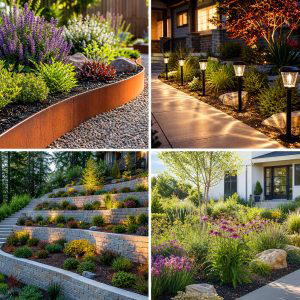 25 Garden Ideas for Curb Appeal to Transform Your Home
 25 garden ideas with fence decor to Transform Plain Panels
 25 Garden Ideas With Wall Decor to Transform Your Space
 25 unique garden ideas to Transform Any Outdoor Space Fast
 25 Creative Garden Ideas With Keyhole Garden Beds
 25 Creative Garden Ideas With Kids Garden Zone
 25 garden ideas with garden edging for Polished Borders
 25 Small Garden Ideas With Edible Garden for Fresh Harvests