
Creating a beautiful outdoor space is one of the most rewarding home improvement projects you can undertake. Whether you have a sprawling backyard or a tiny urban balcony, there are endless ways to infuse personality and life into your exterior environment. A well-planned garden serves as a peaceful retreat where you can reconnect with nature and enjoy the fresh air. It is not just about planting flowers; it is about creating a functional and aesthetic extension of your living home. From sustainable edible patches to serene water features, every choice reflects your personal style. Transforming your yard requires patience and creativity, but the results are truly life-changing for your daily routine.
1. Vertical Garden Wall
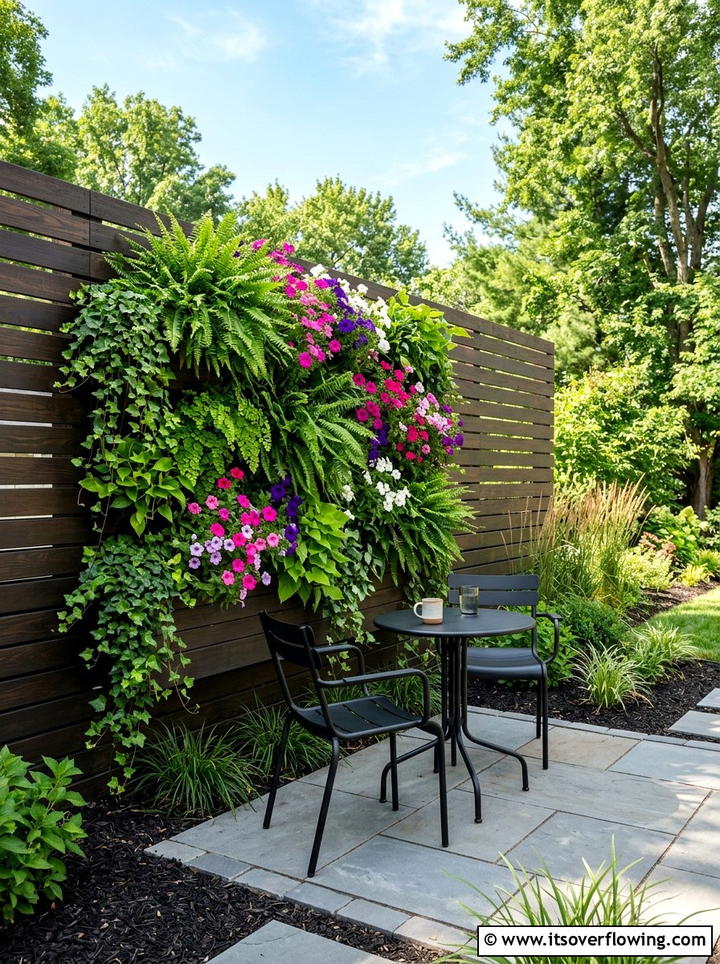
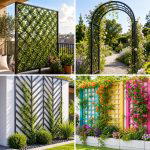
A vertical garden wall is a brilliant solution for homeowners who want to maximize their planting space without taking up too much floor area. This approach involves growing plants on walls, fences, or specialized trellises to create a lush green tapestry. It works exceptionally well in small urban courtyards where horizontal ground is limited. You can use a variety of materials like wooden pallets, hanging pockets, or metal grids to support your greenery. Choose trailing vines, ferns, or even small herbs to fill the vertical space with vibrant colors and interesting textures. This setup not only looks stunning but also helps insulate your home and improve air quality. It creates a striking focal point that draws the eye upward.
2. Raised Garden Bed
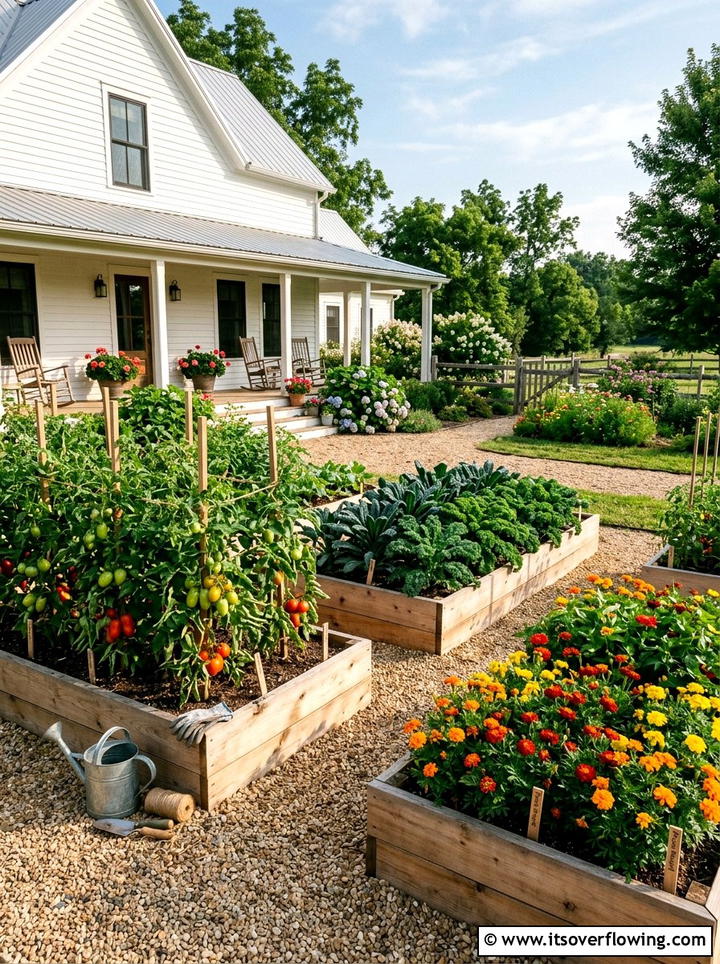
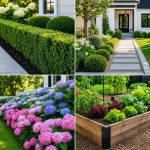
Installing a raised garden bed is a practical way to manage your soil quality and improve drainage for your plants. These structures allow you to control the exact composition of the earth, which is vital for growing healthy vegetables and flowers. They also save your back and knees from the strain of bending down to the ground level. You can build these beds using cedar wood, stone, or even recycled bricks to match your home’s existing architecture. By lifting the planting area, you also create a clear boundary that keeps weeds and grass from encroaching on your crops. It is an organized and tidy way to approach gardening that yields impressive results every season.
3. Fairy Garden
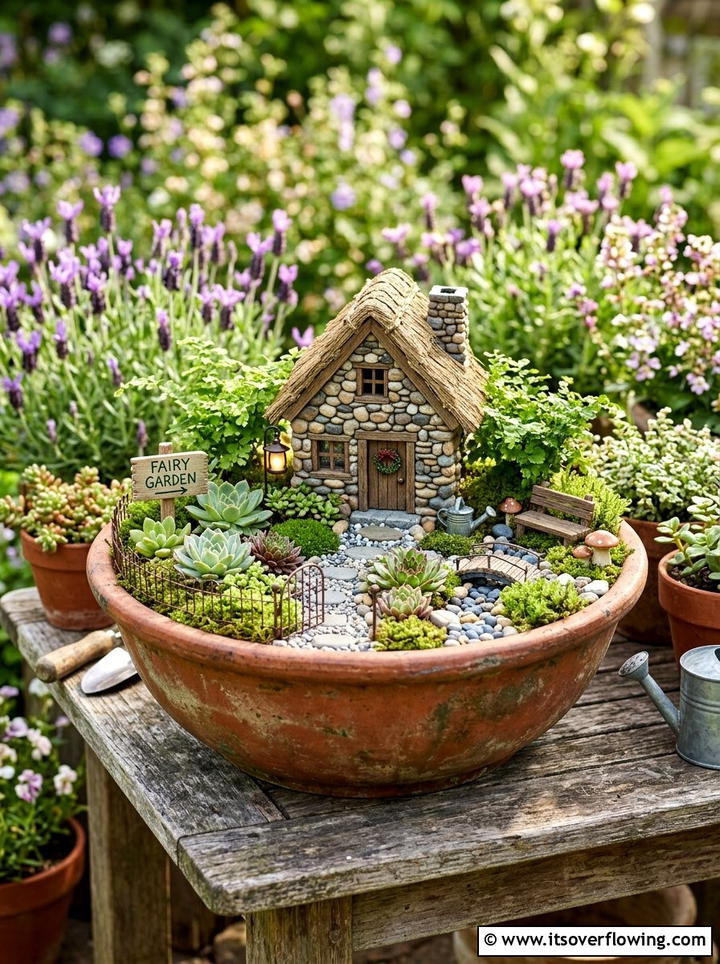
Creating a miniature fairy garden adds a whimsical and magical touch to any corner of your backyard or patio. This tiny landscape uses small-scale plants, moss, and miniature accessories to tell a silent story of enchanted creatures. You can build one inside a large terracotta pot, an old hollow log, or a dedicated flower bed area. Use pebbles to create tiny pathways and small twigs to build rustic fences or tiny bridges. This project is perfect for families because it encourages creativity and detailed observation of nature. It serves as a charming conversation piece that delights guests of all ages. Small succulents and delicate groundcovers are ideal plants for this decorative miniature world.
4. Cottage Garden
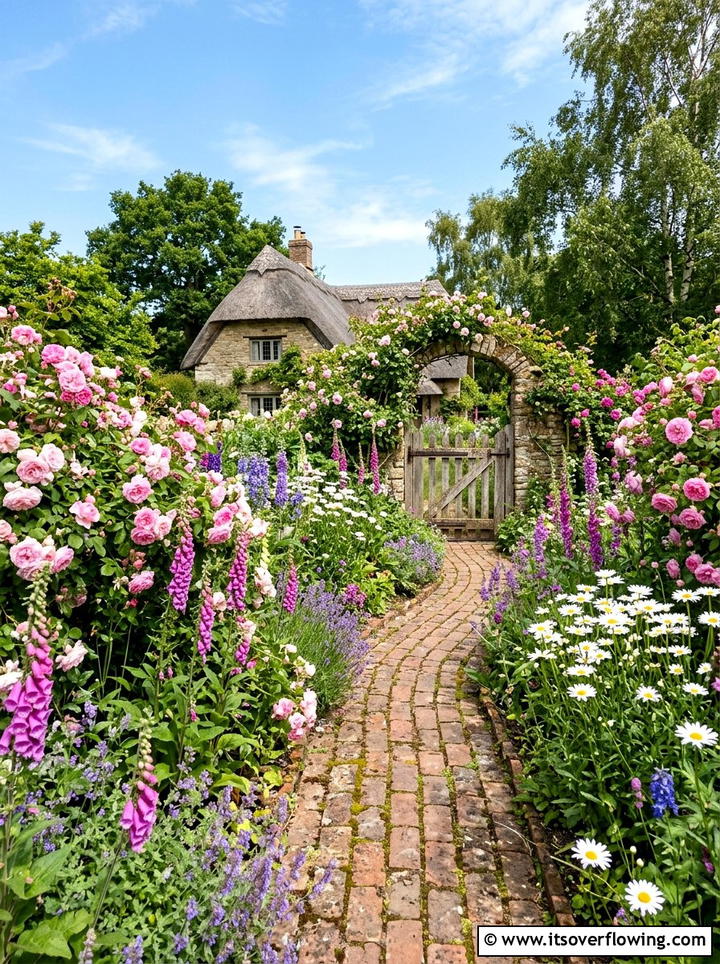
A classic cottage garden focuses on a dense, informal planting style that feels both romantic and naturally abundant. This design often features a mix of edible and ornamental plants growing together in a beautiful, slightly chaotic harmony. You should prioritize traditional flowers like roses, lavender, foxgloves, and hollyhocks to achieve this nostalgic aesthetic. Winding brick paths and weathered wooden gates often complement the lush greenery and colorful blooms. This style is perfect for those who prefer a less rigid look and want to attract bees and butterflies to their yard. It creates a soft, inviting atmosphere that makes your home feel cozy and lived-in. The fragrance from these flowers is truly wonderful.
5. Pollinator Garden
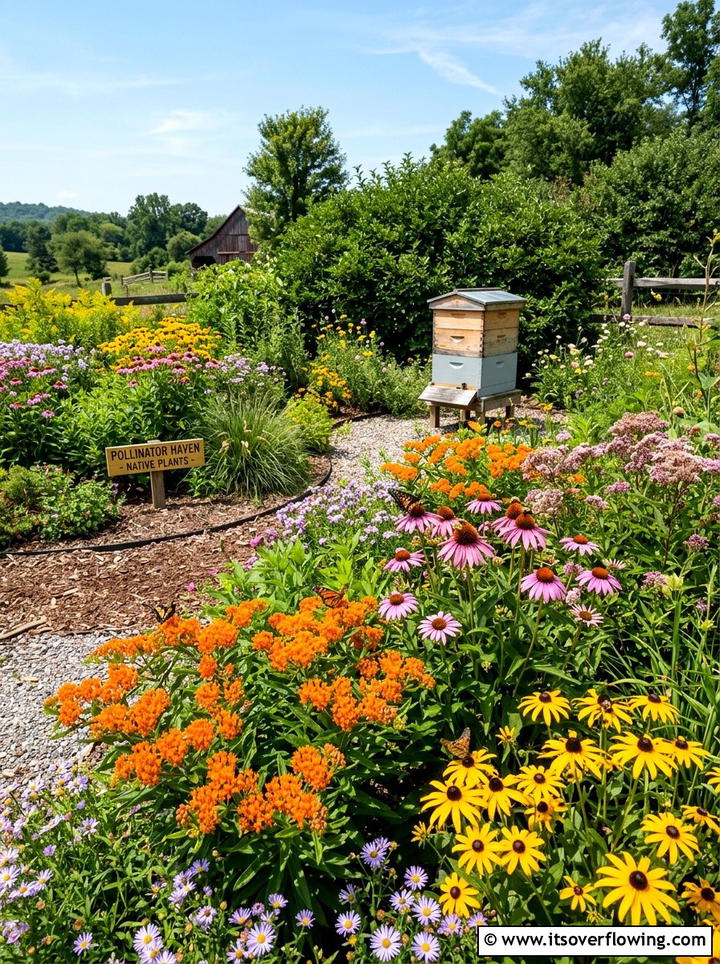
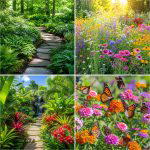
Designing a pollinator garden is a fantastic way to support local biodiversity while enjoying a yard full of movement and life. This specific type of landscape focuses on plants that provide nectar and pollen for bees, butterflies, and hummingbirds. Choose a variety of native species that bloom at different times throughout the year to ensure a steady food source. Milkweed, purple coneflowers, and bee balm are excellent choices that thrive in many climates. Avoid using pesticides to keep the environment safe for these essential visitors. By creating a habitat for these creatures, you contribute to a healthier ecosystem right in your own backyard. It is a rewarding and environmentally conscious choice.
6. Kitchen Herb Garden
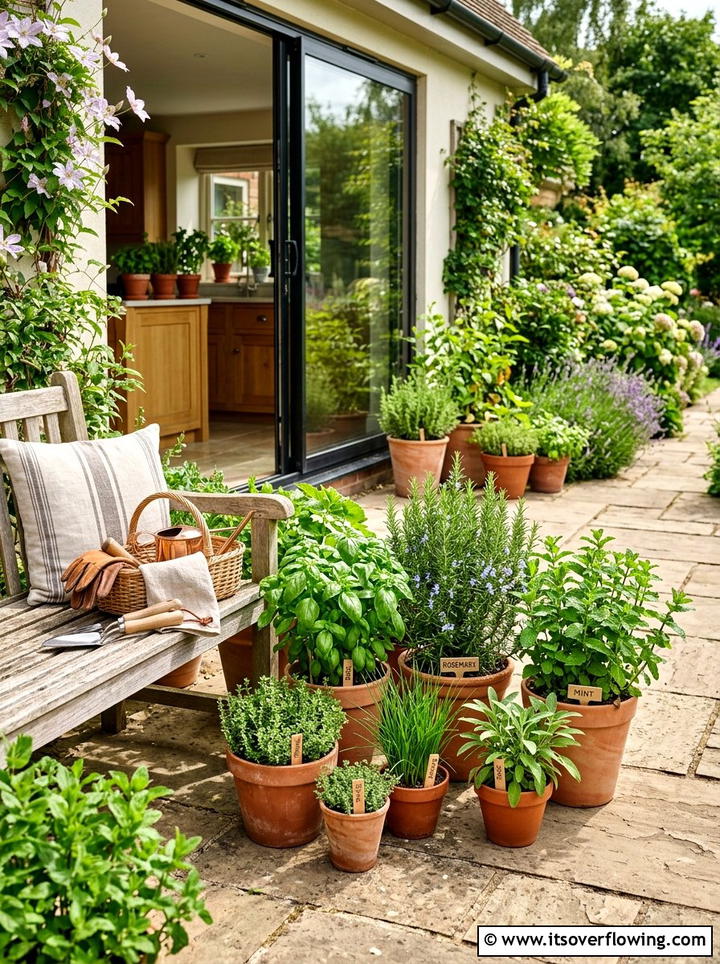
A kitchen herb garden provides fresh, flavorful ingredients just steps away from your stove or backyard grill. You can plant popular herbs like basil, rosemary, mint, and thyme in decorative pots or a dedicated sunny patch. This functional design ensures that you always have high-quality seasonings for your favorite meals and homemade cocktails. Herbs are generally easy to maintain and many varieties grow quickly with minimal effort. Place your garden near the back door for easy access during meal preparation. The aromatic leaves also release a pleasant scent whenever you brush against them while walking past. It is a sensory experience that combines beauty with practical everyday utility in your home.
7. Succulent Garden
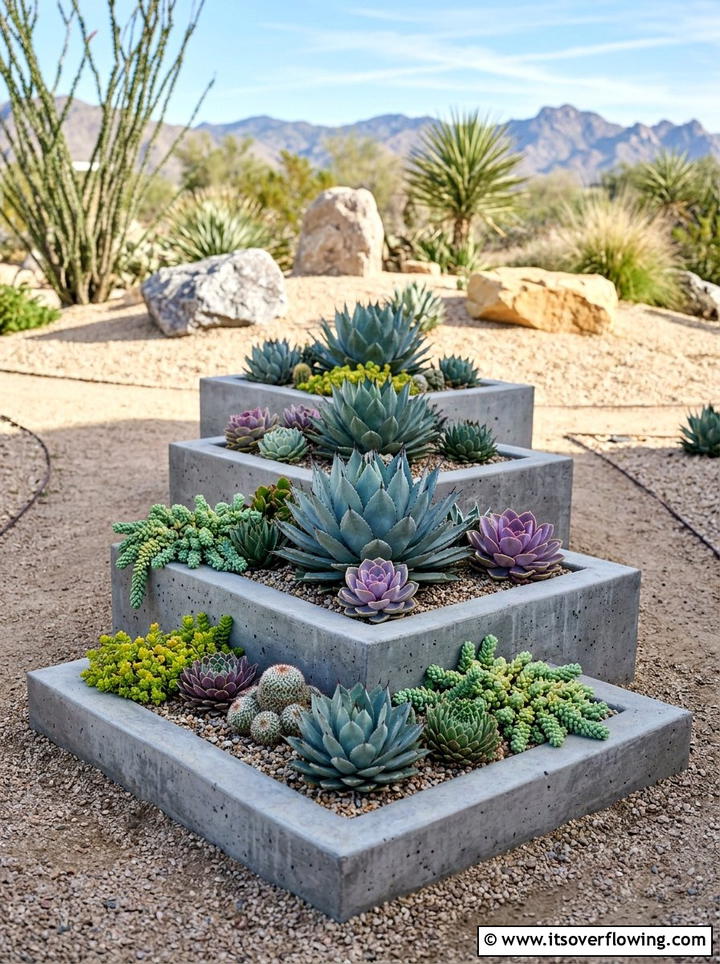
An outdoor succulent garden is a low-maintenance and visually striking option for homeowners in warmer or drier climates. These resilient plants come in a stunning array of shapes, colors, and textures that look almost sculptural in a landscape. You can arrange them in a rockery or a modern tiered planter to highlight their unique geometric forms. Succulents require very little water once they are established, making them an eco-friendly choice for water-conscious gardening. Use a mix of tall varieties like agave and low-growing types like echeveria for visual depth. Their thick, fleshy leaves store moisture and provide year-round interest. This modern look fits perfectly with minimalist or desert-themed outdoor living spaces.

8. Rock Garden
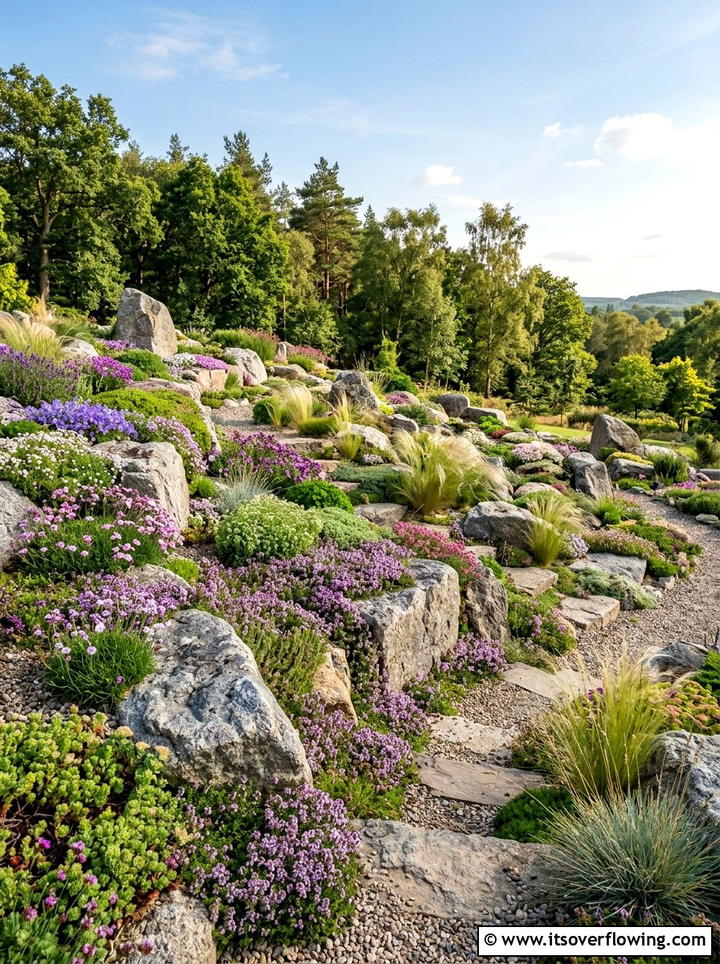
A rock garden uses natural stone and hardy plants to create a rugged yet sophisticated landscape that mimics alpine environments. This design is ideal for sloped areas or spots where the soil is too poor for traditional lawn grass. You should use stones of various sizes to create a sense of natural randomness and structure. Nestled between the rocks, you can plant low-growing perennials, ornamental grasses, and drought-tolerant shrubs. This type of garden requires very little weeding or mowing, saving you time on weekend maintenance. The contrast between the hard stones and the soft foliage creates a balanced and peaceful aesthetic. It is a durable and timeless landscaping solution.
9. Fire Pit
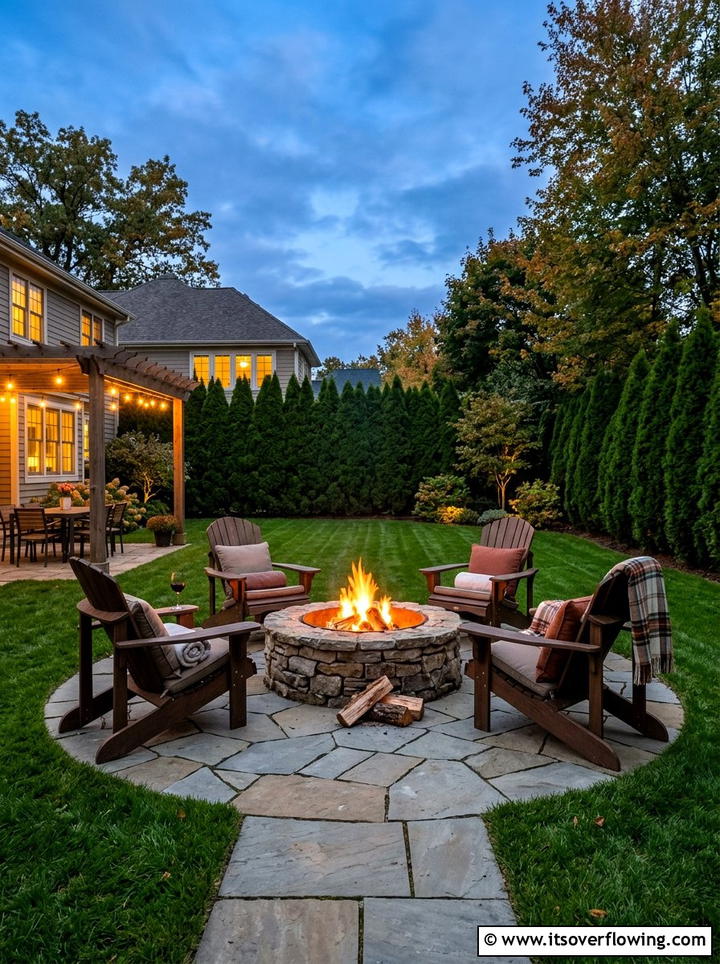
Adding a fire pit to your backyard creates an instant gathering spot for friends and family during cool evenings. You can build a permanent stone structure or choose a portable metal design that fits your patio layout. Surround the fire area with comfortable seating like Adirondack chairs or a built-in stone bench to encourage conversation. This feature extends the usability of your outdoor space well into the autumn and winter months. The flickering flames provide both warmth and a mesmerizing focal point for nighttime entertainment. It is the perfect place for roasting marshmallows or simply staring at the stars in a relaxed setting. A fire pit adds significant value and atmosphere.
10. Gravel Path
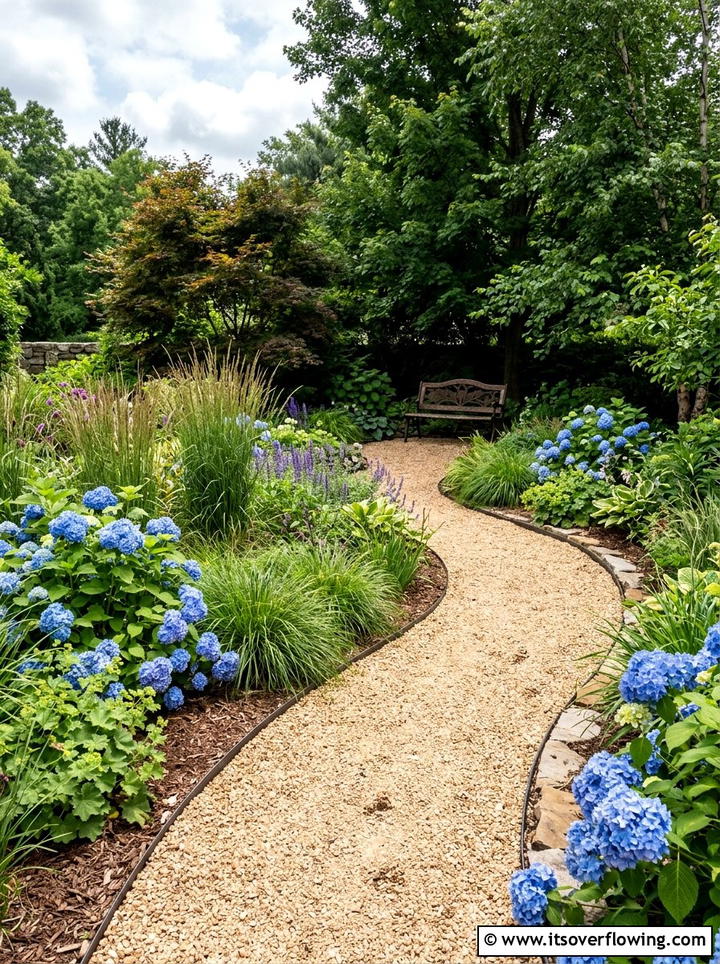
A stone gravel path is a versatile and affordable way to define movement and structure within your garden layout. These walkways guide guests through different zones of your yard while providing a satisfying crunch underfoot. You can use crushed granite, pea gravel, or river rocks depending on the look you want to achieve. Gravel allows water to drain naturally into the ground, which helps prevent puddles and runoff issues. Use metal or plastic edging to keep the stones in place and prevent them from migrating into your lawn. These paths work beautifully in Mediterranean, zen, or modern designs. They are easy to install and require very little long-term care or expensive repairs.
11. Vegetable Patch
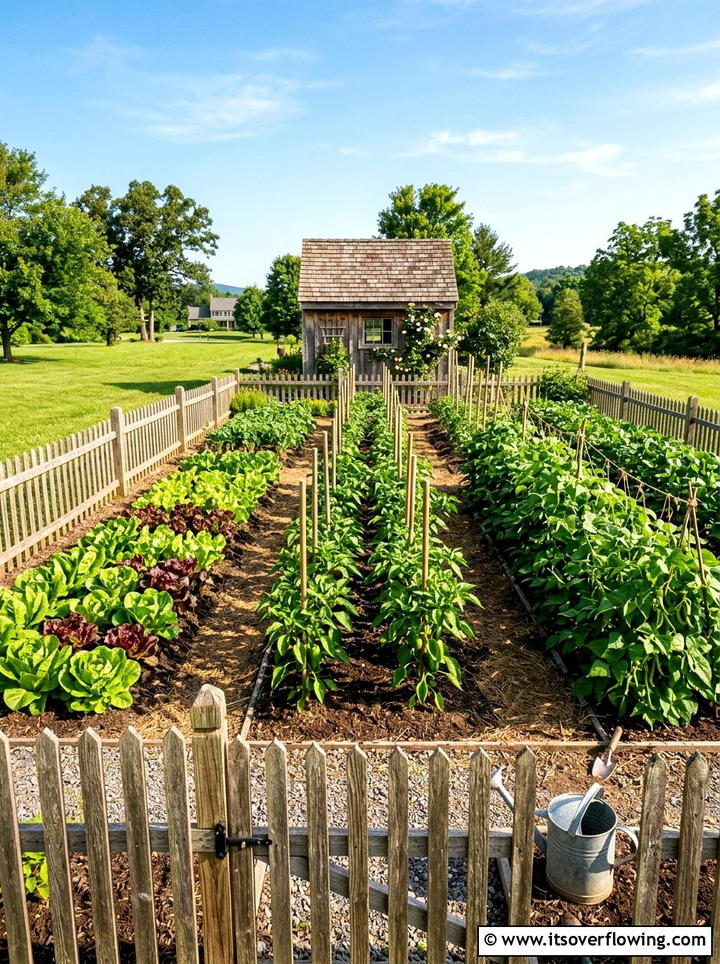
Growing your own food in a dedicated vegetable patch is a fulfilling way to connect with the earth and eat healthier. This area should be located in a spot that receives at least six to eight hours of direct sunlight daily. You can organize your crops in traditional rows or use intensive planting methods to maximize your yield in a small space. Common favorites include tomatoes, peppers, cucumbers, and leafy greens that taste much better when harvested fresh. Involving children in the process teaches them where their food comes from and encourages them to try new vegetables. A productive patch brings a sense of accomplishment and self-sufficiency to your home gardening journey.
12. Water Feature
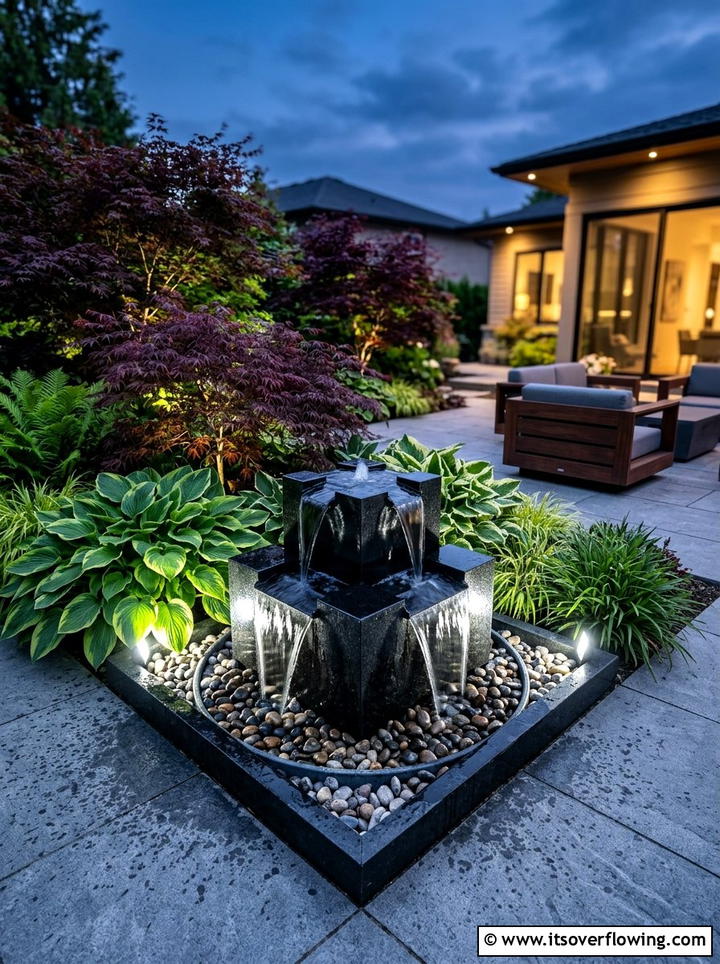
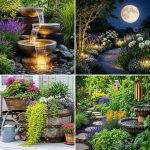
Incorporating a water feature like a small pond or a bubbling fountain brings a sense of calm and luxury to your yard. The gentle sound of moving water masks neighborhood noise and creates a serene environment for relaxation. You can install a pre-formed pond liner for a simple DIY project or hire a professional for a custom waterfall design. Adding aquatic plants like lilies and ornamental fish can turn a basic pond into a thriving miniature ecosystem. For smaller spaces, a tabletop fountain or a wall-mounted water spillway provides the same soothing benefits. These features attract birds and provide a refreshing focal point that cools the surrounding air on hot summer days.
13. Bird Bath
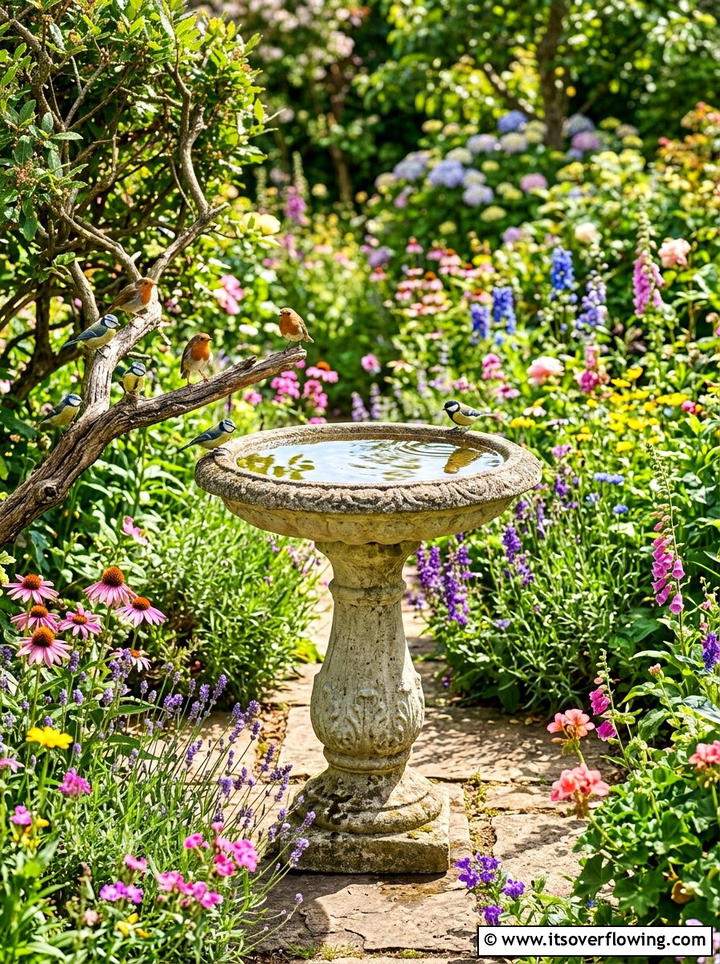
A concrete bird bath is a simple yet effective way to invite local wildlife into your garden for daily observation. Providing a clean source of water for drinking and bathing helps birds survive and thrive in suburban environments. Place the bath in a visible but safe location where birds can easily spot approaching predators. You should clean the basin regularly and refill it with fresh water to prevent mosquitoes and keep the birds healthy. Many designs range from classic pedestal styles to modern hanging basins that suit any garden decor. Watching different bird species visit your yard adds a delightful layer of entertainment and nature-focused joy to your morning routine.
14. Flower Border
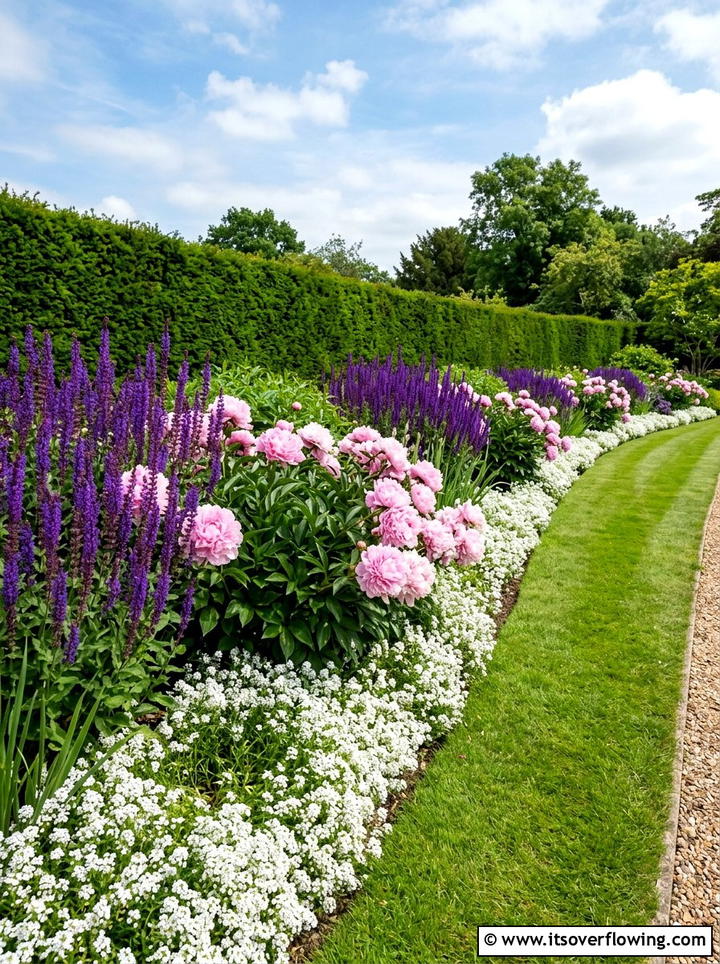
A well-designed flower border adds a vibrant frame of color and texture along the edges of your lawn or fences. By layering plants of different heights, you create a sense of depth and visual interest throughout the growing season. Place taller shrubs or perennials at the back and shorter annuals toward the front for a classic tiered look. You can choose a specific color palette, such as cool blues and whites, or go for a bold and fiery mix. Mulching the border helps retain moisture and keeps weeds at bay, ensuring your flowers remain the star of the show. This traditional landscaping element softens the transition between hard structures and open green spaces.
15. Container Garden
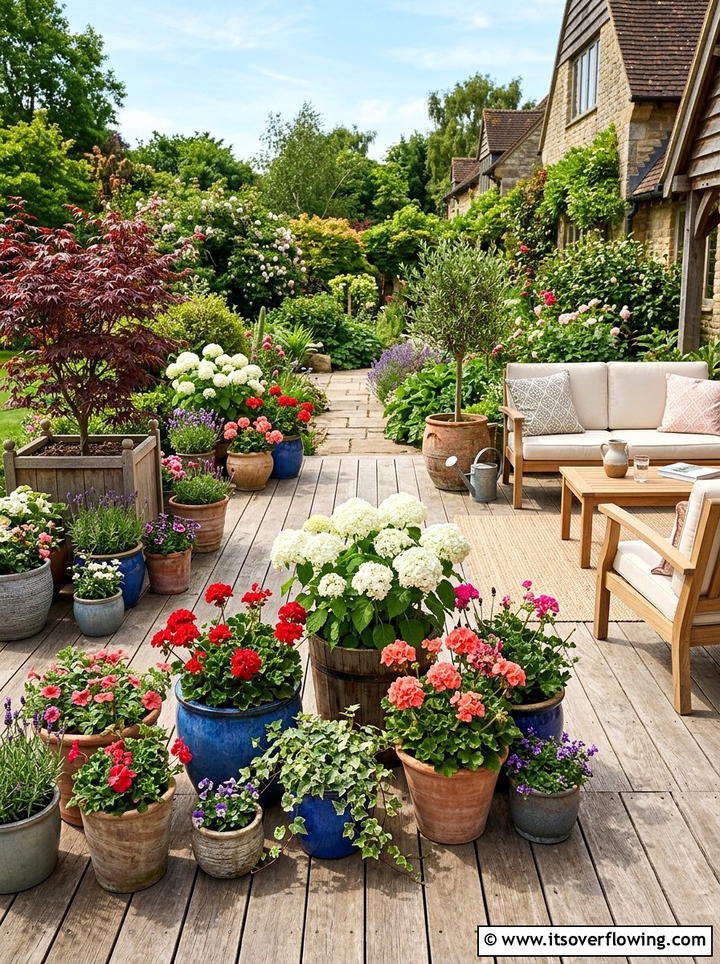
A potted container garden is the ultimate flexible solution for renters or homeowners with limited ground space. You can grow almost anything in pots, from colorful flowers and ornamental trees to dwarf citrus and salad greens. Using containers allows you to move your plants around to follow the sun or change your patio layout. Choose pots in different sizes, colors, and materials like ceramic, wood, or terracotta to add visual variety. This method also makes it easier to control soil quality and manage pests or diseases more effectively. It is a great way to experiment with different plant combinations without committing to a permanent spot in the ground.
16. Zen Garden
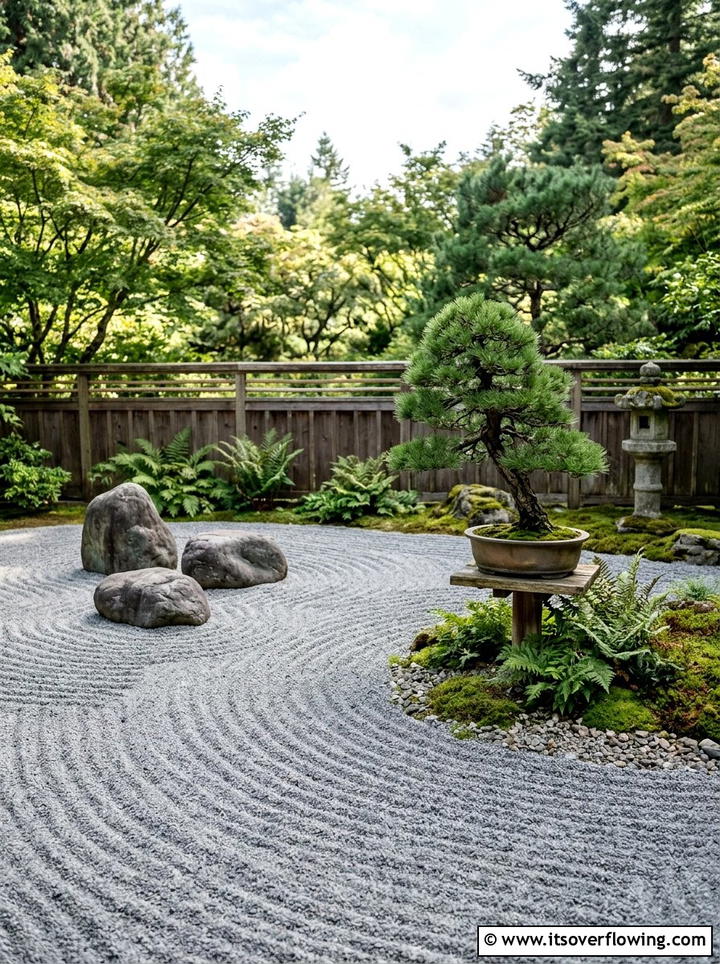
A minimalist zen garden provides a quiet space for meditation and reflection right in your own backyard. This Japanese-inspired design typically features raked sand or fine gravel, large stones, and carefully pruned evergreen shrubs. The patterns raked into the sand represent the ripples of water, creating a sense of movement and stillness simultaneously. Avoid cluttered decorations and stick to a limited color palette to maintain a peaceful and clean aesthetic. A simple wooden bench or a stone lantern can complete the look without overwhelming the senses. This type of landscape is perfect for busy individuals who need a dedicated area to decompress and find mental clarity after a long day.
17. Wildflower Meadow
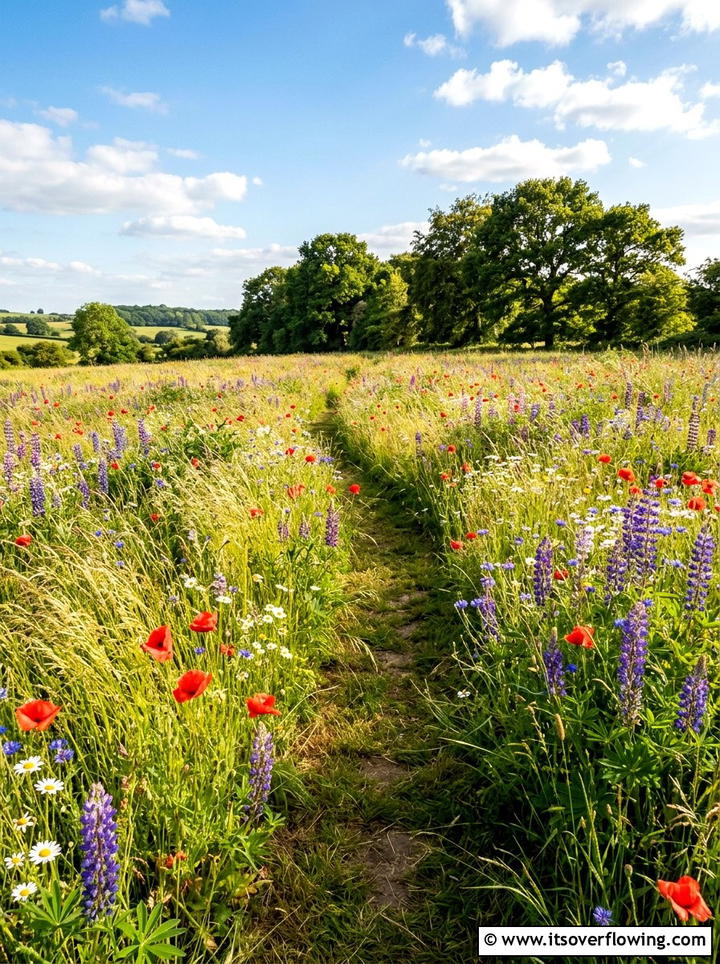
A wildflower meadow patch is an eco-friendly alternative to a traditional manicured lawn that requires much less water and maintenance. This style involves planting a mix of native grasses and flowering species that grow tall and flow gracefully in the wind. It creates a vibrant habitat for local insects and birds while reducing the need for mowing and chemical fertilizers. You can start a meadow from seed in a sunny corner of your yard and watch it evolve throughout the seasons. The result is a natural, prairie-like look that feels wild and free. It is a beautiful way to embrace the local landscape and support the health of the planet.
18. Garden Pergola
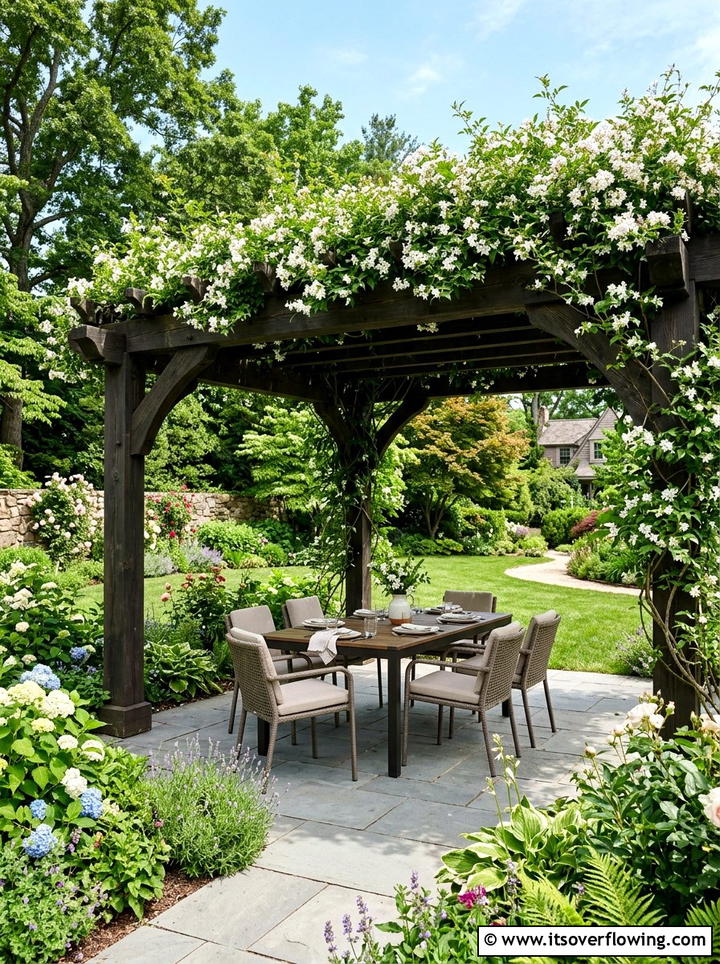
A wooden garden pergola is a stunning architectural feature that provides partial shade and a sense of enclosure for your patio. These open-roof structures are perfect for supporting climbing plants like wisteria, jasmine, or grapevines that create a living ceiling. You can place a dining table or a lounge set underneath to create an outdoor room for entertaining guests. The vertical posts and horizontal beams add height and structure to a flat backyard, making the space feel more intentional. Building a pergola defines your seating area and offers a perfect balance between sun and shade. It is a durable investment that enhances both the beauty and function of your exterior living area.
19. Privacy Screen
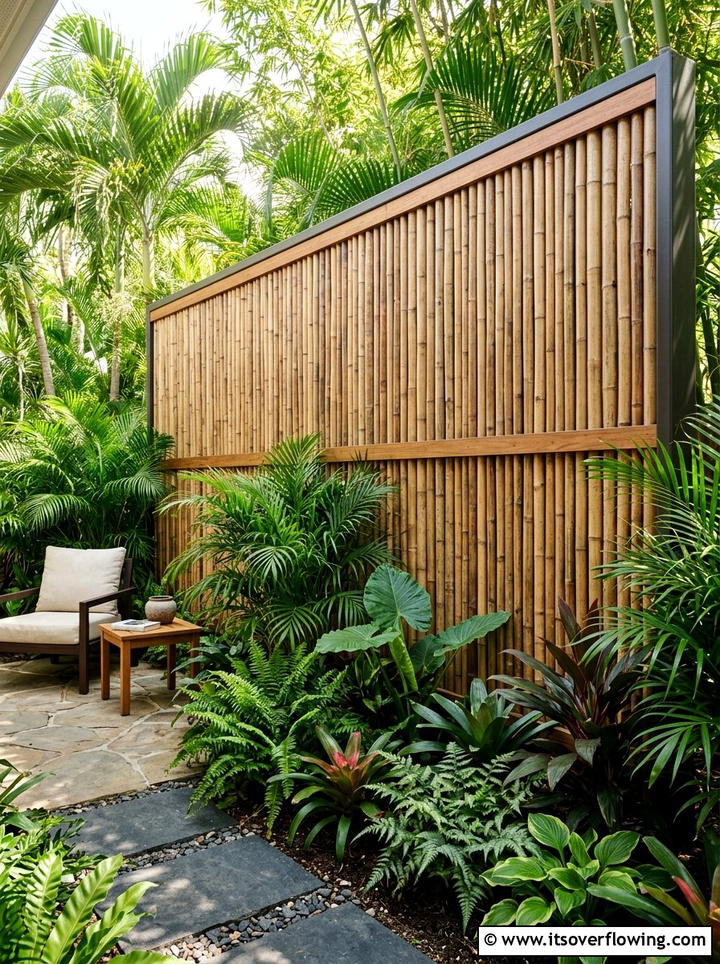
Installing a bamboo privacy screen or a modern wooden trellis is a stylish way to block unwanted views from neighbors. These vertical structures create a secluded sanctuary where you can relax without feeling exposed to the street or adjacent houses. You can use fast-growing vines or tall potted plants to add a layer of greenery to the screen for a softer look. This is especially useful for townhomes or urban properties with closely packed outdoor spaces. Privacy screens also help muffle some street noise and provide a windbreak for more delicate plants. Choosing high-quality materials ensures that your screen remains a beautiful and functional part of your landscape for many years.
20. Potting Bench
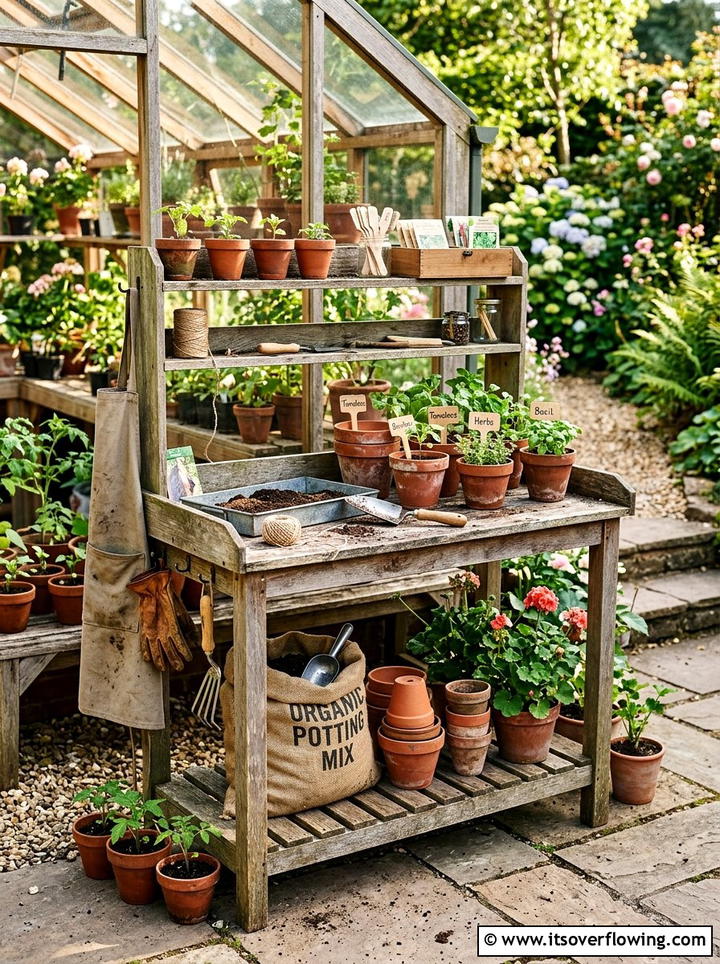
A rustic potting bench is a functional workspace for the serious gardener and a charming decorative element for the patio. This station provides a comfortable height for transplanting seedlings, mixing soil, and organizing your garden tools and pots. Look for a design with shelves and hooks to keep everything you need within easy reach and off the ground. You can build your own using reclaimed wood for a vintage look or buy a sleek metal version for a modern vibe. Having a dedicated area for messy tasks keeps the rest of your garden tidy and organized. It is a practical addition that makes the hobby of gardening much more enjoyable and efficient.
21. Garden Lighting
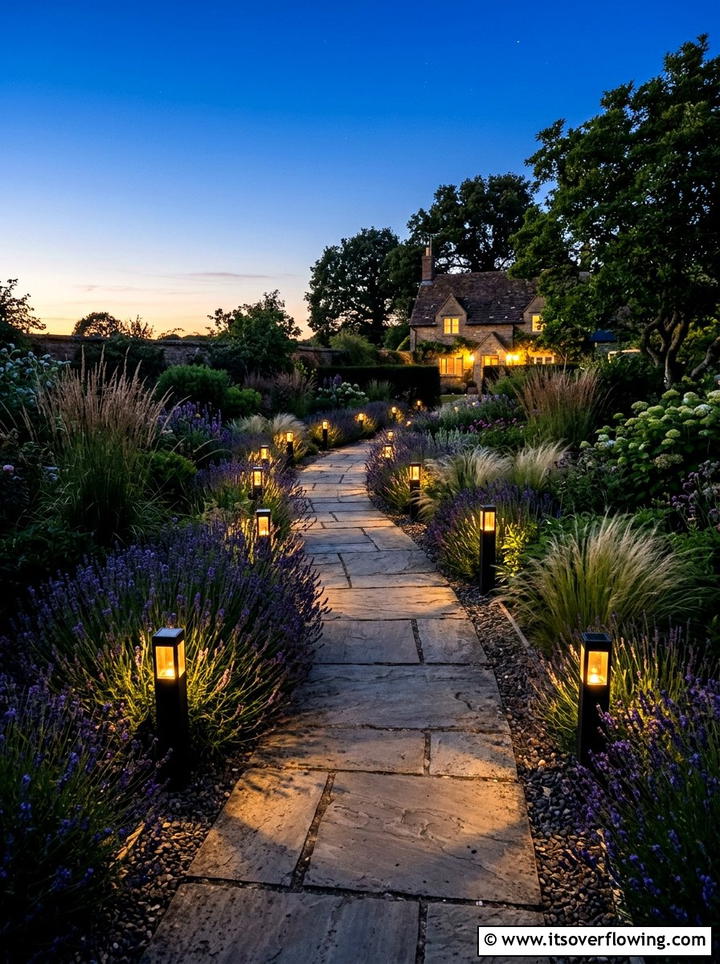
Strategically placed solar garden lighting transforms your outdoor space into an enchanting retreat once the sun goes down. You can use path lights to illuminate walkways, spotlights to highlight trees, and string lights to create a festive atmosphere. Good lighting increases safety by preventing trips and falls in the dark while also deterring unwanted visitors. Solar-powered options are easy to install because they don’t require complicated wiring or an increase in your electricity bill. Warm white lights create a cozy and inviting glow that is perfect for late-night dinners or quiet conversations. Adding light to your yard allows you to enjoy the beauty of your plants at all hours of the day.
22. Backyard Greenhouse
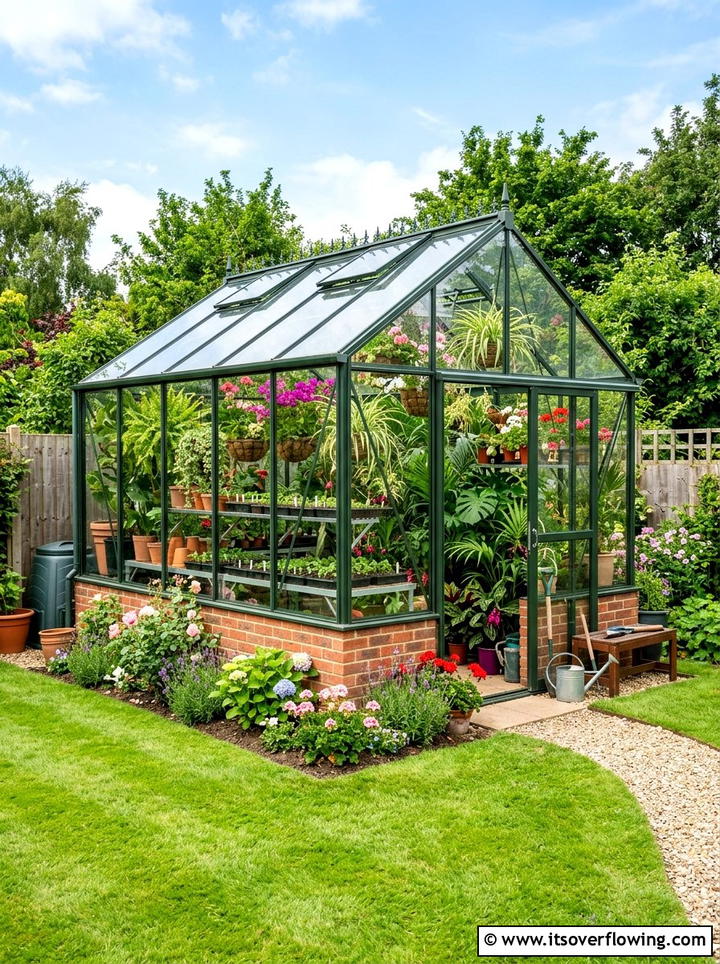
A glass backyard greenhouse is a dream feature for anyone who wants to grow plants year-round or start seeds early in the spring. These structures trap heat and moisture, creating a controlled environment where delicate tropical plants can thrive regardless of the outside weather. You can choose from small walk-in kits or large custom builds that match the style of your main house. Inside, you can set up tiered shelving to hold dozens of pots and seed trays in an organized manner. A greenhouse also protects your vulnerable plants from frost, wind, and hungry garden pests. It is a dedicated sanctuary where you can indulge in your love for botany every single day.
23. Garden Seating Area
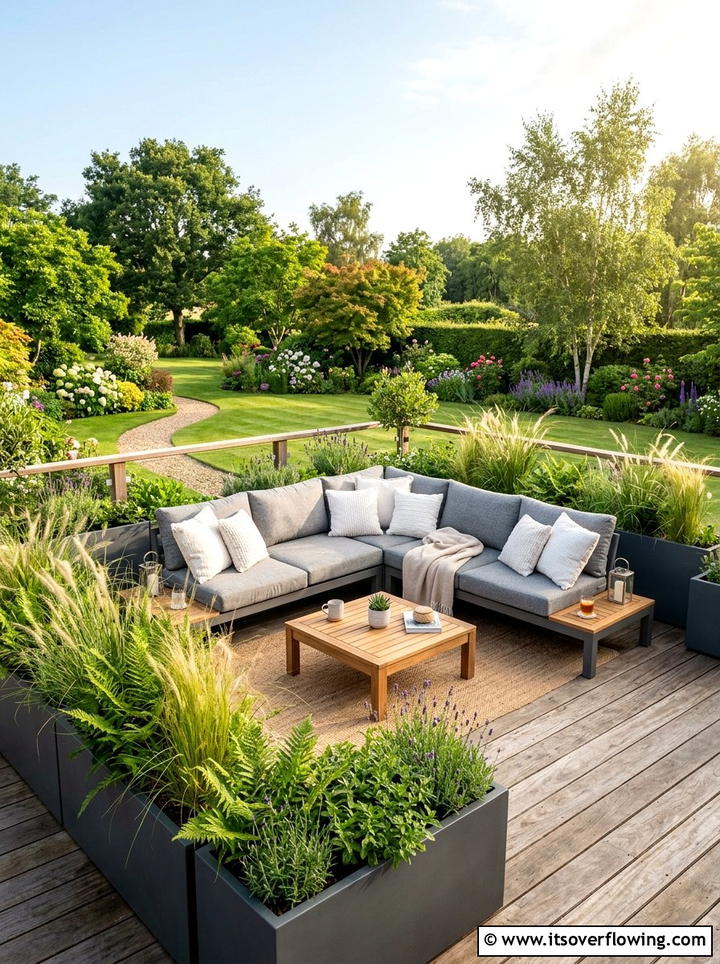
Creating a dedicated garden seating area encourages you to spend more time outdoors enjoying the fruits of your labor. Whether it is a pair of comfortable armchairs on a small deck or a large sectional sofa on a patio, comfort is key. Choose weather-resistant fabrics and durable furniture materials like teak, wrought iron, or high-quality resin. Adding outdoor rugs and throw pillows can make the space feel as cozy as your indoor living room. Position your seating to take advantage of the best views in your garden, whether it is a flower border or a water feature. This area becomes the heart of your backyard where memories are made with loved ones.
24. Herb Spiral
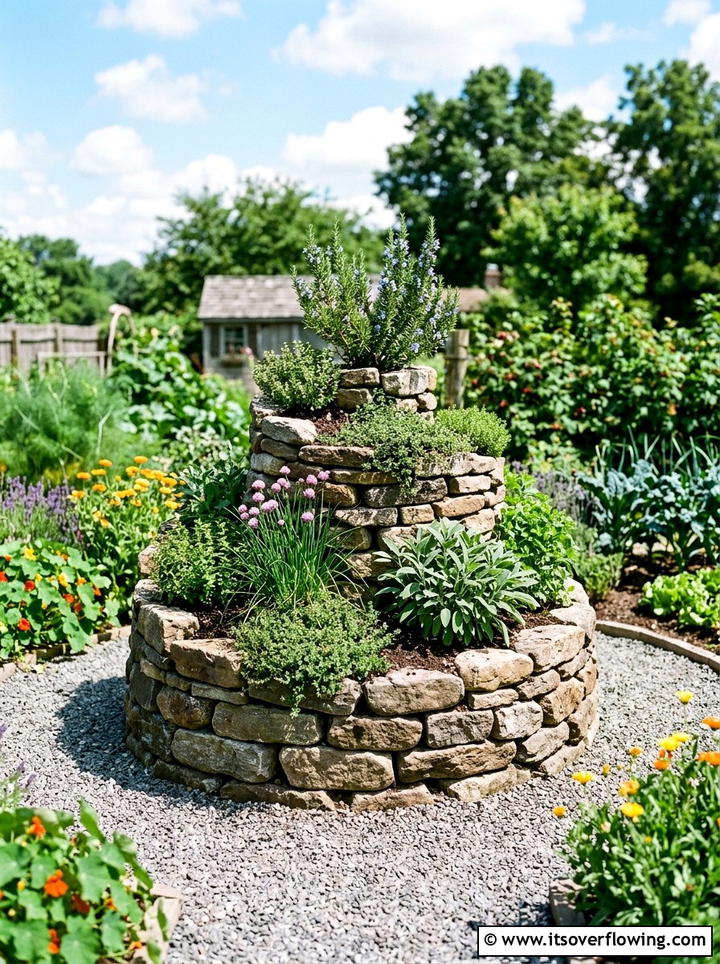
A stone herb spiral is a clever vertical design that allows you to grow many different herbs in a very small footprint. The spiral shape creates various microclimates, with the top being drier and sunnier while the bottom stays cooler and more moist. This allows you to plant Mediterranean herbs like rosemary at the peak and moisture-loving herbs like parsley at the base. You can build the structure using stacked rocks, bricks, or even timber to create a beautiful sculptural element. It is a highly efficient way to garden that uses gravity to assist with drainage and irrigation. This unique feature adds a professional and artistic touch to any edible landscape or backyard.
25. Pallet Planter
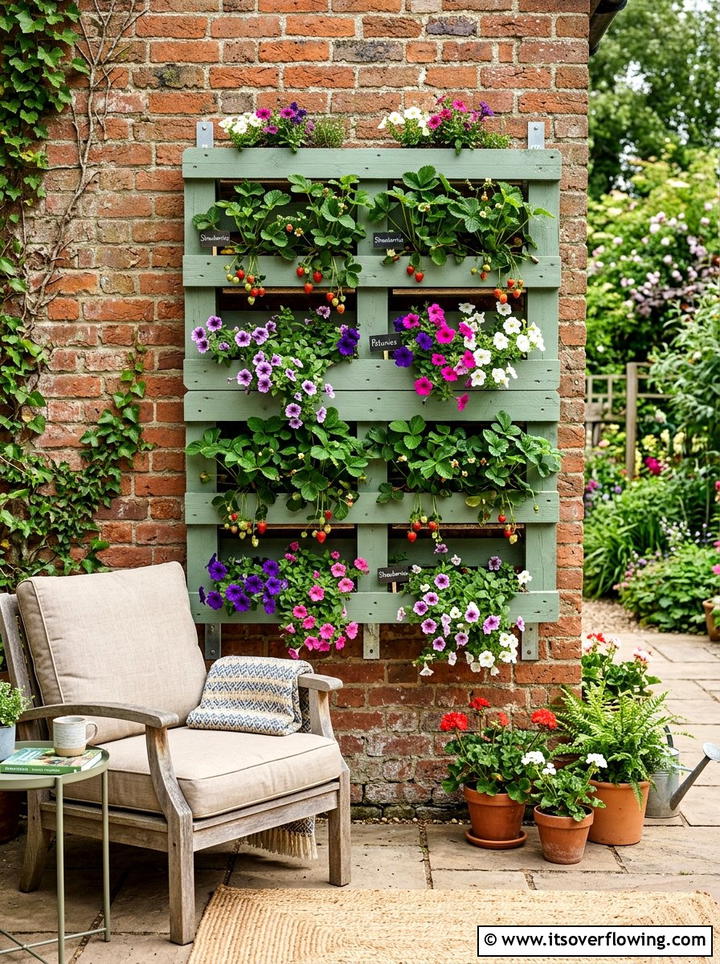
Using an upcycled pallet planter is a budget-friendly way to add rustic charm to your outdoor living space. These wooden structures are incredibly versatile and can be found for free at many local businesses or warehouses. After a thorough cleaning and a light sanding, you can paint or stain the wood to match your decor. Secure landscape fabric inside the slats to hold the soil and prevent it from spilling out. These planters are perfect for growing strawberries, succulents, or colorful annuals on a patio or balcony. It is a sustainable project that gives new life to discarded materials while providing a home for your favorite plants. This DIY approach adds unique character to your yard.
Conclusion:
Transforming your outdoor space with these diverse concepts allows you to create a sanctuary that reflects your unique lifestyle. Whether you prioritize growing your own food or designing a quiet place for relaxation, each element contributes to a cohesive environment. Gardening is a continuous journey of growth and discovery that rewards you with beauty and tranquility throughout the year. Taking the time to plan your layout and choose the right plants will ensure your backyard remains a source of joy for seasons to come. Hopefully, these suggestions inspire you to pick up your shovel and start building your dream oasis today. Enjoy the process of watching your hard work bloom into something truly spectacular.

Related posts:
 25 unique garden ideas to Transform Any Outdoor Space Fast
 25 garden ideas for front yards: Boost Curb Appeal Fast
 25 small garden ideas with trellis to Maximize Beauty Fast
 25 Amazing Garden Ideas To Transform Your Outdoor Space
 25 Garden Design Ideas to Transform Your Outdoor Space
 25 Garden Ideas With Wall Decor to Transform Your Space
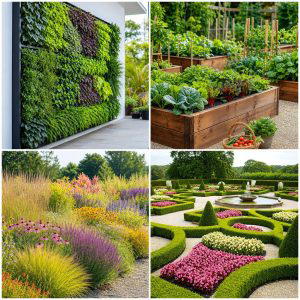 25 Garden Design Ideas for Projects to Transform Any Yard
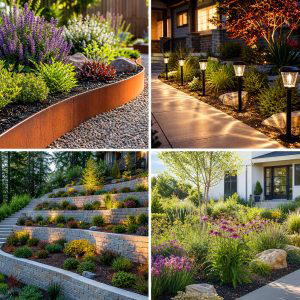 25 Garden Ideas for Curb Appeal to Transform Your Home
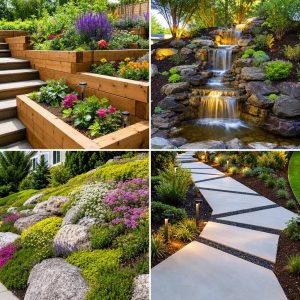 25 Garden Ideas for Uneven Ground to Transform Slopes
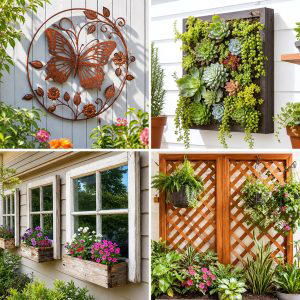 25 garden ideas with fence decor to Transform Plain Panels
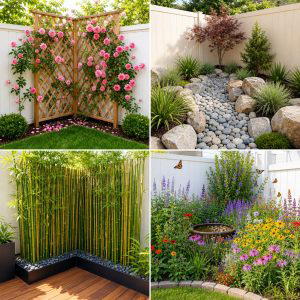 25 Creative Garden Ideas for Corners: Smart Small-Space Tips
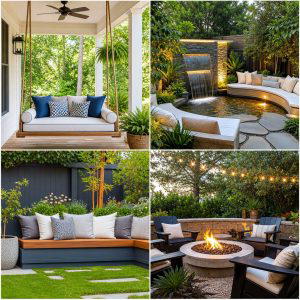 25 creative garden ideas with outdoor reading spaces to Love