
Creating a stunning outdoor space involves more than just planting a few flowers; it is about crafting an immersive environment that reflects your personal style and enhances your lifestyle. Whether you are dealing with a sprawling suburban backyard or a tiny city terrace, the right approach to landscaping can transform a dull patch of grass into a breathtaking sanctuary. By focusing on cohesive themes and structural elements, you can build a garden that feels like a natural extension of your home. This guide explores a wide variety of approaches, from lush traditional arrangements to sleek modern layouts, ensuring every gardener finds the perfect inspiration for their specific outdoor project.
1. Cottage garden
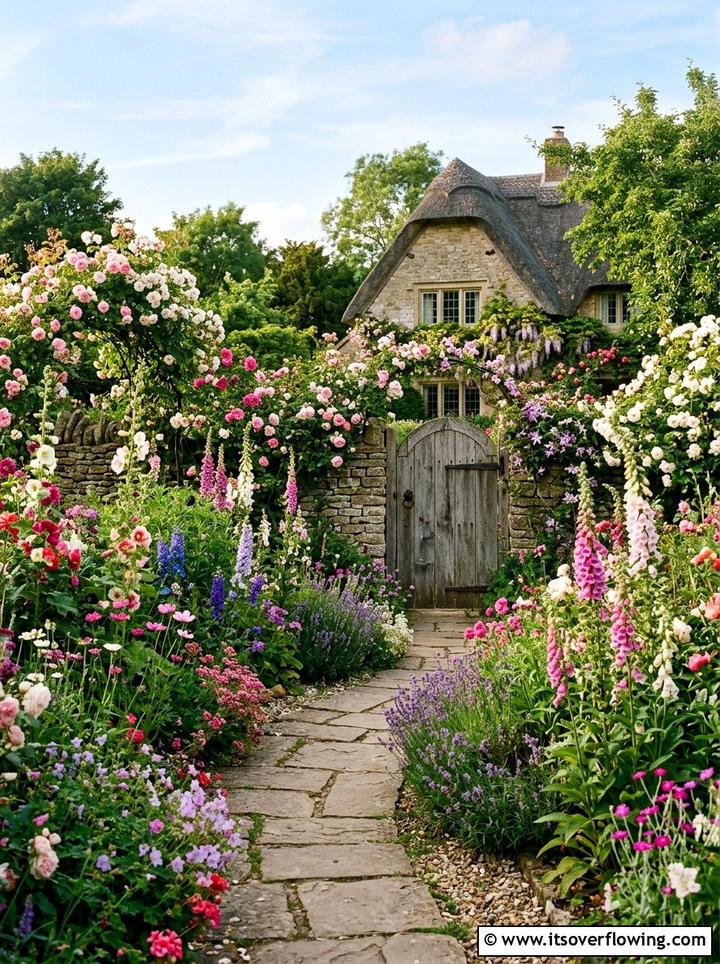
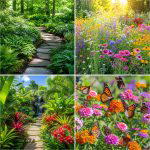
A cottage garden offers a romantic and slightly wild aesthetic that prioritizes abundance and charm over strict geometric precision. Imagine walking through a narrow stone path surrounded by a dense mix of towering foxgloves, fragrant roses, and colorful delphiniums that spill over the edges. This style is perfect for those who love a lived-in, cozy feel where plants are allowed to mingle and grow freely. To achieve this look, focus on layering different heights and textures, ensuring every corner is filled with vibrant blooms and soft foliage. Adding a rustic wooden gate or a weathered bench creates a charming focal point that completes the timeless, whimsical atmosphere of this enchanting design.
2. Modern minimalist landscape
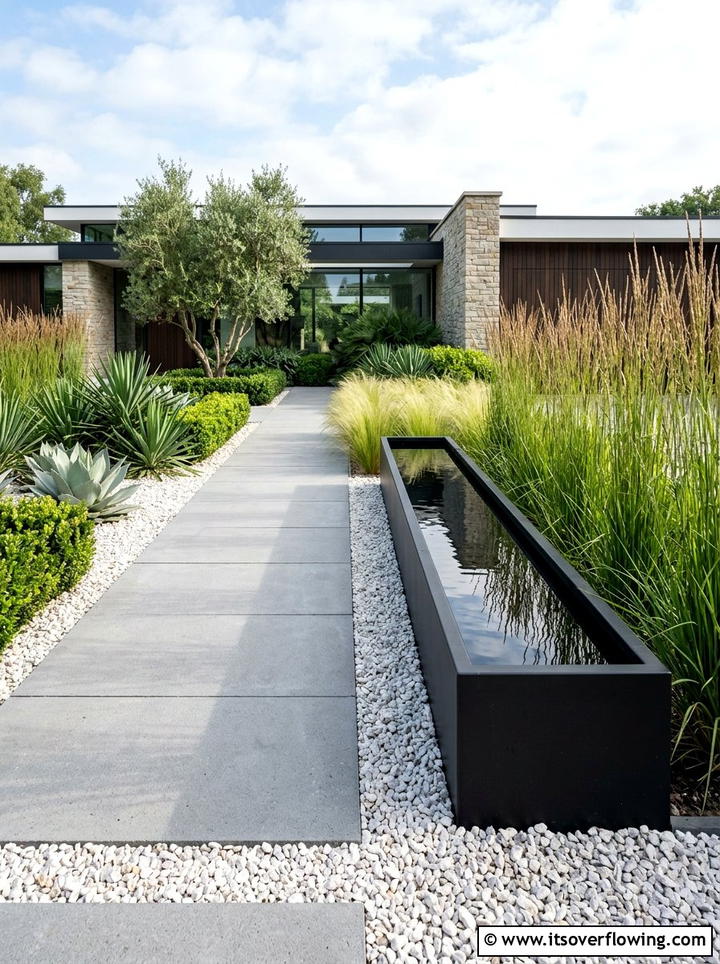
Have you ever wondered how a simple, clean outdoor space can feel so luxurious and calming at the same time? A modern minimalist landscape relies on high-quality materials, sharp lines, and a very limited color palette to create a sophisticated environment. Instead of cluttered flower beds, this design uses architectural plants like ornamental grasses or structural agaves set against smooth concrete pavers or dark mulch. The focus remains on the balance between open space and carefully placed features like a sleek water trough or a low-profile fire pit. This approach is ideal for busy homeowners who appreciate a low-maintenance yet high-impact yard that emphasizes form and function over decorative excess.
3. Zen rock garden
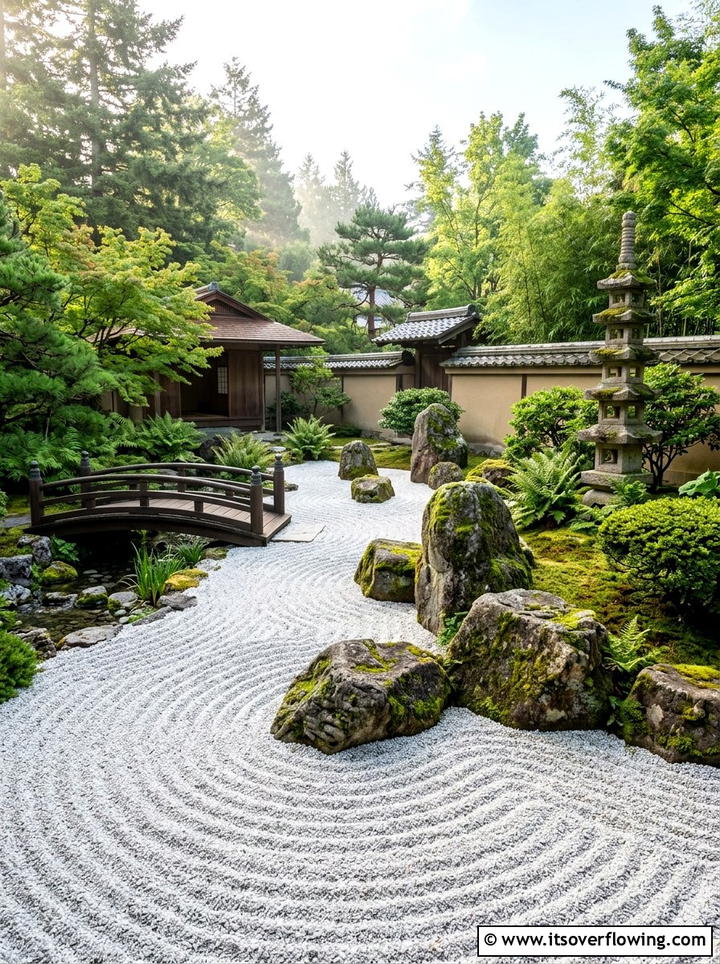
Traditional Japanese Zen gardens are designed to provoke contemplation and peace through the use of carefully arranged stones and raked gravel. This design often features large, moss-covered boulders that represent mountains, while the fine white sand is meticulously patterned to simulate the movement of water. You can create a serene corner in your yard by incorporating a small stone pagoda and a low wooden bridge over a dry stream bed. The beauty of this style lies in its simplicity and the intentional use of empty space, which helps to clear the mind. It is a perfect solution for narrow side yards or quiet areas where you want to foster a sense of deep relaxation.
4. Xeriscape front yard
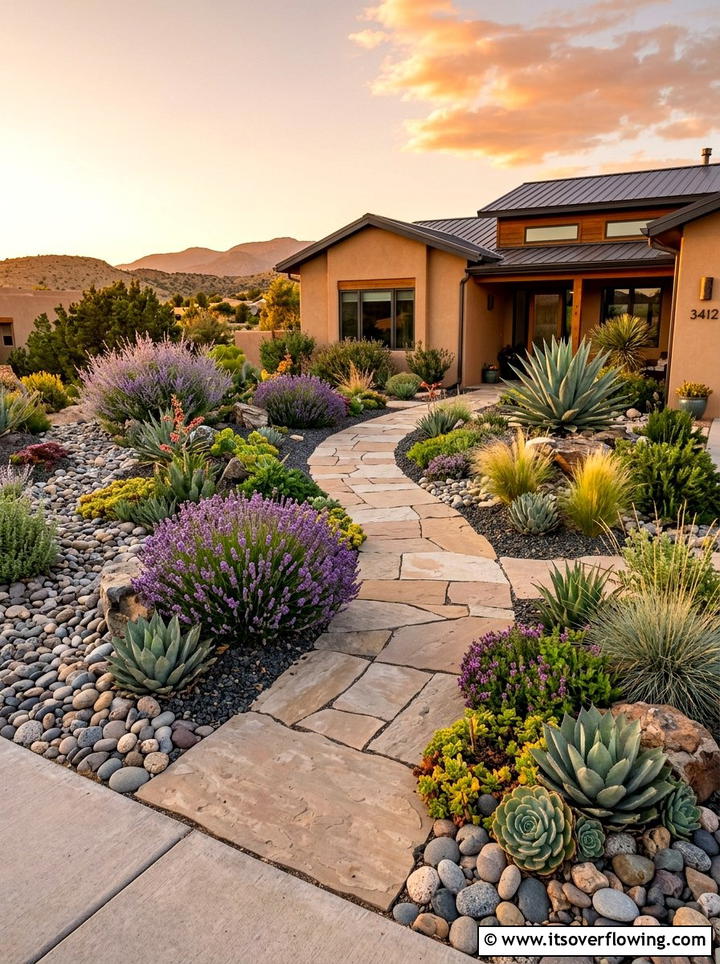
Reducing water consumption does not mean you have to sacrifice the beauty or the curb appeal of your home. A xeriscape front yard focuses on drought-tolerant plants, local stone, and decorative mulches that thrive in arid climates without constant irrigation. You can use a variety of succulents, lavender, and native shrubs to create a textured and colorful landscape that requires very little upkeep. By replacing a traditional grass lawn with decomposed granite or river rocks, you create a modern, eco-friendly look that stands out in the neighborhood. This design strategy is both practical and stylish, offering a sustainable way to keep your outdoor space looking vibrant during the driest summer months.
5. Vertical vegetable garden
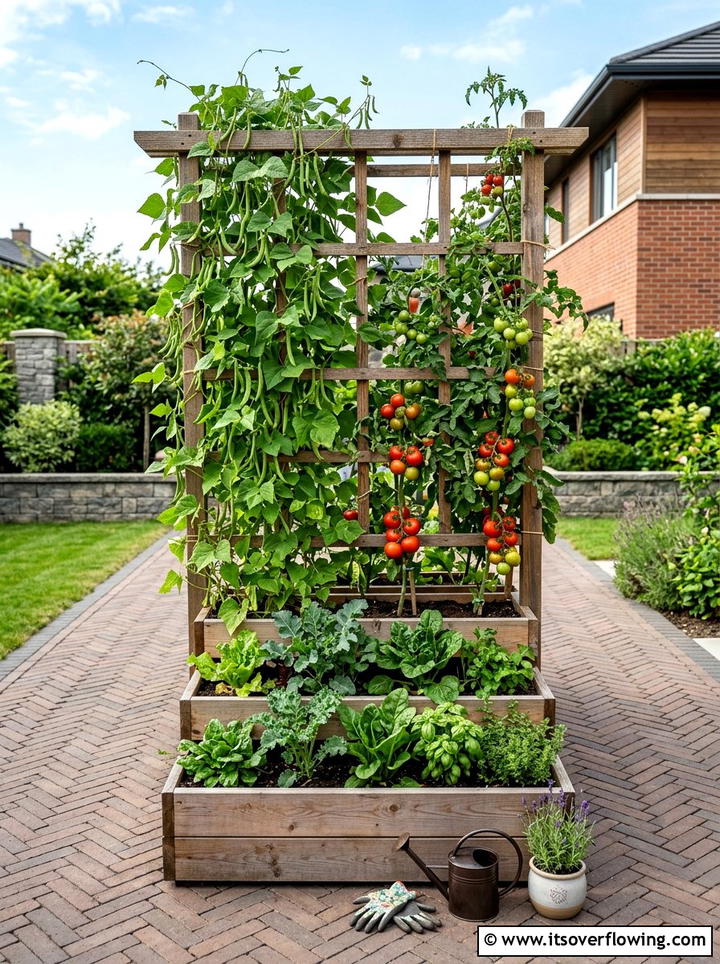
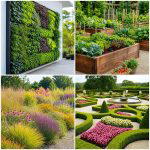
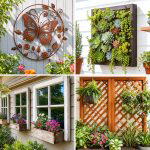
Are you dealing with a limited footprint but still want to grow your own fresh produce throughout the season? A vertical vegetable garden utilizes wall space, trellises, and hanging planters to maximize growing potential in small areas. You can design a lush green wall featuring climbing peas, pole beans, and trailing tomatoes that creates a functional yet beautiful backdrop for a patio. Incorporating wooden planter boxes at different levels allows you to organize herbs and leafy greens for easy harvesting. This approach not only saves ground space but also improves air circulation for the plants and adds a striking architectural element to any balcony or compact urban garden setting.
6. Mediterranean courtyard
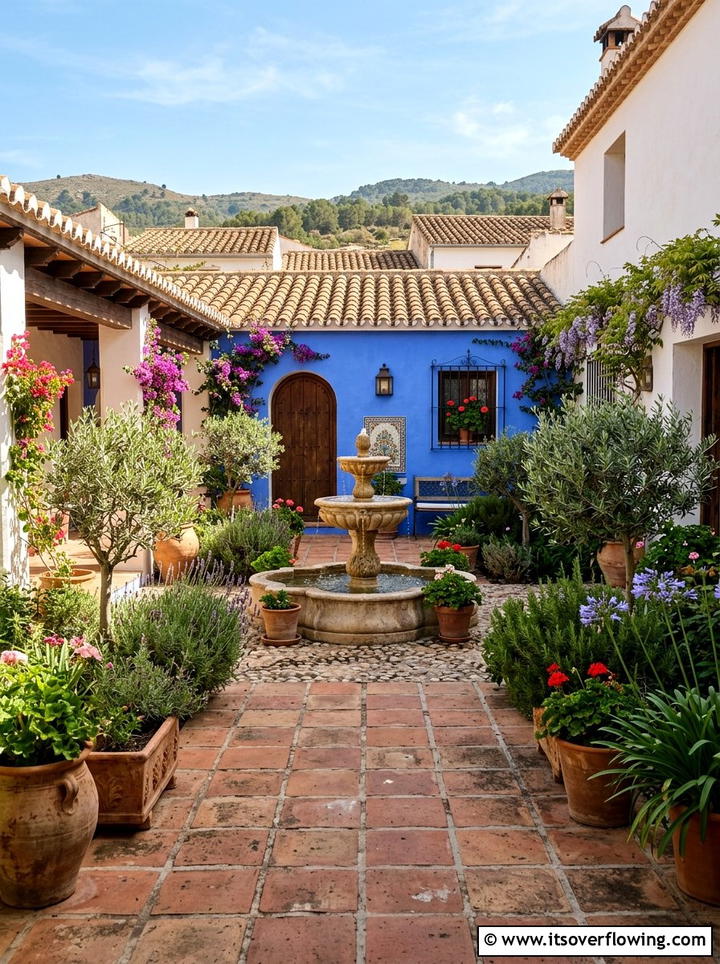
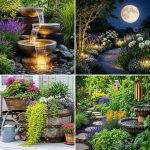
A Mediterranean courtyard brings the warmth and relaxed charm of Southern Europe directly to your doorstep with sun-drenched tiles and terra cotta accents. This design typically centers around a focal point, such as a bubbling wall fountain or an old olive tree, surrounded by drought-hardy plants like rosemary and citrus trees. Natural stone walls and wrought iron furniture add to the authentic feel, creating a private enclosure that is perfect for outdoor dining. The use of warm earthy tones and blue accents reflects the coastal landscape, providing a serene escape from the daily grind. It is an excellent choice for creating an intimate, low-maintenance social hub in your backyard.
7. Tropical backyard oasis
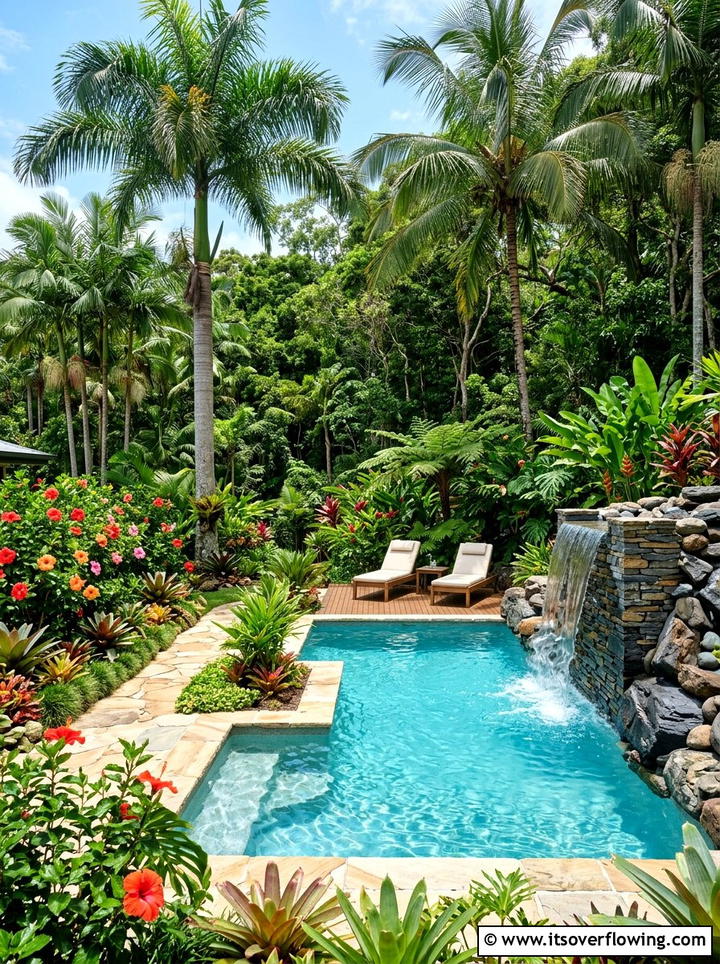
Transforming your backyard into a tropical oasis requires bold foliage, vibrant colors, and a sense of lush seclusion from the neighbors. You can use large-leafed plants like bananas, elephant ears, and various palms to create a dense canopy that mimics a natural jungle environment. Integrating a small pool or a modern waterfall feature adds the soothing sound of moving water, which enhances the exotic atmosphere. Brightly colored hibiscus and canna lilies provide pops of neon color against the deep green backdrop. This design works best when you layer plants closely together to hide fences and walls, making your outdoor space feel like a private, faraway island destination every single day.
8. Traditional English garden
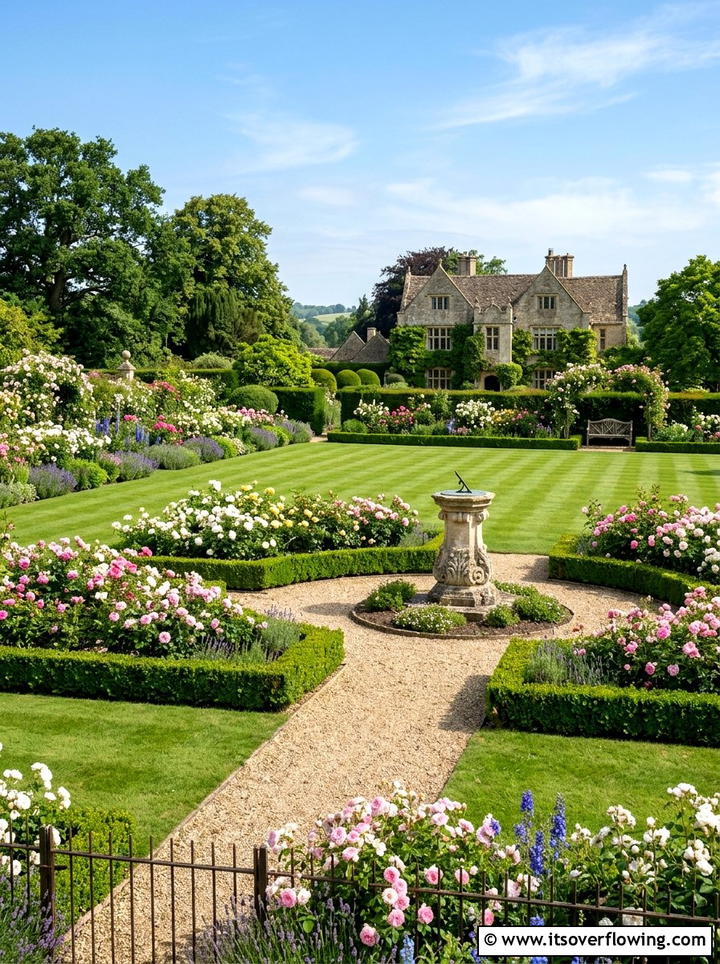
A traditional English garden is characterized by its organized structure, manicured hedges, and classical focal points that evoke a sense of heritage. Imagine a perfectly green lawn framed by deep herbaceous borders filled with peonies, delphiniums, and neatly clipped boxwood globes. This design often incorporates architectural elements like stone sundials, formal birdbaths, or white painted arbors draped in climbing roses. The layout usually follows a symmetrical pattern, creating a balanced and harmonious environment that feels both grand and welcoming. It is the ideal style for homeowners who appreciate historical elegance and want a garden that looks sophisticated and well-maintained throughout the changing seasons of the entire year.
9. Woodland shade garden
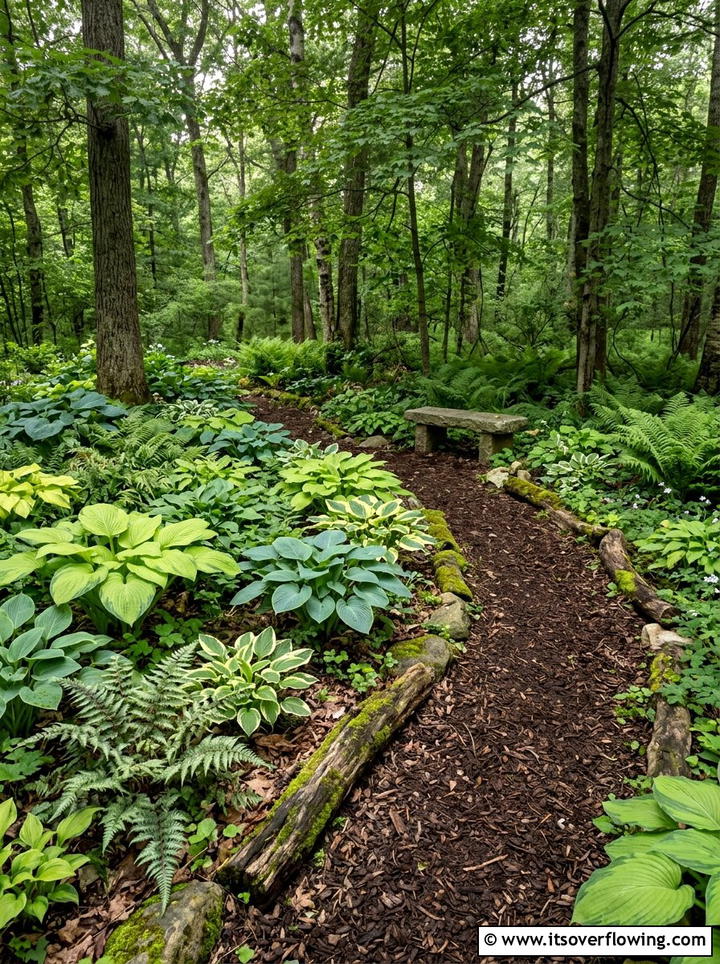
If your yard is dominated by large trees, a woodland shade garden is the perfect way to embrace the low-light conditions. This design focuses on shade-loving plants like hostas, ferns, and bleeding hearts that create a soft, carpeted look under the canopy. You can use winding mulch paths and natural mossy logs to enhance the forest-like feel, making the space feel like a hidden natural trail. Adding a simple stone bench provides a quiet spot to enjoy the cool air and the subtle beauty of various foliage textures. This approach celebrates the quiet, cool, and damp environment, turning a challenging shady area into a lush, green sanctuary that feels incredibly peaceful.
10. Contemporary gravel garden
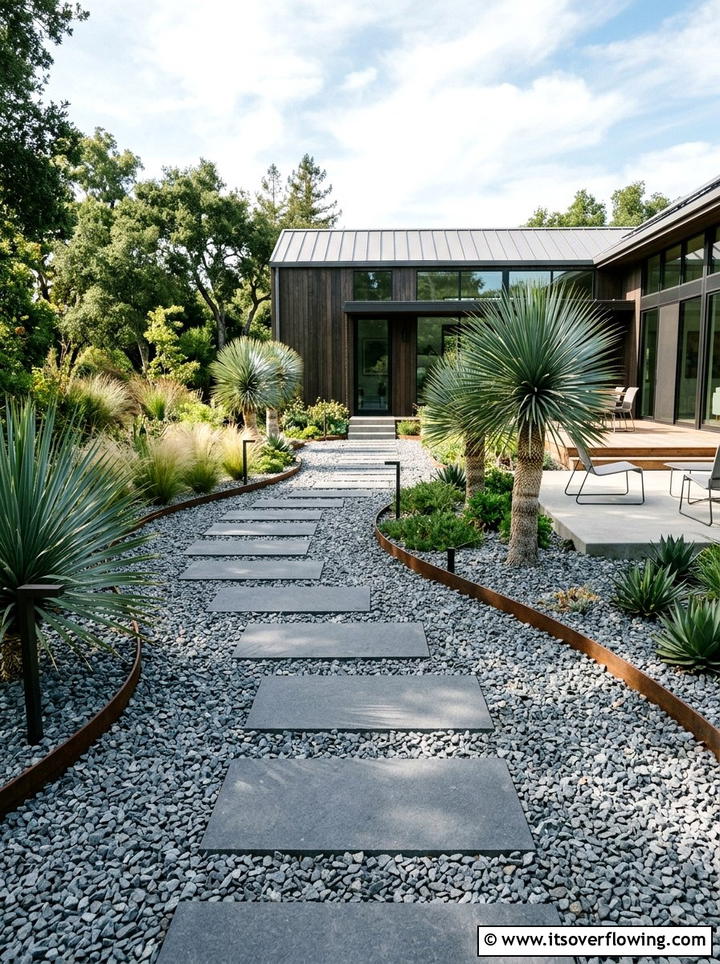
A contemporary gravel garden is a fantastic option for those seeking a stylish, high-texture landscape that is also extremely easy to maintain. By using various sizes and colors of gravel or crushed stone, you can create a clean canvas for sculptural plants like yucca or ornamental grasses. This design often features large rectangular stepping stones and minimalist metal edging to define different zones within the space. The gravel serves as a natural mulch that keeps weeds down and retains moisture, making it a very practical choice for modern homes. It offers a sleek, industrial-edged look that pairs beautifully with minimalist architecture and provides a clean, clutter-free environment for relaxing outside.
11. Japanese maple landscape
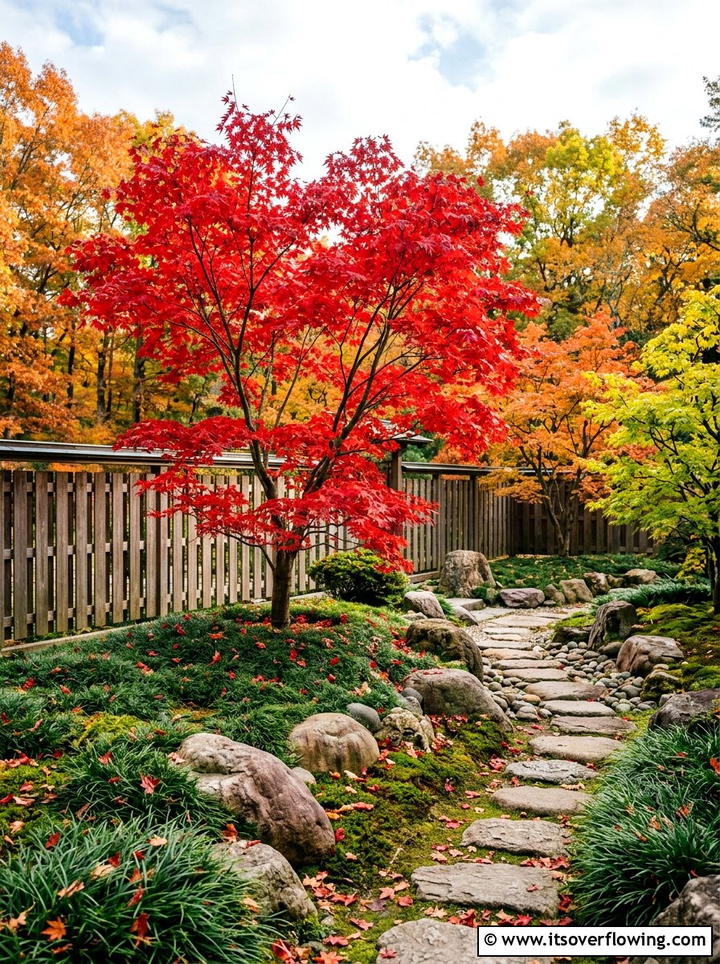
Japanese maples are prized for their delicate foliage and stunning seasonal color changes, making them the perfect centerpiece for a sophisticated landscape. You can design an entire area around these trees by using low-growing groundcovers like dwarf mondo grass and strategically placed boulders. The varying heights and forms of different maple varieties create a layered look that adds depth and visual interest to even the smallest yard. During the autumn months, the vibrant reds and oranges of the leaves provide a spectacular natural show that anchors the entire design. This style emphasizes grace and subtlety, offering a quiet, artistic space that celebrates the unique beauty of these slow-growing trees.
12. Edible landscape
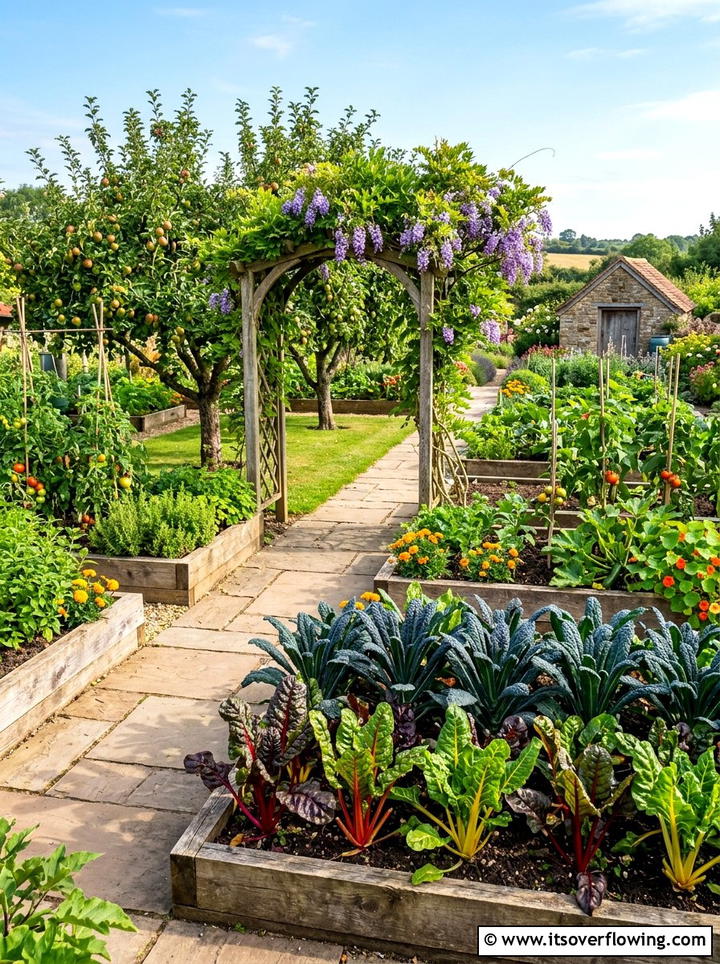
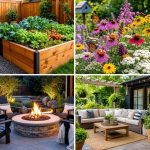
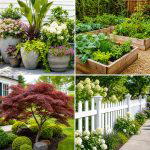
Why separate your flower garden from your food source when you can blend them into a beautiful and productive edible landscape? This design replaces traditional ornamental shrubs with berry bushes, fruit trees, and colorful vegetables that look just as good as they taste. You can use purple kale, bright Swiss chard, and aromatic herbs to create a textured border that provides fresh ingredients for your kitchen. Incorporating a decorative trellis for grapevines or hops adds vertical interest and a sense of abundance to the overall space. This approach is perfect for the eco-conscious gardener who wants to maximize the utility of their land while maintaining a lush and attractive outdoor environment.
13. Wildlife friendly garden
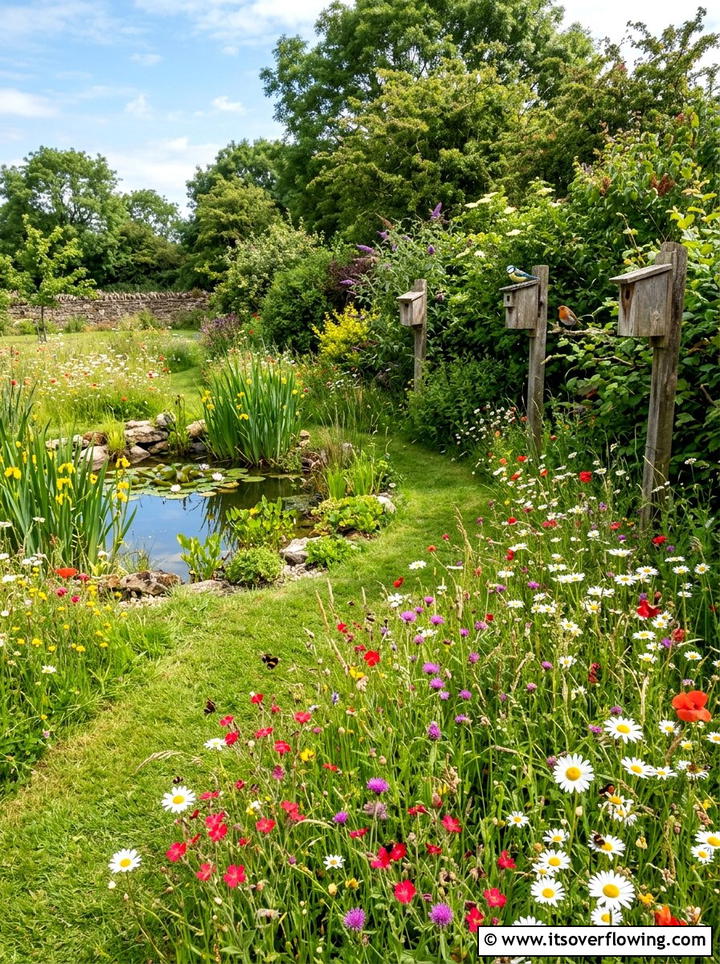
A wildlife friendly garden is designed to support local biodiversity by providing food, water, and shelter for birds, bees, and butterflies. You can achieve this by planting a wide variety of native flowers that bloom at different times, ensuring a constant supply of nectar. Incorporating a small pond with a shallow edge and several birdhouses creates a safe haven for various creatures to thrive in your backyard. Instead of a perfectly manicured lawn, this design often includes a small wildflower meadow or a brush pile tucked away in a corner. It is a rewarding way to connect with nature and watch the fascinating life cycles of local fauna right from your own back porch.
14. Formal boxwood parterre
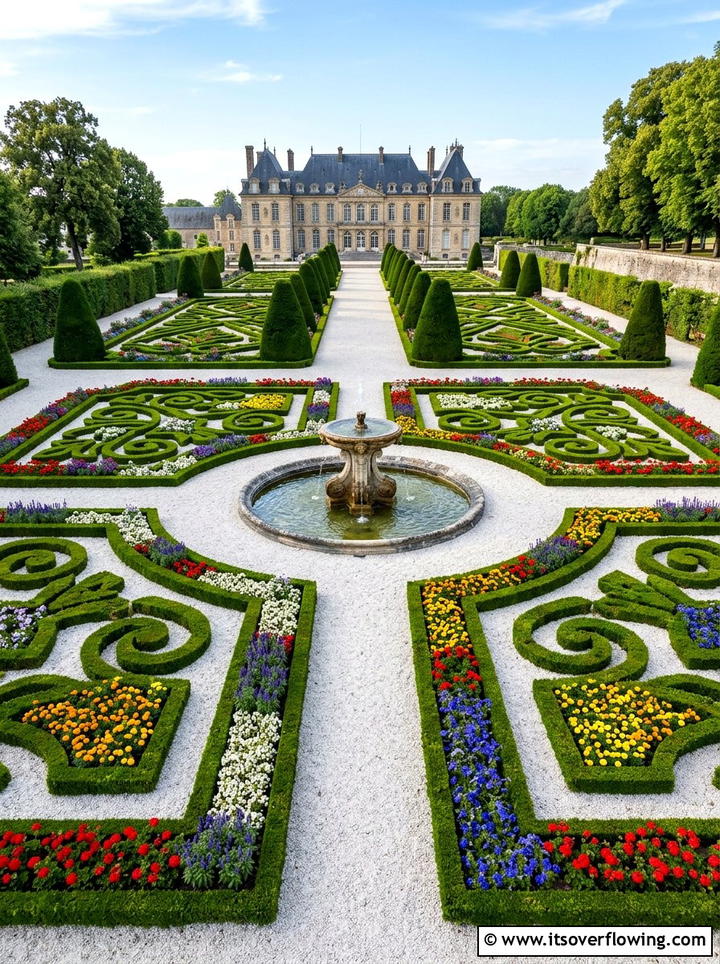
A formal boxwood parterre brings a sense of grand European order to any backyard with its geometric patterns and low-clipped evergreen hedges. This design focuses on symmetry and clear lines, often creating intricate shapes that are filled with colorful annuals or simple crushed gravel. You can center the layout around a classic tiered fountain or a tall topiary to create a strong visual anchor for the entire space. The evergreen nature of the boxwood ensures that the garden maintains its structure and beauty even during the winter months when other plants go dormant. It is a sophisticated choice for those who want a yard that feels prestigious, organized, and classically beautiful.
15. Coastal beach garden
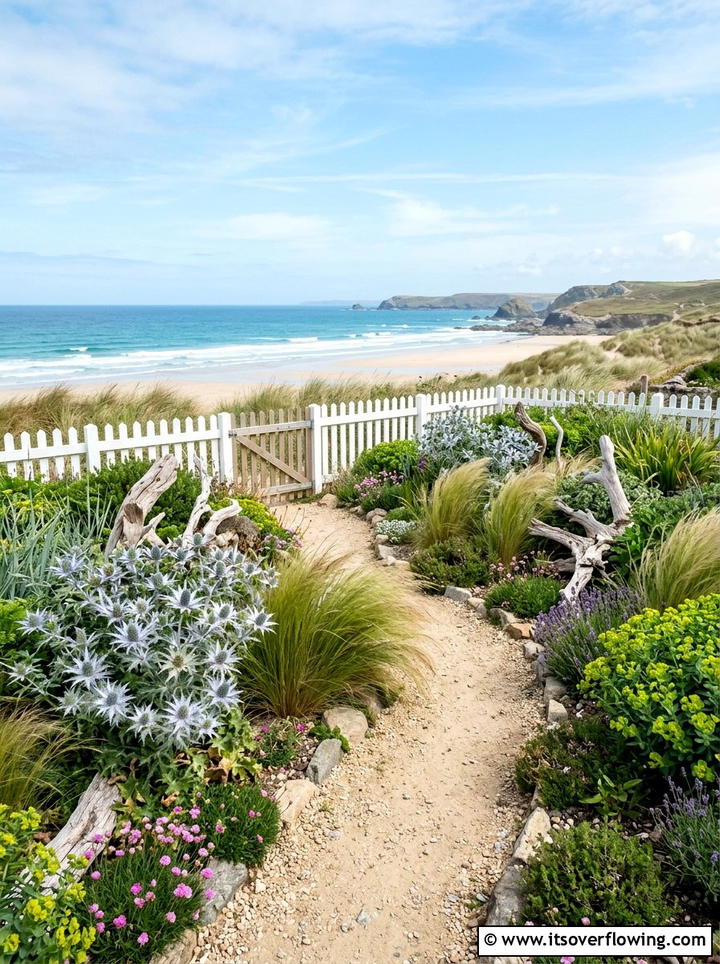
Creating a coastal beach garden involves using salt-tolerant plants and natural materials that reflect the breezy, relaxed atmosphere of the seaside. You can use hardy species like sea holly, ornamental grasses, and rugged lavender that can withstand wind and sandy soil conditions. Incorporating weathered driftwood, nautical rope accents, and light-colored sand or gravel paths helps to complete the maritime aesthetic across the yard. This style prioritizes a light and airy feel, with a color palette dominated by blues, grays, and sandy beiges. It is the perfect solution for homes near the water, offering a low-maintenance landscape that looks naturally beautiful and perfectly integrated into the surrounding coastal environment.

16. Small urban balcony garden
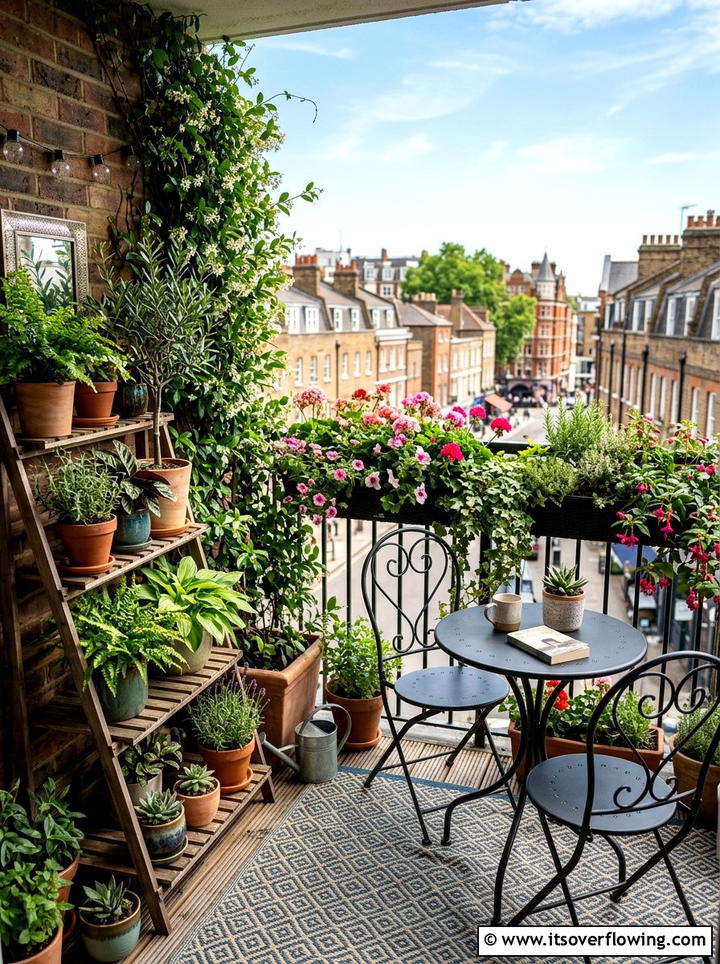
Even the smallest urban balcony can be transformed into a lush green retreat with the right design strategy and smart container choices. You can use a mix of hanging baskets, railing planters, and tiered shelving to create layers of greenery without taking up valuable floor space. Incorporating a comfortable outdoor rug and a small bistro set turns the area into an inviting spot for morning coffee or evening relaxation. Using mirrors on the walls can help to reflect light and make the small space feel significantly larger than it actually is. This design approach focuses on maximizing every inch of space to create a cozy, private jungle high above the busy city streets.
17. Prairie style meadow
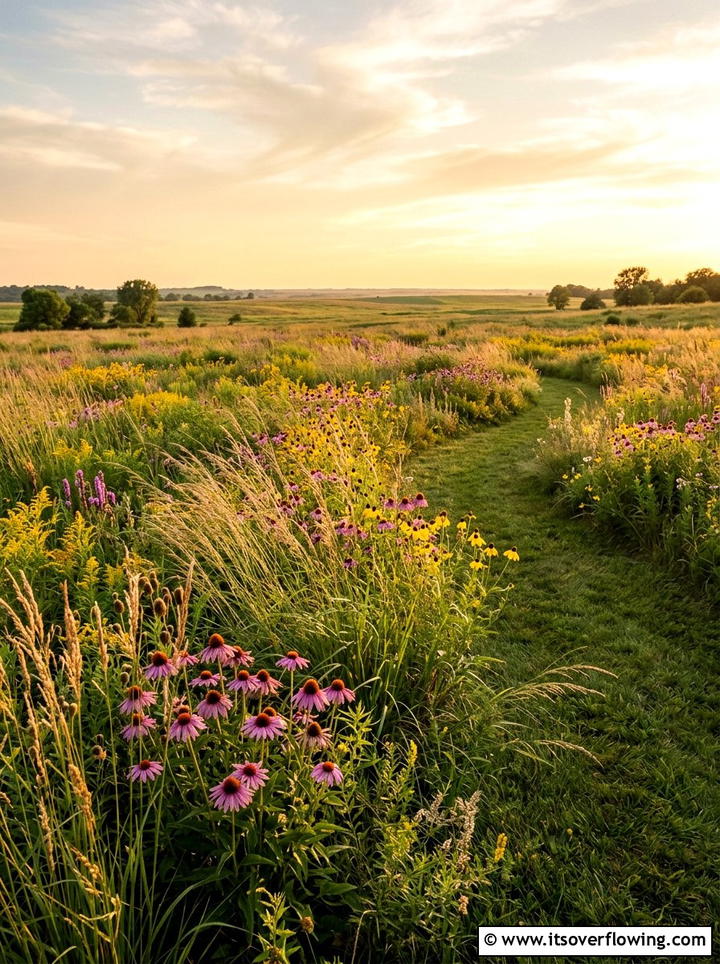
A prairie style meadow is a low-maintenance and eco-friendly alternative to a traditional lawn that celebrates the wild beauty of native grasses and wildflowers. This design creates a dynamic landscape that changes with the wind and seasons, offering a soft and movement-filled environment for your home. You can plant a mix of coneflowers, black-eyed Susans, and tall bluestem grass to attract pollinators and provide a habitat for local birds. Mown paths through the taller vegetation allow you to walk through the meadow and enjoy the immersive experience of being surrounded by nature. This approach is perfect for large lots where you want to reduce mowing while creating a stunning, naturalistic outdoor space.
18. Mid century modern landscape
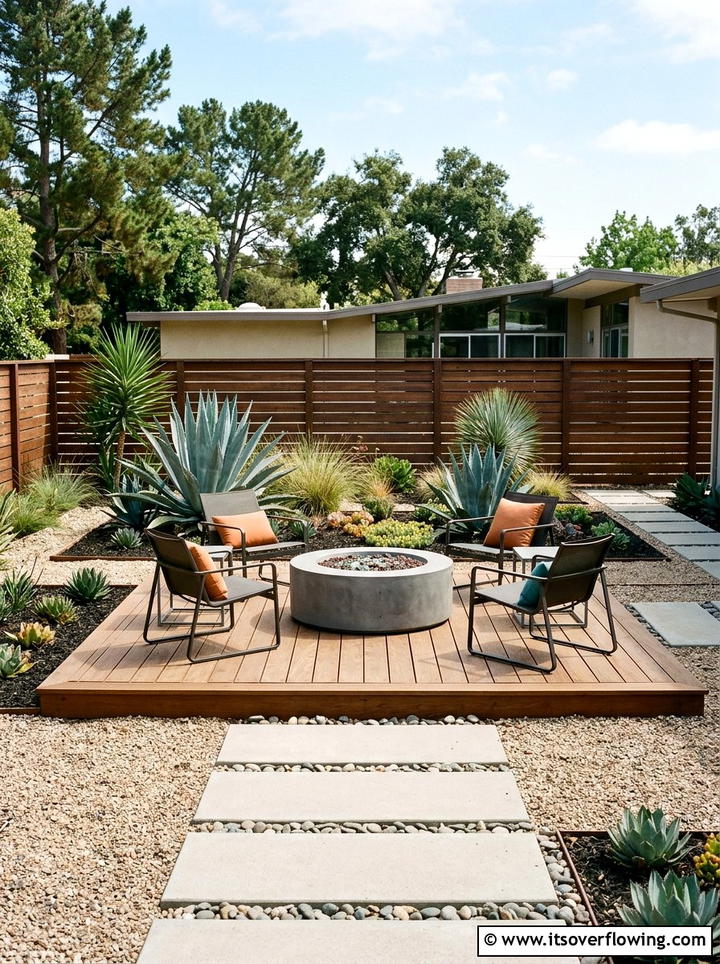
A mid century modern landscape emphasizes clean lines, geometric shapes, and a seamless connection between the indoor and outdoor living areas. This design often features large concrete pads, low-profile wooden decks, and architectural plants that complement the sleek lines of the house. You can use decorative breeze blocks or horizontal slat fencing to create privacy while maintaining a sense of openness and light throughout the yard. Incorporating a simple, rectangular pool or a minimalist fire pit provides a functional focal point for entertaining guests in style. The focus is on simplicity and the use of natural materials like wood, stone, and metal to create a timeless, sophisticated look that still feels modern today.
19. Rain garden drainage
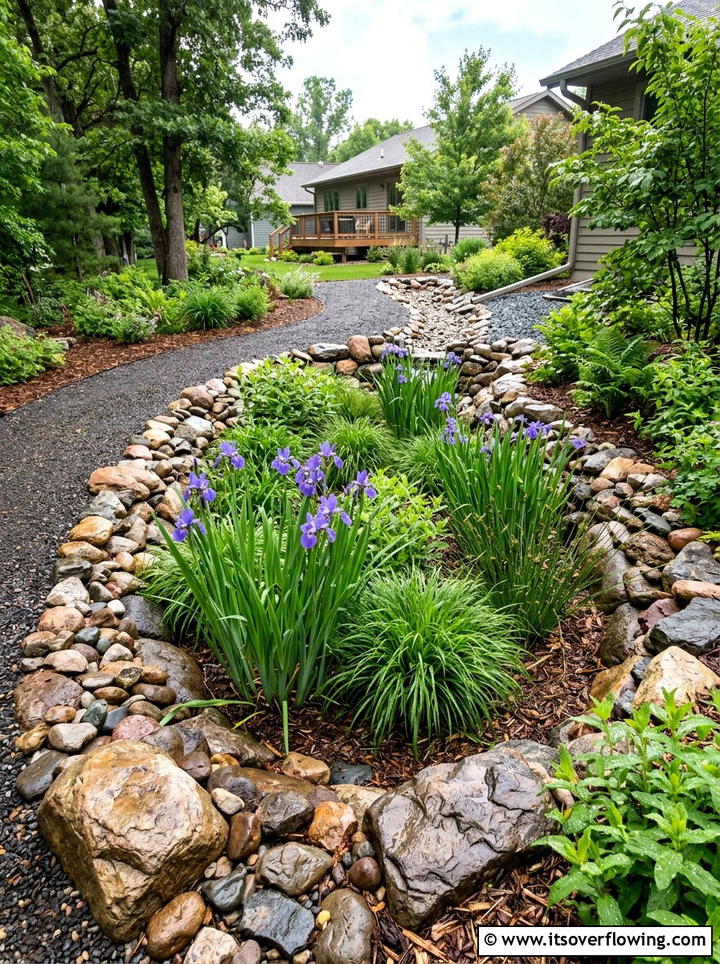
A rain garden is a clever and functional design that helps manage stormwater runoff while adding a beautiful, natural feature to your landscape. By creating a shallow depression in the ground, you can collect water from roofs and driveways, allowing it to slowly soak into the earth. This area is then planted with deep-rooted native plants that can handle both wet and dry conditions, such as swamp milkweed or blue flag iris. Decorative river rocks and boulders can be added to simulate a natural dry creek bed when the garden is not filled with water. It is a sustainable solution that prevents erosion, filters pollutants, and creates a unique habitat for various moisture-loving wildlife.
20. Sensory herb garden
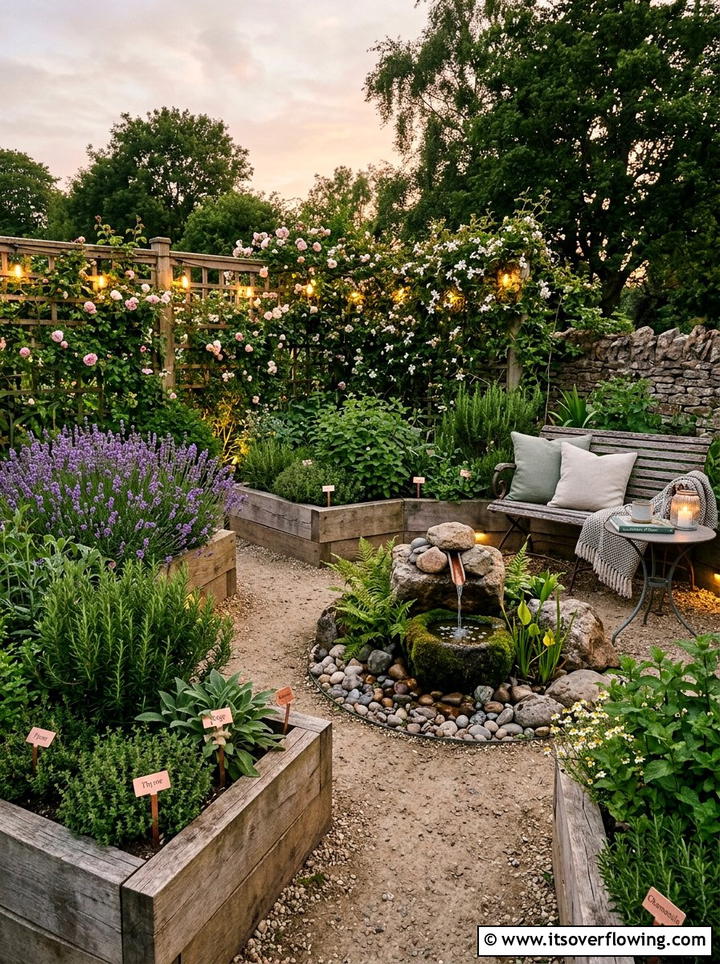
Have you ever wanted a garden that engages all of your senses through scent, touch, and taste at the same time? A sensory herb garden focuses on aromatic plants like lavender, rosemary, mint, and thyme that release pleasant fragrances whenever you walk past them. You can design this space with raised beds at waist height, making it easy to touch the soft leaves of lamb’s ear or harvest fresh ingredients for cooking. Incorporating a small, trickling water feature and wind chimes adds auditory elements that enhance the calming atmosphere of the area. This design is perfect for creating a therapeutic retreat near the kitchen where you can relax and enjoy the simple pleasures of nature.
21. Industrial style backyard
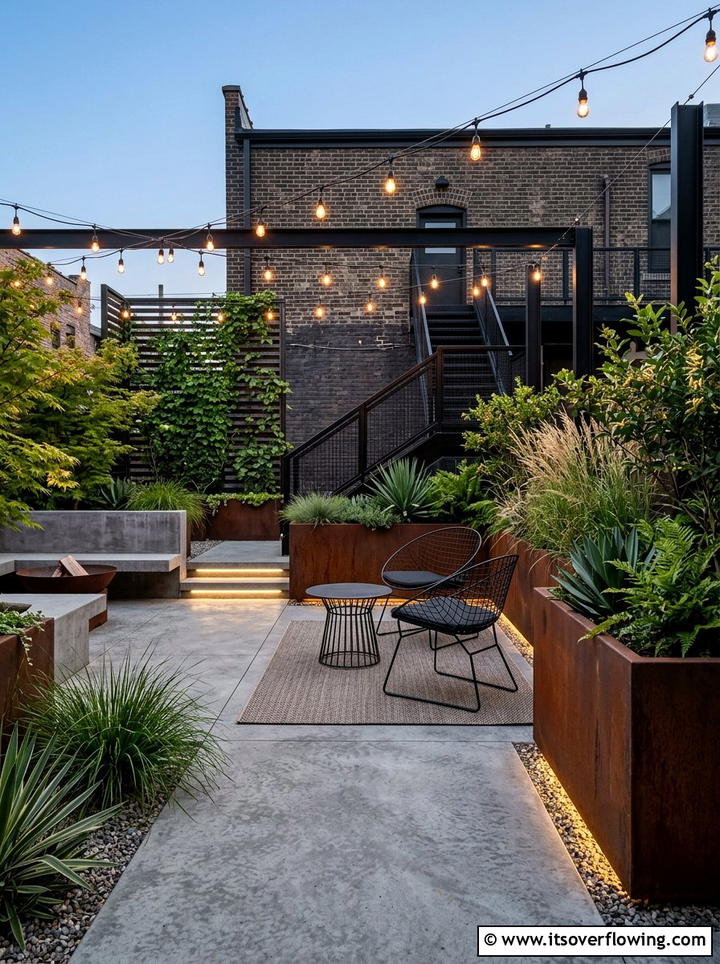
An industrial style backyard uses raw materials like weathered steel, concrete, and reclaimed wood to create a bold and modern outdoor living space. You can incorporate large Cor-ten steel planters that develop a beautiful rust patina over time, adding warmth and texture to the overall design. Using gravel or polished concrete for the flooring provides a clean, urban look that is extremely durable and very easy to keep clean. Incorporating heavy-duty outdoor lighting and metal furniture reinforces the rugged aesthetic while making the space functional for evening gatherings. This approach is ideal for urban dwellers who want a high-impact, low-maintenance yard that feels both edgy and sophisticated in its unique architectural execution.
22. Country estate garden
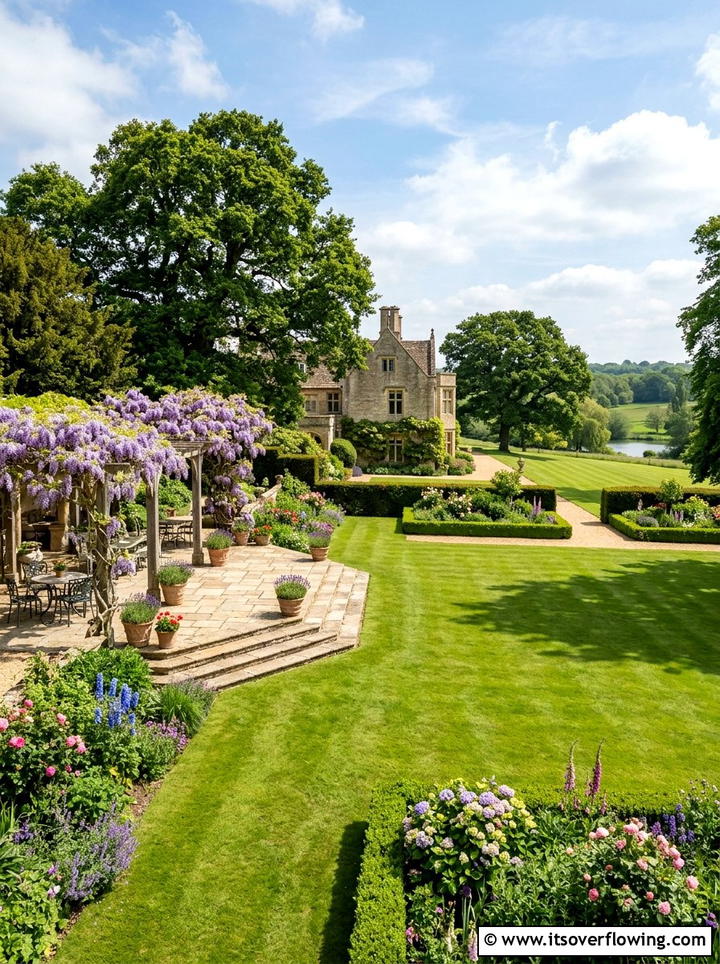
A country estate garden is designed on a grand scale, featuring wide sweeping lawns, long gravel drives, and majestic specimen trees. This style often includes various “rooms” or zones, such as a formal rose garden, an orchard, and a large stone terrace for hosting outdoor events. You can use classic materials like brick and limestone for paths and walls to create a sense of permanence and historical weight. Incorporating a large pond or a traditional pergola covered in wisteria adds a romantic and luxurious feel to the sprawling landscape. This design is all about elegance and traditional beauty, providing a vast and impressive environment that feels like a private park for the homeowners to enjoy daily.
23. Sustainable native plant garden
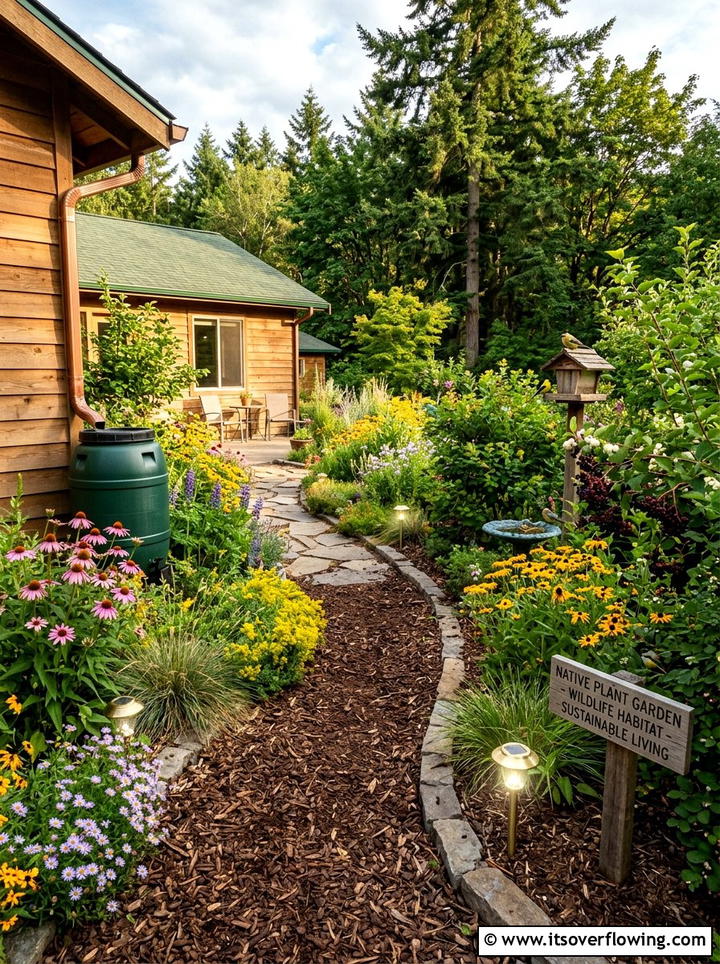
A sustainable native plant garden focuses on using species that are naturally adapted to your local climate and soil conditions, reducing the need for chemicals. By choosing plants that have evolved in your specific region, you create a resilient landscape that supports local pollinators and requires very little supplemental watering. You can design this space with a mix of local shrubs, perennial flowers, and ornamental grasses to create a diverse and textured environment. Using organic mulch and composting on-site further enhances the sustainability of the garden while improving the health of the soil over time. This approach is perfect for environmentally conscious homeowners who want a beautiful yard that works in harmony with the local ecosystem.
24. Wellness meditation garden
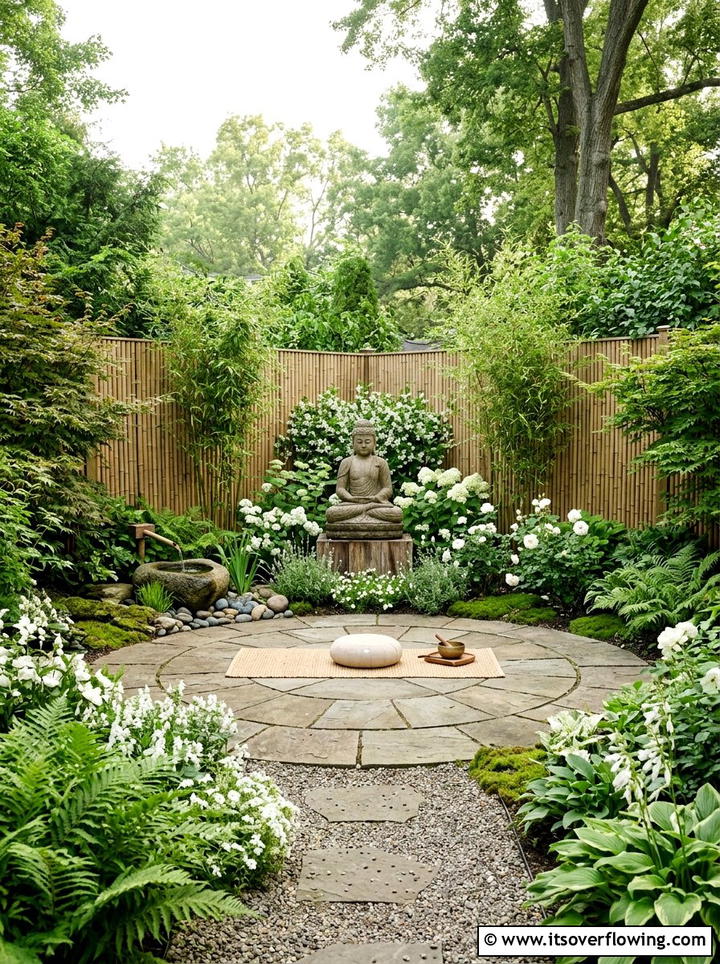
A wellness meditation garden is a dedicated space designed specifically to promote mental clarity, relaxation, and a sense of deep inner peace. This design often features a circular layout with a central focal point like a Buddha statue or a simple stone water basin. You can use soft, fine-textured plants and a neutral color palette of greens and whites to create a calm and soothing visual environment. Comfortable seating, such as a weather-resistant floor cushion or a simple wooden bench, provides a place to sit and breathe deeply. By incorporating privacy screens made of bamboo or tall hedges, you create a secluded sanctuary where you can escape the noise and stress of the modern world.
25. Shabby chic garden
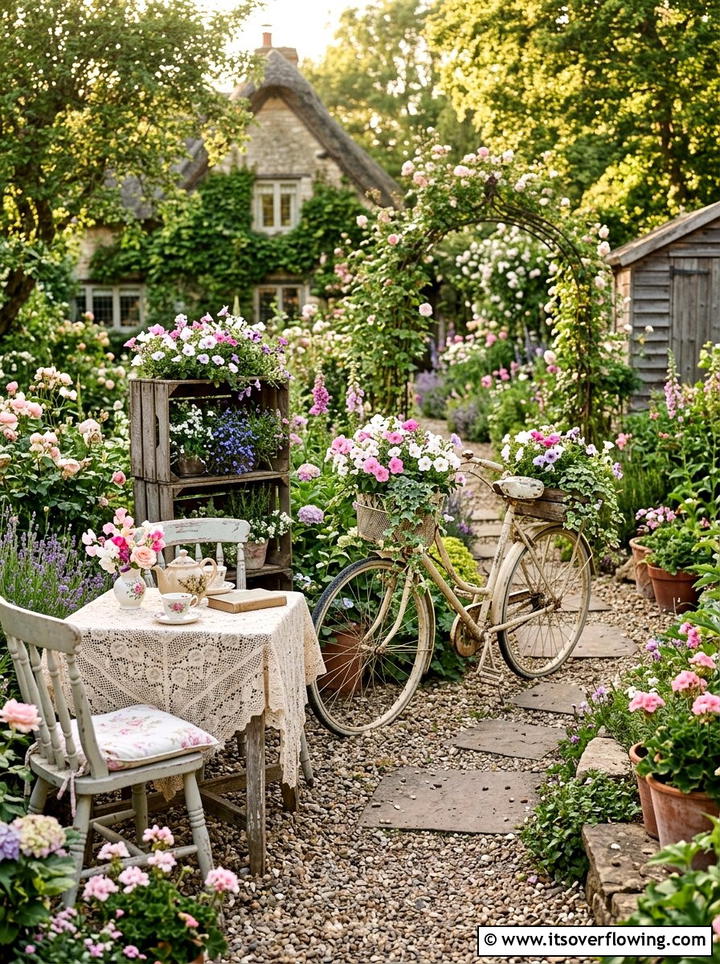
A shabby chic garden blends vintage charm with romantic floral displays to create a space that feels nostalgic, whimsical, and incredibly inviting. You can use repurposed items like antique bicycles, weathered wooden crates, and galvanized metal buckets as unique planters for colorful petunias and hydrangeas. Soft pastel colors, such as pale pinks, creams, and lavenders, dominate the palette, creating a gentle and dreamy atmosphere throughout the yard. Incorporating a lace-covered outdoor table and mismatched vintage chairs adds to the eclectic and cozy feel of the seating area. This design is perfect for those who love to hunt for treasures and want a garden that feels personal, creative, and full of character and soft beauty.
Conclusion:
Designing a garden is a rewarding journey that allows you to express your creativity while making a lasting impact on your home’s environment. Whether you prefer the structured elegance of a formal parterre or the wild, untamed beauty of a prairie meadow, there is a design style to suit every personality. By considering your local climate, the amount of maintenance you can provide, and the specific needs of your family, you can build an outdoor space that brings joy for years to come. We hope these twenty-five diverse ideas have inspired you to start planning your own dream landscape. Remember that the best gardens are those that continue to grow and evolve alongside you, providing a beautiful backdrop for all of life’s most precious outdoor moments.

Related posts:
 25 Amazing Garden Ideas To Transform Your Outdoor Space
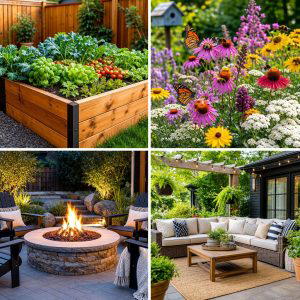 25 Creative Garden Ideas to Transform Any Outdoor Space Fast
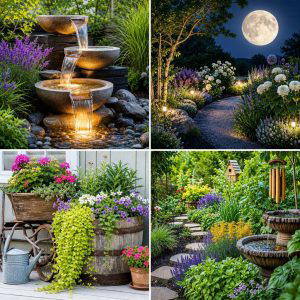 25 unique garden ideas to Transform Any Outdoor Space Fast
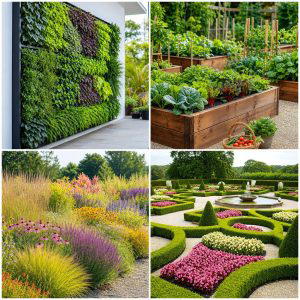 25 Garden Design Ideas for Projects to Transform Any Yard
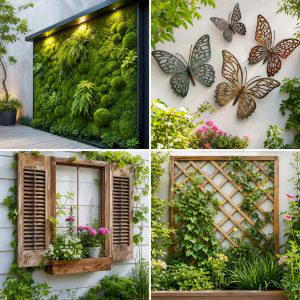 25 Garden Ideas With Wall Decor to Transform Your Space
 25 Garden Design Ideas With Outdoor Rooms for Living Space
 25 Garden Ideas for Curb Appeal to Transform Your Home
 25 Garden Ideas for Uneven Ground to Transform Slopes
 25 garden ideas with fence decor to Transform Plain Panels
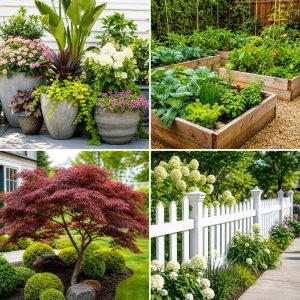 25 garden design ideas for side yard strips: Narrow Space Wins
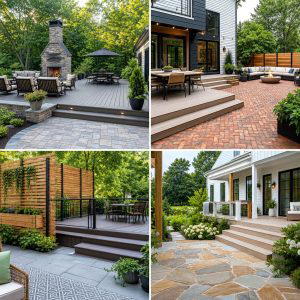 25 garden design ideas with deck and patio: Outdoor Living
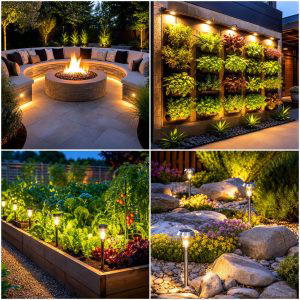 25 garden design ideas with lighting plans: Bright Outdoor Style