
Transforming your outdoor space into a lush sanctuary does not have to be a complicated or expensive task for homeowners. Many people feel intimidated by the thought of landscaping, but the right approach makes everything much easier to manage. You can create a stunning and functional environment by starting with simple concepts that prioritize growth and beauty. Gardening offers a wonderful way to relax while adding significant value and charm to your property. This guide explores various ways to start your journey into the world of plants and landscaping. You will discover how different layouts and plant choices can suit your specific lifestyle and space requirements perfectly. Let us explore these easy steps to build the backyard of your dreams right now.
1. Raised Bed Garden
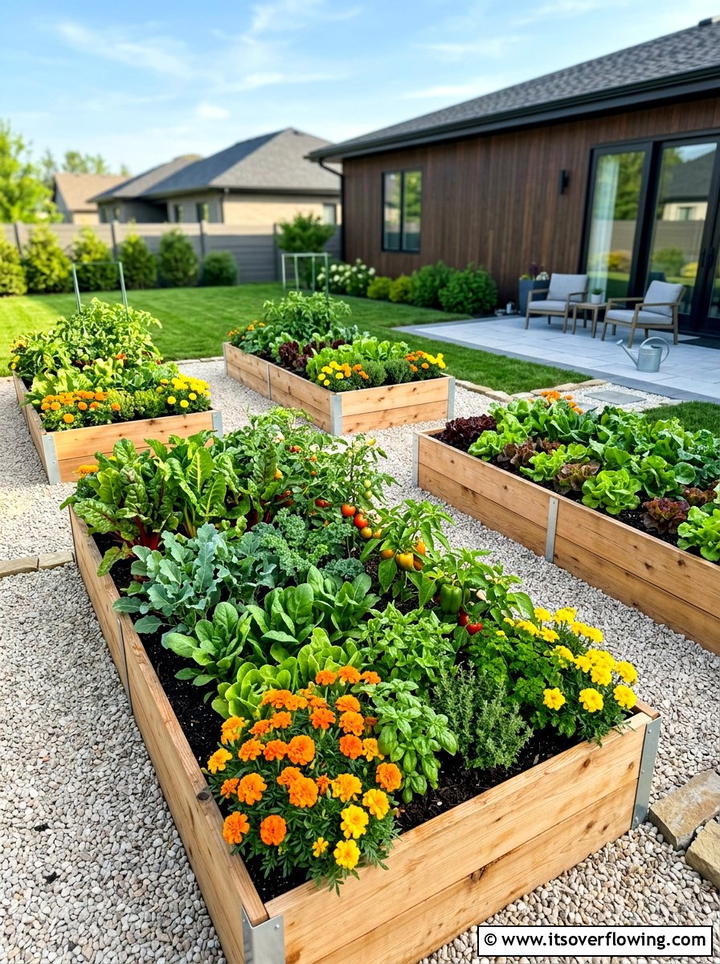
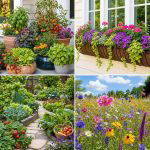
Starting your first garden can feel quite overwhelming, but choosing a raised bed garden is a smart move for any beginner. These elevated structures allow you to control soil quality perfectly from the start, which is a major advantage for growth. You do not have to struggle with hard or rocky ground because you build the soil upward. This method offers excellent drainage and keeps invasive weeds at a very manageable level compared to traditional rows. A well-placed raised bed also looks incredibly tidy and organized in your backyard. It gives your outdoor space an intentional and professional look immediately. This approach is much easier on your back and knees during long planting sessions.
2. Container Garden
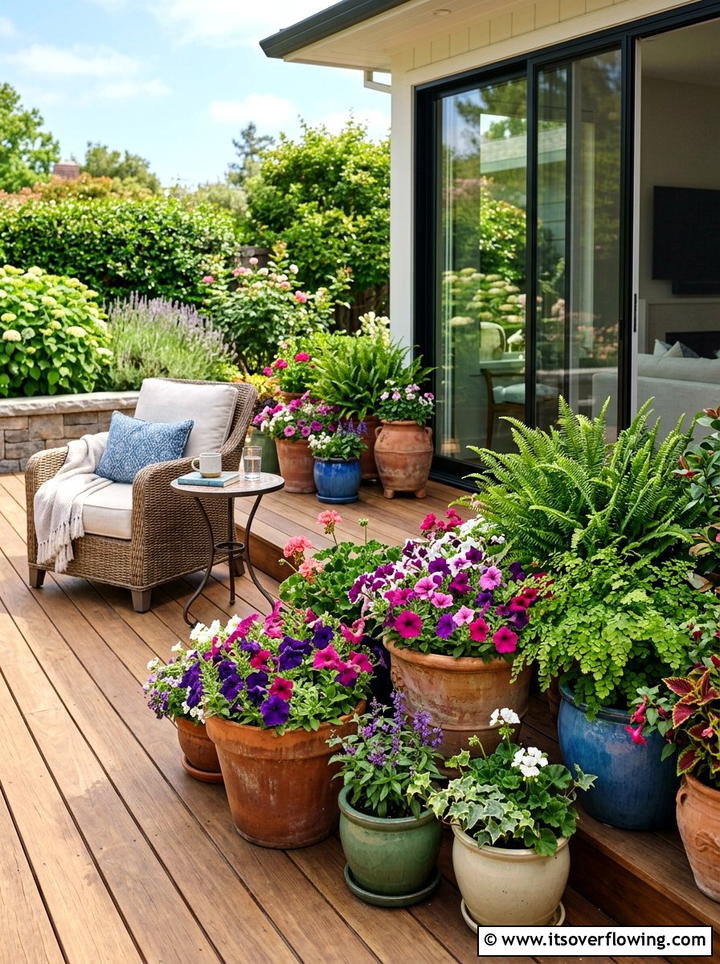
If you have a very small space or a simple patio, a container garden is the perfect solution for you. This style involves using various pots, barrels, and planters to grow a wide variety of beautiful plants and flowers. You can move your containers around to catch the best sunlight throughout the different seasons of the year. It is a very flexible way to garden because you can change the look of your space whenever you want. Choosing high-quality pots in different sizes adds visual interest and depth to your porch or balcony. This method is very beginner-friendly because it limits the amount of weeding and heavy digging required to succeed.
3. Pollinator Garden
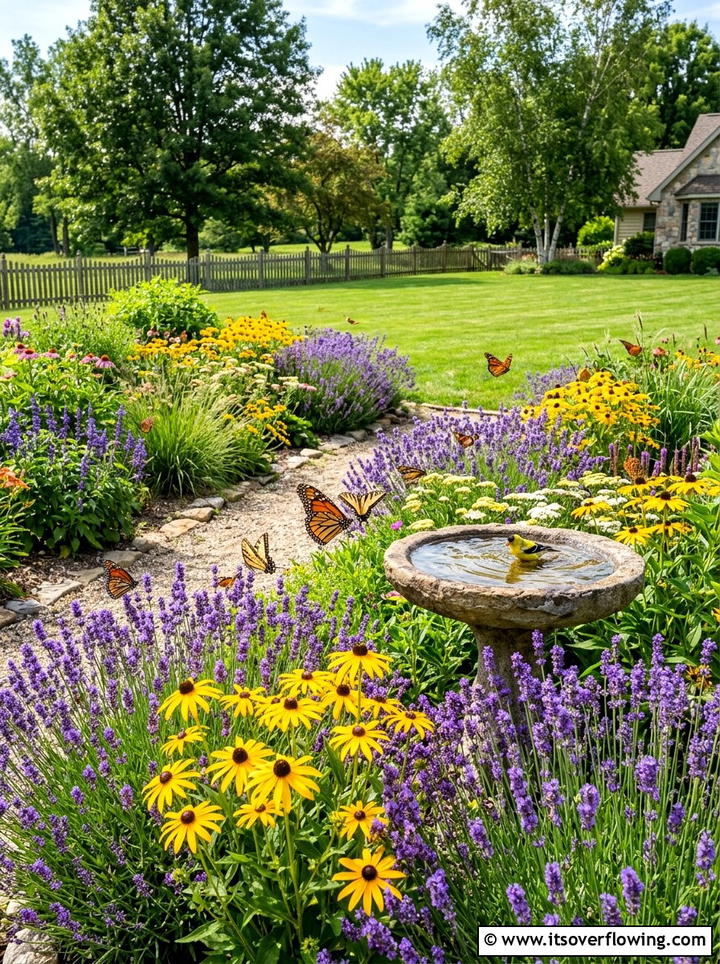
Creating a pollinator garden is a wonderful way to help the environment while enjoying a colorful and lively backyard space. This type of landscape focuses on plants that provide food and habitat for bees, butterflies, and local birds. You should choose a variety of nectar-rich flowers that bloom at different times throughout the spring and summer months. This ensures that your local wildlife has a steady source of energy during the growing season. A pollinator-friendly space is often filled with vibrant colors and pleasant scents that make your yard feel magical. It is an educational and rewarding project that brings nature right to your doorstep for everyone to see.
4. Gravel Path
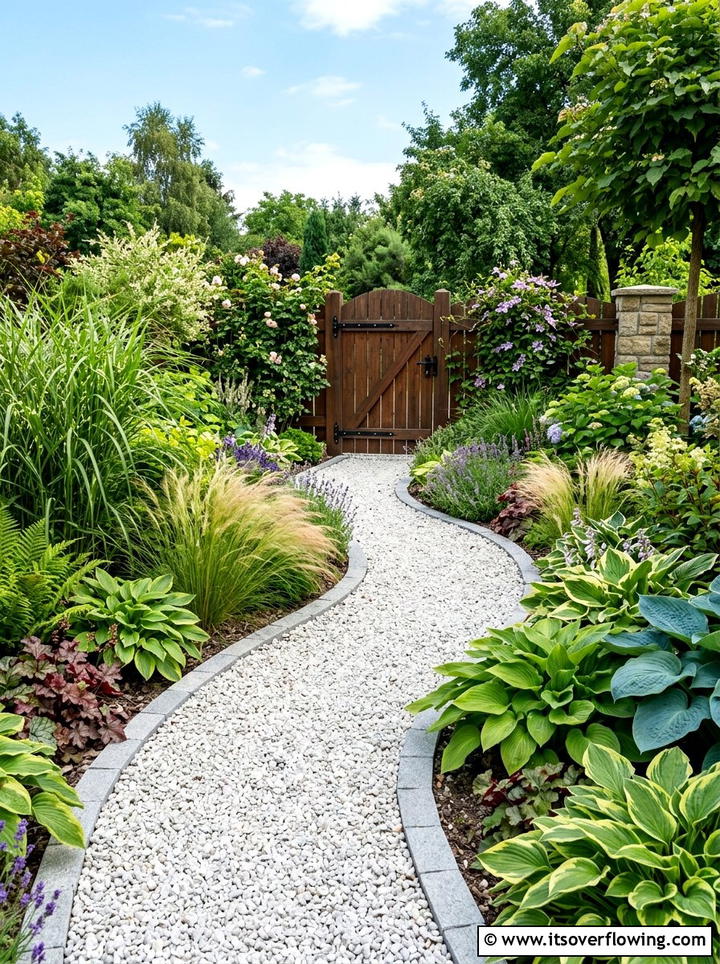
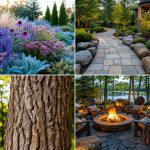
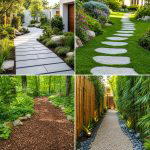
Adding a gravel path is one of the easiest ways to give your outdoor area structure and a sense of direction. This simple hardscaping element helps define different zones in your yard and makes it much easier to walk around. You can choose from many different colors and sizes of stones to match your home’s exterior style perfectly. A gravel path provides excellent drainage and prevents muddy spots from forming after heavy rain showers occur. It is much more affordable and easier to install than traditional concrete or heavy stone pavers. This feature adds a clean and modern look that helps your plants stand out against the neutral stone textures.
5. Vertical Herb Garden
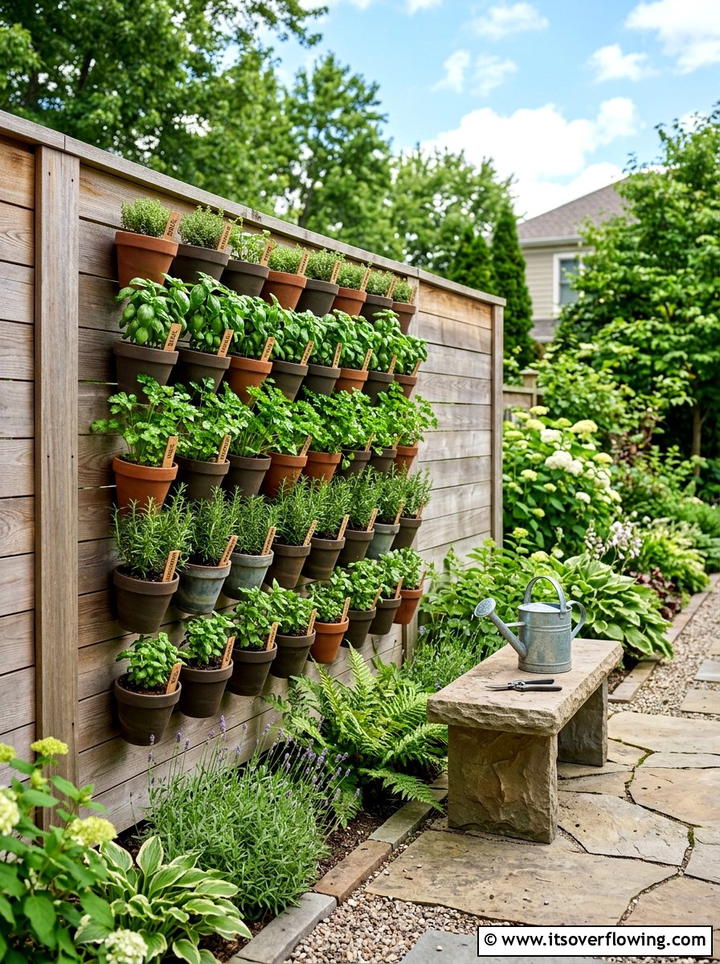
When you are dealing with a small footprint, a vertical herb garden allows you to grow plenty of fresh flavors. This design uses walls, fences, or specialized hanging structures to hold your favorite cooking herbs like basil and rosemary. It is a highly efficient way to use space that would otherwise remain completely empty and unused. Having fresh herbs right outside your kitchen door makes cooking much more enjoyable and convenient for the whole family. The vertical arrangement creates a stunning green wall effect that adds a fresh and modern vibe to your patio. It is a very manageable project for beginners who want to see quick and tasty results.
6. Native Plant Garden
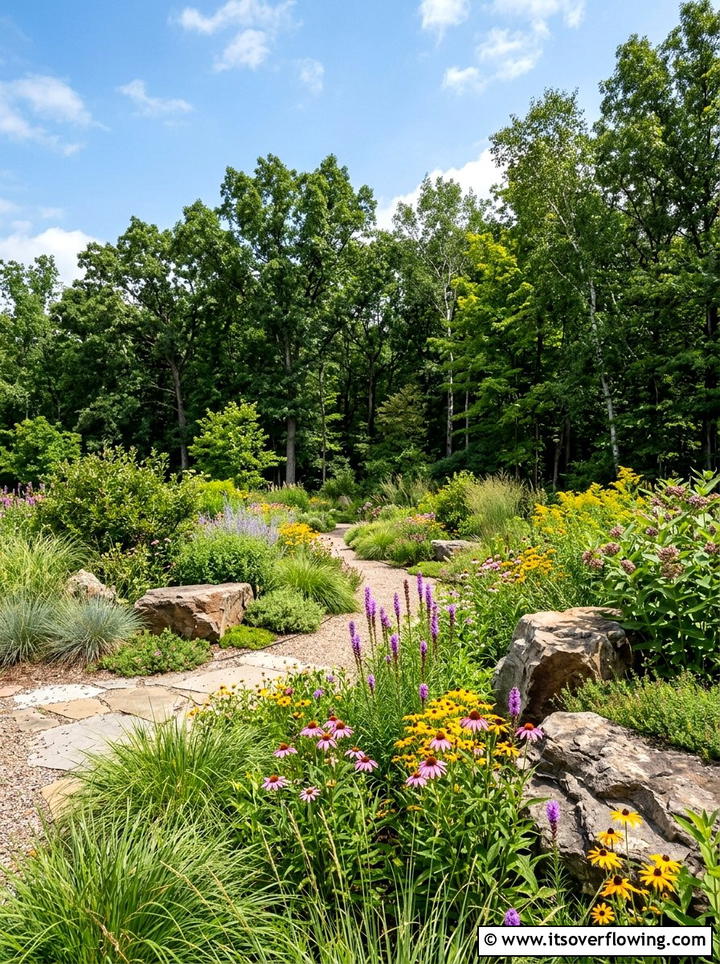
Focusing on a native plant garden is a very sustainable and low-maintenance choice for people who are new to landscaping. Native plants are species that naturally occur in your specific region and have adapted to the local climate over time. This means they generally require much less water and fewer fertilizers than exotic or non-native species do. Once these plants are established, they can survive harsh weather conditions much better than other more delicate varieties. This type of garden also supports local biodiversity by providing the right food for native insects and birds. It creates a very natural and harmonious look that fits perfectly with the surrounding environment.
7. Succulent Garden
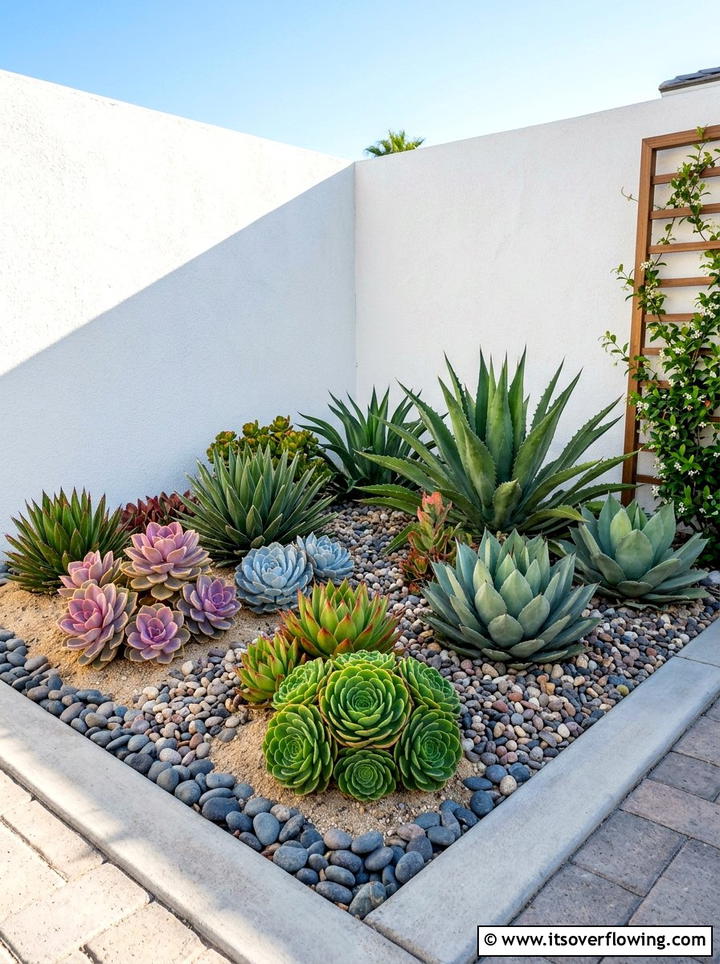
A succulent garden is an excellent choice for anyone living in a drier climate or for those who want low-water plants. These hardy plants store water in their thick leaves, making them incredibly resilient and easy to care for over time. You can arrange different shapes, sizes, and colors of succulents to create a visually striking and modern landscape. They look beautiful when planted in clusters or used as a striking ground cover in sunny spots of your yard. This type of garden requires very little maintenance once you have finished the initial planting process. It offers a unique and architectural aesthetic that stays green and vibrant throughout the entire year.
8. Cottage Garden
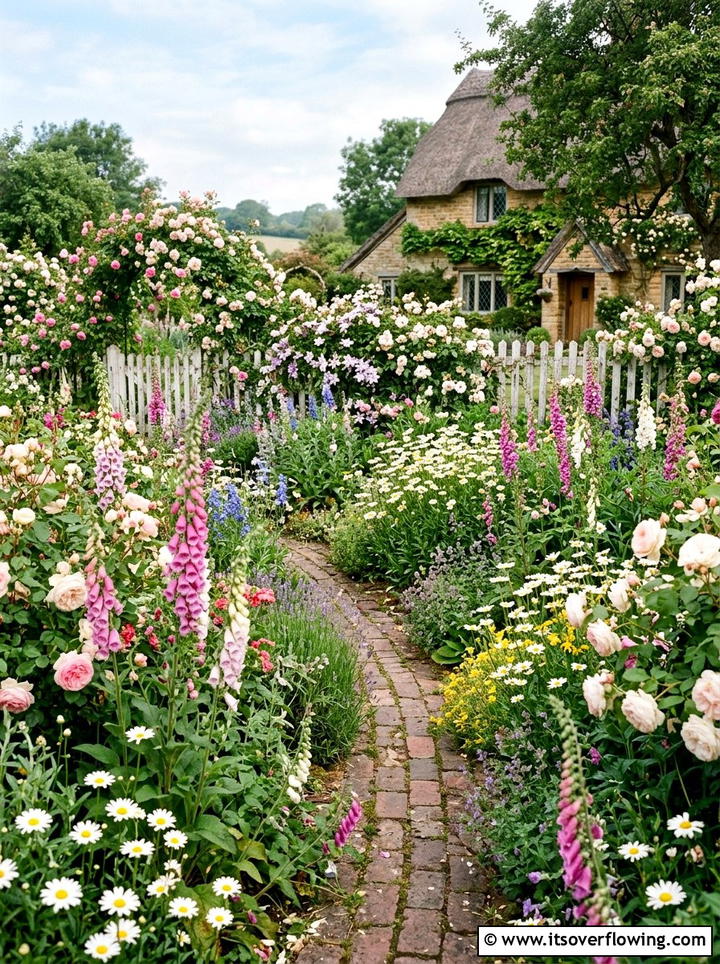
A cottage garden is known for its charming and informal appearance that feels warm and very inviting to all guests. This style focuses on a dense planting of traditional flowers, herbs, and even some edible plants mixed together beautifully. You do not need to worry about strict patterns or perfectly straight lines when designing this type of outdoor space. The goal is to create a romantic and overflowing look that feels very natural and slightly wild in spirit. Common elements include picket fences, climbing roses, and winding paths that lead to hidden corners of your yard. This style is perfect for beginners who love a soft, colorful, and very nostalgic atmosphere.
9. Edible Landscape
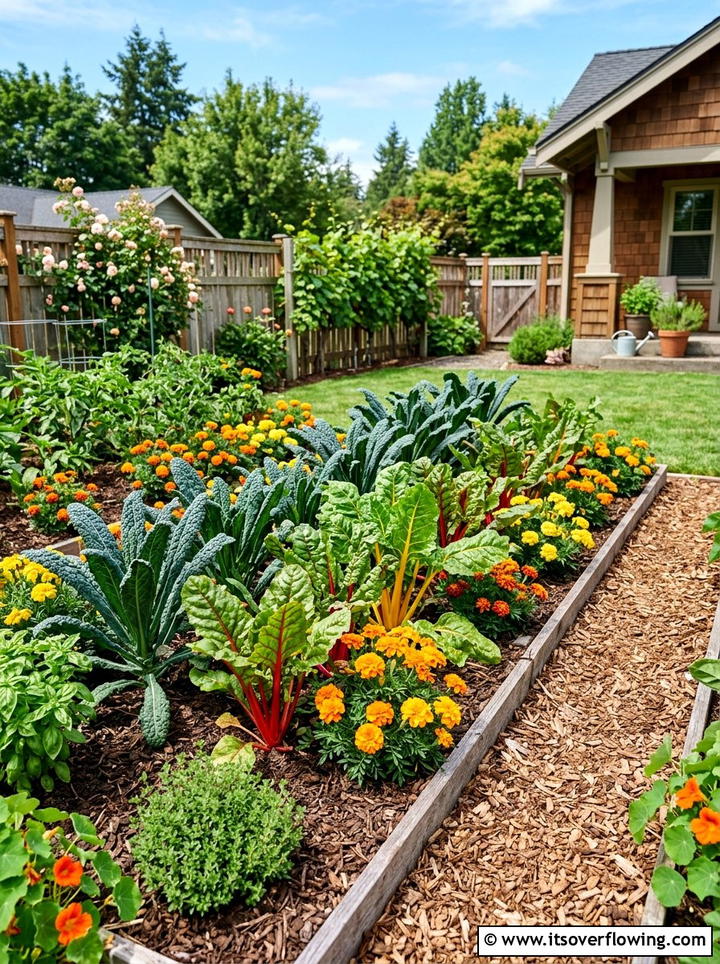
An edible landscape combines the beauty of traditional ornamental plants with the functionality of growing your own fresh organic food. Instead of hiding your vegetables in a back corner, you integrate them into your main flower beds and borders. You can plant colorful Swiss chard alongside your flowers or use blueberry bushes as a productive and attractive hedge. This approach makes the most of your available sunlight and soil while providing a delicious harvest for your kitchen. It is a very rewarding way to garden because you get to enjoy both the visual beauty and the taste. This style turns your entire yard into a functional and very productive space.
10. Wildflower Meadow
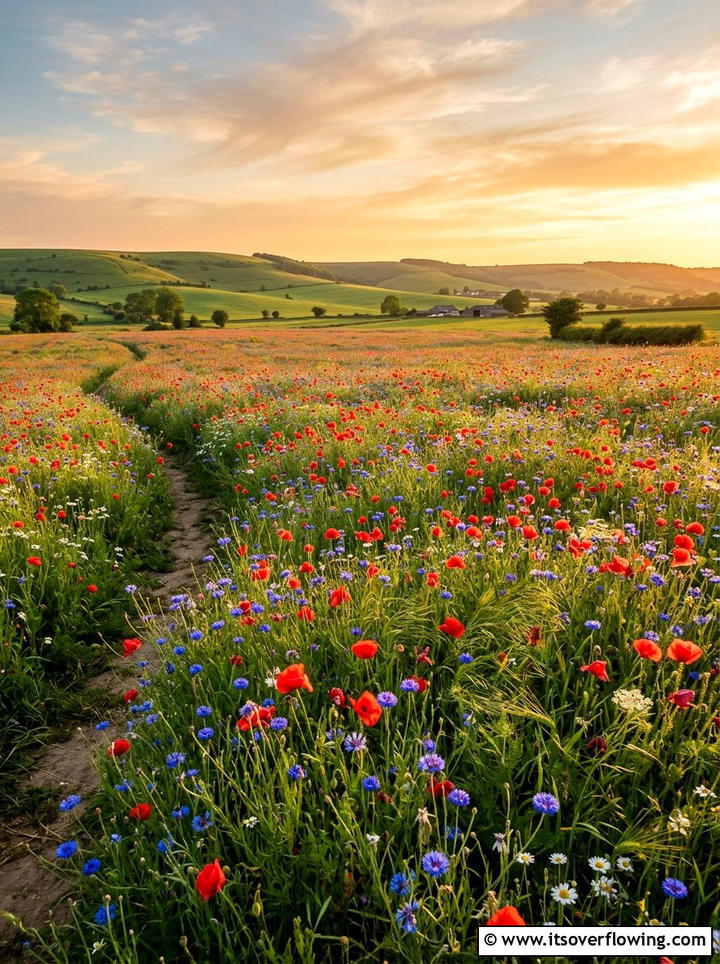
If you want a yard that feels like a natural field of color, a wildflower meadow is a fantastic choice. This style involves planting a mix of native flowering species that thrive with very little intervention from you at all. You do not need to worry about constant mowing or maintaining perfectly straight edges along your lawn anymore. Instead, you get a vibrant tapestry of textures and colors that changes beautifully throughout the different growing seasons. This approach is excellent for local wildlife and helps support a healthy ecosystem in your own suburban backyard. It creates a soft and romantic atmosphere that makes your property feel much larger.
11. Zen Garden
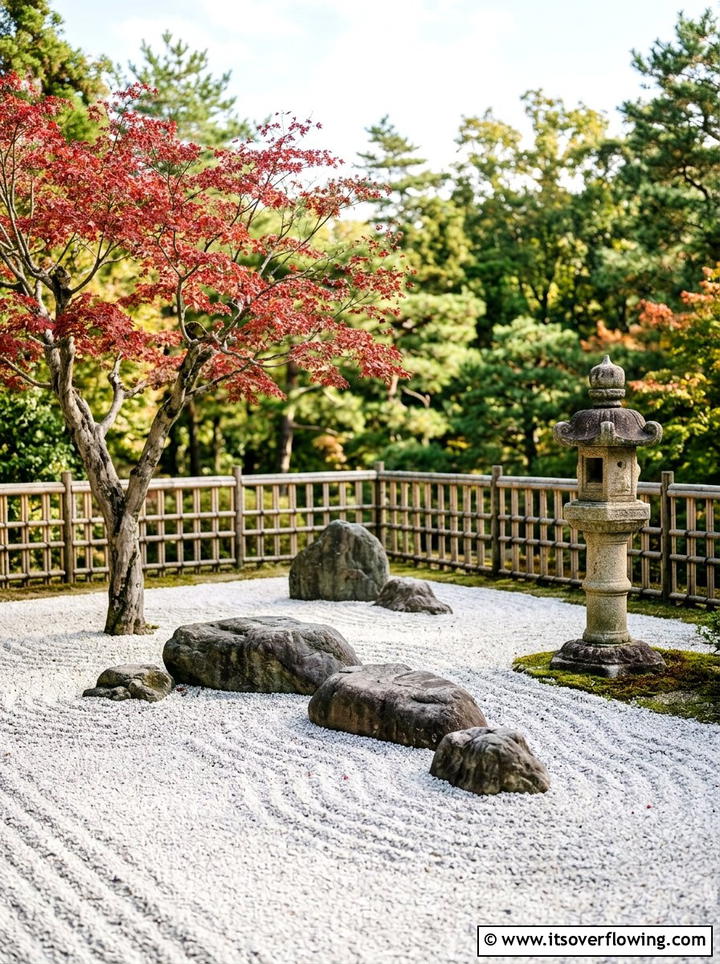
A zen garden is designed to be a place of peace, reflection, and complete relaxation away from busy daily life. This minimalist style often uses clean lines, smooth stones, and carefully placed plants to create a very calm environment. You might include a small sand or gravel area that can be raked into beautiful patterns for meditation purposes. Simple greenery like moss or ferns helps to maintain a very quiet and focused aesthetic throughout the entire space. It is a wonderful way to create a stress-free zone where you can sit and enjoy the silence. This type of garden is very easy to maintain because of its simple and organized nature.
12. Window Box
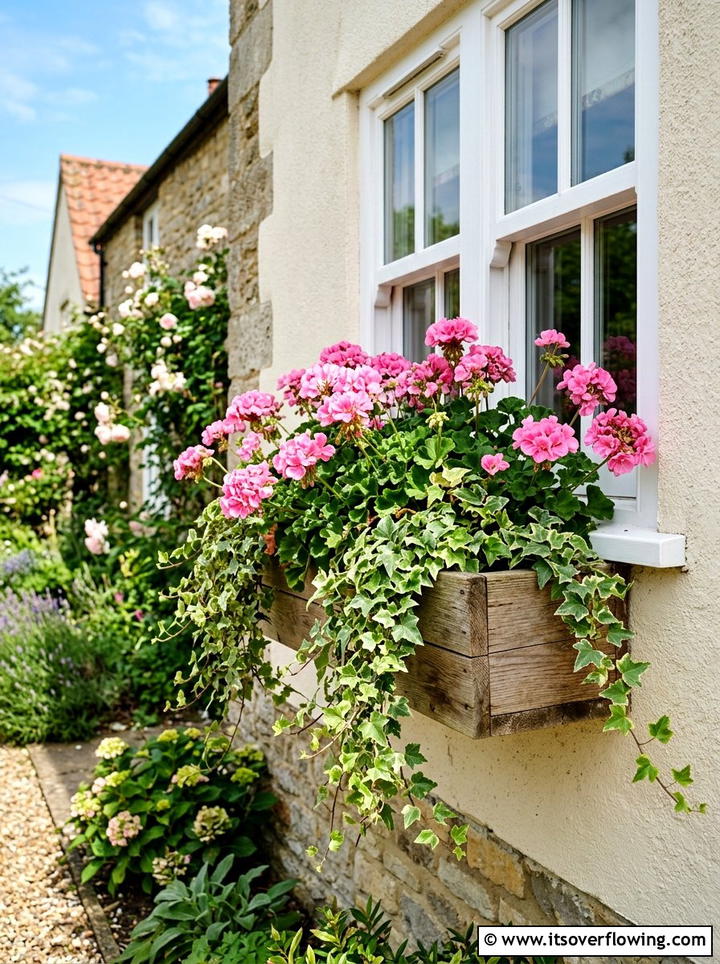
For those who live in apartments or have very limited outdoor space, a window box is a great starting point. These small planters are attached directly to your windowsills to bring a burst of color and life to your view. You can plant a mix of trailing vines and upright flowers to create a very lush and full appearance. It is a simple way to boost your home’s curb appeal and make your exterior look much more inviting. Since the plants are right at your window, it is very easy to remember to water and care for them. This small-scale project provides immediate satisfaction and a beautiful touch of nature every day.
13. Rock Garden
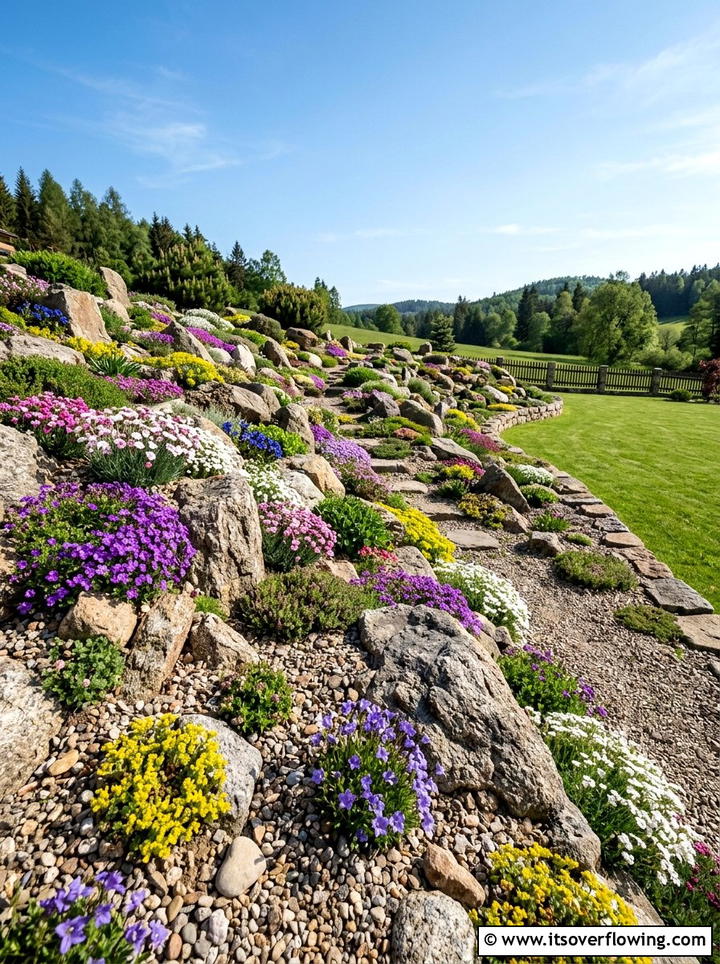
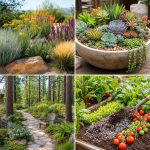
A rock garden is a rugged and beautiful way to landscape areas of your yard that have poor soil quality. This design uses various sizes of stones and boulders as the foundation for small, hardy plants that love good drainage. Alpine plants and low-growing ground covers are often used to fill the gaps between the rocks for a natural look. This type of garden requires very little water and almost no mowing, making it a very low-maintenance option for busy owners. It adds a wonderful sense of texture and dimension to a flat yard or a sloping hillside area. The result is a very durable and timeless look that lasts for years.
14. Shade Garden
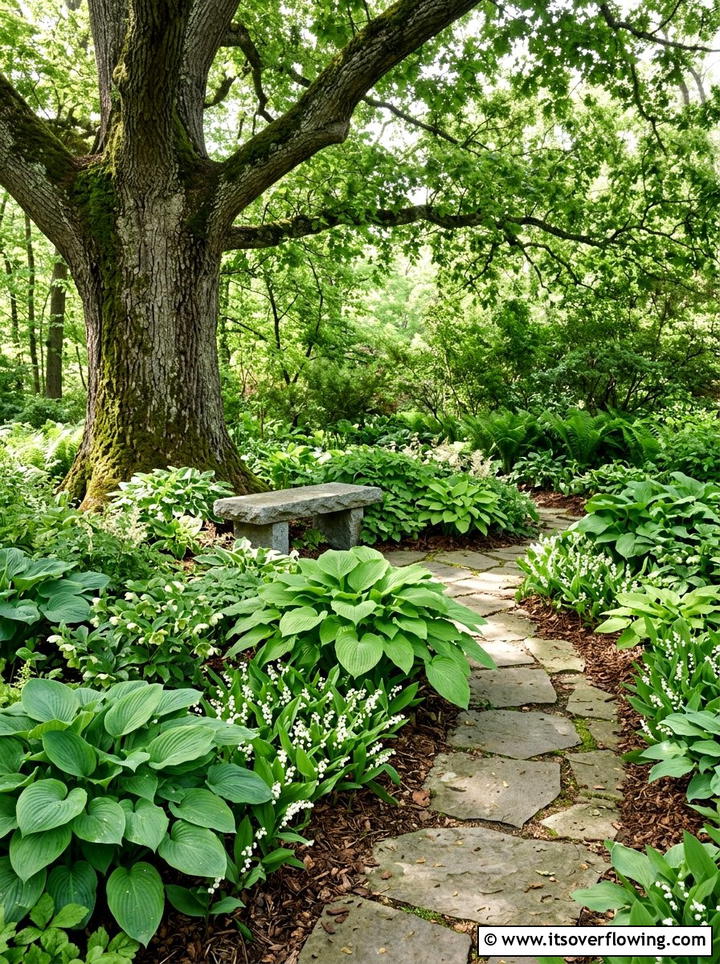
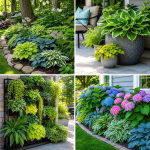
Many people struggle with gardening in the shadows, but a shade garden can be a very lush and beautiful retreat. This style focuses on plants that thrive in low-light conditions, such as hostas, ferns, and colorful bleeding heart flowers. These areas often stay much cooler during the hot summer months, making them a perfect spot for a hidden seating area. You can use different shades of green and unique leaf textures to create a very rich and interesting visual landscape. Adding white flowers or light-colored foliage helps to brighten up the darker corners of your yard quite effectively. It turns a challenging area into a quiet and very peaceful sanctuary.
15. Small Vegetable Patch
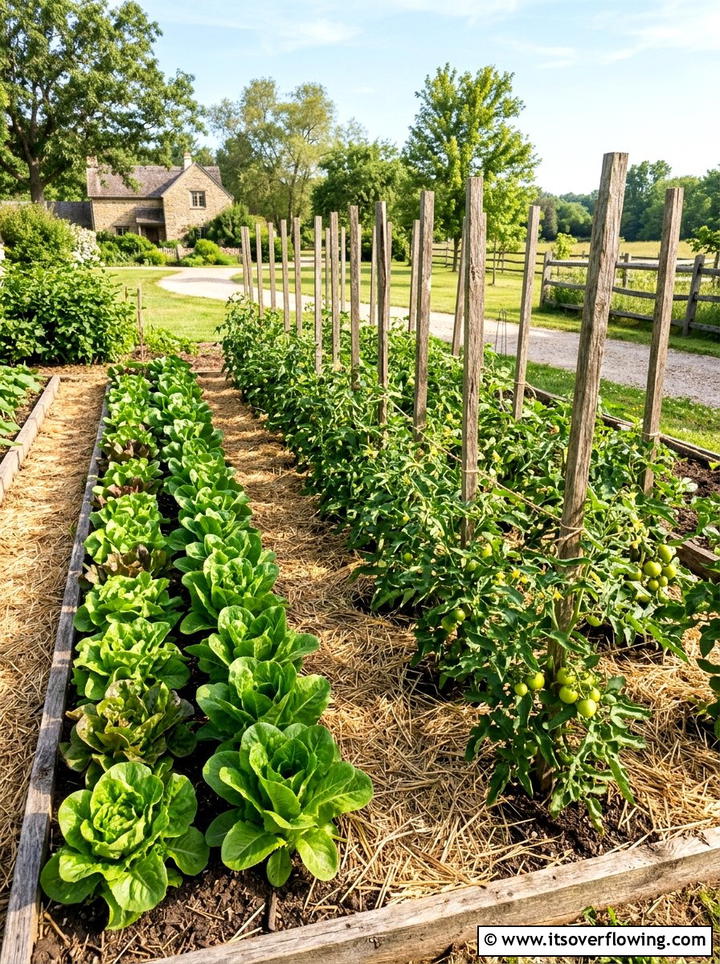
Growing your own food in a small vegetable patch is one of the most fulfilling projects a beginner can start. You do not need a massive farm to produce a surprising amount of fresh tomatoes, peppers, and leafy salad greens. Starting with just a few easy-to-grow varieties helps you learn the basics of plant care without feeling too overwhelmed. A small, dedicated area allows you to focus on soil health and proper watering for the best possible harvest. You will enjoy the incredible taste of homegrown produce that is much fresher than anything found in a store. This project teaches you about the seasons and the simple joy of self-sufficiency.
16. Garden Seating Area
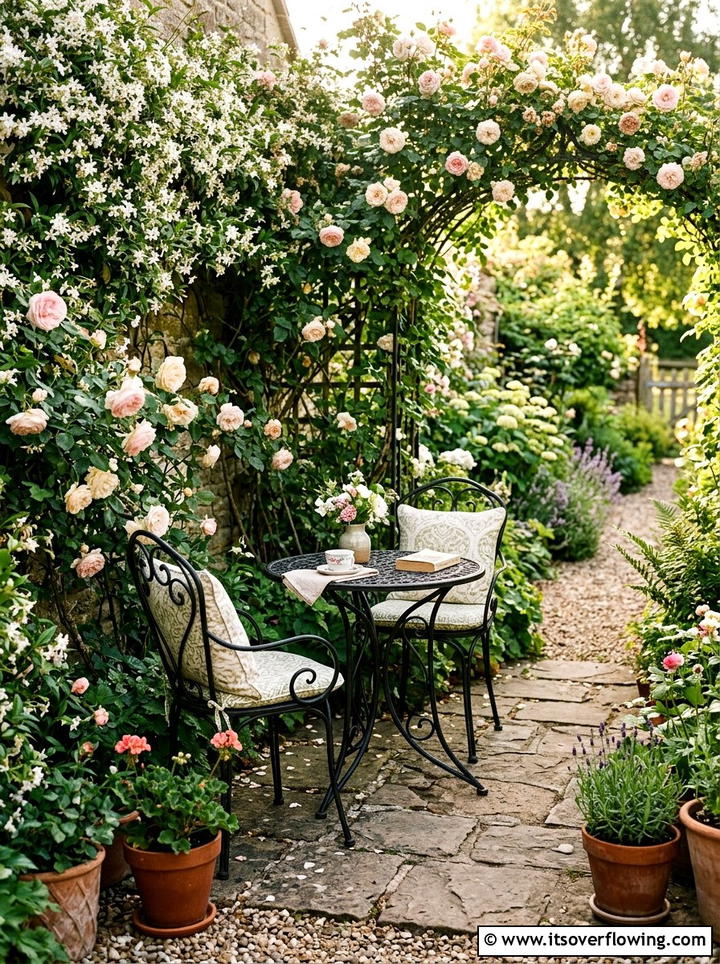
Creating a dedicated garden seating area turns your outdoor space into a true extension of your comfortable indoor living room. You can place a simple bench, a bistro set, or some comfortable lounge chairs in a scenic spot of your yard. Surround this area with fragrant flowers or tall plants to create a sense of privacy and complete seclusion from neighbors. A well-designed seating spot encourages you to spend more time outside enjoying the fresh air and your beautiful plants. You can use pavers, gravel, or even a small wooden deck to define the base of this relaxing social zone. It makes your garden a functional place for entertaining friends and family.
17. Mulched Garden Bed
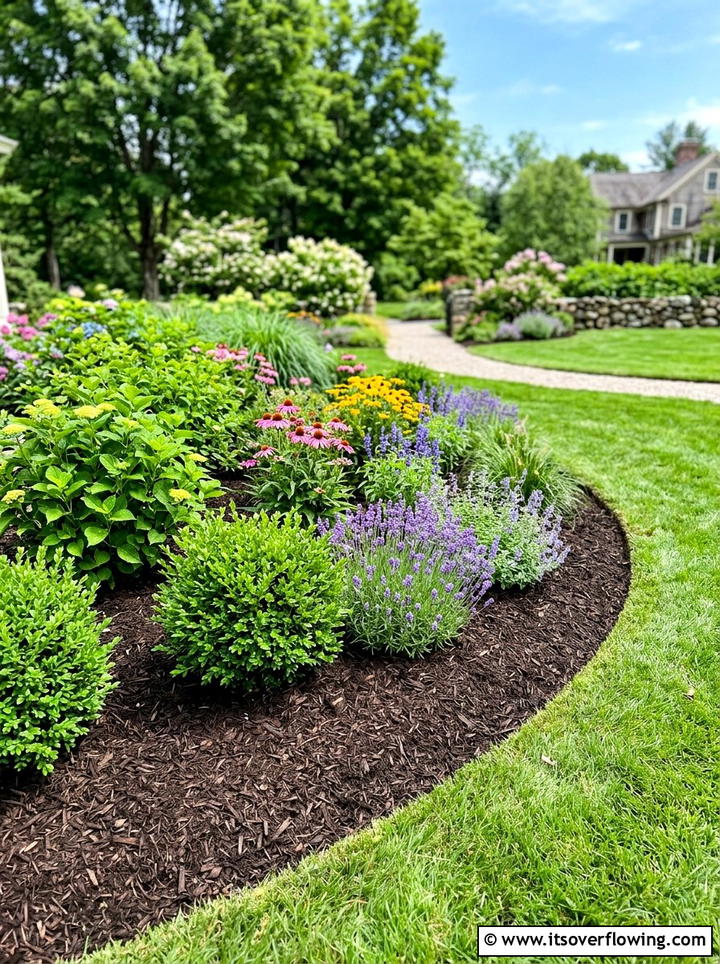
A mulched garden bed is a simple yet very effective way to keep your plants healthy and your yard looking tidy. Applying a thick layer of organic mulch helps to retain moisture in the soil and prevents pesky weeds from growing. It also provides a clean and uniform background that makes the colors of your flowers and foliage really pop. As the mulch breaks down over time, it adds valuable nutrients back into the soil for your plants to use. This is a very easy task for beginners that yields immediate visual results and long-term benefits for the garden. It creates a professional and finished look with very minimal effort required.
18. Fairy Garden
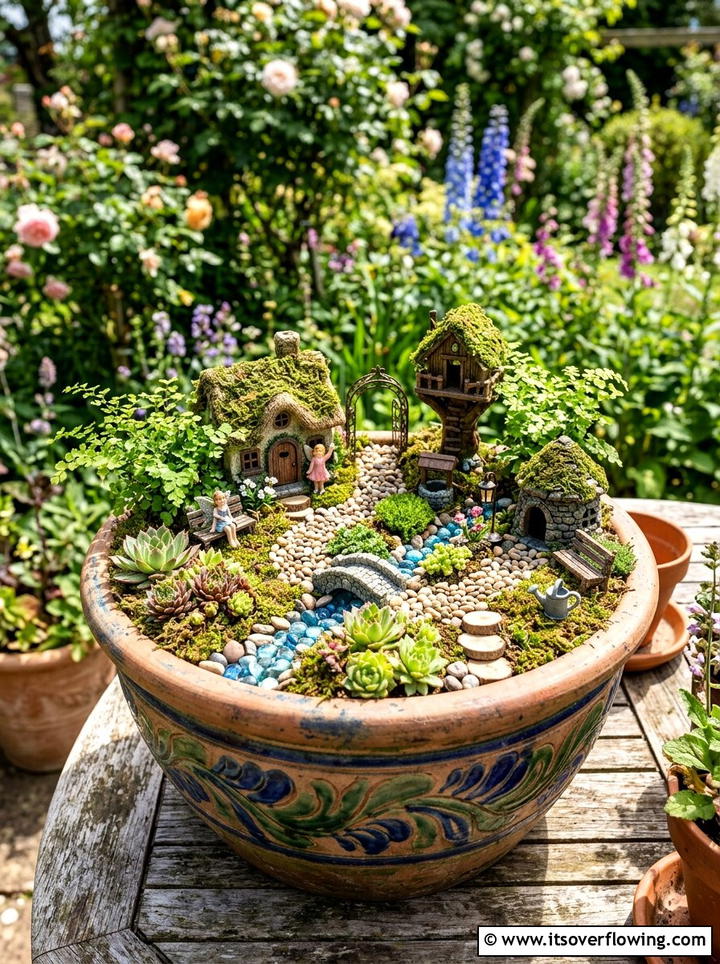
A fairy garden is a whimsical and creative project that is perfect for families or anyone with a playful imagination. This miniature landscape uses tiny plants, small accessories, and decorative stones to create a magical world on a very small scale. You can build these charming scenes in a large pot, an old wheelbarrow, or a quiet corner of your backyard. It is a wonderful way to experiment with different plant textures and small-scale landscaping techniques without a large commitment. Children especially love helping to design and maintain these tiny enchanted spaces throughout the growing season. This project adds a touch of wonder and personality to your overall outdoor design.
19. Tropical Garden
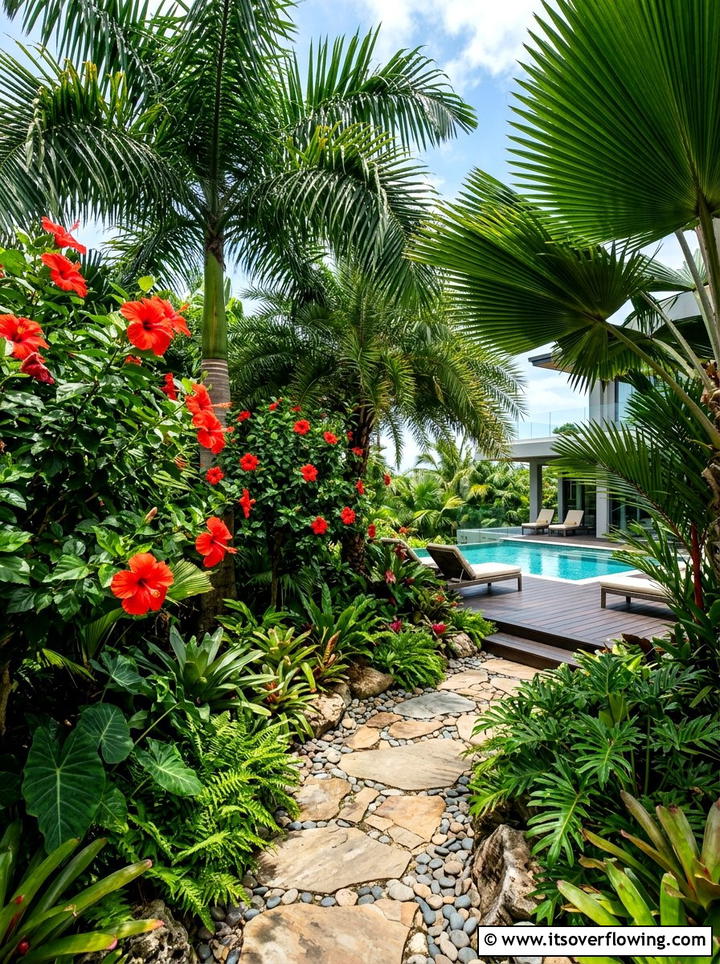
You can create a lush and exotic feel in your own backyard by designing a vibrant tropical garden for yourself. This style uses plants with large, bold leaves and bright, saturated colors to mimic the look of a warm rainforest. Even in cooler climates, you can use hardy versions of palms, cannas, and hibiscus to achieve this dramatic and exciting look. These gardens often feel very private and secluded because of the dense and tall foliage used in the design. Adding a small water feature or some bamboo accents can further enhance the tropical atmosphere of your outdoor space. It is a great way to feel like you are on a vacation every day.
20. Drought Tolerant Garden
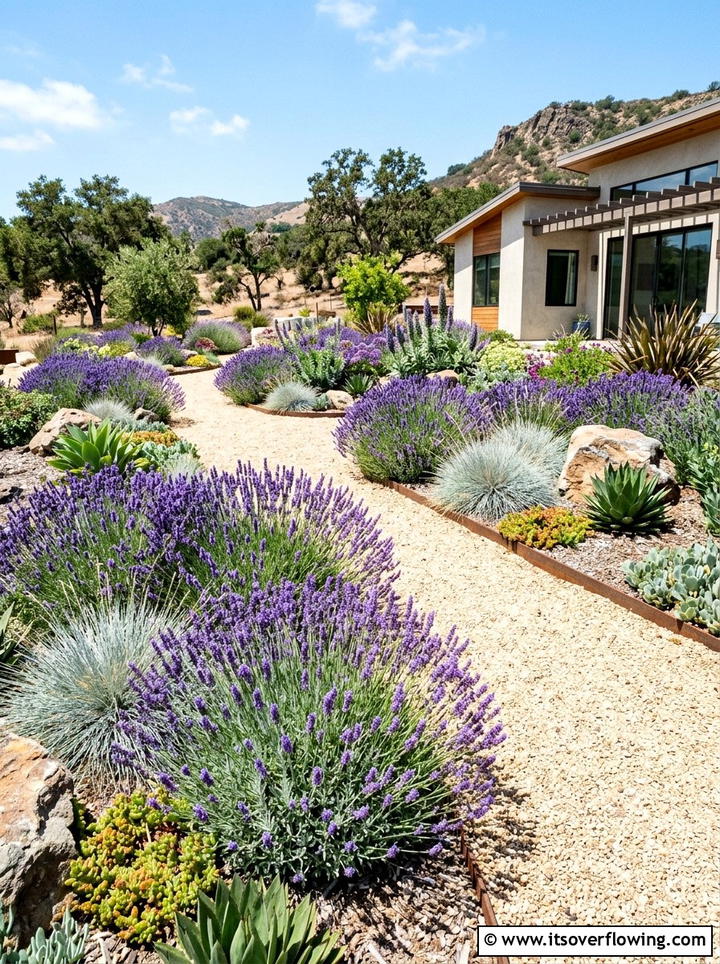
A drought tolerant garden is a smart and responsible choice for people living in areas with limited water or frequent droughts. This design focuses on plants that are naturally equipped to survive with very little supplemental watering once they are fully established. You can use a mix of ornamental grasses, lavender, and other Mediterranean plants to create a very beautiful landscape. This approach saves you a significant amount of money on your water bill while also helping to conserve local resources. A well-planned dry garden can be just as colorful and lush as a traditional one if you choose the right species. It is a modern and very sustainable way to landscape.
21. Hummingbird Garden
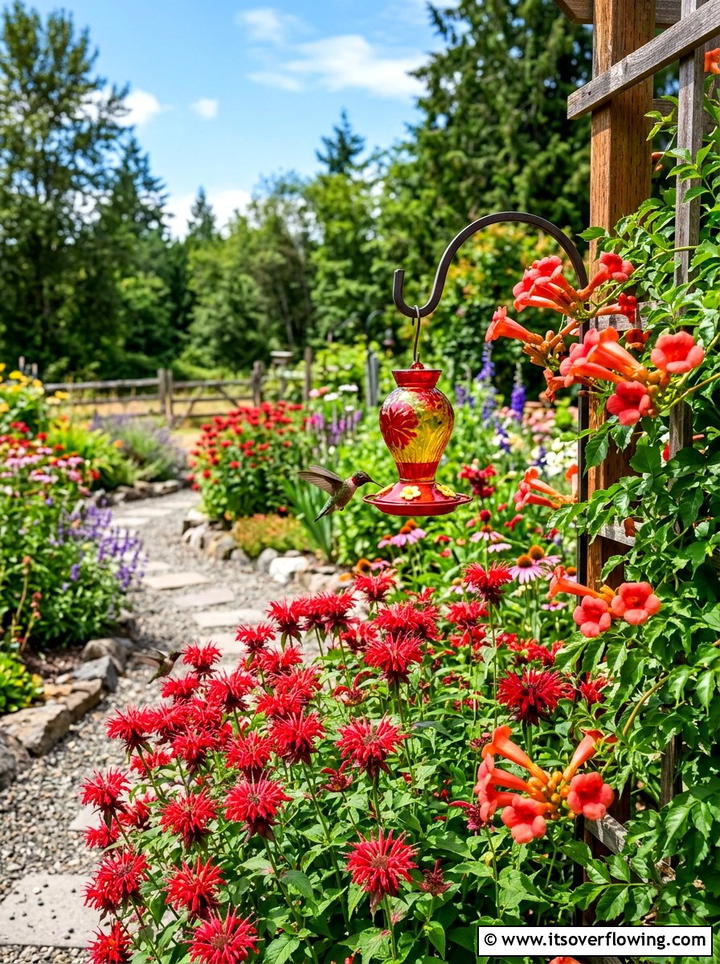
Attracting tiny, vibrant birds to your yard is easy when you design a specific hummingbird garden for your outdoor space. These birds are drawn to bright, tubular flowers that are rich in nectar, such as bee balm and tubular honeysuckle. You should try to plant a variety of red, orange, and pink flowers to catch their attention as they fly by. Providing a small water source and some perching spots will encourage them to stay in your yard for longer periods. Watching these fast and beautiful creatures move through your garden is an incredible and very peaceful experience. It brings a dynamic and lively energy to your landscape that everyone will enjoy.
22. Fruit Tree Garden
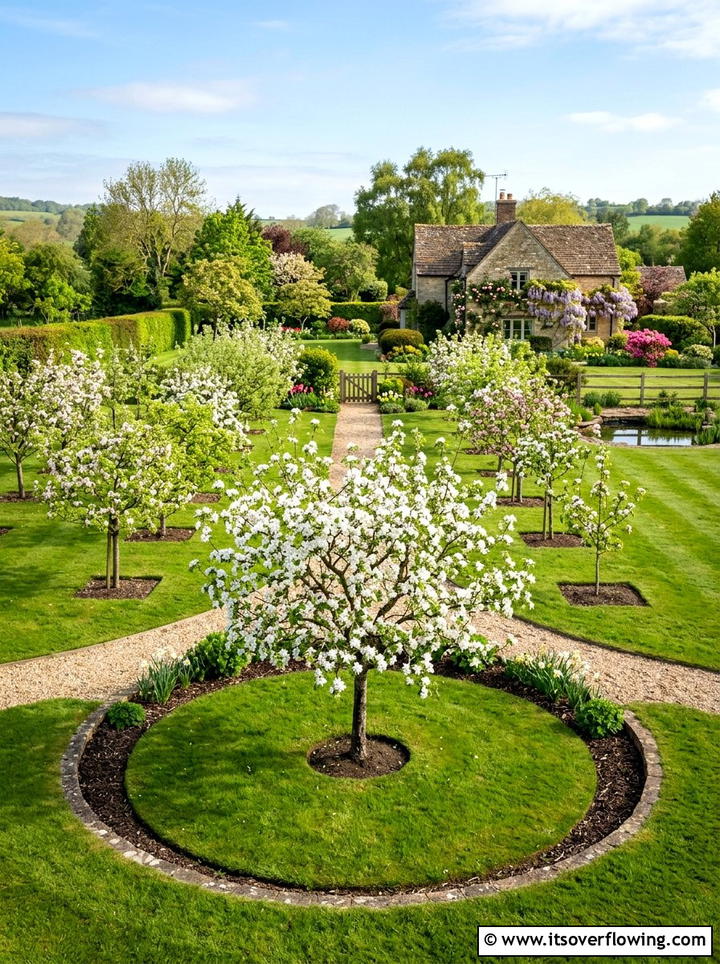
Planting a fruit tree garden is a long-term investment that provides shade, beauty, and delicious harvests for many years to come. You can choose dwarf or semi-dwarf varieties if you have a smaller yard but still want to grow fresh fruit. Apples, pears, and cherries are popular choices that offer beautiful blossoms in the spring and tasty fruit in the fall. These trees serve as excellent focal points in your landscape and provide a home for local birds and beneficial insects. Caring for fruit trees is a rewarding way to learn about pruning and the natural cycles of growth and production. It adds a permanent and productive structure to your property.
23. Cut Flower Garden
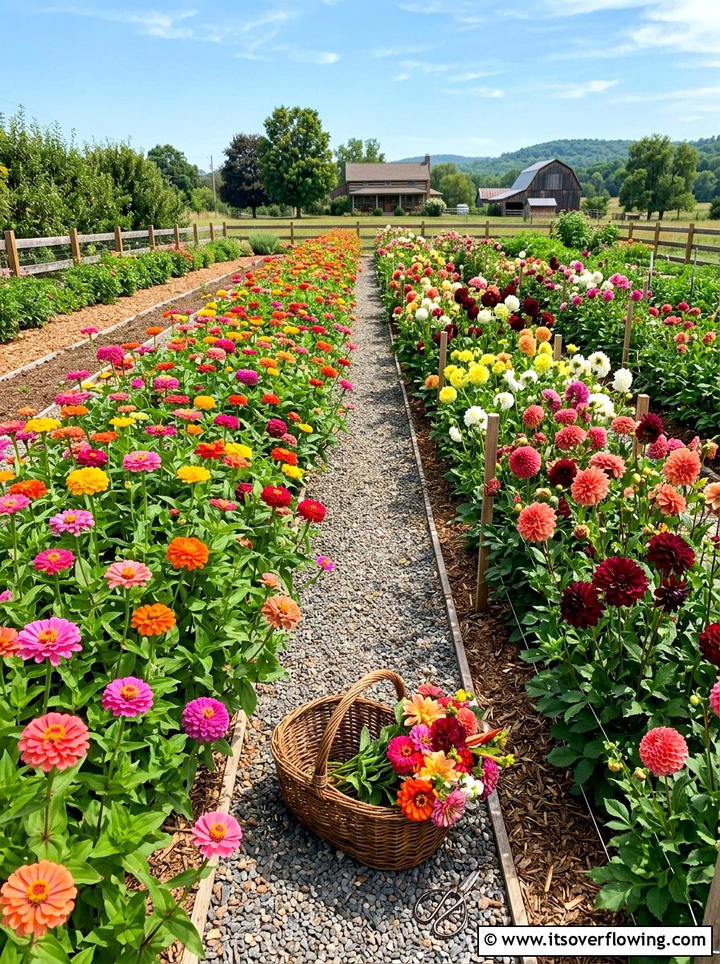
If you love having fresh bouquets in your home, a cut flower garden is the perfect project for your backyard. This style focuses on growing varieties that have long stems and a long vase life after being cut from the plant. You can plant rows of zinnias, dahlias, and cosmos to ensure you have a steady supply of colorful blooms all summer. This type of garden allows you to experiment with many different colors and floral arrangements throughout the entire growing season. It is a very joyful way to garden because you can share your beautiful harvests with friends and neighbors. This project brings the beauty of your outdoors directly inside.
24. Herb Spiral
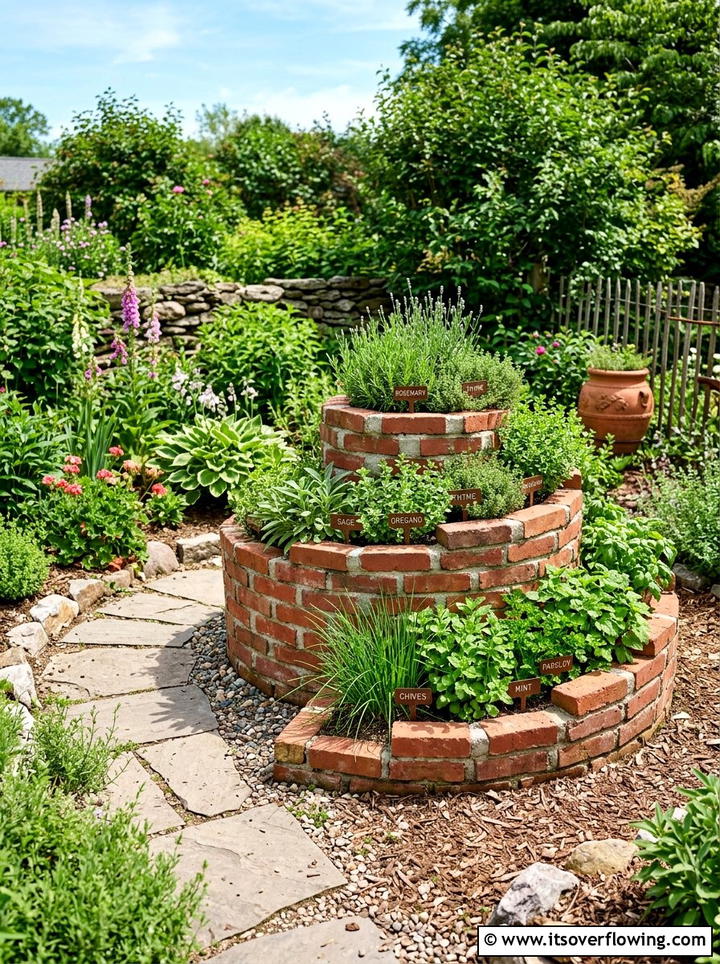
An herb spiral is a clever and very space-efficient way to grow a wide variety of herbs in one spot. This vertical design uses a spiral of stones or bricks to create different microclimates for various types of plants to thrive. The top of the spiral is drier and sunnier, while the bottom stays cooler and much more moist for different needs. This allows you to plant Mediterranean herbs like oregano at the top and moisture-loving mint at the very bottom. It is a very attractive and functional focal point that adds a unique architectural element to your garden design. This project is a great way for beginners to learn about plant requirements.
25. Privacy Hedge Garden
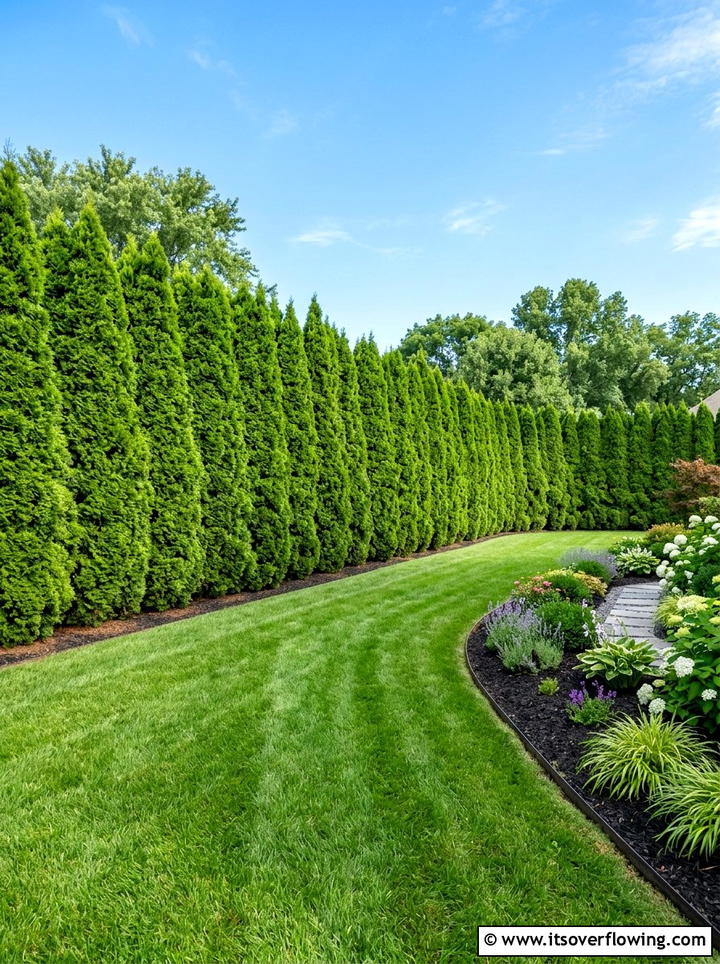
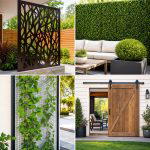
Creating a privacy hedge garden is a natural and beautiful way to block unwanted views and reduce noise around your property. Instead of a cold and hard fence, you can use a row of tall evergreen shrubs or dense flowering bushes. This creates a living wall that changes with the seasons and provides a safe habitat for many local birds. You can choose fast-growing species like arborvitae or more decorative options like laurel or privet for a classic look. A well-maintained hedge adds a sense of luxury and complete seclusion to your outdoor living areas for your family. It is a practical and very attractive solution for any suburban backyard.
Conclusion:
Starting your gardening journey is one of the most rewarding ways to enhance your home and your lifestyle today. Each of these different approaches offers a unique way to connect with nature while creating a beautiful outdoor space for yourself. You do not need years of experience to see amazing results in your backyard if you follow these simple steps. Simply picking one style and starting small will build your confidence and your skills over time quite naturally. Whether you choose a structured raised bed or a wild meadow, the joy of watching things grow is truly incomparable. Take your time to enjoy the process and learn from every season as it passes. Your garden will continue to evolve and become a place of peace, beauty, and personal pride for many years to come.

Related posts:
 25 Garden Ideas for Beginners to Start Growing With Confidence
 25 Garden Ideas for Cold Climate Yards That Thrive Beautifully
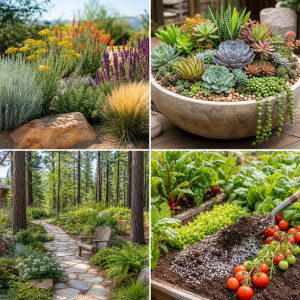 25 Garden Ideas for Sandy Soil That Thrive Beautifully
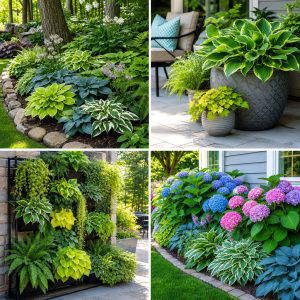 25 Small Garden Ideas for Low Sunlight That Thrive Beautifully
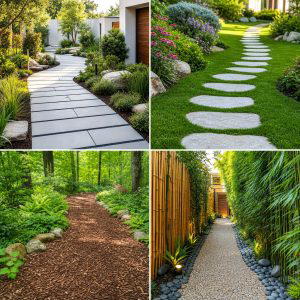 25 Garden Design Ideas With Pathways for Beautiful Garden Flow
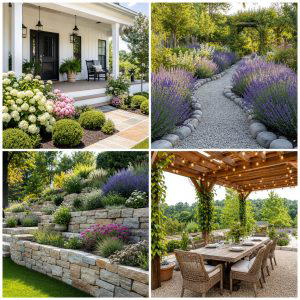 25 Garden Design Ideas for Farmhouse Landscapes With Rustic Charm
 25 Garden Design Ideas for Pet Friendly Yards and Happy Pets
 25 garden design ideas with curves for Flowing Spaces Now
 25 garden design ideas with evergreen structure: Year-Round
 25 Garden Design Ideas With Native Grasses for Natural Style
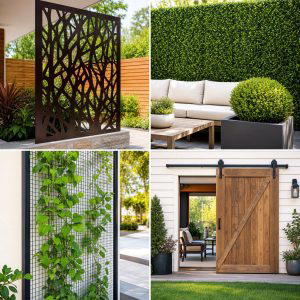 25 Garden Design Ideas With Privacy Screens for Secluded Yards
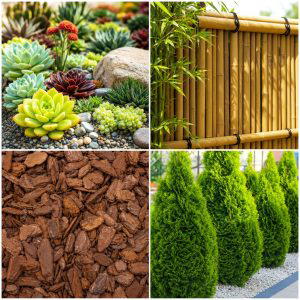 25 Garden Design Ideas With Texture for a Lush Yard Look