
Having a small outdoor space with limited sunlight might feel like a major challenge for any homeowner or renter. Many people think they are stuck with a dark and dreary patch of dirt if the sun does not reach it. However, low light conditions actually provide a unique opportunity to create a serene and lush retreat. Shade-loving plants often feature the most interesting textures and vibrant foliage colors available in the plant world today. By using clever layout choices and the right plant varieties, you can turn a dim corner into a stunning sanctuary. This guide explores creative ways to maximize every inch of your shady garden space for beauty.
1. Hosta Garden Layout
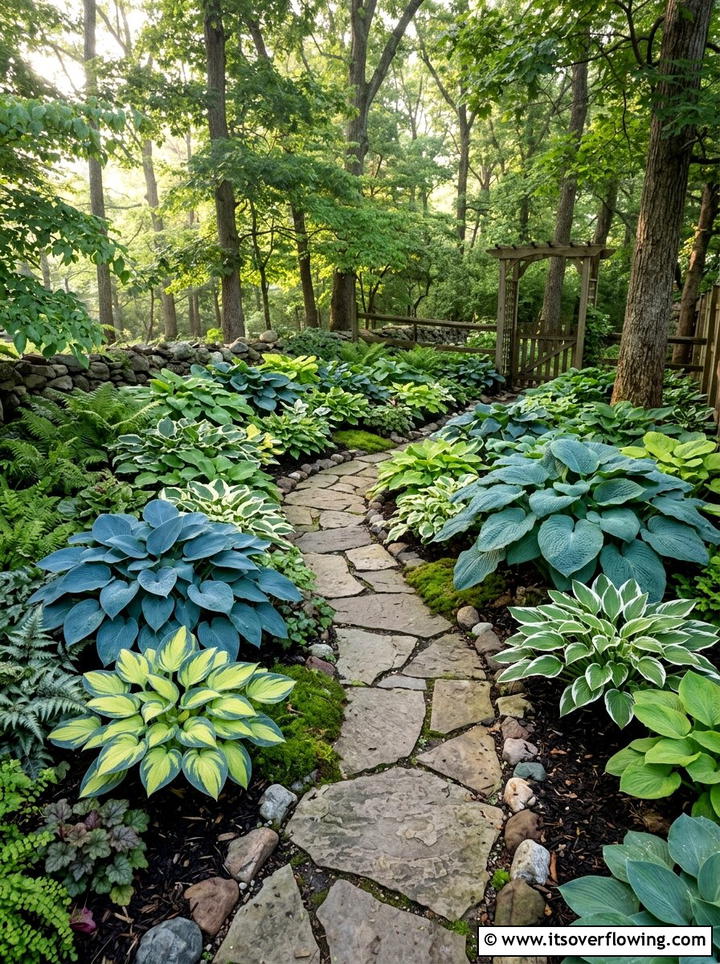
Hostas are essential for low light because they thrive in deep shade and offer incredible variety. You can find these perennials in shades of deep blue, chartreuse, and emerald green. Many varieties feature beautiful white or yellow stripes that help reflect light in dark areas. It is best to plant larger hostas in the back and smaller ones in the front for a layered look. They prefer soil that stays moist but drains well to keep their large leaves healthy. Since they are very hardy, they will come back year after year with very little maintenance. This makes them a perfect choice for busy gardeners who want a full, green look.
2. Fern Garden Bed
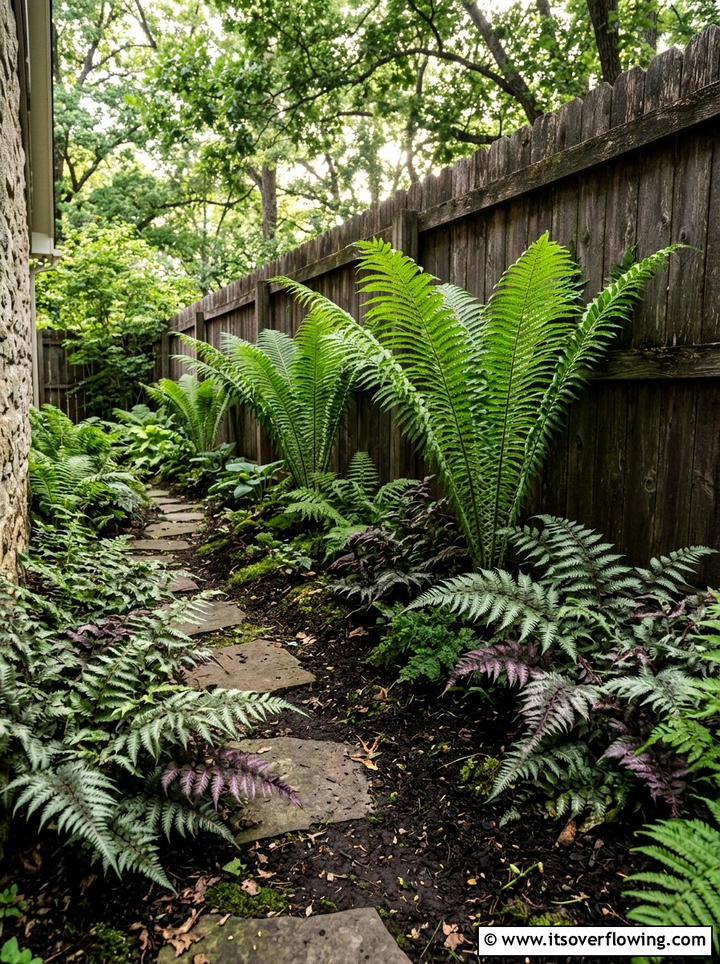
Ferns provide a soft and feathery texture that instantly makes a small space feel like a cool forest floor. You can mix different types like the tall Ostrich fern with the colorful Japanese Painted fern for contrast. These plants love high humidity and soil that is rich in organic matter. Because they do not produce flowers, the focus remains on their intricate leaf shapes and movement in the wind. They are perfect for narrow side yards or damp spots near a fence. Using ferns helps to create a calming atmosphere that feels very natural and peaceful. Their growth habit fills in gaps quickly to prevent weeds from growing in the shade.
3. Shady Patio Pot
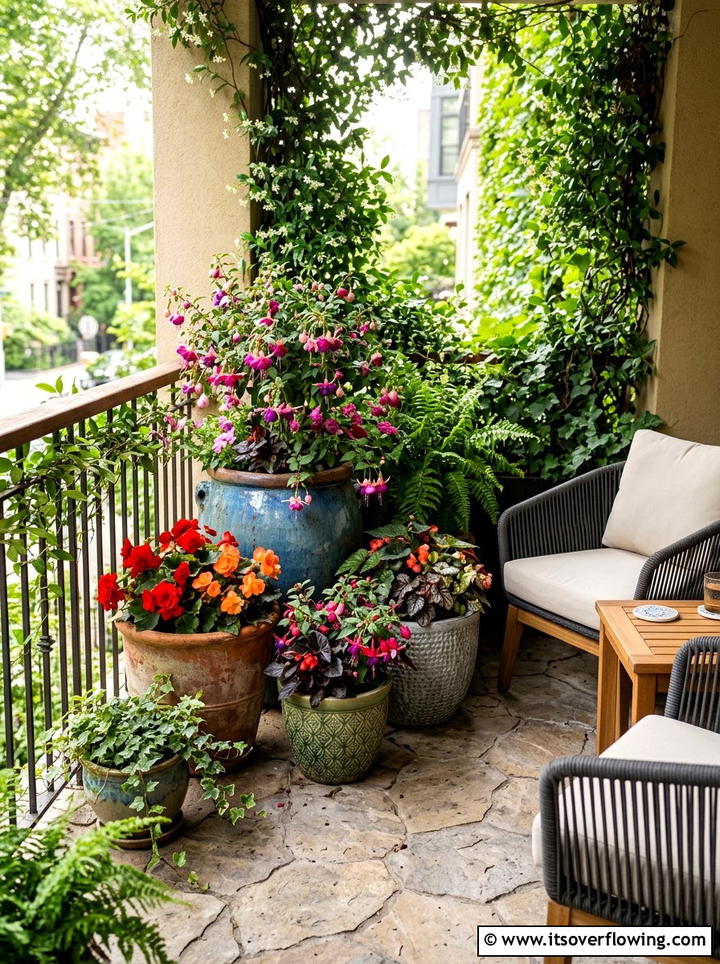
Utilizing containers is a smart way to manage a small patio that does not get much direct sunlight. You should choose plants like Fuchsias or Tuberous Begonias to add bright pops of color without needing sun. Mixing different pot sizes creates a sense of depth and makes the area look more designed. Light-colored or metallic pots can help to bounce ambient light toward your plants. This setup also allows you to move the containers around if the light patterns change during the year. It is an easy way to enjoy a garden even if you only have a small balcony or a tiny paved area in your backyard.
4. Vertical Shade Garden
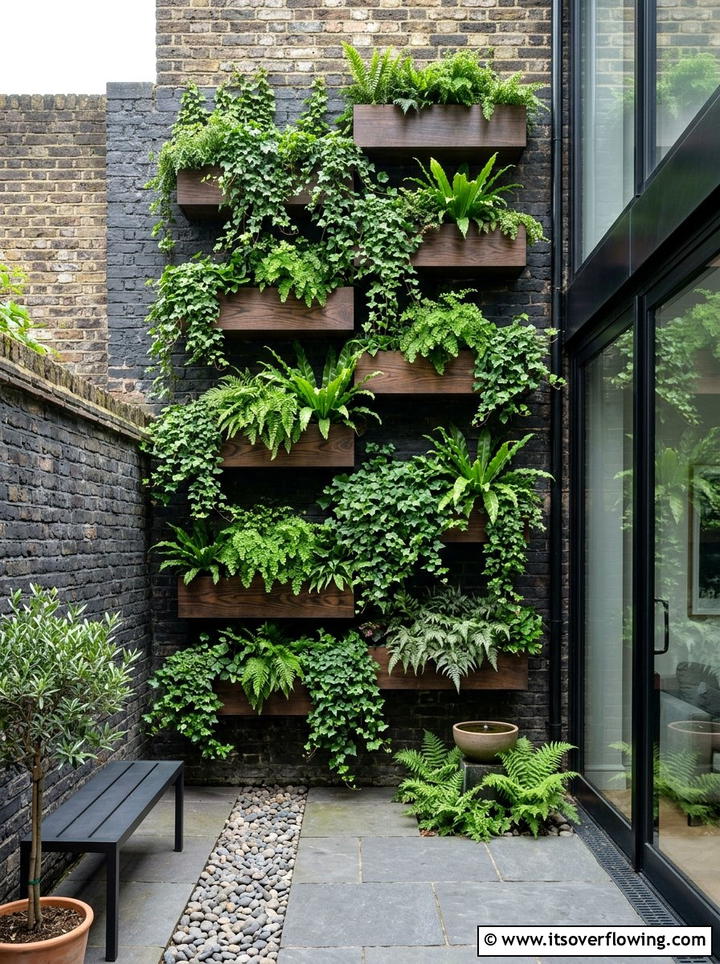
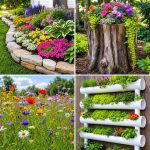
When floor space is limited, going vertical is the best way to add more greenery to your shady outdoor area. You can use wall-mounted planters or a simple trellis to grow shade-loving vines and smaller foliage plants. English Ivy or climbing Hydrangeas are excellent choices for covering a dark wall with living texture. This approach makes a small courtyard feel much larger by drawing the eye upward instead of just at the ground. It also provides a beautiful green backdrop for any seating you might have in the area. Vertical gardens help to insulate your home and provide a cool microclimate during the hot summer months.
5. White Flower Shade Garden
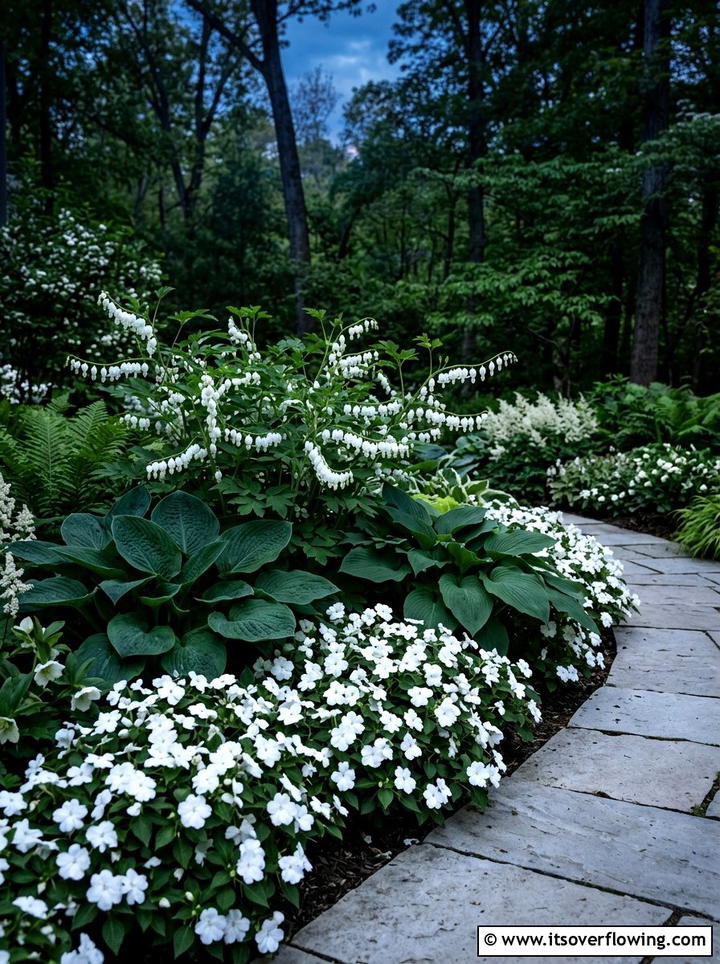
A garden filled with white flowers is often called a moon garden because it glows beautifully in low light conditions. White petals reflect the small amount of light available, making a dark corner look much brighter and more open. Consider planting white Impatiens, Lily of the Valley, or white Bleeding Hearts for a clean and elegant appearance. This color scheme creates a very sophisticated look that feels modern and fresh in a small backyard. Pairing white blooms with dark green foliage makes the flowers stand out even more. It is a simple trick that completely changes the mood of a shaded space at dusk.
6. Japanese Maple Garden
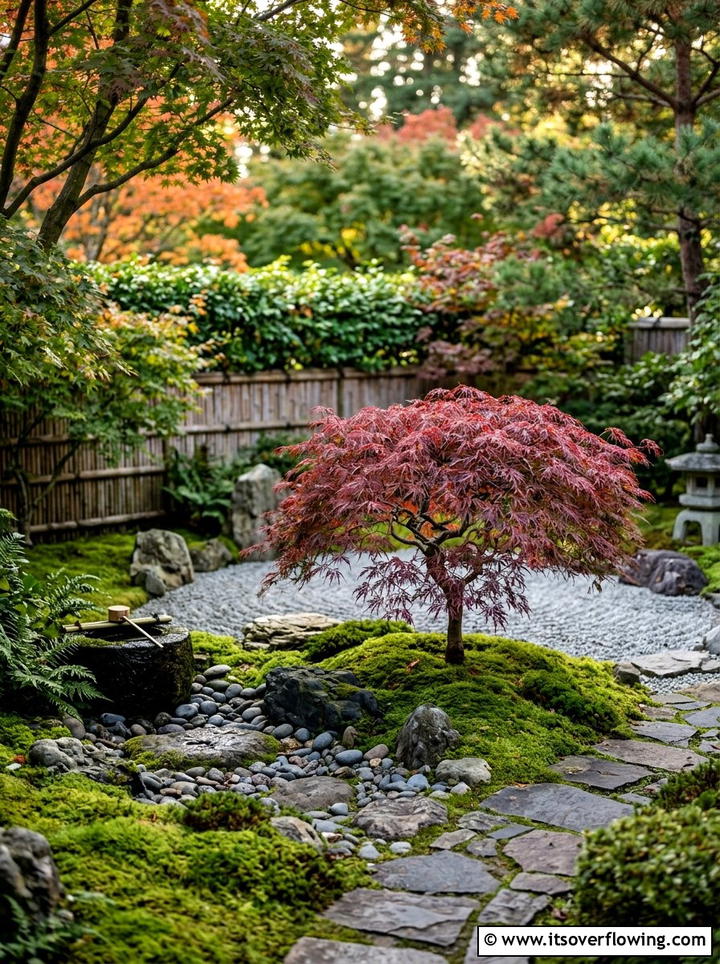
A small Japanese Maple can serve as a stunning focal point in a garden with filtered sunlight. These trees come in many dwarf varieties that are perfect for tight spaces or even large containers. Their delicate leaves and interesting branch structures provide visual interest throughout every season of the year. Many types offer beautiful colors like deep red or bright lime green that glow in the shade. They prefer a spot that is protected from harsh winds and intense afternoon sun. Planting low-growing moss or ferns around the base of the tree completes the tranquil, Zen-like look. It adds a sense of maturity and grace.
7. Moss Garden Groundcover
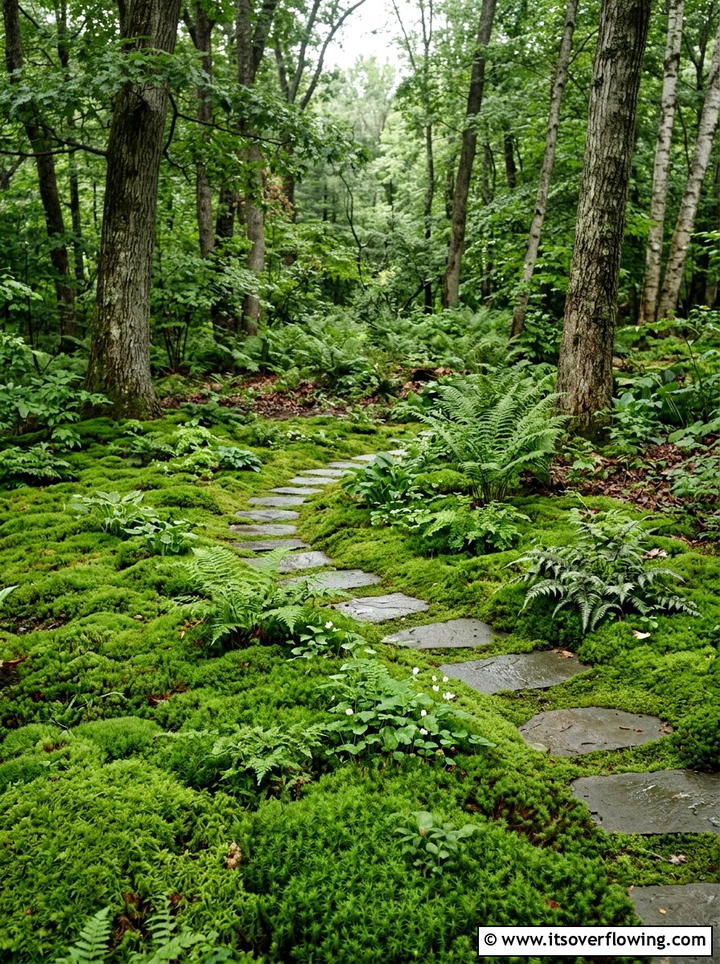
In areas where grass refuses to grow due to lack of light, moss can be a beautiful and soft alternative. Moss thrives in damp, shady conditions and creates a vibrant green carpet that feels wonderful underfoot. It requires very little maintenance once it is established in your yard. You can use different species of moss to create various textures and shades of green across the ground. This approach works particularly well in Japanese-style gardens or woodland settings. It gives your small garden a very ancient and established feel that is quite relaxing. Moss also helps to keep the soil moist for any surrounding trees or shrubs.
8. Hydrangea Shade Border
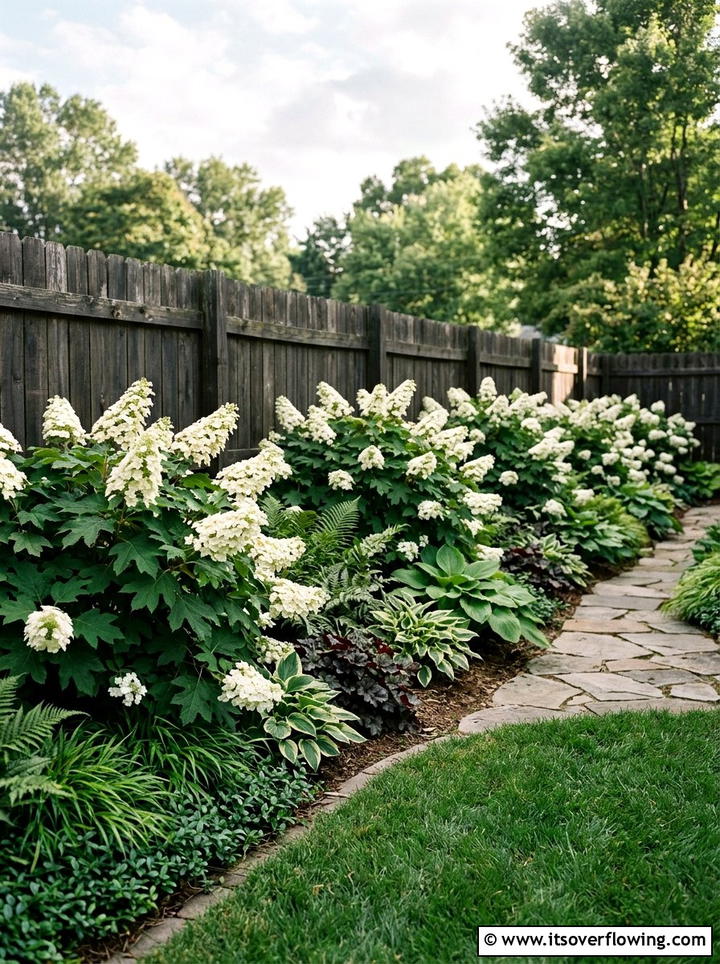
Oakleaf or Climbing Hydrangeas are fantastic choices for adding structure and large blooms to a shady garden border. These shrubs produce massive flower heads that can brighten up a dark fence line or building wall. They enjoy the cool afternoon shade which prevents their delicate petals from wilting in the heat. Their large, textured leaves provide a dense green screen that offers privacy in a small backyard. In the fall, many hydrangea varieties offer beautiful foliage colors that add another layer of interest to the space. Planting them in a row creates a classic look that feels both lush and very well organized in the yard.
9. Mirror Garden Wall
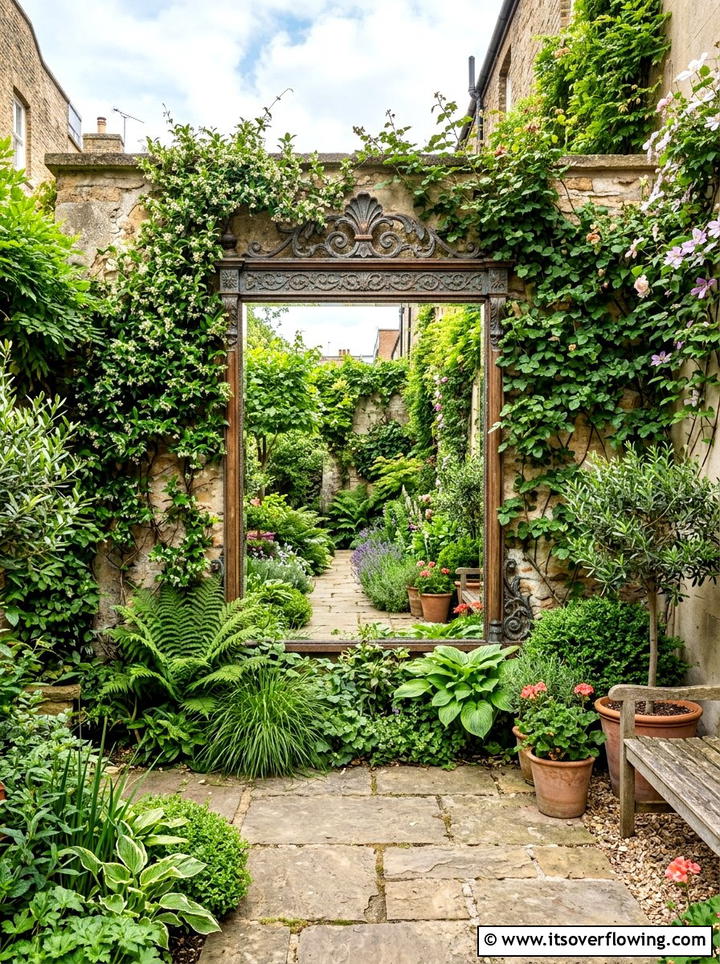
Placing a mirror on a garden wall or fence is a clever way to make a small, dark space feel bigger. The mirror reflects what little light is available and gives the illusion of a secret garden beyond the wall. It is important to use an outdoor-safe mirror and place it where it will not accidentally cause bird strikes. Surrounding the mirror with climbing vines or potted plants helps to blend it into the landscape naturally. This technique is often used in tiny urban courtyards to create a sense of depth and brightness. It turns a boring boundary into a decorative feature that catches the eye instantly.
10. Light Gravel Path
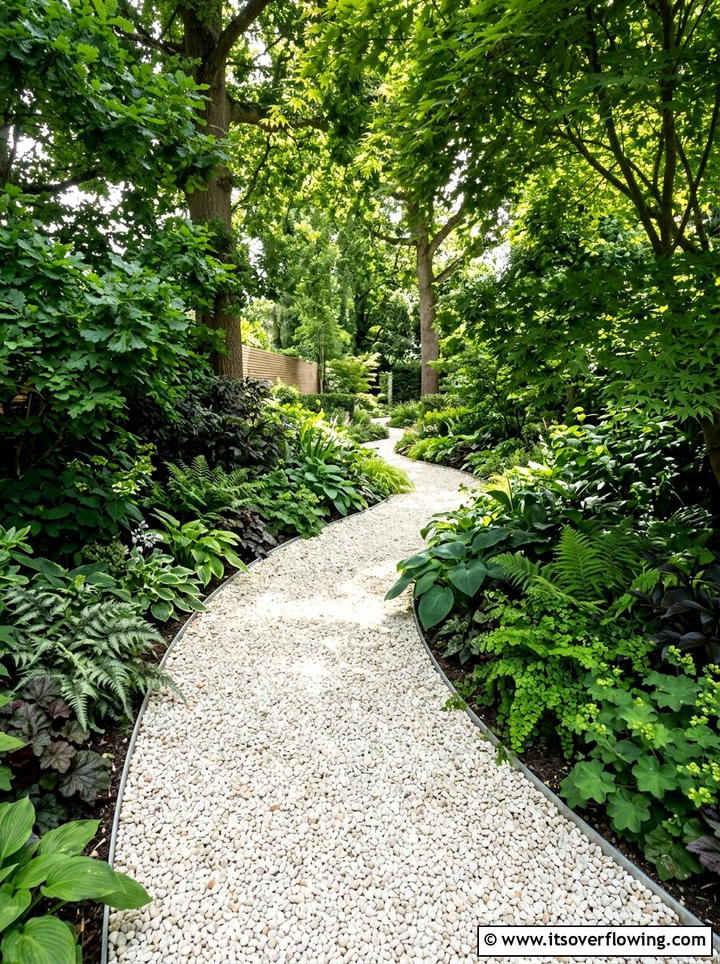
Using light-colored gravel for your garden paths can significantly brighten a shaded area by reflecting light upward. Materials like white pea gravel or light tan stones provide a clean contrast against dark green foliage. This choice also helps with drainage in damp, shady spots where mud can often become an issue. A winding path makes a small garden feel like a larger journey through different planting zones. It adds a crisp, modern look that requires very little upkeep over the years. The crunching sound of the gravel also adds a nice sensory element to your peaceful outdoor retreat. It is a practical and stylish solution for low light.
11. Woodland Garden Style
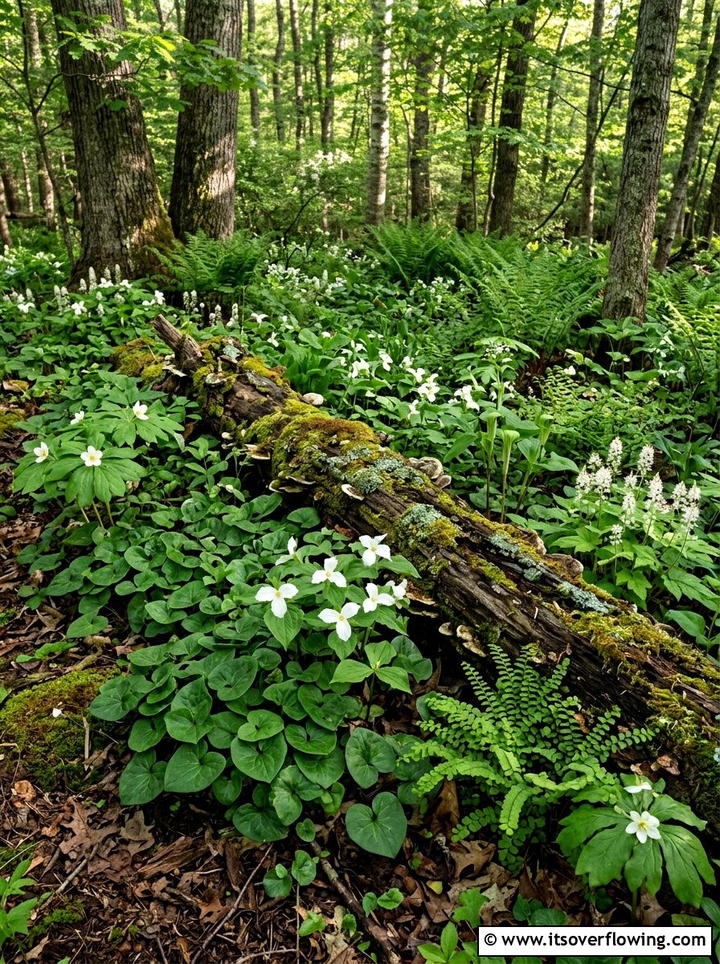
Embracing a woodland theme is a natural way to design a space that receives very little direct sun. You can use native plants like Trillium, Wild Ginger, and Violets to create a low-maintenance and eco-friendly area. Adding a few logs or large stones helps to mimic the look of a forest floor. This style of gardening encourages local wildlife and creates a very relaxing, organic atmosphere in your backyard. It works perfectly in small spaces because it does not require formal lines or constant pruning to look good. A woodland garden feels like a private escape from the busy world right outside your back door.
12. Bleeding Heart Garden
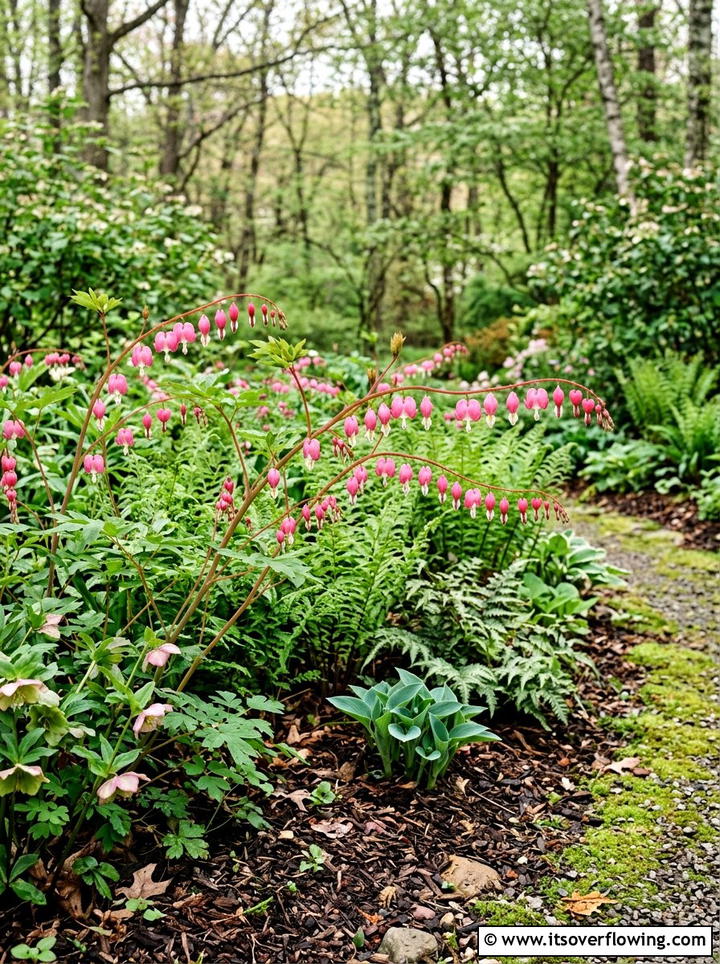
Bleeding Hearts are classic shade plants that offer unique, heart-shaped flowers hanging from arched stems. They bring a touch of old-fashioned charm and whimsy to any low light garden bed. These perennials bloom in early spring and provide a soft, delicate look when other plants are just starting to wake up. They come in pink, white, and red varieties that stand out beautifully against dark mulch or green ferns. Because they go dormant in the summer, it is a good idea to plant them near hostas that will fill the gap later. Their elegant shape makes them a favorite for many people looking for something special.
13. Shady Balcony Plants
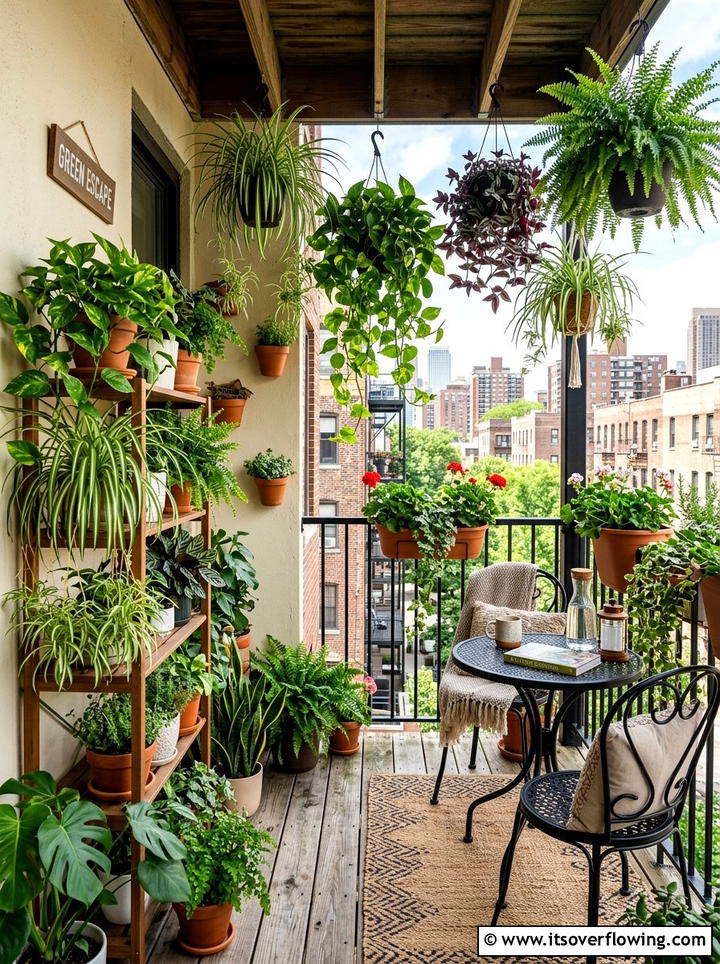
If you live in an apartment, you can still have a beautiful garden on a balcony that faces north or is covered. Use vertical shelving or hanging baskets to maximize the limited space you have available. Plants like Spider Plants, Pothos, and Peace Lilies can often thrive outdoors in the shade during warmer months. Mixing foliage colors like silver, chartreuse, and dark green keeps the display looking interesting without needing flowers. This creates a cozy outdoor room where you can relax and enjoy the fresh air. Using lightweight plastic or resin pots makes it easier to manage the weight on your balcony structure without any extra stress.
14. Astilbe Garden Bed
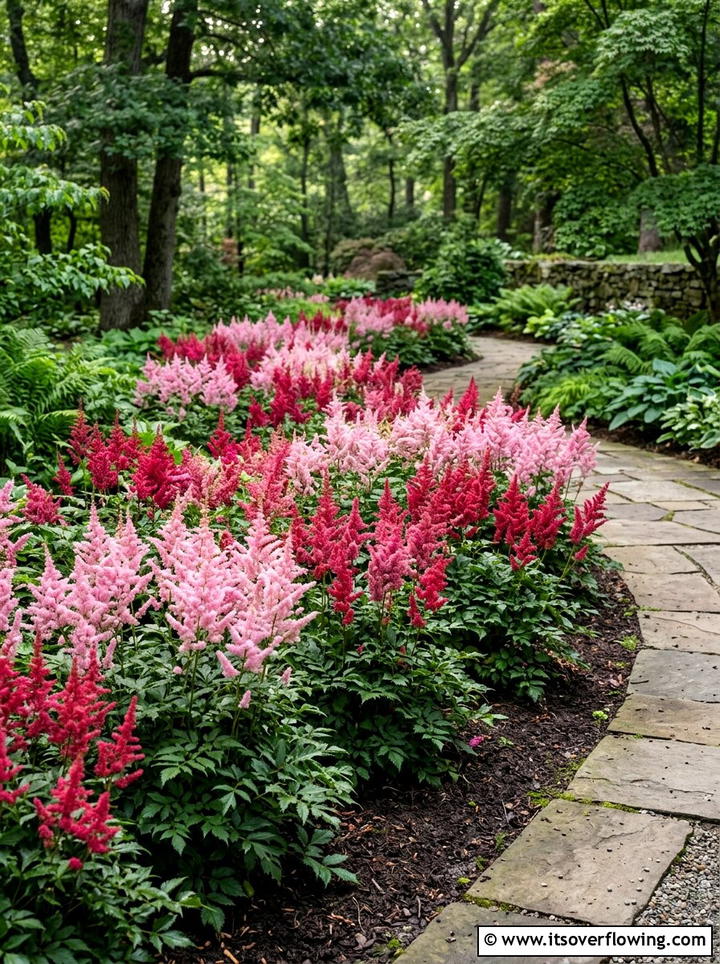
Astilbe plants are prized for their tall, feathery plumes of flowers that come in shades of pink, red, and white. They thrive in damp, shady spots where many other flowering plants would fail to bloom. Their fern-like foliage remains attractive throughout the entire growing season, even after the flowers have faded. Planting them in large groups creates a soft, colorful mist effect that looks stunning in a small garden. They need consistent moisture to keep their leaves from drying out, so adding mulch is very helpful. These plants add much-needed height and vertical interest to a low-growing shade border or container arrangement in your backyard.
15. Begonia Container Garden
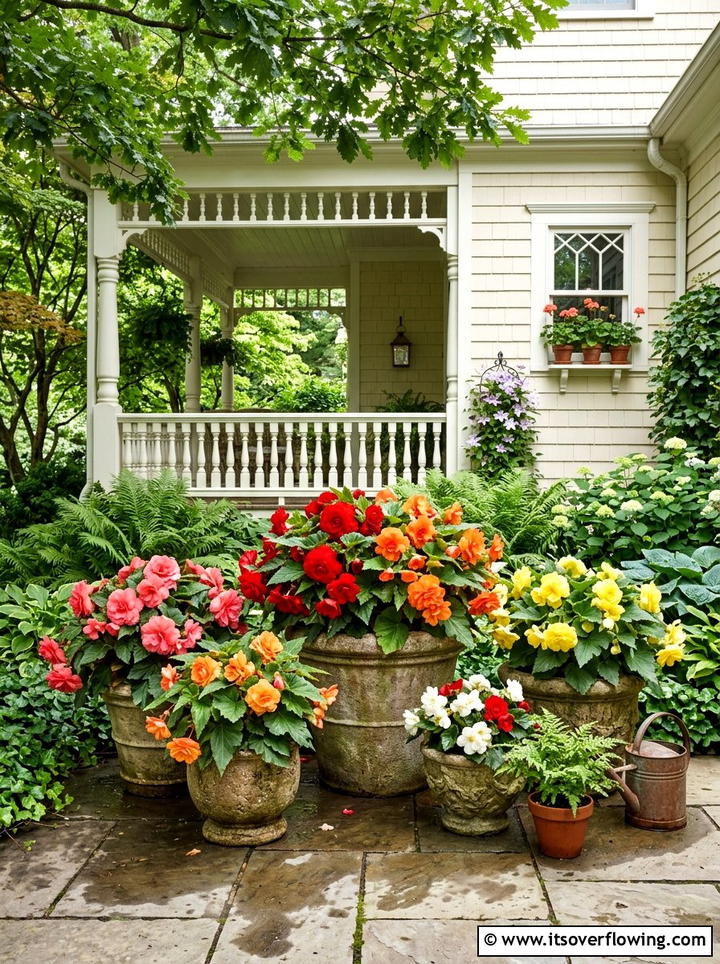
Begonias are one of the most reliable choices for adding constant color to a shaded patio or porch. Tuberous begonias offer large, rose-like flowers, while wax begonias provide mounds of smaller blooms and glossy leaves. They perform very well in pots and hanging baskets, making them perfect for small-scale gardening. You can find varieties with striking foliage patterns that look like pieces of art on their own. Because they are not heavy feeders, they are relatively easy to care for throughout the summer months. Keeping them in partial to full shade ensures that their thick, succulent stems and delicate flowers do not get scorched by the sun.
16. Heuchera Foliage Garden
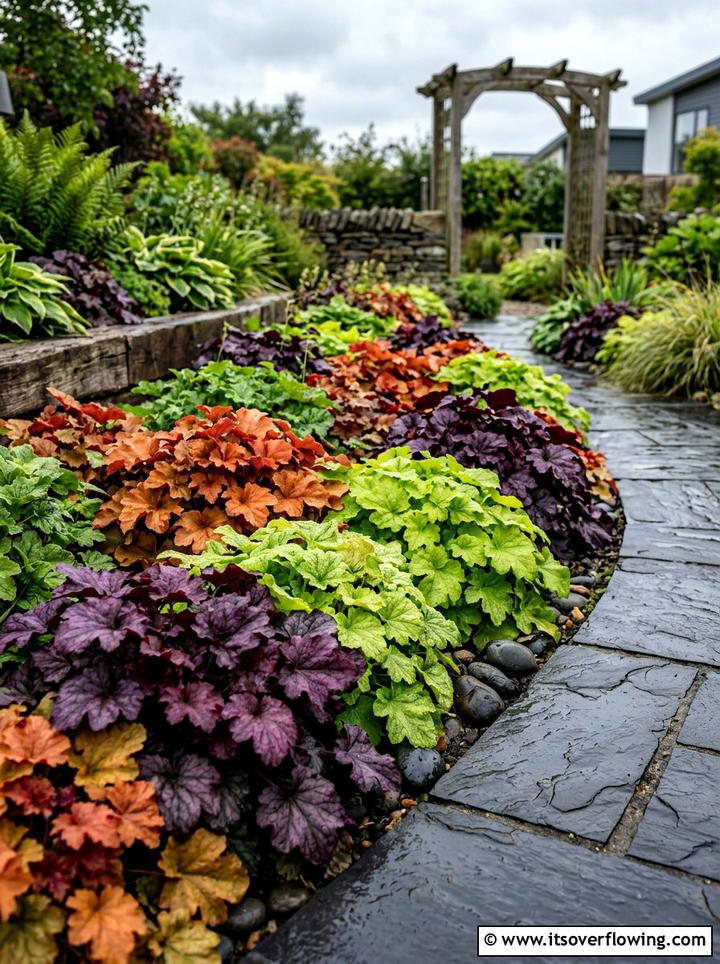
Often called Coral Bells, Heucheras are famous for their incredible range of leaf colors, from deep purple to bright orange. These plants are grown more for their foliage than their tiny flowers, making them perfect for year-round color. They stay in tidy mounds, which makes them ideal for edging a path or filling a small garden bed. Mixing several different colors together creates a vibrant tapestry that brightens up even the dimmest corner of your yard. They are very hardy and can tolerate various soil conditions as long as they have good drainage. This makes them a versatile and low-maintenance option for any dedicated shade gardener.
17. Boxwood Shade Hedge
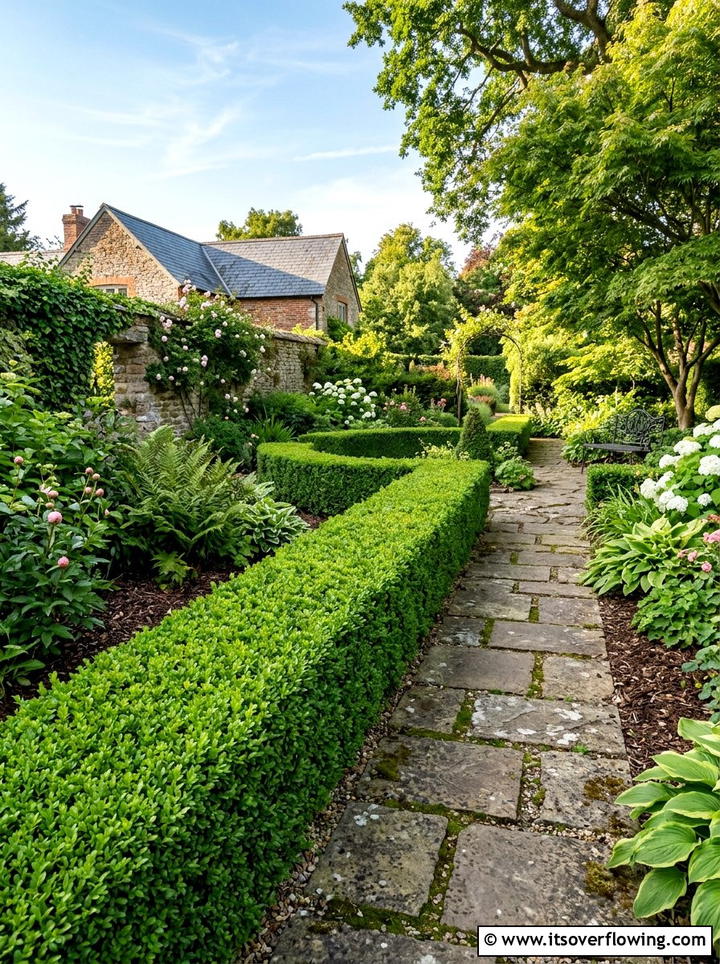
Boxwoods are classic evergreen shrubs that can provide structure and green color to a shady garden all year long. They can be pruned into formal shapes or left to grow naturally for a softer appearance in your landscape. These plants are very tolerant of shade and can act as a beautiful backdrop for more colorful perennials. In a small garden, a low boxwood hedge can define different areas or line a stone walkway. Their small, dense leaves create a solid wall of green that looks very tidy and sophisticated. Because they grow slowly, they are easy to maintain in a confined space without taking over the yard.
18. Tropical Shade Garden
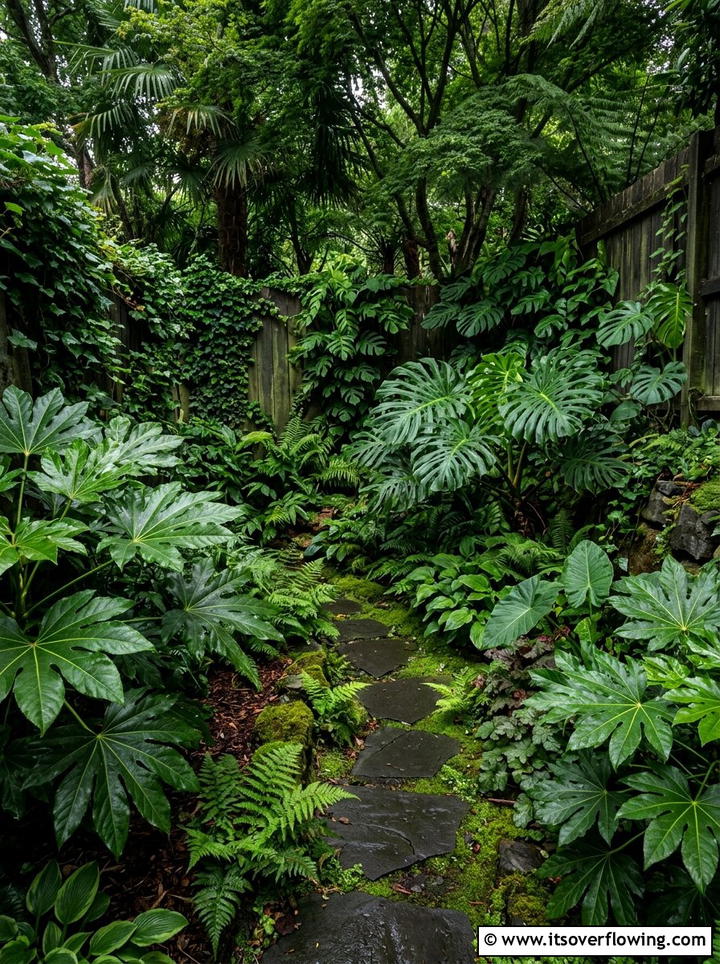
You can create a lush, tropical feel in a shaded area by using plants with large, dramatic leaves. Varieties like Fatsia Japonica or certain types of Philodendron can thrive in low light and provide a bold look. These plants create a sense of mystery and depth that makes a small backyard feel like an exotic jungle. Using oversized leaves helps to hide fences and walls, making the boundaries of your garden disappear. You can add a few brightly colored pots to enhance the tropical theme and bring in more visual energy. This style of gardening is perfect for creating a private and relaxing outdoor retreat.
19. Rock Garden For Shade
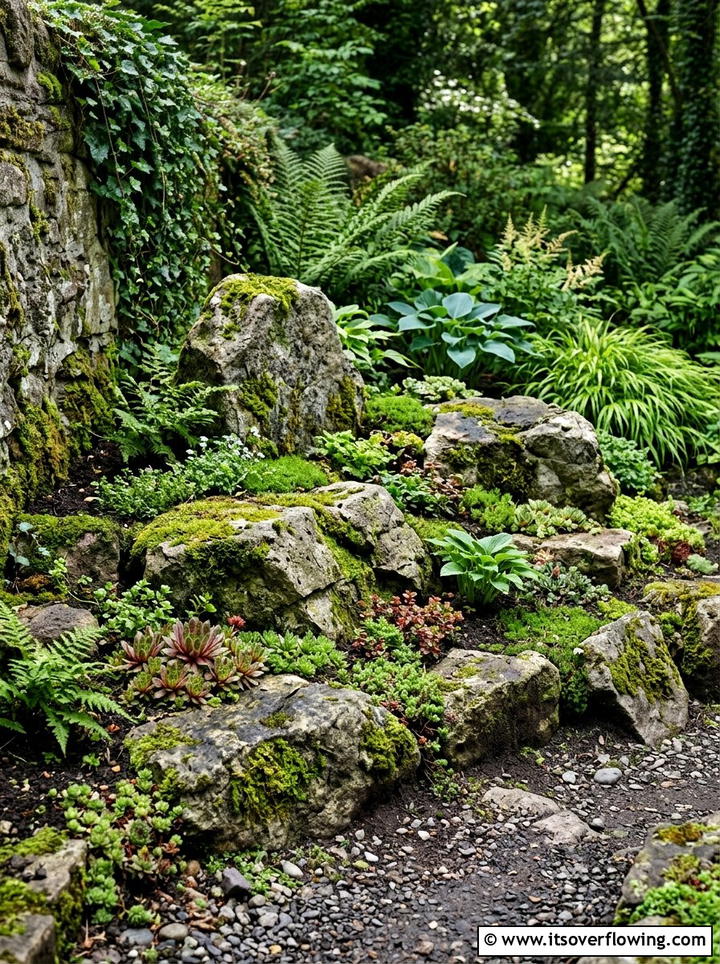
Building a rock garden in a shady spot allows you to use interesting stones and low-light alpine plants. You can use large boulders to create different levels and pockets of soil for planting small ferns or mosses. This adds a rugged, natural beauty to a small space that might otherwise look flat and boring. Rocks also help to retain moisture in the soil, which is beneficial for shade-loving plants during dry spells. You can tuck small treasures like shade-tolerant succulents or liverworts between the stones for a detailed look. It is a great way to add architectural interest without needing a lot of bright sun.
20. Herb Garden Low Light
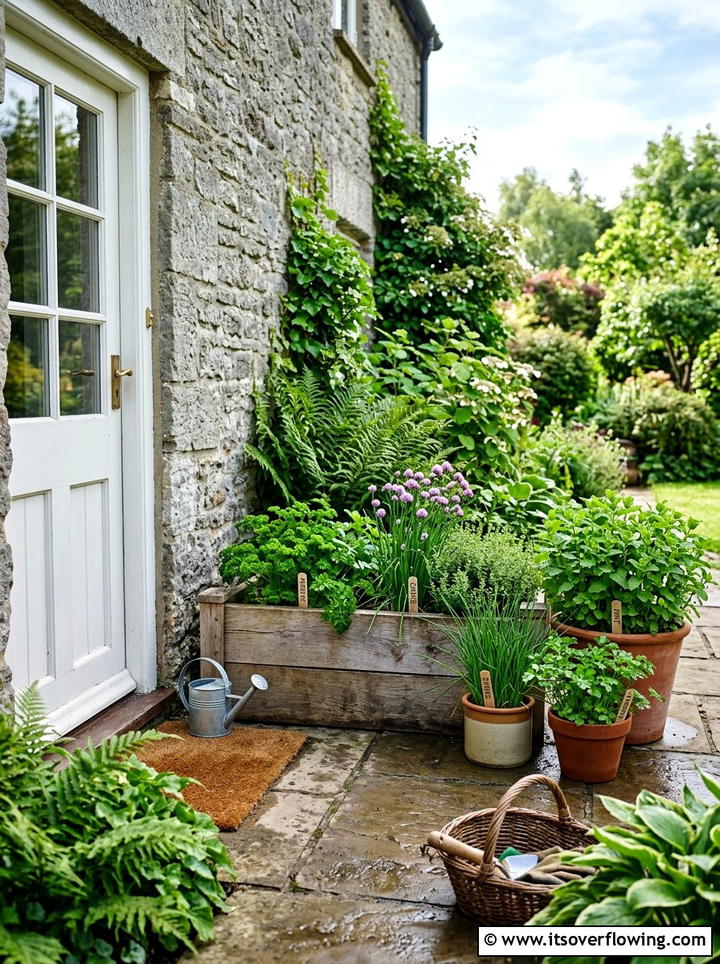
While most herbs love the sun, there are several varieties that can actually grow quite well in partial shade. Herbs like mint, chives, parsley, and cilantro are perfect for a shady kitchen garden near your back door. You can grow them in small pots or a dedicated raised bed where they will receive indirect light. Mint is especially vigorous and will quickly fill a shady corner if you let it grow freely. Having fresh herbs within reach makes cooking much more enjoyable and adds a nice scent to your garden. This is a practical way to use a small, shaded area for something useful and delicious.
21. Fairy Garden Under Tree
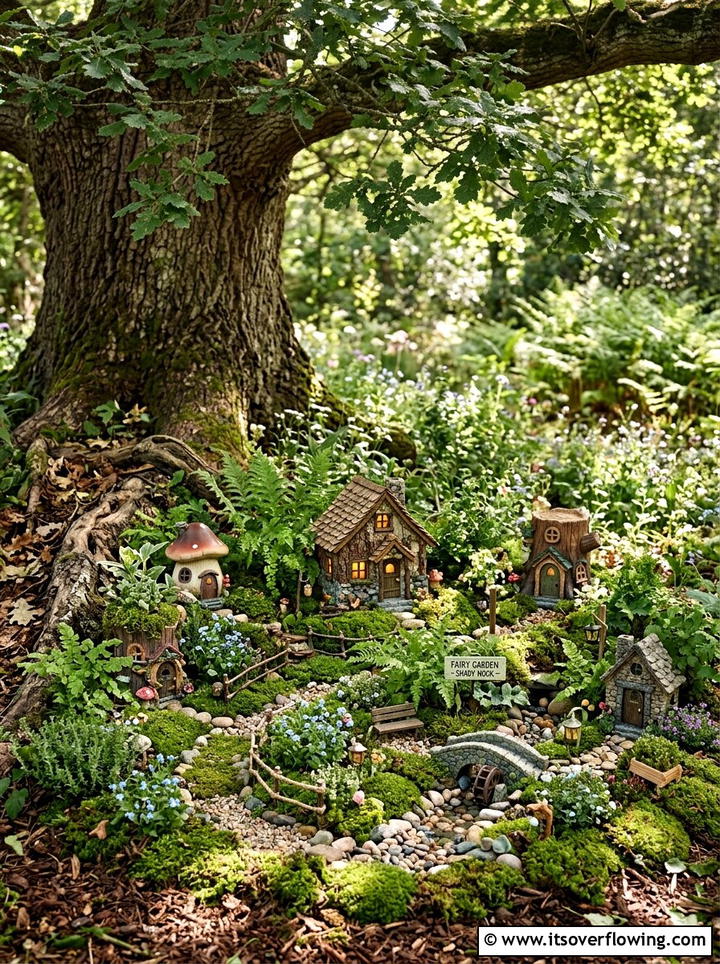
The shaded area under a large tree is the perfect spot to create a whimsical and miniature fairy garden. You can use small-scale plants like Irish moss or tiny ferns to create a miniature landscape for decorative houses. Adding small pebbles, tiny benches, and little paths makes the space feel magical for children and adults alike. This is a great way to use a spot where larger plants might struggle to grow due to tree roots. It turns a difficult gardening area into a charming focal point that sparks the imagination. Using natural materials like twigs and stones helps the fairy garden blend into the environment.
22. Caladium Garden Bed
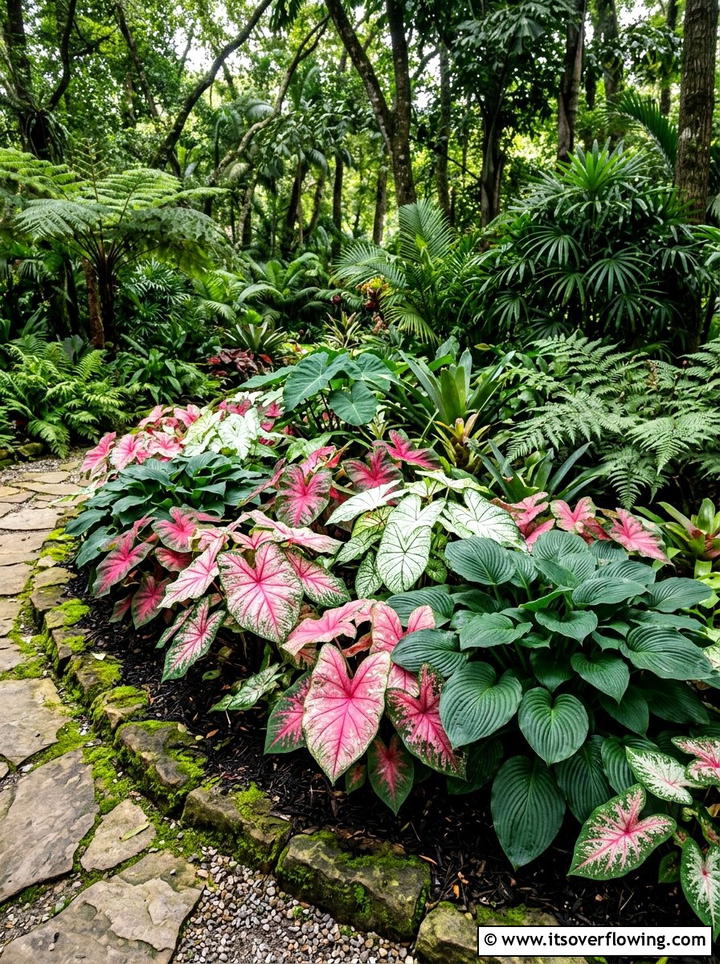
Caladiums are known for their spectacular heart-shaped leaves that come in vibrant shades of pink, white, and bright red. They thrive in the heat and shade, making them a top choice for summer color in a dim garden. These tropical tubers can be planted in the ground or in large pots to create a bold statement. Their thin, papery leaves catch the light beautifully and add a delicate texture to your outdoor space. Pairing them with solid green ferns or hostas makes their colorful patterns stand out even more. They are an easy way to bring high-impact color to areas where most flowers will not grow.
23. Ivy Wall Garden
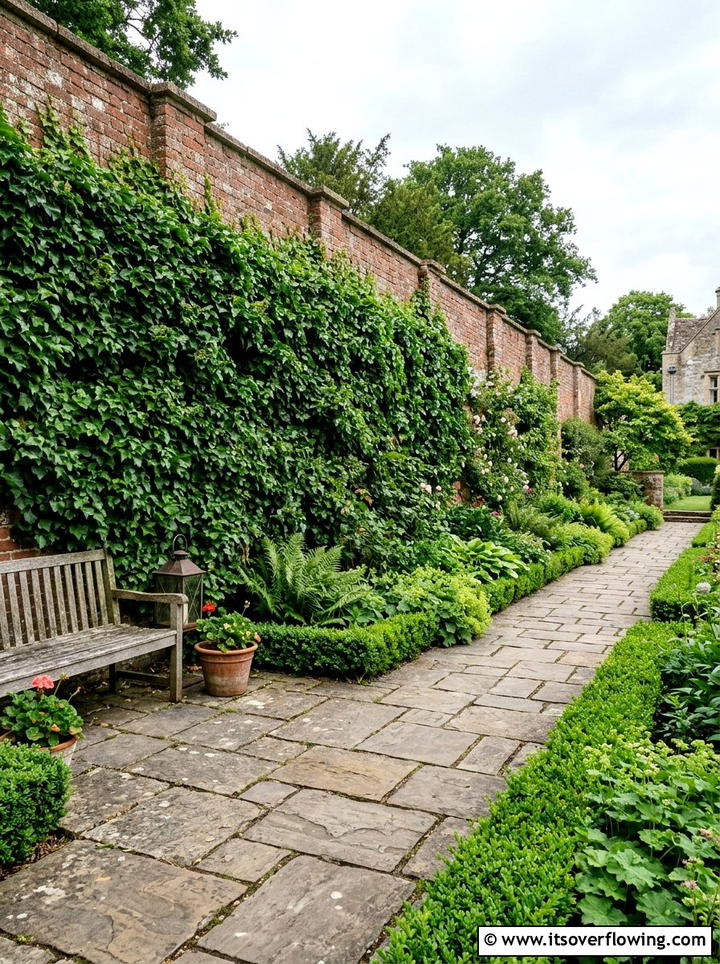
English Ivy is a classic choice for covering vertical surfaces in deep shade where other climbing plants might fail. It grows quickly and creates a thick, evergreen curtain that hides ugly fences or plain brick walls. This creates a very lush and established look in a small courtyard or narrow side passage. You can trim it easily to keep it within its boundaries and prevent it from climbing onto your roof. Ivy also provides a great habitat for small birds and helps to muffle city noises. It is a tough and reliable plant that stays green even during the coldest months of the year for you.
24. Shade Garden Seating
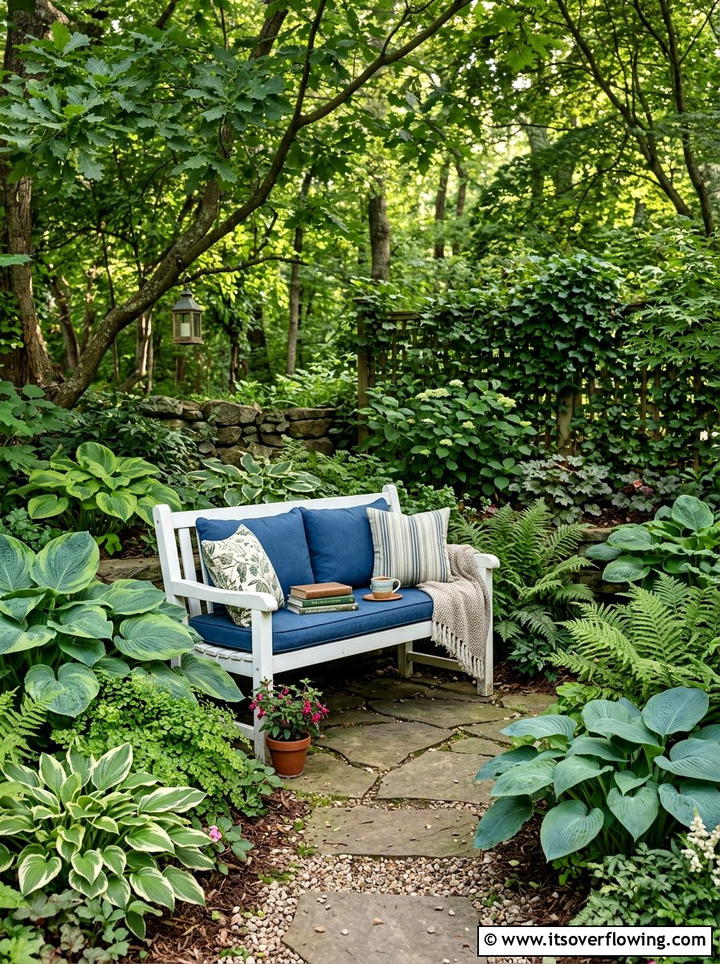
Creating a comfortable place to sit in your shady garden allows you to fully enjoy the cool and calm atmosphere. You should choose light-colored furniture like white wood or pale metal to brighten up the shaded nook. Adding outdoor cushions in soft blues or greens complements the surrounding foliage and makes the space feel cozy. A small bistro set or a simple wooden bench tucked among the ferns creates a perfect spot for reading. Surrounding the seating area with fragrant shade plants like Sweet Woodruff adds to the relaxing experience. It turns your low light garden into a functional outdoor living room for your family.
25. Water Feature Shade Garden
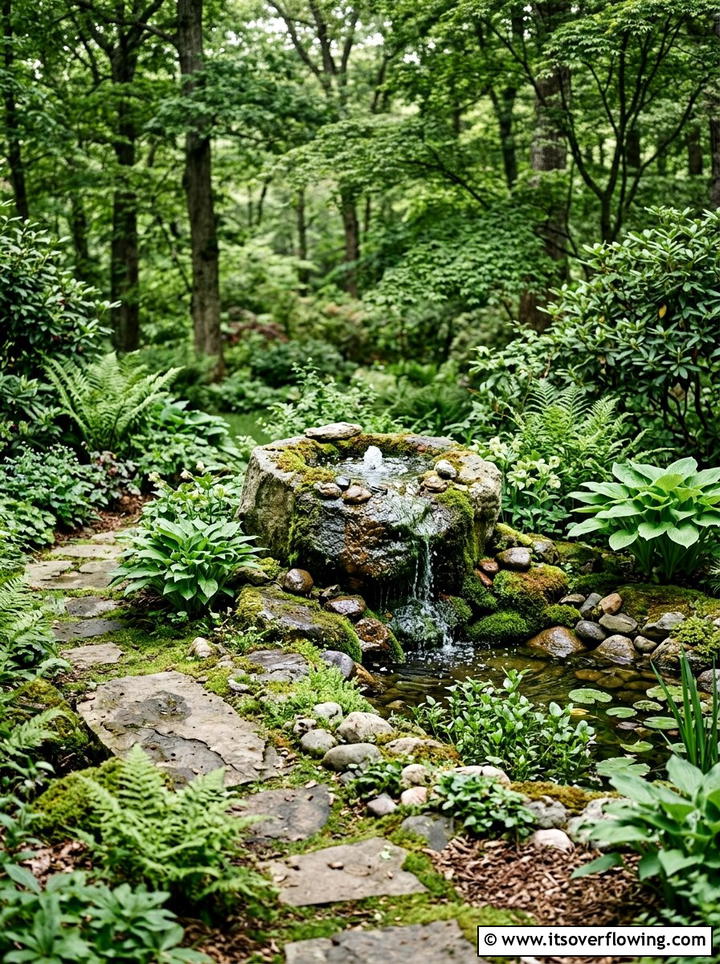
A small water feature, such as a bubbling fountain or a tiny pond, works perfectly in a shaded garden. The sound of moving water enhances the peaceful mood and helps to mask background noise from the street. In low light, the reflection of the sky on the water’s surface adds a sense of brightness and light. You can surround the water with moisture-loving plants like Calla Lilies or Japanese Primrose for a lush look. A water feature also attracts birds and butterflies, bringing more life into your small outdoor sanctuary. It serves as a beautiful focal point that ties the entire garden design together perfectly for a professional look.
Conclusion:
Designing a small garden with low sunlight is not about working against the shade, but rather embracing its unique qualities. By focusing on rich textures, varied foliage colors, and creative structural elements like mirrors or gravel, you can build a stunning retreat. These twenty-five ideas show that even the dimmest corners can become vibrant, living spaces with the right approach. Whether you choose the soft elegance of ferns or the bold patterns of caladiums, your garden will offer a cool sanctuary from the sun. Remember that the key to success is selecting plants that truly love the shade. Your small outdoor space will soon become your favorite place to relax and unwind every day.

Related posts:
 25 Garden Ideas for Cold Climate Yards That Thrive Beautifully
 25 Garden Ideas for Sandy Soil That Thrive Beautifully
 25 Garden Design Ideas for Beginners to Start Beautifully
 25 Garden Design Ideas for Low Budget Projects That Look Expensive
 25 garden design ideas with low maintenance shrubs: Easy Looks
 25 Garden Ideas for Desert Style With Stunning Low-Water Looks
 25 Garden Ideas Low Maintenance for Easy Outdoor Beauty
 25 Garden Ideas With Gravel for Low-Maintenance Outdoor Style
 25 garden ideas with low cost materials: Budget Yard Tips
 25 Small Garden Ideas With Gravel for Chic Low-Care Yards
 25 Small Garden Ideas With Low Maintenance Plants You’ll Love
 25 small garden ideas with succulents for Low-Maintenance Style