
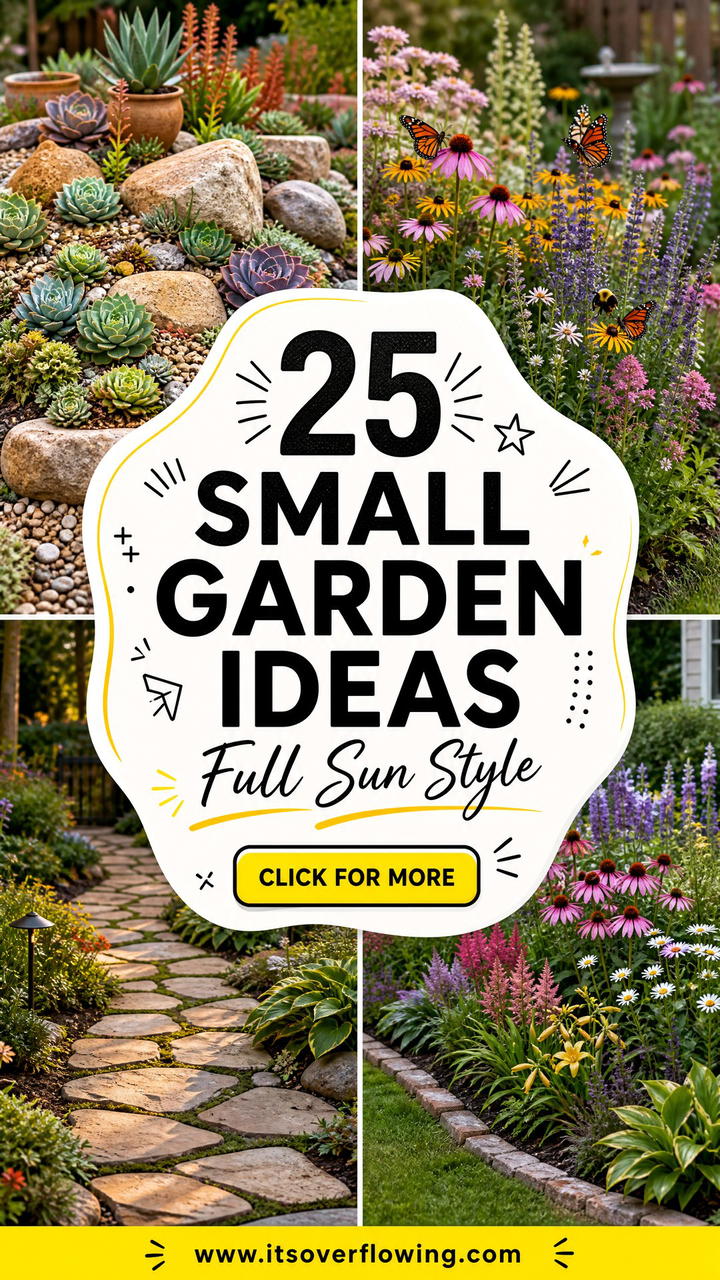
Creating a vibrant outdoor space in a compact area with intense sunlight requires a specific approach to plant selection and layout. Full sun offers a wealth of opportunities for growth, yet it also presents challenges like soil dehydration and heat stress. By focusing on heat-loving plants and smart design strategies, you can transform a tiny patch into a lush sanctuary. Whether you have a small balcony, a narrow side yard, or a tiny backyard, these concepts will help you maximize every square inch. We will explore various styles from drought-tolerant xeriscaping to lush edible patches that thrive under the golden rays of the afternoon sun.
1. Mediterranean courtyard
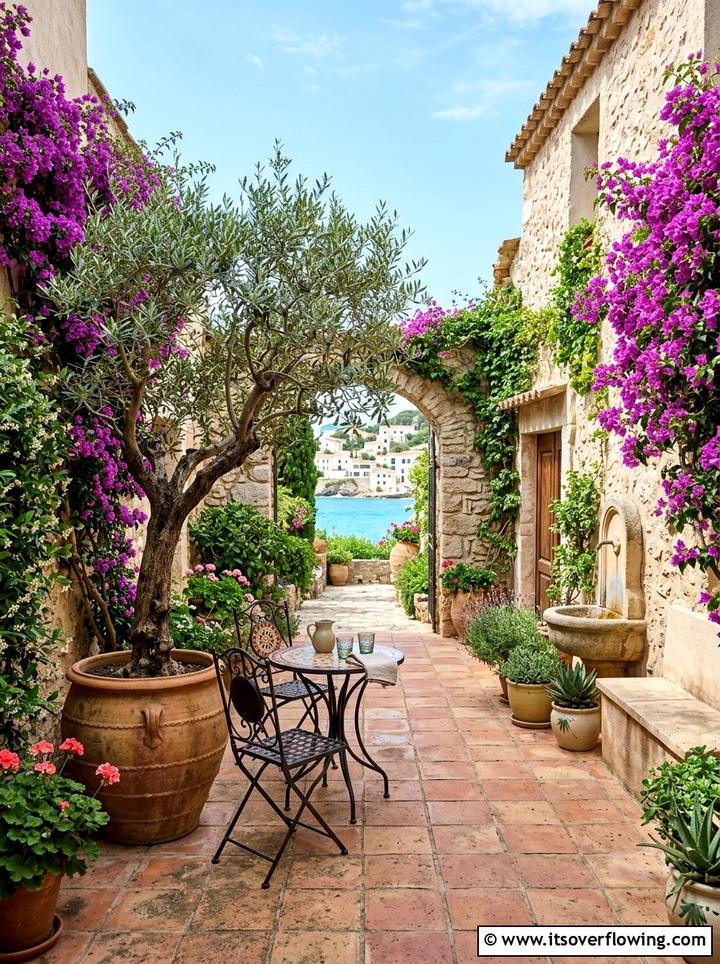
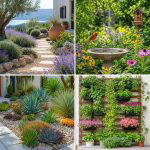
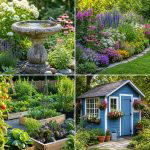
Transforming a small sun-drenched area into a Mediterranean courtyard brings a touch of coastal Europe to your home. This design relies on heat-absorbing materials like terracotta tiles and light-colored stone walls to reflect the bright light. You should incorporate drought-resistant plants such as olive trees in large pots, rosemary bushes, and climbing bougainvillea. These species love the heat and provide a lush, green feel without needing constant watering. A small central fountain or a simple bistro set can act as a focal point. This setup is perfect for small spaces because it creates an inviting, cozy atmosphere that feels like a private vacation spot right outside your door.
2. Succulent rock garden
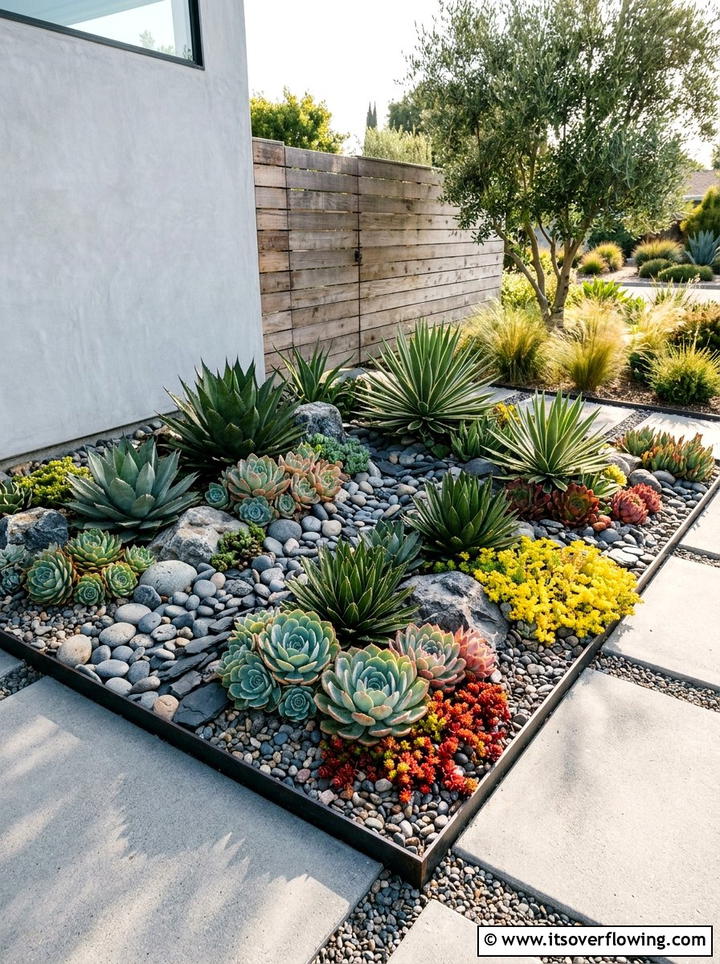
A succulent rock garden is an excellent choice for a tiny area that receives harsh, direct sunlight throughout the day. You can use a variety of textures and colors by mixing agave, echeveria, and sedum among natural river stones or jagged slate. The rocks help retain some moisture in the soil while preventing the roots from rotting during occasional rain. This low-maintenance design looks modern and clean, fitting perfectly into contemporary architectural styles. Because succulents store water in their leaves, they remain plump and vibrant even during the hottest summer weeks. It is a visually striking way to fill a small corner with minimal effort.
3. Raised bed garden
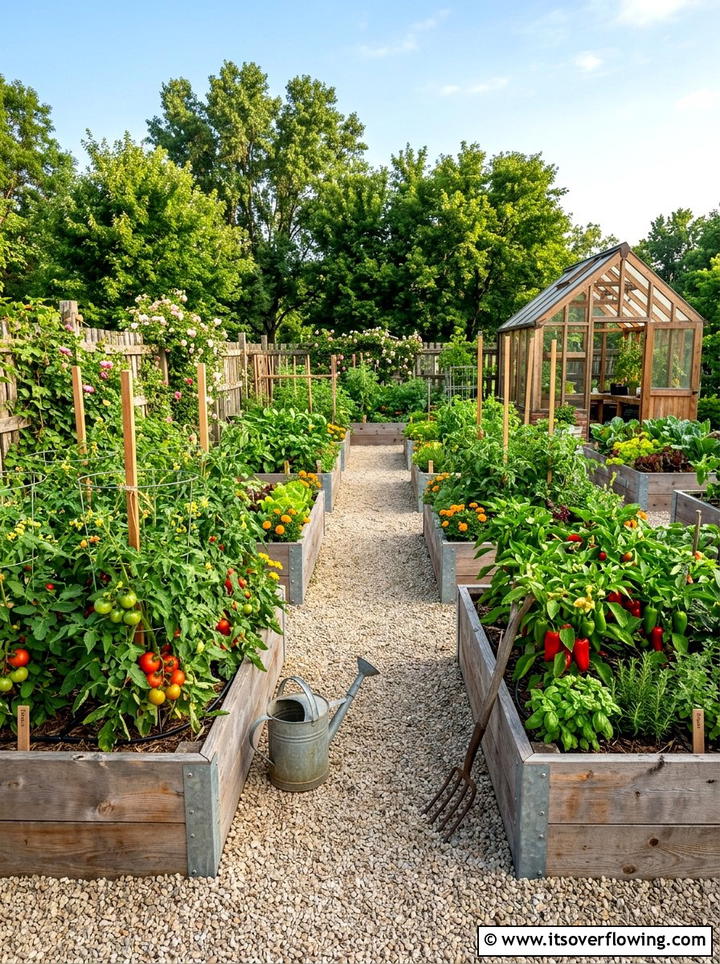
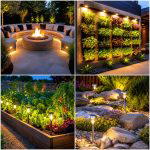
Building a raised bed garden allows you to control the soil quality and drainage in a small, sunny patch. You can use cedar wood or galvanized metal to create clean lines that define your growing space. Filling these beds with a mix of compost and topsoil provides the perfect environment for sun-loving vegetables like tomatoes, peppers, and cucumbers. The height of the beds makes gardening easier on your back while also keeping the soil warmer in the early spring. By concentrating your efforts in a confined area, you can produce a high yield of fresh food. This functional design adds structure and purpose to your backyard.
4. Vertical trellis garden
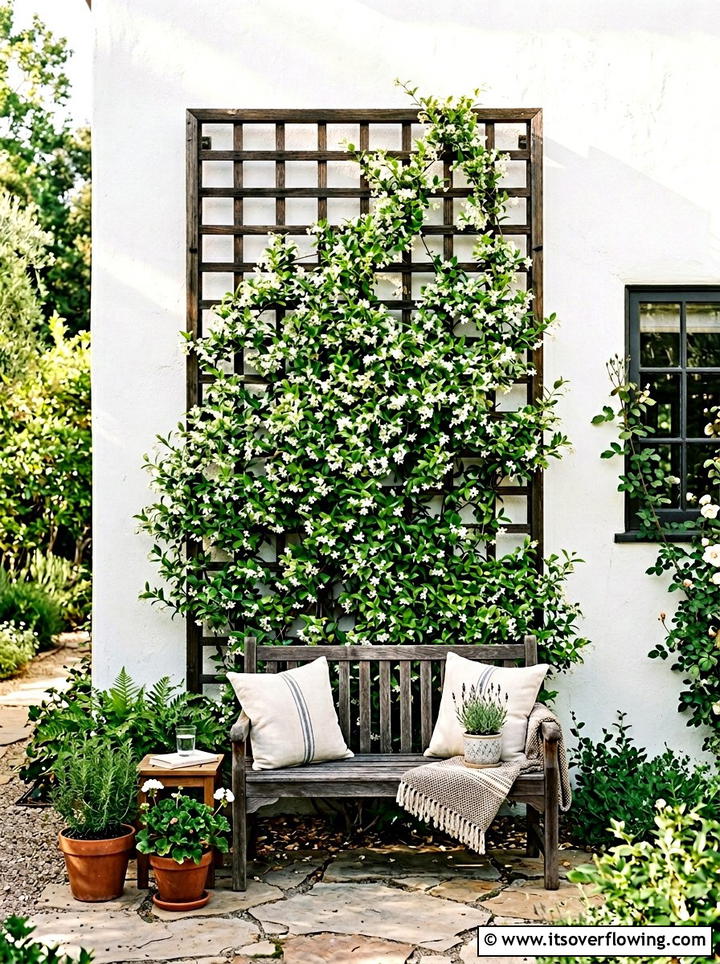
When ground space is limited in a sunny spot, a vertical trellis garden is the smartest way to add greenery. You can install a wooden lattice or a metal grid against a sunny wall to support climbing plants like jasmine, clematis, or even pole beans. This approach draws the eye upward, making a small garden feel much larger than it actually is. The vertical growth provides a natural cooling effect for the wall and creates a beautiful living backdrop for your outdoor seating. It is an effective method for adding privacy and lushness to a narrow balcony or a cramped side yard without taking up floor space.
5. Gravel garden design
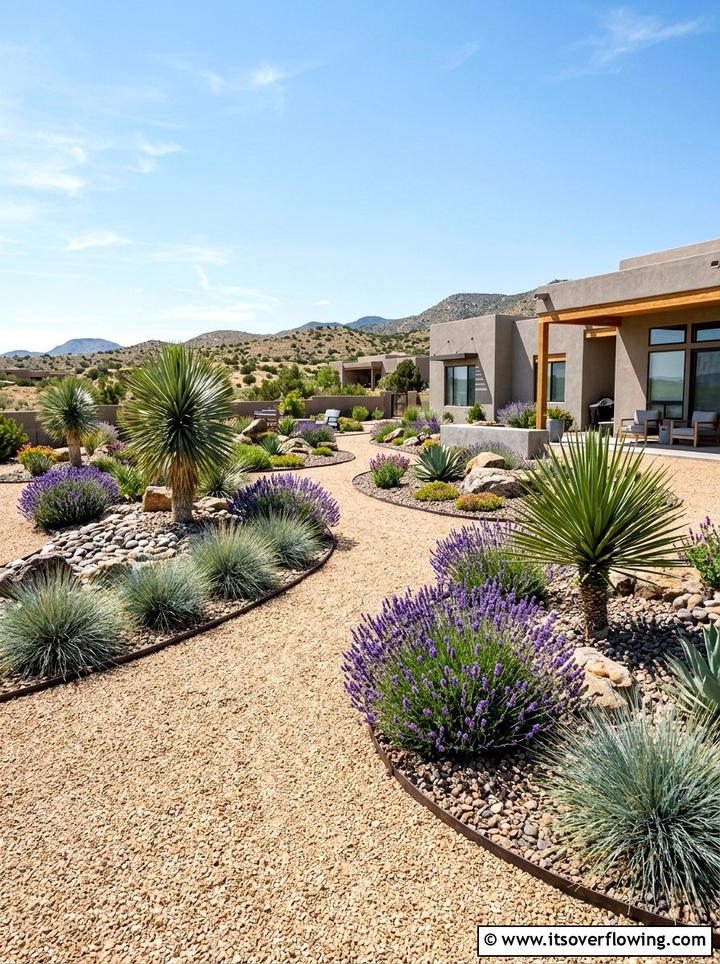
Creating a gravel garden is a sophisticated way to manage a high-sun area while keeping maintenance to a minimum. Instead of a traditional lawn, you can use pea gravel or crushed limestone as a base for your outdoor space. Interspersing architectural plants like yuccas, ornamental grasses, and lavender directly into the gravel creates a textured, natural look. This design facilitates excellent drainage and reflects heat, which many sun-loving plants enjoy. It provides a clean, neutral palette that highlights the unique shapes of your plants. A gravel garden is especially useful in dry climates where water conservation is a priority for every homeowner.
6. Coastal garden style
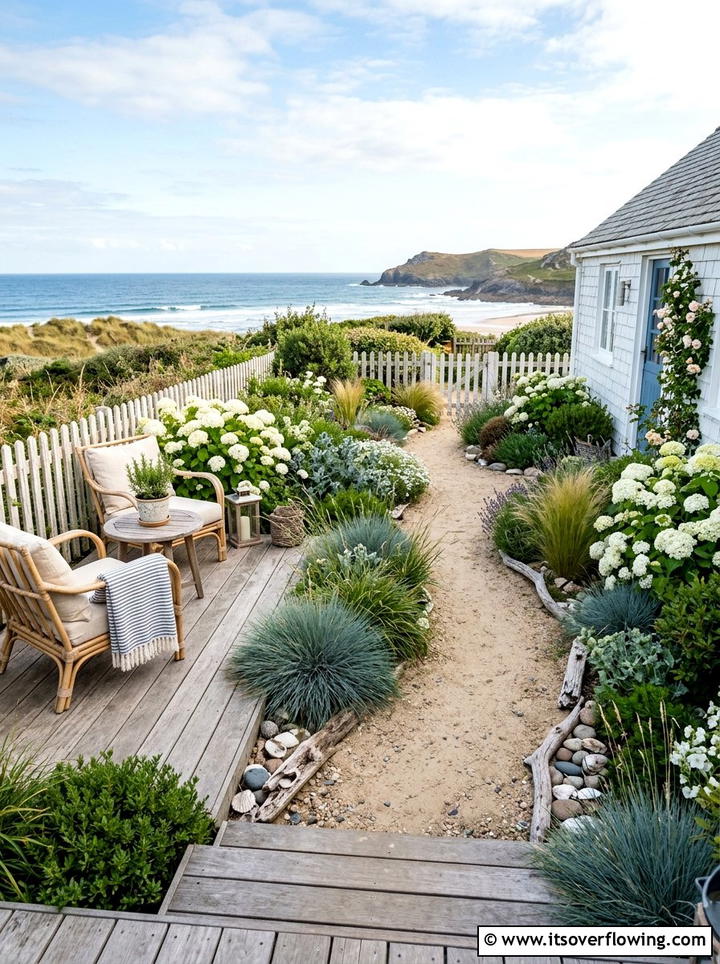
A coastal garden style thrives in the bright, unfiltered light of a sunny yard and brings a relaxed beach vibe to your home. You can use weathered wood decking and sandy-colored pavers to set the scene for salt-tolerant and sun-loving plants. Consider planting sea holly, ornamental grasses like blue fescue, and hardy hydrangeas that can withstand the heat. Using blue and white decor accents further enhances the seaside theme. This design feels airy and fresh, making your small outdoor space feel like a breezy retreat. It is a great way to use light colors to keep the area feeling cool and visually expansive.
7. Cottage flower garden
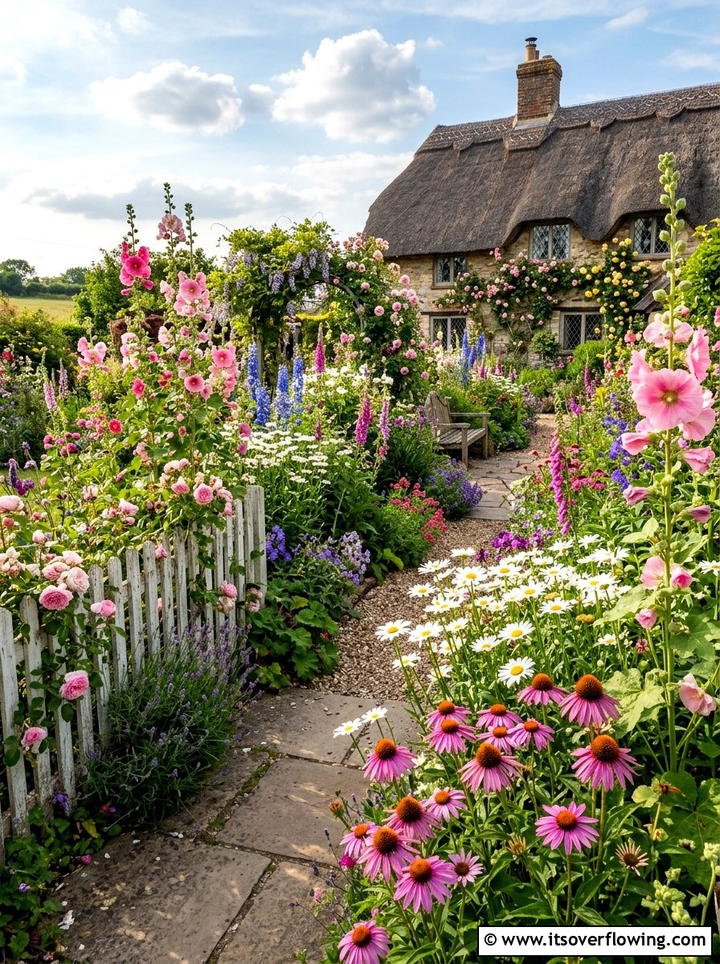
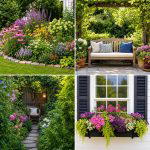
Designing a cottage flower garden in a sunny spot allows you to enjoy a riot of color and fragrance all season long. You can pack the space with traditional favorites like hollyhocks, coneflowers, and daisies that thrive in the bright afternoon sun. The key is to plant densely so that the foliage shades the soil, helping to retain much-needed moisture. A small picket fence or a winding stone path adds to the charm of this informal and romantic design. This style encourages biodiversity by attracting bees and butterflies to your home. It transforms a boring sun-baked patch into a lively and enchanting floral display.

8. Tropical patio plants
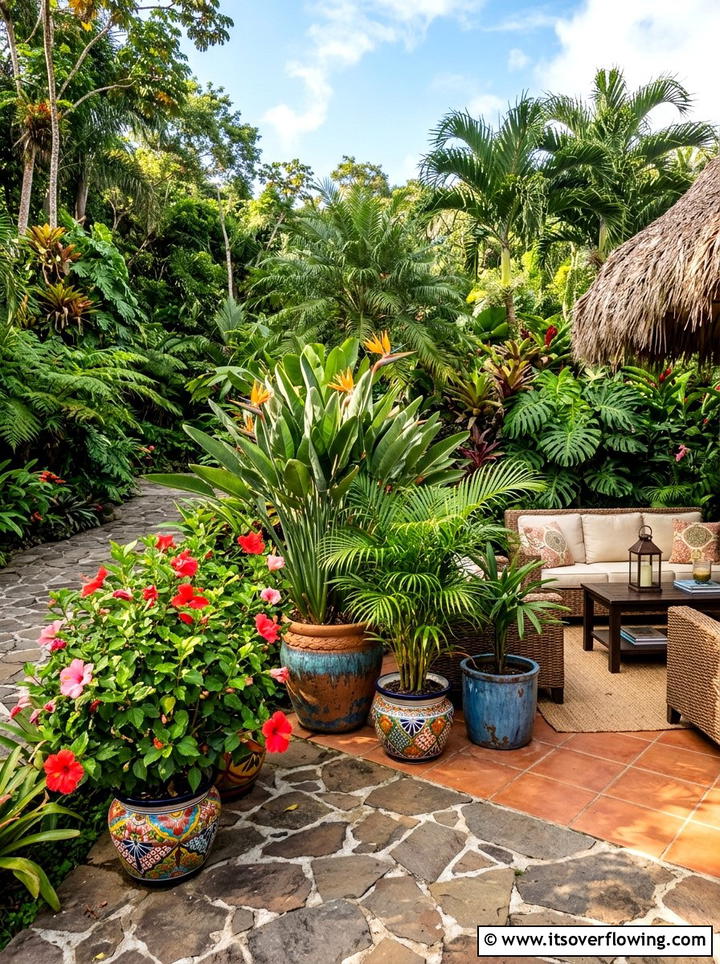
You can create a tropical patio atmosphere by using large-leafed plants that love the heat and humidity of a sunny location. Bird of paradise, hibiscus, and various palm species can be arranged in decorative pots to create a jungle-like feel. These plants provide bold textures and vibrant colors that make a small patio feel exotic and lush. Using dark green foliage against a bright white wall creates a stunning contrast that looks great in photos. You can easily move the pots around to change the layout or provide shade where it is needed most. This flexible design brings high-impact style to any small sunlit area.
9. Zen rock garden
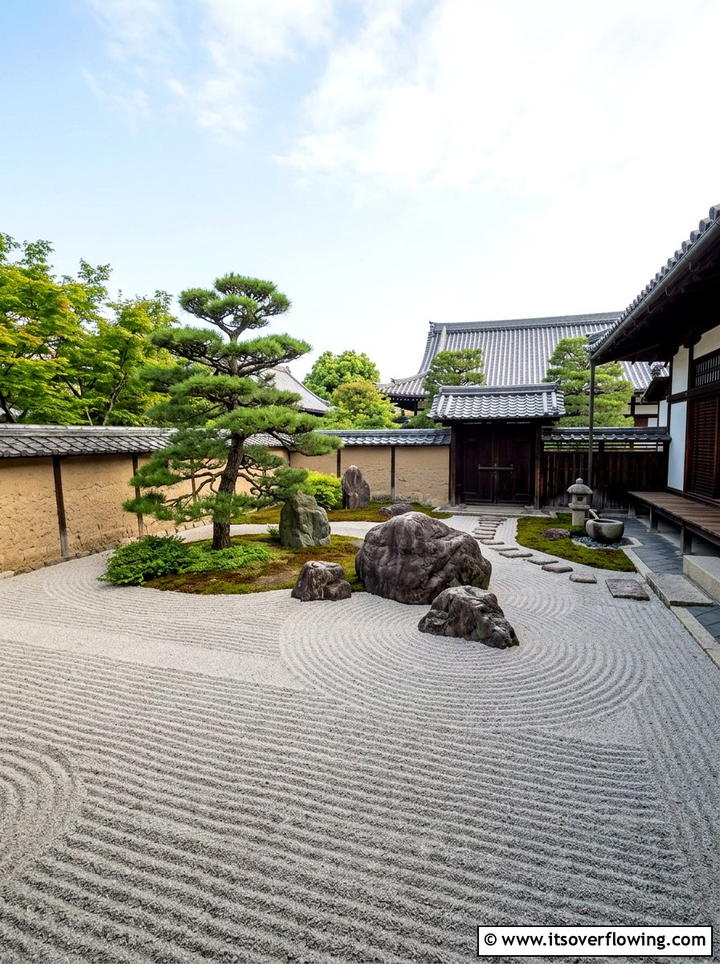
A Zen rock garden offers a peaceful and minimalist solution for a small, sunny space that requires very little upkeep. This design focuses on the balance between negative space and carefully placed natural elements like large boulders and raked sand. You can incorporate a few hardy plants like Japanese forest grass or small pines to add a touch of life. The simplicity of the layout creates a sense of calm and order in a busy world. Because it does not rely on thirsty plants, it stays looking perfect even during a heatwave. This style is ideal for those who prefer a clean, meditative environment for their outdoor relaxation.
10. Native wildflower garden
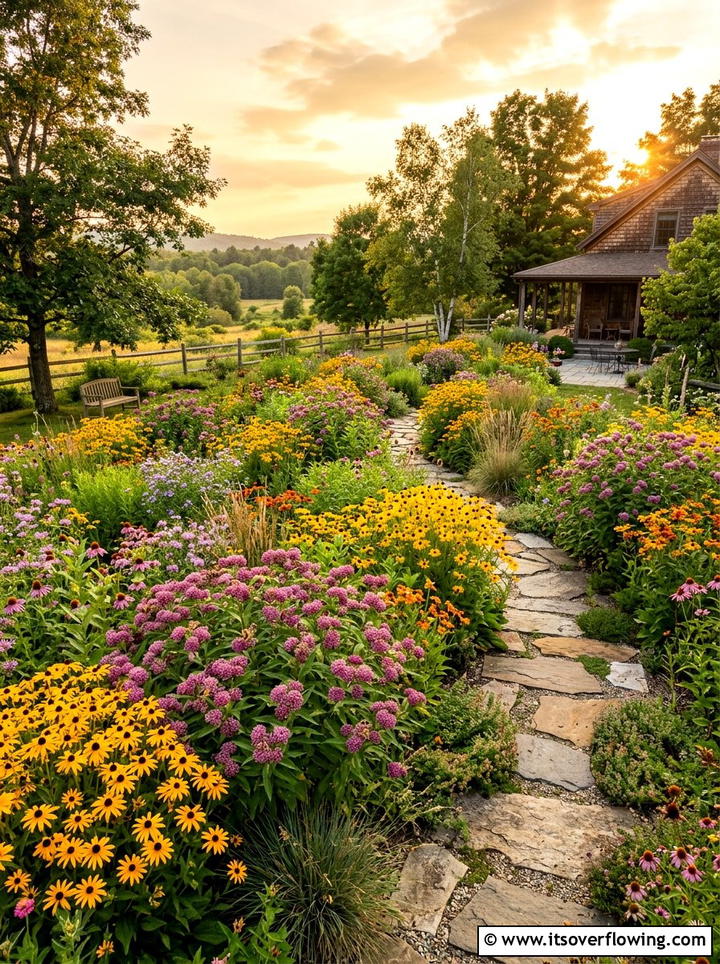
Planting a native wildflower garden is a sustainable and beautiful way to utilize a sun-drenched portion of your yard. Native species are already adapted to your local climate and sun conditions, meaning they require less water and fertilizer than exotic plants. You can create a meadow-like effect with black-eyed Susans, milkweed, and coreopsis. This type of garden provides essential habitat for local wildlife and pollinators, making it an eco-friendly choice. The changing colors throughout the seasons keep the small space looking dynamic and interesting. It is a low-effort way to bring the natural beauty of the local landscape directly to your very own back door.
11. Herb spiral garden
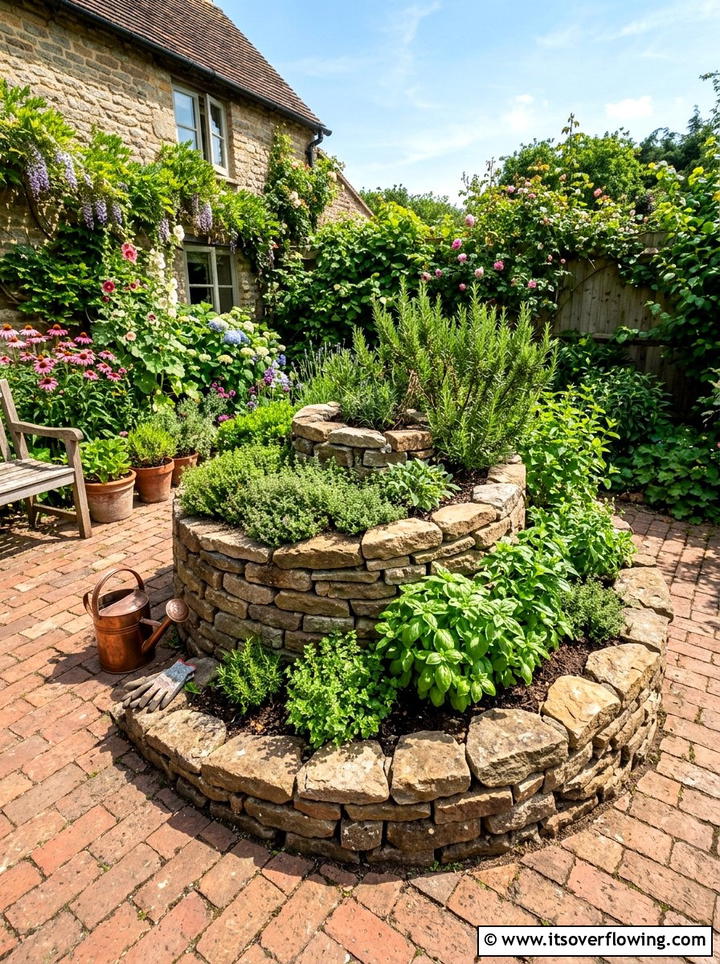
An herb spiral is a clever vertical design that allows you to grow many different herbs in a very small, sunny footprint. By building a spiral structure out of stones or bricks, you create various microclimates for different plants. The top of the spiral is the driest and sunniest, perfect for rosemary and thyme, while the bottom stays cooler and moister for mint and parsley. This functional garden feature is not only practical for cooking but also serves as an artistic focal point. It maximizes the use of space and sunlight by stacking plants upward. It is a perfect addition for any culinary enthusiast with a small yard.
12. Tiered planter garden
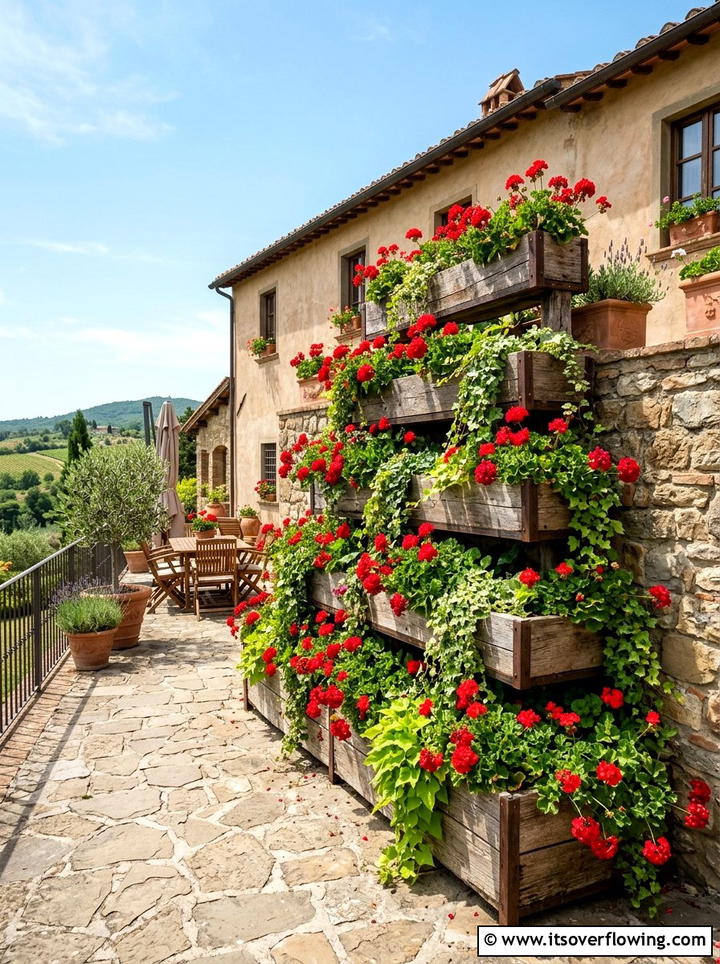
Using tiered planters is a great strategy for adding depth and variety to a small, sun-soaked terrace or patio. You can arrange wooden or metal containers of different heights to create a cascading effect of greenery and flowers. This allows you to grow a wide range of sun-loving plants, from trailing lobelia to upright geraniums, in a compact area. The vertical arrangement ensures that every plant gets its fair share of sunlight without being overshadowed by its neighbors. Tiered gardening also adds architectural interest to flat spaces, making them feel more structured and designed. It is an easy way to organize your outdoor plant collection.
13. Desert landscape garden
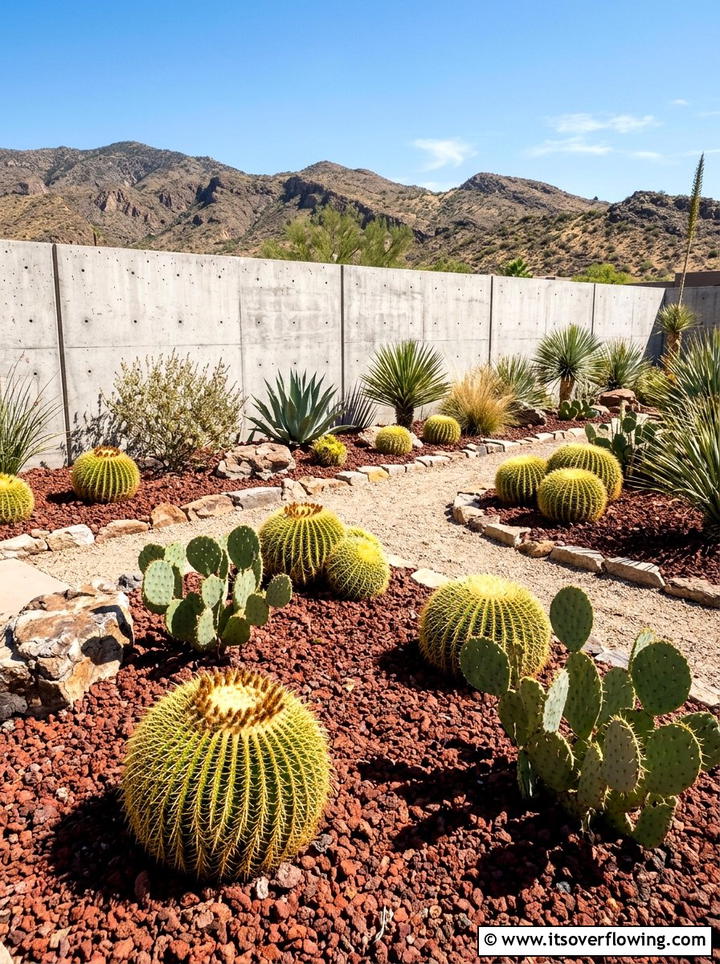
A desert landscape garden embraces the heat of a full-sun location by using plants that are naturally adapted to arid conditions. You can use a mix of barrel cacti, prickly pears, and desert spoons to create a visually striking and rugged look. Using crushed volcanic rock or decomposed granite as mulch adds to the authentic desert aesthetic while keeping weeds at bay. This style is virtually maintenance-free once the plants are established, making it perfect for busy homeowners. The unique shapes and silhouettes of desert plants create dramatic shadows against your home’s walls during the golden hour. It is a bold and modern design choice.
14. Ornamental grass garden
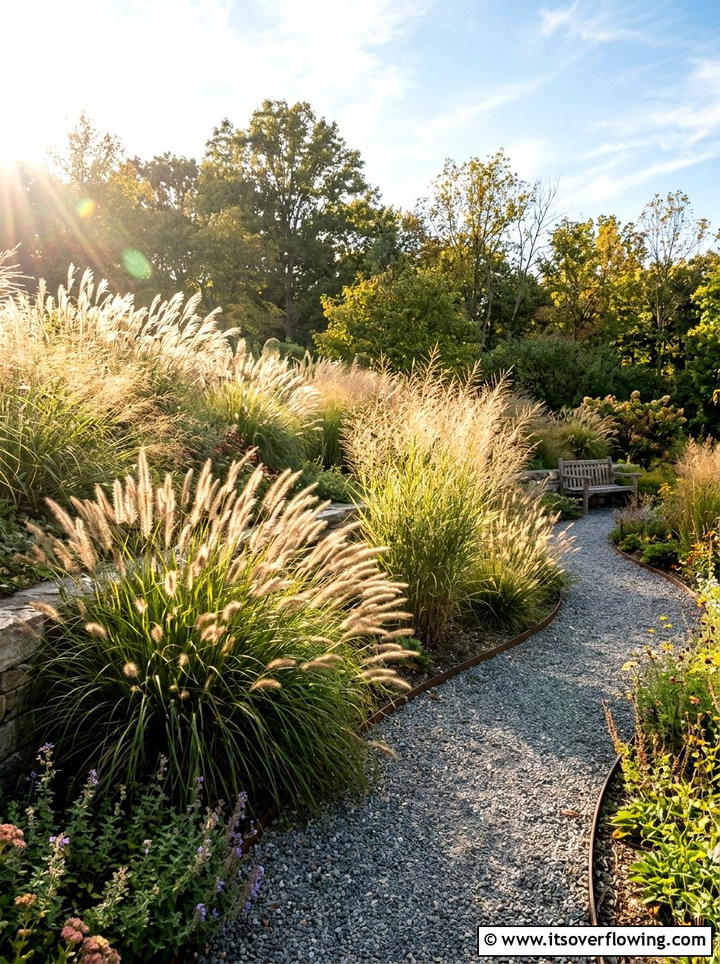
Ornamental grasses are a fantastic choice for a small sunny garden because they provide movement and texture with very little care. You can plant varieties like fountain grass, switchgrass, or blue oat grass to catch the breeze and reflect the sunlight. These plants stay attractive through multiple seasons, turning beautiful shades of gold and bronze in the autumn. Their tall, slender forms can act as a natural screen to provide privacy from neighbors without feeling heavy or closed in. Mixing different heights and colors of grass creates a soft, modern look that complements any architectural style. They are incredibly resilient in the direct sun.
15. Potted citrus garden
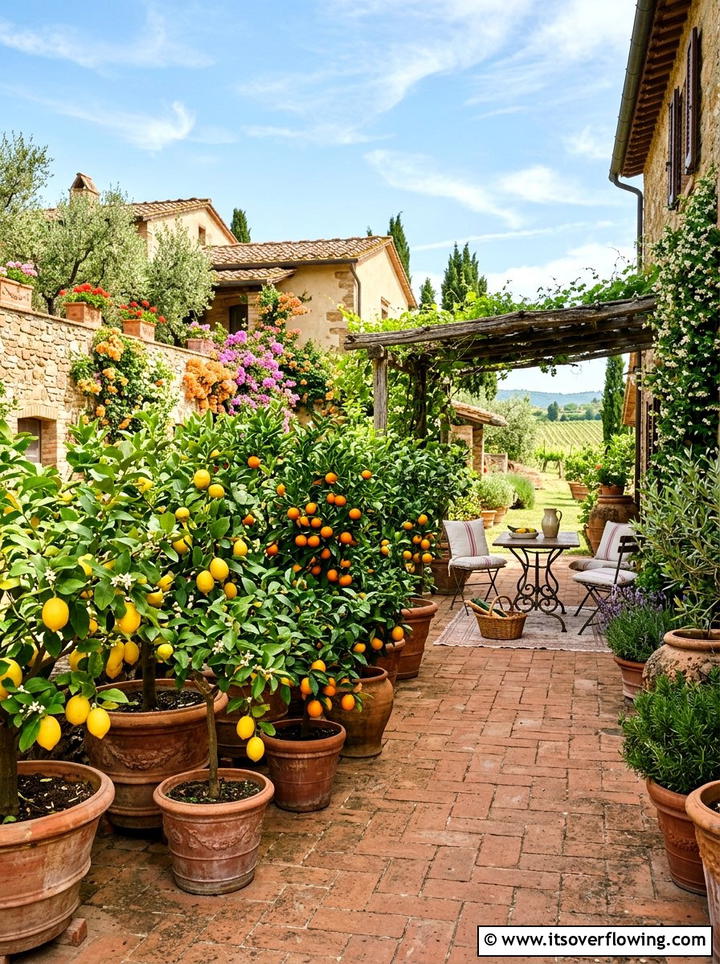
If you have a sunny spot but no soil to plant in, a potted citrus garden is a wonderful and fragrant solution. Dwarf varieties of lemons, limes, and oranges thrive in large containers placed in full sun for at least six hours a day. The glossy green leaves and bright fruit add a cheerful pop of color to your patio or balcony. During the blooming season, the scent of citrus flowers will fill your outdoor air with a sweet, refreshing aroma. Pots allow you to move the trees to follow the sun or protect them from unexpected cold snaps. It is a productive and beautiful way to garden.
16. Sunny balcony garden
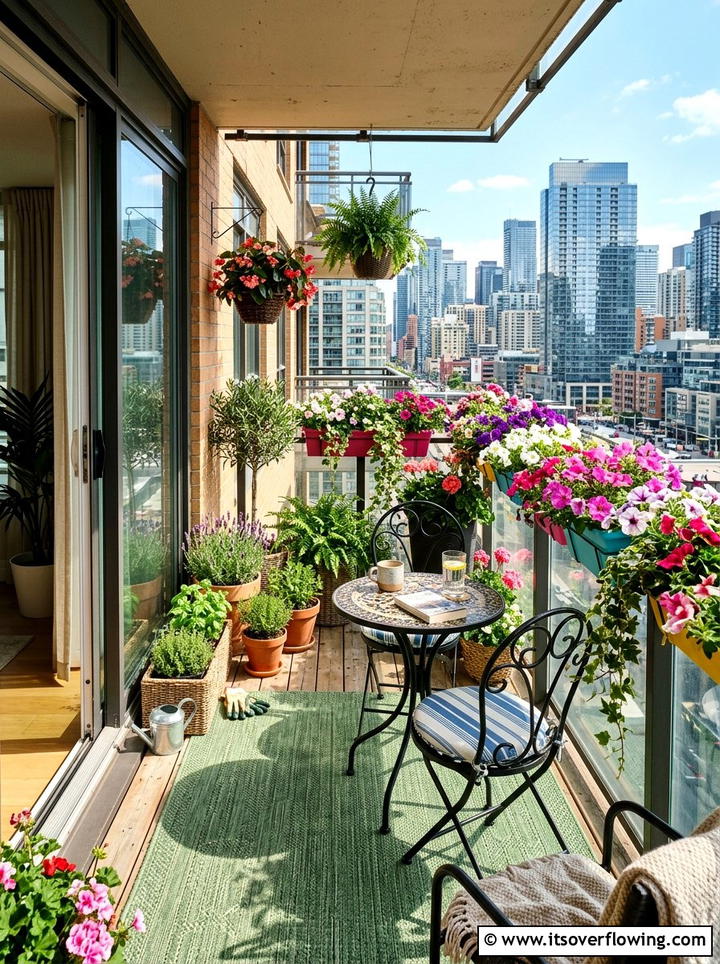
A sunny balcony can be transformed into a lush oasis by using a combination of railing planters and floor containers. You should choose heat-tolerant plants like petunias, verbena, and lantana that can handle the intense light reflecting off windows. Adding a small outdoor rug and a comfortable chair makes the space feel like an extra room of your home. Using vertical space with hanging baskets or wall-mounted pots prevents the balcony from feeling cluttered. The key is to use lightweight materials and consistent watering to keep the plants thriving in the elevated heat. This design turns a small outdoor platform into a private sun-drenched sanctuary.
17. Lavender border garden
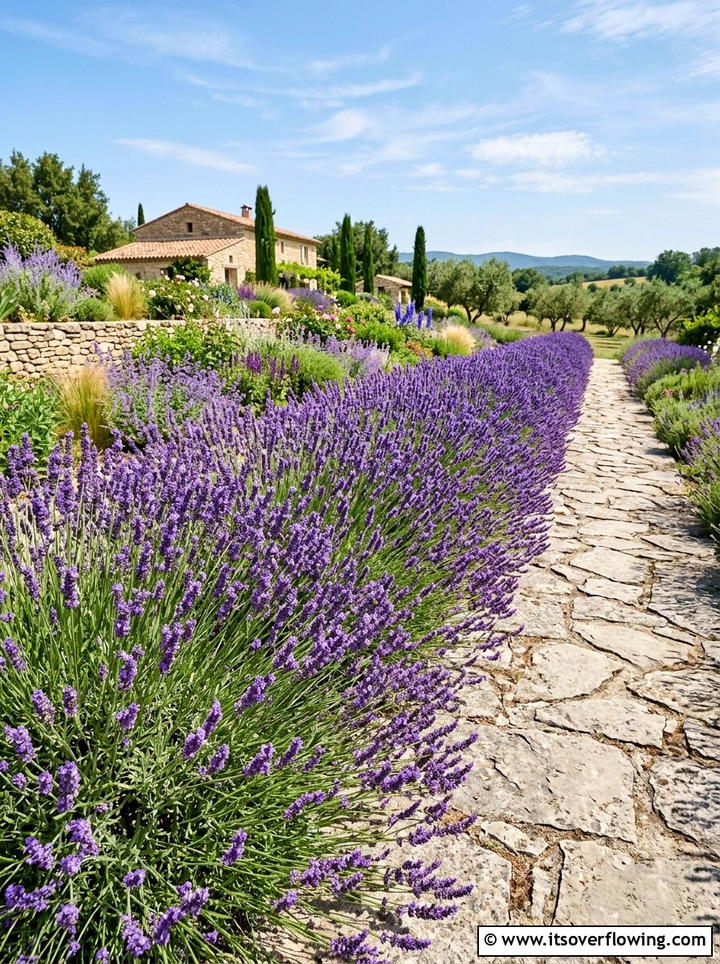
Creating a lavender border along a sunny path or patio edge provides both visual beauty and a relaxing fragrance. Lavender loves the heat and well-draining soil, making it the perfect candidate for a full-sun small garden. The silvery-green foliage and purple flower spikes create a soft, romantic look that pairs well with stone or gravel. As you walk past, the scent of the lavender is released, creating a sensory experience in your yard. This plant is also excellent for attracting bees and butterflies, adding life and movement to your garden. A neatly trimmed lavender hedge can define the space while keeping it feeling open.
18. Modern paved patio
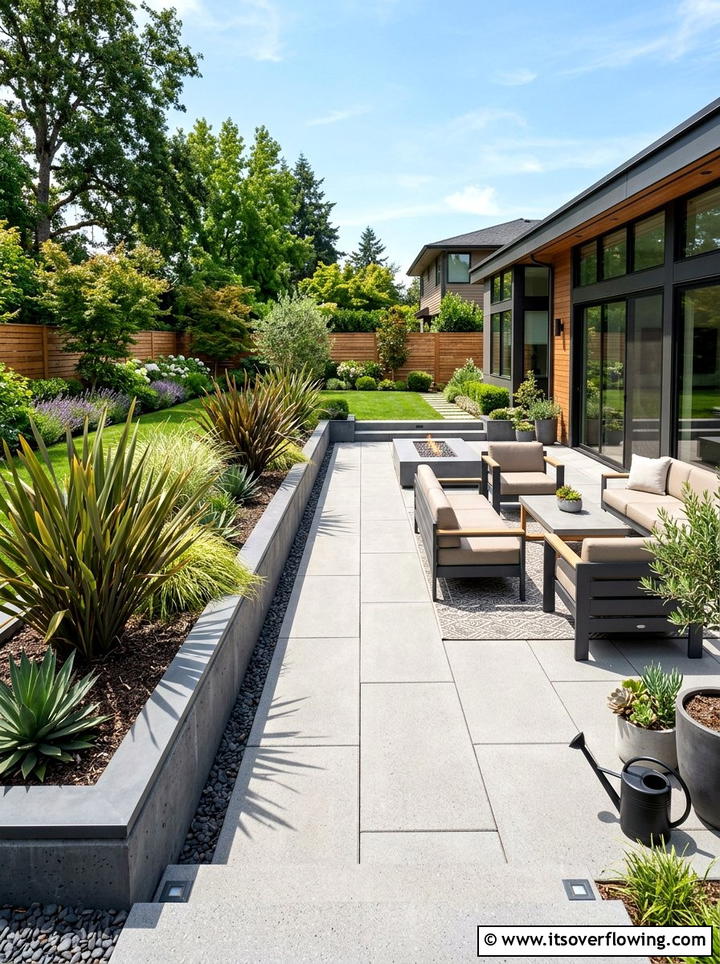
A modern paved patio uses clean lines and high-quality materials to create a functional outdoor living area in a sunny spot. You can use large-format concrete pavers or natural stone tiles to ground the space and reflect the light. Incorporating built-in planters with architectural plants like flax or horsetail creates a seamless look between the hardscape and the greenery. Simple, streamlined furniture in neutral tones keeps the focus on the design and the surrounding sunlight. This approach is perfect for small backyards where you want to maximize seating and entertaining space. It is a sophisticated way to manage a high-sun area with professional style.
19. Edible garden layout
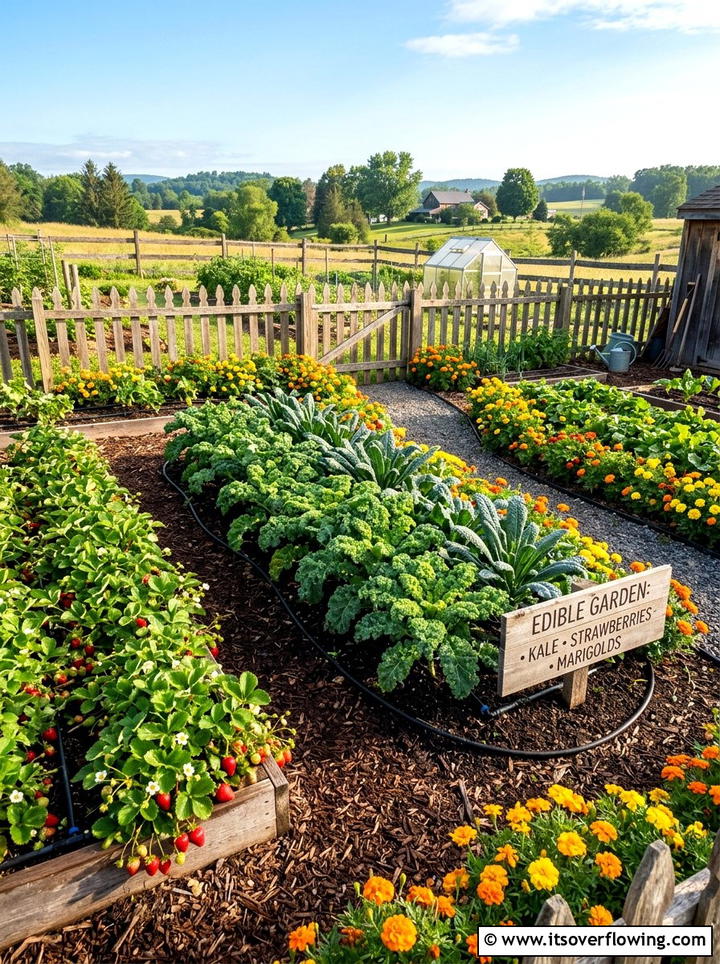
You can turn a small sunny yard into a highly productive edible garden by mixing vegetables, fruits, and flowers together. This concept, often called food foresting, utilizes every layer of the space from ground covers to climbing vines. Sun-loving strawberries can grow at the base of blueberry bushes, while scarlet runner beans climb up a sunny fence. Mixing in marigolds and nasturtiums helps naturally repel pests while adding bright splashes of color. This design is both beautiful and functional, providing fresh produce right outside your door. It proves that you do not need a large farm to grow your own food in the bright sun.
20. Window box garden
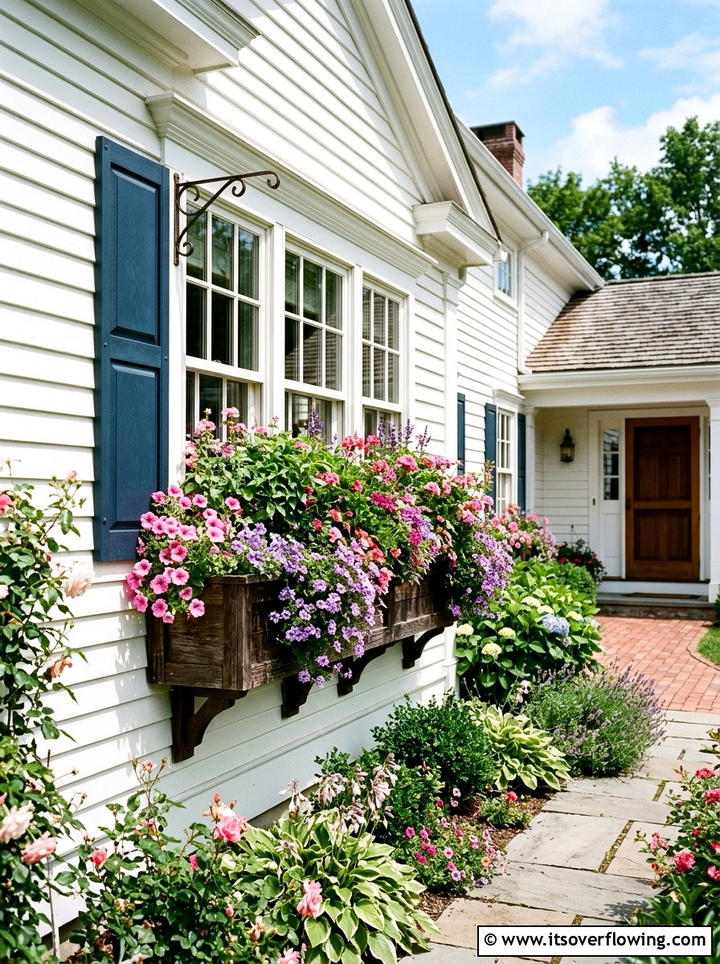
Window boxes are a classic and effective way to bring garden charm to a small home with plenty of sunlight. You can install deep boxes under your sunniest windows and fill them with a mix of upright and trailing plants. Sun-loving choices like geraniums, sweet potato vine, and calibrachoa will thrive in the heat and create a waterfall of color. This design enhances your home’s curb appeal while allowing you to enjoy the garden from both inside and out. Regular watering is essential for window boxes in full sun, as the soil can dry out quickly in the elevated position. It is a great space-saving technique.
21. Pollinator garden design
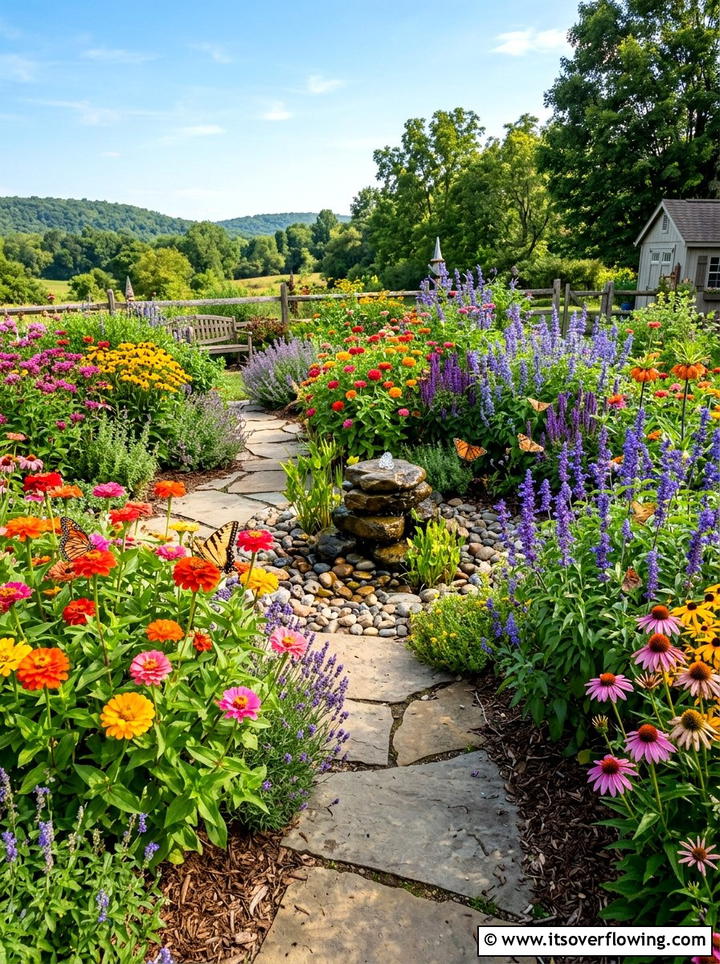
A pollinator garden focuses on providing food and shelter for bees, butterflies, and hummingbirds in a sunny, compact area. You should select a variety of nectar-rich flowers like zinnia, salvia, and bee balm that bloom at different times of the year. Placing a small shallow water dish with stones allows insects to land and drink safely in the heat. This type of garden is constantly buzzing with activity, making it a fascinating place to observe nature. By choosing plants that love the sun, you ensure a high production of nectar and pollen. It is a rewarding project that benefits the local environment and your neighborhood.
22. Xeriscape garden design
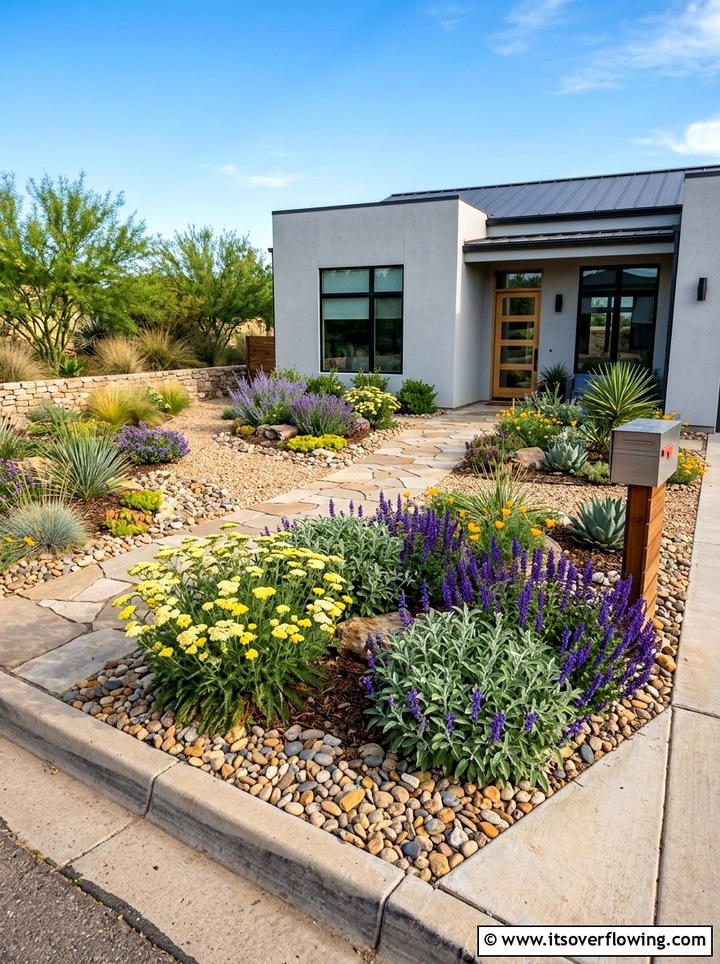
Xeriscape gardening is a smart and stylish way to design a small, sunny yard that requires almost no supplemental water. This method uses drought-tolerant plants, organic mulches, and efficient layouts to conserve every drop of moisture. You can use a variety of yarrow, sage, and penstemon to create a colorful and resilient landscape. By grouping plants with similar water needs together, you make the garden much easier to maintain. This design is not only environmentally responsible but also saves you money on your water bill. A well-planned xeriscape garden looks intentional and lush, proving that water-wise gardening can be incredibly beautiful and modern.
23. Rooftop terrace garden
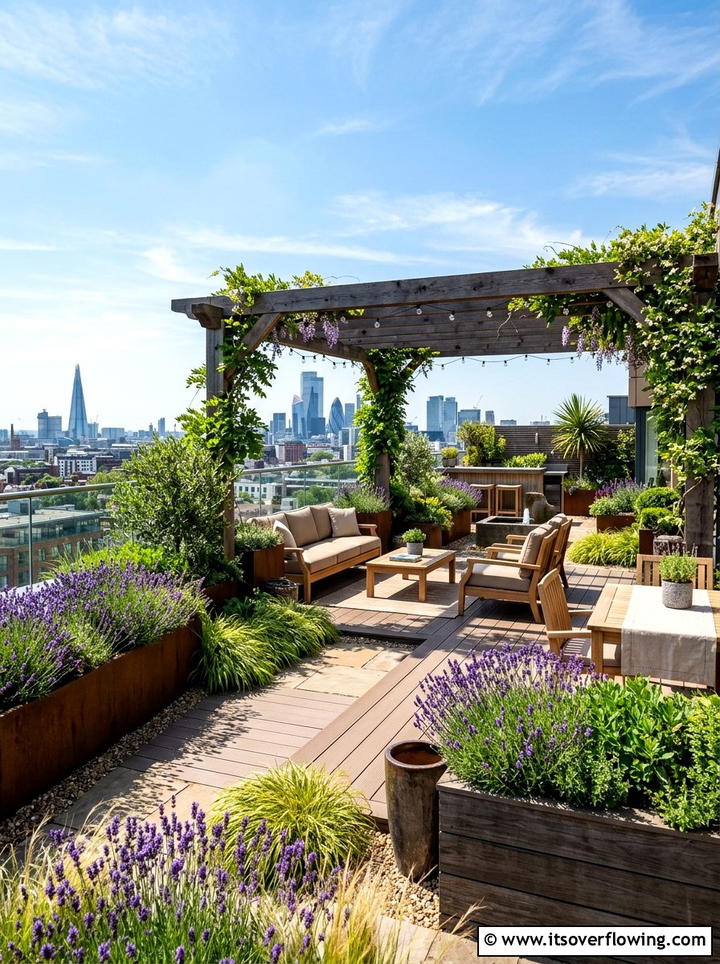
Transforming a rooftop into a terrace garden is the ultimate way to utilize a location with intense, unobstructed sunlight. You must use sturdy, weather-resistant containers and plants that can handle both the heat and the wind. Ornamental grasses, lavender, and succulents are perfect choices for this elevated environment. Adding a pergola or a large umbrella provides a necessary shaded area for you to enjoy the view. Light-colored decking or tiles help keep the floor temperature down during the hottest parts of the day. This private escape above the city offers a unique perspective and a quiet place to soak up the sun among the greenery.
24. Flagstone path garden
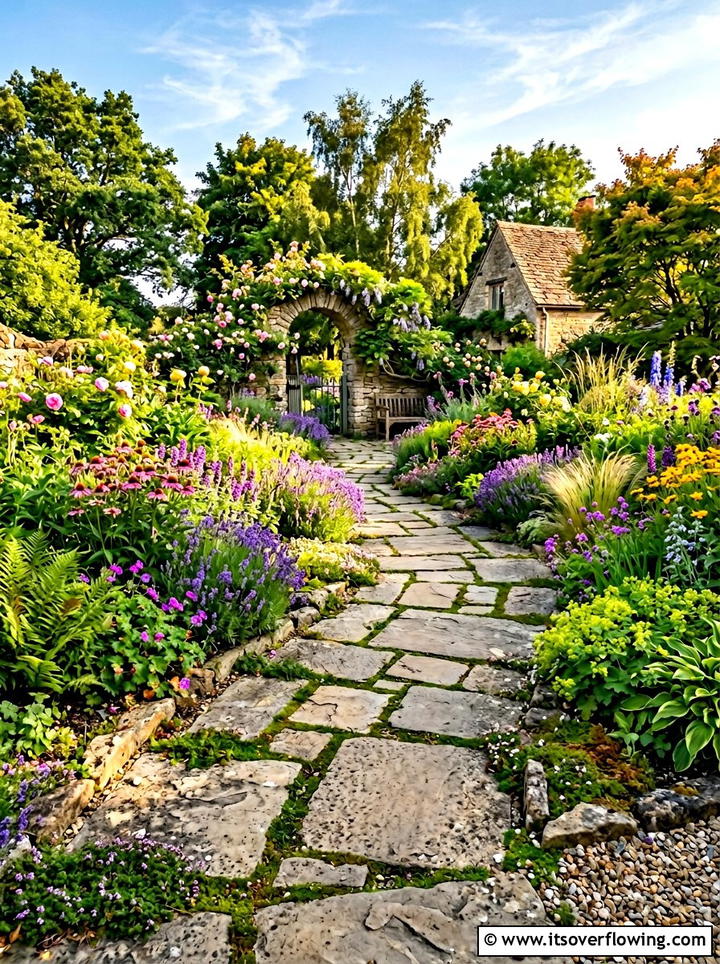
A flagstone path winding through a small sunny garden adds a sense of structure and a classic touch to the landscape. You can plant low-growing, sun-loving ground covers like creeping thyme or silver carpet between the stones. These plants release a pleasant aroma when stepped on and help soften the hard edges of the rock. Surrounding the path with sun-loving perennials of varying heights creates a lush, filled-in look that hides the boundaries of a small yard. The natural variation in the flagstone colors adds visual interest and complements the organic shapes of the plants. It is a timeless design that makes any walk through the garden feel special.
25. Perennial flower border
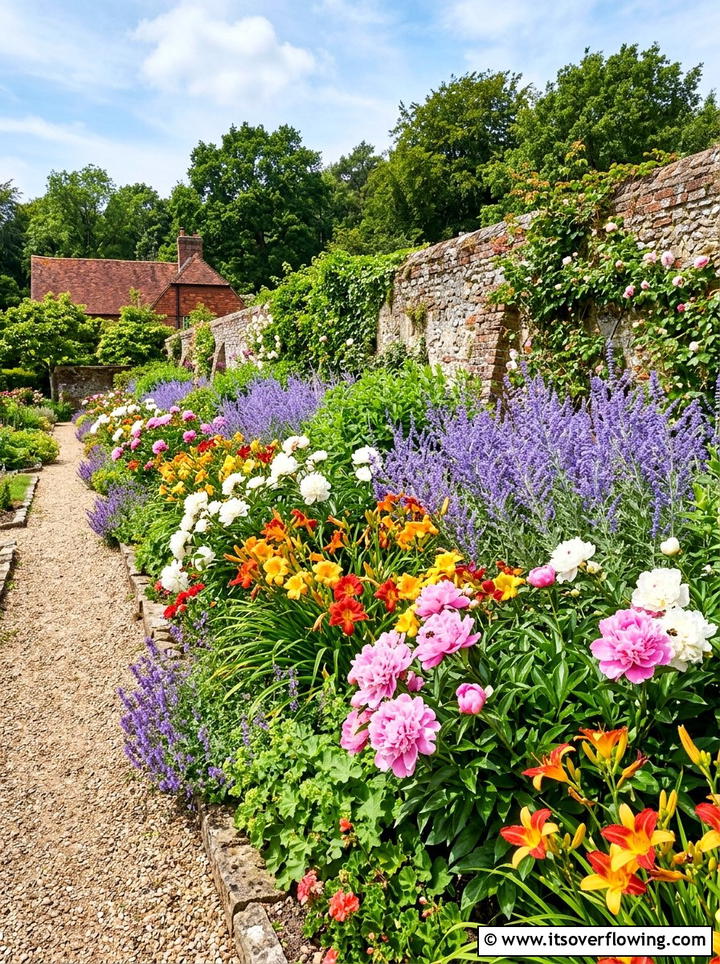
A perennial flower border is a reliable way to ensure your small sunny garden looks great year after year with minimal replanting. By choosing hardy plants like daylilies, peonies, and Russian sage, you create a foundation of color that returns every spring. You can layer the plants by height, putting the tallest ones in the back against a wall or fence. This creates a sense of depth and abundance even in a very narrow strip of land. Deadheading the flowers throughout the summer encourages more blooms and keeps the border looking tidy. It is a classic gardening strategy that rewards you with consistent beauty and seasonal change.
Conclusion:
Designing a small garden for full sun is an exciting opportunity to experiment with vibrant colors, unique textures, and resilient plant species. Whether you prefer the organized look of a modern patio or the wild charm of a pollinator meadow, the key is to work with the light rather than against it. By selecting the right materials and heat-tolerant plants, you can create a space that remains beautiful even during the peak of summer. Remember to consider vertical options and container gardening to make the most of your limited square footage. Your sunny little garden will soon become your favorite place to relax and enjoy nature.
Related posts:
 25 garden ideas for full sun: Bright, Heat-Loving Designs
 25 Garden Design Ideas for Cottage Gardens Full of Charm
 25 Garden Ideas for Cottage Homes Full of Timeless Charm
 25 garden design ideas with lighting plans: Bright Outdoor Style
 25 Creative Garden Ideas With Topiary Shapes for Bold Style
 25 garden design ideas with bold contrast: Dramatic Yard Style
 25 garden ideas for maximalist style: Bold Outdoor Looks
 25 Small Garden Ideas With Container Clusters for Bold Style
 25 Garden Design Ideas With Asymmetry for Bold Outdoor Style
 25 creative garden ideas with painted planters for Bold Color
 25 Creative Garden Ideas With Espalier Trees for Style
 25 garden ideas for mediterranean style: Sunny Yard Looks