
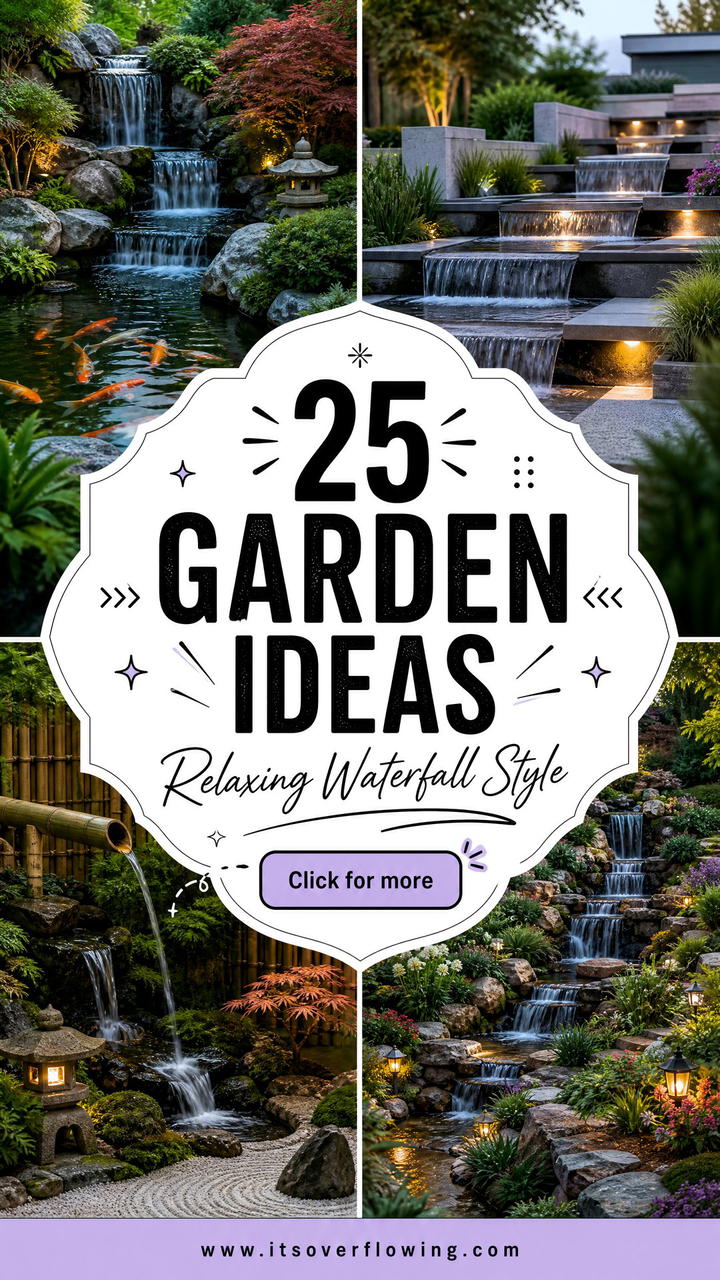
Transforming your backyard into a peaceful sanctuary starts with the soothing sound of moving water. Integrating a waterfall into your garden landscape adds a dynamic layer of texture and sound that instantly elevates the entire outdoor experience. Whether you prefer the rugged look of natural stone or the sleek lines of modern architecture, a water feature creates a focal point that attracts local birds and butterflies. These features provide a refreshing escape from the daily grind and turn a simple yard into a luxurious retreat. Adding a waterfall also helps mask unwanted neighborhood noise, providing a private acoustic buffer. You will find that these designs range from small container setups to sprawling multi-tiered masterpieces that redefine your home’s exterior aesthetic.
1. Natural Rock Waterfall
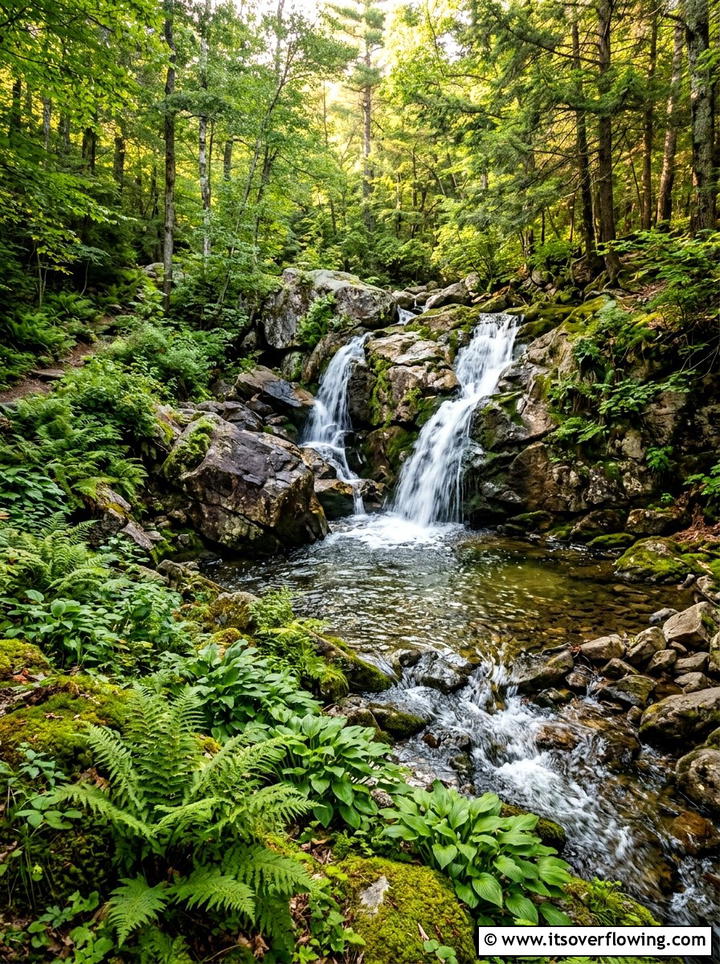
Creating a natural rock waterfall allows you to mimic the beauty of a mountain stream right in your own backyard. This style focuses on using large boulders and weathered stones to create a rugged and organic appearance. You should carefully place the rocks to ensure the water cascades in a way that sounds pleasant and looks authentic. Many homeowners choose to plant ferns and mosses around the edges to soften the hard stone surfaces and enhance the woodland feel. The key is to hide the pump and mechanical components deep within the structure. This ensures the focus remains entirely on the splashing water and the beautiful stone textures. It offers a timeless look that blends seamlessly with any landscape.
2. Modern Blade Waterfall
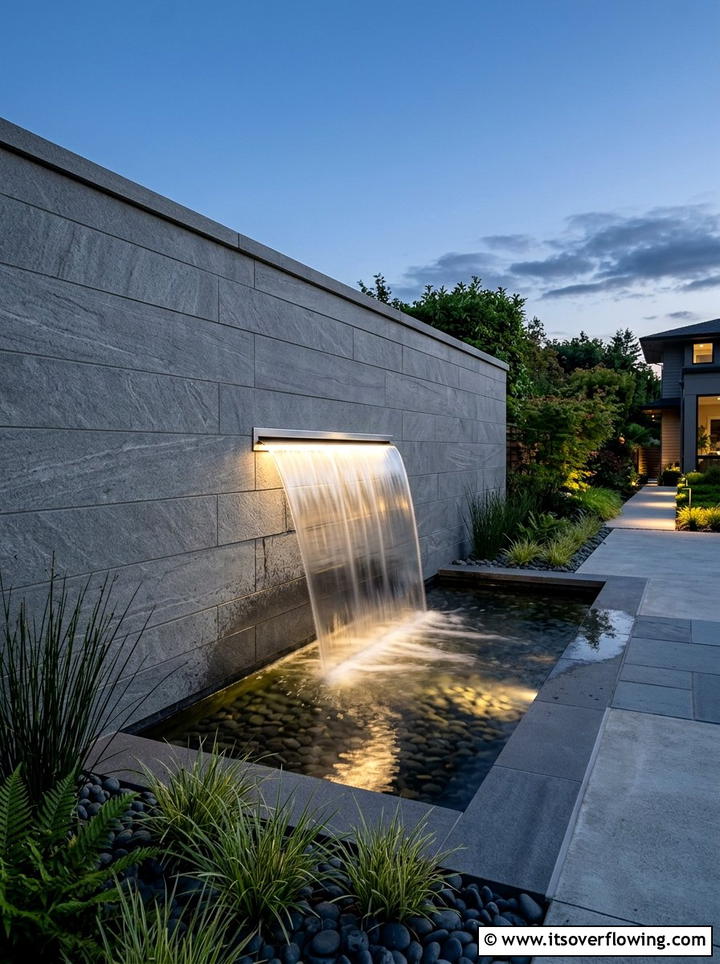
A modern blade waterfall features a sleek, horizontal spillway that creates a perfectly smooth sheet of falling water. This design is ideal for contemporary gardens that prioritize clean lines and minimalist aesthetics. Usually constructed from stainless steel or copper, the blade can be built into a stone or concrete wall for a seamless look. The constant, glass-like flow of water provides a sophisticated visual element that works well near patios or outdoor dining areas. You can also add LED lighting inside the spillway to create a stunning glowing effect during the evening. This setup is perfect for those who want a high-end, architectural feel without the clutter of many different rocks or plants.
3. Tiered Stone Waterfall
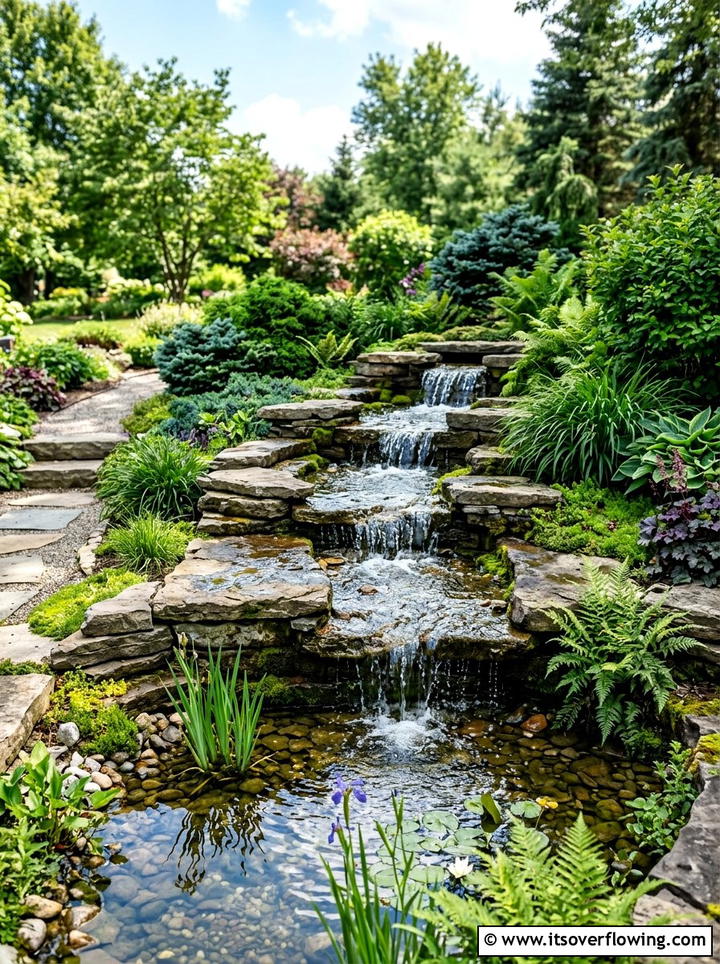
Using tiered stones creates a rhythmic and melodic sound as water drops from one level to the next. This design often utilizes flat flagstones or slate pieces stacked carefully to form several distinct ledges. As the water travels down, it creates multiple splashes, which increases the aeration and the volume of the sound. This is a great choice if you have a slight slope in your yard that you want to highlight. The structured layers provide a sense of order while still feeling connected to nature. You can vary the height of each tier to control the intensity of the water flow. It creates a very relaxing environment for reading or meditation outdoors.
4. Koi Pond Waterfall
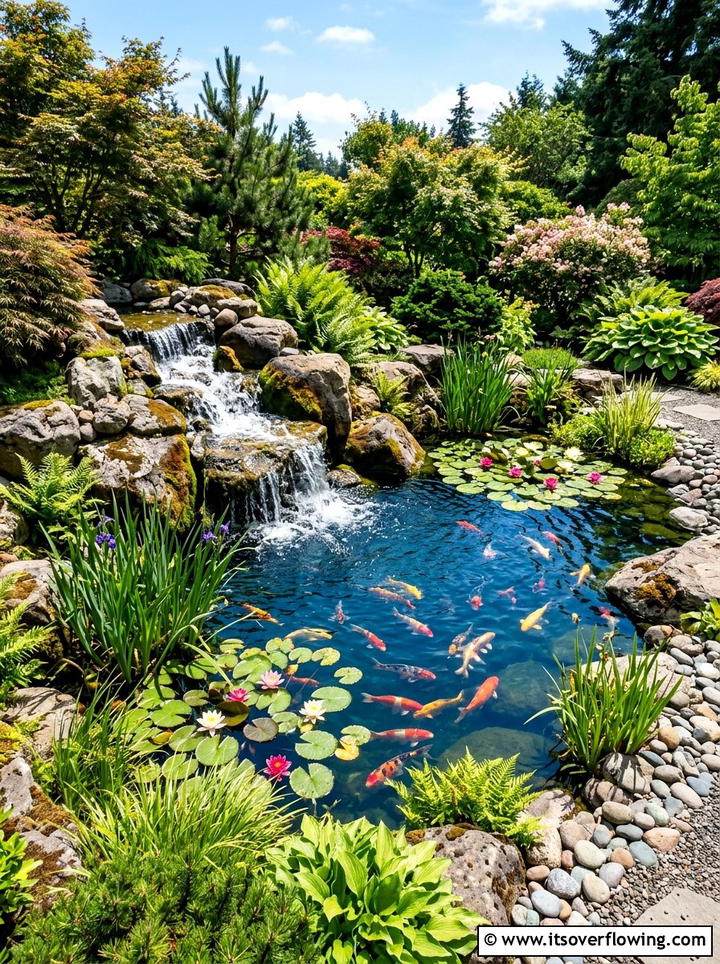
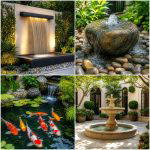
Integrating a waterfall into a koi pond is a functional and beautiful way to keep your fish healthy. The falling water provides essential oxygenation for the pond, which is vital for the survival of large koi. Design-wise, the waterfall usually sits at one end of the pond, acting as the primary source of circulation. You can use large river rocks to create a gentle slope that leads directly into the deep water. Adding aquatic plants like lilies near the base of the falls helps filter the water naturally. This combination of movement and life creates a vibrant ecosystem that serves as a living piece of art. It is a rewarding project for any dedicated gardener.
5. Retaining Wall Waterfall
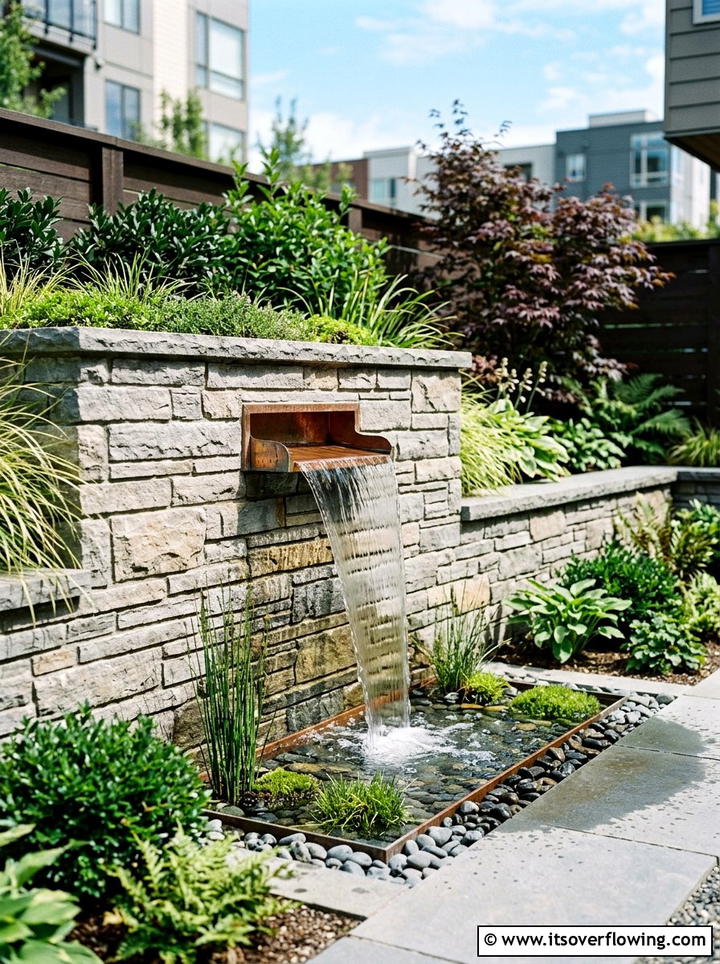
If your garden features a retaining wall, you can easily turn it into a stunning vertical water feature. A retaining wall waterfall saves space by utilizing existing structures to house the plumbing and the spillway. You can choose a recessed scupper or a protruding spout to direct the water into a hidden reservoir or a small basin at the bottom. This design is particularly effective for small urban backyards where floor space is limited but vertical surfaces are plentiful. The contrast between the solid, sturdy wall and the fluid movement of the water creates a striking visual balance. It adds a professional, custom-built look to any outdoor renovation project easily.
6. Vertical Slate Waterfall
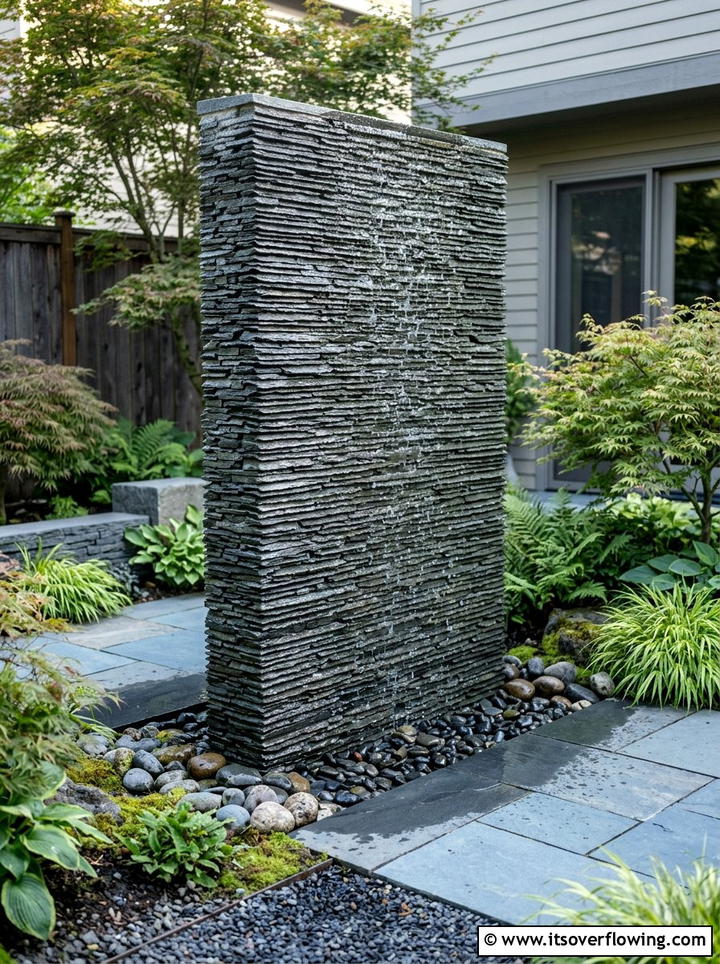
A vertical slate waterfall uses thin, stacked layers of slate to create a textured wall that water shimmers over. The dark, natural tones of the slate make the water appear more reflective and vibrant. This type of waterfall is often built as a standalone feature or as a backdrop for a modern garden. Because the water clings to the surface of the slate, it produces a gentle trickling sound rather than a loud splash. This makes it perfect for intimate seating areas where you want a subtle background noise. The architectural quality of the slate provides year-round interest, even when the water is turned off during the colder winter months.
7. Tropical Jungle Waterfall
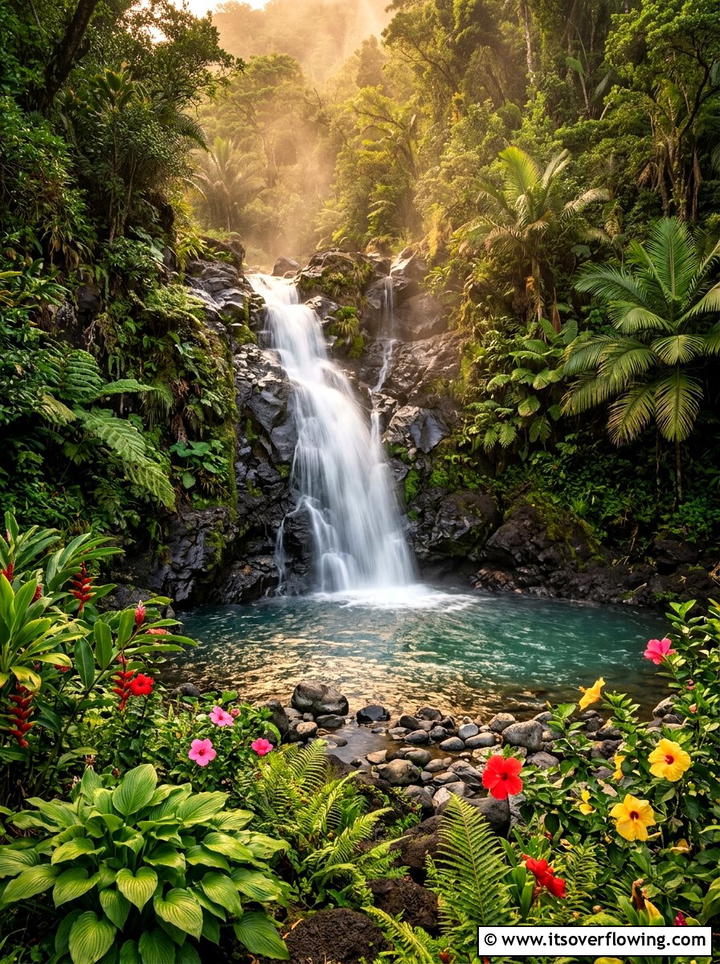
To create a tropical jungle waterfall, focus on lush greenery and dark, volcanic-style rocks. You want the water to look like it is emerging from a dense forest, so surround the feature with large-leafed plants like hostas or palms. Using multiple small drops instead of one large fall creates a misty, humid atmosphere that feels exotic. You can hide small misting nozzles among the rocks to further enhance the tropical vibe. Incorporating colorful flowers like hibiscus or orchids around the splash zone adds pops of color against the deep green foliage. This design transforms any temperate backyard into a private island getaway that feels warm and inviting.
8. Modern Glass Waterfall
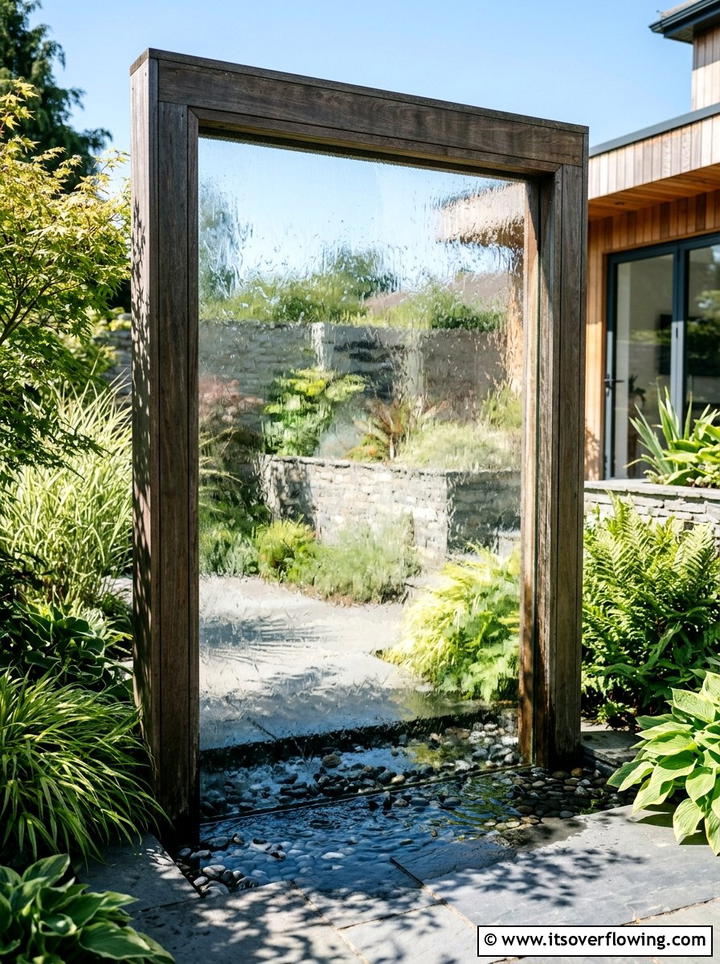
A modern glass waterfall uses a large pane of tempered glass as the surface for water to flow down. This creates a transparent and ethereal effect that allows light to pass through the moving water. It is an excellent choice for dividing different areas of a garden without blocking the view entirely. The water glides silently over the glass, making it one of the quietest waterfall designs available. You can frame the glass with wood, metal, or stone to match your garden’s existing style. During the day, the sunlight catches the ripples on the glass, creating beautiful dancing shadows on the ground. It is a true conversation piece for modern homes.
9. Small Corner Waterfall
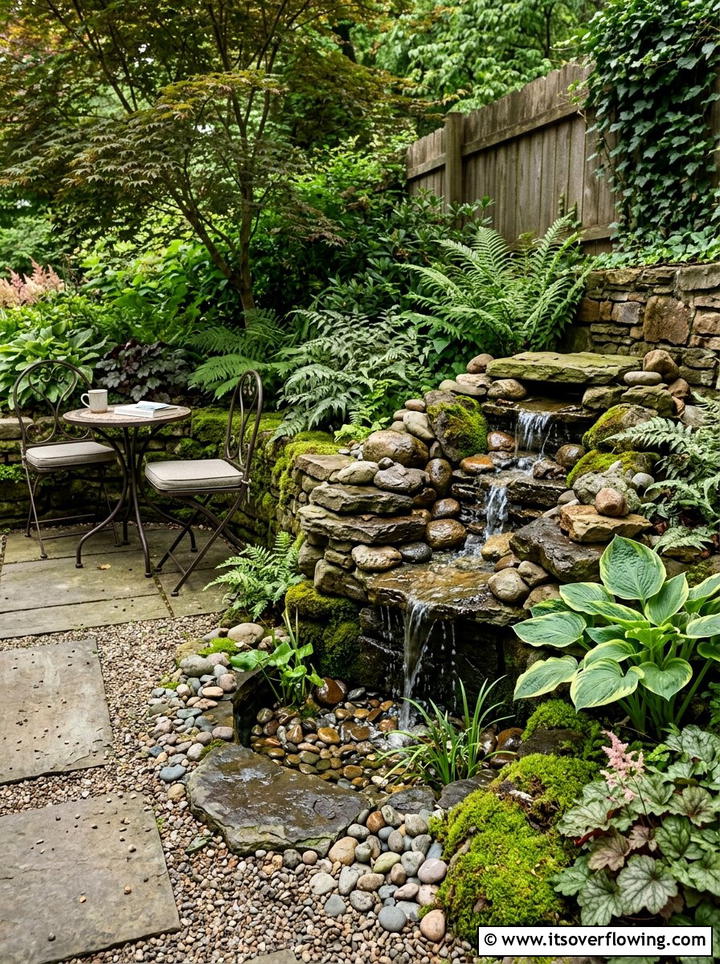
A small corner waterfall is the perfect solution for homeowners with limited outdoor space or tiny patios. By tucking the water feature into a corner, you maximize the usable area of your garden while still enjoying the benefits of water. These are often designed as self-contained units with a hidden reservoir at the base. You can use stacked stones or a decorative ceramic pot to create a focal point in a previously neglected area. Adding a few shade-loving plants around the base makes the feature look like it has always been there. This simple addition can completely change the energy of a small yard, making it feel much more peaceful.
10. Stepped Concrete Waterfall
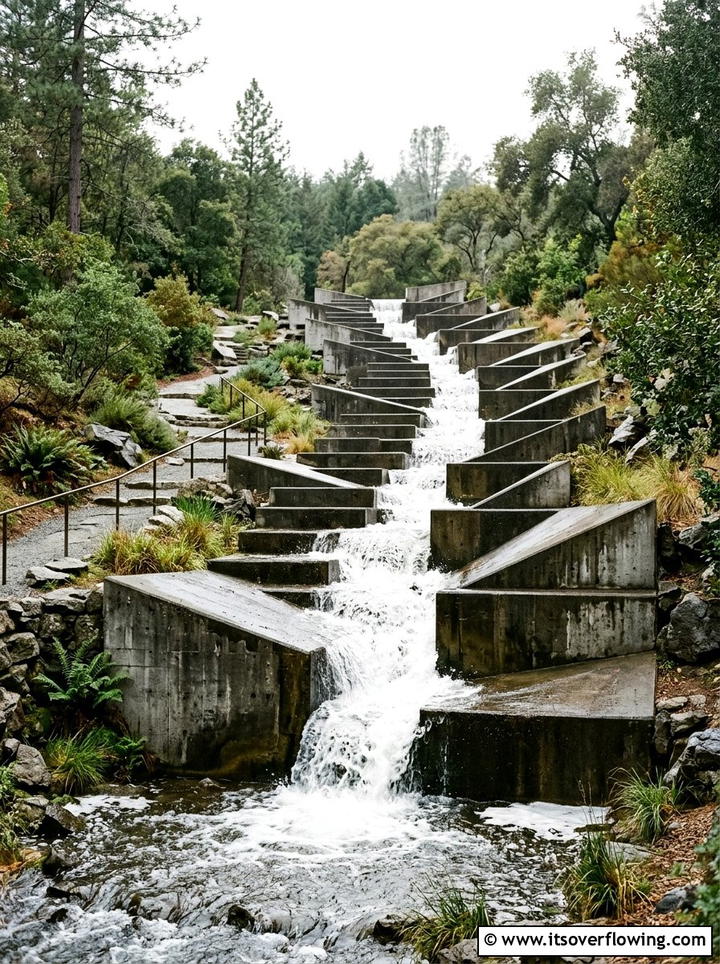
Stepped concrete waterfalls offer a bold, industrial look that fits perfectly with contemporary or brutalist home designs. The use of cast concrete allows for sharp angles and precise geometric shapes that you cannot achieve with natural stone. Each step can be a different width or height, creating a unique pattern of water movement. The gray tones of the concrete provide a neutral backdrop that makes the white foam of the splashing water stand out. This design is very durable and requires minimal maintenance compared to natural rock structures. It is an ideal choice for those who want a low-maintenance but high-impact water feature that looks like a modern sculpture.
11. Japanese Zen Waterfall
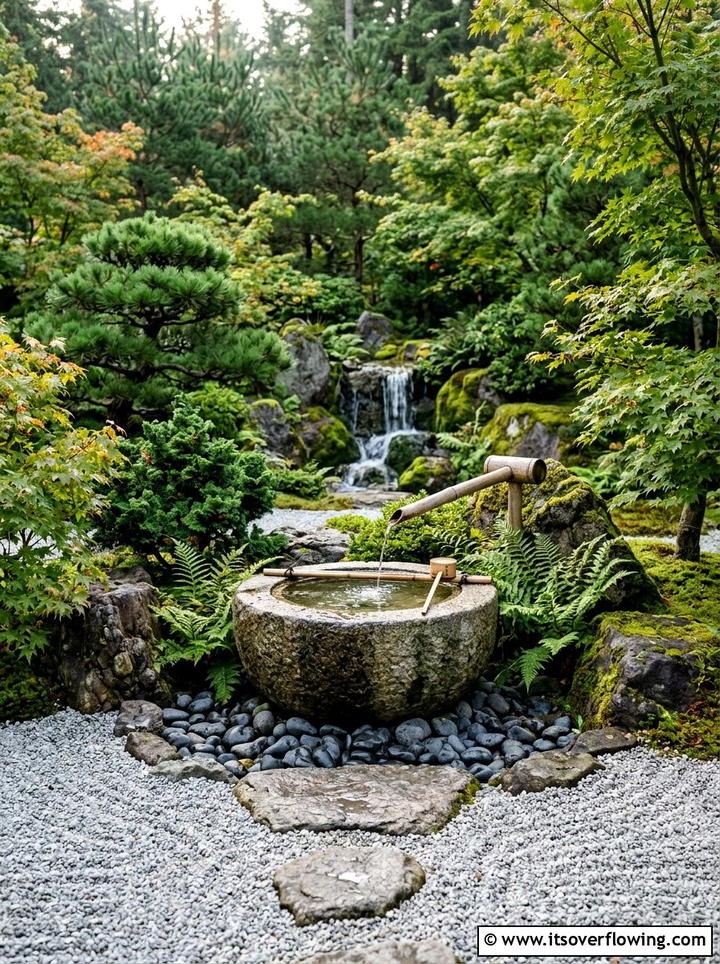
A Japanese Zen waterfall focuses on simplicity, balance, and the sound of a single, clear stream. This design often uses a bamboo spout or a single large stone with a carved channel to direct the water. The water usually falls into a shallow stone basin or a bed of smooth river pebbles. Surrounding the area with raked gravel and a few carefully placed evergreen shrubs enhances the meditative atmosphere. Every element is chosen with purpose to create a sense of calm and stillness. This style of waterfall is meant to be viewed from a specific vantage point, encouraging the observer to slow down and appreciate the present moment.
12. Rustic Log Waterfall
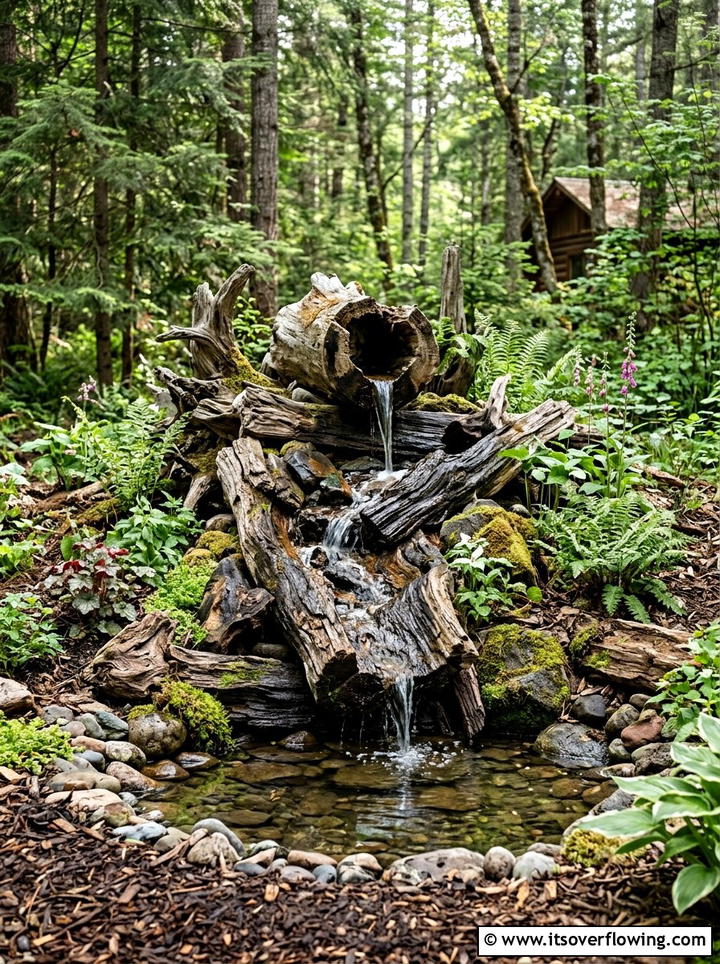
For a cabin-inspired or woodland garden, a rustic log waterfall provides a charming and recycled aesthetic. You can use a hollowed-out log or a series of driftwood pieces to channel the water down a slope. This design blends perfectly with natural mulch, forest plants, and rustic wooden furniture. Over time, the wood may develop a beautiful patina or grow moss, which only adds to its character. It feels less like a man-made construction and more like a natural occurrence found in the deep woods. This approach is budget-friendly and allows you to repurpose fallen timber from your own property for a truly unique look.
13. Poolside Rock Waterfall
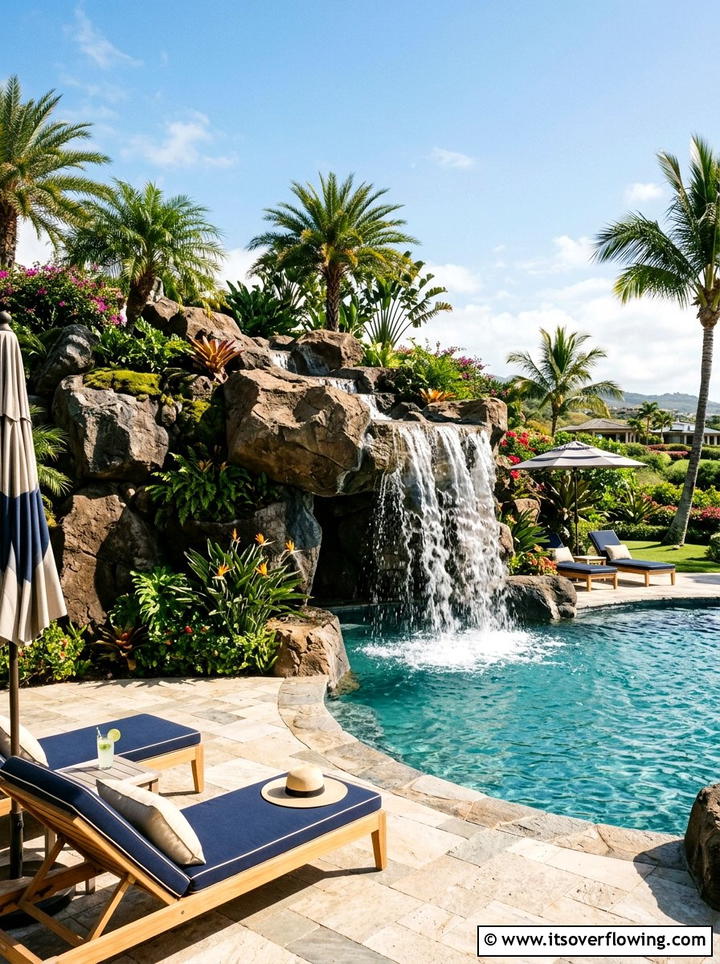
A poolside rock waterfall adds a sense of adventure and luxury to any inground swimming pool. These features are usually built on one side of the pool using large boulders that overhang the water’s edge. The water cascades directly into the pool, providing a fun place for kids to play and a beautiful visual for adults. Integrating a small cave or “grotto” behind the falls can create a secret swimming spot. The sound of the waterfall also helps to drown out the noise of pool filters or nearby traffic. Using natural stone that matches your pool deck creates a cohesive and high-end look for your entire outdoor living area.
14. Formal Garden Waterfall
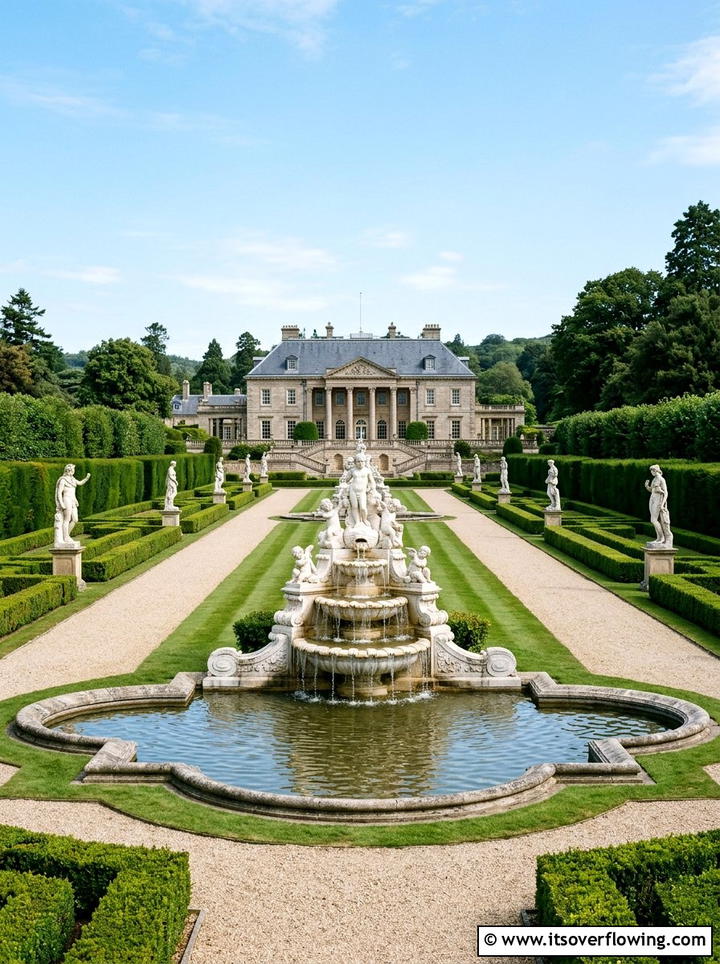
A formal garden waterfall is characterized by symmetry, classical proportions, and elegant materials like marble or limestone. This design often features a central fountain or a series of identical spouts arranged along a straight wall. The water typically falls into a rectangular or circular basin with clean, finished edges. This style works best in gardens with manicured hedges, straight paths, and traditional statues. It evokes the feeling of a historic European estate and adds a sense of grandeur to your home. The steady, predictable flow of water reinforces the organized and disciplined nature of a formal landscape. It is a sophisticated choice for traditional architecture.
15. Woodland Stream Waterfall
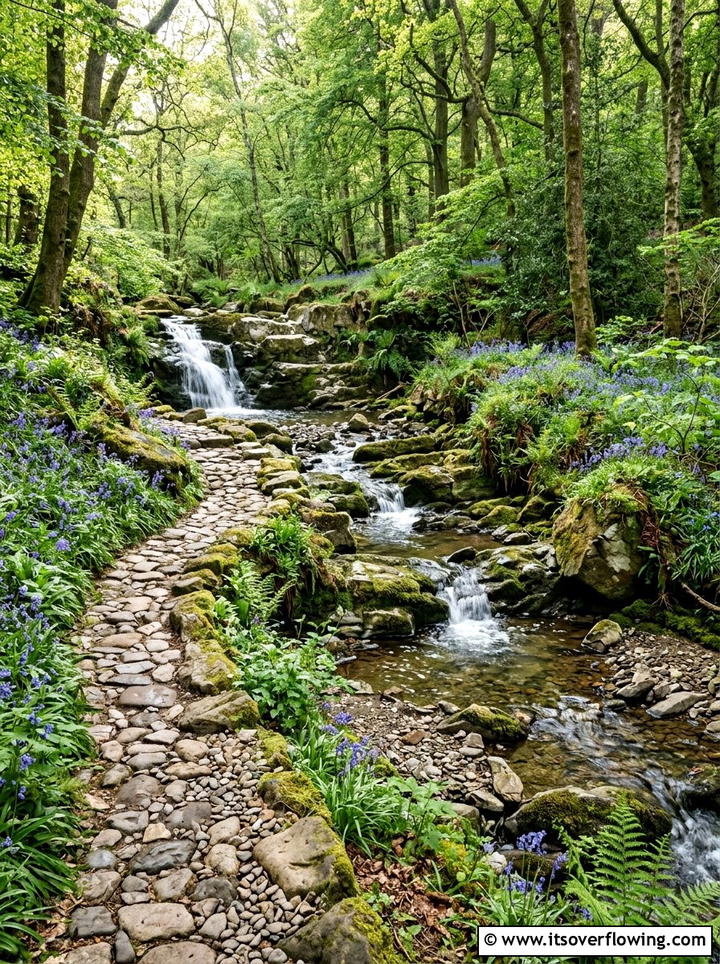
A woodland stream waterfall is designed to look like a natural creek winding through a shaded part of your yard. This feature usually involves a longer path where the water travels over several small drops and around curves. Using varied sizes of river rock and gravel helps the stream bed look authentic. You can plant woodland flowers like bluebells or ferns along the banks to complete the look. This design is excellent for large properties where you want to create a journey for the eye to follow. The wandering path of the water adds a sense of mystery and exploration to your garden, making it feel much larger.
16. Contemporary Spillway Waterfall
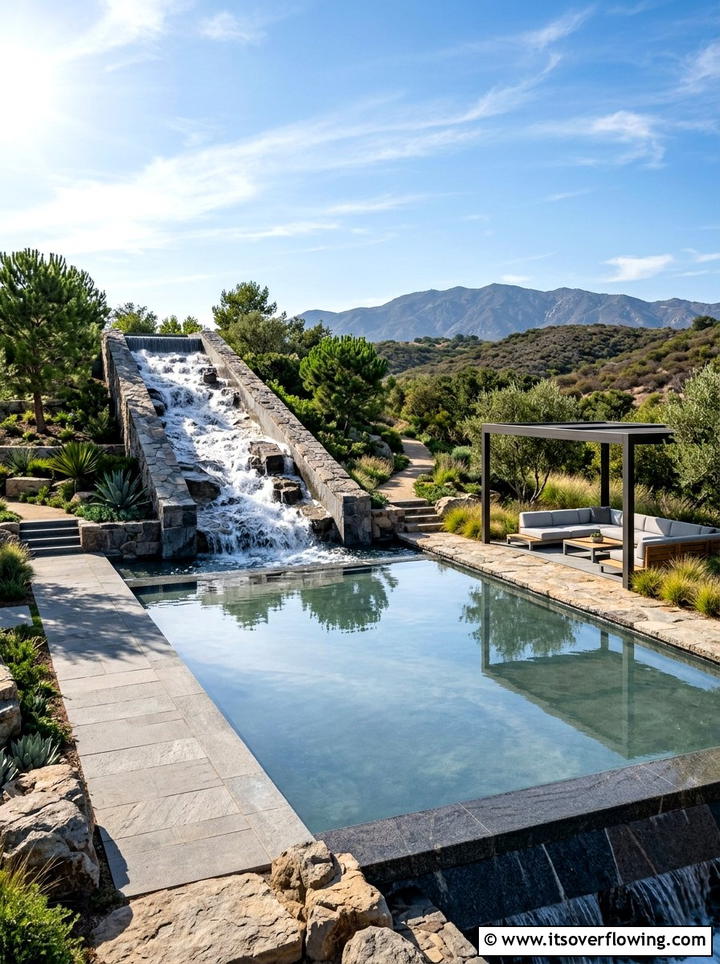
A contemporary spillway waterfall uses a wide, open channel to create a dramatic and powerful flow of water. Unlike a thin blade, a spillway can be made of textured stone or decorative tiles to add visual interest. The water often falls into a large, open basin that reflects the surrounding architecture. This style is often used as a focal point in front entries or as a backdrop for outdoor lounge areas. The bold movement of the water creates a strong auditory presence that is very refreshing on hot days. By using contrasting colors for the spillway and the wall, you can make the water feature pop against your home.
17. Decorative Urn Waterfall
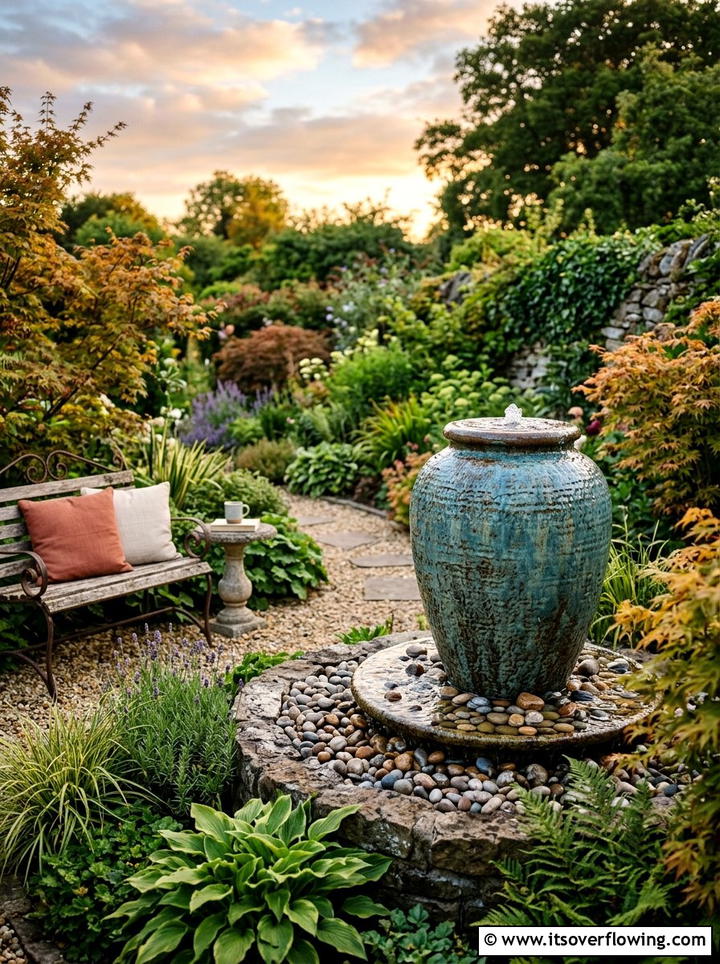
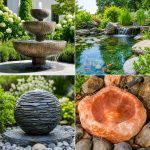
Using a decorative urn as the centerpiece of a waterfall is a great way to add artistic flair to your garden. The water typically bubbles up from the center of the urn and spills over the sides, coating the exterior in a shimmering layer. This creates a very gentle and soothing sound that is perfect for small seating areas. You can choose from various materials like ceramic, cast iron, or carved stone to match your personal style. Placing the urn in a bed of decorative pebbles hides the reservoir and gives it a finished look. It is an easy-to-install option that provides a lot of visual impact for a small investment.
18. Bamboo Pipe Waterfall
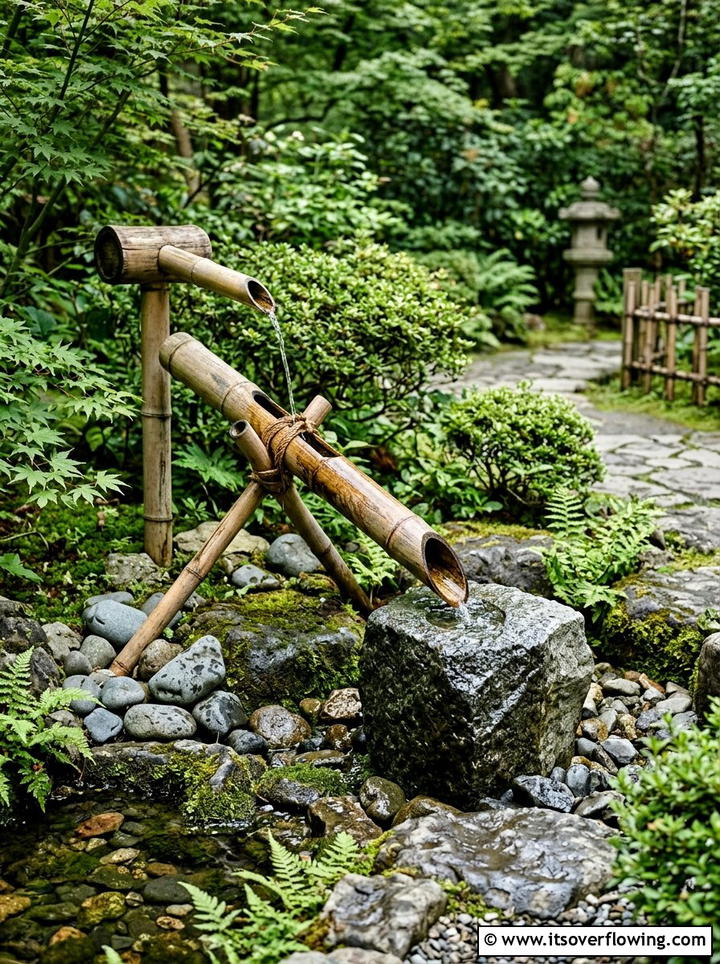
A bamboo pipe waterfall, also known as a shishi-odoshi, is a traditional Japanese feature that adds movement and sound. The water flows through a bamboo tube and into a pivoting bamboo arm that tips over when full. This creates a distinct “clack” sound as the bamboo hits a stone, which was historically used to frighten away deer. It is a very rhythmic and mesmerizing feature that works well in small, quiet gardens. The natural tan color of the bamboo looks beautiful against green foliage and gray stones. This design is perfect for those who enjoy the cultural history and the unique acoustic properties of traditional Japanese garden elements.
19. Multi Level Waterfall
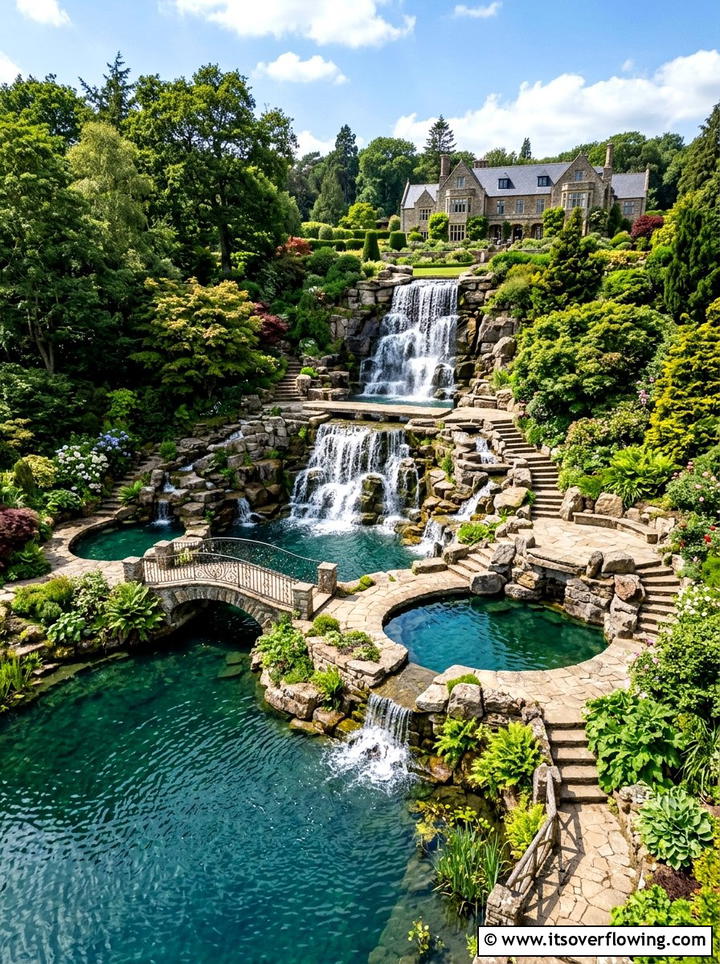
A multi level waterfall uses a series of platforms and pools to move water down a larger area or a steep slope. This design creates a very grand and complex look, as the water can change direction or split into several small streams as it goes. You can use varied materials for each level, such as a combination of flat stones and stacked boulders. The multiple drops provide a range of different water sounds, from high-pitched trickles to deeper splashes. This style is often used in large estate gardens to create a powerful and impressive focal point. It is a true statement piece that showcases your outdoor space’s full potential.
20. Hidden Grotto Waterfall
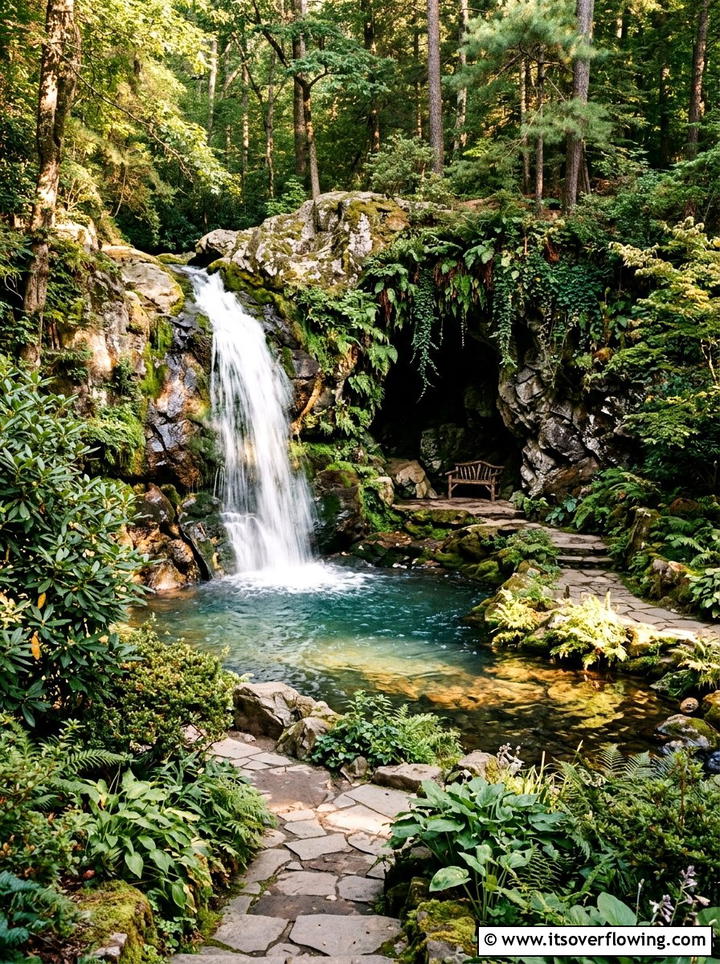
A hidden grotto waterfall uses a natural or artificial cave structure to create a secluded and magical atmosphere. This design typically features a larger waterfall that cascades over the entrance to a small cave or sheltered area. Inside the grotto, you can place a small bench or even a lighting system to create a secret hideaway. The sound of the water is amplified within the cave, making it feel more private and secluded. This is a very popular choice for family pools or larger gardens where you want to create a sense of adventure for visitors. It is a truly unique way to incorporate a water feature into your backyard.
21. Desert Xeriscape Waterfall
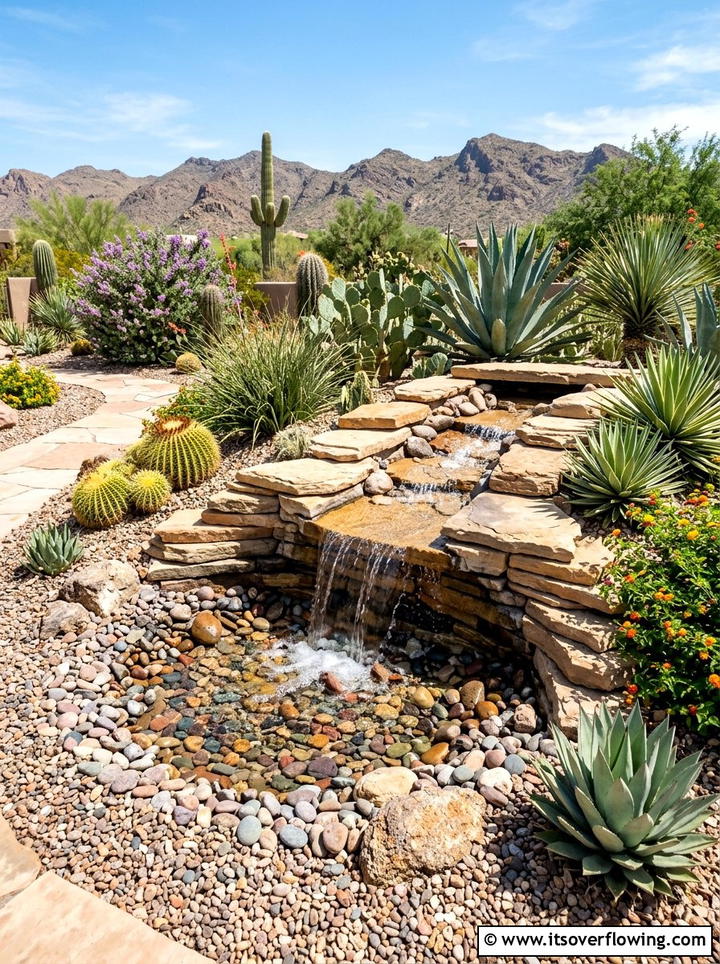
A desert xeriscape waterfall is a low-water usage design that uses a combination of succulents and rocks to create a desert-inspired look. This style focuses on using drought-tolerant plants like cacti or agave around a small, recirculating water feature. The water typically trickles down a series of flat stones or through a channel of decorative pebbles. This design is perfect for homeowners in dry climates who want to enjoy the sound of water without wasting natural resources. The contrast between the dry, arid plants and the cool, flowing water creates a beautiful and unexpected visual. It is a very sustainable and modern approach to garden design.
22. Backyard Pondless Waterfall
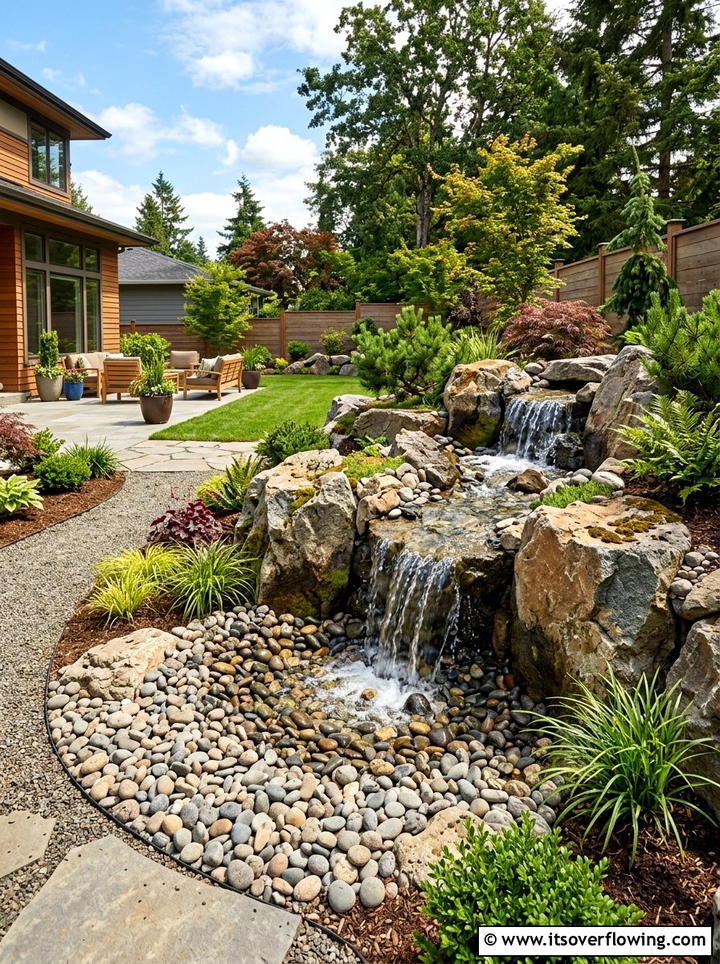
A backyard pondless waterfall is a safe and low-maintenance option for families with small children or pets. This design features a waterfall that disappears into a bed of decorative gravel or river rock, where the water is collected in a hidden reservoir below. This eliminates the need for an open pond, which reduces the maintenance required for cleaning and filtration. You can use large boulders or a series of flat stones to create a dramatic and beautiful fall without the risk of stagnant water or algae growth. This is a very popular choice for modern gardens where a clean and simple look is desired.
23. Granite Pillar Waterfall
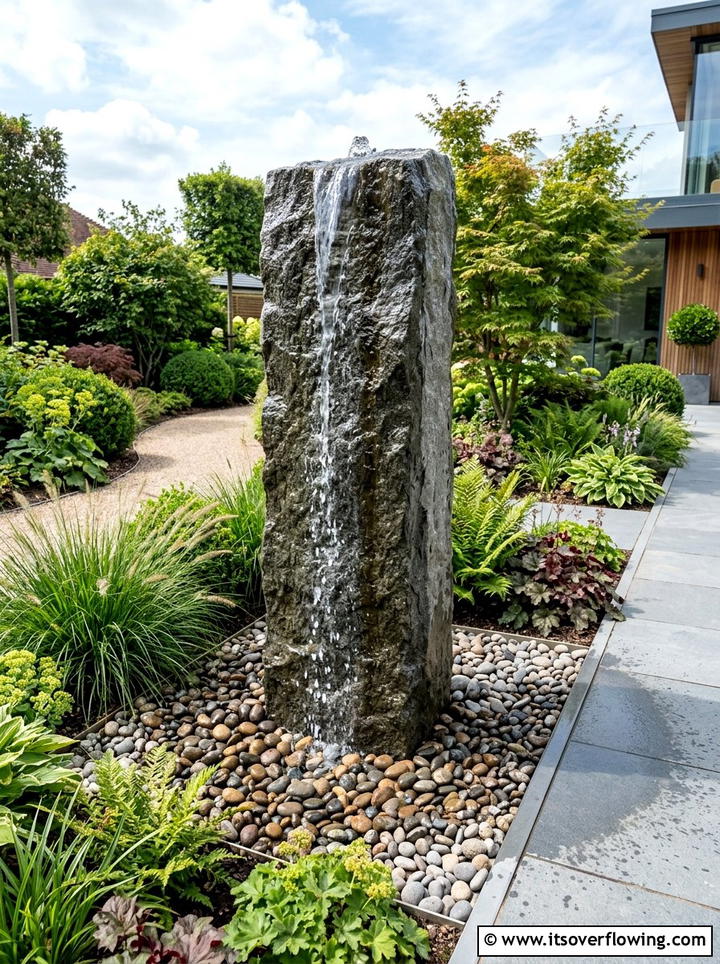
A granite pillar waterfall uses a tall, solid column of granite to create a striking and modern focal point. The water typically bubbles up from the top of the pillar and flows down the textured sides, coating the granite in a shimmering layer. This creates a very gentle and soothing sound that is perfect for small seating areas or as a backdrop for a garden. You can choose from various heights and colors of granite to match your home’s exterior style. Placing the pillar in a bed of decorative pebbles hides the reservoir and gives it a finished look. It is a very durable and low-maintenance option.
24. Flagstone Slab Waterfall
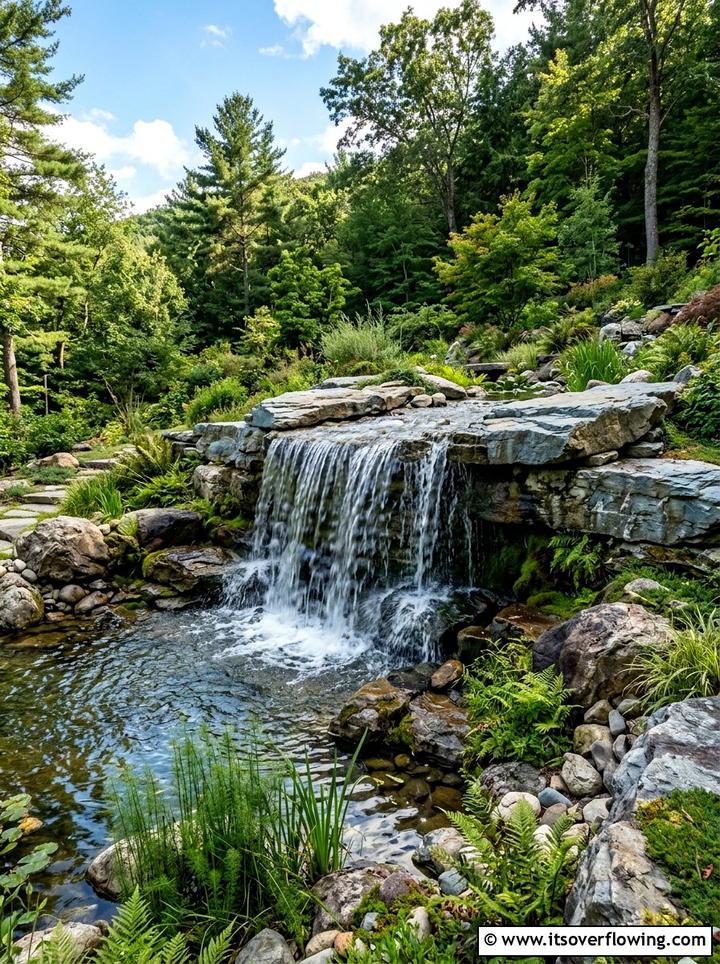
A flagstone slab waterfall uses large, flat pieces of flagstone to create a wide and dramatic sheet of falling water. This design focuses on using the natural texture and color of the stone to create a rugged and organic appearance. You can stack the flagstone in various ways to create a unique pattern of water movement, from a single large fall to several smaller drops. This style is perfect for gardens with a rustic or traditional feel, as the stone blends seamlessly with the natural landscape. The wide spillway creates a powerful and impressive sound that is very refreshing on hot summer days.
25. Mossy Ravine Waterfall
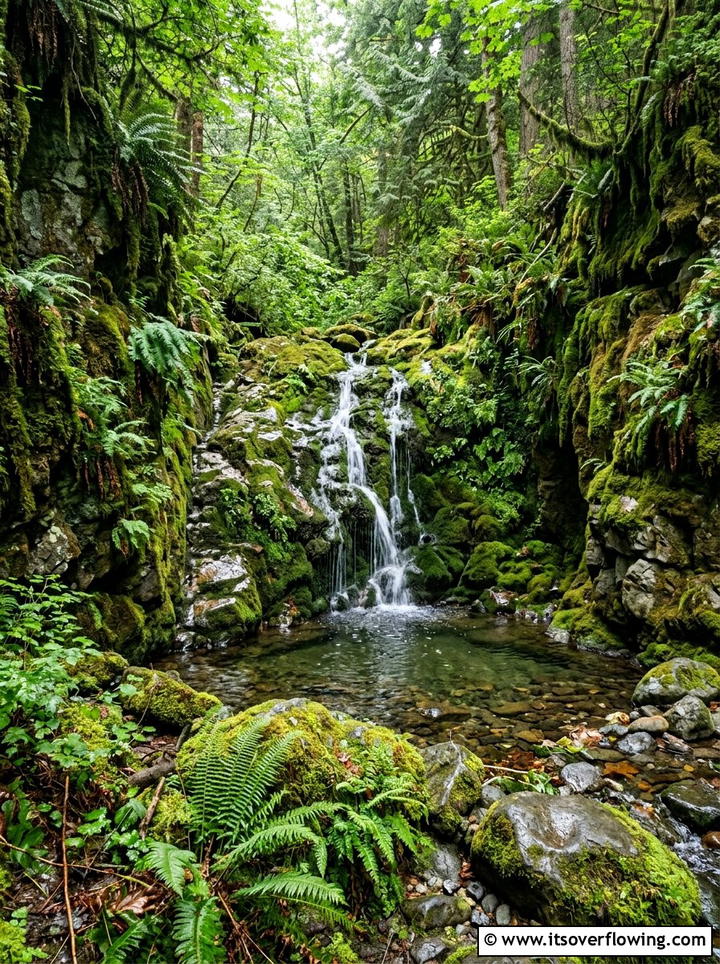
A mossy ravine waterfall uses a combination of moss-covered rocks and ferns to create a lush and green atmosphere. This design focuses on using shade-loving plants to create a cool and humid environment that feels like a hidden forest glen. The water typically trickles down a series of small drops and through a channel of decorative pebbles, creating a very gentle and soothing sound. You can place the waterfall in a shaded part of your yard to encourage the growth of moss and other forest plants. This is a very peaceful and meditative feature that is perfect for a quiet corner of your garden.
Conclusion:
Adding a waterfall to your garden is one of the most rewarding landscape projects you can undertake. Throughout this guide, we have explored a wide range of styles, from rugged natural stone to sleek modern glass features. Each of these ideas provides a unique way to incorporate the soothing sound of water into your outdoor living space. Whether you have a sprawling estate or a small urban patio, there is a waterfall design that can fit your needs and budget. By carefully selecting materials and plants, you can create a personalized retreat that offers beauty and tranquility for many years to come.

Related posts:
 25 Garden Design Ideas With Water Features for Serenity
 25 Garden Ideas With Water Features for a Serene Yard
 25 Garden Design Ideas for Reading Nooks for Relaxing Escapes
 25 Garden Design Ideas With Seating Zones for Relaxing Outdoors
 25 Garden Ideas With Bench Seating for Relaxing Outdoors
 25 Small Garden Ideas With Cozy Seating for Relaxing Retreats
 25 Creative Garden Ideas With Espalier Trees for Style
 25 garden ideas for mediterranean style: Sunny Yard Looks
 25 Garden Ideas With Plant Markers for Organized Outdoor Style
 25 Garden Ideas With Rocks for Natural Outdoor Style
 25 Small Garden Ideas on a Budget for Beautiful Outdoor Style
 25 small garden ideas with succulents for Low-Maintenance Style