
Creating a charming garden for a cottage home involves blending soft textures, vibrant colors, and natural materials to produce an inviting, lived-in atmosphere. This style focuses on a sense of abundance, where flowers spill over pathways and lush greenery hides every bit of bare earth. Unlike formal landscapes that prioritize strict symmetry, a cottage-inspired space celebrates the beautiful irregularity of nature through layered planting and rustic accents. By incorporating traditional elements like climbing roses, stone walkways, and cozy seating nooks, you can transform your backyard into a romantic sanctuary. This guide explores the most effective ways to capture that timeless aesthetic while ensuring your outdoor space remains practical and manageable throughout the changing seasons.
1. English cottage garden
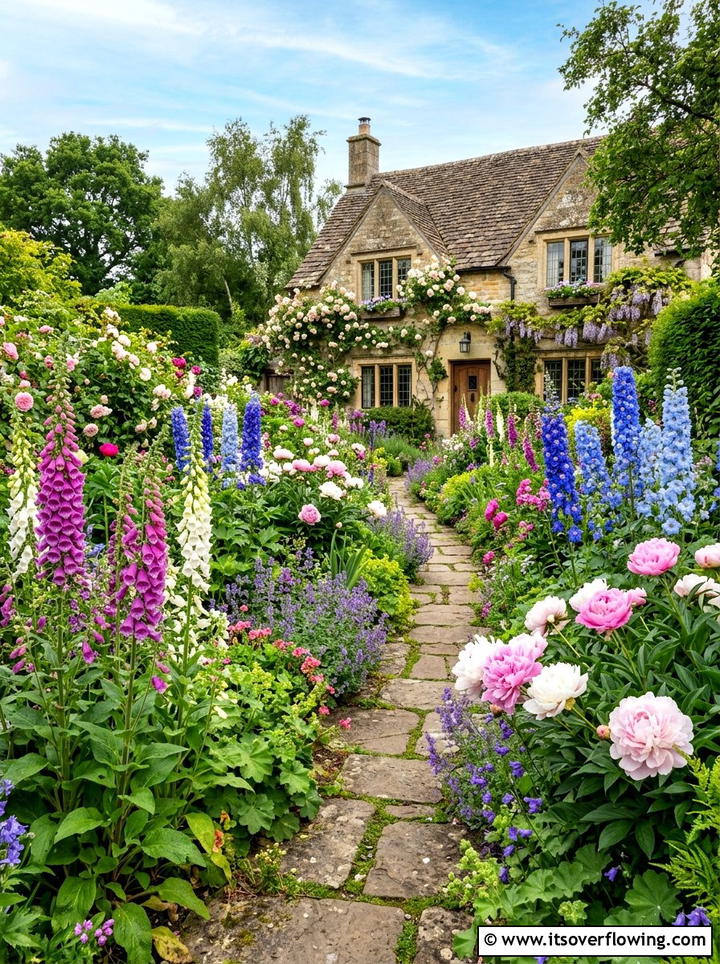
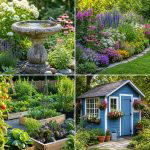
A classic English cottage garden focuses on a lush, overflowing aesthetic that prioritizes high-density planting over perfectly manicured lawns. You can achieve this timeless look by mixing tall perennials like foxgloves and delphiniums with soft, mounding plants like lavender and lady’s mantle. This layered approach creates a visual tapestry that feels both romantic and effortlessly natural. Every inch of soil should be filled with diverse textures and colors to prevent weeds and provide a habitat for local pollinators. Incorporating various heights ensures that your garden has depth and dimension, making even small outdoor spaces feel like a secret, magical forest escape right outside your back door.
2. Stone garden path
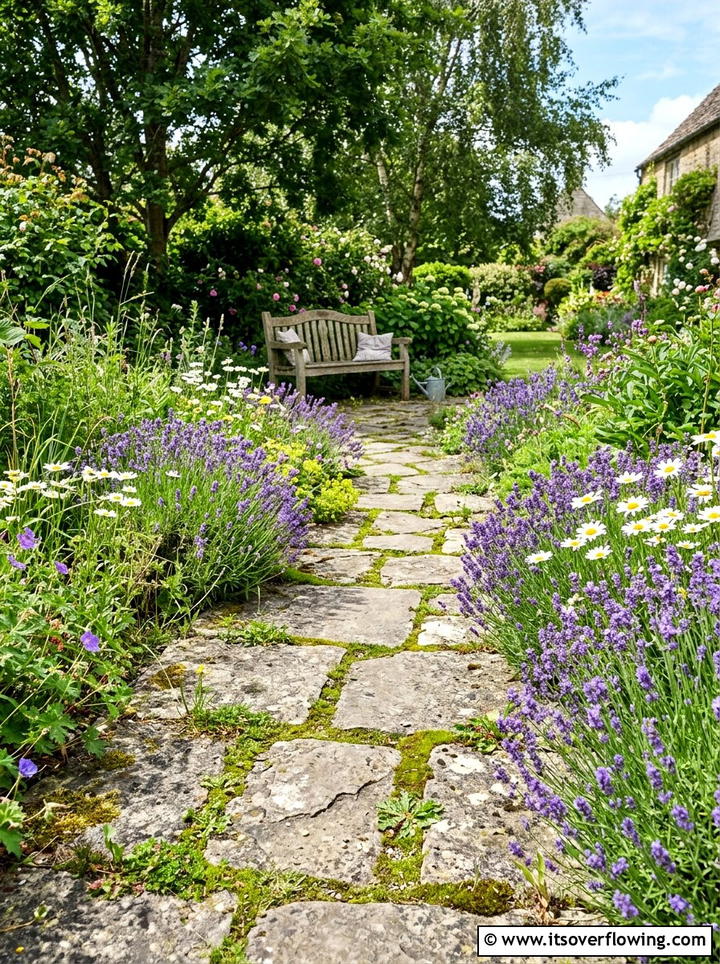
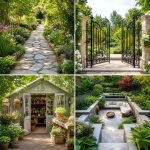
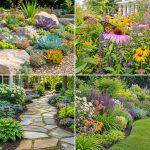
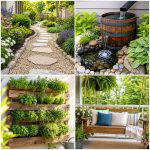
Meandering stone garden paths are essential for guiding visitors through your landscape while adding a sense of structure and history. Using irregular flagstones or weathered cobblestones creates a rustic look that fits perfectly with the cottage aesthetic. You should allow moss or low-growing creeping thyme to fill the gaps between the stones, which softens the hard edges and blends the walkway into the surrounding greenery. A winding path adds a touch of mystery, encouraging people to slow down and appreciate the different planting zones throughout the yard. This functional element also keeps your feet dry and protects delicate plants from being stepped on during casual strolls.
3. White picket fence
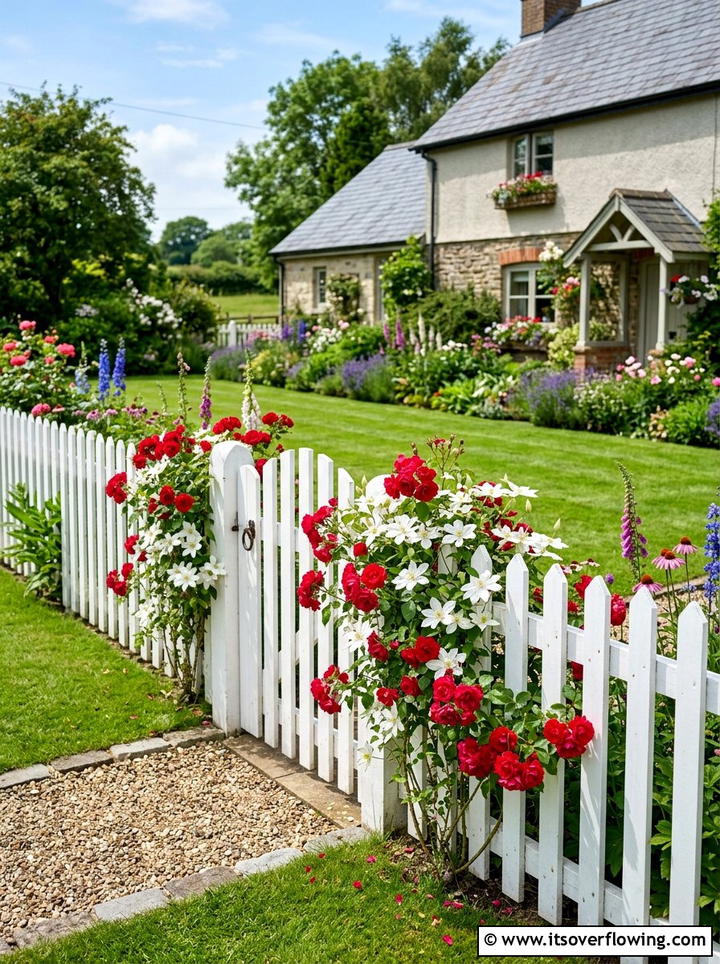
A traditional white picket fence serves as a quintessential boundary that instantly boosts the curb appeal and charm of any cottage home. Beyond providing a clear perimeter, the vertical slats offer a perfect backdrop for bright red roses or purple clematis to climb and weave through. You can keep the fence height low to maintain an open, friendly feel that welcomes neighbors and passersby while still defining your private space. Painting the wood a crisp white creates a sharp contrast against the deep greens and vibrant floral colors of your garden beds. This classic architectural feature ties the entire landscape together, creating a cohesive and nostalgically beautiful outdoor environment.
4. Climbing rose trellis
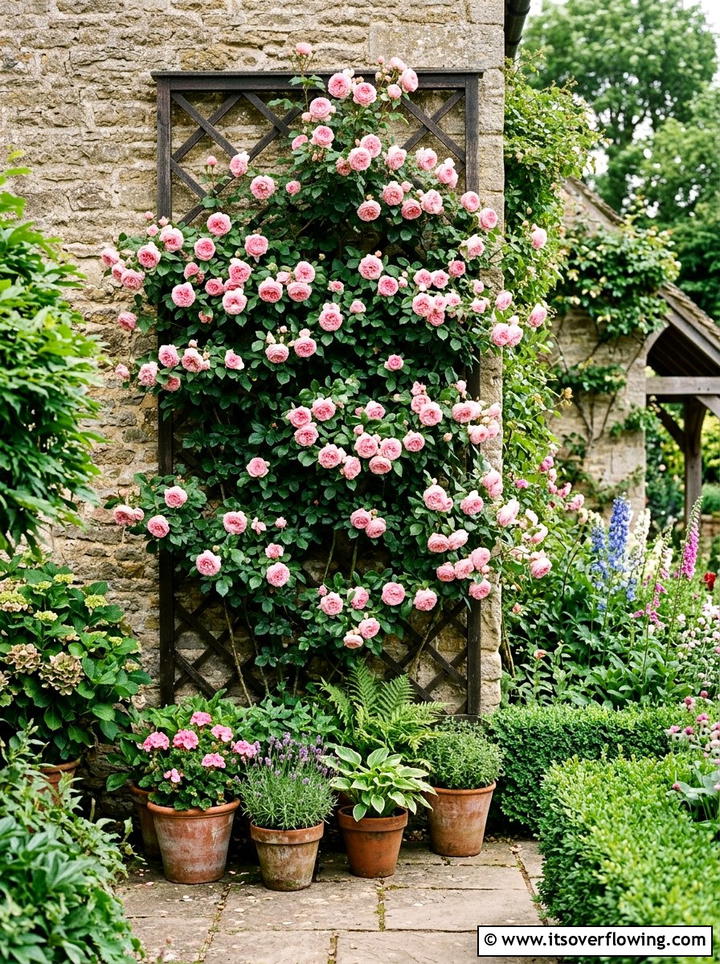
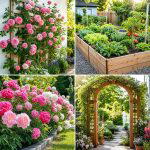
Integrating a climbing rose trellis adds vertical interest and a sense of old-world romance to your garden walls or fences. Selecting fragrant varieties like David Austin roses ensures that your outdoor space is filled with a sweet, intoxicating scent throughout the summer months. You should securely anchor the trellis to provide strong support for the heavy canes as they grow toward the sun. Training the roses to grow horizontally across the structure encourages more blooms along the entire length of the stems. This vertical garden element is perfect for softening harsh lines and adding a splash of classic color to empty walls or porch supports in a small yard.
5. Wildflower meadow
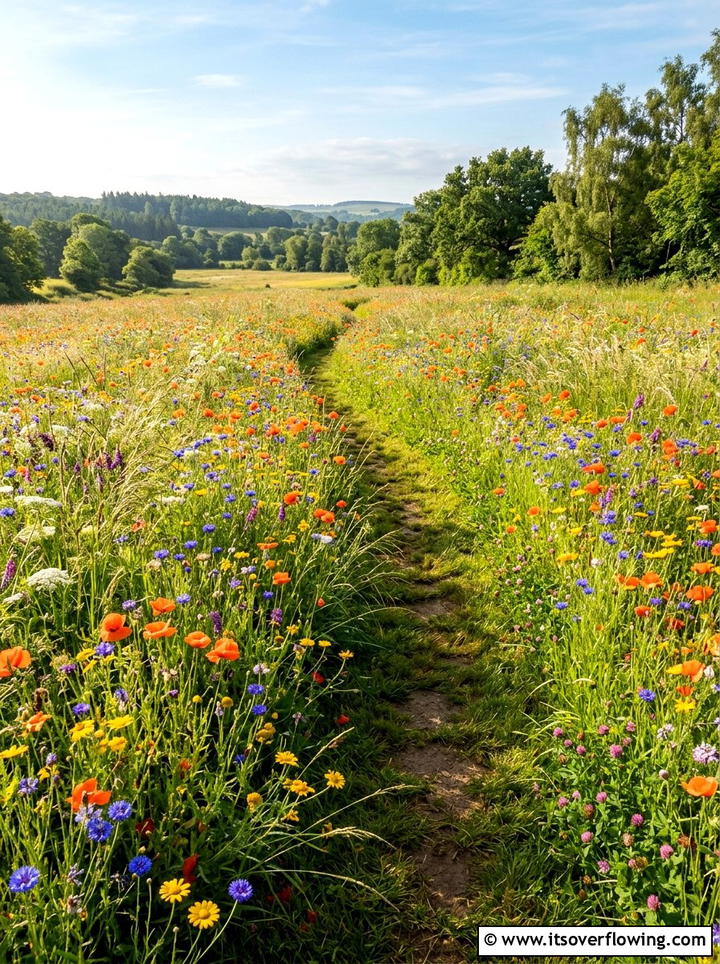
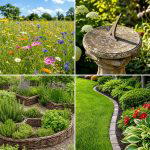
A wildflower meadow offers a low-maintenance alternative to a traditional lawn while providing a colorful haven for bees, butterflies, and birds. You can sow a diverse mix of native seeds, including cornflowers, poppies, and daisies, to create a shifting palette of color that evolves from spring through autumn. This naturalistic style requires very little water or fertilizer once established, making it an eco-friendly choice for sustainable gardening. The gentle swaying of tall grasses and delicate petals in the breeze adds a sense of movement and tranquility to your landscape. A meadow area feels wonderfully untamed and provides a beautiful contrast to more structured flower beds.
6. Rustic garden gate
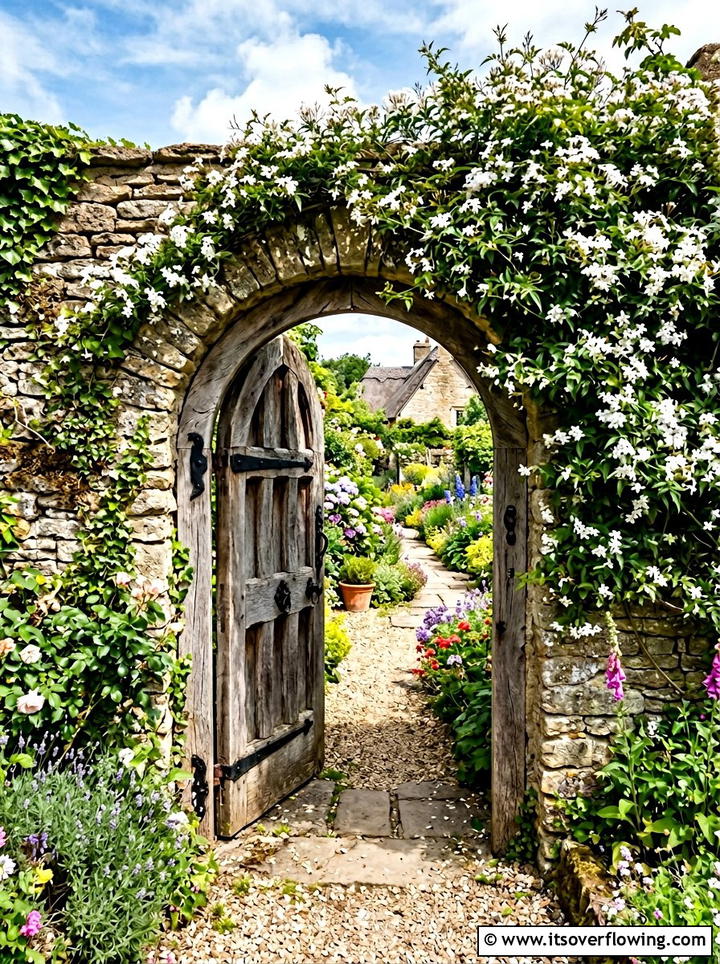
Installing a rustic garden gate made of weathered wood or wrought iron creates an enchanting entrance that signals a transition into your private sanctuary. You can choose a simple arched design or a more ornate pattern to reflect your personal style and the character of your cottage. Adorning the gate with a decorative latch or a vintage knocker adds a touch of personality and historical charm. To make the entrance even more inviting, consider planting fragrant jasmine or honeysuckle nearby so guests are greeted with a lovely scent. A well-placed gate provides both security and a focal point that draws the eye into the depths of your garden.
7. Garden potting shed
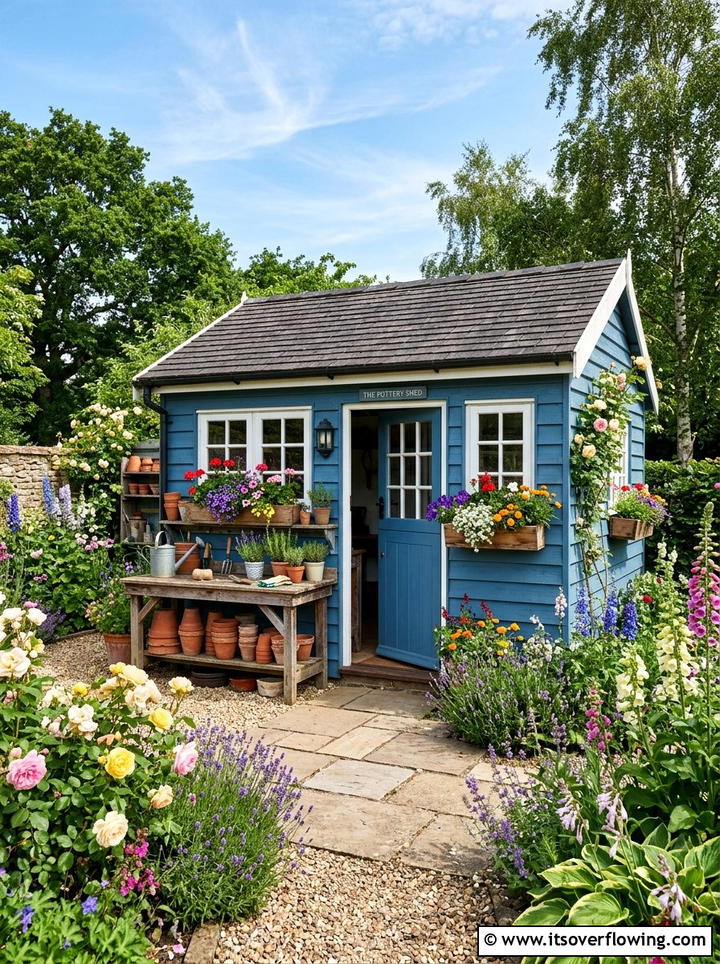
A functional garden potting shed can double as a charming focal point when designed with shingle siding, window boxes, and a weathered door. This dedicated workspace allows you to organize your tools, terracotta pots, and bags of soil while keeping the rest of your garden tidy. You can paint the shed in soft pastel tones or a deep forest green to help it blend seamlessly into the surrounding foliage. Adding a small porch or a workbench outside the shed creates a comfortable spot for starting seeds or arranging fresh floral bouquets. A beautifully styled shed adds a sense of purpose and cozy architectural interest to the back of your property.
8. Perennial flower bed
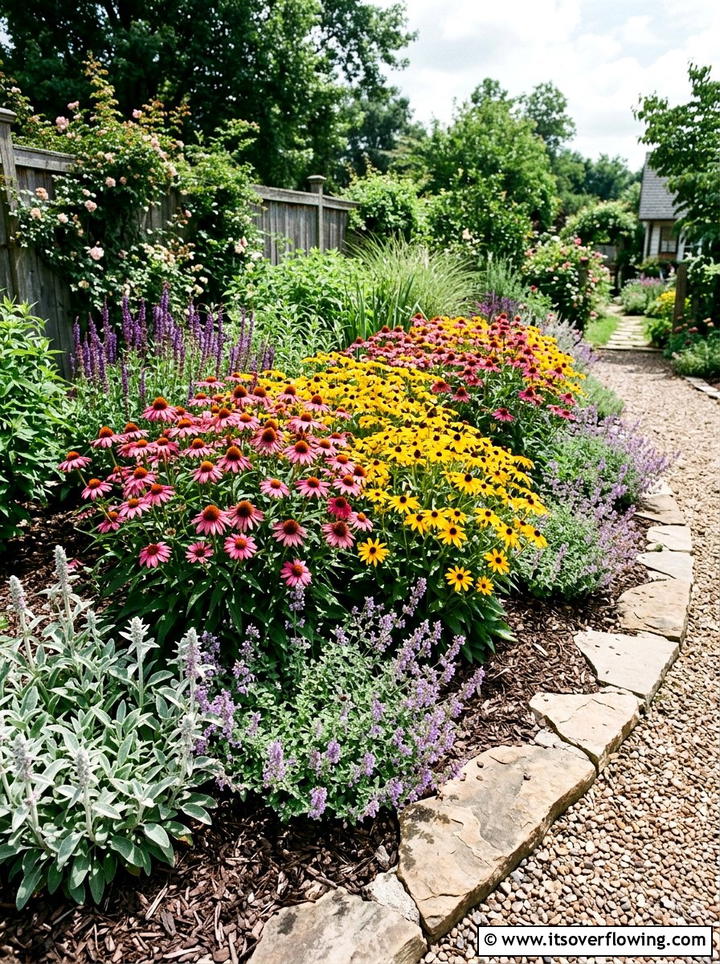
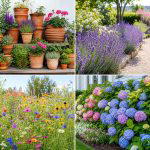
A well-planned perennial flower bed ensures that your garden returns to life with vibrant colors and lush textures year after year. You should group plants with similar light and water requirements together to make maintenance easier and more efficient for your busy schedule. Combining different bloom times, such as early spring tulips followed by mid-summer coneflowers, ensures a continuous display of floral beauty. Using a variety of foliage shapes, from broad hosta leaves to feathery ferns, adds visual interest even when the flowers are not in bloom. This sustainable planting strategy builds a strong foundation for your cottage garden that only gets better and more mature over time.
9. Herb garden layout
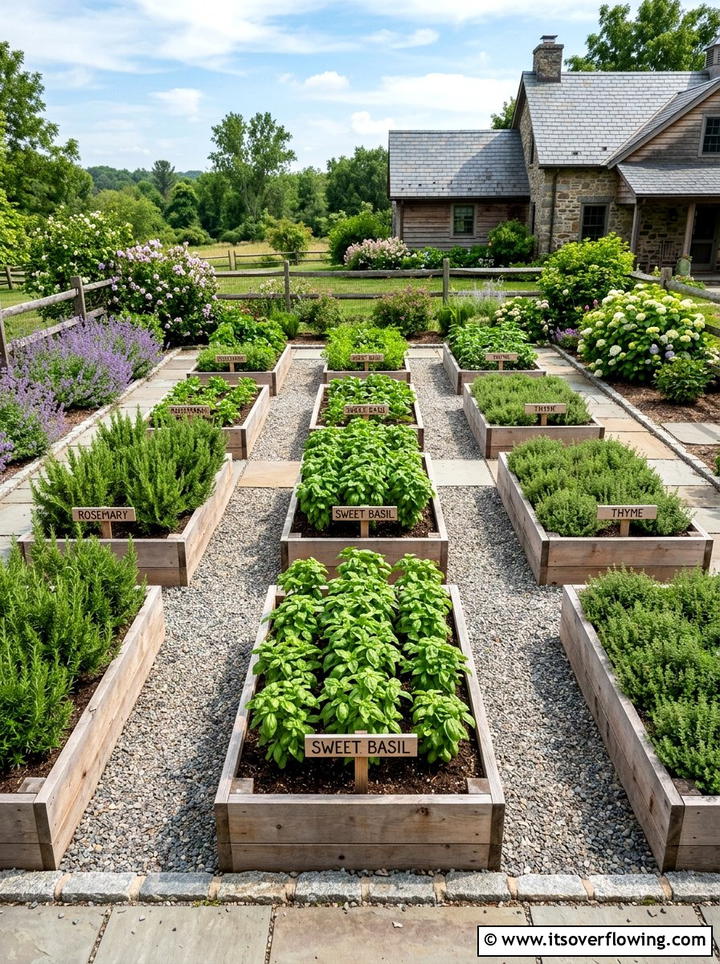
A dedicated herb garden layout combines culinary functionality with the sensory delight of aromatic foliage and delicate, edible blossoms. You can arrange herbs like rosemary, sage, and thyme in a structured knot pattern or a casual cluster near your kitchen door for easy access. Raised wooden beds or stone-edged circles help contain spreading herbs like mint while providing a neat, organized appearance within the landscape. Mixing in colorful edible flowers like nasturtiums or pansies adds a decorative touch that enhances the overall beauty of the space. Growing your own herbs provides fresh ingredients for cooking and fills the air with refreshing scents whenever you brush against the leaves.
10. Bird bath garden
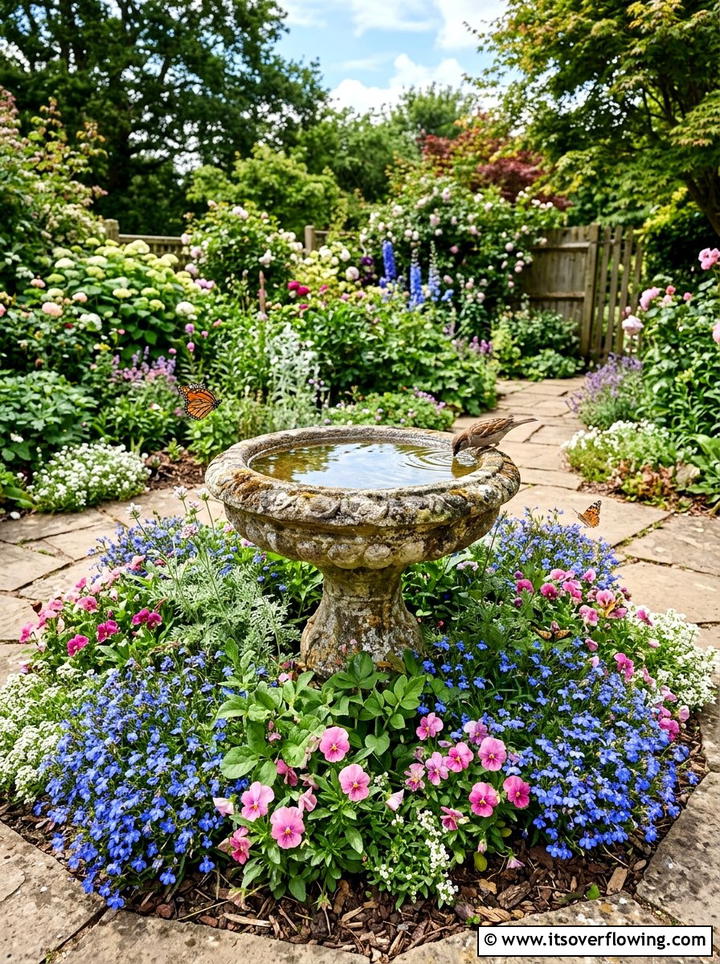
Adding a bird bath garden creates a peaceful focal point that attracts local wildlife and provides a soothing water element for your backyard. You should place the bird bath in a visible but sheltered spot where birds feel safe from predators while they drink and splash. Surrounding the base with low-growing flowers like pansies or lobelia helps anchor the feature into the landscape and hides any utilitarian hardware. Choosing a weathered stone or copper basin adds a touch of antique elegance that fits perfectly with the cottage style. Watching birds visit your garden adds a layer of life and movement that makes the outdoor space feel truly connected to nature.
11. Garden bench seating
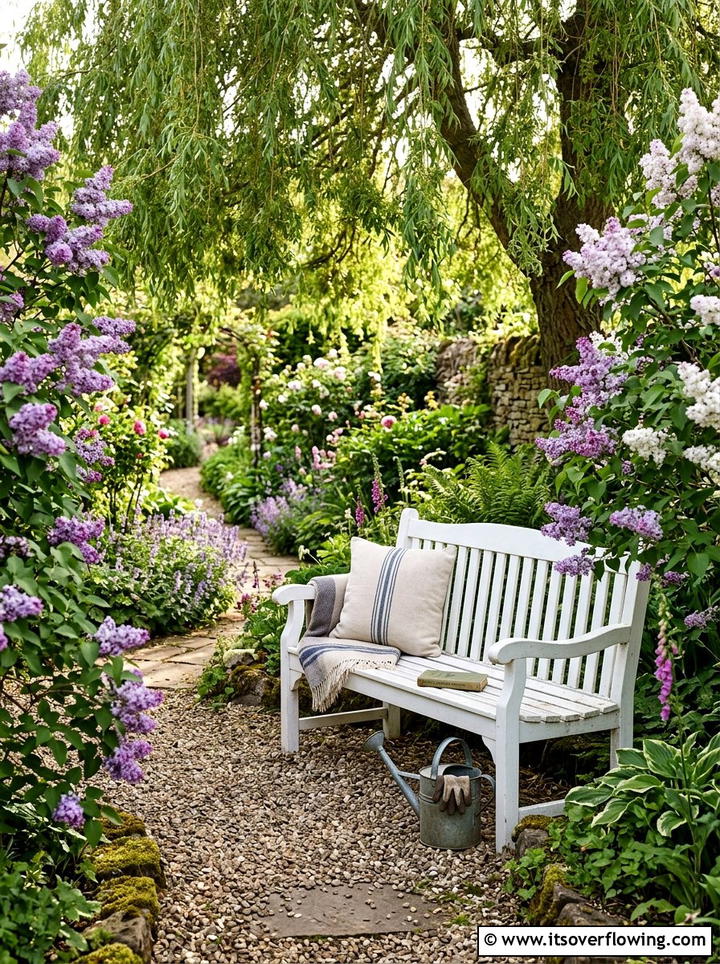
Strategic garden bench seating offers a quiet place to sit and enjoy the fruits of your labor among the blooming flowers. You can tuck a wooden or wrought iron bench into a shady corner or place it at the end of a path to serve as a visual destination. Surrounding the seating area with fragrant plants like lavender or lilac creates a sensory experience that encourages long periods of relaxation. Using weather-resistant materials ensures that your furniture stays beautiful and functional despite exposure to the sun and rain throughout the year. A well-placed bench provides a perfect vantage point for bird watching or simply enjoying a morning cup of coffee in peace.



12. Gravel garden walk
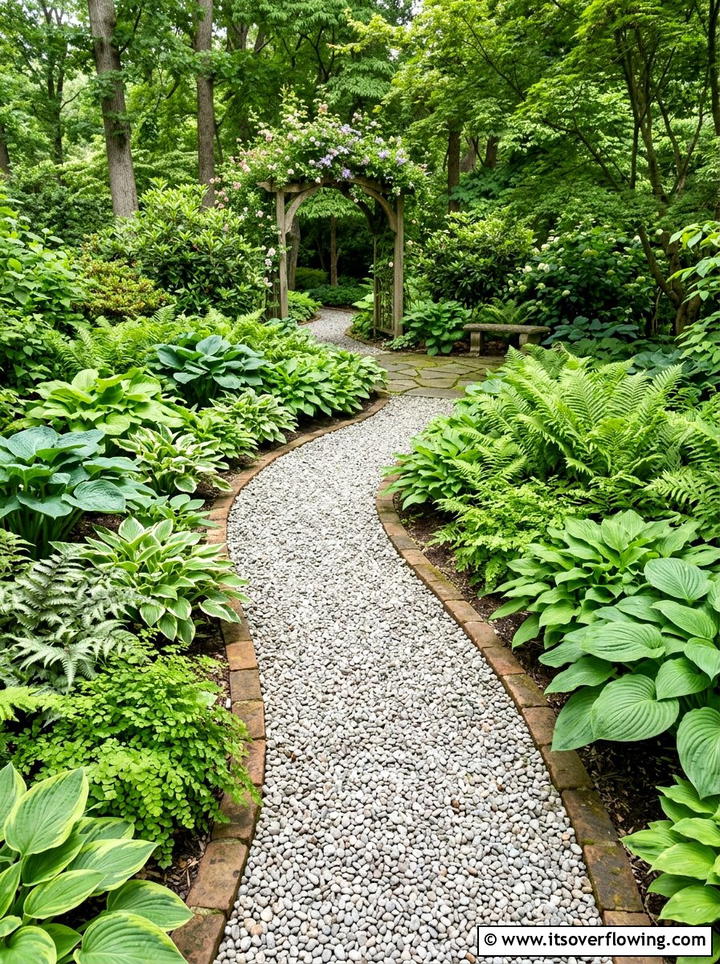
A gravel garden walk provides a satisfying crunch underfoot and offers a practical, well-draining solution for pathways throughout your cottage landscape. You can use light-colored pea gravel or crushed stone to create a clean, bright contrast against the dark soil and green foliage. This type of path is flexible and easy to install, making it ideal for creating curved lines that flow naturally around flower beds and trees. Edging the gravel with bricks or larger stones keeps the material in place while adding another layer of texture to the design. Gravel paths are excellent for preventing mud and allowing rainwater to soak back into the earth easily.
13. Wisteria covered pergola
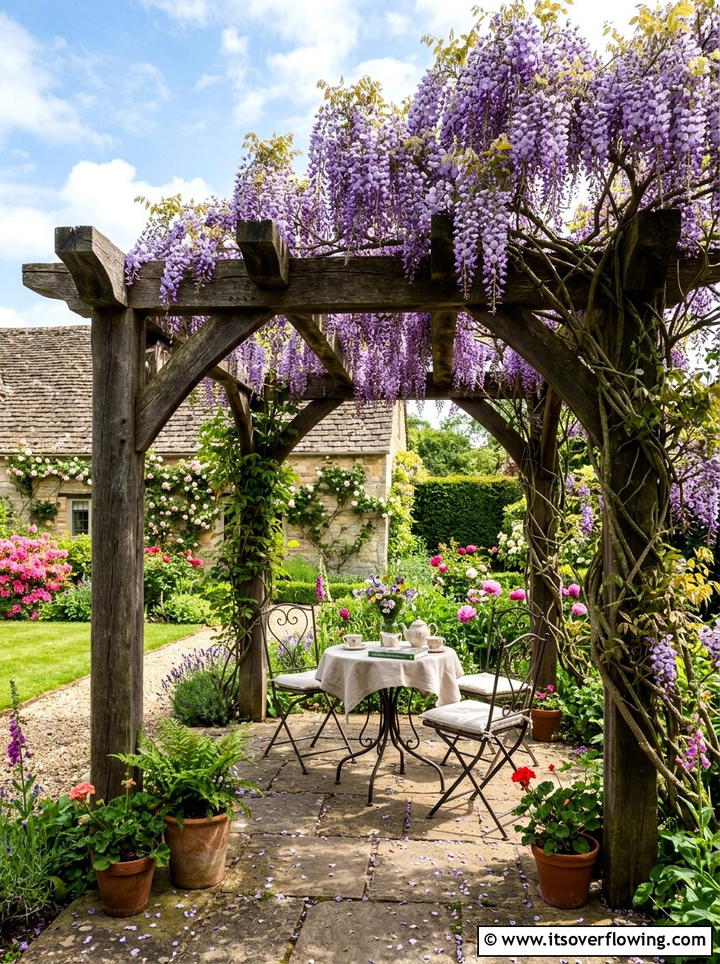
A wisteria covered pergola creates a stunning architectural feature that provides cool shade and a dramatic display of hanging purple or white blossoms. You should build a sturdy timber structure that can support the heavy weight of mature vines as they wrap around the posts and beams. During the late spring, the long racemes of flowers create a fragrant canopy that feels like something out of a fairy tale. Underneath the pergola, you can set up a dining table or a lounge area to enjoy the dappled sunlight and fresh air. This vertical element adds height and a sense of luxury to the garden while defining a clear outdoor living space.
14. Vegetable patch design
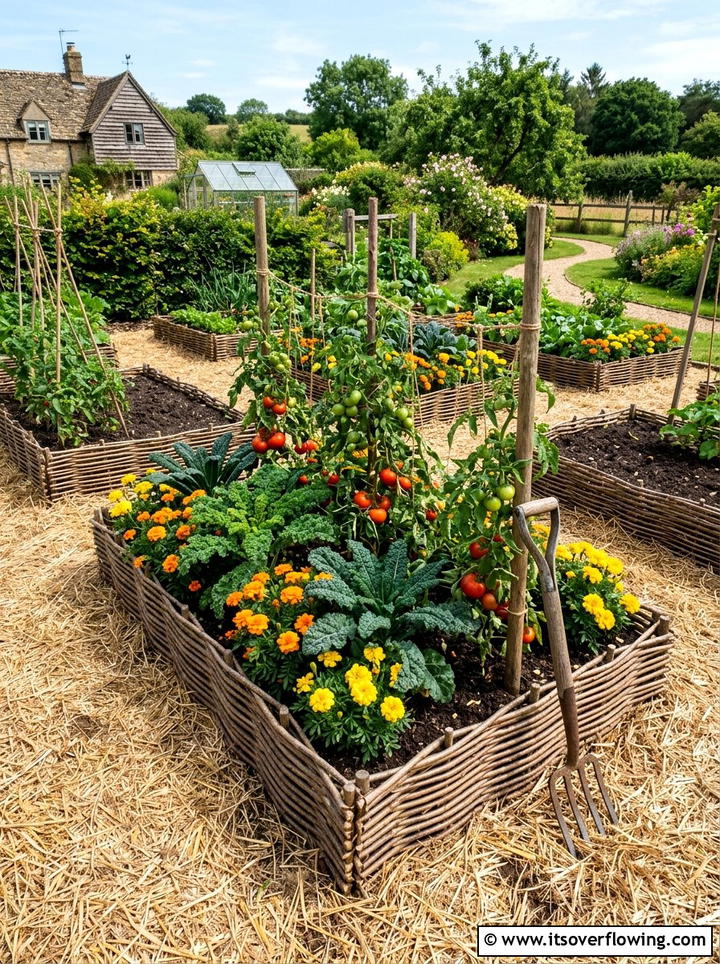
A charming vegetable patch design proves that a productive garden can be just as beautiful as a purely ornamental one for your home. You can use raised wooden beds or woven willow hurdles to create structured plots for growing tomatoes, kale, and bright orange carrots. Interspersing rows of vegetables with marigolds or zinnias adds a pop of color and helps deter pests naturally without using harsh chemicals. A central path made of bark or brick allows you to easily reach your crops for harvesting and maintenance tasks. Growing your own food adds a rewarding sense of self-sufficiency and brings a rustic, farm-to-table aesthetic to your cozy cottage backyard.
15. Hidden garden nook
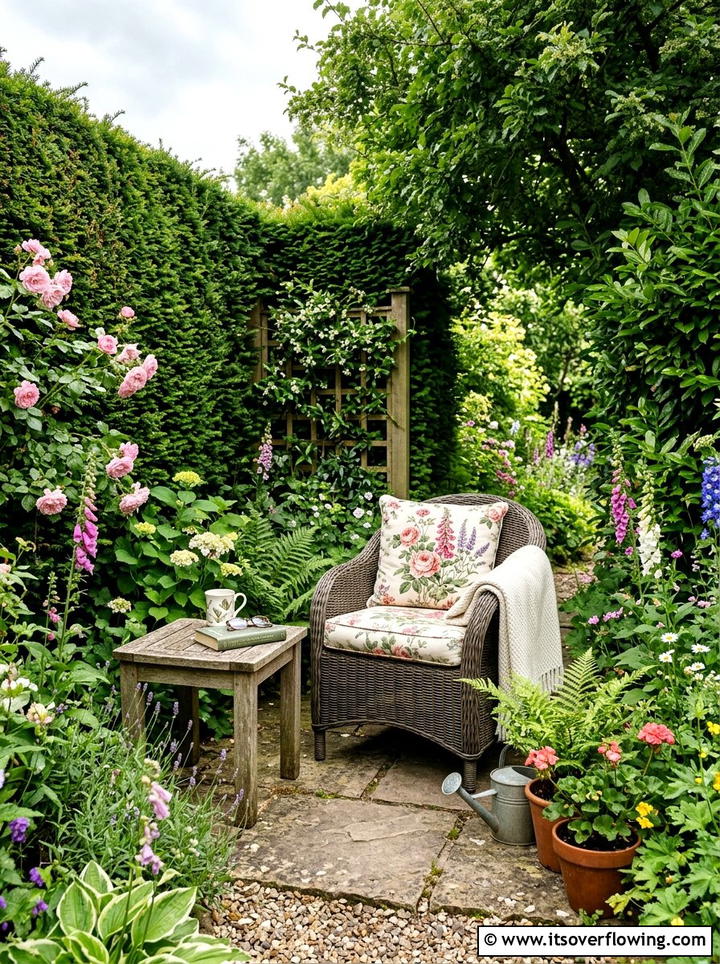
Creating a hidden garden nook offers a private escape where you can read a book or meditate surrounded by lush, tall greenery. You can use tall shrubs like laurel or climbing vines on a lattice screen to wall off a small section of the yard. Adding a comfortable chair, a weather-proof rug, and a few potted plants makes the space feel like an outdoor room rather than just a corner. This tucked-away area provides a sense of discovery and whimsy, making your garden feel much larger and more complex than it actually is. A hidden nook is the ultimate luxury for anyone seeking a quiet moment of solitude in nature.
16. Garden pond feature
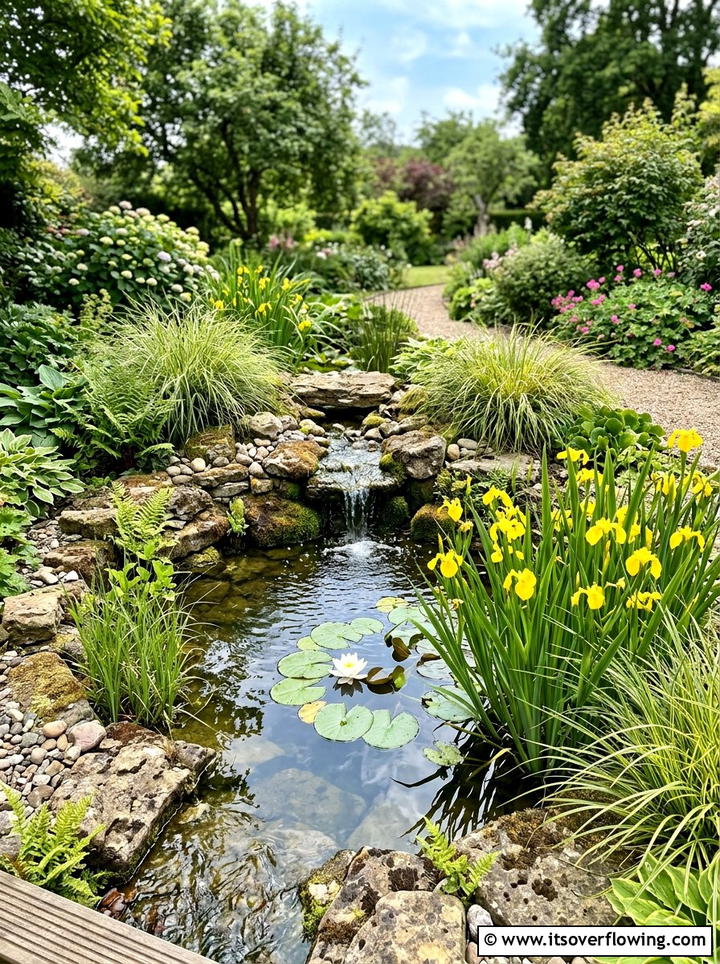
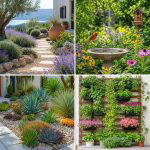
A small garden pond feature introduces the calming sound of moving water and creates a unique habitat for aquatic plants and frogs. You can edge the pond with smooth river rocks and plant moisture-loving species like irises and marsh marigolds around the perimeter. Adding a small solar-powered fountain or a gentle waterfall keeps the water oxygenated and adds a pleasant ambient noise to your outdoor sanctuary. The reflection of the sky and surrounding flowers in the still water adds a sense of depth and luminosity to the landscape. A pond serves as a cool oasis during the hot summer months and provides endless fascination for nature lovers of all ages.
17. Sunken fire pit
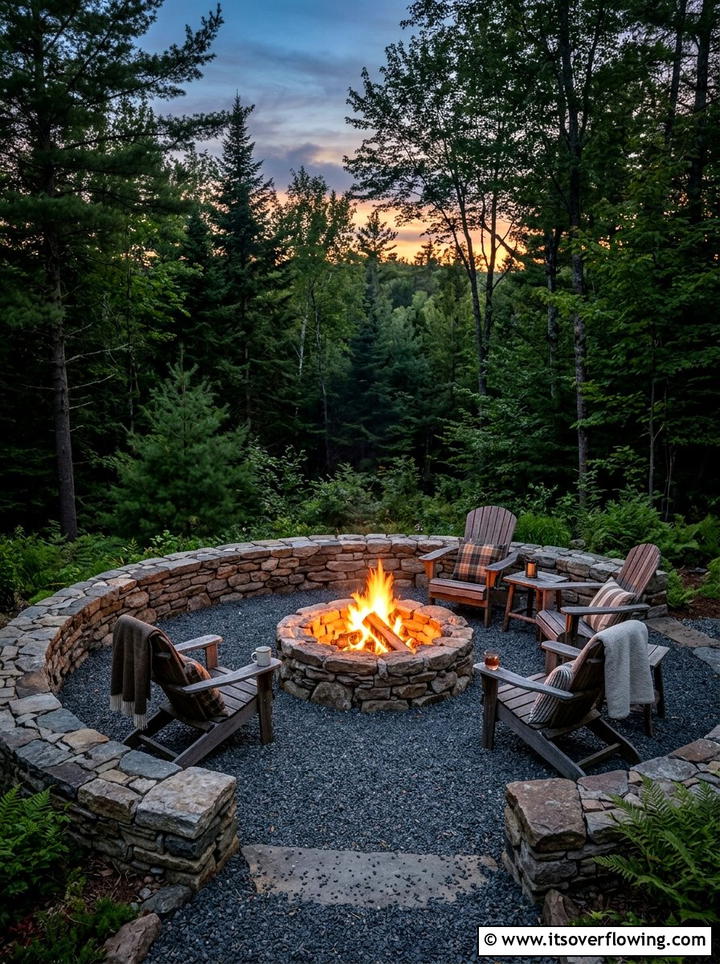
A sunken fire pit provides a cozy and protected gathering spot for family and friends to enjoy cool evenings under the stars. You can surround the pit with built-in stone seating or comfortable Adirondack chairs arranged in a welcoming circle on a gravel base. This design keeps the flames shielded from the wind and creates an intimate atmosphere that feels separate from the rest of the garden. Using natural materials like fieldstone or slate ensures that the fire pit blends seamlessly with the rustic cottage aesthetic when not in use. A fire pit extends the usability of your garden into the autumn and winter, providing warmth and a focal point for socializing.
18. Cottage garden archway
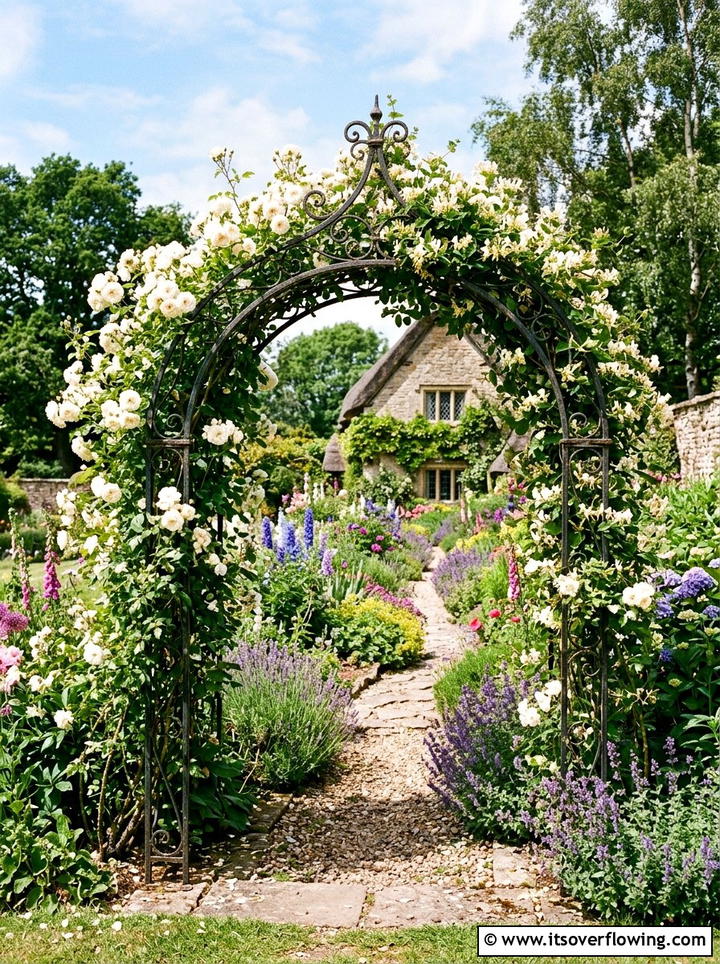
A cottage garden archway serves as a romantic transition point that frames a view or marks the entrance to a new section of your yard. You can choose a simple wooden arch or a decorative metal structure and cover it with fast-growing climbers like jasmine or clematis. As the plants mature, they create a living tunnel of greenery and flowers that adds a vertical dimension to your landscape design. Placing an archway over a path creates a sense of movement and directs the eye toward a specific focal point, like a statue or a bench. This classic garden element adds immediate height and a sense of architectural grace to any outdoor space.
19. Traditional boxwood hedge
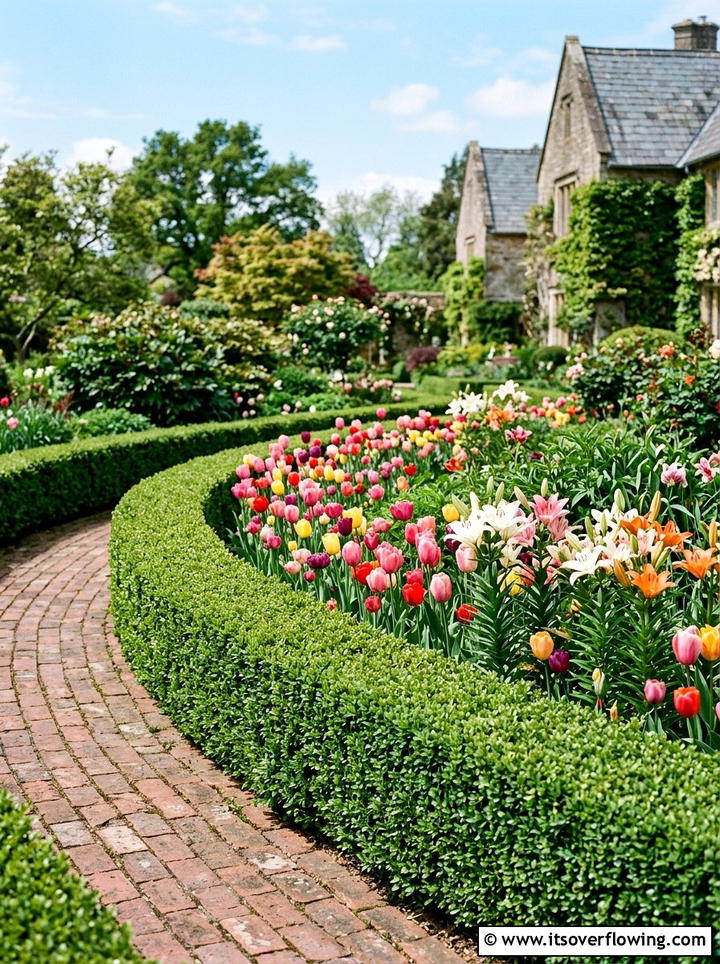
A traditional boxwood hedge offers a sense of structure and year-round greenery that helps define different zones within a rambling cottage garden. You can clip these evergreen shrubs into neat, low borders to line pathways or frame large perennial beds with a touch of formality. The crisp, dark green leaves provide a wonderful contrast to the soft, colorful flowers that typically dominate a cottage-style landscape during the summer. Using hedges as a backdrop helps make the colors of your blooms pop and provides a visual rest for the eye. Boxwood is hardy and versatile, making it an excellent choice for creating a sense of permanence and classic style in your yard.

20. Garden window box
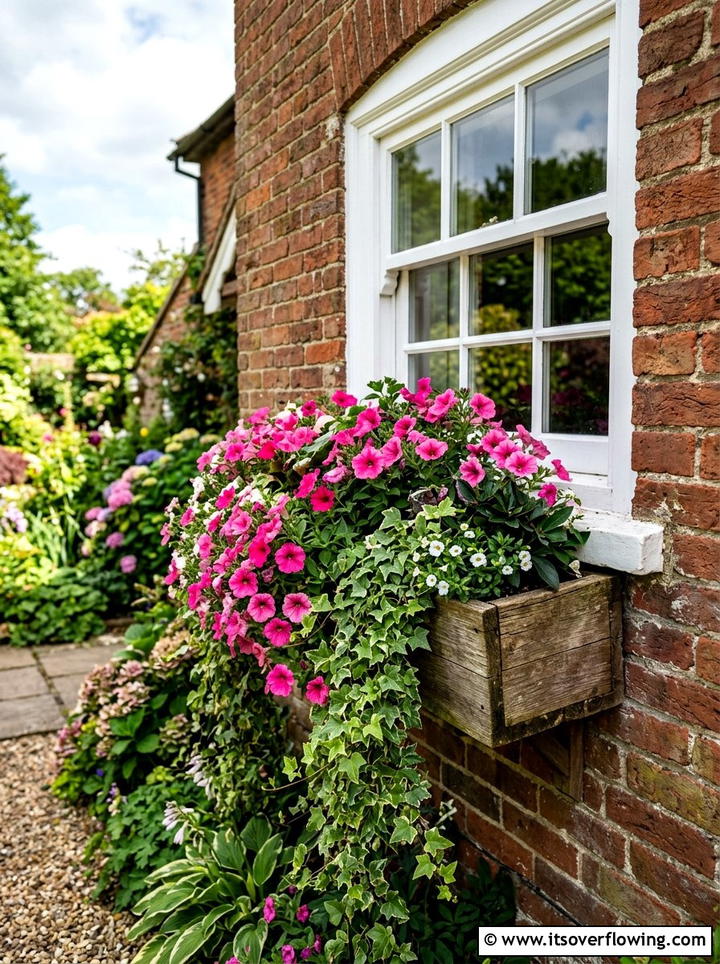
Installing a garden window box allows you to bring the beauty of your landscape right up to your home’s exterior walls and windows. You can fill the boxes with a mix of trailing vines like ivy, upright flowers like geraniums, and soft fillers like petunias for a lush look. This elevated planting style adds a splash of color to your home’s facade and allows you to enjoy the scent of flowers from inside your rooms. Matching the color of the window boxes to your shutters or front door creates a coordinated and polished appearance for your cottage. Window boxes are perfect for adding charm to homes with limited ground space for traditional garden beds.
21. Rock garden design
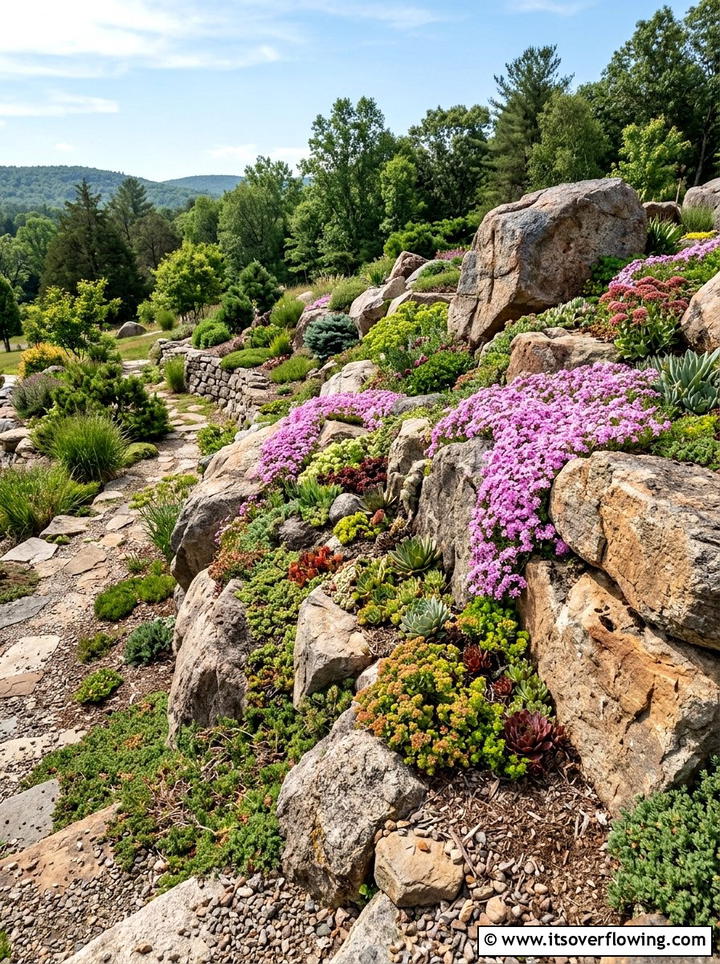
A rock garden design utilizes various sizes of natural stones and drought-tolerant alpine plants to create a rugged yet beautiful landscape feature for your home. You can nestle succulents, sedums, and creeping phlox between the rocks to mimic the look of a mountain slope or a rocky coastal cliff. This style of gardening is particularly effective for sloped areas of your yard where traditional grass or flowers might struggle to grow due to drainage. The contrast between the hard, grey stones and the soft, colorful low-growing plants creates a striking visual impact that requires very little maintenance. Rock gardens add a unique texture and a sense of ancient permanence to your cottage property.
22. Coastal cottage garden
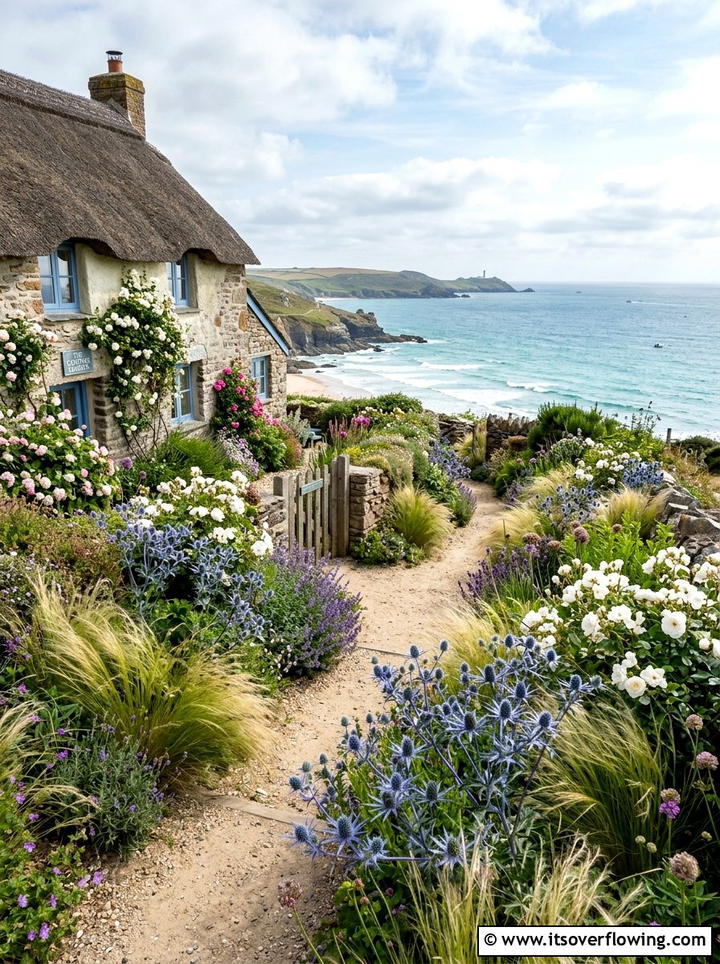
A coastal cottage garden focuses on salt-tolerant plants and light, breezy colors that reflect the beauty of the seaside and local maritime environments. You can use hardy species like sea holly, ornamental grasses, and rugosa roses that thrive in sandy soil and windy conditions near the water. Incorporating elements like weathered driftwood, seashells, and light-colored gravel paths reinforces the beachy theme and adds a touch of natural texture. Choosing a palette of soft blues, whites, and sandy yellows creates a serene and relaxing atmosphere that feels like a permanent vacation. This style celebrates the rugged beauty of the coast while maintaining the charming, abundant feel of a traditional cottage space.
23. Shady garden corner
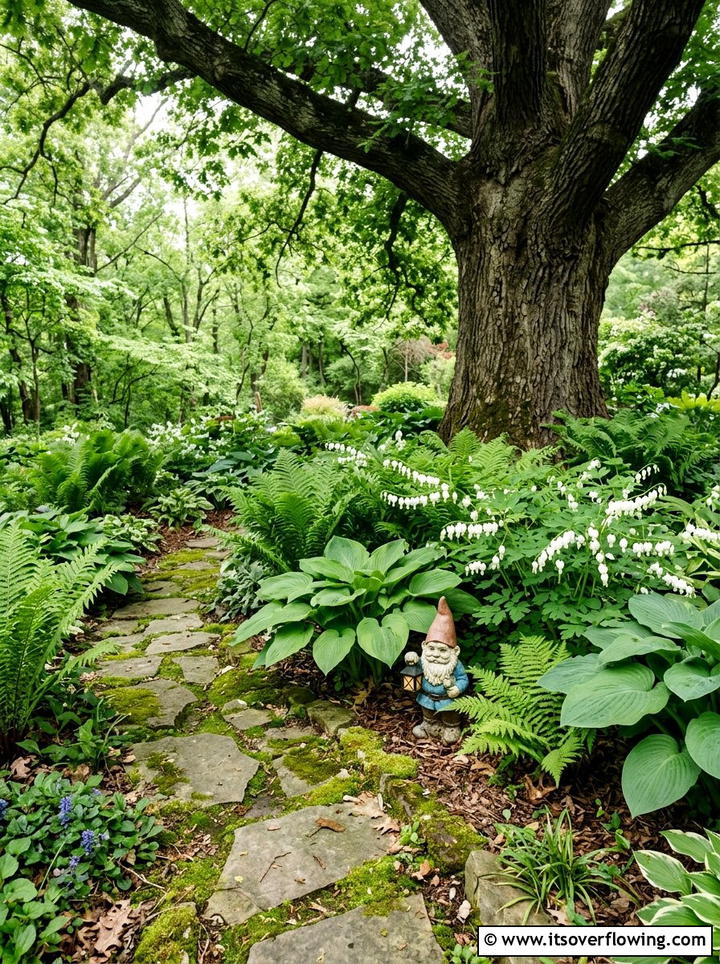
Transforming a shady garden corner into a lush sanctuary involves using plants that thrive in low-light conditions, such as hostas, ferns, and bleeding hearts. You can use different shades of green and varied leaf textures to create visual interest when bright, sun-loving flowers aren’t an option for that space. Adding a light-colored stone path or a white garden ornament can help brighten up the darker areas and draw the eye into the shadows. A shady spot is the perfect place for a moss-covered rock or a quiet woodland-style seating area where you can escape the heat of the afternoon sun. Shady gardens often feel more intimate and peaceful than their sunny counterparts.
24. Evening garden lighting
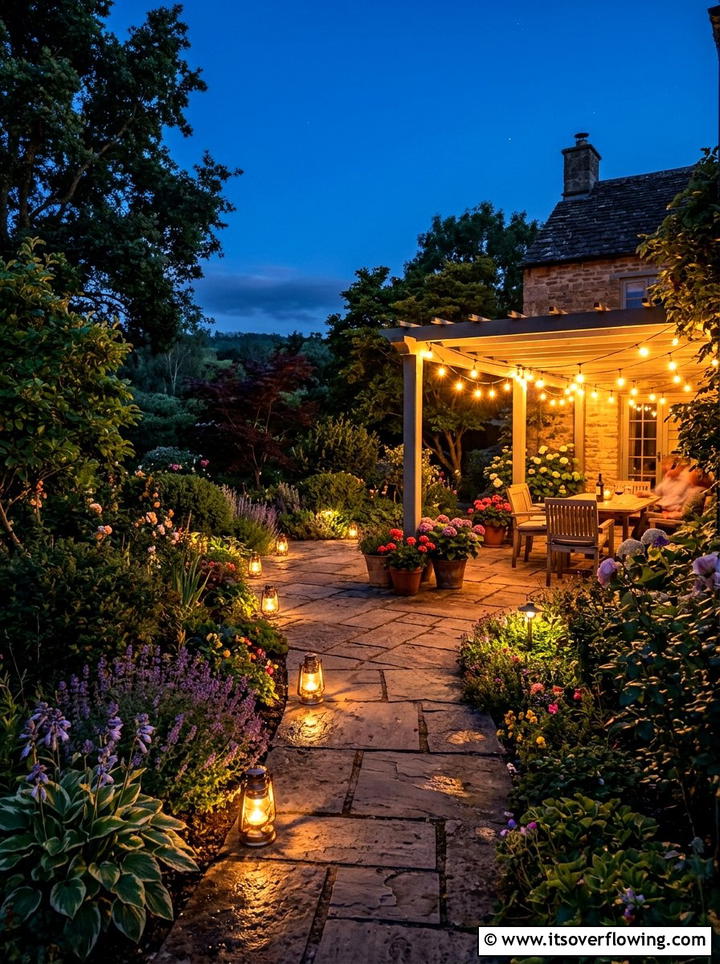
Strategic evening garden lighting extends the beauty and usability of your outdoor space long after the sun has set over your cottage home. You can use soft string lights draped through tree branches or small solar-powered lanterns tucked along the edges of your winding stone paths. Highlighting specific features like a large tree, a statue, or a water feature with subtle uplighting creates a dramatic and magical atmosphere at night. Avoid harsh, bright floodlights in favor of warm, low-voltage bulbs that mimic the soft glow of candlelight or moonlight throughout the yard. Proper lighting ensures that your garden remains a safe and inviting place for late-night strolls and outdoor dinner parties with friends.
25. Outdoor dining area
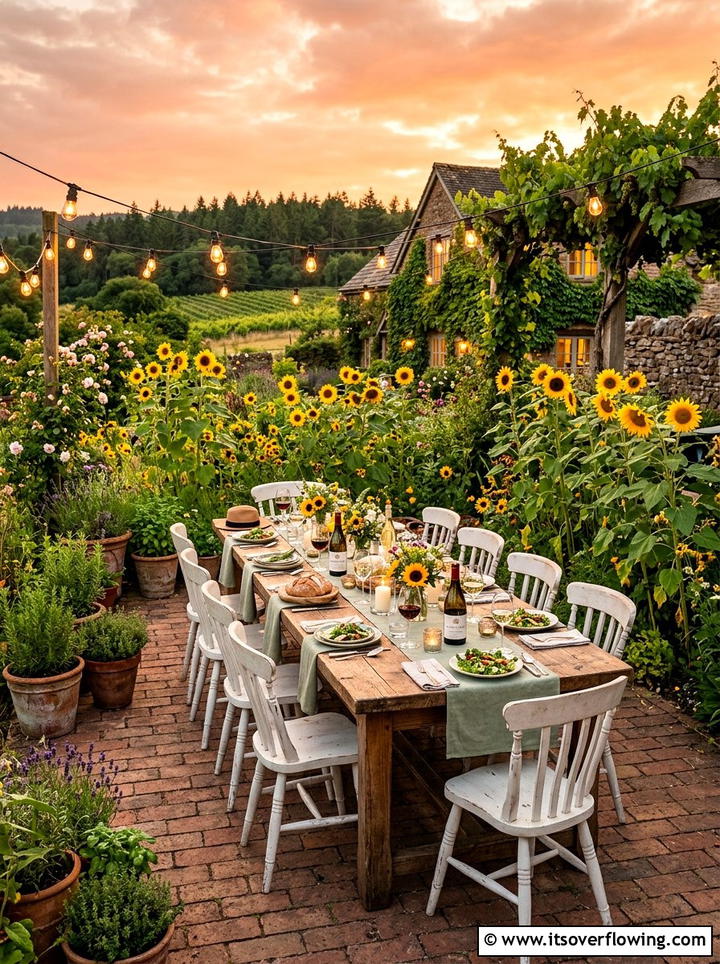
Creating a dedicated outdoor dining area allows you to enjoy alfresco meals surrounded by the sights and scents of your beautiful cottage garden. You can set a rustic wooden table and comfortable chairs on a brick patio or a flat gravel surface nestled among the flower beds. Surrounding the space with tall sunflowers or fragrant climbing roses provides a sense of privacy and intimacy for your guests during long summer dinners. Adding an outdoor rug and some colorful cushions makes the area feel like a cozy extension of your indoor living space for everyone to enjoy. Dining outdoors connects you with nature and makes every meal feel like a special, celebratory occasion in your private sanctuary.
Conclusion:
A cottage garden is more than just a collection of plants; it is a reflection of a slower, more intentional way of living that celebrates nature’s beauty. By incorporating diverse elements like winding paths, cozy seating, and a mix of perennial and annual blooms, you can create a space that feels both nostalgic and fresh. Whether you have a vast backyard or a small side yard, these ideas provide a blueprint for building a landscape that offers year-round interest and a sanctuary for local wildlife. Embrace the imperfections and let your garden grow with a sense of freedom and joy. The result will be a timeless outdoor retreat that adds immense value, charm, and personality to your cottage-style home for many years to come.

Related posts:
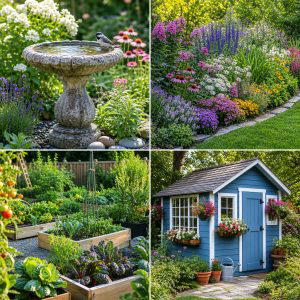 25 Garden Design Ideas for Cottage Gardens Full of Charm
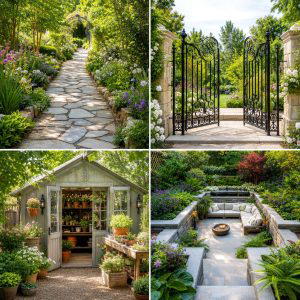 25 Garden Ideas for Traditional Homes With Timeless Charm
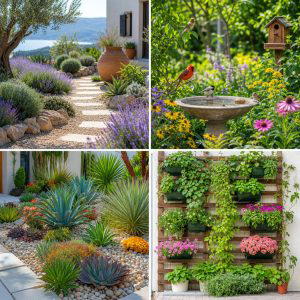 25 garden ideas for full sun: Bright, Heat-Loving Designs
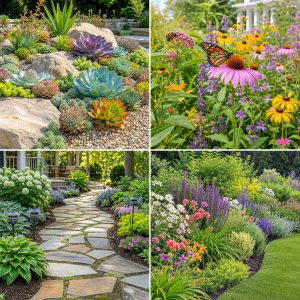 25 Small Garden Ideas for Full Sun With Bright, Bold Style
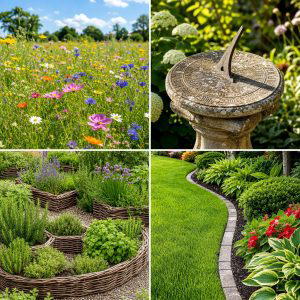 25 garden ideas for english style: Classic Cottage Charm
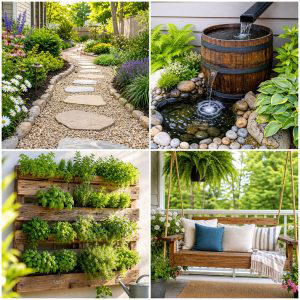 25 garden ideas for farmhouse homes: Rustic Outdoor Charm
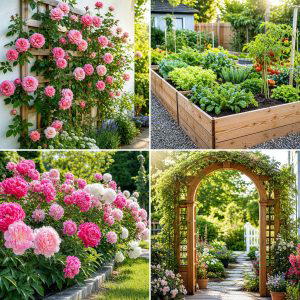 25 Creative Garden Ideas With Cottage Layering
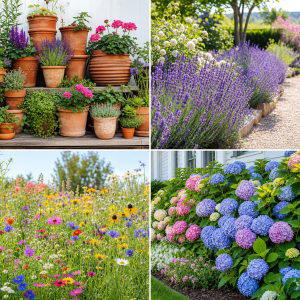 25 Small Garden Ideas With Cottage Style for Charming Spaces
 25 Creative Garden Ideas for Urban Homes
 25 Garden Ideas for Contemporary Homes With Sleek Style
 25 garden ideas for modern homes: Sleek Outdoor Inspiration
 25 Garden Ideas for Suburban Homes With Curb Appeal