
Creating a garden for a traditional home is about more than just planting flowers; it is about establishing a timeless connection between your architecture and the natural world. Traditional landscapes often draw inspiration from historical styles, emphasizing symmetry, structure, and a sense of enduring beauty. Whether you live in a cozy colonial or a sprawling Victorian, the right garden layout can enhance your home’s character while providing a peaceful sanctuary. You want to focus on elements that feel grounded and intentional, such as neatly trimmed hedges, classic stone paths, and seasonal blooms that offer nostalgic scents. These spaces are designed to evolve gracefully over time, becoming more enchanting with every passing year. By blending formal structures with soft, organic growth, you create an outdoor environment that feels both sophisticated and deeply welcoming to everyone who visits.
1. Boxwood hedge landscaping
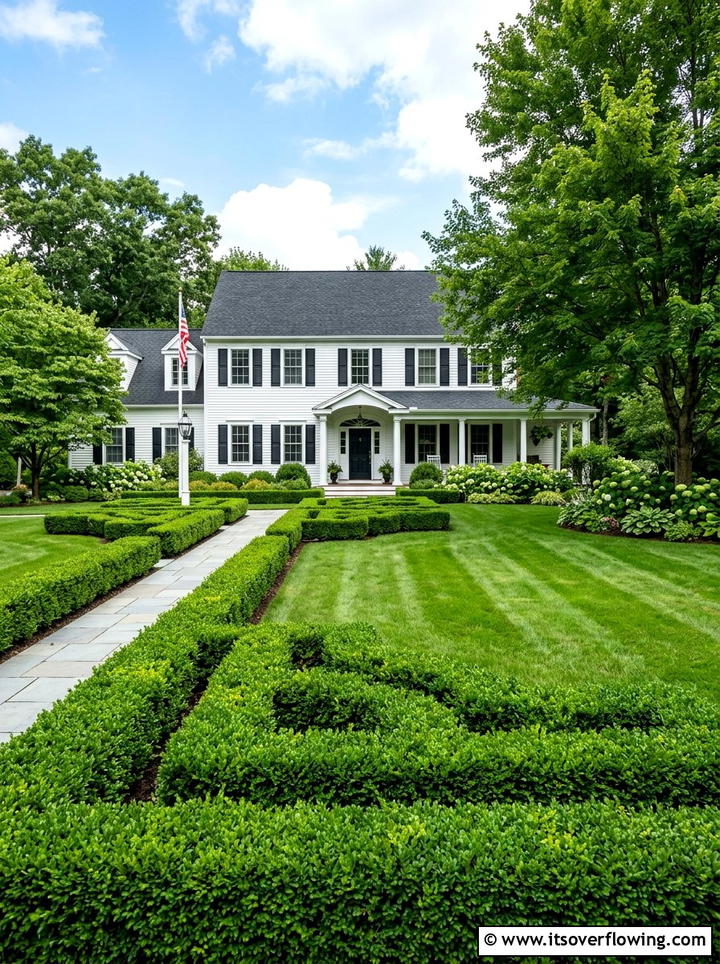
Boxwood hedges offer a timeless structure that defines the boundaries of any traditional home. These evergreens are prized for their versatility and ability to be sheared into precise geometric shapes. Have you ever noticed how a well-maintained hedge instantly elevates the curb appeal of a classic property? By lining walkways or framing flower beds, boxwoods create a sense of order and permanence. They remain vibrant throughout the winter months, ensuring your landscape never looks barren. Planting them in a row provides a sophisticated backdrop for colorful perennials. This structured approach to greenery is a hallmark of classic landscaping that many homeowners still adore for its simple yet high-end elegance.
2. Rose flower gardening
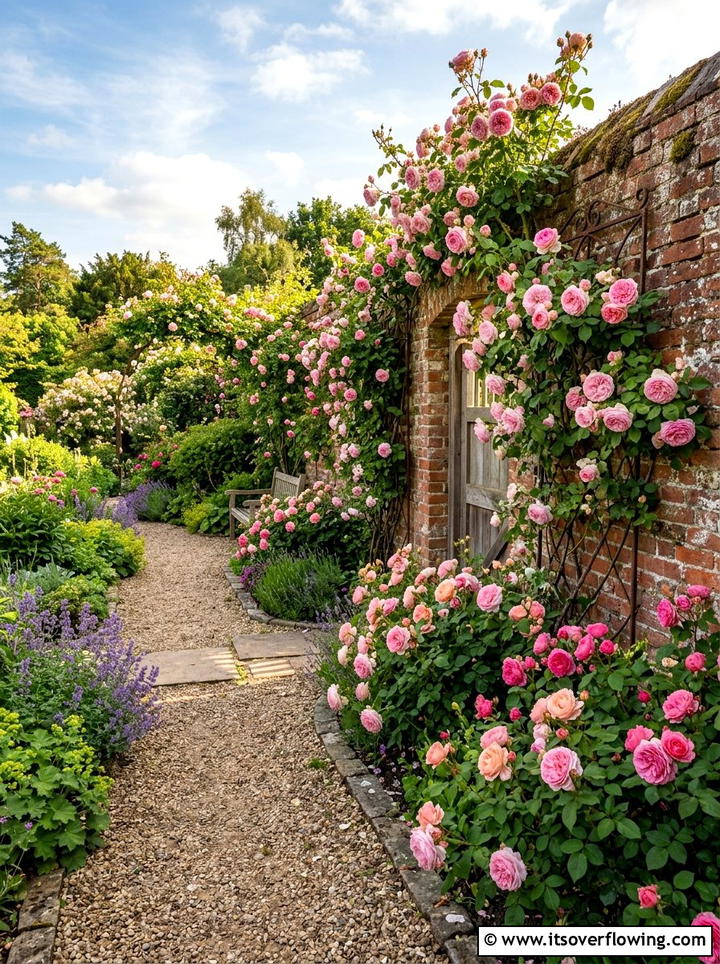
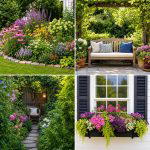
Growing roses is perhaps the most iconic way to celebrate the heritage of a traditional garden. These fragrant blooms come in various forms, from climbing varieties that scale brick walls to bush roses that fill borders. Imagine walking through a path lined with soft pink and white petals that release a sweet scent in the afternoon sun. Roses require some care, but their visual impact is unmatched in a classic setting. They bring a sense of romance and history to the yard, especially when paired with iron supports or wooden trellises. Choosing heirloom varieties can add even more authenticity to your landscape while providing beautiful cut flowers for your indoor vases.
3. Stone walkway path
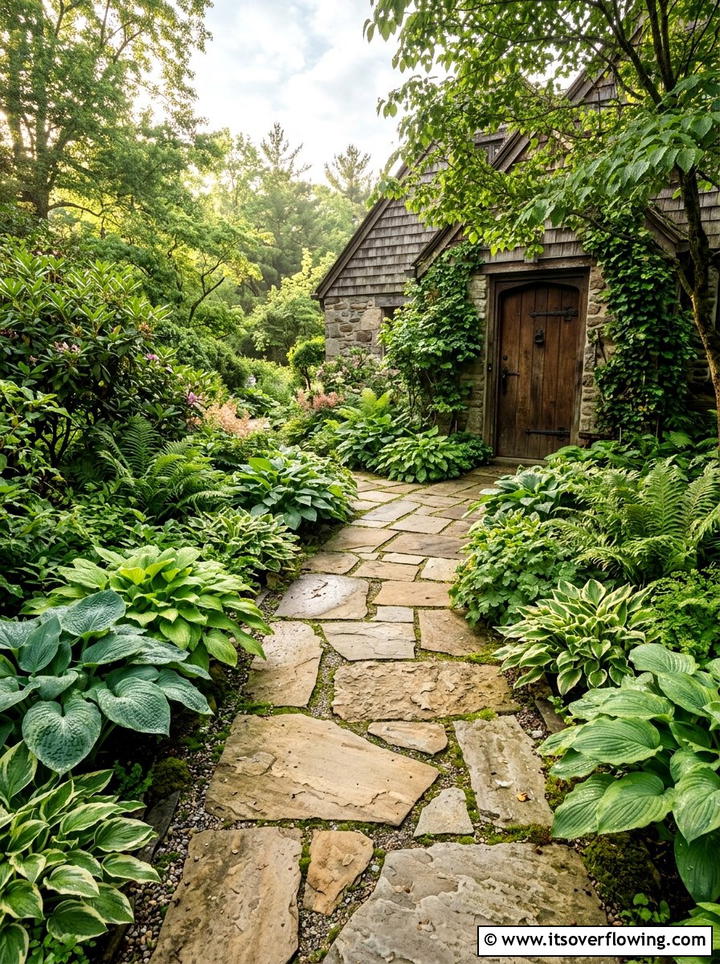
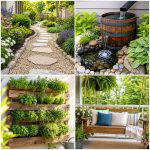
A stone walkway provides a durable and charming route through your outdoor space. Using natural materials like bluestone, flagstone, or fieldstone ensures that the path blends seamlessly with the earth. Are you looking for a way to connect different zones of your yard without using modern asphalt? Irregularly shaped stones create a more relaxed, cottage feel, while uniform pavers offer a formal appearance. Lining these paths with low-growing creeping thyme or moss adds a soft, aged look that feels like it has been there for decades. A well-laid stone path guides guests through the greenery, inviting them to explore the hidden corners of your traditional property.
4. Formal parterre layout
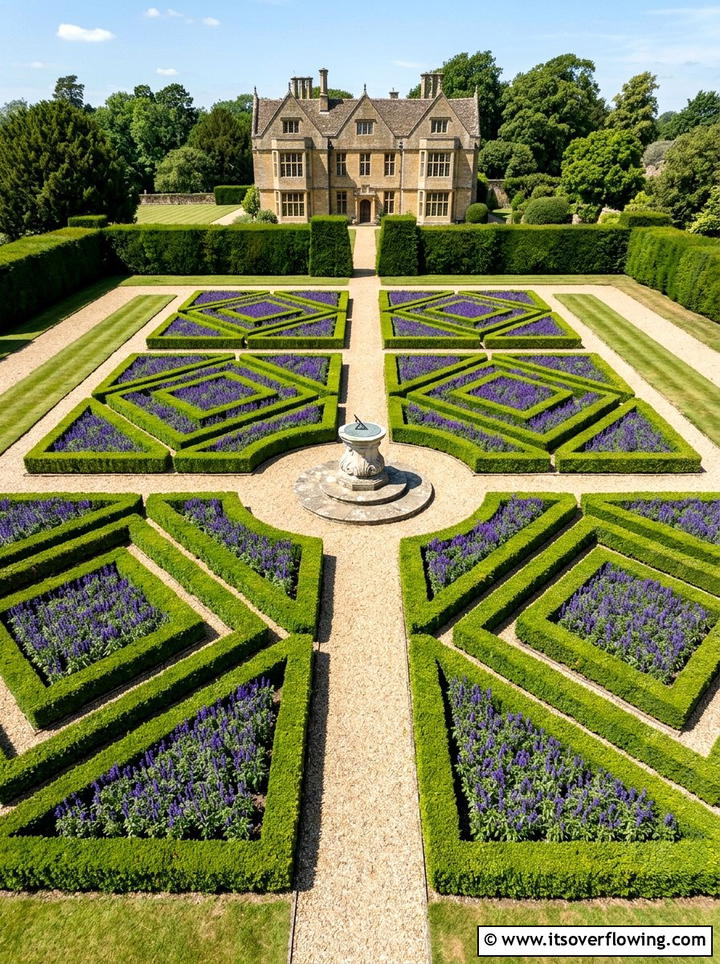
The formal parterre layout is a sophisticated design technique that uses low hedges to create intricate patterns on the ground. Traditionally found in grand European estates, this style translates beautifully to smaller residential yards. You can fill the interior sections of the patterns with colorful flowers, aromatic herbs, or even simple gravel. This level of symmetry provides a visual anchor for the home, making the garden feel like an outdoor room. It works best when viewed from an upper-floor window, where the geometric beauty is fully revealed. Maintaining these shapes requires regular pruning, but the result is a highly polished and prestigious look that defines high-end traditional landscaping.
5. English cottage style
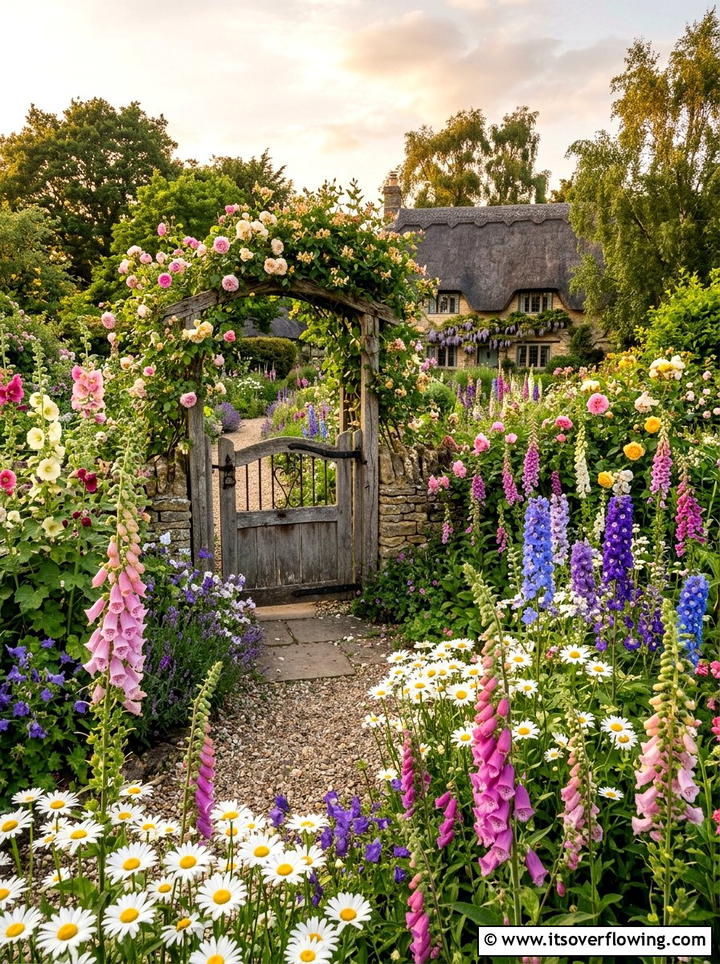
An English cottage style garden embraces a more whimsical and overflowing approach to planting. Unlike formal layouts, this theme encourages a mix of tall foxgloves, delphiniums, and hollyhocks to grow in dense, colorful clusters. It feels lived-in and natural, as if the plants chose their own spots to thrive. You can incorporate rustic elements like weathered wooden gates or birdhouses to enhance the cozy atmosphere. This style is perfect for those who love a variety of textures and colors blooming all at once. It softens the hard lines of a traditional house and creates a buzzing habitat for pollinators like bees and butterflies throughout the summer.
6. Tiered garden beds
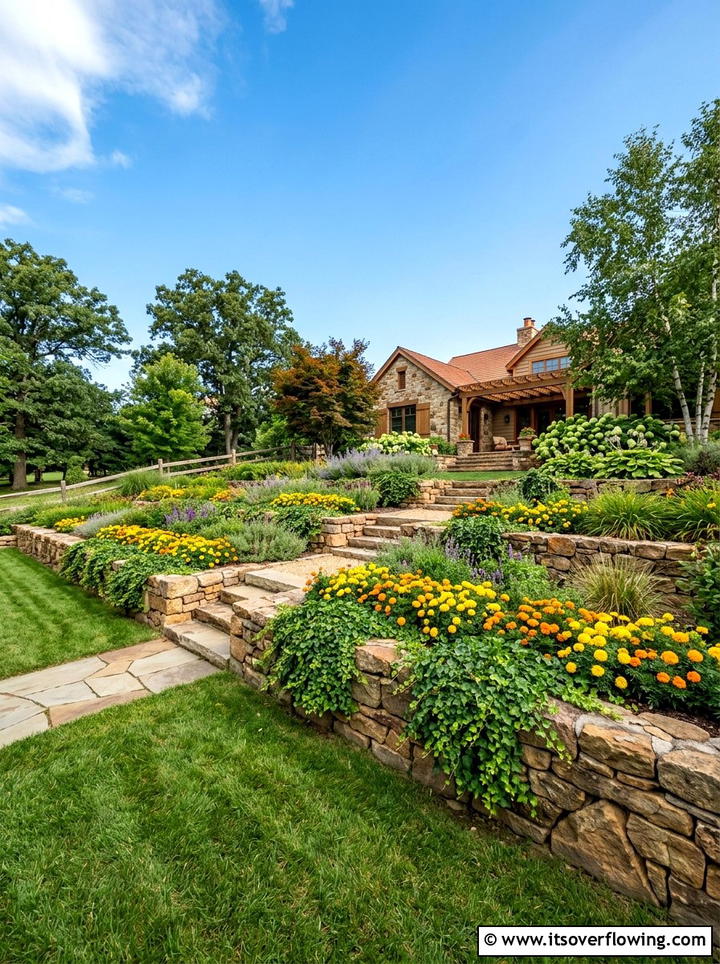
Tiered garden beds are an excellent solution for traditional homes situated on sloped lots. By using stone or timber retaining walls, you can create level platforms for planting a variety of shrubs and flowers. This architectural approach adds depth and dimension to the yard, making it feel much larger than it actually is. Do you want to create a focal point that draws the eye upward? Each level can feature a different color palette or plant type, such as cascading ivy on the bottom and bright peonies on the top. These terraces provide excellent drainage and make gardening tasks much easier by bringing the plants closer to your reach.
7. White picket fence
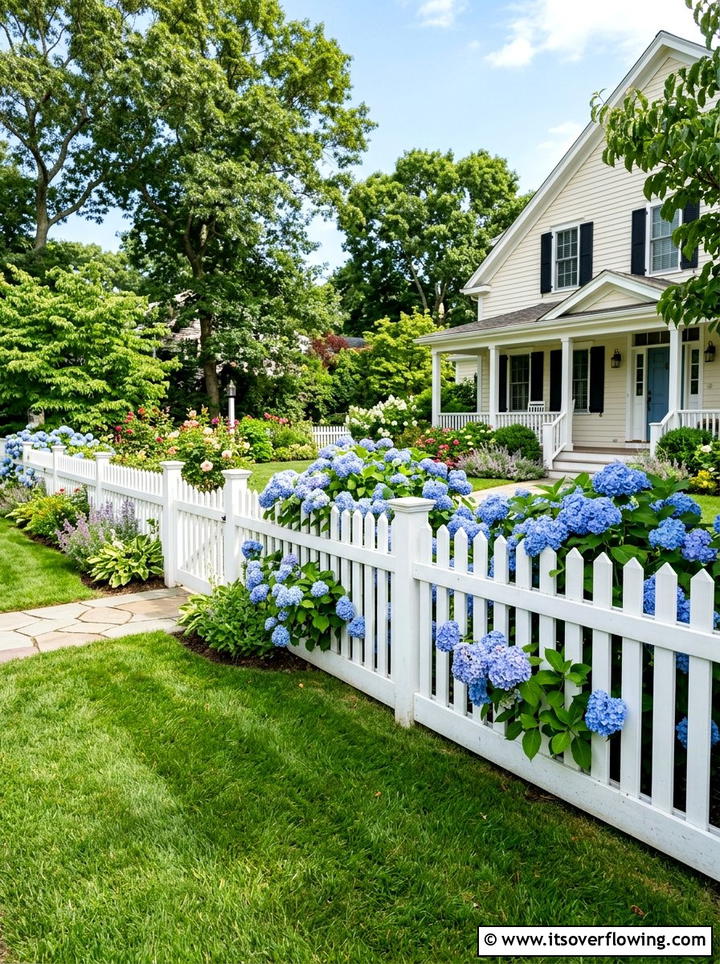
A white picket fence is a quintessential symbol of traditional American home design. It serves as a crisp, clean border that perfectly frames a front yard garden. When you pair this classic fence with climbing roses or tall blue hydrangeas, the contrast is visually stunning. The fence provides a sense of enclosure and security without feeling heavy or imposing. It also offers a sturdy support system for sprawling plants that want to peek through the slats. This simple addition can transform a plain lawn into a charming, storybook setting that feels both nostalgic and incredibly tidy. It is a favorite for those seeking a welcoming neighborhood look.

8. Garden water fountain
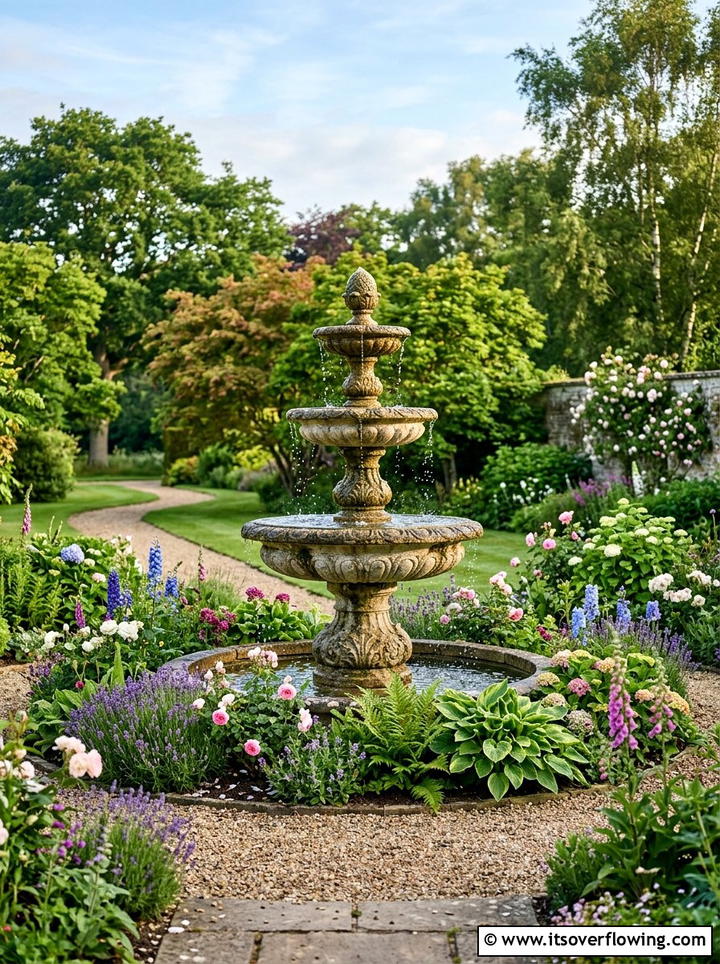
Adding a garden water fountain introduces a soothing auditory element to your traditional landscape. Classic tiered stone fountains act as a centerpiece for circular driveways or the middle of a parterre. The sound of trickling water masks neighborhood noise and creates a sanctuary for relaxation. Have you considered how a fountain can attract local birds, adding more life to your yard? Whether you choose a wall-mounted spout or a free-standing basin, the presence of water adds a sense of luxury and calm. Choosing a weathered stone finish ensures the feature looks like a permanent part of the estate rather than a modern addition.
9. Perennial flower borders
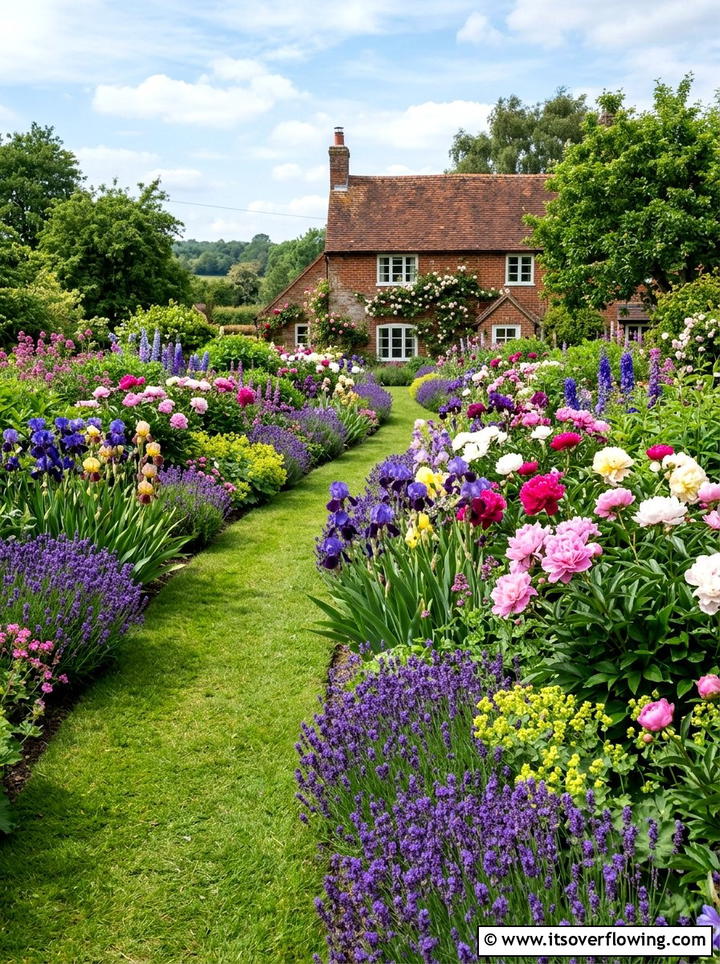
Perennial flower borders are the backbone of a traditional garden because they return with more vigor every year. By choosing a mix of early, mid, and late-season bloomers, you can ensure your yard stays colorful for months. Consider planting clusters of lavender, iris, and phlox for a classic palette. These borders help define the edges of your lawn and lead the eye toward the home’s entrance. The key is to layer the plants by height, putting the tallest varieties in the back. This creates a lush, full look that feels abundant and well-planned. Perennials are a smart investment for any homeowner looking for long-term beauty.
10. Classic topiary trees
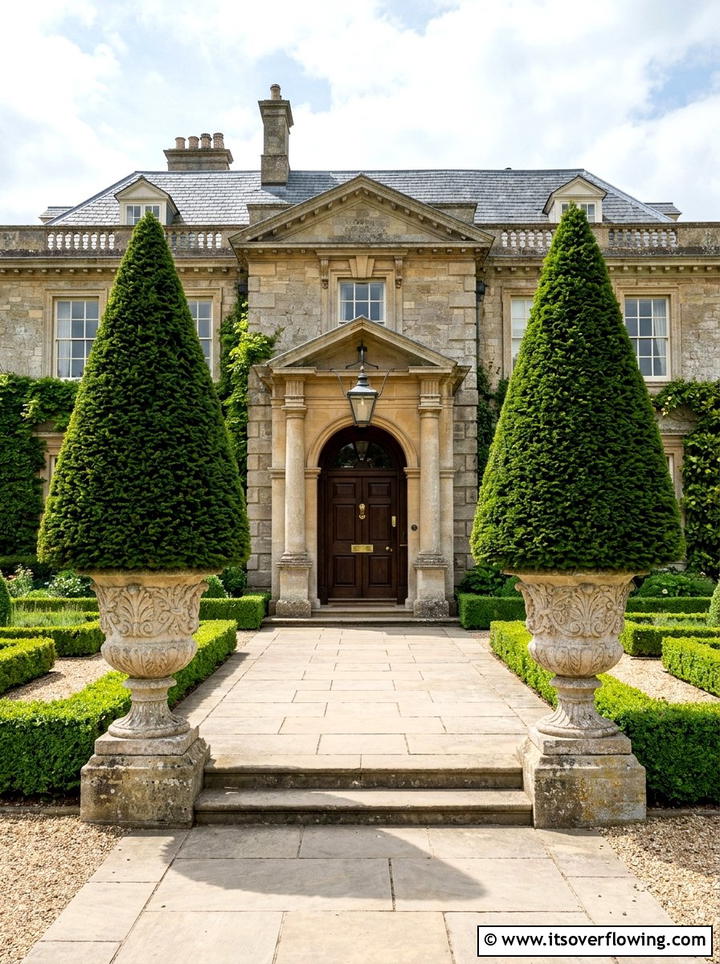
Classic topiary trees add a touch of artistry and formality to any traditional garden space. Often shaped into spheres, cones, or spirals, these living sculptures serve as striking focal points. You can place them in large stone urns to flank a doorway or use them to punctuate the corners of a garden bed. Evergreens like yew or holly are the best choices for topiary because they hold their shape well throughout the seasons. This practice shows a high level of garden craft and gives the landscape a sense of maturity. Even a single pair of well-shaped topiaries can instantly make a suburban yard feel like a historic estate.
11. Brick garden edging
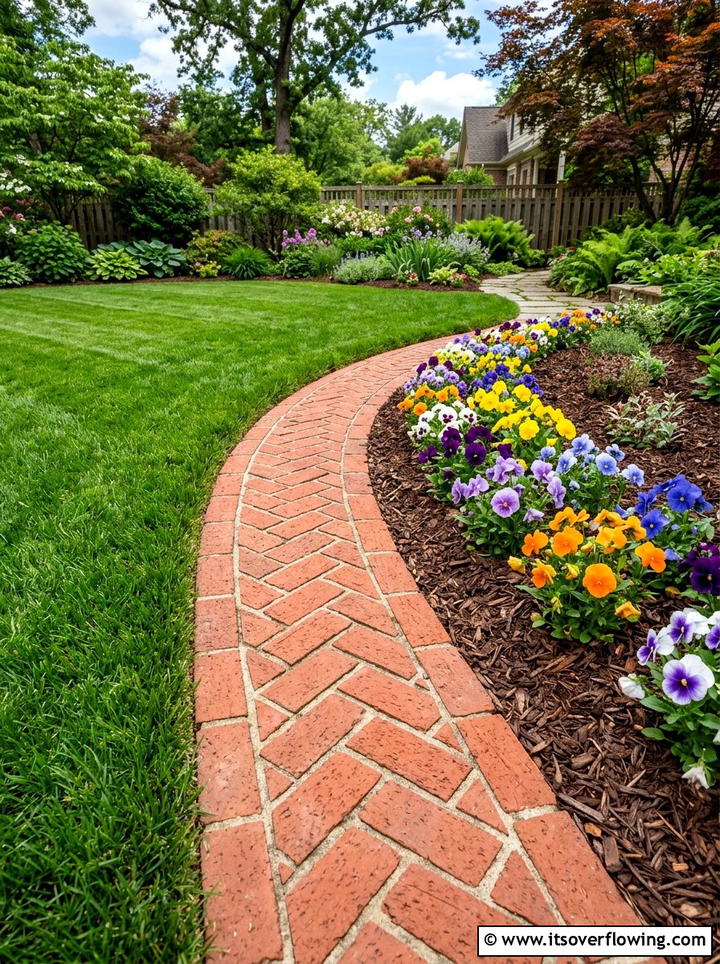
Brick garden edging is a practical and attractive way to separate your flower beds from the grass. Using reclaimed bricks can add a sense of history and warmth to your landscape design. Are you tired of grass creeping into your mulch? A solid brick border creates a clean line that makes mowing much easier while providing a professional finish. You can lay the bricks flat for a subtle look or at an angle for a decorative “sawtooth” pattern. This material complements traditional brick homes perfectly, creating a cohesive aesthetic. It is a small detail that makes a significant difference in the overall organization of your outdoor space.

12. Gravel garden path
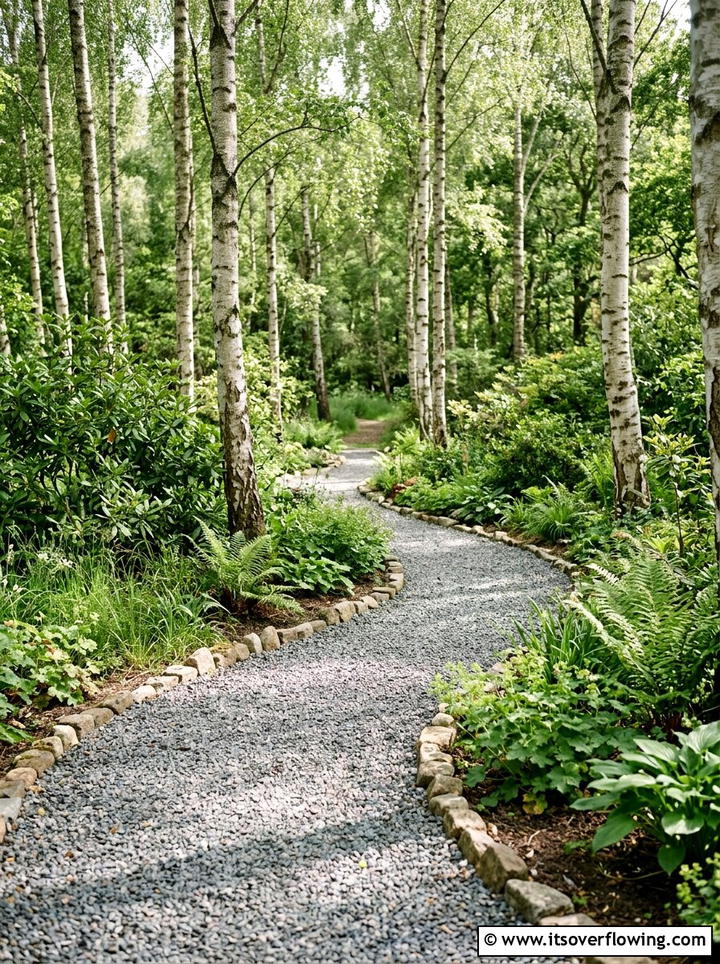
A gravel garden path offers a satisfying crunch underfoot and a relaxed, European feel to your backyard. Unlike solid concrete, gravel is permeable, allowing rainwater to soak into the ground easily. It works wonderfully in traditional gardens when edged with boxwood or stone to keep the pebbles in place. You can choose from various colors and sizes, such as pea gravel or crushed limestone, to match your home’s exterior. This type of path is ideal for meandering through a wooded area or leading toward a secluded seating nook. It provides a soft, organic texture that balances the more rigid structures in a formal garden.
13. Garden arbor structure
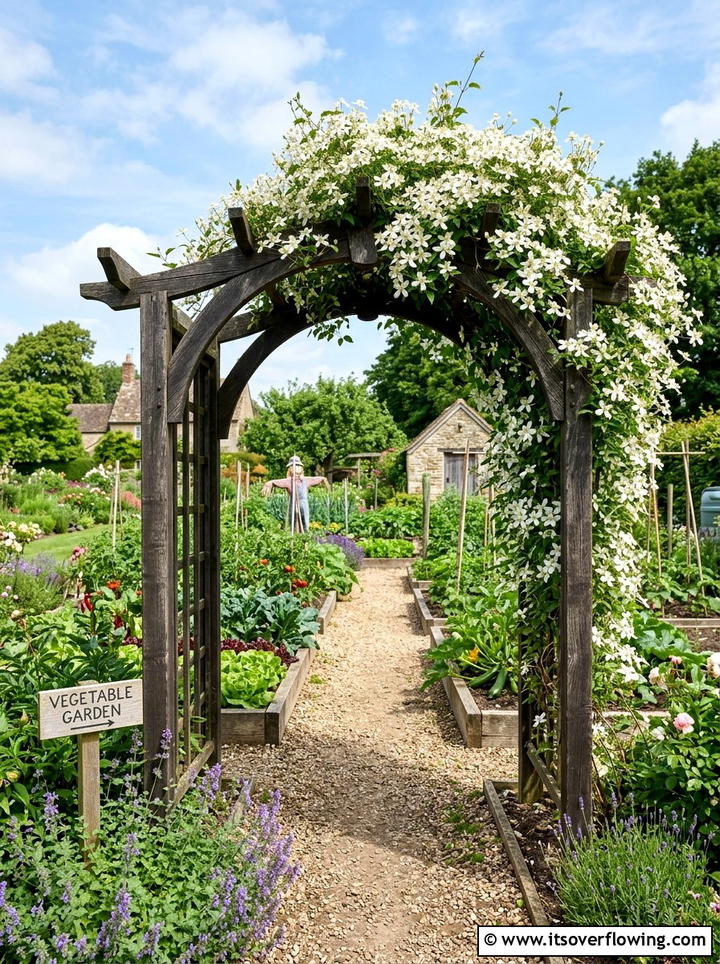
A garden arbor structure provides a beautiful gateway into different sections of your property. Often made of wood or wrought iron, an arbor looks best when draped in climbing plants like clematis or jasmine. Walking under a canopy of greenery and flowers creates a sense of transition and discovery. It is an excellent way to add vertical interest to a relatively flat yard. You can place an arbor at the start of a path or over a garden gate to create a grand entrance. This architectural element reinforces the traditional theme by adding height and a sense of old-world charm to the overall landscape.
14. Hydrangea landscape
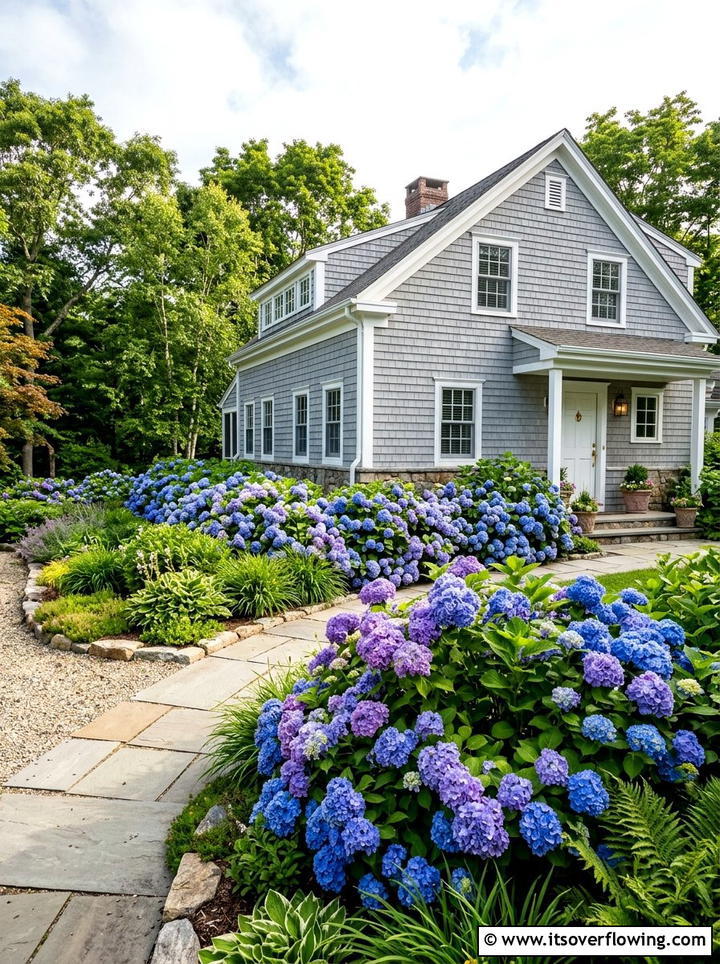
Hydrangeas are a staple in traditional landscapes due to their massive, cloud-like blooms and lush green foliage. These shrubs are perfect for planting along the foundation of a house or as a soft hedge along a driveway. They offer a range of colors from deep blue to creamy white, depending on the soil and variety. Do you want a garden that feels full and abundant during the summer months? Hydrangeas provide that effortless volume and classic beauty that many homeowners crave. They also make excellent dried flowers, allowing you to bring a piece of your traditional garden indoors during the colder winter months.
15. Traditional herb patch
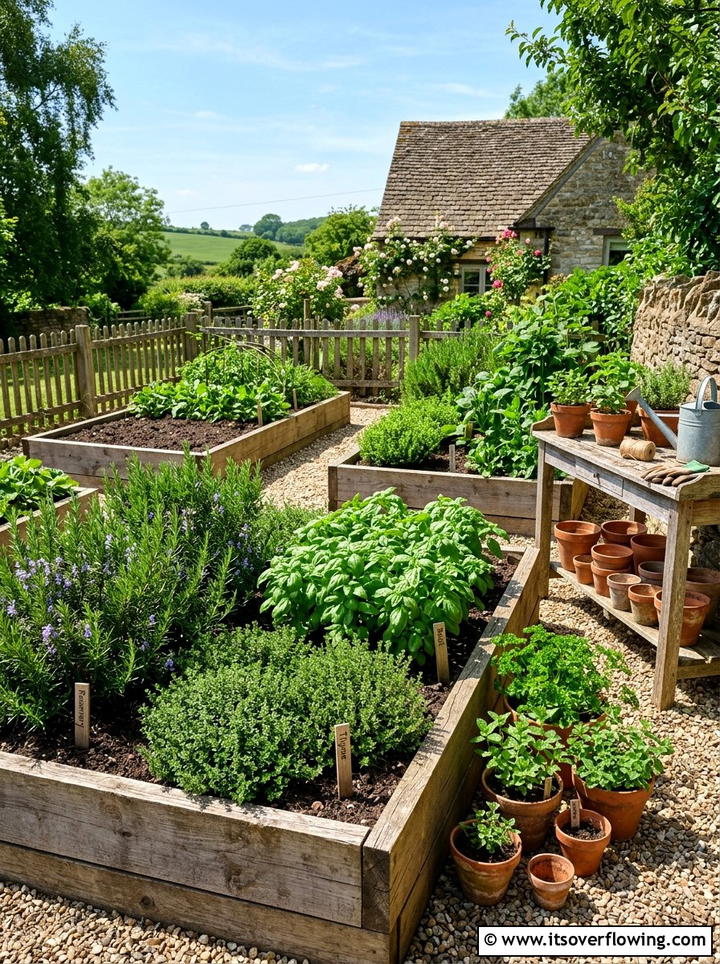
A traditional herb patch combines utility with beauty, offering fresh flavors for your kitchen while looking lovely in the yard. In classic designs, herbs are often grown in raised wooden beds or small geometric sections. Plants like rosemary, thyme, sage, and mint provide different textures and wonderful aromas when you walk past. Have you ever thought about how a dedicated herb space can feel like a mini-sanctuary? Surrounding the patch with a small fence or brick border keeps it organized. Not only do these plants look great, but they also produce delicate flowers that attract helpful pollinators to the rest of your garden.
16. Lavender garden border
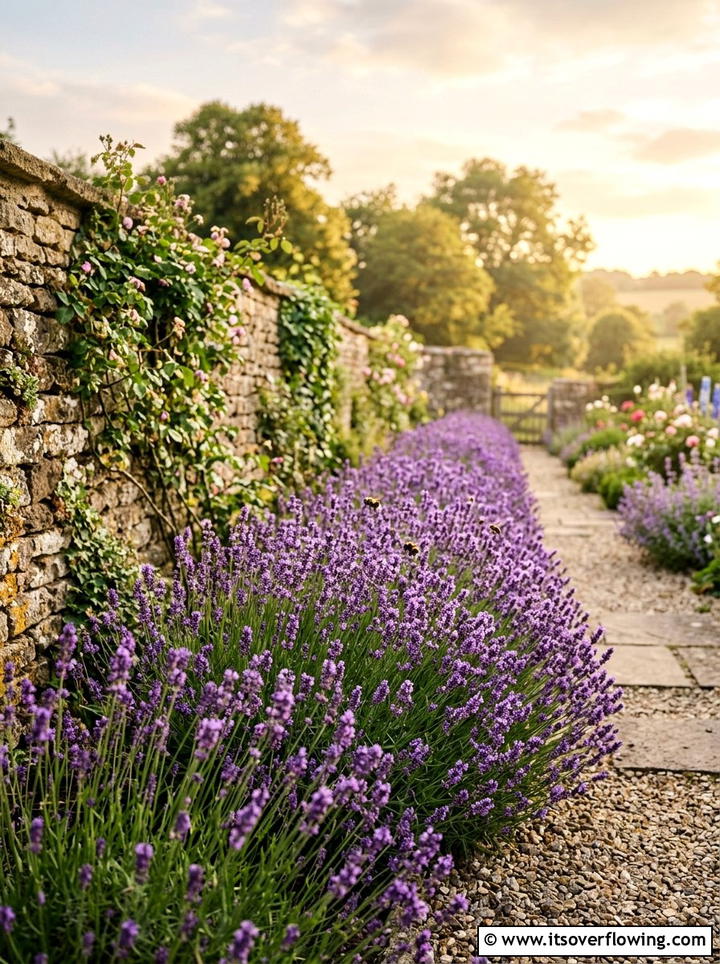
A lavender garden border is a sensory delight that brings the charm of the Mediterranean to your traditional home. Known for its silvery foliage and purple spikes, lavender is a hardy plant that thrives in sunny spots. When planted in long rows along a path or fence, it creates a soft, hazy effect that is visually stunning. The fragrance is legendary, providing a calming atmosphere every time you step outside. It is also drought-tolerant once established, making it a practical choice for busy homeowners. This plant adds a touch of sophistication and color that pairs beautifully with stone walls and wooden structures.
17. Garden bird bath
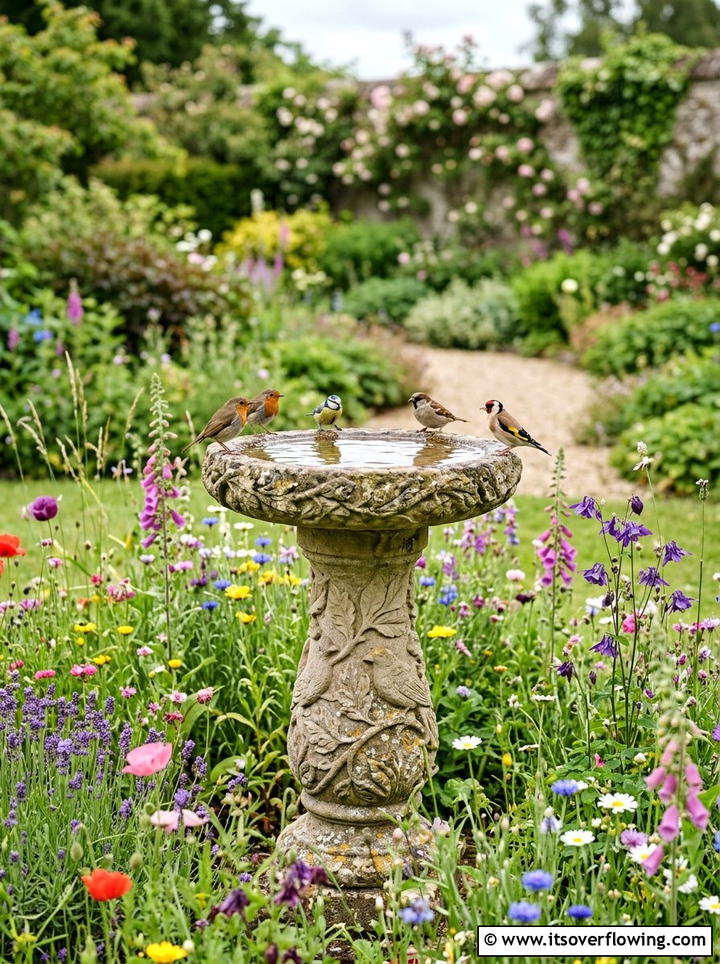
A garden bird bath is a simple yet effective way to add a focal point while supporting local wildlife. A traditional stone pedestal basin fits perfectly into the center of a flower bed or a quiet corner of the lawn. Watching birds splash in the water adds a dynamic and lively element to your outdoor space. Does your garden feel a bit too static? A bird bath introduces movement and nature in a gentle way. Choosing a design with classic carvings or a weathered finish ensures it complements the traditional vibe of your home. It is a small investment that yields great joy.
18. Wisteria covered pergola
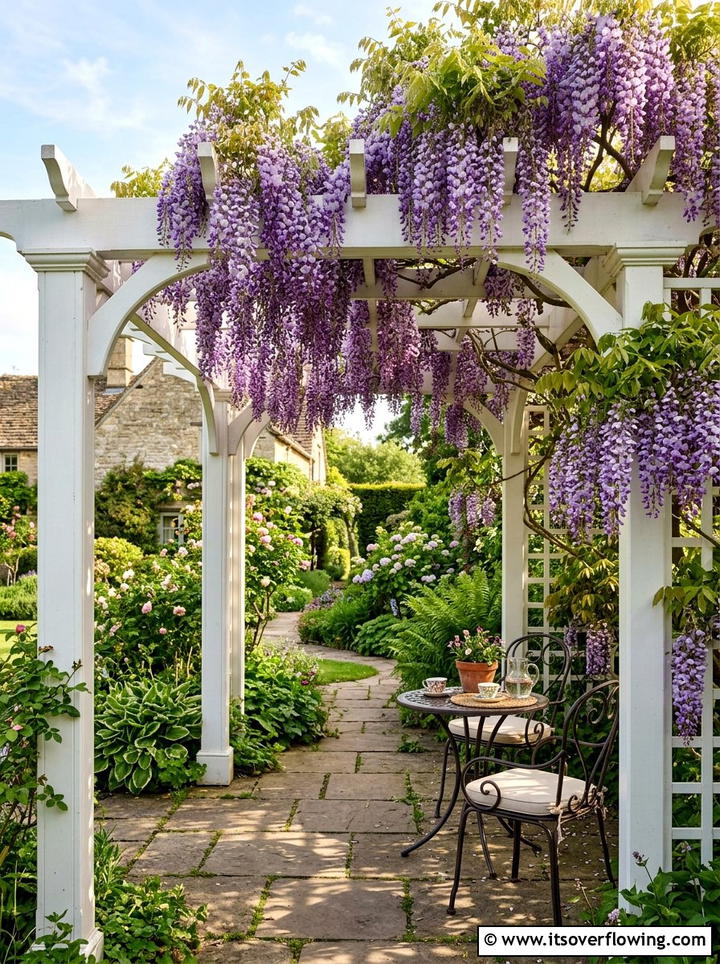
A wisteria covered pergola creates a dramatic and romantic overhead canopy for a patio or walkway. During the spring, the long, dripping clusters of purple flowers provide a breathtaking display and a sweet fragrance. The thick, woody vines of wisteria add a sense of age and character to the structure, making it look like part of a historic garden. It provides much-needed shade during the hot summer months, creating a cool place to sit and relax. This classic pairing of architecture and nature is a favorite for traditional homes, offering a high-impact visual that improves as the vine matures over the years.
19. Classic garden bench
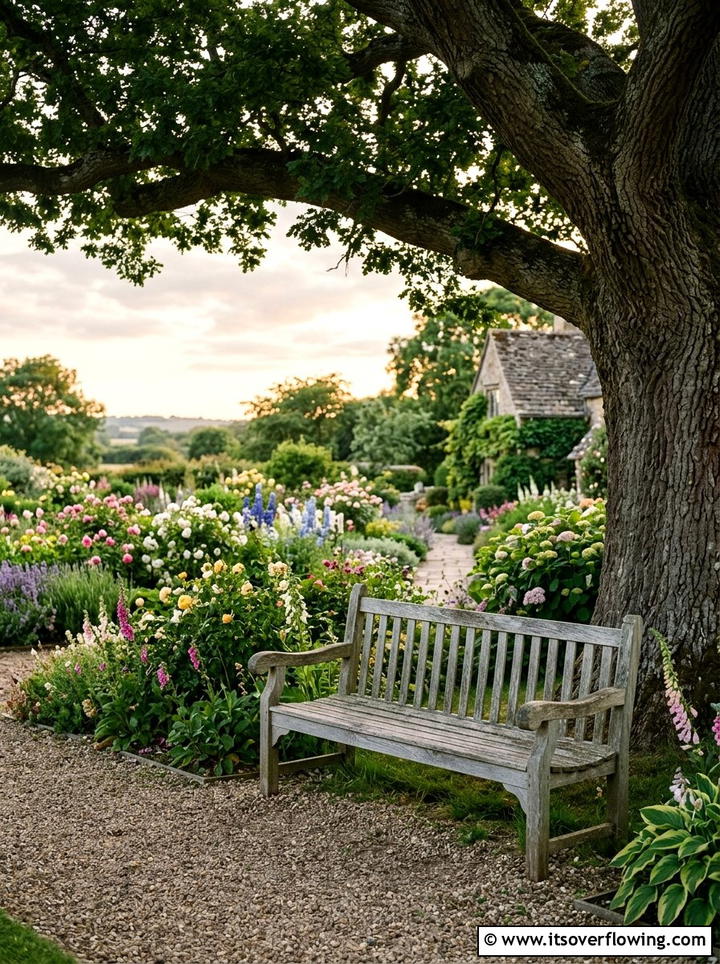
A classic garden bench offers a destination within your landscape, inviting you to sit and enjoy the view. Whether made of weathered teak, wrought iron, or cast stone, the bench should feel like a permanent fixture. Placing it at the end of a path or under a large shade tree creates a quiet spot for reflection or reading. Can you imagine a more peaceful way to spend an evening? A well-placed bench also acts as a visual anchor, drawing the eye toward a specific part of the garden. It adds a human element to the greenery, making the outdoor space feel like a functional extension of the home.

20. Symmetrical garden layout
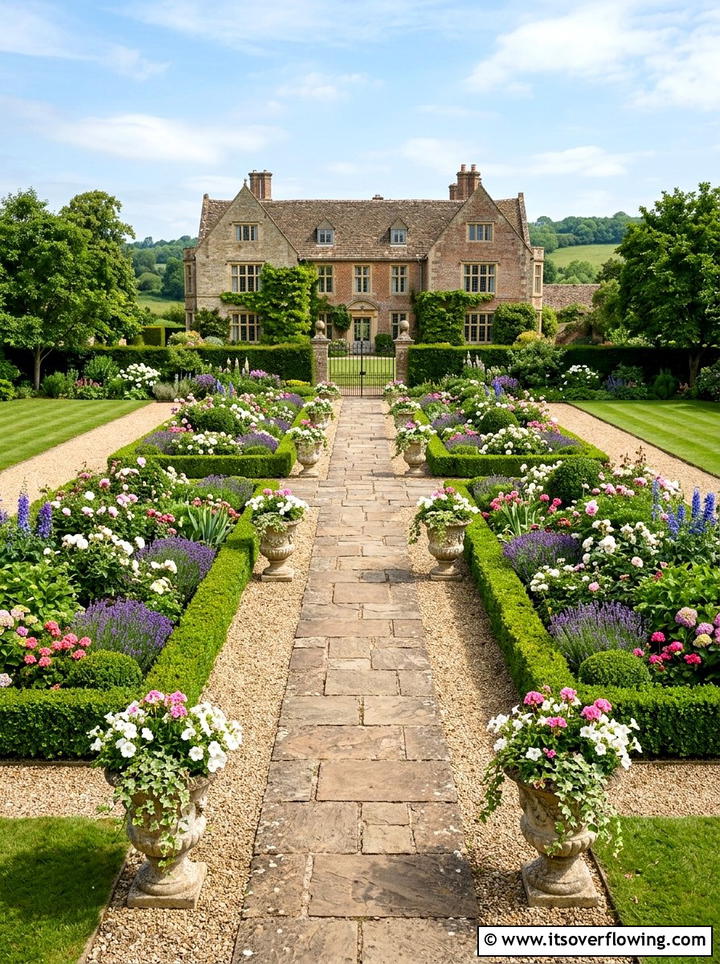
Symmetry is a core principle of traditional garden design, as it creates a sense of balance and harmony. This involves mirroring plants and structures on either side of a central axis, such as a walkway or a front door. For example, if you plant a flowering shrub on the left, you place the exact same variety on the right. This orderly approach is very pleasing to the eye and gives the property a stately, well-manicured appearance. It works particularly well for formal entries and backyard patios. Using symmetry helps to organize the natural chaos of a garden, resulting in a space that feels calm and intentional.
21. Iron garden gate
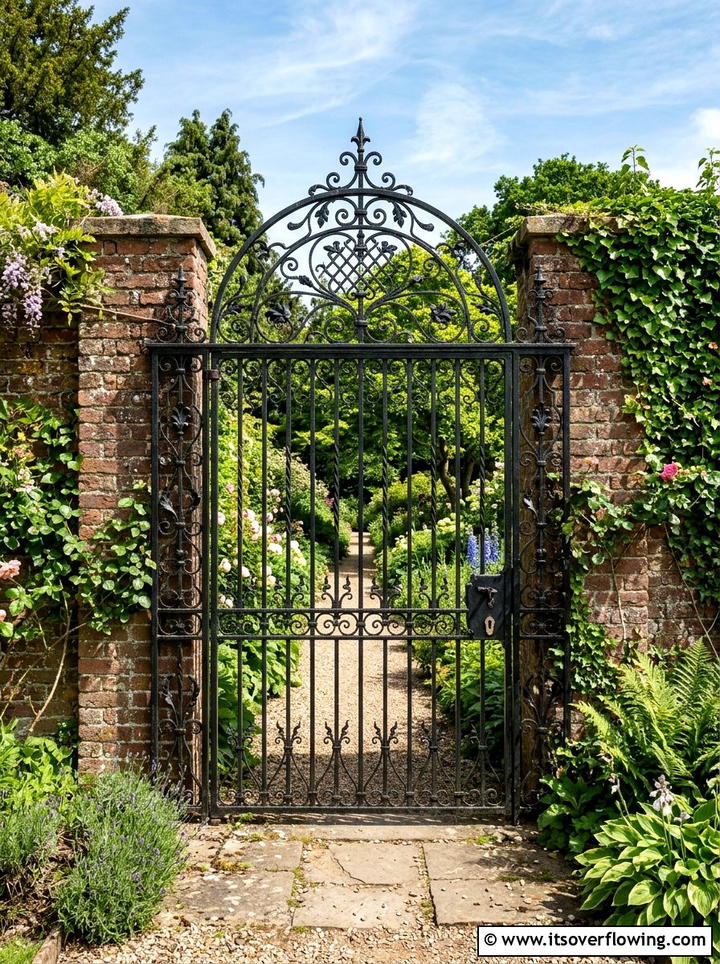
An iron garden gate serves as a beautiful and secure entryway to your private outdoor world. Traditional designs often feature intricate scrollwork or simple vertical bars that allow a glimpse of the garden beyond. This transparency creates a sense of mystery and invitation for anyone passing by. Are you looking for a way to add a bit of vintage flair to your fence? A black or dark green iron gate contrasts beautifully with green foliage and colorful blooms. It provides a sturdy and lasting structure that only looks better with a slight patina of age. It is the perfect finishing touch for a walled garden.
22. Traditional potting shed
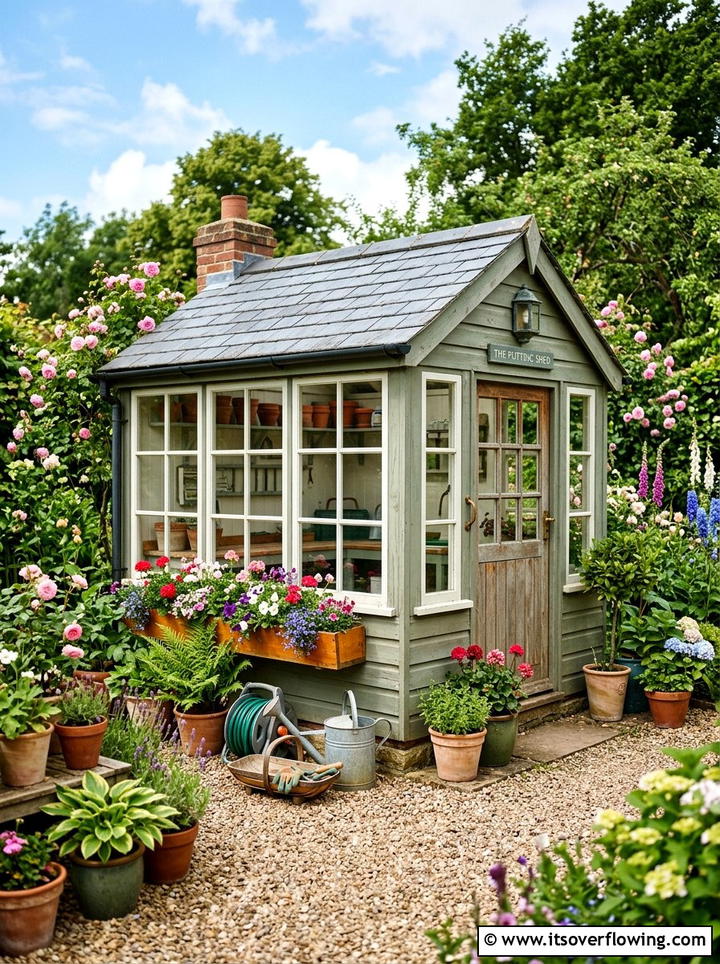
A traditional potting shed is a functional outbuilding that can also serve as a charming landscape feature. Designed with large windows and rustic materials, it provides a dedicated space for starting seeds and storing garden tools. You can paint it to match your home’s trim or leave the wood natural for a more weathered, cottage look. Why clutter your garage when you can have a beautiful workspace in the garden? Surrounding the shed with climbing vines or flower pots integrates it into the landscape. It is a dream addition for any serious gardener who wants to keep their traditional property organized and aesthetically pleasing.
23. Sunken garden area
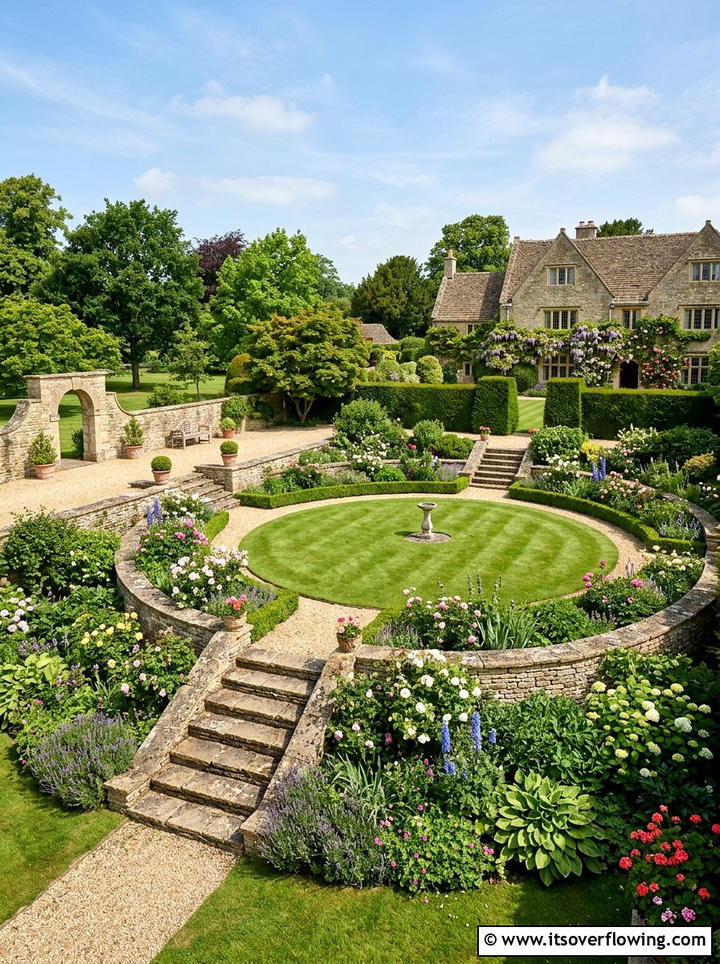
A sunken garden area adds architectural interest by varying the elevation of your yard. By stepping down into a lower section, you create a private, sheltered space that feels tucked away from the rest of the world. This design often features stone steps leading down to a central lawn or a small patio. It is an excellent way to deal with natural dips in your land or to create a unique seating area. Traditional sunken gardens often include low stone walls that can also serve as extra seating. This layout feels very grand and deliberate, providing a unique perspective on the surrounding plants and flowers.
24. Wildflower meadow
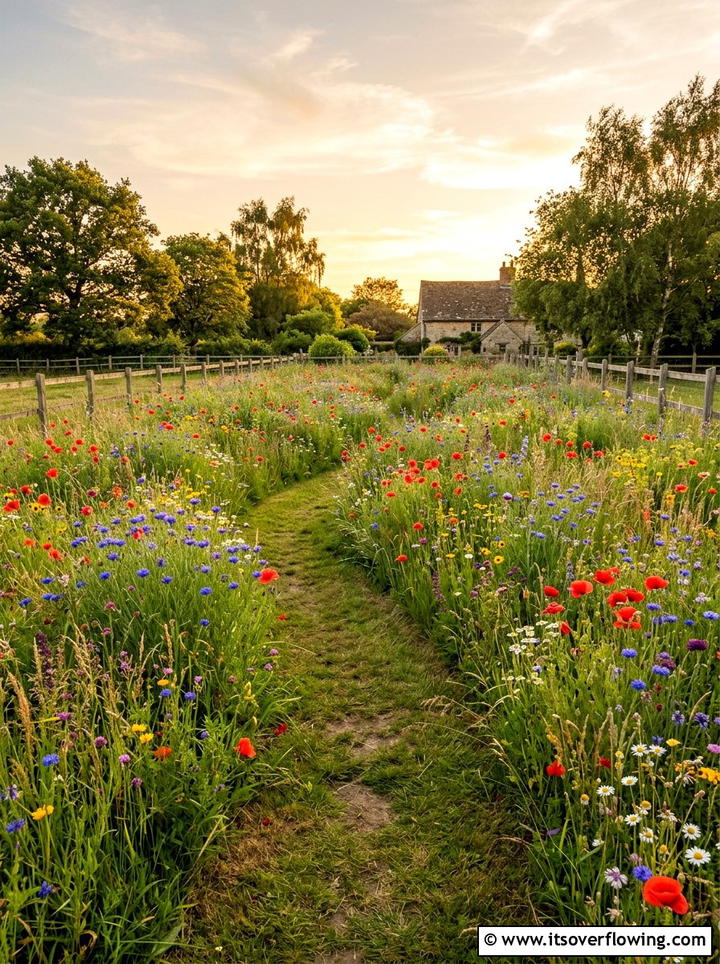
A wildflower meadow offers a more relaxed and eco-friendly alternative to a perfectly manicured lawn. By dedicated a section of your traditional property to native blooms, you create a vibrant tapestry of color that changes with the seasons. This approach supports local pollinators and requires much less water and fertilizer than traditional grass. Have you considered how a meadow can add a sense of “planned wildness” to your yard? It looks especially beautiful when framed by a formal hedge or a neat stone path. This contrast between the structured and the natural is a hallmark of sophisticated traditional landscape design that modern homeowners love.
25. Outdoor dining patio
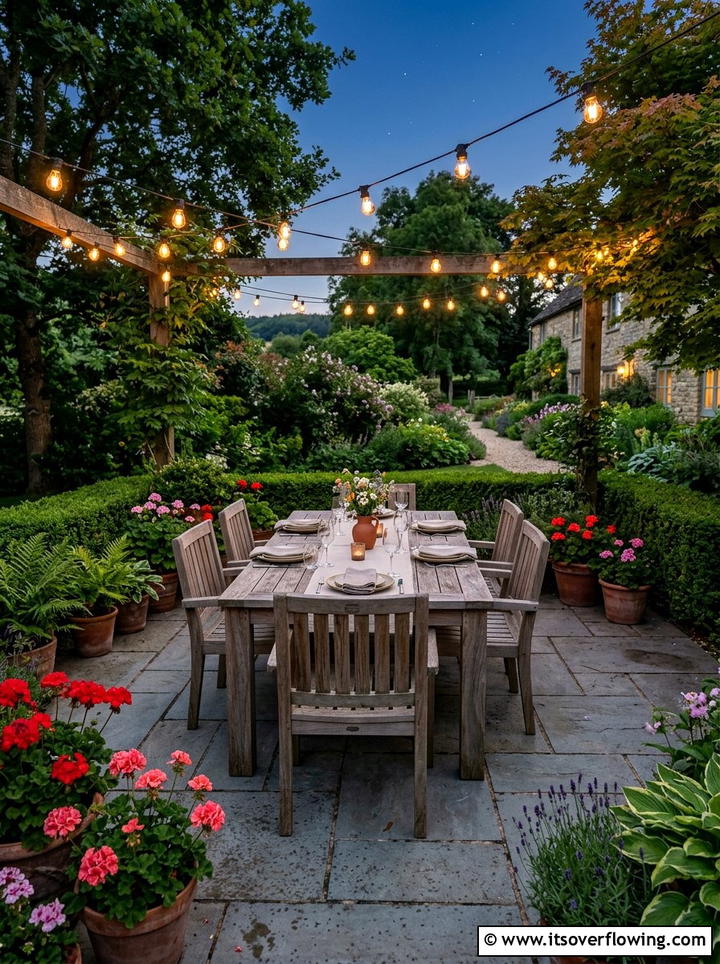
An outdoor dining patio is the ultimate functional element for a traditional backyard, providing a space for entertaining and family meals. Using classic materials like brick, bluestone, or flagstone ensures the patio feels like an extension of the house. You can surround the area with low stone walls or flowering shrubs to create a sense of intimacy. Imagine hosting a dinner party surrounded by the scent of night-blooming jasmine and the soft glow of lanterns. A well-designed patio allows you to fully enjoy the beauty of your garden while providing all the comforts of an indoor dining room in the fresh air.
Conclusion:
Designing a garden for a traditional home is a rewarding journey that blends historical elegance with personal expression. By incorporating structured elements like boxwood hedges and stone paths alongside the soft beauty of roses and hydrangeas, you create a balanced environment that feels both grand and intimate. These ideas are intended to help you build a landscape that honors the architecture of your home while providing a functional and beautiful space for relaxation. Remember that the best gardens are those that grow with you, reflecting the care and attention you provide over the years. Whether you prefer the formality of a parterre or the whimsical charm of a cottage border, your traditional garden will surely become a cherished part of your home’s story. Embrace the timelessness of these classic designs to create an outdoor sanctuary that will remain stylish and inviting for generations to come.

Related posts:
 25 Garden Ideas for Cottage Homes Full of Timeless Charm
 25 garden ideas for farmhouse homes: Rustic Outdoor Charm
 25 Creative Garden Ideas for Rural Homes: Rustic Yard Tips
 25 Creative Garden Ideas for Suburban Homes
 25 Creative Garden Ideas for Urban Homes
 25 Garden Ideas for Contemporary Homes With Sleek Style
 25 garden ideas for modern homes: Sleek Outdoor Inspiration
 25 Garden Ideas for Rental Homes That Are Easy to Move
 25 Garden Ideas for Suburban Homes With Curb Appeal
 25 Small Garden Ideas for Urban Homes With Big Impact
 25 creative garden ideas with pallet planters for Rustic Charm
 25 Garden Design Ideas for Patios With Stylish Outdoor Charm