
Creating an English garden is about blending structure with a sense of wild, romantic beauty that feels both timeless and lived-in. This style often evokes images of rolling hills, lush greenery, and vibrant blossoms that spill over stone walls. Whether you have a vast estate or a tiny backyard, you can capture this quintessential charm by focusing on layers, textures, and classic materials. From the structured elegance of clipped hedges to the untamed grace of climbing roses, the English aesthetic celebrates nature in a way that feels intentional yet effortless. It is a sanctuary where history meets horticulture, providing a peaceful escape from the modern world right outside your door.
1. Climbing roses on brick wall
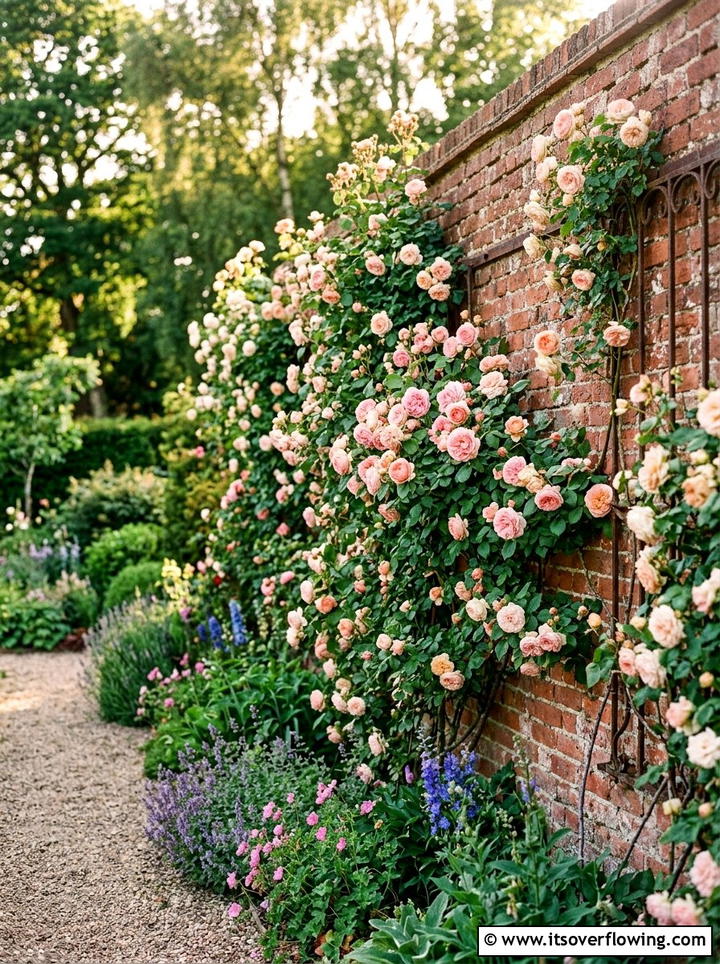
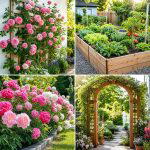
Have you ever dreamed of a garden that feels like it belongs in a classic storybook? Planting climbing roses against an old brick wall is the perfect way to add height and romantic fragrance to your outdoor space. These hardy climbers thrive when given a sturdy support to latch onto, creating a vertical tapestry of color that changes with the seasons. The contrast between the warm, earthy tones of the bricks and the delicate petals of the roses creates a striking visual balance. You should choose varieties that offer a repeat bloom to ensure your garden remains vibrant throughout the summer months. It is a truly timeless look.
2. Boxwood hedge border
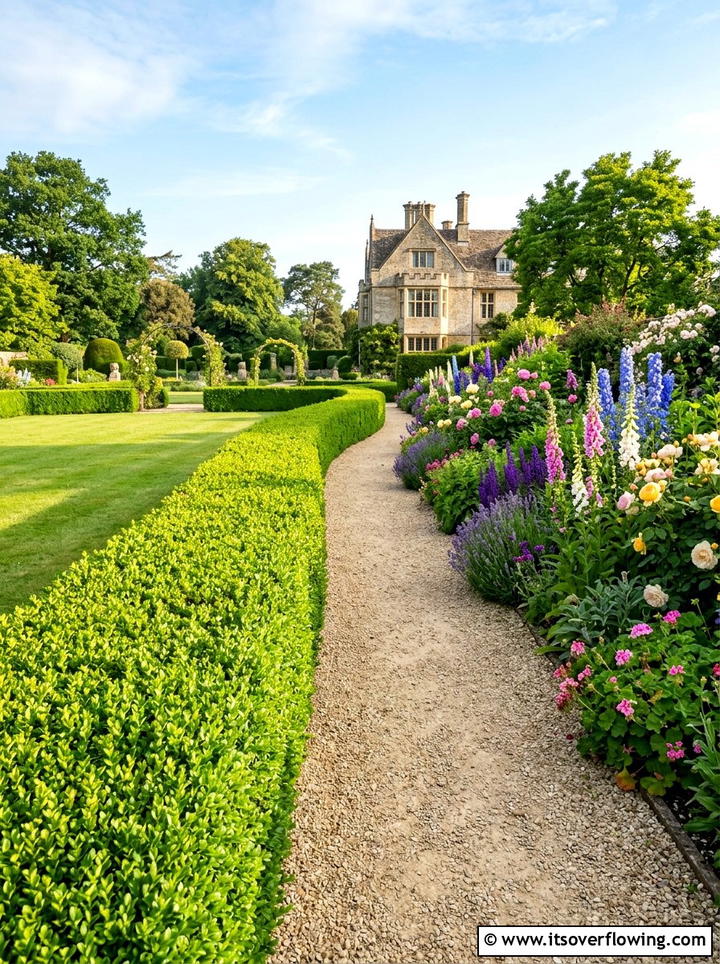
Imagine walking through a landscape where every path is defined by perfectly manicured greenery that stays lush all year. Using boxwood hedges to create borders is a foundational element of the formal English style, providing a sense of order amidst wilder flower beds. These low-growing shrubs can be clipped into sharp, geometric lines or soft, rounded mounds depending on your personal preference. They serve as a green frame for your more colorful perennials, ensuring the garden looks structured even during the winter months. Maintaining these hedges requires regular trimming, but the polished and sophisticated result is well worth the extra effort for any homeowner.
3. Lavender lined stone path
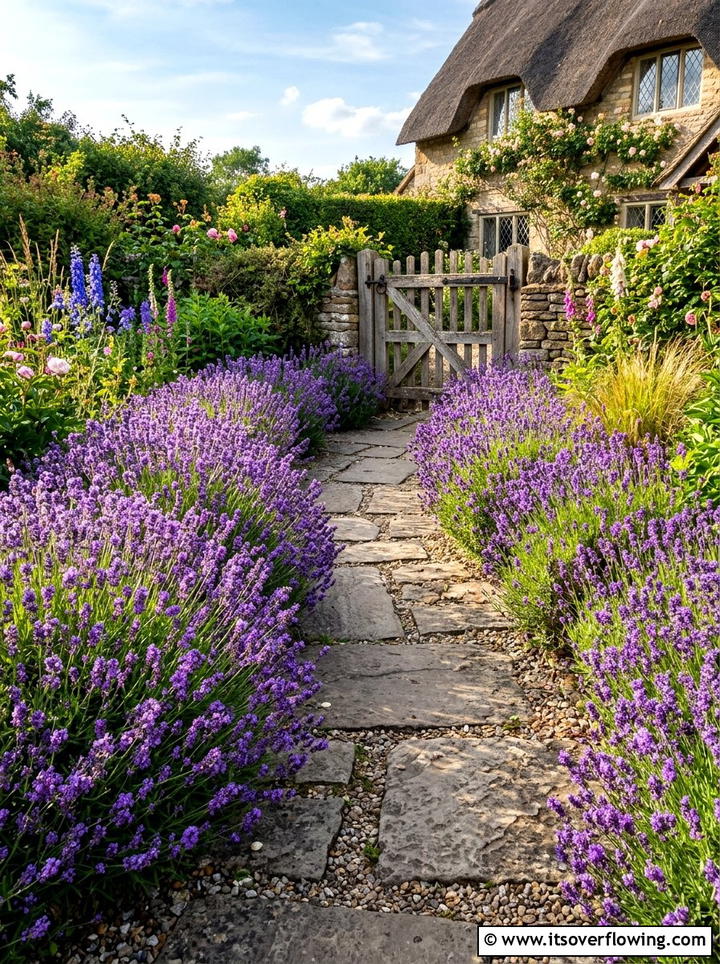
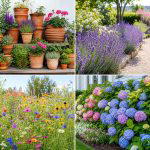
Does anything say summer quite like the soothing scent of purple blooms brushing against your ankles as you walk? Lining a natural stone path with fragrant lavender creates a sensory experience that is deeply rooted in traditional British garden design. This hardy herb thrives in sunny spots and attracts a variety of pollinators like bees and butterflies to your yard. The silvery-green foliage provides a beautiful contrast to the gray or tan tones of the walkway stones. As the lavender spills over the edges of the path, it softens the hardscape and makes the transition between stone and soil feel organic and inviting.
4. Wrought iron garden bench
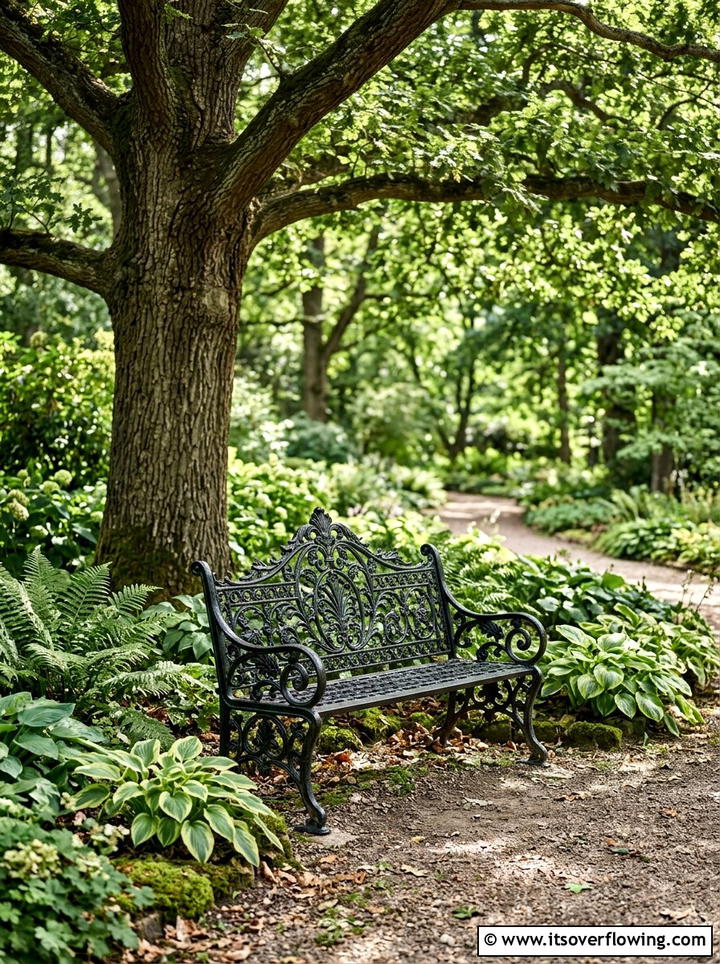
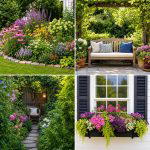
Finding a quiet place to sit and enjoy the fruits of your labor is essential for any outdoor sanctuary. A classic wrought iron garden bench tucked under a tree or at the end of a path offers a perfect focal point. This material is incredibly durable and develops a beautiful patina over time, which only adds to its vintage charm. You can choose a simple black finish or a weathered white to match the surrounding flowers. Placing the bench in a spot with a good view allows you to pause and appreciate the intricate details of your planting schemes while adding a structural element.
5. Traditional stone fountain
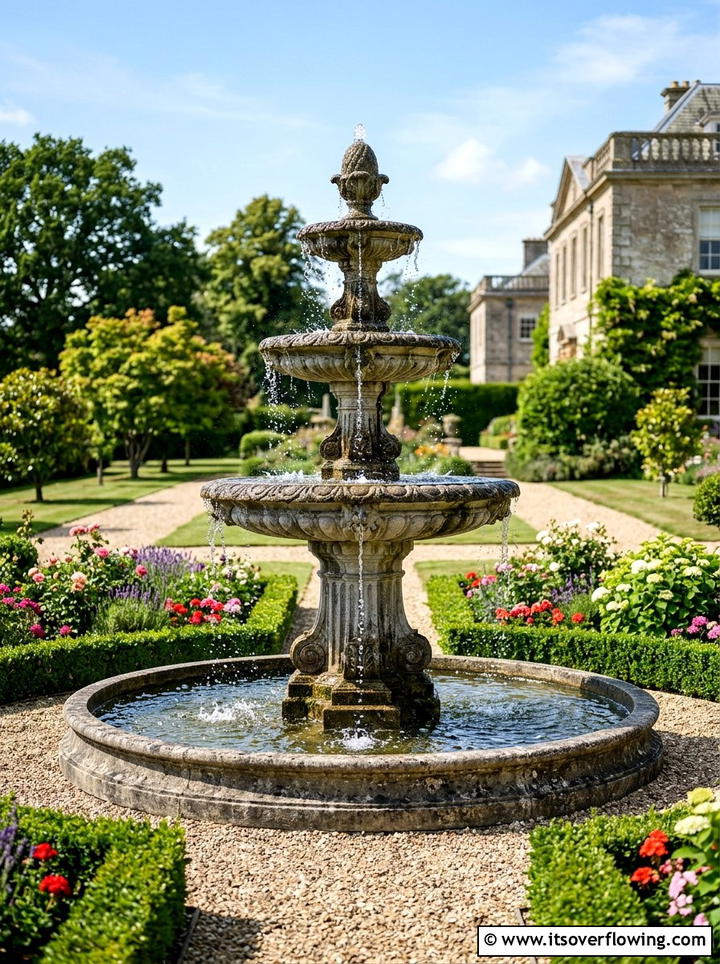
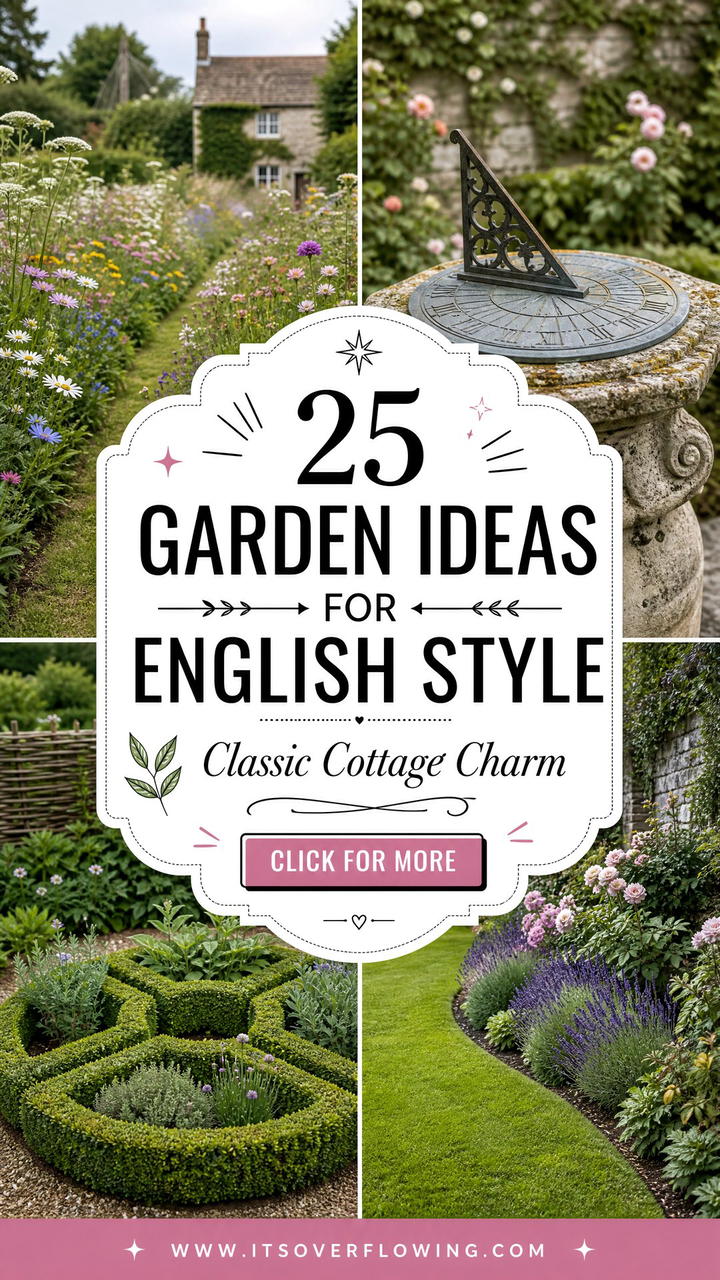
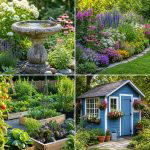
The gentle sound of trickling water can transform a simple backyard into a serene retreat that feels miles away from civilization. A traditional stone fountain serves as a majestic centerpiece, drawing the eye and providing a calming auditory backdrop for your outdoor gatherings. These features often come in weathered finishes that look like they have been part of the landscape for decades. Whether it is a tiered pedestal design or a wall-mounted spout, the masonry adds a sense of permanence and history. Birds will also appreciate the fresh water, bringing even more life and movement to your carefully curated English style garden.
6. Perennial flower bed
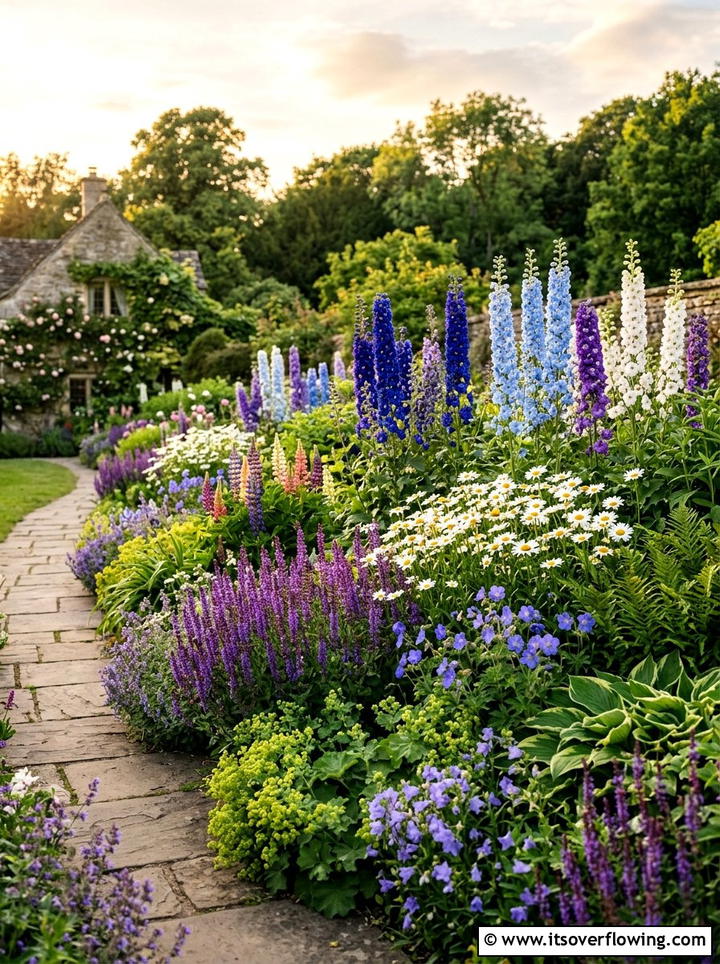
What if your garden could erupt in a different explosion of color every single month without constant replanting? A deep perennial flower bed is the backbone of the cottage style, featuring a mix of plants that return year after year. By layering taller species like delphiniums in the back and shorter ones like hardy geraniums in the front, you create depth. Mixing different textures and colors ensures that something is always catching the eye. This approach encourages a lush, crowded look where plants mingle together, effectively suppressing weeds and creating a dense, vibrant carpet of blooms that feels incredibly generous and very natural.
7. Wisteria covered pergola
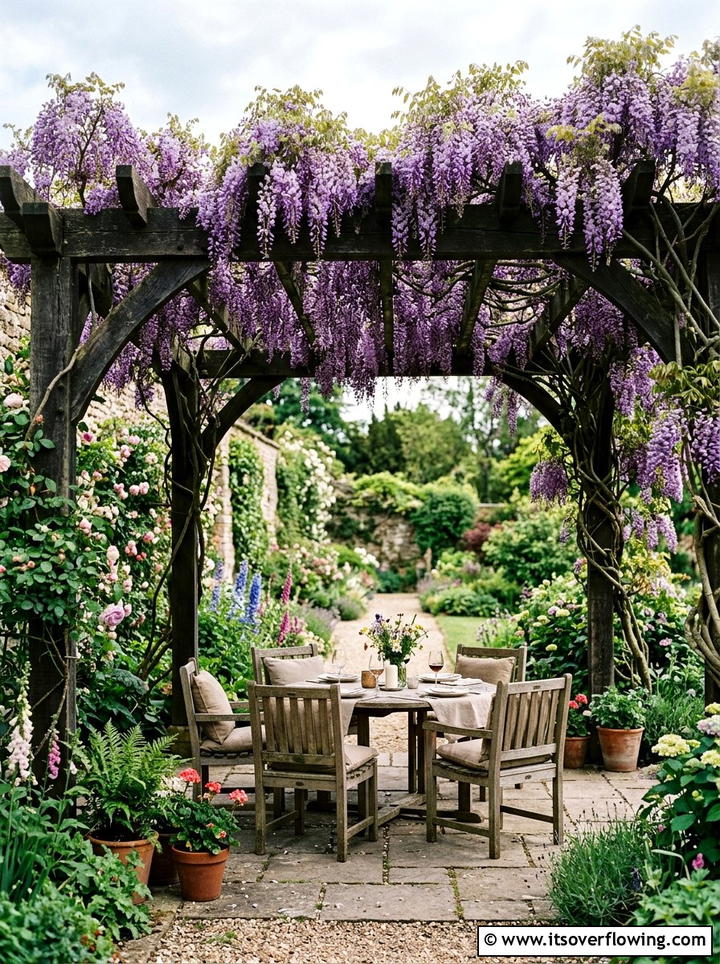
Walking beneath a canopy of cascading purple flowers is an experience that feels truly magical and uniquely English in its elegance. A sturdy pergola provides the necessary support for wisteria vines, which are known for their dramatic, hanging racemes and sweet fragrance. This architectural feature creates a shaded outdoor room that is perfect for summer dining or relaxing with a book. As the vines age, their gnarled, woody trunks add a sense of ancient character to the structure. While wisteria requires careful pruning to keep it in check, the visual reward during its peak blooming season is nothing short of spectacular for any viewer.


8. Wildflower meadow area
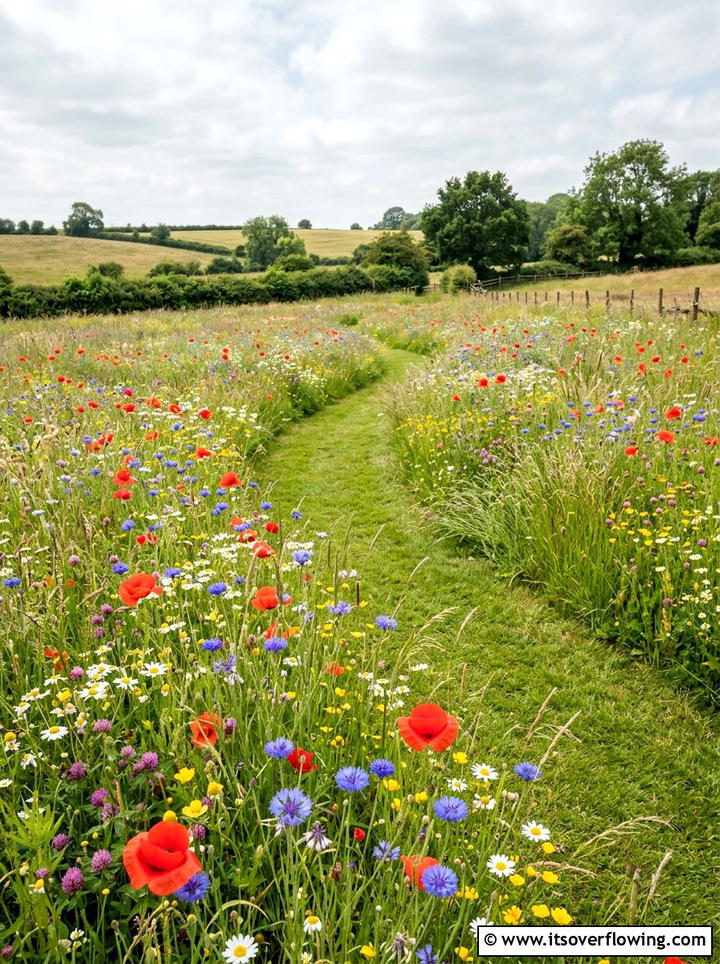
Can a garden be both beautiful and beneficial for the local environment at the very same time? Dedicating a portion of your lawn to a wildflower meadow is a wonderful way to embrace a more relaxed, naturalistic English aesthetic. This approach replaces high-maintenance grass with a mix of native flowers and tall grasses that sway beautifully in the breeze. It creates a vital habitat for various insects and birds, adding a layer of ecological purpose to your landscape. The unscripted beauty of poppies, ox-eye daisies, and cornflowers provides a soft contrast to the more formal, structured areas of your backyard design scheme.
9. English cottage garden gate
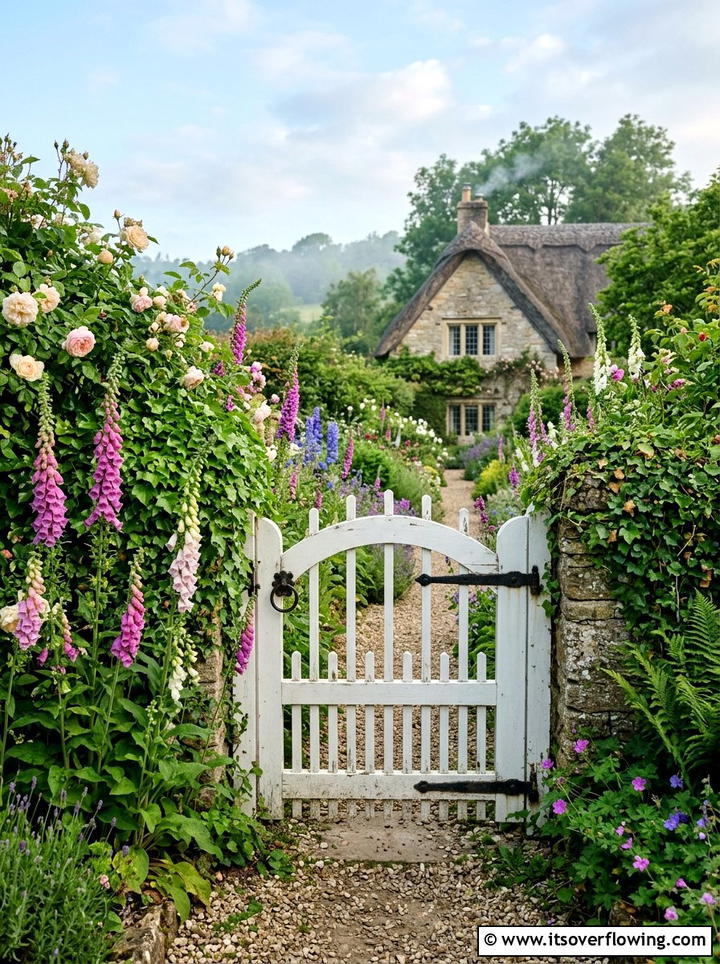
The entrance to your private sanctuary should be just as charming as the flowers that grow inside the fence line. A traditional wooden or metal garden gate serves as a symbolic transition from the busy world into your peaceful outdoor haven. Often painted in soft pastel tones or left as natural weathered wood, these gates look best when framed by climbing vines or tall shrubs. Adding a simple latch or a vintage handle enhances the rustic feel of the entrance. It invites guests to step inside and explore, setting the tone for the relaxed and romantic atmosphere that lies just beyond the wooden threshold.
10. Antique stone sundial
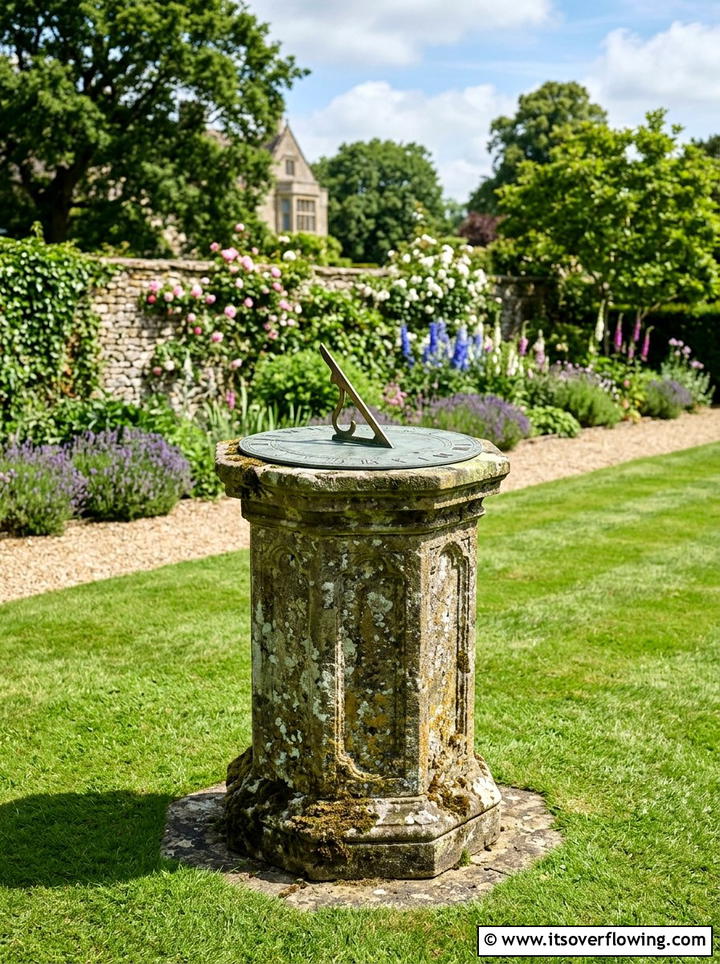
Every classic garden benefits from a touch of history that reminds us of the slow, steady passage of time. An antique stone sundial is a traditional ornament that adds a scholarly and timeless feel to a circular flower bed or a lawn. Usually placed on a carved pedestal, it acts as a silent focal point that captures the sunlight throughout the day. The moss and lichen that naturally grow on the stone over the years only enhance its character and help it blend into the surrounding plants. It is a functional piece of art that bridges the gap between the natural and the man-made.
11. Classic brick garden path
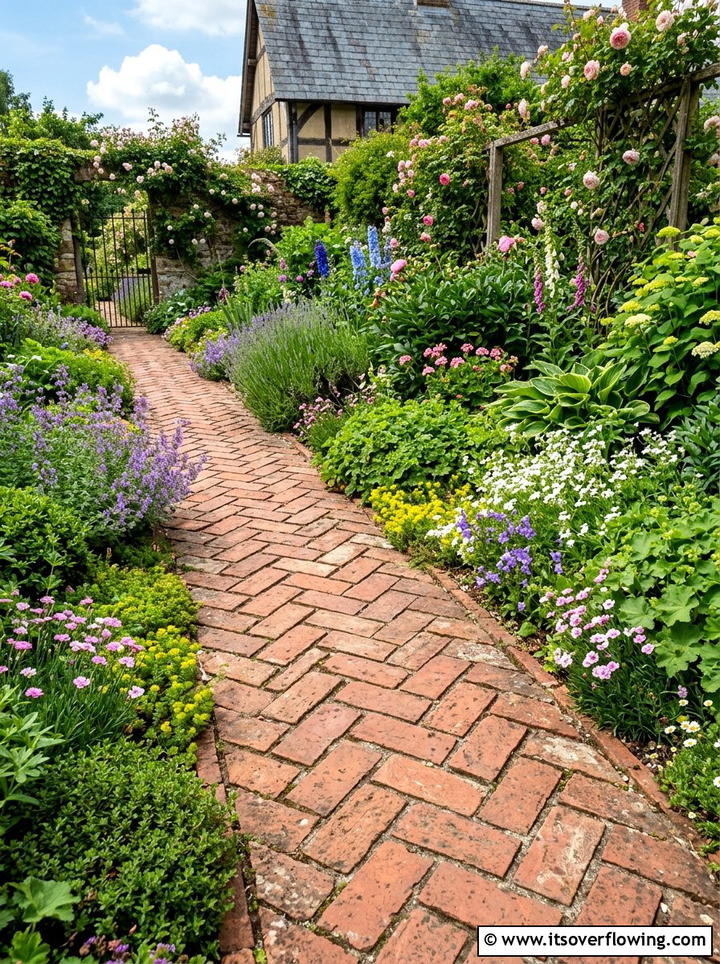
There is something deeply satisfying about the rhythmic pattern of a well-laid brick path winding through a sea of green. Using reclaimed bricks for your garden walkways adds instant age and a warm, red-toned texture that complements green foliage perfectly. You can lay them in a herringbone or basketweave pattern to add visual interest to the ground level. Over time, the bricks may settle slightly or grow a bit of moss in the joints, which only adds to the authentic, lived-in feel. These paths are durable and provide a stable surface for walking while maintaining a soft, traditional look for the home.
12. Rustic potting shed
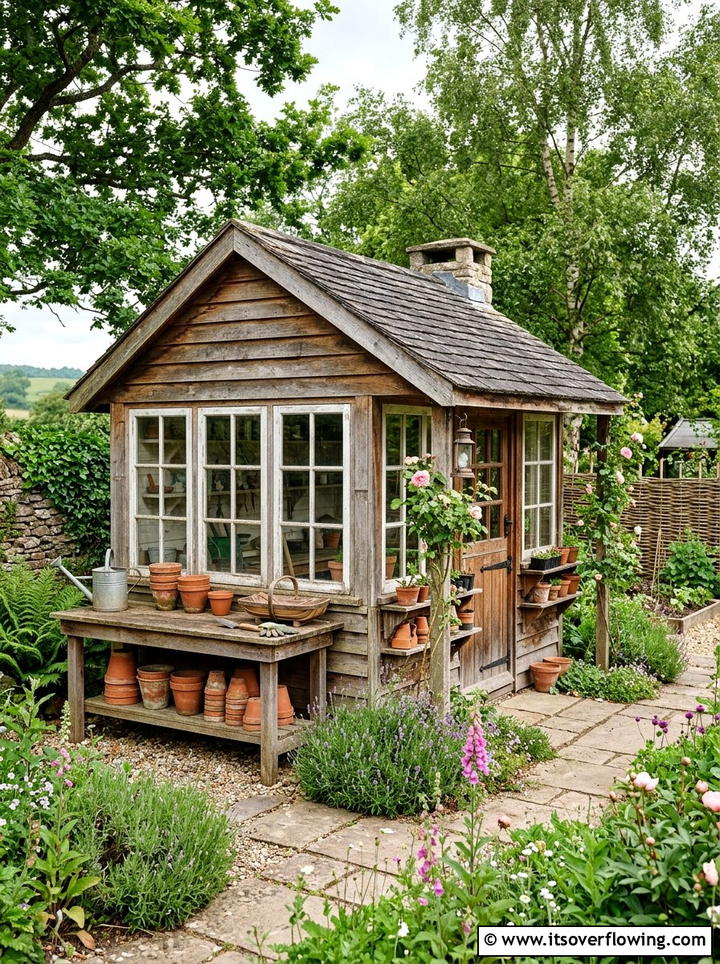
Every passionate gardener needs a dedicated space to organize their tools, pot up new seedlings, and escape the occasional rain shower. A rustic potting shed with windows and a weathered wood exterior can be a beautiful focal point rather than just a storage unit. You can decorate the outside with hanging baskets, old galvanized watering cans, and a small bench. Inside, the smell of cedar and damp earth creates a cozy atmosphere for any plant lover. By choosing a design that mimics the architecture of your home, the shed becomes a seamless and functional part of the overall English garden landscape.
13. Decorative stone birdbath
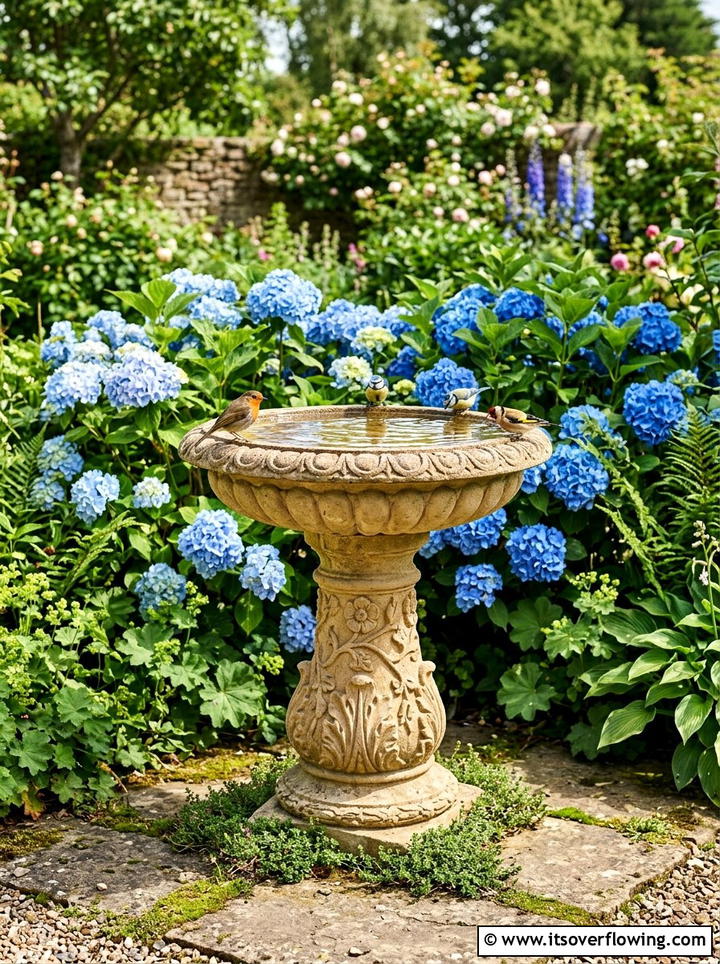
Watching local birds splash around in a shallow pool of water is one of the simple joys of outdoor living. A decorative stone birdbath is a classic addition that provides a vital resource for wildlife while serving as a lovely sculptural element. Placing it in a quiet corner or in the center of a flower bed allows you to view the activity from a nearby window or bench. The weight of the stone ensures it stays stable during windy weather, and the natural material ages beautifully alongside your plants. It is an easy way to invite nature into your daily garden experience.
14. Formal topiary shrubs
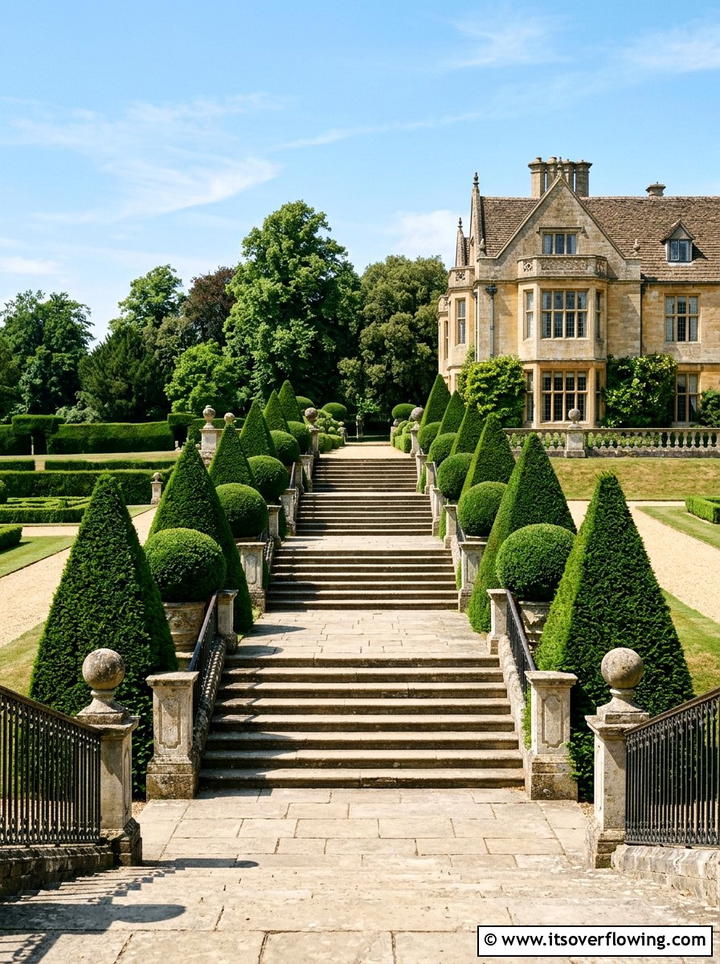
Do you appreciate the art of shaping nature into clean, sculptural forms that provide year-round interest and visual structure? Formal topiary shrubs, such as cones, spheres, or spirals, add a touch of grand estate elegance to even the smallest suburban backyard. Usually created from evergreen plants like yew or boxwood, these living sculptures maintain their shape throughout the four seasons. They can be used to flank a doorway, punctuate the corners of a garden bed, or stand as independent features on a lawn. While they require a steady hand for clipping, their presence brings a sense of sophisticated artistry to your outdoor space.
15. Gravel garden walkway
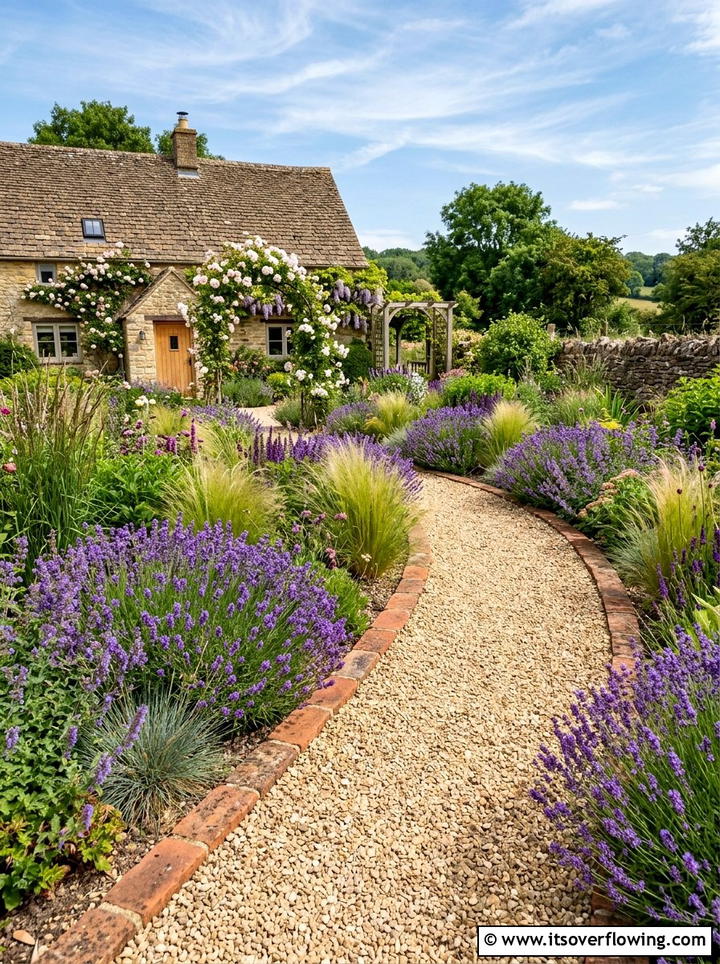
Walking across a gravel path produces a distinctive crunching sound that is synonymous with the traditional English country house experience. Gravel is a versatile and affordable material that allows for excellent drainage and a more casual, relaxed look than solid paving stones. It works particularly well in Mediterranean-influenced English gardens where drought-tolerant plants thrive. By using a metal or brick edging, you can keep the stones contained while allowing plants to spill over the sides. The light color of the gravel can help brighten up shaded areas, making the entire garden feel more open and airy during the day or evening.

16. Herb garden knot
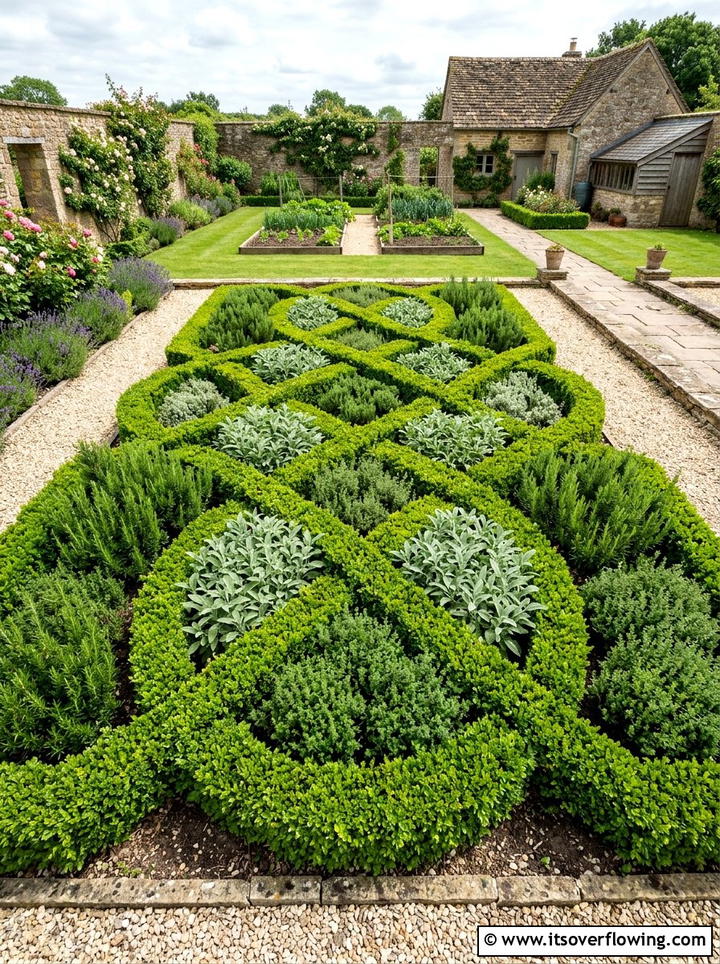
Creating a dedicated space for culinary herbs can be both a practical and highly decorative endeavor for any home cook. A traditional knot garden uses low hedges to create intricate, interlacing patterns that are then filled with various aromatic herbs like thyme and rosemary. This formal arrangement looks stunning from an upper-story window and keeps your edible plants organized. The mixture of different foliage colors and textures, from the silver of sage to the bright green of parsley, creates a rich tapestry. It is a wonderful way to combine the utility of a kitchen garden with the high-style aesthetics of English history.
17. Wooden garden arbor
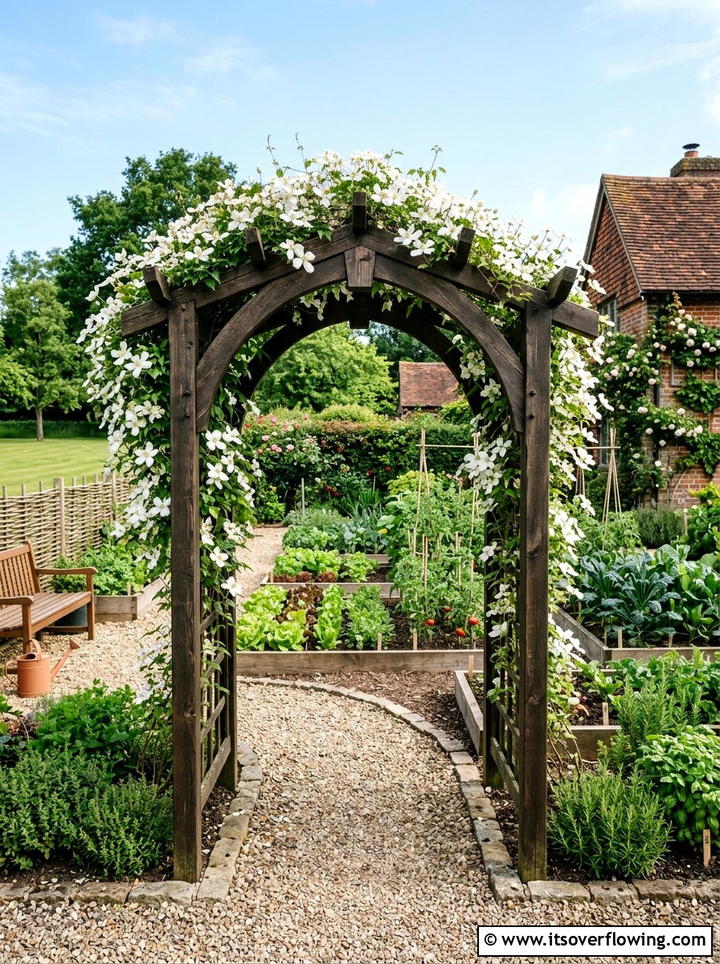
An arbor provides a beautiful gateway or a transition point between different rooms of your outdoor living area. Constructed from sturdy timber, a wooden arbor serves as the perfect support for climbing plants like clematis, jasmine, or honeysuckle. As these plants grow, they create a living tunnel of greenery and flowers that smells wonderful and provides a bit of shade. You can place an arbor at the start of a path or over a small gate to create a sense of mystery and invitation. It adds architectural height to the garden, breaking up flat areas and providing a classic vertical design element.
18. Blue hydrangea border
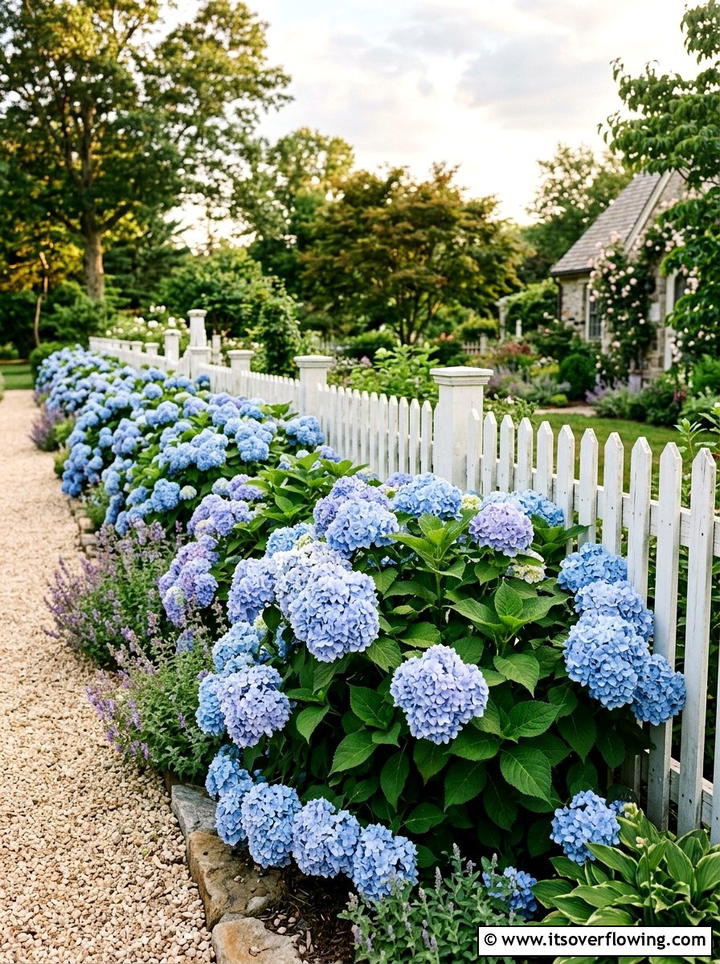
Imagine a sea of giant, sky-blue flower heads nodding gently in the late afternoon sun against a backdrop of deep green. Hydrangeas are a staple of the English garden, known for their lush foliage and impressive, long-lasting blooms that fill large spaces easily. Planting them in a long border along a fence or house wall creates a soft, voluminous look that feels incredibly romantic. Depending on your soil acidity, you can achieve various shades of blue or purple. These shrubs are excellent for filling gaps and providing a solid wall of color that remains attractive from mid-summer well into the autumn months.
19. White picket fence
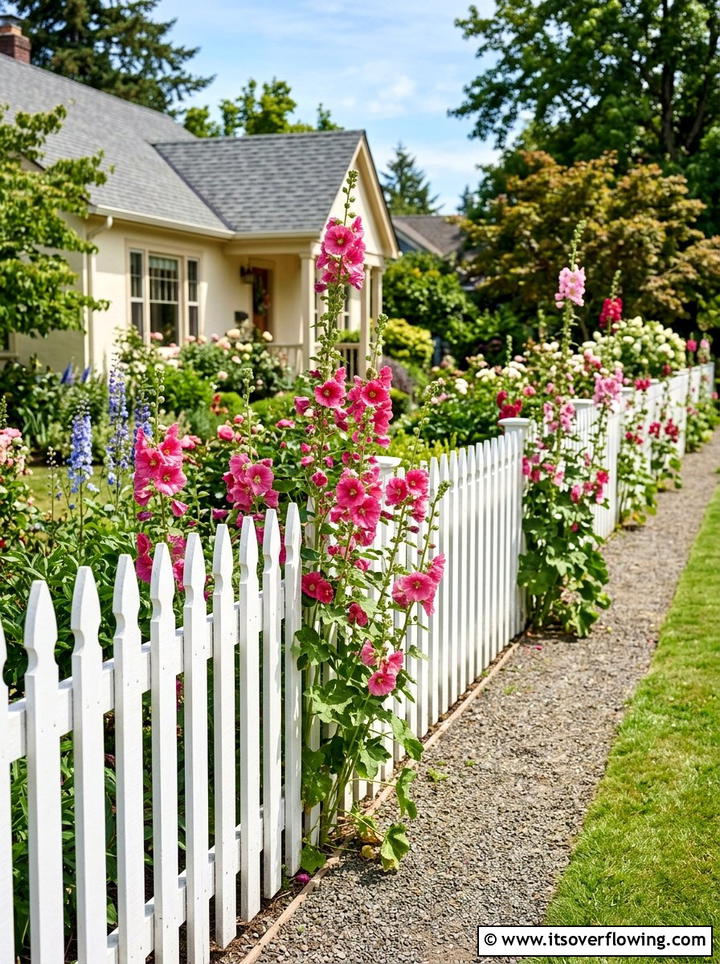
Is there any boundary more iconic or charming than a classic white picket fence draped in colorful garden flowers? This simple structure provides a clear boundary for your property while maintaining a friendly, open feel that invites neighbors to look in. It serves as the perfect backdrop for tall perennials like hollyhocks or foxgloves that can peek over the top of the pickets. The crisp white paint makes the green leaves and bright flower petals pop, creating a very clean and traditional look. It is a quintessential element of the English cottage style that adds instant curb appeal and a vintage feel.
20. Secret garden seating
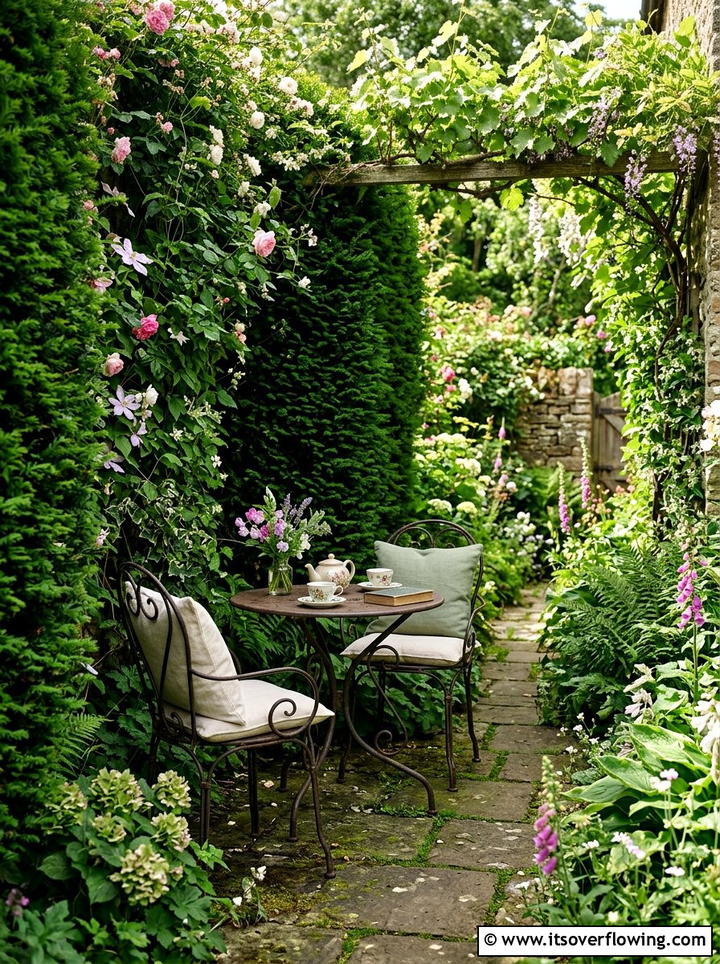
Tucking a small table and chairs into a hidden corner of the yard creates a private retreat for intimate conversations. By using tall shrubs, climbing vines, or a trellis, you can screen off a small area from the rest of the garden. This “secret” spot feels like a personal sanctuary where you can enjoy your morning coffee surrounded by nature. Using vintage-style bistro furniture adds to the European charm and doesn’t take up too much physical space. It encourages you to explore every inch of your landscape and provides a rewarding destination at the end of a winding garden path or walkway.
21. Foxglove and delphinium display
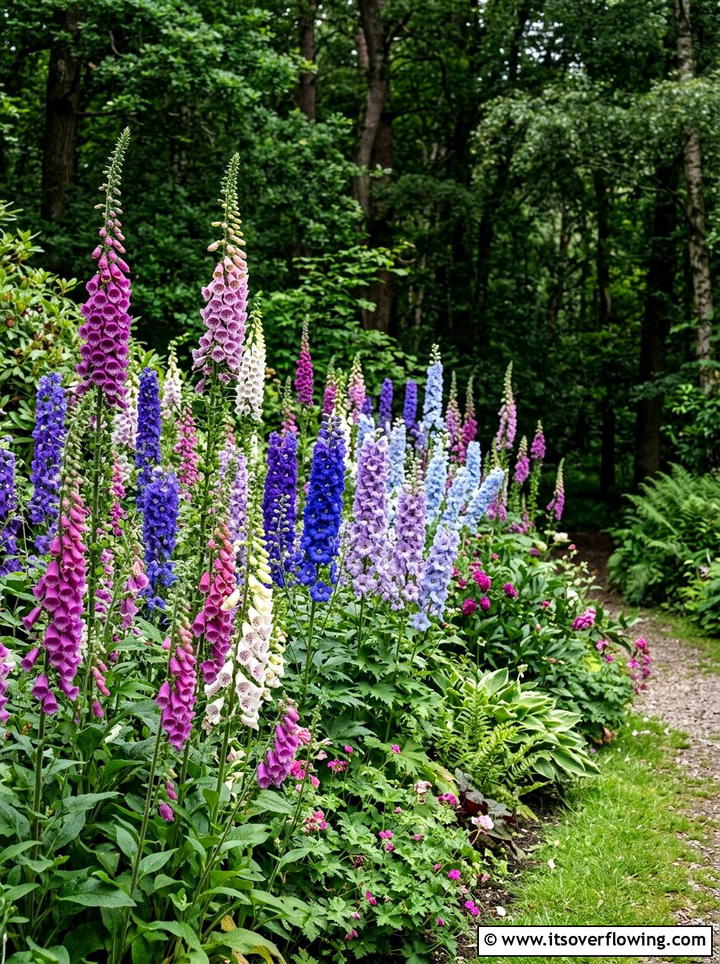
Tall, spiky flowers are essential for creating the vertical drama and layered look that English gardens are so famous for. Foxgloves and delphiniums offer impressive height and a range of stunning colors, from deep blues and purples to soft pinks and whites. These biennials and perennials thrive in the cooler climates often associated with the British Isles, making them perfect for a traditional border. Their architectural form draws the eye upward and provides a beautiful contrast to more rounded shrubbery. Planting them in large groups ensures a high-impact display that feels both wild and expertly planned for the summer season.
22. Vintage garden statues
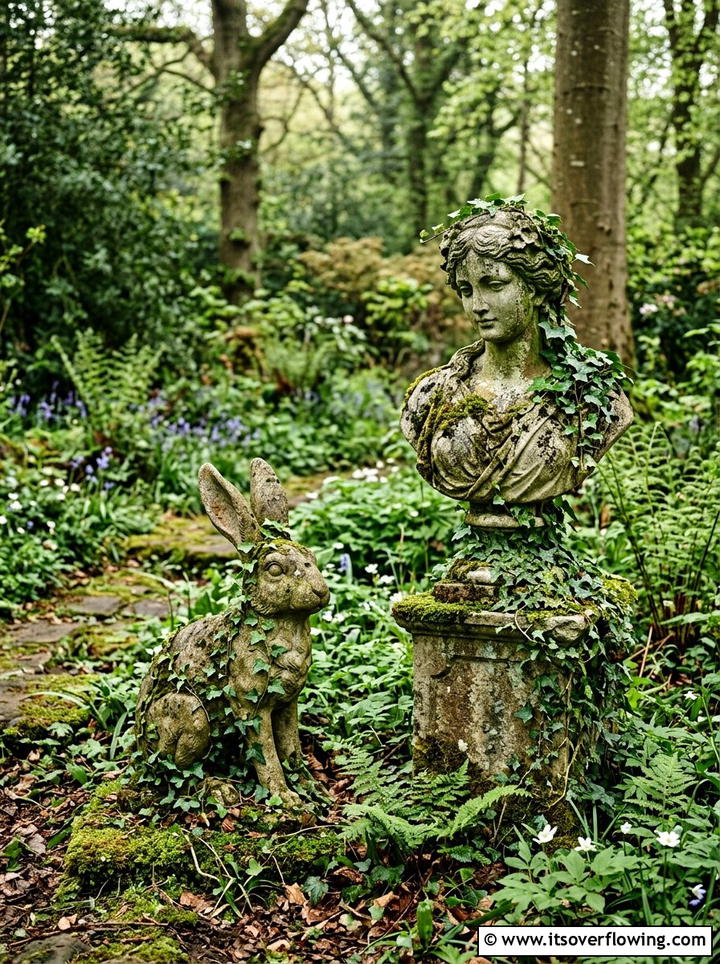
Adding a piece of weather-worn art can give your outdoor space a sense of personality and a link to the past. Vintage garden statues, such as classical figures, stone animals, or cherubs, act as silent sentinels among the flowers and shrubs. When partially hidden by foliage, they create a sense of discovery and whimsy for anyone walking through the space. The moss and natural staining that occur over time help the statues feel like they have always been there. These elements provide a focal point that doesn’t rely on blooms, ensuring your garden has visual interest even during the dormant winter.
23. Natural stone pond
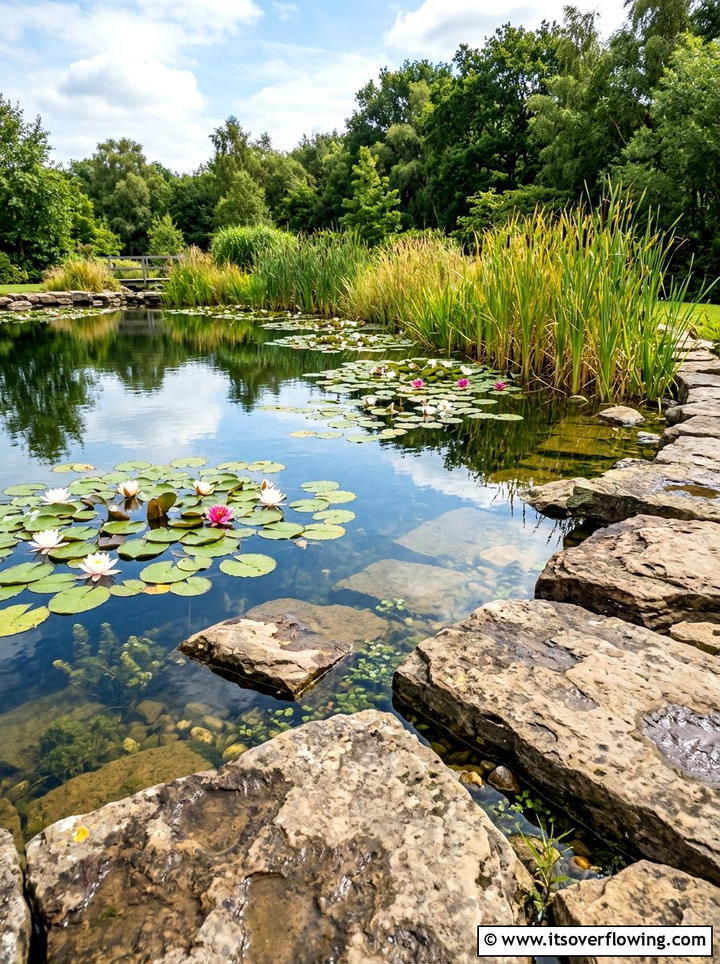
A pond with irregular stone edges and floating lily pads brings a sense of peace and ecological diversity to any backyard. Unlike formal rectangular pools, a naturalistic pond mimics the look of a wild water feature found in the English countryside. You can surround the water with moisture-loving plants like irises and ferns to soften the transition from the land to the water. The reflections of the sky and surrounding trees on the surface add a sense of depth and tranquility. It becomes a hub for local wildlife, from frogs to dragonflies, making your garden feel like a living, breathing ecosystem.
24. Climbing clematis trellis
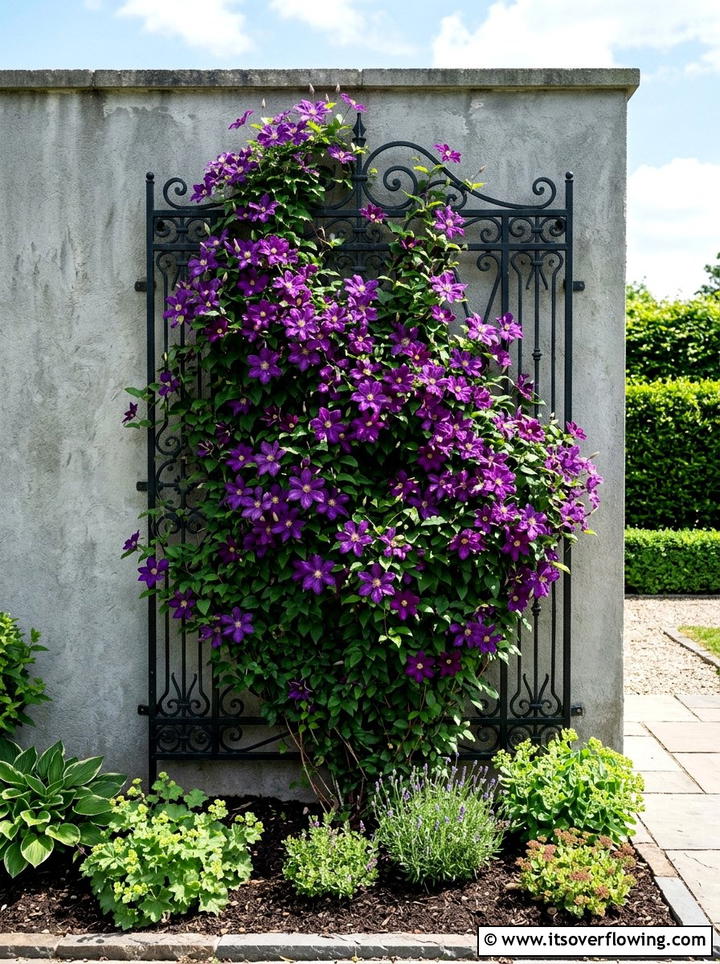
Clematis is often referred to as the “queen of climbers” because of its stunning variety of flower shapes and vibrant colors. Training this vine up a wall-mounted trellis or a freestanding obelisk allows you to add vertical interest without needing a lot of ground space. These plants can be mixed with climbing roses to create a multi-layered display of blooms that lasts for several months. Whether you choose large, showy flowers or dainty bell-shaped varieties, clematis adds a layer of sophistication and detail. It is a great way to hide an unattractive wall or add color to a narrow side yard.
25. Manicured lawn edge
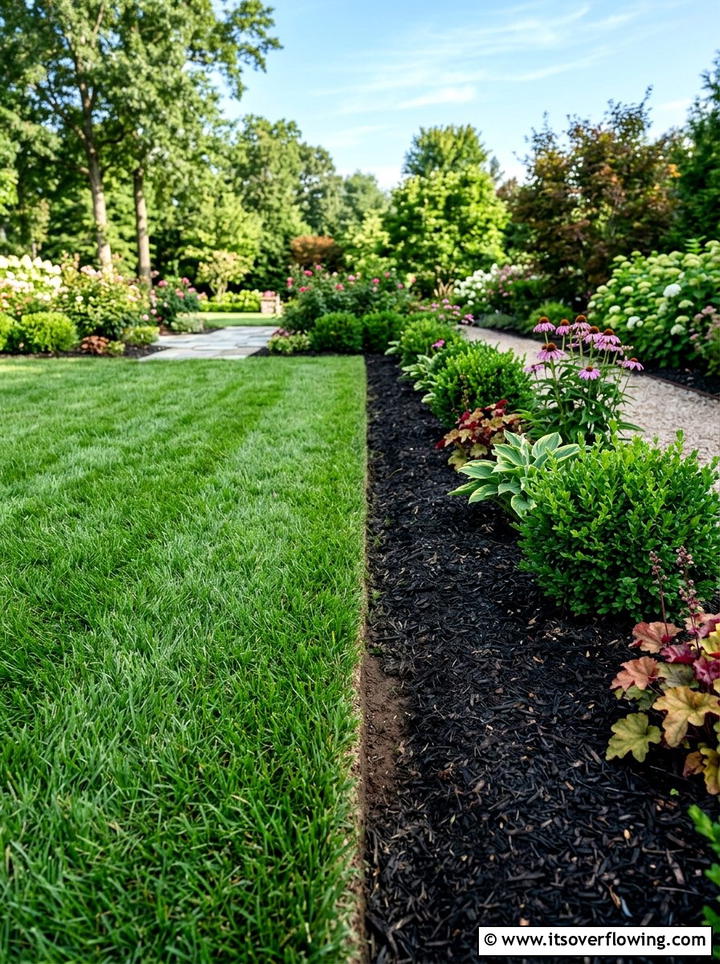
Have you noticed how a sharp, clean line between the grass and the flower beds instantly makes a garden look better? A manicured lawn edge is a simple but highly effective way to give your English style garden a professional and tidy appearance. By using a specialized edging tool, you can create a clear separation that prevents grass from creeping into your soil. This contrast highlights the shapes of your garden beds and makes the colors of your flowers stand out even more. It is the finishing touch that ties the whole landscape together, proving that attention to small details makes a huge difference.
Conclusion:
Designing an English style garden is a rewarding journey that allows you to express your creativity while connecting deeply with nature. By incorporating a mix of structured elements like stone paths and hedges with the romantic chaos of perennial blooms, you create a space that feels balanced and soulful. Each feature, from a simple birdbath to a grand wisteria pergola, contributes to a larger story of beauty and tranquility. Whether your garden is a work in progress or a mature landscape, the goal is always to create a sanctuary that brings joy to the senses. Embrace the seasons and let your garden grow into a timeless masterpiece.
Related posts:
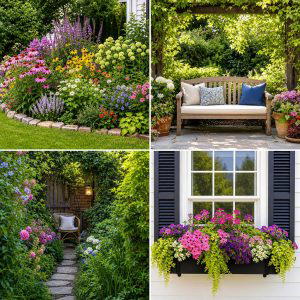
 25 Garden Design Ideas for Cottage Gardens Full of Charm
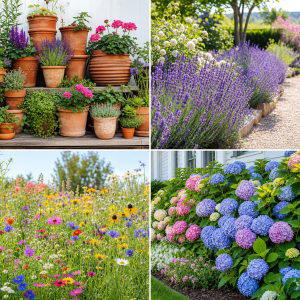
 25 Garden Ideas for Cottage Homes Full of Timeless Charm
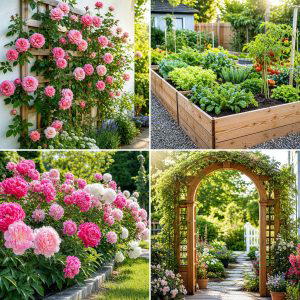
 25 Small Garden Ideas With Cottage Style for Charming Spaces
 25 Creative Garden Ideas With Cottage Layering
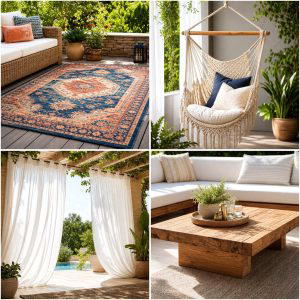 25 Garden Ideas for Boho Style With Relaxed Outdoor Charm
 25 Garden Ideas for Rustic Style With Natural Charm
 25 creative garden ideas with pallet planters for Rustic Charm
 25 Garden Design Ideas for Farmhouse Landscapes With Rustic Charm
 25 Garden Design Ideas for Patios With Stylish Outdoor Charm
 25 Garden Design Ideas With Pot Displays for Instant Charm
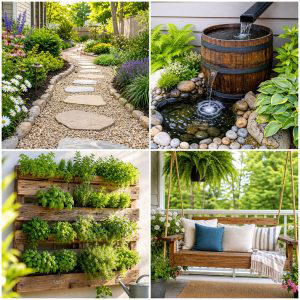 25 garden ideas for farmhouse homes: Rustic Outdoor Charm
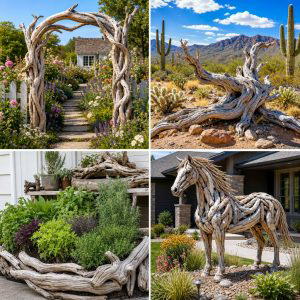 25 Garden Ideas With Driftwood Sculptures for Rustic Charm