
Creating a rustic garden is all about embracing the beauty of imperfection and the natural passage of time. This design style focuses on using organic materials, weathered textures, and a relaxed planting scheme to create a space that feels lived-in and comfortable. Whether you are working with a sprawling backyard or a tiny patio, the rustic aesthetic allows for a lot of creativity and personalization. You can easily repurpose old items like wooden crates or vintage tools to add character without spending a fortune. In this guide, we will explore various ways to transform your outdoor area into a charming retreat that celebrates the rugged elegance of the countryside.
1. Weathered Wood Gate
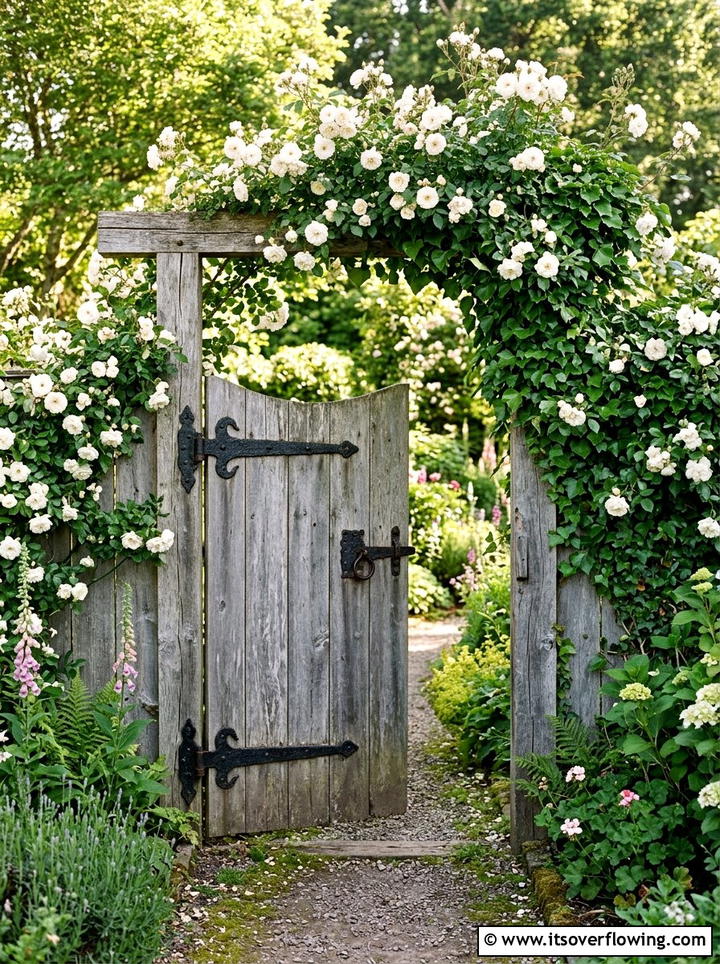
Stepping into a yard through a weathered wood gate immediately sets a nostalgic tone for the entire outdoor space. This design element relies on the natural aging process of cedar or pine to create a silvery patina that blends seamlessly with nature. Instead of painting the wood, leaving it untreated allows the texture of the grain to become a focal point. You can pair this rustic entrance with heavy iron hinges and a simple latch to enhance the farmhouse feel. Surrounding the gate with climbing ivy or white roses adds a soft, romantic touch that balances the ruggedness of the timber. It creates a welcoming transition from the busy world into your peaceful sanctuary.
2. Galvanized Steel Planter
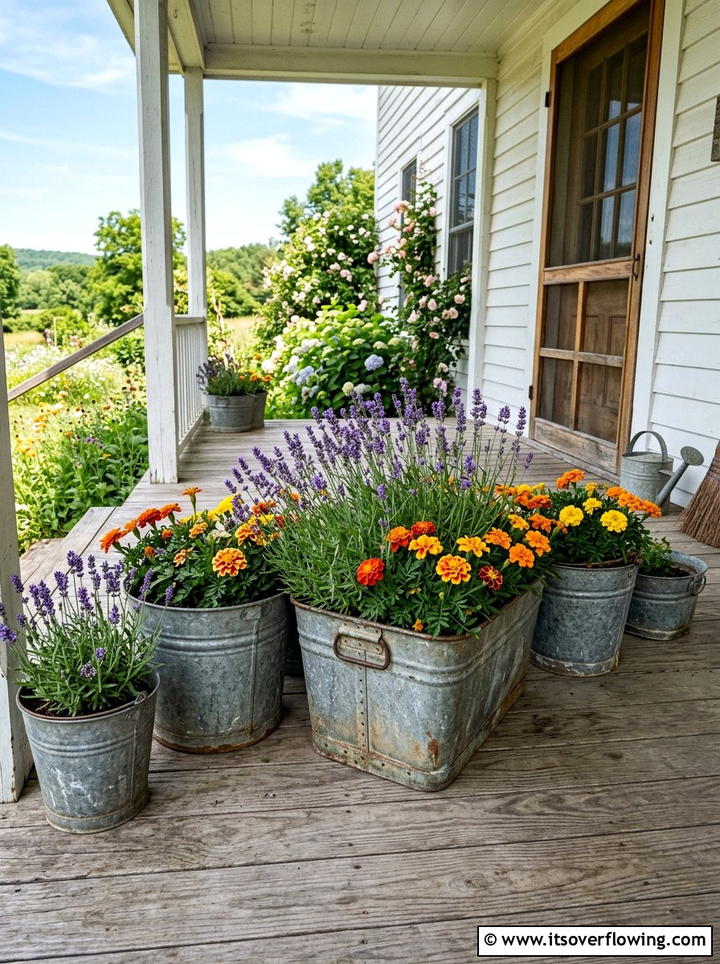
Galvanized steel planters offer a wonderful way to introduce industrial charm into a lush green garden setting. These metal containers, whether they are old wash tubs or stock tanks, provide a durable and weather-resistant home for your favorite perennials. The cool gray tones of the zinc coating contrast beautifully with vibrant purple lavender or bright yellow marigolds. For a cohesive look, group various sizes of these buckets together on a porch or near a garden shed. Ensure you drill drainage holes in the bottom to keep your plants healthy. These containers only look better with age as they develop a matte finish and occasional rust spots, adding authentic character.
3. Natural Stone Path
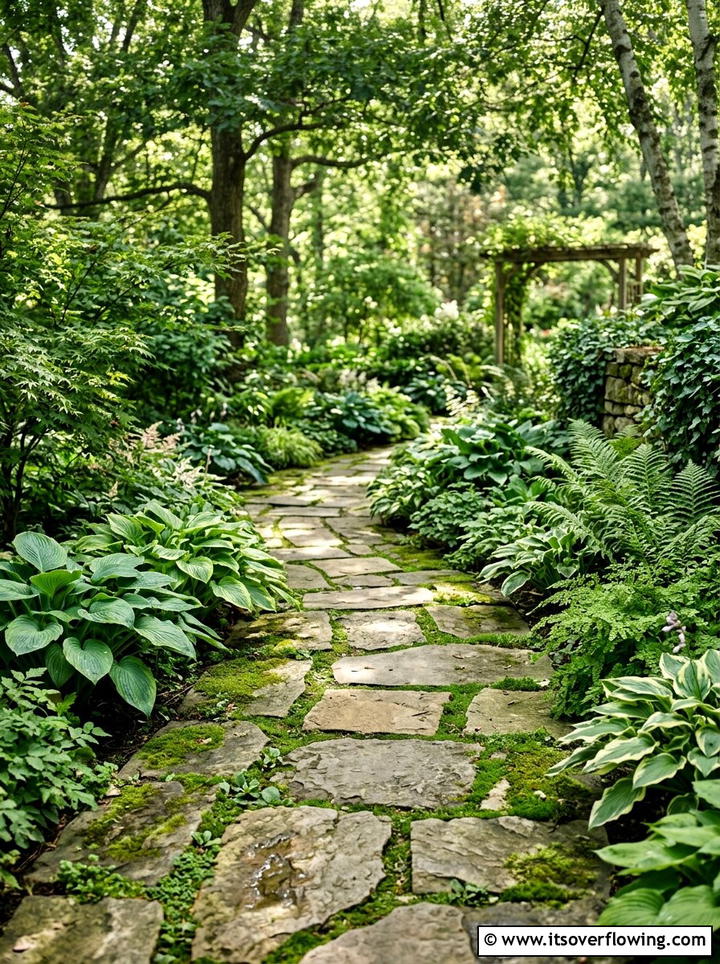
Have you ever walked down a winding path made of irregular natural stones? This type of walkway is a staple in rustic landscape design because it mimics the organic flow of the earth. Using flat flagstones or fieldstones allows you to create a durable surface that feels like it has been there for centuries. You can fill the gaps between the stones with creeping thyme or moss to soften the edges and add a touch of green. This approach avoids the rigid lines of modern pavers, making the garden feel more relaxed and adventurous. A stone path naturally guides the eye toward different focal points throughout your backyard retreat.
4. Reclaimed Timber Raised Bed
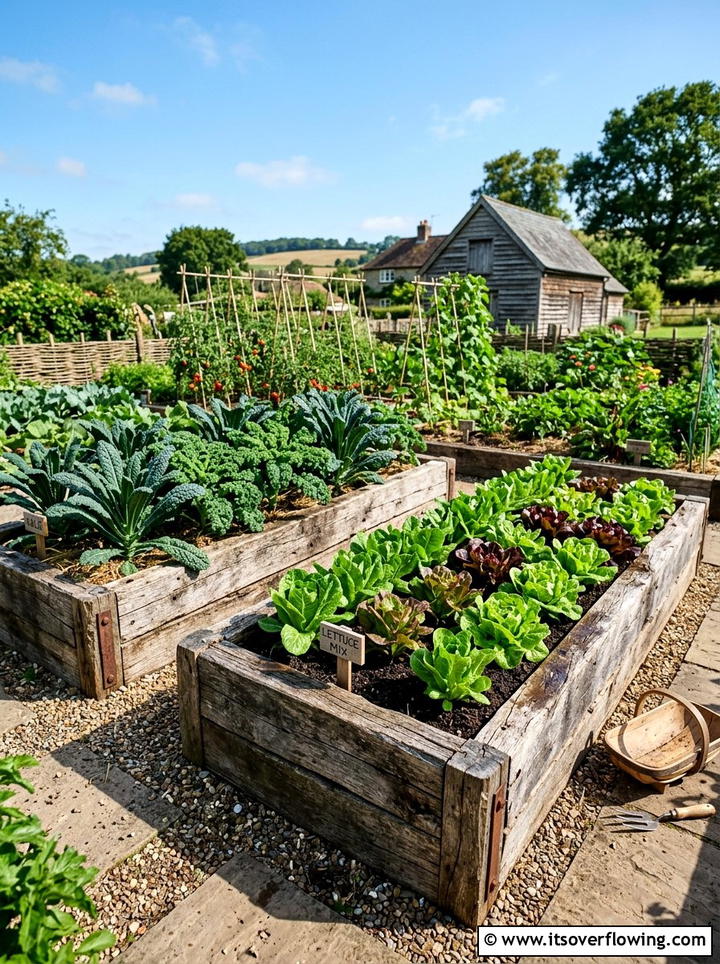
Using reclaimed timber for raised garden beds is an excellent way to combine sustainability with high-style rustic aesthetics. Old barn wood or salvaged beams provide a thick, sturdy border that holds soil while adding deep texture to your vegetable patch. The deep browns and grays of weathered wood provide a stunning backdrop for the bright greens of kale, lettuce, and herbs. These elevated beds make gardening easier on your back while defining specific zones in your outdoor space. By using recycled materials, you give the garden a sense of history and soul. It transforms a functional growing area into a beautiful architectural feature of your rustic landscape.
5. Antique Iron Bench
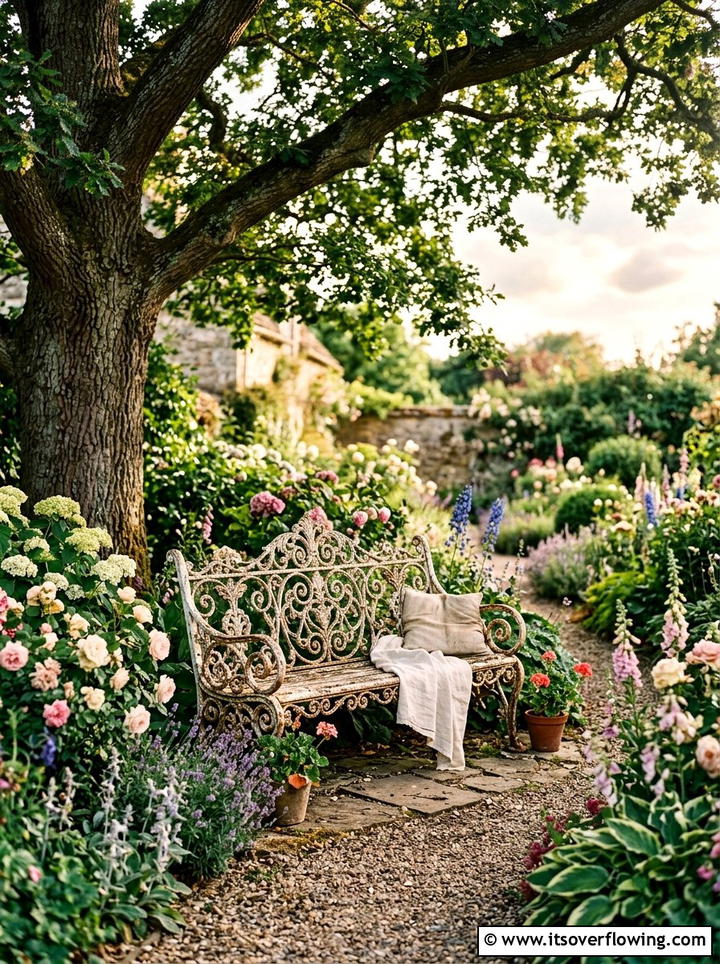
An antique iron bench placed under a large shade tree provides a perfect spot for quiet reflection in a rustic garden. These heavy, ornate pieces often feature intricate scrollwork that looks even better with a bit of chipping paint or surface rust. To make the seating more comfortable, add a few weather-resistant cushions in neutral linen or burlap fabrics. Positioning the bench near a flower border allows you to enjoy the scents and sights of your garden up close. The contrast between the cold, hard metal and the soft, blooming flowers creates a visually interesting balance. It serves as both a functional seat and a sculptural element.
6. Wildflower Meadow Patch
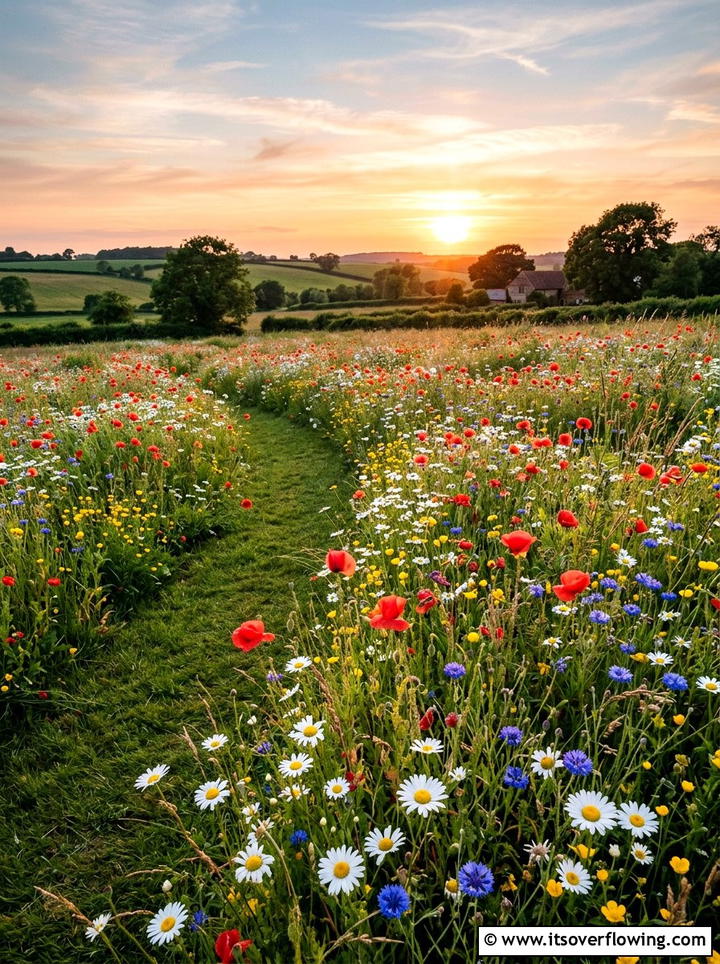
What if you traded a perfectly manicured lawn for a vibrant, buzzing wildflower meadow patch? This rustic approach to landscaping encourages local biodiversity and requires much less maintenance than traditional grass. By sowing a mix of native seeds, you create a tapestry of colors including poppies, daisies, and cornflowers that dance in the breeze. This style of planting looks best when allowed to grow tall and slightly wild, providing a habitat for bees and butterflies. A small mown path through the middle of the flowers can make the area feel intentional rather than neglected. It brings the untamed beauty of the countryside directly into your backyard.
7. Rustic Cedar Pergola
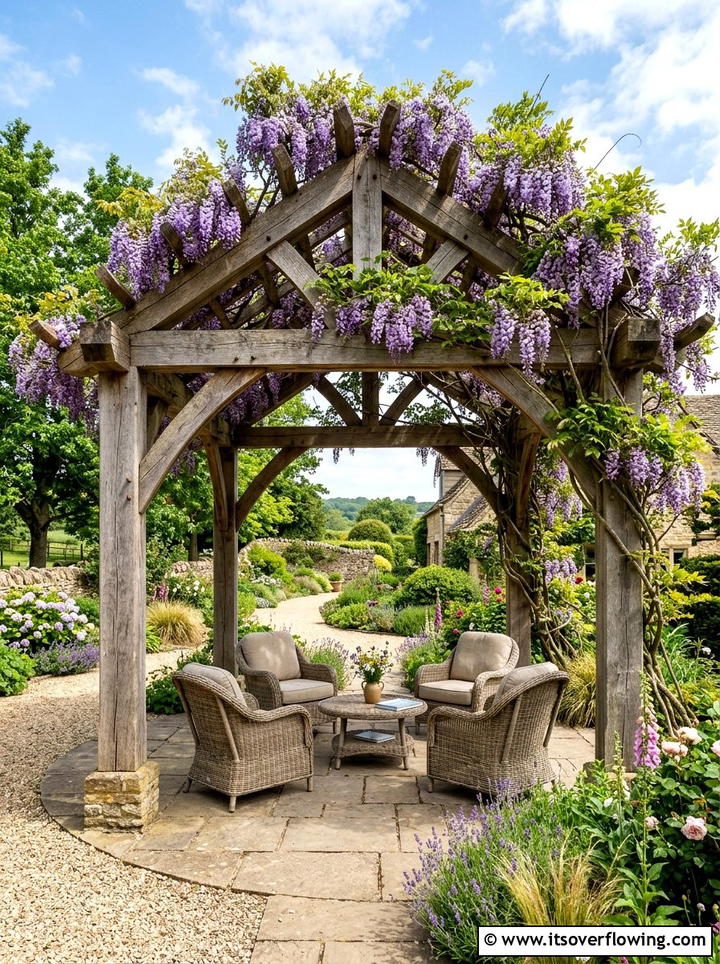
A rustic cedar pergola provides a sturdy architectural framework that can define an outdoor living room or dining area. The natural oils in cedar help it resist rot while it slowly turns a beautiful shade of gray over the years. You can train climbing vines like wisteria or grapes to grow over the beams, creating a living roof that offers dappled shade. This structure helps to anchor the garden and provides a sense of enclosure without blocking the view of the sky. Underneath, you can place a simple wooden table or some comfortable wicker chairs. It is the ultimate spot for hosting summer dinners or morning coffee.
8. Old Wagon Wheel Decor
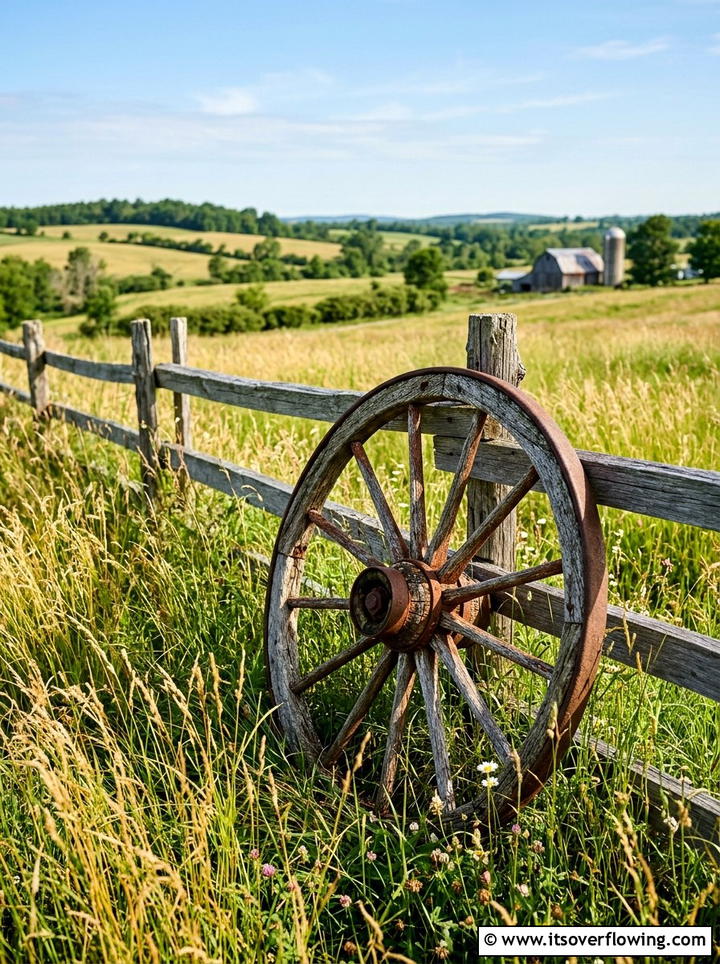
Incorporating an old wagon wheel into your garden design is a classic way to pay homage to rural history. These large wooden and iron artifacts can be leaned against a fence, tucked into a flower bed, or even used as a trellis for light climbers. The circular shape provides a strong geometric contrast to the organic shapes of plants and shrubs. When partially buried in the ground or surrounded by tall grasses, the wheel looks like a relic found on an old farmstead. It adds a sense of whimsy and nostalgia to the landscape. This simple addition creates an instant focal point that sparks conversation.
9. Stacked Fieldstone Wall
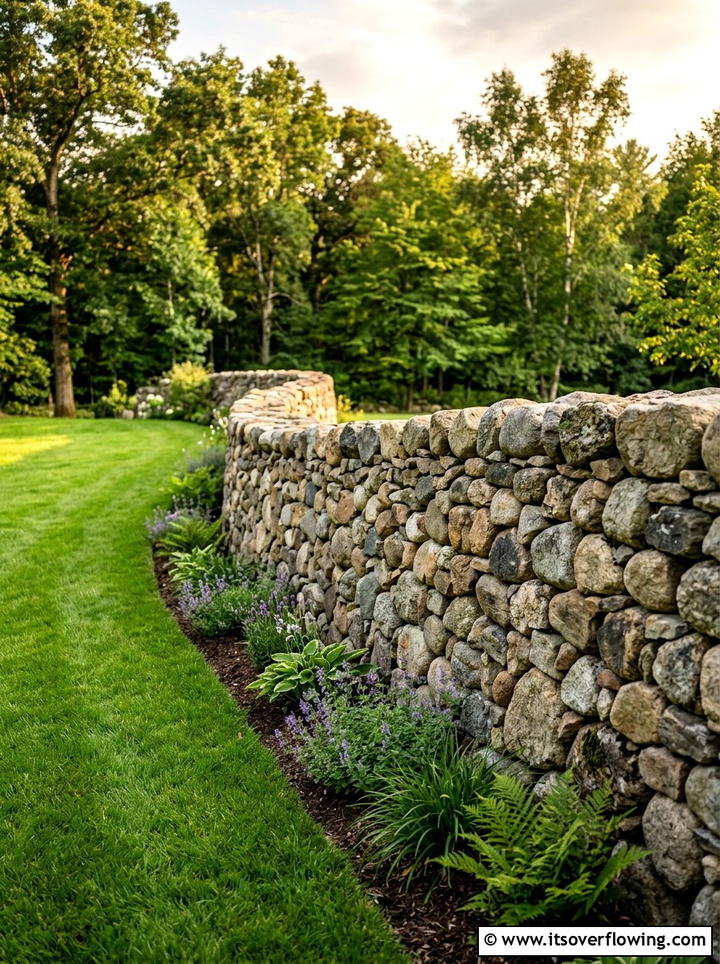
A stacked fieldstone wall is a timeless feature that adds structure and old-world charm to any rustic outdoor space. Unlike modern concrete retaining walls, these are built by carefully fitting natural stones together without the need for mortar. This technique allows for natural drainage and gives the wall a rugged, handcrafted appearance that blends into the terrain. You can use these walls to create different levels in a sloped yard or to border a cozy patio. Over time, small ferns and lichens may grow in the crevices, further enhancing the natural look. It is a durable and beautiful way to define your garden’s boundaries.
10. Wood Burning Fire Pit
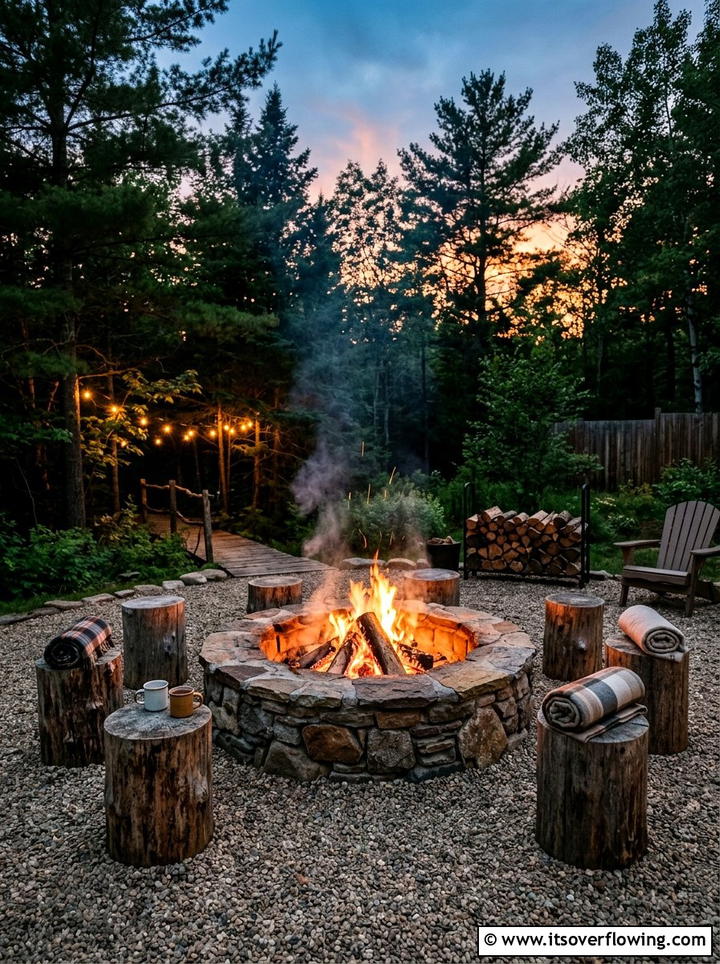
Is there anything more rustic than gathering around a wood-burning fire pit on a cool autumn evening? Creating a dedicated fire area using natural stone surrounds and gravel flooring makes for a cozy destination in the garden. You can use large logs as rustic stools or arrange Adirondack chairs around the flames for a more comfortable experience. The smell of burning wood and the crackle of the fire enhance the sensory experience of your outdoor living space. This feature encourages social interaction and extends the usability of your garden into the night. It serves as a warm, inviting heart for your entire backyard landscape.
11. Log Cabin Birdhouse
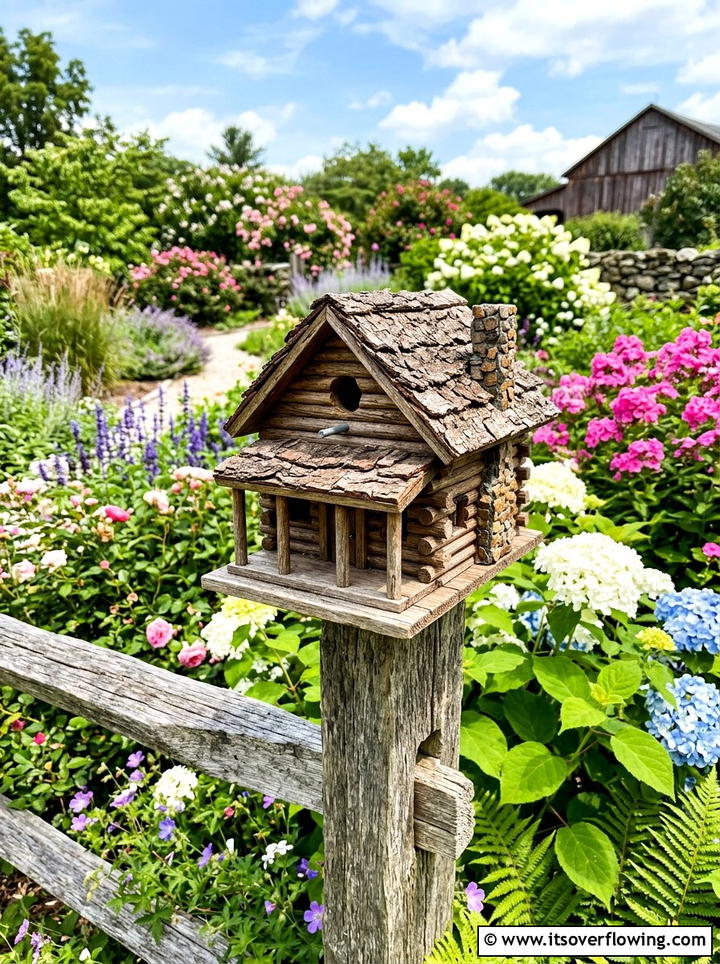
Adding a log cabin birdhouse to a fence post or a sturdy tree branch introduces a charming, miniature architectural element to your garden. These small structures, often made from tiny twigs or bark-covered wood, provide a safe nesting site for local birds while looking incredibly cute. Choosing a design that mimics a rustic dwelling helps tie the wildlife features into the overall theme of your yard. Watching birds fly in and out adds movement and life to the space, making it feel like a true nature sanctuary. It is a simple way to support the local ecosystem while adding a touch of handcrafted detail to your outdoor decor.
12. Oak Barrel Fountain
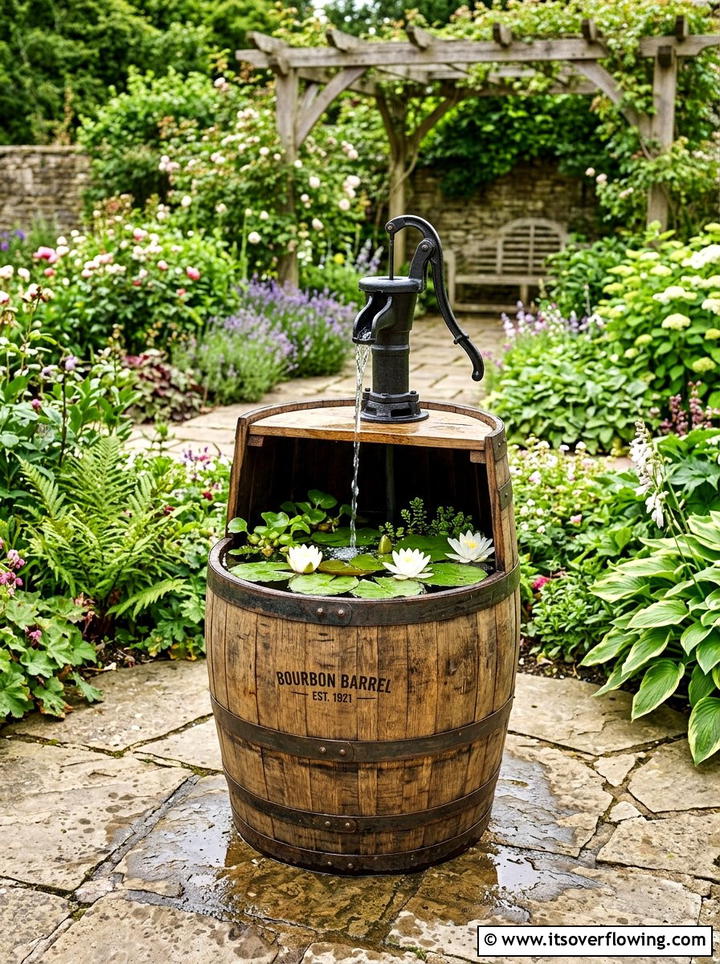
An oak barrel fountain brings the soothing sound of running water to your rustic garden in a compact and stylish way. Using a repurposed wine or whiskey barrel as a basin creates an immediate vintage feel that fits perfectly on a patio or deck. You can add a simple hand pump spout to complete the farmhouse aesthetic. The dark, weathered wood of the barrel pairs beautifully with aquatic plants like water lilies or horsetail. This type of water feature is easy to maintain and provides a refreshing focal point that attracts birds and dragonflies. It turns a quiet corner into a relaxing retreat with minimal effort.
13. Woven Branch Fence
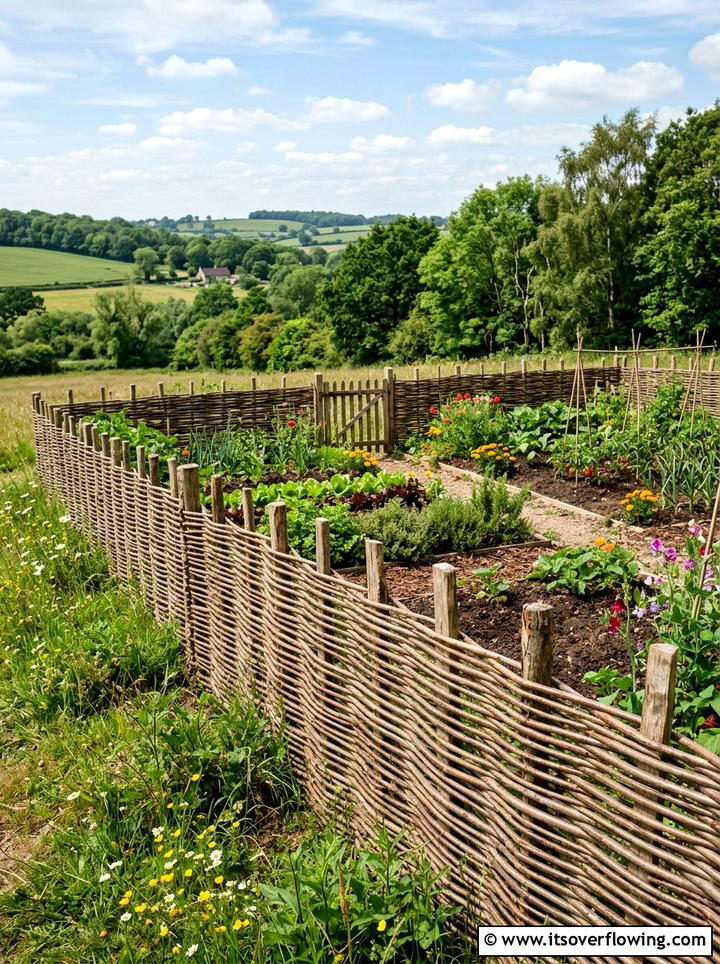
A woven branch fence, also known as a wattle fence, is a traditional and highly decorative way to enclose a garden area. By weaving flexible branches like willow or hazel between upright stakes, you create a natural barrier that looks completely integrated with the environment. This style of fencing is perfect for protecting a vegetable garden or creating a screen for privacy. The organic texture and varied colors of the wood add visual interest that modern plastic or metal fences simply cannot provide. It is a sustainable choice that utilizes natural materials often found right in your own backyard or local woods, adding authentic rustic flair.
14. Aged Terracotta Pot
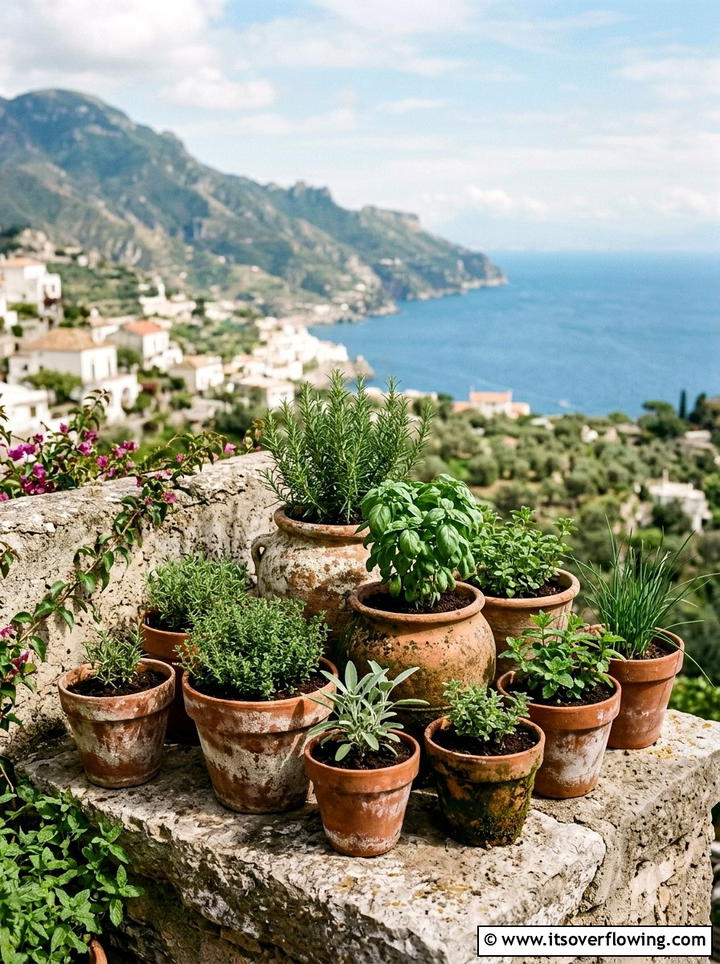
Aged terracotta pots are essential for anyone wanting to achieve a classic rustic look on their porch or patio. The porous nature of the clay allows it to develop a beautiful white mineral crust or green moss over time, giving the pots a sense of history. You can group pots of different heights and widths together to create a lush, layered display of herbs or flowering annuals. Using mismatched pots adds to the relaxed, “found” aesthetic that defines the rustic style. These containers are timeless and only get more beautiful as they weather the elements. They provide a warm, earthy tone that complements any plant variety.
15. Crushed Pea Gravel Walkway
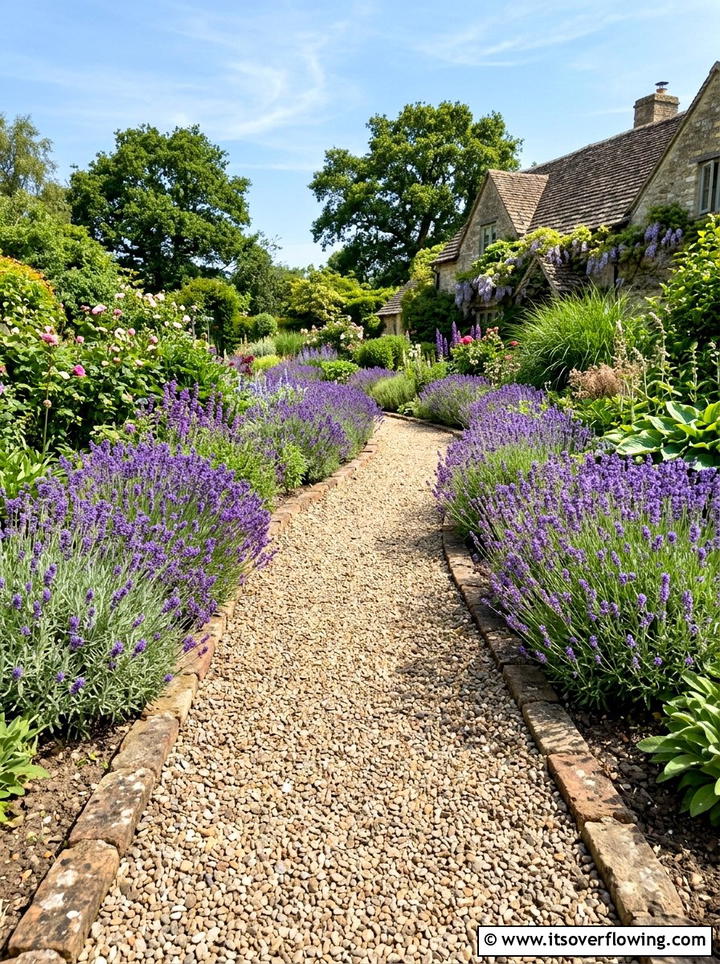
A crushed pea gravel walkway offers a soft, crunching sound underfoot that adds a unique auditory dimension to your rustic garden experience. This material is easy to install and provides excellent drainage, making it a practical choice for paths and seating areas. The small, rounded stones come in various earthy shades of tan, gray, and cream, which blend perfectly with natural wood and stone elements. You can edge the gravel with old bricks or timber to keep it in place and create a clean look. A gravel path feels much less formal than concrete, encouraging a slow and leisurely stroll through your beautifully landscaped outdoor space.
16. Vintage Wooden Ladder Stand
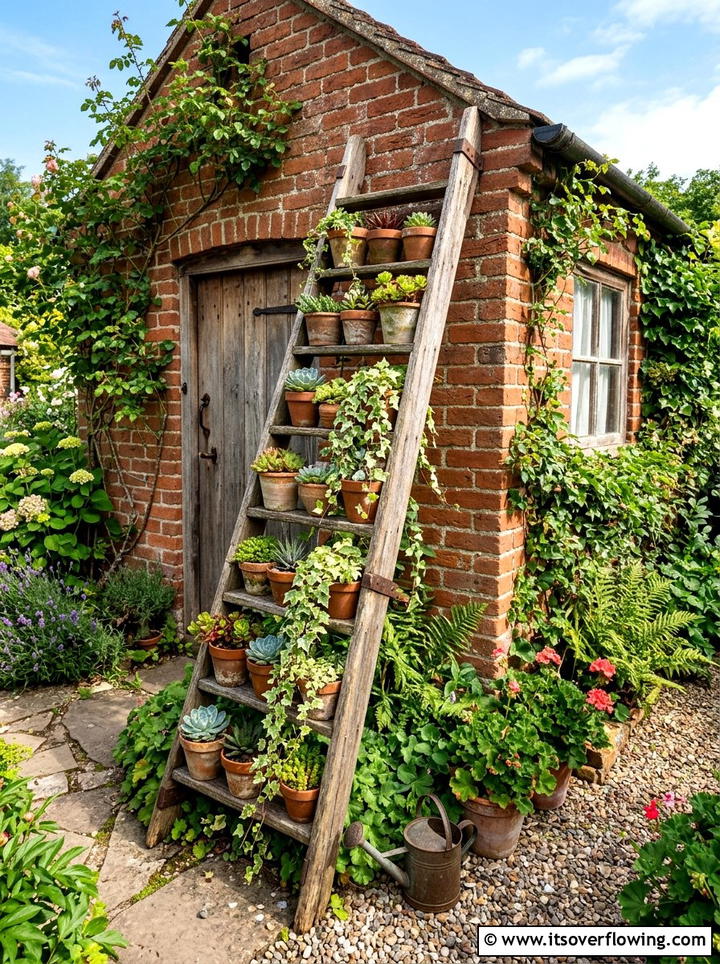
A vintage wooden ladder can be easily repurposed into a tiered plant stand to display a variety of potted greens. Leaning an old orchard ladder against a garden shed or a brick wall creates an instant vertical garden that saves space and adds height. You can place small pots of herbs, succulents, or trailing vines on each rung to create a cascading effect. The worn wood and occasional splashes of old paint on the ladder add to its rustic charm. This is a great way to showcase your favorite plants while adding a unique, upcycled decorative element to your backyard or patio area.
17. Edison Bulb String Light
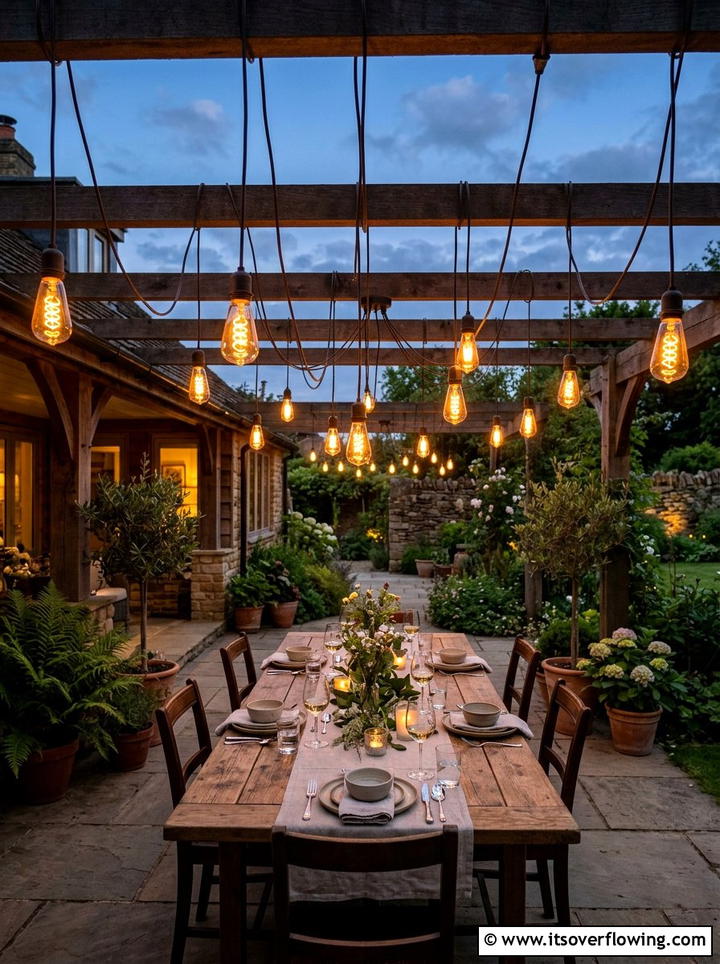
Hanging Edison bulb string lights across a patio or between trees adds a warm, nostalgic glow to your garden after the sun sets. These vintage-style bulbs, with their visible filaments and amber light, perfectly complement the rustic aesthetic by creating a cozy and inviting atmosphere. Unlike bright floodlights, string lights provide a soft ambiance that is perfect for evening entertaining or quiet nights outdoors. You can drape them casually over a pergola or wrap them around a large oak tree to highlight the garden’s natural features. This simple lighting solution transforms your backyard into a magical, starlit retreat that feels both intimate and elegant.
18. Moss Covered Rock Border
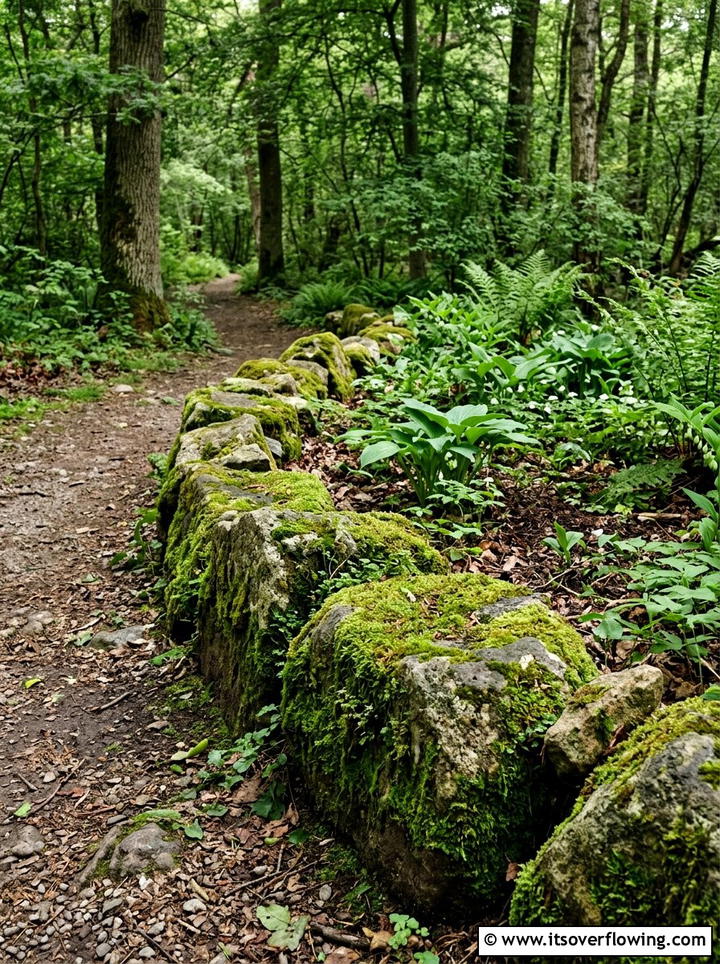
Using moss-covered rocks as a border for your garden beds adds a sense of ancient, woodland magic to your landscape. These large, weathered stones provide a solid edge that prevents soil erosion while looking like they have been part of the earth forever. In shaded areas, the green moss will thrive, creating a soft and velvet-like texture that contrasts with the hard surface of the rock. This approach to edging feels much more organic than using plastic or metal strips. It helps to ground the garden and connect it to the surrounding natural environment, making your backyard feel like a hidden forest clearing.
19. Weathered Wood Trellis
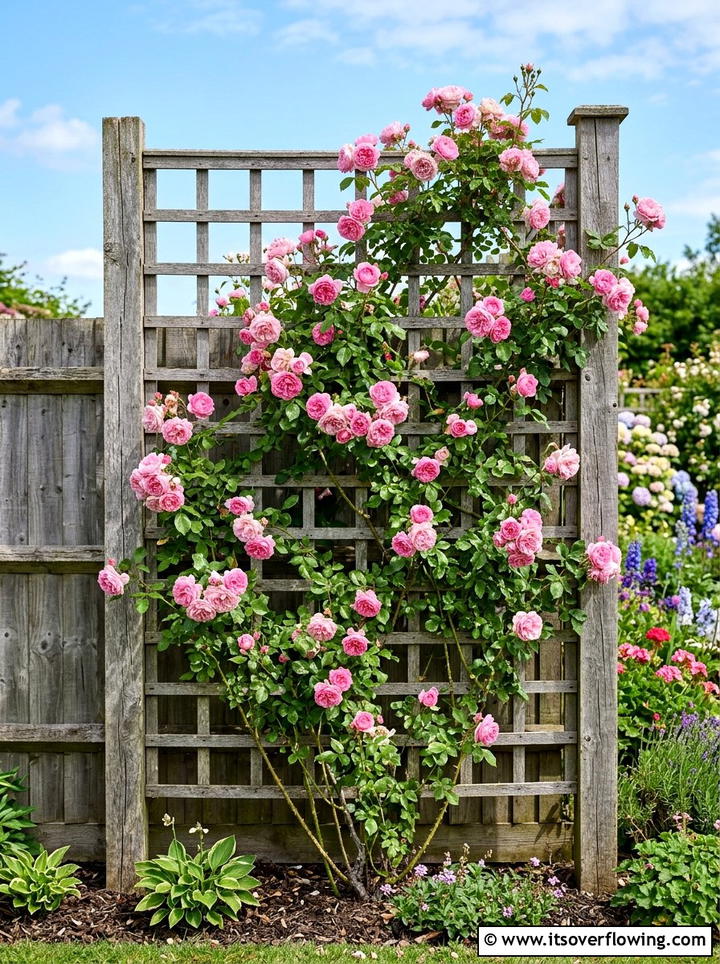
A weathered wood trellis is a functional and beautiful addition that allows you to grow climbing plants vertically in a rustic setting. Whether it is a simple fan shape or a large rectangular grid, the graying timber provides a natural support for clematis, jasmine, or climbing roses. As the vines wrap around the wood, the structure becomes a living wall of greenery and flowers. Placing a trellis against a plain fence or wall adds depth and texture to the background of your garden. It is an affordable way to add architectural interest and maximize your planting space without losing the relaxed, farmhouse vibe.

20. Stone Herb Spiral
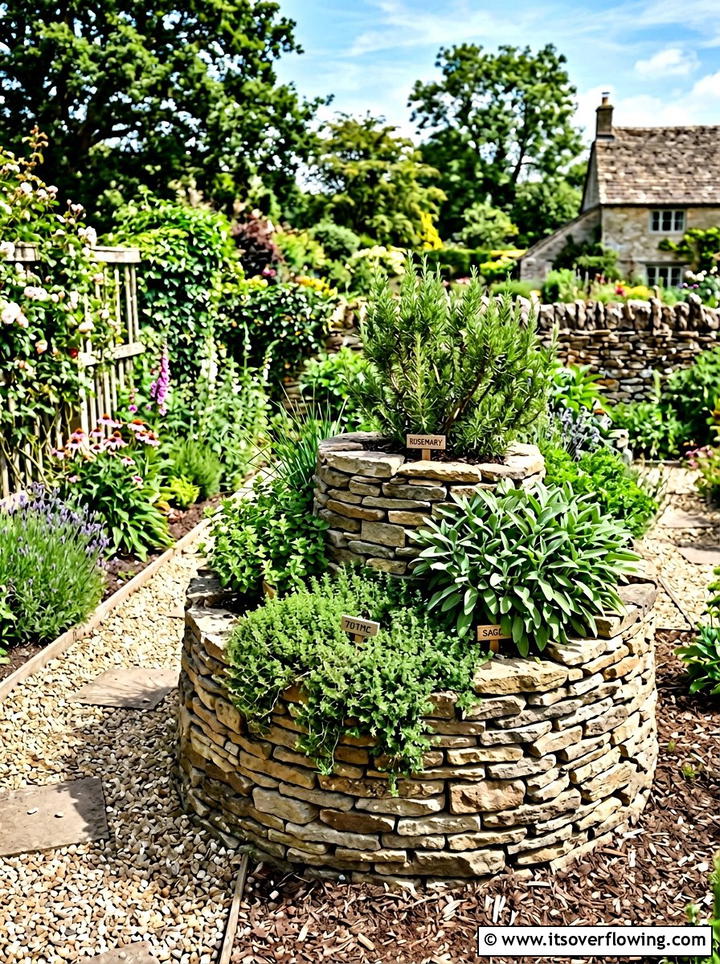
A stone herb spiral is a clever and visually striking way to grow a variety of culinary plants in a small space. By stacking flat stones in a rising spiral shape, you create different microclimates that suit various herbs, from sun-loving rosemary at the top to moisture-loving mint at the bottom. This vertical design is not only practical for drainage but also serves as a beautiful sculptural element in a rustic backyard. The combination of rough stone and fragrant green herbs creates a sensory delight. It is a perfect example of how rustic design can be both highly functional and aesthetically pleasing in any garden.
21. Tree Rope Swing
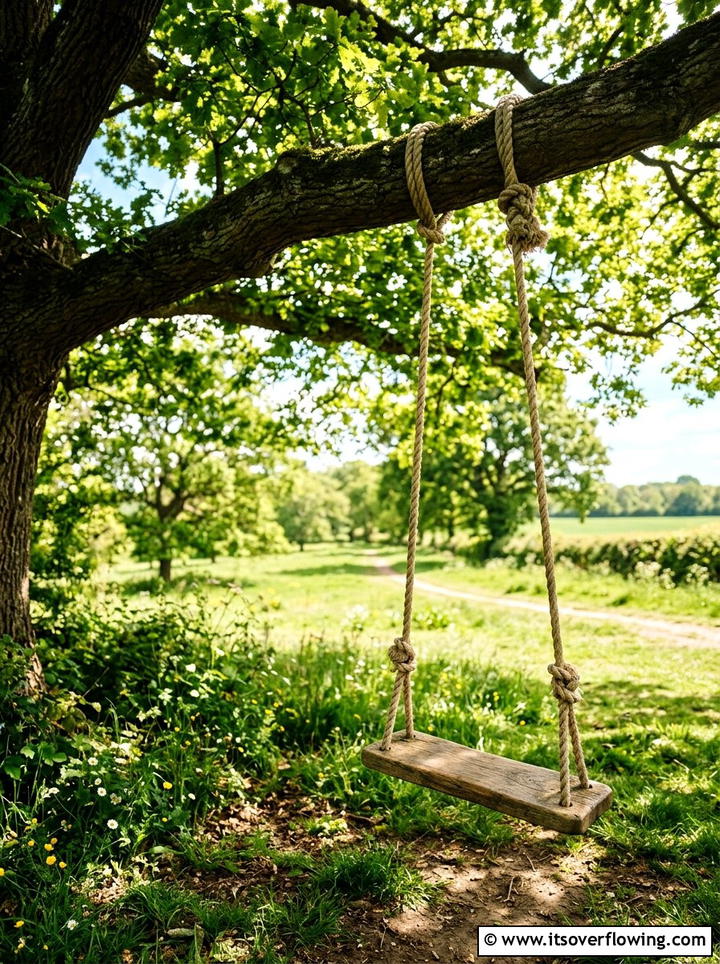
Installing a simple tree rope swing is a nostalgic way to add a sense of playfulness and old-fashioned charm to your yard. A thick manila rope and a reclaimed wooden plank seat are all you need to create this classic feature. Hanging it from a sturdy branch of a mature oak or maple tree provides a wonderful spot for both children and adults to enjoy the breeze. The natural materials used for the swing blend seamlessly with the outdoor environment. It serves as a reminder of simpler times and encourages you to spend more time outside, enjoying the natural beauty of your rustic garden space.
22. Vertical Log Edging
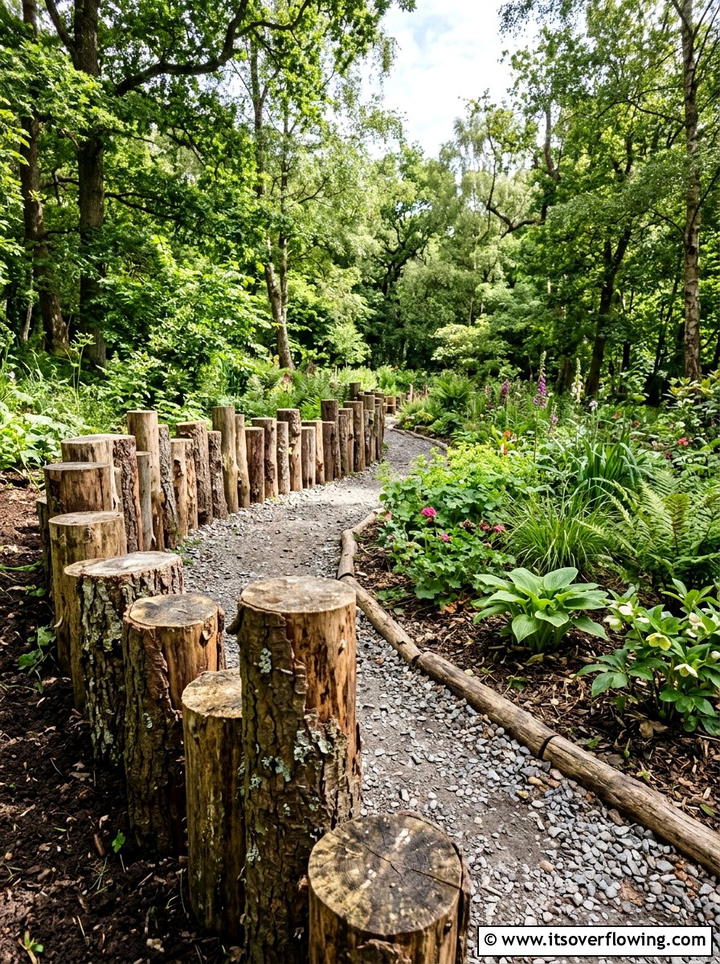
Vertical log edging is a creative way to use natural timber to define paths or flower beds in a rustic landscape. By cutting logs of various diameters into short lengths and burying them upright, you create a rugged, uneven border that looks very woodland-inspired. This technique adds a lot of texture and visual weight to the ground level of your garden. You can use different types of wood to get a variety of bark textures and colors. This type of edging is particularly effective in informal gardens where you want to maintain a wild and natural look while still providing some basic structure and organization.
23. Farmhouse Style Porch Decor
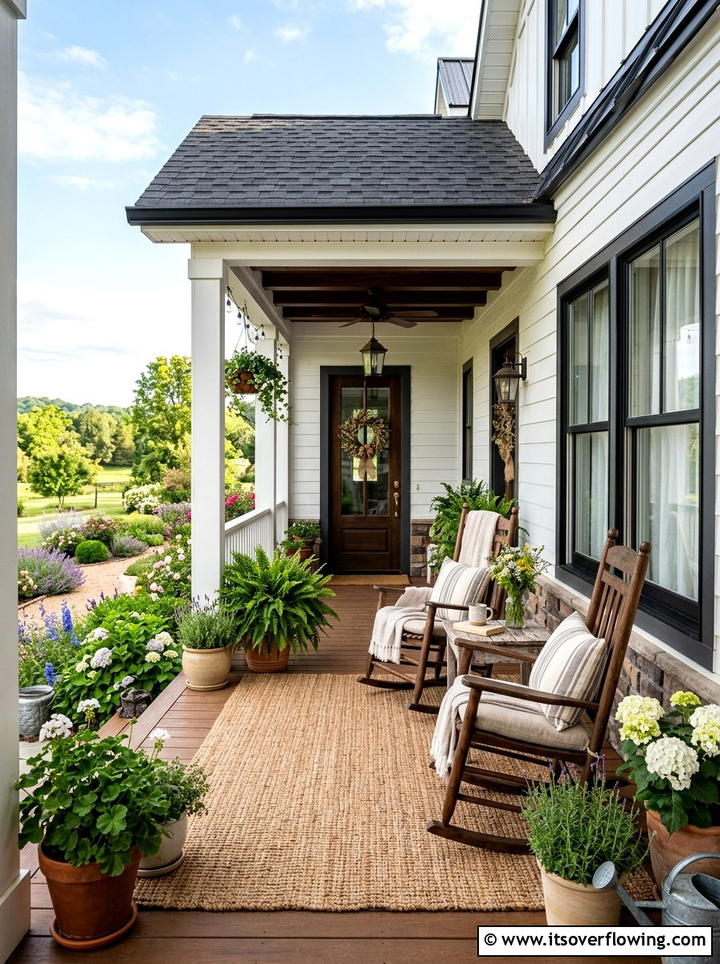
Rustic garden style often starts on the porch, where you can blend indoor comfort with outdoor natural beauty. Using large wooden rockers, a jute rug, and oversized lanterns creates a welcoming transition into the rest of the garden. You can decorate with vintage items like old milk crates, wooden signs, or a collection of watering cans. Adding plenty of potted plants in various rustic containers ensures the porch feels connected to the greenery beyond. This space serves as a cozy vantage point from which to enjoy the view of your backyard. It sets the tone for the entire property with its relaxed and friendly vibe.
24. Concrete Pedestal Bird Bath
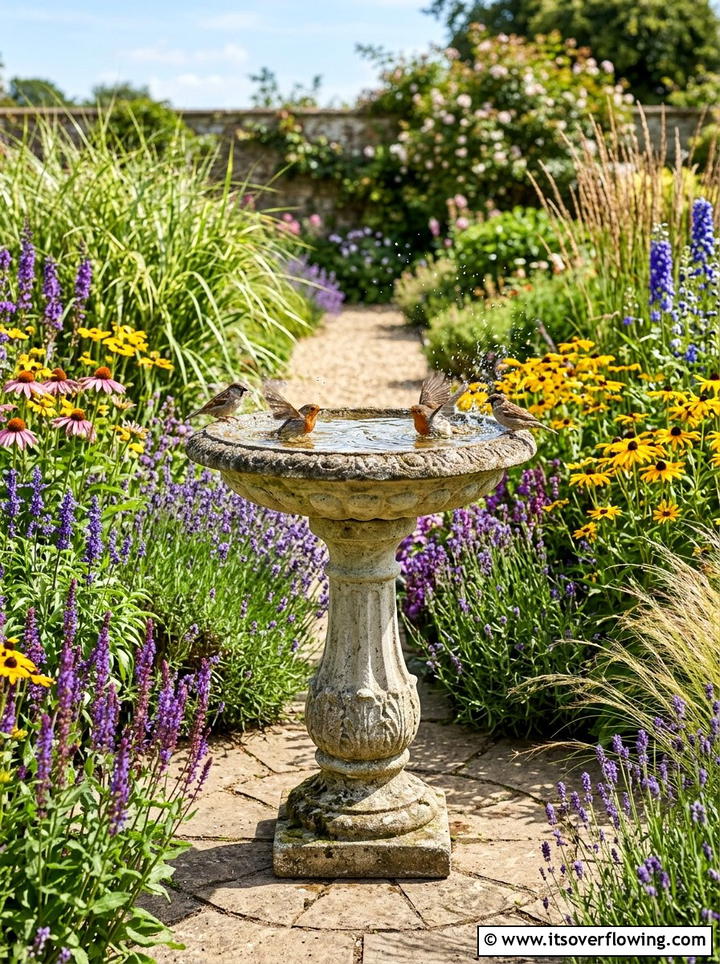
A concrete pedestal bird bath adds a classic, slightly weathered focal point that brings life and movement to your garden. Over time, the concrete will develop a natural patina, often collecting moss or lichen that enhances its rustic appeal. Placing the bird bath in a central location or near a seating area allows you to watch birds splash and play, providing endless entertainment. The solid, heavy look of the pedestal provides a nice contrast to the delicate plants and flowers surrounding it. It is a durable and low-maintenance feature that provides an essential water source for local wildlife while serving as a beautiful garden ornament.
25. Rough Sawn Picnic Table
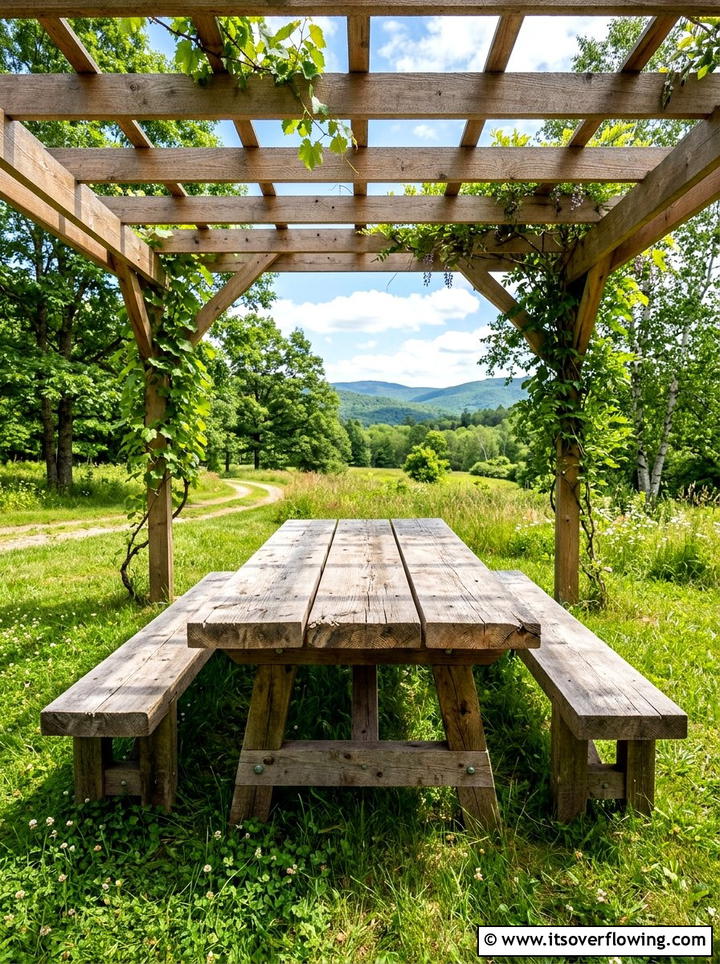
A rough sawn picnic table is the ultimate centerpiece for a rustic outdoor dining area, offering a sturdy and unpretentious place to gather. The thick planks of wood show the marks of the saw, highlighting the raw beauty of the material. This type of furniture is built to withstand the elements and only looks better as it gets a bit of wear and tear from family meals and outdoor parties. Pairing the table with simple benches allows for flexible seating and maintains the casual, farmhouse aesthetic. It encourages long, leisurely dinners under the stars, making it the heart of your rustic garden social life.
Conclusion:
Embracing a rustic garden style allows you to create a sanctuary that is as beautiful as it is relaxing. By focusing on organic materials, reclaimed items, and a naturalistic planting approach, you can design an outdoor space that feels authentic and timeless. Each element, from the weathered wood gates to the natural stone paths, contributes to a sense of peace and connection with the earth. This design philosophy celebrates the history of the land and the simple joys of outdoor living. As your garden matures, these rustic features will only become more integrated and charming, providing a soulful backdrop for many years of enjoyment and memories.

Related posts:
 25 Garden Design Ideas With Native Grasses for Natural Style
 25 Garden Ideas With Bamboo Projects for Natural Style
 25 Garden Ideas With Rocks for Natural Outdoor Style
 25 Garden Ideas for Boho Style With Relaxed Outdoor Charm
 25 garden ideas for english style: Classic Cottage Charm
 25 creative garden ideas with pallet planters for Rustic Charm
 25 Creative Garden Ideas With Rustic Charm for Cozy Yards
 25 Garden Design Ideas for Farmhouse Landscapes With Rustic Charm
 25 garden ideas for farmhouse homes: Rustic Outdoor Charm
 25 Garden Ideas With Driftwood Sculptures for Rustic Charm
 25 Garden Ideas With Terracotta Crafts for Rustic Charm
 25 Garden Ideas With Rope Projects For Rustic Charm Today