
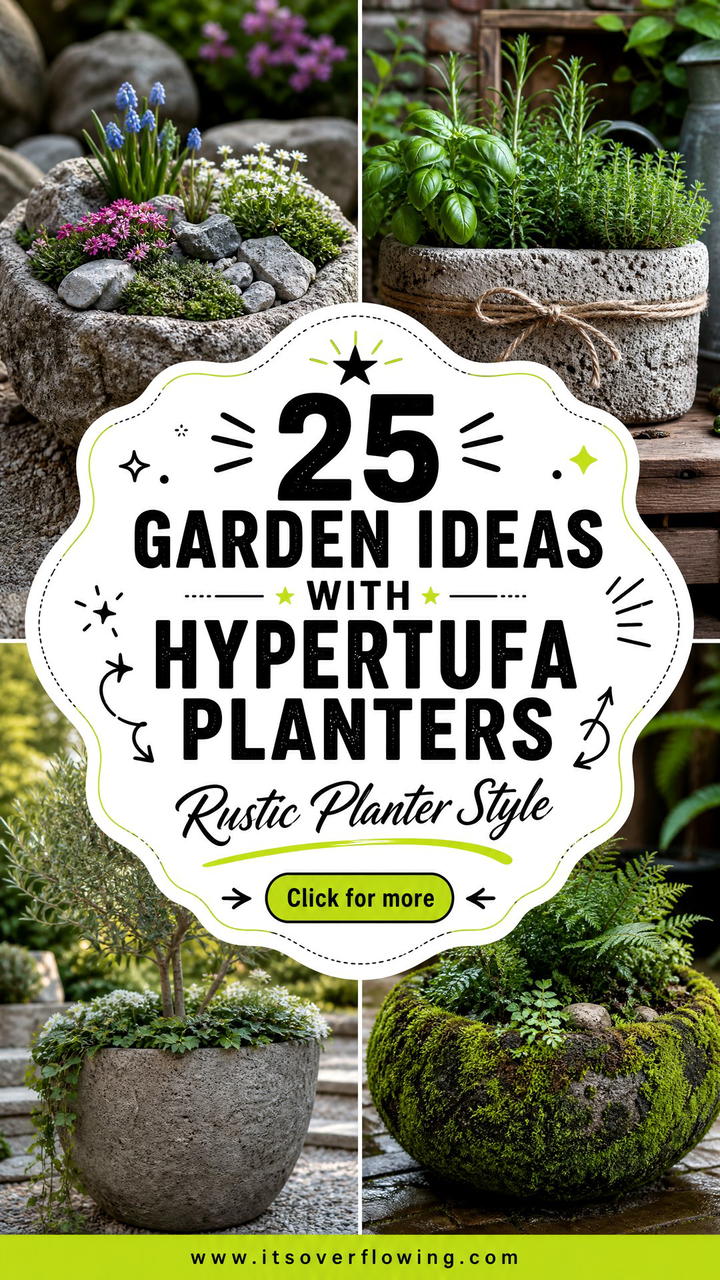
Hypertufa planters bring a rugged, ancient charm to any outdoor space while offering a lightweight alternative to heavy natural stone containers. These porous pots are perfect for plants that love drainage, such as succulents, alpines, and herbs, making them a favorite for modern gardeners. Because they develop a beautiful weathered patina over time, they blend seamlessly into garden landscapes, often growing moss or lichen for a natural look. If you want to transform your patio or backyard with a unique, handmade aesthetic, incorporating these rustic vessels is a brilliant choice. They offer endless versatility for creating focal points that look like they have existed for decades in your garden.
1. Hypertufa trough planter
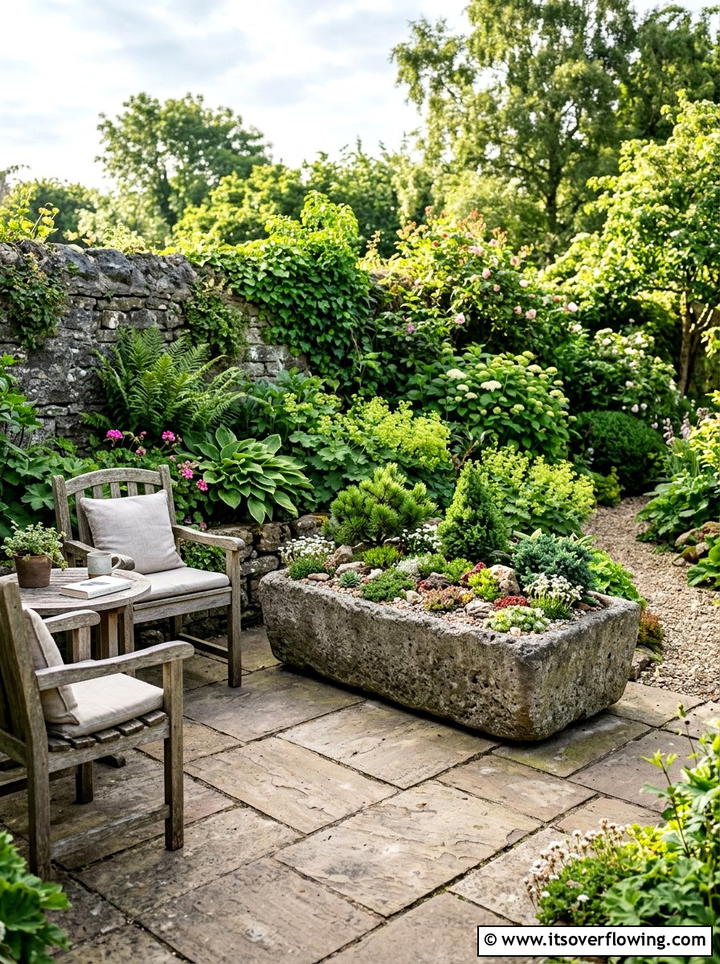
Have you ever wanted to create a mini landscape that mimics a mountain crevice right on your patio? A large hypertufa trough serves as the perfect foundation for a high-alpine garden scene where drainage is the top priority for plant health. By filling a long, rectangular trough with gritty soil and volcanic rocks, you can cultivate delicate saxifrage and dwarf conifers. The thick walls of the container provide excellent insulation against temperature swings, keeping roots cool in summer and protected in winter. This full-scale garden feature works beautifully when placed on a low stone plinth, allowing the rugged texture of the trough to anchor your outdoor seating area.
2. Alpine rock garden pot
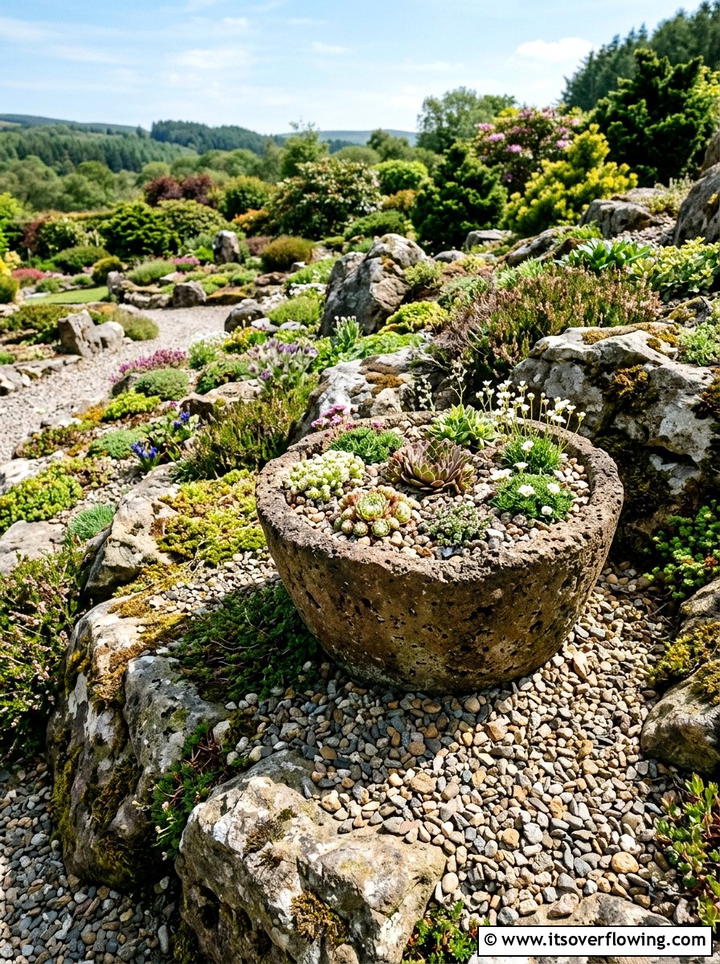
Imagine a weathered stone vessel that looks like it was carved from a mountain cliff centuries ago. Using a deep, textured hypertufa pot allows you to build a vertical rockery display that adds height and dimension to a flat garden bed. You can stack smaller flat rocks inside the container to create crevices for tiny, slow-growing alpine species to thrive. This design approach creates a miniature mountain range effect that is visually captivating and highly functional for specialized plants. Because these pots are breathable, they prevent root rot while maintaining the rugged, primitive aesthetic required for an authentic rock garden look in a compact backyard.
3. Succulent garden trough
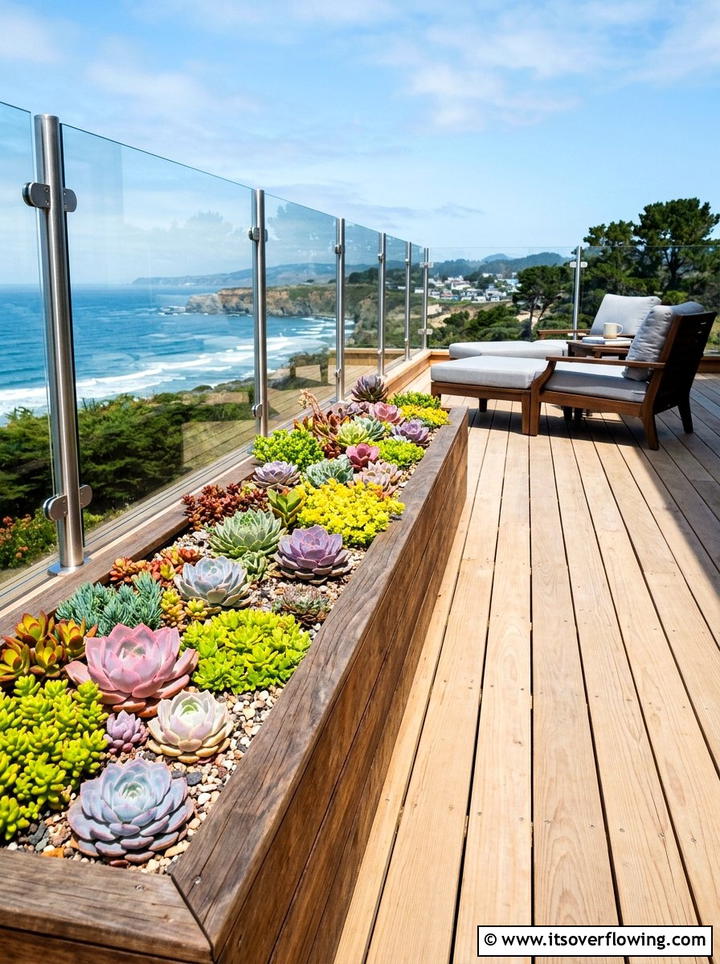
Can a single container really change the entire vibe of your sunny deck or balcony? A shallow succulent trough made from hypertufa offers a striking centerpiece when filled with a variety of colorful echeveria, sedum, and sempervivum species. The light gray or sandy tones of the material provide a neutral backdrop that makes the vibrant greens, reds, and purples of the succulents pop. By varying the heights and textures of the plants, you create a living tapestry that requires very little water or maintenance. This arrangement looks best when placed on an outdoor dining table where guests can admire the intricate details of each plant.
4. Rustic herb planter
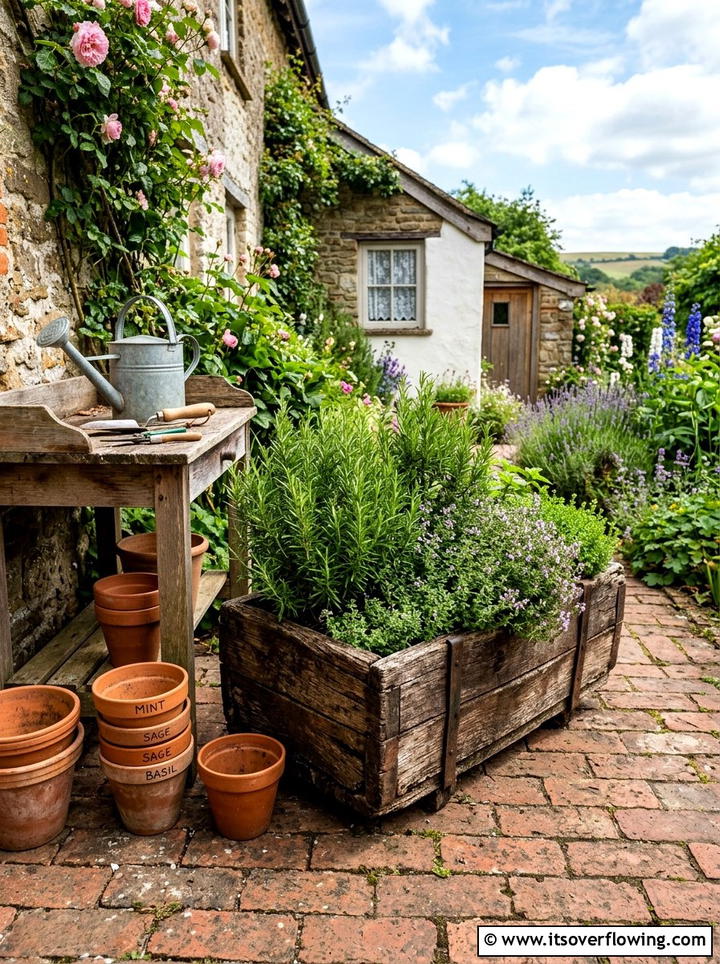
Fresh herbs always look more inviting when they are growing in a container that feels grounded and traditional. A rustic hypertufa planter provides the perfect environment for Mediterranean herbs like rosemary, thyme, and oregano, which prefer well-drained soil and rocky textures. The porous nature of the material allows air to reach the roots, mimicking the dry, rocky hillsides where these plants naturally grow. You can group several different-sized pots together on a kitchen patio to create a functional and aromatic herb station. This setup not only provides fresh ingredients for your cooking but also adds a sensory, tactile element to your garden design.
5. Hypertufa birdbath bowl
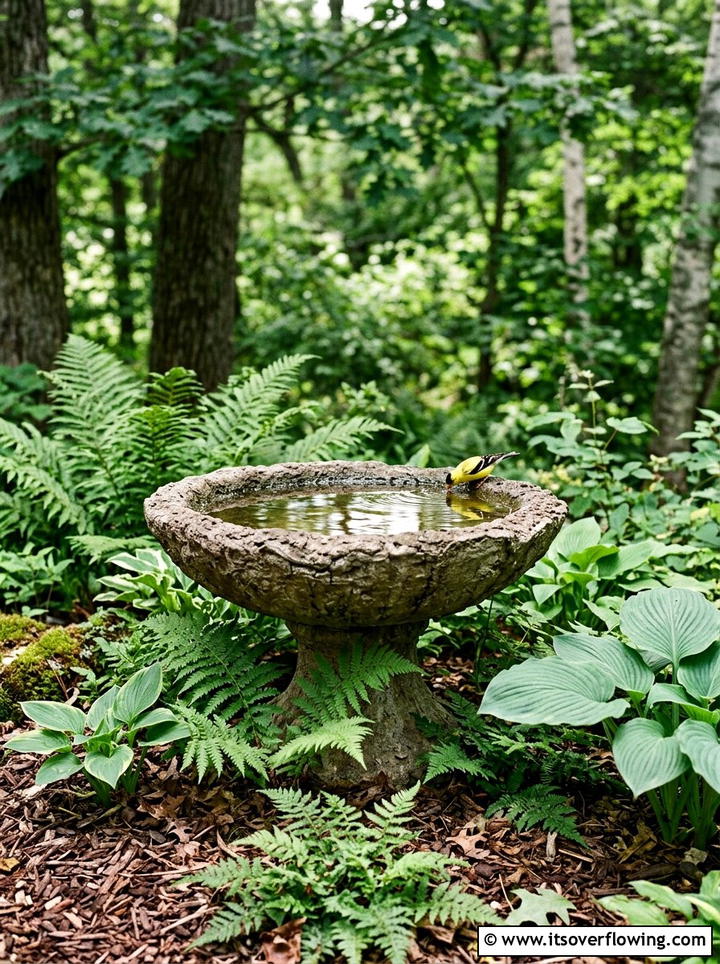
Would you like to invite more wildlife into your garden while adding a sculptural element to the landscape? A wide, shallow hypertufa bowl can easily be converted into a naturalistic birdbath that looks like a hollowed-out stone. When placed among low-growing ferns or hostas, this water feature provides a safe place for birds to drink and bathe. The rough surface of the material gives birds a secure grip, making it more functional than slippery glazed ceramic alternatives. Over time, the bowl will collect a layer of moss, helping it disappear into the greenery and creating a peaceful, woodland-inspired atmosphere in any shaded garden corner.
6. Large garden planter
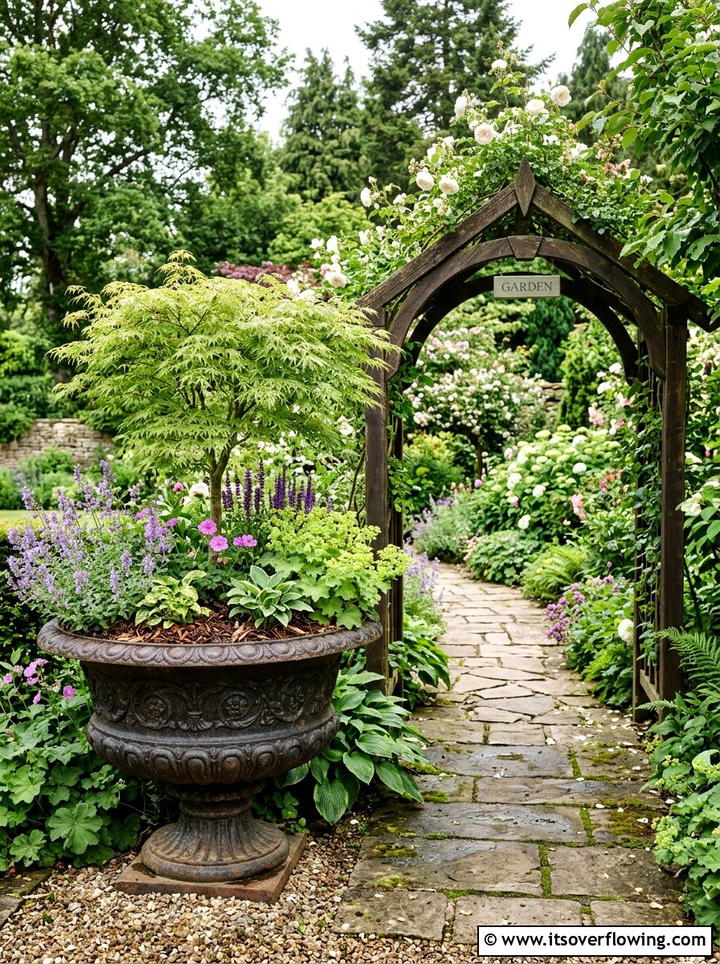
Large-scale containers often become the structural anchors of a well-designed garden path or entryway. A massive hypertufa planter offers the look of heavy limestone or granite without the back-breaking weight, making it easier to position. You can use these substantial vessels to frame a doorway or mark the beginning of a garden trail with tall ornamental grasses. The sheer size of the container provides enough soil volume for larger shrubs or even small Japanese maple trees to grow successfully. This design choice creates a sense of permanence and architectural interest, giving your garden a sophisticated, high-end look that matures gracefully with each passing season.
7. Square stone trough
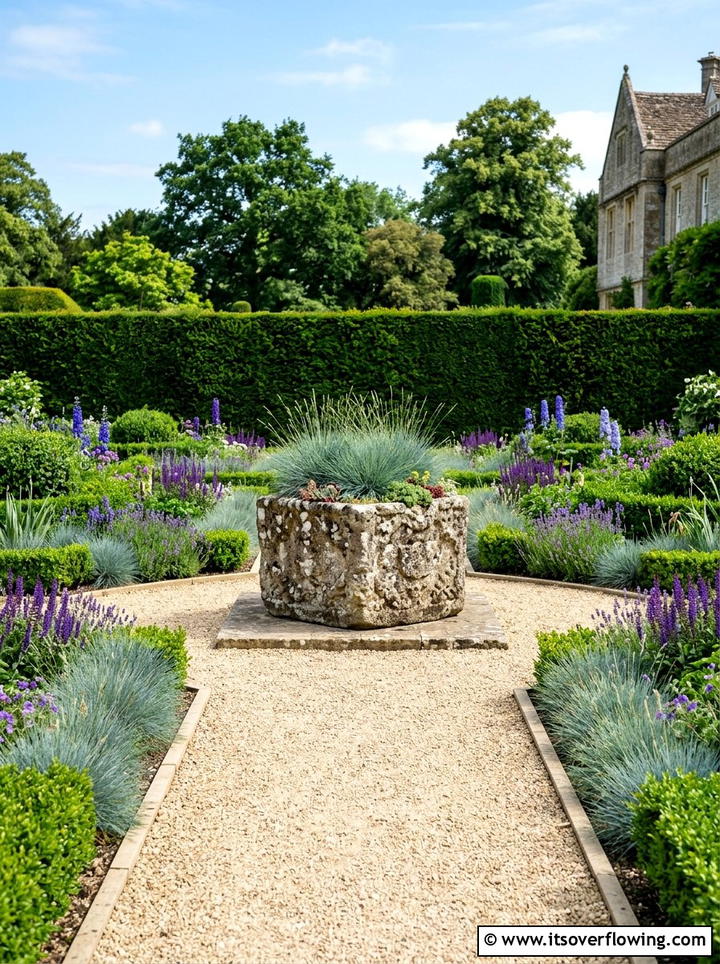
Symmetry can bring a sense of order and calm to a chaotic garden space. A square hypertufa trough offers clean lines and a modern silhouette that contrasts beautifully with wild, flowing perennial flowers. You can place a pair of these containers at the end of a walkway to create a formal focal point that draws the eye forward. Filling them with a single type of plant, like blue fescue grass, emphasizes the geometric shape of the vessel. The result is a contemporary garden look that feels organized yet organic, thanks to the rough, stone-like texture of the hypertufa material used for the construction.
8. Round hypertufa bowl
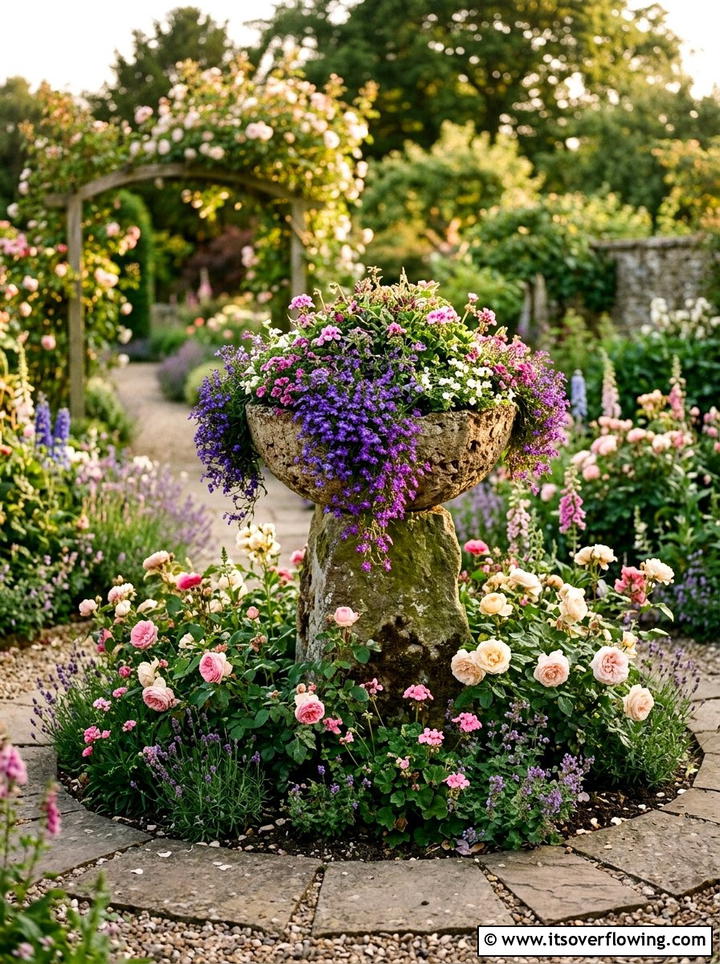
Rounded shapes in the garden help to soften the harsh edges of fences, walls, and paving stones. A large, circular hypertufa bowl overflowing with cascading trailing plants creates a soft, romantic look for a garden pedestal. You might choose trailing lobelia or creeping Jenny to spill over the sides, masking the edges of the pot with a curtain of green. This design works exceptionally well in the center of a circular flower bed or as a focal point in a small courtyard. The circular form creates a sense of continuity and flow, making the entire garden feel more harmonious and thoughtfully planned for relaxation.
9. Miniature fairy garden pot
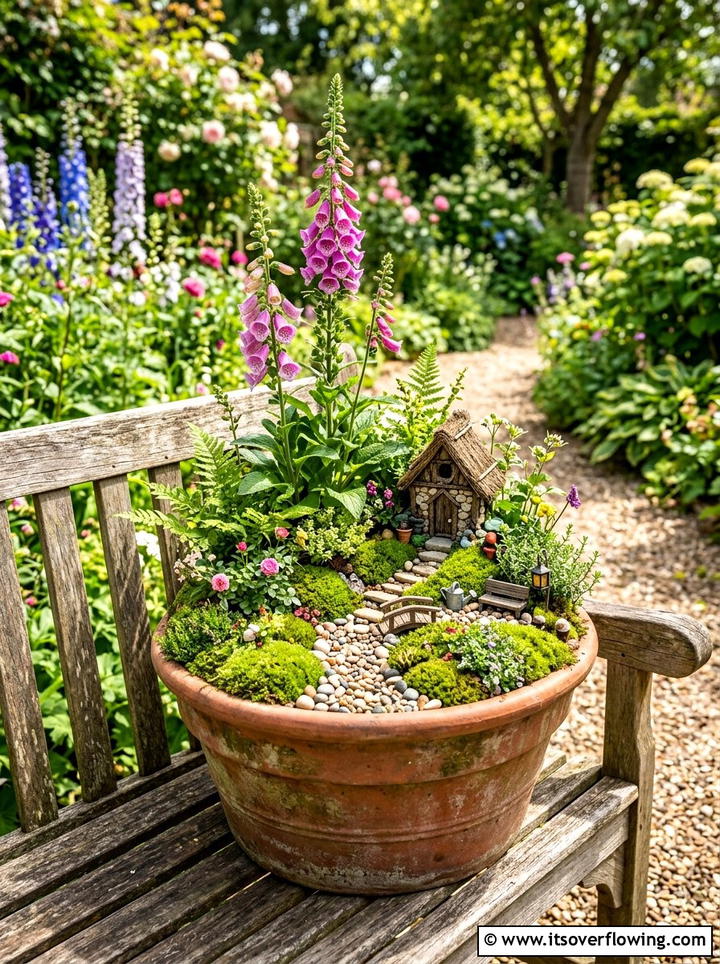
Have you ever considered creating a tiny, whimsical world tucked away in a quiet corner of your backyard? A medium-sized hypertufa pot is the ideal vessel for a miniature fairy garden, complete with tiny paths and mossy hills. The rustic look of the material fits the fantasy theme perfectly, looking much more natural than plastic or shiny ceramic pots. You can use miniature conifers to represent trees and small pebbles to create tiny dry creek beds within the container. This full-scale miniature design captivates both children and adults, providing a charming detail that rewards those who take a closer look at your garden.
10. Hypertufa garden sphere
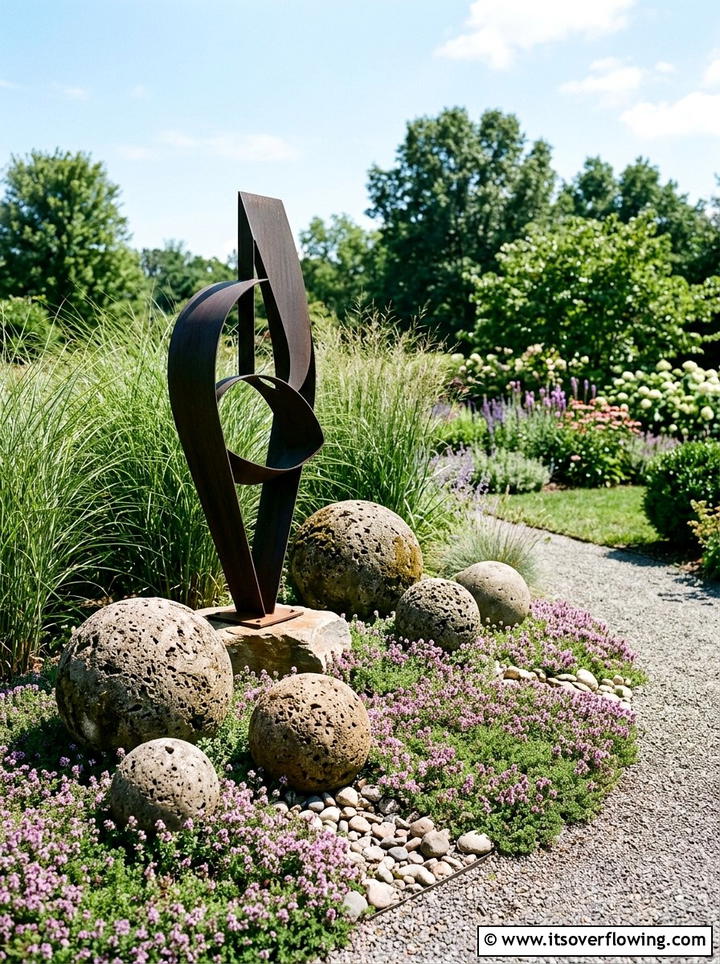
Adding unexpected shapes to a flower bed can break up the monotony of foliage and flowers. A solid or hollow hypertufa sphere acts as a piece of garden art that looks like a weathered archaeological find. When nestled among low-growing groundcovers like thyme or clover, these orbs add a mysterious and artistic quality to the landscape. You can group spheres of different sizes together to create a cluster of “stone” bubbles that lead the eye through a garden border. This design concept is perfect for those who want a low-maintenance way to add year-round structure and visual interest to their outdoor environment.
11. Rockery planting container
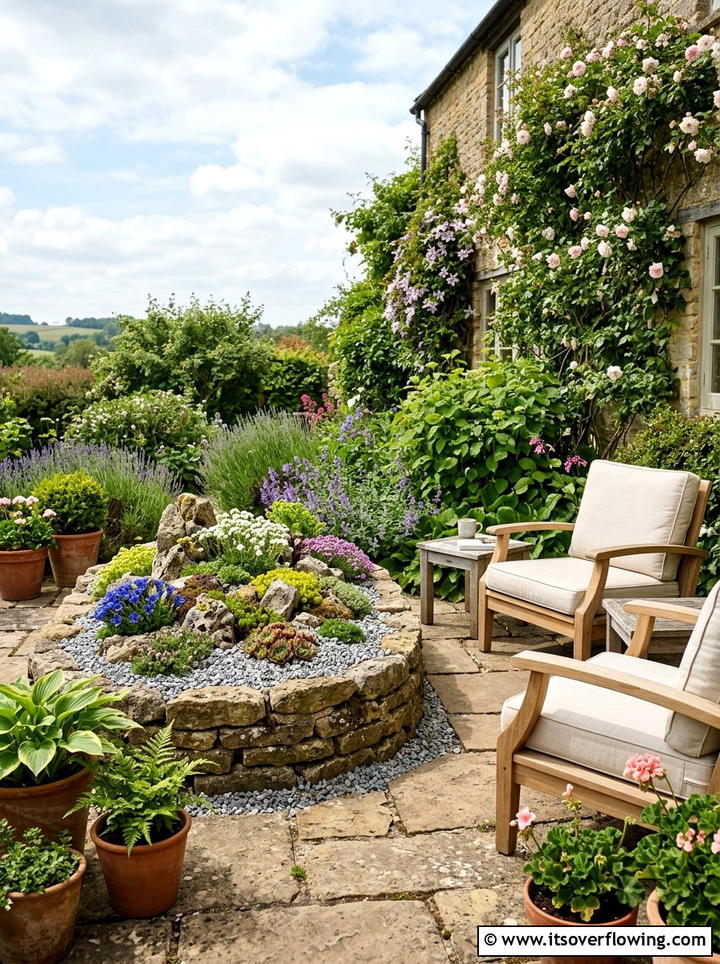
Creating a professional-looking rockery doesn’t require a hillside when you have the right containers. A wide, low hypertufa planter can be designed as a self-contained rockery, featuring various stone heights and specialized alpine plants. By using different shades of gravel as top dressing, you can simulate a natural scree slope within the confines of the pot. This approach allows you to grow rare or sensitive plants that might get lost in a larger garden bed. The finished look is highly detailed and sophisticated, providing a high-impact design element that works perfectly on a stone terrace or a sunny garden wall.
12. Natural stone look pot
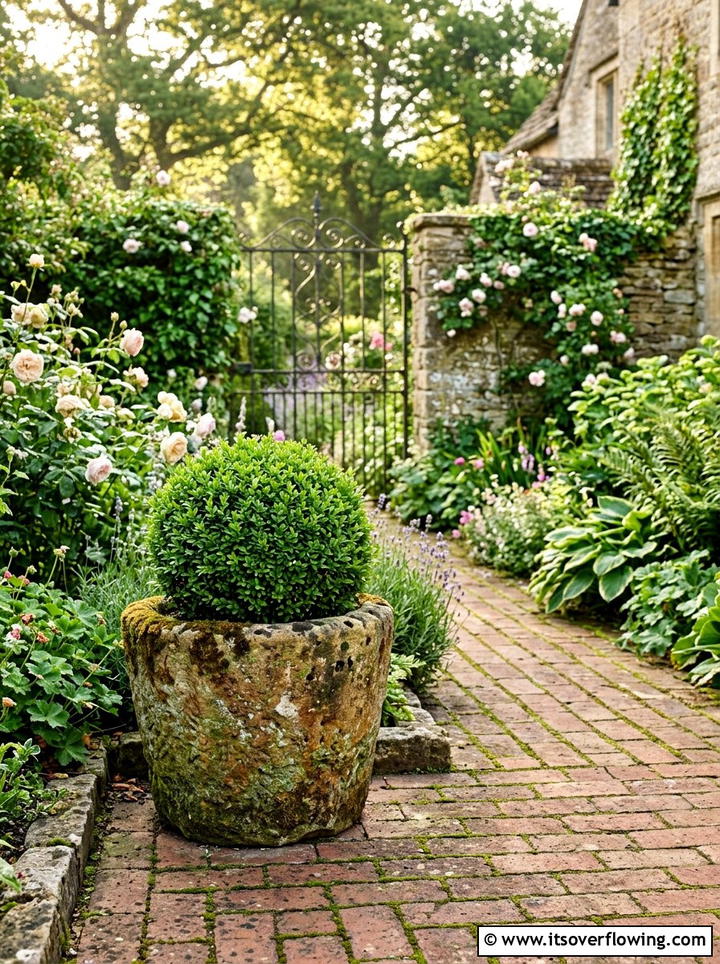
Many gardeners crave the look of old English garden stone but find the cost and weight prohibitive. A hypertufa pot crafted with a rough, hand-hewn finish provides that exact aesthetic for a fraction of the price. You can use these pots to house classic garden plants like lavender or boxwood, creating a timeless look that never goes out of style. The material’s ability to host moss makes it look like it has been sitting in the same spot for decades. This aged appearance adds a sense of history and soul to your garden, making even a new landscape feel established and well-loved.
13. Rectangular herb box
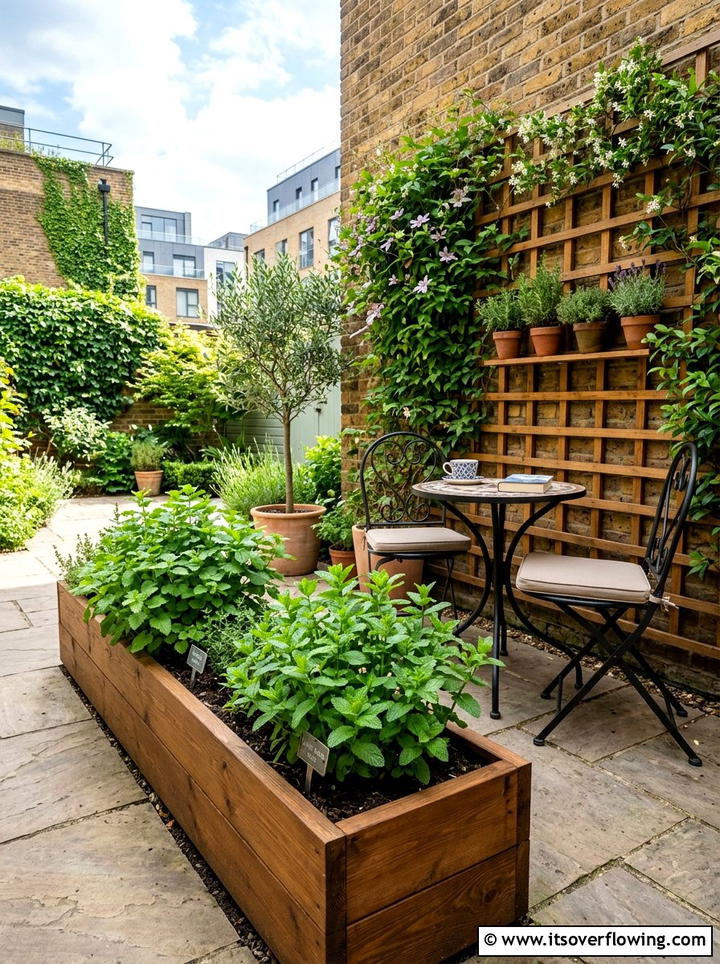
Do you want an organized way to grow your tea garden or kitchen staples right outside your door? A long, rectangular hypertufa box provides a sturdy and stylish home for various mint varieties, lemon balm, and chamomile. The rectangular shape fits perfectly along the edge of a patio or against a garden wall, maximizing space in smaller yards. Because hypertufa is so durable, these boxes can withstand freezing temperatures without cracking, unlike many terracotta options. This means your herb garden structure will remain a beautiful and functional part of your outdoor decor for many years to come through every season.
14. Shallow succulent bowl
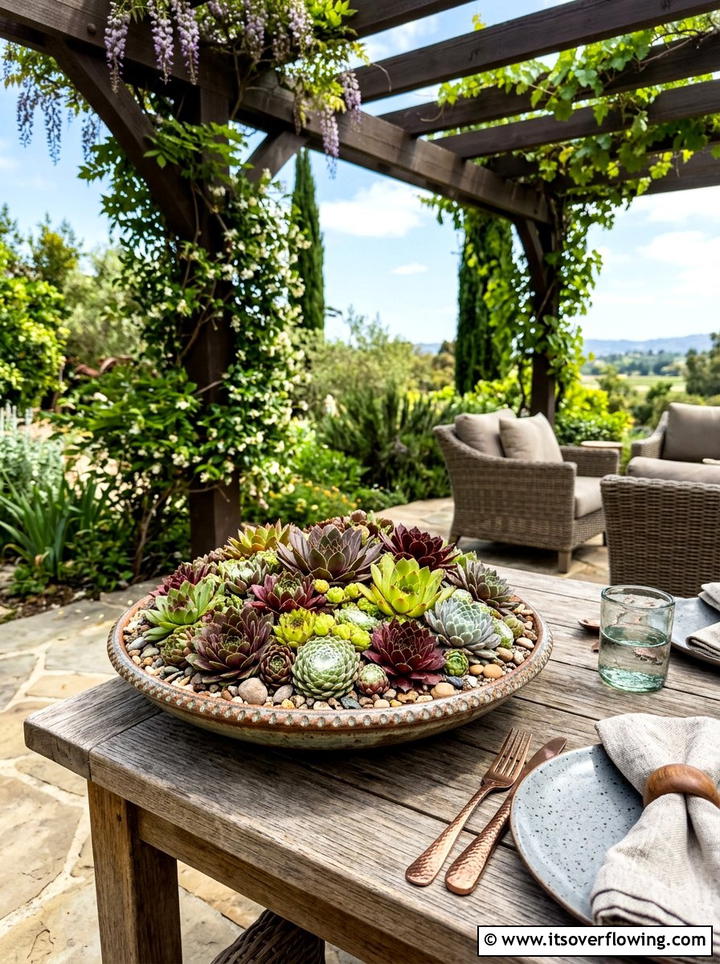
Low-profile containers are excellent for showcasing the intricate geometric patterns of rosette-shaped succulents. A shallow hypertufa bowl allows you to create a dense, colorful arrangement that looks like a living piece of jewelry for your garden. Because the bowl is shallow, the soil dries out quickly, which is exactly what succulents need to stay healthy and vibrant. You can place this arrangement on a low garden wall or a coffee table in an outdoor lounge area. The contrast between the rough gray material and the fleshy, colorful leaves creates a high-end designer look that is incredibly easy to achieve.
15. Hypertufa stepping stone
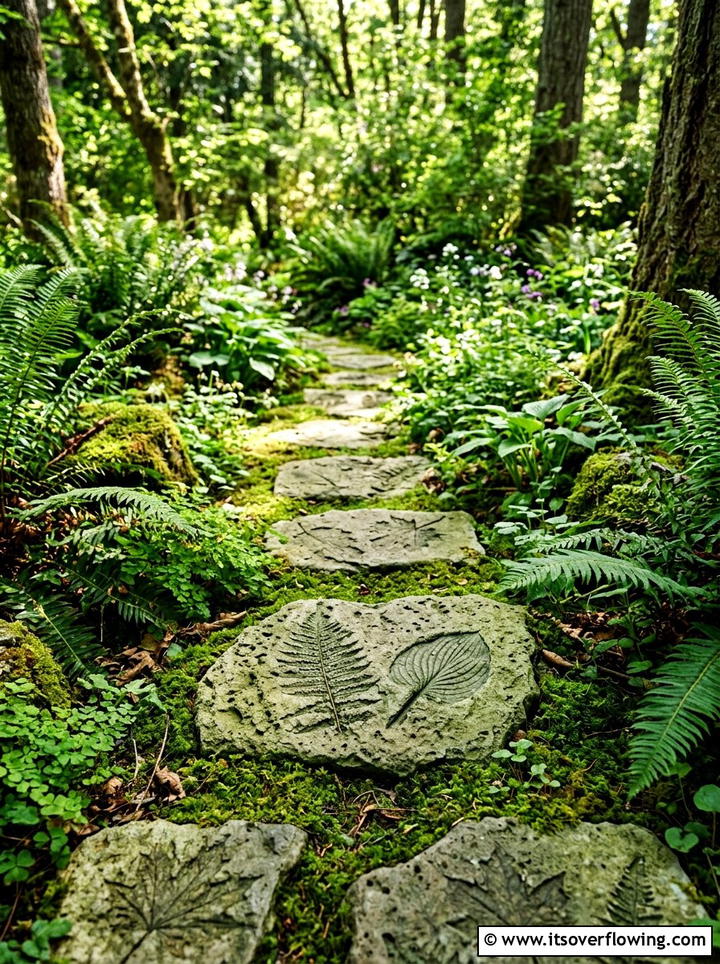
Walking through a garden should be an experience, and the path you take plays a huge role in that journey. You can create custom hypertufa stepping stones that feature leaf imprints or pebble mosaics to lead guests through your flower beds. These stones are much lighter than solid concrete but just as durable, providing a stable surface for walking. By spacing them out among soft moss or creeping thyme, you create a magical woodland path effect. This design idea turns a functional necessity into a beautiful artistic feature that blends perfectly with the surrounding natural elements of your outdoor sanctuary.
16. Weathered garden trough
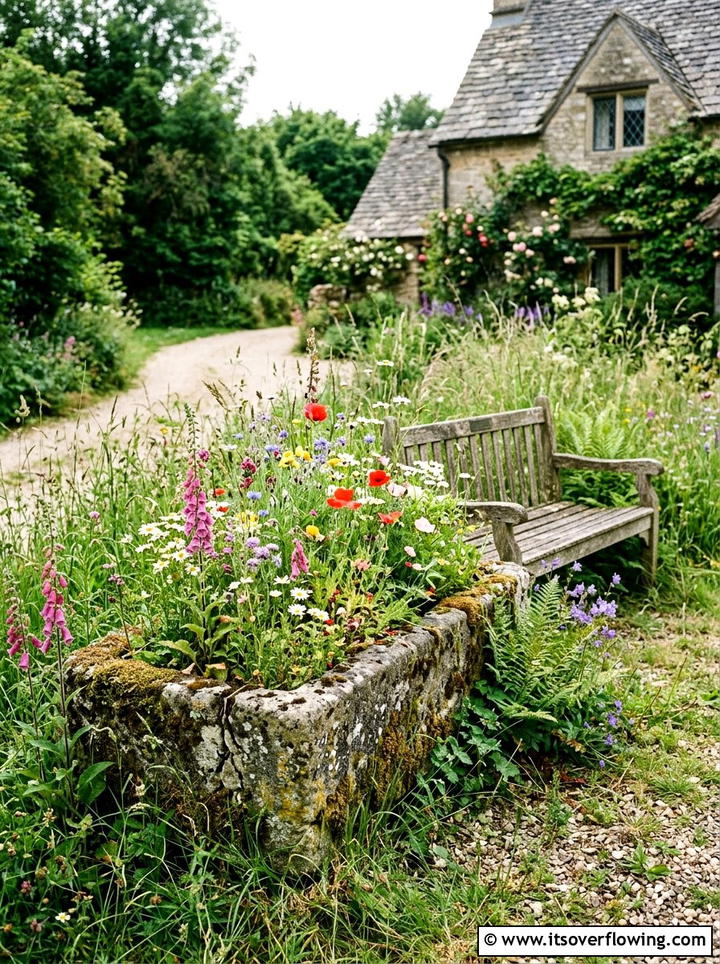
There is something deeply satisfying about a garden that looks like it has been untouched for years. A weathered hypertufa trough, especially one that has been treated to encourage lichen growth, provides a perfect anchor for a wild, cottage-style garden. You can fill the trough with a mix of wildflowers and grasses to create a miniature meadow that attracts pollinators like bees and butterflies. Placing this trough near a weathered wooden bench creates a nostalgic and peaceful spot for reflection. The goal is to make the planter look like a natural part of the earth, bridging the gap between structure and nature.
17. Moss covered planter
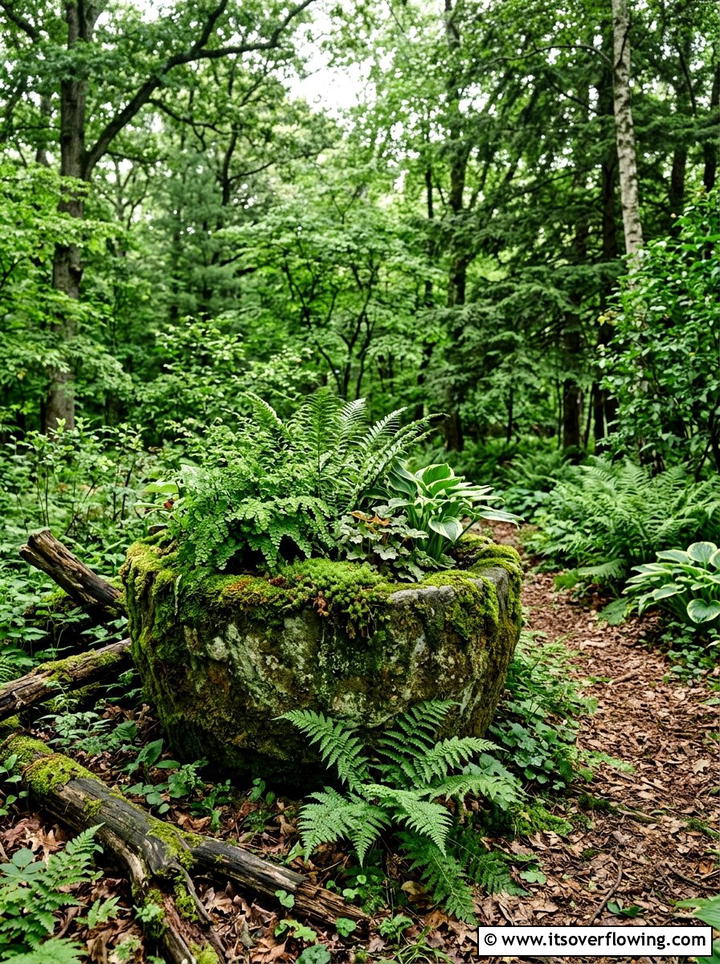
In shaded garden areas, moss is a valuable design element that adds lushness and a sense of age. Hypertufa is uniquely suited for moss because its porous surface holds onto moisture and provides a perfect texture for spores to take root. By placing a hypertufa planter in a damp, shady spot under a tree, you can encourage a thick carpet of green velvet to cover the pot. Filling the pot with shade-loving ferns or hostas completes the woodland aesthetic perfectly. This design creates a cool, refreshing atmosphere that feels like a hidden forest glen right in your own backyard or side yard.
18. Textured garden pot
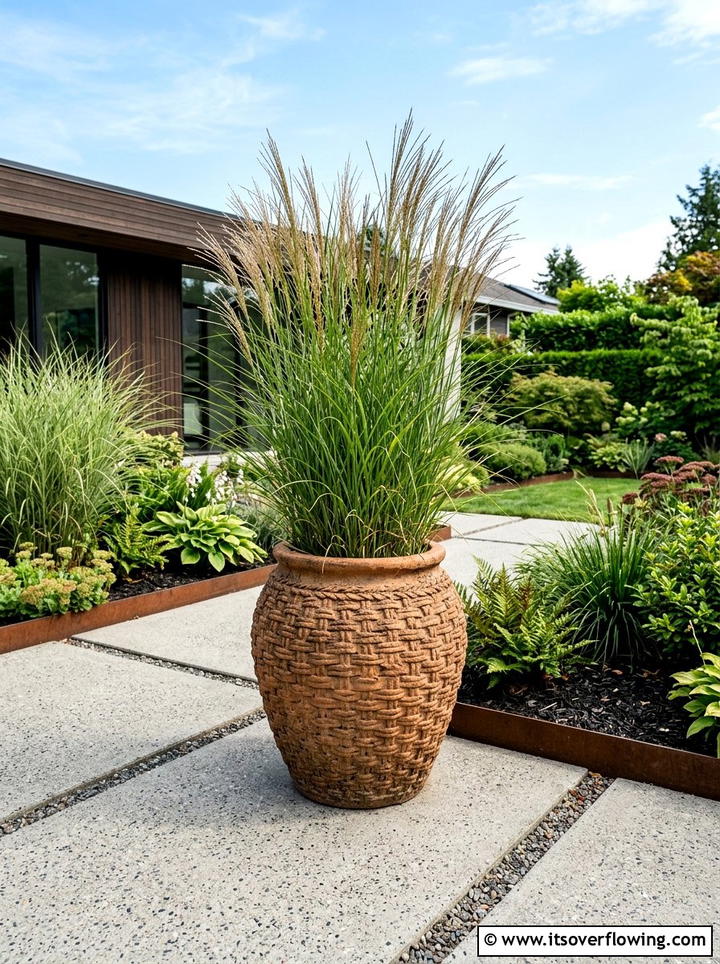
Texture is often the missing ingredient in garden designs that feel a bit flat or uninteresting. A hypertufa pot with a highly textured surface, perhaps created by using a rough basket or coarse fabric as a mold, adds immediate visual drama. These pots catch the light and shadow in interesting ways, making them stand out even when the plants inside are not in bloom. You can use these containers to host architectural plants like yucca or ornamental grasses that mimic the rugged feel of the pot. The result is a bold, tactile display that adds a professional designer touch to any garden corner.
19. Small alpine trough
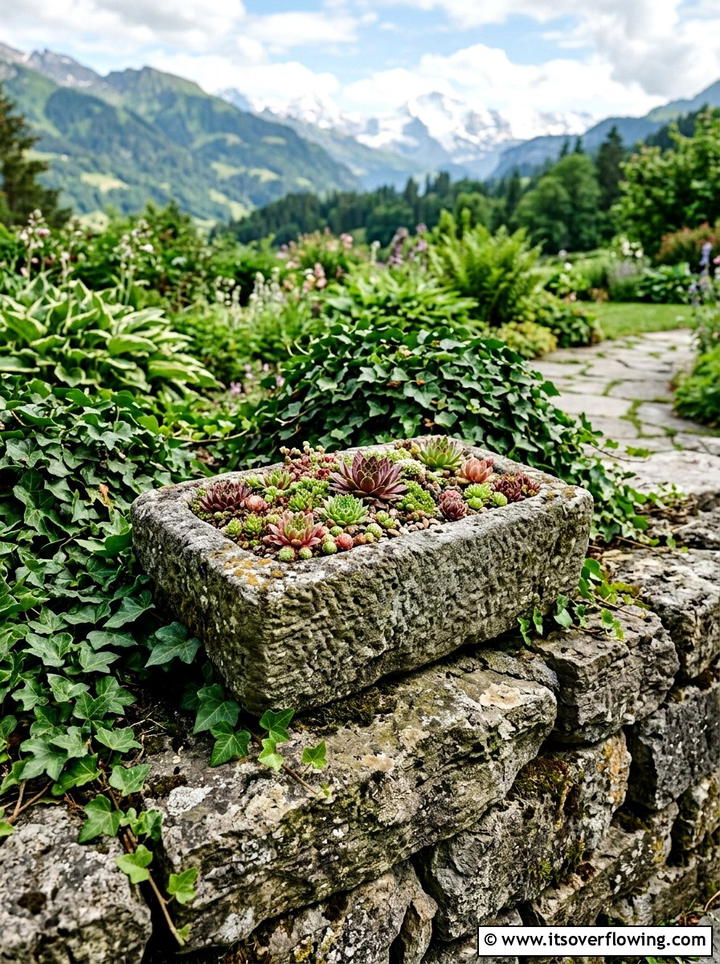
Sometimes the most beautiful garden details are the ones that require you to slow down and lean in. A small hypertufa trough is perfect for displaying a collection of tiny, rare alpine plants that might otherwise be overlooked. You can place this small trough on a garden table or a window ledge where the intricate details of the plants can be easily seen. The small scale makes it easy to manage soil conditions perfectly for picky species. This design approach creates a precious, jewel-box effect in the garden, proving that you don’t need a huge space to create a stunning botanical display.
20. Deep garden planter
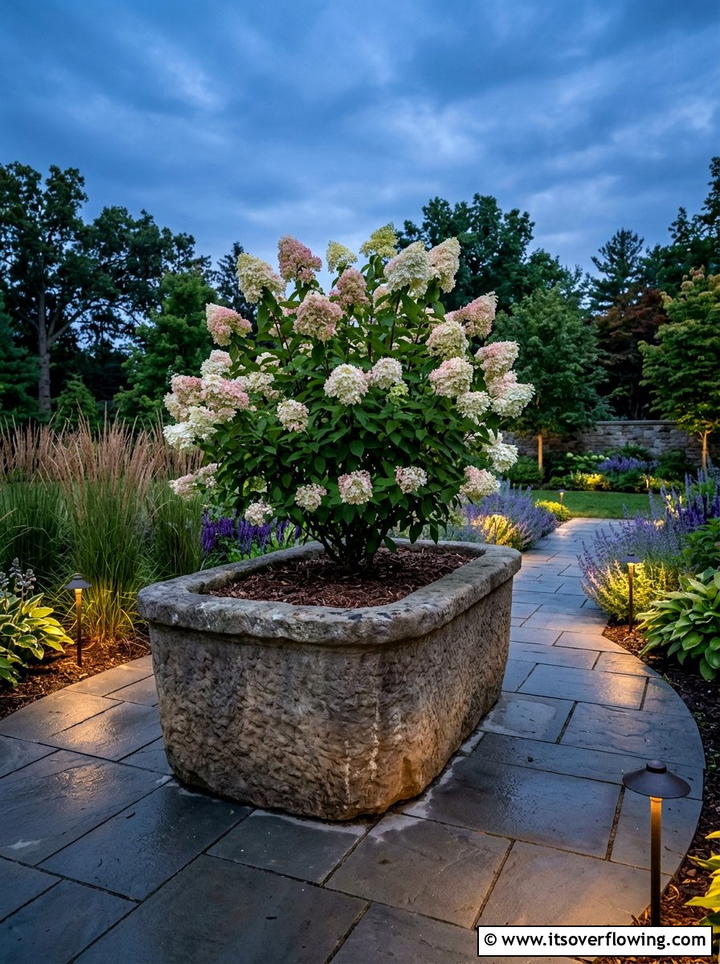
For plants with large root systems or those that require more stability, a deep hypertufa planter is an essential garden tool. These tall, sturdy vessels can hold enough soil to support upright shrubs or small trees, such as a dwarf lilac or a boxwood spire. The depth of the container also means the soil stays moist for longer, which is helpful during hot summer spells. You can use these deep pots to add vertical interest to a flat patio area or to hide unsightly garden features like utility boxes. Their substantial presence gives the garden a sense of structure and deliberate architectural planning.
21. Hypertufa water feature
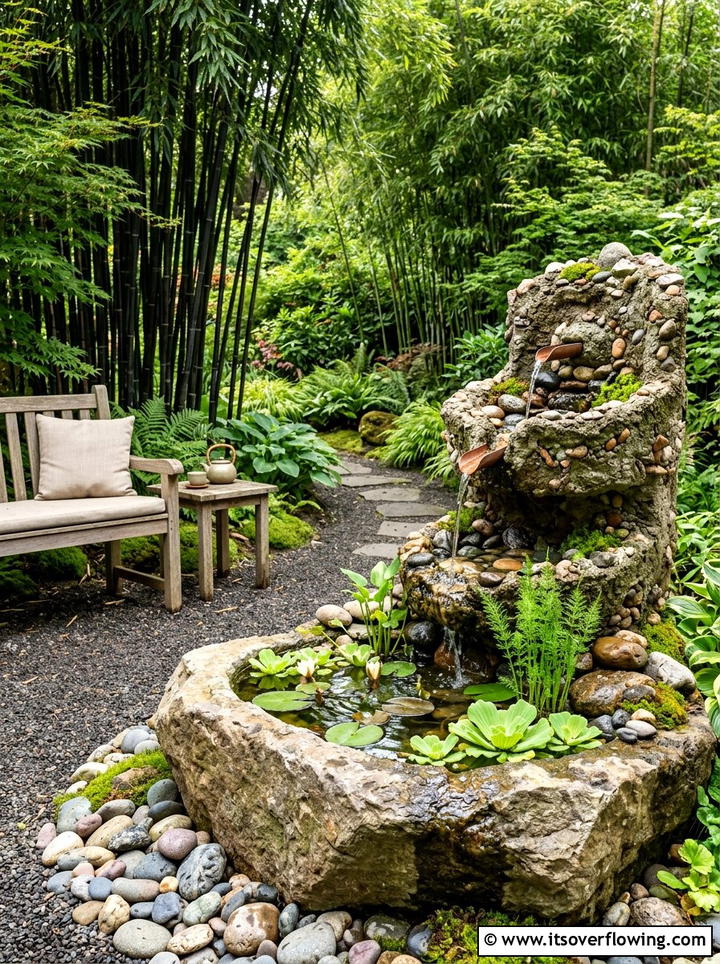
Can you imagine the soothing sound of water trickling over a stone-like surface in your quiet garden? A hypertufa container can be modified to serve as the basin for a simple, recirculating fountain or a small pond for aquatic plants. Because you can mold hypertufa into any shape, you can create a custom water feature that fits your space perfectly. Adding a small pump and some river rocks creates a naturalistic fountain that attracts birds and provides a calming soundtrack for your outdoor life. This full-scale water feature becomes a magnetic centerpiece that enhances the overall mood of your garden landscape.
22. Tall garden container
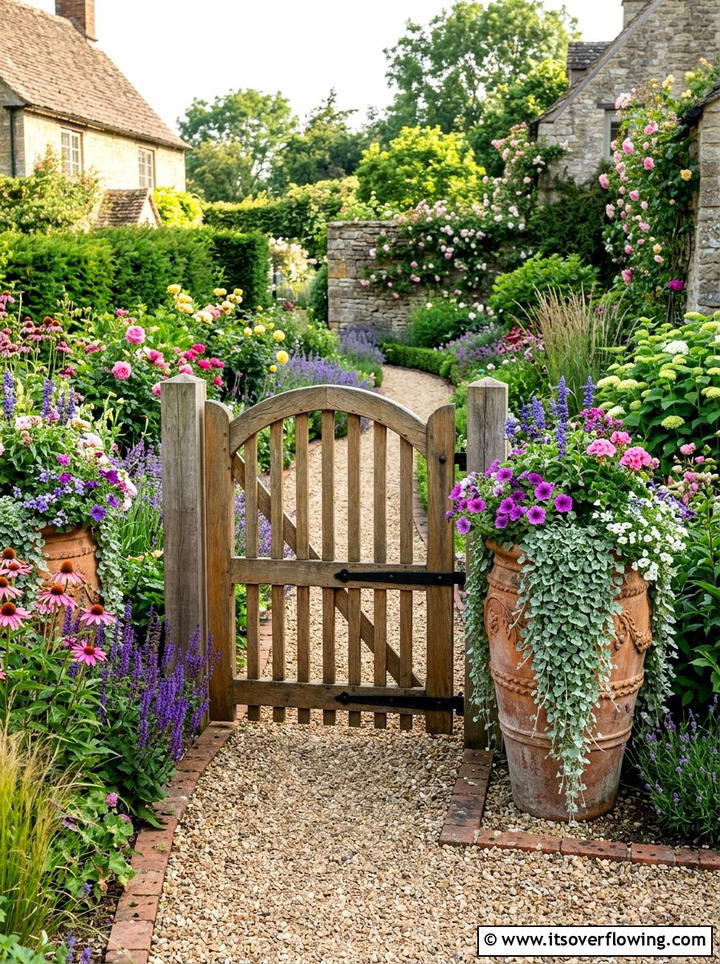
Height is a powerful tool in garden design, helping to draw the eye upward and create a sense of enclosure. A tall, slender hypertufa container can be used to flank a garden gate or to add a vertical element to a grouping of lower pots. Filling these tall vessels with weeping plants that spill down the sides creates a dramatic “waterfall” of foliage. The height of the pot also makes it easier to tend to the plants without bending over, making it a practical choice for accessible gardening. These tall structures act as pillars of greenery that define the boundaries and flow of your outdoor room.
23. Oval stone planter
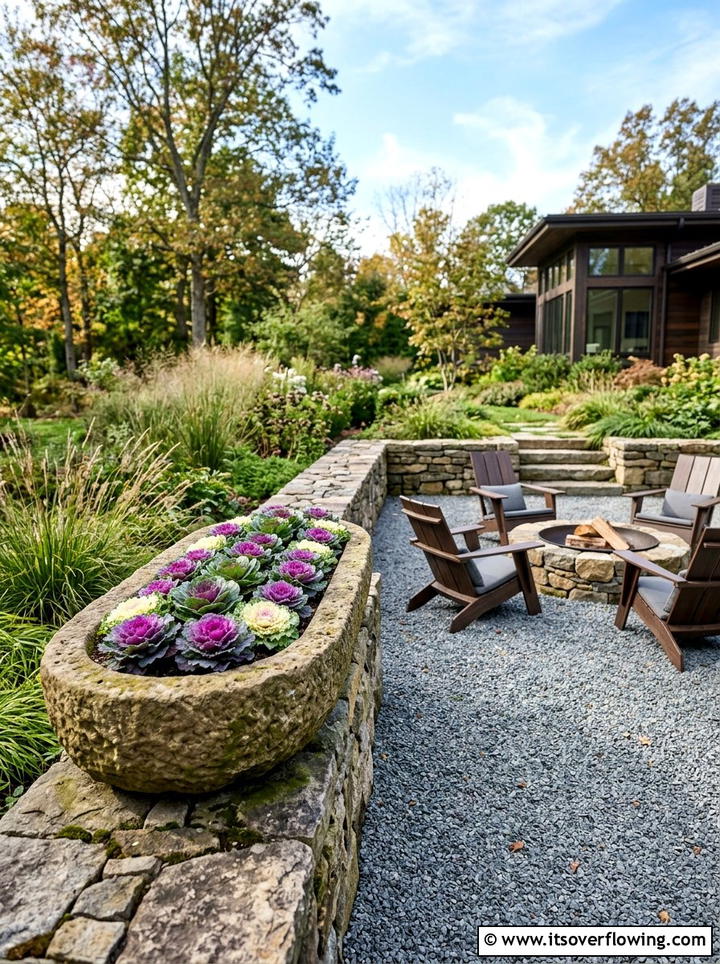
Oval shapes offer a softer, more organic alternative to standard rectangular or square containers. An oval hypertufa planter works beautifully as a centerpiece on an outdoor dining table or as a focal point in a curved garden bed. The elongated shape allows you to create a linear arrangement of plants, perhaps transitioning from tall in the center to trailing at the ends. This design provides a balanced, harmonious look that feels both modern and natural. The unique shape also makes it a great conversation piece, as it looks like a large, smoothed river stone that has been hollowed out for planting.
24. Hypertufa wall pocket
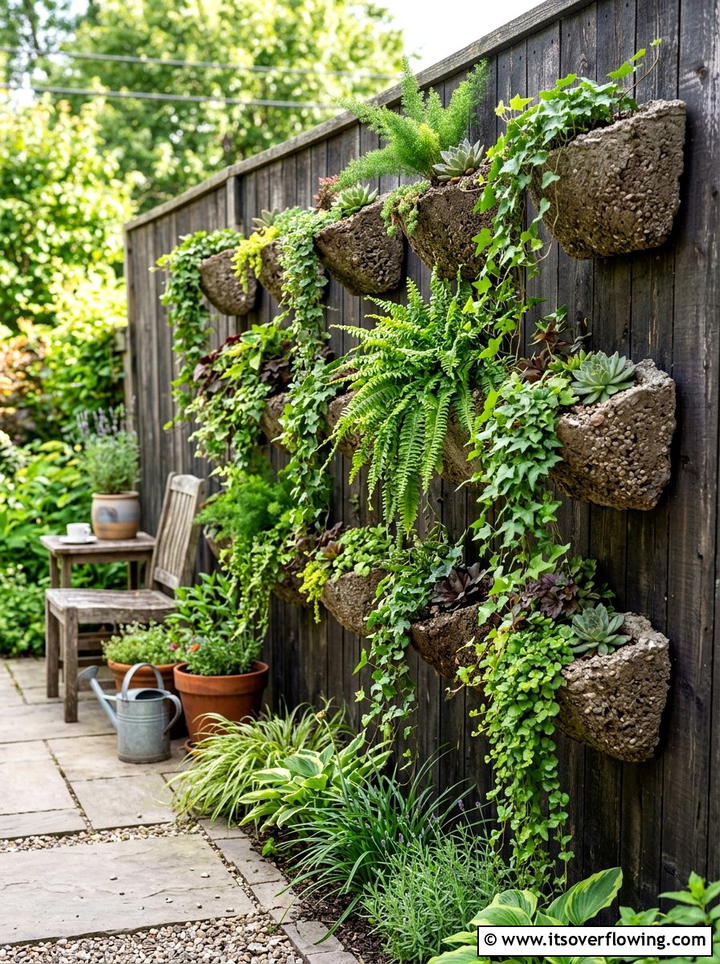
Vertical gardening is a fantastic way to add greenery to fences, walls, or the sides of sheds. You can create hypertufa wall pockets that are designed to hang securely, providing a rustic home for ferns or trailing succulents. These pockets blend into stone or brick walls much better than plastic wall planters, creating a more integrated and natural look. By grouping several wall pockets together, you can create a living wall effect that transforms a boring vertical surface into a lush garden feature. This approach is particularly effective for small urban gardens where ground space is at a premium for homeowners.
25. Primitive garden trough
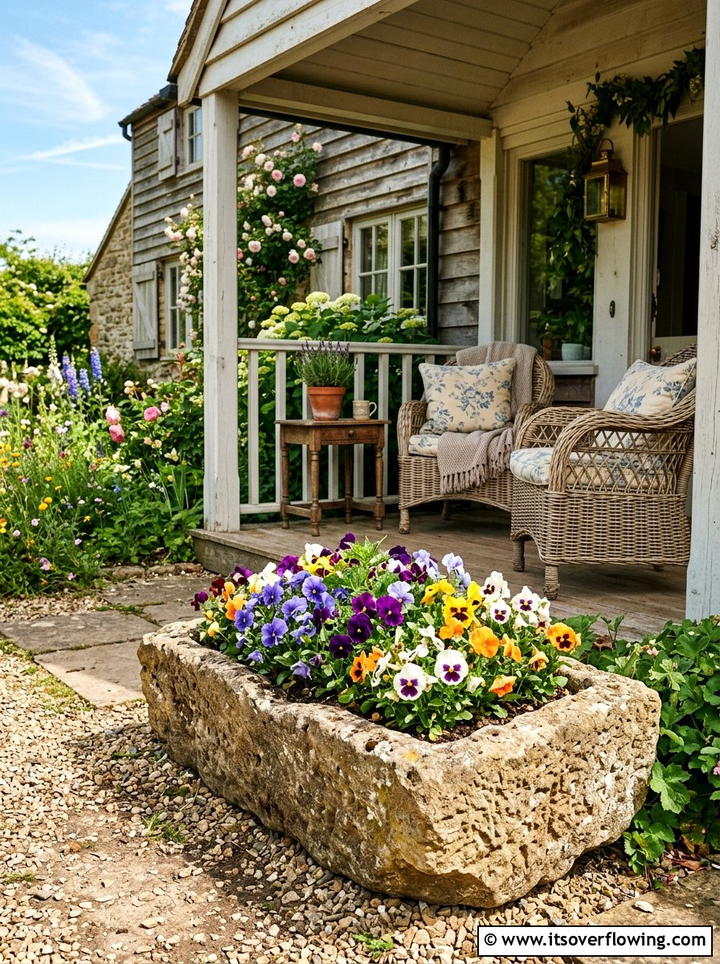
Embracing a primitive, “found object” look can give your garden a unique personality that sets it apart. A hypertufa trough made with intentionally irregular edges and a rough, pitted surface looks like an ancient farm relic. Filling this trough with simple, old-fashioned plants like pansies, marigolds, or heirloom herbs completes the rustic theme. This design style works perfectly in a cottage garden or a farmhouse-inspired landscape where perfection is less important than character. The primitive trough serves as a reminder of simpler times, adding a warm, nostalgic, and lived-in feel to your outdoor living space throughout the entire year.
Conclusion:
Hypertufa planters offer a unique combination of artistic expression and practical gardening benefits that make them ideal for any outdoor setting. Whether you are building a miniature alpine rockery or a large-scale focal point for your patio, these versatile containers provide a timeless, stone-like aesthetic. Their lightweight nature and superior drainage capabilities make them superior to many commercial alternatives for specific plant types like succulents. As they age and develop a natural patina, they only become more beautiful, eventually looking like a permanent part of the landscape. Incorporating these 25 ideas will surely help you create a garden that is both stunning and uniquely your own.
Related posts:
 25 Garden Ideas With Concrete Planters for Modern Style
 25 Garden Ideas With Hanging Planters For Fresh Style
 25 creative garden ideas with pallet planters for Rustic Charm
 25 Garden Ideas With Old Crates for Rustic Planters and Decor
 25 Creative Garden Ideas With Hanging Bottle Planters
 25 creative garden ideas with painted planters for Bold Color
 25 Creative Garden Ideas With Unusual Planters to Inspire
 25 Creative Garden Ideas With Wall Mounted Planters to Try
 25 Garden Ideas With Planters to Elevate Any Outdoor Space
 25 Garden Ideas With Vertical Planters for Small Spaces
 25 Small Garden Ideas With Corner Planters for Smart Spaces
 25 Creative Garden Ideas With Mosaic Planters to Brighten Pots