
Transforming a tiny outdoor space into a lush sanctuary often feels like a difficult puzzle to solve. When floor space is at a premium, looking upward is the smartest move any homeowner or renter can make. Wall planters offer a brilliant way to introduce greenery without cluttering your walking paths or seating areas. By utilizing vertical surfaces, you can create a vibrant atmosphere that feels expansive and full of life. This guide explores creative ways to dress up your fences, brick walls, and balcony railings using various planting systems. Whether you want a fresh herb supply or a floral backdrop, these concepts will help you maximize every inch of your small garden beautifully.
1. Vertical herb garden
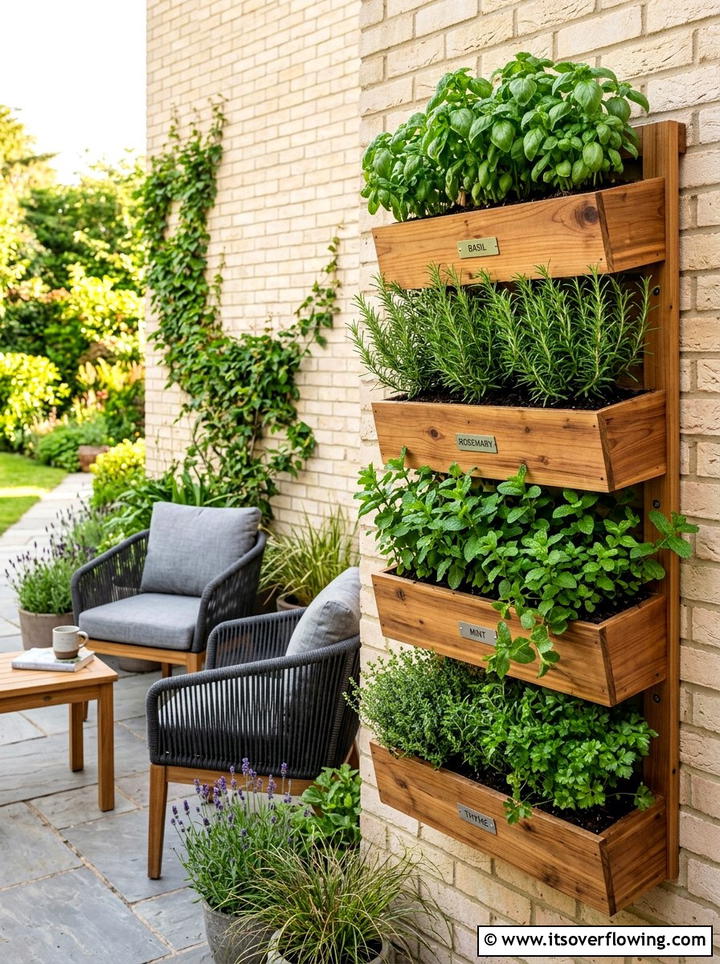
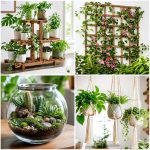
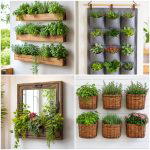
Can you imagine stepping outside to snip fresh basil right from your brick wall? A vertical herb garden turns a plain fence or siding into a functional pantry for your kitchen. This approach is perfect for small balconies where floor space is limited for traditional pots. You can use cedar wood boxes or modular plastic containers to hold various herbs like mint, rosemary, and thyme. Make sure the wall receives at least six hours of sunlight to keep your greens healthy and vibrant. Watering is easy when everything is grouped together at eye level. This setup adds a lush green texture to your outdoor living area while providing wonderful scents every time you walk past.
2. Succulent wall planter
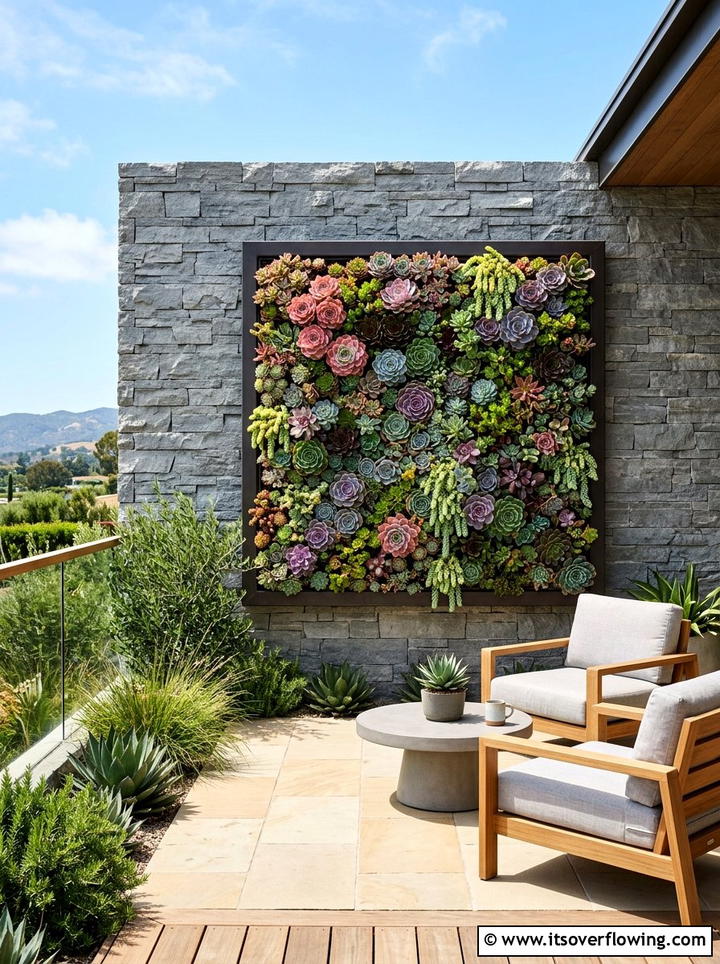
Have you ever seen a living tapestry made entirely of hardy, colorful succulents? A succulent wall planter is a low-maintenance dream for anyone with a busy schedule or limited water resources. These plants thrive in shallow containers, making them the ideal choice for thin wall-mounted frames or shadow boxes. You can mix different species like echeveria, sedum, and jade to create a stunning mosaic of textures and shades. These plants store water in their leaves, so they do not require frequent soaking like traditional flowers. This type of vertical garden looks like a piece of living art that changes slightly as the plants grow and fill the frame over several months.
3. Hanging terracotta pots
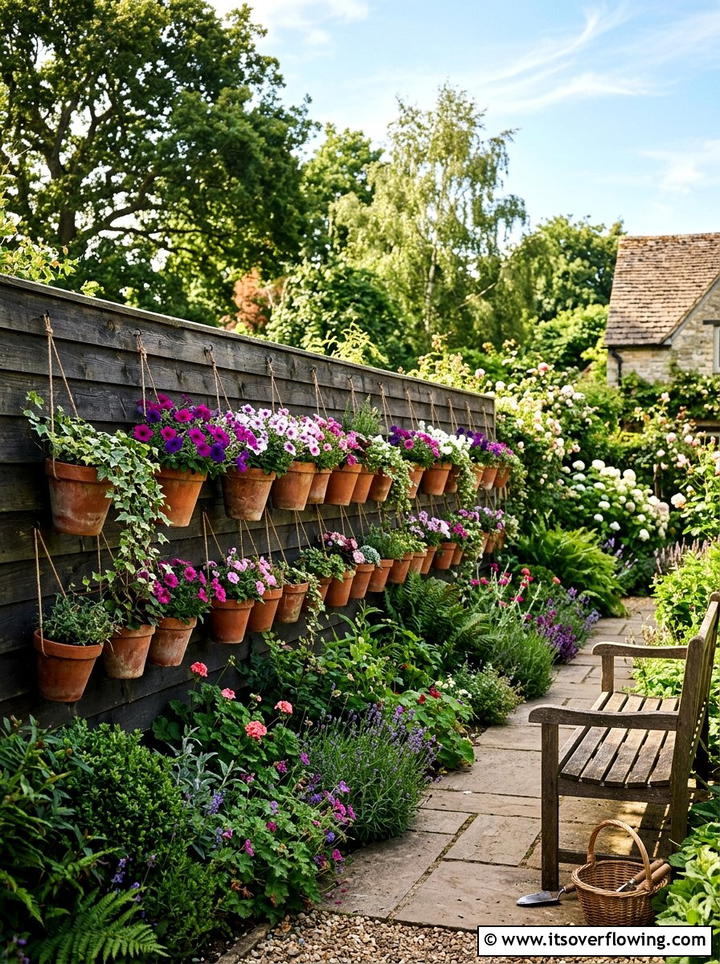
The classic orange glow of clay pots brings a timeless, rustic charm to any outdoor nook. Hanging terracotta pots on a wall using metal rings or specialized hooks creates a rhythmic and organized look. You can arrange them in a strict grid for a modern feel or stagger them for a more casual, bohemian vibe. Trailing plants like ivy or creeping Jenny look particularly beautiful as they spill over the edges of the clay. Because terracotta is porous, it allows the soil to breathe, which helps prevent root rot in your favorite plants. This method is an affordable way to add layers of height to a small patio or narrow side yard.
4. Wooden pallet garden
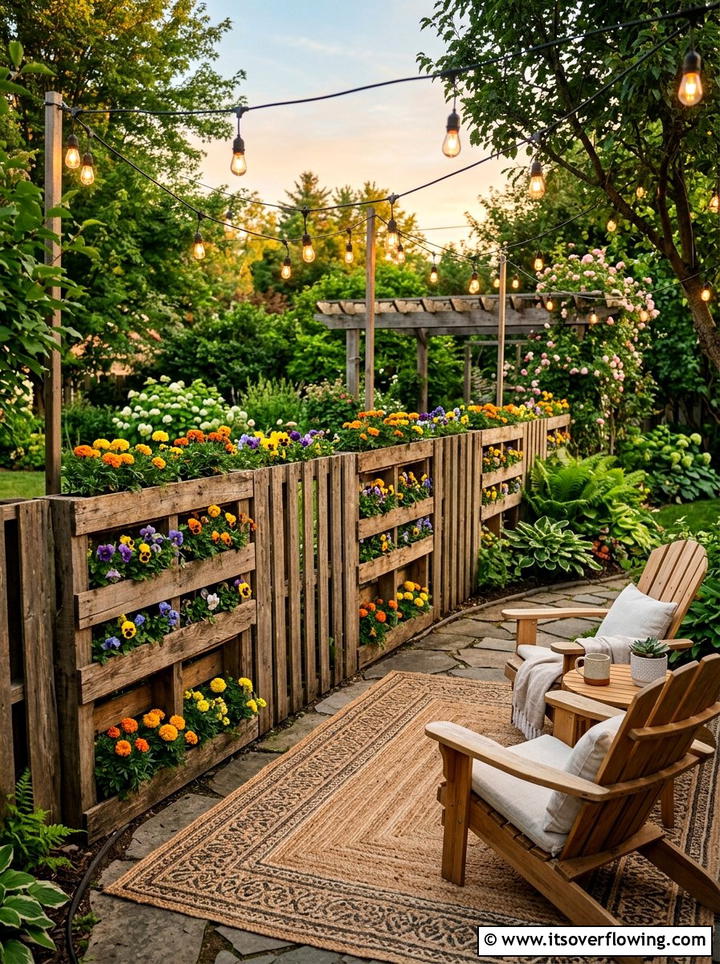
Does your backyard feel a bit empty without a touch of reclaimed wood? A wooden pallet garden is an eco-friendly and stylish way to cover a large vertical area quickly. By securing landscape fabric to the back and bottom of the slats, you create deep pockets for soil and roots. You can lean the pallet against a wall or bolt it directly to a sturdy fence for extra security. Flowering annuals like petunias or marigolds look incredible when they peek out from between the horizontal wooden boards. This project is a favorite for DIY enthusiasts because it allows for plenty of customization with paint, stains, or hand-lettered plant labels.
5. Metal wall troughs
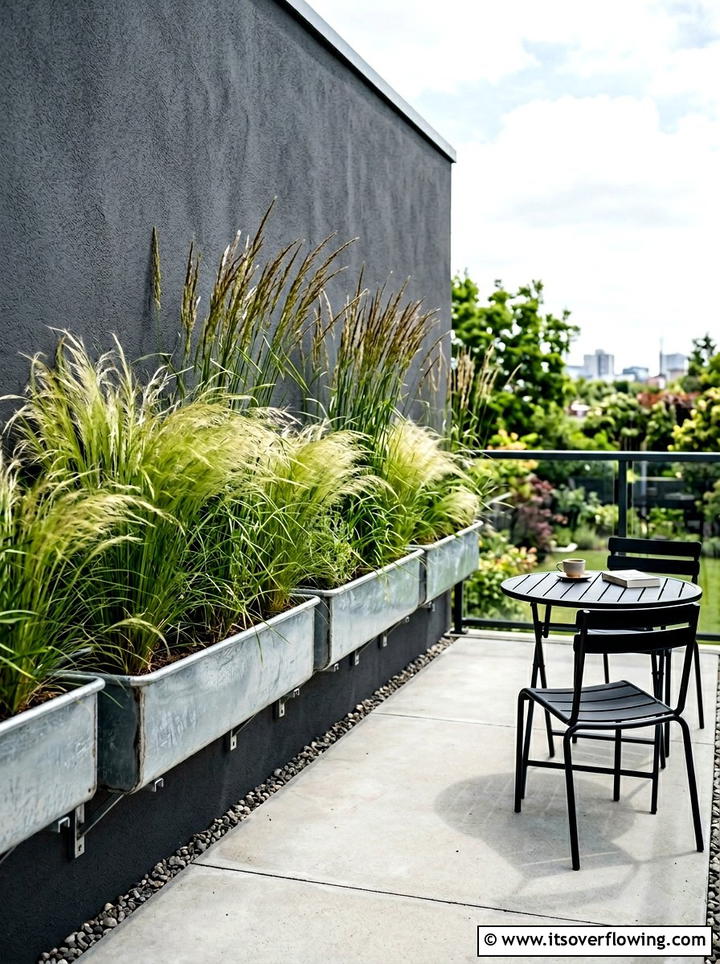
Sleek lines and industrial materials can give your small garden a sophisticated and contemporary edge. Metal wall troughs are elongated containers that provide plenty of room for root systems to spread out horizontally. They work exceptionally well for creating a “green screen” effect if you plant tall grasses or dense ferns. Usually made from galvanized steel or zinc, these planters are highly durable and weather-resistant throughout the seasons. The metallic finish reflects light, which can help brighten up a shaded corner of a terrace or balcony. Pairing these troughs with dark-colored walls creates a high-contrast look that highlights the vivid greens of your chosen foliage.
6. Felt pocket planter
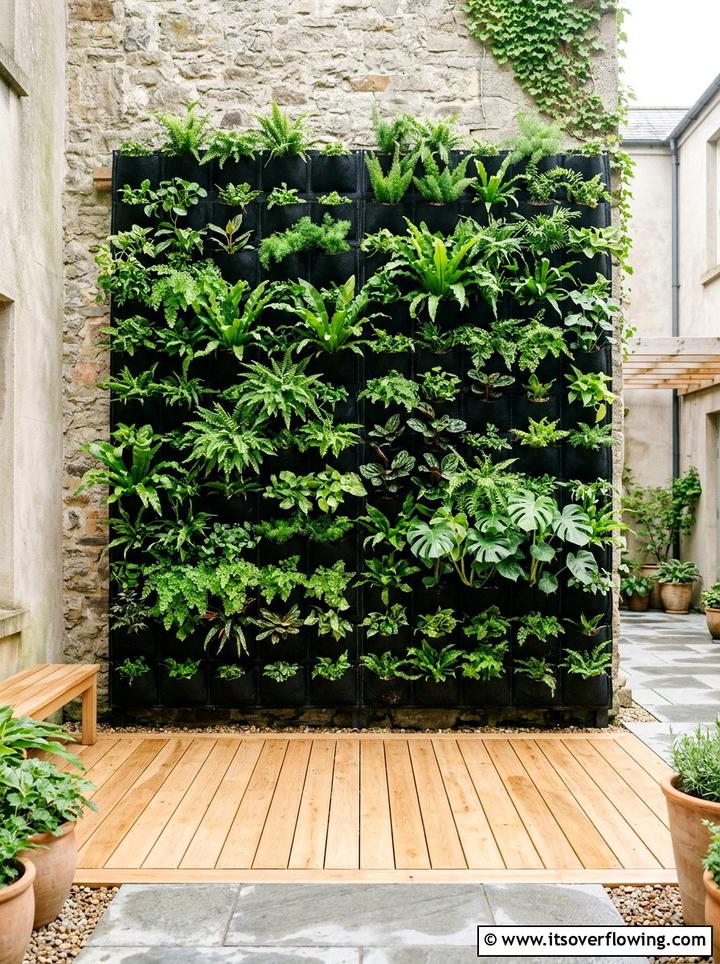
Soft, breathable fabric pockets offer a lightweight solution for adding greenery to almost any vertical surface. A felt pocket planter is designed to hold individual plants in separate pouches, allowing for easy replacement or rearranging. The material is excellent for root health because it prevents the plants from becoming root-bound by air-pruning the tips. You can cover an entire exterior wall with these pockets to create a massive living wall effect without the weight of heavy pots. This system is perfect for ferns, strawberries, or small tropical plants that enjoy consistent moisture. It is a very versatile option for renters since these fabric sheets are easy to install and remove.
7. Cedar slat wall
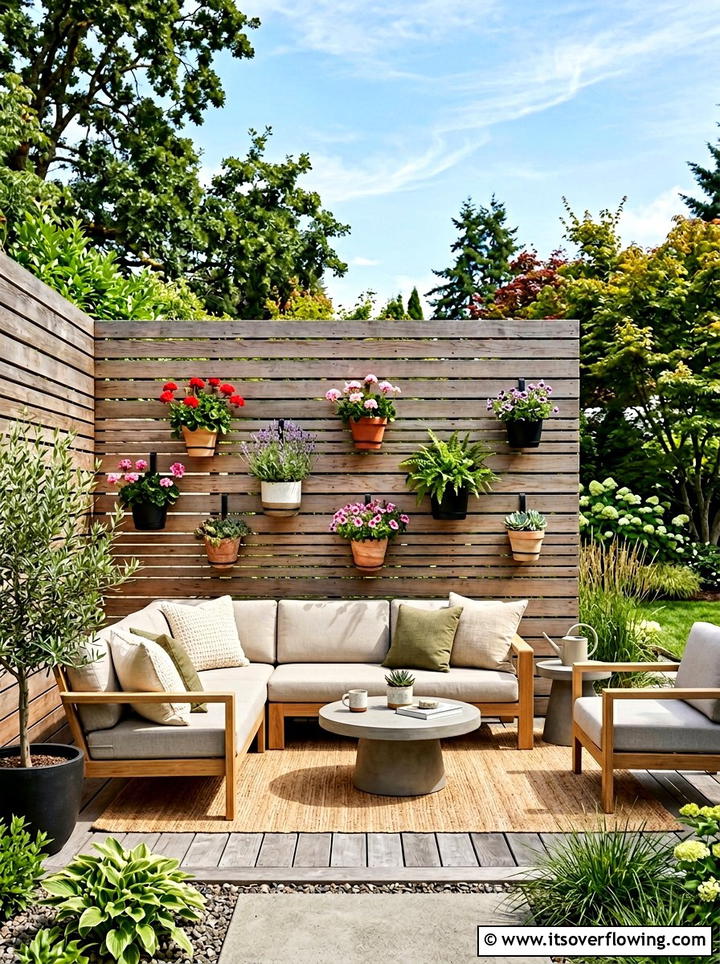
A warm wood backdrop instantly makes a small outdoor space feel more like a cozy interior room. A cedar slat wall consists of horizontal wooden boards where you can clip on various pots and containers. This modular design allows you to move your plants around depending on the season or how much light they need. Cedar is naturally resistant to rot and insects, making it a long-lasting choice for outdoor environments. You can leave the wood natural to weather to a silver-grey or seal it to maintain its rich orange tones. This structure serves as both a privacy screen and a vertical planting station for your favorite flowers.
8. Floating plant shelves
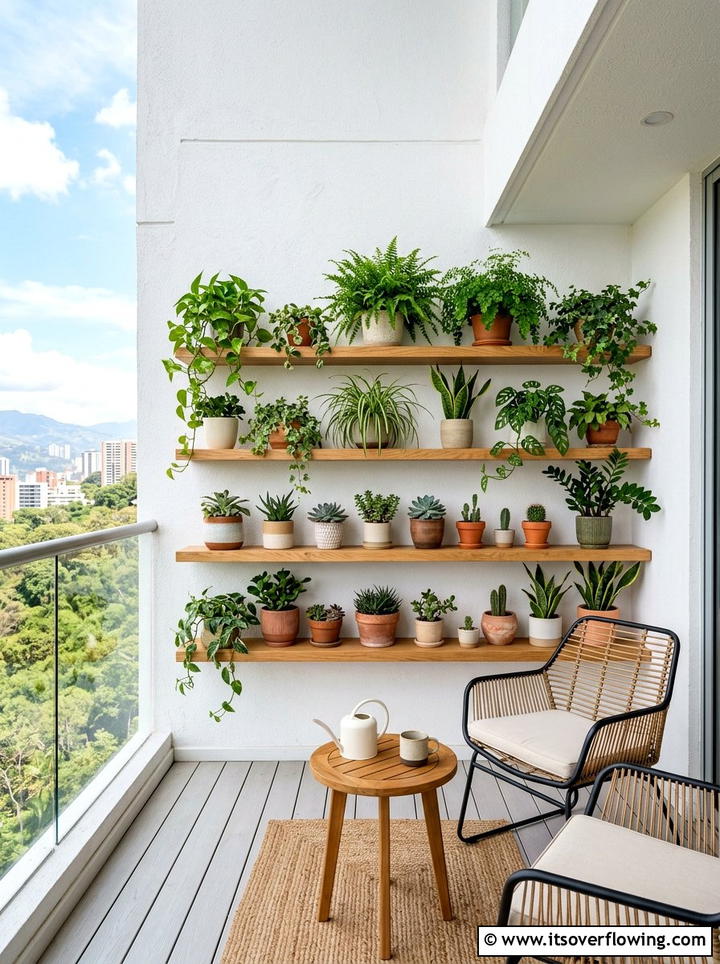
Walking onto a balcony that features floating plant shelves feels like entering a high-end boutique garden. These sturdy shelves are mounted directly to the wall, providing a flat surface for a variety of decorative pots. This setup allows you to mix and match different plant sizes, from tall snake plants to small decorative cacti. Using shelves keeps the floor clear, which is essential for maintaining a sense of openness in a small garden area. You can choose wooden shelves for a natural look or powder-coated metal for something more modern. It is a great way to display a curated collection of rare or particularly beautiful plant specimens.
9. Geometric wall pots
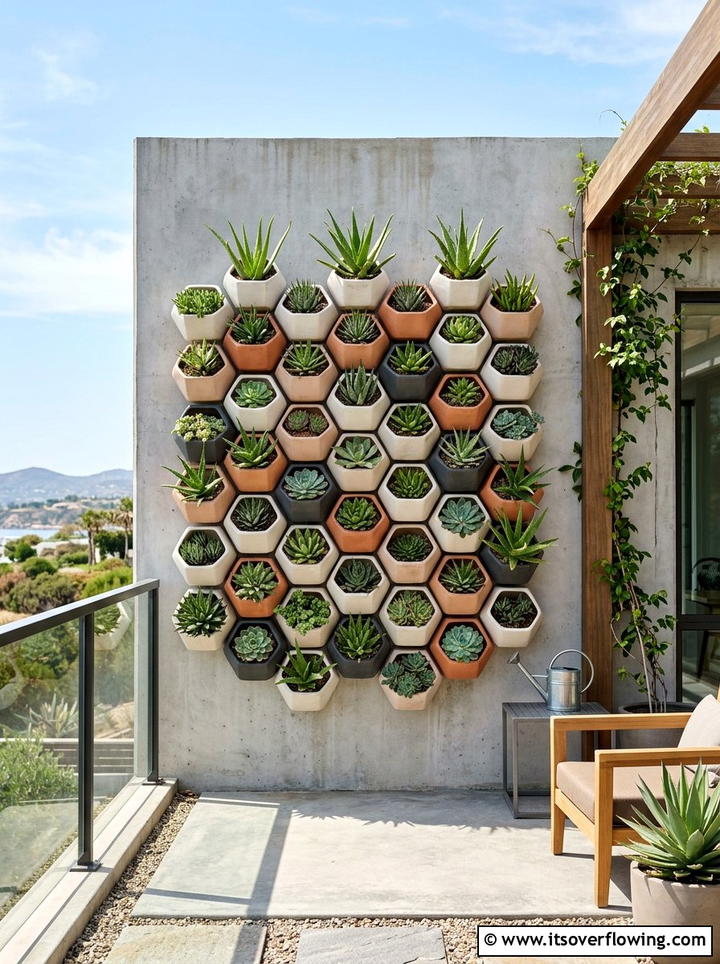
Sharp angles and interesting shapes can turn a boring garden wall into a focal point of modern design. Geometric wall pots come in triangles, hexagons, and diamonds, allowing you to create complex patterns across your vertical space. When these containers are grouped together, they look like a sculptural installation rather than just a place to grow plants. They are often made from ceramic or lightweight resin, coming in a variety of matte or glossy finishes. This style is perfect for minimalist gardens where you want the architecture of the containers to stand out. Planting them with simple, structural greens like air plants or aloes enhances the clean and modern aesthetic.
10. Lattice vine trellis
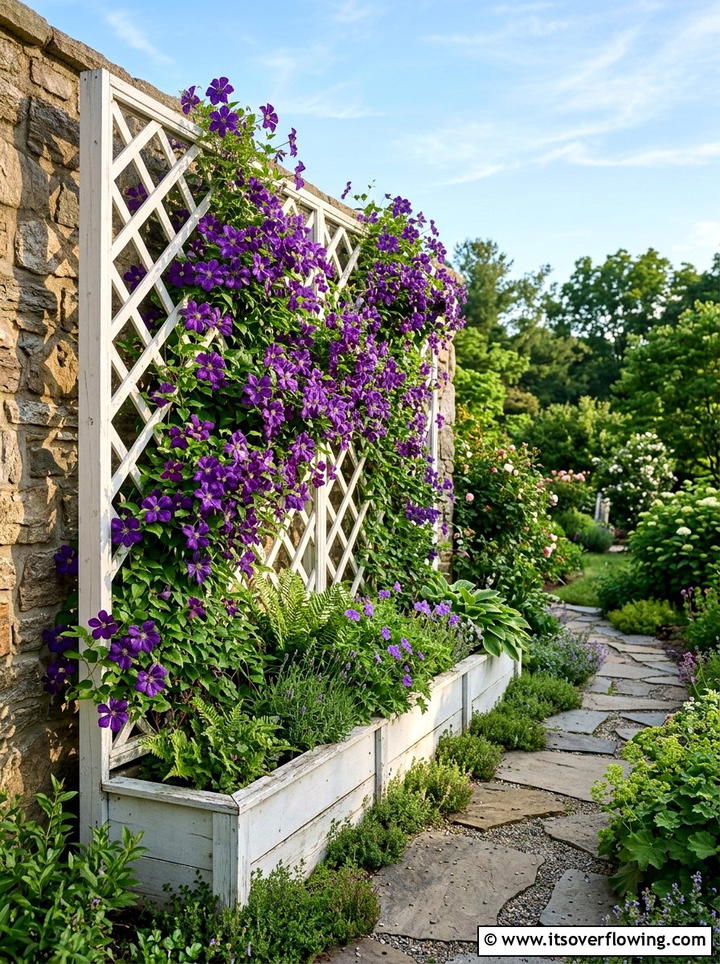
Watching a flowering vine slowly climb up a wall is one of the most rewarding parts of gardening. A lattice vine trellis provides the necessary support for climbing plants like clematis, jasmine, or morning glories. You can mount a wooden or plastic lattice directly to a wall and place a long planter box at the base. As the vines grow, they weave through the lattice, eventually covering the entire wall in a blanket of green and blooms. This method is excellent for adding privacy and a sense of enclosure to a small patio. The sweet scent of climbing flowers can also improve the overall ambiance of your outdoor seating area.
11. Industrial pipe planter
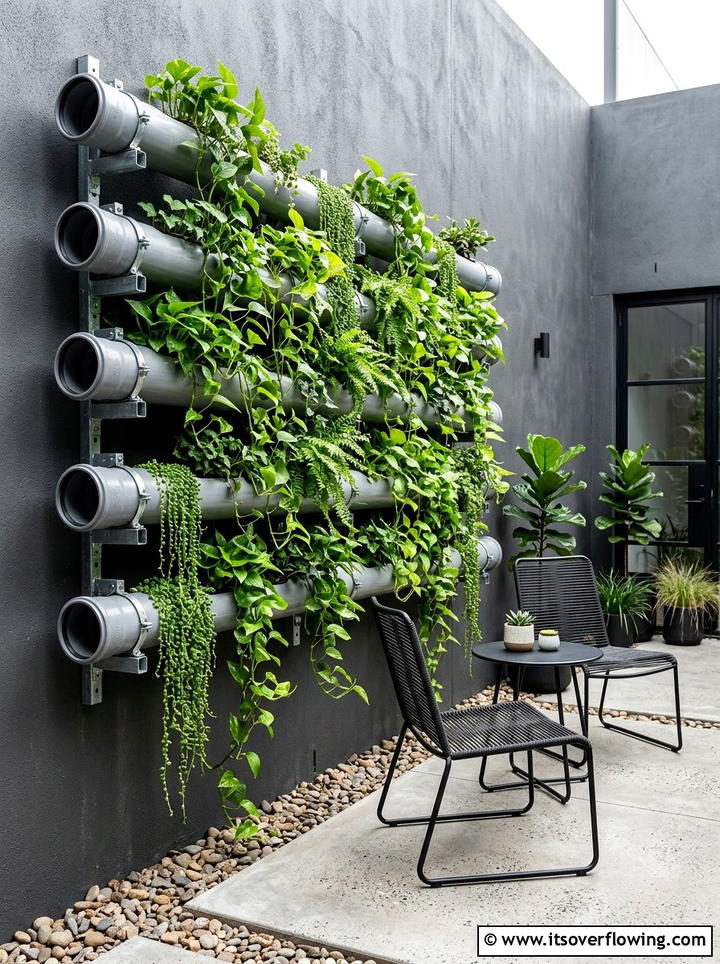
Do you love the look of urban lofts and raw materials in your home decor? An industrial pipe planter uses PVC or metal pipes with cut-outs to hold soil and a variety of small plants. These long tubes can be mounted horizontally across a wall to create a unique and edgy garden feature. They are particularly effective for growing trailing plants that will eventually hide the pipe itself, leaving a floating line of greenery. This design is very space-efficient and can be connected to a simple irrigation system for automated watering. It is a creative way to use hardware store finds to build a custom vertical garden on a budget.
12. Recycled bottle garden
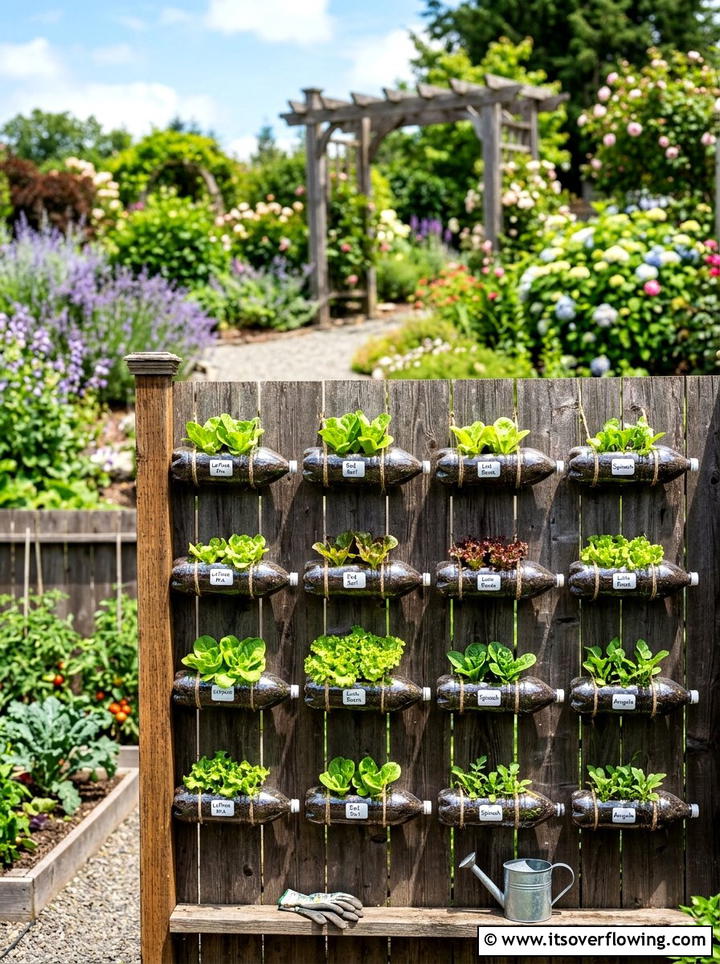
Sustainability meets creativity when you choose to build a recycled bottle garden on your backyard fence. Plastic soda or water bottles can be cut and hung upside down or horizontally to act as individual growing vessels. When arranged in neat rows, they create a fascinating visual pattern while keeping waste out of the landfill. This is a fantastic educational project for families who want to teach children about recycling and plant growth. You can grow small edibles like lettuce or radishes in these containers with surprising success. It is a low-cost, high-impact way to fill a large wall with greenery using items you already have at home.
13. Concrete wall pockets
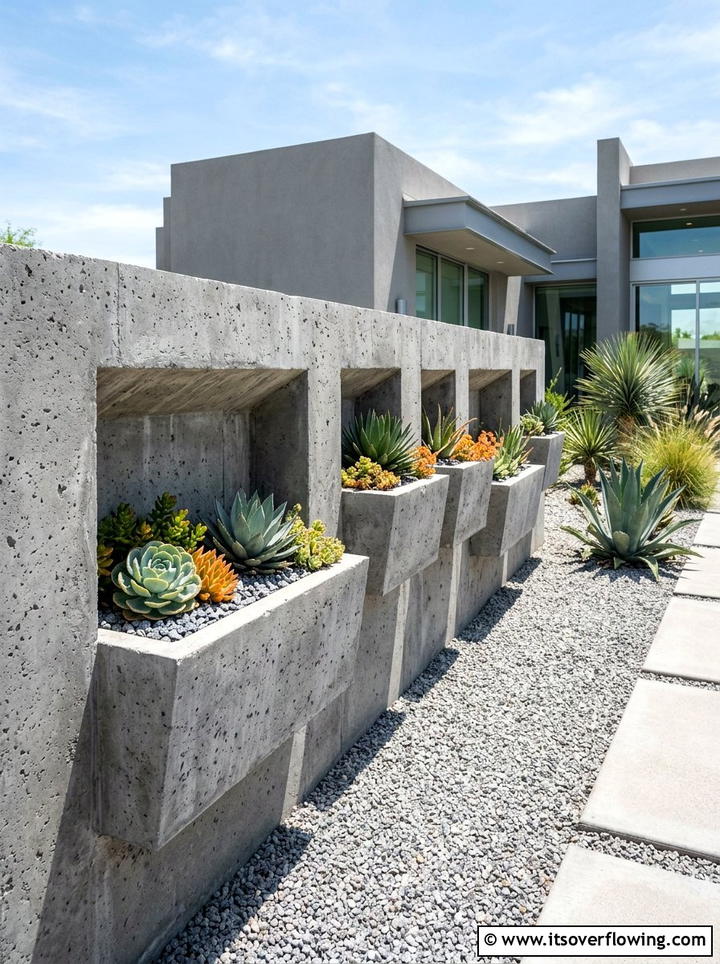
The heavy, solid look of stone can be mimicked with lightweight concrete wall pockets for a brutalist garden style. These containers are cast into bowl or pocket shapes and provide a very sturdy home for succulents and hardy alpine plants. The grey tones of the concrete provide a neutral backdrop that makes colorful flowers or variegated leaves really pop. They are incredibly durable and can withstand harsh winter weather without cracking or fading. Mounting these in a random pattern creates an organic, rocky look that feels like a natural cliffside. This is an excellent choice for modern homes with clean lines and a desire for permanent, high-quality garden fixtures.
14. Woven basket planters
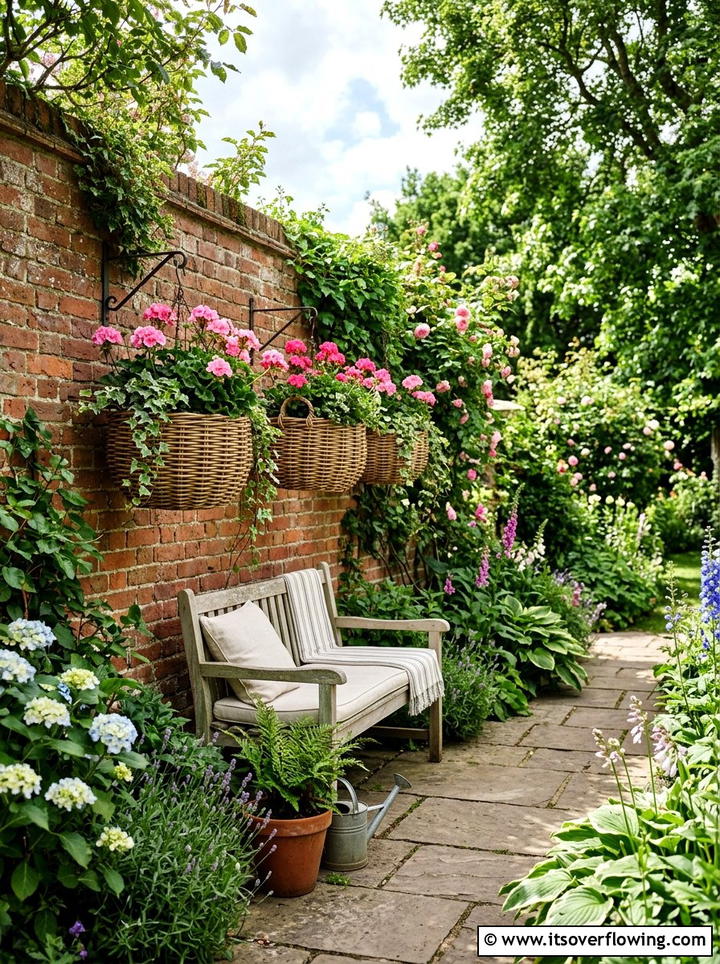
Soft textures and natural fibers bring a cozy, farmhouse feel to your small outdoor patio or garden area. Woven basket planters, when lined with plastic or coconut coir, make excellent wall-mounted containers for soft-stemmed plants. You can find baskets made from willow, seagrass, or synthetic rattan that can handle the humidity of an outdoor environment. These baskets add a sense of warmth and handicraft that hard plastic or metal containers often lack. They look beautiful when filled with spilling lobelia or bright geraniums that cascade over the woven edges. This style is perfect for creating a relaxed, cottage-core vibe in a very limited amount of square footage.
15. Modern black planters
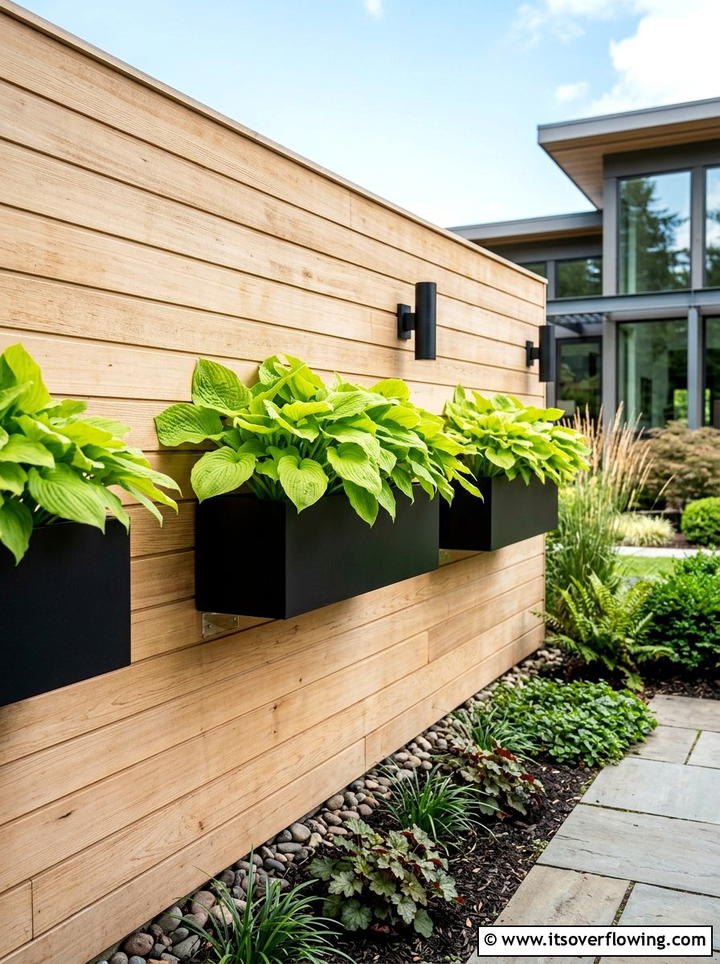
There is something undeniably chic about a row of matte black planters against a crisp white or natural wood wall. Modern black planters offer a sophisticated silhouette that emphasizes the shape and color of the foliage inside them. Because black absorbs heat, these containers can help keep the soil warm for sun-loving plants during the cooler spring months. You can find these in various shapes, from long rectangular troughs to sleek cylindrical pots that mount flush to the wall surface. This color choice creates a high-fashion look that feels very intentional and curated. It is a simple way to elevate the design of a basic balcony or small terrace.
16. Copper pipe trellis
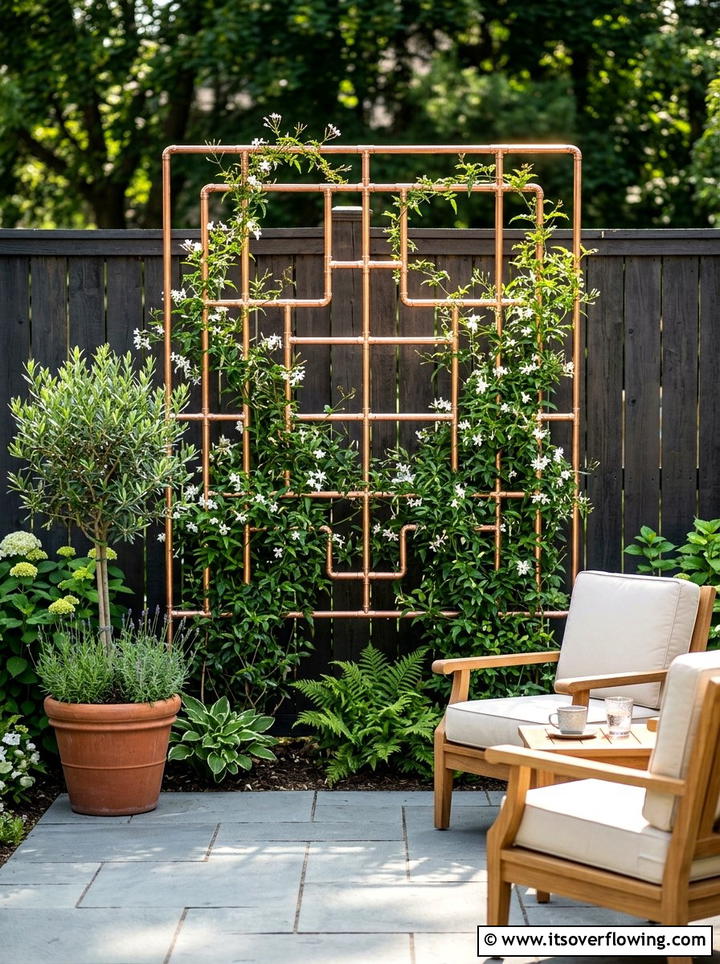
Glimmering metal accents can add a touch of luxury and shine to your vertical garden installation. A copper pipe trellis is a stylish alternative to traditional wood or plastic supports for climbing plants. You can build a custom grid or a geometric frame using copper tubes and elbow joints from the plumbing aisle. Over time, the copper will develop a beautiful green patina, or you can polish it to keep its bright, metallic glow. This structure looks incredible even during the winter months when the plants have gone dormant. It serves as a functional garden tool and a piece of outdoor sculpture that reflects the sun beautifully.
17. Ladder plant stand
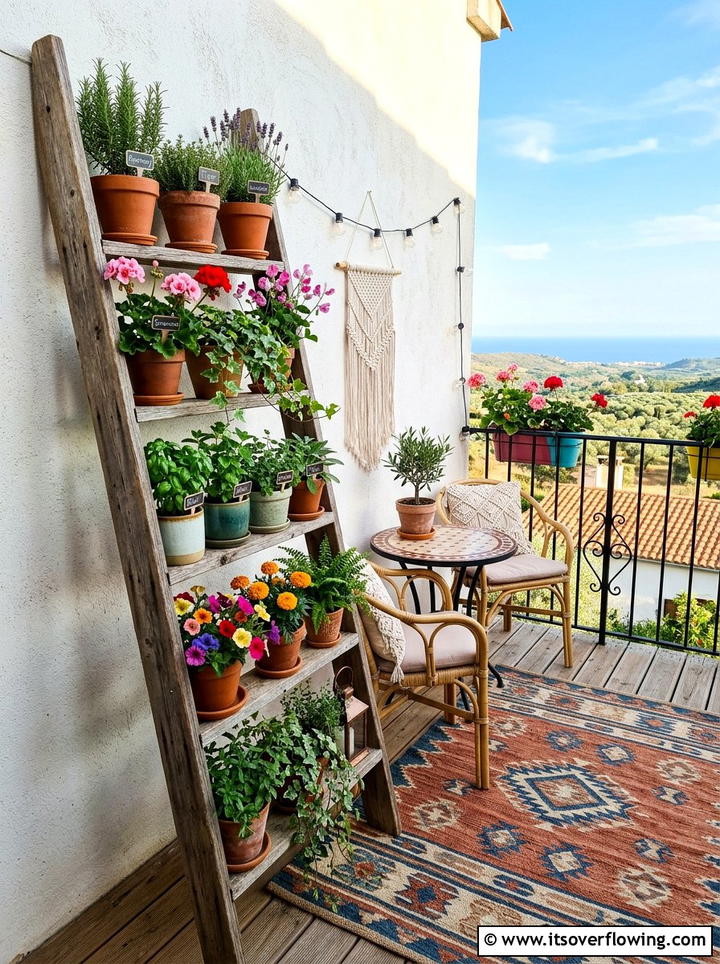
Sometimes the best way to utilize a wall is to lean a beautiful piece of furniture against it. A ladder plant stand features graduated shelves that allow you to stack many pots in a very small footprint. While not technically mounted to the wall, it relies on the vertical surface for support and creates a similar visual effect. This is a perfect solution for those who cannot drill holes into their exterior siding or apartment walls. You can place larger, heavier pots on the bottom rungs and smaller, delicate plants at the top. This arrangement provides excellent airflow and light distribution to every plant in your collection.
18. Moss wall art
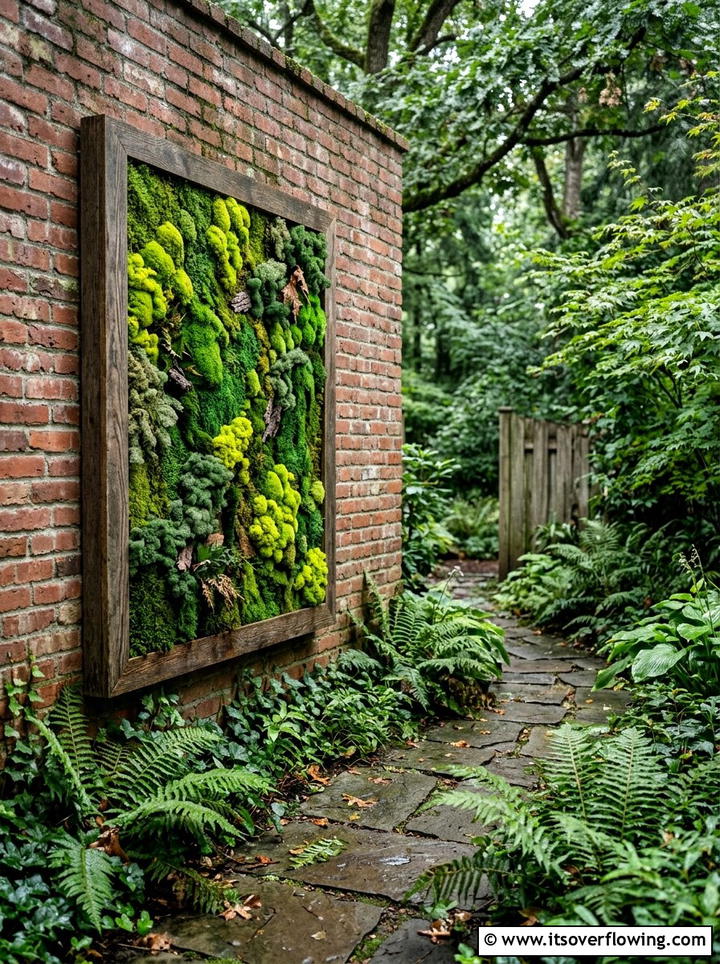
If you have a shaded wall where traditional flowering plants struggle to survive, moss wall art is a perfect solution. You can create a frame filled with various types of preserved or living moss to add a deep green, velvety texture. These installations require very little maintenance and thrive in damp, low-light conditions that would kill many other species. The different shades and heights of the moss can be used to “paint” a natural landscape right on your garden wall. It feels incredibly soft to the touch and adds an ancient, forest-like quality to your outdoor space. This is a great way to bring nature to narrow, dark alleyways.
19. Window box planter
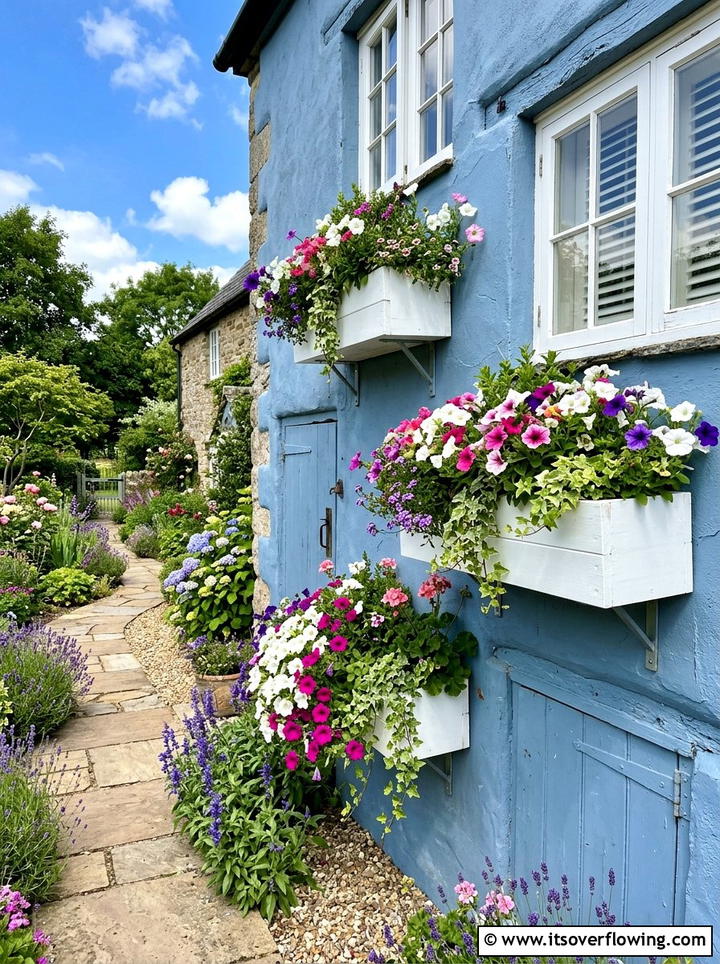
Traditional window boxes aren’t just for windows; they can be mounted at any height along a garden wall or fence. These long, deep containers provide enough soil volume to grow a wide variety of annuals, perennials, or even small shrubs. By mounting several window boxes at different levels, you create a “staircase” of flowers that fills your peripheral vision with color. They are typically very easy to install with basic brackets and can be found in wood, metal, or plastic to match your home. Choosing a self-watering version of a window box can make your gardening life much easier during the hot summer months.
20. Tiered wooden crates
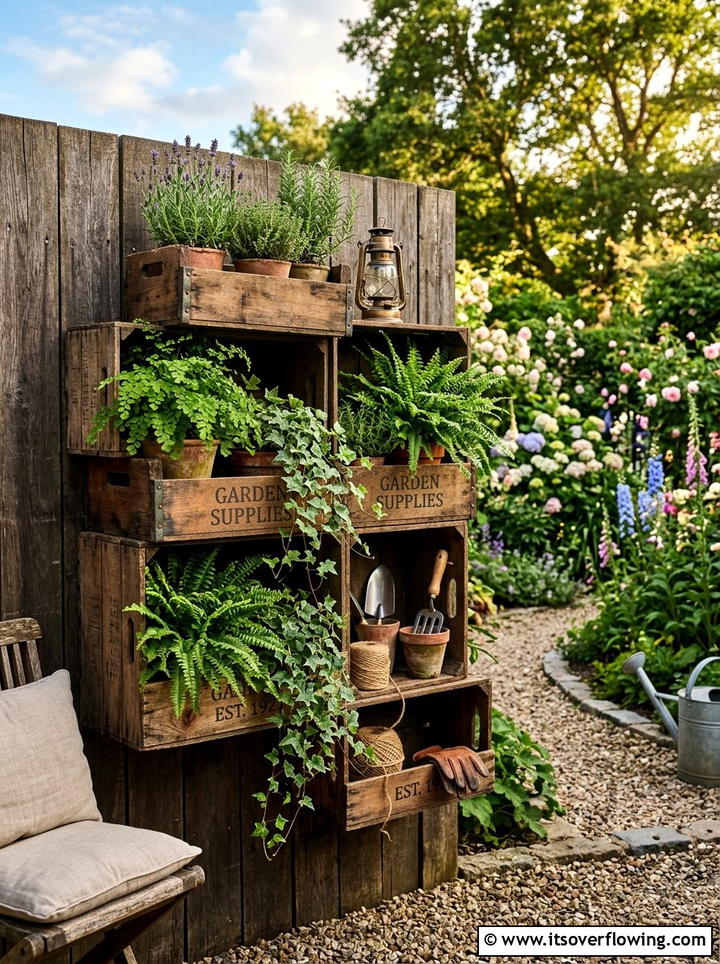
Using rustic wooden crates is a charming and flexible way to build a vertical garden with plenty of character. You can mount these crates to a wall in a tiered or staggered fashion to create deep ledges for your favorite plants. This look works particularly well for a “shabby chic” or farmhouse garden style where a bit of imperfection is welcomed. Crates provide a lot of depth, allowing you to plant larger specimens like hostas or small ferns that need more root space. You can paint each crate a different color for a playful look or keep them natural for a more cohesive and grounded appearance.
21. Magnetic wall garden
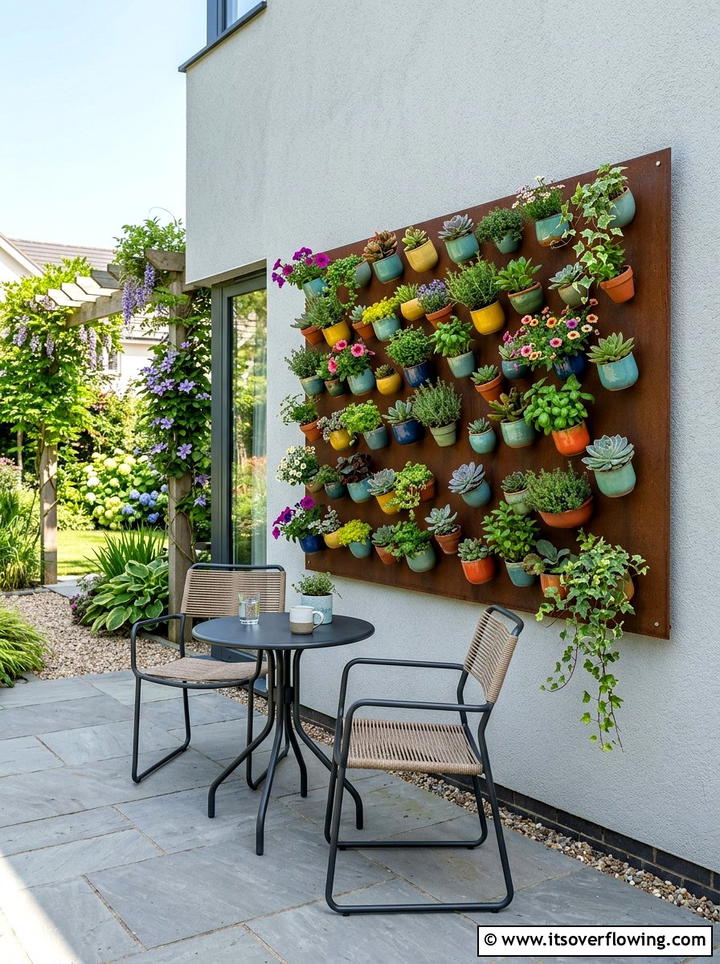
Innovation meets greenery with magnetic wall garden systems that allow for ultimate flexibility in your plant placement. This setup typically involves a large metal plate mounted to the wall and individual pots with strong magnets on the back. You can move the plants around whenever you like, which is great for chasing the sunlight or refreshing the look. This is a popular choice for indoor-outdoor transition spaces like sunrooms or covered patios. The pots are usually small, making them perfect for starting seedlings or growing a variety of different cacti. It is a modern and interactive way to display a living collection of plants on a vertical surface.
22. Ceramic wall cones
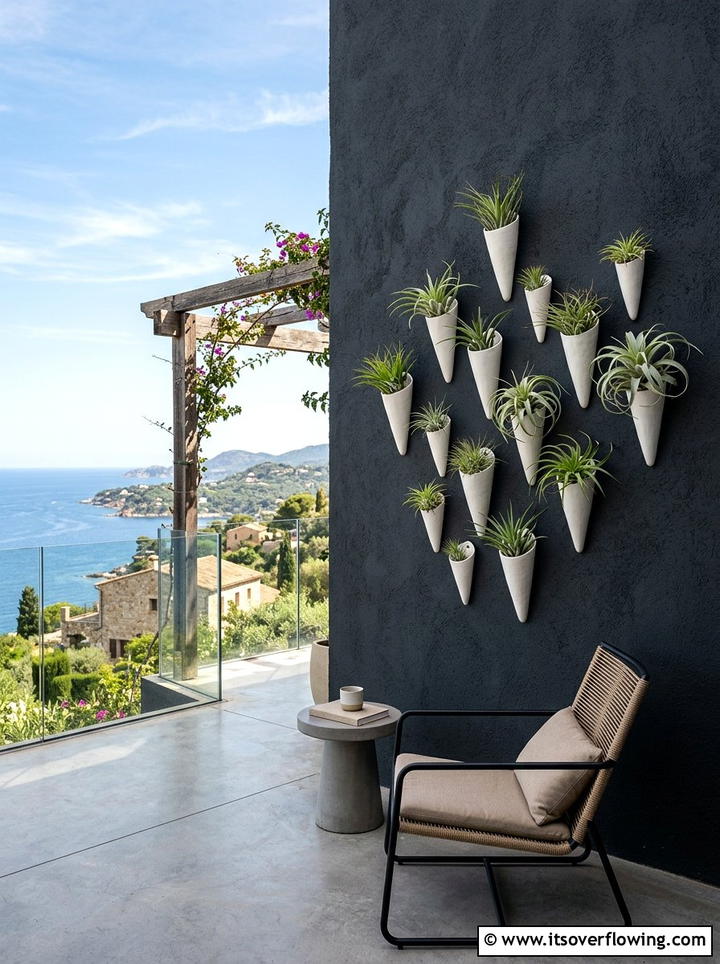
Elegant and minimalist, ceramic wall cones provide a unique shape for displaying single stems or small clusters of greenery. These cone-shaped vessels mount point-downward, creating a sleek and vertical line that draws the eye upward. They are often used for air plants or dried flowers, but they can also hold soil for small, slow-growing succulents. Because they are often handmade, each cone can have a slightly different texture or glaze, adding an artisanal feel to your garden. Grouping several cones together at varying heights creates a sophisticated and artistic display. This is a wonderful option for small gardens that prioritize clean lines and high-quality materials.
23. Self watering wall system
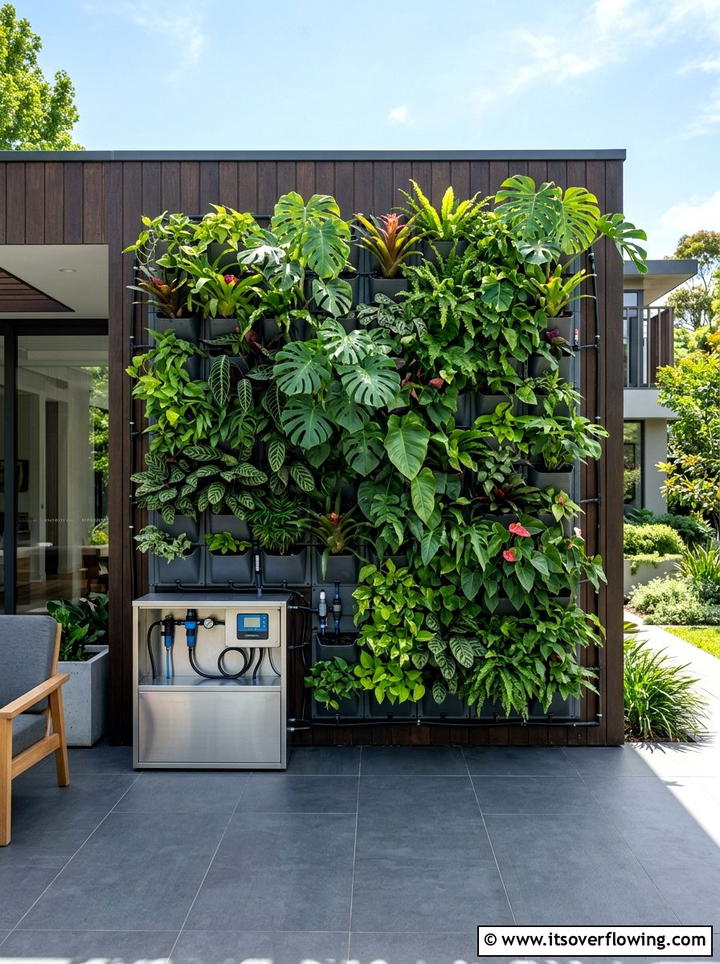
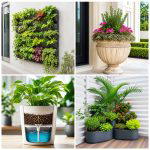
Do you worry about your plants drying out while you are away at work or on vacation? A self-watering wall system takes the guesswork out of maintenance by using a reservoir or a drip line to provide consistent moisture. These systems often feature a series of interlocking modules that can be scaled to fit any wall size. The water is usually stored at the top or in individual tanks and slowly wicks down to the roots as needed. This technology is ideal for thirsty plants like ferns or tropical flowers that don’t like to dry out. It ensures your small vertical garden remains lush and green even during a heatwave.
24. Railing planter boxes
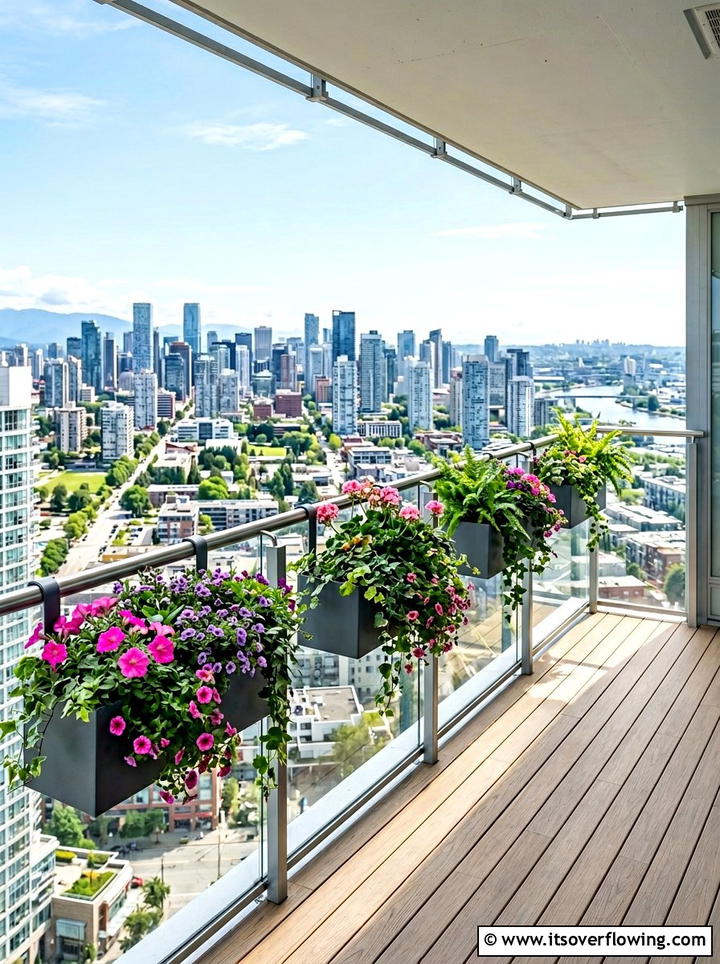
When your small garden consists of a balcony, the railing becomes the most valuable real estate for your wall planters. Railing planter boxes are designed to sit securely on top of or hang from the balusters, keeping the floor entirely clear. This allows you to enjoy a “hedge” of flowers at waist height, which provides a lovely sense of privacy from neighbors. Many modern designs feature a split bottom that straddles the railing for extra stability against the wind. You can fill these with trailing vines that grow downward, effectively creating a green curtain for the outside of your building. This is a must-have for any urban high-rise gardener.
25. Galvanized bucket wall
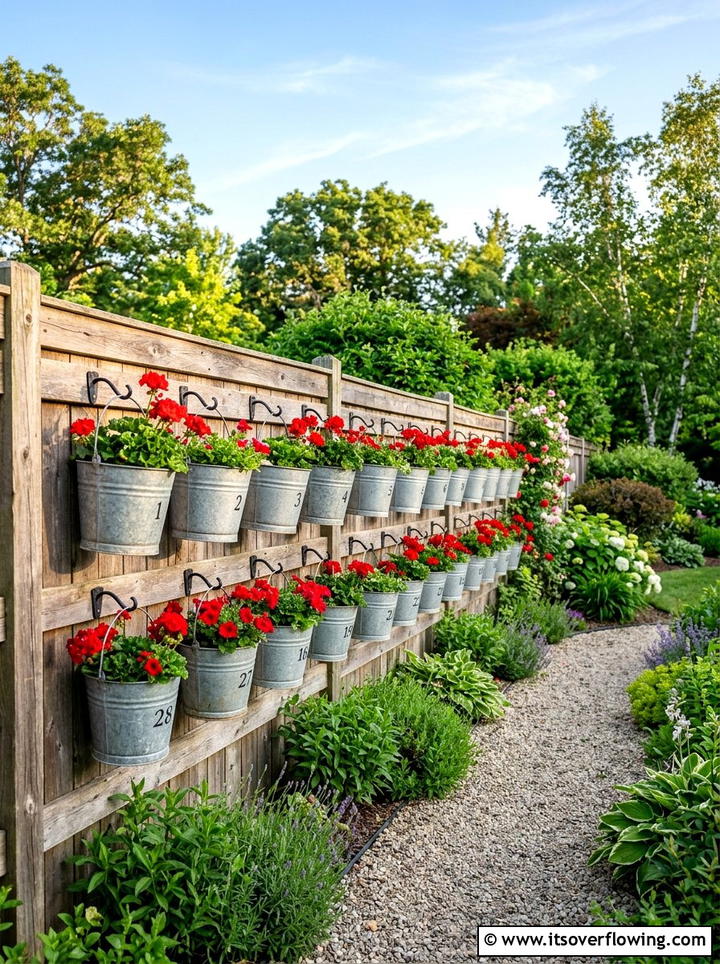
Simple, affordable, and incredibly effective, a galvanized bucket wall adds a touch of vintage utility to your outdoor space. Small metal buckets can be hung from hooks or screwed directly into a wooden fence to act as individual plant pots. The reflective silver surface of the buckets looks beautiful when the sun hits it, and the material is highly resistant to rust. This setup is very easy to change out; if a plant isn’t doing well, you just swap the bucket for a new one. It is a great way to create a repetitive, organized pattern that makes a small garden feel much more intentional and well-designed.
Conclusion:
Embracing the vertical plane is the ultimate secret to mastering small-scale gardening and creating a beautiful outdoor retreat. Wall planters provide an endless array of possibilities, from modern geometric installations to rustic reclaimed wood projects. By choosing the right system for your specific light levels and maintenance style, you can turn any blank wall into a thriving ecosystem. These ideas prove that you do not need a massive backyard to enjoy the peace and beauty of a lush garden. As you implement these vertical solutions, you will find that your small space feels larger, cooler, and significantly more inviting. Start with one wall and watch your garden grow upward into a stunning living masterpiece.

Related posts:
 25 Small Garden Ideas for Apartments to Maximize Outdoor Space
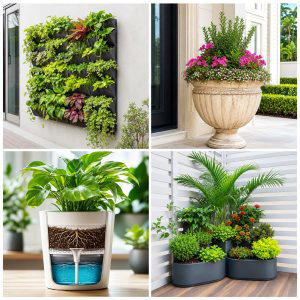 25 Garden Ideas With Planters to Elevate Any Outdoor Space
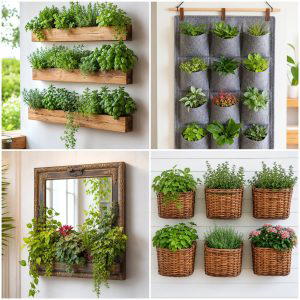 25 Creative Garden Ideas With Wall Mounted Planters to Try
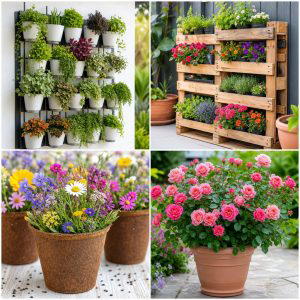 25 Garden Ideas for Balconies to Maximize Small Outdoor Spaces
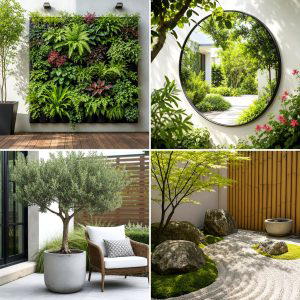 25 Garden Ideas for Small Spaces to Maximize Beauty
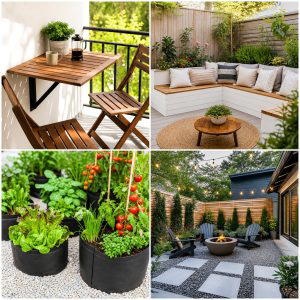 25 Garden Ideas for Tiny Patios to Maximize Small Spaces
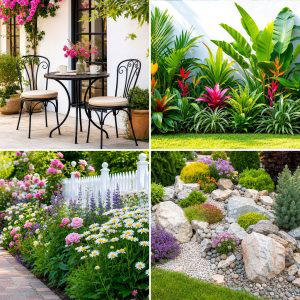 25 Small Garden Ideas to Maximize Beauty in Tiny Spaces
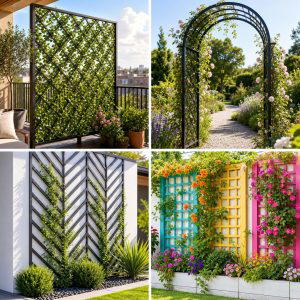 25 small garden ideas with trellis to Maximize Beauty Fast
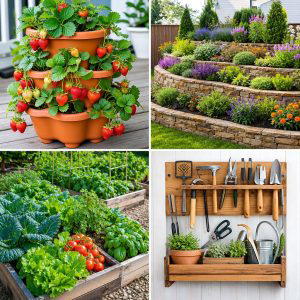 25 creative garden ideas with pallet planters for Rustic Charm
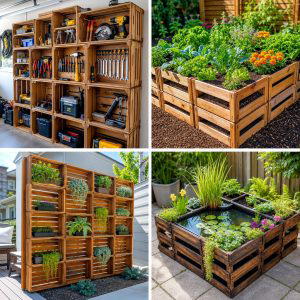 25 Garden Ideas With Old Crates for Rustic Planters and Decor
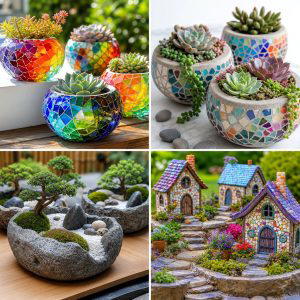 25 Creative Garden Ideas With Mosaic Planters to Brighten Pots
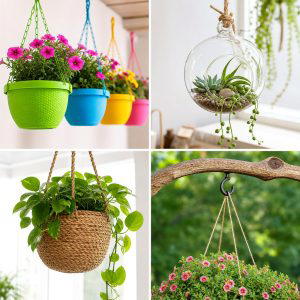 25 Garden Ideas With Hanging Planters For Fresh Style