
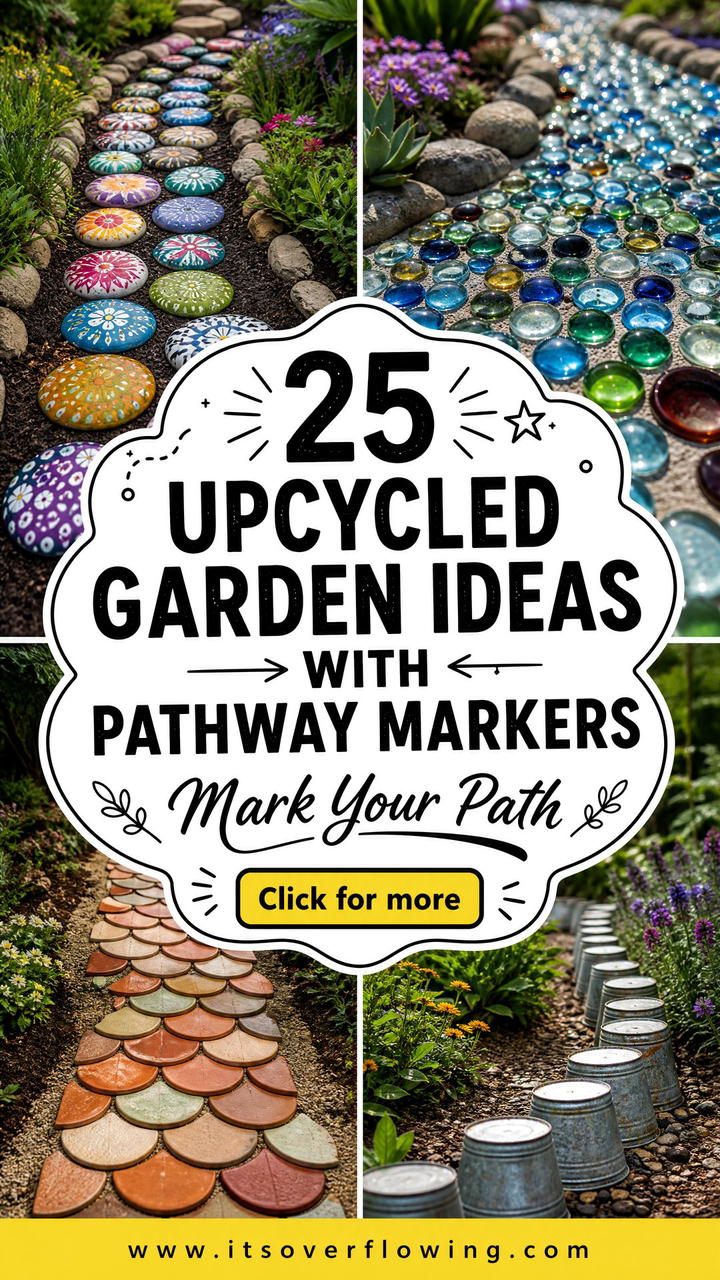
Transforming your outdoor space does not require a massive budget when you embrace the beauty of sustainable DIY projects. Upcycling offers a unique way to infuse personality into your backyard while keeping functional elements like walkways organized and visually appealing. By repurposing everyday items into creative pathway markers, you can guide guests through your garden with style and whimsy. Whether you prefer a rustic farmhouse look or a vibrant bohemian vibe, these recycled solutions provide endless inspiration for your next weekend project. Pinterest-worthy gardens often feature these handmade touches that tell a story, making every stroll through the flowers feel like a curated journey through art and nature.
1. Painted Rock Walkway
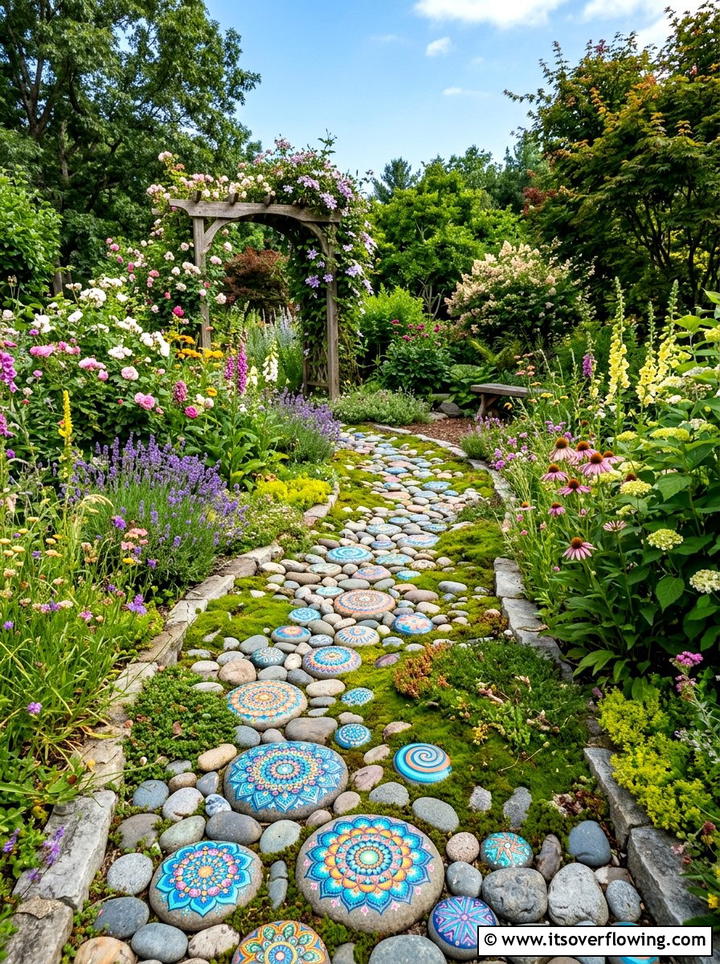
Have you ever considered how a simple set of stones can become a vibrant rainbow guiding your way through the perennials? Painted rocks serve as one of the most accessible and customizable markers for any outdoor trail. You can gather smooth river stones and use weather-resistant acrylic paints to create intricate patterns, solid bright colors, or even motivational words. These small pops of art look stunning nestled among low-growing groundcovers like creeping thyme or moss. Arranging them in a continuous line creates a clear boundary that prevents foot traffic from damaging delicate blooms. This project is perfect for families because it allows everyone to contribute a unique piece to the permanent landscape.
2. Wine Bottle Border
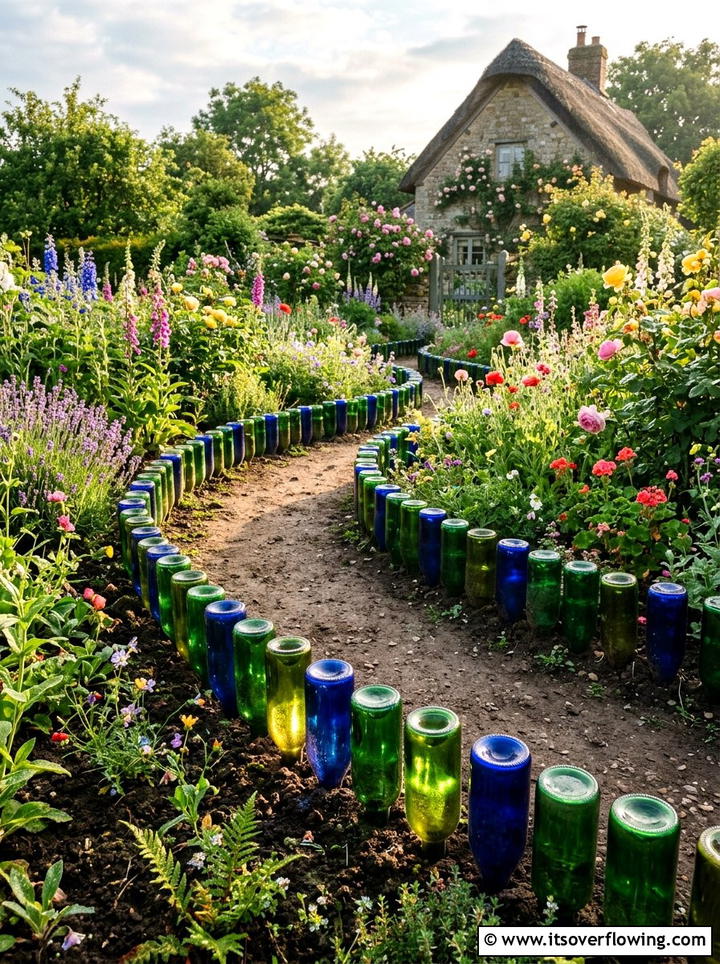
What if your empty glass containers could serve a higher purpose than just sitting in the recycling bin? Inverting colorful wine bottles and burying them halfway into the soil creates a stunning, luminous border for any garden walkway. The glass catches the sunlight during the day, casting beautiful greens, blues, and ambers across the path. This technique is particularly effective for defining curved edges where traditional straight edging fails to bend naturally. When spaced closely together, the rounded bottoms of the bottles create a uniform and sophisticated texture that rivals expensive stone materials. It is a fantastic way to recycle glass while adding a touch of vintage charm to your flower beds.
3. Recycled Brick Path
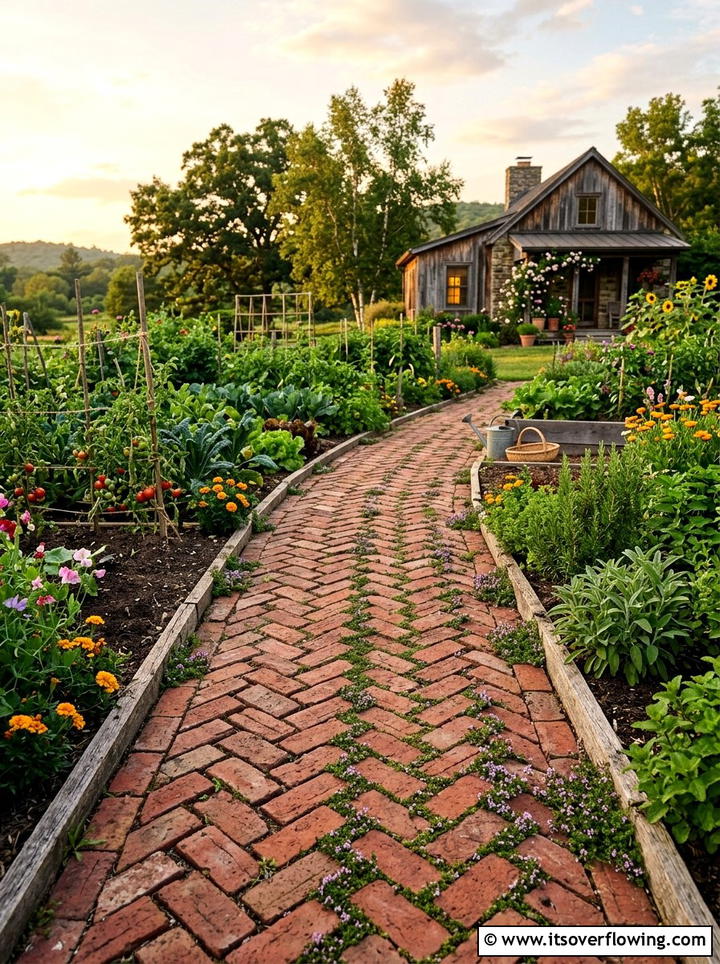
Using salvaged bricks is a timeless way to add a sense of history and structure to your outdoor transitions. Old bricks often feature unique textures and weathered colors that new materials simply cannot replicate. You can lay them in various patterns such as herringbone or basketweave to create a sturdy and reliable surface for walking. These markers work exceptionally well in cottage-style gardens where a slightly uneven, rustic appearance is desired. By setting them into a shallow trench with a bit of sand, you ensure a level path that stands the test of time. Reclaiming these materials from old chimneys or patios prevents waste and gives your garden an established, soulful atmosphere.
4. Terracotta Pot Edging
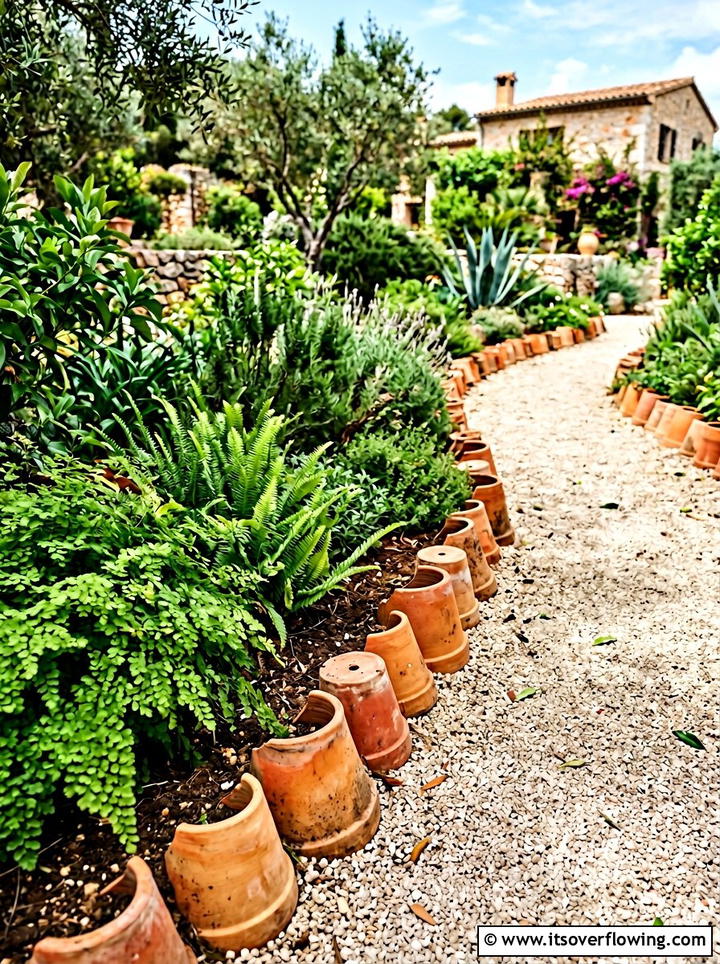
Have you ever found yourself with a stack of cracked or mismatched clay pots gathering dust in the shed? You can partially bury these terracotta vessels along your garden trail to create a rhythmic and organic boundary. The warm orange tones of the clay provide a beautiful contrast against lush green foliage and dark mulch. By angling the pots or nesting them inside one another, you create a sense of movement that leads the eye forward. This method also allows you to plant small succulents or trailing herbs inside the pots themselves, maximizing your growing space. It is a clever way to repurpose garden waste into a functional and artistic landscape feature.
5. Vintage Plate Marker
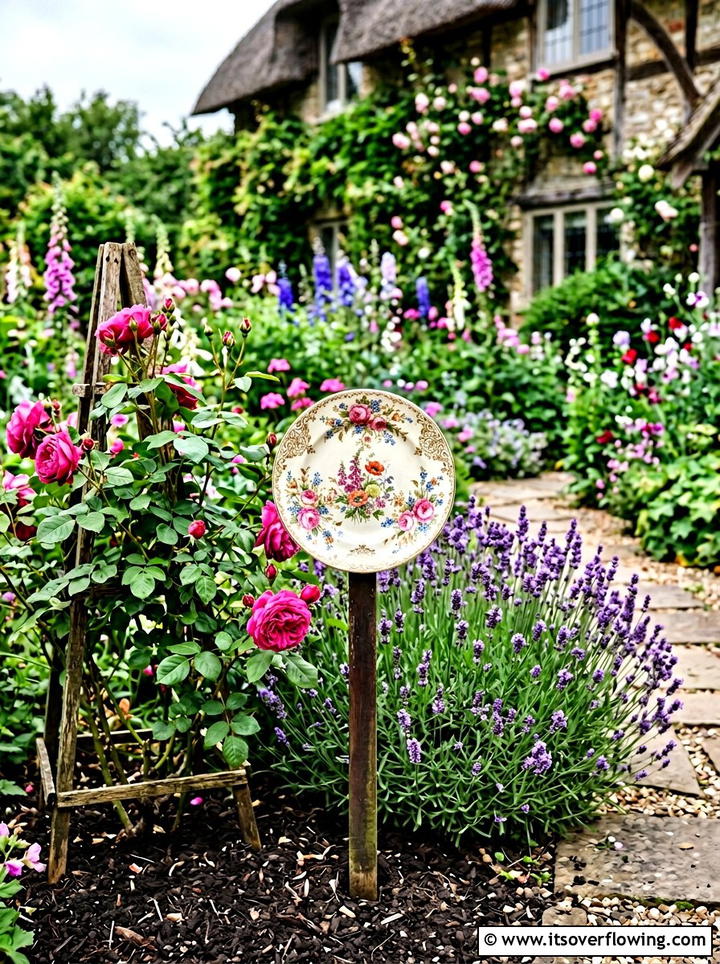
Imagine walking through a secret garden where colorful antique china peeks out from behind the ferns. Using vintage plates as pathway markers is a whimsical way to display family heirlooms or thrift store finds that are too chipped for the table. You can drive the plates vertically into the soft earth to serve as a scalloped border that shines in the afternoon sun. The intricate floral patterns and glazed finishes add a touch of Victorian elegance to even the most casual backyard setting. This design choice works best in sheltered areas where the delicate porcelain is protected from heavy impact. It creates a nostalgic atmosphere that feels both personal and incredibly creative.
6. Tree Branch Slice
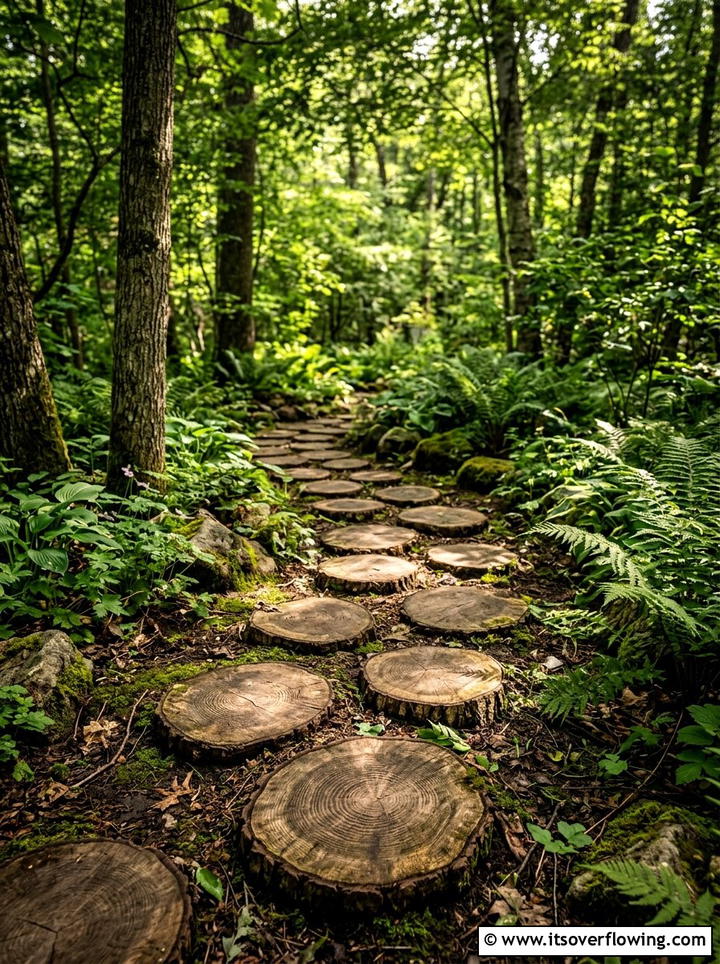
Wooden rounds cut from fallen logs offer a natural and rustic way to define your garden corridors. These organic stepping stones bring a forest-like quality to your landscape, making every step feel like a hike through the woods. You should seal the wood with a clear preservative to prevent rot and keep the beautiful grain patterns visible for years. When spaced out along a mulched path, they provide a solid footing that protects your lawn from being compacted by heavy foot traffic. The varying diameters of the slices add visual interest and a handcrafted feel that synthetic materials lack. It is a perfect zero-cost solution for a shaded woodland garden.
7. Metal Spoon Stake
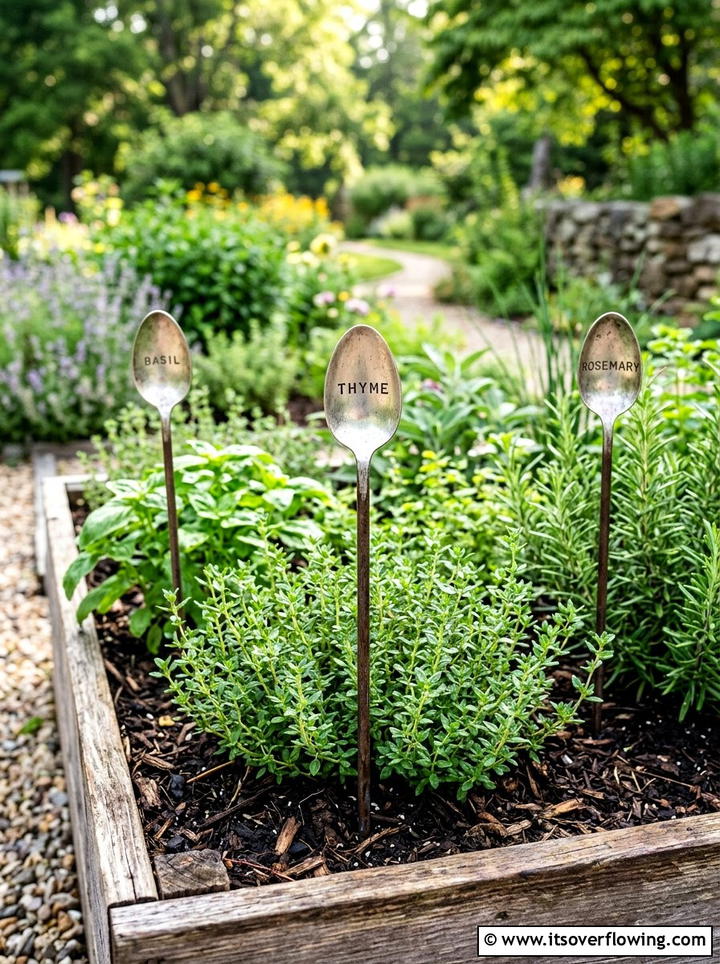
Repurposing old silverware into garden stakes is a delightful way to label your plants while marking your progress through the yard. You can flatten the heads of vintage spoons and use metal stamps to engrave the names of herbs or vegetables. These shiny accents catch the light and provide a modern, industrial touch to the soft textures of your garden beds. Placing them at regular intervals along a narrow path helps define the walkway while serving a practical purpose for the gardener. The silver or stainless steel finish remains bright even after rain, ensuring your markers are always easy to spot. It is a clever upcycling project that combines utility with artistic flair.
8. Upcycled Tire Planter
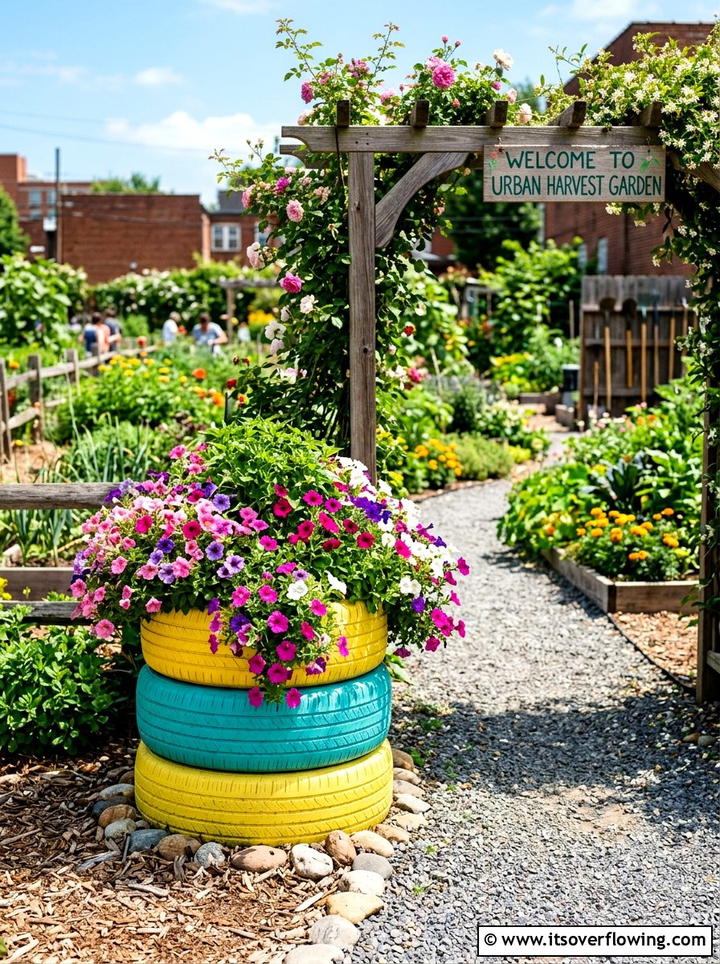
Old tires are often difficult to dispose of, but they can be transformed into vibrant and sturdy markers for your garden journey. By painting the tires in bold, cheerful colors and stacking them, you create raised planters that clearly delineate where the path begins and ends. Filling these containers with cascading flowers like petunias or creeping phlox softens the industrial look of the rubber. This approach is excellent for creating a tiered effect in your landscape, adding height and dimension to flat areas. The durability of the tires ensures they will withstand harsh weather conditions without cracking. It is a sustainable way to turn a common waste product into a focal point.
9. Sea Shell Trail

Bring the calming essence of the coast to your backyard by using large sea shells as delicate trail indicators. Oversized conchs or clusters of white scallop shells look beautiful when nestled into a bed of fine gravel or sand. These natural elements provide a bright, clean look that guides the eye through shaded parts of the garden. The shells reflect moonlight, making the path easier to navigate during twilight hours without the need for artificial lighting. This style works exceptionally well in Mediterranean or tropical-themed landscapes where sand and stone are prominent. Using shells is a wonderful way to commemorate past vacations while creating a serene and breezy atmosphere in your outdoor space.
10. Old Boot Border
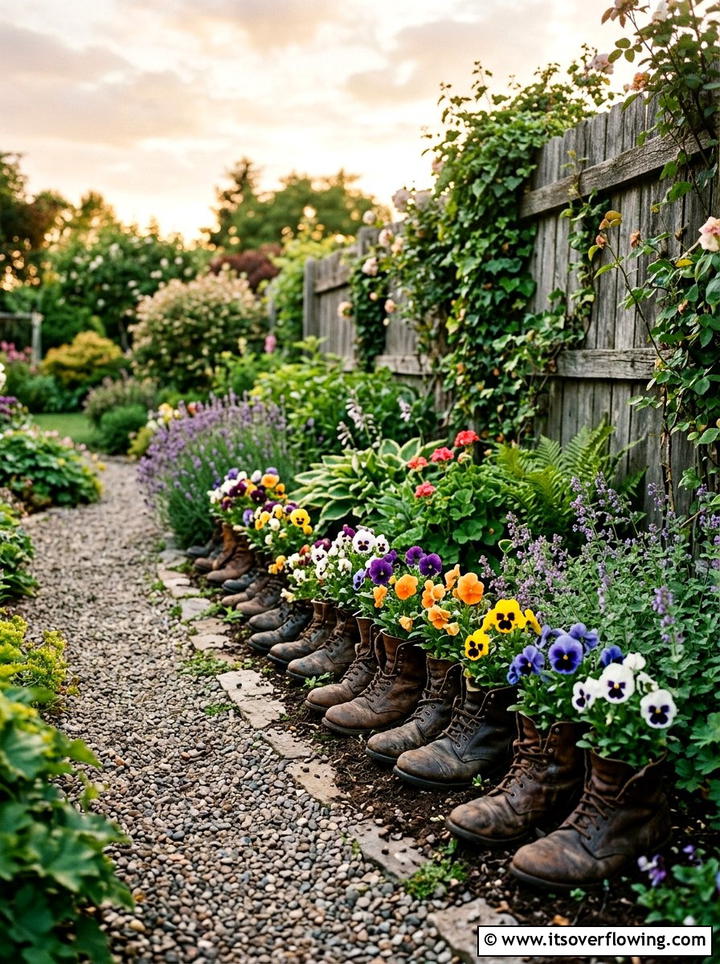
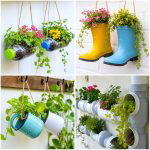
There is something incredibly charming about a pair of well-worn work boots repurposed as a home for cheerful pansies. Placing a series of old boots along the edge of your walkway creates a quirky and story-filled border that guests will adore. You can use boots of various sizes and colors to add a sense of playfulness and personality to your garden design. Simply drill a few drainage holes in the soles, fill them with potting soil, and plant your favorite seasonal blooms. These sturdy containers act as heavy-duty markers that stay in place even during windy weather. It is a fantastic way to honor the hard work put into your garden over the years.
11. Bowling Ball Globe
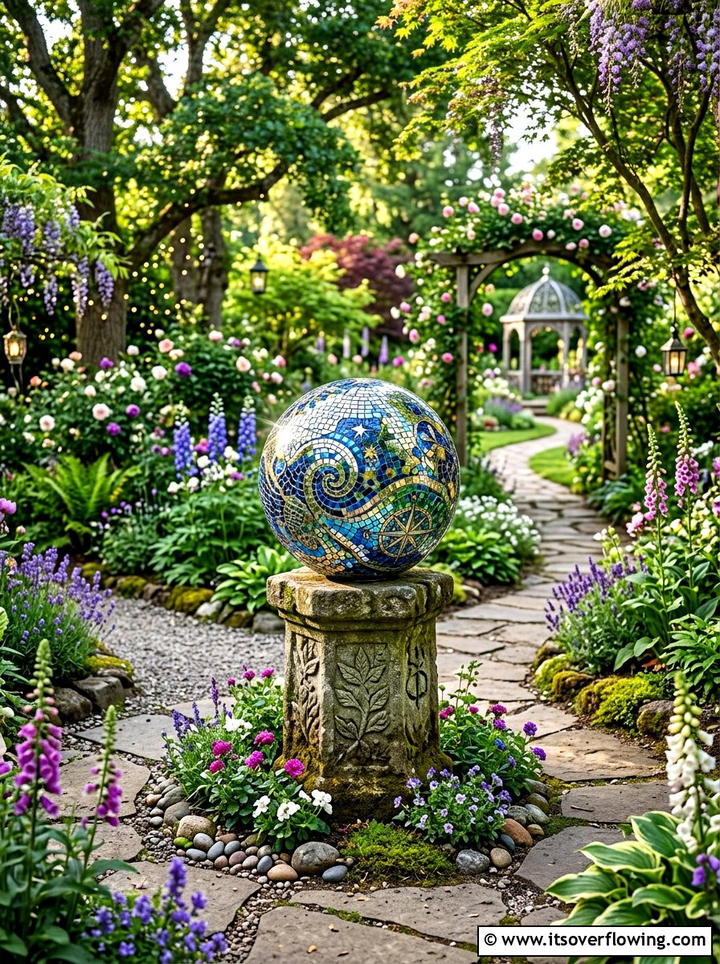
Have you ever seen a discarded bowling ball and wondered if it could become a piece of high-end garden art? By covering these heavy spheres with glass gems, mosaic tiles, or even metallic spray paint, you create reflective globes that mark the path. Placing these sparkling orbs at key turning points along your walkway adds a sense of mystery and luxury to the landscape. They act as heavy anchors that do not shift, providing a permanent and low-maintenance decorative element. The round shape provides a nice contrast to the sharp angles of garden beds and fences. These recycled globes turn any ordinary path into a gallery-like experience that captures the imagination of visitors.
12. Reclaimed Wood Boardwalk
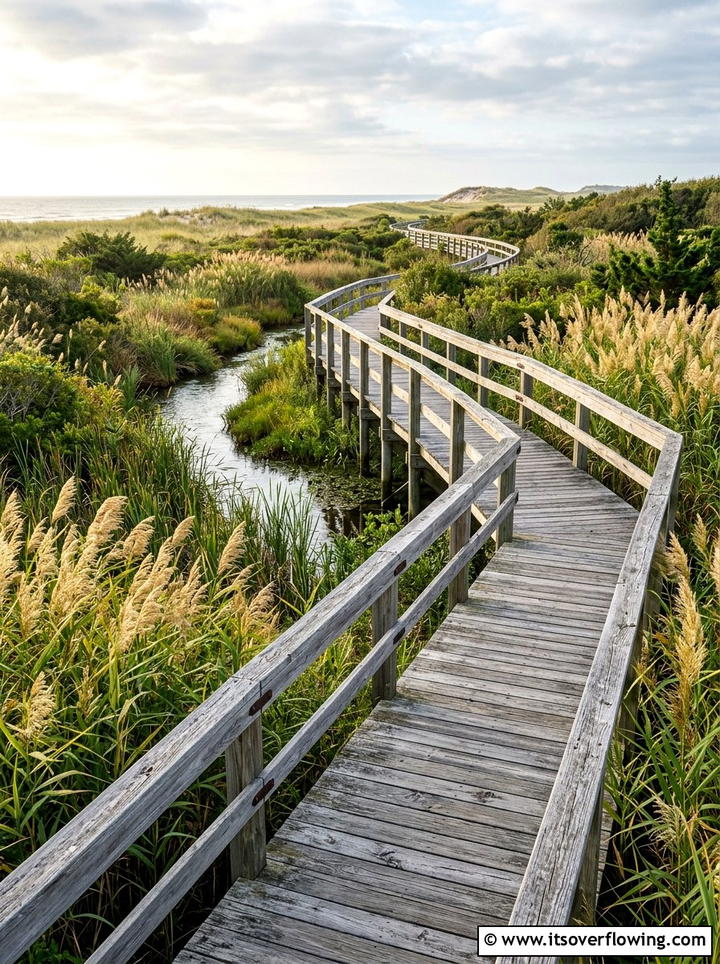
Creating a boardwalk using reclaimed lumber or shipping pallets is an excellent way to navigate damp or uneven areas in your yard. The weathered texture of old wood provides a slip-resistant surface and a warm, rustic aesthetic that blends perfectly with nature. You can lay the planks horizontally to create a traditional pier look or vertically for a more modern, streamlined appearance. This structure elevates the walker above the soil, protecting delicate root systems and keeping shoes clean during the rainy season. Using recycled wood is environmentally friendly and significantly cheaper than purchasing new decking materials. It adds a structured, architectural element that defines the flow of your entire outdoor living area with ease.
13. Concrete Leaf Casting
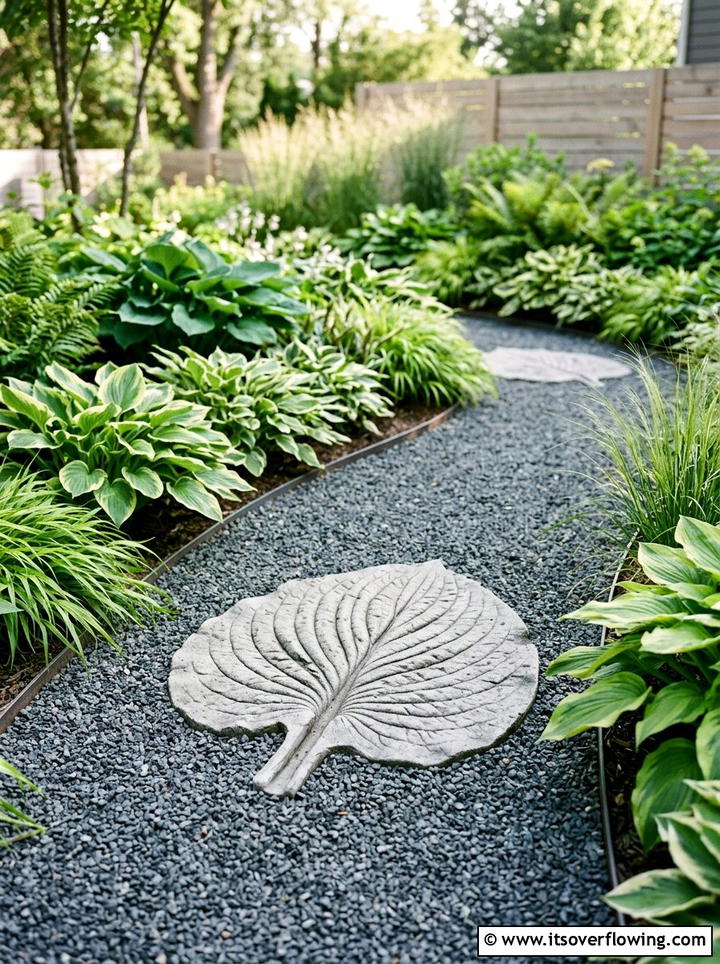
Using large leaves from your own garden to create concrete stepping stones is a wonderful way to capture the fleeting beauty of nature. Rhubarb or hosta leaves are perfect for this project because of their deep, intricate veins and wide surface area. By pouring a simple concrete mix over the leaf, you create a permanent stone that looks like a fossilized treasure. These markers provide a subtle and sophisticated look that guides guests through your greenery without appearing intrusive. The textured surface of the concrete prevents the stones from becoming slippery when wet, making them safe for year-round use. It is a creative way to integrate the specific flora of your region into your path design.
14. Antique Tool Ornament
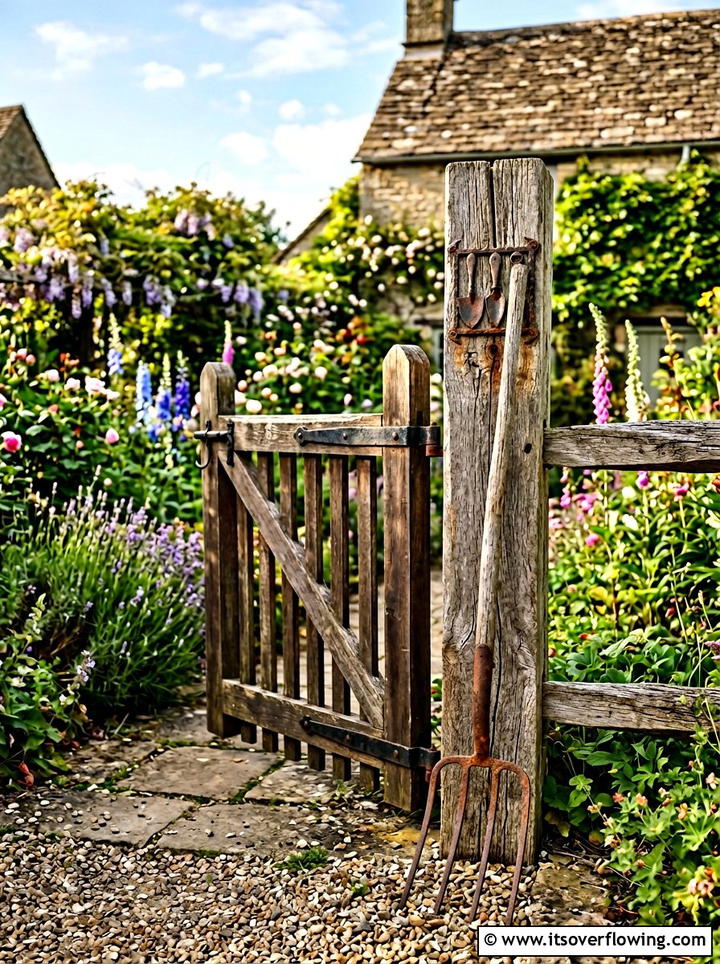
Old shovels, rakes, and pitchforks that are no longer functional can find a second life as decorative markers in your flower beds. Lean these metal relics against a fence or stake them into the ground to provide a vertical boundary for your walkway. The rusty patina of vintage steel offers a beautiful, earthy color palette that complements the bright greens and reds of a summer garden. These tools tell a story of hard work and tradition, adding a soulful layer to your landscape design. By grouping them together, you create a focal point that anchors the path and provides structure. It is an easy way to achieve a professional, curated look using items found at garage sales.
15. Glass Marble Mosaic
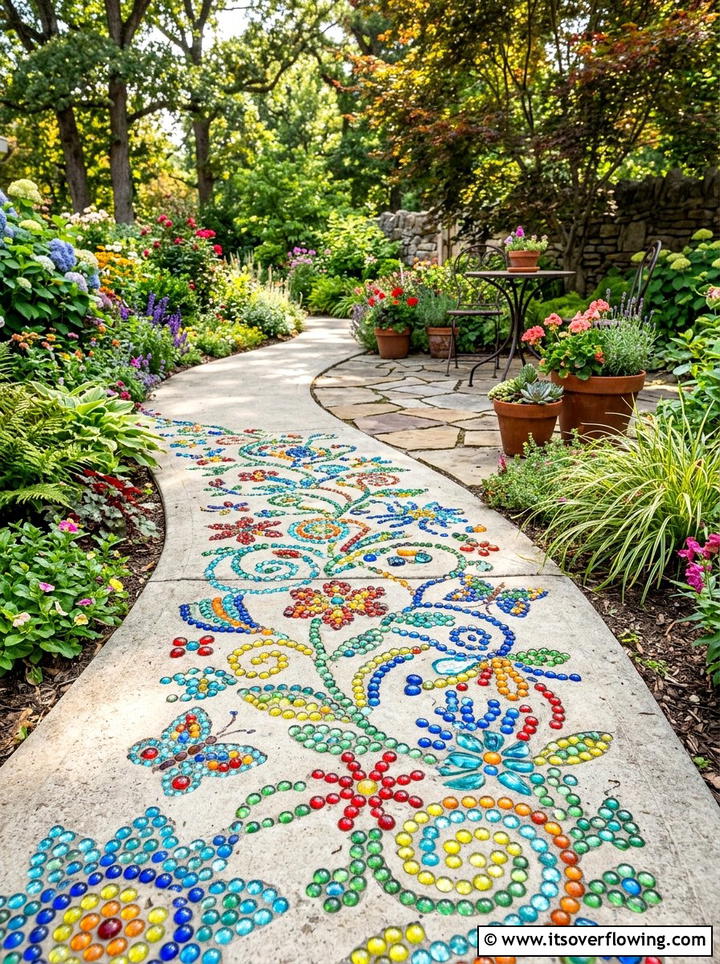
Adding a touch of sparkle to your garden path can be as simple as pressing glass marbles into a wet concrete base. These small, colorful gems catch the sunlight and create a shimmering effect that feels magical and inviting. You can arrange the marbles in geometric patterns or random clusters to guide the way through your outdoor sanctuary. This technique is particularly effective for small patios or entryways where people walk slowly and can appreciate the fine details. The smooth surface of the marbles is comfortable for bare feet, making it a great choice for family-friendly spaces. It is a low-cost method to transform a plain gray walkway into a vibrant work of art.

16. Copper Pipe Accent
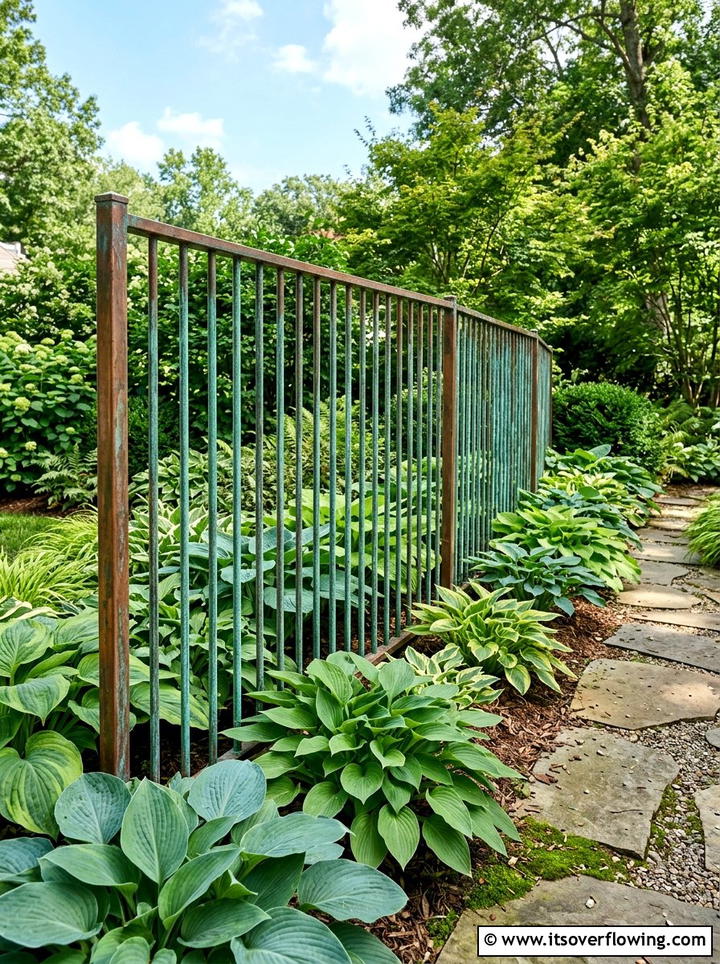
Recycled copper piping can be used to create sleek and modern markers that develop a beautiful green patina over time. You can cut the pipes into different lengths and drive them into the ground to create a minimalist boundary for your path. These vertical elements provide a sophisticated contrast to the wild and organic shapes of your plants. Adding a solar light or a glass bauble to the top of each pipe can turn them into functional evening lanterns. The metallic glint of the copper adds a touch of luxury and industrial chic to any contemporary garden setting. It is a durable material that requires very little maintenance once installed in your outdoor landscape.
17. Scalloped Roof Tile
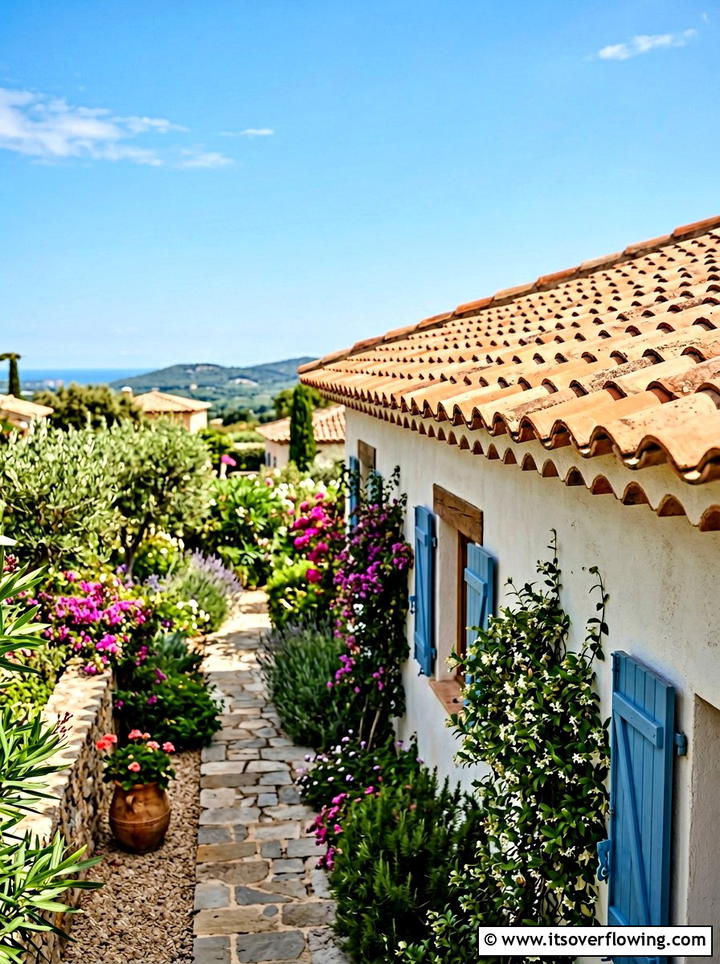
Old terracotta or slate roof tiles can be easily repurposed into a sophisticated and rhythmic edging for your garden walkways. By partially burying the tiles on their side, you create a clean, scalloped line that keeps mulch in place and weeds out. The repetition of the curved or flat shapes provides a sense of order and professional design to your backyard. These materials are incredibly weather-resistant and will maintain their color and integrity for decades. This approach is perfect for defining long, straight paths where you want a consistent and polished look. Reusing roofing materials is a smart way to save money while achieving a high-end, architectural feel in your outdoor living space.
18. Driftwood Garden Path
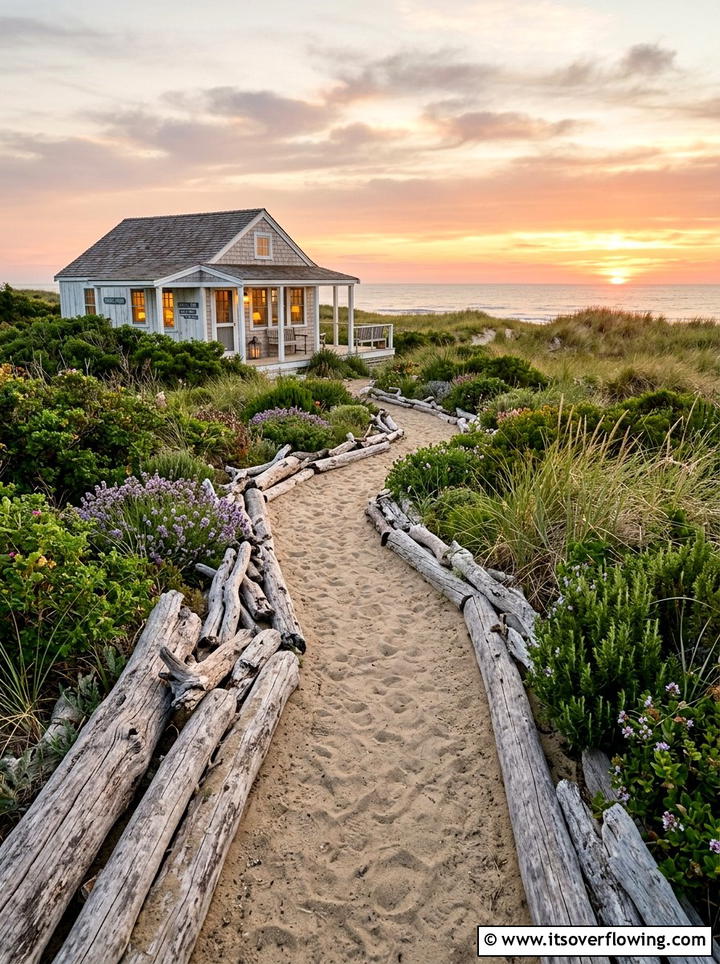
If you live near the coast, weathered pieces of driftwood can be used to create a stunning and ethereal boundary for your trails. The sun-bleached wood and twisted shapes provide a sculptural quality that looks beautiful against a backdrop of ornamental grasses. You can lay the larger logs along the edges of the path or use smaller pieces to create a mosaic-like surface for walking. The gray and silver tones of the wood blend seamlessly with the natural landscape, making the path feel like it has always been there. This style is perfect for a relaxed, coastal-inspired garden that prioritizes texture and form over bright colors. It is a free and sustainable way to decorate.
19. Log Cabin Edging
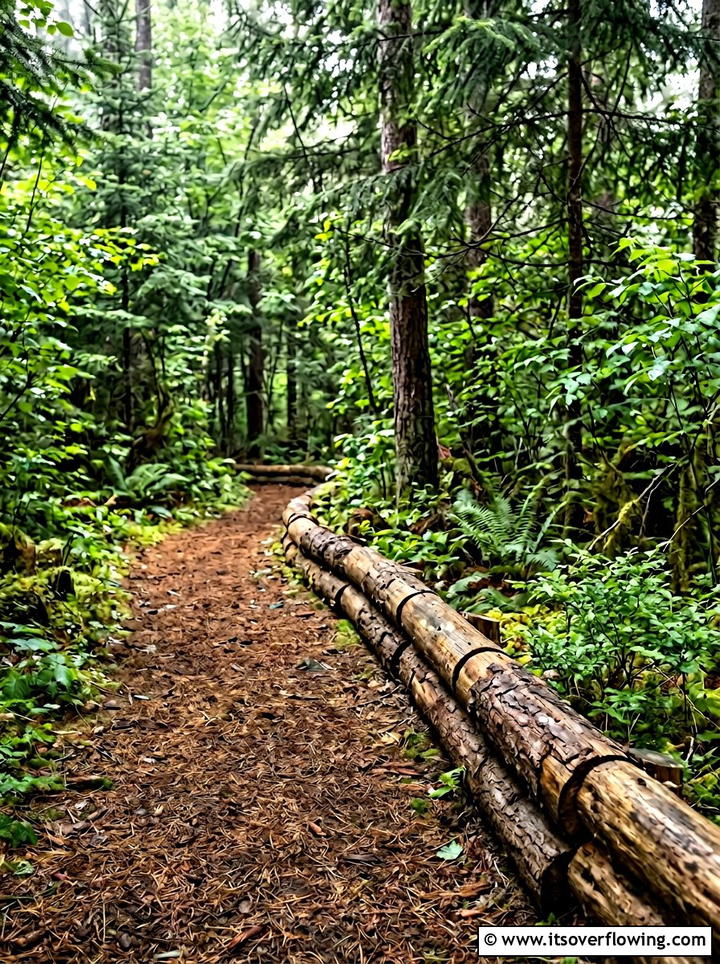
Stacking small, uniform logs in a low wall is a classic way to mark your garden paths while providing a rustic, cabin-like feel. This technique works particularly well in large yards where you need a substantial border to separate the lawn from the wooded areas. The natural wood provides a cozy and grounded atmosphere that encourages a slower pace as you walk through the garden. Over time, the logs may host beautiful mosses and lichens, further integrating the structure into the surrounding environment. It is a great way to use wood from fallen trees or thinning projects on your property. This sturdy boundary ensures that your pathways remain clearly defined throughout the changing seasons.

20. Galvanized Bucket Line
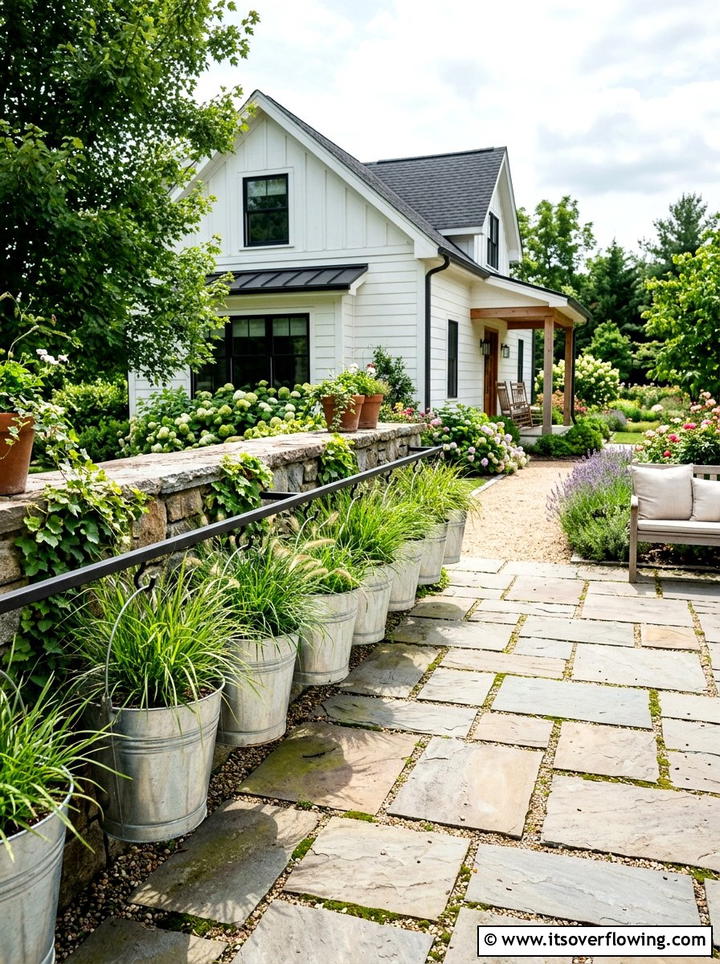
Vintage galvanized buckets can be used as oversized markers that double as mobile planters along your garden’s main thoroughfare. Arranging these silver containers in a neat row provides a cohesive and industrial-farmhouse look that is very popular on Pinterest. You can fill the buckets with tall grasses for privacy or bright annuals for a splash of seasonal color. The reflective surface of the metal helps brighten up shady corners of the yard, making the path feel more open and airy. Because they are portable, you can easily rearrange your path markers to suit different events or seasons. It is a practical and stylish way to recycle old farm equipment into modern garden decor that lasts.
21. Bicycle Wheel Trellis
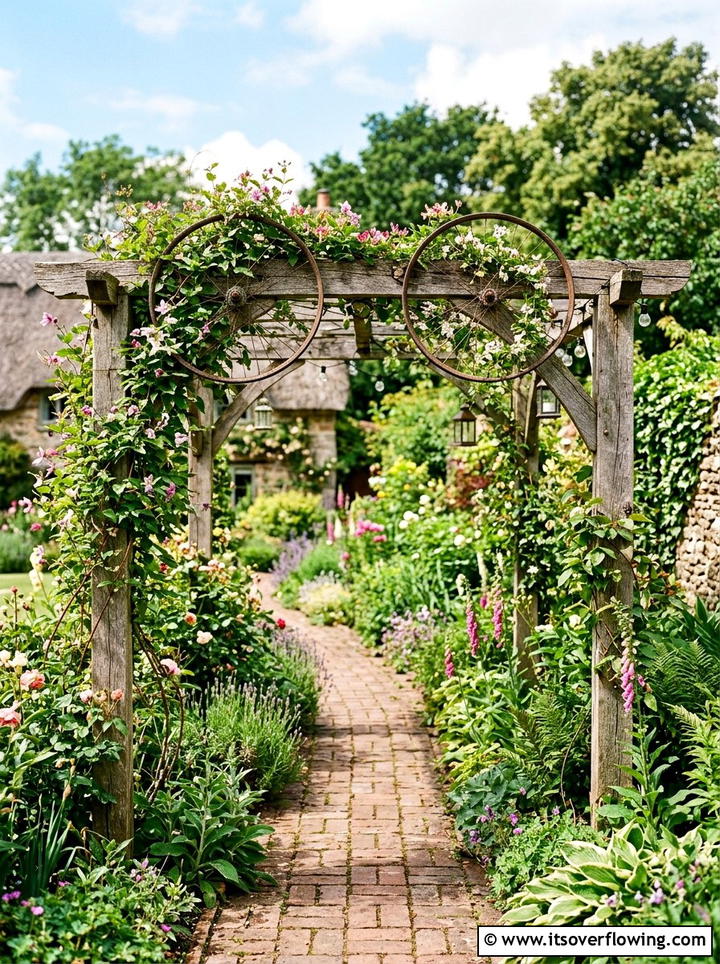
Old bicycle wheels can be repurposed into unique and circular markers that add a sense of movement and whimsy to your path. By mounting the wheels on wooden stakes, you create a beautiful trellis for climbing vines like sweet peas or clematis to grow over the walkway. The thin spokes create a delicate pattern against the sky, casting interesting shadows on the ground below. These circular frames act as gateways that guide you from one area of the garden to another with a touch of vintage charm. This project is a great way to recycle scrap metal while adding height and architectural interest to your landscape. It turns a simple walk into an interactive experience.
22. Ceramic Shard Mosaic
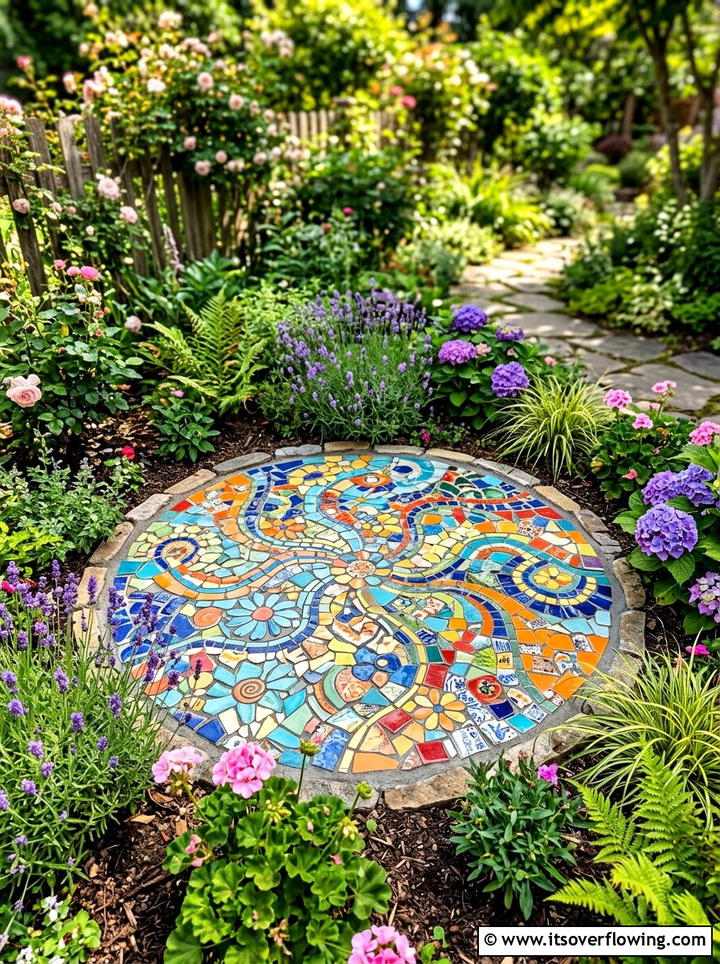
Do not throw away that broken flower pot or ceramic vase when you can turn the pieces into a beautiful mosaic walkway. Small, colorful shards can be embedded into stepping stones or used to fill the gaps between larger pavers for a bohemian look. The variety of colors and patterns creates a vibrant tapestry that draws the eye downward and makes every step interesting. This technique allows you to customize your path with personal symbols, initials, or abstract designs that reflect your creative spirit. It is an excellent way to keep sentimental but broken items in your life by giving them a permanent home in the garden. This mosaic style adds a handcrafted, artistic feel to your home.
23. Wooden Pallet Walkway
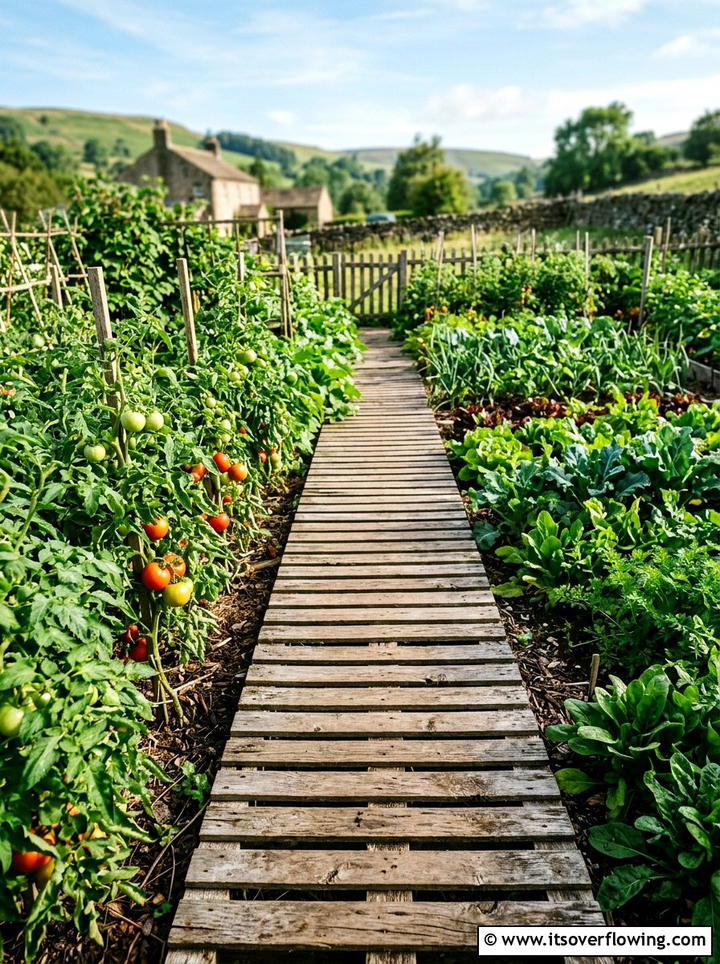
Shipping pallets are a goldmine for the DIY gardener looking to create a functional and affordable path through a vegetable patch. You can disassemble the pallets and lay the sturdy slats close together to create a flat, wooden surface that keeps your feet out of the mud. The natural wood look is perfect for a hardworking garden where utility and aesthetics need to be balanced. It provides a clear lane for wheelbarrows and heavy equipment while protecting the soil from compaction. If you want a more finished look, you can stain the wood to match your deck or fence. This project is a great example of how industrial waste can be transformed into a valuable garden asset.
24. River Stone Cairn
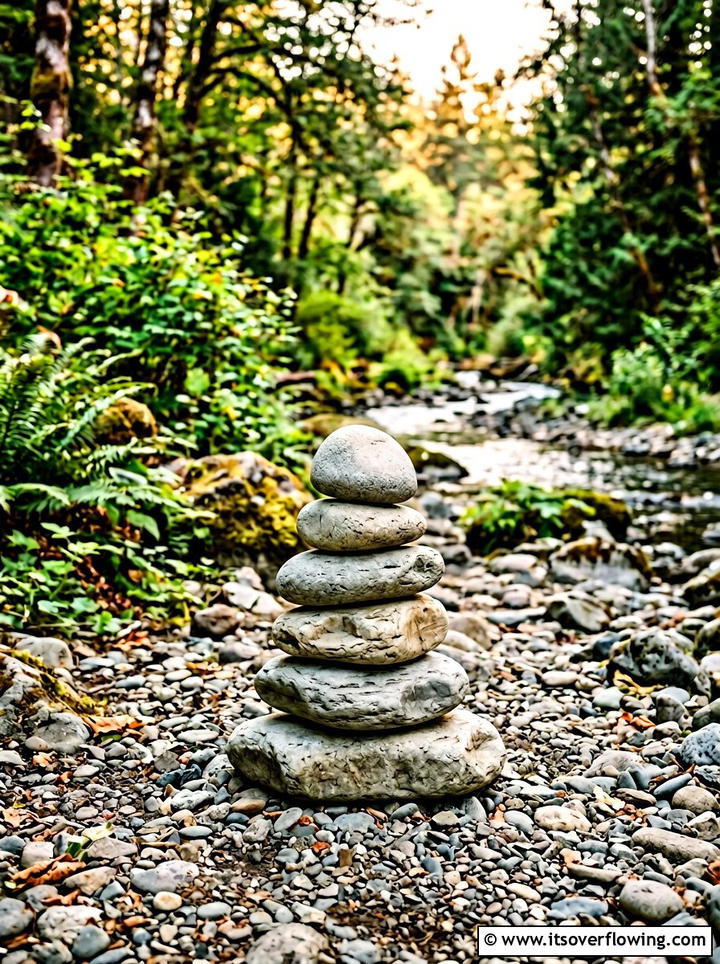
Stacking smooth river stones into tall, artistic cairns is a peaceful way to mark the junctions and entry points of your garden trails. These ancient-looking structures provide a sense of balance and zen, making your outdoor space feel like a quiet sanctuary for reflection. The simple act of balancing the stones creates a unique sculpture that changes depending on the angle of the sun. Cairns are excellent for marking paths in rock gardens or minimalist landscapes where you want to maintain a sense of openness. They require no tools or adhesives, making them a completely natural and non-intrusive way to guide guests through your property. This design choice adds a touch of mystery and timeless beauty to the yard.
25. Tin Can Lantern
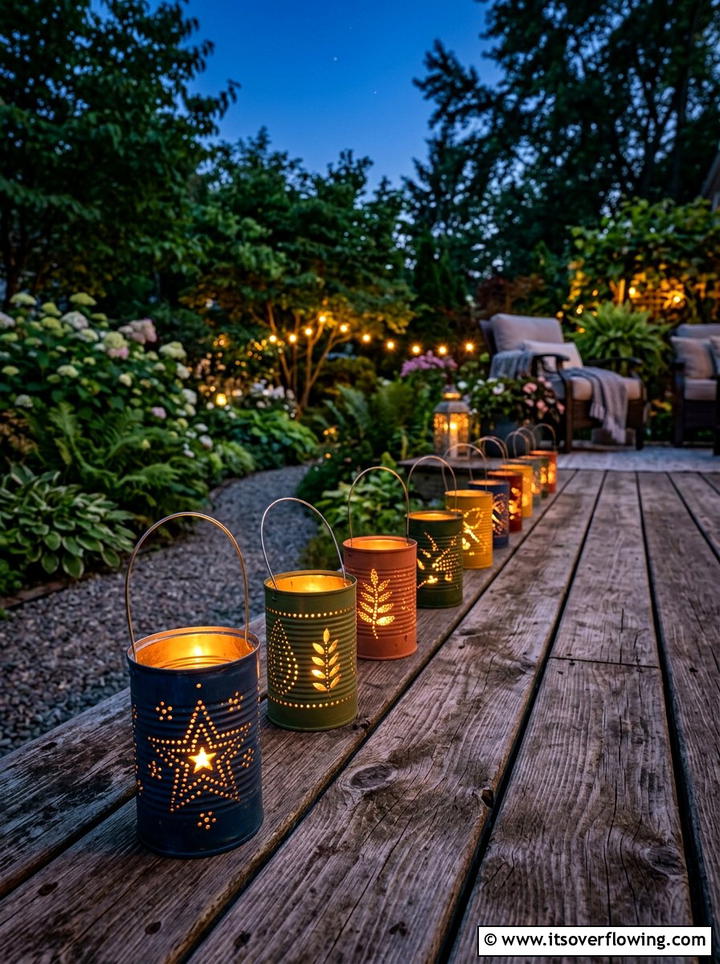
Have you ever thought about how simple tin cans can be used to light your way through the garden at night? By punching holes into the sides of the cans in decorative patterns, you create beautiful lanterns that act as luminous markers for your path. During the day, the painted metal adds a pop of color to the walkway, while at night, the flickering light creates a cozy and romantic atmosphere. You can hang them from shepherd’s hooks or place them directly on the ground to define the edges of the trail. This project is a fun and easy way to recycle household waste into functional garden lighting. It ensures your garden remains a beautiful and safe destination even after the sun goes down.
Conclusion:
Investing your time in creating upcycled garden markers is a rewarding way to enhance your outdoor appeal while practicing environmental stewardship. These ideas demonstrate that beauty and functionality can be achieved using simple, recycled materials found right in your home. By choosing to repurpose items like old bricks or glass bottles, you add layers of personality to your landscape that store-bought items simply cannot provide. A garden should be a reflection of your unique style and a sanctuary where nature and creativity coexist harmoniously. We hope these projects inspire you to look at discarded items with fresh eyes and start building a path that is truly your own. Transforming your backyard into a stunning escape is a journey worth taking.

Related posts:
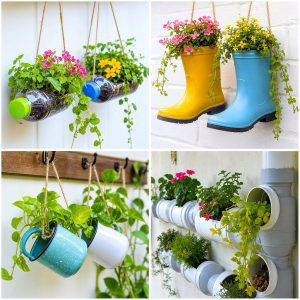 25 Upcycled Garden Ideas With Hanging Planters to Try
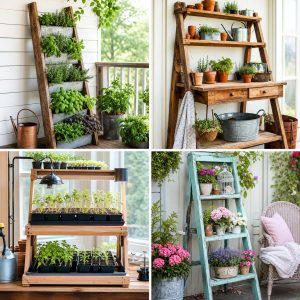 25 Upcycled Garden Ideas With Ladder Shelves to Try
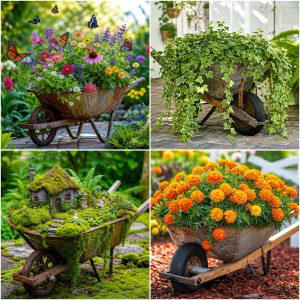 25 Upcycled Garden Ideas With Old Wheelbarrows to Try
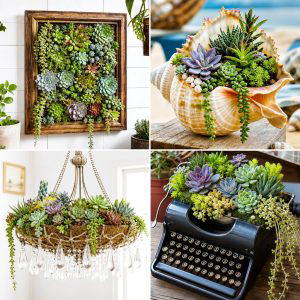 25 Upcycled Garden Ideas With Succulent Planters to Try
 25 Upcycled Garden Ideas With Concrete Scraps To Try
 25 recycled garden ideas with garden markers: Fun DIYs
 25 Recycled Garden Ideas With Bottle Caps to Try
 25 recycled garden ideas with recycled metal art to Try
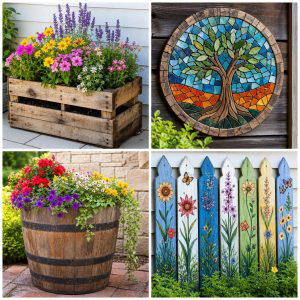 25 recycled garden ideas with recycled wood art to Try
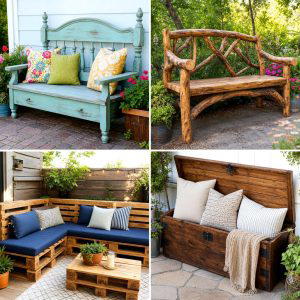 25 Upcycled Garden Ideas With Garden Benches for Cozy Seating
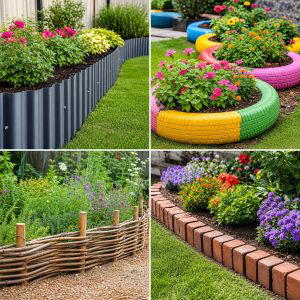 25 Upcycled Garden Ideas With Garden Edging for Neat Borders
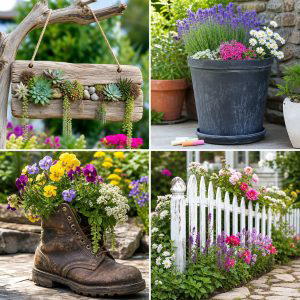 25 Upcycled Garden Ideas With Garden Signs for Cute Yard Decor