
Creating a garden that feels personal and unique often starts with the charm of upcycled materials and creative signage. Transforming everyday items into garden features not only saves money but also adds a layer of history and character to your outdoor space. Whether you are using old wooden pallets, vintage tools, or reclaimed windows, the possibilities for customization are truly endless. Adding hand-crafted signs helps to tell a story and guide visitors through your lush greenery. This approach to landscaping promotes sustainability by keeping waste out of landfills while allowing your artistic side to shine through every flower bed and pathway. You can easily turn a simple backyard into a whimsical sanctuary that reflects your personality and style perfectly.
1. Pallet Wood Herb Garden
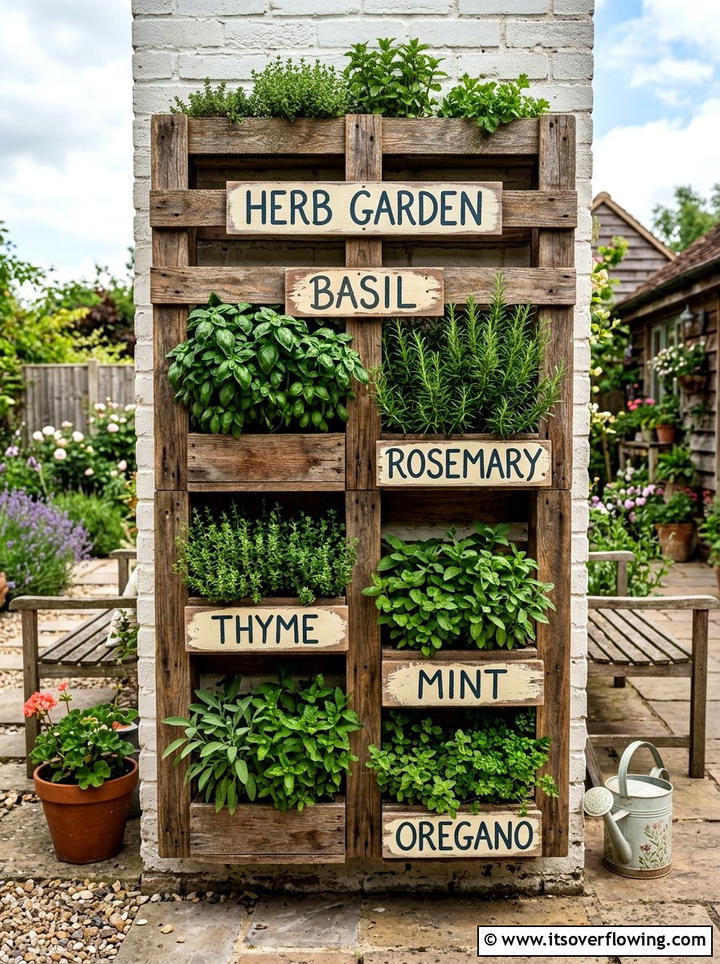
Building a vertical herb garden from a reclaimed wooden pallet is a smart way to save space in a small backyard. You can lean the pallet against a fence or mount it on a sturdy wall to create a lush wall of greens. Each horizontal slat acts as a natural shelf for your basil, mint, and thyme to grow comfortably. To add a personalized touch, use small wooden signs or chalkboard paint to label each herb clearly for easy harvesting. This setup keeps your kitchen essentials within reach while providing a beautiful, textured backdrop for your patio. The weathered wood offers a rustic aesthetic that complements the vibrant green leaves of your fresh herbs.
2. Vintage Door Planter
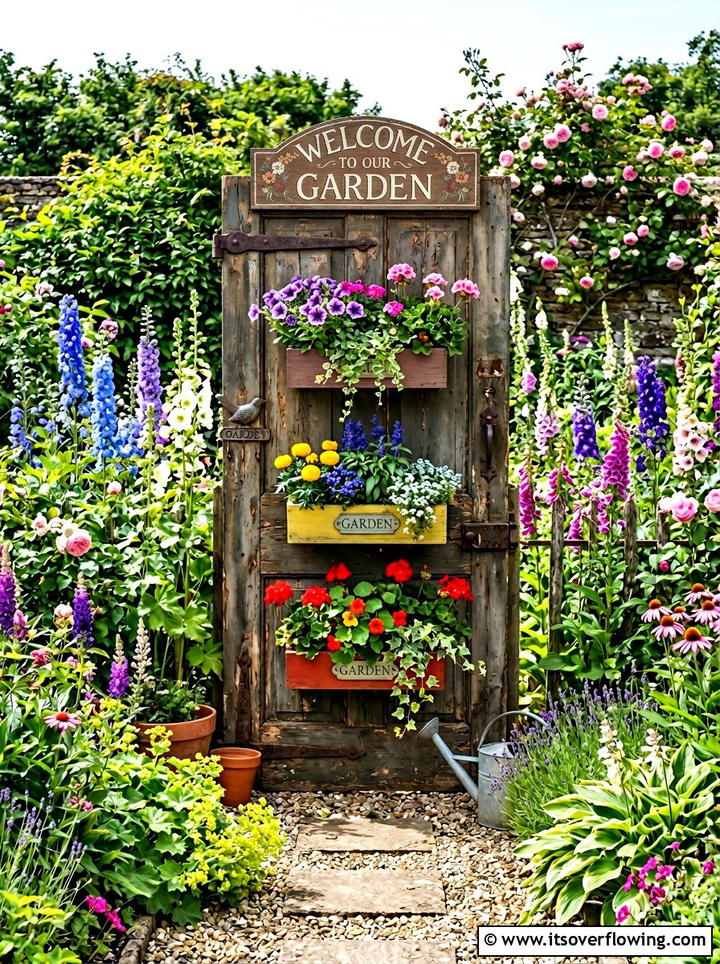
Using an old wooden door as a garden backdrop creates an instant focal point that feels nostalgic and charming. You can lean the door against a large tree or a shed and attach several small planters or boxes directly to its surface. A large, hand-painted sign at the top can welcome guests or identify the specific garden zone, such as a cutting garden. This design allows you to play with height and layers, making even a flat area of the yard look more dynamic. Surround the base with tall perennials to ground the piece and integrate it into the landscape. It is a wonderful way to give a discarded architectural piece a brand-new life.
3. Wood Crate Garden
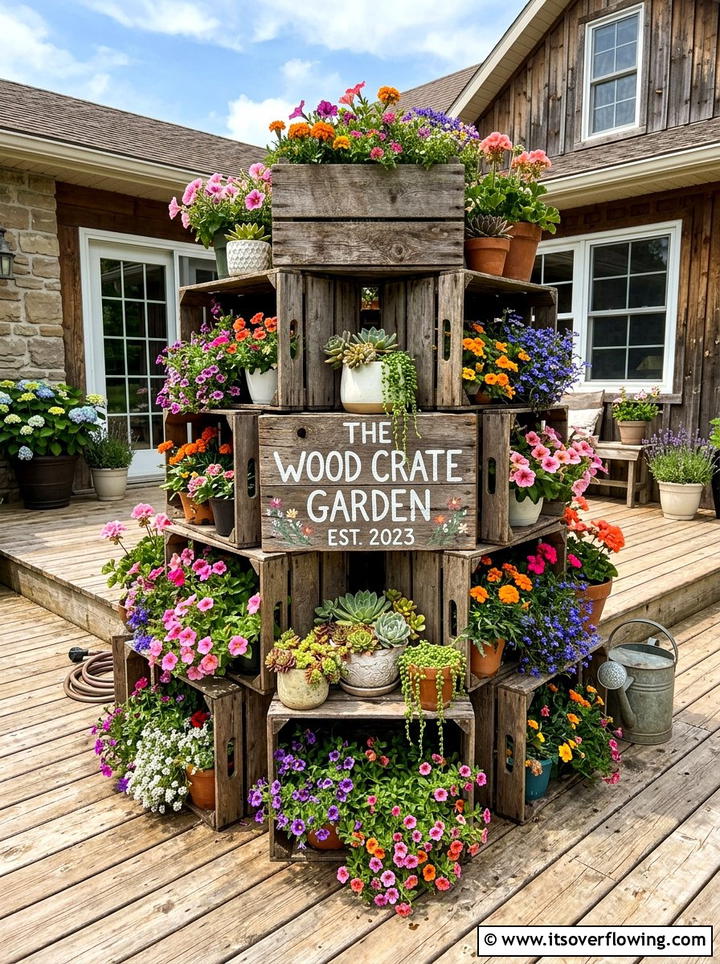
Stacking several old wooden crates is a great way to create a multi-level planter that looks organized and intentional. You can arrange the crates in a pyramid shape or a long row to define a specific area of your porch. Each crate can hold different types of annuals or succulents, providing a variety of colors and textures in one spot. Adding a rustic wooden sign to the front of the display helps to tie the whole theme together beautifully. This portable garden is perfect for renters or anyone who likes to rearrange their outdoor decor frequently. The natural grain of the crates adds warmth and a cozy farmhouse feel to any outdoor setting.
4. Old Window Trellis
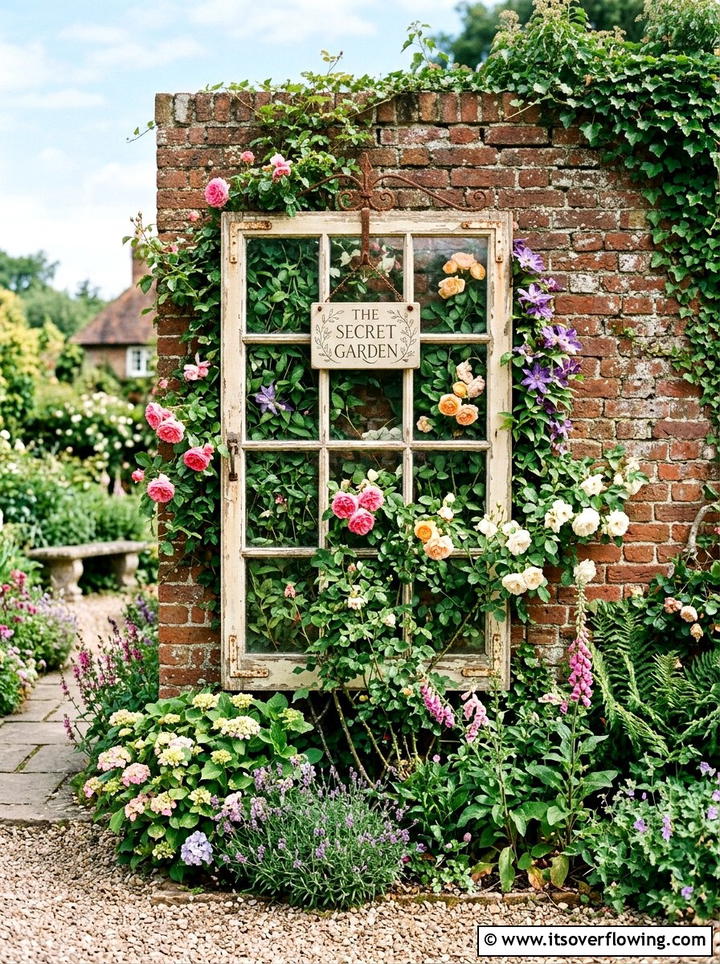
A vintage window frame with the glass removed makes for a stunning and unexpected trellis for climbing plants. You can secure the frame between two posts or lean it against a brick wall where vines like clematis can grow. Hanging a small, decorative sign from the top of the window adds a layer of detail that catches the eye. This structure provides essential support for your plants while serving as a piece of outdoor art that stays beautiful all year. The peeling paint and classic lines of the window add a sense of history and romance to your garden beds. It is an easy project that makes a very big visual impact.
5. Antique Chair Garden
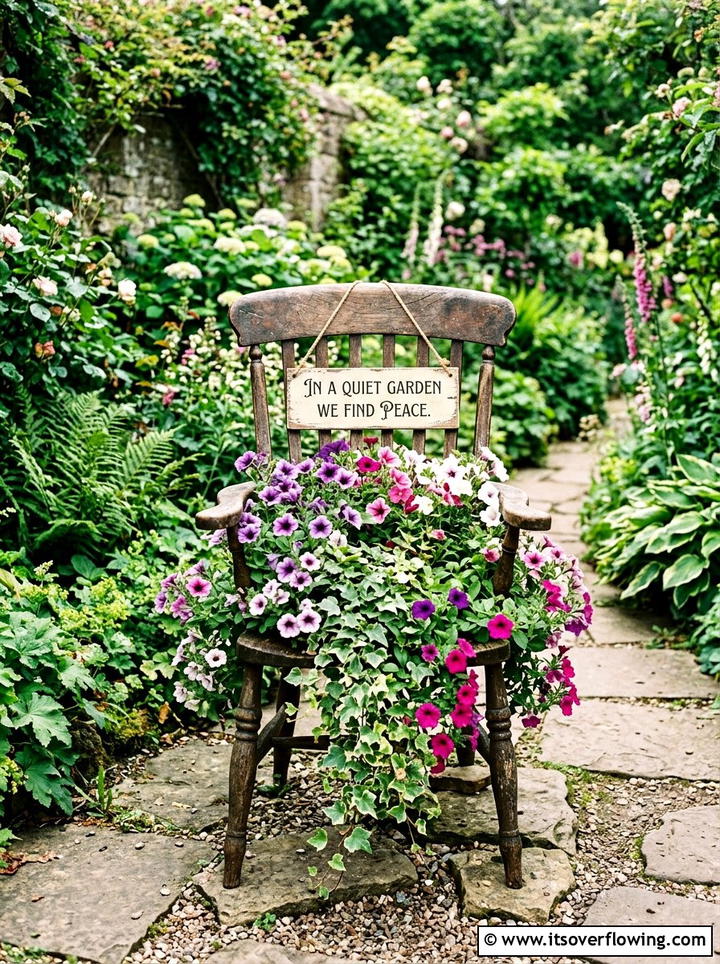
Turning a broken or vintage wooden chair into a planter is a whimsical way to add personality to a quiet garden corner. You can remove the seat and place a coco liner or a plastic pot inside the opening to hold flowers. Spilling vines like ivy or petunias look especially lovely as they drape over the backrest and down the legs. A small sign tied to the chair back can display a sweet quote or the name of the garden area. This unique feature acts as a conversation starter and looks like it stepped right out of a fairy tale. It is a simple way to recycle furniture that is no longer safe for sitting.
6. Galvanized Bucket Planter
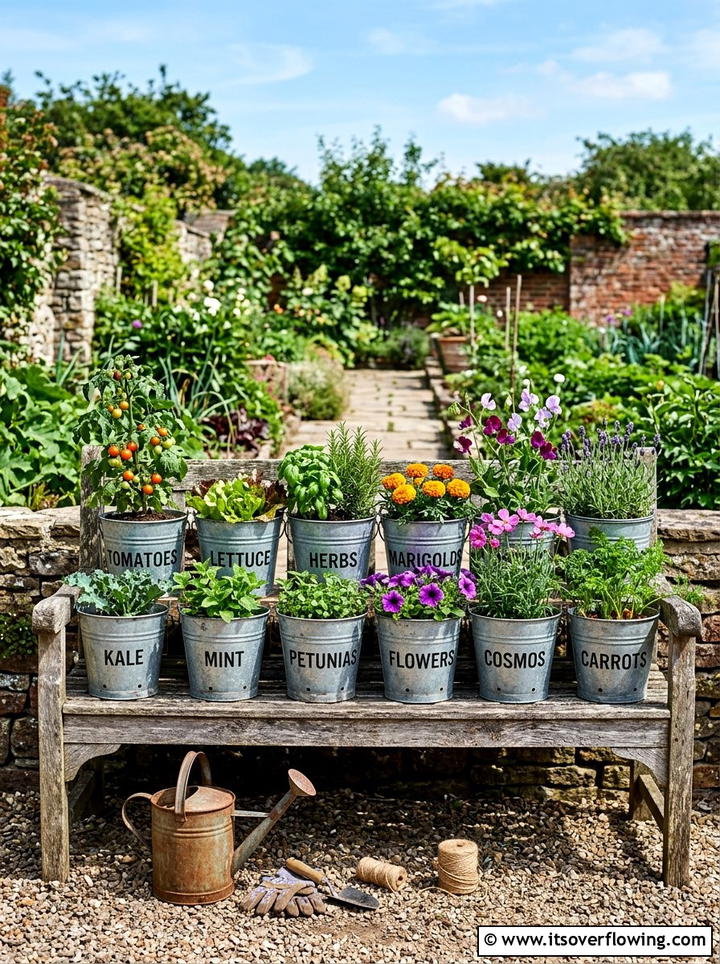
Arranging a collection of galvanized metal buckets creates a cohesive and durable container garden that resists the elements very well. You can group buckets of various sizes on a wooden bench or along a stone pathway for a clean, industrial look. Using stencils to paint labels or signs directly onto the metal surfaces helps you keep track of your different plant varieties. These containers are excellent for growing vegetables like tomatoes or peppers because they provide plenty of depth for root growth. The silver finish of the metal reflects light and contrasts beautifully with dark soil and bright flowers. This setup is both practical and stylish for any modern or rustic outdoor space.
7. Vintage Wheelbarrow Garden
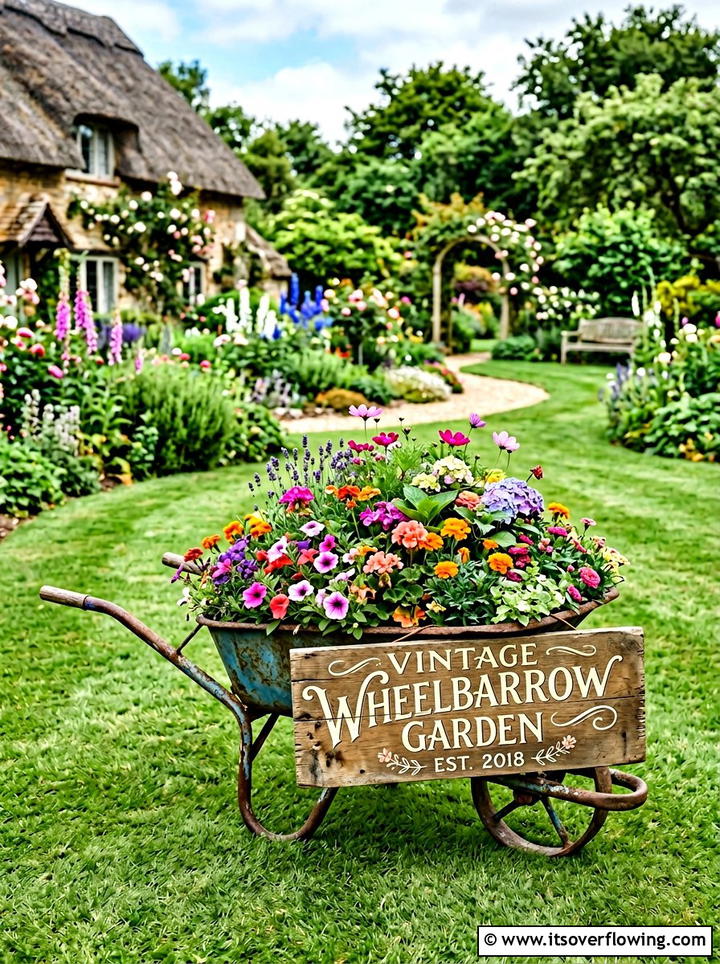
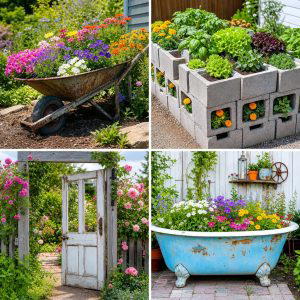
An old metal wheelbarrow makes a fantastic mobile planter that you can move around to follow the sun or change your layout. You should fill the bed with high-quality potting soil and plant a mix of tall flowers and cascading groundcovers for a full look. Placing a large, hand-lettered sign inside the arrangement adds a decorative element that makes the piece feel like a planned installation. This setup is perfect for adding a splash of color to a large lawn or a wide gravel driveway. The rust and patina on an antique wheelbarrow add a sense of timeless beauty to your landscaping. It is an easy way to fill a large space with lots of plants.
8. Painted Tire Garden
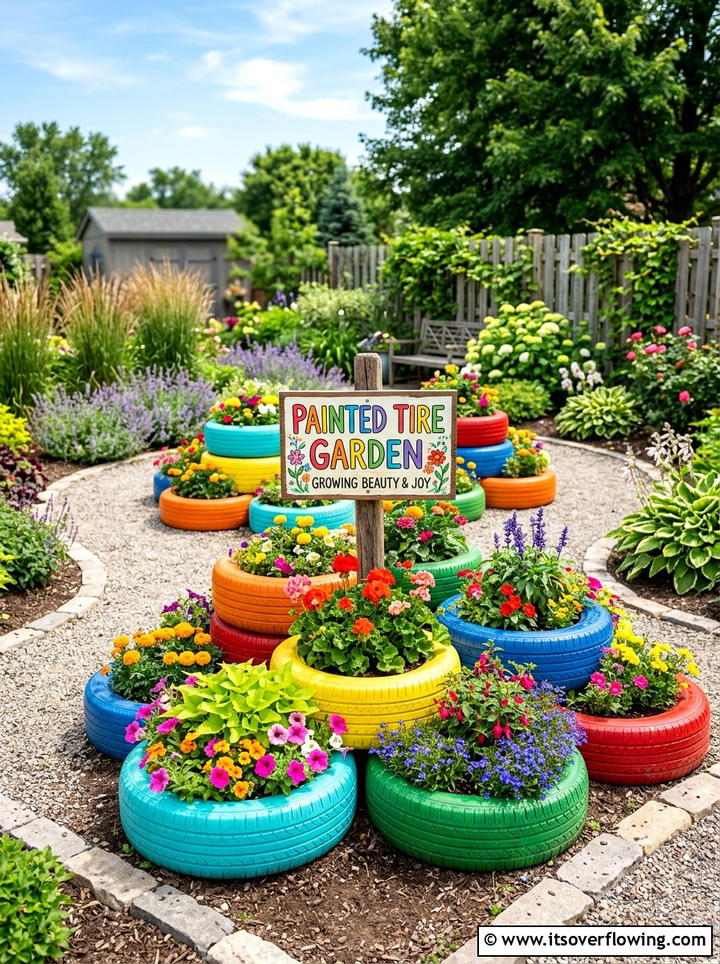
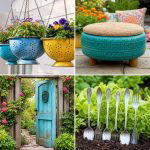
Repurposing old car tires is a clever and eco-friendly way to create durable raised beds for your favorite flowers. You can paint the tires in bright, cheerful colors to match your outdoor furniture or keep them neutral for a more modern look. Stacking two tires creates more depth for larger shrubs, while single tires are perfect for small blooms or succulents. Placing a colorful sign in the center of a tire cluster helps to unify the design and gives it a finished appearance. These planters are virtually indestructible and can withstand heavy rain and snow without any issues. They provide a fun and modern way to recycle something that would otherwise be thrown away.
9. Driftwood Garden Sign
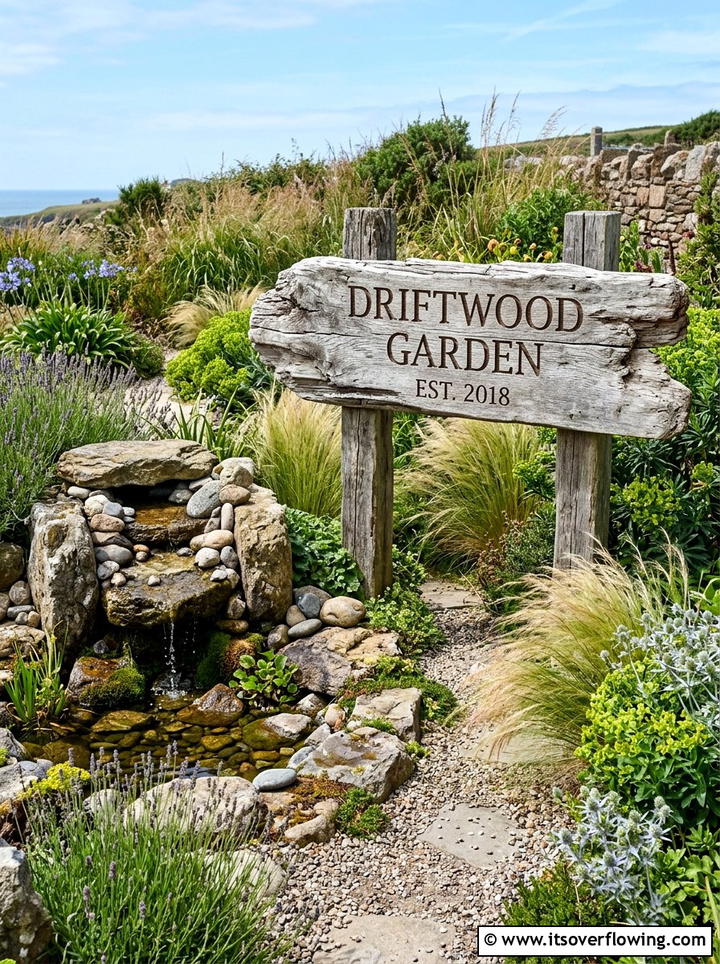
Using a large piece of weathered driftwood as a natural signpost adds a coastal and organic feel to your garden paths. You can carve or paint words like “Relax” or “Path” onto the wood to guide visitors through your various garden rooms. Position the driftwood near a water feature or a sandy area to enhance the seaside theme of your outdoor landscape. The unique shapes and textures of the wood make each piece a one-of-a-kind work of art that blends in with nature. Surround the base with ornamental grasses or pebbles to create a polished and serene look. It is a beautiful way to incorporate found natural objects into your overall garden design scheme.
10. Chalkboard Pot Garden
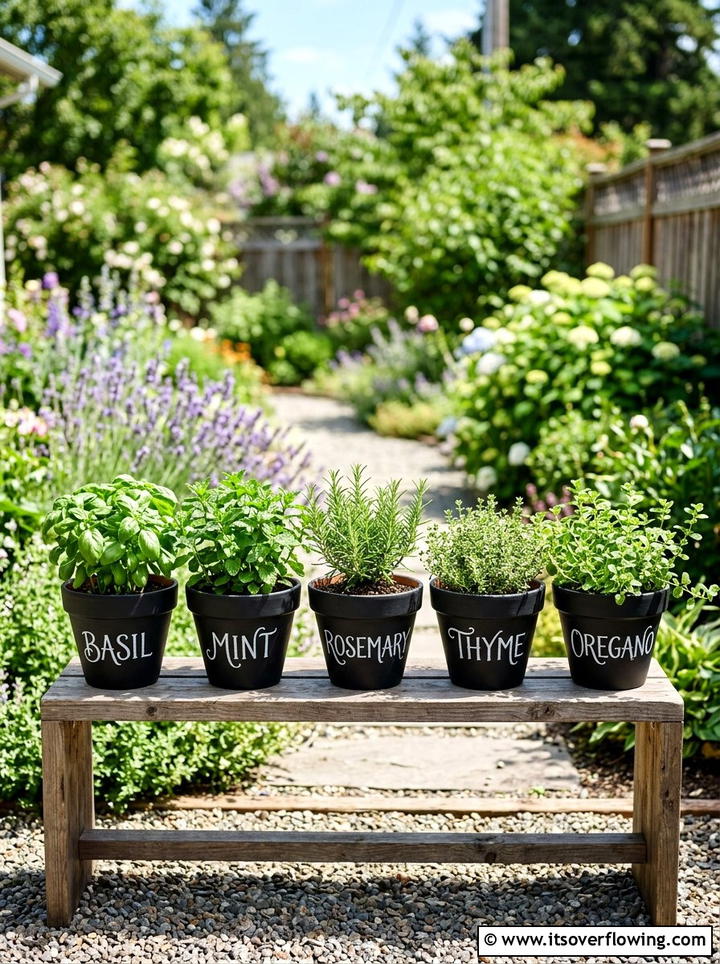
Painting the surface of terracotta pots with black chalkboard paint allows you to change your garden signs whenever you feel like it. You can write the names of your plants, the date you planted them, or fun messages that make you smile. Lining up these customized pots on a sunny windowsill or a garden shelf creates a very organized and modern display. This idea is particularly great for herb gardens where you might rotate different plants throughout the growing season. The dark black background makes the green foliage of your plants look incredibly vibrant and healthy. It is a versatile and interactive way to label your growing collection of indoor and outdoor plants.
11. Wooden Ladder Garden
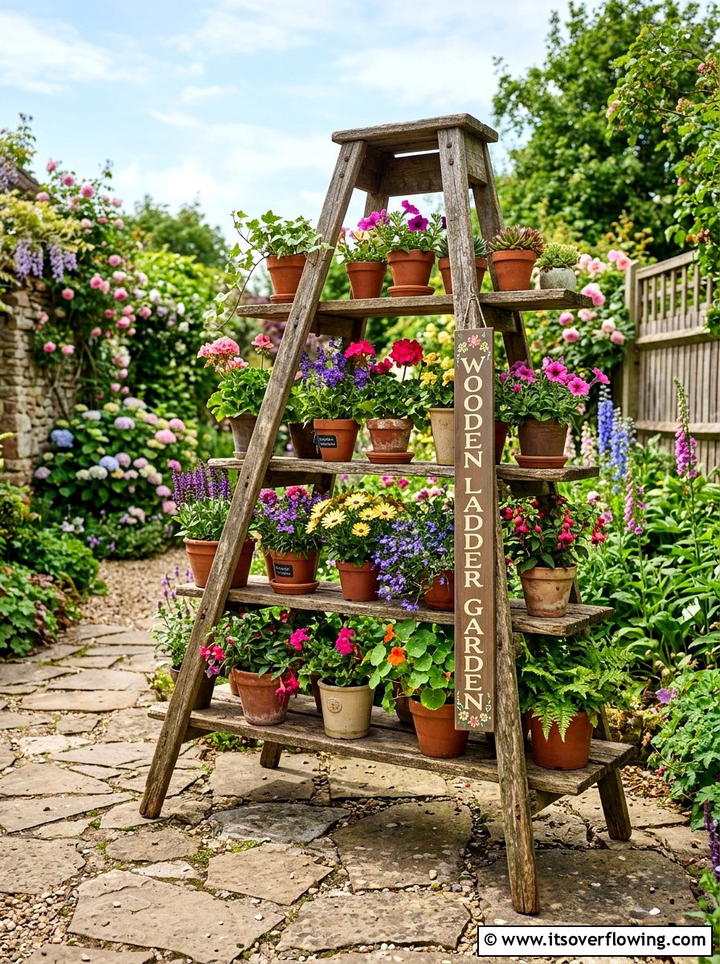
An old wooden A-frame ladder provides the perfect structure for a tiered plant display that maximizes your vertical growing space. You can place long planks across the rungs to create sturdy shelves for holding several medium-sized pots and garden accessories. Hanging a vertical sign from one side of the ladder adds a decorative touch that draws the eye upward. This setup is ideal for displaying a mix of flowers, herbs, and small garden statues in a compact area. The height of the ladder allows you to showcase trailing plants that can spill beautifully over the edges of the shelves. It is a charming way to use an old tool to create a garden masterpiece.
12. Silverware Herb Garden
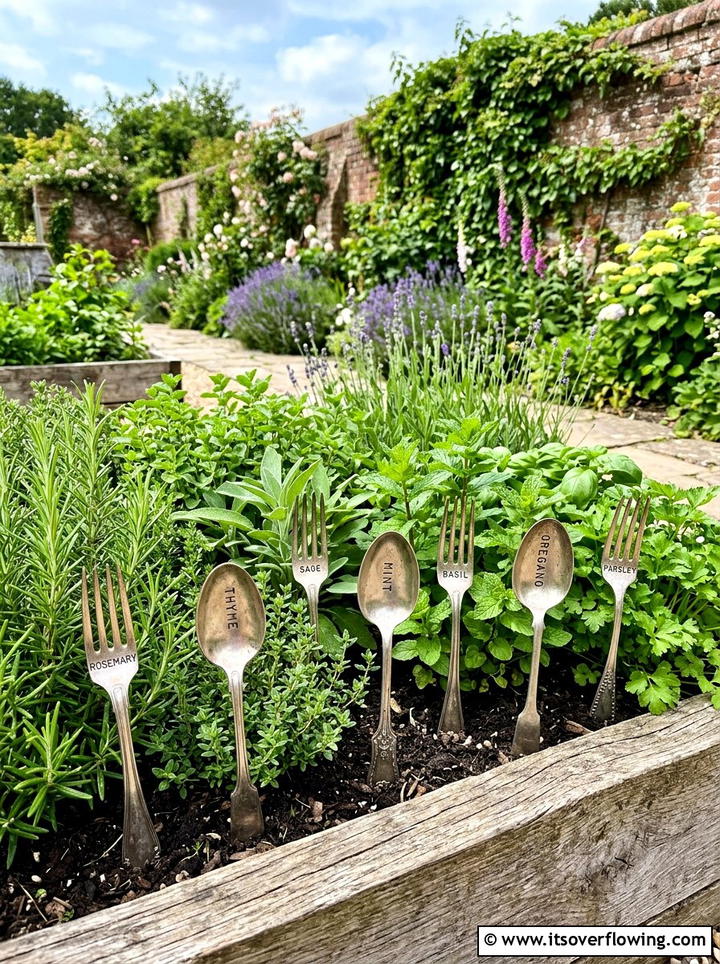
Using vintage spoons and forks as plant markers is a creative way to label your herb patch with a touch of elegance. You can flatten the bowls of the spoons and stamp or paint the names of your herbs onto the metal surfaces. Sticking these markers into a large, communal planter or a dedicated herb bed makes your garden look very sophisticated and organized. This idea works perfectly in a kitchen garden located near a back door or on a sunny patio. The shiny metal of the silverware catches the sunlight and adds a bit of sparkle to your green plants. It is a fun and sophisticated way to upcycle mismatched kitchen utensils for the outdoors.
13. Old Bicycle Garden
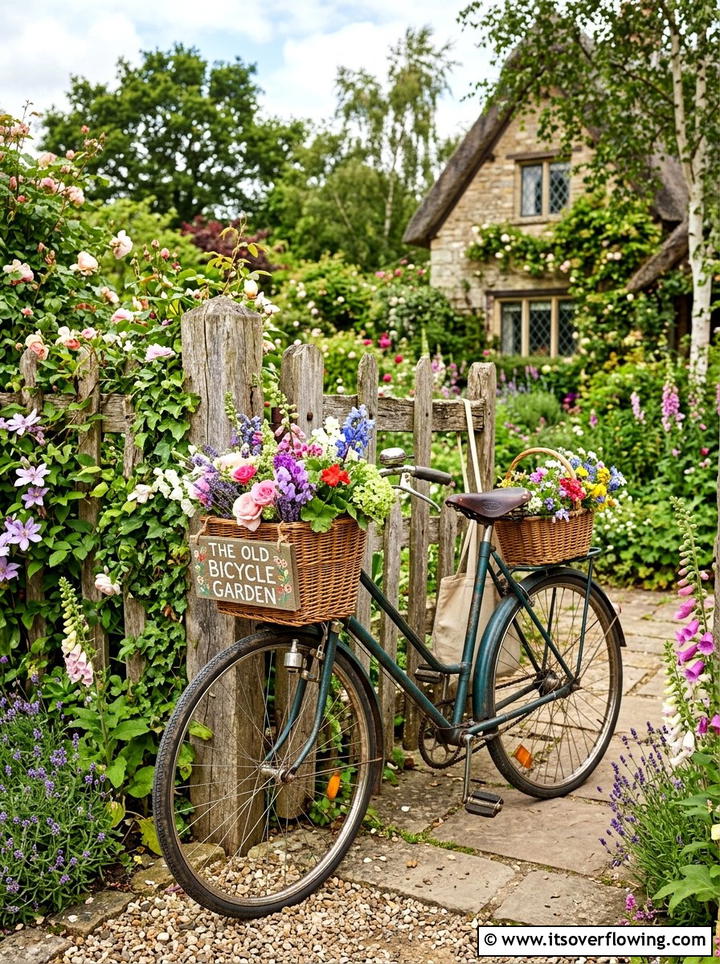
A vintage bicycle with a front basket and rear panniers can be transformed into a stunning and nostalgic garden feature. You can lean the bike against a fence or a large tree and fill the baskets with colorful annuals like petunias. Attaching a small wooden sign to the handlebars or the frame adds a personal touch that makes the display feel complete. This setup creates a sense of movement and whimsy in your garden, as if someone just parked it there for a moment. The metal frame of the bike provides a sturdy structure that can support heavy loads of flowers and trailing vines. It is a classic upcycling project that always gets a lot of compliments.
14. Log Slice Garden
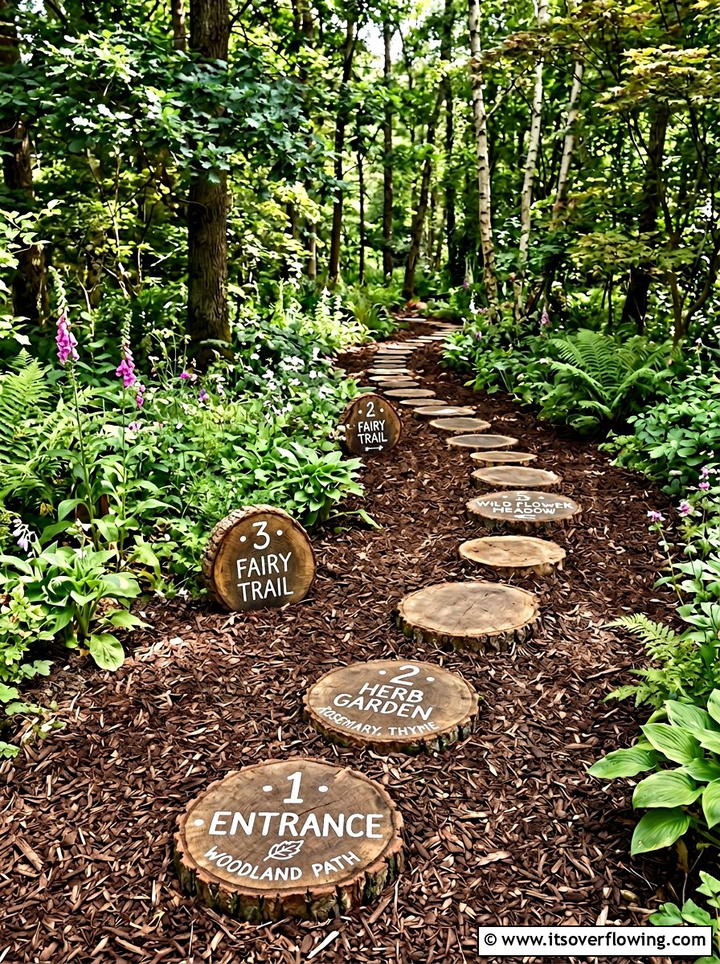
Using thick slices of a fallen tree trunk as natural stepping stones or signs is a wonderful way to use local materials. You can paint large house numbers or garden rules onto the smooth surface of the wood slices to guide your guests. Placing these slices along a woodland path or at the entrance of a garden bed creates a rustic and grounded atmosphere. The natural bark and wood grain provide a beautiful texture that complements any type of planting scheme or garden style. These slices are heavy enough to stay in place during storms while remaining easy to move if you change your mind. It is a simple and effective way to bring organic elements into your yard.
15. Antique Drawer Garden
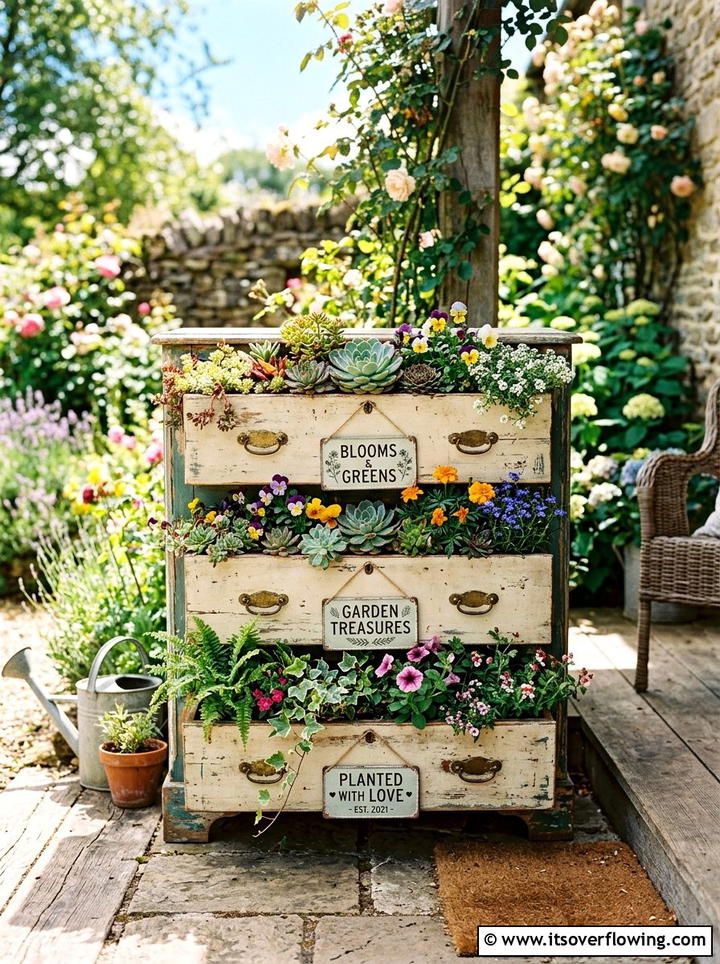
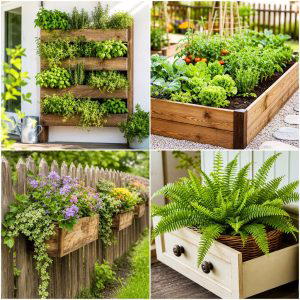
Repurposing old dresser drawers as shallow planters is a brilliant way to create a unique display for succulents or low-growing flowers. You can pull the drawers out at different lengths from a stack to create a stepped effect that shows off many plants. Attaching small metal signs to the front handles of the drawers helps to identify what is growing inside each one. This project is a great way to save a piece of furniture that is otherwise beyond repair or missing its frame. Placing the drawers on a porch or a deck keeps them off the ground and protects the wood from excessive moisture. It adds a lovely vintage touch to your outdoor living area.
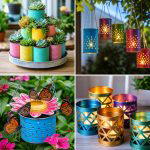
16. Vintage Suitcase Garden
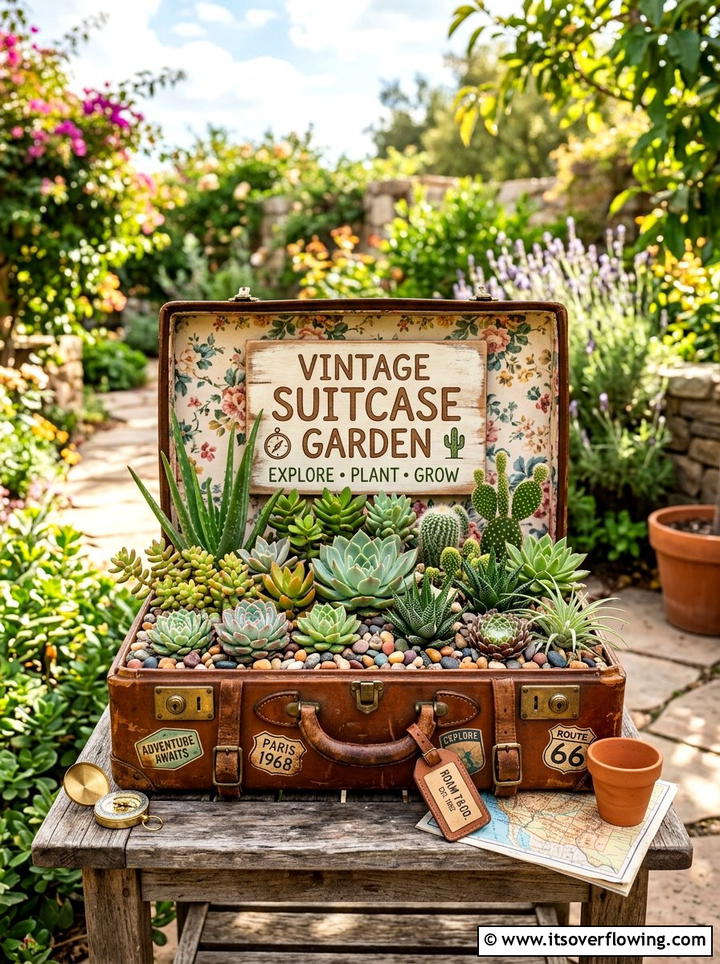
An old hard-shell suitcase can be turned into a charming and portable garden that is perfect for small succulents or cacti. You can line the inside with plastic and fill it with well-draining soil to create a miniature landscape that looks very adventurous. Propping the lid open with a sturdy stick allows you to hang a small sign or a string of lights. This unique planter looks fantastic on a patio table or near a garden bench where people can see the details. The classic look of a vintage suitcase brings a sense of travel and wonder to your backyard decor. It is a creative way to display small plants that need very little water and care.
17. Tin Can Garden
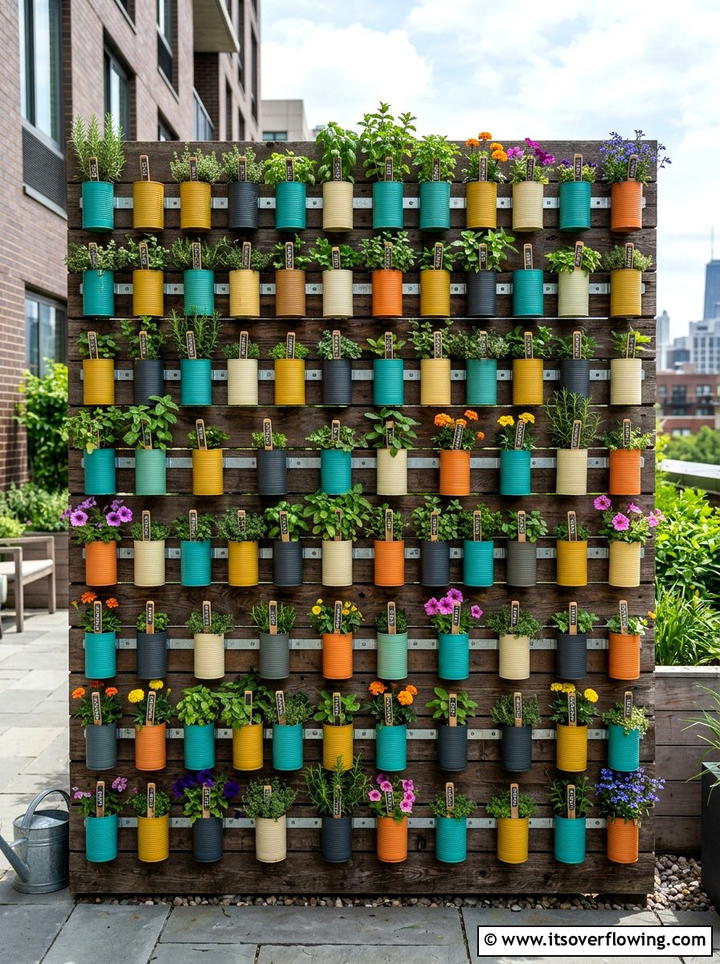
Recycling empty tin cans into a vertical wall garden is an affordable and stylish project for any sunny exterior wall. You can paint the cans in various shades and punch small holes in the bottom for drainage before mounting them to a wooden board. Writing the names of your plants on the cans with a permanent marker acts as a built-in sign for your garden. This setup is perfect for growing a variety of herbs or small flowers in a very limited amount of space. The uniform shape of the cans creates a modern, geometric look that is very pleasing to the eye. It is a great way to turn everyday waste into a beautiful and functional garden feature.
18. Tea Kettle Garden
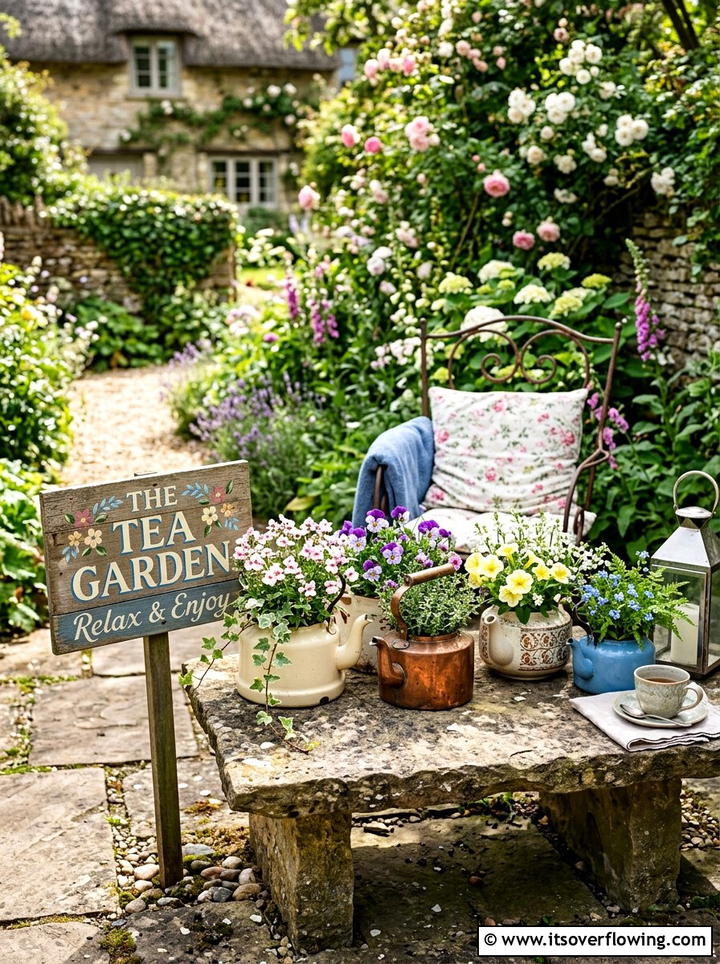
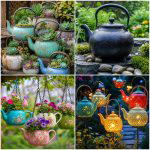
Vintage metal or ceramic tea kettles make adorable and unexpected planters for a small fairy garden or a flower display. You can group several kettles of different colors and sizes on a stone wall or a garden table for a cozy look. Placing a small, handwritten sign nearby that says “Tea Garden” adds a playful and themed element to the entire arrangement. These kettles are the perfect size for holding colorful pansies or delicate ferns that appreciate a little extra protection from the wind. The handles and spouts add interesting shapes and lines to your garden that you won’t find in standard pots. It is a delightful way to repurpose old kitchenware into garden art.
19. Old Boot Garden
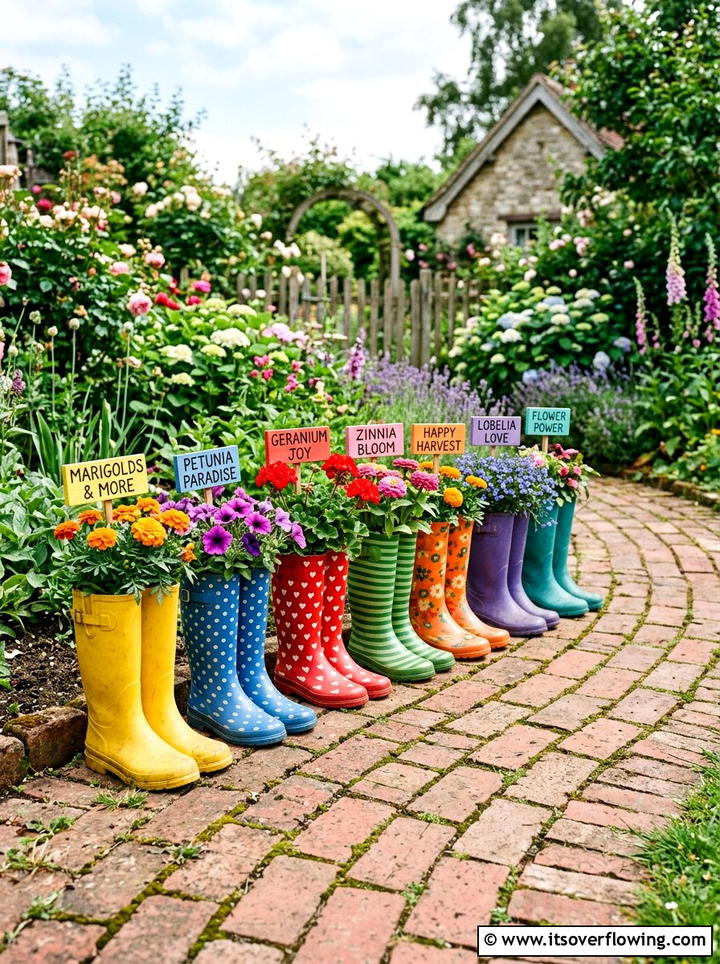
Turning a pair of worn-out work boots or colorful rain boots into planters is a fun way to add a bit of humor to your yard. You can line several pairs along a garden path or place them at the foot of a garden gate to welcome visitors. Sticking a small wooden sign into the top of each boot allows you to label the flowers or add a funny greeting. This idea is especially popular for children’s gardens because it is so easy to do and looks very playful. The sturdy material of the boots holds soil well and provides a unique shape for your favorite annuals. It is a great way to celebrate memories of old footwear in a new way.
20. Shutter Wall Garden
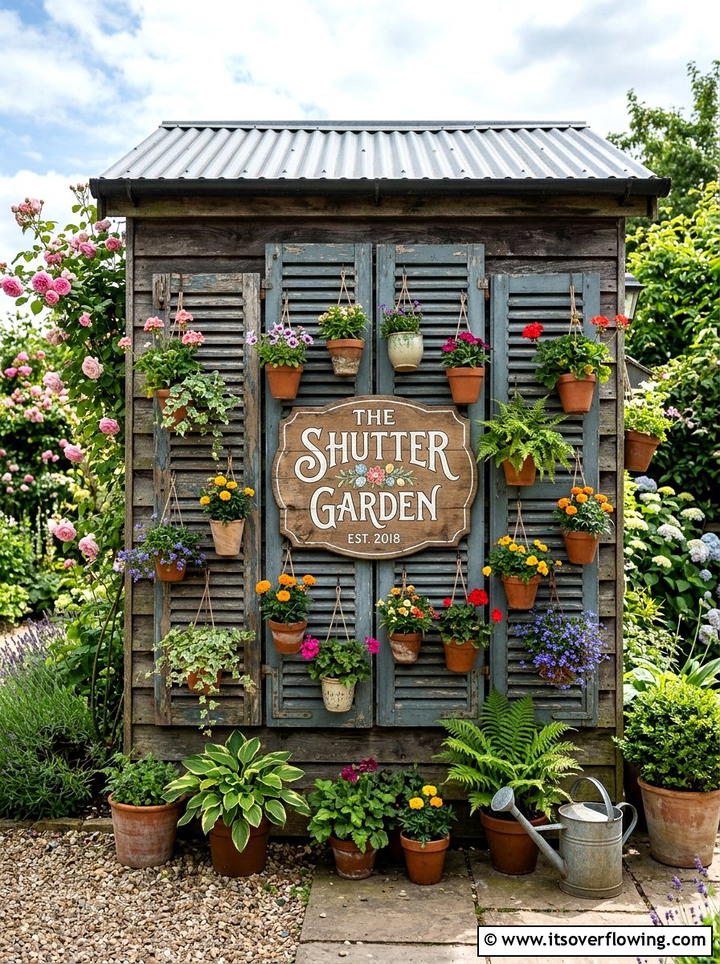
Using old wooden shutters to create a vertical garden wall provides a beautiful and textured surface for hanging many small pots. You can paint the shutters a bright color and mount them horizontally or vertically on an empty garage or shed wall. Slat-style shutters allow you to easily hook planters onto the openings without needing any extra tools or hardware. Attaching a large, rustic sign across the center of the shutters creates a focal point that ties the entire display together. This setup is great for creating privacy on a deck while adding a lot of greenery to your line of sight. It turns a boring wall into a vibrant and living piece of garden art.
21. Birdhouse Garden
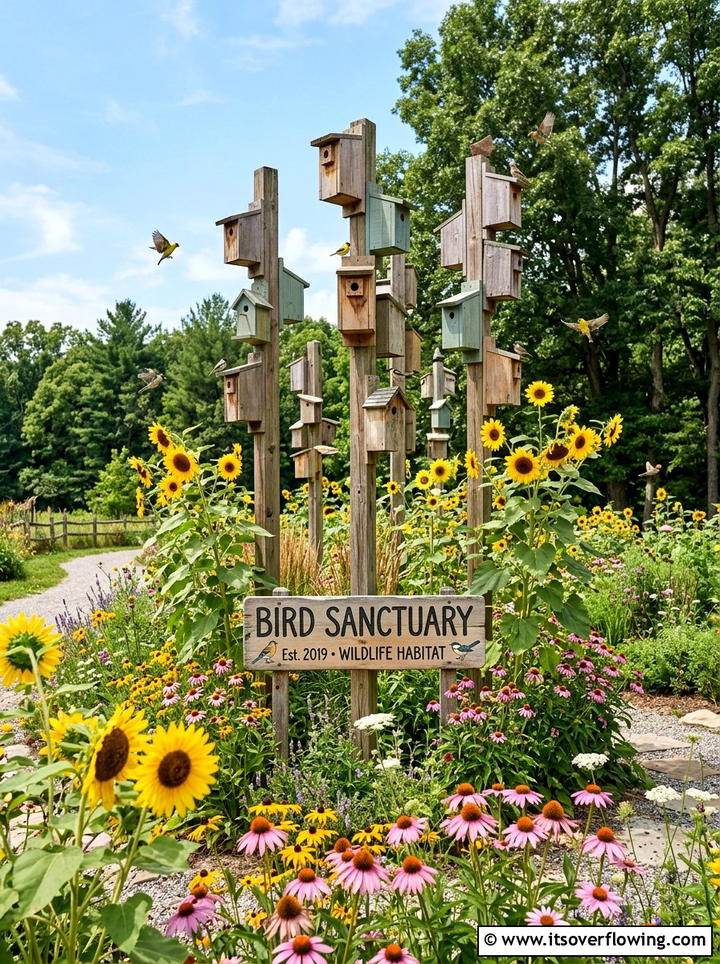
Creating a cluster of birdhouses on tall posts within a flower bed adds a charming and busy energy to your outdoor space. You can paint the houses to match your home or keep them natural to blend in with the surrounding trees and shrubs. Placing a decorative sign that says “Bird Sanctuary” near the base of the posts clarifies the purpose of the area for your guests. This setup encourages local wildlife to visit your garden while providing a colorful and multi-layered view for you to enjoy. Surround the posts with bird-friendly plants like sunflowers or coneflowers to complete the ecosystem. It is a wonderful way to support nature while decorating your backyard with style.
22. Picket Fence Garden
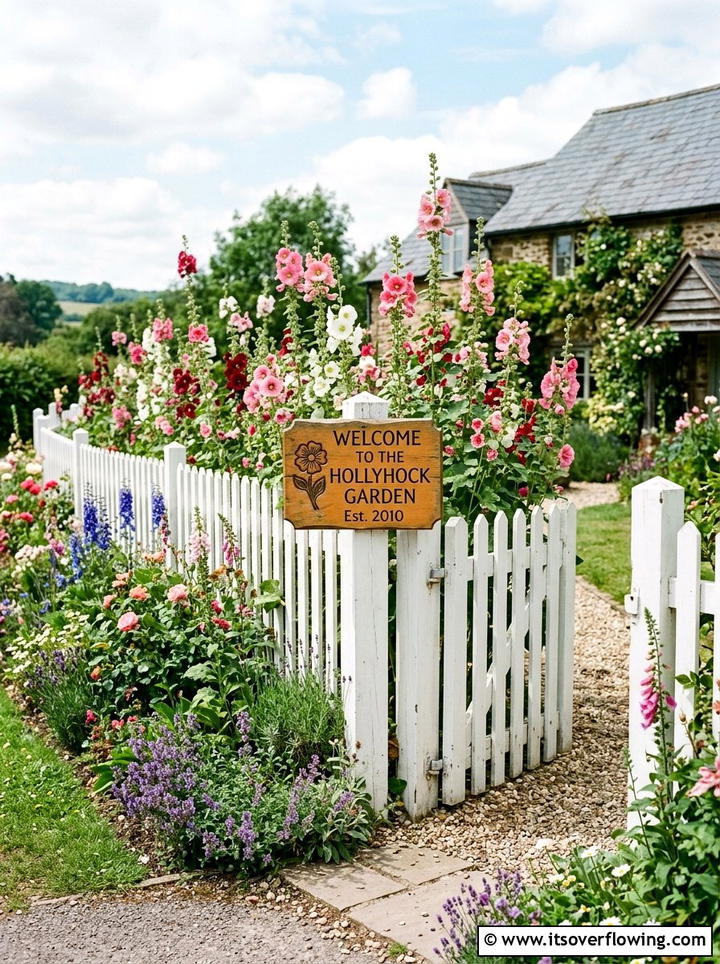
A short section of a white picket fence can serve as a beautiful border for a flower bed or a backdrop for a garden sign. You can mount a large wooden sign directly to the pickets to announce the entrance to your vegetable patch or rose garden. Planting tall flowers like hollyhocks or foxgloves behind the fence creates a classic cottage look that feels very timeless and inviting. The clean lines of the fence provide a nice contrast to the wild and organic shapes of your growing plants. This setup is an easy way to define different zones in your yard while adding a traditional decorative element. It makes any garden look more polished and well-maintained.
23. Whiskey Barrel Garden
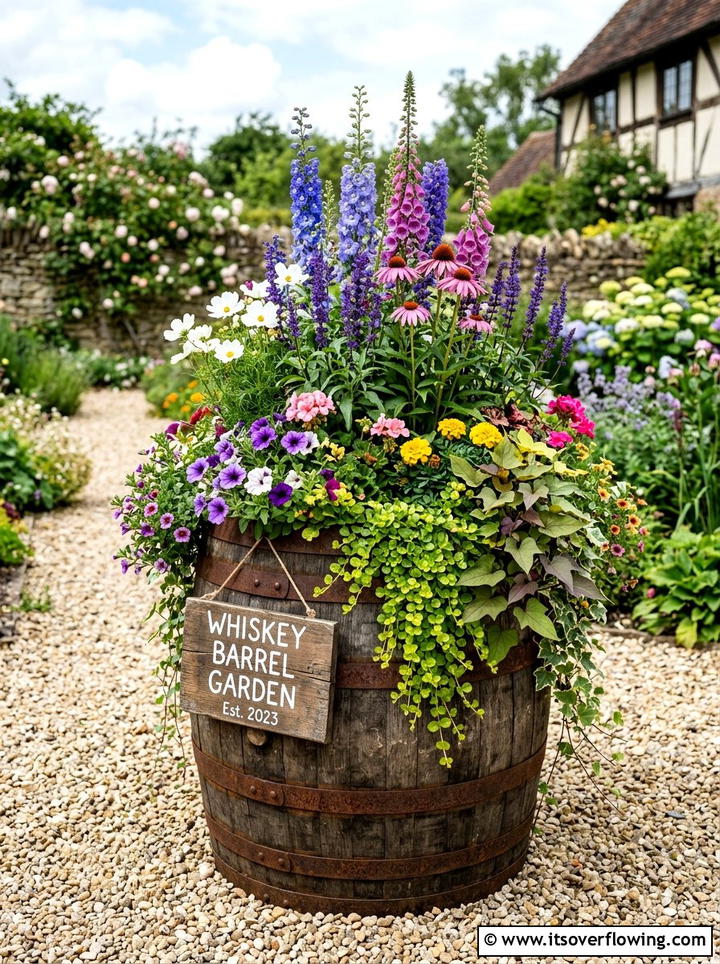
Using a large wooden whiskey barrel as a planter allows you to grow a huge variety of plants in one single, sturdy container. You can create a miniature landscape inside the barrel with a tall focal point plant and several smaller flowers surrounding it. Placing a rustic wooden sign on the side of the barrel or sticking it into the soil adds a layer of personalization. These barrels are very heavy and stable, making them perfect for corners that get a lot of wind or high traffic. The thick wood provides excellent insulation for plant roots, helping them stay cool in the summer and warm in the winter. It is a classic choice for any rustic garden.
24. Potting Bench Garden
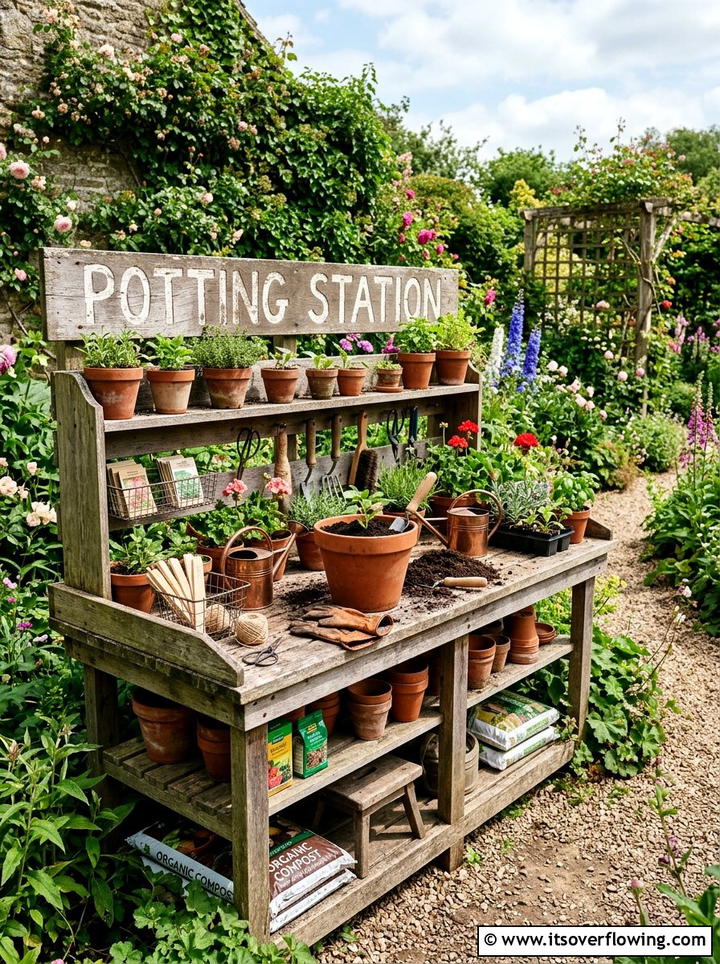
Transforming an old wooden table or a workbench into a dedicated potting station creates a functional and attractive workspace for any gardener. You can add shelves above the table to hold your extra pots, seeds, and small garden tools for easy access. Hanging a large sign that says “Potting Station” or “Garden Shed” above the bench makes the area feel like a professional workspace. This setup keeps all your gardening supplies organized in one place while serving as a beautiful display for your favorite potted plants. The weathered wood and metal accents of an old workbench provide a rugged and authentic feel to your outdoor area. It is a practical addition that looks great too.
25. Tree Stump Garden
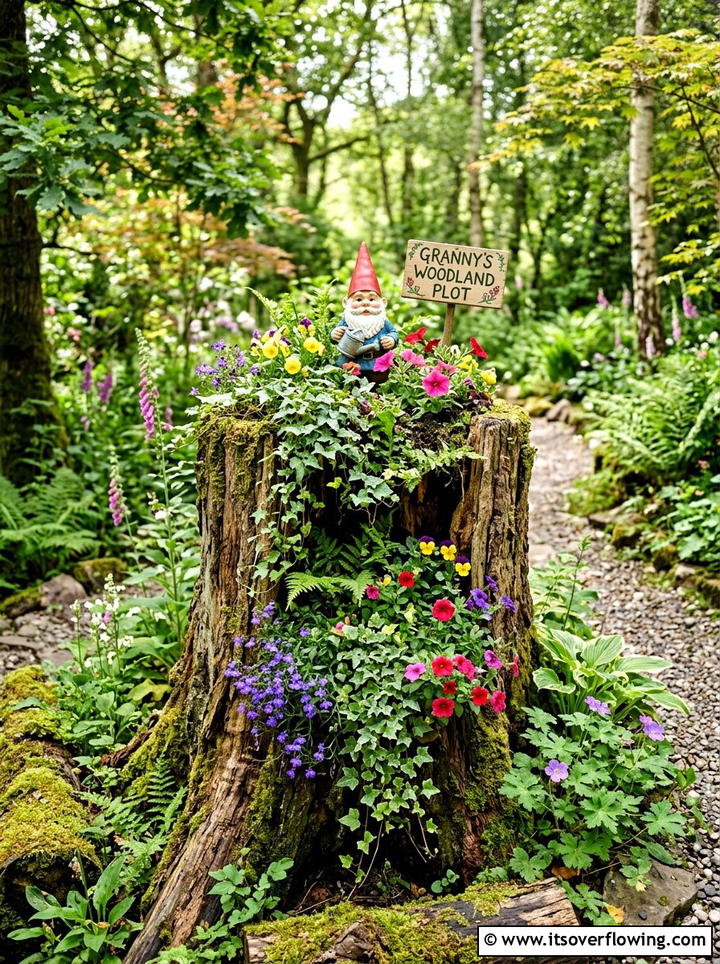
A large tree stump left in your yard can be hollowed out and turned into a natural and beautiful planter for colorful flowers. You can fill the center with rich soil and plant trailing varieties that will eventually cover the sides of the wood with blooms. Placing a small sign or a garden gnome on top of the stump adds a touch of whimsy and personality to the display. This approach turns a potential eyesore into a unique focal point that celebrates the natural cycle of life in your garden. The decaying wood actually provides nutrients to the plants over time, helping them grow strong and healthy. It is the ultimate way to work with nature in your backyard.
Conclusion:
Upcycling common household items into garden features and signs is a rewarding way to enhance your outdoor living space. By using materials like old pallets, vintage doors, and even discarded boots, you can create a garden that is full of character and personal meaning. These projects are not only environmentally friendly but also allow for endless creativity in how you display your plants and navigate your yard. Adding signs ensures that your garden tells a clear story and feels like a truly intentional part of your home. Whether you have a large backyard or a small balcony, these ideas can be adapted to fit your unique space and style perfectly.
Related posts:
 25 Upcycled Garden Ideas With Old Kettles for Cute Planters
 25 Upcycled Garden Ideas With Glass Bottles for Yard Decor
 25 Upcycled Garden Ideas With Wine Bottles for Chic Yard Decor
 25 upcycled garden ideas to Create a Charming Eco-Friendly Yard
 25 upcycled garden ideas diy for Budget-Friendly Yard Style
 25 Upcycled Garden Ideas With Modern Style for a Chic Yard
 25 Upcycled Garden Ideas With Old Ladders for Your Yard
 25 Upcycled Garden Ideas With Raised Beds for Any Yard
 25 Recycled Garden Ideas for Front Yard Decor
 25 recycled garden ideas with old toys for Fun Yard Decor
 25 Upcycled Garden Ideas With Fabric Scraps for Colorful Decor
 25 Upcycled Garden Ideas With Old Drawers for Decor