
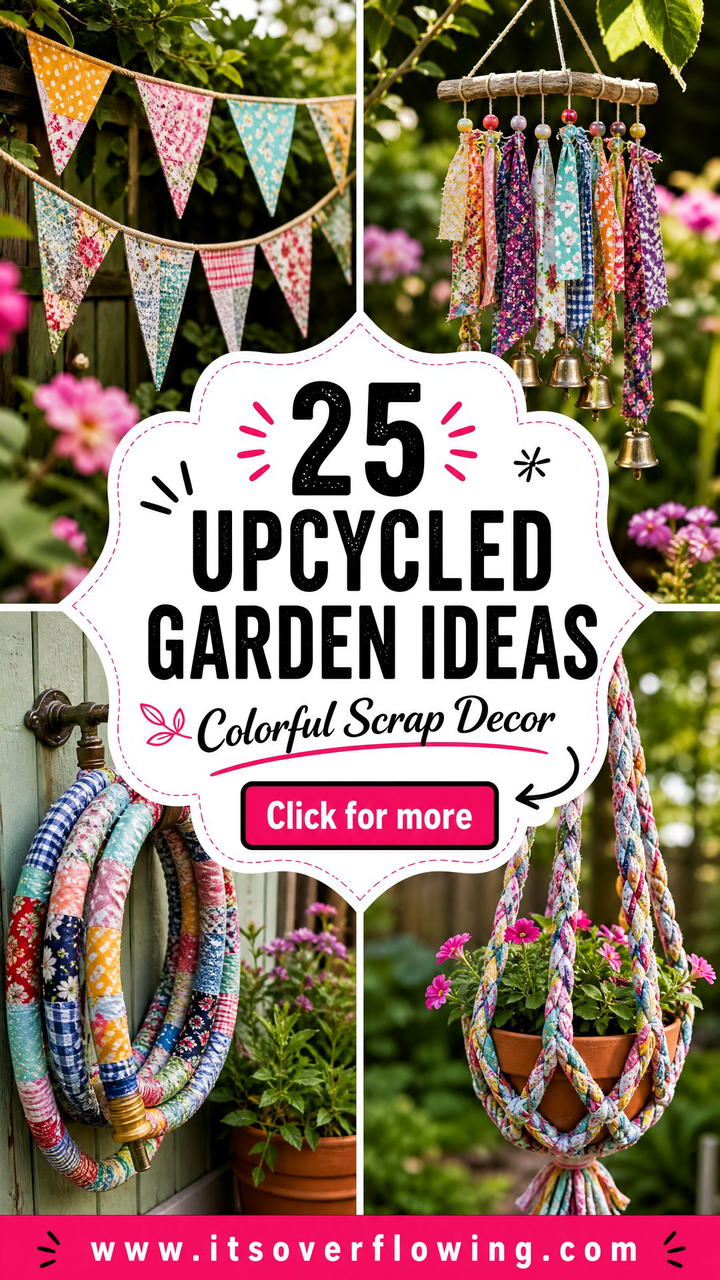
Transforming your backyard into a colorful sanctuary does not always require a trip to the expensive garden center or purchasing brand new decorations. By gathering your leftover textile pieces, you can breathe new life into your outdoor space with these innovative upcycled garden ideas with fabric scraps. This sustainable approach reduces waste while adding a unique, handmade charm that generic store-bought items simply cannot provide. Whether you are an experienced sewer or someone who loves a simple DIY project, these creative concepts help you personalize every corner of your landscape. From functional plant supports to whimsical decorative accents, the possibilities are truly endless when you see old cloth remnants as potential garden treasures that reflect your personal style and environmental love.
1. Fabric Scrap Bunting
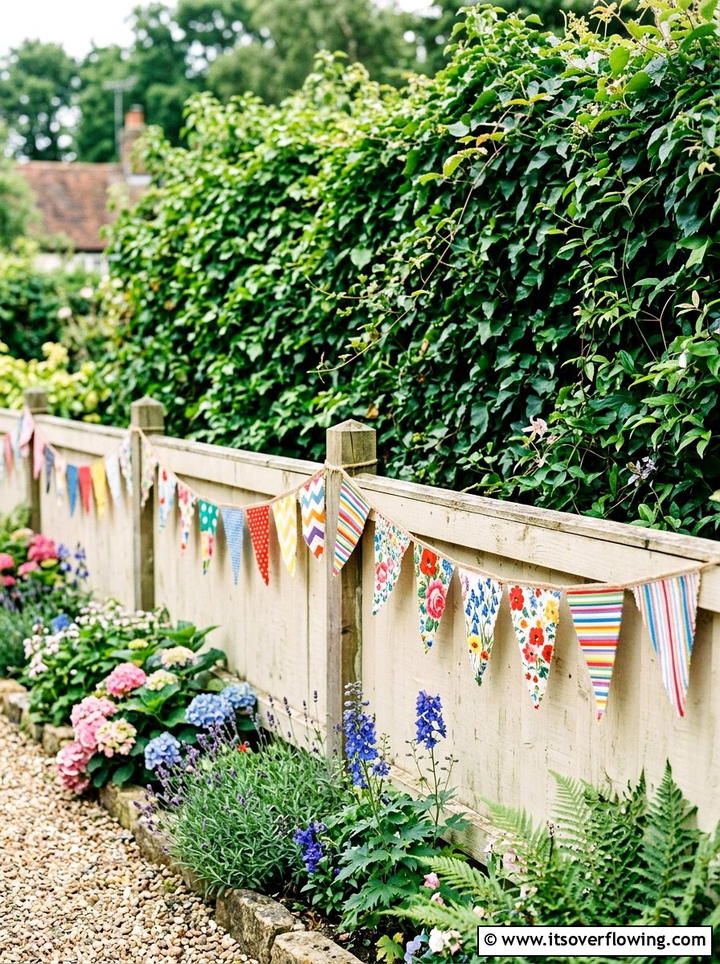
Why let those colorful strips of cotton sit in a box when they can dance in the breeze across your patio? Creating outdoor bunting is a fantastic way to utilize small triangular pieces of fabric to add a festive atmosphere to any garden party. Simply stitch these scraps onto a long piece of twine or bias tape to create a whimsical border for your fence or porch. This project works best with weather-resistant materials or old outdoor upholstery remnants that can withstand a light summer rain. The repetitive patterns and fluttering movement instantly draw the eye upward, making your outdoor living area feel more enclosed and cozy. It is a budget-friendly way to introduce vibrant color.
2. Boho Fabric Plant Ties
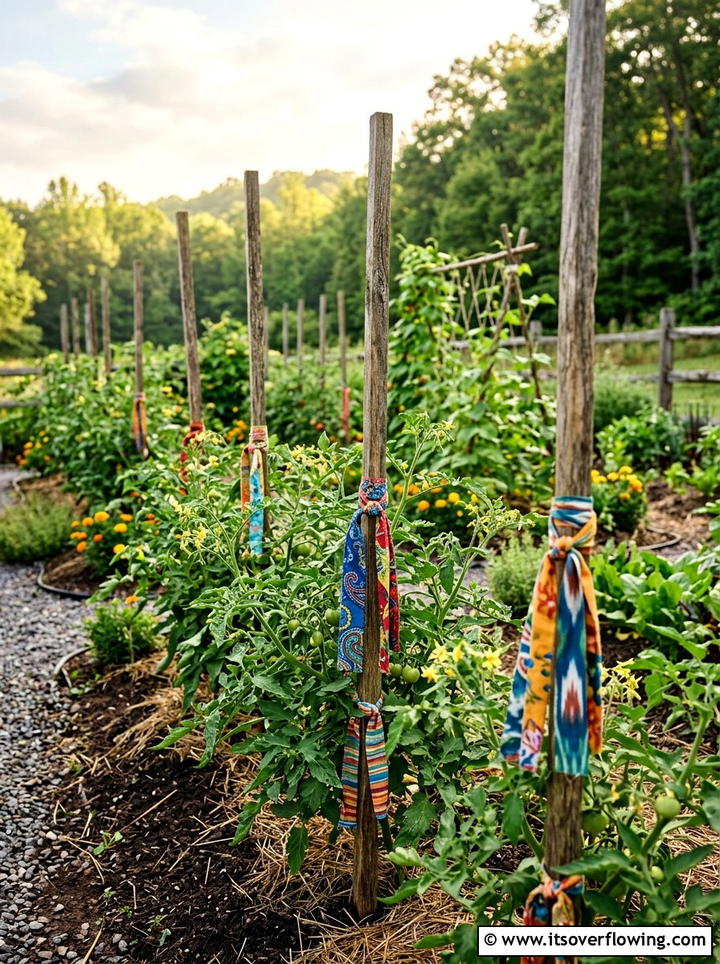
Have you ever noticed how industrial green plastic twist ties look harsh against your beautiful blooming peonies or climbing roses? Soft fabric strips offer a much gentler alternative for securing heavy stems to wooden stakes or metal trellises. You can tear long ribbons of cotton or jersey to create flexible ties that won’t bite into the delicate skin of your growing plants. These fabric strips expand slightly as the plant grows, preventing the strangulation often caused by wire ties. Choose colors that blend in with the foliage or go bold with bright scraps to make your supports part of the overall garden aesthetic. It is a practical and beautiful solution.
3. Cloth Pot Covers
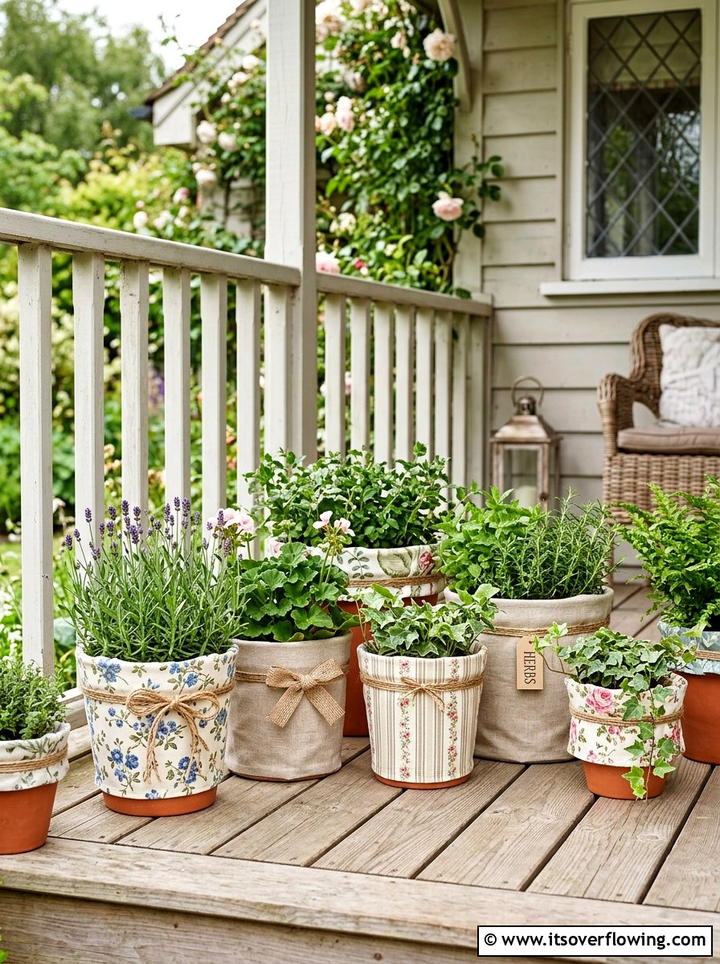
Give your basic terracotta pots a complete makeover using leftover pieces of linen or vintage floral prints that no longer serve a purpose. Wrapping pots in fabric is a simple way to unify a mismatched collection of containers on your porch or windowsills. You can use outdoor-grade Mod Podge to adhere the fabric scraps directly to the surface of the pot for a permanent, weather-resistant finish. This technique allows you to coordinate your garden greenery with your indoor home decor style effortlessly. The textured surface of the fabric adds a layer of visual interest that plain clay or plastic simply lacks. It creates a high-end look for very little cost.
4. Patchwork Garden Kneeling Pad
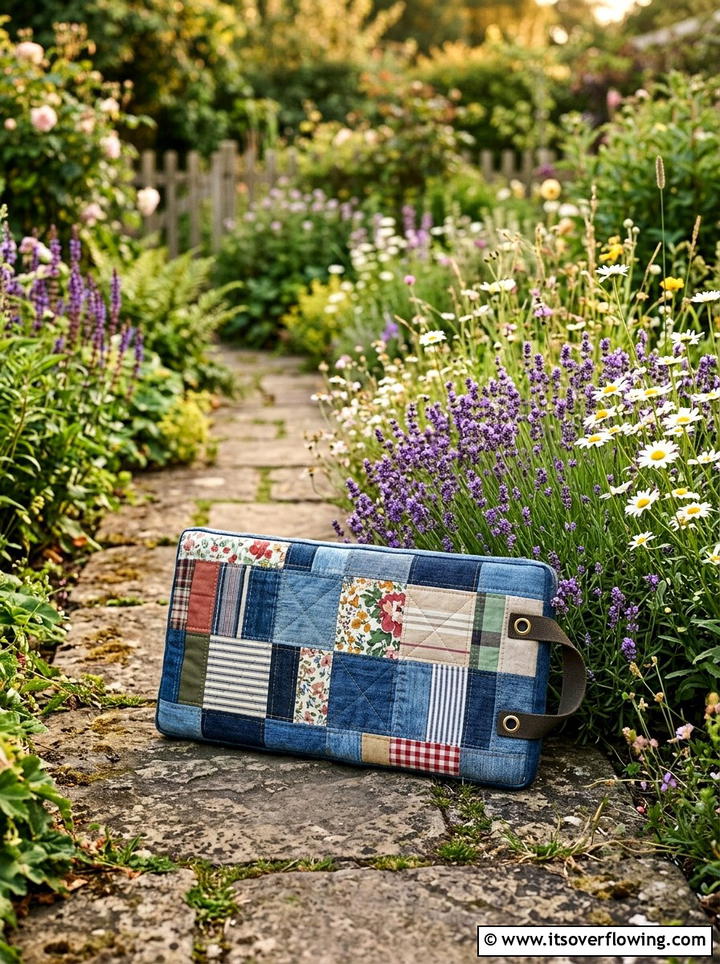
Spending hours weeding or planting can be incredibly tough on your knees if you do not have the proper cushioning beneath you. You can easily construct a custom kneeling pad by sewing together durable fabric scraps like denim or canvas into a sturdy patchwork cover. Fill the inside with old foam remnants or even more fabric scraps to create a soft, supportive barrier between you and the hard ground. Adding a small handle made from a sturdy ribbon makes it easy to carry around as you move from one flower bed to another. This project is both functional and a great way to showcase your favorite heavy-duty textile leftovers in the garden.
5. Fabric Scrap Wind Chime
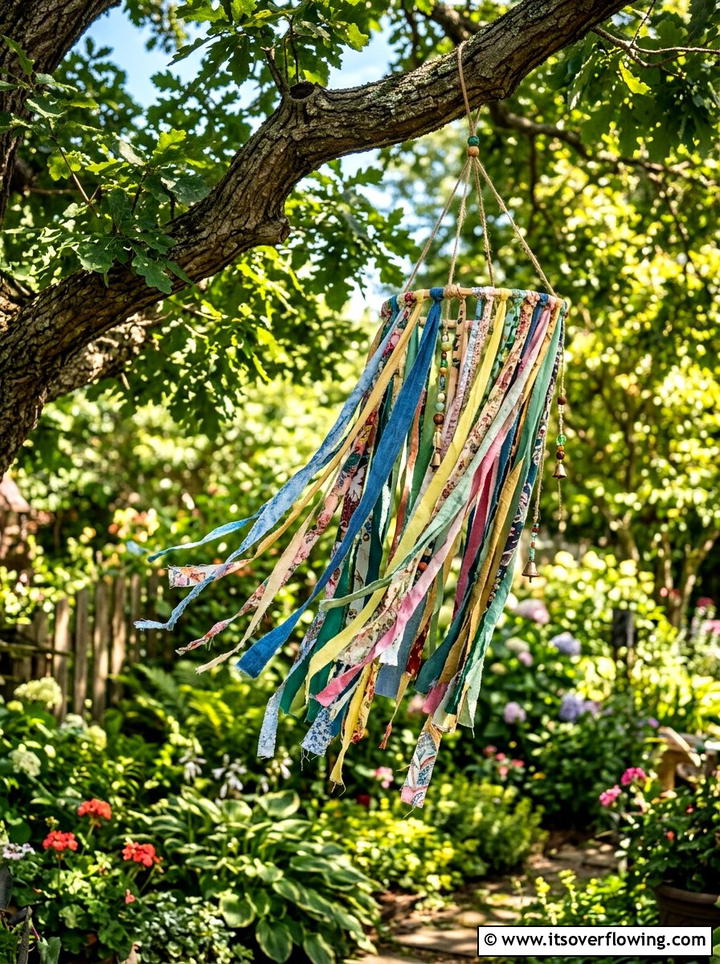
Can you imagine the soothing sound of soft fabric rustling in the wind as you enjoy a quiet afternoon on your garden bench? Instead of metal or glass, you can create a silent wind chime by tying long, thin strips of colorful fabric to a circular wooden hoop. Add a few large wooden beads or small bells between the fabric layers to give the piece a bit of weight and a gentle tinkling sound. This decorative element adds a wonderful vertical dimension to your garden trees or porch eaves. The way the fabric catches the light and movement provides a calming visual focus that enhances the overall peacefulness of your outdoor retreat.
6. Cloth Seed Starter Pots
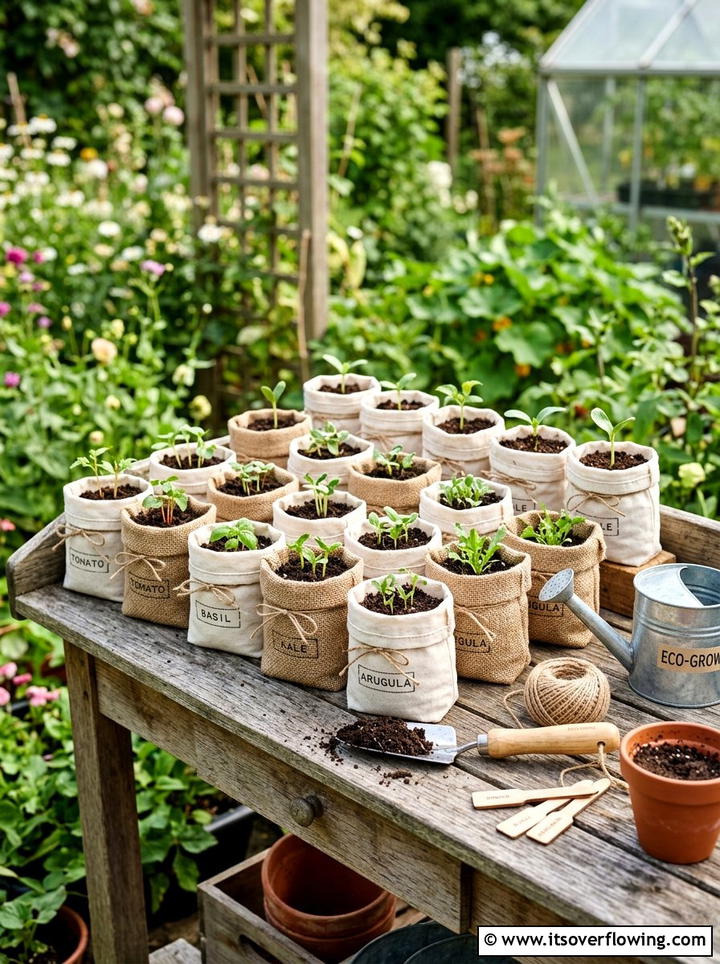
Are you looking for an eco-friendly alternative to plastic seedling trays that often end up in the landfill after a single use? You can create biodegradable seed starter pots by sewing small pouches out of natural fiber fabric scraps like cotton or burlap. These fabric pots allow for excellent air circulation around the roots, preventing them from becoming root-bound as they grow. When it is time to move your starts into the ground, you can plant the entire fabric pouch directly into the soil. The natural fibers will eventually break down, allowing the roots to expand freely into the surrounding earth. This is a brilliant way to recycle old rags.
7. Fabric Scrap Bird Nests
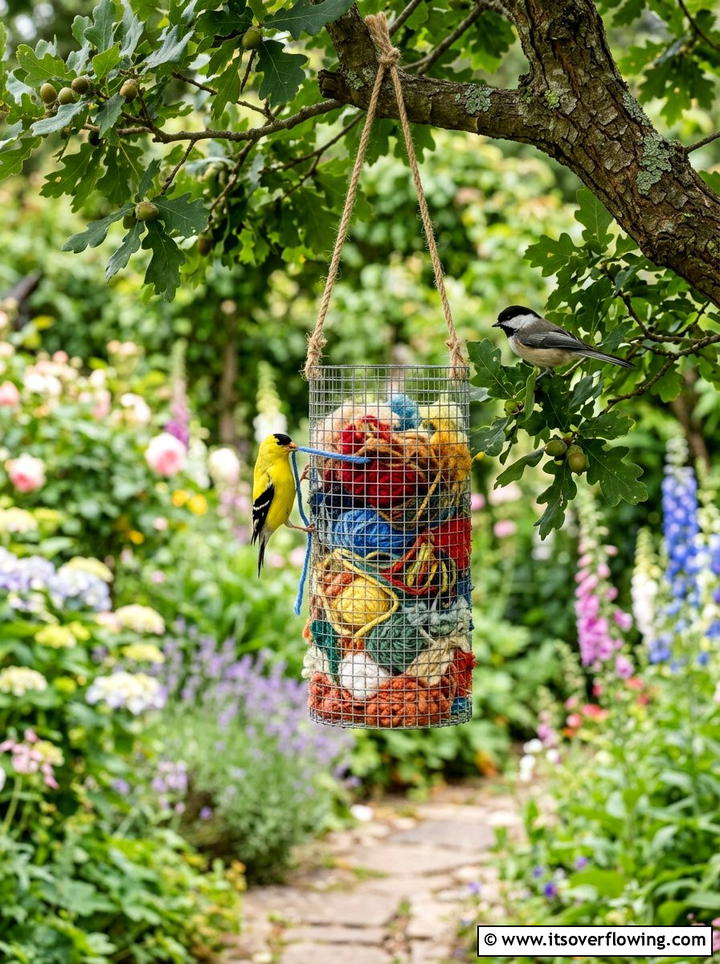
Do you want to support your local wildlife while finding a clever use for even the smallest threads and textile fibers? You can help nesting birds by providing them with a dedicated station filled with short snips of colorful fabric and yarn scraps. Simply place these materials inside a clean suet cage or hang them in a mesh bag from a low tree branch. Birds will visit your garden to gather these soft materials to line their nests, providing insulation for their eggs and chicks. It is a delightful way to observe nature up close while clearing out your sewing room floor. Ensure the scraps are short to keep the birds safe.
8. Outdoor Fabric Banners
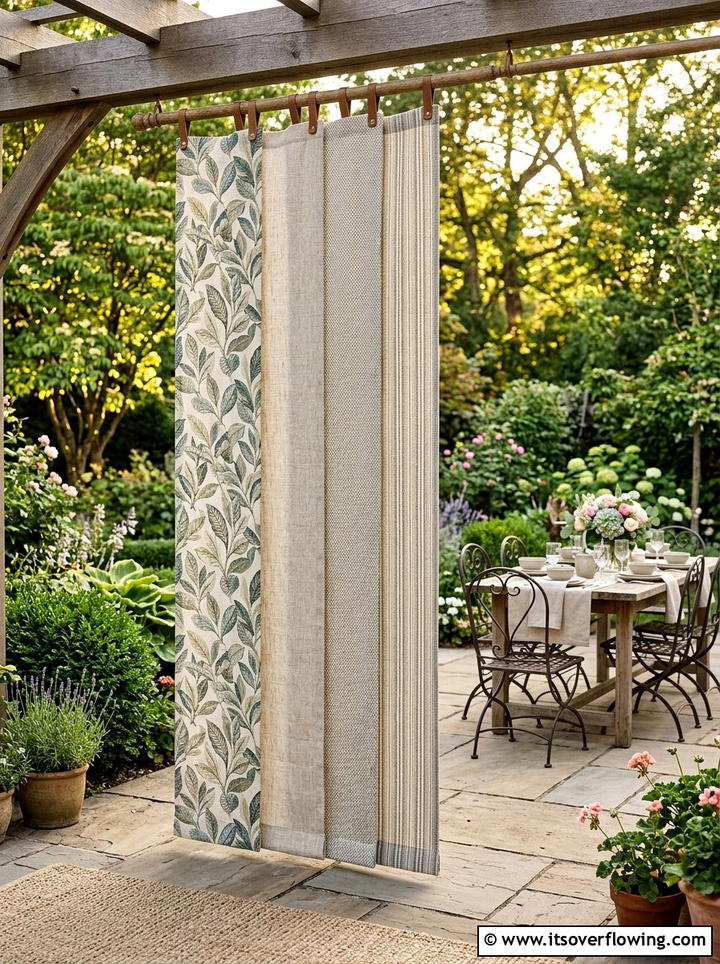
Large vertical banners can act as beautiful dividers in a sprawling garden, creating separate “rooms” for dining, relaxing, or playing. You can sew together large remnants of upholstery fabric or old curtains to create tall, narrow banners that hang from wooden dowels. These fabric installations add a sense of height and drama to your landscape, especially when placed at the end of a long walkway. Use bold patterns to make a statement or neutral tones to create a serene, spa-like atmosphere in your backyard. Because these banners are made from scraps, you can swap them out seasonally to keep your garden looking fresh and updated throughout the entire year.
9. DIY Bird Deterrent Ribbon
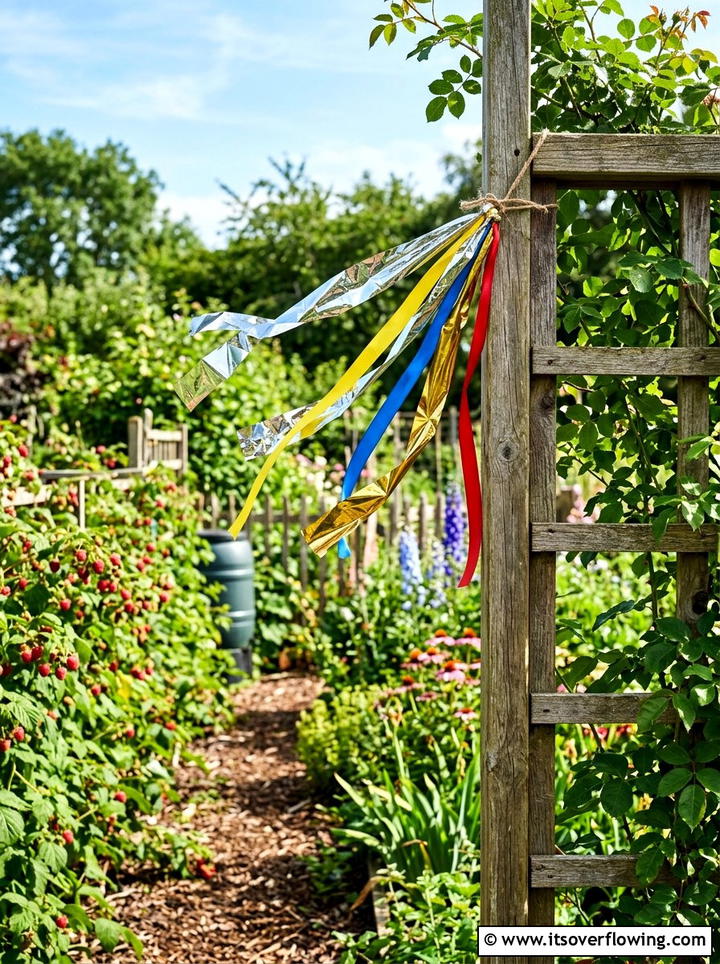
Protecting your ripening berries or young vegetable starts from hungry birds does not have to involve ugly netting or plastic owls. You can create effective and attractive bird deterrents by tying long strips of shiny or brightly colored fabric to your garden fencing. The constant movement of the fabric in the wind startles birds and discourages them from landing near your precious crops. Silk or satin scraps work particularly well because they catch the sunlight and create flickering reflections that act as a natural repellent. This method is much safer for the birds than traditional netting, which can sometimes trap and injure small animals. It adds color and function.
10. Fabric Covered Garden Stakes
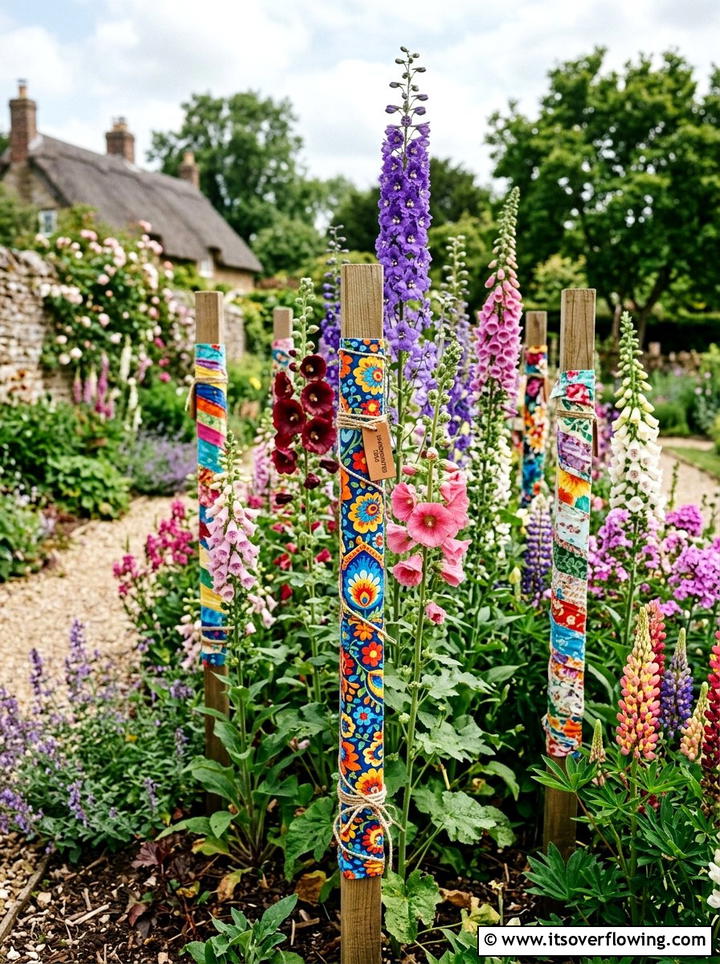
Standard wooden or bamboo garden stakes can look a bit utilitarian and boring when used to support your favorite flowering perennials. You can add a touch of personality to your plant supports by wrapping the top few inches of each stake in colorful fabric scraps. Secure the fabric with a bit of waterproof glue or a tight knot to ensure it stays in place through wind and rain. This simple trick makes it much easier to spot your stakes among the greenery while adding a handcrafted feel to your garden beds. You can even color-code your stakes to help identify different plant varieties before they have fully bloomed in spring.
11. Reusable Fabric Plant Labels
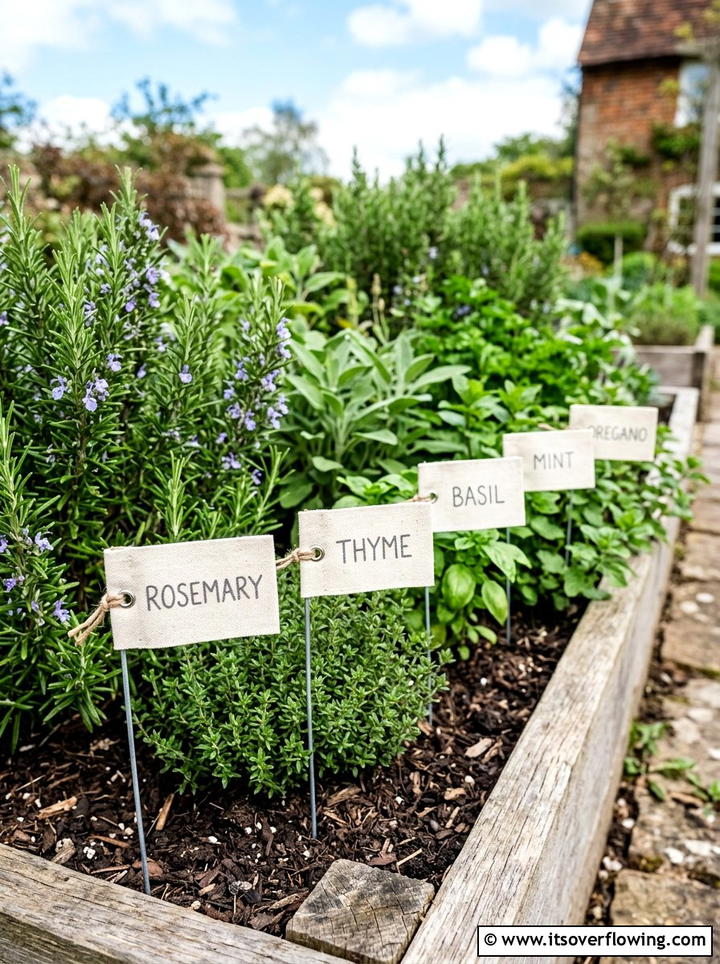
Are you tired of plastic plant markers that become brittle in the sun or wooden ones that rot in the damp soil? You can create long-lasting and charming plant labels by sewing small fabric rectangles onto stiff wire or repurposed metal hangers. Use a permanent fabric marker or simple embroidery to write the names of your herbs and vegetables onto the cloth surface. These labels add a rustic, cottage-core aesthetic to your garden rows that looks far more intentional than store-bought options. When the growing season ends, you can simply wash the fabric covers and store them away to be used again for next year’s planting cycle.
12. Upcycled Fabric Garden Apron
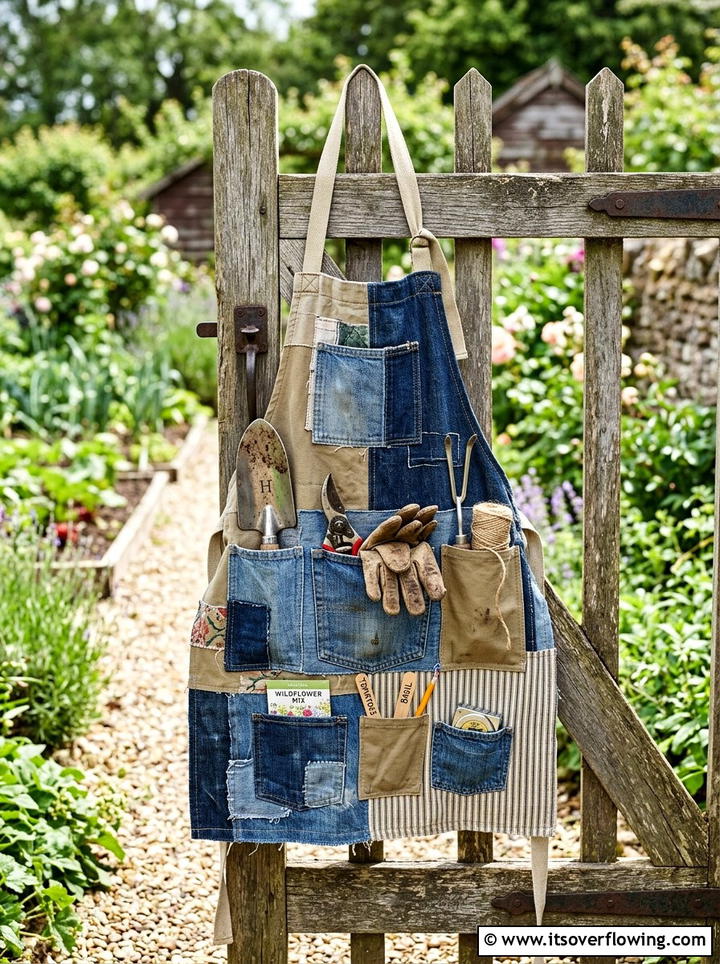
Keeping your tools close at hand while you move through the garden is essential for staying organized and efficient during your chores. You can sew a functional garden apron by combining several large fabric scraps into a multi-pocketed garment that ties around your waist. Use heavier materials like old jeans or canvas bags for the pockets to ensure they can hold the weight of hand pruners and trowels. This custom apron protects your clothing from mud and grass stains while providing a dedicated space for your phone and seed packets. It is a wonderful way to use up those larger fabric remnants that are too small for clothing but too big to toss.
13. Boho Patchwork Garden Hammock
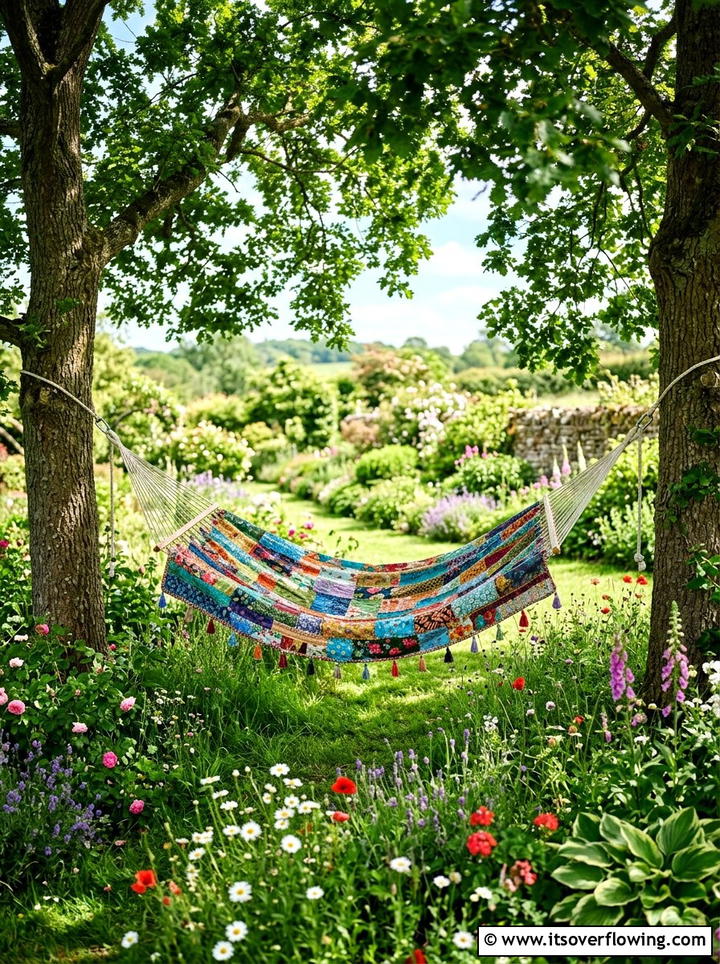
There is nothing quite as relaxing as swaying in a hammock under the shade of a large oak tree on a warm afternoon. You can create a stunning, one-of-a-kind hammock by quilting together various sturdy fabric scraps into a long, reinforced rectangle of material. Use strong upholstery thread and double-stitched seams to ensure the fabric can safely support the weight of an adult. Adding fringe made from smaller scraps along the sides gives the hammock a trendy bohemian look that fits perfectly in a lush garden setting. This project takes a bit more time but results in a beautiful focal point that will be the envy of all your neighbors.
14. Fabric Scrap Garden Teepee
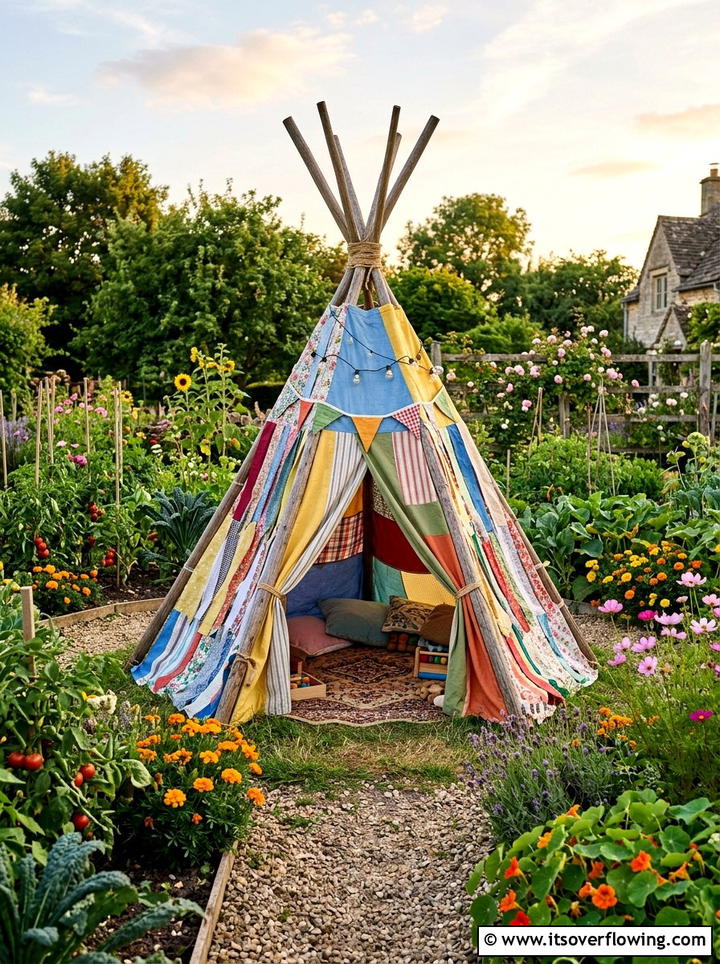
Creating a magical play space for children or a unique support for climbing beans can be achieved with a simple fabric teepee. Use tall bamboo poles as the frame and drape long, wide strips of fabric scraps over the structure to create the walls. You can tie the scraps together or stitch them into large panels to cover the frame partially or fully. This provides a shaded retreat in the middle of the garden where kids can hide and play among the plants. As climbing vines like morning glories or runner beans grow up the poles, they will eventually weave through the fabric, creating a living green playhouse for summer.
15. Cloth Pocket Vertical Planter
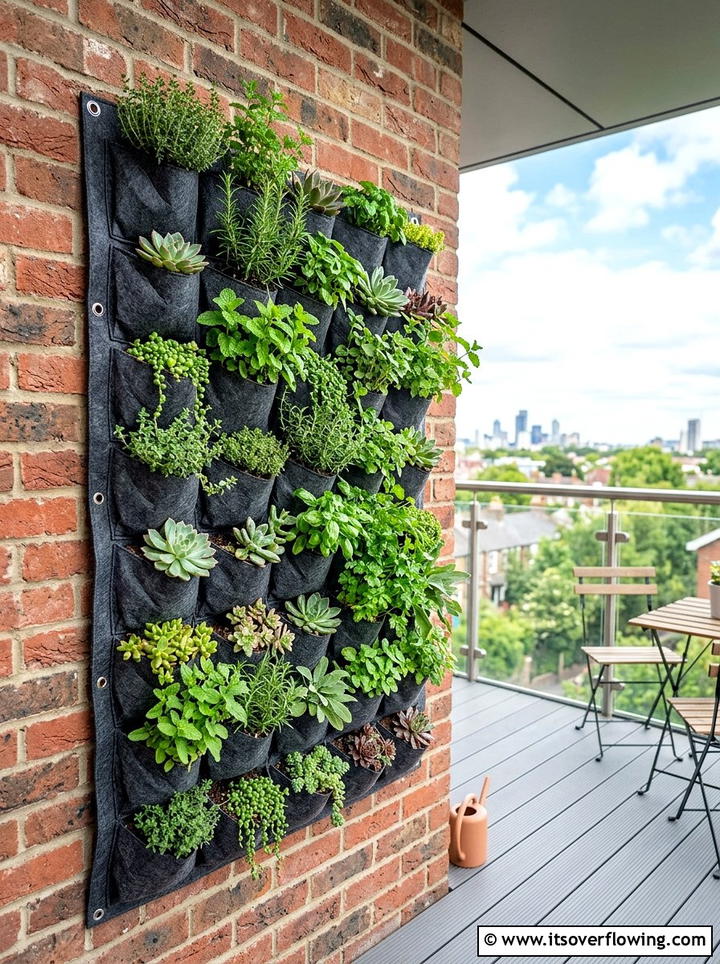
If you have a small balcony or a tiny backyard, utilizing vertical space is the best way to grow more plants in a limited area. You can sew a series of sturdy fabric pockets onto a large backing piece of canvas or heavy outdoor material to hang on a wall. Fill each pocket with lightweight potting soil and small herbs or succulents to create a lush, living tapestry of greenery. Fabric pockets are excellent for plant health because they allow the soil to breathe and prevent water from pooling at the bottom. This vertical garden idea is perfect for using up long strips of durable fabric scraps while maximizing your growing potential.
16. Fabric Wrapped Garden Hoses
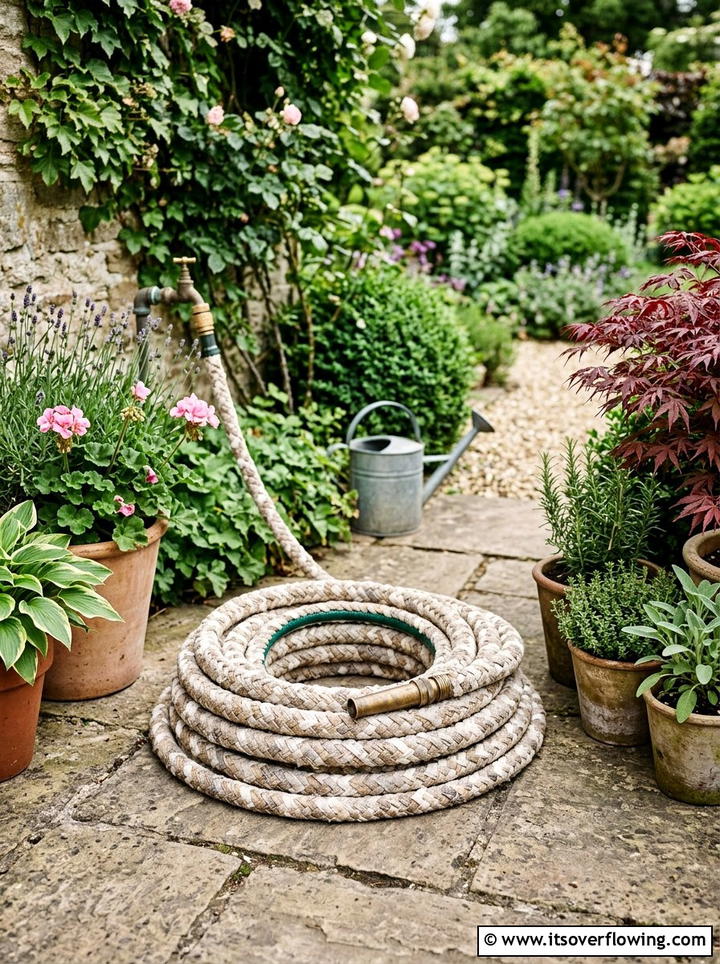
Do you find the sight of a bright orange or neon green garden hose lying across your grass to be a bit of an eyesore? You can soften the look of your watering equipment by wrapping the visible sections of the hose in long strips of neutral-colored fabric. Braiding the scraps around the hose not only camouflages the plastic but also provides a bit of extra protection against UV damage from the sun. Choose earth tones like tan, olive, or brown to help the hose blend seamlessly into the mulch or dirt paths. This simple DIY project makes your functional garden tools look like a coordinated part of your overall design.
17. DIY Fabric Sun Shade
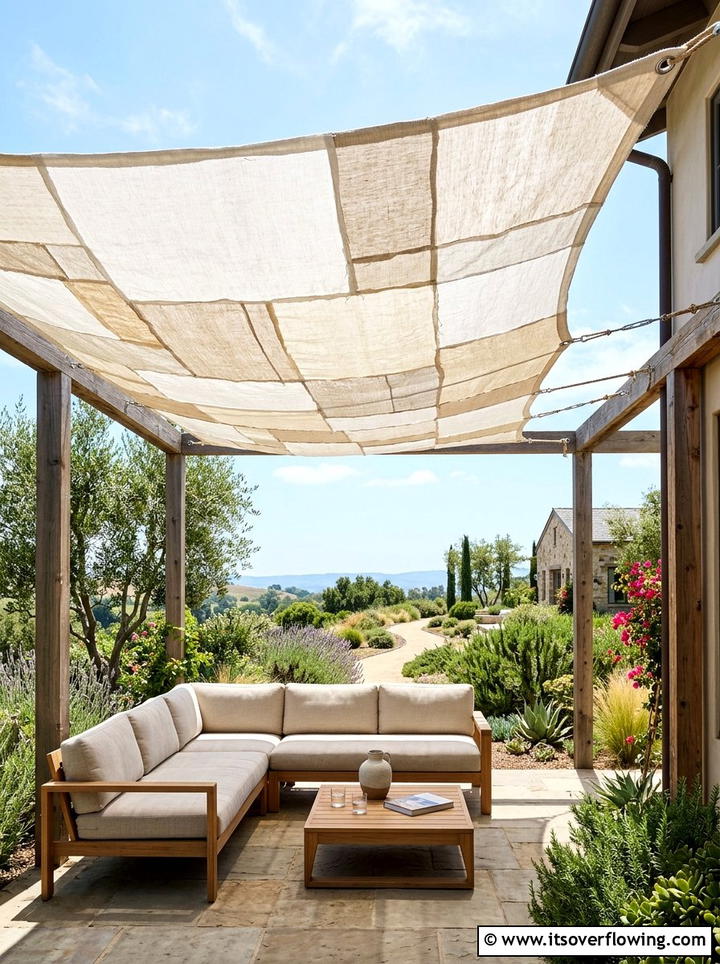
Intense afternoon sun can sometimes make sitting on your patio or deck uncomfortable, even during the most beautiful summer days. You can create a custom sun shade by sewing together several large sections of light-colored fabric scraps to form a rectangular canopy. Suspend the fabric between trees or poles using sturdy grommets and rope to create a dappled shade effect over your seating area. Using lighter fabrics like old bedsheets or thin linen allows some light to filter through while blocking the harshest rays. The movement of the fabric in the breeze adds a cooling sensation and a relaxed, Mediterranean vibe to your outdoor living space.
18. Outdoor Fabric Scrap Garland
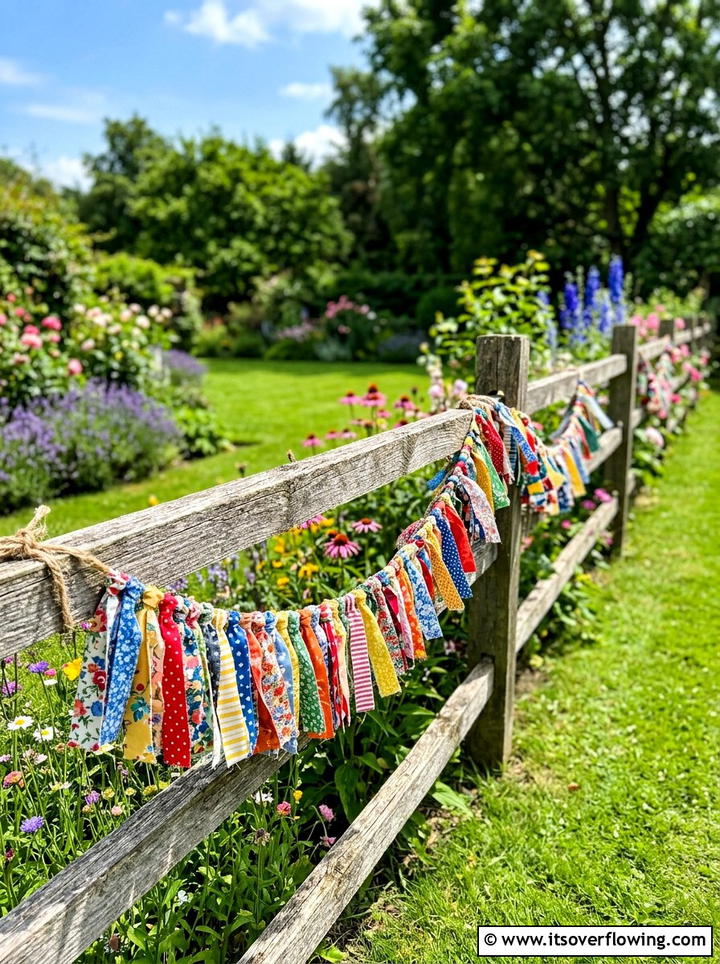
Adding a bit of celebration to your garden does not require a special occasion when you have a colorful fabric garland hanging. You can make a simple garland by tying dozens of short fabric scraps onto a long piece of heavy-duty twine or clothesline. Space the scraps closely together to create a thick, pom-pom effect or further apart for a more delicate look. Hang these garlands between fence posts or along the edge of a garden shed to instantly brighten up a dull corner. This is an excellent way to use up those very tiny pieces of fabric that are too small for any other sewing project.
19. Stuffed Fabric Scarecrow Decor
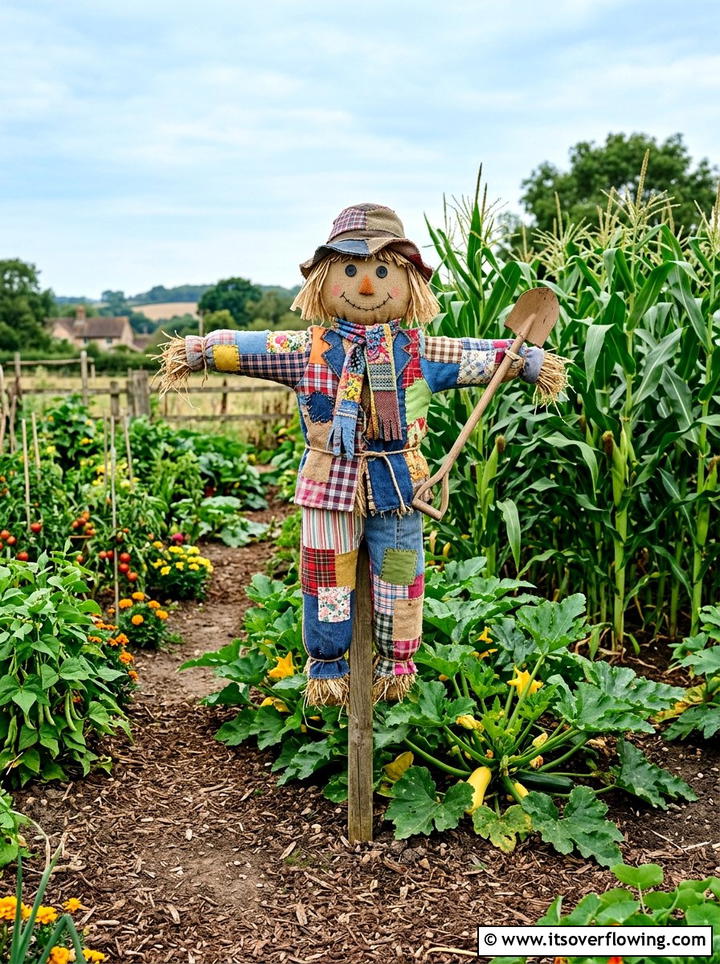
Scarecrows are a classic garden element, but they do not have to look like the traditional straw-filled figures seen in cornfields. You can create a modern, decorative version by sewing a humanoid shape out of large fabric scraps and stuffing it with even more textile leftovers. Dress your garden character in a patchwork outfit made entirely from your scrap bin to give it a whimsical and artistic appearance. Not only does this provide a fun focal point for your vegetable patch, but it also serves as a soft, eco-friendly way to use up massive amounts of old fabric that cannot be donated or reused elsewhere.
20. Fabric Scrap Flower Markers
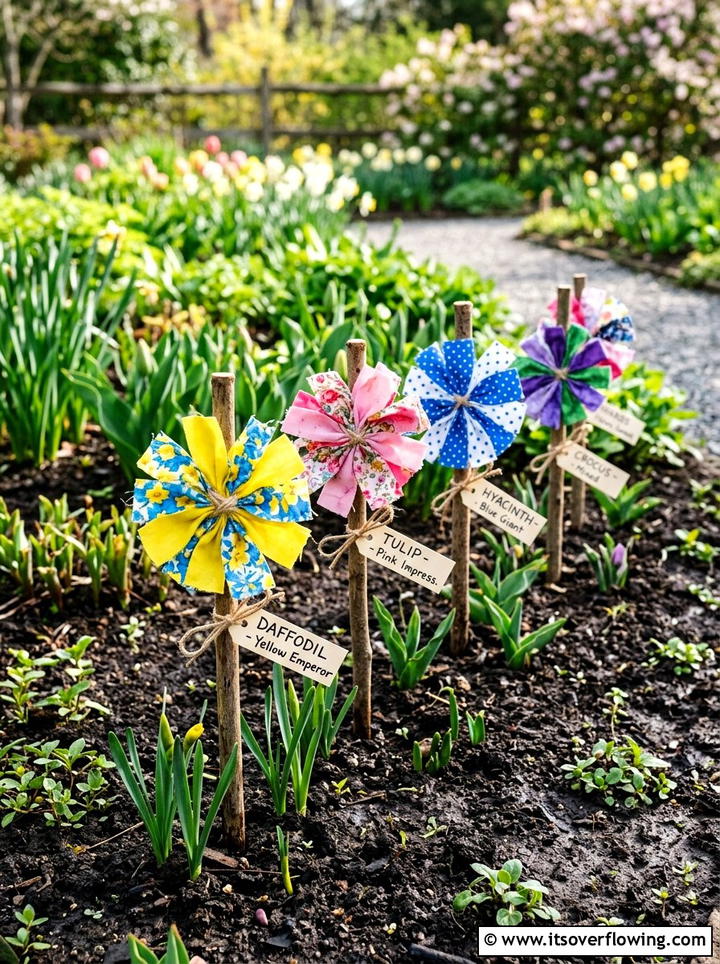
Keeping track of which flower bulbs you planted in the fall can be difficult once the winter snow melts and spring begins. You can create soft, colorful markers by tying specific fabric scraps to small wooden dowels and placing them at the end of each row. Assign a different color or pattern to each flower variety so you can easily identify them before they even break through the soil. This helps you plan your garden layout more effectively while adding little pops of color to the bare brown earth in early spring. The fabric markers are much more visible and charming than the tiny plastic tags that come from the nursery.
21. Braided Fabric Plant Hanger
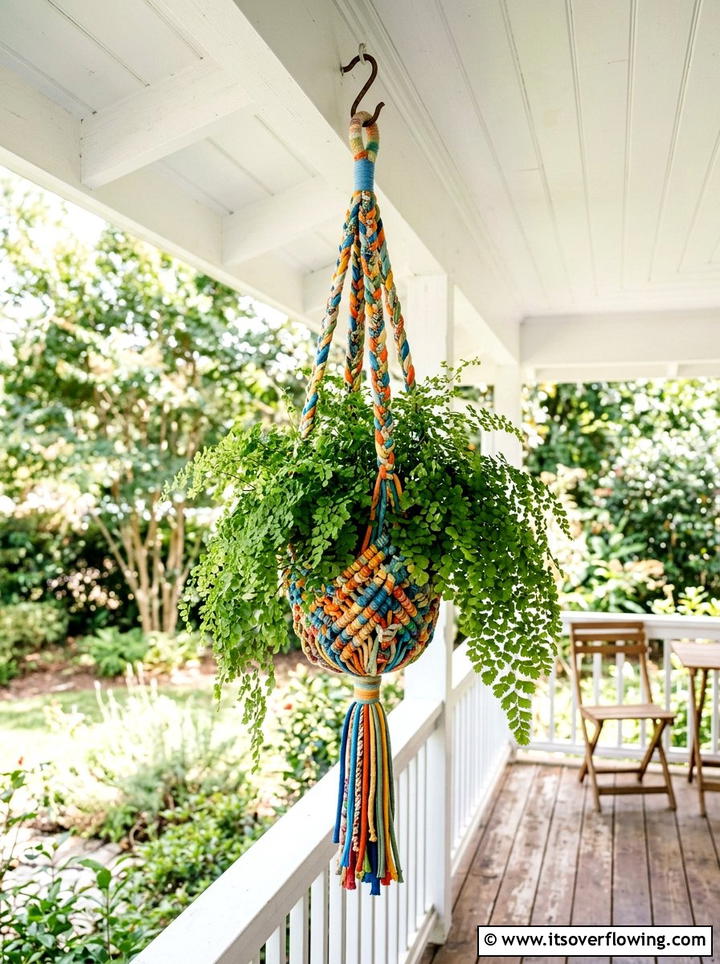
Hanging baskets are a staple for any porch, but the standard wire or plastic hangers can be quite plain and uninspired. You can create custom, heavy-duty plant hangers by braiding together three long strips of strong fabric scraps like jersey or denim. These braided ropes are incredibly strong and provide a soft, decorative touch that complements the trailing vines of your hanging petunias or ferns. You can mix and match different colors in the braid to create a variegated look that matches your outdoor furniture cushions. These hangers are also washable, making it easy to keep them looking clean and bright throughout the entire growing season.
22. Patchwork Garden Picnic Blanket
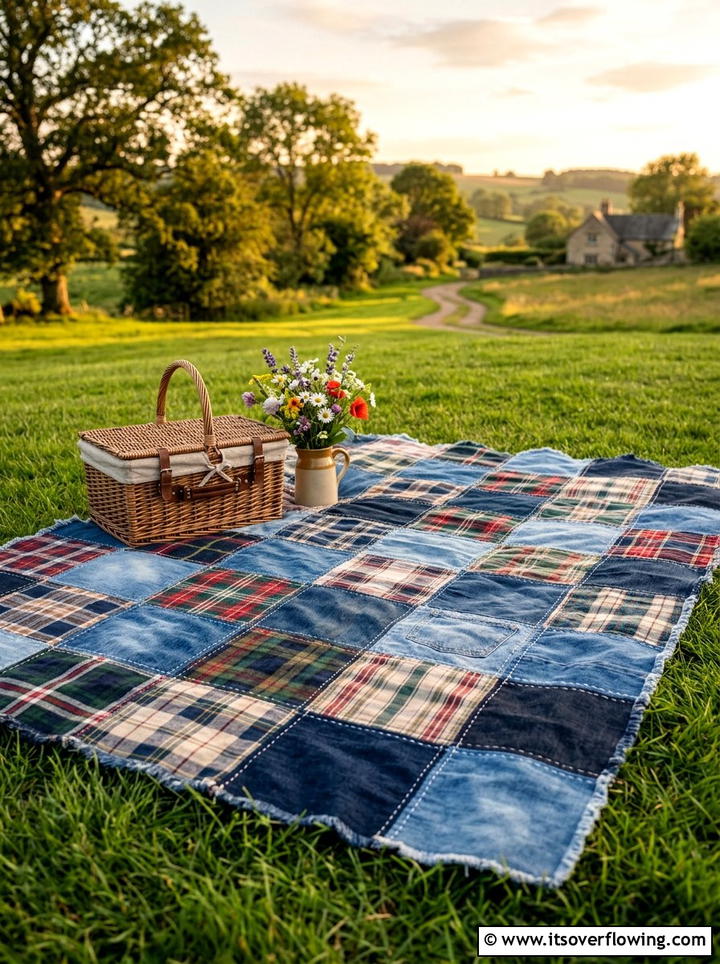
Nothing beats a spontaneous picnic on the lawn, but you need a durable blanket that can handle the occasional damp grass or dirt. You can quilt together your most durable fabric scraps, such as flannel or denim, to create a heavy-duty patchwork picnic blanket for the garden. Using a waterproof material like an old shower curtain as the backing will keep you dry even if the ground is slightly moist. This blanket becomes a beautiful piece of garden art when spread out, showcasing a history of your past sewing projects in every square. It is the perfect accessory for enjoying a sunset dinner surrounded by your blooming flowers.
23. Fabric Scrap Bird Feeder Hanger
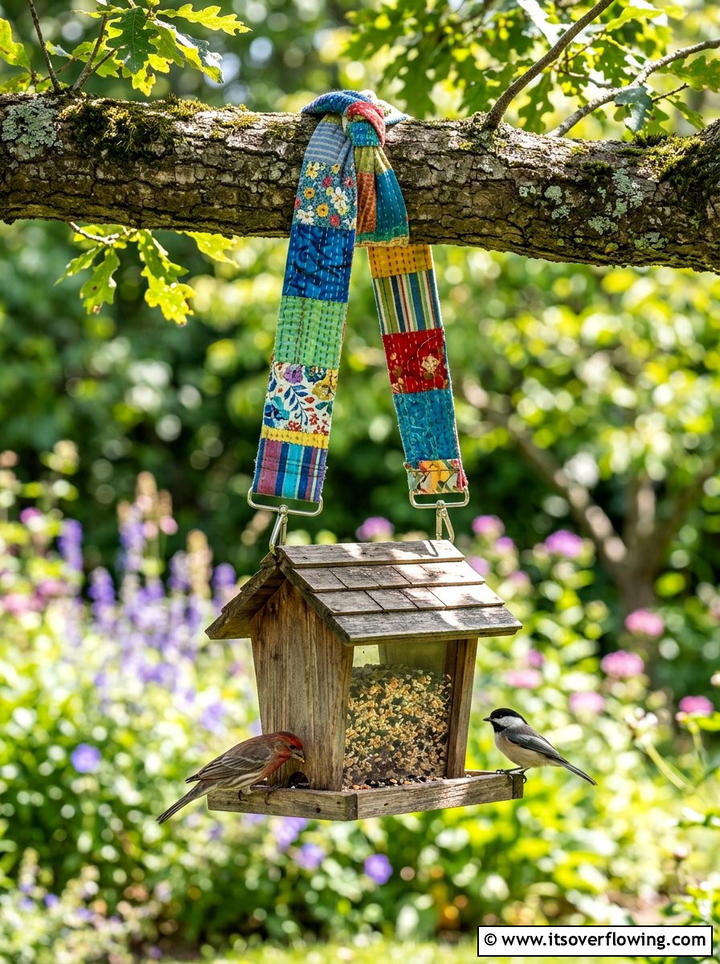
Suspending your bird feeders from tree branches often requires metal hooks that can sometimes rub against and damage the bark of the tree. A softer and more decorative option is to sew a wide, reinforced strap out of colorful fabric scraps to loop over the branch. This fabric strap distributes the weight of the feeder more evenly and prevents the sharp edges of wire from digging into the living wood. You can use scraps that match the colors of the birds you want to attract or bright patterns that make it easy to find your feeders. It is a small detail that shows extra care for your garden trees.
24. DIY Fabric Cold Frame Insulation
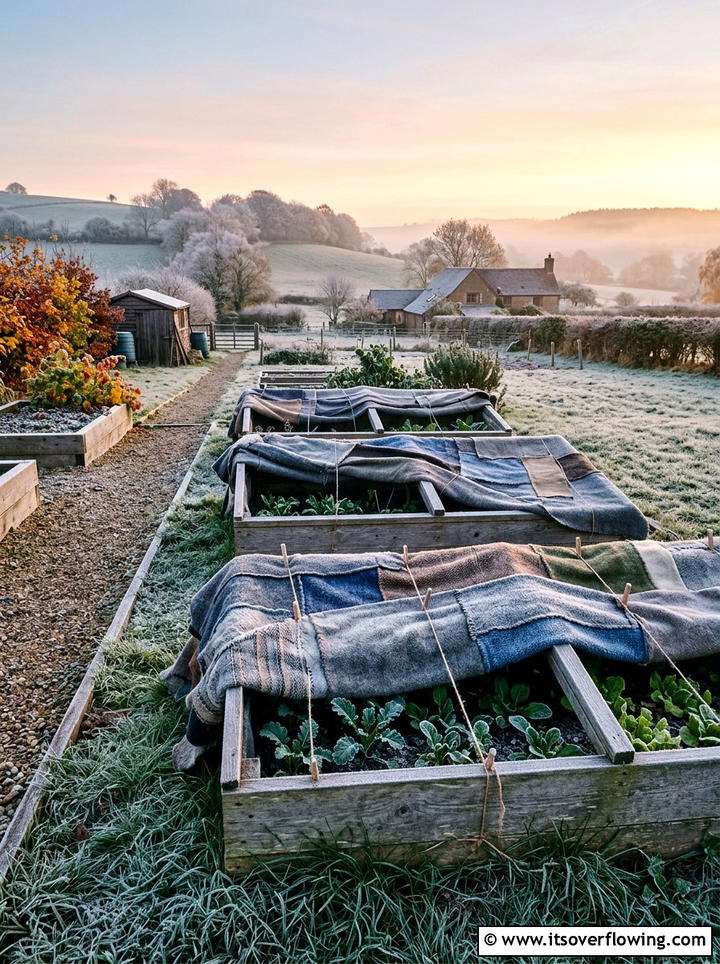
In early spring or late fall, protecting your delicate seedlings from unexpected frost is crucial for a successful harvest. You can use large, heavy fabric scraps like old wool blankets or thick fleece to create insulating covers for your cold frames or garden tunnels. Simply drape the fabric over the structure at night to trap the warmth of the soil and protect the plants from freezing temperatures. These fabric covers are much easier to handle and store than bulky plastic sheets and provide better breathability for the plants. This practical use for scrap fabric helps extend your growing season and ensures your garden stays productive longer.
25. Fabric Scrap Tree Wraps
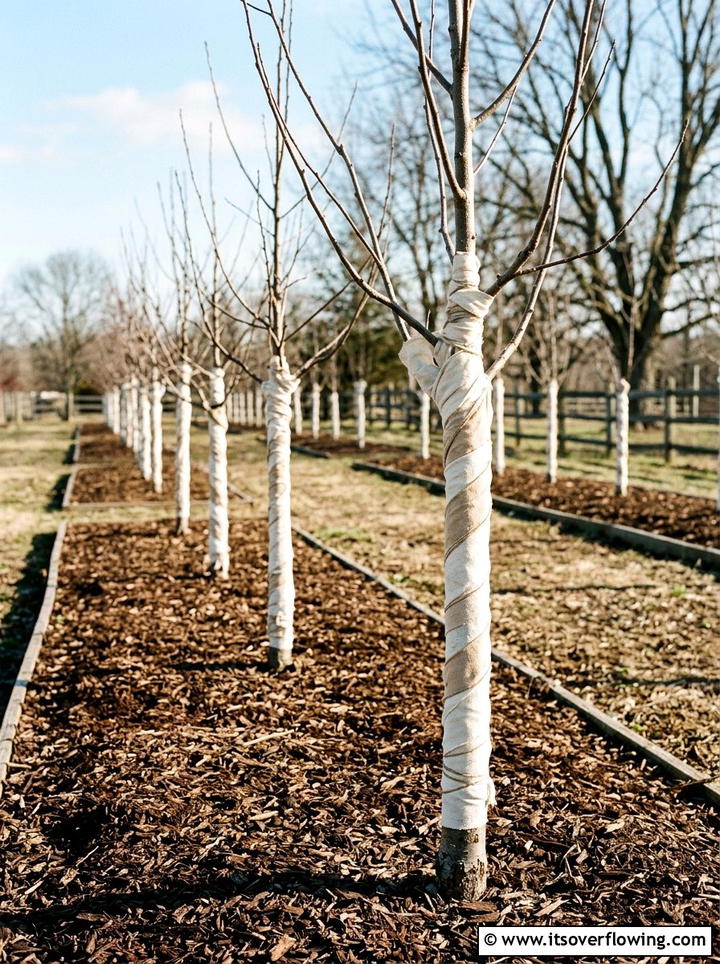
Young trees often need protection from the sun or from small animals that might chew on their tender bark during the winter months. You can create protective tree wraps by winding long, wide strips of light-colored fabric scraps around the lower trunk of the tree. This helps prevent sunscald on the bark while adding a touch of color to your winter landscape when most of the garden is dormant. Secure the ends with a simple knot or some biodegradable twine to ensure the wrap stays in place until spring. This functional upcycling project is a great way to use up long remnants of linen or light cotton.
Conclusion:
Embracing the beauty of upcycled garden ideas with fabric scraps is a wonderful way to marry your love for crafting with your passion for gardening. These twenty-five projects demonstrate that even the smallest piece of leftover cloth can be transformed into something functional, beautiful, and environmentally friendly. By choosing to reuse materials instead of buying new ones, you create a garden that is deeply personal and filled with unique textures that tell a story. Whether you are protecting your plants, attracting wildlife, or simply decorating your space, these textile-based ideas add warmth and character to your outdoor sanctuary. Start exploring your scrap bin today and watch your garden flourish with handmade charm.

Related posts:
 25 Upcycled Garden Ideas With Concrete Scraps To Try
 25 recycled garden ideas with wood scraps: Easy DIY Projects
 25 Upcycled Garden Ideas With Garden Signs for Cute Yard Decor
 25 Garden Ideas With Old Tires for Creative Upcycled Decor
 25 Upcycled Garden Ideas for Year Round Decor Outdoors
 25 Upcycled Garden Ideas With Cabinet Doors for Outdoor Decor
 25 Upcycled Garden Ideas With Glass Bottles for Yard Decor
 25 Upcycled Garden Ideas With Old Bathtubs for Bold Decor
 25 Upcycled Garden Ideas With Old Cans for Budget Decor
 25 Upcycled Garden Ideas With Old Chairs for Creative Decor
 25 Upcycled Garden Ideas With Old Drawers for Decor
 25 Upcycled Garden Ideas With Wine Bottles for Chic Yard Decor