
Transforming your outdoor space does not require a massive budget when you have a pile of leftover lumber sitting in your garage. Utilizing wood scraps for garden projects is an eco-friendly way to add character and functionality to your landscape. Whether you have small cedar offcuts, old pallet boards, or pressure-treated timber, these materials can become beautiful focal points. Repurposing these items reduces waste and gives your garden a unique, handcrafted feel that store-bought items simply cannot match. From practical storage solutions to decorative structures, the possibilities for upcycling are truly endless. This approach allows you to customize every detail to suit your specific gardening needs while staying sustainable.
1. Raised Bed From Wood Scraps
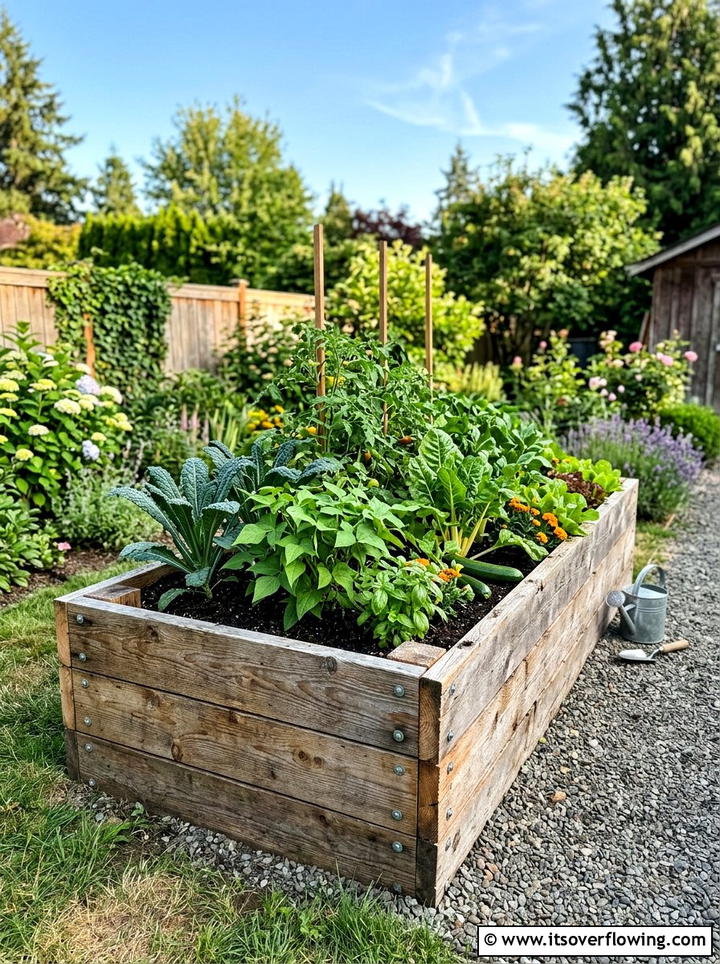
Building a raised garden bed using leftover cedar or pressure-treated wood scraps is a fantastic way to maximize your outdoor growing space while recycling materials. You can construct these sturdy boxes in various sizes to fit specific corners of your yard. Start by sorting your wood scraps into similar lengths to create uniform sides for your planters. Use galvanized screws to ensure the structure withstands moisture and soil pressure over time. These beds provide excellent drainage and help control soil quality, making them perfect for growing fresh vegetables or vibrant flowers. By elevating your garden, you also reduce back strain and keep many common pests away from your precious plants.
2. Vertical Planter Using Old Planks
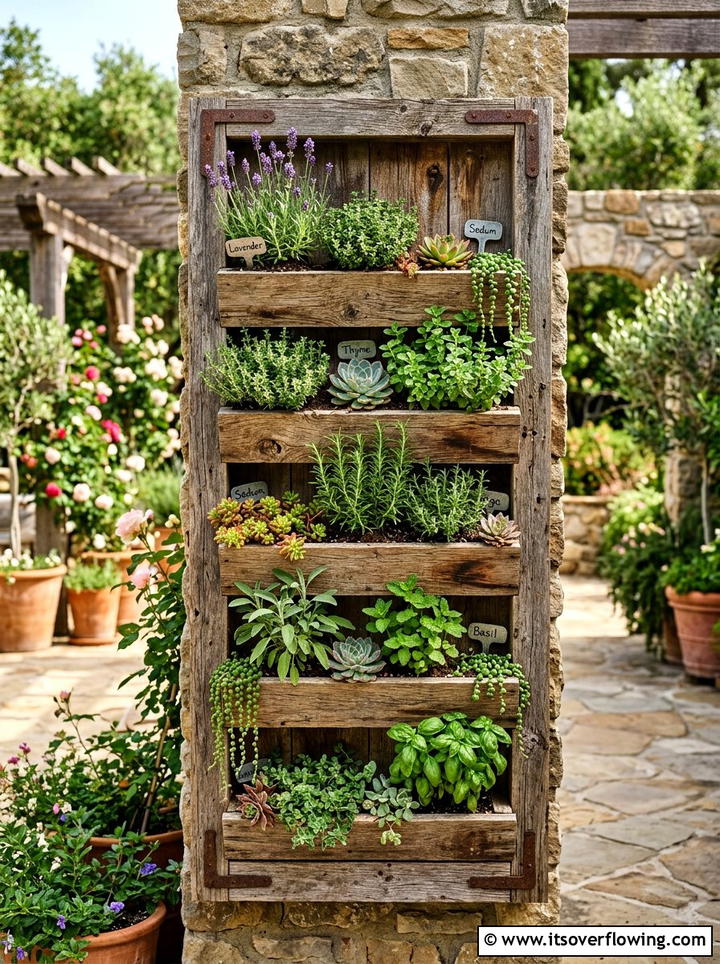
A vertical planter is the perfect solution for small gardens or balconies where ground space is limited. You can use old fence pickets or pallet wood to create a ladder-style structure or a wall-mounted grid. Secure small wooden boxes or repurposed tins to the frame to hold your favorite herbs and succulents. This design adds a lush green backdrop to your patio while keeping your plants organized and accessible. It is important to treat the wood with a garden-safe sealant to prevent rot from frequent watering. This vertical arrangement creates a striking visual impact and turns a bare wall into a living piece of natural art.
3. Garden Path Made Of Wood Slices
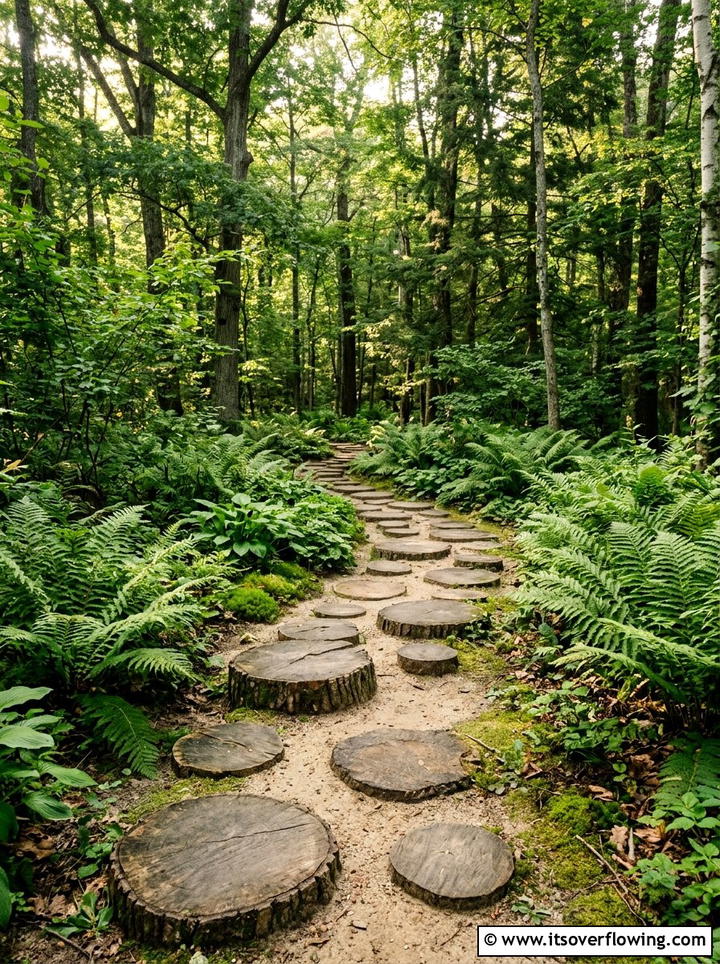
Creating a garden path using wood slices or log rounds adds an enchanting, rustic feel to any backyard walkway. You can cut thick branches or trunk sections into uniform discs to serve as natural stepping stones. Lay them out in a winding pattern over a bed of sand or gravel to ensure stability and proper drainage. The natural rings and textures of the wood provide a beautiful organic aesthetic that blends seamlessly with the surrounding greenery. Over time, these slices will weather naturally, enhancing the aged look of your landscape. This project is a wonderful way to repurpose fallen trees or large landscaping debris effectively.

4. Birdhouse Built With Leftover Cedar
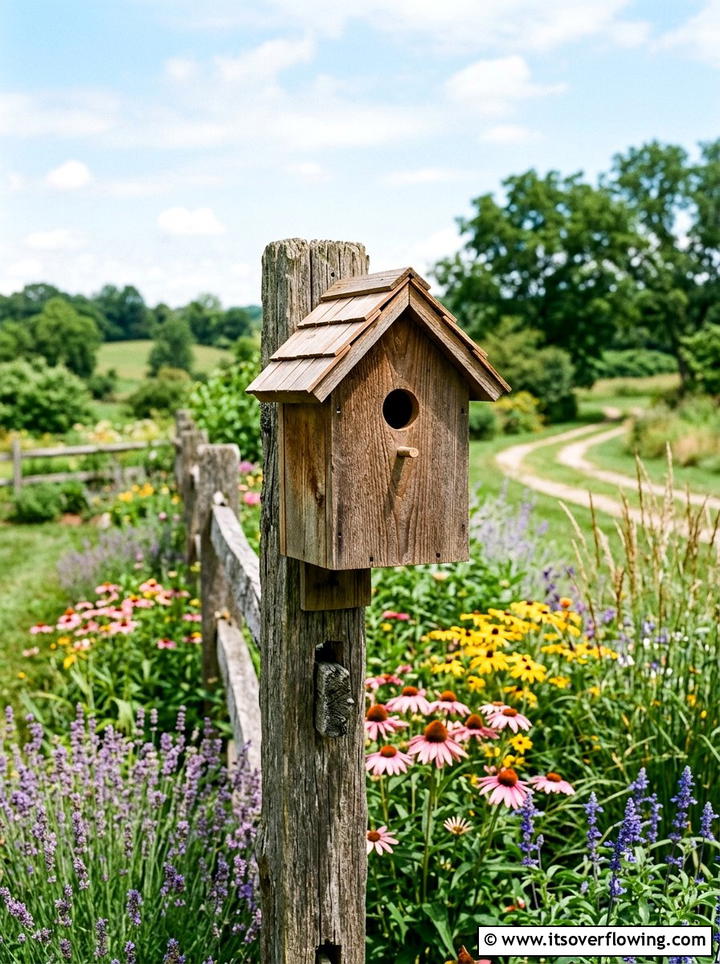
Attracting local wildlife to your garden is easy when you build custom birdhouses from small cedar offcuts or pine scraps. Cedar is especially valued for its natural resistance to decay and insects, making it an ideal choice for outdoor nesting boxes. Design your birdhouse with a sloped roof to shed rain and a small entry hole suited for specific local bird species. You can leave the wood raw for a natural look or paint it with non-toxic colors to add a pop of brightness. Mounting these houses on fence posts or trees provides safe havens for birds while adding a charming decorative element to your outdoor environment.
5. Garden Edging From Scrap Timber
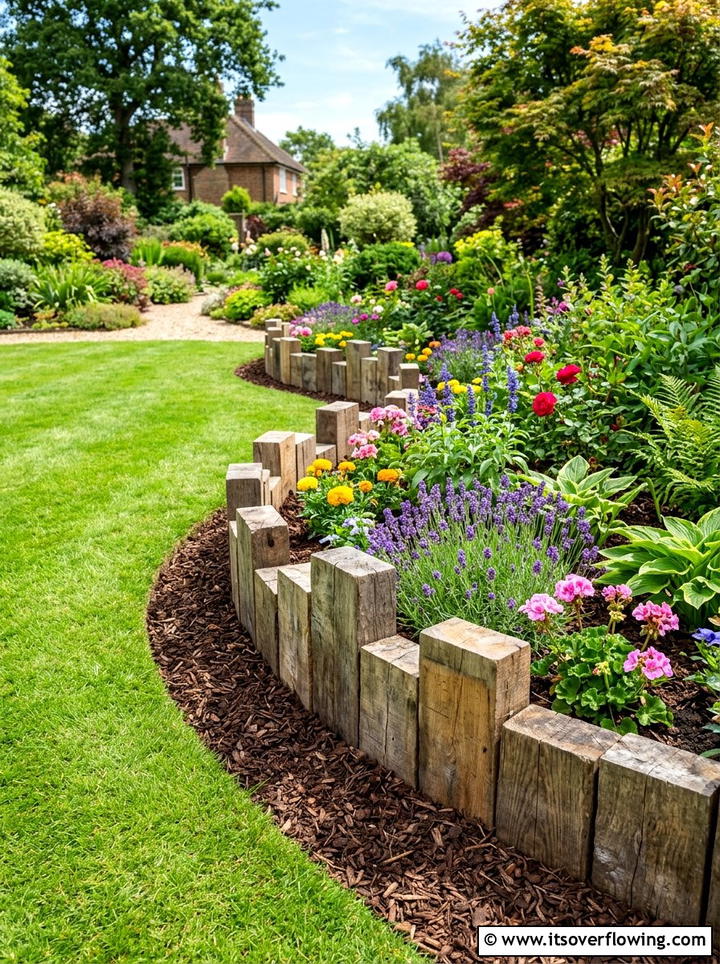
Defining your flower beds with scrap timber edging creates a clean and polished look for your entire landscape design. You can use short pieces of 2x4s or 4x4s driven vertically into the ground to create a sturdy and attractive border. This prevents grass from encroaching on your garden plots and helps keep mulch neatly in place during heavy rain. If you prefer a more rustic appearance, use irregular lengths of wood to create a staggered, whimsical effect. Applying a dark stain can make the edging stand out against green foliage, while natural weathering offers a subtle, integrated look that suits traditional cottage gardens perfectly.
6. Herb Markers From Wood Shims
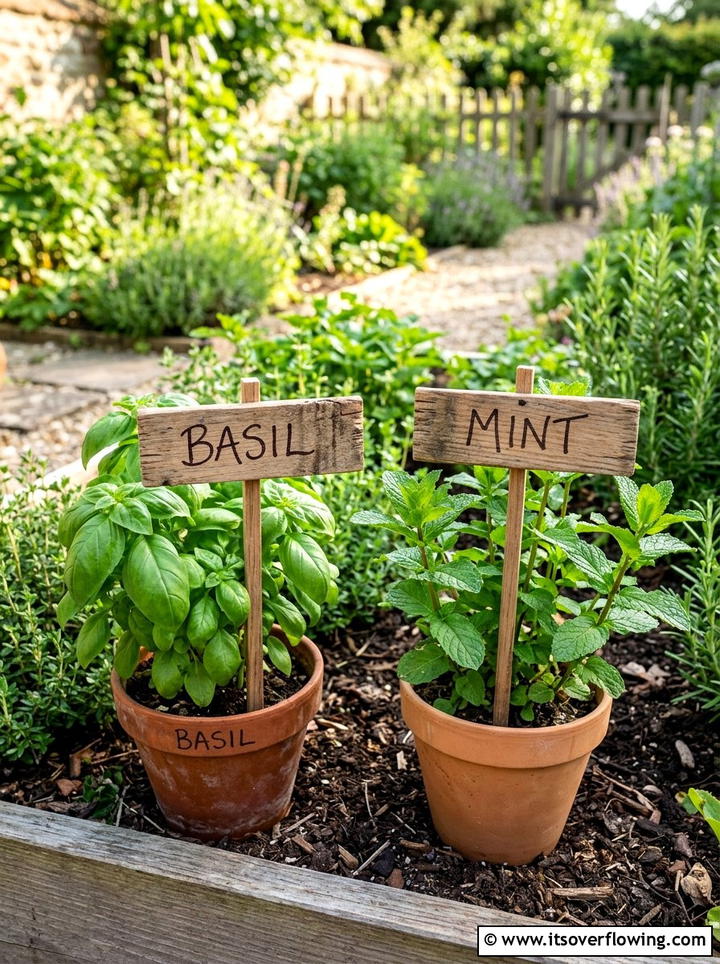
Keep your herb garden organized by creating simple and stylish plant markers from thin wood shims or small trim pieces. These tiny scraps are often overlooked but they are perfect for labeling different varieties of basil, rosemary, and thyme. You can use a wood-burning tool or waterproof ink to write the names of your plants clearly on each piece. Pointing one end makes it easy to push the marker into the soil without damaging delicate roots. These markers help you identify your crops quickly and add a professional, curated feel to your kitchen garden. They are quick to make and provide a very practical recycling solution.
7. Garden Bench Made Of Reclaimed Wood
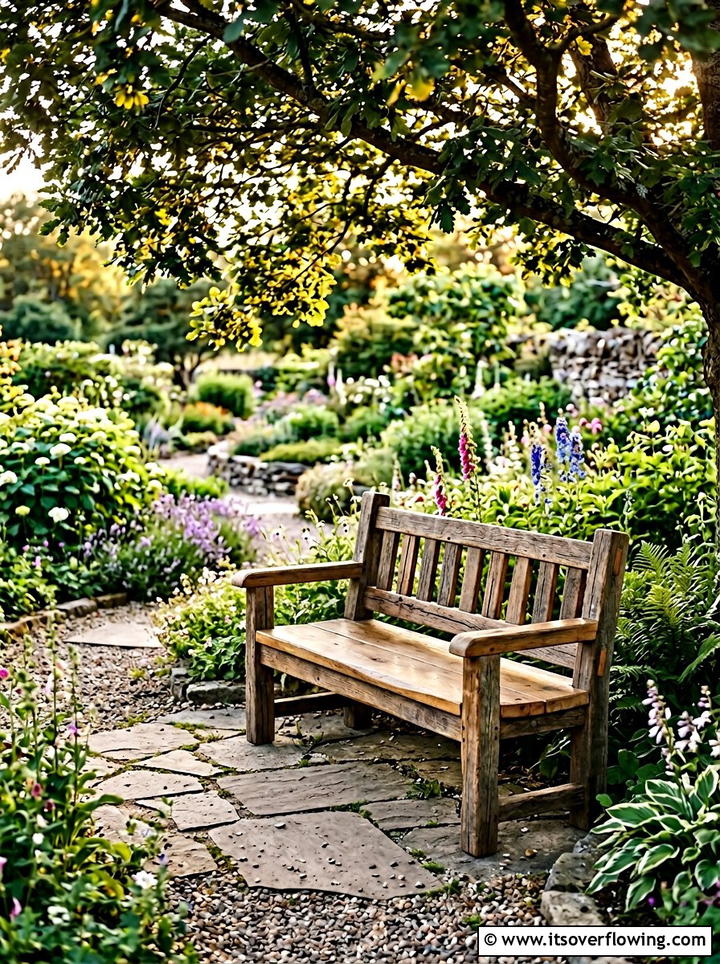
A garden bench made from reclaimed 4×4 posts and thick planks offers a sturdy place to relax and enjoy your landscape. You can assemble a simple box-style frame and top it with smoothed planks to create a minimalist yet functional seating area. Sanding the wood thoroughly is essential to prevent splinters and ensure a comfortable surface for sitting. This project works well in a quiet corner of the yard or along a main path as a resting spot. Using different types of wood scraps can result in a beautiful patchwork effect that highlights the unique history of each piece of salvaged material used.

8. Trellis For Vines Using Wood Strips
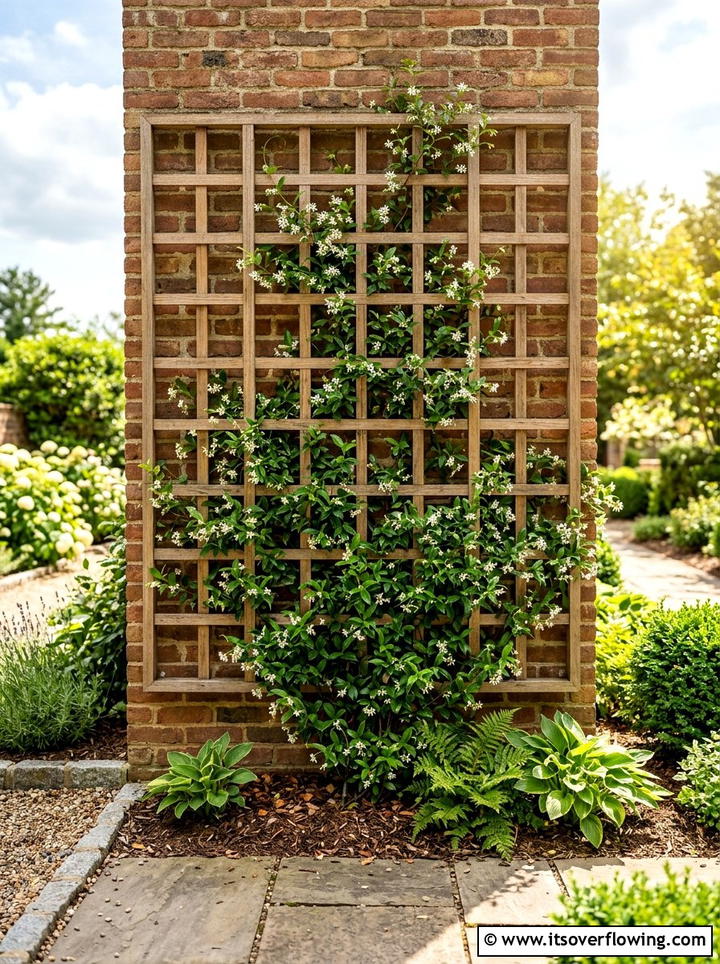
Support your climbing plants by constructing a custom trellis from thin wood strips or leftover lattice pieces. You can create a classic diamond pattern or a modern horizontal grid to guide vines like jasmine, clematis, or runner beans. Secure the structure to a sunny wall or a large planter box to provide the necessary vertical support for growth. A well-built trellis not only helps your plants thrive but also adds architectural interest to your garden. As the plants grow and cover the wooden frame, they create a beautiful screen of greenery and flowers. This simple project significantly enhances the vertical dimension of your outdoor space.
9. Potting Bench From Salvaged Lumber
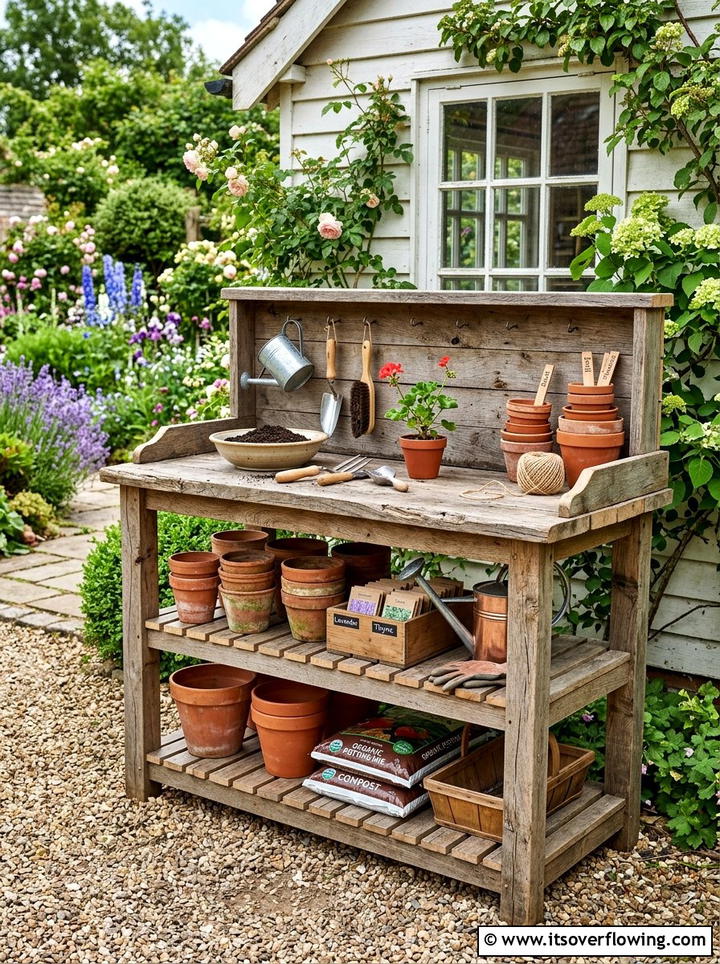
Every gardener needs a dedicated workspace, and building a potting bench from salvaged lumber is both practical and rewarding. Use larger wood scraps to create a sturdy frame with a wide tabletop for mixing soil and repotting plants. You can add lower shelves to store empty pots, watering cans, and bags of fertilizer for easy access. Adding a few hooks to the side allows you to hang hand tools and gloves neatly. This centralized hub keeps your gardening supplies organized and saves your back from constant bending. A weathered wood finish gives the bench a timeless look that fits beautifully into any shed or patio.
10. Cold Frame For Seedlings
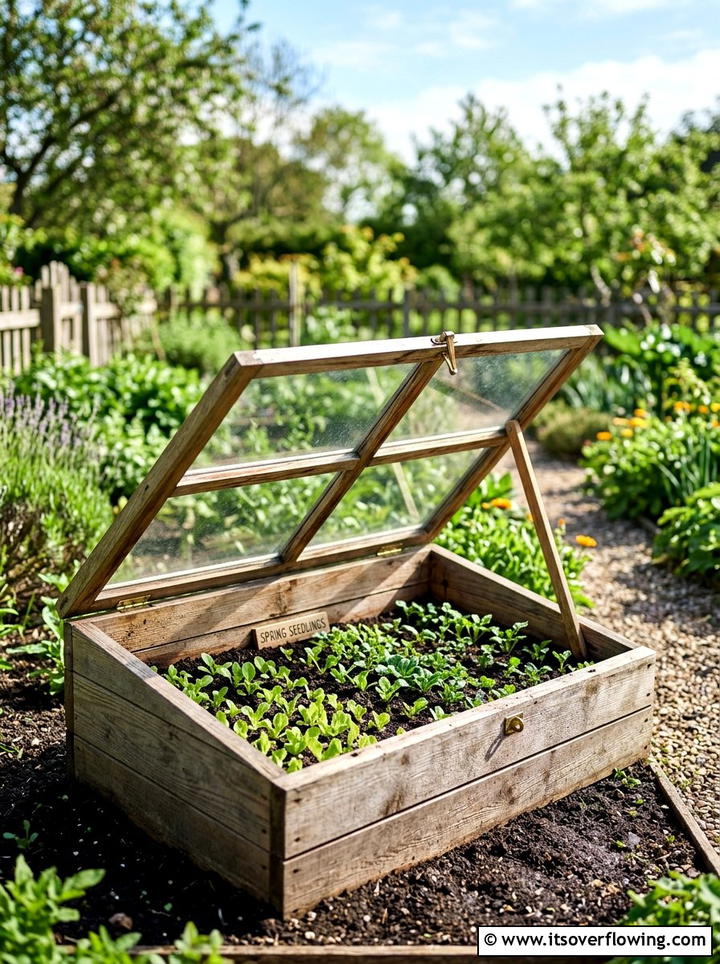
Extend your growing season by building a simple cold frame using scrap wood and an old glass window or clear plastic. This miniature greenhouse protects young seedlings from late spring frosts and provides a warm environment for early planting. Build a wooden box with a slanted top so that the glass lid can capture maximum sunlight and shed rainwater easily. Use hinges to attach the lid, allowing you to prop it open for ventilation on warmer days. This functional structure is a must-have for serious gardeners who want to get a head start on the season. It is a brilliant way to recycle both wood and glass.
11. Insect Hotel Using Wood Scraps
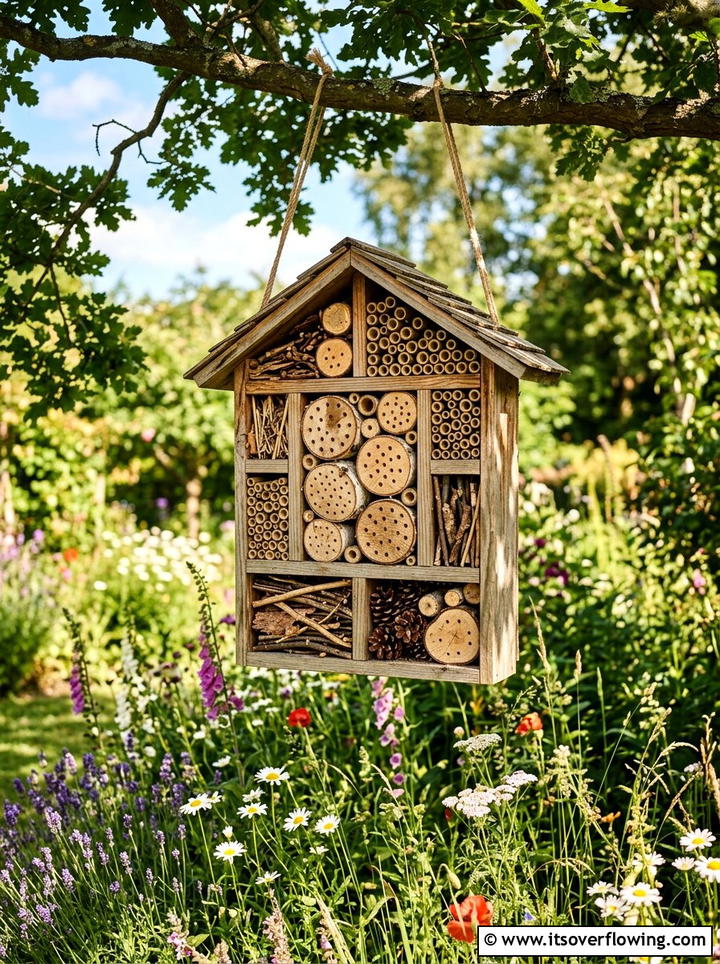
Supporting biodiversity in your backyard is easy when you build an insect hotel using various wood scraps and natural materials. Construct a simple wooden frame and fill the interior with drilled logs, small sticks, and bits of bark. These crevices provide essential nesting sites for solitary bees, ladybugs, and other beneficial insects that help pollinate your garden. Placing the hotel in a sheltered, sunny spot encourages local pollinators to take up residence and thrive. This project is not only functional for the ecosystem but also serves as an interesting educational feature for children. It turns random wood debris into a vital habitat for nature.
12. Flower Box For Windowsills
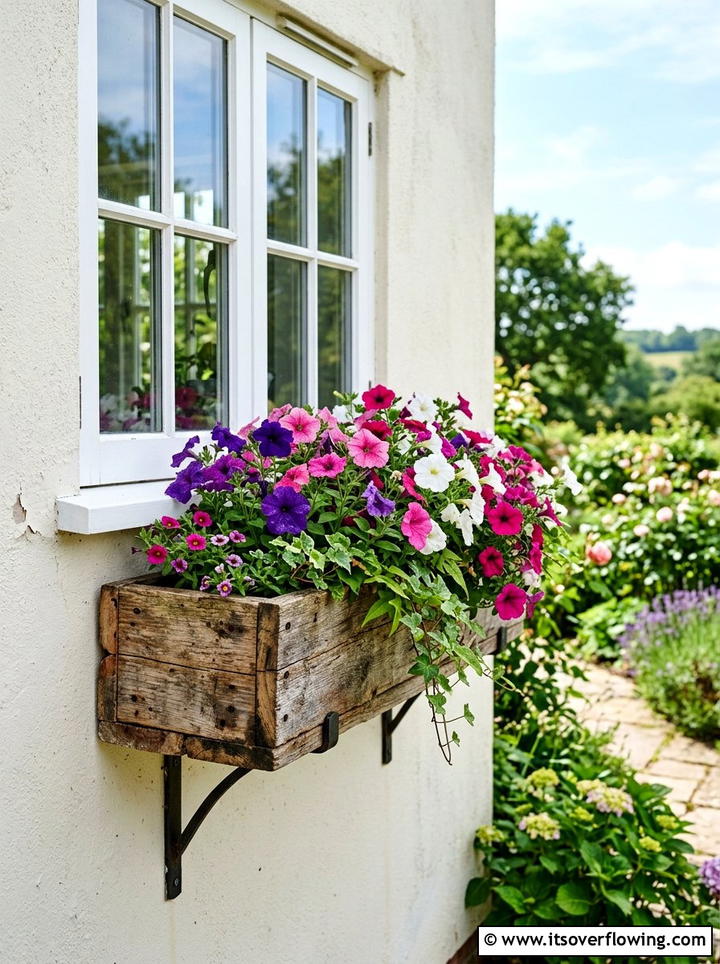
Enhance your home’s curb appeal by creating custom flower boxes from scrap cedar or pine boards to sit on your windowsills. These boxes allow you to enjoy colorful blooms and fragrant herbs right outside your window throughout the year. Ensure you drill drainage holes in the bottom to prevent water from pooling and causing root rot. You can paint the boxes to match your shutters or leave them natural for a rustic farmhouse look. Mounting them securely with sturdy brackets ensures they stay in place even when filled with heavy wet soil. These small additions bring life and color to the exterior of any building.
13. Arbor For Garden Entrance
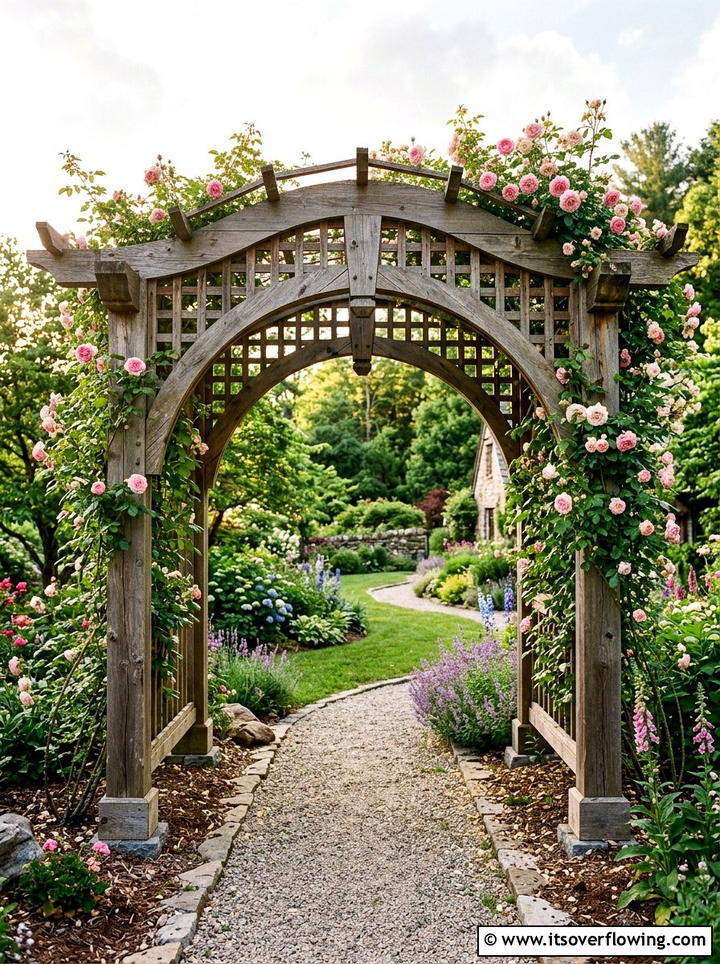
Create a grand entrance to your backyard sanctuary by building a wooden arbor from sturdy scrap timber and crossbeams. An arbor defines the transition between different areas of your yard and provides a beautiful frame for climbing roses or wisteria. Use thick posts for the vertical supports to ensure the structure remains stable during windy weather. You can add decorative details like arched tops or side lattice panels to enhance the visual appeal. This architectural element adds height and drama to your landscape, making your garden feel more established and professional. It is a stunning way to use larger pieces of reclaimed wood effectively.
14. Compost Bin From Wood Pallets
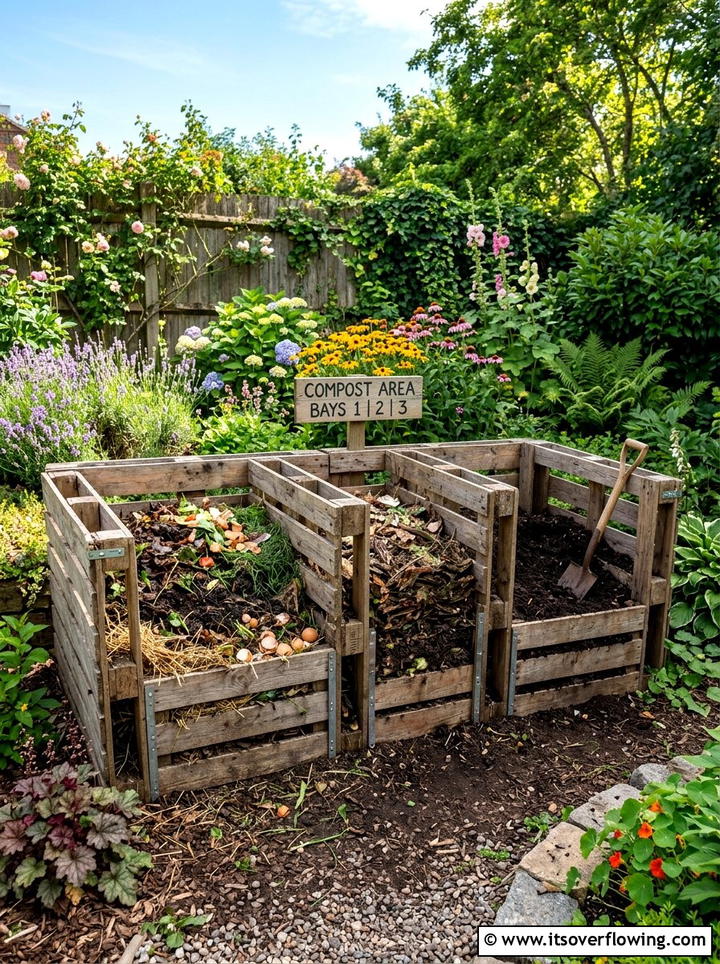
Managing your garden waste becomes much easier with a DIY compost bin constructed from old wood pallets or scrap boards. A well-ventilated bin allows air to circulate through your organic matter, speeding up the decomposition process significantly. You can build a three-sided structure for easy access or a fully enclosed box with a removable front panel. This functional project helps you create nutrient-rich soil for your plants while keeping your yard tidy and organized. Using recycled wood for a compost bin is a perfectly circular way to support your garden’s health. It is a practical and budget-friendly solution for any eco-conscious gardener.
15. Tool Rack For Garden Shed
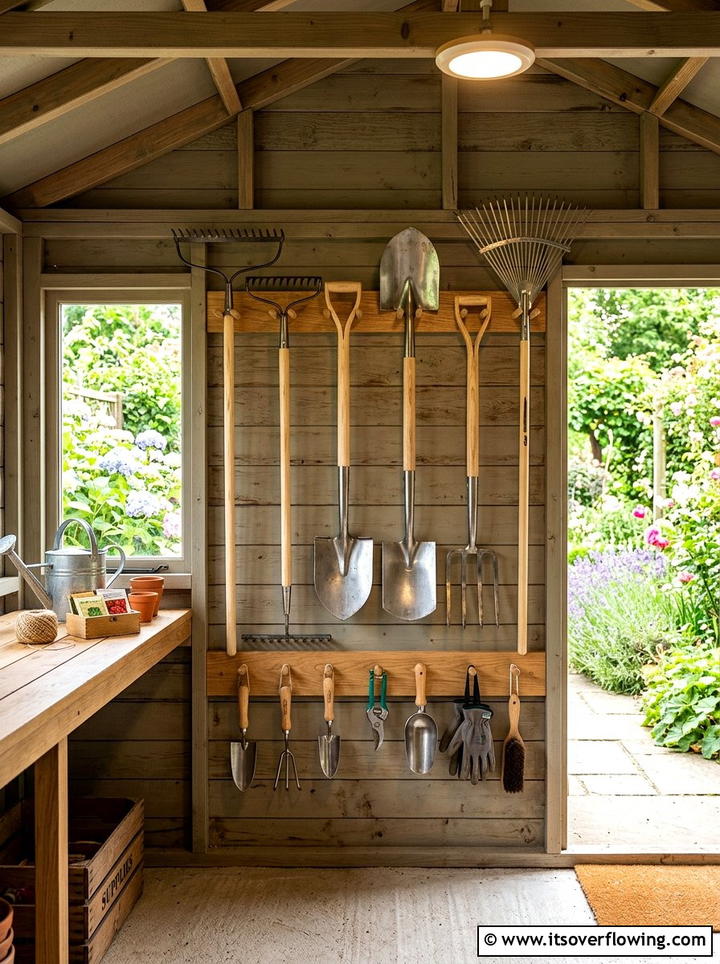
Organize your shovels, rakes, and hoes by building a simple tool rack from a single plank of scrap wood and a few pegs. Mount the board horizontally on your shed wall or fence and add sturdy wooden dowels or large nails to hold your tools. This keeps your equipment off the ground, preventing rust and making it easy to find exactly what you need. You can even cut slots into a thicker piece of wood to hold smaller hand tools like trowels and pruners. A tidy tool area saves time and protects your investment in quality gardening gear. This project is quick to assemble and highly effective.
16. Rain Barrel Stand From Timber
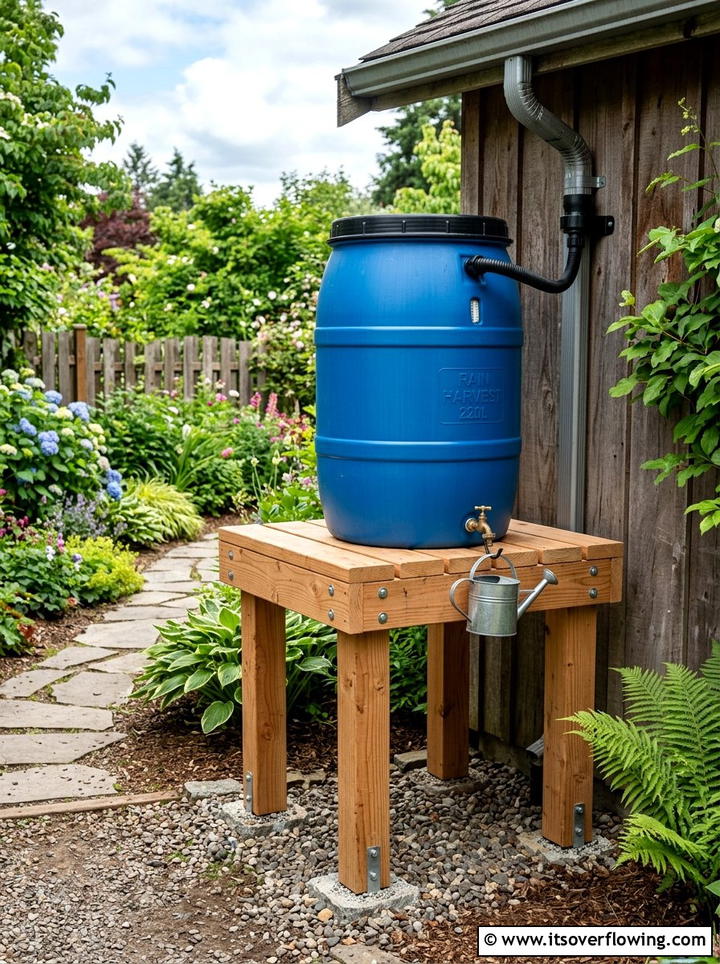
A rain barrel stand made from heavy-duty wood scraps provides the necessary elevation to improve water pressure for your garden hose. Use 4×4 posts and thick 2×6 boards to create a platform that can support the immense weight of a full water barrel. Elevating the barrel also makes it much easier to fit a watering can under the spigot for quick tasks. Treat the wood with a waterproof sealant since it will be frequently exposed to moisture near the downspout. This practical addition to your rainwater harvesting system is both durable and visually appealing. It turns a utility item into a cohesive part of your garden.
17. Privacy Wall For Outdoor Spaces
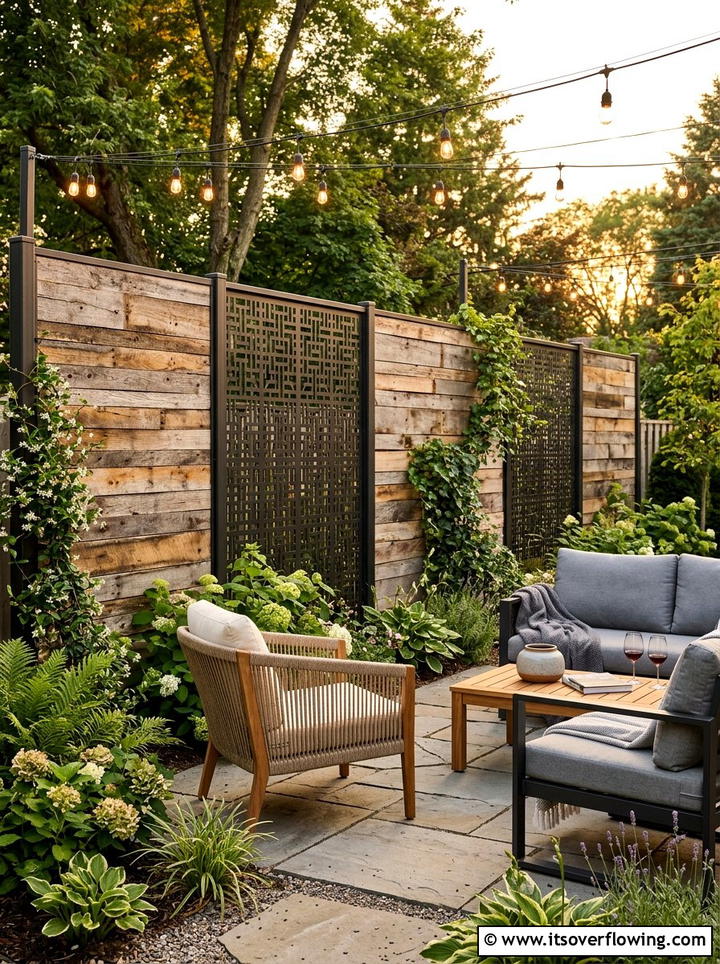
If you want to create a secluded retreat in your yard, a privacy wall made from varied wood scraps is an excellent choice. You can stagger different lengths and widths of boards horizontally or vertically to create a modern, textured screen. This structure blocks the view from neighbors while allowing light and air to filter through the gaps. It also serves as a perfect backdrop for hanging potted plants or outdoor lighting fixtures. Using different stains or paint colors on the various scraps can create a vibrant, artistic feature. This wall effectively defines your outdoor living area and provides a sense of cozy intimacy.
18. Decorative Garden Bridge
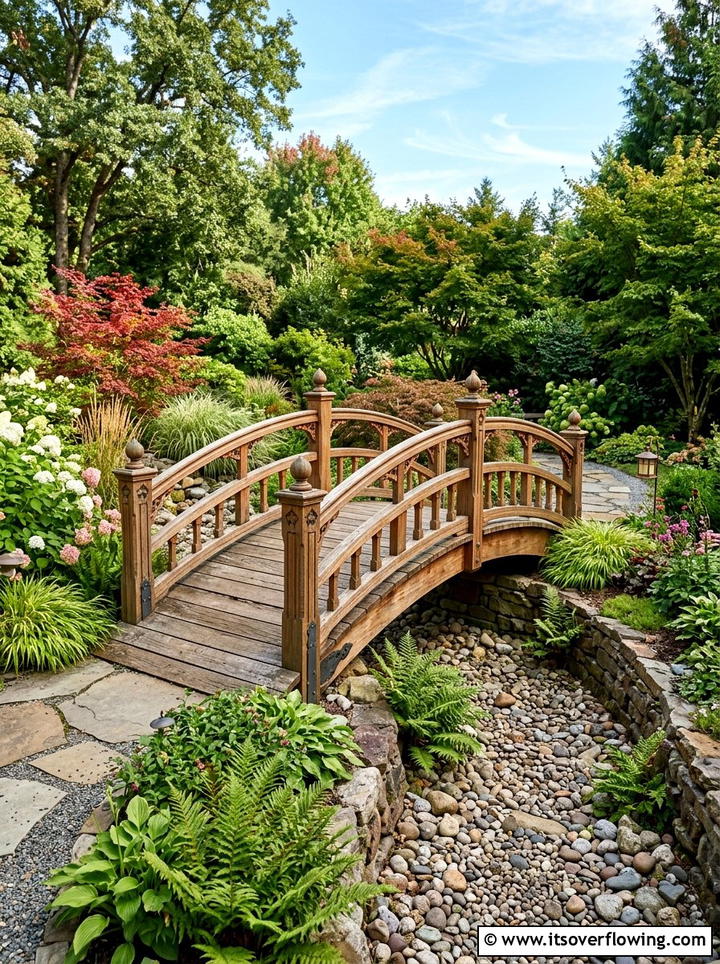
A small decorative bridge made from curved wood scraps and sturdy planks can add a touch of whimsy to a dry creek bed or garden pond. Even if you don’t have a water feature, a bridge can serve as a charming transition piece between different garden zones. Focus on building a strong base using thick joists and secure the decking boards with outdoor screws for safety. Adding simple handrails made from branches or slim wood strips enhances the traditional look. This feature becomes an instant conversation piece and adds a sense of depth and discovery to your landscape design. It is a delightful way to use lumber.
19. Hanging Planter Frame
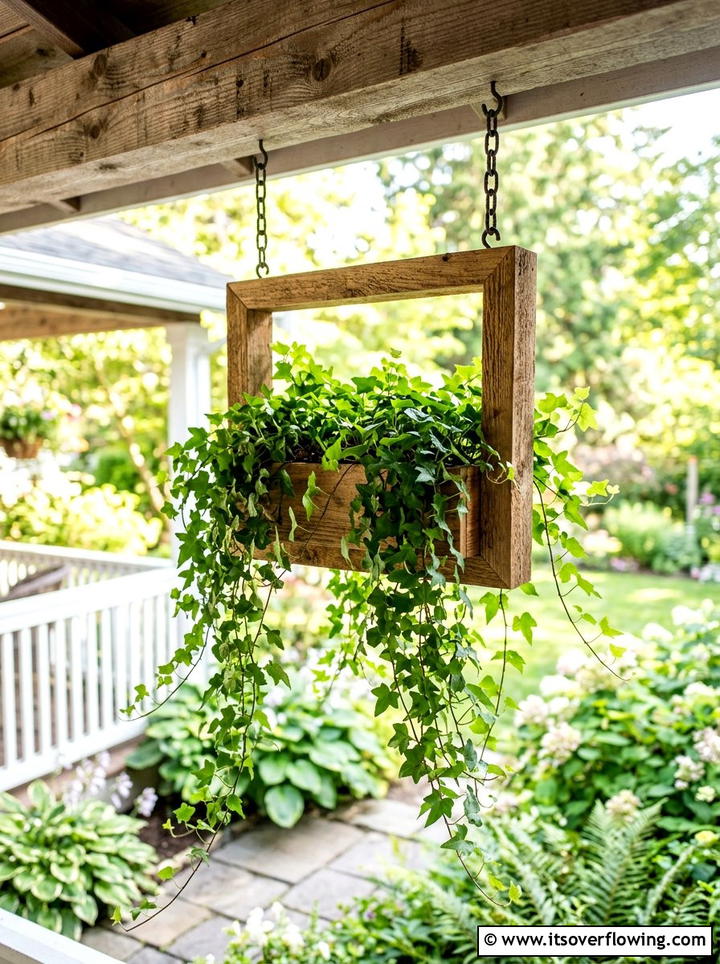
Showcase your favorite trailing plants by building a hanging planter frame from scrap wood to hang from a porch or tree limb. You can create a simple square or triangular frame that holds a standard plastic or terracotta pot securely. Use durable rope or heavy-duty chain to hang the structure at eye level for maximum impact. These frames add layers of greenery to your garden and are perfect for ferns, petunias, or strawberries. By using scraps, you can make several frames in different sizes to create a dynamic hanging display. This project is easy to customize and brings life to the upper levels of your space.

20. Patio Side Table From Scraps
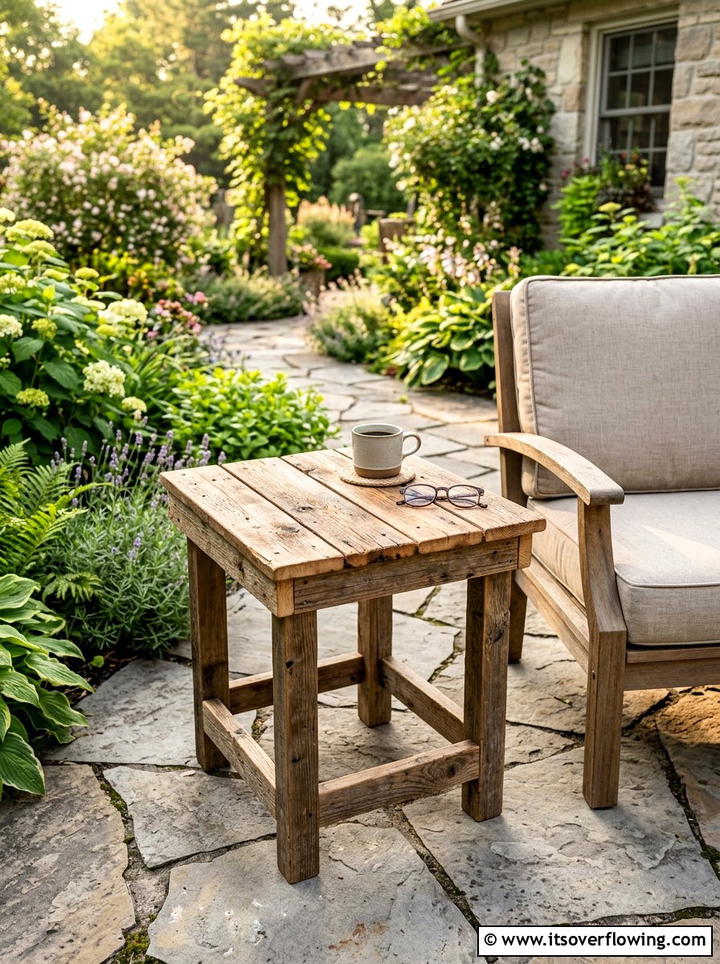
Complete your outdoor seating area by crafting a small side table from leftover 2x4s and a smooth wood top. A compact table provides the perfect spot to place a cup of coffee or a book while you relax in the sun. You can design the base with a simple X-frame or a classic four-leg style depending on your skill level. Sand the edges carefully to create a soft, finished look that feels comfortable to the touch. Applying a weather-resistant finish will ensure the table stays beautiful through various seasons. This functional piece of furniture is a great way to use up those medium-sized wood offcuts.
21. Tiered Herb Garden Structure
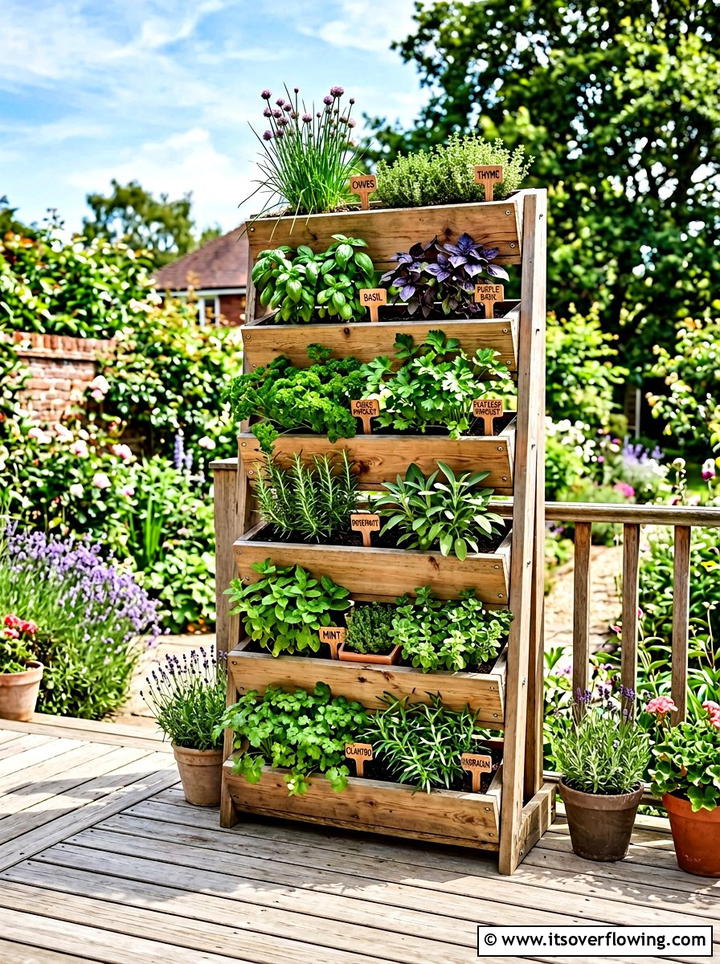
A tiered herb garden made from scrap wood allows you to grow a variety of culinary plants in a very compact footprint. By stacking wooden boxes of decreasing sizes, you create multiple levels of planting space that receive ample sunlight. This vertical arrangement makes harvesting fresh herbs easy and keeps different varieties separate to prevent overcrowding. You can place this structure near your kitchen door for ultimate convenience while cooking. The tiered design also adds visual interest and a sense of abundance to your patio or deck. It is an efficient use of space that turns simple wood scraps into a productive and beautiful garden feature.
22. Garden Lantern Made Of Wood
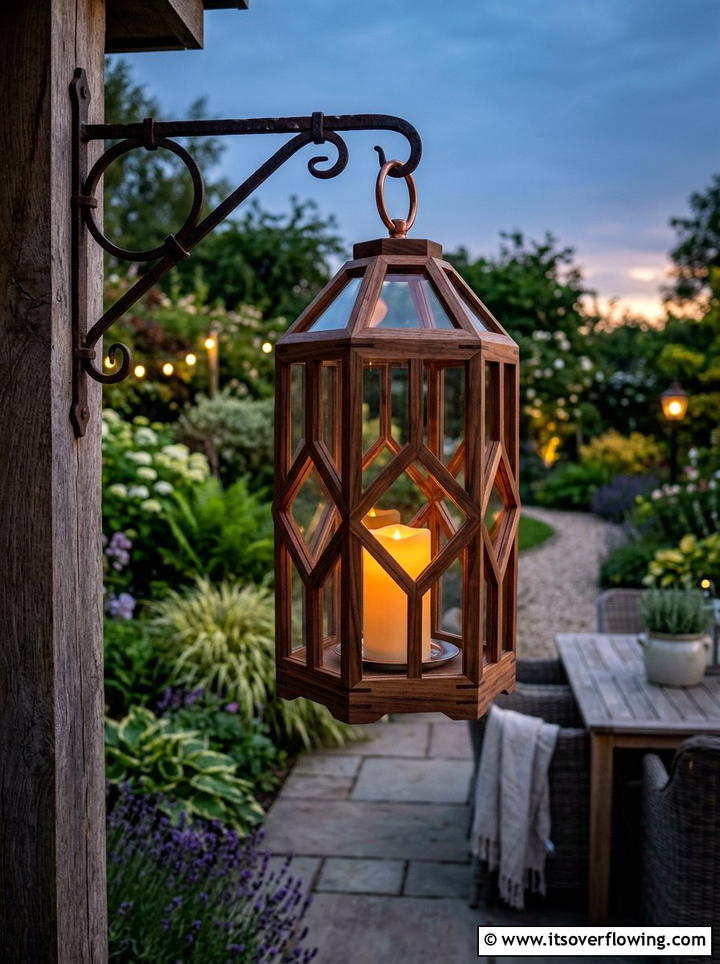
Add a warm glow to your evening garden with custom lanterns crafted from thin wood scraps and glass or acrylic panels. You can design these lanterns in various geometric shapes, from classic rectangular boxes to modern lanterns with open sides. Use a battery-operated LED candle inside for safety and a soft, flickering light effect. These lanterns look beautiful lining a path, hanging from trees, or sitting on a patio table during outdoor gatherings. The wood frames provide a rustic contrast to the light, creating a cozy and inviting atmosphere. This project is a wonderful way to use very small pieces of wood in a creative way.
23. Butterfly House From Cedar Scraps
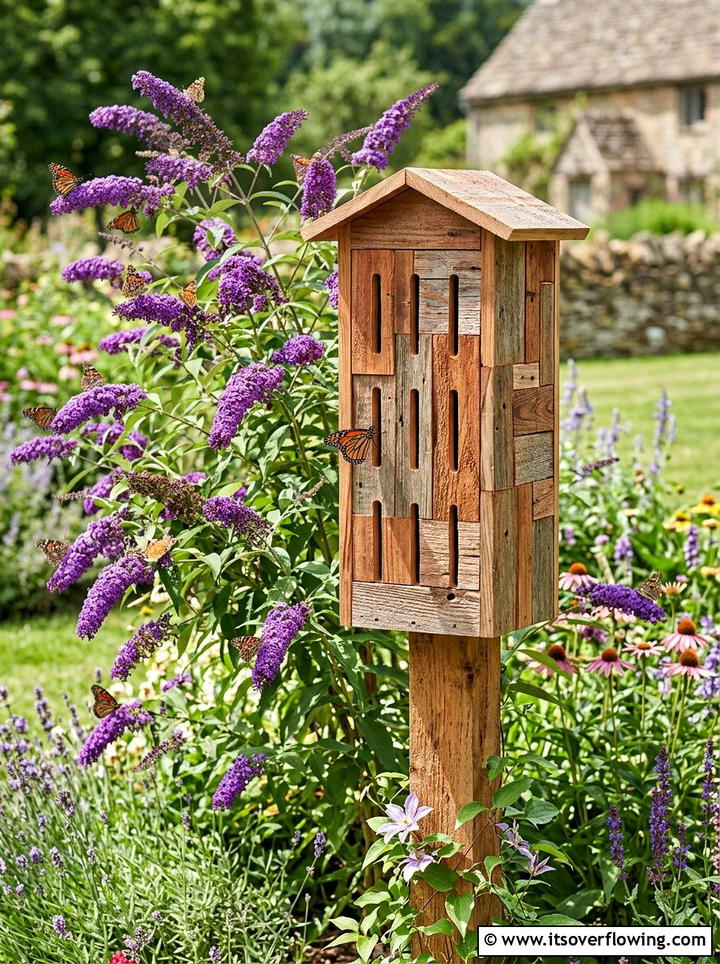
Encourage beautiful butterflies to visit your garden by building a specialized butterfly house from cedar or pine scraps. Unlike birdhouses, butterfly houses have long, narrow vertical slits that allow these delicate insects to enter and find shelter from the wind and rain. Place the house near nectar-rich flowers like milkweed or lavender to attract them effectively. Inside, you can add a few pieces of bark or twigs for the butterflies to cling to while they rest. This functional garden ornament supports local ecology and adds a touch of natural beauty to your backyard. It is a simple yet impactful project for any nature enthusiast.
24. Walkway Using Reclaimed Planks
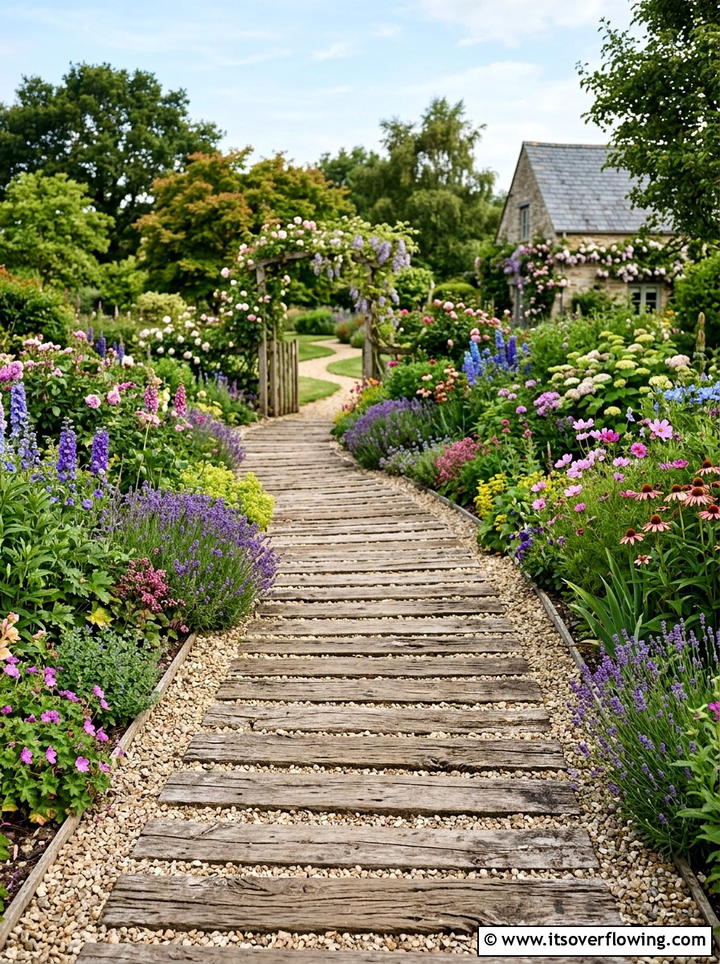
A rustic walkway made from reclaimed planks or pallet wood can transform a muddy area into a charming and functional path. Lay the boards horizontally over a prepared base of gravel or mulch to create a boardwalk-style appearance. This type of path is perfect for vegetable gardens or woodland areas where a formal stone path might feel out of place. Ensure the wood is treated for ground contact to maximize its lifespan and prevent premature rotting. The varied colors and textures of reclaimed planks create a unique look that tells a story. This walkway adds structure and accessibility to your garden while recycling large amounts of wood.
25. Outdoor Shelf For Potted Plants
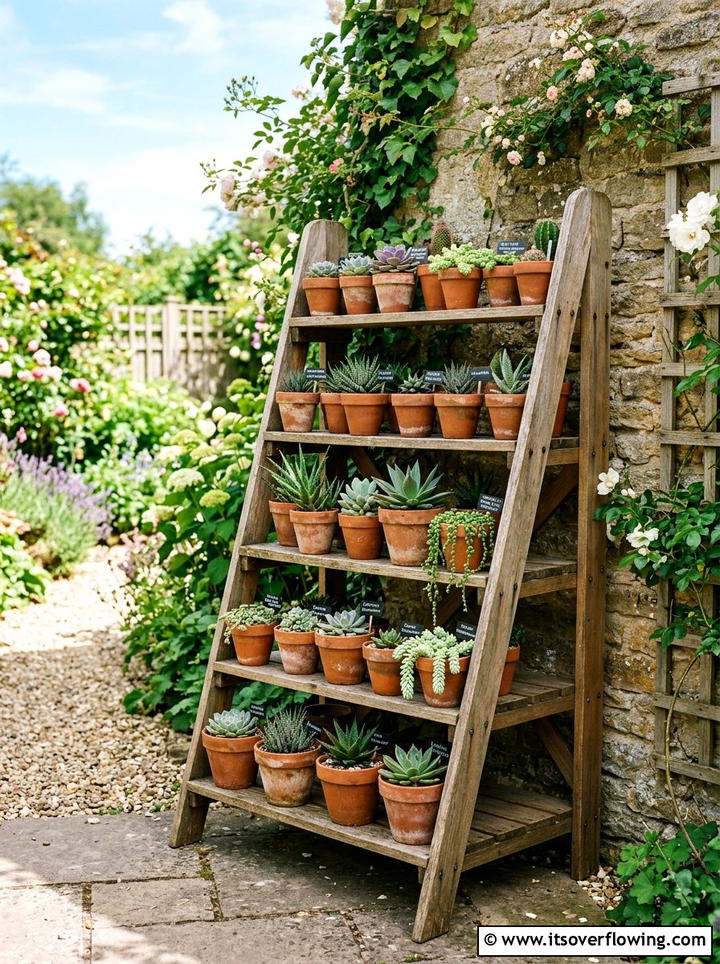
Display your collection of potted succulents or flowers on a multi-level outdoor shelf built from scrap wood planks. You can mount simple shelves to a fence or build a free-standing unit that leans against a wall. This setup allows you to organize your plants by size or light requirements, creating a stunning vertical display. Use sturdy brackets or a ladder-style frame to ensure the shelves can handle the weight of heavy pots. An outdoor shelf keeps your plants off the ground, protecting them from some pests and making maintenance much easier. It is a practical and attractive way to utilize every inch of your garden space.
Conclusion:
Embracing the use of wood scraps in your garden is a journey into creativity and sustainability that pays off with every project. By looking at a pile of leftover lumber and seeing the potential for beauty, you can create a truly personalized outdoor sanctuary. These projects not only save money but also contribute to a healthier planet by reducing waste and supporting local wildlife. Whether you are building a simple plant marker or a grand entrance arbor, the satisfaction of making something with your own hands is unmatched. Your garden will become a reflection of your resourcefulness, filled with unique stories and functional art that will last for years.

Related posts:
 25 recycled garden ideas with recycled plastic projects
 25 Recycled Garden Ideas DIY Projects for Outdoor Charm
 25 Upcycled Garden Ideas With Fabric Scraps for Colorful Decor
 25 Upcycled Garden Ideas With Concrete Scraps To Try
 25 recycled garden ideas with recycled wood art to Try
 25 Recycled Garden Ideas for School Projects
 25 recycled garden ideas with recycled glass art to Love
 25 recycled garden ideas with recycled metal art to Try
 25 Upcycled Garden Ideas With Reclaimed Wood Projects
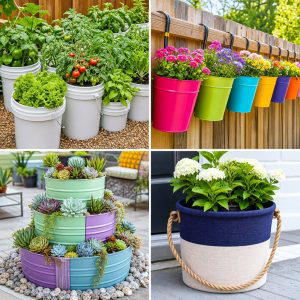 25 recycled garden ideas with buckets: Budget DIY Planters
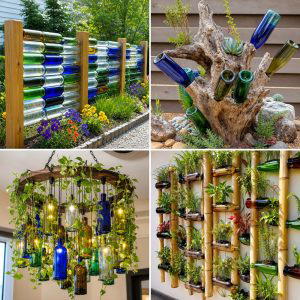 25 recycled garden ideas with hanging bottle planters: DIY
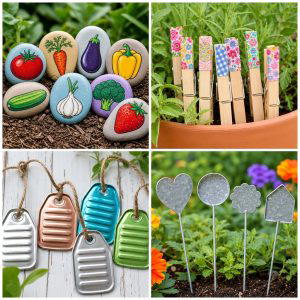 25 recycled garden ideas with plant labels for Easy DIY