
Creating a sustainable outdoor space often starts with the small details that make a huge difference in your daily routine. Many gardeners are looking for creative ways to reuse household waste while keeping their vegetable patches and flower beds organized. Utilizing recycled materials for plant labels is a brilliant way to reduce environmental impact and add a personalized touch to your landscape. These eco-friendly solutions help you track where you planted your favorite herbs or rare perennials without spending a single penny on plastic store-bought tags. You can turn common items into functional art pieces that withstand the elements while making your backyard look charming and professional. This practice encourages a mindful approach to nature and gardening as a whole.
1. Wine cork markers
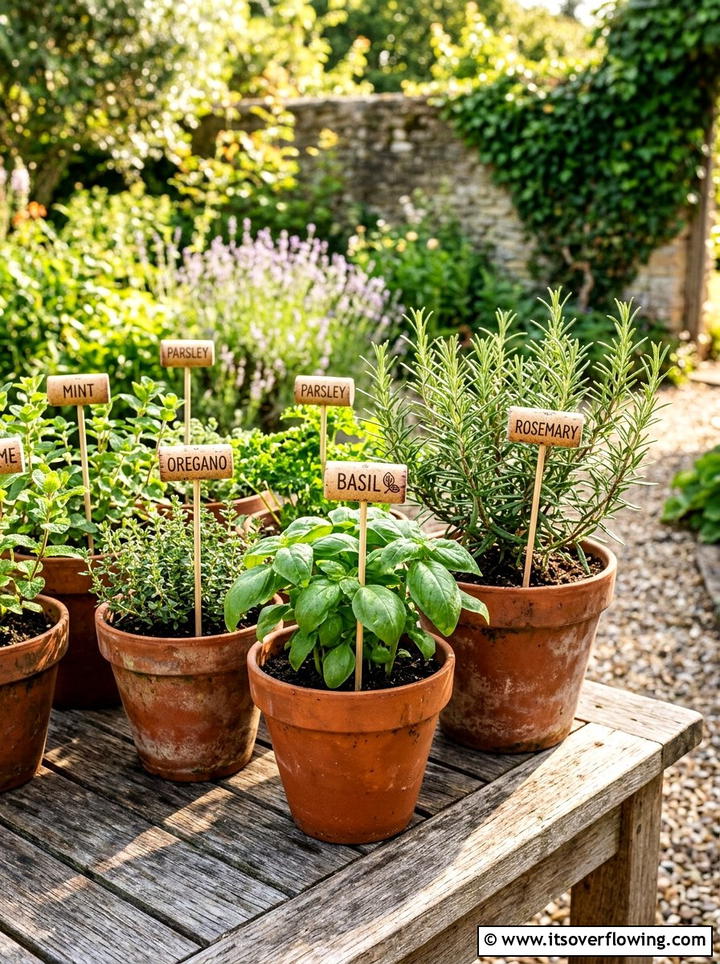
Wine corks are a fantastic resource for any gardener who loves a glass of wine and wants to reduce waste. These small items are naturally resistant to moisture, making them perfect for outdoor use near damp soil. You can simply write the name of your herbs directly on the cork using a waterproof marker for a clean look. To display them, slide a wooden skewer or a piece of sturdy wire into the bottom of the cork. This elevates the label above the foliage so you can easily see what is growing in your pots. They add a rustic and organic feel to any container garden or raised bed that feels very natural.
2. Painted rock labels
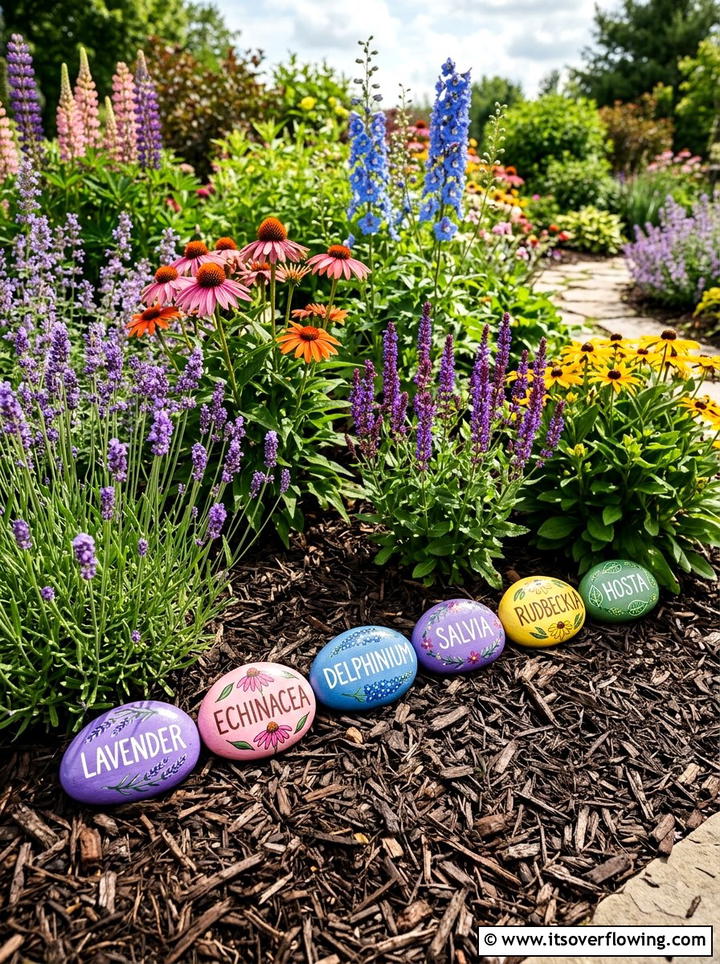
Have you ever walked through your garden and felt like it needed a bit more color during the early spring? Painted rocks serve as durable and heavy-duty labels that will not blow away in the wind or rot in the rain. You can find smooth stones in your own yard or near a local creek to transform them into art. Use acrylic paint or outdoor paint pens to write plant names in bold letters across the surface. These markers sit flat on the ground at the base of your plants. They are wonderful for marking perennial bulbs that stay dormant for long periods of time in the soil.
3. Wooden spoon markers
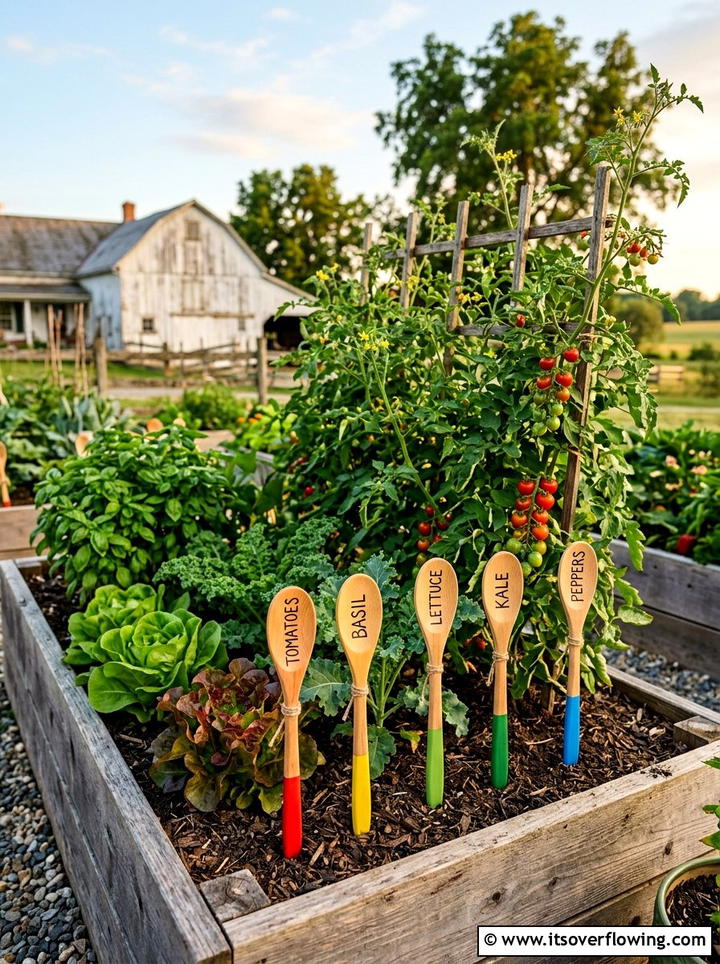
Old kitchen utensils often find a second life in the garden when they are no longer suitable for cooking. Wooden spoons are particularly popular because their wide surface area provides plenty of space for clear writing and even small drawings. You can paint the handles in bright colors to help differentiate between different types of vegetables at a quick glance. Many people choose to dip the tops in outdoor sealant to protect the wood from the elements over time. They look beautiful tucked into large terracotta pots or standing tall among bushy tomato plants. This upcycling project is a fun way to involve children in the gardening process and learning.
4. Metal spoon tags
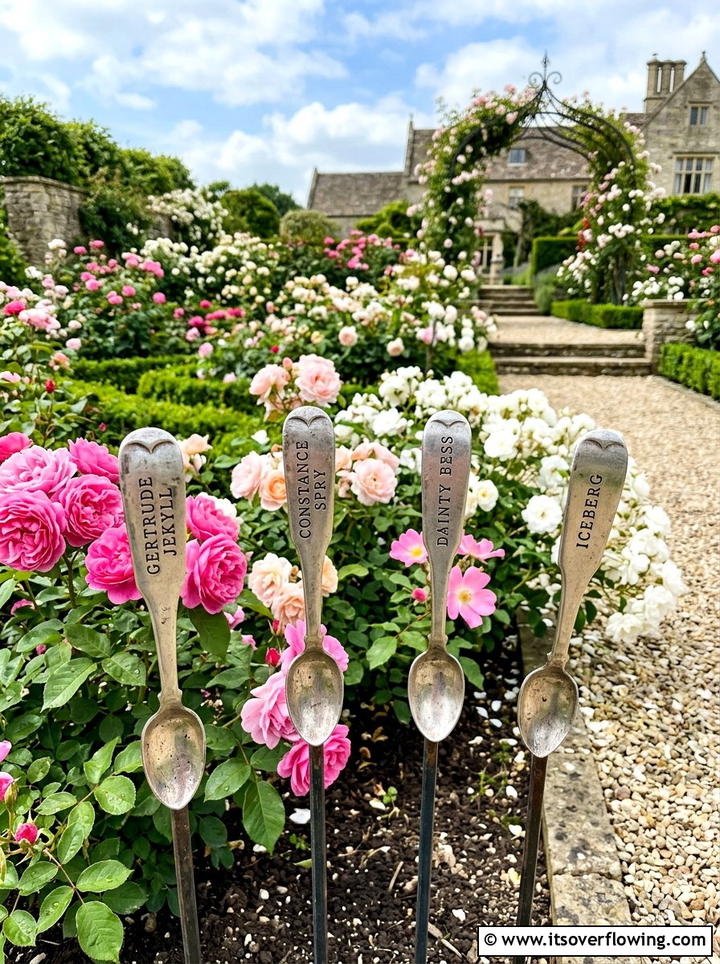
Vintage metal spoons offer a classic and sophisticated look that pairs well with formal rose gardens or modern herb displays. To create these, you can use a hammer to flatten the bowl of the spoon until it is a smooth, flat surface. A metal stamping kit allows you to indent the names of your plants directly into the silver or stainless steel. This method creates a permanent label that will never fade, no matter how much sun or rain it encounters. You can then stick the handle into the dirt so the flattened bowl stands out as an elegant and very durable garden ornament.
5. Broken pot markers
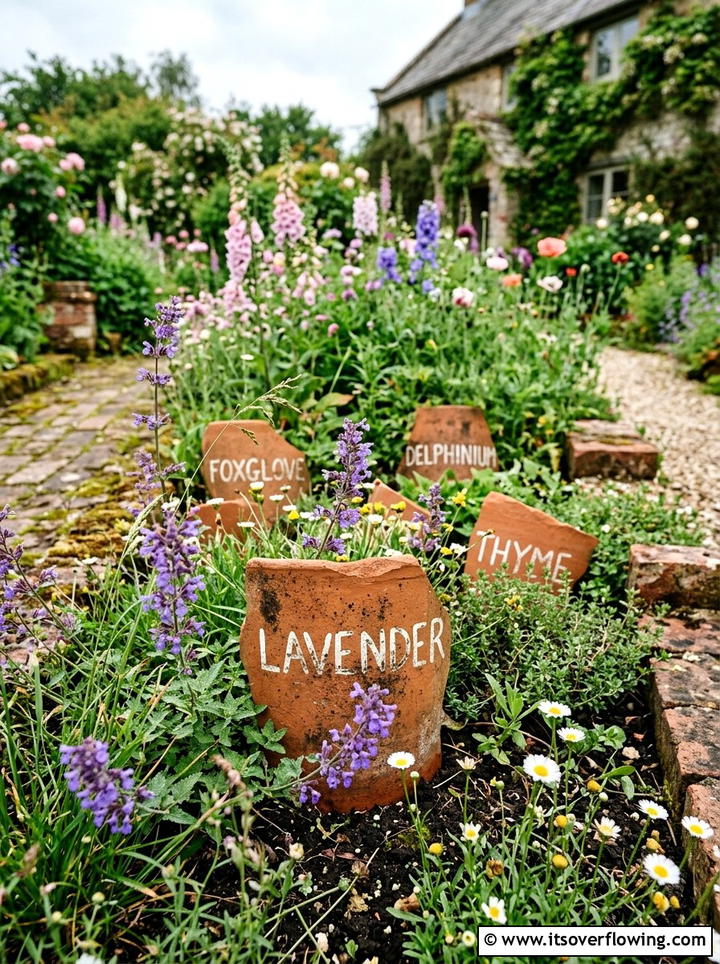
Instead of throwing away a cracked or shattered terracotta pot, you can use the shards as rustic plant labels. The curved surface of the broken clay pieces provides a beautiful, earthy canvas for your handwriting. Use a white paint pen or a black permanent marker to label the variety of seeds you have sown in your garden bed. These shards blend seamlessly into the soil and mulch, creating a cohesive and natural look that is very popular in cottage-style landscapes. Because they are made of heavy ceramic, they stay in place perfectly through heavy rain and seasonal changes without moving an inch.
6. Clothespin plant labels
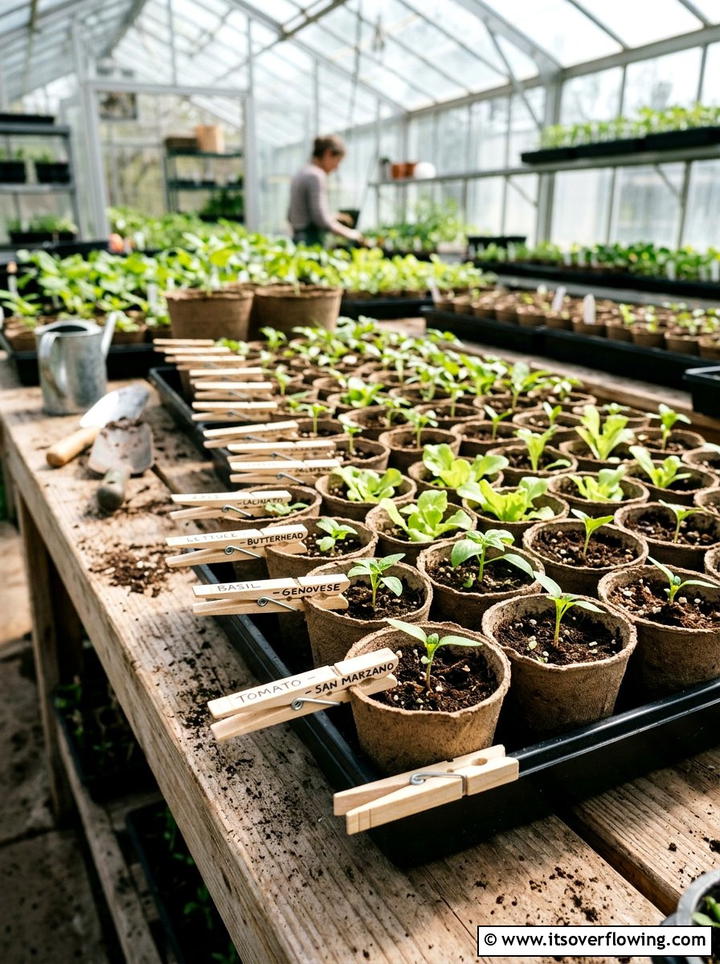
Simple wooden clothespins are an incredibly versatile and affordable tool for organizing a small nursery or a collection of indoor houseplants. You can write the names of your seedlings on the flat side of the wood with a fine-tip pen. These are perfect for clipping directly onto the edge of plastic seed trays or onto thin bamboo support stakes. If you want them to last longer outside, a quick coat of clear spray paint will prevent the wood from graying. They are especially helpful for temporary situations where you might move your plants frequently during the hardening off phase in spring weather.
7. Brick plant identifiers
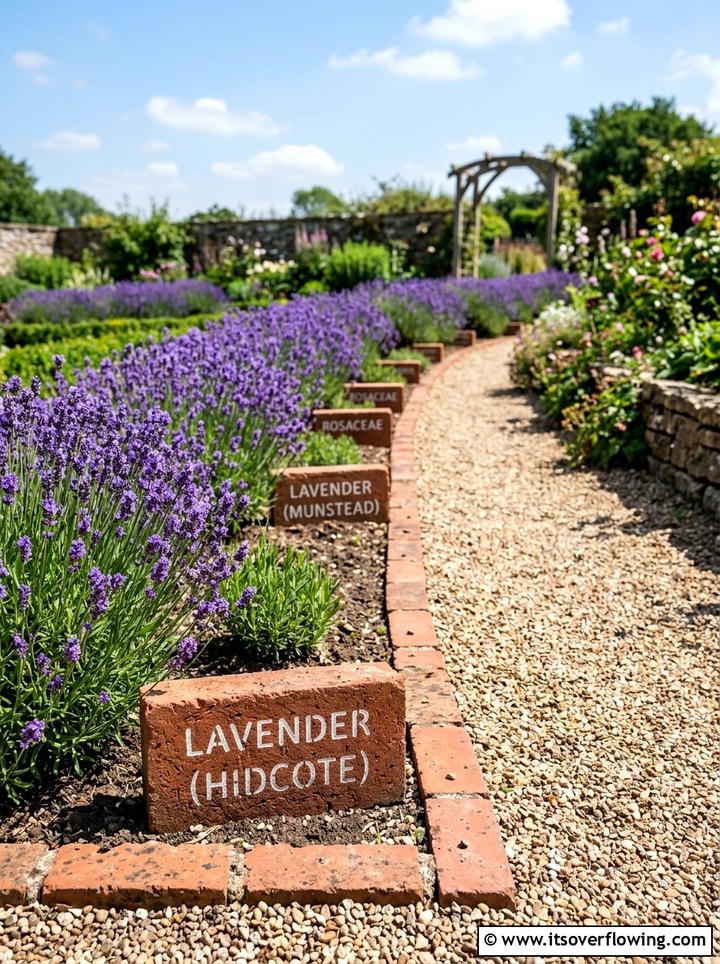
Standard red bricks or concrete pavers can be transformed into heavy-duty garden markers that define the edges of your landscape beds. Using a stencil and some exterior paint, you can clearly mark the names of different herbs or shrubs directly onto the face of the brick. This method is ideal for permanent garden layouts where plants return every single year in the same spot. The weight of the brick ensures it stays exactly where you put it, even in high winds. It creates a very structured and organized feeling in a large vegetable garden while also serving as a small walkway border.
8. Twig plant markers
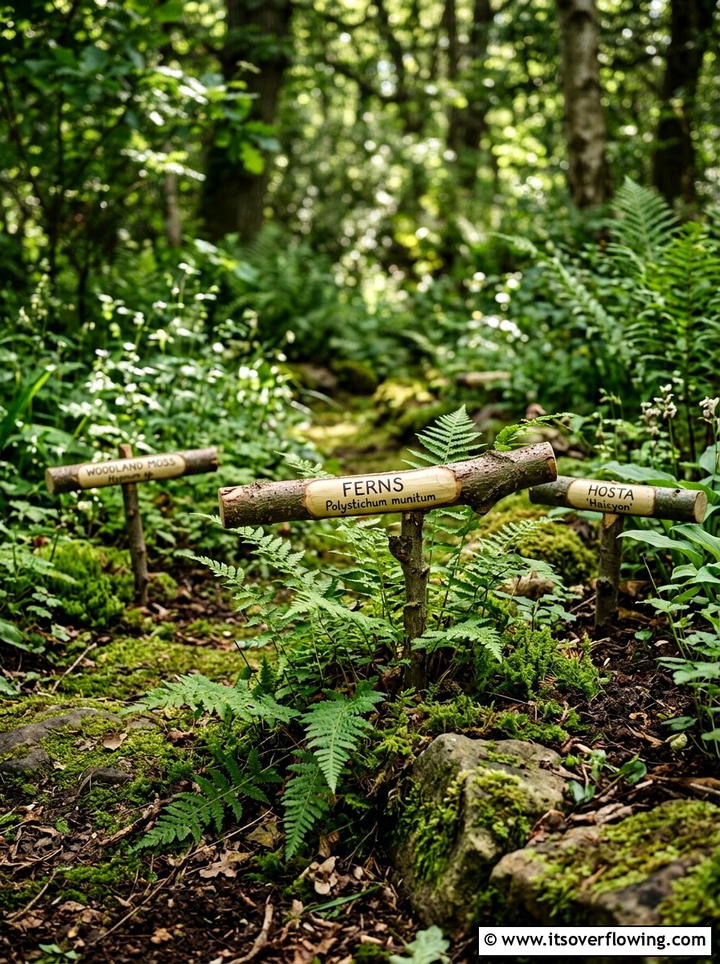
For a garden that looks like it belongs in a fairytale, you can use small fallen twigs and branches as labels. Simply peel a small section of the bark away with a pocket knife to reveal the light-colored wood underneath. This smooth area is perfect for writing the name of the plant with a dark waterproof pen. These markers are completely biodegradable and look perfectly at home in a woodland garden or a wild meadow setting. They cost absolutely nothing and can be replaced easily every season as you prune your trees. It is a wonderful way to use natural debris creatively.
9. Canning lid labels
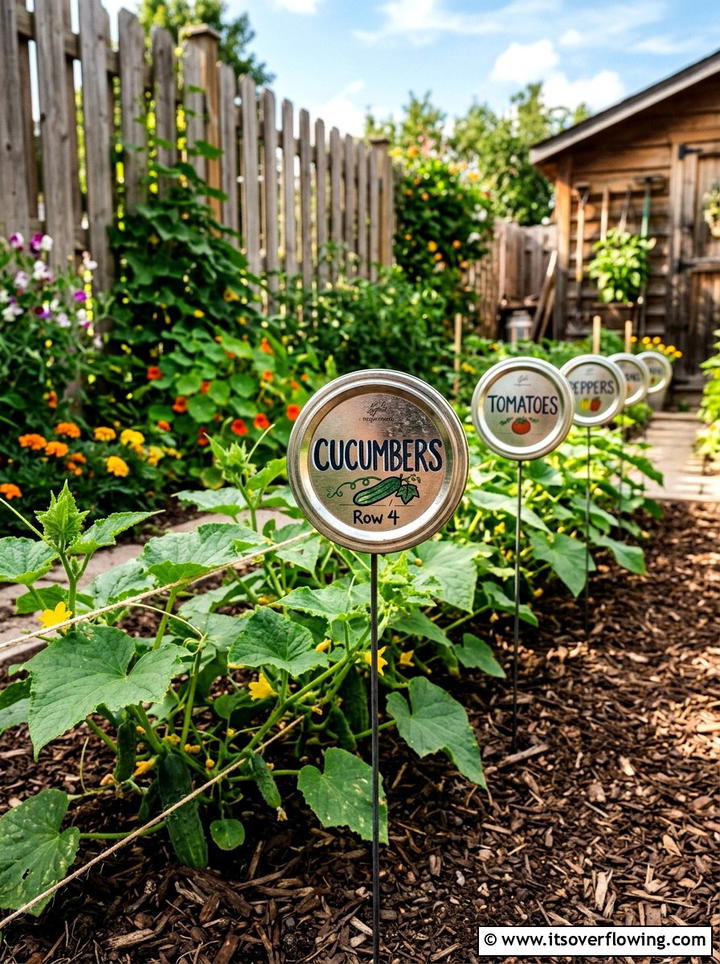
If you do a lot of home preserving, you likely have a collection of used metal canning lids that can no longer be reused for sealing jars. These flat metal circles can be attached to a small stake or a stiff wire to create waterproof garden tags. You can write on them with a permanent marker or even use a metal punch to create holes that spell out the plant name. Because they are made of thin metal, they often develop a beautiful patina over time that adds character to your garden. They are reflective and can help catch the light beautifully.
10. Popsicle stick markers
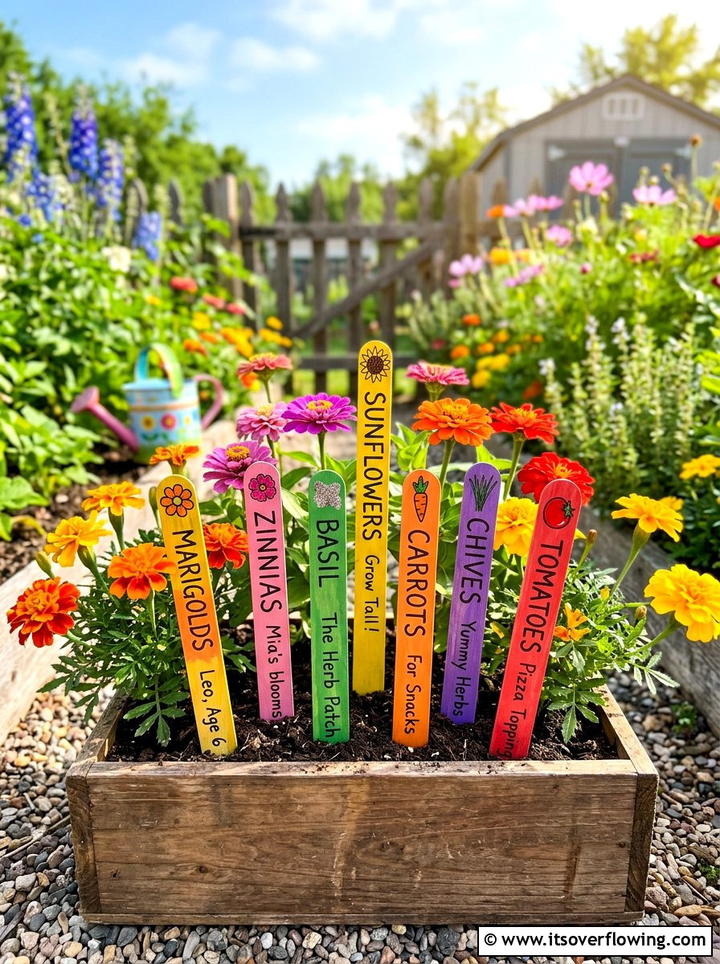
Popsicle sticks are a classic choice for starting seeds indoors because they are lightweight and very easy to label with a pencil or pen. While they may not last for years outdoors, they are perfect for identifying young sprouts in a controlled environment like a greenhouse. You can involve your family by having everyone decorate their own sticks for their favorite vegetable varieties. If you want to use them in the garden beds, try painting them with exterior paint first to give them a bit of extra protection against the moisture. They are a simple and very nostalgic way to stay organized.
11. Plastic bottle labels
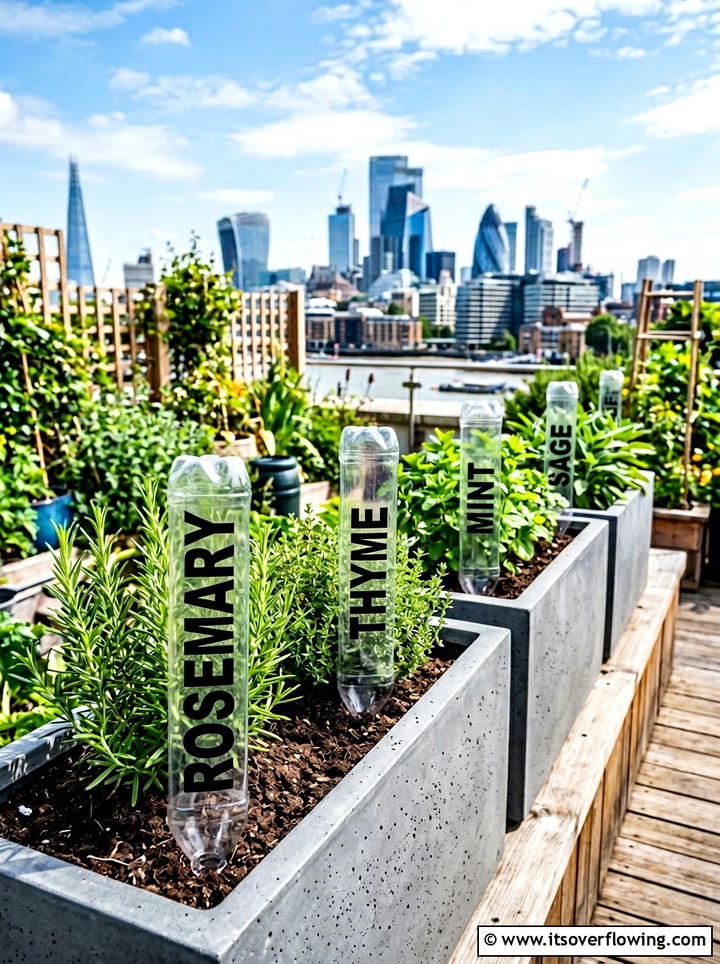
Old plastic water bottles or milk jugs can be cut into long, durable strips to serve as waterproof labels for your garden. This is a great way to divert plastic from the recycling bin and give it a functional purpose in your backyard. Use a pair of sharp scissors to cut the flat sections of the plastic into pointed stakes. A permanent marker works best on the smooth surface, and the labels will not rot or degrade when exposed to wet soil. Because the plastic is often clear or white, the writing stands out clearly against the green foliage of your growing plants.
12. Chalkboard painted pots
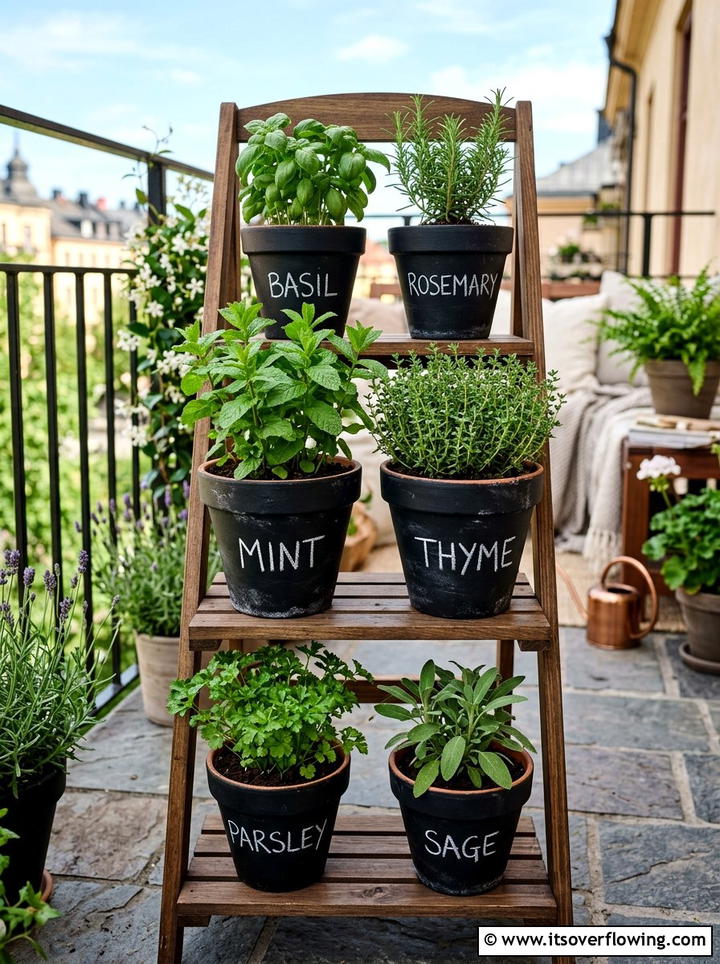
Turning the entire side of a planter into a label is a bold and modern design choice for an herb garden. By applying a patch of chalkboard paint to the front of your terra cotta or plastic pots, you create a reusable writing surface. You can use chalk or a liquid chalk marker to write the name of the plant currently growing inside that specific container. This is especially useful for gardeners who like to rotate their crops or change their seasonal displays frequently. The black background makes the green leaves pop and gives your patio a very professional and stylish look.
13. Sea shell markers
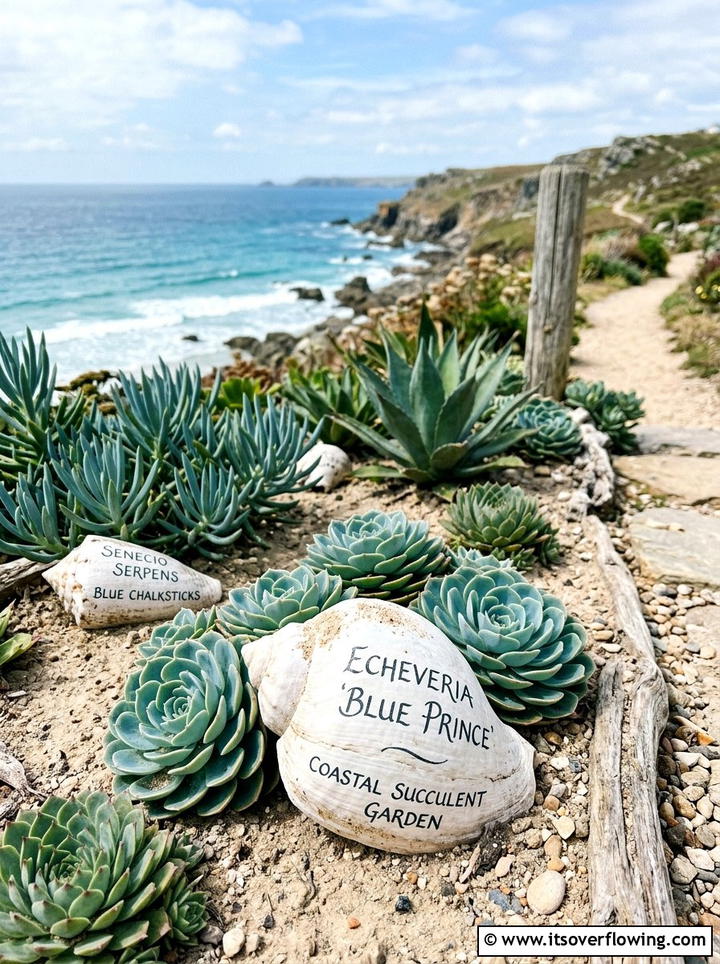
If you live near the coast or have a collection of shells from past vacations, you can use them as unique garden markers. Large flat shells like scallops or clams offer a smooth surface that is easy to write on with a permanent marker. These look especially beautiful in a coastal-themed garden or tucked among succulents in a sandy potting mix. They are naturally resistant to water and won’t fade easily in the bright summer sun. Placing a shell at the base of each plant adds a delicate and personal touch to your landscape that reminds you of the beach every day.
14. Aluminum can tags
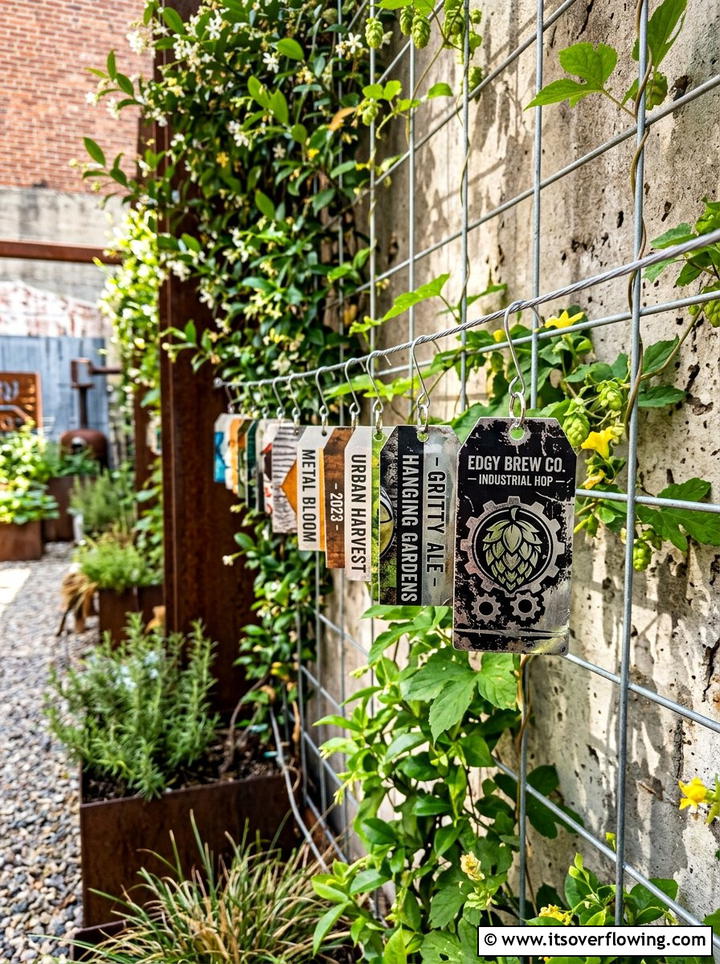
Empty soda or sparkling water cans can be carefully cut into small rectangular tags that are both flexible and completely weather-resistant. After removing the top and bottom of the can, you can flatten the middle section and cut it into your desired shapes. You can use a ballpoint pen to “emboss” the names into the soft metal, which creates a permanent label that cannot be washed away. These shiny silver tags can be hung from branches or attached to garden stakes with a bit of twine. They add a bit of industrial flair to a modern vegetable garden or flower bed.
15. Scrabble tile labels
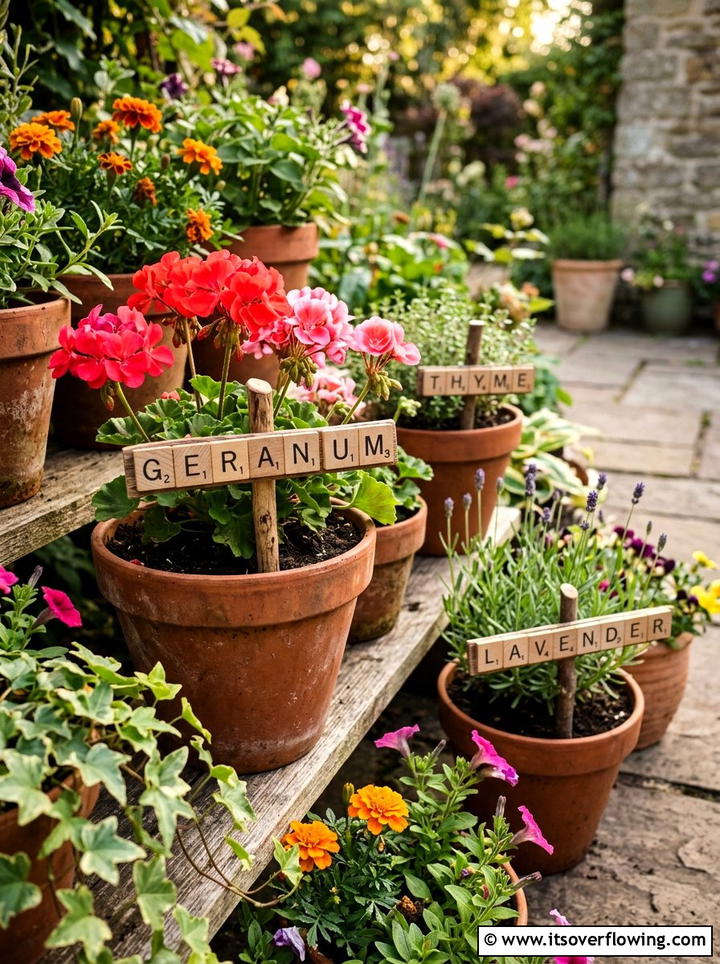
For a playful and whimsical look, you can use old Scrabble tiles to spell out the names of your favorite herbs and flowers. Gluing the wooden tiles onto a small wooden stake or even directly onto a flat stone creates a charming and very readable label. This is a great way to use a game set that is missing pieces and can no longer be played. The classic font of the letters adds a vintage feel to your garden pots. Because the tiles are small, they are best suited for container gardens where you can see the detail from a close distance clearly.
16. Bamboo skewer markers
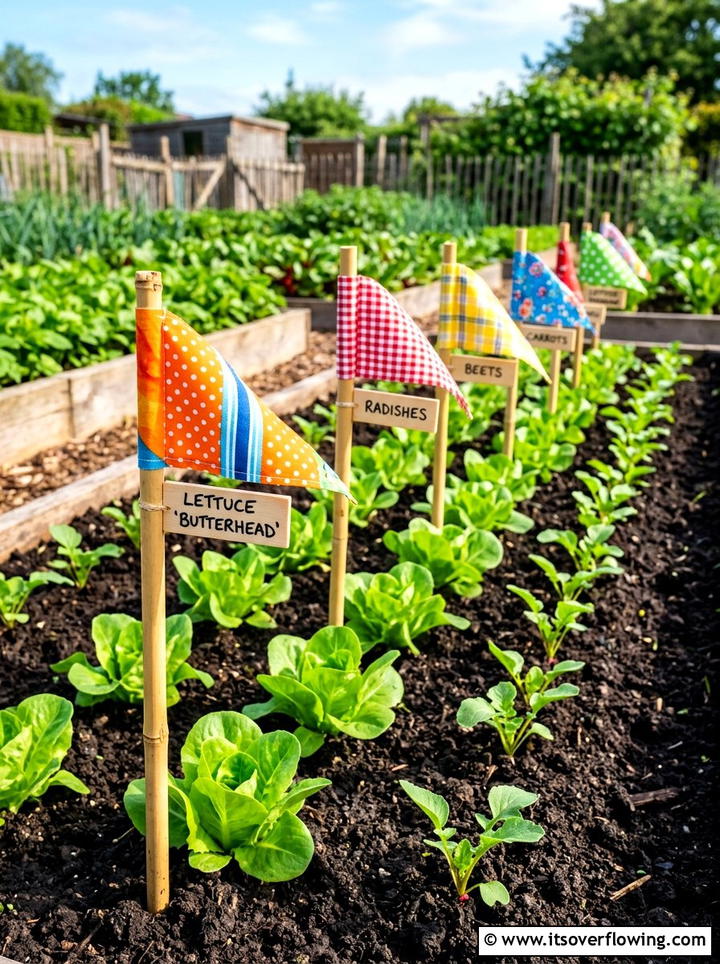
Bamboo skewers are very inexpensive and provide a tall, thin profile that doesn ‘t take up much space in a crowded garden bed. You can attach a small piece of recycled cardboard or a strip of fabric to the top of the skewer to act as a flag for your plant name. This method is excellent for marking rows of seeds that haven’ t sprouted yet so you don’t accidentally step on them. Since bamboo is a natural material, it blends in well with the garden environment. You can even color-code the flags to represent different plant families for a more organized look.
17. Old key tags
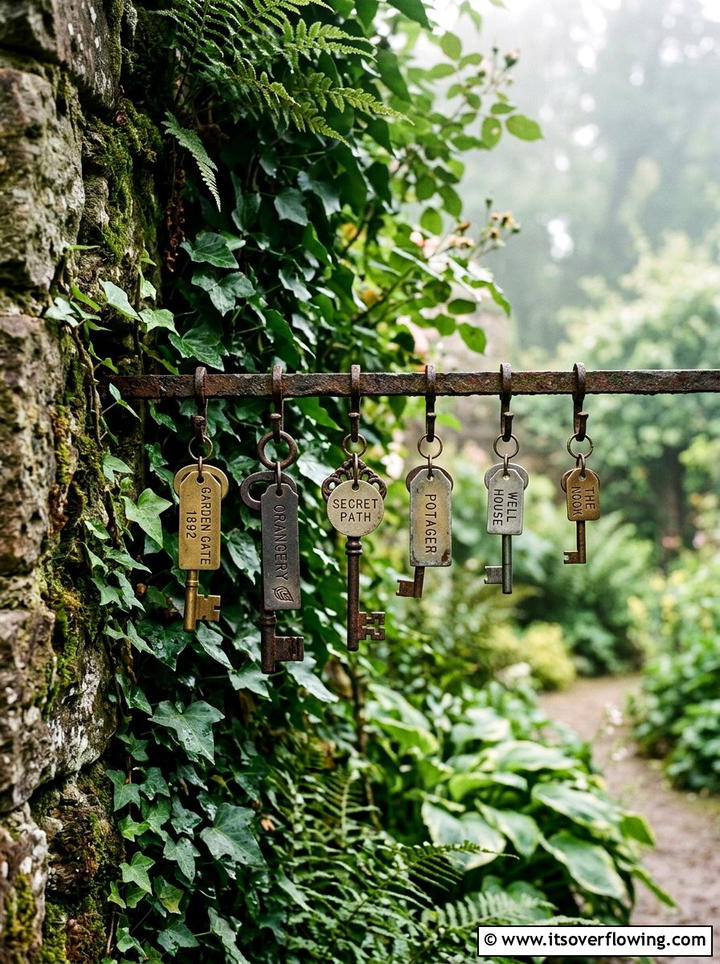
Vintage keys that no longer have a lock can be transformed into beautiful and mysterious garden markers for your outdoor space. You can attach a small metal tag to the ring of the key with the plant name stamped or written on it. Hanging these from the branches of a small shrub or tucking them into the soil creates a sense of history and charm. They look particularly lovely in a cottage garden or a secret garden nook surrounded by climbing vines. This is a wonderful way to keep a bit of family history alive in your beautiful growing landscape.
18. Copper pipe labels
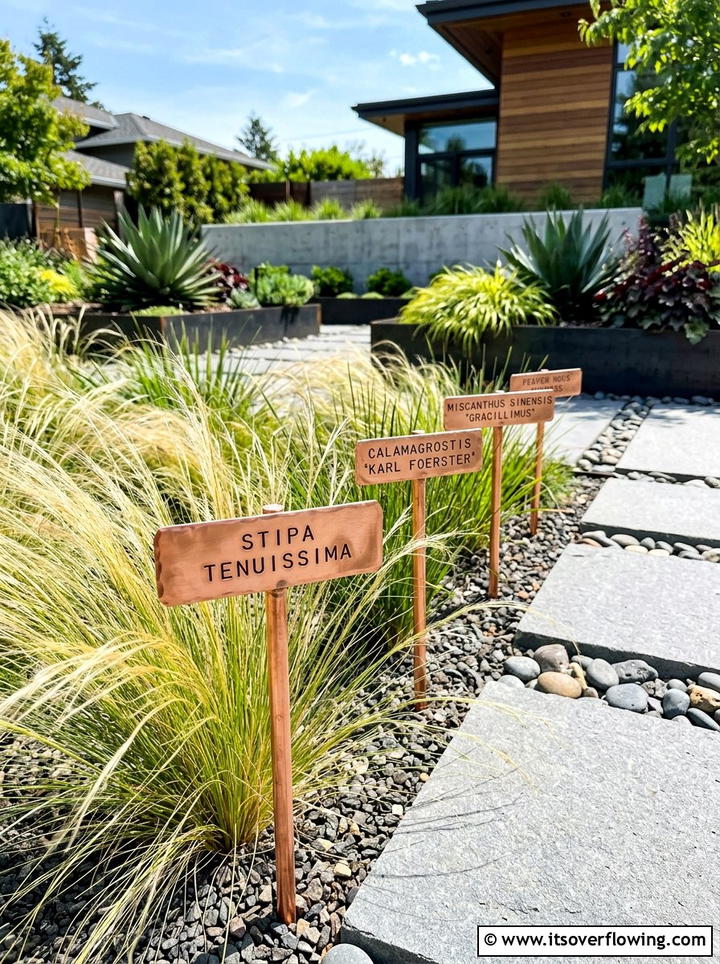
Leftover pieces of copper pipe from a home plumbing project can be used to create very high-end and elegant garden identifiers. You can use a metal stamping kit to mark the names directly into the copper surface for a permanent result. Over time, the copper will develop a stunning green patina that looks incredible against the natural colors of a garden. These markers are heavy and sturdy, making them perfect for marking the locations of large shrubs or trees. They offer a clean and modern aesthetic that works well with contemporary home designs and formal backyard spaces.
19. Zinc plant markers
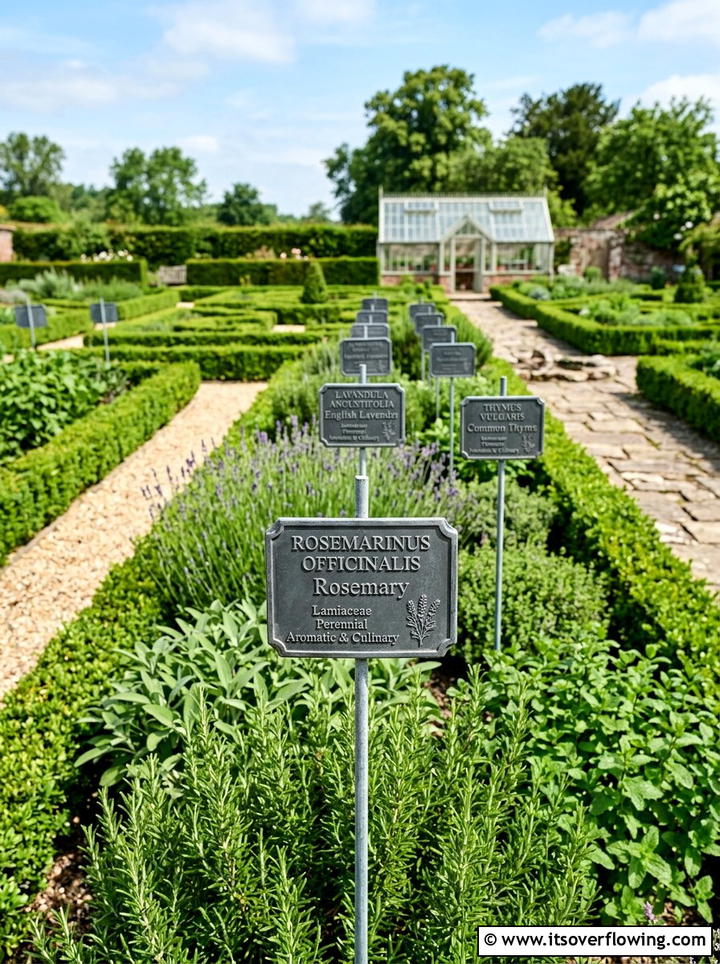
Zinc is a traditional material for garden labels because it is extremely durable and has a classic look that never goes out of style. You can find zinc scraps or reuse old metal pieces to create your own custom tags for your herb garden. Writing on zinc with a specialized garden pen creates a label that can last for decades without fading or rusting. These markers are often seen in botanical gardens because they are so reliable and easy to read from a distance. They add a touch of professional quality to your home vegetable patch or flower borders.
20. Clay shard labels
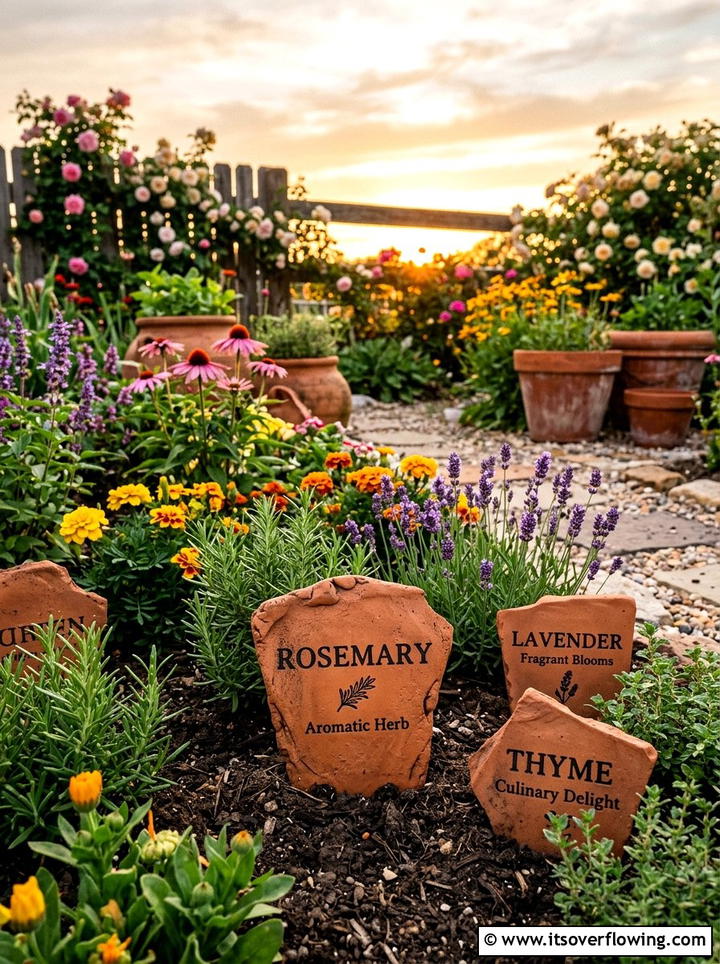
Hand-molded clay shards offer a personalized and artistic way to label your plants while adding texture to your garden beds. You can use air-dry clay or leftover kiln-fire clay to create small tablets or heart shapes for your labels. Before the clay dries, press the names of your plants into the surface using letter stamps or a simple toothpick. These can be left in their natural earthy color or painted with vibrant glazes to match your flowers. They feel very special and unique, making them a great gift for other gardeners who appreciate handmade and recycled items for their yard.
21. Slate tile markers
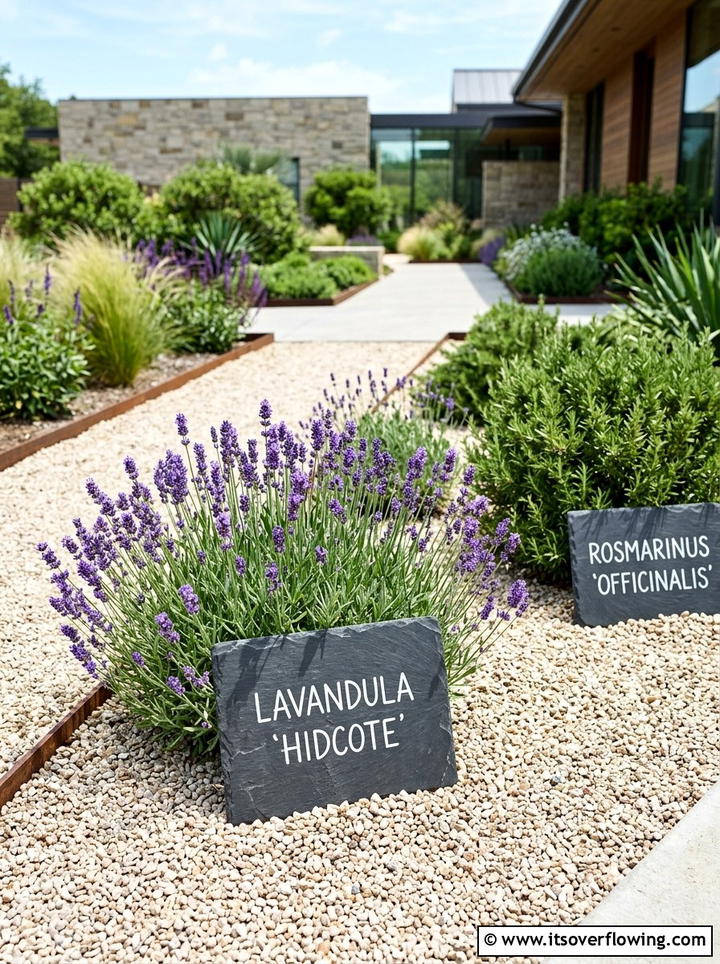
If you have recently updated a roof or a floor, you may have small pieces of slate tile left over that are perfect for labels. Slate is a natural stone that is very easy to write on with a white paint pen or even a piece of real chalk. The dark gray or black background provides a high-contrast surface that makes the plant names very easy to read. These markers are heavy enough to stay in place and look very sophisticated in a modern garden design. They are completely waterproof and will last for many years in the garden without any wear.
22. Tin lid labels
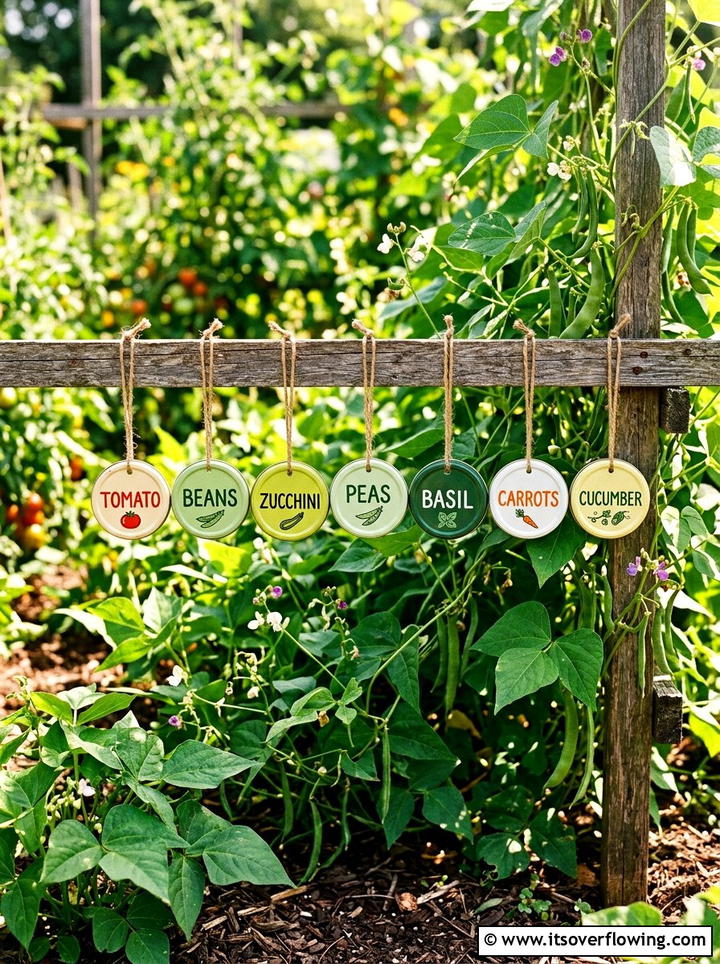
Small lids from tin cans or jars can be reused to create circular garden tags that are both functional and visually interesting. You can paint the lids with a rust-resistant paint and write the plant names in a contrasting color for maximum visibility. Punching a hole in the top allows you to hang them from a trellis or a garden stake with a piece of natural twine. They have a lovely circular shape that contrasts nicely with the straight lines of garden rows. This upcycling idea is a great way to use every part of your household packaging in the garden.
23. Driftwood plant markers
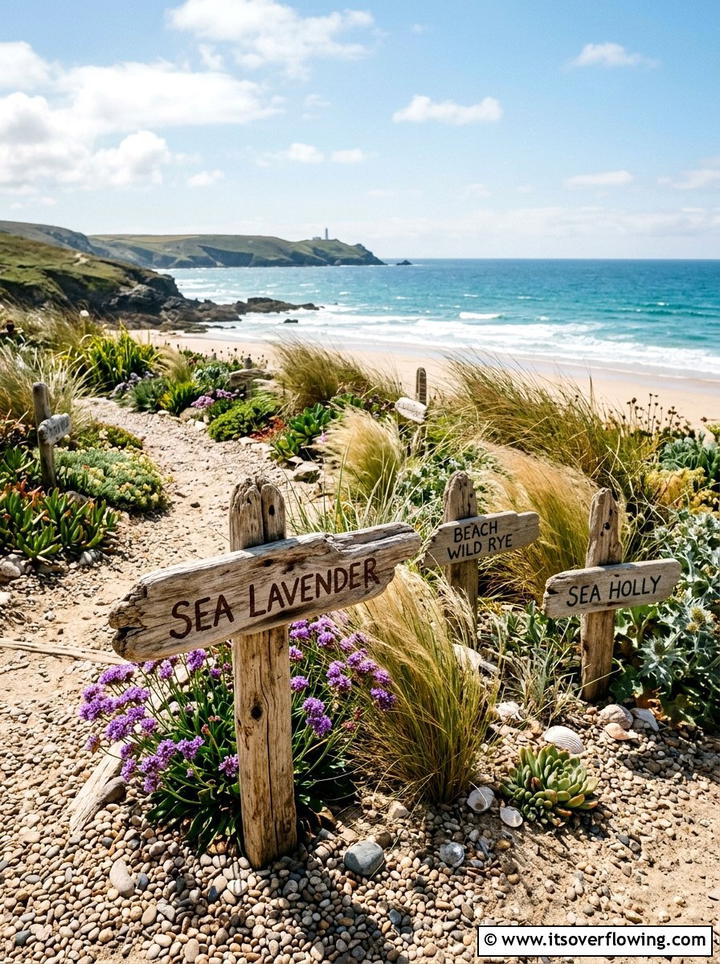
Pieces of driftwood found along a beach or riverbank bring a weathered and natural aesthetic to your garden labeling system. The unique shapes and textures of the wood make each marker a one-of-a-kind piece of art for your plants. You can use a wood-burning tool or a simple waterproof marker to add the names of your coastal plants or succulents. These markers look best when nestled into a rock garden or a sandy area where they can be appreciated for their natural beauty. They are very sturdy and have a wonderful story to tell about their journey to your garden.
24. Leather scrap tags
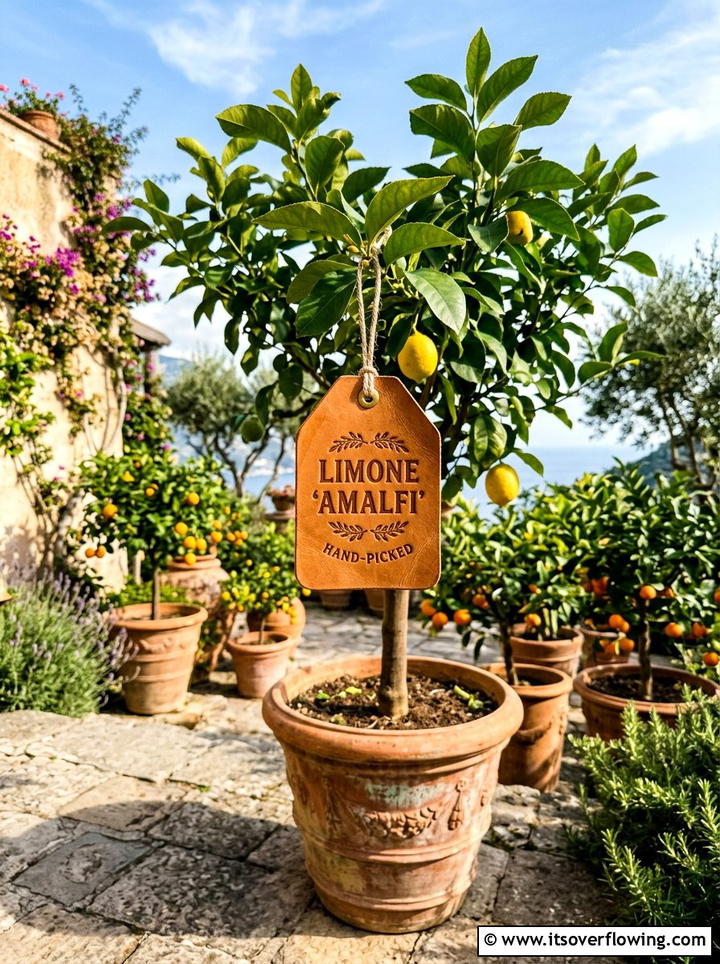
Leftover scraps from leather projects can be cut into small tags that offer a soft and tactile feel to your garden organization. You can use a leather stamping kit to indent the plant names, which creates a very high-quality and rustic appearance. These tags are perfect for hanging on the handles of garden baskets or on the branches of potted trees. While leather will weather over time, this only adds to its charm and character in an outdoor setting. They feel very luxurious and are a great way to use small pieces of material that might otherwise be thrown away.
25. Silverware garden markers
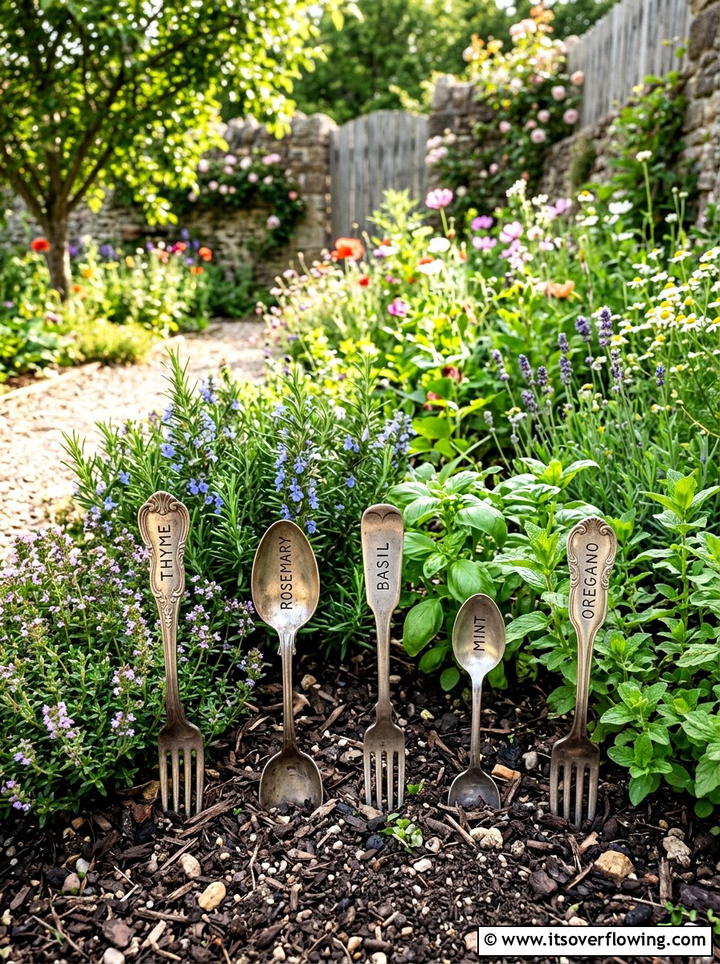
Old forks, knives, and spoons can be used in their original shapes to create a quirky and eclectic labeling system for your vegetables. You can use a permanent marker to write the plant names directly onto the handle or the flat part of the utensil. Sticking the handles into the ground with the decorative tops facing up adds a fun and unexpected element to your garden beds. This is a fantastic way to display mismatched silverware that you have collected from thrift stores or yard sales. It brings a sense of joy and humor to the hard work of gardening and growing food.
Conclusion:
Wrapping up your gardening project with these sustainable labeling methods creates a space that is both organized and environmentally conscious. By choosing to reuse items like old spoons, corks, or stones, you are actively reducing the amount of plastic waste that ends up in landfills. These handmade touches give your backyard a unique personality that store-bought items simply cannot provide for your landscape. Whether you prefer a rustic cottage look or a modern minimalist aesthetic, there is a recycled label style that fits your vision. Start collecting your household scraps today and transform your growing area into a beautiful, well-documented sanctuary that inspires everyone who visits your green space.

Related posts:
 25 recycled garden ideas with recycled glass art to Love
 25 recycled garden ideas with recycled metal art to Try
 25 recycled garden ideas with recycled plastic projects
 25 recycled garden ideas with recycled wood art to Try
 25 Recycled Garden Ideas DIY Projects for Outdoor Charm
 25 recycled garden ideas with buckets: Budget DIY Planters
 25 recycled garden ideas with eco friendly decor: Easy DIY
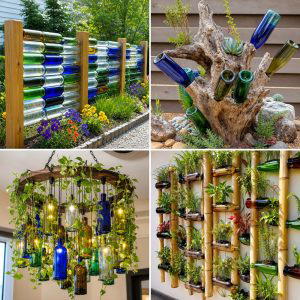 25 recycled garden ideas with hanging bottle planters: DIY
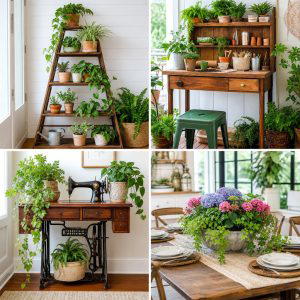 25 recycled garden ideas with old furniture: Stylish DIY Decor
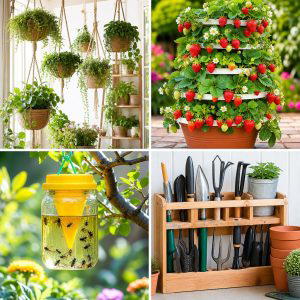 25 recycled garden ideas with plastic bottles for DIY
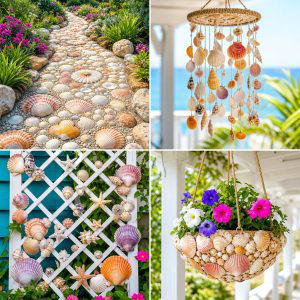 25 recycled garden ideas with seashells: Coastal DIY Decor
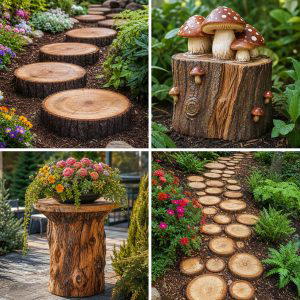 25 recycled garden ideas with tree stumps: Rustic DIY Decor