
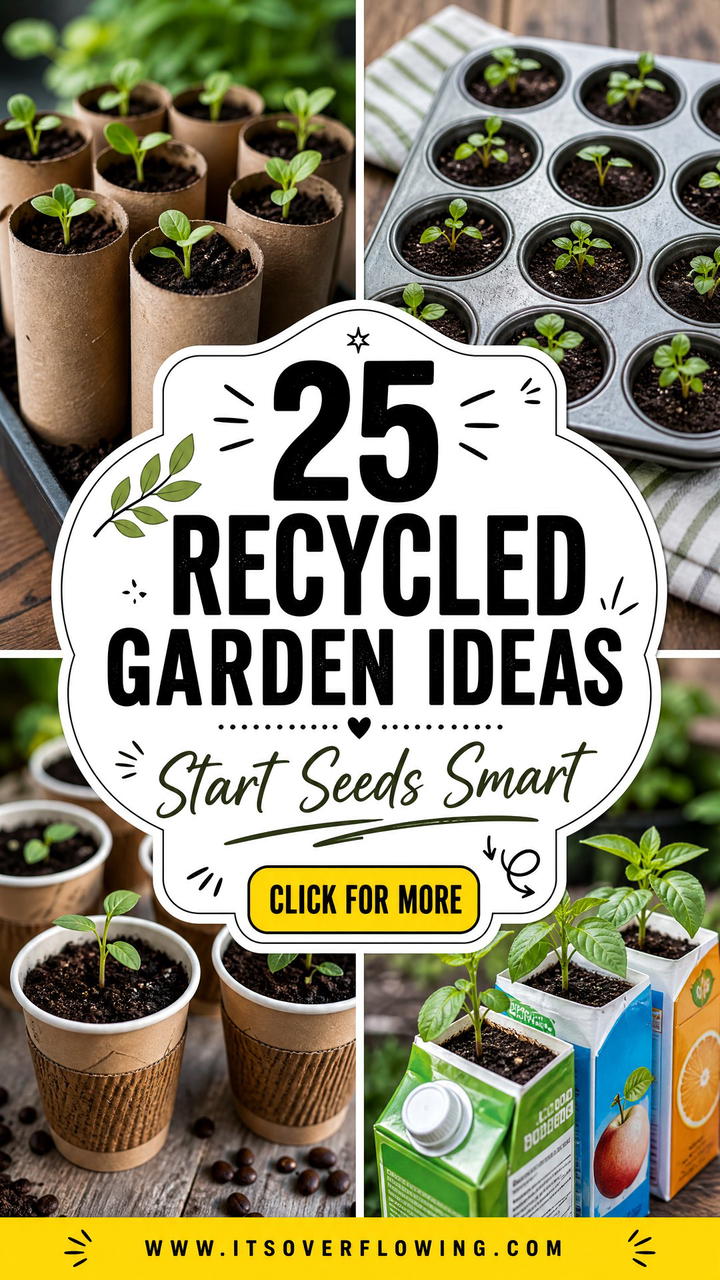
Starting a garden does not have to be an expensive endeavor when you look at the treasures hidden in your recycling bin. Using recycled materials for seed starting is a brilliant way to reduce waste while nurturing new life right from your windowsill or greenhouse. These creative solutions allow you to experiment with different plant varieties without investing in specialized equipment that often ends up in landfills. From kitchen scraps to cardboard packaging, every item has the potential to become a cozy home for a tiny sprout. This sustainable approach is perfect for beginners and seasoned gardeners who want to embrace an eco-friendly lifestyle. You will find that these methods are highly effective and very simple to implement at home today.
1. Egg Carton Seed Starter
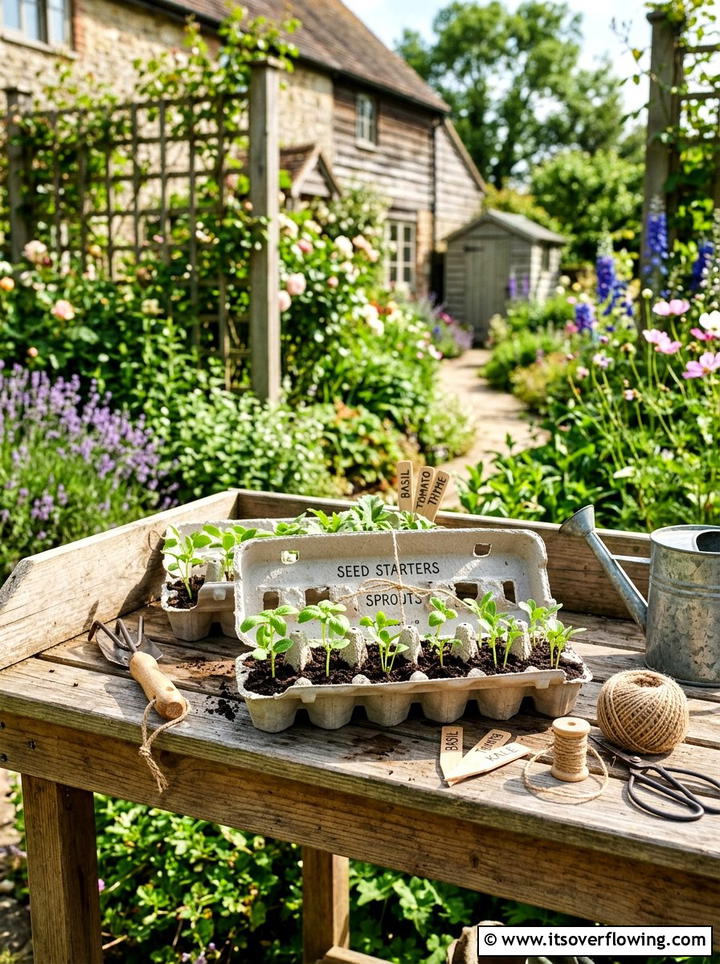
Egg cartons are one of the most popular items to repurpose because they are already divided into perfect little pockets for individual seeds. You can use either cardboard or plastic versions depending on what you have available in your kitchen pantry right now. Cardboard cartons are particularly useful because they are biodegradable and can be cut apart easily when it is time to transplant. This means you can plant the entire cup directly into the soil to avoid disturbing the sensitive roots of your young seedlings. It is a very cost-effective way to start a large batch of flowers or vegetables indoors before the last frost hits your area.
2. Toilet Paper Roll Seedling Pots
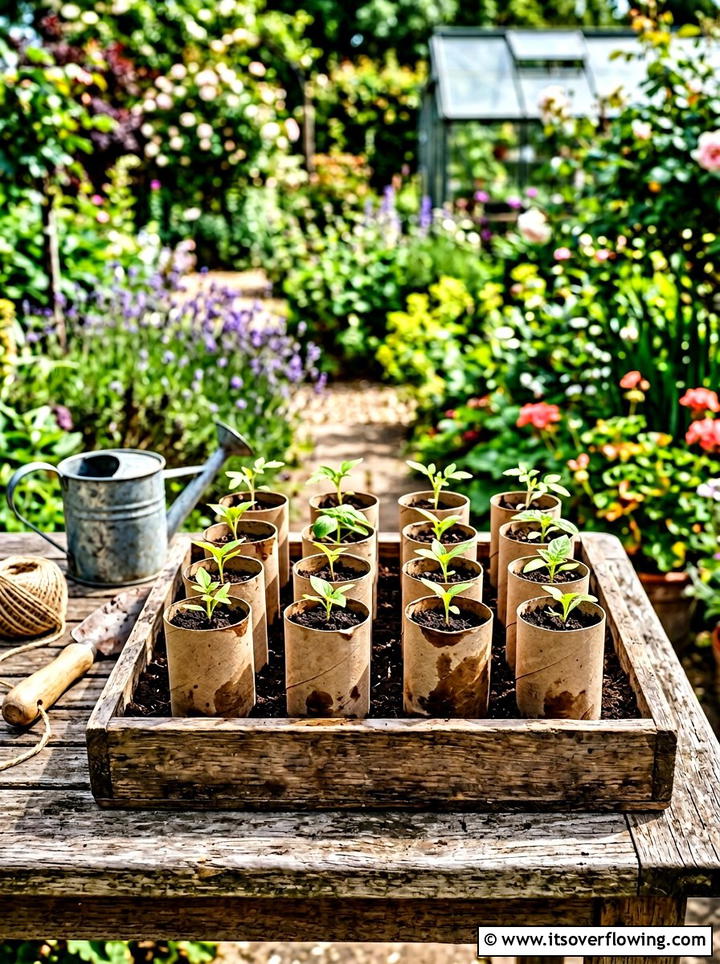
Toilet paper rolls are fantastic for plants that develop deep root systems because of their tall and narrow shape. You can simply fold the bottom of the cardboard tube to create a sturdy base that holds the soil securely. These rolls are completely compostable, which makes the transition to the outdoor garden very smooth and stress-free for the plants. Because they are free and abundant, you can start dozens of seeds without spending a single penny on plastic pots. Arrange them closely together in a shallow tray to keep them upright and moist during the early stages of growth. This method is excellent for beans, peas, and sunflowers.
3. Newspaper Seed Starter Cups
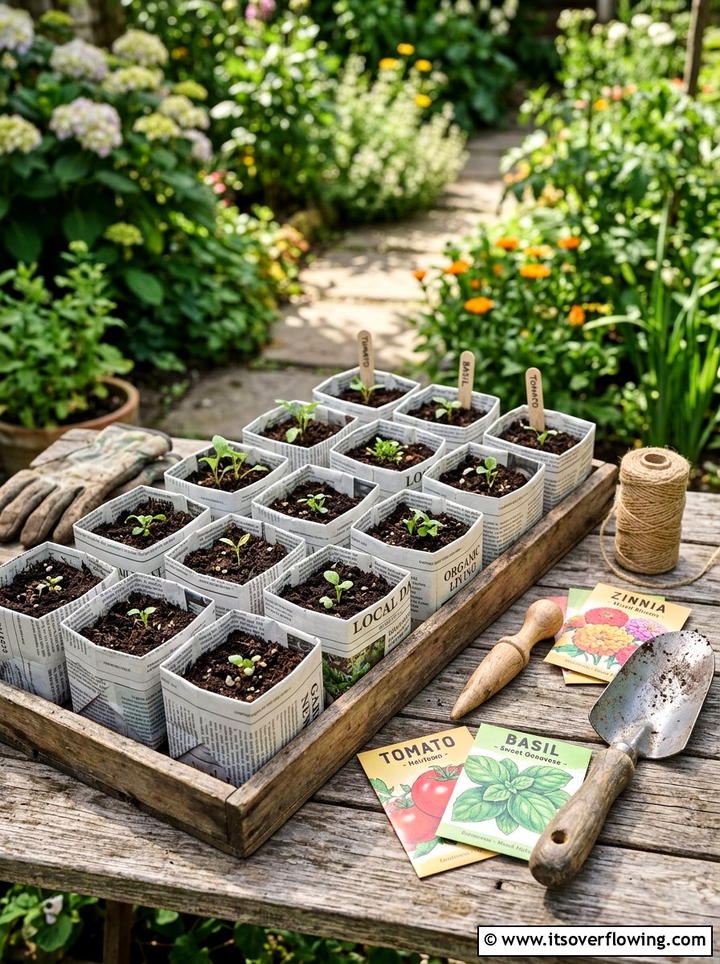
Newspaper can be transformed into tiny planting pots using a simple folding technique or a wooden pot maker tool. These paper cups are ideal for starting small seeds because the material allows for excellent air circulation around the roots. Once the seedlings are strong enough, the entire paper pot can be placed into the ground where it will naturally break down over time. This process enriches the soil with organic matter while protecting the plant from the shock often associated with traditional repotting. It is a wonderful way to recycle your daily news while growing a lush and healthy vegetable patch or flower bed this spring.
4. Plastic Yogurt Cup Planter
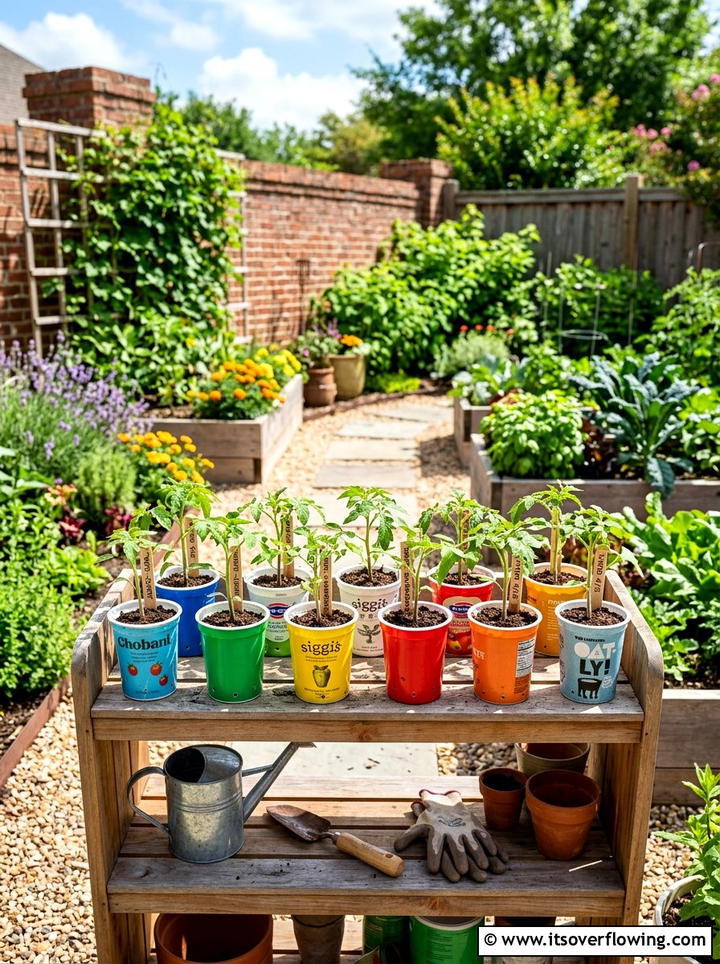
Plastic yogurt containers come in various sizes and are durable enough to be reused for many growing seasons. Before using them, make sure to wash them thoroughly and poke several drainage holes in the bottom with a nail or drill. These cups are perfect for larger seedlings like tomatoes or peppers that need a bit more space for their roots to expand. The sturdy plastic helps retain moisture, which is essential for young plants that can dry out quickly in smaller cells. You can even write the name of the plant directly on the side of the cup using a permanent marker for easy labeling.
5. Milk Carton Seed Tray
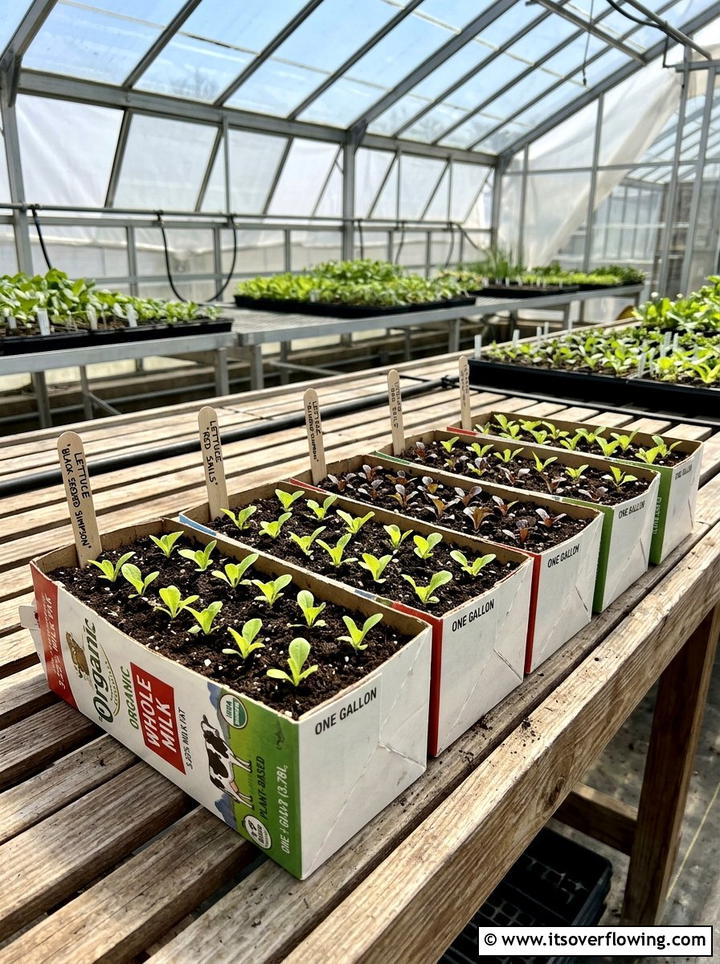
Cardboard milk or juice cartons can be sliced in half lengthwise to create a long and shallow growing trough for seeds. These containers are usually lined with a thin layer of wax or plastic, which makes them waterproof and perfect for holding wet soil. They provide a larger surface area than individual pots, making them great for sowing seeds in rows like lettuce or spinach. Once the plants have grown their first set of true leaves, they can be easily thinned or moved to larger containers. Using these cartons is a smart way to give a second life to common household waste items.
6. Berry Container Mini Greenhouse
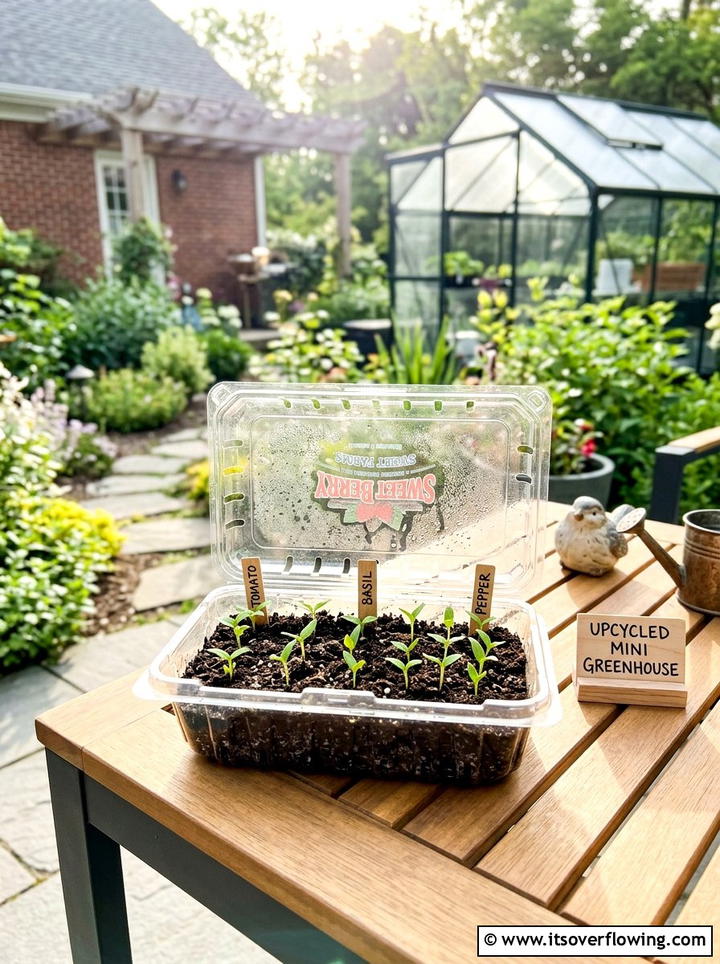
Clear plastic containers that hold strawberries or blueberries are essentially ready-made mini greenhouses for your germinating seeds. They often come with pre-drilled ventilation holes in the lid and bottom, which provides the perfect balance of airflow and humidity. The transparent lid allows sunlight to reach the soil while trapping warmth inside to speed up the germination process. You can place smaller seed starters inside these boxes or fill the bottom directly with a layer of seed-starting mix. These containers are very lightweight and can be easily moved to different windowsills to catch the best light throughout the busy day.
7. Rotisserie Chicken Container Cold Frame
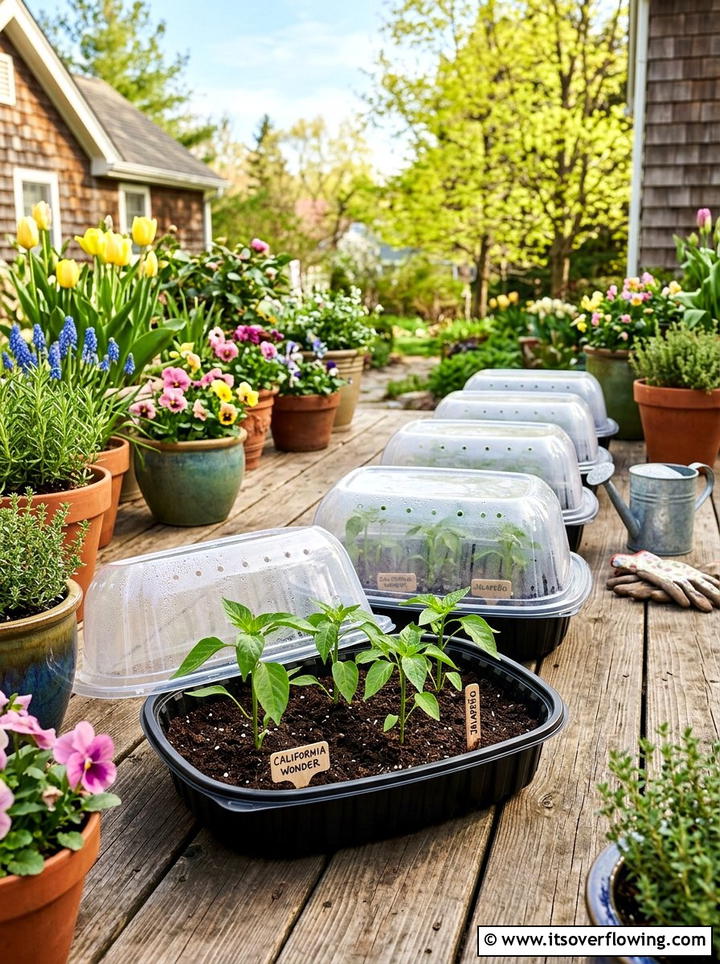
The large clear plastic lids from rotisserie chicken containers are excellent for protecting young seedlings from chilly drafts. These containers are much deeper than berry boxes, providing plenty of vertical space for plants to grow taller before they need to be uncovered. They act as a small-scale cold frame that can be placed on a patio or porch to harden off plants before they go into the ground. The heavy-duty plastic is very effective at holding in heat during the night when temperatures might drop. It is an ingenious way to repurpose bulky plastic that is often difficult to recycle in many local programs.
8. Eggshell Seedling Starter
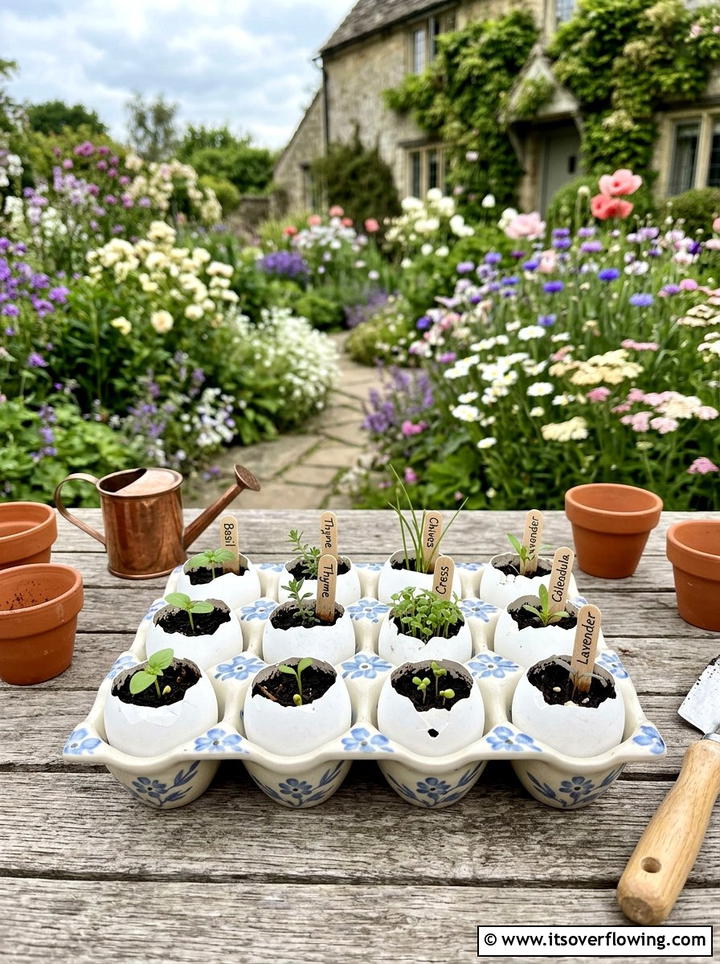
Using actual eggshells as seed starters is a beautiful and nutrient-rich way to get your garden growing this season. Carefully crack the tops off your eggs and rinse the shells before filling them with a small amount of damp potting soil. The shells provide a natural dose of calcium to the developing plants, which is particularly beneficial for varieties like tomatoes that crave this mineral. When the seedling is ready for the garden, gently crush the shell and plant the whole thing directly into the earth. This method is visually stunning and completely zero-waste, making it a favorite for eco-conscious home gardeners.
9. Muffin Tin Seed Tray
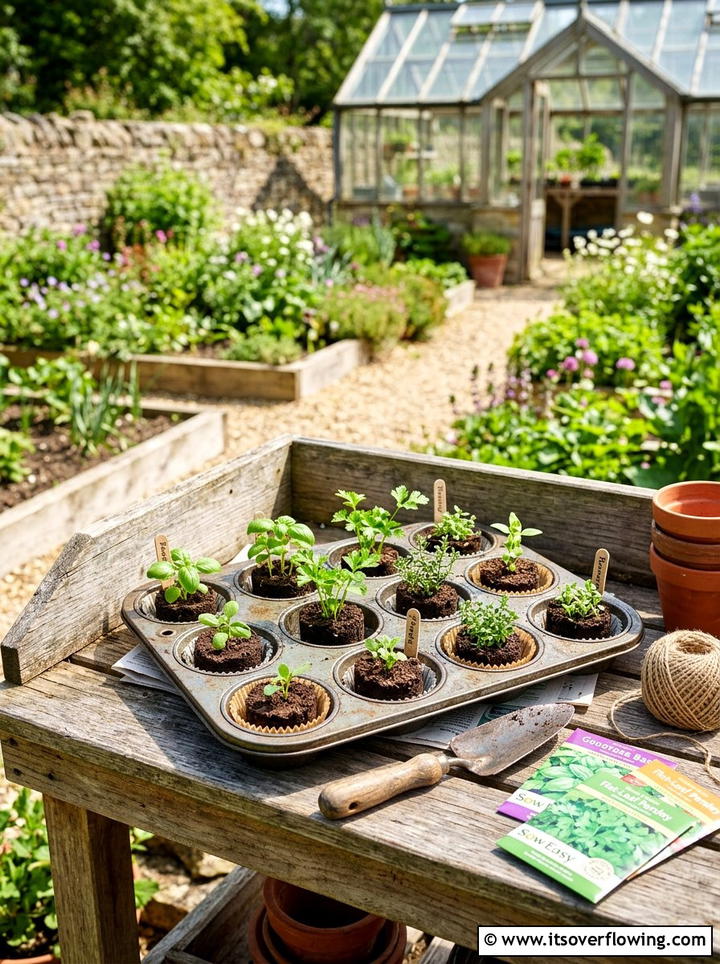
Old muffin tins that are no longer suitable for baking can find a new purpose as sturdy seed-starting trays. Each individual cup provides a uniform space for a single plant to grow, ensuring that the roots do not get tangled with neighbors. If you are using a metal tin, be sure to line the cups with paper liners or poke holes if you do not mind damaging the tin. Silicone muffin molds are also excellent because they are flexible, making it very easy to pop the seedlings out when it is time to move them. These tins are easy to clean and can be used year after year.
10. Plastic Water Bottle Planter
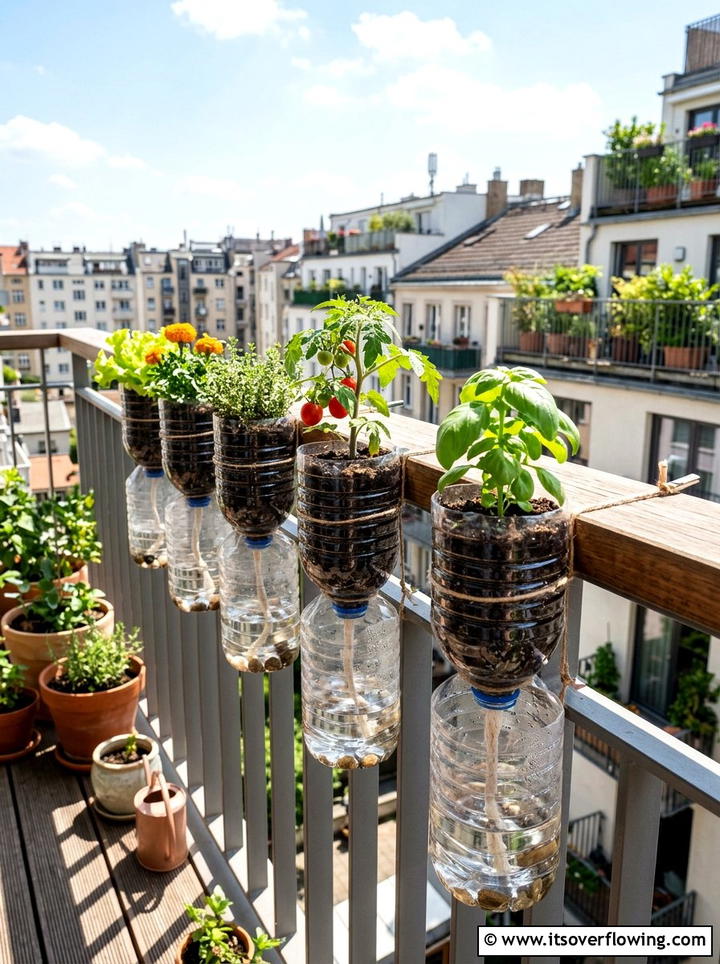
Plastic water bottles can be modified into various types of seedling containers, including clever self-watering systems that save time. By cutting a bottle in half and flipping the top part into the bottom, you create a reservoir that keeps the soil consistently moist. This is perfect for busy gardeners who might forget to water their tiny sprouts every single day. The clear plastic also allows you to monitor the root growth and moisture levels very easily from the outside. You can even hang these bottles vertically to save space if you have a small balcony or a very crowded indoor garden area.
11. Ice Cube Tray Seed Starter
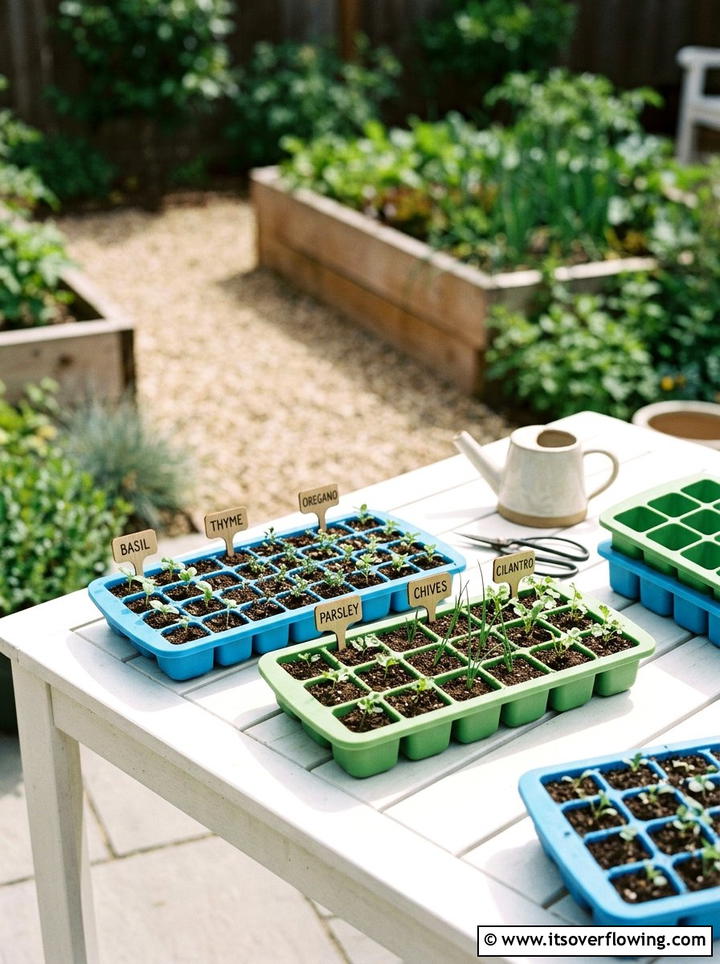
Ice cube trays are the perfect size for starting very small seeds that do not require much room in the beginning. Since these trays are usually made of rigid plastic or flexible silicone, they are very durable and easy to handle on a windowsill. You will need to drill small drainage holes in the bottom of each cube to prevent the soil from becoming waterlogged. The small compartments help keep different varieties of seeds organized in neat rows, which is helpful if you are growing many different types of herbs. Once the seedlings outgrow these tiny spots, they can be moved to larger pots.
12. Takeout Container Seedling Tray
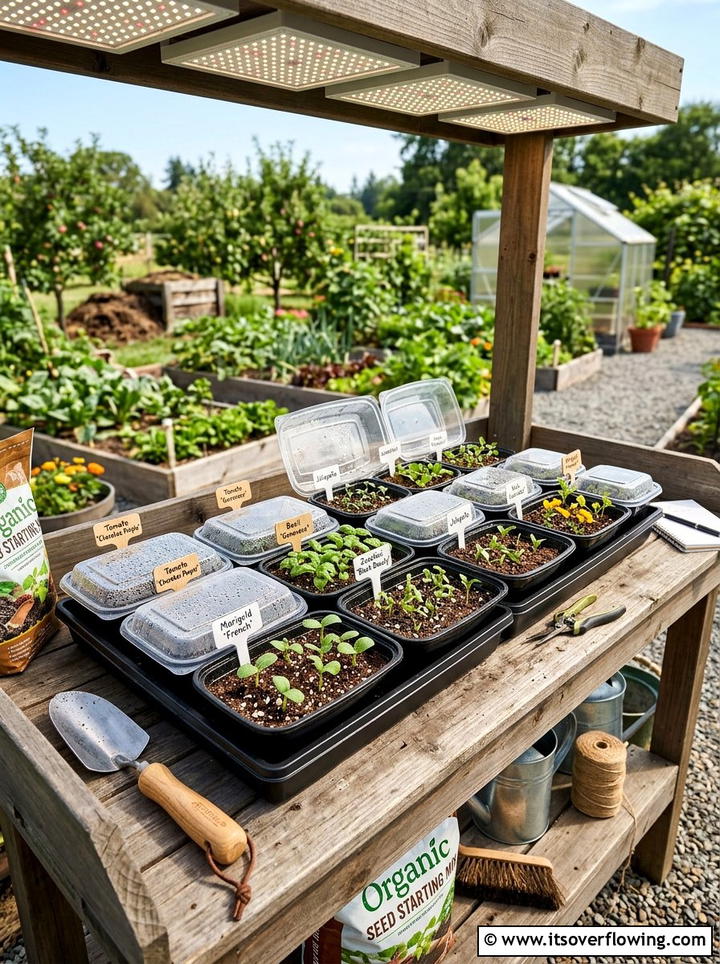
Plastic takeout containers with clear lids are versatile tools that function much like professional nursery seed trays. The flat bottom provides a stable base for a thick layer of soil, allowing you to sow seeds in a broadcast fashion for greens. Keeping the lid closed during the first few days helps maintain the high humidity levels required for successful germination. Once you see the first green sprouts popping up, you can prop the lid open to let in some fresh air. These containers are usually stackable, making them very easy to store in the shed when they are not in use.
13. Cereal Box Seed Tray
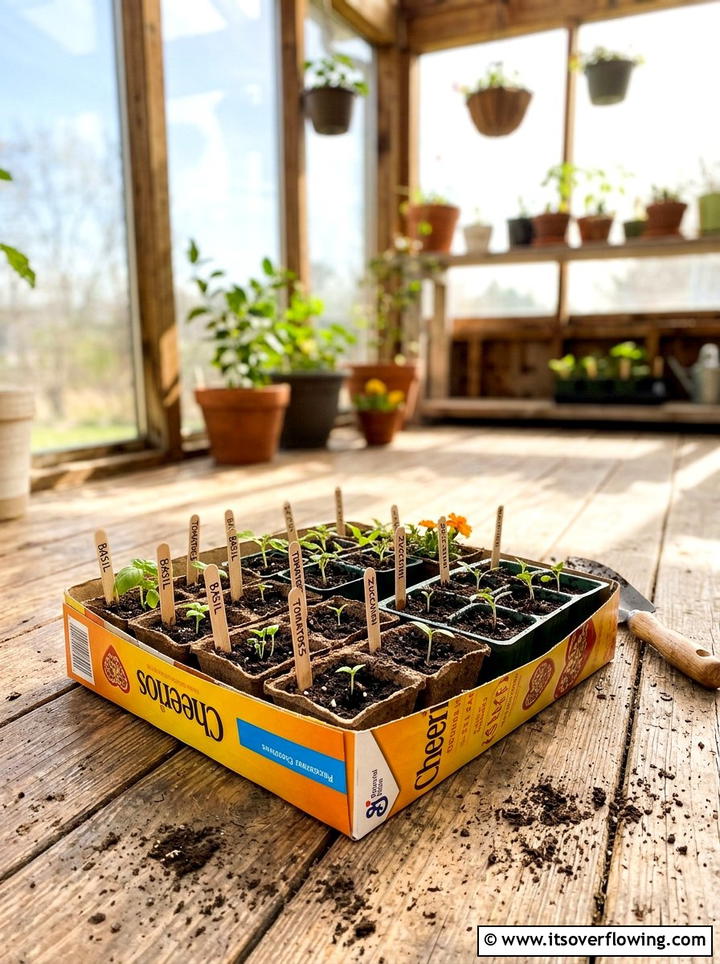
Cardboard cereal boxes can be cut down to create shallow trays that hold other smaller recycled pots together. While the cardboard itself will not hold water for long, you can line the bottom with a plastic bag to protect your furniture. These boxes are great for organizing your seed-starting station and keeping different plant families grouped together for easier care. Because they are lightweight, you can easily carry an entire box of seedlings outside for a few hours of sunshine each day. This is a simple way to use common kitchen waste to help your garden thrive and stay organized.
14. Citrus Peel Seed Starter
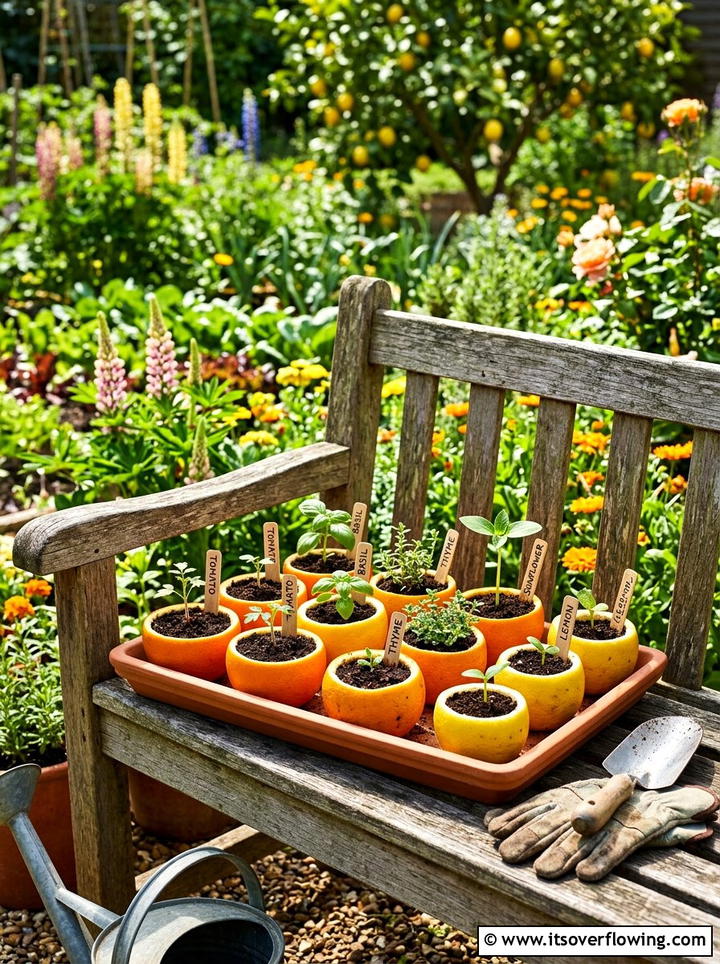
Halved citrus peels from oranges, lemons, or grapefruits make surprisingly effective and fragrant little pots for starting your favorite seeds. After juicing the fruit, simply scoop out the remaining pulp and poke a small hole in the bottom of the peel for drainage. Fill the hollowed-out peel with soil and plant your seed inside to benefit from the natural nutrients in the rind. When the plant is ready for the garden, you can bury the entire peel directly into the soil where it will slowly decompose. This adds organic matter to the earth while providing a cozy home for your young plants.
15. Coffee Cup Seedling Planter
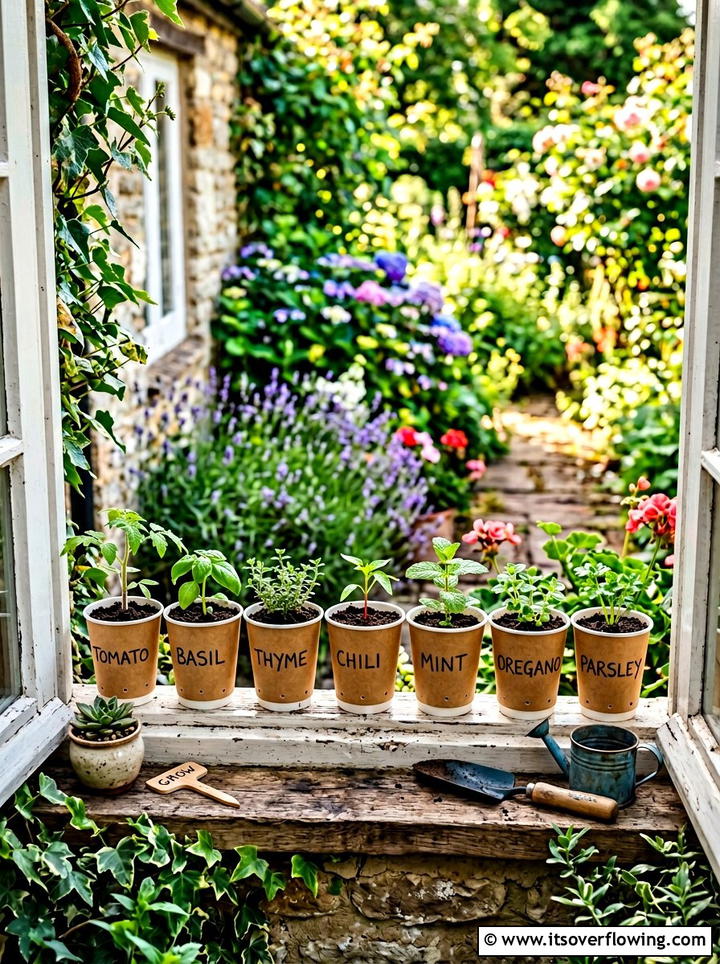
Paper coffee cups are a common waste item that can be easily repurposed into temporary homes for your growing seedlings. These cups are designed to handle moisture and heat, so they hold up well even with regular watering in a sunny spot. You can use the plastic lids as small saucers to catch any excess water that drains out of the bottom of the cup. They are especially useful for plants that need a bit more depth, such as young peppers or small flowering perennials. Labeling is a breeze since you can write the plant name and date directly on the paper surface.
16. Mushroom Container Seed Tray
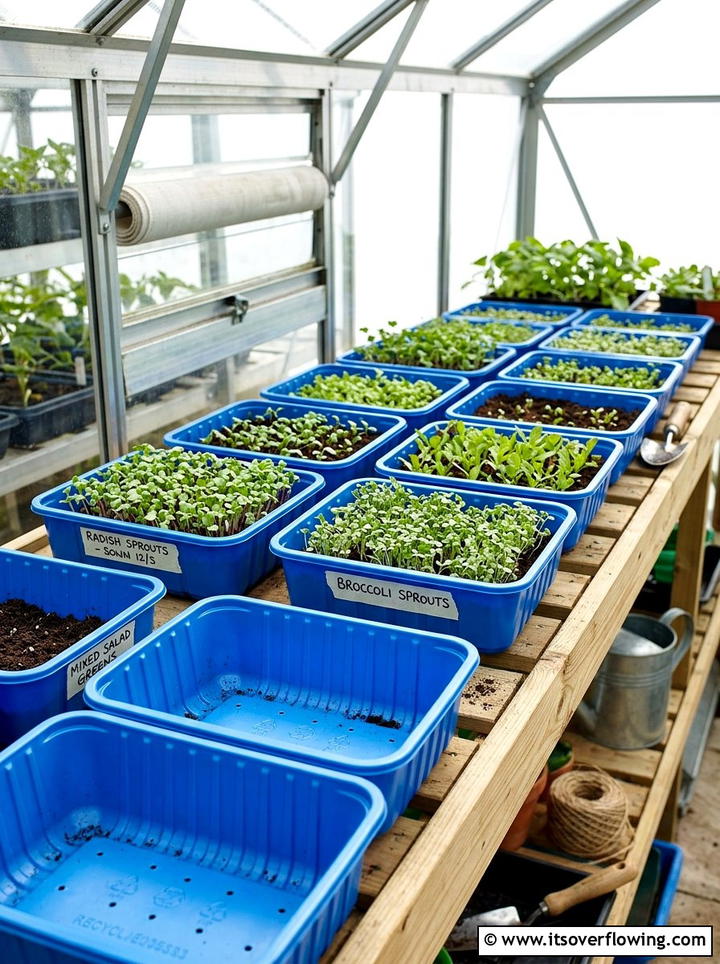
The plastic or styrofoam trays that hold mushrooms in the grocery store are excellent for starting seeds that like to stay moist. These trays are typically shallow and wide, providing a good amount of space for several rows of seeds to sprout. They fit perfectly on most standard windowsills and are easy to move around as the light changes throughout the day. If you use the blue plastic variety, they add a nice pop of color to your indoor gardening setup while being very functional. Just remember to add drainage holes to the bottom to ensure the roots stay healthy and do not rot.
17. Wooden Fruit Crate Seedling Station
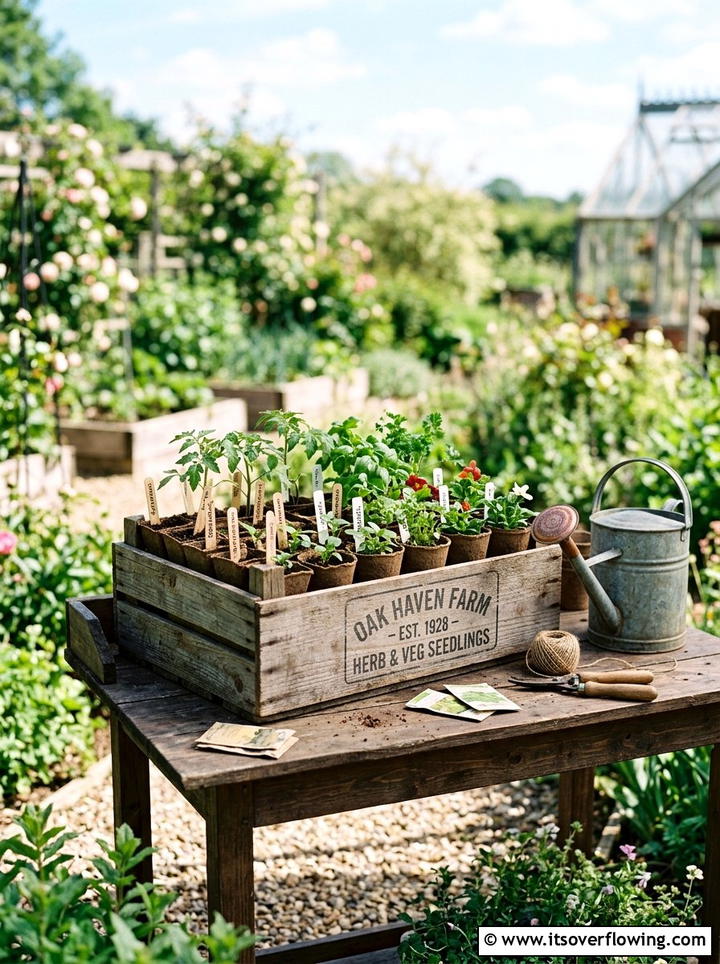
Small wooden crates used for clementines or other fruits can be turned into beautiful and rustic seed-starting stations for your home. You can line the crate with a layer of plastic or landscaping fabric to hold the soil in place while allowing for drainage. These crates provide a sturdy and attractive way to grow a large number of seedlings in one centralized location. They look great on a porch or potting bench and add a touch of farmhouse charm to your gardening routine. The wooden slats allow for excellent airflow, which helps prevent common fungal issues that can affect young, delicate plants.
18. Tin Can Herb Garden
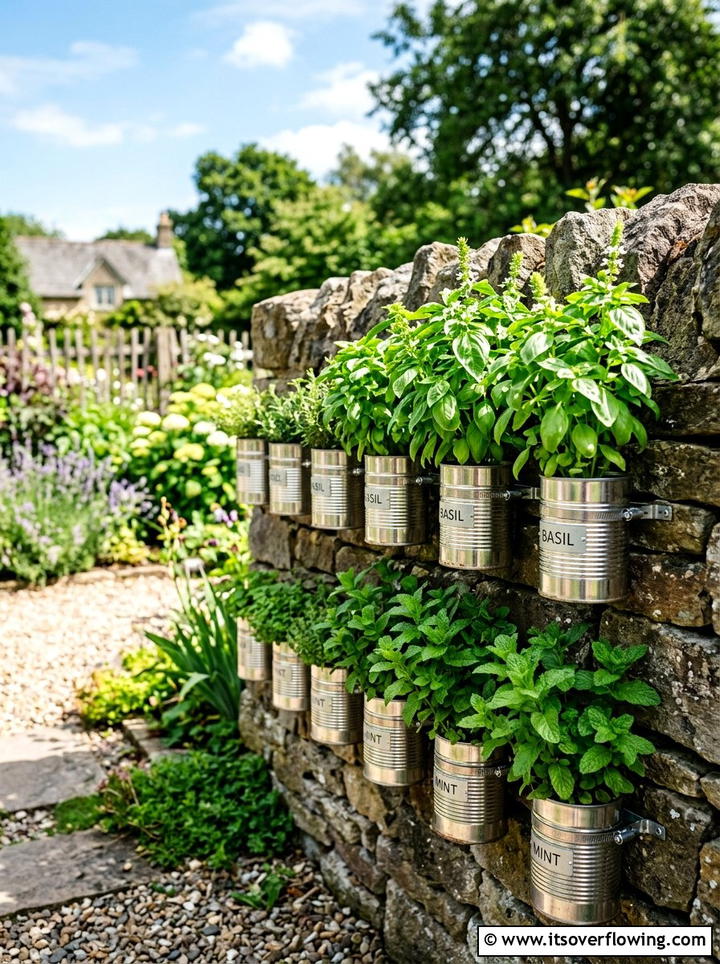
Empty tin cans from soup or vegetables can be washed and reused as stylish industrial-looking planters for your herb seeds. Use a hammer and a large nail to punch several holes in the bottom of each can for essential drainage. You can leave the cans with their natural metallic finish or paint them in bright colors to match your kitchen or garden decor. These cans are very durable and can withstand the elements if you decide to move them outdoors later in the season. They are the perfect size for growing basil, cilantro, or parsley right on your sunny kitchen windowsill all year.
19. Laundry Detergent Bottle Planter
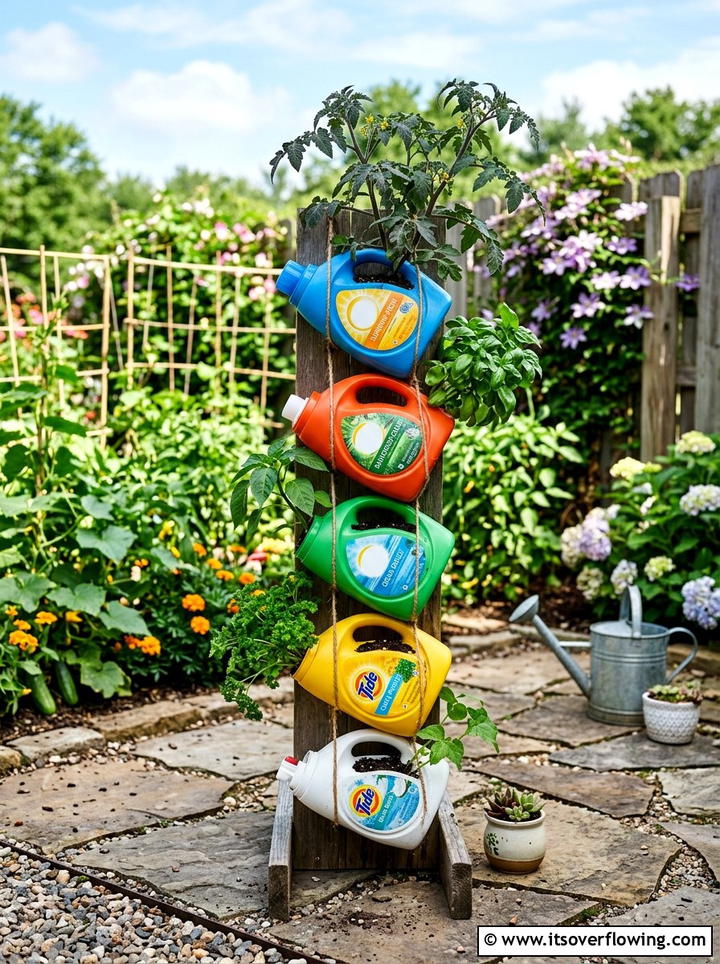
Heavy-duty plastic jugs from laundry detergent can be cut and transformed into large, sturdy planters for bigger seedlings or small crops. By cutting off the top and keeping the handle, you create a portable container that is easy to move around your yard. These bottles are made of very thick plastic that will not break down easily in the sun, making them a long-lasting choice. They are ideal for plants that need a lot of root space or for creating a small container garden on a balcony. Be sure to rinse the bottles thoroughly multiple times to remove all soap residue before planting.
20. Clamshell Fruit Container Seed Tray
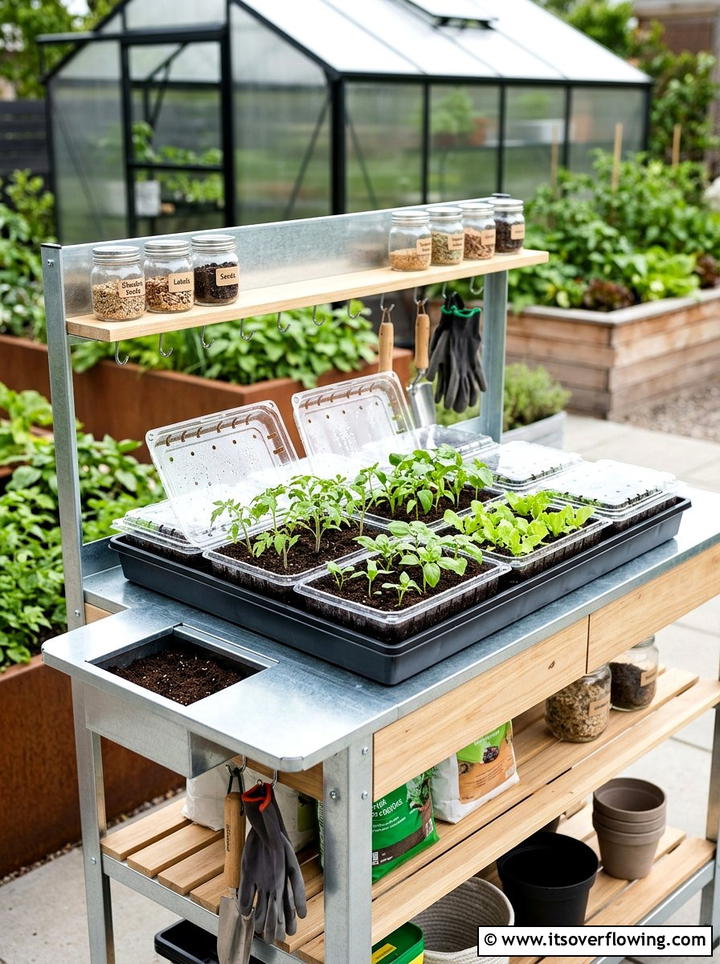
Clamshell containers used for large quantities of spinach or mixed greens are perfect for starting a whole mini-garden of seedlings at once. The deep bottom section allows for a generous amount of soil, while the attached lid acts as a built-in humidity dome. These containers are often quite large, so you can start several different types of seeds in the same box by creating small sections. The clear plastic makes it easy to see exactly when the soil needs more water or when the seeds have finally germinated. This is one of the most efficient ways to use recycled plastic for your gardening.
21. Cardboard Shoe Box Seedling Holder
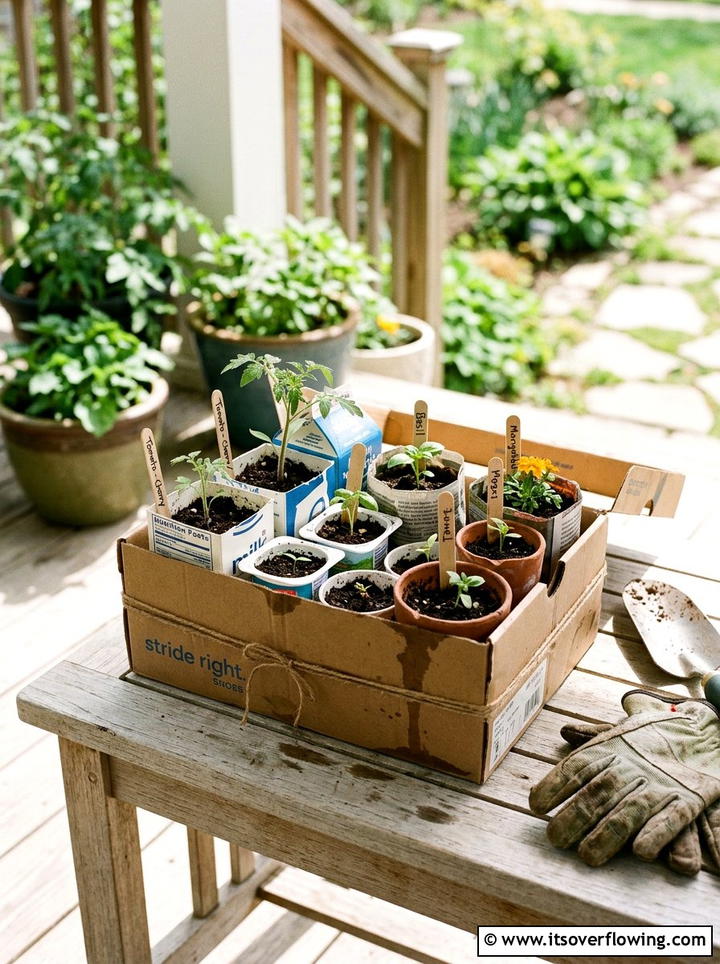
A simple cardboard shoe box can serve as a great organizational tray to hold various smaller recycled seedling pots together. If you are using many different types of containers, the shoe box keeps them all in one place and prevents them from tipping over. You can line the box with a plastic sheet to keep it from getting soggy when you water your plants. This setup makes it very easy to move your entire collection of seedlings at once if you need to clear the table. It is a practical and free way to manage your indoor nursery during the busy spring planting season.
22. Plastic Salad Box Seed Starter
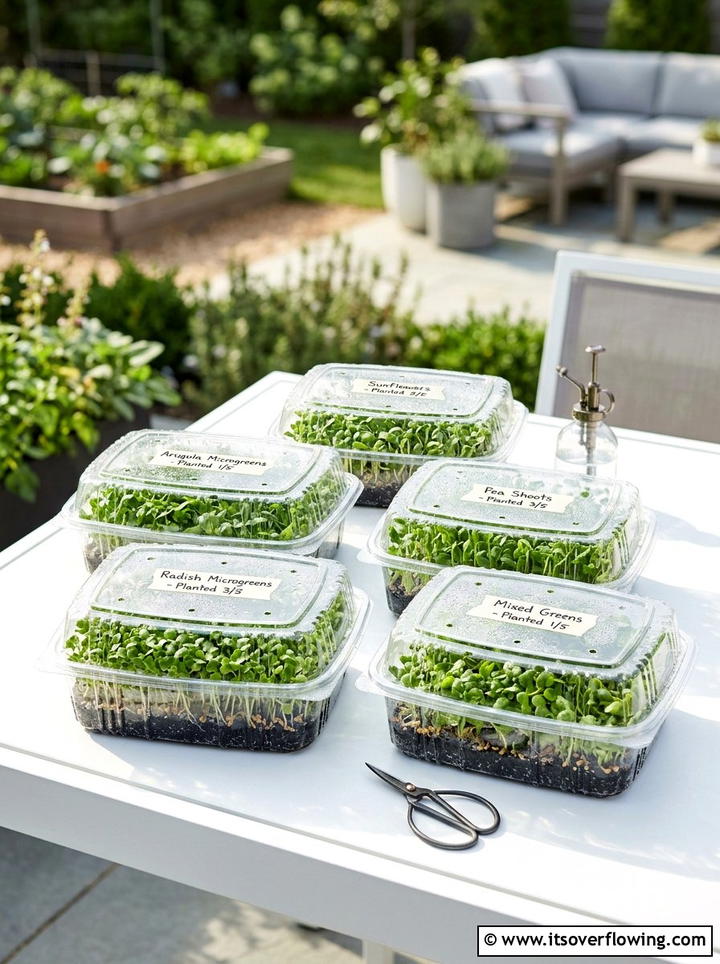
Large plastic boxes from pre-washed salad mixes are essentially professional-grade seed starting trays that you can get for free. They are wide and shallow, providing the ideal environment for sowing seeds like lettuce, kale, or various types of microgreens. The clear lids help retain heat and moisture, which are the two most important factors for quick and successful seed germination. Because they are so lightweight, you can easily stack them when they are empty or move them to a different room. These boxes are a staple for any gardener who wants to start many seeds indoors without buying expensive supplies.
23. Paper Cup Seedling Tray
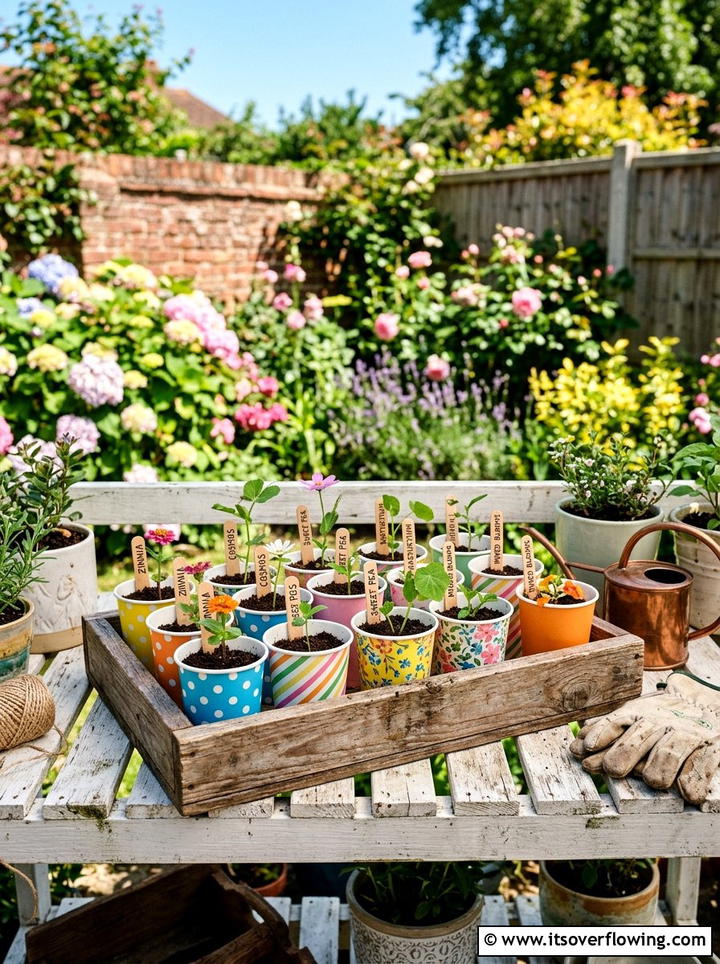
Leftover paper party cups are the perfect size for individual seedlings and can be easily customized with colors or labels. They are much sturdier than you might think and can last several weeks while your plants grow their first set of leaves. Because they are made of paper, they are breathable and help keep the soil temperature regulated more effectively than thin plastic. Once the seedlings are ready to go outside, you can simply peel the paper away to reveal the root ball. This minimizes root disturbance and helps the plant establish itself quickly in its new home in the outdoor garden bed.
24. Aluminum Foil Tray Seed Starter
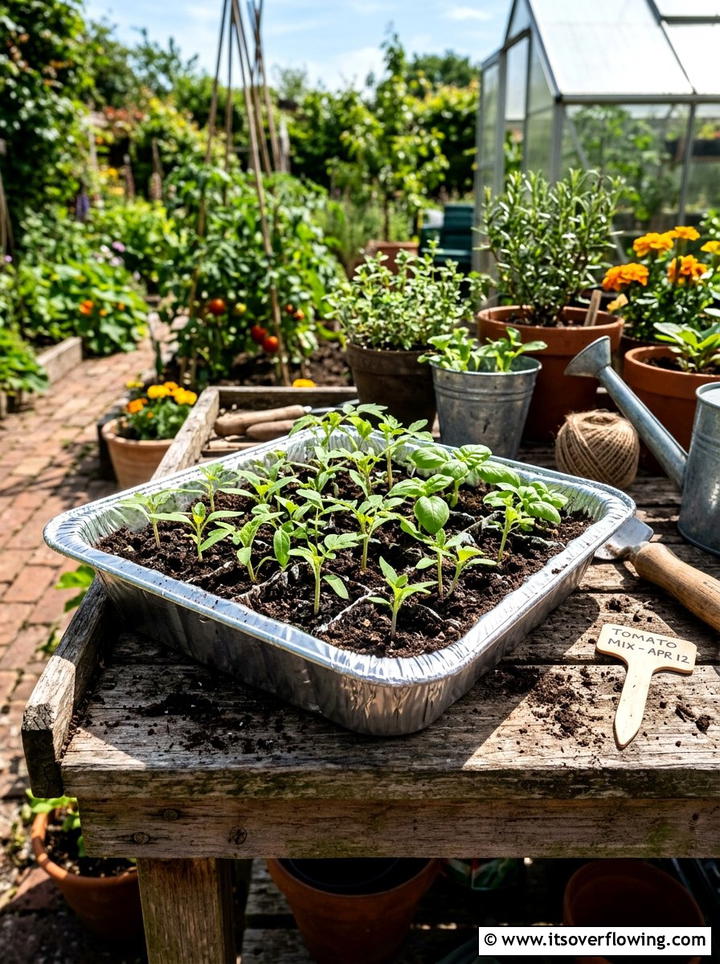
Disposable aluminum roasting pans or baking trays are excellent for starting large quantities of seeds because they are very shallow and wide. The reflective surface of the aluminum can help bounce light back onto the plants, which is beneficial in lower light conditions. These trays are very easy to poke holes into for drainage and are strong enough to hold a significant amount of wet soil. They are particularly useful for starting seeds that will be transplanted into the garden as clumps, such as certain types of flowers or grasses. They are also very easy to clean and store for future gardening projects.
25. Juice Box Seedling Planter
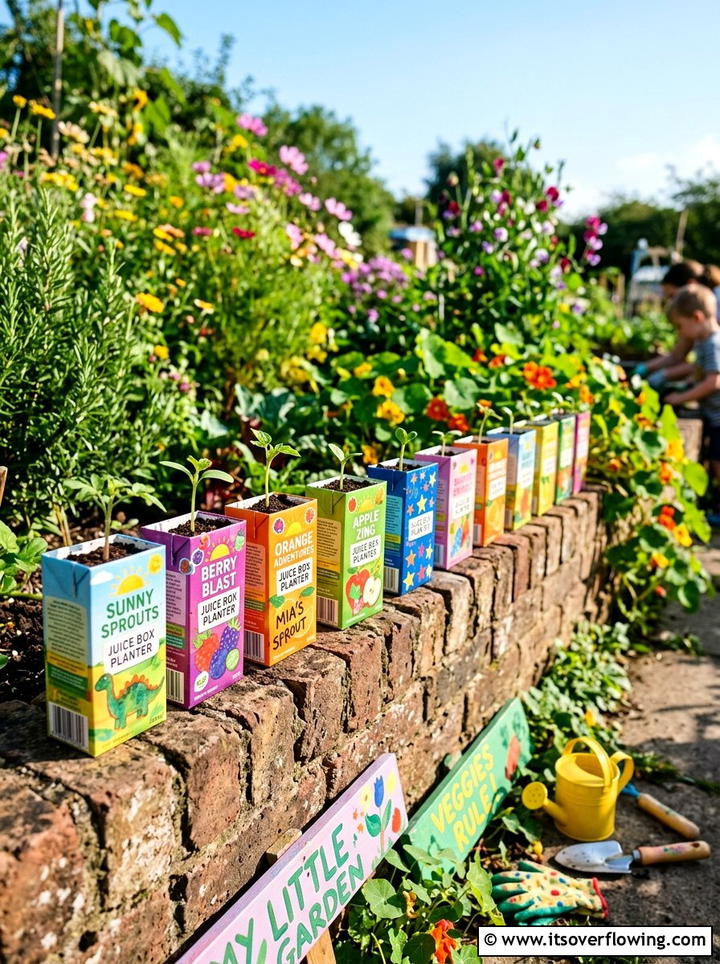
Small juice boxes are a fun and educational way to get children involved in the gardening process while recycling household waste. Cut the top off the box and poke a few small holes in the bottom to create a perfect little individual planter. The colorful designs on the outside make the seedling station look vibrant and cheerful on a windowsill or shelf. These small boxes are just the right size for single seeds of larger plants like pumpkins or cucumbers. It is a great way to teach kids about the life cycle of plants and the importance of reusing materials in a creative way.
Conclusion:
Embracing these recycled garden ideas allows you to contribute to a healthier planet while enjoying the therapeutic benefits of growing your own food and flowers. It is truly rewarding to see how items that were once considered trash can be transformed into functional tools for your backyard or balcony garden. By using what you already have, you save money and reduce your environmental footprint one seedling at a time. Gardening is all about patience and creativity, and these methods prove that you do not need fancy supplies to achieve great results. We hope these tips inspire you to look at your recycling bin with a fresh perspective this planting season.

Related posts:
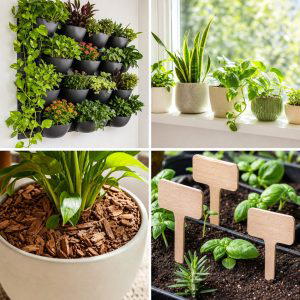 25 recycled garden ideas with egg cartons: Easy Seed DIYs
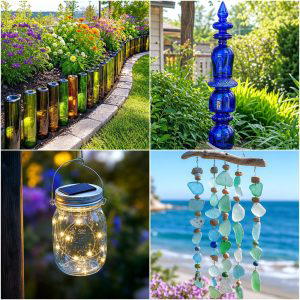 25 recycled garden ideas with recycled glass art to Love
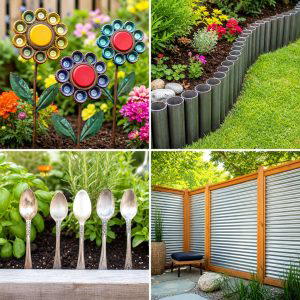 25 recycled garden ideas with recycled metal art to Try
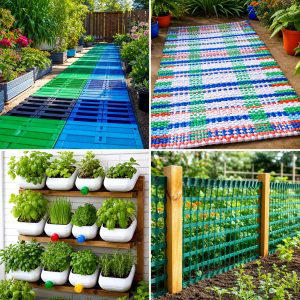 25 recycled garden ideas with recycled plastic projects
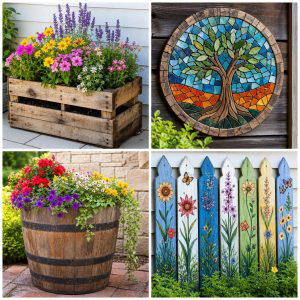 25 recycled garden ideas with recycled wood art to Try
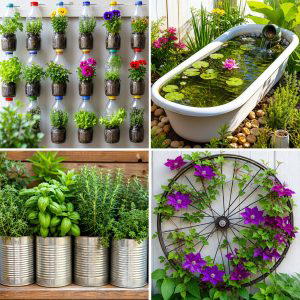 25 Recycled Garden Ideas DIY Projects for Outdoor Charm
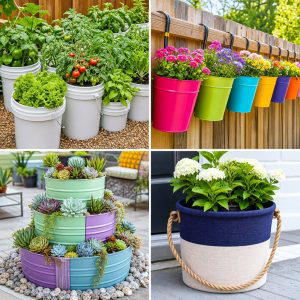 25 recycled garden ideas with buckets: Budget DIY Planters
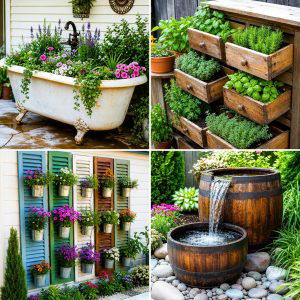 25 recycled garden ideas with eco friendly decor: Easy DIY
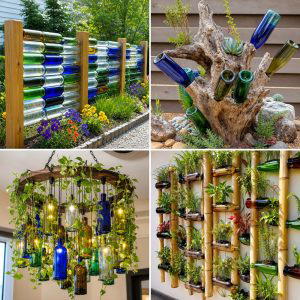 25 recycled garden ideas with hanging bottle planters: DIY
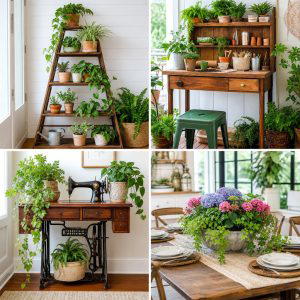 25 recycled garden ideas with old furniture: Stylish DIY Decor
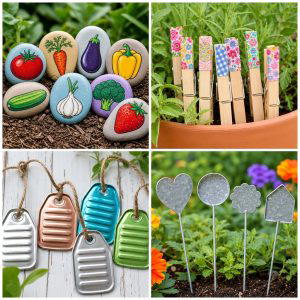 25 recycled garden ideas with plant labels for Easy DIY
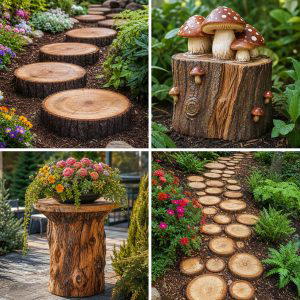 25 recycled garden ideas with tree stumps: Rustic DIY Decor