
Finding beauty in discarded construction materials is a growing trend that combines environmental responsibility with unique landscape aesthetics for your home. Using concrete scraps, often called urbanite, allows you to create high-end garden features without the premium price tag of natural stone. Many homeowners are now looking for ways to reduce landfill waste while improving their curb appeal through creative upcycling projects. These heavy, durable chunks of concrete provide excellent structural integrity for various outdoor applications, from paths to plant borders. By rethinking what most people consider trash, you can build a sustainable sanctuary that feels both modern and grounded. This guide explores many ways to repurpose those jagged pieces into stunning focal points for your backyard.
1. Broken concrete retaining wall
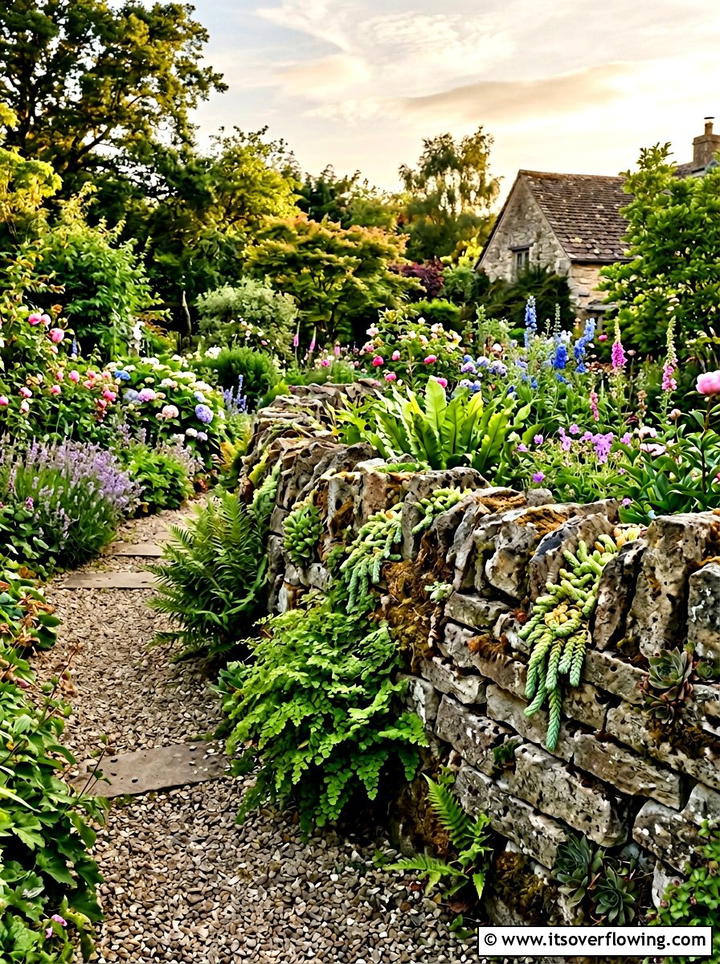
Starting a project with salvaged materials is an excellent way to reduce waste while adding a rugged, organic texture to your outdoor living space. Broken concrete, often referred to as urbanite, serves as a fantastic alternative to expensive natural stone when building a functional retaining wall. You can stack the flat pieces with the broken edges facing outward to create a look that mimics traditional dry-stack masonry. This method allows for natural drainage and provides small crevices where alpine plants or succulents can thrive beautifully. It is a cost-effective solution that transforms heavy debris into a structural masterpiece that anchors your entire backyard layout with an industrial yet natural charm.
2. Concrete scrap pathway
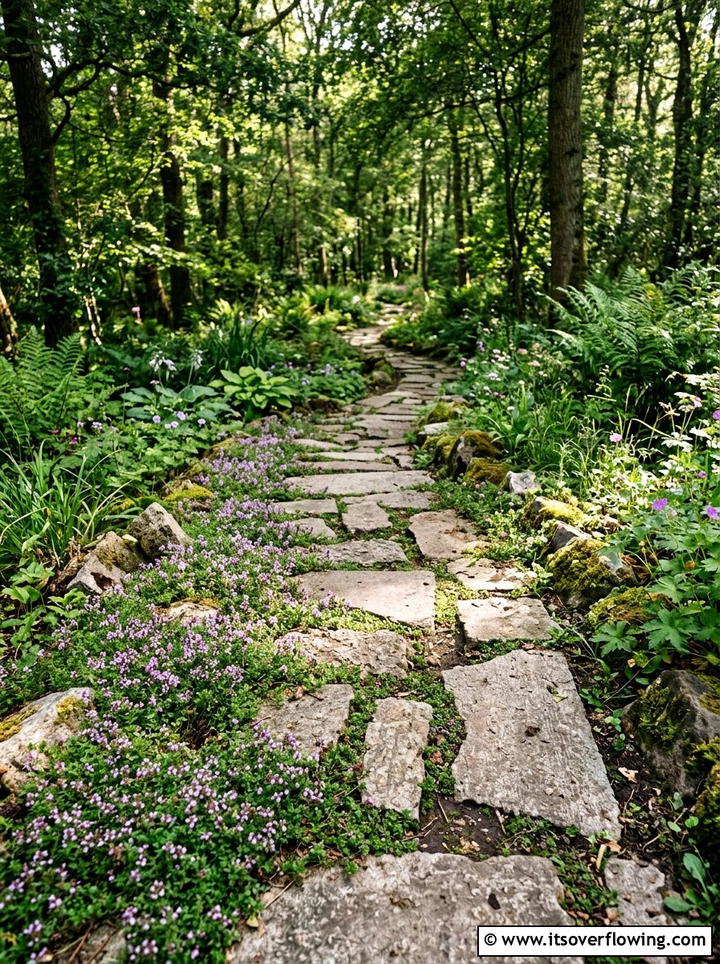
Have you ever noticed how naturally broken concrete chunks look when they are arranged like flagstones along a winding garden path? Creating a walkway using these irregular pieces gives your garden a whimsical, old-world feel while remaining incredibly durable underfoot. You should start by leveling the ground and adding a thick layer of sand to ensure the scraps stay firmly in place over time. Filling the gaps between the concrete with creeping thyme or soft moss adds a touch of greenery that softens the hard edges. This approach not only saves money on paving materials but also creates a permeable surface that helps manage rainwater runoff effectively.
3. Urbanite raised garden bed
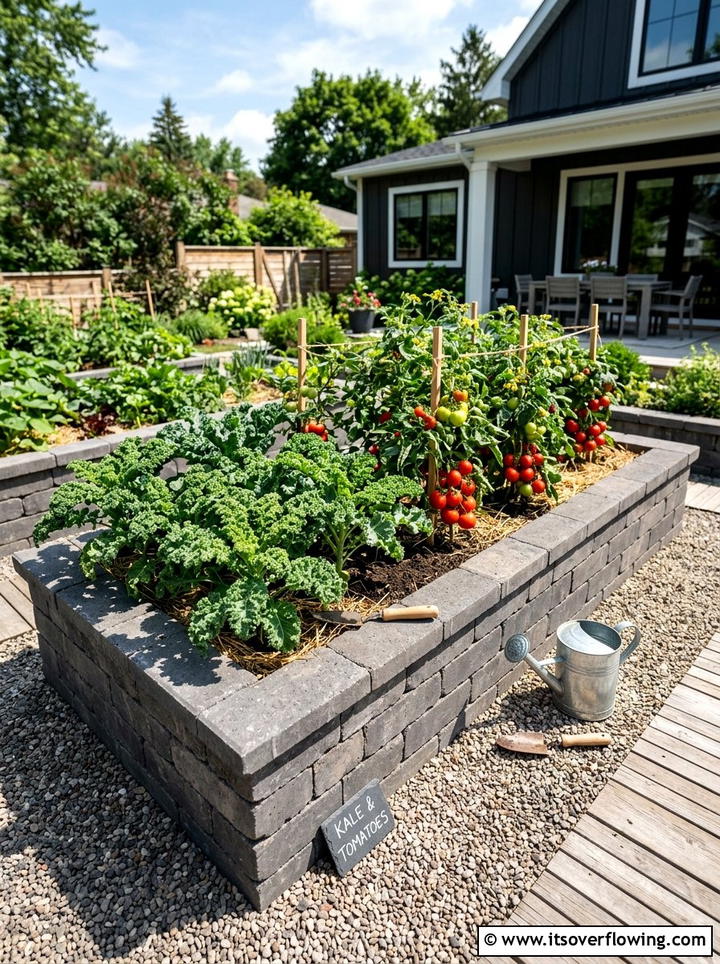
Building a sturdy structure for your vegetables or flowers becomes much easier when you utilize the heavy weight of old concrete slabs. These thick scraps are perfect for creating raised garden beds that will never rot or warp like traditional wooden frames often do. You can stack the pieces to your desired height, ensuring the corners are well-interlocked for maximum stability against the pressure of the soil. The neutral grey tones of the concrete provide a sophisticated backdrop that makes the vibrant greens and bright colors of your plants truly pop. It is a permanent gardening solution that offers a clean, architectural look while being completely recycled from local waste.


4. Recycled concrete fire pit
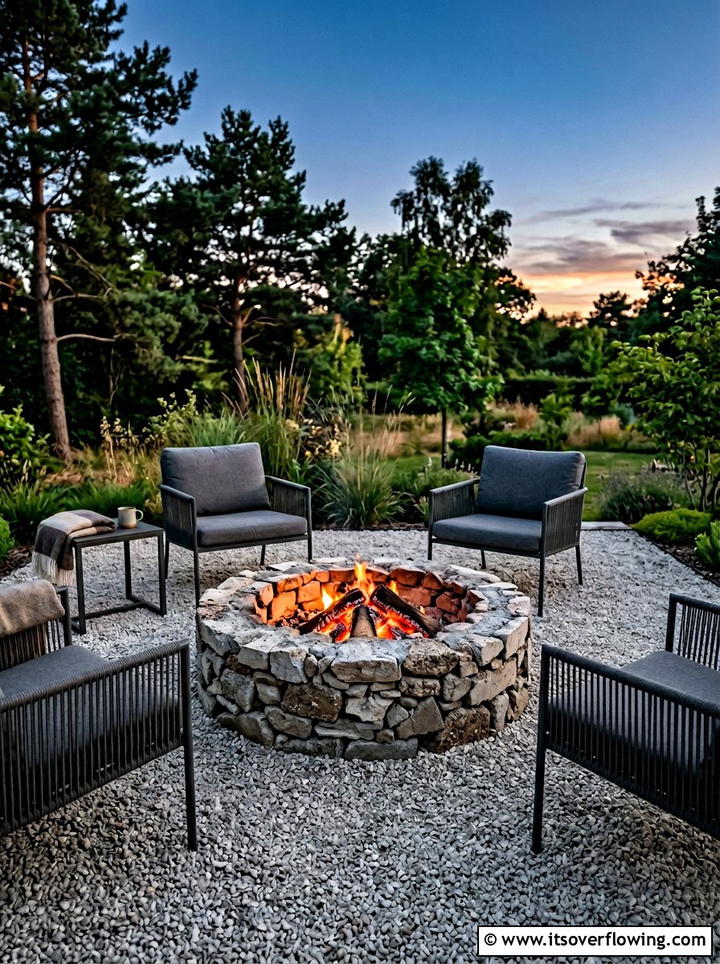
Imagine gathering around a warm, flickering fire in a pit made entirely from repurposed materials found right in your own community. You can easily construct a safe and stylish fire feature by circular stacking medium-sized concrete chunks in a cleared area of your yard. It is important to leave small gaps between some pieces to allow for proper airflow, which helps the fire burn more efficiently and cleanly. The rough, textured surface of the broken concrete gives the fire pit a rustic, campfire vibe that fits perfectly in a naturalistic landscape. This project provides a cozy focal point for evening entertainment while giving a second life to heavy construction debris.
5. Concrete slab garden bench
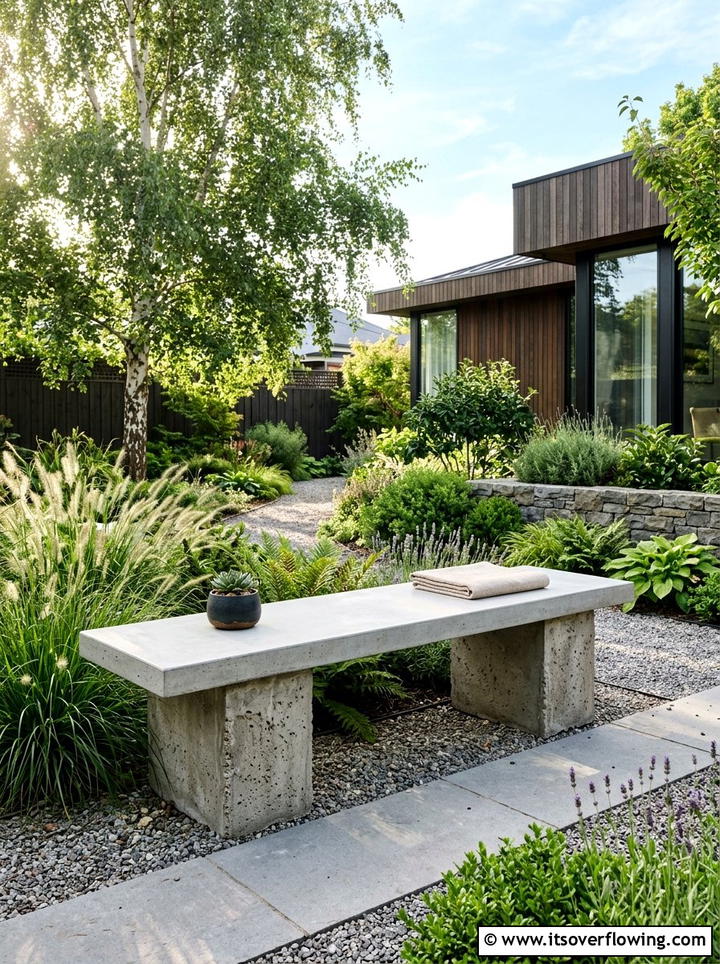
Creating a permanent place to sit and enjoy your outdoor scenery does not require a trip to a high-end furniture store. You can assemble a minimalist garden bench by using large, flat concrete scraps as the seat and stacking smaller blocks for the sturdy legs. Using a strong masonry adhesive between the layers ensures the bench remains safe and stable for anyone who wants to take a rest. The cool surface of the concrete feels wonderful on a hot summer day, and the bench will weather beautifully over many years. This simple DIY project adds a structural element to your garden that feels like a modern art installation while remaining functional.
6. Broken concrete edging
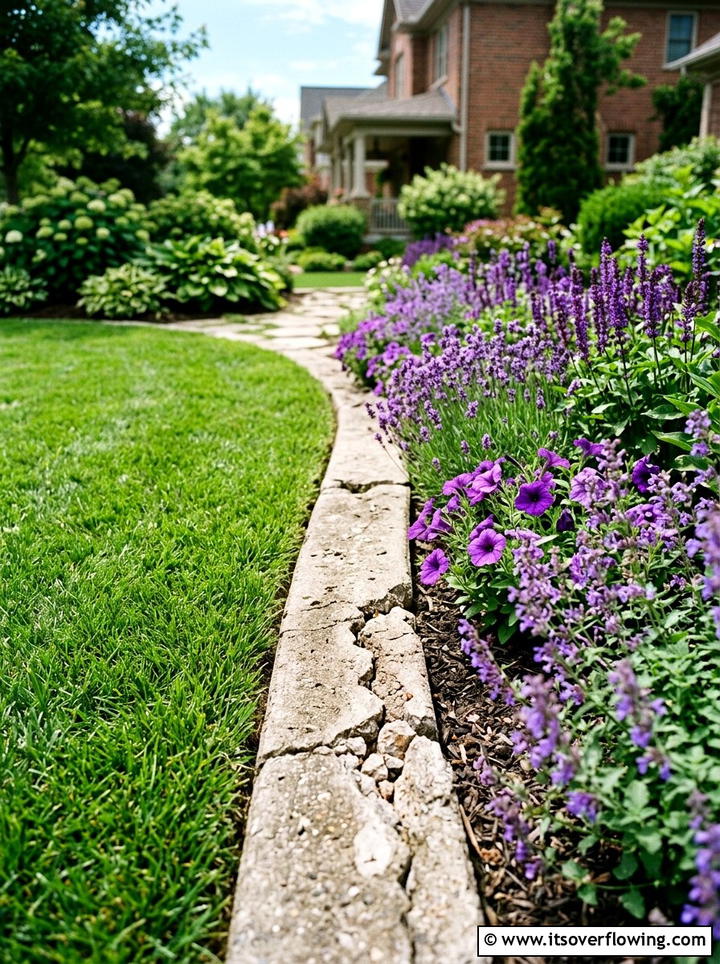
Keeping your garden beds looking sharp and organized is much simpler when you use heavy concrete scraps as a decorative border. These pieces can be partially buried in a shallow trench to create a clean line between your lush lawn and mulched planting areas. Because the pieces are heavy, they stay in place much better than lightweight plastic or thin metal edging products found at big-box stores. The irregular shapes of the broken concrete add a sense of movement and character to the perimeter of your flower beds. This technique is an excellent way to use up smaller fragments of concrete that might not be large enough for walls.
7. Dry stack concrete wall
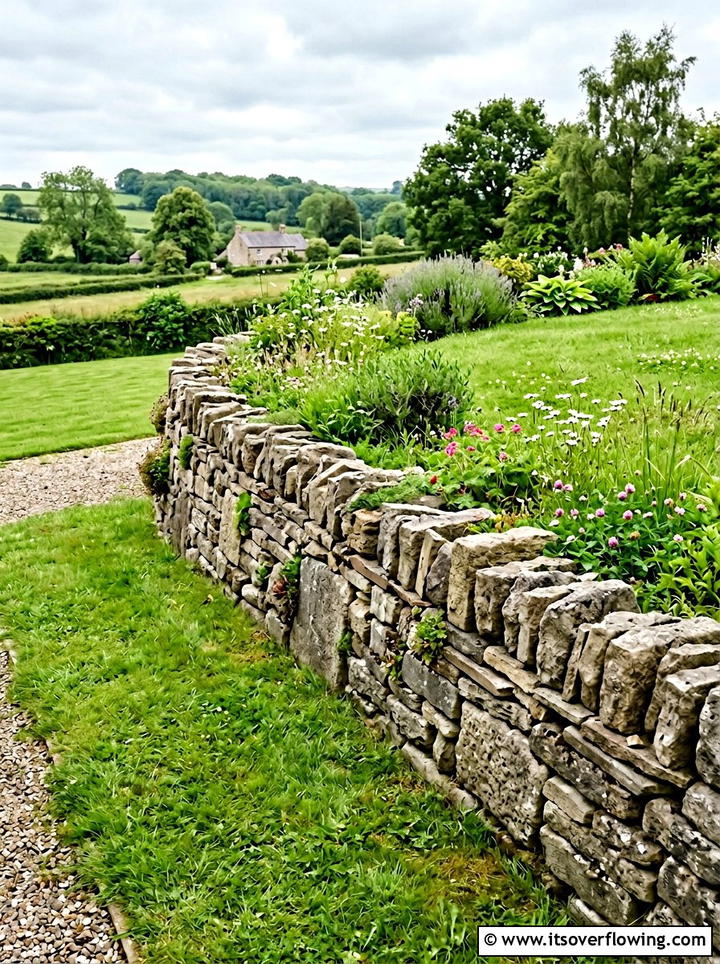
Low-profile walls used for separating different zones in your backyard can be easily built using the dry-stack method with flat concrete pieces. You do not need messy mortar to create a beautiful divider; instead, you rely on gravity and the careful placement of the scraps. This style of construction creates a very relaxed and informal look that suits cottage gardens or modern xeriscapes equally well. As the wall ages, it may even develop a beautiful patina of lichen or moss, helping it blend seamlessly into the surrounding environment. It serves as a great backdrop for taller ornamental grasses or colorful flowering shrubs that need a bit of visual support.

8. Concrete rubble rock garden
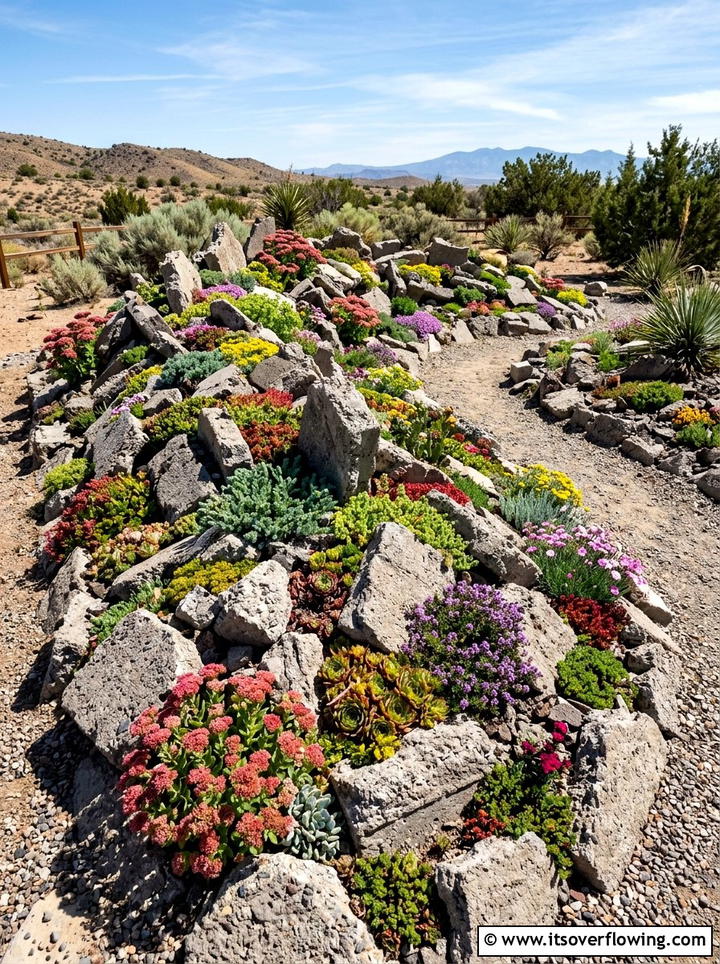
Turning a difficult, sloped area of your yard into a stunning rock garden is a brilliant way to utilize various sizes of concrete rubble. You can nestle the jagged pieces into the hillside to create pockets of soil where drought-tolerant plants like sedum and hens-and-chicks can grow. The contrast between the hard, grey concrete and the soft, fleshy leaves of the succulents creates a visually striking landscape feature that requires very little maintenance. This type of garden mimics the natural scree slopes found in mountainous regions, bringing a bit of wild beauty to your suburban backyard. It is an ideal solution for areas where grass struggles to grow due to poor soil.
9. Stepping stone walkway concrete
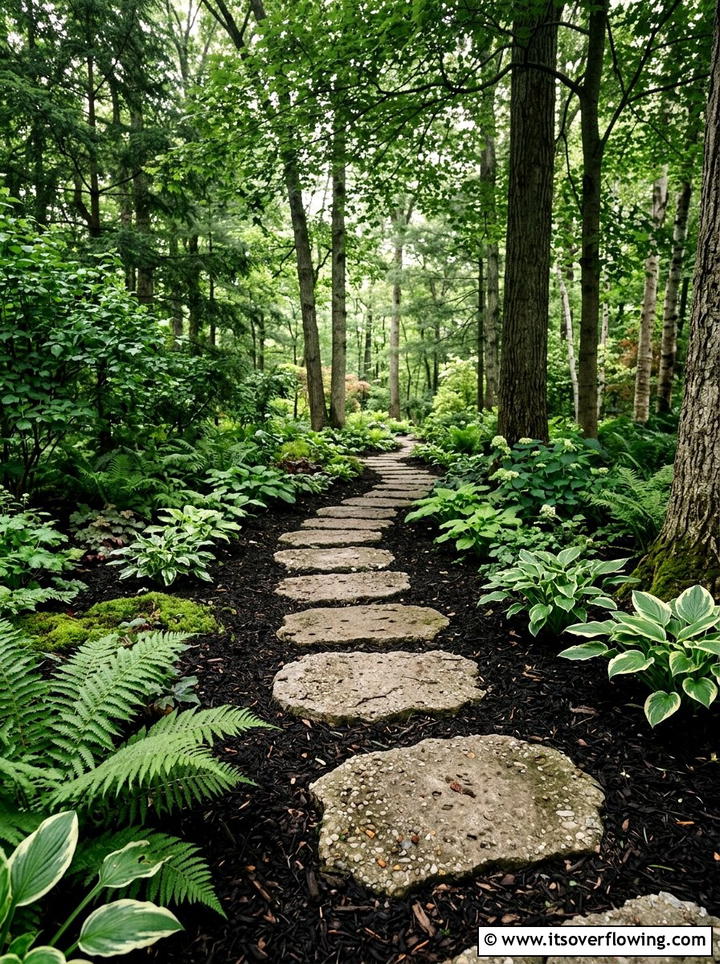
Small, flat pieces of broken concrete are the perfect size for creating a charming stepping stone path through a wooded or shaded area. By spacing the stones a comfortable stride apart, you allow the natural ground cover to grow around them, making the path feel like it has been there for decades. These individual stones provide a dry place to walk during rainy seasons without the need for a fully paved or gravel-covered surface. You can even choose pieces with interesting textures or embedded aggregate to add more visual detail to the ground level. This project is quick to install and offers immediate accessibility to the far corners of your property.
10. Concrete scrap herb spiral
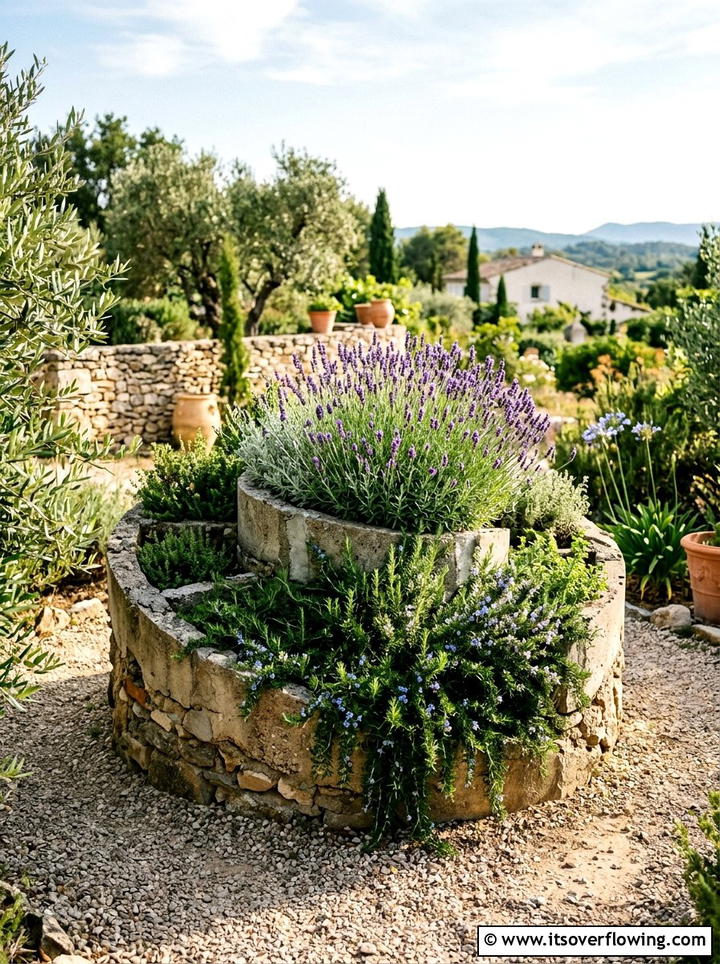
Growing a variety of fresh herbs in a small footprint is made possible by building a vertical herb spiral using small concrete chunks. This design creates several microclimates, allowing you to plant moisture-loving herbs at the bottom and sun-loving, drainage-dependent herbs at the top. The concrete scraps hold the heat from the sun during the day and release it slowly at night, which helps extend the growing season for your plants. It is a highly efficient way to garden that also serves as a beautiful sculptural element in a kitchen garden or near a back patio. The spiral shape is naturally eye-catching and keeps your favorite culinary ingredients within easy reach.
11. Tree ring with broken concrete
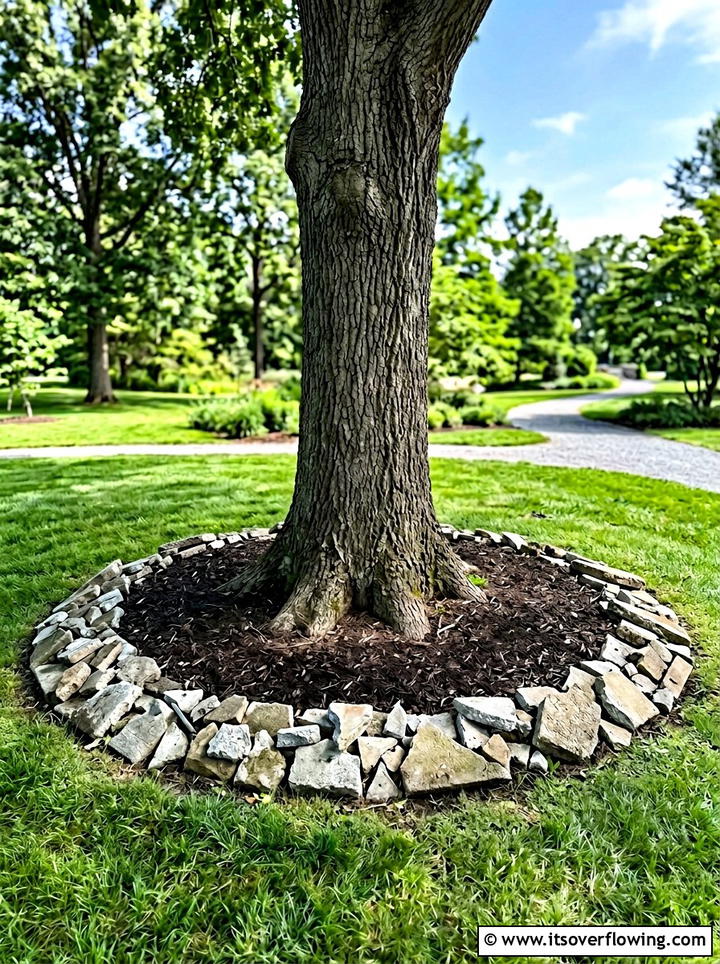
Protecting the base of your favorite shade trees while adding a decorative touch is easily achieved by creating a ring of concrete scraps. These pieces prevent lawnmowers from damaging the trunk and provide a dedicated area for mulch, which helps retain essential moisture for the tree. You can lay the concrete flat or stand the pieces on end for a more jagged and dramatic appearance around the base. The weight of the concrete ensures the ring stays circular and tidy, even after heavy rain or yard work activities. This simple addition makes your trees look like intentional parts of the landscape design rather than just growing in the middle of the lawn.

12. Garden water feature concrete scraps
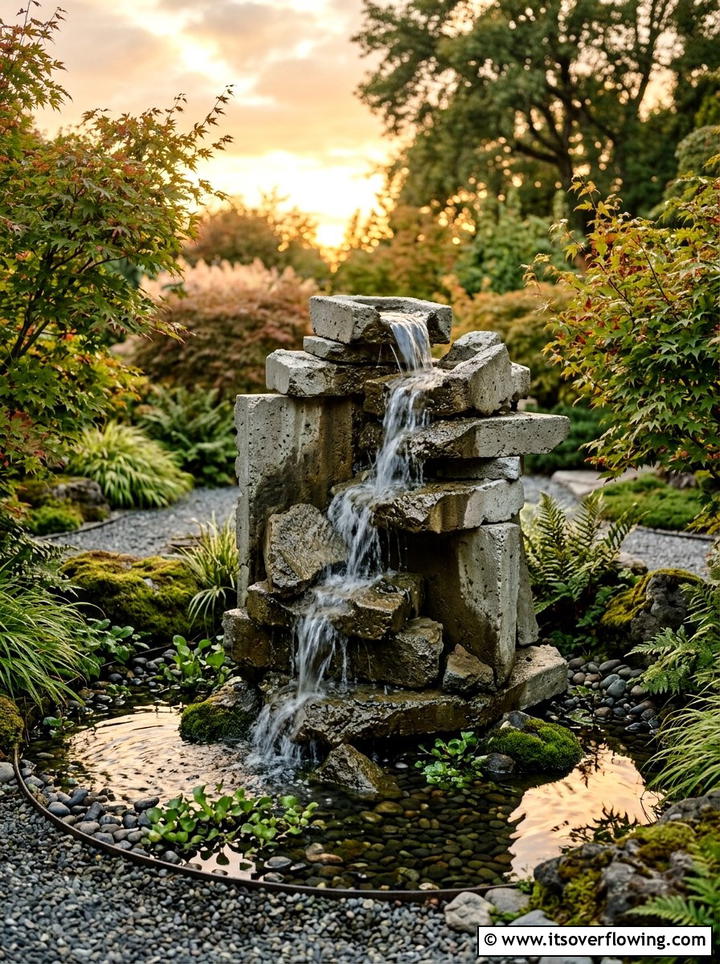
The soothing sound of trickling water can be brought into your yard by using concrete scraps to build a custom spillway or fountain base. You can stack the pieces to hide a small pump and tubing, allowing water to cascade over the rough surfaces of the concrete. The wet concrete darkens in color, highlighting the unique textures and patterns found in the recycled material. Birds and butterflies will be attracted to the shallow pools created by the irregular shapes of the stacked stones. This DIY water feature adds a professional touch to your garden while utilizing materials that would otherwise be discarded as useless waste from a construction site.
13. Vertical concrete garden wall
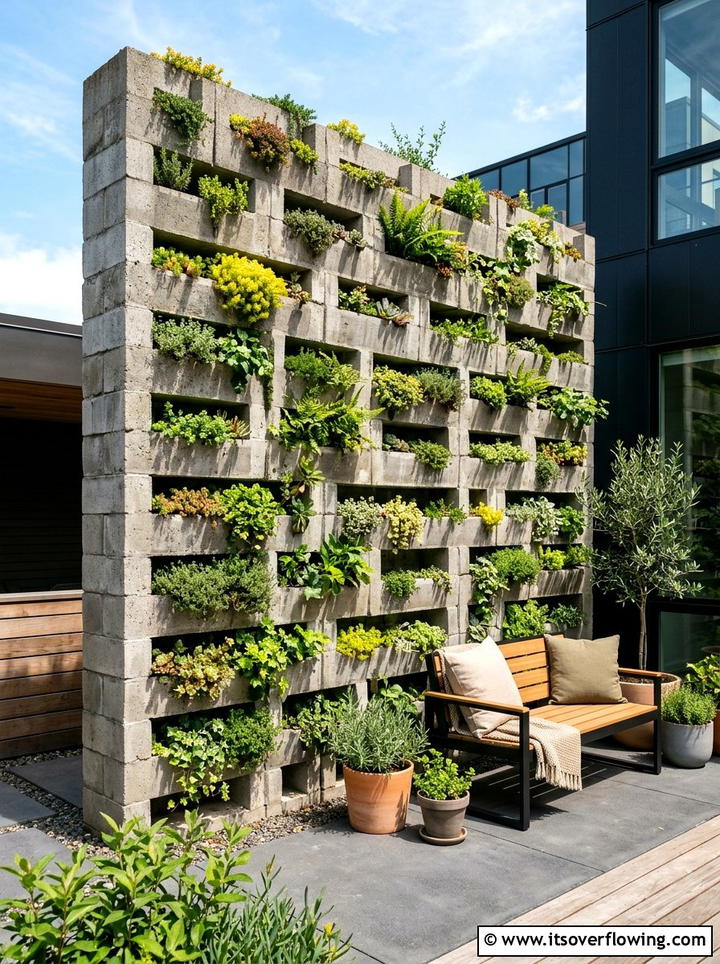
If you are limited on horizontal space, you can create a stunning vertical garden by stacking concrete scraps against a sturdy existing structure. By leaving intentional gaps between the pieces, you create small planting pockets that are perfect for trailing vines or delicate ferns. This “living wall” effect softens the industrial look of the concrete and brings greenery up to eye level on a porch or patio. The concrete acts as a thermal mass, protecting the roots of the plants from extreme temperature fluctuations throughout the day. It is a creative way to turn a boring fence or bare exterior wall into a lush, three-dimensional tapestry of natural life.
14. Concrete slab patio
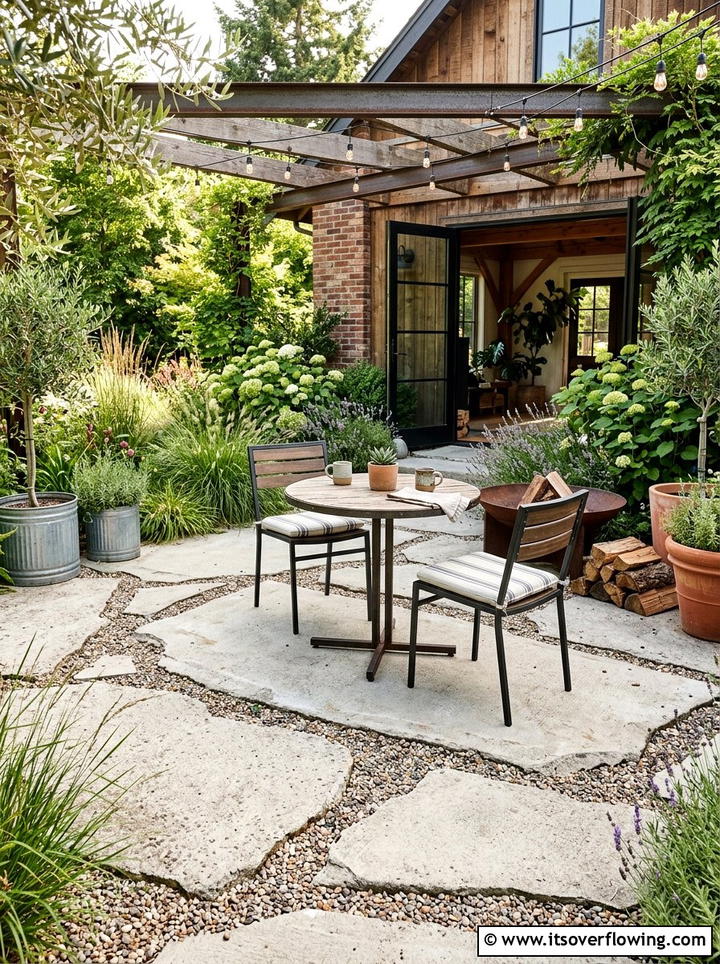
Creating a solid surface for your outdoor dining table or lounge chairs is possible by using large, oversized concrete slabs recovered from old sidewalks. These massive pieces can be laid out in a grid or a more random mosaic pattern to form a heavy-duty patio area. When the gaps are filled with fine gravel or decomposed granite, the resulting surface is stable, flat, and very easy to keep clean. The industrial-chic aesthetic of a large-scale concrete patio pairs perfectly with modern outdoor furniture and sleek, minimalist plantings. This project offers a high-end look that usually costs thousands of dollars for a fraction of the price by reusing available local resources.
15. Broken concrete stairs
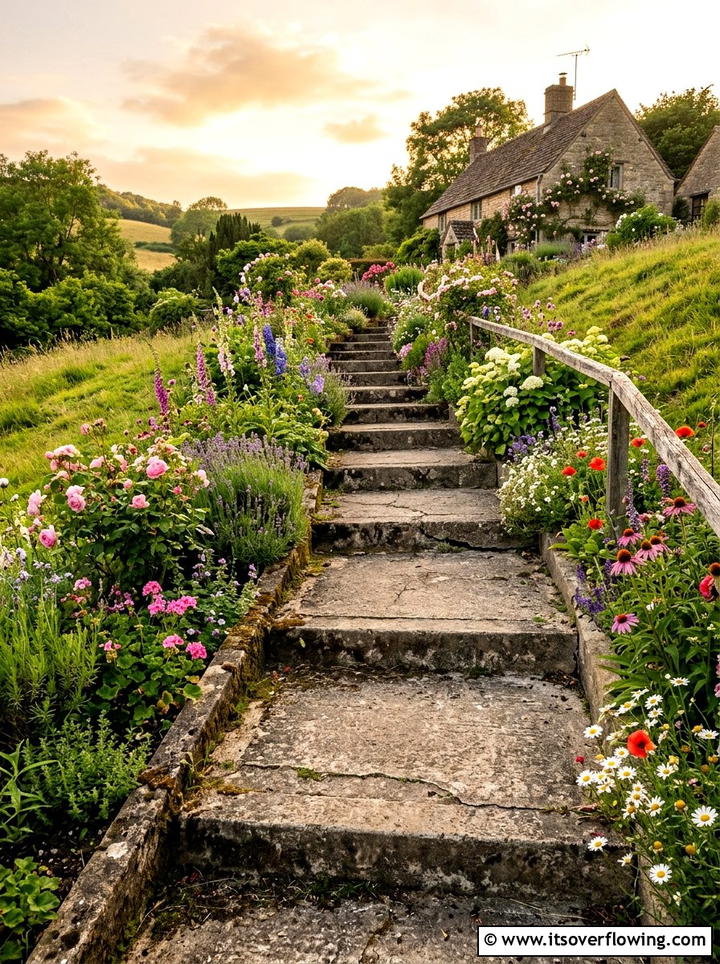
Navigating a steep grade in your backyard becomes much safer and more attractive when you install a set of stairs made from flat concrete chunks. These heavy pieces provide a solid “tread” for each step, ensuring they won’t shift or slide when you walk on them during wet weather. You can backfill the “risers” with smaller rubble or soil to keep the steps level and secure against the hillside. The natural, uneven edges of the concrete scraps give the staircase a rugged look that feels like it was carved directly out of the earth. This functional addition makes every part of your yard accessible while adding a sense of adventure to your landscape.

16. Concrete rubble drainage trench
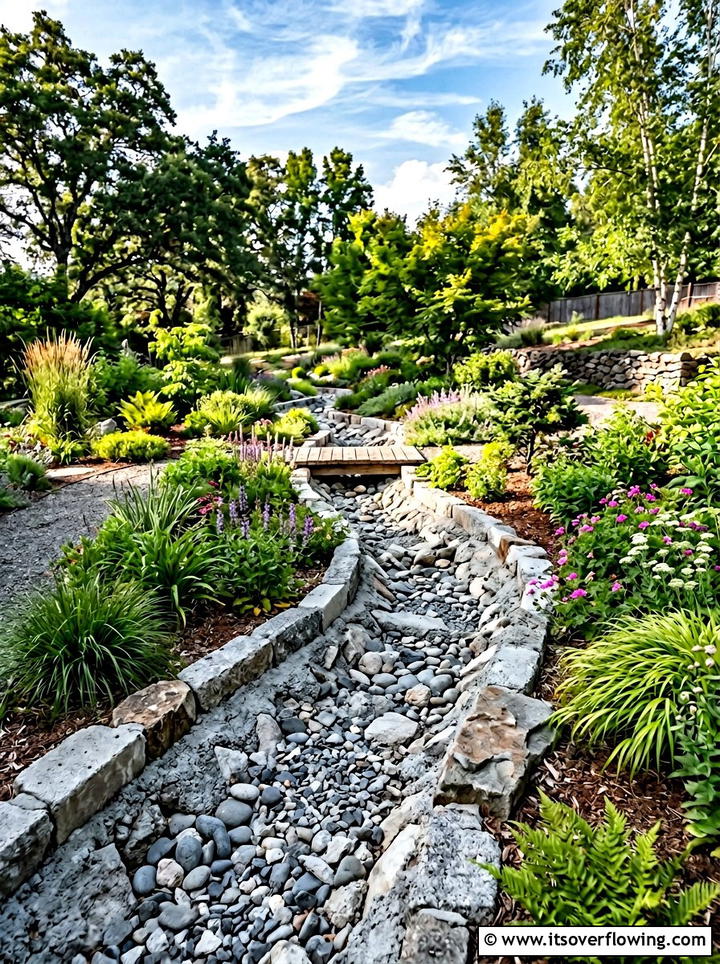
Managing excess water in your yard is a practical necessity that can also look beautiful when you use concrete rubble to line a drainage trench. Instead of using a standard plastic pipe, you can create a “dry creek bed” look that guides water away from your home during heavy storms. The various sizes of concrete scraps help slow down the flow of water, preventing erosion and allowing more moisture to soak into the ground. When it is dry, the trench looks like a natural rocky feature that adds texture and visual interest to your garden beds. This dual-purpose solution solves a common home maintenance issue while utilizing eco-friendly, recycled building materials.
17. Concrete scrap planter box
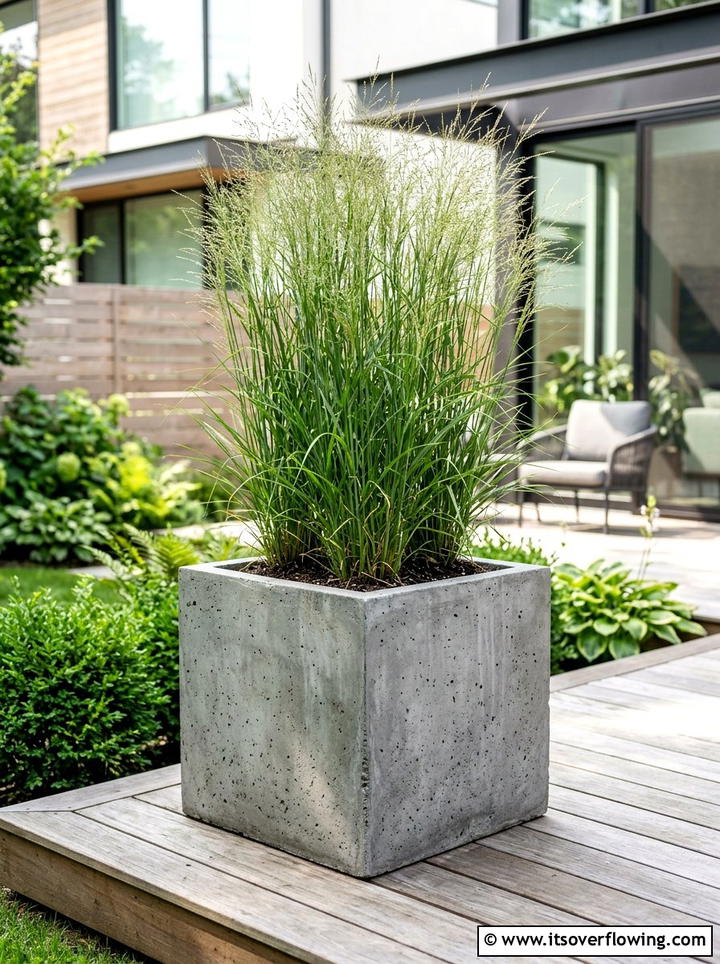
Small-scale planters can be easily assembled by gluing or mortaring square pieces of concrete scrap together to form a unique container for your porch. These heavy planters are excellent for top-heavy plants or areas with high winds because they will not tip over easily like plastic pots. You can leave the concrete its natural grey color or apply a masonry stain to match the specific color palette of your home’s exterior. The porous nature of concrete allows the soil to breathe, which is very beneficial for the health of many different plant varieties. These custom containers provide a modern, custom-built look that adds a touch of sophistication to any entry or patio area.
18. Geometric concrete garden art
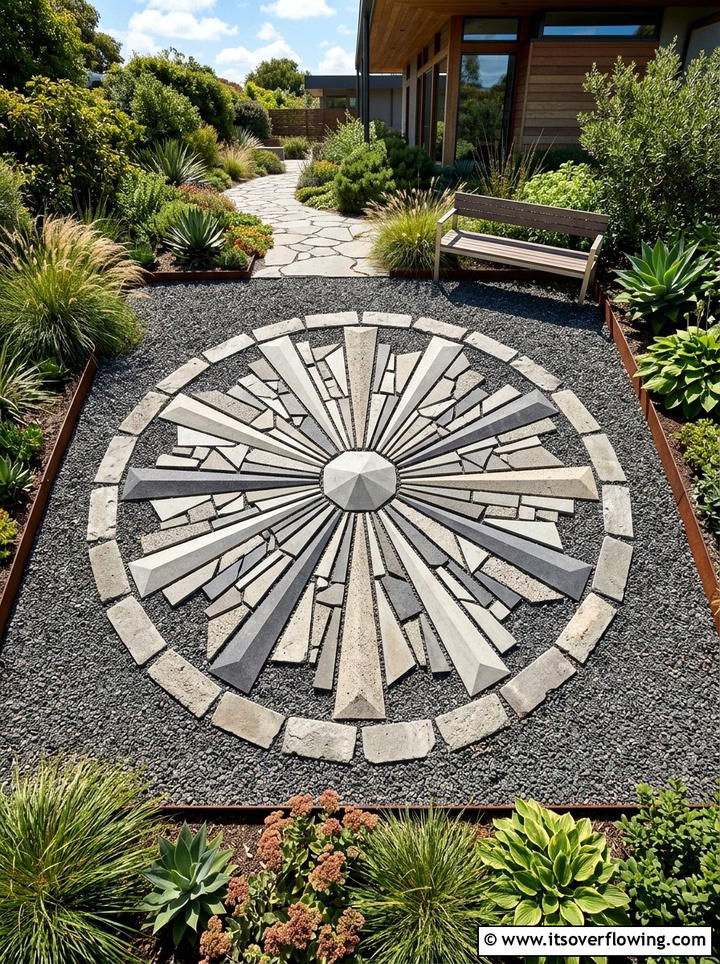
Concrete scraps can be arranged into intentional patterns or shapes to create unique pieces of outdoor sculpture that reflect your personal style. By selecting pieces with similar thicknesses, you can lay out a sunburst, a spiral, or even a labyrinth design directly on the ground or on a low pedestal. This type of garden art provides a permanent focal point that remains beautiful through every season, even when the surrounding plants have gone dormant for the winter. The raw, unrefined texture of the concrete adds an edgy, contemporary vibe to your outdoor space. It is a wonderful way to express your creativity while participating in the global movement toward sustainable and recycled design.
19. Concrete mosaic path
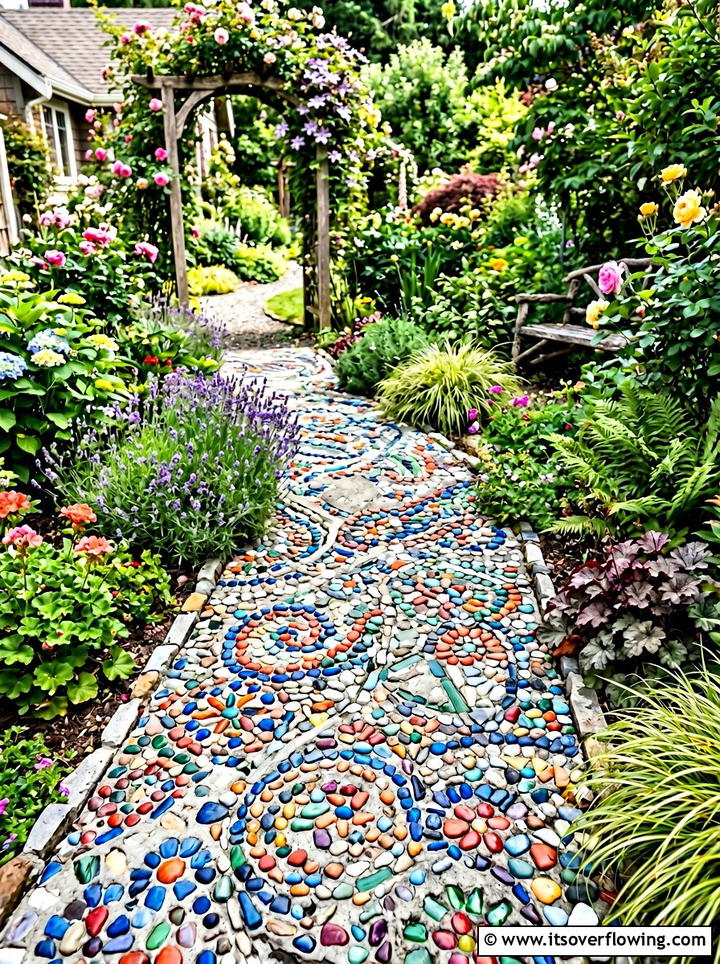
Transforming a standard walkway into a work of art is possible by embedding smaller bits of colored concrete or glass into a base of recycled concrete chunks. This mosaic technique allows you to create intricate patterns or colorful borders that catch the light and add a playful element to your garden. You can use masonry adhesive to secure the smaller pieces to the larger slabs before filling the remaining cracks with a fine grout. The result is a highly personalized path that tells a story and showcases your attention to detail. This project is particularly fun for families who want to create a lasting memory together in their own backyard space.




20. Industrial concrete birdbath
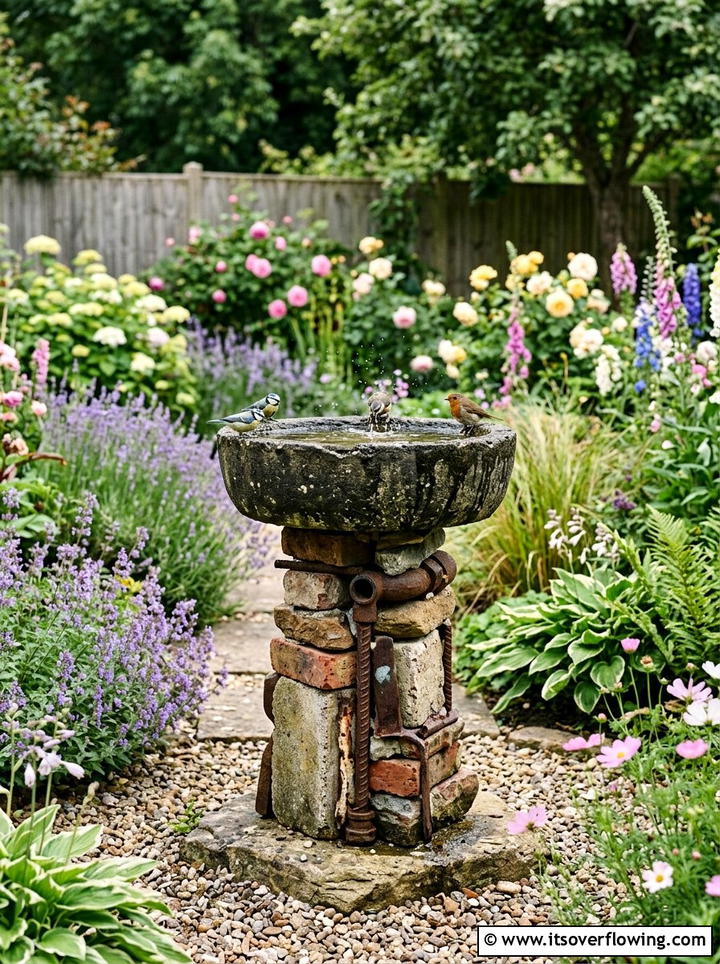
Attracting local wildlife to your garden is easy when you provide a steady source of water in a custom-built birdbath made from concrete scraps. You can use a large, shallow piece of concrete as the basin and a tall, narrow pillar of stacked scraps as the sturdy pedestal. The rough surface of the concrete provides excellent grip for birds’ tiny feet, making them feel safe and secure while they bathe or drink. Placing the birdbath near a window allows you to enjoy watching nature from inside your home while adding a sculptural element to the landscape. It is a simple project that provides a massive benefit to the local ecosystem in your neighborhood.
21. Low concrete property border
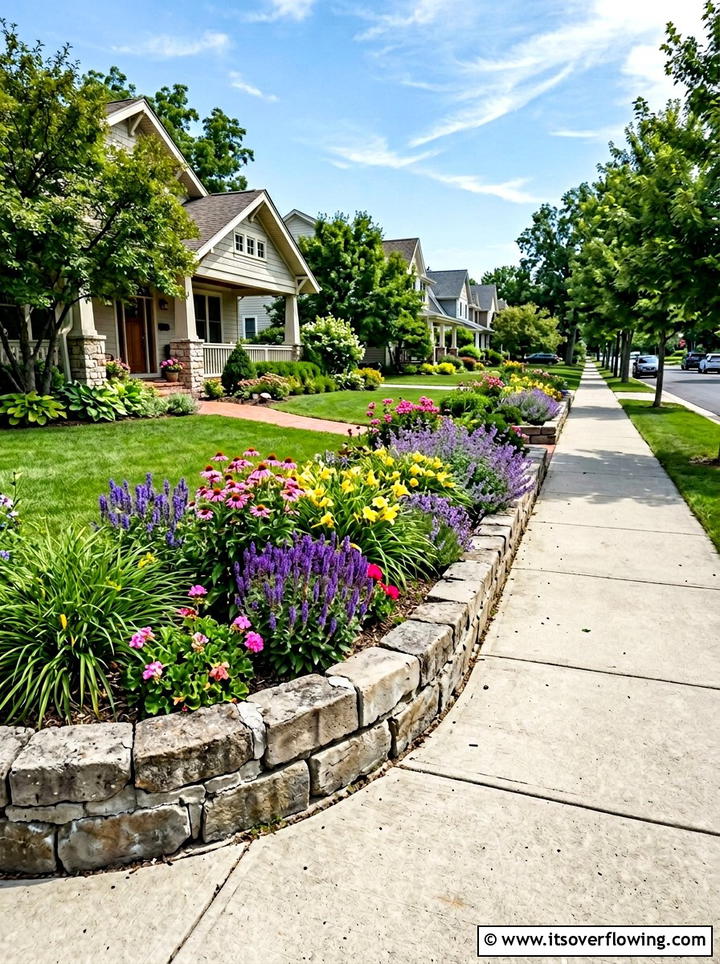
Defining the boundaries of your property does not always require a tall, imposing fence that blocks your view or limits your connection with neighbors. A low-profile border made from stacked concrete scraps provides a clear visual marker while maintaining an open and airy feel for your front yard. This type of border is also excellent for keeping mulch or gravel from spilling out onto the sidewalk or the street during heavy rain. The solid, heavy nature of the concrete gives the edge of your property a finished and professional look. It is an affordable way to boost your home’s curb appeal while clearly defining your private outdoor living space.
22. Sunken concrete garden pit
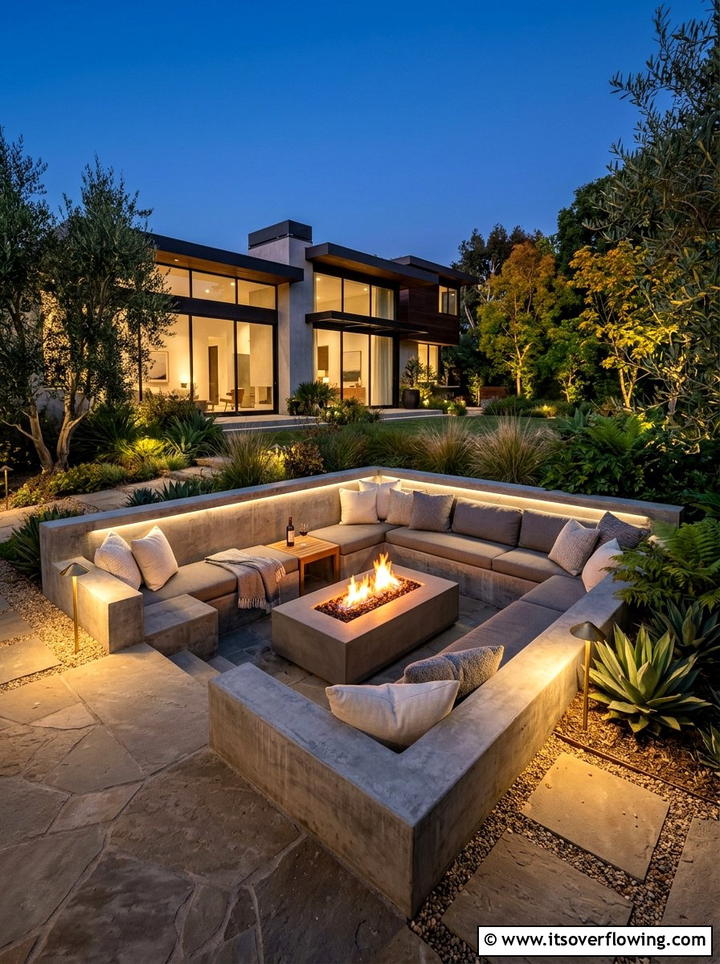
Creating a cozy and sheltered seating area can be achieved by digging a shallow pit and lining the interior walls with recycled concrete slabs. This “sunken garden” style provides a sense of privacy and protection from the wind, making it a perfect spot for a conversation nook or a quiet reading corner. You can use the concrete scraps to build both the retaining walls and the floor of the pit for a cohesive and integrated look. Adding comfortable outdoor cushions and a small table turns this architectural feature into the most popular destination in your entire backyard. The heavy concrete walls act as a natural sound barrier, creating a peaceful and quiet environment.
23. Concrete scrap pond edge
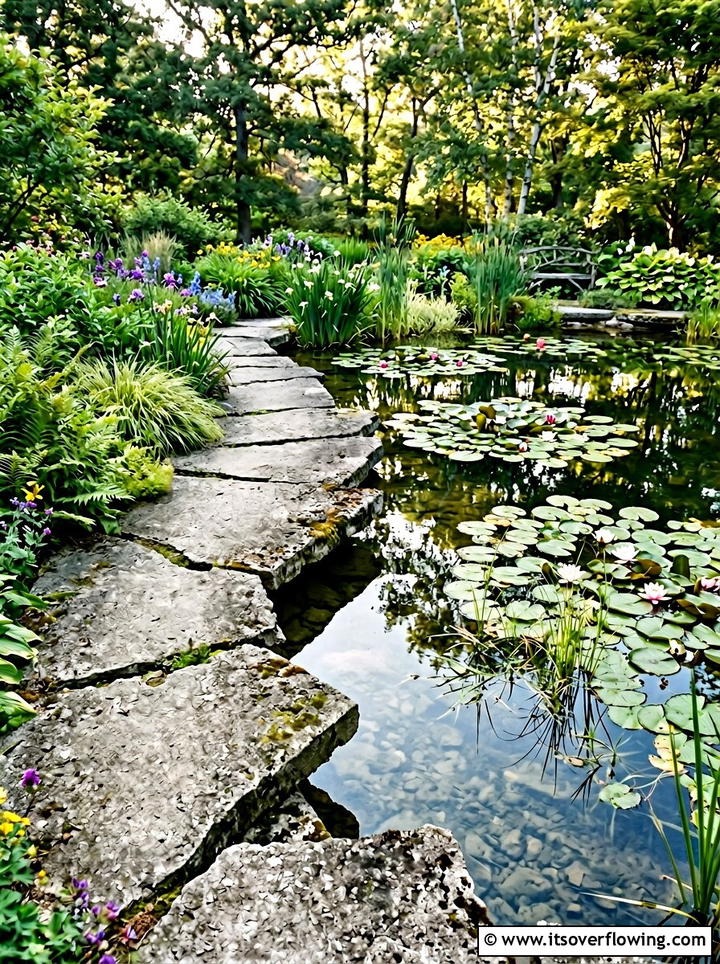
Building a natural-looking backyard pond is much easier when you have a supply of irregular concrete scraps to hide the rubber liner around the perimeter. The flat pieces can be cantilevered slightly over the water’s edge to provide shade for fish and a place for aquatic plants to grow. Because the concrete is heavy, it stays securely in place even when the ground around the pond becomes saturated with water. The grey color of the concrete mimics the look of natural limestone or granite, helping the man-made pond blend perfectly with the rest of the garden. This technique creates a professional, finished look that enhances the beauty of any backyard water feature.
24. Tiered concrete flower bed
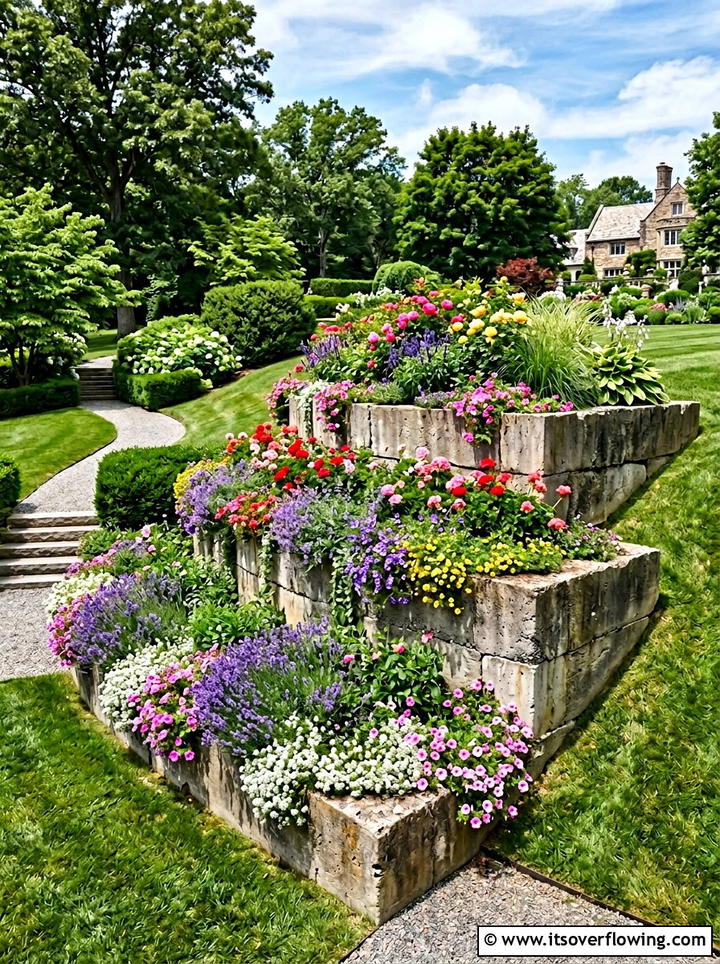
If you have a sloping yard, you can maximize your planting space by creating a series of tiered garden beds using recycled concrete walls. Each level provides a flat area for gardening, preventing soil erosion and allowing you to grow a wider variety of plants in a small area. You can stack the concrete scraps to different heights to create a dynamic and visually interesting landscape that changes as you move through it. The terraced design makes it much easier to access your plants for maintenance without having to climb up and down a steep hill. It is a practical and beautiful way to turn a challenging terrain into a productive garden.
25. Broken concrete driveway border
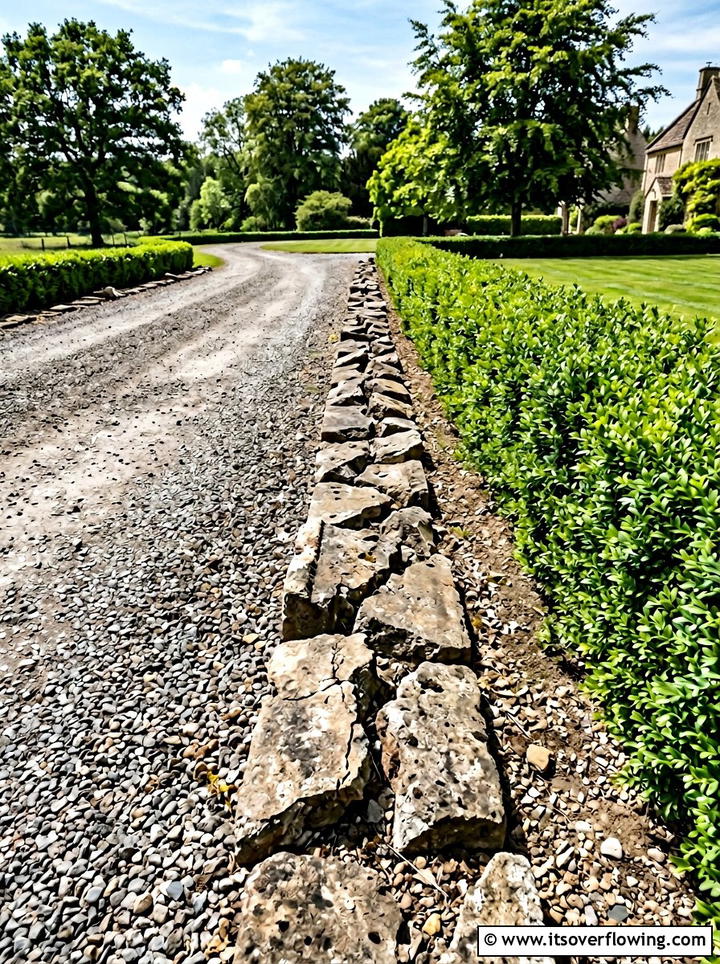
Adding a structural edge to your gravel or dirt driveway is a great way to prevent the spreading of materials and maintain a clean appearance. Concrete scraps can be laid in a straight or curved line along the length of the driveway to create a heavy-duty transition to your lawn. These pieces are strong enough to withstand being stepped on or occasionally driven over without cracking or moving out of place. The rugged look of the broken concrete adds an industrial charm that complements both modern and traditional home styles. This final upcycling project ensures that every bit of salvaged concrete is used to improve the functionality and beauty of your entire property.
Conclusion:
Embracing the use of concrete scraps in your garden is more than just a budget-friendly DIY hack; it is a commitment to sustainable living and creative design. By repurposing what others see as waste, you build a landscape that is rich in texture, history, and personal character. Whether you are constructing a massive retaining wall or a simple birdbath, the durability and versatility of urbanite ensure your projects will last for decades. These 25 ideas demonstrate that with a little physical effort and vision, construction debris can be transformed into high-end architectural features. Your garden will not only look stunning but will also tell a unique story of transformation and environmental stewardship.

Related posts:
 25 Upcycled Garden Ideas With Fabric Scraps for Colorful Decor
 25 Upcycled Garden Ideas With Hanging Planters to Try
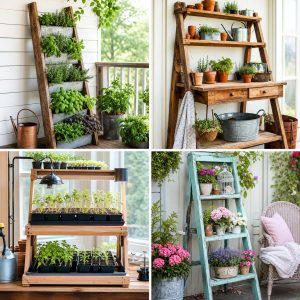 25 Upcycled Garden Ideas With Ladder Shelves to Try
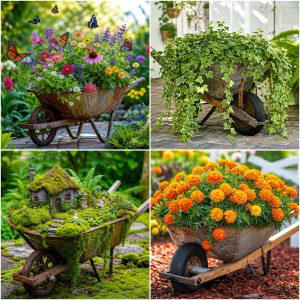 25 Upcycled Garden Ideas With Old Wheelbarrows to Try
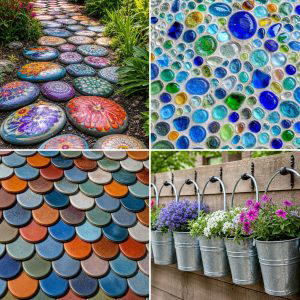 25 Upcycled Garden Ideas With Pathway Markers to Try
 25 Upcycled Garden Ideas With Succulent Planters to Try
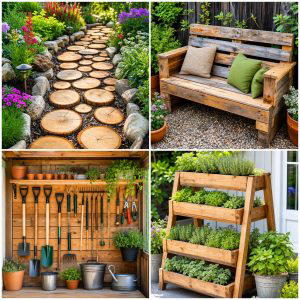 25 recycled garden ideas with wood scraps: Easy DIY Projects
 25 Recycled Garden Ideas With Bottle Caps to Try
 25 recycled garden ideas with recycled metal art to Try
 25 recycled garden ideas with recycled wood art to Try
 25 Upcycled Garden Ideas With Garden Edging for Neat Borders
 25 Upcycled Garden Ideas With Garden Signs for Cute Yard Decor