
Gardening is a wonderful way to express your personal style while giving back to nature through thoughtful design. Upcycling materials for your backyard projects not only saves money but also keeps useful items out of landfills and adds a unique charm to your outdoor space. Garden edging is one of the most effective ways to define your flower beds and walkways while adding a polished look to your landscape. By using repurposed materials, you can create a whimsical, rustic, or modern aesthetic that reflects your personality perfectly. This guide explores creative ways to use salvaged items to build beautiful borders that transform your ordinary garden into a stunning sanctuary.
1. Glass Bottle Garden Border
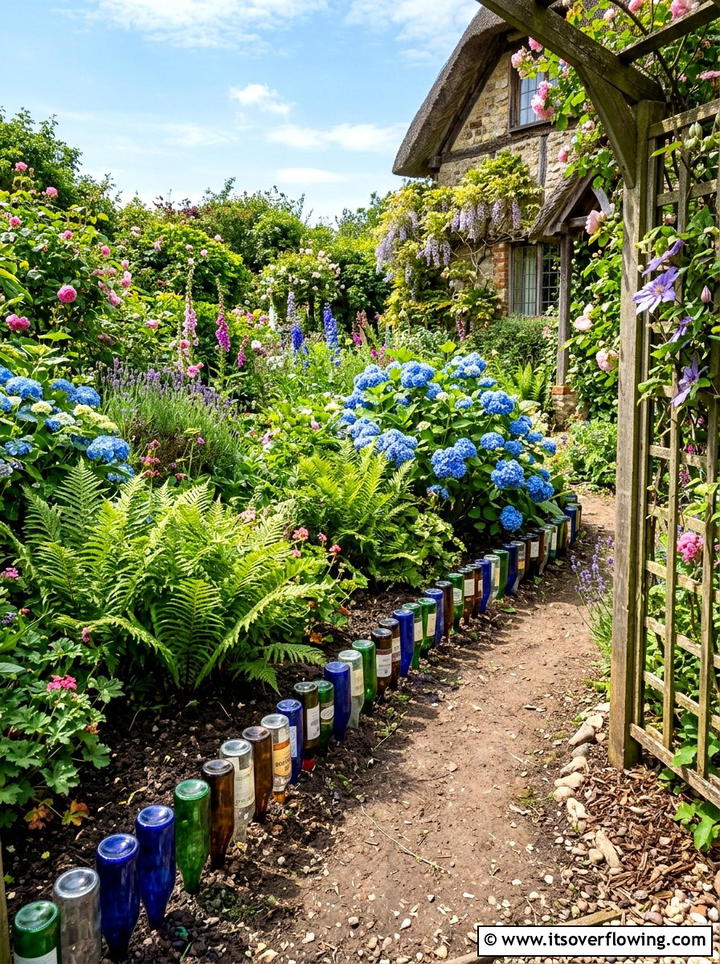
Upcycling glass bottles into a colorful garden border is a brilliant way to recycle while adding visual interest. You can collect various colored bottles like cobalt blue, emerald green, and amber to create a mosaic effect along your flower beds. To start, dig a narrow trench and place the bottles upside down, burying them halfway into the soil for stability. This method allows the sunlight to catch the glass, creating a beautiful glowing effect during the golden hour. It is a fantastic project for anyone who loves a bohemian or eclectic garden vibe. Plus, glass is durable and will withstand many different weather conditions over time throughout the seasons.
2. Terracotta Pot Garden Edging
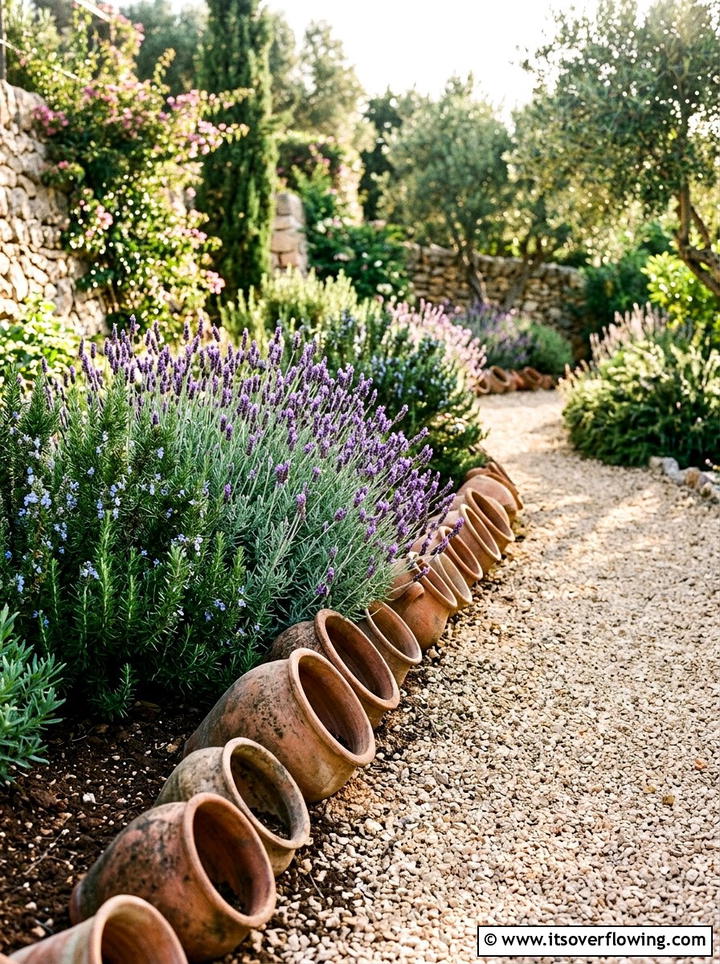
Terracotta pots are a classic garden staple that can be easily repurposed into a charming and functional border. Instead of letting old or slightly chipped pots sit in your shed, line them up rim-to-rim along your garden paths. You can partially bury them at an angle or stand them straight up to hold small herbs or succulents. This creates a multi-layered look that adds height and texture to your landscape design. The earthy orange tones of the clay complement green foliage and colorful flowers beautifully. It is a simple yet very effective way to create a defined edge while maximizing your planting space for smaller varieties.
3. Wooden Pallet Garden Fence
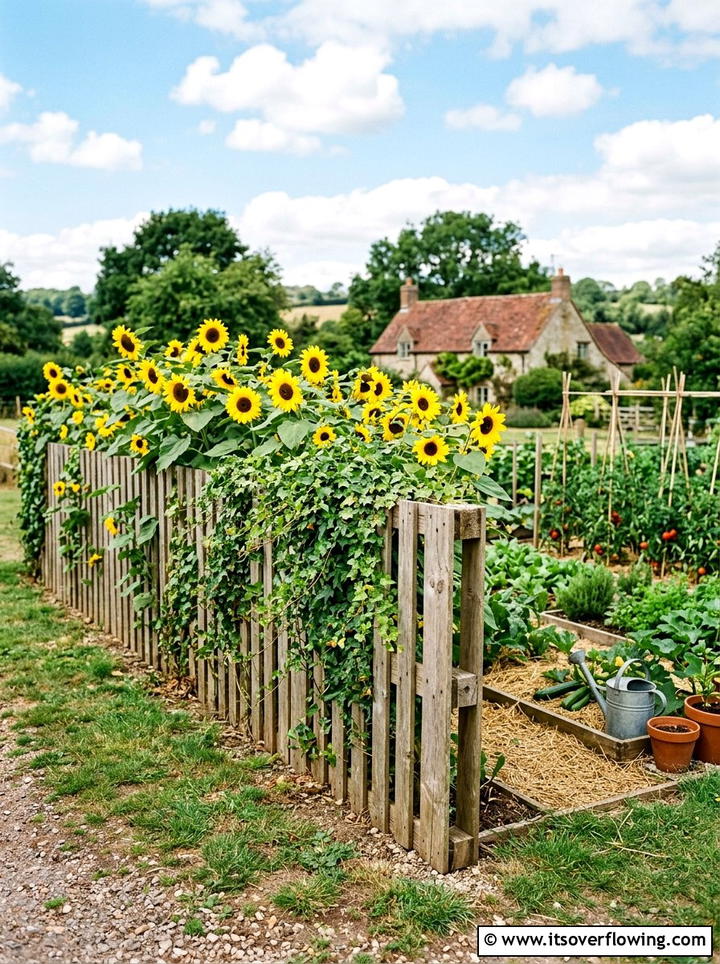
Reclaimed wooden pallets are incredibly versatile and can be transformed into a rustic garden border with minimal effort. You can disassemble the pallet boards and cut them to uniform heights or leave them varying for a more organic feel. Hammering these planks into the ground creates a sturdy barrier that keeps mulch in place and protects delicate plants from foot traffic. You might choose to leave the wood natural for a farmhouse look or paint it in bright colors for a more modern appearance. This upcycled solution is very cost-effective and provides a heavy-duty edging option that lasts for several years with proper wood treatment or sealant.
4. River Rock Garden Border
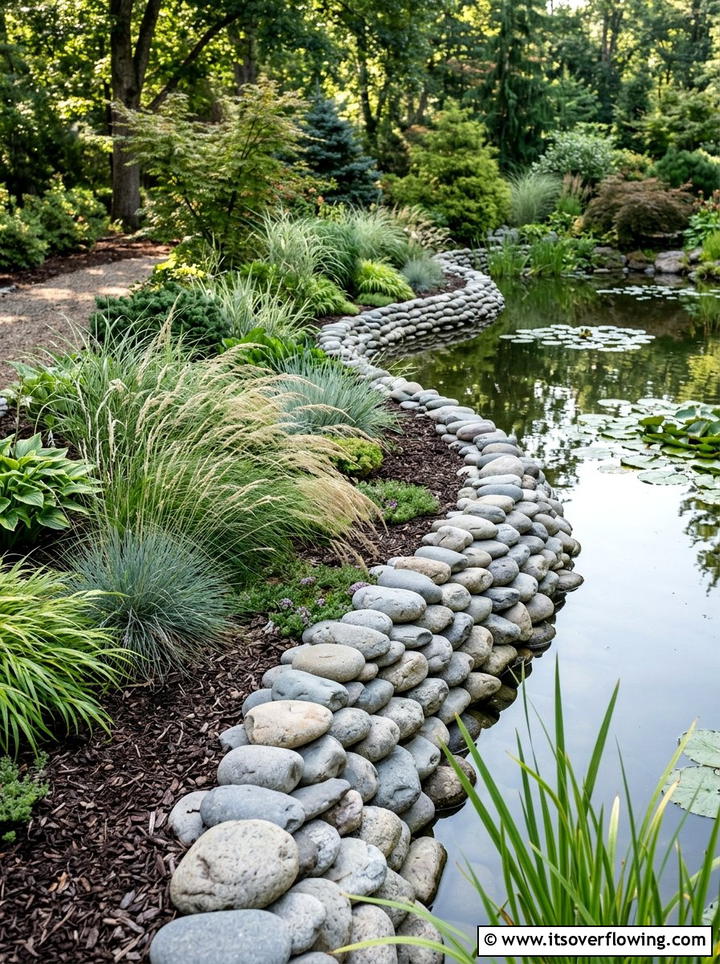
Using natural river rocks is a timeless way to edge your garden while maintaining a very organic and earthy aesthetic. You can find these stones near local creek beds or purchase them in bulk to create a wide, flowing border. Stacking the rocks creates a small retaining wall effect that looks professional and clean. This style of edging works perfectly for xeriscaping or traditional cottage gardens where you want the transitions to look natural. The different sizes and shades of gray and tan add a wonderful textural contrast against dark garden soil. It is a durable, low-maintenance choice that never goes out of style and improves with age.
5. Corrugated Metal Garden Edge
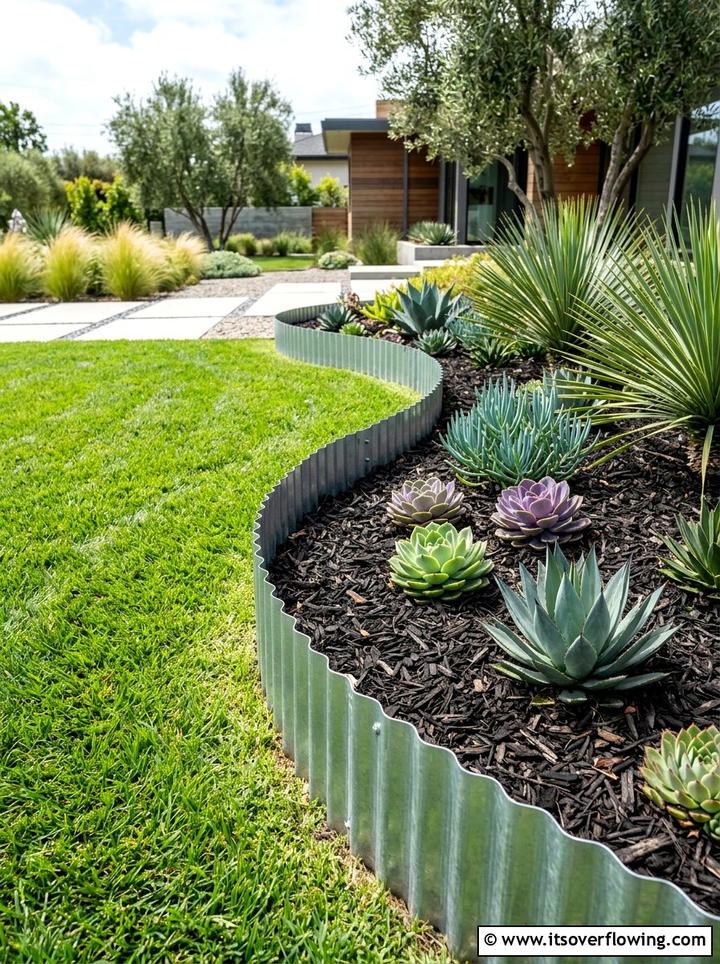
Corrugated metal sheets offer an industrial and modern look for gardeners seeking a sleek, contemporary aesthetic. You can cut these sheets into long strips and partially bury them to create a sharp, clean line between your lawn and garden. The galvanized finish provides a beautiful silvery sheen that reflects light and contrasts sharply with organic plant shapes. This material is exceptionally durable and resistant to rot, making it a long-term solution for defining large garden beds. Over time, the metal may develop a slight patina, which adds even more character to your outdoor living space. It is a bold choice that truly makes a modern design statement.
6. Painted Tire Garden Border
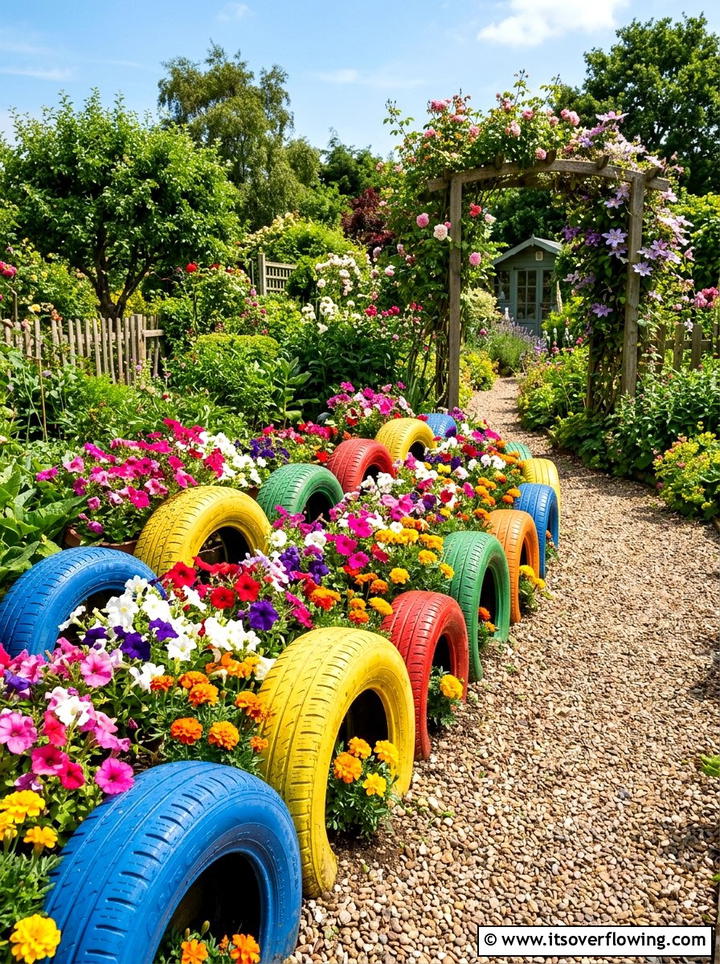
Old tires can be repurposed into vibrant and playful garden borders with just a little bit of outdoor spray paint. By cutting the tires in half or using them whole, you can create raised beds or low-profile edges that pop with color. This is a popular choice for children’s gardens or community spaces where a fun and whimsical atmosphere is desired. You can stack them or line them up horizontally to suit your specific space. Painting them in primary colors or soft pastels allows you to customize the look to match your existing outdoor decor. It is a highly durable and weather-resistant upcycling project.
7. Vintage Plate Garden Edging
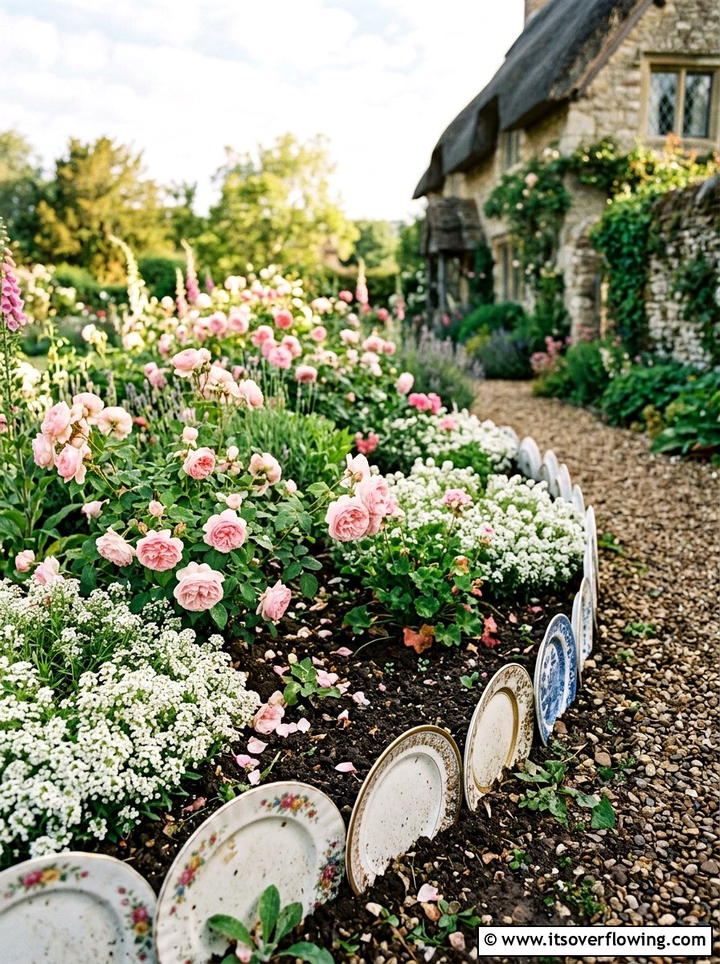
Vintage plates can bring a sense of nostalgia and elegance to your garden borders when used as decorative edging. You can collect mismatched plates from thrift stores or use old family sets that are no longer in use. By burying the bottom half of the plates in the soil, you create a scalloped and delicate border for your flower beds. This style is particularly effective in cottage-style gardens filled with roses and lavender. The varied patterns and colors of the china add a unique artistic element to the ground level. It is an excellent way to showcase beautiful porcelain while keeping it functional outside.
8. Cedar Log Garden Border
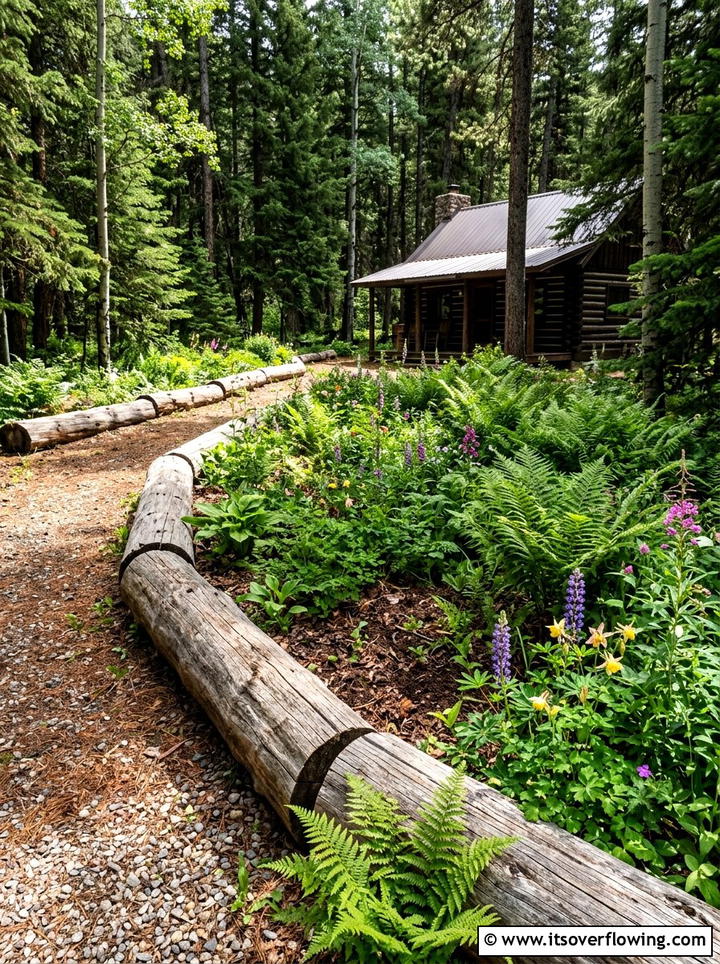
Cedar logs provide a natural and aromatic way to edge your garden while offering excellent resistance to decay. You can use fallen branches or leftover logs from a clearing project to create a rugged and rustic boundary. Laying the logs end-to-end or stacking them slightly creates a sturdy barrier that looks like it belongs in a woodland setting. Cedar ages into a beautiful silvery gray color over time, which blends seamlessly with a variety of plant species. This type of edging is perfect for large estates or naturalized backyard areas. It provides a heavy, substantial look that anchors your garden design to the earth.
9. Woven Willow Garden Edge
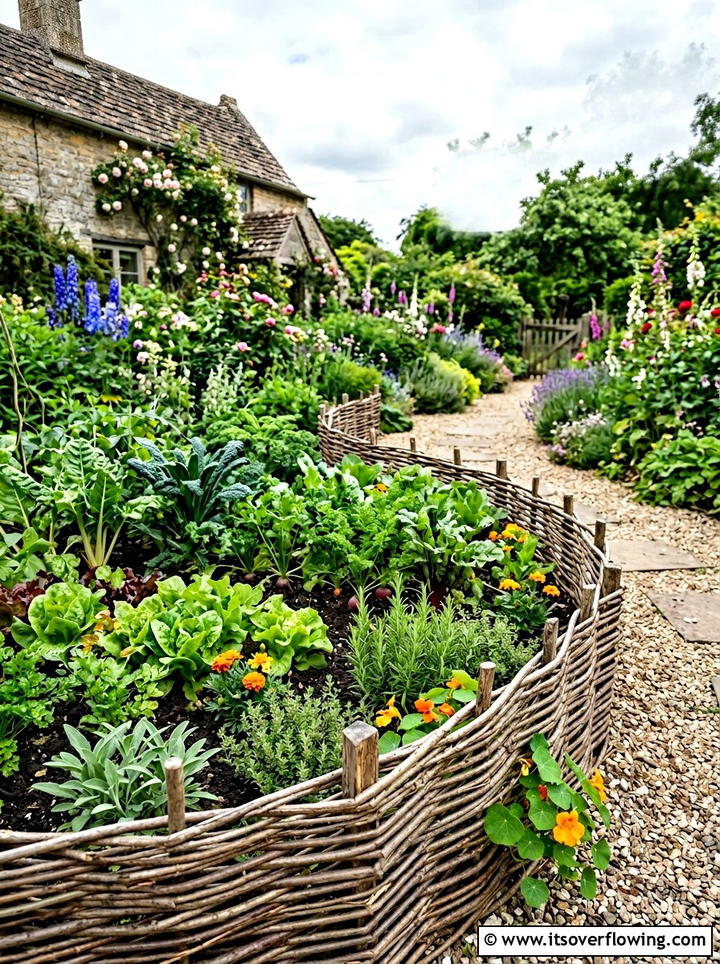
Woven willow or wattle edging is an ancient technique that adds a soft, hand-crafted look to any garden landscape. You can use flexible willow branches or hazel sticks to weave a low fence directly into the ground. This method provides a charming, rustic aesthetic that is perfect for vegetable patches or English-style flower borders. The organic texture of the wood creates a gentle transition between different garden zones. Because it is made from natural materials, it is fully biodegradable and eco-friendly. It is a wonderful project for those who enjoy traditional crafts and want a unique, artisan-made feel for their outdoor space.
10. Brick Garden Border
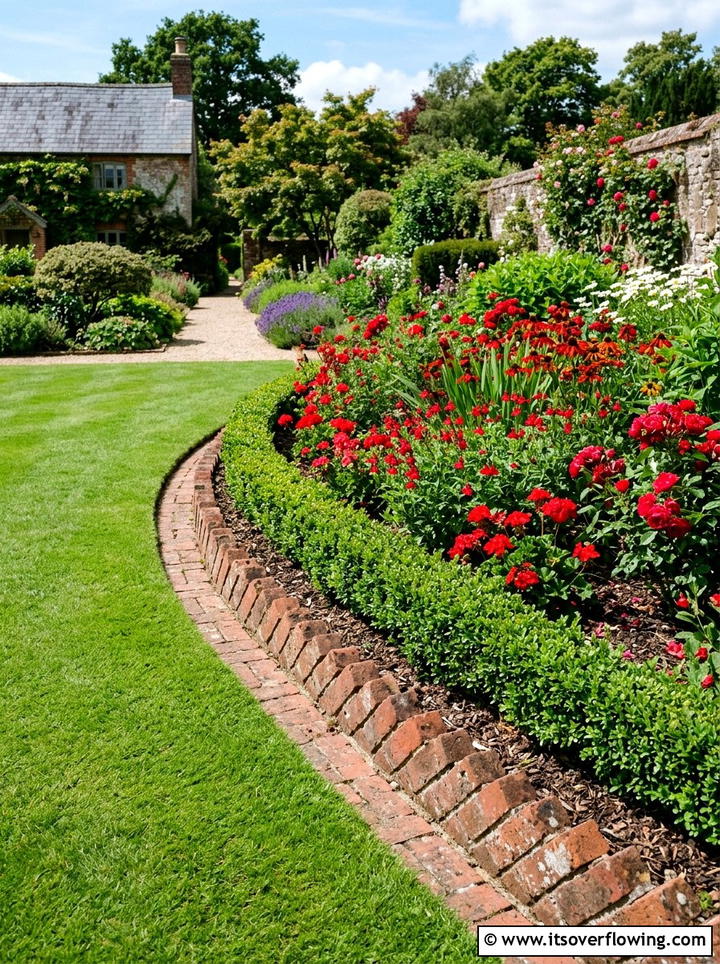
Salvaged bricks are a classic choice for garden edging because they are incredibly durable and offer a sense of permanence. You can find old bricks from demolition sites or local classifieds to create a traditional red-toned border. Laying them in a soldier course or a simple running bond pattern creates a very clean and organized look. Bricks can also be set at an angle to create a jagged “sawtooth” edge that adds visual interest and movement. The weathered texture of old bricks brings a historical and grounded feel to your home landscape. It is a low-maintenance solution that lasts for many decades.
11. Bowling Ball Garden Edge
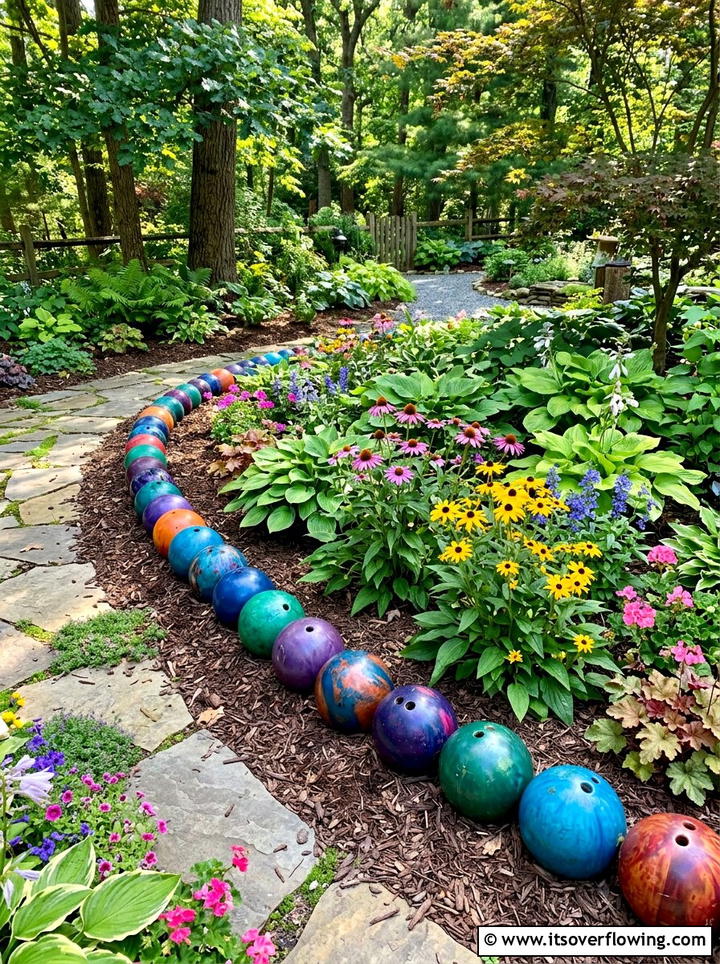
For a truly unique and conversation-starting garden border, consider using old bowling balls as a decorative edging material. You can find these at yard sales or bowling alleys for very little cost and line them up along a path. Their smooth, spherical shape provides a stark contrast to the jagged leaves and soft petals of your plants. You can even paint them or cover them in mosaic tiles to create shimmering “gazing balls” at ground level. This whimsical approach to gardening adds a touch of modern art to your backyard. It is an extremely durable material that will not fade or rot over time.
12. Seashell Garden Border
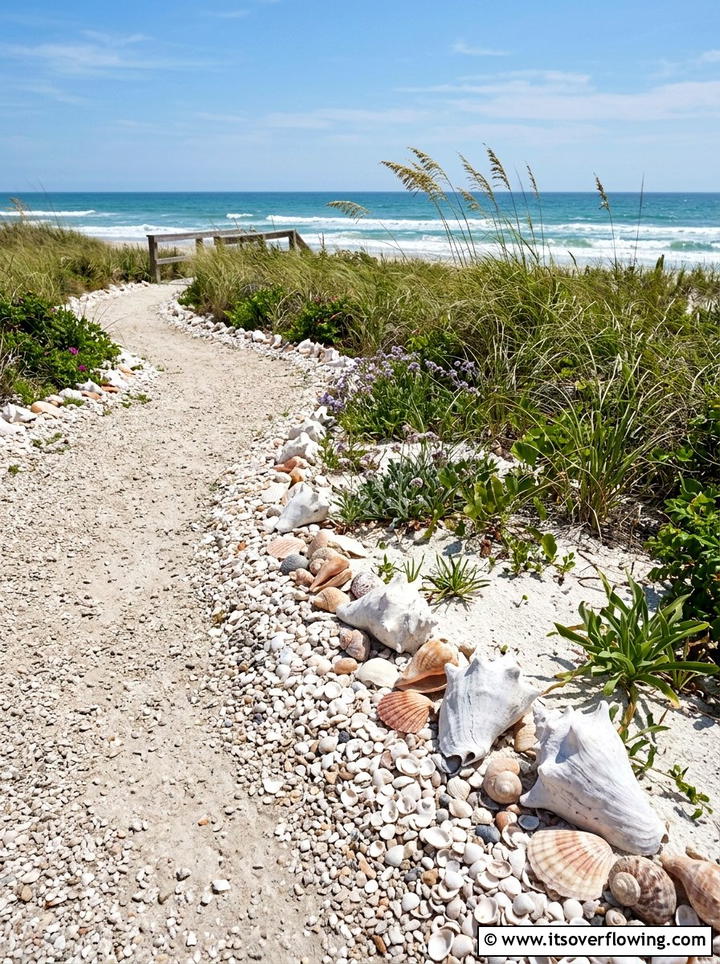
Seashells offer a coastal and serene aesthetic that is perfect for beach houses or gardens with a nautical theme. You can use large conch shells or a thick layer of smaller crushed shells to define the edges of your walkways. This adds a beautiful white or pearlescent glow to the garden that looks stunning under the moonlight. The texture of the shells provides a nice crunch underfoot if used on paths, or a delicate frame for flower beds. It is a lovely way to remember vacations and bring a bit of the ocean to your home. This edging style pairs beautifully with ornamental grasses.
13. Old Silverware Garden Edge
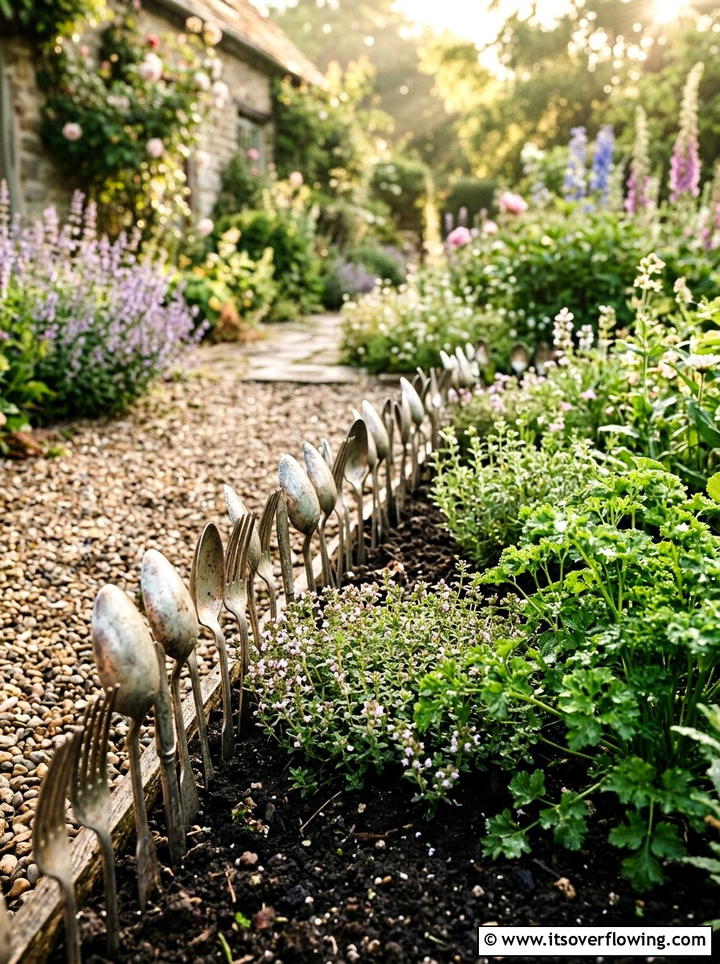
Repurposing old silverware into a garden border is a quirky and creative way to use tarnished spoons, forks, and knives. You can drive the handles into the ground so that the decorative tops create a shimmering fence for your plants. This looks particularly charming in a herb garden or near a patio where you often entertain guests. The metal reflects sunlight and adds a surprising touch of vintage glamour to the soil. Over time, the silver may develop a dark patina that adds to its antique charm. It is a fantastic project for someone who loves small, intricate details in their outdoor design.
14. Cinder Block Garden Border
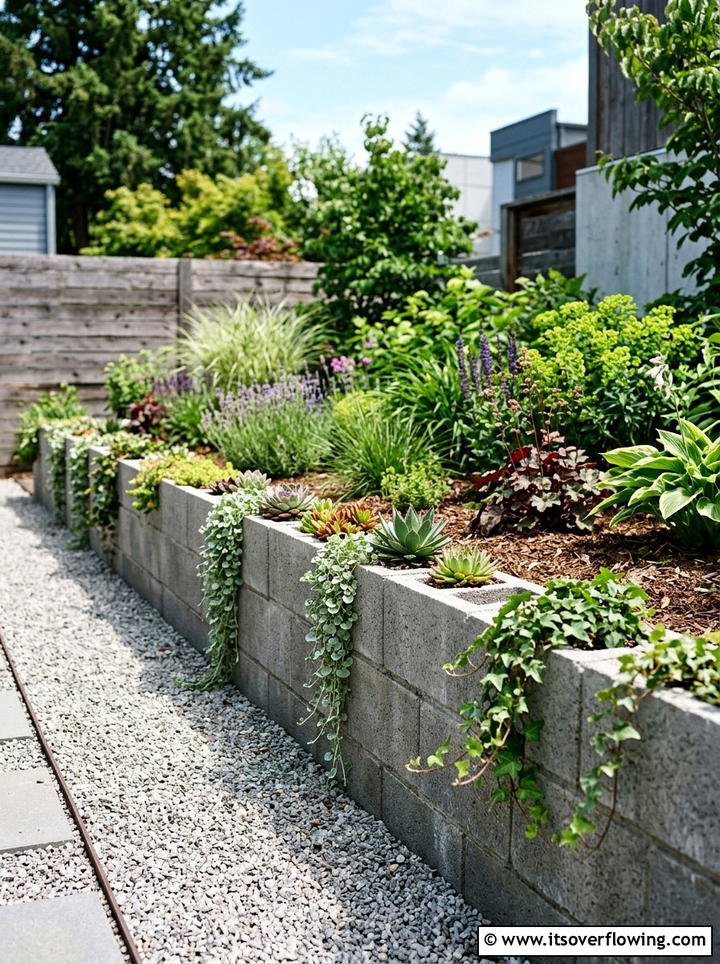
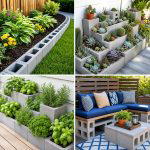
Cinder blocks are a practical and modern material that can be used to create a very structured garden border. You can lay them flat to create a wide path edge or stand them upright to use the holes as mini planters. Filling the openings with small succulents or trailing flowers adds a vertical dimension to your garden boundary. The gray concrete finish offers a neutral backdrop that makes vibrant flower colors stand out even more. This type of edging is very stable and provides a clear definition between different sections of your yard. It is an affordable and accessible option for any DIY enthusiast.
15. Terra Cotta Pipe Garden Edge
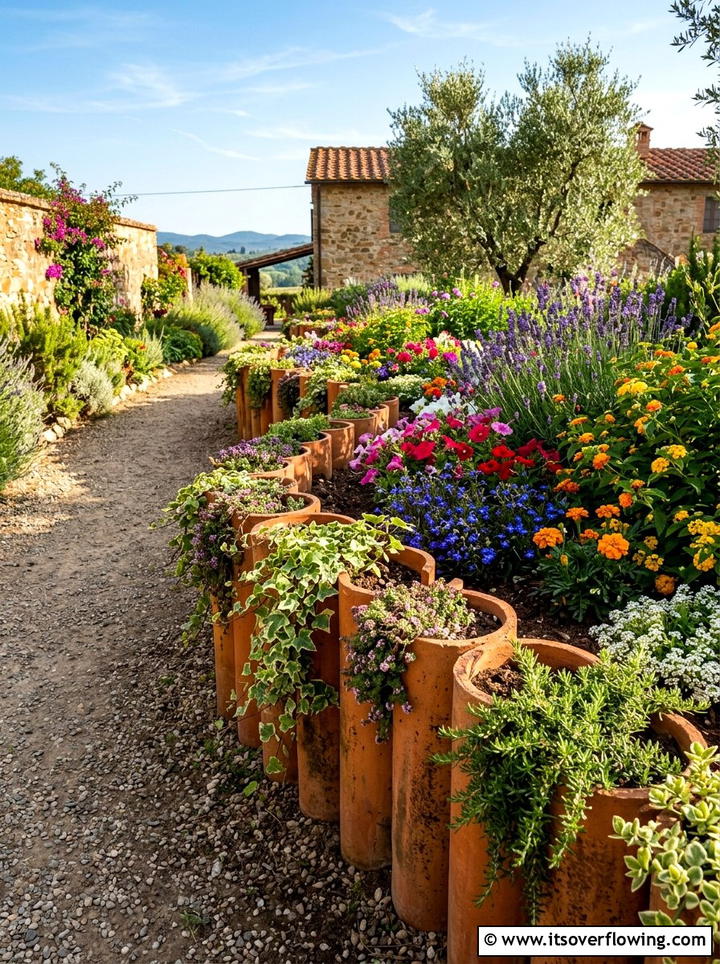
Terra cotta drainage pipes can be cut into various lengths to create a unique and architectural garden border. Their circular shape and warm orange color add a Mediterranean feel to your landscape while providing a very sturdy edge. You can bury them vertically at different heights to create a wave-like effect along your garden beds. This design allows you to plant small greenery inside the pipes, making the border itself a living part of the garden. The thick clay walls are resistant to frost and will last for many years in the sun. It is a bold, geometric choice for a contemporary backyard.
16. Bicycle Wheel Garden Border
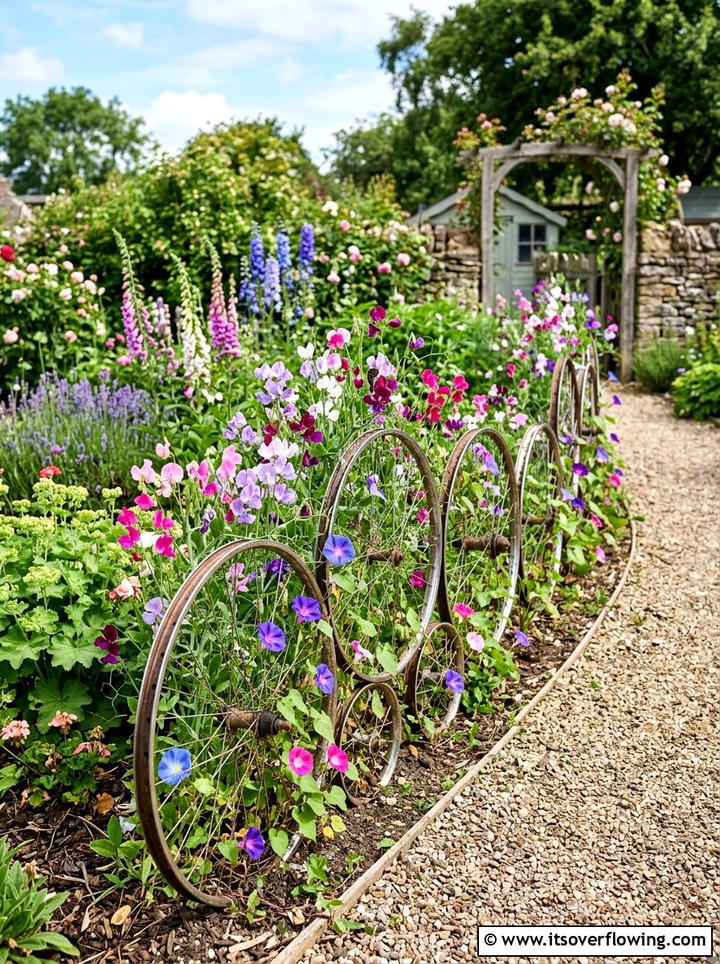
Old bicycle wheels can be turned into a whimsical and airy garden fence that looks like a piece of modern art. By burying the bottom part of the metal rims in the soil, you create a series of circular frames for your plants. The spokes add a delicate geometric pattern that doesn’t block the view of your beautiful flowers. You can leave the metal raw for an industrial look or paint the rims in bright colors to match your garden furniture. This is a great way to recycle old bike parts and add a sense of motion and playfulness to your outdoor living area.
17. Bamboo Pole Garden Edging
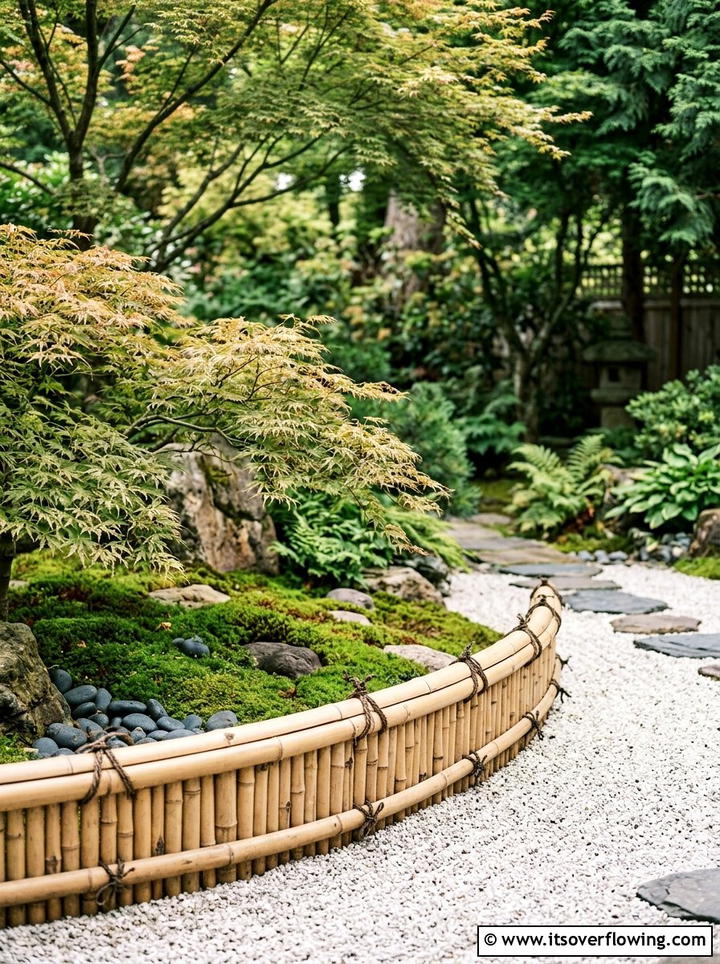
Bamboo poles offer a tropical and zen-like aesthetic that is perfect for creating a peaceful garden retreat. You can lash horizontal poles to short vertical stakes to create a low, elegant fence along your garden paths. The natural tan or green color of the bamboo blends perfectly with lush foliage and water features. Bamboo is a sustainable and fast-growing resource, making it an eco-friendly choice for your outdoor projects. This style of edging provides a clean, minimalist look that is very popular in modern landscape design. It is lightweight yet surprisingly strong and durable when treated for outdoor use.
18. Scrap Lumber Garden Border
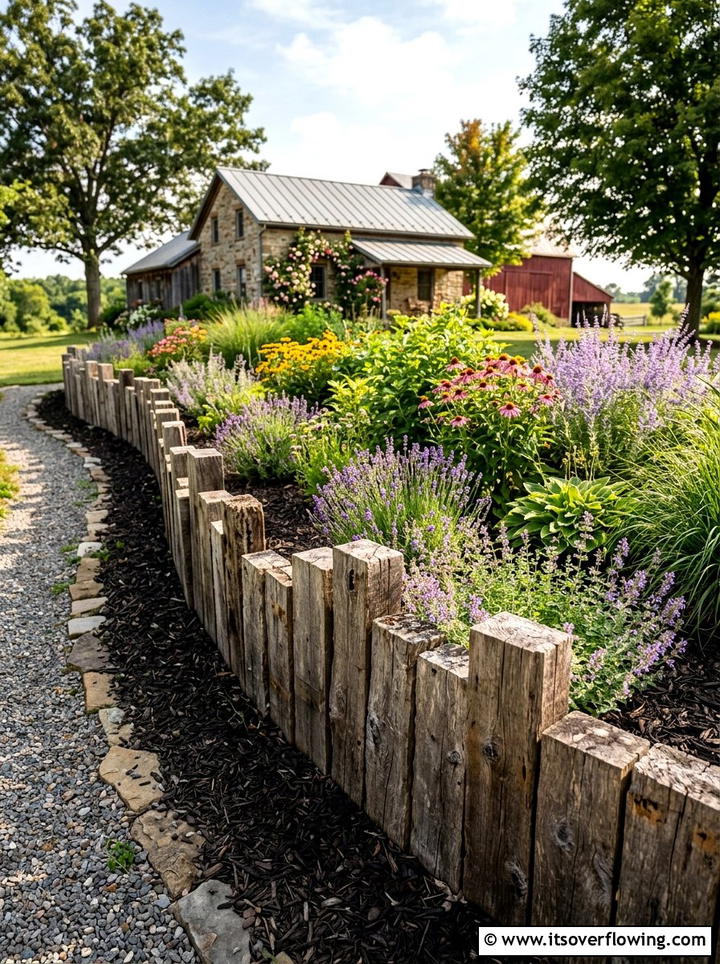
Using scrap lumber from previous construction projects is a smart way to clear out your garage while improving your garden. You can cut 2x4s or 4x4s into short sections and install them vertically to create a rugged, timber-style border. This look works exceptionally well for raised garden beds or steep slopes where you need extra soil support. Sanding and staining the wood allows you to customize the finish to match your deck or home exterior. The thick wood provides a very substantial and high-quality feel to your landscape. It is a practical and sturdy solution for defining large areas of your yard.
19. Tree Trunk Slice Garden Edge
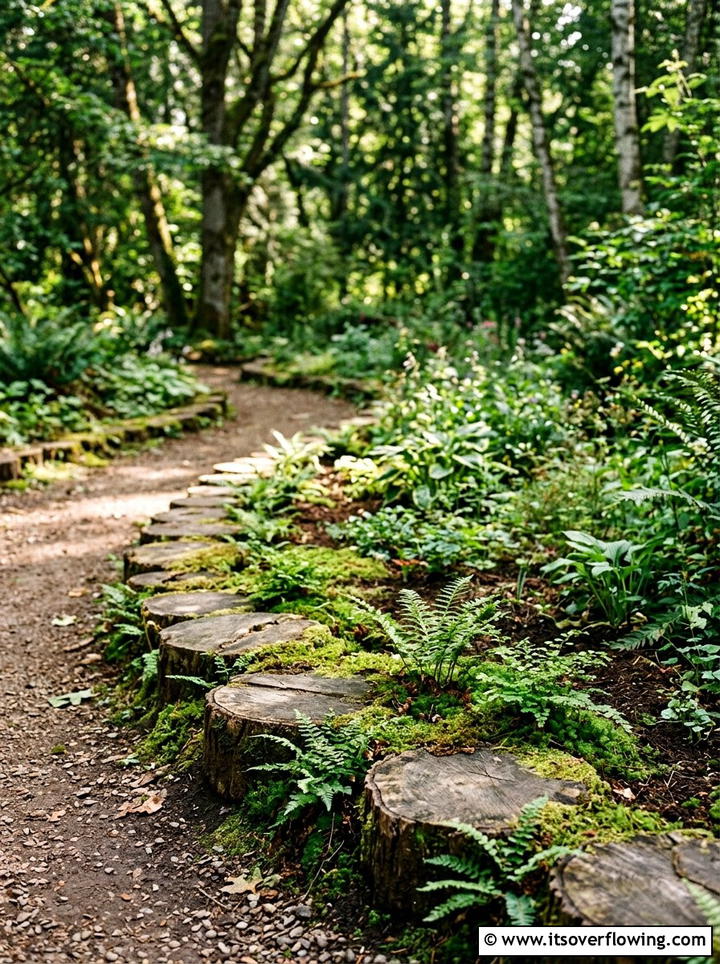
Tree trunk slices, often called wood cookies, create a beautiful and natural stepping stone or edging effect. You can cut a fallen log into thin discs and line them up along the edge of your flower beds. The varied rings and bark textures add an incredible amount of organic detail to the ground level. This style of edging is perfect for woodland gardens or rustic backyard settings. Over time, the wood will naturally age and may even host interesting mosses or lichens. It is a very low-cost project that makes your garden feel more connected to the surrounding natural environment and forest.
20. Stone Cobblestone Garden Border
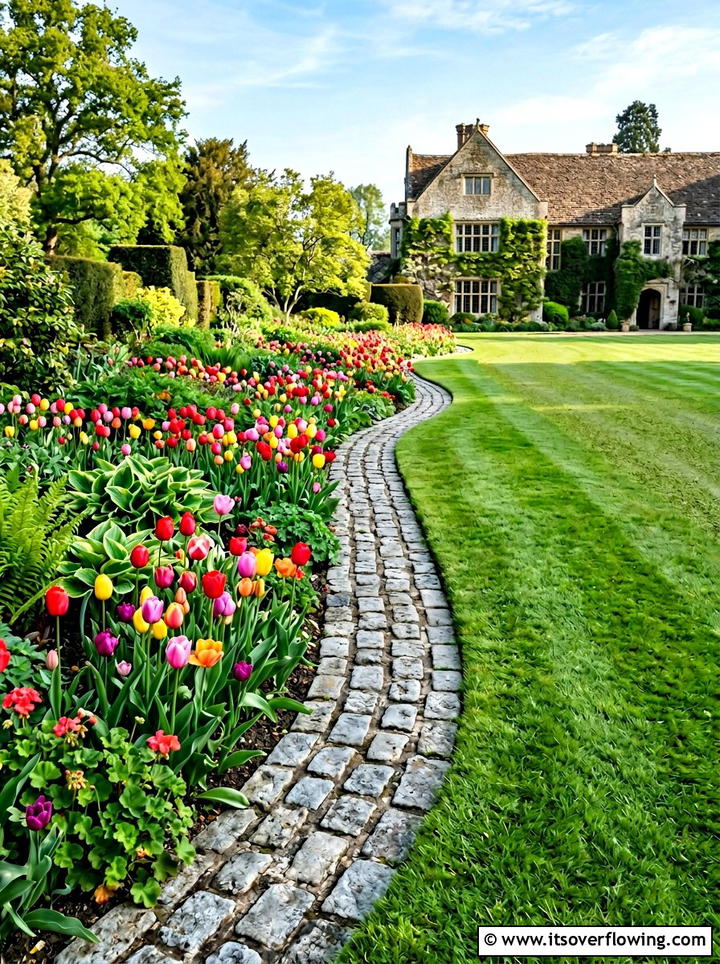
Reclaimed cobblestones bring a sense of old-world charm and European elegance to any garden border project. You can often find these stones at salvage yards or from old road construction projects. Their irregular shapes and weathered surfaces create a timeless look that feels like it has been there for centuries. Laying them in a simple row or a wide band provides a very solid and permanent boundary for your lawn. The gray and blue tones of the stone contrast beautifully with the bright greens of a well-manicured lawn. It is a high-end look that adds significant value and curb appeal to your home.
21. Slate Tile Garden Edging
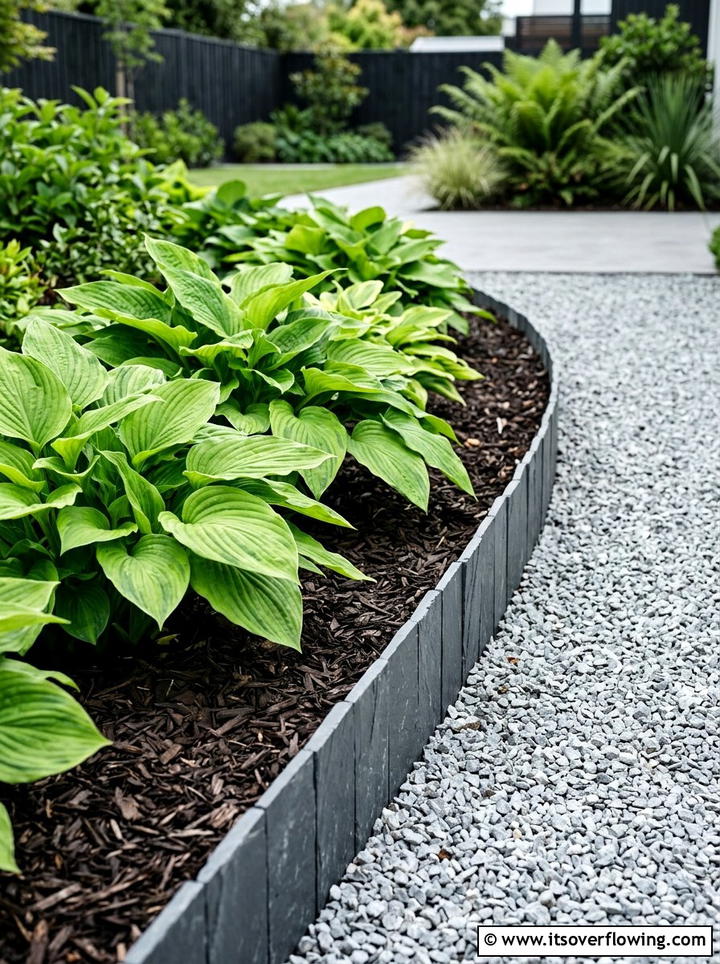
Slate tiles from an old roof or flooring project can be repurposed into a sleek and sophisticated garden border. By standing the thin tiles on their edge and burying them halfway, you create a very sharp and modern line. The dark, moody colors of the slate look incredible when wet and provide a beautiful backdrop for bright perennials. This type of edging is very thin, taking up minimal space while still providing a clear barrier for mulch. Slate is a natural stone that is very resistant to the elements and will not fade in the sun. It is a perfect choice for minimalist designs.
22. Log Slice Garden Border
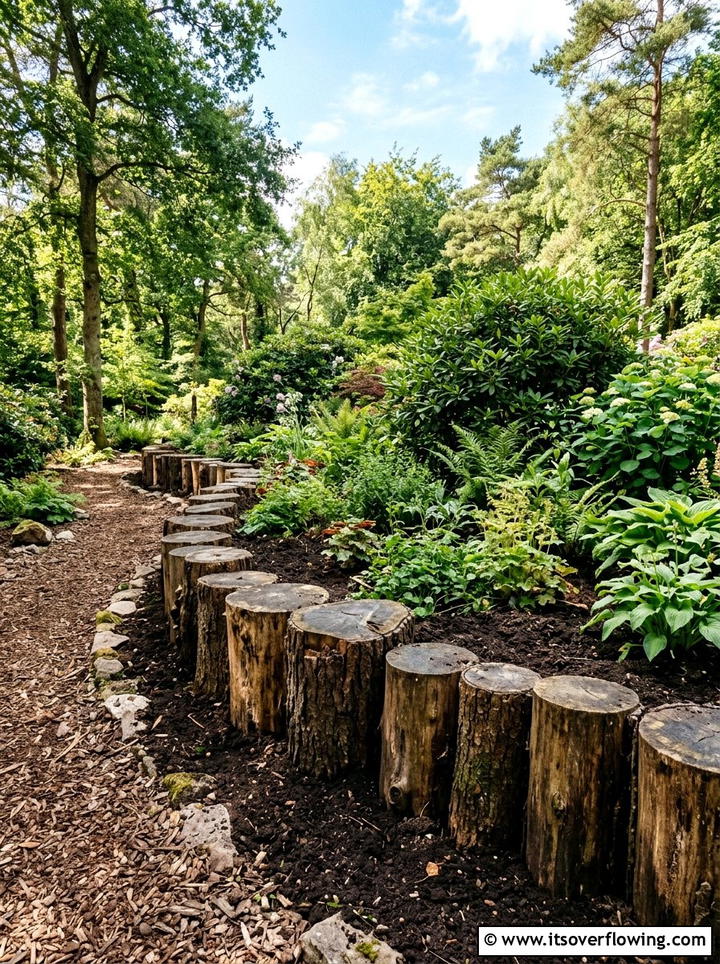
Using thick log slices buried vertically creates a chunky and architectural border that adds weight to your garden design. You can use logs of different diameters to create a undulating height that mimics a natural landscape. This type of edging is excellent for defining heavy-duty paths or large garden islands in the middle of a lawn. The exposed end grain of the wood provides a unique visual pattern that changes as the wood seasons. It is a very sturdy option that can withstand the pressure of heavy soil and roots. This rustic look is particularly popular in mountain or cabin-style landscapes.
23. Rope Garden Edge
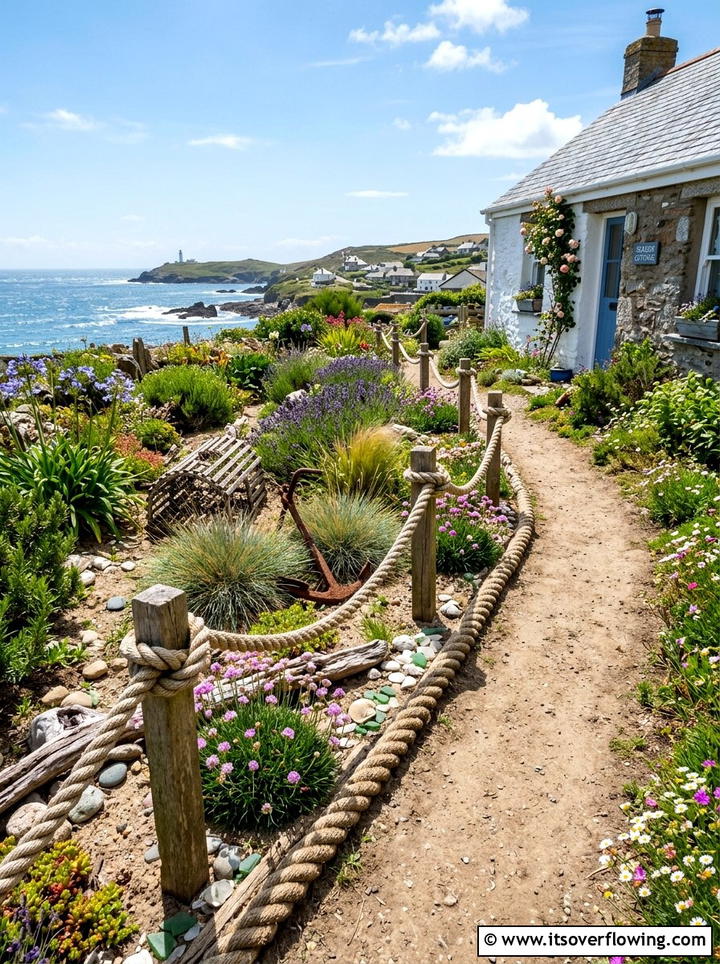
A heavy nautical rope can be used to create a soft and flexible garden border that is incredibly easy to install. By looping the rope through short wooden or metal stakes, you create a draped effect that looks beautiful along a curved path. This style is perfect for seaside homes or gardens with a relaxed, casual vibe. The texture of the natural fibers adds a warm and organic element to the outdoor space. While rope will eventually weather, it is easy to replace and provides a very unique look that most hard materials cannot replicate. It is a simple way to add charm.
24. Galvanized Bucket Garden Border
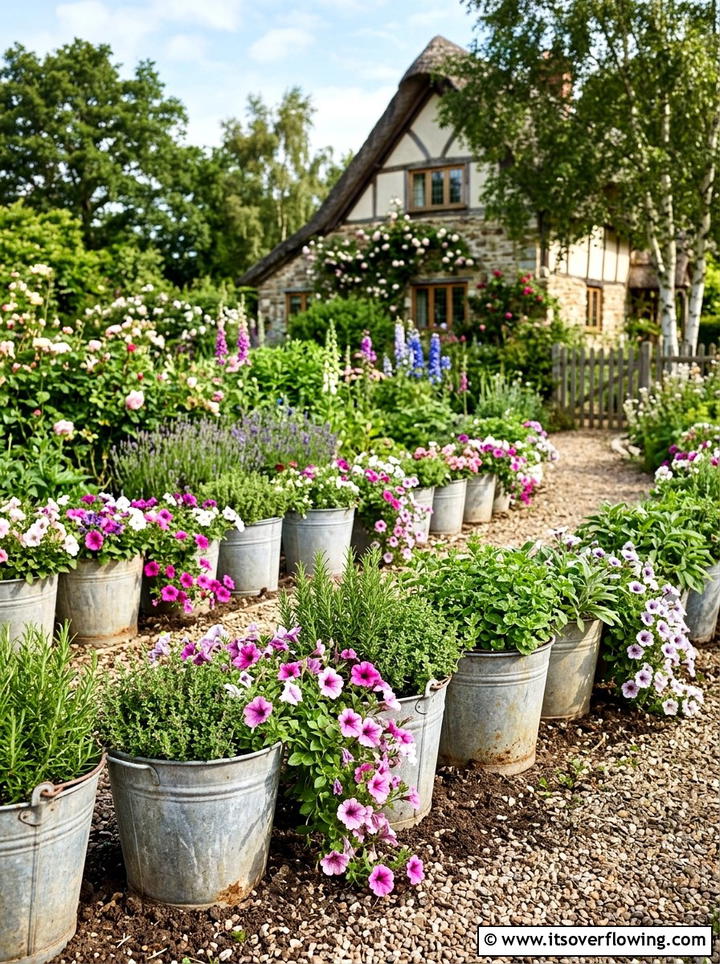
Old galvanized buckets or wash tubs can be buried partially in the ground to create a series of rustic planters that act as a border. This upcycled idea is perfect for adding height to a flat garden area and provides a place for trailing vines. The silvery metal finish has a wonderful vintage feel that looks great in farmhouse-style gardens. You can fill the buckets with seasonal flowers or even use them to grow small vegetables like peppers or lettuce. This creates a multi-functional edge that is both decorative and productive. It is a creative way to repurpose bulky metal items into something beautiful.
25. Concrete Block Garden Edge
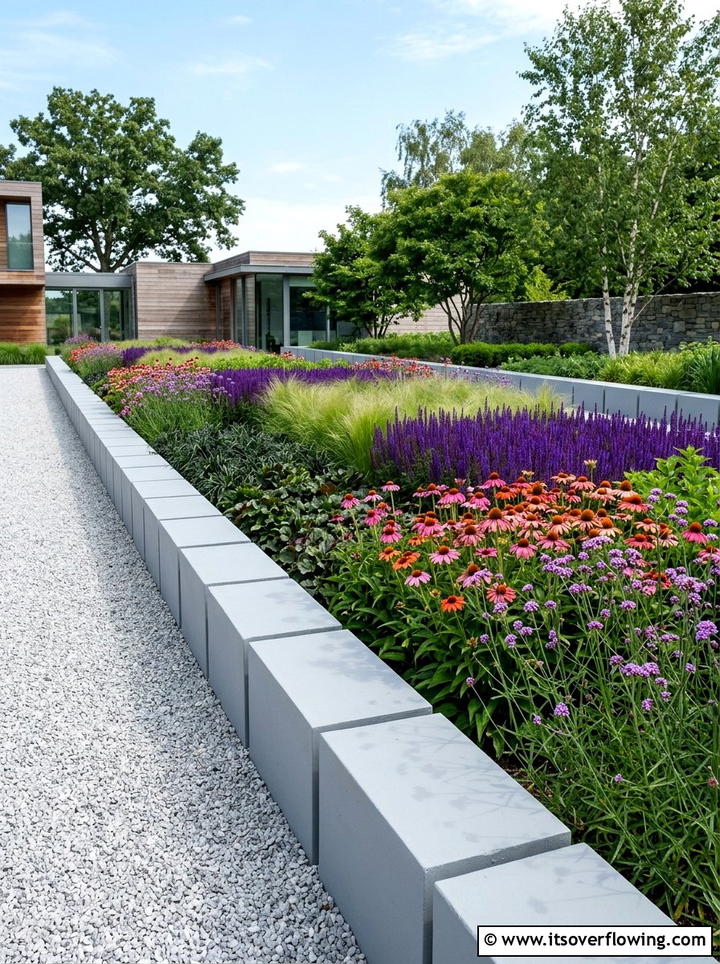
Concrete blocks can be used in a variety of ways to create a heavy-duty and permanent garden border. You can use the standard rectangular blocks or look for more decorative screen blocks with geometric patterns. Painting the blocks a neutral color or a bold accent shade allows you to control the visual impact on your landscape. Because they are so heavy, they stay in place perfectly without the need for mortar in most cases. This makes them a great choice for DIY projects where you want a professional look without a lot of specialized tools. They provide a clean and very architectural finish to your garden.
Conclusion:
Upcycling materials for your garden edging is a rewarding way to enhance your outdoor living space while being environmentally conscious. Whether you prefer the rustic look of reclaimed wood, the elegance of vintage china, or the industrial feel of corrugated metal, there is an upcycled solution for every style. These creative borders not only define your garden beds but also tell a story about your personality and your commitment to sustainability. By looking at everyday objects through a creative lens, you can transform your backyard into a one-of-a-kind sanctuary. Start your next project today and enjoy the beauty of a hand-crafted, eco-friendly garden landscape.

Related posts:
 25 Upcycled Garden Ideas With Bricks for Budget-Friendly Borders
 25 Upcycled Garden Ideas With Garden Benches for Cozy Seating
 25 Upcycled Garden Ideas With Garden Signs for Cute Yard Decor
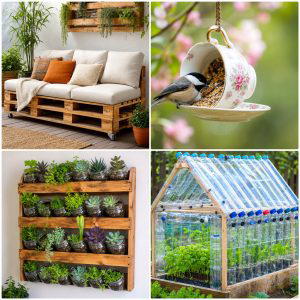 25 Upcycled Garden Ideas for Patios to Refresh Outdoor Living
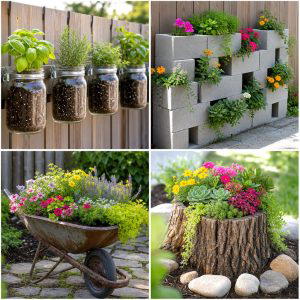 25 Upcycled Garden Ideas for Tiny Yards That Feel Bigger
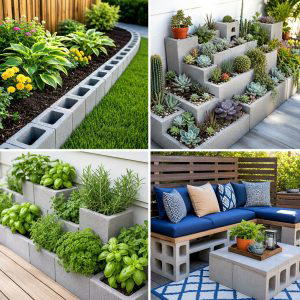 25 Upcycled Garden Ideas With Cinder Blocks for Easy Raised Beds
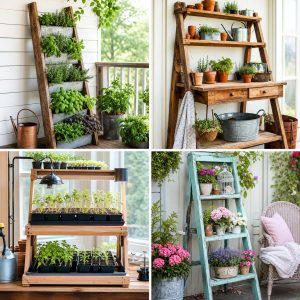 25 Upcycled Garden Ideas With Ladder Shelves to Try
 25 Upcycled Garden Ideas With Old Crates for Rustic Storage
 25 Upcycled Garden Ideas With Old Gates for Rustic Charm
 25 Upcycled Garden Ideas With Old Windows for Charm
 25 Upcycled Garden Ideas With Potting Benches You’ll Want
 25 Upcycled Garden Ideas With Tool Storage You’ll Love