
Transforming your outdoor space doesn’t require a massive budget or brand-new furniture from a high-end store. In fact, some of the most charming landscapes come from simple, repurposed materials like vintage wooden crates. These versatile containers offer a rustic aesthetic that fits perfectly with farmhouse, cottage, or modern industrial garden styles. Whether you have a sprawling backyard or a tiny balcony, upcycling old crates allows you to create functional structures that are both eco-friendly and stylish. From vertical herb walls to modular seating, the possibilities are truly endless when you start looking at reclaimed wood with a fresh perspective. You can easily paint, stain, or stack these sturdy boxes to organize your plants and tools while adding a unique, personal touch to your sanctuary.
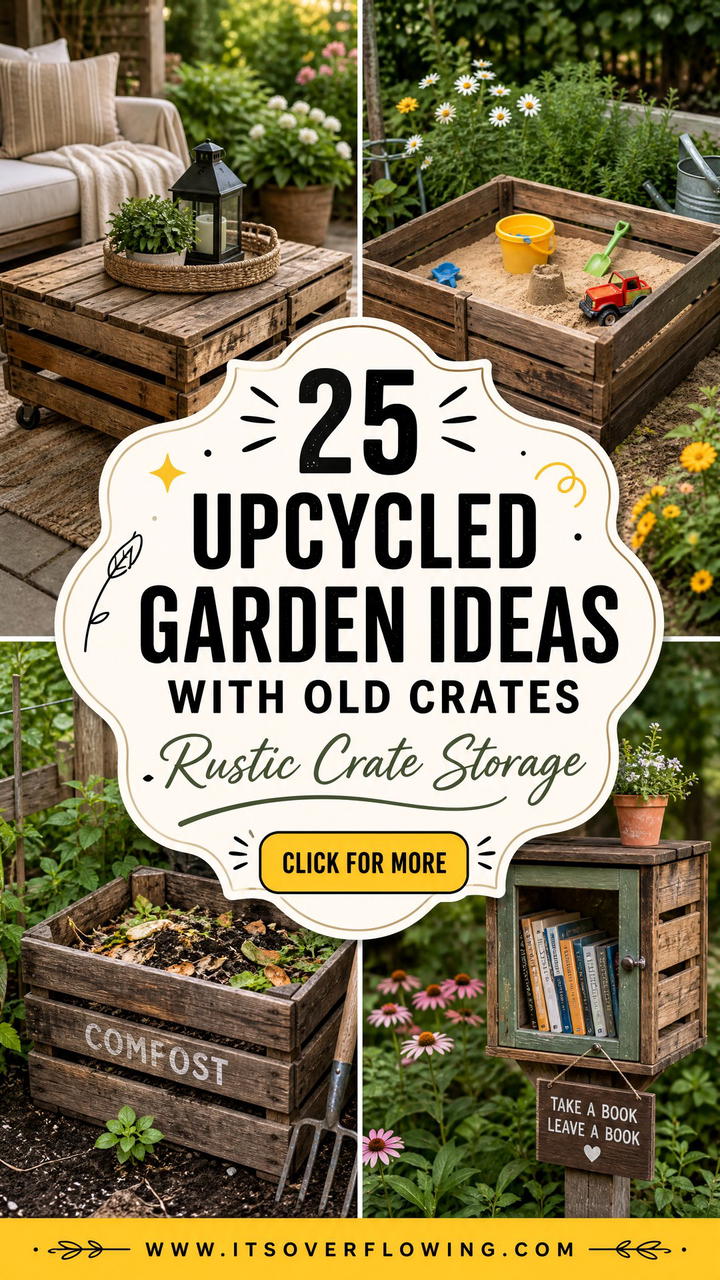
1. Vertical Herb Garden
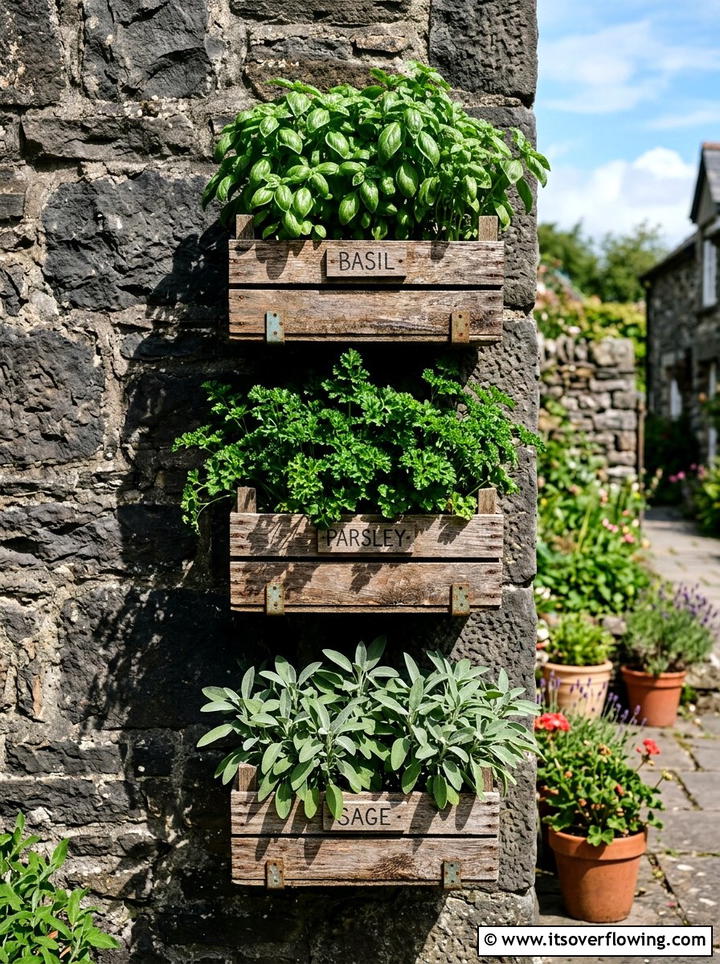
Building a vertical herb garden is a brilliant way to maximize small outdoor spaces while keeping fresh flavors within reach. You can mount several vintage crates onto a sturdy wooden fence or a freestanding frame to create a living wall of greenery. Use high-quality liners to prevent soil from leaking out of the gaps in the wood. Planting mint, basil, and rosemary in separate crates helps manage their growth and prevents roots from getting tangled together. This arrangement provides excellent air circulation for your plants and makes harvesting much easier during your cooking routines. The rustic texture of the weathered wood contrasts beautifully with the soft, vibrant leaves of the herbs, creating an eye-catching focal point for any patio or balcony area.
2. Tiered Flower Planter
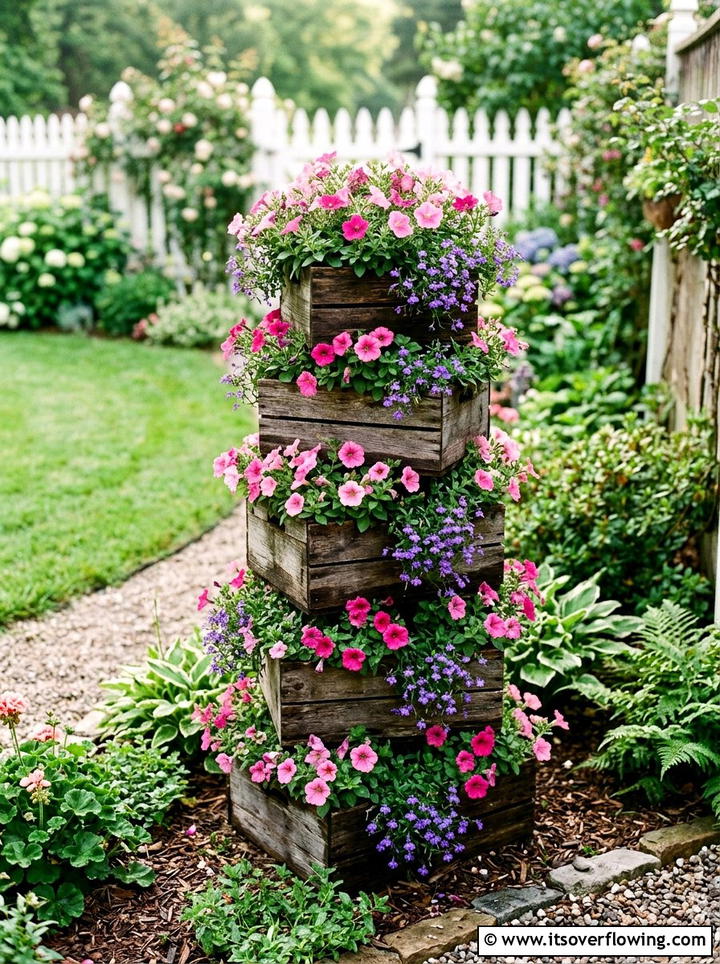
Creating a tiered flower planter using old crates adds instant height and visual depth to any corner of your garden landscape. By stacking crates of different sizes in a staggered formation, you can build a lush mountain of blooms that draws the eye upward. This setup is particularly effective for displaying a mix of trailing vines and upright flowering perennials like petunias or marigolds. Each level offers a distinct microclimate, allowing you to place sun-loving plants at the top and shade-tolerant varieties near the base. Make sure to secure the crates together with outdoor-rated screws to ensure the structure remains stable during heavy rain or wind. This modular approach lets you rearrange your floral display whenever you feel like refreshing your outdoor decor style.
3. Raised Vegetable Bed
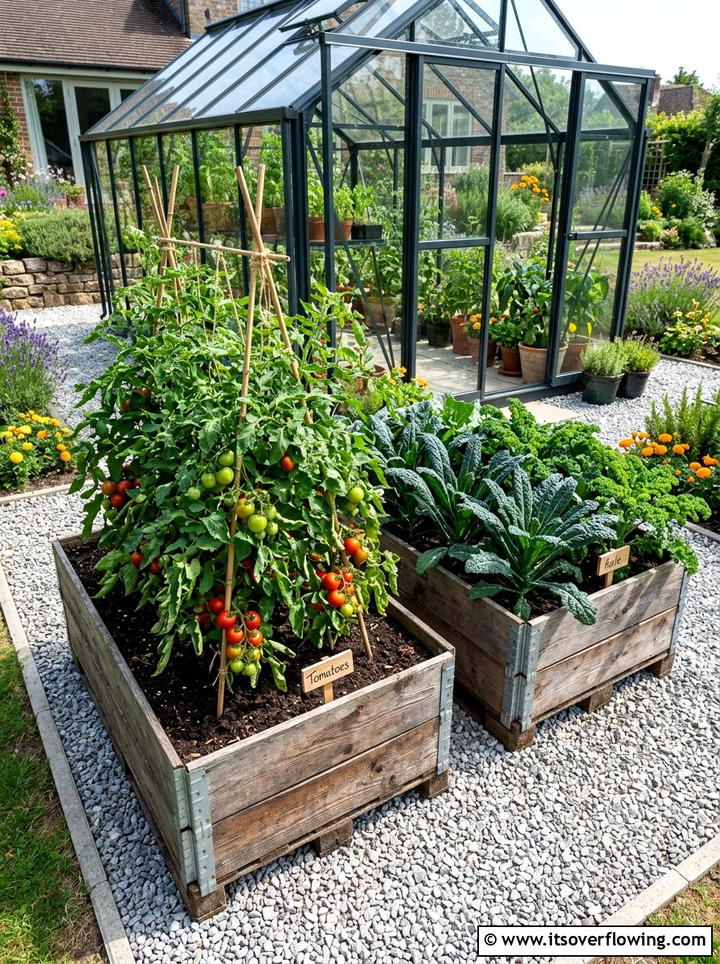
Constructing a raised vegetable bed from oversized wooden crates is an excellent solution for gardeners dealing with poor soil quality or limited ground space. These sturdy containers provide a contained environment where you can control the soil mix and drainage perfectly for your crops. Line the crates with landscape fabric to protect the wood while allowing excess water to escape efficiently. You can grow a variety of deep-rooted vegetables like carrots or peppers that might struggle in shallow ground soil. Placing these crate beds on a gravel path or a sunny deck makes gardening much more accessible and reduces the need for heavy tilling. The elevated height also helps protect your precious harvest from common ground-dwelling pests while keeping your garden looking tidy and organized.
4. Outdoor Storage Bench
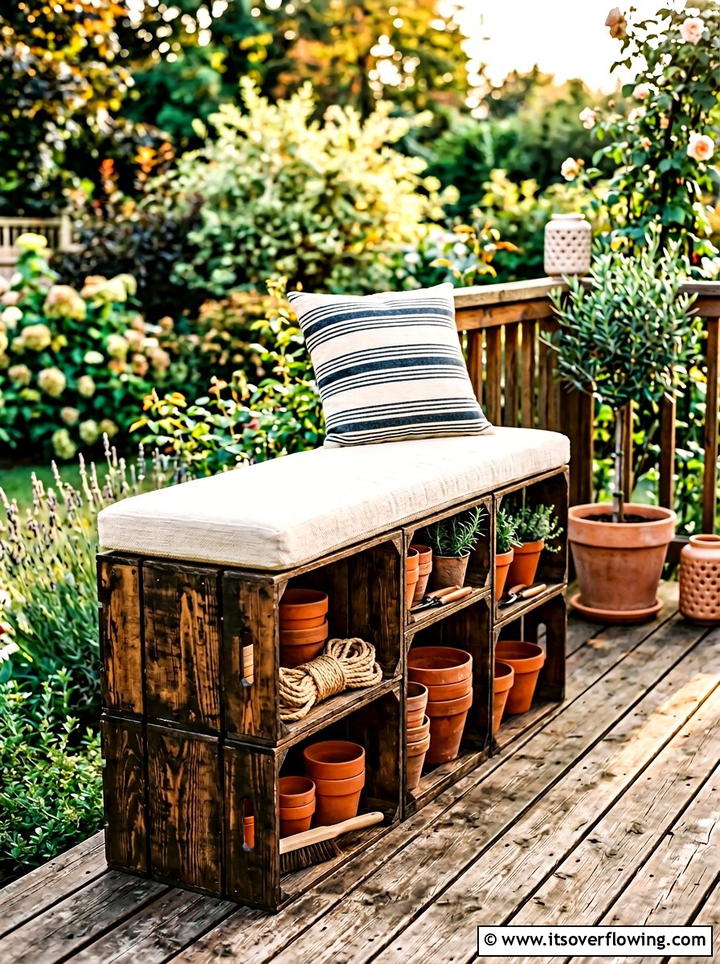
An outdoor storage bench made from repurposed crates serves a dual purpose by providing extra seating and a place to hide garden supplies. Simply flip two or three crates on their sides and secure them together to create a low, sturdy base for your patio. Adding a thick, weatherproof cushion on top transforms the hard wood into a comfortable place to relax after a long day of yard work. The open slots in the crates are perfect for storing extra pots, watering cans, or small gardening tools right where you need them most. You can sand the wood and apply a colorful outdoor paint to match your existing patio furniture. This simple DIY project adds a cozy, handmade feel to your porch while keeping your outdoor living area clutter-free.
5. Garden Potting Bench
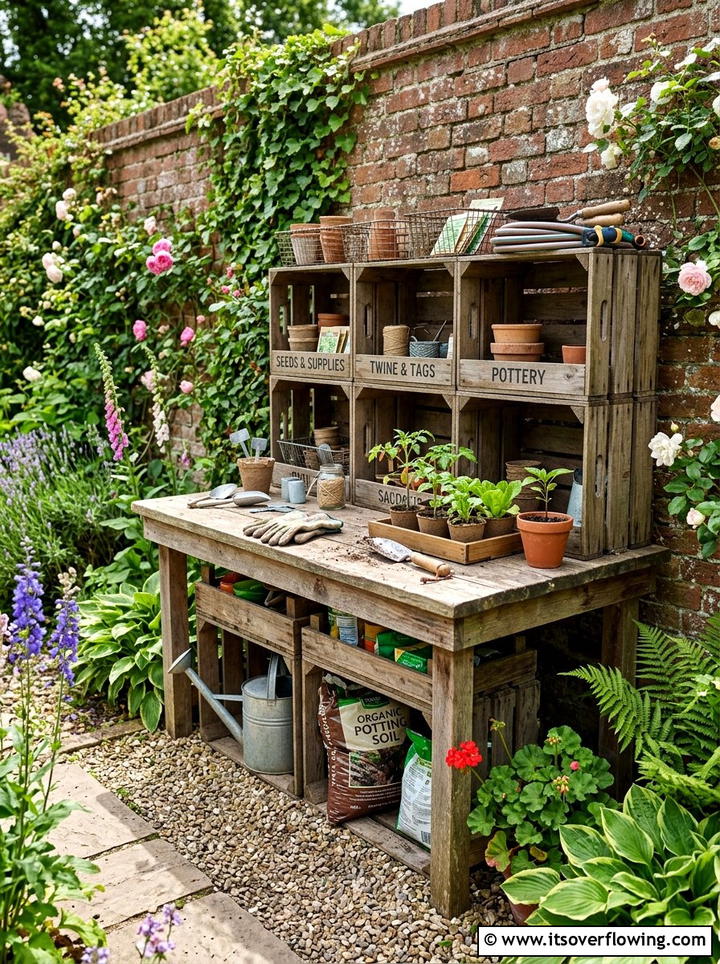
A garden potting bench is a must-have for any serious plant enthusiast, and crates offer the perfect modular components for this project. By stacking crates vertically to form legs and horizontally to create a work surface, you can build a customized station for all your transplanting needs. The natural slatted design of the crates allows dirt to fall through, keeping your workspace clean and tidy during messy tasks. You can even attach small hooks to the sides of the crates to hang trowels, gloves, and brushes for easy access. This dedicated area keeps all your gardening essentials in one organized spot, making your weekend planting sessions much more efficient and enjoyable. A coat of sealant will protect the wood from moisture and ensure your bench lasts for many seasons.
6. Hanging Crate Basket
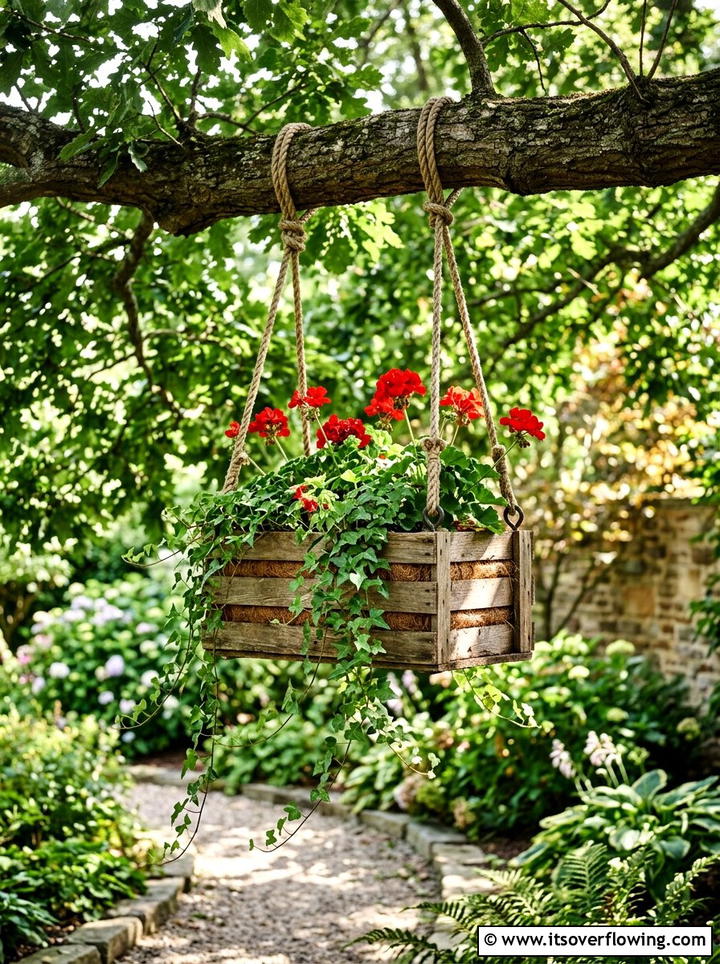
Transforming a small wooden crate into a hanging basket adds a unique, rustic charm to your porch or large tree branches. Use heavy-duty rope or sturdy metal chains to suspend the crate from a high point, ensuring it is level and secure. Lining the interior with moss or coco husks gives it a traditional look while holding the soil and moisture in place for your plants. Trailing species like ivy, lobelia, or fuchsia look stunning as they spill over the wooden edges and dangle in the breeze. This elevated planting method is perfect for keeping delicate flowers away from pets or hungry garden critters. It also draws the eye upward, making your outdoor space feel larger and more lush by utilizing the often-ignored vertical space above your head.
7. Patio Coffee Table
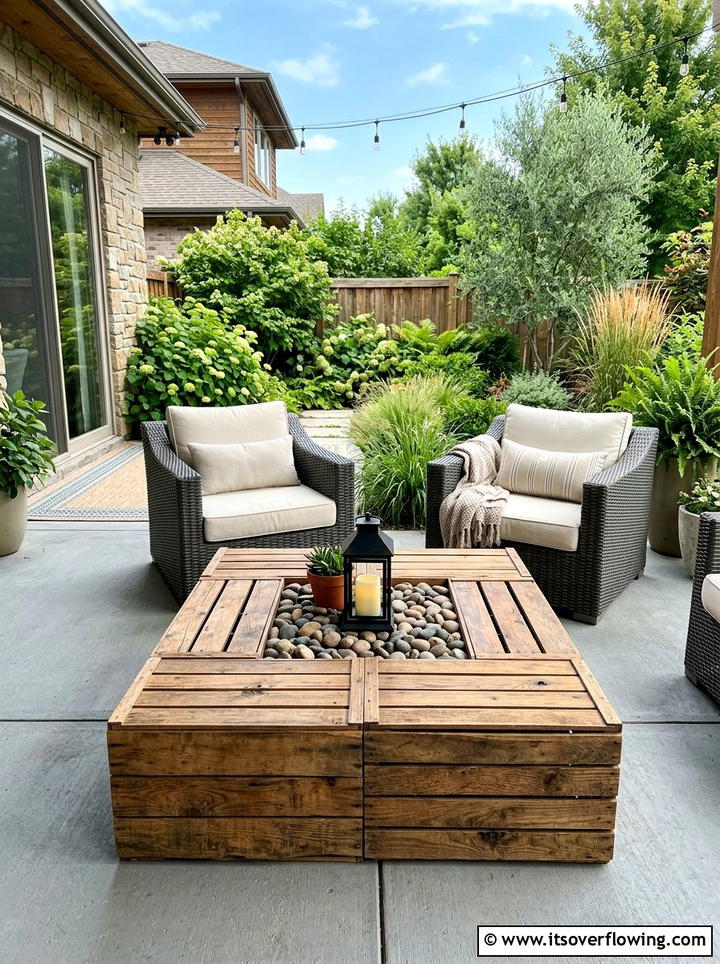
Designing a patio coffee table with old crates creates a versatile and stylish center piece for your outdoor seating arrangement. You can arrange four crates in a square pattern with the openings facing outward to create built-in cubby holes for magazines or blankets. Topping the structure with a piece of tempered glass or a flat wooden board provides a stable surface for drinks and snacks during summer gatherings. Adding heavy-duty casters to the bottom allows you to move the table easily around your deck or patio whenever you need more space. This functional piece of furniture combines rustic aesthetics with practical storage, making it a favorite for those who love entertaining outdoors. The natural wood grain adds warmth and character to your modern or bohemian garden setting.
8. Garden Tool Organizer
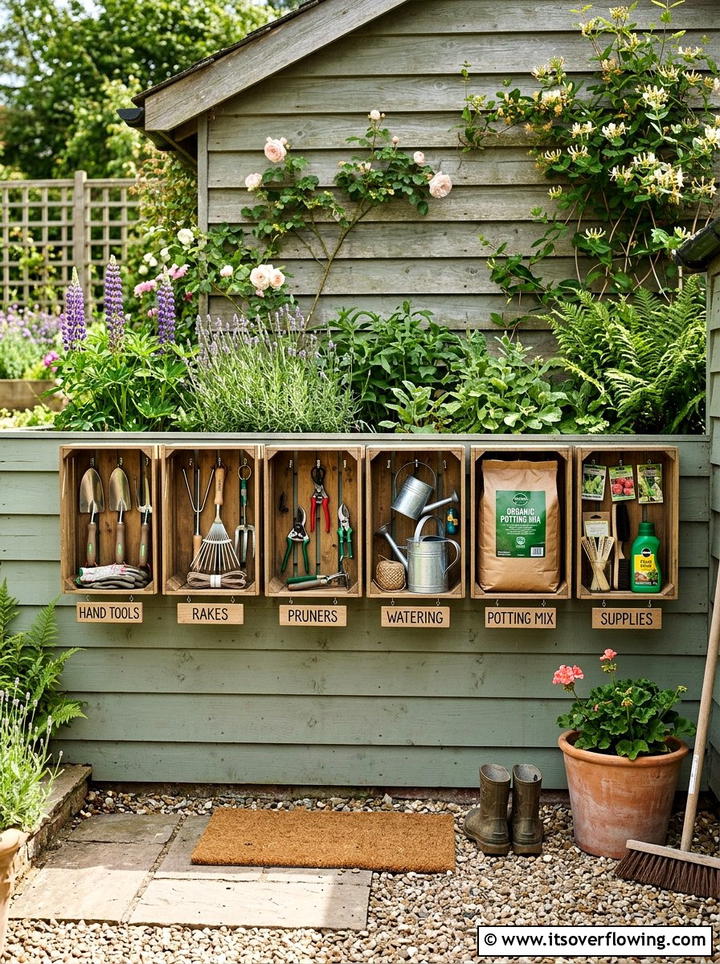
Keep your shed or garage neat by creating a garden tool organizer using a series of wall-mounted crates. By attaching the crates to a wall with the openings facing you, you create deep shelving units that can hold everything from heavy bags of fertilizer to small hand pruners. You can categorize your tools by placing long-handled items like shovels in vertical crates and smaller accessories in horizontal ones. Labeling each crate helps every family member know exactly where items belong after use, reducing the time spent searching for misplaced gear. The sturdy construction of vintage crates ensures they can handle the weight of heavy metal tools without sagging. This simple storage solution turns a messy corner into a functional and visually appealing display of your favorite gardening equipment.
9. Succulent Wall Planter
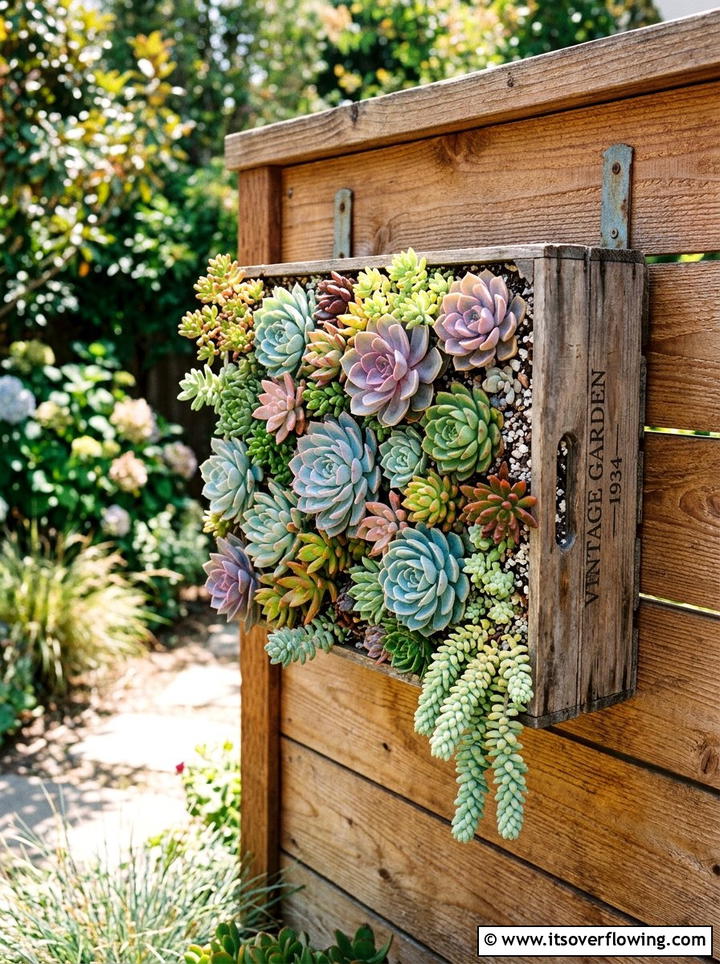
A succulent wall planter made from a shallow crate is a beautiful way to display a collection of low-maintenance desert plants. You can fill the crate with a specialized sandy soil mix and secure a layer of chicken wire over the top to keep everything in place. Planting various succulents through the wire mesh creates a dense, colorful tapestry of textures that requires very little water to thrive. Once the roots are established, you can hang the crate vertically on a sunny wall as a living piece of art. This project is ideal for busy homeowners who want to add greenery to their space without the commitment of daily watering. The silver, green, and purple hues of the succulents look striking against the natural, weathered finish of the upcycled wood.
10. Mudroom Crate Cubby
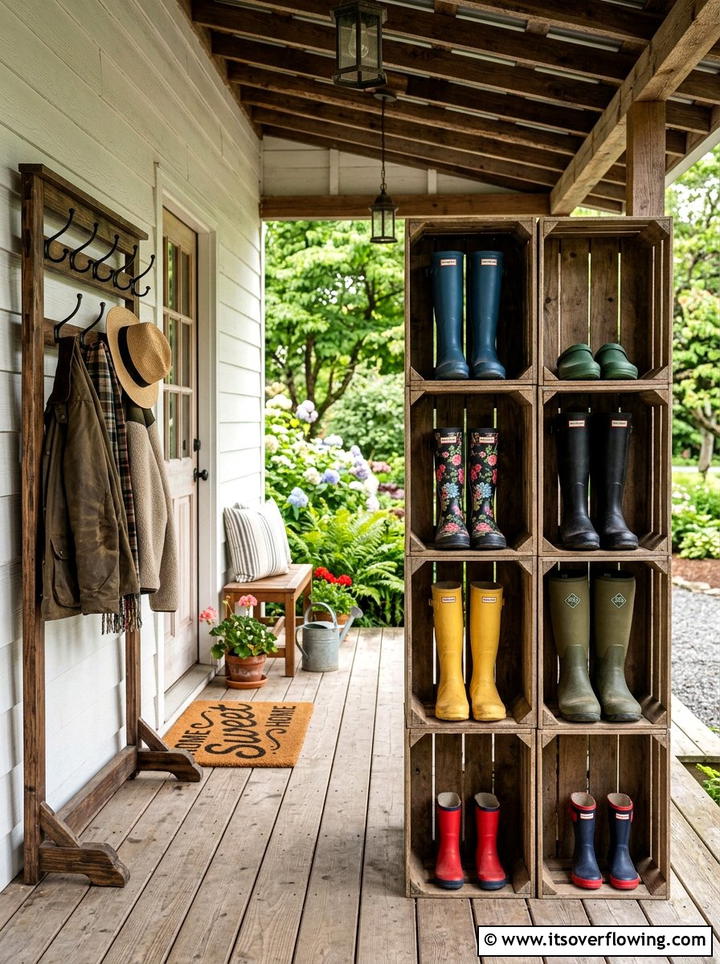
Creating a mudroom crate cubby just outside your back door helps keep muddy boots and outdoor gear from entering your clean home. By stacking crates on their sides against a wall, you create individual lockers for every member of the family to store their shoes. This prevents piles of footwear from cluttering the entrance and allows wet items to air dry quickly thanks to the slatted wood design. You can paint each crate a different color to help children identify their own storage space and encourage them to stay organized. Adding a top row for hats, gloves, and sunscreen ensures that everything you need for a day in the garden is right at your fingertips. This practical addition improves the flow of your home while maintaining a charming, rustic garden aesthetic.
11. Window Box Planter
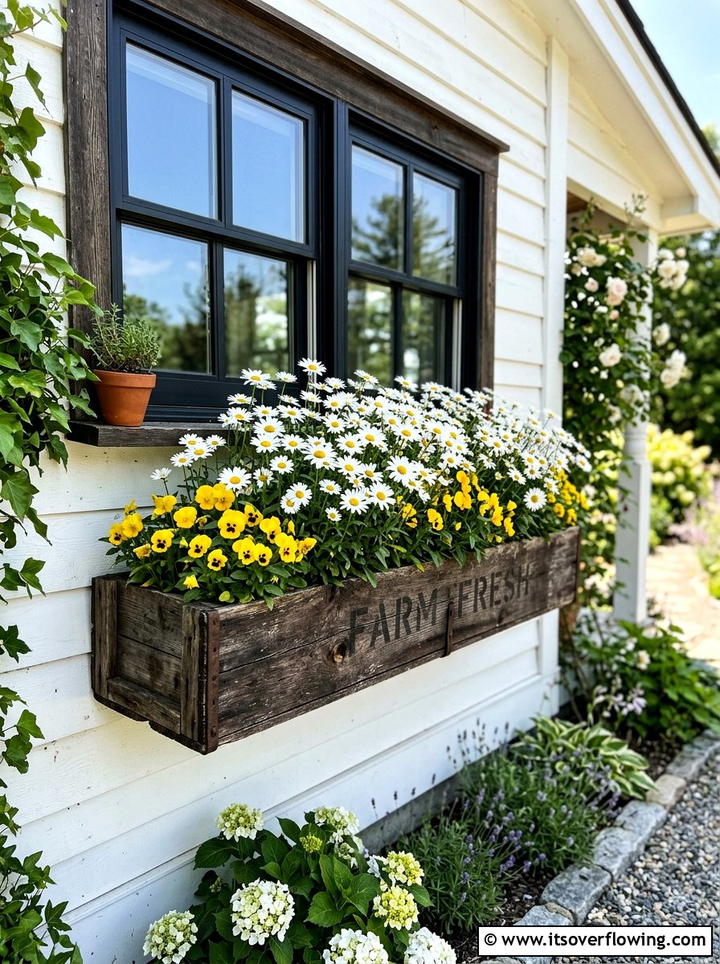
Replacing standard plastic liners with a wooden crate window box planter instantly boosts the curb appeal of your home with a vintage vibe. Simply secure a long, narrow crate beneath your window sill using heavy-duty brackets that can support the weight of wet soil. Fill the box with a colorful mix of annuals like geraniums and trailing vinca vines to create a vibrant display that can be seen from both inside and outside. The wood provides a natural insulation for the roots, protecting them from the extreme heat of the afternoon sun better than thin plastic containers. You can easily switch out the plants each season to keep your home’s exterior looking fresh and festive throughout the entire year. This simple upgrade adds a touch of cottage-core elegance to any architectural style or house color.
12. Garden Privacy Screen
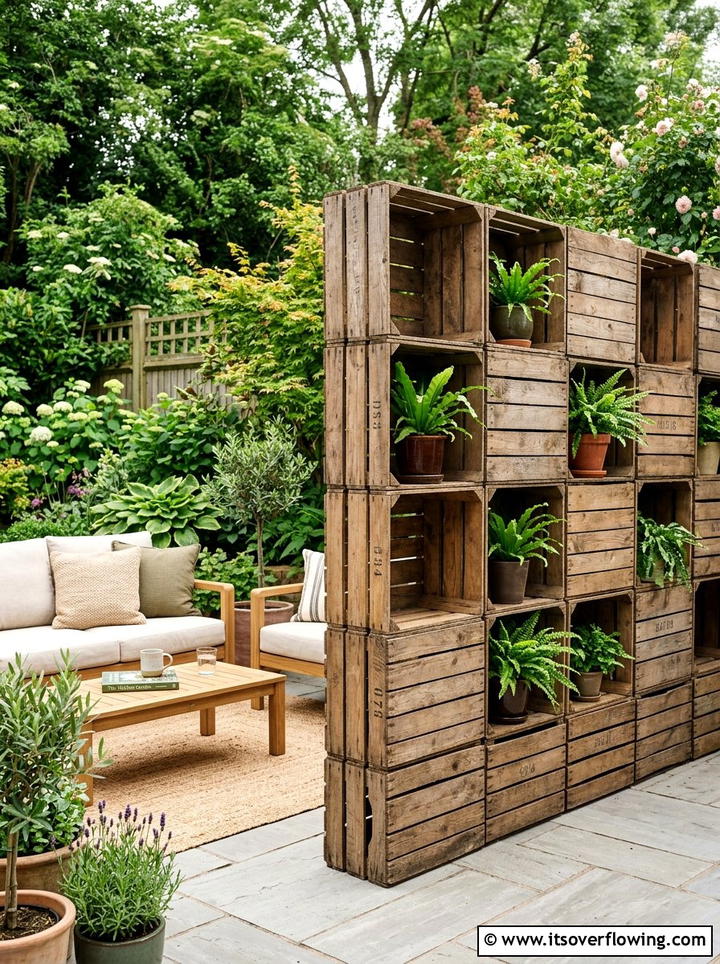
Building a garden privacy screen with stacked crates is a creative way to block unwanted views while adding more planting surface to your yard. By securing several columns of crates together in a tall wall formation, you create a solid barrier that feels much softer and more natural than a plastic fence. You can leave some crates open to place potted plants inside, creating a “green” wall that provides both shade and seclusion. This setup is perfect for defining different zones in your garden, such as separating a dining area from a play space. The weight of the soil and plants helps anchor the structure, but it is always wise to attach it to a permanent post for safety. This dual-purpose screen offers a beautiful solution for creating a private oasis in a busy neighborhood.
13. Multi Level Plant Stand
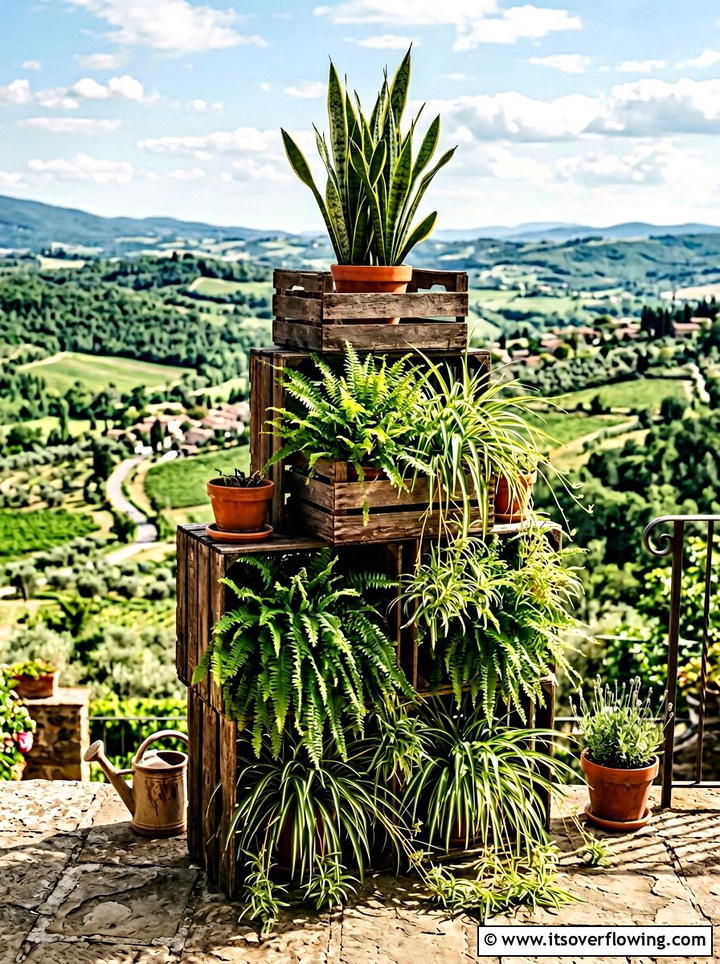
A multi level plant stand made from staggered crates is an effective way to showcase your favorite specimen plants in a compact footprint. By stacking the boxes in an asymmetrical pyramid shape, you create different heights that allow every plant to receive adequate sunlight without being overshadowed. This arrangement is perfect for displaying a collection of varied heights, such as tall grasses at the top and low-growing ferns at the base. The gaps between the crates provide excellent ventilation, which is crucial for preventing mold and mildew in humid garden environments. You can easily move individual crates around to experiment with different layouts until you find the perfect aesthetic for your patio corner. This dynamic display turns a simple collection of pots into a curated botanical exhibit that feels professional and intentional.
14. Mobile Vegetable Garden
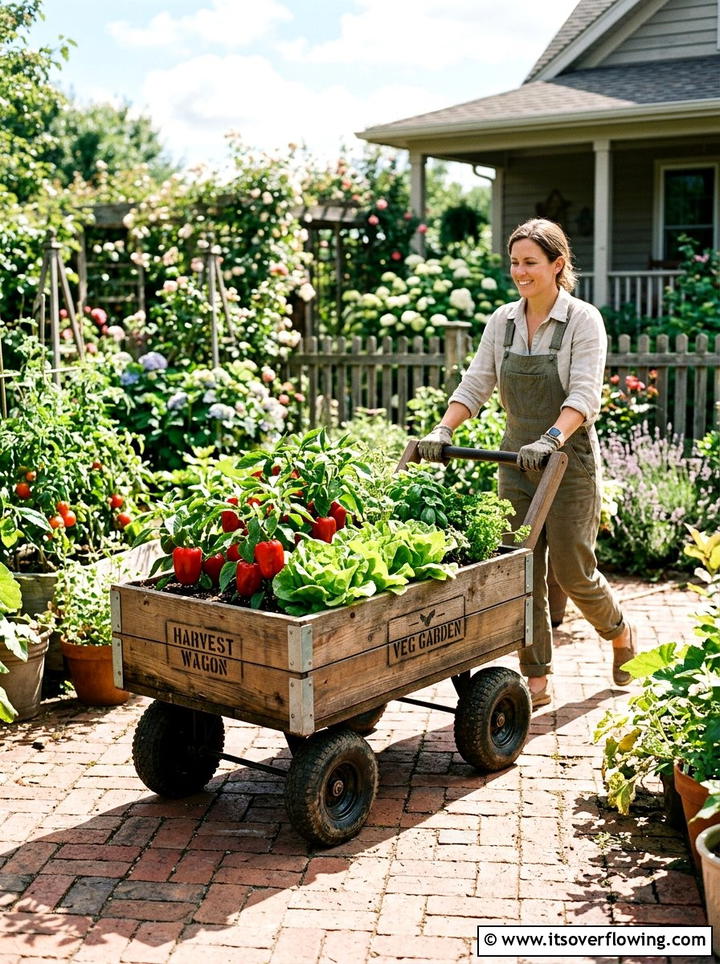
Creating a mobile vegetable garden with crates allows you to chase the sun throughout the day and protect your plants from harsh weather. By attaching heavy-duty swivel wheels to the bottom of a large crate, you can easily roll your crops from a shady spot into a sunny patch. This is particularly useful for growing tomatoes or peppers that require many hours of direct light to produce a high yield. If a sudden frost or heavy storm is predicted, you can simply wheel your garden into a garage or under a porch for safety. The mobility also makes cleaning the area beneath your plants much easier, preventing the buildup of debris and pests. This flexible gardening method is a game-changer for urban dwellers with limited fixed sun exposure on their balconies or small courtyards.
15. Strawberry Tower
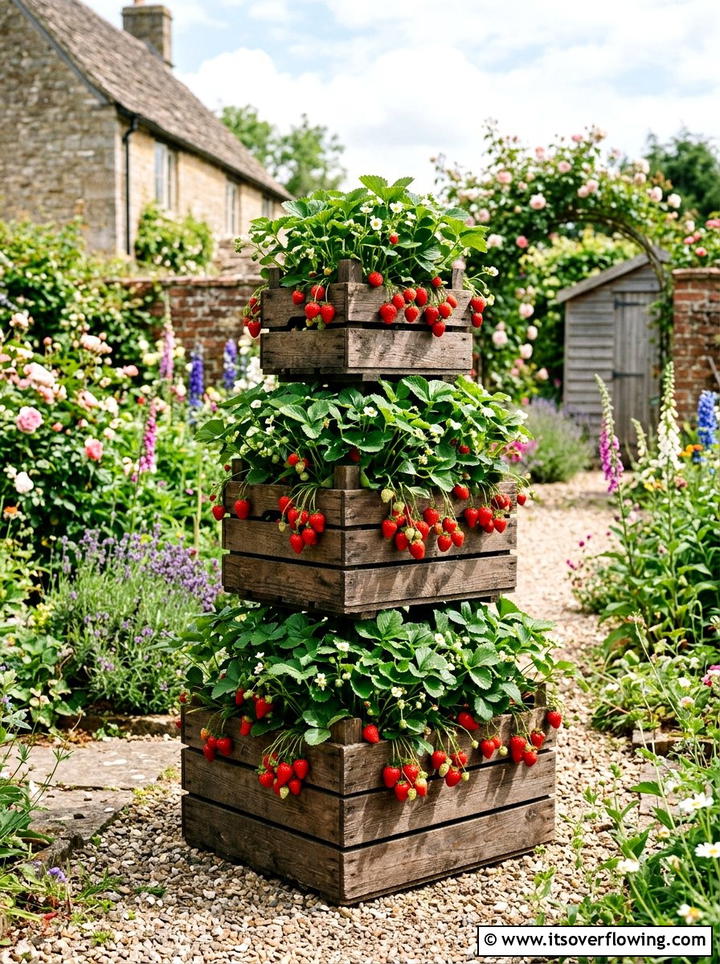
A strawberry tower built from stacked crates is a fun and space-saving way to grow delicious, fresh fruit right in your backyard. By stacking crates of decreasing sizes on top of each other, you create a vertical farm that keeps the berries off the ground and away from slugs. The strawberries can hang over the edges of the crates, making them very easy to spot and pick when they are perfectly ripe. This vertical orientation also improves air circulation around the plants, which helps prevent rot and other common fungal diseases that affect ground-grown fruit. You can fill the center of the tower with a nutrient-rich compost mix to feed the plants throughout the growing season. This charming structure not only provides a bountiful harvest but also serves as a beautiful garden ornament during the spring.
16. Porch Side Table
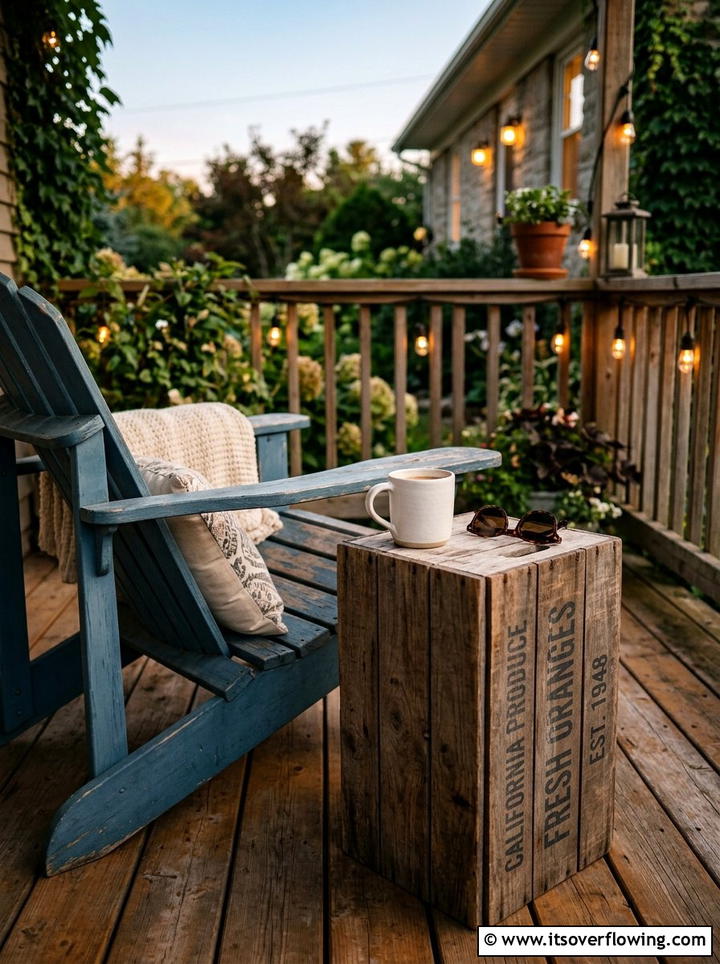
Using a single vintage crate as a porch side table is one of the easiest ways to add a rustic touch to your outdoor lounge area. You can stand the crate on its end to create a tall, slender table that is the perfect height for resting a glass of iced tea or a favorite book. The interior space of the crate remains open, providing a convenient spot to store extra outdoor pillows or a rolled-up yoga mat. For a more finished look, you can sand the wood smooth and apply a clear coat of polyurethane to highlight the natural grain and stamps. This small piece of furniture adds a lot of character to a porch without taking up much floor space, making it ideal for narrow entryways. It’s a simple, functional project that anyone can complete in a single afternoon.
17. Beverage Station
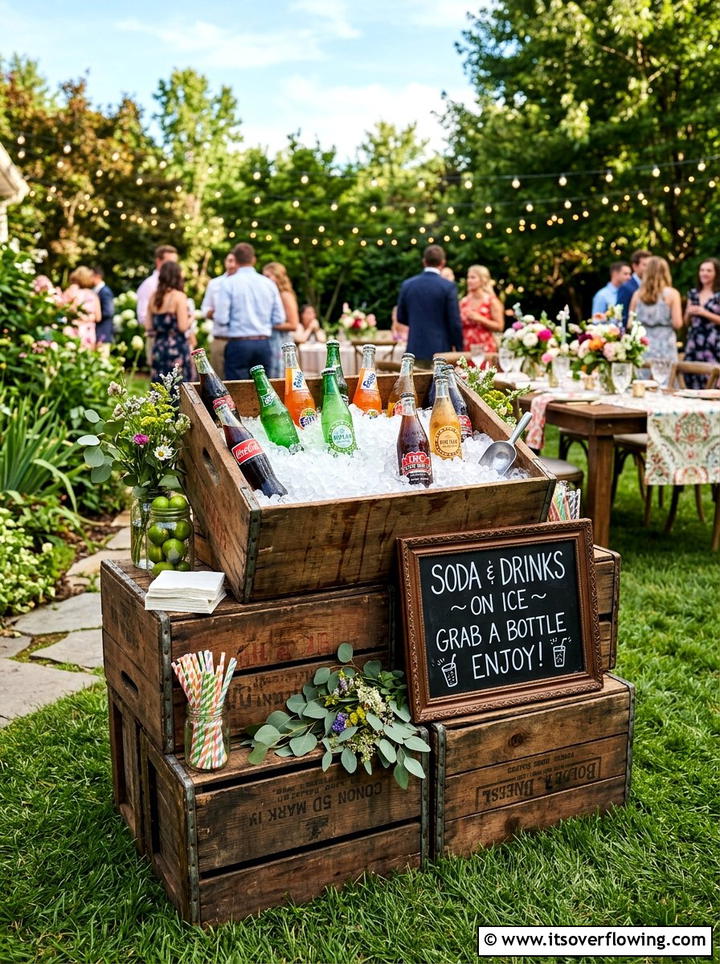
A crate beverage station is the ultimate accessory for summer backyard parties and family gatherings under the sun. You can stack two crates vertically to act as a stand and place a third crate on top to hold ice and bottled drinks for your guests. Lining the top crate with a plastic tub or a heavy-duty leak-proof bag ensures that melting ice doesn’t damage the wood or create a mess on your patio. This dedicated area keeps guests from constantly running inside the house, allowing you to enjoy the festivities without interruption. You can even attach a vintage-style bottle opener to the side of the crate for added convenience and a touch of nostalgic charm. This simple setup makes hosting much more organized and adds a relaxed, festive vibe to your outdoor entertainment area.
18. Sandbox
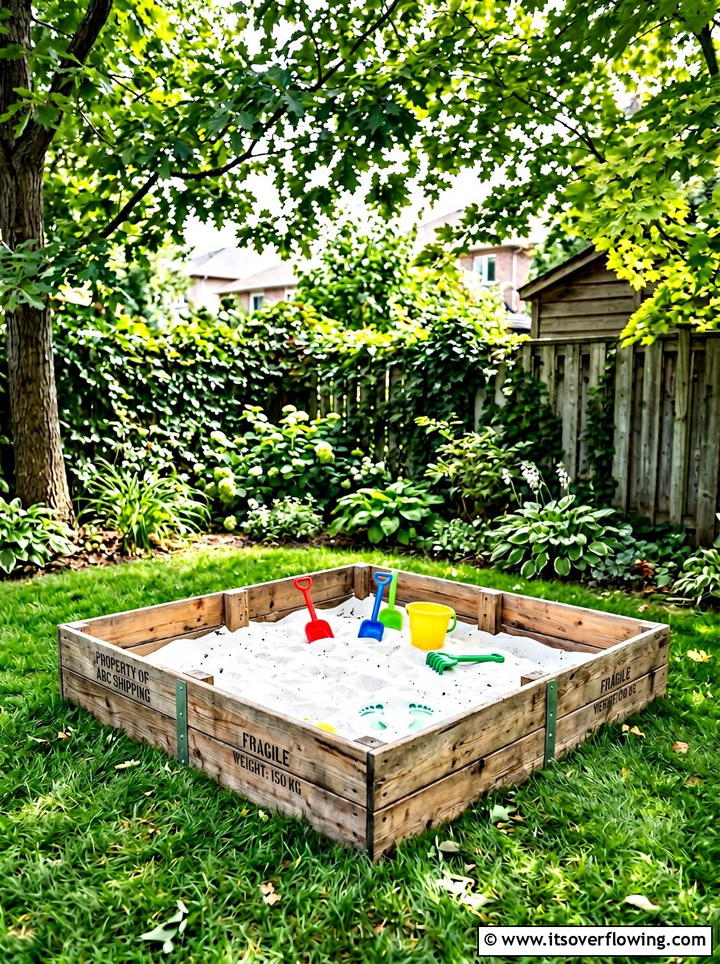
Building a sandbox out of large wooden crates provides a contained and safe play area for children to enjoy in the backyard. You can remove the bottoms of a few wide crates and join them together to create a larger square frame that sits directly on the ground. Lining the bottom with landscape fabric prevents weeds from growing up through the sand while still allowing rainwater to drain away naturally. The thick wooden sides of the crates are sturdy enough for kids to sit on while they build their elaborate sandcastles and dig for buried treasure. You can even build a simple wooden lid to cover the sandbox when it isn’t in use to keep out wandering cats and falling leaves. This budget-friendly project provides hours of outdoor fun and fits perfectly into a natural, wood-focused garden design.
19. Garden Hose Storage
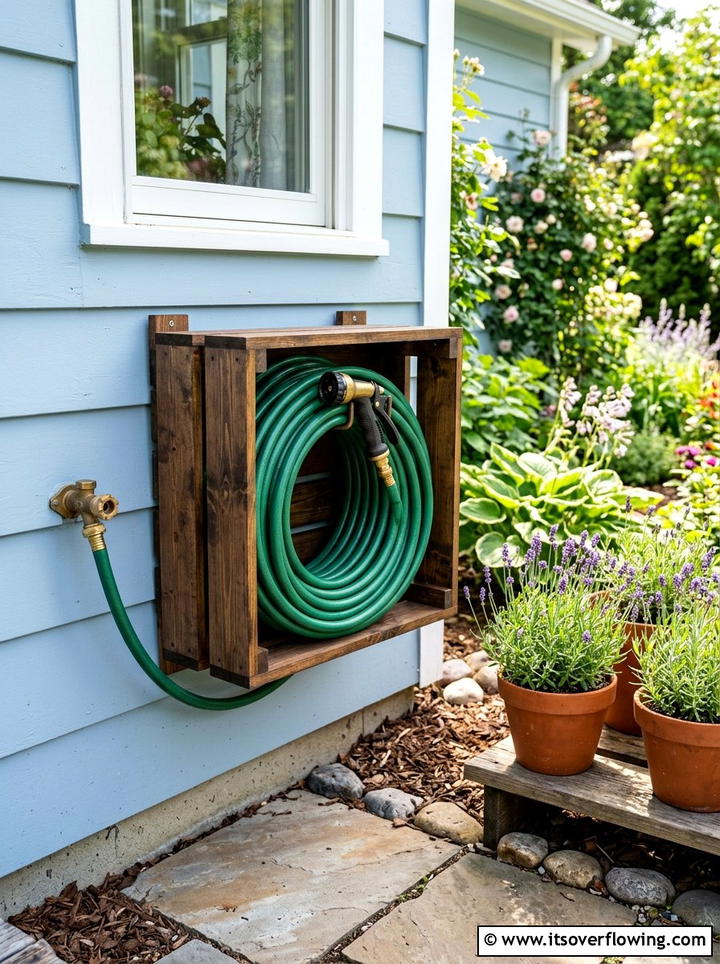
Tame the tangled mess of your watering equipment by creating a dedicated garden hose storage unit from a repurposed wooden crate. By mounting a crate horizontally on an exterior wall near your outdoor faucet, you create a deep pocket where the hose can be coiled neatly away. This keeps the hose off the ground, preventing it from becoming a tripping hazard or getting damaged by lawn mowers and pests. You can use the top of the mounted crate as a small shelf for holding spray nozzles, washers, and watering cans so they are always right where you need them. Painting the crate to match your home’s trim makes it blend in seamlessly with your existing architecture. This practical solution turns a functional necessity into an organized and attractive feature of your garden’s utility area.
20. Wishing Well
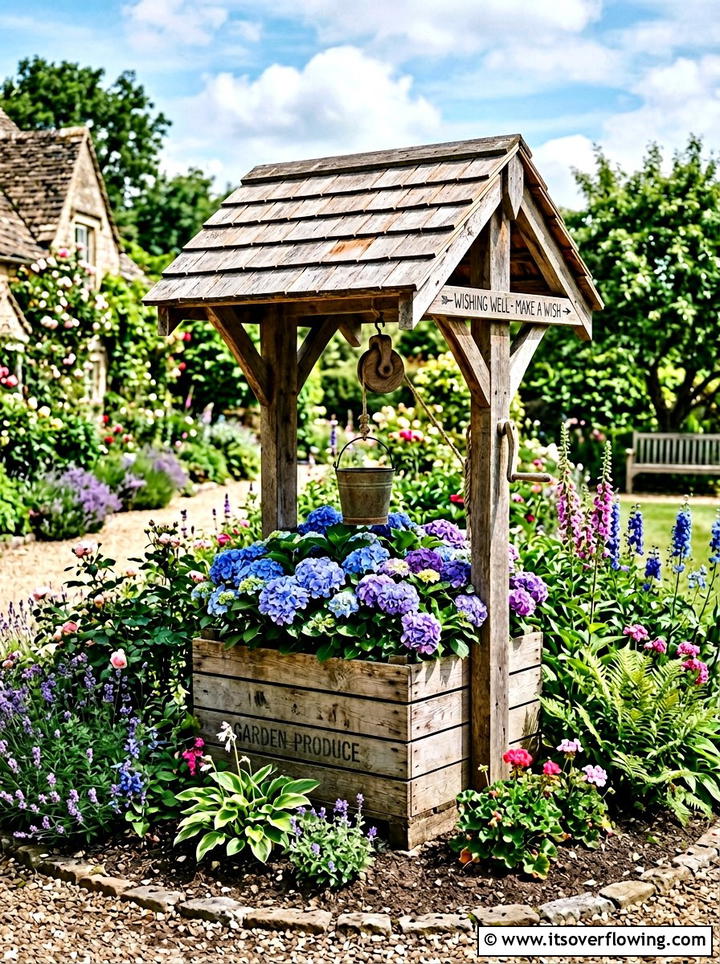
A decorative wishing well made from crates adds a whimsical and storybook charm to any flower bed or front lawn display. You can use a large square crate as the base and build a simple gabled roof using wood scraps or smaller crate slats to complete the look. Planting colorful trailing flowers like blue lobelia or white alyssum inside the base gives the illusion of water overflowing from the top of the well. This feature works beautifully as a center piece for a cottage garden or a secret garden nook tucked away among tall shrubs. You can even add a small wooden bucket and a hemp rope to enhance the authentic, rustic appearance of the structure. It’s a creative way to use old wood to add a sense of magic and personality to your outdoor landscape.
21. Crate Trellis
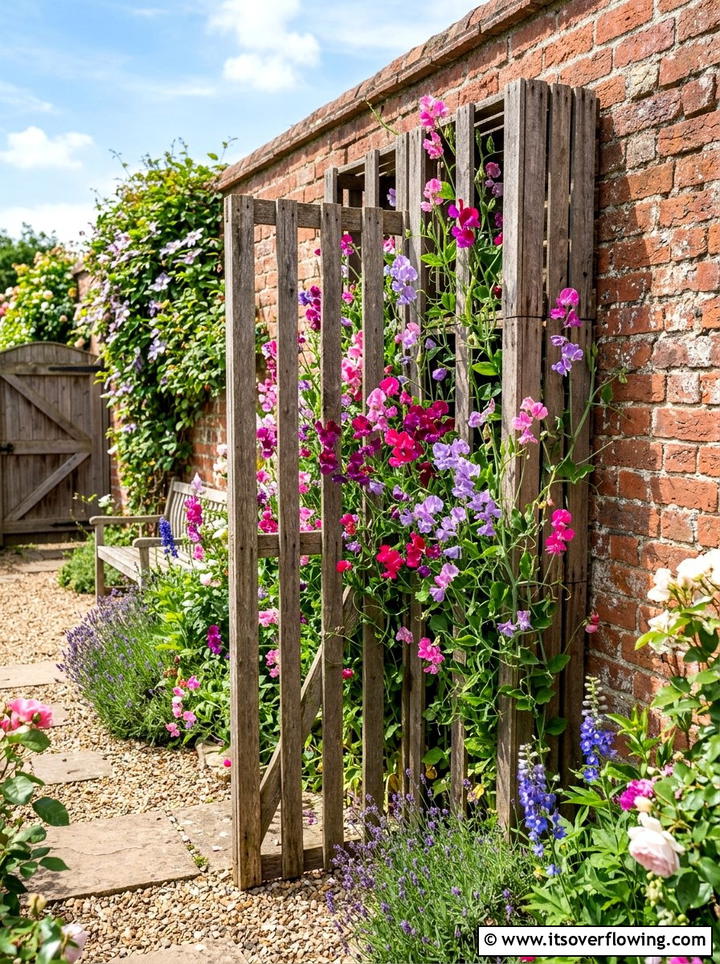
Using the slatted sides of a crate as a trellis is an ingenious way to support climbing plants like sweet peas or morning glories. You can disassemble a crate and mount the individual slatted panels against a sunny wall or fence to provide a sturdy climbing surface for delicate vines. The horizontal gaps between the wood pieces offer plenty of points for tendrils to grip and wrap around as the plant grows upward. This vertical growth helps save space in small gardens while creating a beautiful wall of living flowers that attracts bees and butterflies. Alternatively, you can stand an intact crate on its end and let vines grow up the sides to create a leafy, green pillar. This method is both functional and decorative, helping your garden reach its full vertical potential with very little effort.
22. Fairy Garden Container
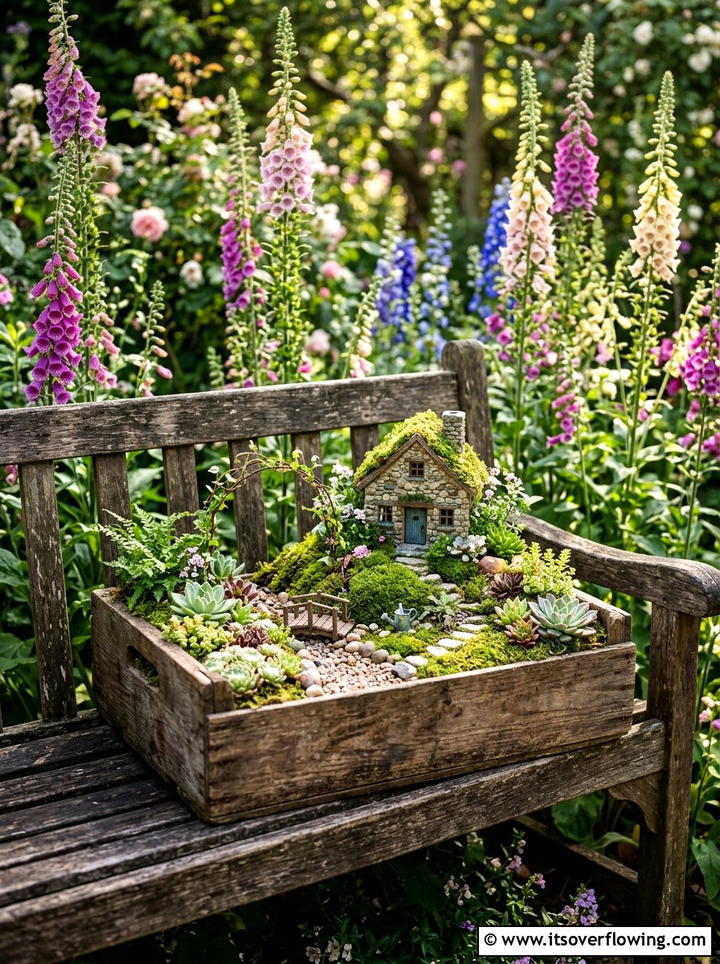
A shallow wooden crate makes the perfect base for creating an enchanting fairy garden filled with tiny plants and miniature accessories. You can use moss, small pebbles, and dwarf plant varieties like Irish moss or succulent cuttings to create a miniature landscape inside the box. Adding tiny wooden fences, a small stone path, and a miniature house turns the crate into a magical world that will delight children and adults alike. Because the crate is contained, it is easy to move your fairy garden to a shaded spot on the porch or even bring it indoors during the winter months. This project allows you to practice your landscaping skills on a small scale and offers a great way to use up leftover garden materials. It’s a creative outlet that brings a touch of fantasy to your outdoor living space.
23. Composting Crate
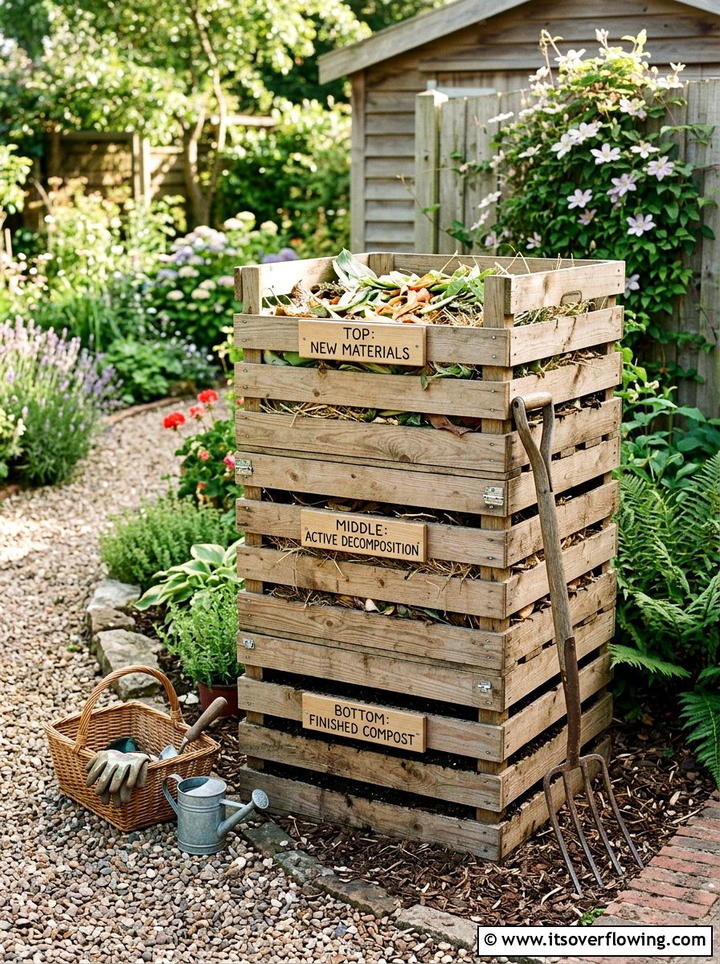
Upcycling old crates into a composting system is a sustainable way to turn your kitchen scraps and yard waste into nutrient-rich soil for your plants. By stacking two or three crates on top of each other, you create a well-ventilated bin that allows oxygen to reach the decomposing organic matter. The gaps between the slats are essential for preventing the compost from becoming too wet or smelly, which is a common problem in solid plastic bins. You can easily lift the top crates to turn the pile or access the finished compost at the bottom when it is ready for use. Placing the bin in a discreet corner of the garden keeps your waste management organized and out of sight. This eco-friendly project helps close the loop in your garden, reducing waste while feeding your future harvests.
24. Garden Library Box
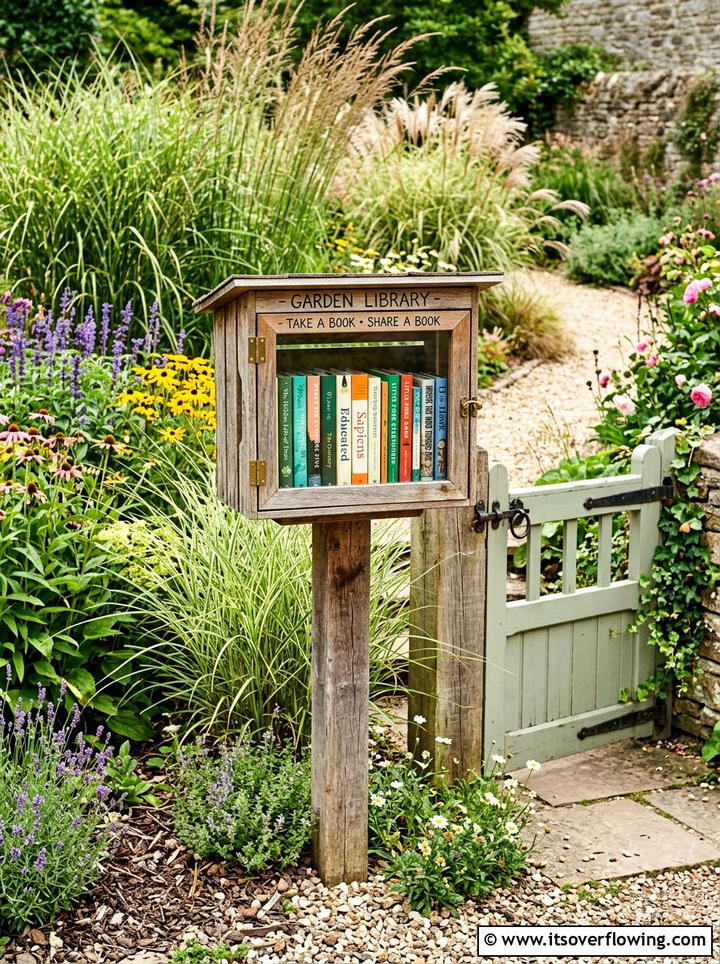
A garden library box made from a weatherproofed crate is a lovely way to share books and gardening tips with your local neighborhood. You can mount a crate on a sturdy post near your front gate and add a glass or acrylic front to protect the contents from the rain. Painting the box in bright, inviting colors encourages passersby to stop and take a book or leave one for others to enjoy. This project fosters a sense of community and provides a charming focal point for your front yard landscaping. You can even include a small section for sharing extra seeds or gardening magazines to help inspire your neighbors to start their own growing projects. It’s a thoughtful addition to any home that combines a love for reading with a passion for beautiful, shared outdoor spaces.
25. Wildflower Display
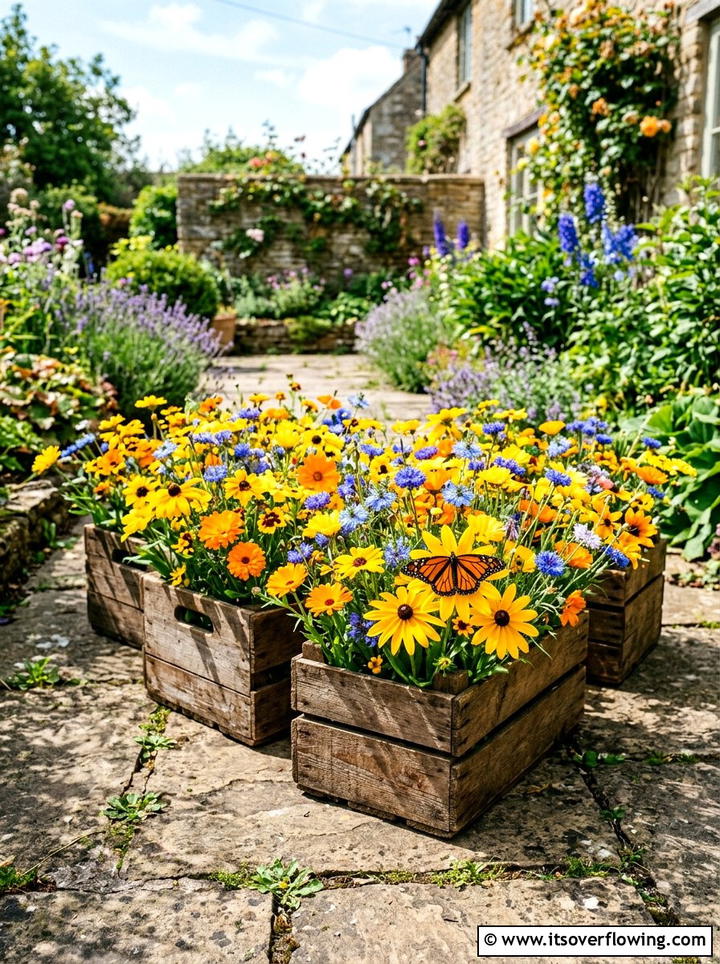
Creating a wildflower display with multiple crates allows you to bring the beauty of a mountain meadow to your own backyard or patio. You can fill several crates with a native wildflower seed mix and arrange them in a cluster to create a dense, colorful patch of blooms. This method is much easier to manage than a traditional ground-level meadow, as it prevents invasive weeds from taking over your carefully planted flowers. The variety of heights and colors in a wildflower mix attracts a wide range of pollinators, including honeybees and colorful local butterflies. As the flowers fade, you can easily move the crates to a less prominent location to let the seeds ripen for the next year. This simple approach to natural gardening adds a soft, romantic feel to your outdoor space while supporting local biodiversity.
Conclusion:
Upcycling old crates is more than just a budget-friendly DIY project; it is a creative way to bring character and functionality to your garden. These versatile wooden boxes can be transformed into almost anything, from practical storage solutions to stunning vertical planters that save precious ground space. By choosing to reuse materials, you are also making an environmentally conscious decision that reduces waste and celebrates the beauty of reclaimed wood. Whether you prefer a clean, painted look or the rugged charm of weathered timber, crates offer endless opportunities to personalize your sanctuary. Start with one simple project, and you will soon find yourself looking for more crates to enhance every corner of your outdoor landscape. Your garden will surely become a unique and inviting space that reflects your creativity and your love for the natural world.

Related posts:
 25 Upcycled Garden Ideas With Tool Storage You’ll Love
 25 Upcycled Garden Ideas With Driftwood for Rustic Outdoor Decor
 25 Upcycled Garden Ideas With Farmhouse Style for Rustic Charm
 25 Upcycled Garden Ideas With Old Barrels for Rustic Beauty
 25 Upcycled Garden Ideas With Old Doors for Rustic Style
 25 Upcycled Garden Ideas With Old Gates for Rustic Charm
 25 Upcycled Garden Ideas With Rope for Rustic Outdoor Charm
 25 Upcycled Garden Ideas With Rustic Style You’ll Adore
 25 Upcycled Garden Ideas With Garden Benches for Cozy Seating
 25 Upcycled Garden Ideas With Garden Edging for Neat Borders
 25 Upcycled Garden Ideas With Garden Signs for Cute Yard Decor
 25 Upcycled Garden Ideas for Patios to Refresh Outdoor Living